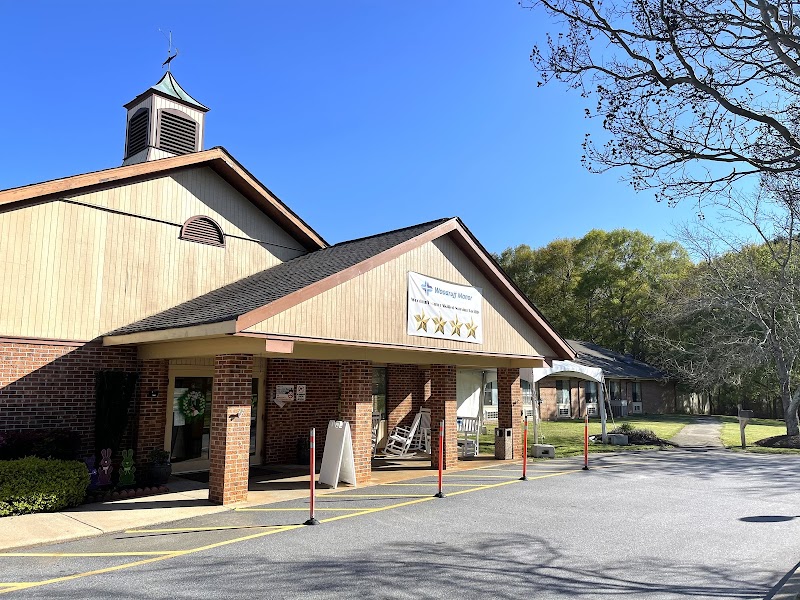
Woodruff Manor

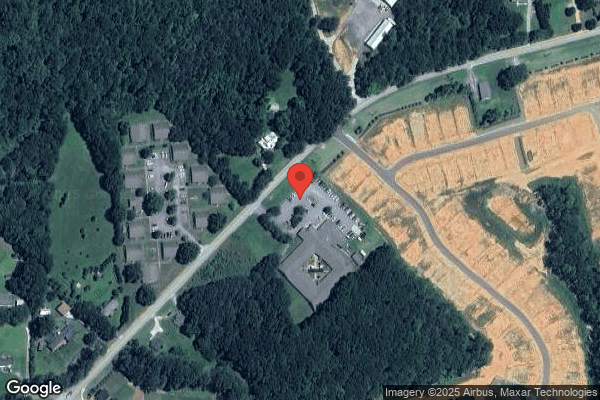
1114 East Georgia Road, Woodruff, SC 29388 (864) 476-7092
Government - Hospital district 88 Beds Independent Data: November 2025 3 Immediate Jeopardy citations
Trust Grade
0/100
#186 of 186 in SC
Last Inspection: October 2024

Within standard 12-15 month inspection cycle. Federal law requires annual inspections.

Overview

Woodruff Manor has received a Trust Grade of F, indicating significant concerns about the quality of care provided. It ranks #186 out of 186 facilities in South Carolina, placing it at the very bottom of the state’s nursing homes. While the facility is trending towards improvement, having reduced serious issues from 8 in 2024 to 1 in 2025, it still has a troubling history, including incidents of critical neglect. Staffing is one of the strengths here, with a 4/5 star rating and only 49% turnover, which aligns closely with the state average. However, the facility has incurred $55,010 in fines, higher than 89% of other South Carolina homes, pointing to repeated problems. Additionally, there have been serious incidents where a resident was able to elope through a window and another was given the wrong medications, leading to an emergency room visit. This combination of strengths and weaknesses makes it essential for families to weigh their options carefully.

Trust Score
F
0/100
In South Carolina
#186/186
Bottom 1%
Safety Record
High Risk
Review needed
Inspections
Getting Better
8 → 1 violations
Staff Stability
⚠ Watch
49% turnover. Above average. Higher turnover means staff may not know residents' routines.
Penalties
○ Average
$55,010 in fines. Higher than 55% of South Carolina facilities. Some compliance issues.
Skilled Nurses
✓ Good
Each resident gets 42 minutes of Registered Nurse (RN) attention daily — more than average for South Carolina. RNs are trained to catch health problems early.
Violations
⚠ Watch
18 deficiencies on record. Higher than average. Multiple issues found across inspections.
★☆☆☆☆
1.0
Overall Rating
★★★★☆
4.0
Staff Levels
★☆☆☆☆
1.0
Care Quality
★★☆☆☆
2.0
Inspection Score
Stable
2024: 8 issues
2025: 1 issues

The Good

  • 4-Star Staffing Rating · Above-average nurse staffing levels
  • Full Sprinkler Coverage · Fire safety systems throughout facility
  • No fines on record

Facility shows strength in staffing levels, fire safety.

The Bad

1-Star Overall Rating

Below South Carolina average (2.8)

Significant quality concerns identified by CMS

Staff Turnover: 49%

Near South Carolina avg (46%)

Higher turnover may affect care consistency

Federal Fines: $55,010

Above median ($33,413)

Moderate penalties - review what triggered them

The Ugly 18 deficiencies on record

3 life-threatening 2 actual harm
Sept 2025 1 deficiency
CONCERN (D) 📢 Someone Reported This

A family member, employee, or ombudsman was alarmed enough to file a formal complaint

Potential for Harm - no one hurt, but risky conditions existed

Accident Prevention (Tag F0689)

Could have caused harm · This affected 1 resident

**NOTE- TERMS IN BRACKETS HAVE BEEN EDITED TO PROTECT CONFIDENTIALITY** Based on review of the facility policy, record review, and interviews, the facility failed to ensure that Resident (R)1 was free...

Read full inspector narrative →
**NOTE- TERMS IN BRACKETS HAVE BEEN EDITED TO PROTECT CONFIDENTIALITY** Based on review of the facility policy, record review, and interviews, the facility failed to ensure that Resident (R)1 was free from being administered another resident's medication, for 1 of 1 resident reviewed.Findings include:Review of the facility's policy titled Administration of Medications Plan dated 07/2025 revealed the following: 7b. The following Ten Rights of Medication Administration practice should be Right patient Right drug Right route Right time Right dose Right documentation Right action (appropriate reason) Right form Right response Right to refuseReview of R1's Face Sheet revealed admission to the facility on [DATE] with diagnoses including, but not limited to, aftercare following joint replacement surgery, presence of left artificial hip joint, cerebral infarction, and pulmonary hypertension. Review of R1's Quaterly Minimum Data Set (MDS) with an Assessment Reference Date (ARD) of 06/26/25 revealed R1 had a Brief Interview for Mental Status (BIMS) score of 14 out of 15, indicating he was cognitively intact.Review of R1's Care Plan with a revision date of 08/16/25 revealed R1 is at risk of adverse effects of antianxiety medication. A goal indicated R1 will show a decrease in anxiety/agitation over the next 90 days and will not experience adverse effects from medication through the next review date. Further review of the care plan listed interventions directing staff to monitor for adverse effects of antianxiety medications: insomnia, irritability, dizziness, headache, confusion, drowsiness, light-headedness, sedation, difficulty speaking, hypotension, chest pain, increased or decreased appetite, and redirect from the source of anxiety/agitation as able.Review of R1's Medication Administration Record (MAR) revealed R1 is allergic to statins.Review of R1's Progress Note dated 06/17/25 revealed R1's nighttime medication was administered by Licensed Practical Nurse (LPN)1. At 20:45 it was discovered that R1 received donepezil 10 mg, buspirone 10 mg, namenda 10 mg, and lipitor 40 mg by mouth. Upon review of signing the medications out, LPN1 realized the medications were administered to the wrong patient. During an interview on 09/02/25 at 12:27 PM, R1's Resident Representative (RP) stated, They called me as soon as it happened. The medication must not have been very strong, because she was fine. She told me she was fine.During an interview on 09/02/25 at 12:45 PM, Registered Nurse (RN)1 stated, [LPN1] informed me she made a medication error. I asked her who and which medication. I then went to assess the resident. I took a set of vital signs (VS). I had [LPN1] monitor the resident and call the on-call physician to let them know. The resident is allergic to Lipitor. I called the pharmacy to see the type of reaction that would occur if she received the medication. I looked in the system to see what the reactions were. The systems showed if there was any adverse reaction, [R1] would experience muscle pains. I called the Director of Nursing (DON) and RP. [R1's] VS were stable, and he was not experiencing any shortness of breath. The DON came into the facility. I watched the DON conduct a medication pass, a medication administration quiz, and review patient rights education. I made frequent rounds on [R1]. [LPN1] was shaken up by the incident.During an interview on 09/02/25 at 1:33 PM, R1 stated, I remember taking the wrong medications. I haven't had any problems with those pills.During an interview on 09/02/25 at 1:43 PM, Nurse Practitioner (NP) stated, I do remember that, and I remember telling them to call the pharmacy. I am a palliative nurse practitioner. So, when someone calls us we rely on what they say. I instructed them to call the practitioner.During an interview on 09/02/25 at 1:50 PM, the Pharmacist stated, We run 24 hours. No one mentioned this incident to me as the pharmacist director until today. This incident was probably called into our main office. All of the pharmacists who were working at that time and shift are no longer with us.During an interview on 09/02/25 at 3:15 PM, LPN1 stated, It was a total mix-up. I looked at Point Click Care (electronic medical record system) and told myself I was going to look at [R1]. I pulled the medications and popped them out of the container. When I went in the room, we started talking. I usually give the other resident her medications first, but I didn't. I ended up giving [R2's] medication to [R1]. When I went back to PCC, I realized I didn't. I reported the incident. I contacted my supervisor. We went through her allergies. She has a statin allergy. We immediately called the NP. The allergy she had to statins was muscle cramps. I monitored her all night. It was a big mix-up. We did education. We went over the six rights of education. The nurse supervisor watched me pull medications to make sure I was pulling medications correctly.During an interview on 09/02/25 at 2:03 PM, the DON stated, They called me when it happened. The supervisor called me and reported that the resident received the wrong medication. They had already called the provider and the pharmacist and were instructed on what to do and the signs and symptoms to look for. I conducted one-on-one education with [LPN1]. During an interview on 09/02/25 at 2:09 PM, the Administrator stated, We knew it was a medication error. We looked to see if it would have any side effects, and we did one-to-one education with that nurse. The night shift supervisor is good about going around and monitoring the nurses.
Oct 2024 5 deficiencies
CONCERN (D)

Potential for Harm - no one hurt, but risky conditions existed

Pressure Ulcer Prevention (Tag F0686)

Could have caused harm · This affected 1 resident

**NOTE- TERMS IN BRACKETS HAVE BEEN EDITED TO PROTECT CONFIDENTIALITY** Based on review of the facility policy, observation, record review, and interview, the facility failed to ensure hand hygiene wa...

Read full inspector narrative →
**NOTE- TERMS IN BRACKETS HAVE BEEN EDITED TO PROTECT CONFIDENTIALITY** Based on review of the facility policy, observation, record review, and interview, the facility failed to ensure hand hygiene was followed during an observation of wound care for Resident (R)49, for 1 of 1 resident reviewed for pressure ulcers. Findings include: Review of the facility policy dated 11/03/2023 and titled, Hand Hygeine recorded under the policy, According to the World Health Organization, hand hygeine is performed at minimum, at the followng times. Before a clean procedure, after exposure to body fluids, after touching the residents surroundings including equipment and devices. Record review of R49's medical record revealed he was admitted to the facility on [DATE] with diagnoses that included but not limited to stenosis of carotid artery, diabetes mellitus with neuropathy, hypothyroid, hypertension, and pressure ulcer to the right heel. On 10/18/24 at 10:43 AM, an observation of a dressing change for R49 revealed the following: R49 consented to the observation. Registered Nurse (RN)2 prepared the overbed table and placed a barrier down before placing the supplies for the dressing change. Observed on the overbed table were normal saline, gauze, skin prep and 2 dressings pre dated and initialed. RN2 had the treatment order printed. RN2 donned a gown and washed her hands and donned gloves. She then closed the blinds. She removed R49's bunny boots to his bilateral feet. R49 was lying in bed. RN2 removed the sock and dressing from R49's left foot, dated 10/16/24. Using the same gloves, she cleaned the wound with normal saline. She then removed her gloves, sanitized her hands, and applied skin prep around the outer wound. Afterward, she applied the dressing and gathered all supplies and discarded them in the trash. On 10/18/24 at 10:52 AM, an interview with the RN2 revealed, When touching the dirty, I should have removed the gloves. I was kind of nervous. On 10/18/24 at 4:38 PM, an interview with the Director of Nurses (DON) revealed, For a dressing change, after removing the soiled dressing, glove removal, then hand hygeine. On 10/18/24 at 11:07 AM, an interview with the Infection Prevention Nurse revealed, For a dressing change, gather supplies, provide a clean field, sanitize hands until dry. Then don gloves, remove old dressing, then remove gloves, re-sanitize and apply new gloves.
CONCERN (D)

Potential for Harm - no one hurt, but risky conditions existed

Unnecessary Medications (Tag F0759)

Could have caused harm · This affected 1 resident

Based on review of the facility policy, observation, record review, and interviews, the facility failed to ensure the medication error rate was less than 5%. The medication error rate was 28%. Finding...

Read full inspector narrative →
Based on review of the facility policy, observation, record review, and interviews, the facility failed to ensure the medication error rate was less than 5%. The medication error rate was 28%. Findings include: Review of the facility policy dated 02/2004 and titled, Administration of Medications revealed under the policy, The following Ten Rights of Medication Administration Practice should be confirmed prior to administration: Right time. On 10/16/24 at 12:22 PM, an observation of Licensed Practical Nurse (LPN)2 during medication administration revealed the following; LPN1 drew the following medications for Resident (R)80; Vitamin B 12, 2 tablets of stock medication Vitamin B Complex 1 tablet of stock medication Levofloxin 500 milligram (mg)- 1 tablet Gabapentin 800 mg- 1 tablet Azithromycin 500 mg- 1 tablet Sertraline 50 mg- 1 tablet Ethambutol 400 mg- 2 tablets and Biktarvy 50/200/25 1 tablet po QAM 1 tab An interview with LPN2 on 10/16/24 at 12:23 PM revealed, These are his morning medications. He wasn't feeling well earlier and asked if I could come back later. Record review of R80's medication orders revealed Vitamin B12 was ordered at 0800, Levofloxin 500 mg was ordered for 0800, Gabapentin was ordered every 8 hours, and was to be given at 0900, Azithromycin 500 mg was ordered at 0800, Sertraline 50 mg was ordered at 0800, Ethambutol 400 mg was ordered at 0800 and Biktarvy 50/200/25 was ordered at 0800. An interview with LPN2 on 10/16/24 at 4:20 PM revealed, I spoke to the supervisor, I told her what was going on. She didn't advise me to get an order from the doctor or anything. An interview on 10/16/24 at 4:29 PM with Registered Nurse (RN)4 revealed The protocol is to call the doctor and explain what was going on. Ask if we can give the medication at a later time. I can't recall a nurse telling me this AM that a resident did not take their meds. I did not call the Nurse Practitioner (NP). An interview with the Director of Nurses (DON) on 10/17/24 at 2:21 PM revealed, If the resident wasn't feeling well that day, we could put it down as refused, medication not given. If it became routine, the nurse practioner or Physician would be called to get an order. The nurse would have called the provider prior to giving the medication, to request to give at a later time. The DON observed R80's Medication Administration Record (MAR). She said, The Gabapentin was signed as given at 2:00 PM, as well. It is not ok to give the Gabapentin as a nursing judgement that close to when the resident just received the other. On 10/18/24 at 10:00 AM, the DON stated, I printed the actual time stamp of the medication given yesterday. The Medication Admin Audit Report revealed the actual times the nurse administered the medication to R80 on 10/16/24. The DON verified all those medications were given late and there was not an order to give them at that time.
CONCERN (D)

Potential for Harm - no one hurt, but risky conditions existed

Infection Control (Tag F0880)

Could have caused harm · This affected 1 resident

Based on review of the facility policy, observation, and interview, the facility failed to follow infection control practices to sanitize multi use medical equipment, and failed to perform hand hygein...

Read full inspector narrative →
Based on review of the facility policy, observation, and interview, the facility failed to follow infection control practices to sanitize multi use medical equipment, and failed to perform hand hygeine during medication observation. Findings include: Review of the facility policy dated 05/2025 and titled, Hand Hygeine stated under the policy,Hand hygeine is performed after removing gloves and or other personal protective equipment. During a medication observation on 10/16/2024 at 08:18 AM, Registered Nurse (RN)3 openned the medication cart to obtain a pulse oximeter. She brought it into the room and used it to check the oxygen concentration of a resident's finger. After she completed giving the medication and performing hand hygeine, she then placed the pulse oximeter on the medication cart, then picked it up and placed it into the medication cart. On 10/16/2024 at 8:30 AM, an interview with RN3 revealed, I should have cleaned the pulse oximeter. We are taught to clean medical equipment when used for all residents. During a medication observation on 10/16/2024 at 8:36 AM with Licensed Practical Nurse (LPN)2, she was observed to apply gloves to pull all of her medications. After all of the medications were retreived from the medication cart, she removed the gloves before entering the room to give the medication. She did not sanitize or wash her hands after she removed the gloves. On 10/16/2024 at 8:45 AM, an interview with LPN2 revealed, I wore gloves because I was taught not to touch the pills. She confirmed she should have sanitized after removing her gloves. An interview with the Director of Nurses (DON) on 10/17/2024 at 4:38 PM. She stated, With medication passes, nurses are to sanitize hands between each resident. After glove removal, perform hand hygiene. The pulse oximeter must be cleaned first before placing back into a med cart after a nurse uses it on a patient.
CONCERN (E)

Potential for Harm - no one hurt, but risky conditions existed

Deficiency F0761 (Tag F0761)

Could have caused harm · This affected multiple residents

**NOTE- TERMS IN BRACKETS HAVE BEEN EDITED TO PROTECT CONFIDENTIALITY** Based on observations, interviews and facility policy, the facility failed to ensure medications and biologicals were kept steri...

Read full inspector narrative →
**NOTE- TERMS IN BRACKETS HAVE BEEN EDITED TO PROTECT CONFIDENTIALITY** Based on observations, interviews and facility policy, the facility failed to ensure medications and biologicals were kept sterile and not expired in 2 out of 2 Medication and Treatment carts. The findings include: Review of the facility policy titled, Storage of Medication revealed that medications and biologicals are stored properly, following manufacturers or provider pharmacy recommendations, to keep their integrity and to support safe, effective drug administration. The medication supply shall be accessible only to licensed nursing personnel, pharmacy personnel, or staff members lawfully authorized to administer medications. 14. Outdated, contaminated, discontinued or deteriorated medications and those in containers that are cracked, soiled, or without secure closures are immediately removed from stock, disposed of according to procedures for medication disposal (Refer to Section 5- disposal of Medications, Syringes and needles), and reordered from the pharmacy (Refer to Section 3.2 - Ordering and Receiving Non-Controlled medications), if a current order exists. An observation on 10/16/24 at 09:43 AM (Unit 1 Treatment Cart) revealed 2 HydroferBlue Hydrofera Blue Ready-Transfer Antibacterial Foam Dressing Ref #HBRT2525 Lot#001505-1. Expired as of 05/01/24. An observation on 10/16/24 at 09:43 AM (Unit 1 Treatment Cart) revealed HydroferBlue Hydrofera Blue Ready-Transfer Antibacterial Foam Dressing Lot#001506-2. Expired as of 07/01/24. An observation on 10/16/24 at 09:43 AM (Unit 1 Treatment Cart) revealed Xeroform Occlusive Gauze Patch 4 x 4 (10.2cm x 10.2cm), Ref#8884433500, expires 2025 Lot#4011304 cut into and partially open x 2. An observation on 10/16/24 at 09:43 AM (Unit 1 Treatment Cart) revealed Kerlix Bandage Roll 4-1/2 x 4-1/8 yd (11.4cm x 3.7m) Ref#6715 Lot # 24E059462 Expired 2029 04 30 Manufacturer COVIDIEN, item open. An observation on 10/16/24 at 09:43 AM (Unit 1 Treatment Cart) revealed 10-Sage M-Care Meatal Cleansing cloths Fragrance free 2 wash cloths 5.5 in x 8 in Manufacturer [NAME] Lot# 92639. Expired as of 10/15/24. During an interview on 10/16/24 at 09:57 AM, the Director of Nursing (DON) stated, The nurses are responsible for checking for expired items every shift. During an interview on 10/16/24 at 10:09 AM, Registered Nurse (RN)3 stated, We do not have a set schedule, but we usually go through. When we have time, we review it and organize and remove items at that time. She stated, We do the dressing changes. The wound care nurse does the dressing changes. An observation on 10/16/24 at 03:45 PM (Unit 2 Treatment Cart) revealed 2- Triamcinolone 0.1% in Eucerin 1:1 cream CMP Lot # 240815-003. Expired as of 09/14/24. An observation on 10/16/24 at 03:45 PM (Unit 2 Treatment Cart) revealed opened Algiste M (10x10) 4in x 4 in manufacturer [NAME] & Nephew Lot (10)2049 Ref 59480200. During an interview on 10/16/24 at 03:47 PM, Licensed Practical Nurse (LPN)1 stated treatment carts are checked twice a week by the Lead Nurse or Supervisor on Monday & Friday. An observation on 10/17/24 at 09:36 AM (Unit 2 Medication Storage Room) revealed Airborne Lot =AEC 491, Expired 09/24 Tablet chewable House Supply x 4. During an interview on 10/17/24 at 09:36 AM, RN2 stated, We review the medications once we get something in and going over inventory. Everyone in general should check for expiration dates no specific day is this completed. An observation on 10/17/24 at 10:22 AM (Unit 1 Medication Storage Room) revealed Airborne Lot # ADY983 Expired 09/24 Tablet chewable House Supply x 3. During an interview on 10/17/24 at 09:38 AM, RN3 stated, I took all of the expired medications out earlier. There is no one assigned to go through the cabinets. During an interview on 10/17/24 at 10:47 AM, the DON stated, The Cream stays in the medication storage room until pharmacy comes and pick up expired medications. To fix that I ordered bins to eliminate any confusion of it sitting on the counter. Narcotics come to the DON and get locked in a lock box behind my desk. For off duty hours when I am not here the narcotics are kept in the medication cart and given to me when I am here to keep it locked up to go to pharmacy. Pharmacy sometimes comes twice a day to pick up. It depends on our needs. During an interview on 10/17/24 at 10:52 AM, DON stated, The nurse on the unit check for expirations when they need to restock. The Supervisor and Unit managers check for expirations on Mondays and Fridays every week. We will reeducate on how the treatment cart should be. We will do the same with the medication rooms.'
CONCERN (F)

Potential for Harm - no one hurt, but risky conditions existed

Food Safety (Tag F0812)

Could have caused harm · This affected most or all residents

Based on observations, interviews, and facility policy review, the facility failed to ensure foods that were stored in the freezer, refrigerators, and dry food storage were appropriately sealed, label...

Read full inspector narrative →
Based on observations, interviews, and facility policy review, the facility failed to ensure foods that were stored in the freezer, refrigerators, and dry food storage were appropriately sealed, labeled, dated with a use by date, and/or discarded after the manufacturer's expiration date.This deficient practice had the potential to affect all residents who received food items from the kitchen. Findings include: Review of the facility's policy dated 02/2024 and titled, Food and Supply Storage, revealed associates shall ensure that food safety and sanitation guidelines are maintained during storage of food and supply items. Procedure: 1. Dry Food Storage items shall be stored by associates using the following guidelines: e. Discard food and supplies items for which the expiration date has expired. 2. Refrigerated items shall be stored by associates using the following guidelines: l .Label and date container with name and product and expiration date. 3. Freezer items shall be stored by associates using the following guidelines: b. Store buld materials in National Sanitation Foundation approved containers that hae tight fitting lids. Label with product name and expiration date. During an initial tour of the kitchen on 10/15/24 at 09:30 AM revealed Dry Food storage 18 - 2 1/8 ounce (oz) boxes Barnum's Animal Crackers with manufacturer's use by date of 10/14/24 Walk in Freezer 2 - 32 oz containers Blueberries open/not sealed and not dated with an open date or an expiration date Walk in Cooler 1 - 5 pound (lb) bag parmesan cheese open and not dated with an open date or an expiration date 1 - 32 oz carton Thick & Easy open with no open date During an interview on 10/18/24 at 4:23 PM, the Dietary Manager (DM) revealed that staff complete deep investigations of the food items on Mondays and Thursdays, when orders come in to make sure that expired items are removed.
May 2024 1 deficiency 1 IJ
CRITICAL (J) 📢 Someone Reported This

A family member, employee, or ombudsman was alarmed enough to file a formal complaint

Immediate Jeopardy (IJ) - the most serious Medicare violation

Accident Prevention (Tag F0689)

Someone could have died · This affected 1 resident

**NOTE- TERMS IN BRACKETS HAVE BEEN EDITED TO PROTECT CONFIDENTIALITY** Based on review of facility policy, record review, and interviews, the facility failed to properly supervise Resident (R)1, resu...

Read full inspector narrative →
**NOTE- TERMS IN BRACKETS HAVE BEEN EDITED TO PROTECT CONFIDENTIALITY** Based on review of facility policy, record review, and interviews, the facility failed to properly supervise Resident (R)1, resulting in R1's successful elopement from the facility. Specifically, on 05/24/24 at approximately 9:00 PM, R1 crawled through the window in his room to elope from the facility. R1 was found by local law enforcement on a highway and sent to the local hospital. R1 suffered a skin tear to the right forearm, while crawling out of the window. On 05/29/24 at 1:07 PM, the Administrator and the Director of Nursing (DON) were notified that the failure to properly supervise a resident, resulting in a successful elopement from the facility, constituted Immediate Jeopardy (IJ) at F689. On 05/29/24 at 1:07 PM, the survey team provided the Administrator with a copy of the CMS Immediate Jeopardy (IJ) Template and informed the facility IJ existed as of 05/24/24. The IJ was related to 42 CFR 483.25 - Quality of Care. On 05/29/24 at approximately 2:30 PM, the facility provided an acceptable IJ Removal Plan. The survey team validated the facility's corrective actions and determined the facility put forth good faith attempts to address the non-compliance. The survey team considers the IJ at Past Non-Compliance as of 05/28/24. An extended survey was conducted in conjunction with the Complaint Survey for non-compliance at F689, constituting substandard quality of care. Findings include: Review of the facility policy titled Resident Check/Elopement Policy with an effective date of 10/23, revealed, Elopement occurs when a resident leaves the premises or a safe area without authorization (i.e., an order for discharge or leave of absence) and/or any necessary supervision to do so. A resident who leaves a safe area may be at risk of (or has the potential to experience) heat or cold exposure, dehydration and/or other medical complications, drowning, or being struck by a motor vehicle . Review of R1's Face Sheet revealed R1 was admitted to the facility on [DATE], with diagnoses including but not limited to: acute respiratory failure with hypoxia, dementia, lack of coordination, bipolar disorder, anxiety disorder, major depressive disorder, Type 2 diabetes, and dizziness and giddiness. Review of R1's Annual Minimum Data Set (MDS) with an Assessment Reference Date (ARD) of 05/22/24, revealed R1 had a Brief Interview for Mental Status (BIMS) score of 14 out of 15, indicating R1 was cognitively intact. Further review of the MDS revealed R1 wandering behaviors were not exhibited. Review of R1's Elopement Risk Took dated 02/29/24, revealed diagnoses that may increase the risk of elopement: depression, bipolar disorder with mania, and Dementia. Further review revealed, Resident has been found to be at risk for elopement . Review of R1's Progress Note dated 05/25/24 at 3:31 AM, revealed, Note entry for 1230 AM, Law enforcement from [local police dept.] arrived at front door of facility. The officer stated, We found [R1] on Hwy 101. Do you know him? This writer answered, Yes and asked if he was injured. Officer stated, He is ok, no injury. We have ems taking him to the hospital. Review of R1's Progress Note dated 05/25/24 at 5:22 AM, revealed, Late entry for 415 am. [R1] had returned from ER with son . Body audit completed . Skin assessed with findings of a discoloration to right outer aspect of forearm. It is irregular in shape, approx. 4 cm long. Per [R1], he hit it on the window sill. He is not c/o in that arm. The bottom of his feet are reddened, friction r/t wearing croc slip on shoes with no socks. Review of R1's Care Plan revealed no Care Plan, related to wandering/elopement, was in place prior to the elopement. Review of the facility's undated Resident Check/Elopement Policy revealed R1 was last seen at 9:30 PM, going to his room with a cup of ice. Immediate eyes on head count of all residents completed by staff. Facility parking lot and grounds search completed. R1 was not located during eyes on count. Elopement determined date documented 05/25/24 at 12:45 AM. Review of a Witness Statement dated 05/25/24, written by Nurse Supervisor revealed, Last saw [R1] going to his room at 915 PM after asking for water. I continued to chart at the desk on unit one. No activity was noted coming from room [ROOM NUMBER]P. No alarms for doors or beds were sounding. Review of a Witness Statement dated 05/25/24, written by an unidentified Nurse revealed, At about 1245 am I was sitting at the nurses station and saw blue lights piercing through the front double doors. A police officer was outside and notified us of resident found out there on the highway. As I entered the resident's room, noted his window was wide open and the gate outside was also open. Review of a Witness Statement dated 05/25/24, written by Certified Nursing Assistant (CNA)2 revealed, I witnessed the police at the door, the doorbell rung and I was headed to answer but the nurse beat me. As I was walking the police asked if we had a [R1] and we went to his room and he was gone and the window was open. Review of a Witness Statement dated 05/25/24, written by CNA1 revealed, I was assigned to [R1] I gave [R1] his meds and treatment at 804 PM. [R1] was calm and standing at nursing station when I left him and continued med pass. [R1] was last seen by nurse when he asked aide for water around 9:15 PM. Review of Google Maps revealed, the entrance to Highway 101 is approximately 3 miles from the facility, however the exact location that R1 was found on Highway 101 was undetermined. Review of the Weather Channel revealed on 05/24/24, the high was 88 degrees Fahrenheit and the low was 65 degrees Fahrenheit. And on 05/25/24, the high was 83 degrees Fahrenheit and the low was 61 degrees Fahrenheit. During an interview on 05/29/24 at 10:51 AM, R1 revealed, I went out the window in my room. The window slides open, and I got it to work. I hurt my arm; I got a little scratch on my arm crawling out the window. I walked from [NAME] down to McDonalds and got on Highway 101, there was a lot of traffic. I was trying to get home to [NAME] [[NAME], South Carolina]. A deputy sheriff stopped me and questioned me, and they took me to the [local hospital]. I left because I don't like this place. I feel like a puppy dog trapped in a cage. I've told several nurses. I walked for about 3 hours. It was about 9:00 PM when I left and the sheriff stopped me around 12:00 AM. I still feel like I want to leave, I want to be home. I was wearing a dark blue t-shirt, khaki shorts, and crocs with no socks. During an interview on 05/29/24 at 10:59 AM, Registered Nurse (RN)1 revealed that R1 does say that he wants to go home and be with his wife, but R1 seems happy and content. RN1 stated, I didn't take him (R1) seriously when he made those comments. During an interview on 05/29/24 at 11:02 AM, Licensed Practical Nurse (LPN)1 revealed that R1 likes it here, but he wants to be home. He always tells us that he is capable of being home. LPN1 further stated, I never thought he would try and do something like that. During an interview on 05/29/24 at 11:06 AM, Social Services (SS) revealed that after the elopement, R1 stated he was planning to do this. He wanted to go home with his wife and didn't understand why he was here. SS further stated, I never thought he would do that. During an interview on 05/29/24 at 11:37 AM, the Administrator and DON revealed R1 was found about 3 miles away. The DON stated, R1 had a small discoloration on his arm and R1 told her that his feet were hurting, but felt fine after about an hour. The DON revealed nurses are supposed to generally do rounds every 2-4 hours, depending on the need of the resident. The Administrator stated, [R1] is independent and he isn't one that they would have to check on very frequently. The DON stated R1 left the facility about 9:30 PM and the police notified the facility about 12:30 AM, that they found R1 on Highway 101. The Administrator stated that R1 did say that he would like to spend time with his family and go home every once in a while. During an interview on 05/29/24 at 11:45 AM, the Nursing Supervisor (NS) revealed, I was doing some charting on Unit 1, the Certified Nursing Assistants (CNA)s were putting residents to bed and nurses were passing meds. [R1] did not appear to be nervous or exit seeking or upset. Around 9:30 PM the resident asked for a glass of ice and the CNA got it for him. I was still charting and [R1] went to his room. Around 12:30 AM we hear the door bell ring. The staff answered the door and told me the police were here. The police officer asked if I know a [R1] and I said yes. I thought the resident called 911. The officer stated no and that we found him on Highway 101. The officer said they were taking him to the hospital. I asked the staff to check the residents and check his room. they came back to me and told me the window and gate were open. [R1] wasn't the happiest to be here. I didn't think he would try to elope. On 05/29/24 at approximately 2:30 PM, the facility provided a removal plan, which included the following: Resident sent to ER for evaluation when located. Resident assessed with no major injury. Resident returned safely to facility. Post-elopement procedures initiated on 05/25/24 and family at bedside. Resident window secured to prevent exit. Resident relocated to interior, courtyard-view room for safety. Resident care plan has been reviewed and revised as needed. Resident evaluated by in-house provider and Lifesource Psychiatry on 05/28/24 for follow up. All residents are at risk. Resident check completed for all residents at 12:45 am 5/25/24. All resident windows were assessed and secured to prevent exit by 10:30 am 5/25/24. This includes all resident room windows and common area windows. All resident and common area windows were assessed and secured to prevent resident exit on 5/25/24. Added a motion detector alarm to the exterior gate. Staff educated on motion detector alarm initiated on 5/29/24 by Administrator, DON, or designee. Staff education on Wander/Elopement risk; Precautions and missing resident powerpoint and Resident check/Elopement policy 100.149 initiated on 5/28/24 by SNF Educator or designee. Audits for window security were initiated on 5/25/24 and will continue daily for 4 weeks, then weekly by 4 weeks, then 3 times per week for 4 weeks. Continue elopement drills daily for 4 weeks, then weekly by 4 weeks, then 3 times per week for 4 weeks. Correction action will be completed 5/28/24.
Feb 2024 2 deficiencies 2 IJ
CRITICAL (J) 📢 Someone Reported This

A family member, employee, or ombudsman was alarmed enough to file a formal complaint

Immediate Jeopardy (IJ) - the most serious Medicare violation

Free from Abuse/Neglect (Tag F0600)

Someone could have died · This affected 1 resident

**NOTE- TERMS IN BRACKETS HAVE BEEN EDITED TO PROTECT CONFIDENTIALITY** Based on observations, interviews, record review, and facility policy review, the facility failed ensure residents remained free...

Read full inspector narrative →
**NOTE- TERMS IN BRACKETS HAVE BEEN EDITED TO PROTECT CONFIDENTIALITY** Based on observations, interviews, record review, and facility policy review, the facility failed ensure residents remained free of neglect, for 1 of 3 residents. Specifically, a nurse administered medications to Resident (R)1 that belonged to another resident, resulting in R1 being sent to the emergency room (ER) via Emergency Medical System (EMS). On [DATE] at 9:52 AM, the Administrator was notified that the failure to administer the correct medications to a resident, based on physician orders, constituted Immediate Jeopardy (IJ) at F600. On [DATE] at 9:52 AM, the survey team provided the Administrator with a copy of the CMS Immediate Jeopardy (IJ) Template and informed the facility IJ existed as of [DATE]. The IJ was related to 42 CFR 483.12 Freedom from Abuse, Neglect. On [DATE] at 3:15 PM, the facility provided an acceptable IJ Removal Plan. The survey team validated the facility's corrective actions and determined the IJ at F600 is considered at Past Non-Compliance. An extended survey was conducted in conjunction with the Complaint Survey for non-compliance at F600, constituting substandard quality of care. Findings include: Review of the facility's policy titled Adult and Elder Abuse, Mistreatment and Neglect policy #200.119, effective date 6/23 revealed, Residents are to be free from mental, physical, sexual, and verbal abuse, neglect, corporal punishment, and involuntary seclusion. The policy defines neglect as the failure of the facility, its employees or service providers to provide good and services to a resident that are necessary to avoid physical harm, pain, mental anguish, or medical care. The policy also defines abandonment as the desertion of an older adult by his or her designated caregiver. Review of R1's Physician Order, dated 09/23, revealed scheduled medications as: Vitamin D3 1250 microgram (mcg) one (1) tablet twice a month, Aspirin Enteric-Coated (EC) 81 milligram (mg) one (1) tablet daily, Namenda 10 mg (used to treat moderate to severe dementia of Alzheimer's) one (1) tablet twice a day, Keppra 500 mg (used to control epilepsy) one (1) tablet every 12 hours, Doxycycline Hyclate 100mg (used to treat bacterial infections) take one (1) capsule every 12 hours. Review of Licensed Practical Nurse (LPN)1's Personnel file revealed the facility employed LPN1 on [DATE]. LPN1 was provided orientation competency on [DATE] which included but was not limited to Medication Administration. Review of LPN1's time sheet for the week of [DATE] - [DATE], revealed LPN1 clocked out of the facility on [DATE] (date of medication error) at 11:07 AM and did not return. Review of R1's Medication Error Report, dated [DATE], revealed the medication error occurred at 9:15 AM, when the resident received her/his roommate's medications. The report indicated that R1 received Lisinopril/Hydrochlorothiazide combination (used to treat high blood pressure), Amlodipine 10 mg (used to treat high blood pressure), Tylenol, Vitamin D3 5000 U and Ferrous Sulfate 325 mg (milligrams). The report revealed that R1 became hypotensive (low blood pressure) and was transferred to the emergency room (ER) via Emergency Medical System (EMS). The facility assessed the medication error to be caused from failure to identify resident. A phone interview was conducted on [DATE] at 9:30 AM, with LPN1 who acknowledged herself and informed the surveyor to contact her attorney. During an interview on [DATE] at 10:40 AM, Certified Nursing Assistant (CNA)1 revealed caring for R1 consistently. CNA1 voiced that the resident was confused without any behaviors. CNA1 recalled working the day of the medication error. CNA1 stated that at the start of morning shift (before breakfast) vital signs are obtained on residents. (Reviewed R1's V/S on [DATE] were 97.9, 02 saturation 93%, heart rate 72 and respirations 17, and blood pressure (b/p) 124/82). CNA1 continued to recall retrieving breakfast trays and upon entering R1's room the CNA noticed the resident was pale and did not respond to verbal stimuli. The CNA went to the hall, requested, and informed LPN1 that something was wrong with R1. CNA1 recalled, also at the same time requesting another CNA to assist with obtaining a set of vital signs. However, the vitals were unobtainable. During this time LPN1 had not yielded any assistance to the resident. CNA1 called for another nurse (LPN5) on Unit 100 to assess R1. LPN5 immediately arrived at R1's room. CNA1 defined neglect as not providing needed care to a resident such as not providing incontinent care. During an interview on [DATE] at 11:00 AM, LPN5 revealed working in the facility for 12 years but as an LPN for the past year. LPN5 recalled on the morning of [DATE], she was requested to assess R1. Upon LPN5's assessment of R1, it was revealed that the resident needed immediate assistance and informed the resident's nurse (LPN1) that the resident was not responding. LPN 1 did not provide assistance. Sternal rub was implemented, and the resident responded slightly. By this time, the Director of Nursing (DON) had arrived to assist. LPN5 revealed being trained on abuse and neglect yearly. She provided an example of neglect as leaving a resident who needs assistance. During an interview on [DATE] at 12:10 PM, the DON revealed upon arriving to R1's room, LPN1 was in the hallway by a medication cart. The DON requested LPN1 to provide copies of R1's medication administration record for EMS. At that time, LPN1 revealed that R1 received the roommate's morning medications. The DON immediately removed LPN1 from the floor. The DON stated from the initial investigation findings, LPN1 had prefilled her/his medications. While the investigation was being conducted, LPN1 resigned. The DON revealed that R1 expired on [DATE]. During an interview with the Administrator and DON on [DATE] at 12:00 PM. revealed they both are the Abuse Coordinator, and they were aware of the medication error. The Administrator stated immediate corrective action was taken and medication administration continues to be a part of Quality Assurance (QA). On [DATE] at 3:15 PM, the facility presented an IJ Removal Plan which included the following: The identified resident was sent to the ER for evaluation. The incident was reported to the state on [DATE]. All residents in the facility were identified as having the potential to be affected by the deficient practice. Involved nurse was placed on immediate administrative leave pending investigation on [DATE]. A DHEC reportable and related investigation was completed and submitted. Education entitled Med Pass education was initiated by MSN, RN, Director of Nursing, which included policy 100.104 entitled Administration of Medication as well as 10 rights of medication administration on [DATE] and [DATE]. Immediate initiation of Medication pass observations on all nurses present in the building with ongoing observations as each nurse reported for shift until 100% was complete. 100% initial observations were completed on [DATE]. [NAME] Manor continues 3 medication observations per week by MSN, RN, or designee since [DATE] with 100% compliance. Education entitled Change in resident condition, Abuse and Neglect, Resident's Right was initiated on [DATE], [DATE], [DATE], [DATE], and [DATE]. Stand up education regarding resident identification utilizing wristbands was initiated on [DATE] by MSN, RN, Education Coordinator, or designee using policy 200.130 entitled resident identification. Stand up education was initiated [DATE] for abuse and neglect all staff all shifts by MSN, RN, Educator or designee. [NAME] Manor continues 3 medication observations per week since [DATE] performed by MSN, RN or designee with 100% compliance. These audits continue and are ongoing as of [DATE]. Audits for resident identification utilizing wristbands was initiated on [DATE] to be included with med pass observations audit. These audits will continue 3 times per week for 4 weeks, then 3 times per week for 2 additional months. Audits for abuse and neglect initiated [DATE] will be conducted in conjunction with Med Pass observations 3 times per week for 4 weeks, then 3 times per week for 2 additional months. Education was complete on [DATE] for Medication administration. Stand up education for resident identification utilizing wristbands and abuse and neglect was initiated and complete on [DATE] with all associates present at 100% compliance. No associate will report for duty until education has been complete.
CRITICAL (J) 📢 Someone Reported This

A family member, employee, or ombudsman was alarmed enough to file a formal complaint

Immediate Jeopardy (IJ) - the most serious Medicare violation

Deficiency F0760 (Tag F0760)

Someone could have died · This affected 1 resident

**NOTE- TERMS IN BRACKETS HAVE BEEN EDITED TO PROTECT CONFIDENTIALITY** Based on observations, interviews, record reviews and facility policy review, the facility failed to ensure that 1 of 3 sampled ...

Read full inspector narrative →
**NOTE- TERMS IN BRACKETS HAVE BEEN EDITED TO PROTECT CONFIDENTIALITY** Based on observations, interviews, record reviews and facility policy review, the facility failed to ensure that 1 of 3 sampled residents, Resident (R)1, was free from significant medication error. Specifically, the nurse administered medications to R1 that were ordered for R1's roommate, resulting in R1 being transported to the emergency room (ER) via Emergency Medical System (EMS). Findings include: On [DATE] at 9:52 AM, the Administrator was notified that the failure to administer the correct medications to a resident, based on physician orders, constituted Immediate Jeopardy (IJ) at F760. On [DATE] at 9:52 AM, the survey team provided the Administrator with a copy of the CMS Immediate Jeopardy (IJ) Template and informed the facility IJ existed as of [DATE]. The IJ was related to 42 CFR 483.45 Pharmacy Services. On [DATE] at 3:15 PM, the facility provided an acceptable IJ Removal Plan. The survey team validated the facility's corrective actions and determined the IJ at F760 is considered at Past Non-Compliance. An extended survey was conducted in conjunction with the Complaint Survey for non-compliance at F760, constituting substandard quality of care. Review of a policy titled The 10 Rights of Drug Administration updated [DATE], revealed understanding the 10 rights of Drug Administration helps prevent medication errors. Nurses at all times are responsible for ensuring safe and quality patient care. The policy indicates medication error rate is 60% in the form of wrong time, rate, or dose. However, some medication errors cause permanent disability and for others the errors are fatal. Nevertheless, the policy revealed following the 10 rights of drug administration will ensure safe patient care. The 10 rights to drug administration are: 1. Right Drug 2. Right Patient 3. Right Dose 4. Right Time and Frequency 5. Right Documentation 6. Right History and Assessment 8. Drug approach and Right to Refuse 9. Right Drug-Drug Interaction and Evaluation 10. Right Education and Information. Step #2 Right Patient reiterate ask the name of the resident and check his/her ID band before giving the medication. The policy notes: .if you know that resident you should still ask their name in order to verify. Review of R1's clinical record revealed an admission date of [DATE] and re-admission date of [DATE], with diagnoses including, but not limited to: Cellulitis of Left Lower Limb, Alzheimer's disease, Dementia, Type 2 Diabetes, and Chronic Kidney Disease. The facility had assessed the resident's code status as a Full Code. Review of R1's Quarterly Minimum Data Set (MDS) with an Assessment Reference Date (ARD) of [DATE], revealed a Brief Interview for Mental Status (BIMS) score of 6 out of 15, indicating R1 has severe cognitive impairment. Further review of the MDS revealed the facility assessed the resident to have no concerns with mood or behaviors. Review of R1's Physician Order dated 09/23 revealed schedule medications as follows: Vitamin D3 1250 microgram (mcg) one (1) tablet twice a month, Aspirin Enteric-Coated (EC) 81 milligram (mg) one (1) tablet daily, Namenda 10 mg (use to treat moderate to severe dementia of Alzheimer's) one (1) tablet twice a day, Keppra 500 mg (use to control epilepsy) one (1) tablet every 12 hours, Doxycycline Hyclate 100mg (use to treat bacterial infections) take one (1) capsule every 12 hours. Review of Licensed Practical Nurse (LPN)1's Personnel file revealed the facility employed LPN1 on [DATE]. LPN1 was provided orientation competency on [DATE] to include Medication Administration. Review of R1's Medication Error Report, dated [DATE], revealed the medication error occurred at 9:15 AM, when the resident received her/his roommate's medications. The report indicated that R1 received Lisinopril/Hydrochlorothiazide combination (used to treat high blood pressure), Amlodipine 10 mg (used to treat high blood pressure), Tylenol, Vitamin D3 5000 U and Ferrous Sulfate 325mg. The report revealed the resident became hypotensive (low blood pressure) and was transferred to the ER via Emergency Medical System (EMS). The facility suspended LPN1 pending investigation. She/he implemented medication pass audits. The facility assessed the medication error to be caused from failure to identify the resident. A phone interview was attempted on [DATE] at 9:30 AM, with LPN1, who acknowledged herself but declined to discuss any information and directed the surveyor to contact her attorney. During an interview on [DATE] at 10:40 AM, Certified Nursing Assistant (CNA)1 revealed caring for R1 consistently. CNA1 voiced that the resident was confused without any behaviors. CNA1 recalled working the day of the medication error. CNA1 verbalized, that at the start of morning shift (before breakfast) vital signs are obtained on residents. (Reviewed R1's V/S on [DATE] were 97.9, 02 saturation 93%, heart rate 72 and respirations 17, and blood pressure (b/p) 124/82). CNA1 continued and recalled retrieving breakfast trays, and upon entering R1's room she noticed the resident was pale and did not respond to verbal stimuli. CNA1 went to the hall, requested and informed LPN1 something was wrong with R1. CNA1, at the same time, requested another CNA to assist with obtaining a set of vital signs. The vital signs were unobtainable, and LPN1 had not entered the resident's room to assist. CNA1 called for another nurse (LPN5) on unit 100 to assess R1. LPN5 immediately arrived to R1's room. During an interview on [DATE] at 11:00 AM, LPN5 revealed working in the facility for 12 years but as an LPN for the past year. LPN5 recalled on the morning of [DATE], he/she was requested to assess R1. Upon assessing R1 LPN5 informed R1's nurse (LPN1) that the crash cart (used to hold emergency medications and equipment) was needed. LPN5 informed the resident's nurse (LPN1) that the resident was not responding, and assistance was needed. LPN1 did not provide assistance. A sternal rub was implemented, and the resident responded slightly. By this time, the Director of Nursing (DON) had arrived to assist. LPN5 stated he/she was unsure who notified EMS. During an interview on [DATE] at 12:10 PM, the DON revealed, that upon arriving to R1's room, LPN1 was in the hallway by the medication cart. The DON requested LPN1 to provide copies of R1's medication administration record for EMS. At that time, LPN1 revealed that R1 received the roommate's morning medications. The DON immediately removed LPN1 from the floor. The resident was transferred to the emergency room. During the investigation, the DON revealed that LPN1 had prefilled his/her residents' medications. While the investigation was being conducted LPN1 resigned. The DON concluded that R1 expired. During an interview with the Administrator and DON on [DATE] at 12:00 PM, revealed they are both the Abuse Coordinator and were aware of the medication error. The Administrator stated immediate corrective action was taken and medication administration continues to be a part of Quality Assurance (QA). On [DATE] at 3:15 PM, the facility presented an IJ Removal Plan which included the following: The identified resident was sent to the ER for evaluation. The incident was reported to the state on [DATE]. All residents in the facility were identified as having the potential to be affected by the deficient practice. Involved nurse was placed on immediate administrative leave on [DATE] pending investigation. Education entitled Med Pass education was initiated by MSN, RN, Director of Nursing, which included policy 100.104 entitled Administration of Medication as well as 10 rights of medication administration on [DATE] and [DATE]. Immediate initiation of Medication pass observations on all nurses present in the building with ongoing observations as each nurse reported for shift until 100% was complete. 100% initial observations were completed on [DATE]. [NAME] Manor continues 3 medication observations per week by MSN, RN or designee since [DATE] with 100% compliance. Stand up education regarding resident identification utilizing wristbands initiated on [DATE] by MSN, RN, Education Coordinator or designee using policy 200.130 entitled Resident identification. Stand up education regarding medication administration and Abuse and Neglect was initiated by MSN, RN, Educator or designee on [DATE]. On [DATE] Social Worker, interviewed decisional residents regarding agreement to wear wristband. All decisional residents agreed on [DATE]. On [DATE], a wristband was placed on all residents currently admitted to the facility. [NAME] Manor continues 3 medication observations per week since [DATE] performed by MSN, RN, or designee with 100% compliance. These audits continue and are ongoing as of [DATE]. Audits for resident identification utilizing wristbands initiated on [DATE] to be included with med pass observations audit. These audits will continue 3 times per week for 4 weeks, then 3 times per week for 2 additional months. Education was complete on [DATE] and [DATE] for Medication administration. Stand up education regarding resident identification utilizing wristbands and medication administration/Abuse and Neglect was initiated on [DATE] with all RN and LPN associates present and any associates who will report for duty with 100% compliance. No associate will report for duty until education has been complete. On [DATE] Social Worker, interviewed decisional residents regarding agreement to wear wristband. All decisional residents agreed on [DATE]. On [DATE], a wristband was placed on all residents currently admitted to the facility.
Jul 2023 1 deficiency 1 Harm
SERIOUS (G) 📢 Someone Reported This

A family member, employee, or ombudsman was alarmed enough to file a formal complaint

Actual Harm - a resident was hurt due to facility failures

Accident Prevention (Tag F0689)

A resident was harmed · This affected 1 resident

**NOTE- TERMS IN BRACKETS HAVE BEEN EDITED TO PROTECT CONFIDENTIALITY** Based on record reviews, facility policy review, and interviews, the facility failed to ensure 1 of 1 resident's assistive devic...

Read full inspector narrative →
**NOTE- TERMS IN BRACKETS HAVE BEEN EDITED TO PROTECT CONFIDENTIALITY** Based on record reviews, facility policy review, and interviews, the facility failed to ensure 1 of 1 resident's assistive device, wheelchair, was properly secured for transportation. Specifically, Resident (R)4's wheelchair was not properly secured for transportation, resulting in R4 experiencing medical injuries. Findings Include: Review of the policy titled, Fall Assessment and Fall Response, with an effective date of 07/2022 states, Procedure: Each resident shall have standard fall precautions in place Investigation: 1. Determine what may have caused or contributed to the fall, including ascertaining what the resident was trying to do before he/she fell. 2. Revise the Resident's plan of care and/or facility practices as needed to reduce the likelihood of another fall. Review of R4's face sheet revealed R4 was admitted to the facility on [DATE] with diagnoses of, but not limited to, type 2 diabetes, atherosclerotic heart disease, hyperlipidemia, chronic kidney disease, major depression, anxiety, and hypertension. Review of R4's Annual Minimum Data Set (MDS) with an Assessment Reference Date (ARD) of 05/15/23 revealed R4 had a Brief Interview for Mental Status (BIMS) score of 14 of 15, indicating R4 was cognitively intact. Further review of the MDS revealed R4 uses a wheelchair. Review of R4's progress notes on 07/13/23 at 5:07 PM revealed, Resident out to physician's appointment and was injured getting into transport van. He is no [sic] on his way to emergency room (ER). A progress note dated 07/15/23 at 9:16 PM revealed, Resident returned to facility approx. 8pm via ambulance staff. Res transferred to bed by ambulance staff. Body audit complete. No signs of skin breakdown. Small bruise in left inner antecubital area. Vital signs obtained. RP notified of return to facility and new orders. No concerns were voiced by RP at this time. At 9:52 PM Nurse walked by resident's room and noted him leaned over dry heaving. Resident stated he felt dizzy and nauseous. RP notified in agreement with sending resident to hospital. EMS arrived at 9:50 PM to transport resident. Review of R4's hospital records with an admission date of 07/13/23 revealed R4 was presented to a local hospital after fall, patient was not properly secured in vehicle when started, patient fell directly back in wheelchair and hit his head and neck. R4 notes he did hit his head and believes he lost consciousness. R4 enters with a diagnosis of Subdural Hemorrhage. R4 was discharged on 07/15/23 with findings of a small subdural hematoma on imaging and neurosurgery was consulted. During an interview with Certified Nursing Assistant (CNA)2 on 07/19/23 at 1:32 PM revealed that she accompanied R4 to his doctor appointment. As they were being picked up from the appointment and they were pulling off, the van approached a red light, and she was looking through the windshield and saw the resident falling back and she tried to stop it but was blocked by her seatbelt. She then yelled for the driver to stop, by that time R4 was already on the floor. The driver stopped and came to the back of the van and helped aide the resident so that he was lying flat, the driver then contacted the Emergency Medical Services (EMS). CNA2 further revealed R4 was able to communicate with her and the driver. The driver sat him up because he was having a little trouble breathing. CNA2 included that she assumed the driver didn't have the chair buckled all the way down, but she did not pay attention to when he was strapping him in. She also states she went with him to the hospital and he was cognitive and able to answer the questions that the physician was asking. During an interview with R4 on 07/19/23 at 1:48 PM, R4 revealed that he was being transported from a doctor's appointment back to the facility and the next thing he knew, I was flat on my back. He included that the driver and CNA2 helped him because he had passed out for about ten minutes, and when he was alert again, he was at the hospital. R4 states he had a CT scan and since then he has had headaches of which they provide him Tylenol for his pain. He explains that he was not strapped in from the bottom where the wheelchair goes in, but he doesn't remember half of what happened. During an interview on 07/19/23 at an unspecified time, the Operations Coordinator of the contracted transportation company, revealed the securement for the wheelchair was not properly secured, it was on one end, but not the other. He includes they completed observations and safety procurement with their staff once to twice a month for the entire process. The driver has been employed for about a year and was off today and was not able to be reached or provide a phone number for interview either.
May 2023 1 deficiency 1 Harm
SERIOUS (G) 📢 Someone Reported This

A family member, employee, or ombudsman was alarmed enough to file a formal complaint

Actual Harm - a resident was hurt due to facility failures

Accident Prevention (Tag F0689)

A resident was harmed · This affected 1 resident

**NOTE- TERMS IN BRACKETS HAVE BEEN EDITED TO PROTECT CONFIDENTIALITY** Based on review of facility policy, interview, and record review, the facility failed to prevent accidents/accident hazards for ...

Read full inspector narrative →
**NOTE- TERMS IN BRACKETS HAVE BEEN EDITED TO PROTECT CONFIDENTIALITY** Based on review of facility policy, interview, and record review, the facility failed to prevent accidents/accident hazards for 1 of 5 residents reviewed for accidents. Specifically, Certified Nursing Assitant (CNA)1 removed fall safety precautions from Resident (R)1 prior to providing care. R1 was left unattended and fell from the bed resulting in a head injury. Findings Include: Review of the facility policy titled Fall Assessment and Fall Response with policy effective date of 07/2022 revealed, Each resident shall have standard fall precautions in place. R1 was admitted to the facility on [DATE] with diagnoses including, but not limited to; diffuse traumatic brain injury (TBI), malnutrition, prior vertebral fracture, and muscle spasms. Review of the resident's quarterly Minimum Data Set (MDS) with an Assessment Reference Date (ARD) of 02/14/2023 revealed R1 required extensive 2-person physical assistance for bed mobility. Review of the facility Five-Day Follow-Up report dated 03/09/2023 revealed, on 03/05/2023 at approximately 8:30 PM, CNA1 went into R1's room to provide care. CNA1 elevated the bed to give R1 a bath and continued with care. CNA1 left the bedside of R1 to find assistance to roll the resident, and during her absence the resident fell from the bed. R1 was discovered with a small hematoma to his left temple and some frothy, pink blood product coming from his mouth. Review of the Resident Incident Report dated 03/05/2023 at 9:00 PM revealed, R1 was found on the floor, lying on his left side. The bed was up in the air. He sustained a laceration and hematoma to the left temple. Review of the Emergency Department discharge note dated 03/05/2023 at 10:06 PM revealed, the resident's Computed Tomography (CT) of his head and cervical spine without contrast indicated no acute intracranial hemorrhage and no acute fracture or malalignment in the cervical spine. Review of R1's undated Care Plan revealed a care area regarding an increased risk for falls secondary to immobility, TBI (traumatic brain injury), impaired hearing and vision, and inability to make needs and wants known. Interventions included a high mat beside bed when unattended. Review of CNA1's Witness Statement dated 03/05/2023 revealed the CNA removed wedges and floor mat from the resident's room prior to providing care as well as raising his bed to its highest position. After giving the resident a bath, she left the resident unattended to see if there was another aide to help roll the resident. It was during this time that she heard a loud boom and ran back to the room. She yelled for help because the resident was lying on the floor with his face toward the restroom door. He was bleeding from his mouth. Interview with the Director of Nursing (DON) on 05/23/2023 at 11:31 AM revealed, CNA1 should have gotten a 2nd person prior to providing care. Furthermore, if CNA1 had to leave the room to find assistance, she should have replaced the high fall mat prior to leaving the resident unattended. Interview with Licensed Practical Nurse (LPN)1 on 05/23/2023 at 2:08 PM revealed, she came to R1's room after CNA1 called her. She saw the resident on the floor, and his fall mat was not in place. When asked what the procedure was for leaving the resident unattended, LPN1 stated CNA1 should not have removed the fall mat prior to leaving the resident unattended to find help. Interview with CNA1 on 05/23/2023 at 2:09 PM confirmed her statement to the facility. At the time of the incident, CNA1 went into the resident's room to give him a bed bath. She removed the wedges and fall mats to provide care. When it came time to roll the resident, she left him unattended to find assistance. She did not replace the wedge or fall mat prior to leaving the resident unattended, saying there was no excuse. She did not realize the resident had coughing fits that were violent enough to cause a fall from the bed.
Mar 2023 2 deficiencies
CONCERN (D) 📢 Someone Reported This

A family member, employee, or ombudsman was alarmed enough to file a formal complaint

Potential for Harm - no one hurt, but risky conditions existed

Report Alleged Abuse (Tag F0609)

Could have caused harm · This affected 1 resident

**NOTE- TERMS IN BRACKETS HAVE BEEN EDITED TO PROTECT CONFIDENTIALITY** Based on record review, interviews, and facility policy review, the facility failed to report an allegation of abuse timely for ...

Read full inspector narrative →
**NOTE- TERMS IN BRACKETS HAVE BEEN EDITED TO PROTECT CONFIDENTIALITY** Based on record review, interviews, and facility policy review, the facility failed to report an allegation of abuse timely for 1 Resident (R4) of 4 residents reviewed for abuse. Findings included: The facility's policy titled, Adult and Elder Abuse, Mistreatment and Neglect, dated June 2022, indicated, Residents have the right to be free from mental, physical, sexual and verbal abuse, neglect, corporal punishment and involuntary seclusion. The policy indicated the facility definition of neglect was the failure of the facility, its employees, or service providers to provide goods and services to a resident that are necessary to avoid physical harm, pain, mental anguish, or emotional distress. Verbal abuse was defined as the use of oral, written, or gestured language that willfully includes disparaging and derogatory terms to resident or their families, or within their hearing distances, regardless of their age, ability to comprehend, or disability. The facility policy indicated, Mental abuse includes but is not limited to, humiliation, harassment, threats of punishment or deprivation. Further review of the facility's policy revealed the Procedure for Reporting was The Director of Nursing shall: 1. Notify Nursing Home Administrator 2. Utilize the chart below for reporting. A review of the chart revealed allegations of abuse and neglect should be report within 2 hours. A review of the annual Minimum Data Set (MDS), dated [DATE], revealed R4 had diagnoses that included non-Alzheimer's dementia, anxiety disorder, and bipolar disorder. The MDS revealed R4 had a Brief Interview for Mental Status (BIMS) score of 8, indicating the resident was moderately cognitively impaired. R4 required extensive, one-person assistance with bed mobility, transferring, hygiene, and toileting. The resident had no range-of-motion limitations. R4 was always incontinent of bladder and frequently incontinent of bowel. A review of R4's Care Plan, initiated on 01/18/2022, indicated the resident needed extensive staff assistance with activities of daily living related to decreased independence with mobility and physical functioning and fluctuations in activity of daily living care was anticipated related to multiple disease processes. Interventions in place to meet the goal of being clean, dry, well groomed, dressed appropriately, and comfortable included staff were required to encourage the resident to participate in dressing and grooming, approach the resident calmly and explain procedures, assist only as necessary and encourage to try before offering assistance, allow sufficient time for dressing and undressing, and break tasks down into manageable segments. A review of R4's Care Plan, dated 05/18/2022, indicated the resident had behaviors including a history of false allegations and accusatory statements towards staff due to cognitive impairment. Interventions in meeting the goal of having a decrease in non-factual statements included requiring staff to offer diversional activities, administer medications as ordered, and provide psychiatric services as needed. Review of the facility grievance titled Statement of Concern, dated 01/25/2023 at 3:30 PM, indicated R4 had a complaint related to Certified Nursing Assistant (CNA)9 answering a call light and stating, All you do is eat, [profanity], and sleep. The CNA told the resident, You should just wear a brief. The form indicated the concerns were reported to the Director of Nursing (DON) and Administrator. A review of the Initial 2/24-Hour Report, dated 01/26/2023, indicated the incident occurred on 01/20/2023 but the resident did not report the incident to the facility until 01/25/2023. According to the report, the facility notified the state agency of neglect on 01/26/2023 at 1:19 PM, approximately 22 hours after the resident reported allegations of abuse. A review of the facility's Five-Day Follow-Up Report, dated 01/30/2023, revealed the report was being sent due to alleged abuse. Review of the Social Services witness statement, dated 01/26/2023, indicated R4 was interviewed in reference to neglect. The resident confirmed that CNA9 did not enter the room to offer care or assistance on 01/20/2023. The resident stated another staff member provided the resident's care and did not remember the staff member's name. R4 stated their needs were met and at no point did they feel neglected. However, R4 stated CNA9 was consistently hateful and rude during their interactions. During an interview with R4 on 03/16/2023 at 8:53 AM, the resident revealed they received needed care. The resident stated there were some CNAs that were just rude and that one (did not state which staff member) was always rude. During an interview on 03/16/2023 at 10:27 AM with CNA9, she stated she did not know where R4 came up with that statement because she never made that statement. CNA9 stated she was in and out all day on 01/20/2023 taking care of R4 and the resident's roommate because the roommate was totally dependent. She stated R4 requested care when the CNA was feeding the roommate and could not take care of R4 right then. CNA9 stated she told the resident she would get back with the resident after assisting the roommate. In the meantime, another CNA assisted R4. During an interview with Social Services on 03/16/2023 at 11:06 AM, she stated R4 reported the incident on 01/25/2023; however, Social Services did not document a grievance right away because she looked through the notes and got CNA statements. She stated that originally R4 stated the CNA told the resident that the resident only ate, pooped, and slept and should just wear a brief. When Social Services talked with R4 on 01/26/2023, the resident talked about care issues. She stated on 01/25/2023, she reported to the Administrator what the CNA allegedly stated, the next day the team discussed the grievance, and decided to report the incident as alleged abuse. During an interview with the Director of Nursing (DON) on 03/16/2023 at 11:44 AM, she stated the allegation came in on 01/25/2023. Social Services discussed the issue with the Administrator, and they felt it was not reportable. According to the DON, the allegation probably should have been reported on 01/25/2023. During an interview on 03/15/2023 at 3:42 PM with the Administrator, he stated the resident told the allegations to Social Services on 01/25/2023 and there was some debate whether the allegation was a care issue or abuse. The Administrator stated R4 did not say they were abused but that the CNA made a statement and did not provide care. During a follow-up interview with the Administrator on 03/16/2023 at 11:54 AM, he stated at the time on 01/25/2023, he did not feel that abuse happened, but the concern was a care concern. When their team discussed the incident on the morning of 01/26/2023, because it was reported that no one came in during the shift to care for the resident, they decided to report it as neglect. They began their investigation, and the CNA was sent home. The Administrator stated R4 alleged the care issue happened on 01/20/2023, but the resident never told staff until 01/25/2023. The Administrator stated they followed up with R4, and the resident did not feel humiliated and stated care was provided. According to the Administrator, the resident exhibited behaviors of making false allegations and had a care plan in place reflecting this behavior.
CONCERN (D) 📢 Someone Reported This

A family member, employee, or ombudsman was alarmed enough to file a formal complaint

Potential for Harm - no one hurt, but risky conditions existed

Investigate Abuse (Tag F0610)

Could have caused harm · This affected 1 resident

**NOTE- TERMS IN BRACKETS HAVE BEEN EDITED TO PROTECT CONFIDENTIALITY** Based on record review, interviews, and facility policy review, the facility failed to protect 1 Resident (R4) of 4 residents re...

Read full inspector narrative →
**NOTE- TERMS IN BRACKETS HAVE BEEN EDITED TO PROTECT CONFIDENTIALITY** Based on record review, interviews, and facility policy review, the facility failed to protect 1 Resident (R4) of 4 residents reviewed for abuse from further potential abuse after R4 reported an abuse allegation. Findings include: The facility's policy titled, Adult and Elder Abuse, Mistreatment and Neglect, dated June 2022, indicated, Residents have the right to be free from mental, physical, sexual and verbal abuse, neglect, corporal punishment and involuntary seclusion. The policy indicated the facility definition of neglect was the failure of the facility, its employees, or service providers to provide goods and services to a resident that are necessary to avoid physical harm, pain, mental anguish, or emotional distress. Verbal abuse was defined as the use of oral, written, or gestured language that willfully includes disparaging and derogatory terms to resident or their families, or within their hearing distances, regardless of their age, ability to comprehend, or disability. Further review of the facility's policy revealed the Procedure for Reporting, was The Director of Nursing shall: 4. If an employee is indicated in an alleged abuse, neglect, mistreatment, or exploitation the employee shall be suspended pending resolution of the alleged violation. A review of the annual Minimum Data Set (MDS), dated [DATE], revealed R4 had diagnoses that included non-Alzheimer's dementia, anxiety disorder, and bipolar disorder. The MDS indicated the resident had a Brief Interview for Mental Status (BIMS) score of 8, indicating the resident was moderately cognitively impaired. R4 required extensive, one-person assistance with bed mobility, transferring, hygiene, and toileting. The resident had no range-of-motion limitations. R4 was always incontinent of bladder and frequently incontinent of bowel. Review of the facility grievance titled Statement of Concern, dated 01/25/2023 at 3:30 PM, revealed R4 reported Certified Nursing Assistant (CNA)9 answered the resident's call light and stated, All you do is eat, [profanity], and sleep. The CNA told the resident, You should just wear a brief. The form indicated the concerns were reported to the Director of Nursing (DON) and Administrator. A review of CNA9's time clock data revealed the CNA clocked out of work on 01/25/2023 at 3:05 PM. Further review revealed CNA9 clocked in to work the next day, 01/26/2023, at 7:50 AM. A review of a facility Initial 2/24-Hour Report, dated 01/26/2023, indicated the incident with R4 occurred on 01/20/2023, but was not reported to the facility until 01/25/2023. According to the report, the facility notified the state agency of a neglect allegation on 01/26/2023 at 1:19 PM. According to the report, the facility removed CNA9 from the facility pending an investigation. Further review of CNA9's time clock data revealed the CNA clocked out of the facility on 01/26/2023 at 12:36 PM, after working approximately 4.5 hours the day after the resident reported allegations of abuse. During an interview with R4 on 03/16/2023 at 8:53 AM, the resident revealed some CNAs were just rude and that one (did not state which one) was always rude. During an interview with Social Services on 03/16/2023 at 11:06 AM, she stated R4 reported on 01/25/2023 that they did not like how CNA9 spoke to the resident. Initially, R4 made a statement regarding how the CNA stated that the resident only ate, pooped, and slept and should just wear a brief. The interview revealed Social Services filed a grievance and reported the allegation to the Administrator. She stated the next day the team discussed the grievance and decided to report the incident as alleged abuse. A review of the facility's 5 Day Follow Up Reportable Incident Allegation of Abuse, dated 01/30/2023, revealed the facility determined R4 was not neglected. The resident had no observable indicators of abuse or neglect and did not voice any concerns in the days following the alleged incident. The report indicated R4 had not suffered any psychosocial or emotional distress. According to the report, CNA9 was taken off R4's assignment. During an interview with the Director of Nursing (DON) on 03/16/2023 at 11:44 AM, she stated the allegation came in on 01/25/2023. Social Services discussed the issue with the Administrator, and they felt it was not reportable. The DON stated since the facility did not report the allegation on 01/25/2023, CNA9 came back to work on 01/26/2023 for day shift. Following the morning meeting when R4's grievance was discussed, the facility decided to report verbal abuse and CNA9 was sent home during the investigation by noon on 01/26/2023. According to the DON, CNA9 was terminated due to other negative comments and concerns during the investigation. During an interview with the Administrator on 03/16/2023 at 11:54 AM, he stated at the time on 01/25/2023, he did not feel that abuse happened, and it was only a care concern. However, when the facility team discussed the incident on the morning of 01/26/2023, they decided to report an allegation of neglect because the resident stated no one came in during the shift to care for the resident. The interview revealed the facility did not initiate an investigation or send CNA9 home until 01/26/2023.
Sept 2022 2 deficiencies
CONCERN (D)

Potential for Harm - no one hurt, but risky conditions existed

Deficiency F0582 (Tag F0582)

Could have caused harm · This affected 1 resident

**NOTE- TERMS IN BRACKETS HAVE BEEN EDITED TO PROTECT CONFIDENTIALITY** Based on facility policy review, record review, and interviews, the facility failed to provide a Notice of Medicare Non-Coverage...

Read full inspector narrative →
**NOTE- TERMS IN BRACKETS HAVE BEEN EDITED TO PROTECT CONFIDENTIALITY** Based on facility policy review, record review, and interviews, the facility failed to provide a Notice of Medicare Non-Coverage (NOMNC) when Medicare Part A services were ending for 1 (Resident (R)134) of 3 sampled residents reviewed for beneficiary protection notification. Findings include: Review of a facility policy titled, Notice of Medicare Non-Coverage, (NOMNC) Skilled Nursing Facility Advanced Beneficiary Notice (SNFABN) and Denial Letter, dated 08/2022, revealed, The SNFABN is a notice given to Skilled Nursing Facility beneficiaries in Original Medicare to convey that Medicare is not likely to provide coverage in a specific case, and to inform the beneficiary of potential liability for a non-Medicare covered stay. The policy further indicated, The SNFABN must be reviewed with the beneficiary or his/her representative and any questions raised during that review must be answered before it is signed. The SNFABN must be delivered far enough in advance that the beneficiary or representative has time to consider the options and make an informed choice. Review of a Face Sheet revealed the facility admitted R134 to the facility on [DATE] with a payor source of Medicare and discharged the resident on 04/08/22 with return not anticipated. Review of a SNF Beneficiary Protection Notification Review form revealed R134's Medicare Part A Skilled Services Episode started on 03/22/22, and the resident's last covered day of Part A services was 04/08/22. The review indicated the facility initiated the discharge from Medicare Part A Services when the benefit days were not exhausted. The form indicated the SNFABN was not provided to the resident due to services are medically necessary, and the NOMNC was not provided to the resident due to a, missed opportunity with staff changes - unable to locate. During an interview with the Social Worker on 09/16/22 at 10:02 AM, she stated at the time R134 was discharged , the facility was going through a transition with therapy, so the paperwork (SNFABN and NOMNC) for R134, slipped through the cracks. During an interview with the Social Worker and the Administrator on 09/16/22 at 11:17 AM, the Administrator indicated the NOMNC for R134 was missed during a transition of management and therapy staff. In a follow-up interview on 09/16/22 at 4:02 PM, the Administrator acknowledged that he could not find the advanced beneficiary notices for R134.
CONCERN (D)

Potential for Harm - no one hurt, but risky conditions existed

Unnecessary Medications (Tag F0759)

Could have caused harm · This affected 1 resident

Based on review of the facility's policy titled, Administration of Medications, record review, observation, and interviews, the facility failed to ensure their medication error rate was less than 5%. ...

Read full inspector narrative →
Based on review of the facility's policy titled, Administration of Medications, record review, observation, and interviews, the facility failed to ensure their medication error rate was less than 5%. On 09/15/22, three nurses were observed administering medications to 3 residents for a total of 31 opportunities with two errors, which yielded a medication error rate of 6.45%. This deficient practice affected Resident (R)47; one of three residents observed for medication administration. Findings include: A review of the facility's policy titled, Administration of Medications, dated 03/2022, indicated Medication(s) shall be verified with the provider's order prior to the initial dose being administered. The following 'Nine Rights of Medication Administration Practice' should be confirmed prior to administration: - Right patient - Right drug - Right route - Right time - Right dose - Right documentation - Right action - Right form - Right response. A review of R47's September 2022 Physician Orders indicated that, on 01/12/21, the resident was ordered to receive polyethylene glycol powder (a laxative) 17 grams by mouth daily to be mixed with four to eight ounces of water or juice of choice and Symbicort (a corticosteroid used to reduce inflammation) 160-4.5 microgram (mcg) inhaler one puff by mouth twice a day. Per the orders, the resident was to rinse his/her mouth with water and spit into a cup after the use of Symbicort. During medication administration observation on 09/15/22 at 9:02 AM, the surveyor observed Registered Nurse (RN)3 prepare and administer medications to R47. RN3 was observed to hand the resident a Symbicort inhaler. The resident took the inhaler, shook it, took one puff, and laid it back down. RN3 did not prepare and administer the polyethylene glycol for R47 and did not offer or assist the resident to rinse and spit after using the Symbicort inhaler. During an interview on 09/16/22 at 10:32 AM, RN1 stated to ensure a medication was not missed during a medication pass, the computer had the staff click on each medication as it was being prepared, and then the computer made the staff review each medication again to ensure it was given. RN1 stated it was important to make sure the resident rinsed their mouth out after a steroid inhaler because it could cause yeast (fungal infection) to grow in the resident's mouth (thrush). During an interview on 09/16/22 at 1:10 PM, Licensed Practical Nurse (LPN)5 stated when she administered medications, she checked the medications against physician orders and then double checked to make sure there were no medications missed. LPN5 stated residents must rinse after using steroid inhalers due to the risk of thrush. During an interview on 09/16/22 at 1:32 PM, the Director of Nursing (DON) stated nurses were supposed to check a medication against the associated order on a resident's medication administration record (MAR) as the nurse prepared the medication, conduct a double check before the medication was administered, and then check again when the nurse went back to the computer. The DON stated nurses should have a resident rinse their mouth out after using a steroid inhaler. During an interview on 09/16/22 at 4:02 PM, the Administrator stated nurses should consult with the MAR to make sure medications were administered as ordered. The Administrator stated he was not aware of the requirements after the use of a steroid inhaler, but he expected nurses to follow orders and administer medications according to recommendations.
Oct 2021 3 deficiencies
CONCERN (D)

Potential for Harm - no one hurt, but risky conditions existed

Free from Abuse/Neglect (Tag F0600)

Could have caused harm · This affected 1 resident

**NOTE- TERMS IN BRACKETS HAVE BEEN EDITED TO PROTECT CONFIDENTIALITY** Based on interview, record review, review of the Facility Reported Incident (FRI), and review of facility policy, the facility f...

Read full inspector narrative →
**NOTE- TERMS IN BRACKETS HAVE BEEN EDITED TO PROTECT CONFIDENTIALITY** Based on interview, record review, review of the Facility Reported Incident (FRI), and review of facility policy, the facility failed to ensure a resident was free from verbal and alleged physical abuse from a staff member. This affected one resident (Resident (R) 15) of three reviewed for abuse. Findings include: Review of facility policy titled Adult and Elder Abuse, Mistreatment and Neglect, effective 5/2020 revealed that all residents of the facility have the right to be free from mental, physical, sexual, and verbal abuse, neglect, corporal punishment, and involuntary seclusion. It is the policy of the facility to protect residents from abuse, neglect, mistreatment, or exploitation from anyone, including staff members. The policy provides the following definitions: Abuse - The willful infliction of injury, unreasonable confinement, intimidation, or punishment with resulting physical harm, pain, or mental anguish. Abuse also includes the deprivation by an individual including a caretaker, of goods or services that are necessary to attain or maintain physical, mental, and psychosocial well-being. Verbal abuse is defined as the use of oral, written, or gestured language that willfully includes disparaging and derogatory terms to resident or their families, or within their hearing distances, regardless of their age, ability to comprehend, or disability. A review of the FRI report dated 09/03/21 conducted by the Administrator revealed on 08/27/21 at about 6:00 AM Certified Nursing Assistant (CNA)1 went into R15's room to perform personal care. CNA1 grabbed at R15's brief and R15 swatted CNA1's hand away. According to CNA2, CNA1 then pinned R15's arms to avoid being hit by the resident. CNA2 further revealed CNA1 screamed in R15's face telling him he could not hit her. CNA1 was ushered out of the room by Licensed Practical Nurse (LPN)1, who was also in the room at the time and witnessed the incident. A review of the written statement by CNA2 dated 08/27/21 revealed she went to help in getting R15 up in chair; upon entering R15's room, CNA1 and LPN1 were already in the room. CNA1 got near R15, and R15 swatted CNA1's hand away. CNA1 then lunged at R15 and grabbed R15's hands and started screaming profanities, and how she would lose her license if he (R15) hit her. CNA2 got between CNA1 and R15, and LPN1 ushered CNA1 out of R15's room. A few minutes later, CNA1 returned to R15's room and continued to scream at R15. CNA1 was again removed from R15's room but continued to scream in the hallway. A review of the written statement by LPN1 dated 08/27/21 revealed she entered R15's room to assist CNA1 to get R15 out of bed. CNA1 became frustrated with R15. CNA1 grabbed at R15's brief and the resident pushed CNA1's hand away. CNA1 then began to yell at R15 that if he put his hands on her, she would lose her license today. LPN1 asked CNA1 to leave the resident's room to calm down. After about five minutes, CNA1 returned to R15's room still with anger and hostility toward R15. R15 asked CNA1 her to leave his room, and CNA1 began yelling at the R15 again. LPN1 physically removed CNA1 from R15's room until CNA1 could collect herself and then reported the incident to the Registered Nurse Supervisor (RNS). A review of the written statement by RNS revealed on 08/27/21, around six-ish (sic), RNS heard CNA1 coming down the hallway on unit one. CNA1 was very animated and upset. RNS heard CNA1 say I don't care if I lose my license; ain't nobody going to hit me in my face. CNA1 continued with a lot of profanities. RNS stated she was told by CNA2 and LPN1 that they had witnessed and incident between CNA1 and R15. CNA2 and LPN1 stated CNA1 grabbed R15's brief, and then R15 started to grab CNA1's arm. CNA1 then held R15's arms and yelled at R15 stating that she did not care what they did to her, and that she did not care if she lost her license, no one was going to hit her face. CNA2 and LPN1 gave written statements of the incident and CNA1 refused to write a statement. Continued review of the FRI, revealed the Director of Nursing (DON) was informed of the incident immediately by LPN1 via text message at 7:01 AM on 08/27/21 (confirmed by interview with DON on 10/6/2021 at 6:02 PM) Review of R15's most recent quarterly Minimum Data Set(MDS) dated [DATE], located in the EMR under the MDS tab revealed R15 has a Brief Mental Status Interview (BIMS) of 02, indicating severe cognitive impairment. The resident was not interviewable. During an interview with the Administrator on 10/06/21 at 3:00 PM the Administrator stated he did not receive the written witness reports of the allegations of abuse by CNA1 against R15 on 08/27/21. The Administrator stated the reports were submitted to the DON as a care concern and that he did not become aware of the incident until 08/31/21, at which time he immediately initiated an investigation and reported the incident to the State Agency, began education and in-services on abuse, suspended CNA1, and subsequently terminated CNA1. During an interview with the DON 10/06/21 at 3:15 PM, revealed she was informed by RNS on 08/27/21 at 7:01 AM of the incident that occurred on 08/27/21 regarding CNA1 and R15. The DON stated she called CNA1 on 08/27/21 at about 5:00 PM. DON stated CNA1 informed her when R15 swung at her she crossed R15's arms over and turned him away sideways, so that he could not hit her. The DON stated that she did not think any harm was done to R15 and she checked on him and he exhibited no signs that he had been harmed by the incident. The DON stated R15 was combative and had already hurt one of her staff. The DON confirmed that CNA1's behavior in yelling, screaming, and cursing at R15 was not appropriate behavior, however she did not recognize it as abuse because R15 did not suffer any effects from the behavior. During an interview with CNA2 on 10/06/21 at 4:15 PM, revealed when she went to respond to R15's alarm, CNA1 was already in the room. When CNA1 tried to take off R15's briefs he tried to push her away. CNA1 then lunged at R15, and CNA2 stated she got in between them to protect the resident. CNA1 then left the room, however, came back in the room and shouted at R15 again and had to be forcibly removed from the room. CNA2 stated that CNA1 continued to be loud in the hallway. She further revealed she reported the incident to RNS. RNS and LPN1 were unavailable for interview.
CONCERN (D)

Potential for Harm - no one hurt, but risky conditions existed

Report Alleged Abuse (Tag F0609)

Could have caused harm · This affected 1 resident

**NOTE- TERMS IN BRACKETS HAVE BEEN EDITED TO PROTECT CONFIDENTIALITY** Based on interview, record review, review of the Facility Reported Incident, (FRI), and review of facility policy, the facility ...

Read full inspector narrative →
**NOTE- TERMS IN BRACKETS HAVE BEEN EDITED TO PROTECT CONFIDENTIALITY** Based on interview, record review, review of the Facility Reported Incident, (FRI), and review of facility policy, the facility failed to ensure an allegation of staff to resident abuse was reported to the State Agency (SA) in a timely manner for one resident (Resident (R) 15) of three reviewed for abuse. Findings include: Review of facility policy titled Adult and Elder Abuse, Mistreatment and Neglect, effective 5/2020 revealed: The employee who is knowledgeable of alleged or suspected abuse or neglect will: l. Notify Director of Nursing (DON) or designee immediately. 2. Document pertinent and appropriate information related to the alleged or suspected abuse and forward to the DON or designee. 3. Reporting timeframes for reporting allegations of abuse were to report within two hours. The DON shall: 1. Notify Nursing Home Administrator. 4. If an employee is indicated in an alleged abuse, neglect, mistreatment, or exploitation the employee shall be suspended pending resolution of the alleged violation. Review of R15's Face Sheet in the Profile tab, located in R15's electronic medical record (EMR), revealed R15 was admitted to the facility on [DATE]. According to R15's most recent quarterly Minimum Data Set (MDS) located in the EMR under the MDS tab dated 9/21/21, revealed R15 had a Brief Mental Status Interview (BIMS) of 02, indicating severe cognitive impairment. An attempt to interview R15 on 10/04/21 at 1:27 PM was unsuccessful, R15 was able to state his first name but could not answer any questions. A review of the FRI dated 09/03/21 completed by the Administrator revealed on 08/27/21 at about 6:00 AM Certified Nurse Aide (CNA)1 went into R15's room to perform personal care. CNA1 grabbed R15's brief to change it and R15 swatted CNA1's hand away. According to CNA2, CNA1 then pinned R15's arms to avoid being hit by him. According to CNA2 who was present at the time, CNA1 yelled and screamed in R15's face that he could not hit her. CNA1 was ushered out of the room by Licensed Practical Nurse (LPN)1, who was also in the room at the time and witnessed the incident. LPN1 immediately informed the DON of the incident via text message at 7:01 AM on 08/27/21 (confirmed by interview with DON on 10/06/21 at 6:02 PM). During an interview with the Administrator on 10/06/21 at 3:00 PM, the Administrator stated that he did not receive a report about the incident including the written witness reports of the allegations of abuse by CNA1 against R15 until 08/30/21. The Administrator stated that the reports were submitted to the DON as a care concern, and not an allegation of abuse against a resident. The Administrator confirmed there was a failure on the part of the facility to recognize the seriousness of the situation and the DON should have informed him of the egregiousness of the situation. The Administrator stated on-going education began in September 2021 with all staff about recognizing abuse and reporting guidelines. The Administrator confirmed the facility failed to notify the SA within two hours of the alleged suspicion of abuse. The Administrator stated that as soon as he became aware of the details of CNA1's actions, he initiated an investigation. During an interview with the DON 10/06/2021 3:15 PM, she stated that she was informed by LPN1 of the incident that occurred on 8/27/21 regarding CNA1 and R15. DON stated that she called CNA1 on 8/27/21 at about 5:00 PM. The DON confirmed she did not inform the administrator of the incident until 08/30/21. The DON stated that she did not think any harm was done to R15 and she checked on him and he exhibited no signs that he had been harmed by the incident. She confirmed she should have alerted the Administrator immediately and recognized the situation was reportable to the SA.
CONCERN (D)

Potential for Harm - no one hurt, but risky conditions existed

Investigate Abuse (Tag F0610)

Could have caused harm · This affected 1 resident

Based on interview, record review, and review of facility policy, the facility failed to protect one Resident (R)15 of three reviewed from potential further abuse when Certified Nurse Aide (CNA)1 work...

Read full inspector narrative →
Based on interview, record review, and review of facility policy, the facility failed to protect one Resident (R)15 of three reviewed from potential further abuse when Certified Nurse Aide (CNA)1 worked for two additional night shifts after the facility became aware of an incident of verbal and physical abuse by CNA1 towards Resident (R)15. Findings include: Review of facility policy titled Adult and Elder Abuse, Mistreatment and Neglect, effective 5/2020 revealed that: The Director of Nursing (DON) shall: 1. Notify Nursing Home Administrator . 4. If an employee is indicated in an alleged abuse, neglect, mistreatment, or exploitation the employee shall be suspended pending resolution of the alleged violation. During an interview with the Administrator on 10/06/21 at 3:00 PM revealed he did not receive a report about the incident between CNA1 and R15 which occurred on 08/27/21 until 08/30/21. The Administrator stated the report was submitted to the DON as a care concern' and not an allegation of abuse against a resident. The Administrator further confirmed CNA1 was sent home early on 08/27/21 on the day of the incident. This was verified by the punch out card which revealed CNA1 punched out at 6:52 AM. However, the Administrator confirmed CNA1 was not suspended immediately and was permitted to return to work on night shift on 08/30/21 and 08/31/21. However, he stated she was not assigned to the unit where R15 resided. The Administrator revealed CNA1 was under close supervision by the Registered Nurse Supervisor (RNS). He further confirmed CNA1's last day of work was 08/31/21 and she was subsequently terminated.
Understanding Severity Codes (click to expand)
Life-Threatening (Immediate Jeopardy)
J - Isolated K - Pattern L - Widespread
Actual Harm
G - Isolated H - Pattern I - Widespread
Potential for Harm
D - Isolated E - Pattern F - Widespread
No Harm (Minor)
A - Isolated B - Pattern C - Widespread

Questions to Ask on Your Visit

  • "What changes have you made since the serious inspection findings?"
  • "Can I speak with families of current residents?"
  • "What's your RN coverage like on weekends and overnight?"

Our Honest Assessment

Strengths
  • • Licensed and certified facility. Meets minimum state requirements.
Concerns
  • • Multiple safety concerns identified: 3 life-threatening violation(s), 2 harm violation(s), $55,010 in fines. Review inspection reports carefully.
  • • 18 deficiencies on record, including 3 critical (life-threatening) violations. These warrant careful review before choosing this facility.
  • • $55,010 in fines. Extremely high, among the most fined facilities in South Carolina. Major compliance failures.
  • • Grade F (0/100). Below average facility with significant concerns.
Bottom line: This facility has 3 Immediate Jeopardy findings. Serious concerns require careful evaluation.

About This Facility

What is Woodruff Manor's CMS Rating?

CMS assigns Woodruff Manor an overall rating of 1 out of 5 stars, which is considered much below average nationally. Within South Carolina, this rating places the facility higher than 0% of the state's 100 nursing homes. A rating at this level reflects concerns identified through health inspections, staffing assessments, or quality measures that families should carefully consider.

How is Woodruff Manor Staffed?

CMS rates Woodruff Manor's staffing level at 4 out of 5 stars, which is above average compared to other nursing homes. Staff turnover is 49%, compared to the South Carolina average of 46%. RN turnover specifically is 59%, which is notably high. RNs provide skilled clinical oversight, so turnover in this role can affect medical care quality.

What Have Inspectors Found at Woodruff Manor?

State health inspectors documented 18 deficiencies at Woodruff Manor during 2021 to 2025. These included: 3 Immediate Jeopardy (the most serious level, indicating potential for serious harm or death), 2 that caused actual resident harm, and 13 with potential for harm. Immediate Jeopardy findings are rare and represent the most serious regulatory concerns. They require immediate corrective action.

Who Owns and Operates Woodruff Manor?

Woodruff Manor is owned by a government entity. Government-operated facilities are typically run by state, county, or municipal agencies. The facility operates independently rather than as part of a larger chain. With 88 certified beds and approximately 80 residents (about 91% occupancy), it is a smaller facility located in Woodruff, South Carolina.

How Does Woodruff Manor Compare to Other South Carolina Nursing Homes?

Compared to the 100 nursing homes in South Carolina, Woodruff Manor's overall rating (1 stars) is below the state average of 2.8, staff turnover (49%) is near the state average of 46%, and health inspection rating (2 stars) is below the national benchmark.

What Should Families Ask When Visiting Woodruff Manor?

Based on this facility's data, families visiting should ask: "What changes have been made since the serious inspection findings, and how are you preventing similar issues?" "Can I visit during a mealtime to observe dining assistance and food quality?" "How do you handle medical emergencies, and what is your hospital transfer rate?" "Can I speak with family members of current residents about their experience?" These questions are particularly relevant given the facility's Immediate Jeopardy citations.

Is Woodruff Manor Safe?

Based on CMS inspection data, Woodruff Manor has documented safety concerns. Inspectors have issued 3 Immediate Jeopardy citations (the most serious violation level indicating risk of serious injury or death). The facility has a 1-star overall rating and ranks #100 of 100 nursing homes in South Carolina. Families considering this facility should ask detailed questions about what corrective actions have been taken since these incidents.

Do Nurses at Woodruff Manor Stick Around?

Woodruff Manor has a staff turnover rate of 49%, which is about average for South Carolina nursing homes (state average: 46%). Moderate turnover is common in nursing homes, but families should still ask about staff tenure and how the facility maintains care continuity when employees leave.

Was Woodruff Manor Ever Fined?

Woodruff Manor has been fined $55,010 across 5 penalty actions. This is above the South Carolina average of $33,629. Fines in this range indicate compliance issues significant enough for CMS to impose meaningful financial consequences. Common causes include delayed correction of deficiencies, repeat violations, or care failures affecting resident safety. Families should ask facility leadership what changes have been made since these penalties.

Is Woodruff Manor on Any Federal Watch List?

Woodruff Manor is not on any federal watch list. The most significant is the Special Focus Facility (SFF) program, which identifies the bottom 1% of nursing homes nationally based on persistent, serious quality problems. Not being on this list means the facility has avoided the pattern of deficiencies that triggers enhanced federal oversight. This is a positive indicator, though families should still review the facility's inspection history directly.