THE NEIGHBORHOODS AT BROOKVIEW
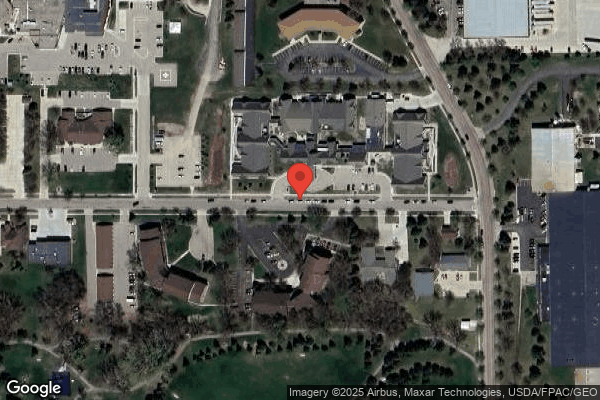

2421 YORKSHIRE DR, BROOKINGS, SD 57006 (605) 696-8700
Government - City/county 79 Beds Independent Data: November 2025
Trust Grade
75/100
#26 of 95 in SD
Last Inspection: May 2024

Within standard 12-15 month inspection cycle. Federal law requires annual inspections.

Overview

The Neighborhoods at Brookview has a Trust Grade of B, indicating it is a good choice compared to other nursing homes. It ranks #26 out of 95 facilities in South Dakota, placing it in the top half, and is the best option in Brookings County, where it ranks #1 of 2. The facility's performance has been stable, with 10 issues reported in both 2023 and 2024, which is a concern as most were deemed potential harm. Staffing is rated at 4 out of 5 stars, but the 61% turnover rate is above the state average, meaning staff may not stay long enough to build strong relationships with residents. There have been no fines, which is a positive sign, and the facility has average RN coverage, which is important for monitoring health issues. Specific incidents included failures in infection control practices during the COVID-19 pandemic, where proper precautions were not consistently followed, raising concerns about potential exposure. Additionally, there were issues with food safety, such as expired juice being stored and served, and a lack of current advance directives for several residents, which could impact care decisions. Overall, while there are strengths in the facility's ratings and no fines, the staffing turnover and specific incidents raise important questions for families to consider.

Trust Score
B
75/100
In South Dakota
#26/95
Top 27%
Safety Record
Low Risk
No red flags
Inspections
Holding Steady
3 → 3 violations
Staff Stability
⚠ Watch
61% turnover. Above average. Higher turnover means staff may not know residents' routines.
Penalties
✓ Good
No fines on record. Clean compliance history, better than most South Dakota facilities.
Skilled Nurses
✓ Good
Each resident gets 49 minutes of Registered Nurse (RN) attention daily — more than average for South Dakota. RNs are trained to catch health problems early.
Violations
○ Average
10 deficiencies on record. Average for a facility this size. Mostly minor or procedural issues.
★★★★☆
4.0
Overall Rating
★★★★☆
4.0
Staff Levels
★★★☆☆
3.0
Care Quality
★★★★☆
4.0
Inspection Score
Stable
2023: 3 issues
2024: 3 issues

The Good

  • 4-Star Staffing Rating · Above-average nurse staffing levels
  • Full Sprinkler Coverage · Fire safety systems throughout facility
  • No fines on record

Facility shows strength in staffing levels, fire safety.

The Bad

Staff Turnover: 61%

15pts above South Dakota avg (46%)

Frequent staff changes - ask about care continuity

Staff turnover is elevated (61%)

13 points above South Dakota average of 48%

The Ugly 10 deficiencies on record

May 2024 3 deficiencies
CONCERN (D)

Potential for Harm - no one hurt, but risky conditions existed

Deficiency F0725 (Tag F0725)

Could have caused harm · This affected 1 resident

7. Interview on 5/31/24 at 3:18 p.m. with the DON B regarding the quality assurance and performance improvement (QAPI) program and call light response times revealed: *The QAPI committee met monthly. ...

Read full inspector narrative →
7. Interview on 5/31/24 at 3:18 p.m. with the DON B regarding the quality assurance and performance improvement (QAPI) program and call light response times revealed: *The QAPI committee met monthly. *The medical director attended quarterly. *They had a performance improvement plan (PIP) in place for call light times. *Call light reports were emailed to administration weekly for review. *The goal was for staff to answer a resident's call light within 5 minutes. *The report can be compiled by resident room but must be counted manually for an average time to be calculated. *They have had problems with the current call light system, but it was to be updated soon. A call light policy was requested on 5/31/24 DON B stated they did not have a call light policy. Based on observation, interview, and call light log report review, the provider failed to ensure call lights were answered promptly for one of two sampled residents (29) who used the call light to alert staff of assistance needs. Findings include: 1. Observation and interview on 5/29/24 at 3:55 p.m. with resident 29 revealed: *She stated she had waited for over an hour on a few occasions in the last few months for staff to respond to her call light. 2. Interview on 5/30/24 at 3:35 p.m. with administrator A regarding call light times revealed: *They had budgeted to replace the call light system next year. *It took more deliberate review to utilize the information because of the age of the system. *He was not sure if they could determine staff response times for individual room call lights. 3. Interview on 5/31/24 at 8:32 a.m. with director of nursing B regarding call light times revealed: *The goal was for staff to have answered call lights within an average of five minutes. *She had printed off the requested rooms call light times. *It would have been very labor-intensive to review call light response times by individual rooms. 4. Review of resident 29's call light report from 3/1/24 to 5/30/24 revealed: *There were 82 times when over 20 minutes had passed until the staff responded to her call light. *The longest call light response wait time was one hour and 21 minutes. 5. Interview on 5/31/24 at 1:12 p.m. with certified nursing assistant H regarding call lights revealed: *He had a walkie-talkie that notified him when a call light was activated. *He would also get notified when a call light was answered. *The goal was to answer all call lights within five minutes. 6. Interview on 5/31/24 at 2:33 p.m. with nursing supervisor I regarding call light times revealed: *The goal was to average less than five minutes for call lights to be answered by staff. *They reviewed call light times during monthly quality assurance meetings. *If they noticed an issue, they would have reviewed call light response times more closely.
CONCERN (D)

Potential for Harm - no one hurt, but risky conditions existed

Infection Control (Tag F0880)

Could have caused harm · This affected 1 resident

A. Based on observation, interview, and policy review, the provider failed to ensure appropriate glove use and hand hygiene had been performed during one of two residents (44) observed catheter care a...

Read full inspector narrative →
A. Based on observation, interview, and policy review, the provider failed to ensure appropriate glove use and hand hygiene had been performed during one of two residents (44) observed catheter care and personal care by certified nursing assistant (CNA) J. Findings include: 1. Observation and interview on 5/30/24 at 8:35 AM of catheter care for resident 44 by CNA J revealed: * CNA J had a gown and gloves on when the surveyor entered resident 44's room. *With those gloved hands she: -Held a pen, moved the call light, and bedding, and touched the sink faucets. -Prepared for catheter care by opening a wet wipe packet, removing wipes, and cleansing the resident's perineal area, including the the area around the catheter entrance with no-rinse soap and water. -Stated she cleansed around the catheter with no-rinse soap and water, and cleansed only at the entrance of the catheter tubing. -Removed the resident's brief and cleansed her buttocks and rectum with wet wipes. *With those same gloved hands she walked to the bathroom, opened and closed a cabinet two times, and removed a clean brief and skin cream from the cabinet. -Applied the skin cream on the resident's buttocks, removed the glove from her right hand, and put a clean glove on the right hand, and without washing her hand she put a clean glove on her right hand. -She did not remove the soiled glove from her left hand. --She then put lotion on her legs, and removed both gloves. 2. Interview on 5/31/24 at 3:30 p.m. with director of nursing (DON) B regarding the observed glove use and lack of hand hygiene revealed CNA J should have washed her hands or used hand sanitizer before she had put gloves on, and after she had removed gloves. 3. Review of the provider's October 2013 Infection control program policy regarding hand hygiene revealed: *Hand hygiene: -Was the single most important method of preventing the spread of infection. -Removes dirt, organic and inorganic materials, and transient microorganisms. -During patient care was necessary to remove microcontamination from recent contact with infected, colonized patients or environmental sources. *The use of gloves was not a substitute for hand hygiene. *Care givers should perform hand hygiene: -Before and after contact with the patient or environment. -After contact with a source of microorganisms. -After removing gloves, masks, or other protective gear. *Alcohol-based hand sanitizer should have been used in conjunction with soap and water and not the sole source of hand hygiene. B. Based on observation, interview, and policy review, the provider failed to ensure residents' clean laundry had been covered when delivered to resident's rooms by one of one CNA (J) observed during laundry pass. Findings include: 1. Observation and interview on 5/31/24 at 9:30 a.m. with CNA J while walking down Elm hall with a laundry cart revealed: *The cart had a place to hang clothing on hangers. *The cart was not covered and left the laundry at risk of contamination. *CNA J stated she had worked for the provider for over two years and had never heard anyone state the laundry was to have been covered while it was in the hallway. 2. Interview on 5/31/24 at 3:00 p.m. with CNA K regarding covering the residents' laundry while delivering the laundry sometimes the CNAs cover it, and sometimes they had not covered it. 3. Interview on 5/31/24 at 3:30 p.m. with the DON B regarding delivering resident laundry revealed she did not know the laundry had been delivered uncovered. The laundry should have been covered. 4. Review of the provider's revised March 2024 Infection Control Practices policy revealed: *Staff could use a clean cart to deliver laundry and would leave the cart outside of the room to ensure appropriate hand hygiene. *If the carts were not used staff will carry laundry away from their uniforms so it did not contaminate the clean laundry. *Staff would cover laundry during deliveries.
CONCERN (E)

Potential for Harm - no one hurt, but risky conditions existed

Food Safety (Tag F0812)

Could have caused harm · This affected multiple residents

**NOTE- TERMS IN BRACKETS HAVE BEEN EDITED TO PROTECT CONFIDENTIALITY** Based on observation, interview, expiration date cheat sheet review, and policy review, the provider failed to properly label an...

Read full inspector narrative →
**NOTE- TERMS IN BRACKETS HAVE BEEN EDITED TO PROTECT CONFIDENTIALITY** Based on observation, interview, expiration date cheat sheet review, and policy review, the provider failed to properly label and store: *Juice cartons in two of six kitchenette refrigerators. *Food items in one of one main kitchen walk-in cooler. Findings include: 1. Observation and interview on 5/30/24 at 9:14 a.m. with nutrition and food service worker E in the Ash Boulevard neighborhood kitchenette revealed: *A side-by-side refrigerator with several fruit juice cartons on the top two shelves. *A grape juice carton in the refrigerator was dated 5/17/24 and 5/24/24. *Food service worker E explained the first date was when the carton was opened. -The second date on the carton is considered the expiration date once it was opened. -Sometimes the juice is still good after one week. -She would taste the juice to ensure it was still good before serving it if it was after the expiration date. -She agreed the grape juice was expired. 2. Interview on 5/30/24 at 9:52 a.m. with food service worker F revealed: *When they open any food or beverage product, they write the date on it so they know when it was opened. *They count out seven days and write that date on it and that is the expiration date. 3. Observation and interview on 5/30/24 at 10:38 a.m. with nutrition and food service worker G in the Birch Way neighborhood kitchenette revealed: *A side-by-side refrigerator with several fruit juice cartons on the top two shelves. *A grape juice carton in the refrigerator was dated 5/19/24 and 5/26/24. *An apple juice carton in the refrigerator was dated 5/17/24 and 5/23/24. *She stated they label resident food and drink items when they are opened. -They put a second date on the package dated a week later that would be considered the expiration date. -Items would be discarded after the expiration date. *She agreed the cartons of grape juice and apple juice had expired and should have been thrown away. 4. Observation on 5/30/24 at 2:02 p.m. in the walk-in cooler in the main kitchen revealed: *An open package of smoked [NAME] cheese wrapped in plastic cling wrap dated 5/1 and 5/15. *A package of bacon bits wrapped in plastic cling wrap dated 5/2 and 5/22. *Three unopened gallons of vitamin D milk with a best by date of 5/29/24. 5. Interview on 5/31/24 at 1:41 p.m. with nutrition and food supervisor D in the main kitchen revealed: *They had an expiration date cheat sheet to follow for the expiration dates for food and beverage items once opened. *The cheat sheet was not all-inclusive. *She thought the smoked [NAME] cheese was categorized with parmesan cheese and expired 30 days after it was opened. *She stated the three gallons of milk had another seven days past the best by date according to the label. -She went into the main kitchen walk-in cooler. -Looked at a gallon of milk label. -There was nothing on the label that indicated milk was good for seven days past the best by date. *She would have expected staff to have labeled food items when opened and to have followed the expiration dates on the cheat sheet. *She agreed staff should not have been tasting juice to ensure quality if it had been open more than seven days. *She stated the juice cartons and bacon bits were past their expiration date and should have been discarded. 6. Review of the provider's 3/22/21 Expiration Date Cheat sheet revealed: *Milk-2%, Whole date on package, up to 7 days past date on package. *Cheese-Parmesan date on package, 30 days once opened. *If not listed 7 days. 7. Review of the provider's June 2013 Sanitation in Food Handling policy revealed: *Storage of perishable items . 7. Opened packages of commercially packaged foods are bagged, dated and immediately frozen and stored in the Main Kitchen Freezer. Staff can then pull individual packages as needed and date them 5 days from the date they pulled them to expiration. *D. Expired/Outdated Product Any product expired or outdated will be removed from shelf/refrigeration/etc. and properly disposed of.
Aug 2023 3 deficiencies
CONCERN (D)

Potential for Harm - no one hurt, but risky conditions existed

Deficiency F0658 (Tag F0658)

Could have caused harm · This affected 1 resident

**NOTE- TERMS IN BRACKETS HAVE BEEN EDITED TO PROTECT CONFIDENTIALITY** Based on observation, interview, record review, and policy review the provider failed to ensure their policy for re-weighing res...

Read full inspector narrative →
**NOTE- TERMS IN BRACKETS HAVE BEEN EDITED TO PROTECT CONFIDENTIALITY** Based on observation, interview, record review, and policy review the provider failed to ensure their policy for re-weighing residents had been followed for one of one sampled resident (48) with a significant weight variance. 1. Observation and interview on 8/31/23 at 9:09 a.m. of resident 48 revealed: *She was in her room, sitting in a recliner. *She was wearing blue jeans that appeared to be tightly fitting, and a shirt. *She thought the food was very good. *She had been gaining weight and did not like that. *She had to lay down on the bed to get her jeans buttoned. *She was not sure how often she was weighed or what her weight currently was. *No one had visited with her about her weight. Review of resident 48's electronic medical record revealed: *She was admitted on [DATE]. *Her diagnoses included the following: long term use of antibiotics, recurrent Clostridium difficile (C-diff), depression, generalized anxiety, mild cognitive impairment, gastro-esophageal reflux disease, dyspepsia (indigestion), and constipation. *She was on a a regular diet. *Her weight record indicated that: -On 7/7/23 she weighed 142 pounds (lbs.) and 5 ounces (oz.). -On 7/29/23 she weighed 140 lbs. and 8 oz. -On 8/4/23 she weighed 128.0 lbs. --That was a 12-pound weight loss which was a 8.57% weight loss. --She had not been re-weighed to determine if that weight was correct. --Her next weight was on 8/11/23 and she was 136 lb. 10.986 oz. *Her 8/30/23 care plan included the following: -On 11/17/22 the initiated problem was that she was at nutritional risk related to her diagnoses. --The preferred outcome for that was for her to have adequate intake to maintain her current weight of 125 lbs. with a plus or minus variance of five percent. *Her 8/7/23 Minimum Data Set [(MDS), a set of clinical and functional status screening elements, which form the foundation of a comprehensive assessment], revealed: -She was independent with eating. -Her weight was 128 lbs. -That was a significant weight loss of 5% or more in one month. *There had been no notification to her physician regarding that significant weight loss. *On 8/29/23 Boost (a supplemental nutritious drink) was ordered. *Her progress notes indicated that: -On 7/9/23 she had high fever, high blood pressure and had been vomiting. --She was sent to the emergency room. -On 7/10/23 she had loose stools and vomiting, her physician had ordered a culture C-diff. -On 7/11/23 she had been weak and unsteady, had a poor appetite, and had nausea and vomiting. -On 8/9/23 she had a urinary tract infection. Interview on 8/31/23 at 9:15 a.m. with certified nursing assistant Q regarding process for weighing residents revealed: *Residents had been weighed weekly on their bath days. *The nurse reviewed the weights to determine if there was an unusual difference between the week prior weight and the current weight. -If there had been an unusual weight, the nurse would have requested a reweigh of that resident the next day. *She was familiar with the care needs of resident 48. -She was not aware of resident 48 having had a weight loss. Interview on 8/31/23 at 9:21 a.m. with registered nurse R regarding the process for monitoring residents for weight gain or weight loss revealed: *Residents were weighed on their bath day or more often with a physician order. -A nurse would monitor each resident's weight for a significant change by comparing the current weight with the: --Previous weeks weight. --Previous years weight. *A difference of more than three pounds in a week would have prompted a re-weigh of the resident the following day. -If the next day the weight of that resident showed the same significant weight difference, the dietary manager and the physician would have been notified. *The cause of weight loss would have been evaluated. Interview on 8/31/23 at 11:09 a.m. with certified dietary manager S regarding resident 48's weight loss revealed: *The nurses had monitored weights. *Registered dietitian (RD) T had come to the facility a couple of times a week for consultations and she: -Would have provided direction to the dietary staff on what nutritional interventions to do for residents with weight loss. *She was not aware of resident 48 having had a weight loss. -Completed the residents Minimum Data Set (MDS) for the nutrition and weight loss sections. Telephone interview on 8/31/23 at 11:25 a.m. with RD T regarding residents' weight loss revealed: *The process was: -Each month a report would have been completed that compared each residents' percentage of weight loss or gain on a monthly, six months, and yearly basis. -Any resident who had triggered for a significant weight loss would have been reviewed at the residents' next months' care conference by the resident's case manager, the director of nursing (DON), and herself. --There would have been documentation in the residents' electronic medical record of the discussion at the care conference and the interventions initiated for that resident. --One of those three staff members would have been assigned to notify the physician and the family. *She had not monitored the residents weight loss each week. *A nurse would monitor the residents for weight loss on a weekly basis. *A resident with a three lb. weight loss would have been reported to the nurse and a re-weigh of that resident would have been completed. *She was unable to determine if resident 48 had a significant weight loss as she was unable to view the documentation at the time of the telephone interview. -She had completed the 8/7/23 MDS nutrition and weight section for resident 48. *She stated if resident 48 had no weight loss, the MDS for that time period would need to have been 'fixed' to record there had not been a significant weight loss. Interview and record review on 8/31/23 at 12:21 p.m. with DON B regarding resident 48'sweight loss revealed: *The process for monitoring of residents' weights was the following: -A residents' weight with a difference of three lbs. or more from their previous weight would have required that resident ot have been reweighed. -Residents who had a three lb. weight difference would have required a nurse to update the nurse practitioner who would come to the facility twice per week. *Resident 48 had seen her physician on 7/13/23, 7/28/23, 8/21/23, and 8/22/23. -There was no documentation to support that her physician was notified of the changes in her weight on any of the above visits. *She was not able to find documentation to support that the physician or family had been notified of the weight loss for resident 48 for the time 7/29/23 through 8/11/23. Review of the providers 12/2012 Nutritional Assessment policy revealed: *Purpose/Explanation -To maintain documentation of weights, meal intakes, and to achieve a consistent manner to track weight gain or weight loss and outline necessary interventions of resident nutrition. -F. Any needed re-weights should be obtained when weight differs from the prior weight by 3# (pounds) more or less. Re-weights are desirable to be obtained the following day if possible. -I. Weights will be recorded per EMR (electronic medical record). -J.staff should consult with the dietician and/or physician when significant weight loss/gain is noted. *III. EXCESSIVE WEIGHT LOSS AND/OR GAIN. -B. Dietician and Nursing Director review weights regularly. Any weight concerns are communicated to the interdisciplinary team. -D. Any necessary interventions for excessive weight loss and/or gain will be care planned. -E. Collaboration with the dietician and/or physician as necessary.
CONCERN (D)

Potential for Harm - no one hurt, but risky conditions existed

Deficiency F0692 (Tag F0692)

Could have caused harm · This affected 1 resident

**NOTE- TERMS IN BRACKETS HAVE BEEN EDITED TO PROTECT CONFIDENTIALITY** Based on observation, interview, and record review, the provider failed to follow a physician's order for a mechanically altered...

Read full inspector narrative →
**NOTE- TERMS IN BRACKETS HAVE BEEN EDITED TO PROTECT CONFIDENTIALITY** Based on observation, interview, and record review, the provider failed to follow a physician's order for a mechanically altered diet for one of one sampled resident (26). Findings include: 1. Observation and interview on 8/29/23 at 11:32 a.m. with resident 26 revealed: *They [the staff] have started something different for me [with his food]. *He pointed to the upper part of his esophagus below his throat while stating he had been having trouble with a cough when swallowing. *Bacon was not good for him to eat. Interview and observation on 8/29/23 at 12:04 p.m. in the Elm Pass neighborhood kitchen revealed: *Nutrition and food service (NAFS) cook K reported resident 26 was on thickened liquids now. *She stirred two teaspoons of thickening powder into a bowl of tomato soup that she had warmed up in the microwave. *When asked what was the level of thickened consistency for resident 26, she replied, nectar thick. *When asked if two teaspoons was the correct amount for nectar thick, she replied, I think so. *She also prepared a bowl of minced and moist strawberries for resident 26, and said that was the required level of food consistency that he could eat. Interview on 8/30/23 at 4:05 p.m. with NAFS K revealed: *She had to prepare apple crisp for resident 26 to a minced texture because she had not received a serving with that texture from the main kitchen. *She explained she put one serving of the apple crisp in the blender, pushed the blend button for three pulses, scraped it into a small serving dish, and then added whipped cream and cinnamon on top. Review of the electronic medical record (EMR) for resident 26 revealed: *The admission, annual, and quarterly Minimum Data Set (MDS) assessments between 7/14/20 and the current MDS dated [DATE] included: -The scores for the Brief Interview for Mental Status between 12 to 15, which indicated he had a range of mild cognitive impairment to cognitively intact. The 7/28/23 MDS score was 12. -Swallowing problems, including coughing and choking, had not been checked on any of those MDS assessments. *The care plan last reviewed on 8/16/23 with a start date of 7/14/20 included: -A problem for nutritional status that stated, I am at nutrition risk related to .HTN [hypertension], DM2 [diabetes mellitus type 2], stroke, hyperlipidemia, BPH [benign prostatic hyperplasia]. There were no interventions related to swallowing or choking difficulties. -Interventions for the problem of activities of daily living (ADL) status: --I often choose to eat items/food textures that are not appropriate for my order diet (e.g. bacon). --My family and I have been educated on the risks of choking. --My family and I understand the risk, and are choosing to allow me to eat what I prefer. *A 9/17/21 physician order that displayed in the EMR as current on the morning of 8/29/23 included a dietary order for IDDSI [International Dysphagia Diet Standardisation Initiative] 6 [level] soft and bite-sized, thickened liquids mildly thick [level 2]. Further review of resident 26's EMR revealed: *A nutrition assessment on 7/20/23 documented no nutrition data. *A physician recertification report dated 7/28/23 revealed an assessment of chronic cough. *A nurses note dated 8/19/23 documented the resident: -Has been having a harder time with meals and drinking fluids. -Is leaving more food on his plate and leaving the table coughing. -Had a strange squeal to his voice and runny nose. -Is sleeping more and seems tired from eating. -Daughter agreed it was in his best interest to have Speech Therapy [ST] evaluate. *A physician progress note dated 8/21/23 revealed: -An assessment of cough, congestion of throat, and acid reflux. -The plan included speech therapy for swallowing and reflux problems. *A physician communication report dated 8/24/23 revealed After consultation, Speech therapy recommended Video Swallow study and recommended to downgrade to a IDDSI 5. *A nurses note on 8/29/23 revealed: Per ST evaluation, order received from CNP [certified nurse practitioner] for mildly thick liquids and swallow study. family and dietary notified. Interview on 8/30/23 at 10:48 a.m. with registered nurse nursing supervisor (RN-NS) D, who was also the household coordinator (HC) for Elm Pass, revealed: *Both she and the registered dietitian monitored for resident nutritional concerns. *Resident 26 had been doing more coughing after eating and he felt something in his throat after eating. *The family had been declining speech therapy previously because they wanted resident 26 to be able to eat what he wants, and he likes bacon. *That time the family agreed to have a speech therapy evaluation and his food texture changed from level 5 to 6. *When asked about resident 26's physician order dated 9/17/21 regarding IDDSI level 6 and thickened liquids level 2, she stated that thickened liquids started yesterday. *She was not aware of the 9/17/21 order and was not able to find it during the interview. Interview on 8/30/23 at 5:36 p.m. with Food and Nutrition Services (FANS) supervisor M revealed she: *Was able to correctly identify what would have been considered a level 6 texture for food and a level 2 for liquids. *Agreed she would need to complete some further education on IDDSI levels with the FANS employees, in particular with FANS cook K, since she had not followed the level 6 food texture and was unsure if she had prepared the tomato soup to a level 2 for liquids. Interview on 8/31/23 at 11:24 a.m. with RN-NS D revealed: *Resident 26 had not been on thickened liquids; he may have been when he initially was here. *She reported she had put the mildly thick in [the orders] myself the other day on 8/29/23. *When asked if there had been any action taken in response to the physician communication report dated 8/24/23 with a recommendation to change to IDDSI 5, she said no order [had been] received [for that]. Interview on 8/31/23 at 12:23 p.m. with RN-NS D revealed she: *Reached out to the CNP to clarify if the IDDSI food texture should have been changed to level 5. *Changed the diet order to level 5 based on the CNP's confirmation. *Was not sure what had happened with the 9/17/21 order for mildly thick liquids and had been unable to find it upon a request for a copy. Interview on 8/31/23 at 3:47 p.m. with FANS supervisor M and director of nursing (DON) B revealed: *The DON would look through resident 26's EMR for the 9/17/21 physician order for IDDSI 6 soft and bite-sized, thickened liquids mildly thick, and determine when the order for mildly thick liquids had been discontinued. *FANS supervisor M was unable to confirm whether two teaspoons of thickener used by FANS cook K was appropriate for mildly thick without looking at the label on the thickener container. Further clarification on the implementation or discontinuation of the original physician order dated 9/17/21 for thickened liquids was not received before the survey exit.
CONCERN (D)

Potential for Harm - no one hurt, but risky conditions existed

Food Safety (Tag F0812)

Could have caused harm · This affected 1 resident

Based on observation, interview, and policy review, the provider failed to prevent potential cross-contamination through improper glove use and hand hygiene when handling ready-to-eat foods by two of ...

Read full inspector narrative →
Based on observation, interview, and policy review, the provider failed to prevent potential cross-contamination through improper glove use and hand hygiene when handling ready-to-eat foods by two of two nutrition and food service (NAFS) employees (I and K) during three of three meal service observations in two of six neighborhood kitchens. Findings include: 1. Observation on 8/29/23 at 11:41 a.m. in the Elm Pass neighborhood kitchen revealed NAFS cook K: *Folded a hoagie bun filled with Philly cheesesteak meat and vegetables using a gloved hand. *With the same gloved hand, she lifted a bowl filled with butter to scrape up some butter onto a knife and then spread the butter onto a plated serving of mashed potatoes. *She removed those gloves and put on another set of gloves without washing her hands before she prepared a bowl of thickened soup and minced some strawberries using one of her gloved hands, during which time she also touched the door handles of the microwave, cupboard, and the refrigerator, and other potentially soiled surfaces, including plates and utensil handles. *She then folded another hoagie bun to make a Philly sandwich with those same gloved hands that had touched all the potentially soiled surfaces. *She removed the gloves, washed her hands, then put on another set of gloves. *With that set of gloves, she: -Removed the strawberry container from the refrigerator, placed the container in a sink, opened the container, and turned on the faucet to rinse the strawberries. -Picked up the container out of the sink after the water had drained and held onto the strawberries with one gloved hand while she sliced them. -Touched the toaster handle to make toasted waffles, removed the waffles using a set of tongs. -Picked up the butter bowl to spread butter with a knife onto the toasted waffles while holding onto the waffles with a set of tongs. -Sliced the waffles with a pizza roller that she had retrieved from a drawer while holding onto the waffles with the tongs. -Folded another hoagie bun to make another Philly sandwich. Observation on 8/30/23 at 11:06 a.m. in the Elm Pass neighborhood kitchen revealed NAFS cook K: *Was using gloved hands to tear lettuce leaves and then placed them into small serving bowls. *While wearing the same pair of gloves, she touched the refrigerator handle, then pulled out a tomato and sliced it. Interview on 8/30/23 at 4:05 p.m. with NAFS cook K revealed she: *Understood she was not to touch ready-to-eat foods with her bare hands. *Initially thought that it was acceptable to touch ready-to-eat food if she was wearing gloves. *Agreed it was difficult to not potentially contaminate her gloved hands due to touching multiple objects and surfaces when she was having to go back and forth from serving to preparing foods based on special requests from the residents. *Was unsure how she could have folded the Philly cheesesteak sandwiches if she had not been able to use her gloved hand. *Was unsure how she could slice tomatoes without holding onto them with her gloved hand. *Had to use her gloved hands to open the baked potatoes, and put on butter and sour cream for the lunch meal today. 2. During interview and observation on 8/30/23 at 11:22 a.m. in the Maple Ridge neighborhood kitchen, NAFS cook I revealed she: *Had removed the head of lettuce from the refrigerator and washed it. *Put on a glove to chop it and placed the chopped lettuce into a medium-sized container with a lid that she pointed to in the refrigerator. *Followed the same process for the tomatoes, which she also pointed to in the refrigerator. *Would serve the lettuce and tomatoes from the containers for the lunch meal using a gloved hand to place the lettuce and tomatoes into the serving bowls. Interview on 8/30/23 at 5:36 p.m. with Supervisor M of FANS revealed: *Education had been provided to FANS staff on glove use after she started to ensure they were using them properly. *She agreed it was difficult to not potentially contaminate gloved hands when touching multiple objects and surfaces, which was the reason for the recent education that had been provided. *She confirmed utensils could have been used to fold the Philly cheesesteak sandwiches and to prepare the other foods that were touched with the gloved hands. Review of the provider's procedure, General Food Handling, effective 3/15/2013 revealed: *No bare hands contact to ready to eat foods. *Dietary will provide tongs, tissues, or serving utensils to departments who serve meals, nourishments or snacks.
May 2022 4 deficiencies
CONCERN (D)

Potential for Harm - no one hurt, but risky conditions existed

Deficiency F0604 (Tag F0604)

Could have caused harm · This affected 1 resident

**NOTE- TERMS IN BRACKETS HAVE BEEN EDITED TO PROTECT CONFIDENTIALITY** Based on observation, interview, record review, and policy review, the provider failed to ensure one of one sampled resident (47...

Read full inspector narrative →
**NOTE- TERMS IN BRACKETS HAVE BEEN EDITED TO PROTECT CONFIDENTIALITY** Based on observation, interview, record review, and policy review, the provider failed to ensure one of one sampled resident (47) had been appropriately assessed and documented to indicate the use of the WanderGuard as a restrictive or enabling device. Findings include: 1. Observation and interview on 5/17/22 at 3:25 p.m. with resident 47 revealed: *He was sitting in a recliner in his room. *His feet had been propped up on his walker. *There was a WanderGuard bracelet attached to his walker. *Throughout the interview he was able to answer questions but seemed confused. Review of resident 47's electronic medical record revealed: *He had been admitted to the facility on [DATE]. *He had a WanderGuard on his walker due to exit-seeking and elopement. *The device had been placed approximately three weeks after he first arrived at the facility. *He had elopement assessments completed and he had been always determined to be at no risk for elopement. *There was no physician acknowledgement or order documentation for the use of the WanderGuard. Interview on 5/19/22 at 10:35 a.m. with registered nurse (RN) unit manager E revealed: *The WanderGuard had been placed because resident 47 had situations of exit-seeking events. *She stated there was an audible alarm heard if the resident went near an exit door or the entrance to the unit. *She stated the alarm had deterred the resident from wandering. *When he heard the alarm going off, he had said Oh, I guess I am not supposed to be going over there. *They had not done an assessment for the device. *She agreed he had not been marked to be at risk for elopement. *Had not talked to the physician regarding the device. Review of resident 47's physical therapy notes revealed: *He had an issue with his neck. *He often walked with his head down. *Therapy believed he may have seemed like he was lost but he was unable to see as well because he had to walk with his head down and was still getting acclimated to his new home. Review of the provider's August 2012 Restraint Use policy revealed: *The facility creates and maintains a homelike environment that emphasizes alternative/minimal restraint use while progressing towards achieving a restraint-free environment. *The system is utilized until the goal is achieved, recognized and protects residents rights and when used, restraints are safe and appropriate for each resident based on agreed plan of care. *The goal of this policy is for each person to attain and maintain his/her highest practical well-being in an environment that prohibits the use of restraints for discipline or convenience and limits restraint use to circumstances in which the resident has medical symptoms that warrant the use of restraints. *Each resident has the right to freedom from chemical and physical restraints. except as authorized in writing by a physician. The use of restraints is prohibited except to treat a medical symptom. Restraints will be used only as a last resort, not to be used to limit mobility for convenience of staff, for discipline, or as a substitute for supervision.
CONCERN (D)

Potential for Harm - no one hurt, but risky conditions existed

Deficiency F0657 (Tag F0657)

Could have caused harm · This affected 1 resident

Based on interview, record review, and policy review, the provider failed to ensure: *One of one sampled resident's (47) care plan had been updated to include the addition of a WanderGuard. *Two of t...

Read full inspector narrative →
Based on interview, record review, and policy review, the provider failed to ensure: *One of one sampled resident's (47) care plan had been updated to include the addition of a WanderGuard. *Two of two residents (47 and 53) advance directives had been updated on their care plans. Findings include: 1. Review of resident 47's 5/19/22 care plan revealed the use of a WanderGuard had not been mentioned or included. Refer to F604. 2. Review of resident 47's 5/19/22 care plan regarding his advance directive revealed: *Advance Directive. -I have a DPOA [directive power of attorney] document that names my daughter, [daughter's name] in my POA [power of attorney]. I have no specific healthcare preferences listed in my DPOA document. *There was no code status included in his care plan. Refer to F578. 3. Review of resident 53's 5/19/22 care plan revealed: *Advance directive: -My son, [son's name], is my guardian and conservator He is able to assist with my finances and decision making as needed. *There was no code status included in her care plan. Refer to F578, finding 2. Interview on 5/19/22 at 10:35 a.m. with registered nurse (RN) unit manager E revealed: *They did not update care plans regarding code status. *Agreed resident 47's WanderGuard had not been placed on his care plan. Review of the provider's February 2013 Care Planning policy revealed: *A comprehensive care plan must be prepared by an interdisciplinary team (ex: Food Service Worker, CNA [certified nursing assistant], Household Coordinators/Social Services Designee, etc.) that includes the attending physician, a registered nurse with responsibility for the resident, and other appropriate staff in disciplines as determined by the resident's needs. and, the extent practicable, the participation of the resident, the resident's family or the resident's resident representative. *The comprehensive care plan must be periodically reviewed and revised by a team of qualified persons as a resident condition changes.
CONCERN (E)

Potential for Harm - no one hurt, but risky conditions existed

Deficiency F0578 (Tag F0578)

Could have caused harm · This affected multiple residents

**NOTE- TERMS IN BRACKETS HAVE BEEN EDITED TO PROTECT CONFIDENTIALITY** Based on interview, record review, and policy review, the provider failed to ensure advance directives were current for seven of...

Read full inspector narrative →
**NOTE- TERMS IN BRACKETS HAVE BEEN EDITED TO PROTECT CONFIDENTIALITY** Based on interview, record review, and policy review, the provider failed to ensure advance directives were current for seven of seven sampled residents (30, 41, 47, 49, 53, 54, and 68). Findings include. 1. Review of resident 47's electronic medical record revealed: *He had a [DATE] signed power of attorney (POA) form that stated: -I desire that cardiopulmonary resuscitation (CPR) be used only when there is a good chance that the use of such a procedure shall result in a full recovery . *admission paperwork on [DATE] from the hospital stated: -CODE STATUS is switched to DNR [do not resuscitate] after reviewing paperwork from [assisted living facility's name]. He is a DNR/DNI [do not intubate] per their paperwork. 2. Review of resident 53's electronic medical record revealed: *She was under guardianship. *The guardianship documentation had not addressed her code status. Interview on [DATE] at 10:35 a.m. with registered nurse (RN) unit manager E regarding residents 47 and 53's advance directive revealed: *The social worker (SW) C has all of the resident's code status' and advance directives. *The information is gone over at care conferences. Interview on [DATE] at 11:02 a.m. with Social Worker (SW) C revealed: *Code statuses and advance directives are handled by the nurses. *She obtains living wills and POAs upon admission, otherwise nursing goes over the information at care conferences. *They do not have a period in which they update code statuses or advance directives. *Resident 47 was a DNR according to his medical record. *Surveyors informed her his POA form stated he wanted to be of full code status and asked when it had changed. *She had been unable to find any documentation related to education regarding code status or when it may have changed. Interview on [DATE] at 1:35 p.m. with SW C regarding resident 53 revealed: *The guardianship paper was all they had for an advance directive/code status. *She agreed that the paper had not addressed code status or advance directive for resident 53, it was only for financial topics. 6. Review of resident 30's electronic medical record revealed: *She had been admitted on [DATE]. *Her BIMS had been nine. That score indicated she had moderate cognitive impairment. *Her diagnoses included multiple sclerosis and dementia. *There had been a [DATE] physician's order that listed her code status as DNR. *There had been no signed documentation that identified her choice for her code status. 7. Review of resident 41's electronic medical record revealed: *She had admitted on [DATE]. *Her BIMS had been fifteen. That score indicated she was cognitively intact. *Her diagnoses included: hypertension, chronic kidney disease, heart failure, chronic respiratory failure, and chronic obstructive pulmonary disease. *There had been a [DATE] physician's order that listed her code status as DNR. *There had been no signed documentation that identified her choice for her code status. 3. Review of resident 49's electronic and paper medical record revealed: *She had been admitted on [DATE]. *Her Brief Interview for Mental Status (BIMS) had been fifteen. That score indicated she had no cognitive impairment. *Her diagnoses included depression. *There had been a [DATE] physician's order that listed her code status as DNR. *There had been no signed documentation that identified her choice for her code status. 4. Review of resident 54's electronic and paper medical record revealed: *She had been admitted on [DATE]. *Her BIMS had been twelve. That score indicated she had mild cognitive impairment. *Her diagnoses included coronary artery disease and status post-stroke. *There had been a [DATE] physician's order that listed her code status as DNR. *There had been no signed documentation that identified her choice for her code status. 5. Review of resident 68's electronic and paper medical record revealed: *She had been admitted on [DATE]. *Her BIMS had been fifteen. That score indicated she had no cognitive impairment. *Her diagnoses included multiple sclerosis and schizophrenia. *There had been a [DATE] physician's order that listed her code status as DNR. *Had a living will dated [DATE] as full code which had been signed [DATE].
CONCERN (F)

Potential for Harm - no one hurt, but risky conditions existed

Infection Control (Tag F0880)

Could have caused harm · This affected most or all residents

Based on observation, interview, record review, and policy review, the provider failed to ensure appropriate infection control practices were followed for the coronavirus (COVID-19) pandemic related t...

Read full inspector narrative →
Based on observation, interview, record review, and policy review, the provider failed to ensure appropriate infection control practices were followed for the coronavirus (COVID-19) pandemic related to: *Infection control practices for five of twenty-three residents who reside on two separate units Ash Boulevard and Maple Grove within the same neighborhood. (5, 17, 22, 33, and 71) to prevent exposure and potential spread of COVID-19. *Informing staff and visitors of the current outbreak status in the facility. *Two of two nutrition and food service (NFS) employees (L and M) had been educated on proper infection control precautions and had not been working while sick. *Changing N95 masks after exiting two of two COVID-19 quarantined units (Ash Boulevard and Maple Grove). *Two of two certified nurse aides (CNA) F and G while providing fresh drinking water. *Providing appropriate personal protective equipment (PPE) donning (putting on) and doffing (removing) stations outside the quarantined areas. *Quarantine for two of two unvaccinated residents (46 and 64) during a facility outbreak. *Quarantine for potentially COVID-19 exposed residents. *Education for all staff on proper PPE usage within quarantined areas. *One of one CNA H disinfecting medical equipment after use on three of three observed (5, 17, and 30) quarantined residents. *One of one CNA H removing soiled gloves and performing hand hygiene after contact with three of three observed (5, 17, and 30) quarantined residents. Findings include: 1. Observations and interviews on 5/17/22 from 9:11 a.m. through 10:42 a.m. of NFS staff L and M in the Maple Grove neighborhood revealed: *At 9:11 a.m., NFS L's face mask was below her nose while she was standing at the dining area island. *At 9:50 a.m., her face mask was below her nose, and she coughed while she walked behind resident 22 who was seated at a dining room table. *At 10:03 a.m., NFS L walked up to resident 22, coughed as she pulled her mask up over her nose, and asked what resident 22 wanted for breakfast. *At 10:22 a.m., her mask was below her nose as she pushed resident 22 in his wheelchair away from the dining area. *At 10:34 a.m., NFS M's face mask was below her nose while she washed dishes in the kitchen. *At 10:42 a.m., NFS M reported she did not know if she was supposed to wear goggles (eye protection) when they were working in the kitchen. Every time this comes up (a quarantine), we all don't know what we are supposed to wear, and her manager doesn't know. NFS M's face mask was missing the top strap so it did not fit tight over her nose. *At 10:38 a.m., NFS L reported she had her mask below her nose because she could not breath, she was getting over a cold, and she was going to get a note from her doctor so she doesn't have to wear it. 2. Observation on 5/17/22 at 9:58 a.m. of the facility's front entrance revealed: *Receptionist A sitting at the front desk with a surgical mask that was sitting underneath her nose. -She was not wearing any eye protection. *Approximately less than four feet away was an unidentified male who was seated in a wheelchair not wearing a mask and talking with receptionist A. 3. Interview on 5/17/22 at 10:49 a.m. with director of nursing (DON) D revealed: *The facility had one COVID-19 positive resident. *They had no residents who were being quarantined. *They had two staff members who had tested positive for COVID-19 on 5/15/22 and 5/16/22. Continued observation on 5/17/22 at 1:21 p.m. revealed receptionist A was: *Wearing a surgical mask that had been pulled down underneath her nose. *Not wearing any eyewear protection. Interview on 5/18/22 at 9:16 a.m. with infection preventionist K revealed: *The facility had two COVID-19 positive residents on two different units, but within the same neighborhood. *She had been informed of the positive case via text message on 5/16/22 from DON D. Observation and interview on 5/18/22 at 1:37 p.m. in the Towne Center with infection preventionist K revealed: *She was wearing a surgical mask. *She was not wearing eye protection. *There were four positive COVID-19 residents at that point on two units (Ash and Maple units). -She stated Ash Boulevard and Maple Grove units were considered quarantine units. --Both units had potential exposure due to having huddled together into a small interior room because of a tornado warning on 5/12/22 . *An email was sent to the facility's All Staff Email List on 5/16/22 informing staff about the positive cases. *She confirmed that two staff members had tested positive for COVID-19. *She stated when there was more than one positive COVID-19 resident, those resident's units were considered under quarantine and communal dining stops for the entire building. *She indicated the facility's PPE supply was adequate and they were to be using disposable aprons/gowns. *She confirmed that staff and visitors should have been: -Disposing of their face mask after exiting the quarantined units. -Sanitizing/disinfecting their goggles, face shields, or other eye protection after exiting the quarantined units. *She indicated the resident's doors on the quarantined units should have been shut unless the resident had safety concerns. 4. Observation and interview on 5/18/22 from 2:46 p.m. through 3:06 p.m. of the Ash Boulevard and Maple Grove units revealed: *People coming and going had to enter through a double door. *There were no signs indicating the area was quarantined and what precautions needed to be taken. *There were no PPE changing/sanitation stations set-up. *Upon entering through the double doors, there was hand sanitizer. -PPE stations were set-up outside of the COVID-19 positive residents' rooms. -The stations contained gloves and N95 masks. *At 2:51 p.m. administrator B walked into Ash Boulevard wearing an N95 mask and no eye protection. -He left Ash Boulevard wearing the same N95 mask. *At 2:52 p.m. NFS O exited the Ash Boulevard unit service kitchen, pushing a cart, headed toward the facility kitchen. -She was wearing a surgical mask and no faceshield, stating she could not wear an N95 because of medical reasons. *At 3:01 p.m. CNAs F and G walked into Ash Boulevard with only surgical masks and goggles. *At 3:06 p.m. an unidentified employee left Maple Grove without changing or sanitizing her PPE. -She exited the unit without changing her mask or performing hand hygiene. 5. Observation and interview with 5/18/22 at 3:16 p.m. with CNA H and quarantine resident 30 revealed CNA H had: *Put on new pair of gloves before entering resident 30's room. *Entered resident 30's room and the door remained opened. *Placed her clipboard and paper on the resident's bedside table, next to her water cup. *Measured her vitals with a pulse oximeter and a digital forehead thermometer. *Exited the room wearing the same gloves and went into the nurse's station. *She went back into resident 30's room wearing the same gloves. *Her clipboard with paper and pen remained on the resident's bedside table next to her water cup. *Grabbed her clipboard and medical equipment and had begun to exit resident 30's room. *Not removed her soiled gloves and performed hand hygiene. *Not cleaned, disinfected, or sanitized the medical equipment. *The door remained open throughout the entire observation. Further observation and interview on 5/18/22 at 5:22 p.m. with CNA H and residents 5 and 17, who were quarantined revealed she: *Walked down the hallway and entered resident 5's room with the same soiled gloves and soiled pulse oximeter and thermometer. -Resident 5's door had remained open. *Walked into resident 5's bathroom and asked if she could obtain their vitals. *Took resident 5's vitals and left the bathroom and room with the same soiled gloves, soiled clipboard, and soiled equipment. *Had not changed her gloves, or disinfected the medical equipment prior to entering resident 17's room. *Then exited resident 17's opened door wearing the same soiled gloves and carrying equipment she had used on residents 30, 5, and 17. -Surveyors observed she was not wearing her N95 mask appropriately as there were visible gaps around her nose and the straps were placed together on the back of her head. *Surveyor inquiry confirmed she had: -Not put on new gloves before entering a new resident's room, she never does. -Not sanitized the pulse oximeter or thermometer before entering a new resident's room. -Revealed the residents were staying in their rooms because of COVID-19. -Measured the vitals on residents first that had not been confirmed positive for COVID-19, then measured vitals on the residents that had tested positive last. -Not known how to wear her N95 mask correctly. -Not known if she had been fit-tested for wearing an N95. -Changed her PPE and cleaned medical equipment after being in the COVID-19 positive rooms. -Not known which residents should have been on isolation and which residents should have been quarantined. 6. Observation and interview on 5/18/22 at 3:27 p.m. with CNA F and G revealed they: *Were both wearing gloves while pushing a cart with water cups. *Had not change gloves before entering another resident's room. 7. Interview on 5/18/22 at 3:34 p.m. with licensed practical nurse (LPN) J revealed: *She was the charge nurse for the Maple Grove and Ash Boulevard units. *There were two confirmed COVID-19 resident cases on Ash and two confirmed cases on Maple. -Everyone else on the unit should have been quarantined. *She considered the residents positive for COVID-19 to be quarantined. *Staff members were screening residents for symptoms of COVID-19 three times per day. *All residents had been tested for COVID-19 that morning. *Staff members were to: -Remove their masks upon leaving the isolation COVID-19 positive rooms. -Put on a new mask. *She confirmed that staff do not put on disposable gowns/aprons, or change their N95 masks in between resident's rooms who were not confirmed cases of COVID-19. *She stated they put a new N95 mask on when arriving at work and do not change it after contact with quarantined residents. 8. Interview on 5/18/22 at 3:52 p.m. with infection preventionist (K) revealed she: *Had not been back on the COVID-19 units to watch infection control practices or check the set up of units. -She had been busy with the survey and had been at the hospital. *In regards to observations of administrator B and social worker (SW) C, she: -Believed from a microbiology standpoint it was highly unlikely that any COVID-19 germs spread by wearing the same N95 into other areas of the building. -Agreed there was still a risk of contamination. -Agreed it could confuse staff about what precautions to take and when to wear their N95 mask. *Stated the unit manager of Ash and Maple made the decision to not implement gowns for quarantined residents because, she: -Was worried staff would not use them appropriately with surveyors in the building. *Stated staff clean off their goggles or face shields but they do not change their N95 mask. -When asked if they follow centers for disease control and prevention (CDC) guidance, she stated yes. 9. Observation on 5/19/22 at 9:25 a.m. of the Pine dining room revealed: *Unvaccinated residents 46 and 64 were eating breakfast in the communal dining room. *They were sitting at a table with four other residents. *There were other unidentified residents in the dining room as well. 10. Observation on 5/19/22 at 9:49 a.m. revealed unvaccinated resident 46 had been sitting in a chair in the Towne Center. Review of facility email from nursing supervisor N on 5/16/22 at 3:10 p.m. revealed: *Steps for residents on isolation precautions. *All staff should have worn gowns, gloves, goggles, and N95 face masks before entering the isolation rooms. *There was no mention of any quarantine precautions. 11. Review of the provider's July 2020 Infection Control Practices-A COVID-19 Addendum for the (provider's name] revealed: *All employees must refer to the [provider name] Infection Control Program in addition to this document. Standard precautions, including universal masking and wearing eye protection, must be used on all residents regardless of diagnosis or presumed infection status . *The following steps would be taken for a resident suspected or known to have COVID-19, which included: -Open dining and small activities may continue once neighborhood has had initial testing and all are negative. This may be subject to change if the situation warrants an entire quarantine. -ALL UNVACCINATED RESIDENTS on an affected neighborhood may need to quarantine depending on results of in-house contact tracing. REGARDLESS of viral testing. -All vaccinated residents on an affected neighborhood should wear masks depending on results of in-house contact tracing. -Removal from isolation or quarantine will be based on signs/symptoms, along with consultation from the IP [infection preventionist], Medical Director, DON, and/or DOH [department of health]. -If the resident is in quarantine/isolation, visitors may be required to additionally wear gloves, gown, and eye protection . *If two or more residents from different neighborhoods were suspected or known to have COVID-19, the following would happen: -ALL UNVACCINATED RESIDENTS in the facility will quarantine regardless of viral testing. *Infection prevention considerations included: -Limit only essential personnel to enter the room with appropriate PPE and bundle care as needed. PPE includes: Gloves, gowns, and respiratory protection (N95 or PAPR). -Follow the recommended donning and doffing instructions. -Dedicated or disposable patient-care equipment should be used for residents on quarantine or isolation. If equipment must be used for more that one resident, it will be cleaned and disinfected before use on another resident.
Understanding Severity Codes (click to expand)
Life-Threatening (Immediate Jeopardy)
J - Isolated K - Pattern L - Widespread
Actual Harm
G - Isolated H - Pattern I - Widespread
Potential for Harm
D - Isolated E - Pattern F - Widespread
No Harm (Minor)
A - Isolated B - Pattern C - Widespread

Questions to Ask on Your Visit

  • "Why is there high staff turnover? How do you retain staff?"
  • "Can I speak with families of current residents?"
  • "What's your RN coverage like on weekends and overnight?"

Our Honest Assessment

Strengths
  • • No major safety red flags. No abuse findings, life-threatening violations, or SFF status.
  • • No fines on record. Clean compliance history, better than most South Dakota facilities.
Concerns
  • • 61% turnover. Above average. Higher turnover means staff may not know residents' routines.
Bottom line: Generally positive indicators. Standard due diligence and a personal visit recommended.

About This Facility

What is The Neighborhoods At Brookview's CMS Rating?

CMS assigns THE NEIGHBORHOODS AT BROOKVIEW an overall rating of 4 out of 5 stars, which is considered above average nationally. Within South Dakota, this rating places the facility higher than 99% of the state's 100 nursing homes. This rating reflects solid performance across the metrics CMS uses to evaluate nursing home quality.
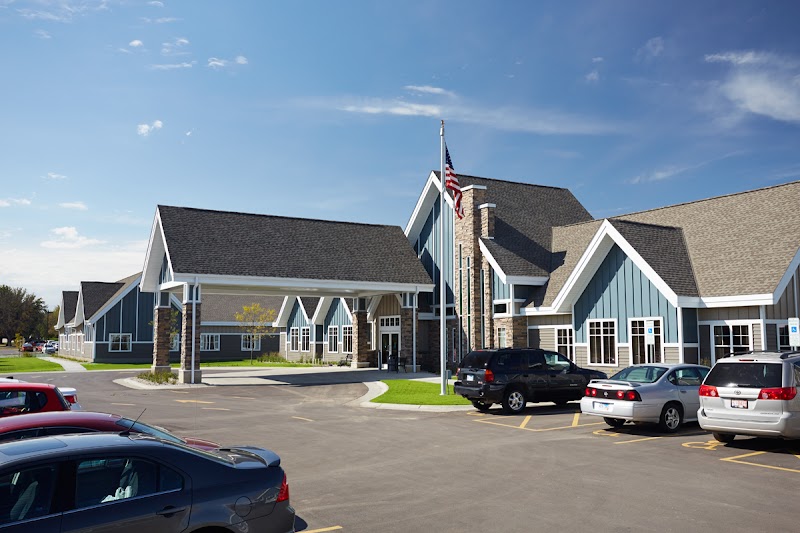
How is The Neighborhoods At Brookview Staffed?

CMS rates THE NEIGHBORHOODS AT BROOKVIEW's staffing level at 4 out of 5 stars, which is above average compared to other nursing homes. Staff turnover is 61%, which is 15 percentage points above the South Dakota average of 46%. High turnover can affect care consistency as new staff learn residents' individual needs.

What Have Inspectors Found at The Neighborhoods At Brookview?

State health inspectors documented 10 deficiencies at THE NEIGHBORHOODS AT BROOKVIEW during 2022 to 2024. These included: 10 with potential for harm.
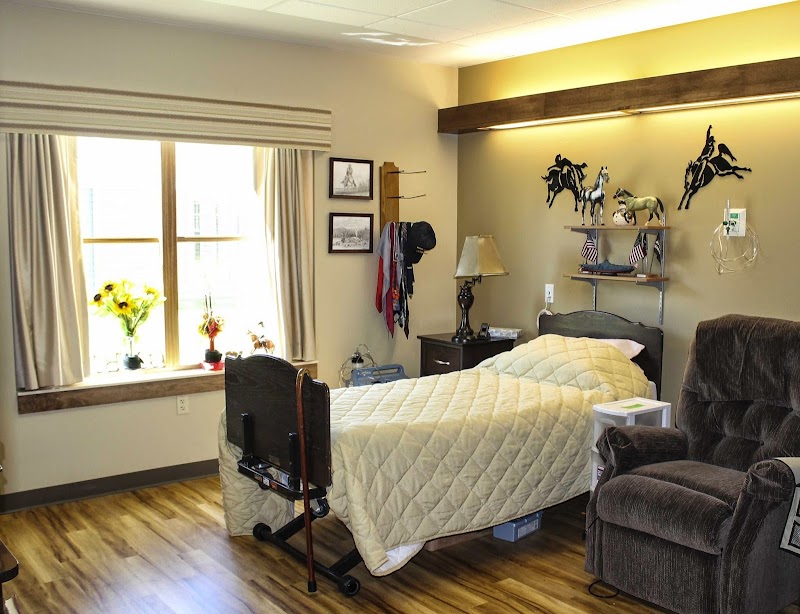
Who Owns and Operates The Neighborhoods At Brookview?

THE NEIGHBORHOODS AT BROOKVIEW is owned by a government entity. Government-operated facilities are typically run by state, county, or municipal agencies. The facility operates independently rather than as part of a larger chain. With 79 certified beds and approximately 71 residents (about 90% occupancy), it is a smaller facility located in BROOKINGS, South Dakota.
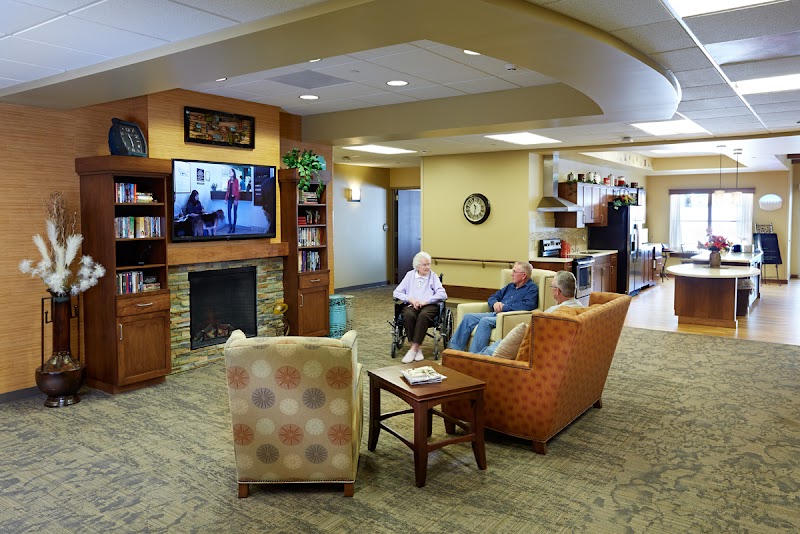
How Does The Neighborhoods At Brookview Compare to Other South Dakota Nursing Homes?

Compared to the 100 nursing homes in South Dakota, THE NEIGHBORHOODS AT BROOKVIEW's overall rating (4 stars) is above the state average of 2.7, staff turnover (61%) is significantly higher than the state average of 46%, and health inspection rating (4 stars) is above the national benchmark.

What Should Families Ask When Visiting The Neighborhoods At Brookview?

Based on this facility's data, families visiting should ask: "How do you ensure continuity of care given staff turnover, and what is your staff retention strategy?" "Can I visit during a mealtime to observe dining assistance and food quality?" "How do you handle medical emergencies, and what is your hospital transfer rate?" "Can I speak with family members of current residents about their experience?" These questions are particularly relevant given the facility's high staff turnover rate.

Is The Neighborhoods At Brookview Safe?

Based on CMS inspection data, THE NEIGHBORHOODS AT BROOKVIEW has a clean safety record: no substantiated abuse findings (meaning no confirmed cases of resident harm), no Immediate Jeopardy citations (the most serious violation level indicating risk of serious injury or death), and is not on the Special Focus Facility watch list (a federal program monitoring the lowest-performing 1% of nursing homes). The facility has a 4-star overall rating and ranks #1 of 100 nursing homes in South Dakota. While no facility is perfect, families should still ask about staff-to-resident ratios and recent inspection results during their visit.

Do Nurses at The Neighborhoods At Brookview Stick Around?

Staff turnover at THE NEIGHBORHOODS AT BROOKVIEW is high. At 61%, the facility is 15 percentage points above the South Dakota average of 46%. High turnover means new staff may not know residents' individual needs, medications, or preferences. It can also be disorienting for residents, especially those with dementia who rely on familiar faces. Families should ask: What is causing the turnover? What retention programs are in place? How do you ensure care continuity during staff transitions?

Was The Neighborhoods At Brookview Ever Fined?

THE NEIGHBORHOODS AT BROOKVIEW has no federal fines on record. CMS issues fines when nursing homes fail to meet care standards or don't correct problems found during inspections. The absence of fines suggests the facility has either maintained compliance or corrected any issues before penalties were assessed. This is a positive indicator, though families should still review recent inspection reports for the full picture.

Is The Neighborhoods At Brookview on Any Federal Watch List?

THE NEIGHBORHOODS AT BROOKVIEW is not on any federal watch list. The most significant is the Special Focus Facility (SFF) program, which identifies the bottom 1% of nursing homes nationally based on persistent, serious quality problems. Not being on this list means the facility has avoided the pattern of deficiencies that triggers enhanced federal oversight. This is a positive indicator, though families should still review the facility's inspection history directly.