UNITED LIVING COMMUNITY
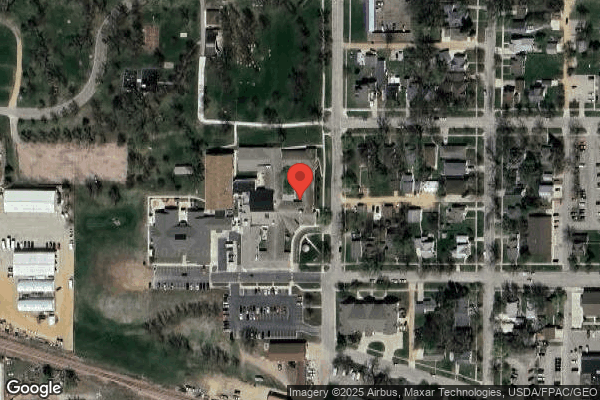
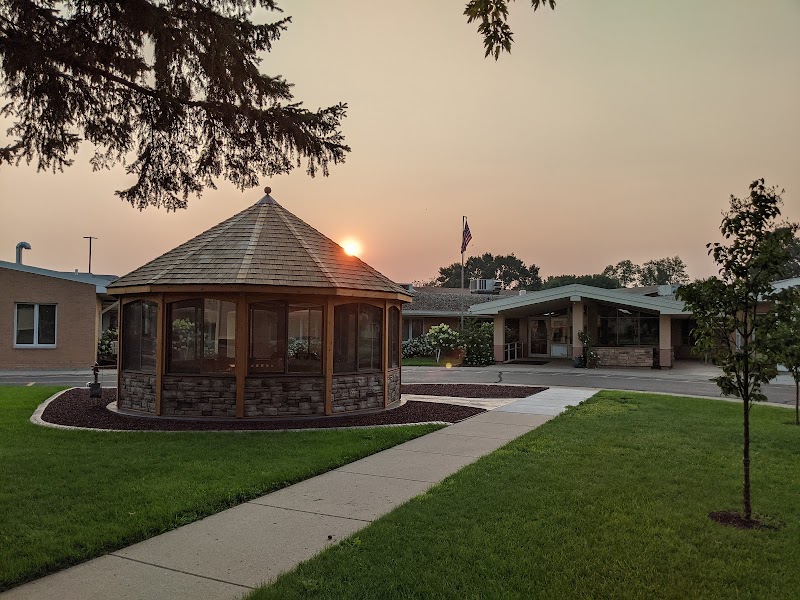
405 FIRST AVE, BROOKINGS, SD 57006 (605) 692-5351
Non profit - Corporation 67 Beds Independent Data: November 2025
Trust Grade
28/100
#70 of 95 in SD
Last Inspection: May 2024

Within standard 12-15 month inspection cycle. Federal law requires annual inspections.

Overview

United Living Community in Brookings, South Dakota, has received a Trust Grade of F, indicating significant concerns with their operations and care quality. They rank #70 out of 95 facilities in the state, placing them in the bottom half, and are the second-best option in Brookings County, meaning there is only one facility rated higher. While the facility is showing some improvement, with issues decreasing from 8 in 2024 to 4 in 2025, they still have serious deficiencies, including incidents of falls that resulted in injuries due to inadequate fall prevention measures and instances of abuse among residents. Staffing is a relative strength, with a 4/5 rating, but the turnover rate is average at 53%, and there is less RN coverage than 89% of South Dakota facilities, which could impact the quality of care. Additionally, the facility has incurred fines totaling $12,695, which suggests ongoing compliance issues that families should consider when evaluating their options.

Trust Score
F
28/100
In South Dakota
#70/95
Bottom 27%
Safety Record
High Risk
Review needed
Inspections
Getting Better
8 → 4 violations
Staff Stability
⚠ Watch
53% turnover. Above average. Higher turnover means staff may not know residents' routines.
Penalties
✓ Good
$12,695 in fines. Lower than most South Dakota facilities. Relatively clean record.
Skilled Nurses
○ Average
Each resident gets 40 minutes of Registered Nurse (RN) attention daily — about average for South Dakota. RNs are the most trained staff who monitor for health changes.
Violations
⚠ Watch
16 deficiencies on record. Higher than average. Multiple issues found across inspections.
★★☆☆☆
2.0
Overall Rating
★★★★☆
4.0
Staff Levels
★★★☆☆
3.0
Care Quality
★★☆☆☆
2.0
Inspection Score
Stable
2024: 8 issues
2025: 4 issues

The Good

  • 4-Star Staffing Rating · Above-average nurse staffing levels
  • Full Sprinkler Coverage · Fire safety systems throughout facility
  • No fines on record

Facility shows strength in staffing levels, fire safety.

The Bad

2-Star Overall Rating

Below South Dakota average (2.7)

Below average - review inspection findings carefully

Staff Turnover: 53%

Near South Dakota avg (46%)

Higher turnover may affect care consistency

Federal Fines: $12,695

Below median ($33,413)

Minor penalties assessed

The Ugly 16 deficiencies on record

2 actual harm
Aug 2025 1 deficiency
CONCERN (D) 📢 Someone Reported This

A family member, employee, or ombudsman was alarmed enough to file a formal complaint

Potential for Harm - no one hurt, but risky conditions existed

Free from Abuse/Neglect (Tag F0600)

Could have caused harm · This affected 1 resident

Based on the South Dakota Department of Health (SD DOH) facility reported incident (FRI) review, interview, and record review, the provider failed to protect one of one sampled resident's (1) right to...

Read full inspector narrative →
Based on the South Dakota Department of Health (SD DOH) facility reported incident (FRI) review, interview, and record review, the provider failed to protect one of one sampled resident's (1) right to be free from potential neglect by two of three certified nursing assistants (CNAs) (E and J) who had neglected to assist resident 1 off the toilet in a reasonable amount of time, and did not inform the oncoming shift that the resident was still on the toilet, which resulted in the resident sitting on the toilet for at least two hours.Findings include: 1. Review of the provider's 7/28/25 submitted SD DOH FRI revealed that on 7/27/25 at around 1:30 p.m., CNA I had helped resident 1 onto the toilet using a stand-aid (a mechanical lift used to assist from a seated to a standing position) and then left to assist another resident. CNA I told CNAs E and J that resident 1 was on the toilet before he left the unit.Around 3:40 p.m., CNA C found resident 1 sleeping on the toilet and helped her off the toilet. Registered nurse (RN) H checked resident 1's skin, found some redness, and applied zinc ointment. The next day, DON B checked the resident's skin again and found no redness or bruising.CNAs E and J did not report that resident 1 was on the toilet during their shift change around 2:30 p.m. and did not check if the resident needed help. Both CNAs received disciplinary action and retraining.Resident 1 did not get hurt and showed no signs of pain. Resident 1's care plan was updated to include that staff were to check on her every five minutes while she was on the toilet. The critical event checklist and witness descriptions were completed, and resident 1's family was notified. Staff were re-educated on rounds and care plans. 2. Interview on 8/14/25 at 9:08 a.m. with CNA F revealed she was working on 7/27/25 when resident 1 was left on the toilet. She said that as part of the provider's investigation process, she was interviewed by the social worker about what happened that day and she confirmed her statement.She said that the provider changed how the CNAs were to perform their shift-to-shift report. Instead of completing report in the nurse's station, they were to walk with the oncoming shift to lay eyes on each resident to know their whereabouts and then give their report in the nurse's station. They had been doing that new process for a couple of weeks, and she thought it had been working well. 3. Interview on 8/14/25 at 10:52 a.m. with licensed practical nurse (LPN) G revealed that she was not present at the facility when resident 1 was left on the toilet, but she received a report about the event the next time she was scheduled to work. She explained the new expectation was for the direct care staff to complete walking rounds with the previous shift to lay eyes on each resident to know their whereabouts. 4. Interview on 8/14/25 at 11:03 a.m. with CNA D revealed that she was one of the CNAs who found resident 1 on the toilet at around 3:30 p.m. on 7/27/25. She explained that CNA C found resident 1 asleep on the toilet. CNA C asked CNA D for help to assist resident 1 off the toilet. Resident 1 did not show any signs or symptoms of distress or injury.She confirmed that during that shift-to-shift exchange, neither CNA E nor J had informed the oncoming CNAs (C and D) that resident 1 was on the toilet. They informed RN H about the incident, and she assessed the resident who found that the resident's bottom was reddened and applied some ointment. Since that incident, the nursing staff were expected to complete walking rounds during the shift-to-shift exchange to know where each resident was at. 5. The survey team attempted to contact CNA E for an interview by phone on 8/14/25 at 11:27 a.m. and left a voicemail. CNA E did not contact the survey team by the end of the survey on 8/14/25 at 4:35 p.m. 6. Phone interview on 8/14/25 at 11:29 a.m. with CNA J revealed that on 7/27/25, she and CNA E were assigned to resident 1's unit. CNA I was the float CNA (had shared assigned areas) for resident 1's unit and another unit. CNA I had taken resident 1 to the bathroom roughly after lunch. CNA I informed CNA J and CNA E about it, then left the unit. CNA J said, I didn't really think anything of it, as she thought that CNA E was assigned to resident 1. CNA J stated, I wasn't really doing her [resident 1's] cares that day, and explained that CNA E had been taking care of resident 1 that day. CNA J indicated that she assumed CNA E and CNA I had helped resident 1 off the toilet.After the incident, the management team investigated the incident and interviewed her. She confirmed that she signed a disciplinary action form.Since the incident, the nursing staff were expected to perform walking rounds with the previous shift to visualize each resident. The nurse managers had also been assigning each CNA residents to be primarily responsible for on the family sheets. The family sheets included groups of residents that included pertinent information to care for each resident, such as their diet order, and adaptive equipment they might require, how the resident transfers from surface to surface, and their code status. There were usually two CNAs per unit, and each CNA was assigned to care for half of the residents in their assigned unit. 7. The survey team attempted to contact CNA I for an interview by phone on 8/14/25 at 11:38 a.m. and left a voicemail. CNA I did not contact the survey team by the end of the survey on 8/14/25 at 4:35 p.m. 8. Interview on 8/14/25 at 3:33 p.m. with administrator A revealed that an investigation was initiated immediately after staff had discovered resident 1 on the toilet. RN H completed a full skin assessment and found redness on the resident's bottom and applied zinc ointment. The nursing team completed a skin assessment for resident 1 each day for three days after the incident to rule out a deep tissue injury.All staff involved were interviewed as part of their investigation. CNA E and J received disciplinary action as it was their responsibility to care for the resident. They deemed that CNA I did everything he was supposed to do. He was the float CNA between two units and informed CNAs E and J that resident 1 was on the toilet before he left to go to the other unit. At that point, it was CNA E and J's responsibility to assist resident 1 off the toilet. As a result of the incident, nursing staff were expected to complete a walkthrough with the oncoming shift before giving a shift-to-shift report. That way, both shifts would see each resident to ensure their safety. 9. Interview on 8/14/25 at 3:57 p.m. with director of nursing (DON) B revealed that with the new expectations for the shift-to-shift reporting, she had been coming in early to inform the overnight shift staff of the new procedure. The new expectations were also included in the monthly all-staff meetings that occurred at the end of each month. They recorded those meetings and required those not in attendance to watch the video before their next working shift to ensure that each staff member was informed of the new expectations.She had been walking with the staff during their shift-to-shift exchange since the meeting to ensure that staff understood the new process. She came in early to observe the night staffs' reporting to the day shift and provided re-education to those who needed it. Staff had given her positive feedback about the new process. 10. Review of resident 1's electronic medical record revealed no documented evidence of skin injury or change in behaviors after the incident. Her weekly skin assessment completed on 8/2/25 indicated her skin was intact.Resident 1's quarterly Minimum Data Set assessment, submitted on 5/7/25, indicated the staff were unable to complete the Brief Interview for Mental Status assessment, and that resident 1 was rarely/never understood. The Staff Assessment for Mental Status section was completed and indicated that resident 1 was severely impaired when it came to making decisions regarding tasks of daily life, meaning that resident 1 never/rarely made decisions.Her care plan was updated following the incident to indicate that she should be checked on every five minutes while in the bathroom. 11. No further documentation was provided to support the other residents were checked to ensure they had not been left on the toilet for a prolonged period at the time of the incident, or that ongoing audits were completed to ensure staff understanding of resident safety and the education provided.
Jul 2025 3 deficiencies 1 Harm
SERIOUS (G) 📢 Someone Reported This

A family member, employee, or ombudsman was alarmed enough to file a formal complaint

Actual Harm - a resident was hurt due to facility failures

Accident Prevention (Tag F0689)

A resident was harmed · This affected 1 resident

Based on the South Dakota Department of Health (SD DOH) complaint intake review, interview, observation, record review, and policy review, the provider failed to communicate with staff and implement f...

Read full inspector narrative →
Based on the South Dakota Department of Health (SD DOH) complaint intake review, interview, observation, record review, and policy review, the provider failed to communicate with staff and implement fall prevention interventions, which potentially contributed to at least six falls (four of which resulted in injuries) from 2/1/25 to 7/6/25 for one of two sampled residents (1).Findings include: 1. Review of the SD DOH complaint intake received on 4/7/25 revealed:*An anonymous community member called to express their concerns about resident falls at the facility.*They specifically mentioned resident 1's falls which had resulted in issues.-They did not explain what those issues were. 2. Review of resident 1's electronic medical record (EMR) revealed:*Her 6/10/25 Brief Interview for Mental Status (BIMS) assessment score was 5, which indicated had severe cognitive impairment.*Her diagnoses included Parkinson's disease, dementia, anxiety, muscle weakness, repeated falls, hypertension, chronic pain, and wandering.-Parkinson's disease affects brain cells, causing movement and balance problems.-Dementia causes memory loss and confusion, affecting daily life activities.-Anxiety makes a person feel worried or scared about things often.-Muscle weakness means a person's muscles are too weak to work well.-Repeated falls means falling often without a clear reason.-Hypertension is high blood pressure.-Chronic pain means the person experiences long-lasting pain that does not go away easily.-Wandering is when a person becomes lost or moves around without purpose.*She fell on 2/1/25 in the dining room when staff had briefly left her alone.*She fell on 2/8/25 in the dining room and sustained a tiny skin tear on her left hand.*She fell on 2/17/25 in the dining room and sustained a bump to the side of her head.*She had fallen on 4/1/25 at around 7:13 p.m. in the hallway and was found lying face down and sustained a laceration (cut or torn skin) on her cheek.-She went to the emergency room for evaluation.-Per the 4/1/25 fall report, staff were to assist her with using the toilet her every two hours. The last time she was assisted to the bathroom was at 4:30 p.m., which was 2 hours and 43 minutes before fall. Staff were to also monitor her closely when she was out of her room.*She fell in her bathroom on 6/22/25 after a CNA left her alone to grab supplies. As the CNA was re-entering the bathroom, resident 1 attempted to stand up and fell.*She fell on 7/6/25 in her bathroom after a CNA left her alone to grab supplies.-Per her care plan, she was not supposed to be left alone.-She sustained a bump to the back of her head and a skin tear to her right elbow that required Steri-Strips [adhesive strips used to close a wound]. 3. Interview on 7/9/25 at 10:13 a.m. with certified nursing assistance (CNA) N revealed:*Resident 1 had fallen before, but she could not remember if she had fallen recently.*A few months prior, resident 1 had fallen and received a bruise to her face.*The care plan (a personalized plan that addresses a resident's care needs, goals, and interventions) binder was not up to date, as it contained care plans for residents who had since passed away or moved to other halls.*Sometimes there were pocket care plans (a document that identifies residents' care needs and interventions) inside the resident's closet or cabinet in their rooms.*She indicated the lead CNAs would help with updating the resident pocket care plans. 4. Observation on 7/9/25 at 10:42 a.m. of resident 1's room revealed:*There was a sign on the outside of the bathroom door and above the toilet that stated, Please do not leave me unattended while I am using the bathroom.*There was no pocket care plan inside her closet or cabinet doors. 5. Interview on 7/9/25 at 3:00 p.m. with CNA I revealed:*Resident 1 had a diagnosis of Parkinson's disease.*A therapy wedge pillow block was placed by resident 1's right side when she was lying in bed to help her identify where the edge of the bed was. The wedge also helped her legs from flailing around due to her Parkinson's disease.*She stated that resident 1 was the biggest fall risk in the building.*Resident 1 was in a wheelchair for a while after she had fallen, as she was scared of falling. CNA I indicated that resident 1 was also scared to sit on the toilet.*Staff were supposed to always keep resident 1 within their eyesight and were to chart about her whereabouts every two hours in the EMR.-Resident 1 required 24/7 [24 hours a day, 7 days a week] supervision.*Resident 1 was not allowed to be in the bathroom by herself, and that staff were to remain in the bathroom with her. 6. Interview on 7/9/25 at 3:15 p.m. with unlicensed assistive personnel (UAP) G revealed:*Resident 1 was impulsive, would stand up from her chair quickly, and often tripped over her shoes.*Resident 1 was not included in the pocket care plan binder, but she was included on the family sheet located in a different binder.-The family sheets included a list of residents on that unit and their special care needs, such as their diet order, code status, what size of incontinence products to use, and how the resident transferred. 7. Review of the undated SUNSHINE [the secured memory care unit] FAMILY 1 sheet regarding resident 1 revealed:*She needed one staff member to assist her with transfers and required the use of a walker.* Special equipment included a VST (a motion-detection device that alerted staff of a resident's movement), and a WanderGuard (a wearable door-alarming device).* Hip pads under her pants was included in the miscellaneous section.*It also included her code status, diet order, the size of her incontinence products, and that she wore glasses.*No other safety interventions were included. 8. Interview on 7/9/25 at 3:39 p.m. with licensed practical nurse (LPN) E revealed:*Family sheets should have included the residents' fall prevention interventions.*Family sheets were updated by director of nursing (DON) B.*The CNAs wrote notes and updates on the family sheets and turned them in to DON B to update the family sheets. 9. Interview on 7/10/25 at 8:14 a.m. with LPN F revealed:*Resident 1 was very impulsive. She had a hard time understanding directions, as she would usually do the opposite of what was asked of her.-She frequently fidgeted and had tremors (involuntary shaking movements) due to her Parkinson's disease.*Staff tried to engage her with meaningful activities like folding laundry and coloring.*Resident 1 ambulated with staff using a four-wheeled walker.-Staff used a gait belt (a waist strap gripped as support for safe mobility and transfers) around her waist for stability and to remind her to slow down. *Resident 1 walked with a shuffled gait and normally wore tennis shoes. 10. Continued interview with LPN F and review of resident 1's care plan revealed fall-prevention interventions that included: * Follow signage, I will not be left alone in bathroom. That was created on 6/24/25 and revised on 7/7/25.* I will not be left alone in public areas. That was created on 6/24/25.* Ensure that [the] resident is wearing appropriate footwear nonskid shoes/socks when out of bed. That was created on 2/18/25 and revised on 3/10/25.* PT [physical therapy] and OT [occupational therapy] [to] evaluate and treat as ordered or PRN [as needed]. That was created on 11/18/22 and revised on 6/19/24.* Sign on walker to remind to use. That was created on 7/24/24.* I will not be put to bed before 1900 [7:00 p.m.]. That was created on 6/24/25.* 10/30/24: Poor gait balance awareness.* Distract resident from wandering by offering pleasant diversions, structured activities, food, conversation, television, book. Resident prefers: That was created on 12/11/22.-The care plan was not personalized to indicate what type of pleasant diversions the resident prefers.* AMBULATION: Resident['s] usual [performance] consists of supervision/touching assist [assistance] with walker; staff assists as needed. Resident may refuse her walker at times; staff assists as needed. That was created on 11/19/22 and revised on 7/9/25.* DRESSING: .Hip pads [extra padding to provide cushion] to hips per family request; staff assists as needed. That was created on 11/18/22 and revised on 7/9/25.*Her care plan included several restorative therapy interventions. LPN F indicated that resident 1 did not participate in the restorative therapy program. 11. Interview on 7/10/25 at 8:40 a.m. with CNA K revealed the family sheets included that resident 1 was supposed to use hip pads. There were no fall interventions for resident 1 on the family sheets. 12. Observation on 7/10/25 at 8:48 a.m. of resident 1 in the dining room revealed:*She was coloring a picture while seated at a dining room table.*Her feet and her head were tremoring.*She was wearing sneakers. *Resident 1's spouse, who also resided in the memory care unit, was sitting on resident 1's four-wheeled walker and propelling himself in the dining room.*There was no sign on her walker to remind resident 1 to use her walker. 13. Interview on 7/10/25 at 8:58 a.m. with CNA J revealed that resident 1 had a restorative program but had not participated in it for a while, and that it stopped a few months ago after resident 1 fell. 14. Interview on 7/10/25 at 9:59 a.m. with physical therapy assistant H revealed that resident 1 had not been assessed by PT/OT since 6/19/24. 15. Interview on 7/10/25 at 10:12 a.m. with CNA J revealed:*She confirmed resident 1 did not have a sign on her walker to remind her to use it.*The pocket care plans in the care plan binder were not up to date.-The pocket care plans in the binder included several residents that were no longer residing on that unit and was missing seven current residents.*She would have expected to find the residents' fall interventions listed on the pocket care plans or family sheets.-She confirmed that the family sheets did not include resident 1's fall interventions.*She stated that she usually would not look in the provider's EMR for fall interventions.*CNA J was only able to pull up and view the first page of resident 1's 28-page care plan in the EMR. 16. Interview on 7/10/25 at 12:54 p.m. with case managers C and D revealed:*Resident 1 was very impulsive, and did not always voice her needs or wants.*Resident 1 spent a lot of time in the common areas and staff tried to always be present in those areas.*Resident 1's walker was supposed to have been kept within reach with the brakes on.*Resident 1's gait was shuffled, and she tripped over her feet, so they tried to always have someone near her.-Her care plan included interventions such as I will not be left alone in bathroom and I will not be left alone in public areas.*Case manager C was not aware that resident 1 used a blue wedge for positioning and expected that to have been included on the resident's care plan.*She indicated that a lot of people are responsible for updating the care plan.*Both case managers C and D were new to their positions, and they were learning what to include on the residents' care plans.*The facility transitioned to using the family sheets in March 2025 rather than the pocket care plans. -Several people were responsible for updating the family sheets, including the DON, the case managers, and the lead CNAs.*They were not sure what the expectation was for CNAs to have access to the residents' care plans. 17. Interview on 7/10/25 at 2:05 p.m. with DON B revealed:*Resident 1 had a decline in her cognition with her dementia.*She confirmed the resident's sign to remind her to use her walker was not on her walker.*Pocket care plans were no longer to be used. Staff were to use the family sheets for resident care information.-Family sheets were to be updated when a new resident was admitted , and as needed with pertinent resident care information.*CNAs could not access the resident care plans in the EMR.-CNAs were to use the family sheets to understand how to care for the residents.*They also utilized shift-to-shift report to update staff on new resident information.*The family sheets included resident care information, such as the resident's diet, how they ambulate, how they transfer, if they wear hearing aids or dentures, their code status, what they prefer in their room, and if they were on enhanced barrier precautions.*She hung a sign on resident 1's bathroom door on 7/7/25, after the resident was left alone in the bathroom again and fell, to remind staff that resident 1 should not be left alone while in the bathroom. 18. Review of the providers 4/11/24 Falls and Fall Risk, Managing policy revealed:* Definition*.Fall Risk Factors-1. Environmental -a. wet floors -b. poor lighting .f. footwear that is unsafe or absent.-2. Resident conditions that may contribute to the risk of falls include: -a. fever -.d. pain -e. lower extremity weakness -.k. incontinence-3. Medical factors that contribute to the risk of falls include: -.e. balance and gait disorders; etc.* Resident-Centered Approaches to Managing Falls and Fall Risk-1. The staff, with the input of the attending physician, will implement a resident-centered fall prevention plan to reduce the specific risk factor(s) of falls for each resident at risk or with a history of falls.-2. If a systematic evaluation of a resident's fall risk identifies several possible interventions, the staff may choose to prioritize interventions.-3. Examples of initial approaches might include exercise and balance training, a rearrangement of room furniture, improving footwear, changing the lighting, etc.-.6. If underlying causes cannot be readily identified or corrected, staff will try various interventions, based on assessment of the nature or category of falling, until falling is reduced or stopped, or until the reason for the continuation of the falling is identified and unavoidable.-7. In conjunction with the attending physician, staff will identify and implement relevant interventions (e.g., hip padding or treatment of osteoporosis, as applicable) to try to minimize serious consequences of falling.-8. Position-change alarms will not be used as the primary or sole intervention to prevent falls, but rather will be used to assist the staff in identifying patterns and routines of the resident. The use of alarms will be monitored for efficacy and staff will respond to alarms in a timely manner.* Monitoring Subsequent Falls and Fall Risk-1. The staff will monitor and document each resident's response to interventions intended to reduce falling or the risks of falling.-2. If interventions have been successful in preventing falls, staff will continue the interventions.-3. If the resident continues to fall, staff will re-evaluate the situation and whether it is appropriate to continue or change current interventions. As needed, the attending physician will help the staff reconsider possible causes that may not previously have been identified.-4. The staff and/or physician will document the basis for conclusion that specific irreversible risk factors exist that continue to present a risk for falling or injury due to falls. Review of the providers 4/11/24 Care Planning-Interdisciplinary Team policy revealed:* Policy Statement: Our facility's care planning/interdisciplinary team is responsible for the development of an individualized comprehensive care plan for each resident.* Policy Interpretation and Implementation-.2. The care plan is based on the resident's comprehensive assessment and is developed by a care planning/interdisciplinary team which includes, but is not necessarily limited to the following personnel:--a. The residents' attending physician;--b. The registered nurse who has responsibility for the resident;--.f. Therapists (speech, occupational, recreational, etc.), as applicable;--.h. The director of nursing (as applicable);--i. The charge nurse responsible for the resident's care;--j. Nursing assistants responsible for the resident's care.
CONCERN (D) 📢 Someone Reported This

A family member, employee, or ombudsman was alarmed enough to file a formal complaint

Potential for Harm - no one hurt, but risky conditions existed

Deficiency F0825 (Tag F0825)

Could have caused harm · This affected 1 resident

Based on record review and interview, the provider failed to implement and effectively manage a nursing restorative therapy program for one of one sampled resident (1).Findings include: 1. Review of t...

Read full inspector narrative →
Based on record review and interview, the provider failed to implement and effectively manage a nursing restorative therapy program for one of one sampled resident (1).Findings include: 1. Review of the SD DOH complaint intake received on 4/7/25 revealed:*An anonymous community member called to express their concerns about resident falls at the facility.*They specifically mentioned resident 1's falls, which had resulted in issues.-They did not explain what those issues were. 2. Review of resident 1's care plan revealed:*A focus area that read, I am in need of restorative therapy to maintain my functions and abilities. Created on 6/25/24.*Interventions that included restorative programming included:- NURSING REHAB/RESTORATIVE: Transfer Program #1 : Nu-step at level 5 for up to 15 minutes up to [6 to 7] days a week. Created on 6/25/24.- NURSING REHAB/RESTORATIVE: Transfer Program #1 : Nu-step at level 5 for upto 15 minutes up to [6 to 7] days a week. Goal to maintain ability [and] strength to remain free of fall with a major injury. Created on 2/25/24. Revised on 2/25/24.- NURSING REHAB/RESTORATIVE: PASSIVE ROM [range of motion] Program #1 Static stretchingwith 30 second holds to upper and lower extremities for 15 minutes up to [6 to 7] days aweek. Goal to prevent contractures [and] remain comfortable. Created on 2/25/24. Revised on 2/25/24.- Restorative program for balance and lower extremity strengthening. Created on 12/4/24. 3. Review of resident 1's electronic medical record (EMR) revealed:*One of the items on the tasks page for certified nursing assistants (CNAs) to chart on included Restorative Nursing-RESTORATIVE: Transfer Program #1 : Nu-step at level 5 for up to 15 minutes up to [6 to 7] days a week.-In the 30-day lookback report, the response was charted as Not Applicable on 7/6/25, Resident Not Available on 7/7/25, and 0 in the Amount column on 7/9/25.*Her diagnoses included chronic pain, low back pain, neurocognitive disorder with Lewy bodies, muscle weakness, unsteadiness on feet, anxiety disorder, dementia, and Parkinson's disease with dyskinesia (involuntary, uncontrolled muscle movements often caused by neurological disorders).-Chronic pain means the person experiences long-lasting pain that does not go away easily.-Neurocognitive disorder with Lewy bodies is a brain disorder causing memory loss, hallucinations, and movement problems.-Muscle weakness means a person's muscles are too weak to work well.-Unsteadiness on feet means trouble standing or walking without losing balance.-Anxiety disorder makes a person feel worried or scared about things often.-Dementia causes memory loss and confusion, affecting daily life activities. 4. Interview on 7/10/25 at 9:00 a.m. with CNA J revealed:*There were two restorative CNAs in the therapy department.*She believed that resident 1 was the only resident on the memory care unit that had a restorative program.-Resident 1 had not participated in the restorative therapy program for several months.*She explained that resident 1 had a fall with injury, and the restorative program would probably restart after she was more stabilized.-She did not explain when resident 1 had that fall, or what type of injury the resident sustained. 5. Interview on 7/10/25 at 9:59 a.m. with physical therapy assistant (PTA) H revealed:*She confirmed that resident 1 was not currently receiving skilled therapies.*The last time resident 1 was discharged from skilled therapies was on 6/19/24. 6. Interview on 7/10/25 at 11:37 a.m. with CNA L revealed:*She was one of the restorative CNAs and had been working at the facility for nine years.-She had been the only restorative CNA for the past three to four years.*A second restorative CNA was recently hired, and she helped train them on restorative programming.*She confirmed resident 1 had a restorative program in place.-Resident 1 would refuse to participate in the programming.*She confirmed she was supposed to chart that the resident had refused, but she had not been doing that.*She explained, when I was by myself, I focused on the other people who would be more willing to do the program.*It had been several months since resident 1 last participated in the restorative program.*She would often get pulled from the restorative therapy program as she was reassigned to fill in for other CNAs that called out.*There were about 25 residents with a custom restorative therapy program.-She could not handle that caseload by herself, which is why a second restorative aide was hired.*She confirmed that director of nursing (DON) B oversaw the restorative therapy program.*The restorative program got pushed to the side because she was getting pulled to work the nursing floor often. 7. Interview on 7/10/25 at 12:53 p.m. with case managers C and D revealed:*They denied that the restorative program was pushed to the side, explaining that it was hard to keep up with because they had one restorative aide conducting the program. They hired a second restorative aide to help with the caseload.*They confirmed that DON B managed the restorative therapy program.*They expected the restorative aides to chart each time a resident refused or participated in the restorative program. 8. Interview on 7/10/25 at 2:05 p.m. with DON B revealed:*She confirmed that resident 1 was supposed to have a restorative therapy program.*She had identified a problem with their restorative therapy program.-Restorative therapy was not being captured on the Minimum Data Set as it should have been.-The restorative program was not fully implemented as the case load was too large for one restorative aide to handle.-Resident refusals were not documented consistently.*They recently had a meeting between the nursing managers and the restorative aides to discuss improvements.*The physical and occupational therapists helped develop a resident's restorative therapy program.*She confirmed that CNA L has been getting pulled to the floor.*She confirmed that she took over managing the restorative therapy program in March 2025 since the previous program manager had left.*They were hoping the restorative therapy program would improve with the hiring of a second restorative aide. 9. Surveyors requested the restorative therapy program policy from administrator A on 7/10/25 at around 4:07 p.m. Administrator A explained that the program booklet was a large document and did not know which part to print. Surveyors asked if the program booklet could be sent via email and administrator A agreed. Surveyors requested for the program booklet to be emailed by 5:00 p.m. on 7/11/25. The program booklet was not received by the survey team by 5:00 p.m. on 7/11/25.
CONCERN (E) 📢 Someone Reported This

A family member, employee, or ombudsman was alarmed enough to file a formal complaint

Potential for Harm - no one hurt, but risky conditions existed

Deficiency F0658 (Tag F0658)

Could have caused harm · This affected multiple residents

Based on the South Dakota Department of Health (SD DOH) complaint intake review, record review, interview, and policy review, the provider failed to adequately monitor for neurological changes and fol...

Read full inspector narrative →
Based on the South Dakota Department of Health (SD DOH) complaint intake review, record review, interview, and policy review, the provider failed to adequately monitor for neurological changes and follow the provider's falls protocol for two of three sampled residents (1 and 2) after they had fallen.Findings include:1. Review of the SD DOH complaint intake received on 4/7/25 revealed:*An anonymous community member called to express their concerns about resident falls at the facility.*Resident 1's falls, which had resulted in issues, was specifically mentioned with no explanation of what those issues were. 2. Review of resident 1's electronic medical record (EMR) revealed:*Her 6/10/25 Brief Interview for Mental Status (BIMS) assessment score was 5, which indicated she had severe cognitive impairment.*Her diagnoses included Parkinson's Disease, dementia, anxiety, muscle weakness, repeated falls, hypertension, chronic pain, and wandering.-Parkinson's Disease affects brain cells, causing movement and balance problems.-Dementia causes memory loss and confusion, affecting daily life activities.-Anxiety makes a person feel worried or scared about things often.-Muscle weakness means a person's muscles are too weak to work well.-Repeated falls means falling often without a clear reason.-Hypertension is high blood pressure.-Chronic pain means the person experiences long-lasting pain that does not go away easily.-Wandering is when a person becomes lost or moves around without purpose.*Her care plan interventions included:-She needed the assistance of one staff member for transfers and supervision/touching assistance with her walker, staff assisted her as needed, and used a wheelchair as needed.-She refused to use her walker at times.*She fell, unwitnessed, on 1/25/25.-Her neurological evaluation (an assessment of nerve function, reflexes, coordination, motor skills, sensation, reflexes, and mental status) (neuro eval) was not fully completed.--Staff failed to assess her level of consciousness (LOC), pupil response, motor functions, pain, and temperature at 5:30 p.m. Staff also did not assess her LOC, pupil response, motor function, and pain response at 6:30 p.m. *She fell, unwitnessed, on 1/28/25.-Her neuro eval was not fully completed.--Staff failed to assess her pupil response, motor function, pain response, and vital signs at 5:55 p.m. A note stated, getting ready for bed/BR [bathroom]. Between 6:10 p.m. and 8:25 p.m. her LOC, pupil response, motor functions, and pain response was not completed. At 9:25 p.m. and 10:25 p.m. her LOC, pupil response, motor functions, and pain response were not completed, and the nurse did not initial the assessments.-Her blood sugar was not measured as part of the falls protocol (assessment and follow-up processes after a resident falls).*She fell, unwitnessed, on 2/1/25.-Her neuro eval was not fully completed.--At 11:15 a.m. staff did not assess the pupil response, motor functions, pain response, or vital signs. A note stated, eating lunch-no issues noted.-Her blood sugar was not measured as part of the falls protocol.*She fell, unwitnessed, 2/17/25 and sustained a bump to the side of her head.-Her neuro evaluation was not fully completed.--The staff failed to assess the pupil response and obtain vital signs between 2:00 p.m. and 3:45 p.m. Staff did not assess her LOC, pupil response, motor functions, pain response, or vital signs at 7:00 p.m.-Her blood sugar was not measured as part of the falls protocol.*She fell, witnessed, on 3/18/25.-Her blood sugar was not measured as part of the falls protocol.*She fell, unwitnessed, on 4/1/25.-Her neuro evaluation was not fully completed.--The staff did not initial the completed assessments between 7:30 p.m. and 8:00 p.m. On 4/2/25 at 1:00 a.m., her LOC, pupil response, motor functions, and pain response were not assessed. At 2:00 a.m., her LOC, pupil response, motor functions, pain, and vital signs were not assessed. At 6:00 a.m. her LOC, pupil response, motor functions, and pain response were not assessed.-Her blood sugar was not measured as part of the falls protocol.*She fell, unwitnessed, on 5/25/25.-Her evaluation was not fully completed.--Staff failed to assess her LOC, pupil response, motor functions, and pain response from 6:50 p.m. to 9:20 p.m., and from 10:20 p.m. to 5:20 a.m. on 5/26/25.-Her blood sugar was not measured as part of the falls protocol.*She fell, witnessed, in her bathroom on 6/22/25.-Her blood sugar was not measured as part of the falls protocol.*She fell, unwitnessed, on 7/6/25 in her bathroom.-Her neurological evaluation was not fully completed.--Staff failed to initial the completed assessments at 9:05 a.m., 9:20 a.m., 12:50 p.m., 1:50 p.m., and 3:50 p.m. Staff failed to assess pain, vital signs, and initial the assessment at 11:20 a.m.-Her blood sugar was not measured as part of the falls protocol. 3. Review of resident 2's EMR revealed:*Her 6/18/25 BIMS assessment score was 3, which indicated she had severe cognitive impairment.*Her diagnoses included unspecified dementia, dysuria, chronic kidney disease stage 3, and type 2 diabetes mellitus.-Dysuria means pain with urination.-Chronic kidney disease stage 3 means a person's kidneys are working at half the capacity.-Type 2 diabetes mellitus means a person's blood sugar cannot be controlled well by insulin.*She fell, unwitnessed, on 2/8/25.-Her neuro eval was not fully completed.--Staff did not document the assessment of the resident's LOC, pupil response, motor functions, or pain response from 8:30 p.m. on 2/8/25 until 5:30 a.m. on 2/9/25. Staff also did not obtain a set of vitals at 10:30 p.m. and 11:30 p.m., noting that resident 2 was sleeping.-Her blood sugar was not measured as part of the falls protocol.*She fell, unwitnessed, on 2/28/25.-Her neuro eval for the unwitnessed fall on 2/28/25 was not fully completed.--At 10:55 p.m., 11:55 p.m., 12:55 a.m. on 3/1/25, and 1:55 a.m. on 3/1/25, her LOC, pupil response, motor functions, pain response, and vitals were not obtained, noting that she was sleeping.*She fell, witnessed, on 3/10/25 and sustained an injury to her face.-Her neuro eval after she fell on 3/10/25 was not fully completed after the resident returned from the emergency room.--The discharge paperwork from the emergency room indicated that she sustained a contusion (a bruise) to her face.-Her blood sugar was not measured as part of the falls protocol.*She fell while she was out with her family on 4/9/25.-There was no documented neuro eval, post-fall assessment, or communication with resident 2's primary care provider related to her having fallen on 4/9/25.*She fell, unwitnessed, on 5/24/25.-Her neuro eval for the unwitnessed fall on 5/24/25 was not fully completed.--From 11:45 p.m. on 5/24/25 to 6:15 a.m. on 5/25/25, her LOC, pupil response, and motor functions were not assessed.--Her vitals were not obtained at 3:15 a.m., 5:15 a.m., and 6:15 a.m. on 5/25/25.-Her blood sugar was not measured as part of the falls protocol. 4. Interview on 7/9/25 at 3:39 p.m. with licensed practical nurse (LPN) E revealed:*They started neuro checks on residents who had unwitnessed falls whether the resident hit their head or not.*Blood sugar levels were to be measured for each resident after they fell.*The neuro checks were to be performed every 15 minutes for one hour, every 30 minutes for two hours, every hour for four hours, (but after two checks during those four hours, it was at the nurse's discretion to discontinue the neuro checks or not), and then every four hours for four times, if not discontinued by the nurse before that.*She would only discontinue the neuro checks on a resident if it was really obvious that the resident had not hit their head, such as, if the resident said they did not hit their head and there were no bumps or bruises.-She would write the reasons why the neuro checks were discontinued on the resident's neuro check sheet.*The neuro check sheets were to be filled out completely.*She indicated that the nurses sometimes struggled to complete the neuro check sheets depending on the care needs of other residents. 5. Interview on 7/9/25 at 4:39 p.m. with the director of nursing (DON) B revealed:*After a resident fell, she expected the nurses to start neuro checks immediately, assess the resident for injuries, and obtain the resident's vital signs (measurements of the body's basic functions, such as temperature, blood pressure, pulse, and respiration rate).*She expected neuro checks to be completed and documented every 15 minutes for one hour, every 30 minutes for two hours, every hour for four hours, and then every four hours for 16 hours.-She expected the neuro check sheets to be filled out completely.-If the resident refused to have their neuros checked or vitals taken, she expected the nurse to document those refusals on the neuro check sheet.-All fall reports and neuro check sheets were to be given to her for her to review, and then they were to be scanned into the resident's chart.*She confirmed the neuro check sheets for residents 1 and 2 were not filled out completely, as described above.*The falls policy was scheduled to have been reviewed, updated, and approved at their next quality assurance and performance improvement meeting, originally scheduled for 7/10/25 which had to be rescheduled due to the survey.-They had been using the falls protocol check sheet as their falls policy prior to the development of that new policy. 6. Review of the provider's undated FALLS, WHAT TO DO IN THE EVENT OF A FALL document revealed:* All Falls - Witnessed or Not Witnessed-.5. Orthostatic Vital Signs (first lying, before getting [the] resident up.) Chart if unable or inappropriate for the situation.-.7. Full set of vitals (blood pressure, pulse, respirations, temp, O2 sat).-8. Get [the resident's] blood sugar reading.-9. Assess the reason for [the] fall. Things that will need to be in the fall report:--a. Last time rounded [checking on residents' status and assistance needs]--b. Last time toileted [assisted with bathroom needs]--c. Change in medication--d. Medication[s] administered in the last 2 hours---i. PT/INR [prothrombin time/international normalized ratio]--e. What was on residents' feet i.e. socks, grip socks, shoes, barefoot--f. Environment [conditions]--g. Recent changes in resident condition--h. Diabetic conditions.* .Witnessed with NO head injury-may exclude neurological checks/flow sheet.* Neurological checks/Flow Sheet-All unwitnessed falls and witnessed falls with Head Injury.-Must be initiated for 24 hours and documented.-Time frame: every 15 min x 4 [four times], every 30 min x 4, every hour x 4, every 4 hours x 4.-Nurses will be permitted to vary the neuro assessment time frames slightly due to other resident needs or schedules.-Neuro checks may be discontinued at the nurse's discretion after two 60 min [minute] checks have been completed and the resident appears to be stable.-Follow up with [the] physician as appropriate or indicated.
Jun 2024 3 deficiencies 1 Harm
SERIOUS (G) 📢 Someone Reported This

A family member, employee, or ombudsman was alarmed enough to file a formal complaint

Actual Harm - a resident was hurt due to facility failures

Free from Abuse/Neglect (Tag F0600)

A resident was harmed · This affected 1 resident

**NOTE- TERMS IN BRACKETS HAVE BEEN EDITED TO PROTECT CONFIDENTIALITY** Based on South Dakota Department of Health (SD DOH) facility reported incident (FRI), observation, interview, record review, and...

Read full inspector narrative →
**NOTE- TERMS IN BRACKETS HAVE BEEN EDITED TO PROTECT CONFIDENTIALITY** Based on South Dakota Department of Health (SD DOH) facility reported incident (FRI), observation, interview, record review, and policy review, the provider failed to protect one of two sampled resident (1) from physical and verbal abuse, and one of two sampled resident (2) from verbal abuse and involuntary seclusion by resident 3's spouse. Findings include: 1. Review of the SD DOH FRI submitted on 6/15/24 at 7:35 p.m. revealed: *Registered nurse (RN) D reported that certified nurse aide (CNA) C witnessed resident 3's spouse wheeling resident 1 down the hall. *Resident 1 was holding his hand up as if he may have been attempting to grab resident 3's spouse. *In response to resident 1's action, resident 3's spouse hit [resident 1] over the head with her right hand. *RN D immediately assessed resident 1 and when asked if resident 3's spouse hit him, his response was that resident 3's spouse tried to hit him, and I blocked her. *RN D's physical assessment of resident 1 did not reveal any redness, bruising, or raised areas on resident 1's head. *Resident 1 then stated that resident 3's spouse did hit him on his temple, but not very hard. *During interview with resident, he did not show any fear of the situation. *RN D notified the facility administrator. Administrator will be in the facility to discuss the situation with [resident 3's spouse]. *The report indicated that local law enforcement and the South Dakota Department of Human Services (DHS) were not notified. -Under the section Why or why not? for law enforcement notification, the report indicated, Administrator will be in facility in am [a.m.] -Under the section Why or why not? for DHS notification, the report indicated, Notified Ombudsman via email. 2. Observation on 6/24/24 at 5:15 p.m. in the South Ridge common area revealed: *The common area consisted of the dining room and television room. *Residents were eating supper at the time. *Resident 1 was sitting at a table near the window. *Residents 2 and 3 were sitting at the same table. *Resident 3's spouse was sitting in a recliner in the television room. *Interview at that time with resident 3's spouse revealed: -She came to the facility twice per day, every day. -She helped resident 3 with lunch and supper and to get ready for bed each night. 3. Interview on 6/24/24 at 5:32 p.m. with administrator A regarding the FRI revealed: *The incident happened on Saturday 6/15/24 around 6:30 p.m. *She was informed of the incident on 6/15/24 and instructed RN D to complete a state report. *Director of human resources (DHR) I and administrator A came to the facility on Sunday 6/16/24 and met with resident 3's spouse to discuss the incident. *Administrator A told resident 3's spouse that you can't move or touch other residents. *Resident 1 was interviewed several times on the evening of 6/15/24. -He was not a good historian. -One time he said that resident 3's spouse hit him, and another time he said that I blocked it. -He was not consistent with answering if he was hurt or not. *CNA C witnessed the incident and immediately informed RN D. *RN D immediately assessed resident 1 and found no injuries. *She confirmed that resident 3's spouse continued to assist resident 3 with his nighttime routine and left the building around 7:30 p.m. *Resident 3's spouse came back to the facility on 6/16/24 around 11:00 a.m. to meet with DHR I and administrator A. -During that conversation, resident 3's spouse admitted to moving resident 2 to his room and told him, You can come out when you can act like a grown man. -Resident 3's spouse did not admit to hitting resident 1. -They verbally made an agreement with administrator A to not touch other residents. *Resident 3's spouse had a pattern of when she visited. She came around 11:00 a.m., stayed through the lunch hour, left for a couple of hours in the afternoon, came back to the facility around 4:00 p.m., and stayed until resident 3 went to bed. -This pattern was an everyday occurrence. *Administrator A contacted the regional ombudsman regarding the incident. -The ombudsman came to the facility on 6/17/24 to act as an advocate for resident 1 since he did not have a power of attorney. 4. Interview on 6/24/24 at 6:25 p.m. with CNA E regarding the above incident revealed: *He confirmed he was working on the evening of 6/15/24. *He did not witness the incident. *There was a meeting about the incident at the nurse's station including CNA E, CNA C, and RN D. -During the meeting, CNA C said, [resident 3's spouse] slapped resident 1 on the back of his head for no reason. *He verbalized the correct procedure for reporting potential abuse or neglect. 5. Interview on 6/24/24 at 6:37 p.m. with resident 3's spouse regarding the above incident revealed: *When asked about the incident, resident 3's spouse said, That was resolved with [administrator A]. That's all I'm [going to] say. *Resident 3's spouse said, I've held up my end of the bargain. -The bargain was to not speak with resident 1, and to not push any other resident in their wheelchairs. *Surveyors then explained that law enforcement had been contacted by the provider to report the incident. *Resident 3's spouse said, I will not speak to him or her on these premises. 6. Interview on 6/24/24 at 6:45 p.m. with licensed practical nurse (LPN) J regarding the above incident revealed: *She was not at the facility at the time of the incident, but had been made aware of it by RN L. *She explained that resident 1 and resident 2 were known to [NAME] with each other, which was normal for those residents. *Regarding the bickering, she said that staff monitored them and separated them as needed. *When asked about resident 3's spouse, she said, I was surprised that it happened, but not surprised that it was [resident 3's spouse]. 7. Interview on 6/25/24 at 10:20 a.m. with resident 1 regarding the above incident revealed: *When asked how he would get help, he said, I would tell them. *He was unable to express how to use his call light. The call light was next to him within his line of sight. *When asked if he remembered the incident, he said, not really. *When asked about the care he received from staff, he said, I'm well taken care of. 8. Interview on 6/25/24 at 12:41 p.m. with dietary aide F regarding the above incident revealed: *She confirmed she was working on the evening of 6/15/24. *No one had interviewed her about the incident to obtain her formal statement. *She was in the South Ridge kitchenette doing dishes when CNA C came to her looking stressed and informed her of what happened. *The incident must have happened down the hallway because it did not happen in the living room or dining area. *She had not seen the events on 6/15/24 unfold but had seen a similar situation between resident 1 and resident 3's spouse before. -It happened within the previous week of 6/15/24. It may have happened on 6/13/24, but she could not remember. -Resident 2 was sitting in his normal spot in the dining room. -Resident 1 wheeled himself into the dining room. -They started bickering with each other. -She could not understand what they were arguing about. -Resident 3's spouse grabbed resident 1's wheelchair to take him out of the dining room. -She overheard resident 3's spouse call resident 1 incompetent and asshole. -Regarding that incident, she said, those two [residents 1 and 2] are defenseless against [resident 3's spouse]. -Dietary aide F reported what she overheard to both the CNA and the nurse on duty at that time. -She could not remember the names of the CNA or the nurse. -She was not sure what was done with her report. *Dietary aide F indicated that resident 3's spouse was known to fly off the handle with staff, and sometimes other residents. 9. Interview on 6/25/24 at 1:10 p.m. with RN D regarding the above incident revealed: *When asked about the relationship between residents 1 and 2, she said, they get into verbal confrontations, and we intervene, and redirect and they are okay. *She was not aware of resident 1 and resident 2 ever having a physical confrontation. *When asked about resident 3's spouse, she said that resident 3's spouse visited frequently. -She explained that resident 3's spouse would get frustrated when residents 1 and 2 were bickering. *She said that if staff were not around, resident 3's spouse would intervene between residents 1 and 2. 10. Interview on 6/25/24 at 1:32 p.m. with administrator A regarding the above incident revealed: *She was aware that the resident 3's spouse had been verbal with other residents before. -The social worker had been involved. -Resident 3's spouse was educated that she must get staff to move patients away from each other. *When asked if there had been any additional interventions to prevent resident 3's spouse from handling other patients, administrator A said that staff were paying closer attention to resident 3's spouse but there was no additional documentation. 11. Interview on 6/25/24 at 3:25 p.m. with CNA C regarding the above incident revealed: *He confirmed he was working on 6/15/24 and witnessed the incident. *Residents 1 and 2 did not like each other. -He said, they really can't hurt each other, they fight like siblings, and they just yell at each other. *He said that resident 3's spouse was there on most days and is usually in good spirits, but resident 2 definitely annoys [resident 3's spouse]. *He recalled that residents 1 and 2 were bickering with each other from across the dining area on the day of the incident. -When the meal was over, he went to the nurse's station for shift-to-shift report. *When he left the nurses station, he saw that resident 2's door was closed and assumed someone had already transferred him to his room for the night. *He then observed resident 1 making animal noises. -This was normal behavior for resident 1. *He saw resident 3's spouse transferring resident 1 down the hall in his wheelchair. -Resident 1 raised his right hand as if to grab at resident 3's spouse. -Resident 3's spouse whacked him on the side of his head with her right hand. *He was able to hear the slap and confirmed that resident 1 made a verbal response. -He was not sure if the response was because of pain or not. *He immediately reported what he had seen to RN D and LPN K. *He was not sure if resident 3's spouse was asked to leave the facility. *He said that a nurse told him that a couple weeks prior, resident 3's spouse had been reported for calling resident 1 useless and other unpleasant comments. -He could not remember which nurse reported this to him. 12. Interview on 6/25/24 at 3:50 p.m. with resident 3 regarding feelings of safety revealed: *He indicated that staff treat us very good. *He denied having issues with other residents. *He indicated the survey team could talk to my [spouse] when [they] get here, when asked about concerns with specific incidents. 13. Interview on 6/25/24 at 4:17 p.m. with LPN K regarding the above incident revealed: *She was working 6/15/24 when the incident happened, but she did not witness the incident. *She was aware of the relationship between residents 1 and 2. -She said that resident 1 thinks it's funny, he pushes resident 2's buttons. *She said that staff were aware of their arguing and kept them separated. *She noted that resident 3's spouse was there every day. She is very dedicated. She does a good job with resident 3's care. *When asked if she knew of any other incidents between other residents and resident 3's spouse, she said that last year, there was a resident with dementia, and she snapped at him, nothing over the top. -See F610, finding 16. 14. Interview on 6/25/24 at 4:53 p.m. with director of social services G regarding the above incident revealed: *Regarding the relationship between residents 1 and 2, she said, they periodically [NAME], staff usually intervene, and they are easy to redirect. *She said that there had never been physical aggression between them. *When asked if there had ever been a discussion about moving them to separate units, she revealed that resident 2 was recently moved to a room in a different hallway from resident 1. -She said that this has been helpful because they do not always see each other when they come out of their rooms. -Regarding moving one of them to a different unit, she said, you hate to uproot. *She said that resident 3's spouse is a consistent person in the building, visiting multiple times a day. *She was not aware of any previous physical aggression from resident 3's spouse. I've never seen that side of her. 15. Interview on 6/25/24 at 5:24 p.m. with administrator A regarding the above incident revealed: *When asked if there were any other known incidents between resident 3's spouse and resident 1, she was not aware of a previous incident. *She reviewed resident progress notes and was not able to find any information about any other incidents between resident 3's spouse and resident 1. 16. Continued interview on 6/26/24 with administrator A regarding the above incident revealed: *The first step in the facility's investigation process when there was a complaint of potential abuse of a resident was to ensure resident safety. -RN D performed her assessment of resident 1 and notified administrator A. -RN D then had CNA C give a handwritten statement of what he had witnessed. -She asked RN D where resident 3's spouse was and was told that she was in the room with resident 3 helping him get ready for bed. -RN D completed the FRI that evening. -She said that she entered the facility at 8:00 a.m. the next morning and talked to resident 3's spouse, RN D, and the ombudsman. -She said that she asked the ombudsman if law enforcement needed to be notified, and the ombudsman did not tell her that it was required. -She said that resident 1 was asked if he wanted to call law enforcement regarding the incident and he did not. -When asked if there were any interviews of involved staff or residents and she said she had not. She felt that resident 3's spouse gave enough information about the incident, that there was no need to interview any other residents or staff. *She said that there had been increased education to staff regarding incident reporting. 17. Phone interview on 6/26/24 at 9:48 a.m. with RN D regarding the above incident revealed: *She was unaware of any other incidents in which resident 3's spouse was verbally aggressive with other residents. *She said that she did hear from RN L that resident 3's spouse had spoken to resident 3 in an unpleasant manner before. 18. Interview on 6/26/24 at 9:56 a.m. with RN M regarding the above incident revealed: *She was the case manager for the nursing home. *She revealed that resident 3's spouse was at the facility often. *She said that she was present for resident 3's senior psychological appointment in which resident 3's spouse voiced concerns that resident 3's roommate always has his TV volume very loud. -During the appointment, resident 3's spouse reported that [they] would turn down the volume and turn off the TV when the volume bothered resident 3. -She said that it was verbally reinforced that resident 3's roommate has rights and that resident 3's spouse must not control the TV belonging to resident 3's roommate. -[They] were not happy about this. *Resident 3's spouse said that if the volume is bothering resident 3, [they] would turn the TV off. 19. Interview on 6/26/24 at 10:21 a.m. with DHR I regarding the above incident revealed: *She stated that she was present for the meeting between administrator A and resident 3's spouse on 6/16,24. -She said that she was there to take notes on the conversation and was not an active participant. *Regarding the demeanor of resident 3's spouse, she said that resident 3's spouse did not want to be there. *She said that resident 3's spouse wanted to record the conversation and was given the opportunity to do so but did not record the conversation. *She said that resident 3's spouse then wanted to take written notes regarding the conversation and was given the opportunity to do so but did not take notes. *During the conversation, resident 3's spouse said that resident 1 had hit her. *When asked if resident 3's spouse had hit resident 1, she did not answer the questions and just shook her head. *Administrator A then told resident 3's spouse that she was not to move or touch other residents and not to talk to resident 1 going forward. *Resident 3's spouse then agreed to these terms as a verbal agreement. The agreement was not put in writing. 20. Review of resident 1's electronic medical record revealed: *He was admitted on [DATE]. *His medical diagnoses included: Hemiplegia and hemiparesis following cerebral infarction affecting left non-dominant side, vascular dementia, moderate, with agitation, major depressive disorder, unspecified anxiety disorder. *His most recent Brief Interview for Mental Status (BIMS) score from 3/15/24 was a 13, which indicated he was cognitively intact. *An incident note from 6/15/24 at 7:02 p.m. read: -Staff reported to nursing during shift change that they had witnessed a visitor hit resident in the head when pushing him down the hall to his room. -This resident and another male resident had been verbally arguing with each other and the visitor had separated them and took resident down the hall to his room. -Per the staff member, the visitor did not know he was behind them when she was rolling resident to his room. -This writer did an interview with resident, and it is unclear other than the witnessed event as to what happened. -Writer asked resident what happened between him and the other male resident to start the conversation. -Resident initially would not answer, once writer explained to him it was ok to talk about that writer was trying to figure out the situation for them to both be safe. -Resident stated he and the other 'guy' were cussing at each other. -He denies each other having physical contact. -It is not uncommon for the two residents to argue at each other; however, staff do monitor as they do have a history with each other. -This writer did ask if the visitor had taken him to his room and he stated yes. -Writer asked resident if the visitor had hit him and he originally stated, 'She tried to,' I asked resident what he did and he stated, 'I blocked her.' -Later in the conversation resident did state the [visitor] hit him and when asked how hard [the visitor] hit him he stated, 'not very hard.' -Writer asked resident where the [visitor] hit him at, and he pointed to the left side of his temple. -An assessment was completed head to toe and no redness is noted, no bruising is noted, and no raised area is noted. -Writer assured resident that we are here to ensure he is safe and that we would monitor and keep all safe in the facility. -Resident when asked if he would like to press charges on the [visitor], he made the comment 'I want to make them pay, they took all my money I had saved up.' -Writer attempted to notify [resident's] daughter to notify her of the situation, however, when calling a recording comes across 'the person you are calling cannot take calls at this time, the number you have dialed is not answering, please try later.' -Administrator was notified of the situation and will be here tomorrow while the visitor is in the facility to take care of the situation. *A follow-up health status note entered on 6/16/24 at 1:10 a.m. read: -Resident has been monitored frequently this shift for any s/s [signs or symptoms] of distress related to recent incident early in the shift. Resident has been resting in bed with eyes closed. Has not shown any distress this part of the shift. *A follow-up health status note entered on 6/16/24 at 12:15 p.m. read: -Resident denies having any pain. Transfers per usual. Alert and out for meals. No bruising noted. Denies having any pain. *A social work note entered on 6/18/24 at 3:49 p.m. read: -[This] writer met with resident to follow up on recent incident involving another resident's family member hitting him on the head. -Writer and resident visited about this incident. -Resident initially did not recall the incident, however, was able to briefly state that he remembers 'that [person] that pushed me back to my room.' -Writer asked resident if he is fearful of this person and he said 'no.' -This writer asked resident if he feels safe at [facility] and he stated 'yes.' -Will continue to check in with resident. *There were no other follow-up notes regarding the incident between resident 1 and resident 3's spouse. 21. Review of CNA C's handwritten statement revealed: *[Resident 1] and [resident 2] altercation led to [resident 3's spouse] wheeling [resident 1] back to his room. *While doing so, [resident 1] was holding up his right hand possibly trying to [grab] her. *In response, [resident 3's spouse] hit [resident 1] over the head with her right hand. *It was hard enough to be clearly heard 20 feet back and led to a vocalization of pain from [resident 1]. *[Resident 3's spouse] appeared to be angry about [resident 1] and [resident 2's] altercation. 22. Review of staff schedules from the evening of 6/15/24 on the South Ridge unit revealed the following employees were on-site: *CNA C from 2:15 p.m. to 10:45 p.m. *CNA E from 2:15 p.m. to 9:00 p.m. *LPN K from 6:00 a.m. to 6:30 p.m. *RN D from 6:00 p.m. to 6:30 a.m. *Dietary aide F from 4:30 p.m. to 7:30 p.m. 23. Review of resident 2's electronic medical record revealed: *He was admitted on [DATE]. *His medical diagnoses included: Hemiplegia and hemiparesis following cerebral infarction affecting left non-dominant side, unspecified anxiety disorder, major depressive disorder, vascular dementia. *His most recent BIMS score from 4/10/24 was 13, which indicated he was cognitively intact. *A social work progress note entered on 6/18/24 at 2:16 p.m. read: -[This] writer met with resident to follow up on incident of him being wheeled into his room by other resident's family member. -Resident was able to recall this incident, but did not feel threatened by the family member and stated he does not feel fearful of her. -This writer asked resident if he feels safe at [facility] and he stated 'yes.' *There was no indication that the resident's wife, his responsible party, was notified of the incident. 24. Review of resident 3's admission documentation revealed that his spouse signed the acknowledgement that they received a copy of the Residents' Rights document on 5/31/23. 25. Review of the provider's March 2017 Acknowledgement of Resident Rights and Responsibilities policy revealed: *Policy Statement: Each resident (or resident representative) will be provided and must acknowledge receipt of a written copy of resident rights and all rules, regulations, and policies governing the resident's conduct and responsibilities during his/her stay in the facility. *Policy Interpretation and Implementation: -1. Prior to or upon admission, a representative of the admitting office will give the resident, or the resident's representative, a written copy of resident rights and responsibilities, including facility rules, regulations, and policies governing the resident's conduct and responsibilities during his/her stay in the facility. -2. A representative from the business office or from social services will review the rights and responsibilities with the resident or the resident's representative. This review will occur as soon as possible within the first week of the individual's admission to the facility. -3. The resident, or the resident's substitute decision maker or representative, will be required to sign a statement acknowledging his/her receipt of a written copy of resident rights and responsibilities and that an oral review of such rights and responsibilities was conducted. -4. For individuals who have been formally declared incompetent or who cannot make decisions in accordance with this state's current laws, regulations, and guidelines, the resident's representative will be informed of the resident's rights and the representative will be entitled to act on the resident's behalf. -5. A representative of the administration or business office will inform residents orally and in writing of changes in federal or state regulations relative to resident rights or when changes in facility policy affects the rights or responsibilities of residents. Notices will be provided within 14 days of such change(s) taking effect. -6. Signed and dated copies of the resident's acknowledgement of rights and responsibilities and any subsequent revisions are maintained in the resident's medical record. 26. Review of an email communication sent by RN M following resident 3's psychological appointment on 3/28/24 revealed: *RN M provided education to resident 3's spouse on resident rights. -Resident 3 and his spouse had been expressing feelings of frustration because they had been continually turning down resident 3's roommate's television because it was too loud. -RN M wrote, Please remind her that this is a violation of [roommate's] rights. 27. Review of a Formal Grievance submitted by resident 3's spouse on 5/15/24 revealed: *Resident 3's spouse submitted a formal grievance to discuss the care that resident 3 was receiving. *Resident 3's spouse named a specific CNA in their grievance, stating that [I find] bruises on [resident 3] when [I come] to see [resident 3] in the morning. -Resident 3's spouse did not provide any specific situations, nor could she recall any. *Education was provided to [resident 3's spouse] regarding how [facility] investigates suspicious bruising and the importance of reporting these concerns when they happen so they can be properly investigated . Information provided regarding [facility's] zero tolerance for retaliation, specifically regarding incident reporting. *Education regarding policy on when/how police are called was given to [resident 3's spouse], specifically that [facility] would not call Police before attempting to contact [resident 3's spouse], with the only exception being imminent danger to staff or [resident 3]. *[Resident 3's spouse] expressed verbal understanding . *Education regarding Resident Rights provided at this time. *Action Plan: -1. Monthly Care Conferences will be held with [resident 3's spouse], [director of social services G] and [DON B] to address any concerns and follow up on the Grievance action plan. These meetings will begin the week of June 17th, 2024, at [resident 3's spouse's] request. - .4. Education regarding Resident Rights will be given to [facility] staff at the next all staff meeting on May 28th, 2024. 28. Review of the provider's undated Nursing Home Resident's Rights document revealed: *Residents of nursing homes have rights that are guaranteed by the federal Nursing Home Reform Law. The law requires nursing homes to promote and protect the rights of each resident and stresses individual dignity and self-determination. Many States also include residents' rights in state law or regulation. *Right to a Dignified Existence -Be treated with consideration, respect, and dignity, recognizing each resident's individuality. -Freedom from abuse, neglect, exploitation, and misappropriation of property . - .Quality of life in maintained or improved. -Exercise rights without interference, coercion, discrimination, or reprisal. -A homelike environment . -Equal access to quality care. 29. Review of the provider's February 2024 Abuse policy revealed: *Policy Statement: Each resident has the right to be free from abuse, neglect . This includes but is not limited to freedom from corporal punishment, involuntary seclusion . Residents must not be subject to abuse by anyone, including, but not limited to; facility staff, other residents, consultants, contractors, volunteers, or staff of other agencies serving the resident, family members, legal guardians, friends, or other individuals. *Policy Explanation and Compliance Guidelines: -1. The Abuse coordinator in the facility is the Director of Nursing, Administrator, or facility appointed designee. Report allegations or suspected abuse, neglect, or exploitation immediately to: Administrator, Other Officials in accordance with State Law, State Survey and Certification agency through established procedures. -2. 'Abuse' means the willful infliction of injury, unreasonable confinement, intimidation, or punishment with resulting physical harm, pain, or mental anguish. -- .Instances of abuse of all residents, irrespective of any mental or physical condition, cause physical harm, pain, or mental anguish. --It includes verbal abuse .physical abuse, and mental abuse . --'Willful' means the individual deliberately, not that the individual must have intended to inflict injury or harm. -3. 'Verbal Abuse' means the use of oral, written, or gestured language that willfully includes disparaging and derogatory terms to resident or their families, or within their hearing distance regardless of their age, ability to comprehend, or disability. - .5. 'Physical Abuse' includes, but not limited to hitting, slapping, punching and kicking. It also includes controlling behavior through corporal punishment. -6. 'Mental Abuse' includes, but is not limited to, humiliation, harassment, threats of punishment or deprivation . - .8. 'Involuntary Seclusion' refers to the separation of a resident from other residents or from his/her room or confinement to his/her room against the resident's will or the will of the resident's legal representative . - .11. 'Mistreatment' means inappropriate treatment or exploitation of a resident. *The facility must: -1. Not use verbal, mental, sexual, or physical abuse, corporal punishment, or involuntary seclusion. - .5. Prevention of Abuse, Neglect, and Exploitation - The facility will consider utilization of the following tips for prevention of abuse, neglect, and exploitation of residents: -- .d. Provide education on what constitutes abuse, neglect and misappropriation of property. --e. React to all allegations or questions of abuse by residents, family members, employees or visitors. --f. Take appropriate actions when abuse, neglect or exploitation is suspected.
CONCERN (D) 📢 Someone Reported This

A family member, employee, or ombudsman was alarmed enough to file a formal complaint

Potential for Harm - no one hurt, but risky conditions existed

Report Alleged Abuse (Tag F0609)

Could have caused harm · This affected 1 resident

Based on South Dakota Department of Health (SD DOH) facility reported incident (FRI), interview, and policy review, the provider failed to notify the required entities of an allegation of physical abu...

Read full inspector narrative →
Based on South Dakota Department of Health (SD DOH) facility reported incident (FRI), interview, and policy review, the provider failed to notify the required entities of an allegation of physical abuse by resident 3's spouse towards one of two sampled residents (1), and an allegation of verbal abuse and involuntary seclusion by resident 3's spouse towards one of two sampled residents (2). Findings include: 1. Review of the SD DOH FRI submitted on 6/15/24 at 7:35 p.m. revealed: *Registered nurse (RN) D reported that certified nurse aide (CNA) C witnessed resident 3's spouse wheeling resident 1 down the hall. *Resident 1 was holding his hand up as if he may have been attempting to grab resident 3's spouse. *In response to resident 1's action, resident 3's spouse hit [resident 1] over the head with her right hand. *RN D immediately assessed resident 1 and when asked if resident 3's spouse hit him, his response was that resident 3's spouse tried to hit him, and I blocked her. *RN D's physical assessment did not reveal any redness, bruising, or raised areas on resident 1's head. *Resident 1 then stated that resident 3's spouse did hit him on his temple, but not very hard. *During interview with resident, he did not show any fear of the situation. *RN D notified facility administrator. Administrator will be in the facility to discuss the situation with [resident 3's spouse]. *The report indicated that local law enforcement and the South Dakota Department of Human Services (DHS) were not notified. -Under the section Why or why not? for law enforcement notification, the report indicated, Administrator will be in facility in am [a.m.] -Under the section Why or why not? for DHS notification, the report indicated, Notified Ombudsman via email. 2. Interview on 6/24/24 at 5:32 p.m. with administrator A regarding the FRI revealed: *She had contacted both her advisor and the regional ombudsman and asked if they should contact the police. -Both her advisor and the ombudsman had said to not contact the police because resident 1 did not want to press charges. *She confirmed that no one had contacted law enforcement or DHS about the incident. 3. Interview on 6/24/24 at 6:15 p.m. with the SD DOH long term care nurse advisor about the above incident revealed she confirmed the provider was obligated to contact law enforcement. 4. Interview on 6/24/24 at 6:39 p.m. with resident 3's spouse about the above incident revealed: *A verbal agreement was made between the administrator and resident 3's spouse to not speak with resident 1, and to not touch any resident except resident 3. *Resident 3's spouse declined any further interview with the survey team. *Two police officers arrived at that time to gather statements. 5. Interview on 6/25/24 at 12:41 p.m. with dietary aide F about the above incident revealed: *She confirmed she was working on the evening of 6/15/24. *No one had interviewed her about the incident to obtain her formal account. *She had not seen the events on 6/15/24 unfold but had seen a similar situation between resident 1 and resident 3's wife before. -It happened within the previous week of 6/15/24. It may have happened on 6/13/24, but she could not remember. -Resident 2 was sitting in his normal spot in the dining room. -Resident 1 wheeled himself into the dining room. -They started bickering at each other. -She could not understand what they were arguing about. -Resident 3's spouse grabbed resident 1's wheelchair to take him out of the dining room. -She overheard resident 3's spouse call resident 1 incompetent and asshole. -Dietary aide F reported what she overheard to both the CNA and the nurse on duty at that time. -She could not remember the names of the CNA or the nurse. *Dietary aide F indicated that resident 3's spouse was known to fly off the handle with staff, and sometimes other residents. 6. Interview on 6/25/24 at 2:42 p.m. with the regional ombudsman revealed that calling the ombudsman did not fulfill the mandatory reporting requirements, as the ombudsman was not a mandatory reporter. 7. Interview on 6/25/24 at 5:24 p.m. with administrator A regarding the above incident revealed: *She was not aware of dietary aide F's account as explained in finding 5. *She was not aware that the ombudsman was not part of the required reporting network. *She stated again that the ombudsman recommended to not contact the police as resident 1 did not want to press charges against resident 3's spouse. 8. Review of the provider's investigation documentation revealed: *Administrator A, director of human resources I, and resident 3's spouse met at the facility on 6/16/24 at around 11:00 a.m. *Resident 3's spouse admitted to bringing resident 2 back to his room and told him he had to stay there 'until he could learn to be a grown man.' 9. Review of resident 2's electronic medical record revealed there was no documentation to support the resident's wife or his primary care provider had been notified about the incident between resident 2 and resident 3's spouse as explained in finding 8. 10. Review of the provider's February 2024 Abuse policy revealed: *Policy Explanation and Compliance Guidelines: *1. The Abuse coordinator in the facility is the Director of Nursing, Administrator, or facility appointed designee. Report allegations or suspected abuse, neglect, or exploitation immediately to: Administrator, Other Officials in accordance with State Law, State Survey and Certification agency through established procedures. * .9. Response and Reporting of Abuse, Neglect and Exploitation - Anyone in the facility can report suspected abuse to the abuse agency hotline. When abuse, neglect or exploitation is suspected, the Licensed Nurse should: - .d. Notify the attending physician, resident's family/legal representative and Medical Director - .f. Contact the State Agency and the local Ombudsman office to report the alleged abuse. -g. If a crime, or suspicion of a crime has occurred, notify the local law enforcement agency. *10. The facility must annually notify covered individuals' obligation to comply with the following reporting requirements: -a. Each covered individual shall report to the State Agency and one or more law enforcement entities for the political subdivision in which the facility is located any responsible [reasonable] suspicion of a crime against any individual who is a resident of or is receiving care from the facility. -b. Each covered, individual shall report immediately, but not later than 2 hours after forming the suspicion, if the events that cause the suspicion result in serious bodily injury, or not later than 24 hours if the events that cause the suspicion do not result in serious bodily injury. * .13. In response to allegations of abuse, neglect, exploitation or mistreatment, the facility must: -a. Ensure that all alleged violations .are reported immediately, but not later than 2 hours after the allegation is made, if the events that cause the allegation involve resident abuse or result in serious bodily injury .to the administrator of the facility and to other official (including the State Survey Agency and adult protected services where state law provides for jurisdiction in long-term care facilities) in accordance with State law. *The Administrator should follow up with government agencies, during business hours, to confirm the report was received, and to report the results of the investigation when final, as required by state agencies.
CONCERN (D) 📢 Someone Reported This

A family member, employee, or ombudsman was alarmed enough to file a formal complaint

Potential for Harm - no one hurt, but risky conditions existed

Investigate Abuse (Tag F0610)

Could have caused harm · This affected 1 resident

Based on South Dakota Department of Health (SD DOH) facility reported incident (FRI), investigation review, interview, and policy review, the provider failed to thoroughly investigate an allegation of...

Read full inspector narrative →
Based on South Dakota Department of Health (SD DOH) facility reported incident (FRI), investigation review, interview, and policy review, the provider failed to thoroughly investigate an allegation of physical abuse and verbal abuse experienced by one of two sampled residents (1), and involuntary seclusion and verbal abuse experienced by one of two sampled residents (2). Findings include: 1. Review of the SD DOH FRI submitted on 6/15/24 at 7:35 p.m. revealed: *Registered nurse (RN) D reported that certified nurse aide (CNA) C witnessed resident 3's spouse wheeling resident 1 down the hall. *Resident 1 was holding his hand up as if he may have been attempting to grab resident 3's spouse. *In response to resident 1's action, resident 3's spouse hit [resident 1] over the head with her right hand. *RN D immediately assessed resident 1 and when asked if resident 3's spouse hit him, his response was that resident 3's spouse tried to hit him, and I blocked her. *RN D's physical assessment did not reveal any redness, bruising, or raised areas on resident 1's head. *Resident 1 then stated that resident 3's spouse did hit him on his temple, but not very hard. *During interview with resident, he did not show any fear of the situation. *RN D notified facility administrator. Administrator will be in the facility to discuss the situation with [resident 3's spouse]. 2. Review of the provider's investigation documentation regarding the above incident revealed: *There was a handwritten statement from CNA C. *There was a typed summary of the conversation administrator A had with resident 3's spouse from the morning of 6/16/24. -The summary revealed that resident 3's spouse admitted to bringing resident 2 back to his room and told him he had to stay there 'until he could learn to be a grown man.' -There was no documentation to support that the provider investigated this allegation further. *There was no documentation to support that other staff had been interviewed about the incident. *There was no documentation to support that residents had been interviewed, other than residents 1 and 2. 3. Interview on 6/24/24 at 5:32 p.m. with administrator A regarding the above incident revealed: *The incident happened on Saturday 6/15/24 around 6:30 p.m. *She was informed of the incident on 6/15/24 and instructed RN D to complete a state report and obtain a written statement from CNA C. *Director of human resources (DHR) I and administrator A came to the facility on Sunday 6/16/24 and met with resident 3's spouse at around 11:00 a.m. to discuss the incident. -They made a verbal agreement with resident 3's spouse to not move or touch other residents. -During that conversation, resident 3's spouse admitted to moving resident 2 to his room and told him, You can come out when you can act like a grown man. -Resident 3's spouse did not admit to hitting resident 1. *Resident 1 was interviewed several times on the evening of 6/15/24. -He was not a good historian. -One time he said that resident 3's spouse hit him, and another time he said that I blocked it. -He was not consistent with answering if he was hurt or not. *Resident 3's spouse had a pattern when she visited. She came around 11:00 a.m., stayed through the lunch hour, left for a couple of hours in the afternoon, came back to the facility around 4:00 p.m., and stayed until resident 3 went to bed. -This pattern was an everyday occurrence. *Administrator A met with the manager's team on the morning of 6/17/24 to inform them of the situation. -She instructed the managers to make more of a presence throughout the facility during the times that resident 3's spouse was known to be in the building. -She confirmed there was no documentation to support the increased surveillance of resident 3's spouse. *Administrator A confirmed she had not informed staff of that specific incident or to keep a closer eye on resident 3's spouse. Rather, she explained that staff were reeducated on monitoring call lights more closely. -There was no documentation to support that. *The regional ombudsman was scheduled to present on resident rights at the provider's all-staff meeting on 6/25/24. 4. Interview on 6/24/24 at 6:25 p.m. with CNA E regarding the above incident revealed: *He confirmed he was working on the evening of 6/15/24. *He did not witness the incident. *There was a meeting about the incident at the nurse's station including CNA E, CNA C, and RN D. *He was not interviewed as part of a formal investigation into that incident. *He had not been re-educated or briefed about the incident or to keep an eye out for family members or visitors interacting with a resident who was not their person. 5. Interview on 6/24/24 at 6:39 p.m. with resident 3's spouse about the above incident revealed: *A verbal agreement was made between the administrator and resident 3's spouse to not speak with resident 1, and to not touch any resident except resident 3. *Resident 3's spouse declined any further interview with the survey team. 6. Interview on 6/25/24 at 10:20 a.m. with resident 1 regarding the above incident revealed he: *Denied having any issues with other residents, staff, or visitors. *Was unable to remember the incident. *Confirmed he felt safe in the facility and had not concerns regarding his safety. 7. Interview on 6/25/24 at 10:51 a.m. with resident 4 regarding safety revealed he: *Confirmed he felt safe in the facility. *Got along with the other residents. *Denied seeing any arguments between other residents and/or their visitors. 8. Interview on 6/25/24 at 11:00 a.m. with resident 5 regarding safety revealed she: *Had no concerns about her safety. *Denied seeing any altercations with other residents, family, or visitors. 9. Interview on 6/25/24 at 11:09 a.m. with resident 6 regarding safety revealed he: *Stuck to his room most of the time because people yell a lot. *Gave nondescript answers to questions. *Did not confirm nor deny worries of safety concerns. 10. Interview on 6/25/24 at 12:41 p.m. with dietary aide F about the above incident revealed: *She confirmed she was working on the evening of 6/15/24. *No one had interviewed her about the incident to obtain her formal statement. *She was in the South Ridge kitchenette doing dishes when CNA C came to her looking stressed and informed her of what happened. *She had not seen the events on 6/15/24 unfold but had seen a similar situation between resident 1 and resident 3's wife before. -It happened within the previous week on 6/15/24. It may have happened on 6/13/24, but she could not remember. -Resident 2 was sitting in his normal spot in the dining room. -Resident 1 wheeled himself into the dining room. -They started bickering at each other. -She could not understand what they were arguing about. -Resident 3's spouse grabbed resident 1's wheelchair to take him out of the dining room. -She overheard resident 3's spouse call resident 1 incompetent and asshole. -Dietary aide F reported what she overheard to both the CNA and the nurse on duty at that time. -She could not remember the names of the CNA or the nurse. *Dietary aide F indicated that resident 3's spouse was known to fly off the handle with staff, and sometimes other residents. 11. Interview on 6/25/24 at 1:10 p.m. with RN D regarding the above incident revealed: *As part of the investigation, she assessed resident 1 immediately. *She had CNA C write down his statement before his shift was over. *She reported the incident to the SD DOH. 12. Interview on 6/25/24 at 1:30 p.m. with administrator A revealed: *She confirmed resident 3's spouse has had inappropriate verbal altercations with residents before. -We talked about going to get a staff member if someone is bothering [them]. *They have had conversations previously with resident 3's spouse about resident rights. -She did not have documentation to support all their conversations with resident 3's spouse about her behavior. *She confirmed there was no visitor sign-in sheet. *She confirmed there was no documentation to support her and the management team's increased presence throughout the building to monitor resident 3's spouse. 13. Interview on 6/25/24 at 3:24 p.m. with CNA C regarding the above incident revealed: *After supper on the evening of 6/15/24, he was in the nurse's station to receive shift-to-shift report. *After report, he walked out into the hallway. -Resident 2's door was already closed, so he assumed resident 2 already went back to his room for the night. -He walked past the main hallway and witnessed resident 3's spouse wheeling resident 1 towards his room. -He saw resident 1 reaching upwards at resident 3's spouse with his right hand. -Resident 3's spouse whacked resident 1 across the head with their right hand. -He went directly to the nurse's station and reported what he saw to RN D and licensed practical nurse (LPN) L. -LPN K left after that because it was the end of her shift. *He confirmed that no one assessed resident 2. I didn't even think to check on him. *He confirmed no one asked resident 3's spouse to leave. They left at their usual time of 7:30 p.m. *He confirmed he gave a written statement to RN D, but no one else had interviewed him about the incident. 14. Interview on 6/25/24 at 2:52 p.m. with resident 3 regarding safety revealed he: *Had no concerns with other residents or staff. *Verbalized no complaints. 15. Interview on 6/25/24 at 4:06 p.m. with resident 2 regarding safety revealed he: *Confirmed that the staff treat him well and that he felt safe within the facility. *Could not remember any specific incident where a visitor said any unkind things to him. *Indicated there was one resident [resident 1] that annoyed him, but other than that he felt safe. 16. Interview on 6/25/24 at 4:18 p.m. with LPN K regarding the above incident revealed: *She confirmed she was working on 6/15/24, but she was on a different unit at the time of the incident. *The incident happened after 6:00 p.m. *She went to the South Ridge unit to give report to RN D for the night. *CNA C came into the nurse's station and informed them of what happened. *She recalled another time about a year ago where resident 3's spouse snapped at another resident. -That resident had dementia and talked non-stop. -She could not recall any more details regarding that incident. *No one had formally interviewed her as part of an investigation regarding the 6/15/24 incident. *She voiced no concerns regarding resident safety when resident 3's spouse was present. 17. Interview on 6/25/24 at 4:53 p.m. with director of social services G about the above incident revealed: *As part of the investigation into this incident, she interviewed only residents 1 and 2 regarding their feelings of safety. *No other residents were interviewed. 18. Interview on 6/25/24 at 5:24 p.m. with administrator A regarding the incident revealed: *She confirmed she was not aware of the previous situation with resident 1 and resident 3's spouse when dietary aide F overheard the spouse calling resident 1 incompetent and asshole. Continued interview on 6/26/24 at 9:15 a.m. with administrator A revealed: *She confirmed she did not talk to other staff again as part of the investigation. The only staff interviews conducted were with RN D and CNA C. -I felt I didn't need to do that because [resident 3's spouse] admitted to everything. *She confirmed they had a verbal agreement with resident 3's spouse to not touch other residents and to not speak with resident 1. -There was no written or signed agreement. *To further prevent something like that from happening again, she and the management team were making more of a presence on the floor when resident 3's spouse was there. -She confirmed again that they were making visual observations and not making any written accounts. Continued interview on 6/26/24 at 10:57 a.m. with administrator A revealed: *She confirmed the only residents interviewed as part of the investigation were residents 1 and 2. *Residents were asked about feelings of safety with their normal quarterly assessments. *When asked why they did not interview any other residents regarding feelings of safety or if anyone else had noticed strange interactions with visitors, she said, You guys already asked other residents and they said they feel safe. 19. Review of the provider's February 2024 Abuse policy revealed: *Policy Statement: Each resident has the right to be free from abuse, neglect . This includes but is not limited to freedom from corporal punishment, involuntary seclusion . Residents must not be subject to abuse by anyone, including, but not limited to; facility staff, other residents, consultants, contractors, volunteers, or staff of other agencies serving the resident, family members, legal guardians, friends, or other individuals. *Policy Explanation and Compliance Guidelines: -1. The Abuse coordinator in the facility is the Director of Nursing, Administrator, or facility appointed designee. Report allegations or suspected abuse, neglect, or exploitation immediately to: Administrator, Other Officials in accordance with State Law, State Survey and Certification agency through established procedures. *The facility must: - .5. Prevention of Abuse, Neglect, and Exploitation - The facility will consider utilization of the following tips for prevention of abuse, neglect, and exploitation of residents: -- .e. React to all allegations or questions of abuse by residents, family members, employees or visitors. --f. Take appropriate actions when abuse, neglect or exploitation is suspected. - .6. Identification of Abuse, Neglect, and Exploitation - The facility will consider factors indicating possible abuse, neglect, and/or exploitation of residents, including, but not limited to, the following possible indicators: --a. Resident, staff, or family report of abuse -- .e. Verbal abuse of a resident overheard. --f. Physical abuse of a resident observed. - .7. Investigation of Alleged Abuse, Neglect and Exploitation. - When suspicion of abuse, neglect, or exploitation, or reports of abuse, neglect or exploitation occur, an investigation is immediately warranted. --Once the resident is cared for and initial reporting has occurred, an investigation should be conducted. Components of an investigation may include: ---a. Interview the involved resident, if possible, and document all responses. If a resident is cognitively impaired, interview the resident several times to compare responses. ---b. If there is no discernible response from the resident, or if the resident's response is incongruent with that of a reasonable person, interview the resident's family, responsible parties, or other individuals involved in the resident's life to gather how he/she believes the resident would react to the incident. ---c. Interview all witnesses separately. Include roommates, residents in adjoining rooms, staff members in the area, and visitors in the area. Obtain witness statements, according to appropriate policies. All statements should be signed and dated by the person making the statement. ---d. Document the entire investigation chronologically. - .9. Response and Reporting of Abuse, Neglect and Exploitation - Anyone in the facility can report suspected abuse to the abuse agency hotline. When abuse, neglect or exploitation is suspected, the Licensed Nurse should: -- .c. Initiate an investigation immediately. -- .e. Obtain witness statements, following appropriate policies. Suspend the accused employee pending completion of the investigation. Remove the employee from resident care areas immediately. -- .i. Document actions taken in steps above in the medical record. - .13. In response to allegations of abuse, neglect, exploitation or mistreatment, the facility must: -- .b. Have evidence that all alleged violations are thoroughly investigated. -- .d. Report the results of all investigation to the administrator or his or her designated representative and to the other official in accordance with State law, including to the State Survey Agency, within 5 working days of the incident, and if the alleged violation is verified appropriate corrective action must be taken. *The policy did not indicate what actions should have been taken if the alleged abuse involved a family member or visitor.
May 2024 5 deficiencies
CONCERN (D)

Potential for Harm - no one hurt, but risky conditions existed

Assessment Accuracy (Tag F0641)

Could have caused harm · This affected 1 resident

Based on interview, observation, record review and policy review, the provider failed to ensure one of one sampled resident (115) was accurately assessed for appropriate and safe self-administration o...

Read full inspector narrative →
Based on interview, observation, record review and policy review, the provider failed to ensure one of one sampled resident (115) was accurately assessed for appropriate and safe self-administration of a nebulized (converted from liquid to mist) medication. Findings include: 1. Interview on 05/21/24 at 09:25 a.m. with resident 115 revealed she: *Had a medication that was given through a nebulizer (neb) machine. *Was left alone by staff during her neb treatments. *Stated she had never been educated on using the neb machine and could not turn it on or off. *Would take the mask off before the neb treatment was done. *Wanted to self-administer her neb treatment. Observation and interview on 5/22/24 at 10:02 a.m. with registered nurse (RN) K while providing a neb treatment for resident 115 revealed: *She placed liquid Ipratropium (a med to open airways in the lungs) and Budesonide (a med to prevent swelling) in the neb reservoir, started the neb machine and placed the mask on resident 115's face. *She stated that she would set a timer on her watch for ten minutes and return to assist the resident and left the room. *She did not know if the resident had an orderto self-administer the neb treatment. *She was not sure of the facility policy on resident self-administration of medications. *Review of the resident 115's electronic medical record (EMR) revealed: *An order on 05/13/24 for Budesonide (one vile via neb two times a day) and on 05/16/24 for Ipratropium (one vile by mouth three times a day). *There was no order for the self-administration of the Ipratropium or Budesonide . *There was no assessment to determine if she was able to self-administer the neb treatment safely. *Her care plan did not include her self-administration of the neb treatment. 2. Interview on 05/23/24 at 11:03 a.m. with RN I revealed: * There was no order for resident 115 to self-administer any medications. *Resident 115 had not been educated on using the nebulizer. *Self-administration was not included in resident 115's care plan. *She would have expected all education to have been conducted and documented in the resident's record. Review of the providers February 2021 Self-Administration of Medication policy revealed: *3. If it is deemed safe and appropriate for a resident to self-administer medications, this is documented in the medical record and their care plan. The decision that a resident can safely self-administer medications is reassessed periodically based on changes in the resident's medical and /or decision-making status.
CONCERN (E)

Potential for Harm - no one hurt, but risky conditions existed

Deficiency F0625 (Tag F0625)

Could have caused harm · This affected multiple residents

4. Review of resident 27's EMR revealed: *A health status progress note (PN) on 3/21/24 at 11:52 a.m. indicated the resident .transferred to the ER [emergency room] for further evaluation. Resident le...

Read full inspector narrative →
4. Review of resident 27's EMR revealed: *A health status progress note (PN) on 3/21/24 at 11:52 a.m. indicated the resident .transferred to the ER [emergency room] for further evaluation. Resident left [facility name] at 1130 via ambulance. *A PN on 3/21/24 at 1152 a.m. indicated her son was notified of the resident's transfer to the ER. *A PN on 3/22/24 at 4:04 p.m. indicated she had returned to the facility. *A PN on 4/7/24 at 12:30 p.m. indicated her son . agree to transport patient to the hospital for evaluation. *A PN on 4/10/24 at 1:44 p.m. indicated she had returned to the facility. *There were no documentation the resident or her responsible party had received information about the bed-hold policy. 5. Interview on 5/23/24 at 10:22 a.m. with social service designee (SSD) C revealed: *The bed-hold information was located in the welcome book. *Residents signed an admission Acknowledgement form, that acknowledged receipt of the Welcome Handbook upon admission. *She was not aware if a written form had been completed at the time of transfer. *She did not know it was her responsibility. 6. Interview on 5/23/24 at 10:52 a.m. with administrator A revealed: *She would have expected the nurse to notify the family verbally at the time of transfer and the social worker to follow up regarding the resident's return to the facility during a hospitalization. *A bed hold should have been completed at the time of transfer. *She stated, We are not completing a written bed-hold form. 7. Review of the provider's undated Holding Bed Space policy revealed: *Upon admission and when a resident is transferred for hospitalization or for therapeutic leave, a representative of the Social Services Department will provide information concerning our bed hold policy. *When emergency transfers are necessary, the facility will provide the resident or representative (sponsor) with information concerning our bed-hold policy. (Copy of Bed Hold Policy is mailed to resident or resident representative.) Based on record review, interview, and policy review, the provider failed to provide bed-hold notices to the resident or resident's responsible party at the time of transfer to a hospital and ombudsman notification for four of four sampled residents (6, 4, 25 and 27). Findings include: 1. Review of resident 6's electronic medical record (EMR), revealed: *On 12/04/23, she had been transferred to the hospital at the request of her family representative due to her becoming shaky and she could not stand on her own. *There was no written notification to the resident or her responsible party regarding the Bed Hold policy, and no documented notification to the Ombudsman that resident 6 had been sent and admitted to the hospital. 2. Review of resident 4's EMR revealed: *On 2/29/24 at 10:30 p.m. resident 4 fell outside the restroom by the nurses' station. *He reported back pain. *Emergency medical services (EMS) was called and he remained on the floor while the staff waited for the ambulance. *Resident 4 was taken to the hospital and remained there until he returned on 3/2/24. *There was no documentation the resident or his responsible party had received information about the bed-hold policy. 3. Review of resident 25's EMR revealed: *On 9/25/23 at 5:37 p.m. the hospital called to inform the nurse that resident 25 had a critical value blood glucose of 835. *Ecare (an online health service) called soon after with orders to send her to the emergency room. *A phone call was made to her husband who gave permission to send her to the hospital. *Resident 25 was transferred by ambulance to the hospital and remained there she returned on 9/29/23. *There was no documentation the resident or her responsible party had received information about the bed-hold policy.
CONCERN (E)

Potential for Harm - no one hurt, but risky conditions existed

Deficiency F0657 (Tag F0657)

Could have caused harm · This affected multiple residents

3. Observation on 5/20/24 at 2:27 p.m. of resident 50's room revealed: *A side rail on the left side of her bed. *A VST motion sensor located on the far wall that had been directed at the residents' b...

Read full inspector narrative →
3. Observation on 5/20/24 at 2:27 p.m. of resident 50's room revealed: *A side rail on the left side of her bed. *A VST motion sensor located on the far wall that had been directed at the residents' bed. 4. Interview on 5/21/24 at 8:51 a.m. with an unidentified nurse revealed: *Resident 50 used the side rail to reposition herself. *The VST motion sensor alerted the nurses by phone when the resident attempted to get out of bed. 5. Review of resident 50's EMR revealed: *An order dated 12/28/23 indicated Facility has added a bed monitor to patient room. *A fall progress note (PN) dated 1/4/24 at 4:10 p.m. indicated the resident fell in her room. -Interventions added to care plan: use VST monitor. --This intervention had not been added to her care plan. *There was no documentation of the use of the side rail in her care plan. 6. Interview on 5/22/24 at 1:08 p.m. with director of nursing (DON) B revealed: *An order for the VST monitor for resident 50 was added by the Hospice physician on 1/3/24. -It had not been added to her medication administration record (MAR) or her care plan. --The family is aware however we just didn't document it. *She would have expected the VST monitoring to have been added to the MAR and the care plan, and the resident's or resident's representative's consent to have been obtained and documented. *She stated the side rail documentation for resident 50 had not been completed because the family wanted it so she could move in the bed. *She would have expected a quarterly side rail assessment for resident 50 to have been completed, a physician's order to have been obtained, and the side rail to have been added to her care plan. 7. Observation and interview on 5/22/24 at 12:46 p.m. with resident 54 while in her room revealed: *A VST motion sensor located on the far wall directed at her bed. -The sensor system announced resuming when the resident stepped near her bed. *The resident stated, who said that? -She indicated she did not know where the noise came from. 8. Review of resident 54's EMR revealed: *A PN dated 3/31/24 at 11:42 p.m. indicated The resident's VST alarm is not working tonight. *There was no documentation of the use of the VST monitor in her care plan. 9. Interview on 5/22/24 at 3:40 p.m. with administrator A revealed: *The VST system was used for fall prevention for residents at the highest risk of falls. *She confirmed a physician's order and the resident's representative's consent should have been obtained and the use of the VST monitoring system should have been added to the care plan. * They did not have a specific policy regarding the VST monitoring system. Review of the providers' 2016 Proper Use of Side Rails policy revealed, The use of side rails as an assistive device will be addressed in the resident care plan. Review of the providers' undated Care Plan Policy revealed: *The purpose of the care plan is to provide a centralized coordination of the services that will be provided to each resident, based on his or her individual needs, abilities, and preferences. *The care plan should address, but is not limited to the following: -Fall history and/or risk. Based on observation, interview, record review, and policy review, the provider failed to ensure resident care plans were revised to reflect the current needs for three of twenty-one sampled residents as follows: *Three of three sampled residents (6, 50, and 54) who had VirtuSense VSTAlert motion detection systems installed in their rooms. *One of one sampled resident (50) who had a side rail on her bed. Findings include: 1. Observation on 5/23/24 at 10:25 a.m. of resident 6's room revealed a VST motion sensor located on the far wall that had been directed at the residents' bed. 2. Review of resident 6's electronic medical record (EMR) revealed: *An order dated 05/17/24 indicated Resident may use VST monitor per order received on 5/3/24. *There was no documentation of the use of the VST monitor in the resident care plan. *There was no consent documentation for the use of the VST monitor.
CONCERN (E)

Potential for Harm - no one hurt, but risky conditions existed

Food Safety (Tag F0812)

Could have caused harm · This affected multiple residents

**NOTE- TERMS IN BRACKETS HAVE BEEN EDITED TO PROTECT CONFIDENTIALITY** Based on observation, interview, and policy review the provider failed to ensure food items were appropriately labeled, stored, ...

Read full inspector narrative →
**NOTE- TERMS IN BRACKETS HAVE BEEN EDITED TO PROTECT CONFIDENTIALITY** Based on observation, interview, and policy review the provider failed to ensure food items were appropriately labeled, stored, handled, prepared, and served in a safe and sanitary manner in one of one kitchen and one of four kitchenettes for the following: *One of one commercial refrigerator that contained food items that were not labeled, dated, or discarded by the use-by date, *One of one commercial freezer that contained food items that were not labeled or dated. *One of one kitchen and one of four kitchenettes that contained dry food items that were not labeled or dated. *Appropriate glove use and hand hygiene by cook G while preparing food. *Appropriate glove use and hand hygiene by dietary aide F and by unlicensed assistive personnel (UAP) H while handling food. Findings include: 1. Observation on 5/20/24 at 1:11 p.m. of the kitchen revealed: *A commercial refrigerator contained: -One container of pickles that was not covered or dated. -One jar of barbecue sauce that was opened and not dated. -One bottle of ranch dressing marked as opened on 7/17/23. --There was no expiration date found. -A container labeled broccoli broth use by 5/15. -A sliced onion in a plastic bag that was not labeled or dated. -A flour tortilla labeled use by April 25, 2024. -A package of deli pepper jack cheese labeled use by [DATE]. -A tub of palmetto cheese spread labeled use by date April 4, 2024. -Two heads of lettuce in a plastic bag that had browned in areas. -Several stacks of sliced cheese, wrapped in plastic wrap, one with what appeared to be a spot of mold, that were not labeled or dated. -Two apple pies on a tray covered with plastic that were not labeled or dated. *A commercial freezer contained: -At least 10 packages of opened frozen meat items that were not labeled or dated. *Two open bags of puffcorn that were not dated. *An open bag of shredded coconut labeled sell by date 1/1/24. -There was no open or use-by date. *An open bag of cereal that was not labeled or dated. 2. Observation on 5/20/24 at 2:1p.m. in the 500-hall kitchenette revealed: *A package of what appeared to be French Toast in the freezer that was not labeled or dated. *A bottle of liquid that appeared to be pancake syrup that was not labeled or dated. *Three containers of dry cereal that were not labeled or dated *An open plastic bag of what appeared to be pancake mix dated 3/18. 3. Observation and interview on 5/20/24 at 3:51 p.m. with cook G revealed he: *Wore gloves to place raw chicken on a pan, removed those gloves, seasoned the chicken- without washing his hands, and then put on a new pair of gloves. *Checked the temperature of the lasagna while wearing those gloves, removed those gloves, and without washing his hands put on a new pair of gloves and then touched the ready-to-eat garlic bread with those gloved hands. 4. Observation on 5/21/24 10:38 a.m. with dietary aide F in the main kitchen revealed: *While wearing gloves, he opened the walk-in cooler door, took two containers from the cooler, and set them on the cart. *With those same gloved hands, he picked up a lid to a coffee pot, set it on the counter, filled it, picked up a lid, and screwed it on the coffee pot. *With those same glove hands he delivered the cart to the kitchenette on Morningview hallway and came back to the main kitchen. *He continued to move between the main kitchen and the Morningview kitchenette while he touched several surfaces and resident food items (silverware, BBQ sauce, straws, beverage cans and water glass rims) with those same gloved hands. *At 11:18 a.m. he removed those gloves, did not wash his hands and put on a new pair of gloves and again touched several surfaces and resident food items (utensils, buns, plates, and cupboards) while he served lunch. *He picked up a clipboard and documented resident meal intakes with those same gloves on. *At 11:50 a.m. he removed those gloves and did not wash his hands. 5. Interview on 5/21/24 at 11:52 a.m. with dietary aide F regarding glove use and handwashing revealed he stated: *Gloves are to be worn whenever handling food or beverages. *If he left the serving area and changed gloves, he would wash his hands before putting on the new gloves. 6. Observation on 5/21/24 at 11:18 a.m. with UAP H revealed: *She wore gloves while serving a resident meal plate in the 500-hall dining room, without changing those gloves she took a bottle of ketchup out of the refrigerator, then served the next plate while wearing those same gloves. *While wearing those same gloves she left the dining room and delivered a meal tray to resident room [ROOM NUMBER]. *She returned to the serving area, removed those gloves, did not wash her hands, put on a new pair of gloves and delivered a meal tray to resident room [ROOM NUMBER]. *She removed those gloves as she walked to the serving line, discarded them in the trash, did not wash her hands and put on a new pair of gloves. *She then stated, We don't have to, but I like to wear gloves when I serve food. 7. Interview on 5/23/24 at 9:00 a.m. dietary manager (DM) D regarding glove use, hand hygiene, and food storage, handling, preparation, and serving revealed: *Food items were labeled with a black marker that indicated an intake date. *The manufactured date was the date used for the expiration date. *Prepared or leftover food was to have been labeled with a sticker that identified the food, the date it was placed in the refrigerator, and the date it should have been discarded. *She would have expected expired food to have been thrown away. *Dry cereal, once removed from the box, should have been labeled with a sticker indicating what kind of cereal it was, and when it was to have been discarded. *She would have expected gloves to have been worn when touching ready-to-eat foods. *She stated gloves needed to be changed when moving on to a new task. *She would have expected staff to wash their hands when they arrived at work, before starting a task, before putting on gloves, after removing gloves, and when their hands were soiled. *Gloves were not to have been worn while delivering food to residents at the table or to their rooms. *Hand sanitizer should have been used in the dining room between each task. 8. Interview on 5/22/24 at 3:10 p.m. with registered dietitian E, by email, , regarding food handling, glove use, and hand hygiene revealed: *I expect that staff will use gloves whenever handling ready-to-eat foods that are not going to be cooked further. *They should be washing hands before putting [on] the gloves. *Hand washing needs to be done frequently and often between tasks and after breaks . *I expect dining room staff to wash [their] hands prior to serving. -I don't expect them to wear gloves when serving meals unless they are touching a ready to eat item like a roll or bun. Review of the provider's 2017 Food Receiving and Storage policy revealed: *Dry foods that are stored in bins will be removed from original packaging, labeled and dated (use by date). *All food stored in the refrigerator or freezer will be covered, labeled and dated (use by date). Review of the provider's 2017 Preventing Foodborne Illness- Employee Hygiene and Sanitary Practices policy revealed: *Employees must wash their hands: whenever entering or re-entering the kitchen; before coming into contact with any food surfaces; during food preparation, as often as necessary to remove soil and contamination and to prevent cross contamination when changing tasks . *The use of disposable gloves does not substitute for proper hand washing. Review of the provider's 2009 Personal Protective Equipment - Gloves policy revealed: *Wash your hands after removing gloves or use alcohol hand rinse if appropriate.
CONCERN (E)

Potential for Harm - no one hurt, but risky conditions existed

Infection Control (Tag F0880)

Could have caused harm · This affected multiple residents

Based on observation, interview, and policy review, the provider failed to ensure: *Licensed practical nurse (LPN) O and certified nursing assistant (CNA) P had performed hand hygiene and glove use ac...

Read full inspector narrative →
Based on observation, interview, and policy review, the provider failed to ensure: *Licensed practical nurse (LPN) O and certified nursing assistant (CNA) P had performed hand hygiene and glove use according to the provider's policy during a dressing change for sampled resident (164). *Registered nurse (RN) K had performed hand hygiene and glove use according to the provider's policy during a nebulizer treatment with resident (115). Findings include: 1. Observation and interview on 5/22/24 at 12:30 p.m. with LPN O and CNA P during a dressing change for resident 164 revealed: *LPN O entered the resident's room and into the bathroom. *Then CNA P entered the room. *Both LPN O and CNA P put on gloves without washing their hands. *LPN O: -Removed the soiled wound dressings from the residents buttock and removed her gloves. -Put on clean gloves without washing her hands. -Placed some paper towels at the head of the bed. -Placed the resident's new dressings on top of those paper towels and opened the dressings. -Took her gloves off and put clean gloves on without washing her hands or using hand sanitizer. -With those gloved hands she reached into her pocket, removed a pen and dated the new dressings with the pen. *LPN O placed two new dressings on resident 164's buttock. *CNA P had assisted with repositioning the resident, the bedding, clothes, and incontinence brief. -She removed her soiled gloves and without washing her hands she put clean gloves on. *A large bottle of hand sanitizer was on top of the medication cabinet in the room. *LPN O and CNA P confirmed: -There was hand sanitizer available for use in the room. -They should have used hand sanitizer or soap and water each time they changed their gloves. 2. Interview on 5/24/24 at 1:00 p.m. with the RN infection preventionist I and RN staff development coordinator L regarding the above observed lack of hand hygiene revealed the staff had received repeated hand hygiene education. 3. Observation and interview on 5/22/24 at 10:02 a.m. with RN K while providing a nebulizer treatment for resident 115 revealed: *She did not perform hand hygiene before taking the nebulizer equipment out of the packaging. *She did not perform hand hygiene before putting gloves on or after taking them off. *She admitted she did not perform hand hygiene and stated she should have sanitized her hands before touching the equipment. Review of the provider's January 2023 Nebulizer Treatments policy revealed: * Procedure: 1. Wash or sanitize hands. Review of the provider's Handwashing/Hand Hygiene Policy revealed: *All personnel shall be trained and regularly in-serviced on the importance of hand hygiene in preventing the transmission of healthcare-associated infections. *All personnel shall follow the handwashing/hand hygiene procedures to help prevent the spread of infections to other personnel, residents, and visitors. *Hand hygiene products and supplies (sinks, soap, towels, alcohol-based rub) would be readily accessible and convenient for staff use to encourage compliance with hygiene policies. *Wash hands with soap and water for the following: -When the hands were visibly soiled; and -After contact with a resident with infectious diarrhea. -Before and after coming on duty. -After personal use of the toilet or conducting your hygiene. *Use an alcohol-based hand rub containing at least 62% alcohol or soap and water for the following situations such as: -Before and coming on duty. -Before and after direct contact with residents. -Before preparing or handling medications. -Before and after handling invasive devices such as a catheter and IV access sites. -Before handling used dressings and contaminated equipment. -Before moving from a contaminated body site to a clean body site during resident care. -After contact with blood or bodily fluid. -Before assisting residents with eating. *Hand hygiene is the final step after removing and disposing of protective equipment. *The use of gloves does not replace hand washing or hand hygiene. *Integration of glove use along with routine hand hygiene is recognized as the best practice for preventing healthcare-associated infections.
Jun 2023 2 deficiencies
CONCERN (D)

Potential for Harm - no one hurt, but risky conditions existed

Deficiency F0804 (Tag F0804)

Could have caused harm · This affected 1 resident

Based on observation, interview, and policy review, the provider failed to preserve the nutritive value of pureed foods by thinning the food items with plain water. Findings include: 1. Observation an...

Read full inspector narrative →
Based on observation, interview, and policy review, the provider failed to preserve the nutritive value of pureed foods by thinning the food items with plain water. Findings include: 1. Observation and interview on 6/29/23 at 1:35 p.m. to 1:50 p.m. with cook F while he was preparing pureed foods in the kitchen revealed: *The menu for supper was changed to a cold meal. *He had prepared coleslaw, deli turkey sandwiches, and fruit. *To prepare the pureed foods, he added about 1/2 cup coleslaw and about 1/4 to 1/3 cup water to the blender. *He said the goal texture was about mashed potato consistency. *After blending the coleslaw for about thirty seconds, he added more water. -The end result was a smooth blended coleslaw mixture. Water had separated from the mixture. *To puree the sandwich, he placed about six slices of deli turkey meat and about two cups of water in the blender. *He said they used to have a specific powder to make pureed bread, but he usually made mashed potatoes in place of the pureed bread. *He had been working at the facility for about three years. A former cook had trained him on how to prepare the pureed foods using water. *He had never been re-trained or re-educated on how to prepare pureed foods. *Their annual dietary training had not included topics on how to properly prepare pureed foods. Interview on 6/29/23 at 2:44 p.m. with certified dietary manager (CDM) C about preparing pureed foods revealed: *They used to have a poster in the dietary office in the kitchen about how to make mechanically altered foods, but she could not locate that poster. *New cooks were trained by staff who were ServSafe certified, herself, or their registered dietitian. *The cooks were responsible for preparing the pureed foods. *She said it was her understanding that it was acceptable to prepare pureed foods with plain water. Review of the provider's 2015 Diet and Nutrition Care Manual revealed: *The section for Dysphagia Puree (Level 1) Diet had not included guidelines on how to puree foods.
CONCERN (E)

Potential for Harm - no one hurt, but risky conditions existed

Food Safety (Tag F0812)

Could have caused harm · This affected multiple residents

Based on observation, interview, and policy review, the provider failed to maintain the following kitchen equipment in a clean and sanitary manner: -One of one grease trap drawer under the flattop gri...

Read full inspector narrative →
Based on observation, interview, and policy review, the provider failed to maintain the following kitchen equipment in a clean and sanitary manner: -One of one grease trap drawer under the flattop grill. -One of one catch tray under the gas stove. -One of two ovens which was under the gas stove. -The floor in the walk-in freezer. -Four of four dishwashers. -The cupboard space under one of one sink in the Robin's View kitchenette. Findings include: 1. Observation on 6/28/23 from 2:50 p.m. to 3:21 p.m. in the main kitchen revealed: *There was mineral and grime buildup on the dishwasher in the following areas: -On the outside doors of the dishwasher, and on top of the dishwasher. -The door seams. -The inside surfaces of the doors. *The floor in the freezer was littered with dirt, food crumbs, food wrappers and containers, and black skid marks. *The grease trap drawer under the flattop grill was filled with a thick layer of black burnt-on food and grease, food particles, and burnt noodles. -The drawer was difficult to open because of the amount of grease buildup. *The catch tray that slides out from under the gas stovetop was covered with burnt food bits, rust, and dried noodles. *The oven located under the gas stovetop was rusty, had unknown white dried stains, and burnt food crumbs all over it. Interview on 6/28/23 at 3:21 p.m. with cook E about the normal cleaning practices revealed: *The maintenance department was responsible for deliming the dishwasher. *Most of the deep cleaning tasks were performed on the weekends. *There was no set checklist or cleaning schedule for dietary staff to follow. -The dietary manager would inform the cooks what areas and equipment needed cleaning on a particular weekend. *The floors in the kitchen were swept and mopped at least daily. *She was not aware the last time the following items were cleaned: -The freezer floor. -The grease trap drawer and catch tray. -The oven that was under the gas stovetop. --Staff had not used that oven to prepare food. 2. Observation on 6/28/23 at 4:02 p.m. in the Robin's View kitchenette revealed: *The cupboard under the sink was unlocked and anyone could have accessed it. *The dishwasher chemicals were stored under the sink. *There was a strong musty smell coming from under the sink. *There was moisture buildup, standing water, and what looked like black fuzzy mold spots all over the cupboard. *There was a white box affixed to the back of the cupboard that was warped from moisture. *There were several moist blue towels sitting in a pile under the sink. *The dishwasher door hinges were covered in mineral and grime buildup. -The door seams were covered in white mineral and grime buildup, and an unknown black substance. *There was a thin layer of white mineral and grime buildup inside the dishwasher, under the heating elements. Interview on 6/28/23 at 4:42 p.m. with dietary aide G and at 5:05 p.m. with dietary aide H about the dietary department cleaning duties revealed: *The dietary aides were responsible for cleaning the kitchenettes after each meal. *Cleaning duties included sweeping, mopping, cleaning countertops and tables, and washing resident dishes in the dishwasher. *The maintenance department was responsible for cleaning the dishwasher. 3. Interview on 6/29/23 at 11:40 a.m. with certified dietary manager (CDM) C about her expectations for kitchen cleanliness revealed: *The maintenance department was in charge of deliming all the dishwashers once a week. *Her staff were responsible for cleaning the dishwasher at the end of each day by draining the dishwasher and using a brush to clean the grates and food catchers. *She would verbally assign deep cleaning tasks for the cooks to perform on the weekends. *There were no cleaning schedules or task lists for staff to follow. *She was aware that the cupboard under the sink in the Robin's View kitchenette had moisture issues. -The dishwasher chemical hookups would sometimes overflow and liquid would sit under the sink for extended periods of time. -The dietary staff would wipe up the spills every so often. Interview on 6/29/23 at 1:46 p.m. with cook F about the cleanliness of the walk-in freezer revealed: *He agreed the floor in the walk-in freezer was dirty. *He indicated it had been several months since it was last cleaned. -They had a special chemical for mopping the freezer floor. 4. Interview on 6/29/23 at 2:30 p.m. with director of environmental services D about the dishwashers revealed: *He scheduled his staff to clean and delime the dishwashers once per month. *The smaller dishwashers in each of the kitchenettes had a feature that would indicate when it was time to delime the machines. -He stated that the smaller dishwashers were to have been delimed every 1,500 running hours according to the manufacturer's guidelines. -There was an indicator part inside of the dishwasher that was brittle and easily broken if the smaller dishwashers were delimed more often than monthly. Interview on 6/29/23 at 2:59 p.m. with CDM C revealed they had not cleaned the walk-in freezer floor since last winter. 5. Review of the provider's 2021 Food Receiving and Storage policy revealed: *The policy statement read, Food shall be received and stored in a manner that complies with safe food handling practices. *Under the Policy Interpretation and Implementation section: -1. Food services, or other designated staff, will maintain clean food storage areas at all times. Review of the provider's 2021 Sanitization policy revealed: *The policy statement read, The food services area shall be maintained in a clean and sanitary manner. *Under the Policy Interpretation and Implementation section: -1. All kitchens, kitchen areas and dining areas shall be kept clean, free from litter and rubbish . -2. All utensils, counters, shelves and equipment shall be kept clean, maintained in good repair and shall be free from breaks, corrosions, open seams, cracks and chipped areas that may affect their use or proper cleaning. Seals, hinges and fasteners will be kept in good repair. -16. Kitchen and dining room surfaces not in contact with food shall be cleaned on a regular schedule and frequently enough to prevent accumulation of grime. -17. The food services manager will be responsible for scheduling staff for regular cleaning of kitchen dining areas. Food service staff will be trained to maintain cleanliness throughout their work areas during all tasks, and to clean after each task before proceeding to the next assignment. Review of the provider's electronic maintenance task history revealed the dishwashers had been delimed on a monthly basis from 1/1/22 to 6/29/23. Review of the manufacturer's instruction booklet for the smaller dishwashers located in the kitchenettes revealed: *Under the CLEANING section on page 17: -3.When cleaning the inside of the door, be sure to wipe the lip at the bottom of the door. *Under the DELIMING section on page 19: -DELIME THE DISHWASHER ON A REGULAR BASIS AS REQUIRED. The regularity will depend on mineral content of the supply water. -Deliming should be done when you can see clear signs of lime deposits (a white, chalky substance) on the inside walls and on the wash arms. *There were no recommendations for frequency of deliming. Review of the manufacturer's instruction booklet for the main dishwasher in the kitchen revealed: *Under the DELIME INSTRUCTIONS on page 27: - .Delime is also necessary if deposits are visible inside or outside of the machine. *There were no recommendations for frequency of deliming.
Mar 2022 2 deficiencies
CONCERN (D)

Potential for Harm - no one hurt, but risky conditions existed

Deficiency F0658 (Tag F0658)

Could have caused harm · This affected 1 resident

Based on interview, record review, and policy review, the provider failed to ensure for one of one sampled resident (49) professional standards of practice were followed for insulin administration and...

Read full inspector narrative →
Based on interview, record review, and policy review, the provider failed to ensure for one of one sampled resident (49) professional standards of practice were followed for insulin administration and response to a low blood sugar. 1. Review of resident 49's March 2022 medication administration record revealed: *She had a blood sugar of 56 on 3/1/22 at 8:00 p.m. *There had been no documentation Glucagon or Glucose gel had been administered for the low blood sugar. *Her bedtime Lantus insulin had not been administered on 3/1/22, 3/3/22, or 3/15/22. -The reason documented for the Lantus not being administered stated Other/See Progress Notes. Review of resident 49's progress notes revealed: *On 3/1/2022 at 10:16 p.m. Resident was cold and clammy to the touch. BS [blood sugar] is 56. Held Lantus and gave resident ice cream and a peanut butter and jelly sandwich. Resident remained alert. *On 3/2/2022 at 12:02 a.m. Rechecked blood sugar: 186 *There was no documentation of physician or family notification of the low blood sugar. *There had been no documentation on 3/3/22 or 3/15/22 as to why the Lantus was not administered. Review of physician's 3/3/22 progress note revealed resident 49's Lantus had been decreased to 18 Units twice a day due to her having some low blood sugars. Interview on 3/16/22 at 3:08 p.m. with director of nursing (DON) A regarding resident 49 revealed: *There had not been specific parameters for when to notify the physician of resident 49's blood sugars. *The nurse should have called E-Care when a resident had a low blood sugar. Interview on 3/16/22 at 3:27 p.m. with registered nurse B regarding blood sugars and insulin orders revealed: *Usually the doctor would specify certain parameters for blood sugars. *She would have called the doctor before holding the Lantus. *She would have given the glucose gel and rechecked her blood sugar in about 30 minutes or called E-Care for orders. Continued interview on 3/16/22 at 3:47 p.m. with DON A regarding resident 49 revealed: *Nurses would have needed an order to hold the Lantus. *The nurse should have called E-Care and received orders from a physician. *She did agree the provider's policy was not followed for management of hypoglycemia. Review of the provider's November 2020 Management of Hypoglycemia policy revealed for a blood sugar less than 70 the nurse should have: *Given oral glucose. *Notified the doctor immediately. *Stayed with the resident. *Rechecked the blood sugar in fifteen minutes.
CONCERN (D)

Potential for Harm - no one hurt, but risky conditions existed

Infection Control (Tag F0880)

Could have caused harm · This affected 1 resident

Based on observation, interview, and policy review, the provider failed to ensure infection prevention and control practices were maintained for: *Hand hygiene by one of one licensed practical nurse (...

Read full inspector narrative →
Based on observation, interview, and policy review, the provider failed to ensure infection prevention and control practices were maintained for: *Hand hygiene by one of one licensed practical nurse (LPN) (C) when conducting a dressing change and checking oxygen saturation for resident 13. *Cleaning of re-usable medical equipment by one of one LPN (C) for resident 13. Findings include: 1. Observation on 3/15/22 at 10:55 a.m. of LPN C performing a dressing change and checking an oxygen saturation for resident 13 revealed she: *Removed a dressing from resident 13's abdominal wound. *Changed her gloves but did not perform hand hygiene. *Cleansed the abdominal wound. *Changed her gloves but did not perform hand hygiene. *Applied a new dressing to the abdominal wound. *Used resident 13's scissors to cut the tape used to hold the dressing in place five times. *Did not clean the scissors prior to use. *Removed her gloves, and without performing hand hygiene she gave the resident his inhaler. *Removed an oximeter from her pants pocket, checked resident 13's oxygen level, and then put it back into her pocket. -Had not cleaned the oximeter before or after she used it. *Walked out of the room and obtained medications from the medication cart. *Returned to the room and without performing hand hygiene she administered the oral medications, then put a glove on her right hand, and applied a medicated gel to resident 13's back. *Removed her glove and performed hand hygiene. Interview directly after the above observation with LPN C revealed she: *Should have performed hand hygiene with each glove change and when entering and exiting a resident's room. *Should not have used the residents scissors without cleaning them first. *Had not thought about her pants pocket not being clean. *Should have cleaned the oximeter before and after use. *Should not store the oximeter in her pocket. Interview on 3/16/22 at 4:48 p.m. with director of nursing (DON) A revealed she: *Had reviewed hand hygiene with staff that morning. *Expected staff to perform hand hygiene when hands were soiled, before patient contact, before and after a procedure, and when entering and exiting a resident's room. *Had expected staff to disinfect the re-usable medical equipment after they used it. *Agreed staff should not carry the oximeter in their pockets. Review of the provider's 1/25/21 Hand Hygiene policy revealed hands should have been washed: *Before and after glove use. *Before and after providing care to each resident. Review of the provider's 6/26/19 Wound Dressing/Change Policy revealed: Hand hygiene should have been completed after removal of old dressing, after cleansing the wound, and after completion of the dressing change. Review of the provider's October 2018 Cleaning and Disinfection of Resident-Care Items and Equipment policy revealed: d. Reusable items are cleaned and disinfected or sterilized between residents .
Understanding Severity Codes (click to expand)
Life-Threatening (Immediate Jeopardy)
J - Isolated K - Pattern L - Widespread
Actual Harm
G - Isolated H - Pattern I - Widespread
Potential for Harm
D - Isolated E - Pattern F - Widespread
No Harm (Minor)
A - Isolated B - Pattern C - Widespread

Questions to Ask on Your Visit

  • "What safeguards are in place to prevent abuse and neglect?"
  • "Can I speak with families of current residents?"
  • "What's your RN coverage like on weekends and overnight?"

Our Honest Assessment

Strengths
  • • Licensed and certified facility. Meets minimum state requirements.
Concerns
  • • Multiple safety concerns identified: Federal abuse finding, 2 harm violation(s). Review inspection reports carefully.
  • • 16 deficiencies on record, including 2 serious (caused harm) violations. Ask about corrective actions taken.
  • • $12,695 in fines. Above average for South Dakota. Some compliance problems on record.
  • • Grade F (28/100). Below average facility with significant concerns.
Bottom line: This facility has a substantiated abuse finding. Extreme caution advised. Explore alternatives.

About This Facility

What is United Living Community's CMS Rating?

CMS assigns UNITED LIVING COMMUNITY an overall rating of 2 out of 5 stars, which is considered below average nationally. Within South Dakota, this rating places the facility higher than 0% of the state's 100 nursing homes. A rating at this level reflects concerns identified through health inspections, staffing assessments, or quality measures that families should carefully consider.

How is United Living Community Staffed?

CMS rates UNITED LIVING COMMUNITY's staffing level at 4 out of 5 stars, which is above average compared to other nursing homes. Staff turnover is 53%, compared to the South Dakota average of 46%. RN turnover specifically is 67%, which is notably high. RNs provide skilled clinical oversight, so turnover in this role can affect medical care quality.

What Have Inspectors Found at United Living Community?

State health inspectors documented 16 deficiencies at UNITED LIVING COMMUNITY during 2022 to 2025. These included: 2 that caused actual resident harm and 14 with potential for harm. Deficiencies causing actual harm indicate documented cases where residents experienced negative health consequences.

Who Owns and Operates United Living Community?

UNITED LIVING COMMUNITY is owned by a non-profit organization. Non-profit facilities reinvest revenue into operations rather than distributing to shareholders. The facility operates independently rather than as part of a larger chain. With 67 certified beds and approximately 63 residents (about 94% occupancy), it is a smaller facility located in BROOKINGS, South Dakota.

How Does United Living Community Compare to Other South Dakota Nursing Homes?

Compared to the 100 nursing homes in South Dakota, UNITED LIVING COMMUNITY's overall rating (2 stars) is below the state average of 2.7, staff turnover (53%) is near the state average of 46%, and health inspection rating (2 stars) is below the national benchmark.

What Should Families Ask When Visiting United Living Community?

Based on this facility's data, families visiting should ask: "What safeguards and monitoring systems are in place to protect residents from abuse or neglect?" "Can I visit during a mealtime to observe dining assistance and food quality?" "How do you handle medical emergencies, and what is your hospital transfer rate?" "Can I speak with family members of current residents about their experience?" These questions are particularly relevant given the substantiated abuse finding on record.

Is United Living Community Safe?

Based on CMS inspection data, UNITED LIVING COMMUNITY has documented safety concerns. The facility has 1 substantiated abuse finding (meaning confirmed case of resident harm by staff or other residents). The facility has a 2-star overall rating and ranks #100 of 100 nursing homes in South Dakota. Families considering this facility should ask detailed questions about what corrective actions have been taken since these incidents.

Do Nurses at United Living Community Stick Around?

UNITED LIVING COMMUNITY has a staff turnover rate of 53%, which is 7 percentage points above the South Dakota average of 46%. Moderate turnover is common in nursing homes, but families should still ask about staff tenure and how the facility maintains care continuity when employees leave.

Was United Living Community Ever Fined?

UNITED LIVING COMMUNITY has been fined $12,695 across 1 penalty action. This is below the South Dakota average of $33,206. While any fine indicates a compliance issue, fines under $50,000 are relatively common and typically reflect isolated problems that were subsequently corrected. Families should ask what specific issues led to these fines and confirm they've been resolved.

Is United Living Community on Any Federal Watch List?

UNITED LIVING COMMUNITY is not on any federal watch list. The most significant is the Special Focus Facility (SFF) program, which identifies the bottom 1% of nursing homes nationally based on persistent, serious quality problems. Not being on this list means the facility has avoided the pattern of deficiencies that triggers enhanced federal oversight. This is a positive indicator, though families should still review the facility's inspection history directly.