FLANDREAU SANTEE SIOUX TRIBE CARE CENTER
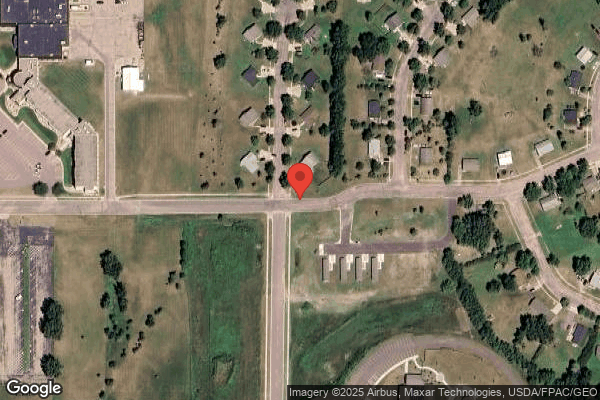
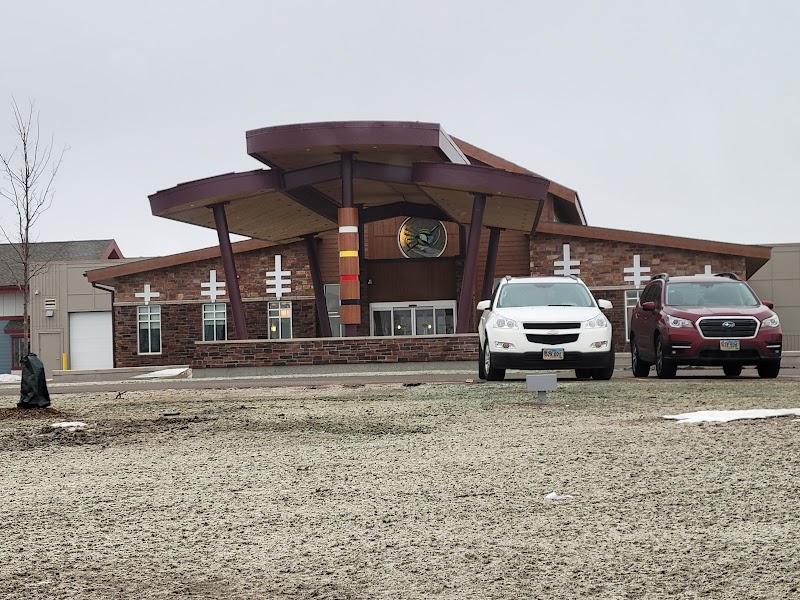
909 JONES DR, FLANDREAU, SD 57028 (605) 573-2100
Non profit - Other 42 Beds Independent Data: November 2025
Trust Grade
48/100
#42 of 95 in SD
Last Inspection: August 2025

Inspected within the last 6 months. Data reflects current conditions.

Overview

Flandreau Santee Sioux Tribe Care Center has a Trust Grade of D, indicating below-average performance with some concerning issues. They rank #42 out of 95 facilities in South Dakota, placing them in the top half, and are the best option in Moody County. The facility is improving, having reduced the number of reported issues from five in 2024 to four in 2025. Staffing is a strength, with a 4/5 star rating and RN coverage that exceeds 98% of state facilities, although turnover is at 57%, which is slightly above average. However, the facility has faced significant incidents, including a resident falling and fracturing her hip due to improper transport and another developing a burn from hot food, highlighting areas that need attention despite their strengths.

Trust Score
D
48/100
In South Dakota
#42/95
Top 44%
Safety Record
High Risk
Review needed
Inspections
Getting Better
5 → 4 violations
Staff Stability
⚠ Watch
57% turnover. Above average. Higher turnover means staff may not know residents' routines.
Penalties
⚠ Watch
$22,843 in fines. Higher than 99% of South Dakota facilities. Major compliance failures.
Skilled Nurses
✓ Good
Each resident gets 139 minutes of Registered Nurse (RN) attention daily — more than 97% of South Dakota nursing homes. RNs are the most trained staff who catch health problems before they become serious.
Violations
○ Average
10 deficiencies on record. Average for a facility this size. Mostly minor or procedural issues.
★★★☆☆
3.0
Overall Rating
★★★★☆
4.0
Staff Levels
★★★★☆
4.0
Care Quality
★★★☆☆
3.0
Inspection Score
Stable
2024: 5 issues
2025: 4 issues

The Good

  • 4-Star Staffing Rating · Above-average nurse staffing levels
  • 4-Star Quality Measures · Strong clinical quality outcomes
  • Full Sprinkler Coverage · Fire safety systems throughout facility
  • No fines on record

Facility shows strength in staffing levels, quality measures, fire safety.

The Bad

3-Star Overall Rating

Near South Dakota average (2.7)

Meets federal standards, typical of most facilities

Staff Turnover: 57%

11pts above South Dakota avg (46%)

Frequent staff changes - ask about care continuity

Federal Fines: $22,843

Below median ($33,413)

Minor penalties assessed

Staff turnover is elevated (57%)

9 points above South Dakota average of 48%

The Ugly 10 deficiencies on record

3 actual harm
Sept 2025 1 deficiency 1 Harm
SERIOUS (G) 📢 Someone Reported This

A family member, employee, or ombudsman was alarmed enough to file a formal complaint

Actual Harm - a resident was hurt due to facility failures

Accident Prevention (Tag F0689)

A resident was harmed · This affected 1 resident

**NOTE- TERMS IN BRACKETS HAVE BEEN EDITED TO PROTECT CONFIDENTIALITY** Based on review of the South Dakota Department of Health (SD DOH) complaint intake report review, interview, security video revi...

Read full inspector narrative →
**NOTE- TERMS IN BRACKETS HAVE BEEN EDITED TO PROTECT CONFIDENTIALITY** Based on review of the South Dakota Department of Health (SD DOH) complaint intake report review, interview, security video review, record review, and policy review, the provider failed to ensure one of one certified nursing assistant (D) safely transported one of one sampled resident (1) in her wheelchair who fell out of her wheelchair and fractured her hip.Findings include:1. Review of the 9/10/25 SD DOH complaint intake report revealed the provider and Adult Protective Services (APS) reported resident 1 fell from her wheelchair to the SD DOH.The SD DOH facility-reported incident (FRI), received on 8/30/25, indicated that on 8/29/25 at around 8:00 p.m., while certified nursing assistant (CNA) D was transporting two residents in their wheelchairs, resident 1's wheelchair brake caught on the activity room window frame. She fell out of her wheelchair and complained of pain in her right hip and right foot. Resident 1 was transported to the emergency department where it was confirmed that she fractured her right hip. The provider re-educated staff in regards to proper movement with wheelchairs.The APS report, received on 9/8/25, revealed that on 8/29/25, CNA D was transporting resident 1 and another resident in their wheelchairs to the designated smoking area. Resident 1 was ran into the wall which resulted in resident 1's right hip fracture. Four people lifted resident 1 up from the floor and threw her onto the gurney to be transported to the emergency department. Resident 1 had emergency surgery on 8/30/25 to correct the hip fracture. 2. Interview on 9/30/25 at 9:12 a.m. with resident 1 revealed that on 8/28/25, CNA D was pushing her and another resident at the same time out to the smoking area. Resident 1 felt that CNA D was not paying attention to where he was pushing her. Her wheelchair got too close to the wall of windows, and something caught on the window frame. She fell out of her wheelchair and as soon as I [resident 1] hit that wall, I felt my hip pop.Resident 1 said that CNA D attempted to pick her up from the floor, but she told him that she was in too much pain. She said that she was hollering. Once other staff arrived, they tried to pick her up off the floor to sit her in her wheelchair, but she was in too much pain to move. The ambulance was called. Two ambulance staff and two CNAs helped lift her onto the ambulance gurney.While at the hospital, it was confirmed that she had fractured her right hip. She had corrective surgery and was readmitted back to the nursing home. She explained that she had rheumatoid arthritis, a disease that affected her joints and caused contractures (permanent tightening of muscles or joints) in her hands and knees. The fall and hip fracture were painful, and she continued to experience pain in her hip after she returned to the nursing home.Since returning to the nursing home, she felt increased anxiety and wanted to talk with someone about her side of the story. She became tearful as she felt that no one wanted to talk to her about the accident. She confirmed she continued to go out to smoke every day. She had to close her eyes and tensed up as she was transported past the area where she fell, as she was fearful of falling again.She confirmed that CNA D still worked at the facility. She did not fear him. She did not feel like he did it on purpose and that it was an accident. She indicated that she was okay with CNA D continuing to help care for her. 3. Interviews with a random sample of residents throughout the facility confirmed no other concerns with staff providing their care. 4. Interview on 9/30/25 at 11:00 a.m. with licensed practical nurse (LPN) E revealed that she was a contracted travel nurse and had not heard about the above accident. She could not recall receiving any recent education about safe resident transporting expectations. She did not know where to find the provider's policy on what to do in the event of a resident fall, but she was able to verbalize understanding of the proper nursing procedures following a resident fall. When she started her contract at that facility, she received a week of mentored training to learn the normal facility routines and procedures. 5. Interview on 9/30/25 at 11:16 a.m. with CNA F and CNA K revealed that neither of them had been at the facility when the above accident happened, but they heard about it when they came back to work. They both confirmed that they did not receive any follow-up education about the fall policy or safe resident transporting expectations. CNA F indicated the report she received about the accident was more of an FYI [for your information]. Continued interview on 9/30/25 at 11:20 a.m. with CNA F individually revealed she heard that CNA D was pushing two residents in their wheelchairs at the same time. She indicated that was not the proper procedure and it was safer to push one resident at a time in a wheelchair. CNA F confirmed she knew where to find the facility policies and procedures regarding falls, accidents, and other topics. She was able to point out where the policies were located. 6. Interview on 9/30/25 at 11:39 a.m. with certified medication aide (CMA) G and CNA H revealed that neither of them was at the facility when the above accident occurred. They did not receive a briefing or report about the accident when they returned to work. They were not provided education recently about safe resident transportation. They learned about that accident from resident 1 when she returned from the hospital. 7. Review of the security camera footage on 9/30/25 at 12:17 p.m. with interim administrator A revealed that the accident occurred on 8/28/25 at around 7:25 p.m. CNA D was pushing two residents in their wheelchairs at the same time. He was pushing resident 1 with his right hand, and resident 2 with his left hand. Resident 1 was close to the wall of windows of the activity room, and it appeared that something on her wheelchair caught on the window as the wheelchair suddenly stopped, and resident 1 fell forward out of her wheelchair and landed on her right hip. CNA D attempted to catch her, but he did not make it to her in time.Several other staff attended to the scene immediately and registered nurse (RN) J began measuring resident 1's vital signs (measurements of the body's basic functions, such as temperature, blood pressure, pulse, and respiration rate). CNA D and another CNA brought the full body lift (a mechanical lift and sling used to lift a person's full body) near resident 1 and attempted to slide the lift sling underneath the resident. They were not able to as resident 1 was showing signs of pain.LPN I sat on the ground with resident 1 and waited with her for the emergency medical service (EMS) to arrive. Two EMS employees, CNA D, and LPN I helped to lift resident 1 from the ground onto the gurney. Resident 1 left the facility with the two EMS employees via ambulance. 8. Review of the provider's incident investigation documentation revealed that they interviewed all staff and all interviewable residents. Staff questions included Has anyone reported to you that they do not feel safe in the facility? Yes or No, Has anyone reported to you that they do not feel safe with their care team? Yes or No, Has any resident reported abuse, neglect, theft, mistreatment to you? Yes or No, and Who do you report abuse, neglect, theft, or mistreatment to?Resident interview questions included Do you feel safe in the facility? Yes or No. [If] no, why? Do you feel safe with your care team? Yes or No. [If] no, why? In the past week has anyone physically abused you? Yes or No, and In the past week has anyone mistreated you? Yes or No.Resident 1 was interviewed on 9/4/25 and answered Yes to the first and second resident questions regarding feeling safe, and No to the third and fourth resident questions regarding physical abuse and mistreatment.The investigation documentation included the SD DOH FRI, a letter to the SD DOH from administrator A that explained the provider's investigation process and included RN J and CNA D's witness statements, and CNA D's background check and training records from his contract staffing agency.The letter from administrator A to the SD DOH included the statement, In good faith effort the facility will provide education on how to push a wheelchair. There was no documentation provided to support who was educated, what the education topics included, or when the education occurred. 9. Review of resident 1's electronic medical record revealed that she was admitted on [DATE]. Her 6/23/25 Brief Interview for Mental Status score from her admission Minimum Data Set (MDS) assessment was 14, which indicated her cognition was intact. She had a diagnosis of rheumatoid arthritis, which is a disease where the body's immune system mistakenly attacks the joints, causing pain, swelling, and stiffness in the joints. She had contractures in her knees and hands, and she could not bend or move her joints normally.Her current care plan indicated Locomotion: Her primary mode of transportation is via manual wheelchair. She is dependent on staff [assistance] of 1. D/T [Due to] her contracture she does refuse to utilize her foot pedals. Continually remind her to utilize the foot pedals. Foot pedals need to be on [when] going to appointments. That was initiated on 7/7/25 and revised on 9/26/25.A progress note from 8/29/25 read, Resident had a witnessed fall at 1925 [7:25 p.m.], after contacting Avel E-care for transport due to resident complaint of 10/10 right hip and right foot pain. Resident transported out of facility via [NAME] County ambulance to [provider name] ED [emergency department] per resident request at approximately 2005 [8:05 p.m.] this evening. This RN contacted [provider name] ED for [a] nurse-to-nurse report. Resident 1's primary care physician was contacted with the update.A progress note from 8/30/25 read, This RN received an update from [provider name] ED from Nurse [name redacted], resident is being admitted and results from the x-ray to the right hip show a fracture, currently waiting for results of the x-ray to right leg. Faxed MAR [medication administration record] to [provider name] Pharmacy. Resident gave this RN a verbal okay to sign bed hold and verbalized understanding of bed hold policy.Resident 1 returned to the facility on 9/3/25 after surgical repair of her hip. She returned with the following pain relief medication prescriptions:*Lidocaine patch (a pain relief patch applied to the skin). To be applied to the affected area and remain on for 12 hours, then taken off for 12 hours. That was to repeat for three days. Started on 9/13/25 and discontinued after 9/15/25.*Diclofenac (a pain relief medication) tablet, 75 mg (milligram). Give one tablet by mouth twice daily as needed. Started on 6/18/25. From 9/3/25 to 9/20/25, she used that medication 19 times.*Hydrocodone 5 mg (an opioid)/acetaminophen 325 mg (an analgesic pain relief medication) combination tablet. Give 1 tablet by mouth every eight hours as needed for pain. Started on 9/8/25. From 9/8/25 to 9/30/25, she had used that medication 43 times.*Hydromorphone 2 mg (an opioid) tablet. Give one tablet by mouth every four hours as needed for pain for up to five days. Started on 9/3/25 and discontinued on 9/8/25. During that time, she used that medication 18 times. 10. Phone interview on 9/30/25 at 3:01 p.m. with CNA D revealed that on 8/29/25 at around 7:25 p.m., he was taking two residents out to the smoking area. He was pushing residents 1 and 2 at the same time. Resident 1 was on his right side, and resident 2 was on his left side. As they were passing by the round activity room, part of resident 1's wheelchair caught on the wall of windows and she began to fall out of her wheelchair. I went to grab her to lower her to the floor. He called for help over the walkie talkies. Two other CNAs and two nurses responded to help.He indicated that he felt that they were short-handed that evening as he felt rushed to get his four residents out to their last smoke break for the day. One of the residents was feeling anxious to go outside, so he transported two residents at one time. He confirmed that he knew the general rule was to transport one resident at a time in their wheelchairs.After the incident, the nurse asked him to write down his statement. No one else interviewed him about the incident. He confirmed there was no disciplinary action, and there was no follow-up education provided. He was reassigned to the other unit for about a week or two after the incident but had since been reassigned back to resident 1's unit.He confirmed that when resident 1 returned to the facility, he went to apologize to her and said, I was at a loss for words. 11. Phone interview on 9/30/25 at 3:16 p.m. with LPN I revealed that he was resident 1's nurse that evening shift on 8/29/25. He did not witness the incident. He was preparing for the evening medication pass when CNA D was pushing residents 1 and 2 out to the smoking area. He said that I was not comfortable with him [CNA D] pushing two residents at the same time. He said that he expected staff push one resident at a time in their wheelchairs.He heard the commotion as she [resident 1] was in excruciating pain. She was yelling out in pain. He and another staff attempted to roll the full body lift sling underneath her to pick her up, but resident 1 was in too much pain to roll her on her side. They decided to leave her lying on her back until the EMS employees arrived.He confirmed that no one interviewed him about his involvement in the incident and that there was no follow-up education provided about resident safety protocols or policies. 12. Phone interview on 9/30/25 at 3:29 p.m. with CNA L revealed that she witnessed part of the incident. She was filling in for the front desk representative that day and she was delivering residents' packages. She saw CNA D pushing two residents at one time towards the smoking area. She confirmed that resident 1's wheelchair was close to the wall of windows. After resident 1 fell out of her wheelchair, she took charge of the other residents in the area and brought them to a safe location to give everyone else more room.She confirmed that no one had interviewed her about what she saw or her involvement in the incident, and there had been no follow-up education provided about resident safety. She said that she was a newer CNA and that some staff members told her it was okay to transport two residents at once, and others said that was not okay to do. 13. The survey team attempted to contact RN J on 9/30/25 at 3:38 p.m. via phone and left a voicemail. 14. Interview on 9/30/25 at 4:34 p.m. with interim administrator A and MDS coordinator B revealed that it was both their expectations that staff should push one wheelchair at a time. MDS coordinator B confirmed she was the interim director of nursing. They said that everyone should have foot pedals. Interim administrator A said that since she started a couple of months ago, she had noticed a lack of wheelchair foot pedals and was in the process of obtaining more.They both confirmed that resident 1 did not like the normal wheelchair foot pedals due to the contractures in her knees. With the way resident 1's legs were positioned, the standard wheelchair foot pedals were too far forward for her comfort.Their investigation included gathering a statement from CNA D and resident 1 about what had happened. MDS coordinator B confirmed that RN J spoke with CNA D and educated him on pushing one resident at a time in their wheelchair. 15. RN J returned the survey team's phone call on 9/30/25 at 6:08 p.m. That interview revealed that she was working on the green wing, and she was preparing to administer resident medications. She heard someone yelling, My hip! My hip!She went out of the green wing and saw resident 1 on the floor. CNA D told her that resident 1's wheelchair brake got caught on the side of the window panels. She measured the resident's vitals. Resident 1 was experiencing 10 out of 10 pain. They were attempting to use the full body lift to lift her up off the floor, but resident 1 was not able to tolerate that movement due to the pain. She contacted the on-call emergency medical provider, and they ordered for resident 1 to be assessed that the ED.She reported the incident to administrator A and the director of nursing. She instructed CNA D to write out a witness statement. She did not obtain witness statements from anyone else.She said that it was her expectation that staff transport one resident at a time in their wheelchairs. She confirmed that she provided education to CNA D to utilize the walkie talkies to ask for help, and to transport one resident at a time rather than two at a time. 16. Review of the provider's 1/22/23 FALLS-CLINICAL PROTOCOL policy revealed:* .3. Documentation-Responsible Parties:--Nursing staff--Physicians (if required)*3.1. Incident Documentation-Fall Report: Document the details of the fall, including:--Date, time, and location of the fall.--Circumstances leading to the fall.--Observations of the resident's condition immediately after the fall.--Any witnessed reports or bystanders.--Interventions provided immediately after the fall.* .5. Post-Fall Evaluation and Prevention-Responsible Parties:-Nursing staff-Social Worker or Care Coordinator-Physical Therapists (if applicable)-Physician (if applicable)*5.1. Reassess Fall Risk-.Update Care Plan: Adjust the care plan to address fall prevention strategies, such as:--Increased supervision or assistance with mobility.*5.2. Family and Resident Education-Family and Resident Discussion: Educate the resident and their family about the fall and the potential consequences. Discuss preventative measures that can be implemented moving forward.-Environmental Modifications: Ensure the resident's environment is safe (e.g., removing tripping hazards, ensuring good lighting, and using non-slip rugs).*The policy did not include staff education to prevent falls.
Aug 2025 3 deficiencies
CONCERN (D) 📢 Someone Reported This

A family member, employee, or ombudsman was alarmed enough to file a formal complaint

Potential for Harm - no one hurt, but risky conditions existed

Accident Prevention (Tag F0689)

Could have caused harm · This affected 1 resident

**NOTE- TERMS IN BRACKETS HAVE BEEN EDITED TO PROTECT CONFIDENTIALITY** Based on South Dakota Department of Health (SD DOH) facility reported incident (FRI), interview, record review, and policy revie...

Read full inspector narrative →
**NOTE- TERMS IN BRACKETS HAVE BEEN EDITED TO PROTECT CONFIDENTIALITY** Based on South Dakota Department of Health (SD DOH) facility reported incident (FRI), interview, record review, and policy review, the provider failed to ensure the safety of one of one sampled resident (14) identified at risk for elopement, who had eloped (left the facility without staff knowledge). Failure of staff to ensure adequate supervision put him at risk for physical injury or serious harm. This citation is considered past non-compliance based on the corrective actions the provider implemented immediately following the incident.Findings include:1. Review of the SD DOH FRI regarding resident 14 revealed:*On 7/9/25 at approximately 5:10 p.m., resident 14 had been seen on the unit by one nurse and two certified nursing assistants (CNAs).*At approximately 5:12 p.m., the front door wander guard alert system alarm sounded.*At 5:19 p.m., CNA F responded to the alarm at the front door, checked the front of the building and the front parking lot. Having not seen anyone, she returned to the facility, shut off the alarm, notified staff, and a facility search was initiated.*At 5:22 p.m., RN G began to search the surrounding area in her vehicle and located resident 14 at 5:36 p.m. walking down [NAME] Drive.-That was approximately two tenths of a mile from the facility.-He stated he was going to visit his sister, then accepted a ride back to the facility.*Director of nursing (DON) B was notified at 5:28 p.m. and notified administrator A at 5:32 p.m.*Tribal police were notified and responded to the facility as resident 14 returned to the facility. 2. Review of resident 14's electronic medical record (EMR) revealed:*He was admitted on [DATE].*His diagnoses included vascular dementia (a group of symptoms affecting memory, thinking, and social abilities), diffuse traumatic brain injury (a brain injury caused by an outside force), epilepsy (a neurological condition characterized by unprovoked sudden, brief disturbances in brain activity), and alcohol abuse.*His 4/15/25 Brief Interview for Mental Status (BIMS) assessment score was five, which indicated he had severe cognitive impairment.*His 4/15/25 elopement risk assessment indicated he was ambulatory, had a history of wandering, and had a high risk of wandering.*A 4/17/25 care plan focus area identified his elopement risk.-A 4/23/25 care plan intervention for WANDER ALERT: Staff to check [if his] wanderguard [Wanderguard, a wearable door alarming device] is functioning and working properly every night, had been updated on 7/15/25 with information identifying his Wanderguard number.*On 7/9/25, resident 14 had eloped, and the family and the physician had been notified.*On 7/9/25, Minimum Data Set (MDS) coordinator/registered nurse (RN) C, completed an assessment to verify there had been no injury, and neurological checks were completed as scheduled for 72 hours.*On 7/10/25, a medication review was completed with no changes recommended.*On 7/14/25, a care plan intervention had been added to Notify [the] charge nurse if he is pacing up and down the hallways to identify pattern of wandering. 3. Interview and review of documentation on 8/7/25 at 8:48 a.m. with DON B revealed:*She had been notified on 7/9/25 that resident 14 had eloped, and he had returned safely to the facility within about 30 minutes.*Education on elopement and wandering had been completed with all staff.-This was verified with employee sign-in sheets.*Monitoring and audits had been conducted for all residents who were at risk for wandering to ensure their assessments and care plans accurately reflected their needs.*Resident 14 was ambulatory and liked to walk. Interventions have been implemented using restorative therapy to provide him with more supervised opportunities to walk outside. 4. The provider implemented systemic actions to ensure the deficient practice does not recur was confirmed on 8/7/25 by having:*Initiated and documented one-hour checks on six residents, including resident 14, who wander or are at risk for wandering.*Reviewed all residents, identified those potentially at risk for elopement, and completed elopement risk assessments for those residents.*Provided education starting on 7/10/25, for all facility staff regarding resident wandering, elopement, policy revisions, and response to door alarm activations before their next worked shift.*Reviewed and updated care plan interventions for all residents at risk for elopement.*Reviewed and revised policies on elopement and wandering.*Initiated audits for new resident admissions for elopement risk to ensure appropriate interventions were implemented, and MDSs were completed to ensure care plans reflected the needs and concerns identified in the Care Area Assessments (care areas triggered for further evaluation based on MDS responses) (CAAs).*Initiated the above items into their Quality Assurance Program Improvement meeting on 7/31/25. Based on the above information, non-compliance at F689 occurred on 7/9/25, and based on the provider's 7/31/25 implemented corrective actions for the deficient practice confirmed on 8/7/25, the non-compliance is considered past non-compliance.
CONCERN (D)

Potential for Harm - no one hurt, but risky conditions existed

Pharmacy Services (Tag F0755)

Could have caused harm · This affected 1 resident

Based on observation and interview, the provider failed to ensure two of two medication carts had not contained expired medications that were available for administration to residents.Findings include...

Read full inspector narrative →
Based on observation and interview, the provider failed to ensure two of two medication carts had not contained expired medications that were available for administration to residents.Findings include:1. Observation on 8/7/25 at 10:11 a.m. of the medication cart on the green wing revealed it contained: *Fifty tablets of Tylenol 325 milligrams (mg) that had expired in June 2025.*Twenty-five tablets of Carbidopa/Levodopa (medication to help treat Parkinson's disease symptoms) 25/100 mg that had expired in June 2025*Twenty-nine tablets of Diphenhydramine (allergy medication) 25 mg that had expired in July 2025. 2. Observation and interview with registered nurse (RN) H immediately following the above observation of expired medications in the med carts revealed she:*Agreed that the above medications had expired.*Stated the night nursing staff should have been checking the medication carts for expired medication and removed for potential administration to residents. 3. Observation on 8/7/25 at 10:25 a.m. of the medication cart on the blue wing revealed twenty tablets of Gabapentin (medication to treat nerve pain) 600 mg had expired 8/2/25. 4. Interview and observation with certified medication aide (CMA) I immediately following the above observation of expired medication revealed:*She agreed that medication had expired.*The night nursing staff should have been checking the medication carts for expired medication and removed them from the medication cart. 5. Interview on 8/7/25 at 1:30 p.m. with director of nursing (DON) B regarding the observed expired medications revealed:*The night nursing staff should have been checking the medication carts for expired medication and removed them from the medication carts.*DON B did not have a night shift check list of tasks to complete that included checking the medication carts for expired medication. DON B was requested to provide a policy on expired medication. DON B stated the facility did not have a policy on expired medication.
CONCERN (E)

Potential for Harm - no one hurt, but risky conditions existed

Food Safety (Tag F0812)

Could have caused harm · This affected multiple residents

**NOTE- TERMS IN BRACKETS HAVE BEEN EDITED TO PROTECT CONFIDENTIALITY** Based on observation, interview, record review, and policy review, the provider failed to follow food safety standards by not ha...

Read full inspector narrative →
**NOTE- TERMS IN BRACKETS HAVE BEEN EDITED TO PROTECT CONFIDENTIALITY** Based on observation, interview, record review, and policy review, the provider failed to follow food safety standards by not having monitored and documented food temperatures for 40 of 192 meals served to residents from 5/1/25 through 8/3/25. Findings include:1. Observation and interview on 8/5/25 at 10:15 a.m. with cook E in the kitchen revealed:*A three-ring binder on top of the steam table labeled dinner temp book.*Cook E stated kitchen staff were to document food temperatures in the temp book.*He stated there was a temp book for breakfast, dinner, and supper.*He knew food had to be heated to certain temperatures.*He agreed there were some food temperatures that were not documented in the dinner temp book. Review of the breakfast, dinner, and supper food temperature books from 5/1/25 through 8/3/25 revealed 40 of 192 meals served to residents did not have documentation to support the temperatures of the foods served to the residents had been checked for safety before being served. Interview on 8/6/25 at 10:31 a.m. with certified dietary manager (CDM) D regarding food temperature checking and documentation revealed:*She was a contracted certified dietary manager.*She knew there were undocumented resident meal temperatures in the temp book.*The cooks were responsible for checking and documenting food temperatures of the residents' meals.*She stated that no food temperature documentation meant there was no proof food was heated to the proper temperature before being served to the residents.*She agreed food temperature documentation was not being completed for every meal and without that documentation, there was no way to prove foods were heated to the proper temperature before serving to the residents. Interview on 8/7/25 at 3:40 p.m. with administrator A regarding food temperature checking and documentation revealed:*She was a contracted interim administrator that started in June 2025.*Staff should have documented food temperatures for every meal to ensure food quality and safety standards were met.*She agreed that the dietary staff were not completing food temperature documentation for those resident meals.Review of the provider's 2/13/23 Food Preparation and Service policy revealed:*Food and nutrition services employees [at] Flandreau [NAME] Sioux [NAME] Care Center prepare and serve food in a manner that complies with safe food handling practices.*6. The following internal cooking temperatures/times for specific foods are reached to kill or sufficiently inactivate pathogenic microorganisms:-145 degrees for 15 seconds.--Raw eggs cooked for immediate service.--Fish (except as listed below).--Meat (except as listed below).--Commercially raised game animals, rabbits.-155 degrees for 15 seconds.--Ground meat (beef, pork).--Ground fish.--Raw eggs held for service.--Comminuted meat, fish, or commercially raised game animals.--Injected or mechanically tenderized meat.--Ratites (ostrich, [NAME] and emu).-165 degrees for 15 seconds.--Wild game animals.--Poultry.--Stuffed fish, meat, pork, pasta, ratites, & poultry.--Stuffing containing fish, meat, ratites & poultry.
Dec 2024 1 deficiency 1 Harm
SERIOUS (G) 📢 Someone Reported This

A family member, employee, or ombudsman was alarmed enough to file a formal complaint

Actual Harm - a resident was hurt due to facility failures

Accident Prevention (Tag F0689)

A resident was harmed · This affected 1 resident

**NOTE- TERMS IN BRACKETS HAVE BEEN EDITED TO PROTECT CONFIDENTIALITY** A. Based on South Dakota Department of Health (SD DOH) facility-reported incident (FRI), interview, observation, record review, ...

Read full inspector narrative →
**NOTE- TERMS IN BRACKETS HAVE BEEN EDITED TO PROTECT CONFIDENTIALITY** A. Based on South Dakota Department of Health (SD DOH) facility-reported incident (FRI), interview, observation, record review, and policy review the provider failed to effectively implement and follow their policy for 5 of 8 sampled residents (1, 2, 4, 5, and 6) who smoked and accurately assess 1 of 1 sampled resident (3) who vaped. Findings include: 1. Review of the provider's SD DOH FRI regarding resident 1 revealed: *On 11/25/24 during her weekly skin check she was observed to have what appeared to be a cigarette burn on her abdomen. -That wound measured 0.6 centimeters (cm) x 1cm x 0.1cm. -A physician's order was obtained to apply bacitracin to wound once daily and cover with a band-aid. Change daily. Leave uncovered during bath/shower. *Resident 1 had reported she had been out to smoke and the wind caught her smoking apron and hit her cigarette causing the cherry (burning end) to fall off and burn her skin. 2. Interview on 12/30/24 at 2:20 p.m. with resident 1 revealed: *She had received a small burn from her cigarette about a month ago. -She recalled she wore an apron that day because the wind blew it up and hit her cigarette and knocked the tip off. -The hot end had fallen inside of her shirt. -She confirmed that the burn was on her belly and that she did not tell anyone about it because it wasn't a big deal. *A staff member was always outside with her when she smoked. *She confirmed that the staff had asked her to wear an apron and she had, at times, chosen not to wear it. 3. Observation and interview on 12/30/24 at 2:58 p.m. with resident 1 and registered nurse (RN) E revealed: *RN E was aware that resident 1 had received a burn to her abdomen while smoking that had healed. *The area appeared slightly pink, raised, about the size of the head of an eraser. *RN E stated that residents were supervised while smoking, although some staff supervised by observing the residents through the glass door and windows. 4. Review of resident 1's electronic medical record (EMR) revealed: *She was admitted on [DATE]. *Her diagnosis included cerebral infarction, fracture of the left tibia, Type 2 Diabetes, acquired absence of right leg above the knee, nicotine dependence, cigarettes. *Her Brief Interview for Mental Status (BIMS) assessment score was 15, which indicated she was cognitively intact. *Her care plan indicated The resident is a smoker. -Goals included, The resident will not suffer injury from unsafe smoking practices . and Resident will Adhere to the Substance Use Policies of the Facility . -Interventions included: --Instruct resident about the facility policy on smoking: locations, times, safety concerns. --Notify charge nurse immediately if it is suspected resident has violated facility smoking policy. --Observe clothing and skin for signs of cigarette burns. --The resident requires a smoking apron while smoking. --The resident requires SUPERVISION while smoking. *An 11/25/24 Smoking Safety Screen indicated: -Resident refused smoking apron and burned herself. -The resident's need for adaptive equipment indicated, Smoking apron and Supervision. -Team Decision indicated Safe to smoke without supervision. -Education [was] done with [the] resident to be safe during smoking and to always wear a smoking apron. *There was no indication in her EMR that a smoking safety screen had been completed on her 9/24/24 admission to the facility. *An 11/25/24 progress note (PN) indicated, Skin assessment done this morning after shower. New wound noted on R [right] side of upper abdomen. Approximately .75 cm circular burn. Resident states it happened a couple [of] days ago. Resident denies telling staff about it when it happened and had refused her smoking apron prior to the incident. *An 11/25/24 physician's order indicated, Apply bacitracin to wound once daily and cover with a band-aid. Change daily. Leave uncovered during bath/shower. *A 12/1/24 PN indicated, Noted that band aid on mid chest. Res [resident] states has been there since the 25th from a burn which occurred while on a smoking break with her apron on but it was windy and res. went to grab the apron as it flew off and a cherry from the cigarette landed on her chest. She tried to get it off immediately but ended up with a burn. Will monitor and obtain Dr. order for a dressing if needed. cleansed with soap and water and OTA [open to air] at this time . 5. Observation and interview on 12/30/24 at 2:30 p.m. of the smoking area with director of social services (DSS) C revealed: *There were separate smoking times for each neighborhood because of the number of residents who smoked. *A key fob and a code were required to open the door to the designated smoking area. *Staff supervised residents when they smoked. *The residents were not provided with the door code. *The outside designated smoking area had a red metal-covered pail and a sign that indicated no smoking beyond that point. -There was a fenced-in courtyard with walking paths beyond that sign. 6. Observation on 12/30/24 at 3:37 p.m. with RN D of the smoking area revealed: *RN D assisted the residents by opening the door and supervised the residents while they smoked. *Resident 3 was in a power chair and had used a vape. *Resident 4 was in a power chair, did not wear a smoking apron, and did not stay within the designated smoking area while smoking. *Resident 6 walked independently, wore a smoking apron, and walked beyond the smoking area while smoking. 7. Interview on 12/31/24 at 10:28 a.m. with certified nursing assistant CNA G revealed: *Residents had four smoking times each day. *He supervised residents when they smoked. *Residents were required to wear aprons when they smoked. -He stated, No apron, No smoke. -Some residents refused to fasten the Velcro straps on the apron so he tucked the apron into the side of the wheelchair. *The smoking area was not covered. -He would supervise from inside the doors when the weather was bad. -At times, he would take residents to smoke in the covered area at the front of the building. 8. Interview on 12/31/24 at 10:40 p.m. with ADM A revealed: *There was no vaping policy. -They had referred to the smoking policy. -She confirmed the provider's smoking policy did not include vapes. *She expected residents to stay in the designated smoking area. -If residents went beyond the designated smoking area, she expected staff to report that violation of the smoking policy to the charge nurse. -The front of the building was not a designated smoking area. 9. Review of resident 2's EMR revealed: *He was admitted on [DATE]. *His diagnosis included unspecified dementia, moderate with agitation, Wernicke's Encephalopathy, and nicotine dependence, cigarettes. *There was no indication that a smoking safety screen had been completed since his admission. *His care plan did not include that he smoked or what interventions were required to ensure his safety while smoking. Review of resident 3's EMR revealed: *He was admitted on [DATE]. *His diagnosis included quadriplegia C5-C7 incomplete, and acute and chronic respiratory failure with hypoxia. *A 10/25/23 SMOKING- SAFETY SCREEN indicated: -The resident's need for adaptive equipment indicated Supervision. -Team Decision indicated Safe to smoke with supervision. -Vape pen, resident able to operate independently. *There was no indication that an annual or quarterly smoking safety screen had been completed since his admission. *His care plan indicated: -Resident uses vape products. -Resident will maintain safe vape practices under the supervision of staff . -Notify charge nurse immediately if it is suspected resident has violated facility smoking/vaping policy and substance abuse policy. Review of resident 4's EMR revealed: *She was admitted on [DATE]. *Her diagnosis included paraplegia, depression, anxiety, and nicotine dependence, cigarettes. *An 8/22/24 SMOKING- SAFETY SCREEN indicated: -The resident's need for adaptive equipment indicated Smoking apron. -Team Decision indicated Safe to smoke without supervision. *There was no indication that a quarterly smoking safety screen had been completed since her admission. *Her care plan indicated The resident is a smoker. -Goals included, The resident will not suffer injury from unsafe smoking practices . -Interventions included: --Instruct resident about the facility policy on smoking: locations, times, safety concerns. --Notify charge nurse immediately if it is suspected resident has violated facility smoking policy or substance abuse policy. --Observe clothing and skin for signs of cigarette burns. --The resident requires a smoking apron while smoking cigarettes. *The care plan did not indicate what level of supervision was required while smoking. Review of resident 5's EMR revealed: *She was admitted on [DATE]. *Her diagnosis included unspecified dementia, unspecified severity with psychotic disturbance, and nicotine dependence, cigarettes. *A 2/22/24 SMOKING- SAFETY SCREEN indicated: -The resident's need for adaptive equipment indicated Smoking apron, and Supervision. -Team Decision indicated Safe to smoke with supervision. *Her care plan indicated Resident is a smoker. -Interventions included Assess for safety with smoking quarterly and as needed. *There was no indication that a quarterly smoking safety screen had been completed since 2/22/24. Review of resident 6's EMR revealed: *He was admitted on [DATE]. *His diagnosis included vascular dementia, mild, with agitation, and nicotine dependence, cigarettes. *His care plan indicated he was a smoker. *There was no indication that a smoking safety screen had been completed since his admission. 10. Interview on 12/31/24 at 8:31 a.m. with director of nursing (DON) B revealed that she expected the charge nurse or DSS C would have completed smoking assessments when a resident was admitted , quarterly, or when there was a significant change. 11. Interview and documentation review on 12/31/24 at 9:50 a.m. with ADM A revealed: *She expected smoking assessments to be completed for residents who chose to smoke on admission and quarterly after that policy was revised in November 2024. -The previous policy stated smoking assessments were completed on admission and annually. *She provided resident documentation for review. *She expected that resident 1 would have had a smoking assessment completed when she was admitted on [DATE]. -That had not been completed. *She expected resident 2 would have had a smoking assessment completed when he was admitted on [DATE] and that his care plan would have been updated. -There was no documentation that a smoking safety screen had been completed and the care plan did not contain a focus area on smoking. *She confirmed resident 3 vaped and the last smoking safety screen was completed on 10/25/23 when he was admitted . -She expected an annual smoking safety screen would have been completed in October 2024. --That had not been completed. *She confirmed that resident 4 had a smoking safety screen completed on admission. -She expected a quarterly safety screen would have been completed in December 2024 after the policy changed. --That had not been completed. *She expected resident 5 would have quarterly smoking safety screens completed because that was indicated on her care plan. -Resident 5 had smoking safety screens completed on 2/20/23 and 2/24/24. -Those had not been completed quarterly. *She expected resident 6 would have a smoking assessment completed when he was admitted on [DATE] and again quarterly in December 2024. -Those had not been completed. *A Temporary Smoking Policy Additions was added to the smoking policy on 11/27/24 to address inclement weather. Review of the provider's revised 11/6/24 Resident Smoking Policy revealed: *Smoking is defined as the use of tobacco products in the form of cigarettes, electronic cigarettes, pipes, or other methods of smoking tobacco. *Smoking is only permitted in the designated resident smoking area, located outside in the memory care courtyard, outside memory care doors. *The resident will be evaluated on admission to determine if he or she is a smoker or non-smoker. If a smoker the evaluation will include: -Current level of tobacco consumption; -Method of tobacco consumption (traditional cigarettes; electronic cigarettes; pipe etc.); -Desire to quit smoking, if a current smoker. *A resident's ability to smoke safely will be re-evaluated quarterly, upon a significant change (physical or cognitive), by show of noncompliance with facility smoking policy, and is determined by the staff. * Any smoking related privileges, restrictions, and concerns (for example, need for close monitoring) shall be noted on the care plan, and all personnel caring for the resident shall be alerted to these issues. *All residents with smoking privileges require monitoring/direct supervision of a staff member, family member, visitor or volunteer worker at all times while smoking. Residents must remain with in 25 ft [feet] of a fire extinguisher, which is located inside the smoke break doors. Review of the provider's 11/27/24 Temporary Smoking Policy Additions revealed: *Facility supervised smoking times are subject to be canceled due to the inclement weather conditions including but not limited to extreme temperatures and high winds. The charge nurse on duty will be responsible for determining if weather is deemed safe for resident smoking. This is a temporary safety procedure the facility is required to immediately implement. In the meantime, the interdisciplinary team in consultation with the SD Department of Health and facility Ombudsman will work to determine long term facility policy changes. B. Based on South Dakota Department of Health (SD DOH) facility-reported incident (FRI), interview, observation, and record review, the provider failed to ensure the safety of a resident by not providing adequate monitoring and supervision of a resident identified at a high risk for and with a known history of elopement (leaving the facility without staff knowledge) for one of one sampled resident (6) who was observed by staff (H) to have gone on an unsupervised walk outside and then left the property without staff knowledge of his location for over an hour. Findings include: 1. Review of the provider's 12/30/24 SD DOH FRI regarding resident 6 revealed: *On 12/30/24 at approximately 10:35 a.m. resident 6 exited the facility through the front doors to walk the emergency access road that circles around [the] facility. *At 10:52 a.m. receptionist H: -Requested maintenance look outside the building for resident 6. -Notified administrator (ADM) A and director of social services (DSS) C that resident 6 had not returned from his walk. -It had been 17 minutes since resident 6 had exited the building for his walk. *At 11:04 a.m. unable to locate resident 6, ADM A alerted the police department, and a community search was initiated. *At approximately 12:07 p.m. resident 6 returned to the facility with a friend who indicated that resident 6 had walked over to his apartment located behind the facility and they had hung out for a bit. *It had been 1 hour and 32 minutes since he had left the facility. *Skin check completed resident is uninjured. Resident POA [Power of Attorney] notified. Physician notified. 2. Interview on 12/30/24 at 3:58 p.m. with ADM A revealed: *The front sliding glass doors have an alarm that will sound but they open automatically. *Resident 6 had been allowed to walk the circle road outside the fenced area around the facility without someone with him. -That was a non-pharmacological (without medication) intervention to help with some of his behaviors. *Receptionist H was allowed to let resident 6 leave the building when he requested to walk the circle. -She expected receptionist H to alert additional staff if resident 6 did not return within 10 to 15 minutes. *Resident 6 had left the circle and walked to an apartment next door to visit a friend. -They had not been aware that he had a friend who lived at that apartment building. *Resident 6 had been provided a wanderguard after the incident on 10/9/24 to alert staff if he exited the building when there was no staff at the front reception area to turn off the alarm or if he attempted to exit the building in the evening, or without staff knowledge. *Resident 6 was allowed to leave the facility with a responsible party. -She expected him to be signed out when he left. *An elopement was reported to SD DOH a couple of months ago when resident 6 exited the building without a responsible party. *She did not consider resident 6 having been outside the facility on a walk that day an elopement. *She considered him leaving the property without a responsible party signing him an elopement. 3. A review of the provider's 10/9/24 SD DOH FRI regarding resident 6 revealed: *Resident 6 told the dietician that he was meeting his sister-in-law, and they were going to Sioux City for the night then exited the building. *Resident 6 was educated on the need to wait for his sister-in-law to come into the building and not wait outside. *Interventions put in place include: -Resident 6 was placed on 15-minute checks for 24 hours. -A whiteboard was put in resident 6's room to orientate him to the current date, upcoming events, and special instructions -The provider's Elopement and Wandering Residents policy was reviewed. -Resident 6's care plan was updated on 10/11/24 to reflect additional preventions and non-pharmacological interventions. -*An elopement drill was conducted with staff on 10/10/24. 4. Observations on 12/30/24 between 12:15 p.m. and 4:30 p.m. of the exterior of the facility and surrounding area revealed: *It was lightly raining, and it was 36 degrees. -There was no snow on the ground. *There was a circular driveway around the entire building. -That was an extension of the parking lot that went towards the back of the facility beyond the fenced-in areas. *There was an apartment building to the right of the facility approximately 500 feet from the facility according to a map. 5. Interview on 12/31/24 at 11:00 a.m. with receptionist H revealed: *She had turned off the alarm and allowed resident 6 outside to go for a walk yesterday (12/30/24). -She notified maintenance and ADM A when resident 6 had not returned after 15 minutes. *Resident 6 had been allowed to go for walks around the building alone, but now he needed to have someone with him. 6. Interview on 12/31/24 at 11:20 a.m. with resident 6 revealed he: *Enjoyed walking outside and knew he was not allowed to leave without notifying staff. *Had recently learned that his ex-brother-in-law lived next door. -His ex-brother-in-law had visited him at the facility and told him where he lived. *Had walked to that apartment yesterday (12/30/24) and had not told staff. -He said he asked his ex-brother-in-law to sign him out and his ex-brother-in-law had reassured him it was fine. 7. Review of resident 6's EMR revealed: *He was admitted on [DATE]. *He was [AGE] years old. *His diagnosis included vascular dementia, mild, with agitation, other stimulant abuse, wandering in diseases classified elsewhere, Diabetes Mellitus, and nicotine dependence. *His Brief Interview for Mental Status (BIMS) assessment score was 9, which indicated he was moderately cognitively impaired. *A 12/10/24 Wandering Risk Scale indicated he was able to walk, had a history of wandering, and had a high to wander. Review of resident 6's care plan revealed: *Resident is independent with ambulation. [Resident 6] likes to walk the halls and neighborhoods for exercise. *A 10/9/24 focus area indicated he had a high risk of wandering and elopement due to mobility and dementia. -Goals included: --Resident will have no elopements during the review period. --The resident's safety will be maintained through the review date. -Interventions included: --If available, offer to walk with [the] resident outside the facility loop. May walk [the] loop by self if front staff are available for observation. --Attempt to redirect or distract resident by offering to walk with him back to his room/wing for [a] snack, coffee, games, etc. --Wanderguard in place on resident's ankle. --Nurse to verify if wanderguard is functioning properly once a day. --Staff to verify wanderguard is working properly every shift. --Whiteboard calendar in [resident 6's] room to help with orientation. Appointments and visitations from friends and family to be noted on [the] calendar. Include time and instructions. *A 9/22/24 focus area indicated, The resident has impaired cognitive function/dementia or impaired thought process r/t [related to] vascular dementia. Resident short term memory is significantly impaired. Resident often repeats the same story multiple times in short spans of time. -Interventions included: --Cue, reorient and supervise as needed. --Resident wears [a] wanderguard on [his] ankle due to history of elopement/getting lost while walking at home. --Observe/document/report PRN [as needed] any changes in cognitive function, specifically changes in: decision making ability, memory, recall and general awareness, difficulty expressing self, difficulty understanding others, level of consciousness, mental status. 8. Interview on 12/31/24 at 11:42 a.m. with director of nursing B regarding resident 6's elopement revealed: *Resident 6 had a BIMS score of 9, which indicated he had moderate cognitive impairment. *She had completed a wandering assessment on resident 6. -The assessment had several questions that determined a number score. -That number score was coded High Risk to Wander. *She had been involved in the decision to allow resident 6 to walk outside around the loop when staff were aware of his location. *Resident 6 had episodes of forgetting but him walking outside had not been an issue before. *The facility contacted Dakota at Home regarding placement options as they had been aware of the need to balance resident 6's abilities with keeping him safe. *Resident 6 was to be checked on every 15-minutes. -It had not been determined how long those would be needed, possibly indefinitely. 9. Interview on 12/31/24 at 12:54 p.m. with DSS C revealed: *Resident 6 had been at the facility, was discharged home to reside with his brother, and then returned to the facility in September. -His brother had noticed resident 6 had increased behaviors and he was unable to care for him at home. *Resident 6 returned with increased behaviors that included outbursts of swearing and being short-tempered with staff. He was not aggressive. -Walking was an intervention that helped decrease those behaviors. *She initiated a referral with Dakota at Home in October for options planning, to seek alternative placement if it was needed. *She had completed his last BIMS assessment which indicated a score of 9 (moderately cognitively impaired), -She stated, Sometimes that score seems accurate, and other times it does not. *She had requested a neuropsychiatric evaluation to determine if resident 6 had an undiagnosed mental health condition. *Resident 6 had recently learned that a friend lived next door. -The staff had not been aware of that. -The friend was not familiar with the facility policies. --Education was provided to the friend and resident 6, that resident 6 needed to be signed out by a responsible party before he could leave the facility. 10. Interview on 12/31/24 at 1:30 p.m. with ADM A regarding resident 6's care plan revealed. *The person responsible for updating the care plan was unavailable for an interview. *She expected resident 6's care plan to accurately reflect his unique circumstances and specific needs. *She expected the care plan to be updated quarterly and with any changes. -On 12/30/24 she updated resident 6's care plan after the elopement to reflect the need for supervision when he walked outside. Review of the provider's revised 6/2/24 Elopement and Wandering Residents policy revealed: * This [provider's name] ensures that residents who exhibit wandering behaviors and/or are at risk for elopement receive adequate supervision to prevent accidents, and receive care in accordance with their person-centered plan of care addressing the unique factors contributing to wandering or elopement risk. *Elopement occurs when a resident leaves the premises or a safe area without authorization . and/or any necessary supervision to do so. *The facility shall establish and utilize a systematic approach to monitoring and managing residents at risk for elopement or unsafe wandering, including identification and assessment of risk, evaluation, and analysis of hazards and risks, implementing interventions to reduce hazards and risks, and monitoring for effectiveness and modifying interventions when necessary. *The interdisciplinary team will evaluate the unique factors contributing to risk in order to develop a person-centered care plan. *Interventions to increase staff awareness of the resident's risk, modify the resident's behavior, or to minimize risks associated with hazards will be added to the resident's care plan and communicated to appropriate staff. *The effectiveness of interventions will be evaluated, and changes will be made as needed. Any changes or new interventions will be communicated to relevant staff.
Oct 2024 1 deficiency 1 Harm
SERIOUS (G) 📢 Someone Reported This

A family member, employee, or ombudsman was alarmed enough to file a formal complaint

Actual Harm - a resident was hurt due to facility failures

Accident Prevention (Tag F0689)

A resident was harmed · This affected 1 resident

Based on South Dakota Department of Health (SD DOH) facility-reported incident (FRI), record review, interview, and observation, the provider failed to prevent an injury to one of one sampled resident...

Read full inspector narrative →
Based on South Dakota Department of Health (SD DOH) facility-reported incident (FRI), record review, interview, and observation, the provider failed to prevent an injury to one of one sampled resident (1) who developed a skin burn wound on her abdomen from hot food that was prepared for her by staff in a microwave. This citation is considered past non-compliance based on review of the corrective actions the provider implemented immediately following the incident. Findings include: 1. Review of the provider's 10/10/24 SD DOH FRI regarding resident 1 revealed: *On 9/26/24 at 8:30 p.m. resident 1 requested registered nurse (RN) B to make a freezer meal in the microwave for her. *RN B cooked the meal according to package instructions. *RN B provided education to the resident that the item was hot and to let it sit for a while. *RN B returned to assist the resident into bed at 1:00 a.m. -She noted a red circle mark on resident 1's abdomen. -Inside the red circle were four blisters. *The physician was notified. *Orders were obtained for dressing in the burn area. *Resident 1 had a diagnosis of paraplegia. *Her hot liquid assessment completed on 7/15/24 score was 1 which indicated she could consume hot beverages independently. 2. Interview on 10/22/24 at 9:12 a.m. with RN B revealed: *Resident 1 had asked her to prepare a microwave meal for her. *She prepared the meal according to package directions. *When she brought the meal to resident 1, she told her it was hot and to let it cool before eating. *She assisted the resident into bed around 1:00 a.m. and found a red mark and four blisters on her abdomen below her breast line. *She completed a skin note in resident 1's chart. *She applied a Mepilex (absorbent foam) dressing to the blistered area. *She had not completed a risk management report. *She reported resident 1's burn to the morning nurse. *She had not faxed the primary care provider to get orders for the burn. 3. Interview on 10/22/24 at 3:10 p.m. with administrator A revealed: *She started audits to review microwave temp logs every morning. *The director of nursing received education on reportable incidents. -She did not think it was reportable due to the education the RN B had provided to resident the night of 9/26/24. *She planned to complete audits three times weekly until 100% compliance was met for 2 weeks. *Provider's next QAPI (Quality Assurance and Performance Improvement) meeting was scheduled for 10/23/24 and they planned to review new policies to ensure they are effective in preventing the reoccurrence of this type of injury. *QAPI committee will review yearly education and incorporate bi-annual reeducation of staff. The provider's implemented actions to ensure the deficient practice does not reoccur was confirmed on 10/22/24 after a record review revealed: *The provider followed their quality assurance process and education was provided, to all nursing care staff. -The nursing staff had been educated on their Hot Liquid and Food Safety Policy update, competencies were conducted, and audits were completed on 10/22/24 with the expectation to complete three times per week until 100% compliance for two weeks by the administrator or designee. *These will be reviewed during the QAPI meeting on 10/23/24 and after until compliance. *The provider's Abuse and Neglect Policy was updated to include language on failure to comply with the facility policies and procedures. *A Heating Food in Microwave Policy was created on 10/14/24. This included proper temping of food after microwaving, and temping food before serving the food to the residents. *All coffee machines in the facility have been adjusted to a 120-degree serving temperature. *The director of nursing was educated on food serving, reporting expectations, and procedures for when a resident is found to have a burn from a hot object. *All nurses were educated on procedures for when a resident is found to have a burn as a result of hot object. *All resident care plans were reviewed and updated as necessary based on policy changes. *Record review of other resident care plans after 9/26/24 showed they were following their new and updated policies. *Observations and staff interviews revealed the staff understood the education provided and the revised processes. Based on the above information, non-compliance at F689 occurred on 9/26/24, and based on the provider's implemented corrective action for the deficient practice confirmed on 10/22/24, the non-compliance is considered past non-compliance.
Aug 2024 1 deficiency
CONCERN (E) 📢 Someone Reported This

A family member, employee, or ombudsman was alarmed enough to file a formal complaint

Potential for Harm - no one hurt, but risky conditions existed

Comprehensive Care Plan (Tag F0656)

Could have caused harm · This affected multiple residents

**NOTE- TERMS IN BRACKETS HAVE BEEN EDITED TO PROTECT CONFIDENTIALITY** Based on observation, interview, record review, and policy review, the provider failed to ensure care plans reflected the curren...

Read full inspector narrative →
**NOTE- TERMS IN BRACKETS HAVE BEEN EDITED TO PROTECT CONFIDENTIALITY** Based on observation, interview, record review, and policy review, the provider failed to ensure care plans reflected the current individualized activities of daily living (ADL) and pressure ulcer prevention and treatment needs of two of two sampled residents (1 and 2). Findings include: 1. Observation on 8/6/24 at 1:04 p.m. of resident 2's room revealed her bed had an air mattress and positioning cushions on it. Observation and interview on 8/6/24 at 2:12 p.m. with resident 2 while in her room revealed she: *Was seated in a specialized wheelchair. Her legs were elevated and rested on pillows. *Stated she repositioned herself in bed frequently and could achieve several different positions while in her wheelchair. *Stated the staff used the air mattress and the positioning cushions for pressure relief when she was in bed. *Relied on staff for assistance with most of her care needs. *Had a pressure sore (ulcer) for at least two years and felt they are doing a good job of healing it. Review of resident 2's medical record revealed she: *Was admitted on [DATE]. *Had diagnoses of paraplegia and pressure ulcer to her sacral [lower back] region. *Required a wheelchair and staff assistance with transfers, bed mobility, bathing, dressing, hygiene, and catheter and colostomy care. *Was to be repositioned every two hours and provided a ROHO [pressure relieving] cushion and an air mattress. Review of resident 2's current comprehensive care plan revealed: *A 7/26/24 revised focus area indicated The resident has an alteration in gastrointestinal status colostomy r/t ) -There were no interventions included for that focus area. *Her pressure ulcer or her pressure ulcer prevention and healing interventions in place were not included in her comprehensive care plan. 2. Observation on 8/6/24 at 1:09 a.m. revealed: *Resident 1 was seated in a wheelchair in the [NAME] Wing TV lounge, sleeping, and covered with a blanket. *There was an air mattress on his bed in his room. Observation on 8/6/24 at 2:40 p.m. of resident 1 while in his room revealed he was sleeping in his bed, on an air mattress, positioned on his back, with the head of the bed elevated. A pressure relieving cushion was in his wheelchair. Review of resident 1's medical record revealed he: *Was admitted on [DATE]. *Had diagnoses of alcohol-induced persisting dementia and muscle weakness. *Was non-ambulatory, required a wheelchair, and was dependent on staff for transfers, bed mobility, toileting, bathing, dressing, hygiene, and eating. *Was to be repositioned every two hours and provided a ROHO cushion and an air mattress. Review of resident 1's current comprehensive care plan revealed: *A 7/30/24 initiated focus area indicated The resident is (SPECIFY: independent/dependent on staff etc.) for meeting emotional, intellectual, physical, and social needs r/t [related to] (if dependent) -The focus area was not complete or individualized with the needs of the resident. *There was no goal included. *Interventions initiated on 7/30/24 for the above focus area included: -Ensure that adaptive equipment that the resident needs is provided and is present and functional. (SPECIFY) -:The resident prefers activities which do not involve overly demanding cognitive tasks. Engage in simple, structured activities such as (SPECIFY) -The resident prefers to socialize with: (SPECIFY) -The resident's preferred activities are: (SPECIFY) --Those interventions were not complete or individualized with the needs of the resident. *A 7/30/24 initiated focus area indicated The resident has an ADL self-care performance deficit r/t -The focus area was not complete or individualized with the needs of the resident. *Goals initiated on 7/30/24 included: -The resident will maintain current level of function in (SPECIFY) through the review date. -The resident will improve current level of function in (SPECIFY ADLs) through the review date. Resident will be able to: (SPECIFY) --Those goals were not complete or individualized. *Interventions initiated on 7/30/24 for the above focus area included: -BATHING/SHOWERING: The resident is able to: (SPECIFY) -BATHING/SHOWERING: The resident is totally dependent on (X) staff to provide (SPECIFY bath/shower)(SPECIFY FREQ [frequency]) and as necessary. -BED MOBILITY: The resident is able to: SPECIFY) -BED MOBILITY: The resident is totally dependent on (X) staff for repositioning and turning in bed (SPECIFY FREQ) and as necessary. -BED MOBILITY: The resident uses (SPECIFY adaptive device) to maximize independence with turning and repositioning in bed. --Those interventions were not complete or individualized. *There were several focus areas, goals, and interventions throughout his care plan that were not complete or individualized to reflect his current needs. *His pressure ulcer prevention and healing interventions in place were not included in his comprehensive care plan. 3. Interview on 8/6/24 at 2:30 p.m. with certified nursing assistant (CNA) D revealed: *They referred to a nursing assistant care sheet located in a folder to learn how to care for new residents. *Those sheets were completed by the nurses. *They documented in the electronic medical record (EMR) when they assisted a resident. *Staff repositioned some residents every two hours. 4. Interview on 8/6/24 at 2:37 p.m. with registered nurse (RN) A revealed: *The nurse would complete a handwritten nursing assistant care sheet or intake form that included the resident's basic care needs and preferences for new residents. *The nurses and the Minimum Data Set (MDS) coordinator entered the resident's care plans into the EMR, removed the forms from the folder, and then filed them. *The care plans were to be updated to reflect the current needs of the residents. 5. Interview on 8/6/24 at 3:05 with MDS coordinator B revealed: *She had been employed there since February 2024. *They used the Point Click Care (PCC) EMR for documentation and residents' comprehensive care plans. *She stated that system was still new to her. *She would have expected residents' care plans to include their assistance needs and interventions. *She agreed resident 1 and 2's comprehensive care plans were not complete or individualized to reflect their current needs, goals, and interventions. 6. Interview on 8/6/24 at 3:22 p.m. with administrator C revealed: *She would have expected residents' care plans to reflect their current individualized needs. *The licensed social worker (LSW) and the MDS coordinator reviewed and updated care plans weekly, but that had not occurred over the last two weeks due to recent management staff vacancies in other departments. *She agreed the care plans for residents 1 and 2 were not complete. 7. Review of the provider's revised March 2020 Pressure Injury Risk Assessment policy revealed: *Develop the resident-centered care plan and interventions based on the risk factors identified in the assessments, the condition of the skin, the resident's overall clinical condition, and the resident's stated wishes and goals. *The interventions must be based on current, recognized standards of care. *The care plan must be modified as the resident's condition changes, or if current interventions are deemed inadequate.
Apr 2024 2 deficiencies
CONCERN (D)

Potential for Harm - no one hurt, but risky conditions existed

Deficiency F0604 (Tag F0604)

Could have caused harm · This affected 1 resident

**NOTE- TERMS IN BRACKETS HAVE BEEN EDITED TO PROTECT CONFIDENTIALITY** Based on observation, electronic medical record review, interview, and policy review, the provider failed to ensure one of one s...

Read full inspector narrative →
**NOTE- TERMS IN BRACKETS HAVE BEEN EDITED TO PROTECT CONFIDENTIALITY** Based on observation, electronic medical record review, interview, and policy review, the provider failed to ensure one of one sampled resident (11) with a diagnosis of quadriplegia had an accurate assessment that included a physician acknowledgment order for the use of a seatbelt and wrist splints. Findings include: 1. Observation on 4/2/24 at 3:05 p.m. with resident 11 revealed he was: *Sitting in a motorized wheelchair with a locked seatbelt across his lap helping keep him in an upright position in the chair. *Not wearing wrist splints. 2. Review of resident 11's electronic medical record (EMR) revealed: *He was admitted on [DATE]. *His diagnoses included quadriplegia. *There was no physician's order for the seatbelt. *There was a physician's order for the wrist splints. *No assessments for the use of the seatbelt or the wrist splints. *The 2/1/24 care plan did not include the use of the seatbelt or the wrist splints. 3. Interview on 4/4/24 at 1:42 p.m. with director of nursing (DON) B regarding restraint use for resident 11 revealed: *She had completed the Minimum Data Set (MDS) [a standardized assessment tool used by all long-term care facilities certified to participate in Medicaid] with an assessment reference date (ARD) of 1/30/24. *The seatbelt was coded as a trunk restraint. *The wrist splint was coded as a limb restraint. *She stated: -Those items were not assessed as potential restraints. -There should have been a physician's order for the use of the restraints. -Resident 11 was admitted from another facility with the motorized wheelchair and wrist splints and would have been assessed there. -Restraints should be addressed in the care plan. 4. Interview on 4/4/24 at 1:47 p.m. with resident 11 revealed he: *Wore a seatbelt when up in the motorized wheelchair. *Had not been able to put on or remove the seatbelt himself. *Had wrist splints that he wore sometimes. *Had not been able to put on or remove the wrist splints himself. Review of the provider's 6/25/23 Restraint Free Environment policy revealed: *Physical restraints may include, but are not limited to: Applying leg or arm restraints, hand mitts, soft ties or vests that the resident cannot remove . Using devices in conjunction with a chair such as .belts, that the resident cannot remove. *A physician's order alone is not sufficient to warrant the use of a physical restraint. The facility is responsible for the appropriateness of the determination to use a restraint. *Before a resident is restrained, the facility will determine . b. The length of time the restraint is anticipated to be used . who may apply the restraint and the time and frequency that the restraint will be released. c. The type of direct monitoring and supervision that will be provided during use of the restraint. *The resident's record needs to include documentation that less restrictive alternatives were attempted, .ongoing re-evaluation of the need for the restraint. The care plan should be updated accordingly .
CONCERN (E)

Potential for Harm - no one hurt, but risky conditions existed

Food Safety (Tag F0812)

Could have caused harm · This affected multiple residents

Based on observation, interview, and policy review, the provider failed to ensure three of three kitchen staff (H, K, and L) had: *Practiced appropriate hand hygiene and glove use during two of two me...

Read full inspector narrative →
Based on observation, interview, and policy review, the provider failed to ensure three of three kitchen staff (H, K, and L) had: *Practiced appropriate hand hygiene and glove use during two of two meal preparations. *Performed proper sanitation of the food thermometer while temping the food items before serving the residents. Findings include: 1. Observation on 4/3/24 at 8:17 a.m. in the main kitchen with cook H revealed he: *Used a cloth to remove a hot pan of bacon from the oven. *Checked the temperature of the bacon with a thermometer, used that same cloth to wipe off the thermometer, and sat the thermometer on the counter. *Used that same cloth to remove several other food items from the oven. *Continued to use that same uncleaned thermometer and wiped it off with that same cloth while he checked the temperatures of the eggs and oatmeal. 2. Continued observation on 4/3/24 at 8:25 a.m. in the main kitchen with cook H revealed: *He had on a pair of single-use gloves. *While wearing those gloves he opened the refrigerator removed a container of sausage and placed the sausage on the grill. *He removed those gloves and without completing hand hygiene put on a new pair of gloves. *While wearing those gloves he opened the refrigerator and removed a roll and package of cheese. *With those same gloves on, he opened the cheese, removed one slice from the stack, rewrapped the cheese, and placed it back in the refrigerator. *With those same gloved hands touched a spatula, butter container, drawer handle, and another utensil which he placed in the butter container. *With those same gloved hands he moved a sandwich from the grill and placed it in foil wrap. *He removed those gloves, washed his hands, and blew on his wet hands to dry them, and put on a new pair of gloves. 3. Interview during kitchen observations on 4/3/24 at 08:41 a.m. with director of food services C regarding the smart power cleaning solution system revealed: *A cloth is kept in the solution. *It is used for cleaning kitchen surfaces. *The cloth can be reused and is changed when it becomes heavily soiled. 4. Observation on 4/3/24 at 8:59 a.m. with cook H in the unit dining area revealed: *A cloth in a container of Smart Power cleaning solution. *He used the food thermometer to take the temperature of the eggs. *After he checked the temperature of the eggs, he dipped the food thermometer in the cleaning solution and wiped it off with the cloth that had been stored in the cleaning solution container. *He used that thermometer, while still wet with the cleaning solution, to check the temperature of the oatmeal. *He repeated those same steps to check the temperature of the bacon. 5. Observation on 4/3/24 at 4:26 p.m. in the main kitchen with dietary aide K and cook L revealed: *Dietary aide K used the thermometer to take the temperature of the potato salad and without cleaning it took the temperature of the coleslaw. *Cook L used that same unclean thermometer to check the temperature of the hotdogs. 6. Interview on 4/4/24 at 1:18 p.m. with cook H revealed he: *Had worked in the kitchen for approximately eight months. *Received training on the use of gloves during food preparation when he was hired. *Had studied the serve safe book. *Wore gloves while he prepared food but was not allowed to wear them in the unit while he served the food. *Cleaned the food thermometer by wiping it on a dry rag with each use. *Used an alcohol wipe to clean the food thermometer when he was finished taking temperatures of the food items. 7. Interview on 4/4/24 at 1:23 p.m. with director of food services C regarding the use of gloves, hand hygiene, and the cleaning of the food thermometer revealed: *Staff are provided training on the use of gloves, hand hygiene, and the correct procedure for using the food thermometer when they are hired. *Signs indicating how to wash hands and change gloves are posted at each sink in the kitchen. *Staff are encouraged to wear gloves only when they are required to when touching food. *She expected staff to wash their hands after removing their gloves and before putting new gloves on. *Alcohol wipes for cleaning the thermometer were kept in the main kitchen and the unit serving areas. *Staff were not to use the smart power cleaning solution or a cloth to clean the thermometer. *She expected staff to clean the thermometer after each food was temped with an alcohol wipe. 8. Review of the provider's 2/12/23 Food Borne Illness - Employee Hygiene policy revealed: *Employees must wash their hands: . g. during food preparation, as often as necessary to remove soil and contamination and to prevent cross contamination when changing tasks . *Contact between food and bare (ungloved) hands is prohibited. *Gloves are considered single-use items and must be discarded after completing the task for which they are used. The use of gloves does not substitute for proper hand washing. Review of the provider's April 2019 Food Preparation and Service policy revealed: *Appropriate measures are used to prevent cross contamination. These include: *Food preparation staff adhere to proper hygiene and sanitary practices to prevent the spreads of foodborne illness. *Food thermometers used to check food temperatures are clean, sanitized and calibrated for accuracy.
Apr 2023 1 deficiency
CONCERN (D)

Potential for Harm - no one hurt, but risky conditions existed

Deficiency F0658 (Tag F0658)

Could have caused harm · This affected 1 resident

**NOTE- TERMS IN BRACKETS HAVE BEEN EDITED TO PROTECT CONFIDENTIALITY** 2. Review of resident 104's closed record revealed: *She had been admitted [DATE] and discharged on 3/13/23. *She had been on th...

Read full inspector narrative →
**NOTE- TERMS IN BRACKETS HAVE BEEN EDITED TO PROTECT CONFIDENTIALITY** 2. Review of resident 104's closed record revealed: *She had been admitted [DATE] and discharged on 3/13/23. *She had been on therapeutic leave on 3/11/23. *She had spoken to licensed social worker C on 3/13/23 and expressed that she had not wanted to return to the facility. *A physician's order had been obtained on 3/13/23 by resident 104's physician to discharge the resident to home with her home medications. *Resident 104's medication had been sent to her medical clinic for pick up. Interview on 4/5/23 at 10:35 a.m. with director of nursing B regarding discharge instructions and accurate accounting of the medication for resident 104 revealed: *They had not provided any discharge instructions to the resident. *They had sent the medication to her medical clinic for the resident to have picked up. *They had not had an accurate accounting of the medication sent over to the clinic. Review of provider's 12/22 Transfer and Discharge policy revealed: *When a resident is discharged from the facility, the following information will be documented in the medical record: -The date and time of the discharge. -The new location of the resident. -A summary of the resident's overall medical, physical, and mental conditions. -Disposition of personal effects. -Disposition of medication. Based on observation, interview, record review, closed record review, and policy review, the provider failed to: *Ensure, when made aware a resident (103) was going to a dental appointment that had not previously been disclosed to the facility, appropriate communication paperwork was sent to the dentist as well as subsequent notification to the physician about the resident's condition on return and the nurse's determination to hold a blood thinning medication, and accurate oral/dental assessment was documented for the admission assessment. *Ensure, when made aware a resident (104) planned not to return from a therapeutic leave, the resident had received any necessary discharge instructions and had appropriate disposition of medications documented. Findings include: 1. Observation and interview on 4/3/23 at 2:02 p.m. with resident 103 revealed: *One tooth was present in the middle of her bottom jaw, and no teeth were visible on the top jaw. *She reported her gums are very sore from all my teeth getting pulled and it was still hard to eat. *Her visit to the dentist was a couple of weeks ago. *She commented that it bled a lot and could not understand the reason they did not stop her blood thinner before they pulled her teeth. Review of resident 103's electronic medical record (EMR) revealed: *Her admission date was 2/21/23. *A care plan focus initiated on 3/2/23 of potential oral/dental health problems r/t [related to] lack of natural teeth had an intervention for staff to set up oral care AM/HS [morning/hour of sleep]. *The Oral/Dental Status section for the admission Minimum Data Set (MDS) with an assessment reference date of 3/6/23 was: -Noted as In progress when viewed on 4/4/23 at 8:40 a.m. -Coded as No for each item, when viewed on 4/5/23 at 10:11 a.m., including B. No natural teeth or tooth fragments and D. Obvious or likely cavity or broken natural teeth. Review of the progress notes on 3/24/23 in the resident 103's EMR revealed: *Licensed practical nurse (LPN) F documented: -At 2:30 p.m., resident 103 left ceremony room during [name of a musical activity] and went back to her room with [name], CNA. -At 2:35 p.m., CNA returns to the ceremony room and states that resident has a dental appointment but don't [does not] know who is taking her. Nurse went to appointment book and does not see an appointment booked. -At 2:40 p.m., LPN F called over to the [name of clinic]/Dental and asked if resident had an appointment. [Name] (receptionist) states that yes she does it is at 3pm [p.m.] and [driver name] is going to come pick her up [Driver name] arrived at facility at 2:55pm. -At 3:10 p.m., LPN F also had over heard resident states that she isn't suppose to get any teeth pulled but wasn't sure what they were going to do. Staff unaware of resident's appointment until resident was asking who was picking her up. *At 5:00 p.m. and 5:01 p.m., LPN F noted resident 103 returned from the clinic at 4:55 p.m., and: -Resident 103 had gauze in mouth and was hard to understand when talking. -Resident 103 handed nurse the phone to talk to daughter and daughter asked if she still wanted to go out to eat since she had teeth pulled. resident wrote down on note pad 'i want to see her' daughter states that they will pick her up at 6:15 [p.m.] to go to [name]. -LPN F tried to ask how many teeth she got pulled. was unable to understand put [but] sounded like four. -There was a visible small amount of blood on gauze, no excessive bleeding. -Supplies from the dental clinic included, 4 packages of 2x2 [two by two] gauze a instant ice pack a new denture tooth brush and a [clinic name] post op instructions oral surgery that states, bleeding-keep gauze in place maintain constant firm pressure for 30-60 mins [minutes], if bleeding persiste [persists] or reoccurs replace gauze and maintain another 30-60 mins of constant pressure. can apply ice pack for 20 mins if needed. *At 6:36 p.m., LPN F noted that [name] CNA reported she had changed the gauze in resident 103's mouth before she left at 6:15 p.m. *At 8:03 p.m., LPN G noted held eliquis [Eliquis - blood thinner medication] as resident is having a difficult time with controlling bleeding in mouth. *At 8:32 p.m., LPN G noted, resident 103 came back from outing in wheelchair assisted by son with blood running down her shirt with numerous paper towels held at her mouth. Resident stated 'I am bleeding all over' Nurse placed gloves on and took paper towels from resident, blood tinged saliva with a clot was located on towel. Nurse told resident that 'the gauze needs to stay in place and she needs to take it easy the rest of the night due to the recent pulling of teeth' Resident then got new gauze placed and washed up for bed. Resident took norco [hydrocodone-acetaminophen] PRN [as needed] due to pain and nurse held eliquis [Eliquis] due to the bleeding in the mouth. *At 11:06 p.m., LPN G noted resident 103 was reeducated on being active and bending over in wheelchair that it is a risk for increase [increased] bleeding and also educated on spitting .nor drinking from a straw. LPN G also noted the gauze output has been saturated in blood *At 11:45 p.m., LPN G noted, Vitals obtained on resident due to increased clotting time. temperature slightly elevated. resident is 10/10 pain currently. Resident 103 nodded 'yes' to authorize LPN G calling her daughter and the hospital to discuss the issues we are having getting extraction sites to stop bleeding. Further review of the progress notes on 3/25/23 in the resident 103's EMR revealed: *At 00:15 a.m., LPN G called [name] hospital and .gave [name] the information on resident that extraction sites continue to bleed with no change. Ice packs applied, gauze filling mouth due to so many extraction sites. Increased risk for choking due to so much gauze. Resident frequently swallowing due to blood running to the back of throat. *At 00:36 am., LPN G received instructions from the hospital for using Afrin [nasal spray] on the extraction site then apply vaseline [Vaseline - petroleum jelly], and if facility didn't have that then if it continues to actively bleed she should probably be seen in the ER [emergency room]. *At 00:50 a.m., LPN G notified director of nursing (DON) B of resident being sent to ER via car transport with daughter [name]. *At 8:56 a.m., registered nurse (RN) H called the [name] hospital and obtained an update, Resident was kept through the night for observation, but will return later this morning. Bleeding has stopped in gums. *At 3:09 p.m., RN H noted resident 103 returned with a new order for Viscous Lidocaine 7.5ml [milliliters] swish and spit QID [fours times a day] PRN for four days for oral pain due to tooth extraction, and Oxycodone 5mg [milligrams] PO [by mouth] q [every] 6 hours PRN for pain of 7/10 [rating for severity of pain, with ten as the maximum severity]. *At 3:43 p.m., RN H noted resident 103 reported the dentist office called her and said she was due for a cleaning and appointment was scheduled for March 24th. During her dental visit she was informed of the need for tooth extractions. Interview on 4/4/23 at 8:45 a.m. with DON B revealed she was responsible for completing the MDS assessments, had not yet completed the MDS training, and did not realize that some sections of resident 103's MDS were not yet completed. Interview on 4/4/23 at 9:06 a.m. with licensed social worker (LSW) C revealed: *Resident 103 was at a different nursing home for two months after she had fallen at home and before her admission on [DATE]. Her primary physician at that nursing home was not the same physician she had now. *Resident 103's dental appointment was made sometime before her admission and it had not been communicated to them. *The dental clinic called resident 103 and she understood her appointment was just for cleaning. *Resident 103 reported that they did not ask about her medications. She was not aware of the risk of having her teeth pulled while taking blood thinner medications. *A medication list was not sent with resident 103 to the dental clinic. *Administrator (ADM) A, DON B, and LSW C investigated the incident and presented [the findings] to the executive council at the [NAME], and there was now improved communication about appointments from the dental clinic's healthcare facility. *Resident 103 would now have family or staff go with her to appointments as her advocate. *LSW C did not know if resident 103's need for medical treatment after her dental appointment was reported to the South Dakota Department of Health (SD DOH). Interview on 4/4/23 at 9:44 a.m. with ADM A revealed: *The needed ER intervention that resulted from resident 103's dental procedure was not reported to the SD DOH. *She did not think it needed to be since that incident did not seem to fit any of the [application name] reporting categories. *The nurse on 3/24/23 did not send a medication list because it all happened so fast. *The nurse received some verbal education .that a medication list always needs to be sent. Interview on 4/5/23 at 8:43 a.m. with DON B revealed: *Resident 103's primary physician, at the healthcare facility where the dental clinic was located, was sent a fax sometime over the weekend to inform her of the excessive bleeding. *Her physician would not have responded right away. No one is on call at that healthcare facility, including the dentist. *The hospital that resident 103 was sent to was the provider's back-up healthcare facility. *There was no physician's order to hold the blood thinner medication prior to LPN G holding it on 3/24/23 at 8:03 p.m. It was a clinical decision on the part of the nurse. Interview on 4/5/23 at 10:44 a.m. with DON B revealed: *There probably should have been a Yes on the Dental section, item B. No natural teeth or tooth fragment(s). *Had not completed an oral exam as instructed on Page L-2 under Steps for Assessment, bullet 4, in the Long-Term Care Facility Resident Assessment Instrument 3.0 User's Manual. Review of the provider's investigation of resident 103's dental incident revealed: *Her physician was not notified until 3/25/23. *The dental clinic receptionist, interviewed on 3/27/23, reported she was not the normal dental receptionist but confirmed the scheduled dental appointment had been for resident 103's teeth to be removed. *LPN F reported that when she called the dental clinic before resident 103 left, the receptionist just said she had apt [appointment] @ [at] 3 [3:00 p.m.]. *LPN F also reported she didn't think about a med list being sent bc [because] facility should have been aware of procedures. Assumed cleaning. *Resident 103 reported she wasn't [was not] sure if they were going to do [tooth extractions]. She stated, when she got there they told her. Thought they were going to do a cleaning. Didn't [did not] ask about meds [medications]. Didn't ask if she was on blood thinners, and the [dental clinic] called day before to confirm appointment. *Resident 103's granddaughter stated this appointment was cancelled [sic] back when resident fell. *Residents [resident's] calendar hanging in room has nothing about dentist written on 3/24. Where 'March' is located on her calendar right next to it, it has written Dentist 2:45. Review of the provider's Unusual Occurrence Reporting policy, issued 11/2/22, revealed: *Events to be reported: -Via telephone to appropriate agencies .within twenty-four (24) hours -Written report .delivered to the state agency .within forty-eight (48) hours, included: --Allegations of abuse, neglect .; and --Other occurrences that interfere with facility operations and affect the welfare, safety, or health or residents.
Understanding Severity Codes (click to expand)
Life-Threatening (Immediate Jeopardy)
J - Isolated K - Pattern L - Widespread
Actual Harm
G - Isolated H - Pattern I - Widespread
Potential for Harm
D - Isolated E - Pattern F - Widespread
No Harm (Minor)
A - Isolated B - Pattern C - Widespread

Questions to Ask on Your Visit

  • "Why is there high staff turnover? How do you retain staff?"
  • "Can I speak with families of current residents?"
  • "What's your RN coverage like on weekends and overnight?"

Our Honest Assessment

Strengths
  • • Licensed and certified facility. Meets minimum state requirements.
Concerns
  • • Multiple safety concerns identified: 3 harm violation(s). Review inspection reports carefully.
  • • 10 deficiencies on record, including 3 serious (caused harm) violations. Ask about corrective actions taken.
  • • $22,843 in fines. Higher than 94% of South Dakota facilities, suggesting repeated compliance issues.
  • • Grade D (48/100). Below average facility with significant concerns.
Bottom line: Trust Score of 48/100 indicates significant concerns. Thoroughly evaluate alternatives.

About This Facility

What is Flandreau Santee Sioux Tribe's CMS Rating?

CMS assigns FLANDREAU SANTEE SIOUX TRIBE CARE CENTER an overall rating of 3 out of 5 stars, which is considered average nationally. Within South Dakota, this rating places the facility higher than 99% of the state's 100 nursing homes. This mid-range rating indicates the facility meets federal standards but may have areas for improvement.

How is Flandreau Santee Sioux Tribe Staffed?

CMS rates FLANDREAU SANTEE SIOUX TRIBE CARE CENTER's staffing level at 4 out of 5 stars, which is above average compared to other nursing homes. Staff turnover is 57%, which is 11 percentage points above the South Dakota average of 46%. High turnover can affect care consistency as new staff learn residents' individual needs. RN turnover specifically is 60%, which is notably high. RNs provide skilled clinical oversight, so turnover in this role can affect medical care quality.

What Have Inspectors Found at Flandreau Santee Sioux Tribe?

State health inspectors documented 10 deficiencies at FLANDREAU SANTEE SIOUX TRIBE CARE CENTER during 2023 to 2025. These included: 3 that caused actual resident harm and 7 with potential for harm. Deficiencies causing actual harm indicate documented cases where residents experienced negative health consequences.

Who Owns and Operates Flandreau Santee Sioux Tribe?

FLANDREAU SANTEE SIOUX TRIBE CARE CENTER is owned by a non-profit organization. Non-profit facilities reinvest revenue into operations rather than distributing to shareholders. The facility operates independently rather than as part of a larger chain. With 42 certified beds and approximately 20 residents (about 48% occupancy), it is a smaller facility located in FLANDREAU, South Dakota.

How Does Flandreau Santee Sioux Tribe Compare to Other South Dakota Nursing Homes?

Compared to the 100 nursing homes in South Dakota, FLANDREAU SANTEE SIOUX TRIBE CARE CENTER's overall rating (3 stars) is above the state average of 2.7, staff turnover (57%) is significantly higher than the state average of 46%, and health inspection rating (3 stars) is at the national benchmark.

What Should Families Ask When Visiting Flandreau Santee Sioux Tribe?

Based on this facility's data, families visiting should ask: "How do you ensure continuity of care given staff turnover, and what is your staff retention strategy?" "Can I visit during a mealtime to observe dining assistance and food quality?" "How do you handle medical emergencies, and what is your hospital transfer rate?" "Can I speak with family members of current residents about their experience?" These questions are particularly relevant given the facility's high staff turnover rate.

Is Flandreau Santee Sioux Tribe Safe?

Based on CMS inspection data, FLANDREAU SANTEE SIOUX TRIBE CARE CENTER has a clean safety record: no substantiated abuse findings (meaning no confirmed cases of resident harm), no Immediate Jeopardy citations (the most serious violation level indicating risk of serious injury or death), and is not on the Special Focus Facility watch list (a federal program monitoring the lowest-performing 1% of nursing homes). The facility has a 3-star overall rating and ranks #1 of 100 nursing homes in South Dakota. While no facility is perfect, families should still ask about staff-to-resident ratios and recent inspection results during their visit.

Do Nurses at Flandreau Santee Sioux Tribe Stick Around?

Staff turnover at FLANDREAU SANTEE SIOUX TRIBE CARE CENTER is high. At 57%, the facility is 11 percentage points above the South Dakota average of 46%. Registered Nurse turnover is particularly concerning at 60%. RNs handle complex medical decisions and coordinate care — frequent RN changes can directly impact care quality. High turnover means new staff may not know residents' individual needs, medications, or preferences. It can also be disorienting for residents, especially those with dementia who rely on familiar faces. Families should ask: What is causing the turnover? What retention programs are in place? How do you ensure care continuity during staff transitions?

Was Flandreau Santee Sioux Tribe Ever Fined?

FLANDREAU SANTEE SIOUX TRIBE CARE CENTER has been fined $22,843 across 2 penalty actions. This is below the South Dakota average of $33,307. While any fine indicates a compliance issue, fines under $50,000 are relatively common and typically reflect isolated problems that were subsequently corrected. Families should ask what specific issues led to these fines and confirm they've been resolved.

Is Flandreau Santee Sioux Tribe on Any Federal Watch List?

FLANDREAU SANTEE SIOUX TRIBE CARE CENTER is not on any federal watch list. The most significant is the Special Focus Facility (SFF) program, which identifies the bottom 1% of nursing homes nationally based on persistent, serious quality problems. Not being on this list means the facility has avoided the pattern of deficiencies that triggers enhanced federal oversight. This is a positive indicator, though families should still review the facility's inspection history directly.