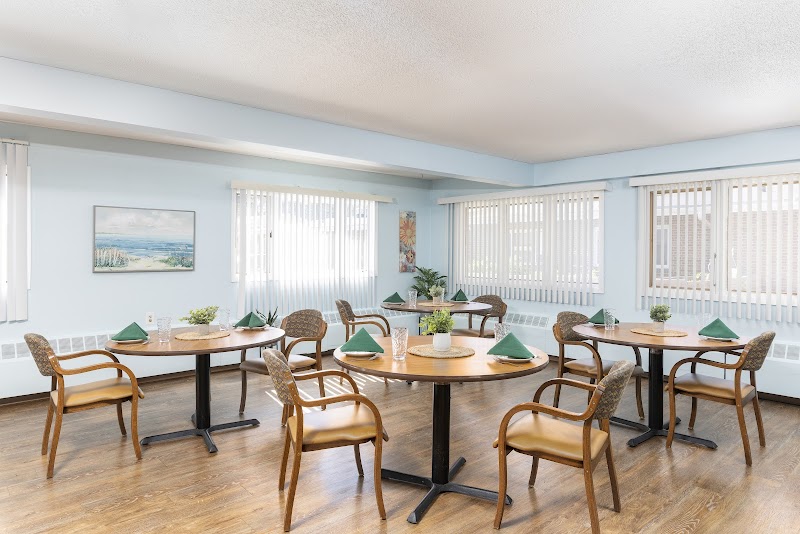
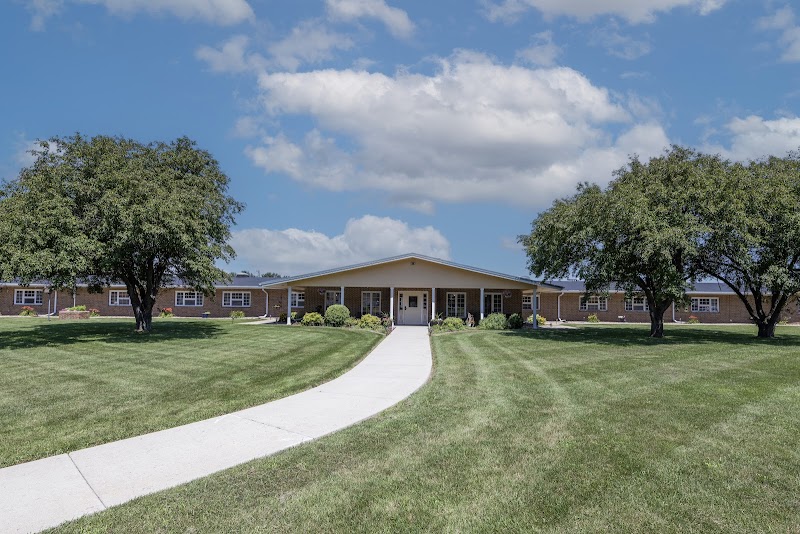
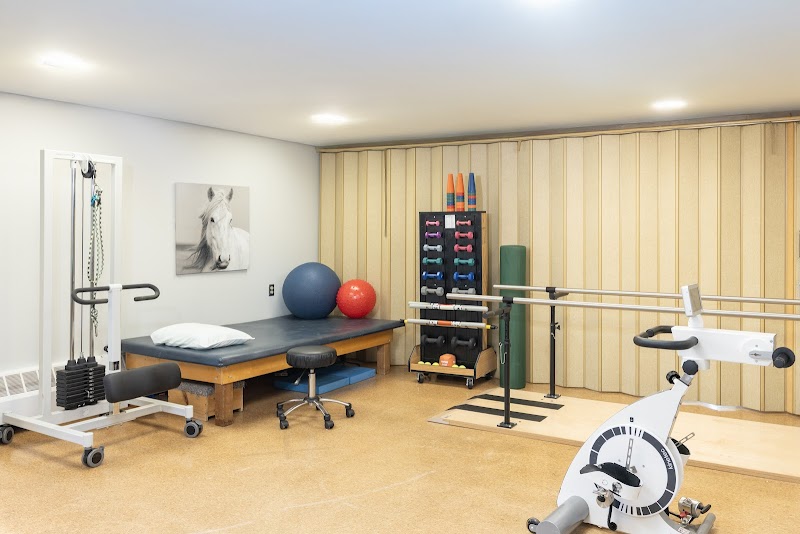
PALISADE HEALTHCARE CENTER

920 4TH ST, GARRETSON, SD 57030 (605) 594-3466
For profit - Corporation 55 Beds EMPRES OPERATED BY EVERGREEN Data: November 2025
Trust Grade
3/100
#88 of 95 in SD
Last Inspection: August 2025

Inspected within the last 6 months. Data reflects current conditions.

Overview

Palisade Healthcare Center has received a Trust Grade of F, indicating significant concerns and a poor reputation among nursing homes. It ranks #88 out of 95 facilities in South Dakota, placing it in the bottom half, and #9 out of 9 in Minnehaha County, meaning there are no better local options. While the facility's trend is improving, with issues decreasing from 11 to 10 over the past year, the staffing situation is concerning, with a 65% turnover rate that is higher than the state average. Additionally, the facility has been fined $18,690, which is average compared to other homes, but it has less RN coverage than 94% of other facilities, raising concerns about the quality of care. Specific incidents include a resident falling from a mechanical lift during a transfer due to improper assistance, and another resident developing pressure ulcers due to inadequate preventive care. Overall, while there are some strengths in staffing ratings, the facility faces serious weaknesses that families should carefully consider.

Trust Score
F
3/100
In South Dakota
#88/95
Bottom 8%
Safety Record
High Risk
Review needed
Inspections
Getting Better
11 → 10 violations
Staff Stability
⚠ Watch
65% turnover. Above average. Higher turnover means staff may not know residents' routines.
Penalties
○ Average
$18,690 in fines. Higher than 72% of South Dakota facilities. Some compliance issues.
Skilled Nurses
⚠ Watch
Each resident gets only 23 minutes of Registered Nurse (RN) attention daily — below average for South Dakota. Fewer RN minutes means fewer trained eyes watching for problems.
Violations
⚠ Watch
25 deficiencies on record. Higher than average. Multiple issues found across inspections.
★☆☆☆☆
1.0
Overall Rating
★★★☆☆
3.0
Staff Levels
★★★☆☆
3.0
Care Quality
★☆☆☆☆
1.0
Inspection Score
Stable
2024: 11 issues
2025: 10 issues

The Good

  • Full Sprinkler Coverage · Fire safety systems throughout facility
  • No fines on record

Facility shows strength in fire safety.

The Bad

1-Star Overall Rating

Below South Dakota average (2.7)

Significant quality concerns identified by CMS

Staff Turnover: 65%

19pts above South Dakota avg (46%)

Frequent staff changes - ask about care continuity

Federal Fines: $18,690

Below median ($33,413)

Minor penalties assessed

Chain: EMPRES OPERATED BY EVERGREEN

Part of a multi-facility chain

Ask about local staffing decisions and management

Staff turnover is elevated (65%)

17 points above South Dakota average of 48%

The Ugly 25 deficiencies on record

3 actual harm
Sept 2025 1 deficiency 1 Harm
SERIOUS (G) 📢 Someone Reported This

A family member, employee, or ombudsman was alarmed enough to file a formal complaint

Actual Harm - a resident was hurt due to facility failures

Accident Prevention (Tag F0689)

A resident was harmed · This affected 1 resident

**NOTE- TERMS IN BRACKETS HAVE BEEN EDITED TO PROTECT CONFIDENTIALITY** Based on South Dakota Department of Health (SD DOH) facility-reported incident (FRI) review, observation, interview, record revi...

Read full inspector narrative →
**NOTE- TERMS IN BRACKETS HAVE BEEN EDITED TO PROTECT CONFIDENTIALITY** Based on South Dakota Department of Health (SD DOH) facility-reported incident (FRI) review, observation, interview, record review, and manufacturer's operator's instructions review, the provider failed to ensure:*The safety of one of one sampled resident (1) who fell from a total body lift (a mechanical lift and sling used to lift a person's full body) and sustained a hematoma (an injury that causes a localized collection of blood under the skin) while being transferred by one of one licensed practical nurse (LPN) (C) and one of one certified medication aide/certified nursing assistant (CMA/CNA) (F).*The sling sizes for eight of eight sampled residents (1, 2, 3, 4, 5, 6, 7, and 8) who used a total body lift for transfers were assigned according to the sling's manufacturer's instructions. Findings Include:1. Review of the provider's 9/12/25 SD DOH FRI regarding resident 1 revealed:*On 9/12/25 at 11:20 a.m. LPN C and CMA/CNA F had been transferring resident 1 from her wheelchair to her bed.*CMA/CNA F had reported that resident [1] fell out of the [full-body lift] sling, and stated all 4 [four] sides of the sling were hooked up to the metal bar of the mechanical lift.*LPN C had stated that he didn't know how the sling slipped off the hook.*Resident 1 had stated, I was in the sling. I was being lifted up and the next thing I knew I was cracking my head but not from hitting it on the bar from hitting it really hard on the floor.*LPN C reported that resident 1 had a hematoma behind her left ear.*Resident 1 had neck pain and was transferred to the hospital for evaluation and returned later that same day. A hematoma to the back of the left ear was noted on the evaluation at the hospital. *The sling [used during that transfer] was noted to be an XL [size extra-large].*[An] Audit was done 9/12/2025, to assess all sizes of slings to those residents who utilize them, and appropriate sizes are in place. 2. Review of resident 1's electronic medical record revealed:*Resident 1 was admitted on [DATE].*Her diagnosis included osteochondrodysplasia (a genetic condition where there is a defect in the development of cartilage and bone, leading to skeletal abnormalities and disproportionate growth), anterior displaced Type II dens fracture (a fracture of the second cervical vertebra where the fractured fragment is moved forward), and quadriplegia (partial or complete loss of movement and/or sensation in the upper and lower parts of the body).*Her 9/3/25 Brief Interview for Mental Status (BIMS) assessment score was 15, which indicated her cognition was intact.*Her 9/3/25 care plan indicated that she required the assistance of two staff members and the use of a full-body mechanical lift for transfers.-There was no documentation of what size lift sling she used at that time.-A care plan intervention added on 9/14/25 indicated: I require a full body small sling for transfers with the mechanical lay down lift. I have one assigned to me with my room number on the tag. Ensure the loops [of the sling] are completely inside of the metal rings on the lift bar.*A 9/13/25 physician's order indicated wear the [cervical] collar whenever up out of bed.*Her 9/15/25 weight was 147.9 pounds (lbs). Review of resident 1's 9/4/25 Physical Therapy Evaluation revealed:*Resident 1 requires the Hoyer lift [a brand of full-body mechanical lift] for all transfers, and included that transfers with resident 1 using that lift had not been tested during that evaluation.*There was no documentation that the full-body lift sling size had been assessed during that evaluation. Review of resident 1's 9/12/25 hospital discharge summary indicated:*On 9/12/25, resident 1 sustained a head injury when she was transferred with the full-body mechanical lift, and she hit her head on the bed frame and then on the floor.*She reported mild discomfort.*A 9/12/25 Computed Tomography (CT) scan (a medical imaging test) showed an occipital scalp [back of the head] hematoma without underlying fracture, and changes since February 2025 though [the changes] may have been present on the August 2025 MRI (MRI) (a medical test to create highly detailed images inside the body).*There is clinical concern for new cord injury. Consider MRI.*Neurosurgery (a medical specialty focusing on the brain and spinal cord) did review and thought no acute recommendations aside from the collar to be worn while out of bed. 3. On 9/16/25 at 10:00 a.m., a resident census list, indicating which residents used mechanical and non-mechanical transfer lifts, a transfer policy, a resident safety policy, and instruction manuals or policies regarding the use of mechanical lifts and their slings was requested. Review of the facility provided documentation revealed:*The provider indicated they did not have policies regarding resident safety, resident transferring, or mechanical lift sling use.*The provider referred to the EZWay Classic Lift Operator's Instructions for all guidance on the use of the full-body mechanical lifts and the lift slings.*The provider's census indicated 12 residents required the use of a full-body mechanical lift. 4. Observation and interview on 9/16/25 at 11:36 a.m. with resident care manager (RCM)/registered nurse (RN) D and CNA J while assisting resident 7 to transfer using the full-body mechanical lift revealed:*Each resident who used a full-body mechanical lift for transferring was to have their own sling that remained in the resident's room or wheelchair.*There were different-sized slings, and they would know which sling size was to be used for each resident by checking the resident's weight in their EMR and referencing that with the size chart in the manual attached to the EZWay full-body mechanical lift.*That size chart was the EZWay Sling Sizing Chart.*They thought that resident 7 used an extra-large sling, because it was in his room. RCM/RN D and CNA J transferred resident 7 with that extra-large sling and the full-body mechanical lift. Observation and interview on 9/16/25 at 11:55 a.m. and again on 9/17/25 at 7:48 a.m. with resident 1 and her husband revealed:*On 9/12/25, LPN C and CMA/CNA F were assisting her to transfer from her wheelchair onto her bed with the full-body mechanical lift and sling. They had raised her in the sling and had begun to turn her in the sling to align her body to the bed when she fell onto the floor.*Resident 1 thought the lift strap had come unhooked and caused her to fall.*When she fell, she hit her head on the floor, had pain in the back of her head and in her neck, and waited on the floor for the ambulance to arrive because she was afraid that if staff moved her, she would have had a more serious neck injury.*She was told at the hospital that she had a hematoma on the back of her head, and she was relieved that the hospital tests showed that there was no more serious injury.*She had constant pain before the fall and since, but she did not think that she had more pain than she did before the fall as long as she avoided lying on one specific spot on the back of her head.*The staff used the same lift sling that she fell out of since she was admitted on [DATE].*After that fall on 9/12/25, the staff used a smaller lift sling.*The sling in her room was a blue, Direct Supply full-body size small. That sling was marked with the date 9/12/25 and her room number.*Resident 1 chose not to wear the physician-ordered neck collar unless she was in therapy. Observation and Interview on 9/16/25 at 2:36 p.m. with LPN C regarding resident 1's 9/12/25 falling incident revealed:*CMA/CNA F was assisting him in transferring resident 1 from her wheelchair to the bed with the mechanical full-body lift and a yellow-colored sling.*He thought that the sling strap had come unhooked from the lift and caused resident 1 to fall from the lift when the resident was raised above her wheelchair.*He demonstrated with the mechanical full-body lift and a sling what he thought had occurred that day. He did not think that the sling used for resident 1 when she fell was the wrong size.*He thought resident 1 hit her head on the bed, and then her body hit the floor.*After resident 1 fell, he immediately assessed resident 1's vital signs (measurements of the body's basic functions, such as temperature, blood pressure, pulse, and respiration rate) and pain, had the staff call the ambulance, and remained with resident 1 until the ambulance arrived because resident 1 had a previous neck injury and she was scared.*Resident 1's husband was outside of the room when resident 1 fell and was very upset about what had happened. Observation and interview on 9/16/25 at 2:50 p.m. with LPN/RCM E regarding resident 1's 9/12/25 fall revealed:*CMA/CNA F alerted LPN/RCM E that resident 1 fell out of the lift sling when CMA/CNA F and LPN C transferred the resident.*LPN/RMC E went to resident 1's room to assist, notified resident 1's husband, and called the ambulance.*LPN/RMC E confirmed that a yellow-colored sling had been used to transfer resident 1 the day resident 1 fell, and that sling was too large for resident 1.*Education had been conducted with all nursing staff on 9/12/25, after resident 1's fall, which included that staff were to check the resident's weight in the EMR and to determine the correct sling size to use by referencing the EZWay sling size guide that was located on the mechanical full-body lift.*Any nursing staff, including CNAs, were able to look up the resident's weight and determine the correct sling size to use by referring to the EZWay sling size guide. Interview by phone on 9/16/25 at 2:59 p.m. with CMA/CNA F regarding resident 1's 9/12/25 fall revealed:*She was assisting LPN C in transferring resident 1 from her wheelchair to the bed with the mechanical full-body lift and a yellow-colored sling.*She fastened the bottom two straps to the mechanical full-body lift, and LPN C fastened the top two sling straps that were closest to resident 1's head.*Resident 1 fell out of the left side of the sling. She thought that all four straps remained fastened after resident 1 fell from the sling.*She thought that the sling used to transfer resident 1 had been a size large.*That yellow-colored sling was in resident 1's room, and she thought that was the right sling size because the staff person who brought it to resident 1's room should have checked that it was the right size.*When she would bring a sling to a resident's room, she would check the resident's weight in the EMR and pick the sling size that the EZWay manual on the lift indicated the resident would need. Observation and interview on 9/16/25 at 3:07 p.m. with resident 1, LPN C, and CMA/CNA I revealed:*LPN C and CMA/CNA I used the mechanical full-body lift and a blue size small Direct Supply sling to transfer resident 1 from her bed to her wheelchair.*CMA/CNA I indicated that she had used resident 1's weight and the EZWay sling size guide to determine which size sling resident 1 needed.*She confirmed that the sling she had used was not an EZWay sling and was unsure if the Direct Supply sling had a different sizing guide. She was unsure if the Direct Supply sling size could be correctly determined using the EZWay sling size guide. Observation and interview on 3/16/25 at 3:10 p.m. with director of nursing (DON) B in the laundry room revealed:*Slings were washed and stored in the laundry room between resident uses.*The provider had at least four different brands and different sizes of mechanical lift slings.*She was unaware if there were size guides for the four brands of mechanical lift slings found in the laundry room.*She expected the CNAs to use the residents' weights found in the EMR to select the correct sling size for all of the different brand lift slings based on the EZWay sling size guide, and to ensure the resident fit between the top and bottom of the sling and that the sling was not too narrow for the resident's body. Interview on 9/16/25 at 3:27 p.m. with CMA/CNA I regarding the lift slings revealed:*She ordered the facility's resident care supplies and ordered the size small Direct Supply sling about a year ago for a previous resident. She thought it would be the correct size sling for resident 1 because she was a tiny gal, and it was the only size small sling that the facility had in stock.*She would look to see if she could locate a sling sizing guide for the Direct Supply lift sling that she had ordered last year.*There was an EZWay sling size chart taped to the nurses' station counter to help the CNAs when selecting the correct size slings to use. Interview on 9/16/25 at 3:40 p.m. with administrator A regarding the use of mechanical lift slings revealed:*The provider had several different brands and sizes of mechanical lift slings.*She thought that the lift sling sizing was universal and that all slings could be used with the EZWay brand lifts.*She expected the nursing staff to use the EZWay lift sling size guide when they determined which size sling the resident required for all of the brands of slings.*She did not have sling size guides for the four brands of slings that were in the laundry room and available for use.*She confirmed that the lift slings were stored in the laundry room between resident uses, and she expected the CNAs to select the correct size lift sling based on the resident's weight using the EZWay lift slings. Interview on 9/17/25 at 7:15 a.m. with administrator A revealed she:*Printed the sling size guides for three of the most commonly used brands of slings that they used.*Had been unaware that each brand of sling had its own sizing guide and that not all of them used the resident's weight as a basis for the size sling a resident required.*Ordered seven EZWay brand slings on 9/16/25 that were recommended for use with the EZWay mechanical full-body lift that they used.*Spoke with the EZWay representative when she purchased those full-body mechanical lifts several years ago and had been told she could use any brand sling with the lifts.*Was considering discontinuing the use of the yellow Guldmann lift slings because those slings used three different resident body measurements in determining the sling size a resident would require, and not the resident's weight.*She agreed that they had not completed a resident assessment of those body measurements. Observations on 9/17/25 of the resident's mechanical full-body lift slings revealed:*At 7:38 a.m., resident 2 had a Direct Supply size large split-leg mechanical lift sling in her wheelchair.*At 7:45 a.m. LPN/RCM E and CMA/CNA G confirmed that resident 3 had used a blue mesh lift sling with a green trim on the edge for showering that morning. The label on the sling was illegible, and LPN/RCM E confirmed that she did not know the size of the sling. LPN/RCM E and CMA/CNA G had used the Guldmann size large sling to transfer resident 3 from his bed to his wheelchair.*At 7:57 a.m. CNA H confirmed that she used a Guldmann size large sling to transfer resident 8 from her bed to her wheelchair.*At 8:07 a.m., CNA K confirmed that resident 4 was seated in her wheelchair on a Guldmann size large sling*At 8:47 a.m., LPN/RCM E confirmed that resident 6 had used a Guldmann sling to get out of bed for breakfast, and that sling was removed from resident 6's wheelchair while she was up and was on her bed. The lift sling on her bed was a Guldmann size large.*At 8:52 a.m., resident 5 stated that staff used the lift sling in her wheelchair to get out of bed for breakfast. That lift sling was a Guldmann size extra-large. Interview on 9/17/25 at 9:09 a.m. with administrator A revealed:*She had been unaware that each mechanical lift sling manufacturer had a different size guide to determine the correct size sling a resident required for the use of the full-body mechanical lifts.*The therapy department assessed the resident for their correct transfer status and the equipment they required for transferring. The therapy department did not assess the resident for the correct size lift sling.*Administrator A conducted an investigation and interviews with staff on 9/12/25, and determined that resident 1 was not placed in the correct lift sling size when she fell on 9/12/25, but she felt that the correct sling size the staff were currently using to assist her with transferring was correct.*The provider primarily used the yellow Guldmann brand lift sling that required three body measurements to determine the correct size. Those measurements had not been completed when determining the correct lift sling size to use when transferring residents.*She was unaware that six of the eight residents would have been on the wrong size lift sling using the EZWay size chart. The lift sling size for those residents could not be determined because the three body measurements had not been completed.*She agreed that the Direct Supply, Guldmann, and SMT Volaro lift slings could not be accurately determined using the EZWay lift sling size guide.*A licensed staff member had not completed a resident assessment to determine the correct size lift sling that residents 1, 2, 3, 4, 5, 6, 7, and 8 would need when transferring with the mechanical full-body lift. 4. A request was made to administrator A and DON B on 9/17/25 at 7:34 a.m. for policies related to resident assessment, resident care planning, resident equipment, and resident falls. Review of the policies provided revealed they did not include assessing a resident for the use of the mechanical full-body lift or sling, who was responsible for completing that task, or what resident information was expected to be included in the resident's comprehensive care plan related to the use of mechanical lifts. 5. Review of the 11/28/18 EZWay Classic Lift Operator's Instructions revealed: EZWay slings are made specifically for the EZWay Lifts. For the safety of the patient and caregiver, only EZWay slings should be used with EZWay lifts.*As patients [residents] do vary in size, shape, weight and temperament, these conditions must be taken into consideration when deciding which EZWay Sling is suitable for each patient's needs.*There are a variety of slings available in various sizes.*Attaching the sling to the lift.Make a final check of all four loop attachment points to ensure each loop is sufficiently attached to the respective hook of the hanger bars.*Lifting the patient.Push the UP button on the hand control to initiate the upward motion of the lift. Continue the upward motion until there is tension on the legs of the sling, make sure all the loops on the sling are securely hooked on the hanger bars.*Users must accept full responsibility for checking the condition of all slings and harnesses before each and every use on the patient.*It is recommended that slings be replaced after one year or if the sling shows any sign of damage or wear.*The Sling Sizing Chart had a color-coded chart that indicated which color correlated to which size. There was also a guide that correlated sling size with Weight of Patient and Maximum distance from patient's tailbone to base of neck. **Does not apply to Belted Mesh or Multi-Purpose slings**. That chart indicated:-Gray was size S (small), for patients 70 - 100 lbs. (pounds) with a maximum distance from tailbone to base of neck of 21 (inches).-Beige was size M (medium), for patients 90 - 220 lbs. with a maximum distance from tailbone to base of neck of 24.-Burgundy was size L (large), for patients 190 - 320 lbs. with a maximum distance from tailbone to base of neck of 26.-Green was size XL (extra-large), for patients 280 - 450 lbs. with a maximum distance from tailbone to base of neck of 29.-Black was size XXL (extra, extra-large), for patients 400-600 lbs. with a maximum distance from tailbone to base of neck of 36.-Brown was size XXXL (extra, extra, extra-large), for patients 600+ lbs. with a maximum distance from tailbone to base of neck of 37.*NOTE! The size/weight designations are merely estimates and basic guidelines. A proper fit will depend on factors other than weight measurements, including the height and girth of the patient. A proper fit will involve the judgement of the caregiver.Review of the requested Direct Supply Slings size guide revealed:*There were five different total body lift sling models, each had a different size and Recommended user weight.-Some sling models came in five sizes, extra small through extra-large, and others came in three sizes, one model size was indicated by weight only, 125-200 lbs., 175-300 lbs., and 275 - 500lbs.*Our multi-brand slings have passed rigorous compatibility testing standards for use with leading models of lift equipment. So even if you have multiple brands of lifting equipment in your community, you can depend on one affordable sling brand to help keep your staff and residents safe during transfers. Review of the requested Guldmann full body lift sling size guide revealed:*There were 12 different total body sling models.*The sling sizes were determined by the measurement of the residents' hip width, chest width, and seated height from the bone to the top of their head. The resident's weight was not considered.*There were five Kids sizes and nine additional sizes that ranged from XS (extra small) to 5XL. 6. Review of the provider's March 2025 Charge Nurse Job Description revealed:*Evaluates resident care as related to individual resident needs, family involvement, and the physician's plan of care for the resident.*Provides clinical supervision to nursing assistants. Review of the Certified Nursing Assistant Job Description revealed:*Under general supervision performs a combination of following duties in caring for residents.consistent with.established long-term care standards.*Reports to the Licensed Nurse directing and overseeing resident care on assigned unit. 7. Review of a 9/16/25 email communication between administrator A and the EZWay Safety Program Coordinator revealed, If an item is purchased to be used with another brand product, EZWay will not be held liable for any issues resulting from usage with non-EZWay equipment.
Aug 2025 7 deficiencies 1 Harm
SERIOUS (G)

Actual Harm - a resident was hurt due to facility failures

Pressure Ulcer Prevention (Tag F0686)

A resident was harmed · This affected 1 resident

**NOTE- TERMS IN BRACKETS HAVE BEEN EDITED TO PROTECT CONFIDENTIALITY** Based on observation, interview, record review, and policy review the provider failed to adequately identify and effectively imp...

Read full inspector narrative →
**NOTE- TERMS IN BRACKETS HAVE BEEN EDITED TO PROTECT CONFIDENTIALITY** Based on observation, interview, record review, and policy review the provider failed to adequately identify and effectively implement pressure ulcer (skin and/or underlying tissue injury due to prolong pressure) preventative interventions for residents identified at risk for developing pressure ulcers for:*One of one sampled resident (3) who developed a pressure ulcer to her heel.*One of one sampled resident (27) who developed a pressure ulcer to her coccyx (tailbone).Findings include: 1. Observation on 8/5/25 at 9:10 a.m. of resident 3 in her room revealed: *There was a sign on the wall beside the entrance to resident 3’s room that indicated she was on enhanced barrier precautions (personal protective equipment, such as gloves and a gown was to be worn with all close contact resident care). *She was sitting in a wheelchair near her bed. *She was wearing a Prevalon boot (a cushioned boot that floats the heel off the surface of the mattress, to help reduce pressure) on her left foot. *There was a second Prevalon boot on a chair at the foot of her bed. *She had an air mattress on her bed. *On the wall beside her bed was a sign that said, “heel boots on at all times while in bed.” 2. Interview on 8/6/25 at 4:45 p.m. with certified nursing assistant (CNA)/certified medication aide (CMA) M revealed: *Resident 3 used Prevalon boots and an air mattress because she had a pressure ulcer on her heel. *Those interventions were put into place after resident 3’s had developed that pressure ulcer. *Prior to the pressure ulcer being identified on resident 3’s left heel, CNA/CMA M stated resident 3 had complained of pain to her heels. -When resident 3 reported the pain to CNA/CMA M she placed a pillow under resident 3’s legs to float her heels off the mattress. *CNA/CMA M stated she was off for a few days after resident 3 reported pain to her heels. *When CNA/CMA M returned to work, she found blood on resident 3’s bed sheet and the open area to the resident’s heel was identified. 3. Review of resident 3’s electronic medical record (EMR) revealed: *She was admitted on [DATE]. *Her 7/23/25 Brief Interview for Mental Status (BIMS) assessment score was 4, which indicated she had severe cognitive impairment. *Her 6/16/25 and 6/30/25 Braden Scale for Predicting Pressure Score Risk assessment was 15, which indicated she was at risk [low risk] for the development of pressure ulcers. *Physician Y was notified of resident 3’s left heel pressure ulcer on 7/21/25 and ordered the wound to be cleansed with a wound cleanser twice weekly and covered with a foam dressing until healed. *“Pro Heal Liquid Protein [a supplement that promotes wound healing] two times a day 30 cc [cubic centimeters] to aid in wound healing” was added on 7/24/25. Review of resident 3’s 8/5/25 care plan revealed: *She did not ambulate. *She was dependent on the assistance of one staff for dressing and bed mobility. *She required assistance from two staff members and a mechanical lift for transfers. *The pressure ulcer was added to her care plan as a problem area on 7/21/25. -The heel boots and the air mattress were added to her care plan as interventions for the pressure ulcer on 7/29/25. *Prior to the identification of the pressure ulcer, resident 3’s care plan the skin integrity interventions were, -“Educate the resident/family/caregivers as to causes of skin breakdown; including transfer/positioning requirements; importance of taking care during ambulating/mobility, good nutrition and frequent repositioning.” -“Follow facility policies/protocols for the prevention/treatment of skin breakdown.” -“Pressure Ulcer risk evaluation quarterly and as indicated.” -“Weekly skin observations by charge nurse per protocol.” *Within the 8/6/25 Clinically Unavoidable Review and Acknowledgement assessment licensed practical nurse (LPN)/ resident care manager (RCM) wound nurse I documented, “Based on the above clinical review of medical conditions and individual high risk factors in combination with all defined and implemented interventions the center has put forth, this IDT [interdisciplinary team] and Provider agree the specified skin impairment is determined to be unavoidable.” -The assessment indicated the documentation was to be, “Defined and Implemented Interventions PRIOR to the Skin Impairment or Pressure Injury Development”. --This assessment indicated interventions initiated after the pressure ulcer was identified included the medication review and recommendation on 7/22/25, the staff education on individual care planned skin prevention needs on 7/22/25, the nutritional supplement ordered on 7/24/25, and the registered dietician review and recommendation on 7/24/25, -Lab results were not included in the portion labeled Lab Results in that assessment. *A 7/15/25 at 5:50 a.m. progress note indicated, “Called to [the] residents [resident’s] room during the night to look at her heels. Both heels are pink and spongy. Heel protectors [were] placed [on the resident] and will monitor. Will pass onto [the] oncoming nurse.” *There was no documentation that the pressure ulcer had been identified in the progress notes. *There was no documentation that the resident’s representative was notified of the change in her heel condition. *Resident 3’s weekly skin evaluation on 7/22/25 at 2:11 p.m. indicated the area to resident 3’s left heel measured 0.6 centimeters (cm) X (by) 0.6 cm and was identified as a stage II (2: open skin wound with partial thickness skin loss) pressure ulcer without drainage. *Resident 3’s 7/28/25 Weekly Skin Evaluation indicated the pressure ulcer was “improving” and measured 0.8 cm X 0.7cm and was 0.1cm deep. -The stage of the pressure ulcer had advanced from a stage II to a stage III (3: open skin with full thickness skin loss. Fatty tissue may be visible). -The base of the wound was 100% slough (tissue that was not alive and could hinder the healing process) and moderate drainage. *On 7/29/25 at 2:36 p.m. an air mattress was placed on resident 3’s bed. *Resident 3’s 8/4/25 Weekly Skin Evaluation indicated the pressure ulcer was “improving” and measured, 1 cm X 1 cm and was 0.1 cm in depth. -It remained at a stage III. -It was 75 % slough and 25 % granulation tissue (new tissue formed in the healing process) without drainage. 4. Interview on 8/7/25 at 2:35 p.m. with LPN/RCM wound nurse I revealed: *She had received specialized training in wound care. *She was primarily responsible for residents’ wound care and wound assessment documentation. *When asked what interventions were in place to prevent the development of pressure ulcers for resident 3, she stated she received skin checks weekly by the nurses, she had a Braden Scale assessment completed on admission which indicated she was at risk (low risk), and she was admitted from the hospital with heel protector boots. *Upon review of resident 3’s progress notes LPN/ RCM wound nurse I verified the heel protector boots had not been provided to resident 3 until 7/15/25. *LPN/ RCM wound nurse I was not aware there was concern related to resident 3’s heels prior to the identification of the pressure ulcer documented on the resident’s 7/22/25 weekly skin evaluation assessment. * LPN/RCM wound nurse I completed the Clinically Unavoidable Review and Acknowledgement assessments and used her clinical judgement to determine whether a pressure ulcer was clinically avoidable or unavoidable. *She stated she had determined resident 3’s pressure ulcer to her left heel was unavoidable due to resident 3’s immobility, poor positioning related to her torticollis (muscle contractions causing the head to lean to one side), and having been dependent on one or two staff members for most of her care needs. * LPN/RCM wound nurse I agreed she had included interventions on the resident 3’s clinically unavoidable review and acknowledgement assessment that were not implemented until after the development of the pressure ulcer. *She stated it was not her usual practice to include interventions on those assessments that were implemented after the pressure ulcer was identified. *She verified resident 3’s heel pressure ulcer had been identified on 7/22/25 but the Clinically Unavoidable Review and Acknowledgement assessment was not completed until 8/6/25. *She stated she had not identified whether resident 3’s shoe or the mattress that may have caused the pressure ulcer. Resident 3 was not to wear her shoes until the pressure ulcer had resolved and she had an air mattress. *LPN/RCM wound nurse I would document whether a pressure ulcer was improving or not based on a decrease in the size of the pressure ulcer or a decrease in exudate (drainage). *She agreed resident 3’s weekly skin assessments indicated each the size of the pressure ulcer had increased each week. *LPN/RCM wound nurse I stated she had documented on resident 3’s 7/28/25 weekly skin assessment the pressure ulcer was improving because there was no longer any exudate, even though the size of the wound had increased, and she advanced the pressure ulcer from a stage II to a stage III with 100% slough. *LPN/RCM wound nurse I stated she had documented on the 8/4/25 weekly skin assessment that the pressure ulcer was improving because there was granulation tissue present, even though the size of the wound had increased. *She verified she had not notified the physician of the increased size of the pressure ulcer. 5. Observation of resident 27’s room on 8/5/25 at 11:39 AM revealed: *She was not in her room *Her heel boots were lying on the floor by her bed. *She had a sign on the wall located by the foot of her bed that stated she needed to wear heel boots in bed. *Her mattress appeared to be the facility's standard mattress. 6. Review of resident 27’s EMR revealed: *She was admitted on [DATE]. *Her most recent Braden scale score, completed on 5/1/25, was 13, which indicated she was at moderate risk of developing pressure ulcers. *Her 5/30/25 Brief Interview for Mental Status (BIMS) assessment score was 14, which indicated her cognition was intact. *She had diagnoses of spinal stenosis (narrowing of the spinal cord), spondylosis (age-related wear and tear on the spinal discs (cushion between vertebrae) and bones), radiculopathy (disease of the nerve root in the spine), disease of the spinal cord, weakness, diabetes, and morbid obesity (excessive body weight that significantly impacts health and well-being). *Her 7/29/25, weekly skin evaluation indicated she had a new pressure ulcer on her coccyx (tailbone). It listed the measurements as 0.6cm long by 1.1cm wide by 0.1cm in depth. The pressure-reducing interventions in place included: a cushion in her chair, a pressure-reducing mattress, and heel boots. *A 7/30/25 physician’s order instructed to: “clean open wound at coccyx with wound cleaner, pat dry, and apply foam dressing twice per week & PRN [as needed].” *Her 7/30/25 Clinically Unavoidable Review and Acknowledgement assessment was blank. *An 8/2/25 Nutrition Hydration Skin Committee review progress note indicated the interdisciplinary team (IDT) met about the resident’s pressure ulcer discovered on 7/29/25. The pressure ulcer was a stage II the measurements noted in the 7/29/25 weekly skin evaluation were listed. The registered dietitian recommended adding the ProHeal supplement daily to aid in wound healing. The IDT staff members included regional dietitian G, DON B, and LPN/RCM, wound care nurse I. *8/3/25, she had received a doctor’s orders for ProHealth, a liquid protein supplement. Take one ounce daily to aid in pressure ulcer healing. *Her 8/5/25, weekly skin evaluation noted the wound had improved and was smaller in size. 7. Observation of resident 27 on 08/05/2025 at 3:16 p.m. revealed: *She was lying in bed on her back. *Her heel boots were on the floor by her bed. *A pressure relief cushion was in her wheelchair. 8. Observation and interview with resident 27 on 8/5/25 at 3:20 p.m. revealed: *She had an open sore on her left buttock that sometimes caused her pain. -The nurse puts a patch on it. *The staff did not reposition her, and she would have liked to have been repositioned more. *She tried to reposition herself in bed sometimes, but would then slide. *The provider’s staff had told her they did not want side rails used, but she thought she would be able to move herself more if she had them. *An air mattress was not on her bed. 9. Observation of resident 27 on 8/6/25 at 2:55 p.m., 4:24 p.m., and again at 4:54 p.m. revealed she had been lying in her bed, position on her back. 10. Interview on 8/6/2025 at 4:40 p.m. with certified nursing assistant (CNA) Q revealed: *To prevent pressure ulcers, the staff repositioned residents from side to side and placed heel boots on the residents. If the resident did not have boots, staff used a pillow or blanket to lift their feet off the bed. The staff would check on those residents more frequently. *For resident 27, the staff tried to reposition her every two hours. She stated resident 27 had “kinda” moved on her own, so they would ask her if she had repositioned herself. If resident 27 had said yes, they would not have repositioned the resident at that time. *Resident 27 was not physically able to reposition herself in bed from side to side. She had not refused to be repositioned. *They were not able to use side rails because they were considered a restraint. *The mattress type on resident 27’s bed had been the facility's standard mattress that everyone used, except for the hospice residents. The hospice residents usually used an air mattress. 11. Review of her current care plan on 8/7/2025 indicated: *She needed one staff member to assist her with bathing or showering, repositioning in bed, and two staff members to assist her with transferring. *She had been incontinent of bowel and bladder. *She was to have a pressure-reducing mattress on her bed. 12. Further review of resident 27’s EMR revealed her 7/30/25 Clinically Unavoidable Review and Acknowledgement assessment was signed as completed by LPN/RCM, wound care nurse I on 8/7/25. *The assessment indicated she was at risk for developing pressure ulcers due to her history of pressure ulcers, poor alignment, impaired functional mobility, diabetes, incontinence, behavioral disturbances, and pain. *The assessment conclusion note stated: “Based on the above clinical review of medical conditions and individual high-risk factors in combination with all defined and implemented interventions the center has put forth, this IDT and Provider agree the specified skin impairment is determined to be unavoidable.” 13. Interview on 8/7/25 at 11:51 a.m. with LPN/RCM wound nurse I revealed: *Resident 27 liked to lie in the same position in bed, and staff have reported they cannot get her to lie on her side. *She had a pressure ulcer in the past on her coccyx that had healed. *She shifted frequently in her wheelchair to get comfortable, which increased her risk for pressure ulcers related to friction. *After the development of a pressure ulcer, she expected the Clinically Unavoidable Review and Acknowledgement assessment was to have been done within 24 hours. *She was not sure why resident 27’s 7/30/25 initial Clinically Unavoidable Review and Acknowledgement assessment was blank. She confirmed she completed the assessment today. *Resident 27 had been on and off the ProHeal supplement. She received it again when her coccyx pressure ulcer re-opened. *She stated resident 27 should have been repositioned routinely, every two to three hours. *She denied that resident 27 had declined being repositioned but stated the resident had preferred to be on her back. She confirmed that information was not included in her care plan. *She expected CNAs to document on the repositioning task intervention in the EMR each time the resident was repositioned. *She reviewed the resident 27’s repositioning documentation for the past 14 days, which indicated resident 27 had only been repositioned one to three times each day. *She confirmed resident 27 was not repositioned as expected to help prevent her from developing a pressure ulcer. *She stated her mattress was the facility's standard mattress, which was considered pressure-reducing. *She would consider using an air mattress if her wound did not improve within two weeks. *The provider was a side rail-free building, and hers were zip-tied down. She was updated on the residents' request for grab bars. *She stated that, even with the resident not being repositioned routinely and based on her clinical judgment, she thought resident 27’s pressure ulcer was unavoidable. 14. Interview with DON B on 8/7/25 at 6:08 p.m. revealed: *She expected pressure ulcer prevention interventions to be implemented for residents at high risk for developing pressure ulcers or if they had a history of pressure ulcers. -Those interventions included the use of heel boots and repositioning every two hours. *She stated the standard mattresses were pressure-reducing and she did not expect a resident to have an air mattress unless the resident’s pressure ulcer was a stage III or IV (open wound with full-thickness skin and tissue loss. Bone, tendon, or muscle may be visible), depending on its severity. *She expected resident 27 not to be frequently lying on her back if she had a pressure ulcer on her coccyx. *She expected the Clinically Unavoidable Review and Acknowledgement assessment to be completed within 24 hours. *She stated she thought Resident 27’s pressure ulcer was unavoidable, even though she was not repositioned as expected, and was frequently placed on her back. 15. Review of the provider’s July 2025 Skin Integrity policy revealed: *“In an effort to maintain the resident’s optimal level of skin integrity and promote healing of skin ulcers/pressure ulcers/wounds, the facility has a systemic approach and monitoring process for evaluating and documenting skin integrity. In the event that a resident is admitted with or develops a skin ulcer/pressure ulcer/wound, care is provided to treat, heal, and prevent, if possible, further development of skin ulcers/pressure ulcers/wounds.” *“The nurse completed the Braden Scale/Skin Integrity Evaluation on admission, weekly for three weeks, and then annually.” *“The nurse establishes a plan of care based on risk factors in an effort to limit their potential effects.” *“If skin impairment is noted after admission (in addition to the above steps), the LN [licensed nurse]: -a. Initiates alert charting. -b. Completes (and documents) notifications to the medical provider and resident or resident representative. -c. Implements new interventions as needed. Documents on the resident’s care plan. -d. Notified Food and Nutrition Services Manager (FANS) and/ or Registered Dietician of [the] new pressure injury or worsening wound condition for nutritional needs evaluation. -e. Notified Director of Nursing [DON] Services (DNS) of skin impairments that indicate a potential significant change in condition (Stage II or greater Pressure Ulcer, surgical wound dehiscence, hematoma, or bruise on an area of the body not usually vulnerable to trauma (e.g. head, breast, inner thighs, groin). -f. The DNS and/ or designee complete a comprehensive review of the resident’s medical record to evaluate if the pressure injury was avoidable or unavoidable. This evaluation is documented in the nurse’s notes. *“If a wound condition fails to improve after 2 weeks of treatment or the condition of the wound deteriorates, the Medical provider and Resident’s Representative are notified. If a new treatment order is obtained the LN: - a. Re-evaluates [the] plan of care and resident’s condition (e.g. off-loading pressure from [the] skin impairment area, nutritional intake, blood sugars, and lab values).”
CONCERN (D)

Potential for Harm - no one hurt, but risky conditions existed

Deficiency F0582 (Tag F0582)

Could have caused harm · This affected 1 resident

**NOTE- TERMS IN BRACKETS HAVE BEEN EDITED TO PROTECT CONFIDENTIALITY** Based on record review and interview, the provider failed to ensure the Medicare notice given to the resident and/or the represe...

Read full inspector narrative →
**NOTE- TERMS IN BRACKETS HAVE BEEN EDITED TO PROTECT CONFIDENTIALITY** Based on record review and interview, the provider failed to ensure the Medicare notice given to the resident and/or the representative was:*Provided on the current form and completed according to the form's instructions for one of two sampled resident (1) who had discharged from Medicare skilled part A services and remained in the facility.*Completed according to the form's instructions for one of two sampled resident (22) who had discharged from Medicare part A services and remained in the facility.Findings include:1. Review of the Entrance Conference Worksheet completed by the provider on 8/6/25 revealed that two sampled residents (1 and 22) had been discharged from Medicare Part A skilled services and remained in the facility. 2. Review of the Notice of Medicare Non-Coverage (NOMNC) form CMS-10123, with a revision date of July 2022, for resident 1 revealed: *His last covered day on Medicare Part A Skilled Service was 4/4/25. *The required information of You have the right to get your information in an accessible format, like large print, Braille, or audio. You also have the right to file a complaint if you feel you’ve been discriminated against. Visit Medicare.gov/about-us/accessibility-nondiscrimination-notice, or call 1-800-MEDICARE (1-800-633-4227) for more information. TTY [teletypewriter for people with hearing or speech difficulties] users can call [PHONE NUMBER]” was not included on the form. 3. Interview on 8/7/25 at 3:05 p.m. with MDS/RN coordinator F regarding the NOMNC form for resident 1 revealed that she confirmed the form was outdated and did not include the non-discrimination clause above. 4. Review of the NOMNC with a revision date of December 2024, for resident 22 revealed: *Her last covered day for Medicare Part A Skilled Service was 2/19/25. *The Sign below to show you received and understood this notice” was not signed or dated by the resident or the resident’s representative. 5. Review of resident 22's 2024 Skilled Nursing Facility Advance Beneficiary Notice of Non-coverage (SNF ABN) Form CMS-10055, with verbal notification given to resident 22’s representative by telephone that was documented on 2/17/25 revealed: *The Reason Medicare May Not Pay section, which required a brief explanation to help understand why Medicare may deny payment, was marked as “Custodial Care” and did not include what Medicare services she had been receiving, as required. There was no signature of who had provided that verbal notice to her representative. 6. Interview on 8/7/25 at 2:20 p.m. with Minimum Data Set (MDS) coordinator/registered nurse (RN) F regarding SNF Beneficiary Notices for resident 22 revealed: *She agreed that the NOMNC provided was not signed or dated by the resident or their representative. *She agreed the SNF ABN form should have included the skilled nursing service that Medicare may deny payment for, and there was no identification of who had provided the verbal notice. *She was not available when that notification was given and was unable to determine who had given that notice. 7. Review of the January 2025 Form Instructions Skilled Nursing Facility Advanced Beneficiary Notice of Non-coverage (SNFABN) Form CMS-10055 and Form Instructions for the Notice of Medicare Non-Coverage (NOMNC) CMS-10123 revealed: *The SNF ABN Form Instructions included: -Completing the SNF ABN indicated in the Reason Medicare May Not Pay section, the SNF must give . a brief explanation of why the beneficiary's medical needs or condition do not meet Medicare coverage guidelines. The reason must be sufficient and specific enough to enable the beneficiary to understand why Medicare may deny payment. -Signature and Date indicated If an authorized representative signs for the patient, write (rep) or (representative) next to the signature. -“Disclosure Statement: The disclosure statements in the footer of the notice are required to be included on the document.” *The NOMNC Form's Instructions included: -{Insert type}: Insert the kind of service being terminated, i.e., skilled nursing, home health, comprehensive outpatient rehabilitation service, or hospice.
CONCERN (D) 📢 Someone Reported This

A family member, employee, or ombudsman was alarmed enough to file a formal complaint

Potential for Harm - no one hurt, but risky conditions existed

Report Alleged Abuse (Tag F0609)

Could have caused harm · This affected 1 resident

Based on South Dakota Department of Health (SD DOH) facility reported incident (FRI) review, interview, and policy review, the provider failed to report an allegation of suspected neglect for one of o...

Read full inspector narrative →
Based on South Dakota Department of Health (SD DOH) facility reported incident (FRI) review, interview, and policy review, the provider failed to report an allegation of suspected neglect for one of one sampled resident (56). This citation is considered past non-compliance based on the corrective actions the provider implemented immediately following the incident. Findings include:1.Review of the provider's 4/10/25 SD DOH FRI revealed:*On 4/3/25 certified nursing assistant (CNA)/certified medication aide (CMA)/activities director J reported via a grievance form that resident 56's incontinence product had not been changed on the night shift.*Resident 56 was noted to be very incontinent of urine.*Resident 56's diagnoses included: -Dementia (a group of symptoms affecting memory, thinking, and social abilities).-Congestive heart failure (heart does not pump blood as well as it should).-Chronic obstructive pulmonary disease (a group of lung diseases that block airflow and make it difficult to breathe).-Agitation (feeling of restlessness or nervous excitement).*Resident 56 was receiving end-of-life hospice care services.*On 4/9/25 a skin review was completed for resident 56, with no new identified areas of concern noted.*Resident 56's care plan was reviewed and updated.*Resident 56's family and primary care provider was notified of incident.*Staff education was started.*CNA X was suspended pending investigation. 2. Interview on 8/6/25 at 8:26 a.m. with CNA/CMA/activity director J regarding the reported 4/3/25 incident revealed:*She started her shift at 6:00 a.m. on 4/3/25.*Resident 56 was in her recliner in the same clothes she had worn the day before.*Resident 56 was wet with urine from her waist down.*She was told by CNA X that resident 56 had behavioral episodes during the night shift and had refused to get changed.*When she provided resident 56's incontinence care, she did not observe any skin areas that were open.*She had filled out a grievance form later that day on 4/3/25 and turned it in. Interview on 8/6/25 at 4:12 p.m. with licensed practical nurse (LPN)/resident care manager (RCM) I revealed:*CNA/CMA/activities director J had given her a grievance form regarding resident 56 on 4/3/25.*She reviewed CNA documentation and behavior documentation for resident 56.*She had notified director of nursing (DON) B and was unsure if it was neglect due to resident 56's behaviors of refusing toileting when she asked CNA X.*Resident 56's skin evaluation had been completed on 4/9/25 and there were no new areas of concern noted.*She had given the grievance form to either DNS B or administrator A after completing her investigation on 4/4/25. Interview on 8/7/25 at 9:48 a.m. with DON B revealed:*She was notified of the grievance form on 4/7/25 by LPN/RCM I.*Based on the information shared with her she did not consider the 4/3/25 incident to have been a neglect issue.*She was unsure when administrator A was made aware of the 4/3/25 incident.*She was aware that allegations or incidents of neglect or abuse of a resident DOH needs to be notified within two hours. Interview on 8/7/25 at 10:01 a.m. with administrator A revealed:*She was notified of resident 56's incident on 4/10/25 at approximately 10:00 a.m.*CNA X had worked shifts on 4/3/25, 4/5/25, 4/6/25 and 4/8/25.*She identified the incident on 4/3/25 as a neglect issue and reported it to DOH on 4/10/25.*She had been out to a conference when the incident happened, no one notified her until 4/10/25.*CNA X was suspended on 4/10/25 and an investigation was initiated.*CNA X's employment was terminated on 4/11/25 after being interviewed and admitting to not changing resident 56's incontinence products. Review of the provider's updated September 2017 Grievance procedure Policy revealed:*8. If the grievance involves abuse, neglect, exploitation, or misappropriation of resident property, the ED [Administrator] is notified immediately, and an investigation begins. Review of the provider's published September 2017 Abuse Reporting and Response Policy revealed:*Policy statement: The center immediately reports all suspected and /or allegations of abuse, neglect, and exploitation of residents, misappropriation of resident property, mistreatment, and injuries of unknown source in accordance with state and federal law.*4. The Executive Director or designee reports alleged violations to the state survey agency and other officials in accordance with state law (such as Adult Protective Services and local law enforcement) as follows:a. Immediately but no later than 2 hours-All allegations of abuse, neglect.b. Immediately but not later than 24 hours- All allegations, if the events that cause the allegation do not involve abuse and do not result in serious bodily injury. The provider's implemented systemic changes to ensure the deficient practice does not reoccur was confirmed after record review revealed the facility had followed their quality assurance process, education was provided to all direct care staff regarding reporting abuse and neglect, what to do when residents reject cares and how to deal with refusals such as incontinence cares and toileting, what is a reportable incident and who needs to be contacted and within what time frame they need to be contacted. Continued monitoring on all residents through clinical alert monitoring was being completed daily which advises the Interdisciplinary team of resident concerns, such as refusals of care, behaviors, self-transfers and falls. Audits were being completed on incidents that would be reportable to the SD DOH and brought to monthly QAPI meetings for review. Based on the above information, non-compliance at F609 occurred on 4/3/25, and based on the provider's 4/25/25 implemented corrective actions for the deficient practice confirmed on 8/7/25, the non-compliance is considered past non-compliance.
CONCERN (E)

Potential for Harm - no one hurt, but risky conditions existed

Deficiency F0725 (Tag F0725)

Could have caused harm · This affected multiple residents

**NOTE- TERMS IN BRACKETS HAVE BEEN EDITED TO PROTECT CONFIDENTIALITY** Based on observation, interview, and record review the provider failed to ensure staff responded timely to residents' call light...

Read full inspector narrative →
**NOTE- TERMS IN BRACKETS HAVE BEEN EDITED TO PROTECT CONFIDENTIALITY** Based on observation, interview, and record review the provider failed to ensure staff responded timely to residents' call lights for 7 of 18 residents (3, 6, 8, 14, 19, 28, and 54) who expressed complaints regarding staff not responding timely to their call lights to address the residents' needs.Findings include: 1. Observation and interview on 8/5/25 starting at 11:00 a.m. with resident 19 in his room revealed: *At 11:00 a.m. resident 19’s call light was on. *He stated he had turned his call light on about 10:30 a.m. *He stated there were times his call light was on for two hours before it was answered by the staff. *At 11:29 a.m. his call light was answered. Follow-up interview on 8/7/25 at 9:20 a.m. with resident 19 revealed: *At times he had felt like he was going to die by the time his call light was answered. *When he had to wait long periods of time for assistance, he felt degraded. Review of resident 19’s electronic medical record (EMR) revealed: *He was admitted on [DATE]. *His 6/23/25 Brief Interview for Mental Status (BIMS) assessment score was 13, which indicated he was cognitively intact. *He was a quadriplegic (paralysis that affects all four limbs) and required the assistance of one staff member for bed mobility, dressing, and eating, and the assistance of two staff members with the use of a mechanical lift for transfers. *He had a history of pressure ulcers related to his immobility. *He was incontinent of bowel and bladder. Review of resident 19’s call light times between 7/24/25 and 8/7/25 for response wait times that were longer than 15 minutes revealed: *The call light was used in that resident’s room [ROOM NUMBER] times. *Forty-two of those times were indicated as “Needs Improvement” according to the system selected filters. *On 7/24/25 the call light wait times were, 31 minutes and 25 seconds, 21minutes and 15 seconds, 33 minutes and 44 seconds, 23 minutes and 48 seconds, and 29 minutes and 26 seconds. *On 7/25/25 the call light wait times were, 27 minutes and 12 seconds, and 38 minutes and 31 seconds. *On 7/26/25 the call light wait times were, 18 minutes and 13 seconds, 20 minutes and 30 seconds, 21 minutes and 32 seconds, 44 minutes and 1 second, 36 minutes and 29 seconds, 20 minutes and 17 seconds, 40 minutes and 19 seconds, 37 minutes and 13 seconds. *On 7/27/25 the call light wait times were, 42 minutes and 34 seconds, 16 minutes and 49 seconds, and 28 minutes and 29 seconds. *On 7/28/25 the call light wait times were, 28 minutes and 15 seconds, and 16 minutes and 25 seconds. *On 7/29/25 the call light wait times were, 19 minutes and 31 seconds, and 25 minutes and 27 seconds. *On 7/30/25 the call light wait times were, 17 minutes and three seconds, 27 minutes and 15 seconds, and 24 minutes and 21 seconds. *On 7/31/25 the call light wait times were 33 minutes and 37 seconds, 16 minutes and 18 seconds, and 18 minutes and 4 seconds. *On 8/1/25 the call light wait times were 34 minutes and 28 seconds, and 16 minutes and 20 seconds. *On 8/2/25 the call light wait time was 30 minutes and 27 seconds. *On 8/3/25 the call light wait times were, 20 minutes and 54 seconds, and 33 minutes and 4 seconds. *On 8/5/25 the call light wait times were 16 minutes and 59 seconds, and 31 minutes and 50 seconds. *On 8/7/25 the call light wait time was 18 minutes and 37 seconds. 2. Interview on 8/5/25 at 3:12 p.m. with resident 28 revealed: *He stated that he had consistently waited about 45 minutes after he turned on his call light before he received assistance. *At times he wheeled himself out into the hallway and hollered for assistance because no one had answered his call light. *He stated that he could do most things by himself, but there were times he used his call light or hollered for staff assistance for his roommate, resident 19. Review of resident 28’s call light times audit from 7/24/25 and 8/7/25 for call light response wait times that were greater than 15 minutes revealed on: *On 7/24/25 resident 28 used his call light one time with a wait time of 25 minutes and 38 seconds. *On 7/25/25 resident 28 used his call light two times. Those call light response wait times were 38 minutes and one second, and 26 minutes and 50 seconds. 3. Observation on 8/7/25 starting at 9:20 a.m. outside resident 3’s room revealed: *Her call light was on at 9:20 a.m. *Housekeeper Z walked by the room multiple times and did not respond to the call light. *At 9:49 a.m. certified nursing assistant (CNA) P responded to resident 3’s call light and told her she would return shortly. *CNA P returned to the resident 3’s room with a gown and gloves at 9:50 a.m. Review of resident 3’s electronic EMR revealed: *She was admitted on [DATE]. *Her 7/23/25 Brief Interview for Mental Status (BIMS) assessment score was 4, which indicated severe cognitive impairment. *She did not ambulate. *She depended on assistance from one staff member for dressing and bed mobility and two staff members with the use of a mechanical lift for transfers. *She had a pressure ulcer on her left heel. 4. Review of the resident council meeting minutes from November 2024 through July 2025 revealed: *On 2/17/25 the documented resident concern communicated during resident council meeting was “CNA’s-lack of respect and short staffed”. *On 4/14/25 the documented concern communicated during the resident council meeting related to a long call light response time from a resident who was no longer in the facility. 5. Review of grievances from May 2025 through July 2025 revealed: *On 5/7/25 resident 6 reported having waited a long time for staff to respond to her call light. *On 5/8/25 a grievance was filed regarding a resident who waited a long time for staff to respond to her call light and her medications. That resident had discharged from the facility. *On 5/14/25 resident 8 reported she waited a long time for her call light to be answered. *On 5/19/25 a grievance was filed regarding a resident’s call light not having been answered. That resident had discharged from the facility. *On 6/19/25 resident 54 reported having waited a long time for staff to respond to the resident’s call light. 6. Interview on 8/6/25 at 4:46 p.m. with certified nursing assistant (CNA)/certified medication aide (CMA) M and licensed practical nurse (LPN) N revealed: *The expectation was for resident call lights to be acknowledged by a staff member within three to five minutes to determine what the resident needed and to communicate with the resident if there was going be a delay in providing what the resident needed. *Call light response times were generally longer after the breakfast meal. *CNA/CMA M stated all staff members were able to answer call lights, LPN N did not think the housekeepers could answer call lights. 7. Interview on 8/7/25 at 6:12 p.m. with administrator A revealed she did not know what system selected filters were used for the call light audits that determined if the timeliness of the staff’s response to a call light was excellent, acceptable, or needs improvement. 8. Observation and interview with resident 14 on 8/5/25 9:44 a.m. revealed she: *Had to wait a couple of hours for help at times when she turned on her call light. *Stated she had wet her pants when she had to wait a long time for staff to help her, and that made her feel like she was abandoned. *Had a “call don’t fall” sign taped to her wall to remind her to use her call light for assistance. *She stated she had fallen, but that had been a while ago. Review of resident 14’s electronic medical record (EMR) revealed: *She was admitted on [DATE]. *Her 5/23/25 Brief Interview for Mental Status (BIMS) assessment score was 15, which indicated her cognition was intact. *She had a diagnosis of depression, anxiety, diabetes, and irritable bowel syndrome (a bowel disorder that causes constipation or diarrhea). *She required extensive assistance from one staff member to use the bathroom and to transfer out of her wheelchair. *She had a history of falls. -A fall prevention intervention on her 8/7/25 care plan indicated staff were to “Be sure my call light is within reach and encourage the resident to use it for assistance. Staff [will] be prompt [in] response to all [of the residents’] requests for assistance.” Review of resident 14’s call light times between 7/24/25 and 8/7/25 for call light response wait times that were longer than 15 minutes revealed: *The call light was used in that resident's room [ROOM NUMBER] times. *Twenty-three of those times were indicated as “needs improvement” according to the system-selected filters. *On 7/24/25, call light wait times were 38 minutes and 2 seconds and 27 minutes and 14 seconds. *On 7/25/25, call light wait times were 18 minutes and 32 seconds, 16 minutes and 55 seconds, 21 minutes and 36 seconds, 43 minutes and 20 seconds, and 26 minutes and 42 seconds. *On 7/26/25, call light wait times were 25 minutes and 50 seconds, 1 hour and 37 seconds, 22 minutes and 15 seconds, and 16 minutes and 20 seconds. *On 7/27/25, call light wait time was 18 minutes and 54 seconds. *On 7/28/25, call light wait time was 15 minutes and 48 seconds. *On 7/29/25, call light wait times were 18 minutes and 46 seconds and 21minutes and 51 seconds *On 7/30/25, call light wait times were 24 minutes and 24 seconds, 1 hour 5 minutes and 3 seconds, and 1 hour 31 minutes and 54 seconds. *On 7/31/25, call light wait times were 25 minutes and 44 seconds, and 1 hour 58 minutes and 24 seconds. *On 8/1/25, the call light wait time was 21 minutes and 13 seconds. *On 8/2/25, the call light wait times were 16 minutes and 41 seconds and 21minutes and 22 seconds. 9. On 8/6/2025 at 1:30 p.m., a request for a call light response policy was made to director of nursing (DON) B. DON B stated they did not have a policy regarding call lights. 10. Interview on 8/6/2025 at 4:40 p.m. with CNA Q revealed she felt it was hard to answer the call lights in a “timely manner” with only one CNA working in each hall. 11. Interview on 08/07/2025 at 6:08 PM with the director of nursing services (DON) B revealed: *She expected call lights to be answered within five minutes and stated that ten minutes would be too long. *She completed call light audits weekly or more often if there were complaints or concerns. *When completing the audits, she reviewed the timeliness of staff response to the call lights, who was working, and which residents were involved to identify trends.
CONCERN (E)

Potential for Harm - no one hurt, but risky conditions existed

Deficiency F0761 (Tag F0761)

Could have caused harm · This affected multiple residents

Based on observation, interview, and policy review, the provider failed to ensure: *Three of three medication carts were free from medications beyond the use by date after opening for six of six resid...

Read full inspector narrative →
Based on observation, interview, and policy review, the provider failed to ensure: *Three of three medication carts were free from medications beyond the use by date after opening for six of six residents sampled. *Two of three shower rooms were free from medications that were intended for individual resident use and without access to staff that were not qualified to administer medications. *Drugs and biologicals are stored according to the facilities policy in two of three shower rooms and one of three medication carts. *Drugs and biologicals are free from access and administration by staff other than trained nurses and certified medication aides (CMAs). Findings include: 1.Observation on 8/6/25 at 2:53 p.m. of the 200 hallway medication cart revealed:*Resident 26s Lantus (long-acting insulin for blood sugar control) insulin pen did not have an open date listed.*Resident 7's Lantus insulin pen and Semglee (long-acting insulin) insulin pen did not have open dates listed on them.*Resident 5's Lispro insulin vial had an open date of 6/28/25 written on it. Review of the facility's Medications with Shortened Expiration Dates reference sheet revealed Lispro's expiration date was 28 days after the vial was opened. Residnet 5's Lispro vial that was opened on 6/28/25 expired 28 days later, on 7/26/25. 2. Observation on 8/6/25 at 3:00 p.m. of the 100 hallway medication cart revealed resident 28's two boxes of Lanaprost eyedrops (used to treat high pressure in eyes) did not have open dates documented on them. 3. Observation on 8/6/25 at 3:27 p.m. of the 300 hallway medication cart revealed:*Two boxes of Lanaprost eye drops. One was resident 53's and one was resident 24's. Neither eyedrop boxes had an open date documented on them. *Psyllium powder (for constipation) that is administered by mouth was being stored in the same plastic storage container as triad cream (wound healing product), meta honey (wound healing product), and nystatin powder (antifungal) that are administered topically. 4. Observation on 8/7/25 at 2:13 p.m. of the shower room in the 200 hallway revealed:*An open shelving unit with plastic storage bins on the shelves.*Each bin had a resident's room number labeled on it. There were two bins labeled STOCK. The STOCK bin contained one bottle of nystatin cream with an open date of 4/2/25 documented on it, one tube of bacitracin (antibiotic) ointment with an open date of 2/15/25 documented on it, and one tube of bacitracin ointment with an open date of 2/18/25 documented on it. 5. Interview on 8/6/25 at 3:12 p.m. with licensed practical nurse (LPN) N revealed:*She was not aware that some medications had shortened expiration dates after opening.*She acknowledged that all medications needed to have an open date listed on the container and opened medications should be thrown away if the open date could not be found. 6. Interview with LPN C revealed he was aware that some medications have short expiration dates. He stated if he would find a medication without an open date, he would not know when it would expire. He would discard the medication. 7. Interview on 8/7/25 at 5:49 p.m. with director of nursing (DON) B revealed: *She expected all staff to follow policy and procedures for medication storage and labeling, including documenting the open dates on all opened medications.*She was aware of medications with shortened expiration dates and recieved an updated list from the pharmacy. She tried to keep a current updated medication expiration dates list in the medication storage room.*Staff qualified to give medications included licensed nurses and certified medication aides.-That included physician ordered medicated creams such as antifungal, zinc, and antibiotic creams.*She acknowledged that licensed nurses or medication aides were the only ones who should have access to the medicated creams. 8. Review of the provider's January 2021 Medication Storage policy revealed:*Medications and biologicals are stored properly, following manufacturer's or provider pharmacy recommendations, to maintain their integrity and to support safe [and] effective drug administration. The medication supply shall be accessible only to licensed nursing personnel, pharmacy personnel, or staff members lawfully authorized to administer medication.*In order to limit access to prescription medications, only licensed nurses, pharmacy staff, and those lawfully authorized to administer medications (such as medication aides) are allowed to access to medication carts. Medication rooms, cabinets and medication supplies should remain locked when not in use or attended by persons with authorized access.*Internally administered medications are stored separately from medications used externally such as lotions, creams, ointments, and suppositories.*Insulin products should be stored in the refrigerator until opened. Note the date on the label for insulin vials and pens when first used. The opened insulin vial may be stored in [a] refrigerator or at room temperature.*Outdated, contaminated, discontinued or deteriorated medications and those in containers that are cracked, soiled, or without secure closures are immediately removed from stock, disposed of according to procedures for medication disposal, and reordered from the pharmacy, if a current order exists. 9. Review of the provider's January 2021 Medication Administration General Guidelines policy regarding medication administration revealed:*Medications are administered as prescribed in accordance with manufacturers' specifications, good nursing principles and practices and only by persons legally authorized to do so. Personnel authorized to administer medication do so only after they have familiarized themselves with the medication. *Check expiration date on package/container. No expired medications will be administered to a resident.*Drugs dispensed in the manufacturer's original container will be labeled with the manufacturer's expiration date.*The nurse shall place a ‘date opened' sticker on the medication if one is not provided by the dispensing pharmacy and enter the date opened.*Certain products or package types such as multi-dose vials and ophthalmic drops have specified shortened end-of-use dating, once opened, to ensure medication purity and potency. 10. Review of the provider's 2005 Medications with Shortened Expiration Dates list revealed:*Lispro insulin vials expire 28 days after opening.*Lantus insulin pens expire 28 days after opening.*Lanaprost eyedrop bottles expire 42 days after opening.
CONCERN (E)

Potential for Harm - no one hurt, but risky conditions existed

Deficiency F0804 (Tag F0804)

Could have caused harm · This affected multiple residents

**NOTE- TERMS IN BRACKETS HAVE BEEN EDITED TO PROTECT CONFIDENTIALITY** Based on interview, observation, record review, and policy review, the facility failed to ensure:*The food was appetizing and se...

Read full inspector narrative →
**NOTE- TERMS IN BRACKETS HAVE BEEN EDITED TO PROTECT CONFIDENTIALITY** Based on interview, observation, record review, and policy review, the facility failed to ensure:*The food was appetizing and served at a satisfactory temperature.*Accurate menus were provided to residents.Findings include: 1. Interview on 8/5/26 at 9:06 a.m. with resident 2 revealed: *She stated the facility’s food service was fair to poor and unorganized. *If she did not like the food being served her alternate meal option was soup and a sandwich. *She felt it took a long time for her to be served her meal in the dining room. *She thought her table was always the last table to be served and by the time she received her meal the food was cold. 2. Interview on 8/5/25 at 10:58 a.m. with resident 18 revealed: *He ate all of his meals in his room. *He did not like the food he was served. *When he received his food, it was cold at times. *Staff used to bring a menu to his room, so he knew what was being served but that no longer happened. *He stated he would need to go down to the dining room to see what was on the menu. 3. Interview on 8/5/25 at 11:17 p.m. with resident 19 revealed: *He ate all of his meals in his room. *He stated the quality of his meals were “sub-par”. *He felt his food was cold about 75 percent of the time. *Staff used to bring him a menu of the meals, but he no longer received one. 4. Interview on 8/5/25 at 11:36 a.m. with resident 37 revealed: *She stated the food was terrible. *She usually ate her meals in the dining room. *When she ate meals in her room the food was cold. Occasionally when she ate in the dining room, the meals were cold. *She used to receive a menu, but that no longer happened. *The food items listed on the menus often changed because those food items were unavailable. 5. Observation and interview with resident 2 during the meal service on 8/5/25 starting at 12:12 p.m. revealed: *Cook T was serving drinks to the residents, and stated there was no grape juice available for those residents who wanted it. *The staff began to serve the residents’ meals at 12:35 p.m. *At 12:53 p.m. meals were served to the residents seated at resident 2’s table. That was the last table to be served their meals. *Resident 2 stated the temperature of her meal was “medium”. *At 12:54 p.m. with meal trays were sent to the 100-hallway followed by the 200-hallway. -The trays were brought into each hallway on an uninsulated cart with open shelves by the dietary staff, and left there until a nursing staff member passed the meal trays to the residents in their rooms. -The plates on the meal trays were covered by a plastic insulated plate cover. *All meal trays were delivered to the residents’ rooms in the 100 and 200 hallways by 1:04 p.m. 6. Interview on 8/5/25 at 3:12 p.m. with resident 28 revealed: *He ate his meals in the dining room. *When he received his food, it was generally cold, so he would eat fast to prevent the food from becoming colder. 7. Interview on 8/5/25 at 3:40 p.m. with dietary manager S revealed: *He had a copy of the weekly menu available for the residents that wanted one on Fridays. *The residents were to come and ask him for the menu if they wanted one. 8. A test tray of the lunch meal served on 8/6/25 requested by the surveyors revealed: *It was delivered to the survey team at 1:25 p.m. *The meal tray was the last tray served off the steam table for that meal. *The temperature of the cubed potatoes was 132 degrees Fahrenheit (F). *The cubed potatoes felt cool when eaten. *The meat of the pulled pork sandwich was 135 degrees, and the bun felt cool to the touch. *The pulled pork was dry. *The temperature of the mixed vegetables was 147 degrees F. *The mixed vegetables were mushy, and overcooked. 9. Interview on 8/7/25 at 9:33 a.m. with certified nursing assistant (CNA)/ certified medication aide (CMA)/ medical records staff member U revealed: *Residents expressed frustration regarding the food to her at least weekly. *Most often those frustrations were about how the food tasted, but occasionally they had reported to her that the food was cold. *The facility used to pass out menus to all the residents but since a new contracted food service company started in the dietary department the menus are no longer passed out to the residents. *Residents have expressed to her that they would like to receive the menus. *She had witnessed times when the food items written on the menu board in the dining room were crossed out and substituted with another food item. 10. Review of the provider’s July 2025 menu substitution record revealed: *On 7/2/25 for the dinner meal turkey was added to replace the baked potato taco with the reason for the change documented as “not enough potatoes”. *On 7/7/25, for dinner, hot dogs, and green beans were added to replace the 4-cheese bake with the reason for the change documented as “short staffing due to no show”. *On 7/8/25 for lunch BBQ, baked beans, and peas were added to replace hot dogs, tater tots, and a salad with the reason for the change documented as “did not have”. *On 7/10/25 for lunch goulash and peas were added to replace turkey and Swiss sandwiches, chips and beets with the reason for the change documented as “did not have”. Review of the provider’s August 2025 menu substitution record revealed: *On 8/4/25 “changed but forgot to write down” was documented in the margin. *On 8/5/25 for breakfast bacon was added to replace sausage with the reason for the change documented as “running low”. *On 8/5/25 for breakfast toast was added to replace pancakes with the reason for the change documented as “not enough mix”. *On 8/5/25 for lunch chicken was added to replace turkey with the reason for the change documented as “do not have”. *On 8/5/25 for lunch, macaroni and cheese was added to replace potatoes with the reason for the change documented as “not enough.” *On 8/6/25 for breakfast, ham was added to replace bacon with the reason for the change documented as “not enough for everyone”. *8/7/25 for lunch, turkey was added to replace smoked sausage with the reason for the change documented as the “delivery company did not have”. 11. Review of the provider’s resident council meeting minutes from November 2024 through July 2025 revealed: *On 11/18/24 the notes stated, “need to follow recipes” and “food not tasting good”. *On 12/23/25 a resident requested the meal portions be increased and was told the facility needed to “go by cooperates [corporates] guidelines”. *On 2/17/25 the dietary department received feedback from the residents that it had “slow service” and “short staffed”. *On 4/14/25 the residents requested that menus be passed out on Fridays, and they wanted condiments on the tables and on the room trays. *On 4/14/25 the resident council minutes included a portion identified as Administrator session which revealed: -“Administrator reeducated on mealtimes and there have been complaints that the room trays are later and later due to residents slowly trickling in the dining room late. The expectation is that the dining staff serve at mealtimes and are completed with serving the dining room in 30 minutes and then room trays are done. Anyone who comes in late and did not request a room tray, will have their food served on a tray and aides can reheat the food if needed.” -“Hard veggies” -“Likes/Dislikes are updated per residents’ request”. -“To spicy/salty/peppery”. -“[residents] Like week 1 and 2 menus and now week 3, 4, 5 are not good”. 12. Review of the provider’s grievances from May 2025 through July 2025 revealed: *On 6/12/25 resident 32 reported she was unable to eat in the dining room because there was no room. -Residents 7, 32, and 37 asked to be provided a weekly menu. *Grievances filed by staff on 6/15/25 and 6/16/25 indicated there were no condiments for the food and on 6/16/25 the “meals were not out on time, slow staff”. *On 6/28/25 a grievance was filed by residents 20 and 37 reporting that the meat was hard. *On 6/30/25 resident 5 was not served lunch. *On 7/9/25 resident 12 reported the meal was not what she ordered. 13. Interview with resident 23 on 8/7/25 at 10:48 a.m. in his room revealed: *The menu he was given for week 8/4/25 to 8/8/25 had the dates “15-21” written on it. Resident 23 states he got the menu from the “head guy”. *He used to get menus on a regular basis and stated he had to “beg” for this menu. *He said that the kitchen has all new staff and they are inexperienced. *He likes to have a copy of the menu in his room to refer to, so that he can bring his own seasonings to the dining room. *Tuesday’s menu was listed as roast turkey and mashed potatoes. 14.Observation and interview on 8/7/25 at 10:48 a.m. with resident 23 revealed: *He stated that for the Tuesday lunch meal he was served macaroni and cheese with chicken strips. He did not eat the chicken strips. -He asked his table mate for some milk to add to the macaroni and cheese because it was too dry. *He stated, “Often the noodles are served tough and unchewable.” *Resident 23 stated on Wednesday they were served mixed vegetables instead of broccoli. *He said the vegetables were served in warm water and not flavored. 15.Interview on 8/7/25 at 11:24 a.m. with dietary manager (DM) S revealed: *He was aware of the resident frustrations with the changing menu. *He attended the monthly resident council meetings where this has been discussed. *He tries to have the menu for the next week available to residents on the Friday before. *He expects the trays that are delivered to residents to be the same temperature as the plates that are served to the residents in the dining hall. 16.Interview on 8/5/25 at 9:02 a.m. with resident 14 revealed she: *Did not always eat because she did not like the food she was given. *Did not know she could request something else if she did not like the food. *Was not asked by the staff what foods she liked. 17.Review of resident 14’s EMR revealed: *She was admitted on [DATE]. *Her 5/23/25 Brief Interview for Mental Status (BIMS) Assessment score was 15, which indicated she was cognitively intact. 18.Review of resident 14’s August 7, 2025, care plan revealed: *She liked Pepsi and popcorn. *Staff were to monitor her for symptoms of low blood sugar. *Staff were to encourage her to eat 50 percent of her meals or more. If she ate less than that, the staff were to offer her a substitute or supplement. *She ate breakfast in her room, otherwise, she ate in the main dining room. 19.Review of the provider’s October 2017 Food Temperatures policy revealed: *“Food Temperatures are taken and documented daily prior to meal service and monitored periodically throughout meal service.” *“Corrective action is taken for food temperature outside of regulatory standard (hot food should be 140 degrees F or above, cold foods 41 degrees F or less). It is suggested hot foods not exceed 180 degrees F in the kitchen.” Review of the providers' 2025 Facility Assessment revealed, “Build a relationship with [the] resident/get to know him/her, then engage [the] resident/representatives in conversation to find out what makes a good day for the resident, and what upsets him/her. Incorporate this information into the care planning process, ensure staff caring for the resident/representative have this information, and record and discuss treatment and care preferences… stay open to requests and preferences and work to support those as appropriate.”
CONCERN (E)

Potential for Harm - no one hurt, but risky conditions existed

Infection Control (Tag F0880)

Could have caused harm · This affected multiple residents

**NOTE- TERMS IN BRACKETS HAVE BEEN EDITED TO PROTECT CONFIDENTIALITY** Based on observation, interview, record review, and policy review, the provider failed to follow infection prevention and contro...

Read full inspector narrative →
**NOTE- TERMS IN BRACKETS HAVE BEEN EDITED TO PROTECT CONFIDENTIALITY** Based on observation, interview, record review, and policy review, the provider failed to follow infection prevention and control processes to ensure:*Proper hand hygiene, glove use, and gown use, was performed by eight of eight observed staff members (certified nursing assistant (CNA) R, K, L, and O, licensed practical nurse (LPN) I, housekeeper Z, and registered nurse (RN) H) during resident care for four of four sampled residents (1, 3, 5 and 27). *Contact precaution protocols were followed by one of one observed LPN (C) during resident care activities and medication administration for one of one sampled resident (52) related to an infectious bacterial infection in her stool.*The mechanical lift was cleaned between resident use by four of four observed staff members (CNAs L, O, and P, and LPN N) during two of three missed opportunities. 1.Observation on 8/5/25 at 10:24 a.m. of RN H and LPN I while providing resident 1‘s wound care revealed: *RN H and LPN I performed hand hygiene then put on a pair of gloves and a gown. *They cleaned off the designated wound care table with a sanitizing wipe, placed a towel down as a barrier, and removed wound dressings from a plastic bag with the resident 1’s name handwritten on it in marker. *With those same gloved hands, LPN I then removed a towel from under the resident's leg. That towel had visible blood on it. She removed the soiled gloves, performed hand hygiene (washed her hands), and put on a new pair of gloves. *LPN I then used a ruler to measure the wounds. She touched the resident’s legs and wounds with the ruler. She then set the ruler down on the clean wound care table, removed her gloves, did not perform hand hygiene, and put on a new pair of gloves. *With those gloved hands, LPN I cut the clean dressing supplies to the wound size. She cleansed the wounds with a wound cleanser, then reached into the clean supply bag with those same gloved hands. She touched her personal glasses with the back of those gloved hands. LPN I then covered resident 1’s leg with wound dressings. *LPN I then removed a roll of tape from the clean wound supply table with those same gloved hands. She wrote the date on the tape with a marker, then placed the marker on the clean dressing supplies. She then applied the dressing to the resident’s leg. *RN H opened the bedside dresser drawer with gloved hands and pulled out a compression leg wrap. She gave the wrap to LPN I. That wrap was then applied to the resident’s leg by LPN I with her same soiled gloved hands while RN H held that leg. RN H then removed her gloves, performed hand hygiene, and put on new gloves. *With those new gloves on, LPN I removed a dressing from the resident’s left index finger and threw it away. A tube of bacitracin antibiotic ointment fell onto the floor. With her gloved hands, RN H picked up the ointment tube off the floor. LPN I opened a new wound dressing, then RN H applied the ointment to the dressing that was being held in LPN I’s hand. LPN I then placed the wound dressing to resident H's index finger. LPN I and RN H did not perform hand hygiene or put on new gloves before the clean dressing was applied to resident 1’s index finger. *With those same gloved hands, RN H picked up the unused supplies from the table and put them back into the plastic treatment bag labeled with resident 1’s name. She removed her gloves and gown then threw them away. She performed hand hygiene. She then returned to the hallway and placed that bag of supplies into the treatment cart with other residents' treatment bags. Interview with LPN I on 8/5/25 at 11:04 a.m. regarding the above wound care observation revealed - she: *Acknowledged she had missed several opportunities to remove her gloves and to perform hand hygiene. *Agreed that caring for the resident’s wounds then retrieving supplies from the clean supply field contaminated the clean supply field. *Acknowledged that placing the contaminated wound/treatment supply bag into the treatment cart with other residents' (wound/treatment) supplies may have contaminated the treatment cart and the supplies stored in it. 2.Observation on 8/5/25 at 4:46 p.m. with resident 5 in her room revealed: * CNA R and CNA K were at the bedside to help resident 5 off the bedpan. They both performed hand hygiene, then put on new gowns and gloves. *CNA R helped resident 5 roll onto her left side in bed. She removed the bedpan from under the resident. She then tied the plastic bedpan covering, and handed the bedpan to CNA K. CNA K then went into the bathroom and disposed of it. *CNA R and CNA K removed their gloves, performed hand hygiene, then put on new gloves. *CNA K placed a clean incontinence brief on the resident, assisted her in pulling up her pants, and placed a sling under the resident. CNA K then wiped her forehead with the back of her gloved hand. *With those same gloved hands, CNA K transferred resident 5 to her wheelchair with CNA R's assistance and the use of a mechanical lift. They removed the sling from behind resident 5. They took off their gloves and performed hand hygiene. 3. Observation on 8/6/25 starting at 8:09 a.m. during medication pass in the 300 hallway with LPN C revealed: *LPN C prepared medications at the medication cart for resident 52 at 8:09 a.m. *He entered residnet 52's room without performing hand hygiene (handwashing) or wearing gloves and a gown. There was a sign next to her door that read “CONTACT PRECAUTIONS”. LPN C assisted resident 52 from the toilet to the recliner. He checked her vital signs (the body's basic functions such as temperature, blood pressure, pulse, and respiration rate) and gave her her medications. He did not perform hand hygiene when he left the resident's room. LPN C did not wear a gown or gloves at any time while in resident 52’s room. *LPN C prepared medications for resident 36 at 8:25 a.m. He entered the resident's room without performing hand hygiene, gave the resident his medications, and did not perform hand hygiene after exiting the room. *LPN C prepared medications for resident 54 at 8:30 a.m. He performed hand hygiene at the medication cart. He entered the room, gave the medications to resident 54, then left the room without performing hand hygiene. Interview with LPN C on 8/6/25 at 8:44 a.m. revealed he: *Thought he did not have to wear any PPE if he did not have any direct contact with the resident. *Was aware that resident 52 has a diagnosis of Clostridium difficile (a contagious infection of the intestines and colon). He stated he did not wear a gown or gloves because “it’s on all of our skin”. *Was aware of the policy to wear a gown and gloves while assisting a resident on contact precautions when providing direct care. Record review of resident 5’s chart revealed: *She was admitted on [DATE]. *Her diagnoses included C. Diff and a stage IV 4 (4; an open wound with full thickness skin and tissue loss. Bone, muscle, or tendon may be visible) pressure ulcer (a wound that resulted from pressure to an area) to her sacral area (low back to buttocks region). *She had been in the hospital, where she was diagnosed with a recurrent C. Diff infection prior to her admission to the facility. *She had a current physician’s order for “Fidaxomicin (an antibiotic used to treat C. Diff) Oral Tablet (Fidaxomicin) Give 200 mg [milligrams] by mouth one time a day every other day” that was to be administered until 8/10/25. *She had a wound vac (a medical device used to promote healing of wounds) that was to cover her stage IV 4 pressure ulcer. Review of resident 5’s current care plan revealed: *She required the assistance of one staff member for bathing, repositioning in bed, dressing, personal hygiene, transfers, and toilet use. *She was on enhanced barrier precautions (EBP) (gown and gloves use when providing close contact cares) related to her stage IV 4 pressure ulcer She was on contact precautions (gown and gloves were to be worn when entering the resident's room to prevent the spread of infection through direct or indirect contact) related to her C. Diff. 4. Interview with RN H on 8/7/25 at 3:29 p.m. revealed: *She was the facility's designated infection preventionist. *She was aware that the hand sanitizer dispensers in the resident’s shared bathrooms were not filled with hand sanitizer. She was told this is against the fire code, so they stopped refilling the dispensers. *Infection rates were tracked on a quarterly report by RN H. If a resident would get an infection, the resident’s room would be highlighted on her report. The resident’s antibiotics and lab cultures were discussed in the daily morning meeting. *She acknowledged that if a clean field was touched with a soiled glove, that field would be contaminated. *Clostridium difficile infection (C.Diff) rooms with a contact precautions sign would require staff to wear a gown and gloves at all times while in the room. *She acknowledged that their policy for regarding resident rooms where a resident with C. Diff infection resided indicated staff were to perform hand hygiene with soap and water before and after providing resident care and between glove changes. *Staff only need to wear a gown and gloves while in a resident's room who was on enhanced barrier precautions (EBP) room if they were providing any resident contact care. *Staff should be assisting residents to perform hand hygiene after using the bathroom and before eating. 5. Interview with DON B on 8/7/25 at 5:49 p.m. revealed her expectation was for staff members to follow all policies regarding hand hygiene, contact precautions including enhanced barrier precautions (EBP), personal protective equipment (PPE), and wound care practices. 6. Observation on 8/5/25 at 9:04 a.m. of resident 27’s room revealed: An enhanced barrier precautions (glove and gown use when providing contact care) (EBP) sign from the Centers for Disease Control and Prevention (CDC), was hung outside the residents' door frame. That sign: *It had two stop signs at the top of the sign. *It stated, “EVERYONE MUST: -Clean their hands, including before entering and when leaving the room.” *It stated, “PROVIDERS AND STAFF MUST ALSO: -Wear gloves and a gown for the following High-Contact Resident Care Activities. -Dressing -Bathing/Showering -Transferring -Changing Linens -Providing Hygiene -Changing briefs or assisting with toileting -Device care or use…. -Wound Care: any skin opening requiring a dressing.” *At the bottom of the sign, it indicated, “Do not wear the same gown and gloves for the care of more than one person.” *There were no gowns available for use observed inside or outside of the room. Review of resident 27’s electronic medical record (EMR) revealed: *She was admitted on [DATE]. *Her 5/30/25 BIMS assessment score was 14, which indicated her cognition was intact. *She had diagnoses of spinal stenosis (narrowing of the spinal cord), spondylosis (age-related wear and tear on the spinal discs (cushion between vertebrae) and bones), radiculopathy (disease of the nerve root in the spine), disease of the spinal cord, weakness, diabetes, and morbid obesity (excessive body weight that significantly impacts health and well-being). *She needed assistance from staff members for repositioning in bed, dressing, changing of incontinence products, and transferring. *She was incontinent of bowel and bladder. *She had a pressure ulcer on her coccyx. *She was required to be on EBP, and gowns and gloves should be worn by staff members while providing her personal hygiene incontinent care and any direct, prolonged contact care. Observation and Interview on 8/5/25 at 3:38 p.m. with certified nursing assistant (CNA) L revealed: *She applied resident 27’s heel protectors without wearing a gown or gloves, and she did not perform any hand hygiene. *Sometimes she would wear gowns and gloves when working with resident 27, but she did not work in that hallway very often. *Resident 27 was on EBP, but she was not sure why, as she thought EBP was only for residents who had catheters. *She had worked here at the facility for about a year. Observation on 8/5/25 at 4:15 pm in residents 27 and 29’s room revealed: *Resident 29 was sitting in her room, slouched in her wheelchair. *CNAs L and O placed a sling under resident 27 without wearing gowns or gloves. *Without performing hand hygiene, CNA O repositioned resident 29 in her wheelchair. She failed to perform hand hygiene after assisting her. *CNAs L and O then transferred resident 27 with a mechanical lift (a mechanical lift and sling used to lift a person’s full body) without wearing gowns and gloves. *CNAs L and O left the room without performing hand hygiene and did not sanitize the mechanical lift. 7. Observation on 8/5/25 at 9:55 a.m. between the 100 and 200 hallways revealed: *Resident 1 was sitting in a bath chair covered in a blanket with a liquid dripping on the floor beneath him. *He was missing the toes on his right foot. *CNA K wrapped a towel around the resident’s right foot and held up the foot while the resident 1 was pushed in the bathchair to his room. *CNAs K and R then transferred the resident to his bed using a mechanical lift, and did not wear gowns. *CNA K took her gloves off, did not perform hand hygiene, and pushed the mechanical lift into the hallway. *Without performing hand hygiene, she put on one glove and sanitized the lift. 8. Interview on 8/5/25 at 10:04 a.m. with CNA K revealed: *She had worked at the facility for about a year. *Resident 1 had just finished with a shower, and he had a towel on his leg covering a wound. *Resident 1 did not need to be on EBP anymore because his wounds were closed. 9. Interview on 8/5/25 at 4:36 p.m. with CNAs L and O revealed: *They stated that gowns and gloves were supposed to be worn when changing resident 27’s incontinence product, and if they came in contact with the open wound. *They did not know where the gowns were stored and stated they thought they were in the rooms of residents who were on EBP. *They would perform hand hygiene before and after providing resident care and when moving from a dirty to a clean task. *They stated there was no hand sanitizer in the resident 27’s room, but there was soap and water. 10. Observation and Interview on 8/7/25 at 9:29 a.m. with CNA P revealed: *There was a mechanical lift in the utility room in front of the hopper (a specialized sink flushing device used to rinse soiled items and linens of bodily fluids) that was plugged into the outlet near the hopper. *CNA P stated the room was a utility room, and she used this room to charge the mechanical lift. *She reported using the hopper at times. *She stated the mechanical lift should be sanitized after it is taken out of this room before it is used for a resident. She stated the lift also needed to be sanitized after it was used on a resident. 11. Observation on 8/7/25 at 9:53 a.m. in resident 3’s room revealed: * CNAs were seen in resident 3’s room, who was on EBP. * They turned on the call light and LPN N answered the call light. * LPN N took the mechanical lift out of the utility room and brought it to that room without sanitizing it first. 12. Observation on 8/7/25 at 2:21 p.m. revealed housekeeper Z cleaned resident 3’s room, who was on EBP, without wearing a gown. 13. Interview with DON B on 8/7/25 at 6:08 p.m. revealed: *If a resident was on EBP, they would have a sign on the outside of their doorway. *Staff had been trained on the policy and procedures of EBP. *She expected gowns and gloves to be worn when staff had high contact with a resident in his or her room who was on EBP, which included transferring the resident. *She expected staff to use the rolling personal protective equipment (PPE) storage cart, which was shared between two hallways, when they cared for a resident who was on EBP. She stated the third hallway had its own PPE rolling cart. *She expected hand hygiene to be performed before working with a resident and when they left the room, when moving from a dirty to clean task during resident care, and after removing PPE. *Staff do not have hand sanitizer available in the residents' room, but it was available in the residents’ bathrooms. *She expected the hand sanitizers in resident bathrooms to work and the soap to be available in the residents' rooms. *She expected the mechanical lift to be stored and plugged in in an empty room or the utility room. *She expected the mechanical lift to be sanitized before using it for a resident. *She stated a performance improvement project (PIP) on staff performing hand hygiene had been started in June. 14. Observation on 8/5/25 at 9:10 a.m. of resident 3 revealed: *Near the entrance of her room there was a sign that indicated she was on EBP. *She had a Prevalon boot (a cushioned boot used to float the heel off the mattress) on her left foot. *There was no alcohol-based hand sanitizer (ABHS) dispenser in her room. *There was an ABHS dispenser in her bathroom that would not dispense ABHS. 15. Observation and interview on 8/5/25 at 11:14 a.m. with resident 4 in her room revealed: *Near the entrance of her room there was a sign that indicated she was on EBP. *She had a urinary catheter. *She stated staff wore a gown when they assisted her with her care needs, but she had not seen them wear a gown. *There was no alcohol-based hand sanitizer (ABHS) dispenser in her room. *There was an ABHS dispenser in her bathroom that would not dispense ABHS. 16. Observations on 8/5/25 from 11:44 a.m. through 11:49 a.m. of the 100-hallway revealed: *There were seven of thirteen observed resident rooms (105, 106, 108, 110, 111, 112, and 115) that did not have ABHS available in the residents’ rooms or bathrooms to use to perform hand hygiene. *There was one resident room, 104, that did not have soap available in the resident room to perform hand hygiene. 17. Interview on 8/6/25 at 11:39 a.m. with environmental services account manager AA and environmental service district manager BB revealed: *Cleaning of a room with a resident who was positive for C-Diff would require the use of bleach to clean all surfaces. *The housekeeping staff were to clean the rooms of residents who have C-Diff for the last. *It was their expectation for housekeeping staff to wear a gown and gloves while in the room of a resident who had C-Diff. *The expectation for the cleaning of a resident’s room who was on EBP was the same but did not require the use of bleach to clean environmental surfaces. *All staff members were responsible for replacing hand sanitizers and soap when empty or if they were not functioning properly. *It was on the list of daily duties for housekeepers to check if the hand sanitizers or soap dispensers needed refilling and to refill them as needed. *Verified that the hand sanitizers had not been refilled in seven rooms in the 100-hallway, and the soap dispenser had not been refilled in one room in the 100-hallway. *Environmental services account manager AA and environmental service district manager BB agreed that the housekeepers had not been routinely checking the soap and hand sanitizer dispensers due to the dispensers having remained empty throughout the survey since first observed on 8/5/25. 18. Interview on 8/7/25 at 9:33 a.m. with CNA/CMA/medical records U revealed: *She was aware that there was no ABHS available in the residents’ rooms at times. *She stated that sometimes there was ABHS in the dispenser, but the dispenser did work. *She stated if she noticed an ABHS or soap dispenser was empty in a resident’s room she would refill it or notify housekeeping staff. Review of the provider’s May 2025s Handwashing/Hand Hygiene policy revealed: *”Policy statement: The facility encourages and facilitates compliance with hand hygiene practices in alignment with standard precautions and standard of practice as outlined by the…CDC. *Procedure: 1. Personnel are trained and regularly in-serviced on the importance of hand hygiene in preventing the transmission of healthcare-associated infections. 2. Personnel follow the handwashing/hand hygiene procedures to help prevent the spread of infections to other personnel, residents, and visitors. Hand hygiene products and supplies (sinks, soaps, towels, alcohol-based hand rub, etc.) are readily accessible and convenient for staff use. 3. Residents…. 4. Hand washing with alcohol-based hand rub (ABHR) is preferential to soap and water in most clinical situations. Wash hands with soap (…) and water for the following situations: a…. b. after provision of care for residents with known or suspected with infectious diarrhea including…c. difficile…. 5. Hand hygiene is performed… c. Before and after direct contact with residents…. d. Before and after assisting a resident with personal care activities…. I. Before and after dressing change/wound care. m… (e.g. when moving from potentially contaminated sites to clean sites). O…after contact with a resident with infectious diarrhea (soap and water). p. after handling common use equipment (ie…mechanical lifts, etc.) r…after removing gloves. t…Before and after entering transmission-based precaution settings…. 6. Hand hygiene is the final step after removing and disposing of personal protective equipment. 7.The use of gloves does not replace hand washing/hand hygiene…. *Washing Hands:…. *Using Alcohol-Based Hand Rubs:….” Review of the provider’s 3/26/24 Enhanced Barrier Precautions policy revealed: *”Policy statement: Enhanced Barrier Precautions (EBP) are initiated to reduce transmission of multidrug resistant organisms (MDRO’s) employing targeted gown and glove use during high contact resident care activities. Initiated for residents known to be colonized or infected with MDRO or have open wound or indwelling medical devices.” *” Procedure: -…1. Enhanced barrier precautions are used in conjunction with standard precautions and expand the use of PPE to donning [putting on] of gown and gloves during high-contact resident care activities that provide opportunities for transfer of MDRO’s to staff hands and clothing. -…2. EBP are indicated for residents with any of the following: --…b. Wounds and/or indwelling medical devices even if the resident is not known to be infected or colonized with a MDRO. -…6. Enhanced barrier precautions requires use of gown and gloves during high-contact resident care activities that have been demonstrated to result in transfer of MDRO’s to hand and clothing of healthcare professionals. -…12. For residents for whom EBP are indicated, EBP is employed when performing the following high-contact resident care activities: --…a. Dressing --…b. Bathing/showering --…c. Transferring --…d. Providing hygiene --…h. Wound care: any skin opening requiring a dressing -…14. When enhanced barrier precautions are implements, the infection preventionist or designee: --…a. Validates protective equipment is maintained near the resident’s room so that everyone entering the room can access what they need. --…b. Posts the appropriate notice on the room entrance door and in the front of the resident’s chart so that all personnel will be aware of precautions or be aware that they must first see a nurse to obtain additional information about the situation before entering the room. --…e. Ensures that an adequate supply of antiseptic soap and paper towels is maintained in the room during the isolation period.” Review of the provider’s 3/2025 Transmission-Based Precautions (Isolation) policy revealed: *”Policy statement: Transmission-based precautions (previously referred to as isolation precautions) are implemented for residents known to be, or suspected of being, infected with infectious agents.” *”Procedure: -…1. Use transmission-based precautions in addition to standard precautions -…5. Communication of transmission-based precautions is accomplished with pertinent signage and verbal reports to personnel and visitors” *”Contact Isolation Procedures -…1. Contact, or touch, is the most common and most significant mode of transmission of infectious agents. Contact transmission can occur by directly touching the resident, through contact with the resident’s environment, or by using contaminated gloves or equipment. --…a. Personnel having contact with the infected resident should wear gloves and a gown. --…b. Prior to leaving the resident’s room, gown and gloves are removed and hand hygiene performed. --…d. Residents with wound drainage, fecal incontinence, or diarrhea, that cannot be contained, should be placed on contact precautions until a specific organism for the origin of the medical issue is identified.” Review of the provider’s 5/2025 Clostridiodes Difficile (CDI) policy revealed: *”Policy statement: Preventative measures are taken to prevent the occurrence of Clostridiodes difficile among residents and precautions are taken while caring for residents with C. difficile Infection (CDI) to prevent transmission.” *”Procedure: -…1. Clostridiodes difficile (C.diff) is a spore-forming, Gram-positive anaerobic bacillus that is often the source of antibiotic-associated diarrhea and C.diff infection. -…6. Contact precautions are implemented when CDI is suspected or confirmed. --…a. Transmission-based precautions are implemented for symptomatic residents while evaluating the cause of their symptoms. --…b. Contact precautions for confirmed CDI are maintained until 48 hours after resolution of diarrhea at minimum.“ Review of the provider’s 5/2025 Handwashing/Hand Hygiene policy revealed: *”Policy statement: The facility encourages and facilitates compliance with hand hygiene practices in alignment with standard precautions and standards of practice as outlined by the Centers for Disease Control and Prevention”. *”Procedure: - .2. Hand hygiene products and supplies (sinks, soap, towels, alcohol-based hand rub, etc.) are readily accessible and convenient for staff to use. - .4. Hand washing with alcohol-based hand rub is preferential to soap and water in most clinical situations. Wash hands with soap and water for the following situations: -- .b. After provision of care for residents with known or suspected with infectious diarrhea including, but not limited to infections caused by norovirus, salmonella, shigella, and C. difficile. - .5. Hand hygiene is performed as soon as feasible, after hands become contaminated and frequently during the working day/ Examples of situations include but are not limited to: -- .e. Before and after meal assistance. -- .l. Before and after dressing change/wound care.
Mar 2025 2 deficiencies
CONCERN (D) 📢 Someone Reported This

A family member, employee, or ombudsman was alarmed enough to file a formal complaint

Potential for Harm - no one hurt, but risky conditions existed

Deficiency F0657 (Tag F0657)

Could have caused harm · This affected 1 resident

Based on South Dakota Department of Health (SD DOH) facility-reported incident (FRI), interview, and record review the provider failed to ensure one of one sampled resident's (1) care plan had been up...

Read full inspector narrative →
Based on South Dakota Department of Health (SD DOH) facility-reported incident (FRI), interview, and record review the provider failed to ensure one of one sampled resident's (1) care plan had been updated to reflect his current needs regarding the fall intervention for his use of a wheelchair with an anti-rollback bracket (to prevent it from rolling backward) as indicated in the provider's SD DOH FRI following the residents fall on 1/17/25 when he sustained a head laceration that required evaluation and stitches at a hospital. Findings include: 1. Review of the provider's SD DOH facility online report revealed: *On 1/17/25 Resident 1 had been sitting in his wheelchair in the common area near the nurses' station watching television. -The nurse heard a crash and resident 1 yelled. -The nurse noted resident 1 had tipped forward in his wheelchair and hit his head on the floor. -Resident 1 was assessed and had a laceration to his left eyebrow that needed repair and the resident was sent to the hospital. -Resident 1 was able to ambulate short distances with staff. -He used the wheelchair for locomotion and was able to propel himself in the wheelchair or staff would propel him for longer distances. -He was known to self-transfer and was forgetful. -He had diagnoses of dementia, diabetes, memory deficit, delirium, cerebral infarction and psychosis disorder with hallucinations. -The fall was investigated, and it appeared resident 1's wheelchair brakes were not locked when he attempted to self-transfer. -A maintenance ticket had been placed to add an anti-roll back bracket on his wheelchair to prevent his wheelchair from rolling backwards if he attempted to self-transfer. -Resident 1's care plan be updated to include that intervention. 2. Review of resident 1's care plan dated 1/2025 revealed: *His problems list indicated: -He was at high risk for falls related to confusion, deconditioning, gait and balance problems, incontinence, poor communication/comprehension, psychoactive drug use, unaware of safety needs and history of falls. -He had multiple falls since admission due to cognition and impulsiveness. -He had a fall on 1/17/25 and had sutures above his left eye. *His interventions and tasks indicated staff to ensure: -A bedside commode be placed by his bedside at night to ensure that his toileting needs were met. -He had on appropriate nonskid footwear when walking or mobilizing in his wheelchair. -He had his call light within reach and encourage him to use it for assistance as needed. -Followed facility fall protocol. -Followed medical doctors orders for treatment of laceration above his left eye. -Provided a safe environment with even floors free from spills and/or clutter, adequate, glare-free light at night. -Placed his bed in low position at night. -He had handrails on walls. -He had personal items within reach. -His bed was kept in lowest position while he was in bed. -His room was kept free of clutter. -Purposeful staff rounded to ensure his needs are met. -Toileting assistance was offered to him upon rising, before and after meals, and a night and as needed. -His wheelchair would be placed next to his bed and in a locked position. -Included his wheelchair had an antiroll back bracket intervention. 3. Interview and observation on 3/12/25 at 12:00 p.m. with director of nursing (DON) B regarding resident 1's wheelchair revealed: *Resident one was sitting in the incorrect chair. *His wheelchair was found in another resident's room. *She stated someone must have used his wheelchair for a different resident and had not returned it to resident 1. *Resident 1 was assisted into his correct wheelchair. *DON B stated each nurse manager had a group of residents they were responsible for to update their care plans, but this intervention had been missed. *The provider did not have a specific care plan policy to review. 4. Review of the provider's Fall Management and Neurological check policy dated 1/2025 revealed: *Procedure: -3. The Minimum Data Set (MDS), including Care Area Assessment (CAA) is utilized to further evaluate resident risk of falls and the development of the comprehensive care plan. -'5. The licensed nurse (LN) updates care plans reflecting individualized intervention in an attempt to reduce or prevent falls. -7. The residents care plan is reviewed quarterly and after a fall to determine effectiveness of current intervention and considers the residents goals, choices and preferences.
CONCERN (D) 📢 Someone Reported This

A family member, employee, or ombudsman was alarmed enough to file a formal complaint

Potential for Harm - no one hurt, but risky conditions existed

Accident Prevention (Tag F0689)

Could have caused harm · This affected 1 resident

Based on South Dakota Department of Health (SD DOH) facility-reported incident (FRI), observation, interview, record review and policy review, the provider failed to ensure one of one resident (1) had...

Read full inspector narrative →
Based on South Dakota Department of Health (SD DOH) facility-reported incident (FRI), observation, interview, record review and policy review, the provider failed to ensure one of one resident (1) had an antiroll back bracket on his wheelchair to prevent it from rolling backwards when he attempted to stand up and self-transfer after he fell on 1/17/25 sustaining a laceration to his head and going to the hospital for sutures to that area. Findings include: 1.Review of the provider's SD DOH facility online report revealed: *On 1/17/25 Resident 1 had been sitting in his wheelchair in the common area near the nurses' station watching television. -The nurse heard a crash and resident 1 yelled. -The nurse noted resident 1 had tipped forward in his wheelchair and hit his head on the floor. -Resident 1 was assessed and had a laceration to his left eyebrow that needed repair and the resident was sent to the hospital. -Resident 1 was able to ambulate short distances with staff. -He used the wheelchair for locomotion and was able to propel himself in the wheelchair or staff would propel him for longer distances. -He was known to self-transfer and was forgetful. -He had diagnoses of dementia, diabetes, memory deficit, delirium, cerebral infarction and psychosis disorder with hallucinations. -The fall was investigated, and it appeared resident 1's wheelchair brakes were not locked when he attempted to self-transfer. -A maintenance ticket had been placed to add an anti-roll back bracket on his wheelchair to prevent his wheelchair from rolling backwards if he attempted to self-transfer. -Resident 1's care plan be updated to include that intervention. 2. Interview on 3/11/25 at 10:44 a.m. with resident 1's family revealed: *Resident 1 liked to sit near the nurse's station and watch television. *Resident 1 had a fall a few months ago and had hit his head, and went to the hospital for stitches to his head. *They stated he would attempt to get up by himself. 3. Observation on 3/12/25 at 11:37 a.m. of resident 1 revealed: *He was sitting in his wheelchair in the common area near the nurses' watching television. -That wheelchair did not have an anti-roll back bracket on it. 4. Interview on 3/12/25 at 11:38 a.m. with certified nursing assistant (CNA) C regarding resident 1's wheelchair revealed the wheelchair resident 1 was sitting in was not his wheelchair and it did not have an anti-roll back bracket on it. 5. Observation and interview on 3/12/25 at 11:45 a.m. with administrator A of resident 1's wheelchair revealed: *She confirmed that resident 1 was not in his wheelchair and the one he was in did not have the anti-rollback bracket. *She then left the area to look for resident 1's wheelchair. 6. Review of resident 1's care plan dated 1/2025 revealed: *His problems list indicated: -He was at high risk for falls related to confusion, deconditioning, gait and balance problems, incontinence, poor communication/comprehension, psychoactive drug use, unaware of safety needs and history of falls. -He had multiple falls since admission due to cognition and impulsiveness. -He had a fall on 1/17/25 and had sutures above his left eye. *His interventions and tasks indicated staff to ensure: -A bedside commode be placed by his bedside at night to ensure that his toileting needs were met. -He had on appropriate nonskid footwear when walking or mobilizing in his wheelchair. -He had his call light within reach and encourage him to use it for assistance as needed. -Followed facility fall protocol. -Followed medical doctors orders for treatment of laceration above his left eye. -Provided a safe environment with even floors free from spills and/or clutter, adequate, glare-free light at night. -Placed his bed in low position at night. -He had handrails on walls. -He had personal items within reach. -His bed was kept in lowest position while he was in bed. -His room was kept free of clutter. -Purposeful staff rounded to ensure his needs are met. -Toileting assistance was offered to him upon rising, before and after meals, and a night and as needed. -His wheelchair would be placed next to his bed and in a locked position. -Included his wheelchair had an antiroll back bracket intervention. 7. Interview on 3/12/25 at 12:00 p.m. with director of nursing (DON) B regarding resident 1 revealed: *Resident 1's wheelchair was found in another resident's room. -She stated someone must have used his wheelchair for different resident or he may have been walking and they grabbed a different chair for him. -Resident 1 had been assisted to his wheelchair that had the anti-rollback on it. *DON B stated each nurse manager had a group of residents they were responsible for updating their care plans, but resident 1's wheelchair anti-rollback bracket intervention had been missed and was not on his care plan. 8. Review of the provider's Fall Management and Neurological check policy dated 1/2025 revealed: *Procedure: -3. The Minimum Data Set (MDS), including Care Area Assessment (DAA) is utilized to further evaluate resident risk of falls and the development of the comprehensive care plan. -'5. The licensed nurse (LN) updates care plans reflecting individualized intervention in an attempt to reduce or prevent falls. -7. The residents care plan is reviewed quarterly and after a fall to determine effectiveness of current intervention and considers the residents goals, choices and preferences.
Nov 2024 2 deficiencies 1 Harm
SERIOUS (G) 📢 Someone Reported This

A family member, employee, or ombudsman was alarmed enough to file a formal complaint

Actual Harm - a resident was hurt due to facility failures

Free from Abuse/Neglect (Tag F0600)

A resident was harmed · This affected 1 resident

**NOTE- TERMS IN BRACKETS HAVE BEEN EDITED TO PROTECT CONFIDENTIALITY** Based on South Dakota Department of Health (SD DOH) Facility Reported Incident (FRI), interview, record review, and policy revie...

Read full inspector narrative →
**NOTE- TERMS IN BRACKETS HAVE BEEN EDITED TO PROTECT CONFIDENTIALITY** Based on South Dakota Department of Health (SD DOH) Facility Reported Incident (FRI), interview, record review, and policy review, the provider failed to protect one of one (1) resident from neglect due to failure to provide physician-ordered care. Findings include: 1. Review of the provider's SD DOH FRI report submitted on 10/28/24 at 7:27 p.m. revealed: *Resident 1 had a diagnosis of psoriasis (a skin disease that causes a rash and itchy, scaly patches). * On 10/27/24 a family member of resident 1 visited the facility and reported care concerns to another family member. -The room had a foul odor. -The resident's sock was very dirty and saturated. -Maggots were found on his feet. *The family member went to the nurse on duty on 10/27/24 with her concerns. -The nurse sent a certified nursing assistant (CNA) to help clean up the resident. *On 10/28/24 a different family member brought these concerns to administrator A and director of nursing (DON) B: *An assessment of resident 1's legs completed by DON B and the facility wound nurse indicated: -His socks were saturated with drainage from his legs. -He had reddened lower extremities with patches of dry skin from his knees to his toes. -His legs appeared edematous (swollen with fluid). -Nurses cleaned his legs with soap and warm water. -No evidence of maggots were present. *DON B asked resident 1 when he last had lotion applied to his legs per his physician's orders. -He reported that did it last night and put clean socks on. -He stated prior to that it had been a few days during the day. -He reported no treatment was done that day prior to when DON B and the wound care nurse assessed him. *His ordered leg treatment was documented in his electronic medical record (EMR) as completed every shift including that day by licensed practical nurse (LPN} C. *On 10/28/24 DON B interviewed LPN C regarding the care concerns reported by resident 1's spouse on 10/27/24. -When asked what resident 1's legs looked like on 10/27/24, LPN C stated I didn't look at them yesterday. -She sent a CNA to clean up his legs and feet after the family member came to her with concerns. -LPN C stated she again didn't do his treatment and stated that was on me. *DON B asked LPN C about the documentation that indicated his leg care had been completed on 10/27/24 and 10/28/24. -LPN C stated, I haven't done it yet. *DON B immediately placed LPN C on suspension while a further investigation was done related to suspected neglect. *LPN C was terminated on 10/28/24 due to false documentation of treatment completion. -DON B notified the Board of Nursing in the state where LPN C's license was issued. -The South Dakota Board of Nursing contacted DON B after being notified by that state's Board of Nursing. Review of resident 1's EMR revealed: *Resident 1 was admitted on [DATE]. *There were current orders for bilateral lower extremity care including: -Aquaphor External Ointment (moisturizer) apply to dry skin topically every shift for dry skin related to Psoriasis Vulgaris. -LPN C initialed that she completed that treatment on 10/25/24, 10/26/24, 10/27/24, and 10/28/24. Interview on 11/26/24 at 11:10 a.m. with DON B revealed: -Resident 1 was admitted on [DATE] with orders for skin care by applying Aquaphor ointment to his bilateral lower extremities. *His family member came to her on 10/28/24 with concerns of resident 1's care that were expressed to her by another family member who had visited resident 1 on 10/27/24. -She was provided with pictures taken on 10/27/24 of resident 1's foot that showed heavily saturated stained socks and clearly visible maggots near his toes. -DON B confirmed that the picture background was of resident 1's room at the facility when showing the pictures to this surveyor. *She would have expected nursing staff to follow doctor's order and to document appropriately. *She agreed that wound care not provided daily as ordered would be considered neglect if it could cause harm. *During the 10/28/24 investigation, LPN C admitted to DON B that she had been using vinegar to wash Resident 1's legs. -There was no order to use vinegar as a skin wash on resident 1's legs in his EMR. *There was a physician's order dated 11/14/24 to stop using vinegar for skin cleaning. Just use warm soapy water. -The order was in response to a contact by family member who was concerned that LPN C was washing resident 1's legs with vinegar. Interview on 11/26/24 at 1:45 p.m. with administrator A revealed: *She was approached on 10/28/24 by a family member of resident 1 with concerns about his care. -She was shown pictures of resident 1's feet with maggots visible. *She immediately brought in DON B who provided care to resident 1 and began the investigation. *Her expectations regarding wound care were for the nursing staff to follow the doctor's orders, if you're signing something off it had better be done. *She agreed that maggots in a wound would be considered harmful to some extent, definitely neglect. *She directed DON B to report LPN C to the Board of Nursing. Review of the provider's updated October 2022 Abuse, Neglect, and Misappropriation of Resident Property Prohibition Policy revealed: *Each resident has the right to be free from abuse, including verbal, mental, sexual, or physical abuse, corporal punishment, involuntary seclusion, mistreatment, neglect . *Definition of Deprivation of Goods or Services by Staff: The deprivation by staff of goods or services that are necessary to attain or maintain physical, mental, and psychosocial well-being. In these cases, staff has the knowledge and ability to provide care and service, but choose not to do it, or acknowledge the request for assistance3 from a resident(s), which result in care deficits to a resident. *Definition of Neglect: Failure of the Center, its employees or service providers to provide goods and eservices to a resident that are necessary to avoid physical harm pain, mental anguish, or emotional distress. Neglect occurs when the facility is aware of, or should have been aware of, goods or services that a resident(s) requires but the facility fails to provide them to the resident(s), resulting in physical harm, pain, mental anguish, or emotional distress.
CONCERN (D) 📢 Someone Reported This

A family member, employee, or ombudsman was alarmed enough to file a formal complaint

Potential for Harm - no one hurt, but risky conditions existed

Deficiency F0657 (Tag F0657)

Could have caused harm · This affected 1 resident

Based on South Dakota Department of Health (SD DOH) facility reported incident (FRI), record review and interview the provider failed to ensure the care plan reflected the current individualized care ...

Read full inspector narrative →
Based on South Dakota Department of Health (SD DOH) facility reported incident (FRI), record review and interview the provider failed to ensure the care plan reflected the current individualized care needs for one of one sampled resident (1) with physician-ordered skin treatments. Findings include: 1. Review of resident 1's electronic medical record (EMR) revealed: *He had physician orders dated 10/31/24 for skin care to lower extremities (LE) every day shift. -LE were to be washed daily with warm soapy water. -Pat dry. -Apply Aquaphor external ointment. -Apply ABD pads to areas that are weeping. -Wrap with Kerlix. -Apply Ace wraps (compression wraps) from toes to knees. -Aquaphor external ointment was discontinued on 11/7/24. -Vaseline was started on 11/7/24. -An order dated 10/31/24 for Ace wraps to be removed every night shift. *His diagnoses included: -Psoriasis Vulgaris (skin cells build up and form scales and itch dry patches of skin). -Vascular Dementia (brain damage caused by multiple strokes). -Diabetes Mellitus type two with other specified complications. -Peripheral vascular disease (blood flow is reduced to extremities). -Chronic Kidney Disease. -Bipolar disorder (mood swings from depressive lows to manic highs). -Localized edema. *He had a Brief Interview for Mental Status (BIMS) assessment score of 14 which indicated he was cognitively intact. *He had weekly skin observations completed on 10/16/24, 10/23/24, 11/4/24, 11/6/24,11/13/24 and 11/20/24. All noting no new area of concern. *Behavior charting documenting refusal of bathing care and leg treatment care. *Resident 1's current care plan revealed: *He had a focus area of activities of daily living (ADL) self-care performance deficit due to Dementia, Disease process: seizure activity initiated on 10/22/24. -He was Diabetic and had Psoriasis. *Interventions for his skin at risk were initiated on 10/22/24. -Barrier cream. -Lotion to dry skin. -Wheelchair cushion. -Pressure-reducing mattress to bed. -Resident requires skin inspection weekly. *His care plan did not indicate any other focus areas regarding skin condition/care. *Did not indicate dressing changes order by physician 10/31/24 to be completed every day shift. *His 11/5/24 comprehensive care conference meeting notes revealed: -He had a skin integrity issue. -He had skin care to LE's. -Wash with warm soapy water, pat dry, apply ABD's to areas that are weeping. -Wrap with Kerlix. -Apply ACE wraps from toe to knee. As needed. -Remove Ace wraps every night. 2. Interview on 11/26/24 at 1:45 p.m. with administrator A revealed: *They did not have a care plan policy. *Director of nursing (DON) B or resident care manager (RCM)/licensed practical nurse (LPN) D would update care plans if there were changes regarding residents' skin issues or care needs.
Aug 2024 1 deficiency
CONCERN (D) 📢 Someone Reported This

A family member, employee, or ombudsman was alarmed enough to file a formal complaint

Potential for Harm - no one hurt, but risky conditions existed

Deficiency F0760 (Tag F0760)

Could have caused harm · This affected 1 resident

Based on review of the South Dakota Department of Health (SD DOH) facility reported incident (FRI), record review, observation, interview, and policy review, the provider failed to ensure one of one c...

Read full inspector narrative →
Based on review of the South Dakota Department of Health (SD DOH) facility reported incident (FRI), record review, observation, interview, and policy review, the provider failed to ensure one of one certified medication aide (CMA) (C) administered a medication (med) according to pharmacy directions for one of one sampled resident (1) who required the use of the med to stabilize phosphorus levels in his blood. Findings include: 1. Review of the 6/24/24 SD DOH FRI regarding resident 1 revealed: *Facility staff found dozens of medications stored in a [NAME] Bay Packers mug and loose medications sitting on the top of the night stand drawer . *The Facility has a standing order to crush medications in applesauce and [the] physician was notified that this was implemented and why (after the medications were found). Review of resident 1's electronic medical record revealed: *His diagnoses included end-stage renal disease, dependence on renal dialysis (a type of treatment that helps your body remove extra fluid and waste products from your blood), Marfan Syndrome, other disorders of phosphorus metabolism, and diabetes mellitus. *He received dialysis three times per week. *A 6/24/24 physician's order indicated, Crush all medications in applesauce. Ensure resident takes medications prior to leaving resident. every day and night shift. Observation and interview on 8/6/24 at 2:15 p.m. with resident 1 revealed: *He had opened the top drawer of his bedside table to remove a video game. *There were three small medication cups in the top drawer of that bedside table with a light-yellow substance and one white plastic spoon containing the same-colored substance. *He stated, I don't know what that is, when asked what was in the corner of the drawer. *He quickly shut the drawer. Observation and interview on 8/6/24 at 3:19 p.m. with administrator A regarding resident 1 revealed: *A physician's order was obtained on 6/24/24 to crush all medications for the resident after a staff member had found medications in his room. -That was implemented to ensure he had taken the medications. *Interventions implemented after the 6/24/24 FRI included educating the resident and the personnel who administered his medications that his medications were to have been crushed and that the personnel were to stay while he takes the medication. *The facility had not completed any audits to ensure his compliance with taking the medications as ordered. Observation and interview on 8/6/24 at 4:24 p.m. with CMA C revealed she: *Removed two white tablets from the medication card. *Confirmed the medication she was preparing was Sevelamer HCL (medication used to control high blood levels of phosphorus in people with chronic kidney disease who are on dialysis) Oral Tablet. *Placed the two tablets into a plastic sleeve and proceeded to crush the medication. *Put a glove on her right hand and removed several small white pieces from the plastic sleeve. -She placed the white pieces in the trash can on the med cart. *Poured the remaining contents of the sleeve into a medication cup and continued to remove small white pieces from it. *Showed one of the pieces to the surveyor that contained the letter A. *Mixed the remaining white powder in the medication cup with apple sauce. *Placed the medication cup on the top of resident 1's bedside table, waited for him to place the mixture in his mouth, and then exited the room. -The resident had not swallowed the medication before she exited the room. Continued observation and interview on 8/6/24 at 4:31 p.m. with CMA C at the medication cart after administering the medication revealed: *A medication card for Sevelamer Carbonate 800 MG (milligram) TAB (tablet) with the instruction GIVE 2 TABLETS BY MOUTH THREE TIMES DAILY WITH MEALS (AM, NOON, PM). *She read out loud the blue sticker on the top left corner of the medication card that stated Do not chew or crush. Contact pharmacist if you have questions related to this med. -She confirmed she had crushed all his medications including the Sevelamer. -She stated It is ok as long as you do it carefully. That is why I picked out the coating. *She confirmed that she had not discussed that direction with her supervisor. Interview on 8/6/24 at 5:04 p.m. with director of nursing (DON) B revealed she: *Confirmed that resident 1 took his medication crushed to make sure he is taking them. *Was unaware that staff were crushing the Sevelamer. *Expected medications that contained a label stating do not crush would not have been crushed. *Explained that Sevelamer was a medication prescribed for resident 1 because he was on dialysis. -He had been prescribed the medication because his phosphorus levels had been too high. *Considered crushing a medication that should not have been crushed as a significant medication error. Review of the provider's January 2021 Medication Administration General Guidelines Policy revealed: *Medications are administered as prescribed in accordance with manufacturer's specifications . *Personnel authorized to administer medications do so only after they have familiarized themselves with the medication. *Long-acting, extended release or enteric-coated dosage forms should generally not be crushed; an alternative should be sought. *Medications are administered in accordance with written orders of the prescriber. *The resident is always observed after administration to ensure that the dose was completely ingested.
Mar 2024 8 deficiencies
CONCERN (D)

Potential for Harm - no one hurt, but risky conditions existed

Resident Rights (Tag F0550)

Could have caused harm · This affected 1 resident

**NOTE- TERMS IN BRACKETS HAVE BEEN EDITED TO PROTECT CONFIDENTIALITY** Based on observation, interview, record review, and policy review, the provider failed to ensure dignity was maintained for one ...

Read full inspector narrative →
**NOTE- TERMS IN BRACKETS HAVE BEEN EDITED TO PROTECT CONFIDENTIALITY** Based on observation, interview, record review, and policy review, the provider failed to ensure dignity was maintained for one of one sampled resident (26) who was parked in the middle of a hallway after requesting help to use the restroom by one of one social services designee (SSD) (C) and was told to wait for another staff member. The resident waited 20 minutes and in that time frame was incontinent. Findings include: 1. Observation on 3/12/24 from 9:06 a.m. to 9:28 a.m. with resident 26 in the 100-hallway revealed: *She was being transferred from her room by SSD C. *The resident was overheard saying, I need to go to the bathroom. *SSD C brought the resident to the main hallway just outside her office and parked her there. SSD C said to the resident, I will call another staff to help you. *SSD C radioed for a staff member to help resident 26 to the restroom. *Certified nursing assistant (CNA) D responded on the radio that she would come to help in a minute when she was done helping another resident. *By 9:28 a.m., resident 26 was still sitting in her wheelchair in the middle of the hallway. -When asked if she still needed to use the restroom, she said, Yes I do. *SSD C then re-radioed for assistance. *CNA D responded at that time and assisted resident 26 back to her room. 2. Interview on 3/12/24 at 9:40 a.m. with Minimum Data Set (MDS) Coordinator E revealed: *The resident usually never verbalized that she needed to use to the restroom. *She made nonsensical statements at times. *She was incontinent at all times. Interview on 3/12/24 at 9:49 a.m. with CNA D revealed: *She was assisting another resident when the call came over her radio and did not realize it would take as long as it did. *No other staff member was available to help her with resident 26 due to the resident requiring two staff members to transfer her with the mechanical lift. *Resident 26 was incontinent of urine before she could assist her to the restroom. Interview on 3/13/24 at 3:58 p.m. with the director of nursing (DON) regarding resident 26 revealed: *She heard the radio traffic asking for help with resident 26. -She indicated that she could have helped, but confirmed she did not provide help with this instance. *It was not acceptable that the resident continued to sit in a wet brief after staff had known she was incontinent. *It was her expectation staff would ask for help if they were not able to perform a task in a reasonable time. 3. Review of resident 26's electronic medical record (EMR) revealed: *She was admitted on [DATE]. *Her diagnoses included: dementia, anxiety disorder, hypothyroidism, psychotic disturbance, fracture to left patella, encephalitis, reflux disease, hypertension, reduced mobility, and other systemic atrophy. Review of resident 26's 12/28/23 Minimum Data Set assessment revealed: *Her Brief Interview for Mental Status (BIMS) assessment score was three indicating her cognition was severely impaired. *She required extensive assistance from staff for incontinent care. *She was frequently incontinent of urine. *She was not on a toileting program. Review of resident 26's care plan initiated on 12/22/23 revealed: *The resident has an Activities of Daily Living (ADL) self-care performance deficit regarding to dementia. -Toileting Transfer: the resident is dependent on staff for toileting transfer. Date initiated: 2/9/24. revision on: 2/9/24. -Toileting Hygiene: the resident is dependent on staff for toileting hygiene. Date initiated: 2/9/24. Revision on: 2/9/24. Review of the provider's November 2016 Resident Rights Under Federal Law policy revealed: *14. The resident has the right to a dignified existence and self-determination. *15. The resident has the right to be treated with respect and dignity. 3. Review of resident 26's electronic medical record (EMR) revealed: *She was admitted on [DATE]. *Her diagnoses included: dementia, anxiety disorder, hypothyroidism, psychotic disturbance, fracture to left patella, encephalitis, reflux disease, hypertension, reduced mobility, and other systemic atrophy. Review of resident 26's 12/28/23 Minimum Data Set assessment revealed: *Her Brief Interview for Mental Status (BIMS) assessment score was three indicating her cognition was severely impaired. *She required extensive assistance from staff for incontinent care. *She was frequently incontinent of urine. *She was not on a toileting program. Review of resident 26's care plan initiated on 12/22/23 revealed: *The resident has an Activities of Daily Living (ADL) self-care performance deficit regarding to dementia. -Toileting Transfer: the resident is dependent on staff for toileting transfer. Date initiated: 2/9/24. revision on: 2/9/24. -Toileting Hygiene: the resident is dependent on staff for toileting hygiene. Date initiated: 2/9/24. Revision on: 2/9/24. - Encourage the resident to participate to the fullest extent possible with each interaction. Date initiated: 2/9/24. Review of the provider's November 2016 Resident Rights Under Federal Law policy revealed: *14. The resident has the right to a dignified existence and self-determination. *15. The resident has the right to be treated with respect and dignity.
CONCERN (D)

Potential for Harm - no one hurt, but risky conditions existed

Deficiency F0578 (Tag F0578)

Could have caused harm · This affected 1 resident

**NOTE- TERMS IN BRACKETS HAVE BEEN EDITED TO PROTECT CONFIDENTIALITY** Based on record review, observation, interview, and policy review, the provider failed to ensure one of one sampled resident's (...

Read full inspector narrative →
**NOTE- TERMS IN BRACKETS HAVE BEEN EDITED TO PROTECT CONFIDENTIALITY** Based on record review, observation, interview, and policy review, the provider failed to ensure one of one sampled resident's (1) advance directive wishes were consistent between the resident's records, facility's code status binder, and the nursing staff's cheat sheet records. Findings include: 1. Review of resident 1's electronic medical record revealed: *There was a CPR [cardiopulmonary resuscitation]/DNR [do not resuscitate] DIRECTIVE form signed and dated by the resident and his power of attorney (POA) dated [DATE]. *It had indicated NO CPR/NO RESUSCITATIVE MEASURES. 2. Random observation on [DATE] at 9:43 a.m. in the 200 hallway nurses' station revealed: *There was a sheet of paper labeled EAST HALL (200s) that listed each resident in that hall including their code status. -Resident 1 was listed as Full Code. *In the red code status binder: -The first page contained the sheet labeled EAST HALL (200s). -There was a copy of resident 1's CPR/DNR DIRECTIVE dated [DATE] that indicated NO CPR/NO RESUSCITATIVE MEASURES. 3. Interview on [DATE] at 9:48 a.m. with certified nursing assistant (CNA) H revealed: *If she had found a resident unresponsive, I would get on the walkie or push the call button and ask for help. *She would have known if someone was a DNR or full code because it was listed on the sheet of paper she was provided. *The sheet of paper was labeled EAST HALL (200s). *She referred to the sheet as the cheat sheet. *She stated, If [resident 1] wasn't breathing I would do CPR. Interview on [DATE] at 9:52 a.m. with CNA G revealed: *The resident code status was kept on a sheet of paper at the nurse's station. *He provided a sheet labeled EAST HALL (200s). *He stated that each hall had a separate cheat sheet. *He stated he had known the sheet was recently updated because it contained the newest resident room changes. *He stated that the nurses updated that form. Interview on [DATE] at 10:03 a.m. with licensed practical nurse (LPN) F revealed: *She had a cheat sheet with her on the medication (med) cart. *The sheet listed the code status for each resident. *The resident's code statuses were also kept in a code status book at the nurse's station. *She confirmed there might have been a discrepancy for the code status for resident 1. *She indicated that code statuses changed at times when residents were admitted to the hospital. *Each resident had a code status signed by their physician and POA. *If she found a discrepancy she would then go by the sheet in the book. *She did not specify which sheet in the book she would have referenced. Interview on [DATE] at 10:12 a.m. with director of nursing (DON) B revealed: *She confirmed the cheat sheet was updated after the new resident had arrived on [DATE]. *She was not aware of the discrepancy with resident 1's code status. *Staff should not have been referring to the cheat sheet. *The most recent code status for resident 1 was in the red binder. 4. Review of the [DATE] Advance Directive policy revealed: *4. The Center follows each advanced directive that has been provided to it in accordance with State and Federal Law. *The policy provided no direction on the use of the code status binder or cheat sheet.
CONCERN (D)

Potential for Harm - no one hurt, but risky conditions existed

Deficiency F0658 (Tag F0658)

Could have caused harm · This affected 1 resident

**NOTE- TERMS IN BRACKETS HAVE BEEN EDITED TO PROTECT CONFIDENTIALITY** 2. Interview on 3/11/24 at 4:18 p.m. with resident 40 revealed she: *Had gotten nose bleeds. *Was concerned she was receiving to...

Read full inspector narrative →
**NOTE- TERMS IN BRACKETS HAVE BEEN EDITED TO PROTECT CONFIDENTIALITY** 2. Interview on 3/11/24 at 4:18 p.m. with resident 40 revealed she: *Had gotten nose bleeds. *Was concerned she was receiving too much blood thinner. *Reported she had 3 major ones [nosebleeds] while at the facility. *Stated she takes a blood thinner and baby aspirin. *Recalled having had a nosebleed last Thursday [3/7/24] that lasted from 9:00 p.m. until 3:00 a.m. *Stated, They gave me ice to get it [the nosebleed] to stop, but never came back. Interview on 3/13/24 at 2:15 p.m. with resident 40 revealed she: *Recalled LPN M: -Assisted her when she had the last nosebleed. -Had filled a glove with ice and wrapped it in paper towels. -Had placed the glove on her nose with her head down. *Stated the nosebleed lasted from 9:30 p.m. until 3:00 a.m. *Had known she was on Eliquis and 81mg of aspirin. *Stated, I talked to a couple of nurses including [LPN M] about the blood thinners because I get these bloody noses. *Could not recall if she had discussed her concerns with DON B. *Was not aware if her concerns had been shared with her doctor. Interview on 3/13/24 at 3:25 p.m. with LPN M revealed she: *Agreed that she had provided ice to resident 40 when she had a nosebleed. *Could not recall if resident 40 was on a blood thinner. *Would have gone back to check on resident 40 had the CNA told me the resident had rang her call light again. *Could not recall if she had shared the information in the report with the next shift. *Could not recall if she had documented the nosebleed. *Had not notified resident 40's physician of her nosebleed. Interview on 3/13/24 at 4:10 p.m. with DON B revealed: *She stated, this is the first I am hearing of [resident 40's] nosebleeds. *She stated, an anticoagulant assessment is completed on all residents on a blood thinner. *Her expectation was that the assessments would have been completed on all residents who were on anticoagulants. *She expected nurses would document and communicate with a supervisor or the physician when a resident was on an anticoagulant and experiencing bleeding or nosebleeds. Review of resident 40's electronic medical record revealed: *She had a Brief Interview for Mental Status (BIMS) score of 15 that meant she was cognitively intact. *Her diagnoses included peripheral vascular disease, personal history of pulmonary embolism, and unspecified anemia. *The Minimum Data Set, dated [DATE] indicated the use of anticoagulants. *An order for Aspirin Oral Capsule 81 MG (Aspirin) Give 81 mg by mouth one time a day for blood thinner. *An order for Ferrous Sulfate Tablet 325 (65 Fe) MG Give 1 tablet by mouth one time a day for Anemia. *An order for Apixaban Oral Tablet 5 MG (Apixaban) Give 5 mg by mouth two times a day for DVT prophylaxis. *There was no documentation regarding the use of a blood thinner, anticoagulant, bleeding risk, or nosebleeds in the resident care plan updated 3/12/24. *There were no anticoagulant assessments in the Treatment Administration Record. Requested a copy of resident 40's anticoagulant monitoring assessment. The provider responded on the request sheet, Don't have any assessments. Review of the providers July 2014 Anticoagulation Therapy Policy revealed: *Policy Statement: Residents who are on anticoagulation therapy are monitored to deliver proper care and treatment. This includes monitoring . resident for any sign or symptoms of complications from the medication(s) utilized. Based on observation, interview, record review, and policy review, the provider failed to ensure: *One of six nursing staff members (M) observed during medication administration had properly disposed of one of one sampled resident's (36) narcotic medication after it had been dropped on the medication cart tabletop. *One of two licensed practical nurses (LPN) (M) had properly disinfected an insulin pen before attaching the needle and primed the pen before administering one of one resident's (32) insulin. *Appropriate care was provided and documented for one of one resident (40) who was receiving an anticoagulant medication and experienced a nosebleed. Findings include: 1. Observation on 3/12/24 from 4:53 p.m. to 5:12 p.m. at the 200-hallway medication cart revealed: *LPN M was preparing resident 36's scheduled dose of oxycodone. *As she popped the pill out of the card, it landed on the medication cart tabletop rather than into the medication cup. *LPN M picked up the pill with her ungloved hand, placed it into the medication cup, and delivered the medication to resident 36. -Resident 36 took that pill. *LPN M prepared resident 32's Humalog KwikPen insulin pen. -She did not disinfect the rubber seal on the insulin pen before attaching the needle. -She did not prime the insulin pen. *She administered the scheduled 12 units of insulin in the resident's right lower quadrant. Interview on 3/12/24 at 5:22 p.m. with LPN M about the above observations revealed: *She confirmed it was not the correct practice to use a pill that had been dropped on the medication cart tabletop. -She said she should have gone through the proper channels to waste the narcotic pill. -It would have taken two nurses since it's a narcotic. *To her understanding, it was not a requirement to: -Disinfect the rubber seal on insulin pens. -Prime the insulin pen by dialing up two units of insulin, then wasting that insulin. Interview on 3/13/24 at 12:25 p.m. with LPN R revealed: *She was a nurse manager. *It was her expectation that: -Any pill should have been properly wasted if it was dropped. -To waste a narcotic medication, the nurse should have first informed the pharmacy of the dropped medication and requested a replacement, then two nurses should have been present to account for the narcotic having been discarded in the medication destroyer bottle. -A pill that had been dropped should not have been administered to a resident. -All insulin pens should have been disinfected before attaching the needle. -Insulin pens should have been primed before administering the medication. -To prime an insulin pen, the nurse should have dialed up two units of insulin and pressed the injection button to waste the two units of insulin. -That step was to ensure insulin was present in the needle, and to ensure the insulin was able to pass through the needle. *She indicated LPN M was a travel nurse and they relied on competency and training records from the travel agency. -They held competency training, however some of the travel staff would not always attend. Review of the provider's December 2012 Disposal of Medications policy revealed: *Policy: .2. Medications included in the Drug Enforcement Administration (DEA) classification as controlled substances (or those classified as such by state regulation) are subject to special handling, storage, disposal, and record keeping in the nursing care center in accordance with federal and state laws and regulations. *Procedures: .2. Controlled Substances listed in Schedules II, III, IV and V remaining in the nursing care center after the order has been discontinued are retained in the nursing care center in a securely double locked area with restricted access until destroyed as outlined by state regulation. -b. For the State of _______ [this part of the policy was not filled out by the provider to indicate the State of South Dakota], these controlled substances shall be disposed of by the nursing care center in the presence of appropriately titled professionals (check appropriate line): [The following was not filled out by the provider to indicate what their practice was]. -___ Licensed nurse employed by the nursing care center and a pharmacist. -___ Two licensed nurses employed by the nursing care center. -___ Administrator and licensed nurse employed by the nursing care center. -___ Others as listed: ___ [nothing was listed]. *3. If a controlled medication is unused, refused by the resident or not given for any reason, it cannot be returned to the container. It is destroyed as outlined above and the disposal is documented on the accountability record on the line representing that dose with the required signatures. This same procedure applies to unused portions of single dose ampules and doses of controlled substances wasted for any reason. *7. Outdated medications, contaminated or deteriorated medications, and the contents of containers with no label shall be destroyed according to the above policy. Review of the provider's November 2017 Medication Administration, Orals policy revealed: *Procedures: .7. Pour the correct number of tablets or capsules into the medication cup, taking care to avoid touching and of the medication unless wearing gloves. Review of the provider's January 2022 Medication Administration, Subcutaneous Insulin policy revealed: *Policy: To administer subcutaneous insulin as ordered and in a safe, accurate and effective manner. *Procedures: .5.Review manufacturer specific administration and storage instructions for pen devices. *9. Prepare injection: - .b. Prepare syringe/pen and safety needle. (See pen example). -c. Swab rubber cap of vial with antimicrobial agent. *Always perform the safety test before each injection. -A. Select the dose of units by turning the dosage selector. -B. Select your required dose . If you turn past your dose, you can turn back down. - .F. Press the injection button all the way in. Check if insulin comes out of the needle tip. Review of the manufacturer's guidelines for the Humalog KwikPen insulin pen revealed: *Preparing your Pen -Step 1: Pull the Pen Cap straight off. Wipe the Rubber Seal with an alcohol swab. *Priming your Pen -Prime before each injection. -Priming your Pen means removing the air from the Needle and Cartridge that may collect during normal use and ensures that the Pen is working correctly. -If you do not prime before each injection, you may get too much or too little insulin. -Step 6: To prime your Pen, turn the Dose Knob to select 2 units. -Step 7: Hold your Pen with the Needle pointing up. Tap the Cartridge Holder gently to collect air bubbles at the top. -Step 8: Continue holding your Pen with Needle pointing up. Push the Dose Knob in until it stops, and '0' is seen in the Dose Window. Hold the Dose Knob in and count to 5 slowly. -You should see insulin at the tip of the Needle. -If you do not see insulin, repeat priming steps 6 to 8, no more than 4 times. -If you still do not see insulin, change the Needle and repeat priming steps 6 to 8.
CONCERN (D)

Potential for Harm - no one hurt, but risky conditions existed

Deficiency F0909 (Tag F0909)

Could have caused harm · This affected 1 resident

**NOTE- TERMS IN BRACKETS HAVE BEEN EDITED TO PROTECT CONFIDENTIALITY** Based on observation, interview, record review, user manual review, and policy review, the provider failed to ensure for one of ...

Read full inspector narrative →
**NOTE- TERMS IN BRACKETS HAVE BEEN EDITED TO PROTECT CONFIDENTIALITY** Based on observation, interview, record review, user manual review, and policy review, the provider failed to ensure for one of one sampled resident (1) with bedrails: *They were routinely inspected checking to make sure the mattress fit the bed frame properly limiting entrapment zones. *Documentation of those inspections that included the entrapment zones. Findings include: 1. Observation and interview on 3/11/24 at 3:09 p.m. with resident 1 revealed he: *Had a hospital-style bed with two half-bed rails in the raised position. *He stated that he used the bed rail when they roll me over. 2. Review of resident 1's electronic medical record revealed: *He was admitted on [DATE]. *He had a Brief Interview for Mental Status (BIMS) score of 14 that meant he was cognitively intact. *A Device Evaluation completed on 1/11/24 indicated: -Medical Condition/Symptoms: Bilateral bed grab bars. -Measures Tried: New Admit/no previous measures. -Devices: Bilateral bed grabs [grab] bars. -Entrapment Evaluation: --1. Mattress is snug against the perimeter of rail or transfer bar / between side rails ends with no opportunity to fall in between device and mattress? ---The answer on that for was, b. No. 2. Mattress is snug against head and foot of bed with no opportunity to fall in between? --- The answer on that for was, b. No *There was no indication in the medical record that the fit of the mattress had been addressed. 3. Interview on 3/14/24 at 9:28 a.m. with maintenance worker I revealed he: *Was responsible for installing bed rails on the resident beds. *Had to consult with his supervisor on what measurements were taken when completing bed rail installations. *He was not aware of any zones to measure, and that the only measurement that he had performed was from the rail to the mattress. *Deferred questions to his supervisor. Interview on 3/14/24 at 9:53 a.m. with maintenance director J revealed: *Maintenance did not keep a list of beds with bed rails installed. *Bed rails and mattresses are standard in size and there is no additional measurements that are needed. *Maintenance did not make or keep track of any zone measurements. *They confirmed they did not have a regular bed maintenance schedule. Interview on 3/14/24 at 10:42 a.m. with DON B, administrator A, and regional nurse consultant (RNC) K revealed: *Resident 1 had purchased his bed. *Bed rail assessments were called device assessments. *Device assessments were completed when needed by nurse managers. *It was the expectation that they answer only questions that pertain to the device. *DON B stated that it was her expectation that: - The device assessment was to have been completed accurately. - Maintenance completes the zone measurements. -The zone measurements should have been done when they are supposed to be. -Maintenance keeps track of that information [measurements]. -Maintenance alerted her, if it [measurements] was not correct. *There was no bed rail policy. 4. Review of the Sizewise Alliance [hospital bed] User Manual revealed: *Starting on page 40 under the Proper Use of the Bed section: -Side Rails --Seven Zones of Bed Rail Entrapment ---WARNING: Bed rail entrapment can result in serious injury or even death. Sizewise recommends the caregiver be mindful of the FDA guidelines relevant to bed rail entrapment. When using an Air Therapy system the caregiver is responsible for ensuring the mattress properly fits the bed frame. It is also the caregiver's ultimate decision whether or not to use bed rails with the patient. 5. Review of the provider's September 2017 Devices policy revealed: *Policy Statement: In the event a resident's medical condition or symptom(s) warrants the use of a physical device, the least restrictive device is used after a comprehensive evaluation is completed. *The policy does not specifically address bed rail use, installation, inspection, monitoring, or zone measurements. 6. Review of provider's Inspect Bed Rails report printed 3/14/2024 revealed: *Maintenance Check -Inspect Connectors on rail and tighten as necessary. -Remove any burs or rough edges to prevent injury. -Verify the function of the spring latch-knob assembly, if applicable. Ensure the latch is free of dirt and/or foreign material that could impair its function. -Ensure that the rails engage and lock as specified. -Tighten, adjust or replace any parts such as end caps, knobs, bolts, screws, etc. that are loose, show signs of wear or are missing. *Task completion: Marked done on-time by [maintenance director] on 03/06/2024 *Indicated no under columns titled Has Logs and Has Docs. *There was no documentation of inspection that the mattress fit the bed frame properly, that included zone measurements on beds that were known to have had bed rails.
CONCERN (E)

Potential for Harm - no one hurt, but risky conditions existed

Respiratory Care (Tag F0695)

Could have caused harm · This affected multiple residents

2. Observation and interview on 3/12/24 at 10:11 a.m. with resident 1 revealed: *He was on 3.5 liters of oxygen. *He stated he wore his oxygen all the time. *The humidifier bottle attached to the con...

Read full inspector narrative →
2. Observation and interview on 3/12/24 at 10:11 a.m. with resident 1 revealed: *He was on 3.5 liters of oxygen. *He stated he wore his oxygen all the time. *The humidifier bottle attached to the concentrator was empty. *There was no date on the oxygen tubing or humidifier bottle. *He stated he was not aware when staff had changed the oxygen tubing or the humidifier bottle. Review of resident 1's EMR revealed: *A Facsimile Transmission to resident 1's physician dated 3/6/24 requested, Can we get an order for 2-4L [liters] of continuous oxygen. -There was a reply of yes signed and dated 3/6/24 by the physician. *There was an order in the Treatment Administration Record (TAR) that indicated: -Oxygen to maintain O2 Saturation levels to > = 90 every day shift for Oxygen related to ACUTE AND CHRONIC RESPIRATORY FAILURE WITH HYPOXIA (J96.21) -Start Date- 03/07/2024. *There were no parameters for the flow rate being administered. *There were no physician standing orders for oxygen reflected on the TAR. *The care plan revised on: 02/14/23 indicated: -I use oxygen therapy r/t COPD, and acute and chronic respiratory failure w/ hypoxia. -Give medications as ordered by physician. Monitor/document side effects and Effectiveness. Interview on 3/14/24 at 11:10 a.m. with DON B revealed: *There were physician standing orders for the use of oxygen. *If the doctor orders oxygen, the order would be written on the TAR with the parameters specified by the doctor. *Changing of the oxygen tubing and filling of the humidifier was done PRN [as needed] and was not on the TAR. *She expected staff to change the oxygen tubing and fill the humidifier as needed. -That task was as needed and not assigned, not on the TAR, and therefore there would have been no documentation of when it had been completed. Review of the provider's November 2018 Respiratory Care; Equipment Care and Handling policy revealed: *The policy statement read, Respiratory equipment is handled in a manner that maintains good working order and promotes proper infection control. *Under the Oxygen Administration section: -1. Oxygen is administered in accordance with professional scope of practice, state and federal regulation, and physician's orders. -4. Consider all disposable equipment as single patient use items. -5. General equipment guidelines will be observed unless otherwise specified by regulation or physician order. *In the table that described Recommended Change and Frequency: -Nasal Cannula or Face Mask, PRN [as needed], Discard and replace if heavily soiled. -Tubing, PRN, if soiled, malfunctioning, or damaged. Based on observation, interview, record review, policy review, and manufacturer's guideline review, the provider failed to ensure: *Four of four sampled resident's (6, 11, 34, and 38) oxygen concentrator machines were free from dust buildup. *One of one shared resident oxygen concentrator machine was free from dust and debris buildup. *One of one sampled resident's (34) oxygen tubing was managed in a way that minimized the risk of contamination. *Physician's orders were followed for continuous oxygen administration for one of one sampled resident (1). Findings include: 1. Observation on 3/11/24 at 4:39 p.m. in resident 6 and 34's room revealed: *Resident 6's oxygen tubing was labeled with a handwritten date of 12/21/23. *Resident 34's oxygen nasal cannula was lying on the floor. -He was in bed and was not wearing his oxygen. *There were no dates written on resident 34's oxygen tubing or humidifier. *The foam filters on the back of both resident 6's and 34's oxygen concentrator machines were covered with a layer of dust. Observation on 3/11/24 at 5:00 p.m. revealed that resident 34 was now wearing the oxygen nasal cannula. Interview on 3/13/24 at 4:34 p.m. with LPN L about the above observations revealed she: *Confirmed resident 6's oxygen concentrator machine was dirty, and the foam filter was very dusty. *Thought the night staff had been cleaning the oxygen concentrator machines. *Denied that she put the oxygen tubing back on resident 34's face. *Was not aware if the nasal cannula had been cleaned or replaced after it had been sitting on the floor. Observation on 3/12/24 at 9:36 a.m. in resident 11's room revealed the oxygen tubing was labeled with a handwritten date of 12/22/23. Observation on 3/13/24 from 10:05 a.m. to 10:38 a.m. throughout the facility revealed: *In the front entrance room: -There was a multi-resident shared oxygen concentrator machine that was covered with a layer of dust, unidentified crumbs, and dead plant material. -There was a wall-mounted wooden podium. Inside the podium was a used oxygen tubing, tape, a thumb tack, dirt, and crumbs of unidentified food. *In resident 38's room, her oxygen concentrator machine and CPAP (continuous positive airway pressure) machine was covered in a layer of dust. -The foam filter on the back of the oxygen concentrator machine also had a layer of dust on it. -There was moisture buildup in the oxygen tubing. -There was no date on the oxygen tubing. Interview on 3/13/24 at 4:37 p.m. with licensed practical nurse L revealed: *Cleaning of oxygen equipment was completed at night. *She stated: -I don't know when it was last done or how quickly it gets dusty. -Honestly, I don't look at it. I don't have time. Seriously, it's not a good excuse. Interview on 3/14/24 at 11:02 a.m. with director of nursing (DON) B revealed: *The night staff were responsible for changing the resident's oxygen tubing. *Her expectation was if the staff see it's visibly dirty, to clean it. If you see a dirty surface, you clean it. *Other times she expected the oxygen tubing to have been changed including if the resident had been sick, or if the tubing was damaged. Continued interview on 3/14/24 at 3:32 p.m. with DON B revealed: *They used to have a hospitality aide that was assigned to clean the oxygen concentrator machines and change the tubing. -That hospitality aide was promoted to a certified nursing assistant (CNA) in December 2023. *She explained there may have been some miscommunication in job duties as that hospitality aide stopped maintaining the oxygen concentrator machines and changing the oxygen tubing after the promotion to a CNA. *The policy was to change a resident's oxygen tubing and to clean the oxygen concentrator machines as needed. *She confirmed that resident 6's oxygen concentrator foam filter was especially dirty. Review of resident 6's electronic medical record (EMR) revealed: *There was a physician's order for Change oxygen tubing. Clean oxygen filter, that was scheduled on the Treatment Administration Record (TAR) for each Saturday on the night shift. -The order started on 8/22/20. *The resident's TAR for January, February, and March of 2024 indicated that staff were documenting that the oxygen tubing was changed and the filter was cleaned as scheduled. -However, his oxygen tubing was dated 12/21/23 as mentioned above and the filter was very dusty. Review of resident 11, 34, and 38's EMR revealed there were no physician's orders to change the oxygen tubing or clean the oxygen filter. Review of the CPAP machine's Patient Instructions revealed the cleaning instructions on page eight indicated to wipe the exterior of the device with a dry cloth weekly.
CONCERN (E)

Potential for Harm - no one hurt, but risky conditions existed

Infection Control (Tag F0880)

Could have caused harm · This affected multiple residents

**NOTE- TERMS IN BRACKETS HAVE BEEN EDITED TO PROTECT CONFIDENTIALITY** 3. Observation on 3/14/24 at 2:06 p.m. with resident 1, LPN S, and LPN R revealed: *No posted notice regarding precautions or us...

Read full inspector narrative →
**NOTE- TERMS IN BRACKETS HAVE BEEN EDITED TO PROTECT CONFIDENTIALITY** 3. Observation on 3/14/24 at 2:06 p.m. with resident 1, LPN S, and LPN R revealed: *No posted notice regarding precautions or use of personal protective equipment (PPE) was on or near the room entrance door. *Resident 1 was in bed. *LPN S and LPN R completed wound care and changed the dressing resident 1's left torso. *Resident 1 had an irregularly shaped wound, covered by a dressing on his left torso approximately 12 inches by 10 inches with 3 small dime-sized areas that appeared to have been open. *LPN S and LPN R wore gloves and completed hand hygiene between glove changes. *Neither LPN S nor LPN R wore a gown. *LPN S flushed resident 1's catheter without donning a gown. *LPN S performed hand hygiene and returned to the medication cart, then entered another resident's room. Observation on 3/14/24 at 2:46 p.m. with resident 24, LPN S, and LPN R revealed: *No posted notice regarding precautions or use of PPE was on or near the room entrance. *Resident 24 was in bed. *LPN S and LPN R completed wound care on resident 24's left heel. *Resident 24 had an irregularly shaped open wound, covered by a dressing and wrapped with a gauze on her left heel approximately four inches by five inches. *LPN S and LPN R wore gloves and completed hand hygiene between glove changes. *Neither LPN S nor LPN R wore a gown. *LPN R performed hand hygiene upon exiting the resident 24's room and stated, I will be right back I need to take this lift and help toilet another resident. Interview on 3/14/24 at 1:55 p.m. with certified nursing assistant (CNA) T revealed: *It was her understanding that CNAs were not required to wear gowns when providing any care to resident 1. *The care that she provided to resident 1 included repositioning, dressing, and emptying his urinary drainage bag. Interview on 3/14/24 at 3:10 p.m. with LPN S revealed: *She confirmed that resident 1 and resident 24 were both on Enhanced Barrier Precautions (EBP). *She explained that EBP was used when someone had an open wound. *She stated, we have to wear gloves and a gown if the resident has MRSA [Methicillin-resistant Staphyloccus aureus]. *There was supposed to have been signage posted by the resident's door that explained the proper EBP personal protective equipment (PPE). *She stated for resident 1 and resident 24 the required PPE was just gloves when providing cares, wound cares, or brief changes if it involves touching them. Interview on 3/14/24 at 3:20 p.m. with LPN R revealed: *EBP were used with residents with an open wound, an ostomy, [gastrostomy-tube], catheter or other pathway for bacteria to enter their system. *Resident 1 and resident 24 were on EBP due to having open wounds. *EBP meant staff needed to wear [gowns] and gloves when doing wound care. *EBP was recorded in the treatment administration record (TAR). *She expected the staff to wear gowns and gloves when completing wound care with any resident on EBP. *Gowns were stored in the laundry room on the unit. *She did not wear a gown when providing wound care to resident 1 and resident 24 because I just forgot. Interview on 3/14/24 at 3:37 p.m. with DON B revealed: *EBP was noted in the TAR and in the resident care plan. *She expected nurses to wear gloves and a gown when completing wound care on a resident with EBP. *Gloves were stored in each resident's room and gowns were stored on each unit. Review of resident 1's electronic medical record (EMR) revealed: *He had a wound to his right side described in his weekly skin evaluation dated 3/5/24, was 12.0 centimeters in length, 13.0 centimeters in width, and less than 0.1 centimeters in depth. *There was a physician's order for wound care To wound on right side: Cleanse with wound cleanser, apply Venelex and foam dressing. [Every] day shift for skin integrity. -The start date was 2/14/24. *There was a physician's order that stated, Resident is on Enhance Barrier Precautions. All direct/prolonged cares are preformed wearing gown and gloves. [Every] day and night shift for Suprapubic [catheter], nephrostomy tubes, wounds. -The start date was 10/11/23. -Documented on the day shift as y or yes nine out of 17 days in March. --Documented NA, n or x eight out of 17 days in March. -Documented on the night shift as y seven out of 17 nights in March. --Documented ad NA or n 10 out of 17 nights in March. *Resident 1's care plan did not mention EBP. Review of resident 24's EMR revealed: *She had an irregularly shaped left heel wound described in her weekly skin evaluation dated 3/12/24, as chronic stage 3 pressure injury, slough in wound bed [with[ necrotic tissue noted at wound edge. Slight odor, moderate drainage, 4.9 centimeters in length, 5.0 centimeters in width, and 0.2 centimeters in depth. *There was a physician's order for wound care that stated, Treatment to Left heel: wash with Vashe [a brand of wound wash solution], apply Santyl ointment, apply ABD [an extra thick dressing pad used for draining wounds] and wrap with Kerlix. [Every] day shift for treatment to left heel until 03/20/2024 23:59 -Start Date- 03/14/2024. *There was a physician's order that stated, Resident is on Enhance Barrier Precautions for wounds. Gown and gloves must be worn for all prolonged direct care. [Every] day and night shift. -The start date was 11/22/23. *Resident 24's care plan did not mention EBP. Review of the providers July 2022 Enhanced Barrier Precautions Policy revealed: *Policy Statement: Enhanced Barrier precautions are initiated to reduce transmission of multidrug resistant organisms (MDRO's). Initiated for residents known to be colonized or infected with a MDRO or have open wound or indwelling medical devices. *2. Enhanced Barrier Precautions require the use of gown and gloves during high-contact resident care activities . *6. When Enhanced Barrier Precautions are implemented, the Infection Preventionist or designee: b. Posts the appropriate notice on the room entrance door This Center's process for notification is signage. d. Places necessary equipment and supplies in the room that are needed during the period of Enhanced Barrier Precautions. Based on observation, interview, record review, and policy review, the provider failed to ensure the following: *Resident use items, such as mechanical lifts, therapeutic exercise machines, door handles, and handrails were maintained in a clean and sanitary manner. *Supply closets were maintained in a manner that prevented the accumulation of dust and trash, and ensured the supply of resident-use items were discarded after the expiration date. *Infection control guidelines were maintained during the following: -Three of twenty-six medication administration observations by licensed practical nurse (LPN) M and LPN L. -Wound care performed by two of two LPNs (R and S) for two of two sampled residents (1 and 24) on enhanced barrier precautions (the practice of using gowns and gloves when performing certain high-contact cares for certain residents). Findings include: 1. Observation on 3/12/24 at 1:28 p.m. in resident room [ROOM NUMBER] revealed: *The toilet seal at the base of the toilet was missing in the front. -There was a brown substance around the base of the toilet. *The baseboard molding in the bathroom was cracked and was not a cleanable surface. *There was a bedpan sitting on the floor underneath the resident's bed. Observation on 3/12/24 at 1:35 p.m. in the lobby revealed: *There was a used oxygen nasal cannula tubing, not labeled, in a wooden lift-top podium attached to the wall under the window on the right side of the door. -Inside the box there were thumbtacks, chips, tape, assorted crumbs, and dust. -Those items in the podium box remained in the same condition throughout the survey, and were still present upon survey exit on 3/18/24 at 4:20 p.m. Observation on 3/12/24 at 1:39 p.m. of the facility's medical supply storage room located in between the dining room and the rehab wing revealed: *A cabinet containing a minimum of 12 catheters with past expiration dates. *A sterile Foley insertion tray that had been opened. *A plastic three drawered bin containing an opened package of sterile gloves and two additional pair of sterile gloves with past expiration dates. *A shelf containing opened briefs loose on the top shelf. *At least six cardboard boxes sitting on the floor containing lotions and skin creams. -Three of the boxes were opened. *The shelving units and drawers in that room were covered in a layer of dust and unidentified debris. Observation on 3/12/24 at 2:12 p.m. in the dining room revealed: *A Kool-aid container and a Clorox wipes container was sitting on the same shelf in the cabinet. *A white plastic basket containing pudding/Jello cups, napkins, and other items with a moderate amount of dust and food crumbs. *A drawer in the dining room cabinets that included a drain snake, a dirty sponge, and a plastic handle slotted spoon. *The sink was dirty and stained. *The ice machine: -Chute had built-up mineral deposits. -The catch basin area had an unidentifiable built-up residue. -Had dust, dirt, and papers on the floor beneath it. *Five of the twelve dining room tables had worn areas on the tops exposing the unfinished particle board wood surface. Observation on 3/12/24 at 2:49 p.m. in the 200-hallway revealed: *In the linen closet, there were several buckets of resident use items not in the original packaging: -Oxygen tubing. -Incontinence briefs. -There was a bottle of hand sanitizer that expired in December 2022. -There was a cheese stick wrapper in one of the buckets. *The door handle on the exit door at the end of the hallway was corroded with [NAME] and not a cleanable surface. -[NAME] is a layer of a green substance that develops on metals such as copper, bronze, and brass as it oxidizes. *In room [ROOM NUMBER]: -The caulking at the base of the toilet was corroded and had turned dark brown in color. The original color was white. -There was a strong scent of urine and feces near that toilet, potentially from the caulking as there was nothing in the toilet. -The metal heat register was not a cleanable surface as it was rusted with sharp edges exposed as it was not completely attached to the wall. *In room [ROOM NUMBER]: -The plumbing on the back of the toilet was rusted. -The privacy curtains were stained with scattered unidentified brown and reddish smears. Observation on 3/12/24 at 4:15 p.m. in the 100-hallway revealed: *A white mechanical sit-to-stand aide in the utility room. -There was rust on the front of the footplate. -There was a layer of dirt and other unidentified debris that appeared to have been food crumbs in the footplate. *A white plastic shower chair located in the shower room. -The blue seat had yellowed in color. -There was brown staining on the plastic. *An opened package of Contour plus Bladder Pads on the floor in the linen room. *The handheld controller for the blue E/Z Way Classic Lift 500 lbs. Capacity had discolored non-cleanable white tape wrapped around it. -There was rust and scratched paint on the top of the lift. *The push bar on the exterior door at the end of the 100-hallway was corroded with [NAME] and not a cleanable surface. *In the utility room, the spray hose in the hopper (a sink used to pre-clean soiled resident linens) was rusted and not cleanable. -The ceiling vent in that room had a thick layer of dust. Observation on 3/12/24 at 4:41 p.m. in the 300-hallway revealed: *In the tub room: -A sink with heavy rust on the faucet, levers, and the drain. -There were four holes in the tiles beside the toilet. Continued observation on 3/13/24 at 10:08 a.m. in the 300-hallway revealed: *The railings on both sides of the hallway were wooden. The varnish had corroded away exposing the wood grain, potentially causing the handrails to become uncleanable. *The dirty utility room: -Contained a hopper with the spray shield unattached and lying in the hopper. -The spray hose nozzle was missing. *The floor to the right of the hopper had: -Loose and torn tiles. -Foot controls that were corroded with rust and mineral buildup. -A white buildup of overspray. *There was a gray trash can, to the right of the hopper, marked regulated waste with a significant amount of white splatter on it. *Two of the four ceiling light bulbs were not lit, and the protective light cover was missing. *There were two plastic three-drawer bins containing gowns and masks covered in dust. *There were two full boxes of biohazard sharps containers. Observation on 3/13/24 at 10:40 a.m. in the therapy room revealed: *There was a cloth chair with three nickel-sized red stains and a larger discolored stained area surrounding the red stains. *A NuStep located near the exit door had two rips approximately 4 inches long in the plastic seat. -The rubber handle was torn, and the coating was worn off. *Two black therapist stools had several tears around the entire perimeter exposing the under surface. *The therapy mat table was soiled with dirt, unidentified white flakes, and pieces of an unidentifiable substance. The front edge was worn. *The therapy parallel bars were painted white and gray and there was significant peeling of the paint with rust noted on all surfaces. *A second NuStep had a cracked center with a section missing exposing moving parts. -The hand and foot grips were visibly soiled. Observation and Interview on 3/13/24 at 10:49 a.m. with occupational therapy assistant (OTA) U revealed: *She has been working there for four days. *Stated There is a spray in the cabinet. -The spray was used between residents, -She sprays it on and wipes it off after 30 seconds to one minute and then lets it air dry. *The spray in the closet was in a plastic spray bottle. -It was not labeled. -A cloth was set on top of the bottle for repeated use. *She used hand sanitizer between working with residents. Interview on 3/14/24 at 9:24 a.m. with certified nursing assistant T revealed: *She had let maintenance know in person or used a communication book located at the nurse's station to notify maintenance when problems were identified. *She stated, [Maintenance worker I] is very prompt and usually addresses issues within one day or so. *Problems she would report to maintenance included a problem with a bed not working or a sink that was loose to the wall because a resident had used it to get up. *Housekeepers were there seven days a week. -Stated she had been able to communicate with housekeeping when issues needed to be addressed. Interview on 3/14/24 at 10:18 a.m. with administrator A revealed: *The health unit coordinator was responsible for monitoring when resident use equipment was out of date and keeping the central supply room clean and organized. -She explained that incontinence briefs, once opened from its original packaging, should have been stored in the resident's room or enclosed in a plastic container. If not in either of those places, it should have been discarded. *It was her expectation that the dietary department should have kept the dining room clean. 2. Observation on 3/12/24 at 5:08 p.m. of LPN M during medication administration revealed: *She did not disinfect a resident's insulin pen before attaching the needle. *When she brought resident 32's diabetic supplies (his insulin pen, the shared resident glucometer, alcohol swabs), she placed the supplies directly onto his overbed table. -Resident 32 had a plastic urinal bottle with urine in it located on his overbed table. -LPN M used the back of her wrist to push the urinal out of the way. -She set the above-mentioned supplies on the resident's table without using a barrier or disinfecting the table surface. *After she had completed checking the resident's blood sugar and administering his insulin, she brought the supplies back to the medication cart. -She did not disinfect the insulin pen before placing it back into the medication cart. All the resident insulin pens were stored together in a drawer organizer divider. -She briefly wiped the shared resident glucometer with a bleach wipe for about five seconds and placed it back into the drawer. -She did not follow the manufacturer's guideline for a minimum of three minutes of contact time to properly disinfect the glucometer. Interview on 3/12/24 at 5:22 p.m. with LPN M about the above observations revealed: *To her understanding: -It was not a requirement to disinfect the rubber seal on insulin pens or disinfect the insulin pen before placing it back in the drawer. -There was no policy or practice to place a barrier on the resident's bedside table when placing medical supplies such as a glucometer or the insulin pen. -She thought that using the back of her wrist to push the urinal out of the way was acceptable. -She was not aware of any contact time with cleaning the glucometer. Observation on 3/13/24 at 11:51 a.m. of LPN L revealed: *She brought a blood pressure cuff to the medication cart and wiped it off with a bleach wipe for about five seconds. She then brought it directly to a resident's room to measure their blood pressure. *After she brought it back again, she wiped the device off again with a bleach wipe for about five seconds and set it back on the medication cart. *She did not allow the minimum three-minute contact time for full disinfection per the manufacturer's guidelines. Interview on 3/13/24 at 12:25 p.m. with LPN R revealed: *She was the nurse manager. *She confirmed that all resident insulin pens were stored in the same cubby in the top drawer of the medication cart. *It was her expectation that: -All insulin pens should have been disinfected before attaching the needle. -Staff should scrub the durable medical equipment, such as the shared glucometers and blood pressure cuffs, with a bleach wipe first, then come back with a second bleach wipe to wrap the equipment to ensure the equipment remained wet with the bleach wipe for the full contact time. -She confirmed that LPN L and M should have done that. -Staff should have used a barrier if placing durable medical equipment on a resident's overbed table. Review of the provider's May 2015 Cleaning and Disinfecting Resident Care Items and Equipment policy revealed: *Policy Statement: Resident care equipment, including reusable items and durable medical equipment, are cleaned and disinfected according to current CDC [Centers for Disease Control and Prevention] recommendations for disinfection and the OSHA [Occupational Safety and Health Administration] Bloodborne Pathogens Standard. *Procedure: 1. The following categories are used to distinguish the levels of sterilization/ disinfection necessary for items used in resident care: a. Critical items consist of items that carry a high risk of infection if contaminated with any microorganism. b. Semi-critical items consist of items that may come in contact with mucous membranes or non-intact skin. Such devices should be free from all microorganisms, although a small number of bacterial spores are permissible. c. Non-critical items are those that come in contact with intact skin but not mucous membranes. i. Non-critical resident-care items include bed pans, blood pressure cuffs, crutches and computers. ii. Most non-critical reusable items can be decontaminated where they are used . d. Reusable items are cleaned and disinfected or sterilized between residents (e.g., stethoscopes, durable medical equipment). .3. Durable medical equipment (DME) is cleaned and disinfected before reuse by another resident. 4. Reusable resident care equipment is decontaminated and/or sterilized between residents according to manufacturers' instructions. Review of the provider's February 2017 Disinfecting Glucometer and PT/INR Machine policy revealed: *The Center disinfects the multiuse glucometer and PT/INR between each resident use with [CDC] approved chemo sterilizer agent .utilizing appropriate infection control practices during the disinfecting process. *Procedure: 1. In the resident's room, provide a barrier between the glucometer or PT/INR machine, and any surface the machine is placed upon. .3. Disinfect the glucometer per manufacturer's instructions. a. Multi-resident use glucometers are cleaned/disinfected with appropriate bleach product following product recommendations between residents, and when visibly soiled.
CONCERN (F)

Potential for Harm - no one hurt, but risky conditions existed

Safe Environment (Tag F0584)

Could have caused harm · This affected most or all residents

**NOTE- TERMS IN BRACKETS HAVE BEEN EDITED TO PROTECT CONFIDENTIALITY** Based on observation, interview, record review, and policy review, the provider failed to provide a homelike environment that wa...

Read full inspector narrative →
**NOTE- TERMS IN BRACKETS HAVE BEEN EDITED TO PROTECT CONFIDENTIALITY** Based on observation, interview, record review, and policy review, the provider failed to provide a homelike environment that was free from excessive foul odors and large amounts of dust, dirt, debris, rust, and other cosmetic issues for all 49 residents living at the facility. Findings include: 1. Observation and interview on 3/11/24 at 4:22 p.m. with resident 40 revealed: *The wall-mounted heating unit under the window was not attached to the wall and had fallen forward. *There was a box fan sitting on the floor in her room, and it was blowing air out the door. -She said her room is too hot and is very noisy. *The bottom of the toilet was missing portions of caulking. The remaining caulking was brown in color. The original color was white. There was a foul odor in the bathroom. -She said her room smells like poop and pee every morning and I can barely stand it. *She stated maintenance worker I looked at the toilet but didn't do anything. Observation on the following dates and times of the 200 hall-way room revealed: *3/11/24 at 2:53 p.m. there was a strong odor of urine around rooms 205 to 208. *3/11/24 at 3:02 p.m. the exterior door outside room [ROOM NUMBER] was missing the lower portion of the door molding on the right side. The foundation was crumbling. -The door glass had a cloudy film between the layers of glass. -There were sharp rusty edges exposed. *3/12/24 at 1:26 p.m. the exterior door on 200 hallway was not closed tightly allowing visible gaps between the door and the door frame. *3/12/24 at 2:43 p.m. there was a strong odor of urine around resident rooms 206 to 208. *3/13/24 at 10:59 a.m. there was a strong odor of urine outside of resident room [ROOM NUMBER]. Observation on 3/11/24 at 6:05 p.m. in the front men's public restroom revealed: *Four tiles were missing from the wall behind the toilet. -Plumbing pipes were exposed. -The tiles were sitting on the edge of the sink. *There was a package of opened wet wipes in the sink. *There was evidence of rusty water streaks in the sink basin and around the faucet. Interview on 3/12/24 at 9:10 a.m. with resident 7 revealed she stated: *They have been cleaning the heck out of this place since you walked in. They were checking the rooms at 7:00 a.m. and looking at the bathrooms. *Her bathroom smells of urine from the toilet. -She had questioned maintenance worker I and had asked if the seal was broken. -They [maintenance] are aware of the problem, but they haven't fixed it. *It's funny how corners of the building that haven't been touched in months are finally getting cleaned. *They were even polishing the floors at 6 a.m. Observation on 3/12/24 at 1:28 p.m. in resident room [ROOM NUMBER] revealed: *The toilet seal at the base of the toilet was missing in the front. -There was a brown substance around the base of the toilet. *The baseboard molding in the bathroom was cracked and not a cleanable surface. *There was a bedpan sitting on the floor. Observation on 3/12/24 at 1:35 p.m. in the entry lobby revealed: *The sitting room was to the east of the entrance. *There were unidentified brown stains in the carpet in the sitting room. *There was a puzzle area to the west of the entrance. *There was a layer of dust covering the bookshelves, an oxygen concentrator, and a table near the puzzle area. *Some of the plants had dropped dead leaves on the tables and carpet. Observation on 3/12/24 at 1:39 p.m. in the resident smoking area revealed: *Cigarette butts were lying on the ground and in the trash can. *The windows were covered with dirt and cobwebs *The overhead soffit (the material beneath the eave that connects the far edge of the roof to the exterior wall of the building) was peeling and dropping down. That was located directly above the resident smoking area. *The exterior door had peeling paint and was missing portions of the weather strip molding. Observation on 3/12/24 at 2:12 p.m. in the dining room revealed there was: *Salt and plant material on top of the piano. *A vent next to the piano that was rusted. *A layer of dust covering the stereo. *Five of the twelve dining room tables had areas where the surface had worn off. *An entanglement of extension cords between the stereo and the television. *Dust, dirt, and Nerf gun darts located under items on the north wall. *Food debris, dirt, dust, and paper items under the ice machine on the south wall. Observation on 3/12/24 between 4:15 p.m. and 4:31 p.m. in the 100-hallway revealed: *Resident rooms [ROOM NUMBERS] had chipped paint on the walls and chipped wood on the doors. *The far exit door was unable to be opened by one person. -It required both administrator A and regional nurse consultant K to push together quite hard to open it. --The bronze push bar was tarnished to a green color. *There were cobwebs above the door. *The air vent in front of the activities desk was not completely attached to the ceiling. *The large ceiling vent in front of resident's room [ROOM NUMBER] had a thick layer of dust. *The vent in front of resident room [ROOM NUMBER] was not completely attached to the ceiling on two sides with at least a one-half-inch gap. Observation on 3/12/24 at 4:41 p.m. in the 300-hallway revealed: 301: *There was a metal pole of a toilet arm (used to provide support for the residents) next to the back of the toilet tank and the toilet seat. -The rest of the safety rail was not present or connected to the arm. -The metal pole extended up approximately ten inches and was uncovered, there was a concern of a resident falling backward and causing skin harm. *The bathroom door had two gouges of unvarnished wood exposed. *A metal heater under the window beside the bed had fallen to the floor. 303: *A one-by-one-foot area of the ceiling close to the ceiling light in the middle of the room was pulling away from the ceiling. *A corner by the closet had wall edging coming loose from the wall. *Paint was peeling from both sides of the bathroom door frame. *Chunks of missing wood and varnish were missing from the door. 304: *Paint was peeling off the bathroom door frame. *The entry door to room [ROOM NUMBER] had chunks of missing wood and varnish. 305: *The bathroom door was missing chunks of wood and varnish. *Paint was peeling off the bathroom door frame. *There were scrapes and scratches on the wall behind the recliner. *The bathroom heater had areas of missing paint. 307: *There was approximately 20-inch-by-three-inch area of the wall beside the bed where something had scraped the sheetrock away. *The north tub room had a sink with heavy rust on the faucet, levers, and drain. *Four holes had been placed in tiles beside the toilet. -They had not been filled. Observation on 3/13/24 at 10:08 a.m. in the 300-hallway revealed: *The skylight located between resident rooms [ROOM NUMBERS] contained dirt, evidence of a water ring approximately five inches wide and 15 inches in length, and plant debris. *The ceiling vent across from 309 was coated with a significant dust build-up. *The door to resident room [ROOM NUMBER] was open and contained the following: -An air mattress was lying on the floor. -A hospital bed was positioned on its side. -A second hospital bed without a mattress. -The bathroom contained the following: --An opened and used container of skin cleanser, a bottle of lotion, toothpaste, barrier cream, deodorant, and a toothbrush in a travel protector. --On the back of the toilet was an opened package of wet wipes. --There was no paper towels or toilet paper. *The door to resident room [ROOM NUMBER] was open, the light was on, and it contained the following: -A bed piled with a combination of what appeared to be resident belongings including: --Two suitcases, a plastic bag containing clothes, and boxes. -A bin containing wheelchair foot pedals. -Two mechanical lifts. -A furniture dolly. -A set of wall cabinets were sitting on the floor. -The bathroom contained a minimum of 15 cardboard boxes piled on the floor, sink and toilet and a resident four wheeled walker. -The closet contained over 25 boxes including COVID-19 tests, a continuous positive airway pressure (CPAP) cleaner, and gowns piled to the ceiling. *The door to resident room [ROOM NUMBER] was open and it contained the following: -Two unmade resident beds -A full trash can. -A room chair and a high-back wheelchair. -The bathroom was missing the toilet paper holder and there was no toilet paper. *The door to resident room [ROOM NUMBER] was labeled This room is clean and ready for our new resident. It contained the following: -A toilet with no back lid. -There were ceramic pieces located in the trash. -Personal care products unlabeled in the bathroom included a yellow plastic bin located in the sink. Observation on 3/13/24 at 10:40 a.m. of the therapy room revealed: *The hard folding divider curtain between the therapy room and the conference room had a large area of a dry white substance beneath it. The substance extended into both rooms. *There was a cloth chair with three nickel-sized red stains and a larger discolored stained area surrounding the red stains. *There were two mouse traps sitting on the floor in the far corner on both sides of the exit door. *There were five ceiling vents with darkened stained areas surrounding them. Interview on 3/14/24 at 9:53 a.m. with maintenance worker I and maintenance director J revealed: *Staff would notify them about something that needed fixing in person. *They confirmed there were maintenance request books at each nurse's station. -Staff usually wrote the requests in those binders if he was not able to address the concerns right away. *Maintenance worker I checked the maintenance request binders about once per week. *The management team discussed maintenance requests at the morning meetings. *Maintenance worker I performed rounds each morning around the building to check for leaks and any damages to the building such as holes in walls and broken doors. *Maintenance director J explained tiles were missing in the men's bathroom due to recent plumbing work that had been completed. The tiles were replaced. *They explained that the nursing staff were responsible for keeping the resident's mechanical lift equipment clean. *They confirmed they did not keep track of all the maintenance fixes they performed throughout each day. Observation and interview on 3/14/24 from 10:18 a.m. to 10:40 a.m. with administrator A revealed: *The survey team walked her through the building to inform her of the identified concerns. *The bathroom door in room [ROOM NUMBER] was off its bottom hinge. The wood paneling was chipping away. -She was not aware of that. *It was her expectation that the dietary department should have kept the dining room clean. *She was aware of: -The state of the skylights. -The issues with the foundation crumbling. -The concerns with the deteriorating caulking around resident toilets. 2. Review of the provider's July 2015 Homelike Environment policy revealed: *Policy Statement: Resident rooms are personalized and organized in a manner that promotes independence through a homelike environment. *There was nothing in the policy about shared resident spaces. Review of the provider's resident handbook, last updated December 2023, revealed: *Page 24, 3 - Community Life - .Heating and Lighting. Staff members maintain the heating and overall lighting throughout the center. - .Room Cleanliness and Maintenance. Our goal is to provide a clean environment in good working order for our residents. We replace light bulbs and repair plumbing issues as needed. If you have any concerns about the cleanliness of your room or working order of your bathroom, please alert center staff.
CONCERN (F)

Potential for Harm - no one hurt, but risky conditions existed

Food Safety (Tag F0812)

Could have caused harm · This affected most or all residents

Based on observation, interview, record review, and policy review, the provider failed to ensure: *One of one refrigerator in the kitchen storage room used for storing resident foods: -Was maintained ...

Read full inspector narrative →
Based on observation, interview, record review, and policy review, the provider failed to ensure: *One of one refrigerator in the kitchen storage room used for storing resident foods: -Was maintained for cleanliness. -The food stored in the refrigerator was monitored for outdated food items consistently. *Groceries delivered in cardboard boxes were not left on the floor of the pantry and the walk-in freezer. *Food items set up on kitchen carts for the next meal were covered until they were brought to the dinner table. *The following kitchen equipment and the surrounding environment was maintained in a clean and sanitary manner: -Two of two ovens, one convection, and one oven/range. -One-of-one stove hood filter panels. -One of one steam table. -One of one vegetable sink. -One stainless steel counter on the back wall holding a large mixer on the counter. -One of one shelf holding pans under a steel table in the serving area. -One of one toaster. *Two of two large ceiling vents *All kitchen area floors, including the following: -Kitchen storage room. -Serving and cooking areas. -Pantry. -Dishwasher area. -Below and behind the ice machine *The kitchen area walls: -Above and below the dishwasher table. -The walls and floors of one walk-in cooler and one of one walk-in freezer. -Behind the ovens. -Behind and below the stainless-steel counter on the back wall. -Behind and below the three-compartment sink and the hand sink. -All walls in the kitchen storage room. Findings include: 1. Observation on 3/11/24 at 3:15 p.m. during the initial tour of the kitchen revealed: *The dietary cook's daily cleaning list for 3/4/24 through 3/10/24 revealed the dates of 3/9/24 and 3/10/24 had no documentation of any cleaning on those dates. *The dietary aide's daily cleaning list for 3/4/24 through 3/19/24 revealed the date of 3/7/24 had no documentation for any cleaning on that day. *The toaster, tray, and the surrounding shelf had crumbs of bread. *One-of-one oven/range and one-of-one convection oven had: -Dark brown and black unidentified build-up on the walls, ceiling, and inside of the oven door. -The floors of the ovens were lined with aluminum foil that was covered with dark unidentified stains and food particles. -Both ovens had dark brown and black unidentified streaks of food on the inside walls and doors. -The outside of the ovens were covered in grime that was sticky to the touch. *Above the ovens was one large ceiling vent. -The grate covering the vent was covered with grease, grime, and dust. *The kitchen floors: -Had heavy dust and dirt build-up under the ovens, the counter and vegetable sink at the back of the kitchen, and a heavy amount of dirt and brown/black stains at the back door (adjacent to the pantry). -The floor under the back counter had a plastic bag and papers left under the counter. -The floor under the three-compartment sink had dust and dirt build-up. Interview at the above time with cook O and dietary aide N. When dietary aide N had been asked why the kitchen had not been cleaned she stated only two employees were working in the kitchen and there was no time for cleaning. [NAME] O stated that was the third day on her job. Continued observation of the kitchen on 3/11/24 at 4:00 p.m. revealed the walk-in cooler had: *Two food carts holding thirty-five uncovered fruit cups. -There was no date indicating how long the food had been dished and left uncovered. *One plastic container on a shelf. -The container appeared to have some kind of deli meat. -The container was not identified what it was or when it was placed in the cooler or a use-by-date. Continued observation on 3/11/24 at 4:15 p.m. of the kitchen storeroom next door to the kitchen revealed: *The floor was littered with pieces of paper and a heavy amount of dust, dirt, and lint. -Two small containers of applesauce were sitting on the floor. *Two meal tray carts. -One of the carts had been placed under a large ceiling vent. -An opened cardboard box was placed under that vent. -The box contained plastic disposable glasses, bowls, and small containers with lids. -The ceiling vent contained a large amount of lint and dust. -Some of the vent dust was visible on top of the tray cart. *The window at the end of the room revealed: -The window screen had been placed inside the window. -The screen, windowsill, and trim had an accumulation of dirt, dust, grime, and cobwebs. -A metal shelving unit to one side of the window held the nursing department items for medication passes, such as supplement drinks, and applesauce. -The other side of the window there was a metal shelving unit holding the emergency supply of food. *A sign on the refrigerator in that room indicated it was to have been used for storing resident food items. -The thermometer indicated the temperature in the refrigerator was 40 degrees Fahrenheit. The temperature was to have been documented daily. The temperatures for the dates of 3/9/24 and 3/10/24 had not been documented. *The refrigerator was full of food, with the resident's food stacked on top of other resident food. -Some foods were in bags, while other foods were in take-out boxes. *The inside of the resident's refrigerator had old, dried food stuck to the shelving and the door. Observation and interview with dietary manager (DM) P regarding the kitchen on 3/13/24 at 10:30 a.m. through 12:50 p.m. revealed: *When dietary manager P was asked about the unclean vegetable sink she stated the sink had not been used in three to four months because they rarely used fresh fruits or vegetables. -She served baked potatoes for lunch on 3/13/24. *Observation of the metal counter at the back of the room held the vegetable sink, and large mixer revealed: -A window above the vegetable sink had a screen on the inside of the window. --The screen was coated with dust, brown grit, leaf parts, and cobwebs. --The windowsill, and window trim also had brown grit, dust, and greasy grime. -A food processor sat on a shelf below the sink covered with dust. --When DM P was asked why the food processor was under the sink, she did not respond. -Beside the sink was an opened cardboard container holding paper baking sheets used for food going into the oven. -The countertop had grit, and dust, and was sticky to the touch. -Beside the container was a large, covered mixer. -The rest of the counter held random items not used for cooking or baking. *When asked about the counter area and lack of cleaning DM P stated: -The area was not used. -They did not use the mixer. --They used a large spoon and bowl to mix the food. -The mixer had flour on its base. *The wall behind the back counter revealed brown and black stains and was sticky to the touch. *The oven hood filter panels inside the hood area and the fire suppression pipes on the hood had a build-up of greasy grime and thick dust. -DM P stated she had never cleaned the panels attached to the hood because she was told not to touch the hood. *The dishwasher area had brown and dark black stains: -On the wall against the dish table. -Below the dish table next to the floor. -The dishwasher had a heavy build-up of white mineral deposits sitting on the top. -The table beside the dishwasher had rust on the legs. Continued observation on 3/13/24 at 12:10 p.m. with DM P of the steam table area revealed: *A large flour bin with flour sat on a shelf below the coffee maker and beside the steam table. -The lid had been covered with dust that could be wiped away. *An approximately five-inch by two-inch piece of ceiling that was coming away from the wall in front of the steam table. *An electrical outlet on the wall in front of the steam table was missing the cover plate. -The sides of the table including the area with knobs used to turn it on and off were sticky to the touch from grease. Observation on 3/13/24 at 12:40 p.m. of the walk-in cooler and walk-in freezer revealed: *Five metal shelving units in the cooler and freezer had heavy rust. *A metal pipe attached to the wall of the cooler had left rust stains on the wall. *Both the cooler and freezer floors had dirt, juice spills, and food particles on the floors with sticky build-up, especially in the doorways. Observation on 3/13/24 at 1:30 p.m. of the ice machine in the dining room revealed: *The ice chute had built-up mineral deposits as well as a build-up of juice splashes from drinks in their glasses when adding ice to their glasses. *The area behind and below the ice machine had dust, dirt, and papers on the floor. *The walk-in freezer and pantry had two towers of cardboard boxes filled with groceries. -The groceries were delivered on 3/12/24. -They remained on the floor of the walk-in freezer and pantry until 3/14/24. Observation and interview on 3/14/24 at 9:30 a.m. with DM P revealed: *When asked who was responsible for keeping the residents' refrigerator clean and monitoring the food DM P stated: -The residents or family were to take care of the food in the refrigerator. -She did not state who was responsible for keeping the refrigerator and the kitchen storage room clean and sanitary. Observation on 3/14/24 at 9:30 a.m. of the resident's food in the resident's refrigerator with DM P revealed the following foods were either beyond the expiration date or had no date to indicate how old the food was. *A burrito or sandwich wrap had no date on the container. *An undated container of Braunschweiger had no date on the container. *One sandwich wrap had expired on 3/12/24. *One pancake and sausage meal had no date on the container. *Three containers of yogurt had expired on 12/28/23. *Several bags of shrunken blueberries in juice had no date. *One piece of bologna had no date. *One piece of cheese with no date. *Onion dip with no identified date. Interview on 3/14/24 at 10:15 a.m. with registered dietitian (RD) Q regarding the above kitchen findings revealed: *RD Q had only been consulting with the provider for one month. *He had been in the building on 3/8/24. *He had told DM P the area in front of the steam table needed to be cleaned. *RD Q discussed the findings from the survey and the lack of a sanitary environment and expired or undated food. *RD Q confirmed: -Kitchen and kitchen storage areas had not been maintained in a sanitary manner. -Opened items were to have use by dates. -Food items should have been covered until they were served. Interview on 3/18/24 at 2:15 p.m. with DM P regarding maintaining the kitchen in a sanitary manner confirmed: *The resident refrigerator: -Was not clean. -Had not been monitored for expired food or missing dates on food items. *Opened foods should have a use by date. *Prepared foods should have been covered until it was served. *The cardboard boxes that held food items should not have been left on the floor of the pantry and walk-in freezer floor. *The ceiling vents in the kitchen and kitchen storage room were not cleaned. *The kitchen and kitchen storage room walls, floors, and windows had not been cleaned. -Metal shelves in the walk-in cooler and freezer, one wall of the cooler, and the legs of the dish table had rust. *Kitchen equipment (ovens, stove hood filter panels, steam table, vegetable sink, stainless steel countertop, and shelf, large mixer, shelf holding pans, tray carts, and a toaster should have been cleaned and maintained. DM P stated: *The provider had lost two cooks. *She had been working as a cook after they lost two cooks. *She normally did not work in the kitchen, spending her time in her office. *She was not aware that the kitchen had been so dirty. I couldn't believe how bad it was. Review of the provider's August 2020 Resident Personal Refrigerators and Foods Brought into Center by Family/Visitors policy revealed: *Foods brought to a resident by family by family, or visitors may be stored in their refrigerator or designated refrigerator/freezer in the Center. *Non-perishable foods in the resident's room were dated and stored in containers with tight-fitting lids or sealable bags, except fresh fruit. *There was a designated refrigerator in the building to store resident foods. *The refrigerator containing the resident food items had thermometers and daily temperature logs with temperatures documented. -Temperature standards for the refrigerator were 35-40 degrees Fahrenheit. -Temperatures outside of those standards were to have been reported to [DM P] or the Person in Charge. *Perishable foods were to have been covered, labeled, dated, and discarded following use-by-date guidelines. -Provider staff were responsible for educating the resident and family on food/fluid labeling and dating. -Provider staff, at their discretion, could discard food items that were not safe to eat, nor labeled after verbally notifying the resident or then responsible party. Review of the provider's September 2019 Sanitation Policy revealed: *The food service was to have been maintained in a clean and sanitary manner. *Kitchens, kitchen areas, and dining areas were to have been kept clean and free from litter and rubbish. *Utensils, counters, shelves, and equipment were to have been kept clean, and maintained in good repair, and free from breaks, corrosion, open seams, cracks, and chips. *Ice used in connection with food and drink was expected to come from a sanitary source and was to have been handled and dispensed in a sanitary manner. *Cleaning schedules were developed by the [DM P] or the person in charge. *The registered dietitian was to complete comprehensive summary reports. Review of the provider's October 2017 Food Storage Policy revealed: *Food storage areas were to have been maintained in a clean, safe, and sanitary environment. * Food storage areas were to have been kept clean at all times. *Food or food items not requiring refrigeration were to have been stored on surfaces (shelves, racks, dollies, etc. a minimum of six inches above the floor to facilitate thorough cleaning, in a ventilated room, not subject to sewage or contamination. *Packaged food, canned foods, or food items stored were to have been kept clean and dry. *Dry bulk foods, such as flour were to have been stored in seamless metal or plastic containers with tight-fitting covers or bins. *Remove food from packing boxes upon delivery to minimize pests. *Foods were to have been dated with the month and year of delivery. *Cold foods were to be maintained at 41 degrees Fahrenheit. *Foods that were stored in walk-in refrigerators and freezers were to have been stored above the floor on shelves, racks, dollies, or other surfaces to facilitate a thorough cleaning. Do not line the shelving. *Opened items were to have use-by-dates. The use-by-date. The provider may indicate the date opened or the date prepared, if required from the survey agency. *The manufacturer's expiration date, when available, was the use-by-date for unopened items.
Dec 2023 1 deficiency
CONCERN (D) 📢 Someone Reported This

A family member, employee, or ombudsman was alarmed enough to file a formal complaint

Potential for Harm - no one hurt, but risky conditions existed

Deficiency F0658 (Tag F0658)

Could have caused harm · This affected 1 resident

**NOTE- TERMS IN BRACKETS HAVE BEEN EDITED TO PROTECT CONFIDENTIALITY** Based on interview, closed record review, and policy review the provider failed to ensure one of one sampled resident (1) had th...

Read full inspector narrative →
**NOTE- TERMS IN BRACKETS HAVE BEEN EDITED TO PROTECT CONFIDENTIALITY** Based on interview, closed record review, and policy review the provider failed to ensure one of one sampled resident (1) had the following: *A re-weigh of the resident was completed upon discovery of a weight variance. *Documentation to support the actions that were taken after the identification of the resident's weight loss. *Notification to the resident's representative and the physician with the a variance in his weight. Findings include: 1. Interview on 12/28/23 at 8:50 a.m. with certified nursing assistant (CNA) D regarding resident weights revealed he: *Would weigh residents when it had been required and then document their weight in their electronic medical record (EMR). *Would have notified the change if he had noticed a significant change. 2. Interview on 12/28/23 at 9:35 a.m. with CNA H regarding resident weights revealed: *If a resident's weight had changed by five pounds from the previous weight that had been recorded, she would report that to the charge nurse. *The the resident would have been re-weighed within 24 hours of the identified weight variance. 3. Interview on 12/28/23 at 11:00 a.m. with CNA G regarding resident weights revealed: *She would have re-weighed the resident if there was a significant change in the weight. *She would have reported to the charge nurse after she had re-weighed the resident and confirmed the weight variance. 4. Closed record review of resident 1's EMR revealed: *He was admitted on [DATE] and then discharged on 12/12/23. *He had the following diagnosis: -Cerebral infarction (stroke) with right-sided hemiplegia (right-sided paralysis) -Depression -Hypertension (high blood pressure) *Upon admission his weight was recorded as 256.4 pounds (lbs). *He had been weighed on the following days and documented: -On 9/9/23 he weighed 255.8 lbs. -On 9/10/23 he weighed 253.8 lbs. -On 9/15/23 he weighed 252.0 lbs. -On 9/29/23 he weighed 250.4 lbs. -On 10/20/23 he weighed 244.8 lbs. -On 11/2/23 he weighed 233.2 lbs. --A variance of 11.6 lbs. -On 11/22/23 he weighed 219.2 lbs. --A variance of 14 lbs. -On 12/6/23 he weighed 207.2 lbs. --A variance of 12 lbs. *There was no documentation in the nurses' progress notes or re-weigh of resident 1 with the variance in his weights on 11/2/23, 11/22/23, and 12/6/23. *There was a dietary progress note entered by registered dietitian (RD) E on 11/20/23 that had identified resident 1's poor appetite. *Administrator A had faxed a letter on 12/11/23 to resident 1's physician that indicated resident 1's weight loss, poor appetite, and had requested to start mirtazapine (a medication to assist with increasing appetite). *Social worker (SW) F had entered a progress note on 12/12/23 that she had informed resident 1's guardian of his weight loss. *Between 12/3/23 and 12/11/23, documentation reflected resident 1 had refused breakfast, lunch, and supper 6 of the nine days. *A physician's order was received on 12/12/23 to start mirtazapine 15 mg orally at bedtime. *RD E had weight reports for 10/23/23 and 10/30/23 for resident 1 was to have been re-weighed because of weight loss variance. 5. Interview on 12/28/23 at 12:00 p.m. with RD E regarding resident 1's weight loss revealed: *She would have monitored the resident's weights weekly. *Clinical staff would have had a daily huddle that discussed resident's weights concerns. *She would have been included in the Nutrition Hydration Skin Committee. -Residents with a high risk for skin breakdown, pressure ulcers, and unexpected decline would have been discussed at those meetings. *She had a one-to-one visit with resident 1 on 11/20/23 to discuss his poor appetite. *She had received an email on 11/26/23 from licensed practical nurse (LPN) C regarding resident 1's poor appetite, he stated he does not like the food and would eat snacks like popcorn and ice cream. 6. Interview on 12/28/23 at 12:30 p.m. with SW F regarding resident 1's weight loss revealed: *She had notified resident 1's guardian about his weight loss on 12/12/23 and discussed the possibility of starting mirtazapine or a hospice consult. *She had thought that nursing staff notified her once about his weight loss that had triggered on 11/2/23. *She agreed that he did like junk food and did have some snacks in his room when she visited him. 7. Interview on 12/28/23 at 2:35 p.m. with registered nurse (RN) B and LPN C regarding resident 1's weight loss revealed: *They had discussed the residents' weight loss in the daily clinical huddle. *On 11/7/23 they discussed resident 1's 11.6 lbs. weight loss in the morning huddle. -Once that was identified resident 1 should have been re-weighed. -There was no documentation that the resident was re-weighed. *LPN C emailed RD E on 11/26/23 regarding resident 1's weight loss. *They both agreed that resident 1's physician should have been notified regarding his weight loss. *On 11/22/23 resident 1 should have been re-weighed with the documented weight of 219.2 lbs. -There was no documentation that resident 1 was re-weighed after the identified weight loss. -There was no documentation that resident 1's physician was notified of the additional weight loss. *They both agreed that they had not followed the policy regarding weight loss. 8. Review of resident 1's revised 10/3/23 care plan revealed: *Goal: -No unplanned significant weight loss or gain. *Goal: -Appetite stimulant initiated on 12/12/23. -Calorie dense supplements per the MD order initiated on 12/12/23. -Diet per MD order initiated on 9/11/23. -Dines in the main dining room initiated on 9/11/23. -Refer to RD as appropriate initiated on 12/12/23. 9. Review of the provider's 2012 Weight policy revealed: *New admits: -Weight on the day of admission then weekly for one month. *Weekly weights: -The following guidelines for residents who may need to be weighed weekly: --Food intake had declined. --Slow trending of weight loss/gain. --Significant weight loss/gain five percent in 30 days (five lbs in one month considered significant weight change). *Re-weigh: -Any weight with a five lbs. variance is re-weighed within 24 hours. -Only after the re-weigh has been completed will a weight be recorded on the permanent record Weight Record. -Weights are recorded on the Weight Record the same day they are taken unless there is a five lbs. or more variance. -If a significant variance is actual after a re-weigh, the nurse documents in the medical record, revises the care plan, refers to the Nutrition Hydration Skin Committee and notifies the physician and resident/resident's authorized representative. These notifications are recorded in the nursing progress notes of the medical record. -When the Nutrition Hydration Skin Committee or designee reviews the weights, the Committee determines which residents are evaluated. The team or designee reviews the resident's status and makes recommendations. *Obtaining and Recording Weights: -The nurse reviews the current weight and compares to prior weight on the Weight Worksheet. -The nurse records validated weights on the Weight Record in the resident's medical record. -This report is provided weekly to the DNS, Dietary Manager, RD and the Nutrition Hydration Skin Committee.
Mar 2023 3 deficiencies
CONCERN (D)

Potential for Harm - no one hurt, but risky conditions existed

Deficiency F0658 (Tag F0658)

Could have caused harm · This affected 1 resident

Based on observation, interview, and policy review, the provider failed to ensure two of two nurses (F and G) administered eye drops according to the provider's policy for two of two residents (12 and...

Read full inspector narrative →
Based on observation, interview, and policy review, the provider failed to ensure two of two nurses (F and G) administered eye drops according to the provider's policy for two of two residents (12 and 45). Finding include: 1. Observation on 3/7/23 at 9:39 a.m. of licensed practical nurse (LPN) G administering eye drops revealed she: *Did not perform hand hygiene or wear gloves prior to preparing eye drop medications (Brimoindine 0.15% and Dorzolamide 2.23%) for resident 45. *Placed the drops from approximately two inches above the resident head directly into both eyes without making a pouch with the lower eyelid. *Did not perform hand hygiene after picking up the tissues and wiping the resident's face and shirt after administering eye drops. 2. Observation on 3/7/23 at 4:36 p.m. of LPN F administering eye drops to residnent 12 revealed had not: *Performed hand hygiene prior to administering the eye drops. *Worn gloves while administering the eye drops nor did she perform hand hygiene. Interview on 3/7/23 at 4:30 p.m. with LPN F revealed she was unsure if the provider's policy indicated to wear gloves or not while administering resident eye drops. Interview on 3/8/23 at 9:09 a.m. with DON B revealed she was unsure of the correct procedure for administering resident eye drops without looking up the policy. Review of the provider's May 2016 7.11 Eye Drop policy revealed: *3. Perform hand hygiene. *8. With a gloved finger, gently pull down lower eyelid to form pouch, while instructing resident to look up. Place other hand against resident's forehead to steady. Hold inverted medication bottle between the thumb and index finger, and press gently to instill prescribed number of drops into pouch near outer corner of eye. Do NOT let tip of dropper touch the eye or any other surface. If resident blinks or drop lands on cheek, repeat administration.
CONCERN (E)

Potential for Harm - no one hurt, but risky conditions existed

Deficiency F0657 (Tag F0657)

Could have caused harm · This affected multiple residents

**NOTE- TERMS IN BRACKETS HAVE BEEN EDITED TO PROTECT CONFIDENTIALITY** 3. Observation on 3/6/23 at 8:26 a.m. of resident 9 in his room revealed that he had a pressure-relieving boot on his left foot....

Read full inspector narrative →
**NOTE- TERMS IN BRACKETS HAVE BEEN EDITED TO PROTECT CONFIDENTIALITY** 3. Observation on 3/6/23 at 8:26 a.m. of resident 9 in his room revealed that he had a pressure-relieving boot on his left foot. Interview on 3/6/23 at 9:17 a.m. and again at 1:52 p.m. with resident 9 revealed: *He confirmed he had a pressure injury on his left heel about the size of a 50-cent coin. *His doctor had said it could have developed from laying on his back for an extended period of time. *Staff were cleaning the wound and changed the bandages on a regular basis. *He thought it was getting better. *He was receiving a nutritional supplement. Review of resident 9's care plan revealed: *There were two problem areas relating to pressure injuries. -I currently have a pressure injury to my right heel and I also have a history of heel ulcers, and pressure ulcers to the ear. --Date Initiated: 06/07/2020 --Revision on: 11/30/2022 --There was an intervention of Keep shoe off of right heel, which was initiated on 8/30/22. -I have a pressure injury to my left heel r/t [related to] NEUROLEPTIC INDUCED PARKINSONISM, DM2 [type 2 diabetes], COPD [chronic obstructive pulmonary disease], and tight shoes .I have a new area to the left heel. --Date Initiated: 01/11/2023 --Revision on: 01/20/2023 --There was an intervention documented of Keep shoe off of left heel. Wear heel boot to left heel at all times. Interview on 3/8/23 at 10:54 a.m. with administrator A and DON B about resident 9's care plan revealed: *Care planning was a team effort. *They confirmed resident 9 had a pressure injury on his left heel only. *Administrator A indicated that the pressure injury on his right heel was added to the care plan in 2020 and had not been removed from the care plan when the pressure injury had resolved. *DON B confirmed that his care plan reflected a pressure injury to his right heel. -Neither of them were aware of this documentation on the care plan. 4. Review of residents 9, 10, 19, and 21's care plans revealed there were no descriptions of their current code statuses. 5. Review of resident 14, 16, and 28's care plans revealed a statement of See Advance Directive binder located at the nurse station, with no other description of their code statuses. On 3/8/23 at 8:10 a.m. a care plan policy was requested. Administrator A confirmed they had no care plan policy. Based on observation, interview, record review, and policy review, the provider failed to ensure the following: *Three of sixteen sampled residents (9, 26, and 32) care plans had been updated to include the most current medical status of the residents. *Seven of sixteen sampled residents (9, 10, 14, 16, 19, 21, and 28) care plans included their current code status. Findings include: 1. Review of resident 26's medical record revealed: *He was admitted on [DATE]. *He had diagnoses that included: Major depressive disorder and severe protein-calorie malnutrition. *On 2/13/23 he weighed 136.2 pounds (lbs) and on 3/01/23 he weighed 131.0 pounds which was a 3.82 % loss. Review of the 2/20/23 nutrition/hydration committee meeting minutes revealed resident 26 had been reviewed for a diagnosis of malnutrition and failure to thrive. He had lost weight since his admission despite interventions that had been put in place. He had been reviewed due to his weight loss. Resident's current weight of 128 lbs. is down 8# from his admission weight of 136 lbs body max index BMI was 17.9. Eating 75-100% of meals on a regular diet with regular textures. The resident had been getting 2 ounces (oz) calorie-dense Med Pass supplement three times a day 4 oz of the house supplement two times a day to support weight gain. Review of resident 26's care plan problem for nutrition and hydration initiated on 3/5/23 revealed: *Goals that included: -No unplanned significant weight loss or gain. -Resident to consume 50% of each meal. -Resident to consume > [more than] 75% of fluids provided at meals. *Interventions included: -Encourage to eat 50 percent or more of meals. -Meal Monitor. If intake 50 percent or less, offer substitute or supplement. -Offer liquids (including thick liquids) between meals *The care plan had not included the supplements he was to have received since the 2/20/23 nutrition/hydration committee recommendations. *No list of what his food likes and dislikes were. 2. Review of resident 32's medical record revealed he: *Had started to receive hospice services on 11/12/22. *Had a terminal diagnosis of abdominal cancer. *Had 11/28/22 and 2/13/23 care conferences. -The only notation for hospice was under additional comments and stated that he was being followed by hospice. No members of his hospice care team had been documented that they had been present at those meetings. Review of resident 32's 11/12/22 care plan for hospice services revealed: *Problem: I have a terminal prognosis r/t [related to] abdominal malignancy and currently have services with [name of provider] Hospice. *Goals included: -Comfort will be maintained. -Dignity and autonomy will be maintained at highest level. -The resident will be free of depression and anxiety. *Interventions included: -Consult with physician and Social Services to have Hospice care for resident in the facility. -Work cooperatively with hospice team to ensure the resident's spiritual, emotional, intellectual, physical and social needs are met. *There were no interventions to describe what extra services hospice would provide. A copy of the hospice care plan for resident 32 was requested from director of nursing (DON) B and the following was provided: *A 11/12/22 home visit schedule revealed a registered nurse would make two visits a week and as needed, the social worker would make two visits a month and as needed, a nurse aide would visit four times a week (Monday through Friday), and chaplain services would make two visits a month and as needed. *Review of the hospice care plan summary for the plan period 11/12/22-2/9/23 revealed no documentation of his long-term care living status or what his needs might have been. Interview on 3/8/23 at 10:00 a.m. with administrator A, DON B, and regional nurse consultant C revealed: *The care plans for the residents had not accurately reflected their current status. *Agreed the care plans needed to have been more resident-centered. *Care plans were not consistently updated when a resident's care needs changed. *Agreed resident 32's care plan had not documented what services hospice had provided to the resident. Review of the provider's September 2017 Hospice - Provision of Care by Outside Providers revealed: *The hospice agency and care center would communicate, establish, and agree upon a coordinated plan of care to reflect the individual needs of the resident. *The plan of care would have included the following: pain management, care and services the care center and hospice agency provided in order to have been more responsive to the unique needs of the resident.
CONCERN (E)

Potential for Harm - no one hurt, but risky conditions existed

Deficiency F0678 (Tag F0678)

Could have caused harm · This affected multiple residents

**NOTE- TERMS IN BRACKETS HAVE BEEN EDITED TO PROTECT CONFIDENTIALITY** Based on record review, interview, and policy review, the provider failed to involve resident physicians in the advanced directi...

Read full inspector narrative →
**NOTE- TERMS IN BRACKETS HAVE BEEN EDITED TO PROTECT CONFIDENTIALITY** Based on record review, interview, and policy review, the provider failed to involve resident physicians in the advanced directive process and obtain physician orders for seven of sixteen sampled residents (9, 10, 14, 16, 19, 21, and 28) who had a signed do not resuscitate (DNR) form. Findings include: 1. Review of the provider's code status binder for the 100 and 200 hallways revealed the following residents had a signed DNR form on file: *Residents 9, 10, 14, and 21 had marked No CPR [cardiopulmonary resuscitation] on the CPR/DNR Directive form and had signed the form themselves. *The CPR/DNR Directive forms for residents 16, 19, and 28 were marked No CPR and signed by their family members. *There was no documentation that any of the residents physicians had reviewed or signed the forms. Interview on [DATE] at 4:15 p.m. with social services designee D about advanced directives revealed: *When residents were admitted the nurse manager educated residents and their families about the provider's CPR/DNR Directive form. *She was not aware if the form was sent to the resident's physician to review and sign as an order. *It was not the facility's practice to include code status in the resident's electronic medical record as a physician's order. *The CPR/DNR Directive forms were kept in the code status binder. Interview on [DATE] at 4:32 p.m. with resident care manager E about the residents advanced directives revealed: *During the admission process she educated residents and their family members about the advanced directives, MOST (medical orders for scope of treatment) or POLST (physician's orders for life-sustaining treatment) forms, and the CPR/DNR Directive form. *She confirmed that the CPR/DNR Directive form was not communicated with the resident's physician. *If a resident decided to change their code status on the CPR/DNR Directive form it was not communicated to their physician. *If a resident had a DNR code status it was not included as a physician's order in the residents electronic medical record. -She confirmed that when a resident's physician reviewed their current medications and orders as scheduled, the resident's code status was not included in that review. -It was the provider's policy to have the residents code status in the code status binder, but not in the resident's electronic medical record as a physician's order. *They review the residents code status at quarterly care conferences. *If a resident had to be transferred out on an emergency basis, a copy of the resident's CPR/DNR Directive form was sent with them. Interview on [DATE] at 11:02 a.m. with administrator A, director of nursing services B, and regional nurse consultant C about the advanced directives revealed: *Residents and their families were educated on advanced directives and code status upon admission, reviewed quarterly, and signed/updated annually. *It was the provider's policy to not include a resident's code status in the physician's orders. *Regional nurse consultant C confirmed they did not have the resident's physician involved in reviewing the CPR/DNR Directive form. 2. Review of resident 9's CPR/DNR Directive form revealed: *He filled out and signed the form on [DATE]. *There was an X marked next to the option NO CPR/NO RESUSCITATIVE MEASURES. *The resident's physician had not signed the form. 3. Review of resident 10's CPR/DNR Directive form revealed: *She filled out and signed the form on [DATE]. *There was an X marked next to each of the following options: -NO CPR/NO RESUSCITATIVE MEASURES -LIMITED TREATMENT --Other/Comments ---A handwritten comment of no blood was added. *The resident's physician had not signed the form. 4. Review of resident 14's CPR/DNR Directive form revealed: *He signed the form on [DATE]. *There was an X marked next to the option NO CPR/NO RESUSCITATIVE MEASURES. *The resident's physician had not signed the form. 5. Review of resident 16's CPR/DNR Directive form revealed: *Her son had filled out and signed the form on [DATE]. *There were an X marked next to the following options: -LIMITED TREATMENT --No CPR --DNI - Do Not Intubate --No Tube Feedings --No Intravenous Fluids --Do Not Hospitalize --No Antibiotics --Other Comments ---A handwritten comment of Comfort Care Only was added. *The resident's physician had not signed the form. 6. Review of resident 19's CPR/DNR Directive form revealed: *Her husband had filled out and signed the form on [DATE]. *There was an X marked next to the option NO CPR/NO RESUSCITATIVE MEASURES. *The resident's physician had not signed the form. 7. Review of resident 21's CPR/DNR Directive form revealed: *He had filled out and signed the form on [DATE]. *There were checkmarks next to the following options: -LIMITED TREATMENT --No CPR --DNI - Do Not Intubate --No Tube Feedings *The resident's physician had not signed the form. 8. Review of resident 28's CPR/DNR Directive form revealed: *Her son had filled out and signed the form on [DATE]. *There was a checkmark next to the option NO CPR/NO RESUSCITATIVE MEASURES. *The resident's physician had not signed the form. Review of the provider's CPR/DNR Directive form revealed: *At the top of the form, there was space to write the resident's name, their medical record number, their physician's name, and the date. *There were three options for code status: -CPR/FULL RESUSCITATIVE MEASURES: Emergency measures will be taken to sustain and prolong life. Such measures may include cardiopulmonary resuscitation in the event of a cardiac arrest. Hospital admissions may also be necessary. -NO CPR/NO RESUSCITATIVE MEASURES: In the event of a cardiopulmonary arrest, there would be no resuscitation efforts. Therapeutic care will be provided for any other medical conditions. -LIMITED TREATMENT: Medical and nursing care ordered by the physician which contributes to the Resident's comfort, hygiene, and dignity will be delivered. Specific orders include, but are not limited to the following: --No CPR --DNI - Do Not Intubate --No Tube Feedings --No Intravenous Fluids --Do Not Hospitalize --No Antibiotics --Other Comments:___ --***See Resident's medical record for documentation and other orders. *There was a statement below the options that read: THESE DIRECTIVES ARE THE EXPRESSED WISHES OF THE RESIDENT AND/OR THE RESIDENT'S RESPONSIBLE PARTY/PROXY, ARE MEDICALLY APPROPRIATE AND ARE DOCUMENTED IN THE RESIDENT'S MEDICAL RECORD. *The form had not included a section for the physician to review and sign as an order. Review of the provider's [DATE] Advanced Directive policy revealed: *1. Upon admission, the Admissions Director or designee: -a. Asks each resident, or the resident's responsible party, if an advanced directive has been prepared. --Each resident who has prepared an advance directive is asked to provide a copy of the document for placement in the resident's medical record. --Each resident is asked to indicate in the 'admission Agreement' whether an advance directive was provided to the Center. -b. Informs each resident in writing of his or her right to make his or her own healthcare decisions including the right to accept or refuse medical treatments, to prepare an advance directive, and to complain about the Center's advance directive policy to the state survey agency. -c. Gives each resident or the resident's responsible part a 'Resident Handbook' containing the 'Advance Directive Notice' and information on advance directive resources, and obtains written acknowledgement of the receipt of such information in the 'admission Agreement.' *2. For each resident who does not have an advance directive and wishes to prepare one, the Admissions Director or designee may explain in general terms the purpose of an advance directive. *3. Under no circumstances may the Center's employees assist a resident in preparing an advance directive. Likewise, the Center's employees may not serve as a healthcare decision maker for any resident (unless the resident is a family member) nor may any of the Center's employees witness the signing of a resident's advance directive. *There was no documentation in the policy that a physician's order was to have been obtained for a DNR status.
Understanding Severity Codes (click to expand)
Life-Threatening (Immediate Jeopardy)
J - Isolated K - Pattern L - Widespread
Actual Harm
G - Isolated H - Pattern I - Widespread
Potential for Harm
D - Isolated E - Pattern F - Widespread
No Harm (Minor)
A - Isolated B - Pattern C - Widespread

Questions to Ask on Your Visit

  • "What safeguards are in place to prevent abuse and neglect?"
  • "Why is there high staff turnover? How do you retain staff?"
  • "Can I speak with families of current residents?"
  • "What's your RN coverage like on weekends and overnight?"

Our Honest Assessment

Strengths
  • • Licensed and certified facility. Meets minimum state requirements.
Concerns
  • • Multiple safety concerns identified: Federal abuse finding, 3 harm violation(s). Review inspection reports carefully.
  • • 25 deficiencies on record, including 3 serious (caused harm) violations. Ask about corrective actions taken.
  • • $18,690 in fines. Above average for South Dakota. Some compliance problems on record.
  • • Grade F (3/100). Below average facility with significant concerns.
Bottom line: This facility has a substantiated abuse finding. Extreme caution advised. Explore alternatives.

About This Facility

What is Palisade Healthcare Center's CMS Rating?

CMS assigns PALISADE HEALTHCARE CENTER an overall rating of 1 out of 5 stars, which is considered much below average nationally. Within South Dakota, this rating places the facility higher than 0% of the state's 100 nursing homes. A rating at this level reflects concerns identified through health inspections, staffing assessments, or quality measures that families should carefully consider.

How is Palisade Healthcare Center Staffed?

CMS rates PALISADE HEALTHCARE CENTER's staffing level at 3 out of 5 stars, which is average compared to other nursing homes. Staff turnover is 65%, which is 19 percentage points above the South Dakota average of 46%. High turnover can affect care consistency as new staff learn residents' individual needs.

What Have Inspectors Found at Palisade Healthcare Center?

State health inspectors documented 25 deficiencies at PALISADE HEALTHCARE CENTER during 2023 to 2025. These included: 3 that caused actual resident harm and 22 with potential for harm. Deficiencies causing actual harm indicate documented cases where residents experienced negative health consequences.

Who Owns and Operates Palisade Healthcare Center?

PALISADE HEALTHCARE CENTER is owned by a for-profit company. For-profit facilities operate as businesses with obligations to shareholders or private owners. The facility is operated by EMPRES OPERATED BY EVERGREEN, a chain that manages multiple nursing homes. With 55 certified beds and approximately 49 residents (about 89% occupancy), it is a smaller facility located in GARRETSON, South Dakota.

How Does Palisade Healthcare Center Compare to Other South Dakota Nursing Homes?

Compared to the 100 nursing homes in South Dakota, PALISADE HEALTHCARE CENTER's overall rating (1 stars) is below the state average of 2.7, staff turnover (65%) is significantly higher than the state average of 46%, and health inspection rating (1 stars) is much below the national benchmark.

What Should Families Ask When Visiting Palisade Healthcare Center?

Based on this facility's data, families visiting should ask: "What safeguards and monitoring systems are in place to protect residents from abuse or neglect?" "How do you ensure continuity of care given staff turnover, and what is your staff retention strategy?" "Can I visit during a mealtime to observe dining assistance and food quality?" "How do you handle medical emergencies, and what is your hospital transfer rate?" These questions are particularly relevant given the substantiated abuse finding on record and the facility's high staff turnover rate.

Is Palisade Healthcare Center Safe?

Based on CMS inspection data, PALISADE HEALTHCARE CENTER has documented safety concerns. The facility has 1 substantiated abuse finding (meaning confirmed case of resident harm by staff or other residents). The facility has a 1-star overall rating and ranks #100 of 100 nursing homes in South Dakota. Families considering this facility should ask detailed questions about what corrective actions have been taken since these incidents.

Do Nurses at Palisade Healthcare Center Stick Around?

Staff turnover at PALISADE HEALTHCARE CENTER is high. At 65%, the facility is 19 percentage points above the South Dakota average of 46%. High turnover means new staff may not know residents' individual needs, medications, or preferences. It can also be disorienting for residents, especially those with dementia who rely on familiar faces. Families should ask: What is causing the turnover? What retention programs are in place? How do you ensure care continuity during staff transitions?

Was Palisade Healthcare Center Ever Fined?

PALISADE HEALTHCARE CENTER has been fined $18,690 across 1 penalty action. This is below the South Dakota average of $33,266. While any fine indicates a compliance issue, fines under $50,000 are relatively common and typically reflect isolated problems that were subsequently corrected. Families should ask what specific issues led to these fines and confirm they've been resolved.

Is Palisade Healthcare Center on Any Federal Watch List?

PALISADE HEALTHCARE CENTER is not on any federal watch list. The most significant is the Special Focus Facility (SFF) program, which identifies the bottom 1% of nursing homes nationally based on persistent, serious quality problems. Not being on this list means the facility has avoided the pattern of deficiencies that triggers enhanced federal oversight. This is a positive indicator, though families should still review the facility's inspection history directly.