GOOD SAMARITAN SOCIETY SIOUX FALLS CENTER
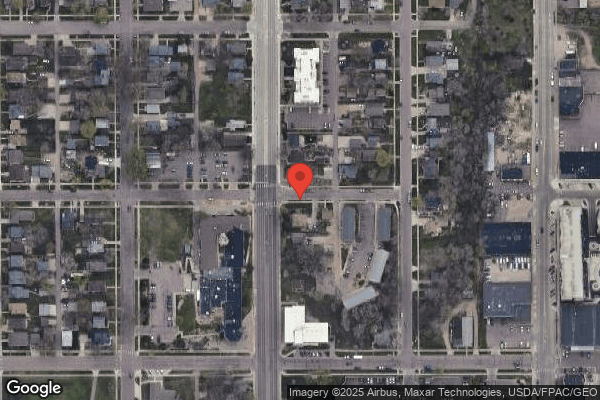
401 WEST SECOND STREET, SIOUX FALLS, SD 57104 (605) 336-6252
Non profit - Corporation 98 Beds GOOD SAMARITAN SOCIETY Data: November 2025
Trust Grade
68/100
#23 of 95 in SD
Last Inspection: June 2024

Within standard 12-15 month inspection cycle. Federal law requires annual inspections.

Overview

Good Samaritan Society Sioux Falls Center has a Trust Grade of C+, indicating it is slightly above average but not exceptional. It ranks #23 out of 95 facilities in South Dakota, placing it in the top half of the state, and #2 out of 9 in Minnehaha County, meaning only one local option is rated higher. The facility is improving, with the number of issues decreasing from four in 2024 to two in 2025. Staffing is a concern, with a 64% turnover rate, higher than the state average, although the facility still maintains average RN coverage. Some specific incidents raised during inspections included a failure to consistently reposition a resident who was completely dependent on staff for care, leading to a serious risk of skin breakdown. Additionally, there were issues with food safety practices, where food items were improperly labeled and staff did not follow hand hygiene protocols during meal service. While the nursing home has strengths, such as a good overall rating, these incidents highlight areas that require attention.

Trust Score
C+
68/100
In South Dakota
#23/95
Top 24%
Safety Record
Moderate
Needs review
Inspections
Getting Better
4 → 2 violations
Staff Stability
⚠ Watch
64% turnover. Above average. Higher turnover means staff may not know residents' routines.
Penalties
✓ Good
$11,261 in fines. Lower than most South Dakota facilities. Relatively clean record.
Skilled Nurses
✓ Good
Each resident gets 48 minutes of Registered Nurse (RN) attention daily — more than average for South Dakota. RNs are trained to catch health problems early.
Violations
○ Average
7 deficiencies on record. Average for a facility this size. Mostly minor or procedural issues.
★★★★☆
4.0
Overall Rating
★★★☆☆
3.0
Staff Levels
★★★☆☆
3.0
Care Quality
★★★★☆
4.0
Inspection Score
Stable
2024: 4 issues
2025: 2 issues

The Good

  • Full Sprinkler Coverage · Fire safety systems throughout facility
  • No fines on record

Facility shows strength in fire safety.

The Bad

Staff Turnover: 64%

17pts above South Dakota avg (46%)

Frequent staff changes - ask about care continuity

Federal Fines: $11,261

Below median ($33,413)

Minor penalties assessed

Chain: GOOD SAMARITAN SOCIETY

Part of a multi-facility chain

Ask about local staffing decisions and management

Staff turnover is elevated (64%)

16 points above South Dakota average of 48%

The Ugly 7 deficiencies on record

1 actual harm
Sept 2025 2 deficiencies
CONCERN (D) 📢 Someone Reported This

A family member, employee, or ombudsman was alarmed enough to file a formal complaint

Potential for Harm - no one hurt, but risky conditions existed

Free from Abuse/Neglect (Tag F0600)

Could have caused harm · This affected 1 resident

Based on South Dakota Department of Health (SD DOH) complaint review, record review, interview, and policy review, the provider failed to protect the resident's right to be free from neglect and abuse...

Read full inspector narrative →
Based on South Dakota Department of Health (SD DOH) complaint review, record review, interview, and policy review, the provider failed to protect the resident's right to be free from neglect and abuse for one of one sampled resident (4) who complained of prolonged wait times for his call light to be answered by staff and felt that had caused him to be incontinent of urine or bowel at times. The resident expressed that those instances caused him to feel less than human. Findings include:1. Review of the 2/7/25 SD DOH complaint intake report regarding resident 4 revealed:*Resident 4 had slept so long that he was incontinent of urine.*He turned on his call light, and after 30 minutes no one answered so he called the front desk.*He waited an additional 30 minutes before someone came to assist him.*He sat in urine for over an hour. 2. Review of resident 4's electronic medical record (EMR) revealed:*His Brief Interview for Mental Status (BIMS) assessment score on 12/5/24 was 15 which indicated his cognition was intact.*His Braden score on 12/2/24 was 16 which indicated he had a mild risk for skin breakdown.*He had diagnoses of:-Mixed incontinence (a condition of stress and urge voiding).-Open wound to right buttock (skin breakdown).-Spinal stenosis (narrowing of spaces between spinal bones).-Adjustment disorder (inability to adapt to situations in society).-Hypertensive heart disease with heart failure (high blood pressure which damages the heart over time).-Morbid Obesity (excessive weight that significantly impacts health and well-being).-Major depressive disorder, single episode, severe (feeling of sadness and loss of interest that interfere with daily living).-Generalized anxiety disorder (persistent worry and fear about everyday situations).*His right buttock wound discovered on 1/15/25 and was due to incontinence.-He had orders to receive Triad Hydrophilic wound dressing paste (wound healing product) to the wound and to cover the wound with Mepilex dressing once daily and as needed.*Numerous documentations in his progress notes indicated his refusal of activities of daily living, repositioning, medications and treatments.*Resident 4's care plan indicated he was bedfast all or most of the time and he preferred bed baths. That was initiated on 9/19/24.-His bathing preference was updated on 2/7/25 that indicated his preferred a shower weekly on Thursday morning. 3. Review of resident 4's call light log from 1/19/25 to 2/7/25 revealed these times that were over 20 minutes in length:*On 1/20/25 at 12:57 a.m. his call light was on for 23 minutes.*On 1/20/25 at 8:20 a.m. his call light was on for 43 minutes.*On 1/22/25 at 5:11 a.m. his call light was on for one hour and seven minutes.*On 1/26/25 at 12:16 p.m. his call light was on for 25 minutes.*On 2/3/25 at 5:10 a.m. his call light was on for 22 minutes.*On 2/3/25 at 8:52 p.m. his call light was on for 39 minutes.*On 2/6/25 at 9:54 p.m. his call light was on for 24 minutes. 4. Interview on 9/3/25 at 8:08 a.m. with resident 4 revealed:*He had some depression and anxiety.*He showered once a week on Thursday morning.*He had been left lying in urine and bowel movement several times in his bed after turning his call light on and waiting for assistance.*He required a treatment to his right buttock open area daily.*His call light could be on for 20 minutes to two hours before it was answered at times.*He stated, He felt disgusting and less then human when they do not answer his call light, how can another person do that to another person. Interview on 9/3/25 at 10:55 a.m. with certified nursing assistant (CNA) K revealed:*She has worked at facility for about three years.*Resident 4 did not exhibit negative behaviors toward her.*She had at times observed resident 4 screaming at other staff and throwing things in his room.*Resident 4 had periods when he would cry and bang on things.*Resident 4 had refused cares such as toileting, and bathing at times.*The expected time for staff to answer a resident's call light was two minutes. Interview on 9/3/25 at 5:00 p.m. with certified medication aide (CMA) L revealed:*Resident 4 had episodes when he will yell and scream at staff at times.*She felt resident 4 had a hot temper and could go from being calm to hot in a short period of time.*Resident 4 was able to use his call light.*If resident 4 had an incontinent episode it could set him off and he will get upset. Interview on 9/4/25 at 2:28 p.m. with director of nursing (DON) B revealed:*Resident 4's preference for bathing prior to 2/7/25 was to take a bed bath to allow for his smoking time preference.-He changed to a weekly shower on 2/7/25.*Resident 4 would at times refuse staff assistance with toileting, bathing, showering, repositioning, and wound care.*Resident 4 does attend care conferences.*She thought the staff answering a call light was within 20 to 30 minutes of it being turned on would be a prompt response and that was her expectation. Interview on 9/4/25 at 3:10 p.m. with administrator A revealed:*His expectation regarding the staff answering a resident call light, was it would be answered in an appropriate time, and that would depend on the resident and the resident's needs.*When asked if an hour was too long to wait, he stated that would depend on what the resident's needs would be. 5. Review of the provider's revised 7/8/25 Call light Policy revealed:*Purpose to ensure residents always have a method of calling for assistance and to promptly answer resident's call light. Review of the provider's revised 4/7/25 Abuse and Neglect policy revealed:*The resident/client has the right to be free from abuse, neglect, misappropriation of resident/client property and exploitation. This includes but is not limited to freedom from corporal punishment and involuntary seclusion. Residents/clients must not be subjected to abuse by anyone, including but not limited to, location employees, other residents/clients, consultants or volunteers, employees of other agencies serving the individual, family members or legal guardians, friends or other individuals.
CONCERN (D) 📢 Someone Reported This

A family member, employee, or ombudsman was alarmed enough to file a formal complaint

Potential for Harm - no one hurt, but risky conditions existed

Deficiency F0678 (Tag F0678)

Could have caused harm · This affected 1 resident

**NOTE- TERMS IN BRACKETS HAVE BEEN EDITED TO PROTECT CONFIDENTIALITY** Based on South Dakota Department of Health (SD DOH) facility reported incident (FRI) review, record review, and interview, the p...

Read full inspector narrative →
**NOTE- TERMS IN BRACKETS HAVE BEEN EDITED TO PROTECT CONFIDENTIALITY** Based on South Dakota Department of Health (SD DOH) facility reported incident (FRI) review, record review, and interview, the provider failed to withhold cardiopulmonary resuscitation (CPR) for one of one resident (100) who had a do not resuscitate (DNR) code status (specifies the type of emergent treatment a person wishes to receive if their heart or breathing would stop) and was found unresponsive.Findings include:1. Review of the provider's [DATE] SD DOH FRI revealed:*On [DATE], resident 100 was found unresponsive by restorative nursing aide (RNA) V.*Director of nursing (DON) B initiated the provider's code blue process.*CPR [cardiopulmonary resuscitation] was initiated [by a facility staff member] and EMS [Emergency medical services] [was] called prior to the [resident's] DNR order being brought to the resident room. Code status was found via the advanced directive binder on the crash cart (a cart that stores medication and equipment for use during a medical emergency) per policy/procedure.*Upon EMS's arrival at the facility, the resident's code status was confirmed to be DNR.*[The provider's] Policy was followed. 2. Review of resident 100's electronic medical record (EMR) revealed:*She was admitted to the facility on [DATE].*An [DATE] physician's order for ADVANCE DIRECTIVE: Do Not Resuscitate (DNR). 3. Interview on [DATE] at 11:20 a.m. with DON B, who worked on [DATE], revealed:*On [DATE], RNA V found resident 100 unresponsive during the morning water pass.*DON B's office was in the area of resident 100's room. She entered that room, assessed resident 100, and determined she was not breathing.*DON B asked certified nursing assistant (CNA) K resident 100's code status, and was told by CNA K that the resident's code status was a full code (all life-sustaining measures, including CPR, should be used during a medical emergency to attempt to restart a patient's heart and lungs).*Registered nurse (RN) W brought the crash cart to resident 100's room, and gave a second verbal confirmation that resident 100 was a full code.*DON B initiated CPR on resident 100, requested the automated external defibrillator (AED), and requested 911 to be called.*DON B provided CPR to resident 100 until emergency medical technicians (EMTs) arrived and assumed resident 100's emergency treatment.*DON B looked at the advanced directives binder and read that resident 100 had a DNR code status.*That written DNR code status was provided to the EMTs, and CPR was stopped.*DON B stated if she had known that resident 100 had a DNR code status, she would not have started CPR on resident 100. There had been a miscommunication. 4. Interview on [DATE] at 9:31 am with CNA K, who worked on [DATE], revealed:*She had responded to resident 100's room after resident 100 was found unresponsive.*CNA K told DON B that resident 100 was a full code.*CNA K had not looked at the advanced directives binder when she told DON B that. She thought that resident 100 was a full code. 5. Interview on [DATE] at 10:43 p.m. with clinical learning development specialist (CLDS) F revealed:*She was a CPR instructor and conducted the nursing staff skills fair and competencies.*When a resident was found unresponsive, staff were trained to check the resident's vitals (measurements of the body's basic functions, such as temperature, blood pressure, pulse, and respiration rate), obtain the crash cart and the advance directives binder to confirm the resident's code status before initiating CPR.*The advance directives binder and the residents' EMR identified each resident's physician-ordered code status.*She expected that CPR would not be initiated if a resident had a DNR code status. *She stated that it was the facility's policy for the nurse to check the resident's code status before starting CPR. *Review of the provider's [DATE] Advance Directive including Cardiopulmonary Resuscitation (CPR) and Automated External Defibrillator (AED) policy, revealed:*If cardiac arrest occurs, CPR must be initiated unless the resident has: a. A valid DNR order on file that includes the medical order issued by a physician.
Jun 2024 4 deficiencies
CONCERN (D)

Potential for Harm - no one hurt, but risky conditions existed

Deficiency F0761 (Tag F0761)

Could have caused harm · This affected 1 resident

Based on observation, interview, and policy review, the provider failed to ensure seven bottles of one bulk medication that was expired were appropriately discarded. Findings include. 1. Observation ...

Read full inspector narrative →
Based on observation, interview, and policy review, the provider failed to ensure seven bottles of one bulk medication that was expired were appropriately discarded. Findings include. 1. Observation and interview on 6/13/24 at 8:00 a.m. of the medication cart for the city view residents and the second-floor medication storeroom with certified medication aide's (CMA) I revealed: *CMA I confirmed the hand written dates on the medication bottles indicated the dates the bottles were opened to administer to the residents. *There were three bottles of aspirin 325 milligrams (mg) in the medication cart, two of the three bottles were expired. One on 2/2024 (February) and one on 1/2024 (January). *CMA J stated all medications should be checked for the date they were opened and the date they would expire before administering the medications to the residents. *The storeroom cupboard on the second floor had eleven bottles of chewable aspirin 81 mg. *Four of the eleven chewable aspirins expired on 5/2024 (May). *CMA J stated, expired medications should be removed from the carts and everyone who administered medications was responsible for that. Interview on 6/13/24 at 9:00 with director of nursing B revealed: *She stated she was frustrated she missed these medications because she went through the stock medications monthly in the carts and storeroom cupboard and removed those that were close to their expired dates. *She stated everyone who administered medications is responsible for checking expiration dates before administering them to the residents. Review of the provider's 3/29/24 medication receiving, dispensing, and storage policy revealed: *6. The location will routinely check for expired medications and necessary disposal will be done in accordance with state/pharmacy regulations. *11. All the medications (including medication samples or other medications dispensed by the physician) are packaged in accordance with the location dispensing system and state pharmacy rules. These medications must be labeled according to state pharmacy regulations. Cautionary and accessory instructions, as well as the expiration date, will be included. New labels will be applied by the pharmacist or the pharmacist's agent as needed.
CONCERN (D)

Potential for Harm - no one hurt, but risky conditions existed

Deficiency F0800 (Tag F0800)

Could have caused harm · This affected 1 resident

Based on observation and interview, the provider failed to have available, prepare, and serve, resident preferred and selected menu items requested by four of four sampled residents (33, 46, 71, and 3...

Read full inspector narrative →
Based on observation and interview, the provider failed to have available, prepare, and serve, resident preferred and selected menu items requested by four of four sampled residents (33, 46, 71, and 335) for two of two observed meals (breakfast and noon). Findings include: 1. Interview on 6/11/24 at 11:45 a.m. with resident 335 revealed: *She state she was supposed to be on a heart-healthy diet. She was not sure if what she received for meals were heart healthy. *She had received macaroni and cheese, pork and beans, a bun, and dessert for the evening meal on 6/10/24. She did not think this was a heart-healthy meal. *She felt staff did not want to go upstairs to the main kitchen to get things that were forgotten and stated they often did not have ketchup available. 2. Observation and interview on 6/11/24 from 12:10 p.m. to 1:00 p.m. with certified nursing assistant (CNA) O and dietary server H in the Sunrise Suites dining room revealed: *All residents received the same meal. *The meal included: Asian braised beef, fried rice, braised cabbage, and lemon poppyseed bread. *When asked how they ensured each resident received the correct diet CNA O removed dietary cards from an open area to the left side of the serving counter. *There were cards for each resident that included the residents name, diet ordered, food likes, and food dislikes. *They both stated the dietary cards were not used and the residents received the same meal or an alternative if they had requested one. 3. Observation and Interview on 6/11/24 at 12:24 p.m. with resident 33 revealed: *He had ordered chicken strips, fries, and coleslaw. He was served the braised beef, fried rice, and braised cabbage. He told dietary server H he was not going to eat that. Dietary server told him they did not have what he had ordered, and they were out of chicken strips. *Resident 33 stated no staff had informed him prior to the meal of not having chicken strips. He was not offered any substitute. *Neither dietary server H and CNA O offered to go to the kitchen to get an acceptable substitute for him. *Resident 33 stated Forget it, I'll go and talk with [name of dietary director K]. *He then aggressively left the dining room in his electric wheelchair. 4. Interview on 6/11/24 at 12:26 p.m. with dietary server H and CNA O revealed: *They usually did not know before a meal if a resident had requested a substitute. *They did not know what was not available. *They were not sure if anybody visited with the residents if the substitute ordered was not available. 5. Observation and interview on 6/12/24 from 8:00 a.m. through 9:00 a.m. with dietary server H in the Sunrise Suites dining room revealed: *The food from the kitchen was brought to the dining room at 8:04 a.m. *There was no staff in the dining room at that time. The first resident served breakfast at 8:21 a.m. *Dietary server H did not refer to the dietary cards. *The menu had the following food items listed: orange juice, fresh fruit cup, oatmeal, cheese strata, bacon, and whole wheat toast. *The meal that was served included: oatmeal, cheese strata, sausage patty, and french toast sticks. *There was no fruit cup or whole wheat toast. *Each resident was offered coffee and apple, orange, or cranberry juice. *No condiments such as syrup, brown sugar, or milk were offered. *At 8:30 a.m. CNA G went upstairs to the main kitchen to get the brown sugar residents 46 and 335 had asked for. *At 8:35 a.m. dietary server H had dished residents 33 and 71's food onto plates and covered them the plates. *At 8:39 a.m. residents 33 and 71 had not received their breakfasts as there were no staff to serve them. They were complaining the were hungry. *Interview at 8:45 a.m. with dietary server H regarding the observed meal service revealed he: -Dished the residents' meals when there were no staff present to serve them because he was not allowed to serve the meals to the residents. *Was not able to answer why the condiments were not available in the dining room at the time the meal was served. *Stated he supposed he could have called the main kitchen for additional requested or needed food items. he stated he*Between 8:35 a.m. and 8:55 a.m. he had dished other residents' breakfasts who had entered the dining room *At 8:55 a.m. CNA R entered into the dining room. The dished meals had remained on the tray line counter until that time. CNA R had to reheat the meals for each resident. *At 9:05 a.m. CNA G returned to the dining room. She stated she had not been able to go to the main kitchen to bring any brown sugar for residents 46 and 335. She stated she had helped another resident get ready for the day.
CONCERN (E)

Potential for Harm - no one hurt, but risky conditions existed

Infection Control (Tag F0880)

Could have caused harm · This affected multiple residents

Based on observation, interview, record review, and policy review, the provider failed to ensure infection control practices had been followed for: *One of two observed administrations of nutritional ...

Read full inspector narrative →
Based on observation, interview, record review, and policy review, the provider failed to ensure infection control practices had been followed for: *One of two observed administrations of nutritional formula and fluids through a gastric tube (G-tube) feedings for one of one sampled resident (67) by one of two licensed practical nurse (LPN) (F) . *One of one sampled resident (333) tested for signs and symptoms of clostridium difficile (C-Diff) (bacteria that can infect the bowel and cause diarrhea). Findings include: 1. Observation on 6/11/24 at 9:30 a.m. of LPN F during administration of resident 67's nutritional formula and fluids revealed LPN F: *Entered the room and had gloves and a gown on. *Had two unopened 500 cubic centimeter (cc) bottles of sterile water, a 60 cc tube feeding syringe, and an enteral (intestinal) nutrition feeding bag. *Opened the doors to the room and bathroom and filled two eight-ounce glasses with water from the bathroom sink with those same gloved hands. *Placed the syringe on the overbed table without sanitizing the surface of the table or placing a barrier on it. *Entered the bathroom a second time and retrieved several paper towels. *Lifted resident 67's shirt, unwrapped his abdominal binder, and took his G-tube out from under the binder. *Placed the paper towels under the end of his G-tube. *Moved a folding chair closer to sit on. *Wiped the end of the G-tube with alcohol. *Opened the door, took keys out of her pocket, and retrieved a different feeding syringe from the medication cart, all with those same gloved hands. *Removed the glove from her right hand, and without washing her hand, retrieved a new glove from the same pocket her keys were in and put that new glove on her unclean right hand. *Filled the syringe with water and administered 300 cc of water through the G-tube in 60 cc increments. *Opened the two bottles of the nutritional formula and poured then into the G-tube feeding bag. *Placed the bag on the pole and primed the tubing, connected the tubing to the G-tube, and started the gravity flow of nutritional formula. *Collected the garbage. *Went into the bathroom, removed her gloves, and washed her hands for approximately 10 seconds. *Came out of the bathroom and removed her gown, and left the room. Interview on 6/12/24 at 10:00 a.m. with LPN F confirmed she: *Should have checked for placement of the G-tube prior to starting the water administration. *Had not changed her gloves between tasks, such as going out to the medication cart and moving the folding chair. *Should have put down a barrier on the overbed table before placing the tube feeding supplies on it. *Should not keep extra gloves in her uniform pocket with the keys and pen she used frequently. 2. Observation on 6/11/24 at 9:00 a.m. of resident 333's door revealed no signage had been placed after a physician's order had been received for precautions for C-Diff. Random observations on 6/11/24 from 1:00 p.m. through 5:00 p.m. revealed no contact precaution signage had been placed on resident 333's door. There were no specific trash or laundry bins in his room. 3. Interview on 6/12/24 at 9:00 a.m. with registered nurse T regarding resident 333 revealed she was not aware he had been tested for C-Diff on 6/11/24. She was not aware of what type of hand hygiene or cleaning products were to have been used when a resident had tested positive for C-Diff. 4. Interview on 6/12/24 at 10:29 a.m. with resident 333 revealed: *He had a colostomy that he cared for himself, which included emptying the bag and changing the appliance that holds the bag. *He had not been feeling well with abdominal cramps and his bowel movements had been very foul-smelling. *He was not aware the physician had ordered a test for C-Diff. *He had not been educated on what C-Diff was or what type of precautions should have been started. 5. Random observations on 6/12/24 from 8:00 a.m. through 5:00 p.m. revealed no contact precaution signage had been placed on resident 333's door. There were no specific trash or laundry bins in his room. 6. Interview on 6/13/24 at 9:42 a.m. with laundry technician P regarding what would be done if a resident had C-diff revealed she explained all the proper steps to avoid cross-contamination. She had not been informed resident 333 had been tested for C-Diff. 7. Interview on 6/13/24 at 10:17 a.m. with LPN Q regarding resident 333 revealed she was not aware he had been tested for C-Diff. It had not been passed on in shift report. She was not sure what type of precautions should have been put in place. 8. Interview on 6/13/24 at 1:30 p.m. with LPN Q revealed she had read the policy regarding C-Diff precautions. She agreed contact precaution signage should have been put up when he had been tested and he was symptomatic. 9. Interview on 6/13/24 at 2:30 p.m. with environmental services technician S revealed she had not been informed of resident 333's C-Diff. status. She showed the chemicals she would have used to clean the room. It was not a bleach product. She did not know she would have had to clean with a different product. 10. Observation and interview on 6/13/24 at 4:40 p.m. with maintenance supervisor U regarding what product was used for sanitizing for C-Diff revealed: *The product to have been used was Rapid Multi Surface Disinfectant Cleaner. *This list of organisms it would have been effective against did not include C. Diff. *He stated the supplier had told him it was effective against C.Diff. 11. Interview on 6/13/24 at 5:00 p.m. with DON B confirmed contact precautions should have been initiated when an order for testing C. Diff had been received for resident 333. 12. Review of the provider's 5/3/23 Clostridium Difficle policy revealed: *When C. Diff infection was identified all department directors were to have been informed. *Contact precautions for residents with known or suspected C.Diff. *Gown and gloves would be worn prior to entering the room and removed before exiting the room. *Hand hygiene with soap and water would have been performed after removing gloves. *Cleaning of any shared medical equipment with appropriate sporicidal disinfectant or bleach solution would have been performed. *The resident's hand would been washed frequently with soap and water. 13. Review of the provider's 4/2/24 Standard and Transmission Based Precautions policy for contact precautions revealed: *Clear signage on the door or wall outside the resident room indicated the type of precautions and personal protection equipment (PPE) to have been used. *Soap and water for hand hygiene when in the room and when leaving the room. *Linen was to have been placed in a bag linen prior before it was removed from the room. *Disposable resident care equipment was to have been used.
CONCERN (F)

Potential for Harm - no one hurt, but risky conditions existed

Food Safety (Tag F0812)

Could have caused harm · This affected most or all residents

**NOTE- TERMS IN BRACKETS HAVE BEEN EDITED TO PROTECT CONFIDENTIALITY** Based on observation, interview, and policy review, the provider failed to ensure: *Food items were appropriately labeled and st...

Read full inspector narrative →
**NOTE- TERMS IN BRACKETS HAVE BEEN EDITED TO PROTECT CONFIDENTIALITY** Based on observation, interview, and policy review, the provider failed to ensure: *Food items were appropriately labeled and stored in one of one observed walk-in cooler in one of one kitchen. *The minimum water temperature of the dishwashing machine was used for the cleaning and disinfecting of dishes. *Food was prepared and served in a safe and sanitary manner by two of two dietary staff (dietary director K and cook M) who did not perform appropriate hand hygiene during one of one observed meal service. Findings include: 1. Observation on 6/11/24 at 8:01 a.m. of the kitchen revealed: *Metal storage shelves in the walk-in cooler which contained the following food items: -One opened bottle of Mayonnaise with no open, or discard date, or printed use by date. -An opened bottle of BBQ sauce with an open date of 2/1/24 and a discard date of 4/1/24. -An opened bottle of Dijon mustard with an open date of 4/3/24 and a discard date of 6/2/24. -An opened bottle of coleslaw dressing bottle with 6/4 written on the top of it with no discard date on it. -There was an opened bottle of balsamic vinegar with no open or discard dates. -A container marked tuna salad with open 6/9 and discard 6/11 written on it. -An opened whipped topping piping bag with an exposed tip and no open or discard date on it. -An opened bag of crumbled blue cheese with no open or discard date on it. 2. Observation on 6/12/24 at 8:06 a.m. and 2:59 p.m. of the kitchen walk-in cooler revealed: *There was an opened half-full milk with no open or discard date on it. *An open cardboard container of heavy whipping cream with no open or discard dates on it. 3. Observation on 6/11/24 at 8:20 a.m. and 11:10 a.m. of the kitchen's dishwashing machine and temperature documentation revealed: *The dishwasher utilized a low temperature wash and a chemical sanitizing process. *The manufacturer's information plate on the front of the dishwasher indicated the minimum wash and rinse temperatures were to have been 120 degrees F. *The posted June dishwashing machine log on the dishwasher revealed: -Wash Temp: 120 degrees [F]. -Temperatures on the log ranged from 120 to 150 degrees F. -No dishwasher temperatures were documented on that log for 6/9/24, 6/10/24 or 6/11/24 for any meal services. *At 11:10 a.m. temperatures were noted to have been added to the log for 6/9/24, 6/10/24 and 6/11/24. 4. Observation, testing, and interview on 6/11/24 from 11:37 a.m. through 11:55 a.m. with dietary assistants (DA) N and dietary server (DS) H revealed: *DS H put the breakfast dishes in the dishwasher to complete a dishwashing cycle. *DA N placed the digital thermometer in the protruding drain on the outside of the machine giving a temperature of 113 degrees F. *DS H plunged the digital thermometer into the liquid that was still in the dishwasher after a washing cycle was completed. *Neither was sure if there was a policy on how to obtain the temperature of the dishwasher. *Temperatures of the dishwasher via a digital holding thermometer was placed inside the dishwasher on a dish rack that indicated: -At 11:45 a.m. the wash cycle was 113 degrees F. -At 11:50 a.m. the wash cycle was 116 degrees F. -At 11:55 a.m. the wash cycle was 120 degrees F. 5. Observation and interview on 6/11/24 at 8:21 a.m. with dietary director K revealed: *She wore gloves while cracking and handling eggs and used egg shells. *While wearing those same gloves she handled resident plates and placed toast on those plates. *She discarded those gloves and did not wash her hands before she put on a new pair of gloves. *She again cracked and handled eggs and egg shells, placed toast on another plate and then served that plated toast to a resident. *She then stated, she should have performed hand hygiene when she changed her glove changes and should not have used the same pair of gloves when she cracked eggs and then touched residents' food items. *She was not sure if there was a policy on when to change gloves. 6. Observation and interview on 6/11/24 at 8:21 a.m. with cook M revealed: *He wore gloves and cracked and handled eggs and egg shells. *With those same gloved hands he picked up a piece of bacon and placed it on a resident's plate. *With those same gloved hands he touched a fried egg and repositioned it on a resident's plate. *He stated that he had only been working at this facility for three days and had never cooked in a nursing home before. *Stated the dietary director said she would train with him. 7. Interview on 6/11/24 at 4:20 p.m. with dietary director K and kitchen general manager L regarding food storage and dishwasher temperature revealed: *They would have expected staff to document the temperatures of the dishwasher on the log. *They were not aware of the expired foods in the cooler. *The walk-in cooler was to have been checked daily and weekly for expired items. *They stated that each item in the walk-in cooler should have an open and discard date on it. *They stated each item in the walk-in cooler should have had a sticker with the opened date and the discard date for three days later. *They had asked management for the dishwasher water temperature to be turned up. *They stated the dishwasher would have to have been run five to six times for the temperature to have reached 120 degrees F. *Kitchen general manager L stated he had never seen the temperature for the dishwasher reach 150 degrees F. *They would have expected items in the walk-in cooler to have been labeled with the open and discard dates and the dishes would have been washed in the dishwasher at the proper temperature of 120 degrees F. 8. Review of the provider's January 2024 Food and Supply Storage policy revealed: *Procedures: -Foods past the use-by , sell-by, best-by, or enjoy-by date should be discarded. -Cover, label, and date the unused portions and open packages. Complete all sections on a [NAME] orange label or use the Medvantage/Freshdate labeling system. Products are good through the close of business on the date noted on the label. *Refrigerated Storage Life of Foods: -Use manufacturer's expiration date for products before they are opened. If there is no expiration date on the package, add the time listed here to the date the food is received. Add the time in the opened column to the date when the food is prepared or opened. Label when product is opened. 9. Review of the provider's March 2022 Hand Hygiene policy revealed: *1. Gloves are never to be reused or sanitized. 2. Hand hygiene should be performed after glove removal. 10. Review of the provider's January 2024 Dishmachine Temperatures policy revealed: *Low Temperature Machine: -Wash Temperature 120 degrees F. *Director: -Confirms the wash and rinse temperatures listed on the manufacturer's data plate on the dishmachine. Modify the dishmachine temperature record as necessary. *Low Temperature dishmachine-record on Dishmachine temperature record form: -Wash temperature during each period of use.
Nov 2023 1 deficiency 1 Harm
SERIOUS (G) 📢 Someone Reported This

A family member, employee, or ombudsman was alarmed enough to file a formal complaint

Actual Harm - a resident was hurt due to facility failures

Pressure Ulcer Prevention (Tag F0686)

A resident was harmed · This affected 1 resident

**NOTE- TERMS IN BRACKETS HAVE BEEN EDITED TO PROTECT CONFIDENTIALITY** Based on the South Dakota Department of Health (SD DOH) complaint intake information, record review, interview, and policy revie...

Read full inspector narrative →
**NOTE- TERMS IN BRACKETS HAVE BEEN EDITED TO PROTECT CONFIDENTIALITY** Based on the South Dakota Department of Health (SD DOH) complaint intake information, record review, interview, and policy review, the provider failed to ensure consistent repositioning for one of one sampled resident (1) who was completely dependent on staff for all activities of daily living (ADLs) that included mobility and had a high risk for skin breakdown on admission. Findings include: 1. Review of the SD DOH complaint intake information revealed: *Resident 1 was admitted to the facility on [DATE] after an extended stay in an acute care facility due to a cardiac arrest with subsequent anoxic brain injury. *The resident had a large pressure wound to the sacral area. *Her tailbone was visible through the resident's sacral area. *The resident was unable to move or speak. *The resident was unable to perform any ADLs independently and was completely dependent on staff. 2. Review of resident 1's electronic medical record (EMR) revealed: *She was admitted on [DATE]. *Her age was 41 years. *Her diagnoses included the following: -Anemia. -Atrial fibrillation. -Heart failure. -Orthostatic hypotension. -Seizure disorder. -Anoxic brain damage. -History of cardiac arrest. -Gastrostomy (feeding tube). -Tracheotomy (breathing tube). -Incontinent of bowel and bladder. *The 9/29/23 quarterly Minimum Data Set (MDS) indicated the following: *She was incontinent of bowel and bladder. *She was dependent on staff for all ADLs and mobility. *Her Braden scale score on admission was 10 indicating she was at high risk for skin breakdown. 3. Review of resident 1's 8/16/23 comprehensive care plan revealed the following: *The resident had ADL self-care deficits related to her anoxic brain injury and was totally dependent on staff for ADLs. -Bed mobility: Turn from Side to Side: resident is totally dependent on staff for this activity. -Bed mobility: Lying to Sitting: resident is totally dependent on staff for this activity. -Bed mobility: Sitting to Lying: resident is totally dependent on staff for this activity. *The resident had bowel and bladder incontinence related to anoxic brain injury and required total assistance with ADLs. -Resident will remain free from skin breakdown due to incontinence and brief use through the review date. -Resident uses soaker pads for incontinence due to resident having an air mattress. -Turn and reposition in bed every two hours. Initiated two days after her admission to the facility on 8/18/23. *A revision date of 10/3/2023 regarding The resident has an impairment to skin integrity R/T [related to] anoxic brain injury and inability to reposition her E/B [evidenced by] wound sacral area and bil [bilateral] ears. *Interventions included the following: -Reduce risk of skin impairment. Sling to remain under resident while in the chair. -High risk for skin injury - use extra caution during transfers and bed mobility to prevent striking arms, legs, and hands against any sharp or hard surface. -Keep skin clean and dry. -Turn and reposition in bed every two hours. -Weekly skin observation by licensed nurse. Schedule tx [treatment] to ears and sacrum. -Revision date of 11/02/2023: Resident has an air mattress on her bed and a pressure reducing cushion on her chair. Cushion change to high pressure ROHO cushion for pressure relief on 8-22-23. 4. Review of resident 1's 8/16/2023 Braden Scale for Predicting Pressure Sore Risk admission revealed: *The score was 10 indicating the resident was at high risk for skin breakdown. *The intervention guide for a high risk score included the following: -Frequent Turning with a Planned Schedule. -Supplement with Small Shifts in Position. -Manage Moisture. -Manage Friction and Shear. 5. Review of resident 1's 8/16/23 Nursing Admit Data Collection form revealed: *Skin Integrity: -Color was normal. -Temperature was warm. -Moisture condition was moist. -Turgor was normal. -The resident had abrasions to the right great medial toe. -The sacrum was slightly reddened and blancheable (able to return to normal color when pinched). -There was no history of a previous healed pressure ulcer. -The resident had a potential for pressure ulcer development. -There was paralysis of upper and lower extremities and the resident was unable to move any extremity. 6. Interview on 11/6/23 at 10:35 a.m. with occupational therapist (OT) D regarding resident 1 revealed she: *Had conducted pressure mapping (evaluation of the skin for pressure between the individual's body and the surface of the bed or chair) of the resident's wheelchair on 9/15/23. *Had conducted pressure mapping of the residents bed on 9/21/23. *Thought the pressure wound on the residents sacrum was from extended periods of time without being repositioned. 7. Interview and record review on 11/6/23 at 10:50 a.m. with registered nurse (RN) wound nurse C regarding resident 1's wounds revealed: *She had started as the wound nurse approximately a year ago. *Her training had consisted of online courses in wound care. *The wound on resident 1's sacral area first presented as a deep purple and discolored like a deep tissue injury (is a form of a pressure ulcer or pressure sore. Pressure ulcers are localized areas of tissue damage of necrosis that develop because of the pressure of a bony prominence). *The resident had no pressure ulcers on admission. *Pressure mapping was completed by occupational therapy (OT). *She had been completing wound measurements weekly and documented those findings in the EMR. *She had never received a job description of her role and responsibilities as the wound nurse. *On 9/12/23 the sacral wound measured 5 centimeters (cm) by (X) 4 cm and had no depth to the wound. *On 9/26/23 the sacral wound had two opened areas a distal area that measured 2 cm X 1.5 cm and a proximal wound that measured 1.5 cm X 1.0 cm. *On 9/26/23 the proximal wound to the sacrum measured 1.5 cm X 2 cm with no depth. and the distal wound measured 2 cm X 2 cm. *On 10/3/23 The sacral wound was worsening and measured 5 cm X 3 cm with a denuded (removal of the skin) area measuring 1.5 cm X 1.5 cm X 0.5 cm. That was when the Triad paste was increased to twice daily. *On 10/9/23 the sacral wound measured 6 cm X 3 cm X 0.3 cm. A new specialty air mattress was applied. *On 10/16/23 the sacral wound measured 4 cm X 3 cm X 1 cm. *On 10/23/23 the wound measured 5 cm X 3 cm X 1 cm. *On 10/30/23 the wound measured 6 cm X 4 cm X 2 cm. 8. Interview on 11/6/23 at 2:15 p.m. with administrator A regarding resident 1 revealed: *He had started his employment about a year and a half ago. *The wound process was revamped adding a wound nurse to evaluate, monitor, and document on resident wounds. *Education reminders were given to staff frequently. *There was a weekly resident council meeting for residents to voice any concerns they had with the care that was provided. 9. Interview on 11/6/23 at 3:00 p.m. with director of nursing (DON) B regarding resident 1 revealed: *She provided daily huddles for staff at alternating times to include all staff. *If staff could not attend a huddle information from the huddle was available for staff to read. *She had provided frequent education of the importance of thorough charting. *She had completed resident chart reviews for completion of documentation. *She had educated and re-educated staff regarding the proper positioning of residents. *Resident 1 had continuous incontinent liquid stools and before her admission she had a fecal management system while she was in the hospital. That type of system was not possible at the facility. 10. Review of resident 1's 8/16/23 Order Summary Report revealed: *HOB [head of bed]: Elevate HOB [head of bed] 30 to 45 degrees at all times during feeding and for at least 30 to 40 minutes after the feeding is stopped. *Heel Lift Boots For heel protection or pressure reduction for patients (residents) with high risk for skin breakdown when in bed. *On 9/13/23 Mepilex to sacral area. Change every 3 days and PRN loose or soiled one time a day every 3 days for skin breakdown. *Occupational Therapy to evaluate and treat order date was 8/17/23. *SKIN/WOUND CARE: SKIN BREAKDOWN RISK: 1) Assess bony prominence's. 2) Turn/reposition every 2 hours. 3) Heels up/off bed. 4) Protect skin. Keep clean and dry. 5) Moisture barrier for incontinence. 6) Use lift pad. 7) Speciality bed if indicated or air mattress overlay per facility protocol. *9/14/23 WOUND CARE: Apply Triad paste to sacral area twice daily for sacral wounds related to PRESSURE-INDUCED DEEP TISSUE DAMAGE OF SACRAL REGION. *10/26/23 WOUND CARE: Apply Triad paste to sacral area twice daily for sacral wounds related to PRESSURE-INDUCED DEEP TISSUE DAMAGE of SACRAL REGION 11. Review of resident 1's August 2023 through October 2023 Turn and reposition in bed every two hours documentation revealed: *There was extensive periods where no documentation for repositioning was found for the following dates and times: -8/18/23 at 5:14 p.m. until 8/19/23 at 5:11 a.m. that was a 12 hour period of time. -8/19/23 at 2:01 p.m. until 8/19/23 at 11:09 a.m. that was a 9 hour period of time. -8/23/23 at 3:19 p.m. until 8/23/23 at 10:02 p.m. that was a 9 hours period of time. -8/25/23 at 6:01 a.m. until 8/25/23 at 4:28 p.m. that was a 10.5 hour period of time. -8/26/23 at 8:02 p.m. until 8/27/23 at 5:27 a.m. that was a 9.5 hour period of time. -8/27/23 at 10:06 a.m. until 8/27/23 at 7:50 p.m. that was a 9 hours period of time. -8/28/23 at 3:52 p.m. until 8/29/23 at 12:22 a.m. that was an 8 hour period of time. -8/30/23 at 9:30 p.m. until 8/31/23 at 12:30 p.m. that was a 15 hour period time. *There were multiple lapses in August for every two hour repositioning that went from 3 hours to 15 hour periods of time with no documentation of repositioning resident 1. -9/10/23 at 11:25 a.m. through 9/11/23 at 10:22 a.m. that was a 10 hour period of time. -9/14/23 at 2:00 p.m. through 9/14/23 at 11:01 p.m. that was a 9 hour period of time. -9/19/23 at 1:33 p.m. through 9/20/23 at 12:30 a.m. that was an 11 hour period of time. -9/28/23 at 1:21 p.m. through 9//28/23 at 9:32 p.m. that was an 8 hour period of time. -9/29/23 at 9:22 p.m. through 9/30/23 at 12:32 p.m. that was a 15 hour period of time. *There were multiple lapses in September for every two hour repositioning that went from 3 hours to 15 hours periods of time with no documentation of repositioning resident 1. -10/1/23 at 5:45 a.m. through 10/1 12:58 p.m. that was a 7 hours period of time. -10/3/23 at 2:10 p.m. through 10/4/23 at 1:15 a.m. that was an 11 hour period of time. -10/7/23 at 5:06 p.m. through 10/8/23 at 2:55 a.m. that was a 9.5 hour period of time. -10/11/23 at 4:48 a.m. through 10/11/23 1:03 p.m. that was an 8 hour period of time. -10/14/23 at 1:48 a.m. through 10/14/23 at 10:17 a.m. that was an 8.5 hour period of time. -10/17/23 at 1:51 p.m. through 10/17/23 at 11:19 p.m. that was a 9 hour period of time. -10/18/23 at 9:00 p.m. through 10/19/23 at 1:01 p.m. that was a 16 hour period of time. -10/19/23 at 9:22 p.m. through 10/20/23 at 10:43 a.m. that was an 11 hour period of time. -10/28/23 at 9:27 p.m. through 10/29/23 at 12:35 p.m. that was a 15 hour period of time. *There were multiple lapses in October for every two hour repositioning that went from 3 hours to 16 hours periods of time with no documenting of repositioning resident 1. 12. Interview on 11/7/23 at 5:45 a.m. with licensed practical nurse (LPN) E regarding repositioning and care for resident 1 revealed: *She worked for a staffing agency and was on an eleven week assignment. *Worked only one night shift on resident 1's floor. *She would have to suction the resident every hour. *The resident could not be totally repositioned on her sides due to her tracheotomy. *She had a specialty air mattress. *The HOB was elevated at 30 to 45 degrees during her feeding. *The only reason she had worked the night shift on that floor was a nurse had called in sick for that night. *She felt the CNAs had done a good job. 13. Interview on 11/7/23 at 6:00 a.m. with certified nursing assistant (CNA) F regarding repositioning and care for resident 1 revealed: *She had been employed as a CNA since December 2023. *She worked the night shift. *One to two CNAs work the night shift. *She had a routine to ensure residents were checked and changed every two hours. *The resident had a speciality air mattress. *Staff would use pillows and or wedges to attempt to keep the resident off of her bottom. *Staff were to document the repositioning every two hours. *The resident had frequent loose stools. *Disposable chux pads were placed underneath the resident for the loose stools. *The last time she had observed resident 1's wound it was an open area the size of an egg but she could not give an exact date. *She had put the Triad paste on the sacral wound one time during care. 14. Interview on 11/7/23 at 6:15 a.m. with LPN G regarding repositioning and care for resident 1 revealed she: *Worked for a staffing agency. *Was on a 13 week contract. *Had shadowed another employee for one day prior to working independently. *Had not been shown where to find the policy and procedures for the facility but had worked for another sister facility and felt she knew the policy and procedures. *Had cared for resident 1 twice when the wound care nurse was assisting her with care because a nurse had called in sick and she was in charge of 13 to 14 residents. *Was responsible for medication and treatment administration for the residents. *Trusted the staff to complete repositioning and care for the residents. *She would monitor the activity on the floor. 15. Interview on 11/7/23 at 6:41 a.m. with director of nursing B revealed: *CNAs were to have been checking in with the charge nurses prior to leaving for the day. *She was going to implement at affidavit that would have to be signed by the CNAs to ensure repositioning and care was completed and documented prior to leaving the shift. *The Braden scale interventions were utilized but liked to individualize the interventions toward the needs of the residents. *A stand-up meeting occurred daily for any significant changes that occurred in the residents. *She has completed extensive education and re-education with all the CNAs regarding thorough and complete documentation. *Her expectation was that CNAs would be held accountable for following through on the implemented interventions that were put in place for residents care. *Due to staffing issues the facility had to utilize agency staff. 16. Interview on 11/7/23 at 7:15 a.m. with administrator A revealed there were no policy and procedures to ensure thorough and complete CNA documentation. 17. Review of the provider's 2/10/23 Pressure Ulcer policy revealed: *The purpose of the policy was to have provided appropriate assessment and prevention of pressure ulcer, as well as treatment when necessary. *Based on the resident's comprehensive assessment, prevention and assessment interventions would have been used to ensure that a resident entering the facility without pressure ulcers would not develop a pressure ulcer unless the individual's clinical condition demonstrated that the pressure ulcer was unavoidable. *Residents would receive appropriate assessments and services to promote and maintain skin integrity. If a resident's clinical condition would make the compromise of skin integrity clinically unavoidable, that information would have been documented in the medical record. *The comprehensive care plan was an interdisciplinary communication tool. It must include measurable objectives and time frames and must describe the services that were to have been furnished to attain and maintain the resident's highest practicable physical, mental, and psychosocial well-being. *The Federal Regulation F686 was the federal regulation regarding pressure sores. It states the following: 1. A resident who enters the facility without a pressure sore does not develop pressure sores unless the individual's clinical condition demonstrates that they were unavoidable; and 2. A resident having pressure sores receives necessary treatment and services to promote healing, prevent infection and prevent new sores from developing.
Understanding Severity Codes (click to expand)
Life-Threatening (Immediate Jeopardy)
J - Isolated K - Pattern L - Widespread
Actual Harm
G - Isolated H - Pattern I - Widespread
Potential for Harm
D - Isolated E - Pattern F - Widespread
No Harm (Minor)
A - Isolated B - Pattern C - Widespread

Questions to Ask on Your Visit

  • "Why is there high staff turnover? How do you retain staff?"
  • "Can I speak with families of current residents?"
  • "What's your RN coverage like on weekends and overnight?"

Our Honest Assessment

Strengths
  • • Licensed and certified facility. Meets minimum state requirements.
Concerns
  • • 7 deficiencies on record, including 1 serious (caused harm) violation. Ask about corrective actions taken.
  • • $11,261 in fines. Above average for South Dakota. Some compliance problems on record.
  • • 64% turnover. Above average. Higher turnover means staff may not know residents' routines.
Bottom line: Mixed indicators with Trust Score of 68/100. Visit in person and ask pointed questions.

About This Facility

What is Good Samaritan Society Sioux Falls Center's CMS Rating?

CMS assigns GOOD SAMARITAN SOCIETY SIOUX FALLS CENTER an overall rating of 4 out of 5 stars, which is considered above average nationally. Within South Dakota, this rating places the facility higher than 99% of the state's 100 nursing homes. This rating reflects solid performance across the metrics CMS uses to evaluate nursing home quality.

How is Good Samaritan Society Sioux Falls Center Staffed?

CMS rates GOOD SAMARITAN SOCIETY SIOUX FALLS CENTER's staffing level at 3 out of 5 stars, which is average compared to other nursing homes. Staff turnover is 64%, which is 17 percentage points above the South Dakota average of 46%. High turnover can affect care consistency as new staff learn residents' individual needs.

What Have Inspectors Found at Good Samaritan Society Sioux Falls Center?

State health inspectors documented 7 deficiencies at GOOD SAMARITAN SOCIETY SIOUX FALLS CENTER during 2023 to 2025. These included: 1 that caused actual resident harm and 6 with potential for harm. Deficiencies causing actual harm indicate documented cases where residents experienced negative health consequences.

Who Owns and Operates Good Samaritan Society Sioux Falls Center?

GOOD SAMARITAN SOCIETY SIOUX FALLS CENTER is owned by a non-profit organization. Non-profit facilities reinvest revenue into operations rather than distributing to shareholders. The facility is operated by GOOD SAMARITAN SOCIETY, a chain that manages multiple nursing homes. With 98 certified beds and approximately 80 residents (about 82% occupancy), it is a smaller facility located in SIOUX FALLS, South Dakota.

How Does Good Samaritan Society Sioux Falls Center Compare to Other South Dakota Nursing Homes?

Compared to the 100 nursing homes in South Dakota, GOOD SAMARITAN SOCIETY SIOUX FALLS CENTER's overall rating (4 stars) is above the state average of 2.7, staff turnover (64%) is significantly higher than the state average of 46%, and health inspection rating (4 stars) is above the national benchmark.

What Should Families Ask When Visiting Good Samaritan Society Sioux Falls Center?

Based on this facility's data, families visiting should ask: "How do you ensure continuity of care given staff turnover, and what is your staff retention strategy?" "Can I visit during a mealtime to observe dining assistance and food quality?" "How do you handle medical emergencies, and what is your hospital transfer rate?" "Can I speak with family members of current residents about their experience?" These questions are particularly relevant given the facility's high staff turnover rate.

Is Good Samaritan Society Sioux Falls Center Safe?

Based on CMS inspection data, GOOD SAMARITAN SOCIETY SIOUX FALLS CENTER has a clean safety record: no substantiated abuse findings (meaning no confirmed cases of resident harm), no Immediate Jeopardy citations (the most serious violation level indicating risk of serious injury or death), and is not on the Special Focus Facility watch list (a federal program monitoring the lowest-performing 1% of nursing homes). The facility has a 4-star overall rating and ranks #1 of 100 nursing homes in South Dakota. While no facility is perfect, families should still ask about staff-to-resident ratios and recent inspection results during their visit.

Do Nurses at Good Samaritan Society Sioux Falls Center Stick Around?

Staff turnover at GOOD SAMARITAN SOCIETY SIOUX FALLS CENTER is high. At 64%, the facility is 17 percentage points above the South Dakota average of 46%. High turnover means new staff may not know residents' individual needs, medications, or preferences. It can also be disorienting for residents, especially those with dementia who rely on familiar faces. Families should ask: What is causing the turnover? What retention programs are in place? How do you ensure care continuity during staff transitions?

Was Good Samaritan Society Sioux Falls Center Ever Fined?

GOOD SAMARITAN SOCIETY SIOUX FALLS CENTER has been fined $11,261 across 1 penalty action. This is below the South Dakota average of $33,191. While any fine indicates a compliance issue, fines under $50,000 are relatively common and typically reflect isolated problems that were subsequently corrected. Families should ask what specific issues led to these fines and confirm they've been resolved.

Is Good Samaritan Society Sioux Falls Center on Any Federal Watch List?

GOOD SAMARITAN SOCIETY SIOUX FALLS CENTER is not on any federal watch list. The most significant is the Special Focus Facility (SFF) program, which identifies the bottom 1% of nursing homes nationally based on persistent, serious quality problems. Not being on this list means the facility has avoided the pattern of deficiencies that triggers enhanced federal oversight. This is a positive indicator, though families should still review the facility's inspection history directly.