Sunset Manor Avera Health
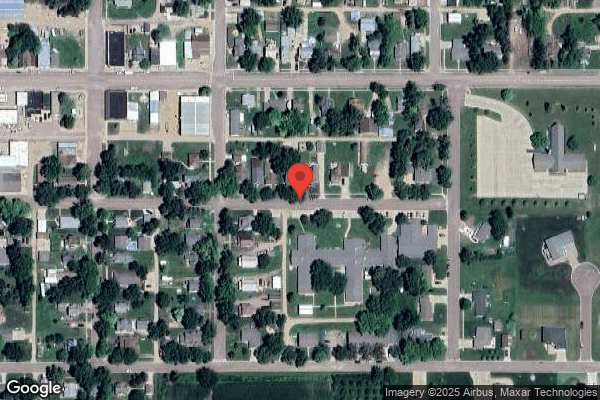
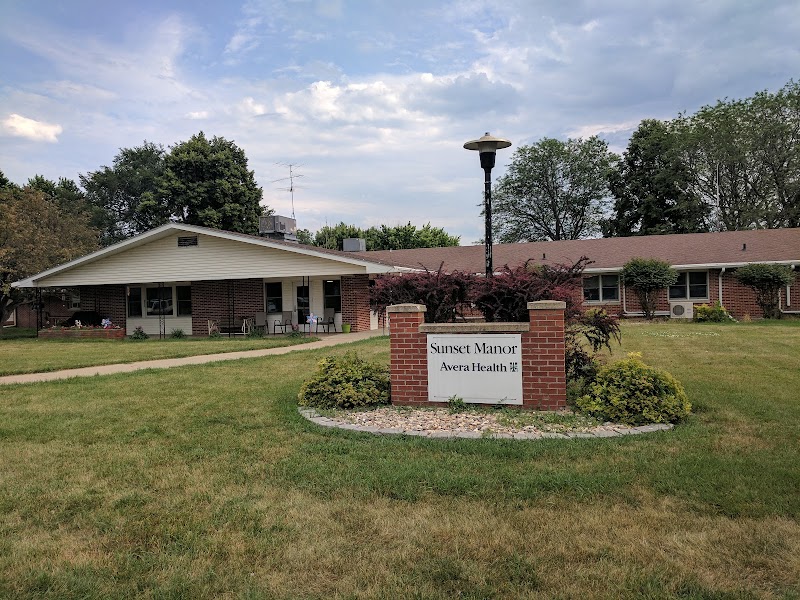
129 E CLAY ST, IRENE, SD 57037 (605) 263-3318
Non profit - Other 58 Beds AVERA HEALTH Data: November 2025
Trust Grade
15/100
#69 of 95 in SD
Last Inspection: August 2024

Within standard 12-15 month inspection cycle. Federal law requires annual inspections.

Overview

Sunset Manor Avera Health in Irene, South Dakota has received a Trust Grade of F, indicating significant concerns about the facility's quality of care. Ranked #69 out of 95 facilities statewide, they are in the bottom half, and are the lowest-ranked option in Clay County. The facility's situation appears to be worsening, with an increase in reported issues from 4 in 2024 to 5 in 2025. Staffing is a relative strength with a 4-star rating, but a high turnover rate of 66% is concerning, especially compared to the state average of 49%. However, the facility has been fined $62,455, which is higher than 88% of other South Dakota facilities, suggesting ongoing compliance issues. Recent inspector findings raised serious concerns, including a resident left on the floor for an extended period without care, and another resident with cognitive impairment who ingested a toxic chemical due to improper storage. While there are some strengths like decent staffing ratings, the overall picture reveals significant weaknesses that families should consider carefully.
Trust Score
F
15/100
In South Dakota
#69/95
Bottom 28%
Safety Record
High Risk
Review needed
Inspections
Getting Worse
4 → 5 violations
Staff Stability
⚠ Watch
66% turnover. Above average. Higher turnover means staff may not know residents' routines.
Penalties
○ Average
$62,455 in fines. Higher than 60% of South Dakota facilities. Some compliance issues.
Skilled Nurses
○ Average
Each resident gets 38 minutes of Registered Nurse (RN) attention daily — about average for South Dakota. RNs are the most trained staff who monitor for health changes.
Violations
⚠ Watch
12 deficiencies on record. Higher than average. Multiple issues found across inspections.
★★☆☆☆
2.0
Overall Rating
★★★★☆
4.0
Staff Levels
★★★☆☆
3.0
Care Quality
★★☆☆☆
2.0
Inspection Score
Stable
2024: 4 issues
2025: 5 issues

The Good

  • 4-Star Staffing Rating · Above-average nurse staffing levels
  • Full Sprinkler Coverage · Fire safety systems throughout facility
  • No fines on record

Facility shows strength in staffing levels, fire safety.

The Bad

2-Star Overall Rating

Below South Dakota average (2.7)

Below average - review inspection findings carefully

Staff Turnover: 66%

20pts above South Dakota avg (46%)

Frequent staff changes - ask about care continuity

Federal Fines: $62,455

Above median ($33,413)

Moderate penalties - review what triggered them

Chain: AVERA HEALTH

Part of a multi-facility chain

Ask about local staffing decisions and management

Staff turnover is elevated (66%)

18 points above South Dakota average of 48%

The Ugly 12 deficiencies on record

3 actual harm
Jun 2025 3 deficiencies
CONCERN (D) 📢 Someone Reported This

A family member, employee, or ombudsman was alarmed enough to file a formal complaint

Potential for Harm - no one hurt, but risky conditions existed

Free from Abuse/Neglect (Tag F0600)

Could have caused harm · This affected 1 resident

**NOTE- TERMS IN BRACKETS HAVE BEEN EDITED TO PROTECT CONFIDENTIALITY** Based on South Dakota Department of Health (SD OH) facility-reported incident (FRI), record review, observation, interview, and ...

Read full inspector narrative →
**NOTE- TERMS IN BRACKETS HAVE BEEN EDITED TO PROTECT CONFIDENTIALITY** Based on South Dakota Department of Health (SD OH) facility-reported incident (FRI), record review, observation, interview, and policy review, the provider failed to protect the resident's right to be free from sexual abuse by one of one sampled resident (3) who made unsolicited sexual advances towards one of one sampled resident (2). Resident 3 had a history of sexually inappropriate behavior and required close supervision while in common areas around peers. Findings include: 1. Review of the SD FRI report dated 6/9/25 revealed: *The incident occurred on 6/7/25. *Residents 2 and 3 ambulated via wheelchairs independently. *Residents 2 and 3 were in a hallway unmonitored by staff. *Resident 3 propelled himself in his wheelchair up to resident 2 and rubbed her right leg then rolled away from her. *Certified nursing assistant (CNA) J talked to residents 2 and 3 in the hallway but had not separated the residents. *Resident 3 put hand sanitizer on his hands, rolled over to resident 2 and put some of the sanitizer on her hands, started to rub her lap, and touched her private area. *CNA J realized they were next to each other and removed resident 3 from the area and moved resident 2 into the dining room near the table. *CNA J notified the nurse of the situation. *Resident 2's vital signs (measurement of the body's basic functions) were as follows: blood pressure (BP) 153/78, pulse 68, oxygen saturation (level of oxygen in blood) 95 percent on room air. *Resident 2's doctor and family were notified of the incident. *Staff were reminded of the need for resident 3 to be monitored in the commons area at all times. 2. Observation and interview on 6/18/25 at 7:46 a.m. of camera footage from 6/7/25 with director of nursing (DON) B revealed: *On 6/7/25 at 10:43 a.m. residents 2 and 3 were in their wheelchairs in the challenging behavior unit (CBU) dayroom. *Resident 2 moved from the hall toward resident 3. *Resident 3 backed up toward resident 2, and rubbed his right hand on her right leg. *There were no staff in view at that time. *Resident 2 wheeled herself away from resident 3. *Resident 3 followed her and pushed on the right wheel of resident 2's wheelchair as he continued to follow her down the hallway. *At 10:45 a.m. CNA J came into view from the dining room, she went back into the dining room but did not enter or look down the hall where residents 2 and 3 were. -CNA J did not attempt to intervene or stop the interaction between the two residents. *Resident 2 wheeled herself back up the hall toward resident 3 who was getting hand sanitizer from the wall dispenser. -They had moved toward each other in the hall, but resident 2 then turned and went away away from resident 3. *No staff were seen in that area, resident 2 was seen seated in her wheelchair with her right side toward resident 3 who had moved toward her. *Resident 2 then turned and began to move. *CNA J was in the doorway but did not face them and turned back away from them. -CNA J went back into the dining room without attempting to stop the interaction between resident 2 and resident 3. *Resident 3 wiped his hands on his shirt. *Resident 2 turned back towards him and stopped herself by resident 3. *Resident 3 rubbed resident 2's hands, turned toward her, patted and rubbed her hand, and then moved his hand to her private area between her legs. *At 10:52 a.m. resident 3 turned away and the two residents separated from each other. -Resident 3 rolled back up the hallway. *Resident 2 attempted to go into a room identified as hers by DON B. *Resident 3 went back toward resident 2 but CNA J took him back toward the day room and dining room area. *Licensed practical nurse (LPN) E did not come in to view on the footage during the interactions between residents 2 and 3. *DON B agreed resident 3 had touched resident 2's private area between her legs, without her consent. *DON B stated LPN E should have completed an assessment on resident 2 for the physical and emotional well-being and contacted her. *DON B would have expected LPN E to have known to do those things as a nurse. *DON B explained that the 1:1 within arm reach at all times regarding residents 2 and 3 that was indicated on the hall sheets was to ensure residents had close monitoring. -Resident 3 was easily agitated if staff had gotten too close to him. -The staff had been instructed to remain in close vicinity of him so they could have intervened quickly when he exhibited inappropriate behaviors. *DON B was out of the facility on 6/12/25 and there had been no further internal investigation completed from the 6/7/25 incident between resident 2 and 3 until today, 6/18/25. -She had become aware of the incident on 6/9/25 but no internal investigation was initiated to rule out abuse and neglect at the time of the incident or at the time of her awareness. *DON B thought the staff may have been in the bathroom when not in view on the footage. 3. Interview on 6/17/25 at 9:25 a.m. with housekeeper D regarding the above 6/7/25 incident revealed: *She had worked the day of 6/7/25 and had been cleaning the nurse's station in the manor unit which adjoined the CBU with double doors with windows when the incident occurred but could not remember the time. *She stated she looked into the CBU and saw resident 2 and 3 sitting by each other in their wheelchairs in the hallway. *Resident 3 was using hand sanitizer on his hands. *Resident 3 then put his right hand on resident 2's left leg, rubbed her leg, and moved his hand up to her private area between her legs, and then he stopped. -She though resident 3 stopped because he had seen her through the window. *She could not see any staff in the area and went into the CBU and found LPN E at the nurse's station. *She stated a contracted travel CNA was in the dining room when she and LPN E had come back out of the nurses' station. She reported to them what she had seen. *She stated she reported the incident between residents 2 and 3 to DON B on Monday, 6/9/25, when she saw her. 4. Interview on 6/17/25 at 10:30 a.m. with LPN E regarding the above incident revealed: *She had been finishing up things in the CBU nurses' station when housekeeper D reported to her that she thought she saw resident 3 put his hands down resident 2's pants. *She stated she came out of the nurse's station and CNA J was in the hallway near the dining room. *CNA J had reported that resident 3 had put hand sanitizer on resident 2's hands and she moved resident 2 up to the dayroom. -Resident 3 was down at the end of the hall and then came up the to sit next to resident 2 in the day room. *LPN E stated: -She had been at the nurse's station and had not realized resident 3 was that close to resident 2. -She had documented a progress note of what she was told had occurred from the staff. -When DON B came back to the facility on 6/9/25, she called LPN E in to her office to ask her what had happened on 6/7/25 . -Resident 3 had put sanitizer on resident 2 and the camera footage showed he had put his hand on her knee. -That is all I saw. -She did not think the 6/7/25 incident was substantial and had not completed an assessment on resident 2 after the incident. She had not completed an incident report, but she documented about it in a progress note. -Stated she had checked resident 2's vital signs the following Monday on 6/9/25 after she had discussed the incident with DON B. 5. Review of resident 3's progress note dated 6/7/25 revealed: *LPN E was the author of that note. *The note indicated, Housekeeping reported to nurse that she thought she had seen resident put his hands down a females [female's] pants. Writer asked CNA and she stated that what she [had] seen was resident putting hand sanitizer on the females [female's] hands. CNA did intervene and moved resident away from the female resident. Will continue to monitor for behaviors. *There were no further follow up notes or assessment related to the resident's well-being after that time. 6. Review of resident 3's EMR revealed: *He admitted to the facility on [DATE], *His diagnosis included dementia (forgetfulness), altered mental status (confusion), and anxiety. *His quarterly cognitive status dated 6/6/25 indicated: -Makes Self Understood, Usually understood-difficulty communicating some words or finishing thoughts but is able if prompted or given time. -Ability To Understand Others, Understands-clear comprehension. *His care plan interventions indicated: - I need close supervision when I am in common areas around my peers to ensure that I do not harm others or interfere with their with their daily living, which was initiated on 1/28/25. -Staff to monitor me closely due to my history of being sexually inappropriate with female peers and making socially inappropriate comments to/about female staff, which was initiated on 9/2/25. -I need staff to monitor me with the females on the unit due to having a history of being inappropriate with them. Examples: Undressing them and getting them into my room, which was initiated on 9/2/24. 7. Review of resident 2's electronic medical record revealed (EMR) revealed: *She was admitted to the facility on [DATE]. *Her diagnosis included dementia (a group of symptoms affecting memory, thinking and social abilities), anxiety, Psychotic disturbance (hallucinations, delusions, and disorganized thinking), mood disturbance. *Her quarterly cognitive status dated 5/5/25 indicated: - Makes Self Understood, Rarely/never understood. -Ability To Understand Others, Sometime understands-responds adequately to simple, direct communication only. 8. The facility did not have a policy regarding incident reports. Their documentation for Incident Reporting for residents was a part of their electronic medical record system referred to as point click care (PCC). The nurses had the option to choose from a drop down menu to complete their documentation which included: -Med error; Med error Wrong Med. -Physical Aggression Initiated. -Physical Aggression Received. -Alleged Abuse. -Alleged Neglect. -Choking. -Elopement. -Self-Inflected Injury. -Pressure Ulcer. -Injury. -Fall-Witnessed; Unwitnessed' During staff assist. 9. Review of the CNA & Nurses Meeting (February 18th, 2025) revealed: * We met with CNA staff and Nursing Staff to cover this topic. -Incident/Falls: [resident 3] in CBU is on 1:1. 1 [One] staff member should be within arms length, or in the vicinity of him at all times. He can still visit with and be near his peers, but staff should be able to easily intervene and prevent him from harming others. This does not mean that every time he opens his mouth or goes to visit with someone, we immediately move his wheelchair. When it is time for breaks-as long as there is 1 CNA on the floor for pt care and 1 on the floor for the 1:1 you are ok to [take] breaks. If there are several behaviors going on then you [your] nurse needs to be on the floor with you or you need to have [medical records [(MR)]/[CNA]/medication aide [(MA)]/infection control [(IC)] [K], myself (DON) [B], someone come cover also or you need to wait to take break. We have had 14 state reports in January, 12 of those in the CBU. Nurses should be coming out of the office and assisting in the monitoring halls/dayroom etc. 10. Review of the daily hall sheet used by the staff indicated both resident 2 and 3 were 1:1 within arm length at all times as explained above. 11. Review of the provider's Abuse Prohibition policy dated 3/2024 revealed: * The purpose is to establish guidelines to identify and report suspected abuse, neglect or exploitation of disabled adult residents or a resident's inability to care for self. Residents have the right to be free from verbal, sexual, physical and mental abuse, corporal punishment, exploitation, and involuntary seclusion. It is the policy of this facility to protect residents from abuse, regardless of the source, and to have an effective system in place for reporting and investigating incidents. Staff will be available in adequate numbers to insure [ensure] that each shift has sufficient staff to provide care that meets the resident's needs. Staff is responsible to know the resident's care plan they are providing care for. *Definitions of Adult Abuse: .Sexual abuse is non-consensual contact of any type with a resident. *It was the policy of the provider to institute a zero tolerance for any form of abuse to any and all residents. *Procedure. *2. Report the incident verbally or in writing to a Charge Nurse or Department Manager. This will initiate investigation of the incident. Clear concise documentation of indisputable evidence is critical for protection of the resident. Document in the resident chart specifics of the investigation, including both the resident and the caregivers' explanation of what occurred. The charge nurse will assess, if immediate medical attention is needed and a preliminary investigation will be completed. *3. The Administration will complete a thorough investigation of the incident, including interviews with staff, residents and family as appropriate and complete a written report of these findings.
CONCERN (D) 📢 Someone Reported This

A family member, employee, or ombudsman was alarmed enough to file a formal complaint

Potential for Harm - no one hurt, but risky conditions existed

Quality of Care (Tag F0684)

Could have caused harm · This affected 1 resident

**NOTE- TERMS IN BRACKETS HAVE BEEN EDITED TO PROTECT CONFIDENTIALITY** Based on South Dakota Department of Health (SD DOH) facility-reported incident (FRI), record review, observation, interview, and...

Read full inspector narrative →
**NOTE- TERMS IN BRACKETS HAVE BEEN EDITED TO PROTECT CONFIDENTIALITY** Based on South Dakota Department of Health (SD DOH) facility-reported incident (FRI), record review, observation, interview, and policy review, the provider failed to complete a resident assessment for the physical and emotional well-being of one of one resident (2) who experienced unsolicited touching of her body by one of one resident (3) following alleged abuse for one of one sampled resident (2). Findings include: 1. Review of the SD FRI report dated 6/9/25 revealed: *The incident occurred on 6/7/25. *Residents 2 and 3 ambulated via wheelchairs independently. *Residents 2 and 3 were in a hallway unmonitored by staff. *Resident 3 propelled himself in his wheelchair up to resident 2 and rubbed her right leg then rolled away from her. *Certified nursing assistant (CNA) J talked to residents 2 and 3 in the hallway but had not separated the residents. *Resident 3 put hand sanitizer on his hands, rolled over to resident 2 and put some of the sanitizer on her hands, started to rub her lap, and touched her private area. *CNA J realized they were next to each other and removed resident 3 from the area and moved resident 2 into the dining room near the table. *The nurse was notified of the situation. *Resident 2's vital signs (measurement of the body's basic functions) were as follows: blood pressure (BP) 153/78, pulse 68, oxygen saturation (level of oxygen in blood) 95 percent on room air. *Resident 2's doctor and family were notified of that incident. *Staff were reminded of the need for resident 3 to be monitored in common areas at all times. 2. Observation and interview on 6/18/25 at 7:46 a.m. of camera footage from 6/7/25 with director of nursing (DON) B revealed: *On 6/7/25 at 10:43 a.m. residents 2 and 3 were in their wheelchairs in the challenging behavior unit (CBU) dayroom. *Resident 2 moved from the hall toward resident 3. *Resident 3 backed up toward resident 2, and rubbed his right hand on her right leg. *There were no staff in the area. *Resident 2 wheeled herself away from resident. *Resident 3 followed her and pushed on the right wheel of resident 2's wheelchair as he continued to follow her down the hallway. *At 10:45 a.m. CNA J came into view from the dining room and then went back into the dining room. -She was not observed intervening or stopping the inappropriate actions between residents 2 and 3. *Resident 2 wheeled herself back up the hall toward resident 3 who was getting hand sanitizer from the wall dispenser. -They had moved toward each other in the hall, but resident 2 then turned and went away away from resident 3. *No staff were seen in that area at that time. *Resident 2 was seen seated in her wheelchair with her right side toward resident 3 who had moved toward her. *Resident 2 then turned and began to move. *CNA J was in the doorway but had not faced them. -CNA J turned back away from the residents and went back into the dining room. *Resident 3 wiped his hands on his shirt. *Resident 2 turned back toward him and stopped herself by resident 3. *Resident 3 rubbed resident 2's hands, turned toward her, patted and rubbed her hand, and then moved his hand to her private area between her legs. *At 10:52 a.m. he turned back away and resident 2 and 3 separated as he rolled back up the hallway. *Resident 2 attempted to go into a room identified as hers by DON B. *Resident 3 went back toward resident 2 but CNA J took him back toward the dayroom and dining room area. *Licensed practical nurse (LPN) E did not come in to view on the footage when the above interactions occurred. *DON B agreed resident 3 had touched resident 2's private area between her legs, without her consent. *DON B stated LPN E should have completed an assessment on resident 2 for the physical and emotional well-being of her and contacted her. -She would have expected LPN E to have known to do those things as a nurse. *DON B explained that the 1:1 within arm reach at all times regarding residents 2 and 3 that was indicated on the hall sheets was to ensure resident needed close monitoring. Resident 3 would get agitated if staff would get too close to him at times, so staff were to be in close vicinity to intervene. *DON B was out of the facility on 6/12/25. There had been no further internal investigations completed from Monday 6/9/25 when she had initially become aware of the incident until today 6/18/25. *DON B thought the staff may have been in the bathroom when not in view on the footage. 3. Interview on 6/17/25 at 9:25 a.m. with housekeeper D regarding the above 6/7/25 incident revealed: *She had worked the day of 6/7/25 and had been cleaning the nurse's station in the manor unit which adjoined the CBU with double doors with windows when the incident occurred but could not remember the time. *She stated she looked into the CBU and saw resident 2 and 3 sitting by each other in their wheelchairs in the hallway. *Resident 3 was using hand sanitizer on his hands. *Resident 3 then put his right hand on resident 2's left leg, rubbed her leg, and moved his hand up to her private area between her legs, and then he stopped. She though resident 3 stopped because he had seen her through the window. *She could not see any staff and went into the CBU and found LPN E in the nurse's station area. *She stated a contracted travel CNA was in the dining room when she and LPN E had come back out of the nurses' station. She reported to them what she had seen. *She stated she reported the incident between residents 2 and 3 to DON B on Monday, 6/9/25, when she saw her. 4. Interview on 6/17/25 at 10:30 a.m. with LPN E regarding the above incident revealed: *She had been finishing up things in the CBU nurses' station when housekeeper D reported to her that she thought she saw resident 3 put his hands down resident 2's pants. *She stated she came out of the nurse's station and CNA J was in the hallway near the dining room. *CNA J had reported that resident 3 had put hand sanitizer on resident 2's hands and she moved resident 2 up to the dayroom. -Resident 3 was down at the end of the hall and came up the hall and was sitting next to resident 2 in the day room. *LPN E stated she had been in the nurse's station and had not realized resident 3 was that close to resident 2. *LPN E stated she had documented a progress note of what she was told had occurred from the staff. *She stated when DON B came back to the facility on 6/9/25, she had asked her what happened on 6/7/25. *She saw resident 3 had put sanitizer on resident 2 and the camera footage showed he had put his hand on her knee. -She stated, That is all I saw. *She stated she did not think the 6/7/25 incident was substantial and had not completed an assessment on resident 2 after the incident. *She had not completed an incident report, but she documented about it in a progress note. *She stated she had checked resident 2's vital signs the following Monday 6/9/25 after she had discussed the incident with DON B. 5. Review of resident 3's progress note dated 6/7/25 revealed: *LPN E was the author of that note. *The note indicated, Housekeeping reported to nurse that she thought she had seen resident put his hands down a females [female's] pants. Writer asked CNA and she stated that what she [had] seen was resident putting hand sanitizer on the females [female's] hands. CNA did intervene and moved resident away from the female resident. Will continue to monitor for behaviors. *There were no further follow up notes or assessment related to the resident's well-being after that time. 6. Review of resident 2's electronic medical record revealed (EMR) revealed: *She was admitted to the facility on [DATE]. *Her diagnosis included dementia (a group of symptoms affecting memory, thinking and social abilities), anxiety, Psychotic disturbance (hallucinations, delusions, and disorganized thinking), mood disturbance. *Her quarterly cognitive status dated 5/5/25 indicated: - Makes Self Understood, Rarely/never understood. -Ability To Understand Others, Sometime understands-responds adequately to simple, direct communication only. 7. Review of resident 3's EMR revealed: *He admitted to the facility on [DATE]. *His diagnosis included dementia, altered mental status, and anxiety. *His quarterly cognitive status dated 6/6/25 indicated: -Makes Self Understood, Usually understood-difficulty communicating some words or finishing thoughts but is able if prompted or given time. -Ability To Understand Others, Understands-clear comprehension. *His care plan indicated the staff were to monitor him closely due to his history of being sexually inappropriate with female peers and making socially inappropriate comments to and about female staff, which was initiated on 9/2/24. -He needed close supervision when he was in common areas around peers to ensure that he did not harm others or interfere with their daily living and which was initiated on 1/28/25. 8. The facility did not have a policy regarding incident reports. Their documentation for Incident Reporting for residents was a part of their electronic medical record system referred to as point click care (PCC). The nurses had the option to choose from a drop down menu to complete their documentation which included: -Med error; Med error Wrong Med. -Physical Aggression Initiated. -Physical Aggression Received. -Alleged Abuse. -Alleged Neglect. -Choking. -Elopement. -Self-Inflected Injury. -Pressure Ulcer. -Injury. -Fall-Witnessed; Unwitnessed' During staff assist. 9. Review of the CNA & Nurses Meeting (February 18th, 2025) revealed: * We met with CNA staff and Nursing Staff to cover this topic. -Incident/Falls: [resident 3] in CBU is on 1:1. 1 staff member should be within arms length, or in the vicinity of him at all times. He can still visit with and be near his peers, but staff should be able to easily intervene and prevent him from harming others. This does not mean that every time he opens his mouth or goes to visit with someone, we immediately move his wheelchair. When it is time for breaks-as long as there is 1 CNA on the floor for pt care and 1 on the floor for the 1:1 you are ok to [take] breaks. If there are several behaviors going on then you [your] nurse needs to be on the floor with you or you need to have [medical records [(MR)]/[CAN]/medication aide [(MA)]/infection control [(IC)] [K], myself (DON) [B], someone come cover also or you need to wait to take break. We have had 14 state reports in January, 12 of those in the CBU. Nurses should be coming out of the office and assisting in the monitoring halls/dayroom etc. 10. Review of the daily hall sheet used by the staff indicated both resident 2 and 3 were 1:1 within arm length at all times. 11. Review of the provider's Abuse Prohibition policy dated 3/2024 revealed: *The purpose is to establish guidelines to identify and report suspected abuse, neglect or exploitation of disabled adult residents or a resident's inability to care for self. Residents have the right to be free from verbal, sexual, physical and mental abuse, corporal punishment, exploitation, and involuntary seclusion. It is the policy of this facility to protect residents from abuse, regardless of the source, and to have an effective system in place for reporting and investigating incidents. Staff will be available in adequate numbers to insure [ensure] that each shift has sufficient staff to provide care that meets the resident's needs. Staff is responsible to know the resident's care plan they are providing care for. *Procedure. *2. Report the incident verbally or in writing to a Charge Nurse or Department Manager. This will initiate investigation of the incident. Clear concise documentation of indisputable evidence is critical for protection of the resident. Document in the resident chart specifics of the investigation, including both the resident and the caregivers' explanation of what occurred. The charge nurse will assess, if immediate medical attention is needed and a preliminary investigation will be completed. *3. The Administration will complete a thorough investigation of the incident, including interviews with staff, residents and family as appropriate and complete a written report of these findings.
CONCERN (D) 📢 Someone Reported This

A family member, employee, or ombudsman was alarmed enough to file a formal complaint

Potential for Harm - no one hurt, but risky conditions existed

Accident Prevention (Tag F0689)

Could have caused harm · This affected 1 resident

Based on South Dakota Department of Health (SD DOH) facility reported incident (FRI), interviews, record review, and lift manufacturer's instructions, the provider failed to ensure that one of one sam...

Read full inspector narrative →
Based on South Dakota Department of Health (SD DOH) facility reported incident (FRI), interviews, record review, and lift manufacturer's instructions, the provider failed to ensure that one of one sampled resident (1) was free from accident hazards during a transfer using a sit-to-stand lift when the manufacturer's operator's instructions for the safe use of the lift had not been followed. Findings include: 1. Review of the provider's FRI submitted to SD DOH on 4/16/25 at 3:42 p.m. revealed: *Resident 1 had a fall from the sit-to-stand lift (a mechanical lift used to assist from a seated to a standing position) on 4/9/25 at 5:00 a.m., when his right arm gave out and went above his head during the transfer while using the sit-to-stand and he was lowered to the floor. *The safety straps on the sit-to-stand were not used on his waist or legs during the transfer. *After the fall, he initially complained of feeling sore in both shoulders, which had been baseline for him, but no injury was visualized and he refused medical treatment. *After several days of soreness and refusal of treatment, he agreed to have an x-ray and to see the physician when his pain had not subsided. *The physician found no shoulder dislocation or injury. 2. Interview on 6/17/25 at 9:00 a.m. with resident 1 revealed: *He was well-spoken and easy to understand. *He did not consider the incident on 4/9/25 a fall as he stated his waist belt popped off, and his right arm went above his head, and the staff lowered him to the ground. *He said that both of his arms then went up because his left arm does not work, and it was painful when his left shoulder had pushed into his head. *He denied having refused to wear to the waist or leg straps on the lift, and again stated that the waist belt popped open that day. *He said that the nurse aide, a former employee, always rushed and did not listen to his directions that day. Interview on 6/16/25 at 11:00 a.m. with certified nursing assistant (CNA) F revealed: *Resident 1 would stand and pivot to transfer to and from the toilet during the day. *He only transferred resident 1 with equipment on his bath day, and used a full body lift (a mechanical lift and sling used to lift a person's full body). *Resident 1 required the use of the Hoyer (full body lift) for a period of time in April 2025 after he fell, but he had been cleared to return to stand and pivot transfers and to use the EZ stand (sit-to-stand) lift. *He had not had issues with resident 1 refusing to use safety straps on equipment during transfers. Interview on 6/17/25 at 1:30 p.m. with CNA G revealed: *Resident 1 was a stand and pivot transfer to and from the toilet. *She did not use a mechanical lift for him as she did not put him to bed or get him up as the night staff did that. Interview on 6/17/25 at 2:00 p.m. with CNA H revealed: *She assisted resident 1 to and from bed regularly. *Resident 1 used the sit-to-stand lift. *He had never refused to use the safety straps when she helped him. *She would get the nurse rather than try to use the equipment without safety straps. *She had not been aware of him refusing to use the safety straps with other staff. Interview on 6/17/25 at 2:00 p.m. with licensed practical nurse (LPN) E revealed: *She had recently been out on leave and did not know how resident 1 was transferred now. *She had been aware that resident 1 had refused to use the safety straps on the mechanical lift prior to her leave. *She asked a CNA how he was to be transferred. 3. Review of resident 1's electronic medical record (EMR) revealed: *He had a brief interview for mental status assessment (BIMS) score of of 15, which indicated his cognition was intact. *He had no use of his left arm and leg due to a stroke but wore a brace on his left leg that allowed him to bear weight while standing. *A nursing note on 3/28/25 stated that resident transfers with [the use of an] EZ stand and refused to use chest strap or leg straps. Resident was educated for safety and remains to refuse. *A nursing note on 4/1/25 stated that resident assisted to bed, transfers with EZ stand. Resident refuses to use chest strap or leg strap. Resident educated on need for straps for safety. Resident transferred per request without safety straps. *Review of the working care plan revealed that resident 1 had been cleared to transfer with a stand and pivot transfer and an EZ stand on 6/10/25. *Review of the hall sheet for daily care revealed that he was to transfer using the Hoyer (full body lift) only. *Review of resident 1's EMR care plan revealed no information about his fall risk, any history of falls, or how he was to be transferred. 4. Interview on 6/17/25 at 2:15 p.m. with Minimum Data Set (MDS) coordinator C revealed: *She agreed that the EMR care plan did not include any information about how resident 1 transferred. *She would not normally put that information in the resident's EMR care plan. *Nursing staff used the working care plan and a hall sheet, which was a pocket care plan, to know how to care for residents. Interview on 6/17/25 at 3:00 p.m. with administrator A revealed: *After refusing medical treatment for several days after the fall from the lift on 4/9/25, resident 1 agreed to an x-ray and a physician visit, which did not show that he had an injury. *Their internal investigation verified that resident 1 had refused to use the waist belt and knee strap and had only been using the sling at the time of his fall. *She described resident 1 as being very particular with his cares and stated he was known to give staff a very hard time when he felt they were not providing his cares the way he wanted them to. Interview on 6/18/25 at 9:00 a.m. with director of nursing (DON) B revealed: *Resident 1 could be very difficult and demanding, particular about his cares, and had a history of being verbally abusive with staff. *She felt the staff were frustrated with resident 1's refusals to allow the use of the safety straps on his waist and legs when using the mechanical lift, and said they could not force him to use them. *They attempted to limit him to transferring by using the Hoyer lift only, but he refused to use it and said he would stay in bed. *He was cleared by physical therapy to return to stand and pivot transfers and use of the sit-to-stand lift. Review of the EZ Way Smart Stand operator's instructions revealed: 1. Position the harness around the upper body of the patient so the sides of the harness are between the patient's torso and arm, resting 2-3 (two to three) inches below the underarm. 2. For the safety of the patient, securely fasten the safety strap around the patient's torso. Use of shin pad strap: If a caregiver deems it necessary to keep a patient's shins or feet on the foot plate, secure the shin strap around the patient's legs.
Feb 2025 2 deficiencies 1 Harm
SERIOUS (G) 📢 Someone Reported This

A family member, employee, or ombudsman was alarmed enough to file a formal complaint

Actual Harm - a resident was hurt due to facility failures

Accident Prevention (Tag F0689)

A resident was harmed · This affected 1 resident

Based on South Dakota Department of Health (SD DOH) facility-reported incident (FRI), record review, interview, and policy review the provider failed to ensure the safety of one of one sampled residen...

Read full inspector narrative →
Based on South Dakota Department of Health (SD DOH) facility-reported incident (FRI), record review, interview, and policy review the provider failed to ensure the safety of one of one sampled resident (2) with cognitive impairment who ingested an improperly stored and secured Santimine (sanitizing chemical) tablet. Findings include: 1. Review of the provider's 2/6/25 SD DOH FRI regarding resident 2 revealed: *His Brief Interview for Mental Status (BIMS) assessment score was 1 which indicated he had severe cognitive impairment. *On 2/6/25 at 1:50 p.m. he was observed raising his hand to his mouth and a blue coloration was noted in his mouth. *A unnamed certified nursing assistant (CNA) asked him to spit it out which he. *Unnamed CNAs approached him and noted they were Santimine (sanitizer tablets). *He went to put another tablet in his mouth, and registered nurse RN C swatted it out of his hand causing it to fall to the floor. *Material safety data sheets (MSDS) were pulled. *Poison control was called. *Medical director (MD) J was notified. -Due to increased behaviors and agitation, he was given Haldol 5 mg intramuscularly (IM). -Immediate medical intervention was to push fluids, not to induce vomiting, and to monitor. -He was given diluted orange juice. *His vital signs were taken. -Blood pressure 121/74: -Temperature 98.1. -Pulse 105. -Respirations 18. -Oxygen saturation on room air was 94%. 2. Review of resident 2's electronic medical record (EMR) revealed: *He had diagnoses of: -Chronic obstructive pulmonary disease (a disease that blocks airflow making it difficult to breathe). -Dementia (memory loss) with behavioral disturbances and agitation. -Epilepsy (seizure disorder). -Age-related bilateral cataract (clouding of the eye lens). -Presbyopia (far-sightedness). *His care plan indicated: -Offer me 1:1 (staff monitoring), redirect me back to my room to watch tv, or to play checkers. -Staff to monitor me (resident 2) closely . -Staff will monitor me for going into other resident rooms . *It was documented in his medication administration record for 2/6/25 that he had refused all of his morning medications that day. 3. Interview on 2/11/25 at 1:40 p.m. with RN C revealed: *There were two CNAs working in the Challenging Behaviors Unit (CBU) at the time of the above incident. Resident 2 was yelling at CNA H, while CNA K was helping another resident in the bathroom. *Resident 2 had a Santimine tablet in his mouth. *They asked him to spit it out, which he did. *Resident 2 tried to place another Santimine tablet in his mouth and she moved his hand away from his mouth. *Santimine tablets were supposed to be locked up. *Resident 2 found them in an unlocked drawer behind resident clothing protectors. 4. Interview on 2/11/25 at 2:15 p.m. with CNA H regarding the above incident revealed: *Resident 2 was on close, 1:1 monitoring. *CNA K had taken another resident to the bathroom. *CNA H had her back to resident 2. *Resident 2 was observed by CNA K near the kitchenette in the CBU after exiting the bathroom. -She asked resident 2 what he had in his hand. *RN C entered the CBU and noticed resident 2 had something in his mouth. -RN C asked him to spit it out, which he did. It was a Santimine tablet. -He then tried to put another tablet in his mouth and RN C swatted it out of his hand. *CNA H thought CNA F had put a bottle of the tablets in a drawer that was not locked. *Santimine tablets were supposed to be locked up. 5. Interview on 2/11/25 at 3:05 p.m. with CNA K regarding the above incident revealed: * She observed resident 2 was leaving the kitchenette area and had something in his mouth. *RN C entered the CBU and asked him to spit it out and he did. *He then tried to put another Santimine tablet in his mouth before it was taken away. *They gave him extra fluids after that incident. *Santimine tablets were supposed to be locked up. 6. Interview on 2/11/25 at 3:10 p.m. with RN C revealed: *She pulled the MSDS information on Santimine tablets. *DON B called poison control she believed and notified MD J of the incident with resident 2. 7. Interview on 2/11/25 at 3:35 p.m. with CNA F revealed: *He had worked the 2/5/25 night shift and left on 2/6/25 at 6:00 a.m. *Before leaving he had used the Santimine tablets to make a bucket of cleaner. *He had placed the Santimine tablet bottle in an unlocked drawer by the sink before he left. *That drawer lock had been broken for some time. *The locks had been fixed on 2/11/25. *He was aware that Santimine tablets should have been locked up. *Santimine tablets had been pulled from the CBU and were not being used. 8. Interview on 2/12/25 at 11:15 a.m. with DON B revealed: *She was alerted by RN C about the above incident. *RN C had pulled and referred to the sanitizer's MSDS. *RN/Unit Coordinator (UC) L had contacted the poison control center. *DON B had notified MD J of the above incident. - An order was received for resident 2 to be given Haldol (An antipsychotic) 5 mg IM for behaviors and it was given. *Administrator A was notified of the above. *An investigation was started. *An incident report was completed. *The SD DOH FRI report was completed. *She explained 1:1 monitoring for resident 2 meant staff were: -To be within arm's length of him between 6:00 a.m. and 10:00 p.m. -That 1:1 monitoring had increased his behaviors, so they would give him a little space and intervene when needed. -She expected staff to not turn their back on resident 2. *There was a notice dated 2/3/25 in the CBU: -We will be adding a third staff for CBU from 6:00 a.m. to 10:00 p.m. -You should remain in the common area within reach of resident 2 at all times to prevent any assaults from occurring. -There must be two staff present on the unit, at all times. One staff member must be monitoring resident 2/common areas at all times. If this means your nurse needs to come out call them, If this means you need [RN/UC L], or [DON B], call us. *Locks have been replaced. *Verbal education was provided to staff working in the CBU. *Santimine tablets were removed, from the CBU temporarily, until the locks have been replaced. Review of the providers revised 4/2023 Hazardous Materials and Waste Management Plan policy revealed: *To recognize the potential threat that hazardous materials present to human health and the environment. To establish, implement, monitor and document evidence of an ongoing program for the management of hazardous materials and waste to ensure that there is minimal risk to patients, personnel, visitors and the community environment within the confines of the ASHH campus. The processes include education, procedures for safe use, storage and disposal, and the management of spills and exposure. *Providing adequate and appropriate space and equipment for safe handling and storage of hazardous materials and wastes: All storage areas have spaces appropriate for storage regarding space requirements and are under lock and key to provide safe segregation from other work areas.
CONCERN (E) 📢 Someone Reported This

A family member, employee, or ombudsman was alarmed enough to file a formal complaint

Potential for Harm - no one hurt, but risky conditions existed

Quality of Care (Tag F0684)

Could have caused harm · This affected multiple residents

Based on South Dakota Department of Health (SD DOH) complaint, interview, interview, record review, and policy review, the provider failed to ensure dining assistance and nutritional needs were adequa...

Read full inspector narrative →
Based on South Dakota Department of Health (SD DOH) complaint, interview, interview, record review, and policy review, the provider failed to ensure dining assistance and nutritional needs were adequately care planned and implemented for one of one resident (1) with traumatic brain injury (TBI) when he refused to leave his room for meals or refused to eat. Findings include: 1. Review of the SD DOH complaint that was filed anonymously about resident 1 on 1/6/25 revealed: *Resident resided in the traumatic brain injury (TBI) unit. *He had behavioral problems, such as: refusing cares, refusing to take his medications, refusing to come out of his room for meals, refusing to eat. *When residents who required assistance would not come out of their rooms, they were not allowed to have a meal tray in their room. *Two to three weeks prior to filing the complaint, resident 1 had gone without his evening meal for three consecutive nights due to him not coming out of his room. *Resident 1 required assistance with eating. 2. Observation on 2/11/25 at 11:45 a.m. of resident 1 while eating his noon meal revealed: *Resident 1 was in the dining area with his spouse and other residents who were sitting in the area. *Resident 1's spouse was assisting him in eating his meal. *Resident 1 was dependent on his spouse to help him eat his meal. 3. Interview on 2/11/25 at 1:30 p.m. with resident 1's spouse revealed: *He has been here for over a year. *She felt there was a lot of staff turnover and a lack of staff on duty during the nighttime. *She was concerned about him not receiving meals at night. -She reported that a certified nursing assistant (CNA) (she was unable to recall the CNA's name) told her if resident 1 did not come out of his room for meals, he would not eat because there were no extra staff to help him eat. *She reported some of the CNAs were not trained to care for residents with traumatic brain injuries. *She felt some of the CNAs did not understand that it took resident 1 more time to process what was said to him, and the CNAs would get frustrated with him. 4. Interview on 2/12/25 at 9:10 a.m. with CNA G revealed: *She was a traveling CNA and had worked at the facility for about three years. *There was no specific or extra training required to work in the challenging behavior unit (CBU) or TBI units. *She confirmed that resident 1 required assistance with eating. *CNAs are oriented in all three units because they can be assigned to work anywhere in the facility. *If residents who required assistance with eating did not come out of their rooms for a meal, there was no one available to assist them with eating in their rooms. 5. Interview on 2/12/25 at 11:57 a.m. with director of nursing (DON) B revealed: *There was no specific training provided for CNAs that worked on the CBU or TBI units. -We want our CNAs to be able to work on any unit at any time. *Resident 1 would sometimes eat in his room with assistance by his spouse. *Resident 1's spouse visited him nearly every day during the noon meal and would assist him with eating. *Resident 1 was not allowed to eat alone in his room due to his difficulty with swallowing. *She reported if resident 1 did not want to come out of his room at the time of the evening meal, staff should attempt to have him come out to the dining area later to eat, offer him snacks later, and document that. *It was her expectation resident 1 would be assisted with eating in his room. *It was her expectation that if resident 1 refused to eat his meals in the dining room several nights consecutively, it would be noted in the progress notes. *Documentation of meals was to be recorded three times per day and as needed (PRN). *She reported the PRN documentation would be for afternoon or evening snacks. 6. Review of the resident's care plan revealed there was no specific instruction on the amount of eating assistance he needed from staff during meals. *His care plan did not indicate if he could or could not eat in his room. 7. Review of resident 1's electronic medical record (EMR) revealed: *Documentation of his meals and snacks from 1/14/25 through the morning of 2/12/25 indicated: -On two of 30 days, meals and/or snacks intakes were documented four times each day. -On 22 of 30 days, meals and/or snacks intakes were documented three times each day. -On five of 30 days, meals and/or snacks intakes were documented two times each day. -On seven of 30 days, it was documented resident 1 refused his evening meal (1/14, 1/19, 1/28, 1/29, 1/30, 2/1, and 2/8/25). *His progress notes did not indicate why resident 1 had not received meals and/or snacks, or if meals or snacks had been offered between scheduled meals. 8. Review of the provider's 11/2020 Resident Right-Nursing Home booklet given to residents on admission revealed: *Page 3: All nursing homes are required to provide services and activities to attain or maintain the highest practicable physical, mental, and psychosocial well-being of each resident in accordance with a written plan of care. *Page 5: Right to dignity, respect, and freedom: Be treated with consideration, respect, and dignity.
Sept 2024 2 deficiencies 2 Harm
SERIOUS (H) 📢 Someone Reported This

A family member, employee, or ombudsman was alarmed enough to file a formal complaint

Actual Harm - a resident was hurt due to facility failures

Free from Abuse/Neglect (Tag F0600)

A resident was harmed · This affected multiple residents

Based on South Dakota Department of Health (SD DOH) complaint review, record review, interview, video review, and policy review, the provider failed to protect six of eight sampled residents (1, 2, 3,...

Read full inspector narrative →
Based on South Dakota Department of Health (SD DOH) complaint review, record review, interview, video review, and policy review, the provider failed to protect six of eight sampled residents (1, 2, 3, 5, 7, and 8) from neglect by licensed practical nurse (E) who did not offer or provide repositioning or toileting assistance as directed in their plans of care. Findings include: 1. Review of the 9/12/24 SD DOH complaint revealed: *The complainant wanted to remain anonymous. *There was concern regarding neglect for all residents in the Traumatic Brain Injury (TBI) unit. *From 9/7/24 at 10:00 p.m. to 9/8/24 at 6:00 a.m. -Resident 5 was left in the same clothes he was dressed in on 9/7/24. -He was curled up in a ball on the floor with no blanket. -He was cold to the touch. -He was covered in feces. -His bed was still made from the previous day. *Residents (1, 2, 3, 7, and 8) were identified as being incontinent of both bowel and bladder in the complaint. *Complainant requested a review of the video footage of the unit. 2. Review of resident 1's electronic medical record (EMR) revealed: *His diagnoses included: -Traumatic subdural hemorrhage with loss of consciousness. (blood pooling between the brain and the outer layer of the brain-protective membrane). -Urinary incontinence. -Major depressive disorder. -Cognitive communication deficit. -Restlessness and agitation. -Impulse disorder. *His Brief Interview for Mental Status (BIMS) score was 4 which indicated he had severe cognitive impairment. *He required the assistance of one to two staff with all mobility, toileting, personal hygiene, and dressing. *He was to be checked (for incontinence needs) and changed every 2 hours. 3. Review of resident 2's EMR revealed: *His diagnoses included: -Traumatic subdural hemorrhage with loss of consciousness. -Fracture of base of skull. -Mental disorder due to known physiological condition. -Psychotic disorder. -Anxiety disorder. -Cerebral infarction due to thrombosis (stroke due to a blood clot). -Hemiplegia and hemiparesis (paralysis) following a cerebral vascular disease (conditions that affect blood flow to the brain). *His BIMS score was 99 which indicated he chose or could not participate. *He had incontinence and was to be checked and changed every 2 hours. *He was dependent on two staff to assist him with all activities of daily living (ADLs). *He was dependent on staff for assistance with all his toileting, hygiene, dressing and personal hygiene needs. *He required the use of a total body mechanical lift for all transfers. *He was known to hit staff. *He had a gastrostomy tube (G-tube) for nutrition and medication administration and is nothing by mouth. 4. Review of resident 3's EMR revealed: *His diagnoses included: -Vascular dementia. -Major depressive disorder. -Hemiplegia (paralysis) following nontraumatic intracerebral hemorrhage (bleeding in brain). -Psychosis (disconnection from reality). *His BIMS score was 7 indicated he had severe cognitive impairment. *He had incontinence and was to be checked and changed every 2 hours. *He requires one to two staff to assist him with his bed mobility, bathing, toileting, and personal hygiene needs. *He required the use of a sit-to-stand lift for transfers. 5. Review of resident 5's EMR revealed: *His diagnoses included : -Dementia with behavioral disturbances. -Nontraumatic intracranial hemorrhage (stroke that occurs from a blood pooling in brain). -Anoxic brain damage (lack of oxygen to the brain). -Sleep disorder. *His BIMS score is 99 and he had inattention that would fluctuate. *He had incontinence of his bowel and bladder. -He used incontinence products. -He needed the assistance of one staff with his toileting needs every 2 hours. 6. Review of resident 7's EMR revealed: *His diagnoses included: -Traumatic subarachnoid hemorrhage with loss of consciousness. -Hemiplegia and hemiparesis following cerebral infarction affecting left non-dominant side. -Dementia, severe with behavioral disturbances. -Major depressive disorder, recurrent, severe with psychotic symptoms. *His BIMS score was 1 which indicated he had severe cognitive impairment. *He had incontinence of his bowel and bladder. -He required substantial/maximal staff assistance for his transfers and ADLs. -He required the use of a total mechanical lift at times with the assistance of two staff. *He had a history of physical outbursts, verbal aggression, resistance with care, and social and sexually inappropriateness. 7. Review of resident 8's EMR revealed: *Her diagnoses included: -Dementia without behavioral disturbances. -Nontraumatic intracerebral hemorrhage (stroke that occurs from a blood pooling in brain). -Hemiplegia and hemiparesis following cerebral infarction affecting right dominant side (paralysis following a stroke). -Neuromuscular dysfunction of the bladder (muscles in the bladder do not work properly) with stress incontinence. *BIMS score of 99, and indicated she was unable to participate. *She required substantial to maximal assistance of two staff with all of her ADLs and mobility. *She had incontinence of her bowel and bladder. -She required to be checked and changed every two hours, and staff were to assist her with her incontinent care needs at each episode. 8. Interview on 9/24/24 at 4:45 p.m. with certified nursing assistant (CNA) F revealed: *She had worked on the TBI unit 9/8/24 and at 6:00 a.m. that day: *Resident 1 was incontinent of both bowel and bladder and his bedding was soaked through. *Resident 2 was soaked in urine from head to toe and bedding was soaked through. *She found resident 5 lying on the floor, in the living room area of his room. -His body was curled up in a ball, and his skin was cold to the touch. -He had feces on him and was incontinent of urine. *She stated he should have been assisted with toileting every two hours and that he would at times lay on the floor, but would stay in bed if staff placed him in his bed. -He had on the same clothes she had dressed him in on the 9/7/24 morning shift. *Resident 6 was incontinent, and his bed was soaked with urine. *Resident 8 was incontinent of bladder and bedding was soaked through. *She stated all of those residents required staff assistance with their toileting needs every two hours. 9. Interview on 9/25/24 at 8:02 a.m. with licensed practical nurse (LPN) E revealed: *He had worked on 9/7/24 from 6:00 p.m. to 9/8/24 at 6:00 a.m. and was assigned to be the nurse in the TBI and CBU (challenging behaviors unit) from 6:00 p.m. to 10:00 p.m. that night. *He said he went to the TBI unit on 9/7/24 at 10:00 p.m. to work only on TBI unit till 9/8/24 at 6:00 a.m. *He was unsure why a CNA was not assigned to the TBI unit. *He completed toileting and personal cares for the TBI unit residents from 10:00 p.m. on 9/7/24 until 6:00 a.m. on 9/8/24. *He did not know which residents needed to get up in the morning. *He completed all point click care (PCC) EMR charting. *He stated resident 5 would lie on the floor at times. *He said typically, there were three CNAs and two nurses in the building from 10:00 pm to 6:00 a.m. *He had not been trained to perform the CNA tasks. 10. Interview on 9/25/24 at 9:20 a.m. with LPN D revealed: *She was the nurse for the TBI and CBU on 9/8/24 at 6:00 a.m. *She had been told resident 5 had been up all night and had not slept from a report with LPN E. *Resident 2 had been spitting and kicking at LPN E and he needed assistance to change him. *CNA F had told her resident 2 was soaked. *She stated the CNAs working that morning never contacted her regarding complaints about residents' care. *On 9/8/24 at 6:30 a.m. she had washed up resident 2 and changed his bedding, because he had soaked through the incontinence soaker pad and all of his bedding. *She stated, resident 7 did not like male staff. 11. Interview on 9/25/24 at 9:50 a.m. with director of nursing (DON) B revealed: *Tasks are automated in the PCC EMR system with assessments when completed. *Tasks can be added independently. *Registered nurse (RN)/Minimum Data Set (MDS) H was in charge of reviewing tasks and updating them when needed. *Social worker (SW) C was in charge of updating resident care plans. 12. Interview on 9/25/24 at 10:42 a.m. with RN/MDS H revealed: *She did not enter the tasks for residents in PCC. *She thought DON B or medical records (MR) I entered the tasks. *She did not know who updated the resident pocket care plans for staff. 13. Interview on 9/25/24 at 10:50 a.m. with MR I revealed: *She did not enter tasks in PCC. *She did not update the pocket care plans. 14. Interview on 9/25/24 at 10:52 a.m. with DON B revealed: *Everyone in management had access to update the pocket care plans. *Pocket care plans were kept at the front desk for staff. *DON B would update the pocket care plans for the main floor residents. *MR I printed them off and placed them at the front desk for staff. 15. Interview on 9/25/24 at 12:05 p.m. with Administrator A and DON B revealed: *LPN E had training completed on 9/6/24 with LPN M. *All nurses would have received CNA training in nursing school. *The standard nursing care for incontinent residents was to check and change or toilet them every two hours. *They had checked with other facilities and they did not put toileting tasks in PCC for every two hours. *There had been no communication to management that there was a problem on the 9/7/24 and 9/8/24 weekend from the TBI nursing staff. *DON B had contacted LPN E employment agency in regards to him needing to improve on his required tasks while working in the facility before she had learned of the complaint. 16. Interview on 9/25/24 at 1:20 p.m. with DON B revealed: *She completed the schedule for nursing staff. *Usual staffing for a 10:00 p.m. to 6:00 a.m. shift included is two nurses and three CNAs in the building. *She stated one of the CNAs scheduled to work had called in on 9/7/24. *Her expectation for residents who needed two staff for assistance with their care needs was that staff would be assisted by staff from another unit. 17. Interview on 9/25/24 at 1:41 p.m. with CNA G revealed: *She worked 9/7/24 at 6:00 p.m. until 9/8/24 at 6:00 a.m. *Pocket care plans are available at the front desk where report was given. *She was on the CBU for her shift that day. *She did not know who called in. *She had given LPN E a list of what needed to be completed for the residents on the TBI unit that included: -Who was to be checked and changed every two hours. -Who needed to have morning cares completed on 9/8/24. She stated that included residents 1, 5, and 8. *When she needed help she would call for assistance. 18. Review of the provider's video footage of TBI unit for 9/7/24 10:00 p.m. through 9/8/24 at 6:00 a.m. revealed: *Resident 2 was in a wheelchair in the dining area. *LPN E arrived at 10:05 p.m. on the TBI unit. *LPN E attempted to give resident 2's medications to him through his G-tube at 10:23 p.m. *LPN E called for assistance, at 10:25 p.m. Medication aide J and LPN K arrived and assist with that medication administration then they exited the TBI unit. *LPN E entered resident 3's room at 10:38 p.m. and exited that room at 10:49 p.m. *LPN E and CNA L entered TBI unit and entered to resident 1's room at 11:02 p.m. *LPN E and CNA L remained in resident 1's room till 11:22 p.m. *CNA L and LPN E repositioned resident 2 from his wheelchair with a total mechanical lift to his room at 11:26 p.m. and exited his room at 11:31 p.m. *CNA L and LPN E entered resident 7's room till 11:36 p.m. then CNA L exited the TBI unit. *LPN E was at a desk in the TBI unit from 11:38 p.m. until 12:40 a.m. when he got up, went and goes to the laundry room and then returned to the desk. *CNA L entered the TBI unit at 1:00 a.m. and entered resident 1's room, he exited that room at 1:08 a.m. with a garbage bag and left the TBI unit. *LPN E sat at a desk from 1:10 a.m. until 2:01 a.m. *CNA G entered the TBI unit checked on resident 1 in his room and then exited the TBI unit. *LPN E returns to a desk from 2:03 a.m. to 2:41 a.m. he then stood, peeks into resident 1 room and returned to a desk. *CNA L entered TBI unit at 2:45 a.m. LPN E exited TBI unit at 2:48 a.m. CNA L walked up and down both hallways and entered resident 5 room at 2:56 a.m. and then exited the room a minute later. *LPN E returned to the TBI unit at 3:08 a.m. and CNA L exited the TBI unit LPN E remained at a desk until 4:25 a.m *LPN E entered resident 6's room and exited at 4:28 a.m. with no garbage bag in hand, LPN E entered laundry room. *LPN E sat at a desk from 4:29 a.m. until 5:34 a.m. when LPN D entered the TBI unit. -LPN E gives report to LPN D. -Observed LPN E and LPN D counting narcotics in the medication cart. *CNA F and CNA L entered TBI unit at 5:51 a.m. CNA L leaves the TBI unit after one minute. *CNA F entered resident 3's room at 6:01 a.m. and then returned to the dining room area. *CNA N entered the TBI unit at 6:04 a.m. for her shift. *CNA N and CNA F entered resident 5's room at 6:10 a.m. *LPN E exited the TBI unit at 6:12 a.m. *CNA N and CNA F are observed talking with LPN D at the desk at 6:23 a.m. 19. Follow-up interview on 9/25/24 at 2:47 p.m. with DON B revealed: *Last rounds were to be completed before 10:00 p.m. *Check and change for incontinence needs would then start approximately at midnight and every two hours after that. *She confirmed residents 1, 2, 3, 5, 7 and 8 had incontinence and needed to be checked and changed every two hours. 20. Follow-up interview on 9/25/24 at 3:43 p.m. regarding the above observations of the video recording with administrator A and DON B revealed: *LPN E was not in resident rooms when he was expected to be. *Cares for residents were not completed as required by staff on the night of 9/7/24 at 10:00 p.m. to 9/8/24 at 6:00 a.m. and according to the residents' care plans. 21. Review of the provider's 1/20/24 LTC Abuse Prohibition Policy revealed: *Neglect the failure of the facility, its employees or service providers to provide goods and services to a resident that are necessary to avoid physical harm, pain, mental anguish, or emotional distress. *Neglect occurs when the facility is aware of or should have been aware of, goods or services that a resident(s) requires but the facility fails to provide them to the resident(s) . *Neglect includes cases where the facility's indifference or disregard for resident care, comfort, or safety, results in or may result in physical harm, pain, mental anguish, or emotional distress. *Neglect may be the result of a pattern of failures or may be the result of one or more failures involving one resident and one staff person.
SERIOUS (H) 📢 Someone Reported This

A family member, employee, or ombudsman was alarmed enough to file a formal complaint

Actual Harm - a resident was hurt due to facility failures

Quality of Care (Tag F0684)

A resident was harmed · This affected multiple residents

Based on South Dakota Department of Health (SD DOH) complaint review, record review, interview, and video review, the provider failed to ensure eight of eight sampled residents (1, 2, 3, 4, 5, 6, 7, a...

Read full inspector narrative →
Based on South Dakota Department of Health (SD DOH) complaint review, record review, interview, and video review, the provider failed to ensure eight of eight sampled residents (1, 2, 3, 4, 5, 6, 7, and 8) who were dependent on staff for their care needs, received those cares as directed on their care plans. Findings include: 1. Review of the 9/12/24 SD DOH complaint revealed: *The complainant wanted to remain anonymous. *There was concern regarding neglect for all residents in the Traumatic Brain Injury (TBI) unit. *From 9/7/24 at 10:00 p.m. to 9/8/24 at 6:00 a.m. -Resident 5 was left in the same clothes he was dressed in on 9/7/24. -He was curled up in a ball on the floor with no blanket. -He was cold to the touch. -He was covered in feces. -His bed was still made from the previous day. *Residents (1, 2, 3, 7, and 8) were identified as being incontinent of both bowel and bladder in the complaint. *Complainant requested a review of the video footage of the unit. 2. Review of resident 4's electronic medical record (EMR) and pocket care plan revealed: *His diagnoses included: -Cerebral Infarction (stroke) affecting right dominant side. -Aphasia (language disorder). -Atherosclerotic heart disease. *His Brief Interview for Mental Status (BIMS) score was 00 which indicated he had severe cognitive impairment. *He needed 24-hour supervision. *He was at risk for elopement. *He lacked safety awareness. *He could not express his needs at times due to his speech. *Staff were to anticipate his needs. *He was independent with emotional, intellectual, physical and social needs. *He was continent of bowel and bladder. *He was a full code. 3. Review of resident 6's EMR and pocket care plan revealed: *His diagnoses included: -Cerebral infarction (stroke). -Incontinent of bowel. -Aphasia (language disorder). -Heart disease. *He required the assistance of one staff for most of his activities of daily living (ADLs). *His BIMS score was 9 which indicated he had moderate cognitive impairment. *Staff were to anticipate his needs, due to him rarely expressing his needs, even though he was able to. *He required partial/moderate assistance of one staff with bed mobility, toileting needs, and ADLs. *He was a full code. 4. Interview on 9/25/24 at 8:45 a.m. with administrator A revealed: *Tasks are used for ADL charting. *Provider does not have an ADL Policy. 5. Review of the provider's video footage of TBI unit for 9/7/24 10:00 p.m. through 9/8/24 at 6:00 a.m. revealed: *Resident 2 was in a wheelchair in the dining area. *LPN E arrived at 10:05 p.m. on the TBI unit. *LPN E attempted to give resident 2's medications to him through his G-tube at 10:23 p.m. *LPN E called for assistance, at 10:25 p.m. Medication aide J and LPN K arrived and assist with that medication administration then they exited the TBI unit. *LPN E entered resident 3's room at 10:38 p.m. and exited that room at 10:49 p.m. *LPN E and CNA L entered TBI unit and entered to resident 1's room at 11:02 p.m. *LPN E and CNA L remained in resident 1's room till 11:22 p.m. *CNA L and LPN E repositioned resident 2 from his wheelchair with a total mechanical lift to his room at 11:26 p.m. and exited his room at 11:31 p.m. *CNA L and LPN E entered resident 7's room till 11:36 p.m. then CNA L exited the TBI unit. *LPN E was at a desk in the TBI unit from 11:38 p.m. until 12:40 a.m. when he got up, went into the laundry room and then returned to the desk. *CNA L entered the TBI unit at 1:00 a.m. and entered resident 1's room, he exited that room at 1:08 a.m. with a garbage bag and left the TBI unit. *LPN E sat at a desk from 1:10 a.m. until 2:01 a.m. *CNA G entered the TBI unit checked on resident 1 in his room and then exited the TBI unit. *LPN E returns to a desk from 2:03 a.m. to 2:41 a.m. he then stood, peeks into resident 1 room and returned to a desk. *CNA L entered TBI unit at 2:45 a.m. LPN E exited TBI unit at 2:48 a.m. CNA L walked up and down both hallways and entered resident 5 room at 2:56 a.m. and then exited the room a minute later. *LPN E returned to the TBI unit at 3:08 a.m. and CNA L exited the TBI unit LPN E remained at a desk until 4:25 a.m *LPN E entered resident 6's room and exited at 4:28 a.m. with no garbage bag in hand, LPN E entered laundry room. *LPN E sat at a desk from 4:29 a.m. until 5:34 a.m. when LPN D entered the TBI unit. -LPN E gives report to LPN D. -Observed LPN E and LPN D counting narcotics in the medication cart. *CNA F and CNA L entered TBI unit at 5:51 a.m. CNA L leaves the TBI unit after one minute. *CNA F entered resident 3's room at 6:01 a.m. and then returned to the dining room area. *CNA N entered the TBI unit at 6:04 a.m. for her shift. *CNA N and CNA F entered resident 5's room at 6:10 a.m. *LPN E exited the TBI unit at 6:12 a.m. *CNA N and CNA F are observed talking with LPN D at the desk at 6:23 a.m. *Residents 1, 2, 3, 4, 5, 6, 7, and 8 were not provided care according to their individual care needs. Refer to F600 findings 2, 3, 4, 5, 6, 7, 8, 9, 10, 11, 12, 13, 14, 15, 16, 17, and 20.
Aug 2024 2 deficiencies
CONCERN (D) 📢 Someone Reported This

A family member, employee, or ombudsman was alarmed enough to file a formal complaint

Potential for Harm - no one hurt, but risky conditions existed

Deficiency F0604 (Tag F0604)

Could have caused harm · This affected 1 resident

**NOTE- TERMS IN BRACKETS HAVE BEEN EDITED TO PROTECT CONFIDENTIALITY** Based on a facility-reported incident (FRI) review, observation, interview, record review, and policy review, the provider faile...

Read full inspector narrative →
**NOTE- TERMS IN BRACKETS HAVE BEEN EDITED TO PROTECT CONFIDENTIALITY** Based on a facility-reported incident (FRI) review, observation, interview, record review, and policy review, the provider failed to ensure one of one sampled resident (37) who was cognitively impaired received adequate care and monitoring to ensure she was free of physical restraints imposed for discipline or convenience and not required to treat the resident's medical symptoms that resulted in an incident of resident abuse by one of one agency staff member (H). Findings include: 1. Review of the South Dakota Department of Health (SD DOH) event report for resident 37 on 6/28/24 revealed: *She returned from the hospital on 6/28/24 at 6:35 p.m., was restless, and had tried multiple times to stand up from her chair. -She was unsteady when walking. -She was redirected to sit in her wheelchair by agency certified nursing assistant (CNA) H. -For nearly an hour and half resident [resident 37] continues to try to stand up or get out of the wheelchair and resists against [first name of agency CNA H] but is physically restrained against and to the wheelchair by [first name of agency CNA H]. --During this time [first name of agency CNA H] is physically holding [resident 37's first name]'s arms down to the wheelchair, what appears to be digging her chin into [resident 37's first name]'s scalp, towers over resident and appears to have several verbal exchanges with resident. -At 8:51 p.m. nurse [agency registered nurse (RN) I] comes back to unit and rubs [resident 37's first name]'s back and talks with her which calms her down. -2nd nurse [LPN J] comes back to unit at 8:54 p.m. and also talked to [resident 37's first name] and they [agency RN I and LPN J] take her to recliner on unit and she does not want to sit there . -They [agency RN I and LPN J] then take her down to her room and she is calm. 2. Observation on 8/6/24 at 2:07 p.m. of resident 37 revealed she was in the activity room involved with a resident group activity led by a local pastor. She was sitting in a chair and actively singing a hymn with the pastor and other residents. 3. Interview on 8/6/24 at 4:00 p.m. with resident 37 in her room revealed: *She enjoyed pastor visits, watching movies, and loved to read. *She could not remember any staff member being upset with her, raising their voice to her, or holding her down, stating They [the staff] are very good to me. *She had no recollection of the 6/28/24 incident or having been to the hospital that day. 4. Review of Resident 37's electronic medical record (EMR) revealed: *She was admitted to the facility on [DATE]. *After her admission, she was moved to a room in the provider's challenging behavior unit (CBU). *She was sent to the [another community] hospital's emergency room on the afternoon of 6/28/24 after the resident was exhibiting slurred speech, left-sided weakness, and facial droop. -She had been given IV [intravenous] fluids and IV Ativan [medication given to relieve anxiety] for her CT [computed tomography] scan while at the hospital. -She returned from the hospital on 6/28/24 at 6:30 p.m. to her room in the CBU. *Her diagnoses included: -Unspecified dementia, with other behavioral disturbances. -Bipolar disorder. -Alzheimer's disease. -Paroxysmal atrial fibrillation. *Her 6/17/24 annual minimum data set (MDS) assessment revealed: -Her brief interview for mental status (BIMS) was scored at 12, which indicated she was moderately impaired cognitively. -She had exhibited no behavioral symptoms in the past week. -She was independent with dressing, eating, and walking with a walker. -She was independent with toileting but had some occasional urinary incontinence. Review of Resident 37's EMR progress notes revealed: *On 6/28/24 a progress note was entered by director of nursing (DON) B at 2:56 p.m. which stated, CNA came to recorder [DON B]'s office around 1415 [2:15 p.m.] and reported that resident has had a significant decline this afternoon . was very lethargic, required 2 [staff members] extensive assist to get to bed. Staff assisted her to bed . she was leaning to the right, weak with garbled speech . This recorder [DON B] notified Dr [last name of physician] and went immediately to room to examine resident. Performed stroke screen, able to shrug shoulders, stick out tongue, squeeze fingers with grip weakness on the left, was not able to sit up unsupported with leaning to both sides, more-so to the left noted. Resident had very garbled speech . Dr [last name of physician] . requests her to be sent out via EMS [emergency medical services]. [First name of guardian] notified of condition and that resident will be sent out via ambulance. *On 6/28/24 a progress note was entered at 3:06 p.m. by LPN K updating the resident's guardian on her status. *On 6/28/24 a progress note was entered at 9:35 p.m. by RN I which stated Patient returned from ED [emergency department] at 1830 [6:30 p.m.]. Report received from discharging nurse. CT [computed tomography] scans negative. CBC [complete blood count], CMP [comprehensive metabolic panel], UA [urinalysis] all WNL [within normal limits]. Given IV [intravenous] fluids and IV [intravenous] Ativan [medication given to relieve anxiety]. No discharge diagnosis . Patient is agitated and looking for her nephew to pick her up. Combative with staff. Took HS medications with no problems, went to bed at 2130 [9:30 p.m.] . *There was no progress note related to the physical restraint of the resident by agency CNA H 5. Review on 8/6/24 of resident 37's current care plan revealed: *A focus area I have memory problems, have poor safety awareness, and make poor decisions. I have clear speech. I can usually express my needs. I can usually understand others. *A focus area I take psychotropic medications. I have physical outbursts. I have mood problems . -Interventions included: --I admitted to [name of provider's nursing unit] on 06-26-2023 from [the provider's trade name] behavioral health center in [another community], SD. I need 24 hour supervision . I was approved for challenging behavior [unit] . on 6/26/2023 . --I am followed by [provider's trade name] behavioral health for medication management. 6. Interview on 8/7/24 at 3:07 p.m. with DON B regarding the 6/28/24 incident revealed: *Agency CNA H had been scheduled to work at 3:00 p.m. on 7/3/24 but did not show up for her shift. *She reached out to CNA H by cell phone with no response. *Another unidentified agency CNA had informed her that agency CNA H had left her assignment at the nursing home for her home state of Louisiana due to her being left in the behavior unit by herself. *On 7/3/24 she emailed the agency that employed CNA H and asked regarding CNA H. *The reply she received informed her that CNA H was leaving her contract with the provider due to being alone in the behavioral unit for a couple of hours last Friday night, 6/28/24. *She was unaware of the 6/28/24 incident until Wednesday, 7/3/24. *On 7/3/24, after the emailed reply, she and administrator A reviewed the video footage from the CBU unit from Friday, 6/28/24. -Agency CNA H was seen physically in front of resident 37, who was seated in a wheelchair, holding the resident's forearms down on the wheelchair's armrests and agency CNA H's chin resting on the resident's forehead. *After reviewing the video footage, DON B asked the CBU unit coordinator about the 6/28/24 incident and agency CNA H. -CBU unit coordinator stated CNA H had worked Friday evening, 6/28/24 and then the following Sunday, Monday, and Tuesday. -Two CNAs that were scheduled on the CBU at 7:00 p.m. on 6/28/24. -The CBU unit coordinator had stated that no one had reported anything to her regarding the incident on 6/28/24. *DON B stated the CBU unit coordinator had resigned from her position with the provider two weeks ago and no longer worked at the facility. 7. Interview on 8/7/24 at 3:48 p.m. with administrator A and DON B regarding the 6/28/24 incident revealed: *Both agreed that the abuse of resident 37 had occurred with agency CNA H physically restraining the resident for a combined time of 20 minutes that occurred periodically throughout the ninety minutes she was attending to the resident on the CBU unit. -Other staff were seen coming in and out of the CBU unit during this time, but none of the staff had witnessed CNA H physically restraining the resident. --Agency RN I had passed medications on the CBU unit and another nursing unit. --CNA M and LPN J were also seen on the CBU unit that evening. --Agency CNA L had been scheduled to be on the CBU unit that evening, but was not seen on the video footage during that time as she may have been pulled to another nursing unit. *DON B stated resident 37's assessment after the incident revealed no harm was evident, but based on the video footage, she verified the physical restraint of the resident had occurred. *Both agreed the video footage was limited to the hallway by the nursing station. 8. Review of the provider's January 2024 LTC (long term care) Abuse Prohibition policy revealed: *It is essential for facilities to prohibit and prevent abuse, neglect, exploitation of residents . including freedom from physical . restraints not required to treat a resident's medical symptoms. The facility will have systems in place to encourage and support all residents, staff, . in reporting any suspected acts of abuse . *Physical restraint is defined as any manual method, .that meets all of the following criteria: -i. Is attached or adjacent to the resident's body; -ii. Cannot be removed easily by the resident; and -iii. Restricts the resident's freedom of movement .
CONCERN (E) 📢 Someone Reported This

A family member, employee, or ombudsman was alarmed enough to file a formal complaint

Potential for Harm - no one hurt, but risky conditions existed

Assessment Accuracy (Tag F0641)

Could have caused harm · This affected multiple residents

**NOTE- TERMS IN BRACKETS HAVE BEEN EDITED TO PROTECT CONFIDENTIALITY** Based on South Dakota Department of Health (SDDOH) complaint report review, record review, policy review and interview the provi...

Read full inspector narrative →
**NOTE- TERMS IN BRACKETS HAVE BEEN EDITED TO PROTECT CONFIDENTIALITY** Based on South Dakota Department of Health (SDDOH) complaint report review, record review, policy review and interview the provider failed to ensure 15 of 22 (2, 3, 7, 8, 14, 16, 20, 23, 25, 26, 29, 33, 35, 41, 43) Elopement risk evaluations were completed accurately to ensure resident safety. Findings include: 1. Review of SDDOH complaint report revealed: *Resident 43 had eloped from the building on 7/17/24 out a door that had an alarm. *The alarm did not sound and alert staff to a resident exiting the building. *Staff observed resident 43 walking with a walker across the front lawn of the building. *They assisted him back into the building. *Nurse completed vitals and assessed him to make sure he was okay. *Staff checked all other doors in the building, making sure all other alarms were working. 2. Review of resident 43's electronic medical record (EMR) revealed: *He was admitted on [DATE]. *He had diagnoses of: -Macular degeneration. -Dementia with other behavioral disturbances. *Brief interview for mental status (BIMS) score is 9 meaning moderate impairment. *Elopement risk evaluations that were completed revealed: *On admit date d 4/10/23 he was not at risk for elopement with a score of three. *On 7/8/23 following an elopement he was not at risk for elopement with a score of 4. *Elopement risk evaluation scoring/summary of risk indicated Three or more Resident Status/Potential Risk Factors and/or one or more Definitive Risk Factors indicate a resident AT RISK for elopement. *No elopement risk evaluation was completed after 7/8/24 elopement. *The working care plan had a written elopement documented risk dated 7/18/24. 3. Review of residents (2, 3, 7, 8, 14,16, 20, 23, 25, 26, 29, 33, 41) elopement risk evaluations revealed: *They all scored three or more. *They were marked as not being at risk for elopement. 4. Review of provider's Elopement policy dated 8/2024 revealed: *It is the policy of Sunset Manor to investigate and report all cases of missing residents off facility grounds. *The elopement of a resident occurs when a resident has left the premises without the knowledge of a staff member. *Charge nurse will complete Incident report in Risk Management, complete detailed progress note, and complete an Elopement risk evaluation. 5. Interview on 8/7/24 at 2:40 p.m. with registered nurse (RN) F revealed: *Social service designee D would have updated the care plan for the resident in 7/2024. *A new elopement risk evaluation should have been completed by the nurse working on 7/17/24. *The stop sign on the door had been there for around six years. 6. Interview on 8/7/24 at 3:03 p.m. with minimum data set (MDS) coordinator C revealed: *The elopement should have been added to the working care plan signature sheet where changes were added, and updated. *The nurse working on 7/17/24 should have added it to the signature sheet. *Resident 43 is due for annual elopement risk evaluation in 3/2025. *She agreed resident 43 was marked wrong on the elopement risk evaluation as not being at risk for elopement. *He did not have a new elopement risk evaluation completed after he eloped on 7/17/24. 7. Interview on 8/7/24 at 3:20 p.m. and 8/8/24 at 8:16 a.m. with SS designee D revealed: *She added the elopement risk to resident 43's working care plan following his elopement on 7/17/24. *Licensed practical nurse (LPN) G should have added it after the event. -She had not though it was an elopement. -She had not though it was a reportable incident. *Resident 43 had eloped from the building once before. 8. Interview on 8/8/24 at 8:22 a.m. with director of nursing (DON) B revealed: *Elopement risk evaluations were completed on admission and if an elopement occurred. 9. Interview on 8/8/24 at 9:50 a.m. with administrator A and DON B revealed: *They agreed resident 43's elopement risk evaluation was marked incorrectly as not at risk. *They expected an elopement would have been addressed in the resident's care plan. *They confirmed there was nothing in resident 43's current care plan or the EMR about being at risk for elopement. *They agreed that anyone with a score of three or more on the elopement risk evaluation should have been marked as at risk for elopement. *They were in the process of changing from American Health Tech to Point Click Care for their EMR system.
Jul 2023 1 deficiency
CONCERN (D)

Potential for Harm - no one hurt, but risky conditions existed

Deficiency F0638 (Tag F0638)

Could have caused harm · This affected 1 resident

Based on record review, policy review, and interview the provider failed to ensure Minimum Data Set (MDS) assessments were completed in a timely manner for five of twenty-four sampled residents (3, 7,...

Read full inspector narrative →
Based on record review, policy review, and interview the provider failed to ensure Minimum Data Set (MDS) assessments were completed in a timely manner for five of twenty-four sampled residents (3, 7, 19, 23, and 37). Findings include: 1. Review of the (MDS) schedule for the facility provided by MDS coordinator C on 7/12/23 revealed quarterly assessments for residents 3, 7, 19, 23, and 37 were to have been completed on 6/12/23. Review of the MDS transmission results summary report provided by MDS coordinator C on 7/12/2023 revealed no quarterly assessments had been submitted in June or July for residents 3, 7, 19, 23, and 37. Review of the providers 3/2022 LTC-Assessment (MDS Policy) revealed assessments would be .completed within 14 days of the resident's admission, quarterly, annually, and within any significant change in condition. Interview on 7/12/23 at 9:47 a.m. with MDS coordinator C regarding quarterly assessments for residents 3, 7, 19, 23, and 37 revealed: *Completed MDS assessments were transmitted via Internet Quality Improvement and Evaluation System at least weekly. *Her normal practice for transmitting MDS assessments was to do them in batches as she completes them. *She has been the MDS coordinator for ten years. *She was behind on completing quarterly assessments. *Her goal was to have them completed by the end of the week. Interview on 7/12/23 at 3:14 p.m. with Administrator A regarding MDS quarterly assessments for residents 3, 7, 19, 23 and 37 revealed: *The expectation was to complete the MDS assessments by the due date. *When asked if she was aware that MDS assessments were overdue she sated yes. *She stated no one else in the facility was trained on completing MDS assessments. *She stated a new registered nurse was hired the end of May, was completing facility orientation, and would be trained on MDS assessments and would assist as needed for timely submission.
Jan 2022 2 deficiencies
CONCERN (D)

Potential for Harm - no one hurt, but risky conditions existed

Comprehensive Care Plan (Tag F0656)

Could have caused harm · This affected 1 resident

**NOTE- TERMS IN BRACKETS HAVE BEEN EDITED TO PROTECT CONFIDENTIALITY** Based on record review, interview, and policy review, the provider failed to ensure a comprehensive care plan for two of ninetee...

Read full inspector narrative →
**NOTE- TERMS IN BRACKETS HAVE BEEN EDITED TO PROTECT CONFIDENTIALITY** Based on record review, interview, and policy review, the provider failed to ensure a comprehensive care plan for two of nineteen sampled residents (30 and 40) with frequent urinary tract infections from an indwelling catheter and recurrent pneumonia. Findings include: 1. Record review of resident 30 electronic medical record revealed: *She had been discharged from the hospital on [DATE] with diagnosis of pneumonia. *An order for oral doxycycline 100 mg daily for 10 days. *Received nebulizer treatments three times per day. *On 12/5/21 she developed nausea, vomiting, and difficulty breathing. *She received nebulizer treatments three times per day. *She received IV fluids and antinausea medication from the provider 12/6/21. *She was re-hospitalized on [DATE] through 12/13/21 for recurrent pneumonia. *Had received an order for oral cefidinir 300 mg twice a day for 5 days related to pneumonia upon discharge from the hospital back to the provider. *She had continued to receive nebulizers three times per day. The care plan with an onset date of 7/18/17 had not mentioned any respiratory infection or treatment for respiratory conditions such as pneumonia. Interview on 1/13/22 at 9:15 a.m. with director of nursing (DON) B regarding resident 30's care plan revealed: *Agreed her care plan did not state anything about having pneumonia, or treatment related to it. *The resident had completed a swallow study during her last hospitalization and was diagnosed with aspiration. *She agreed that being at risk for aspiration was not documented on the care plan. *Her diet was changed to pureed with nectar thick fluids after the diagnosis of aspiration. 2. Record review of resident 40's electronic medical record revealed: *He was admitted on [DATE] with a suprapubic catheter (a tube inserted into the bladder through a small hole in the stomach that drains urine into the external bag). *While he used a leg bag during the day, he used a regular catheter bag at night. *He needed assistance at times with changing bags. *He preferred to perform own catheter cares. *His suprapubic catheter was changed every 4 weeks. *He had been diagnosed with a urinary tract infection (UTI) on 9/29/21 and again on 11/11/21. *Care plan had not indicated resident was at risk for frequent UTI's nor interventions to help prevent infection. Interview on 1/12/22 1:21 p.m. with DON B regarding resident 40's care plan revealed: *Resident 40 wanted to be independent with catheter care. *Didn't like to hearing instructions from staff. *Agreed that the care plan had not indicated that the resident was at risk for frequent UTI's nor interventions used to treat recurrent infections. Policy review of providers baseline care plan revised on 3/19 revealed: *The baseline care plan will include conditions and risks affecting the resident's health and safety. Examples included: *infections.
CONCERN (D)

Potential for Harm - no one hurt, but risky conditions existed

Infection Control (Tag F0880)

Could have caused harm · This affected 1 resident

Based on observation, interview, and policy review, the provider failed to ensure proper hand hygiene and glove use by one of one certified nursing assistant (CNA) while performing cares for one of ni...

Read full inspector narrative →
Based on observation, interview, and policy review, the provider failed to ensure proper hand hygiene and glove use by one of one certified nursing assistant (CNA) while performing cares for one of nineteen sampled residents (15). Findings include: Observation on 1/12/22 at 8:14 a.m. of cares for resident 15 with CNA C and CNA D revealed: *Both staff were wearing gloves. *Resident was incontinent of urine. *CNA C performed peri care using disposable wipes. *CNA D helped with positioning resident. *With the same gloves performed the following: -Placed a clean brief on the resident. *Helped resident dress for the day. *Returned wipes to dresser drawer. *Removed gloves and washed hands. *Put clean gloves on then washed resident's face. *Removed gloves and exited the room with garbage bag. *No hand hygiene after removing gloves. Interview with CNA C following the observation revealed she: *Had worked at the facility for 2 months. *Received hand hygiene training through staffing agency. *Had not realized she was supposed to change gloves after performing peri care. Interview on 1/12/22 at 1:11 p.m. with director of nursing B regarding the observation of the CNA's revealed: *Agreed hand hygiene had been missed. *Stated that agency staff should have had all of their training. *She expected staff to perform hand hygiene appropriately. Review of the provider's undated nursing policy and procedure for male resident perineal care revealed: *After the perineal area was cleansed staff were to remove their gloves and perform hand hygiene.
Understanding Severity Codes (click to expand)
Life-Threatening (Immediate Jeopardy)
J - Isolated K - Pattern L - Widespread
Actual Harm
G - Isolated H - Pattern I - Widespread
Potential for Harm
D - Isolated E - Pattern F - Widespread
No Harm (Minor)
A - Isolated B - Pattern C - Widespread

Questions to Ask on Your Visit

  • "What safeguards are in place to prevent abuse and neglect?"
  • "Why is there high staff turnover? How do you retain staff?"
  • "Can I speak with families of current residents?"
  • "What's your RN coverage like on weekends and overnight?"

Our Honest Assessment

Strengths
  • • Licensed and certified facility. Meets minimum state requirements.
Concerns
  • • Multiple safety concerns identified: Federal abuse finding, 3 harm violation(s), $62,455 in fines. Review inspection reports carefully.
  • • 12 deficiencies on record, including 3 serious (caused harm) violations. Ask about corrective actions taken.
  • • $62,455 in fines. Extremely high, among the most fined facilities in South Dakota. Major compliance failures.
  • • Grade F (15/100). Below average facility with significant concerns.
Bottom line: This facility has a substantiated abuse finding. Extreme caution advised. Explore alternatives.

About This Facility

What is Sunset Manor Avera Health's CMS Rating?

CMS assigns Sunset Manor Avera Health an overall rating of 2 out of 5 stars, which is considered below average nationally. Within South Dakota, this rating places the facility higher than 0% of the state's 100 nursing homes. A rating at this level reflects concerns identified through health inspections, staffing assessments, or quality measures that families should carefully consider.
How is Sunset Manor Avera Health Staffed?
CMS rates Sunset Manor Avera Health's staffing level at 4 out of 5 stars, which is above average compared to other nursing homes. Staff turnover is 66%, which is 20 percentage points above the South Dakota average of 46%. High turnover can affect care consistency as new staff learn residents' individual needs. RN turnover specifically is 71%, which is notably high. RNs provide skilled clinical oversight, so turnover in this role can affect medical care quality.

What Have Inspectors Found at Sunset Manor Avera Health?

State health inspectors documented 12 deficiencies at Sunset Manor Avera Health during 2022 to 2025. These included: 3 that caused actual resident harm and 9 with potential for harm. Deficiencies causing actual harm indicate documented cases where residents experienced negative health consequences.

Who Owns and Operates Sunset Manor Avera Health?

Sunset Manor Avera Health is owned by a non-profit organization. Non-profit facilities reinvest revenue into operations rather than distributing to shareholders. The facility is operated by AVERA HEALTH, a chain that manages multiple nursing homes. With 58 certified beds and approximately 49 residents (about 84% occupancy), it is a smaller facility located in IRENE, South Dakota.

How Does Sunset Manor Avera Health Compare to Other South Dakota Nursing Homes?

Compared to the 100 nursing homes in South Dakota, Sunset Manor Avera Health's overall rating (2 stars) is below the state average of 2.7, staff turnover (66%) is significantly higher than the state average of 46%, and health inspection rating (2 stars) is below the national benchmark.

What Should Families Ask When Visiting Sunset Manor Avera Health?

Based on this facility's data, families visiting should ask: "What safeguards and monitoring systems are in place to protect residents from abuse or neglect?" "How do you ensure continuity of care given staff turnover, and what is your staff retention strategy?" "Can I visit during a mealtime to observe dining assistance and food quality?" "How do you handle medical emergencies, and what is your hospital transfer rate?" These questions are particularly relevant given the substantiated abuse finding on record and the facility's high staff turnover rate.

Is Sunset Manor Avera Health Safe?

Based on CMS inspection data, Sunset Manor Avera Health has documented safety concerns. The facility has 1 substantiated abuse finding (meaning confirmed case of resident harm by staff or other residents). The facility has a 2-star overall rating and ranks #100 of 100 nursing homes in South Dakota. Families considering this facility should ask detailed questions about what corrective actions have been taken since these incidents.

Do Nurses at Sunset Manor Avera Health Stick Around?

Staff turnover at Sunset Manor Avera Health is high. At 66%, the facility is 20 percentage points above the South Dakota average of 46%. Registered Nurse turnover is particularly concerning at 71%. RNs handle complex medical decisions and coordinate care — frequent RN changes can directly impact care quality. High turnover means new staff may not know residents' individual needs, medications, or preferences. It can also be disorienting for residents, especially those with dementia who rely on familiar faces. Families should ask: What is causing the turnover? What retention programs are in place? How do you ensure care continuity during staff transitions?

Was Sunset Manor Avera Health Ever Fined?

Sunset Manor Avera Health has been fined $62,455 across 2 penalty actions. This is above the South Dakota average of $33,703. Fines in this range indicate compliance issues significant enough for CMS to impose meaningful financial consequences. Common causes include delayed correction of deficiencies, repeat violations, or care failures affecting resident safety. Families should ask facility leadership what changes have been made since these penalties.

Is Sunset Manor Avera Health on Any Federal Watch List?

Sunset Manor Avera Health is not on any federal watch list. The most significant is the Special Focus Facility (SFF) program, which identifies the bottom 1% of nursing homes nationally based on persistent, serious quality problems. Not being on this list means the facility has avoided the pattern of deficiencies that triggers enhanced federal oversight. This is a positive indicator, though families should still review the facility's inspection history directly.