Menno-Olivet Care Center
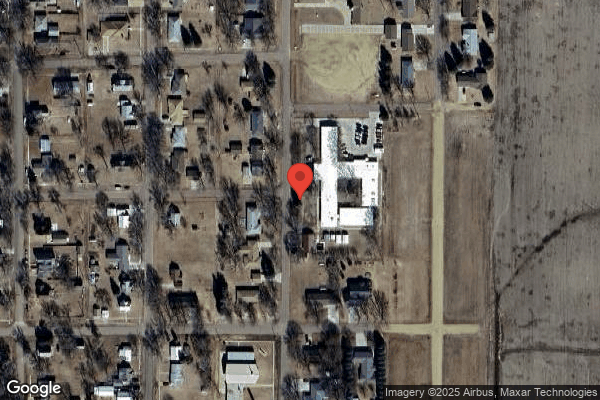
402 S PINE STREET, MENNO, SD 57045 (605) 387-5139
Non profit - Corporation 41 Beds Independent Data: November 2025 2 Immediate Jeopardy citations
Trust Grade
61/100
#10 of 95 in SD
Last Inspection: October 2024

Within standard 12-15 month inspection cycle. Federal law requires annual inspections.

Overview

Menno-Olivet Care Center has a Trust Grade of C+, indicating it is slightly above average but not without its flaws. It ranks #10 out of 95 nursing homes in South Dakota, placing it in the top half, and #1 out of 3 in Hutchinson County, meaning it is the best local option. However, the facility is worsening, with the number of reported issues increasing from 2 in 2023 to 4 in 2024. Staffing is a strength, receiving a perfect 5/5 rating with a lower turnover rate of 42%, which is better than the state average. While there have been no fines, which is positive, the facility has faced serious concerns, including a critical incident where a resident suffered severe burns from hot liquids served at unsafe temperatures and another case where a resident choked due to inadequate supervision during meals. Overall, while there are strengths in staffing and no fines, the facility has significant issues that families should consider.

Trust Score
C+
61/100
In South Dakota
#10/95
Top 10%
Safety Record
High Risk
Review needed
Inspections
Getting Worse
2 → 4 violations
Staff Stability
○ Average
42% turnover. Near South Dakota's 48% average. Typical for the industry.
Penalties
✓ Good
No fines on record. Clean compliance history, better than most South Dakota facilities.
Skilled Nurses
✓ Good
Each resident gets 62 minutes of Registered Nurse (RN) attention daily — more than 97% of South Dakota nursing homes. RNs are the most trained staff who catch health problems before they become serious.
Violations
⚠ Watch
11 deficiencies on record. Higher than average. Multiple issues found across inspections.
★★★★★
5.0
Overall Rating
★★★★★
5.0
Staff Levels
★★☆☆☆
2.0
Care Quality
★★★★☆
4.0
Inspection Score
Stable
2023: 2 issues
2024: 4 issues

The Good

  • 5-Star Staffing Rating · Excellent nurse staffing levels
  • Full Sprinkler Coverage · Fire safety systems throughout facility
  • No fines on record
  • Staff turnover below average (42%)

    6 points below South Dakota average of 48%

Facility shows strength in staffing levels, fire safety.

The Bad

Staff Turnover: 42%

Near South Dakota avg (46%)

Typical for the industry

The Ugly 11 deficiencies on record

2 life-threatening 1 actual harm
Oct 2024 4 deficiencies
CONCERN (D)

Potential for Harm - no one hurt, but risky conditions existed

Assessment Accuracy (Tag F0641)

Could have caused harm · This affected 1 resident

**NOTE- TERMS IN BRACKETS HAVE BEEN EDITED TO PROTECT CONFIDENTIALITY** Based on observation, interview, record review, and the Centers for Medicaid and Medicare (CMS) Resident Assessment Instrument (...

Read full inspector narrative →
**NOTE- TERMS IN BRACKETS HAVE BEEN EDITED TO PROTECT CONFIDENTIALITY** Based on observation, interview, record review, and the Centers for Medicaid and Medicare (CMS) Resident Assessment Instrument (RAI) Manual review, the provider failed to ensure the Minimum Data Set (MDS) assessments were coded accurately for: *One of one resident (6) who received insulin. *One of one resident (12) who had a bed alarm. Findings include: 1. Observation and interview on 10/29/24 at 9:24 a.m. with resident 6 revealed he was diabetic and received daily injections of insulin. Review of resident 6's electronic medical record (EMR) revealed: *He was admitted on [DATE]. *His 10/17/24 Brief Interview for Mental Status (BIMS) assessment score was 15, which indicated he was cognitively intact. *A 10/7/24 physician's order for Insulin Glargine Subcutaneous Solution Pen-injector 100 UNIT/ML [unit per milliliters] (Insulin Glargine) Inject 16 unit subcutaneously two times a day. *He had been administered that insulin injection as ordered two times a day. Review of resident 6's 10/17/24 initial Minimum Data Set (MDS) assessment, section N (Medications) revealed: *Record the number of days that injections of any type were received during the last 7 days or since admission/entry or reentry if less than 7 days. -It was marked 1. *Insulin injections - Record the number of days that insulin injections were received during the last 7 days or since admission/entry or reentry if less than 7 days. -It was marked 0 [zero]. *Orders for insulin - Record the number of days the physician (or authorized assistant or practitioner) changed the resident's insulin orders during the last 7 days or since admission/entry or reentry if less than 7 days. -It was marked 0 [zero]. Interview on 10/29/24 at 11:03 a.m. with director of nursing (DON) B regarding resident 6 revealed she: *Was responsible for the completion of the MDS assessment. *Confirmed resident 6 was on daily injections of insulin. *Confirmed that the MDS assessment did not accurately reflect that resident 6 had received insulin daily since he had been admitted . *She stated, I will create the modification now. Thank you for catching that. 2. Observation on 10/28/24 at 4:51 p.m. of resident 12's room revealed: *He was not in his room. *His call light was clipped to itself against the wall in the center of the room. *The bed contained a bottom sheet and an incontinent pad. -A bed alarm pad was visible under the bottom sheet. Observation on 10/29/24 at 2:39 p.m. of resident 12's revealed: *He was in his bed. *His call light was clipped to itself against the wall in the center of the room. Review of resident 12's EMR revealed: *He was admitted on [DATE]. *His 9/12/24 BIMS score was 6, which indicated he was severely cognitively impaired. *A 4/3/24 physician's order for Bed/chair alarm in use for high fall risk. Review of resident 12's 9/12/24 quarterly MDS assessment, section P (Restraints and Alarms) revealed: *Bed alarm was coded as Not used. *Chair alarm was coded as Not used. Interview on 10/30/24 at 7:46 a.m. with DON B regarding resident 12 revealed: *Resident 12 had a bed and a chair alarm that he used at all times. -The alarms were silent alarms that notified the nurse and were used as the call light so that when he gets up it alerts the staff. -They were assessed as an intervention and not as a restraint. *She confirmed that the bed and chair alarms had been coded on the previous MDS assessment. *She stated, I missed it [coding of the alarm] on the last [9/12/24] MDS [assessment]. Review of the October 2023 CMS RAI Version 3.0 Manual Section N, Page N-1 revealed: *The intent of the items in this section is to record the number of days, during the last seven days (or since admission/entry or reentry if less than 7 days) that any type of injunction, insulin, and/or selected medications were received by the resident. Review of the October 2023 CMS RAI Version 3.0 Manual Section P, Page P-8 revealed: *An alarm is any physical or electronic device that monitors resident movement and alerts the staff, by either audible or inaudible means, when movement is detected, and may include bed, chair, and floor sensor pads .
CONCERN (D)

Potential for Harm - no one hurt, but risky conditions existed

Deficiency F0658 (Tag F0658)

Could have caused harm · This affected 1 resident

**NOTE- TERMS IN BRACKETS HAVE BEEN EDITED TO PROTECT CONFIDENTIALITY** Based on observation, interview, record review, and policy review the provider failed to assess one of one sampled resident (13)...

Read full inspector narrative →
**NOTE- TERMS IN BRACKETS HAVE BEEN EDITED TO PROTECT CONFIDENTIALITY** Based on observation, interview, record review, and policy review the provider failed to assess one of one sampled resident (13) who self-administered medications to determine if she was able to do so appropriately and safely. Findings include: 1. Observation and interview on 10/29/24 at 8:51 a.m. with resident 13 revealed she: *Was sitting in her recliner eating her breakfast. *Had her morning medications in a medication cup on her bedside table. *Stated she eats her breakfast in her room. *Stated the nurses would bring her morning medications and leave it for her to take after she eats her breakfast. *Would have called the nurses if anything was wrong with her morning medications. *Stated when the nurses came back to pick up the breakfast tray, they made sure she had taken her morning medications. Interview and medication administration record (MAR) review on 10/29/24 at 9:05 a.m. with licensed practical nurse (LPN) E revealed resident 13 ' s 10/29/24 morning medications were documented as administered. Observation and interview on 10/30/24 at 8:40 a.m. with medication aide (MA) F regarding resident 13's ability to self-administer medications revealed resident 13 had been care planned for the medication aides to leave medications on the bedside table and then the medication aides would have returned to the resident's room to verify that the medications had been taken. Interview on 10/30/24 at 9:30 a.m. with MA F regarding resident 13 revealed: *MA F had documented resident 13 ' s medications as administered after she left them on the bedside table. *MA F had not verified resident 13 had taken those medications before she documented them as administered in the MAR. Reviewed of resident 13's EMR revealed: *She was admitted on [DATE] and had a Brief Interview for Mental Status (BIMS) assessment score of 13, which indicated she was cognitively intact. *Her diagnoses included: Alzheimer's disease, dementia, falls, and hypertension. *There was no documentation that indicated medication self-administration assessments were completed. Review of resident 13's current care plan on 10/29/24 revealed: *An initiated 5/30/24 focus area that included, [Resident 13] has a behavior problem. *A 9/26/24 intervention included, [Resident 13] wants to take her morning meds while eating. She is capable of responsibly taking her medications once set up for her. CMA [certified medication aide] to check back with resident to ensure she has taken her meds. *An initiated 9/29/22 focus area that included, [Resident 13] has impaired cognitive function/dementia or impaired thought process r/t [related to] Dementia. *The 9/29/22 goal for that focus area was, [Resident 13] will develop skills to cope with cognitive decline and maintain safety by the review date. --This goal was marked as revised on 6/14/24. --The 9/29/22 intervention for that focus area included: - Ask yes/no questions in order to determine the resident's needs. - The resident understands consistent, simple, directive sentences. Provide the resident with necessary cues-stop and return if agitated. -Cue, reorient and supervise as needed. - Present just one thought, idea, question, or command at a time.' - Use task segmentation to support short term memory deficits. Break tasks into one step at a time. Interview on 10/30/24 at 2:40 p.m. with director of nursing (DON) B revealed she had thought the medication self-administration assessment only needed to be completed when the residents' kept bottles of medications in their rooms. Review of the provider's revised August 2023 Self-Administration of Medications policy revealed: *Policy Statement: -Residents have the right to self-administer medications if the interdisciplinary team has determined that it is clinically appropriate and safe for the resident to do so. *Policy Interpretation and Implementation: 1. As part of the evaluation comprehensive assessment, the interdisciplinary team (IDT) assesses each resident's cognitive and physical abilities to determine whether self-administering medications is safe and clinically appropriate for the resident., 3. If it is deemed safe and appropriate for a resident to self-administer medications, this is documented in the medical record and the care plan. The decision that a resident can safely self-administer medications is reassessed periodically based on changes in the resident's medical and/or decision-making status. 5. Residents are assessed upon initiation of self-administering medication, quarterly, and with any significant change in condition.
CONCERN (E)

Potential for Harm - no one hurt, but risky conditions existed

Deficiency F0657 (Tag F0657)

Could have caused harm · This affected multiple residents

2. Observation on 10/28/24 at 4:51 p.m. of resident 12's room revealed: *He was not in his room. *His call light was clipped to itself against the wall in the center of the room. Review of resident 12...

Read full inspector narrative →
2. Observation on 10/28/24 at 4:51 p.m. of resident 12's room revealed: *He was not in his room. *His call light was clipped to itself against the wall in the center of the room. Review of resident 12's care plan revealed: *Be sure call light is within reach and encourage the resident to use it for assistance as needed. *[Resident 2] does not utilize call light. Call light is a tripping hazard and risk for strangulation for him. Staff are not to place call light by bed/chair due to this. Interview on 10/30/24 at 7:46 a.m. with DON B regarding resident 12's care plan revealed she: *Was responsible for updating his care plan. *Confirmed both of the interventions above remained on his current care plan. *Stated he was not to have a call light and when that changed, she had forgotten to remove the previous intervention. 3. Observation and interview on 10/28/24 at 4:31 p.m. with resident 21 revealed: *She stated she had recently been hospitalized after experiencing side effects of a medication that caused her to act funny. -She recalled she had left the facility through her window. *The window had been secured to make it more difficult to open. Review of resident 21's care plan revealed: *[Resident 21 is an elopement risk/wanderer r/t [related to] disoriented to place, Impaired safety awareness, delusional. *Monitor location every 15 min. Document wandering behavior and attempted diversional interventions. Interview on 10/30/24 at 1:18 p.m. with DON B regarding resident 21's care plan revealed she: *Confirmed both of the interventions above remained on her current care plan. *Indicated care plans should be updated when the interventions change or after the facility risk meeting. *Stated, I am good at putting them [interventions] on and not as good at taking the items off the care plan. *Confirmed resident 21 remained an elopement risk but the intervention to monitor her location every 15 minutes had ended on 10/17/24. Review of the providers' revised March 2022 Care Plans, Comprehensive Person-Centered policy revealed: *A comprehensive, person-centered care plan that includes measurable objectives in timetables to meet the resident's physical, psychosocial and functional needs is developed and implemented for each resident. *The comprehensive, person-centered care plan: . describes the services that are to be furnished to attain and maintain the resident's highest practicable physical, mental, and psychosocial well being . * The interdisciplinary team reviews and updates the care plan: a. when there has been a significant change in the residence condition; b. when the desired outcome is not met; c. when the resident has been admitted to the facility from a hospital stay; and d. at least quarterly, in conjunction with the required quarterly MDS assessment. Based on observation, record review, interview and policy review, the provider failed to ensure resident care plans were revised to reflect the current needs of three of fifteen sampled residents (11, 12, and 21). Findings include: 1. Observation on 10/29/24 at 10:39 a.m. of resident 11's room revealed: *Her bed was up against the wall and had a wrap-around head and arm pillow with an air mattress on the bed. *A recliner was in the corner of the room and placed in the seat of the recliner were two heel protector booties. *In front of the recliner was an Omni-chair (Chair for pressure ulcer management). Review of resident 11's care plan on 10/29/24 revealed: *An initiated 6/20/24 focus area that included, [Resident 11] has an unstageable pressure ulcer to [her] right heel r/t [related to] limited mobility. *The 6/20/24 goal for that focus area included: - Pressure ulcer will show signs of healing and remain free from infection by/through review date. -Monitor dressing daily to ensure it is intact and adhering. -The resident requires supplemental protein, amino acids, vitamins, minerals as ordered to promote wound healing. - Treat pain as per orders prior to treatment/turning etc. to ensure The resident's comfort. - Turn and Reposition at least Q [every] 2 hours when in bed. Change position throughout the day between Omni-chair. And w/c [wheelchair] (for meals) assist to lay in bed during the day. - [Resident 11] requires Pressure relieving/reducing device on bed. - Weekly treatment documentation to include measurements of each area of skin breakdown's width, length, depth, type of tissue and exudate. Review of the facility provided 10/28/24 Matrix did not indicate resident 11 had a pressure ulcer. Interview on 10/29/24 at 3:35 p.m. with director of nursing (DON) B regarding resident 11's care plan revealed: *She did not have a pressure ulcer on her right heel. *DON confirmed the focus area for the pressure ulcer should have been resolved on her care plan.
CONCERN (F)

Potential for Harm - no one hurt, but risky conditions existed

Food Safety (Tag F0812)

Could have caused harm · This affected most or all residents

Based on observation, interview, and record review, the provider failed to maintain clean and sanitary conditions in one of one observed kitchen where residents' food was stored and prepared. Findings...

Read full inspector narrative →
Based on observation, interview, and record review, the provider failed to maintain clean and sanitary conditions in one of one observed kitchen where residents' food was stored and prepared. Findings include: 1. Observation on 10/28/24 at 2:54 p.m. in the kitchen revealed: *The walk-in cooler metal wire shelving had a black substance on it. *The walk-in cooler flooring was a metal surface that contained rust and had a black substance on the caulking where the floor met the wall. *The caulked area on the food preparation counter where the countertop met the backsplash: -Had black and brown unidentified particles pressed into the caulking. -Was sticky when touched. *Area of the food preperation countertop were cracked and not sealed. *In the refrigerator there were: -A container of thickened orange juice had an expiration date of 7/6/24. -A container of tomato juice had an expiration date of 8/8/24. *Two containers of half and half had an expiration date of 10/13/24. *More than 12 containers of yogurt had a use by date of 10/20/24. 2. Interview on 10/29/24 at 2:30 p.m.with dietary manager C revealed: * The caulking on the food preparation counter had been recently replaced by the maintenance department. *She had asked for a new countertop and was told it would be too expensive. *She was not aware of the area of the countertop that was not sealed. *She stated that there was a cleaning schedule for the kitchen and walk-in cooler. -The responsibility for cleaning would alternate between the morning and evening cooks. *It was her expectation that the wire shelves would be properly cleaned and signed off as completed each week. 3. Interview on 10/30/24 at 10:05 a.m. with administrator A revealed: *During a walk-though of the kitchen, she reported she had not been made aware of the condition of the countertop caulking. *She agreed that the caulking was not a cleanable surface. *She said this issue would be addressed. *She reported they were working with a flooring company on other projects and to see what could be done to fix the rusted floor in the walk-in cooler. 4. Review of the provider's weekly cleaning schedules revealed: *The task Wipe shelves down in walk-in cooler areas for week one and week two were signed off for the month of October, weeks three and four were not signed off as completed. *For the month of September, week one and week 5 were signed off as completed, weeks two, three, and four were not signed off as completed. 5. Review of the provider's November, 2022 Sanitization policy revealed: *Policy Interpretation and Implementation, number two, All utensils, counters, shelves and equipment are kept clean, maintained in good repair and are free from breaks, corrosions, open seams, cracks and chipped areas that may affect their use or proper cleaning. 6. Review of the provider's November 2022 Food Receiving and Storage policy revealed: *Refrigerated/Frozen Storage, number seven, Refrigerated foods are labeled, dated and monitored so they are used by their use-by date, frozen, or discarded.
Nov 2023 1 deficiency 1 Harm
SERIOUS (G) 📢 Someone Reported This

A family member, employee, or ombudsman was alarmed enough to file a formal complaint

Actual Harm - a resident was hurt due to facility failures

Quality of Care (Tag F0684)

A resident was harmed · This affected 1 resident

**NOTE- TERMS IN BRACKETS HAVE BEEN EDITED TO PROTECT CONFIDENTIALITY** Based on South Dakota Department of Health (SD DOH) facility report, record review, observation, interview, and policy review, t...

Read full inspector narrative →
**NOTE- TERMS IN BRACKETS HAVE BEEN EDITED TO PROTECT CONFIDENTIALITY** Based on South Dakota Department of Health (SD DOH) facility report, record review, observation, interview, and policy review, the provider failed to ensure one of one sampled discharged resident (1) had been thoroughly assessed by nursing for change in condition and appropriately care planned for increased need for supervision and assistance with eating prior to a final choking event. Findings include: 1. Review of the 11/26/23 SD DOH facility report revealed: *On 11/25/23 at 5:40 p.m. resident 1 had been seated in the dining room for supper and had been served a ham sandwich that was his normal diet order. -Registered nurse (RN) C entered the dining room and noticed his color was grayish-blue and lips were purple. -Certified nurse assistant (CNA) A was attempting to get his arms up and get him to cough as she had noted his color had changed and he was trying to cough. *Resident 1 had lost consciousness, the nursing staff and dietary staff present removed him from his wheelchair, laid him on the floor, performed the Heimlich maneuver, and were able to remove a large amount of lunch meat from his throat. -While that care was provided, other staff summoned emergency medical services (EMS) and the EMS transported him to the hospital. Review of resident 1's electronic medical record (EMR) between 9/5/23 and 11/25/23 revealed: *On 9/5/23, a quarterly Minimum Data Set (MDS) social services note indicated he had a brief interview for mental status score of 15. He had no problems with cognition and was able to communicate his needs and understood what was being said to him. *On 9/14/23 a nursing services MDS Note: He required extensive assistance of 2 staff with bed mobility, transfers, dressing, toilet use, and bathing. He was independent with eating. He continued to have a supra-pubic urinary catheter. He was continent of bowel. *On 9/14/23 a dietary services MDS: He was on a regular texture diet. He went to the dining room for all his meals and ate independently. He did need to avoid raw vegetables and nuts due to not having any teeth. *On 9/22/23 at 10:32 a.m. a communication with physician: He ordered Cipro 500 milligram (mg) twice a day (BID) for 10 days and then recheck urinalysis (UA). *On 9/22/23 1:30 p.m. a health status note (late entry): Staff reported residents Depends incontinent brief was soaked with urine. The catheter tubing had a thick settling of urine with sediment. His catheter was changed using sterile technique and a return of slightly pink, cloudy, thick urine. Physician notified and a UA was ordered. *On 11/6/23 1:26 p.m. a health status note: Reported that resident had disconnected part of his catheter tubing during the night. He was also confused. Resident has been lethargic, sleeping in his wheelchair after being assisted up by the nurse's station before his noon meal. Informed the physician assistant (PA-C) when resident had changes in his mentation and has lethargy he had a urinary tract infection (UTI). This was sent to the PA-C by facsimile. *On 11/6/23 at 1:28 p.m. a order note: Order received for UA and to culture if UA indicated an infection. *On 11/7/23 at 12:18 a.m. a laboratory result note: UA results had not shown an infection so a culture was not completed. Results sent to PA-C by facsimile. *On 11/8/23 a health status notes from 1:39 a.m. through 3:28 a.m. resident vomited twice. His skin color was pale. He had received a COVID-19 booster on 11/7/23. *Health status notes from 11/8/23 at 5:31 a.m. through 11/11/23 at 9:50 a.m. revealed: -He stated he had not felt good. -He appeared tired. -Attempted to leave the facility. -Had a Wanderguard device put on his wheelchair. -Tried to get his legs out of bed by putting his legs over the side of the bed. *On 11/11/23 at 12:53 a.m. a health status note: CNAs [certified nursing assistants] alerted by other resident that [resident 1] was choking on his dinner. CNA calls RN [registered nurse] over radio to come to the dining room. [resident 1] was coughing up food when the RN entered dining room. He did have a large amount of undigested food on his shirt and pants. This RN stayed with the resident for 45 minutes encouraging him to keep coughing and spitting out the secretions that were coming out. He continued to have thick white secretions for about an hour. His vital signs are stable at this time - see vital signs. Lung sounds are slightly wheezy. Non-labored breathing at this time. He was assisted to the bathroom where his clothes were changes and he was brought back to sit outside of the nurse's station for observation. He is resting comfortably and states that he is feeling better. He still has the occasional cough. His voice is clear when he speaks. *On 11/11/23 at 7:38 p.m. a health status note: resident with possible aspiration of his noon meal. Lung sounds with audible wheezes. *On 11/14/23 at 2:11 a.m. a incident note: Resident was found on his knees in the bathroom holding onto the grab bar. Was incontinent of a bowel movement. *Behavior, incident, and infection progress notes from 11/14/23 at 12:23 p.m. through 11/17/23 at 10:15 a.m. revealed: -Monitoring of his UTI and antibiotic. -Behaviors of attempting to elope and sexually inappropriateness to the CNAs. -Attempting to get out of bed. *On 11/17/23 at 4:51 p.m. a physicians order from the on-call physician revealed: He stated [resident 1] urine had some bacteria but they thought it might have been contaminated. New orders to STOP Cipro. Start Keflex 500 mg po [by mouth] QID [four times a day] for 7 days. Follow up in ER [emergency room] if worse over the weekend. Follow up in clinic or repeat NH [nursing home] evaluation if no better 5-7 days. -He had not been seen in the ER, nor had the provider been contacted after the above order had been received. *On 11/25/23 at 6:44 p.m. a health status note revealed: -[Resident 1) did lose consciousness et [and] was laid on floor. Staff continued the [NAME] [Heimlich] maneuver until lunch meat was removed. His POA [power of attorney] was notified that he was transferred [name of hospital]. -1740 [5:40 p.m.} Recorder went to Dining Room et [and] noticed that [resident 1] color was greyish blue et lips were purple. CNA was trying to get his arms up et get him to cough. We laid him on the floor et did the Himelich Maneuver. Several staff members tried to clear throat. CNA did mouth swipe et pulled large amt [amount] of lunch meat out of his throat. He did take a deep breath but color was still blue. Call placed at 1745 [5:45 p.m.] to [director of nursing] et EMT [emergency medical technician]. 1743 [5:43 p.m.] EMTs arrived and DON arrived. Agonal breathing [abnormal pattern of breathing characterized by labored, gasping breaths that occur because of insufficient oxygen] et light pulse. [resident 1] was bagged [artificial respirations] until EMTs arrived. Ambulance left with resident to [hospital]. Review of an 11/6/23 nurses request to the PA-C and subsequent order for resident 1 revealed: *[Resident 1] having increased confusion, very lethargic today. He does get changes in mentation/behavior with UTI's. He has Supra Pubic cath [catheter] and was changed last week on 10/31/23. May we check UA please? *The PA-C gave the order UA with reflex [culture if positive for infection]. Review of an 11/8/23 nurses request to the physician and subsequent order for resident 1 included: *Had vomiting during the night, skin color is pale, respirations labored, oxygen started at 3 liters per nasal canula. *Had audible wheezing noted. Resident had COVID-19 booster on 11/7/23. *Was started on Cipro 500 mg BID on 11/7/23 for a questionable UTI even though the UA was not positive. *As for an order for as need Zofran. *Order received for Zofran 4 mg every 8 hours as need for nausea and vomiting. Review of a 11/11/23 nurses request to the physician and subsequent order for resident 1 included: *A request for laboratory tests complete blood count (CBC) and comprehensive metabolic panel (CMP). *He had increased confusion since he had received his COVID-19 and respiratory syncytial virus (RSV) vaccines on 11/7/23. *The physician replied with a yes. Review of a 11/13/23 nurses request to the physician and subsequent order for resident 1 included: *Resident continued to have changes in his mental status and now having inappropriate sexual behaviors. *UA was completed but not cultured. Started on Cipro 500 mg BID for 10 days on 11/7/23. Still dealing with issues. *Asked if should try a different medication. *The physician increased resident 1's fluoxetine to 30 mg daily for sexually inappropriate behaviors. Review of a 11/17/23 nursing home order sheet from the on-call physician for resident 1. There are no notes only the orders which included: *Stop Cipro. *Start Keflex 500 mgt QID for 7 days. *Follow-up in ER if worse over the weekend. *Follow-up in clinic with repeat nursing home evaluation if no better in 5 to 7 days. Observation and interview on 11/29/23 at 11:30 a.m. with CNA A revealed she: *Was in the dining room and was assigned to assist residents to eat their noon meal. *Showed the surveyor where resident 1 had sat. *The area where he had been seated was a table that two residents would have used to dine, it was within five feet to the right of a large round table where all of the residents who required total assistance with eating sat. *Was not sure when he had been moved to the assisted area. *Had thought it was when he had his first choking episode. Interview on 11/29/23 at 11:45 a.m. with dietary manager B revealed: *Resident 1 had been sleepier in the last couple of weeks. *He had the COVID-19 booster and it had really made him sick. *She was not sure when he had been moved to the assisted dining area. *She was aware he had a previous choking episode so she thought it was after that. *His diet texture had not been changed. *She had not consulted the registered dietitian. Interview on 11/29/23 at 12:10 p.m. with RN C revealed: *Resident 1 had a significant decline in the last 2-3 weeks. *It had started with a UTI but even with antibiotics he had not seemed to get better. *He would attempt to leave the facility. *He had received both his COVID-19 booster and RSV vaccination on the same day. *She was not sure of the exact date he had those immunizations. *She did not know when he had been moved to the assisted area in the dining room. *He did need assistance with eating at times since he had been moved to the assisted area. *He would also fall asleep at times during his meals. Interview on 11/29/23 at 2:20 p.m. with CNA D revealed: *Resident 1 had declined in the last few weeks. *He used to be able tell her what he wanted, he was not able to do that anymore. *He did not use his call light anymore. *He tried to crawl out of bed. *He was incontinent of bowel. *Normally he was independent with eating but then he had problems with eating. She thought he had been moved to the assisted dining area due to him being a choking risk. *He had been found on the floor twice. He had not fallen since she has been here. *He was transferred with the sit-to-stand lift. Continued interview on 11/29/23 at 3:00 p.m. with CNA A revealed: *She had worked with resident 1 for approximately 2 years. *He would have a slight decline when he had a UTI, but not like this or for this long. *His decline was significant to her. *He did have to been assisted to eat at times. He would fall asleep at times. Interview on 11/30/23 at 10:15 a.m. with administrator E and DON F revealed: *They had been aware of resident 1's significant change of condition. *They were not sure when he had been moved to the assisted dining area. *There were residents who had been eating in their rooms due to COVID-19 and as he had been wandering, he had just been placed there to eat one day. *They confirmed he had not been moved to the assisted dining area due to his decline and choking episode on 11/11/23. *Agreed the physician had not been notified of his choking incident from 11/11/23. *His primary care provider (PCP) had been changed per his POAs request. Due to his new PCP being very ill, the PA-C had initially established care on 10/17/23. *The interdisciplinary team had a weekly risk management meeting to discuss all the residents. They had identified his change of condition and had scheduled a significant change of condition MDS assessment. *No one had thought about changing his diet texture to decrease his risk of choking. *They agreed they should have had a physician examine him or send him to the ER. Review of resident 1's 6/17/20 care plan revealed: *He was independent in eating. *Diet as ordered. Consult with dietitian and change if chewing or swallowing problems were noted. Review of the provider's undated Texture and Consistency-Modified Diets policy revealed: *Individuals with observed indicators of dysphagia (coughing, choking, delayed swallow, pocketing of food, etc,) would be referred to the speech language pathologist (SLP) for the evaluation of dysphagia. *Individuals who needed a change in diet consistency could be placed on a mechanical soft diet, chopped, ground, or pureed foods. Diets would be adjusted to meet individual needs. Review of the provider's revised March 2018 Acute Condition Changes - Clinical Protocol/Guidelines policy: *The physician would help identify individuals with a significant risk for having acute changes of condition during their stay; for example, a resident with an indwelling urinary catheter who has had recurrent symptomatic urinary tract infections. *The nurse shall assess and document and report baseline information including: -Vital signs. -Neurological status. -Level of consciousness. -Onset, duration, and severity. -All active diagnoses. -All current medications. *Direct care staff, including, nursing assistants would be trained in recognizing subtle significant changes in the resident (for example, decrease in food intake, increased agitation, changes in skin color, or condition) and how to communicate those changes to the nurse. Review of the provider's revised May 2017 Change in a Resident's Condition or Status policy revealed: *The nurse would notify the resident's attending physician or physician on call when there has been an: -Need to alter the resident's medical treatment significantly. -Specific instruction to notify the physician of changes in the resident's condition. -Significant change in the resident's physical condition. *A significant change of condition is a major decline in the resident's status that: -Would not normally resolve itself without intervention by staff or by implementing standard disease-related clinical interventions. -Impacts more than one area of the resident's health status. -Requires interdisciplinary review and/or revision to the care plan. -Ultimately is based on the judgement of the clinical staff and clinical guidelines for standards of care.
Jul 2023 1 deficiency
CONCERN (F)

Potential for Harm - no one hurt, but risky conditions existed

Infection Control (Tag F0880)

Could have caused harm · This affected most or all residents

**NOTE- TERMS IN BRACKETS HAVE BEEN EDITED TO PROTECT CONFIDENTIALITY** Based on observation, interview, and policy review, the provider failed to prevent potential cross-contamination and follow thei...

Read full inspector narrative →
**NOTE- TERMS IN BRACKETS HAVE BEEN EDITED TO PROTECT CONFIDENTIALITY** Based on observation, interview, and policy review, the provider failed to prevent potential cross-contamination and follow their policy for cleaning and disinfection during floor care during one of one randomly observed resident 21's room cleaning by housekeeper M. Findings include: 1. Observation and interview on 7/26/23 at 9:05 a.m. with housekeeper M who was cleaning a randomly observed resident 21's room revealed: *There was a mop bucket with water and a mop in it outside a resident's room. *The housekeeper mopped the resident's room and bathroom with the same mop and mop water from the hallway. *She reported they changed the mop water between every four residents' rooms/bathrooms. *She used the same mop head for all her floor cleaning for the day throughout the facility. *At the end of the day she took off the mop head and placed it in the soiled laundry room and it was laundered in the washing machine. *The floor cleaner product they used was [NAME]'s Super Shine-All. -The product was mixed with water in the mop bucket, and they used a mop to clean the floors. *She had worked in housekeeping for five years and had received her training from housekeeper N, who came into the resident's room during the interview and was assisting with the room cleaning and dusting. *Housekeeper N confirmed they used the same mop and mop water from the hallway, changed the mop water between every four residents' rooms/bathrooms, and used the same mop head for all the floor cleaning for the day throughout the facility. Review of the [NAME]'s Super Shine-All manufacturer's product description and instructions for use revealed: *It's protective sheen helped preserve and protect floors. *It was an excellent choice for damp mopping. *The neutral pH would not harm the floor finish. *There was no mention of it being a disinfectant. Interview on 7/27/23 at 9:07 a.m. with administrator/emergency permit holder A and director of nursing/infection preventionist B regarding the process for environmental floor cleaning and disinfecting revealed: *They had followed up with their [NAME] representative and he had confirmed the Super Shine-All floor cleaner was not a disinfectant product. *They had not been aware that the Super Shine-All floor cleaner was not a disinfectant product and that was the product the [NAME] representative had recommended staff to use throughout the facility. *They were aware housekeepers used the same mop water for four residents' rooms/bathrooms but had not realized they used the same mop head to clean floors for the entire day. *Their expectation was the housekeeping staff follow the provider's Cleaning and Disinfection policy and maintain infection control. *They agreed using the same mop water and mop head in several residents' rooms and bathrooms would be a concern for cross contamination to other areas in the facility. *They agreed the current floor care process was not consistent with the facility's Cleaning and Disinfection of Environmental Surfaces policy and it had not ensured proper disinfection was occurring throughout the facility. *They confirmed their processes for not using a disinfectant and not following their policy related to cleaning floors created an infection control risk to the residents. *They agreed they should have ensured their floor cleaning practices were in accordance with their policy. Review of the provider's August 2019 Cleaning and Disinfection of Environmental Surfaces policy revealed: *c. Non-critical items are those that come in contact with the intact skin but not mucous membranes. (1) Non-critical environmental surfaces include bed rails, some food utensils, bedside tables, furniture, and floors. 2. Non-critical surfaces will be disinfected with an EPA-registered intermediate or low-level hospital disinfectant according to the label's safety precautions and use directions. 12. Disinfection (or detergent) solutions will be prepared as needed and replaced with fresh solution frequently (e.g., floor mopping solution will be replaced every three resident rooms or changed no less often than at 60-minute intervals). 13. Mop heads and cleaning cloths will be decontaminated regularly (e.g., laundered and dried at least daily).
May 2022 5 deficiencies 2 IJ
CRITICAL (J)

Immediate Jeopardy (IJ) - the most serious Medicare violation

Accident Prevention (Tag F0689)

Someone could have died · This affected 1 resident

Based on observation, interview, and record review the provider failed to ensure: *One of one sampled resident (18) was free from serious injury after being served hot liquids that resulted in severe ...

Read full inspector narrative →
Based on observation, interview, and record review the provider failed to ensure: *One of one sampled resident (18) was free from serious injury after being served hot liquids that resulted in severe burns with blistering and open wounds. *Assessments had been completed to ensure one of one sampled resident (18) was appropriate to consume hot liquids. *They had a policy in place to prevent serious injuries from hot liquids. *Preventative measures including monitoring of liquid temperatures prior to serving one of one sampled resident (18)'s serious injuries. * Findings include: On 5/10/22 at 4:48 p.m. an immediate jeopardy had been identified related to accident/hazard F689. Notice: Notice of immediate jeopardy was given verbally on 5/10/22 at 6:54 p.m. to interim administer A and director of nursing B. *On 5/10/22 at 4:48 p.m. an immediate jeopardy had been determined when the facility failed to ensure: *Liquids were served at a safe temperature. *Resident had been assessed for hot beverage safety. *Safe eating practices relating to hot liquids. On 5/10/22 at 6:54 p.m. interim administrator A, director of nursing B were asked for an immediate removal plan. Plan: On 5/11/22 at 10:51 a.m. the provider's immediate jeopardy plan was accepted. The facility provided the following acceptable removal plan on 5/11/22 at 10:51 a.m.: 1. Hot liquid safety policy created. All residents will be assessed tonight. Policy is attached and includes that all residents will be assessed on admission, quarterly and with any sig change. Policy also includes that no beverages, soups or hot cereals will be served over 150 degrees. I have already called the dietary manager and the cook that will be doing breakfast tomorrow and informed them of this. 2. Unsupervised feeding safety assessment has been created. This will be done on admission, quarterly and with any sig change. These will be started tonight and finished in the morning to fully assess functional status while residents are eating. All staff will receive training on these two new policies. Nurses will receive training on the assessments. This training will be started tonight and be completed tomorrow. Staff will not be allowed to work after 5/11 at 0900 until they have read these two new policies and signed that they have received the education. Education will be provided during shift change for nursing department and by dietary manager in the morning upon the arrival of dietary staff. Dietary manager or designee will audit food temps for all room trays five times a week for four weeks then three times a week for four weeks then once a week for four weeks. Dietary manager or designee will also audit food temps in dining room five times a week for four weeks then three times a week for four weeks then once a week for four weeks. The immediate jeopardy had been removed on 5/11/22 at 12:45 p.m. during onsite revisit after verification the provider had implemented their removal plan. After removal of Immediate Jeopardy the scope and severity of this citation is level G. 1. Observation and interview on 5/10/22 at 9:30 a.m. with resident 18 revealed she: *Had been sitting with the head of bed elevated. *Had lived in the facility since 6/20/10. *Had worn oxygen at 2-3 liters per nasal cannula, would fall asleep frequently during the interview, but would awoke with verbal stimuli. Record review of resident 18's electronic medical record revealed she: *Had a brief interview for mental status score of 15. -Indicating cognitively intact. *Had a history of diabetes. *On 3/19/22 at 8:30 a.m. she had received a room tray with broth. *She had lost her grip on the cup of broth and burned her right thigh. *Had been received daily and as needed dressing changes to the affected area. *Initial wound size had measured 12 centimeters (cm) by 29 cm. -Open areas noted to wound. *On 3/25/22 resident developed shivering and was not feeling quite right. *On 3/25/22 resident had been transferred to hospital. -Had been hospitalized for elevated white count related to burn and aspiration pneumonia. *On 3/31/22 resident had been returned from the hospital to the facility. Interview with dietary manager D on 5/10/22 at 3:43 p.m. regarding temperatures of beverages served revealed: *She had taken any temperatures of hot liquids before serving them to the residents. *She had started taking temperatures after resident 18 returned from her hospital stay on 3/31/22. Interview on 5/10/22 at 4:30 p.m. with interim administrator A and director of nursing B regarding the above revealed: *They had not assessed the resident for hot liquids safety. *Did not have a policy related to safe liquid temperature to be served. *Agreed that hot liquids had not had temperatures obtained prior to being served to the residents.
CRITICAL (J)

Immediate Jeopardy (IJ) - the most serious Medicare violation

Infection Control (Tag F0880)

Someone could have died · This affected 1 resident

Review of the manufacturer's disinfection instructions revealed: *The Tub Fill Button should have been pressed and the Temperature Control Knob should have been turned all the way to the left to heat ...

Read full inspector narrative →
Review of the manufacturer's disinfection instructions revealed: *The Tub Fill Button should have been pressed and the Temperature Control Knob should have been turned all the way to the left to heat the disinfectant. *Residue should have been removed from the tub using the shower sprayer. *The Tub Fill Button should have been pressed again to turn the water off. *The tub should have been allowed to drain completely and the drain plug placed over the drain. *The Disinfectant Button should have been continuously pressed until 1 to 1.5 gallons of disinfectant solution was in the footwell of the tub. *The disinfectant solution should have been: -Scrubbed on all surfaces of the tub. -Left on the tub surfaces for ten minutes. *After the ten minutes, the tub should have been drained and rinsed using the shower sprayer and the Rinse button until clear water ran through the air-jets. *Then, the Aqua-Aire Button should have been pressed and allowed to run for 30 seconds to push the rinse water out of the air injection system. A. Based on observation, interview, and record review the provider failed to ensure resident 18 had been placed on contact precautions as a result of a diagnosis of Methacillin-Resistant Staph Aureus (MRSA). Findings include: *One of one sampled resident (18) had open wounds and had been receiving daily dressing changes. *Endanger all residents with potential of cross contamination related to no contact precautions. On 5/10/22 at 4:48 p.m. immediate jeopardy had been identified related infection control/contact precautions F880. Notice: Notice on 5/10/22 at 6:57 p.m. interim administrator A and director of nursing B had been in formed verbally and written immediate jeopardy removal template given, and asked for an immediate jeopardy removal plan. Plan: On 5/11/22 at 10:51 a.m. the provider's removal plan had been accepted. The facility provided the following acceptable removal plan: 1. Resident has been placed on contact precautions. Signs are up on the door and PPE is out as well as bins for disposal of PPE. Care plan has been updated. Nurse working tonight and all staff working tonight have been educated that patient is positive for MRSA. I updated the contact precaution policy to include putting communication on PCC, putting up the signage and getting the PPE when you note off the order of a pathogen requiring contact precautions. Staff working have reviewed the contract precautions policy and have signed that they have been educated on this. NOC shift will be educated by the NOC nurse working tonight and the day shift tomorrow will also be educated by the NOC nurse in change or report tomorrow morning. DON will be here for morning education as well. Educating all direct care staff, laundry and housekeeping on donning and doffing PPE related to contact precautions. Started this tonight with all staff available. NOC nurse will educate NOC staff and morning staff during report. DON will be here for morning education as well. Communication of any illness requiring contact precautions will be placed on PCC homepage by the nurse that notes off the order. They will also update the care plan, place signage on the door and get the appropriate PPE. On 5/11/22 at 12:45 p.m. during onsite revisit the removal plan was verified and immediate jeopardy removed, the scope and severity of this citation is level F. 1. Observation and interview on 5/10/22 at 9:30 a.m. with resident 18 revealed she: *Had been sitting with the head of bed elevated. *Had lived in the facility since 6/20/10. *Had worn oxygen at 2-3 liters per nasal cannula. *Would fall asleep during the interview. -Awoke with verbal stimuli. Record review of resident 18's electronic medical record revealed: *On 3/19/22 at 8:30 a.m. she had sustained injury to her right thigh. *Initial wound size had measured 12 centimeters (cm) by 29 cm. -Open areas noted to wound area. *Treatment consisted of changinf dressing daily and as needed. *On 3/25/22 resident had been transferred to hospital for an elevated white blood cell count. -She had received IV ceftriaxone and Vancomycin for a history of methacillin-resistant staph aureus (MRSA). *On 3/31/22 she returned from the hospital for treatment of aspiration pneumonia and burns. Interview on 5/10/22 at 4:30 p.m. with director of nursing B regarding resident 18 diagnosed who had been diagnoses with MRSA revealed: *She had not been aware that the resident had been diagnosed with MRSA. -MRSA had been added to resident 18's diagnosis on 3/31/22. *She had completed the infection preventionist course. *Stated the nurse that re-admitted resident 18 was the current infection preventionist. *Stated that all nurses should know when and how to place residents on precautions. *Agreed that resident 18 should have been placed on contact precaution upon return to the facility. B. Based on observation, interview, and manufacturer's instructions review, the provider failed to follow instructions for disinfecting one of one observed whirlpool tub cleaning. Findings include: Observation and interview on 5/12/22 at 8:25 a.m. during a whirlpool tub disinfection by certified nursing assistant (CNA) H revealed after each bath she: *Closed the drain. *Filled the tub with water up to just below the overflow drain. *Pushed the disinfection button for five seconds to put the Cascade disinfectant in the tub. *Started the air jets. *Used a long-handled brush to clean every surface of the tub. *Allowed the jets to continue while she waited for the disinfectant's ten-minute wet time. *Sprayed the tub chair that had remained outside the tub with Vindicator (disinfectant) and scrubbed the chair, then waited the disinfectant's ten-minute wet time. *After the ten-minute disinfection she drained the disinfectant and sprayed the tub and chair with clean water. Interview with the CNA H during the above process revealed: *She had worked as the bath aide for approximately eighteen months. *She had been trained to disinfect the tub and chair in the above manner. *There was not a tub cleaning guide posted in the tub room. *She removed a black binder from the cupboard beside the tub. The binder contained the tub disinfection guide. *She was not aware the tub was not to be filled with water during the disinfection. Interview on 5/12/22 at 10:35 a.m. with the director on nursing (DON) B regarding the disinfection of the whirlpool tub confirmed: * CNA H had: -Not disinfected the whirlpool tub according to the whirlpool manufacturer's instructions. -Not used enough disinfectant to adequately disinfect the tub. *The provider used the manufacturer's instructions as a policy for the tub disinfection. *The tub was not to be filled with water during the disinfection process. *The whirlpool tub had been used by the nursing home and assisted living residents.
CONCERN (D)

Potential for Harm - no one hurt, but risky conditions existed

Report Alleged Abuse (Tag F0609)

Could have caused harm · This affected 1 resident

Based on observation, interview, record review, and policy review, the provider failed to ensure the South Dakota Department of Health (SD DOH) had been notified of an incident that caused physical ha...

Read full inspector narrative →
Based on observation, interview, record review, and policy review, the provider failed to ensure the South Dakota Department of Health (SD DOH) had been notified of an incident that caused physical harm one of one sampled resident (18). Findings include: 1. Review of medical record of resident 18's chart revealed documentation made by unknown author. *On 3/19/22 at 8:30 a.m. the resident had requested broth because her stomach had been not feeling quite right. *The record reflected she had the cup between her legs and as she grabbed the it to take a drink, it slipped from her grip and spilled on her right thigh. *She immediately used her call light. *Upon assessment of the area, a large red area and two blistered open areas had formed. *The burn measured 12 centimeters (cm) by 29 cm. *Within the affected area three spots had skin peeled away. *One area had been unmeasureable. *Two areas lateral thigh measured: -1 cm by 0.8 cm and the other 3 cm by 2 cm. Interview on 5/10/22 at 4:30 p.m. with Interim administrator A and director of nursing B regarding incident revealed: *It had not been reported to the SD DOH. *They had not felt that it needed to be reported. Review of provider's October 2012 policy for Accident and Incidents-Investigating and Reporting revealed: *The nurse supervisor/charge nurse and/or department director of supervisor would have a Report of Incident/Accident form and submitted the original to the director of nursing within 24 hours of the incident or accident. *The director of nursing would ensure that the administrator received a copy of the form for each occurrence. *Policy had not identified reportable incidents or accidents. *Request made to director of nursing B for a copy of the report of incident/accident pertaining to this incident. -No copy of the report had been received during the survey.
CONCERN (E)

Potential for Harm - no one hurt, but risky conditions existed

Deficiency F0761 (Tag F0761)

Could have caused harm · This affected multiple residents

Interview on 5/12/22 at 10:32 a.m. with director of nursing (DON) B regarding the security of the Sharps containers confirmed: *Staff kept the Sharps containers in the soiled utility room. *The provid...

Read full inspector narrative →
Interview on 5/12/22 at 10:32 a.m. with director of nursing (DON) B regarding the security of the Sharps containers confirmed: *Staff kept the Sharps containers in the soiled utility room. *The provider's waste management company came monthly to remove the medical waste. *All staff had the key code to access the soiled utility room. *She: -Sometimes placed used medication vials into the Sharps containers. -Said they do not put pills into the Sharps containers. *The medical waste waiting for removal should have been in a location where staff access was limited. Review of the provider's February 2019 policy for Sharps Disposal had not indicated: *Directions for secure storage of Sharps containers. *What should or should not be placed in the Sharps containers. Based on observation, interview, and policy review, the provider failed to ensure full Sharps containers were stored in a secured manner when awaiting pick-up for destruction in one of one soiled utility room. Findings include: 1. Observation on 5/10/22 at 1:50 p.m. of the soiled utility room revealed: *The soiled utility room had a key code lock. *A large cardboard box containing a red medical waste bag with two Sharps containers sat on the floor beside the sink. -Both containers were full of syringes. -One container held an open vial. --This surveyor was not able to see the contents or label of the vial. *Several employees entered and exited the room during the observation. Observation on 5/11/22 at 1:50 p.m. of the soiled utility room revealed: *The door was slightly open and unlocked allowing the surveyor to enter without assistance. *The box containing the Sharps containers remained unsecured on the floor. Interview at that time with housekeeper G regarding the door lock and access by staff or residents revealed: *All employees had the key code to enter the room. *All staff knew how to enter the locked utility room if the eyewash station in the room needed to be used. *When asked if the housekeepers were responsible for handling the Sharps containers housekeeper G stated they did not. Observation on 5/12/22 at 8:35 a.m. of the soiled utility room revealed the door was slightly opened and unlocked. No employees were in the room.
CONCERN (E)

Potential for Harm - no one hurt, but risky conditions existed

Deficiency F0909 (Tag F0909)

Could have caused harm · This affected multiple residents

Based on observation, interview, and policy review the provider failed to ensure in a census of twenty-seven, seven of seven residents (7, 8, 12, 13, 18, 22, 25) with side rails had a preventive maint...

Read full inspector narrative →
Based on observation, interview, and policy review the provider failed to ensure in a census of twenty-seven, seven of seven residents (7, 8, 12, 13, 18, 22, 25) with side rails had a preventive maintenance assessment completed ensuring the rails were compatible with the bed frame and the residents were safe from possible entrapment. Findings include: 1. Random observations 5/10/22 from 1:30 PM through 4:00 PM of all resident rooms revealed positioning rails were present for seven of the twenty-seven residents. 2. Interview on 5/12/22 at 8:08 AM with interim administrator A revealed: *The maintenance person was responsible for the preventive maintenace assessment. -The facility had not had a maintenance person since August 2021. *At one time they had a form to assess for bed safety. *It had not been done for some time. 3. Review of provider's June 2019 revised Proper Use of Side Rails policy revealed: *When side rail usage is appropriate, the facility will assess the space between the mattress and side rails to reduce the risk for entrapment (the amount of safe space may vary, depending on the type of bed and mattress being used).
Understanding Severity Codes (click to expand)
Life-Threatening (Immediate Jeopardy)
J - Isolated K - Pattern L - Widespread
Actual Harm
G - Isolated H - Pattern I - Widespread
Potential for Harm
D - Isolated E - Pattern F - Widespread
No Harm (Minor)
A - Isolated B - Pattern C - Widespread

Questions to Ask on Your Visit

  • "What changes have you made since the serious inspection findings?"
  • "Can I speak with families of current residents?"
  • "What's your RN coverage like on weekends and overnight?"

Our Honest Assessment

Strengths
  • • No fines on record. Clean compliance history, better than most South Dakota facilities.
  • • 42% turnover. Below South Dakota's 48% average. Good staff retention means consistent care.
Concerns
  • • Multiple safety concerns identified: 2 life-threatening violation(s), 1 harm violation(s). Review inspection reports carefully.
  • • 11 deficiencies on record, including 2 critical (life-threatening) violations. These warrant careful review before choosing this facility.
Bottom line: Mixed indicators with Trust Score of 61/100. Visit in person and ask pointed questions.

About This Facility

What is Menno-Olivet Care Center's CMS Rating?

CMS assigns Menno-Olivet Care Center an overall rating of 5 out of 5 stars, which is considered much above average nationally. Within South Dakota, this rating places the facility higher than 99% of the state's 100 nursing homes. This rating reflects solid performance across the metrics CMS uses to evaluate nursing home quality.

How is Menno-Olivet Care Center Staffed?

CMS rates Menno-Olivet Care Center's staffing level at 5 out of 5 stars, which is much above average compared to other nursing homes. Staff turnover is 42%, compared to the South Dakota average of 46%. This relatively stable workforce can support continuity of care.

What Have Inspectors Found at Menno-Olivet Care Center?

State health inspectors documented 11 deficiencies at Menno-Olivet Care Center during 2022 to 2024. These included: 2 Immediate Jeopardy (the most serious level, indicating potential for serious harm or death), 1 that caused actual resident harm, and 8 with potential for harm. Immediate Jeopardy findings are rare and represent the most serious regulatory concerns. They require immediate corrective action.

Who Owns and Operates Menno-Olivet Care Center?

Menno-Olivet Care Center is owned by a non-profit organization. Non-profit facilities reinvest revenue into operations rather than distributing to shareholders. The facility operates independently rather than as part of a larger chain. With 41 certified beds and approximately 17 residents (about 41% occupancy), it is a smaller facility located in MENNO, South Dakota.

How Does Menno-Olivet Care Center Compare to Other South Dakota Nursing Homes?

Compared to the 100 nursing homes in South Dakota, Menno-Olivet Care Center's overall rating (5 stars) is above the state average of 2.7, staff turnover (42%) is near the state average of 46%, and health inspection rating (4 stars) is above the national benchmark.

What Should Families Ask When Visiting Menno-Olivet Care Center?

Based on this facility's data, families visiting should ask: "What changes have been made since the serious inspection findings, and how are you preventing similar issues?" "Can I visit during a mealtime to observe dining assistance and food quality?" "How do you handle medical emergencies, and what is your hospital transfer rate?" "Can I speak with family members of current residents about their experience?" These questions are particularly relevant given the facility's Immediate Jeopardy citations.

Is Menno-Olivet Care Center Safe?

Based on CMS inspection data, Menno-Olivet Care Center has documented safety concerns. Inspectors have issued 2 Immediate Jeopardy citations (the most serious violation level indicating risk of serious injury or death). The facility has a 5-star overall rating and ranks #1 of 100 nursing homes in South Dakota. Families considering this facility should ask detailed questions about what corrective actions have been taken since these incidents.

Do Nurses at Menno-Olivet Care Center Stick Around?

Menno-Olivet Care Center has a staff turnover rate of 42%, which is about average for South Dakota nursing homes (state average: 46%). Moderate turnover is common in nursing homes, but families should still ask about staff tenure and how the facility maintains care continuity when employees leave.

Was Menno-Olivet Care Center Ever Fined?

Menno-Olivet Care Center has no federal fines on record. CMS issues fines when nursing homes fail to meet care standards or don't correct problems found during inspections. The absence of fines suggests the facility has either maintained compliance or corrected any issues before penalties were assessed. This is a positive indicator, though families should still review recent inspection reports for the full picture.

Is Menno-Olivet Care Center on Any Federal Watch List?

Menno-Olivet Care Center is not on any federal watch list. The most significant is the Special Focus Facility (SFF) program, which identifies the bottom 1% of nursing homes nationally based on persistent, serious quality problems. Not being on this list means the facility has avoided the pattern of deficiencies that triggers enhanced federal oversight. This is a positive indicator, though families should still review the facility's inspection history directly.