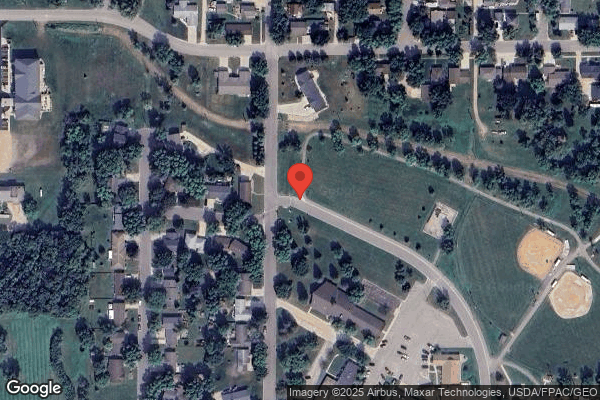
AVANTARA MILBANK

1103 SOUTH SECOND STREET, MILBANK, SD 57252 (605) 432-4556
For profit - Corporation 55 Beds LEGACY HEALTHCARE Data: November 2025
Trust Grade
0/100
#73 of 95 in SD
Last Inspection: March 2025

Within standard 12-15 month inspection cycle. Federal law requires annual inspections.

Overview

Avantara Milbank has received a Trust Grade of F, indicating significant concerns about the quality of care provided. Ranking #73 out of 95 facilities in South Dakota places them in the bottom half, and they are #2 out of 2 in Grant County, meaning only one local option is worse. Although the facility is improving, with issues decreasing from 7 in 2024 to 5 in 2025, they still face serious challenges. Staffing is below average with a 2/5 star rating and a high turnover rate of 69%, which is concerning as it indicates instability among caregivers. The facility has incurred $79,028 in fines, higher than 91% of South Dakota facilities, suggesting ongoing compliance issues. In terms of RN coverage, they have more nurses than 92% of state facilities, which is a positive aspect since RNs can identify problems that other staff might miss. However, there have been serious incidents reported, including a resident experiencing a significant medication error where they were given two long-acting insulins simultaneously, leading to dangerous hypoglycemia. Additionally, there were failures to investigate unexplained bruising and swelling in a resident, raising concerns about potential abuse or neglect. Overall, while there are some strengths like RN coverage, the facility faces serious weaknesses that families should carefully consider.

Trust Score
F
0/100
In South Dakota
#73/95
Bottom 24%
Safety Record
High Risk
Review needed
Inspections
Getting Better
7 → 5 violations
Staff Stability
⚠ Watch
69% turnover. Above average. Higher turnover means staff may not know residents' routines.
Penalties
✓ Good
$79,028 in fines. Lower than most South Dakota facilities. Relatively clean record.
Skilled Nurses
✓ Good
Each resident gets 53 minutes of Registered Nurse (RN) attention daily — more than average for South Dakota. RNs are trained to catch health problems early.
Violations
⚠ Watch
18 deficiencies on record. Higher than average. Multiple issues found across inspections.
★☆☆☆☆
1.0
Overall Rating
★★☆☆☆
2.0
Staff Levels
★☆☆☆☆
1.0
Care Quality
★★☆☆☆
2.0
Inspection Score
Stable
2024: 7 issues
2025: 5 issues

The Good

  • Full Sprinkler Coverage · Fire safety systems throughout facility
  • No fines on record

Facility shows strength in fire safety.

The Bad

1-Star Overall Rating

Below South Dakota average (2.7)

Significant quality concerns identified by CMS

Staff Turnover: 69%

23pts above South Dakota avg (46%)

Frequent staff changes - ask about care continuity

Federal Fines: $79,028

Well above median ($33,413)

Moderate penalties - review what triggered them

Chain: LEGACY HEALTHCARE

Part of a multi-facility chain

Ask about local staffing decisions and management

Staff turnover is elevated (69%)

21 points above South Dakota average of 48%

The Ugly 18 deficiencies on record

6 actual harm
Mar 2025 5 deficiencies
CONCERN (D)

Potential for Harm - no one hurt, but risky conditions existed

Transfer Notice (Tag F0623)

Could have caused harm · This affected 1 resident

**NOTE- TERMS IN BRACKETS HAVE BEEN EDITED TO PROTECT CONFIDENTIALITY** Based on record review and interview, the provider failed to notify or provide a copy of the transfer notice to the Office of th...

Read full inspector narrative →
**NOTE- TERMS IN BRACKETS HAVE BEEN EDITED TO PROTECT CONFIDENTIALITY** Based on record review and interview, the provider failed to notify or provide a copy of the transfer notice to the Office of the State Long-Term Care Ombudsman for three of three sampled residents (2, 9, and 186) who were hospitalized after admission to the facility. Findings include: 1. Review of resident 2's electronic medical record (EMR) revealed: *She admitted to the facility on [DATE]. *She was admitted to the hospital on [DATE] and returned to the facility on 5/28/24. *There was no documentation that indicated the ombudsman was notified of that transfer. 2. Review of resident 9's EMR revealed: *She admitted to the facility on [DATE]. *She was transferred to the hospital and admitted on [DATE]. *There was no documentation that indicated the ombudsman was notified of that transfer. 3. Review of resident186's EMR revealed: *She admitted to the facility on [DATE]. *She was admitted to the hospital on [DATE]. *There was no documentation that indicated the ombudsman was notified of that transfer. 4. Interview on 3/13/25 at 8:36 a.m. with administrator A regarding providing notice to the ombudsman of resident transfers to the hospital revealed: *She expected the business office manager to have completed the notification to the ombudsman of resident 9's transfer to the hospital. -That business office manager no longer worked at the facility. *There was no documentation that indicated the ombudsman had been notified of resident 9's transfer to the hospital. *There had been recent staffing changes, and she now expected the social services designee to provide the notification to the ombudsman when a resident transferred to the hospital. 5. Interview on 3/13/25 at 10:48 a.m. with assistant administrator C revealed there was no documentation that indicated the ombudsman had been notified of resident 2 or resident 186's transfers to the hospital. 6. Interview with the facility's local ombudsman by email on 3/13/25 at 1:06 p.m. regarding notification of resident transfers to the hospital revealed she had not received notifications of resident 2, 9, or 186's above hospital transfers. 7. Review of the document shared by the Ombudsman revealed: *Notice before transfer. *Before a facility transfers or discharges a resident, the facility must - (i) *Notify the resident and the resident representative(s) of the transfer or discharge and the reason for the move in writing and in a language and manner they understand. *That facility must send a copy of the notice to a representative of the Office of the State Long-Term Care Ombudsman.
CONCERN (D)

Potential for Harm - no one hurt, but risky conditions existed

Deficiency F0625 (Tag F0625)

Could have caused harm · This affected 1 resident

**NOTE- TERMS IN BRACKETS HAVE BEEN EDITED TO PROTECT CONFIDENTIALITY** Based on interview, record review, and policy review, the provider failed to provide bed-hold notices to the resident or the res...

Read full inspector narrative →
**NOTE- TERMS IN BRACKETS HAVE BEEN EDITED TO PROTECT CONFIDENTIALITY** Based on interview, record review, and policy review, the provider failed to provide bed-hold notices to the resident or the resident's responsible party at the time of transfer to a hospital for three of three sampled residents (2, 9, and 186) who were hospitalized after admitting to the facility. Findings include: 1. Interview on 3/11/25 at 12:24 p.m. with resident 9 revealed she: *Had been hospitalized since she was admitted to the facility but did not remember why. *Did not recall having been given a bed hold notice but was allowed to return to the facility after that hospital admission. 2. Review of resident 9's electronic medical record (EMR) revealed: *She admitted to the facility on [DATE]. *She was transferred and admitted to the hospital on [DATE]. -Her power of attorney (POA) was notified of that transfer. -There was no documentation that indicated the bed hold information was given to the resident or her POA. 3. Interview on 3/11/25 at 12:35 p.m. with resident 186 revealed she: *Had been hospitalized recently but could not recall the date of that hospitalization. *Did not recall having been given a bed hold notice but was allowed to return to the facility after that hospital admission. 4. Review of resident186's EMR revealed: *She admitted to the facility on [DATE]. *She was admitted to the hospital on [DATE] after a clinic appointment. *She was her own responsible party. *There was no documentation that indicated the bed hold information was given to the resident. 5. Review of resident 2's EMR revealed: *She admitted to the facility on [DATE]. *She had been hospitalized on [DATE] and returned to the facility on 5/28/24. *She was her own responsible party. *There was no documentation that indicated the bed hold information was given to the resident. 6. Interview on 3/12/25 at 4:25 p.m. with licensed practical nurse (LPN) I regarding bed hold notices revealed: *If a resident went to the hospital the nurse would have notified the POA of that hospitalization and documented that notification in the EMR progress note. *The social worker was responsible for completing and providing the bed hold notices. 7. Interview on 3/13/25 at 8:36 a.m. with administrator A regarding bed hold notices revealed: *She expected the business office manager would have provided the bed hold to resident 9 when she was admitted to the hospital after her clinic appointment because she was her own responsible party. -That business office manager no longer worked at the facility. *The bed hold notice for resident 9 had not been provided for the above hospitalization. *There had been recent staffing changes, and she now expected the social services designee to provide the bed hold notices when a resident transferred to the hospital. 8. Interview on 3/13/25 at 10:48 a.m. with assistant administrator C revealed bed hold notices were not provided to resident 186 or resident 2 for the above hospitalizations. 9. Review of the provider's undated Bed Reserve Policy Notification revealed: *This Bed Reserve Policy will be given to you at the time of admission and a copy will be given to you each time you are transferred from the facility. *Under normal circumstances, if you leave the facility for a hospitalization, you will be readmitted to the first available bed in a semi-private room. Under certain conditions, we can reserve your existing bed for you at your request, so when you return to the facility, you will have the same bed and room as before. *My signature below acknowledges that I have been provided with a copy of the South Dakota Bed Hold Policy.
CONCERN (E)

Potential for Harm - no one hurt, but risky conditions existed

Deficiency F0675 (Tag F0675)

Could have caused harm · This affected multiple residents

Based on observation, interview, record review, resident council review, and policy review, the provider failed to ensure prompt response to call lights and necessary care and services were provided f...

Read full inspector narrative →
Based on observation, interview, record review, resident council review, and policy review, the provider failed to ensure prompt response to call lights and necessary care and services were provided for six of six residents (5, 8, 9, 15, 23, and 285) and one of six additional resident council meeting residents (18) to maintain their physical, mental, and emotional well-being. Those residents expressed frustration related to the delay in staff response to their call lights and requests for assistance. Findings include: 1. Observation and interview on 3/11/25 at 12:25 p.m. with resident 5 in her room regarding call light response times revealed: *Sometimes it would have taken staff an hour to answer her call light and it had frustrated her. *Resident 5's daughter stated she had witnessed 30-45 minutes. 2. Interview on 3/11/25 at 1:00 p.m. with resident 285 revealed: *Staff would take a long time to answer call lights, especially around meal times. *Sometimes it would take staff 20 to 30 minutes for staff to answer her call light. *She felt they were short on staff who could help residents sometimes. 3. Interview on 3/11/25 at 1:05 p.m. with resident 8 revealed she felt staff took a long time to answer her call light. 4. Interview on 3/11/25 at 3:19 p.m. with resident 15 revealed: *He said staff wanted him to use his call light for assistance. -When he used it, he felt it took them a long time to answer it. -He has fallen in the past. -This was frustrating to him. *He stated he had witnessed CNAs gathered at the nurses' station ignoring call lights. 5. Interview on 3/12/25 at 2:30 with resident 23 revealed: *Call light response wait times were very long, sometimes as long as one hour. *Resident 23 said, When I have to go to the bathroom, I don't have an hour [to wait for help]. -This was frustrating to the resident. 6. Interview on 3/12/25 at 10:40 a.m. with licensed practical nurse (LPN) I revealed: *The facility had a new call light system, less than six months old. -There was a central monitor at the nurse's station that showed activated call lights until they were answered. *All caregiver staff (such as certified nursing assistants (CNAs) and nurses) carried a pager to notify them when a call light was activated. *The pager would remind them of an activated call light at five-minute intervals until the call light was answered. *The facilities' proccess was nurses usually would not answer call lights until after the first five minutes had passed. *She expected staff to answer residents' call lights within ten minutes. 7. Interview on 3/12/25 at 11:20 a.m. with registered nurse (RN) G revealed: *She did not feel staff time for answering call lights was an issue. *She expected staff to answer residents' call lights within five to ten minutes. *She felt a wait longer than 15 minutes was unacceptable. 8. Interview on 3/12/25 at 11:30 with CNA E revealed: *The provider's expectation to answer call lights was five minutes. *That was regularly reminded to staff during daily huddles (a team meeting daily to give staff updates). 9. Review of call light logs for resident 285 revealed: *She had pressed her call light 44 times between 2/10/25 and 3/1/25. *Eight times the response time was over ten minutes. *Four times the response time was over 20 minutes. *Four times the response time was over 30 minutes. 10. Review of call light logs for resident 9 revealed: *She had pressed her call light 178 times between 2/10/25 and 3/1/25. *Thirty-five times the response time was over ten minutes. *Ten times the response time was over 20 minutes. *Six times the response time was over 30 minutes. *Three times the response time was over 40 minutes. 11. Review of call light logs for resident 23 revealed: *She had pressed her call light 236 times between 2/10/25 and 3/1/25. *Fourty-four times the response time was over ten minutes. *Twenty-two times the response time was over 20 minutes. *Three times the response time was over 30 minutes. *Seven times the response time was over 40 minutes. *One time the response time was over 50 minutes. *One time the response time was over 90 minutes. 12. Review of call light log for resident 8 revealed: *She had pressed her call light 28 times between 2/10/25 and 3/1/25. *6 times the response time was over ten minutes. *1 time the response time was over 20 minutes. *3 times the response time was over 30 minutes. *2 times the response time was over 40 minutes. *1 time the response time was over 60 minutes. 13. Review of call light logs for resident 5 revealed: *She had pressed her call light six times between 2/10/25 and 3/1/25. *Three times the response time was over ten minutes. *One time the response time was over 20 minutes. 14. Review of the provider's 2/25/25 resident council (a meeting where residents can discuss concerns with staff) minutes revealed: *Three of the six residents in attendance shared the concern that their call lights were not being answered timely. -Specifically, during morning hours, medication passes, and at bedtime. *Call light audits from 2/28/25 revealed: -One call light was answered in seven minutes. -Six call lights were answered in less than five minutes. 15. Review of provider's 2/7/25, 2/10/25, and 2/11/25 Daily Shift Huddle sheet revealed: *Expectation for call light is to respond within 5 minutes. 16. Review of the provider's 3/3/25 daily shift huddle sheet revealed: *2. Call bells [call lights] concern-remember to answer promptly. 17. Interview on 3/12/25 at 12:20 p.m. with interim director of nursing (IDON) B revealed: *She expected staff to answer residents' call lights as soon as possible, and stated within five to ten minutes was reasonable. *She said taking longer than 15 to 20 minutes to answer call lights was unacceptable. 18. Review of the provider's 9/30/24 call lights policy revealed: *Policy-It is the policy of the facility to ensure that there is prompt response to the resident's call for assistance. *Procedures 1. Facility shall answer call light in a timely manner. If immediate assistance cannot be provided and there is not an emergent need, call light may be turned off and resident informed that staff member will be back to assist them shortly.
CONCERN (E) 📢 Someone Reported This

A family member, employee, or ombudsman was alarmed enough to file a formal complaint

Potential for Harm - no one hurt, but risky conditions existed

Accident Prevention (Tag F0689)

Could have caused harm · This affected multiple residents

Based on South Dakota Department of Health (SD DOH) facility-reported incident (FRI) review, record review, interview, observation, manufacturer's manual review, and policy review, the provider failed...

Read full inspector narrative →
Based on South Dakota Department of Health (SD DOH) facility-reported incident (FRI) review, record review, interview, observation, manufacturer's manual review, and policy review, the provider failed to ensure resident safety by improper use of lift equipment as directed in the residents' care plans and/or the lift manufacturer's manual for: *One of two sampled resident (9) who required the assistance of two staff for transfers with a lift, who was lowered to the floor while being transferred with the use of a mechanical sit-to-stand lift (a mechanical lift that requires the person to partially bear weight on at least one leg when assisted from a seated position to a standing position) by one certified nursing assistant (CNA) (K) without the assistance of another qualified staff person. *One of two sampled resident (14) who required the assistance of two staff for transfers with a lift, who was lowered to the floor while being transferred with the use of a non-mechanical (manual) sit-to-stand lift by CNA (M) without the assistance of another qualified staff person. 1. Review of the provider's 1/28/25 SD DOH FRI regarding resident 9 revealed: *On 1/28/25 at 4:00 p.m. while certified nursing assistant (CNA) K was attempting to transfer resident 9 to the commode with the sit-to-stand lift she assisted her to the floor when the right side of the sling came off the lift. *CNA K did not follow manufacturer guidelines when securing the sling to the lift. *Resident 9 was evaluated by the nursing staff and had no injury. *Resident 9's physician and power of attorney (POA) were notified. *CNA K was suspended and reinstated after she was provided education and demonstrated competency with proper sling use and securement. *The resident's care plan was reviewed and noted to have appropriate interventions in place. 2. Review of resident 9's electronic medical record (EMR) revealed: *Her diagnoses included acquired absence of right leg above the knee, morbid obesity, and Epilepsy. *Her Brief Interview for Mental Status (BIMS) assessment score was 15, which indicated she was cognitively intact. *The care plan indicated: -Stand lift for transfers unless [resident 9] is uncomfortable with the CNA and wants the Hoyer lift [a mechanical lift and sling used to lift a person's full body] used. -She required the assistance of two staff when she was feeling weak or tired when transferring in [the] stand lift. -Allow [resident 9] to choose what stand lift to use when transferring. -Resident 9 had a right lower leg prosthesis. Do not don [put on] before using [the] mechanical lift. Refusing use at present time. *A 1/28/25 incident progress note indicated, CNA called [the] nurse to [the] resident room for an assisted fall .[The] right strap became separated from [the] lift suggestive of sling placement misalignment . pain medication given for stump [residual limb] pain. 3. Observation and interview on 3/12/25 at 1:46 p.m. with resident 9 regarding the 1/28/25 incident involving the mechanical sit-to-stand lift revealed: *She had an above-the-knee amputation of her right leg and did not wear a prosthesis. *She stated the lift sling came unattached from the right side of the lift when CNA K raised the lift from a sitting position to a standing position. *She fell to the floor and bumped her right leg. *She had two medium size sit-to-stand lift slings hanging from her bedroom door. *The CNAs were trained on a new way to hook the sit-to-stand lift sling strap so that it did not come unhooked. -She always checked now that the lift sling was attached correctly. 4. Observation and interview on 3/13/25 at 9:38 a.m. with CNA H and resident 9 revealed: *She received education and had to demonstrate how to use the mechanical sit-to-stand lift and attach the sling correctly to transfer a resident three to four times in a row about a month ago. *She knew how to transfer resident 9 because it was on her care plan. *She transferred resident 9 from the commode to her wheelchair and applied the sling correctly. 5. Interview on 3/13/25 at 8:35 a.m. and again at 9:04 p.m. with administrator A regarding the incident with resident 9 on 1/28/25 revealed: *CNA K had not correctly attached the sling to the mechanical sit-to-stand lift, and resident 9 was lowered to the floor when that sling came unhooked from the lift. *Education on how to attach the mechanical sit-to-stand lift sling was completed on 1/28/25. -Staff competencies (demonstration of proper technique) on the sit-to-stand lifts had been started after the incident on 1/28/25. *She expected staff to use the lift slings per the manufacturer's guidelines. *No audits had been completed for the correct use of the slings and lifts since that incident. 6. Interview on 3/13/25 at 11:03 a.m. with human resources coordinator L revealed that CNA K no longer worked at the facility and was unavailable for interview. 7. Review of the provider's 1/28/25 How to apply [the] sling for [the] sit-to-stand lift correctly staff education revealed: *The education sheet contained three pictures of how to attach the lift sling. *There were nine steps listed for the process of Transferring to a Commode Chair with the mechanical sit-to stand-lift. *Handwritten information was added, Sling should be pulled around the outside of the bar and hooked that way. 8. Review of the (Name) manufacturer's undated mechanical sit-to-stand manual revealed: *Ensure the following .the loops of the sling are completely on the hooks of the lift arms. -There was a reference to a picture labeled Sling Attachment. 9. Review of the provider's 2/24/25 SD DOH FRI regarding resident 14 revealed: *On 2/22/25, CNA M was using a nonmechanical sit-to-stand lift to transfer resident 14. *While in the nonmechanical sit-to-stand lift, resident 14 sat down prematurely. -He was safely lowered to the floor and was unharmed. *Resident 14 was to have cares in pairs (the assistance of two staff when providing residents' care) due to his cognitive impairment. *CNA M was suspended until she had completed the education on cares in pairs. 10. Review of resident 14's electronic medical record (EMR) revealed: *He had a BIMS assessment score of 3, which indicated he was severely cognitively impaired. *His diagnoses included Alzheimer's Dementia, anxiety, congestive heart failure, and chronic kidney disease. *His care plan indicated: -A focus area of I require assistance with ADLs [activities of daily living] (bed mobility, transfers, dressing, walking, personal hygiene, eating and toileting). -A goal of I will be assisted with ADL's as needed. -Interventions of Provide Cares in Pairs. All cares should be done with 2 care givers [caregivers] present. -Date initiated: 01/17/25. 11. Phone interview on 3/13/25 at 10:55 a.m. with CNA M revealed: *She had been a CNA for about eight months. *She was not aware resident 14 was to have two staff assisting during all resident care. *She reported the resident was standing on the nonmechanical sit-to-stand lift, and he started to sit down before the lift's padded seat could be positioned into place. 12. Interview on 3/13/25 at 11:30 a.m. with CNA E revealed: *The facility had two types of lifts; mechanical and non-mechanical. *All lifts should have been operated with two staff members and never operated with just one staff. 13. Review of the provider's 9/30/24 Care Plans policy revealed: *Policy: Individual, resident-centered care planning will be initiated upon admission and maintained by the interdisciplinary team throughout the resident's stay to promote optimal quality of life while in residence. In doing so, the following considerations are made: 1. Each resident is an individual. The personal history, habits, like and dislikes, life pattens and routines, and personality facets must be addressed in addition to medical/diagnosis-based care considerations. *The Resident-Centered Care Plan Format: 3. Goal for care is directly related to the resident's discharge plan (short-term stay focuses on rehabilitation and return to community placement, while long-term stay focuses on helping the resident feel at home and maintain/improve ADL abilities, physical and mental wellness, socialization, and overall quality of life). *4. Goal date correlates directly to anticipated goal completion or re-evaluation, and/or care conference review. For short-term care residents, goal dates related directly to the discharge plan time frame. Goal dates are set in conjunction with the next quarterly care conference. *5. Interventions act as the means to meet the individual's needs. The recipe for care requires active problem solving and creative thinking to attain, and clearly delineates who, what, where, when, and how the individual goals are being addressed and met.
CONCERN (F)

Potential for Harm - no one hurt, but risky conditions existed

Food Safety (Tag F0812)

Could have caused harm · This affected most or all residents

Based on observation, interview, and policy review, the provider failed to follow acceptable food service standards and their policies to ensure one of one kitchen was maintained in a clean and sanita...

Read full inspector narrative →
Based on observation, interview, and policy review, the provider failed to follow acceptable food service standards and their policies to ensure one of one kitchen was maintained in a clean and sanitary condition, and proper glove use by cook/dietary aide (J) while preparing and serving residents' food during one observed meal service. Findings include: 1. Observation on 3/11/25 at 5:05 p.m. of serving pans under the steam table in the kitchen revealed: *Food debris and a yellow film on some of the serving pans. *Food debris and a yellow film on three of the pan lids. *Food spatter and a yellow film on the side windows of the steam table. *Food spatter on the undersurface of the top of the steam table where plate covers had been located. 2. Observation on 3/11/25 at 5:15 p.m. of the storage racks next to the stove in the kitchen revealed: *A moderate amount of dust was hanging from the first three racks. *One knife was on the floor under the storage rack. 3. Observation on 3/11/25 at 5:20 p.m. of cook/dietary aide J while serving food revealed: *With his gloved hands he: -Retrieved buttered bread from a bowl and placed it on the resident's plate. -Retrieved a plate from the warming cabinet. -Dished beets and tuna noodle hotdish onto a plate. -Touched a resident's menu slip. -Repeated that same entire process for another resident. *He then removed his gloves, washed his hands, and put on a new pair of gloves. With those gloved hands he: -Retrieved coleslaw from the refrigerator. -Opened a drawer, retrieved a serving spoon, and dished coleslaw into a bowl, and placed a lid on top of that bowl. -Touched a resident's menu slip and then, with those same gloved hands, he repeated the above-observed process of retrieving a slice of buttered bread, dishing food, serving food, and touching resident's menu slips. *Removed his gloves and washed his hands. *He then buttered toasted bread with his bare washed hands. *Cook/dietary aide J put on a pair of gloves. With those gloved hands he: -Opened the refrigerator to retrieve ketchup packets, opened the foil wrapper for a resident's cheeseburger and placed all of those items onto a plate to be served to a resident. 4. Interview with cook/dietary aide J following the above observations revealed: *He agreed that he should not have touched the resident's menu slips and resident food items with the same gloved hands. *He agreed he should not have opened the refrigerator, retrieved ketchup packets, opened the foil, and handled the resident's cheeseburger with the same gloves on. That was not a clean food service. 5. Observation and interview on 3/12/25 at 10:20 a.m. with dietary manager D in the kitchen revealed: *The carts in the kitchen were to be cleaned daily but sometimes that did not happen. *She agreed a cart had food debris and food spatter on the shelves. *Dietary staff had a cleaning list that should have been completed daily. *She would have reminded staff to clean equipment if the cleaning task had not been completed. *The floors in the kitchen should have been mopped every day. *A knife that was observed under a storage rack on 3/11/25 was still present. -She said that the floor may not have been mopped yesterday (3/11/25). *She agreed that the steam table was not clean. 6. Interview on 3/12/25 at 10:45 a.m. with dietary manager D regarding glove use and food service revealed: *Cook/dietary aide J should have used tongs to retrieve the buttered bread instead of wearing gloves. *Wearing gloves to open the refrigerator door and then touching food items and touching resident's menu slips was not an acceptable food service practice. 7. Interview and observation on 3/12/25 at 2:30 p.m. with administrator A in the kitchen revealed: *Dietary manager D had been sweeping the kitchen floor. *She agreed that there was an observable yellow residue on the convection oven and the steam table. 8. Interview on 3/13/25 at 8:30 a.m. with administrator A regarding dietary manager certification revealed: *Dietary manager D was taking classes for her dietary manager certification. *The facility did not have a certified dietary manager. Review of the provider's April 2020 handwashing and glove use policy revealed: *Gloves may be used when working with food to avoid contact with hands. Gloves must be worn when touching any ready-to-eat food. *When gloves are used, handwashing must occur prior to putting on gloves and whenever gloves are changed. *It is important to remember that gloves can often give a false sense of security and can carry germs the same as our hands. Review of the provider's August 2018 Tray Carts, Dish Carts, Utility Carts policy revealed: *Wash inside (sides, top, bottom, tray guides, and inside of door). Use sanitizing solution and clean cloth. *Rinse with clean, warm water and clean cloth. *Allow to air dry. *Frequency: Weekly.
Dec 2024 3 deficiencies 1 Harm
SERIOUS (G) 📢 Someone Reported This

A family member, employee, or ombudsman was alarmed enough to file a formal complaint

Actual Harm - a resident was hurt due to facility failures

Deficiency F0760 (Tag F0760)

A resident was harmed · This affected 1 resident

**NOTE- TERMS IN BRACKETS HAVE BEEN EDITED TO PROTECT CONFIDENTIALITY** Based on South Dakota Department of Health (SD DOH) complaint online report, interviews, records review, and policy review, the ...

Read full inspector narrative →
**NOTE- TERMS IN BRACKETS HAVE BEEN EDITED TO PROTECT CONFIDENTIALITY** Based on South Dakota Department of Health (SD DOH) complaint online report, interviews, records review, and policy review, the provider failed to ensure one of one resident (1) had been free from a significant medication error when he was administered two long-action insulins at the same time for four consecutive days. Findings include: 1. Review of the SD DOH 12/12/24 intake information revealed: *I am writing to file a complaint regarding [long-term care provider's name]. There was a sentinel event [not anticipated] that could have ended a resident's life. *[Resident 1] (4/5/1956) was transported to [name of hospital] on 12/12/24 for complaints of hypoglycemia and altered mental status. It was reported by [registered nurse (RN) K] (nursing home staff) that the patient's blood sugar was 24 at their facility. No interventions were completed by the nursing home staff at that time, only waiting for [ambulance name] to arrive. [RN K] reported that the patient has been having hypoglycemic episodes for the past 5 days. *Upon inspection of the MAR [medication administration record] sent with the patient to our facility, it was discovered that the patient was getting dosed with two different types of long-acting insulin types. The insulins that were administered were Touje [Toujeo] SoloStar 44 IU [international units] daily and Tresiba Flex INJ [injection] 40 IU daily. *The pharmacist at [hospital's name], [pharmacist's name], spoke with [provider's pharmacy name] regarding the two prescriptions for long-acting insulin. It was made to light that the brand of insulin was changed due to insurance funding issues. The patient was to change from Touje [Toujeo] to Tresiba because his insurance did not cover Touje [Toujeo]. There was a delay from when the Tresiba order was signed and when the medication arrived at the facility. Per [provider's pharmacy name], the facility was supposed to non-administer the Tresiba until the entirety of the Touje [Toujeo] insulin pen was administered. On 12/6/24 and 12/7/24 the Tresiba was non-administered by their pharmacy's directions. However, on 12/8/24 the patient started to receive both the Tresiba and Touje [Toujeo] every day until 12/12/24 when the Touje [Toujeo] order was discontinued per the estimated length of time for the pen to run out per [provider's pharmacy name]. Patient received both the insulins from 12/8-12/11/24. *The facility was updated when the patient was admitted for his hypoglycemia and blood sugar monitoring. A nursing report was given to [RN K] at [provider's name] and she stated she had no idea the patient was receiving two types of long-acting insulin. However, upon inspection of their MAR it seems that she potentially gave the does on 12/9/24 and 12/10/24 per their MAR user abbreviations. Review of resident 1's 12/12/24 ED note revealed: *[AGE] year-old male with type 2 diabetes on insulin presented to [hospital's ED name] via EMS [emergency medical services] due to being unresponsive secondary to hypoglycemia. Blood sugar was initially reported by nursing home staff to be 24. Blood sugar increased to 73 after receiving D10 [dextrose] by EMS. Patient was responsive and answering questions. He ate toast without difficulty. Serum blood sugar reading was 41. Suspected that patient may be receiving multiple long-acting insulin medications unintentionally which occurred related to insurance requesting changing insulin options and having to re-order new medication, apparently both Toujeo and Tresiba were administered for 4 days. *He last received double coverage of insulin yesterday morning. Concerned that he may have persistent hypoglycemia until insulin wears off. Recommended admission to [hospital's name] for observation to ensure his blood sugar levels return to baseline and adjust his diabetes medication. Review of resident 1's electronic medical record (EMR) revealed he: *Had an admission date of 8/26/24. *Had a diagnosis of Type 2 diabetes and was dependent upon the use of insulin to maintain his blood sugar levels. *Had a Brief Interview for Mental Status (BIMS) score of 11 that indicated he had mild cognitive impairment. *Was dependent upon the staff to: -Assist him with medication administration and ensure he received the right medication and the right dose. -Ensure they followed-up with the physician and pharmacy department regarding any medication order discrepancies and clarification of those orders. -Communicate with each other on order changes received from the pharmacy department or physician to ensure his safety from medication administration errors. Continued review of resident 1's electronic medical record (EMR) from 12/6/24 through 12/12/24 revealed: *On 12/6/24 at 2:57 p.m. there was a nurse progress note (PN) that indicated the resident to be given Tresiba Flex [insulin] 40 units once a day starting the next morning. -There was no documentation that supported the Tresiba should not have been given until the Toujeo insulin supply was all gone. *On 12/7/24 at 8:36 a.m. RN E documented that she had administered only the Toujeo. -There was no documentation that supported why she only administered the Toujeo. -There was no documentation that she had contacted the physician or the pharmacy department for clarification of the two long-acting insulin orders. *On 12/9/24 at 7:49 a.m. RN K gave the resident 6 ounces (oz) of orange juice. -There was no documentation that supported why she had given him orange juice. -The MAR documentation indicated that: --His blood sugar level had been checked and was low at 62. --She administered both the Toujeo and Tresiba insulins shortly after she had given him orange juice for a low blood sugar level. *On 12/10/24 the physician had seen the resident and decreased the Toujeo by 2 units. -There was no documentation that those two long-acting insulins had been clarified with the physician. *On 12/12/24 at 3:30 a.m. a certified nursing assistant (CNA) had observed the resident in the doorway of a shared bathroom. Another resident had been attempting to hold him up and telling him to hang on. The CNA attempted to direct the resident to sit down on the toilet but he could not follow directions. He was alert but unable to speak. The nurse and CNA were able to assist him to sit down in the wheelchair (w/c). -His blood sugar level had been checked and was low at 45. -The nurse administered a glucose injection into his abdomen per physician orders. -His blood sugar continued to drop to 40 and remained low at 44. -The nurse administered another glucose injection. He was able to drink a glass of orange juice and eat 1/2 a cup of ice cream. -His blood sugar level continued to rise from 49, 57, and 73. By 4:45 a.m. his blood sugar level had risen to 101. -A note regarding the resident's hypoglycemic episode was sent to the physician. *On 12/12/24 at 8:51 a.m. social services designee L had written a PN that the wife of the resident was called and informed he was sent to the ED due to being nonresponsive and a low blood sugar. *On 12/12/24 at 9:03 a.m. RN K documented: -This RN went into this resident room after being notified by [nurse consultant A], [director of nursing (DON) B] instructed me to call the ED to give report, this RN left the room to call the [local ED] to give report on this resident being sent to ER for hypoglycemia, this RN updated this resident's name, birthdate, & is having hypoglycemia episodes to the ER nurse, [DON B] was in the room with this resident until the ambulance arrived, this resident's blood sugar was taking [taken] by the [DON B], [DON B] stated this resident blood sugar was 24, the blood sugar was stated to the ER nurse that it was 24, the ER nurse state you need to recheck the blood sugar & if it is still low give him some honey or glucose, or something, you can't send him here with a low blood sugar, so they need to recheck the blood sugar, this RN let the ER nurse know that a call back will be given, resident is in & out of consciousness & is not able to swallow at this time, the ambulance is here for transport, resident left by ambulance, resident's spouse was phone called, no answer left a voice mail on her phone message to call facility for update & this resident is being transferred to the [hospital's ED]. -At 12:40 p.m. the ED had called to inform RN K that the resident was admitted for observation due to hypoglycemia and a urinary tract infection. Review of resident 1's 12/6/24 through 12/12/24 MAR revealed he had been given both the Tresiba and Toujeo insulins every day at the same time on 12/8/24, 12/9/24, 12/10/24, and 12/11/24. There was no documentation that supported those nurses had contacted the physician or the provider's pharmacy for clarification of the insulin orders. Review of resident 1's 12/12/24 medication variance report revealed: *An internal report had been completed he had an hypoglycemic episode and required the activation of the EMS system. *He was found cool, clammy, unresponsive, eyes open, and he was grunting. *His blood sugar was tested and had been below the typical range of 80 to 130 milligrams (mg)/deciliter (dl). -The blood sugar level was 24. Review of the provider's 12/13/24 Safety Huddle meeting notes revealed that there was to be education on insulin administration and pharmacy training. 3. Interview on 12/17/24 at 4:10 p.m. with RN E revealed: *She was aware of the insulin medication errors that had been found the prior week regarding the resident 1. *She had worked during that time frame that he had two orders on his MAR for both of the long-acting insulins. *She only administered the Toujeo insulin to the resident and did not administer the Tresiba insulin. *She stated: -I thought it was strange that he had two long-acting insulins and just gave the one that we always had. -I charted that too. -The Tresiba was there, I just didn't remove it and give it to him. *The provider had a new pharmacy and a new process for entering the medication orders onto the resident's MAR. -The staff faxed the medication orders to the pharmacy and they would update the resident's MAR with the new or changed orders. *The Toujeo was not going to be covered by the resident's insurance and it was going to be replaced with Tresiba. *The pharmacy had expected there to be a delay with the delivery of the new insulin and the staff were to continue giving resident 1 the Toujeo until it was gone. -That information had not been communicated amongst the staff or from shift-to-shift. -The pharmacy had entered the new order on the resident's MAR but had not added to hold it until the Toujeo was completed. -There were two orders on the resident's MAR to administer both of those long-acting insulins at the same time every day. -The Tresiba had been delivered to the facility the next day and was available to be administered. *She had not: -Contacted the pharmacy or the physician to clarify those orders that were entered in the MAR for resident 1 to receive two long-acting insulins at the same time. -Communicated that discrepancy to the next nurse coming on shift. *She stated: -I got busy and forgot about it. -Besides common sense would tell you not to give two long-acting insulins. *The nursing staff had been educated to: -Not assume that another nurse would have known not to administer two long-acting insulins at the same time. -Make sure to report off to the next nurse coming on shift. Interview on 12/18/24 at 8:00 a.m. with resident 1 regarding the incident on 12/12/24 revealed he: *Was alert and oriented to self. *Remembered being sent to the hospital and that his insulin had to be adjusted. *Was not able to recall why he had been hospitalized . *Stated: My memory is poor. Interview on 12/18/24 at 9:25 a.m. with RN H revealed she: *Had been employed with the facility approximately three weeks. *Had been educated that morning on: -Not administering two long-acting insulins. -The importance of clarifying with the doctor if there were two orders to administer long-acting insulins. *Had worked the morning of 12/11/24 but could not recall if she had administered both of the insulins to resident 1. Interview on 12/18/24 at 9:45 a.m. with DON B revealed: *She had been the DON since November 2024. *Prior to November she had been the assistant DON from April 2024. *She did not recall if the prior DON had completed medication administration competencies for the nursing staff. *She was not able to find any medication administration competencies for the nursing staff. *They should have completed medication administration competencies yearly. -She knew that because they had just been placed on her desk. *They had not completed any recent medication administration competencies. Interview on 12/18/24 at 9:50 a.m. and again at 2:35 p.m. with licensed practical nurse (LPN) D revealed: *She filled-in as needed at this facility. *She had received education yesterday on: -The importance of contacting the physician or pharmacy on any orders that do not look correct. -An overview for insulin administration. -There was a double check verification process for new orders to make sure they were entered correctly. *To her knowledge there was no other education or competencies on medication administration initiated since this incident to ensure residents safety. Interview on 12/18/24 at 5:10 p.m. with administrator C, DON B, and nurse consultant A revealed: *They had recently changed pharmacies and the new process was implemented on 12/2/24. *The pharmacy was in charge of changing and updating all the physician orders in the residents' MARs. *The staff would have faxed any order changes to the pharmacy and they would make the changes. *The staff should have checked to make sure the orders had been implemented correctly. *The order change for resident 1 regarding the two long-acting insulins had come from the pharmacy because insurance was no longer going to pay for the Toujeo. *The pharmacy had called to speak with the nurse in charge on 12/6/24 regarding the insulin medication change. -The staff were to continue giving the Toujeo until it was completed and the new Tresiba insulin arrived. -The Tresiba had come in right away and was placed in the medication compartment with the Toujeo for resident 1. -The charge nurse who had spoken with the pharmacy had failed to pass on the process to the on-coming nurse. *The pharmacy had put the order for resident 1's new insulin in the MAR to be started right away and did not delete the old insulin order. *RN E had caught the discrepancy with the duplicate order the next day but she had not: -Called the pharmacy or the physician to clarify the order. -Communicated this discrepancy with the other nurses to ensure a significant medication error had not occurred. *They would have expected RN E to have completed the above process and RN E was re-educated on that. *They initiated education with the nursing staff on 12/13/24. -They had educated the staff when they worked their next shift. -The education included recognizing duplicate orders and contacting the pharmacy and the physician to clarify the orders. -The 5 rights of medication administration. -Pharmacy training on the new process of verifying the orders in the resident's MAR had been entered correctly. *They could not locate or recall the last time medication administration competencies had been completed on the staff who administered residents' medications. *The only audit they had initiated to ensure the residents were safe from significant medication errors was a daily audit to compare the new orders with the resident's MAR to ensure the pharmacy had entered it correctly. *They had not initiated any other audits or medication administration competencies since the occurrence with resident 1 to ensure: -The staff had understood the process changes and implemented them correctly. -All residents who were dependent upon the staff to administer their medications had done so safely, correctly, and according to the 5 rights of medication administration. *They had not considered implementing those audits on medication administration for the safety of the residents. Review of the provider's December 2019 Medication Administration - General Guidelines policy revealed: *Medications are administered as prescribed in accordance with good nursing principles and practices *FIVE RIGHTS - Right resident, right drug, right dose, right route, and right time, are applied for each medication being administered. A triple check of these 5 rights is recommended at three steps in the process of preparation of a medication for administration: (1) when the medication is selected, (2) when the dose is removed from the container, and finally (3) just after the dose is prepared and the medication put away.
CONCERN (D) 📢 Someone Reported This

A family member, employee, or ombudsman was alarmed enough to file a formal complaint

Potential for Harm - no one hurt, but risky conditions existed

Grievances (Tag F0585)

Could have caused harm · This affected 1 resident

Based on South Dakota Department of Health (SD DOH) facility-reported incident (FRI), interview, and policy review, the provider failed to follow their grievance policy regarding a complaint filed by ...

Read full inspector narrative →
Based on South Dakota Department of Health (SD DOH) facility-reported incident (FRI), interview, and policy review, the provider failed to follow their grievance policy regarding a complaint filed by a family member on behalf of resident 2 who had received services from the facility. Findings revealed: 1. Review of the provider's 8/14/24 SD DOH FRI revealed: *On 8/14/24 the daughter of resident 2 had voiced concerns regarding services provided to her mother (resident 2) which included the following: -Potential staff improper use of mechanical lifts with resident transfers which may have resulted in resident 2 having a dislocated hip that was later discovered while she was hospitalized . -Short staffing. -Long call light wait times. -A COVID-19 positive resident wandering the facility and possibly infecting others. -Resident 2 had symptoms of black/tarry bowel movements. *The report had not indicated nursing followed-up with the physician in response to resident 2's black/tarry bowel movement symptoms. Review of resident 2's electronic medical record revealed: *On 7/7/24 at 8:37 p.m. there was a nurse progress note that indicated: -Resident continued to complain of stomach pain. -She had a poor appetite and ate very little at meals. -She had needed more assistance from staff with transfers. -She was noted to have dark/tarry bowel movement. -When the on-call physician was notified, the nurse was advised to continue to monitor resident 2, to call with any changes of resident's condition, and set up an appointment with resident 2's primary physician for the next morning. *There had been no documentation resident 2 had been seen by her primary physician on 7/8/24. *On 7/9/24 at 6:13 p.m. there was a nurse progress note that indicated resident 2 had been transferred to the emergency room due to a suspected gastrointestinal bleed. Interview on 12/18/24 at 3:54 p.m. with administrator C regarding resident 2 and review of the provider's 8/14/24 SD DOH FRI regarding resident 2 revealed: *The surveyor requested a copy of the grievance investigation and response to the family of resident 2 that was filed with the facility. *The requested grievance and investigation was not available. *They had no documentation that indicated an investigation had been conducted regarding resident 2's daughter's concerns. *Administrator C had filed an incident report with the SD DOH after the daughter's concerns were brought to her attention. -The daughter felt there had been poor communication between the facility nurses and a lack of follow through from facility nursing with resident 2's physician. -Resident 2 had continued stomach discomfort leading up to her transfer to the emergency department on 7/9/24 where she was diagnosed with a gastrointestinal bleed. *Administrator C could not remember if she had spoken with resident 2's family about their concerns. *The former director of nursing (DON) and administrator C had been responsible for following their grievance process for any grievances filed with the facility. *That DON had left their employment recently and had been replaced about a month ago by DON B who previously had been the assistant DON. *The facility's human resources representative had been recently appointed to address resident grievances and was following through with their grievance policy. *She thought the former DON had been addressing the grievances but there was no documentation to prove investigations had been completed and their grievance process had been followed. *They had not been following their grievance policy. *Administrator C confirmed she was responsible for ensuring any facility grievances were addressed in a timely manner and that had not happened for resident 2. Review of the provider's revised September 30, 2024 Grievances policy revealed: *It is the policy of this facility to investigate all grievances registered by, or on behalf of a resident, without the threat of reprisal in any form. Residents are encouraged to express grievances on behalf of themselves or others to the facility's Administrator, the Resident Council, State or Government Agencies, or other persons. The Administrator shall provide all residents or their representatives with the name, address and telephone number of the appropriate state government office where complaints may be lodged. Procedure: 1. The facility will establish a Grievance Policy that will be made available to the resident upon request. 2. The facility Administrator has been designated to receive all grievances. 3. The facility will notify the resident individually or through postings in prominent location of the facility the right to file grievance orally, in writing or anonymously. a. The notification will include the name, address, and phone number of the grievance official, a reasonable time frame to investigate the grievance, and the resident's right to obtain a written copy of the grievance investigation if requested. b. The notification will also include the contact information for agencies where the grievance can also be reported to appropriate state agencies. 4. Any resident or representative or member of the resident's family or the resident council may present a grievance to the Administrator or designee orally or in writing. 5. The Administrator or designee shall confer with persons involved in the incident and other relevant persons and within three [3] days of receiving the grievance shall provide a written explanation, upon request, of findings and proposed remedies to the complainant and the aggrieved party, if other than the complainant and legal representative, if any. Where appropriate, due to the mental or physical condition of the complainant or aggrieved party, an oral explanation shall accompany the written one. 6. During the investigation, the facility will put in place immediate action to prevent potential violation of resident's rights. 7. If the grievance involves suspected abuse, neglect, injury of unknown source, or misappropriation of property, abuse protocol will be followed. [See Abuse and Neglect Policy] 8. All written grievance decisions will include the date the grievance was received, a summary statement of the resident's grievance, the steps taken to investigate the grievance, a summary of the pertinent findings, or conclusions regarding the resident's concerns [s], a statement as to whether the grievance was confirmed or not confirmed, any corrective action to be taken by the facility as a result of the grievance, and the date the written decision was issued. 9. If grievance is confirmed, the facility will take appropriate corrective action. 10. The facility will maintain results for 3 years.
CONCERN (D) 📢 Someone Reported This

A family member, employee, or ombudsman was alarmed enough to file a formal complaint

Potential for Harm - no one hurt, but risky conditions existed

Report Alleged Abuse (Tag F0609)

Could have caused harm · This affected 1 resident

**NOTE- TERMS IN BRACKETS HAVE BEEN EDITED TO PROTECT CONFIDENTIALITY** Based on South Dakota Department of Health (SD DOH) complaint online report, document review, interview, and policy review, the ...

Read full inspector narrative →
**NOTE- TERMS IN BRACKETS HAVE BEEN EDITED TO PROTECT CONFIDENTIALITY** Based on South Dakota Department of Health (SD DOH) complaint online report, document review, interview, and policy review, the provider failed to provide report to the SD DOH for one of one sampled resident (1) who was given two long-acting insulins at the same time for four days, had episodes of hypoglycemia (low blood sugars), and required evaluation at the emergency department (ED). Findings include: 1. Review of the SD DOH 12/12/24 intake information revealed: *I am writing to file a complaint regarding [long-term care provider's name]. There was a sentinel event [not anticipated] that could have ended a resident's life. *[Resident 1] (4/5/1956) was transported to [name of hospital] on 12/12/24 for complaints of hypoglycemia and altered mental status. It was reported by [registered nurse (RN) K] (nursing home staff) that the patient's blood sugar was 24 at their facility. No interventions were completed by the nursing home staff at that time, only waiting for [ambulance name] to arrive. [RN K] reported that the patient has been having hypoglycemic episodes for the past 5 days. *Upon inspection of the MAR [medication administration record] sent with the patient to our facility, it was discovered that the patient was getting dosed with two different types of long-acting insulin types. The insulins that were administered were Touje [Toujeo] SoloStar 44 IU [international units] daily and Tresiba Flex INJ [injection] 40 IU daily. *The pharmacist at [hospital's name], [pharmacist's name], spoke with [provider's pharmacy name] regarding the two prescriptions for long-acting insulin. It was made to light that the brand of insulin was changed due to insurance funding issues. The patient was to change from Touje [Toujeo] to Tresiba because his insurance did not cover Touje [Toujeo]. There was a delay from when the Tresiba order was signed and when the medication arrived at the facility. Per [provider's pharmacy name], the facility was supposed to non-administer the Tresiba until the entirety of the Touje [Toujeo] insulin pen was administered. On 12/6/24 and 12/7/24 the Tresiba was non-administered by their pharmacy's directions. However, on 12/8/24 the patient started to receive both the Tresiba and Touje [Toujeo] every day until 12/12/24 when the Touje [Toujeo] order was discontinued per the estimated length of time for the pen to run out per [provider's pharmacy name]. Patient received both the insulins from 12/8-12/11/24. *The facility was updated when the patient was admitted for his hypoglycemia and blood sugar monitoring. A nursing report was given to [RN K] at [provider's name] and she stated she had no idea the patient was receiving two types of long-acting insulin. However, upon inspection of their MAR it seems that she potentially gave the does on 12/9/24 and 12/10/24 per their MAR user abbreviations. Review of resident 1's 12/12/24 ED note revealed: *[AGE] year-old male with type 2 diabetes on insulin presented to [hospital's ED name] via EMS [emergency medical services] due to being unresponsive secondary to hypoglycemia. Blood sugar was initially reported by nursing home staff to be 24. Blood sugar increased to 73 after receiving D10 [dextrose] by EMS. Patient was responsive and answering questions. He ate toast without difficulty. Serum blood sugar reading was 41. Suspected that patient may be receiving multiple long-acting insulin medications unintentionally which occurred related to insurance requesting changing insulin options and having to re-order new medication, apparently both Toujeo and Tresiba were administered for 4 days. *He last received double coverage of insulin yesterday morning. Concerned that he may have persistent hypoglycemia until insulin wears off. Recommended admission to [hospital's name] for observation to ensure his blood sugar levels return to baseline and adjust his diabetes medication. Review of resident 1's electronic medical record (EMR) from 12/6/24 through 12/12/24 revealed: *On 12/6/24 at 2:57 p.m. there was a nurse progress note (PN) that indicated the resident to be given Tresiba Flex [insulin] 40 units once a day starting the next morning. -There was no documentation that supported the Tresiba should not have been given until the Toujeo insulin supply was all gone. *On 12/7/24 at 8:36 a.m. RN E documented that she had administered only the Toujeo. -There was no documentation that supported why she only administered the Toujeo. -There was no documentation that she had contacted the physician or the pharmacy department for clarification of the two long-acting insulin orders. *On 12/9/24 at 7:49 a.m. RN K gave the resident 6 ounces (oz) of orange juice. -There was no documentation that supported why she had given him orange juice. -The MAR documentation indicated that: --His blood sugar level had been checked and was low at 62. --She administered both the Toujeo and Tresiba insulins shortly after she had given him orange juice for a low blood sugar level. *On 12/10/24 the physician had seen the resident and decreased the Toujeo by 2 units. -There was no documentation that those two long-acting insulins had been clarified with the physician. *On 12/12/24 at 3:30 a.m. a certified nursing assistant (CNA) had observed the resident in the doorway of a shared bathroom. Another resident had been attempting to hold him up and telling him to hang on. The CNA attempted to direct the resident to sit down on the toilet but he could not follow directions. He was alert but unable to speak. The nurse and CNA were able to assist him to sit down in the wheelchair (w/c). -His blood sugar level had been checked and was low at 45. -The nurse administered a glucose injection into his abdomen per physician orders. -His blood sugar continued to drop to 40 and remained low at 44. -The nurse administered another glucose injection. He was able to drink a glass of orange juice and eat 1/2 a cup of ice cream. -His blood sugar level continued to rise from 49, 57, and 73. By 4:45 a.m. his blood sugar level had risen to 101. -A note regarding the resident's hypoglycemic episode was sent to the physician. *On 12/12/24 at 8:51 a.m. social services designee L had written a PN that the wife of the resident was called and informed he was sent to the ED due to being nonresponsive and a low blood sugar. *On 12/12/24 at 9:03 a.m. RN K documented: -This RN went into this resident room after being notified by [nurse consultant A], [director of nursing (DON) B] instructed me to call the ED to give report, this RN left the room to call the [local ED] to give report on this resident being sent to ER for hypoglycemia, this RN updated this resident's name, birthdate, & is having hypoglycemia episodes to the ER nurse, [DON B] was in the room with this resident until the ambulance arrived, this resident's blood sugar was taking [taken] by the [DON B], [DON B] stated this resident blood sugar was 24, the blood sugar was stated to the ER nurse that it was 24, the ER nurse state you need to recheck the blood sugar & if it is still low give him some honey or glucose, or something, you can't send him here with a low blood sugar, so they need to recheck the blood sugar, this RN let the ER nurse know that a call back will be given, resident is in & out of consciousness & is not able to swallow at this time, the ambulance is here for transport, resident left by ambulance, resident's spouse was phone called, no answer left a voice mail on her phone message to call facility for update & this resident is being transferred to the [hospital's ED]. -At 12:40 p.m. the ED had called to inform RN K that the resident was admitted for observation due to hypoglycemia and a urinary tract infection. Review of resident 1's 12/6/24 through 12/12/24 MAR revealed he had been given both the Tresiba and Toujeo insulins everyday at the same time on 12/8/24, 12/9/24, 12/10/24, and 12/11/24. There was no documentation that supported those nurses had contacted the physician or the provider's pharmacy for clarification of the insulin orders. Interview on 12/18/24 at 8:00 a.m. with resident 1 regarding the incident on 12/12/24 revealed he: *Was alert and oriented to self and place. *Remembered being sent to the hospital and that his insulin had to be adjusted. *Was not able to recall why he had been hospitalized . *Stated: My memory is poor. Review of resident 1's 12/12/24 medication variance report revealed: *An internal report had been completed because he had a hypoglycemic episode and required the activation of the EMS system. *He was found cool, clammy, unresponsive, eyes open, and he was grunting. *His blood sugar was tested and had been below the typical range of 80 to 130 milligrams (mg)/deciliter (dl). -The blood sugar level was 24. *There was no documentation that a facility reported incident (FRI) report had been completed and submitted to the SD DOH. Interview on 12/18/24 at 5:10 p.m. with nurse consultant A, DON B, and administrator C regarding resident 1 revealed: *They had been aware of the SD DOH facility reported incident guidelines. *The had not reported the incident involving resident 1 because the nursing staff had been following physician orders. *RN E had found the discrepancy and should have clarified the orders with the pharmacy department and the physician. -She would have been expected to report the discrepancy to leadership and ensure the other nursing staff had been aware of the discrepancy. She had not communicated the discrepancy to anyone. *They agreed the incident should have been reported to the SD DOH when the resident's blood sugar was critically low and required EMS, evaluations at the ED, and hospitalization. Review of the provider's 2/20/24 revised Abuse and Neglect policy revealed: *Reporting/Response: -All allegations of abuse will be reported to your state agency immediately (within 2 hours) after the initial allegation is received. -A final investigation report will be submitted to your state agency within 5 days. *The administrator clarified on 12/27/24 at 11:01 a.m. through email communication with the surveyor that this was the policy they utilized for all incident reporting to SD DOH.
Oct 2024 3 deficiencies 3 Harm
SERIOUS (G) 📢 Someone Reported This

A family member, employee, or ombudsman was alarmed enough to file a formal complaint

Actual Harm - a resident was hurt due to facility failures

Report Alleged Abuse (Tag F0609)

A resident was harmed · This affected 1 resident

Based on a 10/7/24 complaint intake report review, interview, record review, and policy review. The provider failed to ensure a thorough investigation was completed to rule out if abuse and neglect oc...

Read full inspector narrative →
Based on a 10/7/24 complaint intake report review, interview, record review, and policy review. The provider failed to ensure a thorough investigation was completed to rule out if abuse and neglect occurred for one of one sampled resident (1) who had bruising and swelling of unknown origin on the left knee, right wrist, and penis and to report the incidents to the South Dakota Department of Health. Findings include. 1. Review of the 10/7/24 South Dakota Department of Health (SD DOH) complaint intake revealed: * On 8/21/24, staff notified the family that resident 1 had fallen in the bathroom and had a small skin tear. * On 9/22/24, staff notified the family that resident 1's knee is swollen, and it was unknown what had happened. * On 9/29/24, staff was notified by family that resident 1's right wrist was swollen. Nursing was unaware of the swelling, assessed the wrist, and notified the physician. The staff thought the swelling may have been caused by the sling during a transfer. It was also reported that resident 1 had a small bruise on his penis. Review of resident 1's 9/30/24 hospitalization medical records revealed: * Discharge plan had noted Additionally he [resident 1] fell a few weeks ago and hasn't been using his right hand. Nobody has evaluated his right hand and wrist in the clinic or emergency department [ED]. * Resident one was diagnosed with a right scapholunate ligament tear (tissue that connects the scaphoid and lunate bones in the wrist and most common cause is a fall on the wrist). * The assessment and plan on 10/1/24 indicated a right scapholunate ligament tear that required a splint. The resident was not a candidate for surgery. 2. Interview on 10/8/24 at 11:30 a.m. with certified nurse aide (CNA) H revealed: * On or around 9/27/24 she reported to the nursing staff an incident of possible abuse regarding two other CNAs. She reported that the CNA came out of resident 1's room and had stated, that motherfucker. When CNA H had asked the other CNA what had happened, the CNA stated that resident 1 had started fighting with them during a transfer so instead of using a total body mechanical lift as it was care planned, they decided to use a two-assist (two staff) transfer to get him on the toilet. CNA H reported the incident to an unidentified nurse. She was unsure if it was investigated. * On 9/29/24, she reported to the nursing staff a sore on resident 1's scrotum and a bruise on his penis. CNA H felt that the bruising may have been caused by the two-assist transfer a few days prior. * She was not sure if the bruising was investigated. No one had followed up with her regarding the incident. 3. Record review of nursing progress notes for resident 1 revealed: *A 9/15/24 nursing progress note indicated that the resident was complaining of left knee pain. Evaluation of the knee indicated that the left knee appeared swollen and tender to the touch. The resident had denied any injury that he could remember. A CNA had reported to the nurse that transferring the resident was difficult that day. It was noted that his left knee was wrapped, elevated, and ice was applied. An appointment would be considered for evaluation the next day. * A 9/29/24 nursing progress note indicated that resident 1's family was visiting during supper and had brought to the attention of the staff that resident 1's right wrist was swollen. It was noted that there were no reports of falls that day and the cause of the swelling was unclear. The physician was notified, and staff were instructed to apply ice to the area and to monitor overnight. If the condition had worsened, an x-ray would have been considered. 4. Interview on 10/8/24 at 12:45 p.m. through 1:00 p.m. with CNA K and director of nursing (DON) B revealed: *If CNA K had witnessed an incident of abuse or neglect, she would report it to the nurse on duty. * DON B stated that all reports to the nurses regarding abuse and neglect would have been taken very seriously and the administrator would have been notified immediately. Interview on 10/8/24 at 1:15 p.m. with administrator A revealed: * She had not been notified of the allegations of abuse regarding resident 1. * She was not able to provide documentation of any investigations to rule out abuse and neglect regarding the injuries of unknown origin related to resident 1's left knee and right wrist. * She stated that it was determined that the localized swelling in resident 1's left knee and right wrist was due to the resident 1's disease process. 5. Review of the SD DOH facility incident reporting database revealed: * No report was made regarding staff reporting to family that resident 1 had fallen on or around 8/21/24. * No report was made regarding the resident's swollen left knee and the cause was undetermined on 9/22/24. * No report was made regarding the report to staff of resident 1's swollen wrist and the cause was noted to be unclear. * No report was made regarding the bruise on resident 1's penis that was identified on 9/29/24. 6. Review of the provider's 7/31/24 Incident reporting policy revealed: * The provider would report any serious injury sustained by a resident that was not an expected outcome of the disease process would have been reported. * An incident that does not result in serious injury will not be reported. * The policy defined that physical harm did not include skin tear or bruise or something that could be covered with a band-aid. But that physical harm included a fracture or blood flow not stopped by a band- aid or hospital treatment that involves more than diagnostic evaluation only with subsequent finding of no injury do not need to be reported. Review of the provider's 7/12/24 abuse and neglect policy revealed: * Injury of unknown origin were injuries that met all three criteria according to the SOM [State Operations Manual]: - The source of injury was not observed by any person. - The source of injury could not be explained by the resident. - The injury was suspicious because of the extent of the injury or the location of the injury (the injury was in an area not generally vulnerable to trauma) or the number of injuries at one particular point in time or the incident of injuries over time. * Examples of possible reportable injuries that may fall under the definition of injuries of unknown origin included: - Unobserved/unexplained fractures, sprains, or dislocations. - Unobserved/unexplained scratches or bruises found in suspicious locations such as the head, neck, upper chest, and back. - Unobserved/unexplained swelling that was not linked to a medical condition. - Unobserved/unexplained bruising or other injuries in the genital area, inner thighs, or breasts. - Unobserved/unexplained injury requiring transfer to the hospital for examination and/or treatment. - Any injury that was explained and appeared to be a result of abuse must be reported. * If abuse was suspected the provider would have: - Took immediate steps to assure the protection of the residents. - Notified the appropriate/designated authorities or organization. - Conducted a careful and deliberate investigation centering on facts, observations, and statements from the alleged victim and witnesses. - Notified authorities if the abuse was also a case of a crime. - Report investigation findings to the state health department.
SERIOUS (G) 📢 Someone Reported This

A family member, employee, or ombudsman was alarmed enough to file a formal complaint

Actual Harm - a resident was hurt due to facility failures

Investigate Abuse (Tag F0610)

A resident was harmed · This affected 1 resident

Based on a 10/7/24 complaint intake report review, interview, record review, and policy review. The provider failed to ensure a thorough investigation was completed to rule out if abuse and neglect oc...

Read full inspector narrative →
Based on a 10/7/24 complaint intake report review, interview, record review, and policy review. The provider failed to ensure a thorough investigation was completed to rule out if abuse and neglect occurred for one of one sampled resident (1) who had bruising and swelling of unknown origin on the left knee, right wrist, and penis and to report the incidents to the South Dakota Department of Health. Findings include. 1. Review of the 10/7/24 South Dakota Department of Health (SD DOH) complaint intake revealed: * On 8/21/24, staff notified the family that resident 1 had fallen in the bathroom and had a small skin tear. * On 9/22/24, staff notified the family that resident 1's knee is swollen, and it was unknown what had happened. * On 9/29/24, staff was notified by family that resident 1's right wrist was swollen. Nursing was unaware of the swelling, assessed the wrist, and notified the physician. The staff thought the swelling may have been caused by the sling during a transfer. It was also reported that resident 1 had a small bruise on his penis. Review of resident 1's 9/30/24 hospitalization medical records revealed: * Discharge plan had noted Additionally he [resident 1] fell a few weeks ago and hasn't been using his right hand. Nobody has evaluated his right hand and wrist in the clinic or emergency department [ED]. * Resident one was diagnosed with a right scapholunate ligament tear (tissue that connects the scaphoid and lunate bones in the wrist and most common cause is a fall on the wrist). * The assessment and plan on 10/1/24 indicated a right scapholunate ligament tear that required a splint. The resident was not a candidate for surgery. 2. Interview on 10/8/24 at 11:30 a.m. with certified nurse aide (CNA) H revealed: * On or around 9/27/24 she reported to the nursing staff an incident of possible abuse regarding two other CNAs. She reported that the CNA came out of resident 1's room and had stated, that motherfucker. When CNA H had asked the other CNA what had happened, the CNA stated that resident 1 had started fighting with them during a transfer so instead of using a total body mechanical lift as it was care planned, they decided to use a two-assist (two staff) transfer to get him on the toilet. CNA H reported the incident to an unidentified nurse. She was unsure if it was investigated. * On 9/29/24, she reported to the nursing staff a sore on resident 1's scrotum and a bruise on his penis. CNA H felt that the bruising may have been caused by the two-assist transfer a few days prior. * She was not sure if the bruising was investigated. No one had followed up with her regarding the incident. 3. Record review of nursing progress notes for resident 1 revealed: *A 9/15/24 nursing progress note indicated that the resident was complaining of left knee pain. Evaluation of the knee indicated that the left knee appeared swollen and tender to the touch. The resident had denied any injury that he could remember. A CNA had reported to the nurse that transferring the resident was difficult that day. It was noted that his left knee was wrapped, elevated, and ice was applied. An appointment would be considered for evaluation the next day. * A 9/29/24 nursing progress note indicated that resident 1's family was visiting during supper and had brought to the attention of the staff that resident 1's right wrist was swollen. It was noted that there were no reports of falls that day and the cause of the swelling was unclear. The physician was notified, and staff were instructed to apply ice to the area and to monitor overnight. If the condition had worsened, an x-ray would have been considered. 4. Interview on 10/8/24 at 12:45 p.m. through 1:00 p.m. with CNA K and director of nursing (DON) B revealed: *If CNA K had witnessed an incident of abuse or neglect, she would report it to the nurse on duty. * DON B stated that all reports to the nurses regarding abuse and neglect would have been taken very seriously and the administrator would have been notified immediately. Interview on 10/8/24 at 1:15 p.m. with administrator A revealed: * She had not been notified of the allegations of abuse regarding resident 1. * She was not able to provide documentation of any investigations to rule out abuse and neglect regarding the injuries of unknown origin related to resident 1's left knee and right wrist. * She stated that it was determined that the localized swelling in resident 1's left knee and right wrist was due to the resident 1's disease process. 5. Review of the SD DOH facility incident reporting database revealed: * No report was made regarding staff reporting to family that resident 1 had fallen on or around 8/21/24. * No report was made regarding the resident's swollen left knee and the cause was undetermined on 9/22/24. * No report was made regarding the report to staff of resident 1's swollen wrist and the cause was noted to be unclear. * No report was made regarding the bruise on resident 1's penis that was identified on 9/29/24. 6. Review of the provider's 7/31/24 Incident reporting policy revealed: * The provider would report any serious injury sustained by a resident that was not an expected outcome of the disease process would have been reported. * An incident that does not result in serious injury will not be reported. * The policy defined that physical harm did not include skin tear or bruise or something that could be covered with a band-aid. But that physical harm included a fracture or blood flow not stopped by a band- aid or hospital treatment that involves more than diagnostic evaluation only with subsequent finding of no injury do not need to be reported. Review of the provider's 7/12/24 abuse and neglect policy revealed: * Injury of unknown origin were injuries that met all three criteria according to the SOM [State Operations Manual]: - The source of injury was not observed by any person. - The source of injury could not be explained by the resident. - The injury was suspicious because of the extent of the injury or the location of the injury (the injury was in an area not generally vulnerable to trauma) or the number of injuries at one particular point in time or the incident of injuries over time. * Examples of possible reportable injuries that may fall under the definition of injuries of unknown origin included: - Unobserved/unexplained fractures, sprains, or dislocations. - Unobserved/unexplained scratches or bruises found in suspicious locations such as the head, neck, upper chest, and back. - Unobserved/unexplained swelling that was not linked to a medical condition. - Unobserved/unexplained bruising or other injuries in the genital area, inner thighs, or breasts. - Unobserved/unexplained injury requiring transfer to the hospital for examination and/or treatment. - Any injury that was explained and appeared to be a result of abuse must be reported. * If abuse was suspected the provider would have: - Took immediate steps to assure the protection of the residents. - Notified the appropriate/designated authorities or organization. - Conducted a careful and deliberate investigation centering on facts, observations, and statements from the alleged victim and witnesses. - Notified authorities if the abuse was also a case of a crime. - Report investigation findings to the state health department.
SERIOUS (G) 📢 Someone Reported This

A family member, employee, or ombudsman was alarmed enough to file a formal complaint

Actual Harm - a resident was hurt due to facility failures

Deficiency F0692 (Tag F0692)

A resident was harmed · This affected 1 resident

**NOTE- TERMS IN BRACKETS HAVE BEEN EDITED TO PROTECT CONFIDENTIALITY** Based on complaint intake report review, record review, observation, interview, and policy review. The provider failed to ensure...

Read full inspector narrative →
**NOTE- TERMS IN BRACKETS HAVE BEEN EDITED TO PROTECT CONFIDENTIALITY** Based on complaint intake report review, record review, observation, interview, and policy review. The provider failed to ensure adequate fluid intake, monitoring, and interventions for 6 of 6 sampled residents [1, 2, 3, 4, 5, & 6] resulting in dehydration and hospitalization for one of six sampled residents [1]. Findings include: 1. Review of the 10/7/24 South Dakota Department of Health (SD DOH) complaint intake report revealed: *On 7/29/24, it was observed by resident 1's family member that he was having difficulty eating and was asking for more water. He had already had his liquid limitation for supper. Resident 1's family member asked for additional fluids for resident 1 and was denied additional fluids due to resident's fluid restriction. *On 8/29/24, it was observed by a family member that resident 1's water pitcher was out of reach for the resident, it was unmarked and sitting next to his roommate's urinal. The straw wrapper was still on the straw that was placed in the water pitcher. *On 9/30/24, Resident 1's family requested reports on resident 1's vital signs, weights, and intake and output records. The provider was unable to locate the intake and output in the records. Review of resident 1's 9/30/24 hospitalization medical records revealed: * Resident was hospitalized on [DATE] * History and physical on 9/30/24 reported weakness that was multifactorial due to acute dehydration and malnutrition. * Resident had drank three liters of fluid on the day of admission to the hospital. * Discharge plan on 9/30/24 reported dehydration and weakness. * Laboratory findings included: - Potassium was low at 3.4. - BUN (blood urea nitrogen) was high at 27. - Albumin was low at 3.2 and is an indicator of poor nutrition. 2. Observation on 10/7/24 at 11:21 a.m. revealed: * Resident 2's water pitcher was out of reach. * Resident 3 did not have a water pitcher. * Residents 4 and 5 both had a full water pitcher sitting on their nightstands. The pitchers were not cold and there was no visible ice in the water. 3. Interview on 10/7/24 at 1:15 p.m. with dietary aide I revealed: * She would document the resident's fluid intake on the daily nutrition intake form and enter it into the residents Electronic Medical Record (EMR). * The daily fluid intake forms would have been filed at the nurse's station. Interview on 10/7/24 at 1:30 p.m. with certified nurse aide (CNA) H revealed: *Resident 3 should have had a water pitcher and should have been offered water between meals and during care. *Residents who were to have their liquids thickened would not normally have fluids offered to them between meals. Interview and observation on 10/7/24 at 2:00 p.m. with CNA E revealed: * She had been employed with the provider for 45 years. * Resident 3 required thickened liquids and residents with thickened liquids would sometimes not have water available at their bedside. * There would have been thickened liquids in the fridge to offer resident 3. * There was no thickened liquid in the fridge where CNA E stated it would be. * She thought resident 3 should have had water or liquids offered to her during resident checks and when providing her care. * Resident 3 would need assistance to drink and could not communicate her needs to staff. Interview on 10/7/24 at 2:10 p.m. with CNA F revealed: * The resident's water pitchers were filled with water and ice twice during the day shift. * It was not in her normal procedure to encourage residents to drink water between meals. Interview on 10/7/24 at 3:30 p.m. with Administrator A revealed: * Resident 1 was on a 2000 milliliter (mL) a day fluid restriction related to heart failure. * Dietary staff were to provide Resident 1 with 960 mL per day. * Nursing staff were to provide Resident 1 with 1040 mL per day. * Resident 1's fluid intake should have been documented in two places in the resident's EMR. * Administrator A stated that Resident 1's EMR fluid intake report was not an accurate account of the resident's actual fluid intake. * There was no process in place to accurately document resident's fluid intakes. Interview on 10/7/24 at 4:00 p.m. with registered nurse (RN) G revealed: * If a resident was on a fluid restriction, the CNAs would have given him the fluid intake report at the end of the shift. He would have noted the amount left in the resident's water pitcher and then documented in the treatment administration record (TAR). Interview on 10/8/24 at 9:00 a.m. with dietary aide J revealed: * She would document the resident's fluid intake on the daily nutrition intake form and enter it into the resident's EMR. * If she noticed a resident had not drunk any fluids all day, she would only record this in the EMR but not report it to the nursing staff because she is not part of the medical staff. Interview 10/8/24 at 9:44 a.m. with director of nursing (DON) B and (DON) D revealed: * On 10/7/24 Resident 5 had not consumed any fluids for breakfast, lunch, or supper. * On 10/7/24 Resident 6 had not consumed any fluids for breakfast, lunch, or supper. * The resident's recorded fluid intakes from the daily nutrition intake form that would have been entered into the EMR would have not alerted nursing staff if a resident was not drinking fluids. 4. Review of residents 1's 7/17/24 care plan revealed: * He had impaired skin integrity. * Interventions included: - Staff were to encourage good nutrition and hydration. Review of Resident 2's 8/28/24 care plan revealed: * Resident 2 was at risk for alteration in nutritional status related to: recent admission, poor PO [oral] intake and a skin wound. * She required assistance with [ADLs] activities of daily living. This included eating. * She had impaired skin integrity. * Interventions included: - Staff were to encourage good nutrition and hydration in order to promote healthier skin. - Staff were to monitor for signs and symptoms of dehydration and weight loss. - She would sit at the assisted table for meals for eating assistance. Review of Resident 3's 5/1/24 care plan revealed: * She was at risk for impaired skin integrity. * She was at risk for alteration in nutritional status. * Interventions included: - Staff were to offer extra fluids. - Staff were to encourage good nutrition and hydration in order to promote healthier skin. - Staff were to encourage fluid intake to help liquefy secretions. - She was dependent on staff for all care needs. - She was dependent on staff for assistance with meals. Review of resident 4's 7/18/24 care plan revealed: * He had required assistance with ADLs including eating. * He was at risk for altered skin integrity. * Interventions included: - He was dependent on staff for eating and drinking. - Staff were to encourage good nutrition and hydration. Review of resident 6's 7/18/24 care plan revealed: * He had the potential for impaired skin integrity. * He was at risk for dehydration due to use of a diuretic. * Resident took Lasix related to edema (fluid retention). * Interventions included: -Staff were to assess for signs of dehydration. -Staff were to encourage good nutrition and hydration in order to promote healthier skin. -Staff were to monitor for any sign and symptoms of fluid deficit. Review of the provider's 7/30/24 Hydration policy revealed: * The purpose of the policy was to ensure that residents are adequately hydrated. * Staff were to encourage fluid intake unless contraindicated. * Staff were to ensure that during meals, residents have fluids with their food. * Staff were to ensure that during meals, there is an available source of hydration when a resident asks for it. * Staff were to ensure that residents who are able to drink and pour themselves water have water pitchers *Those residents with physician orders for strict intake and output (I & O) will have their intake and output strictly measured and recorded in their I & O record.
Aug 2024 1 deficiency
CONCERN (E) 📢 Someone Reported This

A family member, employee, or ombudsman was alarmed enough to file a formal complaint

Potential for Harm - no one hurt, but risky conditions existed

ADL Care (Tag F0677)

Could have caused harm · This affected multiple residents

Based on observation, interview, record review, and policy review the provider failed to ensure activities of daily living (ADL) tasks were performed and accurately documented for four of four sampled...

Read full inspector narrative →
Based on observation, interview, record review, and policy review the provider failed to ensure activities of daily living (ADL) tasks were performed and accurately documented for four of four sampled residents (1, 2, 3, and 4) who were dependent on staff assistance. Findings include: 1.Observations of resident 1 while in his room revealed he was sitting in his wheelchair in the center of the room and his call light was not within his reach: *On 8/5/24 at 3:35 p.m. *On 8/6/24 at 10:00 a.m. *On 8/6/24 at 1:06 p.m. *And again on 8/6/24 at 2:50 p.m. Interview on 8/5/24 at 3:40 p.m. with visitors who wished to remain anonymous revealed: *They had seen call lights on for at least 45 minutes. *They had helped residents with simple tasks because the residents were not getting help from staff. Interview on 8/6/24 at 1:40 p.m. with nurse consultant C revealed: *The facility does not have a rounding (periodic monitoring of residents' status and assisting with their needs) or positioning policy. *The facility must follow what was in each resident's care plan regarding how often they would do rounds. Interview on 8/6/24 at 2:00 p.m. with administrator A revealed: *She expected rounding on residents to be done at a minimum of every two hours. *Rounding can be specific to the resident's care plan that the facility must follow. Interview on 8/6/24 at 2:52 p.m. with director of nursing (DON) B revealed: *She expected call lights to always be within reach of residents. *She said even if residents had cognitive or physical declines, they should have an adaptive call light they can use. Review of the resident 1's electronic medical record (EMR) revealed: *His Brief interview for mental status (BIMS) score was a 00, which indicated severe cognitive impairment. *He needed assistance to alternate rest periods in bed with activity and being up in a chair for optimal comfort per his care plan. *He needed assistance to lay down on his bed daily to stretch out even if for a few minutes per his care plan. *His toileting documentation revealed he was assisted with toileting: -Two times within a 24-hour period 12 out of 28 days. -Three times within a 24-hour period 12 out of 28 days. -Four times within a 24-hour period 4 out of 28 days. 2. Observation and Interview on 8/6/24 at 8:00 a.m. to 8:40 a.m. of residents 1, 2, 3, and 4 while at the assist table for the breakfast meal and registered nurse (RN) D passing medications revealed: *Residents 1, 2, 3, and 4 were seated in their wheelchairs at the assist table and were not being fed. *Other residents were served food and drinks when they arrived in the dining room. *RN D stated those residents (1, 2, 3, and 4) were the first to be brought in and the last to be fed because they are dependent on staff to assist them. 3. Observations on 8/6/24 at 10:57 a.m. of residents 1, 2, and 3 revealed they were all seated in their wheelchairs in their rooms. 4. Observations on 8/6/24 at 11:40 a.m. of residents 1, 2, 3, and 4 revealed they were all in their wheelchairs and brought to their table in the dining room for the lunch meal. 5. Review of resident 2's EMR revealed: *Her BIMS score was 3, which indicated severe cognitive impairment. *She needed assistance to reposition up to every two hours per her care plan. *Her toileting documentation revealed she was assisted with toileting: -Two times within a 24-hour period 11 out of 28 days. -Three times within a 24-hour period 16 out of 28 days. -Five times within a 24-hour period 1 out of 28 days. 6. Review of resident 3's EMR revealed: *His BIMS score was a 00, which indicated severe cognitive impairment. *His care plan revealed he is dependent on staff for: -Mobility -Transfers -Repositioning *His toileting documentation revealed he was assisted with toileting: -Two times within a 24-hour period 13 out of 28 days. -Three times within a 24-hour period 14 out of 28 days. -Five times within a 24-hour period 1 out of 28 days. 7. Observation on 8/5/24 at 3:25 p.m. of resident 4 in her room revealed: *She was seated in a high-back wheelchair with her eyes closed. *Heal protectors were applied to both feet. *She did not respond when spoken to. 8. Observation on 8/5/24 at 5:09 p.m. of resident 4 in her room revealed she was in the same position as above in her wheelchair. 9. Observation on 8/6/24 at 7:52 a.m. of resident 4 in the dining room revealed: *She was seated in a high-back wheelchair at a table. *Heal protectors were applied to both feet. *A staff member started assisting her to eat at 8:30 a.m. *She finished eating and was assisted back to her room at 8:55 a.m. 10. Interview on 8/6/24 at 9:05 a.m. with CNA G regarding the dining schedule revealed: *The total assist (dependent on staff assistance) residents were brought to the dining room first for breakfast. *Then the residents who needed some assistance with dressing in the morning were helped and the independent residents were reminded to go to breakfast. *Once everyone was in the dining room she would help the total assist residents with eating breakfast. 11. Observation on 8/6/24 at 10:10 a.m. of resident 4 in her room revealed she was still seated in the high-back wheelchair. 12. Observation and interview on 8/6/24 at 10:35 a.m. with RN F revealed: *Resident 4 was in her high-back wheelchair in her room. *Care plans stated residents were to be repositioned every two hours. *She agreed resident 4 had been in her wheelchair since breakfast. 13. Review of resident 4's EMR revealed: *She had a primary diagnosis of Parkinson's disease. *She had a BIMS score of 00 which indicated severe cognitive impairment. *Her care plan interventions dated 7/24/24 indicated staff were to turn and reposition her every two hours and as needed. *She was dependent on staff for bed mobility, transfers, locomotion, toileting and dressing. Review of the provider's 2/20/2024 Call Light Policy revealed: *4. Be sure call lights are placed within reach of residents. *6. For residents who are physically unable to depress the traditional call light but cognitively able to call for help, evaluate the need for alternate call system .
Nov 2023 5 deficiencies 2 Harm
SERIOUS (G)

Actual Harm - a resident was hurt due to facility failures

Deficiency F0658 (Tag F0658)

A resident was harmed · This affected 1 resident

**NOTE- TERMS IN BRACKETS HAVE BEEN EDITED TO PROTECT CONFIDENTIALITY** B. Based on observation, interview, record review, and policy review, the provider failed to ensure one of one sampled resident'...

Read full inspector narrative →
**NOTE- TERMS IN BRACKETS HAVE BEEN EDITED TO PROTECT CONFIDENTIALITY** B. Based on observation, interview, record review, and policy review, the provider failed to ensure one of one sampled resident's (12) medicated topical cream had a physician's order. Findings include: 1. Observation on 11/7/23 at 8:30 a.m. of licensed practical nurse (LPN) F during the medication administration revealed: *Certified nursing assistant (CNA) staff had approached LPN F and explained that resident 12 had requested BioFreeze cream to her right hip and upper right thigh. *LPN F had stated that the resident had a different cream that she preferred to use in the resident's room. *Upon entering resident 12's room, LPN F searched and eventually found a tube of Arthritis Relief Pain Relieving Cream with Aloe on the resident's bedside table. *After confirming with resident 12 that the tube of cream was hers, LPN F administered the topical cream. 2. Review of resident 12's EMR revealed: *She had a physician's order for the BioFreeze. *There was no order for the Arthritis Relief Pain Relieving Cream with Aloe that LPN F had administered. *There was no documentation on the treatment administration record (TAR) or medication administration record (MAR) that the Arthritis Relief Pain Relieving Cream with Aloe was to have been administered to the resident. 3. Observation on 11/8/23 at 8:53 a.m. in resident 12's room revealed: *A basket was sitting next to the sink that contained a tube of cream stacked on top of various lotions. *The label on the tube of cream identified it as Arthritis Relief Pain Relieving Cream with Aloe 10% trolamine salicylate. *There was no label on the tube indicating whose cream it was. *There was no date written on the tube indicating when the cream had been opened. 4. Interview on 11/8/23 at 10:09 a.m. with LPN F revealed: *Resident 12 had a physician's order for the BioFreeze but the resident did not like the cold sensation or the smell of the BioFreeze. *She would make a note in the resident's medical record that the cream had been administered. *She agreed that there was no physician's order for the Arthritis Relief Pain Relieving Cream with Aloe. *She agreed that the Arthritis Relief Pain Relieving Cream with Aloe should not have been stored in the resident's room. Interview on 11/8/23 at 2:44 p.m. with ADON E and regional nurse consultant D revealed they agreed that there should have been a physician's order for the arthritis cream found in resident 12's room and that it should not have been kept in her room. 5. Review of the providers undated MEDICATION STORAGE IN THE FACILITY policy revealed: *B. Administration *1. Medications are administered only by licensed nursing, medical, pharmacy or other personnel authorized by state laws and regulations to administer medications. *2. Medications are administered in accordance with written orders of the prescriber. *D. Documentation (including electronic) *3. Topical medications used in treatments are listed on the treatment administration record (TAR/e[electronic]TAR). *4. The resident's MAR/e[electronic]MAR is initialed by the person administering the medication . *5. When PRN [as needed] medications are administered, the following documentation is provided: *a. Date and time of administration, dose, route of administration (if other than oral), and, if applicable, the injection site. *b. Complaints or symptoms for which the medication was given. *c. Results achieved from giving the dose and the time results were noted. *d. Signature or initials of [the] person recording administration and signature or initials of person recording effects, if different from the person administering the medication. A. Based on observation, interview, and record review, the provider failed to clarify one of one sampled resident's (35) medication dosage from a physician's order which resulted in the resident receiving 8 times the intended prescribed dose of an antipsychotic medication for 14 days, which potentially contributed to his increased lethargy during that time. Findings include: 1. Observation and interview on 11/6/23 at 2:19 p.m. with resident 35 revealed: *He was hard of hearing and could not answer questions. *He was sitting in a Broda chair. *He appeared very thin, his eyes and temples were sunken, and was calling for his mother and father. 2. Review of resident 35's electronic medical record (EMR) revealed: *He was admitted on [DATE]. *Relevant diagnoses included unspecified dementia, diffuse traumatic brain injury, and bilateral hearing loss. *A 9/14/23 physician's fax order for Start Zyprexa 205 mg [milligrams] po [orally] BID [twice daily] from a hospital in Sioux Falls. *The physician's order that was entered into the resident's EMR on 9/14/23 was for 20 mg, not 205 mg as the faxed physician's order had read. *He received 20 mg of Zyprexa twice daily from 9/14/23 to 9/28/23. *He experienced increased episodes of lethargy between 9/14/23 when the Zyprexa was started, to 9/28/23 when the Zyprexa order was decreased. *A nurse's progress note from 9/28/23 at 4:21 p.m. indicated, Writer had phone conference today with the [hospital] team. During conference writer was informed that on the notes that we received 2 weeks ago .there was a typo. Order was supposed to be for [Zyprexa] 2.5mg BID. [Hospital team] stated this is why he is having so many episode[s] of lethargy. Orders received today was to decrease [Zyprexa] to 2.5mg TID [three times daily]. *A 9/28/23 physician's order for Reduce olanzapine [Zyprexa] to 2.5 mg po TID from the same hospital in Sioux Falls. *The resident had received eight times the intended prescribed dose of Zyprexa from 9/14/23 to 9/28/23. 3. Interview on 11/8/23 at 10:22 a.m. and again at 3:28 p.m. with assistant director of nursing (ADON) E revealed she: *Confirmed she had entered the order for Zyprexa as 20 mg BID on 9/14/23. *Should have clarified the physician's order from 9/14/23 as the initial faxed physician's order for 205 mg was out of the ordinary. *Confirmed she had not called the physician to clarify the order. Interview on 11/8/23 at 2:51 p.m. with Administrators A and B revealed their expectation was that all medication orders that were out of the normal dosage for a medication should have been clarified prior to administration of that medication. 4. A policy for resident prescription verification was verbally requested on 11/8/23 at 3:30 p.m. from ADON E. She indicated there was no such policy.
SERIOUS (G)

Actual Harm - a resident was hurt due to facility failures

Accident Prevention (Tag F0689)

A resident was harmed · This affected 1 resident

**NOTE- TERMS IN BRACKETS HAVE BEEN EDITED TO PROTECT CONFIDENTIALITY** Based on interview, observation, record review, and policy review, the provider failed to adequately assess one of four resident...

Read full inspector narrative →
**NOTE- TERMS IN BRACKETS HAVE BEEN EDITED TO PROTECT CONFIDENTIALITY** Based on interview, observation, record review, and policy review, the provider failed to adequately assess one of four resident's (43) ability to safely smoke unsupervised that resulted in the resident falling outside on two separate occasions and sustaining head injuries. Findings include: 1. Interview on 11/7/23 at 3:56 p.m. with registered nurse (RN) V about the residents who smoked revealed: *None of the residents who chose to smoke were supervised while they were outside. -They had been evaluated and determined to be safe to smoke independently. *It was the expectation that the residents were responsible for notifying staff when they wanted to be let back inside via the doorbell on the wall outside. *The doorbell was out of the resident's reach if they were to have fallen outside. Interview on 11/8/23 at 8:58 a.m. with licensed practical nurse (LPN) F about the residents who smoked revealed: *Resident 43 had fallen at least twice while outside smoking in the courtyard. *She said, We don't have enough staff to have someone sit out there to supervise. 2. Observation on 11/8/23 at 9:59 a.m. revealed that resident 43 was outside in the courtyard smoking without any supervision. Observation on 11/8/23 at 10:10 a.m. in the courtyard revealed: *There was a doorbell on the wall to the left of the door. -When pressed, a doorbell sound was audible inside. *There was one glass ashtray available with several cigarette butts and ashes in the tray. *There were two lawn chairs and one bench just outside the patio door. *A white plastic garbage can with a lid and a plastic liner was to the left of the door. -The garbage can was filled with empty cigarette cartons and visibly burnt, used cigarette butts. *A red metal bucket with a lid was to the left of the corner of the building. -Inside the bucket, there were several visibly burnt, used cigarette butts and cigarette ashes. 3. Interview on 11/8/23 at 10:19 a.m. with regional nurse consultant (RNC) D about the provider's smoking rules and resident 43's falls revealed: *She explained that resident 43 had fallen because directly before going outside to smoke, the resident had been given her bedtime medications. -Resident 43 became dizzy due to her medications. As a result, she fell and hit her head. *She confirmed that staff now give the resident her bedtime medications after her final cigarette for the day. *Resident 43 was assessed for smoking safety and was determined to not need supervision while smoking outside. *They had discussed with the residents previously about establishing a smoking schedule to provide more supervision; however, the residents were not in favor of a schedule. *She was not aware that residents had been placing their burnt and used cigarette butts in the white garbage can. She confirmed that was an unsafe practice due to the risk of a fire. 4. Review of the resident's electronic medical record revealed that she was hospitalized overnight from 9/29/23 to 9/30/23, and again on 10/1/23 to 10/2/23 due to her falls. Review of a nurse's progress note on 9/29/23 at 11:21 p.m. revealed: *Resident left the facility per ambulance at 2315 [11:15 p.m.]. Dr. [name redacted] [gave order] to have a scan completed due to resident's complaint of severe [head pain] and she is currently taking Eliquis [an anticoagulant medication]. *There were no other progress notes with a description of the fall from 9/29/23. *She returned to the facility on 9/30/23 at 2:30 a.m. Review of the resident's hospital discharge paperwork that was sent to the facility on 9/30/23 at 1:24 a.m. revealed the clinical impressions included contusion of head and acute hip pain. Review of the resident's September 2023 medication administration record (MAR) revealed she received the following medications at 8:00 p.m. per physician's orders on 9/29/23: *tiZANidine HCl Oral Tablet [a muscle relaxant] 4 MG [milligrams] Give 1 tablet by mouth at bedtime for muscle spasms. *traZODone HCl Oral Tablet [an antidepressant and sedative] 50 MG Give 0.5 tablet by mouth at bedtime for Insomnia. *Zolpidem Tartrate Oral Tablet [a sedative] 5 MG Give 2 tablet by mouth at bedtime for Insomnia. -Only one tablet was administered. Review of the resident's October 2023 MAR revealed she received the following medications at 8:00 p.m. per physician's orders on 10/1/23: *tiZANidine HCl Oral Tablet 4 MG Give 1 tablet by mouth at bedtime for muscle spasms. *traZODone HCl Oral Tablet 50 MG Give 0.5 tablet by mouth at bedtime for Insomnia. *Zolpidem Tartrate Oral Tablet 5 MG Give 2 tablet by mouth at bedtime for Insomnia. Review of a medication administration note on 10/1/23 at 7:41 p.m. revealed: *Note Text: LORazepam Oral Tablet 0.5 MG. Give 1 tablet by mouth every 4 hours as needed for anxiety and agitation for 14 Days. resident request for anxiety. Review of an incident note on 10/1/23 at 11:30 p.m. revealed: *Incident Summary: Called to patio outside facility where resident had been [to go] out for a cigarette. Resident is observed lying on the concrete on her [right side] propped up by her elbow. Her seated walker is behind her. *Resident reports that she hit her head and has [a headache]. She said she got 'dizzy' and fell. *Resident is observed for injury. Lump to back right side of her head is noted. *Small amount of blood with bruising is seen. Resident is [sic] staff assisted to her walker and brought back into the facility. VS [vital signs] are obtained and neuro checks are initiated. *Calls placed to [name redacted] POA [power of attorney] at 2119 [9:19 p.m.] and resident's [ex-spouse] to inform her of resident's fall. *Resident was declining to be seen and was showing signs of confusion, agitation and hypotension. With some encouragement resident did agree to go to [the hospital] to be evaluated. *DON [director of nursing], ADON [assistant director of nursing], Administrator and Regional Nurse consultant were notified at 2056 [8:56 p.m.] of fall. Notified again at 2203 [10:03 p.m.] of resident being sent to [the hospital] for evaluation. Resident was sent via EMS [emergency medical service] at 2215 [10:15 p.m.]. Review of the resident's hospital discharge paperwork that was sent to the facility on [DATE] at 12:24 a.m. revealed: *The clinical impressions included contusion of head and concussions. *The patient specific instructions read, Do not give zolpidem, [A]tivan, tizanidine, trazodone or any other sedating medications before patient is in bed for the evening and had her final trip outdoors for the night. Patient appears to have concussion from multiple falls. Headache, confusion are to be expected . Review of resident 43's undated care plan revealed: *She was admitted on [DATE]. *Relevant diagnoses included absence epileptic syndrome, not intractable, without status epilepticus [a seizure condition in which the person stops all activity, and appears to be staring into space, may affect the person's situational awareness, does not last longer than five minutes, and is able to be controlled by medications]; nicotine dependence; vitamin D deficiency; hypothyroidism; essential hypertension; depression; chronic obstructive pulmonary disease; immune thrombocytopenic purpura; anxiety disorder; type 1 diabetes mellitus with diabetic neuropathy; insomnia; unspecified severe protein-calorie malnutrition; portal hypertension. *There was the following intervention: The resident has been assessed according to facility policy and has been determined to be a safe smoker, capable of following the applicable rules. That was initiated on 9/22/23. *There was no documentation in her care plan that she had sustained falls with injury while smoking or any additional precautions staff should have taken regarding safe smoking, such as administering her bedtime medications after her final cigarette for the day. Review of the resident's assessments titled Smoking Program (Evaluation for Risk) - V 2 completed on 9/22/23 and again on 10/4/23 revealed: *The following statement was check-marked with both assessments: Resident is considered a safe smoker and May use/access smoking materials consistent with facility policy. Staff is not required to remain in attendance while resident is smoking. RESIDENT AGREES TO FOLLOW SMOKING RULES. *The assessments had not taken into consideration contributing factors to smoking safety such as risk for falls, diagnoses, or medications that might have put the resident at risk for accidents while smoking. 5. Review of the provider's September 2019 Smoking policy revealed: *Policy: This facility shall establish and maintain safe resident smoking practices while protecting the rights of the individual resident. *Facilities, at their discretion, may not allow smoking on their premises or may allow smoking only when the resident requires no supervision to smoke, or may offer smoking times and supervised smoking only. *Procedures: .If the facility allows smoking, all residents who smoke will be assessed for their ability to safely smoke with or without assistance or supervision and such will be included on the care plan. The Smoking Assessment will be completed at admission, readmission quarterly, annually, and with a change in condition. -a. Facility will provide staff, family or volunteer supervision when assessment determines supervision is required . -b. The facility may impose smoking restrictions on residents at any time if it is determined that the resident cannot smoke safely with the available levels of support and supervision. *Designated smoking areas include: - .e. A suitable number of noncombustible ashtrays will be provided in smoking areas. --1. To reduce the potential for a burning cigarette to fall out of the ashtray and onto nearby combustibles, only ashtrays designed with holders inside the ashtray will be used. --2. Cigarettes or other smoking materials will not be left unattended in ashtrays. -g. Smoking areas will be provided with metal containers equipped with self-closing covers to be used solely for the disposal of cigarette butts and ashes. --1. A sign to that effect will be posted on the containers. --2. All cigarettes and other smoking materials will be promptly disposed of in these containers and are not allowed to be discarded elsewhere. *The staff shall consult with the Attending Physician and the Director of Nursing to determine any restrictions on a resident's smoking privileges. *Any smoking-related privileges, restrictions, and concerns (for example, need for close monitoring) shall be noted on the resident's individual care plan.
CONCERN (D)

Potential for Harm - no one hurt, but risky conditions existed

Comprehensive Care Plan (Tag F0656)

Could have caused harm · This affected 1 resident

**NOTE- TERMS IN BRACKETS HAVE BEEN EDITED TO PROTECT CONFIDENTIALITY** Based on record review, observation, interview, and policy review, the provider failed to develop and implement a comprehensive ...

Read full inspector narrative →
**NOTE- TERMS IN BRACKETS HAVE BEEN EDITED TO PROTECT CONFIDENTIALITY** Based on record review, observation, interview, and policy review, the provider failed to develop and implement a comprehensive person-centered care plan for three of sixteen sampled residents (21, 25, and 30). Specifically, the provider failed to include focused goals, interventions, and services related to: *Skin integrity, bowel and bladder function, and pain for resident 21. *Smoking, therapy, prosthetic use and appropriate footwear, and advanced directives for resident 25. *Behaviors for resident 30. Findings include: 1. Review of resident 21's undated care plan revealed: *He was admitted on [DATE]. *There was a focus area that read, (Interim) Resident has (Specify: potential for/an actual) impairment to skin integrity. That was initiated on 7/13/23. *Another focus area read, (Interim) Resident is at risk for alteration of bowel and bladder functioning related to: [Specify: Dementia, Catheter use (Foley, Suprapubic, Intermittent), Colostomy/Ileostomy, Urostomy]. That was initiated on 7/13/23. *The focus area on the last page read, (Interim) Resident is at risk for pain (Specify: Acute or Chronic) related to (Specify: Arthritis, Neurogenic cause, Ortho surgery, Musculoskeletal issues, Other: specify). That was initiated on 7/13/23. *There was no indication that the above-described focus areas on resident 21's care plan had been revised to have been specific to that resident. 2. Review of resident 25's undated care plan revealed: *He was admitted on [DATE]. *There were no focused goals, interventions, or services described related to his smoking habits. *There was a focus area that read, [Resident 25] is at risk for falls related to Rt BKA [right below-the-knee amputation] Cognitive impairment, Impulsivity and poor safety awareness. -Date initiated 7/3/23. -Revised on 7/3/23. -There were other interventions that indicated his amputation was on his left leg. *The associated interventions were listed as follows: -Ensure that ( Specify: Name )is wearing appropriate footwear (Specify and describe correct client footwear i.e. [that is] brown leather shoes, tartan bedroom slippers, black nonskid socks) when ambulating or mobilizing in w/c [wheelchair]. --Date initiated 7/3/23. -I need continued skilled therapy intervention to improve my strength and endurance. --Date initiated 7/3/23. There was no revision date. *There was a separate focus area for his advanced directives, which indicated he wished for DNR (do not resuscitate). -Two associated interventions did not correctly identify his wishes for DNR. Observation and interview on 11/6/23 at 2:19 p.m. with resident 25 revealed: *His left lower leg had been surgically amputated earlier that year. *He had a prosthetic left leg. *He confirmed that he used cigarettes and that he was not receiving physical or occupational therapy. Interview on 11/8/23 at 8:20 a.m. with physical therapist U about resident 25 revealed: *She confirmed that resident 25 was not receiving physical therapy services. *She provided all of resident 25's physical therapy notes, which revealed he had only been seen and evaluated on 7/5/23. -Resident 25 had not received any therapy services since 7/5/23. 3. Review of resident 30's undated care plan revealed: *He was admitted on [DATE]. *There was a focus area that read, [Resident's name] has dx of delirium from . That was initiated and revised on 10/30/23. -The associated goal read, [SPECIFY: Name/I] will be free of signs or symptoms of delirium (changes in behavior, mood, cognitive function, communication, level of consciousness, restlessness) through [SPECIFY TIME PERIOD]. That was initiated on 10/30/23 and had a target date of 11/30/23. -There were no associated interventions for the delirium focus area. 4. Interview on 11/8/23 at 8:45 a.m. with regional nurse consultant (RNC) D about resident care plans revealed: *It was her expectation for care plans to have been personalized for each resident. *She indicated that the facility's resident care plans have room for improvement. *For resident 25, she would have expected there should have been a section on his care plan regarding his smoking habits. Interview on 11/8/23 at 11:11 a.m. with Minimum Data Set (MDS) coordinator J about resident care plans revealed: *She was aware of the issues with resident care plans. *Her main job was to coordinate the MDS assessments, in addition to maintaining the resident care plans. *Care plans were to have been updated at least quarterly and as needed. *She confirmed that resident 25 was not receiving any therapy services. -He was a private-pay resident, so the physical therapist only conducted their initial evaluation on 7/5/23. *When she created a resident's care plan, she included triggered-focused areas from the MDS assessments and the associated care area assessments. *She also included relevant diagnoses, medications, and any behavioral concerns. Interview on 11/8/23 at 1:57 p.m. with RNC D and assistant director of nursing E about resident 30's care plan revealed: *Resident 30 had a diagnosis of dementia and at times became agitated. *They would have expected his care plan to include the resident's behavior patterns and interventions for staff to address the behaviors. *They confirmed that resident 30's care plan was incomplete. Interview on 11/8/23 at 2:03 p.m. with MDS coordinator J about resident 30's care plan revealed: *She was puzzled as to why his care plan included a focus area of delirium, as resident 30 had not shown any signs or symptoms of delirium. *She confirmed that his care plan was incomplete and should not have included a focus area of delirium. 5. Review of the provider's September 2019 Care Planning policy revealed: *POLICY: Individual, resident-centered care planning will be initiated upon admission and maintained by the interdisciplinary team throughout the resident's stay to promote optimal quality of life while in residence. In doing so, the following considerations are made: -1. Each resident is an individual. The personal history, habits, likes and dislikes, life patterns and routines, and personality facets must be addressed in addition to medical/diagnosis-based care considerations. - .3. Care planning is constantly in process; it begins the moment the resident is admitted to the facility and doesn't end until discharge or death. -4. Each resident is included in the care planning process and encouraged to achieve or maintain their highest practicable physical and mental abilities through the nursing home stay. -5. The physician's orders (including medications, treatments, labs, and diagnostics) in conjunction with the resident's care plan constitute the total 'plan of care.' Physician's orders are referenced in the resident's care plan, but not rewritten into that care plan. -6. The DON [director of nursing] will be responsible for holding the team accountable to initiating and completing the admission care plan within 48 hours and the long-term care plan by day 21 and updates as necessary thereafter. *Under the Resident-Centered Care Plan Format section: - .2. Data/Problems/Needs/Concerns are a culmination of resident social and medical history, assessment results and interpretation, ancillary service tracking, pattern identification, and personal information forming the foundation of the care plan. -The care plan is broken down into separate focus areas: Psycho-Social, Quality of Life, Comfort/Pain/Sleep, Death & Dying, Behavior, Communication, Nutritional Status, Bowel & Bladder Function, Hygiene ADL's/Skin [activities of daily living], Safety/Vulnerability, Mobility/Fall Prevention, Medications and Special Attention for Other Physical Conditions. -3. Goal for care are directly related to the resident's discharge plan (short term stay focuses on rehabilitation and return to community placement, while long term stay focuses on helping the resident feel 'at home' and maintain/improve ADL abilities, physical and mental wellness, socialization, and overall quality of life). - .5. Interventions act as the means to meet the individual's needs (not to continue outmoded institutional practices). The 'recipe' for care requires active problem solving and creative thinking to attain, and clearly delineates who, what, where, when, and how the individual resident goals are being addressed and met. Assessment tools are used to help formulate the interventions (they are not THE intervention). *Procedure: -1. Each interdisciplinary team member is educated during orientation and at least annually thereafter about assessment and care planning per each department's role in the process. Each staff member working with the individual resident is responsible to read, utilize and offer input to improve the care plan content ongoing. - .4. Each department supplies information and input into all areas of the care plan as they obtain information (Note: no one section is completely dedicated to any one department). -The formal care plan (multi-page) is completed/updated by the interdisciplinary team (IDT) members prior to the care conference. The IDT signatures are recorded electronically for the sections(s) the individual completes. The plan is then reviewed by IDT during the care conference. -Resident care conferences are held within the first 72 hours of admission, upon completion of the comprehensive care plan and at least quarterly thereafter in coordination with the MDS schedule and process. -5. After the care conference, if there are any revisions needed, they are made in the EHR [electronic health record] care plan. - .8. Care Plans should be updated between care conferences to reflect current care needs of the individual resident as changes occur. Review of the provider's September 2019 Smoking policy revealed: *Procedures: .If the facility allows smoking, all residents who smoke will be assessed for their ability to safely smoke with or without assistance or supervision and such will be included on the care plan . *Any smoking-related privileges, restrictions, and concerns (for example, need for close monitoring) shall be noted on the resident's individual care plan. *The care plan will indicate how the smoking materials will be stored, i.e, stored by resident, stored by and distributed by facility staff, or maintained by other means.
CONCERN (D)

Potential for Harm - no one hurt, but risky conditions existed

Infection Control (Tag F0880)

Could have caused harm · This affected 1 resident

Based on observation, interview, and policy review, the provider failed to ensure infection control practices were followed for the following: *Two of two staff (administrator A and cook M) who kept t...

Read full inspector narrative →
Based on observation, interview, and policy review, the provider failed to ensure infection control practices were followed for the following: *Two of two staff (administrator A and cook M) who kept their personal beverages in the food preparation areas. *One of one observed certified nursing assistant (CNA W) who coughed into her arm and continued serving food without performing hand hygiene. *One of three food service staff (cook M) had worn gloves and performed hand hygiene while preparing and serving food. Findings include: 1. Observation on 11/6/23 at 5:37 p.m. during the supper service in the kitchen revealed: *There was an opened can of an energy drink with a straw through the opening on the food preparation counter. -Cook M was in the kitchen serving the resident's food from the steam table that was connected to the food preparation counter. -She had taken a drink from the can and then continued with serving the meals without performing hand hygiene. -The can of energy drink remained on the counter next to the steam table throughout the rest of the food service. Interview on 11/8/23 at 2:44 p.m. with assistant director of nursing/infection preventionist E and regional nurse consultant D revealed: *Kitchen staff were not allowed to have beverages in the food service area. *The staff were allowed to keep their beverages in the office in the kitchen. *They agreed that the kitchen staff should not have been drinking beverages in the middle of food service and that the beverage should have been in the office off the kitchen, and not on the food preparation counter while serving food. Observation and interview on 11/8/23 at 3:30 p.m. in the kitchen with administrator A revealed: *A water jug was on the food preparation counter next to the steam table. *Administrator A was chopping vegetables for the evening meal service. *He confirmed that the water jug was his. *He agreed that the water jug should have been in the office off the kitchen and not in the food preparation area. 2. Observation on 11/6/23 at 5:44 p.m. of CNA W in the dining room revealed: *She was removing trays of resident's food from a mobile cart. *At one point, she coughed into the bend of her left arm. -Without performing hand hygiene or cleaning her arm, she served resident 18 his meal. *She used hand sanitizer after serving resident 18. She did not sanitize or clean her arms. 3. Observation on 11/7/23 at 5:07 p.m. of cook M revealed: *She was measuring the temperature of the egg rolls for dinner. -She was wearing gloves. *She removed that pair of gloves. Without performing any hand hygiene, she put on a clean pair of gloves and then started to cut tomatoes. *She removed the second pair of gloves after cutting the tomatoes. Without performing hand hygiene, she put on a clean pair of gloves and started to place shredded cheese on a salad. *She removed the third pair of gloves. Without performing hand hygiene, she put an oven mitt on her hand and placed a pan in the oven. *Afterwards, without performing hand hygiene she used her ungloved left hand to place bread onto a sandwich. Interview on 11/7/23 at 5:18 p.m. with cook M revealed she: *Was aware that she was supposed to perform hand hygiene between each glove change. *Confirmed she had not performed hand hygiene between any of her glove changes. *Had not noticed that she had used an ungloved hand to put the bread on the sandwich. 4. Review of the provider's 4/15/20 HANDWASHING AND GLOVE USE policy revealed: *Policy: Guidelines for handwashing and glove use to promote safe and sanitary conditions throughout the Food and Nutrition Services Department must be followed. *Procedure: Handwashing -1. Handwashing is a priority for infection control. -2. Hands must be washed .when working with different food substances i.e. raw chicken to fresh fruit, and following contact with any unsanitary surface i.e. touching hair, sneezing, opening doors, etc. *Gloves -1. Gloves may be used when working with food to avoid contact with hands. Gloves must be worn when touching any ready-to-eat food. -2. When gloves are used, handwashing must occur per above procedure prior to putting on gloves and whenever gloves are changed. Gloves must be changed as often as hands need to be washed . Gloves may be used for one task only. Review of the provider's 5/6/21 PERSONAL HYGIENE/SAFETY/FOOD HANDLING policy revealed: *Policy: Guidelines for personal hygiene to promote a safe and sanitary department must be followed. *Under the Procedure section: -2. Clean Hands, Fingernails, and Gloves -- .b. Hands must always be washed after .handling any unsanitary items. -- .g. Gloves should be used when touching ready-to-eat (RTE) foods. RTE foods are foods that will not receive additional cooking. Examples of RTE foods are sandwiches, salads, ice, and similar foods. Utensils such as scoops, tongs, or ladles can also be used to handle RTE foods. -4. Conduct -- .c. Eating and drinking are not permitted in food preparation and service areas.
CONCERN (E)

Potential for Harm - no one hurt, but risky conditions existed

Resident Rights (Tag F0550)

Could have caused harm · This affected multiple residents

4. Observation and interview on 11/8/23 at 8:25 a.m. with resident 3 and physical therapist (PT) U revealed: *Resident 3 was sitting in his wheelchair in his doorway. He was wearing only a shirt and a...

Read full inspector narrative →
4. Observation and interview on 11/8/23 at 8:25 a.m. with resident 3 and physical therapist (PT) U revealed: *Resident 3 was sitting in his wheelchair in his doorway. He was wearing only a shirt and an adult brief. *The resident attempted to stand up from his wheelchair. *PT U was in the room with resident 3. -She assisted the resident with sitting back down into his wheelchair. -As she was attempting to turn the resident around to take him back into his room, she said , You can't walk by yourself. *After the resident sat back into his wheelchair, she turned the call light on and left the room. -The resident was in full-view from the doorway. -PT U had not covered the resident for privacy before leaving the room, nor did she shut the door. *Resident 3 stood up and walked to the restroom. He was heard using the restroom. *When the resident was finished using the restroom, he walked back into his room, still in full view from the hallway, with only a shirt on. He was naked from the waist down. -He stated, I wet my pants and I need help. -He laid down in his bed. *At 8:40 a.m., PT U and an unidentified staff member entered the resident's room to assist him. -PT U and the staff member were standing in the resident's doorway, discussing what had happened earlier. -While they were talking in the doorway, the resident was still in full view from the hallway. -They finally stepped into the resident's room and closed the door at 8:42 a.m. Interview on 11/8/23 at 8:55 a.m. with PT U revealed: *As she was walking through the hallway, she saw that resident 3 was sitting in his wheelchair in the doorway to his room with only a shirt and an adult brief on. -She said that the resident was attempting to stand up. *She had gotten him to sit down and turned on his call light. *She left the resident's room to find a staff member to assist the resident. The survey team attempted to interview the unidentified staff member; however, she was not seen again for the remainder of the survey. Interview on 11/8/23 at 3:43 p.m. with administrator A and ADON E revealed: *Their expectation was that all residents should have been treated with dignity at all times. *Residents should have been covered fully when transported to and from the whirlpool room. *If a resident was undressed, staff members should have closed the door to provide privacy. 5. Review of the provider's September 2019 Resident Dignity & Privacy policy revealed: *Policy: It is the practice of this facility to protect and promote resident rights and treat each resident with respect and dignity, as well as, care for each resident in a manner and in an environment, that maintains resident privacy. *Under the These guidelines will be followed: section: -3. Respond to requests for assistance in a timely manner. -4. Explain care or procedures to the resident before initiating the activity, regardless of resident's cognitive function. -5. Staff members do not talk to each other while performing a task for the resident as if the resident is not there. Conversation should be resident-focused and resident centered. -6. Groom and dress residents according to resident preference. Clothing should be changed when soiled. Document any resident refusals. -8. Maintain resident privacy - when providing cares, ensure closed doors, window curtains/blinds, divider curtains are closed. When providing peri care or other personal hygiene tasks, only expose the area involved. -10. Each resident will be provided equal access to quality care regardless of diagnosis, severity of condition or payment source. Based on observation, interview, record review, and policy review, the provider failed to: *Offer to assist one of one sampled resident (25) with cleaning his face and changing his clothes when there were visible food stains on them. *Maintain privacy for two of two sampled residents (3 and 16) during bathing and toileting care. *Assist three sampled dependent residents (16, 27, and 35) to the dining room in a timely manner. Findings include: 1. Observation and interview on 11/6/23 at 1:52 p.m. with resident 25 revealed: *There was a food stain and bits of crusty food on his sweatshirt and sweatpants. *He had a visible red sauce stain on the left side of his mouth and cheek. *He mentioned, That must have been from lunch. -He could not remember what he had for lunch. *Resident 25 attempted to wipe the red stain from his cheek, but he was unable to do so. Observation on 11/6/23 at 5:26 p.m. of resident 25 in the dining room revealed that he still had the red stain on his face, and he was wearing the same clothes. Review of resident 25's undated care plan revealed: *There was a focus area of [Resident 25] requires assistance with ADL's [activities of daily living] (bed mobility, transfers, dressing, walking, personal hygiene, eating and toileting). -Date initiated 5/25/23. -Revised on 6/30/23. *The goal was [Resident 25] will assist with upper body washing and dressing and will allow staff assist with lower body washing and dressing. -Date initiated 5/25/23. -Revised on 6/30/23. -Target date 8/14/23. *The interventions were as follows: -Assist resident with shower/bathing per schedule, initiated on 5/25/23. -Encourage participation in ADL's, initiated on 5/25/23. 2. Observation on 11/6/23 at 2:35 p.m. with certified nursing assistant (CNA) T and resident 16 revealed: *CNA T was pushing resident 16 out of her room in a whirlpool tub chair. *Resident 16 was covered with a white sheet. -The white sheet was open in the rear, exposing her buttocks. *CNA T attempted to fix the sheet and took resident 16 to the whirlpool room. *CNA T entered the whirlpool room with resident 16 and placed her in the whirlpool. *CNA T did not shut the door of the whirlpool room while resident 16 was in the tub. *CNA T was joined by CNA P who was demonstrating to CNA T how to bathe a resident. Interview on 11/7/23 at 2:40 p.m. and again on 11/8/23 at 10:18 a.m. with CNA P and CNA T revealed: *CNA P was training CNA T on how to bathe a resident in the whirlpool tub. *Each resident should always be covered when leaving their room. *The door should have been shut while providing care to resident 16. Interview on 11/8/23 at 10:21 a.m. with assistant director of nursing (ADON) E revealed that it was her expectation that the direct care staff should ensure the residents were fully covered prior to transporting a resident to and from the whirlpool room. Review of resident 16's electronic medical record (EMR) revealed: *Relevant diagnoses included: -Alzheimer's disease. -Muscle weakness. -Dysphagia. -Generalized anxiety disorder. -Major depressive disorder. 3. Observation on 11/8/23 from 7:45 a.m. to 8:45 a.m. in the main hallway in front of the dining room revealed: *Residents 16, 27, and 35 were all parked in their wheelchairs just outside the dining room doors. *Residents 16 and 27 were slumped forward in their wheelchairs. Their eyes were closed, and they appeared to have been sleeping. -Resident 27 had her fingers in her mouth and was slowly chewing on her right pointer finger. *Resident 35 was awake and pleasantly smiling at several staff members as they walked by. *At least six different staff members walked in and out of the dining room, past the residents, and did not acknowledge any of them or ask if they had eaten breakfast yet. *At 8:26 a.m., regional nurse consultant (RNC) D asked resident 35 if he had eaten breakfast yet. The resident stated that he had not. -She told the resident that she would find a staff member to assist him to the dining room for breakfast. *At 8:35 a.m., an unidentified staff member approached resident 27 and greeted her. -Resident 27 did not appear to wake up at the greeting. -The unidentified staff member grabbed the resident's right hand and pulled her fingers out of her mouth saying, Let's get your fingers out of your mouth. -That action appeared to startle the resident awake. -She had been waiting outside the dining room for at least 50 minutes. *At 8:37 a.m., a staff member brought resident 35 to the dining room for breakfast. -He had been waiting at least 52 minutes. *By 8:45 a.m., resident 16 had finally been assisted to the dining room for breakfast. -She had been sitting outside the dining room for at least 60 minutes.
Sept 2022 1 deficiency
CONCERN (E)

Potential for Harm - no one hurt, but risky conditions existed

Infection Control (Tag F0880)

Could have caused harm · This affected multiple residents

A. Based on observation, interview, and policy review, the provider failed to correctly post and follow the provider's Clostridioides difficile (C. diff.) policy of contact precautions specific to cle...

Read full inspector narrative →
A. Based on observation, interview, and policy review, the provider failed to correctly post and follow the provider's Clostridioides difficile (C. diff.) policy of contact precautions specific to cleaning a resident's (11) room by two of two housekeepers (E and F). Findings include: 1. Observation on 8/30/22 at 8:16 a.m. of an isolation cart outside of room resident 11's room revealed: *He was on droplet precautions. *Droplet precautions PPE (personal protective equipment) and hand hygiene required during and after cares included: -Goggles, mask, gloves, and gown. -Use of hand sanitizer or use of soap and water to wash hands. Interview on 8/30/22 at 8:20 a.m. with medication aide (MA) C regarding isolation for resident 11 revealed: *The resident was on precautions due to having C. diff. -Correct isolation posting would have been contact precautions, not droplet precautions. Observation and interview on 8/30/22 at 8:24 a.m. with MA C during medication pass revealed she: *Had been wearing eye protection and an N-95 mask. *Used hand sanitizer before entering resident 11's room. *Entered his room without putting on gloves or a gown. *Used hand sanitizer after exiting the room. *Stated he was independent with his cares. *She would have worn a gown, gloves, eye protection, and a face mask if she were to come into direct contact with resident 11. *Resident 11 and the adjacent room shared a bathroom. *Neither resident 18, who resided with resident 11, nor the residents in the adjacent room used the shared bathroom as they mainly used commodes or were incontinent most of the time. Interview on 8/30/22 at 8:35 a.m. with MA G regarding their PPE practices revealed: *Staff were supposed to put on a gown and gloves if they were to enter resident 11's room and change PPE in between resident cares. *Resident 11 was usually the only one that used the shared bathroom. 2. Observation and interview on 8/30/22 at 9:00 a.m. with housekeeper E regarding cleaning practices for residents with C. diff. revealed she: *Used the spray bottle of sanitizing solution with the label of Sani-Clean 2 label on it. *The sanitizing solution in the spray bottle was actually Micro-Kill Q3. -They would refill their spray bottles from a large bottle of Micro-Kill Q3. *She used Non-acid toilet bowl cleaner to clean resident's toilets. *A chemical labeled Digester/eliminator of uric acid and organic soils was used to clean urine and feces. *Had not been aware of what type of cleaning or disinfectant to use for C. diff. Review of the manufacturer's labels for Micro-Kill Q3, Non-acid toilet bowl cleaner, and Digester/eliminator of uric acid and organic soils revealed that none of them killed C. diff. spores. Interview on 8/30/22 at 9:08 a.m. with housekeeping supervisor F about usage of Micro-Kill Q3 chemical revealed: *The current cleaner used would not kill C. diff. *Bleach was needed to prevent the spread of C. diff. *Was not aware that resident 11 was on contact precautions due to his C. diff. diagnosis. Interview on 8/30/22 at 10:15 a.m. with housekeeper E regarding infection control training and practices while cleaning revealed: *She was aware of contact precautions for resident 11. *She worked at the facility for ten years and had not received any infection control training. *She had been informed to wear gloves while cleaning resident 11's room due to precautions. 3. Interview on 8/30/22 at 10:44 a.m. and 3:50 p.m. and on 8/31/22 at 2:40 p.m. with DON B regarding observations and interviews relating to infection control revealed: *Resident 11 had been diagnoses with C. diff. on 8/26/22. *Resident 11 had been educated on the need for washing his hands with soap and water prior to leaving his room, and about staff wearing PPE while in his room. *Resident 11 required regular reminders to wash his hands with soap and water. *Staff only need to wear PPE if encountering fecal material. B. Based on interview and policy review, the provider failed to ensure director of nursing (DON) (B) provided necessary and consistent education to all staff about caring for resident(s) that had been diagnosed with C. diff. Findings include: 1. Interview on 8/30/22 at 10:30 a.m. with housekeeping supervisor F about infection control training provided to staff revealed: *She had been the housekeeping supervisor for one month although she had worked in the department for eight years. *She had completed some webinars associated with the housekeeping supervisor position. *Had been aware that bleach was needed to kill C. diff. spores. *Staff received information from Group Me regarding new infection control precautions needed. *Staff that had not received the Group Me notification would have received information verbally. *There was no information regarding infection control precautions posted for staff to reference, other than the information on the PPE cart outside of resident 11's room. 2. Interview on 8/30/22 at 10:40 a.m. with licensed practical nurse (LPN) H regarding initiating contact precautions related to a diagnosis of C. diff. revealed: *She had known that hand washing with soap and water is the only appropriate hand hygiene method while caring for anyone with C. diff. *Stated that any staff member can initiate contact precautions and set up the isolation cart. *She had not realized that droplet precaution information had been listed. *Agreed that resident 11 had been the only one using the bathroom. *He had been taught to wipe down the toilet after use. -He had been provided with non-bleach disinfecting wipes. *Staff instructed resident 11 to wash his hands with soap and water after using the toilet and before leaving his room. 3. Interview on 8/30/22 at 10:44 a.m. with DON B regarding observations and interviews relating to infection control revealed: *She and another staff nurse had been sharing the role as infection preventionist. *Had not been aware that the isolation precaution information identified droplet precautions, which still indicated hand sanitizer as an approved method of hand hygiene. *Agreed that resident 11 should have been placed on contact precautions. *Had not been able to find contact precautions signage that explained to use soap and water for hand hygiene. 4. Observation and interview on 8/31/22 at 10:36 a.m. with housekeeper E regarding C. diff. cleaning practices revealed she: *Had cleaned mostly everything with bleach wipes. *Placed a layer of bleach wipes on the floor, placed a rag on top of the bleach wipes, and used her foot to step on the rag and bleach wipes to clean the floors. *After exiting resident 11's room, she removed her gloves and wiped her hands off on a wet rag that had been soaking in a bucket of non-bleach sanitizing solution. She then used hand sanitizer on her hands. *She was not wearing a gown while cleaning resident 11's room. *When asked if she knew what type of hand hygiene to perform after removing her gloves, she stated hand sanitizer. *Surveyor encouraged use of soap and water as proper hand hygiene following cleaning a room with C. diff. Interview on 9/1/22 at 9:59 a.m. with DON B regarding education of staff for mixing bleach when cleaning rooms that had a resident with C. diff. revealed: *Housekeeping should be mixing bleach with water and using it to clean any room with residents diagnosed with C. diff. *She had spoken with housekeeping about using bleach to kill C. diff. spores. -She clarified her conversation with housekeeping was specific to locating bleach for usage. -She had not verified that housekeeping had been using bleach for cleaning. Interview on 9/1/22 10:15 a.m. with administrator A regarding observations and interviews with staff, cleaning per facility policy for residents with C. diff. revealed he: *Was aware of how to clean a room with bleach when a resident had C. diff. *Was unaware that staff had not been using bleach. *Had expected staff to follow facility policy for cleaning regarding C. diff. *Stated this information had not been discussed during the stand-up meeting that morning. *Agreed information regarding infection control practices and following policies should have been discussed and verified by the infection preventionist during the stand-up meetings to educate staff and ensure awareness. Review of provider's December 2021 Transmission Based Precautions policy revealed: *Contact precautions should be utilized for a resident with C. diff. diagnosis. *PPE station and signage for PPE required for contact precautions being used would be placed outside of a resident's room. Review of provider's December 2021 Clostridioides difficile policy revealed: *Residents were able to leave their room under the following conditions: -Stools could be contained. -The resident was cooperative and had good hand hygiene. -The resident completed hand hygiene prior to exiting their room. -Their behaviors did not risk transmission. *Environmental cleaning: use 1:10 bleach-to-water ratio for disinfecting. -Room cleaning included: bathroom and all other high and low touch areas, must be cleaned daily.
Understanding Severity Codes (click to expand)
Life-Threatening (Immediate Jeopardy)
J - Isolated K - Pattern L - Widespread
Actual Harm
G - Isolated H - Pattern I - Widespread
Potential for Harm
D - Isolated E - Pattern F - Widespread
No Harm (Minor)
A - Isolated B - Pattern C - Widespread

Questions to Ask on Your Visit

  • "Why is there high staff turnover? How do you retain staff?"
  • "Can I speak with families of current residents?"
  • "What's your RN coverage like on weekends and overnight?"

Our Honest Assessment

Strengths
  • • Licensed and certified facility. Meets minimum state requirements.
Concerns
  • • Multiple safety concerns identified: 6 harm violation(s), $79,028 in fines. Review inspection reports carefully.
  • • 18 deficiencies on record, including 6 serious (caused harm) violations. Ask about corrective actions taken.
  • • $79,028 in fines. Extremely high, among the most fined facilities in South Dakota. Major compliance failures.
  • • Grade F (0/100). Below average facility with significant concerns.
Bottom line: Trust Score of 0/100 indicates significant concerns. Thoroughly evaluate alternatives.

About This Facility

What is Avantara Milbank's CMS Rating?

CMS assigns AVANTARA MILBANK an overall rating of 1 out of 5 stars, which is considered much below average nationally. Within South Dakota, this rating places the facility higher than 0% of the state's 100 nursing homes. A rating at this level reflects concerns identified through health inspections, staffing assessments, or quality measures that families should carefully consider.

How is Avantara Milbank Staffed?

CMS rates AVANTARA MILBANK's staffing level at 2 out of 5 stars, which is below average compared to other nursing homes. Staff turnover is 69%, which is 23 percentage points above the South Dakota average of 46%. High turnover can affect care consistency as new staff learn residents' individual needs. RN turnover specifically is 64%, which is notably high. RNs provide skilled clinical oversight, so turnover in this role can affect medical care quality.

What Have Inspectors Found at Avantara Milbank?

State health inspectors documented 18 deficiencies at AVANTARA MILBANK during 2022 to 2025. These included: 6 that caused actual resident harm and 12 with potential for harm. Deficiencies causing actual harm indicate documented cases where residents experienced negative health consequences.

Who Owns and Operates Avantara Milbank?

AVANTARA MILBANK is owned by a for-profit company. For-profit facilities operate as businesses with obligations to shareholders or private owners. The facility is operated by LEGACY HEALTHCARE, a chain that manages multiple nursing homes. With 55 certified beds and approximately 30 residents (about 55% occupancy), it is a smaller facility located in MILBANK, South Dakota.

How Does Avantara Milbank Compare to Other South Dakota Nursing Homes?

Compared to the 100 nursing homes in South Dakota, AVANTARA MILBANK's overall rating (1 stars) is below the state average of 2.7, staff turnover (69%) is significantly higher than the state average of 46%, and health inspection rating (2 stars) is below the national benchmark.

What Should Families Ask When Visiting Avantara Milbank?

Based on this facility's data, families visiting should ask: "How do you ensure continuity of care given staff turnover, and what is your staff retention strategy?" "Can you walk me through typical staffing levels on day, evening, and night shifts?" "Can I visit during a mealtime to observe dining assistance and food quality?" "How do you handle medical emergencies, and what is your hospital transfer rate?" These questions are particularly relevant given the facility's high staff turnover rate and the below-average staffing rating.

Is Avantara Milbank Safe?

Based on CMS inspection data, AVANTARA MILBANK has a clean safety record: no substantiated abuse findings (meaning no confirmed cases of resident harm), no Immediate Jeopardy citations (the most serious violation level indicating risk of serious injury or death), and is not on the Special Focus Facility watch list (a federal program monitoring the lowest-performing 1% of nursing homes). The facility has a 1-star overall rating and ranks #100 of 100 nursing homes in South Dakota. While no facility is perfect, families should still ask about staff-to-resident ratios and recent inspection results during their visit.

Do Nurses at Avantara Milbank Stick Around?

Staff turnover at AVANTARA MILBANK is high. At 69%, the facility is 23 percentage points above the South Dakota average of 46%. Registered Nurse turnover is particularly concerning at 64%. RNs handle complex medical decisions and coordinate care — frequent RN changes can directly impact care quality. High turnover means new staff may not know residents' individual needs, medications, or preferences. It can also be disorienting for residents, especially those with dementia who rely on familiar faces. Families should ask: What is causing the turnover? What retention programs are in place? How do you ensure care continuity during staff transitions?

Was Avantara Milbank Ever Fined?

AVANTARA MILBANK has been fined $79,028 across 3 penalty actions. This is above the South Dakota average of $33,869. Fines in this range indicate compliance issues significant enough for CMS to impose meaningful financial consequences. Common causes include delayed correction of deficiencies, repeat violations, or care failures affecting resident safety. Families should ask facility leadership what changes have been made since these penalties.

Is Avantara Milbank on Any Federal Watch List?

AVANTARA MILBANK is not on any federal watch list. The most significant is the Special Focus Facility (SFF) program, which identifies the bottom 1% of nursing homes nationally based on persistent, serious quality problems. Not being on this list means the facility has avoided the pattern of deficiencies that triggers enhanced federal oversight. This is a positive indicator, though families should still review the facility's inspection history directly.