St William's Care Center
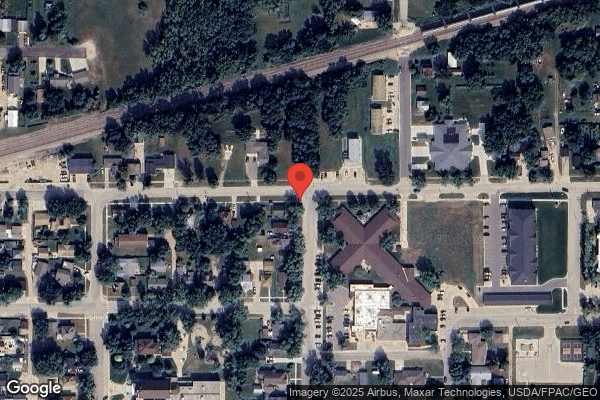
103 N VIOLA ST, MILBANK, SD 57252 (605) 432-5811
Non profit - Other 60 Beds Independent Data: November 2025
Trust Grade
30/100
#46 of 95 in SD
Last Inspection: October 2024

Within standard 12-15 month inspection cycle. Federal law requires annual inspections.

Overview

St. William's Care Center has a Trust Grade of F, indicating poor performance with significant concerns about care quality. It ranks #46 out of 95 facilities in South Dakota, which places it in the top half, but still raises alarms due to its low trust score. The facility is worsening, with the number of reported issues doubling from 5 in 2023 to 10 in 2024. Staffing is a relative strength, with a turnover rate of 45%, which is better than the state average, but it has concerning levels of RN coverage, being lower than 92% of South Dakota facilities. Families should be aware of serious incidents, including a staff member verbally abusing a resident and another case involving allegations of sexual abuse, which highlight significant risks that need addressing alongside the facility's general strengths.

Trust Score
F
30/100
In South Dakota
#46/95
Top 48%
Safety Record
High Risk
Review needed
Inspections
Getting Worse
5 → 10 violations
Staff Stability
⚠ Watch
45% turnover. Above average. Higher turnover means staff may not know residents' routines.
Penalties
⚠ Watch
$55,331 in fines. Higher than 76% of South Dakota facilities, suggesting repeated compliance issues.
Skilled Nurses
⚠ Watch
Each resident gets only 23 minutes of Registered Nurse (RN) attention daily — below average for South Dakota. Fewer RN minutes means fewer trained eyes watching for problems.
Violations
⚠ Watch
23 deficiencies on record. Higher than average. Multiple issues found across inspections.
★★★☆☆
3.0
Overall Rating
★★★☆☆
3.0
Staff Levels
★★★☆☆
3.0
Care Quality
★★★☆☆
3.0
Inspection Score
Stable
2023: 5 issues
2024: 10 issues

The Good

  • Full Sprinkler Coverage · Fire safety systems throughout facility
  • No fines on record

Facility shows strength in fire safety.

The Bad

3-Star Overall Rating

Near South Dakota average (2.7)

Meets federal standards, typical of most facilities

Staff Turnover: 45%

Near South Dakota avg (46%)

Higher turnover may affect care consistency

Federal Fines: $55,331

Above median ($33,413)

Moderate penalties - review what triggered them

The Ugly 23 deficiencies on record

4 actual harm
Oct 2024 5 deficiencies 1 Harm
SERIOUS (G) 📢 Someone Reported This

A family member, employee, or ombudsman was alarmed enough to file a formal complaint

Actual Harm - a resident was hurt due to facility failures

Free from Abuse/Neglect (Tag F0600)

A resident was harmed · This affected 1 resident

Based on South Dakota Department of Health (SD DOH) facility reported incident (FRI] report, interview, record review and policy review the provider failed to prevent staff to resident sexual abuse fr...

Read full inspector narrative →
Based on South Dakota Department of Health (SD DOH) facility reported incident (FRI] report, interview, record review and policy review the provider failed to prevent staff to resident sexual abuse from occurring for one of one resident (29). Findings include: 1. Review of the SD DOH FRI report for resident 29 revealed: *On 9/21/24 at 11:35 p.m. certified nursing assistants [CNAs] reported to licensed practical nurse (LPN) H that resident 29 was complaining of CNA M being rough after she had used the bathroom and was being cleaned up. *LPN H assessed resident 29 in her room. *Administrator A and director of nursing (DON) B were notified. *Resident 29's power of attorney (POA) was notified. *Resident 29's primary physician was notified. *Administrator A contacted CNA M to suspend her pending investigation results. *Medical director C was contacted and he arranged for her transfer to the local emergency room for further assessment. *CNA M was terminated from the facility on 9/25/24. 2. Interview on 9/30/24 at 4:42 p.m. with resident 29 revealed: *She had a urinary tract infection (UTI) and was on antibiotics. *She stated she would get UTIs from her catheter. -I am on the strongest antibiotic you can be on for a UTI and I take my last pill tonight. *She stated staff treated her with respect and dignity and she had no problems with any staff. 3. Review of resident 29's electronic medical record revealed: *Her recent Brief Interview for Mental Status (BIMS) score was 15 indicating she was cognitively intact. *An order on 9/26/24 5:41 p.m. for, LevoFloxacin [antibiotic] 500 mg [milligrams] tablet dose ordered (1/2 tablet /500 mg) by mouth daily x 5 days Supper through: 9/30/24 for: urinary tract infections. *Her care plan dated 8/22/24 indicated she had a indwelling catheter, and history of UTIs. 4. Interview on 10/01/24 at 3:03 p.m. with resident 29 regarding the incident on 9/19/24 with CNA M revealed: *CNA M had been cleaning her up after she had used the bathroom. -She stated, I didn't think she should be cleaning me in that area. She clarified she was referring to her vagina. -The way CNA M cleaned her hurt her and she stated, I'm not sure she realized where she was going and was digging into my vagina from behind after I went to the bathroom and had a bowel movement. *She had no problems with any other staff. *She stated, I believe she did it intentionally because she told me I was dirty and she wanted to get me clean so I wouldn't get any infections, that was different from when my catheter gets pulled on. *She stated, She didn't tell me she needed to clean my vagina just that she needed to clean me. *She felt bad for reporting CNA M and stated, But what if she did that to someone else. *She went to the emergency room and had a video conference evaluation. They gave her a choice of a more thorough exam and she agreed to have the additional exam. -She stated they did not draw blood but did a swab of her vagina and she was told she did not have any open areas. -She did not know if she would get any results back from the exam but had not gotten any as of today (10/1/24). *She stated she thought the staff handled the incident well. *She was not aware of any new or different interventions or cares for her since this incident. 5. Interview on 10/01/24 at 4:01 p.m. with CNA K regarding providing peri cares for resident 29 revealed: *She would put on a gown and gloves and explain what cares she would be providing to resident 29. *She and another staff would use the mechanical lift to position her to clean the peri area. *She stated one staff would stand in front of resident 29 to keep her steady while the other staff would stand behind her to clean her. -She stated she cleaned her from front to back with wet wipes then with a washcloth and soap and water. She held the catheter to one side and cleaned the opposite side. *She was not aware of any new interventions for resident 29. *She was not aware of any abuse to residents. *She was not aware of any abuse education or training provided in the last month. 6. Interview on 10/01/24 at 4:27 p.m. with CNA N revealed: *He was not aware of any staff being rough with resident cares. *He thought he had abuse and neglect education in August. 7. Interview on 10/2/24 at 8:32 a.m. with certified medication assistant (CMA) J regarding abuse revealed: *She stated there had been staff to resident abuse in July or August a staff member had slapped a resident. -CNA M was no involved in this incident. -She was not aware of any allegations of staff to resident sexual abuse. *She had not had any sexual abuse education in the last couple of weeks. 8. Interview on 10/2/24 at 8:39 a.m. with social service designee E regarding the above incident involving resident 29 and CNA M revealed: *She stated she didn't know much but she knew that resident 29 had been in the mechanical lift. -Resident 29 had said 'ouch to the CNA when a nurse was putting in a catheter. -She stated she thought resident 29 had said ouch to the catheter being put in. *She said CNA M no longer worked there. *She was in the room when administrator A confronted CNA M about the incident. *She was not aware of any type of abuse education that had been provided since this incident. *She did not completed interviews or take part in the investigation regarding the incident, but administrator A did. *She did not put a social services note in resident 29's record regarding the incident on 9/19/24. 9. Interview and on 10/02/24 at 8:51 a.m. with DON B regarding resident 29's hospital report dated 9/22/24 revealed: *She agreed the provided hospital report did not have the sexual assault nurse examiner (SANE) dictation or results. -She called the medical director C while this surveyor was in the room. -She placed the phone on speaker mode and informed him this surveyor was in the room and asked about resident 29's SANE report results that had been done via telehealth conference. -The medical director stated he would have to talk to the nurses and call back. *DON B said medical director was called during resident 29's emergency room visit. -Medical director C did not call back regarding resident 29's SANE report or results before the end of the survey. *She stated she would get this surveyor CNA M's employee file to review. -CNA M's file was not provided before the end of the survey. 10. Interview on 10/2/24 at 10:19 a.m. with CMA I regarding abuse revealed: *She was aware of a staff to resident physical abuse that involved a staff member who slapped a resident, but she was not aware of any sexual abuse allegations. *She had attended abuse education in August or September, and everyone in the building had to attend and sign in for the training. -She was not aware of any other training or education regarding sexual abuse. 11. Interview on 10/02/24 at 11:06 a.m. with LPN G regarding resident 29 revealed: *She had been informed by DON B about resident 29's sexual abuse allegation Monday because it was reported over the weekend. *She stated, It was kept hush hush, but staff were whispering about it. *The incident happened Thursday evening 9/19/24. -Resident 29 did not report what happened until Saturday 9/21/24 and she reported to the nurse aides who then reported to LPN H. -LPN G stated LPN H had contacted administrator A and DON B about resident 29's allegation. -LPN H had been told to file an incident report by DON B. -Resident 29 was sent to the ER for a rape kit to be done on Sunday 9/22/24 for vaginal swabbing. -Staff were told to monitor resident 29 for vaginal bleeding which there was none reported. *They had a safety meeting on Monday 9/23/24 with administrator A, DON B and human resource manager (HRM) F. -LPN G stated she had walked in during the discussion about resident 29 because she was late. -She stated she had asked DON B why there were no nurse's notes made regarding the incident and DON B told her LPN H would be coming back to make a nurse's notes. -LPN G stated DON B reassured her LPN H would make a late entry because she was a new nurse and was unsure how to chart the incident. *LPN G showed this surveyor the abuse audits she had done which were given at a nurses meeting on 9/19/24. -She stated abuse had been talked about along with incident reporting to the state, and both nurses and aides were in the meeting. -Nurse managers were to complete the abuse audits weekly and the audits would be given to administrator A. -She stated the audit was from the plan of correction from the previous abuse where staff slapped a resident. *LPN G stated CNA M had been terminated on 9/24/24 at 10:30 p.m. *LPN G said she had worked there for seven years and worked with resident 29 a lot. She stated, She has a BIMS of 15 and knows what is going on. -She did not think that resident 29's current UTI was from the alleged sexual abuse incident. -Resident 29 had a history of UTIs and had refused peri cares and did not want to be cleaned up because the nurse would ask her about moving her skin folds when she was being cleaned, and she would not let them. -Resident 29 had requested often that her catheter be advanced. 12. Interview on 10/2/24 at 11:50 a.m. with administrator A about abuse education and investigation revealed: -She had provided staff abuse education and was completing audits for abuse from the previous physical abuse incident. -She agreed she was using the same audits for the facility-reported incident regarding the alleged sexual abuse. -There was no education regarding sexual abuse provided after the incident with resident 29 and CNA M. -She stated, Abuse is abuse. *They terminated CNA M and had reported the incident to her employment agency which she thought would go on her record. -She stated she would print off CNA M's personnel information for this surveyor to review. -CNA M's information was not provided by the end of the survey. 13. Review of the provider's 8/19/24 abuse, neglect and misappropriation of resident property policy revealed, Residents will be treated with dignity and respect. There is a zero tolerance for abuse. each staff member is a mandatory reporter for the state of SD.
CONCERN (D)

Potential for Harm - no one hurt, but risky conditions existed

Deficiency F0625 (Tag F0625)

Could have caused harm · This affected 1 resident

Based on interview, record review, and policy review, the provider failed to provide a bed-hold notice to the resident or their representative when transferred to the hospital for one of one sampled r...

Read full inspector narrative →
Based on interview, record review, and policy review, the provider failed to provide a bed-hold notice to the resident or their representative when transferred to the hospital for one of one sampled resident (26). Findings include: 1. Inteview on 9/30/24 at 2:00 p.m. with resident 26 revealed she had thought she went to the hospital recently but forgot what for. 2. Review of resident 26's electronic medical record (EMR) revealed: *She was transferred to the hospital on 8/13/24. -Her power of attorney (POA) was notified of her transfer. -There was no documentation the bed hold information was given to the resident or her POA. *On 8/19/24 she returned to the facility from the hospital. 3. Interview on 10/2/24 at 8:18 a.m. with social sevices designee E regarding resident 26's bed hold notice revealed: *She had never received the bed hold notice from the nurses. *She knew for certain it had not gotten done. *She had stated it was the nurse's responsibility to complete the bed hold notices when a hospital transfer occurred. 4. Interview on 10/2/24 at 10:02 a.m. with director of nursing B revealed: *There was no bed hold notice for resident 26's hospital transfer on 8/13/24. *The social services designee was ultimately responsible for ensuring bed hold notices were completed. 5. Review of the provider's undated Bed Hold Policy revealed: *As per the admission agreement, the facility must transfer or discharge a resident when the facility determines that such action is appropriate in order to meet the resident's needs for healthcare services. *Private Pay Residents: provider will hold the bed for an agreed upon length of time. *Medicaid Residents: provider will hold the bed for up to five (5) consecutive days for each separate and distinct medically necessary hospital stay. *There was no documentation for Medicare residents. 6. Review of the provider's admission Agreement revealed it did not include information about bed hold policies. 7. Review of the provider's admission Handbook revealed: *Bed Hold Policy: If desired accommodations at facility may be reserved for a resident during times they are on a leave from the facility, either for a leave of absence or a hospital leave. A bed hold policy will be given prior to a leave.
CONCERN (E)

Potential for Harm - no one hurt, but risky conditions existed

Deficiency F0582 (Tag F0582)

Could have caused harm · This affected multiple residents

Based on record review and interview the provider failed to ensure appropriate and timely Medicare notices had been provided for two of three sampled residents (47 and 250) who discharged from skilled...

Read full inspector narrative →
Based on record review and interview the provider failed to ensure appropriate and timely Medicare notices had been provided for two of three sampled residents (47 and 250) who discharged from skilled services. Findings include: 1. Review of resident 47's Centers for Medicare and Medicaid Services (CMS) Skilled Nursing Facility (SNF) Beneficiary Protection Notification Review form provided by social services designee E revealed: *Her Medicare Part A Skilled Episode start date was 7/25/24. *Her last covered day of Part A Service was 8/20/24. *Her signed SNF Advance Beneficiary Notice of Non-coverage (ABN) form had been completed on 8/19/24. *She had not been given notice 48 hours prior to her services ending. *Her Notice of Medicare Non-Coverage (NOMNC) form was outdated and did not have the correct header. 2. Review of resident 250's CMS SNF Beneficiary Protection Notification Review form provided by social services designee E revealed: *He was discharged to his home on 6/4/24. *His Medicare Part A Skilled Episode start date was 5/17/24. *His last covered day of Part A Service was 6/4/24. *His SNF ABN form was completed and signed on 6/4/24. *He had not been given notice 48 hours prior to his services ending. *His NOMNC form was outdated and did not have the correct header. 3. Interview on 10/2/24 at 10:46 a.m. with social services designee E regarding Medicare non-coverage notices revealed: *She had been completing the Medicare beneficiary reviews since 2021. *She was aware that notices were to be given 48 hours prior to services ending. *She was unaware that the forms were old and needed updating.
CONCERN (E)

Potential for Harm - no one hurt, but risky conditions existed

Unnecessary Medications (Tag F0759)

Could have caused harm · This affected multiple residents

Based on observation, interview, record review, and policy review the provider failed to follow physician orders for two of six residents (36 and 32) during medication administration that resulted in ...

Read full inspector narrative →
Based on observation, interview, record review, and policy review the provider failed to follow physician orders for two of six residents (36 and 32) during medication administration that resulted in a medication error rate of 5.13%. Findings include: 1. Observation, record review, and interview on 10/1/24 at 5:53 p.m. with licensed practical nurse (LPN) O during resident 36's medication administration revealed: *She withdrew naproxen sodium (pain and fever medication) 220 milligram (mg) tablet from the medication cart. *The physician's order on the resident's medication administration record (MAR) was for naproxen sodium 250mg tablet. *She stated she would give the resident the medication because it was a lower dose. *She stated she would call the physician later to verify the correct dose. 2. Observation, record review, and interview on 10/2/24 at 7:25 a.m. with LPN O during resident 32's medication administration revealed: *She withdrew brimonidine tartrate 0.2% solution eye drops from the medication cart. *Prescription on the bottle said to instill one drop into each eye twice a day. *The physician's order on the resident's MAR directed to instill two drops into each eye twice a day. *She stated she would call the doctor to verify the correct dosing. *She instilled one drop in each of the resident's eyes. 3. Interview on 10/2/24 at 9:53 a.m. with director of nursing (DON) B revealed: *Nurses were to verify orders from the physicians with orders in residents' MARs. *She expected staff to verify the prescription on the medications with the physicians' orders before administering medications to residents. *If there was an error, she expected the staff to call the physician and pharmacy before administering medications to residents. 4. Review of provider's reviewed 7/19/24 Administration/Self-Administration of Medication policy revealed: *The correct medication(s) will be given to the correct resident, at the appropriate time, in the dose ordered by the physician or physician extender by the correct route and for a specific diagnosis. *There was no mention of what should be done when incorrect dosing/orders were found.
CONCERN (E)

Potential for Harm - no one hurt, but risky conditions existed

Deficiency F0804 (Tag F0804)

Could have caused harm · This affected multiple residents

**NOTE- TERMS IN BRACKETS HAVE BEEN EDITED TO PROTECT CONFIDENTIALITY** Based on interview, observation, and record review the provider failed to ensure room trays were served at a satisfactory temper...

Read full inspector narrative →
**NOTE- TERMS IN BRACKETS HAVE BEEN EDITED TO PROTECT CONFIDENTIALITY** Based on interview, observation, and record review the provider failed to ensure room trays were served at a satisfactory temperature for three of thirteen sampled residents (30, 47, and 150) who chose to eat meals in their rooms due to the long wait time for meals to be served in the dining room. Findings include: 1. Interview on 9/30/24 at 1:54 p.m. with resident 30 revealed: *She had been living at the facility for almost two years. *She chose to eat her meals in her room as she felt it took too long to be served in the dining room. *She stated the food on her room tray was often cold when it should have been hot. -She had asked staff to reheat a food item once. -By the time her warmed up food item was returned to her, she was done eating the rest of her meal. *She felt she was the last resident to get her room tray delivered. 2. Interview on 9/30/24 at 4:10 p.m. with resident 47 revealed: *She was recently admitted on [DATE] and ate a regular diet. *After her admission she went to the dining room for meals but decided to eat meals in her room as she felt it took too long to get served in the dining room. *Regarding her room trays, she stated her food was often cold by the time she got her room tray delivered. -She stated her food was not warm at all and actually cold. -She had not mentioned it to any of the staff as she was new and had not wanted to make waves [cause trouble]. 3. Interview on 10/1/24 at 8:06 a.m. with resident 150 revealed he: *Was recently admitted on [DATE]. *Stated he had to wait a long time to be served in the dining room, so he decided to eat his meals in his room. *Had complaints regarding the food on his room tray being cold when it should have been hot. 4. Interview on 9/30/24 at 10:40 a.m. with director of nursing (DON) B regarding their dining room meal times revealed: *Breakfast was served at 7:30 a.m. *Lunch was served at 11:30 a.m. *Supper was served at 5:30 p.m. 5. Observation on 9/30/24 of the noon meal revealed: *At 11:38 a.m. cook P wheeled the cart containing the food items into the dining room and loaded the residents' food items into the steam table. *Ten minutes later, at 11:48 a.m., the first room tray was plated and loaded into the insulated food cart. *At 11:57 a.m., cook P announced over the walkie-talkie that the room trays were ready and prepared the first plate for the dining room. *At 12:23 p.m. the meal service was completed for the dining room. -The first resident to be served in the dining room waited 27 minutes after the stated meal service time. -The last resident served in the dining room waited 53 minutes from the stated meal service time. 6. Review of the 9/10/24 resident council meeting minutes revealed: *Eleven residents and one family member attended. *Resident 17 expressed a suggestion because there have been residents complaining that meal times are taking too long. *Social service designee E told her that she can talk to administration and the kitchen to see what their thoughts are but just not sure . *Resident 4 stated she likes her food hot and it is not always that way. 7. On 10/1/24 at 6:07 p.m. the requested supper test tray was delivered to the survey team in the conference room and revealed the following food temperatures: *Three mini corn dogs: -One was at 99.1 degrees Fahrenheit (F). -One was at 100.6 degrees F. -One was at 103.6 degrees F. *Baked beans that had a good flavor and was at 128 degrees F. *Cheesy Cauliflower Soup that tasted lukewarm and was at 132.0 degrees F. 8. On 10/2/24 at 9:10 a.m. the requested breakfast test tray was delivered to the survey team in the conference room with a note 10/2/24 test tray served at 8:50 a.m. revealed the following food temperatures: *Coffee in an insulated mug was at 141.8 degrees F. *Cream of [NAME] in an insulated bowl was at 138.7 degrees F. *Scrambled eggs were at 115.1 degrees F. *The sausage link was at 104.6 degrees F. *The waffle was at 93.4 degrees F. *The syrup was at 88.1 degrees F. Interview on 10/2/24 at 10:50 a.m. with dietary manager D revealed: *She was not aware of any food complaints from September's resident council meeting. *She stated it had been quite awhile since she had received any concern forms and stated either residents would bring her a concern form or social service designee E would forward her a concern form. Continued interview with dietary manager D regarding concerns with cold food on the room trays served revealed: *She was aware of complaints regarding food being cold on room trays served to the residents in their rooms. *She agreed that the Cheesy Cauliflower Soup served on the 10/1/24 supper test tray had not looked appetizing to her. *She stated the insulated carts work best if the room trays are served within 10 to 15 minutes. Interview on 10/2/24 at 11:45 a.m. with social service designee E revealed: *She was the complaint coordinator for the facility. *Resident concern forms were located inside the black box by the facility's bulletin board in the hallway as she was told to put the forms inside the box. *In the past, she had mentioned food complaints to dietary manager D but did not keep a record of those conversations or the complaints. *For concerns voiced at the monthly resident council meeting she would verbally inform the respective department manager of the concern. *She did not fill out a concern form for the concerns raised at resident council. *She had only two concern forms in the past six months. Continued interview with social service designee regarding food complaints at the 9/10/24 resident council meeting revealed: *She had talked to administrator A about resident 17's suggestion and was told the resident's suggestion would not work. *She had not discussed the food complaints with dietary manager D. Interview on 10/2/24 at 12:06 p.m. with administrator A revealed: *She was aware of concerns with cold food on the meal trays delivered to residents' rooms. *She and DON B attended the individual resident care conferences and she stated they would note the concerns expressed but do not use the concern forms. Interview on 10/2/24 at 12:30 p.m. with DON B revealed: *She was aware of cold food complaints regarding resident room trays. *A dietary aide delivers the insulated food cart to the nursing unit hallway and certified nursing assistants (CNAs) deliver the food trays to the resident rooms. *She would have expected room trays to be delivered to resident rooms within 15 minutes. *She was not sure if this was happening. *The policy on resident room trays was requested. Interview on 10/2/24 at 12:55 p.m. with CNA L revealed: *There were ten room trays for breakfast. *There were six room trays for lunch. *She was not sure how many supper room trays there were as she did not work the evening shift. *It usually took her about 10 minutes to pass the meal trays to the residents' rooms. Review of the provider's Resident Grievance Form revealed: *A space at the top of the form for the resident's name and room number. *The first section indicated to Describe the concern in detail: *The second section indicated What was done resolve [sic] issue and department that resolved issue. *The third section indicated Are you happy with the way the issue was handled and resolved? *A space at the bottom of the form for: -The resident's signature and date. -The department staff's signature and date. The policy on resident room trays was not received by the end of the survey.
Jul 2024 5 deficiencies 1 Harm
SERIOUS (H) 📢 Someone Reported This

A family member, employee, or ombudsman was alarmed enough to file a formal complaint

Actual Harm - a resident was hurt due to facility failures

Free from Abuse/Neglect (Tag F0600)

A resident was harmed · This affected multiple residents

**NOTE- TERMS IN BRACKETS HAVE BEEN EDITED TO PROTECT CONFIDENTIALITY** Based on South Dakota Department of Health (SD DOH) facility reported incident (FRI), interview, observation, record review, and...

Read full inspector narrative →
**NOTE- TERMS IN BRACKETS HAVE BEEN EDITED TO PROTECT CONFIDENTIALITY** Based on South Dakota Department of Health (SD DOH) facility reported incident (FRI), interview, observation, record review, and policy review, the provider failed to protect three of five sampled residents (2, 3, and 4) from mistreatment, intimidation, verbal abuse, and physical abuse by one of one certified nurse assistant (J). Findings include: 1. Review of the provider's FRI online report submitted to the SD DOH on 6/30/24 revealed: *Resident 2 was not feeling well on the evening of 6/29/24. She had vomited several times. *Certified nurse assistant (CNA) J was seen by another CNA to have been getting frustrated with resident 2, told resident 2 to shut up, and swatted resident 2's hands away from her incontinence brief. *CNA J was interviewed about the situation and CNA J denied saying shut up to the resident and swatting the resident's hands. *She was assigned educational videos to watch about coping skills, how to calm down in difficult caregiving situations, anger management, and people living with dementia. *CNA J was allowed to return to work after her time of suspension, completing the information noted above, and signing a performance improvement plan. 2. Observation and interview on 7/22/24 at 4:18 p.m. with resident 2 revealed: *She was appropriately dressed and sitting in her wheelchair in her room. *Her call light and teddy bear were on the floor at her feet, and her lap blanket appeared to have been pushed away slightly. *She was watching a show on the television. *She repeated I'm lost multiple times. *Her room was clean and free from clutter. *Surveyor picked up the call light from the floor and gave it to resident 2. She was able to understand the purpose of the button. *She pressed the button. 3. Observation on 7/22/24 at 4:32 p.m. with CNA P revealed: *She answered resident 2's call light. *Resident 2 was not able to verbalize any needs. -She repeated, I'm lost. *CNA P calmly reminded her that she was safe, her family knew where she was, she was in the nursing home, and that supper was soon. *Resident 2 calmed down and continued to watch her show. Interview at that time with CNA P revealed: *It was normal for resident 2 to repeat the same phrase. *She was taught to calmly remind the resident about where she was at and address any of her needs. *She was not aware of any recent allegations of staff having been rough or rude to resident 2. 4. Interview on 7/22/24 at 4:37 p.m. with resident 12 and at 5:05 p.m. with resident 13 revealed that neither of them had any concerns with their safety. They both felt free from abuse and neglect. 5. Interviews on 7/23/24 from 11:00 a.m. to 12:55 p.m. with residents 5, 6, 7, and 8 about feelings of safety revealed they all expressed positive feelings of living at that facility, and they had no concerns regarding their safety. 6. Interviews on 7/23/24 at 1:20 p.m. with CNA F and at 4:05 p.m. with CNA G regarding how staff treated residents revealed: *CNA F denied that she had witnessed any staff member mistreating a resident verbally or physically. *CNA G indicated she had no concerns about resident safety or how residents were treated by other staff members. 7. Interview on 7/23/24 at 1:42 p.m. with CNA L about reporting alleged violations revealed: *She was able to verbalize the correct reporting procedures. *She had not reported any incidents recently. *She was not aware of the situation with resident 2. *There were two incidents that she knew a different CNA reported last week. -Both incidents involved CNA J. -One incident involved resident 3 having been stuck behind a door, and CNA J yelled and banged on that door. -The other incident involved resident 4, but she could not recall the details. -She was not present for either incident but heard about them from a coworker. 8. Observation on 7/23/24 at 1:57 p.m. of resident 3 in her room revealed: *She was resting in bed with her eyes closed. *She was snoring. *Her bed was in a lower position. *There was a fall mat on the floor next to her bed. 9. Observation and interview on 7/23/24 at 1:59 p.m. with resident 4 revealed: *She was laying on her left side on her bed. She was covered by a blanket. *She was able to converse but was saying nonsensical words and was having difficulty expressing herself. 10. Interview on 7/23/24 at 2:36 p.m. with licensed practical nurse (LPN) D revealed: *She was aware of the incident between CNA J and resident 2, however, she was not there that day. *She was briefed about the situation. *She was not aware of any incident where a CNA was banging loudly on a resident's door. 11. Interview on 7/23/24 at 2:44 p.m. with CNA I about the incident between CNA J and resident 2 revealed: *She confirmed she had worked that day. *Resident 2 had vomited several times during that shift. *CNA J was assigned to resident 2 and had called for help with getting her cleaned up and changed. *A different CNA assisted CNA J, so she did not know all the details. *She believed the CNA who helped CNA J had a good working relationship with CNA J and would not try to get CNA J in trouble. 12. Interview on 7/23/24 at 2:56 p.m. with nurse aide (NA) M about the incidents involving residents 3 and 4 revealed: *One incident involved resident 3 and CNA J around supper time approximately two to three weeks ago. *Resident 3 wheeled herself into her room and closed the door behind her, had gotten her wheelchair stuck, and the staff were not able to open the door. -She walked by resident 3's room and heard banging. Resident 3 was saying, Help, I'm stuck. -She tried to provide verbal directions to resident 3 to maneuver herself away from the door. -She was not able to open the door. *NA M was not assigned to resident 3's hallway that day, and one of her assigned residents had pressed their call light. -NA M asked CNA J to assist resident 3 and went to answer her assigned resident's call light. *She heard CNA J yell and swear loudly at resident 3 to open the door. -She could not recall what specifically was said. *She reported that incident to administrator A the same day. *Another incident happened last Friday, 7/19/24. -She indicated this incident was the most concerning to her and stated it broke my heart. *Last week, CNA J became upset with resident 4. -Resident 4 was at risk for falling and had repeatedly attempted to stand up and walk herself without assistance. -CNA J wheeled resident 4 out of her room and to the CNA station. -Resident 4 attempted to stand up from her wheelchair. -CNA J forcefully put her hands on resident 4's shoulders and sat her back down in her wheelchair. -CNA J said to the staff at the CNA station, Here, you watch her, and walked away. *CNA G asked CNA J what was going on and if she was okay. -CNA J talked loudly back at CNA G in a rude manner. -CNA G requested that CNA J not speak to her in that manner. -NA M waved at registered nurse (RN) C to get her attention so she could help diffuse the situation. -NA M volunteered to switch residents with CNA J. -She reported that incident to administrator A immediately. *Later that evening, while NA M was helping resident 4 get ready for bed, resident 4 was agitated, fidgeting, and repeatedly said, He's a hateful person. He's a hateful person. -She asked resident 4, Who's a hateful person? -NA M stated CNA J came into resident 4's room, [resident 4's] face fell, and she whispered [to NA M], 'Him, he's a hateful person,' and she pointed at [CNA J]. -NA M again reported her concerns to administrator A that same day. 13. Interview on 7/23/24 at 4:23 p.m. with CNA J about the above incidents revealed: *She most often as assigned List A which included residents 3 and 4. *Regarding the incident resident 2: -She felt really bad for resident 2 because she [resident 2] was vomiting a lot. -She did what she was trained to do and cleaned her up, changed her, and repositioned her, and evidently someone that was working with me thought I told her [resident 2] to shut up. I would never tell a resident to shut up. -She denied saying Shut up to the resident. -She denied swatting the resident's hands. -She received education after that incident about coping skills and residents with dementia. *She had worked at that facility for six years. *If she needed help from another staff member, she would have used the radios to call for help. -She stated, Sometimes I feel the other staff ignore me. *She denied any other reportable incidents. 14. Interview on 7/23/24 at 4:49 p.m. with administrator A regarding the above incidents revealed: *She confirmed CNA J needed reminders to Watch her words, her tone. *One of the other CNAs came to her The other day and told her [CNA J] is a little cross with the residents. *She said regarding CNA J, she doesn't understand dementia. *After NA M reported the incidents to her the previous week, she texted director of nursing (DON) B. -DON B had worked a nurse shift that evening. -She told DON B to tell [CNA J] she has to watch her interactions. *Administrator A said, [CNA J] has a hard time with 'those residents' as in dementia. *She confirmed she knew about the incident between CNA J and resident 3. *She initially denied knowledge of the incident between CNA J and resident 4. -[CNA J] has had trouble with [resident 4] but I'm not aware of that particular incident. -However, when detailing the incident further, especially when resident 4 expressed He's a hateful person, administrator A did remember that incident. *She kept a daily log of conversations she has had throughout the day. -She could not remember exactly when NA M reported those incidents. 15. Interview on 7/24/24 at 9:33 a.m. with RN C revealed: *She was currently the staff development coordinator and would resume the DON role when DON B moved. *She was not aware of any of the incidents regarding CNA J. *Last Friday (7/19/24), she was at the nurse's station and a CNA flagged her down. -CNA G and O were heated because they didn't think CNA J was treating residents the best. -She denied hearing the staff yell at each other. -She denied observing CNA J forcefully sit resident 4 down into her wheelchair. *She coordinated the monthly staff training day. *If a CNA needed more experience or training on a particular subject, DON B would have taken care of that as she was directly responsible for the nursing staff. *She confirmed that CNA J was up to date with the required training topics. 16. Interview on 7/24/24 at 10:28 a.m. with DON B regarding the above incidents revealed: *She had addressed CNA J's gestures and facial expressions with her before as people with dementia pick up on that. *She had provided quite a bit of informal training to CNA J about her attitude. *After the incident with resident 2, she provided formal training to CNA J on teamwork. *Regarding other incidents with CNA J: -Staff brought up concerns regarding her yelling. -On 7/19/24, she started her shift at 10:00 p.m. and she spoke with CNA J about her actions. She informed her that was the last warning before termination. -Once you bring her [CNA J's] attention to a problem, she fixes it for a while. 17. Interview on 7/24/24 at 11:03 a.m. with administrator A about the above incidents revealed: *She confirmed she was not informing the other department heads, like RN C the staff development coordinator, about certain incidents in an attempt to maintain confidentiality. -If an incident involved a CNA, she would have only let DON B know about the situation. -She had not considered bringing the staff development coordinator into the conversation. *Her investigation process included to: -Review schedules. -Interview those staff who were on shift and were involved. -Speak to each person individually. -Try to maintain confidentiality. *She felt the incidents involving CNA J and residents 3 and 4 were probably true because the staff member that reported those incidents was reliable. 18. Interview on 7/24/24 at 12:12 p.m. with CNA K about the incident between resident 2 and CNA J revealed: *She had worked that day and that resident 2 was not feeling well. *It was stressful. *She helped CNA J with resident 2 as she had vomited multiple times. *She confirmed she heard CNA J tell the resident to shut up. *Later on during that same shift, while she helped CNA J to get resident 2 to bed: -Resident 2 had been pulling at her incontinence brief. -She confirmed she saw CNA J swat resident 2's hands and said, You don't need to be messing with that. *She was not aware of any other specific incidents involving CNA J. *Each shift [CNA J] has some behavioral issues, such as being rude to residents and staff or raising her voice. 19. Review of resident 2's electronic medical record (EMR) revealed: *On 6/29/24, she vomited and had loose stools that began early in the morning. *There was no indication of the 6/29/24 allegations of verbal or physical abuse in the progress notes. *There was no indication in the progress notes that her family or representative was contacted regarding the alleged verbal or physical abuse on the evening of 6/29/24. *Her care plan included the following: -I was admitted because I need your help and support to manage with these health issues: .Anxiety disorder .[Unspecified] dementia . -I have the potential to have problems communicating and have problems with my memory because I have Alzheimer's dementia . I show this by having the inability to remember things that happened a short time ago, .a short attention span, increased disorientation, confusion about time, .at this time I repeatedly cry out 'help', talk about being 'lost' . --I need my aides to help me the same way every time, tell my nurse about any pain I have, offer me fluids, allow me to wander while assuring me that I am safe/give me directions if I start talking about being 'lost', acknowledge that you understand me, remind me of where I am, keep my items in the same place, face me and speak clearly when talking to me, allow time for me to respond . -I like to be comfortable because I have suspected pain. I show this by having changes in facial expression especially putting shoes on. --I need my aides to be extra gentle with me, ask me if I hurt, tell the nurse if I hurt, be patient with me, distract me with conversation. 20. Review of resident 3's care plan revealed: *I was admitted because I need your help and support to manage with these health issues: Adult failure to thrive .other symptoms and signs involving cognitive functions and awareness, other encephalopathy, unspecified severe protein-calorie malnutrition. *I have problems with my memory because I was hospitalized due to failure to thrive, abnormal weight loss, severe protein-calorie malnutrition, psychiatric or mood disorder (depression, anxiety), [hypertension], behaviors. I show this by having a BIMS [Brief Interview for Mental Status] score suggesting severe cognitive impairment, impulsivity, wandering, agitation. -I need my aides to help me the same way every time, tell my nurse about any pain I have, offer me fluids, make sure I am active and kept busy, allow me to wander, acknowledge that you understand me, keep my items in the same place, use safety devices .allow time for me to respond .make sure I'm wearing my glasses. *I have the potential to feel sad, anxious, I may also experience side effects from my medications because I have a diagnosed mood disorder (depression and anxiety) .have a cognitive impairment, can't move around well, .take psychotropic medications, .BIMS suggests severe cognitive impairment, behavioral symptoms, sundowning . -When I feel this way I feel down or depressed, can't relax or sleep, may not feel like eating, yell, shout, or scream . --I need my aides to ask me if I'm having pain, offer me a snack or drink, help me call my family, check on me, reassure me, offer me choices, ask me how I'm feeling today, .help me do as much for myself as I can, record my behaviors . *I like to be comfortable because I sometimes hurt, have arthritis . I show this by [complaints of] pain in my abdomen related to previous bladder cancer and surgery, back pain. -I need my aides to ask me if I hurt, tell the nurse if I hurt, be patient with me, distract me with conversation, help me to change position. 21. Review of resident 4's EMR revealed: *She was admitted on [DATE]. *She had a pattern of frequently standing up and ambulating without assistance, which resulted in a few falls. *A Summary Note on 6/13/24 read, Late onset Alzheimer's disease, able to redirect during the day with behaviors but increased agitation during the evening hours. Wears tabs monitor, she will frequently staff, walks with the assist of 2 [staff]. Often strikes out at staff, try to redirect by walking with her the assist of 2, assist her to the bathroom, offer snacks and attempt 1:1 [one to one] sessions. Speech is unclear, can't verbalize needs. *A Progress Note from 6/18/24 read, .Last evening, she required 1:1 staffing to assure her safety - she repeatedly stood up while holding on to her [wheelchair]. She insists on following a couple staff, but did not seem to tire .Agitated state lasted more than 1.5 hrs [hours] with [1:1] staffing. *She was experiencing increased agitation on 7/13/24 when she was continually attempting to stand by herself, was resistive to cares, and she was attempting to bite and scratch staff. *There were no progress notes related to any behaviors or increased agitation on 7/19/24, which was when the alleged physical abuse occurred, and NA M said that resident 4 showed fear and repeated He's a hateful person. *There was no indication that her family or representative had been notified regarding the alleged abuse that occurred on 7/19/24. *Her care plan included the following: -I was admitted because I need your help and support to manage with these health issues: Alzheimer's disease with late onset, Dementia in other diseases classified elsewhere with mood disturbance, Major depressive disorder . -I have problems communicating, and am forgetful because I have a history of Alzheimer's dementia, do not hear well, emotions affect my ability to communicate, problems with my speech patterns. I show this by having a BIMS that suggests severe impairment, having the inability to recognize people, the inability to remember things that happened a short time ago . --I need my aides to help me the same way every time, tell my nurse about any pain I have, offer me fluids, make sure I am active and kept busy, allow me to wander, acknowledge that you understand me -I have the potential to feel anxious, angry, sad, confused or forgetful, I may also experience side effects from my medications because I have a diagnosed mood disorder (depression and anxiety), moved here recently, have a hard time carrying on a conversation, have a cognitive impairment . --I need my aides to ask me if I'm having pain, offer me a snack or drink, present tasks to me one at a time, follow my toileting plan, check on me, reassure me, be aware of my stressors . -I need to have someone help me because I am unaware of safety risks . I have the potential to fall down and hurt myself because I have dementia/Alzheimer's disease. In the past I have fallen, and I have a history of getting anxious, upset, or angry (pinch, grab and scratch staff), trying to move around without help . --I need my aides to use a pressure pad in bed, [wheelchair] and recliner; use the following assistive devices to be able to better help me: walker .wheelchair; .frequently check on me; encourage me to use assistance . 22. Review of CNA J's employee file revealed: *She started on 4/11/18 and passed all the reference and background checks. *She was up to date with the required education topics. *After the allegations against CNA J on 6/29/24, an investigation was initiated. -Verbal accounts were gathered from resident 2 and all staff on shift at the time of the incident. -CNA J was suspended from work on 6/30/24 while the investigation was completed. -She returned to work on 7/1/24. *An Employee Performance Improvement and Disciplinary Action Plan - Written Warning was given to CNA J. -Identify problem: Failure to consistently fulfill duties of [a] CNA according to facility standards in a manner that promotes dignity of each person and treating them with respect, consideration and kindness. -Standard not being met: allegation of verbal abuse and intimidation of a resident. -Employee fails to meet standard for following reasons: On June 29, 2024 there were reported interactions with a resident who was ill . [CNA J] denied yelling 'shut up' to a resident and she denied touching the resident's hands (which was reported as swatted her hands away from the brief) . There is no reason to believe that the party who reported the allegation has anything against [CNA J]. She was told that there have been other instances in which she was guided to lower her volume and/or be attentive to her tone of voice. -The allegation made appears to be credible although [CNA J] adamantly denies . -There were no signatures or dates anywhere on the document. *DON B followed up with CNA J on each day she worked to audit her actions and behaviors. -7/14/24 - I [DON B] worked 6p-10:30p nursing shift: .[resident 4] tried to bite the nurse after using the bathroom .she was pushing her and pinching her during the shift. [CNA J] was supported in managing/coping with behaviors by DON. She gave evidence of her frustration (body language and facial expression) and was reminded about people with dementia being able to pick up on such things . -7/15/24 - [Resident 3] [was] very busy during the shift .trying to get up without assistance multiple times; She said that [resident 3] was yelling out and this makes her frustrated. She was reminded about coping techniques including working as a team. -7/19/24 - [Resident 3] was yelling at others .[CNA J] was observed to be tense, but admitted that other than trying to make sure [resident 3] is safe, there is not a lot to do that is effective in redirecting her when she is like this. -7/20/24 - Soke with [CNA J] about concerns from co-workers being impatient and loud when giving directions/guidance with behavioral issues. *The provider had a system where progress notes could be submitted associated with each employee: -7/20/24: concerns about quality of care - the administrator has heard concerns from [CNA J's] co-workers about her being impatient and being loud in giving guidance/intervening in behavioral issues. [CNA J] was counseled about the need to be attentive to how her actions and verbalizations are being interpreted. She was told that with her last warning, it was noted that if there would be an allegation that is anything other than unsubstantiated, this would result in termination of employment. -6/6/24: .At times, when a resident is particularly agitated, you might need reminders to speak at a lower volume and to remember 'Q-TIP' (quit taking it personally). -6/6/23: Other CNA came walking by the desk with a resident and said that she voided in another resident's closet. While that CNA took the resident to get cleaned up, [CNA J] was asked by the nurse to 'Please go clean the urine up out of that resident's room, because housekeeping is out of the building and said resident has family in their room' Instead of doing what was asked of her she went into another resident's room, not cleaning up the mess. Staff finally emerged from the other resident's room once she heard that the urine was cleaned up by someone else. -10/12/21: concerns about quality of care .received report that [CNA J] spoke very harshly to a resident in dining room. Spoke to another resident who reported the issue .Spoke to [CNA J] about this witnessed behavior, she informed me that she had already spoken to [administrator A] .discussed what resident reported (CNA yelling at resident across room in dining room) .discussed better ways to handle the situation instead of yelling at resident .discussed understanding the perception of someone watching what was occurring and how it may have looked to them .discussed walking across the room and speaking discreetly to a resident, not yelling from across the room. -6/29/21: spoken to concerning some reported incident of saying 'shut up' to resident, [CNA J] denies this happening, also reminded not to speak about personal things in front of residents when taking care of them. -5/13/19: resident came back from living room [at 2:30 p.m.] requesting to use the bathroom; [CNA J] said ok and walked the opposite way; 15 minutes later writer found [CNA J] in cafeteria eating a donut; writer stated '[resident] needs to use the bathroom,' [CNA J] said 'I'm going.' 23. Review of the provider's 7/19/24 updated Abuse, Neglect and Misappropriation of Resident Property policy revealed: *Policy: Residents at [facility] will be treated with dignity and respect. No resident of this facility will be mistreated, abused or neglected. *This abuse plan has been implemented to protect our residents. The responsibility for carrying out this plan will ultimately lie with the Administrator and the staff employed by [facility] but involves every person in contact with residents. *Residents have the right to be free from verbal, .physical, and mental abuse, involuntary seclusion, neglect . Residents must not be subjected to abuse by anyone . *Neglect is defined as the failure to provide the goods or services necessary to maintain the health or safety of a resident. Neglect is also defined as the failure to provide goods and services necessary to avoid physical harm, mental anguish, or mental illness. *Physical Abuse is defined as the use of physical force that may result in bodily injury, physical pain, or impairment. It may include .striking, hitting, beating, pushing, shoving, shaking, slapping, kicking, pinching . *Emotional or Psychological Abuse is defined as the infliction of anguish, pain, or distress through verbal or nonverbal acts. It includes .verbal assaults, insults, threats, intimidation, humiliation, and harassment.Examples of verbal abuse include .yelling, screaming, using demeaning language to ridicule; insulting; and swearing at residents.Signs associated with emotional or psychological abuse include recent or sudden changes in behavior, unjustified fear, unwarranted suspicion, .new or unexplained depression, lack of interest, or change in anxiety level. *The following could happen if abuse is not reported: The situation could get worse, the resident could get seriously injured, the resident could become ill, the resident could die, the person could abuse other residents . *Conflict between residents, between residents and staff, or between staff members directly influences the quality of life of residents. Often, abuse situations occur as a result of conflicts that get out of control. *Prevention: Information will be provided to residents, families and staff informing them on how and to whom they may report concerns, incidents and grievances without the fear of retribution. The facility will provide feedback regarding the concerns that have been expressed. The facility will identify, correct and intervene in situations in which abuse, neglect and/or misappropriation of resident property is likely to occur. *The most frequent abusers are caregivers and family members. Abuse usually happens because the person is overwhelmed by their own problems as well as those of the person for whom they are providing care. *Many factors contribute to abuse by staff including low staff ratios, inadequate supervision of staff, lack of empathy for elderly, staff personal problems, more severely ill residents, low wages, abusive or belligerent residents, job frustration, high staff turnover, cultural differences, lack of skills training and high stress. - .Mental and emotional signs and symptoms of stress include .anger; .inappropriate behavior like screaming, yelling, striking or hitting . *Process: -Identification: Staff will identify events, such as suspicious bruising of residents, occurrences, patterns, and trends that may constitute abuse; staff will determine the direction of an investigation. -Investigation: Alleged violations will be investigated and will be reported to proper authorities by the administrator, director of nursing or their representative -Protection: Residents will be protected from harm during an investigation. Staff may need to be reassigned to other areas or suspended until the investigation is completed. -Reporting/Response: The facility must report all alleged violations involving mistreatment, neglect, or abuse, including injuries on unknown source and misappropriation of resident property immediately to the administrator or their representative. -The SD Department of Health must be notified immediately but not later than 2 hours if serious bodily injury occurred, within 24 hours of incident if no serious bodily injury. -Notify law enforcement only for an incident or event where there is reasonable cause to suspect abuse or neglect of any resident by any person. -The results of the investigation must be reported to the SD Department of Health, [the local police department] (if required to notify), and the SD Department of Human Services (if required to notify) within 5 working days of the incident, and if the alleged violation is verified appropriate corrective action must be taken. -The facility must have evidence that all alleged violations are thoroughly investigated, and must prevent further abuse while the investigation is in progress. The facility must analyze the occurrences to determine what changes are needed, if any, to policies and procedures to prevent further occurrences. -If the alleged violation is verified, appropriate corrective action, which may include termination of employment, will be taken to prevent further occurrences.
CONCERN (D) 📢 Someone Reported This

A family member, employee, or ombudsman was alarmed enough to file a formal complaint

Potential for Harm - no one hurt, but risky conditions existed

Deficiency F0602 (Tag F0602)

Could have caused harm · This affected 1 resident

**NOTE- TERMS IN BRACKETS HAVE BEEN EDITED TO PROTECT CONFIDENTIALITY** Based on South Dakota Department of Health (SD DOH) facility reported incident (FRI), interview, record review, and policy revie...

Read full inspector narrative →
**NOTE- TERMS IN BRACKETS HAVE BEEN EDITED TO PROTECT CONFIDENTIALITY** Based on South Dakota Department of Health (SD DOH) facility reported incident (FRI), interview, record review, and policy review, the provider failed to ensure resident property was not taken by one of one housekeeper (H) Failure to ensure the protection of resident property violated a resident's right to be free from misappropriation of resident property. This citation is considered past non-compliance based on review of the corrective actions the provider implemented immediately following notification of the incident. Findings include: 1. Review of the provider's 7/17/24 FRI submitted online to the SD DOH revealed: *On 7/13/24, a bag of resident 11's clothes were discovered in one of the housekeeper's (H) closets. *The family [resident 11's family] was asked if the clothing was to be discarded, and both parties said no. *There was another shirt found in the same housekeeper's closet that belonged to a resident who had recently passed away. * .she [housekeeper H] has been spoken to .several times about donated clothing being taken home[,] the clothes are meant to be for the residents not staff. *Housekeeper H was interviewed and said, that she didn't get permission because when the resident was admitted she did not have many clothes, so items of clothing were donated to her, those were the ones she took. *She also said the clothes that she took were not new, they looked [NAME] looking. *[Housekeeper H] also said another resident's shirt was in the cleaning closet, but she found that in someone else's closet and before she could return the item, the resident passed away. *It has been reviewed with [housekeeper H] that she must obtain permission from family through social services before removing .items from resident rooms. Once permission is obtained, supervisor will accompany staff removing articles from room. *The clothes were discovered in the housekeeper's closet on 7/13/24, the event was reported to the administrator on 7/15/24, and the administrator attempted to submit the required reporting on 7/15/24, 7/16/24, and 7/17/24. -They were able to submit the report on 7/17/24. The provider implemented systemic changes to ensure the deficient practice does not recur was confirmed after: *Interviews with several residents throughout the facility revealed no one reported any missing personal items. *Interviews with housekeeper H and other staff (nursing, housekeeping, and laundry staff) confirmed they were knowledgeable of the revised Personal Items Inventory policy, the procedure for handling resident's clothing that might have needed to be replaced due to wear and tear, and about a resident's right to be free from misappropriation of property. *Record review confirmed staff were educated on the provider's updated Personal Items Inventory policy and procedure on 7/22/24. Based on the above information, non-compliance at F602 occurred on 7/13/24, and based on the provider's implemented corrective actions for the deficient practice confirmed on 7/22/24, the non-compliance is considered past non-compliance.
CONCERN (D) 📢 Someone Reported This

A family member, employee, or ombudsman was alarmed enough to file a formal complaint

Potential for Harm - no one hurt, but risky conditions existed

Report Alleged Abuse (Tag F0609)

Could have caused harm · This affected 1 resident

Based on interview, record review, and policy review, the provider failed to report allegations of abuse to the required entities in the required timeframe for two of two incidents of alleged abuse in...

Read full inspector narrative →
Based on interview, record review, and policy review, the provider failed to report allegations of abuse to the required entities in the required timeframe for two of two incidents of alleged abuse involving two of three sampled residents (3 and 4). Findings include: 1. Interview on 7/23/24 at 1:42 p.m. with certified nursing assistant (CNA) L about reporting of alleged violations revealed: *She was able to verbalize the correct reporting procedures. *She had not reported any incidents recently. *There were two incidents that she knew a different CNA reported last week. -Both incidents involved CNA (J). -One incident involved resident 3, and the other incident involved resident 4. -She was not present for either incident but heard about them from a coworker. 2. Refer to F600, finding 12. 3. Interview on 7/23/24 at 4:49 p.m. with administrator A regarding those incidents revealed: *After nurse aide (NA) M reported the incidents to her the previous week, she texted director of nursing (DON) B. -DON B had worked a nurse shift that evening. -She told DON B to tell [CNA J] she has to watch her interactions. *Administrator A said, [CNA J] has a hard time with 'those residents' as in dementia. *She confirmed she knew about the incident between CNA J and resident 3. *She initially denied knowledge of the incident between CNA J and resident 4. -[CNA J] has had trouble with [resident 4] but I'm not aware of that particular incident. -However, when detailing the incident further, especially when resident 4 expressed He's a hateful person, administrator A did remember that incident. *She kept a daily log of conversations she has had throughout the day. -She could not remember exactly when NA M reported those incidents. *She confirmed she had not reported either incident to the South Dakota Department of Health (SD DOH). 4. Review of the provider's submitted reportable incidents for the past three months confirmed the incidents regarding residents 3 and 4 had not been reported to the SD DOH or other required entities. 5. Review of the provider's 7/19/24 updated Abuse, Neglect and Misappropriation of Resident Property policy revealed: *Policy: Residents at [facility] will be treated with dignity and respect. No resident of this facility will be mistreated, abused or neglected. *The following could happen if abuse is not reported: The situation could get worse, the resident could get seriously injured, the resident could become ill, the resident could die, the person could abuse other residents . *Process: - .Reporting/Response: The facility must report all alleged violations involving mistreatment, neglect, or abuse, including injuries on unknown source and misappropriation of resident property immediately to the administrator or their representative. -The SD Department of Health must be notified immediately but not later than 2 hours if serious bodily injury occurred, within 24 hours of incident if no serious bodily injury. -Notify law enforcement only for an incident or event where there is reasonable cause to suspect abuse or neglect of any resident by any person. -The results of the investigation must be reported to the SD Department of Health, [the local police department] (if required to notify), and the SD Department of Human Services (if required to notify) within 5 working days of the incident, and if the alleged violation is verified appropriate corrective action must be taken.
CONCERN (D) 📢 Someone Reported This

A family member, employee, or ombudsman was alarmed enough to file a formal complaint

Potential for Harm - no one hurt, but risky conditions existed

Investigate Abuse (Tag F0610)

Could have caused harm · This affected 1 resident

Based on interview, record review, and policy review, the provider failed to investigate two of two reported allegations of abuse experienced by two of three sampled residents (3 and 4). Findings incl...

Read full inspector narrative →
Based on interview, record review, and policy review, the provider failed to investigate two of two reported allegations of abuse experienced by two of three sampled residents (3 and 4). Findings include: 1. Refer to F609, finding 1. 2. Refer to F600, finding 12. 3. Interview on 7/23/24 at 4:49 p.m. with administrator A regarding the alleged incidents revealed: *One of the other certified nursing assistants (CNAs) came to her The other day and told her [CNA J] is a little cross with the residents. *After nurse aide (NA) M reported the incidents to her the previous week, she texted director of nursing (DON) B. -DON B had worked a nurse shift that evening. -She told DON B to tell [CNA J] she has to watch her interactions. *She confirmed she knew about the incident between CNA J and resident 3. *She initially denied knowledge of the incident between CNA J and resident 4. -[CNA J] has had trouble with [resident 4] but I'm not aware of that particular incident. -However, when detailing the incident further, especially when resident 4 expressed He's a hateful person, administrator A did remember that incident. *She kept a daily log of conversations she has had throughout the day. -She could not remember exactly when NA M reported those incidents. *She confirmed she had not reported either allegation to the required entities, and she had not investigated either incident further. 4. Interview on 7/24/24 at 11:03 a.m. with administrator A about the alleged incidents revealed: *She confirmed she was not informing the other department heads, like registered nurse (RN) C the staff development coordinator, about certain incidents in an attempt to maintain confidentiality. -If an incident involved a CNA, she would have only let DON B know about the situation. -She had not considered bringing the staff development coordinator into the conversation. *Her investigation process included to: -Review schedules. -Interview those staff who were on shift and were involved. -Speak to each person individually. -Try to maintain confidentiality. *She felt the incidents involving CNA J and residents 3 and 4 were probably true because the staff member that reported those incidents was reliable. *She indicated that she started an investigation into the allegation involving resident 4 and CNA J and had submitted an initial report to the South Dakota Department of Health. 5. Review of the provider's 7/19/24 updated Abuse, Neglect and Misappropriation of Resident Property policy revealed: *Policy: Residents at [facility] will be treated with dignity and respect. No resident of this facility will be mistreated, abused or neglected. *This abuse plan has been implemented to protect our residents. The responsibility for carrying out this plan will ultimately lie with the Administrator and the staff employed by [facility] but involves every person in contact with residents. *Process: -Identification: Staff will identify events, such as suspicious bruising of residents, occurrences, patterns, and trends that may constitute abuse; staff will determine the direction of an investigation. -Investigation: Alleged violations will be investigated and will be reported to proper authorities by the administrator, director of nursing or their representative -Protection: Residents will be protected from harm during an investigation. Staff may need to be reassigned to other areas or suspended until the investigation is completed. -Reporting/Response: The facility must report all alleged violations involving mistreatment, neglect, or abuse, including injuries on unknown source and misappropriation of resident property immediately to the administrator or their representative. -The SD Department of Health must be notified immediately but not later than 2 hours if serious bodily injury occurred, within 24 hours of incident if no serious bodily injury. -Notify law enforcement only for an incident or event where there is reasonable cause to suspect abuse or neglect of any resident by any person. -The results of the investigation must be reported to the SD Department of Health, [the local police department] (if required to notify), and the SD Department of Human Services (if required to notify) within 5 working days of the incident, and if the alleged violation is verified appropriate corrective action must be taken. -The facility must have evidence that all alleged violations are thoroughly investigated, and must prevent further abuse while the investigation is in progress. The facility must analyze the occurrences to determine what changes are needed, if any, to policies and procedures to prevent further occurrences. -If the alleged violation is verified, appropriate corrective action, which may include termination of employment, will be taken to prevent further occurrences.
CONCERN (D) 📢 Someone Reported This

A family member, employee, or ombudsman was alarmed enough to file a formal complaint

Potential for Harm - no one hurt, but risky conditions existed

Deficiency F0761 (Tag F0761)

Could have caused harm · This affected 1 resident

Based on interview, observation, and policy review, the provider failed to follow their policy to ensure a controlled medication (one easily diverted by staff) was securely stored for one of one (1) r...

Read full inspector narrative →
Based on interview, observation, and policy review, the provider failed to follow their policy to ensure a controlled medication (one easily diverted by staff) was securely stored for one of one (1) resident. Findings include: 1. Interview on 7/23/24 at 12:46 p.m. and again at 2:09 p.m. with medication aide (MA) E revealed: *Resident 1 received Tramadol (a controlled pain medication) 50 milligrams (mg) tablet twice daily. *The Tramadol 50 mg tablets were kept in the same location as other scheduled dose medications and were not double-locked. *She was aware Tramadol was a controlled substance medication. *Controlled medications that were for PRN (as needed) use were stored in the double-locked drawer are were counted at shift change. *Scheduled controlled medications were counted before and after they were administered. *She confirmed they do not count the scheduled controlled medications at shift change. 2. Interview on 7/24/24 at 9:47 a.m. with licensed practical nurse (LPN) D revealed: *PRN Tramadol was stored in the double-lock box in the medication cart. *Only the scheduled controlled medications like Tramadol and Clonazepam (a sedative) are kept with other scheduled medications. 3. Observation on 7/24/24 at 10:32 a.m. with MA E revealed: *She removed a current Tramadol dosing card for resident 1, from the top drawer of the medication cart. *That drawer was only secured by one lock. 4. Interview on 7/24/24 at 11:58 a.m. with director of nursing (DON) B revealed: *Scheduled Tramadol is kept with other scheduled medications in the medication cart. *PRN narcotic medications are in the double-lock drawer. *This is the provider's normal practice for controlled medications. *The double-lock drawer is not big enough for all the controlled medications. *She agreed that having the scheduled Tramadol doses with other scheduled medications did not follow their current Controlled Substance-Narcotic Medication Management Policy. 5. Review of the provider's 7/14/23 Controlled Substance-Narcotic Medication Management policy revealed: *All scheduled II-V medications are maintained in separately locked, permanently affixed compartment of the medication cart. *All controlled substances, including ER narcotic kit and medications in the refrigerator, must be counted at each shift change.
Aug 2023 5 deficiencies 2 Harm
SERIOUS (G)

Actual Harm - a resident was hurt due to facility failures

Report Alleged Abuse (Tag F0609)

A resident was harmed · This affected 1 resident

Based on observation, interview, record review, and policy review the provider failed to ensure that two of two sampled residents (27 and 32) had an investigation completed following falls with injuri...

Read full inspector narrative →
Based on observation, interview, record review, and policy review the provider failed to ensure that two of two sampled residents (27 and 32) had an investigation completed following falls with injuries. Findings include: 1. Observation and interview on 8/7/23 at 4:25 p.m. with resident 27 while he was sitting in his wheelchair revealed: *He had fallen a few times but could not remember when. *He used his wheelchair for mobility. *He had worn glasses and was hard of hearing. Review of resident 27's electronic medical record (EMR) revealed: *On 5/26/23 at 3:30 p.m. he had an unwitnessed fall. *He was able to move all of his extremities. *He had complained of head pain and the loss of vision in his left eye. *Vital signs were taken and documented as follows: -Temperature: 97.3 -Pulse: 50 beats per minute normal is (60-100) -Respirations: 20 per minute -B/P: 119/79 -Oxygen level: 83% on room air normal is (90-100%) --Oxygen had been applied. *Resident was transferred by staff to his bed using the total mechanical lift. *The resident did have a few scratches on his head and one large goose egg on the left side of his head and another one on the top side of his head. *His neurological exam was within normal limits. (assessment of mental status, level of consciousness, eyes reaction to light, arms and legs strength, sensation, and gait) *He was taking Eliquis (blood thinner) 2.5 mg twice a day to prevent blood clots. *The resident was transferred to the emergency room for further evaluation. Interview on 8/9/23 at 4:30 p.m. with director of nursing (DON) B regarding the investigation and the reporting of the above fall revealed: *She was on medical leave when the incident occurred. *The nurse who was working at that time is no longer employed with the provider and had not reported the incident. *Certified nursing assistant could have completed the incident reports. *No report or through investigation had been completed by any other member of the nursing staff. 2. Observation on 8/8/23 at 10:30 a.m. of resident 32's wounds to her left leg during a dressing change revealed: *She had a medial wound measurement of 5.0 centimeter (cm) x 2.0 cm. *She had a lateral wound measurement of 7.0 cm x 5.0 cm *Both areas were painful to the touch. Review of resident 32's EMR revealed the following: *On 4/26/23 at 9:19 p.m. resident was transferred by a certified nurse aide (CNA) I with the sit-to-stand lift when the resident begun to allow her arms to chicken wing and hung from the waist strap on the lift rather than standing straight up. *CNA I unhooked the safety belt and assisted the resident to the floor and then called for help. *On 6/17/23 at 11:36 a.m. the resident was being transferred by CNA J with the sit-to-stand mechanical lift when the resident started to bend her legs and put arms straight up and started to fall. *CNA J attempted to return the resident to her chair, but she was slipping out of the sit-to-stand mechanical lift and caught her left lower leg against the lift causing two skin tears and a hematoma (bruise). Review of resident 32's updated August 2023 care plan revealed: *She was suppose to have been transferred with the help of 1 person and the mechanical Hoyer lift (total body lift). *The resident should have been transferred with one person and the sit-to-stand mechanical lift. Interview on 8/9/2310:33 a.m. with CNA H regarding the different types of mechanical lifts and the staff required to use them revealed: *The Hoyer was a full-body mechanical lift which requires two staff persons to operate. *The sit- to- stand mechanical lift could have been operated by one staff person depending on the resident it may have required two staff persons. Interview on 8/9/23 3:37 p.m. with CNA G regarding resident 32's wound to her left legs revealed: *She had received the wounds as a result of using the sit-to-stand mechanical lift. Interview on 8/10/23 at 8:33 a.m. with DON B regarding resident 32's two incidents with the sit-to-stand mechanical lift, reporting of the event, and completing a through investigation revealed: *Resident 32 was discharged from physical therapy on 4/4/23. *The resident wanted the nursing staff to pull her up from a seated position instead of standing while using the sit-to-stand mechanical lift. *She was not re-evaluated by the physical therapists for transfer safety with the sit-to-stand lift. *Therapy participates in weekly Medicare meetings and that was when the resident falls were discussed. *They had discussed resident 32's 6/17/23 incident in their Medicare weekly meeting, but no re-evaluation by therapy had been completed. *CNA's could have used a different mechanical lift if the resident's condition had required more staff assistance. *DON B had not felt that the incident with resident 32 was reportable due to the resident's pre-existing fragile skin. *All nursing staff were able to report incidents on their internal reporting system. *Once a report had been made, then a email would be sent to the administrator A and DON B for follow up. Interview on 8/10/23 at 1:47 p.m. with administrator A regarding reportable incidents revealed she: *Stated that the CNAs had just recently gained access to report incidents. *Was not aware of the incident with resident 27. *Stated that she was unsure about whether or not resident 32's incident was reportable. Review of the provider's July 2023 Policy for Abuse, Neglect and Misappropriation of Resident Property policy revealed: *Staff will identify events, such as suspicious bruising of residents, occurrences, patterns, and trends that may constitute abuse: staff will determine the direction of an investigation. *Alleged violations will be investigated and will be reported to proper authorities by the administrator, director of nursing or their representative. *The facility must report all alleged violations involving mistreatment, neglect, or abuse, including injuries of unknown source and misappropriation of resident property immediately to the administrator or representative. *The results of the investigation must be reported to the SD Department of Health within five working days of the incident.
SERIOUS (G)

Actual Harm - a resident was hurt due to facility failures

Investigate Abuse (Tag F0610)

A resident was harmed · This affected 1 resident

Based on observation, interview, record review, and policy review the provider failed to ensure that two of two sampled residents (27 and 32) who had falls with injuries were reported to the South Dak...

Read full inspector narrative →
Based on observation, interview, record review, and policy review the provider failed to ensure that two of two sampled residents (27 and 32) who had falls with injuries were reported to the South Dakota (SD) Department of Health after falls with injuries. Finding include: *One of one sampled resident 27 required a transfer to the emergency room for further evaluation and treatment. *One of one sampled resident 32 had sustained injuries to her left leg from improper use of the sit-to-stand mechanical lift. *Refer to F609.
CONCERN (D)

Potential for Harm - no one hurt, but risky conditions existed

Deficiency F0582 (Tag F0582)

Could have caused harm · This affected 1 resident

**NOTE- TERMS IN BRACKETS HAVE BEEN EDITED TO PROTECT CONFIDENTIALITY** Based on record review and interview, the provider failed to ensure the proper Medicare notices were completed and provided for ...

Read full inspector narrative →
**NOTE- TERMS IN BRACKETS HAVE BEEN EDITED TO PROTECT CONFIDENTIALITY** Based on record review and interview, the provider failed to ensure the proper Medicare notices were completed and provided for two of two sampled residents (8 and 48) who remained in the facility following their discharge from skilled services. Findings include: 1. Review of resident 8's CMS (Centers for Medicare and Medicaid Services) SNF (Skilled Nursing Facility) Beneficiary Protection Notification Review form provided by social service designee C on 8/9/23 revealed her Medicare Part A Skilled Services Episode start date was 4/3/23 and the last covered day for Part A services was on 4/18/23. Review of resident 8's medical record revealed: *She had been admitted on [DATE]. *Her diagnoses included cerebral infarction and dementia. *Her 7/12/23 brief interview for mental status (BIMS) was 6 and that indicated severe cognitive impairment. *She had skilled covered days remaining and continued to reside in the facility. *Her signed Skilled Nursing Facility Advance Beneficiary Notice of Non-coverage (SNFABN) form had been completed on 4/18/23. -That standardized notice allows Medicare beneficiaries to make informed decisions about whether to receive certain Medicare services and accept financial responsibility for those services if Medicare would not cover the cost of those services. *Her signed Notice of Medicare Non-Coverage (NOMNC) form had been completed on 4/18/23. -That standardized notice informs Medicare beneficiaries when their Medicare-covered services were ending and provided an opportunity to request an expedited determination from the Quality Improvement Organization. *Both forms were completed on the day when her last covered day of Part A services had ended. Interview on 8/9/23 at 3:59 p.m. with social services designee C revealed she: *Recalled she had provided both Medicare notices in person to resident 8's daughter/durable power of attorney for healthcare (DPOAHC) on 4/18/23 during her visit when she signed the forms. *Agreed that resident 8's representative was not given a two-day notice prior to the ending of her skilled services. 2. Review of resident 48's CMS SNF Beneficiary Protection Notification Review form provided by social service designee C on 8/9/23 revealed her Medicare Part A Skilled Services Episode start date was 5/31/23 and the last covered day of Part A services was on 6/20/23. Review of resident 48's medical record revealed: *She had been admitted on [DATE]. *Her primary diagnosis was Alzheimer's Disease. *Her 6/27/23 BIMS score was 4 that indicated severe cognitive impairment. *She had skilled covered days remaining and continued to reside in the facility. *Her signed SNFABN form had been completed on 6/20/23 by her representative. *Her signed NOMNC form had been completed on 6/20/23 by her representative. *Both forms had been completed on the day when her last covered day of Part A services had ended. Interview on 8/9/23 at 3:59 p.m. with social services designee C revealed: *She had mailed resident 48's Medicare notices to her daughter/DPOAHC. *Her daughter/DPOAHC had written Representative next to her signature. *She agreed that her representative was not given a two-day notice prior to the ending of her skilled services. 3. Interview on 8/9/23 at 3:59 p.m. with social services designee C regarding Medicare notices revealed: *She was responsible for providing the notices to residents when they were discharged from skilled services. *She had both instructions: -The six-page Form Instructions Skilled Nursing Facility Advanced Beneficiary Notice of Non-coverage (SNFABN) Form CMS-10055 (2018). -The six-page Form Instructions for the Notice of Medicare Non-Coverage (NOMNC) CMS-10123. *She attended the weekly Medicare meeting held on Tuesdays where the team discussed the residents currently on Medicare Part A, including: -The number of days left for Medicare coverage. -Therapy provided an update on each resident's therapies. -The resident's discharge plan. *The provider's contracted therapy services sent an e-mail to her that informed her of the resident's last day of Medicare-covered services and the reason the resident was being discharged from Medicare Part A services. -That e-mail provided at least a week's notice prior to the resident's discharge from Medicare Part A services. -Her practice was to fill out the Medicare notices upon receiving the e-mail and mail those forms to the resident's family. --She stated she had never called the family to inform them of the Medicare notices. --She stated she sent the notices by regular mail. *She confirmed the above findings and agreed the Medicare notices were not provided in a timely manner. Interview on 8/9/23 at 4:40 p.m. with administrator A revealed she: *Confirmed their process for reviewing residents' Medicare Part A stays with therapy services informing social services designee C of a resident's discharge from skilled services a week prior to that discharge. *Confirmed that Medicare notices had always been mailed and they typically had not called the family to inform them of the discharge from Medicare part A services. *Agreed the notices above were not obtained timely. Review of the Skilled Nursing Facility Advance Beneficiary Notice of Non-Coverage (SNFABN) form revealed below the signature line the statement *If a representative signs for the beneficiary, write (rep) or (representative) next to the signature. If the representative's signature is not clearly legible, the representative's name must be printed. Review of the Form Instructions Skilled Nursing Facility Advanced Beneficiary Notice of Non-coverage (SNFABN) Form CMS-10055 (2018) provided by social services designee C revealed: *These abbreviated instructions explain when and how the SNFABN must be delivered. Please also refer to the Medicare Claims Processing Manual, Chapter 30 for general notice requirements and detailed information on the SNFABN. *Medicare requires SNFs to issue the SNFABN to Original Medicare, also called fee-for-service (FFS), beneficiaries prior to providing care that Medicare usually covers, but may not pay for in this instance . *The SNFABN provides information to the beneficiary so that s/he can decide whether or not to get the care that may not be paid for by Medicare and assume financial responsibility. Review of the Form Instructions for the Notice of Medicare Non-Coverage (NOMNC) CMS-10123 provided by social services designee C revealed: *When to Deliver the NOMNC. -The NOMNC must be delivered at least two calendar days before Medicare covered services end . *Notice Delivery to Representatives. -CMS requires that notification of changes in coverage for an institutionalized beneficiary/enrollee who is not competent be made to a representative. -Providers are required to develop procedures to use when the beneficiary/enrollee is incapable or incompetent, and the provider cannot obtain the signature of the enrollee's representative through direct personal contact. -If the provider is personally unable to deliver a NOMNC to a person acting on behalf of an enrollee, then the provider should telephone the representative to advise him or her when the enrollee's services are no longer covered.
CONCERN (D)

Potential for Harm - no one hurt, but risky conditions existed

Pharmacy Services (Tag F0755)

Could have caused harm · This affected 1 resident

Based on observation, interview, record review, and policy review the provider failed to ensure narcotic medication had been reconciled correctly for one of one sampled resident (12). Findings include...

Read full inspector narrative →
Based on observation, interview, record review, and policy review the provider failed to ensure narcotic medication had been reconciled correctly for one of one sampled resident (12). Findings include: Observation and interview on 8/10/23 10:39 a.m. with medication aide (MA) E while counting resident 12's morphine sulfate 100 milligram (mg) per 5 milliliters (ml) revealed: *The medication bottle was received on 9/22/22 with a total of 30 ml. *The medication bottle had lines with numbers on the side of the bottle to help with counting the number of cubic centimeters (ccs) that remained in the bottle. *The medication count record had indicated that 26 ccs remained in the bottle. *The medication level was closer to the twenty-one numbered line than the twenty-seven numbered line. *The medication had been poured into a measuring medication cup with 20 ccs remaining in the bottle. *MA E manually withdrew the medication from the medication cup with a syringe and injected it into the medication bottle. -She had withdrawn 20 ccs of morphine sulfate. *She stated that she would report any medication count discrepancies to DON B. Review of resident 12's medication administration record (MAR) on the electronic medical record (EMR) for morphine sulfate 100 mg/ 5 ml revealed: *She had an order for 0.5 ml every two hours as needed for pain. *There was a medication count on the MAR for staff to document the remaining amount of medication after it had been prepared for administration to the resident. *She had last received an as needed dose of morphine on 2/18/23 at 12:47 p.m. that made the total number of remaining medication 26 ccs. *There were missing medication counts on the following days 3/7/23, 3/15/23, 5/13/23, 6/18/23, 6/19/23, 6/22/23, 6/26 to 7/11/23, 7/14/23, 7/16/23, 7/18/23, 7/20 to 8/2/23. Interview on 8/10/23 at 11:00 a.m. with administrator A, DON B, and RN F regarding medication discrepancy and the missing counts on the EMR MAR revealed: *DON B stated that they had switched from the medication count on the EMR MAR to paper documentation. *They were unsure of how they would track down the missing doses of morphine sulfate. *They thought that maybe the staff used the as needed morphine sulfate bottle instead of the scheduled morphine sulfate bottle. Review of the provider's January 2023 Controlled Substance Accountability policy revealed: *This is a system of records including receipt and disposition of all controlled medications will be maintained with sufficient detail to enable accurate reconciliation. *When a physician's order is received for a controlled medication, the order will be entered into the electronic charting system. Entering this administered and the correspondingNarc count and Narc note for that time. *When a nurse or trained medication aide administers a controlled medication that is either a scheduled two or ordered with as needed frequency, the E-MAR will automatically request a number to be entered.(Signifying the number of doses remaining.)
CONCERN (D)

Potential for Harm - no one hurt, but risky conditions existed

Medication Errors (Tag F0758)

Could have caused harm · This affected 1 resident

**NOTE- TERMS IN BRACKETS HAVE BEEN EDITED TO PROTECT CONFIDENTIALITY** Based on record review, interview, and policy review the provider failed to ensure one of five sampled residents (41) with a PRN...

Read full inspector narrative →
**NOTE- TERMS IN BRACKETS HAVE BEEN EDITED TO PROTECT CONFIDENTIALITY** Based on record review, interview, and policy review the provider failed to ensure one of five sampled residents (41) with a PRN (as needed) order for Seroquel had physician's documentation of the rationale for the continued use beyond the limited 14-day use. Findings include: 1. Review of resident 41's medical record revealed: *She had been admitted on [DATE]. *She had diagnoses of anxiety, Alzheimer's disease with late onset and bipolar disorder, unspecified. *Her physician orders included a 5/19/23 order for Seroquel (quetiapine fumarate) 25MG tablet dose ordered: (1tablet/25mg) by mouth every 8 hours as needed for anxiety. *Her electronic Medication Administration Record (eMAR) revealed the PRN Seroquel had been administered two times in July 2023. *The consulting pharmacist medication record review dated 6/20/23 revealed multiple adjustments were made to the resident's psychotropic medications quetiapine 25 mg every eight hours prn had been added but the resident had not been evaluated every 14 days by the physician and a gradual dose reduction (GDR) reminder was sent to both the resident's regular physician and psychiatric provider. Interview on 8/9/23 at 10:59 a.m. with DON B regarding the PRN psychotropic medication for resident 41 revealed: *The only documented 14-day review for resident 41's Seroquel was completed on 6/22/23. *Resident 41 had switched physicians during this time frame. *She was being seen today by her new physician. *It was DON B's expectation that PRN psychotropic medications would have been followed up every 14 days. *She agreed resident 41 should have been evaluated every 14 days by her primary physician for continued use of the PRN Seroquel. Review of the provider's March 2022 Automatic Stop Orders policy revealed: *Policy: The facility administers and monitoring medications to ensure compliance with regulatory statutes addressing the administration of psychotropic medication ordered on a PRN basis. Procedure: Psychotropic drugs include, but are not limited to anti-psychotics, anti-depressants, anti-anxiety, and hypnotic medications. When an order for a psychotropic medication is received and the medication is as necessary {PRN}, the order will normally be limited to 14 days.
Mar 2022 8 deficiencies
CONCERN (D)

Potential for Harm - no one hurt, but risky conditions existed

Deficiency F0582 (Tag F0582)

Could have caused harm · This affected 1 resident

Based on record review and interview, the provider failed to ensure the proper Medicare notices were completed appropriately and provided for one of three sampled residents (34) who had remained in th...

Read full inspector narrative →
Based on record review and interview, the provider failed to ensure the proper Medicare notices were completed appropriately and provided for one of three sampled residents (34) who had remained in the facility following her discharge from skilled services. Findings include: 1. Review of resident 34's medical record revealed: *Her last day of Medicare part A services was 1/25/22. *She had covered days remaining and continued to reside in the facility. *There was no record of a signed Skilled Nursing Facility Advance Beneficiary Notice. -This standardized notice allows Medicare beneficiaries to make informed decisions about whether to receive certain Medicare services and accept financial responsibility for those services if Medicare does not pay. *The Notice of Medicare Non-coverage form did not include the name and telephone number of the Quality Improvement Organization (QIO) for South Dakota. -This standardized notice informs Medicare beneficiaries when their Medicare covered services are ending and provides an opportunity to request an expedited determination from the QIO. -The form's instructions stated to insert the name and telephone numbers of the QIO. Interview on 3/1/22 at 5:45 p.m. with administrator A regarding the required Medicare notices revealed: *The provider's licensed social worker had retired in 12/21. *She stated the staff were unsure which notices had to be given and by whom.
CONCERN (D)

Potential for Harm - no one hurt, but risky conditions existed

Deficiency F0625 (Tag F0625)

Could have caused harm · This affected 1 resident

**NOTE- TERMS IN BRACKETS HAVE BEEN EDITED TO PROTECT CONFIDENTIALITY** Based on interview, record review, and policy review, the provider failed to ensure notification of the bed hold policy had been...

Read full inspector narrative →
**NOTE- TERMS IN BRACKETS HAVE BEEN EDITED TO PROTECT CONFIDENTIALITY** Based on interview, record review, and policy review, the provider failed to ensure notification of the bed hold policy had been provided to one of one sampled resident (10) upon transfer to the hospital. Findings include: 1. Review of resident 10's record revealed: *She had been transferred and admitted to the hospital on [DATE] and was admitted on [DATE] with diagnoses of pneumonia and congestive heart failure. *There was no documentation that notice of the bed hold policy was provided at the time of transfer to the hospital. *She had been discharged from the hospital on [DATE] back to the facility. Interview on 3/1/22 at 8:35 a.m. with director of nursing (DON) C regarding bed hold notification revealed she: *Thought bed hold notification was only required if a resident left on a temporary leave. *Confirmed a bed hold notice had not been given to resident 10 upon transfer to the hospital. Review of the provider's undated Bed Hold policy revealed: *Private pay resident's bed shall be held by the provider for the agreed length of time. The bed hold rate is $115.00 per day. *Medicaid resident's bed shall be held for five consecutive days for each separate and distinct medically necessary hospital stay.
CONCERN (D)

Potential for Harm - no one hurt, but risky conditions existed

Comprehensive Assessments (Tag F0636)

Could have caused harm · This affected 1 resident

**NOTE- TERMS IN BRACKETS HAVE BEEN EDITED TO PROTECT CONFIDENTIALITY** Based on observation, interview, and record review, the provider failed to assess fall prevention devices for one of one sampled...

Read full inspector narrative →
**NOTE- TERMS IN BRACKETS HAVE BEEN EDITED TO PROTECT CONFIDENTIALITY** Based on observation, interview, and record review, the provider failed to assess fall prevention devices for one of one sampled resident (33) during the comprehensive assessment. Findings include: 1. Observations and interview with resident 33 on 2/28/22 revealed: *At 9:53 a.m., she was seated in her recliner with pull string clipped to her shirt that was attached to a chair alarm. The alarm activated when she adjusted positions. *At 10:42 a.m., she was seated in a wheelchair in the hallway by the dining room with a pull string attached to the back of her shirt that was attached to chair alarm. *At 3:42 p.m., she was seated in her recliner while the chair alarm was sounding. At that time, -She told the nurse who responded to the alarm that she needed to use the bathroom. -The call light cord was laying on the floor out of reach for the resident. -Interview with her, when asked about the alarm, revealed the alarm bothered her. Review of the annual minimum data set (MDS) dated [DATE] and the quarterly MDS dated [DATE] revealed alarms had been coded as not used. Review of resident 33's care plan dated 11/17/21 revealed: *I need my aides to: -Use an alarm on my bed to help remind me that I need help to get up. -Use the following assistive devices to be able to better help me: walker, wheelchair, stand-up lift, side rails to improve mobility in bed, frequently check on me. Interview on 3/1/22 at 10:32 a.m. with MDS coordinator E revealed she: *Acknowledged the MDS section for alarms had been marked with zeros to signify not in use. *Would look for documentation in the care plan and nurses notes to accurately code the MDS. *Would only code an alarm if there had been documented use. *Missed coding resident 33's alarm on the MDS. Interviews on 3/1/22 at 11:35 a.m. and 12:43 p.m. with registered nurse/care plan coordinator R revealed: *She was aware resident 33 had a chair alarm. *Assessments had not been completed for chair alarms. *There was a quarterly supportive device assessment in the electronic medical record that they will start using for alarms.
CONCERN (D)

Potential for Harm - no one hurt, but risky conditions existed

Comprehensive Care Plan (Tag F0656)

Could have caused harm · This affected 1 resident

Based on observation, interview, record review, and policy review, the facility failed to develop and revise person-centered care plans for one of fourteen sampled residents (21) reviewed for care pla...

Read full inspector narrative →
Based on observation, interview, record review, and policy review, the facility failed to develop and revise person-centered care plans for one of fourteen sampled residents (21) reviewed for care plans. Findings include: 1. Observation and interview with resident 21 on 2/27/22 at 1:15 p.m. revealed : *A see-through white mesh banner with a stop sign in the center of it was attached by magnets between 4-5 feet high on the outside of the door frame to her room. *Her biggest issue is with a resident that frequently attempts to enter my room and will take things saying she needs them. *The mesh banner doesn't always work because that resident sometimes walks in [to the room] with [the banner] in her hands. Observation and interview with resident 21 on 2/27/22 at 3:45 p.m. revealed: *A large pile of papers, tissues, magazines, books, and other miscellaneous papers was on the floor to the right side of the reclining chair she was sitting in. *The bottom of the pile measured about 3 feet by 3 feet and it was almost as tall as the armrest of her chair. *She did not need the staff to help her sort it; she can do it herself but just haven't done it yet. Review of social service progress notes revealed: *On 5/7/21, she has piles of stuff that she doesn't like to part with. Sometimes the wandering residents upset her. [Resident name] has a reacher or grabber to help her reach items. *On 7/29/21, [resident name] tends to have a cluttered room with stacks of papers, magazines, and disposable kitchen items. She does get upset with residents that wander and when staff suggest getting rid of some of her piles. *On 10/25/21, [resident name] does tend to keep stacks of old magazines, newspapers, and disposable kitchen products and she doesn't want staff to mess with them - she occasionally will send some home with her son. Review of the 1/17/22 Minimum Data Set assessment revealed: *Resident 21 had no visual, mental, or mood limitations. *It was very important for her to: -Take care of her personal belonging or things. -Have books, newspapers, and magazines to read. *She was independent transferring between surfaces and used a wheelchair for moving about. Review of her care plan revealed: *Taking care of her personal belongings was not addressed. *Activities, dated 12/28/21 and 1/17/22, included the preference to spend time in my room with one-on-one staff conversation or solo activities of word puzzles or reading the newspaper and magazines. Interview on 2/28/22 at 3:01 p.m. with housekeeping assistants OO and PP revealed: *They were afraid to move her chair for cleaning the floor for fear of making the pile fall over. *Resident 21 would not let us help her sort it out. *They had reported the concern to their supervisor. Interview on 3/1/22 at 9:51 a.m. with activity supervisor (AS) G and HS K revealed: *AS G said resident 21 will not let us touch her pile. HS K agreed, and she had tried to help sort it. *AS G said she would check if she could receive counseling for the hoarding behavior. *HS K said she would try to offer a tote on wheels so they can clean around her chair while allowing her access to her belongings. Interview on 3/1/22 at 2:05 p.m. with registered nurse (RN)/care plan coordinator (CPC) R revealed: *Agreement that resident 21's stuff is very important to her. *She will address that on her care plan. Review of the provider's interdisciplinary team plan of care policy and procedure, reviewed on 03/21, revealed the resident and his/her family member or responsible person will be involved in the development and review of his/her plan of care.
CONCERN (D)

Potential for Harm - no one hurt, but risky conditions existed

Medication Errors (Tag F0758)

Could have caused harm · This affected 1 resident

Based on observation, interview, and record review, the facility failed to document a rationale for the PRN [as needed] order of a psychotropic medication for longer than 14 days for one of five resid...

Read full inspector narrative →
Based on observation, interview, and record review, the facility failed to document a rationale for the PRN [as needed] order of a psychotropic medication for longer than 14 days for one of five residents (4) reviewed for unnecessary medications. Findings include: 1. Observations of resident 4 revealed: *On 2/27/22 at 5:15 p.m., she got up from the dining room table where she was seated multiple times and had to be redirected to sit back down by registered nurse (RN) HH. *On 2/28/22 at 11:20 a.m., she was seated at the dining room table and repetitively took the salt and pepper shakers out of the condiment holder in the center of the table, slid or skipped them around on the placemat in front of her, and put them back into the condiment holder. *On 2/28/22 at 3:30 p.m. and on 3/1/22 at 10:30 a.m., she wandered into the lounge area where surveyors were located. Review of the current physician orders for resident 4 revealed orders dated: *9/17/20 for Seroquel (generic name of quetiapine) 50 milligrams (mg) 1 tablet by mouth daily PRN for agitation to be given for behaviors that compromise patient or staff safety. *9/28/22 for Seroquel 50 mg 1 tablet by mouth daily at supper for behavioral disorders associated with dementia. Review of the medication regimen review (MRR) revealed registered pharmacist (RPh) F noted: *On 9/17/20, resident 4 was recovering from an incident with injury that required hospitalization, and the Seroquel order was changed back to 50 mg again instead of 100 mg. There was no reference to the PRN Seroquel order. *On 10/15/20, the quetiapine has been reviewed and per [physicians names'] recommendation we are going to state [sic] at 50 mg and she seems to be doing fine with that dose. There was no reference to the Seroquel PRN order still in place beyond the 14 day limitation. *Between 11/10/20 and 2/8/22, there were no references to the Seroquel PRN order still in place beyond the 14-day limitation. Review of the Care Area Assessments for psychotropic medication use revealed Minimum Data Set coordinator E noted: *On 9/23/20: -Seroquel was being used to help control behavioral symptoms associated with Alzheimer's disease and vascular dementia. -Seroquel use started on 12/24/19 with reference to dosage changes associated with her hospitalization from 9/11/20 - 9/15/20. -The order for Seroquel PRN without noting how often it was used. -Before the hospitalization, she was wandering many times daily, sometimes at risk of getting to a potentially unsafe place and/or intruding on the privacy or activities of others. She has a history of sometimes trying to help other residents, which has sometimes been upsetting to them (she is a retired nurse). She has also tended to rummage and hoard items in her room, as well as make delusional statements at times. *On 9/14/21: -The Seroquel PRN order is referenced but did not indicate an assessment of how often it had been used. -Resident 4's behaviors included wandering on a daily basis during the assessment time frame, which sometimes included going into other residents' rooms .and was sometimes at risk for getting to a potentially unsafe places such as an exit door. She makes delusional statements, at times, re: [about] believing her baby dolls are her children. Interview on 3/1/22 at 3:39 p.m. with director of nursing C revealed she was not aware there was a PRN order for Seroquel. Interview on 3/2/22 at 8:35 a.m. with RPh F revealed: *She did not include a review of the PRN order in her MRR. That order slipped by me. *The rationale for use of Seroquel was related to her elopements (exiting the facility). *She would review whether the PRN order was still needed during my visit next week.
CONCERN (D)

Potential for Harm - no one hurt, but risky conditions existed

Deficiency F0909 (Tag F0909)

Could have caused harm · This affected 1 resident

Based on observation, interview, and record review, the provider failed to identify the need for preventive maintenance of the bed rail for one of sixteen sampled residents (96) with bed rails. Findin...

Read full inspector narrative →
Based on observation, interview, and record review, the provider failed to identify the need for preventive maintenance of the bed rail for one of sixteen sampled residents (96) with bed rails. Findings include: 1. Observation and interview on 2/28/22 at 12:06 p.m. with resident 96 revealed: *He was seated in a living room style chair in his room. A four-wheeled walker with a seat was positioned in front of him. *His head was turned with his chin down towards his chest and his right ear towards his right shoulder. *He reported he had moved in recently after falling from dizziness and hurt his hip, which was still sore. *His bed was lower to the floor than a standard height and there was a one-half side rail attached to it. *The side rail was very wobbly upon testing its function. The resident said it gets pulled up every night, but [I] don't use it. Review of the baseline care plan signed by resident 96 on 2/24/22 revealed: *He was admitted on that date. *He had a fall before admission. *He needed the assistance of one person for most activities of daily living with a wheelchair, walker that family would bring in for him, and one-half side rails. *The resident was alert and cognitively intact with no vision impairments. Review of a side rail assessment in resident 96's electronic medical record dated 2/24/22 at 2:54 a.m. revealed: *He was sometimes confused at night, and sometimes awake at night. *Had no history of falls at night. *He was not able to ambulate and was able to use call light. *The reason for side rail use was noted as resident wants side rails and reason for request was request of resident. *The team recommends using the side rails at all times in bed for bed mobility. Review of nursing progress notes revealed: *On 2/25/22 and 2/26/22, the resident needed no assistance with moving in bed or with transfers between surfaces. *On 27/22 and 2/28/22, the resident needed one-person assistance with those. Interview on 3/1/22 8:53 a.m. with maintenance assistant (MA) S and observation of the side rail at that time revealed: *There was a primary maintenance (PM) schedule for checking side rails and maintenance repairs would be done when a work order is put into the system. *The certified nursing assistants normally submit the work orders. *MA S agreed resident 96's side rail should have been put in as a work order. Interview on 3/1/22 at 10:30 a.m. with maintenance director J and review of the PM schedule revealed: *All beds and side rails are checked annually in November. *Maintenance staff check rooms for maintenance needs after a resident moved out but that had not included beds and side rails. *He confirmed that would be added to the room check tasks. Interview on 3/1/22 at 3:39 p.m. with director of nursing C revealed no additional information.
CONCERN (E)

Potential for Harm - no one hurt, but risky conditions existed

Report Alleged Abuse (Tag F0609)

Could have caused harm · This affected multiple residents

Based on observation, interview, record review, and policy review, the provider failed to ensure two injuries of unknown source had been reported to the South Dakota Department of Health in a timely m...

Read full inspector narrative →
Based on observation, interview, record review, and policy review, the provider failed to ensure two injuries of unknown source had been reported to the South Dakota Department of Health in a timely manner and thoroughly investigated for one of one sampled resident (13) who could not explain how the injuries occurred. Findings include: 1. Observation on 2/27/22 at 5:04 p.m. of resident 13 and record review revealed: *The resident was not able to communicate and had multiple psychological diagnoses that affected her cognitive and mental functioning. *Licensed practical nurse (LPN) MM noted on 1/5/22 multiple small unexplained bruises to resident 13's left arm. Interview with LPN MM on 3/1/22 at 10:19 a.m. revealed she was unsure of the bruises had been reported. Refer to F610, finding 1. 2. Review of resident 13's record also revealed an unexplained abrasion was noted on 1/14/22 under her right breast. Interview with director of nursing C and LPN/wound nurse NN revealed the source of the abrasion had not been reported. Refer to F610, finding 2.
CONCERN (E)

Potential for Harm - no one hurt, but risky conditions existed

Investigate Abuse (Tag F0610)

Could have caused harm · This affected multiple residents

**NOTE- TERMS IN BRACKETS HAVE BEEN EDITED TO PROTECT CONFIDENTIALITY** Based on observation, interview, record review, and policy review, the provider failed to thoroughly investigate two injuries of...

Read full inspector narrative →
**NOTE- TERMS IN BRACKETS HAVE BEEN EDITED TO PROTECT CONFIDENTIALITY** Based on observation, interview, record review, and policy review, the provider failed to thoroughly investigate two injuries of unknown source for one of one resident (13). Findings include: 1. Observation on 2/27/22 at 5:04 p.m. of resident 13 revealed she was sitting up in her wheeled high back chair and she did not communicate verbally. Review of resident 13's record revealed: *She was admitted on [DATE]. *She has multiple psychological diagnoses that affected her cognitive and mental functioning, including delusional disorder, bipolar disorder, schizoaffective disorder, and catatonic state. *She needed extensive transfer assistance using Hoyer lift and two staff. *A progress note on 1/5/22 at 2:41 p.m. by licensed practical nurse MM (LPN) that identified multiple small hematomas (bruises) of unknown origin (unexplained) to left arm. Interview on 3/1/22 at 8:41 a.m. with director of nursing (DON) C regarding the above incident revealed she was not aware of the bruising and confirmed: *No incident report had been completed. *No investigation had been conducted. Interview on 3/1/22 at 10:19 a.m. with LPN MM regarding her documentation revealed she: *Had reported finding the bruise to the next shift to follow-up on. *Was unsure if an incident report had been completed. *Should have completed an incident report. 2. A progress note on 1/14/22 by an unknown author in resident 13's record revealed an abrasion to resident 13's right breast had been caused by using a lift belt. Interview on 3/1/22 at 8:41 a.m. with DON C revealed: *She had been aware of the abrasion. *She thought staff were using a belt to transfer resident 13 onto a bath chair. *No investigation or further inquiries were made, nor incident report completed. *Staff usually reported to her any harm caused to residents. *The wound nurse would evaluate any skin issues. Interview on 3/1/22 at 9:44 a.m. with LPN/wound nurse NN regarding skin evaluations revealed: *The nurse that identified the skin issue should have documented the findings. *She would follow up with identified skin issues. *Staff would leave her notes. *Significant skin issues should be reported immediately. Interview on 3/1/22 at 12:20 p.m. with administrator A regarding the above incidents revealed she: *Had not been aware of the two incidents. *Would expect staff to complete an incident report. *Would investigate incidents that resulted in resident harm. Review of provider's 1/05 Abuse, Neglect and Misappropriation of Property policy revealed: *The facility has developed and implemented this policy and procedure, which includes the following components: screening, training, prevention, identification, investigation, protection, and reporting/response. *Identification- staff will identify events, such as suspicious bruising of resident, occurrence, patterns, and trends that may constitute abuse; and will determine the direction of the investigation. *Investigation- alleged violations will be investigated and will be reported to proper authorities by the administrator, director of nursing and /or social worker, or their representative.
Understanding Severity Codes (click to expand)
Life-Threatening (Immediate Jeopardy)
J - Isolated K - Pattern L - Widespread
Actual Harm
G - Isolated H - Pattern I - Widespread
Potential for Harm
D - Isolated E - Pattern F - Widespread
No Harm (Minor)
A - Isolated B - Pattern C - Widespread

Questions to Ask on Your Visit

  • "Can I speak with families of current residents?"
  • "What's your RN coverage like on weekends and overnight?"

Our Honest Assessment

Strengths
  • • Licensed and certified facility. Meets minimum state requirements.
Concerns
  • • Multiple safety concerns identified: 4 harm violation(s), $55,331 in fines. Review inspection reports carefully.
  • • 23 deficiencies on record, including 4 serious (caused harm) violations. Ask about corrective actions taken.
  • • $55,331 in fines. Extremely high, among the most fined facilities in South Dakota. Major compliance failures.
  • • Grade F (30/100). Below average facility with significant concerns.
Bottom line: Trust Score of 30/100 indicates significant concerns. Thoroughly evaluate alternatives.

About This Facility

What is St William'S Care Center's CMS Rating?

CMS assigns St William's Care Center an overall rating of 3 out of 5 stars, which is considered average nationally. Within South Dakota, this rating places the facility higher than 99% of the state's 100 nursing homes. This mid-range rating indicates the facility meets federal standards but may have areas for improvement.

How is St William'S Care Center Staffed?

CMS rates St William's Care Center's staffing level at 3 out of 5 stars, which is average compared to other nursing homes. Staff turnover is 45%, compared to the South Dakota average of 46%. This relatively stable workforce can support continuity of care.

What Have Inspectors Found at St William'S Care Center?

State health inspectors documented 23 deficiencies at St William's Care Center during 2022 to 2024. These included: 4 that caused actual resident harm and 19 with potential for harm. Deficiencies causing actual harm indicate documented cases where residents experienced negative health consequences.

Who Owns and Operates St William'S Care Center?

St William's Care Center is owned by a non-profit organization. Non-profit facilities reinvest revenue into operations rather than distributing to shareholders. The facility operates independently rather than as part of a larger chain. With 60 certified beds and approximately 49 residents (about 82% occupancy), it is a smaller facility located in MILBANK, South Dakota.

How Does St William'S Care Center Compare to Other South Dakota Nursing Homes?

Compared to the 100 nursing homes in South Dakota, St William's Care Center's overall rating (3 stars) is above the state average of 2.7, staff turnover (45%) is near the state average of 46%, and health inspection rating (3 stars) is at the national benchmark.

What Should Families Ask When Visiting St William'S Care Center?

Based on this facility's data, families visiting should ask: "Can I visit during a mealtime to observe dining assistance and food quality?" "How do you handle medical emergencies, and what is your hospital transfer rate?" "Can I speak with family members of current residents about their experience?"

Is St William'S Care Center Safe?

Based on CMS inspection data, St William's Care Center has a clean safety record: no substantiated abuse findings (meaning no confirmed cases of resident harm), no Immediate Jeopardy citations (the most serious violation level indicating risk of serious injury or death), and is not on the Special Focus Facility watch list (a federal program monitoring the lowest-performing 1% of nursing homes). The facility has a 3-star overall rating and ranks #1 of 100 nursing homes in South Dakota. While no facility is perfect, families should still ask about staff-to-resident ratios and recent inspection results during their visit.

Do Nurses at St William'S Care Center Stick Around?

St William's Care Center has a staff turnover rate of 45%, which is about average for South Dakota nursing homes (state average: 46%). Moderate turnover is common in nursing homes, but families should still ask about staff tenure and how the facility maintains care continuity when employees leave.

Was St William'S Care Center Ever Fined?

St William's Care Center has been fined $55,331 across 2 penalty actions. This is above the South Dakota average of $33,632. Fines in this range indicate compliance issues significant enough for CMS to impose meaningful financial consequences. Common causes include delayed correction of deficiencies, repeat violations, or care failures affecting resident safety. Families should ask facility leadership what changes have been made since these penalties.

Is St William'S Care Center on Any Federal Watch List?

St William's Care Center is not on any federal watch list. The most significant is the Special Focus Facility (SFF) program, which identifies the bottom 1% of nursing homes nationally based on persistent, serious quality problems. Not being on this list means the facility has avoided the pattern of deficiencies that triggers enhanced federal oversight. This is a positive indicator, though families should still review the facility's inspection history directly.