AVANTARA MOUNTAIN VIEW


916 MOUNTAIN VIEW ROAD, RAPID CITY, SD 57702 (605) 343-8577
For profit - Corporation 101 Beds LEGACY HEALTHCARE Data: November 2025
Trust Grade
53/100
#35 of 95 in SD
Last Inspection: December 2024

Within standard 12-15 month inspection cycle. Federal law requires annual inspections.

Overview

Avantara Mountain View in Rapid City, South Dakota, has received a Trust Grade of C, indicating that it is average and sits in the middle of the pack among nursing homes. It ranks #35 out of 95 facilities in the state, which places it in the top half, but only #4 out of 9 in Pennington County, meaning there are three local options that are rated better. Unfortunately, the facility is trending worse, with issues increasing from 2 in 2023 to 9 in 2024. Staffing is at an average level with a turnover rate of 47%, which is slightly better than the state average. However, the facility has faced some concerning incidents, including a failure to provide adequate pain management, resulting in a resident causing self-harm that required surgery, and another case where a resident at risk for pressure ulcers did not receive timely interventions to prevent further complications. While there are strengths, such as having average RN coverage, families should weigh these alongside the recent troubling findings.

Trust Score
C
53/100
In South Dakota
#35/95
Top 36%
Safety Record
Moderate
Needs review
Inspections
Getting Worse
2 → 9 violations
Staff Stability
⚠ Watch
47% turnover. Above average. Higher turnover means staff may not know residents' routines.
Penalties
✓ Good
$9,318 in fines. Lower than most South Dakota facilities. Relatively clean record.
Skilled Nurses
✓ Good
Each resident gets 42 minutes of Registered Nurse (RN) attention daily — more than average for South Dakota. RNs are trained to catch health problems early.
Violations
⚠ Watch
16 deficiencies on record. Higher than average. Multiple issues found across inspections.
★★★☆☆
3.0
Overall Rating
★★★☆☆
3.0
Staff Levels
★★★☆☆
3.0
Care Quality
★★★☆☆
3.0
Inspection Score
Stable
2023: 2 issues
2024: 9 issues

The Good

  • Full Sprinkler Coverage · Fire safety systems throughout facility
  • No fines on record

Facility shows strength in fire safety.

The Bad

3-Star Overall Rating

Near South Dakota average (2.7)

Meets federal standards, typical of most facilities

Staff Turnover: 47%

Near South Dakota avg (46%)

Higher turnover may affect care consistency

Federal Fines: $9,318

Below median ($33,413)

Minor penalties assessed

Chain: LEGACY HEALTHCARE

Part of a multi-facility chain

Ask about local staffing decisions and management

The Ugly 16 deficiencies on record

2 actual harm
Dec 2024 8 deficiencies
CONCERN (D)

Potential for Harm - no one hurt, but risky conditions existed

Deficiency F0657 (Tag F0657)

Could have caused harm · This affected 1 resident

**NOTE- TERMS IN BRACKETS HAVE BEEN EDITED TO PROTECT CONFIDENTIALITY** Based on observation, interview, record review, and policy review, the provider failed to ensure two of two sampled residents (2...

Read full inspector narrative →
**NOTE- TERMS IN BRACKETS HAVE BEEN EDITED TO PROTECT CONFIDENTIALITY** Based on observation, interview, record review, and policy review, the provider failed to ensure two of two sampled residents (26 and 51) had their care plans followed, updated, and revised promptly to reflect their current status and care needs. Findings include: 1. Interview on 12/12/24 at 10:46 with unlicensed medication aide L and certified nurse aide (CNA) R regarding resident 26 revealed: *Resident 26 was blind in one eye. *This time of year, is hard on resident 26. -She raised her grandchildren and wants to do things for them that she is not able to do. *Resident 26, at times, gets out of line verbally. -When that happens staff would get the nurse or director of nursing to assist them. -Her personal care was provided with two staff members present. *CNA R stated they find information in the resident's [NAME] (an electronic summary of a resident's care needs), and the CNA's trained each other on how to care for the residents. Interview and record review on 12/12/24 at 11:04 a.m. with social service director U regarding resident 26 revealed: *Resident 26 was usually very kind and there are times when she is not so kind to some staff. *After reviewing resident 26's care plan interventions for her behaviors she agreed the non-pharmacological (excludes medications) interventions were not listed. *The process to review and update care plans was an interdisciplinary process (involves more than one) process. -She was responsible for updating the behavior area of the resident's care plans. Interview on 12/12/24 at 11:18 a.m. with registered nurse (RN) Q regarding resident 26's behaviors revealed she stated the interventions included cares in pairs, so two staff go in [to care for resident 26] at all times. Review of resident 26's 12/12/24 care plan revealed: *She had a history of manipulative behaviors and false accusations. *The interventions for her manipulative behaviors and false accusations included Non-pharmacological interventions but there were no specific non-pharmacological interventions listed. 2. Review of resident 51's medical record revealed: *He was admitted on [DATE]. *His diagnoses included vascular dementia and stroke. *His physician orders included: -Eliquis (a blood thinner medication) 5 milligrams (mg) by mouth twice daily for irregular heartrate. -Aspirin 81 mg one time a day. Review of resident 51's 12/11/24 care plan included: *A 2/6/24 revised focus area of I am on Antiplatelet therapy [prevents blood platelets from clumping together into a blood clot]/ASA (aspirin) and Plavix related to Cerebrovascular Disease. -A 6/21/23 intervention to Monitor/document/report to MD [medical doctor] as needed signs/symptoms of antiplatelet complications: blood tinged or frank blood in urine, black tarry stools, dark or bright red blood in stools, sudden severe headaches, nausea, vomiting, , diarrhea, muscle joint pain, lethargy, bruising , blurred vision, SOB [shortness of breath], Loss of appetite, sudden changes in mental status, significant or sudden changes in v/s [vital signs]. Interview on 12/12/24 at 11:17 a.m. with RN Q regarding resident 51's medications revealed: *Eliquis and Plavix were not the same medication. *Eliquis required more labs and blood monitoring than Plavix would. *Resident 51 was prescribed Eliquis and not Plavix, his care plan indicated he was taking Plavix. Interview on 12/12/24 at 12:28 p.m. with director of nursing (DON) D regarding resident 51's medications revealed: *Plavix is an anti-platelet medication. *Resident 51 was taking Eliquis. -Eliquis did not require routine lab work. *The care plan process was for the interdisciplinary team to work together to develop and revise the resident's care plans. -The Minimum Data Set nurse would initiate the resident's care plan related to medications. -Medications were not typically specified on the care plan as medications could change. *Her expectation was for the resident's care plan to be updated as the resident's care and needs changed. Review of the provider's 9/30/24 Care Plan policy revealed: *Individual, resident-centered care planning will be initiated upon admission and maintained by the interdisciplinary team throughout the resident's stay to promote optimal quality of life while in residence. In doing so, the following considerations are made: -Each resident is an individual. The personal history, habits, likes and dislikes, life patterns and routines, and personality facets must be addressed in addition to medical/diagnosis-based care considerations. -Care planning is constantly in process; it begins the moment the resident is admitted to the facility and doesn't end until discharge or death. *Interventions act as the means to meet the individual's needs. The recipe for care requires active problem solving and creative thinking to attain, and clearly delineates who, what, where, when, and how the individual resident goals are being addressed and met. Assessment tools are used to help formulate the interventions (they are not THE intervention). *Care Plans should be updated between care conferences to reflect current care needs of the individual resident as changes occur.
CONCERN (D) 📢 Someone Reported This

A family member, employee, or ombudsman was alarmed enough to file a formal complaint

Potential for Harm - no one hurt, but risky conditions existed

Accident Prevention (Tag F0689)

Could have caused harm · This affected 1 resident

Based on South Dakota Department of Health (SD DOH) facility-reported incidents (FRI), interview, record review, and policy review, the provider failed to ensure one of two facility operated buses had...

Read full inspector narrative →
Based on South Dakota Department of Health (SD DOH) facility-reported incidents (FRI), interview, record review, and policy review, the provider failed to ensure one of two facility operated buses had functional straps to safely secure one of one sampled resident's (26) wheelchair while being transported from another location. Failure to ensure the straps were functional and the wheelchair was safely secured potentially placed the resident at risk for harm or injury. This citation is considered past-non-compliance based on a review of the corrective action the provider implemented following the incident. Findings include: 1. Review of the provider's submitted SD DOH FRI regarding resident 26 revealed: *On 10/19/24 at 1:30 p.m. resident 26 was being transported from a dialysis appointment to the facility on one of the provider's buses. -During that transport, the driver of the bus had looked in the rear-view mirror and noted the resident to be tilted backward in her wheelchair. -Upon his assessment of the wheelchair, he noted one of the front clamp straps, that was used to secure the wheelchair, was extended. -It was explained that the tie-down system is supposed to automatically tighten when the strap begins to loosen from normal bumps of the bus. The tie-down had not done that. -The facility initiated a tie-down inspection to be completed daily as a part of the daily bus inspections to ensure proper functioning. The provider implemented actions to ensure the deficient practice does not reoccur was confirmed after review revealed the provider had: *Removed the non-functioning tie-down strap. *Purchased a new strap. *Provided education to the bus drivers regarding the use of the tie-down straps and how to inspect them to ensure they were functioning properly. *Implemented a documented daily inspection process for the buses and functionality of the strap. *Assigned a bus driver to a lead' position to be responsible for communicating any maintenance requirements to the bus driver's supervisor. *Completed audits to ensure the daily inspection forms were being completed. *ensured their audits were presented at the next Quality Assurance meeting. *Followed their quality assurance process. Based on the above information, non-compliance at F689 occurred on 10/19/24, and based on the provider's implemented actions on 10/29/24 for the deficient practice it was confirmed on 12/12/24 the non-compliance is considered past non-compliance.
CONCERN (D)

Potential for Harm - no one hurt, but risky conditions existed

Antibiotic Stewardship (Tag F0881)

Could have caused harm · This affected 1 resident

Based on record review, interview, and policy review, the provider failed to ensure one of one sampled resident (68) who received an antibiotic for a potential urinary tract infection (UTI) had met cl...

Read full inspector narrative →
Based on record review, interview, and policy review, the provider failed to ensure one of one sampled resident (68) who received an antibiotic for a potential urinary tract infection (UTI) had met clinical criteria for the use of that antibiotic. Findings include: 1. Review of resident 68's electronic medical record revealed: *Her diagnoses included diabetes, peripheral vascular disease, depression, insomnia, and anorexia. *A 12/4/24 medical provider progress note. Chief complaint: nursing requested to see pt [patient] - mood changes. Nursing note in hucu: [an electronic communication used by facility nursing staff to communicate with the medical provider]. Please add to schedule regarding depression . Intakes are 0-25% and 7 refused meals poss [possibly] d/t [due to] depression. Mirtazapine [an anti-depressant sometimes used as an appetite stimulant] dose increased. *A 12/6/2024 Health Status Note entered at 11:25 a.m.: Bath aid told this nurse to go look at residents floor. Nurse entered room and white milky urine was on floor from resident. Complains of dysuria [pain or discomfort when urinating] and has not been acting like herself. Low appetite. New order obtained to collect UA [urinalysis]. -The resident's last documented vital signs were 11/15/24. There was no description of what not acting like herself had meant. A diminished appetite, weight loss, and mood changes were not new symptoms for the resident. *A 12/6/24 medical provider progress note: Visit Type: Acute. Chief complaint: Nursing requested to see pt - recheck weight and UA order. History of present illness: Nursing note in hucu: Milky urine noted again. Complaints of dysuria. Acting not like herself. -The medical provider ordered: Labs-UA with micro; reflex to culture, can straight cath [a thin, flexible tube used to drain urine from the bladder] if needed, CBC [complete blood count], BMP [basic metabolic panel]. -Start cefdinir [an antibiotic], 300 mg PO [by mouth] BID [twice daily] x 7 days for potential UTI [urinary tract infection]. -Recheck 12/09/24 to review labs. *A Medication Administration Note on 12/6/24 at 11:15 p.m. regarding the physician's order that indicated Unable to obtain (the UA). *A 12/8/24 Infection Note: Resident continues oral antibiotic therapy for UTI, no adverse reaction to medication noted. UA to be collected this evening for C & S. No c/o pain or discomfort. Continue to monitor. *A 12/9/24 provider progress note indicated the resident's UA was not obtained and an antibiotic had already been started for a potential UTI. Will DC [discontinue] UA and continue to monitor. The resident was stable and looked to be improved. Interview on 12/11/24 at 1:20 p.m. with licensed practical nurse (LPN) F regarding documentation of the nurse assessment and reporting of a suspected UTI to the medical provider revealed a progress note such as the 12/6/24 Health Status Note was used. Interview on 12/11/24 at 4:15 p.m. with assistant director of nursing (E) regarding the nurse assessment and communication tool used by nursing staff to report to a medical provider a resident suspected of having a UTI revealed: *An Agency for Healthcare Research and Quality Suspected UTI SBAR (Situation, Background, Assessment, and Recommendation) form was expected to have been completed by the nurse. -A copy of that form was found at the first floor nurses' station but not found at the second floor nurses' station. Interview on 12/11/24 at 1:10 p.m. with infection preventionist (IP)/LPN T regarding resident 68's potential UTI revealed: *There was no documentation to support: -Why the medical provider's order for a UA was unable to have been obtained. -If any other attempts had been made to collect the resident's urine sample. -If the resident's medical provider was notified regarding the inability to have obtained a UA. -A UTI SBAR form was completed by the nurse upon suspecting the resident had a UTI. -The antibiotic ordered and administered to resident 68 for a suspected UTI had met clinical criteria for use without an appropriate clinical assessment completed by a nurse or a UA having been completed. Review of the 12/7/24 McGeer Criteria for Infection assessment and interview on 12/11/24 at 4:30 p.m. with IP/LPN T revealed: *She had completed that assessment. *Both specific signs and symptoms of a UTI and microbiological criteria were required to support a UTI diagnosis according to that assessment. The assessment indicated resident 68 had met both of those criteria. -IP/LPN T had incorrectly documented that microbiological criteria was met. Review of the provider's revised 2/20/24 Antibiotic Stewardship Program policy revealed: *It is our Mission to implement an Antibiotic Stewardship Program (ASP) which will promote appropriate use of antibiotics while optimizing the treatment of infections, at the same time reducing the possible adverse events associated with antibiotic use.
CONCERN (E)

Potential for Harm - no one hurt, but risky conditions existed

Deficiency F0658 (Tag F0658)

Could have caused harm · This affected multiple residents

**NOTE- TERMS IN BRACKETS HAVE BEEN EDITED TO PROTECT CONFIDENTIALITY** B. Based on observation, record review, interview, and policy review the provider failed to accurately document that assessment ...

Read full inspector narrative →
**NOTE- TERMS IN BRACKETS HAVE BEEN EDITED TO PROTECT CONFIDENTIALITY** B. Based on observation, record review, interview, and policy review the provider failed to accurately document that assessment of the appropriateness and safety of self-administration of medications for one of one sampled resident (59) who self-administered an inhaled medication. Findings include:: *Required assessments and documentation were completed prior to resident 59 self-administering his Ventolin HFA inhaler. *One of two sampled registered nurses (RN) (I) had administered medications prior to documenting that those medications were administered one of one sampled residents (18). Findings include: 1. Observation on 12/10/24 at 11:00 a.m. of resident 59 while in his wheelchair in the hallway revealed he: *Removed a medication inhaler from his shirt pocket. *Inhaled twice from the inhaler. *Returned the inhaler to his shirt pocket. Review of resident 59's electronic medical record (EMR) revealed: *He was admitted on [DATE]. *His 11/12/24 Brief Interview for Mental Status (BIMS) assessment score was 10, which indicated he had moderate cognitive impairment. *His diagnoses included lung cancer, chronic obstructive pulmonary disease (COPD)(a group of lung diseases that block airflow and make it difficult to breathe), and dementia. *On 12/10/24 at 11:30 a.m. a physician order was entered that indicated resident 59 May keep [Ventolin HFA inhaler] at bedside. *On 4/11/24 a Ventolin HFA inhaler order was entered into the physician orders that did not include May keep at bedside in the order. *On 12/10/24 at 11:27 a.m. a Medication Self-Administration Evaluation assessment was completed. -Section four of this assessment was related to disqualifying factors for self-administration. -One of the listed disqualifying factors was Dementia or that affect their ability to self-administer. -There were no previous assessments for self-administration prior to 12/10/24. *His care plan was updated on 12/10/24 to include, May keep Ventolin inhaler at bedside and self-administer. I prefer to keep in my pocket. *There were no documented administrations or self-administrations of the inhaler in resident 59's medication administration record (MAR). 2. Observation and interview on 12/11/24 at 8:17 a.m. with resident 59 revealed: *His inhaler was in his shirt pocket. *He stated that he had been using an inhaler for two to three years. *He stated that he had had the inhaler to take on his own since he was admitted to the facility. *He stated that he was taught how to use the inhaler when he lived in a neighboring state. *When he was asked if staff had talked to him about how and when to use the inhaler since he was admitted , he replied, They might have but I cannot remember. Interview and review of resident 59's EMR on 12/12/24 at 12:00 p.m. with assistant director of nursing (ADON) E revealed: *She had entered the order for May keep at bedside, updated the care plan, and completed the Medication Self-Administration Evaluation on 12/10/24 after she had witnessed resident 59 self-administer his inhaler. *She confirmed resident 59's had a BIMS assessment score of 10 and a diagnosis of dementia. *She confirmed the Medication Self-Administration Evaluation contained a section labeled Disqualifying Factors and one of those disqualifying factors was Dementia or Alzheimer that affect their ability to self-administer. Review of the provider's 11/19/24 Self-Administration of Medications policy revealed: *If the resident has expressed a desire to self-administer, the interdisciplinary team will complete an evaluation of the resident's cognitive, physical and visual ability to carry out this responsibility. The facility may require the drugs to be administered by the nurse until the care planning team has the opportunity to obtain information necessary to make a determination on resident's ability to complete the task. *Evaluations will be completed Quarterly, with change of condition, annually and prn [as needed]. *If the resident is deemed capable to self-administer medications, then the drugs will be stored in a locked box in the resident's room, unless otherwise determined by the interdisciplinary team. *Nursing staff will be responsible for recording self-administration doses in the resident's medication administration record, unless otherwise determined by the interdisciplinary team. 3. Observation on 12/12/24 at 8:40 a.m. of RN I while administering resident 18's medications revealed: *Resident 18 had twelve oral medications and one nasal spray scheduled to be administered. *RN I compared the medication cards to the resident's MAR as she prepared the medications for administration. *She selected the Y [yes] in the MAR as she removed the medications from the cards and bottles. *She signed that she had administered those medications in the MAR. *She then took those medications to resident 18's room and administered the medications. Interview on 12/12/24 at 1:45 p.m. with director of nursing (DON) D revealed she expected medications to be administered to residents prior to staff signing that the medications had been administered. Review of the provider's 9/18 Medication Administration policy revealed The individual who administers the medication dose, records the administration on the resident's MAR immediately following the medication being given. A. Based on observation, interview, and policy review, the provider failed to adhere to professional standards of care practice and their facility's process for the accountability of controlled (risk for mental or physical dependence) medications by one of one registered nurse (RN) (I) and two of two licensed practical nurses (LPN) (S and P) who had signed the accounting of controlled medications sheet before a physical inventory of those medications with the oncoming nurse had occurred. Findings include: 1. On 12/10/24, review of the second floor east wing Shift Verification Of Controlled Substances Count sheet at 8:22 a.m. and interview at 2:30 p.m. with LPN S revealed: *At each change of shift, the oncoming and offgoing nurses completed and verified an accounting of all the controlled (risk for mental or physical dependence) medications in the medication cart. -Both nurses signed and dated the verification of controlled substances count sheet after the accounting process was completed. *As the 12/10/24 oncoming nurse for the 6:00 a.m. to 6:00 p.m. shift, LPN S and the offgoing nurse counted the controlled medications in the medication cart together and signed the verification sheet. -LPN S then signed the verification sheet as the offgoing nurse for 12/10/24 even though her shift was not scheduled to have ended until 6:00 p.m. and the controlled medication count with the oncoming nurse for the next shift had not been completed. 2. Review of the second floor west wing Shift Verification Of Controlled Substances Count sheet and interview on 12/10/24 at 8:45 a.m. with LPN P revealed: *As the oncoming nurse for the 6:00 a.m. to 6:00 p.m. shift that day she and an offgoing nurse from the overnight shift had signed that sheet that confirmed they had completed the controlled medication count. -LPN P had signed the verification sheet as the offgoing nurse for 12/10/24 even though her shift was not scheduled to have ended until 6:00 p.m. that night. *LPN P knew she was not to have signed that sheet as the offgoing nurse until the end of her shift after the controlled medication count was completed with the oncoming nurse. 3. Review of the first-floor east wing Shift Verification Of Controlled Substances Count sheet and interview on 12/10/24 at 10:40 a.m. with RN I revealed she: *Had signed the verification sheet as the offgoing nurse for 12/10/24 even though her shift was not scheduled to have ended until 6:00 p.m. that night. -Was not to have signed that sheet as the offgoing nurse until the end of her shift after the controlled medication count was completed with the oncoming nurse. Review of the provider's November 2017 Medication Storage and Controlled Medication Storage policy revealed 6. At each shift change or when keys are surrendered, a physical inventory of all Schedule II, including refrigerated items, is conducted by two licensed nurses or per state regulation and is documented on the controlled substances accountability record or verification of controlled substances count report.
CONCERN (E)

Potential for Harm - no one hurt, but risky conditions existed

Deficiency F0698 (Tag F0698)

Could have caused harm · This affected multiple residents

5. Review of the provider's revised February 2024 Dialysis Management policy revealed: *The facility has designed and implemented processes which strive to ensure the comfort, safety, and appropriate ...

Read full inspector narrative →
5. Review of the provider's revised February 2024 Dialysis Management policy revealed: *The facility has designed and implemented processes which strive to ensure the comfort, safety, and appropriate management of hemodialysis residents. The facility will ensure the following; -7. Upon return from Dialysis Center, review information provided on Dialysis communication form. Communicate and address as appropriate. Complete post-dialysis information and record on UDA [user defined assessment] in PCC [Point Click Care]. Based on interview, record review and policy review the provider failed to ensure three of three sampled residents (26, 33, and 85) who required dialysis treatment were monitored for abnormalities upon returning from their dialysis treatments. Findings include: 1. Observation and interview on 12/10/24 at 2:07 p.m. with resident 26 revealed: *She was seated in her wheelchair in her room. *She stated she had just returned from dialysis and was waiting for a certified nurse aide (CNA) to assist her into her bed. *She stated there was a dialysis port in her right arm. Review of resident 26's electronic medical record (EMR) revealed: *Her admission date was 5/4/19. *Her diagnoses included: end-stage renal disease, dependence on renal dialysis, heart failure, and Type II diabetes. *Her physician's orders included she was to receive dialysis treatments on Tuesdays, Thursdays, and Saturdays. Review of resident 26's Post-Dialysis Evaluation assessment, Section 3 vitals area documentation revealed: *Her 11/23/24 blood pressure (BP), temperature, pulse, and oxygen (O2); her 11/21/24 respiration rate (RR); and her 11/29/24 blood sugar were documented as her post-dialysis vital on 11/30/24. *Her 11/23/24 BP, temperature, pulse, and O2; her 11/21/24 RR were documented as her post-dialysis vitals on 12/2/24. *Her 12/7/24 BP, temperature, pulse, RR, and O2; her 12/9/24 blood sugar (BS) were documented as her post-dialysis vital on 12/10/24. 2. Interview on 12/10/24 at 3:52 p.m. with resident 33 revealed she stated: *She received dialysis on Tuesdays, Thursdays, and Saturdays. *Nurses sometimes check her vital signs when she returned from dialysis, and at other times she would go to dinner without them being taken. Review of resident 33's EMR revealed: *Her date of admission was 2/26/20. *Her 11/6/24 Brief Interview of Mental Status (BIMs) assessment score was a 13, which indicated her cognition was intact. *Her diagnoses included: chronic kidney disease (CKD) Stage 5, other symptoms and signs involving cognitive functions and awareness, dementia, type 2 diabetes with hyperglycemia, and dependence on renal dialysis. *Her physician's orders included she was to receive dialysis treatments on Tuesdays, Thursdays, and Saturdays. Review of resident 33's Post-Dialysis Evaluation assessment, Section 3 vitals area documentation revealed: *Her 11/23/24 BP, temperature, pulse, and O2; her 11/15/24 RR; and her 11/29/24 BS were documented as her post-dialysis vitals on 11/30/24. *Her 11/23/24 BP, temperature, pulse, and O2; her 11/15/24 RR; and her 12/2/24 BS were documented as her post-dialysis vitals on 12/3/24. *Her 12/7/24 BP, temperature, pulse, RR, and O2; her 12/9/24 BS were documented as her post-dialysis vitals on 12/10/24. 3. Review of resident 85's EMR revealed: *His admission date was 11/8/24. *His diagnoses included: end stage renal disease, dependence on renal dialysis, diabetes, heart disease, acute and chronic heart failure, kidney failure, and orthostatic hypotension(low blood pressure when standing from sitting or lying position). *His dialysis schedule was Monday, Wednesday, and Friday. *His care plan included, Report significant changes in pulse, respirations, and BP [blood pressure] immediately. Review of resident 85's Post-Dialysis Evaluation assessment Section 3 vitals documentation revealed: *His 12/5/24 BP, temperature, pulse, RR, and BS; 12/5/24 02 were documented as his post-dialysis vitals on 12/2/24. 4. Interview on 12/12/24 at 10:45 a.m. with unlicensed medication aide (UMA) L and certified nursing assistant (CNA) R revealed: *The nurse or a CNA would obtain a resident's vitals when a resident returned from dialysis. -When the CNA obtained the resident's vitals, they would write the vitals on a piece of paper and give that paper to a nurse. Interview and record review on 12/12/24 at 11:23 a.m. with registered nurse Q revealed the process for completion of a resident's post-dialysis return assessment was: *The resident's vital signs were obtained when the resident returned from dialysis. -A nurse or anyone was able to take the vital signs. -When a CNA obtained resident's vital signs, they write it down and hand it to us. *When reviewing the post-dialysis assessment in Section 3 and the vitals for that section, she confirmed the documented post-dialysis vitals referred to above were not dated the day the residents returned from dialysis and should have been. Interview and record review on 12/12/24 at 12:56 p.m. with director of nursing D regarding the post-dialysis assessment for residents upon their return from dialysis revealed: *She agreed the post-dialysis assessment vitals were sometimes recorded from a previous day and not the day the resident returned from dialysis. *When a new assessment was started the last documented set of vital signs were pre-populated into that assessment. -Whomever was completing the new assessment were to have removed the pre-populated data and enter that day's post-dialysis resident's vitals. *She confirmed the removal of the pre-populated data was not always completed. *She stated, I should have known about this a long time ago.
CONCERN (E)

Potential for Harm - no one hurt, but risky conditions existed

Unnecessary Medications (Tag F0759)

Could have caused harm · This affected multiple residents

3. Observation and interview on 12/10/24 at 11:56 a.m. with resident 54 while in her room revealed: *She was lying in bed covered with a blanket. *She stated she sleeps a lot in the mornings and is ti...

Read full inspector narrative →
3. Observation and interview on 12/10/24 at 11:56 a.m. with resident 54 while in her room revealed: *She was lying in bed covered with a blanket. *She stated she sleeps a lot in the mornings and is tired. *She stated she had a skin concern under [her] tummy. Interview on 12/11/24 at 7:49 a.m. with RN N regarding resident 54's skin revealed: *She stated resident 54 has a severe yeast infection in her groin area, under her breasts, and her left underarm area. Observation on 12/11/24 at 8:23 a.m. of RN N while providing skin care to resident 54 revealed RN N applied Nystatin powder to resident 54's groin area and left underarm area. Review of resident 54's electronic medical record (EMR) revealed there was no current physician's order for Nystatin powder. Record review, observation, and interview on 12/11/24 at 2:11 p.m. with RN N regarding resident 54's Nystatin powder administration revealed: *She was unable to locate an area in resident 54's EMR to document the administration of the above medication. *The label on the bottle of Nystatin said to Reorder after 12/9/24. -She stated when it gets down to here, while pointing at the bottom quarter of the bottle, I'll reorder it. Interview on 12/11/24 at 2:20 p.m. with RN N revealed she had called resident 54's physician and had received an order for Nystatin powder. Interview on 12/12/24 at 12:36 p.m. with DON D regarding medication administration of Nystatin powder for resident 54 revealed: *Her expectation was for all medications to have a current physician's order prior to administration. *She agreed resident 54's Nystatin powder should not have been administered without a current physician order. Based on observation, interview, record review, policy review, and manufacturer's recommendation review the provider failed to ensure the following: *A topical pain medication was applied according to the manufacturer's recommendation for three of three sampled residents (18, 20, 22, and 37) by two of two staff members (RN G and UMA K.) *A nasal spray was administered per the physician's order to one of one sampled resident (18) by one of one RN I. *A nebulizer treatment was administered per the physician's order to one of one sampled resident. *A topical powder was applied to one of one sampled resident (54) without a physician's order. Those observations created a medication error rate of 18.75%. 1. Observation and interview on 12/11/24 from 1:00 p.m. through 1:30 p.m. of RN G during medication administration revealed: *She administered diclofenac sodium external gel 1% (for arthritis pain and inflammation) to resident 20's knees. -The order on the medication administration record (MAR) indicated she was to receive four grams. *She identified that there was a measurement device that was to be used to determine the correct dose, but she did not use it. *She dispensed an unknown amount of gel into a medication administration cup. *She administered diclofenac sodium external gel 1% to resident 22's knees. -The order on the MAR indicated that the medication was to be applied to her knee four times a day as directed. -There was no dose included in the medication order. *She did not clarify the dose with the provider prior to administering it. Observation on 12/11/24 at 4:53 p.m. of the medication pass with UMA K revealed: *She administered diclofenac sodium 1% gel to resident 37's lower back. -The order on the MAR indicated four grams were to be administered. *She did not use the measurement device to determine the correct dose. *The measurement device remained secured to the inside of the box the diclofenac was in. *The tube of diclofenac was partially used prior to that administration. Observation and interview on 12/12/24 at 8:40 a.m. of a medication pass with RN I revealed: *She administered Flonase 50mcg (micrograms)/act two sprays in each of resident 18's nostrils. *The order on the MAR was to administer 1 spray in each nostril twice daily. *She indicated that she had given more Flonase than what was ordered to resident 18. Interview on 12/12/24 at 11:11 a.m. with UMA L revealed: *The measuring device that was included in the box with the diclofenac sodium 1% gel was to be used to determine the dose of the gel to be administered. *He agreed the measurement device remained secured to the diclofenac sodium 1% gel box that was pulled from the medication cart. *He agreed the tube in the box was partially empty. *He indicated that some staff members do not use the device when they administer the medication. Interview on 12/12/24 at 1:45 p.m. with director of nursing (DON) D revealed it was her expectation: *That the measurement device in the diclofenac sodium 1% gel be used to determine the dose of the medication prior to administration. *That the correct dose of medication be administered. Review of the manufacturers' 2/22 recommendations for the diclofenac sodium 1% gel revealed: *Under the heading Measuring the correct amount using the dosing card. -The direction for dose measurement was Squeeze gel from the tube equal to the length shown. Review of the provider's 9/18 Medication Administration policy revealed: *Medications are administered as prescribed in accordance with manufacturer's specifications, good nursing principles and practices. *Prior to administration, review and confirm medication orders for each individual resident on the Medication Administration Record. 2. Observation on 12/11/24 at 7:59 a.m. revealed resident 29's nebulizer medicine cup was sitting on her bedside table and contained a clear liquid. Review of resident 29's MAR revealed her morning nebulizer treatment was documented as administered. Interview on 12/11/24 at 11:20 a.m. with resident 29 revealed she: *Had not received her morning nebulizer treatment. *Stated she had been busy during the morning and when she returned to her room, she could not reach the button to start her nebulizer treatment. Interview on 12/11/24 at 11:32 a.m. with director of nursing (DON) D in resident 29's room revealed: *Resident 29 had told DON D she had not had her morning nebulizer treatment. *DON D confirmed the clear liquid in resident 29's nebulizer medicine cup was her morning nebulizer treatment. Continued interview on 12/11/24 at 11:37 a.m. with DON D revealed: *She confirmed resident 29's morning nebulizer treatment was documented as administered. *Her expectations of staff were to fill the nebulizer medication cup when the resident was ready for the treatment and hand the nebulizer treatment to the resident. After the resident was finished with the nebulizer treatment, the staff were to clean the mask and the medicine cup.
CONCERN (E)

Potential for Harm - no one hurt, but risky conditions existed

Deficiency F0761 (Tag F0761)

Could have caused harm · This affected multiple residents

6. Observation on 12/12/24 at 11:27 a.m. of residents' insulin pens revealed: *There was a container in a medication cart with resident 50's name on it that had an aspart insulin pen in it. -There was...

Read full inspector narrative →
6. Observation on 12/12/24 at 11:27 a.m. of residents' insulin pens revealed: *There was a container in a medication cart with resident 50's name on it that had an aspart insulin pen in it. -There was no prescription label affixed to the insulin pen that would have confirmed the identity of whose medication it was, medication dosage information, or the instructions for using that medication. *Resident 18's Novolog insulin pen had an 11/13/24 date written on it. *Resident 85's aspart insulin pen had an 11/8/24 date written on it. Interview on 12/12/24 at 11:27 a.m. with registered nurse (RN) I revealed: *There should be a pharmacy label on all insulin pens. *She could obtain a replacement label from PharMerica. *Insulin pens were to be dated with the date it was opened. *When she was asked what length of time insulin was able to be used after opening, she stated I am sure we have a book. *She was unable to locate the insulin expiration date information. Interview on 12/12/24 at 12:00 p.m. with assistant director of nursing (ADON) E revealed she would have expected: *A pharmacy label to be on all insulin pens. *The staff to date the insulin pens at the time of their first use and to discard the pens after the expiration date. Review of the provider's 7/19 Med-Pass Medication with Shortened Expiration Dates form indicated, Novolog (aspart) insulin expires 28 days after first use or removal from refrigerator, whichever comes first. Based on observation, record review, interview, and policy review, the provider failed to ensure: *One of one sampled resident's (74) prescription Ativan (anti-anxiety medication) was accurately labeled. *Outdated medical supplies had been removed from two of two observed medication storage rooms. *One of one sampled resident (50) had a pharmacy label on his aspart insulin pen. *Two of two sampled residents (18 and 85) opened aspart insulin pens were not available for use after the expiration period. Findings include: 1. Review of the first-floor controlled substance binder revealed: *AnIndividual Resident's Controlled Substance Record page for resident 74's liquid Ativan. -The resident's name and Ativan 2mg [milligrams]/ml[milliliter] was hand-written on it. There was no pharmacy label on that sheet. *That medication was administered as ordered on 11/30/24 and again on 12/8/24. Observation and interview with registered nurse (RN) N on 12/10/24 at 11:50 a.m. in the first-floor medication room revealed: *In the medication refrigerator there was a sealed plastic bag dated 11/30 with resident 74's name on it that contained a bottle of Ativan. -There was no prescription label affixed to that bottle that would have confirmed the identity of the resident that medication was prescribed to, medication dosage information, or the instructions for use. *The 11/30/24 physician's order for that Ativan was 0.5 ml sublingually [under the tongue] every 2 hours as needed for anxiety/restlessness. -Without a label on that medication bottle, the nursing staff were not able to compare it to the physician's order on the resident's medication administration record (MAR) to ensure the medication matched the order before it was administered. 2. Observation on 12/10/24 at 10:25 a.m. in the second floor medication storage room revealed: *Three Ambu (artificial manual breathing unit) bags each in an individually sealed package. -The expiration date on two of those packages was 2/25/22 and the expiration date on the third package was 10/21/22. *One bag of hypodermic safety needles with a use by date of 3/2020. 3. Observation on 12/10/24 at 10:45 a.m. in the first floor medication storage room revealed: *One opened box of BD brand blood collection kits that was 75% full. -The expiration date on that box was 7/31/23. *Two boxes of strap tourniquets. -The manufacturer date on one box was 11/2/19 and the manufacturer date on the second box was 4/21/19. The instructions for use on each box indicated best [used] before 24 months from date of manufacturing. 4. Interview on 12/11/24 at 9:20 a.m. with central supply manager/business office assistant O regarding medical supply management for the medication storage rooms revealed she: *Was responsible for ordering, receiving, and stocking the medical supplies in both medication storage rooms. -Unlicensed medication aide (UMA) L was responsible for checking for and removing outdated medical supplies from those rooms. 5. Interview on 12/11/24 at 1:18 p.m. with UMA L regarding medical supply management revealed: *He checked for and removed outdated stock medications (bulk supply of medications not required to be labeled for an individual's use by the pharmacy) from both medication storage rooms on a regular basis. -That task was not assigned to him to have completed but it was something he had started to do on his own. *He had not been checking for and removing outdated medical supplies at the same time he was checking for and removing outdated stock medications. Review of the provider's September 2018 Medication Storage and Storage of Medication policy revealed: *13. Refrigerated medications should be kept in closed and labeled containers . *14. Outdated, contaminated, discontinued, or deteriorated medications and those in containers that are cracked, soiled, or without secure closures are immediately removed from stock . -The policy made no mention regarding the storing and disposal of outdated medical supplies.
CONCERN (E)

Potential for Harm - no one hurt, but risky conditions existed

Infection Control (Tag F0880)

Could have caused harm · This affected multiple residents

2. Observation and interview on 12/10/24 at 10:57 a.m. with resident (54) while in her room revealed: *She was lying on her right side under a blanket. *She stated she had a skin concern under [her] t...

Read full inspector narrative →
2. Observation and interview on 12/10/24 at 10:57 a.m. with resident (54) while in her room revealed: *She was lying on her right side under a blanket. *She stated she had a skin concern under [her] tummy but the nurses were addressing that. Interview on 12/11/24 at 7:49 a.m. with registered nurse (RN) N revealed she stated: *Resident 54 had a yeast infection in her groin area, under her breasts, and her left underarm area. *They were treating this infection by washing and powdering the areas two times a day. Observation on 12/11/24 at 8:23 a.m. of resident 54's personal care and treatment of her yeast infection while in her room revealed: *RN N washed her hands for about five seconds before putting on gloves and then performed personal care for resident (54) with soap, water and a washcloth. *RN N then put those dirty washcloths on the floor, removed her gloves, and washed her hands again for about five seconds before applying clean gloves. *With those gloved hands RN N dried that area with a towel, removed her gloves, washed her hands for about three seconds with water, and applied clean gloves. *RN N then applied Nystatin powder to the reddened skin in resident 54's groin area. *RN N then removed those gloves, did not wash her hands, applied clean gloves and then washed the resident's left underarm area with soap, water, and a washcloth. *RN N removed her gloves, washed her hands for about three seconds with water, and applied clean gloves then with those gloved hands she dried that area with a towel and applied Nystatin powder to the resident's left underarm area. 3. Observation on 12/10/24 between 10:14 a.m. and 10:20 a.m. of licensed practical nurse (LPN) P revealed she: *Administered oral medications to residents 10, 22 and 40. *Did not perform hand hygiene prior to the preparation of medications for all three of those residents. *Did not perform hand hygiene after she administered the medications to all three of those residents. 4. Observation on 12/11/24 at 4:44 p.m. of unlicensed medication aide K during medication administration revealed: *She did not perform hand hygiene prior to the preparation of medications for residents 35 and 69. *She did not perform hand hygiene after she administered medications to resident 69. 5. Observation on 12/12/24 at 8:40 a.m. of registered nurse (RN) I revealed: *She did not perform hand hygiene prior to putting on gloves. *There was a sign on the door that indicated resident 18 was on contact precautions (use of gloves and gown when providing direct resident care), to whom she administered medications. 6. Interview on 12/12/24 at 12:40 p.m. DON D regarding handwashing during medication administration revealed: *Her expectation was for staff to follow the hand hygiene policy. -This included completing hand sanitizing or washing before entering a resident room, with donning and doffing of personal protective equipment, between dirty and clean areas, and before exiting a resident room. -The hand washing should have been at least 20 seconds each time. -Hand washing competencies were completed with all staff at least once per year. 7. Review of RN N's 11/2/23 and 10/15/24 hand washing competencies revealed there were no concerns regarding her hand hygiene. 8. Review of the February 20, 2024, Hand Hygiene policy revealed: *This facility considers hand hygiene the primary means to prevent the spread of infections. *All personnel shall follow the hand hygiene procedures to help prevent the spread of infections to other personnel, residents, and visitors. *Vigorously lather hands with soap and rub them together, creating friction to all surfaces. For at least twenty (20) seconds under a moderate stream of running water, at a comfortable temperature. Based on observation, interview, and policy review the provider failed to ensure: *Appropriate whirlpool (WP) tub cleaning by one of one certified nursing assistant (CNA) M in one of two WP tub rooms after bathing residents. *Proper hand hygiene was performed during medication administration by four of four observed staff members (RN N, LPN P, UMA K, RN I) for seven of seven sampled residents (10, 18, 22, 35, 40, 54, and 69) during seven of seven medication administrations observations. Findings included: 1. Observation and interview on 12/11/24 at 10:43 a.m. with CNA M in the WP tub room revealed: *She had been assisting residents with bathing for the past two days. -The regular bath aide had been out sick. *She had been employed with the facility as a CNA since 3/26/23. *She used the following process to clean the WP tub: -She sprayed water into the WP tub while she sprayed WP disinfecting cleaner. -She stated she would scrub the WP tub for 20-30 seconds. -She filled the WP tub with water and scrubbed around the tub chair and the sides of the WP tub for approximately 30 seconds. -She drained the WP tub and then rinsed the WP tub with water. -She opened the back door of the WP tub and dried around the perimeter of the back door of the WP tub with a clean towel. Follow-up interview on 12/11/24 at 10:44 a.m. and review of the posted WP tub cleaning instructions with CNA M revealed: *She had known the instructions were posted on the side of the WP tub. *She was not aware she was to: -Run five gallons of water into the tub and pour 10 ounces of disinfectant into the water. -Run disinfectant through the aerator holes/jets, let the aerator/jets run for at least 20 seconds. While the aerator/jets are running, use a brush or sponge to scrub the tub insides, bottom, and chair. Ensure that all surfaces are wetted by the disinfectant solution. *She was not aware that area was to stand for at least 10 minutes. *She was not aware she was to: -While waiting, wipe all other contact areas such as the outside of the bath, door seals, hand control with a cloth soaked in disinfectant solution. -After 10 minutes of contact or longer, drain the bath of the residual disinfectant solution. -Thoroughly rinse the insides of the tub including the chair with water. Fill the tub with enough water to cover the intake valve and turn on jets/aerator and run for 20 seconds to ensure that the disinfectant is thoroughly rinsed. *She agreed she was not cleaning the tub according to the posted instructions. Interview on 12/11/24 at 11:05 a.m. with director of nursing (DON) D revealed: *CNA M had been assisting with baths for two days. -The regular bath aide had been out sick. *She agreed CNA M had not been cleaning the WP tub according to the posted instructions.
May 2024 1 deficiency 1 Harm
SERIOUS (G) 📢 Someone Reported This

A family member, employee, or ombudsman was alarmed enough to file a formal complaint

Actual Harm - a resident was hurt due to facility failures

Deficiency F0697 (Tag F0697)

A resident was harmed · This affected 1 resident

**NOTE- TERMS IN BRACKETS HAVE BEEN EDITED TO PROTECT CONFIDENTIALITY** Based on the South Dakota Department of Health (SD DOH) facility reported incident (FRI), interview, record review, and policy r...

Read full inspector narrative →
**NOTE- TERMS IN BRACKETS HAVE BEEN EDITED TO PROTECT CONFIDENTIALITY** Based on the South Dakota Department of Health (SD DOH) facility reported incident (FRI), interview, record review, and policy review, the provider failed to ensure adequate pain management for one of one sampled resident (1) who inflicted harm to himself that required surgical treatment at a hospital. Failure to assess and provide adequate pain control may have contributed to resident 1's action of self-harm. This citation is considered past non-compliance based on review of the corrective actions the provider implemented immediately following the incident. Findings include: 1. Review of the SD DOH FRI regarding resident 1 revealed: *He had inflicted a stab-wound to his abdomen on 5/4/24. *He stated, I do not want to be here, and I am not getting what I want so I stabbed myself with a piece of that picture I broke. *He was transferred to the hospital and had surgery to his self-inflected stab wound to his abdomen. Interview on 5/13/24 at 3:22 p.m. with administrator (ADM) A and director of nursing (DON) B regarding the incident involving resident 1 above revealed: *During the provider's investigation into the incident involving they found non-compliance in the pain management process including: -Pain documentation. -Providing pain medication without documenting it. -Accurate completion of pain assessments. Review of Resident 1's electronic medical record (EMR) revealed: *He was admitted on [DATE]. *On 5/4/24 he discharged to the hospital for surgical treatment of his self-inflicted wound. *His 5/1/24 Brief Interview of Mental Status score was a 14, which meant he was cognitively intact. *His 5/1/24 PHQ-9 score was a 00, which meant he had no signs or symptoms of depression. *His diagnosis included: Systemic Inflammatory Response Syndrome of Non Infectious Origin, Cerebral Infarction, Retention of Urine, Rheumatoid Arthritis, Arterial Embolism and Thrombosis of Abdominal Aorta, Contusion of Left Front Wall of Thorax, Obstruction and Reflux Uropathy, and hemorrhoids. *He had physician orders for the following pain medications: aspirin, clopidogrel bisulfate, hydrocortisone acetate rectal suppository, Plaquenil, prednisone, and Tamsulosin. *An order for 625 milligrams (mg) of Tylenol, as needed, every six hours for pain in his back and legs was added on 5/4/24. -There was no documentation that the Tylenol had been administered. Interview on 5/15/24 at 9:16 a.m. with DON B regarding standing orders and resident 1's pain revealed: *Standing orders for pain control were not always put in a resident's EMR when they were admitted . *A standing order for Tylenol for pain control for resident 1 was implemented prior to 5/4/24 by a licensed nurse. -That nurse had not entered the standing order for Tylenol in his electronic medical record (EMR). -The nurse that implemented the order should have entered the standing order into his EMR and documented the Tylenol she had given him. *Their medical director had reviewed their process and changed it to include: -The admitting nurse would enter standing orders for pain upon each resident admission. -On day two of a resident admission, a physician assistant would visit the resident and ask the resident which pain medication worked best for them. --That pain medication would then be ordered for the resident. *Staff were educated on the new process for standing orders on 5/5/24. *The Pain Assessment was updated on 5/1/24. -The previous medication administration (MAR) pain assessment included Pain Assessment: Numeric Scale (0=no pain; 1 to 3 = mild pain; 4-7 = moderate pain; 8-10 severe pain) or PAIN AD [scale to assess pain for people with advanced dementia] every shift. --There was an area to document the pain level and if it was on the day or evening shift. -The current MAR pain assessment included Pain Eval or PAINAD q [every] shift (0=no pain; 1 to 3 = mild pain; 4-6 = moderate pain; 7-9 severe pain; 10 excruciating. Ask if pain is acceptable, if yes, then no further action, if no provide non-harm interventions (cold/warm wash cloth, massage, distractive activities, reposition, etc.) or ordered analgesic medications. If interventions not effective, then notify MD [medical doctor]. --There was an area to document the pain level and if it was the day or evening shift. *She was unable to determine if the nursing staff understood the question on the revised 5/1/24 Pain Assessment and was documenting a resident's pain level correctly. -She provided education on the assessment of pain and documentation of pain after the incident. Review of resident 1's pain level documentation revealed his pain level score using a scale of 1-10 with 10 being excruciating pain revealed: *On 5/1/24 the score was a 5. *On 5/2/24 the score was an 8. *On 5/3/24 at 8:30 a.m. the score was a 0, there was no score recorded for the second (evening/night) shift. *On 5/4/24 at 2023, the score was an 8. *On 5/4/24 at 22:27, and 5/4/24 at 22:53 the score was a 10. *There was no documentation to support any interventions were provided to relieve his pain. Review of resident 1's 5/1/24 MAR revealed there was no documentation of Tylenol given from 5/1/24 through 5/4/24. Review of resident 1's 5/1/24 registered nurse assessment revealed: *He had pain or hurting at anytime in the past 5 days. *His pain was almost constantly and included stomach pain, bruised ribs, and rheumatoid arthritis, and he had no pain with therapy. *He rated his pain as a score of 5 out of 10. Review of resident 1's nurses progress notes revealed: *On 5/1/24 he was having pain at a score of 9 or 10, and He is seeking percocet [Percocet, a pain medication] and that he is leaving this facility is he is not given a Percocet immediately .Resident became frustrated with our policy and procedure and states that he is going to call 911 and possibly discharge asap [as soon as possible] .APAP [an abbreviation referring to acetaminophen, a very common pain-relieving - drug] administered per prescription orders. *On 5/2/24 After speaking with resident and his family, they remembered that the pain medication he takes for his arthritis is prednisone, not Percocet. Prednisone is already scheduled per order. Review of resident 1's 4/30/24 care plan revealed: *A focus that he was at risk for pain. *The goal for this focus, states that level of pain is tolerable or has relief with interventions. *The interventions included: -Evaluate efficacy of pain management. -Notify MD if inadequate pain relief. -Provide analgesic as ordered. -Utilize non-pharmacological intervention [specify e.g. massage, repositioning, distractive activities, cold/warm wash cloth, music, snacks, journaling, other, etc. --The interventions did not specify which of those non-pharmacological interventions worked for him. Interview on 5/15/24 at 10:15 a.m. with certified nursing assistant (CNA) D regarding residents' pain revealed: *When a resident would report they had pain to her, she would: -Notify the nurse. -Offer the resident a warm towel or ice pack. Interview on 5/15/24 at 10:22 a.m. with CNA E regarding residents' pain revealed: *When a resident would report they had pain to her, she would: -Ask where the pain is and the level of pain they are having. -Notify the nurse and provide her this information. -Offer to reposition the resident. Interview on 5/15/24 at 10:30 a.m. with registered nurse (RN) C regarding residents' pain revealed: *She assessed residents for pain, including asking where the pain was and how often the pain occurred. -She then checked their MAR to see what medication the physician might have ordered. -When they did not have an order for pain medication, she would administer the standing order for Tylenol. --When the standing order for Tylenol was not pre-loaded into a residents' MAR she would have to add it. *There had been lots of education on pain recently. *Resident 1 had not volunteered information regarding his health, she had to pull it from him. -She thought he had a flat effect. Review of the provider's 3/23/23 Pain Management Policy revealed: *The purposes of this procedure are to help the staff identify pain in the resident, and to develop interventions that are consistent with the resident's goals and needs and that address the underlying causes of pain. *'Pain Management' is defined as the process that includes the following: -a. Assessing the potential for pain; -b. Effectively recognizing the presence of pain; -c. Identifying the characteristics of pain; -d. Addressing the underlying causes of pain; -e. Developing and implementing approaches to pain management; -f. Identifying and using specific strategies for different levels and sources of pain; -g. Monitoring for effectiveness of interventions; and -h. Modifying approaches as necessary. *Review the resident's clinical record to identify conditions or situations that may predispose the resident to pain, including: -Rheumatoid arthritis -Constipation *Pain management interventions shall be consistent with the resident's goals for treatment. Such goals will be specifically defined and documented. *Pain management interventions shall reflect the sources, type and severity of pain. *Strategies that may be employed when establishing the medication regimen include: -Combining long-acting medications with PRNs [as needed] for breakthrough pain. *Implement the medication regimen as ordered, carefully documenting the results of the interventions. *Report the following information to the physician or practitioner: -Significant changes in the level of the resident's pain. Review of the provider's 5/18/21 Following Physician Orders policy revealed: *If the order is for a medication or treatment, it should be entered in the MAR/TAR [medication administration record/treatment administration record]. Review of the provider's Standing Orders policy revealed the following: *Only licensed nurses implement standing orders. Professional judgment is used in the initiation and administration of standing orders. *Documentation of the situation requiring the use of standing order is placed in the nursing notes section of the resident's medical record prior to initiation of the order. Interview on 5/15/24 9:57 a.m. DON B regarding a documentation policy revealed: *They used nursing standards which included if something was not documented [it was] not done. *The reference source for nursing standards was The standard of Fundamental of nursing 10th edition [NAME] Potter. Continued interview on 5/15/24 at 11:39 a.m. with DON B revealed: *The provider did not have a policy specific to entering standing orders upon admission. -She stated this was an internal process and no policy was required. The provider implemented systemic changes to ensure the deficient practice does not recur by having: *Provided education for all nursing staff that included: -Assessing a resident for pain, including pain level, location of pain and to do full pain assessment. -Documenting this assessment, give pain meds as ordered and notify the residents physician. -Tylenol was a standing order and must be put into PCC [the electronic medical records system] if not already there, after ensuring no allergy to Tylenol. -If Tylenol did not relieve pain the nurse MUST call the provider and notify them. -All interventions must be documented in the electronic medical record and Progress Notes. --Non-pharmacological interventions need to be attempted and documented. -Pain management policy. -Pain Numeric Rating Scale or PAINAD Order Directions. -Following Physician Orders. -Standing Orders policy and process. *Initiated audits for newly admitted residents to ensure they had pain medication ordered or a standing order for Tylenol entered into their MAR, documentation of PRN (as needed) medication and follow-up completed for those PRN medications. *Initiated a performance improvement project (a concentrated effort to improve care or services in a facility area that needs improvement). *Initiated the above items into their Quality Assurance Program Improvement. Based on the above information, non-compliance at F697 was determined, and based on the provider's implemented corrective actions for the deficient practice, the non-compliance is considered past non-compliance.
Aug 2023 2 deficiencies
CONCERN (D)

Potential for Harm - no one hurt, but risky conditions existed

Deficiency F0658 (Tag F0658)

Could have caused harm · This affected 1 resident

Based on observation, interview, and policy review, the provider failed to ensure the following: *One of one sampled resident's (48) medications were not left on her over-the-bed table by one of one l...

Read full inspector narrative →
Based on observation, interview, and policy review, the provider failed to ensure the following: *One of one sampled resident's (48) medications were not left on her over-the-bed table by one of one licensed practical nurse (LPN) (E) without ensuring the resident had taken those medications. *One of one LPN (E) had not documented one of one sampled resident's (48) medications were administered without having observed the resident take those medications. *One of one LPN (H) had not documented she had administered one of one sampled resident's (68) medications were prepared and administered by one of one unlicensed medication aide (UMA) (I). Findings include: 1. Observation and interview on 8/22/23 at 4:05 p.m. with LPN E during the medication pass observation revealed she: *Entered resident 48's room with a medication cup holding the resident's scheduled Eliquis (blood thinner) and calcium supplement. *Set the medication cup on the resident's over-the-bed table then asked if she was having any pain or had any other needs. *Left the room, returned the medication cart, and documented on the resident's Medication Administration Record (MAR) that she had administered the medications referred to above. *Had built trust with the resident and that had made her comfortable leaving those medications without having observed if she had taken the medications. *Planned to check back with the resident when the evening meal trays were passed to ensure she had taken those medications. *Was not sure if resident 48 had been assessed and determined to have been able to self-administer her medications. *Agreed her MAR documentation supported she had administered the resident's medications but she had not observed the resident take those medications. 2. Observation and interview on 8/23/23 at 11:10 a.m. with UMA I and LPN H revealed: *UMA I entered resident 68's room and administered his scheduled gabapentin (seizure medication). -At that same time resident 68 also requested Tylenol for pain. *After UMA I notified LPN H of the resident's request LPN H assessed the resident's pain level. -Based on that assessment LPN H determined it was appropriate for the resident to receive a PRN (as needed) dose of Tylenol. *It was decided between LPN H and UMA I that UMA I would prepare and administer resident 68's PRN Tylenol dose. -Resident 68 was administered two Tylenol tablets by UMA I. *LPN H documented on the resident's MAR the numerical pain score he had reported to her during the assessment for pain and that she had administered the PRN Tylenol that was administered by UMA I. *LPN H agreed she should have administered and documented resident 68's PRN Tylenol administration. Interview on 8/23/23 at 2:30 p.m with director of nursing B revealed: *Resident 48's medications should not have been left on the resident's over-bed-table by LPN E without the following steps: -A physician's order for the resident to have kept those medications at bedside and to self-administer the medications. -A medication self-administration assessment having been completed first. -The resident's care plan having been updated to reflect her ability to self-administer medications. *MAR documentation for medication administration was expected to have been completed by the UMA or licensed nurse who had administered those medications. Review of the September 2018 Medication Administration General Guidelines policy revealed: *Medication Administration: -4. Medications are to be administered at the time they are prepared. -5. The person who prepares the dose for administration is the person who administers the dose. -15. Residents are allowed to self-administer medications when specifically authorized by the prescriber, the nursing care center's Interdisciplinary Team (IDT), and in accordance with procedures for self-administration of medications and state regulations.
CONCERN (E)

Potential for Harm - no one hurt, but risky conditions existed

Infection Control (Tag F0880)

Could have caused harm · This affected multiple residents

**NOTE- TERMS IN BRACKETS HAVE BEEN EDITED TO PROTECT CONFIDENTIALITY** 3. Observation on 8/21/23 at 11:35 a.m. with certified nursing assistant (CNA) D during resident 74's morning care revealed she:...

Read full inspector narrative →
**NOTE- TERMS IN BRACKETS HAVE BEEN EDITED TO PROTECT CONFIDENTIALITY** 3. Observation on 8/21/23 at 11:35 a.m. with certified nursing assistant (CNA) D during resident 74's morning care revealed she: *Washed her hands and put on a pair of gloves. *Placed a clean brief and the peri wipes container at the top of the resident's bed. *Cued and assisted the resident to [NAME] on her right side. *Pulled the soiled brief back and grabbed two clean wipes and wiped the resident's skin. *Used those same gloves and placed barrier cream on her gloves and rubbed the cream into the resident's skin. *Removed the soiled wipes, the brief and removed her soiled gloves rolled them all up together and placed all of the soiled items into the trash can. *Had not performed hand hygiene before putting on a new pair of clean gloves that she had removed from her top scrub pocket. *Put the clean brief on the resident and assisted her rolling onto her back and covered the resident with a blanket. *Removed those gloves, threw the gloves into the trash can and washed her hands. Interview on 8/21/23 at 12:02 p.m. with CNA D regarding above observation revealed she: *Had been a CNA for 13 years. -Was employed with the provider since 6/15/23. *Stated her normal routine was to have kept one of her gloved hands clean for the application of the barrier cream. -Agreed the glove had not always stay clean. *Agreed that she had not used her hand-held alcohol based sanitizer between each of her glove use. Interview on 8/23/23 at 4:08 p.m. with DON B regarding above care observation revealed: *Her expectation and trainings were to have two staff present when changing a resident's brief, one of the CNA's would have had the clean gloves and the other CNA would change the residents brief. *Her expectation was for the CNAs to perform hand hygiene between each glove use. *She agreed CNA D had missed some hand hygiene opportunities. Based on observations, interview, record review, and policy review the facility failed to ensure infection prevention and control practices were implemented for the following: *Continuous positive airway pressure (CPAP) tubing was cleaned once a week for one of one sampled resident (12). *Appropriate hand hygiene and glove use during: -A dressing change for one of one sampled resident (14). -Personal care provided for two of two sampled residents (29 and 74) by two of three certified nurse aides (CNAs) (D and F). -Medication administration performed by one of two licensed practical nurses (LPN) (E) for one of two residents (2). Findings include: 1. Observation on 8/21/23 at 4:50 p.m. with licensed practical nurse (LPN) E during resident 14's percutaneous endoscopic gastrostomy (PEG) tube dressing change revealed: *She entered the room and instructed the resident 14 to lay down. *Without washing or sanitizing her hands she: -Put on a pair of gloves, cleaned the PEG tube site, and applied a barrier with a cotton swab. -Removed her gloves. -With bare hands she placed drain gauze over the barrier cream and under the PEG tube site. *Assisted the resident with putting on a clean gown, picked up the garbage and left room without sanitizing or washing her hands. Interview on 8/21/23 at 5:00 p.m. with LPN E regarding the PEG tube dressing change revealed: *She should have: -Washed her hands upon entering the residents' room. -Washed or sanitized her hands prior to put a clean pair of gloves on her hands to apply the dressing and the barrier cream to the PEG tube site. -Washed or sanitizing her hands before assisting resident with clean gown. Interview on 8/23/23 at 3:05 p.m. with director of nursing (DON) B regarding LPN E's PEG tube dressing change revealed: *Hand hygiene should have been completed and clean gloves applied before applying the dressing to the PEG tube site. *Hand hygiene should have been performed before assisting the resident with a clean gown and before leaving the room. *She agreed LPN E missed hand hygiene and glove use opportunities during resident 14's PEG tube dressing change. 2. Observation and interview on 8/21/23 at 11:35 a.m. with resident 12 revealed she: *Was admitted on [DATE]. *Had a CPAP machine at the bedside and had used nightly since her admission. *Could not recall if the tubing for her CPAP had been cleaned since her admission to the facility. Interview on 8/22/23 at 8:58 a.m. with LPN E revealed: *She was not aware that resident 12 had a CPAP. *Agreed that the Medical Administration Record (MAR) had no instruction regarding the cleaning of the CPAP. Interview on 8/22/23 at 3:38 p.m. with DON B revealed: *Cleaning of the CPAP tubing should have been completed once a week. *Resident 12's cleaning of the CPAP tubing had not been entered as an order until 8/22/23 after it had been brought to the staffs attention. *She agreed not cleaning the CPAP tubing per manufactuer's instructions placed the resident at risk for lung infection. Review of the revised January 24, 2023 CPCP and BiPAP [bilevel positive airway pressure] Cleaning policy revealed: *Procedures: -3. The tubing will be replaced and the machine should be wiped down per manufactures's instructions on a weekly basis. Review of [NAME] Home Medical Equipment Sleep Well instructions revealed: *Weekly: -Wash water tub and air tubing in warm water using mild soap. 4. Observation on 8/22/23 at 9:25 a.m. of CNAs D and F providing resident 29's personal care revealed: *With gloved hands CNA F cleaned the resident's buttocks with a peri-wipe while CNA D held the resident in a right side lying position. *CNA F then removed the resident's opened incontinent brief from between his legs and placed it in a plastic bag. *Without changing her gloves she reached inside of the clean barrier cream jar, removed some barrier cream, and applied it to the resident's cleaned buttocks. *She changed those same gloves used above, performed hand hygiene after she and CNA D had applied a clean brief, and placed a mechanical lift sling under the resident for transfer. Interview on 8/22/23 at 9:45 a.m. with CNA F regarding the observation referred to above revealed she: *Should have changed her gloves and performed hand hygiene after having discarded the resident's incontinent brief and before removing the barrier cream from inside of the clean jar. *Agreed her actions had posed an unnecessary infection control risk to the resident. 5. Observation and interview on 8/22/23 at 4:30 p.m. with LPN E preparing resident 2's medications for administration revealed: *She performed hand hygiene then used her hands to: -Handle the keys that unlocked and locked the medication cart. -Open and close the medication cart drawer after retrieving and returning individual blister packs of medications out of and then back into that medication cart. -Manipulate the computer mouse to navigate the resident's electronic Medication Administration Record. -Grasp the handle of the pill crusher to crush the resident's medications. *Without performing hand hygiene after she had performed the above tasks he: -Opened and removed a straw from its wrapper, used her fingertips to bend the flexible tip of that straw, and placed it inside a cup of water. -Entered the resident's room with the medication cup that held the resident's medications and the cup of water with that straw. -Placed the unclean tip of the bent straw inside of the resident's mouth to sip water in between taking swallows of her crushed medications with applesauce. *Interview with LPN E immediately following the above observation revealed she: -Should have performed hand hygiene and applied a clean pair of gloves prior to removing the resident's straw from its wrapper and handling the flexible tip of the resident's straw. -Agreed not having performed proper hand hygiene could have posed an unnecessary infection control risk to the resident. Interview on 8/23/23 at 9:45 a.m. with infection control nurse G revealed she expected CNAs D and F to have: -Removed their gloves and performed hand hygiene after having handled a soiled or used incontinent brief. -Performed hand hygiene and applied a clean pair of gloves prior to having removed barrier cream from its clean container. *LPN E should have: -Left the paper from the tip of the straw wrapper intact until after she had entered resident 2's room then performed hand hygiene and applied a clean pair of gloves prior to handling the resident's straw. -Performed hand hygiene prior to entering and leaving resident 2's room. Review of the revised 1/24/23 Hand Hygiene policy revealed: *Hand hygiene was expected to have been performed: -a. Before and after direct contact with residents. -b. When entering and leaving a resident care area/room. -c. Before donning and after removing gloves. -f. Before handling clean or soiled dressings, gauze pads, etc. -h. After contact with a resident's skin. -i. After handling used dressings, contaminated equipment, etc. -j. After contact with objects (e.g., medical equipment) in the immediate vicinity of the resident.
Jun 2022 5 deficiencies 1 Harm
SERIOUS (G)

Actual Harm - a resident was hurt due to facility failures

Pressure Ulcer Prevention (Tag F0686)

A resident was harmed · This affected 1 resident

**NOTE- TERMS IN BRACKETS HAVE BEEN EDITED TO PROTECT CONFIDENTIALITY** Based on observation, interview, record review, and policy review, the provider failed to ensure one of four sampled residents (...

Read full inspector narrative →
**NOTE- TERMS IN BRACKETS HAVE BEEN EDITED TO PROTECT CONFIDENTIALITY** Based on observation, interview, record review, and policy review, the provider failed to ensure one of four sampled residents (59) who had been identified at risk for pressure ulcers had interventions in place timely to prevent pressure ulcer development. Findings include: 1. Observation on 6/26/22 at 6:30 p.m. of resident 59 revealed he: *Was residing on the COVID-19 unit. *Was sitting in his wheelchair, and had foam boots on both feet. Observation on 6/28/22 at 4:45 p.m. of resident 59's dressing change revealed: *He was on the bed with foam boots on both feet. *He was placed on his left side, dressing changed to his right, and left buttock by wound care/unit manager D. -Wound care/unit manager D cleansed, and measured wound. --She stated wound was getting better with less drainage then previous. *He was placed on his back. *Foam boots were removed, and heels cleansed and measured. -Heels were dry and cracked. -She applied betadine to bilateral heels. Interview on 6/28/22 at 4:45 p.m. with wound care/unit manager D regarding wound care and resident 59 revealed: *She had never been a wound care nurse before. *She started training for wound care in March. *She had been on her own since May. *She assessed and measured wounds weekly. *She was unaware that his sensory in the peri area was so low. Review of resident 59's medical record revealed: *He was admitted on [DATE]. *His diagnosis included: polymyositis with organ involvement, muscle wasting and atrophy, rhabdomyolysis (A breakdown of muscle tissue that releases a damaging protein into the blood), COVID positive on 6/20/22. *His 5/26/22 Nursing-admission revealed: -His Braden scale for predicting pressure sore risk indicated he was at risk for developing a pressure ulcer. -He was incontinent of bladder. *He had skin evaluations on 5/26/22, 6/2/22, 6/9/22, 6/16/22. *On 5/26/22 skin was assessed as normal, pale, elastic and sacrum redness. -Interventions listed in care plan were: --To keep skin clean, dry and apply lotion to dry skin. --Turn and reposition every two hours and as needed. *On 5/29/22 in progress notes under health status Excoriation/shearing noted to left buttock. Dressing has been in place but due to incontinence it was removed and barrier cream applied with each brief change. He has been encouraged to off load and reposition frequently. *On 6/1/22 skin/Wound note revealed left buttock was open and measured 2.5 cm (centimeters) x 2 cm. -Fax sent to provider on 6/2/22. *On 6/2/22 Skin evaluation indicating resident has: -Excoriation with opening to left buttock. --No measurements given. -Stage 2 pressure to left heel (2 in length x 3 in width and 0 depth). -Deep tissue injury (blister) to right heel (2.5 length x 4 width x 0 depth). *On 6/2/22 skin/wound note stated that left buttock open area measured 2.5 cm x 2 cm. *On 6/2/22 Minimum data set (MDS) note stated No skin concerns. Has a pressure redistributing mattress on his bed and cushion in his w/c. *On 6/3/22 MDS note revealed: -He is frequently incontinent of bowel and bladder. -New skin concerns with stage 2 PU (pressure ulcer) on Lt (left) heel and DTI (deep tissue injury) on Rt (right) heel. *On 6/3/22 order signed for Calmoseptine to left buttock, Batadine to right heel, and wound care to evaluate and treat left heel stage 2 wound. Foam heel protectors on at bedtime. *On 6/4/22 recommendations from registered dietitian to have Ensure clear twice a day (BID), 30 ml Prostat BID. *On 6/6/22 resident agreed to wear foam boots at all times, with white socks with one pair of gripper socks on top of white socks. *On 6/9/22 skin evaluation revealed: -Left buttock, red, barrier cream applied, wound care nurse notified. --No measurements given. -Right buttock, red, barrier cream applied, wound care nurse notified. --No measurements given. -Left heel, breakdown, under care of facility wound care nurse, foam boots worn at all times. --No measurements given. -Right heel breakdown, under care of facility wound care nurse, foam boots worn at all times. --No measurements. *On 6/9/22 order entered for: -Foam boots on at all times. -Low air loss mattress due to wound noted to left buttock and bilateral heels. -Med pass 4 ounces in between meals two times a day. -Ensure 237 ml (milliliter) two times a day. *On 6/10/22 task for turn and reposition every two hour had been started. *On 6/10/22 order note revealed: -Wound care to left buttock was to apply Santyl to wound bed, cover with calcium alginate and secure with border foam dressing. -Wound to left buttock had worsened to unstageable pressure sore. -Will continue to follow wounds at the facility with weekly measurements and wound assessments. *On 6/15/22 Skin/Wound note revealed: -Wounds had worsen since last weekly wound assessment. -He had an unstageable on the right buttock. -His left buttock had not improved. -Will be requesting referral for outpatient wound care. *On 6/16/22 skin evaluation revealed: -Coccyx and type was pressure. --No measurements. -Right heel and type is DTI. --No measurements. *On 6/17/22 Order to schedule outpatient wound care. -Outpatient wound care appointment was set for 7/11/22 at 10:00 a.m. *Wound assessments revealed: -On 6/15/22 right buttock was identifed and measured 2.40 x 0.50 x 0.0. --Left buttock was identified on 5/31/22 and measured 7.5 x 3.5 x 0.0. -On 6/23/22 left buttock measured 7 cm x 2 cm x 0 (length x width x depth). -On 6/28/22 left buttock measured 5.5 x 1.5 x 0.5. --Left ischial tuberosity was identified on 6/21/22 and was closed. --Right buttock measured 1.5 x 0.30 x 0.0. --Right heel was identified on 6/2/22. It measured 0.90 x 1.0 x 0.0 --Left heel was identified 6/2/22 and was closed. *Plan of care on 5/26/22 revealed: -That he was at risk for alterations in bladder due to frequent incontinence. --Intervention for incontinence is to apply moisture barrier to the peri area after incontinence episode. --No other interventions in place for incontinence. Interview on 6/29/22 at 11:55 a.m. with director of nursing C regarding evaluating skin of residents revealed: *Upon admission a Braden Scale (an assessment used for predicting pressure ulcer risk) was completed and then again once a week for four weeks. *A resident who had a high score on the Braden scale was reviewed in the morning clinical meeting and interventions were discussed. *Interventions should have been started immediately. *A skin evaluation was completed every seven days for all residents. *When a pressure injury or skin issue was found, the nurse who found the issue should do a wound alteration evaluation and the wound nurse was notified. *The wound nurse would follow up on the issue. Review of provider's updated 4/2021 skin program policy reveals: *A plan of care (POC) will be put into place for resident that are identified with actual skin breakdown or at-risk for skin breakdown. *Nursing personnel will utilize the results of the physical exam and the pressure injury Assessment tools to determine an individualized pressure injury prevention program for each at-risk resident. This will include interventions to: a) Protect the skin against the effects of pressure, friction and shearing, b) Protect skin from moisture, c) Encourage optimal nutrition and fluid intake, d) Educate staff, resident and families, e) Train front-line caregivers, and f) Immediate prevention plan instituted when potential areas are identified. *POC to include: Impaired mobility, Pressure relief, Nutritional status and interventions, Incontinence, Skin condition checks, Treatment, Pain, Infection, Education of resident and family, Possible causes for pressure injury and what interventions have been put into place to prevent. Skin checks to be completed at least weekly by a Licensed Nurse.
CONCERN (D)

Potential for Harm - no one hurt, but risky conditions existed

Deficiency F0657 (Tag F0657)

Could have caused harm · This affected 1 resident

Based on observation, interview, record review, and policy review the provider failed to ensure care plans had been updated to reflect current care needs for two of two sampled residents (7 and 49), i...

Read full inspector narrative →
Based on observation, interview, record review, and policy review the provider failed to ensure care plans had been updated to reflect current care needs for two of two sampled residents (7 and 49), including food, oxygen, and smoking. Findings include: 1. Observation on 6/27/22 at 9:11 a.m. of resident 7 revealed he: *Had been in the lounge area watching television. *Had yellow colored, thick substance, extending down the front of his shirt approximately 3 inches long by 2 inches wide. Review of resident 7's medical record revealed his: *4/1/22 Brief Interview for Mental Status had a score of 0, meaning he had severe cognitive impairment. *Care plan included: -He was at risk for altered nutrition and hydration status due to paralysis on one side of his body, swallowing difficulties, and dementia. -He was on a pureed diet, with nectar thickened liquids. -He had required full supervision when eating since 2018. -He was able to have soft white bread, peanut butter and jelly sandwiches while being supervised. --A sandwich would have been inconsistent with his puree diet. Interview on 6/28/22 at 4:08 p.m. with licensed practical nurse J regarding resident 7 revealed: *He received pureed food. *She thought the speech therapist had discontinued his bedtime snack of a peanut butter sandwich about a month ago. Interview on 6/29/22 at 8:34 a.m. with dietary manager E regarding resident 7's diet revealed: *He used to receive peanut butter sandwiches as a snack. *He had a history of choking on food. *The provider's dietitian had discontinued the peanut butter sandwiches a couple of months ago, as it was no longer safe for him to eat them. *She was responsible for updating the dietary care plans. -His care plan had not been updated to reflect he was no longer receiving peanut butter sandwiches as a snack. 2. Observation on 6/26/22 at 3:34 p.m. of resident 49 revealed: *He was sleeping in his bed. *There was an oxygen (O2) concentrator set at 2 liters and was turned on. -The cannula attached to this concentrator was on a bedside table. *An unidentified visitor, who was in the room, stated his cannula was often on the floor or in his mouth. Interview on 6/28/22 at 3:53 p.m. with licensed practical nurse (LPN) G regarding resident 49's O2 usage revealed: *He often placed O2 cannula in his mouth rather than his nostrils. *The cannula was often found on the dresser and floor. *She was not able to replace the cannula each time it had become contaminated because he would not let her replace it. Review of resident 49's medical record revealed: *His 5/10/22 brief interview for mental status had a score of 4 meaning he had severe cognitive impairment. *His care plan included that: -He preferred to have the O2 cannula in his mouth. *There was no mention in his care plan of him not allowing the contaminated cannula to be replaced with a new one. 3. Interview on 6/26/22 at 2:00 p.m. with director of nursing C revealed the provider was a non-smoking facility. Review of resident 49's care plan revealed: *He had a potential for non-compliance with smoking. -He had an order for Nicotine patches but had refused them, stating they do not work. --If he/she is continually non-compliant with the safe smoking policy remove all of his/her smoking materials and place the resident on supervised smoking pursuant to the facility policy. 4. Interview on 6/28/22 at 11:37 a.m. with social services director F regarding care plans revealed: *Care plans should have been updated whenever care changes occurred. *Resident 49 no longer smoked. Interview on 6/29/22 at 11:56 a.m. with director of nursing (DON) C and administrator A regarding care plans revealed: *Each morning a clinical standup was held. -During this meeting the minimum data set (MDS) nurse would review new orders and progress notes of residents and then delegation of who was going to update care plans would be done. Updates would be completed by the: --Infection control nurse for infections. --Dietary manager for any diet concerns. --Interdisciplinary team for falls. --All other issues would be addressed in the care plan by the MDS nurses. *Her expectation was that when changes occurred in resident's care, their care plan was updated within 24 hours. *Resident 49's noncompliance of O2 usage should have been on his care plan. *Anyone of the professional nurses could have updated the care plan. *DON C agreed the peanut butter sandwich should have been removed from the care plan. *Administrator A stated she would have expected the care plan to reflect the care being provided to that resident. Review of provider's 9/2019 care planning policy revealed: *POLICY: Individual, resident-centered care planning will be initiated upon admission and maintained by the interdisciplinary team throughout the resident's stay to promote optimal quality of life while in residence. In doing so, the following considerations are made: . 3. Care planning is constantly in process; it begins the moment the resident is admitted to the facility and doesn't end until discharge or death. *Procedure: -1. Each disciplinary team member is educated during orientation and at least annually thereafter about assessment and care planning per each department's role in the process. Each staff member working with the individual resident is responsible to read, utilize and offer input to improve the care plan content ongoing. -6. Care plans are accessible to all direct-care staff, including the resident's physician/nurse practitioner. It is the responsibility of all direct care members to familiarize themselves with the care plans and review them routinely for changes. -8. Care Plans should be updated between care conferences to reflect current care needs of the individual resident as changes occur.
CONCERN (D)

Potential for Harm - no one hurt, but risky conditions existed

Deficiency F0658 (Tag F0658)

Could have caused harm · This affected 1 resident

Based on observation, interview, record review, and policy review, the provider failed to ensure one of one sampled resident (69) had routine skin evaluations to monitor the skin integrity of her left...

Read full inspector narrative →
Based on observation, interview, record review, and policy review, the provider failed to ensure one of one sampled resident (69) had routine skin evaluations to monitor the skin integrity of her left, second toe, according to provider's policy. 1. Observation and interview on 6/27/22 at 9:24 a.m. with resident 69 revealed: *She was sitting in her wheelchair. *Her left foot had a bandage covering it, and the foot was resting on the floor. *She said her foot had got infected, and she had a toe missing. Review of resident 69's medical record revealed: -She had poor safety awareness due to her cognitive decline. *Her diagnoses included: acute kidney failure, assistance with personal cares, unsteadiness on feet, abnormalities of gait and mobility, cerebral infarctions, hemiplegia, and hemiparesis, encounter for orthopedic aftercare following surgical amputation, complete traumatic amputation of two or more left lesser toes. *She had been hospitalized from : 3/18/22 to 3/22/22, 5/17/22 to 5/20/22, and 5/22/22 to 6/8/22. *Her medication administration record revealed beginning on 3/23/22 wound care to her left second toe was started by cleansing the wound site with normal saline. *Her skin evaluations revealed: -On 3/22/22 small scab on her left toe when she returned from the hospital. -On 3/29/22 mentioned the left second toe but had no description of it. -On 4/5/22 the left second toe was not identified on the skin assessment. -On 4/12/22 indicated the left second toe was tender when touched. *On 4/12/22 her physician was notified and ordered an antibiotic treatment for the toe. *On 4/14/22 a diagnosis of cellulitis (infection) of the left toe that was being treated with an antibiotic. -On 6/8/22 she returned from the hospital with a left second toe amputation and Ray amputation (which involves the removal of the toe and part of the metatarsal.) -She had a left second toe amputation on 6/3/22. *Her left second toe had not had a skin evaluation completed from 3/29/22 to 4/12/22. Interview on 6/29/22 at 12:04 p.m. with director of nursing C regarding skin evaluations revealed: *Skin evaluations were to be completed upon admission and then every seven days. *Resident 69's 4/5/22 skin evaluation had not identified the issue with her left second toe, and should have. -The nurse who had completed the 4/5/22 skin evaluation was no longer employed by the provider. Review of the provider's skin program policy revealed: *Policy: -To ensure a resident who enters the facility without pressure injuries does not develop pressure injuries unless the individual's clinical condition demonstrates that they are unavoidable. -To provide care and services to prevent pressure injury development, to promote the healing of pressure injuries/wounds that are present and prevent development of additional pressure injuries/wounds. *Procedure: -6.Following identification of a skin issue, the Skin Alteration Evaluation UDA (User Defined Assessment] will be completed weekly until resolved.
CONCERN (E)

Potential for Harm - no one hurt, but risky conditions existed

Deficiency F0761 (Tag F0761)

Could have caused harm · This affected multiple residents

**NOTE- TERMS IN BRACKETS HAVE BEEN EDITED TO PROTECT CONFIDENTIALITY** 3. Observation on 6/26/22 at 4:44 p.m. of resident 22 revealed: *She was in her bed with headphones on watching television. *She...

Read full inspector narrative →
**NOTE- TERMS IN BRACKETS HAVE BEEN EDITED TO PROTECT CONFIDENTIALITY** 3. Observation on 6/26/22 at 4:44 p.m. of resident 22 revealed: *She was in her bed with headphones on watching television. *She had an unlocked plastic box on her bedside table with glucometer, test strips, lancets, alcohol pads, gauze, insulin pens and needles in it. Observation and interview on 6/29/22 at 8:35 a.m. with resident 22 revealed: *Her plastic box with insulin and supplies was always kept on her bedside table. *She checked her blood sugars four times a day and recorded the results in her notebook. *She did not know how to use the insulin pens to give herself insulin. Record review of resident 22 's EMR revealed: *She was admitted on [DATE]. *Her BIMS score was 14 indicating cognitively intact. *She had a diagnosis of type two diabetes mellitus. *She had a physician order for insulin glargine, insulin aspart, and blood sugars four times a day before meals, and at bedtime. 4. Observation on 6/26/22 at 5:15 p.m. of resident 37 revealed: *He had an unlocked plastic box in his room, on the shelf, next to the sink with glucometer, test strips, lancets, alcohol pads, gauze, insulin pens and needles in it. Record review of resident 37 EMR revealed: *He was admitted on [DATE]. *His BIMS score was 9 indicating moderately impaired cognition. *He had a diagnosis of type two diabetes mellitus. *He had a physician order for insulin Lantus, insulin aspart, and blood sugars three times a day. 5. Interview on 6/28/22 at 4:50 p.m. with Wound care/Unit manager D regarding insulin storage revealed: *Insulin and supplies were kept in the resident rooms in plastic boxes. *The plastic box with insulin and supplies was to be stored in the resident's closet on top shelf with closet door closed. Interview on 6/29/22 at 11:55 a.m. with director of nursing (DON) C regarding insulin kept in resident rooms and residents that self- administer insulin revealed: *There were two residents on the first floor that self-administered insulin. *They both had a self-medication evaluation completed by a nurse. *Any of the nurses were able to complete the self medication administration evaluations. *Residents who were not evaluated or approved for self-medication administration had insulin, glucometers and blood sugar testing supplies stored in their rooms in an unlocked plastic box. *All residents on the first floor with insulin prescribed started to keep their insulin and blood sugar testing supplies in their rooms during COVID. *One resident on the first floor had a cognitive impairment but that resident did not wander. *She had no way of guaranteeing the residents who had not been approved would not self administer insulin. *There was no documentation of an interdisciplinary team (IDT) evaluation or discussion regarding residents approval of not using a lock box for insulin medications stored in their rooms or approval of residents self medication administration. Review of the provider's September 2018 Storage of Medication policy revealed: *Policy Medications and biological's are stored properly, following manufacturer's or provider pharmacy recommendations, to maintain their integrity and to support safe effective drug administration. The medication supply shall be accessible only to licensed personnel, pharmacy personnel, or staff members lawfully authorized to administer medications. -3. In order to limit access to prescription medications, only licensed nurses, pharmacy staff, and those lawfully authorized to administer medications (such as medication aides) are allowed access to medication carts. Medication rooms, cabinets and medication supplies should remain locked when not in use or attended by persons with authorized access. Review of the provider's January 2020 Self-Administration of Medications policy revealed: *3. If the resident is deemed capable to self-administer medications, then the drugs will be stored in a lock box in the resident's room, unless otherwise determined by the interdisciplinary team. Based on observation, interview, record review, and policy review the provider failed to ensure *Four of four sampled residents (22, 37, 67, and 279) had insulin medication stored in a safe manner according to the provider's policy. *One of one sampled (64) resident had been evaluated for his ability to self administer medications. 1. Observation and interview on 6/28/22 at 4:44 p.m. with licensed practical nurse (LPN) H and unlicensed assistive personnel (UAP) I regarding resident 279 revealed: *She administered her insulin. *A self-medication administration evaluation was completed by a nurse. *A glucometer, lancets, test strips, alcohol pads, gauze, two insulin pens, and needles were kept in a unlocked plastic box in her room on a shelf over her bed. Observation and interview on 6/29/22 at 8:35 a.m. with resident 279 revealed: *An unlocked open plastic box with a glucometer, test strips, lancets, alcohol pads, gauze, two insulin pens and needles were sitting on the over bed table next to her bed. *She kept her insulin and supplies on the table next to the bed so she could reach them. *She administered her insulin. *The nurse had completed an assessment and observed her administer insulin. *The nurses asked her what her blood sugar was and if she had her insulin. Interview on 06/29/22 at 8:35 a.m. with LPN G regarding resident 279's insulin administration revealed: *She confirmed with her that she had checked her blood sugar, what the blood sugar reading was and that she had taken her insulin. *If sliding scale insulin was needed what the dosage was. *She recorded the information in the residents electronic medical record (EMR). Record review of resident 279's EMR revealed: *She was admitted [DATE]. *No Brief Interview for Mental Status (BIMS) score was listed. *She had a 6/24/22 self-administration evaluation completed. *Her diagnoses included type two diabetes mellitus. *She had physician orders for NovoLog insulin, Toujeo SoloStar insulin, blood sugar checks before meals and at bedtime, and may check her own blood sugar and self-administer her Insulin. 2. Observation and interview on 6/29/22 at 8:45 a.m. of LPN G administering insulin to resident 67 revealed: *His glucometer, test strips, lancets, alcohol pads, needles and two insulin pens were kept in his room in an unlocked plastic box on a shelf over the sink. *Sometimes the plastic box of supplies and insulin pens were kept on a shelf over his bed. *He had not been evaluated or approved for self medication administration. *He had no physician order for self medication administration. Record review of resident 67's EMR revealed: *He was admitted on [DATE]. *His 6/9/22 BIMS score was 9 indicating moderately impaired cognition. *His diagnoses included type two diabetes mellitus. *He had physician orders for insulin glargine, insulin aspart, and blood sugar checks before meals and at bedtime.
CONCERN (E)

Potential for Harm - no one hurt, but risky conditions existed

Infection Control (Tag F0880)

Could have caused harm · This affected multiple residents

Based on observation, interview, and policy review the provider failed to ensure: *Two of two sampled residents (69 and 78) had infection prevention process followed during two of two wound care obser...

Read full inspector narrative →
Based on observation, interview, and policy review the provider failed to ensure: *Two of two sampled residents (69 and 78) had infection prevention process followed during two of two wound care observations by two of two licensed nurses (D and K). *A cannula for oxygen (O2) was maintained in a sanitary manner for one of one sampled resident (49). *A reusable oxygen humidifier for one of one sampled resident (40) had been cleaned on a routine basis. 1. Observation and interview on 6/27/22 at 11:12 a.m. of wound care nurse D and registered nurse (RN) K completing wound care for resident 69 revealed: *The resident had a dressing change to her left foot. *Registered nurse K used a pair of scissors to remove the soiled dressing from resident 69's left foot. -She did not clean these scissors. *The foot was missing the left, second toe. *Wound nurse D stated resident 69 had a bone infection in her second left toe, so it had been amputated. *After completion of the wound care, RN K used the same pair of scissors to cut the new dressing in half. *Wound nurse D confirmed the scissors should have been cleaned before being used to cut the new dressing, as they were contaminated. 2. Observation and interview on 6/28/22 at 9:06 a.m. of wound care nurse D completing wound care for resident 78 revealed: *A discussion preceded the dressing change while wound care nurse D applied personal protective equipment (PPE) and revealed: -The resident had dressing changes for her lower leg wounds scheduled to be completed by the nurse working the floor on Sundays. -Tuesdays the wound care nurse took pictures of the leg wounds that included wound measurements and a wound description. -On Thursdays she was seen at the wound care clinic for dressing changes. *Wound care nurse D stated she was going to take pictures and measure the wound. *After taking off the soiled dressings she placed them on the bed. -She was going to put the soiled dressings back on the wound. -She agreed the dressings were not clean and she should use clean dressings on the wound. Interview on 6/29/22 at 11:55 a.m. with director of nursing (DON) C regarding infection prevention during wound care for resident (78) revealed: *Her expectation was a clean dressing to be applied to the wound after measurements and pictures were taken. *Soiled dressings should not be put on the bed sheet of the residents bed. *The wound care nurse had received training from: -The previous wound care nurse. -A certified wound care contractor. *The wound care nurse had completed the competency for clean dressing change. *The wound care nurse was scheduled to go to wound care boot camp training this week with the DON, but it was canceled due to the survey. Review of the provider's 12/1/19 Treatment Nurse job description revealed: *In keeping with our organization's goal of improving the lives of the guests we serve, the Treatment Nurse plays a critical role in providing superior customer service and nursing care to all guests. The treatment nurse is responsible for performing skin treatments for all guests under their care. -13. Assure that established infection control and prevention practices and standard precautions are maintained at all times. Review of the provider's clean dressing change competency completed for wound care nurse D on 5/17/22 revealed: *Gathers all dressing change supplies and positions on a clean field. *Gently removes soiled dressing and discards in a disposable container. 3. Observation on 6/26/22 at 2:51 p.m. of resident 49 revealed: *He was sleeping in his bed. *There was an oxygen (O2) concentrator set at 2 liters and was turned on. *The cannula attached to the O2 concentrator was laying on top of a bedside table, which was visibly dirty, with a package of wet wipes on top of the cannula. *An unidentified certified nursing assistant (CNA) came into the room, placed clean linen in his bathroom and left. -She had not addressed the O2 cannula laying on the bedside table. Continued observations on 6/26/22 at 3:34 p.m. and 4:10 p.m. revealed the O2 cannula in the same place on his bedside table. Observation on 6/28/22 at 10:50 a.m. revealed resident 49: *Had been sleeping in his bed. *He had been laying on back, with his O2 cannula laying on the mattress behind his back. Interview on 6/28/22 at 3:35 p.m. with DON C regarding storage of cannula's revealed: *There were hooks on the concentrators for the cannula's to be stored when they were not in use. *Cannulas were to be changed when contaminated. *The provider did not have a policy for O2 usage. Interview on 6/28/22 at 3:53 p.m. with licensed practical nurse (LPN) G regarding resident 49's O2 usage revealed: *The cannula was often found on the dresser or the floor. *She was not able to replace the cannula each time it had become contaminated because he would not let her replace it. *He did not wear his O2 often, and when he did he would place it in his mouth rather than his nostrils. *His O2 saturations were taken when he was sleeping, as he did not like to have them taken. *She would have made sure his O2 saturations were above 90 percent. *She confirmed there was a physician order to keep the O2 saturations above 93% and the order had not said if the O2 was to be administered via a cannula or a mask. *If the O2 saturations fell below 90 percent, she would increase the O2 to 2 liters per minute (LPM) and call the physician. *The cannula was changed every week, if we can wrestle it away from him. *The cannula was not changed each time it was contaminated. 4. Observation on 6/26/22 at 4:06 p.m. of resident 40 revealed: *She was laying in her bed. *There was O2 concentrator in her room that was turned on and set at 2 LPM. -Attached to this concentrator was a re-usable humidifier that was dated 12/12/21. Interview on 6/28/22 at 3:48 p.m. with LPN G regarding use of re-usable humidifiers for O2 concentrators revealed she: *Did not know what the policy was for cleaning them. -Would have cleaned it by filling it half-way with vinegar and water, and let it soak. *Did not document when she cleaned it. *Did not know when it was last cleaned. Interview on 6/29/22 at 12:17 p.m. with DON C regarding O2 humidifiers revealed: *There were disposable and re-usable humidifiers for the concentrators, the provider used both types. *The night shift was responsible for cleaning the re-usable humidifiers on a weekly basis. *There was no documentation to support the humidifiers had been cleaned. *She stated the hospice agency may have been cleaning the humidifiers but was not certain. *She confirmed the provider did not have a policy for oxygen usage. 5. Review of provider's 2/26/21 Infection Prevention Program policy revealed; *I. Goals -The goals of the infection prevention and control program are to: --A. Decrease the risk of infection to residents/patients and personnel. --B. Prevent, to the extent possible, the onset and spread of infection. --C. Maintain compliance with state and federal regulations and standards of practice relating to infection prevention and control. II. Scope of the Infection Prevention and Control Program -It is designed to provide a safe, sanitary and comfortable environment and to help prevent the development and transmission of communicable diseases and infections.
Understanding Severity Codes (click to expand)
Life-Threatening (Immediate Jeopardy)
J - Isolated K - Pattern L - Widespread
Actual Harm
G - Isolated H - Pattern I - Widespread
Potential for Harm
D - Isolated E - Pattern F - Widespread
No Harm (Minor)
A - Isolated B - Pattern C - Widespread

Questions to Ask on Your Visit

  • "Can I speak with families of current residents?"
  • "What's your RN coverage like on weekends and overnight?"

Our Honest Assessment

Strengths
  • • Licensed and certified facility. Meets minimum state requirements.
Concerns
  • • 16 deficiencies on record, including 2 serious (caused harm) violations. Ask about corrective actions taken.
  • • Grade C (53/100). Below average facility with significant concerns.
Bottom line: Mixed indicators with Trust Score of 53/100. Visit in person and ask pointed questions.

About This Facility

What is Avantara Mountain View's CMS Rating?

CMS assigns AVANTARA MOUNTAIN VIEW an overall rating of 3 out of 5 stars, which is considered average nationally. Within South Dakota, this rating places the facility higher than 99% of the state's 100 nursing homes. This mid-range rating indicates the facility meets federal standards but may have areas for improvement.
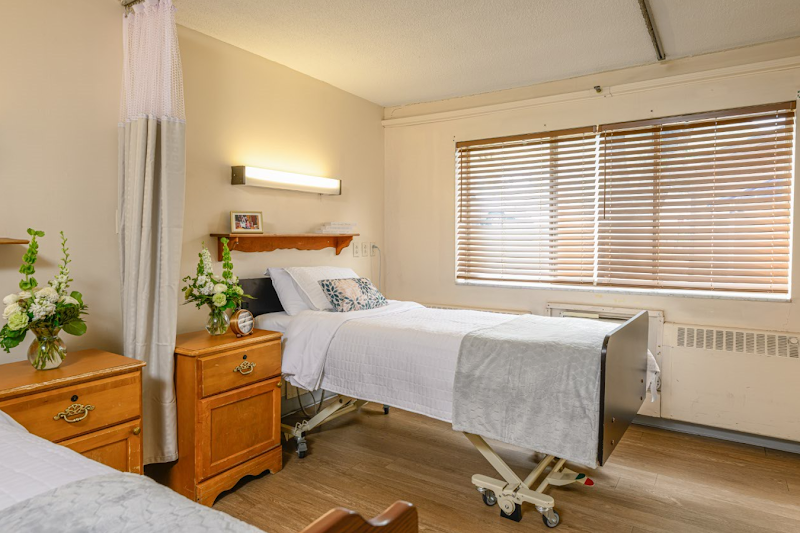
How is Avantara Mountain View Staffed?

CMS rates AVANTARA MOUNTAIN VIEW's staffing level at 3 out of 5 stars, which is average compared to other nursing homes. Staff turnover is 47%, compared to the South Dakota average of 46%.

What Have Inspectors Found at Avantara Mountain View?

State health inspectors documented 16 deficiencies at AVANTARA MOUNTAIN VIEW during 2022 to 2024. These included: 2 that caused actual resident harm and 14 with potential for harm. Deficiencies causing actual harm indicate documented cases where residents experienced negative health consequences.

Who Owns and Operates Avantara Mountain View?

AVANTARA MOUNTAIN VIEW is owned by a for-profit company. For-profit facilities operate as businesses with obligations to shareholders or private owners. The facility is operated by LEGACY HEALTHCARE, a chain that manages multiple nursing homes. With 101 certified beds and approximately 86 residents (about 85% occupancy), it is a mid-sized facility located in RAPID CITY, South Dakota.

How Does Avantara Mountain View Compare to Other South Dakota Nursing Homes?

Compared to the 100 nursing homes in South Dakota, AVANTARA MOUNTAIN VIEW's overall rating (3 stars) is above the state average of 2.7, staff turnover (47%) is near the state average of 46%, and health inspection rating (3 stars) is at the national benchmark.

What Should Families Ask When Visiting Avantara Mountain View?

Based on this facility's data, families visiting should ask: "Can I visit during a mealtime to observe dining assistance and food quality?" "How do you handle medical emergencies, and what is your hospital transfer rate?" "Can I speak with family members of current residents about their experience?"

Is Avantara Mountain View Safe?

Based on CMS inspection data, AVANTARA MOUNTAIN VIEW has a clean safety record: no substantiated abuse findings (meaning no confirmed cases of resident harm), no Immediate Jeopardy citations (the most serious violation level indicating risk of serious injury or death), and is not on the Special Focus Facility watch list (a federal program monitoring the lowest-performing 1% of nursing homes). The facility has a 3-star overall rating and ranks #1 of 100 nursing homes in South Dakota. While no facility is perfect, families should still ask about staff-to-resident ratios and recent inspection results during their visit.

Do Nurses at Avantara Mountain View Stick Around?

AVANTARA MOUNTAIN VIEW has a staff turnover rate of 47%, which is about average for South Dakota nursing homes (state average: 46%). Moderate turnover is common in nursing homes, but families should still ask about staff tenure and how the facility maintains care continuity when employees leave.

Was Avantara Mountain View Ever Fined?

AVANTARA MOUNTAIN VIEW has been fined $9,318 across 1 penalty action. This is below the South Dakota average of $33,172. While any fine indicates a compliance issue, fines under $50,000 are relatively common and typically reflect isolated problems that were subsequently corrected. Families should ask what specific issues led to these fines and confirm they've been resolved.

Is Avantara Mountain View on Any Federal Watch List?

AVANTARA MOUNTAIN VIEW is not on any federal watch list. The most significant is the Special Focus Facility (SFF) program, which identifies the bottom 1% of nursing homes nationally based on persistent, serious quality problems. Not being on this list means the facility has avoided the pattern of deficiencies that triggers enhanced federal oversight. This is a positive indicator, though families should still review the facility's inspection history directly.