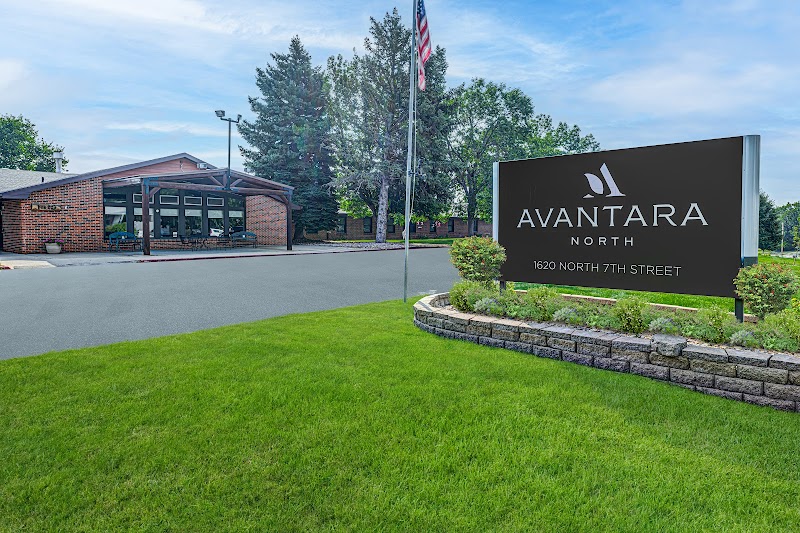

AVANTARA NORTH

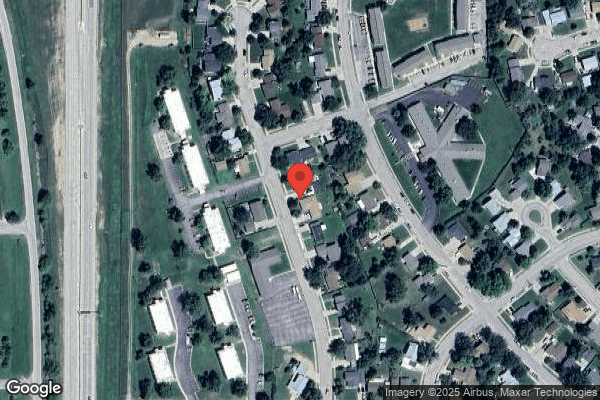
1620 NORTH 7TH STREET, RAPID CITY, SD 57701 (605) 343-4958
For profit - Limited Liability company 68 Beds LEGACY HEALTHCARE Data: November 2025
Trust Grade
43/100
#50 of 95 in SD
Last Inspection: January 2025

Within standard 12-15 month inspection cycle. Federal law requires annual inspections.

Overview

Avantara North in Rapid City, South Dakota, has a Trust Grade of D, indicating it is below average and has some concerning issues. It ranks #50 out of 95 facilities in the state, placing it in the bottom half, and #5 out of 9 in Pennington County, meaning there are only four better local options. The facility's trend is worsening, with the number of issues increasing from 2 in 2024 to 10 in 2025, which raises alarms for prospective residents and their families. Staffing is rated average at 3 out of 5 stars, with a turnover rate of 49%, consistent with the state average. However, the nursing home does provide better RN coverage than 84% of South Dakota facilities, which is a strength because registered nurses can identify potential issues that CNAs might miss. On the downside, there have been serious incidents, such as a resident being discharged with an untreated urinary tract infection and another resident leaving the facility unnoticed, which raises concerns about safety protocols. Additionally, there were issues with food service, where meals were served at unsafe temperatures, potentially affecting residents' nutrition and safety. Overall, while there are some strengths in staffing and RN coverage, the concerning incidents and worsening trend suggest families should carefully consider their options before choosing this facility.

Trust Score
D
43/100
In South Dakota
#50/95
Bottom 48%
Safety Record
Moderate
Needs review
Inspections
Getting Worse
2 → 10 violations
Staff Stability
⚠ Watch
49% turnover. Above average. Higher turnover means staff may not know residents' routines.
Penalties
✓ Good
$12,335 in fines. Lower than most South Dakota facilities. Relatively clean record.
Skilled Nurses
✓ Good
Each resident gets 47 minutes of Registered Nurse (RN) attention daily — more than average for South Dakota. RNs are trained to catch health problems early.
Violations
⚠ Watch
20 deficiencies on record. Higher than average. Multiple issues found across inspections.
★★☆☆☆
2.0
Overall Rating
★★★☆☆
3.0
Staff Levels
★★★☆☆
3.0
Care Quality
★★☆☆☆
2.0
Inspection Score
Stable
2024: 2 issues
2025: 10 issues

The Good

  • Full Sprinkler Coverage · Fire safety systems throughout facility
  • No fines on record

Facility shows strength in fire safety.

The Bad

2-Star Overall Rating

Below South Dakota average (2.7)

Below average - review inspection findings carefully

Staff Turnover: 49%

Near South Dakota avg (46%)

Higher turnover may affect care consistency

Federal Fines: $12,335

Below median ($33,413)

Minor penalties assessed

Chain: LEGACY HEALTHCARE

Part of a multi-facility chain

Ask about local staffing decisions and management

The Ugly 20 deficiencies on record

2 actual harm
Aug 2025 5 deficiencies 1 Harm
SERIOUS (G) 📢 Someone Reported This

A family member, employee, or ombudsman was alarmed enough to file a formal complaint

Actual Harm - a resident was hurt due to facility failures

Incontinence Care (Tag F0690)

A resident was harmed · This affected 1 resident

Based on South Dakota Department of Health (SD DOH) complaint intake review, record review, interview, and policy review, the provider failed to:Ensure there was a physician's order for one of one clo...

Read full inspector narrative →
Based on South Dakota Department of Health (SD DOH) complaint intake review, record review, interview, and policy review, the provider failed to:Ensure there was a physician's order for one of one closed record sampled resident's (1) urinary catheter.Ensure there was a documented clinical indication for urinary catheter use by one of one closed record sampled resident (1) that included a physician's order for catheter removal when it was no longer clinically indicated.Identify and implement measures to mitigate of one of one closed record sampled resident (1) with a urinary catheter from developing a urinary tract infection.Findings include: Review of the 6/24/25 SD DOH complaint intake revealed:On 6/18/25, the provider discharged resident 1. She was transferred and admitted to a different nursing home later that same day with a urinary catheter.When resident 1 was admitted to the receiving nursing home, her catheter had a significant amount of sediment. It was not reported [to the receiving nursing home by the provider] that the resident had a UTI [urinary tract infection] or that a urine sample was obtained prior to transfer for possible UTI. She [resident 1] has had her catheter removed [by the receiving nursing home] as well as started an antibiotic to treat her UTI [after her admission to the receiving nursing home facility].Review of resident 1's closed electronic medical record (EMR) revealed:Neither her 6/3/25 hospital discharge orders nor her 6/3/25 nursing home admission orders had included a urinary catheter. Resident 1's 6/3/25 Nurse admission Assessment indicated that the resident had a urinary catheter. A question in that assessment, Is there a plan to discontinue [the catheter]? was answered no.Resident 1's 6/14/25 through 6/17/25 Nursing-Daily Evaluation assessments had included a checklist (Section A) that included Vital Signs/Devices and Treatments. There was space on that checklist to indicate if a resident had a urinary catheter and whether or not it was chronic or new. On that same assessment, Section B. Skilled Nursing, there was space (12 a.) to identify if a resident had an indwelling catheter. There was additional space in the Comments section (23.) to document nursing comments relevant to those resident care needs that were identified in Section A that applied to a resident.Resident 1's 6/14/25 through 6/17/25 Nursing-Daily Evaluation assessments failed to identify that she had a urinary catheter, and there was no documentation in the comment section of those assessments regarding resident 1 having signs or symptoms of a possible urinary tract infection. There was no Nursing-Daily Evaluation assessment completed on the date of resident 1's discharge, 6/18/25.A 6/16/25 progress note: Staff reported the resident's urine to be thick and yellowish in color. The resident's medical provider was notified, and a urine analysis (UA) was ordered. The results of that UA were not available on 6/18/25 when the resident was discharged . UA results were faxed to the receiving facility on 6/19/25. There was no documentation to support a hand-off communication between the provider's nursing staff and the receiving nursing home facility nurse had occurred on the day of resident 1's discharge. Interview on 8/7/25 at 9:55 a.m. with Minimum Data Set (MDS)/Care Plan Coordinator D revealed:She confirmed resident 1 had a urinary catheter during her 6/3/25 through 6/18/25 nursing home stay. Resident 1's hospital discharge orders and nursing home admission orders had not included resident 1's use of a urinary catheter. It was MDS/Care Plan Coordinator D's responsibility to ensure residents admitted to the facility with urinary catheters had a physician's order for that catheter, a diagnosis that supported its medical necessity, and a removal plan for the catheter if that was clinically indicated. Implementing those interventions would have decreased resident 1's risk of developing a UTI, but that had not occurred.Because resident 1's admission orders had not included a urinary catheter, MDS/Care Plan Coordinator D assumed the resident had no catheter, and her catheter follow-up referred to above had not occurred. Interview on 8/7/25 at 12:45 p.m. with director of nursing (DON) B revealed:A floor nurse was responsible for completing the Nurse admission Assessment, and a nurse manager was responsible for entering admission orders. DON B agreed that the nurse manager should have completed a visual assessment of resident 1 to have known she had a urinary catheter, and that the expected standards of practice for catheter use had been followed. Review of the provider's revised 5/15/25 Catheter Associated Urinary Tract Infection (CAUTI) Prevention Guidelines revealed:1) Verify that there is a physician's order for a catheter procedure.3) d) Do not use the indwelling catheter unless medically necessary: Appropriate indications for the continuation of use/justification of an indwelling urethral catheter beyond 14 days .
CONCERN (D) 📢 Someone Reported This

A family member, employee, or ombudsman was alarmed enough to file a formal complaint

Potential for Harm - no one hurt, but risky conditions existed

Deficiency F0628 (Tag F0628)

Could have caused harm · This affected 1 resident

Based on a South Dakota Department of Health (SD DOH) complaint review, interview, record review, and policy review, the provider failed to follow their policy to ensure one of one closed record sampl...

Read full inspector narrative →
Based on a South Dakota Department of Health (SD DOH) complaint review, interview, record review, and policy review, the provider failed to follow their policy to ensure one of one closed record sampled resident's (1) discharge plan was documented and appropriate information was communicated to the nursing home that had accepted that resident for admission. Findings include: Review of the 6/24/25 SD DOH complaint intake revealed concerns that the nursing home where resident 1 was transferred and admitted to on 6/18/25 had not received the information needed to properly care for her before she was discharged on that same day by the provider. 1 Interview on 8/7/25 at 3:15 p.m. with Medical Records Director K revealed:She maintained a log of referral information that was sent to other healthcare providers on a resident's behalf. She had no documentation to support that she had sent any referral information to another healthcare provider on resident 1's behalf.Review of resident 1's closed electronic medical record (EMR) revealed:A 6/17/25 progress note: Medicare A last covered day 6/18[25] with daughter stating resident to be transferring to facility [in another town]. Arrangements are in place for transportation.There were no progress notes that indicated any communication had occurred between the provider and the nursing home that admitted resident 1 to their facility on 6/18/25. The 6/18/25 Instruction and Summary for Discharge UDA (user defined assessment) revealed:Section I of that assessment was a summary of the resident's status. That section included information regarding the resident's sensory impairments, mental and psychosocial status, cognitive status, attitude about discharge, and discharge status. A social services designee (SSD) was expected to have completed that section, but there was no SSD at the time of resident 1's discharge. No other staff had completed that section.Section II of that assessment was signed as having been completed by nurse supervisor/licensed practical nurse (LPN) F. That section included information regarding the resident's reason for admission, progress made and any complications the resident may have had, any assistive devices that were needed by the resident, and any pertinent antibiotic and laboratory information.Documentation in that section failed to include the following resident-specific information:The dates and results of resident 1's June 2025 COVID testing, and if there was a nurse assessment completed for signs and symptoms of COVID-19 on the day she was discharged . The documented vital signs in that section were dated 6/15/25. The resident had a Foley catheter. She also had shown signs and symptoms of a possible urinary tract infection (UTI) on 6/16/25. The results of a urine analysis (UA) test were pending.The resident had a physician's order for continuous oxygen to be worn.She had used a wheelchair cushion and a low air low-air-loss mattress at the facility. On 6/16/25, her medical provider was notified that her wounds had worsened. There were no new wound orders written at that time.The resident had completed a course of Vancomycin (an antibiotic) during her stay at the nursing home for treatment of C. difficile (a contagious bacterium that causes diarrhea).Section IV of that assessment was a summarization of the resident's rehabilitative services. A representative from the rehabilitation department was expected to have completed that section, but it was incomplete and unsigned. The medical provider was expected to have signed and dated Section V of that assessment, but it was incomplete and unsigned. Interview on 8/7/25 at 1:30 p.m. with director of nursing (DON) B confirmed:There was no documentation to support that discharge planning communication regarding resident 1 between the provider and the receiving nursing home facility had occurred.The above Instruction and Summary for Discharge documentation had not included resident-specific information that promoted a safe transition in care and assisted the receiving nursing home facility in providing resident 1's care needs.The SSD was the point of contact for resident discharges to other nursing home facilities. At the time of resident 1's discharge, there was no SSD to fulfill that responsibility, and another primary contact person was not identified to assume that responsibility.Review of the provider's revised 4/28/25 Discharge and Transfer of Residents/Bed Hold policy revealed:Policy: To ensure a safe transition is planned for any resident with a discharge or transfer to another setting.The LGHC [Legacy Healthcare] Instruction and Summary for Discharge UDA [User Defined Assessment] will be completed with all planned discharges. If proceeding with discharge, a copy of the UDA will be given to resident upon discharge. A copy will be signed by the physician for the summary of stay and will be scanned to electronic record or a copy maintained in closed medical record.
CONCERN (D) 📢 Someone Reported This

A family member, employee, or ombudsman was alarmed enough to file a formal complaint

Potential for Harm - no one hurt, but risky conditions existed

Respiratory Care (Tag F0695)

Could have caused harm · This affected 1 resident

Based on South Dakota Department of Health (SD DOH) complaint review, record review, interview, and policy review, the provider failed to ensure one of one closed record sampled resident (1) had docum...

Read full inspector narrative →
Based on South Dakota Department of Health (SD DOH) complaint review, record review, interview, and policy review, the provider failed to ensure one of one closed record sampled resident (1) had documentation to support physician-ordered oxygen was arranged and provided for her to use while being transported from the provider's facility to another nursing facility where she had been accepted for admission. Findings include: Review of a 6/24/25 SD DOH complaint revealed:The provider discharged resident 1 on 6/18/25, and she was transferred that same day to another nursing home approximately 100 miles away. The resident was transported to the receiving nursing home via a public transportation service.The resident was not provided with continuous oxygen when she was transported between the two nursing homes. 1 Review of resident 1's closed electronic medical record (EMR) revealed:A 6/3/25 physician's order for the resident to receive three liters of continuous oxygen via nasal cannula (a flexible tube that goes around the head into the nose for oxygen delivery) for a diagnosis of chronic respiratory failure with hypoxia (absence of enough oxygen). There was no documentation regarding what arrangements had been made to ensure that resident 1 was safely transported to the receiving nursing home with continuous oxygen as ordered. Telephone interview on 8/7/25 at 11:50 a.m. with registered nurse (RN) J revealed:She was responsible for discharging resident 1 on 6/18/25. She thought she had given a hand-off report to the receiving facility, but confirmed there was no documentation to support that it had occurred. RN J had not known if arrangements were made for resident 1 to have oxygen while she was transported to the receiving nursing home. She had not known if resident 1 was wearing oxygen at the time she was discharged from the facility. Interview on 8/7/25 at 1:40 p.m. with director of nursing (DON) B and assistant DON (ADON) C revealed:It was RN J's responsibility to confirm that resident 1 had portable oxygen available to use while being transported to the receiving facility. If the receiving facility had not sent portable oxygen for resident 1 to use, the sending facility should have sent theirs. Review of the provider's revised 11/19/24 Oxygen Administration policy revealed 3. If portable oxygen is used, staff should ensure the tank has adequate volume to ensure oxygen does not run out.
CONCERN (D) 📢 Someone Reported This

A family member, employee, or ombudsman was alarmed enough to file a formal complaint

Potential for Harm - no one hurt, but risky conditions existed

Deficiency F0726 (Tag F0726)

Could have caused harm · This affected 1 resident

Based on South Dakota Department of Health (SD DOH) facility-reported incident (FRI), interview, and record review, the provider failed to validate the status of one of one social services designee's ...

Read full inspector narrative →
Based on South Dakota Department of Health (SD DOH) facility-reported incident (FRI), interview, and record review, the provider failed to validate the status of one of one social services designee's (SSD) (G) temporary nursing license while she was employed in that capacity between February 2025 and May 2025. This citation is considered past non-compliance based on a review of the corrective actions the provider implemented following the incident. Findings include: 1. Interview on 8/6/25 at 8:30 a.m. with administrator A and director of nursing (DON) B and review of the provider's 5/7/25 SD DOH FRI final report regarding SSD G revealed:SSD G had been the facility's SSD since 2/1/21.She had completed her practical nursing degree in December 2024. Her temporary nursing license was issued on 1/2/25. She began training as a floor nurse at the facility shortly thereafter. SSD G had worked mostly evening shifts. There were two licensed nurses who worked those shifts with SSD G.SSD G was a certified nurse aide (CNA), but she was not a certified medication aide (CMA).She had told facility management staff that she had passed her National Council Licensure Examination (NCLEX-a standardized examination used to assess the knowledge, skills, and abilities of entry-level nurses) in February 2025. Upon passing the NCLEX, a permanent nursing license would have been issued to SSD G by the South Dakota Board of Nursing (SD BON).Human Resources (HR) director H requested from SSD G a copy of that permanent nursing license for her personnel file.On 5/5/25, HR director H had noticed there was still no copy of SSD G's permanent nursing license in her personnel file. On 5/5/25 and 5/6/25, she again requested a copy of that nursing license from SSD G. On 5/6/25, when SSD G failed to provide that copy, HR director H notified DON B.Referring to the SD BON website, DON B was unable to confirm SSD G had a valid nurse license.A 5/7/25 email sent to administrator A, DON B, and HR director H from SSD G attributed DON B's inability to find her nursing license on the website to a clerical error. On 5/7/25, DON B emailed the SD BON. Their 5/7/25 email response confirmed that SSD G had failed the NCLEX. Her temporary nursing license was invalid after she had failed that examination. That occurred on or about 2/10/25.SSD G was suspended from working on 5/7/25 pending a full investigation. On 5/8/25, SSD G sent a cropped screenshot of a temporary nursing license to administrator A. The effective and expiration dates on that license had been altered from the original temporary nursing license that was issued by the SD BON.SSD G was terminated from employment on 5/8/25. The provider's implemented actions to ensure the deficient practice does not recur were confirmed onsite on 8/6/25 after record review revealed the facility had followed their quality assurance process and:Local law enforcement, the SD BON, the SD Department of Social Services, the SD Department of Health (DOH), the facility's medical director, and the Office of the Inspector General were notified SSD G had falsified her temporary nursing license. An audit and review of SSD G's documentation between 1/18/25 and 5/7/25 in all residents' electronic medical records (EMR) was completed. An audit of medication administration variances for SSD G during that time frame was completed. A risk audit was completed to identify tasks SSD G had completed that would have been outside of her scope of practice. An audit was completed of skilled nursing care SSD G had provided for Medicare, managed care, and VA (Veterans Administration). An Ad Hoc QAPI (Quality Assurance and Process Improvement) meeting was held on 5/8/25 to identify a process for improving the tracking and management of staff's professional certifications and licenses. This resulted in a facility-wide audit of all applicable staff certifications and licenses. No additional staff were identified as having lapsed or absent certifications or licenses. Monthly audits will continue, and the findings will be discussed during QAPI meetings. HR director H was educated on 5/9/25 regarding professional certification and license verification, and background check expectations. Administrator A and DON B were educated on 5/13/25 regarding their responsibility for ensuring facility staff had completed their roles and responsibilities, certifications, and licenses of all applicable staff were verified, and the newly established process regarding licensed nurses working in the facility with a temporary nurse license was followed. Based on the above information, non-compliance at F726 occurred on 1/18/25, and based on the provider's implemented corrective actions beginning on 5/7/25, for the deficient practice confirmed on 8/6/25, the non-compliance is considered past non-compliance.
CONCERN (E) 📢 Someone Reported This

A family member, employee, or ombudsman was alarmed enough to file a formal complaint

Potential for Harm - no one hurt, but risky conditions existed

Infection Control (Tag F0880)

Could have caused harm · This affected multiple residents

**NOTE- TERMS IN BRACKETS HAVE BEEN EDITED TO PROTECT CONFIDENTIALITY** Based on South Dakota Department of Health (SD DOH) complaint intake review, record review, interview, and policy review, the pr...

Read full inspector narrative →
**NOTE- TERMS IN BRACKETS HAVE BEEN EDITED TO PROTECT CONFIDENTIALITY** Based on South Dakota Department of Health (SD DOH) complaint intake review, record review, interview, and policy review, the provider failed to ensure:During a June 2025 facility COVID-19 outbreak, all residents' COVID-19 testing and test results had been appropriately documented per the provider's policy.Prior to discharge of one of one closed record sampled resident (1) to another nursing home on 6/18/25, the receiving nursing home received disclosure of a COVID-19 outbreak at the provider's nursing home.Accurate and appropriate documentation of the administration of one of one closed record sampled resident's (1) second step of a 2-step tuberculosis (TB) test was conducted. Findings include: 1 Review of the 6/24/25 SD DOH complaint intake revealed:The provider had discharged resident 1 on 6/18/25. She was transported via public transportation and admitted to another nursing home approximately 100 miles away on that same day. The resident was wearing a face mask upon arriving at the receiving nursing home. The driver who transported the resident told staff at the receiving nursing home that the discharging provider had an active COVID-19 outbreak. The driver indicated the resident was coughing quite a bit on the way down [during the drive to the receiving facility]. We [the receiving nursing home] were not informed of the COVID [COVID-19] outbreak at their [the provider's] facility. The above information provided by the driver prompted the receiving nursing home to change the resident's initial room assignment from a semi-private room to a private room, and plans to ensure prevention of [a] COVID [COVID-19] outbreak were initiated.Upon arrival at the receiving nursing home, She [resident 1] stated she had chills, and she was assessed as having a productive cough. Resident 1 was tested at that time for COVID-19 test and the test result was positive.Review of resident 1's EMR revealed:Her admission date was 6/3/25.She was tested for COVID-19 during the provider's June 2025 COVID-19 outbreak on 6/13/25. That test was negative. There was no documentation in her EMR that indicated she had any other COVID-19 tests completed in June 2025.Review of her 6/15/25 through 6/17/25 Nursing Daily Evaluation assessments revealed that resident 1 was assessed and she was non-symptomatic (had no symptoms) for the following: her respirations, lung sounds, and respiratory virus monitoring (cough, running nose/sneezing, sore throat, headache, shortness of breath, temperature, and muscle aches). No Nursing Daily Evaluation assessment was documented on 6/18/25, the day of resident 1's discharge.Interview on 8/7/25 at 8:20 a.m. with Infection Preventionist (IP) E revealed:A symptomatic resident had tested positive for COVID-19 on 6/9/25. A second symptomatic resident had tested negative on 6/9/25, was retested again a short time later, and was positive for COVID-19. A nurse manager used a resident list with the residents' room numbers on it to ensure all residents were tested for COVID-19 on 6/9/25, 6/11/25, and 6/13/25. The test result for each resident's test was noted beside their name on those lists. The dates of all residents' COVID-19 testing and the results of all those tests were then expected to have been transferred from those lists to their EMR by the nurse manager who administered the COVID-19 test. The above resident lists had been discarded after test results had been transferred to a resident's EMR.IP E had only kept a spreadsheet that listed the names of those residents who had tested positive for COVID-19 during the June 2025 outbreak. There were progress notes in their EMRs regarding their COVID-19 testing and COVID-19 test results.Twenty-four residents had tested positive for COVID-19 during the June 2025 outbreak. The facility's census on 6/10/25 was 67 residents.Continued interview with IP E and review of resident 1's EMR revealed:There was documentation that resident 1 had only been tested for COVID-19 on 6/13/25. That COVID-19 test result was negative.There was no documentation to support that the provider had communicated to the receiving nursing home that they had a COVID-19 outbreak when resident 1 was transferred to their facility on 6/18/25. IP E agreed that communication failure had potentially placed the receiving nursing home at risk for its own COVID-19 outbreak.Interview on 8/7/25 at 11:15 a.m. with administrator A, director of nursing (DON) B, and assistant DON C revealed:Resident 1 was admitted to the facility on [DATE].All residents were tested for COVID-19 on 6/9/25, 6/11/25, and 6/13/25. ADON C had administered and read all residents' 6/13/25 COVID-19 tests. Documentation of those administered tests, and test results were entered in all residents' EMRs by ADON C. There was no similar documentation completed by other nurse managers for their 6/9/25 and 6/11/25 COVID-19 test administration and test results.Only the 6/13/25 COVID-19 test administration and negative test result was documented in resident 1's EMR. The nurse manager who had completed the 6/9/25 and 6/11/25 resident COVID-19 tests was expected to have documented the negative COVID-19 test results for all applicable residents, but that had not occurred. There was only documentation in the EMRs of residents who had tested positive for COVID-19 on 6/9/25 and 6/11/25. COVID-19 information was expected to have been communicated by the provider to the receiving nursing home before resident 1 was discharged to ensure a safe transition in care for her and all the residents and staff at the receiving nursing home, but that had not occurred.Reporting/Tracking: Administration will ensure records are maintained regarding the testing process; resident and staff consent for testing; test results; . 2. Upon identification of a new COVID-19 case in the facility (i.e., outbreak), document: b. The date that all other residents and staff are tested.c. The dates that staff and residents who tested negative are retested, .Review of the provider's 4/28/25 revised Discharge and Transfer of Residents/Bed Hold policy revealed: Policy: To ensure a safe transition is planned for any resident with a discharge or transfer to another setting.2 Review of resident 1's EMR revealed she was admitted on [DATE]. The first step of her two-step TB skin test was administered on 6/4/25. That test was read as negative on 6/6/25 and was documented in the immunization section of her EMR. There was no documentation in the EMR to support that the second step of her TB test was administered.Interview and review of resident 1's EMR with IP E on 8/7/25 at 9:35 a.m. revealed:A TB order set (orders grouped together for a specific condition or process) was entered on resident 1's medication administration record (MAR) at the time of her admission to the facility. That order set alerted nursing staff on what day to administer and what day to read the resident's first and second TB skin tests. That TB skin test information (the date of administration and results) was then to be transferred to the immunization section of her EMR by the nurse who administered the TB test and/or read the TB test. IP E reviewed residents' immunization records to ensure their TB skin tests were administered, read, and documented appropriately. IP E confirmed there was no documentation to support resident 1's second step TB skin test was administered. She stated, Maybe the check and balance didn't happen [for that test]. Interview and review of resident 1's June MAR with DON B on 8/7/25 at 11:30 a.m. revealed:Resident 1 was admitted on [DATE].On 6/4/25, she was scheduled to receive the first of her two-step TB skin test. The test was documented as having been administered intradermally (just below the top layer of skin) on the resident's left forearm on 6/4/25. On 6/6/25, the resident was scheduled to have that same TB test read. The test was documented as having been read on 6/6/25, and indicated there was no induration (raised, hardened area, or swelling at the injection site). The results of that skin test had been added to the immunization section of her EMR.On 6/13/25, she was scheduled to receive the second of her two-step TB skin test. There was no indication it had been administered on that date. On 6/15/25, she was scheduled to have the second TB test read. The test was documented as having been read on 6/15/25 by licensed practical nurse (LPN) I, but there was no indication of what the results of that test were. There was no information in the immunization section of her EMR regarding a second TB skin test having been completed.Telephone interview on 8/7/25 at 11:40 a.m. with LPN I revealed she thought she had read resident 1's second TB skin test, if that was what she had documented on her MAR. She presumed that the test result was negative because she had never read a positive TB test at the nursing home.Telephone interview on 8/7/25 at 11:50 a.m. with registered nurse (RN) J revealed she would have been responsible for administering resident 1's 6/13/25 scheduled TB skin test, but she was not able to remember whether she had administered it or not. Interview on 8/7/25 at 11:55 a.m. with ADON C revealed there were two different TB order sets available to add to a resident's MAR. The order set entered for resident 1's second TB skin test was different from the order set that was entered for her first TB skin test. The second order set was not as comprehensive as the first order set and she stated the second order set should not have been used. Review of the provider's revised 3/7/25 Tuberculosis Prevention and Control Program South Dakota policy revealed:TB Screening at admission: 1. A resident's clinical record must contain a report of a tuberculin test .8. All resident TB screening must be documented in the residents [resident's] medical record and be readily accessible to facilitate consideration of TB if the resident develops signs and symptoms of TB.
Jan 2025 5 deficiencies
CONCERN (D)

Potential for Harm - no one hurt, but risky conditions existed

Resident Rights (Tag F0550)

Could have caused harm · This affected 1 resident

Based on observation, interview, record review, and policy review, the provider failed to protect the residents' right to be cared for with respect and dignity for: *One of one sampled resident (6) by...

Read full inspector narrative →
Based on observation, interview, record review, and policy review, the provider failed to protect the residents' right to be cared for with respect and dignity for: *One of one sampled resident (6) by one of one certified therapy assistant (COTA) (K). *One of one sampled resident (32) who had a container for rinsing his colostomy bag stored on his bedside table in full view of others. Findings include: 1. Observation on 1/13/24 at 8:33 a.m. of resident 6 in the dining room revealed: *She, three unidentified residents, and certified occupational therapy assistant (COTA) K were seated at a dining room table together. -COTA K was seated beside resident 6 to her left. *Resident 6's breakfast meal was in front of her and was mostly uneaten. *COTA K was looking at the cell phone in his lap. -He turned his attention to resident 6 after the surveyor walked by that table. 2. Continued observation between 8:35 a.m. and 9:18 a.m. of COTA K and resident 6 at the dining room table revealed: *The resident fed herself no more than three bites of food during that time. *COTA K physically assisted her in bringing a fork with food on it from her plate to her mouth one time. *COTA K either had one hand on his forehead while he looked down at a cell phone, held the phone with both hands while he looked down at it, or looked down towards the top of the table and wrote on a piece paper on the table during the observation. *He had a face mask on and it was not known if he had verbally interacted with the resident during that time. 3. Continued observation and interview with certified nurse aide (CNA) G at 9:25 a.m. revealed: *She sat next to resident 6 and assisted her with eating after COTA K had left the dining room. *Two full glasses of fluid, a full-serving of mechanically altered sausage and gravy, most of her Cream of Wheat cereal, and one piece of french toast remained on resident 6's plate. *She shook her head yes or no to CNA G's questions and responded to her verbal encouragement to eat. *CNA G had known resident 6 had sat in the dining room for about an hour before she had arrived. -She agreed the resident's food was cold and would no longer have been appetizing. 4. Interview on 1/13/25 at 9:40 a.m. with COTA K regarding the above dining room observation revealed: *Resident 6 was a feeder. -He had not known the use of that term was considered to have been derogatory. *The resident's occupational therapy goals had included improving her self-feeding abilities. -He had verbally interacted with the resident during the meal service but agreed it was disrespectful to have not made eye contact with her during those interactions. *He agreed the resident's food was likely cold and no longer tasteful after over an hour had passed. 5. Interview on 1/14/24 at 7:45 a.m. with COTA/therapy program director L regarding the above dining room observation revealed: *That is not our standard of care expectation. *Cell phone use was prohibited except in the case of an emergency. *Eye contact and conversation with the resident was expected of COTA K during that meal. Appropriate verbal and/or physical assistance should have been provided. Food should have remained at a palatable temperature during the meal service. *The use of terms such as feeder to describe a resident was unacceptable. 6. Random observations on 1/12/25 and 1/14/25 revealed resident 32's container for rinsing his colostomy bag was stored on his bedside table in full view of anyone who may have passed by or entered his room. 7. Observation on 1/13/25 at 8:15 a.m. of resident 32 while in his room revealed the colostomy rinsing container was on his bedside table next to his breakfast tray while he was eating his breakfast. 8. Interview on 1/14/25 at 2:25 p.m. with infection preventionist (IP) C revealed it was her opinion that having resident 32's colostomy rinsing container exposed on his bedside table was a dignity issue. 9. Review of the provider's November 2024 Resident Dignity & Privacy policy revealed: *Policy: It is the practice of this facility to protect and promote resident rights and treat each resident with respect and dignity, as well as, care for each resident in a manner and in an environment, that maintains resident privacy.
CONCERN (D) 📢 Someone Reported This

A family member, employee, or ombudsman was alarmed enough to file a formal complaint

Potential for Harm - no one hurt, but risky conditions existed

Deficiency F0604 (Tag F0604)

Could have caused harm · This affected 1 resident

**NOTE- TERMS IN BRACKETS HAVE BEEN EDITED TO PROTECT CONFIDENTIALITY** Based on a South Dakota Department of Health (SD DOH) facility-reported incident (FRI), observation, interview, record review, a...

Read full inspector narrative →
**NOTE- TERMS IN BRACKETS HAVE BEEN EDITED TO PROTECT CONFIDENTIALITY** Based on a South Dakota Department of Health (SD DOH) facility-reported incident (FRI), observation, interview, record review, and personnel file review, the provider failed to ensure one of one sampled resident (35) was free from physical restraint by two of two certified nursing aides (CNA) (M and Q) and one of one licensed practical nurse (LPN) (R) who physically held down the resident's lower extremities while they provided his personal care. This citation is considered past non-compliance based on a review of the corrective actions the provider implemented immediately following the incident. Findings include: 1. Review of the provider's [DATE] SD DOH FRI revealed abuse and the physical restraint of resident 35 was identified by registered nurse (RN)/assistant director of nursing S during a review of the resident's progress notes. Review of resident 35's electronic medical record (EMR) revealed: *His admission date was [DATE] and his diagnoses included vascular dementia, anxiety, depression, and pain. *He had been on hospice services since [DATE]. *His Brief Interview for Mental Status (BIMS) assessment score was 12 which indicated he had moderate cognitive impairment. *An [DATE] progress note documented by LPN R indicated: -Behavior: resident refused to be changed since he went to bed. at 0400 [4:00 a.m.], this nurse was called to resident's room. when this nurse got there the resident was yelling and swearing at staff. i informed the resident that he needed to be changed. resident still refused. i informed resident that if he wasn't changed that his skin would start to break down. so we started to change the resident and he became combative. we [CNAs M and Q and LPN R] restrained him so that we could get him changed. once changed we left resident's room. Observation and interview with resident 35 on [DATE] at 3:40 p.m. in his room revealed he: *Sat in his recliner watching television. *Stated he was fine and had no concerns. -Declined any further conversation at that time or in the future. Continued review of resident 35's EMR revealed: *A skin assessment was completed on [DATE] and no new skin concerns had been identified following the [DATE] incident. *The resident's behavioral care plan was updated on [DATE] and again on [DATE] to reflect staff were to: -Approach and reapproach the resident when he refused personal care. -Educate the resident regarding the risks of refusing care. -Utilize staff who had a rapport with the resident to provide his personal care. -Use of an incontinent brief that was more absorbent and provided better skin protection. Interview on [DATE] at 6:15 p.m. with CNA M regarding the FRI revealed: *He confirmed the content of the FRI above was factual. *He complied with LPN R's instruction to physically restrain resident 35 when the resident had refused care knowing what he was asked to do was not right. -He failed to report the incident to his supervisor or any other member of management. *Resident 35 had a history of non-compliance with personal care that escalated after his spouse passed away in the fall of 2024. -They had resided together in the nursing home. *Resident 35's care refusals had been managed by leaving him alone for a short period of time and then reapproaching him. *Repeated care refusals had been reported to a nurse. -The resident sometimes accepted a nurse's explanation of the consequences of care refusal and then allowed staff to perform that care. *A new type of incontinent brief had been used since [DATE] that allowed brief changes to occur at a less frequent interval without compromising the resident's skin. *CNA M stated no other nursing staff had ever asked him to hold a resident's arms or legs in order to have completed their personal care. -He had not observed or known of any other instances of any staff who had been asked to or had physically restrained a resident. *He was suspended from work pending the outcome of the [DATE] incident investigation. -He was required to complete an abuse prevention training before he was allowed to return to work. Interview on [DATE] at 8:07 a.m. with RN E regarding resident 35's care refusals revealed: *He had a history of care refusal but the frequency had escalated after his spouse died. -He was moved to a private room across the hall and that seemed to have helped improve his behavior. *The resident verbally refused care by saying No, that type of thing which had indicated to staff he wanted to be left alone. -He was not usually physically aggressive. *The resident related better to some staff and they provided his care when possible or if he had refused care offered by another staff person. *Staff respected the resident's right to refuse care but reapproached him to offer that care again to ensure it had occurred. Review of CNAs M and Q and LPN R's personnel files revealed: *Their professional certifications or licenses were current and their pre-employment background checks identified no areas of concern. *Their mandatory resident rights, abuse/neglect, and restraint training was current. *CNA Q was terminated on [DATE] unrelated to the [DATE] incident. *LPN R was terminated on [DATE] related to the [DATE] incident. Interview on [DATE] at 9:45 a.m. with DON B and administrator A regarding the FRI revealed: *The incident was reported to the South Dakota Board of Nursing. *Audits of a sample of cognitively intact residents regarding their care and feelings of safety was completed. A review of those audits identified no concerns. *Audits of a sample of staff regarding resident care concerns was completed. A review of those audits identified no issues. *All staff were re-educated at the [DATE] All Staff meeting regarding resident abuse and neglect. -Training content was reviewed and included restraint use. The provider's implemented systemic actions to ensure the deficient practice does not reoccur was confirmed on [DATE] after: *Facility audits of sampled residents and staff identified no resident care or safety concerns. *Education was provided to all staff regarding resident abuse/neglect and restraint use. -Observations and interviews revealed staff understood that education regarding those topics. *Resident 35's care plan was revised to reflect modified behavioral interventions for the management of care refusal. -Interviews revealed staff understood the interventions for managing resident 35's care refusal according to his revised care plan. Based on the above information, non-compliance at F604 occurred on [DATE], and based on the provider's implemented corrective actions for the deficient practice confirmed on [DATE], the non-compliance is considered past non-compliance.
CONCERN (D)

Potential for Harm - no one hurt, but risky conditions existed

Deficiency F0742 (Tag F0742)

Could have caused harm · This affected 1 resident

Based on observation, record review, interview, and policy review, the provider failed to document one of one sampled resident's (1) disrobing behavior that supported her continued need to have a dign...

Read full inspector narrative →
Based on observation, record review, interview, and policy review, the provider failed to document one of one sampled resident's (1) disrobing behavior that supported her continued need to have a dignity curtain placed inside of her room. Findings include: 1. Observation on 1/12/25 at 3:54 p.m. of resident 1 in her room revealed: *There was a corridor about five to six feet in length upon stepping inside the room. *At the end of the corridor was a piece of patterned material (a dignity curtain) velcroed between the two walls at the end of the corridor. -The curtain was about five to six feet wide and between four and five feet high. *The resident's living space was on the other side of the curtain. *The resident was able to be visualized after taking a few steps inside the corridor and looking over the curtain. *The resident was lying on her low bed, fully clothed, and watching television. -She was able to make eye contact but was not able to be understood when she tried to communicate. Interview on 1/13/25 at 8:10 a.m. with registered nurses (RN) E and T regarding resident 1's dignity curtain revealed: *It was used to prevent visitors and residents walking by her doorway from seeing her if she had removed her clothes. -Placement of the curtain allowed staff to step inside of the room and look over the curtain to monitor the resident. *The resident had a history of a brain injury that resulted in cognitive impairment. Additional observations of the resident on 1/12/25 (at 6:15 p.m.), 1/13/25 (at 8:03 a.m., 10:06 a.m., and 4:15 p.m.), and 1/14/25 (at 7:40 a.m., 10:00 a.m., and 2:00 p.m.) revealed: *She was in her room lying on her low bed, fully clothed, and watching television. -The dignity curtain was up. Interview on 1/13/25 at 4:40 p.m. with administrator A and director of nursing B regarding resident 1 revealed: *The dignity curtain was used to protect the resident's privacy due to her disrobing behavior. -Neither knew if the frequency of the resident's disrobing behavior was being tracked to support the continued use of the dignity curtain. Review of resident 1's care plan revealed: *A focus area revised on 7/26/24 related to the resident's use of antidepressant and anti-anxiety medication. -An intervention initiated on 7/30/19: Monitor/record occurrence of target behavior symptoms of pacing, wandering, disrobing, inappropriate response to verbal communicating, violence/aggression towards staff/others, etc, and document per facility protocol. *A focus area revised on 3/20/34 related to her behaviors which included disrobing. -An intervention revised on 7/30/19: Document behaviors and my response to interventions per facility protocol. -An intervention revised on 3/20/24: Ensure that Velcro-cloth barrier is placed to shield view of [resident 1] when lying in bed and disrobing/removing brief to promote her dignity. Review of resident 1's electronic medical record (EMR) revealed: *Her diagnoses included vascular dementia, seizure disorder, chronic pain, depression, anxiety, and an anoxic brain injury. *A behavioral symptom monitoring tool included areas to document the frequency of 13 different types of behavior on a daily basis. -Disrobing was not one of those 13 listed behaviors. *Her behavioral progress notes and interdisciplinary progress notes between 11/12/24 and 1/13/25 did not mention the resident's disrobing behavior. *An 11/5/24 Behavior/Psychotropic Interdisciplinary Team Review included a list of the resident's behaviors that have been present the last 2 weeks. -Disrobing was not present during that time. -Targeted behaviors included verbal behaviors, resisting care, but not disrobing. *An 11/6/24 care conference note did not include a disrobing behavior. *An 11/20/24 psychiatry progress note completed by the certified nurse practitioner: [Resident 1's] behavior includes yelling and getting out of her chair but she has maintained a minimal amount of agitation on current medications. *Resident 1's 11/1/24, 9/11/24, and 7/19/24 Minimum Data Set assessments (Section E-Behavior Symptoms/other behavior symptoms not directed toward others such as disrobing in public) indicated that behavior was not exhibited at the time of those assessments. Interview on 1/14/25 at 8:10 a.m. with restorative therapy aide (RTA) U and certified nurse aide (CNA) J regarding resident 1's disrobing behavior revealed: *RTA U stated the frequency of resident disrobing had improved. It had occurred maybe a couple times per day. *CNA J stated disrobing had occurred maybe a couple times per month which was a decrease from a few days a week. Interview on 1/14/25 at 2:15 p.m. and review of resident 1's 12/30/24 Siderail/Other Devices Evaluation form with administrator A revealed: *The Evaluation was to be completed quarterly to evaluate the use of the dignity curtain and to ensure it was not being used as a seclusionary device. *The Non-Physical Restraint Evaluation stated Barrier [dignity curtain] is being used to promote [resident 1's] dignity as chooses to remove her briefs when soiled with urine or BM [bowel movement], removes clothing, and lays naked on bed. *She agreed the lack of behavioral documentation had not supported the continued need for the dignity curtain. Review of the provider's revised 2/10/24 Psychotropic Medications policy revealed: 8. Residents receiving psychotropic medication will have adverse side effects and target behaviors addressed in the care plan and will be monitored, recorded, and summarized each quarter. Assessment (User Defined Assessment) will include resident specific behaviors, non-pharmacological interventions attempted and the resident's response to the interventions.
CONCERN (E)

Potential for Harm - no one hurt, but risky conditions existed

Infection Control (Tag F0880)

Could have caused harm · This affected multiple residents

Based on observation, interview, record review, and policy review, the provider failed to effectively implement and ensure appropriate and necessary infection prevention and control practices were fol...

Read full inspector narrative →
Based on observation, interview, record review, and policy review, the provider failed to effectively implement and ensure appropriate and necessary infection prevention and control practices were followed: *When one of one observed licensed practical nurse (LPN) (F) did not wear a mask during a facility acknowledged respiratory outbreak. *When the use of appropriate enhanced barrier precautions (EBP) was not followed by one of one certified nurse aide (CNA) (H) during personal care for one of one sampled resident (7) on EBP. *When appropriate hand hygiene and glove use was not followed by one of one CNA (G) during personal care for one of one sampled resident (1). *For the cleaning of shared resident equipment by CNAs (H and I) after use by one of one sampled resident (45) on EBP. *When the use of EBP was not followed by one of one registered nurse (RN) (E) during the administration of nutritional formula through a tube for one of one sampled resident (17) who was on EBP. *When the use of EBP was not done when an unidentified CNA was obtaining vital signs on resident 31. *For resident 32 who's colostomy bag (a bag attached to the body that collects stool and needs to be emptied and rinsed periodically) rinse container was kept on his bedside table. Findings include: 1. Observation on 1/12/25 at 2:00 p.m. inside the enclosed entryway of the facility revealed: *A box of surgical masks was on a table against the wall. -An alcohol-based hand sanitizer dispenser was mounted above that table. *A type-written notice was taped on the door that led into the facility. -The facility was in respiratory outbreak status and mask use was required inside of the facility. 2. Continued observation inside of the facility revealed: *LPN F sat behind the nurses' station without a mask on her face. *She approached an unknown resident in front of the nurses' station and commented to that resident, I suppose I should be wearing a mask. *She walked towards the enclosed entry referred to above, entered a code on the wall-mounted key pad, pushed open the door, and without performing hand hygiene placed a mask over her face. 3. Interview on 1/12/25 at 2:15 p.m. with LPN F revealed the facility was in respiratory outbreak status related to an employee who had tested positive for COVID-19. 4. Observation and interview on 1/12/25 at 2:15 p.m. with certified nurse aide (CNA) H in resident 7's room revealed: *A notice on the room door for EBP (A set of infection control-measures that require the use of gowns and gloves to reduce the spread of multidrug-resistant organisms). *Without putting on a gown or gloves she placed her arms under the resident's armpits and lifted her up from her wheelchair to a standing position. -She transferred the resident to her bed. *She moved the resident's urine catheter bag from the wheelchair, attached it to her bed, and placed it inside a cloth bag. *CNA H stated resident 7 was on EBP because she had a catheter. She had not needed to put on a gown or gloves unless she was emptying the catheter bag. 5. Observation on 1/12/25 at 3:29 p.m. near resident 45's room revealed: *A notice was posted on the room door for EBP to have been followed. *CNA I exited the room with a mechanical lift that she had left along the wall near that room. -A bag was hung on the lift that contained disinfectant wipes. *CNA I returned to the resident's room before she exited again with CNA H. *The mechanical lift was not cleaned by either staff after they had left the room. 6. Interview on 1/12/25 at 4:30 p.m. with CNA H regarding the above observation revealed: *She and CNA I had used the mechanical lift to transfer resident 45 from his bed to his wheelchair. *The lift was expected to have been cleaned after it was used but neither she nor CNA I had cleaned it. 7. Observation on 1/13/25 and interview with CNA G at 4:15 p.m. while in resident 1's room revealed: *CNA G put on a gown and gloves to change the resident's soiled incontinence brief. -She used wet wipes to clean stool off of the resident's skin then discarded those wipes into a plastic bag. *With dirty gloves she: -Dispensed skin barrier cream onto the dirty glove and applied it onto the resident's skin. -Placed a clean incontinence brief on the resident. *She then removed her dirty gown and gloves, placed them in the plastic bag, and washed her hands. *She stated she was expected to have removed her dirty gloves, performed hand hygiene, and applied clean gloves before she had applied barrier cream and put a clean brief on the resident to prevent cross-contamination. 8. Interview on 1/14/25 at 1:45 p.m. with woundcare registered nurse (RN)/infection preventionist (IP) C revealed: *All staff were expected to wear masks while the facility was in respiratory outbreak status. -Hand hygiene was expected to have been performed before putting on a mask. *All shared resident equipment was expected to have been cleaned by staff after it was used. *Gown and glove use was expected during the care of any resident on EBP. *Gloves were expected to have been removed, hand hygiene performed, and new gloves put on after providing resident's personal care and before applying a barrier cream or a clean continence brief. Review of the provider's revised 6/21/24 Enhanced Barrier Precautions policy revealed: *2. a. Gowns and gloves should be used during high contact resident care activities that provide opportunities for transfer of MDROs [multi drug resistant organisms] to staff hands and clothing. -Transferring a resident was included in that list of resident care activities. Review of the provider's 2/20/24 Cleaning and Disinfection of Equipment policy revealed I. A. Supplies and equipment will be cleaned immediately after use. Review of the provider's revised 2/20/24 Standard Precautions policy revealed: *Personal Protective Equipment (PPE): -Gloves should be removed, hand hygiene performed, and a new pair of gloves applied before moving from a contaminated area to a clean area. 9. Observation on 1/12/25 at 3:39 p.m. in resident 17's room revealed: *She had an EBP sign on her door. *Hanging on the resident's door were gloves, masks, and gowns. *An unknown staff member knocked on resident 17's door and asked if she was ready to take her after-dinner pill. Review of resident 17's electronic medical record (EMR) revealed: *She received nutritional formula through an Enteral tube two times a day. *Resident 17 had an order for Lansoprazole (medication) Capsule Delayed Release 30 MG once a day for GERD (a digestive disease in which stomach acid irritates the food lining). *Her diagnoses included: tubule-interstitial nephritis, moderate protein-calorie malnutrition, dementia, Alzheimer's, and dysphagia. Observation on 1/13/25 at 2:44 p.m. with RN E while in resident 17's room revealed: *Resident 17 was lying in bed with the head of the bed elevated. *RN E had hand sanitized her hands and then put gloves on both hands. She: -Had placed a clean barrier on the resident's bedside table and placed two cartons of Jevity 1.2 (the enteral nutrition formula), a measuring pitcher, three plastic cups, a pH tester strip in one of the plastic cups, and a sterile syringe. -She filled one of the plastic cups with tap water from the bathroom faucet. -She poured approximately 300 ml (milliliters) of Jevity 1.2 into the measuring pitcher. -She had informed the resident that it was time for her formula administration session and the resident assisted in removing the blankets. -RN E explained she needed to check the pH of the stomach contents. -She opened the sterile syringe and attached it to the PEG (percutaneous endoscopic gastrostomy) tube. -With the plunger, she injected air into the PEG tube. -She then pulled the plunger back and obtained residual stomach contents into the syringe. -She dripped some of the residuals onto the pH tester strip and reported that the pH was 4.5. -RN E then flushed the feeding tube with 50 CC (cubic centimeters) of water. -She then poured the liquid medication into the syringe. -After filling the syringe twice more with formula to reach the ordered amount to be given, she flushed the tube with water. -She replaced the cap on the PEG tub. -She then threw the Jevity cartons, syringe, plastic cups, measuring pitcher, and gloves into the trash can. -She went into the resident's bathroom and washed her hands. Continued interview on 1/13/25 at 3:00 p.m. with RN E regarding a resident on EBP precautions revealed she was unaware she was to be wearing a gown when she was with a resident with a feeding tube. Interview on 1/14/25 at 1:20 p.m. with DON B regarding the above observation revealed: *She stated all staff had received education regarding EBP in Relias (a learning platform that offers training for healthcare organizations) when hired. *She stated the nurses had a monthly meeting that discussed EBP. *Her expectation of staff was to follow all EBP. Review of the provider's revised March 2024 Enhanced Barrier Precautions policy revealed: Definition: Enhanced Barrier Precautions (EBP) refer to an infection control intervention designed to reduce transmission of multidrug-resistant organisms that employs targeted gown and glove use during high contact resident care activities. ENHANCED BARRIER PRECAUTIONS should be used for all residents or for those residents colonized/infected with a novel or targeted MDRO [multi-drug resistant organism], when they no longer meet requirements for contact Precautions: 1. When a resident has any of the following: b. indwelling Medical Devices: .Feeding Tube 1. Observation on 1/12/25 at 4:00 p.m. during the initial tour of the facility of an unidentified CNA revealed: *The CNA was obtaining vital signs on resident 31. *Resident 31 was on EBP. *There was a sign on his door indicating he was on EBP. *The CNA was not wearing a gown or gloves. 2. Random observations throughout the survey from 1/12/25 through 1/14/25 of resident 32's room revealed: *Resident 32 had a colostomy bag (a bag that collects stool and needs to be emptied and rinsed periodically). *Resident 32 would assist staff with rinsing his colostomy bag. *The container used to rinse the colostomy bag was kept on his bedside table. *On 1/13/25 at 8:00 a.m., resident 32 was eating his breakfast in his room with the colostomy rinsing container sitting next to his breakfast tray. *He said that he had never been asked to store the rinsing container elsewhere by staff. 3. Interview on 1/13/25 at 9:37 a.m. with licensed practical nurse (LPN) D revealed: *She was aware resident 32 kept his colostomy rinsing container on his bedside table. *She said, I think its gross. *She said staff have asked him to keep the rinsing container in the bathroom and he refuses. *She said that he was very particular about the way his possessions were situated in his room. 4. Interview on 1/14/25 at 2:30 p.m. with infection preventionist (IP) C revealed: *She was not aware resident 32 kept his colostomy rinsing container on his bedside table. *She said, That's disgusting. *She agreed that was an infection control issue. *Referring to personal protective equipment used for obtaining vital signs for a resident on EBP, she wanted to review her policy before answering questions on the topic. *She agreed staff should be following the policy. 5. Interview on 1/14/25 at 3:15 p.m. with director of nursing (DON) B revealed: *She was not aware resident 32 was keeping his colostomy rinsing container on his bedside table but agreed that this was an infection control issue, and she would talk to the resident and have it moved. *Referring to EBP, she said staff should be following the policy any time direct care was being provided to a resident on EBP, this included obtaining vital signs. 6. Review of the provider's February 2024 Infection Prevention Program policy revealed: *I. Goals The goals of the infection prevention and control program are to: A. Decrease the risk of infection to residents and personnel. B. Prevent, to the extent possible, the onset and spread of infection. D. Monitor for occurrence of infection and implement appropriate control measures. E. Identify and correct problems relating to infection prevention practices.
CONCERN (F)

Potential for Harm - no one hurt, but risky conditions existed

Deficiency F0804 (Tag F0804)

Could have caused harm · This affected most or all residents

Based on observation, interview, and policy review, the provider failed to ensure residents' prepared food was served and distributed in a palatable manner during two of two observed meal services. Fi...

Read full inspector narrative →
Based on observation, interview, and policy review, the provider failed to ensure residents' prepared food was served and distributed in a palatable manner during two of two observed meal services. Findings include: 1. Observation and interview on 1/12/25 from 5:00 p.m. through 6:00 p.m. with cook O and certified dietary manager (CDM) N in the kitchen during the evening meal service revealed: *Cook O removed pizza from the oven at 5:08 p.m., sliced it, and moved it onto a baking sheet. -The sheet was too large to fit inside the steam table well and too short to cover the well opening it was placed on. *A temperature probe was inserted into the pizza by cook O and read 132 degrees Fahrenheit (F) at 5:16 p.m. That temperature was too low CDM N returned the pizza to the oven. -It was expected the internal temperature of that pizza was to be 165 degrees F when it was served. *At 5:23 p.m. CDM N removed the pizza from the oven and it was re-temped by cook O -The internal temperature of that pizza was 158 degrees F and returned to the oven by CDM N. *At 530 p.m. CDM N removed the pizza from the oven and it was re-temped by cook O. -The internal temperature of that pizza was 162 degrees F and served to the residents. *At 5:55 p.m. two pieces of pizza remained on the baking sheet on the steam table. -The internal temperature of that pizza was 106 degrees F and the pizza appeared dry. *CDM N would have preferred the pizza was placed on a perforated pan that fit inside of the steam table well to have maintained its internal temperature. -He had not known why re-heating the pizza in the oven had not increased its internal temperature to the acceptable temperature of 165 degrees F. 2. Observation on 1/13/25 from 8:33 a.m. through 9:00 a.m. and interview with cook P in the kitchen during the breakfast meal service revealed: *She began serving breakfast at 7:30 a.m. that morning. *At 8:33 a.m. nine residents had not arrived to the dining room for breakfast. *The uncovered food on the steam table included Cream of Wheat cereal, sausage gravy, mechanical soft sausage, pureed sausage, and pureed cinnamon french toast. -That food remained uncovered until the last resident's breakfast was plated at 8:58 a.m. *Food on the steam table retained acceptable temperatures when it was temped at 9:00 a.m. but the uncovered food had developed a dry film over the top of it or appeared dry. *Cook P agreed covering the metal food containers on the steam table would have kept the food moist and decreased the likelihood of a crust forming over the top of the food. 3. Interview on 1/13/25 at 9:30 a.m. with CDM N regarding food service revealed: *Food left on the steam table for extended periods of time was expected to have been covered to retain moisture and heat and prevent potential cross-contamination. *He had determined during the 1/12/24 evening meal the oven had been switched to a cool down fan which circulated air inside the oven and was not heating the pizza to the acceptable temperature. Review of the provider's revised 3/19/20 Food Temperatures policy revealed: *5. If temperatures are not at acceptable levels and cannot be corrected in time for meal service, make an appropriate menu substitution. *8. Palatability of foods determines appropriate temperature at bedside or tableside food. Generally hot food is palatable between 110 degrees F and 120 degrees F or greater . *9. Reheating foods for hot holding either in the oven or microwave must reach 165 degrees F and hold for 15 seconds.
Oct 2024 2 deficiencies 1 Harm
SERIOUS (G) 📢 Someone Reported This

A family member, employee, or ombudsman was alarmed enough to file a formal complaint

Actual Harm - a resident was hurt due to facility failures

Free from Abuse/Neglect (Tag F0600)

A resident was harmed · This affected 1 resident

Based on South Dakota Department of Health (SD DOH) facility-reported incidents (FRI), interview, record review, and policy review, the provider failed to ensure the safety for: *One of one sampled re...

Read full inspector narrative →
Based on South Dakota Department of Health (SD DOH) facility-reported incidents (FRI), interview, record review, and policy review, the provider failed to ensure the safety for: *One of one sampled resident (1) who staff assisted out of the building in the early afternoon hours, left the facility grounds without staff knowledge, was returned to the facility by an unknown individual, was not appropriately assessed for potential harm, and his physician was not notified timely of the incident. *One of one sampled resident (2) whose care plan was not followed by staff who were to provide her supervision while she was in her wheelchair with a safety belt around her lap. This citation is considered past non-compliance based on review of the corrective actions the provider implemented following the incidents. Findings include: 1. Review of the provider's submitted SD DOH FRI regarding resident 1 revealed: *On 9/28/24 at an 1:30 p.m. the resident 1 was assisted out the front door by registered nurse (RN) D. -RN D got busy and was not able to monitor resident 1 while he was outside. *RN D heard the doorbell, and upon answering it, an unknown woman was observed with resident 1. -The woman asked if he lived here. -She stated she found him approximately 125 yards from the facility. --His face slightly flushed but returned to baseline with thickened fluids. -A full skin assessment, neuros, or vital signs were obtained upon his return to the facility. -An order for a Wanderguard (a wearable door alarming device) was obtained from his physician and the Wanderguard was placed on resident 1's wheelchair. *Interventions included: -Resident 1's identifying information was added to elopement binder. -Care staff were to supervise him when he was outside. -His care plan was updated with the new interventions. -The daily care sheet (a document that nursing staff references to identify individual care needs) was updated with the new interventions. -Provider reviewed all the residents for their current elopement risk. Review of resident 1's medical record revealed: *His 7/12/24 Brief Interview for Mental Status (BIMS) score was 0, which indicated he had severe cognitive impairment. *His diagnoses included: Alzheimer's disease, anxiety disorder, cerebral infarction (stroke), Aphasia (affects communication), history of falling, and hemiplegia (paralysis) affecting dominant right side. The provider implemented actions to ensure the deficient practice does not reoccur by having: *Followed their quality assurance process, and provided education all nursing care staff including: -Review of the provider's 2/20/24 Elopement Risk Evaluation policy. -Definition of an elopement. -Immediate notification of nurse manager or administrator when an elopement occurs. -Properly assessing a resident after an elopement. -Resident 1 was not to be outside unless there is always a staff member with his [him] to ensure his safety. *Re-assessed all residents for their elopement risk. *Held an Ad Hoc Quality Assurance Process Improvement meeting. *Initiated new interventions for resident 1 that included: -Obtained a physician's order that indicated he must not be left outside unattended or unsupervised do [due] to elopement risk. -Obtained and placed a Wanderguard on his wheelchair. *Implemented corrective actions for the nurse including: -Education on their abuse and neglect policy. -Reporting of incidents. *Observations and staff interviews on 10/7/24 revealed the staff understood the education that had been provided and the revised processes. Based on the above information, non compliance at F600 occurred on 9/28/24, and based on the provider's implemented corrective actions on 9/29/24 for the deficient practice it was confirmed on 10/7/24 that the non compliance is considered past non compliance. 2. Review of the provider's submitted SD DOH FRI regarding resident 2 revealed: *On 7/12/24 at 7:00 p.m. resident 2 was in her wheelchair at the nurses' station, unattended. -CNA F found resident 2 on the floor and alerted the nurse. --The nurse assessed her, and no injuries were identified. --Resident 2 was assisted back into her wheelchair. *The report identified CNA G as having been involved in the incident. *CNA G reported she was told by an unidentified CNA that resident 2 was known to unbuckle her seat belt when staff were not looking but did not know that resident 2 would put herself on the floor. Review of resident 2's medical record revealed: *Her 6/29/24 BIMS score was 9,which indicated she had severe cognitive impairment. *Her diagnoses included: epilepsy, unspecified psychosis, glaucoma, intellectual disabilities, anoxic brain damage, anxiety, restlessness, agitation, vascular dementia, and encephalopathy. *Her 7/12/24 care plan included the following: *A focus area that indicated, [Resident 2] is at risk for falls . [resident 2] will release her w/c [wheelchair] belt and slide/throw herself out of the w/c if upset or not being attended to quick enough. -Interventions for this focus area included: --On 11/29/21 is not to be left alone in her wheel chair [wheelchair]. [Resident 2] is to be in line of sight of staff while in w/c. --Revised on 10/19/23 Nursing monitors while up in w/c and should not be left out of line of sight of staff. The provider's implemented actions to ensure the deficient practice does not reoccur was confirmed on 10/7/24 after record review revealed: *LPN H provided immediate education on 7/12/24 to all CNAs on duty at the time of the incident regarding resident 2's need for continuous observation while in her wheelchair. *The facility had followed their quality assurance process, and education was provided to all nursing care staff on 7/18/24 regarding: -The provider's Abuse and Neglect policy. -Ensuring resident 2's person-centered care plan was followed. *Observations and staff interviews on 10/7/24 revealed the staff understood the education that had been provided. Based on the above information, non compliance at F600 occurred on 7/12/24, and based on the provider's implemented corrective actions on 7/18/24 for the deficient practice it was confirmed on 10/7/24 that the non compliance is considered past non complianc
CONCERN (D) 📢 Someone Reported This

A family member, employee, or ombudsman was alarmed enough to file a formal complaint

Potential for Harm - no one hurt, but risky conditions existed

Report Alleged Abuse (Tag F0609)

Could have caused harm · This affected 1 resident

Based on South Dakota Department of Health (SD DOH) facility-reported incidents (FRI), interview, record review, policy review, the provider failed to ensure their policy related neglect reporting had...

Read full inspector narrative →
Based on South Dakota Department of Health (SD DOH) facility-reported incidents (FRI), interview, record review, policy review, the provider failed to ensure their policy related neglect reporting had been followed regarding an incident of elopement for one of one sampled resident (1). This citation is considered past non-compliance based on a review of the provider's corrective actions immediately following the managements knowledge of the elopement. Findings include: 1. Review of provider's SD DOH FRI for resident 1 revealed: *On 9/28/24 at approximately 1:30 p.m. registered nurse (RN) D assisted resident 1 outside. *RN D was busy and was not able to monitor resident 1 while he was outside. *Review of the footage from provider's cameras revealed that at 2:47 p.m. resident 1 was no longer in view of the facility cameras. *At 3:43 p.m. RN D heard the doorbell, answered it, and a woman was observed with resident 1. -The woman asked if he lived here. -The woman said she found him on the sidewalk on the other side of neighboring apartments, approximately 125 yards from the facility. -Time of submission from the provider to SD DOH for the initial FRI report was on 9/29/24 at 6:00 p.m. *The SD DOH initial FRI was not submitted within 24 hours of resident 1's elopement. Interview on 10/7/24 at 4:13 p.m. with RN D revealed: *She had not provided notification to any management staff of resident 1's elopement on 9/28/24. *On 9/29/24 she notified Minimum Data Set Nurse/Care Plan Coordinator/RN (MDS/CPC/RN) C, who was the manager on duty that day, of resident 1's elopement. *RN D confirmed she should have notified the director of nursing right away. *She stated, I didn't do it right. Interview on 10/7/24 at 4:30 p.m. with MDS/CPC/RN C revealed: *Resident 1's 9/28/24 elopement was reported to her by RN D on 9/29/24 at approximately 9:00 a.m. -MDS/CPC/RN C notified director of nursing (DON) B and administrator A immediately. -MDS/CPC/RN C initiated the investigation. *She stated the time frame for an elopement to be reported to the SD DOH was within two hours if there had been an injury and within 24 hours if there was no injury. -She stated the report to the SD DOH should have been completed as soon as possible. Interview on 10/7/24 at 5:40 p.m. with DON B revealed: *She was made aware of resident 1's elopement on 9/29/24. *She submitted the FRI to the SD DOH on 9/29/24 at 6:00 p.m. -The delay in reporting of the FRI was due to the information to be submitted needed to be reviewed by the Regional Nurse Consultant. -She submitted the FRI when she received notice that it was okay to submit. Review of the provider's Abuse and Neglect policy revealed: *Notify the appropriate/designated organization/authority that an investigation is being initiated immediately following intervention for the resident's safety. *All allegations and/or suspicions of abuse must be reported to the Administrator immediately. If the Administrator is not present, the report must be made to the Administrator's Designee. Review of the provider's 2/20/24 Elopement policy revealed: *Upon return of the resident to the facility, the Director of Nursing or charge nurse should: -Report to the DOH (SD DOH) per state requirements. The provider's implemented actions to ensure the deficient practice does not reoccur was confirmed on 10/7/24 after record review revealed: *The facility had followed their quality assurance process, and education was provided to all nursing care staff. -The nursing staff had been educated on their abuse and neglect policy, what an elopement was, and to immediately notify an elopement to a nursing manager or the administrator. *Corrective actions for RN D had included: education on their abuse and neglect policy, what an elopement was, and the process of reporting resident elopements to management immediately. Based on the above information, non-compliance at F609 occurred on 9/28/24, and based on the provider's implemented corrective action for the deficient practice confirmed on 10/7/24, the non-compliance is considered past non-compliance. Based on the above information, non compliance at F609 occurred on 9/28/24, and based on the provider's implemented corrective actions on 9/29/24 for the deficient practice it was confirmed on 10/7/24 that the non compliance is considered past non compliance.
Sept 2023 3 deficiencies
CONCERN (D)

Potential for Harm - no one hurt, but risky conditions existed

Deficiency F0657 (Tag F0657)

Could have caused harm · This affected 1 resident

Based on observation, record review, interview, and hospice service review, the provider failed to develop a collaborative comprehensive care plan that defines hospice care for three of four sampled r...

Read full inspector narrative →
Based on observation, record review, interview, and hospice service review, the provider failed to develop a collaborative comprehensive care plan that defines hospice care for three of four sampled residents (12, 21, and 49) receiving hospice services. Findings include: 1. Observation on 9/26/23 at 12:45 p.m. of resident 12 in her room revealed she was laying in bed with her back to the door. Comparison review of resident 12's comprehensive care plan and revised 9/10/23 hospice care plan revealed: *She was admitted to hospice on 7/28/23 with diagnosis of protein calorie malnutrition. *While the comprehensive care plan reflected, the hospice aide visits were one to two days a week; no hospice aide visits were reflected on the hospice care plan. *While the hospice care plan reflected, the medical social worker was one visit every week; no medical social worker vists were reflected on the comprehensive care plan. 2. Observation on 9/26/23 at 8:30 a.m. of resident 21 in her room revealed she was resting with eyes closed and her oxygen was on per nasal cannula. Comparison review of resident 21's comprehensive care plan and revised 9/17/23 hospice care plan revealed: *She was admitted to hospice on 7/27/23 with diagnosis of acute on chronic respiratory failure. *While the hospice care plan reflected, medical scial worker visits were one visit every two weeks; no medical social worker visits were reflected on the comprehensive care plan. 3. Observation on 9/25/23 at 3:00 p.m. of resident 49 in his room revealed he was tossing a ball back and forth with guest service aide I. Comparison review of resident 49's comprehensive care plan and revised 9/20/23 hospice care plan revealed: *He was admitted to hospice on 11/7/22 with diagnosis of dysphagia causing pulmonary aspiration with swallowing. *While the comprehensive care plan reflected hospice aide visits were one day a week; hospice care plan reflected no visits. *While the comprehensive care plan reflected medical social worker once every three weeks; hospice care plan reflected one visit every two weeks. While the comprehensive care plan reflected skilled nursing visits every week; hospice care plan reflected two visits every week. 4. Interview on 9/27/23 at 2:45 p.m. with nurse supervisor D revealed: *She had no knowledge of when hospice staff planned to come to the facility or how many days a week each resident was seen by each hospice staff member. *Resident hospice binders had no up-to-date calendar with the times of upcoming visits. -No recent documentation from hospice staff on their visits. 5. Interview on 9/27/23 at 3:00 p.m. with director of nursing (DON) B revealed: *Hospice had its own schedule and the staff do not know what days of the week or what time the hospice staff would come visit the residents. *We do not have hospice aides come visit because we have our own certified nurse aides (CNAs). *It should have been documented in the chart when the hospice staff had visited. 6. Interview on 9/27/23 at 3:30 with licensed practical nurse (LPN) K revealed: *She had no schedule for the residents hospice visits. *Hospice would stop at the nurse's station and give a verbal report to the staff. -Hospice nurse visits are not in the residents chart. *All hospice residents would have hospice aide visits. *Hospice aides would call before coming to the facility for their visits. *She would call the hospice phone number to talk to the nurse, if she would have a question or concern about a hospice resident. 7. Interview on 9/28/23 at 7:55 a.m. with CNA T revealed: *Hospice aide's give bed baths. *Hospice aides usually call before their visits and the bath aide will reschedule their regular bath around hospice aide visits. 8. Interview on 9/28/23 at 8:10 with DON and assistant administrator S revealed hospice visits should have been posted to communicate with staff. 9. Review of the provider's revised May 18, 2021 Hospice Services revealed: 3. When a resident participates in the hospice program, a coordinated plan of care between the facility, hospice agency and resident/family will be developed and shall include directives for managing pain and other uncomfortable symptoms. The care plan shall be revised and updated as necessary to reflect the resident's current status.
CONCERN (D)

Potential for Harm - no one hurt, but risky conditions existed

Tube Feeding (Tag F0693)

Could have caused harm · This affected 1 resident

Based on observation, interview, record review, nursing textbook review, and policy review, the provider failed to: *Appropriately check for PEG (percutaneous endoscopic gastrostomy) tube placement pr...

Read full inspector narrative →
Based on observation, interview, record review, nursing textbook review, and policy review, the provider failed to: *Appropriately check for PEG (percutaneous endoscopic gastrostomy) tube placement prior to administering a liquid medication and enteral nutrition formula for one of one sampled resident (28). *Follow the provider's policy when the pH of the stomach contents was out of range. *Follow the manufacturer's guidelines for refrigerating the cartons of enteral nutrition formula after opening. *Follow professional standards by using cola to unclog one of one resident's (28) PEG tube without obtaining a physician's order. Findings include: 1. Observation and interview on 9/27/23 at 12:43 p.m. with registered nurse (RN) Q in resident 28's room revealed: *She brought the resident's liquid medication and obtained the enteral feeding supplies from the tray on top of the resident's dresser. -On the tray, there were two opened cans of cola, two cartons of Jevity 1.2 (the enteral nutrition formula), a used orange de-clogger tool, a box of sponge gauze, a measuring bottle, a measuring pitcher, and a syringe. -The supplies were sitting on a white towel with visible brown stains on it. *She filled the water bottle with approximately 150 mL (milliliters) of tap water from the bathroom faucet. *She poured approximately 270 mL of Jevity 1.2 into the pitcher. -She used one entire carton of the formula, and a partial amount from the second carton. She replaced the cap onto the carton and marked it with the date. *Prior to administering the medication or enteral nutrition formula, RN Q explained that she needed to check the pH of the stomach contents. -She attached the syringe to the PEG tube. -With the plunger, she injected air into the PEG tube. -She then pulled the plunger back but did not get any stomach contents into the PEG tube or syringe. -She removed the plunger from the syringe and poured about 50 mL of water into the syringe and waited for the water to enter the stomach through the PEG tube. -After all the water entered the stomach, she used the plunger to inject air into the PEG tube. -She drew the plunger back and obtained residual stomach contents into the syringe. -She dripped some of the residuals onto a pH tester strip and reported that the pH was 1.0. --She did not stop the procedure to notify the resident's physician. *To administer the resident's liquid medication, RN Q poured more water into the syringe to flush the tube. *She then poured the liquid medication into the syringe. *Without flushing the tube with water after administering the medication, she poured the Jevity 1.2 formula into the syringe. -After filling the syringe twice more with formula, she flushed the tube with water. *After flushing the tube with water, she poured the rest of the formula into the syringe. *To finish off the tube feeding session, she poured the last of the water into the syringe to flush the tube. *She replaced the cap on the PEG tube. *She rinsed out the water bottle, formula pitcher, and syringe in the bathroom sink and placed the items on the towel to dry. *RN Q confirmed that after she opened the carton of enteral formula, she wrote the opened date on the carton and stored it on the dresser with the rest of the tube feeding supplies. -She was not aware that the instructions on the carton indicated to Refrigerate after opening. *She said, Well it gets pretty cold in here. But if her room is hot that day then I will throw the rest of the formula away if I know it's been sitting out. Continued interview on 9/27/23 at 1:39 p.m. with RN Q about the tube feeding supplies revealed: *The night shift would replenish the tube feeding supplies each night. -They would put out a new tray, a clean towel, a water bottle, a formula pitcher, and a syringe. 2. Interview on 9/27/23 at 1:57 p.m. with director of nursing (DON) B about her expectations for proper tube feeding administration revealed: *She expected staff to set up the supplies prior to administering the tube feed. *She confirmed that RN Q should have followed the resident's physician's orders and the provider's policy for checking for PEG tube placement prior to administering water, medication, or formula into the tube. *She explained they used the cola to unclog the PEG tube. -She indicated that she had received an order from the resident's nurse practitioner to use the cola to unclog the tube. -They only used a small amount of cola. -Staff were supposed to change the cans of cola once per shift. *She expected staff to write the opened date on the Jevity 1.2 cartons and refrigerate them after opening. *The towels and equipment were changed daily. -Staff rinsed the equipment in between each procedure. *She explained that they recently had to change resident 28's PEG tube quite often because it kept getting plugged. -They were unable to determine why the PEG tube kept getting plugged. Continued interview on 9/27/23 at 2:30 p.m. with DON B about the resident's PEG tube revealed: *She confirmed she could not locate any documentation for a physician's order to use cola to unclog the resident's PEG tube. -She explained that it was a verbal order from the resident's nurse practitioner. *The nursing staff had recently been through competency training on tube feeding administration, but RN Q had been hired after the competency training. 3. Review of resident 28's electronic medical record revealed: *She had physician's orders for the following: -Enteral Feed Order three times a day 270 cc [mL] Jevity 1.2cal- via gravity. If PH greater than 5.5, alert MD [medical doctor] as tube may not be in place. If unable to withdraw contents for testing PH, Use a stethoscope, inject air listening over abdomen. After completed flush with 50 cc [mL] water. --That order was listed twice, indicating the resident was to receive 270 mL of formula six times per day. --Those physician's orders started on 9/2/23. -A verbal order of Send [to] interventional radiology for PEG tube eval/ exchange if needed, which was ordered on 9/15/23. -There were no orders or instructions for the use of cola to unclog the PEG tube. -There were no orders for how staff were to unclog the PEG tube. *Her current care plan included the following interventions: -Check GTube [gastric tube] placement prior to feeding to prevent aspiration pneumonia, that was initiated on 1/7/21. -Give GT tube [gastric tube] feeding and water flush as ordered, that was initiated on 1/7/21. *There were no interventions documented on her care plan about how staff were to unclog the PEG tube. *A nurse's progress note from 8/21/23 read, I attempted to flush the g-tube prior to medication administration and there was resistance. I added warm water to the tube and let sit for 20 mins and attempted to flush it again with no luck. I used the feeding tube declogger tool, then added soda (Coke) to the tube and let sit for 30 minutes. Myself and another nurse [name redacted] attempted to flush again with no luck. *Her PEG tube was replaced on 8/30/23 and again on 9/15/23 due to a complete blockage of the tube. *A nurse's progress note from 9/16/23 read, Went to give pt [patient] her morning feed with her meds and tried pouring water down the tube and it would not go. Attempted several times and even got another nurse to attempt with no luck. PT [Patient] will not swallow meds and meds were already crushed and mixed and it won't go down tube. On call Dr [doctor] called and talked with [nurse practitioner] and gave her the information. She states that [it is] not urgent to go in to get a tube change since she just got it done yesterday. We are to continue to give pt [patient] food tray and supplement with Ensure plus qid [four times a day]. Pt [Patient] did take a few sips of the [Ensure] but needs to be continually monitored and ask to continue to take sips. We are to do this through the weekend and then follow up on Monday. *Throughout 9/16/23, resident 28 refused all oral meds and oral nutritional intake. -The nurse practitioner gave an order to send the resident to the emergency room for PEG tube placement. -Resident 28 refused to go to the emergency room, but had agreed to go the next morning. *There was a nursing progress note from 9/17/23 that read, DON was able to get peg tube unplugged this AM [morning] with coke. *There was a nursing progress note from 9/20/23 that read., Feeding tube slow to flush to no flushing. Attempted to aspirate unable to aspirate fluid. Stylus/ DE clogger put down tube twisted several times. Continued to not flush or aspirate. Poured 30cc [mL] of coke down tube. slowly drained down tube. Flushed with water with pressure. Again, added 30cc [mL] of coke plugged tube and let set for 20 min. Flushed coke through tube. Noted air escaping from tube. flushed water through tube with little force. 4. Review of the provider's 3/23/23 Enteral Feeding (Tube Feeding) policy revealed: *Procedure: -4. Check for residual and placement by attaching a sixty (60) ml piston syringe to gastric tube and gently pulling back about 10 ml. If resistance is met as stomach contents are aspirated, stop procedure and notify MD. -5. If no resistance, aspirate 5-10 ml of gastric contents. The appearance of gastric content that the tube is patent and in the stomach. Use pH strips to confirm that aspirate is at a pH of 1.5 to 5.5. If outside of these parameters, stop procedure and notify MD. -6. If no gastric contents appear, the tube may be against the lining of the stomach or may be obstructed. Stop procedure and notify MD. *The policy had no instruction on what staff should have done if the feeding tube became clogged during administration. *The policy had no instruction for the use of cola as a means of unclogging a feeding tube. 5. Review of the provider's undated Medication / Tube Feeding (Observe) competency checklist revealed: *15. Check for residual and placement by attaching sixty (60) ml piston syringe to gastric tube and gently pulling back approximately 10 ml. *16. If resistance is met as stomach contents are aspirated, stop procedure and notify MD [medical doctor]. If no resistance, aspirate 5-10 ml of gastric contents and check pH. The appearance of gastric content implies that the tube is patent and in the stomach. Use pH strips to confirm that aspirate is at a pH of 1.5 to 5.5. If outside of these parameters, stop procedure and notify MD. If no gastric content appears, the tube may be against the lining of the stomach or may be obstructed. Stop procedure and notify MD. After establishing that the tube is patent and in correct position, clamp tube. 6. Review of the carton of Jevity 1.2 enteral nutrition formula indicated there were instructions which read, Once opened, reclose, refrigerate and use within 48 hours. 7. Review of the provider's 2021 copy of the tenth edition of Fundamentals of Nursing revealed: *Page 1125, Box 45.14, Procedural Guidelines, Obtaining Gastrointestinal Aspirate for pH Measurement . -1. Review agency policy and procedures for frequency of irrigation and frequency and method of checking tube placement. Do not insufflate air into tube to check placement. -11. Verify tube placement. --Clinical Decision: Listening for insufflated air instilled through tube to check tube tip position is unreliable . --a. Check tube placement at following times . ---(1) For patients receiving intermittent tube feedings, test placement immediately before each feeding (usually a period of at least 4 hours will have elapsed since previous feeding) and before medications. ---(3) Wait to verify placement at least 1 hour after medication administration by tube or mouth. --b.For intermittent feedings, remove plug at end of feeding tube. Draw up 30 mL of air into a 60-mL ENFit syringe. Place tip of syringe into end of gastric .tube. Flush with air before attempting to aspirate fluid. Repositioning patient from side to side is helpful. In some cases more than one bolus of air is necessary. --c. Draw back on syringe slowly and obtain 5 to 10 mL of gastric aspirate. Observe appearance of aspirate . -12. If after repeated attempts it is not possible to aspirate fluid from tube that was confirmed by x-ray film to be in desired position and if (1) there are no risk factors for tube dislocation, (2) tube has remained in original taped position, (3) patient is not in respiratory distress, assume that tube is correctly placed. Continue with irrigation. -13. Irrigate tube. --Clinical Decision: Do not use cola or fruit juices for flushing tubing as these liquids can club tube.
CONCERN (F)

Potential for Harm - no one hurt, but risky conditions existed

Food Safety (Tag F0812)

Could have caused harm · This affected most or all residents

**NOTE- TERMS IN BRACKETS HAVE BEEN EDITED TO PROTECT CONFIDENTIALITY** Based on observation, interview, and policy review, the provider failed to: *Maintain the cleanliness of the following kitchen e...

Read full inspector narrative →
**NOTE- TERMS IN BRACKETS HAVE BEEN EDITED TO PROTECT CONFIDENTIALITY** Based on observation, interview, and policy review, the provider failed to: *Maintain the cleanliness of the following kitchen equipment: -The dishwasher. -The microwave. -The reach-in ice machine. -The tabletop in which the beverage machines were located. -The flattop grill and stove backsplash. -The ovens underneath the flattop grill and stove. -The utensil drawers that were located underneath the kitchen prep table. -The convection ovens. -The reach-in beverage cooler. *Dispose of expired and visibly spoiled foods from one of two reach-in coolers in the kitchen, one of one shared resident refrigerator, one of one dry storage room, and two of two emergency food supply cabinets. *Properly cook unpasteurized eggs prior to serving to one of one sampled resident (34). Findings include: 1. Observation on 9/25/23 from 2:04 p.m. to 2:45 p.m. in the kitchen and dry storage room revealed: *The dishwasher had a layer of limescale buildup on the top and on the outside seams and edges of the machine. -There was a thick layer of grey slimy unidentified substance that was built up on the inside of the dishwasher doors. -Interview at that time with dietary aide U revealed that he cleaned the dishwasher each day by draining the dishwasher and rinsing out the food trap. He would delime the dishwasher once per week. *The reach-in ice machine had an orange-colored unidentified substance growing on the inside surfaces of the machine. *The microwave was dirty with burnt-on and crusty food particles. *There was a large black stain on the stainless-steel table where the beverage machines were kept. *The backsplash of the flattop grill and stove was caked with burnt-on black grease. There was a grease stain on the outside wall of the ovens too, that was located directly to the left of the stove. *The right oven located below the flattop grill had a large spill of an unidentified thick yellow substance. *The left oven located below the stovetop was covered in burnt-on black grease that was not able to have been opened without significant force. *The plastic utensil drawers located in the bottom shelf of a prep table had dust, food crumbs, and other unknown crumbs amongst the clean utensils. *Both convection oven interiors were covered in a sticky layer of brown and black burnt-on grease, which had the potential to affect how the oven cooked foods and could have led to uneven cooking. *There were lists on the cork-board labeled Deep Clean, however there were no assignments or checklists to document if a cleaning task had been completed. *The reach-in beverage cooler had crusty food crumbs and sticky liquid spills on the bottom surface of the cooler. *There was a bag of celery in the other reach-in cooler that had started to turn brown and felt mushy when picked up. -The producer's label on the bag indicated Best if used by 9/11/23. -There was a handwritten note of Opened 9/15 on the bag. *There was an opened case of five cucumbers. The cucumbers had started to shrivel and became mushy, and had an unknown white fuzzy-looking mold-like substance growing on them. -The delivery label indicated the cucumbers were delivered on 9/8/23. -There was a handwritten note of Opened 9/17/23 on the box. *There was another unopened case of cucumbers with a delivery date of 9/18/23. -Upon looking in the case, those cucumbers had also started to shrivel and there was more of the unknown white fuzzy-looking mold-like substance on the cucumbers. *There was an unopened case of diced celery with a delivery date of 9/1/23. The manufacturer's Best By date was 9/11/23. *There were thirteen cans of sweetened condensed milk in the dry storage room with the manufacturer's label indicating Best used by 120321 [12/3/21]. Continued observation on 9/25/23 at 2:48 p.m. in the resident's dining room revealed there was a locked refrigerator for the resident's shared use. *There was a bottle of nondairy French vanilla coffee creamer in the door with a Best By date of 18 [DATE]. -That bottle of coffee creamer was not labeled with any resident's name, nor was it labeled with an open date. *There was a plastic bag of resident 24's food in the lower left drawer of the refrigerator. -The bag contained a bottle of water, a package of two hard-boiled eggs, three cups of yogurt, and a Styrofoam container with an unlabeled and undated unknown food item. --The unknown food item in the Styrofoam container was covered with an unknown mold-like substance that was colored with spots of brown, green, black, and white. --All the food, except for the bottle of water, was either visibly spoiled or past the expiration date. 2. Observation on 9/26/23 at 8:30 a.m. in the main dining room revealed: *Staff served over-easy eggs to resident 34. *A staff member assisted the resident with assembling an egg sandwich. -The egg yolk was runny when the sandwich was cut. Interview on 9/26/23 at 8:34 a.m. with cook V and dietary aide W about the shell eggs revealed: *They both thought the shelled eggs were pasteurized. *Cook V confirmed that the shelled eggs were not pasteurized. *They confirmed they often made eggs to order, such as over-easy eggs, for the residents. *Dietary aide W indicated that resident 34 requested over-easy eggs every morning. Interview on 9/26/23 at 9:06 a.m. with dietary manager (DM) C about the shell eggs revealed: *DM C confirmed the eggs were not pasteurized. *She indicated that resident 34 requested over-easy eggs every morning. *She was not aware that shell eggs needed to have been pasteurized if the eggs were to have been served undercooked, such as with over-easy eggs with runny yolk. 3. Interview on 9/27/23 at 12:03 p.m. with certified nurse assistant (CNA) P about the resident's shared refrigerator revealed: *He was unaware of the spoiled and expired food in that refrigerator. *It was everyone's responsibility to assist residents with labeling and dating their food and clearing out the old food from the refrigerator. 4. Observation on 9/27/23 from 4:23 p.m. to 4:49 p.m. in the emergency food cupboards revealed the following foods were past its expiration date: *One box of jelly packets with a delivery date of 7/2/19 and a Best by date of 9/3/19. -The box was visibly damaged as if liquid had spilled on it at one point. *Five bags of powdered milk with a delivery date of 7/2/19. *Three cans of tuna in water with a handwritten note of Received 7/17 and a Best by date of 12/6/20. *One case of juice base with a delivery date of 7/2/19 and a Use by date of 5/6/20. *Four cans of corned beef hash with a delivery date of 7/2/19 and a Use by date of 8/20. *Two cans of beef ravioli with a delivery date of 7/2/19 and a Use by date of 2/1/21. *Two cans of vanilla pudding with a manufactured date of 2018, a delivery date of 7/2/19, and a Use by date of 3/19/20. *Three cans of pineapple chunks with a Use by date of 6/2020. *Twelve cans of diced peaches with a delivery date of 6/8/2018 and a Use by date of 9/1/20. *Three cans of diced carrots with a delivery date of 7/2/19 and a Use by date of 12/2021. Interview on 9/28/23 at 9:15 a.m. with DM C and regional culinary manager (RCM) G about kitchen cleanliness, the expired/spoiled foods, and the emergency food supply revealed: *They had no checklists or audit sheets for staff to utilize to ensure the cleaning tasks were completed. *They had no documentation when the last time the kitchen equipment was cleaned. *The dietary staff were responsible for checking for outdated and spoiled foods on a daily basis, and especially twice per week when they received the food shipments. *The dietary staff monitored the temperatures of the shared resident refrigerator, and the CNAs were responsible for assisting residents with labeling and dating their food. *RCM G explained that it was ultimately the dietary manager's responsibility to ensure the kitchen was cleaned, the food was rotated, and the spoiled/expired food was discarded. *When asked about the emergency food supply, DM C indicated that she rotated the foods into the regular menu to use up the supply and rotate new stock into place. She checked the [stock] once a year. -She was not aware that all the food in the emergency supply cupboards was past the manufacturer's Best by or Use by dates. 5. Review of the provider's 8/31/18 Cleaning Schedules policy revealed: *Policy statement: The Food and Nutrition Services staff shall maintain the sanitation of the Food and Nutrition Services Department through compliance with written, comprehensive cleaning schedules developed for the community by the Director of Food and Nutrition Services or other clinically qualified nutrition professional. *Procedure: -1. The Director of Food and Nutrition Services or other qualified nutrition professional shall record all cleaning and sanitation tasks for the Food and Nutrition Services Department. -2. A cleaning schedule shall be posted with tasks designated to specific positions in the department. -3. All tasks shall be addressed as to frequency of cleaning. Review of the provider's 11/28/17 Food from the Outside Policy revealed: *POLICY: The facility will comply with sanitary food practices in storing, handling, and consumption of food brought by family and visitors from the outside of the facility. *PROCEDURE: -1) All food brought by visitors and family members from the outside of the facility will be labelled with the date it was brought to the facility. -3) After 3 - 5 days, these food items will be discarded. -4) All undated food items will be discarded to ensure safety of the residents. Review of the provider's 5/20/20 Egg Cookery and Storage policy revealed: *POLICY: The Food and Nutrition or Dining Services department should ensure that eggs are prepared in a manner to preserve quality, maximize nutritional retention, and to be free of salmonella and acceptable to the resident. *PROCEDURE: -4. Do not use raw eggs as an ingredient in the preparation of uncooked, ready-to-eat menu items unless using pasteurized eggs. -5. Shell eggs must not be pooled. Pasteurized eggs should be substituted for shell eggs for such items as scrambled eggs, omelets, French toast, mousse, and meringue. -6. Individually prepared shell eggs that will be served immediately should be cooked to 145[degrees Fahrenheit] for 15 seconds. --The following cooking times are recommended: ---Fried, over easy - 3 minutes at 250[degrees Fahrenheit] on one side, turn over, fry 2 minutes on other side. -8. A soft egg should not be served unless the yolk and white are firm. -9. Pasteurized eggs in the shell may be cooked and served individually per resident's preference. Review of the provider's 12/28/20 Refrigerated Storage Chart policy revealed: *Following is a recommended outline of proper storage times for opened and unopened refrigerated items. Where different, follow manufacturer's directions and expiration dates. Expiration dates or manufacturer guidelines supersede these recommended storage times. *The chart recommended keeping fresh cucumbers and celery in the refrigerator for one week. *The recommendation for keeping Coffee Lightener, non-dairy creamer, mocha mix (liquid) was 3 weeks unopened, and 1 week from opening in the refrigerator. Review of the provider's 5/12/16 Dry Storage Chart policy revealed: *Following is a recommended outline of proper storage times for opened and unopened dry items. Where different, follow manufacturer's directions and expiration dates. Expiration dates supersede these guidelines. *The following recommendations were included on the chart: -Jellies and jams unopened for 12 months. -Juice bases unopened for 18 to 24 months. -Condensed milk for 12 months. -Canned pudding, ravioli, meats, fish, fruits, and vegetables for 12 months unopened. -Canned soups for 6 to 12 months.
Sept 2022 5 deficiencies
CONCERN (D)

Potential for Harm - no one hurt, but risky conditions existed

Free from Abuse/Neglect (Tag F0600)

Could have caused harm · This affected 1 resident

Based on observation, interview, record review, and policy review the provider failed to ensure one of one resident (17) had received physician ordered treatment of a wound for seven consecutive oppor...

Read full inspector narrative →
Based on observation, interview, record review, and policy review the provider failed to ensure one of one resident (17) had received physician ordered treatment of a wound for seven consecutive opportunities. Findings include: 1. Observation and interview on 9/13/22 at 11:29 a.m. of wound care for resident 17 by registered nurse (RN) I revealed: *A a dressing on her lower back with a date of 9/9 written on it. -That was the date of the last dressing she had placed on the wound. *The dressing was to have been changed daily. *She confirmed the dressing with the 9/9 date written on it indicated the dressing had not been changed since 9/9. -That was four days the dressing had not been changed. *There was small amount of thick, gray matter that came out of the wound when she had pressed around the edges of it. *She stated the wound may be infected and would need an antibiotic, and she was going to notify the doctor. Review of resident 17's medical record revealed: *Her 8/13/22 Brief Interview of Mental Status was a score of 2, meaning the she had severe cognitive impairment. *Her diagnoses included: abnormal posture, mild cognitive impairment, severe intellectual disabilities, and osteoarthritis. *Her care plan included she: -Had the potential for impairment to skin integrity related to incontinence and difficulty understanding due to developmental delays. -Required assistance for getting dressed, assistance with cleaning up after using the toilet, and with personal hygiene. *A skin evaluation on dated 8/19/22 revealed on her left lower back she had a small red bump with a center head showing, and moderate drainage from the center. *A physician order dated 8/20/22 to cleanse sore on lower left back every day with normal saline and to keep it clean and dry. *A physician order dated 8/23/22 on the treatment administration record (TAR) to apply warm compresses to her lower left back site every evening shift. *A skin evaluation dated 8/26/22 revealed a wound of a small red raised bump on lower back area that was to be cleansed daily. *The TAR revealed the wound care treatment had been documented seven consecutive time, from the evening of 9/9/22 through the evening of 9/12/22, as having been completed when it had not been. Interview on 9/15/22 at 1:46 p.m. with nurse supervisor H regarding wound care for resident 17 revealed she: *Did wound rounds and evaluated wounds once per week. *Had completed wound rounds on 9/11/22. *Had forgotten resident 17 had a wound and had not looked at on 9/11/22. -She had not looked at the wound since the previous week. Interview on 9/15/22 at 3:04 p.m. with nurse supervisor H and assistant director of nursing (ADON) B regarding wound of resident 17 revealed: *The wound was a boil and nurse supervisor H thought the dressing had been a dry dressing, but was not certain. *The TAR would have shown the correct order for treatment of the wound. *If a treatment had not been completed the documentation should have reflected that in the TAR. Continued interview and record review on 9/15/22 at 3:12 p.m. with ADON B regarding 17's wound revealed: *His expectation would have been for the documentation to be accurate. *He confirmed he had worked as the charge nurse on 9/10/22 and 9/11/22. -He had documented the wound treatment for resident 17 as being completed on those dates, for a total of two times. -He agreed that the dressing dated 9/9/22 indicated the treatment had not been provided for that wound since that date. -He confirmed that: --The wound care documentation indicated the wound dressing had been completed, although it had not been done. --He had not completed the wound dressing on 9/10/22 and 9/11/22. --He had documented the wound dressing as being done. --He confirmed other nurses had documented that they had completed the wound dressing for the evening of 9/9/22 through the evening of 9/12/22. ---He confirmed that not having the dressing changed during that time period may have resulted in the gray, thick matter the wound had developed. Interview on 9/15/22 at 4:12 p.m. with administrator A regarding wound documentation revealed: *Her expectation was for documentation to be accurate. -When a treatment had not been completed as ordered, the nurse should have documented why it was not done. -The nurse should have notified the next shift so that they could have completed the treatment. *She stated I think it is neglect and should be reported [to the South Dakota Department of Health]. Review of nurse supervisor H's signed job descriptions revealed she was: *To complete Wound Care Rounds. *12. Administer or supervise all treatments prescribed by physicians including but not limited to pressure ulcer care, Foley catheter care, and hot and cold compounds. *15. Provide wound care when needed. Review of ADON B's signed job description revealed: *Essential Functions. -1. Assists the D.O.N. [director of nursing services] with planning, directing, and supervising the activities of the nursing staff. -2. Ensure the Nursing Department is in compliance with federal, state, and local regulations. Review of the provider's revised May 2021 following physician orders policy revealed: *Policy: to correctly and safely receive and transcribe physician's orders so correct order is followed/administered. -If the order is for a medication or treatment, it should be entered in the MAR/TAR [medication administration record/treatment administration record]. *The policy did not cover documentation of administering or not administering medications or treatments. Review of the provider's abuse and neglect policy revealed: *Policy Statement: It is the policy of the facility to provide professional care and services in an environment that is free from any type of abuse, . neglect, or mistreatment. -Neglect is the failure to provide necessary and adequate (medical, personal or psychological) care. Neglect is the failure to care for a person in a manner, which would avoid harm and pain, or the failure to react to a situation which may be harmful. Staff may be aware or should have been aware of the service the resident requires, but fails to provide that service.
CONCERN (D)

Potential for Harm - no one hurt, but risky conditions existed

Pressure Ulcer Prevention (Tag F0686)

Could have caused harm · This affected 1 resident

**NOTE- TERMS IN BRACKETS HAVE BEEN EDITED TO PROTECT CONFIDENTIALITY** Based on observation, interview, record review, and policy review the provider failed to ensure: *One of one sampled resident (2...

Read full inspector narrative →
**NOTE- TERMS IN BRACKETS HAVE BEEN EDITED TO PROTECT CONFIDENTIALITY** Based on observation, interview, record review, and policy review the provider failed to ensure: *One of one sampled resident (27) received a continuously working pressure reduction alternating air mattress to promote the healing of a pressure ulcer. *One of one sampled resident (50) received a continuously working pressure reduction alternating air mattress to prevent a pressure ulcer. Findings include: 1. Observation and interview on 9/13/22 at 9:40 a.m. with resident 27 revealed: *She was sitting up in her bed, dressed and groomed. *She had a pressure ulcer on her right buttocks. *She had the pressure ulcer at home before she moved into the facility. *She was supposed to have a pressure reduction mattress. -Her current mattress was hard, and her bottom was sore. -She had been on the hard mattress for 2 days. *The only time she was got out of bed was to use the bedside commode. *Dressings for her pressure ulcer were done daily in the mornings before 6 a.m., they do it after I get off the commode. *She ate her meals in bed with the use of her overbed table. *She stated, they are short of help, last night was the worst night. -At 8:00 p.m. she activated her call light to get assistance in getting on the commode. --It was almost 9 p.m. when someone came and assisted her with getting on the commode, they did not return and assist her off of it until 10:00 p.m. Interview on 9/14/22 at 1:02 p.m. with registered nurse (RN) G regarding resident 27's pressure ulcer revealed: *She was admitted with a stage three pressure ulcer to her right buttock and still had that stage three pressure ulcer. *She previously had a pressure reduction alternating air mattress to promote healing of the pressure ulcer. -That pressure reduction alternating air mattress had stopped inflating and was replaced with a different mattress that was not a pressure reduction alternating air mattress. Observation and interview on 9/14/22 at 1:14 p.m. with resident 27 revealed: *She was sitting up in bed crying and was refusing to eat her lunch. *The facility had placed a different pressure reduction alternating air mattress on her bed. *The air mattress was under inflated and sagging in the middle. -She was laying on the underinflated sagging portion of the air mattress and was crying. *She stated her buttocks hurt and she had wanted to sit on her commode. *Her call light was placed on. *The assistant director of nursing (ADON) B answered her call light. -He stated they were having issues with some of their air mattresses. -They were in the process of getting a different air mattress to replace the one that was not inflating. *The resident was transferred onto her bedside commode per her request. Review of resident 27's medical record revealed: *She was admitted to the facility on [DATE]. *A 7/13/21 admission Minimum Data Set (MDS) assessment documented a stage three pressure ulcer. *Her most recent Brief Interview for Mental Status (BIMS) dated 7/15/22, had a score of 15 which means she was cognitively intact. *Her diagnoses included stage three pressure ulcer of right buttock, unilateral primary osteoarthritis of the left hip, primary osteoarthritis of unspecified shoulder, other chronic pain, protein calorie malnutrition, muscle wasting and atrophy, pressure-induced deep tissue damage of the right buttock. *Physician's orders for: -Severe Pain related to CELLULITIS OF BUTTOCK; PRESSURE-INDUCED DEEP TISSUE DAMAGE OF RIGHT-BUTTOCK. -Check air mattress if functioning properly as needed. *Care plan intervention initiated on 8/24/21 for I will use an air mattress on bed and cushion in w/c [wheelchair]for pressure relief and comfort. Interview on 9/15/22 at 1:05 p.m. with certified nursing assistant (CNA) J regarding resident 27 revealed: *The resident had a pressure ulcer to her right buttock. *She had come to the facility with the pressure ulcer. *She stated, She has a different air mattress; the previous mattress broke. Interview on 9/15/22 at 2:36 p.m. with nurse supervisor licensed practical nurse (LPN) and ADON B regarding resident 27 revealed: *She had a stage 3 pressure ulcer on admission to the facility. -That pressure ulcer was not healed. -That pressure ulcer was due to immobility. *She does not get out of bed, except to use the bedside commode. *Her air pressure reduction mattress had not been working correctly. *She now had an air pressure reduction mattress that was working. 2. Observation on 9/13/22 at 1:07 p.m. and 4:42 p.m. of resident 50 revealed: *With his door open, resident 50 was lying in bed sleeping. -He was wearing an incontinent brief and no pants. *The door to his room was open. *He had a urinal on his bedside table and a bedside commode in the corner of his room. *There was a walker next to his closet. *There was no alternating air pressure reduction mattress on his bed. *His mattress he did have was firm to the touch. Observation and interview on 9/14/22 at 1:32 p.m. with RN G revealed: *With his door open, resident 50 was lying in bed sleeping. -He was wearing an incontinent brief and no pants. *The door to his room was open. *He had a urinal on his bedside table and a bedside commode in the corner of his room. *There was a walker next to his closet. *There was no alternating air pressure reduction mattress on his bed. -The mattress he did have was firm to the touch. *He had a stage three facility acquired pressure ulcer to his coccyx. -He did not have this pressure ulcer when he was admitted on [DATE]. *His reluctance to reposition caused the pressure ulcer. *He slept a lot. *He did not walk, was weak and stayed in bed. *She agreed the mattress he was laying on was not a pressure reducing alternating air mattress nor a pressure reduction mattress. *His alternating air mattress had stopped working correctly and they were in the process of getting him a different one. *Following wound care and interview, ADON B presented to resident 50's room with a pressure reducing alternating air mattress and placed it on his bed. Observation on 9/14/22 at 4:00 p.m. of resident 50 revealed: *An alternating air mattress was on his bed. *The air mattress was not inflated and was on the bed. -He was laying on top of this un-inflated air mattress. *ADON B agreed the mattress was not inflated and stated he would replace that one with a different air mattress. Observation and interview on 9/15/22 at 1:12 p.m. with resident 50 revealed: *With his door open, resident 50 was lying in bed. -He was wearing an incontinent brief and no pants. *The door to his room was open. *He moved to the facility because of his rheumatism. *His pressure ulcer was on his coccyx, and it had developed in the facility. -I think I was laying on all this wet stuff. -They put me in a wheelchair when I go to medical appointments, otherwise I stay in bed, I am too weak to walk. -I could walk before I came in here. -I told one of the ladies to tell the therapy people to put me on their list and she said they only work half a day. -No one was helping him with exercises in bed. *He had an air mattress and then it broke. -He was unsure of how long it took to get the new air mattress. -The staff had come and helped turn him. -He was rolled over to his right side and laid there for half of the day. *He had a urinal and bedside commode for going to the bathroom. Review of resident 50's medical record revealed: *He was admitted on [DATE]. *His current diagnoses included rheumatoid arthritis, weakness, pain in right and left shoulder and other joints, history of venous thrombosis and embolism, stage three pressure ulcer. *His most recent BIMS dated 8/17/22 had score of 14 indicating he was cognitively intact. *His 7/5/22 admission MDS had documented that he: -Had no current pressure ulcer. -Was at risk for the development of a pressure ulcer. *Braden Scale and Clinical Evaluations were completed on: -On 7/5/22 and 7/12/22 that revealed he was at low risk for pressure ulcer development and that: --His skin was rarely moist: skin was usually dry. --He walked occasionally. --He had no mobility limitations. --Nutrition was excellent and ate most every meal. --Friction and sheer were no apparent problem. -On 7/22/22, 8/11/22, and 8/19/22 that revealed he was at high risk for pressure ulcer development and that: --His skin was occasionally moist: Skin is occasionally moist. --He was chairfast: ability to walk severely limited or nonexistent. --Nutrition was probably inadequate. --Friction and shear were a potential problem. *Skin Evaluations were completed: -Weekly from 7/5/22 to 7/26/22 with no skin alterations identified. -The 7/27/22 skin assessment indicated he had a skin alteration but did not have a description of what or where the alteration was. -The weekly skin assessment dated [DATE] had no alteration in skin integrity documented. -The weekly skin assessment dated [DATE] had documentation of an unstageable pressure ulcer to the coccyx. *Skin alteration evaluations were documented: -On 8/29/22 indicating he had an unstageable pressure ulcer. -On 9/12/22 indicating he had a stage three pressure ulcer. *Physician orders for: -Alternating air mattress on bed check Q [every]shift for proper functioning and settings. *Care Plan focus was documented as: -Resident is at risk for impairment to skin integrity r/t [related to]poor appetite with weight loss, occasional incontinence of bladder, limiting mobility d/t [due to]pain in hip. Date Initiated: 06/28/2022 Revision on: 08/24/2022. -Resident has an actual impairment to skin integrity Open area. Unstageable on coccyx area Date Initiated: 08/26/2022 Revision on: 08/26/2022. *Care plan goal was documented as: -Resident will continue to have intact skin through next review. Date Initiated: 06/28/2022 Revision on: 09/01/2022. -Resident will not develop signs and symptoms of infection on the wound site Date Initiated: 08/26/2022 Revision on: 09/01/2022. *Care Plan interventions included: -Maxi float mattress [pressure reduction air mattress] and w/c [wheelchair] cushion in place. -LOW RISK -Skin weekly. Report abnormalities to the nurse. -Monitor/document location, size and treatment of skin injury. Report abnormalities, failure to heal, signs and symptoms of infection, maceration etc. to MD. -Alternating air mattress on bed date initiated: 08/26/2022. -Wound care to Coccyx. *Physical therapy treatment notes included: -6/30/22 Physical therapy started walking using a four wheeled walker, patient ambulated approximately 80 feet today with cues on upright standing with minimum assist, one time, and was followed closely by wheelchair. -7/4/22 He had performed NuStep four minutes and two minutes with a rest break. Therapeutic exercises to increase bilateral lower extremity endurance, cardiovascular endurance, and cardiopulmonary endurance. He had ambulated 50 feet and 80 feet with a four wheeled walker with minimum assist to improve functional capacity and endurance. *Physical Therapy discharge summary was documented as: -A baseline on 6/29/22 of having been able to ambulate 40 feet with a four wheeled walker and with caregiver assistance. -A discharge on [DATE] of having been able to ambulate 250 feet with a four wheeled walker, with caregiver assistance, and one rest break due to fatigue. Interview on 09/15/22 at 12:54 p.m. with CNA J regarding resident 50 revealed: *The CNA's observed residents' skin during cares. *Changes in skin condition were reported to the charge nurse on duty. *Staff were made aware of the resident's daily care needs by the resident call light, care sheets, shift report and the morning huddle. *He had a pressure ulcer to his coccyx. -He did not have that pressure ulcer when he was admitted to the facility. *She was unsure if his pressure ulcer had improved or gotten worse stating I haven't seen it for a few days, so I don't know. *Pressure ulcer interventions had included: *An air mattress on his bed. -She stated, He had one prior to yesterday but it had not worked so we had taken it off until they got one that worked. Interview on 9/15/22 at 2:32 p.m. with nurse supervisor LPN H and ADON B regarding resident 50 revealed: *Nurse supervisor LPN H was the facility's wound care nurse. -She was not wound care certified. -She had completed: -- A webinar regarding wound care. --A wound care seminar in another town. -She worked with a wound care company that assisted with treatment recommendations and provided education regarding the proper utilization of wound care products. -That company employed a nurse who came to the facility to do this. -She could call that nurse with specific wound care concerns. *That nurse visited the facility monthly but had not visited in the last month. *Resident 50 was at risk for the development of a pressure ulcer. *He had a facility acquired stage three pressure ulcer to his coccyx. *He did not have an alternating air mattress prior to the development of his pressure ulcer. *Interventions in place once he had developed a pressure ulcer had included: -An alternating air mattress, but it had quit working so they had put him back on a regular mattress until they could get a different air mattress. *Nurse supervisor LPN H completed a weekly wound assessment that included measurements to monitor the wound progress and the effectiveness of the interventions. *The wound measurements had not improved. *The depth of the wound had increased. *Staff were monitored to ensure they were implementing care plan interventions by her completing observation rounds twice a day. *There had been a concern identified regarding the development and management of pressure ulcers in the spring of 2022. *The facility's policies and procedures regarding care, treatment, prevention, and interventions for pressure ulcers had included the use of pressure reduction alternating air mattresses. Interview on 9/15/22 at 4:30 p.m. with administrator A regarding the facilities Quality Assurance Plan Improvement (QAPI) process revealed: *Pressure ulcers were identified as a facility systemic failure concern during a MOCK survey conducted in the spring of 2022. -This systematic failure concern had been reviewed to the QAPI committee. -A nurses meeting was held on 6/30/22 to discuss the skin program with education provided. -Audits had been started in June 2022. *There was no documentation to support the audits had continued. Review of the facility's 12/1/2019 Treatment Nurse job description revealed: *Summary/Objective -The Treatment Nurse is responsible for performing skin treatments for all guests under their care. This position will obtain treatment orders for attending physicians and assist with modifying the treatment regimen in accordance with established policies and procedures. The Treatment Nurse will provide supervision of staff and will safeguard the health, safety and welfare of all guests under their care by following applicable laws, regulations, and established nursing policies and procedures. *Essential Functions -8. Ensure that guest care plans are being followed and assess each guest's status in accordance with their care plan. -10. Must be knowledgeable of individual care plans and support the care planning process by reporting specific information and observations of the guest's needs, preferences and report any behavioral changes. -15. Reports all hazardous conditions, damaged equipment, accidents/incidents and supply issues to appropriate person. -16. Maintains the comfort, privacy and dignity of guests and interacts with them in a manner that displays warmth, respect and promotes a caring environment. -17. Ensure each guest receives person centered care. Review of facility's 4/2021 Skin Program policy revealed: *Policy: -To ensure a resident who enters the facility without pressure injuries does not develop pressure injuries unless the individual's clinical condition demonstrates that they were unavoidable. -To provide care and services to prevent pressure injury development, to promote the healing of pressure injuries/wounds that are present and prevent development of additional pressure injuries/wounds. *Procedure: -5. A comprehensive wound assessment will be completed: --c) A review of the resident's current POC [plan of care] and medical status-any other possible risk factors, impaired healing due to diagnoses; -7. Nursing personnel will develop a plan of care (POC) with interventions consistent with resident and family preferences, goals and abilities, to create an environment to the resident's adherence to the pressure injury prevention/treatment plan. POC to include Impaired mobility, Pressure relief, nutritional status and interventions, Incontinence, skin condition checks, Treatment, Pain Infection, Education of resident and family, Possible causes for pressure injury and what interventions have been put in place to prevent.
CONCERN (D)

Potential for Harm - no one hurt, but risky conditions existed

Food Safety (Tag F0812)

Could have caused harm · This affected 1 resident

Based on observation and interview the provider failed to maintain one of one kitchen and one of one dishwashing room in clean or repaired condition for the floors and walls. Findings include: 1. Obse...

Read full inspector narrative →
Based on observation and interview the provider failed to maintain one of one kitchen and one of one dishwashing room in clean or repaired condition for the floors and walls. Findings include: 1. Observation on 9/13/22 at 8:45 a.m. of the kitchen revealed several uncleanable surfaces: *A three door freezer with floor tiles missing directly in front of the freezer measuring approximately 6 feet by 3 feet. *The bottom portion of the wall by the coffee machine was missing the interior portion of the sheetrock. -Pipes were exposed. -Jagged edges of the remaining sheet rock were exposed. Observation on 9/15/22 at 2:01 p.m. of the kitchen and dishwashing room revealed: *The floor tiles in the dishwashing room had several cracks varying in size from approximately one inch to four inches. *The metal vent grill on the bottom of the front of one freezer had one vent panel unattached on one side. -This metal vent grill had built up dust on it approximately one fourth of an inch high. *Stains and multiple cracks in the floor varying in sizes from one-half inches to five inches under the food preparation table in the middle of kitchen. *The floor tiles under the steamer, ice machine, and in front of the range oven and griddle were visibly soiled and stained. *Multiple cracks and stains under the sinks varying in size from one inch to three inches. *The back door of the kitchen was missing pieces of tile in front of it, in two spots, measuring approximately nine inches by three inches and one and a half feet by two and a half inches. Interview on 9/14/22 at 1:33 p.m. with dietary manager D regarding the physical environment of the kitchen revealed: *The flooring was approximately eight years old. *It was very slippery and had caused employees to fall. *She thought it was going to be replaced for the last five years. *The wall had been removed over a month ago, due to a leak causing mold buildup on it. Interview on 9/15/22 at 3:55 p.m. with administrator A regarding the physical environment of the kitchen revealed: *It was a work in progress. *The wall by the coffee machine was removed as it had mold on it. -This was due to a three compartment sink that had leaked on the opposite side of the wall. -The wall had not been replaced, as there had been a change in maintenance personnel. *She had received a quote for flooring for the kitchen on 9/14/22. -There was not a date set for the floor to be replaced.
CONCERN (D)

Potential for Harm - no one hurt, but risky conditions existed

Deficiency F0849 (Tag F0849)

Could have caused harm · This affected 1 resident

**NOTE- TERMS IN BRACKETS HAVE BEEN EDITED TO PROTECT CONFIDENTIALITY** 2. Observation on 9/13/22 at 3:06 p.m. of resident 16 revealed she: *Had been laying in her bed. *Had not responded to questions...

Read full inspector narrative →
**NOTE- TERMS IN BRACKETS HAVE BEEN EDITED TO PROTECT CONFIDENTIALITY** 2. Observation on 9/13/22 at 3:06 p.m. of resident 16 revealed she: *Had been laying in her bed. *Had not responded to questions. *Did wave her hand in a gesture of hello. *Was very thin in appearance. Review of resident 16's medical record revealed: *She was admitted to the facility on [DATE]. *She was admitted to hospice in March of 2022 for adult failure to thrive and end-stage dementia. *Her 6/28/22 BIMS score was 00, meaning she had severe cognitive impairment. *Her diagnoses included: senile degeneration of brain, Alzheimer's disease, major depressive disorder, respiratory failure, abnormal weight loss, malnutrition, heart failure, anxiety, and a stage 3 pressure ulcer of right buttock. *Her care plan had included an intervention of referring to her hospice care plan located in her hospice binder. -There was not a hospice care plan in her hospice binder. Interview on 9/15/22 at 3:24 p.m. with assistant director of nursing B regarding hospice care revealed: *The director of nursing was the primary care coordinator with the hospice provider and responsible for obtaining the plan of care. *The hospice provider was at the facility weekly. *There was a binder for each hospice patient that contained information related to care provided by hospice. *He was aware that the hospice plan of care and the facility care plan were to have been integrated. *He was not aware that resident 16 did not have a hospice plan of care in her binder. Interview on 9/15/22 at 8:48 a.m. with administrator A and MDS nurse F revealed: *They had requested a hospice plan of care from the hospice provider several times over the last few months. *The hospice provider had not provided a plan of care. Based on observation, interview, record review, and policy review the provider failed to ensure: *One of three sampled residents (18) had comfort pack orders. *Two of three sampled residents (16 and 18) had integration of hospice plan of care with facility care plan. 1. Observation and interview on 9/14/22 at 4:30 p.m. with resident 18 revealed: *She was sitting in a high-back wheelchair. *She had answered simple questions. *Nodded yes when she had been asked if she was receiving hospice care. *She had been unable to tell the surveyor why she was receiving those services or when they had started. Review of resident 18's significant change Minimum Data Set (MDS) assessment dated [DATE] had revealed: *The assessment was completed due to resident 18 and her representative electing hospice services. *Her Brief Interview for Mental Status (BIMS) was six, which indicated severe cognitive impairment. *She had been understood by others and could understand others. *She had required extensive assistance of two staff members for bed mobility, transfers, and toileting, and extensive assistance of one staff member for eating. *Her diagnoses had included: severe protein-calorie malnutrition, unspecified, transient cerebral ischemic attack, unspecified history of traumatic brain injury, B 12 deficiency anemia, dementia without behavioral disturbance, intervertebral disc degeneration, lumbar region, polycystic kidney, adult type, dysphagia, oral phase, and cognitive communication deficit. Review of resident 18's medical record revealed: *Her hospice admission had been 6/21/22 with the diagnosis of severe protein-calorie malnutrition. *A hospice care plan and comfort care pack orders for resident 18 were requested from the administrator on 9/14/22 at 5:55 p.m. -The comfort care pack contains physician's orders for pain medication, antianxiety medication and other medication used for end-of-life care. *On 9/15/22 at 9:20 a.m., the hospice care plan and comfort care pack were received for resident 18 and revealed: -A fax date of 9/15/22 at 9:17 a.m. from the hospice provider. *Her facility care plan had been initiated on 7/8/22, with two of the interventions revised on 9/15/22. Interview on 9/15/22 at 4:00 p.m. with Social Service Director E regarding resident 18's care plan revealed: *The hospice care plan and comfort pack orders had not been in the binder and included with the facility care plan and they should have been.
CONCERN (E)

Potential for Harm - no one hurt, but risky conditions existed

Deficiency F0658 (Tag F0658)

Could have caused harm · This affected multiple residents

**NOTE- TERMS IN BRACKETS HAVE BEEN EDITED TO PROTECT CONFIDENTIALITY** Based on observation, interview, record review, and policy review the provider failed to ensure: *One of one sampled resident (2...

Read full inspector narrative →
**NOTE- TERMS IN BRACKETS HAVE BEEN EDITED TO PROTECT CONFIDENTIALITY** Based on observation, interview, record review, and policy review the provider failed to ensure: *One of one sampled resident (22) received appropriate medical professional psychiatric monitoring of psychiatric medications and accurately documented fall risk evaluation. *One of one sampled resident (45) received a timely assessment and documented assessment of a reported skin injury. 1. Review of resident 22's medical record revealed: *She was admitted on [DATE]. *Her 7/13/22 Brief Interview of Mental Status (BIMS) score was a three, indicating she had severe cognitive impairment. *Her diagnoses included: traumatic brain injury, schizophrenia, neurologic neglects syndrome, epilepsy, attention and concentration deficit, cognitive communication deficit, dementia, and other diagnoses. *Physician orders included the following anti-psychotic medications: -OLANZapine 10 mg once a day for schizophrenia. -OLANZapine 5 mg once a day for schizophrenia. -QUEtiapine Fumarate 75 mg once a day for schizophrenia. --This had been decreased from 150 mg on 9/1/22. *Her care plan included: -A revised 6/2/20 focus of potential alterations to mood/psychosocial well-being related to: repeated accidents and falls, diagnosis of schizophrenia, dementia and use of psychotropic medication. --Revised 6/17/22 interventions included: Psychiatric support with a psychiatrist, with an attempt to switch providers to a local psychiatric provider so resident would not need to travel. -A revised 7/27/20 focus of aggressive/inappropriate behavior including yelling, cussing, threatening behavior, hitting, grabbing, and mimicking staff related to diagnoses of dementia and schizophrenia. --Revised 6/17/22 interventions included: give psychoactive medication as ordered and refer to mental health provider as needed or indicated. -A revised 6/15/22 focus of using psychoactive medications for schizophrenia and to be followed by psychiatrist but currently trying to get switched to local psychiatry group that can come see her in facility. *Her progress notes included: -*A 3/1/22 behavior and psychotropic interdisciplinary team (IDT) review indicated she had been seeing a psychiatrist. -There was no documentation to support when she had last seen a psychiatrist. *A facsimile had been sent to her psychiatrists office on 3/21/22 regarding her psychotropic medications. -A 4/9/22 facsimile was returned from her psychiatrists office indicated she had been last seen on 10/13/20 and should follow up with her primary care provider or to schedule an appointment with the psychiatrists office. *A 4/13/22 facsimile to her primary care provider had been sent requesting further advise on pharmaceutical therapy. -A 4/14/22 facsimile response was provided by her primary care provider stating she should be followed by a psychiatrist. *A 5/23/22 progress note that an attempt to contact her psychiatrist had been made and the provider was waiting on a call back. *A 5/24/22 behavior and psychotropic IDT review indicated she had been seeing a psychiatrist with attempts to change over to a new one. -There was no documentation to support when she had seen a psychiatrist. *Documentation of her behaviors from 8/25/22 through 8/30/22 included: -Eight episodes of inappropriate behavior including one or more of the following: yelling, screaming, kicking, hitting, pushing, grabbing, pinching, scratching, spitting, wandering, abusive language, threatening behavior, rejection of care. *Documentation of her behaviors from 9/1/22 through 9/14/22 included: -Twelve episodes of inappropriate behaving including one or more of the following: yelling, screaming, wandering, grabbing, abusive language, and rejection of care. Interview on 9/15/22 at 1:50 p.m. with social service designee (SSD) E regarding psychiatric care for resident 22 revealed: *SSD did not always document care provided. *SSD was responsible to coordinate psychiatric care, including filling out paperwork for referrals and contacting physicians for assistance in obtaining referrals. *Her psychiatrist had not provided care recently. -SSD was not certain when she last seen a psychiatrist. *SSD had been working on getting a different psychiatric provider but had not always documented this. *SSD had contacted the current psychiatrist and had been told they had not seen in her a while. *The certified nurse practitioner provider had been adjusting her psychiatric medications, including QUEtiapine Fumarate. *There had been a decrease in the QUEtiapine Fumarate on 9/1/22. -She had been really snippy lately but had not been abusive or mean. -She had been having inappropriate behavior prior to the decrease of the QUEtiapine Fumarate. Interview on 9/15/22 at 4:09 p.m. with administrator A regarding resident 22's psychiatric care revealed she was unaware she was not receiving care from a psychiatrist and would have benefited from seeing one. Psychiatric visit notes for resident 22 were requested from the administrator on 9/15/22 at 1:25 p.m. the only notes provided were from 8/22/19 which was prior to resident 22's admission on [DATE]. A policy for psychiatric care was requested from the administrator on 9/15/22 at 1:25 p.m. Regional Nurse Consultant C stated there was no policy for this. 2. Observation on 9/13/22 at 3:10 p.m. of resident 22 revealed: *She was in the hallway. *She attempted to stand up from her wheelchair. *A CNA assisted her in sitting back down and put her feet on the wheelchair pedals. Review of resident 22's medical record revealed: *She was admitted on [DATE]. *Her 7/13/22 Brief Interview of Mental Status (BIMS) score was a three, indicating she had severe cognitive impairment. *Fall risk evaluations had been completed for her falls on 5/27/22, 5/29/22, and 6/23/22. *She had a fall on 7/2/22 at 5:45 a.m. -This fall resulted in a left tibia fracture. *On 7/2/22 her fall risk evaluation with an effective date of 5:45 a.m. indicated: -She had not just had a fall. -She did not have a fall incident in the last three months. *She did have three falls within the last three months as indicated by the fall risk evaluations being completed on 5/27/22, 5/29/22, and 6/23/22. Continued interview and record review on 9/15/22 at 3:17 p.m. with ADON B regarding documentation revealed: *Resident 22 fell often. *He had not been aware of any issues with documentation. *His expectation would have been for the documentation to be accurate. *Agreed the 7/2/22 fall risk evaluation was incorrect as resident 22 did have a fall that resulted in the fall risk evaluation being completed on that date. Interview on 9/15/22 at 4:12 p.m. with administrator A regarding accuracy of assessments revealed she would have expected the documentation to always be accurate. Review of the provider's falls management policy revealed: *POLICY It is the policy of the facility to identify and implement appropriate interventions to reduce the risk of falls or injuries while maximizing dignity and independence. -Fall injury prevention - Post Fall. --4. Complete Fall Risk evaluation. 3. Review of resident 45's electronic medical record revealed: *A 6/21/22 skin alteration evaluation that showed she had an abrasion on her lower back. -There was no description or measurements of the abrasion. *A 6/23/22 progress note that a certified nursing assistant reported she had a large bruise on her shoulder. *A 6/23/22 skin evaluation that showed no skin issues. Observation on 9/13/22 at 9:27 a.m. of resident 45 in her room revealed: *She was lying in her bed that was in the lowest position. -Next to the bed there was a mattress. -Next to that mattress there was a fall mat that extended to the dresser against the opposite wall. Review of resident 45's record revealed: *A 6/21/22 skin alteration evaluation that showed she had an abrasion on her lower back. -There was no description or measurements of the abrasion. *A 6/23/22 progress note that a certified nursing assistant reported she had a large bruise on her shoulder. *A 6/23/22 skin evaluation that showed no skin issues. Interview on 9/15/22 at 11:29 a.m. with certified nursing assistant (CNA) R regarding resident 45's bruise revealed: *She confirmed she had reported the bruise to a nurse. -The bruise was large about the size of an orange or apple. -She was not certain if a nurse had evaluated the bruise. Interview on 9/15/22 at 11:40 a.m. with MDS Nurse F regarding the bruise on resident 45 revealed she: *Remembered talking to the director of nursing about the bruise. -Had not documented this conversation. *Confirmed the bruise should have been documented on the 6/23/22 skin evaluation, and investigated. Interview on 9/15/22 at 11:03 a.m. with assistant director of nursing B regarding the bruise on resident 45 revealed: *The bruise had not been evaluated and documented, and should have been. *Had provided skin program training to the professional nurses on 6/30/22. Interview on 9/15/22 at 11:29 a.m. with certified nursing assistant (CNA) R regarding resident 45's bruise revealed: *She confirmed she had reported the bruise to a nurse. -The bruise was large about the size of an orange or apple. -The nurse did not evaluate the bruise at the time of it being reported, to her knowledge. Interview on 9/15/22 at 11:40 a.m. with MDS Nurse F regarding the bruise on resident 45 revealed she: *Remembered talking to the director of nursing about the bruise. -Had not documented this conversation. *Confirmed the bruise should have been documented on the 6/23/22 skin evaluation, and investigated. Interview on 9/15/22 at 11:03 a.m. with assistant director of nursing B regarding the bruise on resident 45 revealed: *The bruise had not been evaluated and documented, and should have been. *Had provided skin program training to the professional nurses on 6/30/22. The director of nursing was not available for an interview. Review of the provider's revised April 2021 Skin Program policy revealed: *6. When a pressure injury, bruise or skin tear is noted, a Skin Evaluation UDA [user defined assessment] should be completed, and the injury entered into Risk Management in PCC [electronic medical record]. These areas will be monitored on Treatment Administration Record (TAR) until healed. Following identification of a skin issue, the Skin Alteration Evaluation UDA will be completed weekly until resolved.
Understanding Severity Codes (click to expand)
Life-Threatening (Immediate Jeopardy)
J - Isolated K - Pattern L - Widespread
Actual Harm
G - Isolated H - Pattern I - Widespread
Potential for Harm
D - Isolated E - Pattern F - Widespread
No Harm (Minor)
A - Isolated B - Pattern C - Widespread

Questions to Ask on Your Visit

  • "Can I speak with families of current residents?"
  • "What's your RN coverage like on weekends and overnight?"

Our Honest Assessment

Strengths
  • • Licensed and certified facility. Meets minimum state requirements.
Concerns
  • • 20 deficiencies on record, including 2 serious (caused harm) violations. Ask about corrective actions taken.
  • • $12,335 in fines. Above average for South Dakota. Some compliance problems on record.
  • • Grade D (43/100). Below average facility with significant concerns.
Bottom line: Trust Score of 43/100 indicates significant concerns. Thoroughly evaluate alternatives.

About This Facility

What is Avantara North's CMS Rating?

CMS assigns AVANTARA NORTH an overall rating of 2 out of 5 stars, which is considered below average nationally. Within South Dakota, this rating places the facility higher than 0% of the state's 100 nursing homes. A rating at this level reflects concerns identified through health inspections, staffing assessments, or quality measures that families should carefully consider.

How is Avantara North Staffed?

CMS rates AVANTARA NORTH's staffing level at 3 out of 5 stars, which is average compared to other nursing homes. Staff turnover is 49%, compared to the South Dakota average of 46%.

What Have Inspectors Found at Avantara North?

State health inspectors documented 20 deficiencies at AVANTARA NORTH during 2022 to 2025. These included: 2 that caused actual resident harm and 18 with potential for harm. Deficiencies causing actual harm indicate documented cases where residents experienced negative health consequences.

Who Owns and Operates Avantara North?

AVANTARA NORTH is owned by a for-profit company. For-profit facilities operate as businesses with obligations to shareholders or private owners. The facility is operated by LEGACY HEALTHCARE, a chain that manages multiple nursing homes. With 68 certified beds and approximately 65 residents (about 96% occupancy), it is a smaller facility located in RAPID CITY, South Dakota.

How Does Avantara North Compare to Other South Dakota Nursing Homes?

Compared to the 100 nursing homes in South Dakota, AVANTARA NORTH's overall rating (2 stars) is below the state average of 2.7, staff turnover (49%) is near the state average of 46%, and health inspection rating (2 stars) is below the national benchmark.

What Should Families Ask When Visiting Avantara North?

Based on this facility's data, families visiting should ask: "Can I visit during a mealtime to observe dining assistance and food quality?" "How do you handle medical emergencies, and what is your hospital transfer rate?" "Can I speak with family members of current residents about their experience?"

Is Avantara North Safe?

Based on CMS inspection data, AVANTARA NORTH has a clean safety record: no substantiated abuse findings (meaning no confirmed cases of resident harm), no Immediate Jeopardy citations (the most serious violation level indicating risk of serious injury or death), and is not on the Special Focus Facility watch list (a federal program monitoring the lowest-performing 1% of nursing homes). The facility has a 2-star overall rating and ranks #100 of 100 nursing homes in South Dakota. While no facility is perfect, families should still ask about staff-to-resident ratios and recent inspection results during their visit.

Do Nurses at Avantara North Stick Around?

AVANTARA NORTH has a staff turnover rate of 49%, which is about average for South Dakota nursing homes (state average: 46%). Moderate turnover is common in nursing homes, but families should still ask about staff tenure and how the facility maintains care continuity when employees leave.

Was Avantara North Ever Fined?

AVANTARA NORTH has been fined $12,335 across 1 penalty action. This is below the South Dakota average of $33,202. While any fine indicates a compliance issue, fines under $50,000 are relatively common and typically reflect isolated problems that were subsequently corrected. Families should ask what specific issues led to these fines and confirm they've been resolved.

Is Avantara North on Any Federal Watch List?

AVANTARA NORTH is not on any federal watch list. The most significant is the Special Focus Facility (SFF) program, which identifies the bottom 1% of nursing homes nationally based on persistent, serious quality problems. Not being on this list means the facility has avoided the pattern of deficiencies that triggers enhanced federal oversight. This is a positive indicator, though families should still review the facility's inspection history directly.