AVANTARA SAINT CLOUD
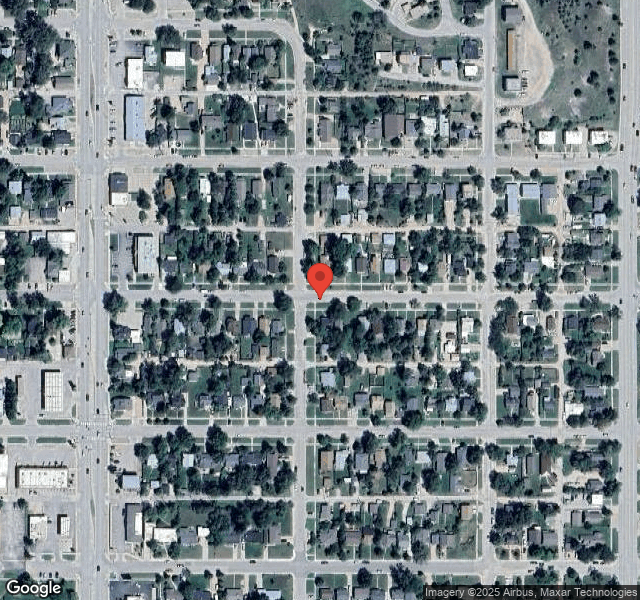
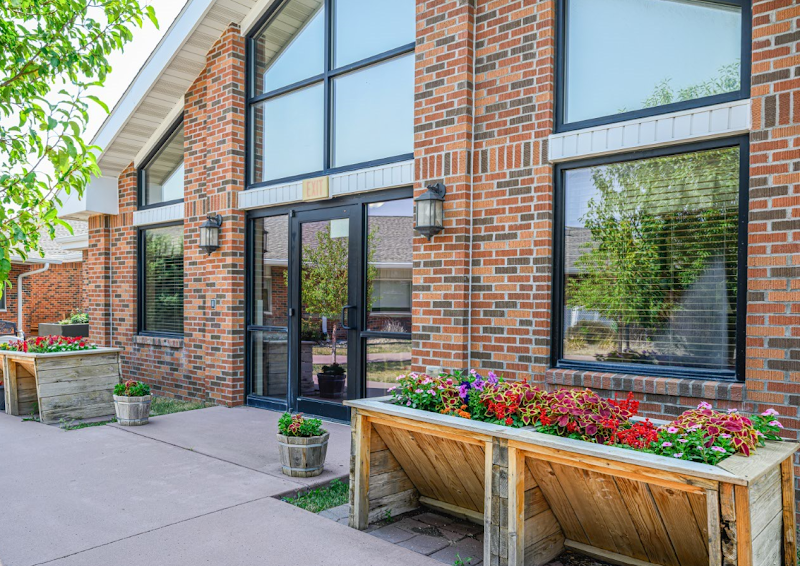
302 ST CLOUD STREET, RAPID CITY, SD 57701 (605) 343-4738
For profit - Limited Liability company 78 Beds LEGACY HEALTHCARE Data: November 2025
Trust Grade
13/100
#75 of 95 in SD
Last Inspection: November 2024

Within standard 12-15 month inspection cycle. Federal law requires annual inspections.

Overview

Avantara Saint Cloud in Rapid City, South Dakota, has received a Trust Grade of F, indicating significant concerns about the quality of care provided. This facility ranks #75 out of 95 in the state, placing it in the bottom half and #8 out of 9 within Pennington County, meaning there is only one local option that performs worse. While the overall trend is improving, with issues decreasing from 6 in 2024 to 3 in 2025, there are still serious deficiencies present. Staffing is a concern, as it has a low rating of 1 out of 5 stars, and the turnover rate is average at 56%, which suggests that while some staff stay, there is still a lack of stability. Notable incidents include a failure to use proper safety protocols during resident transfers, resulting in serious injuries, and neglect in implementing physician-ordered interventions for a resident with a pressure ulcer, which could lead to further health complications.

Trust Score
F
13/100
In South Dakota
#75/95
Bottom 22%
Safety Record
High Risk
Review needed
Inspections
Getting Better
6 → 3 violations
Staff Stability
⚠ Watch
56% turnover. Above average. Higher turnover means staff may not know residents' routines.
Penalties
✓ Good
$11,408 in fines. Lower than most South Dakota facilities. Relatively clean record.
Skilled Nurses
○ Average
Each resident gets 32 minutes of Registered Nurse (RN) attention daily — about average for South Dakota. RNs are the most trained staff who monitor for health changes.
Violations
⚠ Watch
18 deficiencies on record. Higher than average. Multiple issues found across inspections.
★☆☆☆☆
1.0
Overall Rating
★☆☆☆☆
1.0
Staff Levels
★★☆☆☆
2.0
Care Quality
★★☆☆☆
2.0
Inspection Score
Stable
2024: 6 issues
2025: 3 issues

The Good

  • Full Sprinkler Coverage · Fire safety systems throughout facility
  • No fines on record

Facility shows strength in fire safety.

The Bad

1-Star Overall Rating

Below South Dakota average (2.7)

Significant quality concerns identified by CMS

Staff Turnover: 56%

Near South Dakota avg (46%)

Frequent staff changes - ask about care continuity

Federal Fines: $11,408

Below median ($33,413)

Minor penalties assessed

Chain: LEGACY HEALTHCARE

Part of a multi-facility chain

Ask about local staffing decisions and management

Staff turnover is elevated (56%)

8 points above South Dakota average of 48%

The Ugly 18 deficiencies on record

2 actual harm
Aug 2025 1 deficiency 1 Harm
SERIOUS (G) 📢 Someone Reported This

A family member, employee, or ombudsman was alarmed enough to file a formal complaint

Actual Harm - a resident was hurt due to facility failures

Free from Abuse/Neglect (Tag F0600)

A resident was harmed · This affected 1 resident

Based on South Dakota Department of Health (SD DOH) facility-reported incident (FRI), record review, and interview, the facility failed to protect the resident's right to be free from neglect by havin...

Read full inspector narrative →
Based on South Dakota Department of Health (SD DOH) facility-reported incident (FRI), record review, and interview, the facility failed to protect the resident's right to be free from neglect by having failed to ensure the safety of one of one sampled resident (1) who sustained femur (thigh bone) fractures after being transferred from her wheelchair to her bed by two of two certified nursing assistants (D and E) who did not follow her care plan or the facility's policy for gait belt (a waist strap gripped as support for safe mobility and transfers) use; and by one of one licensed practical nurse (LPN) C who did not perform a physical assessment of resident 1 after being notified by CNA D and CNA E of the transfer. The failure of the CNAs to follow resident 1's care plan and the provider's policy regarding the use of a gait belt when transferring a resident may have resulted in the fractures to both of her femur bones. This citation is considered past non-compliance based on the corrective actions the provider implemented immediately following the incident. Findings include: 1. Review of the provider's 7/28/25 SD DOH FRI revealed:*On 7/27/25, CNA D and CNA E were transferring resident 1 with a sit-to-stand mechanical lift (a mechanical lift used to assist from a seated to a standing position) when her knee moved.-They lowered her to her wheelchair, notified LPN C, and assisted resident 1 to her bed from her wheelchair, without the use of a sit-to-stand mechanical lift or gait belt (a waist strap gripped as support for safe mobility and transfers).*LPN C did not assess resident 1 for pain throughout that night.*On 7/28/25 at approximately 12:30 p.m., LPN F was called to resident 1's room by CNA G as resident 1's right lower leg was flaccid [limp], painful and she was clammy and shaking.*Resident 1 was sent to the emergency department to be evaluated.*An investigation was initiated by the provider, and it was discovered that resident 1 was transferred from her wheelchair to her bed by a two-person pivot assist transfer [when assisted to a standing position, the resident then turns their body to move to another surface] by CNAs D and E, without the use of a gait belt, which was not following her [resident 1's] care plan [personalized plan that addresses a resident's care needs, goals, and interventions].*CNA D and CNA E were suspended for not following resident 1's care plan.*LPN F was suspended for not assessing resident 1 after being informed that her knee had moved in the lift as she did not feel it was presented to her as being emergent. 2. Review of the provider's final report for the 7/28/25 SD DOH FRI regarding resident 1 revealed:*During the investigation into the incident, CNA D and CNA E indicated they had been in the process of transferring resident 1 from a sit-to-stand lift when her right leg slipped backwards off the lift platform, where her feet would have been. They then lowered her into her wheelchair and transferred her from the wheelchair to her bed without the use of a gait belt.*They notified LPN C of the transfer, and she did not complete an assessment of resident 1.*On 7/28/25, LPN F and registered nurse (RN) J assessed resident 1, and found her left knee flaccid, slightly smaller in length than the right knee, and Nontender to palpation other than directly over bilateral kneecaps.*Resident 1 was transferred to the emergency department on 7/28/25. Imaging was completed at the hospital, which indicated resident 1 had fractures of both femur (thigh) bones, the right fracture was near the knee replacement prosthesis. 3. Review of resident 1's electronic medical record revealed:*Her date of admission was 8/10/21.*Her 6/6/25 Brief Interview of Mental Status assessment score was a 0, which indicated she had severe cognitive impairment.*Her diagnoses included: Alzheimer's disease (a progressive and irreversible brain disorder that affects memory, thinking, social abilities, and body functions), type 2 diabetes (a condition involving disruptions in how the body regulates blood sugar), morbid obesity (excessive weight that significantly impacts health and well-being), venous insufficiency, anxiety, contractures of the right and left knees, and fractures of her left and right femur bones.*Her 7/27/25 care plan included Transfers with sit to stand [mechanical lift]. Review of resident 1's nurse progress notes revealed:*No nurse progress note included resident 1's 7/27/25 transfer from her wheelchair to her bed by CNA D and CNA E, or that they reported the incident to LPN C.*On 7/28/25, she was transferred to the emergency department for pain in her legs. The transfer form revealed she was transferred as her right front knee as very painful, swollen, flaccid.*On 7/29/25, resident 1 returned to the facility. *On 7/30/25, she was placed on hospice care (provide care and comfort during the final months of a patient's life).*On 8/1/25, resident 1 passed away at the facility. Review of resident 1's 7/28/25 hospital notes revealed she had a fracture of her left femur and a fracture of her right femur that included angulation (a broken bone that tilts at an angle) of the bone fragments. 4. ­­­­Interview on 8/13/25 at 4:02 p.m. with administrator A, director of nursing B, assisting administrator H, and regional nurse consultant I regarding the 7/28/25 SD DOH FRI revealed Administrator A confirmed that the investigation into resident 1's right and left fractured femurs substantiated (proved) neglect by CNA D and CNA E for not following resident 1's care plan and the provider's policy regarding the use of a gait belt during transfers. It also substantiated neglect by LPN F for not completing a physical assessment of resident 1 after being notified of resident 1's transfer by CNA D and CNA E. Their investigation revealed the sit-to-stand lift had been used correctly and had not malfunctioned.5. Substantial compliance was confirmed on 8/13/25 after interview and record review revealed the facility had followed their quality assurance process; initiated a performance improvement project, started an audit of resident transfers for appropriate technique, and an audit of significant changes in resident care needs were reported through interviews and medical record reviews; provided education to all staff regarding abuse and neglect, gait belt use, mechanical lift use, and reporting of incidents; completed staff competencies for the use of sit to stand lifts; and staff interviews confirmed knowledge of the above.Based on the above information, non-compliance at F600 occurred on 7/27/25, and based on the provider's 8/5/25 implemented corrective actions confirmed on 8/13/25 for the deficient practice, the non-compliance is considered past non-compliance.
Jul 2025 1 deficiency
CONCERN (E) 📢 Someone Reported This

A family member, employee, or ombudsman was alarmed enough to file a formal complaint

Potential for Harm - no one hurt, but risky conditions existed

Staffing Information (Tag F0732)

Could have caused harm · This affected multiple residents

Based on South Dakota Department of Health (SD DOH) complaint intake, interview, report review, facility assessment review, and policy review, the provider failed to ensure daily posted staffing infor...

Read full inspector narrative →
Based on South Dakota Department of Health (SD DOH) complaint intake, interview, report review, facility assessment review, and policy review, the provider failed to ensure daily posted staffing information was updated to reflect the actual number of nursing staff and the hours those staff had worked on three of four overnight shifts reviewed. Findings include: 1. Review of the 6/23/25 SD DOH complaint intake report revealed the complainant was concerned there is not enough staff to care for the residents. The complainant wished to have their identity protected. 2. Interview on 7/3/25 at 9:20 a.m. with the complainant revealed: *The complainant had assumed the overnight shift was short-staffed because there were constant [job] postings for that shift. -The complainant was not able to provide specific dates or times when it was thought the overnight shift had been short-staffed. 3. Review of the provider's 6/25/25 facility assessment revealed one to two licensed nurses were needed during the overnight shift to ensure the needs of the residents had been met. Three to four CNAs were needed during the overnight shift to ensure the needs of the residents had been met. 4. Interview on 7/3/25 at 11:00 a.m. with an anonymous staff person D revealed: *Many nights there was only one licensed nurse and two certified nurse aides (CNA) who had worked the overnight shift to care for 75 residents. -June 15, 2025 was the last time that staff person recalled that had occurred. 5. Review of the provider's 6/14/25 through 6/17/25 daily posted staffing information for the overnight shift revealed: *Those postings had included the type of direct care staff, the number of those staff who had worked the overnight shift, and the amount of hours each of those staff had worked during those shifts. *On 6/14/25: -Two licensed practical nurses (LPNs) had each worked a twelve-hour shift (from 6:00 p.m. to 6:00 a.m.). -Three CNAs had each worked an eight-hour shift (from 10:00 p.m. to 6:00 a.m.). *On 6/15/25: -Two LPNs had each worked a twelve-hour shift. -Four CNAs had each worked an eight-hour shift. *On 6/16/25: -Two LPNs had each worked a twelve-hour shift. -Four CNAs had each worked an eight-hour shift. *On 6/17/25: -Two LPNs had each worked a twelve-hour shift. -Four CNAs had each worked an eight-hour shift. 6. Interview on 7/2/25 at 1:30 p.m. with administrator A and review of the provider's 6/14/25 through 6/17/25 overnight staff's time sheets compared with the above daily posted staffing information revealed: *On 6/14/25: -One LPN had worked her twelve-hour shift. A second LPN had left her twelve-hour shift at 11:42 p.m. and had not returned to work that night. -Four CNAs had each worked their eight-hour shift. *On 6/15/25: -One LPN had worked her twelve hour-shift. A second LPN had left her twelve-hour shift at 8:43 p.m. and had not returned to work that night. -Two CNAs had each worked an eight-hour shift. -A third CNA had left her eight-hour shift at 11:19 p.m. and she had not returned to work that night. -Three additional CNAs had arrived between 5:11 a.m. and 5:30 a.m. to support the overnight staff and the oncoming day staff in providing care for the residents. -One unlicensed medication aide had arrived at 4:21 a.m. to support the overnight staff and the oncoming day staff in providing care for the residents. *On 6/16/25: -Two LPNs had each worked a twelve-hour shift. A third LPN had left her twelve-hour shift at 9:21 p.m. and she had not returned to work that night. -Four CNAs had each worked an eight-hour shift. *On 6/17/25: -Two LPNs had each worked a twelve-hour shift. -Four CNAs had each worked an eight-hour shift. *Administrator A confirmed the posted staffing information for 6/14/25, 6/15/25, and 6/16/25 had not been updated to reflect the staffing changes that were made for those overnight shifts. Continued interview with administrator A regarding the process for completing the daily staff posting information revealed: *It was the responsibility of the staffing coordinator to have completed any updates to the original daily posted staffing information, but there had been no staffing coordinator since April 2025. The unit manager had assumed that responsibility until she had left at the end of May 2025. *Administrator A stated she had not, but should have then assumed that responsibility at the end of May 2025 or until she had delegated that task to another staff person to complete. 7. Interview on 7/2/25 at 1:45 p.m. with administrator A, Alzheimer's registered nurse (RN) supervisor B, and former assistant director of nursing (ADON) C regarding the overnight staffing on 6/15/25 revealed: *After former ADON C was notified of staffing concerns for the evening shift on 6/15/25, she had messaged the facility's staff to determine if any unscheduled staff would come into work that night. *A message was also left for the travel staffing agency to identify potential staff from there who may have been able to work. *The designated manager-on-duty who was a CNA and an unlicensed medication aide (UMA) stayed into the early evening and assisted with providing residents care. *Former ADON C returned to the facility and assisted with providing residents' care from about 5:45 p.m. through 8:00 p.m. that night. *Alzheimer's RN supervisor B remained in the facility and had assisted with providing the residents' cares from about 5:00 p.m. through 10:30 p.m. that night. -She had offered to stay longer or to come back to work if she was needed, but the overnight nurse had stated to her, I think we got it. *All the residents except one had been in bed and were asleep when Alzheimer's RN supervisor B had left the building that night. *Several day shift CNAs had arrived early to work the morning of 6/16/25 (between 4:21 a.m. and 5:30 a.m.) to support the night shift staff and the oncoming day shift staff in providing care to the residents. *Regarding the staffing during the overnight shift on 6/15/25, Administrator A confirmed that between about 10:30 p.m. and 4:00 a.m., there had been two CNAs and one licensed nurse who had worked. Alzheimer's RN supervisor B had offered to remain in the facility during that time and support the overnight staff, but the overnight nurse had declined that additional offered assistance. *Administrator A stated she felt the above interventions that were implemented to support the evening and overnight shifts on 6/15/25 and re-scheduling non-urgent work tasks had been sufficient to meet all of the residents' care needs. Review of the provider's 6/1/23 Posting of Daily Staffing policy revealed: *The number of hours worked each day by RNs, LPNs, and CNAs was expected to have been posted each day. *4. After the start of each shift, actual hours will be updated if there are any changes to the schedule/number of staff/hours worked.
Mar 2025 1 deficiency
CONCERN (D) 📢 Someone Reported This

A family member, employee, or ombudsman was alarmed enough to file a formal complaint

Potential for Harm - no one hurt, but risky conditions existed

Free from Abuse/Neglect (Tag F0600)

Could have caused harm · This affected 1 resident

**NOTE- TERMS IN BRACKETS HAVE BEEN EDITED TO PROTECT CONFIDENTIALITY** Based on South Dakota Department of Health (SD DOH) facility-reported incident (FRI) review, record review, observation, and int...

Read full inspector narrative →
**NOTE- TERMS IN BRACKETS HAVE BEEN EDITED TO PROTECT CONFIDENTIALITY** Based on South Dakota Department of Health (SD DOH) facility-reported incident (FRI) review, record review, observation, and interview, the provider failed to protect the residents' right to be free from physical abuse for two of two sampled cognitively impaired residents (1 and 2) by one of one certified nursing assistant (CNA) (C). This citation is considered past non?compliance based on a review of the corrective actions the provider implemented immediately following the incident. Findings include: 1. Review of the provider's 1/2/25 SD DOH FRI revealed: *On 1/2/25, dementia champion E reported CNA C forcibly grabs her [resident 1] arms back and forces her [resident 1] down to the chair, forces her [resident 1] to bend her [resident 1] knees, and she [resident 1] started crying. *CNA C was suspended immediately, pending investigation. *A full investigation was initiated that included staff interviews, video surveillance, and immediate notification to administrator/abuse coordinator A. *After the investigation was completed, the allegations of abuse towards the resident by CNA C were not verified, and he was allowed to return to work with daily check-ins with director of nursing (DON) B and assistant director of nursing (ADON) G; he was assigned dementia-related education that was completed by 1/31/25. *Education was provided to all staff that included types of abuse, how to report abuse, and the importance of timely reporting. 2. Review of resident 1's electronic medical record (EMR) revealed: *She was admitted on [DATE], and her diagnoses included Alzheimer's disease, falls, urinary tract infections, cognitive communication deficit, dementia, depressive disorder, and insomnia. *Her Brief Interview for Mental Status (BIMS) assessment score was 0, which indicated she was severely cognitively impaired. *A skin assessment was completed on 1/2/25 with no injuries noted from the incident. 3. Observation on 3/27/25 at 10:33 a.m. of resident 1 revealed she: *Was ambulating around the secured memory unit. *Was dressed, had non-slip socks on her feet, and her hair was pulled back in a pony tail *Was tearful the first time around the unit, but on the second loop around, she smiled at the surveyor. 4. Dementia champion E was a former employee and was unavailable for an interview. 5. Interview on 3/27/25 at 2:00 p.m. with administrator/abuse coordinator A and DON B regarding the 1/2/25 incident revealed: *They stated they were unsuccessful in retrieving the camera footage. *They had randomly selected 20 staff members and asked them if they had witnessed any staff abusing resident 1. -All the staff members had answered no. *They did not verify the abuse allegations for CNA C reported by dementia champion F. *CNA C was allowed to go to work and was supervised by DON B and ADON G with daily check-ins, and was assigned dementia-related education, to be completed by 1/31/25. *Education was provided to all staff on all types of abuse, how to report the type of abuse, and the importance of timely reporting. 6. Review of CNA C's personnel file revealed he had completed the dementia-related education by 1/31/25. 7. Review of the provider's 2/25/25 SD DOH FRI revealed: *On 2/25/25, activity director F reported CNA C was assisting resident 2 out of the dining room, and she began yelling, I do not want to go, don't make me go. Activity director F intervened and asked CNA C to walk away. *CNA C was suspended immediately, pending an investigation. *A full investigation was initiated that included staff interviews, video surveillance, and immediate notification to administrator/abuse coordinator A. *After the investigation was completed, the allegations of abuse towards the residents by CNA C was verified, and CNA C's employment was terminated. *Education was provided to all staff on the abuse and neglect policy. 8. Review of resident 2's EMR revealed: *She was admitted on [DATE] and her diagnoses included Alzheimer's disease, dementia, urinary tract infection, and insomnia. *Her BIMS assessment score was 1, which indicated she was severely cognitively impaired. *On 2/25/25 at 9:30 a.m. a progress note was completed as follows: CNA was noted to be pulling on [the] resident [resident 2] to have her go with him to the bathroom. Resident was yelling that she did not want to go with him. Activities Director intervened and had [the] CNA leave [the] resident alone at the time and told him that she has the right to refuse. CNA did leave [the] resident alone at the time of intervention by [the] Activities Director. Resident was assessed and found to have two small red marks on her bilateral wrists. These did resolve. [The resident's] Daughter in law [was] notified of [the] incident and [the] provider [was] notified. Both were thankful for [the] notification. *Her care plan was updated as follows: -Focus: I [am] at risk for altered mood/behaviors, I present with the following behaviors: Yelling/Screaming, Kicking/Hitting, Grabbing, Wandering seeking social interaction with others, Abusive Language, Threatening behavior, Rejection of care, delusions. --Interventions: Weekly check ins [check-ins] with Social Service Director for 4 weeks ---Date Initiated: 3/6/25 *No further notes were documented for this incident. *A skin assessment was also completed on 2/25/25. *No further skin assessment was documented regarding the 2/25/25 incident. 9. Interview with activities director F regarding the 2/25/25 incident revealed: *She was in her office and heard a resident screaming. *She observed resident 2 hanging onto a pole in the dining room while CNA C was forcing resident 2 to go with him. *She had informed CNA C that he could not force a resident to go with him. *She stated CNA C had gotten upset with her and stormed off. *She said resident 2 was better after CNA C left and sat back down into a chair in the dining room. *The activities director stated she reported what she observed to the administrator. 10. Interview on 3/27/25 at 1:18 p.m. with CNA D revealed: *She had witnessed CNA C grab resident 2 arms and force her to go with him. *She had not witnessed any other staff member being physical with the residents. 11. Observation on 3/27//25 at 1:35 p.m. of resident 2 revealed she: *Was ambulating around the secured memory unit. *Was dressed, and her hair was combed. *Would randomly stop and look around. 12. Interview on 3/27/25 at 2:30 p.m. with administrator/abuse coordinator A and director of nursing (DON)B regarding the 2/25/25 incident revealed: *They had reviewed the camera footage, and it verified that resident 2 was physically abused by CNA C as reported by activities director F. *They interviewed twelve random staff members and four staff members had said had witnessed CNA C had grab resident 2 in the dining room trying to get her to go with him before the activities director intervened. *CNA C's employment was terminated and CNA C was reported to the South Dakota Board of Nursing related to the event. The provider implemented actions to ensure the deficient practice does not recur was confirmed after record review revealed the facility had followed their quality assurance process, education was provided to all staff regarding types of abuse, how to report the abuse, the importance of timely reporting, and the abuse and neglect policy. The administrator and DON walked and observed the facility daily to ensure resident safety. Interviews and observations indicated staff understood the education provided. Based on the above information, non-compliance at F600 was determined to occur on 2/25/25, and the provider's implemented 3/26/25 corrective actions for the deficient practice confirmed on 3/27/25; the non-compliance is considered past non-compliance.
Nov 2024 6 deficiencies
CONCERN (D)

Potential for Harm - no one hurt, but risky conditions existed

Resident Rights (Tag F0550)

Could have caused harm · This affected 1 resident

Based on observation, interview, record review, policy review, and South Dakota (SD) State Long-Term Care Ombudsman Program handbook review, the provider failed to ensure: *One of one sampled resident...

Read full inspector narrative →
Based on observation, interview, record review, policy review, and South Dakota (SD) State Long-Term Care Ombudsman Program handbook review, the provider failed to ensure: *One of one sampled resident (31) had received diabetic fingernail care to maintain a dignified appearance. *One of one sampled resident (8) was dressed in a dignified manner. Findings include: 1. Observation and interview on 11/5/24 at 9:26 a.m. with resident 31 while she rested in her bed revealed: *She was chewing and sucking on her left index and middle finger and stated she was hungry. *Inspection of both hands revealed she had long, uneven, fingernails that extended approximately one-fourth of an inch beyond her finger pads. -There was a dark brown build-up of an unknown substance caked under each fingernail that extended outwards from the edge of each finger pad to the middle of each fingernail. *An odor of feces was detected at her bedside. Observation and interview on 11/6/24 at 9:40 a.m. with the assistant director of nursing (ADON) C and contracted hospice registered nurse (RN) L during resident 31's wound care to her right lateral foot revealed: *ADON C stated she was the provider's wound care nurse. *Hospice RN L stated the resident received a bed bath once weekly from the hospice aides. *Resident 31 was lying in her bed and was sucking on her left index finger during her wound care treatment. *ADON C stated: -Every resident was expected to be provided nail care on their bath days. -Resident 31 was provided fingernail care following every meal, or at a minimum of once daily as the resident liked to dig [in her feces]. -Since resident 31 was a diabetic, the resident's charge nurse was expected to provide her fingernail care. A podiatrist provided her with toenail care. *Both ADON C and hospice RN L confirmed resident 31's fingernails were long and caked with a brown substance. Review of resident 31's electronic medical record (EMR) revealed: *She had been on hospice care since April of 2024 for end-of-life care related to multiple co-morbidities that included: advanced dementia with agitation, late-onset Alzheimer's disease, congestive heart failure, chronic obstructive pulmonary disease, peripheral vascular disease, cerebrovascular disease, and type 2 diabetes mellitus with peripheral angiopathy with gangrene. *She had a Brief Interview for Mental Status (BIMS) assessment score of four, which indicated she had severe cognitive impairment. *She was dependent on staff for all her hygiene needs including bathing, personal hygiene, and incontinence care. *A nurse provided a daily dressing treatment to her right foot and completed with weekly assessments of her skin. *Review of her physician's orders, treatment orders, nursing documentation, and CNA care task documentation had not indicated when and by whom nail care was to have been completed. On 11/6/24 at 1:37 p.m., a request was made to the provider for a nail care policy and documentation of resident 31's completed fingernail care. Interview on 11/6/24 at 3:20 p.m. with the director of nursing (DON) B regarding resident 31's fingernail observations and nail care revealed: *She stated the nail care policy was included in the bathing policy. *She stated they had no documentation of when her diabetic nail care was completed, but it was her expectation the bathing policy would have been followed by staff, which indicated nail care would be performed with each bath. -Diabetic nail care was expected to be performed by the nurses and all the nurses were expected to know this was to occur on the resident's bath days. *She confirmed the performance and documentation of diabetic nail care needed to be improved. Review of the provider's August 2023 bathing policy revealed: *Fingernails and toenails should be inspected on bathing days and nails should be trimmed and filed as necessary. CNAs (certified nurse aides) will not perform nail care on residents with diabetes. *The policy had not addressed who was expected to provide and document diabetic nail care. 2. Observation on 11/5/24 at 9:45 a.m. of resident 8 in her room revealed she: *Was laying on her side asleep in bed. -Wore socks labeled with her roommate's name on them. Observation on 11/6/24 at 9:30 a.m. of resident 8 in her room revealed she: *Was seated in her wheelchair watching television. -Wore socks labeled with an unknown resident's name on them. Review of resident 8's 8/27/24 Minimum Data Set assessment revealed: *Her cognition was severely impaired. -She rarely made her own decisions. Interview on 11/6/24 at 10:00 a.m. with certified nurse aide K regarding resident 8 revealed: *Staff had chosen the clothes she wore each day. *The resident had her own socks. -The socks that were put on her that morning were donated. Review of the August 2019 SD State Long-Term Care Ombudsman Program handbook revealed: *Dignity and Quality of Life: -All residents were entitled to reasonable quality of life including: 2. To be treated with consideration, respect, and dignity. Recognition of your, and every resident's, individuality.
CONCERN (D)

Potential for Harm - no one hurt, but risky conditions existed

Quality of Care (Tag F0684)

Could have caused harm · This affected 1 resident

**NOTE- TERMS IN BRACKETS HAVE BEEN EDITED TO PROTECT CONFIDENTIALITY** Based on observation, interview, record review, and job description review, the provider failed to ensure physician's orders wer...

Read full inspector narrative →
**NOTE- TERMS IN BRACKETS HAVE BEEN EDITED TO PROTECT CONFIDENTIALITY** Based on observation, interview, record review, and job description review, the provider failed to ensure physician's orders were followed for the use of: *TED Hose (thromboembolic deterrent compression stockings used by non-ambulatory residents) by one of one sampled resident (39). *Redi-Wraps (adjustable compression wrap) by one of one sampled resident (8). *Gradual compression stockings (compression stockings that are tightest around the ankle and gradually loosen up the leg) by one of one sampled resident (65). Findings include: 1. Observation and interview on 11/4/24 at 2:26 p.m. with resident 39 in her room revealed: *She was sitting in her recliner with the leg rests elevated. -On the wall behind her recliner was a sign that read Ted Hose on in AM and off in PM. *The resident was wearing regular socks on her feet. -She had no TED Hose that fit her and had not worn TED Hose since the summer. Observations on 11/5/24 at 9:11 a.m. and again on 11/6/24 at 9:41 a.m. of resident 39 in her room revealed she was sitting in her recliner with the leg rests elevated wearing regular socks on her feet. Review of resident 39's electronic medical record (EMR) revealed: *Her diagnoses included heart failure. *A 12/23/23 physician's order: TED hose on in the AM and off in the PM related to LE [lower extremity] edema [fluid retention]. *Her November 2024 Treatment Administration Record (TAR) revealed it was documented from 11/1/24 through 11/5/24 that TED Hose had been put on her feet each of those mornings and removed each evening. 2. Observations on 11/4/24 at 2:54 p.m., 11/5/24 at 9:45 a.m., and again on 11/6/24 at 9:45 a.m. of resident 8 in her room revealed: *She was either lying in her bed or sitting in her wheelchair during those times. *A sign near the head of her bed read Put on leg wraps in AM and off in PM. -At the time of each observation above the resident was wearing regular socks on her feet. Review of resident 8's EMR revealed: *Her diagnoses included edema. *A 2/14/24 physician's order: Redi-Wraps to bilateral LE [lower extremities] and remove per schedule. *Her November 2024 TAR revealed it was documented from 11/1/24 through 11/5/24 that Redi-Wraps had been put on the resident each of those mornings and removed each evening. 3. Observations on 11/4/24 at 3:07 p.m., 11/5/24 at 9:38 a.m., and again on 11/6/24 at 9:57 a.m. of resident 65 in her room revealed: *She was sitting in her recliner wearing regular socks on her feet and a pair of Crocs foam [NAME]. *A foot cradle [a device attached to the foot of the bed that kept sheets and blankets from touching or rubbing the legs and feet]was at the end of her bed. Review of resident 65's EMR revealed: *Her diagnoses included chronic embolism and thrombosis (blood clot formation) of the left femoral vein. *A 9/13/24 physician's order: Knee high 20-30 gradual compression stockings. On in am, off at HS [nighttime]. One time a day for left leg edema and remove per schedule. *A 9/13/24 progress note that indicated the resident's stockings were ordered through a local home health equipment provider. *Her November 2024 TAR revealed it was documented from 11/1/24 through 11/5/24 that her compression stockings had been put on each of those mornings and removed each evening. Interview on 11/6/24 at 9:50 a.m. with certified nurse aide (CNA) K revealed: *Resident 39 was waiting for a new pair of TED hose to replace her pair that were ripped. -Nursing staff were informed the resident had no other TED hose to wear. -She had been without TED hose for a few days. *Resident 8's Redi-Wraps had not returned from the laundry. -She had only one pair of Wraps. *Resident 65's compression stockings were too tight and she needed different-sized stockings. -Her family was expected to provide those. Interview on 11/6/24 at 2:50 p.m. with registered nurse (RN) J regarding the physician-ordered treatments above for residents 8, 39, and 65 revealed: *She had documented in residents 8, 39, and 65's TARs the Redi-Wraps, TED hose, and compression stockings had been put on those residents on the morning of 11/6/24. *CNA staff had dressed residents 8, 39, and 65 that morning. -That would have included their hose and stockings. *She had not known resident 8 had no Redi-Wraps, resident 39 had no TED hose, and resident 65 had no compression stockings. -Resident 8 should have had a back-up pair of wraps to wear and another pair of TED hose should have been obtained from the central supply room for resident 39. Resident 65's hospice nurse should have been contacted about providing her compression socks. Observation on 11/6/24 at 4:40 p.m. of the central supply room revealed there were: *Two packages of size large Redi Wraps and two packages of size extra-large Redi-Wraps. *Multiple packages of size small TED hose. Interview on 11/7/24 at 10:15 a.m. with Qualified Activity Director (QAD)/Central Supply staff F revealed: *She had been responsible for maintaining the facility's central supply room since August 2024. *She had known residents were without their physician-ordered compression socks, TED hose, and Redi-Wraps. -Resident 65's compression stockings were ordered through a specialty supply company a few weeks ago. -In the last week, she had unsuccessfully attempted to order the other supplies from various vendors. *She had notified the facility's corporate office of her difficulty in getting resident supplies. -On 11/6/24 she had talked with administrator A. Administrator A was contacting local sister facilities to determine if they were able to help obtain those needed resident supplies. *QAD/Central Supply staff F did not know how many residents required physician-ordered hose, stockings, and wraps or how many of those items were expected to have been on hand in the event a second pair was needed. Interview on 11/7/24 at 10:45 a.m. with director of nursing B revealed: *Physician-ordered treatments for residents 8, 39, and 65 were not provided. *Nursing staff were expected to not document completion of physician-ordered treatments delegated to a CNA in a resident's TAR without first visually confirming for themselves the treatment had been completed. *She agreed a process was needed to ensure an adequate number of supplies were kept on hand for residents who required physician-ordered compression stockings, hose, and wraps. Review of the provider's updated 12/1/19 RN Floor Nurse job description revealed 12. Administer or supervise all treatments prescribed by physicians .
CONCERN (E)

Potential for Harm - no one hurt, but risky conditions existed

Deficiency F0583 (Tag F0583)

Could have caused harm · This affected multiple residents

3. Observation and interview on 11/6/24 at 11:20 a.m. with RN J the main dining room during a medication pass revealed: *She had been preparing medications for the residents' who were seated in the ma...

Read full inspector narrative →
3. Observation and interview on 11/6/24 at 11:20 a.m. with RN J the main dining room during a medication pass revealed: *She had been preparing medications for the residents' who were seated in the main dining room. *She prepared resident 2's medications, placed the medications in a medication cup, and verified the medications were correct as indicated in the resident's medication administration record (MAR). *She returned resident 2's medication card in the medication cart. *She picked up the medication cup with the resident's medications and walked over to the resident. -She left the medication cart unlocked and the computer screen open that displayed resident 2's EMR information. -Multiple staff members walked by the unlocked cart to wash their hands at the sink. -Her back was turned away from the medication cart while she assisted the resident with her medications. *RN J agreed the screen should not have been left open and should have been shut. *RN J agreed the medication cart should have been locked when she walked away from the medication cart. Interview on 10/6/24 at 2:52 p.m. with director of nursing (DON) B regarding the above observation revealed: *She expected the staff to minimize or lock the computer screen and to make sure the medication cart was locked, and the keys were always with them. Review of provider's September 2019 Resident Dignity & Privacy policy revealed: *Policy. -It is the practice of this facility to protect and promote resident rights and treat each resident with respect and dignity, as well as, care for each resident in a manner and in an environment, that maintains resident privacy. -18. Protected Health Information should not be in viewing area of public. This includes computer screens, resident room listing, report forms, etc. Review of provider's September 2018 Medication Administration General Guidelines policy revealed: *Policy -Medications are administered as prescribed in accordance with manufacturers' specifications, good nursing principles and practices and only by persons legally authorized to do so. Personnel authorized to administer medications do so only after they have familiarized themselves with the medication. -Procedures --Medication Administration --17. During administration of medications, the medication cart is kept closed and locked when out of sight of the medication nurse. --18. Resident's health information needs to remain private. The pages of the MAR [Medication Administration Record] notebook containing resident health information must remain closed or covered when not in direct use. 2. Observation on 11/5/24 at 8:30 a.m. of the 100 hallway resident rooms revealed: *Five of the nine rooms (105, 107, 111, 113, and 115) that faced the north-sided public sidewalk and parking lot contained the same type of shade observed above in the 300 hallway that allowed unobstructed night-time viewing of the resident's rooms when pulled down. -Those shades provided resident with privacy during the daylight hours only. -Those rooms did not contained any other type of window covering to ensure resident privacy at night. Based on observation, interview, South Dakota (SD) State Long-Term Care Ombudsman Program handbook review, and policy review, the provider failed to ensure: *Window coverings in 12 of 14 resident rooms (301, 302, 303, 304, 305, 306, 307, 309, 311, 312, 314, and 316) located in the 300 Hall had protected those residents' right to privacy. *Window coverings in 5 of 9 resident rooms (105, 107, 111, 113, and 115) located in the 100 hall had protected those residents' right to privacy. *One of 14 residents' (2) electronic medical records (EMR) were secured and not accessible to other residents, staff, or the public. *One of two medication carts were locked and medications were not accessible to other residents, staff, and the public by one of one registered nurse (RN) J in the Main dining room during the noon medication pass. Findings include: 1. Observation on 11/4/24 at 7:15 p.m. on the sidewalk leading to the main entrance of the facility revealed: *Resident rooms on the north side of the 300 hallway ran parallel to that sidewalk. -The windows in those rooms faced the visitor's parking lot. *The inside of those rooms were visible despite the window shades in those rooms having been pulled down. *Resident rooms on the south side of the 300 hallway had the same type of window shade coverings. -Those windows faced an employee parking lot. Observation on 11/5/24 at 7:30 a.m. on the same sidewalk referred to above revealed the insides of the residents' rooms on the north side of the 300 hallway were not visible through the pulled down window shades during daylight hours. Observation and interview on 11/5/24 at 4:50 p.m. with administrator A on the sidewalk above revealed: *The insides of the resident rooms on the north side of the 300 hall were visible despite the window shades having been pulled down. *Administrator A had not known the pulled window shades failed to protect the privacy of the residents who occupied those rooms. Review of the August 2019 SD State Long-Term Care Ombudsman Program revealed: *Privacy and Confidentiality -You have the right to privacy and confidentiality regarding personal, financial, and medical affairs.
CONCERN (E)

Potential for Harm - no one hurt, but risky conditions existed

Safe Environment (Tag F0584)

Could have caused harm · This affected multiple residents

**NOTE- TERMS IN BRACKETS HAVE BEEN EDITED TO PROTECT CONFIDENTIALITY** 3. Observation on 11/4/24 at 3:05 p.m. in room [ROOM NUMBER] revealed: *Gouges and areas where paint was scraped off both sides ...

Read full inspector narrative →
**NOTE- TERMS IN BRACKETS HAVE BEEN EDITED TO PROTECT CONFIDENTIALITY** 3. Observation on 11/4/24 at 3:05 p.m. in room [ROOM NUMBER] revealed: *Gouges and areas where paint was scraped off both sides of the doorframe entering the resident's room. *Multiple areas of missing paint and exposed sheetrock on the wall that extended the length of the resident's bed. *Gouges and areas where paint was scraped off both sides of the bathroom doorframe. *A large area of paint was scraped off the wall opposite the sink in the bathroom. *A privacy curtain in the room was visibly soiled and had an area with an unknown brown substance on it. 2. Random observations on 11/5/24 between 9:00 a.m. and 5:45 p.m. of the inside of the rooms in the 200 hallway revealed: *room [ROOM NUMBER]: Had areas of missing paint on the wall behind the headrest of the recliner. -There were multiple scratch-like gouges from the bottom of the floor to 12 inches up [NAME] the entrance and the bathroom doorframes. *room [ROOM NUMBER]: There were multiple scratch-like gouges from the bottom of the floor to 12 inches up of the entrance and bathroom doorframes. -There was missing portion of the door panel on the front portion of the entrance door. *room [ROOM NUMBER]: Had an area of exposed sheetrock positioned along the wall next to the sink, and two dime-size holes inside the exposed sheetrock. *room [ROOM NUMBER]: Had multiple scratch-like gouges from the bottom of the floor to 12 inches up from the bathroom doorframe. -There was an approximate ten-inch long by ten-inch wide white square-shape patch on the wall next to the toilet. 4. Random observations on 11/4/24 from 1:45 p.m. through 4:55 p.m. of the resident rooms located in the 100-hallway revealed: *room [ROOM NUMBER]: Had several areas of missing paint and exposed sheetrock that included a wall above the left side of the mattress that covered a two-foot long by one-foot-wide area, and a wall near the right side of the bed's headboard that measured approximately six inches long by three inches wide. -In the opposite corner of the room, there were scattered areas of missing paint and exposed sheetrock located on the wall next to each side of a recliner chair. *room [ROOM NUMBER]: Had two linear sections of missing paint and exposed sheetrock located above the bed mattress and at the foot of the bed. *room [ROOM NUMBER]: Had several areas of missing paint and exposed sheetrock located along the wall under the window right above the resident's mattress, and a visible linear crack of peeling paint located at the resident's head of the bed where the room's outside wall and inside wall joined. It extended nearly the entire height of the room. *room [ROOM NUMBER]: Had scattered areas of missing paint and exposed sheetrock throughout the room including on a wall next to a dresser holding a television, and along the doorway entrance into the bathroom. *room [ROOM NUMBER]: Had multiple areas of missing paint and exposed sheetrock throughout the room along three of the four walls. -There was an electrical outlet cover that was broken with half of the cover missing and the interior of the outlet exposed. It was located slightly above the resident's mattress. -There were two-dime sized holes in the wall by the sink and missing paint on the doorway leading into the bathroom. *room [ROOM NUMBER]: Had several areas of missing paint and exposed sheetrock located along the wall under the outside window. Observation and interview on 11/6/24 at 1:38 p.m. with interim maintenance supervisor H during a walking tour of several of the above-mentioned rooms revealed: *He stated the prior maintenance supervisor had resigned approximately one-and-a-half weeks ago. *He worked full-time at a sister facility and had planned on coming to this facility two to three times a week. -He stated there was a maintenance supervisor from another sister facility who could fill in as needed. *They were able to receive the provider's maintenance repair requests through an electronic communication system called TELS (technology for enhanced living solutions). *He stated: -The maintenance department was responsible for overseeing the housekeeping department along with a head housekeeper. -He depended on staff and housekeeping supervisor G to submit reports of any building maintenance issues into TELS. -He was aware of some spackling and painting of resident rooms had occurred because he had to educate the prior maintenance supervisor on how to spackle drywall. -He knew there had been contract painters brought in during the last year to repair, paint, and remodel resident rooms. -He thought there were not many rooms remaining that needed to be completely painted. - .of course there is always a need for [paint] touch-ups, door jams, and those type circumstances. *He was not aware of any rooms that needed immediate repair or touch-up painting. *Following a walk-through and random inspection of several of the above-mentioned rooms, he stated he had not been aware there were multiple rooms that needed paint touch-ups and confirmed the rooms appearances were not homelike. -He had not been aware of the broken outlet cover in room [ROOM NUMBER]. *He stated his expectation as a maintenance supervisor, would be to perform a monthly walk-through inspection of resident rooms for needed paint touch-ups and repairs. He was not aware when that had last occurred in this facility. *He stated painting and repairs were difficult to complete because a resident's room had to be empty to repair or paint the room. Interview on 11/06/24 at 4:00 p.m. with administrator A regarding multiple rooms with missing paint, exposed sheetrock, and maintenance repair needs revealed: *It was her expectation for the staff to fill out a TELS maintenance request on any urgent repair needs. -She stated everyone had access to the electronic TELS system. *She had contracted painters and sheetrock repair men working on repairing each room that was identified through an audit as needing paint and repairs. -The contractors had been repairing and painting one room at a time on the weekends when they were available. -She confirmed that according to their 2022 South Dakota Department of Health survey and plan of correction for a homelike environment, there had been a designated empty room to move a resident into while the resident's room was being painted and repaired. However, they had an emergency resident admission in October and were room blocked (no empty room) from continuing with the scheduled painting and repairs. Review of the 2024 contracted drywall and paint invoices revealed seven visits in 2024 (3/20, 5/1, 6/3, 6/7, 9/18, 9/21, and 10/5/2024) had occurred. Resident rooms that had been billed as completed were listed as rooms 104, 205, 303, 308, and 314. There were other repairs listed in those invoices that were not related to resident rooms. Further interview on 11/7/24 at 7:43 a.m. with administrator A regarding paint touch-ups and room repairs performed in between complete room painting revealed: *She was actively trying to hire a full-time maintenance person. *They planned on resuming with complete room painting next week, as an empty room had just become available. She stated room painting was a slow process. *Regarding preventative room maintenance she stated: -Touch-up painting had occurred in the past, but they had backed off as we were looking at permanent fixes. -I should have given more directive to follow through with completion of touch-ups. *She confirmed paint touch-ups should have occurred in between a complete room repainting and agreed the missing paint and exposed drywall had created an uncleanable surface and was not a homelike environment for the residents who resided in those rooms. Interview on 11/7/24 at 8:41 a.m. with housekeeping supervisor G revealed: *He had worked as the housekeeping supervisor for one year. *He agreed numerous rooms had scratched paint and exposed drywall. -He stated he verbally told (name of prior maintenance supervisor) when he received a report of a room in need of repair. *He stated none of the housekeeping or laundry staff had log-in access to the electronic TELS maintenance system. Review of the provider's October 2019 Homelike Environment policy revealed: *Policy: Residents are provided with a safe, clean, comfortable homelike environment and encouraged to use their personal belonging to the extent possible. -2. i. Walls and door scuffs/chips repaired with paint/stain when needed[.] -3. The facility will have a mechanism for reporting disrepair to Maintenance personnel and staff will be educated on the process. Based on observation, interview, and policy review, the provider failed to maintain a clean and homelike environment for: *8 of 14 resident rooms (301, 303, 304, 309, 311, 312, 314, and 316) on the 300 hallway. *5 of 22 resident rooms (202, 204, 206, 207 and 209) on the 200 hallway. *6 of 23 resident rooms (103, 104, 108, 110, 115, and 117) on the 100 hallway. Findings include: 1. Random observations on 11/5/24 between 9:30 a.m. and 3:35 p.m. inside the rooms on the 300 hallway revealed: *room [ROOM NUMBER] had areas of exposed sheetrock near the foot and head of the bed, and behind the headboard of that bed which was positioned along the wall beneath the window. -There was an area of exposed sheetrock near the head of another bed that was positioned along the wall near the doorway of that room. *In room [ROOM NUMBER], the recliner's headrest was worn and no longer a cleanable surface. *room [ROOM NUMBER]: There was an area approximately 12 inches by 12 inches on the wall beneath the window near the foot of the bed that appeared to have been a spill of a black substance that had run down that wall. *room [ROOM NUMBER] had an area of the baseboard molding along the wall between the bathroom door and the south wall that was missing. The exterior doorframe of the bathroom had multiple areas where the paint was missing. *room [ROOM NUMBER] had areas of exposed sheetrock near the foot and head of the bed that was positioned on the wall beneath the window. -There was an area of exposed sheetrock behind the headboard of another bed that was positioned along the wall opposite of the window. A crack extended from the top to the bottom of that wall. *room [ROOM NUMBER] had an approximately six inches long by three inches wide oval-shaped outline that appeared to have been made by a black marker on the wall beneath the window. *room [ROOM NUMBER] had areas of exposed sheetrock on the walls near the heads of both beds. -There were multiple scratch-like gouges exposing the sheetrock on the wall behind the recliner. *room [ROOM NUMBER] had areas of exposed sheetrock on the wall by the window near the head and foot of the bed. -There were areas of exposed sheetrock at the head and midsection of the bed positioned on the wall opposite of the window.
CONCERN (F)

Potential for Harm - no one hurt, but risky conditions existed

Food Safety (Tag F0812)

Could have caused harm · This affected most or all residents

Based on observation, interview, job description review, and policy review, the provider failed to ensure: *The kitchen and dishroom were maintained in a clean and functional manner. *Food items plac...

Read full inspector narrative →
Based on observation, interview, job description review, and policy review, the provider failed to ensure: *The kitchen and dishroom were maintained in a clean and functional manner. *Food items placed on trays and delivered to residents to eat in their rooms (room trays) were kept covered during transport until they were delivered to their rooms. *Insulated dinner plate covers were handled in a sanitary manner. Findings include: 1. Observation and interviews with food service manager (FSM) E, cook N, and dietary aide O on 11/4/24 from 5:00 p.m. through 6:40 p.m. during the initial kitchen tour and the evening meal service revealed: *Plastic drinking cups were being filled for the evening meal by cook N. -Twelve of 20 unfilled cups on one of two trays had white-colored build-up on their bottoms and/or their insides. Scratch-like marks on the insides resembled scrub brush marks. *FSM E stated the cup discoloration was lime build-up and commented to cook P Are you the only one who knows how to use a brush? *One side of the dual plate warmer near the serving area held regular plates and the other side held adapted blue plates with raised edges. The side of the warmer that contained the blue plates was not working. -The top surface area of that plate warmer including the areas around the openings where the plates were removed from was littered with food crumbs. -FSM E was aware the warmer was not functioning properly and agreed the top of the unit was unclean. *Near the coffee makers was a four-cup plastic measuring cup that was stained brown throughout its inside. [NAME] N stated coffee from the coffee makers was poured into that cup then transferred to carafes for serving. -FSM E said the cup should no longer have been used since it was unable to be thoroughly cleaned. *The window ledge and window frame above the coffee makers was covered with a brown-colored film of unknown origin. *On the cook's prep table was a knife holder attached to the side of that table. The surface of the holder and in and around where the knives were inserted was covered with food crumbs that were not removable when swiped with a finger. -Cooking utensils were stored in a lined drawer attached to the cook's prep table. The liner resembled a plastic net. There were dried food particles in the open areas of the liner. -A Saf-T-Wrap (plastic wrap) dispenser holder was opened and was on top of the cook's prep table. The inside of the opened lid had individual compartments for holding things like packaged alcohol pads and pre-printed food labels. The bottoms of those compartments had a build-up of an unknown substance on them. The area surrounding the opening where the plastic wrap was pulled through to be torn off had an unknown build-up around it. *Beneath the Vulcan oven stand was an open area of racked storage for cookie sheets and baking pans. The surface on both sides of those racks was covered with a film of unknown origin and was unable to be removed when swiped with a finger. *A fluorescent light was on the ceiling between refrigerator units one and two and freezer units one through three. The plastic light covering was cracked and broken. *The test strips in the dishroom used to measure the concentration of sanitizer to water for disinfection had expired in September 2022 but were still being used. -FSM E was made aware of the expired strips last week by a service technician. She had not known the test strip holder was labeled with an expiration date. She had not reached out to a sister facility for unexpired test strips to use while she waited for new strips to arrive. *The individual slats of the air conditioner that was running in the dishroom were covered with a film of gray dust. -The air was blowing over clean dishware and a metal rack that held clean cooking pots, pans, soup bowls, cutting boards. *Dietary aide O was responsible for loading and transporting prepared resident food trays in an insulated cart to three of four dining rooms. -She used her bare hand to hold the inside of the insulated covers until she placed them over the top of the individually prepared resident meal plates instead of using the knob on top of the covers to hold them in a sanitary manner. -FSM E and dietary aide O both agreed not having used the knob to hold the covers increased the risk of cross-contamination of resident food items. *Room trays with covered drinking cups and uncovered dishes of mixed fruit sat on the cook's prep table from 6:15 p.m. through 6:40 p.m. At 6:40 p.m. when the room tray was completely plated and covered with an insulated cover. An unidentified aide then transported that room tray out of the dining room to a resident room with the fruit still uncovered. -FSM E had not noticed the length of time the uncovered fruit sat waiting to be delivered or that the fruit remained uncovered during transport. Interview on 11/6/24 at 8:45 a.m. with FSM E revealed: *Individual cleaning checklists were developed for the morning and evening cooks, dietary aides, and dishwashers. -The checklists included daily and weekly cleaning assignments that were initialed by the staff person who had completed those tasks. *FSM E was responsible for regularly reviewing the kitchen cleaning tasks checklists for completion of those tasks by her staff. Review of the provider's updated 12/1/19 Director of Dietary Services job description revealed: *Essential Functions: -2. Operates the dietary department in a safe and sanitary manner by ensuring compliance with federal, State, and local regulations and following established policies and procedures. -12. Assure that established infection control and prevention practices and standard precautions are maintained at all times. Review of the provider's revised 9/1/18 Accident Prevention In Food Transport policy revealed: 3. Food should remain covered when in transit.
CONCERN (F) 📢 Someone Reported This

A family member, employee, or ombudsman was alarmed enough to file a formal complaint

Potential for Harm - no one hurt, but risky conditions existed

Infection Control (Tag F0880)

Could have caused harm · This affected most or all residents

**NOTE- TERMS IN BRACKETS HAVE BEEN EDITED TO PROTECT CONFIDENTIALITY** 5. Observation and interview on 11/4/24 at 1:59 p.m. in resident 58's room revealed: *A brown lift chair was turned around and f...

Read full inspector narrative →
**NOTE- TERMS IN BRACKETS HAVE BEEN EDITED TO PROTECT CONFIDENTIALITY** 5. Observation and interview on 11/4/24 at 1:59 p.m. in resident 58's room revealed: *A brown lift chair was turned around and faced the wall. *Resident 58 was seated in a different chair. *She was unsure why the brown lift chair was turned towards the wall. *She would have liked the brown lift chair turned forward to face her television. *She would have preferred to sit in that brown lift chair as the chair she was sitting in was not a lift chair. Interview on 11/4/24 at 3:10 p.m. with certified nursing assistant (CNA) M revealed the brown lift chair in resident 58's room had a soiled spot and it was to be cleaned. Observation on 11/5/24 at 10:10 a.m. revealed that the brown lift chair had been turned forward, and resident 58 was seated in it in a reclining position. Observation on 11/5/24 at 4:06 p.m. in resident 58's room revealed: *The brown lift chair had a fabric covering laid over the top of it. *When the covering was removed there was a strong odor of urine and a wet stain on the seat of the chair. Interview on 11/5/24 at 4:36 p.m. with director of nursing (DON) B and infection preventionist D revealed: *Their expectation of staff was to remove the chair when they had noticed it had been soiled and not to have covered it and left it in the resident's room for the resident to use. Review of provider's revised February 2024 Cleaning and Disinfection of Equipment policy: *Policy -1. CLEANING refers to removal of visible soil (e.g., organic, and inorganic material from objects and surfaces and is normally accomplished manually or mechanically using water with detergents or enzymatic products. -A. Supplies and equipment will be cleaned immediately after use. Gross blood, secretions and debris will be removed as soon as possible. Cleaning may be done in the resident room or the soiled utility room. Based on observation, interview, and policy review, the provider failed to maintain the environment and resident use items in a clean and odor-free condition for: *A soiled utility room located directly across from the entrance into the secured unit. *Two of sixteen sampled resident rooms (103 and 108) located in the 100 hallway. *One of one laundry room. *One of one clean utility room located in the secured unit. *A urine-soaked chair from one of one sampled resident's (58) room. Findings include: 1. Observation during the initial tour on 11/4/24 at 12:45 p.m. revealed a strong urine odor upon entrance through the double doors that led into the secured unit of the building where the 100, 200, and 400 hallways were located. Observation on 11/5/24 at 1:48 p.m. and at 1:52 p.m. revealed a strong urine odor was again present upon entrance into the secured unit described above. *A soiled utility room was located directly across the hall from the entrance into the secured unit. -That room had soiled linen and garbage containers in it that were overflowing with soiled clothing, soiled incontinence briefs, and garbage, which caused the container's lids to remain open. -A putrid odor of urine and feces emanated from those containers. -At 1:52 p.m., those items had been removed from the containers and clean liners had been placed in the container however the room continued to emit a strong odor of urine and the floor was sticky. 2. Observation on 11/4/24 at 2:00 p.m. of room [ROOM NUMBER] revealed the room had a strong odor of urine and the bathroom floor was sticky with an odor of urine. Observation on 11/4/24 at 3:02 p.m. of room [ROOM NUMBER]B revealed visible brown fingerprint smudges along the wall right above the resident's mattress. Interview on 11/7/24 at 8:20 a.m. with housekeeper Q regarding cleaning and mopping of resident rooms revealed: *He stated all resident rooms were daily wiped down, the trash was removed, toiletes were cleaned, and the floors were mopped. He had no cleaning schedule, but said he could remember which rooms needed to be cleaned. *He stated: -All resident rooms were deep cleaned once a week and that included wiping down the walls from the ceiling to the floor, cleaning windows, and washing the divider curtains. -Lately there had not been a schedule available on what rooms needed to be deep cleaned for that day or the week. -He would deep clean a room if he saw it needed a deep cleaning. 3. Observation on 11/7/24 at 9:15 a.m. of the laundry room revealed: *There was a large amount of gray dust build-up on the pipes and flat surfaces throughout the laundry room. *There were two washing machines and washer number two had a sign that read, needs repaired. -Washer number one was in use, and had a leaking hose that was dripping onto the floor behind the washer causing curled up, corroded, floor tiles that exposed the cement to water build-up. *The handwashing sink had a PVC (plastic) pipe that came out of the ceiling and was dripping a watery liquid into the sink. There was an orange-colored build-up where the water ran down into the sink. 4. Observation on 11/7/24 at 9:20 a.m. of the clean utility room on the secured unit revealed a laundry basket full of various shoes and slippers that had visible unidentified stains on their surfaces. That basket was sitting on the floor next to shelving that contained clean linens and room dividers. Interview on 11/7/24 at 9:00 a.m. with housekeeping supervisor G regarding the cleaning of utility rooms, resident rooms, and the laundry room revealed: *He had been the housekeeping and laundry supervisor for one year. -He had been working every day cleaning rooms, since they did not have enough housekeeping staff. -He stated he had been working on the floor for the past year. -They were trying to hire more housekeeping staff. *He had no housekeeping schedule for the cleaning of the soiled and clean utility closets, but he tried to have them cleaned and mopped once a week. *He was unable to verify when the soiled utility room was last cleaned. *He stated he had fallen behind on completing the room cleaning schedules for his staff and there was no deep cleaning schedule available. -He stated, I am not sure deep cleanings are being done, but it is supposed to be once a week. *He stated he used to complete a walk-through inspection of the facility every week, then it became once a month, and lately he had fallen behind and had not inspected the facility in about four weeks. *He confirmed the laundry room was not on a cleaning schedule. He was unaware of the washer's leaking hose. -He was not sure why a pipe was draining into the handwashing sink. *After a walk-through of the facility and viewing the above observations, he stated I agree it [cleanliness of the facility] could be better. Review of the 7/2/24 Administrative Policies regarding housekeeping and laundry revealed: *Cleanliness is a must for a safe, comfortable, and orderly environment. The activity of our housekeeping and laundry departments has a direct effect on the comfort, morale, and safety of the residents, the staff and our visitors. Review of the housekeeping and laundry services policies revealed they did not include on how often resident rooms and generalized cleaning should occur.
Oct 2023 3 deficiencies 1 Harm
SERIOUS (G)

Actual Harm - a resident was hurt due to facility failures

Pressure Ulcer Prevention (Tag F0686)

A resident was harmed · This affected 1 resident

Based on observation, interview, record review, and policy review, the provider failed to ensure one of one sampled resident (19) who had a history of moisture-associated skin damage (MASD) and had a ...

Read full inspector narrative →
Based on observation, interview, record review, and policy review, the provider failed to ensure one of one sampled resident (19) who had a history of moisture-associated skin damage (MASD) and had a current pressure ulcer (PU) had physician-ordered interventions implemented to promote healing. Findings include: 1. Observations of resident 19 revealed: *On 10/24/23 at 10:00 a.m. she laid on her left side in bed with a pillow positioned behind her back to help her maintain that position. -The mattress on her bed was blue. *On 10/25/23 at 4:45 p.m. she was seated on a ROHO cushion (a pressure reducing device) in her tilt-in-space wheelchair (a customized wheelchair) in her room in front of the television. -There was a pool of liquid on the floor beneath the seat of her wheelchair that appeared to have been urine. *On 10/26/23 at 8:45 a.m. she was transferred by staff from her wheelchair to her bed to have her incontinence brief changed, barrier cream applied to her sacrum, and then she was positioned onto her left side. Review of resident 19's electronic medical record (EMR) revealed her: *Diagnoses included Alzheimer's dementia, protein calorie malnutrition, repeated falls, hypertension, anxiety, depression, pain, and a stage III pressure ulcer. -There was no indication where that pressure ulcer was located. *8/14/23 Brief Interview for Mental Status score was 99 indicating she had severe cognitive impairment. *3/1/23 Braden scale (used to evaluate a resident's risk for skin breakdown) score was 16. -That score indicated she was at high risk for skin breakdown. *A 6/13/23 facimile communication to the resident's physician revealed: -Resident noted to have new area of pressure to her sacrum . -A physician's order (PO) was requested for the resident to have a ROHO cushion for her wheelchair. *The provider responded on that same date: May order Roho cushion due to skin impairment. *A 6/20/23 Skin/Wound Note indicated the Maceration to sacrum has resolved. Interview on 10/26/23 at 8:30 a.m. with director of rehabilitation (Rehab) D revealed the department: *Had several ROHO cushions available for residents use. *Was notified by nursing staff when a physician had ordered a ROHO cushion for a residents use. -Educated staff on the purpose and how to use the cushion prior to its use. -Ensured the ongoing maintenance of that cushion while it was used. *Nursing staff had not notified the Rehab department of resident 19's 6/13/23 PO for a ROHO cushion so a ROHO cushion had not been provided to the resident. Interview on 10/26/23 at 10:15 a.m. with assistant director of nursing (ADON)/infection preventionist (IP)/wound care nurse K revealed she: *Was aware of the 6/13/23 PO for a ROHO cushion for resident 19 but had not known if she had received it. *Had thought that PO was more of a positioning order but agreed inadequate or improper positioning caused by not having had the ROHO cushion had the potential to have worsened her MASD. Interview on 10/26/23 at 2:48 p.m. with director of nursing (DON) A revealed: *It was the responsibility of the nurse who had taken the PO for the ROHO cushion to have completed the following: -Called the Rehab department and notified them of the new order and/or have placed a copy of that PO in the mailbox for Rehab staff. 2. Continued review of resident 19's EMR revealed: *An 8/11/23 Health Status Note completed by DON A had first identified a stage II (partial thickness loss of dermis presenting as a shallow open ulcer with a red or pink wound bed) PU to resident's 19's sacrum. -Physician's orders for treatment of that PU had been obtained and interventions including a pressure relieving mattress, offloading, and continuation of nutritional interventions. *An 8/14/23 Braden scale score was 14 indicating the resident was at high risk for skin breakdown. *ADON/IP/wound care nurse K had completed weekly Skin Alteration Evaluations beginning on 8/15/23 at which time the PU had measured 1.0 cm (centimeters) in length X 0.5 cm wide, and 0.3 cm in depth. *Wound care certified nurse practitioner (CNP) L had been consulted and had begun caring for the resident's wound on 9/5/23. -She documented the resident's PU as a stage III (full-thickness tissue loss-subcutaneous fat might have been visible) and it had measured 1.0 cm X 0.5 cm X 1.0 cm. *Occupational therapy (OT) was consulted on 9/14/23 to evaluate resident 19 for wheelchair positioning options. -On 10/4/23 OT had recommended a tilt-in-space wheelchair with a ROHO cushion for resident 19. *Wound care CNP L ordered an air mattress (specialized pressure-reducing mattress) on 10/17/23 to replace the existing blue mattress that was observed on resident 19's bed on 10/24/23 at 10:00 a.m. -Her 10/17/23 Health Status Note read: New order for air mattress to alleviate pressure from coccyx wound. *Wound care CNP L measured resident 19's pressure ulcer on 10/24/23 as 0.8 cm X 0.3 cm X 0.2 cm. Interview on 10/25/23 at 4:00 p.m. with licensed practical nurse (LPN) F regarding resident 19 revealed: *She had not received the air mattress that was ordered by wound care CNP L on 10/17/23. -LPN G had acknowledged the PO and was responsible for ensuring someone from the management team was notified so the mattress could have been ordered. Interview on 10/25/23 at 4:45 p.m. with maintenance director M regarding resident 19 revealed: *An air mattress like the one ordered by wound care CNP L was available on-site in a storage shed. -He had kept one of those mattresses available for emergent use. *He relied on staff to have let him know when a physician-ordered air mattress for resident use so that he could have set it up. *He had not been notified of resident 19's PO for an air mattress. Interview on 10/25/23 at 11:00 a.m. with ADON/IP/wound care nurse K regarding resident 19 revealed she had: *Incorrectly staged resident 19's wound as a stage II when she first assessed it on 8/15/23. -It should have been a stage III. *Read wound care CNP L's progress notes after her visits for any new orders or recommendations that had required her follow-up. -Continued to stage resident 19's pressure ulcer as stage II through 10/11/23 even after wound care CNP L had documented it as a stage III on the first day she assessed the resident on 9/5/23. *Not known about wound care CNP L's 10/17/23 PO for resident 19 to have had an air mattress because it had not been referred to in her progress note. -Agreed resident 19 not having had prompt access to the air mattress had the potential to have worsened her PU. *Not routinely met face-to-face during or after wound care CNP L's resident visits to have discussed pertinent resident findings related to their skin conditions such as appropriate staging of the PU, a resident's need for a specific skin intervention or the need for durable medical equipment. Interview on 10/26/23 at 3:15 p.m. with DON A, interim administrator B, regional nurse consultant C, and nurse supervisor N revealed: *Nursing staff used a 24-hour report to communicate pertinent resident information between shift changes such as new POs, specific resident concerns, or significant resident changes. -That report was reviewed during daily department head briefings. *If resident 19's need for an air mattress had been identified on a 24-hour report and reviewed during a department head briefing, it would not necessarily have been rediscussed in subsequent department head briefings to ensure the air mattress had been obtained. -That process would have ensured resident 19 received her durable medical equipment (the ROHO cushion and air mattress) in a timely manner. *Face-to-face communication was expected to have occurred between ADON/IP/wound care nurse K or her designee following wound care CNP L's resident visits to ensure consistent care had occurred. Review of the revised 3/23/23 Skin and Pressure Injury Prevention Program revealed Policy: To provide care and services to prevent pressure injury development and to promote the healing of pressure injuries/wounds that are present.
CONCERN (D)

Potential for Harm - no one hurt, but risky conditions existed

Deficiency F0742 (Tag F0742)

Could have caused harm · This affected 1 resident

**NOTE- TERMS IN BRACKETS HAVE BEEN EDITED TO PROTECT CONFIDENTIALITY** Based on observation, interviews, record review, and policy review the provider failed to assess, document and provide intervent...

Read full inspector narrative →
**NOTE- TERMS IN BRACKETS HAVE BEEN EDITED TO PROTECT CONFIDENTIALITY** Based on observation, interviews, record review, and policy review the provider failed to assess, document and provide interventions per their policy for one of one sampled resident (49) who had suicidal ideations. 1. Observation and interview on 10/24/23 at 2:42 p.m. with resident 49 revealed: *His door was closed. *CNA J knocked on resident 49's door. -Resident 49 opened the door and came into the hallway. *Resident 49 was smiling and answered basic questions before returning to his room. Interview on 10/24/23 at 2:50 p.m. with CNA J revealed resident 49 often barricaded his door from the inside. Review of resident 49's medical record revealed: *He was admitted on [DATE]. *His diagnoses included: -Post-Traumatic Stress Disorder. -Alcohol-induced persisting dementia. -Alzheimer's Disease. -Anxiety. -Obstructive sleep apnea. -Hearing loss. *His 9/22/23 Brief Interview of Mental Status score was 5, indicating he had severe cognitive impairment. *A 9/22/23 nurse's progress note revealed: -His speech was clear. -He was usually able to make his needs and wants known. -He could usually understand verbal context from staff and family. Review of resident 49's behavior notes included: *A 10/14/2023 behavior progress note that read, Resident was monitored tonight for self harm. -There were no non-pharmacological interventions documented. -There had been no pharmacological interventions documented. --The summary note included, Resident was disoriented last evening and verbalized frustration as he could not remember whether that was his room or whether he had ever been there. He was reported to have verbalized to the CNA I wish I could just commit suicide, but I will be stupid to do it. He was redirected multiple times before he was able to settle down and sleep. All this time he displayed a lot of frustration to the fact that he could not remember anything. Later in the night, he did not display any negative behaviors. *There was no other documentation related to his suicidal statement or interventions that were implemented by staff. *There was no documentation that his physician was notified. Review of resident 49's 10/25/23 care plan revealed: *A 6/23/23 revised focus of Continues to barricade himself in his room, History of Threatening Behavior, Rejection of care. -Interventions for the above focus included: --My behaviors will not cause harm to myself or others through the next review. --My behaviors will not impede staff's ability to provide me my necessary care through the next revew. --Behavior Committee to monitor mood/behavior quarterly and as needed. --On 11/10/22, I am unable to have a roommate due to my behaviors. --A 3/24/22, I am territorial about my room and where I usually sit in Town Square dining room. --Revised 9/21/23 interventions of, ---If I am resistive, stop the task, leave and allow me time to calm my self. ---My ability to retain information is very short, I need frequent cueing. ---Provide reassurances as needed that I am safe and you are here to help me. Interview on 10/26/23 at 2:24 p.m. with social service designee E revealed: *She was not aware of resident 49's episode of suicidal ideation. *The process when a resident had a suicidal ideation would include the following: -The resident should been on suicide checks every 20 minutes. -There should have been a complete room search to ensure there was nothing the resident could have used to commit suicide. -The nurse should have notified her. --She would visit with the resident. --She would have completed a PHQ-9 assessment (a multipurpose instrument for screening, diagnosing, monitoring and measuring the severity of depression) with the resident. Interview and resident 49's medical record review on 10/25/23 at 4:37 p.m. with DON A revealed she: *Had not been aware of the documentation that resident 49 had an episode of suicidal ideation. *Should have been notified of the episode when it occurred. Review of the provider's Suicide Threats/Suicide Precautions policy revealed: *Policy -Resident suicide threats shall be taken seriously and addressed appropriately. *Procedures -1. Staff should report any resident threats of suicide or comments of wanting to die immediately to the Nurse Supervisor/Charge Nurse. 2. A staff member should remain with the resident until the Nurse Supervisor/Charge Nurse arrives to evaluate the resident. 3. The Nurse Supervisor/Charge Nurse should immediately assess the situation and notify the Charge Nurse/Supervisor and/or Director of Nursing Services of such threats. 4. After assessing the resident in more detail, the Nurse Supervisor/Charge Nurse should notify the resident's Attending Physician and resident representative. 5. Provide 1:1 [one to one] supervision and removal all equipment from room that could be used and/or cause harm (sharps, cords, belts, etc.). 1:1 Supervision will continue until the resident is transferred or deemed not a threat to themselves or others by the physician or mental health professional. 6. A psychiatric consultation or transfer for emergency psychiatric evaluation may be initiated. 7. If the resident remains in the facility, staff will monitor the resident's mood and behavior and update care plans accordingly, until a physician or mental health professional has determined that a risk of suicide does not appear to be present. 8. Document details in the resident's medical record, including entry into Risk Management. Interview and policy review on 10/26/23 at 4:05 p.m. with DON A revealed the provider had not followed their policy for residents who expressed suicidal ideation.
CONCERN (E)

Potential for Harm - no one hurt, but risky conditions existed

Deficiency F0658 (Tag F0658)

Could have caused harm · This affected multiple residents

**NOTE- TERMS IN BRACKETS HAVE BEEN EDITED TO PROTECT CONFIDENTIALITY** 4. Review of resident 71's electronic medical record (EMR) revealed: *She was originally admitted on [DATE] with Brief Interview...

Read full inspector narrative →
**NOTE- TERMS IN BRACKETS HAVE BEEN EDITED TO PROTECT CONFIDENTIALITY** 4. Review of resident 71's electronic medical record (EMR) revealed: *She was originally admitted on [DATE] with Brief Interview for Mental Status (BIMS) of 3 indicating severe cognitive impairment, was transferred to the emergency department (ED) on [DATE]. *On [DATE], she returned from ED with diagnosis of sepsis and a physician orders for comfort care. *On [DATE] at 4:25 p.m. her body was picked up by a local funeral home. Interview on [DATE] at 10:51 a.m. with director of nursing A, assistant administrator B, and regional nurse consultant C revealed: *Resident 71 returned to facility on [DATE] from the ED on comfort cares. *Resident 71 passed away on [DATE]. *Was not aware there was no decease note in resident 71's medical record. *A note regarding the resident's death was expected to have been documented in a residents EMR. -Resident death documentation should include the following information: --The time, date and location of assessment. --Describes signs of irreversible death. --Who was contacted and the date and time. *Nurses were trained during orientation to thoroughly document the required information after the death of a resident. A requested to director of nursing A on [DATE] for policy on required documentation of a resident death, and no policy was provided prior to survey exit. 5. Observation and interview on [DATE] at 2:42 p.m. with resident 49 revealed: *His bottom two front teeth were missing. -He was unable to answer questions regarding his teeth. Review of resident 49's medical record revealed: *He was admitted on [DATE]. *His [DATE] Brief Interview of Mental Status score was 5, indicating he had severe cognitive impairment. *His diagnoses included: -Post-Traumatic Stress Disorder. -Alcohol-induced persisting dementia. -Alzheimer's Disease. -Anxiety. -Obstructive sleep apnea. -Hearing loss. *A [DATE] nurse's progress note revealed: -Resident returned to facility from dental appointment with tooth extraction. -Partial denture would be made to replace the missing teeth. -No complaints of pain or discomfort noted, pleasant with staff, and resting in bed. -No significant weight loss. *A [DATE] progress note that indicated he had upper dentures and lower partial. Interview on [DATE] at 3:36 p.m. with LPN F revealed resident 49: -Had received a new lower partial denture since [DATE]. -Lost the new lower partial dentures sometime in [DATE]. Interview on [DATE] at 3:38 p.m. with DON A regarding resident 49's lower partial denture revealed: *DON A was not aware of him having new lower partial denture or that the resident had lost the lower partial denture. -She would have to call the family to see if he had received a new lower partial denture or if he had lost the lower partial denture. Continued interview on [DATE] at 4:35 p.m. with DON A regarding resident 49's lower partial denture revealed: *He had not received a new lower partial denture. *DON A confirmed the provider should have followed-up on the appointment from [DATE] to determine when resident 49 would have a new lower partial denture made. Interview on [DATE] at 2:24 p.m. with social service designee E regarding resident 49's dental appointments revealed: *She was not aware that a follow-up appointment was needed for resident 49 for a new lower partial denture. *Their process included: -The family would normally transport resident 49 to his appointments. --When the family was not available the facility would have made transportation arrangements. -The family would initiate the appointment-making process. --Then the nurse would scheduled the medical appointments. -Nurses would make follow-up medical appointments that might have been needed. Review of the provider's [DATE] Hearing, Vision, and Dental policy revealed: *Policy: -The facility must, if necessary, assist the resident in making appointments and arrange the transportation to and from the office of a practitioner specializing in the treatment of vision, dental or hearing impairment and/or provide these services by professionals in-house, if able. -The resident/resident representative has the right to refuse these services, Refusals should be documented. Based on observation, interview, record review, review of the South Dakota Board of Nursing website, and policy review, the provider failed to ensure professional standards of care were followed for: *Medication administration practices by one of one licensed practical nurse (LPN) (H) for three of three observed residents (2, 7, 17, and 22). *Ensuring physician's orders for Tylenol were written for two-325 miligram (mg) tablets for three of three sampled residents (8, 33, and 65) to eliminate the need for a dose calculation by one of one unlicensed medication aide (UMA) (I). *Insulin administration by one of one LPN (F) for one of one sampled resident (25). *deceased note was documented in the medical record of one of one sample resident (71). *A follow-up appintment was made for one of one sampled resident (49) to receive a new lower partial denture. Findings include: 1. Observation and interview on [DATE] at 11:20 a.m. with LPN H in the 300 hallway revealed: *In one of her opened medication (med) cart drawers there were two medication (med) cups; one had resident 22's name on it and contained her crushed Seroquel and Tylenol. -She preferred to take those meds with coffee and coffee was served in the dining room with the noon meal. -LPN H planned to administer those meds to resident 22 after she was taken to the dining room. *The second cup in the opened med cart drawer was unmaked, it contained resident 2's Tylenol. -When LPN H prepared meds, she did it according to resident room numbers. -When she prepared resident 7's meds she had prepared resident 2's meds and left them in the med cart drawer. *LPN H stated the medication administration process was more time effective for her to do it as she had done it. *In another drawer of the med cart, there was a third unmarked med cup. -That med cup contained resident 17's crushed Norco (a controlled pain medication) and Tylenol. -She had prepared those meds prior to determining the resident was not in her room for administration of those medications. -LPN H thought resident 17's son had taken her to the dining room for the noon meal. *She had not wanted to take her medication cart into the dining room to administer those medications. -She agreed that she could have just taken the prepared med cup to the dining room and administered those medications. 2. Observation and interview on [DATE] at 11:00 a.m. with LPN F during resident 25's insulin administration revealed: *He prepared the insulin pen and then entered the resident's room. *After using an alcohol pad to cleanse the resident's abdominal area LPN F inserted the insulin pen needle into the resident's abdomen. *He depressed the injection button on the pen and held it for three seconds prior to withdrawing the needle from the resident's skin. *LPN F confirmed he should have left that needle inserted in the resident's abdomen for ten seconds prior to having withdrawn it. 3. Observation, review of the electronic medication administration record, and interview on [DATE] at 11:15 a.m. with UMA I during medication administration revealed: *Residents 8, 33, and 65 had physician's orders to have received one-650 mg (milligram) tablet of Tylenol. *UMA I used a stock bottle (a bulk supply of an over-the-counter medication kept on hand at the facility and not labeled for use by a specific resident) of Tylenol 325 mg to remove two-325 mg tablets from that bottle for each resident. -She was aware that she needed to administer two-325 mg Tylenol tablets to each resident because 325 mg plus 325 mg equaled a total of 650 mg as ordered by the physician. *It was not within her scope of practice as a UMA to have calculated medication doses but she thought it was acceptable if it's something simple, like Tylenol. Interview on [DATE] at 11:45 a.m. with director of nursing A regarding the observations referred to above revealed she: *Expected resident medications to have been administered at the time of the preparation and not set-up and then stored in the medication cart for administration at a later time. *Expected after depressing the insulin pen injection button that staff counted to ten prior to removal of the insulin pen needle from the resident's skin. *Agreed the physician's dosing orders for residents 8, 33, and 65's Tylenol should have been modified to reflect the administration of two-325 mg tablets in order to eliminate the need for a dose calculation. Review of the [DATE] Medication Administration General Guidelines policy revealed: Medication Administration: 4. Medications are to be administered at the time they are prepared. Review of the [DATE] Medication Administration Subcutaneous Insulin policy revealed: C. Keep the injection button pressed all the way. Slowly count to 10 before you withdraw the needle from the skin. This ensures that the full dose will be delivered. Review of the South Dakota Board of Nursing chapter 20:48:04.01:12 revealed: Medication administration tasks that may not be delegated included 5. Calculation of any medication dose.
Aug 2022 6 deficiencies
CONCERN (D)

Potential for Harm - no one hurt, but risky conditions existed

Accident Prevention (Tag F0689)

Could have caused harm · This affected 1 resident

Based on observation, interview, record review, and policy review, the provider failed to ensure: *One of two residents (59) had been transferred appropriately and safely by one of one certified nurse...

Read full inspector narrative →
Based on observation, interview, record review, and policy review, the provider failed to ensure: *One of two residents (59) had been transferred appropriately and safely by one of one certified nurse aide (CNA) (L). *One of one resident (10) at risk for falls had not been left unattended at the edge of her bed during personal care by one of one CNA (I). Findings include: 1. Observation on 08/30/22 at 9:03 a.m. of resident 59 in her room and being transferred from her wheelchair onto the bed by CNA L revealed: *CNA L stooped over in front of resident 59 and placed the resident's arms up around her neck. -Without using a gait belt, CNA L held the resident around the waist with her arms. -Using a rocking motion, and she lifted the resident up in a bear hug type of transfer. -The resident had partially straightened her legs and was not given the opportunity to bear her full weight prior to being turned and lowered down onto her bed. --CNA L had to stoop over while holding resident 59's weight as she placed the resident on the lowered bed. Interview of CNA L immediately following the above observation revealed: *She had been employed at this facility for nine years and this was her first year working as a CNA. *If they can stand, I have them hug my shoulders and I pivot them. *Physical therapy assistant (PTA) O had provided her education on safe transfer techniques. -Had not known she needed to use a gait belt unless they were walking residents with a walker. *All residents should have had gait belts located in their rooms. -Verified resident 59 did not have a gait belt in her room. -We are in the process of replacing old gait belts, so not all residents have a gait belt. *Agreed there was a possibility of injury to herself or to the resident while transferring using a bear hug type of transfer without a gait belt. Interview on 08/31/22 at 8:05 a.m. and again at 9:15 a.m. with director of nursing (DON) B regarding gait belt and transfer training revealed: *There had not been gait belt and transfer training conducted .in a while. *Staff had received gait belt and transfer training thru CNA classes and from audits following the last survey in 2019. -No recent audits had been conducted. *A prior therapist, who is no longer employed at the facility, used to perform gait belt and transfer training. -Was unsure if the current physical therapist does gait belt and transfer training. *Had a skills fair prior to COVID onset (2020) and this was one of the skills reviewed. -There had been some staff turnover since the skills fair was conducted. *Online training through Relias had recently been implemented in the facility. -Gait belts and transfers were slated to be reviewed sometime this year through Relias. *Agreed transferring a resident without a gait belt and using a bear hug technique was an unsafe practice. Interview on 08/31/22 at 8:30 a.m. with PTA O revealed: *He had worked for this facility for one and a half years. *Had not been designated as the facility's trainer for safe transfers and gait belt use. *Had not provided formal training to staff regarding gait belt use during transfers. *New staff do not come to him for gait belt or transfer training. -They might have told me to provide education, but staff usually do it correctly. *Have not seen a transfer done wrong. -Ninety-nine percent of the time they do it correctly. -He would have provided staff correction if he had seen an unsafe transfer. *He watched new and declining residents and would provide one-on-one education if he saw something done incorrectly. *Stated a bear hug type transfer without a gait belt would not be safe for the resident nor the staff member. -Had not seen a bear hug type transfer .in a long time. *Had told administrator A, It would be great to have an in-service with staff on safe transfers. -In a better world we would have this [in-service], but staffing is an issue. Interview on 8/31/22 at 9:05 a.m. with administrator A regarding the availability of gait belts revealed: *There were plenty of gait belts for every resident in the facility. *She had recently placed a gait belt in every resident's room. Review of resident 59's care record revealed: *She had been placed in the advanced Alzheimer's care unit (AACU) due to severe cognitive impairment. *Was at a risk for falls related to a history of falls and psychoactive medication use. *Required extensive assistance with bed mobility and transfers. *Had relevant diagnoses of: -Vascular dementia with behavioral disturbance. -Muscle wasting and atrophy. -Low back pain. -Contracture, right hip. -Age-related osteoporosis. -Cognitive communication deficit. -Expressive language disorder. -Difficulty in walking. -Pain in the right hip and right shoulder. Review of the provider's September 2019 policy on 'Transfer or Gait Belt Use' revealed: *Policy: It is the policy of this facility that transfer belts/gait belts will be used with every assisted transfer and assisted ambulation: -1. A transfer belt or gait belt must be used with EVERY assisted transfer and assisted ambulation, unless the care plan indicates otherwise. This means unless the resident is INDEPENDENT, a transfer belt/gait belt must be used. If the resident refuses, DO NOT CONTINUE-notify the nursing supervisor or team leader. -2. Each resident should have their own gait belt designated and labeled for their individual use. 2. Observation and interview on 8/31/22 between 7:45 a.m. and 8:10 a.m. with CNA I in resident 10's room revealed: *There was a mat beside the exit side of the resident's bed and the bed was in a low position. -CNA I confirmed the resident was at risk for falls. *CNA I proceeded to complete resident 10's bed bath and at the same time change her bed linen. -The resident's legs were contracted and pulled up towards her chest. -She used her arms to reach out towards the wall or towards her head when CNA I rolled her onto her side. -She moaned whenever the position of her limbs and body were moved by CNA I. *While on her left side with her head and the length of her spine no more than three inches from the outer edge of her mattress, without saying anything CNA I left the room and returned a few moments later with clean linen. *Stated she had not realized the resident was that close to the edge of the bed when she left the room otherwise would have repositioned her in the center of her bed. Review of resident 10's care record revealed her: *Diagnoses included: Alzheimer's disease, chronic atrial fibrillation, age-related osteoporosis with a history of a pathological left femur fracture, anemia, unspecified protein-calorie malnutrition. *Last fall occurred on 8/20/22. Review of resident 10's 6/9/22 Minimum Data Set (MDS) assessment revealed: *Her cognitive skills were severely impaired. *She required physical assistance of one person for bed mobility. *She had two or more falls with injury since her previous MDS assessment completed on 3/9/22. Review of resident 10's care plan last revised on 6/14/22 revealed: *A goal for the resident to remain free from fall related injury. -An intervention for frequent monitoring while in bed. Interview on 8/31/22 at 12:05 p.m. with DON B, assistant director of nursing/infection control nurse C, and regional nurse consultant D revealed they: *Confirmed resident 10 had a history of and was currently at risk for falls. *Expected CNA I had ensured proper placement of resident 10 on her bed prior to leaving her room to mitigate her risk for additional falls.
CONCERN (D)

Potential for Harm - no one hurt, but risky conditions existed

Deficiency F0804 (Tag F0804)

Could have caused harm · This affected 1 resident

Based on observation, interview, and policy review, the provider failed to ensure food was served at a palatable temperature for two of two sampled residents (8 and 41) during one of two observed meal...

Read full inspector narrative →
Based on observation, interview, and policy review, the provider failed to ensure food was served at a palatable temperature for two of two sampled residents (8 and 41) during one of two observed meal services in one of four dining rooms (Town Square). Findings include: 1. Observation on 8/29/22 between 12:33 p.m. and 1:10 p.m. of the Town Square dining room revealed: *Three unidentified staff distributed residents' lunch trays both in the dining room and to their rooms. *One certified nurse aide (CNA) I remained in the dining room after the trays were passed, sat at a table between two unidentified residents, and fed them. *Resident 8 had sat at a different table away from where CNA I had sat. -During the observation period she had played with her napkin and swirled her index finger in her pureed food occasionally bringing that finger to the inside of her mouth. Continued observation between 1:10 p.m. and 1:39 p.m. revealed: *Assistant director of nursing/infection control nurse (ADON/ICN) C entered the dining room at 1:10 p.m., sat beside resident 8, verbally encouraged and physically assisted her with her meal until 1:25 p.m. *At 1:39 p.m. CNA I asked her if she was finished eating then escorted her out of the dining room. Interview on 8/31/22 at 12:10 p.m. with ADON/ICN C regarding the above dining observation with resident 8 revealed she: *Had not known or asked how long that resident's plate of uncovered food had set out prior to her assisting her with her meal. -Assumed the temperature of her food was palatable. *Agreed after approximately 40 minutes of having sat uncovered it was probably not at a temperature that any reasonable person would have thought was palatable. 2. Observation on that same date at 1:24 p.m. revealed: *Resident 41 had been served her meal tray directly from the food cart that was delivered to the dining room at 12:33 p.m. -Her main dish consisted of spaghetti and was temped at 87.2 degrees Fahrenheit (F) after it had been uncovered and served to her. 3. Observation on 8/30/22 at 8:23 a.m. of the Town Square dining room revealed: *The food cart arrived and breakfast trays had begun to be passed. *At 8:35 a.m. the food tray belonging to an unidentified resident who was no longer in the building was temped. -The bowl of Cream of Wheat type cereal was 112.8 F and the pureed eggs were 97.3 F. Interview on 8/30/22 at 4:30 p.m. with dietary manager G revealed: *Plating for the Town Square dining room was started approximately 15 minutes prior to the scheduled meal time or after plating was completed for another dining room that was served ahead of Town Square. *Sample food temperatures referred to above were not considered to be palatable. *He stated there was a microwave in the Town Square dining room at one time but it had been removed. -Staff would have to walk to the kitchen or the 100 hall dining room to use a microwave to warm a resident's food. *Stated covered plates in the food cart were expected to hold food at an acceptable temperature if they were served and consumed by the resident in a timely manner. *Covered test trays for the 8/30/22 breakfast held their temperature for approximately 30 minutes. Interview on 8/31/22 at 12:10 p.m. with DON B, ADON/ICN C, and regional nurse consultant C revealed they: *Agreed the amount of time that had elapsed between meal tray delivery and resident consumption of that meal in the above observations would have caused food expected to be warm to have cooled to a temperature that would not have been considered palatable to a reasonable person. *Agreed most of their resident population would have been unable to voice dissatisfaction with food temperature and would have to rely on staff to reheat their food when indicated. Review of the undated Food Temperatures policy revealed: *Policy: -Foods should be served at proper temperature to insure food safety and palatability. *Procedure: -8. Palatability of foods determines appropriate temperature at bedside or tableside food. Generally hot food is palatable between 110 degrees F and 120 degrees F or greater.
CONCERN (D)

Potential for Harm - no one hurt, but risky conditions existed

Deficiency F0849 (Tag F0849)

Could have caused harm · This affected 1 resident

Based on interview, record review, hospice book, and policy review, the provider failed to ensure an integrated plan of care had been developed for one of one resident (10) receiving hospice services....

Read full inspector narrative →
Based on interview, record review, hospice book, and policy review, the provider failed to ensure an integrated plan of care had been developed for one of one resident (10) receiving hospice services. Findings include: 1. Review of resident 10's comprehensive care plan revised on 6/14/22 revealed: *A hospice care plan was initiated at the time of the resident's admission to hospice on 3/3/22. -An intervention: Refer to Hospice Book kept at the nurse's station for: Hospice Plan of Care, Record of Hospice visits, Brief Hospice Progress Notes. *There were no interventions that had identified: - What types of hospice services were provided for the resident. - How often hospice services had been expected to assess and provide supportive care for the resident and staff. - How hospice care was expected to be utilized. Review of resident 10's hospice book revealed: *A monthly calendar hospice staff used to initial the date they had visited resident 10, a copy of resident 10's hospice admission order set, and some hand written progress notes by hospice staff. *There was no hospice plan of care (POC) behind the POC tab in that hospice book. Interview on 8/30/22 at 11:59 a.m. with registered nurse/Alzheimer director N revealed she thought resident 10's hospice POC was kept in her hospice book. Interview on 8/31/22 at 11:50 a.m. with director of nursing B revealed she: *Was responsible for securing copies of needed hospice agency documentation for residents receiving hospice care. *Had not known the hospice agency had not provided the facility a copy of their hospice care plan for resident 10. *Expected information from hospice agency's care plan had been integrated into the hospice care plan the facility had developed for resident 10. Review of the 5/18/21 revised Hospice Services policy revealed: *Procedure: -3. When a resident participates in the hospice program, a coordinated plan of care between the facility, hospice agency and resident/family will be developed and shall include directives for managing pain and other uncomfortable symptoms. The care plan shall be revised and updated as necessary to reflect the resident' current status.
CONCERN (E)

Potential for Harm - no one hurt, but risky conditions existed

Resident Rights (Tag F0550)

Could have caused harm · This affected multiple residents

Based on observation, interview, and policy review, the provider failed to ensure: *15 of 15 randomly observed residents in one of four resident dining rooms (Town Square) had been treated with dignit...

Read full inspector narrative →
Based on observation, interview, and policy review, the provider failed to ensure: *15 of 15 randomly observed residents in one of four resident dining rooms (Town Square) had been treated with dignity and respect during one of two observed meals by one of one certified nurse aide (CNA) I. Findings include: 1. Observation on 8/30/22 at 7:50 a.m. of the Town Square dining room revealed CNA I was the only staff person in that dining room assisting 15 residents put their clothing protectors on in preparation for breakfast. Continued observation between 7:58 a.m. and 8:12 a.m. revealed: *At 7:58 a.m. CNA I sat down at an unoccupied dining room table and periodically strummed her fingernails on the tabletop looking around the room. -She exited the dining room for a few minutes, returned with a piece of paper and a pen, and sat back down at that table. -Had not interacted with any residents in that dining room. *One unidentified ambulatory resident tapped on the keys of the piano then attempted to have a conversation with a few of the other residents while he waited for breakfast. *Another unidentified resident worked on a crossword puzzle book. *The remaining unidentified residents sat in silence or had their heads down towards their chests with their eyes closed. *There was no music, television or any other type of stimulation occurring during that time. Continued observation at 8:12 a.m. revealed: *Activity director E entered the dining room and asked, How about some music to which one unidentified resident responded, That would be nice. *She went around to each of the four dining room tables occupied by residents and interacted them. -They opened their eyes and verbally or non-verbally responded to her. Continued observation between 8:12 a.m. and 8:20 a.m. of CNA I revealed she: *Remained seated alone and silent at the same dining room table. *Got up from that table at 8:20 a.m. and assisted an unidentified resident with a clothing protector who had been brought into the dining room. *Remained up and assisted residents with their meals after the breakfast cart arrived at 8:23 a.m. Interview on 8/30/22 at 3:25 p.m. with CNA I regarding the above dining room observation revealed she: *Had not considered it disrespectful towards residents when she sat herself apart from them and not interacted with them during the observation period referred to above. -Was just waiting for breakfast trays to arrive. Interview on 8/31/22 at 11:50 a.m. with director of nursing B and regional nurse consultant D regarding the observation referred to above revealed all staff were expected to create a homelike dining atmosphere for residents that included talking and engaging with residents while they waited for the meal service to begin. Review of the September 2019 Resident Dignity and Privacy policy revealed: *Policy: -It is the practice of this facility to protect and promote resident rights and treat each resident with respect and dignity, as well as, care for each resident in a manner and in an environment that maintain resident privacy.
CONCERN (E)

Potential for Harm - no one hurt, but risky conditions existed

Safe Environment (Tag F0584)

Could have caused harm · This affected multiple residents

**NOTE- TERMS IN BRACKETS HAVE BEEN EDITED TO PROTECT CONFIDENTIALITY** Based on observation, interview, and policy review, the provider failed to ensure: *Clean fitted bed sheets and pillow cases had...

Read full inspector narrative →
**NOTE- TERMS IN BRACKETS HAVE BEEN EDITED TO PROTECT CONFIDENTIALITY** Based on observation, interview, and policy review, the provider failed to ensure: *Clean fitted bed sheets and pillow cases had been available in three semi-private residents' rooms (203, 205, 211) and two private residents' rooms (212 and 302). *Routine cleaning and maintenance for ten observed residents' (5, 6, 12, 17, 19, 24, 33, 48, 49, and 55) wheelchairs. *Routine maintenance of one of four dining rooms (Town Square). *Routine maintenance of 12 of 12 rooms (301, 302, 303, 305, 306, 307, 308, 309, 310, 312, 314, and 316) and one of four hallways (300 wing). Findings include: 1. Observation and interview on 8/30/22 at 9:00 a.m. with certified nurse aide (CNA) K assisting resident 17 revealed she: *Completed the resident's peri-care and laid her on the bare mattress on her bed. *Left the room for clean linens, returned to the room, and stated there were no linens in either of the two linen storage closets. *Had informed laundry prior to breakfast there were no linens available to make beds. Observation on 8/30/22 at 9:12 a.m. of the two linen closets referred to above revealed: *In the 300 wing linen closet there were some flat sheets and blankets but no fitted sheets or pillow cases. *In the south wing linen closet there were some blankets but no fitted sheets or pillow cases. Observation on 8/30/22 at 9:28 a.m. of resident rooms on the 200 and 300 wings revealed: *Mattresses on both beds in rooms [ROOM NUMBER] were bare. *Mattresses in private rooms [ROOM NUMBERS] were bare. Observation and interview on 8/30/22 at 9:40 a.m. with resident 23 sitting in the doorway of her room revealed she had wanted to lay in her bed, but her mattress was bare. Interview at that same time with CNA I regarding resident 23 revealed she was unable to help that resident to bed because there was no clean linen to place on her mattress for her to lie on. Observation and interview on 8/30/21 at 9:40 p.m. with laundry supervisor H revealed: *There were two washing machines and two dryers running with bed linen in them. *Apparently, today we don't have clean sheets. *The facility had an adequate supply of linen. -Staff were stashing clean linen in areas other than the designated storage closets. -Staff were not getting soiled linen to the laundry room for prompt processing. *She often collected linens herself from dirty linen storage and from resident rooms to be laundered. *Lack of clean linen was not a new issue and administrator A, assistant director of nursing/infection control nurse (ADON/ICN) C, and maintenance director F were aware of the problem. Interview on 8/30/22 at 9:50 a.m. with maintenance director F revealed: *Lack of available clean linen had been an issue in the past, but administrator A had told him today it was again a problem. *Staff had been educated at staff meetings and by director of nursing (DON) B about expectations to ensure clean linen was available. *He stated I don't have a clear fix for the problem. *He agreed residents not being able to lie down in their beds after breakfast due to not having linen on their beds was not acceptable. Interview on 8/31/22 at 12:01 p.m. with DON B, ADON/ICN C and regional nurse consultant D revealed: *There was a back stock of linen available for staff use so there should not have been unmade beds. *Available flat sheets or blankets both resident linen storage closets should have been used until fitted sheets had been made secured. *They agreed some staff may have been stashing clean linen, but did not believe staff had not gotten soiled linen to laundry for timely processing. Review of the undated Laundry Policies and Procedures for Laundry Personnel policy revealed: *Collection of Soiled Linen: -Soiled linen must be removed from the unit for 2 reasons: to keep the area infection free and laundry needs the soiled linen picked up regularly to keep the flow of wash moving through the Laundry Room. -The housekeeping/laundry supervisor should check with nursing to coordinate these pickups. The timing of nursing activities such as getting residents up, breakfast feeding, showers, and changing beds will dictate the best times for soiled pickup. 2. Observation on 8/29/22 at 12:53 p.m. in Town Square dining room revealed: *Resident 12 had brown splattered spots on the spokes of her wheelchair wheels. *Resident 24 had dried food and residue of sticky fluid on the cushion of the wheelchair. *Resident 5 had hair bound in the left axle of her wheelchair. Random observation on 8/29/22 at 5:20 p.m., on 8/30/22 at 11:30 a.m. and on 8/31/22 at 10:00 a.m. revealed: *Five observed residents' (6, 17, 48, 49, and 55) wheelchairs had hair bound to the axles of their wheelchairs. *Resident 33 had dried food and residue of sticky fluid on the cushion of her wheelchair. *The tips of both armrests on resident 19's wheelchair were torn exposing the blue foam padding beneath them. Interview on 8/31/22 at 9:05 a.m. with administrator A regarding wheel chair cleanliness revealed: *The quality assurance and performance improvement (QAPI) committee had identified cleaning of high-touch surface areas as a systemic issue. -This had included wheelchair cleanliness. *In June of 2022 they had a facility-wide wheelchair cleaning event. -Each wheelchair was taken outside and was sprayed off with a pressure washer. *Wheel chair wipe downs were a part of the daily routine and were expected to occur. On 8/31/22 at 11:45 p.m. a Wheelchair Cleaning policy was requested of administrator A. She stated there was no such policy, but provided a September 2018 Care and Storage of Personal Care items instead. Wheelchair cleaning was not referred to in that policy. 3. Observation on 8/30/22 at 8:09 a.m. of Town Square dining room revealed: *Chipped and peeling paint above the electrical outlet next to the main dining room door entrance. *The bottom of the main dining room door had about a seven and a half inch bottom edge of the door protector gone and a big gouge in the door. *The dining room wall in the barber shop area had a crack in the wall from the floor to the ceiling. 4. Observation on 8/30/22 at 3:00 p.m. of 12 out of 12 residents' rooms revealed the bifold closet doors (301, 302, 303, 304, 306, 307, 308, 309, 310, 312, 314, and 316) had not been connected to the closet track. 5. Random observations on 8/29/22 between 1:00 p.m. to 4:00 p.m. revealed: *Hallway 300 had various scuff marks with missing paint measuring approximately twelve inches above the floor that extended down both walls of the entire hallway. *room [ROOM NUMBER]: -The wall under the window had a dry wall repair that was unpainted measuring approximately five inches by twelve inches. -The wall adjacent to the hallway door had an approximate five by six inch area with two smaller areas above it that were missing paint. *room [ROOM NUMBER]: -The wall adjacent to the hallway door had an approximate four inch by five inch area of missing paint. -The bathroom wall opposite the toilet had missing paint in various areas. *room [ROOM NUMBER]: -The wall adjacent to the hallway door had vertical lines of missing paint along each edge were the bed's headboard met the wall. -The bathroom walls had a two inch high strip of missing paint located above the mop boards that encircled the room. *room [ROOM NUMBER]: -The wall under the window had an approximate twelve inch by twelve inch area of missing paint located above the bed. Interview on 8/30/22 at 3:29 p.m. with maintenance director F revealed he: *Had a preventative maintenance binder of various topics he monitored on a daily, monthly, quarterly, semi-annual, and annual basis. -This binder had not included the monitoring of chipped paint or scuff marks. *Was in charge of senior maintenance for six facilities including two in Montana. -Usually spent about three weeks out of every month at this facility. -Was the only maintenance person for this facility. -Had been cross-trained as a certified nurse's aide (CNA) and medication aide (MA). -Was recently required to work as a CNA and a MA to cover empty shifts. --This had prevented him from performing routine repairs or maintenance. *Walked through the building often, but also depended on staff to place maintenance work orders with any environmental repair issues. -This was done either by paper or through the TELS (electronic work order and building management) system. *Had not received any work orders from staff about chipped paint or scuff marks. -Staff could improve on notifying me on things that need repaired. *Had crash guard railings he planned on installing in all the hallways to prevent wheelchair scuff marks. -This would require two people to install. -A housekeeper would occasionally help him with projects that required two people, but had not been available to assist him as much as he would have liked. *Some resident rooms need a good touch-up. Interview on 8/31/22 at 7:50 a.m. with administrator A revealed: *Staff had been educated on maintenance reporting and were encouraged to use the TELS system. *Agreed there were areas in the facility that had scuff marks and missing paint. *Maintenance had been working on the scuff marks and missing paint in the main corridors. -This had been difficult as resident's would often bang their wheelchairs into the walls and doors. -Had plans to install crash guard railings in all the main corridors. *Lack of staffing had played a part in the general maintenance of the facility. -The maintenance director had been pulled to cover empty CNA and MA shifts three times in the last schedule period. -Filling empty resident care shifts had been her main priority. Review of the provider's October 2019 Homelike Environment policy revealed: *2. The facility staff and management shall maximize, to the extent possible, the characteristics of the facility that reflect a personalized, homelike setting. These characteristics include: -i. Walls and door scuffs/chips repaired with paint/stain when needed. *3. The facility will have a mechanism for reporting disrepair to Maintenance personnel and staff will be educated on the process.
CONCERN (E)

Potential for Harm - no one hurt, but risky conditions existed

Infection Control (Tag F0880)

Could have caused harm · This affected multiple residents

**NOTE- TERMS IN BRACKETS HAVE BEEN EDITED TO PROTECT CONFIDENTIALITY** A. Based on observation and interview, the provider failed to ensure appropriate bed bathing techniques were maintained for one ...

Read full inspector narrative →
**NOTE- TERMS IN BRACKETS HAVE BEEN EDITED TO PROTECT CONFIDENTIALITY** A. Based on observation and interview, the provider failed to ensure appropriate bed bathing techniques were maintained for one of one sampled resident (10) by one of one certified nurse assistant (CNA) (I) Findings include: 1. Observation and interview on 8/31/22 between 7:45 a.m. and 8:00 a.m. of CNA I as she provided a bed bath to resident 10 revealed: *She filled a basin with soapy water and a clean washcloth then placed it on the night stand in preparation for that resident's bed bath. *After cleaning the resident's body using the soapy water and washcloth she used that now unclean water and same washcloth she used to clean resident 10 to rinse her off. *She stated she had been a CNA for 18 years. Interview on 8/31/22 at 11:50 a.m. with director of nursing B, assistant director of nursing/infection control nurse C and regional nurse consultant D revealed they would have expected CNA I bring two basins and extra washcloths into resident 10's room for her bed bath. One set dedicated to washing the resident and the other dedicated to rinsing her. B. Based on observation, interview, and policy review, the provider failed to ensure appropriate infection prevention and control practices were maintained for: *Cleaning of shared vital sign equipment (blood pressure cuff, thermometer, and pulse oximeter) used by three of three CNAs (K, L, and M) with five of five observed residents (6, 11, 40, 48, and 62). *Appropriate hand hygiene, glove use, and use of cleaned vital sign equipment (thermometer) by one of one CNA (I) with one of one observed resident (16). *Transportation of clean linen by one of one CNA (J). Findings include: 1. Observation and interview on 8/29/22 at 2:30 p.m. of CNA K taking routine vital signs revealed: *She obtained a blood pressure, temperature, and oxygen saturation, on resident 62. -Without sanitizing and using the same shared equipment, she obtained a temperature and oxygen saturation on resident 11. *CNA K stated it was a routine expectation to sanitize the shared equipment between each resident use. -Verified she had not sanitized the equipment between each resident's use. Interview on 8/30/22 at 9:49 a.m. with assistant director of nursing/infection control nurse C revealed: *They (CNA's) know they are supposed to clean the equipment between each use and it is a constant battle. *The expectation was to disinfect the equipment between each use. *We have tried to audit this in the past but the focus right now is staffing. We are very staff challenged. -Management is currently picking up three to four floor shifts per week. *We know this is a constant issue and realize the potential to spread infection. Further observation on 8/30/22 at 9:57 a.m. of CNA L and CNA M taking routine vital signs revealed: *CNA L had obtained a blood pressure on resident 6. -Without sanitizing and using the same shared equipment, she obtained a blood pressure on resident 40. -Without sanitizing the equipment she moved the vitals cart into resident 48's room and left for a break. *CNA M took over and without sanitizing the equipment she obtained a blood pressure on resident 48. -Without sanitizing the equipment she placed the vital sign equipment in hallway 300 and walked away to perform another task. Interview on 8/31/22 at 9:05 a.m. with administrator A revealed: *A recent in-house mock survey revealed several issues including the cleansing of high touch surface areas. -This had included the use of shared equipment. *They had a current performance improvement project (PIP) on cleaning of high touch surface areas. *It was her expectation the equipment would be cleaned between each resident use. Review of the provider's November 2019 policy on 'Cleaning and Disinfection' revealed: *Purpose: To provide supplies and equipment that are adequately cleaned and disinfected. *Policy: I. Cleaning: A. Supplies and equipment will be cleaned immediately after use. 2. Observation and interview on 8/29/22 between 3:11 p.m. and 3:35 p.m. with CNA I revealed she: *Performed hand hygiene prior to entering resident 16's room, put on a pair of gloves then placed a second set of gloves inside her smock pocket. *Cleaned the blood pressure cuff off with a Clorox wipe and hung it from the vitals cart to dry. *Cleaned the thermometer with a Clorox wipe and laid it directly on an uncleaned over the bed table to dry. *Cleaned the pulse oximeter probe and placed it upright in a holder on the cart to dry. *Removed her gloves, exited then returned to the room, and without performing hand hygiene removed the second set of gloves from inside her smock pocket and put them on. *Took resident 16's blood pressure, pulse oximeter reading, and temperature. *Removed her gloves, washed her hands, turned the water off with her wet hand, and wiped her wet hands with paper towel. *Had not realized the risk for glove contamination when they were stored inside a smock pocket. *Had not known a barrier should have been placed on the bedside stand before placing the cleaned thermometer on it. *Knew she should have turned the bathroom faucet off with a clean paper towel but had not done that. 3. Observation on 8/29/22 at 2:30 p.m. of CNA J in the 200 resident hallway revealed: *She pushed an uncovered wheeled cart containing incontinence briefs, incontinence wipes, and clean resident gowns down that hall. -Removed contents from that cart to stock resident rooms on that hallway. *She picked up a gown that had fallen out of the cart onto the hallway floor between rooms [ROOM NUMBERS] and placed that now unclean gown on top of the clean gowns in that cart. Interview on 8/29/22 at 2:37 p.m. with CNA J regarding the observation referred to above revealed she: *Had not realized she dropped the unclean gown and returned it to the cart on top of the clean gowns. *Had not known clean laundry was expected to be covered when it was transported. Observation on 8/30/22 at 7:30 a.m. in the 200 resident hallway revealed an unattended and uncovered cart with resident gowns, incontinence wipes, and incontinence briefs in it. 4. Interview on 8/31/22 between 11:50 a.m. and 11:59 a.m. with director of nursing B, assistant director of nursing/infection control nurse C and regional nurse consultant D revealed they expected: *Hand hygiene had occurred prior to applying gloves and that extra gloves had not been kept in a potentially unclean smock pocket prior to use. *A papertowel not cleaned wet hands had been used to turn off the bathroom water. *The bedside table had been cleaned prior to placing the cleaned thermometer on top of it or that a clean barrier had been between the bedside table and the cleaned thermometer. 5. Review of the May 2021 Standard Precautions policy revealed on page 2: Hand hygiene should be performed prior to application and after removal of gloves. Review of the October 2019 Hand Hygiene policy revealed on page 2: 4. Dry hands thoroughly with paper towels and then turn off faucets with a clean, dry paper towel. A Laundry Transport policy was requested at 4:00 p.m. on 8/30/22 from administrator A. On 8/31/22 at 8:00 a.m. administrator A stated there was no such policy but her expectation was that clean laundry was covered during transport and any unclean laundry was placed in a soiled laundry container and not co-mingled with clean laundry.
Understanding Severity Codes (click to expand)
Life-Threatening (Immediate Jeopardy)
J - Isolated K - Pattern L - Widespread
Actual Harm
G - Isolated H - Pattern I - Widespread
Potential for Harm
D - Isolated E - Pattern F - Widespread
No Harm (Minor)
A - Isolated B - Pattern C - Widespread

Questions to Ask on Your Visit

  • "What safeguards are in place to prevent abuse and neglect?"
  • "Why is there high staff turnover? How do you retain staff?"
  • "Can I speak with families of current residents?"
  • "What's your RN coverage like on weekends and overnight?"

Our Honest Assessment

Strengths
  • • Licensed and certified facility. Meets minimum state requirements.
Concerns
  • • Multiple safety concerns identified: Federal abuse finding, 2 harm violation(s). Review inspection reports carefully.
  • • 18 deficiencies on record, including 2 serious (caused harm) violations. Ask about corrective actions taken.
  • • $11,408 in fines. Above average for South Dakota. Some compliance problems on record.
  • • Grade F (13/100). Below average facility with significant concerns.
Bottom line: This facility has a substantiated abuse finding. Extreme caution advised. Explore alternatives.

About This Facility

What is Avantara Saint Cloud's CMS Rating?

CMS assigns AVANTARA SAINT CLOUD an overall rating of 1 out of 5 stars, which is considered much below average nationally. Within South Dakota, this rating places the facility higher than 0% of the state's 100 nursing homes. A rating at this level reflects concerns identified through health inspections, staffing assessments, or quality measures that families should carefully consider.

How is Avantara Saint Cloud Staffed?

CMS rates AVANTARA SAINT CLOUD's staffing level at 1 out of 5 stars, which is much below average compared to other nursing homes. Staff turnover is 56%, which is 10 percentage points above the South Dakota average of 46%. High turnover can affect care consistency as new staff learn residents' individual needs.

What Have Inspectors Found at Avantara Saint Cloud?

State health inspectors documented 18 deficiencies at AVANTARA SAINT CLOUD during 2022 to 2025. These included: 2 that caused actual resident harm and 16 with potential for harm. Deficiencies causing actual harm indicate documented cases where residents experienced negative health consequences.
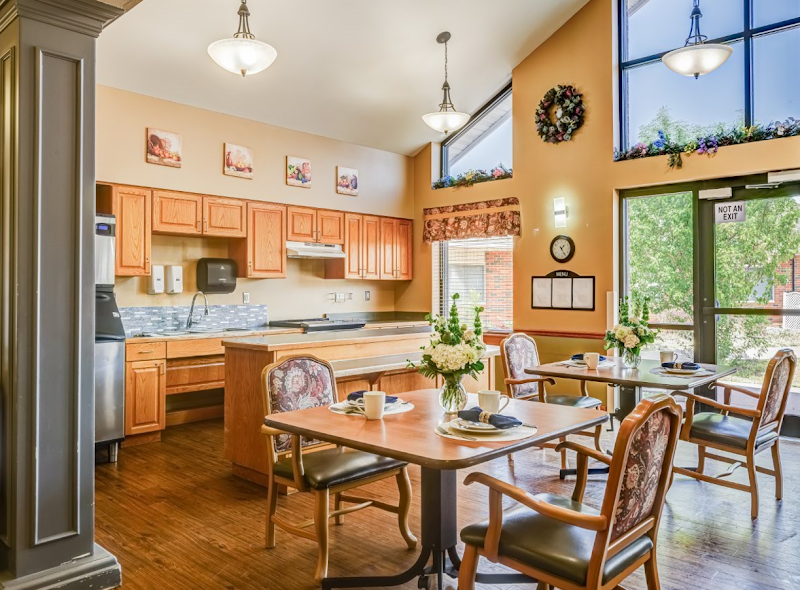
Who Owns and Operates Avantara Saint Cloud?

AVANTARA SAINT CLOUD is owned by a for-profit company. For-profit facilities operate as businesses with obligations to shareholders or private owners. The facility is operated by LEGACY HEALTHCARE, a chain that manages multiple nursing homes. With 78 certified beds and approximately 72 residents (about 92% occupancy), it is a smaller facility located in RAPID CITY, South Dakota.
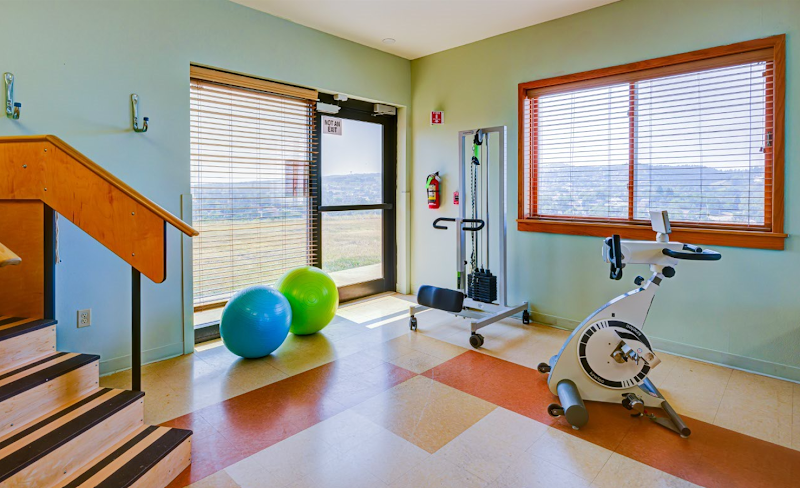
How Does Avantara Saint Cloud Compare to Other South Dakota Nursing Homes?

Compared to the 100 nursing homes in South Dakota, AVANTARA SAINT CLOUD's overall rating (1 stars) is below the state average of 2.7, staff turnover (56%) is near the state average of 46%, and health inspection rating (2 stars) is below the national benchmark.

What Should Families Ask When Visiting Avantara Saint Cloud?

Based on this facility's data, families visiting should ask: "What safeguards and monitoring systems are in place to protect residents from abuse or neglect?" "How do you ensure continuity of care given staff turnover, and what is your staff retention strategy?" "Can you walk me through typical staffing levels on day, evening, and night shifts?" "Can I visit during a mealtime to observe dining assistance and food quality?" These questions are particularly relevant given the substantiated abuse finding on record, the facility's high staff turnover rate, and the below-average staffing rating.

Is Avantara Saint Cloud Safe?

Based on CMS inspection data, AVANTARA SAINT CLOUD has documented safety concerns. The facility has 1 substantiated abuse finding (meaning confirmed case of resident harm by staff or other residents). The facility has a 1-star overall rating and ranks #100 of 100 nursing homes in South Dakota. Families considering this facility should ask detailed questions about what corrective actions have been taken since these incidents.

Do Nurses at Avantara Saint Cloud Stick Around?

Staff turnover at AVANTARA SAINT CLOUD is high. At 56%, the facility is 10 percentage points above the South Dakota average of 46%. High turnover means new staff may not know residents' individual needs, medications, or preferences. It can also be disorienting for residents, especially those with dementia who rely on familiar faces. Families should ask: What is causing the turnover? What retention programs are in place? How do you ensure care continuity during staff transitions?

Was Avantara Saint Cloud Ever Fined?

AVANTARA SAINT CLOUD has been fined $11,408 across 1 penalty action. This is below the South Dakota average of $33,193. While any fine indicates a compliance issue, fines under $50,000 are relatively common and typically reflect isolated problems that were subsequently corrected. Families should ask what specific issues led to these fines and confirm they've been resolved.

Is Avantara Saint Cloud on Any Federal Watch List?

AVANTARA SAINT CLOUD is not on any federal watch list. The most significant is the Special Focus Facility (SFF) program, which identifies the bottom 1% of nursing homes nationally based on persistent, serious quality problems. Not being on this list means the facility has avoided the pattern of deficiencies that triggers enhanced federal oversight. This is a positive indicator, though families should still review the facility's inspection history directly.