Fountain Springs Healthcare
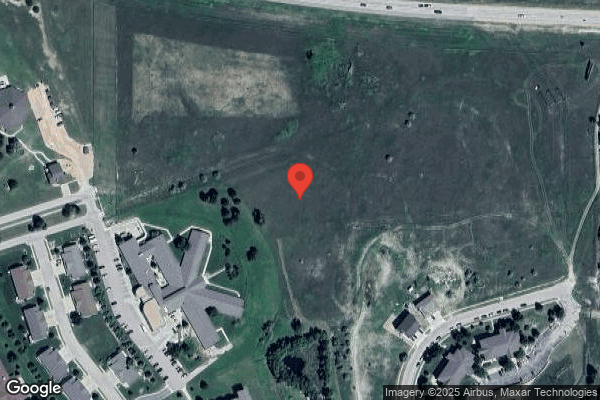
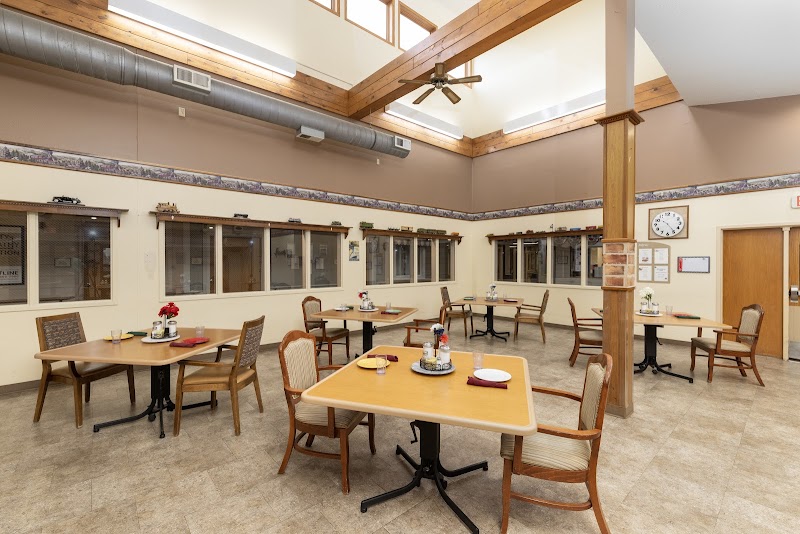
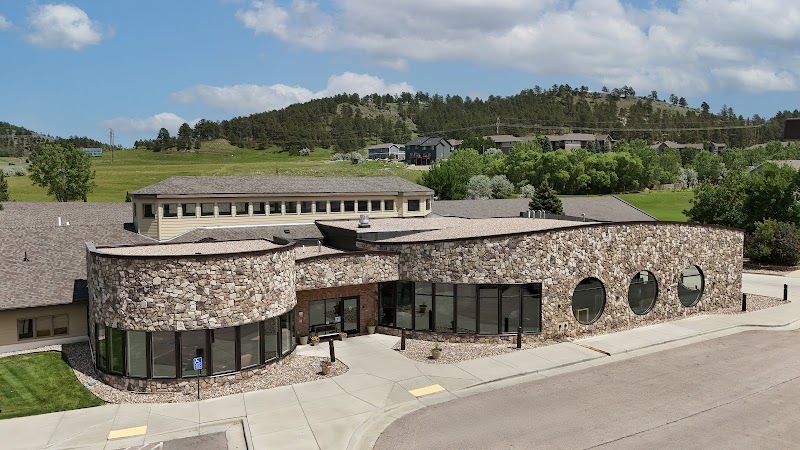
2000 WESLEYAN BLVD, RAPID CITY, SD 57702 (605) 343-3555
For profit - Corporation 90 Beds EMPRES OPERATED BY EVERGREEN Data: November 2025 1 Immediate Jeopardy citation
Trust Grade
53/100
#20 of 95 in SD
Last Inspection: April 2024

Within standard 12-15 month inspection cycle. Federal law requires annual inspections.

Overview

Fountain Springs Healthcare has a Trust Grade of C, which indicates it is average - middle of the pack, not particularly great but not terrible. It ranks #20 out of 95 nursing homes in South Dakota, suggesting it is in the top half, and #2 of 9 in Pennington County, meaning only one other local option is better. The facility is currently improving, with issues decreasing from 4 in 2024 to just 1 in 2025. Staffing is a strength, rated 4 out of 5 stars, but the turnover rate is 54%, slightly above the state average of 49%, meaning while some staff stay, there is still a notable amount of turnover. However, there are concerns, including $32,276 in fines, which is typical for facilities in the area but still indicative of compliance issues. There is average RN coverage, which means residents receive adequate medical oversight. Specific incidents include a failure to follow a physician-ordered diet for a resident who choked during a meal, indicating a critical lapse in care, and a serious incident where a resident with severe cognitive issues wandered outside, raising safety concerns. Overall, while there are strengths in staffing and improvement trends, families should weigh these against the critical care lapses noted in recent inspections.
Trust Score
C
53/100
In South Dakota
#20/95
Top 21%
Safety Record
High Risk
Review needed
Inspections
Getting Better
4 → 1 violations
Staff Stability
⚠ Watch
54% turnover. Above average. Higher turnover means staff may not know residents' routines.
Penalties
○ Average
$32,276 in fines. Higher than 68% of South Dakota facilities. Some compliance issues.
Skilled Nurses
✓ Good
Each resident gets 47 minutes of Registered Nurse (RN) attention daily — more than average for South Dakota. RNs are trained to catch health problems early.
Violations
⚠ Watch
14 deficiencies on record. Higher than average. Multiple issues found across inspections.
★★★★☆
4.0
Overall Rating
★★★★☆
4.0
Staff Levels
★★★★☆
4.0
Care Quality
★★★★☆
4.0
Inspection Score
Stable
2024: 4 issues
2025: 1 issues

The Good

  • 4-Star Staffing Rating · Above-average nurse staffing levels
  • 4-Star Quality Measures · Strong clinical quality outcomes
  • Full Sprinkler Coverage · Fire safety systems throughout facility
  • No fines on record

Facility shows strength in staffing levels, quality measures, fire safety.

The Bad

Staff Turnover: 54%

Near South Dakota avg (46%)

Higher turnover may affect care consistency

Federal Fines: $32,276

Below median ($33,413)

Moderate penalties - review what triggered them

Chain: EMPRES OPERATED BY EVERGREEN

Part of a multi-facility chain

Ask about local staffing decisions and management

The Ugly 14 deficiencies on record

1 life-threatening 1 actual harm
May 2025 1 deficiency
CONCERN (D) 📢 Someone Reported This

A family member, employee, or ombudsman was alarmed enough to file a formal complaint

Potential for Harm - no one hurt, but risky conditions existed

Report Alleged Abuse (Tag F0609)

Could have caused harm · This affected 1 resident

Based on South Dakota Department of Health (SD DOH) facility-reported incident (FRI), interview, record review, and policy review, the provider failed to ensure that allegations of abuse for one of on...

Read full inspector narrative →
Based on South Dakota Department of Health (SD DOH) facility-reported incident (FRI), interview, record review, and policy review, the provider failed to ensure that allegations of abuse for one of one resident (1) were promptly investigated and reported. Failure to promptly investigate and report the allegation may have put all residents at risk for potential abuse. This citation is considered past non-compliance based on a review of the corrective actions the provider implemented following the incident. Findings include: 1. Review of the provider's 1/28/25 submitted SD DOH FRI final report regarding resident 1 revealed: *A progress note indicated that on 12/29/24 at 1:00 p.m., resident 1 reported to licensed practical nurse (LPN) E, who was not assigned to care for resident 1 that day, that: -Resident 1 had asked certified nurse aide (CNA) G to stay out of her room, but CNA G continued to stay in her room. -CNA G used inappropriate language and gestures towards the resident. -CNA G had used her phone to take pictures of and record the resident. *Another progress note from 12/29/24 indicated that: -Registered nurse (RN) D, who was assigned to care for resident 1 that day, was notified by CNA F that resident 1 told CNA F that CNA G had been disrespectful to her while providing personal care. -RN D went to resident 1 with two unidentified staff members to find out what concerns the resident had with CNA G or the care she provided. -Resident 1 said she had no concerns. -It also indicated that CNA F wrote a statement about the incident that resident 1 complained to her about. *RN D and LPN E contacted the former assistant director of nursing (ADON) C, who was the manager on call, to notify her of the incident. -RN D reported to ADON C that resident 1 was having behaviors toward staff. -LPN E reported to ADON C that the resident had concerns about a CNA who had cared for her, but she did not provide specific details of what the resident had reported, only that resident 1 did not want that specific staff member in her room. -ADON C asked RN D and LPN E to document the interaction and not have that staff member provide care for resident 1. *On 12/30/24, the progress notes were reviewed by director of nursing (DON) B at the interdisciplinary team (IDT) meeting, and she asked social services director (SSD) H to speak with resident 1 to get more specific information. -SSD H spoke with resident 1, but no further information was elicited. *The incident was not reported to administrator A, law enforcement, or SD DOH, and no investigation was initiated at that time. *During a 1/21/25 discharge follow-up call by LPN I, resident 1 repeated the allegations of CNA G's use of inappropriate language and gestures towards her, and that CNA G had used their phone to take pictures and record her. -LPN I reported this information to administrator A, who initiated an investigation and reported the allegations to law enforcement and SD DOH in an initial report on 1/22/25. *That investigation validated the allegation of verbal abuse, and CNA G was terminated from working in the facility effective 1/24/25. Interview on 5/28/25 at 1:48 p.m. with CNA J revealed: *CNA J stated she would report any suspected abuse to a nurse, and if the nurse did not act on the allegation, she would report the information to the charge nurse and then the unit manager, if no action was taken. *She had recently received education on reporting potential abuse. *How to identify and report potential abuse was also discussed at a recent staff meeting. Interview on 5/28/25 at 4:37 p.m. with DON B revealed: *She confirmed that she failed to timely investigate and report the 12/29/24 incident that involved resident 1. *She felt that the staff was doing really well with the ongoing education that was being provided. *She stated she was much more diligent in investigating all potential concerns. Interview and record review on 5/28/25 at 3:15 p.m. with administrator A revealed the disciplinary action, education, interviews, and audits referenced in the provider's 1/28/25 submitted SD DOH FRI were completed and documented. The provider's implemented actions to ensure the deficient practice does not recur was confirmed onsite on 5/28/25 after record review revealed the facility had followed their quality assurance process and: *DON B received disciplinary action for failing to report and investigate in a timely manner. *DON B was assigned and completed education on abuse prevention on 1/22/25. *ADON C was educated to ask clarifying questions when staff called to report resident behaviors or resident requests to avoid specific caregivers being assigned to them. *LPN E was educated to report exactly what residents share with her, which could indicate potential abuse or neglect situations. *All nursing staff were educated to honor a resident's request to leave their room. *All nursing staff were educated to follow up with the administrator or DON if they reported an incident and had not received feedback from the administrator or DON regarding that incident. *All nursing staff completed a HIPAA confidentiality training course and reviewed the policy regarding video camera and phone use in the facility. *All nursing staff received education on the provider's Abuse Reporting and Response policy. *Audits were conducted by Administrator A for daily reviews of residents' progress notes over two weeks to ensure that all potential abuse or neglect events were reported and/or investigated in a timely manner. *Staff interview confirmed they understood the education provided. Based on the above information, non-compliance at F609 occurred on 12/29/24, and based on the provider's implemented corrective actions on 1/24/25, for the deficient practice confirmed on 5/28/25, the non-compliance is considered past non-compliance.
Aug 2024 1 deficiency 1 IJ
CRITICAL (J) 📢 Someone Reported This

A family member, employee, or ombudsman was alarmed enough to file a formal complaint

Immediate Jeopardy (IJ) - the most serious Medicare violation

Quality of Care (Tag F0684)

Someone could have died · This affected 1 resident

**NOTE- TERMS IN BRACKETS HAVE BEEN EDITED TO PROTECT CONFIDENTIALITY** Based on the South Dakota Department of Health (SD DOH) facility reported incident (FRI), interview, record review, and policy r...

Read full inspector narrative →
**NOTE- TERMS IN BRACKETS HAVE BEEN EDITED TO PROTECT CONFIDENTIALITY** Based on the South Dakota Department of Health (SD DOH) facility reported incident (FRI), interview, record review, and policy review, the provider failed to ensure: *A physician-ordered diet order was followed for one of one sampled resident (1). *Appropriate and timely emergency medical intervention was initiated for one of one sampled resident (1) who choked during a meal service. On 8/15/24 at 9:00 a.m., an Immediate Jeopardy was identified for a FRI related to the quality of resident care and treatment that occurred on 7/24/24. The investigation revealed verbal and written education initiated on 7/24/24 removed the immediacy. Substantial compliance was confirmed on 8/15/24 after review of the provider's Quality Assurance and Performance Improvement (QAPI)/Quality Assessment and Assurance (QAA) minutes, documented staff education, competencies and audit information, personnel files, observation of the main kitchen and dining room, and multiple staff interviews. The provider was found to have past non-compliance at F684 related to the provider's failure to ensure a physician-ordered resident diet order was followed and appropriate emergency medical intervention was initiated timely. On 8/27/24 at 2:15 p.m. the Immediate Jeopardy template was electronically mailed to administrator A for reference. Findings include: 1. Review of the SD DOH FRI regarding resident 1 revealed: *She choked in the main dining room during a noon meal fed to her by her visiting sister on 7/24/24. *Staff provided abdominal thrusts then administered cardiopulmonary resuscitation (CPR) after she became unresponsive. -She passed away at the facility after emergency medical personnel arrived and took over the chest compressions until an emergency room physician ordered to cease CPR. Review of resident 1's electronic medical record (EMR) revealed: *She was [AGE] years old and her date of admission to the facility was 11/12/19. *Her diagnoses included: spastic hemiplegic cerebral palsy, Parkinson's disease, atrial fibrillation, depression, and anxiety. *A 3/22/23 physician's code status order to: DNR (do not resuscitate). *A 5/9/23 physician's diet order for: Regular texture, mildly-thick liquid consistency. Minced and moist meats and full supervision; NO straws. Add moisture to meats for diet. *Her 6/28/24 quarterly Minimum Data Set (MDS) assessment indicated she had no broken or loosely fitting dentures. The resident held food in her mouth during and following meals. She coughed or choked during meals. *Registered dietician E's 6/5/24 quarterly assessment indicated the resident required staff assistance to be fed. Her diet included mildly thick liquids and minced and moist meat. Interview, review of personnel files, and review of the certified nurse aide (CNA) job description on 8/15/24 at 10:20 a.m. with human resources (HR) manager C revealed: *The licenses or certifications for a sample of staff identified in the FRI (registered nurse B, CNA/certified medication aide G, and CNA H) were current. *Review of the updated March 2012 CNA job description revealed CPR certification was not a requirement of that position. *HR manager C stated: -Several CNAs became CPR-certified after the incident and another group of CNAs was scheduled to take a CPR course in September 2024. The facility's goal was to have all CNAs CPR-certified. -Managers on duty were now expected to be CPR-certified. -A facility RN planned to become a CPR instructor for the facility. Interview on 8/15/24 at 10:44 a.m. with dietary manager (DM) D revealed: *Cook F failed to correctly prepare and plate resident 1's meal and was terminated from employment on 7/24/24. *Resident 1's tray card indicated her meat was to have been minced and moist in consistency. -The breaded cod served to her on 7/24/24 was not put through the food processor and no moisture was added to it before it was served to resident 1. *DM D had documentation to support on 12/20/23 cook F was able to satisfactorily read and interpret recipes and verbalize the variations in therapeutic diets, modified diets, and liquids. Observation and continued interview with DM D in the kitchen revealed: *Information related to the International Dysphagia Diet Standardization Initiative (IDDSI-used to describe texture modified foods and thickened liquids) was found in the food prep area. -Various other modified diets and thickened liquid information was posted in other places in the kitchen. *Review of a random unidentified resident's tray card who received a minced and moist meat diet revealed: -A legible diet order was on one side of the card. -On the other side of the card in capital letters was MM (minced and moist) beside the description of the main entrée for lunch that day (spaghetti). *The kitchen had an adequate supply of pre-thickened beverage options and pre-measured thickening packets to be used to thicken beverages such as coffee. -Any other beverage that required thickening was thickened by the dietary staff with other liquid thickening products. Interview on 8/15/24 at 12:15 p.m. with CNA H revealed: *She was assisting another resident at resident 1's table when the choking incident occurred. *Resident 1's breaded cod was chopped into pieces when it was served. -CNA H knew the resident received a modified diet but was not certain if the texture of the fish was correct or not. She had not asked another staff for clarification. *Since the incident: -All staff were re-trained on modified diet textures. CNA H now knew resident 1''s fish should have had a more pureed type look like wet cat food when it was served to her on 7/24/24. -Thickener packets were removed from the beverage station and kitchen staff were expected to thicken resident beverages when indicated. *The FRI report interview with CNA H indicated: she [CNA H] went over and assessed [resident 1], and she thought resident 1 was blue so then she started yelling out. -CNA H had not administered abdominal thrusts to resident 1 because she received mixed responses from other staff who were present as to whether or not she was allowed to perform that maneuver. Abdominal thrusts can and should have been initiated by her or any other CNA for a choking resident. *She completed a lot of on-line learning and trainings (in-house) related to the FRI and verbalized an understanding of what she was expected to do moving forward. Interview on 8/15/24 at 12:30 p.m. with certified medication aide (CMA)/CNA G revealed she: *Was one of the first staff to arrive in the dining room after a call to help resident 1 was heard. *Provided the resident a few back blows in the dining room, then was instructed to move the resident out of the dining room before performing the first abdominal thrusts the resident received. CMA/CNA G was expected to have immediately started abdominal thrusts in the dining room rather than waiting to move the resident to another location before starting them. *Initiated chest compressions after resident 1 was moved to her room and after she was directed to do so by assistant director of nursing (ADON) I. CMA/CNA G was not CPR-certified at the time of the incident and should not have performed that intervention. *Stated A lot of refreshers [training] and education was provided regarding how staff were to respond to a similar situation should it happen again. Interviews on 8/15/24 at 11:15 a.m., 11:30 a.m., and 12:45 p.m. with director of nursing (DON) A regarding the FRI revealed: *In addition to the cook, caregivers were also responsible for ensuring residents received the diets per their physician's order. -Diet texture pictures are now posted at the kitchen serving window for caregivers to use to compare against the diet order on a resident's tray card. *The use of the abdominal thrust maneuver was taught in the CNA training curriculum and expected to have been performed by CNAs when indicated. *In most cases the execution of emergency medical interventions was not expected to have been interrupted or delayed by moving the resident to an alternate location(s) first. *ADON I was suspended and then terminated on 7/31/24 for directing CMA/CNA G to start CPR on resident 1. *A detailed plan of action was completed by the facility on 7/25/24 related to resident 1's choking incident. The plan was based on a Root Cause Analysis of the FRI and resulted in the development of multiple performance improvement plans. -These plans included systemic changes and actions such as staff education and re-training, audits, checklists, competencies, and personnel changes to ensure the deficient practice does not reoccur. The changes and actions were confirmed on 8/15/24 through observation, interview, and review of the provider's Plan of Correction binder. Based on the above information, non-compliance at F684 occurred on 7/24/24. Based on the provider's implemented plan of correction for the deficient practice confirmed on 8/15/24, the non-compliance is considered past non-compliance.
May 2024 1 deficiency
CONCERN (D) 📢 Someone Reported This

A family member, employee, or ombudsman was alarmed enough to file a formal complaint

Potential for Harm - no one hurt, but risky conditions existed

Accident Prevention (Tag F0689)

Could have caused harm · This affected 1 resident

Based on a facility reported incident (FRI) review, observation, interview, record review, and manufacture operator's instruction review, past noncompliance was confirmed for an incident occurring on ...

Read full inspector narrative →
Based on a facility reported incident (FRI) review, observation, interview, record review, and manufacture operator's instruction review, past noncompliance was confirmed for an incident occurring on 4/29/24. Findings include: 1. Review of the provider's 4/29/24 SD DOH FRI revealed: *On 4/29/24 certified nursing assistant (CNA) E did not use a standing frame mechanical lift as directed in the manufacturer's instructions and resident 2's care plan when she released the safety buckle while the resident was in the lift, and he fell. -Resident 1 was not injured. 2. The provider's implementation of systemic changes to ensure the deficient practice does not recur was confirmed after: record review revealed the facility had followed their quality assurance process, education was provided to all direct care staff regarding mechanical lift safety and following resident's care plan/care sheets, observations and interviews revealed staff understood how to correctly operate mechanical lifts according to each resident's individualized care plan/care sheet, a new device evaluation was completed regarding resident safety utilizing a standing frame lift, review of the appropriate sling sizes for each resident's mechanical lift needs, review of staff schedules confirmed staffing levels met resident assistance needs, and verifying certified nurse aide (CNA) competencies and audits were being performed. Based on the above information, non-compliance at F689 occurred on 4/29/24, and based on the provider's implemented corrective actions for the deficient practice confirmed on 5/22/24, the non-compliance is considered past non-compliance.
Apr 2024 1 deficiency
CONCERN (D)

Potential for Harm - no one hurt, but risky conditions existed

Infection Control (Tag F0880)

Could have caused harm · This affected 1 resident

Based on observation, interview, record review, and policy review, the provider failed to ensure proper infection control practices were followed by: *One of one licensed practical nurse (LPN) D durin...

Read full inspector narrative →
Based on observation, interview, record review, and policy review, the provider failed to ensure proper infection control practices were followed by: *One of one licensed practical nurse (LPN) D during three of three dressing changes for one of one sampled resident (63) . *Two of two certified nursing aides (CNA) (E and F) during catheter care for one of two sampled residents (129). Findings include: 1. Observations and Interview on 4/2/24 at 3:02 p.m. with LPN D while changing 2 dressings on resident 63 revealed: *The resident was sitting in her wheelchair. - She had a dressing on her right foot and another one on her left hand. *LPN D: -Placed a plastic bag with wound dressing supplies in it on resident 63's bed. -Washed her hands and put gloves on. -Without placing a barrier between the resident's hand and her wheelchair, she remove a pair of scissors from her front pocket, used those scissors to remove the soiled dressing. -Opened the plastic bag and removed a bottle of wound cleansing spray and wound dressing supplies. -Did not wash her hands. -Put on a clean pair of gloves. -Opened an iodine packet, and cleaned the wound, removed wound packing and gauze from the plastic bag, and applied it to the wound. -With those same gloved hands, removed the wound wrapping from the plastic bag, and wrapped the wound. -She had cleaned the scissors at the nurse's station and placed them in her pocket before entering the room. -Her usual practice was to use a barrier between the plastic bag with wound supplies in it and the surface she places the plastic bag. *Removed those gloves, washed her hands and put on clean gloves. *Removed the resident's shoe from her right foot. *Removed the old dressing from the resident's foot, with those same unclean scissors. *Removed an iodine packet from the plastic bag and cleaned the wound. *With those same gloves on removed wound wrapping, from the plastic bag, wrapped the foot, and again removed supplies from the plastic bag. -Removed the soiled gloves and without washing her hands, secured the wound wrap with tape. *Would have usually changed gloves between soiled and clean dressings. *She should not have reached into the plastic bag and removed items with soiled gloves on. 2. Observation and interview on 4/2/24 at 3:25 p.m. with LPN D while changing resident 63's PICC line dressing revealed: *Resident 63 was sitting in her wheelchair and had a PICC line in her upper right arm. *LPN D washed her hands and placed the dressing kit for the PICC line dressing change kit on the bedside table with no barrier under the kit, opened the kit, removed a mask, and placed it on her face, leaving her nose exposed. -There was a second mask in the kit that did not get placed on resident 63. *She applied sterile gloves and removed the soiled dressing without placing a barrier between resident 63's arm and clothes. *She removed the soiled gloves and without sanitizing she applied sterile gloves. *She opened supplies from the kit and dropped them on the sterile field, touching resident 63's arm multiple times during the process to prevent her from touching her arm to her clothes. *With the Chloraprep applicator she cleaned the skin above the catheter site and then cleaned the top of the PICC line catheter. She did not clean around, under, or outside the area of the PICC line. *Without applying skin prep she placed the PICC line on resident 63's arm and secured it in place. *She grabbed the IV guard off the bedside table from under the sterile field, opened the sterile IV guard, placed it around the PICC line, applied a clear dressing onto the PICC line site, and secured it with tape above the IV access ends. *With the same gloves on she removed the PICC line access end from one of the PICC lines, replaced it with a new one without cleaning it. *She stated: -She did not have a second access end to change the second PICC line, and would change it later. -It had been a while since she had changed a PICC line dressing and was not comfortable doing it by herself. -She was taught to apply the new sterile access end to the PICC line as fast as she could. -Wiping the open PICC line before applying the new sterile access end with alcohol before applying a new sterile access end made sense to her. -She agreed she had removed the soiled gloves and did not wash her hands. -She would usually offer a mask to the resident after she put her mask on. 3. Interview on 4/4/24 at 1:24 p.m. with infection control nurse C regarding the above observation revealed she stated: *The above practice is not acceptable. *More wound and PICC line dressing change training was needed. *The director of nursing (DON) was responsible for educating nurses on wound and PICC line dressing changes. 4. Interview on 4/4/24 at 1:52 p.m. with DON B revealed she: *Was responsible for education on dressing and PICC line dressing changes. *Stated the above observation were not an acceptable. *Had recently educated staff nurses on dressing changes. 5. Observation and interview on 4/4/24 at 10:10 a.m. of CNAs E and F while providing catheter care to resident 129 revealed: *Both CNAs performed hand hygiene and put on gloves. *CNA F removed several wet wipes from the package, placed them directly on the resident's bedside table, performed hand hygiene, and applied new gloves. -The bedside table had a drinking glass and other resident-use items on it. *CNA F had not: -Cleaned the table before placing the wet wipes on the table. -Removed the personal items from the bedside table. -Placed a barrier on the bedside table before she placed the wet wipes on it. *CNA E: -Left the bedside to locate a pair of pants for the resident. -Left her gloves on and moved about the room touching several surfaces with those same gloves on. -Returned to the resident and assisted the resident without changing her gloves. *CNA F stated she should have placed a clean barrier on the table before setting the wet wipes. *CNA E stated she should have performed hand hygiene and applied clean gloves before she returned to assist the resident. 6. Interview on 4/4/24 at 11:00 a.m. with infection control nurse C confirmed: *The bedside table should have had a barrier between the table and the clean wet wipes. *The CNA should have washed her hands and put on clean gloves before assisting the resident. 7. Interview on 4/4/24 at 12:30 p.m. with DON B confirmed: *The bedside table should have had a barrier between the table and the clean wet wipes. *The CNA should have washed her hands and put on clean gloves before assisting the resident. 8. Review of the provider's undated Giving Catheter Care Guidelines revealed: *Practice hand hygiene. *Use gloves. *Cover the over-bed table with paper towels. -Arrange items on top of them. [barrier] 9. Review of the provider's updated March 2018 Handwashing/Hand Hygiene policy revealed: *Personnel are trained and regularly in-service on the importance of hand hygiene in preventing the transmission of healthcare-associated infections. *Use an alcohol-base hand rub or wash hands for the following situation: -b. Before and after direct contact with resident; -d. Before and after performing any non-surgical invasive procedures; -e. Before and after handling an invasive device (e.g. urinary catheters, IV access sites); -f. Before donning sterile gloves; -h. Before moving from a contaminated body site to a clean body site during resident care.; -i. After contact with a resident's intact skin; -k. After handling used dressings, contaminated equipment, ect.; -l. After contact with objects (e.g. medical equipment) in the immediate vicinity of the resident; and -M. After removing gloves. *-The use of gloves does not replace hand washing/hand hygiene. Integration of gloves use along with routine hand hygiene is recognized as the best practice for preventing healthcare-associated infection. 10. Review of the providers updated July 2014 Dressing Technique, Aseptic Competency form revealed: *3. Provide a clean surface, such as paper towel, to place treatment supplies in room and a plastic bag for disposal. Dressing supplies must be in sterile packages. *4. Wash hands and apply gloves. *6. Remove soiled dressings and dispose in plastic bag with gloves. *7. Wash hands if visibly soiled or use gel hand sanitizer if not. *8. Open dressing supplies, leave in sterile packages, and place on aseptic field. *9. Apply gloves. *10. Perform treatment as ordered. *12. Remove gloves and wash hands if visibly soiled or use gel hand sanitizer. 11. Review of the provider's 08/16 Dressing Change for Vascular Access Device (CVAD) policy revealed: *For Midline and all CVAD's: -1. Wash hands and don mask and clean gloves. -2. Assess insertion site for signs and symptoms of complications. -3. Remove existing dressing and any stabilization device. -4. Remove gloves. -5. Perform hand hygiene. -6. [NAME] sterile gloves. -7. Using sterile technique, prep site with alcohol to remove skin oils, followed by the primary antiseptic (Chloraprep). Use a gentle scrubbing motion. Clean an area larger than dressing to be applied.
Jan 2024 1 deficiency 1 Harm
SERIOUS (G) 📢 Someone Reported This

A family member, employee, or ombudsman was alarmed enough to file a formal complaint

Actual Harm - a resident was hurt due to facility failures

Accident Prevention (Tag F0689)

A resident was harmed · This affected 1 resident

**NOTE- TERMS IN BRACKETS HAVE BEEN EDITED TO PROTECT CONFIDENTIALITY** Based on observation, interview, record review, review of the facility-reported incident (FRI), and policy review, the provider ...

Read full inspector narrative →
**NOTE- TERMS IN BRACKETS HAVE BEEN EDITED TO PROTECT CONFIDENTIALITY** Based on observation, interview, record review, review of the facility-reported incident (FRI), and policy review, the provider failed to maintain a secured environment for one of one sampled resident (1) with a history of wandering and severe cognitive impairment who had eloped on 12/25/23 outdoors and into a fenced courtyard approximately 100-150 feet from the door he had exited from. Findings include: 1. Review of resident 1's electronic medical record (EMR) revealed: *He was admitted on [DATE] and currently resided at the facility. *His diagnoses included Alzheimer's dementia, psychosis, and a history of prostate cancer. *His 10/11/23 Brief Interview for Mental Status (BIMS) score was 3 indicating he had severe cognitive impairment. *He was able to ambulate independently. *He wore a Wanderguard (a system that alerts caregivers when a resident approaches and/or opens an alarmed door) on his wrist due to his history of wandering and exit-seeking behavior. *The Wanderguard was tested daily by staff in the morning and in the evening to ensure it was working properly. -That testing was documented on the resident's monthly Treatment Administration Record (TAR). Review of the FRI submitted by administrator A to the South Dakota Department of Health on 12/26/23 at 11:30 a.m. revealed: *On 12/25/23 at roughly 12:00 a.m. resident [1] was found outside of the building. -He was seen by staff inside the facility no less than 5 to 8 minutes prior to the event referred to above. *No door alarm had sounded when the resident exited the building. *The provider's 12/26/23 investigation of the incident revealed the following: -The door alarm battery was noted to be depleted [not functioning] when it was checked. -Door alarm checks had not been implemented on weekends or holidays and that was when the elopement occurred. -The speaker volume for the alarm activation system at the nurses' station was turned down. Review of the updated March 2018 Elopement/Wandering policy revealed for the use of door monitoring systems 2. The maintenance department or designee tests the monitoring system [of alarmed doors] on a daily basis using the manufacturer supplied device [as applicable] and documents the test. Interviews on 1/2/24 at 11:30 a.m. and 12:05 p.m. with director of nursing A and director of maintenance B revealed non-compliance at F689 was considered past non-compliance. The provider implemented corrective actions for the deficient practice by completing the following steps: *Having the maintenance director assume responsibility for monitoring and documenting weekday door alarm testing effective 12/30/23. -Weekday door alarm checks were completed by nursing staff prior to 12/30/23. -Director of maintenance B asked nursing staff for the results of door alarm checks completed the previous day and documented the results in the TELS system (computerized health care maintenance system) without validating those results himself. *Having the Activity Department assume responsibility for monitoring and documenting weekend and holiday door alarm testing on the Daily Door Alarm Test Log. -Test Log documentation between 12/30/23 and 1/2/24 was reviewed and verified by the survey team. *Re-setting the speaker volume on the alarm activation system at the nurses' station and securing the system with a keypad lock accessible only by management staff. *After activating a door alarm the survey team confirmed the following had occurred: -Staff appropriately responded to the alarm. -The speaker volume of the activation system was acceptable. The survey team determined there had been a deficient practice on 12/25/23 when resident 1 eloped. The survey team was able to verify the provider recognized the deficient practice, implemented corrective actions on 12/26/23 and was monitoring to ensure no re-occurrence of the previous deficient practice occurred.
Mar 2023 3 deficiencies
CONCERN (D)

Potential for Harm - no one hurt, but risky conditions existed

Deficiency F0583 (Tag F0583)

Could have caused harm · This affected 1 resident

**NOTE- TERMS IN BRACKETS HAVE BEEN EDITED TO PROTECT CONFIDENTIALITY** B. Based on observation, interview, and policy review, the provider failed to ensure: *One of one sampled resident's (27) medic...

Read full inspector narrative →
**NOTE- TERMS IN BRACKETS HAVE BEEN EDITED TO PROTECT CONFIDENTIALITY** B. Based on observation, interview, and policy review, the provider failed to ensure: *One of one sampled resident's (27) medical record was secured and not accessible to other residents, staff, and the public. *One of one medication cart was locked and medications were not accessible to other residents, staff, and the public by one of one licensed practical nurse (LPN) K during the morning medication pass. Findings include: 1. Observation on 3/2/23 at 7:44 a.m. of the [NAME] hall medication cart computer revealed: *It was located in the [NAME] hallway and there were no staff within view of the medication cart. *The medication computer screen was facing the hallway and was open to resident 27's medication record. *That record was visible to any resident, staff, or visitors passing by the medication cart. *It contained the following: -The resident's name. -Diagnoses. -Medications. -admit date and date of birth . -Current picture. -Medical provider. -Cardiopulmonary status. -Allergies. -Diet. -Room location. *An unidentified resident had been sitting in his wheelchair in a doorway directly across from the medication cart within view of the computer screen. 2. Continued observation on 3/2/23 at 7:45 a.m. of the same [NAME] hall medication cart also revealed: *The medication cart had been unlocked, allowing residents, staff, and visitors, access to the drawers of the cart. *Upon surveyor inspection, the drawers had contained: -All of the [NAME] hall residents' prescription medications. -Various over-the-counter medications. -Finger stick lancet needles and insulin pen needles. -Bandage scissors and skin treatment supplies. -Liquid and injectable medications. *The unattended medication cart was monitored for three minutes before licensed practical nurse (LPN) K came out of an adjacent room, which was not within view of the cart. Interview on 3/2/23 at 7:47 a.m. with LPN K regarding the above observations revealed: *Normally she would not have left the medication cart unlocked and the computer screen open to a resident's medication record. -She had been called away from the medication cart to assist a resident. *Agreed she should have locked the medication cart and computer screen to ensure the residents' information was kept confidential. *Agreed anyone could have had access to the contents of the medication cart. Interview on 3/2/23 at 7:48 a.m. with assistant director of nursing/infection control nurse D and resident care manager/registered nurse (RCM/RN) E regarding the above findings revealed: *It was their expectation the medication cart and the computer screen should have been locked every time a staff member left the cart unattended. *They had provided continued education to staff regarding securing the medication carts and resident's private information. -RCM/RN E voiced staff had been educated and re-educated. A medication cart policy regarding the above findings was requested on 3/2/23 at 12:15 p.m. from division director of clinical operations B. She indicated no such policy existed. Review of the November 2016 EmpRes Healthcare Management, LLC Notice of Resident Rights Under Federal Law document found in the facility's resident admission packet revealed: *Residents have the following rights under Federal law: -11. The Resident has the right to personal privacy and confidentiality, and security of his/her clinical records. A. Based on observation, interview, maintenance logbook review, and policy review, the provider failed to ensure privacy had been maintained for: *One of one sampled resident (21) whose window blind had been left open during her personal care. *Two of two random residents' rooms (111 and 349 B) with window blinds that were missing vertical slats and unable to have been completely closed. *One of one random resident's room (340 B) that had no window covering. Findings include: 1. Observation and interview on 2/28/23 between 3:45 p.m. and 4:15 p.m. with certified nurse aide (CNA) (H) and licensed practical nurse (LPN) G in resident 21's room revealed: *The resident was raised off the seat of her wheelchair by CNA H using a mechanical lift. *She faced the window and the vertical blinds on that window were opened. -A sidewalk was visible looking out the window as well as the north end of the facility's parking lot *LPN G lowered the resident's pants below her buttocks and pulled up her shirt exposing her abdomen. -She completed a dressing change to a wound on the resident's left side. *Both CNA H and LPN G agreed the resident's privacy had not been protected with the blinds that had been left open during the wound care. *CNA H stated even if the window blinds had been closed the resident's privacy still would not have been protected. -When the blinds were closed there were two center slats missing leaving an opening large enough to see inside and out of the window. *Other resident rooms including room [ROOM NUMBER] had vertical blinds that also had missing slats. *CNA H was unsure if maintenance director J had been made aware of the privacy issues. 2. Interview on 3/1/23 at 3:30 p.m. with resident 21 revealed she: *Had not noticed her blinds were left open during her wound care on 2/28/23. *Was aware her window blinds had missing center slats. 3. Observation on 2/28/23 at 4:30 p.m. of a semi-private room [ROOM NUMBER] A and 111 B revealed: *The blinds on the A side window of the room were missing four slats. -Three of those slats sat on the windowsill beneath the blinds. *The blinds on the B side window of the room were missing two slats. -One of those slats sat on the windowsill beneath the blinds. *There was a resident currently occupying the A side of the room but not the B. 4. Interview on 3/2/23 at 8:25 a.m. with maintenance director J regarding resident room maintenance revealed: *Resident rooms were checked monthly for maintenance needs. -That included looking at window blinds for something major wrong with them. *He had replaced quite a few of the blinds lately but had not known about the condition of the blinds in resident 21's room or in room [ROOM NUMBER]. *When he assessed window blinds during his room checks they were usually opened so he would not have seen any missing slats. *Staff were expected to have documented room maintenance issues in the maintenance log at the nurses' station. Review of the maintenance logbook entries between 1/1/23 and 3/1/23 revealed: *On 1/3/23: Put up blind standing by closet in room [ROOM NUMBER] B. *On 1/23/23: Son requests new blinds room [ROOM NUMBER] B. *On 2/24/23: Blinds on small window room [ROOM NUMBER]. Observation on 3/2/23 at 9:00 a.m. of rooms 349 B, 342 B and 340 revealed: *There were two center slats missing on the vertical blinds in room [ROOM NUMBER] B so they were unable to have been closed completely. *Window blinds in room [ROOM NUMBER] B had no missing slats and were able to have been completely closed. *There was no window covering in room [ROOM NUMBER]. 5. Interview on 3/2/23 at 9:10 a.m. with director of nursing C revealed she expected: *Blinds or privacy curtains to have been closed during residents' personal care. *Blinds were in good working order to ensure residents' privacy was protected. *Maintenance director J was promptly notified and there was immediate resolution for any issues regarding resident window coverings. A Privacy/Dignity policy was requested on 3/1/23 at 2:45 p.m. from administrator A however she indicated the facility had no policy. Review of an updated November 2016 EmpRes Healthcare Management, LLC Notice of Resident Rights Under Federal Law document found in the facility's resident admission packet revealed: *Residents have the following rights under Federal law: -14. The Resident has the right to a dignified existence and self-determination. -15. The Resident has the right to be treated with respect and dignity. -29. The Resident has the right to a safe, clean, comfortable, and homelike environment .
CONCERN (D)

Potential for Harm - no one hurt, but risky conditions existed

Deficiency F0658 (Tag F0658)

Could have caused harm · This affected 1 resident

**NOTE- TERMS IN BRACKETS HAVE BEEN EDITED TO PROTECT CONFIDENTIALITY** Based on observation, interview, and policy review, the provider failed to ensure appropriate procedural techniques had been fol...

Read full inspector narrative →
**NOTE- TERMS IN BRACKETS HAVE BEEN EDITED TO PROTECT CONFIDENTIALITY** Based on observation, interview, and policy review, the provider failed to ensure appropriate procedural techniques had been followed for: *One of one sampled resident (15) by one of one resident care manager/registered nurse (RCM/RN) (E) during the removal of her midline intravenous (IV) catheter used for medication administration. *One of one licensed practical nurse (LPN) G during inhaler medication administration for one of one sampled resident (38). Findings include: 1. Observation and interview on 3/1/23 at 1:00 p.m. with RCM/RN E during the removal of resident 15's IV catheter revealed she: *Performed hand hygiene, cleaned the top of the bedside table, laid a barrier on top of that cleaned table, and set her supplies down. *Put on a gown, performed hand hygiene, and applied a pair of gloves. *Had resident 15 seated upright in her wheelchair. *Removed the tape and dressing on top of the IV line in the resident's upper left arm. *Without changing her gloves or cleansing around the IV site, she had the resident exhale while she slowly removed the IV catheter. *Placed a dry gauze pad on the insertion site, and applied pressure until bleeding stopped. *Changed her right glove and placed a sterile dressing on top of the insertion site. *Stated it was not uncommon for the facility to care for residents requiring IV medication administration. -Needing to remove IV catheter access for those residents who completed their IV medication course occurred about once every other week. *Had not been trained at the facility to ensure the proper removal of an IV catheter. Interview on 3/1/23 at 3:45 p.m. with division director of clinical operations B and DON C revealed: *They had provided a copy of the revised August 2021 Pharmerica Vascular Access Devices and Infusion Therapy Procedures Catheter Removal policy that RNs were expected to follow for IV catheter removal. -Pharmerica was the pharmacy the provider used for resident medications as well as intravenous therapy needs. Interview and review of the Pharmerica policy referred to above on 3/1/23 at 4:00 p.m. with RCM/RN E and RCM/RN F revealed: *They had access to computer-based facility policies but had been unable to locate a facility policy for IV catheter removal. *They had never seen the Pharmerica policy referred to above and would not have thought to contact Pharmerica with IV catheter removal questions. *RCM/RN E had not followed the Pharmerica policy when she had discontinued resident 15's IV catheter. Interview, review of the catheter removal observation referred to above, and review of the Pharmerica policy referred to above on 3/2/23 at 9:15 a.m. with division director of clinical operations B and DON C revealed: *Staff would not have known to contact Pharmerica regarding infusion related questions. *The Pharmerica policy and procedure manual was located in the medication room. -That manual was found in the medication room unopened and still in its original sealed packaging. *For midline and PICC (peripherally inserted central catheters) removal RCM/RN E had not: -Placed the resident in supine flat or Trendelenburg position unless it was contraindicated. -Removed her gloves and performed hand hygiene after removing the old dressing. -Cleansed the insertion site with an appropriate antiseptic solution per policy prior to discontinuing the IV catheter. -Applied a sterile ointment or Vaseline gauze to the insertion site once the catheter was removed and the bleeding had stopped. 2. Observation and interview on 3/1/23 at 10:00 a.m. with LPN G administering resident 38's inhaler revealed she: *Entered his room and administered his Symbicort inhaler. *Brought no water for him to swish in his mouth or a cup to spit that water back into after he had used the inhaler. *The resident had his own mug of water with a straw through the lid on his over-bed table. *Provided the resident no instruction to swish and spit water after he inhaled the medication. *Knew swishing and spitting was expected after inhaler use but sometimes the resident had refused to do that. -Agreed she still should have offered him a means to properly rinse his mouth after inhaler use. Review on 3/1/23 of resident 38's physician order summary revealed: *A 2/7/23 order for a Symbicort inhaler. -Instructions for use included rinsing the mouth with water after use and not swallowing the water. Interview on 3/1/23 at 11:55 a.m. with resident 38 regarding inhaler use revealed he: *Had not used an inhaler prior to his admission on [DATE]. *Would have swished and spit if he was asked to. *Used a Lifesaver or swallowed some water to rid his mouth of the taste of the inhaled medication. Interview on 3/2/23 at 9:05 a.m. with director of nursing (DON) C regarding resident 38's inhaler administration revealed she would have expected LPN G to: *Enter the resident's room with a cup of water for him to use to swish and spit after he used the inhaler. *Provide needed instruction and educated the resident about the reason for swishing and spitting after the inhaler use. *Document and report repeated resident refusals to swish and spit. Review of the updated November 2018 Guidelines for Administration of Aerosolized Care (Nebulizers and Inhalers) policy revealed the resident was expected to have been instructed to rinse their mouth after the last puff of medicine, spit out the water, and not swallow it.
CONCERN (E)

Potential for Harm - no one hurt, but risky conditions existed

Infection Control (Tag F0880)

Could have caused harm · This affected multiple residents

**NOTE- TERMS IN BRACKETS HAVE BEEN EDITED TO PROTECT CONFIDENTIALITY** 8. Observation and interview on 2/28/23 at 8:15 a.m. of resident 171's transfer with a mechanical lift by CNA L revealed: *CNA L...

Read full inspector narrative →
**NOTE- TERMS IN BRACKETS HAVE BEEN EDITED TO PROTECT CONFIDENTIALITY** 8. Observation and interview on 2/28/23 at 8:15 a.m. of resident 171's transfer with a mechanical lift by CNA L revealed: *CNA L cleansed and gloved her hands, and was wearing a barrier gown. *CNA L placed the resident onto a mechanical lift sling and attached the sling to the mechanical lift that had been brought into his room from the hallway. -She placed his Foley urine catheter bag on his lap. -The resident then held on to the sling and was lifted off of his bed and was placed into his wheelchair. *During the mechanical lift transfer CNA L, with those same gloved hands, touched the mechanical lift's handles, sling bars, and the lift control screen. -CNA L then removed the sling from underneath the resident and placed it on the resident's bed. -Following the transfer, the mechanical lift was removed from the resident's room and placed into the hallway without being disinfected. *Following the above observation CNA L stated: *That was her normal routine for mechanical lift transfers. -The lift slings were for individual use and remained in the resident rooms. -The mechanical lift was used on multiple residents throughout the day. *Her normal cleaning routine for the re-usable mechanical lift was once per shift and if it was visibly soiled. Review of resident 171's care record revealed he: *Had been receiving intravenous antibiotics after becoming septic from a urinary tract infection and a lung infection. -Had a peripherally inserted central catheter (PICC) intravenous (IV) line in his left arm. --This PICC line gave access to the large central veins near his heart. -Had an indwelling urinary Foley catheter. *Staff should have been following enhanced barrier precautions for his protection during his personal care. Review of the provider's May 2015 Cleaning and Disinfecting Resident Care Items and Equipment policy revealed: *Procedure: -1.d. Reusable items are cleaned and disinfected or sterilized between residents (e.g., stethoscopes, durable medical equipment). -3. Durable medical equipment (DME) is cleaned and disinfected before reuse by another resident. 9. Observation and interview on 3/1/23 from 11:40 a.m. through 12:33 p.m. of the medication carts on [NAME] and [NAME] hallways revealed: *The [NAME] and [NAME] hall carts had multiple small dried white and tan splash marks scattered over the exterior of the cart's drawers and brown flecks along the base of the carts. *Registered nurse (RN) M stated she cleaned the top flat surface of the medication cart at the start of her shift. Interview on 3/1/23 at 2:00 p.m. with director of nursing C revealed she was unsure if there was a medication cart cleaning schedule or a medication cart cleaning assignment task sheet. 10. Observation on 3/2/23 at 10:15 a.m. through 10:45 a.m. of the [NAME], Garmin, and [NAME], medication carts revealed: *The same dried splash marks remained on the exterior of the [NAME] cart as was noted the day prior. *The Garmin and [NAME] medication carts revealed multiple dried white and tan splash marks scattered over the exterior drawers and the interior drawers had scattered dried multi-colored particles stuck to the bottom surfaces. *The second drawer of the [NAME] hall medication cart had multiple strands of hair laying inside the bottom of the drawer. Interview on 3/2/23 at 11:00 a.m. with resident care manager/registered nurse E regarding the above findings revealed: *She was unsure when the medication carts were to have been cleaned. *It was her expectation for the carts to be cleaned regularly. A medication cart cleaning policy was requested on 3/2/23 at 12:15 p.m. division director of clinical operations B stated there was no policy. Interview on 3/2/23 at 12:20 p.m. with assistant director of nursing/infection control nurse D regarding the above findings related to infection prevention and control revealed: *Her expectations for disinfecting mechanical lifts was, They are supposed to wipe down the handles and things between residents. *All staff had access to disinfectant wipes and personal protective equipment. *Her expectation was for the medication carts to be wiped down, inside and out, each shift. Based on observation, interview, and policy review, the provider failed to ensure infection prevention and control practices were maintained for the following: *Proper hand hygiene for one of one certified nurse aide (CNA) I during a transition in personal care between two of two randomly observed residents (63 and 67). *Use of an uncleanable foam wedge by one of one sampled resident (21). *Proper gown use for one of one licensed practical nurse (G) (LPN) during wound care and two of two CNAs (H and I) during personal care for one of one sampled resident (21). *Cleaning of one of one mechanical lift by one of one observed CNA (L). *Routine cleaning of four of four medication carts. Findings include: 1. Observation and interview on 2/28/23 at 8:09 a.m. with CNA I revealed: *He entered resident 63's room without performing hand hygiene before obtaining her blood pressure and pulse oximeter reading. *Enhanced barrier precaution signage on her room door read: EVERYONE MUST: Clean their hands, including before entering and when leaving the room. *He exited her room and without performing hand hygiene and immediately entered resident 67's room. -Helped him transfer to a wheelchair, transported him out of his room to be weighed, returned him to his room, and assisted him back into bed. *He exited the room and performed hand hygiene. *There was enhanced barrier precaution signage on his room door. *Agreed he had not but should have performed hand hygiene after leaving resident 63's room and before entering resident 67's room. Review of the updated March 2018 Handwashing/Hand Hygiene policy revealed: 7. Use an alcohol-based hand rub containing at least 62% alcohol, or, alternatively, soap (antimicrobial or non-antimicrobial) and water for the following situations: -b. Before and after direct contact with residents; -n. Before and after entering isolation precaution settings; 2. Observation and interview on 2/28/23 at 1:44 p.m. with CNA I in resident 21's room revealed: *Enhanced barrier precaution signage on her room door read: Wear gloves and a gown for the following High-Contact Resident Care Activities that included changing briefs or assisting with toileting. *He transferred the resident out of the bathroom with a mechanical lift, lowered her into her wheelchair, removed his gloves, washed his hands, and left the room. *CNA I stated he had worn gloves while assisting the resident with toileting and washed his hands following that care. -Gowns were only worn if a resident received wound care. 3. Continued observation and interview with resident 21 revealed: *A rectangle shaped piece of foam on top of her bed. *She: -Used it at night between her upper legs to prevent skin to skin contact. -Tended to sweat and was incontinent of urine. -Had occasionally rinsed the wedge in water to clean it. 4. Interview on 3/1/23 at 9:20 a.m. with LPN G regarding resident 21's foam piece revealed: *The resident brought it from home when she was admitted a few months ago. *She used it between her legs for body alignment when she laid on her side. *There was no cover for the foam and the foam was uncleanable. 5. Observation on 2/28/23 at 3:30 p.m. of LPN G and CNA H in resident 21's room revealed: *LPN G wore a mask and gloves when she changed the dressing on the resident's left side wound. -Slight bleeding occurred after she had removed the dressing. *CNA H wore a mask and gloves when she assisted the resident to use the toilet after the wound care was completed. 6. Interview on 3/1/23 at 9:20 a.m. with LPN G regarding gown use with resident 21 revealed she: *Had known enhanced barrier precautions were followed during personal care with the resident. *Had not worn a gown during the wound care because she felt the incontinency pad she had placed between the side of the resident's wheelchair and underneath the resident's left leg was sufficient to absorb blood from her wound and keep that blood away from her. *Had not realized until after she read the enhanced barrier precaution signage on the resident's door that gown use was expected during wound care, changing briefs or assisting with toileting. 7. Interview on 3/2/23 at 12:20 p.m. with assistant director of nursing/infection control nurse D revealed: *Hand hygiene was expected to have been performed by CNA I upon entering and exiting residents' rooms. *Resident 21 had a history of a MRSA infection (8/30/22) and unspecified escherichia coli (E-Coli) (2/1/23). *The piece of foam she had been using was expected to have a cover on it that was cleanable. *Gown use was expected by LPN G, CNAs H and I during resident 21's wound care and toileting. Review of the July 2022 Enhanced Barrier Precautions policy revealed: 2. Enhanced Barrier Precautions requires use of gown and gloves during high-contact resident care activities that have been demonstrated to result in transfer of MDRO [multi-drug resistant organisms] to hand and clothing of healthcare personnel.
Nov 2022 3 deficiencies
CONCERN (E) 📢 Someone Reported This

A family member, employee, or ombudsman was alarmed enough to file a formal complaint

Potential for Harm - no one hurt, but risky conditions existed

Grievances (Tag F0585)

Could have caused harm · This affected multiple residents

Based on review of a South Dakota Department of Health complaint intake, grievance forms, resident council minutes, interview, and policy review, the provider failed to: *Follow their process for reso...

Read full inspector narrative →
Based on review of a South Dakota Department of Health complaint intake, grievance forms, resident council minutes, interview, and policy review, the provider failed to: *Follow their process for resolving, tracking, and trending grievances. *Investigate and report back to the resident council findings for call light response time and staffing concerns they voiced during two of two resident council meetings. Findings include: 1. Review of the August-October 2022 grievance forms revealed: *Five reports of long call light response times in August, two in September, and four in October. *Administrator-in-training (AIT) B had investigated those reports. *Action taken in response to those grievances included: -Comparing the reported call light response time against a call light alarm report which showed the time a call light was activated and the time it was turned off. -Educating staff regarding expected call light response time (15 minutes), appropriate placement of the call light, asking for assistance if needed to respond to a call light, reminding staff not to turn a call light off before the resident's need was met, and having night shift carry a walkie talkie when working on an identified living unit where the automated system that identifies what room a call light has been activated cannot be heard. -Encouraging staff to ask residents following meals if they had any needs after dinner since that was a difficult time to be able to answer call lights promptly. Interview on 11/10/22 at 9:20 a.m. with AIT B regarding the grievances referred to above revealed he: *Was hired in May 2022 and his training on the grievance process had been a continuous education process with executive director (ED) A. -Worked together with her initially to learn the process and expectations, began completing them on his own after he gained sufficient experience, and continued to confer with her on an as needed basis. *Had not known if his grievance actions referred to above had any effect in decreasing the frequency of call light response time or reducing the time in which call lights had been responded to. *Had made the following observations regarding the call light grievances: -Residents admitted for short term rehabilitation seemed to use their call lights more frequently than long term care residents. -Residents who refused to leave their rooms for meals had a higher rate of reporting long call light wait times at mealtimes. -Call lights were often activated at shift changes, 6:00 a.m., 2:00 p.m., and 10:00 p.m. -The automated system that announced what room a call light had been activated cannot consistently be heard on the short term rehabilitation living unit. *Discussed grievances during the weekday morning stand-up meeting, but there was not a formal process for identifying a root cause for those grievances, developing an action plan to address those grievances, collecting and reviewing data to determine if an action plan had been effective. Interview on 11/9/22 at 5:15 p.m. and on 11/10/22 at 9:45 a.m. with ED A regarding the grievance process revealed: *Her current oversight of the grievance process was ensuring grievance forms were discussed during weekday morning stand-up meetings with department managers and identifying the most appropriate staff person to investigate that grievance. *There were two binders in a canvas bag on the floor of her office that held grievance tracking and trending reports. *Trending information was expected to be addressed through the Quality Assurance and Assessment (QAA) committee. -The QAA committee had not met since February 2022. Interview on 11/10/22 at 8:21 a.m. with social services director D regarding the grievance process revealed: *She was responsible for counting the total number of grievances each month, reviewing and identifying any trends or patterns related to them. *ED A e-mailed her each month for a report of her findings that were expected to be discussed during the QAA committee meeting. -ED A had last e-mailed her the beginning of August 2022 for her July 2022 grievance report. *There had not been a QAA meeting since about February 2022. Interview on 11/9/22 at 5:30 p.m. and on 11/10/22 at 9:20 a.m. with ED A regarding the grievance process revealed she: *Was responsible for ensuring administrator-in-training B and all department managers understood their departmental expectations regarding quality performance. *Was responsible for effectively overseeing the QAA committee and grievance processes, but that had not occurred. -She had made other responsibilities a priority. 2. Review of the August-October 2022 resident council minutes revealed: *New business for the 8/18/22 meeting included: Nursing care for the weekend is short handed at times. *Old business for the 9/15/22 meeting included: -No mention of follow-up regarding the weekend staffing concern identified at the 8/18/22 meeting. -Call lights-waiting a long time to answer-continues to still be a concern for the committee-new grievance form completed. *New business for the 9/15/22 meeting included: Call light times need to be attended to in a more timely manner. *Old business for the 10/18/22 meeting included no mention of follow-up regarding call light response time discussed at the 9/15/22 meeting or the weekend staffing concern identified at the 8/18/22 meeting. *ED A had signed off on, but not dated the August 2022 meeting minutes, signed and dated the September 2022 minutes on 10/20/22, and not signed off on the October 2022 resident council minutes. Interview on 11/10/22 at 11:20 a.m. with an unidentified resident revealed: *She tried to attend resident council meetings when she could. *She had not known if concerns expressed at those meetings by residents were followed-up on. -Call light response times still seemed too long at times. -Sometimes she heard staff complain they were short staffed. Interview on 11/10/22 at 1:00 p.m. with activity director C and ED A regarding resident council revealed: *Activity director C was responsible for coordinating and overseeing resident council meetings including: -Documenting concerns expressed by council members on grievance forms, investigating those concerns with the assistance of other interdisciplinary team members, and reporting back to resident council the outcome of those investigations. -Discussing resident council grievances during QAA committee meetings in order to identify opportunities for process improvements. *She had not completed the grievance form referred to above in old business from the 9/15/22 meeting nor had she completed any new grievances voiced by council members during the August 2022 and September 2022 meetings she facilitated. -That was her responsibility and it had not occurred. *She confirmed resident council minutes had not reflected if the council had been updated on actions taken regarding grievances expressed during the previous month's council meeting, but should have. *She was hired in July 2022 and stated it had been a learning process understanding the responsibilities of her role as the activity director. *ED A confirmed it was her responsibility to hold activity director C accountable for her departmental quality performance including the documentation, follow-up of resident council grievances, and sharing grievance follow-up with council members, but that had not occurred. 3. Review of the revised November 2016 Grievance policy revealed: *2. The Executive Director (ED), Social Services/designee oversees the grievance procedure and coordinates the Center system for collecting, tracking, and responding to grievances. *12. The ED reviews the Grievance Log at the Daily Stand-Up Meeting for needed resolution and/or follow-up. If a Grievance is not resolved in two business days, the ED reviews the Grievance daily at the meeting until resolution obtained. *13. Social Services/designee analyzes grievances monthly for tracking and trending. Identifiable trends are addressed through the QAPI Committee. Review of the revised January 2017 Resident Council policy revealed: *5. Concerns brought forth by the Council are resolved via the Center grievance policy. *7. The Center communicates a response and/or decisions to the Resident Council by the next meeting.
CONCERN (E) 📢 Someone Reported This

A family member, employee, or ombudsman was alarmed enough to file a formal complaint

Potential for Harm - no one hurt, but risky conditions existed

Administration (Tag F0835)

Could have caused harm · This affected multiple residents

Based on interview, review of a South Dakota Department of Health complaint intake, grievance binder, resident council minutes, job description review, and policy review, the provider failed to ensure...

Read full inspector narrative →
Based on interview, review of a South Dakota Department of Health complaint intake, grievance binder, resident council minutes, job description review, and policy review, the provider failed to ensure the facility was operated and administered by executive director (ED) A to ensure quality management and improvement processes had been implemented for all seventy-four residents in the facility. Findings include: 1. Interview on 11/9/22 at 5:15 p.m. and on 11/10/22 at 9:45 a.m. with ED A regarding the grievance process revealed: *Her current oversight of the grievance process was ensuring grievance forms were discussed during weekday morning stand-up meetings with department managers and identifying the most appropriate staff person to investigate that grievance. *There were two binders in a canvas bag on the floor of her office that held grievance tracking and trending reports. *That trending information was expected to be discussed during monthly Quality Assessment and Assurance (QAA) committee meetings. -The QAA committee had not met since February 2022. *Performance Improvement Projects (PIPs) were expected to be identified by the QAA committee for things that had driven quality of care and services like grievances. *There were informal PIPs for things like the use of lidocaine patches, medication administration, and skin care. -There was no formal process for determining if any changes made as a result of those PIP had been effective or sustained. 2. Review of the revised November 2016 Grievance policy revealed: *2. The Executive Director (ED), Social Services/designee oversees the grievance procedure and coordinates the Center system for collecting, tracking, and responding to grievances. *12. The ED reviews the Grievance Log at the Daily Stand-Up Meeting for needed resolution and/or follow-up. If a Grievance is not resolved in two business days, the ED reviews the Grievance daily at the meeting until resolution obtained. *13. Social Services/designee analyzes grievances monthly for tracking and trending. Identifiable trends are addressed through the QAPI [Quality Assessment and Performance Improvement] Committee. Review of the revised October 2018 QAPI plan policy revealed: *Governance and Leadership: -1. The Executive Director is responsible and accountable to the corporation to ensure QAPI is effectively implemented and integrated throughout the center. They are responsible for managing QAPI activities so they remain continuous, without lapses or interruptions. Also they are accountable to the governing body for requested documentation to be complete and submitted timely. *6. Leadership and Management Supported: -QAPI meetings are held on a monthly basis.
CONCERN (E) 📢 Someone Reported This

A family member, employee, or ombudsman was alarmed enough to file a formal complaint

Potential for Harm - no one hurt, but risky conditions existed

Deficiency F0868 (Tag F0868)

Could have caused harm · This affected multiple residents

Based on review of a South Dakota Department of Health complaint intake narrative, call light alarm reports, grievance binder, interview, and policy review, the provider failed to ensure: *Quality Ass...

Read full inspector narrative →
Based on review of a South Dakota Department of Health complaint intake narrative, call light alarm reports, grievance binder, interview, and policy review, the provider failed to ensure: *Quality Assessment and Assurance (QAA) committee meetings had occurred on a monthly basis according to their policy. *A Quality Assessment and Performance Improvement (QAPI) program had been implemented to identify and address concerns related to residents' quality of care within the facility. Findings include: 1. Interview on 11/10/22 at 9:45 a.m. with executive director A regarding QAA and QAPI revealed: *She was responsible for overseeing the facility's quality management program including QAA committee meetings and QAPI projects. *QAA was expected to meet monthly, but it had not met since February 2022. -Other responsibilities had taken priority over those meetings. *Grievances had been discussed during weekday morning interdisciplinary Stand-Up meetings. -Trends were verbally discussed among staff who attended those meetings, but there was no documentation of any corrective action that was taken in response to those trends and no data collection or analysis to determine if any corrective actions had been effective or not. *Performance Improvement Projects (PIPs) were expected to be identified by the QAA committee for things that had driven quality of care and services like grievances. *There were informal PIPs for things like the use of lidocaine patches, medication administration, and skin care. -There was no formal process for determining if any changes made as a result of those PIP had been effective or sustained. 2. Review of the revised October 2018 QAPI plan policy revealed: *Governance and Leadership: -1. The Executive Director is responsible and accountable to the corporation to ensure QAPI is effectively implemented and integrated throughout the center. They are responsible for managing QAPI activities so they remain continuous, without lapses or interruptions. Also they are accountable to the governing body for requested documentation to be complete and submitted timely. *6. Leadership and Management Supported: -QAPI meetings are held on a monthly basis. Refer to F585 and F835.
Jan 2022 3 deficiencies
CONCERN (F)

Potential for Harm - no one hurt, but risky conditions existed

Deficiency F0838 (Tag F0838)

Could have caused harm · This affected most or all residents

Based on observation, interview, and facility assessment review, the provider failed to ensure a facility-wide assessment had: *Been updated annually. *Included -A comprehensive review of the current...

Read full inspector narrative →
Based on observation, interview, and facility assessment review, the provider failed to ensure a facility-wide assessment had: *Been updated annually. *Included -A comprehensive review of the current resident population. -Resources needed to care for the residents. -Staffing requirements. -Services provided. -Equipment, supply inventories, maintenance, and activity logs. -Health information managing and sharing. -Facility and community based risk assessment, utilizing an all-hazards based approach. Findings included: Review of the provider's undated facility assessment revealed: *The assessment was twenty-two pages long. *It had included an overview of the provider's population from 11/13/18 through 11/12/19. *It had not addressed: -The care requirements of the resident population. --How the acuity, diseases, conditions, and treatments would have impacted their care needs such as how much assistance the residents would have potentially required from the staff. --How the cognitive, mental, and behavioral care requirements would have impacted their care needs such as how much assistance the residents would have potentially required from the staff. -Cultural food and nutrition diets for all the residents. -Types of accommodations needed to address cultural, ethnic, and religious factors in the resident population. -Equipment, supply inventories, maintenance, and activity logs. -Services provided, such as pharmacy and rehabilitation services. -How many staff were needed to care for the residents or how they would have been scheduled/assigned. -Services provided by contract with a plan for annual reviews of them. -Health information managing and sharing. -Facility and community based risk assessment, utilizing an all hazards based approach. Interview and facility assessment review on 1/6/22 at 1:40 p.m. with administrator B regarding the facility assessment revealed: *She used a computer program provided by her corporate office to complete the facility assessment. *The facility assessment had not been updated since 2019. *It was her responsibility to complete the facility assessment. *She agreed it was not complete and many of the portions of the assessment had not been completed. *When asked if her assessment addressed what was needed to care for the residents she stated it addressed about half of what was required to be included in the facility assessment.
CONCERN (F)

Potential for Harm - no one hurt, but risky conditions existed

Infection Control (Tag F0880)

Could have caused harm · This affected most or all residents

**NOTE- TERMS IN BRACKETS HAVE BEEN EDITED TO PROTECT CONFIDENTIALITY** 4. Observation and interview on 1/4/22 at 3:00 p.m. with resident 25 revealed she: *Had been unable to hear this surveyor and s...

Read full inspector narrative →
**NOTE- TERMS IN BRACKETS HAVE BEEN EDITED TO PROTECT CONFIDENTIALITY** 4. Observation and interview on 1/4/22 at 3:00 p.m. with resident 25 revealed she: *Had been unable to hear this surveyor and stated staff usually just pull down their mask so she could read their lips. *Stated she knew I could not remove my mask. *Did not have a notebook or anything to write on in her room for communicating. *Had dug through a pile of mail on her bed, handed this surveyor an envelope, a pen, and asked the surveyor to write on the envelope. *Was able to read well and when the envelope had been completely used the surveyor used the surveyors' tablet to complete the interview. *Was able to read very quickly and understood. *Had not been offered a notebook other option to help her communicate with staff. *Did understand when the staff pulled down their mask it would have put her at potential risk for exposure to COVID-19. Review of resident 25's revised 7/27/21 care plan revealed: *She had a hearing deficit. *Understood best by reading lips or written communication. *Staff may pull down face mask when communicating with me. Interview on 1/4/22 at 3:45 p.m. LPN J regarding communication with resident 25 revealed staff had been told to leave on their face shield and pull their masks down to communicate with her. Interview on 1/5/22 at 2:58 p.m. with CNA I regarding communication with resident 25 revealed: *Sometimes resident 25 could hear staff and at other times could not. *The resident would ask her to pull her mask down so she could read her lips. *She had been told and it was on the resident care sheet she could pull down her mask. *Had communicated by writing with resident at times. *Agreed resident 25 did not have a notebook or anything for staff to write on to communicate with her. Interview on 1/5/22 3:25 p.m. with DON C regarding communication with resident 25 revealed: *She had agreed pulling down mask to communicate with resident 25 could be an infection control risk. *Resident 25 would ask her to pull her mask down when communicating with her. -It made her uncomfortable but because the resident asked she did pull down her mask. *She was not sure if the resident had been educated on the risks of having staff pull down their masks. *Did not know if other options had been tried for communicating with resident 25, such as a white board, notebook, or clear masks. *Referred this surveyor to unit coordinator E with further questions. Interview on 1/6/22 at 8:38 a.m. with RN/unit coordinator E regarding communication with resident 25 revealed: *She agreed pulling down mask to communicate with resident 25 was an infection control risk. *She had not thought about trying a different form of communication with her. *She did not know there were clear masks. *She agreed there were alternative methods of communication such as a notebook, white board, or using the resident's iPad. -In the past, the iPad had been set up by activities so, staff could talk to it and it would write the words out for her. -She did not know if the resident still had an iPad. On 1/6/22 at 9:50 a.m. a policy had been requested for what personal protective equipment was to be worn by staff during resident care and when in resident care areas. *A copy of an email was provided by director of clinical operations A which revealed: -It had a date of 12/29/21 at 5:48 p.m. -Subject of the email was COVID Update Call Notes 12/29/21. -All staff should be wearing eye protection and an N95 mask. Based on observation, interview, record review, and policy review, the provider failed to ensure infection prevention and control practices were maintained for: *Appropriate personal protective equipment (PPE) use by one of one certified nurse aide (CNA) (H) between transitions of care for three of three residents (51, 130, and 277). *Availability of disinfectant supplies in one of two observed PPE carts outside of two of two residents' rooms who were on droplet precautions. *Handling of wound care supplies by one of one licensed practical nurse (LPN) G during one of one observed resident's (127) wound care treatment. *Appropriate use of PPE or other communication alernative(s) by staff when communicating with one of one resident (25) with a hearing impairment. Findings include: 1. Observation on 1/5/21 at 11:10 a.m. of LPN G preparing to perform a wound care treatment for resident 127 revealed: *She performed hand hygiene, gathered her wound care supplies (4X4 inch gauze, bordered gauze, normal saline ampules, skin prep wipes, and collagen) from the medication cart, entered his room, and set those supplies directly on top of his uncleaned bedside table. *After the resident stated he needed his undergarment changed LPN G gathered those same wound care supplies from the uncleaned bedside table and placed them back inside her medication cart. Observation and interview on 1/5/21 at 11:50 a.m. with LPN G returning to perform resident 127's wound care treatment revealed she: *Re-gathered supplies needed for his wound care treatment from the medication cart, re-entered his room, and set those supplies on a towel on top of the bedside table and performed his dressing change. *Agreed those dressing supplies should not initially have been placed on an unclean surface. *Agreed those dressing supplies should have remained in the resident's room until she returned to perform the wound care treatment to avoid possible cross-contamination of other supplies with those supplies. Interview on 1/6/21 at 11:30 a.m. with assistant director of nursing/infection control nurse D regarding the above wound care treatment revealed she would have expected wound care supplies had been laid on a clean barrier and kept inside of that resident's room until after that wound care had been performed. 2. Observation and interview on 1/5/22 at 3:30 p.m. of CNA H revealed: *She exited resident 130's room wearing a face shield and an N95 mask after performing hand hygiene. -Signage on that room door indicated that resident was on droplet precautions. *Wearing that same N95 mask and face shield that had not been disinfected she walked down the hall to resident 277's room. -Signage on that room door indicated that resident was also on droplet precautions. *She put on a gown and gloves outside of that room then entered. -She exited that room not discarding her N95 mask or disinfecting her face shield. *She walked down the hall to resident 51's room, but was stopped by the surveyor before entering. -There was no infection precaution signage on that door. *She had thought residents 130 and 277 were on droplet precautions because they were new admissions. -The nurse had not filled her in on the details of those residents' infection prevention and control needs. *She was expected to discard her N95 mask and disinfect her face shield after all encounters with any resident on infection control precautions, but was so busy she had forgotten to do that. *Had not realized the risk of exposing the residents referred to above with new infections related to improper personal protective equipment use. Review of resident 130's medical record revealed she: *admitted [DATE]. *Required droplet precautions related to methicillin-resistant staphylococcus aureus (MRSA)pneumonia and influenza A. Review of resident 277's medical record revealed she: *admitted [DATE]. *Required droplet precautions related to being unvaccinated for COVID-19. 3. Observation on 1/5/22 at 3:40 p.m. of the PPE cart outside of resident 130's revealed: *No accessible product available for staff to disinfectant their face shield upon exiting that room. -Resident 130 was on droplet precautions. Interview on 1/5/22 at 3:45 p.m. with director of clinical operations A and director of nursing (DON) C regarding the observations above revealed they: *Confirmed CNA H had not appropriately discarded and disinfected PPE potentially exposing residents 130, 277, and 51 to new infection. *Expected PPE carts had been kept adequately stocked with PPE and products to disinfect PPE. *Communication logbooks at the nurses' station and communication sheets updated daily for each residential living unit and provided to caregivers kept them up to date on pertinent resident information such as needed infection control precautions and measure. Review of the undated How To Safely Remove Personal Protective Equipment signage outside of resident 130 and 277s' door revealed: *Paragraph 1: -Remove the respirator after leaving the patient room and closing the door. *2. Goggles or Face Shield: -Outside of goggles or face shield are contaminated! -If the item is reusable, place in designated receptacle for reprocessing. Otherwise, discard in a waste container.
CONCERN (F)

Potential for Harm - no one hurt, but risky conditions existed

Deficiency F0886 (Tag F0886)

Could have caused harm · This affected most or all residents

**NOTE- TERMS IN BRACKETS HAVE BEEN EDITED TO PROTECT CONFIDENTIALITY** Based on observation, interview, review of COVID-19 testing competency reviews, review of the [NAME] BinaxNOW COVID-19 Ag (antig...

Read full inspector narrative →
**NOTE- TERMS IN BRACKETS HAVE BEEN EDITED TO PROTECT CONFIDENTIALITY** Based on observation, interview, review of COVID-19 testing competency reviews, review of the [NAME] BinaxNOW COVID-19 Ag (antigen) product insert instructions, and policy review, the provider failed to ensure: *One of one registered nurse (RN)/unit coordinator (F) had conducted COVID-19 testing in a manner consistent with their policy and according to manufacturer's recommendations. *One of one RN/unit coordinator (F) and one of one director of nursing (DON) (C) had completed a BinaxNOW COVID-19 testing competency prior to administering COVID-19 testing. Findings include: 1. Observation and interview on 1/4/22 at 10:24 a.m. with RN/unit coordinator F revealed she: *Tested an unidentified resident for COVID-19 using the BinaxNOW COVID-19 Ag test. -Inserted the specimen swab greater than one inch inside one nostril. -After rotating that swab inside one nostril, removed it, and immediately inserted that swab into the prepared test card for processing. *Stated that process was used for all residents and staff she tested using that COVID-19 test. *Had no resource to support that testing process she used. *Was unaware that process was not consistent with the provider's policy or manufacturer's recommendations. Interviews on 1/4/22 at 10:40 a.m. with RN/unit coordinator E and 10:52 a.m. with DON C regarding COVID-19 testing revealed they: *Used the same process described by RN/unit coordinator F when they administered the BinaxNOW COVID-19 test. -Were unaware that process was not consistent with the provider's policy or manufacturer's recommendations. Interview on 1/6/21 at 11:30 a.m. with assistant director of nurse/infection control nurse D regarding COVID-19 testing revealed: *She confirmed RN/unit coordinator F had incorrectly administered that BinaxNOW test. *Staff who had been expected to administer that test were evaluated on their ability to competently perform that task before performing it. Interview and review of COVID-19 BinaxNOW competencies and COVID-19 testing on 1/6/21 at 1:30 p.m. with director of clinical operations A revealed: *RN/unit coordinator F had not administered that COVID-19 test according to the provider's policy or manufacturer's recommendation, but should have. -She had completed her BinaxNOW COVID-19 competency on 9/24/21. *DON and RN/unit coordinator E had not completed their competencies. *All staff who administered COVID-19 tests had been expected to have a competency completed. Review of the 9/25/20 COVID-19 [NAME] BINAXNOW POC [point of care] DEVICE Competency revealed: *Procedure Step: -5. Insert the nasal swab less than 1 inch into the nostril of the exhibiting the most drainage or congestion. Rotate the swab 5 times or more against the nasal wall. -6. Using the same swab, repeat this process for the other nostril to ensure than an adequate sample is collected from both nasal cavities. Review of page 2 of the BinaxNOW COVID-19 Ag Product Insert revealed: *Nasal Swab: -To collect a nasal swab sample, carefully insert the swab into the nostril exhibiting the most visible drainage, or the nostril that is most congested if drainage is not visible. Using gentle rotation, push the swab until resistance is met at the level of the turbinates (less than one inch into the nostril). Rotate the swab 5 times or more against the nasal wall then slowly remove from the nostril. Using the same swab, repeat sample collection in the other nostril.
Understanding Severity Codes (click to expand)
Life-Threatening (Immediate Jeopardy)
J - Isolated K - Pattern L - Widespread
Actual Harm
G - Isolated H - Pattern I - Widespread
Potential for Harm
D - Isolated E - Pattern F - Widespread
No Harm (Minor)
A - Isolated B - Pattern C - Widespread

Questions to Ask on Your Visit

  • "What changes have you made since the serious inspection findings?"
  • "Can I speak with families of current residents?"
  • "What's your RN coverage like on weekends and overnight?"

Our Honest Assessment

Strengths
  • • Licensed and certified facility. Meets minimum state requirements.
Concerns
  • • Multiple safety concerns identified: 1 life-threatening violation(s), 1 harm violation(s), $32,276 in fines. Review inspection reports carefully.
  • • 14 deficiencies on record, including 1 critical (life-threatening) violation. These warrant careful review before choosing this facility.
  • • $32,276 in fines. Higher than 94% of South Dakota facilities, suggesting repeated compliance issues.
  • • Grade C (53/100). Below average facility with significant concerns.
Bottom line: Mixed indicators with Trust Score of 53/100. Visit in person and ask pointed questions.

About This Facility

What is Fountain Springs Healthcare's CMS Rating?

CMS assigns Fountain Springs Healthcare an overall rating of 4 out of 5 stars, which is considered above average nationally. Within South Dakota, this rating places the facility higher than 99% of the state's 100 nursing homes. This rating reflects solid performance across the metrics CMS uses to evaluate nursing home quality.
How is Fountain Springs Healthcare Staffed?
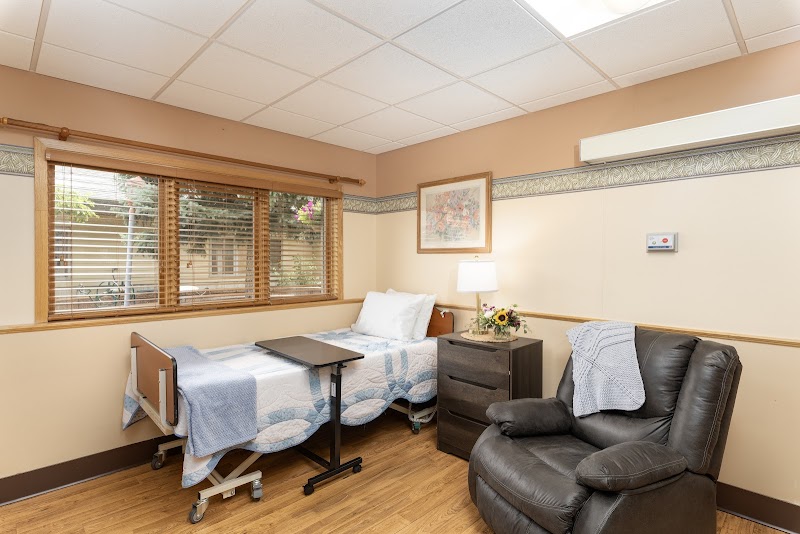
CMS rates Fountain Springs Healthcare's staffing level at 4 out of 5 stars, which is above average compared to other nursing homes. Staff turnover is 54%, compared to the South Dakota average of 46%.

What Have Inspectors Found at Fountain Springs Healthcare?

State health inspectors documented 14 deficiencies at Fountain Springs Healthcare during 2022 to 2025. These included: 1 Immediate Jeopardy (the most serious level, indicating potential for serious harm or death), 1 that caused actual resident harm, and 12 with potential for harm. Immediate Jeopardy findings are rare and represent the most serious regulatory concerns. They require immediate corrective action.

Who Owns and Operates Fountain Springs Healthcare?

Fountain Springs Healthcare is owned by a for-profit company. For-profit facilities operate as businesses with obligations to shareholders or private owners. The facility is operated by EMPRES OPERATED BY EVERGREEN, a chain that manages multiple nursing homes. With 90 certified beds and approximately 85 residents (about 94% occupancy), it is a smaller facility located in RAPID CITY, South Dakota.

How Does Fountain Springs Healthcare Compare to Other South Dakota Nursing Homes?

Compared to the 100 nursing homes in South Dakota, Fountain Springs Healthcare's overall rating (4 stars) is above the state average of 2.7, staff turnover (54%) is near the state average of 46%, and health inspection rating (4 stars) is above the national benchmark.

What Should Families Ask When Visiting Fountain Springs Healthcare?

Based on this facility's data, families visiting should ask: "What changes have been made since the serious inspection findings, and how are you preventing similar issues?" "Can I visit during a mealtime to observe dining assistance and food quality?" "How do you handle medical emergencies, and what is your hospital transfer rate?" "Can I speak with family members of current residents about their experience?" These questions are particularly relevant given the facility's Immediate Jeopardy citations.

Is Fountain Springs Healthcare Safe?

Based on CMS inspection data, Fountain Springs Healthcare has documented safety concerns. Inspectors have issued 1 Immediate Jeopardy citation (the most serious violation level indicating risk of serious injury or death). The facility has a 4-star overall rating and ranks #1 of 100 nursing homes in South Dakota. Families considering this facility should ask detailed questions about what corrective actions have been taken since these incidents.

Do Nurses at Fountain Springs Healthcare Stick Around?

Fountain Springs Healthcare has a staff turnover rate of 54%, which is 8 percentage points above the South Dakota average of 46%. Moderate turnover is common in nursing homes, but families should still ask about staff tenure and how the facility maintains care continuity when employees leave.

Was Fountain Springs Healthcare Ever Fined?

Fountain Springs Healthcare has been fined $32,276 across 3 penalty actions. This is below the South Dakota average of $33,402. While any fine indicates a compliance issue, fines under $50,000 are relatively common and typically reflect isolated problems that were subsequently corrected. Families should ask what specific issues led to these fines and confirm they've been resolved.

Is Fountain Springs Healthcare on Any Federal Watch List?

Fountain Springs Healthcare is not on any federal watch list. The most significant is the Special Focus Facility (SFF) program, which identifies the bottom 1% of nursing homes nationally based on persistent, serious quality problems. Not being on this list means the facility has avoided the pattern of deficiencies that triggers enhanced federal oversight. This is a positive indicator, though families should still review the facility's inspection history directly.