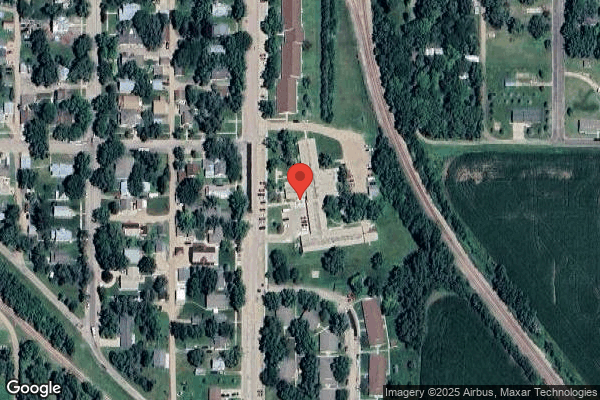
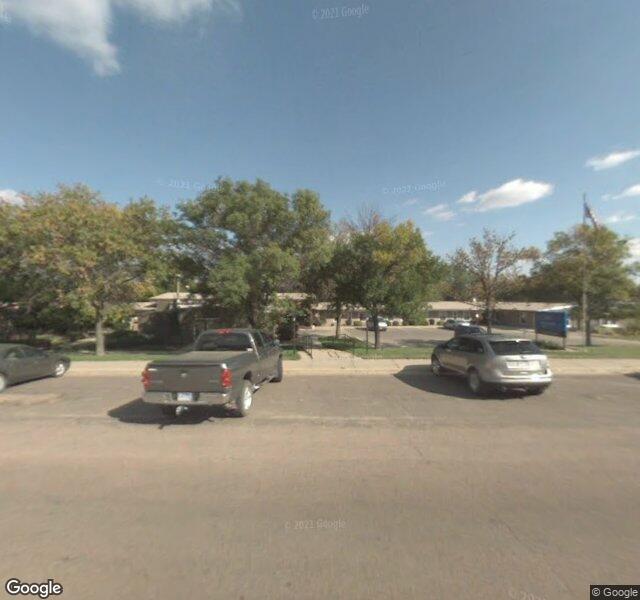
AVANTARA REDFIELD

1015 THIRD STREET EAST, REDFIELD, SD 57469 (605) 472-2288
For profit - Limited Liability company 51 Beds LEGACY HEALTHCARE Data: November 2025
Trust Grade
30/100
#52 of 95 in SD
Last Inspection: December 2024

Within standard 12-15 month inspection cycle. Federal law requires annual inspections.

Overview

Avantara Redfield has received a Trust Grade of F, which indicates significant concerns about the facility's care and operations. Ranking #52 out of 95 nursing homes in South Dakota places it in the bottom half, and it is the second-lowest option in Spink County, with only one other facility performing better. The trend is improving, as the number of issues decreased from seven in 2024 to two in 2025, though the facility still has serious concerns, including $38,685 in fines, which is higher than 78% of facilities in the state. Staffing is a weakness, with a turnover rate of 60%, which is above the state average, and an overall staffing rating of 2 out of 5 stars. Specific incidents of concern include a resident being served food that triggered an allergic reaction and another resident leaving the facility unnoticed, getting stuck on railroad tracks, highlighting issues with safety protocols. While there are some signs of improvement, families should weigh these serious safety concerns against the facility's strengths when considering care options.

Trust Score
F
30/100
In South Dakota
#52/95
Bottom 46%
Safety Record
High Risk
Review needed
Inspections
Getting Better
7 → 2 violations
Staff Stability
⚠ Watch
60% turnover. Above average. Higher turnover means staff may not know residents' routines.
Penalties
✓ Good
$38,685 in fines. Lower than most South Dakota facilities. Relatively clean record.
Skilled Nurses
○ Average
Each resident gets 32 minutes of Registered Nurse (RN) attention daily — about average for South Dakota. RNs are the most trained staff who monitor for health changes.
Violations
⚠ Watch
20 deficiencies on record. Higher than average. Multiple issues found across inspections.
★★☆☆☆
2.0
Overall Rating
★★☆☆☆
2.0
Staff Levels
★★☆☆☆
2.0
Care Quality
★★☆☆☆
2.0
Inspection Score
Stable
2024: 7 issues
2025: 2 issues

The Good

  • Full Sprinkler Coverage · Fire safety systems throughout facility
  • No fines on record

Facility shows strength in fire safety.

The Bad

2-Star Overall Rating

Below South Dakota average (2.7)

Below average - review inspection findings carefully

Staff Turnover: 60%

14pts above South Dakota avg (46%)

Frequent staff changes - ask about care continuity

Federal Fines: $38,685

Above median ($33,413)

Moderate penalties - review what triggered them

Chain: LEGACY HEALTHCARE

Part of a multi-facility chain

Ask about local staffing decisions and management

Staff turnover is elevated (60%)

12 points above South Dakota average of 48%

The Ugly 20 deficiencies on record

3 actual harm
Apr 2025 1 deficiency
CONCERN (E) 📢 Someone Reported This

A family member, employee, or ombudsman was alarmed enough to file a formal complaint

Potential for Harm - no one hurt, but risky conditions existed

Food Safety (Tag F0812)

Could have caused harm · This affected multiple residents

Based on observation, interview, record review, and policy review, the provider failed to follow food safety standard pratices to ensure resident food temperatures were monitored and recorded accordin...

Read full inspector narrative →
Based on observation, interview, record review, and policy review, the provider failed to follow food safety standard pratices to ensure resident food temperatures were monitored and recorded according to the provider's policy for all meals prepared and served in one of one kitchen. Findings include: 1. Observation and interview on 4/14/25 at 4:45 p.m. with cook C in the kitchen revealed: *He was checking the temperature of the food for the evening meal. *He took the temperature of each food item five to fifteen minutes before it was served. *Staff were to document food temperatures on the food temperature chart for all meals. 2. Interview and record review on 4/15/25 at 9:50 a.m. with dietary manager B regarding food temperatures revealed: *Staff were instructed to take food temperatures for all meals. *The food temperatures were to be documented in the food temperature chart. *He stated it had been a struggle to get some staff to document the food temperatures. *He had implemented a new food temperature system on 4/1/25 to try to improve charting by the dietary staff. *In March 2025, there were no food temperatures documented for 23 of 31 days. -One day in March, only the breakfast food temperatures were documented. -Five days in March, only the breakfast and lunch food temperatures were documented. *In April 2025, there were no food temperatures documented for two of the first fourteen days. -Three days in April, only the breakfast and lunch food temperatures were documented. *It was his expectation that dietary staff would document the food temperatures for all meals. *He agreed there was missing food temperature documentation for several meals in March and April 2025. 3. Interview on 4/15/25 at 11:25 a.m. with administrator A regarding food temperatures revealed: *She knew there were issues with the dietary staff not documenting food temperatures for meals. *It was her expectation the dietary staff would document food temperatures on the food temperature chart for all meals. *She agreed the temperatures were not being taken or documented as they should be. 4. Review of the provider's revised 3/19/2020 Food Temperature policy revealed: *Food should be served at proper temperature to insure [ensure] food safety and palatability. *Record reading on Food Temperature Chart (FORM 401) or Food Temperature/Sanitation Combined Record (FORM 401B) and/or Always available Food Temperature Chart (FORM 401A) or other designated form at [the] beginning of [the] trayline and end of [the] trayline. If temperatures do not meet acceptable serving temperatures, reheat the product or chill the product to the proper temperature. Take the temperature of each pan of product before serving.
Mar 2025 1 deficiency 1 Harm
SERIOUS (G) 📢 Someone Reported This

A family member, employee, or ombudsman was alarmed enough to file a formal complaint

Actual Harm - a resident was hurt due to facility failures

Deficiency F0806 (Tag F0806)

A resident was harmed · This affected 1 resident

Based on South Dakota Department of Health (SD DOH) facility-reported incident (FRI) record review, interview, and policy review, the provider failed to ensure the safety for one of one sampled reside...

Read full inspector narrative →
Based on South Dakota Department of Health (SD DOH) facility-reported incident (FRI) record review, interview, and policy review, the provider failed to ensure the safety for one of one sampled resident (1) who was served a food item she had a documented food allergy to. The failure of serving the resident a food item that was identified as a food allergy resulted in the resident's allergic reaction symptoms and need for evaluation and treatment at the emergency department. This citation is considered past non-compliance based on a review of the corrective actions the provider implemented following the incident. Findings include: 1. Review of the provider's 3/10/25 SD DOH FRI regarding resident 1 revealed: *On 3/8/25 at 5:22 p.m. she was served cake that contained strawberries for dessert. *Licensed practical nurse (LPN) C recognized the issue and immediately did an assessment and contacted the physician. *An order for 50 milligrams (mg) of Benadryl (an antihistamine to treat allergy symptoms) was received and administered. *Staff were to monitor for signs and symptoms of an allergic reaction. *Resident 1's family was notified. *At 8:12 p.m. further assessment showed slight swelling of resident 1's tongue. *She was transferred to the local emergency department for further evaluation. *She received 40 mg of Prednisone (a steroid) and returned to the provider. *Resident evaluations throughout the night revealed no new symptoms. *Administrator A reviewed video footage in the dining room on the evening of 3/8/25. *Cook D was not using the meal tray tickets when serving supper. *Cook D was suspended on 3/10/25 for failure to follow facility policy regarding meal tray tickets. *Cook D was re-instated on 3/12/25 after education for meal tray tickets and resident allergies had been reviewed. Review of resident 1's electronic medical record (EMR) revealed: *Her Brief Interview for Mental Status (BIMS) assessment score was 3 which indicated she had severe cognitive impairment. *Her care plan indicated she was allergic to strawberries. Interview on 3/17/25 at 3:33 p.m. with guest services aide F regarding resident food allergies revealed: *Staff had received education on resident food allergies and signs and symptoms of allergic reactions. *She indicated the resident's face could turn red, and the resident may be holding their throat if they were having trouble breathing or swallowing. *She stated when serving residents their trays at mealtimes there was a sheet with their allergies listed on it. *Staff needed to make sure that there were no items on the tray that were listed as an allergy. Interview on 3/17/25 at 4:00 p.m. in the kitchen with cook E regarding resident food allergies and meal tray tickets revealed: *A list of residents and their food allergies was posted on a cupboard door in the kitchen. *The meal tray tickets also had resident food allergies listed on them. *The dietary staff were to always review the resident meal tray tickets to ensure they were not serving any food to a resident that they were allergic to. *If there was something on the menu that a resident was allergic to, the cook was to provide an alternative item that contained the same nutritive value. Interview on 3/17/25 at 4:30 p.m. with administrator A and director of nursing (DON) B regarding resident food allergies revealed: *The kitchen had a list of residents with food allergies. *The resident's meal tray cards also listed any food allergies. *They reviewed video footage in the dining room of the day of the incident and the cook that day was not using the meal tray tickets. *Staff were educated on accommodation of resident food allergies and signs and symptoms of allergic reactions. *Audits were to be completed by the dietary manager or designee of randomly selected meals. -Weekly for four weeks. -Monthly for three months. -Audit results were to be reviewed at the monthly quality assurance meeting for compliance and further recommendations. *It was their expectation that the policy for resident allergies and meal tray tickets be followed to ensure the safety of the residents. Review of the provider's 5/20/20 Food Allergy/Intolerance Awareness policy regarding resident food allergies revealed: *Food that accommodates resident allergies, intolerances, and preferences should be prepared and served. *Written instructions for food to be avoided should be documented during the initial dietary interview/pre-screen (Form 101) and detailed tray or resident card identification honored. *A food substitute for the food allergy, intolerance, or preference should be consistent with the usual or ordinary food item provided by the community. The provider implemented the above actions to ensure the deficient practice does not recur was confirmed after record review revealed the facility had followed their quality assurance process, education was provided to all staff regarding resident safety related to their process for accommodations of food allergies, and signs and symptoms of allergic reactions. Observation and interviews revealed staff understood the education provided. Based on the above information non-compliance at F806 occurred on 3/8/25, and based on the provider's implemented corrective actions for the deficient practice confirmed on 3/17/25, the non-compliance is considered past non-compliance.
Dec 2024 4 deficiencies
CONCERN (D)

Potential for Harm - no one hurt, but risky conditions existed

Respiratory Care (Tag F0695)

Could have caused harm · This affected 1 resident

**NOTE- TERMS IN BRACKETS HAVE BEEN EDITED TO PROTECT CONFIDENTIALITY** Based on observation, interview, record review, and policy review, the provider failed to ensure: *The foam filter was replaced ...

Read full inspector narrative →
**NOTE- TERMS IN BRACKETS HAVE BEEN EDITED TO PROTECT CONFIDENTIALITY** Based on observation, interview, record review, and policy review, the provider failed to ensure: *The foam filter was replaced on one of one sampled resident's (34) oxygen concentrator machine. *One of one sampled resident (34) had current physician's orders to receive oxygen therapy. *Facility policy had been followed regarding documenting oxygen tubing and foam filter replacement in one of one sampled resident's (34) electronic medical record (EMR). Findings include: 1. Observation and interview on 12/3/24 at 3:11 p.m. with resident 34 in her room revealed: *She was receiving oxygen through a nasal cannula (flexible tubing with prongs to deliver oxygen through the nose). *There was no foam filter on the back of the oxygen concentrator machine. *She said the staff gave her new oxygen tubing that morning. *The oxygen concentrator machine was delivering oxygen at a rate of 3L (liters per minute). 2. Review of resident 34's EMR revealed: *There was no current physician's order for supplemental oxygen. *Three of her recent Minimum Data Set (MDS) assessments indicated she was receiving oxygen therapy. -Quarterly MDS dated [DATE]. -Significant change MDS dated [DATE]. -Quarterly MDS dated [DATE]. *Her physician had assessed her on 11/27/24 and noted in the vitals section of the assessment that the resident was receiving oxygen through a nasal cannula at 2.5L. -She was observed receiving oxygen through a nasal cannula at 3L on 12/3/24 at 3:11 p.m. *There was no documentation indicating when the oxygen tubing was last changed, or when the foam filter was last cleaned and replaced. *She had a physician's order for supplemental oxygen at 2L from April 2024 to at least May 2024. *There was a physician's note from 7/29/24 that mentioned, questioning if O2 [oxygen] is new . 3. Interview on 12/5/24 at 9:25 a.m. with registered nurse (RN) O about resident oxygen use revealed: *She was not aware that there was no foam filter on resident 34's oxygen concentrator machine. *The facility's normal practice was to change the oxygen tubing and clean the concentrator's foam filter weekly. *The staff in charge of changing the tubing were to mark that task as completed in the resident's treatment administration record (TAR). *Regarding resident 34, she confirmed: -There were no physician's orders for oxygen use. -The resident's care plan did not include oxygen use. *She indicated that the orders might have fallen off with the resident's recent trips to the emergency department. 4. Interview on 12/5/24 at 4:25 p.m. with director of nursing B and MDS coordinator P revealed: *Resident 34 had been receiving supplemental oxygen for a while. *They confirmed there was no current physician's order for oxygen therapy in the resident's orders list. *They were not aware that the foam filter was missing and indicated it should have been replaced at the same time the oxygen tubing was replaced. *They both indicated that resident 34's oxygen therapy orders may have fallen off one of the times she went to the emergency department and back. *DON B indicated the oxygen therapy should have been included on the resident's physician orders list. 5. Review of the provider's 11/19/24 Oxygen Administration policy revealed: *Procedures: -1. Verify that there is a physician's order for oxygen that includes route (via mask or nasal cannula), liter flow, and duration (i.e., continuous, prn, at night, etc.) -2. Review the resident's care plan to assess for any special needs of the resident. *General Guidelines -1. Oxygen therapy is administered by way of an oxygen mask or nasal cannula. -- .b. The nasal cannula is a tube that is placed approximately one-half inch into the resident's nose. The nasal cannula and tubing will be changed weekly and as needed. Change of tubing and cannula would be documented in the medical record. - .2. Oxygen concentrators will have exterior wiped down when soiled and at least weekly. If equipped with a filter, filter will be cleaned at least weekly by rinsing with water and allowing to dry. If filter becomes torn, filter should be replaced. Weekly cleaning of the concentrator and filter should be documented in the medical record.
CONCERN (E)

Potential for Harm - no one hurt, but risky conditions existed

Safe Environment (Tag F0584)

Could have caused harm · This affected multiple residents

**NOTE- TERMS IN BRACKETS HAVE BEEN EDITED TO PROTECT CONFIDENTIALITY** Based on observation, interview, and policy review, the provider failed to maintain a clean and homelike environment for 5 of 49...

Read full inspector narrative →
**NOTE- TERMS IN BRACKETS HAVE BEEN EDITED TO PROTECT CONFIDENTIALITY** Based on observation, interview, and policy review, the provider failed to maintain a clean and homelike environment for 5 of 49 sampled residents (6, 7, 13, 16, and 19) and for the residents who ate their meals in the main dining room. Findings include: 1. Observation on 12/3/24 at 9:00 a.m. in the bathroom shared by residents 16 and 19 revealed: *The floor at the base of the toilet was wet. -There were areas of an unidentified black substance. -The caulking at the base of the toilet was peeling and missing in several areas. 2. Observation on 12/3/24 at 9:29 a.m. in resident 17's room revealed: *The faucet on the sink in that room had a white and green, thick, unidentified build-up, and areas of the faucet were missing. -This was not a cleanable surface. -The handle spun around in a circle and the surveyor was unable to get hot water at that sink. 3. Observation on 12/3/24 at 9:25 a.m. revealed a wall-mounted hand sanitizer outside of residents 16 and 19's room that did not dispense hand sanitizer and flopped forward when the lever was depressed. 4. Observation on 12/4/24 at 8:30 a.m. in residents 6 and 13's room revealed: *The wood cabinet below the sink was scratched, scuffed, and lacked varnish. It was not a cleanable surface. *The area behind the toilet had flaking paint and an area where the drywall was exposed. *The bathroom door had a plastic protector with pieces missing that exposed rough edges and bare wood. *The cover to the heater in the bathroom was leaning against the door frame and the heating element was exposed. 5. Observation on 12/4/24 at 8:12 a.m. in the dining room revealed: *A 10 to 12-inch long gouge to the back wall located to the right of the door, next to the heater that had exposed drywall. *The heater under the windows was visibly dirty and had rusted areas on the front and along the top vents. *The area behind the hand wash sink had exposed drywall, unidentified food substances, and bubbling paint. *The door to the kitchen located in the dining room labeled Authorized Personnel Only was worn and delaminated in several areas exposing the wood. 6. Observation on 12/4/24 at 8:15 a.m. revealed the North Nurses station door near the entrance of the building was worn and delaminated around the handle and was not a cleanable surface. 7. Interview on 12/5/24 at 3:29 p.m. with maintenance director G revealed: *The facility used an online work order system for maintenance issues to be reported. *Many small issues were reported to him in person. *He expected staff to report any issues that needed to be repaired urgently directly to him and to log issues that could wait to be repaired in the online system. -He did not log the repairs he made that had been reported directly to him. *He confirmed that the handle of the faucet in room [ROOM NUMBER] spun all the way around. -He became aware that the faucet needed to be replaced and ordered a new one when the life safety surveyor had pointed it out to him. -He stated he had found a position on that faucet where it provided hot water. *He was aware that several of the doors throughout the facility had areas where the wood was exposed. Review of the Maintenance Work Orders Log revealed: *The log contained closed work orders from 1/1/24 through 12/4/24. *The log did not contain any open or unaddressed work orders. *There were no work orders for the above observations. Review of the provider's revised 8/16/24 Maintenance policy revealed: *It is the facility's policy to maintain equipment and the building environment. *Any staff who is made aware of malfunctioning equipment or any part of the building that is in disrepair will report the issue to the maintenance department. *The maintenance department will address the issue as soon as possible. *Any equipment that can not be fixed will be replaced accordingly. Review of the provider's reviewed 9/30/24 Homelike Environment policy revealed: *Residents are provided with a safe, clean, comfortable and homelike environment . *The facility staff and management shall maximize, to the extent possible, the characteristics of the facility that reflect a personalized, homelike setting. These characteristics include: cleanliness and order; Walls and door scuffs/chips repaired with paint/stain when needed. *The facility will have a mechanism for reporting disrepair to Maintenance personnel and staff will be educated on the process.
CONCERN (E)

Potential for Harm - no one hurt, but risky conditions existed

Room Equipment (Tag F0908)

Could have caused harm · This affected multiple residents

**NOTE- TERMS IN BRACKETS HAVE BEEN EDITED TO PROTECT CONFIDENTIALITY** Based on observation, interview, and policy review, the provider failed to ensure that essential dietary department kitchen equi...

Read full inspector narrative →
**NOTE- TERMS IN BRACKETS HAVE BEEN EDITED TO PROTECT CONFIDENTIALITY** Based on observation, interview, and policy review, the provider failed to ensure that essential dietary department kitchen equipment was in safe working condition including: *Five of the eight stove-top burners on the commercial gas stove that did not ignite. *Two of the two ovens in the commercial gas stove that were not in working condition. *One of one flattop grill that leaked oil down the side of the equipment and onto the floor beneath. *The two-compartment food preparation sink leaked and was not used to prepare food. *The air conditioning unit in the kitchen ceiling had condensation tubing attached to the faucet and drained into the handwashing sink. Findings include: 1. Observation on 12/3/24 at 7:50 a.m. during the initial tour of the kitchen revealed: *The floor under the commercial gas stove and flattop grill had a thick brown oily substance on the left side that extended behind the stove. A large can containing grease was on the floor to the left of the stove and appeared to be catching grease as it dripped from the flattop grill and the bottom of the stove. *A clear plastic hose was attached to the faucet of the hand washing and eye wash sink. -It dripped liquid that appeared to be water into that sink. -It was attached to the overhead ventilation system. -The hose contained an unidentified orange and black substance. -A metal strainer in that sink contained unidentified white flaky particles. -The base of the faucet of that sink contained an unidentified black substance. 2. Observation and interview on 12/5/24 at 2:58 p.m. with dietary manager (DM) C and cook E during a return tour of the kitchen revealed: *Several small pieces of raw chicken in the wash compartment of the three-compartment dishwashing sink. *Cook E stated that she had thawed the chicken in the three-compartment sink because the two-compartment food preparation sink leaked. *The cabinet under the two-compartment sink contained wet towels, a plastic bin that contained individually wrapped filters, and an orange and brown unidentified substance coated all the items. *The floor under the commercial gas stove had not been cleaned. -There was grease dripping from the grease drawer. -DM C suspected that grease was dripping from the flattop grill due to potentially faulty [NAME] along the edges. *DM C confirmed that the three burners with pilot lights lit, on the right side of the stove, were the only ones that worked. *DM C stated that the lower two ovens in that commercial gas stove were not operational. *DM C confirmed that the clear hose attached to the sink faucet was from the air conditioning unit. -That was the only hand-washing sink in the kitchen. 3. Interview on 12/5/24 at 3:29 p.m. with maintenance director G revealed: *He was not aware that the burners or the oven of the commercial gas stove did not work. *He was not aware that the food preparation sink was leaking. *He expected that staff would have entered a work order if something was broken. 4. Review of the Maintenance Work Orders Log revealed: *The log contained closed work orders from 1/1/24 through 12/4/24. *Work order number 2216 sink at prep table is leaking, was assigned a medium priority in the kitchen. -There was no date associated with that work order. *Work order number 2222 leak, was assigned a medium priority in the kitchen. -There was no date associated with that work order. Review of the provider's revised 8/16/24 Maintenance policy revealed: *It is the facility's policy to maintain equipment and the building environment. *Any staff who is made aware of [a] malfunctioning equipment or any part of the building that is in disrepair will report the issue to the maintenance department. *The maintenance department will address the issue as soon as possible. *Any equipment that can not be fixed will be replaced accordingly.
CONCERN (F)

Potential for Harm - no one hurt, but risky conditions existed

Food Safety (Tag F0812)

Could have caused harm · This affected most or all residents

Based on observation, interview, and document review, the provider failed to ensure food items were appropriately labeled, stored, handled, prepared, and served to residents in a safe and sanitary man...

Read full inspector narrative →
Based on observation, interview, and document review, the provider failed to ensure food items were appropriately labeled, stored, handled, prepared, and served to residents in a safe and sanitary manner in one of one kitchen and one of one dining rooms for the following: *One of one kitchen was not maintained in a safe and sanitary manner. *One of one commercial refrigerator contained beverage items that were not labeled, dated, or discarded by the use-by date. *Unsafe meat thawing practices. *Inappropriate glove use and hand hygiene by four of four observed dietary staff (dietary manager C, cook D, cook E, and dietary aide (DA) I) while preparing and serving residents' food. *Inappropriate glove use and hand hygiene by four of four observed staff (certified nursing assistant (CNA) K, CNA L, CNA N, and restorative aide (RA) J) while assisting residents in the dining room. Findings include: 1. Observation on 12/3/24 at 7:47 a.m. of CNA K and CNA N in the main dining room revealed: *CNA K and CNA N were seated at a table with four residents who had not yet been identified. *CNA K and CNA N were both wearing gloves and assisted the resident to their right and the resident to their left to eat breakfast. *CNA K and CNA N wore the same gloves throughout the observation and touched items on the table while they assisted residents with those same gloved hands. 2. Observation on 12/3/24 at 7:50 a.m. during the initial tour of the kitchen revealed: *An unidentified black substance between the caulking and the area above the sink next to the dishwasher. *An unidentified white and orange flaking substance along the edges of the dishwasher that appeared to be limescale. *An unidentified thick, black substance on the floor drain under the dishwasher and along the wall under the dishwasher. A visibly dirty plastic cup was between the dishwasher and the wall. *Cracked and missing floor tiles from the entrance of the food storeroom door that continued into the storage room and were uncleanable surfaces. *The frame of that door was rusted and uncleanable. *The floor under the commercial gas stove had a thick, brown, oily substance that extended behind the stove. *A metal container on the floor to the left of the stove caught grease as it dripped from the bottom of the stove. *A metal pan contained two sandwiches that had not been labeled or dated in refrigerator three *An unidentified black stringy substance hung from the front edge of the steam table. *An unidentified black and brown substance in the cut marks of the cutting board that was attached to the steam table. *Cook D, DA I, and DM C ate leftover breakfast food while standing in the kitchen where the food was pre-pared. *Cook D, DA I and DM C left the kitchen unattended with: -The serving utensils in the uncovered pans on the steam table. -Plastic containers of dry rice cereal and brown sugar were not labeled or dated and left uncovered at the steam table. -An unmarked container on the counter with a scoop in a yellow unidentified food that was partially covered. *The cabinet handles near the serving table that contained dishes used to serve the residents were dirty with a black, oily, and sticky substance. *A clear plastic hose from the overhead ventilations system was attached to the faucet of the handwashing sink. -The handwashing sink was also the eye wash sink. -There was an unidentified black and orange substance in the hose. -A clear liquid dripped into the sink. -There was a metal strainer in that sink that contained unidentified white flaky particles. *The Hydrion chemical sanitizer test strips used to test the sanitizer level in the sanitizer buckets and the dishwashing sink had an expiration date of 1/15/20. 3. Interview on 12/3/24 at 8:15 a.m. with DM C and cook D revealed: *DM C confirmed that the expiration date on the sanitizer test strips was 1/15/20 and stated, We just opened them a month ago. -He was unaware that they had expired, and then stated, I will order more. *Cook D confirmed that the sanitizer buckets were filled that morning. -She then refilled the sanitizer bucket and used those test strips to test the sanitizer level -She stated the level of sanitizer was 200. 4. Observation on 12/3/24 at 8:20 a.m. of the residential style fridge with a top freezer revealed: *The bottom row of the refrigerator door contained: -An open jug of thickened cranberry juice labeled 5/23 with a black marker. -An open jug of thickened apple juice with a manufacturer use by date of 11/12/24 labeled 5/2 in black marker. -An open jug of thickened orange juice with a manufacturer use by date of 11/13/24 labeled 6/6 in black marker. -An open jug of thickened water labeled with two dates 7/14 and 6/28 in black marker. -An open jug of thickened apple juice labeled 8/15 in black marker. *The second to bottom row of the refrigerator door contained: -An open carton of thickened lemon water labeled 8/15 in black marker. -An open carton of thickened orange juice labeled 11/20 in black marker. *On the top shelf inside the refrigerator there were five pitchers of juice that were not labeled or dated. 5. Observation and interview on 12/3/24 at 8:30 a.m. with cook D revealed she: *Had been employed as a cook at the facility for eight years. *Confirmed the all in one sheet was where the daily food temperatures, the sanitizer levels, and the refrigerator and freezer temps were logged. -The log sheet for 12/3/24 was blank. There was no documentation to indicate that the food temperatures, the sanitizer levels, and the refrigerator and freezer temps had been checked. The log sheets are to be completed daily. *Had cooked breakfast that morning, *Stated she had checked the temperature of the food when the food came out of the oven and again when she had served the food. *When was asked where the food temperature checks for that day had been logged, she pointed to her head. 6. Observations on 12/3/24 at 11:27 a.m.to 11:54 a.m. in the dining room revealed: *The ice machine had an unidentified white flaky substance at the base of it along the edges of the metal stand of that machine. -There were two orange, circular, fuzzy areas on the grill of the overflow tray. -There was a significant buildup of an unidentified white flaking substance inside of the ice shoot *DA I lifted the drinking cups out of the ice tray and held those cups by the area where the resident placed their lips to drink from those cups. *DM C served a resident plate while wearing gloves, then with those gloved hands he: -Took a straw from the container and gave it to the resident. -Removed those gloves, and without performing hand hygiene (HH) he touched the cupboard door with his right hand and then left the room. -He returned to the dining room and touched the door with his right hand. His left hand was in his pants pocket. Without washing his hands, he put on a pair of gloves and delivered another plate to a resident. *RA J delivered a plate of food to a resident, then touched her pants, crossed her arms, and without performing HH delivered another meal. -Her apron was visibly soiled. *CNA L delivered a plate of food, crossed her arms, touched a chair, without performing HH she put on a pair of gloves and assisted resident 4 drinking from a cup. With those gloved hands she then assisted resident 19 by placing a sandwich into her hand. With those same gloved hands, she touched resident 19's wheelchair then removed the sandwich from resident 19's hand and placed it on her plate. 7. Observation and interview on 12/4/24 at 8:53 a.m. with DM C in the kitchen revealed: *The unidentified orange and white substance remained on the dishwasher. -DM C stated he cleaned the dishwasher a week ago. *A hole in the wall under the dishwasher sink exposed drywall and had unidentified brown dried substance on it. -DM C stated that he had been aware of that area and had notified the maintenance department. *The storage room floor was dirty, and a pile of trash and empty boxes sat on the floor. -DM C confirmed he was aware of the missing tiles on the floor near the exit door. *The wall and door frame in that storage room had paint peeling and were uncleanable surfaces. 8. Observation on 12/4/24 at 9:02 a.m. to 9:09 a.m. in the food storage room revealed: *Three plastic zip bags labeled Pretzels 6/14, Pretzels 7/31, and Vanilla Wafers 5/8. *A plastic zip bag that was not labeled had pretzels in it and was dated 8/27. *A plastic zip bag that appeared to have corn chips in it was dated 11/5. *Two unidentified black splatter marks on the wall. *A plastic container with a red lid that appeared to have graham cracker crumbs in it that was not labeled or dated. 9. Observations on 12/4/24 between 10:53 a.m. and 11:25 a.m. in the kitchen revealed: *DA I filled two cups with thickened lemon water and apple juice from containers dated 8/15 with black marker. *Cook D moved the mashed potatoes, carrots, and meat directly from the oven to the steam table. -She cleaned the thermometer with an alcohol wipe between each food as she checked each food's temperature. *She stated the following food temperatures: -Mechanical meat 166 degrees Fahrenheit. -Puree meat 203 degrees Fahrenheit. -Puree carrots 186 degrees Fahrenheit. -Mashed potatoes 182 degrees Fahrenheit. -Fried potatoes 187 degrees Fahrenheit. -Sausage 205 degrees Fahrenheit. *Cook D wet her hands at the three-compartment dishwashing sink without using soap, then dried her hands on her apron, and then used the thermometer to check the temperature of the dessert. -Without performing HH, she placed the lids on the food items on the warm serving table, wiped her hands on her apron, scooped the dessert into small serving bowls, touched the inside of the bowls, and wiped her hands on her apron in between each serving. *At 11:06 a.m. cook D stated she had forgotten to log the food temperatures and filled out the temperature log. *Cook D placed a bag of rolls on the food prep counter, wet her hands at the three-compartment sink, wiped those hands on her apron, then placed the fruit into the puree mixer adjusting that fruit with her bare hand. *Cook D moved the refrigerated food items to the ice packs at the serving area. -The temperature of the refrigerated items was not checked prior to serving them. *Cook D placed a clean, wet dishcloth against her apron, folded it, and then set it on the edge of the cutting board on the warm serving table. *Cook D opened a bag of rolls for the sausages and without performing HH she put on a pair of gloves. With those gloved hands she: -Opened the cabinet and took out serving bowls, -Touched a resident's menu. -Took a plate from the warmer and with those gloved hands placed the roll on that plate. -Touched the utensil handles and placed a sausage in that roll. -Scooped potatoes on to that plate and with those gloved hands touched the potatoes and moved them away from the edge of the plate. -Took the next paper menu and continued to prepare several more plates with those gloved hands. *Cook D then removed those gloves, threw them in the trash can, stated My hands are sweaty, and without performing HH put on a new pair of gloves and continued to serve the remaining plates of food. 10. Interview on 12/4/24 at 5:08 p.m. with director of nursing (DON) B and registered nurse in-service director (RNID) M revealed: *DON B and RNID M provided education to the nursing staff on hand washing and glove use but did not provide that education to the kitchen staff. -The dietary manager or dietician would have provided education to the dietary staff. *DON B expected staff to wear gloves only when touching ready-to-eat foods such as a sandwich, but stated, They could cut the sandwich and feed it with a fork. *DON B and RNID M confirmed they expected staff to use hand sanitizer between assisting residents. *DON B stated They are allowed to feed 2 residents at once as long as they use the residents' utensils and don't touch their food. They should be using hand sanitizer if they touch other surfaces in the dining room. *RNID M confirmed that hand sanitizer and a hand-washing sink are available in the dining room. *DON B stated about the staff assisting residents in the dining room, They never usually wear gloves, and I don't know why they did while you were here. 11. Observation and interview on 12/5/24 at 9:16 a.m. with DM C in the kitchen revealed: *Thickened beverage containers should be labeled when they are opened with OP and a date and the date for three days later when to discard that container. *The container stated use in 7 days but it was his expectation that it be discarded in three days. *The thick black marker date was the date the item was received. *He confirmed that the following containers were expired and threw them in the trash. -An open jug of thickened apple juice with a manufacturer's use by date of 11/12/24 labeled 5/2. -An open jug of thickened cranberry Juice labeled 5/23. -An open jug of thickened orange juice with a manufacturer's use by date of 11/13/24 labeled 6/6. -An open jug of thickened water labeled 6/28 and 7/14. -An open jug of thickened apple juice labeled 8/15. -An open carton of thickened orange juice labeled 11/20. 12. Interview on 12/5/24 at 2:04 p.m. with DM C revealed: *He completed training with the dietary staff and re-educated them as needed. *He expected dietary staff to wash their hands and to wear gloves to cover cuts when preparing or serving food. *He expected dietary staff to use hand sanitizer in between serving resident meals. *He expected the food temperatures to be taken and recorded when it came out of the oven and again before it was served if it was over 45 minutes. *He expected tongs to be used when serving buns or ready-to-eat foods. -If gloves were used instead of tongs, then he expected no other food items or objects would be touched with those gloved hands. *He stated the main cleaning was scheduled to be done on the evening shifts. -He had trouble getting the staff to complete those tasks. -The dishwasher was delimed once a week. 13. Observation and interview on 12/5/24 at 2:58 p.m. with DM C and cook E during a return tour of the kitchen revealed: *Several small pieces of raw chicken in the wash compartment of the three-compartment dishwashing sink. -Cook E confirmed that she had thawed the chicken in a bin with running water because it was needed for dinner. *Cook E stated that she had thawed the chicken in the three-compartment sink because the two-compartment food preparation sink leaked. *The cabinet under the two-compartment sink contained wet towels, a plastic bin that contained individually wrapped filters, and an orange and brown unidentified substance coated all the items. *The floor under the commercial gas stove had not been cleaned. -There was grease dripping from the grease drawer and the left edge of the griddle. -The grease drawer was full of a partially congealed black substance. *DM C confirmed that the three burners with pilot lights lit on the right side of the stove, were the only ones that worked. *DM C confirmed that the clear hose attached to the sink faucet was from the air conditioning unit. -That was the only hand-washing sink in the kitchen. 14. Review of the provider's Kitchen Cleaning Schedule revealed: *Dispose of Out-of-Date products Daily. *Remember Your 'Opened-On Dates! *For the week of 11/24/24 all daily tasks were marked completed on Sunday through Thursday. -Daily tasks were not marked completed on Friday or Saturday. -Twice weekly tasks were all marked completed on Sunday and Thursday. *The cleaning schedules for 10/27/24 through 11/24/24 both had several tasks not marked as completed. Review of the provider's undated Handwashing and Glove Use Policy revealed: *Hands must be washed prior to beginning work .and following contact with any unsanitary surfaces i.e. touching hair, sneezing, opening doors, etc. *Washing procedure .Wet hands. Apply soap. Lather, vigorously rubbing hands together for 20 seconds. Rince hands to remove soap and debris. Dry hands with a disposable paper towel. Discard paper towel(s) into a waste container without touching the container, *Gloves must be worn when touching any ready-to-eat food. *When gloves are used, handwashing must occur per above procedure prior to putting on gloves and whenever gloves are changed. Gloves must be changed as often as hands need to be washed, see above. Gloves may be used for one task only. *It is important to remember that gloves can often give a false sense of security and can carry germs the same as our hands. Review of the provider's undated Food Storage Policy revealed: *Food items should be stored, thawed, and prepared in accordance with good sanitary practice. *Any expired or outdated food products should be discarded. *Frozen Meat/Poultry and Foods: Thaw foods at 41 [degrees Fahrenheit] or less or in refrigerator. Thawing foods under cold running water is no longer recommended due to strict guidelines set forth by the 2013 Food Code. Review of the provider's undated Dish machine policy revealed: *After each meal, clean machine according to cleaning procedure. *Frequency: After each meal Wipe exterior of machine and soap dispenser. Dry and Polish with cloth. *Frequency: Weekly .Clean dish machine exterior with deliming solution. Review of the provider's undated Cleaning Schedules Policy revealed: *The Food and Nutrition Services staff shall maintain the sanitation of the Food and Nutrition Services Department through compliance with written, comprehensive cleaning schedules developed for the community by the Director of Food and Nutrition Services or other clinically qualified nutrition professionals. -2. A cleaning schedule shall be posted with tasks designated to specific positions in the department. -6. On the Position cleaning schedules the Director of Food and Nutrition Services or other clinically qualified nutrition professional fills in the Position, the item to be cleaned, Frequency I.e. daily, day of the week, or week 1,2,3,4. Review of the Dining Services Guideline revealed: *Person serving the food follows meal ticket, noting the diet order, allergies, likes/dislikes, religious or cultural notes. -Assisted, Cued, Restorative Resident's list is in the kitchen. This is for each meal. a. when assisting residents, you are not getting up to get other residents items. b. Sit at eye level to assist. c. You can assist and cue at the same time. d. Alternate food and fluids. e. Ensure the resident is sitting upright in chair. Please review Signs and Symptoms of Dysphagia starting on page two.
Aug 2024 2 deficiencies 2 Harm
SERIOUS (G) 📢 Someone Reported This

A family member, employee, or ombudsman was alarmed enough to file a formal complaint

Actual Harm - a resident was hurt due to facility failures

Free from Abuse/Neglect (Tag F0600)

A resident was harmed · This affected 1 resident

Based on South Dakota Department of Health (SD DOH) facility-reported incident (FRI), record review, policy review, and interview the provider failed to ensure the safety for one of one sampled reside...

Read full inspector narrative →
Based on South Dakota Department of Health (SD DOH) facility-reported incident (FRI), record review, policy review, and interview the provider failed to ensure the safety for one of one sampled resident (1) who staff let out of the building in the early morning hours. Resident left the grounds and his wheelchair got stuck on the railroad tracks, and was unable to get himself free. The county sheriff found him and called the provider to let them know that he was gone. This citation is considered past non-compliance based on a review of the provider's corrective actions immediately following the incident. Findings include: 1.Review of provider's 8/23/24 SD DOH FRI for resident 1 revealed: *His Brief Interview for Mental Status (BIMS) score was 9 (meaning moderate cognitive impairment). *On 8/23/24 at 3:37 a.m. the resident was assisted out the front door by registered nurse (RN) H. *RN H had not told other staff that he was outside. *RN H got busy and forgot the resident was outside. *RN H received a call from the county sheriff at 5:11 a.m. asking if resident 1 was a resident of the facility. *The resident was observed by the sheriff on the railroad tracks which was approximately three blocks from the building. *His diagnoses include: -Cerebral infarction (stroke). -Arthritis. -Hemiplegia (paralysis) right side. -Aphasia (affects communication). *He was upset and wanted to go outside when he was awakened by staff when they assisted his roommate. *Administrator A was notified and drove the facility van to collect him. -They returned to the facility at 5:44 a.m. -He had been outside alone for over two hours and stuck on the railroad tracks when discovered. *Full skin assessment and vitals signs were obtained upon return. *No marks, bruises, or injuries had been noted. *The primary care provider was notified. -An order for Wanderguard (wearable alerting device) was given and placed on resident's wheelchair. *The sister was notified of the incident and the interventions that had been put in place for his safety. *Interventions included: -Resident 1 added to elopement binder. -A Wanderguard was placed on his wheelchair. -He was moved to a private room. -He was to be supervised at all times while outside by the care staff. -His care plan was updated with new interventions. -Provider reviewed all the residents with BIMS scores less than 11 for appropriate interventions. The provider's implemented actions to ensure the deficient practice does not reoccur was confirmed on 8/28/24 after record review revealed: *The facility had followed their quality assurance process, and education was provided to all nursing care staff. -The nursing staff had been educated on their abuse and neglect policy. -No resident should have been outside after dark. *New interventions for resident 1 included: -He must be supervised at all times while outside. -A Wanderguard was placed on his wheelchair. *Corrective actions for the nurse had included: -Education on their abuse and neglect policy. -Preventing and responding to abuse. -Preventing, recognizing, and reporting abuse. -Understanding of wandering and elopement. -Review of the RN job description. *Observations and staff interviews revealed the staff understood the education that had been provided and the revised processes. Based on the above information, non-compliance at F600 occurred on 8/23/24, and based on the provider's implemented corrective action for the deficient practice confirmed on 8/28/24, the non-compliance is considered past non-compliance.
SERIOUS (G) 📢 Someone Reported This

A family member, employee, or ombudsman was alarmed enough to file a formal complaint

Actual Harm - a resident was hurt due to facility failures

Accident Prevention (Tag F0689)

A resident was harmed · This affected 1 resident

Based on South Dakota Department of Health (SD DOH) facility-reported incident (FRI), record review, observation, interview, and policy review the provider failed to ensure the safety for one of one s...

Read full inspector narrative →
Based on South Dakota Department of Health (SD DOH) facility-reported incident (FRI), record review, observation, interview, and policy review the provider failed to ensure the safety for one of one sampled resident (2) identified at risk for elopement, had eloped (left the facility without staff knowledge) and was outside the building approximately 2 hours and 4 minutes when an activity door was left unalarmed. Failure of staff to ensure the door alarm was rearmed resulted in the resident's elopement and put him at risk for physical injury or serious harm. Specifically, the provider failed to monitor/revise interventions after elopement to ensure resident safety. Findings include: 1. Review of the SD DOH FRI revealed: *On 7/23/24 at 4:41 a.m. resident 2 walked out of facility and the doors alarmed. *Staff assisted resident back inside and put him to bed. *At 4:44 a.m. registered nurse (RN) C deactivated the door alarm and never reactivated it. *Resident C left facility again at 4:59 a.m. *Licensed practical nurse (LPN) E saw resident sitting on the lawn at 6:55 a.m. and staff assisted him inside. 2. Record review of resident 2's orders, care plan, and progress notes revealed: *His physician orders for a Wanderguard included: -On 11/6/23 an order for a Wanderguard to be placed on his right wrist and ankle. -On 6/18/24 a discontinued order for the Wanderguard to his right wrist and ankle. -On 7/23/24 an order for a Wanderguard to be placed on his right wrist. Check for placement and to see if working correctly every shift. Machine to check working condition is in North med cart. *The resident's care plan included: -I am elopement risk/wanderer as evidenced by leaving facility unattended, impaired safety awareness. Date Initiated: 03/04/2024. *A progress note on 7/16/24 at 5:45 p.m. stated resident was seen walking out of the facility and staff had assisted him back inside. *A progress note on 8/12/24 at 9:40 p.m. was written by medication aide G about residents Wandergaurd stated, resident removed???? 3. Observation and interview on 8/27/24 at 11:44 a.m. of resident 2 in his room revealed: *He was laying in bed with only a brief on. *He was not wearing a Wanderguard. *He was pleasant, smiling, and stated he did not remember anything about his elopement and did not have feelings of wanting to leave. 4. Observation and interview on 8/27/24 at 12:00 p.m. with administrator A about wanderguard placement on resident 2 revealed: *She stated resident 2 should have a Wanderguard on his wrist or ankle. *When asked to verify if a Wanderguard was on, she went to residents' room and confirmed there was no Wandergaurd on the resident. 5. Interview and review of resident 2's electronic medicat record (EMR) on 8/27/24 at 12:05 p.m. with administrator A and director of nursing (DON) B revealed: *They confirmed resident 2's EMR should have a Wanderguard on his right wrist and it should have been checked every shift per physician order. *They were unable to verify when the resident last had a Wanderguard on due to the lack of documentation by the staff. 6. Interview on 8/28/24 at 8:15 a.m. with DON B revealed: *She was not aware that the resident had taken off the Wanderguard before. *The previous Wanderguard was discontinued because they didn't think he needed it anymore based on resident not exit seeking and elopement risk assessements were categorized as low risk. *The Wanderguards only work on the central door. *The other 11 doors at the facility do not have the Wanderguard alarm system attached to them. *She does not believe having a Wanderguard in place would have prevented the incident because the activity door the resident went out of did not have the Wanderguard alarm system. *She stated if the staff had reactivated the central alarms, then the elopement could have been prevented. 7. Interview on 8/28/24 at 8:50 a.m. with administrator A revealed: *She confirmed only the central door has the Wanderguard alarm system. *She had spoken to corporate about getting the Wandergaurd alarm system for all the doors. *She would have expected the staff to inform her when a resident was able to take the Wanderguard off because it was an important safety mechanism for residents who elope. 8. Review of providers 11/7/2023 Wanderguards/Door Signaling Devices policy revealed: *A Wanderguard or other door signaling systems uses a bracelet token that will secure the door should a resident who wears such a device come near a door or tries to egress the door. *Procedure: -6. Placement verification and testing of each Wanderguard or signaling device will be completed daily and recorded on the Mar or TAR. -7. Maintenance of the door alarm system throughout the facility will be conducted by the Maintenance Department per user manual instructions. Door function will be checked daily.
Jul 2024 1 deficiency
CONCERN (D) 📢 Someone Reported This

A family member, employee, or ombudsman was alarmed enough to file a formal complaint

Potential for Harm - no one hurt, but risky conditions existed

Deficiency F0658 (Tag F0658)

Could have caused harm · This affected 1 resident

**NOTE- TERMS IN BRACKETS HAVE BEEN EDITED TO PROTECT CONFIDENTIALITY** Based on observation, interview, record review, and policy review, the provider failed to ensure wound care treatments were comp...

Read full inspector narrative →
**NOTE- TERMS IN BRACKETS HAVE BEEN EDITED TO PROTECT CONFIDENTIALITY** Based on observation, interview, record review, and policy review, the provider failed to ensure wound care treatments were completed per physician orders and documented for one of one resident (2). Findings include: 1. Observation and interview on 7/16/24 at 1:58 p.m. with resident 2 and licensed practical nurse (LPN) D revealed: *He was seated in his recliner with the footrest in the up position. *There was a wound dressing on his left foot. *LPN D removed the wound dressing and stated it was a vascular wound. *Resident 2 stated he had a scheduled appointment the next day with a vascular surgeon for possible amputation of his left foot. *Resident 2 stated that a nurse who worked the night shift had not completed his dressings a couple of times. Review of resident 2's medical record revealed: *He was admitted on [DATE]. *His diagnoses included: peripheral vascular disease, vitamin D deficiency (Vitamin D deficiency can lead to delayed or chronic wounds), major depressive disorder, low back pain, varicose veins bilateral lower extremities with other complications, morbid obesity, edema, heart disease, toes of left foot surgically removed, and bacterial infection. Review of resident 2's Treatment Administration Record (TAR) revealed: *A 6/18/24 physician ordered treatment for a wound on his left foot was to be completed two times each day. -On 6/24/24 there was no documentation to support that treatment had been completed on the second shift. -On 6/25/24 that treatment had been discontinued. *On 6/27/24 a physician ordered treatment indicated that a wound dressing was to be completed twice each day. every day and night shift for wound care. -On 7/13/24 there was no documentation to support that treatment had been completed on the first shift. Interview on 7/16/24 at 3:30 p.m. with director of nursing (DON) B regarding resident 2's treatment dressing changes not being documented as completed revealed: *She stated the lack of documentation meant either it was done and not signed, or not done and not signed. Interview on 7/17/24 at 8:19 a.m. with DON B regarding resident 2 revealed: *The provider had determined, through reviewing of their hallway camera-taped recordings that resident 2 had his wound treatment completed on 6/24/24. *On 7/6/24 he had refused to have his wound dressing changed. *On 7/7/24 he had wanted to wait until a later time to have the dressing changed and he refused RN F's care of his foot. *On 7/13/24 on the first (day) shift the nurse did not have time to complete the dressing change. -That nurse had notified the oncoming nurse that she had not had time to complete the dressing change. --There was no documentation to support that notification had occurred. *When a wound dressing change was not able to be completed, the physician should have been notified. -There was no documentation to support that his physician had been notified. Interview on 7/17/24 at 11:34 a.m. with certified nursing assistant (CNA) E regarding resident 2 revealed: *He did not refuse care. *He only called for assistance when he was in the bathroom. *When a resident refused care, CNA E would have notified the nurse. Interview on 7/17/24 at 11:04 with CNA C at 11:04 a.m. regarding resident care revealed: *When a resident refused care she would document that in their medical record and report it to the nurse on duty. *She was not familiar with the care resident 2 required. Interview on 7/17/24 at 11:15 a.m. with LPN D regarding resident 2 revealed: *He had not refused care provided by her. -She was aware that he had refused a nurse's care during the night shift. -He preferred to request cares when he needed or wanted them. *The process for when a nurse was unable to complete a treatment during their shift was to: -Communicate that to the next shift so they would attempt to complete the treatment. -Document that the treatment was not completed and notify the resident's physician of the missed treatment. *The medication administration record (MAR) and the treatment administration record (TAR) had an area to document when a resident refused the medication or treatment, which included why that resident had refused. Review of the provider's 12/1/19 RN Floor Nurse Job Description revealed: *Administer or supervise all treatments prescribed by physicians including but not limited to pressure ulcer care, Foley catheter care, hot and cold compounds and intravenous therapy. *Provide wound care when needed. *Completes medical records documenting care provided and other information in accordance with nursing policies while maintaining strict confidentiality. *Ensure each Guest receives person centered care. Review of the provider's 12/1/19 LPN Floor Nurse Job Description revealed: *Administer or supervise all treatments prescribed by physicians including but not limited to pressure ulcer care, Foley catheter care, and hot and cold compounds. *Provide wound care when needed. *Completes medical records documenting care provided and other information in accordance with nursing policies while maintaining strict confidentiality. *Ensure each Guest receives person centered care.
Aug 2023 2 deficiencies
CONCERN (E)

Potential for Harm - no one hurt, but risky conditions existed

Safe Environment (Tag F0584)

Could have caused harm · This affected multiple residents

Based on observation, interview and a cleaning checklist for housekeepers the provided failed to ensure a clean and homelike environment that included the following: *A handwashing sink in the dining ...

Read full inspector narrative →
Based on observation, interview and a cleaning checklist for housekeepers the provided failed to ensure a clean and homelike environment that included the following: *A handwashing sink in the dining room that had noticeable water damage and one of the doors were hanging off the hinge. *A cracked half-wall located in the resident's shower room. *A resident's door opening only halfway and leaving grooves in the floor. *Paint on a heating unit in a resident's room is peeling away. *A wall heating unit in the dining room was that pulling away from the wall. *Spider webs around a non-exit door. *Multiple non-used screws in the wall. *Wallpaper in multiple places throughout the facility was bubbling and peeling away from the wall. 1. Observation on 8/29/23 8:32 a.m. in the main dining room revealed: *A handwashing sink was located next to the entrance to the kitchen. -It had noticeable water damage located at the bottom front and side. -The right-side door had fallen off the hinge and was hanging down. Observation on 8/29/23 at 9:00 a.m. in the resident's shower room revealed: *A wheeled high-back chair was sitting against the wall that had a handheld shower-head and a long hose connected to the wall. *A cracked half-wall that contained bottles of shampoo, conditioner, and body lotion were sitting on top of it. -The crack started at the top of the half wall and went down the outside approximately three feet and inside less than a foot. Observation and interview on 8/29/23 at 9:48 a.m. in resident 35's room revealed: *The door was opened halfway. *She was sitting in her chair and waved at me to come in. -When attempting to open the door, the door was stuck and there were visible grooves in the floor. *She could not remember how long the door has been difficult to open. Observation on 8/29/23 at 1:58 p.m. in resident 2's room revealed: *The light-colored bathroom heater unit had multiple spots with the paint peeling away, leaving dark brown spots in those areas. Interview on 8/31/23 at 10:03 a.m. with maintenance director C revealed he: *Stated the sink in the dining room had a water leak and they have a different one on order that will match the rest of the countertops in the dining room *Agreed the half-wall in the resident's shower room was a safety and sanitary issue for the residents. *Stated he has had to file down two other doors that were getting stuck and leaving grooves in the resident's floors. *Agreed the residents heater unit needed to have been repaired or replaced. *Stated the staff were to use the electronic TELS system to put in work orders for identified issues. Interview on 8/31/23 at 10:54 a.m. with administrator A and DON B revealed they: *Stated the sink in the dining room was brand new, a pipe leaked and ruined the bottom part of it and they were getting a new one to match the rest of the countertops and cabinets. *Stated the humidity has been the issue with the resident's doors getting stuck and hard to open. -Stated maintenance director C could have sanded down the door for more ease to open and close it. *Stated they have had contractors come and complete a walk through of all the resident's rooms. -Have been talking to a local painter to come in and paint the resident's rooms. *Agreed the crack in the half-wall in the resident's shower room needed to have been fixed. 2. Observation from 8/28/23 to 8/30/23 of non-exit door number 8 revealed: *There were thick spider webs around the door, around the frame and the doorway. Interview on 8/30/23 at 3:30 with housekeeper G, and administrator A revealed: *The door-way was not used but should have been cleaned daily. *Agreed that it had not been cleaned for some time. Review of the undated Next Level Hospitality Services Detailed Cleaning Check Off List revealed: *6 Sanitized all doors and door frames. 3. Observation on 8/31/23 at 8:30 of the north, south and west hallways revealed: *Fourteen areas where unused screws were left in the walls. *Fourteen areas where wallpaper was separating, bubbling and peeling from the wall. 4. Observation on 8/31/23 at 10:30 a.m. in dining room revealed: *On the north wall of the dining room, the heating register was separated from the wall and exposing a crack where the sheet rock ends and the register hangs down. 5. Interview on 8/31/23 with maintenance director C revealed he: *Never noticed all the screws in the hallways and agreed they should have been removed. *Agreed that the wallpaper needed to have been removed and the walls needed to have been painted. *Agreed the register in the dining room could have been a hazard to the resident's and should have been fixed. Interview on 8/31/23 at 11:00 with administrator A and DON B revealed: *Maintenance director C showed them the wallpaper and screws before the interview. *They are waiting on a bid from a construction company to have the wallpaper removed and then paint the walls. *Agreed the heating register in dining room needed to have been fixed on the north wall of the dining room.
CONCERN (E) 📢 Someone Reported This

A family member, employee, or ombudsman was alarmed enough to file a formal complaint

Potential for Harm - no one hurt, but risky conditions existed

Free from Abuse/Neglect (Tag F0600)

Could have caused harm · This affected multiple residents

**NOTE- TERMS IN BRACKETS HAVE BEEN EDITED TO PROTECT CONFIDENTIALITY** Based on observation, interview, record review, email communication review, and policy review, the provider failed to ensure: *A...

Read full inspector narrative →
**NOTE- TERMS IN BRACKETS HAVE BEEN EDITED TO PROTECT CONFIDENTIALITY** Based on observation, interview, record review, email communication review, and policy review, the provider failed to ensure: *A functional whirlpool tub was available to all residents who preferred a tub bath. *Scheduled showers were offered and given to 16 of 40 sampled residents (3, 5, 6, 10, 12, 15, 17, 20, 23, 24, 25, 30, 32, 33, 38, and 40). Findings include: 1. Observation on 8/29/23 at 9:35 a.m. of the resident's shower room revealed: *A wheeled high-back chair was sitting against a wall and a handheld shower-head with a long hose was connected to the wall. -Bottles of shampoo, conditioner, and body wash were on top of the half-wall located next to the chair. *A whirlpool tub was in the corner covered with plastic. *There were no other whirlpool tub visible in the shower room. 2. Interview on 8/29/23 at 2:32 p.m. with maintenance director C regarding the non-functional whirlpool tub revealed: *They had a whirlpool tub, but it leaked, had draining and electrical issues. -He was not aware the last time it had been used. -They removed it from service two to three months ago. *The plastic-covered whirlpool tub was from another facility that they had received in July 2022. *He had not been able to get the whirlpool tub working for the residents due to having to have a new electrical outlet put in. *He had been calling the local electrician since October 2022 to have them come to the facility to work on the whirlpool tub. -The last time he talked to the local electrician was two months ago when they were at the facility fixing another electrical issue. --The local electrician stated he would have to set a time but has not gotten back to him. 3. Observations and interviews on 8/29/23 between 9:37 a.m. and 3:29 p.m. revealed: *At 9:37 a.m. resident 6 was observed resting in bed with her eyes closed; her hair appeared greasy and unkempt. *At 9:51 a.m. during interview with resident 33 she shared, at times it has been three weeks between her showers. She would have preferred a shower once a week. *At 10:10 a.m. resident 30 was observed laying in bed watching TV; his hair appeared greasy and unkempt and there was an odor of urine present. -When asked, he was unable to recall his last shower. The staff were unable to offer a bath because the whirlpool tub was not working. *At 10:22 a.m. during interview with resident 25 he shared, he had been admitted [DATE], and it was over two weeks before he had received a shower after admission to the facility. He had never been offered a bath because the whirlpool tub was broken. There was a bathing schedule but had felt it was not followed. *At 10:57 a.m. during interview with resident 12 he shared; he was to have been given a shower every Friday. While sometimes he does refuse, he was not always asked if he would like a shower every Friday. *At 11:12 a.m. during interview with resident 40 he shared, it had been over a week since he had his last shower and had never refused a shower. *At 11:13 a.m. resident 3's husband was present when she was observed. She was sleeping in her recliner; her hair appeared greasy and unkempt. -When asked, he stated her last shower was a week ago. There was no functioning whirlpool tub to offer a resident a bath. *At 1:23 p.m. resident 23 was observed her hair appeared greasy and unkempt and there was body odor present. -When asked she reported the staff were behind a few weeks giving resident showers. While there was documentation that she had been given a shower she stated she had not received a shower. *At 1:30 p.m. resident 10 was observed resting in bed with his eyes closed; his hair appeared greasy and unkempt. *At 2:18 p.m. resident 32 was observed; his hair appeared greasy and unkempt. *At 2:23 p.m. resident 15 was observed with greasy and unkempt hair. -When asked he reported it had been over a week since his last shower and he had never refused a shower. *At 2:45 p.m. resident 17 was observed with greasy and unkempt hair. *At 2:50 p.m. resident 24 was observed sitting on his bed; his hair appeared greasy and unkempt with body odor present. -He stated he was ton have a shower every two weeks and had never refused a shower. *At 2:56 p.m. resident 20 was observed his hair appeared greasy and unkempt; he was unshaven and there was body odor present. His eyeglasses were not clean. -When asked, he could not recall the last shower he had. *At 3:21 p.m. resident 5 was observed resting in bed; his hair appeared greasy and unkempt. -When asked, he had only been offered a shower and not a whirlpool tub bath due to no operational whirlpool tub for months. *At 3:29 p.m. resident 38 was observed with greasy and unkempt hair. -When asked, he stated it had been a week and a half since his last shower and he had never refused a shower. 4. Interview on 8/30/23 at 2:28 p.m. with regional director D regarding whirlpool tub revealed he: *Had known that the maintenance director C had been attempting to get the local electrician to the facility. *Had been calling electricians outside the local area to have them come to the facility to work on the whirlpool tub but they have all declined. -Had last called an electrician two and a half months ago. Interview on 8/31/23 at 10:54 a.m. with administrator A and director of nursing (DON) B regarding the non-functional whirlpool tub revealed they: *Stated there has not been a working whirlpool tub since they had received the whirlpool tub from the other facility in July 2022. -Stated the whirlpool tub they had was leaking and had electrical issues. *Had known it was an issue getting an electrician into the facility to work on the whirlpool tub. -Had known regional director D was assisting maintenance director C with trying to find an electrician. *Were not aware that some of the residents would have preferred a whirlpool tub bath. Interview on 8/31/23 at 10:58 a.m. with DON B revealed she: *Stated the not offering of the shower could have been that the staff had not documented that the showers were done or if the residents had been out of the facility on the scheduled day of their shower. *Stated staff were to offer a bed bath if the resident refused a shower or offer a different day to take a shower when a resident refused. *Had a bath aide but that the bath aide gets pulled to the floor often and the floor staff were then responsible for getting the resident's showers done for that day. -Had been attempting to get the floor staff to work together to complete the resident's showers for that day. *Stated it could have been the approach of the staff to the residents that caused the refusals but that had not been addressed with the staff. 5. Review of email communications from infection control nurse E to DON B and administrator A during period from 6/12/23 through 8/22/23 revealed the content reflected approximate one week of data in each email of resident shower refusals and those residents that had not been offered a shower . *On 6/12/23 at 10:15 p.m. email reflected 5 refusals and 5 not offered. *On 6/20/23 at 4:17 p.m. email reflected 6 refusals and 3 not offered. *On 6/26/23 at 10:22 a.m. email reflected 11 refusals and 4 not offered. *On 7/3/23 at 9:42 a.m. email reflected 3 refusals and 1 not offered. *On 7/10/23 at 10:36 a.m. email reflected 8 refusals and 1 not offered. *On 7/17/23 at 2:10 p.m. email reflected 4 refusals. *On 7/24/23 at 11:16 a.m. email reflected 5 refusals and 1 not offered. *On 8/2/23 at 9:56 p.m. email reflected 1 refusal and 1 not offered. *On 8/8/23 at 2:19 p.m. email reflected 2 refusals and 10 not offered. *On 8/14/23 at 3:06 p.m. email reflected 4 refusals and 10 not offered. *On 8/22/23 at 2:04 p.m. email reflected 13 refusals and 4 not offered. 6. Review of the provider's September 2019 bathing policy revealed: *Policy -The resident has the right to choose timing and frequency of bathing activity. Bathing preferences are asked upon admission and during quarterly care conference.
Sept 2022 9 deficiencies
CONCERN (D)

Potential for Harm - no one hurt, but risky conditions existed

Deficiency F0558 (Tag F0558)

Could have caused harm · This affected 1 resident

**NOTE- TERMS IN BRACKETS HAVE BEEN EDITED TO PROTECT CONFIDENTIALITY** Based on observation, interview, record review, and policy review, revealed the provider failed to ensure one of one sampled res...

Read full inspector narrative →
**NOTE- TERMS IN BRACKETS HAVE BEEN EDITED TO PROTECT CONFIDENTIALITY** Based on observation, interview, record review, and policy review, revealed the provider failed to ensure one of one sampled resident (11) needs had not been met. There was no ability for her to get out of bed or leave her room. Findings include: 1. Observation and interview on 9/7/22 at 12:15 p.m. and 3:16 p.m. with resident 11 revealed she: *Was morbidly obese (over 100 pounds of the recommended weight). *Weighed 427 pounds when she was admitted on [DATE]. *Was laying in her bed with a bariatric (items made for individuals that are very overweight) air mattress and bed frame. -The mattress and bed frame were larger than a regular mattress. -It measured 48 inches wide and 80 inches long. -A regular hospital mattress measured 36 inches wide and 80 inches long. *Had not gotten out of bed between 4/5/22 and 6/8/22 when she had been admitted to the hospital, she returned on 6/10/22 and had not gotten out of bed since that date. *Stated three to four staff members were required to provide care for her. *Stated the provider did not have a lift that worked for her to get out of bed. *Did not have a wheelchair large enough for her to use. *Would have liked to get out of bed and out of her room. *Has bed baths done weekly. *Stated her hair was only washed with a no-rinse shampoo cap. *Was terribly upset and cursed several times when talking about her hair. Review of resident 11's lift evaluation completed on 4/6/22 revealed she was unable to stand or walk. She was dependent on staff and required a bariatric total body lift. Review of resident 11's electronic medical record revealed: *She was been admitted on [DATE]. *Her diagnoses included: morbid obesity, chronic kidney failure, heart failure, lymphedema, and diabetes. Review of resident 11's care plan last reviewed on 6/29/22 revealed: *Focus: I require assistance with my ADL's [activities of daily living] r/t [related to] my obesity, and inability to get out of bed. *Goal: My ADL's will be med [met] daily through the review date of 9/13/22. *Interventions included: -Bariatric lift to be ordered. Date initiated 4/15/22. -I have a bariatric bed and bariatric air mattress in place. -Request MCCMC [Multiple Chronic Complex Medical Conditions] add pay to help off-set the cost of a room without a roommate related to no room for a roommate as well as to compensate for the need of 3-4 staff necessary to provide cares. I have a dx [diagnosis] of morbid obesity and require bariatric equipment which includes bariatric equipment which includes bariatric bed (80 x 48) and mattress. Date revised 6/29/22. -TRANSFER: Transferring does not occur d/t [due to] my obesity, there is not a lift in house to accommodate me for transfers. I have trialed with the current lift in facility, which does not work for my obesity. I have difficulty breathing when up in lift d/t it not fitting me appropriately. A new lift and w/c [wheelchair] have been requested and awaiting approval. Revised on 6/29/22. Review of resident 11's interdisciplinary progress notes from 5/18/22 through 6/10/22 revealed: *Her physician had ordered lymphedema (large amount of swelling due to fluid) pumps two times a day for thirty minutes, and ace wraps on in morning and off at night. *He was informed a special lift had been ordered to enable safe transfers in and out of her bed. *He had inquired if a lymphedema specialist could see resident 11 to come up with a treatment plan. *6/8/22 at 3:23 p.m. Received fax from Dr. at 2:02 p.m. with the following orders: Is oxygen requirement increased? Weight and I+O [intake and output] needed. -Writer called Dr.'s nurse and explained that we cannot weigh her here d/t not having the appropriate lift in the building yet, but informed her that it has been ordered. -Verbal order was received to send resident to the emergency department by ambulance. -She was required to be hospitalized as the provider was unable to weigh her. *There was no further documentation of the lymphedema pumps, bariatric lift, or bariatric wheelchair in the progress notes after 6/10/22. Review of documentation regarding acquiring a bariatric air mattress, a bariatric lift and a bariatric wheelchair revealed: *On 5/23/22 a certificate of medical necessity had been completed and sent to the South Dakota Department of Social Services. The requests were for the bariatric mattress and the bariatric lift. *On 6/16/22 an email from administrator A had been sent to the long-term care ombudsman. We have asked the add pay program to purchase an ARJO lift due to her [resident 11] diagnosis of morbid obesity with Alveolar Hypoventilation. The lifts we have are not capable of sitting her upward when she is transferred. We are still waiting for a decision. I originally sent the request on 5/23/22. *An undated email was sent to the Long Term Services & Supports Nurse Consultant with an attachment with the bid for a bariatric lift. -The nurse consultant replied on 8/31/22 to administrator A. Is this the same request you submitted previously? Did [resident] have a therapy evaluation for the lift? Does SD MCD [South Dakota Medicaid]? I don't see an assessment included, HCPCs [Health Care Common Procedure Coding System] code for the equipment you are requesting, or a Certificate of Medical Necessity completed by her physician. Was [NAME] Home Medical able to assess [resident] and get you the required documentation (letterhead, [resident] name, HCPC codes, prior authorization)? Interview on 9/8/22 at 4:30 p.m. with administrator A revealed: *When resident 11 had been admitted the previous provider had not supplied them with all the information required to care for her. *They were working with South Dakota Medicaid to purchase the equipment she needed. *She knew the provider was eventually going to have to pay for it. *Stated resident 11 did not want to get out of bed and refused to be repositioned off her back. *She was not sure how much resident 11 would use the special equipment if it had been available.
CONCERN (D)

Potential for Harm - no one hurt, but risky conditions existed

Deficiency F0578 (Tag F0578)

Could have caused harm · This affected 1 resident

**NOTE- TERMS IN BRACKETS HAVE BEEN EDITED TO PROTECT CONFIDENTIALITY** 3. Review of resident 34's care plan with last care plan review completed date of [DATE] revealed: *On [DATE],: -Focus: ADVANCE ...

Read full inspector narrative →
**NOTE- TERMS IN BRACKETS HAVE BEEN EDITED TO PROTECT CONFIDENTIALITY** 3. Review of resident 34's care plan with last care plan review completed date of [DATE] revealed: *On [DATE],: -Focus: ADVANCE DIRECTIVE STATUS was initiated and stated, Pursuant to resident rights, personal choices, and the individual's desire to retain control and autonomy over his health care decisions, I have been educated on Advance Health Care. -Goal: The resident's existing Advance Directive will be honored. -Interventions: As indicated, document the code status on the Physician's Order Sheet . in the [electronic medical record] system. Continue to educate the resident about his/her options addressing life sustaining care throughout the stay as long as the individual remains coherent and able to understand this information. *There was no information in the care plan explaining what the resident's preferences were. Review of resident 34's physician's orders revealed a current order for Full code, yes to [cardiopulmonary resuscitation], yes to [intravenous antibiotics], no to artificial nutrition. Review of provider's [DATE] advance directive policy revealed: *It is the policy of the facility for each resident to choose their Advanced Directives upon admission and such may be changed by the resident at any time during thier stay. *1. Staff will provide the resident and/or representative with information regarding advance care planning which will address types of Advance Directives, treatment opotions and refusal of treatment. *2. An Advance Directive form (as provided by the healthcare facility) or POLST form shall be completed with resident and/or legal representative to verify treatment opitns as well as code status. *3. Appropriate information will be added to Physcian Order Sheet (POS). *4. The resident's Advance Directive choices/options shall be reviewed with resident/resident representative during quarterly and significant change assessment and care planning. *5. Discussion of Advance Directives and treatment options/refusals will be addressed in appropriate chart documentation as well as care planned during the admission process, as indicated. *6. Staff will initiate a resident choice discussion concerning the DNR option or Full Code. *7. Staff will request documentation to determine if the residetn has a Power of Attorney for Health Care in place. If the resident has a Power of Attorney for Health Care (POA) a copy of the document will be placed in the medical record (this includes being scanned into a virtual medical record). If the resident does not have Power of Attorney for Health Care, staff will educate the resident on the completion process and the right to choose to assign or not assign a Power of Attorney for Health Care. The POA form itself should be readily retrievable by any facility staff member, according to CMS rule. *8. If the resident is unable or chooses not to initiate any type of Advance Directive, it is the policy of this facility for the resident to be a Full Code and to receive appropriate life sustaining treatment interventions such as CPR. Review of provider's current admission/readmission checklist revealed: Nursing was to confirm with the physician within 24 hours of admission the residents code status. *Also within 24 hours: -Certified nursing assistants were to ensure they were completed. -Social services were to make an admission/advance directive note. Based on interview, record review, and policy review, the provider failed to ensure three of four residents (34, 40, 141) advance directives had been documented and direction provided to reflect residents wishes. Findings include: 1. Review of resident 40's electronic health record (EHR) revealed: *He was admitted on [DATE]. *His admitting diagnosis included: -Presence of left ariticial hip joint. -Methicillin Resistant Staphylococcus Aureus (MRSA) Infection, unspecified site. -Generalized anxiety disorder. -Anemia, unspecified. *Resident 40 did not have a code status or advance directive listed in his EHR. Further review of resident 40's paper medical record revealed a code status sheet with his name on it and no other information. Interview on [DATE] at 3:15 p.m. with administrator A revealed: *The provider had a code status book at the nurses station. *Resident 40's code status was in the code status book. *The provider was working on putting advance directives and code status in the residents EHR. *She agreed the code status advance directives should have been in his EHR but was not.2. Record review of resident 141's electronic health record revealed: *He was admitted on [DATE]. *Care plan dated [DATE]: -Focus: advance directive status pursuant to resident rights, personal choices, and individual's desire to retain control and autonomy over his health care decisions. -Interventions: as indicated, document the code status on the physician's order sheet in the electronic health record. --Continue to educate the resident about his options addressing life sustaining care throughout the stay as long as the individual remains coherent and able to understand this information. *No mention in his care plan had reflected his code status. *No physician order had been in resident's chart indicating his code status. Interview on [DATE] at 10:35 a.m. with social services designee (SSD) H regarding advanced directives revealed: *Agreed that she had not been able to find any advanced directive for resident 141. *She stated that nursing staff would obtain a POLST (physician orders for life-sustaining treatment) from the physician. Interview on [DATE] at 2:00 p.m. with administrator A regarding advanced directives revealed the care plan had not been specific regarding his advanced directives. Interview on [DATE] at 2:00 p.m. with Minimum Data Set (MDS) K regarding advance directives and locating information revealed: *She would look in the resident's electronic health record to find residents code status. *SSD H had been responsible to ensure that advanced directives had been updated onto the resident's care plan.
CONCERN (D)

Potential for Harm - no one hurt, but risky conditions existed

Comprehensive Care Plan (Tag F0656)

Could have caused harm · This affected 1 resident

**NOTE- TERMS IN BRACKETS HAVE BEEN EDITED TO PROTECT CONFIDENTIALITY** 5. Interview on 9/7/22 at 11:24 a.m. with resident 34 regarding his ability to chew revealed he: *Was admitted to the facility o...

Read full inspector narrative →
**NOTE- TERMS IN BRACKETS HAVE BEEN EDITED TO PROTECT CONFIDENTIALITY** 5. Interview on 9/7/22 at 11:24 a.m. with resident 34 regarding his ability to chew revealed he: *Was admitted to the facility on [DATE]. *Had no teeth and experienced pain when trying to chew certain food items. *Was not aware if he received a mechanically altered diet or not. Interview on 9/8/22 at 2:54 p.m. with MDS coordinator K about care plans revealed: *A baseline care plan was auto-generated in a resident's electronic medical record based on the data gathered from the admission assessment. *The dietary department was responsible for the nutrition portion of a resident's care plan, which included a resident's diet order, diet textures, supplements, scheduled snacks, food likes and dislikes, etc. *She was not aware that resident 34's care plan did not include the resident's diet order, diet texture, or supplement. Interview on 9/8/22 at 3:25 p.m. with regional registered dietitian (RD) M and dietary manager F about resident 34's diet order and care plan revealed: *Dietary manager F thought she had inserted the nutrition portion into resident 34's care plan. *If dietary manager F required assistance with the clinical aspect of care planning, she would contact RD M. *RD M confirmed there was no nutrition portion in resident 34's care plan. *The nutrition portion of resident care plans included diet order, textures, supplements, and resident preferences. Review of RD M's assessment from 8/8/22 revealed resident 34 had received a regular diet with regular textures and thin liquids, and had received a supplement of Ensure twice daily. Review of resident 34's 8/23/22 care plan revealed there was nothing related to his diet order. Review of the provider's September 2019 Care Planning policy revealed: *Individual, resident-centered care planning will be initiated upon admission and maintained by the interdisciplinary team throughout the resident's stay to promote optimal quality of life while in residence. *Date is the date of onset (or changes) for each section of the care plan. *Data/Problems/Needs/Concerns are a culmination of resident social and medical history, assessment results and interpretation, ancillary service tracking pattern identification, and personal information forming the foundation of the care plan. -The care plan was broken down into separate focus areas that included: Psycho-Social, Quality of Life, Nutritional Status, and Hygiene ADL's/Skin. *Goal for care are directly related to the resident's discharge plan. -Long-term discharge plan focuses on helping the resident feel at home and maintain or improve their overall quality of life. *Interventions act as the means to meet the individual's needs. 4. Record review of resident 27's care plan revealed: *He had been identified as having an open area to his right buttock on 8/15/22. *On 8/17/22 measurements and staging of the wound had been completed. -Stage three pressure ulcer to right buttock measuring 4 cm x 1.7 cm x 0.2 cm. *Weekly measurements and wound care had been provided. Interview on 9/8/22 at 2:44 p.m. with director of nursing (DON) B regarding resident 27's care plan related to his pressure ulcer revealed: *She agreed that his care plan had not identified his pressure ulcer to his right buttock. *Stated that interventions to help prevent pressure ulcers would be to reposition residents every two hours. *Agreed that no intervention such as repositioning every 2 hours had been on his care plan. Based on observation, interview, record review, and policy review, the provider the failed to ensure 5 of 17 sampled (11, 14, 16, 27, and 34) residents had care plans that reflected individual needs had been addressed for: *Activity preferences for residents (11, 14, and 16). *Preventative measures were identified and implemented to avoid development of pressure injury(s) for resident 27. *Lack of teeth and pain when chewing certain foods for resident 34. Findings include: 1. Review of resident 11's last reviewed 6/29/22 care plan for activities revealed she: *Was independent with her activity needs. *Was to be offered independent materials as needed. *Should have a copy of the activity calendar provided to her monthly. Review of resident 11's medical record revealed she was dependent on staff for her activities of daily living for bed mobility. She had only been out of her room once since her admission on [DATE] for a hospitalization. There was no activities calendar observed in her room. 2. Interview on 9/8/22 at 4:30 p.m. with resident 14 revealed she did not know about the puzzle table. She stated no staff from activities had visited with her about what she liked to do. Review of resident 14's last reviewed 7/20/22 care plan for activities revealed she was new to the facility and may be interested in activity programs offered. She had been admitted on [DATE]. Interventions included: activity staff to introduce themselves, to become involved with religious programs and events, meet to complete her activity and history assessment, and a puzzle table had been set up for her to work on puzzles. 3. Interview on 9/7/22 at 2:30 p.m. with resident 16 revealed he was laying in his bed with the television on. He stated he did like some of the activities on the calendar, He stated the activities were listed but never took place. Review of resident 16's last reviewed 7/20/22 care plan for activities revealed he was independent with his activity interests. He preferred independent activities included watching television, reading, and telephone conversations with his family. Interventions included encouraging him to socialize with other residents, invite and encourage him to engage in activities, offer independent materials, and provide him with a copy of the monthly activity calendar.
CONCERN (D)

Potential for Harm - no one hurt, but risky conditions existed

Deficiency F0658 (Tag F0658)

Could have caused harm · This affected 1 resident

**NOTE- TERMS IN BRACKETS HAVE BEEN EDITED TO PROTECT CONFIDENTIALITY** Based on observation, interview, record review, and policy review, the provider failed to ensure two of two sampled residents (4...

Read full inspector narrative →
**NOTE- TERMS IN BRACKETS HAVE BEEN EDITED TO PROTECT CONFIDENTIALITY** Based on observation, interview, record review, and policy review, the provider failed to ensure two of two sampled residents (4 and 14) had been administered medication correctly by two of two staff (licensed practical nurse (LPN) I and medication aide (MA) J). Professional standards for medication administration had not been followed. Findings include: 1. Record review of resident 14's electronic health record (EHR) regarding a ordered IV (intravenous) antibiotic revealed: *On 9/6/22 at 3:00 p.m. a interdisciplinary progress note stated resident 14 was to receive Vancomycin one gram IV every 24 hours for five days. -Resident had received a dose of IV Vancomycin at the wound clinic on that date. Interview on 9/7/22 at 3:00 p.m. with LPN I regarding the infusion time of resident's IV antibiotic revealed: *She had known the resident received a dose of antibiotic at the wound clinic and returned to the facility on 9/6/22 at 3:00 p.m. *The next dose of IV antibiotic had been scheduled to be administered at 8:00 p.m. on 9/7/22. *She had been asked if giving a medication greater than twenty four hours after last dose had been given would have been considered a medication error. *She confirmed it would have been considered a medication error. *She stated they had received the medication but did not have an infusion pump to administer the medication. Record review of resident 14's EHR interdisciplinary progress notes revealed: *On 9/7/22 at 4:30 p.m. an entry had been made. The ordering physician had been notified that resident 14's next dose of IV Vancomycin would be given greater than 24 hours since her last dose. It stated they did not have the antibiotic and were waiting for the pharmacy to deliver it. -They were waiting for an infusion pump and once a pump had arrived they discovered they did not have compatible IV tubing for the pump. --It was later discovered that they had the infusion pump tubing in their E-kit. *The medication had been documented as administered at 3:00 p.m. on 9/7/22. Interview on 9/8/22 at 9:30 a.m. with LPN I regarding the procedure was to flush a IV line . She was not sure what the facilities policy was for IV flushes and maintenance. Interview on 9/8/22 at 11:00 a.m. with director of nursing B regarding policies for IV flushes revealed: *They used the [NAME] and [NAME] nursing manual as a professional standards for IV medication administration. *She provided a copy of the August 2026 PharMerica Corporation Infusion Therapy procedures. *Agreed the infusion therapy procedure had been outdated. Record review of residents 14's MAR revealed: *Order placed on 9/8/22 to flush IV with 10 cubic centimeter (cc) of normal saline at 7:00 a.m. and 11:00 p.m. and to flush before and after medication administration. 2. Observation and interview on 9/8/22 at 11:00 a.m. with medication aide (MA) J preparing medication for resident 4 revealed: *The medication administration record (MAR) revealed to administer Metamucil 1 teaspoon orally daily. -MA J used a plastic spoon to retrieve the powdered medication from the bottle. -Poured the Metamucil into a medication cup. -She had been asked how many cc's were in a teaspoon. -Stated that she measured to 7.5 grams using a medication cup. -She had been informed that there are 5 cc's in a teaspoon and not grams. *The MAR revealed to administer MiraLax 17 grams and use the medication lid to measure the medication. -MA J poured the MiraLax into a drinking cup without measuring the amount. -Asked how she verified that she was administering the correct amount of medication. -MA J then poured the MiraLax back into the medication lid to verify the amount needed. --Amount had been verified and was poured back into a drinking cup for administration. Attempted interview on 9/9/22 at 11:00 a.m. with director of nursing B regarding professional standards but she was out of the building.
CONCERN (D)

Potential for Harm - no one hurt, but risky conditions existed

Pressure Ulcer Prevention (Tag F0686)

Could have caused harm · This affected 1 resident

Based on observation, interview, record review, and policy review the provider failed to ensure interventions were in place to prevent a facility acquired pressure for one of one sampled resident 27. ...

Read full inspector narrative →
Based on observation, interview, record review, and policy review the provider failed to ensure interventions were in place to prevent a facility acquired pressure for one of one sampled resident 27. Findings include: Interview on 9/7/22 at 12:07 p.m. with resident 27's daughter while she was visiting her father revealed: *He did not have any skin issues when he moved into the facility. *She had been aware of wounds to his coccyx, legs, and feet. Record review of resident 27's electronic health record revealed: *On 8/15/22 he had a open area to his right gluteal fold. -The area had not been assessed at that time due to resident being seated in his wheelchair. *On 8/17/22 an acquired pressure ulcer to right buttock was discovered. It measured 4 cm (centimeter) x 1.7 cm x 0.2 cm. and was classified as a stage 3 (affect the top two layers of skin as well as fatty tissue). *Measurements and assessments completed weekly revealed: -8/24/22 acquired stage 3 pressure ulcer present to right mid buttock. Area measured 9 cm x 2.6 cm x 0.2 cm. -9/1/22 acquired stage 3 pressure ulcer present to right buttock 5.5 cm x 3.2 cm x 0.1 cm. *Treatment consisted of cleansing the wound, pat dry, apply collagen pad to wound, cover with silicone border foam, and change every day. -9/7/22 acquired stage 3 pressure ulcer present to right mid buttock. Area measured 6.5 cm x 2.9 cm x 0.1 cm. Interview on 9/8/22 at 2:44 p.m. with director of nursing (DON) B regarding resident 27's acquired pressure ulcers revealed: *He had an unstageable ulcer to his left heel. *Would get open areas from his socks. *Stage three on his right buttock which had developed at the facility. *He had been seeing his physician in the wound clinic at the hospital. *He had a history of blood clots and arterial and venous insuffiency. -An air mattress had been placed on his bed. *Staff should have been turning and repositioning every two hours. *She was unable to provide any documentation that the resident had been repositioned every two hours. Record review of resident 27's care plan dated 8/3/22 revealed: *Had not focused on his pressure ulcer on his right buttock. *Interventions should have indicated repositioning of resident and documentation of repositioning. Review of provider's August 2020 Skin Care Treatment Regimen policy revealed: *Residents who are unable to reposition themselves every two hours unless specified by physicians order, should be repositioned. *Residents with stage three or greater size pressure ulcer will be placed in a specialized air mattress.
CONCERN (D)

Potential for Harm - no one hurt, but risky conditions existed

Food Safety (Tag F0812)

Could have caused harm · This affected 1 resident

Based on observation, interview, and cleaning checklist review, the provider failed to ensure: *Two of two kitchen coolers were maintained in a clean and sanitary condition. *One of one cook (G) had p...

Read full inspector narrative →
Based on observation, interview, and cleaning checklist review, the provider failed to ensure: *Two of two kitchen coolers were maintained in a clean and sanitary condition. *One of one cook (G) had performed appropriate practices to measure the temperature of the food before being served to the residents. Findings include: 1. Observation on 9/7/22 from 8:15 a.m. through 9:23 a.m. in the kitchen revealed: *The milk cooler had a strong rotten milk smell. -A unidentified congealed brown liquid was at the bottom of the milk cooler. *In the three-door cooler the ventilation fans were completely covered with dust. -The ventilation fans were located on the ceiling of the cooler approximately three inches above food storage containers on the top shelf. Interview on 9/8/22 at 3:52 p.m. with dietary manager F about the coolers revealed she: *Was aware of the smell in the milk cooler and had attempted to clean the milk cooler previously but the smell kept coming back. *Was not aware the ventilation fans in the three-door cooler were dirty. *Agreed several items in the kitchen in addition to the two coolers mentioned above needed cleaning and regular maintenance attention. 2. Observation on 9/8/22 at 11:03 a.m. of cook G during lunch service in the kitchen revealed she: *Removed the thermometer probe from its sheath and did not sanitize the probe before she placed it into the mushroom gravy to measure the temperature. *Used the same alcohol-based thermometer sanitizing wipe between measuring the temperature of multiple food items. *Had only used four alcohol-based thermometer sanitizing wipes for the nine food items that required temperature monitoring. Interview on 9/8/22 at 11:10 a.m. with cook G about the above observation revealed she: *Used one alcohol-based thermometer sanitizing wipe twice by: -Wiping the thermometer probe on one side of the wipe and then wiping the thermometer probe on the other side of the same wipe between food items. *Recalled she was cited on the same issue on the facility's previous survey. Interview on 9/8/22 at 3:52 p.m. with dietary manager F about the above observation and interview with cook G revealed she: *Recalled that had been cited on the facility's previous survey. -Review of facility's recertification survey from 4/29/21 confirmed the above finding. *Had re-educated cook G multiple times regarding using one alcohol-based thermometer sanitizing wipe per food item. *Agreed more oversight of the dietary department was needed. Review of manufacturer's instructions for the alcohol-based thermometer sanitizing wipes revealed the wipes were one-time-use only.
CONCERN (E)

Potential for Harm - no one hurt, but risky conditions existed

Deficiency F0679 (Tag F0679)

Could have caused harm · This affected multiple residents

Based on observation, interview, record review, and policy review, the provider failed to provide a activity program that involved three of three sampled (11, 14, and 16) residents individual interest...

Read full inspector narrative →
Based on observation, interview, record review, and policy review, the provider failed to provide a activity program that involved three of three sampled (11, 14, and 16) residents individual interests and needs. Findings include: Review of the provider's July 2022, August 2022, and September 2022 activity calendars revealed: *The calendars all said the same thing: -Weekends consisted of family visits, Find a friend and play a game, and church services. -One-to-one activities were scheduled two times a week. -Group activities that included: Puzzles and music, bingo, trivia, nail care, resident choice, shopping, arts and crafts, resident council, Yahtzee, happy hour, ladder golf, veteran men's group, and fishing to be determined. -There was only one group activity scheduled each weekday. 1. Observation and interview on 9/7/22 at 12:25 p.m. with resident 11 revealed: *No activity calendar in her room. *No one had asked her about what activities she would like to do. *She mostly watched television and had her laptop computer. *She had not been out of her room, other than one hospital visit, since her 4/5/22 admission. Review of resident 11's activity participation documentation revealed: *June 2022 she had three one-to-one visits. *July 2022 she had two one-to-one visits. *August 2022 she had two one-to-one visits. *September 1st through the 8th she had two one-to-one visits. 2. Interview on 9/8/22 at 2:45 p.m. with resident 16 revealed he: *Would like to have more activities to go to. *He used to have an activity calendar in his room and would know what was done. *Many times, what is listed on the information board for an activity was not held. *It was better in June but had declined since then. Review of resident 16's activity participation document revealed: *June 5th through June 30th revealed he had three one-to one visits, one group outing, and had refused one group activity. *July 2022 revealed he had three one-to-one visits and had refused one group activity, *August 2022 revealed he had two one-to-one visits and had refused on group activity. *September 1st through the 8th revealed he had one one-to-one visit. 3. Interview on 9/8/22 at 5:00 p.m. with resident 14 revealed she: *Stayed in her room most of the time. *Had been invited to some of the group activities. *Did not like any of the activities that were available. Review of resident 14's activity participation documentation revealed: *June 22nd through June 30th revealed she had refused one group activity and had not been available for another. *July 2022 revealed she had refused activities that had included: puzzles and music, bingo, church services, trivia, and the resident council meeting, she had a one-to-one visit. *August 2022 revealed she had two one-to-one visits. *September 1st through the 8th revealed she not participated in any activities. Interview on 9/9/22 at 9:30 a.m. with administrator A revealed: *The activity coordinator had been out on leave in April and was back for one day in May and decided to not return. *She had hired three staff to assist with activities until a new coordinator was hired. *She agreed the documentation of what the residents had participated in was minimal compared to what the residents had participated in. Review of the provider's January 2020 Activities policy revealed: *It is the goal to provide meaningful activities for our residents. Individual programming ensures all residents who are unable to participate in group programs have consistent, person centered goal-oriented and individualized recreation opportunities. The activity department will be directed by a qualified professional. *Regularly scheduled programming will be provided to all residents who are unable or unwilling to attend group activities and will be developed based on each resident's assessed needs and choices. *Document the resident's participation in activities provided and whether the resident was engaged in the activity. Refer to F656 findings 1, 2, and 3.
CONCERN (E)

Potential for Harm - no one hurt, but risky conditions existed

Infection Control (Tag F0880)

Could have caused harm · This affected multiple residents

**NOTE- TERMS IN BRACKETS HAVE BEEN EDITED TO PROTECT CONFIDENTIALITY** Based on observation, interview, record review, and policy review, the provider failed to ensure transmission based precautions ...

Read full inspector narrative →
**NOTE- TERMS IN BRACKETS HAVE BEEN EDITED TO PROTECT CONFIDENTIALITY** Based on observation, interview, record review, and policy review, the provider failed to ensure transmission based precautions had been followed: *For one of one sampled resident (35), by two of two certified nursing assistants (CNA) (D and E) when helping resident 35. *For appropriate signage and supplies for two of two (6 and 14) sampled residents with contact precautions. Findings included: 1. Observation on 9/7/22 at 8:24 a.m. in the former Alzheimers care unit (ACU) hallway revealed: *CNA D was carrying a room tray in the hall to deliver breakfast to resident 35. She: -Did not put on personal protective equipment (PPE). -Knocked on the door for room [ROOM NUMBER]. -Entered the room with the room tray. -Left the tray in the room for resident 35. -Exited the room. -Used hand sanitizer. Observation on 9/7/22 at 9:00 a.m. of the signs on resident 35's door revealed: *Enhanced droplet precautions. *Visitors were not to enter the room they were to see a nurse. *Hand hygiene: wash hands or perform alcohol hand gel according to standard precautions. *Masks: surgical masks when entering room or N95 respirator, if available, and healthcare personnel have been fit tested. *Eye protection: eye protection when entering room. *Gowns: gowns when entering room. *Gloves: gloves when entering room. *Keep door closed at all times. Observation on 9/7/22 at 12:16 p.m. revealed the door to room [ROOM NUMBER] was open and resident 35 was eating lunch. Observation on 9/7/22 at 12:57 p.m. revealed the door to room [ROOM NUMBER] was open and resident 35 was napping. Obseration on 9/8/22 at 9:01 a.m. revealed the door to room [ROOM NUMBER] resident 33's room was ajar. Interview on 9/8/22 at 10:57 a.m. with director of nursing (DON) B revealed she: *Knew resident 35 was quarantined due to a rehospitalization and his COVID vaccination status. *Expected CNA D to follow the PPE policy. *Shared resident 35 gets claustrophobic at times so, the door may be open. *Agreed there should be a see-through barrier covering the door if it was going to be open. Observation and interview on 9/8/22 at 11:55 a.m. in the ACU hallway revealed: *CNA E removed a room tray from the lunch tray rack. She: -Did not put on PPE or perform any hand hygiene. -Knocked on resident 35's door. -Entered the room. -Exited the room. -Performed hand hygiene. *When asked why she had not used PPE before entering resident 35's room she stated, I did put it on and threw it in the garbage can inside the room before I left the room. Review of the provider's revised February 2021 infection prevention program plan revealed: *Purpose: To determine what resources are necessary to care for our residents competently and to assist with the review and updating of the Infection Prevention and Control Program. *The goals of the infection prevention and control program are to: A. Decrease the risk of infection to residents/patients and personnel. B. Prevent, to the extent possible, the onset and spread of infection. C. Monitor for occurences of infection and control outbreaks and cross-contamination. D. Monitor for occurrence of infection and implement appropriate control measures. E. Identify and correct problems relating to infection prevention practices. F. Maintain compliance with state and federal regulations and standards of practice relating to infection prevention and control. *Prevention of spread of infections is accomplished by use of hand hygiene, standard and transmission precautions and other barriers (PPE-Personal Protective Equipment), appropriate treatment and follow-up, and employee health. *Staff and resident education focuses on risk of infection and practices to decrease risk. Policies, procedures and aseptic practices are followed by personnel in performing procedures, in cleaning/disinfection of equipment, and cleaning and handling linens. Immunizations are offered as appropriate to residents and personnel to decrease the incidence of preventable infectious diseases. 2. Interview on 9/7/22 at 8:15 a.m. with administrator A revealed there was one resident (35) who was on quarantine to rule out COVID-19. She had not indicated any other residents on transmission based precautions. Observation on 9/7/22 at 10:00 a.m. outside of resident 6's room revealed a cart that contained disposable gowns and gloves. There were no signs to indicate if precautions were to have been taken. Interview on 9/7/22 at 10:30 a.m. with director of nursing (DON) B revealed resident 6 was on contact precautions for extended spectrum beta-lactamase (an enzyme made by some bacteria that prevents certain antibiotics from being able to kill the bacteria. The bacteria then become resistant to the antibiotics.) in her urine. She agreed there was no sign to indicate what precautions were to have been used. Resident 6 had moved rooms and the signs had not transferred with her. 3. Review of resident 14's electronic medical record revealed she had been diagnosed with MRSA in a wound on 9/7/22. No signs or preventative equipment had been placed by her room. The wound was on her left foot. It was covered by a dressing. That dressing was changed by the nurses. Interview on 9/9/22 at 9:00 a.m. with DON B confirmed the above findings.
CONCERN (F)

Potential for Harm - no one hurt, but risky conditions existed

Safe Environment (Tag F0584)

Could have caused harm · This affected most or all residents

Based on observation, interview, record review, and policy review, the provider failed to ensure all areas of the building were maintained in a clean, clutter-free, fresh smelling, and homelike manner...

Read full inspector narrative →
Based on observation, interview, record review, and policy review, the provider failed to ensure all areas of the building were maintained in a clean, clutter-free, fresh smelling, and homelike manner for: *Seven of 17 sampled residents (6, 11, 14, 26, 33, 34, and 39) rooms had urine odors and were cluttered. *Five of five hallways (100, 200, 300, and 400) including residents' room doors, hand rails, and public areas had areas which had a strong urine odor and the finish was missing making them uncleanable. Findings include: 1. Observation on 9/7/22 at 7:45 a.m. when entering the facility revealed: *A strong odor of urine. *The armchair in the corner of the entrance sitting room had visible stains on the backrest where a person's head would rest and on each armrest where a person's arms and hands would rest. -The odor of urine grew stronger when standing closer to the furniture. 2. Observation on 9/7/22 from 8:00 a.m. through 11:30 a.m. revealed: *The hallway floors were very sticky and dull looking. *The surfaces of the hall room doors and bathroom doors on the 100, 200, 300, and 400 halls had different sized areas where the finish had worn off. This revealed the bare wood and made those areas uncleanable. *The hand rails throughout the building had areas where the finish had worn off. This revealed the bare wood and made those areas uncleanable. 3. Observation on 9/7/22 at 8:37 a.m. of resident 33 revealed the guard that covered the heating coils was broken. Those coils were sharp and could have caused injury to a resident. 4. Observation and use of senses on 9/7/22 at 11:24 a.m. in resident 34's room revealed: *There was a strong odor of urine. *A used plastic urinal was on the floor. *The floors were sticky. 5. Observation on 9/7/22 at 11:45 a.m. in resident 26's room revealed: *There was a strong smell of urine. *The floors were sticky. 6. Interview and observation on 9/7/22 at 1:06 p.m. with resident 39 revealed: *He wanted to share an issue he had about a hole he had in his bathroom wall. *After being invited into his room this surveyor observed a soccer ball sized hole in the wall of his bathroom. *He had shared the problem with maintenance director C a month ago. *Maintenance director C informed resident 39 he was trying to gather supplies but the price of lumber was too high to repair it at this time. Interview on 9/8/22 at 3:00 p.m. with maintenance director C revealed he: *Had just transferred to the maintenance department from dietary a couple of weeks earlier. *Was aware of the hole in resident 39's bathroom wall. *Did not have experience with sheet rock repair. *Was gathering supplies to fix the hole. *Was waiting on a piece of wood to start the project. 7. Observation and interview on 9/7/22 at 2:30 p.m. with resident 11 revealed: *Her room had a moderate smell of urine. *The tile floors appeared to have stains in front of the sink and along the wall by the door. *There were four 12 packs of pop on the floor. *There was an overbed table that had clean linens on it. *She stated there was no place to put all her things. 8. Observation and touch on 9/7/22 at 3:10 p.m. revealed: *Forty-six wood doors had areas of missing finish making them uncleanable. -There were also gouges in the wood. *The handrails throughout the building also had areas of bare wood that could cause splinters. 9. Observation and interview on 9/7/22 at 4:30 p.m. with resident 14 revealed: *Her room was very cluttered. *She had an oxygen concentrator that was against her bedside dresser. -The top drawer of the dresser was extended and was over full with her belongings. It was not able to be closed. -She stated if she moved the oxygen concentrator the dresser would fall over. -She stated she had reported it to the maintenance person but it had not been fixed yet. *The chair between her bedside dresser and her roommates were full of pillows and blankets. -She stated those all belonged to her roommate. *There was a wheelchair by her bed also. *A narrow path led from her bed to the bathroom. *She used the wheelchair as she was not able to put any weight on her left foot. 10. Observation and use of senses on 9/8/22 at 7:45 a.m. upon entering the building revealed the same strong urine odor as the day prior. 11. Observation and use of senses on 9/8/22 at 10:30 a.m. of the nurses station desk revealed: *A strong odor of urine next to the nurses station. *The laminate trim on the edge of the counter where the nurses did there charting was missing in places. *The laminate counter top had visible finger and hand prints on it. 12. Observation and interview on 9/08/22 at 2:10 p.m. with housekeeping/laundry supervisor N revealed: *She was not aware of the strong urine smell in the front entrance. -The furniture in the front entrance was shampooed several times a month with an upholstery cleaner. -She stated the urine must have gotten trapped in the foam under the fabric. *Residents 6 and 11's rooms were cleaned twice a day due to the increased traffic and strong odors in their rooms. *They use Micro Kill on the doors and the hand rails. That product had taken the finish off of the wood. *Housekeeping did not have access to the online reporting of concerns to the maintenance department. She would leave a note or ask other staff to enter in the online reporting system. Interview on 9/08/22 at 9:00 a.m. with administrator A and 9/9/22 at 10:30 a.m. with administrator A and director of nursing B revealed: *They had not realized the smell in the front lobby area was so bad. *Agreed the doors and handrails had the finish worn off and bare wood was present. *The maintenance director had just started approximately one month prior. *Had just started an audit of the building after the ombudsman had notified her of some of the above findings. *Those areas had not been included in the prior quality assurance improvement plans. *They were in the process of making housekeeping checklists for cleaning. On 9/7/22 at 2:00 p.m. a copy's of the cleaning and housekeeping policy and procedures and a copy of the provider's preventative maintenance program had been requested from administrator A. Those copies had not been received by the time of the exit on 9/9/22 at 1:00 p.m.
Understanding Severity Codes (click to expand)
Life-Threatening (Immediate Jeopardy)
J - Isolated K - Pattern L - Widespread
Actual Harm
G - Isolated H - Pattern I - Widespread
Potential for Harm
D - Isolated E - Pattern F - Widespread
No Harm (Minor)
A - Isolated B - Pattern C - Widespread

Questions to Ask on Your Visit

  • "Why is there high staff turnover? How do you retain staff?"
  • "Can I speak with families of current residents?"
  • "What's your RN coverage like on weekends and overnight?"

Our Honest Assessment

Strengths
  • • Licensed and certified facility. Meets minimum state requirements.
Concerns
  • • Multiple safety concerns identified: 3 harm violation(s), $38,685 in fines. Review inspection reports carefully.
  • • 20 deficiencies on record, including 3 serious (caused harm) violations. Ask about corrective actions taken.
  • • $38,685 in fines. Higher than 94% of South Dakota facilities, suggesting repeated compliance issues.
  • • Grade F (30/100). Below average facility with significant concerns.
Bottom line: Trust Score of 30/100 indicates significant concerns. Thoroughly evaluate alternatives.

About This Facility

What is Avantara Redfield's CMS Rating?

CMS assigns AVANTARA REDFIELD an overall rating of 2 out of 5 stars, which is considered below average nationally. Within South Dakota, this rating places the facility higher than 0% of the state's 100 nursing homes. A rating at this level reflects concerns identified through health inspections, staffing assessments, or quality measures that families should carefully consider.

How is Avantara Redfield Staffed?

CMS rates AVANTARA REDFIELD's staffing level at 2 out of 5 stars, which is below average compared to other nursing homes. Staff turnover is 60%, which is 14 percentage points above the South Dakota average of 46%. High turnover can affect care consistency as new staff learn residents' individual needs.

What Have Inspectors Found at Avantara Redfield?

State health inspectors documented 20 deficiencies at AVANTARA REDFIELD during 2022 to 2025. These included: 3 that caused actual resident harm and 17 with potential for harm. Deficiencies causing actual harm indicate documented cases where residents experienced negative health consequences.

Who Owns and Operates Avantara Redfield?

AVANTARA REDFIELD is owned by a for-profit company. For-profit facilities operate as businesses with obligations to shareholders or private owners. The facility is operated by LEGACY HEALTHCARE, a chain that manages multiple nursing homes. With 51 certified beds and approximately 52 residents (about 102% occupancy), it is a smaller facility located in REDFIELD, South Dakota.

How Does Avantara Redfield Compare to Other South Dakota Nursing Homes?

Compared to the 100 nursing homes in South Dakota, AVANTARA REDFIELD's overall rating (2 stars) is below the state average of 2.7, staff turnover (60%) is significantly higher than the state average of 46%, and health inspection rating (2 stars) is below the national benchmark.

What Should Families Ask When Visiting Avantara Redfield?

Based on this facility's data, families visiting should ask: "How do you ensure continuity of care given staff turnover, and what is your staff retention strategy?" "Can you walk me through typical staffing levels on day, evening, and night shifts?" "Can I visit during a mealtime to observe dining assistance and food quality?" "How do you handle medical emergencies, and what is your hospital transfer rate?" These questions are particularly relevant given the facility's high staff turnover rate and the below-average staffing rating.

Is Avantara Redfield Safe?

Based on CMS inspection data, AVANTARA REDFIELD has a clean safety record: no substantiated abuse findings (meaning no confirmed cases of resident harm), no Immediate Jeopardy citations (the most serious violation level indicating risk of serious injury or death), and is not on the Special Focus Facility watch list (a federal program monitoring the lowest-performing 1% of nursing homes). The facility has a 2-star overall rating and ranks #100 of 100 nursing homes in South Dakota. While no facility is perfect, families should still ask about staff-to-resident ratios and recent inspection results during their visit.

Do Nurses at Avantara Redfield Stick Around?

Staff turnover at AVANTARA REDFIELD is high. At 60%, the facility is 14 percentage points above the South Dakota average of 46%. High turnover means new staff may not know residents' individual needs, medications, or preferences. It can also be disorienting for residents, especially those with dementia who rely on familiar faces. Families should ask: What is causing the turnover? What retention programs are in place? How do you ensure care continuity during staff transitions?

Was Avantara Redfield Ever Fined?

AVANTARA REDFIELD has been fined $38,685 across 3 penalty actions. The South Dakota average is $33,466. While any fine indicates a compliance issue, fines under $50,000 are relatively common and typically reflect isolated problems that were subsequently corrected. Families should ask what specific issues led to these fines and confirm they've been resolved.

Is Avantara Redfield on Any Federal Watch List?

AVANTARA REDFIELD is not on any federal watch list. The most significant is the Special Focus Facility (SFF) program, which identifies the bottom 1% of nursing homes nationally based on persistent, serious quality problems. Not being on this list means the facility has avoided the pattern of deficiencies that triggers enhanced federal oversight. This is a positive indicator, though families should still review the facility's inspection history directly.