BETHANY HOME SIOUX FALLS
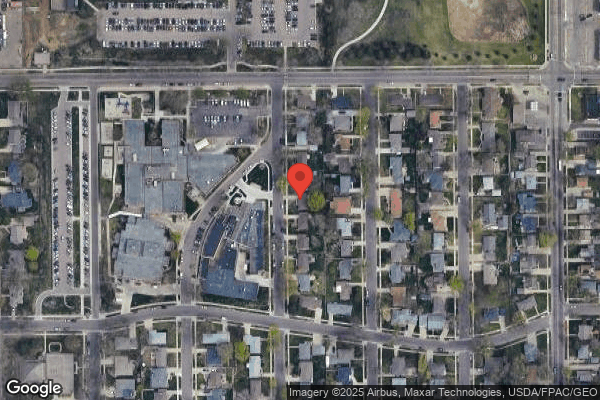

1901 SOUTH HOLLY AVENUE, SIOUX FALLS, SD 57105 (605) 338-2351
Non profit - Corporation 52 Beds Independent Data: November 2025
Trust Grade
70/100
#38 of 95 in SD
Last Inspection: November 2024

Within standard 12-15 month inspection cycle. Federal law requires annual inspections.

Overview

Bethany Home Sioux Falls has a Trust Grade of B, indicating it is a good choice for families, sitting in the top half of nursing homes in South Dakota at #38 out of 95. However, the facility's trend is worsening, with issues increasing from 3 in 2023 to 7 in 2024. Staffing is a strength, with a 5/5 star rating and a turnover rate of 44%, which is lower than the state average, suggesting that staff members are experienced and familiar with the residents. On the downside, the home has concerning RN coverage, being lower than 79% of state facilities, which may impact the quality of care. Specific incidents noted include a resident not receiving adequate meal portions and a failure to maintain cleanliness in kitchen equipment, along with lapses in infection control practices, indicating that while there are strengths, there are critical areas needing improvement.

Trust Score
B
70/100
In South Dakota
#38/95
Top 40%
Safety Record
Low Risk
No red flags
Inspections
Getting Worse
3 → 7 violations
Staff Stability
○ Average
44% turnover. Near South Dakota's 48% average. Typical for the industry.
Penalties
✓ Good
No fines on record. Clean compliance history, better than most South Dakota facilities.
Skilled Nurses
✓ Good
Each resident gets 50 minutes of Registered Nurse (RN) attention daily — more than average for South Dakota. RNs are trained to catch health problems early.
Violations
⚠ Watch
12 deficiencies on record. Higher than average. Multiple issues found across inspections.
★★★☆☆
3.0
Overall Rating
★★★★★
5.0
Staff Levels
★★☆☆☆
2.0
Care Quality
★★☆☆☆
2.0
Inspection Score
Stable
2023: 3 issues
2024: 7 issues

The Good

  • 5-Star Staffing Rating · Excellent nurse staffing levels
  • Full Sprinkler Coverage · Fire safety systems throughout facility
  • No fines on record
  • Staff turnover below average (44%)

    4 points below South Dakota average of 48%

Facility shows strength in staffing levels, fire safety.

The Bad

3-Star Overall Rating

Near South Dakota average (2.7)

Meets federal standards, typical of most facilities

Staff Turnover: 44%

Near South Dakota avg (46%)

Typical for the industry

The Ugly 12 deficiencies on record

Nov 2024 7 deficiencies
CONCERN (D)

Potential for Harm - no one hurt, but risky conditions existed

Transfer Notice (Tag F0623)

Could have caused harm · This affected 1 resident

Based on interview and record review, the provider failed to provide a written notice of transfer or discharge and to notify the ombudsman of that transfer or discharge, for two of two sampled residen...

Read full inspector narrative →
Based on interview and record review, the provider failed to provide a written notice of transfer or discharge and to notify the ombudsman of that transfer or discharge, for two of two sampled residents reviewed (31 and 45). This citation is considered past non-compliance based on review of the corrective actions the provider implemented after discovering the lack of documentation. Findings include: 1. Interview and record review on 11/5/24 at 11:51 a.m. with administrator A revealed: *Administrator A provided the survey team with a copy of their investigation timeline and their plan of correction (POC) documentation. *They discovered a lack of documentation for a variety of required notices on 10/11/24. *The management team completed an investigation to determine the extent of the issue. *The previous social worker was responsible for providing required notices to residents or their representatives. That former employee was not providing the required written notices, including transfer or discharge notices. *The nurse managers were educated on the required written notices on 10/16/24. *Chart reviews were conducted, and corrections were completed. 2. Review of resident 31's electronic medical record (EMR) revealed: *She was transferred to the local emergency department on 5/24/24, and again on 9/1/24. *There was no documentation found about a notice of transfer or discharge, or that the ombudsman was notified for either date. 3. Review of resident 45's electronic medical record revealed: *She transferred to the local emergency department on 8/12/24. *There was no documentation found about a notice of transfer or discharge, or that the ombudsman was notified. 4. Interview on 11/7/24 at 8:40 a.m. with nurse manager D about the required notices revealed that she was not sure if the notices were completed correctly due to an issue with the previous social worker. 5. The provider's implemented actions to ensure the deficient practice does not reoccur was confirmed on 11/5/24 after record review revealed the facility had followed their quality assurance process, education was provided to the nurse managers about required notices, interviews revealed staff understood the education provided regarding those topics, and a review of recently transferred or discharged residents revealed notices were provided as required. Based on the above information, non-compliance at F623 was discovered on 10/11/24, and based on the provider's implemented corrective action for the deficient practice confirmed on 11/5/24, the non-compliance is considered past non-compliance.
CONCERN (D)

Potential for Harm - no one hurt, but risky conditions existed

Deficiency F0625 (Tag F0625)

Could have caused harm · This affected 1 resident

**NOTE- TERMS IN BRACKETS HAVE BEEN EDITED TO PROTECT CONFIDENTIALITY** Based on interview and record review, the provider failed to provide a written bed-hold notice to the resident or their represen...

Read full inspector narrative →
**NOTE- TERMS IN BRACKETS HAVE BEEN EDITED TO PROTECT CONFIDENTIALITY** Based on interview and record review, the provider failed to provide a written bed-hold notice to the resident or their representative when transferred to the emergency department for one of two sampled residents reviewed (45). This citation is considered past non-compliance based on review of the corrective actions the provider implemented after discovering the lack of documentation. Findings include: 1. Interview and record review on 11/5/24 at 11:51 a.m. with administrator A revealed: *Administrator A provided the survey team with a copy of their investigation timeline and plan of correction (POC) documentation. *They discovered a lack of documentation for a variety of required notices on 10/11/24. *The management team completed an investigation to determine the extent of the issue. *The previous social worker was responsible for providing required notices to residents. That former employee was not providing the required written notices, including bed hold notices. *The nurse managers were educated on the required written notices on 10/16/24. *Chart reviews were conducted, and corrections were completed. 2. Review of resident 45's electronic medical record revealed: *She admitted to the facility on [DATE]. *She transferred to the local emergency department on 8/12/24. *The social worker spoke with the resident's representative about the bed hold policy on 8/12/24. Written notice was not documented. *The resident's representative verbally declined to hold the bed and gathered resident 45's belongings from the facility on 8/12/24. 3. Interview on 11/7/24 at 8:40 a.m. with nurse manager D about bed hold notices revealed: *The written bed hold notices were unlikely to have been done due to a situation with the former social worker. *The resident had not requested to return to the facility as she was admitted to hospice services. 4. The provider's implemented actions to ensure the deficient practice does not reoccur was confirmed on 11/5/24 after record review revealed the facility had followed their quality assurance process, education was provided to the nurse managers about required notices, interviews revealed staff understood the education provided regarding those topics, and a review of recently discharged residents revealed notices were provided as required. Based on the above information, non-compliance at F625 was discovered on 10/11/24, and based on the provider's implemented corrective action for the deficient practice confirmed on 11/5/24, the non-compliance is considered past non-compliance.
CONCERN (D)

Potential for Harm - no one hurt, but risky conditions existed

Deficiency F0657 (Tag F0657)

Could have caused harm · This affected 1 resident

Based on record review, interview, and policy review, the provider failed to ensure the care plan for two of two sampled residents (11and 25) had been updated to reflect their current condition. Findi...

Read full inspector narrative →
Based on record review, interview, and policy review, the provider failed to ensure the care plan for two of two sampled residents (11and 25) had been updated to reflect their current condition. Findings include: 1. Review of resident 11's electronic medical record (EMR) revealed: *On 8/6/24 she had received a diagnosis for dementia and other diseases classified elsewhere. *On 8/15/24 an order had been received to start Seroquel 100 milligram (mg) by mouth one time a day related to Major Depressive Disorder. 2. Review of resident 11's care plan revealed: *On 8/20/24 the care plan had been updated and indicated the use of scheduled psychotropic medications related to pain management and depression. No focus area on resident's diagnosis of dementia was noted in the care plan. 3. Review of resident 25' s EMR revealed: *On 8/23/24 an order had been received to start Apixaban 2.5 mg (blood thinner) for Atrial fibrillation by mouth two times per day for blood clot prevention. 4. Review of resident 25's care plan revealed: *On 10/29/24 the care plan had been updated but did not indicate that the resident was started on Apixaban 2.5 mg, for the prevention of blood clots. 5. Interview on 11/7/24 at 2:15 p.m. with director of nursing B, nurse manager D, and administrator A revealed: *The manager of each unit is responsible for updating the residents' care plans. * Any staff member who processes an order, is also responsible for updating the care plan. * During the interview, administrator A, DON B, and nurse manager D agreed that residents 11 and 25's care plans had not been updated to reflect their care needs. Review of the provider's October 2024 Care Plan policy revealed: * Care Plans will be updated by staff on an ongoing basis. This includes care plans being reviewed and updated with appropriate significant changes as well as quarterly. Significant changes could include recent hospital stays, new admissions to hospice, new acute diagnosis, and other traits that reflect a decline is physical and emotional status. * The nurse manager will complete a daily process such as daily walking event rounds, daily review of all new orders, daily review of 24-hour sheets, daily review of progress notes and/or daily review at IDT huddle in order to keep the care plan current. The nurse manager will utilize the plan of care to create CNA's daily/weekly care flowsheets.
CONCERN (E)

Potential for Harm - no one hurt, but risky conditions existed

Deficiency F0582 (Tag F0582)

Could have caused harm · This affected multiple residents

Based on record review and policy review, the provider failed to provide Skilled Nursing Facility Advance Beneficiary Notice (SNF ABN) and Notice of Medicare Non-Coverage (NOMNC) for one of three (247...

Read full inspector narrative →
Based on record review and policy review, the provider failed to provide Skilled Nursing Facility Advance Beneficiary Notice (SNF ABN) and Notice of Medicare Non-Coverage (NOMNC) for one of three (247) sampled residents. This citation is considered past non-compliance based on review of the corrective actions the provider implemented following the incident. Findings include: Review of provider's documentation regarding advanced beneficiary notices (ABN) revealed on 10/11/24, the provider identified previous social worker (SW) O had not been completing SNF ABNs or NOMNCs for residents who received Medicare Part A skilled services. *Administrator A interviewed (SW) O and SW P on 10/16/24. -SW O had reported he was not trained upon his hiring on how to complete the ABNs by SW P. -SW P had reported she had trained SW O upon his hiring on how to complete the ABNs. Record review on 11/6/24 of the provider's SNF Beneficiary Notification Review Form CMS-20052 revealed: *Three randomly selected residents were given to the provider for review of SNF ABN. *Resident 247's Medicare A skilled services ended on 9/23/24, Resdient 247 was not given the SNF ABN form CMS-10055 or NOMNC form CMS-10123 by the provider prior to the end of his Medicare skilled services. *Explanation on form CMS-20052 for why the above notifications were not given to resident 247 indicated, in plan of correction. The provider implemented actions to ensure the deficient practice does not reoccur. Plan of correction included SW P provided education to nurse manager D, DON B, and administrator A on SNF ABN and NOMNC completion. Beginning 10/25/24, administrator A or designee will audit each resident discharged to ensure SNF ABNs and NONMCs were completed timely. Findings from these audits will be reported to QAPI Committee. It was confirmed on 11/5/24 after record review revealed the facility developed a plan of correction and education was provided to those involved in SNF ABN and NOMNC issuance. Based on the above information, non-compliance at F582 occurred on 10/11/2024, and based on the provider's implemented corrective action for the deficient practice confirmed on 11/5/2024, the non-compliance is considered past non-compliance.
CONCERN (E) 📢 Someone Reported This

A family member, employee, or ombudsman was alarmed enough to file a formal complaint

Potential for Harm - no one hurt, but risky conditions existed

Free from Abuse/Neglect (Tag F0600)

Could have caused harm · This affected multiple residents

**NOTE- TERMS IN BRACKETS HAVE BEEN EDITED TO PROTECT CONFIDENTIALITY** Based on South Dakota Department of Health (SD DOH) Facility Reported Incident ( FRI), record review, interview, and policy revi...

Read full inspector narrative →
**NOTE- TERMS IN BRACKETS HAVE BEEN EDITED TO PROTECT CONFIDENTIALITY** Based on South Dakota Department of Health (SD DOH) Facility Reported Incident ( FRI), record review, interview, and policy review the provider failed to ensure 25 of 25 sampled residents on Promise Lane (1,2,3,5,6,7,8, 9, 10, 11,12, 13, 14, 20, 21, 22, 23, 25, 26, 27, 28, 36, 38, 39, and 40) had their blood sugar checked and received treatment and medications as ordered by one of one registered nurse (RN) F during a twelve-hour shift. Findings include: 1. Review of SD DOH FRI submitted on 10/9/24 revealed: *On 10/6/24 RN F had left her unit from 9:00 a.m. until 11:00 a.m. and staff were unable to locate her during this time. *Certified nursing assistant (CNA)/medication aide N had to remind RN F multiple times to give morning narcotics for three residents, but she never saw RN F go in or out of those rooms to give those medications, but they were signed off. 2. Review of the provider's investigation documentation indicated the 10/6/24 video camera footage was reviewed and revealed RN F: *RN [NAME] the unit at 6:27 a.m. Her shift began at 6:00 a.m. Then she: -Counted the narcotics with off-going nurse at 6:42 a.m. -Left the unit at 8:17 a.m. and returned at 9:47 a.m. -Entered the narcotic medication drawer and retrieved all the narcotic blister packs from that drawer, and did something with them on the treatment cart, retrieved the narcotic sign out binder and was signing it. -Administered a medication at 4:56 p.m. to resident 36. --Only had been visualized via video camera administering medication to one resident throughout her shift. -Retrieved a medication at 4:58 p.m. from the top drawer of the medication and took it. -Gave report at 6:11 p.m. to on-coming nurse. -Counted the narcotics at 6:20 p.m. with the on-coming nurse. -The count was correct. 3. Review of the provider's 10/11/24 resident chart audit for the resident's RN F had been responsible for during her 10/6/24 shift revealed: *Resident 1 should have had a lidocaine 4% patch (for pain) applied to both of her shoulders. *Resident 2 should have had an Aspercreme 4% patch (for pain) applied to her lower back and Voltaren gel (for pain) to her hands at 8:00 a.m. and 12:00 p.m. *Resident 3 should have had the dressing changed to her right leg incision and Oxycodone 2.5 milligrams (mg) (for pain) given at 8:00 a.m. and 12:00 p.m. *Resident 5 should have had her blood sugar checked at 7:00 a.m. RN F had documented the resident's blood sugar result 103 mg/deciliter (dL). *Resident 6 should have had applied Triad paste (for wound healing) applied to her bottom, received Tresiba insulin 35 units subcutaneously, and had her blood sugar checked three times and had insulin administered to her based on her sliding scale subcutaneously as needed. RN F had documented the resident's blood sugar results as: -At 8:00 a.m. 201 mg/dL and had administered six units of sliding scale insulin. -At 11:00 a.m. 201 mg/dL and had administered six units of sliding scale insulin. -At 5:00 p.m. 203 mg/dL and had administered six units of sliding scale insulin. --At 9:00 p.m. 600 mg/dL. Avel e-health had been notified and orders received for extra insulin. *Resident 7 should have had been given a Brovana 15 micrograms (mcg) nebulizer (for breathing problems) at 8:00 a.m. and a budesonide 0.5 mg nebulizer (for breathing problems) at 8:30 a.m. and 3:30 p.m. *Resident 8 should have had a Lidocaine 4% patch (for pain) applied to his back in the morning. *Resident 9 should have had Vaseline applied to her lips. *Resident 10 should have been given a Duoneb unit dose nebulizer (for breathing problems) at 7:00 a.m., 11:00 a.m., and 5:00 p.m., Humulin 14 units subcutaneously at 8:00 a.m. and six units subcutaneously at 6:00 p.m. -RN F had documented the resident's blood sugar results as: --At 7:00 a.m. 103 mg/dL. --At 11:00 a.m. 103 mg/dL. --At 5:00 p.m. 103 mg/dL. *Resident 11 should have been given a Biscodyl suppository (for constipation). *Resident 12 should have had Triad paste (for wound healing) applied to her bottom. *Resident 13 should have been Lantus insulin 48 units subcutaneously at 7:00 a.m. and 5:00 p.m., blood sugar checks three times, Aspercreme 4% (for pain) ointment to her hands, and Lidocaine 4% patch (for pain) to both the resident's knees. RN F documented the resident's blood sugar result and sliding scale Novolog insulin administered as: -At 7:00 a.m. 243 mg/dL and administered four units of insulin subcutaneously. -At 11:00 a.m. 243 mg/dL and administered four units of insulin subcutaneously. -At 5:00 p.m. 133 mg/dL with no sliding scale insulin administered. *Resident 14 should have had a Lidocaine 4% patch (for pain) applied to her lower back and Oxycodone 2.5 mg orally at 8:00 a.m. *Resident 20 should have had his scalp cleansed and had a dressing applied. *Resident 21 should have had barrier cream applied to her coccyx. *Resident 22 should have had Calmoseptine cream (a skin protectant) applied to her buttock. *Resident 23 should have had her blood checked at 7:00 a.m. -RN F had documented a blood sugar result of 199 mg/dL. *Resident 25 should have had a dressing changed to his feet, Mupirocin cream (antibiotic) applied to his first and second toes, Ketoconazole 2% (antifungal) cream applied to his face, and Ketoconazole 2% shampoo to his scalp. *Resident 26 should have had Triad paste (for wound healing) applied to her buttock, a Duoneb unit dose nebulizer (for breathing problems), and a Pulmicort 0.5 mg nebulizer (for breathing problems) at 10:00 a.m. and 6:00 p.m. *Resident 27 should have had Lantus insulin 42 units subcutaneously, her blood sugar checked at 7:00 a.m. and 5:00 p.m. RN F had documented the following blood sugar results as: -At 7:00 a.m. 199 mg/dL. -At 5:00 p.m. 103 mg/dL. *Resident 28 should have had Levemir 25 units of insulin subcutaneously, zinc oxide ointment to her buttock, and a blood sugar check. RN F had documented a blood sugar result of 102 mg/dL. *Resident 36 should have her blood sugar checked three times with sliding scale Humalog insulin administered as needed with blood sugar checks. RN F had documented resident's blood sugars results as: -At 7:00 a.m. 101 mg/dL with no sliding scale insulin administered. -At 11:00 a.m. 101 mg/dL with no sliding scale insulin administered. -At 5:00 p.m. 133 mg/dL with no sliding scale insulin administered. *Resident 38 should have had Biofreeze (for pain) applied to both of his knees, Lidocaine 4% gel (for pain) applied to the lower back, and Oxycodone 5 mg orally at 8:00 a.m. and 12:00 p.m. *Resident 39 should have had Benadryl cream (for pain and itching) applied to both arms and legs. *Resident 40 should have had a blood sugar checked. RN F had documented a result of 103 mg/dL. 4. Interview on 11/7/24 at 2:40 p.m. with director of nursing (DON) B regarding the investigation regarding RN F's care of residents on 10/6/24 revealed: *DON B had reviewed the video footage for 10/6/24 involving RN F. *DON B had been able to verify RN F had not entered the above listed residents' rooms during her shift to provide the documented cares and medications. *She had interviewed other staff that had provided care for residents on the unit RN F had been assigned to on 10/6/24. -Those interviews had verified RN F had not been seen entering the above resident's rooms. *Education would be provided to all CNA's on 11/14/24 regarding the investigation results from this incident. *Education would be provided to all nurses on 11/21/24 regarding the investigation results from this incident. Review of the provider's November 2023 Prevention of Resident Abuse, Neglect, and Misappropriation of Resident Policy revealed: *Each resident living at [NAME] has the right to be free from abuse, neglect, and misappropriation of their property. [NAME] will enforce policies and procedures that protect each resident from abuse, neglect, and misappropriation of property by [NAME] employees, other residents, consultants, volunteers, employees of other agencies serving the resident, family members and legal guardians, friends or other individuals. *[NAME] will not tolerate the abuse, neglect, or misappropriation of property of any resident by any employee, a consultant, or others working under the direction of [NAME]. The video surveillance for 10/6/24 was not made available for survey review during the survey.
CONCERN (F)

Potential for Harm - no one hurt, but risky conditions existed

Menu Adequacy (Tag F0803)

Could have caused harm · This affected most or all residents

Based on menu review, observation, and interview, the provider failed to ensure adequate portions were served according to the menu for one of one observed meal. This had the potential to affect all r...

Read full inspector narrative →
Based on menu review, observation, and interview, the provider failed to ensure adequate portions were served according to the menu for one of one observed meal. This had the potential to affect all residents receiving the main menu in the facility. Findings include: 1. Review of the provider's menu for lunch on 11/7/24 revealed the following main menu items: *Beef & broccoli, #8 dip x2, which was eight ounces (oz.) total. *Diced carrots, four oz. spoodle. -A spoodle is a slotted scoop to drain the liquid. 2. Observation on 11/7/24 at 11:11 a.m. in the kitchen during lunch service revealed: *Cook L was plating the residents' lunch meal food items. *She served a three oz. scoop of the beef & broccoli. -The printed menu indicated the serving size for the regular diet as #8 dip x 2. *Cook L served a heaping two oz. spoodle of diced carrots. -The printed menu indicated the serving size as 4 oz. *Observation of the utensil drawer confirmed that a 4 oz. spoodle and a 4 oz. serving spoon were available. 3. Interview on 11/7/24 at 1:29 p.m. with cook L revealed she: *Was aware of the serving sizes on the printed menu. *Chose not to use the correct serving sizes; she did not provide a reason. 4. Interview on 11/7/24 at 1:34 p.m. with dietary manager G about the above observations revealed she: *Was not aware that dietary staff served the wrong portion sizes for lunch that day. *Was aware of the need to meet the dietary requirements of the residents by following the approved menu, including portion sizes.
CONCERN (F)

Potential for Harm - no one hurt, but risky conditions existed

Food Safety (Tag F0812)

Could have caused harm · This affected most or all residents

Based on observation, interview, and document review, the facility failed to maintain cleanliness in one of one steamer and one of one convection oven in the kitchen. Findings include: 1. Observation ...

Read full inspector narrative →
Based on observation, interview, and document review, the facility failed to maintain cleanliness in one of one steamer and one of one convection oven in the kitchen. Findings include: 1. Observation during the initial kitchen tour on 11/5/24 from 11:43 a.m. to 12:19 p.m. revealed: *The interior of the Vulcan brand convection oven was heavily coated in baked-on grease and food particles. *The interior of the Cleveland brand SteamChef steamer had an excessive buildup of limescale and scum, and there were food particles at the bottom of the basin sitting in standing water. 2. Interview on 11/7/24 at 10:45 a.m. with cook L about cleaning the large kitchen equipment revealed: *She claimed that she cleaned the steamer and oven every day, and deep-cleaned them weekly. *That equipment had not been deep-cleaned in about a month. *She did not know the proper steps to clean the steamer. 3. Interview on 11/7/24 at 1:34 p.m. with dietary manager G about the oven and steamer revealed: *There was a cleaning schedule for the kitchen equipment. *She performed monthly audits for kitchen cleanliness. *She was unaware that the oven and steamer were that dirty. *She did not know the proper steps to clean the steamer. 4. Review of the provider's monthly kitchen cleanliness audits revealed: *The audits were completed on 8/26/24, 9/30/24, and 10/25/24. *There was a line item under the Maintenance section that read Ovens and Steamer clean and in good repair. -There was a checkmark Yes next to that line item on the above-listed audit sheets. 5. Review of the manufacturer's cleaning guidelines for the Cleveland SteamChef revealed they recommended descaling daily to prevent the buildup of minerals and limescale. *When done daily this will help prevent the buildup of calcium and other mineral deposits left over from the boiling of water, and prevent scale buildup in the steamer, helping prevent more costly maintenance and service on the steamer.
Jul 2023 3 deficiencies
CONCERN (D)

Potential for Harm - no one hurt, but risky conditions existed

MDS Data Transmission (Tag F0640)

Could have caused harm · This affected 1 resident

Based on record review, interview and policy review the provider failed to ensure Minimum Data Set (MDS) discharge assessments were completed in a timely manner for two of two sampled residents (4 and...

Read full inspector narrative →
Based on record review, interview and policy review the provider failed to ensure Minimum Data Set (MDS) discharge assessments were completed in a timely manner for two of two sampled residents (4 and 36). Findings include: 1. Review of the MDS transmission results summary report on 7/20/2023 provided by MDS coordinator C who was also the assistant director of nursing (ADON) revealed no discharge assessments had been submitted for residents 4 who had been discharged home on 1/28/23 and resident 36 who had been discharged home on 2/10/23. Review of the Resident Assessment Instrument (RAI) manual revealed discharge assessments when a resident's return was not anticipated were to have been submitted no later than fourteen days after a resident discharged . Review of the providers 7/2017 MDS Completion and Submission Timeframes policy revealed: *Our facility will conduct and submit resident assessments in accordance with current federal and state submission timeframes. -1. The assessment coordinator or designee is responsible for ensuring that resident assessments are submitted to CMS' QIES Assessment Submission and Processing (ASAP) system in accordance with current federal and state guidelines. -2. Timeframes for completion and submission of assessments is based on the current requirements published in the Resident Assessment Instrument Manual. Interview on 7/20/23 at 5:45 p.m. with ADON/MDS coordinator C regarding discharge assessments for residents 4, and 36 revealed: *Completed MDS assessments were transmitted via the Internet Quality Improvement and Evaluation System. *She realized she missed completing the MDS assessment for resident 36 but thought she had completed the MDS assessment for resident 4. *She tracked the MDS assessments that would need to have been completed by utilizing the dashboard alerts in the PointClickCare system and through the morning huddle meeting. -The PointClickCare dashboard alerts were in place in the system for seven days then would fall off the list. -There was no report to print once the dashboard alerts were gone. *She had been gone when the MDS discharge assessments were due for residents 4 and 36. *Director of nursing (DON) B was her back up to complete the MDS assessments when she was gone. *She believed the system in place to identify MDS assessments due for completion were effective. *She agreed the MDS discharge assessments for residents 4 and 36 were overdue and should have been completed.
CONCERN (E)

Potential for Harm - no one hurt, but risky conditions existed

Deficiency F0761 (Tag F0761)

Could have caused harm · This affected multiple residents

Based on observation, interview, record review, and policy review, the provider failed to ensure medication prescription labels were accurate with the most recent physician's orders for two of twenty-...

Read full inspector narrative →
Based on observation, interview, record review, and policy review, the provider failed to ensure medication prescription labels were accurate with the most recent physician's orders for two of twenty-eight medication labels reviewed. Findings include: 1. Observation and interview on 7/20/23 at 8:03 a.m. with licensed practical nurse (LPN) E during medication administration revealed: *She was preparing medications for resident 27. *She grabbed the resident's bottle of MiraLAX. -The prescription label had the following directions: MiraLAX 17g [grams] in liquid by mouth every day as needed. *When she checked the physician's order for resident 27's MiraLAX, she found that there were two different orders for MiraLAX. -One order read, MiraLax Oral Packet (Polyethylene Glycol 3350) Give 8.5 gram by mouth one time a day for constipation. --LPN E confirmed there were only bulk bottles of resident 27's powdered MiraLAX, and there were no oral packets as the physician's order called for. -The other order read, MiraLax Oral Powder 17 GM/SCOOP (Polyethylene Glycol 3350) Give 17 gram by mouth every 24 hours as needed for Constipation. *She confirmed the bottle of MiraLAX only had one prescription label on it. *She decided to wait on administering the resident's MiraLAX until she had a chance to contact the pharmacy. 2. Continued observation and interview on 7/20/23 at 8:25 a.m. with LPN E during medication administration revealed: *She was preparing medications for resident 304. *She grabbed the resident's bottle of lactulose. -She explained that resident 304 usually refused the lactulose, but she would offer it to him anyway. *The prescription label on the bottle of lactulose read, Lactulose 10g/15mL [milliliter] solution. Give 20g (30mL) by mouth three times per day. *She poured 15mL of lactulose into a liquid measuring cup. *When she checked the physician's order for resident 304's lactulose, she found that it was different than what the prescription label on the bottle had read. -The physician's order read, Lactulose Oral Solution 10 GM/15M (Lactulose) Give 10 gram by mouth three times a day for liver disease. *LPN E decided to wait on administering the lactulose to resident 304 until she clarified the physician's order with the pharmacy. Interview on 7/20/23 at 9:05 a.m. with director of nursing (DON) B about medication prescription labels revealed: *Resident 304's label on the bottle of lactulose was from his admission. *The physician had since changed the order. *The current order was for 10g of lactulose, not 20g. *To change the prescription label on a resident's medication, they would have to call the pharmacy to request a new label with the correct dosing. -Until they received the new label, she expected a nurse to place a sticker that read see new directions, or see new orders onto the prescription label. *She confirmed that: -Resident 304's lactulose order had changed on 7/15/23. -A nurse should have put a sticker on the lactulose prescription label to prompt staff to verify the updated physician's order. -Staff should have continued to call the pharmacy to request a new label. -Resident 27 had two separate physician's orders for MiraLAX. --One order was for 17g as needed. --The other order was scheduled for 8.5g daily. -They used the same bottle for both orders. -There was only one prescription label on resident 27's bottle of MiraLAX. *She said, Medication orders change all the time. It's hard to keep up with the bulk medication labeling. *When a resident's physician changed a medication order, nurses would send the new physician's order to the pharmacy. *They had to hound the pharmacy to get new labels, especially for the bulk medications in bottles. *The nurse working the floor was responsible for contacting the pharmacy to request new labels. Interview on 7/20/23 at 9:45 a.m. with registered nurse neighborhood leader D about resident medication prescription labels revealed: *She had called the pharmacy about requesting updated labels for resident 27's MiraLAX and resident 304's lactulose. *The pharmacist stated that they did not send new labels. -They indicated that it was acceptable for the facility nurses to place the above-mentioned stickers on the label. *The nursing staff should have put the stickers on the labels. -She confirmed there were no stickers available on the unit where LPN E was working. -She retrieved the labels from a different unit and verified that each unit had the labels available. 3. Review of the provider's June 2023 Medication Administration policy revealed: *7. The individual administering the medication much [must] check the label three times to verify the right resident, right medication, right dosage, right time, and right route of administration before giving the medication. *8. If the dosage on a medication has been changed there must be a label placed on the container that states 'directions changed refer to chart.' The individual administering this medication should refer to chart for the correct dosage according to the most recent orders. Nurse should call pharmacy to get new medication container or label as needed.
CONCERN (F)

Potential for Harm - no one hurt, but risky conditions existed

Infection Control (Tag F0880)

Could have caused harm · This affected most or all residents

Based on observation, interview, record review, and policy review, the provider failed to ensure infection prevention and control practices were implemented for the following: *Ensuring one of one res...

Read full inspector narrative →
Based on observation, interview, record review, and policy review, the provider failed to ensure infection prevention and control practices were implemented for the following: *Ensuring one of one resident (304) had performed hand hygiene after he had touched his blood from a wound on his arm prior to having the resident sign his name in the narcotics binder. *Establishing a water management program that addressed the prevention of Legionella. Findings include: 1. Observation and interview on 7/20/23 at 8:42 a.m. with licensed practical nurse (LPN) E during medication administration revealed: *She had prepared medications for resident 304. *She donned clean gloves. *She grabbed the narcotics binder from the locked narcotics drawer in the medication cart. -There were several different types of narcotics that were prescribed for different residents. -The binder sat on top of the medications. *Upon entering the resident's room, the resident was found to have been bleeding from his right upper arm. -With his left hand, he pressed a piece of tissue paper to the small bleeding wound. -His left hand had blood on it. *LPN E said to the resident, I will help you with that after we take your meds. *One of the resident's medications was methadone. -The resident was required to sign his name in the narcotics binder after he had taken the methadone. *Without prompting or assisting the resident to perform hand hygiene, LPN E handed the narcotics binder to the resident. *Resident 304 grabbed the binder with his left hand, which had blood on it, and signed his name on the designated sheet. *After administering all of the resident's medications, LPN E brought the narcotics binder back to the medication cart. *When questioned about the interaction, LPN E had not realized that resident 304's hand had blood on it. *She proceeded to disinfect the binder before placing it back in the locked narcotics drawer in the medication cart. Interview on 7/20/23 at 9:12 a.m. with director of nursing (DON) B about the above observation revealed: *She expected staff to assist residents whom had noticeable blood on their body from a wound. *Staff were to use soap and water to cleanse the skin, not just hand sanitizer. *She confirmed: -It was her expectation for staff to address a bleeding wound prior to administering their medications. -The nurse should not have handed the narcotics binder to the resident due to the blood on his hand. Review of the provider's February 2021 Bloodborne Pathogen Policy - Exposure Control Plan policy revealed there were no policy statements regarding when or how to help a resident with a bleeding wound. Review of the provider's June 2023 Medication Administration policy revealed: *19. Staff shall follow established facility infection control procedures (e.g. [for example], handwashing, antiseptic technique, gloves, isolation precautions, etc.) for the administration of medications, as applicable. 2. Interview on 7/20/23 at 3:48 p.m. with maintenance manager F about the provider's Legionella prevention plan revealed: *They were just getting the water management plan up and running. *The topic of water management and Legionella came up at their quality assurance meeting in June. *He had not tested the level of sanitizer in the water. *He would pour water down the floor drains, but not on a scheduled basis. *When one of the units was closed for renovations, he would flush the toilets and turn the sinks on once a week to flush the pipes. *They were waiting on a contracted water management company to contact them about establishing their program. -He was not sure if there was a set date when the company would visit the facility. -His lact contact with the company was about three months ago. Interview on 7/20/23 at 4:45 p.m. with DON B and infection preventionist/neighborhood leader (IP) D about the provider's Legionella prevention plan revealed: *They went through the Legionella policy the previous month in their quality assurance meeting. *The members of the water management committee included the medical director, the administrator, the maintenance manager, the DON, and the IP. *They confirmed the following: -They had no established or defined measures, such as levels of disinfectants in the water or a target water temperature, used to control the introduction or spread of Legionella. -If a resident were to show signs or symptoms of pneumonia, then they would check the measures in the water. -They were waiting on the water management company to contact them about setting up a water management program. Interview on 7/20/23 at 6:43 p.m. with administrator A about their water management program revealed they had been: *Aware that it was a requirement to establish a water management program that addressed Legionella control and prevention. *Attempting to contract with a water management company since they had no knowledge on how to manage a Legionella program. *Having difficulties with staying in contact with their chosen water management company. *Hindered by the pandemic to establish a plan. Review of the provider's communication e-mails with a local water management company revealed: *The local water management company reached out to the provider on 2/22/19. -They wanted to follow up and see if you guys had made a decision on pursuing the water safety plans or if you are still visiting on the subject? *The provider responded on 2/25/19 stating, We are still considering proposals. We will notify you as soon as we make our final decision. *A different water management company had provided them with an appraisal on 3/4/19. -The provider had not proceeded with that proposal. *The provider again reached out to the initial water management company on 6/16/23. -By the time of the survey, the provider was waiting for them to follow up with the site visit. Review of the provider's September 2022 Legionella Surveillance and Detection policy revealed: *3. As part of the infection prevention and control program, all cases of pneumonia that are diagnosed in residents [greater than] 48 hours after admission are investigated for possible Legionnaire's disease per CDC [Centers for Disease Control and Prevention] guidance. *7. Residents who have signs and symptoms of pneumonia may be placed on transmission-based (droplet) precautions, although person-to-person transmission is rare. *10. If Legionella is detected in one or more residents, the infection preventionist will: -a. initiate active surveillance for Legionnaire's diseases; -b. notify the water management team; -c. notify the local health department; and -d. notify the administrator and the director of nursing services. Review of the provider's September 2022 Legionella Water Management Program policy revealed: *1. As part of the infection prevention and control program, our facility has a water management program which is overseen by the water management team. *3. The purposes of the water management program are to identify areas in the water system where Legionella bacteria can grow and spread, and to reduce the risk of Legionnaire's disease. *5. The water management program includes the following elements: -e. Specific measures used to control the introduction and/or spread of Legionella (e.g., temperature, disinfectants); --The policy had not defined or established which measures were to be taken. -f. The control limits or parameters that are acceptable and that are monitored; --The policy had not defined acceptable parameters for the control limits. -g. A diagram of where control measures are applied; --There was a diagram of the water system in the facility, however, the diagram had not included where control measures were applied. -h. A system to monitor control limits and the effectiveness of control measures; --The policy had not included a description of a system to monitor control limits. -i. A plan for when control limits are not met and/or control measures are not effective. --The policy had not defined a plan when control limits were not met.
Apr 2022 2 deficiencies
CONCERN (E)

Potential for Harm - no one hurt, but risky conditions existed

Deficiency F0657 (Tag F0657)

Could have caused harm · This affected multiple residents

**NOTE- TERMS IN BRACKETS HAVE BEEN EDITED TO PROTECT CONFIDENTIALITY** 4. Observation of resident 6 on 4/26/22 at 10:10 a.m. revealed the resident was awake in her room sitting in her recliner. The r...

Read full inspector narrative →
**NOTE- TERMS IN BRACKETS HAVE BEEN EDITED TO PROTECT CONFIDENTIALITY** 4. Observation of resident 6 on 4/26/22 at 10:10 a.m. revealed the resident was awake in her room sitting in her recliner. The resident did not respond when this writer knocked on the room door and greeted her, but she did move her gaze towards the room door. Interview on 4/26/22 at 10:18 a.m. with certified nursing assistant (CNA) I regarding resident 6 revealed: *The resident was not able to walk or talk. *Staff tried to toilet the resident, and she wore an incontinent brief. *She was not sure if resident 6 was on hospice care. -During the conversation, CNA I walked down the hallway to ask another unidentified staff member if the resident was on hospice and returned to confirm she was on hospice care. Review of resident 6's medical record revealed: *She was admitted on [DATE] on hospice care. *Her diagnoses included dementia, depression, and diabetes. Review of resident 6's 11/9/21 Initial Plan of Care revealed she: *Was non-ambulatory, used a mechanical stand lift with the assistance of two staff and a wheelchair. *Needed assistance with all of her activities of daily livings (ADLs). Review of resident 6's 11/16/21 admission Minimum Data Set (MDS) assessment revealed she: *Required staff assistance with all ADLs. *Was always incontinent and required extensive assistance with using the toilet. *Was on hospice care. Review of resident 6's current care plan, printed on 4/26/22, revealed it did not address: *Her needed assistance with ADLs which included the level of assistance needed and what interventions were to be used. *Her need for extensive assistance with toileting and what interventions were to be used. *Her hospice care, including what services the hospice agency would provide. Interview on 4/27/22 at 1:49 p.m. with DON C regarding the hospice plan of care revealed: *She expected the hospice plan of care should be available. *The hospice agency provided a green sheet detailing how often the hospice nurse and CNAs would come to the provider and what services they would provide. *She could not find either the hospice plan of care or the green sheet. Interview on 4/27/22 at 3:12 p.m. with MDS coordinator/infection control D regarding hospice care services revealed she: *Stated hospice care was hard to care plan as it changed frequently. *Stated for resident 6, the hospice agency provided the following: -A hospice nurse once a week. -A hospice CNA three times a week. -Other services included a chaplain and a bereavement coordinator. *Confirmed resident 6's care plan had not included the hospice services provided by the hospice agency's nurse, CNA, chaplain, and bereavement coordinator. Review of the provider's 3/15/22 Hospice Plan of Care policy revealed: *The provider will ensure that each Hospice patient's written Plan of Care includes both the most recent hospice plan of care which will reflect: -Hospice patient and family goals and interventions based on the problems identified by the Hospice patient assessments. -Participation and services provided by hospice . *Specifically, the Hospice Plan of Care includes: -Identification of Hospice services . -Detailed statement of the scope and frequency of Hospice services. *Hospice and [provider name] will jointly develop and agree upon a coordinated Plan of Care . *The Plan of Care will identify which provider is responsible for performing the respective functions that have been agreed upon and included in the Plan of Care. Based on observation, interview, and record review, the provider failed to ensure care plans were revised and updated to reflect the resident's current needs for 4 of 12 sampled residents (6, 14, 27, and 28). Findings include: 1. Record review for resident 14 revealed: *She had been admitted to the hospital on [DATE] for pneumonia. -She had received intravenous antibiotics in the hospital and had three days of oral antibiotics upon her return to the nursing home. *The pneumonia diagnosis and antibiotics had not been listed on the resident's comprehensive care plan. *No other interventions related to pneumonia had been documented on her care plan. Interview on 4/27/22 at 9:50 a.m. with director of nursing (DON) C and licensed practical nurse (LPN), manager/environmental services E, revealed: *It was their expectation that resident 14's care plan would have been updated upon her return from the hospital to reflect her diagnosis of pneumonia and order for antibiotics. 2. Review of resident 27's weight record revealed: *On 3/23/22, she had weighed 112.2 pounds (lbs). *On 4/22/22, the resident weighed 123.4 lbs, which had been a 9.98 percent gain. Review of registered dietician J's 4/23/22 progress note indicated weight gain is desirable for this resident. -Resident 27 had a history of weight loss. *Review of resident 27's medical record and physician's orders dated 3/23/22, 3/35/22, and 4/14/22 revealed: *Her diagnoses had included: -Unspecified dementia with behavioral disturbance, dementia in diseases classified elsewhere, Alzheimer's disease, and chronic kidney disease, stage 3. *She had been admitted from a local hospital on 3/23/22, taking Seroquel 12.5 mg in the evening. *The Seroquel dosage had been increased twice since her admission, on 3/25/22 and 4/14/22. Review of resident 27's care plan revealed: *It had not included a nutrition plan/goals/interventions. *It had not mentioned the use of antipsychotic medications or monitoring for side effects related to antipsychotics. Interview on 4/27/22 at 4:05 p.m. with DON C regarding resident 27's care plan for nutrition and antipsychotic use and side effect monitoring revealed: *Her expectations would be that her nutrition plan/goals/interventions and the use of antipsychotic medication and side effect monitoring would have been included on her care plan. *Further discussion and record review with DON C revealed that resident 27 had been on Seroquel 12.5 mg daily prior to her hospitalization. 3. Interview on 4/25/22 at 4:41 p.m. with resident 28 in his room, when he had been lying on his bed revealed he said he had a fall a couple weeks ago, I didn't get hurt. I've had a few falls. Record review from 3/1/22 to 4/25/22 for resident 28 revealed: * He has had two falls in the past two months, on 3/14/22 and 4/18/22. *He had not received any injuries from either fall. *Both falls had been related to self-transferring in his room. *His care plan interventions had not been updated following the falls on 3/14/22 and 4/18/22. *The only thing that had been added to his care plan was the date of the fall, where he had been found, and that he had received no injuries. Review of the provider's Checklist for Falls or Incidents form revealed comments on the report that could have been added to resident 28's care plan, included: *Res [resident] reminded to call for help when needed. *Staff make sure wheelchair is close enough to bed. *Spoke with resident about using call light. *Staff aware to make sure w/c [wheelchair] is close to bed. Resident does self-transfer from bed to w/c independently at baseline. Interview on 4/27/22 at 4:40 p.m. with DON C revealed: *IDT [inter-disciplinary team] huddles are completed at time of fall with staff on the unit. *If new interventions are identified such as a fall mat, low bed, positioning devices; they are put in place at that time. *Resident's primary care provider and family are notified of fall and new interventions if needed.
CONCERN (E)

Potential for Harm - no one hurt, but risky conditions existed

Infection Control (Tag F0880)

Could have caused harm · This affected multiple residents

2. Observation on 4/26/22 at 9:50 a.m. of CNAs G and H while performing personal cares for resident 10 revealed: *CNAs G and H had used a mechanical sit-to-stand lift to transfer a resident to the toi...

Read full inspector narrative →
2. Observation on 4/26/22 at 9:50 a.m. of CNAs G and H while performing personal cares for resident 10 revealed: *CNAs G and H had used a mechanical sit-to-stand lift to transfer a resident to the toilet. *Once the resident had been seated on the toilet, CNA H removed her gloves, washed her hands and left the room to obtain incontinent supplies for the resident. *CNA G had stayed with the resident and with her gloved hands she had touched her uniform, the mechanical lift, and her face multiple times. *CNA H returned to the room, and without performing hand hygiene, had put on a clean pair of gloves. *After she performed perineal care, and without removing the soiled gloves, she applied a clean incontinence brief, and pulled up the resident's clothing. *CNA G had used the same pair of gloves throughout the entire process. -She was in charge of moving the resident in the mechanical lift. *CNA H had moved the mechanical lift from the resident's room to the hallway and had not disinfected it before placing it in the hall. -She washed her hands after moving the mechanical lift to the hallway. 3. Observation on 4/26/22 at 10:20 a.m. of CNAs G and H revealed: *CNA H brought the mechanical lift into resident 14's room. *CNAs G and H assisted resident 14 to roll on her side to tuck the lift sling under her. *She had had a bowel movement, so CNA G had used peri-wipes to perform peri-care. -Resident 14's buttocks was very red, so CNA G applied a thick layer of protective ointment. -CNA G changed gloves midway through applying the cream and had removed those gloves from her uniform pocket. -She had not performed hand hygiene prior to putting on new gloves. *They transferred resident 14 to her wheelchair, using the mechanical lift, and CNA H then moved the lift into the hallway. *The lift had not been disinfected prior to removal from the room. Continued observation in the same hallway revealed the lift had not been cleaned prior to CNAs G and H taking it to another resident's room a few minutes after exiting resident 14's room. Interview on 4/26/22 at 9:50 a.m. with CNA H revealed: *She agreed she had forgotten to wash her hands when she had came back into resident 10's room. *She agreed she had not put clean gloves on prior to pulling up resident 10's clothing. *She agreed she had not cleaned the lift prior to taking it from resident 10's room and taking it into resident's 14's room. Neither of us (CNAs G and H) had cleaned the lift prior to taking it from the hall into another unidentified resident's room. Interview on 4/26/22 at 10:10 a.m. with CNA G revealed: *She agreed after she had started putting cream on resident 14's bottom, she had not changed her gloves. *She agreed she had removed those gloves and had taken a new pair from her uniform pocket. -When asked if keeping gloves in her pocket was her usual practice, she said, Yes, because I have to have a special kind of glove. *She agreed her pocket would be considered 'dirty', so the gloves would be contaminated. Interview on 04/27/22 at 9:50 a.m. with DON C regarding glove use by CNA G and lift cleaning after describing the above observations, she responded Definitely not! They [staff] have all been trained on proper hand hygiene and that pockets are considered dirty. The lifts are to be cleaned after each use. Based on observation, interview, and policy review, the provider failed to ensure infection control practices were followed for: *One of one licensed practical nurse (LPN) F using gloves that had been stored in her shirt pocket during medication pass. *One of one certified nursing assistant (CNA) G using gloves that had been stored in her pocket. *Cleaning of a mechanical lift after use for two of two observations by CNA H. Findings include: 1. Observation on 4/27/22 from 7:17 a.m. through 7:45 a.m. of LPN F while passing medications revealed she had put on gloves that had been in her shirt pocket three times. Interview on 4/27/22 at 7:45 a.m. with LPN F revealed: *Her pockets were not clean. *She should not keep clean gloves in her pockets. Interview on 4/27/22 at 7:55 a.m. with LPN nurse manager/environmental services E revealed: *Staff should not have stored gloves in their pockets. *Staff had been educated that once gloves were in their pockets they were contaminated. Interview on 4/27/22 at 8:10 a.m. with director of nursing (DON) C revealed: *Pockets were not clean, and gloves should not be stored in them. *She expected staff to perform hand hygiene when changing their gloves. Review of the providers September 2012 Infection Control Guidelines for All Nursing Procedures policy did not include proper storage of gloves.
Understanding Severity Codes (click to expand)
Life-Threatening (Immediate Jeopardy)
J - Isolated K - Pattern L - Widespread
Actual Harm
G - Isolated H - Pattern I - Widespread
Potential for Harm
D - Isolated E - Pattern F - Widespread
No Harm (Minor)
A - Isolated B - Pattern C - Widespread

Questions to Ask on Your Visit

  • "Can I speak with families of current residents?"
  • "What's your RN coverage like on weekends and overnight?"

Our Honest Assessment

Strengths
  • • No major safety red flags. No abuse findings, life-threatening violations, or SFF status.
  • • No fines on record. Clean compliance history, better than most South Dakota facilities.
  • • 44% turnover. Below South Dakota's 48% average. Good staff retention means consistent care.
Concerns
  • • 12 deficiencies on record. Higher than average. Multiple issues found across inspections.
Bottom line: Mixed indicators with Trust Score of 70/100. Visit in person and ask pointed questions.

About This Facility

What is Bethany Home Sioux Falls's CMS Rating?

CMS assigns BETHANY HOME SIOUX FALLS an overall rating of 3 out of 5 stars, which is considered average nationally. Within South Dakota, this rating places the facility higher than 99% of the state's 100 nursing homes. This mid-range rating indicates the facility meets federal standards but may have areas for improvement.

How is Bethany Home Sioux Falls Staffed?

CMS rates BETHANY HOME SIOUX FALLS's staffing level at 5 out of 5 stars, which is much above average compared to other nursing homes. Staff turnover is 44%, compared to the South Dakota average of 46%. This relatively stable workforce can support continuity of care.

What Have Inspectors Found at Bethany Home Sioux Falls?

State health inspectors documented 12 deficiencies at BETHANY HOME SIOUX FALLS during 2022 to 2024. These included: 12 with potential for harm.

Who Owns and Operates Bethany Home Sioux Falls?

BETHANY HOME SIOUX FALLS is owned by a non-profit organization. Non-profit facilities reinvest revenue into operations rather than distributing to shareholders. The facility operates independently rather than as part of a larger chain. With 52 certified beds and approximately 42 residents (about 81% occupancy), it is a smaller facility located in SIOUX FALLS, South Dakota.

How Does Bethany Home Sioux Falls Compare to Other South Dakota Nursing Homes?

Compared to the 100 nursing homes in South Dakota, BETHANY HOME SIOUX FALLS's overall rating (3 stars) is above the state average of 2.7, staff turnover (44%) is near the state average of 46%, and health inspection rating (2 stars) is below the national benchmark.

What Should Families Ask When Visiting Bethany Home Sioux Falls?

Based on this facility's data, families visiting should ask: "Can I visit during a mealtime to observe dining assistance and food quality?" "How do you handle medical emergencies, and what is your hospital transfer rate?" "Can I speak with family members of current residents about their experience?"

Is Bethany Home Sioux Falls Safe?

Based on CMS inspection data, BETHANY HOME SIOUX FALLS has a clean safety record: no substantiated abuse findings (meaning no confirmed cases of resident harm), no Immediate Jeopardy citations (the most serious violation level indicating risk of serious injury or death), and is not on the Special Focus Facility watch list (a federal program monitoring the lowest-performing 1% of nursing homes). The facility has a 3-star overall rating and ranks #1 of 100 nursing homes in South Dakota. While no facility is perfect, families should still ask about staff-to-resident ratios and recent inspection results during their visit.

Do Nurses at Bethany Home Sioux Falls Stick Around?

BETHANY HOME SIOUX FALLS has a staff turnover rate of 44%, which is about average for South Dakota nursing homes (state average: 46%). Moderate turnover is common in nursing homes, but families should still ask about staff tenure and how the facility maintains care continuity when employees leave.

Was Bethany Home Sioux Falls Ever Fined?

BETHANY HOME SIOUX FALLS has no federal fines on record. CMS issues fines when nursing homes fail to meet care standards or don't correct problems found during inspections. The absence of fines suggests the facility has either maintained compliance or corrected any issues before penalties were assessed. This is a positive indicator, though families should still review recent inspection reports for the full picture.

Is Bethany Home Sioux Falls on Any Federal Watch List?

BETHANY HOME SIOUX FALLS is not on any federal watch list. The most significant is the Special Focus Facility (SFF) program, which identifies the bottom 1% of nursing homes nationally based on persistent, serious quality problems. Not being on this list means the facility has avoided the pattern of deficiencies that triggers enhanced federal oversight. This is a positive indicator, though families should still review the facility's inspection history directly.