GOOD SAMARITAN SOCIETY LUTHER MANOR
1500 W 38TH ST, SIOUX FALLS, SD 57105 (605) 336-1997
Non profit - Corporation 92 Beds GOOD SAMARITAN SOCIETY Data: November 2025
Trust Grade
43/100
#60 of 95 in SD
Last Inspection: October 2024

Within standard 12-15 month inspection cycle. Federal law requires annual inspections.

Overview

Good Samaritan Society Luther Manor in Sioux Falls, South Dakota has received a Trust Grade of D, indicating below-average performance with some significant concerns. It ranks #60 out of 95 nursing homes in South Dakota, placing it in the bottom half, and #5 out of 9 in Minnehaha County, meaning only four local facilities are ranked lower. Unfortunately, the facility is worsening, with the number of issues identified increasing from 3 in 2024 to 4 in 2025. Staffing is a strength, with a 4/5 star rating and only 57% turnover, which is around the state average, suggesting that many staff members remain long enough to build relationships with residents. However, the facility has faced serious incidents, including a resident who fell and injured themselves because fall prevention measures were not followed, as well as another resident who suffered a fracture from a fall that was not documented properly. Additionally, there are concerns about food safety and cleanliness in the kitchen, which could pose health risks.

Trust Score
D
43/100
In South Dakota
#60/95
Bottom 37%
Safety Record
Moderate
Needs review
Inspections
Getting Worse
3 → 4 violations
Staff Stability
⚠ Watch
57% turnover. Above average. Higher turnover means staff may not know residents' routines.
Penalties
✓ Good
$17,640 in fines. Lower than most South Dakota facilities. Relatively clean record.
Skilled Nurses
✓ Good
Each resident gets 53 minutes of Registered Nurse (RN) attention daily — more than average for South Dakota. RNs are trained to catch health problems early.
Violations
⚠ Watch
11 deficiencies on record. Higher than average. Multiple issues found across inspections.
★★☆☆☆
2.0
Overall Rating
★★★★☆
4.0
Staff Levels
★☆☆☆☆
1.0
Care Quality
★★★☆☆
3.0
Inspection Score
Stable
2024: 3 issues
2025: 4 issues

The Good

  • 4-Star Staffing Rating · Above-average nurse staffing levels
  • Full Sprinkler Coverage · Fire safety systems throughout facility
  • No fines on record

Facility shows strength in staffing levels, fire safety.

The Bad

2-Star Overall Rating

Below South Dakota average (2.7)

Below average - review inspection findings carefully

Staff Turnover: 57%

11pts above South Dakota avg (46%)

Frequent staff changes - ask about care continuity

Federal Fines: $17,640

Below median ($33,413)

Minor penalties assessed

Chain: GOOD SAMARITAN SOCIETY

Part of a multi-facility chain

Ask about local staffing decisions and management

Staff turnover is elevated (57%)

9 points above South Dakota average of 48%

The Ugly 11 deficiencies on record

2 actual harm
Jul 2025 1 deficiency
CONCERN (D) 📢 Someone Reported This

A family member, employee, or ombudsman was alarmed enough to file a formal complaint

Potential for Harm - no one hurt, but risky conditions existed

Quality of Care (Tag F0684)

Could have caused harm · This affected 1 resident

**NOTE- TERMS IN BRACKETS HAVE BEEN EDITED TO PROTECT CONFIDENTIALITY** Based on South Dakota Department of Health (SD DOH) facility reported incident (FRI), record review, interview, and policy revie...

Read full inspector narrative →
**NOTE- TERMS IN BRACKETS HAVE BEEN EDITED TO PROTECT CONFIDENTIALITY** Based on South Dakota Department of Health (SD DOH) facility reported incident (FRI), record review, interview, and policy review, the provider failed to administer a physician-ordered BiPAP (a device that delivers pressurized air through a specialized mask to assist with breathing) for one of one sampled resident who was lethargic and unresponsive the following morning and was transferred to the hospital. Findings include: 1.Review of the providers [DATE] SD DOH FRI revealed:*Resident 1 was a full code and found not responsive to verbal commands and sent to the hospital on [DATE]. * Resident 1's diagnoses upon admission to long term care on [DATE] were:*Included acute respiratory failure (problems with breathing) with hypercapnia (too much carbon dioxide in the bloodstream) and hypoxia (low levels of oxygen), chronic fatigue (low energy), and hypertension (high blood pressure). *She had a full code status (wishes to receive life-sustaining measures) with CPR (cardiopulmonary resuscitation) to be administered.*She had gone to the hospital on [DATE] and again on [DATE] for similar symptoms.*Resident 1's [DATE] hospitalization admitting diagnoses were, CIPD (chronic inflammatory demyelinating polyneuropathy) (disorder affecting the peripheral nerves that may cause loss of strength and sensation), hypertension, Acute respiratory failure with hypoxia and hypercapnia and paroxysmal atrial fibrillation (irregular heart rate). *The BiPAP machine was not put on resident 1 the night [DATE] prior to that incident.*She had a Brief Interview for Mental Status) (BIMS) of 15 (which indicated her cognition was intact and she had the ability to ask for her BiPAP. *Resident 1's baseline oxygen was delivered at 2 lpm (oxygen flow rate two liters per minute) via NC (nasal canula, tubing with nasal prongs).*Resident 1's oxygen saturation (oxygen level in the blood) was 98 percent. *Resident 1 had a doctor's order for oxygen (O2) to be delivered at a rate of 2L (liters) to titrate (measure and adjust) to keep her O2 saturation (sat) greater or equal to 90 percent. *Resident 1's family was present at the hospital with her and she had been alert and oriented with some lethargy. They family had decided to stop all treatments and changed her code status to do not resuscitate and do not intubate with palliative and comfort cares started.*Resident 1 passed away in the hospital. 2.Review of resident 1's electronic medical record (EMR) revealed:*A [DATE] physicians order for BiPAP by mask at bedtime related to acute respiratory failure with hypercapnia.*A [DATE] physician's order or O2 at 2L to titrate for O2 sat greater or equal 90 percent every shift related to acute respiratory failure with hypoxia.* She had a BIMS assessment score of 15.*Her treatment administration record (TAR) for the BiPAP treatment did not have a nurse's initials to have indicated the treatment was completed as ordered in the boxes dated [DATE], [DATE], or [DATE]. 3.Interview on [DATE] at 1:40 p.m. registered nurse (RN) G regarding resident 1 revealed:*She was familiar with that resident 1 and stated that resident 1 had moved from a different wing [DATE] and had an order for O2, and an autoimmune disorder that was making her muscles weaker. *RN G had worked the day shift on [DATE] when resident 1's episode occurred. *On [DATE] at approximately 7:00 a.m. certified nursing assistant (CNA) H had asked her to look in on resident 1 because she was not responding to her like she normally would have.*She stated resident 1 was in bed with the head of the bed elevated at about 30 degrees, she did not answer to her name, she opened her eyes, but did not visually track (follow an object one's eyes as it moves) anything. *RN G asked resident 1 to squeeze her hands and move her toes, but she did not follow that command. *She stated east clinical care leader (ECCL) C had come to the facility and agreed that resident 1 should go to the emergency room.*RN G obtained her vital signs (measurement of the body's basic functions, such as temperature, blood pressure, pulse and respirations). Resident 1's heart rate was elevated, but her other vitals signs were normal at that time. *She stated she had received a physicians order for resident 1 to transfer to the the emergency room.*She had not received verbal report from the night shift nurse regarding resident 1 not using her BIPAP the night before [DATE]. *She was not aware if resident 1 had refused her BiPAP at any time.*She stated that resident 1 like the nurse to put the BiPAP on her.*She stated resident 1's BiPAP order in the TAR would have turned red, indicating that treatment had not been completed during that shift when it was due, but did not indicate she had checked that at that time.*Resident 1's family were notified. 4. Interview on [DATE] at 3:25 p.m. with RN D regarding resident 1 revealed:*Resident 1's BiPAP order was a new from her last hospitalization on [DATE] for confused, altered mental status and respiratory distress. *Resident 1 had been very compliant with the BiPAP, and it was important to her.*She stated that when she worked, resident 1 had not refused to wear the BiPAP, had always worn the BiPAP and had needed physical help to put it on.*She stated she would have documented on the TAR either yes or no in the TAR to have indicated if the BIPAP had been put on resident 1 or not.*She stated that when she documented yes in the TAR resident 1's name would have turned green on the computer screen, if she had documented no it would have turned red, to indicate the BiPAP was late or not done. *She stated she used those colors to ensure she had not missed any of her assigned residents' treatments when she worked, and that was how she double checked that she had completed and documented the residents' ordered treatments. 5. Interview on [DATE] at 9:36 a.m. with licensed practical nurse (LPN) E regarding resident 1's BiPAP the night of [DATE] revealed:*She did not put resident 1's BiPAP on her the night of [DATE].*She had a very busy shift that night and had been in another hall with a resident with a low blood sugar.*The CNA I had told her that resident 1 would call for her when she wanted the BiPAP put on.*She had not been called in to resident 1's room by the CNA the night of [DATE].*LPN E agreed she was responsible for 1's treatments and should have made she had her BiPAP on that night but she didn't.*She stated she could not remember exactly what resident 1's BIPAP order said; she just put it on her at night.*She stated she thought the CNAs could put a BiPAP on the residents but had not put it on resident 1 that night.*She stated she had not received training regarding how to use a BIPAP but had her own personal experience with her own.*She had not gone in resident 1's room that night but she had walked by her room and had visually seen her from the doorway.*She stated the blank on the TAR for resident 1's BIPAP treatment for the night of [DATE] indicated she had not put resident 1' BiPAP on her.*She stated she had not reported to the nurse working the next day shift [DATE] that she had not put resident 1's BIPAP on her. 6. Interview on [DATE] at 10:03 a.m. with ECCL C revealed:*CNAs could apply BiPAP devices and turn them on, but the nurse check that the resident had it on. The facility staff did not change any BiPAP settings which were done by the company who had originally set up that machine. *She was not sure if it was in their policy that a CNA could apply a BiPAP to a resident.*She thought BiPAP training had been part of the CNA onboarding training.*The day of resident 1's episode [DATE] episode, she had been asked to go int to her room because she was lethargic but responding.*She stated the doctor and ambulance had been called and resident 1 had been sent out to the emergency room within 20 minutes of her assessment. *She had gone into resident 1's room after she had left for the emergency room to clean it up.*She stated when she was cleaning resident 1's room, the BIPAP mask was on top of he BiPAP machine and the cannister was dry, which indicated it had not been used the night before.*She stated if resident 1 had refused her BiPAP the nurse would have documented no in the RAR documentation system, and a progress note would have automatically opened for that nurse to document a reason why the resident refused their BiPAP treatment.*She stated that she was not sure if resident 1 not wearing her BiPAP caused that episode,as she had gone to the hospital before with the same symptoms. *She stated resident 1 had a new diagnosis of autoimmune disorder of CIPD that weakened her muscles, and she had declined quickly. *She stated resident 1 had been started on an immunoglobulin (antibodies that boost the immune system), but resident 1 had stated she felt the medicine was not working.*She stated the facility did not have a process in place for the next shifts nurse to check if things were not done but the nurse should have verbally reported to the oncoming nurse that resident 1 had not had on her BIPAP.7. Interview on [DATE] at 10:34 a.m. with director of nursing B revealed:*She expected the nurse to go into each resident room during their shift and check on each resident. *She expected each nurse to have completed and documented the care and treatments ordered for each resident and to have documented before leaving at the end of their shift.*The CNA had been in resident 1's room the night [DATE] to turn and reposition her that night. She felt a CNA could put on a residents BiPAP but no they were not trained to and it was not part of their policy. *She did not think that resident 1 going without her BiPAP the night of [DATE] had caused her episode on [DATE] because she had gone without out it on [DATE] and [DATE] and did not have a episode. 8. Interview on [DATE] at 3:05 p.m. with certified nursing assistant (CNA) F regarding resident 1 revealed:*She stated she had worked on the focus rehab unit when resident 1 had resided on that unit.*She stated resident 1 would be in her recliner during her shift with her oxygen, on not her BiPAP because she did not go to bed until after 10:00 p.m.*She stated the nurse would have put the BiPAP on resident 1 because she did do that. 9. Review of the provider's LPN Long Term Care (LTC) Job Description dated [DATE] revealed:*Essential Functions *.Observe patients, document and report changes in patient condition, such as adverse reactions to medication or treatment, and take any necessary action.*.Promote a safe and therapeutic environment by providing appropriate monitoring and surveillance of the care environment. 10. Review of the provider's policy for Non-Invasive Respiratory Support-R/S, LTC dated [DATE] revealed:*.Provide the most effective treatment option for reducing CO2 in hypercapnic COPD patients and those suffering with respiratory insufficiency.*Policy*[BiPAP] - -A term used to refer to a bi-level positive airway pressure. A BiPAP machine is a breathing apparatus that helps its user get more air into the lungs. BiPAP uses variable levels of air pressure instead of continuous pressure. 11. Review of the provider's Legal Documentation Standards-Rehab/Skilled and Assisted Living policy dated [DATE] revealed:*Completeness*Document all facts and pertinent information related to occurrences, course of treatment, resident condition, response to care and deviation from standard treatment (including reason for it). Each entry will be complete and contain all significant information.
Jun 2025 2 deficiencies 1 Harm
SERIOUS (G) 📢 Someone Reported This

A family member, employee, or ombudsman was alarmed enough to file a formal complaint

Actual Harm - a resident was hurt due to facility failures

Accident Prevention (Tag F0689)

A resident was harmed · This affected 1 resident

**NOTE- TERMS IN BRACKETS HAVE BEEN EDITED TO PROTECT CONFIDENTIALITY** Based on South Dakota Department of Health (SD DOH) facility reported incident (FRI), observation, interview, record review, and...

Read full inspector narrative →
**NOTE- TERMS IN BRACKETS HAVE BEEN EDITED TO PROTECT CONFIDENTIALITY** Based on South Dakota Department of Health (SD DOH) facility reported incident (FRI), observation, interview, record review, and policy review, the provider failed to implement fall prevention interventions as described in the care plan for one of one (1) resident who fell and sustained injuries that required treatment at an emergency department. Findings include: 1. Review of the SD DOH FRI submitted on 2/2/25 at 10:34 a.m. revealed: *On 2/1/25 at 10:20 p.m., resident 1 was found lying face down on the floor next to his bed. -There was noticeable blood on the floor. -Resident 1 had a laceration near his right eye. -He was transported to the emergency department for further evaluation. -He received six sutures and was transported back to the facility. *The provider's investigation of the fall determined that resident 1's silent TABs alarm (a device that flashes at the nurses station to alert staff when resident stands up) was in his recliner at the time of the fall and the resident was in his bed. *The certified nursing assistant (CNA) that assisted resident 1 to bed had forgotten to move the TABs alarm when she assisted the resident to bed. *As a result of the fall, the provider updated resident 1's care plan and Kardex to have a TABs alarm in both his recliner and his bed at all times. *Director of nursing services (DNS) O placed a STOP, Wait for assistance sign in the resident's room as a reminder for resident to not get up without staff assistance. 2. Review of resident 1's electronic medical record revealed: *He was admitted to the facility on [DATE]. *His diagnoses included: repeated falls, generalized muscle weakness, Dementia (a group of symptoms affecting memory, thinking, and social abilities), use of anticoagulants (blood thinning medications). *His 6/3/25 Brief Interview for Mental status (BIMS) assessment score was 12, which indicated he was moderately cognitively impaired. *A progress note on 3/16/25 at 11:54 p.m. regarding his TABs alarm stated Alarm not placed under resident at bedtime, alarm pad found in recliner chair and resident is sleeping in bed. Resident [was] not woke [woken] up at this time to place under him d/t [due to] [the resident] sleeping soundly. Will monitor closely, night CNAs aware of this. *A progress note on 3/19/25 at 11:35 p.m. regarding his TABs alarm stated Not under resident in bed, alarm found in recliner chair and not connected. *Resident 1's 6/18/25 Kardex stated in the Monitoring section Personal Alarm: Silent TABs alarm used to alert staff of resident's movement and to assist staff in monitoring movement. Place TABs alarm in both bed and recliner at all times. Ensure this is used, plugged in, and functioning when [the resident is] in bed or [the] recliner. *Resident 1's 6/4/25 Care Plan Report indicated: *A Focus are of The resident has had an actual fall R/T [related to] epilepsy, dementia, muscle weakness, decreased balance as E/B [evidenced by] history of falls. *Goals for that area included Resident will be free of falls through the review date. Resident will be free of minor injury through the review date. Resident will not sustain serious injury through the review date. *Interventions included PERSONAL ALARM: Silent TABs alarm used to alert staff to resident's movement and to assist staff in monitoring movement. Place TABs alarm in both [his] bed and recliner at all times. Ensure this is used, plugged in, and functioning when [resident is] in bed or [the] recliner. 3. Observation and interview on 6/17/25 at 10:45 a.m. with resident 1 in his room revealed: *Resident stated he had lived there for the past couple years. *He had no obvious observed signs of bruising or injury. *His room was free of clutter. *He was sitting on his TABs alarm and his call light was within his reach. *There was no TABs alarm on his mattress. *There was no STOP, Wait for assistance sign on his wall. 4. Observation and interview on 6/17/25 at 1:20 p.m. with resident 1 revealed he was still sitting up in his chair, with the TABs alarm under him. 5. Interview on 6/17/25 at 2:20 p.m. with certified medication aide (CMA) M revealed: *Resident 1 should have had a TABs alarm in both his chair and on his bed. *That was to be documented in the resident's TAR (treatment administration record) by a nurse. 6. Interview on 6/17/25 at 2:30 p.m. with CMA L revealed: *There should be an alarm in the resident's chair and in his bed. *She was not aware why there was not two alarms because she was not usually assigned to that unit. 7. Interview on 6/17/25 at 3:45 with registered nurse (RN) N revealed she was the nurse assigned to work in resident 1's unit but was not aware if resident 1 should have one or two TABs alarms. 8. Interview on 6/17/25 at 3:50 p.m. with CNA E revealed: *There should have been two TABs alarms in resident 1's room. *She was aware there was only one alarm that was being transferred back and forth from his chair to his bed. *She reported that there had not been two alarms in resident 1's room recently due to a malfunction when using two alarms. *She explained that when there were two alarms, one would malfunction and alarm when the resident was not using it. *She stated that maintenance personnel had tried to repair the system but were unable to. -The solution to that was to remove the second TABs alarm from resident 1's room. *She was not aware of any other fall prevention interventions that had been put into place for resident 1. 9. Interview on 6/17/25 at 4:00 p.m. with resident 1's spouse revealed: *She felt resident 1 received good care at the facility. *She stated, I wish sometimes there were more staff, but they work very hard. *She reported that resident 1 had fallen and that required him to go to the hospital and receive sutures. 10. Interview on 6/17/25 at 4:15 p.m. with RN/clinical care leader (CCL) F revealed: *Resident 1's cognition varied (sometimes he was confused, sometimes he was not), which could make it difficult to provide his care at times. *She was aware he was care planned to have two TABs alarms in his room. *She was aware there was only one TABs alarm in his room. *She reported that the staff were performing more frequent rounding (visually checking on resident's status) to ensure their safety. 11. Observation on 6/18/25 at 9:05 a.m. revealed: *Resident 1 was not in his room. *There was one TABs alarm in his chair, and none on his bed. *There was no STOP, Wait for Assistance sign visible in his room. 12. Interview on 6/18/25 at 1:50 p.m. with DON B revealed: *She was familiar with resident 1's fall but was not employed by the facility when the fall occurred in February 2025. *She was not aware of the fall prevention interventions that were to have been put in place as a result of the February 2025 fall (additional TABs alarm and STOP, Wait for assistance sign) for resident 1. *She was not aware that only one alarm was being used for resident 1. *She agreed resident 1 could fall again. 13. Interview on 6/18/25 at 2:30 p.m. with administrator A revealed: *His goal was to eliminate the use of TABs alarms for residents in the facility. *He preferred to focus on completing more frequent rounding on the residents instead of relying on alarms. *He stated Frequent checks should have been added to resident 1's care plan after his fall. *He agreed resident 1 could fall again. 14. Review of the provider's 4/8/25 Fall Prevention and Management policy revealed: *Purpose, To promote resident well-being by developing and implementing a fall prevention and management program. To identify risk factors and implement interventions before a fall occurs. *Proactive Approach before a Fall Occurs (e.g., New Admit) procedure. -3. Care Plan the appropriate interventions, including personalizing all (SPECIFY) areas. -4. Communicate fall risks and interventions to prevent a fall before it occurs per the 24-Hour Report, care plan and Kardex, daily stand-up meeting, and/or Fall Committee meetings.
CONCERN (D) 📢 Someone Reported This

A family member, employee, or ombudsman was alarmed enough to file a formal complaint

Potential for Harm - no one hurt, but risky conditions existed

Quality of Care (Tag F0684)

Could have caused harm · This affected 1 resident

**NOTE- TERMS IN BRACKETS HAVE BEEN EDITED TO PROTECT CONFIDENTIALITY** Based on observation, interview, record review, and policy review, the provider failed to ensure staff followed the care plan re...

Read full inspector narrative →
**NOTE- TERMS IN BRACKETS HAVE BEEN EDITED TO PROTECT CONFIDENTIALITY** Based on observation, interview, record review, and policy review, the provider failed to ensure staff followed the care plan regarding the hydration needs for one of two sampled residents (2). Findings include: 1. Observation and interview on 6/18/25 at 8:50 a.m. in resident 2's room with certified medication aide (CMA) G revealed: *Resident 2 was sitting in his wheelchair. *CMA G brought resident 2 his morning pills in a medicine cup with chocolate pudding in it. *He agreed to take his pills. *CMA G administered him the pills with a spoon. *She gave him a drink of water from his water mug through a straw. *She stated this was the first time she had passed medications in that hallway. 2. Review of resident 2's electronic medical record (EMR) revealed: *He was admitted on [DATE]. *He had diagnosis of: -Essential (primary) hypertension (high blood pressure). -Cerebral infarction, unspecified. -Hemiplegia and hemiparesis following cerebral infarction affecting right dominant side. -Dysphagia following cerebral infarction. *The care plan dated 4/9/25 stated: -Resident has order for mildly thickened liquids with meals. -OK for thin liquids in room, NO straws per speech therapy. 3. Interview on 6/18/25 at 1:00 p.m. with dietitian H and dietary manager I regarding resident 2's dietary needs revealed: *He was admitted with an ordered minced and moist therapeutic diet. *The speech therapist upgraded his diet to soft and small bites of food in January 2025. *He was also on the Frazier Free Water Protocol (he needed thickened liquids with food at meals, and thin liquids in his room after oral care was provided). *He was not to use straws to drink liquids. *His care plan stated no straws. *The no straw information had not transferred over to the Kardex (electronic report of residents' care needs) for the front-line caregiver staff to see. *They expected that information to have been on the Kardex. 4. Observation on 6/18/25 at 1:20 p.m. in resident 2's room revealed his water mug still had a straw in it. 5. Interview on 6/18/25 at 1:35 p.m. with certified nursing assistant (CNA) J regarding resident water mugs revealed: *The CNAs were responsible for replacing water mugs. *The mugs usually got straws put in them. *She would rely on the Kardex or the dietary staff to know which residents were not allowed to have straws. 6. Interview and record review on 6/18/25 at 2:00 p.m. with registered nurse (RN) K regarding resident 2's hydration status needs revealed: *Resident 2 had a history of a stroke. *He could have thin liquids in his room with no food. *He confirmed resident 2 should not have had a straw in his water mug. *That hydration information was documented in resident 2's care plan. *The information had not been selected in the care plan to be transferred to the Kardex for the front-line caregiver staff to know. 7. Interview on 6/18/25 at 3:05 p.m. with director of nursing (DON) B regarding resident 2's care plan and hydration needs revealed: *She was not aware that he should not have used a straw. *She expected that the information the front-line caregiver staff needed to know to provide the resident's care needs should have been on the Kardex. *She agreed staff should have marked it in the care plan so it would pull over to the Kardex. 8. Review of the provider's 12/2/24 revised Care Plan policy revealed: *Residents will receive and be provided with the necessary care and services to attain or maintain the highest practicable well-being in accordance with the comprehensive assessment. *The plan of care will be modified to reflect the care currently required/provided for the resident. *The care plan will emphasize the care and development of the whole person ensuring that the resident will receive appropriate care and services.
Jan 2025 1 deficiency
CONCERN (D) 📢 Someone Reported This

A family member, employee, or ombudsman was alarmed enough to file a formal complaint

Potential for Harm - no one hurt, but risky conditions existed

Quality of Care (Tag F0684)

Could have caused harm · This affected 1 resident

Based on South Dakota Department of Health (SD DOH) facility-reported incident (FRI) review, record review, observation, interview, and policy review the provider failed to ensure Buprenorphine (pain ...

Read full inspector narrative →
Based on South Dakota Department of Health (SD DOH) facility-reported incident (FRI) review, record review, observation, interview, and policy review the provider failed to ensure Buprenorphine (pain medication) transdermal (TD) (delivered through the skin) patch was removed before a second Buprenorphine patch was applied to one of one sampled resident (1) whose altered mental state required evaluation at a hospital. Findings include: 1. Review of the SD DOH FRI dated 1/17/25 revealed: *There was concern regarding nursing services and the quality of care provided to resident (1) who had two Buprenorphine patches on his skin when he was evaluated at a hospital for his altered mental state. *He had an order to apply one Buprenorphine patch every 7 days. *He had a patch applied to his skin on 1/3/25 and a second patch applied on 1/11/25 because it was not available when it was due on 1/10/25. *The patch was delivered on 1/11/25. The nurse applied the patch and was not aware the previously applied patch had not been removed from the resident's skin. *The doctor at the hospital suspected the cause of resident 1's altered mental status was from having two Buprenorphine patches on his skin. *Further investigation was pending. 2. Review of resident 1's electronic medical record (EMR) revealed: *Diagnosis of a neurogenic bladder, history of urinary tract infections (UTI) and he had a super pubic catheter. *Pain level from 1/3/25-1/15/25 revealed it was between 2-5/10. 3. Observation and interview on 1/22/25 at 7:38 a.m. with licensed practical nurse (LPN) C revealed: *TD patches were to be signed out on the medication administration record (MAR) and the narcotic book was to be signed. *She would have removed the old patch and applied the new patch. -She would have kept the patch she removed and had another nurse destroy it with her. *She would have signed the time and date on the patch placement form . *If a medication wasn't available, she would notify clinical care leader (CCL) D. -She would have called the pharmacy if a medication was not availabl to check if it was waiting on a doctor's order or for a doctor's signature. *She would let the nurse manager know what was going on while she checked on the missing medication. 4. Interview on 1/22/25 at 7:50 AM with CCL D revealed:. *If there wasn't a medication available, they would have checked to determine if it was waiting for pharmacy delivery, if the order had changed, or if it had not been faxed to the pharmacy. *Their pharmacy delivered at 10:00 am., and had tow to four hours to deliver their orders for newly admitted residents. *Pharmacy would deliver for a stat (as soon as possible) order within one hour. 5. Interview on 1/22/25 at 10:52 a.m. with LPN C regarding the narcotic patch placement form revealed resident 1's form for his Buprenorphine TD patch had areas the placement had not been signed off as verified. 6. Interview on 1/22/25 at 2:30 PM with LPN C regarding resident 1's TD patch revealed: *Before she left her shift on 1/10/25 resident 1's TD patch had not been delivered from the pharmacy. - Pharmacy had said the TD patch was ordered Wednesday and should be delivered 1/10/25. -She reported to oncoming LPN E and instructed him to put the TD patch on resident 1 when it came in. -It was reported to her when she came to work 1/12/25 that the patch had been delivered on 1/11/25. -Resident 1's TD patch was signed out on 1/11/25 Saturday night at 3:00 p.m. as placed on the residents skin. *LPN C stated medications were ordered from the label they pulled from the medication label on the narcotic count sheet. That label was faxed to the pharmacy. *The pharmacy would send a response back as complete if they received it. If the fax return sheet indicated no response that meant the pharmacy had not received the reorder request for the medication. 7. Interview on 1/22/25 at 2:35 p.m. CCL D regarding resident 1's TD patches revealed: *She stated transdermal patches had four refills and would automatically go to the doctor for renewal and doctor signature. -Pharmacy would receive those orders, fill the order and send the medications to the facility *Resident 1's order needed to be signed by the doctor on Friday 1/10/25 the day the patch was due. *The order did not get filled until Saturday 1/11/25 in the morning and delivered in the afternoon. *When the order came in the nurse put the patch on resident 1. 8. Interview on 1/22/25 at 1:33 p.m. with administrator A regarding resident 1's TD patch and hospital visit revealed: *He had been positive for kidney stones and bacteria in his urine. *There had been communication on 1/10/25 questioning that resident 1 had a UTI and were waiting for more results. *Resident 1 had white blood cells in his urine, and he was ordered Keflex at the hospital. *Resident 1's daughter stated the signs and symptoms of altered mental status were the same symptoms that he had in the past with his urinary tract infections that often had required hospitalization. 9. Interview on 1/22/25 at 2:30 p.m. with licensed practical nurse (LPN) E regarding the incident of two Buprenorphine TD patches found on resident 1 at the hospital revealed: *He remembered hearing that a patch had not come in and when it did come in it was to be put it on the resident right away. *He normally worked the 2-10 p.m. shift. *If a patch was not available, he would fax the pharmacy or call the pharmacy. -Pharmacy delivered between 7:00 p.m. and 7:30 p.m. Monday through Friday. *He stated pharmacy would deliver on Saturdays but not on Sundays. - He would get the medications he needed from the pharmacy deliverd medications and check- in the rest later when he had time. *If a medication not available, he would sign not available on the MAR. *He stated that on 1/11/25 when the patch was delivered he put the patch on resident 1. *He thought it was a new order and there was none available per the report he had received. *He stated there was no form in the book to see where the last patch would have been placed on resident 1. *He applied the Buprenorphine patch on resident 1 but did not check if he had an old patch on his skin. *He stated a couple of days later resident 1 went to the hospital. *LPN E stated he had applied TD patches on residents but not for resident 1 generally. - He said he liked to try to get them done before residents went to bed and were asleep so he didn't have to wake them up or bother them. *He had been educated on the safeguards for patches, to sign on the MAR for the placement and removal of the old patch which was new process. 10. Interview on 1/23/25 at. 8:20 a.m. with registered nurse (RN) F revealed: *Had worked at the facility since 1/9/25. *Stated the clinical nurse manager advised RN F to call the daughter. *Stated TD patches were to be changed per the doctor's order. -Remove the old patch and destroyed it with a 2nd nurse, applied the new patch on a different site. *Thought the resident had signs and symptoms of a UTI when he was sent out to the hospital. *Buprenorphine TD patches came in their own box and each box had their own count and placement forms . -Stated the old forms would be pulled out of the book and replaced with the new ones. *Stated there had not been any new education since that incident and was not aware of a different process. 11. Observation and Interview on 1/23/25 at 8:14 a.m. with LPN C regarding resident 1's Buprenorphine patch placement revealed: * He was to receive 15 micrograms per hour (mcg/hour) every week on Thursdays on the a.m. shift. *The hospital had a 10 and 5 mcg/hour patches, so they put one on each of resident 1's arms *At 8:22 AM she went to resident 1's room to apply a new patch for resident 1 for the surveyor to observe. -Resident 1 was in his wheelchair in his room, he appeared sleepy but would open his eyes occasionally when spoken to. -She stated those were the same symptoms he had the day he went out to the hospital. *His vital signs were taken and were within normal limits, his blood sugar was 129. *She removed the patches that the hospital had placed on him: - The patch removed from his left arm was 5 micrograms and the patch removed from the right arm was a 10 micrograms. -She stated that was the doses the hospital had versus one patch of 15 micrograms. *These patches were destroyed with CCL D. *She did not place the new one patch on resident 1 because she was going to call to the doctor. -She stated resident 1's nurse practitioner was coming in to see him for normal rounds that morning and would see the resident in person and labs had been ordered. -This did not occur before the end of survey. 12. Interview on 1/23/25 5 at 8:47 a.m. with director of nursing service (DNS) B revealed: *She sent the report into the SD DOH concerning the patch incident that involved resident 1. *They had not been concerned because he had a history of UTI'S and he had the symptoms his daughter had explained that he would have when he had a UTI. *She stated she talked to the nurse at the hospital about the 2 patches and that the doctor had suspected they had cause his altered mental status. *She stated his labs were pending but the urine drug analysis screen came back negative, and she was to call back the next day. *She called back the next day but he was being discharged back to the facility. *She stated she had wanted to explain to the hospitalist to have the doctor further investigate because the first patch went on 1/3/25 and the dose on 1/10/25 was a missed dose. -The second patch was applied on 1/11/25 and the duration of the medication was five days. *The resident was sent back with a Keflex antibiotic order for UTI. *She stated the symptoms that resident 1 had during this survey were the same symptoms that he would have with UTIs. *She had spoken with LPN E about the patches. *She stated there was now an apply and a remove area to sign off on for the nurses in the MAR. *She reiterated that the drug screen was negative, but they did not run the specific drug screen for that particular synthetic Buprenorphine at the hospital. *She stated that they were considering revising the forms and the new patch process for removal and applying patches with signatures by the nurses. *She expected the forms the nurse signed out for placement of the TD patches would not be removeed from the book until new ones had been placed in the book for new orders. *She stated that she had educated the LPN who placed the 2nd patch but not for all staff regarding the new process of the forms for removal and applying TD patches. -She had contacted their education specialist to get the education set up for all staff but did not have the date when this would occur. 13. Interview on 1/32/25 at 9:30 a.m. with LPN G regarding transdermal medication patches for resident revealed: *She knew she had to take a patch off before putting another patch on and to check if they had a patch on. *She did not remember any new education or of a new process for the signing removal or application of transdermal medication patches. 14. Interview on 1/23/25 at 9:58 a.m. with administrator A regarding the transdermal patch policy and education revealed: *She did not have a more updated transdermal patch policy since 11/25/24. *She did not think a change in policy was needed because it was the ordering process that was updated. -Her nurses knew of the new process and should have known the process because the orders had the removal and apply information on them. *She stated more education was not needed because it was just adding the signature for the removal but again reiterated that the removal was part of the doctor's orders for the transdermal patches. 15. Review of the provider6's medication transdermal patch application and disposal policy dated 11/25/24 revealed: *Purpose, to administer medication as ordered. *Procedure 13. b. Fentanyl and other controlled medication patches - Disposal should be documented on the Individual Resident's Narcotic Record .
Oct 2024 3 deficiencies 1 Harm
SERIOUS (G)

Actual Harm - a resident was hurt due to facility failures

Accident Prevention (Tag F0689)

A resident was harmed · This affected 1 resident

**NOTE- TERMS IN BRACKETS HAVE BEEN EDITED TO PROTECT CONFIDENTIALITY** B. Based on observation, interview, record review, and policy review, the provider failed to ensure the safety of one of one sam...

Read full inspector narrative →
**NOTE- TERMS IN BRACKETS HAVE BEEN EDITED TO PROTECT CONFIDENTIALITY** B. Based on observation, interview, record review, and policy review, the provider failed to ensure the safety of one of one sampled resident (39) who received a bodily injury from an undocumented fall. Licensed practical nurse (LPN) K failed to identify and accurately document and report timely to facility leadership an incident when one of one sampled resident (39) was lowered to the floor after her legs had buckled. A fibula fracture was determined later. Findings include: 1. Observation and interview on 10/15/24 at 5:15 p.m. with resident 39 in her room revealed: *The room was free from clutter and potential injury hazards. *She was sitting in her recliner watching TV with her legs not elevated and her call light was within reach. *She could not remember if she had fallen recently. 2. Review of resident 39's electronic medical record (EMR) revealed: *Her diagnoses included hypothyroidism, other amnesia, history of falling, and type 2 diabetes. *Physician progress notes on 5/17/24 at 10:30 a.m. indicated: -She complained of increased right knee pain. -She reported she had a previous fall and was concerned for injury to her knee. -Her knee appeared swollen and had tenderness. -A nurse reported she was having difficulty with ambulation. *Her nursing progress notes indicated: -On 5/17/24 at 3:19 a.m. administration of, acetaminophen oral tablet for pain related to her legs. -On 5/17/24 at 5:36 p.m. new orders from physician for, ice pack/cold pack to right knee 15 min on and then 2 hours off as needed for pain. -On 5/17/24 at 5:37 p.m. new orders from physican for, Biofreeze External Gel 4% (Menthol (Topical Analgesic)) Apply to knees topically four times a day for pain. -On 5/18/24 the X-ray results of her right knee shown, osteoarthritis, and unremarkable examination of tibia and fibula. -On 5/20/24 the X-ray results of her right knee shown, she has arthritis. -On 5/22/24 at 11:15 a.m. the resident was sent to hospital for, right lower extremity (RLE) concerns of cellulitis. -On 5/22/21 at 7:17 p.m. the hospital called, resident is going to be admitted for broken fibula [calf bone]. *There was no documentation found in her EMR of a fall that occurred from 5/9/24 through 5/22/24. *Her careplan indicated her fibula fracture was a result of a fall that occured on 5/11/24. *Interventions for falls in her care plan initiated on 11/29/23 included staff were to: -Educate resident/family/IDT as to causes of fall. -Remind resident not to bend over to pick up dropped items. Encourage the use of a grabber or to ask for assistance. *Interventions for falls in her care plan updated on 5/28/24 included she was to work with physical therapy/occupational therapy for strengthening, endurance, and safety awareness. *[NAME] as of 10/17/24 indicated: -She needed one staff assist with a walker and gait belt for ambulation. -She needed the assistance of two staff with a full body lift and an extra-large sling for transfers between surfaces. -Staff were to elevate feet when sitting up in chair to help prevent dependent edema. 3. Review of resident 39's 3/4/24 Sit-Stand-Walk Data Collection Tool assessment revealed: *She could bear weight on at least one leg. *She could extend at least one leg at the knee, flex her ankle and point her toes. *There was no indication of how she could pull herself to a standing position and maintain her position. *Interventions for ambulation and transfers between surfaces indicated the assistance of one staff member, walker, and gait belt. 4. Review of resident 39's 5/28/24 Sit-Stand-Walk Data Collection tool assessment revealed: *She could bear weight on at least one leg. *She could extend at least one leg at the knee, flex her ankle, and point her toes. *She could not pull herself to a standing position and maintain the position. *She would need the sit-to-stand equipment for transfers. *She was unsafe to ambulate. *Interventions for ambulating and transfers between surfaces indicated assistance of one staff member, walker, and gait belt. 5. Interview on 10/16/24 at 4:21 p.m. with certified nursing assistant (CNA) J regarding resident 39 revealed: *She needed the assistance of a sit-to-stand lift for transfers between surfaces prior to her fracture. *She always had ace wraps on her legs during the day for edema. *She was non-weight bearing when she had returned from the hospital. *She was in a boot that went up to her kneecap. 6. Interview on 10/17/24 at 7:32 a.m. with CNA G regarding resident 39 revealed: *She needed the assistance of a sit-to-stand lift between surfaces prior to going to the hospital because she had difficulty transferring because of pain. *She was sent out for X-rays after a potential injury was discussed. *She was in a boot and non-weight bearing status when she came back from the hospital. *Physical therapy had worked with her for a while, but she was not getting any better. *She was changed to use a full body lift for transfers. 7. Interview on 10/17/24 at 8:01 a.m. with administrator A regarding resident 39 revealed: *She was aware that there was no documentation of a fall that occurred. *She was on maternity leave when the fibula fracture was found. *She stated that agency LPN K had been with her when the fall occurred on 5/12/24. *LPN K had told her that she lowered resident 39 to the floor in the bathroom when her legs buckled. *When administrator A had asked LPN K why she had not documented the fall, LPN K stated she was not aware it was considered a fall. *Administrator A stated her expectation would be if she was there, she would have looked into the fibula fracture of unknown origin and started an investigation. *She was aware that a final report was not submitted to the Department of Health. 8. Interview on 10/17/24 at 8:21 a.m. with LPN K regarding resident 39's fall revealed: *She was not aware that the facility considered lowering a resident to the ground as a fall. *She had thought the resident needed the assistance of one staff with transfers. *Once the resident had been lowered to the ground, she needed multiple people to get her back up. *She did not believe the resident was hurt at the time of the incident. *Resident 39 needed a total body lift for transfers after her fracture and she cannot walk anymore. 9. Review of providers 7/29/24 Fall Prevention and Management policy revealed: *Purpose: - To promote resident well-being by developing and implementing a fall prevention and management program. - To identify risk factors and implement interventions before a fall occurs. - To give prompt treatment after a fall occurs. - To provide guidance for documentation. * Fall-refers to unintentionally coming to rest on the ground, floor or other lower level, but not as a result of an overwhelming external force. An episode where a resident lost his/her balance and would have fallen, if not for employee intervention, is considered a fall. *e. Notify the physician and resident representative of the incident. * f. Complete Fall Scene Huddle Worksheet. * 16. Review and update the Care Plan with any changes/new interventions. * 17. Report to the state regulatory agency when appropriate. A. Based on interview, observation, record review, and policy review the provider failed to ensure the safety of one of one sampled resident (14 ) who required the assistance of two staff during transfers with a sit-to-stand mechanical lift. Findings include: 1. Interview and observation on 10/15/24 at 3:45 p.m. with resident 14 revealed: *He had gone to the hospital because he had been dropped from a lift in the shower room and hit his head. *He pointed to his head and said, that's what this bump is from. *He had a raised area on his left forehead and a brace on his left foot. 2. Review of resident 14's electronic medical record (EMR) revealed a progress noted dated 9/9/24: *CNA [certified nursing assistant] called nurse to tub room res laying on the floor, skin tear to left arm above elbow, measures 5x5x5 triangle shaped area, also has a bump on left forehead with abrasion resident right leg is turned inward resident c/o [complaints of] pain when tried to move right leg. Resident stated I was standing up to get on bath chair and I fell. VS [vital signs] and Neuro check done, d/t [due to] pain and leg turning inward PCP [primary care provider] call and sending res to ER [emergency room] via ambulance, will wait to transfer res from floor when EMS [emergency medical service] arrives, EMS arrived approximately 0815. 3. Interview on 10/16/24 at 1:40 p.m. with resident 14 revealed, he had stopped this surveyor in hall and asked what was found out about the lift and stated, That thing [the lift] is going to kill me. 4. Interview on 10/16/24 at 1:44 p.m. CNA O regarding resident 14's transfers revealed: *She would check his [NAME] for changes in how they were to help him transfer, but he used the sit- to-stand mechanical lift with the assistance of two staff. *She stated he didn't like to use the lift and could be ornery or stubborn about using it. *She stated she would report to the nurse if he had trouble with the lift and maybe they would maybe get therapy to reevaluate him. 5. Interview on 10/16/24 at 1:50 p.m. with licensed practical nurse (LPN) F regarding resident 14 revealed: *She was aware resident 14 did not like to use the sit-to-stand lift. *She thought it was safer than a pivot transfer (spinning to move while bearing weight on one or both legs) and resident 14 thought he could still pivot. *She was not aware of him being dropped from a mechanical lift but resident 14 had told her he thought staff were going to drop him. *She stated she could put in a request for therapy to reevaluate him and the mechanical lift, but she had not placed one yet. *She later returned and informed this surveyor she had checked, and he was currently working with physical therapy and the use of the mechanical lift. 6. Interview on 10/16/24 at 1:56 p.m. with resident 14 revealed he stated: *His left leg and arm were weak from a stroke. *Only one staff would come in when they used the mechanical lift. *When staff used the lift it would pull his toes right into the stopper on the footrest toward the person that operated the machine. *He reported to staff he didn't like the mechanical lift and did not feel safe in it, but they still used it. 7. Interview on 10/16/24 at 2:10 p.m. with physical therapist assistant (PTA) Q regarding resident 14 revealed he stated: *Resident 14 had not been dropped from a lift by staff. *Resident 14 would lean back in the lift and not work well with staff about the lift being used. *He stated he would hate to go back to using a Hoyer full body mechanical lift (total body mechanical lift) when resident 14 could stand up. *Resident 14 was currently working with therapy and he would get their notes for the last few weeks. 8. Interview and observation on 10/17/24 at 7:32 with CNA I during resident 14's transfer revealed: *Resident 14 was laying in bed with his legs hanging off the edge of bed. *CNA I stated that she would know how to care for residents because their information was on a [NAME] which contained information on how to care for a resident. -The [NAME] was updated timely. *While resident 14 was seated on the edge of the bed, CNA I placed the lift sling behind him and explained she would get him up with a stand lift by herself. *This surveyor stopped CNA I before she hooked the sling up to the mechanical lift and asked her if he needed two staff to assist with the lift for safety. *CNA I said she thought he was one assist but she would check his care plan and left the room. -CNA I then re-entered resident 14's room at 7:44 a.m. with CNA P and stated resident 14 was to have two staff to assist with the mechanical sit-to-stand lift and stated his care plan must have recently changed. *She agreed she had been transferring resident 14 by herself with the sit-to-stand mechanical lift. 9. Observation on 10/17/24 at 8:06 a.m. in the nurse's station revealed a whiteboard hanging on the wall near the entrance dated 10/16/24 at the top and had instructions written on it in orange to check [NAME] daily. 10. Interview on 10/17/24 on 8:09 a.m. with LPN L regarding resident 14 when transferred with the mechanical lift revealed: *He was a fall risk and staff should use two people when using the mechanical lift. *He thought the [NAME] was updated timely to include that information. 11. Interview on 10/17/24 at 8:12 a.m. with director of nursing (DON) B regarding resident 14's fall and transfers with a mechanical lift revealed: *Resident 14 had fallen in the tub room while one staff was assisting, but he did not fall from the mechanical lift. *CNA I was not involved with that transfer and fall but CNA R was. *She was disappointed CNA I used the mechanical sit-to-stand mechanical lift without the assistance of an additional staff person for resident 14. *She stated, That is a big deal we had recently done training on 9/19/24 because he had fallen. *CNA I was trained on 10/4/24 regarding transfers and [NAME]'s updated for transfers. *She stated, CNA R was not available for interview because she had called off work for the last two days. 12. Review of resident 14's 9/9/24 fall investigation revealed: *CNA R indicated resident 14, Was going to get a w/p [whirlpool] bath. He stood up at the bars and turned to sit and his good leg gave out on him and down he went. -The root cause of resident 14's fall was indicated as, Lost balance and fell, resident did not have a gait belt on when nurse entered room. -Summary of meeting: Resident found to not have fracture after being sent to the emergency department for evaluation. Investigation revealed resident was being transferred via one assist versus care planned sit-stand lift, this was how all consistent care givers were transferring resident. -Conclusion: Use sit-to-stand for all transfers, ensure appropriate room arrangement to accommodate lift use. -Additional Care Plan/Nurse aide assignment updates, CNA received coaching by the DON on 9/12/24, education provided to CNAs and nurse re: use of [NAME] and how to request that transfer status be updated, Resident noted to have concerns about sit-to-stand lift and request part B therapy to work with resident on safe transfers in the lift. 13. Interview on 10/17/24 at 10:20 a.m. with DON B revealed: *DON B verified at the time of resident 14's fall incident on 9/9/24 resident 14 was transferred with the assistance of one staff and did not use a gait belt and she did not use the sit-to-stand mechanical lift. -She stated CNA R admitted to all of that. 14. Review of resident 14's care plan regarding transfers between surfaces revealed it was updated on 9/16/24 and instructed staff to use a mechanical sit-to-stand for transfers with assistance of two staff. Resident 14's transfer information on his [NAME] matched those instructions. 15. Review of resident 14's 9/23/24 - 10/21/24 physical therapy evaluation and treatment plan revealed he would work with therapy to imporve his strength his left hip and knee and upper extremities needed to assist with transfers. 16. Review of the provider's 7/29/24 Fall Prevention and Management policy revealed: *Purpose: -To promote resident well-being by developing and implementing a fall prevention and management program. -to identify risk factors and implement interventions before a fall occurs. -To give prompt treatment after a fall occurs. -To provide guidance for documentation. *Falls - refers to unintentionally coming to rest on the ground floor or other lower level, but not as a result of an overwhelming external force. An episode where a resident lost his/her balance and would have fallen if not for employee intervention, is considered a fall. A fall without injury is still a fall. *Proactive Approach before a Fall Occurs procedure: -3. Care Plan the appropriate interventions, including personalizing all (SPECIFY) areas. -4. Communicate fall risks and interventions to prevent a fall before it occurs per Fall Committee meetings. -12. If appropriate, contact the physician for a referral to therapy and communicate this to resident an family.' -14. Communicate that a fall has occurred during shift change and daily stand-up meetings in the preferred method of communication. The PCC Shift and 24 Hour report are available options. -16. Review and update the Care Plan with any changes/new interventions.
CONCERN (D)

Potential for Harm - no one hurt, but risky conditions existed

Deficiency F0657 (Tag F0657)

Could have caused harm · This affected 1 resident

Based on observation, interview, and policy review, the provider failed to ensure the care plan for one of two sampled residents (73) was updated after her catheter was removed. Findings include: 1....

Read full inspector narrative →
Based on observation, interview, and policy review, the provider failed to ensure the care plan for one of two sampled residents (73) was updated after her catheter was removed. Findings include: 1. Observation and interview on 10/16/24 at 8:20 a.m. with resident (73) while in her room revealed: *She confirmed she had no catheter. *Resident 73 denied she had a catheter. 2. Review of resident 73's electronic medical record (EMR) revealed: *Her care plan indicated she required Enhanced Barrier Precautions (EBP, the use of gowns and gloves) for an indwelling medical device - Foley Catheter initiated 05/28/24. *A progress note (PN) dated 5/28/24 indicated the resident will communicate understanding of need for EBP by the review date. *There was no current physician order for a Foley catheter. *Her 6/03/24 Minimum Data Set (MDS) assessment indicated she had a catheter at that time. *Her 8/20/24 MDS indicated she did not have a catheter at that time. *A PN dated 8/12/24 indicated her Foley catheter was discontinued. *Her 8/20/24 Brief Interview for Mental Status (BIMS) assessment score was 10 which indicated she was moderately cognitively impaired. 3. Review of resident 73's paper medical record revealed: *On 6/20/24 the 14 French (FR) catheter was removed. 4. Interview on 10/16/24 at 8:30 a.m. with registered nurse (RN) E revealed: *Resident 73 did not have a catheter. *She stated, She may have had a catheter when she first came in. 5. Interview on 10/16/24 at 2:30 p.m. with certified nurse assistant (CNA) H revealed: *[Resident 73] does not have a catheter. *She indicated she would have looked at the resident's care plan or MDS to know if a catheter was present. *She stated, The nurse is who updates the care plans, and the nurse manager is who overlooks the care plans/MDS. 6. Interview on 10/16/24 at 2:53 p.m. with RN/MDS nurse D revealed: *She stated, I do 75 percent of the care plans. *She reviewed the resident chart and the records provided by the admitting facility. *[RN C's name] should have updated that care plan. *The nurse manager on the unit that the resident lived on, would then have notified her of the changes at their stand-up morning meeting or by email. Review of the provider's Care Plan policy revealed: *The purpose of the care plan is to provide a centralized coordination of the services that will be provided to each resident, based on his or her individual needs, abilities, and preferences.
CONCERN (E)

Potential for Harm - no one hurt, but risky conditions existed

Food Safety (Tag F0812)

Could have caused harm · This affected multiple residents

Based on observation, interview, cleaning log review, and policy review, the provider failed to ensure food items were appropriately stored and labeled and to maintain a clean and sanitary food servic...

Read full inspector narrative →
Based on observation, interview, cleaning log review, and policy review, the provider failed to ensure food items were appropriately stored and labeled and to maintain a clean and sanitary food service environment in one of one kitchen and one of one kitchenette. Findings include: 1. Observation of the kitchen on 10/15/24 at 10:23 a.m. revealed: *At least six cardboard boxes were piled on a metal cart with a blue bucket that contained a hardened brown and white substance. *A plastic bin with a blue lid that contained cookies and was not labeled or dated. *The floor, wall, and metal grease trap box under the three-compartment sink was covered with a brown and black substance. -There was unidentifiable debris between the sink and the grease trap. *There was no soap in the dispenser at the hand-washing sink. *The wall above the food preparation sink had areas of white peeling paint. *The base of the Magic Bullet, used to puree small portions of food, contained crumbs and a tan, brown, and pink substance. *A tub contained butter covered in crumbs that was not labeled or dated. *A container of peanut butter that was not labeled or dated. *A corkboard above the toaster contained at least six pieces of paper that were not in protective sleeves that were stained and curled at the edges. -One paper was touching the hot toaster. *A binder labeled What to do when a team member calls in was soiled with a brown substance and touched the toaster. *The areas between the oven and the stove, the stovetop, and the backsplash were splattered with a brown, black, and white substance. *A plate of cookies was in the pantry closet and was not labeled or dated. *The walk-in refrigerator contained: -A bag of celery that was visibly spoiled and was not labeled or dated. -An open bag of salad that was not labeled or dated. -A tub of cottage cheese labeled Discard by 10/07/24. -A box of cottage cheese labeled Best if used by 10/14/24. The walk-in freezer contained: -An open package of breaded chicken strips that were not labeled or dated. -An open package of french fries that was not labeled or dated. -An open package of carrots that was not labeled or dated. 2. Observation of the serving area located outside of the kitchen on 10/15/24 at 10:47 a.m. revealed: *The area between the steam table and the plate storage was soiled with food crumbs and debris. *A tray of cookies above the steam tables that were not labeled or dated. *The refrigerator contained: -A carton of thickened water labeled Best used by 10/8/24. -A dish that contained blueberries that was not labeled or dated. -A salad labeled [resident name] that was visibly spoiled and was not dated. 3. Observation on 10/15/24 at 12:05 p.m. of the 500-wing kitchenette revealed: *A tub of peanut butter with a lid had peanut butter smudged on the outside of the container and it was not labeled or dated. *A tub of butter that was not labeled or dated that contained significant food crumbs. A refrigerator contained: -Thickened cranberry juice labeled Discard by 10/11/24. -Thickened water labeled Discard by 10/8/24. -Three individual prune juice containers labeled Discard by 10/8/24. -Four slices of cheese in plastic wrap that was not labeled or dated. -Open packages of waffles, pancakes, and French Toast that were not labeled or dated. 4. Observation of the main kitchen on 10/17/24 at 9:15 a.m. again revealed: *The cardboard boxes and the blue bucket that contained a hardened brown and white substance remained on the metal cart. *The floor, wall, and metal grease trap box under the three-compartment sink were covered with the same brown and black substance. *There was no soap in the dispenser at the hand-washing sink. *The base of the Magic Bullet contained the same tan, brown, and pink substance. 5. Review of the Weekly Cleaning Assignments Logs revealed: *The September 2024 log was divided into five weeks each with 49 tasks. -Week one had 10 of the 49 tasks marked completed. -Week two had 22 of the 49 tasks marked completed. -Week three had 18 of the 49 tasks marked completed. -Week four had 6 of the 49 tasks marked completed. -Week five had 1 of the 49 tasks marked completed. *The October 2024 log was divided into five weeks each with 49 tasks. -Week one had 35 of the 49 tasks marked completed. -Week two had 21 of the 49 tasks marked completed. -Week three had 16 of the 49 tasks marked completed. 6. Interview on 10/17/24 at 9:47 a.m. with director of dining services M revealed she: *Stated that she had asked staff to dispose of the trash on the metal cart. *Had not been aware that the soap dispenser was empty and replaced the soap. *Confirmed that the area under the sink was dirty and needed to be cleaned. *Indicated the kitchen was to receive new counters and expected the areas around the sinks to be updated with the remodel. *Stated, That's gross, when she looked inside the Magic Bullet base. *Indicated that the butter and peanut butter containers are typically left on the counter and should have been labeled. *Expected items in the refrigerator and freezer to have been labeled and dated with the open date and the discard date when they were first opened. -Items were to have been discarded by the discard date on that sticker. *Confirmed that the Weekly Cleaning Assignments logs were incomplete. 7. Review of the provider's 4/3/24 Date Marking-Food and Nutrition policy revealed: *When TCS [Time/Temperature Control for Safety Foods] has been opened but remain in storage, employees: Ensure that ready-to-eat TCS foods opened at the location are clearly date marked for: 1) The date/time the original container is open. 2) The date or day by which the food shall be consumed on the premises, sold or discarded. *A food item is discarded when: the TCS item is beyond the USE by date. 8. Review of the provider's 11/27/23 Cleaning Schedule-Food and Nutrition Services policy revealed: *To promote a system that identifies cleaning tasks to be completed. *Employees will initial the schedule after completing his or her cleaning duties each day. *The DFN, food and nutrition supervisor, senior living dining director, senior living manager or person in charge is responsible for monitoring employees to ensure that cleaning duties are completed in a satisfactory and timely manner.
Sept 2023 3 deficiencies
CONCERN (D)

Potential for Harm - no one hurt, but risky conditions existed

Pressure Ulcer Prevention (Tag F0686)

Could have caused harm · This affected 1 resident

**NOTE- TERMS IN BRACKETS HAVE BEEN EDITED TO PROTECT CONFIDENTIALITY** Based on observation, interview, record review, and policy review, the provider failed to follow their policy to ensure: *A thor...

Read full inspector narrative →
**NOTE- TERMS IN BRACKETS HAVE BEEN EDITED TO PROTECT CONFIDENTIALITY** Based on observation, interview, record review, and policy review, the provider failed to follow their policy to ensure: *A thorough wound assessment or wound data collection form by a registered nurse (RN) had been completed for resident 63 when a right heel ulcer was identified on 5/30/23. *Physician notification occurred and had not been delayed one week, with no treatment orders. Findings include: 1. Observation and interview on 9/8/23 at 8:42 a.m. with assistant director of nursing services (ADNS) J during wound care of a right heel for resident 63 revealed: *The right heel wound had opened up and was bleeding. *The resident verbalized her right heel hurt during wound care. *The ADNS verbalized he was unable to complete the order to apply betadine since the wound had opened and he had to notify the physician and get new treatment orders. *The wound had been documented as identified on a skin observation form dated 5/30/23. *The ADNS stated the procedure was once a wound was identified it was documented on a skin observation form, the nurse was to notify the physician, obtain and initiate orders, complete a wound RN assessment and a wound data collection form. *There was no documentation the physician had been notified of the right heel wound and no treatment orders were obtained or initiated on 5/30/23. *There was no completed wound RN assessment or wound data collection forms dated on 5/30/23. *There was documentation of the right heel wound on a skin observation form, wound RN assessment form, a physician communication fax regarding the right heel, and treatment orders dated on 6/5/23, and a wound data collection form dated 6/6/23. *The treatment orders dated 6/5/23 had not been initiated until the following day on 6/6/23. *The ADNS agreed the facility procedure had not been followed and completed on 5/30/23 and the resident's treatment for her wound had been delayed until 6/6/23. Interview on 9/8/23 at 12:29 p.m. with RN K regarding the facility's skin assessment process revealed: *Certified nursing assistants reported any resident skin concerns to nurses. *Nurses completed skin observations for residents during their scheduled bathing times. *If a nurse identified a resident skin wound it was to be documented on the skin observation form. -The nurse was to notify the physician, obtain and initiate treatment orders. -A wound data collection form and a wound RN assessment form was completed. -The next shift and the wound care nurse were notified. Interview on 9/8/23 at 2:11 p.m. with DNS B regarding resident 63 revealed: *She agreed there had been no documentation the resident's physician had been notified or treatment orders were initiated when the initial documentation of the resident's right heel wound was identified on 5/30/23. *She would have expected the nurse who documented the initial identification of a wound to the resident's right heel on the skin observation form dated 5/30/23 should have followed the providers policy and: -Notified the residents physician and obtained treatment orders. -Implemented the wound treatment orders. -Notified the residents family/representative. -Notified the wound care nurse. -Completed the wound RN assessment and wound data collection forms. Review of resident 63's medical record revealed: *She had a 5/11/23 Brief Interview for Mental Status score of 4 indicating her cognition was severely impaired. *Diagnoses included protein calorie malnutrition and a blister of the right heel. *The nursing admission skin assessment dated [DATE] had documented her skin was intact. *The nurse skin observation forms had documented: -Right heel bruise noted approximately 50 cent size on 5/30/23. -Right heel with blood blister and right toes 2nd and 3rd toe tips with discolored purple area on 6/5/23. *The wound data collection assessment dated [DATE] revealed right heel with intact blister, also tips of right 2nd and 3rd toes discolored. Received orders for betadine twice daily. *Progress Notes included: -6/5/2023 09:37 Communication/Visit with Physician Note Text: Communication fax to provider regarding blood blister noted to right heel and discolored area to tips of 2nd and 3rd toes right foot. Will initiate heel protectors. -6/5/2023 13:01 Communication/Visit with Physician Note Text: Doctor's office called, and they will see resident tomorrow on rounds and okay to initiate heel protectors. -6/6/2023 09:30 Communication/Visit with Physician Note Text: CNP [Certified Nurse Practitioner], on unit to see resident's right heel. Orders received to put betadine BID [twice daily], and when/if pops to notify provider for additional orders. Resident to wear heel protectors at all times unless ambulating. *The physician orders included: -Heel protectors bilateral at all times. May wear shoes only when ambulating every shift for wound healing initiated on 6/6/23. -Betadine to intact blister right heel twice daily. Call provider for additional orders if/when blister pops initiated on 6/6/23. *The Care plan included: -The resident has actual impairment to skin integrity evidenced by stage three pressure ulcer to right heel related to weakness and abnormalities of gait and mobility initiated on 6/6/23. -Monitor location, size, and treatment of skin injury. Report abnormalities, failure to heal, s/s [signs/symptoms] of infection, maceration, etc. to health care provider initiated on 5/11/23. *Physician communication fax dated 6/5/23 revealed the physician was notified of resident with blood blister to entire right heel. Also 2nd & 3rd toes discolored. Will initiate heel protectors. Visit scheduled for 6/6/23. *The providers policy and procedure had not been followed when the resident's right heel ulcer was initially documented in the medical record on 5/30/23 but had been implemented appropriately from 6/6/23, following the second instance of documentation of the resident's right heel wound on 6/5/23. *The resident was admitted to hospice on 6/28/23. Review of the providers Skin Assessment Pressure Ulcer Prevention and Documentation Requirements policy dated 4/26/23 revealed: *7. If a pressure ulcer is identified, the registered nurse should record the type of wound and the degree of tissue damage on the Wound RN Assessment and Wound Data Collection forms. *8. Notify the physician/practitioner of the ulcer and resident's condition to obtain orders for treatment. *9. Notify resident and/or family of the pressure ulcer, orders, and planned interventions. *10. Dietary is notified by an alert that occurs when the Wound Data Collection is signed and locked. *11. The interdisciplinary team should determine any modifications that are necessary to the resident's plan of care.
CONCERN (E)

Potential for Harm - no one hurt, but risky conditions existed

Deficiency F0582 (Tag F0582)

Could have caused harm · This affected multiple residents

**NOTE- TERMS IN BRACKETS HAVE BEEN EDITED TO PROTECT CONFIDENTIALITY** Based on record review, interview, and policy review, the provider failed to ensure the proper Medicare notices were completed a...

Read full inspector narrative →
**NOTE- TERMS IN BRACKETS HAVE BEEN EDITED TO PROTECT CONFIDENTIALITY** Based on record review, interview, and policy review, the provider failed to ensure the proper Medicare notices were completed and provided for two of two sampled residents (79 and 84) prior to their discharge from skilled services. Findings include: 1. Review of resident 79's CMS (Centers for Medicare and Medicaid Services) SNF (Skilled Nursing Facility) Beneficiary Protection Notification Review form provided by clinical care leader D on 9/7/23 revealed her Medicare Part A Skilled Services Episode start date was 6/14/23 and the last covered day for Part A services was on 7/11/23. Review of resident 79's medical record revealed: *She had been admitted on [DATE]. *Her 6/16/23 Brief Interview for Mental Status (BIMS) was 3 that indicated severe impairment. *She had skilled covered days remaining and continued to reside in the facility. *Her daughter/health care power of attorney signed the Notice of Medicare Non-coverage (NOMNC) on 7/8/23 with the benefit's expiration of 7/11/23. - That standardized notice informs Medicare beneficiaries when their Medicare-covered services were ending and provided an opportunity to request an expedited determination from the Quality Improvement Organization (QIO). *The resident was not given a Skilled Nursing Facility Advanced Beneficiary Notice of Non-coverage (SNFABN) form. -That standardized notice allows Medicare beneficiaries to make informed decisions about whether to receive certain Medicare services and accept financial responsibility for those services if Medicare would not cover the cost of those services. -The resident representative was not given their alternative payment or appeal options located on the SNFABN form. 2. Review of resident 84's CMS SNF Beneficiary Protection Notification Review form provided by clinical care leader D on 9/7/23 revealed her Medicare Part A Skilled Services Episode start date was 8/17/23 and the last covered day for Part A services was on 9/6/23. Review of Resident 84's medical record revealed: *She had been admitted on [DATE]. *Her 8/22/23 BIMS score was 12 that indicated moderate impairment. *She had skilled covered days remaining and continued to reside in the facility. *She signed the NOMNC on 8/31/23 with the benefit's expiration of 9/6/23. *The resident was not given an SNFABN form. -The resident was not given their alternative payment or appeal options located on the SNFABN form. 3. Interview on 9/7/23 at 4:22 p.m. with clinical care leader D regarding Medicare notices revealed: *She was a registered nurse, who identified herself as the Rehab Manager. *She was responsible for providing the notices to residents when they were discharged from skilled services. *The residents were only given the NOMNC forms to sign. *She did not know about providing the SNFABN form to a resident who remained in the facility after all skilled services had ended. *It was her understanding that they did not need to provide the SNFABN forms. *She confirmed the findings above and agreed that residents 79 and 84 were not provided the SNFABN form prior to their skilled services ending. Interview on 9/7/23 at 4:42 p.m. with director of nursing services B revealed: *Her expectation was that the Medicare guidelines would have been followed in providing the Medicare notices to the residents. *She was not sure which Medicare notices were required. *She agreed with the findings above. 4. Review of the provider's 2/13/23 SNF Medicare Part A Advance Beneficiary Notice of Non-Coverage (SNFABN) policy revealed: *The SNFABN is given to SNF beneficiaries enrolled in the Medicare fee-for-service program (Part A). *The SNFABN is to be issued prior to PPS [Prospective Payment System] extended care items or services that are furnished, reduced, or terminated when the SNF believes Medicare may not pay for those extended care services based on the basis of one of the following statutory exclusions: -Not reasonable and necessary (i.e., medical necessity) . or -Custodial care (i.e., not a covered level of care). *The SNFABN is evidence of beneficiary knowledge about the likelihood of a Medicare denial, for the purpose of determining financial liability for expenses incurred for extended care items/services furnished to a beneficiary for which Medicare does not pay. *If Medicare is expected to deny payment on the basis of one of the exclusions listed above, a SNFABN must be given to the beneficiary in order to transfer financial liability for the item/service. *Provider Delivery of the SNFABN -The SNF must advise the beneficiary (verbally and in writing) before the extended care items/services are provided that, in the SNF's opinion, the beneficiary will be fully and personally responsible for payment of services furnished. -Failure to provide a valid SNFABN may result in the SNF being held financially (provider) liable.
CONCERN (E)

Potential for Harm - no one hurt, but risky conditions existed

Deficiency F0676 (Tag F0676)

Could have caused harm · This affected multiple residents

Based on observation, interview, record review, and policy review, the provider failed to provide bathing and nursing restorative services in accordance with the care plan for three of five sampled re...

Read full inspector narrative →
Based on observation, interview, record review, and policy review, the provider failed to provide bathing and nursing restorative services in accordance with the care plan for three of five sampled residents (26, 70, and 76). Findings include: 1. Observation and interview on 9/6/23 at 3:20 p.m. with resident 26 revealed: *She was temporarily unable to do anything with her right hand due to a recent surgical procedure. *Her right hand was wrapped with dressings, and it was positioned on a pillow on her lap as she reclined in her chair. *A gait belt was fastened around her middle torso. *The gait belt was used when she walked with staff, and it was still there because, They just don't take it off. *She participated in some exercises to maintain her abilities. *She would prefer to have two baths a week like she had received after she first moved in. Interview on 9/7/23 at 11:42 a.m. with certified nursing assistant (CNA) G revealed: *The frequency of resident bathing was determined by a resident's choice. *The bath CNA put the bathing schedule together. *If a resident would tell CNA G that he or she wanted a change in bathing frequency, she would report that request to the bath CNA or the nurse on duty. *There were two residents who kept the gait belts on when they were not actively walking for fall prevention, but those names did not include resident 26. *The restorative CNA was currently on leave, but there were a couple of other CNAs that had been trained to do restorative exercises with residents. Interview on 9/7/23 at 11:58 a.m. with social services coordinator (SSC) F revealed: *She had been involved in discussions with residents regarding their preferences for daily routines, but those conversations did not specifically include the topic of bathing. *The topic of bathing may have come up if a resident had a strong preference about bathing, but usually the resident or family member would go to nursing with that topic. *She was not aware of any current resident that had requested changes or had concerns about bathing. Interview on 9/8/23 at 11:35 a.m. with clinical care leader (CCL) E revealed: *She was responsible for the CNA schedule. *There were two bath CNAs scheduled every day, one for each side of the building (east and west). *The bath CNAs figure out the schedule for which residents get baths, on which days, and how often. *There were usually two restorative CNAs, but one CNA had just given notice. *There were two other restorative CNAs that had been trained. Interview on 9/8/23 at 11:40 a.m. with senior CNA I, who worked as the bath CNA on the west side of the building, revealed: *There were nine residents scheduled each day for baths. *Resident 26 had two baths a week, then she moved to the east side of the building. *The frequency of her baths might have been changed because of the room change, and it just never went back to twice a week after moving back to the west side. Interview on 9/8/23 at 11:53 a.m. with registered nurse (RN) K revealed: *The nurses completed a quarterly assessment using the Sit-Stand-Walk Data Collection Tool. *The assessment included a section called, Bathing Safety and Preferences. *The residents should have been interviewed, if possible, by the nurse about their type and frequency of bathing preferences. Interview on 9/8/23 at 12:02 p.m. with director of nursing services (DNS) B and MDS nurse C revealed: *The interdisciplinary care team participated in a quarterly quality of life review to identify any concerns before the next MDS assessment was due for a resident. *Documentation about participation in restorative therapy would be in the quality of life notes. Interview on 9/8/23 at 1:57 p.m. with MDS nurse C revealed the quality of life progress notes were displayed in the EMR as an Other Progress Note. Review of the EMR for resident 26 revealed: *Her admission date was 10/21/22. *The 6/13/23 quarterly MDS revealed she was: -Cognitively intact with a Brief Interview for Mental Status (BIMS) score of 15. -Needed the assistance of one staff person for bed mobility, transferring, and walking. -Had upper and lower extremity impairments on one side. *The Sit-Stand-Walk assessments noted the resident's preference for bathing frequency was 2 or more each week on 10/21/22, and 1 a week on the 12/30/22 and 9/2/23 assessments. *The 12/30/22 revised care plan for activities of daily living (ADL) self-care performance deficit noted the intervention, BATHING: Resident requires assist of 1. Prefers Whirlpool baths 2x/week [two times per week]. *Documentation for bathing occurred only once a week between 8/9/23 and 9/4/23. *The use of a gait belt was an intervention for toilet use, transfer, and nursing rehab. *The 12/27/22 revised care plan included a focus for restorative intervention due to: ADL self-care performance deficit/limited mobility R/T [related to] back, knee and neck pain, HX [history of] falls, and weakness. *The nursing rehab interventions included: -Revised on 3/13/23, active range of motion (AROM) to upper extremity using the Arm bike, a dumbell [sic] and body weight, and Group Exercise. Do up to 6 days a week for 15 minutes. Document days and minutes. -Revised on 3/13/23, Walking with FWW [front wheeled walker], 1 [staff member] assist .Do up to 6 days per week. -Revised on 7/3/23, Walking with FWW/[with] gait belt and assist of one [staff member] to meals. -Revised on 7/3/23, lower extremity strengthening with weights, marches, and leg kicks up to 6 times per week. -Revised on 8/1/23, NuStep .for 15 minutes, up to 6 days per week. *An 8/16/23 Quality of Life meeting progress note documented, Resident participated in restorative 1/14 [1 day of 14 days] for AROM and 6/14 [6 days of 14 days] for NuStep. Interview on 9/7/23 at 2:44 p.m. with Minimum Data Set (MDS) nurse C revealed documentation of completed restorative exercises were found in the electronic medical record (EMR) by clicking on the history (H) link next to the care plan interventions labeled NURSING REHAB. Further review of the documentation history for 30 days between 8/9/23 and 9/7/23 of completed restorative nursing rehab interventions for resident 26 revealed: *AROM to upper extremity was documented on 2 days as completed and 1 day as refused. Walking with FWW was documented only 1 day as refused. *Walking with FWW to meals had not occurred. *Lower extremity strengthening had not occurred. NuStep .for 15 minutes had been completed on 8 days. 2. Observation and interview on 9/6/23 at 4:59 p.m. with resident 70 revealed he: *Was seated in a wheelchair in his room. *Had a stroke that affected his right hand, arm, and leg. *Had not received any exercises to maintain or improve his movement on that side. *Would like to regain some ability to draw or play his guitar. *Lifted his right arm and hand to show how the stroke affected his movement. Observation and interview on 9/7/23 at 11:33 a.m. with resident 70 revealed: *He was seated in his recliner in his room. *A gait belt was fastened around the middle his torso. *He stated the staff had probably forgot to take it off. Interview on 9/7/23 at 11:42 a.m. with CNA G revealed there were two residents who kept the gait belts on when they were not actively walking, but those names did not include resident 70. Interview on 9/7/23 at 12:20 p.m. with SSC F revealed: *Leaving the gait belts on a resident when not using them would not be a normal practice. *Hooks had been put on the back of the doors so [the gait belts] would always be available. Review of the EMR for resident 70 revealed: *His admission date was 12/16/22. *The 6/13/23 quarterly MDS revealed he: -Was cognitively intact with a BIMS score of 15. -Needed the weight-bearing assistance of one staff person for bed mobility, and two persons for transferring and walking. -Had upper and lower extremity impairments on one side. -Had participated in restorative range of motion (ROM), active and passive, for a total of 5 days and training and skill practice for walking on 5 days during the 14 days prior to and including 6/13/23. *A 6/22/23 Care Conference Note documented, Restorative Therapy - Does PROM [passive ROM] and AROM. *The 1/16/23 revised care plan included a focus for restorative intervention due to: ADL self-care performance deficit/limited physical mobility R/T stroke, CHF [congestive heart failure]. *The nursing rehab interventions included: -Revised on 3/17/23, walking with platform walker, 2 people to assist for 15 min (minutes) up to 6 days week. -Revised on 3/17/23, PROM to right shoulder, hand, wrist. for 15 min up to 6 days per week. -Revised on 5/19/23, AROM using arm bike or dumbbells, towel slides, bed exercises, NuStep, and group therapy up to 6 days per week for 15 minutes, and the history link documented AROM had not occurred between 8/9/23 and 9/7/23. *A 3/28/23 revised care plan intervention was for gait belt used for transfers related to falls. *An 8/9/23 Quality of Life meeting progress note documented, Did 3/10 [3 days of 10 days] with restorative therapy. Further review of the documentation history for 30 days between 8/9/23 and 9/7/23 of completed restorative nursing rehab interventions for resident 70 revealed: *Walking with platform walker had been offered on 11 days with 8 days completed. *PROM to right shoulder, hand, wrist had been offered on 7 days with 4 days refused. *AROM had not occurred. 3. Observation and interview on 9/6/23 at 10:38 a.m. with resident 76 revealed he: *Was lying in bed with a trapeze transfer aide attached to the head of his bed. *Had a stroke and his left leg, hand, and arm were affected. *Lifted his hand and arm to show the effect of the stroke. *Would use the restorative therapy equipment, but they are always pulling therapy staff onto the floor, so I cannot use that room. Review of the EMR for resident 76 revealed: *His admission date was 4/6/23. *The 7/19/23 significant change in status MDS revealed he: -Was cognitively intact with a BIMS score of 15. -Needed the weight-bearing assistance of two staff persons for bed mobility, and one staff person for transferring and toileting. -Had upper and lower extremity impairments on one side. -Had received speech therapy between 4/21/23 and 6/21/23, occupational therapy between 4/24/23 and 7/13/23, and physical therapy between 4/22/23 and 7/7/23. -Had not received restorative nursing; the ROM, splint/brace assistance, and training and skill practice had been coded as 0 [zero] days. *The 4/6/23 revised care plan included a focus on limited physical mobility with acute left sided weakness, with a 7/13/23 revised intervention for Nursing staff to donn [put on] left hand splint. Resident is to wear for 3 hours. *The 7/10/23 revised care plan focus for restorative intervention included nursing rehab interventions as follows: -Revised on 5/12/23, wear left hand splint at night-place edema glove on before the splint. Splint off in the morning. -Revised on 7/10/23, AROM to stretch left leg out to side and stretch calf for 15 min/day up to 6 times per wk (week). -Revised on 7/10/23, Transfers: Stand at bar as long as can x [times] 3 reps [repetitions]. Stand at bar and transfer to another chair x 3 reps up to 6 times per week. -Revised on 7/13/23, AROM to right upper extremity for 15 minutes 6 days per week and PROM Left UE as tolerates. *A quarterly Quality of Life meeting progress note was not documented in resident 76's record. Further review of the documentation history for 30 days between 8/9/23 and 9/7/23 of completed restorative nursing rehab interventions for resident 76 revealed: *Nursing order documentation for putting on the splint was noted on only 6 days in August 2023 and 2 days in September 2023. *AROM to stretch left leg out to side and stretch calf had not occurred. *Transfers to stand at bar and transfer to another chair had not occurred. *AROM to right upper extremity and PROM to left upper extremity had not occurred. 4. Interview on 9/8/23 at 12:02 p.m. with DNS B and MDS nurse C revealed: *DNS B had already taken care of the gait belts that remained fastened around residents when not in use. *The practice of leaving them on had been with residents that took walks with [the] restorative [CNAs]. *DNS B had provided education to the CNAs and was conducting ongoing monitoring to ensure gait belts were removed after use. *They were not aware of existing discrepancies between nursing rehab care plans and documentation for the residents who participated in restorative nursing. *The restorative CNAs would need to be reminded to document refusals if residents were choosing to not do the care planned exercises. Administrator A provided daily nurse staffing reports from 8/1/23 through 9/8/23 and highlighted the restorative nursing aide assignments for the West Station. Review of these reports revealed: *Of 39 days, only 13 of those day were covered with 2 restorative CNAs. *19 days had only 1 CNA assigned. *7 days had no CNA assigned. Review of the provider policy, Restorative - Nursing Care Implementation and Screening, reviewed and revised on 11/28/22, revealed: *The purpose was to: -Provide appropriate restorative nursing care to each resident -Identify the residents appropriate for restorative nursing program -Provide appropriate treatment for the resident's activities of daily living *The policy stated, -Each resident will receive restorative nursing care to the extent possible, based on individual strengths, needs and problems as defined in nursing assessments outlines in the resident's nursing care plan. -Care includes safe measures to prevent complications and contractures, maintain strength and self-care abilities including eating and dressing, promote mobility and a feeling of well-being. -Residents are not allowed in the therapy/restorative treatment areas without supervision. No use of equipment by any resident or outside individual may be done without supervision. -Any resident who is unable to carry out independent activities of daily living will receive necessary services to prevent further diminishing of independent abilities. -The goal of restorative nursing care is to attain and maintain the maximum possible independence and/or prevent rapid declines through their interventions for each resident. *The procedures included: -Determining a start-up strategy for restorative program related, in part, to: --Assignment and training of an RN, who has overall responsibility and accountability for the restorative program. --Identification of restorative aide(s) (RNA), CNAs for cross-training and consistent assignment. --The projected number of hours necessary. --The list of services based on the nature of residents being seen. --Reviewing the current residents for appropriateness of service and potential changes to meet individual needs. -Nursing assessment for ADL or ROM deficits and need for a therapy screen. -Changes in condition of lack of progress are reported to the restorative nurse in a timely manner. -The resident's plan of care is reviewed at least quarterly and PRN [as needed] by the restorative nurse for potential changes/problems.
Oct 2022 1 deficiency
CONCERN (E)

Potential for Harm - no one hurt, but risky conditions existed

Infection Control (Tag F0880)

Could have caused harm · This affected multiple residents

**NOTE- TERMS IN BRACKETS HAVE BEEN EDITED TO PROTECT CONFIDENTIALITY** Based on observation, interview, record review, and policy review the provider failed to ensure: *Two of two resident (1 and 46...

Read full inspector narrative →
**NOTE- TERMS IN BRACKETS HAVE BEEN EDITED TO PROTECT CONFIDENTIALITY** Based on observation, interview, record review, and policy review the provider failed to ensure: *Two of two resident (1 and 46) with oxygen requirements had tubing, nebulizer sets changed weekly as well weekly, and cleaning of continuous positive air pressure (CPAP) mask. *Two of two residents (2 and 20) had received dressing changes completed by two of two registered nurses (RNs) (D and E) consistent with appropriate infection control practices. Findings include: 1. Observation and interview on 10/25/22 at 10:55 a.m. of resident 46 sitting up in her wheel chair revealed: *She was wearing oxygen using an nasal cannula connected to an oxygen concentrator in her room. *There was also a portable oxygen tank on the back of her wheel chair. *A second nasal cannula tubing was coiled up and connected to the portable oxygen tank on her wheel chair. *She wore oxygen all the time and used a continuous positive air pressure machine (CPAP) at night while sleeping. *She was not sure when her CPAP mask had been cleaned last. *A nebulizer machine was on her bedside table with a mask connected to the nebulizer set and tubing. Futher observation of resident's oxygen tubing, nebulizer mask and CPAP mask revealed: *Oxygen tubing connected to the concentrator and the portable oxygen tank was cloudy and contained white material. *Her CPAP mask was cloudy with white material. *The mask connected to the nebulizer set was cloudy with white material. Record review of resident 46's electonic medical record (EMR) revealed: *No order for cleaning of resident's CPAP mask. *No order for changing resident's oxygen tubing and nebulizer tubing including mask. Interview on 10/26/22 at 2:00 p.m. with assistant director of nursing (DON)/Infection Prevention (IP) C regarding oxygen, nebulizer tubing changes, and cleaning of CPAP mask revealed: *Oxygen tubing and nebulizer sets were to be changed every Sunday. *Cleaning of CPAP mask were to be done weekly. *The nursing order was to be placed, which would trigger the tasks on the treatment record. *Task would include: -Change oxygen tubing and nebulizer sets every Sunday. -Clean CPAP masks with warm soapy water and pat dry. *He agreed no nursing order was placed to: -Change resident's oxygen tubing and nebulizer set weekly. -Clean resident's CPAP mask weekly. Interview on 10/26/22 at 3:55 p.m. with DON B regarding changing oxygen tubing, nebulizer sets, and cleaning of CPAP's revealed: *She had spoken with the assistant DON/IP C about the indentified concerns. *Agreed that no nursing order had been initiated to trigger that task. *She would expect staff to change oxygen tubing, nebulizer sets, and clean CPAP mask weekly. Review of provider's June 2022 Oxygen Administration,Safety, MaskTypes revealed: *Cleaning of concentrator and filters per manufactures' recommendation would be documented. *Disposable equipment including: oxygen tubing, nebulizer sets would be changed weekly. 2. Observation and interview on 10/25/22 at 11:03 a.m. with registered nurse (RN) D performing a dressing change for resident 2 revealed she: *Placed a disposible moisture barrier under resident's left leg elevated on a chair. *Put a new pair of gloves on to removed the old dressing from the resident's left leg. *Also removed dressing from his right leg as well. *Removed her gloves and washed her hands. *Put a new pair of gloves on. *Removed adhered dressing to resident's left leg with saline and continue to irrigate wounds with saline and used gauze to clean wound. *Removed her gloves and used hand sanitizer and applied new gloves. *Patted dry the wounds with gauze to both legs and removed her gloves. *Did not perform hand hygiene. *Grabbed supplies out of a zip lock bag and placed them on top of the zip lock bag. *Put a new pair of gloves on without performing hand hygiene and began applying non adherent dressing and gauze to his right leg. *Then used the same pair of gloves and: -Opened three packages of non adherent gauze and applied them to the wounds on his left leg. --Wrapped kerlix around the non adherent dressings. -Taped kerlix in place and removed her gloves. *Put a new pair of gloves on without hand hygiene and picked up empty dressing packages and placed them in the garbage. *Removed her gloves without performing hand hygiene, gathered the trash bag and took trash to the dirty utility room. Interview with RN D following the above observation of missed hand hygiene and working from clean areas to dirty areas revealed: *She agreed that she had miss opportunities for hand hygiene and glove changes. *Had agreed that opening dressing packages and applying the dressings with the same glove would not be a clean procedure. Interview 10/26/22 at 2:00 p.m. with assistant director of nursing (ADON)/IP C regarding the above observation revealed: *He had sent out an infection control wound care email to all direct care staff regarding: -Proper glove changes and hand hygiene. *He agreed that opening dressing packages and applying dressings with the same pair of glove would not be a clean practice. Interview on 10/26/22 at 3:57 p.m. with DON B regarding above observations revealed her expectation of staff would be that hand hygiene would be performed with glove changes. Review of the provider's October 2021 Wound Dressing Change policy revealed: *The purpose was to promote wound healing and to help wounds to remain free of infection. *Equipment required for dressing changes include: -Gloves. -Dressings. -Tape. -Plastic bag for disposal of soiled dressings. -Solution to clean wound. -Gauze wipes. *Procedure is the following: -Check physician's order and review previous assessment notes. -Position resident for comfort and to accomodate dressing change. -Put on gloves, -Remove soiled dressing and discard in the plastic bag, avoiding contact contamination with other surfaces. -Remove gloves and perform hand hygiene. -Create field with equipment/dressing wrappers. Use sterile technique if required. -Open all supplies and pour solutions if ordered. -Put on a new pair of gloves. -Assess wound and surrounding area thoroughly to ensure the selection of the appropriately-sized dressing. -Cleanse the skin and wound thoroughly with normal saline using gauze wipes, wound cleanser or ordered antiseptic solution. -Remove gloves and perform hand hygiene. -Allow skin to dry completely before applying the new dressing. -Remove the dressing from the inner wrapper, and avoid finger contact with the clean dressing. -Place all disposable items in plastic bag with dressings, seal and discard according to procedure. -Identify time, date, and intials on dressing. -Chart dressing change and wound observation on the Wound Data Collection. -If the RN needs to assess due to change in the wound status and/or review the treatment choices, documentation should be completed on the Wound RN Assessment. Review of provider's Hand Hygiene policy revealed hand hygiene is a general term that applied to either handwashing or applying hand sanitizer. 4. Observation and interview on 10/25/22 at 10:55 a.m. with RN E revealed: *He was going to change resident 20's dressing. *Once in her room he: -Grabbed an absorbant pad off of her bed, with a visible brown stain on it. -Folded it in half so the absorbant/stained side was on the inside, and he laid it under her left calf. -Put all of his wound treatment items on her unclean bedside table. -Sat down in the resident's wheelchair, and rolled up to her leg as she was sitting in her recliner. -Had not washed his hands and put on a pair of gloves that had been laying on the resident's bed. -Removed the resident's socks and touched the warts on the bottom of the resident's feet. -Wearing the same soiled gloves he removed her ace wrap on her lower left calf. -Opened up the dressing packages. -Sprayed wound cleanser on wound. --The bloody wound cleanser ran off onto the floor. -Wiped the bloody wound cleanser with some paper towels. -Had not cleaned his hands or performed hand hygiene at any time during the dressing changes. Interview on 10/25/22 at 11:12 a.m. with RN E revealed: *They usually used a barrier when performing dressing changes. *He forgot to use a barrier, clean the bedside table, wash his hands, and change his gloves. Interview on 10/26/22 at 2:03 p.m. with ADON/IP C revealed he confirmed RN E had: *Received the appropriate education regarding infection control practices. *Not followed the policy and procedures related to dressing changes and infection control. 3. Observation and interview on 10/25/22 at 10:44 a.m. with resident 1 revealed: *She was seated in her wheelchair with oxygen on while watching television. *She was wearing a nasal cannula connected to an oxygen concentrator nearby. *The oxygen tubing had been resting on the floor next to her wheelchair. *There was a sticker in place around the tubing that had change on Sunday and 10/16/22 written in black ink. *She had been on hospice care and spent most of her time in her room. *She had breathing difficulty because of her diagnosis of congestive obstructive pulmonary disease (COPD) and asthma. *Her breathing worsened with activity or exertion. *She used oxygen when she slept and as needed. *Some days were worse than others. *When asked if the oxygen tubing had been changed on a regular basis, she could not recall staff changing it. Observation on 10/26/22 at 3:20 p.m. and again 10/27/22 at 10:45 a.m. of resident 1's oxygen tubing revealed it appeared to have the same sticker dated 10/16/22 and had not been changed. Review of resident 1's EMR revealed: *She admitted [DATE]. *Her diagnoses of COPD, asthma, lung cancer and kidney cancer. *She had a brief interview for mental status (BIMS) score of 14 which indicated her cognition was intact. *There had been no documentation of nursing staff changing the oxygen tubing on Sundays. Interview on 10/26/22 at 3:29 p.m. with RN G regarding resident 1 revealed: *She had been an RN at the facility for 7 years. *Resident 1 was well known to her. *The oxygen tubing was to be changed by nursing staff on Sundays for all residents who required oxygen. *It had not been an assigned task. *The nurse who had the time would change the tubing for all residents on oxygen. *Their practice had been to put a sticker on the new tubing with the date it had been changed. *If the tubing was dated 10/16/22, it had not been changed this past Sunday. *The correct date on the oxygen tubing should have been 10/23/22. *She had not usually worked on Sundays. *She was unsure of where the tubing change had been documented, but thought it should have been marked on the treatment administration record (TAR). Interview on 10/26/22 at 4:05 p.m. with DON B revealed: *Oxygen tubing for all the residents on oxygen therapy was changed on Sundays. *Their facility practice was to put a sticker with the date the oxygen was changed on the new tubing. *The nurse that changed the tubing was to document in the resident's record it had been changed. *She agreed that if the tubing was dated 10/16/22, it had not been changed that Sunday. *Her expectation would be for nursing staff to document the oxygen tubing had been changed on the TAR. *If this had not been documented it should have been.
Understanding Severity Codes (click to expand)
Life-Threatening (Immediate Jeopardy)
J - Isolated K - Pattern L - Widespread
Actual Harm
G - Isolated H - Pattern I - Widespread
Potential for Harm
D - Isolated E - Pattern F - Widespread
No Harm (Minor)
A - Isolated B - Pattern C - Widespread

Questions to Ask on Your Visit

  • "Why is there high staff turnover? How do you retain staff?"
  • "Can I speak with families of current residents?"
  • "What's your RN coverage like on weekends and overnight?"

Our Honest Assessment

Strengths
  • • Licensed and certified facility. Meets minimum state requirements.
Concerns
  • • 11 deficiencies on record, including 2 serious (caused harm) violations. Ask about corrective actions taken.
  • • $17,640 in fines. Above average for South Dakota. Some compliance problems on record.
  • • Grade D (43/100). Below average facility with significant concerns.
  • • 57% turnover. Above average. Higher turnover means staff may not know residents' routines.
Bottom line: Trust Score of 43/100 indicates significant concerns. Thoroughly evaluate alternatives.

About This Facility

What is Good Samaritan Society Luther Manor's CMS Rating?

CMS assigns GOOD SAMARITAN SOCIETY LUTHER MANOR an overall rating of 2 out of 5 stars, which is considered below average nationally. Within South Dakota, this rating places the facility higher than 0% of the state's 100 nursing homes. A rating at this level reflects concerns identified through health inspections, staffing assessments, or quality measures that families should carefully consider.
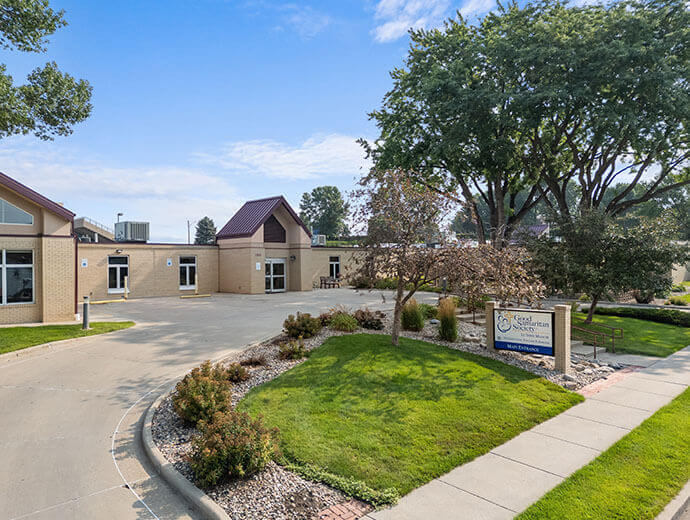
How is Good Samaritan Society Luther Manor Staffed?

CMS rates GOOD SAMARITAN SOCIETY LUTHER MANOR's staffing level at 4 out of 5 stars, which is above average compared to other nursing homes. Staff turnover is 57%, which is 11 percentage points above the South Dakota average of 46%. High turnover can affect care consistency as new staff learn residents' individual needs. RN turnover specifically is 59%, which is notably high. RNs provide skilled clinical oversight, so turnover in this role can affect medical care quality.

What Have Inspectors Found at Good Samaritan Society Luther Manor?

State health inspectors documented 11 deficiencies at GOOD SAMARITAN SOCIETY LUTHER MANOR during 2022 to 2025. These included: 2 that caused actual resident harm and 9 with potential for harm. Deficiencies causing actual harm indicate documented cases where residents experienced negative health consequences.
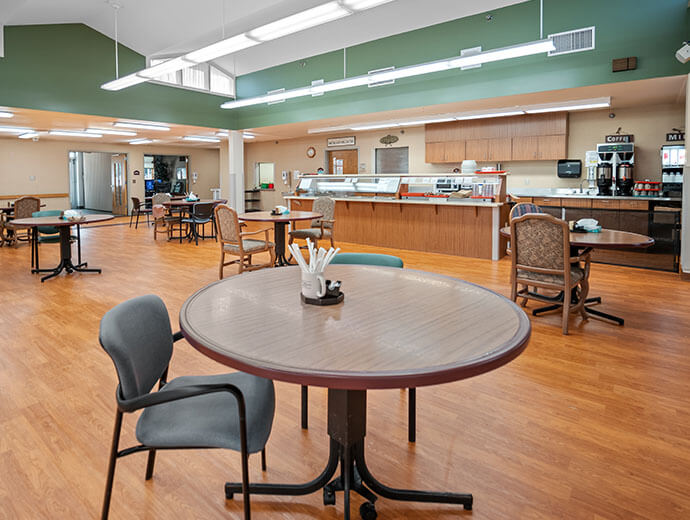
Who Owns and Operates Good Samaritan Society Luther Manor?

GOOD SAMARITAN SOCIETY LUTHER MANOR is owned by a non-profit organization. Non-profit facilities reinvest revenue into operations rather than distributing to shareholders. The facility is operated by GOOD SAMARITAN SOCIETY, a chain that manages multiple nursing homes. With 92 certified beds and approximately 83 residents (about 90% occupancy), it is a smaller facility located in SIOUX FALLS, South Dakota.
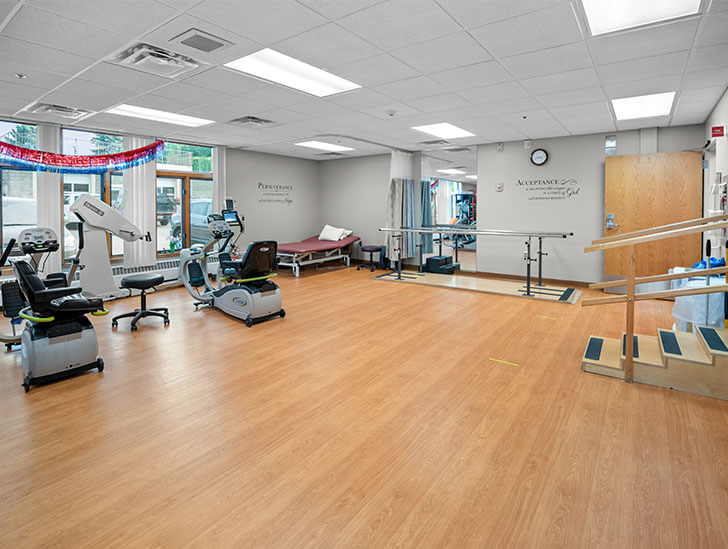
How Does Good Samaritan Society Luther Manor Compare to Other South Dakota Nursing Homes?

Compared to the 100 nursing homes in South Dakota, GOOD SAMARITAN SOCIETY LUTHER MANOR's overall rating (2 stars) is below the state average of 2.7, staff turnover (57%) is significantly higher than the state average of 46%, and health inspection rating (3 stars) is at the national benchmark.

What Should Families Ask When Visiting Good Samaritan Society Luther Manor?

Based on this facility's data, families visiting should ask: "How do you ensure continuity of care given staff turnover, and what is your staff retention strategy?" "Can I visit during a mealtime to observe dining assistance and food quality?" "How do you handle medical emergencies, and what is your hospital transfer rate?" "Can I speak with family members of current residents about their experience?" These questions are particularly relevant given the facility's high staff turnover rate.

Is Good Samaritan Society Luther Manor Safe?

Based on CMS inspection data, GOOD SAMARITAN SOCIETY LUTHER MANOR has a clean safety record: no substantiated abuse findings (meaning no confirmed cases of resident harm), no Immediate Jeopardy citations (the most serious violation level indicating risk of serious injury or death), and is not on the Special Focus Facility watch list (a federal program monitoring the lowest-performing 1% of nursing homes). The facility has a 2-star overall rating and ranks #100 of 100 nursing homes in South Dakota. While no facility is perfect, families should still ask about staff-to-resident ratios and recent inspection results during their visit.

Do Nurses at Good Samaritan Society Luther Manor Stick Around?

Staff turnover at GOOD SAMARITAN SOCIETY LUTHER MANOR is high. At 57%, the facility is 11 percentage points above the South Dakota average of 46%. Registered Nurse turnover is particularly concerning at 59%. RNs handle complex medical decisions and coordinate care — frequent RN changes can directly impact care quality. High turnover means new staff may not know residents' individual needs, medications, or preferences. It can also be disorienting for residents, especially those with dementia who rely on familiar faces. Families should ask: What is causing the turnover? What retention programs are in place? How do you ensure care continuity during staff transitions?

Was Good Samaritan Society Luther Manor Ever Fined?

GOOD SAMARITAN SOCIETY LUTHER MANOR has been fined $17,640 across 1 penalty action. This is below the South Dakota average of $33,255. While any fine indicates a compliance issue, fines under $50,000 are relatively common and typically reflect isolated problems that were subsequently corrected. Families should ask what specific issues led to these fines and confirm they've been resolved.

Is Good Samaritan Society Luther Manor on Any Federal Watch List?

GOOD SAMARITAN SOCIETY LUTHER MANOR is not on any federal watch list. The most significant is the Special Focus Facility (SFF) program, which identifies the bottom 1% of nursing homes nationally based on persistent, serious quality problems. Not being on this list means the facility has avoided the pattern of deficiencies that triggers enhanced federal oversight. This is a positive indicator, though families should still review the facility's inspection history directly.