HILLCREST HEALTHCARE CENTER
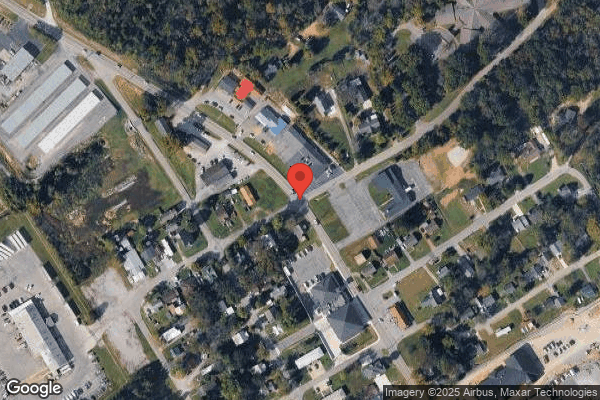
111 E PEMBERTON STREET, ASHLAND CITY, TN 37015 (615) 792-9154
For profit - Limited Liability company 95 Beds Independent Data: November 2025
Trust Grade
70/100
#125 of 298 in TN
Last Inspection: June 2021

Over 2 years since last inspection. Current conditions may differ from available data.

Overview

Hillcrest Healthcare Center in Ashland City, Tennessee, has received a Trust Grade of B, indicating it is a good choice among nursing homes. With a state rank of #125 out of 298, they are in the top half of facilities in Tennessee, and they rank #1 out of 2 in Cheatham County, meaning there is only one other local option. The facility is improving, having reduced issues from 5 in 2019 to 4 in 2021, and they have no fines on record, which is a positive sign. However, staffing is a concern with a low rating of 1 out of 5 stars, despite a turnover rate of 31%, which is better than the state average. Some specific incidents included staff not performing hand hygiene while serving food, which can increase infection risk, and medications being left unsecured, posing safety risks to residents. Overall, while there are strengths in the facility's cleanliness and no fines, there are notable weaknesses in staffing practices and resident dignity during meal assistance.

Trust Score
B
70/100
In Tennessee
#125/298
Top 41%
Safety Record
Low Risk
No red flags
Inspections
Getting Better
5 → 4 violations
Staff Stability
○ Average
31% turnover. Near Tennessee's 48% average. Typical for the industry.
Penalties
✓ Good
No fines on record. Clean compliance history, better than most Tennessee facilities.
Skilled Nurses
○ Average
RN staffing data not reported for this facility.
Violations
○ Average
9 deficiencies on record. Average for a facility this size. Mostly minor or procedural issues.
★★★☆☆
3.0
Overall Rating
★☆☆☆☆
1.0
Staff Levels
★★★☆☆
3.0
Care Quality
★★★★☆
4.0
Inspection Score
Stable
2019: 5 issues
2021: 4 issues

The Good

  • Full Sprinkler Coverage · Fire safety systems throughout facility
  • No fines on record
  • Staff turnover below average (31%)

    17 points below Tennessee average of 48%

Facility shows strength in fire safety.

The Bad

3-Star Overall Rating

Near Tennessee average (2.8)

Meets federal standards, typical of most facilities

Staff Turnover: 31%

15pts below Tennessee avg (46%)

Typical for the industry

The Ugly 9 deficiencies on record

Jun 2021 4 deficiencies
CONCERN (D)

Potential for Harm - no one hurt, but risky conditions existed

Resident Rights (Tag F0550)

Could have caused harm · This affected 1 resident

Based on policy review, observation and interview, the facility failed to maintain or enhance resident dignity and respect when 1 of 7 staff members (Certified Nurse Assistant (CNA) #3) was standing o...

Read full inspector narrative →
Based on policy review, observation and interview, the facility failed to maintain or enhance resident dignity and respect when 1 of 7 staff members (Certified Nurse Assistant (CNA) #3) was standing over a resident (Resident #14) to assist with their meal. The findings include: Review of the facility's policy titled, Promoting/Maintaining Resident Dignity During Mealtimes, with an effective date of 6/16/2021, revealed that staff will be seated to assist with meals. Observation in the resident's room on 6/15/2021 at 8:12 AM, revealed CNA #3 was standing to assist Resident #14 with their meal. During an interview on 6/16/2021 at 5:48 PM, the Director of Nursing (DON) confirmed staff should be seated to assist residents with their meals.
CONCERN (D)

Potential for Harm - no one hurt, but risky conditions existed

Deficiency F0761 (Tag F0761)

Could have caused harm · This affected 1 resident

**NOTE- TERMS IN BRACKETS HAVE BEEN EDITED TO PROTECT CONFIDENTIALITY** Based on policy review, observation, and interview, the facility failed to ensure medications were properly stored and secured i...

Read full inspector narrative →
**NOTE- TERMS IN BRACKETS HAVE BEEN EDITED TO PROTECT CONFIDENTIALITY** Based on policy review, observation, and interview, the facility failed to ensure medications were properly stored and secured in 1 of 6 medication storage areas (A Hall Medication Cart) when a medication cart was unlocked and unattended and unattended medications were on top of the cart. The finding's include: Review of the facility's policy titled, Medication Storage, updated 6/2012, revealed .It is the responsibility of the facility to keep the medication cart locked and secure at all times when not in use .Medications .CANNOT be stored on top of the medication cart. All safety measures must be taken to protect the residents from accessing medications and other objects that could potentially harm the resident or others . Observation of the A Hall Medication Cart outside of room [ROOM NUMBER] on 6/15/2021 at 8:55 AM, revealed an unlocked and unattended medication cart. Observation of the A Hall Medication Cart outside of room [ROOM NUMBER] on 6/15/2021 at 9:03 AM, revealed umeclidinium-vilanterol aerosol inhaler (a medicated respiratory inhaler) and Flonase Sensimist nasal spray (a medicated nasal spray) were opened, unattended, and on top of the cart. During an interview on 6/16/2021 at 6:15 PM, the Director of Nursing (DON) confirmed that the medication cart should not be left unlocked and unattended. The DON also confirmed that medications should not be left opened and unattended on top of the medication cart.
CONCERN (D)

Potential for Harm - no one hurt, but risky conditions existed

Infection Control (Tag F0880)

Could have caused harm · This affected 1 resident

**NOTE- TERMS IN BRACKETS HAVE BEEN EDITED TO PROTECT CONFIDENTIALITY** Based on policy review, medical record review, observation, and interview, the facility failed to ensure practices to prevent th...

Read full inspector narrative →
**NOTE- TERMS IN BRACKETS HAVE BEEN EDITED TO PROTECT CONFIDENTIALITY** Based on policy review, medical record review, observation, and interview, the facility failed to ensure practices to prevent the potential spread of infection were maintained when staff failed to ensure 1 of 1 newly admitted residents (Resident #202) was placed in isolation on admission, when 1 of 8 staff members (Certified Nursing Assistant #1) failed to properly dispose of disposable Personal Protective Equipment, and when 2 of 2 isolation rooms (Isolation room [ROOM NUMBER] and Isolation room [ROOM NUMBER]) had trash overflowing and was spilling onto the floor. The findings include: Review of the facility's undated policy titled, New Admissions/LOA [Leave of Absence] Instructions, revealed .New admissions .will be placed in yellow zone [isolation] for at least 14 days to continue to monitor for s/s [signs and symptoms] of COVID-19. However if a resident has been fully vaccinated for COVID-19 .they do not have to be placed in isolation on the yellow zone . Review of the medical record, revealed Resident #202 was admitted to the facility on [DATE] with diagnoses of Pneumonia, Acute Kidney Failure, Type 2 Diabetes Mellitus, and Chronic Obstructive Pulmonary Disease. Review of a Physician's Order dated 6/11/2021, revealed an order for Contact and Droplet Isolation Precautions for Resident #202. Review of an Immediate 48 hour Care Plan dated 6/11/2021, revealed Contact/Droplet isolation precautions for Resident #202 . Observation of Resident #202's room on 6/14/2021 at 5:40 AM, 7:30 AM, and 12:30 PM showed no contact/droplet isolation sign on the door, no isolation cart outside of the room, and no red isolation trash containers inside the room. During an interview on 6/14/2021 at 3:30 PM, Licensed Practical Nurse (LPN) #1 confirmed Resident #202 was admitted [DATE], was a new admission, was not fully vaccinated, and should have been put in contact/droplet isolation when she was admitted . During an interview on 6/16/2021 at 5:25 PM, the Infection Control Preventionist (ICP) was asked if new admissions were placed in isolation. She stated, .Those with no vaccine get put in isolation . The ICP was asked if it was acceptable for a resident to be admitted to the facility on [DATE] and not be placed in isolation until 6/14/2021. The ICP stated, .I know who you are talking about .the Unit Manager discovered it on Monday afternoon [6/14/2021]. That's obviously not acceptable. She was not vaccinated . Review of the facility's policy titled, Infection Prevention and Control Program, revised 4/10/2021, revealed .All contaminated disposable items shall be discarded in a waste receptacle lined with a RED plastic bag .Hand Hygiene Protocol .All staff shall perform hand hygien [hygiene] when coming on duty, between resident contacts, after handling contaminated objects, after PPE [Personal Protective Equipment: isolation gowns, gloves, masks, shields] removal .Staff shall perform hand hygiene before and after performing resident care procedures . Observation outside of the resident's room on 6/14/2021 at 7:39 AM, revealed CNA #1 put on gloves, gown, and a face shield and entered Resident #200's room. CNA #1 removed the face shield, opened the drawer of the isolation cart outside of the room, and placed the used, disposable face shield in the top drawer on top of the clean surgical masks. During an interview on 6/16/2021 at 5:25 PM, the ICP was asked what staff should do with a used face shield when they are ready to leave a resident's isolation room. She stated, .Put them in the trash in the room, they are disposable. She confirmed they should not be put it back in the clean isolation cart. Observation in Resident #200's isolation room on 6/14/2021 at 10:30 AM, 1:25 PM, and 3:00 PM, and on 6/15/2021 at 9:10 AM, 12:55 PM, and 4:15 PM, revealed a red trash container full of dirty PPE gowns and gloves, overflowing and touching the floor, and not covered by the container lid. Observation in Resident 202's isolation room on 6/14/2021 at 10:33 AM, 1:30 PM, and 3:05 PM, and on 6/15/2021 at 9:15 AM, 12:59 PM, and 4:19 PM, revealed a red trash container full of dirty PPE gowns and gloves, overflowing and touching the floor, and not covered by the container lid. During an interview on 6/16/2021 at 5:30 PM, the ICP was asked if it was acceptable for the trash in the isolation rooms to be overflowing onto the floor. She confirmed the lid should be shut and stated that housekeeping and the CNAs should be making sure the trash is taken out.
CONCERN (E)

Potential for Harm - no one hurt, but risky conditions existed

Food Safety (Tag F0812)

Could have caused harm · This affected multiple residents

Based on policy review, observation and interview, 2 of 8 staff members (Certified Nursing Assistant (CNA) #1 and #2) failed to distribute and serve food in a sanitary manner during dining when they d...

Read full inspector narrative →
Based on policy review, observation and interview, 2 of 8 staff members (Certified Nursing Assistant (CNA) #1 and #2) failed to distribute and serve food in a sanitary manner during dining when they did not perform hand hygiene between serving residents and after touching contaminated surfaces. The findings include: Review of the facility's policy titled, Hand Hygiene Policy, revised 4/14/2020, revealed .Hand washing/hand hygiene is generally considered the most important single procedure for preventing healthcare-associated infections .If hands are not visibly soiled, use an alcohol-based hand rub . Review of the facility's policy titled, Infection Prevention and Control Program, revised 4/10/2021, revealed .Hand Hygiene Protocol .All staff shall perform hand hygien [hygiene] when coming on duty, between resident contacts, after handling contaminated objects, after PPE [Personal Protective Equipment: isolation gowns, gloves, masks, shields] removal .Staff shall perform hand hygiene before and after performing resident care procedures . Observation outside of the resident's isolation room on 6/14/2021 at 7:39 AM, revealed CNA #1 donned gloves, gown, and a face shield and entered Resident #200's isolation room. CNA #1 delivered a breakfast tray, and removed the PPE in the room. CNA #1 did not perform hand hygiene after removing the PPE. Observation in the resident's room on 6/14/2021 at 8:00 AM, revealed CNA #1 placed a breakfast meal tray on the overbed table, removed the lid from the plate, touched the curtain to move it, raised the head of the bed, moved the overbed table, turned on the light, and touched Resident #11's pillow. CNA #1 proceeded to open the milk, touch the straw, opened the sugar packet and poured it in the oatmeal, opened the jelly, stirred the oatmeal and handed the fork and spoon to Resident #11. CNA #1 did not perform hand hygiene between touching contaminated objects in the room and assisting Resident #11 with her breakfast. Observation in the resident's room on 6/14/2021 at 8:05 AM, revealed CNA #2 entered Resident #32's room with a breakfast tray and placed it on the overbed table. CNA #2 touched the bed, the bed linens, and used the bed control to adjust the head of the bed. CNA #2 then proceeded to set up the breakfast tray for Resident #32, opening cartons and handling the silverware and other items on the tray. CNA #2 failed to perform hand hygiene between touching the contaminated surfaces in the room and setting up the breakfast tray. CNA #2 left Resident #32's room, did not perform hand hygiene, obtained another tray, entered Resident #13's room and set up the breakfast tray, opening cartons and handling the silverware and other items on the tray. CNA #2 did not perform hand hygiene between serving Resident #32 and Resident #13. Observation in the resident's room on 6/15/2021 at 12:25 PM, revealed CNA #2 set up a lunch tray for Resident #8. CNA #2 left the room, passed 2 wall mounted alcohol based hand rub dispensers and did not perform hand hygiene. CNA #2 walked to the kitchen, stood inside an alcove outside the kitchen door, handled her personal phone and touched the screen, went into the kitchen and came out with a lunch tray. She carried the tray to Resident #22's room and placed it on the overbed table. CNA #2 touched the foot of the bed, raised the head of the bed with the controller, placed a towel on Resident #22, walked out of the room, passed 2 alcohol based hand rub dispensers, obtained a cup from a medication cart, walked back to the room passing 2 alcohol based hand rub dispensers, without performing hand hygiene at any time. CNA #2 went back into Resident #22's room, touched a chair and positioned it beside Resident #22, pulled up the overbed table and began to touch all the items on the lunch tray as she assisted Resident #22 to eat lunch. CNA #2 failed to perform hand hygiene between Resident #8 and Resident #22, and failed to perform hand hygiene between touching contaminated objects and assisting Resident #22 to eat lunch. During an interview on 6/16/2021 at 5:17 PM, the Infection Control Preventionist (ICP) was asked about the process for delivering a meal tray to an isolation room. She stated staff should put on the PPE outside the room, take the tray in the room, remove the PPE and discard in the trash in the room, and then perform hand hygiene. She confirmed that staff should perform hand hygiene between every resident encounter, after they have touched contaminated objects, and before they assist a resident with a meal or set up a meal.
May 2019 5 deficiencies
CONCERN (D)

Potential for Harm - no one hurt, but risky conditions existed

Notification of Changes (Tag F0580)

Could have caused harm · This affected 1 resident

**NOTE- TERMS IN BRACKETS HAVE BEEN EDITED TO PROTECT CONFIDENTIALITY** Based on policy review, medical record review, observation, and interview, the facility failed to notify the physician for 2 of ...

Read full inspector narrative →
**NOTE- TERMS IN BRACKETS HAVE BEEN EDITED TO PROTECT CONFIDENTIALITY** Based on policy review, medical record review, observation, and interview, the facility failed to notify the physician for 2 of 2 (Resident #22 and #53) sampled residents reviewed for pressure ulcers and bowel function. The findings include: 1. Medical record review revealed Resident #22 was admitted to the facility on [DATE] with diagnoses of Demyelinating Disease, Heart Failure, Chronic Obstructive Pulmonary Disease, Pressure Ulcer Left Buttock, and Retention of Urine. The Admit/Readmit Screener dated 4/30/19 documented, .Right buttock .Pressure .Left buttock .Pressure . The physician's orders dated 5/8/19 documented, .Barrier cream to BIL [bilateral] buttocks r/t [related to] pressure injury every shift for pressure injury .Order Date .4/30/2019 . Observations in Resident #22's room on 5/19/19 at 10:39 AM, revealed a half dollar size open area to her right buttock. Thyere was no documentation in the medical record th physician had been notified of this wound. Telephone interview with the Wound Care Doctor on 5/21/19 at 3:28 PM, the Wound Care Doctor was asked if he expected the nursing staff to contact him about any identified pressure ulcers. The Wound Care Doctor stated, Absolutely. The Wound Care Doctor was asked if he had seen Resident #22's buttock wound. The Wound Care Doctor stated, .I did not know about it . 2. The facility's Bowel Policy . dated 12/30/11 documented, .if there is not a bowel movement past completion of bowel protocol, notify the physician . Medical record review revealed Resident #53 was admitted to the facility on [DATE] with diagnoses of Heart Failure, Neuromuscular Dysfunction, Diabetic Mellitus, Venous Insufficiency, Chronic Pain, and Constipation. The Care Plan dated 1/29/19 documented, .Problem .I have the potential for constipation r/t [related to] Decreased mobility, Pain med [medication] use .Interventions .will receive laxatives and stool softeners as needed/ordered .alert MD [Medical Doctor] if not effective . Review of the February 2019 Treatment Administration Record revealed Resident #53 had not had a bowel movement from 2/13/19 through 2/22/19. Interview with the Nurse Practitioner (NP) on 5/21/19 at 12:30 PM, in the Staff Development Room, the NP was asked if she had been notified that Resident #53 did not have a bowel movement in 10 days. The NP stated, .not that I can recall . The NP was asked if she should have been notified. The NP stated, .would have liked to have been notified if no bowel movement in 3 days . Interview with the Director of Nursing (DON) on 5/21/19 at 3:15 PM, in the Staff Development Room, the DON was asked if the NP or physician should have been notified per the facility's policy when a resident did not have a bowel movement after the completion of the bowel protocol. The DON stated, .yes .
CONCERN (D)

Potential for Harm - no one hurt, but risky conditions existed

Quality of Care (Tag F0684)

Could have caused harm · This affected 1 resident

**NOTE- TERMS IN BRACKETS HAVE BEEN EDITED TO PROTECT CONFIDENTIALITY** Based on policy review, medical record review, and interview the facility failed to administer treatment to restore normal bowel...

Read full inspector narrative →
**NOTE- TERMS IN BRACKETS HAVE BEEN EDITED TO PROTECT CONFIDENTIALITY** Based on policy review, medical record review, and interview the facility failed to administer treatment to restore normal bowel function for 1 of 1 (Resident #53) sampled residents reviewed for bowel function. The findings include: The facility's Bowel Policy . dated 12/30/11 documented, .beginning of the 3rd day of no B.M [bowel movement] Administer miralax 17 gram, mix with prune juice or beverage of choice, wait 4 hours, if no bowel movement repeat one time, wait 2 hours. Apply one ducalox [Dulcolax] sup [suppository] rectally, wait 2 hours. Administer fleets enema one rectally, wait 2 hours . Medical record review revealed Resident #53 was admitted to the facility on [DATE] with diagnoses of Heart Failure, Neuromuscular Dysfunction, Diabetic Mellitus, Venous Insufficiency, Chronic Pain, and Constipation. The Care Plan dated 1/29/19 documented, .Problem .I have the potential for constipation r/t [related to] Decreased mobility, Pain med [medication] use .Interventions .receive laxatives and stool softeners as needed/ordered nurse will monitor the effectiveness of laxatives that I receive .staff will monitor my BM record daily, report to charge nurse and if no BM >[greater than] 3 days initiate BM protocol . The progress note dated 2/22/19 documented, .Resident has not had a bowel movement in 10 days . Review of the February 2019 Treatment Administration Record revealed there was no documentation that the Bisacodyl or Fleets Enema had been given per the bowel protocol. Interview with the Director of Nursing (DON) on 5/21/19 at 12:21 PM, in the Staff Development Room, the DON confirmed there was no documentation that Bisacodyl and Fleets Enema had been given per the bowel movement protocol.
CONCERN (D)

Potential for Harm - no one hurt, but risky conditions existed

Pressure Ulcer Prevention (Tag F0686)

Could have caused harm · This affected 1 resident

**NOTE- TERMS IN BRACKETS HAVE BEEN EDITED TO PROTECT CONFIDENTIALITY** Based on policy review, medical record review, observation, and interview, the facility failed to identify and assess 1 of 3 (Re...

Read full inspector narrative →
**NOTE- TERMS IN BRACKETS HAVE BEEN EDITED TO PROTECT CONFIDENTIALITY** Based on policy review, medical record review, observation, and interview, the facility failed to identify and assess 1 of 3 (Resident #22) sampled residents reviewed for pressure ulcers. The findings include: The facility's Wound Care policy dated 12/1/05 documented, .Document site, size, description of site, condition of skin around site, treatment started and who the pressure ulcer was reported to . The Facility's Standing Orders policy dated 5/30/18 documented, .Barrier Cream or Calmoseptine for reddened or excoriated skin .follow skin protocol for stg [stage] 1-4 pressure ulcers . Medical record review revealed Resident #22 was admitted to the facility on [DATE] with diagnoses of Demyelinating Disease, Heart Failure, Chronic Obstructive Pulmonary Disease, Pressure Ulcer Left Buttock and Retention of Urine. The Admit/Readmit Screener dated 4/30/19 documented, .Right buttock .Pressure .Left buttock .Pressure . The physician's orders dated 5/8/19 documented, .Barrier cream to BIL [bilateral] buttocks r/t [related to] pressure injury every shift for pressure injury .Order Date .4/30/2019 . There was no documentation for wound description, wound measurements, or wound staging. Observations in Resident #22's room on 5/19/19 at 10:39 AM, revealed a half dollar size open area to Resident #22's right buttock. The facility was unable to provide documentation that weekly assessments or measurements of Resident #22's wound had been done. Interview with the Unit Manager on 5/21/19 at 9:29 AM, in the in Staff Development Room, the Unit Manager was asked if the nursing staff should complete an assessment and measurement on wounds when they are identified. The Unit Manager stated, Yes. Interview with the Director of Nursing (DON) on 5/21/19 at 11:51 AM, at the Nurses' Station, the DON was asked what the nursing staff should do when they identified a wound. The DON stated, They should notify the Unit Manager .complete the assessment with the description .what they found .follow-up with the protocol .call the Nurse Practitioner or Wound Care Doctor .start an order .then make sure the Wound Care Doctor follows up on his next visit to make sure appropriate treatment is in place . Telephone interview with the Wound Care Physician on 5/21/19 at 3:28 PM, the Wound Care Physician was asked if the staff should complete measurements and staging of an identified pressure ulcer. The Wound Care Doctor stated, Absolutely. The Wound Care Physician was asked if he expected the nursing staff to contact him about any identified pressure ulcers. The Wound Care Physician stated, Absolutely. The Wound Care Physician was asked if he had seen Resident #22's wound on her buttock. The Wound Care Physician stated, .I have not seen the pressure ulcer on her buttock .I did not know about it .
CONCERN (D)

Potential for Harm - no one hurt, but risky conditions existed

Accident Prevention (Tag F0689)

Could have caused harm · This affected 1 resident

**NOTE- TERMS IN BRACKETS HAVE BEEN EDITED TO PROTECT CONFIDENTIALITY** Based on medical record review, observation, and interview, the facility failed to follow interventions for the prevention of ac...

Read full inspector narrative →
**NOTE- TERMS IN BRACKETS HAVE BEEN EDITED TO PROTECT CONFIDENTIALITY** Based on medical record review, observation, and interview, the facility failed to follow interventions for the prevention of accidents for 1 of 2 (Resident #7) sampled residents reviewed for accidents. The findings include: Medical record review revealed Resident #7 was admitted to the facility on [DATE] with diagnoses of Immune Thrombocytopenic Purpura, Visual Loss Both Eyes, Macular Degeneration, Hearing Loss, Dementia, Hypertension, Diabetes, Depression, Anxiety, Anemia, Acquired Absence of Right Leg Above Knee, and Osteoporosis. Review of the quarterly Minimum Data Set, dated [DATE] revealed a Brief Interview for Mental Status score of 13, which indicated no cognitive impairment, no behaviors, and was totally dependent on staff for transfers. The Care Plan dated 11/13/17, and last reviewed 4/28/19, documented, .risk for weakness, fatigue, malaise, lethargy r/t [related to] Anemia .Interventions .If I experience any .bruising, or excessive bleeding alert my CN [Charge Nurse]/MD [Medical Doctor] .have impaired visual function .severely limited acuity .ADL [Activities of Daily Living] Self Care Performance Deficit r/t Debility, Stroke, Hemiplegia .have a right above the knee amputation .Transfers: 2 [staff] with hoyer . The incident report dated 5/8/19 and revised 5/10/19 documented, .CNA [Certified Nursing Assistant] approached this nurse and said that when they got [Resident #7] in lift, res [resident] bent forward and hit head on lift. After looking at res head, this nurse noted a half dime sized bruise on (L) [left] side of forehead .Immediate Action Taken .Have therapy review transfer practice . Observations in Resident #7's room on 5/19/19 at 12:12 PM, 5/20/19 at 9:11 AM, and 5/21/19 at 11:57 AM, revealed Resident #7 seated in her wheelchair with a lift pad underneath her, right leg amputation above the knee, and a large purplish bruise to the left side of her forehead that was approximately 3 centimeters in diameter. Interview with Occupational Therapist (OT) #1 on 5/20/19 at 4:04 PM, in the Staff Development Room, OT #1 was asked if she had reviewed the transfer practice for Resident #7. OT #1 stated, They had mentioned it to me .I haven't received a formal request for an eval [evaluation] or anything .I haven't seen staff do the transfer with her . OT #1 was asked in what timeframe the evaluation should have been completed. OT #1 stated, Ideally within a few days . Interview with the Director of Nursing (DON) on 5/21/19 at 12:20 PM, in the Staff Development Room, the DON was asked if the therapy referral should have been done after the accident. The DON stated, Yes . The facility was unable to provide documentation that the intervention for therapy to review the transfer practice for Resident #7 had been implemented.
CONCERN (D)

Potential for Harm - no one hurt, but risky conditions existed

Infection Control (Tag F0880)

Could have caused harm · This affected 1 resident

**NOTE- TERMS IN BRACKETS HAVE BEEN EDITED TO PROTECT CONFIDENTIALITY** Based on policy review, medical record review, observation, and interview, the facility failed to ensure practices to prevent th...

Read full inspector narrative →
**NOTE- TERMS IN BRACKETS HAVE BEEN EDITED TO PROTECT CONFIDENTIALITY** Based on policy review, medical record review, observation, and interview, the facility failed to ensure practices to prevent the potential spread of infection were maintained when 1 of 1 (Certified Nursing Assistant (CNA) #1) staff member failed to perform hand hygiene during indwelling catheter care. The findings include: The facility's undated Standard and Precaution Policy documented, .Hand Hygiene .before applying and after removing personal protective equipment, including gloves .before and after handling clean or soiled .linens . Medical record review revealed Resident #22 was admitted to the facility on [DATE] with diagnoses of Demyelinating Disease, Heart Failure, Chronic Obstructive Pulmonary Disease, Pressure Ulcer Left Buttock and Retention of Urine. The Physician's Orders dated 4/30/19 documented, .Foley cath [catheter] care q [every] shift .as needed . Observations in Resident #22's room on 5/21/19 at 9:01 AM, revealed CNA #1 gathered supplies, donned gloves, and completed indwelling catheter care. CNA #1 did not remove her gloves or wash her hands. CNA #1 completed incontinence care, and the wash cloth was noted with a moderate amount of dark brown substance. CNA #1 did not remove her gloves or wash her hands. CNA #1 applied barrier cream to Resident #22's buttock and assisted Resident #22 back to her wheelchair using the same gloved hands. CNA #1 then removed her gloves. Interview with CNA #1 on 5/21/19 at 9:20 AM, at the Nurses' Station, CNA #1 was asked if she should have removed her gloves and washed her hands between indwelling catheter care and incontinence care. CNA #1 stated, Yes. CNA #1 was asked if she should have removed her gloves and washed her hands between incontinence care and before applying barrier cream. CNA #1 stated, Yes, I should have put on new gloves. CNA #1 was asked if she should have removed gloves and washed her hands before assisting the resident back to her wheelchair. CNA #1 stated, Yes, I should .it's contamination. Interview with the Director of Nursing (DON) on 5/21/19 at 11:42 AM, at the Nurses' Station, the DON was asked when should staff wash their hands during indwelling catheter care and incontinence care. The DON stated, Before and after catheter care and incontinence care. The DON was asked if the staff should remove gloves and wash hands before applying barrier cream and performing incontinence care. The DON stated, Yes. The DON was asked if the staff should remove gloves and wash hands before assisting the resident back to a wheelchair. The DON stated, Yes.
Understanding Severity Codes (click to expand)
Life-Threatening (Immediate Jeopardy)
J - Isolated K - Pattern L - Widespread
Actual Harm
G - Isolated H - Pattern I - Widespread
Potential for Harm
D - Isolated E - Pattern F - Widespread
No Harm (Minor)
A - Isolated B - Pattern C - Widespread

Questions to Ask on Your Visit

  • "Can I speak with families of current residents?"
  • "What's your RN coverage like on weekends and overnight?"

Our Honest Assessment

Strengths
  • • No major safety red flags. No abuse findings, life-threatening violations, or SFF status.
  • • No fines on record. Clean compliance history, better than most Tennessee facilities.
  • • 31% turnover. Below Tennessee's 48% average. Good staff retention means consistent care.
Concerns
  • • No major red flags. Standard due diligence and a personal visit recommended.
Bottom line: Mixed indicators with Trust Score of 70/100. Visit in person and ask pointed questions.

About This Facility

What is Hillcrest Healthcare Center's CMS Rating?

CMS assigns HILLCREST HEALTHCARE CENTER an overall rating of 3 out of 5 stars, which is considered average nationally. Within Tennessee, this rating places the facility higher than 99% of the state's 100 nursing homes. This mid-range rating indicates the facility meets federal standards but may have areas for improvement.

How is Hillcrest Healthcare Center Staffed?

CMS rates HILLCREST HEALTHCARE CENTER's staffing level at 1 out of 5 stars, which is much below average compared to other nursing homes. Staff turnover is 31%, compared to the Tennessee average of 46%. This relatively stable workforce can support continuity of care.

What Have Inspectors Found at Hillcrest Healthcare Center?

State health inspectors documented 9 deficiencies at HILLCREST HEALTHCARE CENTER during 2019 to 2021. These included: 9 with potential for harm.

Who Owns and Operates Hillcrest Healthcare Center?

HILLCREST HEALTHCARE CENTER is owned by a for-profit company. For-profit facilities operate as businesses with obligations to shareholders or private owners. The facility operates independently rather than as part of a larger chain. With 95 certified beds and approximately 70 residents (about 74% occupancy), it is a smaller facility located in ASHLAND CITY, Tennessee.

How Does Hillcrest Healthcare Center Compare to Other Tennessee Nursing Homes?

Compared to the 100 nursing homes in Tennessee, HILLCREST HEALTHCARE CENTER's overall rating (3 stars) is above the state average of 2.8, staff turnover (31%) is significantly lower than the state average of 46%, and health inspection rating (4 stars) is above the national benchmark.

What Should Families Ask When Visiting Hillcrest Healthcare Center?

Based on this facility's data, families visiting should ask: "Can you walk me through typical staffing levels on day, evening, and night shifts?" "Can I visit during a mealtime to observe dining assistance and food quality?" "How do you handle medical emergencies, and what is your hospital transfer rate?" "Can I speak with family members of current residents about their experience?" These questions are particularly relevant given the below-average staffing rating.

Is Hillcrest Healthcare Center Safe?

Based on CMS inspection data, HILLCREST HEALTHCARE CENTER has a clean safety record: no substantiated abuse findings (meaning no confirmed cases of resident harm), no Immediate Jeopardy citations (the most serious violation level indicating risk of serious injury or death), and is not on the Special Focus Facility watch list (a federal program monitoring the lowest-performing 1% of nursing homes). The facility has a 3-star overall rating and ranks #1 of 100 nursing homes in Tennessee. While no facility is perfect, families should still ask about staff-to-resident ratios and recent inspection results during their visit.

Do Nurses at Hillcrest Healthcare Center Stick Around?

HILLCREST HEALTHCARE CENTER has a staff turnover rate of 31%, which is about average for Tennessee nursing homes (state average: 46%). Moderate turnover is common in nursing homes, but families should still ask about staff tenure and how the facility maintains care continuity when employees leave.

Was Hillcrest Healthcare Center Ever Fined?

HILLCREST HEALTHCARE CENTER has no federal fines on record. CMS issues fines when nursing homes fail to meet care standards or don't correct problems found during inspections. The absence of fines suggests the facility has either maintained compliance or corrected any issues before penalties were assessed. This is a positive indicator, though families should still review recent inspection reports for the full picture.

Is Hillcrest Healthcare Center on Any Federal Watch List?

HILLCREST HEALTHCARE CENTER is not on any federal watch list. The most significant is the Special Focus Facility (SFF) program, which identifies the bottom 1% of nursing homes nationally based on persistent, serious quality problems. Not being on this list means the facility has avoided the pattern of deficiencies that triggers enhanced federal oversight. This is a positive indicator, though families should still review the facility's inspection history directly.