THE WATERS OF CHEATHAM, LLC
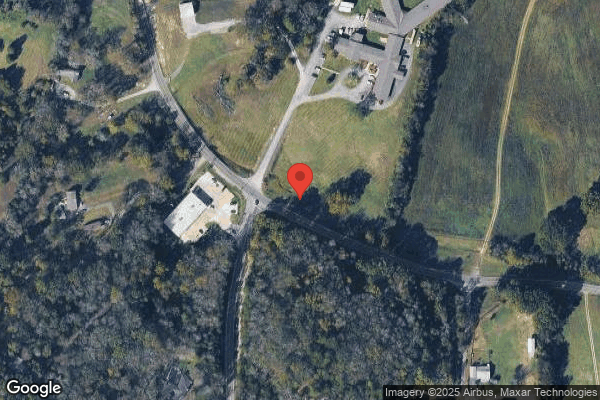

2501 RIVER ROAD, ASHLAND CITY, TN 37015 (615) 792-4948
For profit - Limited Liability company 80 Beds INFINITY HEALTHCARE CONSULTING Data: November 2025
Trust Grade
43/100
#217 of 298 in TN
Last Inspection: April 2022

Over 2 years since last inspection. Current conditions may differ from available data.

Overview

The Waters of Cheatham, LLC has received a Trust Grade of D, indicating below-average performance with some notable concerns. It ranks #217 out of 298 nursing homes in Tennessee, placing it in the bottom half of facilities in the state, and #2 out of 2 in Cheatham County, suggesting limited local options for better care. Although the trend shows improvement, with a decrease in issues from 9 in 2022 to just 1 in 2023, the staffing rating is particularly concerning at 1 out of 5 stars, with a high turnover rate of 59%, significantly above the state average. The facility has received fines totaling $6,350, which is average, but it also has a strong rating of 5 out of 5 stars in quality measures and offers more RN coverage than many other facilities. However, there have been specific incidents of concern, such as staff failing to maintain proper hygiene during meal service and not respecting residents' dignity by not using courteous titles or knocking before entering rooms. While there are strengths in quality measures and RN coverage, families should weigh these against the staffing issues and past deficiencies when considering this facility.

Trust Score
D
43/100
In Tennessee
#217/298
Bottom 28%
Safety Record
Low Risk
No red flags
Inspections
Getting Better
9 → 1 violations
Staff Stability
⚠ Watch
59% turnover. Above average. Higher turnover means staff may not know residents' routines.
Penalties
✓ Good
$6,350 in fines. Lower than most Tennessee facilities. Relatively clean record.
Skilled Nurses
○ Average
Each resident gets 30 minutes of Registered Nurse (RN) attention daily — about average for Tennessee. RNs are the most trained staff who monitor for health changes.
Violations
⚠ Watch
22 deficiencies on record. Higher than average. Multiple issues found across inspections.
★★☆☆☆
2.0
Overall Rating
★☆☆☆☆
1.0
Staff Levels
★★★★★
5.0
Care Quality
★★☆☆☆
2.0
Inspection Score
Stable
2022: 9 issues
2023: 1 issues

The Good

  • 5-Star Quality Measures · Strong clinical quality outcomes
  • Full Sprinkler Coverage · Fire safety systems throughout facility
  • No fines on record

Facility shows strength in quality measures, fire safety.

The Bad

2-Star Overall Rating

Below Tennessee average (2.8)

Below average - review inspection findings carefully

Staff Turnover: 59%

13pts above Tennessee avg (46%)

Frequent staff changes - ask about care continuity

Federal Fines: $6,350

Below median ($33,413)

Minor penalties assessed

Chain: INFINITY HEALTHCARE CONSULTING

Part of a multi-facility chain

Ask about local staffing decisions and management

Staff turnover is elevated (59%)

11 points above Tennessee average of 48%

The Ugly 22 deficiencies on record

May 2023 1 deficiency
CONCERN (D) 📢 Someone Reported This

A family member, employee, or ombudsman was alarmed enough to file a formal complaint

Potential for Harm - no one hurt, but risky conditions existed

Deficiency F0655 (Tag F0655)

Could have caused harm · This affected 1 resident

**NOTE- TERMS IN BRACKETS HAVE BEEN EDITED TO PROTECT CONFIDENTIALITY** Based on policy review, medical record review, and interview, the facility failed to have an accurate and updated Baseline Care ...

Read full inspector narrative →
**NOTE- TERMS IN BRACKETS HAVE BEEN EDITED TO PROTECT CONFIDENTIALITY** Based on policy review, medical record review, and interview, the facility failed to have an accurate and updated Baseline Care Plan for 4 of 5 sampled residents (Resident #2, #3, #4, and #5) reviewed for Baseline Care Plan. The findings include: 1. Review of the facility's policy titled Baseline Care Plan Assessment/Comprehensive Care Plans, revised 3/23/2021, revealed .It is the policy of the facility to ensure that every resident has a Baseline Care Plan completed and implemented within 48 hours of Admission. The Baseline Care Plan is intended to promote continuity of care and communication among nursing home staff, increase resident safety, and safeguard against adverse events that are most likely to occur right after admission .The Baseline Care Plan will continue to be updated with changes in risk factors, goals and interventions until the Comprehensive Care Plan is completed .Upon admission to the facility, the admitting nurse will initiate the Baseline Care Plan Assessment to establish an initial plan of care to identify potential problems and to initiate appropriate goals and interventions. The Baseline Care Plan Assessment will be completed within 48 hours of admission and will address areas of imminent concern .Observations, interview[s] with the resident and/or their representative, information obtained from the physician as well as review of the available medical records on admission will be reference points for development of the Baseline Care Plan Assessment .The Baseline Care Plan will continue to be revised until the final completion of the Comprehensive Care Plan . 2. Review of the medical record, revealed Resident #2 was admitted to the facility on [DATE] with diagnoses Anxiety, Stage 4 Metastatic Lung Cancer, Malignant Neoplasm Bone and Prostate, Severe Protein Calorie Malnutrition, Chronic Obstructive Pulmonary Disease, and Depression. Review of the Baseline Care Plan dated 3/22/2023 and signed by RN #1, revealed .Presence of pain yes . There was no documentation for interventions and include non-pharmaceutical interventions or goals for pain. Under the section titled Mental health needs, it was blank with no documentation. Review of Resident #2's Nurse's note dated 3/22/2023 at 10:23 PM, revealed .Communicates verbally all needs and concerns. Appears very depressed and anxious. PRN [as needed] anxiety medication given and ineffective. Resident unable to calm down even with the presence of wife/spouse at bedside. Resident was unable to sleep for more than 30-minute waking up to make sure spouse was still at beside . Review of Resident #2's Nurse's note dated 3/23/2023 at 5:50 AM, revealed .Appears very depressed and anxious. PRN anxiety medication given and ineffective. Resident unable to relax and had daughter calling the facility numerous times to check resident's O2 [oxygen] levels or check on patient because he kept calling her . Review of the physician's order dated 3/23/2023, revealed .Lorazepam 0.5 mg [milligrams] 1 by mouth every 6 hours as needed for anxiety/agitation . Review of the admission Minimum Data Set (MDS) assessment dated [DATE], revealed cognition was not assessed. Resident #2's activities of daily living (ADL) needs bed mobility and transfer between surfaces required extensive assistance and two-person physical assist, dressing extensive assistance one person physical assist. Review of Resident #2's [NAME] (communication from Baseline Care Plan to Certified Nursing Assistant's ADL tool) dated as of 5/17/2023, revealed no documentation of resident's pain or anxiety, goals, or interventions. During an interview on 5/16/2023 at 2:00 PM, Minimum Data Set (MDS) nurse stated, . My office was near his room. He [Resident #2] was very anxious. He would keep the pulse ox (device that measures oxygen saturation in the blood) on his finger and if it fell off or got lost in the covers of the bed, he would get so anxious .He required constant reassurance . During an interview on 5/16/2023 at 2:40 PM, Regional Nurse Consultant #1 confirmed the 3/22/2023 Baseline Care Plan had no documentation of anxiety or depression, goals, interventions, and no documentation of goals and interventions for pain. She stated, .I don't see anything .I will call our regional MDS . During an interview on 5/17/2023 at 8:00 AM, Regional Nurse Consultant #2 confirmed no documentation of goals and interventions for pain, and no documentation of anxiety or depression with goals and interventions. She stated, .You are right . During an interview on 5/17/2023 at 8:00 AM, when asked how the Baseline Care Plan information is communicated to the CNAs, the Regional Nurse Consultant #1 stated, .The Baseline Care Plan information populates to the CNA's [NAME] . When asked is there any documentation of communication to the CNA about Resident #2's anxiety and pain, the Regional Nurse Consultant #1 stated, .No . During an interview on 5/17/2023 at 8:55 AM, MDS Regional Consultant confirmed no documentation of anxiety on the Baseline Care Plan with goals and interventions pharmaceutical and non-pharmaceutical, and not updated from admission. She stated, .No, there was no documentation of anxiety, interventions and goals .No, the Baseline Care Plan was not updated to reflect anxiety . 3. Medical record revealed Resident #3 was admitted to the facility on [DATE] and readmitted on [DATE] with diagnoses Chronic Obstructive Pulmonary Disease, Hypertension, Diabetes Mellitus Type 2, Depression, Dementia, Chronic Pain, and Adult Failure to Thrive. Review of Resident #3's Baseline Care Plan with admission date 3/28/2023, revealed .Medications resident is taking . no check mark in the box labeled psychotropic medication. Review of the physician's order dated 3/28/2023, revealed .Paroxetine Hydrochloride 20 mg 1 tab by mouth one time a day r/t [related to] depression . Review of Resident #3 Baseline Care Plan revealed .admission 3/28/2023 .signed by [nurse's name] .signed date 1/5/2023 . During an interview on 5/17/2023 at 8:30 AM, Licensed Practical Nurse (LPN) #1 was asked if the document titled Baseline Care Plan with Resident #3's name, the facility name, Resident #3's room number and admission date of 3/28/2023 accurate, and LPN #1 stated .Yes . When asked to confirm at the bottom of the page was signed and dated as 1/5/2023, LPN #1 stated .Yes . When asked how the document can be an admission date of 3/28/2023 but signed on 1/5/2023, LPN #1 did not reply. 4. Medical record review revealed Resident #4 was admitted to the facility on [DATE], with diagnoses of Diabetes Mellitus Type 2, Cirrhosis Liver, Malignant Neoplasm Bronchus and Lung, Melanoma Skin, Hypertension, Anxiety and Chronic Pain. Review of the physician's order dated 2/25/2023, revealed .Oxycodone HCL [hydrochloride] 10-325 mg 1 by mouth every 4 hours prn pain .Oxycodone HCL 100 mg/ml give 0.25 ml every hour as needed for shortness of breath/pain . Review of Resident #4's Baseline Care Plan signed 2/25/2023, revealed Presence of Pain yes . There was no documentation of goals, interventions, and non-pharmaceutical interventions for pain. Review of Care Plan note dated 3/2/2023 at 6:52 PM, revealed .Family has concerns about his anxiety .Resident got emotional talking about how he is forgetful of things at times and that causes his anxiety . Review of the admission MDS dated [DATE], revealed Resident #4 scored a 13 on the BIMS which indicated cognitively intact for daily decision making. Review of the Baseline Care Plan, revealed the care plan was completed on 3/9/2023. There was no documentation of an update to reflect anxiety, goals, and interventions. 5. Medical record review revealed Resident #5 was admitted to the facility on [DATE] with diagnoses After Care Fracture Femur, Chronic Obstructive Pulmonary Disease, Depression, Diabetes Mellitus Type 2, Hypertension, Osteoporosis, Peripheral Vascular Disease, Infection Clostridium Difficle and Atrial Fibrillation. Review of the admission MDS dated [DATE], documented the resident scored a 15 on the BIMS which indicated cognitively intact for daily decision making. Review of the physician's order dated 4/25/2023, revealed .Escitalopram Oxalate 20 mg 1 by mouth daily for depression . Review of Resident #5's Baseline Care Plan dated 4/25/2023, revealed under the section titled Social Services-Mental health needs-Depression screening the area was blank with no documentation. Under the section titled, Safety risk, it was documented, .yes history of falls .yes fall in the last month prior to admission . Thee was no documentation of goals and interventions for falls. During an interview on 5/17/2023 at 8:00 AM, Regional Nurse Consultant #2 stated, .You are right the Baseline Care Plans are not patient specific and doesn't include patient specific goals and interventions . During an interview on 5/17/2023 at 8:55 PM, when asked are the Baseline Care Plans being updated or revised to reflect the needs or changes occurring prior to development of the comprehensive care plan, the MDS Regional consultant stated, .No they are not .they should be to reflect needs or changes occurring prior to development of the comprehensive care plan .but no .we will be doing more education .
Apr 2022 9 deficiencies
CONCERN (D)

Potential for Harm - no one hurt, but risky conditions existed

Abuse Prevention Policies (Tag F0607)

Could have caused harm · This affected 1 resident

Based on policy review, employee personnel file review, and interview, the facility failed to ensure employees were screened for a history of abuse, neglect, and exploitation of resident property prio...

Read full inspector narrative →
Based on policy review, employee personnel file review, and interview, the facility failed to ensure employees were screened for a history of abuse, neglect, and exploitation of resident property prior to being hired for 2 of 6 sampled employees (Director of Nursing (DON) and Dietary Aide #1) reviewed. The findings include: Review of the facility's policy titled, Abuse Prevention Program, dated 1/2017, revealed .It is the policy of this facility to prevent abuse, neglect, mistreatment and misappropriation of resident property .Before any person who will be providing direct patient care is hired .a background check using .the state abuse registry, and the state abuse registries for states in which the prospective employee has lived in the previous 7 years according to Public Chapter 1084 . Review of the DON's personnel file revealed there was no abuse registry check included in the file. The DON's hire date was 3/21/2022. Review of Dietary Aide #1's personnel file revealed there was no abuse registry check included in the file. Dietary Aide #1's hire date was 3/4/2022. During an interview on 4/27/2022 at 10:54 AM, the Human Resources/Assistant Business Office staff member confirmed the DON and Dietary Aide #1 did not have an abuse registry check in their files. During an interview on 4/27/2022 at 4:27 PM, the Administrator confirmed the abuse registry should be checked on every employee prior to hiring.
CONCERN (D)

Potential for Harm - no one hurt, but risky conditions existed

Safe Transfer (Tag F0626)

Could have caused harm · This affected 1 resident

**NOTE- TERMS IN BRACKETS HAVE BEEN EDITED TO PROTECT CONFIDENTIALITY** Based on policy review, medical record review, and interview, the facility failed to permit a resident to return to the facility...

Read full inspector narrative →
**NOTE- TERMS IN BRACKETS HAVE BEEN EDITED TO PROTECT CONFIDENTIALITY** Based on policy review, medical record review, and interview, the facility failed to permit a resident to return to the facility after a hospitalization for 1 of 2 residents (Resident #163) reviewed for hospitalization. The findings include: Review of the facility's undated policy titled, Transfer and Discharge Policy and Procedure, revealed, .The facility shall permit each resident to remain in the facility unless such transfer or discharge is made in recognition of the resident's rights to receive considerate and respectful care; to receive necessary care and services and to participate in the development of the Comprehensive Care Plan .Non-emergency transfers or discharges not within the same certified facility will receive notice 30 days before transfer or discharge. Notice will be given to the resident/responsible party .The written notice will include .A statement that the resident has the right to appeal the action to State Department of Health including a current phone number of the Department .The name, address and telephone number of the State Long Term Care Ombudsman . Review of the medical record, revealed Resident #163 was admitted to the facility on [DATE] with diagnoses of Cerebral Palsy, Chronic Obstructive Pulmonary Disease, Diabetes Mellitus, Anxiety, Depression, Hypertension, and Atrial Fibrillation. Review of the quarterly Minimum Data Set (MDS) assessment dated [DATE], revealed Resident #163 had moderately impaired cognition, had no behaviors, required extensive assistance for bed mobility, transferring, and toilet use, required limited assistance for walking in the corridor, dressing, and personal hygiene, was independent with eating, and was always continent of bladder and bowel. Review of the Progress Notes revealed that on 2/23/2022, Resident #163 hit another resident in the arm with a hanger. On 3/8/2022, Resident #163 walked into the Main Dining Room and began making faces and hand gestures at other residents, verbally told them to shut up, and threw a bag across the Dining Room floor in the direction of other residents. On 3/17/2022, Resident #163 became aggressive toward staff, threw trash and dirty briefs at staff, and was swinging at staff. Review of the Progress Notes revealed Resident #163 was sent to the emergency room on 3/17/2022 due to his aggressive behavior toward staff. Review of an undated Physician's statement, signed by the Physician, revealed, .On the morning of 03/17/22 at approximately 10AM [10:00 AM] resident became verbally and physically aggressive towards staff that was attempting to clean resident's room. Resident's behavior continued to escalate and was non redirectable. EMS [Emergency Medical Services] was notified and resident was sent out for Psych [Psychiatric] Evaluation .Resident is a harm to himself and others due to escalating physical and verbal threats towards staff and residents. Resident is not able to understand or has the ability to understand the effects of his behaviors and is in need of psych consultation. Resident is not [no] longer appropriate for this kind of facility setting at this time . Review of the TRANSFER/DISCHARGE REPORT dated 3/17/2022, revealed .physical aggression towards others . There was no documentation in the TRANSFER/DISCHARGE REPORT of the specific needs which could not be met at the facility, attempts made by the facility to meet those needs, or the services another facility could provide. Review of the Discharge MDS dated [DATE], revealed .Discharge - return anticipated . During an interview on 4/27/2022 at 5:10 PM, the Administrator was asked if the facility had notified the resident and the resident's representative, in writing, of the reason for the discharge to the hospital and had sent a copy of the notice to the Ombudsman. The Administrator stated, .not in writing . The Administrator was asked if the facility had provided a notice of discharge to the resident or his representative and had the facility sent a copy of the notice to the Office of the Long-Term Care Ombudsman. The Administrator stated, .I don't believe it was in writing . The Administrator was asked if Resident #163 was permitted to return to the facility. The Administrator stated, .No, he was not a good fit .because he was unsafe .the behaviors had escalated .
CONCERN (D)

Potential for Harm - no one hurt, but risky conditions existed

Deficiency F0655 (Tag F0655)

Could have caused harm · This affected 1 resident

**NOTE- TERMS IN BRACKETS HAVE BEEN EDITED TO PROTECT CONFIDENTIALITY** Based on policy review, medical record review, and interview, the facility failed to develop a Baseline Care Plan within 48 hour...

Read full inspector narrative →
**NOTE- TERMS IN BRACKETS HAVE BEEN EDITED TO PROTECT CONFIDENTIALITY** Based on policy review, medical record review, and interview, the facility failed to develop a Baseline Care Plan within 48 hours of admission that included the initial goals and needs for 2 of 5 sampled residents (Resident #29 and #213) reviewed. The findings include: Review of the facility's policy titled, Baseline Care Plan Assessment/Comprehensive Care Plans, updated 11/25/2017, revealed .Upon admission to the facility, the admitting nurse will initiate the Baseline Care Plan Assessment to establish an initial plan of care to identify potential problems and to initiate appropriate goals and interventions. The Baseline Care Plan Assessment will be completed within 48 hours of admission . Review of the medical record, revealed Resident #29 was admitted to the facility on [DATE] with diagnoses of Paraplegia, Diabetes, Colostomy, Depression, Anxiety, Hypertension, Bipolar Disorder, Cervical Spine Injury, and Osteoarthritis. Review of the medical record, revealed Resident #29 did not have a Baseline Care Plan developed within 48 hours of admission that addressed the initial goals and needs of the resident. The Baseline Care Plan was completed on 3/7/2022. During an interview on 4/27/2022 at 9:37 AM, the Director of Nursing (DON) confirmed the Baseline Care Plan was not completed within 48 hours. Review of the medical record, revealed Resident #213 was admitted to the facility on [DATE] with diagnoses of Congestive Heart Failure, Chronic Obstructive Pulmonary Disease, Pain, Sepsis, Diabetes, and Hypertension. Review of the medical record, revealed Resident #213 did not have a Baseline Care Plan developed within 48 hours of admission that addressed the initial goals and needs of the resident. The Baseline Care Plan was completed 4/26/2022. During an interview on 4/27/2022 at 9:35 AM, the DON confirmed the Baseline Care Plan should be completed with 48 hours of admission. She confirmed Resident #213's Baseline Care Plan was not completed in a timely manner.
CONCERN (D)

Potential for Harm - no one hurt, but risky conditions existed

Deficiency F0760 (Tag F0760)

Could have caused harm · This affected 1 resident

**NOTE- TERMS IN BRACKETS HAVE BEEN EDITED TO PROTECT CONFIDENTIALITY** Based on policy review, medical record review, observation, and interview, the facility failed to ensure residents were free fro...

Read full inspector narrative →
**NOTE- TERMS IN BRACKETS HAVE BEEN EDITED TO PROTECT CONFIDENTIALITY** Based on policy review, medical record review, observation, and interview, the facility failed to ensure residents were free from a significant medication error for 1 of 5 sampled residents (Resident #60) reviewed for medications. Resident #60 received her scheduled Insulin (a medication that lowers blood glucose levels) when her blood glucose was outside the ordered parameters. The findings include: Review of the facility's undated policy titled, Policy and Procedure-Pharmacy Recommendations, revealed .objective being to ensure that the residents are receiving medications that are effective and safe .Recommendations as a result of the reviews will be provided to the Director of Nursing upon exit interview by the Pharmacy Consultant .This process will begin within 72 hours of the receipt of the Pharmacist Consultant's report .a response as to the action to be taken regarding the Pharmacy Consultant's recommendation will be documented within 7 days of the receipt of the recommendation .potential to be of an emergent concern or has the potential for negative outcome for the resident will be addressed immediately . Review of the facility's undated policy titled, Policy and Procedure Insulin Administration, revealed .Review the resident's Medication Administration Record (MAR) .Read each order entirely .Remove the medication from the drawer and read the label carefully .When removing Insulin from the drawer .Before withdrawing Insulin or dialing Insulin dose on flex pen .Before administration of Insulin to the resident . Review of the medical record, revealed Resident #60 was admitted on [DATE] with diagnoses of Cerebral Infarction, Dysphagia, Diabetes, Depression, Hypothyroidism, Pressure Ulcer Right Heel Unstageable, Urinary Tract Infection, Dysuria, and Insomnia. Review of the Pharmacy Review for Resident #60 dated 2/2/2022, revealed .Insulin (70/30) was administered on 1/1/22 [2022] despite hold order for BG [Blood Glucose] < [less than]110. Please address with staff .(2/1/2022) Feb [February] 2022 .2/1-104 & [and] admin [administer] [Named Licensed Practical Nurse (LPN) #3] 2/2-108 & admin [Named LPN #3] 2/7-80 & admin [Named LPN #3] . Review of the Order Review Report revealed, .Insulin NPH Isophane & Regular Suspension (70-30) 100 UNIT/ML [Milliliter] Inject 10 unit subcutaneously three times a day for diabetes before meals Hold if BGL [blood glucose level] <110 . Review of the MAR dated 1/1/2022-1/31/2022, revealed .Insulin .(70-30) .three times a day .Hold if BGL <110 . Review of the 1/2022 MAR revealed the following: A. On 1/26/2022, Resident #60's blood glucose was 82, and the scheduled 10 units of 70-30 insulin were administered. B. On 1/31/2022, Resident #60's blood glucose was 107, and the scheduled 10 units of 70-30 Insulin were administered. Review of the MAR dated 2/1/2022-2/28/2022, revealed .Insulin .(70-30) .three times a day .Hold if BGL <110 . Review of the 2/2022 MAR revealed the following: A. On 2/1/2022, Resident #60's blood glucose was 104, and the scheduled 10 units of 70-30 Insulin were administered. B. On 2/2/2022, Resident #60's blood glucose was 108, and the scheduled 10 units of 70-30 Insulin were administered. C. On 2/7/2022, Resident #60's blood glucose was 80, and the scheduled 10 units of 70-30 Insulin were administered. D. On 2/14/2022, Resident #60's blood glucose was 90, and the scheduled 10 units of 70-30 Insulin were administered. Review of the MEDICATION ERROR REPORT dated 2/15/2022, revealed, .2/1/22 [2022] .Insulin 70/30 .10 units .Physician's Order Hold if under 110 .med was held, this nurse didn't chart held .[LPN #3's] signature .2/2 [2022] .70/30 Insulin .10 unit .Physician's Order Hold if under 110 .med was held, this nurse failed to chart held .[LPN #3's] signature .2/7 [2022] .Insulin 70/30 .10 unit .Physician's Order Hold if under 110 .med was held, this nurse failed to chart held .[LPN #3's] signature . Review of the MAR dated 3/1/2022-3/31/2022, revealed .Insulin .(70-30) .three times a day .Hold if BGL <110 . Review of the 3/2022 MAR revealed the following: A. On 3/8/2022, Resident #60's blood glucose was 107, and the scheduled 10 units of 70-30 Insulin were administered. B. On 3/10/2022, Resident #60's blood glucose was 86, and the scheduled 10 units of 70-30 Insulin were administered. C. On 3/13/2022, Resident #60's blood glucose was 107, and the scheduled 10 units of 70-30 Insulin were administered. Review of the MAR dated 4/1/2022-4/30/2022, revealed .Insulin .(70-30) .three times a day .Hold if BGL <110 . The April MAR revealed the following: A. On 4/2/2022, Resident #60's blood glucose was 97, and the scheduled 10 units of 70-30 Insulin were administered. B. On 4/5/2022, Resident #60's blood glucose was 93, and the scheduled 10 units of 70-30 Insulin were administered. C. On 4/8/2022, Resident #60's blood glucose was 76, and the scheduled 10 units of 70-30 Insulin were administered. D. On 4/22/2022, Resident #60's blood glucose was 86, and the scheduled 10 units of 70-30 Insulin were administered at 11:30 AM. E. On 4/22/2022, Resident #60's blood glucose was 76, and the scheduled 10 units of 70-30 Insulin were administered at 4:30 PM. During an interview on 4/27/2022 at 11:15 AM, LPN #3 was asked about the Insulin administration for Resident #60 and if it was administrated outside the ordered parameters. LPN #3 stated, .I didn't sign off that I held it due to low sugar, so I got written up for that. The former Director of Nursing (DON) talked with me .She [Resident #60] can tell you when it gets low. She never had to go out for low sugar . During an interview on 4/27/2022 at 11:55 AM, the Nurse Practitioner (NP) was asked about Resident #60's Insulin administration. The NP stated, I was not aware of the Insulin, what happened . The NP was asked if she expected nursing staff to follow parameters.Yes, I would think they would .
CONCERN (E)

Potential for Harm - no one hurt, but risky conditions existed

Resident Rights (Tag F0550)

Could have caused harm · This affected multiple residents

**NOTE- TERMS IN BRACKETS HAVE BEEN EDITED TO PROTECT CONFIDENTIALITY** Based on policy review, observation, and interview, the facility failed to maintain or enhance residents' dignity and respect wh...

Read full inspector narrative →
**NOTE- TERMS IN BRACKETS HAVE BEEN EDITED TO PROTECT CONFIDENTIALITY** Based on policy review, observation, and interview, the facility failed to maintain or enhance residents' dignity and respect when 4 of 7 staff members (Certified Nursing Assistant (CNA) #1, #2, and #4, and Licensed Practical Nurse (LPN) #3) failed to use courtesy titles, stood over a resident when assisting with a meal, and failed to knock when entering the residents' rooms for 14 of 64 residents (Resident #3, #7, #12, #17, #18, #20, #23, #29, #31, #33, #34, #40, #56, and #214) observed. The findings include: Review of the facility's undated policy titled, Dignity, revealed .Staff will be polite and respectful at all times .When addressing a resident, staff will refrain from calling the resident names like .Sweetie .Honey .as this can be interpreted as undignified . Dining observation outside the resident's room on 4/24/2022 at 1:00 PM, revealed CNA #1 failed to knock on the door or announce herself prior to entering Resident #40's room to serve a meal tray. Dining observation outside the resident's room on 4/24/2022 at 1:14 PM, revealed CNA #1 failed to knock on the door or announce herself prior to entering Resident #12's room to serve a meal tray. Dining observation on the 300 Hall on 4/25/2022 at 5:03 PM, revealed CNA #2 delivered Resident #214's meal tray. CNA #2 stated, I have your tray, honey .I think so, sweetie .You're welcome, honey . Dining observation on the 300 Hall on 4/25/2022 at 5:05 PM, revealed CNA #2 delivered a meal tray to Resident #33. Resident #33 stated, I am supposed to get a grilled cheese . CNA #2 stated, I don't know baby, let me go back to Kitchen .what you say, honey I can't hear you .let me deliver some more trays . CNA #2 delivered Resident #20's meal tray and stated, Hey sleeping beauty .hey baby I have your tray .I got your tray baby .it's your supper tray, [NAME] . and exited the room. CNA #2 sanitized her hands, removed a meal tray from the meal cart, walked down the hall to the Dining Room and delivered a meal tray to Resident #23. CNA #2 placed the meal tray on the table in front of the resident and stated, I got your tray sweetie . Dining observation outside of the resident's room on 4/25/2022 at 5:28 PM, revealed CNA #1 failed to knock on the door or announce herself prior to entering Resident #3's room to serve a meal tray. Dining observation outside of the resident's room on 4/25/2022 at 5:29 PM, revealed CNA #4 failed to knock on the door or announce herself prior to entering Resident #29's room to serve a meal tray. Dining observation outside of the resident's room on 4/25/2022 at 5:30 PM, revealed CNA #1 failed to knock on the door or announce herself prior to entering Resident #31's room. Dining observation in the resident's room on 4/25/2022 at 5:31 PM, CNA #1 delivered Resident #7's tray and stated, I think he's a feeder if I'm not mistaken . CNA #1 went to the linen cart, obtained a towel, and returned to the resident's room. CNA #1 failed to knock or announce herself, and assisted the resident with his meal, standing at his bedside. The bed was in the low position. Dining observation outside of the resident's room on 4/25/2022 at 5:32 PM, revealed CNA #4 failed to knock on the door or announce herself prior to entering Resident #18's room to serve a meal tray. Dining observation outside of the resident's room on 4/25/2022 at 5:34 PM, revealed CNA #1 failed to knock on the door prior to entering Resident #17's room to serve a meal tray. Dining observation in the resident's room on 4/25/2022 at 5:40 PM, revealed CNA #4 replaced CNA #1 during dining, and assisted Resident #7 with his meal, standing at his bedside. The bed was in the low position. Dining observation outside of the resident's room on 4/25/2022 at 5:41 PM, revealed CNA #1 failed to knock on the door prior to entering Resident #56's room to serve a meal tray. Observation at the 400 Hall Medication Cart on 4/26/2022 at 9:00 AM during medication administration, revealed LPN #3 stated to Resident #34, Hey, Honey. During an interview on 4/26/2022 at 5:19 PM, the Director of Nursing (DON) confirmed staff should knock prior to entering a resident's room, should not stand when assisting a resident with their meal, and should use courtesy titles when addressing a resident.
CONCERN (E)

Potential for Harm - no one hurt, but risky conditions existed

Deficiency F0553 (Tag F0553)

Could have caused harm · This affected multiple residents

**NOTE- TERMS IN BRACKETS HAVE BEEN EDITED TO PROTECT CONFIDENTIALITY** Based on policy review, medical record review, and interview the facility failed to ensure 5 of 16 sampled residents (Resident #...

Read full inspector narrative →
**NOTE- TERMS IN BRACKETS HAVE BEEN EDITED TO PROTECT CONFIDENTIALITY** Based on policy review, medical record review, and interview the facility failed to ensure 5 of 16 sampled residents (Resident #29, #49, #52, #56, and #60) or their families were invited to participate in planning their care. The findings include: Review of the facility's policy titled Baseline Care Plan Assessment/Comprehensive Care Plans, dated 11/25/2017, revealed .Social Service Director .will notify the resident's responsible party either by letter or phone call to inform them of the scheduled Care Plan Conference to include the date and time. This notification will continue for subsequent Care Plan Conferences. The notifications will be documented for reference .Social Service Director .will invite and encourage the resident to attend . Review of the medical record revealed Resident #29 was admitted to the facility on [DATE] with diagnoses of Paraplegia, Diabetes, Colostomy, Depression, Anxiety, Bipolar Disorder, Cervical Spine Injury, and COVID-19. Review of the admission Minimum Data Set (MDS) assessment dated [DATE], revealed Resident #29 was cognitively intact for making decisions. Review of the medical record, revealed no documentation Resident #29 was included in her Care Plan meetings. During an interview on 4/26/2022 at 2:24 PM, the Social Service Director was asked if Resident #29 should have been invited to attend her Care Plan meeting. The Social Service Director stated, We didn't have a 72-hour Care Plan meeting, we didn't have one . Review of the medical record, revealed Resident #49 was admitted to the facility on [DATE] with diagnoses of Bipolar Disorder, Diabetes, Chronic Pain, Anxiety, Osteoarthritis, Hallucinations, Post Traumatic Stress Disorder, Hypertension, and Dysphagia. Review of the significant change MDS dated [DATE], revealed Resident #49 had moderate cognitive impairment. Review of the Care Plan Meeting Notes dated 4/20/2022, revealed Resident #49 or their family was not invited to a Care Plan meeting and did not participate in a Care Plan meeting. During an interview on 4/26/2022 at 2:26 PM, the Social Service Director was asked if Resident #49 or a family member should have been invited to attend her Care Plan meeting. The Social Service Director confirmed they did not have a Care Plan meeting for Resident #49. Review of the medical record, revealed Resident #52 was admitted to the facility on [DATE] with diagnoses of Dementia, Heart Failure, Diabetes, Atrial Fibrillation, Depression, and Osteoarthritis. Review of the Care Plan Meeting Notes dated 8/4/2021, revealed Resident #49 or family was not invited to a Care Plan meeting and did not participate in the Care Plan meeting. Review of the significant change MDS dated [DATE], revealed Resident #52 had severe cognitive impairment. Review of the medical record, revealed Resident #56 was admitted to the facility on [DATE] with diagnoses of Paraplegia, Osteomyelitis, Stage 4 Pressure Ulcer, Stage 3 Pressure Ulcer, Depression, Anxiety, Neurogenic Bladder, Bipolar Disorder, and Heart Failure. Review of the quarterly MDS dated [DATE], revealed Resident #56 was cognitively intact for making decisions. Review of the medical record, revealed no documentation Resident #56 attended her Care Plan meeting. During an interview on 4/26/2022 at 2:23 PM, the Social Service Director confirmed no 72-hour or quarterly Care Plan meetings were held. Review of the medical record, review revealed Resident #60 was admitted on [DATE] with diagnoses of Cerebral Infarction, Dysphagia, Diabetes, Depression, Hypothyroidism, Unstageable Pressure Ulcer the Right Heel, Urinary Tract Infection, Dysuria, and Insomnia. Review of the significant change MDS dated [DATE], revealed Resident #60 had intact cognition for making decisions. During an interview on 4/24/2022 at 4:17 PM, Resident #60 confirmed she had not been invited to attend Care Plan meetings. During an interview on 4/26/2022 at 2:23 PM, the Social Service Director confirmed the required Care Plan meetings were not conducted. During an interview of 4/26/2022 at 5:35 PM, the Director of Nursing (DON) confirmed residents or their responsible party should be invited to attend Care Plan meetings.
CONCERN (E)

Potential for Harm - no one hurt, but risky conditions existed

Deficiency F0761 (Tag F0761)

Could have caused harm · This affected multiple residents

**NOTE- TERMS IN BRACKETS HAVE BEEN EDITED TO PROTECT CONFIDENTIALITY** Based on policy review, observation, and interview, the facility failed to ensure medications were properly stored and secured w...

Read full inspector narrative →
**NOTE- TERMS IN BRACKETS HAVE BEEN EDITED TO PROTECT CONFIDENTIALITY** Based on policy review, observation, and interview, the facility failed to ensure medications were properly stored and secured when medications were found unsecured and not attended by authorized staff, open, undated, and expired in 4 of 9 medication storage areas (100 Hall Medication Cart, 300 Hall Medication Cart, 200 Hall Medication Cart, and 100/200 Hall Medication Room) reviewed. The findings include: Review of the facility's undated policy titled, MEDICATION STORAGE IN THE FACILITY, revealed .Medications and biologicals are stored safely, securely, and properly .The medication supply is accessible only to licensed nursing personnel, pharmacy personnel, or staff members lawfully authorized to administer medications .Outdated .will be immediately withdrawn from stock . Observation during medication administration at the 100 Hall Medication Cart on [DATE] at 8:02 AM, revealed Licensed Practical Nurse (LPN) #1 removed a Lidocaine 5 percent (%) patch ( a non-medicated pain patch) for Resident #29, handed the patch to the surveyor, walked away from the medication cart, and stated, I got to get some scissors, and entered the Plant Operations Office, leaving the Lidocaine 5% patch in the hands of the surveyor, unsecured and not attended by authorized staff. Observation at the 300 Hall Medication Cart on [DATE] at 12:18 PM, revealed the following: a. 1 multi dose vial of Novolin R (Regular) Insulin (medication used to decrease blood glucose levels) open and undated b. 6 Tuberculin Syringes with an expiration date of 3/2021 During an interview on [DATE] at 12:36 PM, Registered Nurse (RN) #1 confirmed staff should put an opened date on medications when they are opened, and no medication should be stored past its expiration date. Observation of the 200 Hall Medication Cart on [DATE] at 12:44 PM, revealed 2 bottles of Acetic Acid Irrigation (used to cleanse infected wounds) 1000 milliliters (ml) open and undated Observation in the 100/200 Hall Medication Room on [DATE] at 12:50 PM, revealed 1 multidose vial of Tubersol 1 ml (medication used to detect Tuberculosis) open and undated in the refrigerator. During an interview on [DATE] at 12:50 PM, Licensed Practical Nurse (LPN) #4 confirmed medications should be dated when opened. During an interview on [DATE] at 1:57 PM, the Director of Nursing (DON) confirmed that staff should date medications when opened, and no medications should be stored past the expiration or use by dates. She confirmed medications should be stored under lock and key and secured.
CONCERN (E)

Potential for Harm - no one hurt, but risky conditions existed

Food Safety (Tag F0812)

Could have caused harm · This affected multiple residents

Based on policy review, observation, and interview, the facility failed to ensure food was served under sanitary conditions when 3 of 7 staff members (Certified Nursing Assistant (CNA) #1, CNA #5, and...

Read full inspector narrative →
Based on policy review, observation, and interview, the facility failed to ensure food was served under sanitary conditions when 3 of 7 staff members (Certified Nursing Assistant (CNA) #1, CNA #5, and CNA #6) failed to perform proper hand hygiene for 13 of 64 residents (Resident #7, #12, #15, #17, #37, #40, #43, #47, #49, #51, #56, #57, and #59) observed during meal service. The findings include: Review of the facility's undated policy titled, Hand Hygiene Guidelines, revealed .The scope of this guideline includes all interdisciplinary members .and individuals that partake in the resident plan of care .Procedure .When hands are visibly soiled, exposure to a spore forming organism has been suspected .before and after eating .hands should be washed . Observation on the 200 Hall on 4/24/2022 beginning at 1:00 PM, revealed CNA #1 entered Resident #40's room, donned a glove on her left hand, moved Resident #40's urinal from his over bed table to his nightstand, removed the glove and prepared his meal tray, without performing hand hygiene. CNA #1 returned to the meal cart, poured coffee in a cup, delivered and prepared Resident #47's meal tray, without performing hand hygiene. CNA #1 returned to the meal cart, poured coffee in a cup, and delivered Resident #43's meal tray, without performing hand hygiene. Resident #40 and #43 both requested a sandwich, in place of their meal. CNA #1 exited the residents' room, went to the Nutrition Room, obtained 3 sandwiches from the refrigerator, and returned to Resident #40 and #43's room, without performing hand hygiene. CNA #1 returned to the meal cart, obtained Resident #15's meal tray, delivered the tray and prepared it for the resident without performing hand hygiene. CNA #1 returned to the meal cart, obtained Resident #57's meal tray, delivered the tray and prepared it, without performing hand hygiene. CNA #1 returned to the meal cart, obtained Resident #37's meal tray, delivered the tray and prepared it, without performing hand hygiene. CNA #1 returned to the meal cart, obtained Resident #12's meal tray, took it to his room and placed it on his over the bed table. CNA #1 exited the room, went to the clean linen cart, obtained 2 towels and a chair from the hallway, and returned to the resident's bedside. CNA #1 donned gloves, without performing hand hygiene, assisted Resident #12 up in bed, sat down, and placed a towel over the Resident's chest and shoulders. CNA #1 prepared Resident #12's meal tray and assisted the resident to eat the meal, while wearing the same gloves used to move the resident up in bed. CNA #1 failed to perform hand hygiene during the entire meal service. Observation on 4/25/2022 at 5:04 PM, CNA #5 wore a surgical mask and eye protection, donned a gown and gloves, and delivered Resident #51's meal tray. CNA #5 raised the head of the resident's bed, using the bed controls, opened the resident's silverware and napkin, touched the cornbread and dessert bar with the gloved hand that had been used to adjust the bed controls. Observation on the 100 Hall on 4/25/2022 at 5:25 PM, revealed CNA #6 delivered Resident #49's meal tray and touched her dessert bar and cornbread with her bare hands. Observation on the 100 Hall on 4/25/2022 beginning at 5:27 PM, revealed CNA #1 retrieved Resident #7's meal tray from the meal cart, placed the tray on his over bed table, raised the bed using the bed controls, went to the door, and asked another staff member for assistance. CNA #1 and CNA #3 moved the resident up in bed. CNA #1 exited the room, went to the clean linen cart, retrieved a towel, and returned to Resident #7's room, without performing hand hygiene. Observation on the 100 Hall on 4/25/2022 at 5:40 PM, revealed CNA #1 touched the handle of a wheelchair, pushed the meal cart to the Dining Room, poured 2 cups of coffee, opened the meal cart, and served Resident #59's tray, without performing hand hygiene. Observation in the resident's room on 4/25/2022 at 5:46 PM, revealed CNA #1 entered Resident #56's room, obtained a carbonated beverage from the refrigerator, and opened it for the resident. CNA #1 returned to the meal cart, obtained Resident #17's tray, delivered the tray and prepared it for the resident, without performing hand hygiene. During an interview on 4/26/2022 at 5:19 PM, the Director of Nursing confirmed staff should wash their hands between each resident when passing trays, should perform hand hygiene after touching inanimate objects, and should not touch the residents' food with their bare hands.
CONCERN (E)

Potential for Harm - no one hurt, but risky conditions existed

Infection Control (Tag F0880)

Could have caused harm · This affected multiple residents

**NOTE- TERMS IN BRACKETS HAVE BEEN EDITED TO PROTECT CONFIDENTIALITY** Based on Centers for Disease Control (CDC) guidelines, policy review, medical record review, observation, and interview, the fac...

Read full inspector narrative →
**NOTE- TERMS IN BRACKETS HAVE BEEN EDITED TO PROTECT CONFIDENTIALITY** Based on Centers for Disease Control (CDC) guidelines, policy review, medical record review, observation, and interview, the facility failed to ensure practices to prevent the potential spread of infection were maintained when 1 of 7 staff members (Certified Nursing Assistant (CNA) #1) observed failed to properly don (to put on) Personal Protective Equipment (PPE) for 3 of 64 residents (Resident #40, #37, and #43) observed during dining; when 1 of 3 staff members (Licensed Practical Nurses (LPN) #2) failed to clean nebulizer equipment and a reusable syringe properly for Resident #22 and #54 during medication administration; when 1 of 1 staff member (CNA #2) was observed entering a Transmission Based Precautions (TBP) room without the proper PPE; when the facility failed to ensure continuous TBP status for 1 of 2 sampled residents (Resident #60) in TBP; and when 2 of 2 staff members (CNA #9 and CNA #10) were observed not performing hand hygiene after testing themselves for COVID-19. The findings include: Review of the CDC guidelines titled, SEQUENCE FOR PUTTING ON PERSONAL PROTECTIVE EQUIPMENT ., updated 2/2/2022, revealed .MASK .Fit flexible band to nose bridge . Observation in the resident's room on 4/24/2022 at 1:00 PM, revealed CNA #1 entered Resident #40's room with her surgical mask below her nose. Observation in the resident's room on 4/24/2022 at 1:05 PM, revealed CNA #1 entered Resident #40's and Resident #43's room with her surgical mask below her nose. Observation in the resident's room on 4/24/2022 at 1:13 PM, revealed CNA #1 entered Resident #37's room with her surgical mask below her nose. Review of the facility's undated policy titled, Enteral Tube Medication Administration, revealed .Separate piston syringe from barrel, rinse and allow to air dry . Observation in the resident's room on 4/25/2022 at 4:25 PM, revealed LPN #2 administered a nebulizer treatment to Resident #22, removed the nebulizer mask, placed it in a plastic bag without cleaning the mask or medication reservoir. Observation in the resident's room on 4/26/2022 at 7:22 AM, revealed LPN #2 removed Resident #54's piston syringe from a plastic bag, checked placement of the PEG (Percutaneous Endoscopic Gastrostomy) tube (a tube inserted in the stomach to administer medication or food) and administered the medications through the PEG tube. LPN #2 rinsed the plunger and barrel of the syringe, placed them back in the plastic bag, and failed to allow the barrel and plunger to dry. Water particles were visible in the plastic bag. During an interview on 4/26/2022 at 5:20 PM, the Director of Nursing (DON) was asked how a nebulizer mask should be stored until the next time it was used. The DON confirmed it should be cleaned, dried, and placed back in the bag. The DON confirmed an enteral feeding syringe should be cleaned, dried, and placed back in the bag until the next use. The DON was asked how staff should wear their mask. The DON confirmed the mask should be worn over the nose and mouth. Review of the medical record revealed Resident #60 was admitted to the facility on [DATE] with diagnoses of Cerebral Infarction, Dysphagia, Diabetes, Urinary Tract Infection, and Dysuria. Review of the significant change Minimum Data Set (MDS) assessment dated [DATE], revealed Resident #60 received antibiotics. Observation outside Resident #60's room on 4/24/2022 at 11:01 AM and 4:13 PM, on 4/25/2022 at 8:27 AM, 12:58 PM, and 4:07 PM, and on 4/26/2022 at 2:05 PM revealed Resident #60 was not in isolation. Observation in the resident's room on 4/27/2022 at 10:56 AM, revealed Certified Nursing Assistant (CNA) #2 entered Resident #60's room wearing only goggles and a surgical mask. Observation on the 400 Hall outside of Resident #60's room on 4/27/2022 at 10:57 AM, revealed a sign on the door that read Stop Contact Precautions Everyone must clean hands .before entering and when leaving room. Providers and Staff must also: Put on gloves before room entry. Discard gloves before room exit. Put on gown before room entry. Discard gown before room exit . During an interview on 4/27/2022 at 11:07 AM, LPN #3 stated, I did an in-and-out catheter on her, and she had ESBL [Extended Spectrum Beta-Lactamase] [a bacteria in the urine] and was in isolation . LPN #3 confirmed Resident #60 was on Intravenous antibiotics for 10 days, and the isolation was discontinued over the weekend, prior to obtaining a repeat urinalysis. LPN #3 confirmed Resident #60 was not supposed to be out of isolation until the urine was returned. LPN #3 confirmed staff were supposed to wear a mask, goggles, gown, and gloves when entering the room. During an interview on 4/27/2022 at 11:55 AM, the Nurse Practitioner (NP) confirmed Resident #60 had been on antibiotics since December for Urinary Tract Infections (UTI). The NP confirmed Resident #60 was started on an antibiotic on 4/11/2022, a repeat urine sample was collected on 4/26/2022, and Resident #60 should have remained in isolation until the results were returned. The NP confirmed Resident #60 should not have been removed from isolation. The facility's policy titled, COVID-19 Residents and Staff Testing, .dated 3/31/2022, revealed .During specimen collection, facilities must maintain proper infection control . Observation at the screening area in the lobby on 4/25/2022 at 5:59 PM, revealed CNA #9 and CNA #10 were performing COVID-19 tests on themselves. CNA #9 and CNA #10 did not perform hand hygiene after completing the test. During an interview on 4/25/2022 at 6:06 PM, CNA #9 confirmed she had not washed her hands after performing the COVID-19 test on herself. During an interview on 4/25/2022 at 6:08 PM, CNA #10 confirmed she had not washed her hands after performing the COVID-19 test on herself. During an interview on 4/26/2022 at 5:20 PM, the DON confirmed staff should perform hand hygiene after they perform a COVID-19 test on themselves.
Oct 2019 9 deficiencies
CONCERN (D)

Potential for Harm - no one hurt, but risky conditions existed

Deficiency F0637 (Tag F0637)

Could have caused harm · This affected 1 resident

**NOTE- TERMS IN BRACKETS HAVE BEEN EDITED TO PROTECT CONFIDENTIALITY** Based on medical record review and interview, the facility failed to complete a Significant Change Minimum Data Set (MDS) assess...

Read full inspector narrative →
**NOTE- TERMS IN BRACKETS HAVE BEEN EDITED TO PROTECT CONFIDENTIALITY** Based on medical record review and interview, the facility failed to complete a Significant Change Minimum Data Set (MDS) assessment for 1 of 18 (Resident #58) sampled residents reviewed. The findings include: Medical record review revealed Resident #58 was admitted to the facility on [DATE] with diagnoses of Malignant Neoplasm of Prostate, Chronic Obstructive Pulmonary Disease, Malignant Neoplasm of Colon, Cocaine Abuse, Congestive Heart Failure, Vascular Dementia, and Cerebellar Stroke Syndrome, The Physician's Orders dated 7/22/19 documented, .hospice referral-hospice to evaluate and treat as needed . Medical record review revealed there was no Significant Change MDS assessment completed after Resident #58 was referred to hospice services. Interview with the MDS Coordinator on 10/23/19 at 8:05 AM, in the Medical Records Office, the MDS Coordinator confirmed Resident #58 was receiving Hospice services. The MDS Coordinator was asked if Resident #58 should have had a Significant Change MDS assessment completed related to hospice services. The MDS Coordinator stated, Yes .
CONCERN (D)

Potential for Harm - no one hurt, but risky conditions existed

Assessment Accuracy (Tag F0641)

Could have caused harm · This affected 1 resident

**NOTE- TERMS IN BRACKETS HAVE BEEN EDITED TO PROTECT CONFIDENTIALITY** Based on medical record review and interview, the facility failed to ensure assessments were accurate for 1 of 21 (Resident #71)...

Read full inspector narrative →
**NOTE- TERMS IN BRACKETS HAVE BEEN EDITED TO PROTECT CONFIDENTIALITY** Based on medical record review and interview, the facility failed to ensure assessments were accurate for 1 of 21 (Resident #71) sampled residents reviewed. The findings include: Medical record review revealed Resident #71 was admitted to the facility on [DATE] with diagnoses of Cerebral Infarction, Pulmonary Embolism, and Diabetes. Review of the Nurses' Note dated 8/1/19 revealed Resident #71 was discharged home with family. Review of the 5-day Minimum Data Set (MDS) assessment dated [DATE] documented Resident #71 was discharged to an acute care hospital. Interview with the MDS Coordinator on 10/23/19 at 10:17 AM, in the Conference Room, the MDS Coordinator confirmed Resident #71 had been discharged home, and the MDS was inaccurate.
CONCERN (D)

Potential for Harm - no one hurt, but risky conditions existed

ADL Care (Tag F0677)

Could have caused harm · This affected 1 resident

**NOTE- TERMS IN BRACKETS HAVE BEEN EDITED TO PROTECT CONFIDENTIALITY** Based medical record review and interview, the facility failed to provide Activities of Daily Living (ADLs) for 1 of 4 (Resident...

Read full inspector narrative →
**NOTE- TERMS IN BRACKETS HAVE BEEN EDITED TO PROTECT CONFIDENTIALITY** Based medical record review and interview, the facility failed to provide Activities of Daily Living (ADLs) for 1 of 4 (Resident #6) sampled resident reviewed for ADLs. The findings include: Medical record review revealed Resident #6 was admitted to the facility on [DATE] with diagnoses of Chronic Respiratory Failure, Heart Disease, Cholelithiasis, Anxiety Disorder, Atrial Fibrillation, Hypertension, and History of Pulmonary Embolism. The Care Plan dated 12/14/18 documented, .ADL's .[Activities of Daily Living]: Self care deficit related to: limited mobility obesity .BATHING - the resident is totally dependent on staff for bathing .Shower 2-3 times a week and as needed . The quarterly Minimum Data Set (MDS) dated [DATE] documented Resident #6 required total dependence with the assistance of 2 staff members for bathing. Interview with Resident #6 on 10/20/19 at 4:41 PM, in Resident #6's room, Resident #6 stated she was not receiving showers two times a week, and that it had been 2 weeks since she had a shower. Review of the Bathing and the Bathing Choice Provided forms revealed Resident #6 did not receive any bathing on the following days: a. 8/28/19, 8/29/19, and 8/31/19 b. 9/1/19, 9/3/19, 9/5/19, 9/6/19, 9/18/19, 9/19/19, 9/20/19, 9/22/19, 9/26/19, and 9/29/19 c. 10/6/19,10/10/16, and 10/13/19 Review of the Bathing and the Bathing Choice Provided form documented Resident #6 did not receive showers at least two times a week on the following weeks: a. week of 8/24/19 - 8/31/19 b. week of 9/8/19 - 9/14/19 c. week of 9/15/19 - 9/21/19 d. week of 9/22/19 - 9/28/19 e. week of 9/29/19 - 10/5/19 f. week of 10/6/19 - 10/12/19 g. week of 10/13/19- 10/19/19 Interview with Licensed Pratical Nurse (LPN) #1 on 10/22/19 at 11:50 AM, in the 400 Hall, LPN #1 was asked about Resident #6's shower days. LPN #1 stated, Scheduled 2 days a week on nights .Gets 2 showers a week .Showers on Monday and Thursday . Interview with the Director of Nursing (DON) on 10/22/19 at 4:50 PM, in the Administrator Office, the DON was asked if residents should receive a bed bath, bath, or shower daily. The DON stated, Yes. Interview with the DON on 10/22/19 at 5:40 PM, in the Administrator Office, the DON was asked if Resident #6 should receive a shower at least 2-3 times a week. The DON stated, Yes .
CONCERN (D)

Potential for Harm - no one hurt, but risky conditions existed

Deficiency F0679 (Tag F0679)

Could have caused harm · This affected 1 resident

**NOTE- TERMS IN BRACKETS HAVE BEEN EDITED TO PROTECT CONFIDENTIALITY** Based on policy review, medical record review, observation, and interview, the facility failed to provide individualized activit...

Read full inspector narrative →
**NOTE- TERMS IN BRACKETS HAVE BEEN EDITED TO PROTECT CONFIDENTIALITY** Based on policy review, medical record review, observation, and interview, the facility failed to provide individualized activities of interest for 1 of 1 (Resident #40) sampled residents reviewed for Activities. The findings include: The facility's undated ACTIVITIES PROGRAM policy documented, .It is the policy of the facility to provide an ongoing program of Activities designed to meet .the interests and the physical, mental, and psychosocial well-being of the resident .All staff will assist in transporting residents to/from activities whenever possible .Hats/sunglasses/sunscreen will be provided as needed for outside activities . Medical record review revealed Resident #40 was admitted to the facility on [DATE] with diagnoses of Dementia, Human Immunodeficiency Virus, Chronic Pain Syndrome, Depression, Atherosclerotic Heart Disease, Diabetes, Peripheral Vascular Disease, Depression, Personal History of Malignant Neoplasm of Thyroid, Adjustment Disorder with Depressed Mood, Anemia, Hypothyroidism, Hypertension, Gastro-esophageal Reflux Disease, and Vitamin D Deficiency. The quarterly Minimum Data Set (MDS) dated [DATE] documented a Brief Interview for Mental Status (BIMS) score of 11, which indicated moderate cognitive impairment, no behaviors, required extensive staff assistance for eating, and was totally dependent on staff for all other activities of daily living. The care plan dated 12/27/18 and revised 8/25/19 documented, .Self care deficit related to .R [right] leg above the knee absence, decreased mobility .Dementia, Contractures to all extremities .Interventions .Resident requires total dependence of 2 staff members .Invite, encourage, remind, and escort to activity programs consistent with the resident's interests .The resident's activity involvement is limited as a result of .Cognitive impairment secondary to Alzheimer's disease or a related dementia .Interventions .Involve the resident in programming for cognitively impaired persons, as appropriate. Programs may include: sensory awareness, sensory stimulation and/or sensory integration. Use resources and lesson plans emphasizing these techniques for reaching and connecting with this population .Involve family members and/or volunteers in activity-focused visits, as appropriate . Observations in Resident #40's room on 10/20/19 at 10:06 AM, 1:23 PM, 4:01 PM, and 5:40 PM, and on 10/23/19 at 1:27 PM, revealed Resident #40 had severe visual impairment, only able to see shadows, and was lying in bed with window blinds closed. Observations in Resident #40's room on 10/21/19 at 10:58 AM and 5:03 PM, and on 10/22/19 at 7:38 AM, 10:01 AM, 12:04 PM, and 3:44 PM, revealed Resident #40 had severe visual impairment and was lying in bed. Interview with Resident #40 in his room on 10/20/19 at 5:40 PM, Resident #40 was asked if he participated in the activities offered by the facility. Resident #40 stated, No. Resident #40 confirmed the offered activities were not interesting to him. Resident #40 was asked if there was something he would be interested in. Resident #40 stated, .would like to go outside more .to feel the sunshine and feel the grass with my hands . The Social Services Progress Notes dated 9/4/19 documented, .Resident was in his bed with curtain pulled and blinds drawn. Resident stated that he would like to go outside sometimes. Resident stated that he wants to walk in the grass and feel the grass with his hands. SW [Social Worker] discussed with Resident .option of maybe sitting out side with staff. Resident was agreeable to this suggestion. SW let staff know that she would discuss with nursing staff and get back to the Resident with a plan for being able to go outside and sit with staff. SW asked the hall Certified Nursing Assistant (CNA) about the possibility for the Resident going outside. CNA stated that the Resident is a full assist but is able to sit in a gerichair. SW discussed with Admin [Administrator]. SW to follow up with Activities Director per Admin recommendation . Review of the ACTIVITY PARTICIPATION log revealed Resident #40 was not taken outside for activities from 8/1/19-10/22/19. Interview with the Activities Director on 10/22/19 at 4:40 PM, at the 100/200 Hall Nurses' Desk, the Activities Director was asked if they ever take Resident #40 outside. The Activities Director stated, .if he [Resident #40] would get up more I would . The Activities Director was asked why Resident #40 was not gotten up. The Activities Director stated, .they [staff] say 'we'll get him [Resident #40]' .I can't get him up by myself . The Activities Director confirmed she was aware Resident #40 wanted to go outside.
CONCERN (D)

Potential for Harm - no one hurt, but risky conditions existed

Quality of Care (Tag F0684)

Could have caused harm · This affected 1 resident

**NOTE- TERMS IN BRACKETS HAVE BEEN EDITED TO PROTECT CONFIDENTIALITY** Based on policy review, medical record review, observation, and interview, the facility failed to ensure physician orders were f...

Read full inspector narrative →
**NOTE- TERMS IN BRACKETS HAVE BEEN EDITED TO PROTECT CONFIDENTIALITY** Based on policy review, medical record review, observation, and interview, the facility failed to ensure physician orders were followed for 3 of 18 (Resident #3, #12, and #53) sampled residents reviewed. The findings include: 1. Medical record review revealed Resident #3 was admitted to the facility on [DATE] with diagnoses of Chronic Obstructive Pulmonary Disease, Cerebral Infarction, Seizures, Anxiety, Hypertension, Hemiplegia, Hemiparesis, and Schizophrenia. A Physician's Order dated 10/11/19 documented, .Left lateral leg: Cleanse wound with .wound cleanser and pat dry. Apply skin prep to the periwound area, apply mixture of hydrogel and collagen powder to wound bed, cover with alginate, and secure with foam drsg [dressing] or bordered gauze daily . Observations in Resident #3's room on 10/22/19 at 12:02 PM, revealed Licensed Practical Nurse (LPN) #2 performed wound care to Resident #3's left lateral calf wound. LPN #2 did not apply a mixture of hydrogel and collagen powder to the wound bed during the wound care. Interview with LPN #2 on 10/22/19 at 4:47 PM, in the Conference Room, LPN #2 was asked if she applied a mixture of hydrogel and collagen powder to the wound bed during wound care for Resident #3. LPN #2 stated, I did not. 2. The facility's undated LAB [Laboratory] SCHEDULING/TRACKING policy documented, .It is the policy of the facility to ensure that laboratory tests ordered by the physician are systematically scheduled and tracked so that ordered lab work is obtained and results are received and reported timely .Orders for labs, lab test results, notifications of results to the physician and the resident's representative, orders received as a result of lab results as well as reporting of those orders to the residents representative will be documented in the progress notes by the appropriate nurse . Medical record review revealed Resident #12 was admitted to the facility on [DATE] with diagnoses of Hypertension, Diabetes Mellitus, Neuropathy, Vitamin D Deficiency, Hyperlipidemia, and Gastro-Esophageal Reflux Disease. A Physician's Order dated 6/20/19 documented, .Please check annual CBC [Complete Blood Count], CMP [Complete Metabolic Panel], TSH [Thyroid Stimulating Hormone] LIPID, vit [Vitamin] D, PSA [Prostate Specific Antigen], Magnesium (due Aug [August] 2019) . Medical record review revealed the CMP, TSH, Vit D, PSA, and Magnesium laboratory tests were not documented as performed, and there were no lab results documented for these ordered lab tests. Interview with the Administrator on 10/22/19 at 5:15 PM, in the Conference Room, the Administrator was asked about the missing lab tests. The Administrator stated, They didn't get drawn . 3. The facility's undated BLOOD GLUCOSE MONITORING policy documented, .It is the policy of this facility to ensure that residents who require blood sugar monitoring due to hyperglycemia or hypoglycemia secondary to diabetes or for any other reason deemed necessary the physician receives this monitoring . Medical record review revealed Resident #53 was admitted to the facility on [DATE] with diagnoses of Bladder Cancer, Alzheimer's Disease, Dysphagia, Hyperlipidemia, and Hypertension. A Physician's Order dated 1/14/19 documented, .accu check [blood glucose level] every HS [at bedtime] . Review of the Medication Administration Record and Treatment Administration Record for October 2019 revealed no documentation the blood glucose levels were checked as ordered. Interview with the Administrator on 10/22/19 at 5:50 PM, in the Conference Room, the Administrator was asked for the blood glucose level monitoring results for October for Resident #53. The Administrator stated, I don't have them. Interview with the Director of Nursing (DON) on 10/22/19 at 5:11 PM, in the Conference Room, the DON was asked if nursing staff should follow physician orders. The DON stated, Yes.
CONCERN (D)

Potential for Harm - no one hurt, but risky conditions existed

Medical Records (Tag F0842)

Could have caused harm · This affected 1 resident

**NOTE- TERMS IN BRACKETS HAVE BEEN EDITED TO PROTECT CONFIDENTIALITY** Based on medical record review and interview, the facility failed to ensure accurate documentation related to Advanced Directive...

Read full inspector narrative →
**NOTE- TERMS IN BRACKETS HAVE BEEN EDITED TO PROTECT CONFIDENTIALITY** Based on medical record review and interview, the facility failed to ensure accurate documentation related to Advanced Directives for 1 of 24 (Resident #58) sampled residents reviewed. The findings include: Medical record review revealed Resident #58 was admitted to the facility on [DATE] with diagnoses of Malignant Neoplasm of Prostate, Chronic Obstructive Pulmonary Disease, Malignant Neoplasm of Colon, Cocaine Abuse, Congestive Heart Failure, Vascular Dementia, and Cerebellar Stroke Syndrome. The Physican Orders dated [DATE] documented, .FULL CODE . The Tennessee Physician Orders for Scope of Treatment (POST, sometimes called POLST) form dated [DATE] documented, .Resuscitate (CPR) [Cardiopulmonary Resuscitation] . The Care Plan dated [DATE] documented, .Pursuant to resident rights & [and] the individual's desire to retain control and autonomy over his/her health care decisions, the individual has .Executed a Full Code order . The Care Plan dated [DATE] documented .Advanced Directives .Resident has elected to the following Advanced Directives: Resident has chosen his daughter to be POA [Power of Attorney]. Resident has chosen a DNR [Do Not Resuscitate] .Interventions .Resident has elected to be a FULL CODE . Interview with the Director of Nursing (DON) on [DATE] at 8:14 AM, in the DON office, the DON was asked if Resident #58 was a full code. The DON confirmed Resident #58 was a full code. The DON was shown both care plans and confirmed the care plan should reflect a full code status.
CONCERN (D)

Potential for Harm - no one hurt, but risky conditions existed

Infection Control (Tag F0880)

Could have caused harm · This affected 1 resident

**NOTE- TERMS IN BRACKETS HAVE BEEN EDITED TO PROTECT CONFIDENTIALITY** Based on medical record review, observation, and interview, the facility failed to ensure practices to prevent the potential spr...

Read full inspector narrative →
**NOTE- TERMS IN BRACKETS HAVE BEEN EDITED TO PROTECT CONFIDENTIALITY** Based on medical record review, observation, and interview, the facility failed to ensure practices to prevent the potential spread of infection were maintained when 1 of 1 (Certified Nursing Assistant (CNA) #2) CNAs failed to dispose of a soiled brief and bedpan contents properly during toileting care and when 2 of 2 (Licensed Practical Nurse (LPN) #2 and Registered Nurse (RN) #1) nurses failed to maintain wound asepsis during wound care. The findings include: 1. Medical record review revealed Resident #277 was admitted to the facility on [DATE] with diagnoses of Cerebral Infarction, Hemiplegia, and Hemiparesis. Observations in Resident #277's room on 10/20/19 at 12:14 PM, revealed CNA #2 assisted Resident #277 with a bedpan. CNA #2 removed the bedpan containing urine, placed it in a plastic bag, and then placed it on the floor in the closet. CNA #2 removed Resident #277's soiled brief, placed in it a plastic bag, and then placed it in a wheelchair. Observations in Resident #277's room on 10/20/19 at 1:10 PM, revealed the plastic bag containing the bedpan with urine was still in the floor of the closet and the plastic bag containing the soiled brief was still in the wheelchair. Interview with the Director of Nursing (DON) on 10/23/19 at 8:28 AM, in the DON office, the DON was asked if staff should place a bedpan in a plastic bag and then put it on the closet floor. The DON stated, No. The DON was asked if staff should place a soiled brief in a plastic bag and place it in a wheelchair. The DON stated, No. 2. Medical record review revealed Resident #3 was admitted to the facility on [DATE] with diagnoses of Chronic Obstructive Pulmonary Disease, Cerebral Infarction, Seizures, Anxiety, Hypertension, Hemiplegia, Hemiparesis, and Schizophrenia. Observations in Resident #3's room on 10/22/19 at 12:15 PM, revealed LPN #2 performed wound care for Resident #3's left lateral calf wound. RN #1 assisted and held Resident #3's left calf over a towel during the procedure. LPN #2 cleaned the wound with wound cleanser, using aseptic technique. RN #1 placed Resident #3's left calf on the towel, allowing the cleansed wound to come in contact with the towel. LPN #2 did not re-clean the wound after it touched the towel. Interview with LPN #2 on 10/22/19 at 4:56 PM, in the Conference Room, LPN #2 was asked if Resident #3's left calf wound should have touched the towel after she had cleaned it. LPN #2 stated, I should have re-cleaned it.
CONCERN (E)

Potential for Harm - no one hurt, but risky conditions existed

Resident Rights (Tag F0550)

Could have caused harm · This affected multiple residents

Based on policy review, observation, and interview, the facility failed to maintain or enhance resident dignity and respect when 3 of 18 (Resident #42, #270 and #277) sampled residents were uncovered ...

Read full inspector narrative →
Based on policy review, observation, and interview, the facility failed to maintain or enhance resident dignity and respect when 3 of 18 (Resident #42, #270 and #277) sampled residents were uncovered and exposed, and 5 of 15 (Certified Nursing Assistant (CNA) #1, #2, #3, #4, and #5) CNAs were observed standing to feed residents. The findings include: 1. The facility's undated DIGNITY policy documented, .Staff will not stand to feed a resident .Staff will provide privacy for residents during any personal care and/or treatment. The privacy curtain must be pulled anytime that the resident needs to have privacy .Residents are to have all aspects of their dignity maintained by staff regardless of the resident's cognitive level or ability to realize or understand what is being said or done by others . 2. Observations in Resident #277's room on 10/20/19 at 12:07 PM, revealed CNA #2 assisted Resident #277 with the bedpan and changed Resident #277's brief without providing privacy. The privacy curtain was not pulled between Resident #277 and the roommate during the personal care. Interview with the Director of Nursing (DON) on 10/23/19 at 8:27 AM, in the DON office, the DON was asked if residents should be assisted with the bedpan and have a brief changed without closing the privacy curtain. The DON stated, No. Observations in Resident #270's room on 10/21/19 at 8:13 AM and 10/22/19 at 8:08 AM, revealed Resident #270 uncovered with his brief exposed. The door to the room was open, and Resident #270 could be observed from the hallway. Interview with the DON on 10/23/19 at 8:27 AM, in the DON office, the DON was asked if residents should be in public view when they are uncovered, exposed and wearing a brief. The DON stated, No. Observations in Resident #42's room on 10/21/19 at 9:47 AM and 10/22/19 at 7:54 AM, revealed Resident #42 lying in bed, uncovered, wearing only a shirt and brief. The door to the room was open, and Resident #42 could be observed from the hallway. Interview with CNA #1 on 10/22/19 at 6:15 PM, in the 400 Hall, CNA #1 confirmed that Resident #42 frequently uncovers herself and stated, She should have pants on because she does that. Some [staff]do [put pants on the resident], some don't. I try to keep pants on her when I'm here. 3. Observations in Resident #40's room on 10/20/19 beginning at 12:55 PM, revealed CNA #4 standing to feed Resident #40. Observations in Resident #48's room on 10/20/19 beginning at 12:55 PM, revealed CNA #3 standing to feed Resident #48. Observations in Resident #40's room on 10/21/19 at 6:10 PM, revealed CNA #5 standing to feed Resident #40. Observations in Resident #32's room on 10/22/19 at 8:17 AM, revealed CNA #1 standing to feed Resident #32. Interview with the DON on 10/23/19 at 8:33 AM, in the DON office, the DON was asked if staff should stand to feed residents. The DON stated, No.
CONCERN (E)

Potential for Harm - no one hurt, but risky conditions existed

Medication Errors (Tag F0758)

Could have caused harm · This affected multiple residents

**NOTE- TERMS IN BRACKETS HAVE BEEN EDITED TO PROTECT CONFIDENTIALITY** Based on policy review, medical record review, and interview, the facility failed to monitor for behaviors for 3 of 5 (Resident ...

Read full inspector narrative →
**NOTE- TERMS IN BRACKETS HAVE BEEN EDITED TO PROTECT CONFIDENTIALITY** Based on policy review, medical record review, and interview, the facility failed to monitor for behaviors for 3 of 5 (Resident #12, #16, and #67) sampled residents reviewed for unnecessary medications. The findings include: 1. The facility's undated PSYCHOTROPIC MEDICATIONS Behavior Management Meetings policy documented, .Nursing .Monitors psychotropic drug use .Monitors for presence of target behaviors on a daily basis and documenting same . 2. Medical record review revealed Resident #12 was admitted to the facility on [DATE] with diagnoses of Behavioral Disturbance, Insomnia, Hypertension, Chronic Pain Syndrome, Anxiety Disorder, Diabetes Mellitus with Neuropathy, Hyperlipidemia, and Gastro-Esophageal Reflux Disease. The Medication Administration Record (MAR) for the month of October 2019 documented the following: a.Doxepin .[antidepressant] .Capsule 10 MG [milligrams] Give 4 capsule by mouth at bedtime . b.DULoxetine .[antidepressant] Capsule .60 MG .Give 1 capsule by mouth one time a day . c. BusPIRone [antianxiety] .Tablet 7.5 MG Give 1 tablet by mouth two times a day . Review of the October 2019 MAR revealed no documentation of behavioral monitoring for Resident #12. Interview with the Administrator on 10/22/19 at 3:00 PM, in the Conference Room, the Administrator stated, I don't have it [Behavioral monitoring for psychotropic medications]. 3. Medical record review revealed Resident #16 was admitted to the facility on [DATE] with diagnoses of Mood Disorder with Depressive Features, Adjustment Disorder, Insomnia, Hypothyroidism, Vascular Dementia with Behavioral Disturbance, Major Depressive Disorder, Anxiety Disorder, and Chronic Pain. The MAR for the month of October 2019 documented the following: a.Sertraline [antidepressant] .Tablet 100 MG Give 100 mg .by mouth at bedtime .give with 75 mg to equal 175 mg . b.traZODONE [antidepressant] .50 mg Give 1 TABLET .AT BEDTIME . Review of the October 2019 MAR revealed no documentation of behavioral monitoring for Resident #16. Interview with the Director of Nursing (DON) on 10/22/19 at 3:00 PM, in the Conference Room, the DON stated, There is no behavior monitoring . 4. Medical record review revealed Resident #67 was admitted to the facility on [DATE] with diagnoses of Pneumonia, Cerebral Vascular Accident, Chronic Kidney Failure, and Depression. Review of the MAR for October 2019 documented, .Citalopram [antidepressant] 5 mg .every day . Review of the October 2019 MAR revealed no behavioral monitoring for Resident #67. Interview with the Administrator on 10/22/19 at 4:33 PM, in the Conference Room, the Administrator confirmed there was no behavioral monitoring for Resident #67's psychotropic medications.
Dec 2018 3 deficiencies
CONCERN (E)

Potential for Harm - no one hurt, but risky conditions existed

Deficiency F0657 (Tag F0657)

Could have caused harm · This affected multiple residents

**NOTE- TERMS IN BRACKETS HAVE BEEN EDITED TO PROTECT CONFIDENTIALITY** Based on medical record review, observation, and interview the facility failed to revise the care plan to reflect the resident's...

Read full inspector narrative →
**NOTE- TERMS IN BRACKETS HAVE BEEN EDITED TO PROTECT CONFIDENTIALITY** Based on medical record review, observation, and interview the facility failed to revise the care plan to reflect the resident's current status for infection and use of antibiotics, isolation, dental, weight loss, and urinary catheters for 7 of 17 (Resident #21, 23, 24, 47, 52, 63, and 164) care plans reviewed. The findings include: 1. Medical record review revealed Resident #21 was admitted to the facility on [DATE] with diagnoses of Cerebral Palsy, Mild Intellectual Disabilities, Anxiety, Hypertension, History of Falling, Depression, and Vitamin D Deficiency. A physician's order dated 10/19/18 documented, .Keflex [antibiotic] Capsule 500 MG [milligram] .Give 1 capsule by mouth three times a day for antibiotic . The Comprehensive Care Plan dated 10/8/18 for Resident #21 was not revised to reflect interventions for the resident's infection or antibiotic use. Interview with the Administrator on 12/6/18 at 12:00 PM in the conference room, the Administrator was asked if the care plan should have been updated to reflect the skin infection and the use of an antibiotic. The Administrator stated, Yes. 2. Medical record review revealed Resident #23 was admitted to the facility on [DATE] with diagnoses of Type 2 Diabetes Mellitus, Hypertension, Sepsis, Methicillin Resistant Staphylococcus Aureus Infection, and Bacteremia. A Physician order dated 11/26/18 documented, .Flagyl [antibiotic] .Give 1 tablet by mouth three times a day for c [clostridium] difficile .Contact isolation . The Comprehensive Care Plan dated 7/16/18 for Resident #23 was not revised to reflect interventions for the resident's isolation. Interview with the Administrator on 12/6/18 at 1:42 PM in the Administrator office, the Administrator was asked if the resident was care planned for isolation. The Administrator confirmed Resident #23 did not have a care plan for isolation. The Administrator was asked should Resident #23 have a care plan for isolation. The Administrator stated .he tested positive for C-diff [Clostridium difficile] .on 11/26/18 .Yes, he should have a care plan for isolation . 3. Medical record review revealed Resident #24 was admitted to the facility on [DATE] with diagnoses of Fusion of Cervical Spine, Diabetes Mellitus, Monoplegia, Peripheral Vascular Disease, Heart Failure, Tachycardia, Benign Prostatic Hyperplasia, and Depression. Admission/readmission Screener (Nursing) dated 8/4/18 documented, .Broken or carious teeth? Yes [checked] . The Comprehensive Care Plan dated 7/18/18 for Resident #24 was not revised to reflect interventions for the resident's dental. Interview with the Administrator on 12/6/18 at 1:25 PM in the conference room, the Administrator was asked if the resident's care plan should reflect the resident's dental status. The Administrator stated, .Yes. 4. Medical record review revealed Resident #47 was admitted to the facility on [DATE] with diagnoses of Sacral Fracture, Atherosclerotic Heart Disease, Abdominal Aortic Aneurysm, Emphysema, Hyperlipidemia, Hypertension, Fracture of Neck of Femur, and End Stage Renal Disease. Medical record review revealed there was a significant weight loss of 9.28% from 10/19/18 through 12/4/18. The Comprehensive Care Plan dated 10/23/18 for Resident #47 was not revised to reflect interventions for the resident's nutritional status or weight loss. Interview with the Administrator on 12/6/18 at 11:59 AM in the conference room, the Administrator was asked if Resident #47's care plan should be updated to reflect Resident's nutritional status. The Administrator stated, Yes. 5. Medical record review revealed #52 was admitted to the facility on [DATE] with diagnoses of Alzheimer's Disease, Cerebral Infarction, Asthma, Hypothyroidism, Depressive Disorder, Insomnia, and Dysphagia. Review of a Monthly Weight Report dated 12/5/18, revealed, Jun [June] .145.0 Lbs [pounds] .Oct. [October]125.1 Lbs .Nov. [November] 127.8 Lbs . The Care Plan dated 10/18/18 for Resident #52 was not revised to reflect interventions for the resident's nutrtional status or weight loss. Interview with the Administrator on 12/6/18 at 1:36 PM in the Administrator office, the Administrator was asked if the care plan for Resident #52 should reflect the interventions that were implemented addressing resident's weight loss and nutrition. The Administrator stated, .Yes, it should have . 6. Medical record review revealed Resident #63 was admitted to the facility on [DATE] with diagnoses of Cancer, Depression, Chronic Obstructive Pulmonary Disease, History of Venous Thrombosis and Embolism, Malignant Neoplasm of Bronchus or Lung, Hypertension, Vitamin B Deficiency, Hypokalemia, and Major Depressive Disorder. A physician's order dated 10/25/18 documented, .Remeron .Give 7.5 mg [milligrams] by mouth at bedtime for weight loss . The Comprehensive Care Plan dated 10/23/18 for Resident #63 was not revised to reflect interventions for the nutrition concerns or weight loss. Review of a Dietary Progress Note dated 10/29/18 at 11:40 AM, revealed, . - [minus] 5.7% [percent], 30 days .Weight triggers for loss .REC [recommend]: 1) Add yogurt .2) Add cottage cheese .Continue monitor nutrition parameters . Interview with the Administrator on 12/6/18 at 2: 15 PM in the Administrator office, the Administrator was asked if the care plan for Resident #63 should have reflected the weight loss and nutrition concerns prior to 12/5/18. The Administrator stated, Yes, it should have. 7. Medical record review revealed Resident #164 was admitted to the facility on [DATE] with diagnoses of Vascular Dementia with Behaviors, Diabetes Mellitus, Hypertension, Benign Prostatic Hyperplasia, Neuropathy, Obstructive and Reflux Uropathy, Hemiplegia and Hemiparesis following Cerebral Infarction, Iron Deficiency Anemia, Heart Disease, Depression, and Gastrostomy Status. A physician's order dated 10/15/18 documented, .CHANGE URINE CATHETER and bag MONTHLY AND AS NEEDED . A Quarterly Minimum Data Set (MDS) dated [DATE] documented, .Bladder and Bowel .[box checked] A. Indwelling catheter . The Comprehensive Care Plan dated 8/10/18 for Resident #163 was not revised to reflect the presence of a urinary catheter. Observations in Resident #164's room beginning 12/3/18 at 10:28 AM and continuing throughout the survey revealed the resident had a urinary catheter in a dignity bag, hanging from the left bed rail. Interview with the Assistant Director of Nursing (ADON) and MDS Coordinator on 12/6/18 at 3:45 PM in the Administrator Office, the ADON and MDS Coordinator were asked if the presence of a urinary catheter should be reflected in the resident's care plan. The ADON stated, Yes and the ADON and MDS Coordinator confirmed the comprehensive care plan did not reflect the presence of a urinary catheter for Resident #164.
CONCERN (E)

Potential for Harm - no one hurt, but risky conditions existed

Deficiency F0757 (Tag F0757)

Could have caused harm · This affected multiple residents

Based on policy review, Census and Condition review, and Behavior Meeting minutes, the facility failed to monitor behaviors weekly according to the facility's policy for 9 of 10 months (February, Marc...

Read full inspector narrative →
Based on policy review, Census and Condition review, and Behavior Meeting minutes, the facility failed to monitor behaviors weekly according to the facility's policy for 9 of 10 months (February, March, April, May, June, July, September, October, and November). The findings include: 1. The facility's Behavior Management Program [undated] policy documented, .residents will be monitored through this team effort on a weekly basis .6. On-going weekly monitoring shall continue on each resident of Behavior Management Program until the resident display six consecutive weeks of no problematic behavior . 2. The facility's Resident Census and Conditions of Residents dated 12/3/18 documented 15 residents received Antipsychotic medications, 17 residents received Antianxiety medications, 42 residents received Antidepressant medications, and 1 resident received Hypnotic medications. 3. Behavior Meeting minutes were not provided for the following weeks: February 25-28, 2018 March 4-March 10, 2018 March 11-17, 2018 April 1-7, 2018 April 8-14, 2018 April 15-21, 2018 April 22-28,2018 April 29-May 5, 2018 May 6-12, 2018 May 13-19,2018 June 10-16, 2018 June 17-23, 2018 July 1-7, 2018 July 8-14, 2018 July 15-21, 2018 July 22-28, 2018 July 29-August 4, 2018 September 2-September 8, 2018 October 23-October 29, 2018 October 28-November 3, 2018 November 4-November 10, 2018 November 11-November 17, 2018 November 18-November 24, 2018 Interview with the Administrator on 12/5/18 at 5:34 PM in the Conference room, the Administrator was asked where behaviors were documented. The Administrator stated, In the progress notes . The Administrator was asked how behaviors were monitored on a daily basis. The Administrator stated, .we have behavioral meetings every Thursday .Psych [Psychiatric] Nurse Practitioner rounds .after she rounds we have the meeting with her on behaviors weekly, we monitor once a week . Interview with Assistant Director of Nursing (ADON), on 12/6/18 at 10:58 AM in the conference room, the ADON was asked if residents are on medications for their behaviors, should they be discussed weekly in the Behavior meetings. The ADON stated, .yes they should be discussed if they are on medications for behaviors .
CONCERN (F)

Potential for Harm - no one hurt, but risky conditions existed

Food Safety (Tag F0812)

Could have caused harm · This affected most or all residents

Based on policy review, observation, and interview the facility failed to ensure the low temperature dish machine chemical sanitization and temperature logs were accurately maintained for 4 of 6 (Sept...

Read full inspector narrative →
Based on policy review, observation, and interview the facility failed to ensure the low temperature dish machine chemical sanitization and temperature logs were accurately maintained for 4 of 6 (September, October, November, and December 2018) months, 1 (Certified Nursing Assistant (CNA) #3) of 11 staff members placed a dirty meal tray back in the meal cart with trays that had not been delivered, and 2 (CNA #1 and 2) of 11 staff members failed to perform hand hygiene during meal pass. This had the potential to affect 65 of 66 residents that were served meal trays. The findings include: 1. The facility's Low Temp [Temperature] Dish Machine Log policy dated 11/2/17 documented, Dishwashing procedures followed per manufacture instruction .Low Temp Dish Machine Daily Temperature Record Log .Required Wash Temp: 120 degrees Fahrenheit (F) .Required Rinse Temp: 120 degrease F .Required PPM: 50-100 ppm [parts per million] . The facility's Hand Washing policy dated 7/91 and revised 9/08 documented, .The facility considers hand washing to be the single most important factor in the control of infection .All employees shall utilize proper hand washing for .8. After contact with Resident-contaminated supplies and equipment . 2. Observations in the kitchen on 12/03/18 at 10:25 AM, revealed Dietary Aide #1 using the dishwasher to wash meal trays. The temperature gauge did not move off 100 degrees F. There were no temperatures documented for the month of September 2018, October 2018, November 2018, December 1 and 2, 2018 on the low temperature dishwasher machine daily log. The chemical levels were documented as 200 parts per million (ppm) when the correct test strip for the chemicals used should have tested 50-100 ppm. Interview with the Dietary Aide on 12/03/18 at 10:25 AM in the kitchen, the Dietary Aide confirmed the temperature gauge was broken. Interview with the Certified Dietary Manager (CDM) on 12/3/18 at 10:25 AM in the kitchen, the CDM confirmed the temperature gauge was broken. The CDM was asked to check the chemical sanitation in the dish machine. The CDM stated, I'm not able to check the chemicals for sanitation .we do not have an instrument to check the chemicals, we check by visual in the water . The CDM also stated she was notifying the [Dietitian and the Named Company]. Interview with the Director of Maintenance (DOM) on 12/03/18 at 1:23 PM, in the kitchen, the DOM was asked if he had worked on the dishwasher. The Director of maintenance stated, .just a few minutes ago .adjusted the booster . Interview with the Administrator on 12/05/18 at 1:20 PM in the conference room, the Administrator was asked if the Dish Machine Daily logs were completed. The Administrator confirmed the sanitation checks were not logged and should have been logged. Interview with the Dietitian on 12/05/18 at 3:35 PM in the Minimum Data Set (MDS) office, the Dietitian was asked if the sanitation checks were being done on the dish machine. The Dietitian stated, It was a user error. The logs were not being filled out properly. 3. Observations on the 100 hall on 12/3/18 at 12:44 PM revealed CNA #1 delivered a lunch tray into Resident #35's room, placed the tray on the overbed table and removed the lid. Resident #35 requested chicken strips. CNA #1 removed the resident's drinks, napkin, condiments, and silverware from the tray and placed them on the overbed table. CNA #1 then returned the lunch meal tray to the meal cart with 5 other meals that had not been delivered. 4. Observations in Resident #35's room on 12/3/18 at 12:47 PM revealed CNA #1 knocked and entered Resident #35's room, placed the tray on the over bed table, positioned the table in front of the resident, and buttered the roll with her bare hand. CNA #1 failed to perform hand hygiene. Observations in the assisted dining room on 12/5/18 at 5:20 PM revealed CNA #2 handled Resident #21's clothing protector, retrieved keys from the nursing station, unlocked the nourishment room door, removed a sandwich from the refrigerator, removed the sandwich from the plastic bag with his bare hand and gave it to Resident #21. CNA #2 failed to perform hand hygiene. Interview with the Administrator on 12/6/18 at 11:58 AM in the conference room, the Administrator was asked if it was appropriate for staff to handle a resident's food with their bare hands. The Administrator stated, No. The Administrator was asked if it was acceptable to replace a tray that had been taken in a resident's room back into the meal cart with trays that had not been served. The Administrator stated, No.
Understanding Severity Codes (click to expand)
Life-Threatening (Immediate Jeopardy)
J - Isolated K - Pattern L - Widespread
Actual Harm
G - Isolated H - Pattern I - Widespread
Potential for Harm
D - Isolated E - Pattern F - Widespread
No Harm (Minor)
A - Isolated B - Pattern C - Widespread

Questions to Ask on Your Visit

  • "Why is there high staff turnover? How do you retain staff?"
  • "Can I speak with families of current residents?"
  • "What's your RN coverage like on weekends and overnight?"

Our Honest Assessment

Strengths
  • • No major safety red flags. No abuse findings, life-threatening violations, or SFF status.
Concerns
  • • 22 deficiencies on record. Higher than average. Multiple issues found across inspections.
  • • Grade D (43/100). Below average facility with significant concerns.
  • • 59% turnover. Above average. Higher turnover means staff may not know residents' routines.
Bottom line: Trust Score of 43/100 indicates significant concerns. Thoroughly evaluate alternatives.

About This Facility

What is The Waters Of Cheatham, Llc's CMS Rating?

CMS assigns THE WATERS OF CHEATHAM, LLC an overall rating of 2 out of 5 stars, which is considered below average nationally. Within Tennessee, this rating places the facility higher than 0% of the state's 100 nursing homes. A rating at this level reflects concerns identified through health inspections, staffing assessments, or quality measures that families should carefully consider.
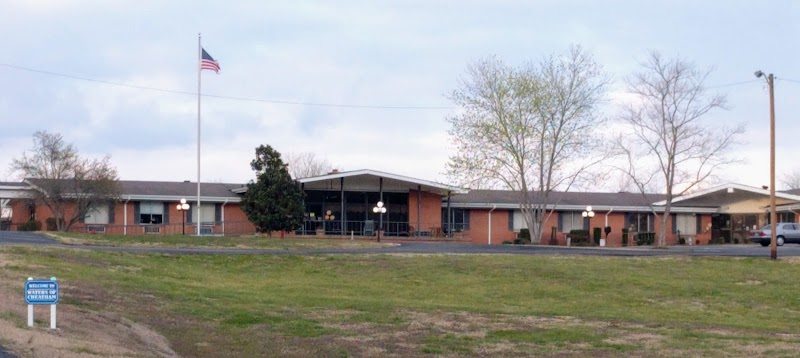
How is The Waters Of Cheatham, Llc Staffed?

CMS rates THE WATERS OF CHEATHAM, LLC's staffing level at 1 out of 5 stars, which is much below average compared to other nursing homes. Staff turnover is 59%, which is 13 percentage points above the Tennessee average of 46%. High turnover can affect care consistency as new staff learn residents' individual needs. RN turnover specifically is 62%, which is notably high. RNs provide skilled clinical oversight, so turnover in this role can affect medical care quality.

What Have Inspectors Found at The Waters Of Cheatham, Llc?

State health inspectors documented 22 deficiencies at THE WATERS OF CHEATHAM, LLC during 2018 to 2023. These included: 22 with potential for harm.

Who Owns and Operates The Waters Of Cheatham, Llc?

THE WATERS OF CHEATHAM, LLC is owned by a for-profit company. For-profit facilities operate as businesses with obligations to shareholders or private owners. The facility is operated by INFINITY HEALTHCARE CONSULTING, a chain that manages multiple nursing homes. With 80 certified beds and approximately 43 residents (about 54% occupancy), it is a smaller facility located in ASHLAND CITY, Tennessee.
How Does The Waters Of Cheatham, Llc Compare to Other Tennessee Nursing Homes?

Compared to the 100 nursing homes in Tennessee, THE WATERS OF CHEATHAM, LLC's overall rating (2 stars) is below the state average of 2.8, staff turnover (59%) is significantly higher than the state average of 46%, and health inspection rating (2 stars) is below the national benchmark.

What Should Families Ask When Visiting The Waters Of Cheatham, Llc?

Based on this facility's data, families visiting should ask: "How do you ensure continuity of care given staff turnover, and what is your staff retention strategy?" "Can you walk me through typical staffing levels on day, evening, and night shifts?" "Can I visit during a mealtime to observe dining assistance and food quality?" "How do you handle medical emergencies, and what is your hospital transfer rate?" These questions are particularly relevant given the facility's high staff turnover rate and the below-average staffing rating.

Is The Waters Of Cheatham, Llc Safe?

Based on CMS inspection data, THE WATERS OF CHEATHAM, LLC has a clean safety record: no substantiated abuse findings (meaning no confirmed cases of resident harm), no Immediate Jeopardy citations (the most serious violation level indicating risk of serious injury or death), and is not on the Special Focus Facility watch list (a federal program monitoring the lowest-performing 1% of nursing homes). The facility has a 2-star overall rating and ranks #100 of 100 nursing homes in Tennessee. While no facility is perfect, families should still ask about staff-to-resident ratios and recent inspection results during their visit.

Do Nurses at The Waters Of Cheatham, Llc Stick Around?

Staff turnover at THE WATERS OF CHEATHAM, LLC is high. At 59%, the facility is 13 percentage points above the Tennessee average of 46%. Registered Nurse turnover is particularly concerning at 62%. RNs handle complex medical decisions and coordinate care — frequent RN changes can directly impact care quality. High turnover means new staff may not know residents' individual needs, medications, or preferences. It can also be disorienting for residents, especially those with dementia who rely on familiar faces. Families should ask: What is causing the turnover? What retention programs are in place? How do you ensure care continuity during staff transitions?

Was The Waters Of Cheatham, Llc Ever Fined?

THE WATERS OF CHEATHAM, LLC has been fined $6,350 across 2 penalty actions. This is below the Tennessee average of $33,142. While any fine indicates a compliance issue, fines under $50,000 are relatively common and typically reflect isolated problems that were subsequently corrected. Families should ask what specific issues led to these fines and confirm they've been resolved.

Is The Waters Of Cheatham, Llc on Any Federal Watch List?

THE WATERS OF CHEATHAM, LLC is not on any federal watch list. The most significant is the Special Focus Facility (SFF) program, which identifies the bottom 1% of nursing homes nationally based on persistent, serious quality problems. Not being on this list means the facility has avoided the pattern of deficiencies that triggers enhanced federal oversight. This is a positive indicator, though families should still review the facility's inspection history directly.