CHATTANOOGA HEALTH AND REHAB CENTER
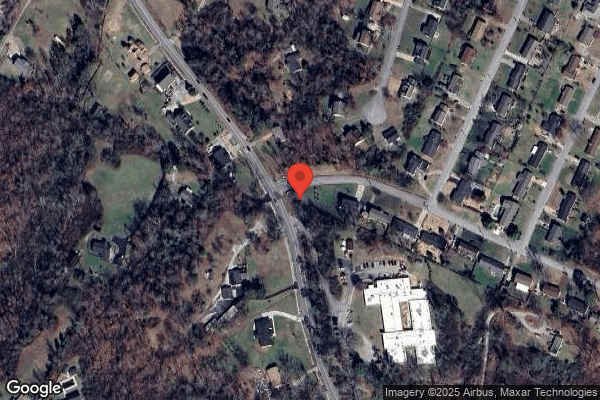
8249 STANDIFER GAP ROAD, CHATTANOOGA, TN 37421 (423) 892-1716
For profit - Limited Liability company 127 Beds VERTICAL HEALTH SERVICES Data: November 2025
Trust Grade
43/100
#179 of 298 in TN
Last Inspection: May 2024

Within standard 12-15 month inspection cycle. Federal law requires annual inspections.

Overview

Chattanooga Health and Rehab Center has a Trust Grade of D, indicating below-average performance with some significant concerns. It ranks #179 out of 298 facilities in Tennessee, placing it in the bottom half, and #9 out of 11 in Hamilton County, meaning only two facilities in the area are rated worse. The facility's issues are worsening, with problems increasing from 5 in 2023 to 6 in 2024. Staffing is rated at 2 out of 5 stars, with a turnover rate of 51%, which is average compared to the state, but concerning given the care needs of residents. Additionally, the facility has faced specific incidents, including failing to provide necessary wound treatment for a resident, improper food storage that could affect resident safety, and mishandling personal funds for multiple residents, highlighting serious areas of concern alongside some strengths.

Trust Score
D
43/100
In Tennessee
#179/298
Bottom 40%
Safety Record
Moderate
Needs review
Inspections
Getting Worse
5 → 6 violations
Staff Stability
⚠ Watch
51% turnover. Above average. Higher turnover means staff may not know residents' routines.
Penalties
✓ Good
$6,509 in fines. Lower than most Tennessee facilities. Relatively clean record.
Skilled Nurses
⚠ Watch
Each resident gets only 24 minutes of Registered Nurse (RN) attention daily — below average for Tennessee. Fewer RN minutes means fewer trained eyes watching for problems.
Violations
⚠ Watch
32 deficiencies on record. Higher than average. Multiple issues found across inspections.
★★☆☆☆
2.0
Overall Rating
★★☆☆☆
2.0
Staff Levels
★★★★☆
4.0
Care Quality
★★☆☆☆
2.0
Inspection Score
Stable
2023: 5 issues
2024: 6 issues

The Good

  • 4-Star Quality Measures · Strong clinical quality outcomes
  • Full Sprinkler Coverage · Fire safety systems throughout facility
  • No fines on record

Facility shows strength in quality measures, fire safety.

The Bad

2-Star Overall Rating

Below Tennessee average (2.8)

Below average - review inspection findings carefully

Staff Turnover: 51%

Near Tennessee avg (46%)

Higher turnover may affect care consistency

Federal Fines: $6,509

Below median ($33,413)

Minor penalties assessed

Chain: VERTICAL HEALTH SERVICES

Part of a multi-facility chain

Ask about local staffing decisions and management

The Ugly 32 deficiencies on record

1 actual harm
May 2024 6 deficiencies
CONCERN (D)

Potential for Harm - no one hurt, but risky conditions existed

PASARR Coordination (Tag F0644)

Could have caused harm · This affected 1 resident

**NOTE- TERMS IN BRACKETS HAVE BEEN EDITED TO PROTECT CONFIDENTIALITY** Based on facility policy review, medical record review, and interview, the facility failed to refer 1 resident (Resident #36) id...

Read full inspector narrative →
**NOTE- TERMS IN BRACKETS HAVE BEEN EDITED TO PROTECT CONFIDENTIALITY** Based on facility policy review, medical record review, and interview, the facility failed to refer 1 resident (Resident #36) identified with possible serious mental disorders to the state-designated authority for a Level II Pre-admission Screening and Resident Review (PASRR) evaluation of 14 residents reviewed for PASRR. The findings include: Review of the facility's policy titled, PASRR Program Policy, revised 5/2024, revealed .Any resident who exhibits .evident or possible serious mental health disorder .will be referred promptly to the state mental health or intellectual disability authority for a level 2 resident review . Review of a Pre-admission PASRR screening dated 3/18/2022, revealed Resident #36 had no mental health disorder. Medical record review revealed Resident #36 was admitted to the facility on [DATE] with diagnoses including Major Depression, Delusional Disorder, Restlessness, and Agitation. During an interview on 5/22/2024 at 10:10 AM, the Social Service Director confirmed Resident #36 was not referred to the state-designated authority for a Level II PASRR screening after a new mental health diagnosis.
CONCERN (D)

Potential for Harm - no one hurt, but risky conditions existed

Deficiency F0657 (Tag F0657)

Could have caused harm · This affected 1 resident

**NOTE- TERMS IN BRACKETS HAVE BEEN EDITED TO PROTECT CONFIDENTIALITY** Medical record review revealed Resident #31 was admitted to the facility on [DATE] with diagnoses including End Stage Renal Dise...

Read full inspector narrative →
**NOTE- TERMS IN BRACKETS HAVE BEEN EDITED TO PROTECT CONFIDENTIALITY** Medical record review revealed Resident #31 was admitted to the facility on [DATE] with diagnoses including End Stage Renal Disease, COPD, Type 2 Diabetes, and Major Depression. Review of a quarterly MDS assessment dated [DATE], revealed Resident #31 scored a 13 on the BIMS assessment which indicated the resident was cognitively intact. Review of a comprehensive care plan dated 9/14/2023, revealed Resident #31 .has a full code status . Review of the POLST (Physician Orders for Scope of Treatment) form for resident #31 dated 12/11/2023, revealed Resident #31 had a DNR status. Review of the Physician's Orders for Resident #31 dated 1/19/2024, revealed .DNR . During an interview on 5/22/2024 at 10:20AM, the Director of Nursing confirmed Resident #31's comprehensive care plan was not revised to reflect the residents DNR status. Based on facility policy review, medical record review, and interview, the facility failed to revise the comprehensive care plan to include hospice services for 1 resident (Resident #28) and code status for 1 resident (Resident #31) of 21 residents reviewed for care plans. The findings include: Review of the facility's policy titled, Care Plan Revisions Upon Status Change, revised 5/2024, revealed .The comprehensive care plan will be .revised as necessary .when a resident experiences a status change .care plan will be updated with new or modified interventions . Medical record review revealed Resident #28 was admitted to the facility on [DATE] with diagnoses including Congestive Heart Failure, Chronic Obstructive Pulmonary Disease (COPD), and Diabetes Mellitus. Review of the Physician's Orders for Resident #28 dated 4/20/2024, revealed admit to hospice services. Review of a significant change Minimum Data Set (MDS) assessment dated [DATE], revealed Resident #28 scored a 13 on the Brief Interview for Mental Status (BIMS) assessment which indicated the resident was cognitively intact and received hospice care. Review of a comprehensive care plan dated 4/20/2024, revealed Resident #28's code status was Do Not Resuscitate (DNR). The comprehensive care plan had not included hospice services for Resident #28. During an interview on 5/21/2024 at 4:05 PM, the Assistant Director of Nursing (ADON) confirmed Resident #28's care plan was not revised to include hospice services.
CONCERN (D)

Potential for Harm - no one hurt, but risky conditions existed

Accident Prevention (Tag F0689)

Could have caused harm · This affected 1 resident

**NOTE- TERMS IN BRACKETS HAVE BEEN EDITED TO PROTECT CONFIDENTIALITY** Based on facility policy review, medical record review, observation, and interview, the facility failed to properly secure medic...

Read full inspector narrative →
**NOTE- TERMS IN BRACKETS HAVE BEEN EDITED TO PROTECT CONFIDENTIALITY** Based on facility policy review, medical record review, observation, and interview, the facility failed to properly secure medications for 1 resident (Resident #25) of 8 residents screened for accidents and hazards. The findings include: Review of the facility's policy titled, Medication Administration, revised 5/2024, revealed .Medications are administered by licensed nurses .Administer medication as ordered in accordance with manufacturer specifications .observe resident consumption of medication . Medical record review revealed Resident #25 was admitted to the facility on [DATE] with diagnoses including Need for Assistance with Personal Care, Spinal Stenosis, and Dementia. Review of the Physician's Orders for Resident #25 dated 7/14/2023, revealed .Miralax [laxative] 17 GM [Grams] .Give 1 packet by mouth one time a day for Constipation .mix with 4-6 ounces [oz] of fluid . Review of a quarterly Minimum Data Set (MDS) assessment dated [DATE], revealed Resident #25 scored a 12 on the Brief Interview for Mental Status (BIMS) assessment which indicated the resident had moderate cognitive impairment. During an observation on 5/20/2024 at 11:00 AM, in Resident #25's room, revealed the resident was not in the room, and an 8 oz cup containing a disposable spoon, no water, and approximately 1 oz of an unidentified white powder was observed on Resident #25's bedside table. During an observation on 5/20/2024 at 1:00 PM, in Resident #25's room, revealed the resident was not in the room, and an 8 oz cup containing a disposable spoon, no water, and approximately 1 oz of an unidentified white powder was observed on Resident #25's bedside table. During an observation and interview on 5/20/2024 at 3:00 PM, in Resident #25's room with Licensed Practical Nurse (LPN) C, revealed the resident was not in the room, and an 8 oz cup containing a disposable spoon, no water, and approximately 1 oz of an unidentified white powder was observed on Resident #25's bedside table. LPN C stated the resident had a Physician's Order for Miralax and confirmed the unidentified white powder in the 8 oz cup left at the bedside unsecured was Miralax. During an interview on 5/20/2024 at 3:05 PM, Resident #25 stated the white powder in the cup at her bedside was Miralax, the resident also stated she did not take the medication this morning, .I will take it later today . Review of the medication administration record for Resident #25 dated 5/20/2024, revealed the resident was administered Miralax 17 GM. During an interview on 5/22/2024 at 11:11 AM, the Director of Nursing stated Resident #25 had not been assessed for self-administration of medication, and confirmed medications were left unsecured at the bedside.
CONCERN (D)

Potential for Harm - no one hurt, but risky conditions existed

Garbage Disposal (Tag F0814)

Could have caused harm · This affected 1 resident

Based on facility policy review, observation, and interview, the facility failed to ensure garbage and refuse were properly contained in 1 of 2 dumpsters (dumpster B). The findings include: Review of ...

Read full inspector narrative →
Based on facility policy review, observation, and interview, the facility failed to ensure garbage and refuse were properly contained in 1 of 2 dumpsters (dumpster B). The findings include: Review of the facility's policy titled, Disposal of Garbage and Refuse, dated 5/1/2024, revealed .garbage should not accumulate or be left outside the dumpster . Observation of the outside dumpster area on 5/20/2024 at 11:15 AM, with the Certified Dietary Manager (CDM), revealed 2 dumpsters for waste disposal. Further observation revealed the area around the dumpster B had 1 trash bag of unknown contents (3/4 full), 4 used disposable gloves, and multiple pieces of paper debris (various sizes) present on the ground. During an interview on 5/20/2024 at 11:26 AM, the CDM confirmed the dumpster area had not been maintained in a sanitary condition.
CONCERN (D)

Potential for Harm - no one hurt, but risky conditions existed

Infection Control (Tag F0880)

Could have caused harm · This affected 1 resident

**NOTE- TERMS IN BRACKETS HAVE BEEN EDITED TO PROTECT CONFIDENTIALITY** Based on facility policy review, observation, and interviews the facility failed to ensure practices to prevent the potential sp...

Read full inspector narrative →
**NOTE- TERMS IN BRACKETS HAVE BEEN EDITED TO PROTECT CONFIDENTIALITY** Based on facility policy review, observation, and interviews the facility failed to ensure practices to prevent the potential spread of infection were followed while delivering meal trays to residents on 1 hallway of 3 hallways observed. The findings include: Review of facility policy titled, Hand Hygiene, revised 5/2024, revealed .All staff will perform proper hand hygiene procedures to prevent the spread of infection to .residents .Alcohol-based hand rub .is the preferred method for cleaning hands in most clinical situations. Wash hands with soap and water whenever they are visibly dirty .The use of gloves does not replace hand hygiene .perform hand hygiene prior to donning [applying] gloves, and immediately after removing gloves . During an observation on 5/20/2024 at 1:38 PM, Certified Nursing Assistant (CNA) A entered room [ROOM NUMBER] A with gloved hands, served/set up the meal tray, removed the gloves, and exited the room without washing or sanitizing the hands. CNA A rolled the meal cart down the hallway, stopped to donn a new pair of gloves, continued to roll the meal cart down the hallway, retrieved a tray from the cart, entered room [ROOM NUMBER] B, served/set up the meal tray, removed the gloves, and exited the room without washing or sanitizing the hands. Further observation revealed CNA A entered room [ROOM NUMBER] A, retrieved a helmet, and placed the helmet on the resident's head. CNA A donned a pair of gloves without washing or sanitizing the hands, returned to the meal cart, retrieved a tray, entered room [ROOM NUMBER] B, served/set up the meal tray, removed the gloves, and exited the room without washing or sanitizing the hands. During an observation on 5/20/2024 at 1:45 PM, CNA B entered room [ROOM NUMBER] A with gloved hands, served/set up the meal tray, exited the room with the gloved hands, and retrieved a towel from the clean linen cart. CNA B re-entered room [ROOM NUMBER] A with the same gloved hands, cut the residents meat using silverware, exited the room, the gloves were not removed, and the hands were not washed or sanitized. Continued observation revealed CNA B retrieved a meal tray from the meal cart, entered room [ROOM NUMBER] B, served/set up the meal tray, removed the gloves, and sanitized the hands. During an interview on 5/20/2024 at 1:46 PM, CNA A confirmed she failed to wash or sanitize the hands during meal service. During an interview on 5/20/2024 at 1:47 PM, CNA B confirmed she failed to wash or sanitize the hands during meal service. During an interview on 5/22/2024 at 11:05 AM, the Director of Nursing confirmed the facility failed to ensure practices to prevent the potential spread of infection were followed while delivering meal trays on 5/20/2024.
CONCERN (F)

Potential for Harm - no one hurt, but risky conditions existed

Food Safety (Tag F0812)

Could have caused harm · This affected most or all residents

Based on facility policy review, observations, and interview, the facility failed to ensure food items were sealed properly and failed to ensure the kitchen cooking equipment was maintained in a sanit...

Read full inspector narrative →
Based on facility policy review, observations, and interview, the facility failed to ensure food items were sealed properly and failed to ensure the kitchen cooking equipment was maintained in a sanitary condition which had the potential to affect 48 of 49 residents. The findings include: Review of the facility's undated policy titled, Food Storage, revealed .all open products .will be sealed .rolled closed .lid closed .to ensure quality and prevent contamination against pests or rodents . Observation of the food preparation area on 5/20/2024 at 10:45 AM, with the Certified Dietary Manager (CDM) revealed the following: 15-ounce (oz) bottle of ground cinnamon was not sealed 14-oz bottle of cayenne pepper was not sealed 32-oz bag of brown sugar (1/4 full) was not sealed Toaster oven had crusty, brown food debris present to the delivery chute with dried, brownish-black residue present to 3 temperature dials Observation of the cooking area on 5/20/2024 at 10:50 AM, with the CDM revealed a thick, brownish-yellow residue to the front panel of the deep fryer. During an interview on 5/20/2024 at 11:25 AM, the CDM confirmed the dried food items (brown sugar, cinnamon, and cayenne pepper) were not sealed appropriately and the kitchen equipment (toaster and deep fryer) had not been maintained in a sanitary condition.
Oct 2023 4 deficiencies
CONCERN (F) 📢 Someone Reported This

A family member, employee, or ombudsman was alarmed enough to file a formal complaint

Potential for Harm - no one hurt, but risky conditions existed

Deficiency F0567 (Tag F0567)

Could have caused harm · This affected most or all residents

**NOTE- TERMS IN BRACKETS HAVE BEEN EDITED TO PROTECT CONFIDENTIALITY** Based on financial record reviews and interviews, the facility failed in their fiduciary responsibility in holding, safeguarding...

Read full inspector narrative →
**NOTE- TERMS IN BRACKETS HAVE BEEN EDITED TO PROTECT CONFIDENTIALITY** Based on financial record reviews and interviews, the facility failed in their fiduciary responsibility in holding, safeguarding, managing and accounting for the deposited personal funds for 9 of 27 residents with Resident Trust Accounts (#7, # 9, #14, #15, # 16, #17, #18, #19 and #20). The findings include: Review of the Resident Trust Account for Resident #7, dated 9/05/2023, revealed he was over the allowed limit of $2,000 ($341.17). Resident #17's balance dated 9/06/2023 showed $2,057.17, ($57.17 over the limit). Review of the Resident Trust Account for Resident #14, [AGE] years old, revealed she was over the allowed limit of $2,000. Resident #14s balance dated 9/06/2023, showed $3,792.43, ($1,792.43 over the limit). Review of the Resident Trust Account for Resident #15 revealed he was over the allowed limit of $2,000. Resident #15's balance dated 9/06/2023, showed $3,653.58, ($1,653.58 over the limit). Review of the Resident Trust Account for Resident #16 revealed he was over the allowed limit of $2,000. Resident #16's balance dated 9/06/2023, showed $4, 286.40, ($2,286.40 over the limit). Review of the Resident Trust Account for Resident #19 revealed he was over the allowed limit of $2,000. Resident #19's balance dated 9/06/2023, showed $6,171.20 ($4,171.20 over the limit). The accounts were over the allowable amounts which would affect the residents qualification for Medicaid. During an interview with the Business Office Manager (BOM) on 9/21/23 at 2:30 pm, the BOM stated, Resident # 19 has an outstanding child support balance of $25,883.36 and the last check was sent out on 2/2/23 for $4,239.64 for back child support. When asked by surveyors what the plan is to pay his outstanding judgement for back child support. The BOM stated, I will cut a check for $5000 to get him under resource limit and continue to do that if his funds approach resource limit. The BOM provided a signed and dated statement to the same. Continued interview with the BOM in the conference room on 9/21/23 at 2:40 pm, revealed the BOM plan to spend down Resident #16's overage is to work with the son to bring her below the allowable Medicaid limit. However, there was no definite plan for Resident #14 or Resident # 15 other than, will have to transition to private pay for a short amount of time to spend down to Medicaid allowable. The BOM provided signed and dated statement to the same. According to the BOM, regarding Resident #17, I have been given instructions from [name of accounting firm] on how to remedy this issue and get balances correct. The BOM did not provide any definite plans or actions for Resident #7's overage. Interview with the Business Office Manager (BOM) on 9/21/23 at 1:10 pm in the conference room revealed Resident #17 had been receiving the pension/retirement check belonging to Resident #20 for 10 months. The BOM provided a signed and written statement dated 9/21/23, revealing the same. The BOM revealed to the surveyors, We didn't know until you [the surveyors] started asking about the accounts. The BOM provided the surveyors with an email from [named of facility's accounting company] dated 9/21/2023, revealing details on how to correct the accounts between Residents #17 and #20. The BOM stated she was in the process of reconciling the accounts. Review of statement from the BOM dated 9/21/23, revealed Resident #17 recently married another facility resident and the facility used some of Resident #17's funds for the wedding. Interview with the BOM in the conference room on 9/21/23 at 1:20 pm revealed, we didn't realize we used some of Resident #20's money for Resident #17's wedding because we didn't realize we had debited Resident #20's pension/retirement check to help fund the wedding. Continued interview revealed the facility was assisting Resident #17 to spend down funds that actually belonged to Resident #20 and we didn't realize until you [surveyors] started asking us about the Resident Trust Funds. Review of Resident #9's Trial Balance account revealed a negative balance in the amount of -$3648.80. Interview with BOM on 9/21/23 at 1:30 pm in the conference room revealed Resident #9 had a direct debit being taken from two sources. Per interview with BOM, being taken out by corporate and myself with the mistake being done in August 2023. A signed and dated statement by the BOM revealed a refund check had been sent on 9/21/23 to bring the account current. Review of a copy of a check in the amount of $3648.80 was presented by the BOM to the surveyors in the conference room on 9/21/23 at 1:35 pm. The check was dated 8/29/23 and when the BOM was asked by the surveyors as to the discrepancies in the dates, the BOM acknowledged the check was backdated to August 29th. When the BOM was asked why the check was backdated, she stated, I don't know that's what they gave me. When asked to clarify who was they, the BOM stated, Corporate. No specific name was provided. Review of Resident #18's Trial Balance account revealed a negative balance in the amount of-$1778.00. Interview with BOM on 9/21/23 at 1:40 pm in the conference room revealed Resident #18 had a direct debit being taken from two sources. Per interview with BOM, being taken out by corporate and myself with the mistake being done in August 2023. A signed and dated statement by the BOM revealed a refund check had been sent on 9/21/23 to bring the account current. Review of a copy of a check in the amount of $1778.00 was presented by the BOM to the surveyors in the conference room on 9/21/23 at 1:45 pm. The check was dated 8/29/23 and when the BOM was asked by the surveyors as to the discrepancies in the dates, the BOM acknowledged the check was backdated to August 29th. When the BOM was asked why the check was backdated, she stated, I don't know that's what they gave me. When asked to clarify who was they, the BOM stated, corporate. No specific name was provided. Surveyors asked the BOM and Administrator how the facility communicated with the corporate accounting firm. The BOM replied via email. Surveyors asked if there was any communication with the corporate accounting firm in regard to the negative balance for Resident #18. The BOM presented a printed copy of an email at 2 pm to the surveyors in the conference room dated 8/10/23. The email stated, [name of recipient] the [name of accounting firm] direct debit for [name of resident] rejected due to insufficient funds. This is one of the duplicate pulls we discussed on our call. I am not sure on how we proceed with that or how we get that corrected. She is showing a negative balance in [name of accounting firm] where she had a negative balance before at all. The surveyors replied, this email was in August and it is now September, is there a reason nothing has been done prior to now to reconcile this resident's account? The BOM replied, I don't know. The Administrator stated, Corporate is not as transparent as I am accustomed to.
CONCERN (F) 📢 Someone Reported This

A family member, employee, or ombudsman was alarmed enough to file a formal complaint

Potential for Harm - no one hurt, but risky conditions existed

Deficiency F0568 (Tag F0568)

Could have caused harm · This affected most or all residents

Based on facility's Resident Trust documentation review and interviews, the facility failed to maintain each resident's personal entrusted funds to the facility were full and complete for 4 of 4 resid...

Read full inspector narrative →
Based on facility's Resident Trust documentation review and interviews, the facility failed to maintain each resident's personal entrusted funds to the facility were full and complete for 4 of 4 residents (# 9, #17, #18 and #20) reviewed. The facility failed to ensure the appropriate Care Cost deductions were debited from Resident #9 and Resident #18's accounts. The facility failed to ensure Resident #20 received a pension/retirement funds as was entrusted to the facility. The findings include: Interview with the Business Office Manager (BOM) on 9/21/23 at 1:10 pm in the conference room revealed Resident #17 had been receiving the pension/retirement check belonging to Resident #20 for 10 months. The BOM provided a signed and written statement dated 9/21/23, revealing the same. The BOM revealed to the surveyors, We didn't know until you [the surveyors] started asking about the accounts. The BOM provided the surveyors with an email from [named of facility's accounting company] dated 9/21/2023, revealing details on how to correct the accounts between Residents #17 and #20. The BOM stated she was in the process of reconciling the accounts. Review of statement from the BOM dated 9/21/23, revealed Resident #17 recently married another facility resident and the facility used some of Resident #17's funds for the wedding. Interview with the BOM in the conference room on 9/21/23 at 1:20 pm revealed, we didn't realize we used some of Resident #20's money for Resident #17's wedding because we didn't realize we had debited Resident #20's pension/retirement check to help fund the wedding. Continued interview with the BOM revealed the facility, was assisting Resident #17 to spend down funds that actually belonged to Resident #20 and we didn't realize until you [surveyors] started asking us about the Resident Trust Funds. Review of Resident #9's Trial Balance account revealed a negative balance in the amount of -$3648.80. Interview with BOM on 9/21/23 at 1:30 pm in the conference room revealed Resident #9 had a direct debit being taken from two sources. Per interview with BOM, being taken out by corporate and myself with the mistake being done in August 2023. A signed and dated statement by the BOM revealed a refund check had been sent on 9/21/23 to bring the account current. Review of a copy of a check in the amount of $3648.80 was presented by the BOM to the surveyors in the conference room on 9/21/23 at 1:35 pm. The check was dated 8/29/23 and when the BOM was asked by the surveyors as to the discrepancies in the dates, the BOM acknowledged the check was backdated to August 29th. When the BOM was asked why the check was backdated, she stated, I don't know, that's what they gave me. When asked to clarify who was they, the BOM stated, Corporate. No specific name was provided. Review of Resident #18's Trial Balance account revealed a negative balance in the amount of -$1778.00. Interview with BOM on 9/21/23 at 1:40 pm in the conference room revealed Resident #18 had a direct debit being taken from two sources. Per interview with BOM, being taken out by corporate and myself with the mistake being done in August 2023. A signed and dated statement by the BOM revealed a refund check had been sent on 9/21/23 to bring the account current. Review of a copy of a check in the amount of $1778.00 was presented by the BOM to the surveyors in the conference room on 9/21/23 at 1:45 pm. The check was dated 8/29/23 and when the BOM was asked by the surveyors as to the discrepancies in the dates. The BOM acknowledged the check was backdated to August 29th. When the BOM was asked why the check was backdated, she stated, I don't know that's what they gave me. When asked to clarify who was they, the BOM stated, Corporate. No specific name was provided. Surveyors asked the BOM and Administrator how the facility communicated with the corporate accounting firm. The BOM replied via email. Surveyors asked if there was any communication with the corporate accounting firm in regard to the negative balance for Resident #18. The BOM presented a printed copy of an email at 2 pm to the surveyors in the conference room dated 8/10/23. The email stated, [name of recipient] the [name of accounting firm] direct debit for [name of resident] rejected due to insufficient funds. This is one of the duplicate pulls we discussed on our call. I am not sure on how we proceed with that or how we get that corrected. She is showing a negative balance in [name of accounting firm] where she had a negative balance before at all. The surveyors replied, this email was in August and it is now September, is there a reason nothing has been done prior to now to reconcile this resident's account? The BOM replied, I don't know. The Administrator stated, Corporate is not as transparent as I am accustomed to. Interview with the BOM on 10/02/23 at 4:00 pm in the conference room revealed residents nor their responsible parties have received quarterly statements since April 2023. The BOM provided a signed and written statement dated 10/02/23, revealing the same. The BOM revealed to the surveyors, I guess I didn't look into that (quarterly statements) that wasn't my highest priority, I am so sorry. When surveyors asked for copies of the April 2023 quarterly statements for all the residents with Resident Trust accounts, the BOM stated, I was told when I asked the previous BOM about that, she said she did not make any copies for the statements that were sent out, so we don't have any copies. The surveyors clarified, So, you have no copies of any quarterly statements you can provide? The BOM response, she shook her head, no and responded, no.
CONCERN (F) 📢 Someone Reported This

A family member, employee, or ombudsman was alarmed enough to file a formal complaint

Potential for Harm - no one hurt, but risky conditions existed

Deficiency F0569 (Tag F0569)

Could have caused harm · This affected most or all residents

Based on record review and interviews, the facility failed to manage Resident Trust Accounts for 6 out of 27 residents (#7, #14, # 15, # 16, #17 and #19) to ensure they did not exceed the allowable Me...

Read full inspector narrative →
Based on record review and interviews, the facility failed to manage Resident Trust Accounts for 6 out of 27 residents (#7, #14, # 15, # 16, #17 and #19) to ensure they did not exceed the allowable Medicaid limit of $2000. The findings include: Review of the Resident Trust Account for Resident #7 revealed he was over the allowed limit of $2,000. Resident #17's balance showed $2,057.17, ($57.17 over the limit). Review of the Resident Trust Account for Resident #14 revealed she was over the allowed limit of $2,000. Resident #14s balance showed $3,792.43, ($1,792.43 over the limit). Review of the Resident Trust Account for Resident #15 revealed he was over the allowed limit of $2,000. Resident #15's balance showed $3,653.58, ($1,653.58 over the limit). Review of the Resident Trust Account for Resident #16 revealed he was over the allowed limit of $2,000. Resident #16's balance showed $4, 286.40, ($1,286.40 over the limit). Review of the Resident Trust Account for Resident #17 revealed he was over the allowed limit of $2,000. Resident #17's balance showed $3,653.58, ($2,653.58 over the limit). Review of the Resident Trust Account for Resident #19 revealed he was over the allowed limit of $2,000. Resident #19's balance showed $6,171.20 ($4,171.20 over the limit). The accounts were over the allowable amounts which would affect the residents qualification for Medicaid. During an interview with the Business Office Manager (BOM) on 9/21/23 at 2:30 pm, the BOM stated, Resident # 19 has an outstanding child support balance of $25,883.36 and the last check was sent out on 2/2/23 for $4,239.64 for back child support. When asked by surveyors what the plan is to pay his outstanding judgement for back child support. The BOM stated, I will cut a check for $5000 to get him under resource limit and continue to do that if his funds approach resource limit. The BOM provided a signed and dated statement to the same. Continued interview with the BOM in the conference room on 9/21/23 at 2:40 pm, revealed the BOM plan to spend down Resident #16's overage is to work with the son to bring her below the allowable Medicaid limit. However, there was no definite plan for Resident #14 or Resident # 15 other than, will have to transition to private pay for a short amount of time to spend down to Medicaid allowable. The BOM provided signed and dated statement to the same. According to the BOM, regarding Resident #17, I have been given instructions from [name of accounting firm] on how to remedy this issue and get balances correct. The BOM did not provide any definite plans or actions for Resident #7's overage.
CONCERN (F) 📢 Someone Reported This

A family member, employee, or ombudsman was alarmed enough to file a formal complaint

Potential for Harm - no one hurt, but risky conditions existed

Deficiency F0837 (Tag F0837)

Could have caused harm · This affected most or all residents

**NOTE- TERMS IN BRACKETS HAVE BEEN EDITED TO PROTECT CONFIDENTIALITY** Based on financial record reviews and interviews, the facility's governing body failed to honor monetary contractual agreements ...

Read full inspector narrative →
**NOTE- TERMS IN BRACKETS HAVE BEEN EDITED TO PROTECT CONFIDENTIALITY** Based on financial record reviews and interviews, the facility's governing body failed to honor monetary contractual agreements of vendor services and failed ensure effective management of its financial resources to ensure invoices were paid timely per agreements which had the potential for disruption in essential services and created a situation which had the potential to be detrimental to the health, safety, and welfare of all residents in the facility. The facility failed to manage residents financial accounts entrusted to the facility for 9 (#7, # 9, #14, #15, # 16, #17, #18, #19 and #20) of 27 residents. The findings include: Interview with the Administrator and the Business Office Manager (BOM) on 9/21/23 at 3 pm in the conference room, revealed when asked directly by the surveyors if the facility had any legal documents or any threats of legal action for non-payment or any outstanding invoices, the BOM replied, I get calls all the time and I forward them to Corporate and they are supposed to take care of it, it is out of my hands. I don't know what else to tell them [referring to creditors]. The Administrator informed the surveyors, she was subpoenaed for a deposition that occurred on August 24, 2023. The Administrator provided a copy of the subpoena when asked by the surveyors. The subpoena requested production of documentary evidence of financial records and deposition of the Administrator. The Administrator stated. This happened before I came a few months ago and Corporate would not go and made me go because they said I represented the facility. When asked by the surveyors if the facility has any past due invoices or invoices in collection, the Administrator provided the following documents: Review of outstanding invoices provided by the BOM and the Administrator revealed an outstanding invoice from a durable medical equipment company, 4th [NAME] notice for supplies purchased since September 2022 to March 2023 in the total amount of $15,416.24. Review of an email provided by the BOM and Administrator regarding past due payments stated, I have reached out to you on several occasions in an effort to resolve the above past commercial account with our client [ named company] however the balance still remains unpaid. The email was from a janitorial and housekeeping supply company with an outstanding balance of $4,727.31 Review of invoice provided by the BOM and Administrator revealed outstanding balance of $13,487.82 for Maintenance supplies dated back from February 2023 to July 2023. Review of an invoice for food equipment provided by the BOM and Administrator revealed outstanding balance of $11, 392.88. Review of a letter requesting refund for overpayment to the facility for services paid in error from a health insurance company in the amount of $192,704.19. The Administrator stated, I don't know what this is about. Further interview with the Administrator revealed there were numerous times the Administrator paid for nursing supplies and food when needed for the residents. Further interview revealed the facility was not provided with enough funds for operating accounts from the corporate office. The Administrator stated, in order for them (residents) to get what they needed, I did what I had to do by paying out of my pocket. I even had to put the landscaper on payroll to make sure he got paid because we had issues with him getting paid. The Administrator stated multiple times during the interviews over the course of the investigation, I am used to knowing the budget of a facility but it is not transparent here and I don't know if we have a budget with this company or what it is, we send the invoices to corporate and its out of our hands. Refer to F567, F568 and F569
Apr 2023 1 deficiency
CONCERN (D) 📢 Someone Reported This

A family member, employee, or ombudsman was alarmed enough to file a formal complaint

Potential for Harm - no one hurt, but risky conditions existed

Free from Abuse/Neglect (Tag F0600)

Could have caused harm · This affected 1 resident

**NOTE- TERMS IN BRACKETS HAVE BEEN EDITED TO PROTECT CONFIDENTIALITY** Based on review of the facility's policy, medical record review, facility documentation review and interview, the facility faile...

Read full inspector narrative →
**NOTE- TERMS IN BRACKETS HAVE BEEN EDITED TO PROTECT CONFIDENTIALITY** Based on review of the facility's policy, medical record review, facility documentation review and interview, the facility failed to protect 1 resident (Resident #1) from verbal abuse of 3 residents reviewed for verbal abuse. The findings include: Review of the facility's policy Abuse, Neglect and Exploitation dated 2020, showed .Verbal Abuse means the use of oral .communication .that willfully includes disparaging and derogatory terms to residents . Resident #1 was admitted to the facility on [DATE] from an acute hospital stay with diagnoses including Infection of Left Femur Internal Fixation Device, Post Op Removal of Left Internal Fixation Device, Chronic Obstructive Pulmonary Disease, History of Drug Abuse and Endocarditis. Review of facility documentation, dated 4/11/2023, showed Resident #1 reported an incident of verbal abuse to the Wound Care Nurse on 4/11/2023 at 10:20 AM. Review showed Resident #1 stated at about 5:00 AM the night shift Certified Nurse Aide (CNA) #1 came into her room. Review showed the Wound Care Nurse recorded Resident #1's retelling of the incident as follows: .Slept sitting up on side of bed .wheelchair was blocking the walkway .woke up by [CNA #1] saying .you can't put that wheelchair there I have to get through' .[Resident #1] .I've got to get my [profanity word used] legs on the bed [CNA #1] said .Yeah that's why you are here . [Resident #1] .cursing at [CNA #1] .[Resident #1] said [CNA #1] told my roommate .Don't pay her any attention .She's got a bad attitude .At least, I have teeth and when I talk you can't see down my throat .[Resident #1] then said this is [profanity word used] nuts .[CNA #1] said .Yeah, you an addict, you an addict. I can tell because you can't control yourself The document revealed Resident #1 told the Wound Care Nurse, CNA #1 continued to talk to the roommate about Resident #1 walked by Resident #1 to the bathroom and CNA #1 stated .At least I can walk . The document revealed Resident #1 stated CNA #1 then walked out of the room, into the hall and she could hear the CNA talking about her with the door closed. Resident #1 stated she could hear CNA #1 saying she had a bad attitude and something about her wheelchair placement. Review of facility documentation dated 4/11/2023 at 1:30 PM, with Resident #1's roommate, conducted by the DON the roommate stated she witnessed CNA #1 state to Resident #1 .you're an addict and you can't control yourself .at least I can walk . During an interview on 4/24/2023 at 2:20 PM, the DON revealed CNA #1's derogatory comments were confirmed by Resident #1's roommate and by the video recorded in the hall on the morning of 4/11/2023. The DON stated the CNA was terminated for verbal abuse on 4/12/2023 related to the incident with Resident #1 on 4/11/2023. During an interview on 4/24/2023 at 3:00 PM, with the facility Administrator, revealed CNA #1 had verbally abused Resident #1. During a telephone interview on 4/25/2023 at 4:00 PM, with Resident #1, she stated .it was about 5:00 AM . The resident stated she was asleep when CNA #1 woke her, speaking in a scolding manner about the wheelchair being in the way. Resident #1 stated at first, she was confused about what was being said and why. Resident #1 stated she lashed out at CNA #1 because the rudeness was .uncalled for . She stated the CNA went to her roommate's bedside and spoke in a derogatory way about her. Resident #1 stated the CNA went outside her door and repeated her displeasure with her (Resident #1) and repeated the derogatory remarks. Resident #1 stated CNA #1's had an inappropriate verbal outburst directed at her on 4/11/2023.
Jul 2021 6 deficiencies
CONCERN (D)

Potential for Harm - no one hurt, but risky conditions existed

Pharmacy Services (Tag F0755)

Could have caused harm · This affected 1 resident

**NOTE- TERMS IN BRACKETS HAVE BEEN EDITED TO PROTECT CONFIDENTIALITY** Based on facility policy review, medical record review, review of facility medication destruction documentation, and interview, ...

Read full inspector narrative →
**NOTE- TERMS IN BRACKETS HAVE BEEN EDITED TO PROTECT CONFIDENTIALITY** Based on facility policy review, medical record review, review of facility medication destruction documentation, and interview, the facility failed to ensure a system of record-keeping for the destruction of controlled medications was accurate for 1 resident (Resident #32) of 8 residents reviewed for narcotic medication reconciliation. The findings include: Review of the facility procedure Narcotic Destruction Procedure undated, showed .When a controlled medication has been discontinued or has expired the procedure for destruction is as follows: Two nurses are to remove the expired d/c'd [discontinued] medication & [and] the corresponding count sheet from the narcotic book/drawer .the same 2 nurses are to take the sticker from the card/count sheet and apply it to the destruction log, write qty [quantity] remaining on card and sign (nurse 1 /nurse 2) .Once the above steps are completed please drop the narcotic that needs to be destroyed into the narcotic destruction box. The consultant pharmacist will destroy these medications during his monthly visit with the Director of Nursing . Review of the facility and pharmacy policy Disposal of Medications and Medication Related Supplies .Controlled Substance Disposal . dated 1/2018, showed .Medications included .as controlled substances are subject to special handling, storage, disposal and recordkeeping in the facility .the director of nursing [DON], in collaboration with the consultant pharmacist, is responsible for the facility's compliance .all controlled substances remaining in the facility after a resident has been discharged , or the order is discontinued, are disposed of .the nurse(s) and/or pharmacist witnessing the destruction ensures that the following information is entered on the individual controlled substance accountability record .amount of medication destroyed . Medical record review showed Resident #32 was admitted to the facility on [DATE] with diagnoses including Alzheimer's Disease, Coronary Artery Disease, Malignant Neoplasm, and Chronic Kidney Disease. Continued review showed Resident #32 expired in the facility on [DATE]. Medical record review of Resident #32's Order Summary Report dated [DATE], showed .Morphine Sulfate [controlled drug for pain] (Concentrate) Solution 20 MG/ML [milligram/milliliters] .Give 0.25 mL orally every 6 hours for pain . Medical record review of Resident #32's Electronic Medication Administration Record (EMAR) dated [DATE], showed the resident received 2 doses of the ordered morphine on [DATE]. Review of Resident #32's Individual Resident's Controlled Substance Record dated [DATE], showed on [DATE], the resident received 0.25 mL of morphine at 12:00 AM and 0.25 mL of morphine at 6:00 AM. No other documentation was noted on the record. Review of the facility's Controlled Medication Reconciliation documentation showed on [DATE], the facility received an unspecified amount of morphine for Resident #32. Continued review showed an unspecified amount of morphine was .pulled .out of use . on [DATE], one day after Resident #32 expired in the facility. Further review showed LPN #2 and LPN #6 signed the entry on [DATE]. Review of the facility's Narcotic Destruction Log from 3/2021 through [DATE], showed no documentation Resident #32's morphine had been destroyed. During an interview on [DATE] at 10:07 AM, LPN #3 confirmed .there was a morphine bottle .in my med [medication] cart .empty .the patient died .should have been 29.5 mL [remaining] .reported it to the DON . During an interview on [DATE] at 3:22 PM, the Administrator confirmed .there was an expired patient .morphine bottle was empty .the DON [Former DON #1] .didn't determine anything .she questioned the nurses involved .talked to all of them . During a telephone interview on [DATE] at 4:04 PM, with Former DON #1 confirmed she was made aware by nursing staff an empty vial of Morphine was found in a medication cart. Continued interview confirmed she conducted an investigation and determined 2 nurses wasted the medication. During a telephone interview on [DATE] at 4:32 PM, the Consultant Pharmacist confirmed he was not made aware of an empty bottle of morphine. Continued interview confirmed after a resident expired or was discharged , 2 licensed nursing staff should pull the remainder of the medication out of the medication cart with the medication sheets, put them in drug destruction box, then he and the DON would destroy the medications together. During a telephone interview on [DATE] at 2:01 PM with LPN #2 confirmed she and LPN #6 destroyed Resident #32's morphine on [DATE]. Continued interview confirmed she was not aware of the facility policy on destruction of controlled substances. During an interview on [DATE] at 1:30 PM, the Administrator confirmed the facility policy was not followed for the destruction of Resident #32's morphine, .disconnect in the process and procedure .
CONCERN (D)

Potential for Harm - no one hurt, but risky conditions existed

Deficiency F0761 (Tag F0761)

Could have caused harm · This affected 1 resident

Based on facility policy review, observation, and interview, the facility failed to store a controlled substance in a safe manner during 1 of 3 medication cart observations. The findings include: Revi...

Read full inspector narrative →
Based on facility policy review, observation, and interview, the facility failed to store a controlled substance in a safe manner during 1 of 3 medication cart observations. The findings include: Review of the facility policy Preparation and General Guidelines dated 1/2018, showed .when a dose of a controlled medication is removed from the container for administration .or not given for any reason, it is not placed back in the container (i.e., not back in inventory). It must be destroyed according to facility policy .and the disposal documented on the accountability record on the line representing that dose . Observation on 7/13/2021 at 10:07 AM, with Licensed Practical Nurse (LPN) #3, of medication cart #1 revealed a medication cup with 1 open and unlabeled white oblong pill, stored in the top drawer. During an interview on 7/13/2021 at 10:07 AM, LPN #3 confirmed .that [white oblong pill] is Resident #31's hydrocodone .the night shift nurse [Registered Nurse #3] .pulled 2 by accident .she asked do you want to waste it or give it .I was going to give it when it was due .I was supposed to waste it . During a telephone interview on 7/13/2021 at 12:09 PM, Registered Nurse #3 confirmed she .popped an extra hydrocodone last night for [Resident #31] .we [LPN #3 and RN #3] decided to use it that afternoon instead of wasting . During an interview on 7/13/2021 at 5:50 PM, the the Minimum Data Set Coordinator confirmed open and unlabeled medications, including controlled substances should not be stored in a medication cart.
CONCERN (E)

Potential for Harm - no one hurt, but risky conditions existed

Deficiency F0692 (Tag F0692)

Could have caused harm · This affected multiple residents

**NOTE- TERMS IN BRACKETS HAVE BEEN EDITED TO PROTECT CONFIDENTIALITY** Based on review of facility policy, observation, medical record review, and interview the facility failed to ensure Registered D...

Read full inspector narrative →
**NOTE- TERMS IN BRACKETS HAVE BEEN EDITED TO PROTECT CONFIDENTIALITY** Based on review of facility policy, observation, medical record review, and interview the facility failed to ensure Registered Dietitian recommendations were implemented, failed to identify significant weight loss, and failed to reweigh residents with a significant weight change for 4 of 6 residents (#3, #9, #11, and #12) with identified weight loss. The findings include: Review of the facility policy Weight Assessment and Intervention revised September 2008, revealed .any weight change of 5 percent or more since the last assessment will be retaken the next day for confirmation. If the weight is verified, nursing will immediately notify the Dietitian in writing .the Dietitian will respond within 24 hours of receipt of notification . Resident #3 was admitted to the facility on [DATE] with diagnoses including Hemiplegia and Hemiparesis of the Right Side, Aphasia, Anxiety, Diabetes Mellitus, Anemia, Stage 2 Chronic Kidney Disease, Edema, Psychoactive Substance Dependence, Dysphagia, and Lack of Coordination. Review of the Quarterly Minimum Data Set (MDS) assessment dated [DATE] showed Resident #3 scored a 3 on the Brief Interview for Mental Status (BIMS) Assessment which indicated the resident had severe cognitive impairment. The MDS showed Resident #3 required limited assistance of 1 staff for bed mobility, transfers, extensive assistance of 1 staff member for dressing, toileting, and hygiene, and was independent with eating. The MDS showed the resident did not have swallowing difficulties, did not have weight loss, and was on a mechanically altered diet. Review of a dietary note dated 1/28/2021 showed Resident #3 was in the overweight category and was on a mechanical soft with chopped meats and fortified foods diet. Continued review showed no dietary notes or documentation after the 1/28/2021 entry and after a significant weight gain on 5/14/2021 and a significant weight loss on 7/1/2021. Review of the weight record dated 4/1/2021 showed Resident #3 weighed 185.2 pounds. The weight record dated 5/14/2021 showed Resident #3 weighed 194.6 a gain of 9.4 pounds in 6 weeks. Continued review showed on 7/1/2021 Resident #3 weighed 166.6 pounds, a loss of 28 pounds or 14.39% in 6 weeks. Further review of the weight record revealed Resident #3 was not reweighed after the significant weight gain or loss to determine the accuracy of the weights. Review of the Comprehensive Care Plan dated 5/27/2021 showed Resident #3 had a potential for nutritional problems related to dysphagia and Diabetes Mellitus with interventions including observe, record, and report signs and symptoms of significant weight loss of 2 pounds in 1 week, greater than 5% (percent) in 1 month, 7.5% in 3 months, and 10% in 6 months. The care plan showed the resident was on regular mechanical soft with chopped and fortified foods diet. Review of the current Physician's Order Summary Report dated 7/20/2021 showed Regular Diet, Mechanical Soft Texture and Thin Liquids. During an observation on 7/19/2021 at 12:06 PM, 7/20/2021 at 8:15 AM, and 7/21/2021 at 8:00 AM, showed Resident #3 ate 75-100% of the provided mechanical soft meals. During an interview on 7/20/2021 at 8:17 AM, Licensed Practical Nurse (LPN) #1 stated she had not been made aware of any weight loss or weight changes for Resident #3 and was unsure of the process for obtaining the resident's weights. During an interview on 7/20/2021 at 1:06 PM, the MDS Coordinator confirmed she was not aware of Resident #3's weight loss and the resident had not been referred to the Nurse Practitioner (NP) for evaluation. During a telephone interview on 7/21/2021 at 9:55 AM, the Registered Dietitian (RD) stated he reviewed the resident's weights monthly and any identified significant weight loss was reported to the District Certified Dietary Manager (CDM) and the facility's Director of Nursing (DON) by way of email. The RD stated he made entries on dietary notes if there was a significant weight loss or after an area of concern was identified. The RD stated he had not identified the significant weight gain recorded on 5/24/2021 or the significant weight loss recorded on 7/1/2021 for Resident #3. During an interview on 7/21/2021 at 10:14 AM, the District CDM stated she received communication from the RD by way of emails regarding dietary recommendations and weight changes. The District CDM stated she had not been made aware of Resident #3's significant weight loss and Resident #3 had not been referred to the DON for the significant weight change. Resident #9 was admitted on [DATE] with diagnoses of Chronic Kidney Disease, stage 4, Urinary Tract Infection, Dementia without Behavioral Disturbance, Chronic Obstructive Pulmonary Disease, Alzheimer's Disease, Adjustment Disorder, Anorexia, Major Depressive Disorder, Hospice, and Functional Urinary Incontinence. Review of the resident's 14-day MDS dated [DATE] showed the resident's BIMS was 8 indicating the resident had mild cognitive impairment with the decisions of daily life and required assistance with eating. Review of the resident's Comprehensive Care Plan dated 5/27/2021 showed .The resident has nutritional problem or potential problem related to diet restrictions. (Renal diet due to acute kidney failure). Goal: The resident will maintain adequate nutritional status as evidenced by maintaining weight within (5%) of baseline through review date; Monitor/document/report PRN any signs or symptoms of malnutrition. Emaciation (Cachexia), muscle wasting, significant weight loss: 3 lbs. in 1 week, > (graeater than) 5% in 1 month,>7.5% in 3 months > 10% in 6 months.; Obtain and monitor lab/diagnostic work as ordered. Report results to MD and follow up as needed. Monitor/document/ report PRN any signs or symptoms of dysphasia: Pocketing, Coughing, Drooling, Holding food in mouth, several attempts at swallowing. Refusal to eat . Review of the resident's weights from admission showed the resident's admission weight was 140 pounds on 4/16/2021, 112.2 pounds on 6/3/2021 (-21.3%), and 110.2 pounds on 7/1/2021 (-19.9%), there was no evidence of any reweighs or communication from the RD to the staff or Physician concerning the resident's significant weight loss. Review of dietary orders showed the resident diet was a mechanical soft texture, regular thin liquids, assisted with meals and had seen Speech Therapy (ST) for dysphasia and was discontinued from ST interventions and the Restorative Nursing Program protocol was initiated on 6/24/2021 to maintain safe swallowing via compensatory strategies with current diet. During an observation of the resident during breakfast meal on 7/20/21 at 7:54 AM showed the resident was being assisted by a Certified Nursing Assistant #1 (CNA), received the correct diet, and consumed >50% of diet with assistance. During a telephone interview with the RD on 7/21/21 at 10:07 AM revealed the RD had completed an initial nutritional assessment on 4/26/2021 and normally did monthly assessments and confirmed he but had not seen or documented any weight loss on the resident per facility policy since the initial 4/26/2021 assessment and should have been assessing the resident monthly regardless of the resident's code status. Telephone interview with NP #1 on 7/21/21 at 9:24 AM, revealed the NP had not been notified of the resident's weight loss, believed the resident's weight loss was unavoidable due to resident behaviors of refusing food and care at times, possibly incorrect weights, and would normally reweigh the resident if the weights had significantly changed. Resident #11 was admitted to the facility on [DATE] and readmitted on [DATE] with diagnoses including Dementia, Bipolar Disorder, Generalized Anxiety Disorder, Anorexia, Attention and Concentration Deficit, Hypertension, and Dysphagia. Review of the Quarterly MDS assessment dated [DATE] showed the BIMS Assessment was not completed due to the resident being rarely or never understood. Resident #11 was total dependent of 2 staff members for bed mobility, transfers, toileting, and was total dependent of 1 staff member for hygiene, eating, and dressing. Review of the Comprehensive Care Plan dated 6/4/2021 showed Resident #11 had impaired cognitive function and was dependent on staff for meeting emotional, intellectual, physical, and social needs and had an activities of daily living (ADL) self-care performance deficit related to Dementia. Resident #11 had the potential for nutritional problems and weight loss related to dementia and diet restrictions. Resident #11 was on a no added salt (NAS) pureed with fortified foods diet with double portions. The care plan showed Resident #11 had a swallowing assessment and showed the resident had swallowing difficulties. Review of the weight record dated 12/1/2020 showed Resident #11 weighed 175.6 pounds. The weight record dated 5/14/2021 showed Resident #11 weighed 197.8 pounds a weight gain of 22.2 pounds in 5 ½ months, continued review showed Resident #11 was not reweighed to determine the accuracy of the weight. The weight record dated 6/3/2021 showed Resident #11 weighed 168.2 a loss of 13.95% (percent) or 29.6 pounds and was not reweighed to determine the accuracy of the weight. Review of a RD note dated 6/12/2021 showed Resident #11 had an unintentional weight loss related to suspected decreased energy intake and a recommendation was provided to change the resident's diet to mechanical soft. Review of the current electronic Physician's Order Summary Report dated 7/20/2021 showed Resident was on a Regular Pureed Textured Diet and Regular Liquids. During an observation on 7/19/2021 at 12:02 PM and on 7/20/2021 at 2:35 PM showed Resident #11 was assisted with the pureed lunch meals and ate 100% (percent). During an observation on 7/20/2021 at 8:14 AM showed Resident #11 was assisted with the pureed breakfast meal and ate less than 10%. During an interview on 7/20/2021 at 1:06 PM, the MDS Coordinator revealed she had recently conducted an audit of Dietary Notes and discovered the RD had made dietary recommendations through the electronic health record system and had not verbalized or provided written recommendations to the facility staff and the recommendations had not been acted upon. The MDS Coordinator confirmed the RD recommendation for the upgraded diet to a mechanical soft for Resident #11 had not been reviewed, and the resident continued on the pureed diet. During a telephone interview on 7/21/2021 at 9:55 AM, the RD stated he reviewed the resident's weights monthly and any identified significant weight loss was reported to the District CDM and the facility's Director of Nursing (DON) by way of email. The RD stated he had not followed up with Resident #11's weight loss or the recommendation to increase Resident #11's diet to a mechanical soft after the recommendation was written on 6/12/2021. During an interview on 7/21/2021 at 10:14 AM, the District CDM stated she received communication from the RD by way of emails regarding dietary recommendations and weight changes. The District CDM stated after receipt of the recommendations from the RD she provided the recommendations to the on duty charge nurse on the floor or to the DON and awaited the physician's orders for the new diet changes and had not followed up with the recommendations provided to the facility. Resident #12 was admitted to the facility on [DATE] and re admitted on [DATE] with diagnoses including Dysphagia following Cerebral Infarction, Aphasia, and Morbid Obesity Due to excess calories. Review of weight record dated 1/22/2021 showed Resident #12 weighed 299.0 pounds. Continued review of a weight record dated 7/1/2021 showed Resident #12 weighed 268.8 pounds a 30.2 pound weight loss. Review of a Physician Order dated 3/4/2021 revealed .feeding via (by) g (gastrostomy) tube at 63 ml/ hr (milliters per hour) . Review of a Physician Order dated 7/19/2021 revealed .feeding via g tube at 65 ml/hr . Review of the Comprehensive Care Plan dated 5/11/2021 revealed .resident requires tube feeding .r/t (related to) Dysphagia .RD to evaluate .make recommendations for changes to tube feeding as needed . Review of a RD note dated 5/12/2021 revealed .increased nutrient needs related to wound healing .increase infusion rate from 63 ml/hr to 65 ml/hr .ideal body weight 223 pounds .no significant weight change . Review of the admission MDS dated [DATE] revealed a BIMS score of 10 which indicated the resident was moderately cognitively impaired. During an observation on 7/19/2021 at 10:40 AM of the resident, in the resident room, revealed tube feeding infusing at 63 ml/hr. During an interview on 7/20/2021 at 1:06 PM, the MDS Coordinator revealed she had recently conducted an audit of Dietary Notes and discovered the RD had made dietary recommendations through the electronic health record system and failed to provide written recommendations to the facility and the recommendations had not been acted upon. The MDS Coordinator confirmed the RD recommendation to increase Resident #12 tube feeding rate had not been acted upon until discovered on 7/19/2021. During a telephone interview on 7/21/2021 at 9:09 AM, Nurse Practitioner (NP) #1 stated she was aware resident wounds had healed and did not feel a 2 ml difference caused any concern to resident as wounds did heal and resident is still above ideal body weight. Continued interview revealed the NP was unaware of the recommendation for the increased tube feeding rate and stated absolutely I feel another RD evaluation is needed During a telephone interview on 7/21/2021 at 9:55 AM, the RD stated he reviewed the resident's weights monthly and recommendations were reported only through email. The RD confirmed the recommendations had not been followed up on as written on 5/12/2021.
CONCERN (E)

Potential for Harm - no one hurt, but risky conditions existed

Deficiency F0710 (Tag F0710)

Could have caused harm · This affected multiple residents

**NOTE- TERMS IN BRACKETS HAVE BEEN EDITED TO PROTECT CONFIDENTIALITY** Based on facility policy review, medical record review, observation, and interview the facility failed to ensure the Physician o...

Read full inspector narrative →
**NOTE- TERMS IN BRACKETS HAVE BEEN EDITED TO PROTECT CONFIDENTIALITY** Based on facility policy review, medical record review, observation, and interview the facility failed to ensure the Physician or Physician's representative was aware of weight loss for 4 of 6 residents (#3, #9, #11, and #12) with identified weight loss. The findings include: Review of the facility policy revised September 2008 Weight Assessment and Intervention revealed .The Physician and the multidisciplinary team will identify conditions .that may be causing weight loss . Resident #3 was admitted to the facility on [DATE] with diagnoses including Hemiplegia and Hemiparesis of the Right Side, Aphasia, Anxiety, Diabetes Mellitus, Anemia, Stage 2 Chronic Kidney Disease, Edema, Psychoactive Substance Dependence, Dysphagia, and Lack of Coordination. Review of the Quarterly Minimum Data Set (MDS) dated [DATE] showed Resident #3 scored a 3 on the Brief Interview for Mental Status (BIMS) Assessment which indicated the resident had severe cognitive impairment. The MDS showed Resident #3 required limited assistance of 1 staff for bed mobility, transfers, extensive assistance of 1 staff member for dressing, toileting, and hygiene, and was independent with eating. The MDS showed the resident did not have swallowing difficulties, did not have weight loss, and was on a mechanically altered diet. Review of the weight record dated 4/1/2021 showed Resident #3 weighed 185.2 pounds. The weight record dated 5/14/2021 showed Resident #3 weighed 194.6 a gain of 9.4 pounds in 6 weeks. Continued review showed on 7/1/2021 Resident #3 weighed 166.6 pounds, a loss of 28 pounds or 14.39% 6 weeks. Further review of the weight record Resident #3 was not reweighed after the significant weight gain or loss to determine the accuracy of the weights. Review of the Comprehensive Care Plan dated 5/27/2021 showed Resident #3 had a potential for nutritional problems related to Dysphagia and Diabetes Mellitus with interventions including observe, record, and report signs and symptoms of significant weight loss of 2 pounds in 1 week, greater than 5% (percent) in 1 month, 7.5% in 3 months, and 10% in 6 months. The care plan showed the resident was on regular mechanical soft with chopped and fortified foods diet. During an interview on 7/20/2021 at 8:17 AM, Licensed Practical Nurse (LPN) #1 stated she had not been made aware of any weight loss or weight changes for Resident #3 and was unsure of the process for obtaining the resident's weights. During an interview on 7/20/2021 at 1:06 PM, the MDS Coordinator confirmed she was not aware of Resident #3's weight loss and the resident had not been referred to the NP for evaluation. During a telephone interview on 7/21/2021 at 9:09 AM, Nurse Practitioner (NP) #1 stated Resident #3 had fluctuating edema and often gained and lost weight. NP #1 stated she did not routinely review resident weight records unless there was a concern or was notified of weight changes by the facility staff. NP #1 stated she expected the facility to reweigh the resident if he presented with a significant weight loss or gain and expected to be notified of any significant weight changes. NP #1 stated she had not received any weight records from the facility for .some time . Resident #9 was admitted on [DATE] with diagnoses of Chronic Kidney Disease, stage 4, Urinary Tract Infection, Dementia without Behavioral Disturbance, Chronic Obstructive Pulmonary Disease, Alzheimer's Disease, Adjustment Disorder, Anorexia, Major Depressive Disorder, Hospice, and Functional Urinary Incontinence. Review of the resident's 14-day MDS dated [DATE] showed the resident's BIMS was 8 indicating the resident had mild cognitive impairment with the decisions of daily life and required assistance with eating. Review of the resident's Comprehensive Care Plan dated 5/27/2021: The resident has nutritional problem or potential problem related to diet restrictions. (Renal diet due to acute kidney failure). Goal: The resident will maintain adequate nutritional status as evidenced by maintaining weight within (5%) of baseline through review date; Monitor/document/report PRN any signs or symptoms of malnutrition. Emaciation (Cachexia), muscle wasting, significant weight loss: 3 lbs. in 1 week, > (graeater than) 5% in 1 month,>7.5% in 3 months > 10% in 6 months.; Obtain and monitor lab/diagnostic work as ordered. Report results to MD and follow up as needed. Monitor/document/ report PRN any signs or symptoms of dysphasia: Pocketing, Coughing, Drooling, Holding food in mouth, several attempts at swallowing. Refusal to eat. Review of the resident's weights from admission showed the resident's admission weight was 140 pounds on 4/16/2021, 112.2 pounds on 6/3/2021 (-21.3%), and 110.2 pounds on 7/1/2021 (-19.9%), there was no evidence of any reweighs or communication from the RD to the staff or Physician concerning the resident's significant weight loss. Review of dietary orders showed the resident diet was a mechanical soft texture, regular thin liquids, assisted with meals and had seen Speech Therapy (ST) for dysphasia and was discontinued from ST interventions and the Restorative Nursing Program protocol was initiated on 6/24/2021 to maintain safe swallowing via compensatory strategies with current diet. During a telephone interview with the RD on 7/21/21 at 10:07 AM revealed the RD had completed an initial nutritional assessment on 4/26/2021 and normally did monthly assessments. RD confirmed he had not seen or documented any weight loss on the resident per facility policy since the initial 4/26/2021 assessment and should have been assessing the resident monthly regardless of the resident's code status. Telephone interview with NP #1 on 7/21/21 at 9:24 AM, confirmed the NP had not been notified of the resident's weight loss Resident #11 was admitted to the facility on [DATE] and readmitted on [DATE] with diagnoses including Dementia, Bipolar Disorder, Generalized Anxiety Disorder, Anorexia, Attention and Concentration Deficit, Hypertension, and Dysphagia. Review of the Quarterly MDS assessment dated [DATE] showed the BIMS Assessment was not completed due to the resident being rarely or never understood. Resident #11 was total dependent of 2 staff members for bed mobility, transfers, toileting, and was total dependent of 1 staff member for hygiene, eating, and dressing. Review of the Comprehensive Care Plan dated 6/4/2021 showed Resident #11 had impaired cognitive function and was dependent on staff for meeting emotional, intellectual, physical, and social needs and had an activities of daily living (ADL) self-care performance deficit related to Dementia. Resident #11 had the potential for nutritional problems and weight loss related to Dementia and diet restrictions. Resident #11 was on a no added salt (NAS) pureed with fortified foods diet with double portions. The care plan showed Resident #11 had a swallowing assessment and showed the resident had swallowing difficulties. Review of the weight record dated 12/1/2020 showed Resident #11 weighed 175.6 pounds. The weight record dated 5/14/2021 showed Resident #11 weighed 197.8 pounds a weight gain of 22.2 pounds in 5 ½ months, continued review showed Resident #11 was not reweighed to determine the accuracy of the weight. The weight record dated 6/3/2021 showed Resident #11 weighed 168.2 a loss of 13.95% (percent) or 29.6 pounds and was not reweighed to determine the accuracy of the weight. Review of a RD note dated 6/12/2021 showed Resident #11 had an unintentional weight loss related to suspected decreased energy intake and a recommendation was provided to change the resident's diet to mechanical soft. Review of the current electronic Physician's Order Summary Report dated 7/20/2021 showed Resident was on a Regular Pureed Textured Diet and Regular Liquids. During an observation on 7/20/2021 at 8:14 AM showed Resident #11 was assisted with the pureed breakfast meal and ate less than 10%. During an interview on 7/20/2021 at 1:06 PM, the MDS Coordinator revealed she had recently conducted an audit of Dietary Notes and discovered the RD had made dietary recommendations through the electronic health record system and had not verbalized or provided written recommendations to the facility staff and the recommendations had not been acted upon. The MDS Coordinator confirmed the RD recommendation for the upgraded diet to a mechanical soft for Resident #11 had not been reviewed, referred to the physician or nurse practitioner, and the resident continued on the pureed diet. During a telephone interview on 7/21/2021 at 9:09 AM, Nurse Practitioner (NP) #1 stated she had not been made aware of any weight loss for Resident #11. NP #1 stated she did not routinely review weight records of residents unless she had a concern or was notified of weight changes by the facility staff. NP #1 stated Resident #11 did not have any edema and would question the accuracy of the weight changes of gain and loss. NP #1 stated she expected the facility to reweigh the resident to determine the accuracy of the weights due to the significant gain and loss and expected the facility to notify her of any significant weight changes. NP #1 further stated she had not seen a weight loss report .for some time . and was unsure why there had been a breakdown in that communication. Resident #12 was admitted to the facility on [DATE] and re admitted on [DATE] with diagnoses including Dysphagia following Cerebral Infarction, Aphasia, and Morbid Obesity Due to excess calories. Review of the admission Minimum Data Set (MDS) dated [DATE] Brief Interview for Mental Status (BIMS) score of 10 indicating resident moderately impaired, Review of the Comprehensive Care Plan dated 5/11/21 revealed .resident requires tube feeding .r/t (related to) Dysphagia .RD (registered dietician) to evaluate .make recommendations for changes to tube feeding as needed . Review of weight record dated 1/22/2021 showed Resident #12 weighed 299.0 pounds. Continued review of a weight record dated 7/1/2021 showed Resident #12 weighed 268.8 pounds a 30.2 pound weight loss. Review of a Physician Order dated 3/4/2021 revealed .feeding via (by) g (gastrostomy) tube at 63 ml/ hr (milliters per hour) . Continued review of a Physician Order dated 7/19/2021 revealed .feeding via g tube at 65 ml/hr . Review of a RD note dated 5/12/2021 revealed .increased nutrient needs related to wound healing .increase infusion rate from 63 ml/hr to 65 ml/hr .ideal body weight 223 pounds .no significant weight change . During an interview on 7/20/2021 at 1:06 PM, the MDS Coordinator revealed she had recently conducted an audit of Dietary Notes and discovered the RD had made dietary recommendations through the electronic health record system and failed to provide written recommendations to the facility and the recommendations for increased tube feeding rate had not been acted upon. The MDS Coordinator confirmed the RD recommendation to increase Resident #12 tube feeding rate had not been acted upon until discovered on 7/19/2021. During a telephone interview on 7/21/2021 at 9:09 AM, Nurse Practitioner (NP) #1 stated she had not been aware of the RD recommendations made on 5/12/201 and did not routinely review weight records of residents unless she had concerns or was notified of weight changes by the facility. Continued interview revealed the NP was unaware of the recommendation for the increased tube feeding rate and stated she had not seen a weight loss report .for some time . and was unsure why there had been a breakdown in that communication.
CONCERN (E)

Potential for Harm - no one hurt, but risky conditions existed

Deficiency F0726 (Tag F0726)

Could have caused harm · This affected multiple residents

Based on review of the facility's nurse orientation packet, review of the Facility Assessment, personnel file review, and interview, the facility failed to provide documentation a comprehensive orient...

Read full inspector narrative →
Based on review of the facility's nurse orientation packet, review of the Facility Assessment, personnel file review, and interview, the facility failed to provide documentation a comprehensive orientation related to the destruction of controlled substances was completed for 5 licensed nurses of 9 licensed nursing personnel files reviewed. The findings include: Review of the Facility Assessment, dated 11/2020, showed .Staff Training/Education and Competencies .Licensed nurses complete an orientation checklist upon hire . Review of the facility's Nurse Orientation packet, undated, showed an .Orientation Checklist Form: RN [Registered Nurse]/LPN [Licensed Practical Nurse] .Orientation items .Medication supply .Abandon drug procedure-pharmacy P&P [policy and procedure] manual .Controlled drug count .location of pharmacy P&P manual . Review of the personnel files for LPN #2, #3, #5, and #6, and RN #7, showed no documentation an orientation checklist was completed. During an interview on 7/21/2021 at 1:30 PM, the Administrator confirmed training was missing for destruction of narcotic medications and documentation .disconnect in the process and procedure .no there is no proof for that [orientation training] .focus and work that needs to be done .
CONCERN (F)

Potential for Harm - no one hurt, but risky conditions existed

Deficiency F0865 (Tag F0865)

Could have caused harm · This affected most or all residents

Based on review of a facility policy and interview, the facility Quality Assurance and Performance Improvement (QAPI) committee failed to develop and implement an effective program to monitor ongoing ...

Read full inspector narrative →
Based on review of a facility policy and interview, the facility Quality Assurance and Performance Improvement (QAPI) committee failed to develop and implement an effective program to monitor ongoing concerns and develop a plan related to concerns of resident weight loss which has the potential to affect all residents in the facility. The findings include: Review of the facility policy Weight Assessment and Intervention revised September 2008, revealed .any weight change of 5 percent or more since the last assessment will be retaken the next day for confirmation. If the weight is verified, nursing will immediately notify the Dietitian in writing .the Dietitian will respond within 24 hours of receipt of notification . Review of the facility policy revised February 2020 Quality Assurance and Performance Improvement (QAPI) Program revealed .The objectives of the QAPI Program are to .provide a means to establish and implement performance improvement projects to correct identified negative or problematic indicators . During an interview on 7/20/2021 at 8:17 AM, Licensed Practical Nurse (LPN) #1 stated she was unsure of the process for obtaining the resident's weights. During an interview on 7/20/2021 at 1:06 PM, the MDS Coordinator revealed she had recently conducted an audit of Dietary Notes and discovered the RD had made dietary recommendations through the electronic health record system and had not verbalized or provided written recommendations to the facility staff and the recommendations had not been acted upon. During a telephone interview on 7/21/2021 at 9:55 AM, the Registered Dietitian (RD) stated he reviewed the resident's weights monthly and any identified significant weight loss was reported to the District Certified Dietary Manager (CDM) and the facility's Director of Nursing (DON) by way of email. During a telephone interview on 7/21/2021 at 9:09 AM, Nurse Practitioner (NP) #1 stated she did not routinely review weight records of residents unless she had concerns or was notified of weight changes by the facility. During an interview on 7/21/2021 at 10:14 AM, the District CDM stated she received communication from the RD by way of emails regarding dietary recommendations and weight changes. The District CDM stated after receipt of the recommendations from the RD she provided the recommendations to the on duty charge nurse on the floor or to the DON and awaited the physician's orders for the new diet changes and had not followed up with the recommendations provided to the facility. Interview with the Administrator and Minimum Date Set (MDS) coordinator on 7/21/2021 at 1:48 PM, in the Administrators office, confirmed the Administrator attended the QAPI meetings. Continued interview revealed the QAPI committee had identified weight loss concerns months ago and was unable to give a specific date when the weight loss concern was identified by the facility. Further interview confirmed the facility failed to perform a root cause analysis approach in order to provide a corrective response and to fully understand the problem of the residents' weight loss.
Feb 2020 15 deficiencies 1 Harm
SERIOUS (G)

Actual Harm - a resident was hurt due to facility failures

Pressure Ulcer Prevention (Tag F0686)

A resident was harmed · This affected 1 resident

**NOTE- TERMS IN BRACKETS HAVE BEEN EDITED TO PROTECT CONFIDENTIALITY** Based on facility policy review, medical record review, and interview, the facility failed to complete weekly monitoring and doc...

Read full inspector narrative →
**NOTE- TERMS IN BRACKETS HAVE BEEN EDITED TO PROTECT CONFIDENTIALITY** Based on facility policy review, medical record review, and interview, the facility failed to complete weekly monitoring and documentation of pressure ulcers and failed to provide physician ordered wound treatment for 1 resident (Resident #6) of 3 residents reviewed for pressure ulcers. The facility's failure to monitor and provide treatment resulted in worsening of a pressure ulcer and Harm for Resident #6. The findings include: Review of the facility policy titled, Pressure Ulcers/Skin Breakdown- Clinical Protocol, revised 4/2018, showed .the nurses shall describe and document/report the following .Full assessment of pressure sore [pressure ulcer, an injury to the skin resulting from prolonged pressure] including location, stage [severity of the pressure ulcer], length, width and depth, presence of exudates [fluid drainage] or necrotic tissue [dead tissue] .The physician will order pertinent wound treatments, including .dressings .and application of topical agents [medications applied to the skin] . Resident #6 was admitted to the facility on [DATE] with diagnoses including Local Infections of the Skin and Subcutaneous Tissue, Peripheral Vascular Disease, Muscle Weakness, Stiffness of Right Hip, Stiffness of Right Knee, Stiffness of Left Hip, Stiffness of Left Knee, Type 2 Diabetes Mellitus, Chronic Pain, and Adjustment Disorder with Depressed Mood. Review of the Order Summary Report revealed Resident #6 had wound care orders dated 11/29/2019 for Dakins Solution 0.25% (a wound care medication to prevent infection) to be applied to the wounds on the resident's legs topically every 24 hours as needed for wound care. There was no documentation of any other wound treatment orders. Medical record review revealed Resident #6 was treated for pressure ulcers in a wound care clinic prior to admission to the facility and continued to be treated in the wound care clinic after admission. Review of the medical record showed the facility had not maintained copies of the wound care clinic notes or wound care clinic orders in Resident #6's medical record. The wound care clinic notes were obtained from the clinic at the request of the surveyor. Review of the admission Minimum Data Set (MDS) dated [DATE] showed Resident #6 was cognitively intact, required extensive assistance of 2 staff members with bed mobility, had impaired range of motion to both legs, and had pressure ulcers present on admission to the facility. Review of Resident #6's wound care clinic progress note dated 12/9/2019, showed the resident had pressure ulcers to the right calf, left calf, left heel, and sacrum. Wound descriptions were as follows: right calf 13.5 centimeters (cm) (length) by (x) 3.5 cm (width); left calf 10.5 cm x 2.0 cm; left heel 2.5 cm x 3.0 cm; and sacrum 1.5 cm x 1.0 cm x 2.0 cm (depth of wound). The treatment completed by the wound care clinic was .Sorbact [type of wound dressing used to remove bacteria] to wound beds, covered with Mepilex [foam wound dressing], secured with Kerlix [type of gauze dressing] . Medical record review of Resident #6's Treatment Administration Record (TAR) revealed a treatment with a start date of 12/11/2019 for Sorbact to wound beds, cover with Mepilex, and change daily. Review of the medical record showed the last date the facility nurses completed any weekly monitoring, measurements, or description of Resident #6's pressure ulcers was on 12/13/2019. Review of the care plan dated 12/14/2019 showed Resident #6 had pressure ulcers to the sacrum, buttock, and both calves. Interventions included: administer medications as ordered, assess/record wound healing weekly, and weekly treatment documentation to include the measurements and tissue type of the wound. Review of the wound care clinic note dated 12/19/2019 showed the following pressure ulcer descriptions: right calf 19.6 cm x 2.6 cm x 1.9 cm; left calf 16.2 cm x 5.6 cm x 2.1 cm; left heel 7.0 cm x 6.5 cm x 0.6 cm with undermining (wound tunneling); sacrum 2.1 cm diameter and 1.6 cm depth. All of the wounds had copious amount of purulent drainage and a strong foul odor. Resident #6 was ordered antibiotics and the wound care clinic treatment was Acticoat (antimicrobial silver dressing) applied to all wound beds. Resident #6 was to return to the wound clinic in 3 - 5 days. Review of Resident #6's wound care clinic progress note dated 12/23/2019 showed the following pressure ulcer descriptions: right calf 35 cm x 2.1 cm x 1 cm, and a strong foul odor; left calf 4 cm x 2 cm; left heel 3 cm x 2.4 cm; and sacrum 2.4 cm diameter and 1 millimeter (mm) depth, moderate thick yellow drainage with a foul odor. The progress noted stated .Very concerned about the right calf. Is extremely wet and the wound personnel [nursing staff in the nursing home] has been putting wet silver over it, which is causing it to become macerated [overly wet for prolonged period of time]. Changing plan of care to do daily Dakin's full-strength wet-to-dry dressing changes in an effort to kill the bacterial load as well as dry these areas up .orders were .faxed to the nursing home. They are to call the office if she has worsening signs and symptoms of infection, otherwise follow-up with me in 1 week . Review of the Physician Orders from the wound care clinic dated 12/23/2019 revealed the facility was to wash the lower leg wounds with Hibiclens (antimicrobial skin cleanser) or a like product; Dakins full strength wet to dry dressing daily to the lower leg wounds, secured with Kerlix from the base of the toes to the bend of the knee; and the wound to the sacrum was to be packed daily with Sorbact, with no substitutions for the Sorbact, and cover with Mepilex. Review of the Treatment Administration Record (TAR) dated 12/1/2019-12/31/2019 showed the following: 1. Order start date 11/29/2019 - Dakins solution 0.25% apply to legs every 24 hours as needed for wound care. There was no documentation the treatment was completed on any day in December. 2. Order start date 11/30/2019 - Cleanse with Hibiclens, cover with Acticoat, and Mepilex, cover the entire leg with Kerlix every day. The TAR documentation showed the treatment was not completed on 12/1, 12/4 - 12/8, 12/10, 12/13 - 12/15, 12/17 - 12/19, 12/21, 12/23, 12/24, 12/28, and 12/29. 3. Order start date 12/11/2019 - Hibiclens wash (or like product) to all wounds. Both lower leg wounds and the left heel were to have Sorbact to wound beds, cover with Mepilex (or like product), and change daily. The TAR documentation showed the treatment was not completed on 12/13 - 12/15, 12/17 - 12/19, 12/21, 12/23, 12/28, and 12/29. Review of the TAR and the Order Summary Report revealed the wound clinic physician orders dated 12/23/2019 were not on the TAR or the summary report. Review of a Physician's order from the wound care clinic dated 12/31/2019, showed the facility was to wash the bilateral lower legs and sacral wounds with Hibiclens, use a Dakins compress for 15 minutes to the right lower leg wound, and pack all 3 wounds with Sorbact and cover with Mepilex. The lower leg wounds were to be wraped with Kerlix. Review of the TAR and the Order Summary Report revealed the wound clinic physician orders dated 12/31/2019 were not on the TAR or the summary report. Review of Resident #6's wound care clinic progress note dated 1/6/2020, showed .She and her mom state the nursing home has told her that they [nursing home staff] have ordered the Sorbact multiple times, however it has not been delivered yet. They [nursing home staff] have been applying 'some silver gel' . The pressure ulcer descriptions were as follows: right calf 17.0 cm x 4.2 cm x 0.6 cm; left calf 4 mm; left heel 4.0 cm x 3.2 cm; sacrum was stable with no change in size; and there was a new stage 1 pressure ulcer to the entire left buttock with a new stage 2 pressure ulcer to the center of the left buttock. The wound care clinic treatment was Acticoat to the left buttock and both legs. The progress note stated .Very concerned about the right lateral calf .Since the nursing home has been unable to obtain the Sorbact, change her back to Acticoat. They [nursing home staff] are to leave the leg dressings on this week without changing them until such time they can get the Acticoat .follow-up with me in 1 week . Review of a Physician's order from the wound care clinic dated 1/6/2020, showed the facility was to leave to leg dressings on until the next wound care clinic visit. Review of Resident #6's wound care clinic progress note dated 1/13/2020 showed the following pressure ulcer descriptions: right calf 13.0 cm x 3.8 cm x 0.7 cm; left calf almost closed; left heel pressure ulcer 2.5 cm x 2.0 cm; and the sacrum remained the same. Acticoat was applied to all wounds. Review of a Physician's order from the wound care clinic dated 1/13/2020, showed the facility was to change the dressings to the sacrum daily and as needed, but to leave the lower leg dressings on until the next wound clinic visit. Review of Resident #6's Order Summary revealed a physician's order dated 1/15/2020, to ensure the dressings placed by the wound care clinic to lower leg pressure ulcers remained in place and dry. Review of the TAR dated 1/1/2020-1/31/2020 showed the following: 1. Order start date 11/29/2019 - Dakins solution 0.25% apply to legs every 24 hours as needed for wound care. There was no documentation the treatment was completed on any day in January. 2. Order start date 11/30/2019 and stop dated of 1/7/2020 - Cleanse with Hibiclens, cover with Acticoat, and Mepilex, cover the entire leg with Kerlix every day. The TAR documentation showed the treatment was completed as ordered. 3. Order start date 12/11/2019 and a stop date of 1/15/2020 - Hibiclens wash (or like product) to all wounds. Both lower leg wounds and the left heel were to have Sorbact to wound beds, cover with Mepilex (or like product), and change daily. The TAR documentation showed the treatment was not completed on 1/7 - 1/9, 1/11, and 1/14. 4. Start date 1/15/2020 - Hibiclens wash (or like product) to sacral wounds, Sorbact to wound beds, cover with Mepilex (or like product), change daily and as needed. The TAR documentation showed the treatment was not completed on 1/15, 1/16, 1/19 - 1/23, 1/25 - 1/28, and 1/30. 5. Start date 1/15/2020 - ensure dressings applied to both lower leg wounds remained in place and dry. The dressings were to be checked every shift. The TAR documentation showed the dressings were not checked for 32 of 48 shifts, with no documentation the dressings were checked for the entire day on 1/16, 1/19, 1/21 - 1/23, 1/27, and 1/28. During an interview on 2/23/2020 at 11:39 AM, Resident #6 stated she had wounds to both of her legs and on her sacrum that had developed at another facility. She stated she went to the wound care clinic once per week. The wound clinic staff had been providing the dressing changes to her legs because the facility had been unable to get the dressing the wound clinic had ordered to be used. During an interview on 2/25/2020 at 8:21 AM, Licensed Practical Nurse (LPN) #3 stated she was unsure why the TAR documentation was incomplete. The wound care nurse had been sick and had frequent absences from work and was unavailable at the time of the survey. The floor nurses were to provide wound care to the residents when the wound care nurse was absent. During a phone interview with the wound care clinic Nurse Practitioner (NP #2) on 2/25/2020 at 1:43 PM, NP #2 stated the resident had been seen in the clinic on 2/24/2020 with the wound on the right calf measuring 18.5 cm by 4.7 cm by 0.6 cm. NP #2 also stated on 12/31/2019, the clinic changed the dressing to the resident's right calf and the nursing home staff was not to change the dressing until the resident was seen again at the clinic on 1/6/2020. After the nursing home had been unable to provide the Sorbact for 2 weeks, the clinic took over the dressing changes on 1/6/2020. The wound on the right calf had worsened due to the .burden of infection . in the wound. NP #2 stated the treatment needed to be provided 3 times weekly and the clinic was unable to see the resident 3 times per week. The facility's inability to provide the ordered wound care dressing and change it 3 times weekly had contributed to the continuing infection and worsening of the wound. During an interview on 2/25/2020 at 2:43 PM, Licensed Practical Nurse (LPN) #1 stated the wound care clinic had ordered Sorbact to be used for Resident #6's wound to the right calf. The facility had been unable to obtain the dressing from their supplier or their pharmacy. The LPN had not contacted the wound care clinic regarding the facility's inability to obtain the dressing and the LPN was unsure what discussions the wound care nurse (who was unavailable during the time of the survey) had with the wound care clinic in regards to the facility's inability to obtain the dressing. During a phone interview on 2/26/2020 at 9:44 AM, the facility's NP (NP #1) stated she was not aware of the facility's inability to obtain an ordered wound care dressing for Resident #6, requiring the wound care clinic to provide the dressing changes. During an interview on 2/26/2020 at 3:05 PM, the Director of Nursing confirmed the facility's nursing staff did not complete weekly monitoring, measuring, and documentation for Resident #6's wounds.
CONCERN (D)

Potential for Harm - no one hurt, but risky conditions existed

Deficiency F0558 (Tag F0558)

Could have caused harm · This affected 1 resident

**NOTE- TERMS IN BRACKETS HAVE BEEN EDITED TO PROTECT CONFIDENTIALITY** Based on facility policy review, medical record review, observation, and interview, the facility failed to provide water and ice...

Read full inspector narrative →
**NOTE- TERMS IN BRACKETS HAVE BEEN EDITED TO PROTECT CONFIDENTIALITY** Based on facility policy review, medical record review, observation, and interview, the facility failed to provide water and ice at the bedside for 1 resident (Resident #6) of 14 residents reviewed. The findings include: Review of the facility policy titled, Safe Distribution of Water and Ice, undated, showed .Pass fresh ice water to residents three times daily, approximately every eight hours and prn [as needed] . Resident #6 was admitted to the facility on [DATE] with diagnoses including Local Infections of the Skin and Subcutaneous Tissue, Peripheral Vascular Disease, Muscle Weakness, Stiffness of Right Hip, Stiffness of Right Knee, Stiffness of Left Hip, Stiffness of Left Knee, Type 2 Diabetes Mellitus, Chronic Pain, and Adjustment Disorder with Depressed Mood. Review of the admission Minimum Data Set (MDS) dated [DATE] showed Resident #6 was cognitively intact. During observation and interview on 2/23/2020 at 11:35 AM, in the resident's room, Resident #6 stated the facility did not regularly fill up the water pitchers. The resident had 2 water pitchers in the room and both pitchers were empty. Observation on 2/24/2020 at 9:07 AM, in the resident's room, showed 2 water pitchers in the room and both pitchers were empty. During an interview on 2/24/2020 at 3:09 PM, Registered Nurse (RN) #1 confirmed Resident #6 preferred to have 2 water pitchers. The resident preferred one water pitcher to have ice in it to pour soda over and the other water pitcher to have ice and water. During interview and observation on 2/24/2020 at 3:34 PM, Resident #6 confirmed she wanted water and ice in one water pitcher, and only ice in the other pitcher, so she could pour soda in it. One water pitcher had ice with a small amount of water and the other water pitcher was empty. During an interview on 2/24/2020 at 5:26 PM, the Director of Nursing confirmed it was her expectation for ice and water to be passed every shift to the residents.
CONCERN (D)

Potential for Harm - no one hurt, but risky conditions existed

Notification of Changes (Tag F0580)

Could have caused harm · This affected 1 resident

**NOTE- TERMS IN BRACKETS HAVE BEEN EDITED TO PROTECT CONFIDENTIALITY** Based on medical record review, observation, and interview, the facility failed to notify the physician an orthopedic consult wa...

Read full inspector narrative →
**NOTE- TERMS IN BRACKETS HAVE BEEN EDITED TO PROTECT CONFIDENTIALITY** Based on medical record review, observation, and interview, the facility failed to notify the physician an orthopedic consult was not obtained as ordered for 1 resident (Resident #10) of 28 residents reviewed. The findings include: Resident #10 was admitted to the facility on [DATE] with diagnoses including Peripheral Vascular Disease, Muscle Weakness, Parkinson's Disease, Epilepsy, Osteoporosis, Mood Disorder, Obsessive-Compulsive Disorder, and Hypertension. Review of the annual Minimum Data Set (MDS) dated [DATE] showed Resident #10 was cognitively intact, able to walk independently without assistive devices, and had not had any falls. Review of a Situation Background Assessment and Recommendation (SBAR) Communication Form and progress note dated 10/21/2019, for Resident #10 showed .slip/fall to knees .resident was walking down the hall when she slipped and landed on her knees. mainly on her right knee. denies pain at this time . Medical record review of nurse's notes and x-ray results revealed Resident #10 began to experience swelling and pain on 10/30/2019 and the facility obtained an x-ray on 10/30/2019 that showed the resident had a right knee fracture. Review of a nurse's note dated 10/30/2019 at 3:55 PM showed .Residents' radiology report back .Acute right knee fracture .[Nurse Practitioner #1] .instructed staff to instruct resident to stay off knee, Therapy needs to get resident something to immobilize her knee .get resident an appointment with a orthopedic as soon as possible . Review of a nurse's note dated 10/31/2019 showed .Unit manager received a order for resident [#10] to go to emergency room for eval [evaluation] of fracture to her right patella .returned to facility at 1:10 PM. She is wearing a full brace to RLL [right lower leg] .Already has order for consult with ortho [orthopedic] . Review of the emergency room visit summary dated 10/31/2019, showed Resident #10 was to follow up with the orthopedic clinic in 2 days related to a closed fracture of the right patella. Review of nurse's notes dated 11/1/2019 - 11/15/2019 showed Resident #10 was ambulating without the right knee brace. Review of a nurse's note dated 11/10/2019 showed .Resident [#10] ambulatory .[orthopedic clinic] contacted re [regarding] Consult r/t [related to] fracture; stated she can come into Walk in Clinic. Will Schedule transportation . Review of the medical record and nurse's notes showed no documentation Resident #10 was seen at the orthopedic clinic for consult of the right patellar fracture 2 days after the emergency room visit, as ordered, or after the call to the orthopedic clinic on 11/10/2019. The medical record showed no documentation the physician was notified of the missed orthopedic consult appointment. Observation on 2/23/2019 at 11:05 AM and 12:33 PM, showed Resident #10 ambulating in her room and in the hall without a right knee brace. During an interview on 2/24/2020 at 7:45 AM, Licensed Practical Nurse (LPN) #1 stated she was aware Resident #10 had a physician's order for an orthopedic consultation related to the right knee fracture. LPN #1 stated she was not aware if the resident went to the consultation appointment and was not able to find documentation the resident had the consultation. LPN #1 confirmed she had not notified the Nurse Practitioner (NP) or the Physician of the missed orthopedic appointment for Resident #10. Telephone interview with Resident #10's orthopedic clinic on 2/26/2020 at 8:55 AM, confirmed the resident had not been seen by the clinic for consultation of the right knee fracture. During telephone interview on 2/26/2020 at 9:35 AM, the facility Nurse Practitioner (NP #1) was not aware the resident had not been seen by the orthopedic clinic and had not been notified of the missed appointment.
CONCERN (D)

Potential for Harm - no one hurt, but risky conditions existed

Safe Environment (Tag F0584)

Could have caused harm · This affected 1 resident

**NOTE- TERMS IN BRACKETS HAVE BEEN EDITED TO PROTECT CONFIDENTIALITY** Based on review of the facility policy, medical record review, observation, and interview, the facility failed to maintain resid...

Read full inspector narrative →
**NOTE- TERMS IN BRACKETS HAVE BEEN EDITED TO PROTECT CONFIDENTIALITY** Based on review of the facility policy, medical record review, observation, and interview, the facility failed to maintain resident wheelchairs in good repair for 2 residents (Residents #17 and #27) of 28 sampled residents. The findings include: Review of the facility policy titled, Maintenance Service, revised December 2009, showed .The Maintenance Department is responsible for maintaining the buildings, grounds, and equipment in a safe and operable manner at all times . Resident #17 was admitted to the facility on [DATE] with diagnoses including Dementia with Behavioral Disturbance, Difficulty Walking, and Muscle Weakness. Review of the annual Minimum Data Set (MDS) assessment dated [DATE] showed Resident #17 had severe cognitive impairment and used a wheelchair for mobility. During observation and interview on 2/23/2020 at 12:36 PM, LPN #3 stated the wheelchair Resident #17 was seated in belonged to the facility and confirmed the back rest of the wheelchair was torn approximately 1 inch on each side beside the handles. Resident #27 was admitted to the facility on [DATE] with diagnoses including Schizoaffective Disorder, Dystonia (movement disorder), Dysthymic Disorder (chronic depression), Anxiety Disorder, and Intracranial Injury. Observation in Resident #27's room on 2/23/2020 at 11:00 AM showed a wheelchair cushion in the resident's reclining wheelchair had cracks in the cover of the cushion and cracks on the right side of the headrest cover. During an interview on 2/23/2020 at 11:40 AM, the Director of Nursing (DON) confirmed the right headrest and cushion to Resident #27's wheelchair was cracked. During an interview on 2/23/2020 at 12:44 PM, the Director of Rehab stated the staff should report any tears to the wheelchairs to him so the chair could be replaced. During an interview on 2/23/2020 at 4:10 PM, the Director of Rehab confirmed the cushion to Resident #27's wheelchair was cracked and should be replaced. During an interview on 2/26/2020 at 7:42 AM, the Director of Nursing (DON) confirmed it was her expectation that wheelchairs with tears would be reported so the items could be repaired or replaced.
CONCERN (D)

Potential for Harm - no one hurt, but risky conditions existed

Quality of Care (Tag F0684)

Could have caused harm · This affected 1 resident

**NOTE- TERMS IN BRACKETS HAVE BEEN EDITED TO PROTECT CONFIDENTIALITY** Based on medical record review and interview, the facility failed to obtain a physician's order for hospice services for 1 resid...

Read full inspector narrative →
**NOTE- TERMS IN BRACKETS HAVE BEEN EDITED TO PROTECT CONFIDENTIALITY** Based on medical record review and interview, the facility failed to obtain a physician's order for hospice services for 1 resident (Resident #34) of 5 residents reviewed for hospice. The findings include: Resident #34 was admitted from an acute care hospital to the facility on [DATE] with diagnoses including Chronic Systolic Congestive Heart Failure (CHF), Hypertension, Unspecified Sequelae of Cerebral Infarction, Type 2 Diabetes Mellitus, Diabetic Polyneuropathy, and Generalized Anxiety Disorder. Review of the Hospice Coordinated Plan of Care showed the first visit and the plan of care was initiated at the facility on 10/23/2019. Review of the admission Minimum Data Set (MDS) dated [DATE], showed Resident #34 received hospice services. Review of the care plan revised 1/23/2020, showed Resident #34 had a terminal prognosis related to CHF with the interventions of working cooperatively with the hospice team to provide for the resident's spiritual, emotional, physical and social needs. Review of the medical record showed no documentation of a physician's order to admit to or to continue hospice services for Resident #34. Review of the current Physician's orders dated 2/4/2020 showed no order for hospice services. During an interview on 2/26/2020 at 1:00 PM, the Director of Nursing (DON) stated Resident #34 received hospice services at home prior to admittance to the facility. The DON stated the Medical Director for the hospice service and the facility's Medical Director were the same physician and did not feel a new order was necessary. The DON confirmed the facility did not obtain a new order to admit to hospice services or to continue hospice services upon Resident #34's admission to the facility.
CONCERN (D)

Potential for Harm - no one hurt, but risky conditions existed

Deficiency F0692 (Tag F0692)

Could have caused harm · This affected 1 resident

**NOTE- TERMS IN BRACKETS HAVE BEEN EDITED TO PROTECT CONFIDENTIALITY** Based on review of facility policy, medical record review, observation, and interview, the facility failed to document the amoun...

Read full inspector narrative →
**NOTE- TERMS IN BRACKETS HAVE BEEN EDITED TO PROTECT CONFIDENTIALITY** Based on review of facility policy, medical record review, observation, and interview, the facility failed to document the amount of a nutritional supplement consumed and failed to discuss artificial nutrition (feeding tube in the stomach to infuse liquid nutrition) after an unavoidable weight loss for 1 resident (Resident #19); and failed to implement dietitian recommendations to increase the rate of enteral nutrition (tube feeding) for 1 resident who had a significant weight loss (Resident #44) of 5 residents reviewed for nutrition. The findings include: Review of the facility policy titled, Weight Assessment and Intervention, Revised 9/2018, showed .Assessment information shall be analyzed by the multidisciplinary team and conclusions shall be made regarding the .Resident's target weight range .The relationship between current medical condition or clinical situation and recent fluctuations in weight .Whether and to what extent weight stabilization or improvement can be anticipated .Interventions for undesirable weight loss shall be based on careful consideration of the following .Resident choice and preferences .The use of supplementation and/or feeding tubes .End of life decisions and advance directives . Review of the facility policy titled, Diet Orders and RDN [Registered Dietitian Nutritionist] Order Writing, dated 2017 showed .Diet orders will be written by the physician or .a qualified dietician .The physician will delegate order-writing to a qualified dietician or other clinically qualified nutrition care professional who is acting within the scope of practice as defined by state law . Resident #19 was admitted to the facility on [DATE] with diagnoses including Non-displaced Fracture of Greater Trochanter of Right Femur, Muscle Weakness, Other Symbolic Dysfunctions, Dysphagia, Anemia, and Chronic Atrial Fibrillation. Review of the Physician's Order for Scope of Treatment (POST) form dated 2/15/2018 showed Resident #19's wished included artificial nutrition to be administered for long term. Review of Resident #19's weight record showed the resident weighed 115 pounds on 9/11/2019. The resident refused to be weighed in October. Review of a Speech Therapy Plan of Care dated 11/19/2019, showed .Staff reports resident with poor PO [by mouth] intake resulting in steady weight loss. Pt. [patient] is unable to maintain adequate hydration and nutrition .IMPRESSIONS .Patient presents with mild oral phase dysphagia [difficulty swallowing] d/t [due to] poor dentition impacting ability to bite and masticate certain textures/food items .Cognitive impairments may contribute to pre-oral phase deficits impacting patient's reasoning & [and] judgement ability and acceptance of PO intake in order to maintain adequate hydration and nutrition . Review of a Diet Order Communication dated 11/22/2019 revealed the resident was on a regular diet with whole milk for breakfast; Mighty Shake (nutritional supplement) for breakfast, lunch and dinner; and Magic Cup (nutritional supplement) for lunch and dinner. Review of Resident #19's weight record showed the resident weighed 97 pounds on 11/30/2019. Review of a Diet Order Communication form by the Speech Language Pathologist (SLP) dated 12/2/2019 showed Resident #19 had chewing and swallowing problems and the diet was changed to pureed with soup added for lunch and supper. Review of the Physician's Order Summary Report showed an order with a start date of 12/11/2019 for the addition of a nutritional supplement, MedPass 120 milliliters (ml) 4 times a day, and to record the amount consumed. Review of the annual Minimum Data Set (MDS) dated [DATE] showed Resident #19 had severe cognitive impairment. The resident required extensive assistance of 1 person for eating. The resident weighed 97 pounds and had non-prescribed weight loss. Review of Resident #19's weight record showed the resident weighed 97 pounds on 12/30/2019. Review of a Registered Dietitian note dated 12/30/2019 showed Resident #19 had a 10% weight loss in 90 days, but had a stable weight for 30 days. The resident was to continue receiving MedPass 120 ml 4 times daily, Magic Cup twice daily, and Fortified Foods. Review of the Medication Administration Record (MAR) for December 2019 revealed the MedPass was administered to the resident, but no documentation of the amount consumed. Review of the care plan revised 1/1/2020, showed Resident #19 had Activities of Daily Living (ADL) self-care performance deficit with interventions including assistance of 1 staff for eating and had an .unplanned/unexpected weight loss r/t [related to] Poor food intake and cognitive deficits impacting pre-oral phase of swallowing .Dysphagia .Monitor and record food intake . The resident had an Advance Directives POST and .Advance Directive will be followed as needed . Review of Resident #19's weight record showed the resident weighed 98.6 pounds on 1/28/2020. Review of the MAR for 1/2020 showed an order for MedPass 120 ml 4 times a day for weight loss and instructions to indicate the amount consumed, with a start date of 12/11/2019. The MedPass was documented as given 4 times a day, but there was no documentation of the amount consumed. Review of the Nutrition Report showed the resident had an average meal intake of 41% for the week of 1/31/2020, 43% for the week of 2/7/2020, 46% for the week of 2/14/2020, and 50% for the week of 2/21/2020. Review of the MAR for 2/2020 showed an order for MedPass 120 ml 4 times a day for weight loss and instructions to indicate the amount consumed. The MedPass was documented as given 4 times a day, but there was no documentation of the amount consumed. Review of Resident #19's weight record showed the resident weighed 93.6 pounds on 2/12/2020. Review of a dietary note dated 2/13/2020 showed .Weight Variance with appropriate diet order and nutritional interventions in place, increased MedPass 240 ml TID [three times daily] . Review of a Verbal Physician's Order dated 2/14/2020 showed MedPass 120 ml 4 times per day was discontinued and the MedPass was increased to 240 ml 3 times daily, with instructions to document the amount consumed. Review of the MAR for 2/2020 showed an order for MedPass 240 ml 3 times a day for weight loss and instructions to indicate the amount consumed, with a start date of 2/14/2020. The MedPass was documented as given 3 times a day, but there was no documentation of the amount consumed. Review of a Nurse Practitioner Progress Note dated 2/20/2020 showed .ACTIVE PROBLEMS .Weight Loss .social worker is asking if patient is hospice appropriate .her weight has gone down. she is at 93.6 [pounds] .Systemic symptoms weight loss . Appetite poor .Not well nourished .would recommend hospice care, related to advanced dementia, progression of disease, and weight loss .social services will talk to family about conditions and hospice recommendations . Observation on 2/24/2020 at 8:15 AM showed Resident #19 consumed 25% of breakfast and drank 100% of a Mighty Shake. During an interview on 2/24/2020 at 3:45 PM, the Registered Dietitian stated Resident #19's weight had remained stable and then the resident's weight decreased to 93.6 pounds on 2/12/2020. The MedPass was then increased to 240 ml 3 times a day. The RD confirmed she had not seen documentation of the specific amount of MedPass consumed and did not know how much of the MedPass the resident consumed at each administration. The RD reviewed the resident's record and stated she did not know when the Mighty Shake and Magic Cup were ordered and she did not see documentation of when they were ordered. During an interview on 2/24/2020 at 4:50 PM, Licensed Practical Nurse (LPN) #5 stated the resident only consumed 2 ounces (60 ml) of the MedPass at each administration and the resident did not like the taste of the MedPass. LPN #5 stated she did not document the amount of MedPass that was consumed on the MAR because there was not a place to document it on the facility's MAR. Observation on 2/25/2020 at 8:30 AM showed Resident #19 consumed 75% of breakfast, and 100% of a Mighty Shake. During interview on 2/25/2020 at 8:35 AM, Certified Nursing Assistant (CNA) #1 stated the MedPass amounts were documented in the computer. I think you can put a percentage or amount in there. CNA #1 was unable to provide the documentation on the amount of the MedPass consumed by Resident #19. During an interview on 2/25/2020 at 10:30 AM, the RD stated she was not aware of Resident #19's wishes on the POST form for a feeding tube. The RD stated she was not aware of the amount of MedPass consumed by Resident #10. The RD was not aware the amount of MedPass had not been documented on the MAR. The RD was not aware Resident #19 preferred the mighty shake over the MedPass. The RD stated the facility staff had not advised her Resident #10 had not consumed the ordered amount of the MedPass. During telephone interview on 2/25/2020 at 11:00 AM, Resident #19's family member stated he was aware the resident had declined and had weight loss. The family member reported the facility had not discussed the option of a feeding tube with him but he did want to discuss the pros and cons with the facility staff. During an interview on 2/25/2020 at 1:32 PM, the Director of Nursing (DON) confirmed the percentage of MedPass had not been documented on the 1/2020 and 2/2020 MARs. During observation on 2/26/2020 at 7:40 AM, Resident #19 consumed 50% of breakfast and drank 100% of the Mighty Shake. During telephone interview on 2/26/2020 at 9:33 AM, the Nurse Practitioner (NP #1) stated she was aware of the resident's weight loss and had recently recommended hospice services. NP #1 was not aware the resident's POST form indicated a desire for artificial nutrition. NP #1 stated when the facility recognized the significant weight loss, the facility staff should have communicated with the family and discussed the resident's wishes. NP #1 stated she had not spoken with the family regarding a feeding tube. Resident #44 was admitted to the facility on [DATE] with diagnoses including Huntington's Disease, Dysphagia, Dementia, Anxiety Disorder, and Dysthymic Disorder (Depressive Disorder). Review of a care plan dated 11/24/2019 showed Resident #44 required a feeding tube with interventions including .RD to evaluate quarterly and PRN [as needed] .Make recommendations for changes to tube feeding as needed . Review of the quarterly MDS dated [DATE] showed Resident #44 had severe cognitive impairment, had a feeding tube, and had a weight loss of 5% or more in the last month or loss of 10% or more in the last 6 months (significant weight loss). Review of a dietary progress note dated 2/14/2020 showed .spoke with nursing and resident tolerating rate and formula .increasing rate to 65 ml [milliliter]/24 hour . Observation on 2/23/2020 at 10:55 AM, in Resident #44's room, showed a feeding pump infusing tube feeding formula at 55 ml/hour. During an interview on 2/24/2020 at 1:20 PM, LPN #3 stated there was a physician's order for Resident #44's tube feeding to infuse at 55 ml/hour. During observation and interview on 2/24/2020 at 2:55 PM, the RD confirmed the tube feeding was infusing at 55 ml/hour. The RD stated on 2/14/2020 she discussed the recommendation of increasing the enteral feeding from 55 ml/hour to 65 ml/hour with LPN #4 and was told LPN #4 .would take care of it . Review of a Medication Administration Record dated 2/1/2020-2/29/2020 and the Order Summary Report showed the tube feeding was increased to 65 ml/hr on 2/24/2020.
CONCERN (D)

Potential for Harm - no one hurt, but risky conditions existed

Respiratory Care (Tag F0695)

Could have caused harm · This affected 1 resident

**NOTE- TERMS IN BRACKETS HAVE BEEN EDITED TO PROTECT CONFIDENTIALITY** Based on policy review, medical record review, observation, and interview, the facility failed to properly store a nebulizer mas...

Read full inspector narrative →
**NOTE- TERMS IN BRACKETS HAVE BEEN EDITED TO PROTECT CONFIDENTIALITY** Based on policy review, medical record review, observation, and interview, the facility failed to properly store a nebulizer mask and tubing in a sanitary manner for 1 resident (Resident #38) of 6 residents reviewed receiving respiratory care. The findings include: Review of the facility policy titled, Department (Oxygen Respiratory Therapy) - Prevention of Infection, dated 10/1/2018, showed .To provide a guide to prevention of infection associated with oxygen respiratory therapy tasks and equipment .Keep the oxygen cannula .in a plastic bag when not in use . Resident #38 was admitted to the facility on [DATE] with diagnoses including Anemia, Non-Alzheimer's Dementia, Anxiety, and Chronic Obstructive Pulmonary Disease. Review of the quarterly Minimum Data Set (MDS) dated [DATE] showed Resident #38 received oxygen therapy. Review of the care plan revised 2/21/2020 showed Resident #38 had a respiratory infection with an intervention of bronchodilators (medication to open airways) via nebulizer (aerosol treatment machine) as ordered by the physician. Review of the Physician's order dated 2/21/2020, showed .Ipratropium-Albuterol [bronchodilator] Solution .inhale orally four times a day for dyspnea [difficulty breathing/shortness of breath] . Observation on 2/23/2020 at 11:13 AM, showed Resident #38 had a nebulizer treatment machine with the treatment tubing and mask lying in the chair beside the resident's bed, uncovered, and not stored in a bag. During an interview conducted on 2/23/2020 at 11:20 AM, in Resident #38's room, Licensed Practical Nurse #2 confirmed the nebulizer mask was not stored in a plastic bag. During an interview with the Director of Nursing (DON) on 2/23/2020 at 3:31 PM, the DON confirmed it was her expectation for nebulizer tubing and masks to be stored in a plastic bag when not in use.
CONCERN (D)

Potential for Harm - no one hurt, but risky conditions existed

Medication Errors (Tag F0758)

Could have caused harm · This affected 1 resident

**NOTE- TERMS IN BRACKETS HAVE BEEN EDITED TO PROTECT CONFIDENTIALITY** Based on medical record review and interview, the facility failed to ensure a PRN (as needed) anti-anxiety medication was not us...

Read full inspector narrative →
**NOTE- TERMS IN BRACKETS HAVE BEEN EDITED TO PROTECT CONFIDENTIALITY** Based on medical record review and interview, the facility failed to ensure a PRN (as needed) anti-anxiety medication was not used beyond 14 days without a rationale and without documentation of duration for 2 Residents (Residents #26 and #29) of 5 residents reviewed for unnecessary medications. The findings include: Resident #26 was admitted to the facility on [DATE] with diagnoses including Unspecified Dementia without Behavioral Disturbance, Anxiety Disorder, Delusional Disorders, Adjustment Disorder, and Attention and Concentration Deficit. Review of a Physician's order dated 12/30/2019 showed an order for Ativan (anti-anxiety medication) 0.5 milligrams (mg) every 8 hours PRN for anxiety. The order did not have a date the medication was to be discontinued. Review of the admission Minimum Data Set (MDS) dated [DATE] showed Resident #26 had moderate cognitive impairment, delusional behaviors, and received antipsychotic and antidepressant medications for 7 days of the past 7 days. Review of a Physician's order dated 1/16/2020 showed an order for Ativan 0.5 mg twice daily PRN for breakthrough of anxiety, with 2 refills and no documentation of when the medication was to be discontinued. Review of a Consultant Pharmacist Communication to the Physician dated 2/14/2020 (almost 1 month after the last Ativan order) showed a recommendation .Ativan 0.5 mg q [every] 12 hours prn anxiety .All PRN psychotropic orders to be complete should include drug, dose, schedule and PRN Reason to give and only 14 day duration. Please d/c [discontinue], add 14 day stop date, or document with a detailed progress note explaining continual need past 14 days to make the order complete . The physician replied .Continue PRN dt [due to] SOB [shortness of breath], Anxiety. PRN dose necessary for comfort . Resident #29 was admitted to the facility on [DATE] with diagnoses including Chronic Respiratory Failure, Alzheimer's Disease, Anxiety Disorder, Dyspnea, Chronic Kidney Disease, and Insomnia. Review of Resident #29's Order Summary Report showed orders written 12/31/2019 for lorazepam (Ativan) 0.5 mg every 4 hours as needed for anxiety, and lorazepam 0.5 mg 2 tablets every 4 as needed for anxiety and air hunger, with no documentation of when the lorazepam was to be discontinued. Review of the admission MDS dated [DATE] showed Resident #29 had moderate cognitive impairment, received antianxiety and antidepressant medications, and received hospice services. Review of a Consultant Pharmacist Communication dated January 2020 for the Ativan 1 mg every 4 hours prn showed, .Please d/c, add 14 day stop date, or document with a detailed progress note explaining continual need past 14 days to make the order complete . The physician's response dated 2/6/2020 (over 1 month after the order was written) stated .[Resident #29] Has periodic anxiety in which a longer dose is necessary. Under Hospice care. Necessary for patient's comfort . Review of a Consultant Pharmacist Communication dated January 2020 for the Ativan 0.5 mg every 4 hours prn showed, .Please d/c, add 14 day stop date, or document with a detailed progress note explaining continual need past 14 days to make the order complete . The physician's response dated 2/6/2020 (over 1 month after the Ativan order was written) stated .Hospice Care. Has periodic episodes of Anxiety in which Ativan is necessary. Necessary for patient's comfort . Interview with the Director of Nursing (DON) on 2/26/2020 at 2:58 PM, confirmed Resident #26 and Resident #29 had PRN antianxiety medication orders for longer than 14 days without a rationale and without a specified duration.
CONCERN (D)

Potential for Harm - no one hurt, but risky conditions existed

Infection Control (Tag F0880)

Could have caused harm · This affected 1 resident

**NOTE- TERMS IN BRACKETS HAVE BEEN EDITED TO PROTECT CONFIDENTIALITY** Based on facility policy review, medical record review, observation, and interview, the facility failed to follow infection cont...

Read full inspector narrative →
**NOTE- TERMS IN BRACKETS HAVE BEEN EDITED TO PROTECT CONFIDENTIALITY** Based on facility policy review, medical record review, observation, and interview, the facility failed to follow infection control practices for 1 resident (Resident #6) of 14 sampled residents. The findings include: Review of the facility policy titled, Isolation- Categories of Transmission-Based Precautions, revised 1/2012, showed .Transmission-Based Precautions will be used whenever measures more stringent than Standard Precautions are needed to prevent or control the spread of infection .Contact Precautions .implement Contact Precautions for residents known or suspected to be infected with microorganisms that can be transmitted by direct contact with the resident or indirect contact with environmental surfaces or resident care items in the resident's environment .wear gloves .when entering the room .remove gloves before leaving the room and perform hand hygiene .wear a disposable gown upon entering the Contact Precautions room . Resident #6 was admitted to the facility on [DATE] with diagnoses including Local Infections of the Skin and Subcutaneous Tissue, Peripheral Vascular Disease, Muscle Weakness, Stiffness of Right Hip, Stiffness of Right Knee, Stiffness of Left Hip, Stiffness of Left Knee, Type 2 Diabetes Mellitus, Chronic Pain, and Adjustment Disorder with Depressed Mood. Review of a Physician's order dated 2/24/2020 showed the resident required isolation with Contact Precautions due to an infection in a wound. Observation of Resident #6's room on 2/25/2020 at 7:30 AM, showed a Contact Isolation sign was on the resident's door. The Social Service Director (SSD) was observed in the resident's room with no gloves or gown on. The SSD exited the room carrying juice in her hand, without performing any type of hand hygiene. Interview with the SSD confirmed there was a Contact Isolation sign on the door. The SSD confirmed she had not donned gloves or gown prior to entering the room, and had not performed any type of hand hygiene prior to exiting the room. During observation of wound care for Resident #6 on 2/25/2020 at 3:02 PM, 2 Licensed Practical Nurses (LPN) donned gloves and gowns prior to entering the resident's room. LPN #3 exited the room at 3:07 PM still wearing the gown and gloves. She re-entered the room at 3:08 PM with the same gown and gloves on, and carrying a package of incontinence wipes to provide incontinence care to the resident. LPN #3 then removed the dirty gloves she had on and put clean gloves on, without performing hand hygiene. LPN #3 exited the room again at 3:14 PM to obtain gauze to clean a wound. She removed her gloves, but did not remove the gown prior to exiting the room, and did not perform any type of hand hygiene. LPN #3 exited the room again at 3:21 PM to obtain a measuring device to measure a wound. She removed her gloves prior to leaving the room, but did not remove her gown. LPN #3 exited the room again at 3:25 PM to obtain a dressing for one of the resident's wounds. She removed the gloves, but did not remove the gown. LPN #3 returned to the room at 3:26 PM and donned clean gloves, without performing any type of hand hygiene. During an interview on 2/25/2020 at 3:32 PM, LPN #3 confirmed she had exited the room [ROOM NUMBER] times during wound care to obtain supplies, without removing her gown, and did not always perform hand hygiene prior to exiting the room or with glove changes. During an interview on 2/25/2020 at 4:43 PM, the Director of Nursing confirmed it was her expectation for staff to remove the gown and gloves and to wash the hands prior to exiting an isolation room.
CONCERN (E)

Potential for Harm - no one hurt, but risky conditions existed

Deficiency F0557 (Tag F0557)

Could have caused harm · This affected multiple residents

Based on observation and interview, the facility failed to promote dignity during meal service for 12 of 14 residents observed for dining. The findings include: During observation on 2/23/2020 at 12:3...

Read full inspector narrative →
Based on observation and interview, the facility failed to promote dignity during meal service for 12 of 14 residents observed for dining. The findings include: During observation on 2/23/2020 at 12:35 PM, the lunch meal was being served to 12 residents in the dining room. The dome lid covers used to keep the food warm during service were removed from the plates and left setting on the dining table for 8 of 12 residents during the meal service. Six residents were served juice or milk, and the beverages were served in the cartons instead of being poured into a glass. When the meals were served, all 12 residents had plates, utensils and beverages left on the service trays, rather than being placed on the dining table. During an interview on 2/24/2020 at 4:30 PM, the Registered Dietitian (RD) stated the facility previously had fine dining .before the construction .maybe got away from it . The RD stated it was her expectation the meals not be left on the service trays and beverages in cartons be poured into a glass, unless requested by the resident.
CONCERN (E)

Potential for Harm - no one hurt, but risky conditions existed

Accident Prevention (Tag F0689)

Could have caused harm · This affected multiple residents

**NOTE- TERMS IN BRACKETS HAVE BEEN EDITED TO PROTECT CONFIDENTIALITY** Based on facility policy review, medical record review, and interview, the facility failed to complete a fall investigation for ...

Read full inspector narrative →
**NOTE- TERMS IN BRACKETS HAVE BEEN EDITED TO PROTECT CONFIDENTIALITY** Based on facility policy review, medical record review, and interview, the facility failed to complete a fall investigation for 1 resident (Resident #10); failed to complete fall risk assessments for 2 residents (Residents #10 and #29) of 4 residents reviewed for falls; and failed to ensure assistive devices were correctly applied for 3 residents (Residents #5, #41, and #43) of 23 residents sampled. The findings include: Review of the facility policy titled, Maintenance Service, revised December 2009, showed .The Maintenance Department is responsible for maintaining the buildings, grounds, and equipment in a safe and operable manner at all times . Review of the manufacturer's guidelines titled, Safety & Handing of Wheelchairs, revised 12/16/2014, showed .the use of anti-tippers [device used to prevent wheel chairs from tipping over] is required for .Recliner models .Anti-tippers must be fully engaged. Ensure both anti-tippers are adjusted to the same height . Review of the facility policy titled, Assessing Falls and Their Causes revised 3/2018, showed .The purposes of this procedure are to provide guidelines for assessing a resident after a fall and to assist staff in identifying causes of the fall .Residents must be assessed upon admission and regularly afterward for potential risk of falls .Observe for delayed complications of a fall for approximately forty-eight (48) hours after an observed or suspected fall, and will document findings in the medical record .Complete an incident report for resident falls no later than 24 hours after the fall occurs .Within 24 hours of a fall, begin to try to identify possible or likely causes of the incident .Evaluate chains of events or circumstances preceding a recent fall .Continued to collect and evaluate information until the cause of falling is identified or it is determined that the cause cannot be found .If the cause is unknown but no additional evaluation is done, the physician or nursing staff should note why .When a resident falls, the following information should be recorded in the resident's medical record .Completion of a falls risk assessment . Resident #10 was admitted to the facility on [DATE] with diagnoses including Peripheral Vascular Disease, Muscle Weakness, Parkinson's Disease, Epilepsy, Osteoporosis, Mood Disorder, Obsessive-Compulsive Disorder, and Hypertension. Review of the annual Minimum Data Set (MDS) dated [DATE], showed Resident #10 was cognitively intact, able to walk independently without assistive devices, and had not had any falls. Review of the Fall Prevention Care Plan updated 10/21/2019 showed a fall risk assessment was to be completed upon admission and quarterly. Review of a Situation Background Assessment and Recommendation (SBAR) Communication and progress note Form dated 10/21/2019, showed .slip/fall to knees .resident [#10] was walking down the hall when she slipped and landed on her knees. mainly on her right knee. denies pain at this time . Review of the medical record showed no documentation a fall investigation or fall assessment was completed for Resident #10 after the fall on 10/21/2019. Medical record review of nurse's notes and x-ray results revealed Resident #10 began to experience swelling and pain on 10/30/2019 and the facility obtained an x-ray that showed the resident had a right knee fracture. Review of a nurse's note dated 10/31/2019 showed .Unit manager received a order for resident [#10] to go to emergency room for eval [evaluation] of fracture to her right patella .returned to facility at 1:10 PM. She is wearing a full brace to RLL [right lower leg] .Already has order for consult with ortho [orthopedic] . Review of nurse's notes dated 11/1/2019 - 11/15/2019 showed Resident #10 continued to ambulate independently with difficulty and without the right knee brace. Review of the quarterly MDS dated [DATE], showed Resident #10 was cognitively intact, able to walk independently without assistive devices, and resident had 1 fall since the last assessment. Review of the care plan revised 12/19/2019, showed Resident #10 was at risk for falls with interventions of .Review information on past falls and attempt to determine cause of falls .Record possible root causes . During observations on 2/23/2019 at 11:05 AM and 12:33 PM, 2/24/2020 at 8:30 AM, and 2/25/2020 at 7:30 AM, Resident #10 was ambulating independently. During interview on 2/23/2020 at 3:50 PM, Resident #10 stated she no longer wore the knee brace. During an interview on 2/25/2020 at 4:10 PM, the MDS Coordinator stated Resident #10 fell on [DATE] and an SBAR was completed. The MDS Coordinator stated she did not know if a fall investigation or fall risk assessment had been completed. During an interview on 2/25/2020 at 4:50 PM, the Director of Nursing (DON) confirmed the facility had not completed a fall investigation and had not completed the fall risk assessment after the fall for Resident #10. Resident #29 was admitted to the facility on [DATE] with diagnoses including Chronic Respiratory failure, Alzheimer's Disease, Anxiety Disorder, Chronic Kidney Disease, and Insomnia. Review of a fall investigation dated 1/6/2020 showed Resident #29's roommate used the call light to inform staff Resident #29 had fallen in the bathroom. Resident #29's walker was at her bedside. The resident did not sustain any injuries. Review of an admission MDS dated [DATE] showed Resident #29 had moderate cognitive impairment, required limited assistance with 1 person physical assist for transfers and ambulation, and utilized a walker and a wheelchair for mobility. Review of a fall investigation dated 2/17/2020 showed Resident #29 was found in the floor lying beside her bed with her feet wrapped in bedding. The resident stated she thought she was walking with her husband and she must have been dreaming. The resident did not sustain any injuries. Review of a care plan revised 2/17/2020, showed Resident #29 was at risk for falls with interventions including ensuring the call light was in reach and encouraging the resident to call for assistance, ensuring the resident wore appropriate footwear when ambulating, keeping floors free from clutter, and the bed in low position. During observation and interview on 2/23/2020 at 10:45 AM, in the resident's room, Resident #29 was observed with bruising to her left eye. She stated she was dreaming while sleeping, and rolled out of her bed onto the floor. Resident #29 stated the staff lowered her bed after the fall. Observation showed the resident was in a low bed. Medical record review showed no documentation fall risk assessments had been completed on admission or after the falls on 1/6/2020 and 2/17/2020. During an interview on 2/26/2020 at 1:20 PM, the Director of Nursing confirmed fall risk assessments were not completed on admission or after the falls for Resident #29. Resident #5 was admitted to the facility on [DATE] with diagnoses including Multiple Sclerosis, Muscle Weakness, and Lack of Coordination. Review of the quarterly MDS assessment dated [DATE] showed the resident was cognitively intact, used a wheelchair for mobility, and had not experienced any falls. During observation on 2/23/2020 at 11:06 AM, Resident #5 was seated in the day room watching television. The resident was seated in a reclining wheelchair with a rear anti-tipper (equipment on the back rear of the chair to prevent it from tilting) on the right side of the chair, and no rear anti-tipper for the left side of the wheelchair. During an interview on 2/23/2020 at 12:30 PM, Licensed Practical Nurse (LPN) #3 confirmed Resident #5 had only 1 rear anti-tipper on the right side of the wheelchair. During an interview on 2/23/2020 at 12:44 PM, the Director of Rehab confirmed Resident #5 should have 2 rear anti-tippers on the wheelchair. Resident #41 was admitted to the facility on [DATE] with diagnoses including Muscle Weakness and Alzheimer's Disease. Review of the quarterly MDS revealed Resident #41 was severely cognitively impaired, required extensive assistance of 1 person for locomotion, utilized a wheelchair for mobility, and had 2 falls with no injuries since the previous assessment. During observation on 2/23/2020 at 10:55 AM, Resident #41 was self-propelling in a wheelchair in the hallway. The left side rear anti-tipper was tilted inwards and was improperly positioned (should be positioned straight and down). Medical record review revealed Resident #43 was admitted to the facility on [DATE] with diagnoses including Hemiplegia and Hemiparesis, Lack of Coordination, Major Depressive Disorder, and Abnormal Posture. Review of the quarterly MDS assessment revealed Resident #43 had moderately impaired cognition, required extensive assistance of 1 person for locomotion, and had 1 fall with no injuries since the previous assessment. Observation of Resident #43 on 2/23/2020 at 10:57 AM, in the wheelchair in the hallway, revealed the right side rear anti-tipper was tilted inward and was improperly positioned. During an interview on 2/23/2020 at 11:40 AM, the DON confirmed the rear anti-tippers to Resident #41 and Resident #43's wheelchairs were improperly positioned. During an interview on 2/26/2020 at 7:42 AM, the Director of Nursing (DON) confirmed it was her expectation for missing anti-tippers to be reported so the items could be repaired or replaced.
CONCERN (E)

Potential for Harm - no one hurt, but risky conditions existed

Deficiency F0757 (Tag F0757)

Could have caused harm · This affected multiple residents

**NOTE- TERMS IN BRACKETS HAVE BEEN EDITED TO PROTECT CONFIDENTIALITY** Based on medical record review and interview, the facility failed to maintain complete and accurate documentation of behavior mo...

Read full inspector narrative →
**NOTE- TERMS IN BRACKETS HAVE BEEN EDITED TO PROTECT CONFIDENTIALITY** Based on medical record review and interview, the facility failed to maintain complete and accurate documentation of behavior monitoring for 5 residents (Residents #26, #29, #32, #38, and #41) of 5 residents reviewed for unnecessary medications. The findings include: Review of the facility's Behavior/Intervention Monthly Flow Record revealed, Directions: Enter target behavior in one of the Behavior Sections. Record the number of episodes by shift with initials. Enter the Intervention Code, Outcome Code and Side Effects Codes with initials for each shift .This monitoring form is to be used for the following drug classes when appropriate .Antianxiety Agent, Antidepressant, Antipsychotic, Sedative/Hypnotic . Resident #26 was admitted to the facility on [DATE] with diagnoses including Unspecified Dementia without Behavioral Disturbance, Anxiety Disorder, Delusional Disorders, Adjustment Disorder, and Attention and Concentration Deficit. Review of the admission Minimum Data Set (MDS) dated [DATE] showed Resident #26 had moderate cognitive impairment. The resident had delusional behaviors and had received antipsychotic and antidepressant medications. Record review revealed no documentation a Behavior/Intervention Monthly Flow Record had been completed for Resident #26 for the months of 12/2019 or 1/2020. Review of the Behavior/Intervention Monthly Flow Record dated 2/2020 showed it was not completed 2/1/2020, 2/2/2020, 2/4/2020-2/8/2020, and for 6 of 51 shifts between 2/9/2020-2/25/2020. Resident #29 was admitted to facility on 12/31/19 with diagnoses including Chronic Respiratory Failure, Alzheimer's Disease, Anxiety Disorder, Dyspnea, Generalized Edema, Dementia without behavioral Disturbance, and Insomnia. Review of the admission MDS dated [DATE] showed Resident #29 had moderate cognitive impairment and received antianxiety and antidepressant medications. Record review revealed there was no documentation a Behavior/Intervention Monthly Flow Record had been completed for Resident #29 for the month of 1/2020. The Flow Record was not completed for the dates of 2/1/2020, 2/2/2020, 2/4/2020-2/8/2020, and for 7 of 51 shifts between 2/9/2020-2/25/2020. Resident #32 was admitted to the facility on [DATE] with diagnoses including Conduct Disorder, Dysthymic Disorder (Depressive Disorder), Convulsions, Psychosis, and Dementia without Behavioral Disturbance. Review of Resident #32's quarterly MDS dated [DATE] showed the resident was cognitively intact. The resident had received antipsychotic, antidepressant, and antianxiety medications daily. Review of the Behavior/Intervention Monthly Flow Record dated 9/2019 showed it had not been completed for 19 of 90 shifts. Review of the Behavior/Intervention Monthly Flow Record dated 10/2019 showed it had not been completed for 45 of 93 shifts. Review of the medical record showed there was no documentation a Behavior/Intervention Monthly Flow Record had been completed for Resident #32 for the months of 11/2019, 12/2019, or 1/2020. Review of the Behavior/Intervention Monthly Flow Record dated 2/2020 showed it was not completed for the dates of 2/1/2020-2/2/2020, 2/4/2020-2/8/2020, and for 8 of 51 shifts between 2/9/2020-2/25/2020. Resident #38 was admitted to the facility on [DATE] with diagnoses including Anemia, Coronary Artery Disease, Non-Alzheimer's Dementia, Anxiety, Depression, and Chronic Obstructive Pulmonary Disease. Review of the quarterly MDS assessment dated [DATE] showed Resident #38 had severe cognitive impairment and received antianxiety medication 2 days and antidepressant medication 7 days of the past 7 days. Review of the Behavior/Intervention Monthly Flow Record dated 9/2019 showed it had not been completed for 17 of 90 shifts. Review of the Behavior/Intervention Monthly Flow Record dated 10/2019 showed it had not been completed for 43 of 93 shifts. Review of the medical record showed there was no documentation a Behavior/Intervention Monthly Flow Record had been completed for Resident #38 for the months of 11/2019, 12/2019, 1/2020, or 2/2020. Resident #41 was admitted to the facility on [DATE] with diagnoses including Dementia with Behavioral Disturbance, Insomnia, Dysthymic Disorder, and Parkinson's Disease. Review of the quarterly MDS dated [DATE] showed Resident #41 had severe cognitive impairment and had received antidepressant medications. Review of the Behavior/Intervention Monthly Flow Record dated 9/2019 showed it had not been completed for 19 of 90 shifts. Review of the Behavior/Intervention Monthly Flow Record dated 10/2019 showed it had not been completed for 45 of 93 shifts. Review of the medical record showed there was no documentation a Behavior/Intervention Monthly Flow Record had been completed for Resident #41 for the months of 11/2019, 12/2019, or 1/2020. Review of the Behavior/Intervention Monthly Flow Record dated 2/2020 showed it had not been completed for the dates of 2/1/2020-2/2/2020, 2/4/2020-2/8/2020, and for 31 of 51 shifts between 2/9/2020-2/25/2020. During an interview on 2/26/2020 at 2:55 PM, the Director of Nursing (DON) confirmed the medical records were incomplete for Residents #6, #26, #29, #32, #38, and #41.
CONCERN (F)

Potential for Harm - no one hurt, but risky conditions existed

Deficiency F0569 (Tag F0569)

Could have caused harm · This affected most or all residents

**NOTE- TERMS IN BRACKETS HAVE BEEN EDITED TO PROTECT CONFIDENTIALITY** Based on medical record review, review of the facility's Trust Statement Report, and interview, the facility failed to refund pe...

Read full inspector narrative →
**NOTE- TERMS IN BRACKETS HAVE BEEN EDITED TO PROTECT CONFIDENTIALITY** Based on medical record review, review of the facility's Trust Statement Report, and interview, the facility failed to refund personal funds within 30 days of discharge for 1 resident (Resident #247) of 28 residents reviewed. The findings include: Resident #247 was admitted to the facility on [DATE] and discharged home on 3/29/2019. Review of the facility's Trust Statement dated 12/31/2019 showed Resident #247 had $2,478.00 remaining in the trust fund. During an interview conducted on 2/25/2020 at 9:40 AM, the Administrator and Social Service Director confirmed the facility failed to refund personal funds within 30 days from discharge for Resident #247. During an interview conducted on 2/25/2020 at 9:50 AM, the Business Office Manager confirmed Resident #247 was discharged on 3/29/2019 with a remaining balance of $2,478.00 in his trust fund.
CONCERN (F)

Potential for Harm - no one hurt, but risky conditions existed

Food Safety (Tag F0812)

Could have caused harm · This affected most or all residents

Based on facility policy review, observation, and interview, the facility failed to maintain dome covers and dietary equipment in clean working condition, failed to ensure food was covered and dated, ...

Read full inspector narrative →
Based on facility policy review, observation, and interview, the facility failed to maintain dome covers and dietary equipment in clean working condition, failed to ensure food was covered and dated, and failed to discard expired items in the dietary department which had the potential to affect 44 of 46 residents residing in the facility. The findings include: Review of the facility policy titled, Food Safety and Sanitation, dated 2017, showed .Food Storage .When a food package is opened, the food item should be marked to indicate the open date. This date is used to determine when to discard the food .Leftovers are used within 72 hours (or discarded) .Perishable food with expiration dates is used prior to the use by date on the package . Review of the facility policy titled, Food Storage, dated 2017, showed .Food will be stored, at appropriate temperatures and by methods designed to prevent contamination or cross contamination .Date marking to indicate the date or day by which a ready-to-eat, time/temperature control for safety food should be consumed, sold, or discarded will be visible on all high-risk food .Foods will be stored and handled to maintain the integrity of the packaging until ready for use . Review of the facility policy titled, Dry Storage Areas, dated 2017, showed .Refrigerated and frozen foods will be dated upon delivery. Foods with expiration dates are used prior to the date on the package . Observation and tour of the kitchen on 2/23/2020 at 10:12 AM, with the Dietary Aide showed the following: * 29 of 88 plastic dome cover lids for plate service had flaking and peeling plastic under the lid * 33 slices of chocolate pie on a rack in the walk in cooler were uncovered and undated * 8 Pieces of salami in a plastic bag in the walk in cooler was open to air and undated * 3 pieces of sliced ham with an expiration date of 1/26/2020 in the walk in cooler * 10 pound box sausage patties, less than 1/4 used, open to air in the freezer with no open date * 7 loaves of white sandwich bread with a best by date of 2/16/2020 * 12 packs of hamburger buns with a best by date of 2/18/2020 * Dried food debris on the can opener, oven, and microwave. During an interview on 2/23/2020 at 10:20 AM, the Dietary Aide confirmed the plastic dome cover lids were in poor and unsanitary condition, with peeling and flaking plastic inside the lid. The Dietary Aide confirmed the chocolate pies were uncovered and undated; the 8 pieces of salami in the cooler was open to air and undated; and the 3 slices of ham in the walk in cooler, the sandwich bread, and hamburger buns had expired and all were available for resident use. The Dietary Aide confirmed there was dried debris and food on the can opener and inside the microwave, and the oven and was not in a clean and sanitary condition. During an interview on 2/23/2020 at 12:35 PM, the Certified Dietary Manager confirmed expired foods were to be discarded, opened foods were to be properly stored and dated, the dome lids for food service were peeling and flaking plastic material and were not in a safe and sanitary condition. During an interview on 2/24/2020 at 4:30 PM, the Registered Dietitian confirmed the ham, salami, and sausage patties were to be discarded when left open to air or expired, and the chocolate pies were to be covered to prevent cross contamination.
CONCERN (F)

Potential for Harm - no one hurt, but risky conditions existed

Deficiency F0865 (Tag F0865)

Could have caused harm · This affected most or all residents

Based on facility policy review, review of the Plan of Correction (POC) and interview, the facility's Quality Assurance Performance Improvement (QAPI) Committee failed to implement the facility's POC ...

Read full inspector narrative →
Based on facility policy review, review of the Plan of Correction (POC) and interview, the facility's Quality Assurance Performance Improvement (QAPI) Committee failed to implement the facility's POC for resident trust funds. The findings include: Review of the policy titled, Quality Assurance and Performance Improvement (QAPI) Program, dated 2/2020, showed .provides a means to measure .outcomes of care and quality of life .process for identifying and correcting quality deficiencies .tracking and measuring .developing and implementing corrective action . Review of the facility's POC with a compliance date of 4/14/2020 revealed, .The Facility Administrator and Business Office Manager [BOM] will review all discharges for the month for three months to ascertain that any funds remaining in resident trust were conveyed within thirty days of discharge. The findings of these reviews will be reported to the Quality Assurance Performance Improvement Committee x [times] months for review and further recommendations . During an interview with the Administrator, on 8/4/2020 at 11:15 AM, in the Administrator's office, the Administrator stated he looked at the resident trust refund balance daily, and was aware discharged residents funds had not been returned within 30 days. During an interview with the Administrator on 8/5/2020 at 10:20 AM, the Administrator confirmed the QAPI committee met monthly. During the interview, the Administrator confirmed his role was .organizer, timekeeper, and facilitator . of the committee. He confirmed he reviewed and reported discharged residents trust fund balances .there was an awareness of an issue there .my corrective action was to get them [corporate billing] to do research and be paid in a timely manner . He stated the committee looked at it .periodically .we didn't do it formally . The Administrator confirmed the QAPI Committee failed to monitor and evaluate corrective actions for the return of discharged resident's funds within 30 days. In summary, the QAPI Committee failed to maintain compliance with the POC for Notice and Conveyance of Personal Funds. Upon review of the POC, the QAPI Committee, after identifying the issue of nonpayment of resident funds within 30 days, failed to develop, implement, and refund 4 discharged resident funds.
Understanding Severity Codes (click to expand)
Life-Threatening (Immediate Jeopardy)
J - Isolated K - Pattern L - Widespread
Actual Harm
G - Isolated H - Pattern I - Widespread
Potential for Harm
D - Isolated E - Pattern F - Widespread
No Harm (Minor)
A - Isolated B - Pattern C - Widespread

Questions to Ask on Your Visit

  • "Can I speak with families of current residents?"
  • "What's your RN coverage like on weekends and overnight?"

Our Honest Assessment

Strengths
  • • Licensed and certified facility. Meets minimum state requirements.
Concerns
  • • 32 deficiencies on record, including 1 serious (caused harm) violation. Ask about corrective actions taken.
  • • Grade D (43/100). Below average facility with significant concerns.
Bottom line: Trust Score of 43/100 indicates significant concerns. Thoroughly evaluate alternatives.

About This Facility

What is Chattanooga Health And Rehab Center's CMS Rating?

CMS assigns CHATTANOOGA HEALTH AND REHAB CENTER an overall rating of 2 out of 5 stars, which is considered below average nationally. Within Tennessee, this rating places the facility higher than 0% of the state's 100 nursing homes. A rating at this level reflects concerns identified through health inspections, staffing assessments, or quality measures that families should carefully consider.
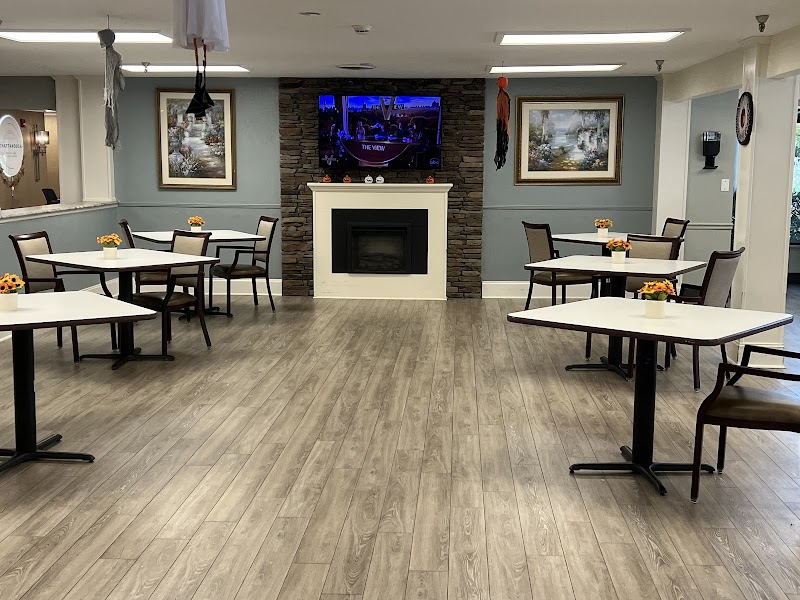
How is Chattanooga Health And Rehab Center Staffed?

CMS rates CHATTANOOGA HEALTH AND REHAB CENTER's staffing level at 2 out of 5 stars, which is below average compared to other nursing homes. Staff turnover is 51%, compared to the Tennessee average of 46%. RN turnover specifically is 62%, which is notably high. RNs provide skilled clinical oversight, so turnover in this role can affect medical care quality.

What Have Inspectors Found at Chattanooga Health And Rehab Center?

State health inspectors documented 32 deficiencies at CHATTANOOGA HEALTH AND REHAB CENTER during 2020 to 2024. These included: 1 that caused actual resident harm and 31 with potential for harm. Deficiencies causing actual harm indicate documented cases where residents experienced negative health consequences.
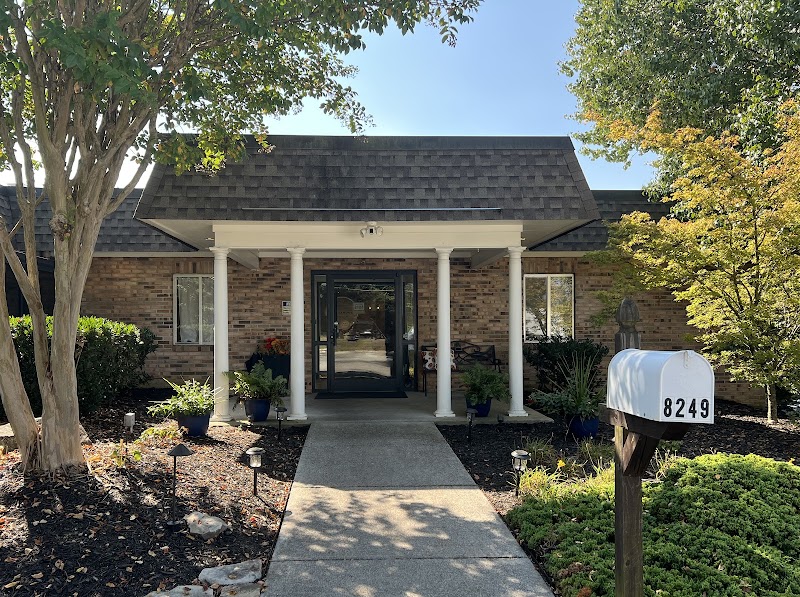
Who Owns and Operates Chattanooga Health And Rehab Center?

CHATTANOOGA HEALTH AND REHAB CENTER is owned by a for-profit company. For-profit facilities operate as businesses with obligations to shareholders or private owners. The facility is operated by VERTICAL HEALTH SERVICES, a chain that manages multiple nursing homes. With 127 certified beds and approximately 63 residents (about 50% occupancy), it is a mid-sized facility located in CHATTANOOGA, Tennessee.
How Does Chattanooga Health And Rehab Center Compare to Other Tennessee Nursing Homes?

Compared to the 100 nursing homes in Tennessee, CHATTANOOGA HEALTH AND REHAB CENTER's overall rating (2 stars) is below the state average of 2.8, staff turnover (51%) is near the state average of 46%, and health inspection rating (2 stars) is below the national benchmark.

What Should Families Ask When Visiting Chattanooga Health And Rehab Center?

Based on this facility's data, families visiting should ask: "Can you walk me through typical staffing levels on day, evening, and night shifts?" "Can I visit during a mealtime to observe dining assistance and food quality?" "How do you handle medical emergencies, and what is your hospital transfer rate?" "Can I speak with family members of current residents about their experience?" These questions are particularly relevant given the below-average staffing rating.

Is Chattanooga Health And Rehab Center Safe?

Based on CMS inspection data, CHATTANOOGA HEALTH AND REHAB CENTER has a clean safety record: no substantiated abuse findings (meaning no confirmed cases of resident harm), no Immediate Jeopardy citations (the most serious violation level indicating risk of serious injury or death), and is not on the Special Focus Facility watch list (a federal program monitoring the lowest-performing 1% of nursing homes). The facility has a 2-star overall rating and ranks #100 of 100 nursing homes in Tennessee. While no facility is perfect, families should still ask about staff-to-resident ratios and recent inspection results during their visit.

Do Nurses at Chattanooga Health And Rehab Center Stick Around?

CHATTANOOGA HEALTH AND REHAB CENTER has a staff turnover rate of 51%, which is about average for Tennessee nursing homes (state average: 46%). Moderate turnover is common in nursing homes, but families should still ask about staff tenure and how the facility maintains care continuity when employees leave.

Was Chattanooga Health And Rehab Center Ever Fined?

CHATTANOOGA HEALTH AND REHAB CENTER has been fined $6,509 across 1 penalty action. This is below the Tennessee average of $33,144. While any fine indicates a compliance issue, fines under $50,000 are relatively common and typically reflect isolated problems that were subsequently corrected. Families should ask what specific issues led to these fines and confirm they've been resolved.

Is Chattanooga Health And Rehab Center on Any Federal Watch List?

CHATTANOOGA HEALTH AND REHAB CENTER is not on any federal watch list. The most significant is the Special Focus Facility (SFF) program, which identifies the bottom 1% of nursing homes nationally based on persistent, serious quality problems. Not being on this list means the facility has avoided the pattern of deficiencies that triggers enhanced federal oversight. This is a positive indicator, though families should still review the facility's inspection history directly.