LIFE CARE CENTER OF EAST RIDGE
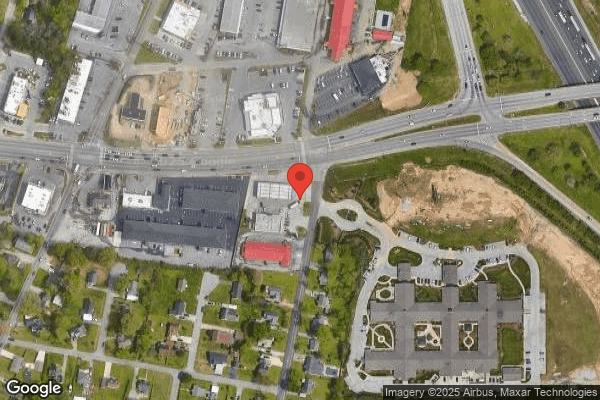
1502 MCDONALD ROAD, CHATTANOOGA, TN 37412 (423) 894-1254
For profit - Corporation 108 Beds LIFE CARE CENTERS OF AMERICA Data: November 2025
Trust Grade
80/100
#70 of 298 in TN
Last Inspection: June 2024

Within standard 12-15 month inspection cycle. Federal law requires annual inspections.

Overview

Life Care Center of East Ridge has a Trust Grade of B+, indicating it is above average and recommended for families considering care options. It ranks #70 out of 298 nursing homes in Tennessee, placing it in the top half of facilities in the state, and #3 of 11 in Hamilton County, meaning only two local options are better. The facility's performance has remained stable, with 5 issues noted in both 2022 and 2024, and it has a good staffing rating of 4/5 stars and a low turnover rate of 32%, significantly below the state average of 48%. On the downside, there are concerns about compliance, including failures to follow physician orders for fluid restrictions for two residents and inaccuracies in assessments for others, which might impact their care. Notably, the facility has no fines on record, suggesting a generally strong compliance history.

Trust Score
B+
80/100
In Tennessee
#70/298
Top 23%
Safety Record
Low Risk
No red flags
Inspections
Holding Steady
5 → 5 violations
Staff Stability
○ Average
32% turnover. Near Tennessee's 48% average. Typical for the industry.
Penalties
✓ Good
No fines on record. Clean compliance history, better than most Tennessee facilities.
Skilled Nurses
✓ Good
Each resident gets 47 minutes of Registered Nurse (RN) attention daily — more than average for Tennessee. RNs are trained to catch health problems early.
Violations
⚠ Watch
11 deficiencies on record. Higher than average. Multiple issues found across inspections.
★★★★☆
4.0
Overall Rating
★★★★☆
4.0
Staff Levels
★★★★☆
4.0
Care Quality
★★★★☆
4.0
Inspection Score
Stable
2022: 5 issues
2024: 5 issues

The Good

  • 4-Star Staffing Rating · Above-average nurse staffing levels
  • 4-Star Quality Measures · Strong clinical quality outcomes
  • Full Sprinkler Coverage · Fire safety systems throughout facility
  • No fines on record
  • Staff turnover below average (32%)

    16 points below Tennessee average of 48%

Facility shows strength in staffing levels, quality measures, fire safety.

The Bad

Staff Turnover: 32%

14pts below Tennessee avg (46%)

Typical for the industry

Chain: LIFE CARE CENTERS OF AMERICA

Part of a multi-facility chain

Ask about local staffing decisions and management

The Ugly 11 deficiencies on record

Jun 2024 5 deficiencies
CONCERN (D)

Potential for Harm - no one hurt, but risky conditions existed

Assessment Accuracy (Tag F0641)

Could have caused harm · This affected 1 resident

**NOTE- TERMS IN BRACKETS HAVE BEEN EDITED TO PROTECT CONFIDENTIALITY** Based on facility policy review, review of the Resident Assessment Instrument (RAI) Manual 3.0, medical record review, observati...

Read full inspector narrative →
**NOTE- TERMS IN BRACKETS HAVE BEEN EDITED TO PROTECT CONFIDENTIALITY** Based on facility policy review, review of the Resident Assessment Instrument (RAI) Manual 3.0, medical record review, observations, and interviews, the facility failed to accurately complete a Minimum Data Set (MDS) assessment for 2 residents (Resident #25 and #11) of 18 residents reviewed for MDS assessments. The findings include: Review of the facility's policy titled, Resident assessment Instrument & Care Plan Development, dated 8/22/2022, revealed .The facility will follow the procedures set forth in the Resident Assessment Instrument User's Manual 3.0 when completing the MDS . Review of the RAI Manual dated 10/2023, revealed .The RAI process has multiple regulatory requirements .the assessment accurately reflects the resident's status .a registered nurse conducts or coordinates each assessment with the appropriate participation of health professionals .one of the most important functions .accurate picture of the resident's current health status . Medical record review revealed Resident #25 was admitted to the facility on [DATE] with diagnoses including Protein-Calorie Malnutrition, Anorexia, and Cerebrovascular Disease. Review of the Physician's Orders for Resident #25 dated 6/9/2023, revealed .Admit for hospice services . Review of a quarterly MDS assessment dated [DATE], revealed Resident #25 scored a 12 on the Brief Interview for Mental Status (BIMS) assessment which indicated the resident had moderate cognitive impairment. Further review revealed hospice care was not coded on the MDS assessment. During an interview on 6/5/2024 at 1:00 PM, Licensed Practical Nurse (LPN) D confirmed Resident #25 received hospice services. During an interview on 6/5/2024 at 2:00 PM, MDS Coordinator C confirmed Resident #25 received hospice services and the quarterly MDS assessment dated [DATE] did not include hospice services and was not accurate. Medical record review revealed Resident #11 was admitted to the facility on [DATE] with diagnoses including Major Depressive Disorder, Anxiety, and Delusional Disorder. Review of a quarterly MDS assessment dated [DATE], revealed Resident #11 scored a 9 on the BIMS assessment which indicated the resident had moderate cognitive impairment and received an anti-psychotic medication. Further review revealed Resident #11 did not have the Delusional Disorder diagnosis coded on the MDS assessment. During an interview on 6/5/2024 at 1:48 PM, Registered Nurse (RN) Clinical Reimbursement Specialist confirmed the MDS assessment dated [DATE] was not coded accurately to reflect Resident #11's active mental health diagnosis of Delusional Disorder.
CONCERN (D)

Potential for Harm - no one hurt, but risky conditions existed

PASARR Coordination (Tag F0644)

Could have caused harm · This affected 1 resident

**NOTE- TERMS IN BRACKETS HAVE BEEN EDITED TO PROTECT CONFIDENTIALITY** Based on facility policy review, medical record review, and interview, the facility failed to resubmit a Pre-admission Screening...

Read full inspector narrative →
**NOTE- TERMS IN BRACKETS HAVE BEEN EDITED TO PROTECT CONFIDENTIALITY** Based on facility policy review, medical record review, and interview, the facility failed to resubmit a Pre-admission Screening and Resident Review (PASARR) after new mental health diagnoses were identified for 1 resident (Resident #44) of 12 residents reviewed for PASARR. The findings include: Review of the facility's policy titled, Pre-admission Screening and Resident Review, dated 10/4/2022, revealed, .The facility will ensure that potential admissions are .screened for possible serious mental disorders or intellectual disabilities .A negative Level I screen .ends the PASARR process unless a possible serious mental disorder or intellectual disability arises later .Any resident with newly evident or possible serious mental disorder .or a related condition must be referred, by the facility to the appropriate state-designated mental health or intellectual disability authority for review . Medical record review revealed Resident #44 was admitted to the facility on [DATE] with diagnoses including Anxiety, Diabetes, and Colon Cancer. Review of Nurse Practitioner (NP) Progress Note for Resident #44 dated 4/3/2024, revealed Resident #44 was diagnosed with Delusions and Adjustment Reaction with Anxiety and Depression. During an interview on 6/5/2024 at 1:00 PM, NP A stated Resident #44 was diagnosed with Delusions and Adjustment Reaction with Anxiety and Depression upon an intial evaluation conducted on 4/3/2024. During an interview on 6/5/2024 at 2:00 PM, Registered Nurse (RN) Minimum Data Set (MDS) Coordinator A confirmed Resident #44 was not referred for level 2 PASARR after new mental health diagnoses of Delusions and Adjustment Reaction with Anxiety and Depression were identified on 4/3/2024.
CONCERN (D)

Potential for Harm - no one hurt, but risky conditions existed

Deficiency F0645 (Tag F0645)

Could have caused harm · This affected 1 resident

**NOTE- TERMS IN BRACKETS HAVE BEEN EDITED TO PROTECT CONFIDENTIALITY** Based on facility policy review, medical record review, and interview, the facility failed to ensure a Pre-admission Screening a...

Read full inspector narrative →
**NOTE- TERMS IN BRACKETS HAVE BEEN EDITED TO PROTECT CONFIDENTIALITY** Based on facility policy review, medical record review, and interview, the facility failed to ensure a Pre-admission Screening and Resident Review (PASARR) was accurate upon admission for 1 resident (Resident #11) of 12 residents reviewed for PASARR. The findings include: Review of the facility's policy titled, Pre-admission Screening and Resident Review, dated 10/6/2022, revealed .facility will ensure that potential admissions are .screened for possible serious mental disorders or intellectual disabilities and related conditions .Referring all .residents .with .possible serious mental disorder .or a related condition for level II resident review . Review of a PASARR Level I Screen for Resident #11 dated 2/8/2024, revealed .No mental health diagnosis is known or suspected . Medical record review revealed Resident #11 was admitted to the facility on [DATE] with diagnoses including Major Depressive Disorder, Anxiety, and Delusional Disorder. During an interview on 6/5/2024 at 1:45 PM, the Registered Nurse (RN) Minimum Data Set (MDS) Coordinator A confirmed the facility failed to ensure Resident #11's admission PASSAR screen was accurate to include active diagnoses of Major Depressive Disorder, Anxiety, and Delusional Disorder and failed to submit for level II services for the mental health diagnoses.
CONCERN (D)

Potential for Harm - no one hurt, but risky conditions existed

Comprehensive Care Plan (Tag F0656)

Could have caused harm · This affected 1 resident

**NOTE- TERMS IN BRACKETS HAVE BEEN EDITED TO PROTECT CONFIDENTIALITY** Based on policy review, medical record review, and interview, the facility failed to implement a comprehensive care plan to refl...

Read full inspector narrative →
**NOTE- TERMS IN BRACKETS HAVE BEEN EDITED TO PROTECT CONFIDENTIALITY** Based on policy review, medical record review, and interview, the facility failed to implement a comprehensive care plan to reflect a Post Traumatic Stress Disorder (PTSD) diagnosis for 1 (Resident #24) of 18 residents reviewed for care plans. The findings include: Review of the facility's policy titled, Person Centered Care Plan, dated 8/16/2022, revealed .Each person will have a person-centered comprehensive care plan developed and implemented to meet .the resident's medical, physical, mental and psychosocial needs .care plan will include measurable goals, timeframes to meet the patient's .psychosocial needs . Review of the facility's policy titled, Trauma Informed Care, dated 8/22/2023, revealed .Based on the comprehensive assessment of a resident .who has a history of .post-traumatic stress disorder receives appropriate treatment and services . Medical record review revealed Resident #24 was admitted to the facility on [DATE] with diagnoses including Dementia, Anxiety, and PTSD. Review of a comprehensive care plan dated 5/21/2024, revealed Resident #24's diagnosis of PTSD was not reflected on the care plan and no interventions had been implemented for the PTSD care. Review of a 5-day Minimum Data Set (MDS) assessment dated [DATE], revealed Resident #24 scored an 11 on the Brief Interview for Mental Status (BIMS) assessment which indicated the resident had moderate cognitive impairment. Further review revealed Resident #24 had an active diagnosis of PTSD coded on the MDS assessment. During an interview on 6/5/2024 at 9:35 AM, Resident #24 stated he had PTSD upon admission and was not aware of any specialized interventions the facility had to aid in the PTSD diagnosis. During an interview on 6/5/2024 at 1:48 PM, Licensed Practical Nurse (LPN) MDS Coordinator B confirmed the comprehensive care plan for Resident #24 did not reflect the resident's active PTSD mental health diagnosis or interventions.
CONCERN (D)

Potential for Harm - no one hurt, but risky conditions existed

Accident Prevention (Tag F0689)

Could have caused harm · This affected 1 resident

**NOTE- TERMS IN BRACKETS HAVE BEEN EDITED TO PROTECT CONFIDENTIALITY** Based on facility policy review, medical record review, observations, and interview the facility failed to secure medications fo...

Read full inspector narrative →
**NOTE- TERMS IN BRACKETS HAVE BEEN EDITED TO PROTECT CONFIDENTIALITY** Based on facility policy review, medical record review, observations, and interview the facility failed to secure medications for 1 resident (Resident #7) of 18 residents screened for accidents and hazards. The findings include: Review of the facility's policy titled, Storage and Expiration Dating of Medications, Biologicals, dated 8/7/2023, revealed .Store all drugs and biologicals in locked compartments .Facility should ensure that all medications .are securely stored in a locked cabinet/cart or locked medication room that is inaccessible . residents . Medical record review revealed Resident #7 was admitted to the facility on [DATE] with diagnoses including Vascular Dementia, Depression, and Anxiety. Review of a quarterly Minimum Data Set (MDS) assessment dated [DATE], revealed Resident #7 scored a 6 on the Brief Interview for Mental Status (BIMS) assessment which indicated the resident had severe cognitive impairment. Review of the Nursing Monthly Summary for Resident #7 dated 5/30/2024, revealed the resident was alert and oriented with no confusion. Review of the Physician's Note for Resident #7 dated 6/4/2024, revealed the resident was alert and oriented to person, place, and part of situation. During an observation in Resident #7's bathroom on 6/3/2024 at 11:00 AM, revealed the following medications unsecured on a shelf in the bathroom: 1- 60 tablet pack of Azo Yeast Plus (medication used to treat vaginal yeast infections) with 7 tablets remaining in the package. 1- 45 gram (gm) tube of Terconazole 0.4% Cream (medication used to treat vaginal infections) approximately 1/2 full. 1- 45 gm tube of Miconazole 7 Nitrate 7% Cream (medication used to treat vaginal yeast infections) approximately 3/4 full. 1- 18.2 milliliter bottle of Fluticasone Propionate Nasal Spray (medication used to treat allergy symptoms) 3/4 full. During an observation in Resident #7's bathroom on 6/4/2024 at 1:00 PM, revealed the following medications unsecured medications on a shelf in the bathroom: 1- 60 tablet pack of Azo Yeast Plus with 7 tablets remaining in the package. 1- 45 gm tube of Terconazole 0.4% Cream approximately 1/2 full. 1- 45 gm tube of Miconazole 7 Nitrate 7% Cream (medication used to treat vaginal yeast infections) approximately 3/4 full. 1- 18.2 milliliter bottle of Fluticasone Propionate Nasal Spray 3/4 full. During an observation and interview in Resident #7's bathroom with Licensed Practical Nurse (LPN) D on 6/5/2024 at 1:00 PM, revealed the following medications unsecured on a shelf: 1- 60 tablet pack of Azo Yeast Plus with 7 tablets remaining in the package. 1- 45 gm tube of Terconazole 0.4% Cream approximately 1/2 full. 1- 45 gm tube of Miconazole 7 Nitrate 7% Cream (medication used to treat vaginal yeast infections) approximately 3/4 full. 1- 18.2 milliliter bottle of Fluticasone Propionate Nasal Spray 3/4 full. LPN D stated there were no residents who wandered on the hallway or into other resident rooms. LPN D confirmed the medications had not been provided by the facility or the facility's pharmacy and the medications were stored unsecured on a shelf in the resident's bathroom. Review of a Nurse Practitioner note for Resident #7 dated 6/5/2024, revealed the resident was alert to person, situation, and time. Review of Resident #7's medical record revealed the resident did not have an active vaginal yeast infection. Multiple observations from 6/3/2024-6/5/2024 at various times of the day revealed Resident #7 was in a private room, the door to her room was kept closed, and there were no wandering residents on the hallway. During a telephone interview (1-800-222-1222) on 6/5/2024 at 1:25 PM, Tennessee Poison Control stated the medications including the Miconazole cream was not harmful if swalowed. The medication could cause mild gastric discomfort but would have no long lasting or ill effects if swallowed. During an interview on 6/5/2024 at 2:00 PM, the Director of Nursing (DON) stated Resident #7 was not assessed to self-administer medications and confirmed the medications observed in Resident #7's bathroom were not stored properly.
Dec 2022 1 deficiency
CONCERN (D) 📢 Someone Reported This

A family member, employee, or ombudsman was alarmed enough to file a formal complaint

Potential for Harm - no one hurt, but risky conditions existed

Pharmacy Services (Tag F0755)

Could have caused harm · This affected 1 resident

**NOTE- TERMS IN BRACKETS HAVE BEEN EDITED TO PROTECT CONFIDENTIALITY** Based on review of facility policy, review of facility investigation, medical record review and interviews, the facility failed ...

Read full inspector narrative →
**NOTE- TERMS IN BRACKETS HAVE BEEN EDITED TO PROTECT CONFIDENTIALITY** Based on review of facility policy, review of facility investigation, medical record review and interviews, the facility failed to follow its narcotic drug reconciliation policy and procedures and failed to secure accurate inventories of controlled substances for 6 residents (Residents #1, #2, #3, #4, #5, #6) of 56 residents, on 1 of 4 medication carts, on 1 of 2 units. The findings included: Review of the facility policy Management of Controlled Substances, Issued 5/6/2022 showed .the facility will maintain a system to account for controlled substances receipt and disposition in sufficient detail to enable an accurate reconciliation .The facility will ensure it follows .policies to ensure ongoing compliance with the management of controlled substances .the facility will ensure .reconcile the total number of controlled medications on hand, add newly received medications to the inventory and remove medications that are completed and .reconcile the number of doses remaining in the package to the doses recorded on the Shift Change Controlled Substance Inventory Count Sheet .should routinely reconcile the number of doses remaining in the package .to the medication administration record . Review of the facility policy Drug Diversion Prevention Program, issued 7/31/2018 and reviewed 8/26/2022 showed, .facility will ensure .a system of medication records that enables periodic, accurate, reconciliation and counting for all controlled medications .identification of loss or potential diversion of controlled medication . Review of a facility investigation dated 12/1/2022 showed irregularities in the facility narcotics inventory were detected on the 100 unit hallway on medication cart A, around noon, 5 hours after the shift change narcotic reconciliation had occurred. At that time, Licensed Practical Nurse (LPN) #1 was in possession of the medication cart and discovered Oxycodone/Acetaminophen (Percocet, an opioid pain medication) 10/325 milligram (mg) tablets denoted in the Medication Administration Records (MAR) and corresponding Physician Orders, for Resident #1 was not present on the cart. LPN #1 searched the cart and discovered both the card of tablets and Shift Change Controlled Substance Count Sheet (count sheet) were missing. LPN #1 checked the shift change narcotic card count log (card log) for 12/1/2022 and noted 31 cards of narcotics were present on her cart, as she documented on the cart count sheet earlier that morning, then discovered after review of the card count log from 11/30/2022, (the shift prior) the correct number of narcotic cards on the cart was to have been 34 cards (3 cards unaccounted for). LPN #1 also noted the narcotic card log figure documented by the off-going nurse was illegible and appeared to have had been changed to 31 after the morning reconciliation was performed. This was not detected during the shift change reconciliation process itself, as LPN #1 had not looked at the card count log from the prior shift, before starting the shift change reconciliation and card count with the off-going nurse, Registered Nurse (RN) #2. LPN #1 immediately reported the situation to the Director of Nursing (DON), who launched an investigation, which included a total reconciliation of the impacted medication cart, resident record reviews, and pharmacy delivery records, which over several hours, revealed multiple additional irregularities and other missing narcotics and count sheets. The off-going nurse from the prior shift (RN #2), categorically denied narcotic diversion or altering the narcotic card inventory log to 31 cards from 34 cards, and in interview and written statements stated the card count that morning of 31 was correct. Further investigation by the DON, showed this not to be case. 34 cards of narcotics were supposed to have been present on the cart on 11/30/2022 and 11/29/2022 and had been documented as such during prior shifts which included the 11/29/2022 night shift also worked by RN #2. There was no evidence the missing medications had been improperly disposed of or returned to the pharmacy per review of pharmacy records. MAR reviews showed multiple residents had drugs missing from their inventories that were not accounted for in the electronic health records and multiple missing drugs included missing corresponding count sheets over at least a 2 week time period prior to 12/1/2022, which went undetected by the facility until 12/1/2022. Medical record review showed Resident #1 was admitted to the facility on [DATE] with diagnoses including Acute Kidney Failure, Type 2 Diabetes, Atrial Fibrillation, Congestive Heart Failure and Chronic Pain. Review of the facility investigation, pharmacy records, and Medication Administration Records (MAR) for Resident #1, showed Resident #1 had orders for Percocet (a narcotic pain medication) 10/325 mg one tablet by mouth every 4 hours as needed for pain. Pharmacy records showed the facility received 28 tablets on 11/25/2022 which were signed into Medication Cart A. Review of the MAR showed the last confirmed administration of the drug occurred on 11/29/2022 at 7:30 PM. Review of the facility investigation showed on 12/1/2022 both the card of medication and corresponding count sheet were missing from the cart. 26 of 28 doses delivered to the facility were unaccounted for. Medical record review showed Resident #2 was admitted to the facility on [DATE] with diagnoses including Acute Pancreatitis, Hemiplegia following Cerebral Infarction, Acquired Absence of Other Specified Parts of Digestive Tract, Wedge Compression Fracture of the First Lumbar Vertebrae, and Type 2 Diabetes. Review of the facility investigation, pharmacy records and the MAR showed Resident #2 was prescribed Oxycodone (a narcotic pain medication) 5 mg, one tablet by mouth every six hours as needed for pain. Review of pharmacy records showed on admission, Resident #2 was provided a single card and corresponding count sheet, with 3 doses on it on 11/10/2022. Continued review of pharmacy records showed the facility received 30 tablets on a second single medication card with a corresponding inventory sheet, on 11/11/2022. Review of the MAR showed Resident #2 received the medication 5 times between 11/12/2022 and 11/14/2022. The last dose utilized was given on 11/14/2022 at 7:16 AM. The medication was discovered to be missing from the Cart A inventory on 12/1/2022 and both the second 30 count medication card and corresponding count sheet were missing. In total, 28 doses of the medication were unaccounted for. Medical record review showed Resident #3 was admitted to the facility on [DATE] with diagnoses including Dislocated Right Hip Prosthesis, Chronic Obstructive Pulmonary Disease, Anemia, and Hypertension. Review of the facility investigation, pharmacy records, and MAR showed on admission Resident #3 was prescribed two medications for pain control. Resident #3 was prescribed Hydrocodone (narcotic pain medication) 10/325 mg tablets, one by mouth every six hours as need for pain and Oxycodone IR (narcotic pain medication) 15 mg one tablet by mouth every 12 hours as needed for breakthrough pain. Review of pharmacy records showed the facility received one card of Oxycodone with 29 pills on 11/23/2022. Review of the MAR showed the medication was used 7 times prior to Resident #3's discharge with the last known dose given on 11/29/2022 at 8:51 AM. The medication and its corresponding count sheet were found to be missing on 12/1/2022 and 22 tablets were unaccounted for. Continued review showed the facility received 3 cards with corresponding count sheets of Hydrocodone for Resident #3 as follows: On 11/25/2022 the facility received one card with 11 tablets. On 11/25/2022 the facility received another card with 29 tablets. On 11/28/2022 the facility received a third card and corresponding count sheet with 30 tablets. Review of the MAR showed Hydrocodone was given to Resident #3, six times with the last known dose given on 11/29/2022 at 1:57 PM. Review of the facility investigation showed on 12/1/2022 only 2 cards of medication were found on the cart, one was partially used, and those doses accounted for on the MAR. The last card delivered was intact and not used. The first card delivered, and its corresponding count sheet were missing. In total 18 doses of Hydrocodone billed by the pharmacy as provided to Resident #3, were unaccounted for. Medical record review showed Resident #4 was admitted to the facility on [DATE] with diagnoses including Rheumatoid Arthritis Multiple sites, Chronic Obstructive Pulmonary Disease, Type 2 Diabetes and Hemiplegia Following Cerebral Vascular Accident. Review of the facility investigation, pharmacy records and MAR showed Resident #4 was prescribed Oxycodone/Acetaminophen (narcotic pain medication) 10/325 mg tablets, one tablet by mouth every six hours as needed for pain. Review of the pharmacy records showed the facility received the medication and corresponding count sheets as follows: 11/3/2022 30 tablets, 11/12/2022 28 tablets, 11/16/2022 30 tablets, 11/17/2022 30 tablets, and 11/22/2022 30 tablets (total number of tablets filled by the pharmacy was 112 distributed on 5 cards). Review of the MAR and nursing notes showed only 54 doses accounted for as given in the medical records. The last dose administered was given on 11/30/2022 at 5:00 AM by RN #2. On 12/1/2022, during the facility investigation, 4 cards of the medication along with their corresponding count sheets were missing. The only card of medication and its corresponding count sheet present on the 100 hall Medication Cart A at the time, was the card delivered on 11/12/2022, with 28 tablets, which was undisturbed. In total 94 doses of the medication were unaccounted for. Medical record review showed Resident #5 was admitted to the facility on [DATE] with diagnoses including Surgical Aftercare Skin and Subcutaneous Tissues, Open Wound Right Thigh, Non-Pressure Ulcer Right Thigh, and Polymyalgia. Review of the facility investigation, MAR and pharmacy records showed Resident #5 was prescribed Hydrocodone 10/325 mg tablets (narcotic pain medication), one tablet every six hours as needed for pain. Pharmacy records showed the facility received medication cards and corresponding control sheets as follows: on 11/4/2022, 10 tablets, 11/7/2022 30 tablets, 11/9/2022 28 tablets, 11/17/2022 30 tablets, 11/23/2022 29 tablets. In total 157 Hydrocodone 10/325 mg tablets were dispensed on five cards to Resident #5. Review of the facility investigation, interview statements and corresponding count sheets, showed 65 doses were documented as pulled from inventory for administration to Resident #5 between 11/4/2022 and 12/1/2022 by 10 different licensed nurses. The last known dose given to Resident #5 was administered by RN #2 on 11/29/2022 at 7:00 PM and was accounted for on the MAR, Nursing Notes and corresponding narcotic count sheet. However, only 44 total doses were accounted for on the MAR and electronic nursing notes (a 21-dose discrepancy). Additionally, review of the facility investigation also showed 4 cards of Hydrocodone 10/325 mg tabs and the corresponding count sheets were missing from the 100 wing A Medication Cart on 12/1/2022. In total 80 tablets of Hydrocodone 10/325 mg dispensed to Resident #5 were missing and not accounted for. Medical record review showed Resident #6 was admitted to the facility on [DATE] with diagnoses including Unspecified Open Wound of the Abdominal Wall, Muscle Weakness, Type 2 Diabetes, Chronic Pain Syndrome, Morbid Obesity and Toxic Encephalopathy. Review of the pharmacy records, MAR and facility investigation showed Resident #6 was prescribed Oxycodone IR (narcotic pain medication) 5 mg tablets, one tablet by mouth every 12 hours as needed for pain. Additionally, Resident #6 was prescribed Hydrocodone (narcotic pain medication) 7.5 mg tablets, one tablet every 4 hours as needed for breakthrough pain. Review of the pharmacy records showed Oxycodone was dispensed as follows: 11/2/2022, 28 tablets, 11/16/2022, 29 tablets, 11/30/2022 28 tablets for a total of 85 tablets dispensed. Review of the MAR and corresponding count sheets showed Resident #6 was administered 23 doses by 9 different licensed nurses between 11/3/2022 and 11/30/2022. Review of the facility investigation revealed on 12/2/2022 during the facility investigation the narcotic cards and corresponding inventory sheets from 11/16/2022 and 11/30/2022 were present and accounted for. The card delivered on 11/16/2022 had 18 doses missing from it. The remaining cards and corresponding narcotic count sheets were missing and unaccounted for. In total 19 doses of Oxycodone were missing. Continued review of the facility investigation, MARS and pharmacy records showed Hydrocodone was dispensed by the pharmacy as follows: 11/16/2022, 30 tablets, 11/17/2022, 30 tablets, 11/22/2022, 30 tablets, and 11/30/2022, 30 tablets (total of 120 tablets dispensed). Review of the MARS, nursing notes and corresponding inventory sheets showed between 11/16/2022 and 11/30/2022, 74 doses were administered to Resident #6 by 9 different licensed nurses. However, 76 tablets had been documented as pulled from the count sheets. 2 doses were not accounted for. Medical record reviews and interviews conducted with all impacted residents still residing in the facility showed no increase in pain symptoms and all denied having missed a dose of pain medication or having increased pain. Interview with LPN #1 on 12/7/2022 at 6:30 PM in the conference room revealed she was the unit manager for the 100 hallway. LPN #1 reported on 12/1/2022 she discovered the missing medications for Resident #1 while preparing to discharge him home. LPN #1 stated she became aware of the missing medications when she was approached by the Nurse Practitioner to ask for refills to be called to the discharge pharmacy and was informed by the Nurse Practitioner she had already filled the medication for Resident #1 days before. LPN #1 reported the Nurse Practitioner called the nursing home pharmacy to confirm the order had been received and filled and after a record review confirmed the missing medications should have been on the cart. Continued interview revealed LPN #1 reported she searched the cart again, then checked to make sure the medication had not been removed for destruction inadvertently and determined it had not, at which time she immediately called the DON to the floor and the pair repeated the cart audit to make sure the narcotic card had not been inadvertently stored in another drawer on the cart. LPN #1 reported at that time she was questioned about the total card count and reported to the DON she had initialed the count as 31 cards, and struck out the entry above it, as at shift change RN #2 confirmed 31 cards, and the writing RN #2 left on the forms the night before was illegible to her and could not be distinguished from the numbers 37, 34 or 31. LPN #1 reported she was later interviewed by corporate staff and suspended until cleared in the situation and allowed to return to work after corrective actions. LPN #1 confirmed on that morning she counted the medications with RN #2 she had not looked at the prior sheet before the count began and did not look at it until after the count was completed and she had taken over the cart from RN #2 and RN #2 had left the facility. Interview with the DON and Administrator on 12/8/2022 at 7:29 PM in the conference room confirmed the facility investigation revealed multiple instances of non-compliance with the facility Controlled Substances and Drug Diversion Policies. Both confirmed 289 doses of controlled substances were missing and not accounted for and confirmed at that time it was reasonable to conclude a substantial number of those were diverted from the facility by a licensed nurse with access to the 100 Hall A medication cart, sometime between 11/14/2022 and 11/30/2022 and the facility processes in place to prevent diversion had not been followed and thus prevented rapid detection of the problem until 12/1/2022. Facility corrective actions included: 1. On 12/1/2022 LPN #1 and RN #2 were immediately suspended pending outcome of the facility investigation of the narcotic irregularities. LPN #2 was given corrective discipline on 12/6/2022 and permitted to return to work under supervision of the DON and facility Narcotic Diversion Quality Assurance Team. 2. The facility performed a total narcotic audit facility wide on all medication carts on 12/1/2022 and again on 12/2/2022 with no other irregularities detected in the other 3 carts in the facility. 3. The facility reported the missing medications to all required authorities in accordance with Federal and State Laws on 12/1/2022. The Medical Director and prescribing Nurse Practitioners along with responsible parties for all impacted residents were notified on 12/1/2022. 4. The Nurse Practitioner assessed all impacted Residents on 12/1/2022 with no negative findings. All missing medications were ordered and replaced or reimbursed to impacted residents. 5. Comprehensive pain assessments were performed for all residents on the impacted hallway with no negative findings on 12/1/2022. 6. On 12/1/2022 the facility began re-education of all licensed nurses on the Management of Controlled Substances Policy, Shift Change Controlled Inventory Count Sheet, Drug Diversion Prevention Program Policy and the Managing Controlled Substances Quick Reference Card. All associates who had not completed the training by 12/6/2022 were not allowed to provide direct resident care until training was completed. The DON and Staff Development Coordinator (SDC) and or a designated licensed nurse will provide additional training to all new hires during orientation and annually as needed. 7. On 12/1/2022 the facility DON, Assistant Director of Nursing (ADON) and SDC began re-education of all staff on Abuse Policies Protection of Residents and Identifications of Types of Abuse. Any associate who had not completed training by 12/6/2022 was not allowed to provide direct resident care until training was completed. The DON, SDC or ADON will provide training to all new hires during orientation and annually as needed. 8. On 12/1/2022 the facility implemented daily review of the controlled substance delivery sheets, shift change controlled substance inventory count sheets were reviewed and signed off by the DON or designee. No additional instances of noncompliance were identified. Daily checks were documented on the grand rounds form. The intervention was completed on 12/5/2022 and collated for review by the Quality Assurance Committee (QAPI) in January 2023. Monitoring of sustained compliance by the DON continued at the time of the investigation. 9. On 12/2/2022 The Drug Diversion Prevention Program Assessment tool was completed to identify any areas of improvement to be focused upon. This was completed by 12/5/2022. The findings were documented for presentation to the QAPI committee. An Ad Hoc QA (Quality Assurance) meeting of the initial findings were discussed with the DON, Administrator, Corporate Leadership and Medical Director. Additional findings will be reviewed in January 2023 during the scheduled QAPI meeting. 10. The facility began formulating a monitoring plan to maintain sustained compliance on 12/2/2022. The monitoring formal plan was completed by 12/6/2022 and included: a. Audits of incoming and outgoing nurses during shift change narcotic reconciliations 5 times per week for 4 weeks then 3 times per week for 4 weeks then 1 time per week for 4 weeks by the (DON, ADON, SDC or nurse designee). b. Audits of daily narcotic card sheet inventory from the previous day to assure accuracy will be performed 5 times per week for 4 weeks, 3 times per week for 4 weeks then 1 time per week for 4 weeks. (DON, ADON, SDC or nurse designee) c. Audits of the current inventory to declining inventory (disposal logs) monitored 5 times per week for 4 weeks, 3 times per week for 4 weeks then 1 time per week for 4 weeks. (DON, ADON, SDC or nurse designee). d. Controlled declining inventory will be compared to Resident electronic Medication Administration Records (MAR) to assure completeness and all entries match narcotic control sheets. Audits will be performed 5 times a week for 4 weeks, 3 times weekly for 4 weeks, 1 time weekly for 4 weeks and as needed (PRN). Any noncompliance will be immediately investigated by the DON and Executive Director per facility policies and procedures. All audit results will be reported to the QAPI committee 1 time per month for three months. After three months the QAPI committee will determine if continued audits are warranted based upon data reviewed. All audits will be completed using the designated audit tools as mandated by facility and corporate policy and procedures. The surveyor validated the facility corrective actions onsite 12/7/2022 and 12/8/2022. The surveyor reviewed the facility policies and procedures as outlined above and interviewed 6 licensed nurses on the medication carts on both units across all shifts to assess understanding of recent training. All personnel interviewed were aware of the situation which triggered the audits and demonstrated competency in proper procedures for narcotic reconciliation and documentation of administration when observed. All could recite the facility policies and procedures related to diversion prevention. The surveyor observed narcotic drug reconciliation counts on both units for 3 of 4 carts in the facility across both shifts between 12/7/2022 and 12/8/2022 with no irregularities detected. All narcotic counts were accurate. The Surveyor performed random audits of all 4 narcotic carts in the facility across both shifts with attention to accuracy of the count sheets versus the Electronic MARS in use and the narcotic card counts for each cart on both 12/7/2022 and 12/8/2022 with no negative findings. Clinical record reviews for all 6 residents impacted by the incident were performed and showed no evidence of declines in condition or uncontrolled pain. Investigative interviews with 4 of 6 impacted residents conducted on 12/7/2022 and 12/8/2022, showed the 4 persons who remained in the facility were all alert and oriented in all spheres, were aware of the situation, were aware the missing drugs were replaced or reimbursed and all reported no increased pain or untoward outcomes, and expressed no concerns with clinical services at the facility. 2 of 6 of the impacted residents were discharged . Abuse interviews with 4 clinical staff and 3 family members revealed all were aware of the facility abuse prohibition policies. No complaints related to misappropriation or other concerns were voiced. Observations of clinical care across all units conducted on both shifts during the investigation included medication administration which showed no residents with unmet needs or signs of uncontrolled pain. No medication errors were detected. No documentation errors were observed. The surveyor reviewed facility training documents and sign-in sheets for all staff education reported in the plan of correction with no negative findings when compared to the active employee roster. The surveyor reviewed results of the facility audits performed to date as outlined in the plan of correction and found them complete and thorough. All audit results had been documented for presentation to the QAPI committee as reported. Monitoring of the interventions implemented in the plan of correction were in place as reported.
Jul 2022 4 deficiencies
CONCERN (D)

Potential for Harm - no one hurt, but risky conditions existed

Comprehensive Care Plan (Tag F0656)

Could have caused harm · This affected 1 resident

**NOTE- TERMS IN BRACKETS HAVE BEEN EDITED TO PROTECT CONFIDENTIALITY** Based on facility policy review, medical record review, observation, and interview, the facility failed to develop a care plan f...

Read full inspector narrative →
**NOTE- TERMS IN BRACKETS HAVE BEEN EDITED TO PROTECT CONFIDENTIALITY** Based on facility policy review, medical record review, observation, and interview, the facility failed to develop a care plan for 2 residents (#10 and #27) of 18 residents reviewed for care plans. The findings include: Review of the facility policy titled Comprehensive Care Plans and Revisions dated 3/2/2022, showed .The facility will ensure the timeliness of each resident's person-centered, comprehensive care plan . Resident #10 was admitted to the facility on [DATE] with diagnoses including Acute Kidney Failure, Dementia, Type 2 Diabetes Mellitus, Hypertension, and Retention of Urine. Review of a physician's order dated 6/6/2022, showed .Indwelling catheter to straight drainage . Review of a comprehensive care plan initiated on 6/6/2022, showed Resident #10 had not been care planned for the use of a urinary catheter. Review of a 5-day Minimum Data Set (MDS) assessment dated [DATE], showed Resident #10 had a urinary catheter in place. Observations on 7/18/2022 at 11:20 AM, 7/19/2022 at 2:00 PM, and 7/20/2022 at 8:00 AM, showed Resident #10 had a urinary catheter in place. During an interview on 7/19/2022 at 2:28 PM, the Director of Nursing confirmed Resident #10 had a urinary catheter in place, and a care plan had not been developed for the use of the catheter. Resident #27 was admitted to the facility on [DATE] with diagnoses including Pathological Fracture of the Left Femur, Pathological Fracture of the Left Humerus, Malignant Neoplasm of the Left Kidney, and Secondary Malignant Neoplasm of the Bone. Review of Resident #27's nursing admission assessment dated [DATE], showed .transported via ambulance .from [name of hospital] .With the DX [diagnosis] Renal Cell Carcinoma with Mets [metastasis] .Will start Radiation therapy on July 5th-July 18, 2022 . Review of the 5-day Minimum Data Set (MDS) assessment dated [DATE], showed Resident #27 had a Brief Interview for Mental Status (BIMS) of 15, indicating intact cognitive function and radiation was included under Cancer Treatments. Review of a comprehensive care plan revised 7/11/2022, showed the radiation therapy for Resident #27 was not included on the care plan. Review of the daily Skilled Nursing Documentation, from 7/12/2022-7/18/2022, revealed no record of the resident's ongoing radiation therapy. During observation of Resident #27 on 7/18/2022 at 12:30 PM, he was sitting in a wheelchair, using his computer. Observation included the black landmarks used by radiation therapy on the left upper outer aspect of his thigh and the left leg had swelling. During interview on 7/18/2022 at 12:30 PM, Resident #27 confirmed the radiation therapy to this area was ending on this date. He spoke about the initial break to his left upper arm, .I was just shutting the hood of [name of the car] and it broke . Interview continued and he spoke of how his left upper leg bone was .about to break and had required surgery. During an interview on 7/20/2022 at 8:35 AM, Registered Nurse (RN) #1 stated Resident #27's wife had been taking him for all appointments and she wasn't sure when radiation therapy was ending and confirmed she had not received any report about swelling of his left leg. During an interview on 7/20/2022 at 9:50 AM, the Medical Director stated Resident #27 was receiving radiation treatments five times a week to the left femur and she stated the nursing staff needed to observe the skin at the radiated area for signs of burning or a rash. Interview confirmed the Medical Director had not been notified of the swelling of the resident's left leg. Interview confirmed her expectation was for his care plan to include the resident's radiation therapy and possible untoward side effects. During an interview on 7/20/2022 at 10:25 AM, the Administrator confirmed Resident #27's comprehensive care plan did not include his radiation therapy.
CONCERN (D)

Potential for Harm - no one hurt, but risky conditions existed

Incontinence Care (Tag F0690)

Could have caused harm · This affected 1 resident

**NOTE- TERMS IN BRACKETS HAVE BEEN EDITED TO PROTECT CONFIDENTIALITY** Based on facility policy review, medical record review, observations, and interviews, the facility failed to follow a physician'...

Read full inspector narrative →
**NOTE- TERMS IN BRACKETS HAVE BEEN EDITED TO PROTECT CONFIDENTIALITY** Based on facility policy review, medical record review, observations, and interviews, the facility failed to follow a physician's order in obtaining a follow up urology (branch of medicine concerned with the function of the urinary system) appointment to assess an indwelling urinary catheter (a tube inserted into the bladder that remains in place to provide continuous urinary drainage) for 1 resident (#10) of 4 residents reviewed for urinary catheters. The findings include: Review of a facility policy titled Indwelling Urinary Catheter .Management dated 4/1/2022, showed .ensure that resident admitted with a urinary catheter .have the following areas addressed .Timely and appropriate assessments related to the indication for use of an indwelling catheter . Resident #10 was admitted to the facility on [DATE] with diagnoses including Acute Kidney Failure, Dementia, Type 2 Diabetes Mellitus, Hypertension, and Retention of Urine. Review of a hospital Discharge summary dated [DATE], showed .Discharge Orders/Instructions .[indwelling urinary catheter] for urinary retention, will need Urology follow up . Review of a Catheter Justification form dated 6/6/2022, showed Resident #10 had an indwelling urinary catheter for urinary retention. Review of a physician's order dated 6/6/2022, showed .Indwelling catheter to straight drainage . Review of the 5-day Minimum Data Set (MDS) assessment dated [DATE], showed Resident #10 had moderate cognitive impairment and had a urinary catheter in place. Review of a physician's order dated 7/15/2022, showed .Discharge resident to home on 7/20/2022 . Observations on 7/18/2022 at 11:20 AM, 7/19/2022 at 2:00 PM, and 7/20/2022 at 8:00 AM, showed Resident #10 had an indwelling urinary catheter in place to straight drainage. A dignity bag was in place and clear yellow urine was observed in the catheter tubing. During an interview on 7/20/2022 at 9:20 AM, the Medical Director stated that when a resident was admitted with orders for a follow up appointment, the appointment should be scheduled within 24 to 48 hours. The Medical Director confirmed Resident #10 was admitted to the facility with a urinary catheter in place and had not been seen by a Urologist. She stated there had been no concerns with the use of the catheter during the resident's admission. During an interview on 7/20/2022 at 9:45 AM, the Director of Nursing (DON) confirmed Resident #10 was admitted to the facility on [DATE] with an indwelling urinary catheter in place. The DON reviewed the hospital discharge orders and confirmed .the order was missed . and a Urology follow-up appointment had not been scheduled.
CONCERN (D)

Potential for Harm - no one hurt, but risky conditions existed

Medical Records (Tag F0842)

Could have caused harm · This affected 1 resident

**NOTE- TERMS IN BRACKETS HAVE BEEN EDITED TO PROTECT CONFIDENTIALITY** Resident #30 was admitted to the facility on [DATE] with diagnoses including COVID 19, Osteoporosis, Hemiplegia and Hemiparesis,...

Read full inspector narrative →
**NOTE- TERMS IN BRACKETS HAVE BEEN EDITED TO PROTECT CONFIDENTIALITY** Resident #30 was admitted to the facility on [DATE] with diagnoses including COVID 19, Osteoporosis, Hemiplegia and Hemiparesis, Hypertension, and Fibromyalgia. Review of the POST form dated [DATE], revealed Resident #30 was DNR with comfort measures only. Review of the Baseline Care Plan dated [DATE] showed .DNR; COMFORT MEASURES ONLY . Review of a physician's order for Resident #30 dated [DATE] showed, .FULL CODE . During an interview on [DATE] at 3:04 PM, the DON confirmed the POST form indicated Resident #30's code status was DNR with comfort measures, and a physician's order showed .FULL CODE . dated [DATE]. The DON's expectation was that the physician's orders and POST form match. The DON confirmed the medical record was inaccurate. Based on facility policy review, medical record review, and interview, the facility failed to maintain a completed Physician Order for Scope of Treatment (POST) form in the medical record for 1 resident (#10), and failed to obtain a physician's order for an accurate code status for 1 resident (#30) of 18 residents reviewed for Advance Directives. The findings include: Review of the facility policy titled Advance Directives and Advance Care Planning revised [DATE] showed .Residents have the right to self-determination regarding their medical care. This includes the right of an individual to direct his or her own medical treatment, including the right to execute or refuse to execute an advance directive .It is also required that the patient is asked about advanced directives, and to document any wishes the patient might have with regard to the care they want or do not want .Physician Orders for Life-Sustaining Treatment [or POST] .form that records patients' treatment wishes so that emergency personnel know what treatments the patient wants in the event of a medical emergency .physician's order .must be obtained .staff should honor .wishes .regarding CPR .DNR orders .must be documented in the resident's chart . Resident #10 was admitted to the facility on [DATE] with diagnoses including Acute Kidney Failure, Dementia, Type 2 Diabetes Mellitus, Hypertension, Osteoarthritis, and Retention of Urine. Review of the 5-day Minimum Data Set (MDS) assessment dated [DATE], showed Resident #10 had moderate cognitive impairment. Review of Resident #10's comprehensive care plan dated [DATE], showed .Resident has Advance Directives DNR - Do Not Resuscitate . Review of a POST form being maintained in Resident #10's medical record showed a code status selection of .Do Not Attempt Resuscitation (DNR/no CPR) . The POST form was undated and unsigned. During an interview on [DATE] at 10:15 AM, the Social Services Director confirmed the POST form being maintained in Resident #10's medical record was incomplete; code status of DNR was indicated but no signatures with associated dates had been obtained.
CONCERN (E)

Potential for Harm - no one hurt, but risky conditions existed

Deficiency F0692 (Tag F0692)

Could have caused harm · This affected multiple residents

**NOTE- TERMS IN BRACKETS HAVE BEEN EDITED TO PROTECT CONFIDENTIALITY** Based on facility policy review, medical record review, interview, and observation, the facility failed to follow a physician's ...

Read full inspector narrative →
**NOTE- TERMS IN BRACKETS HAVE BEEN EDITED TO PROTECT CONFIDENTIALITY** Based on facility policy review, medical record review, interview, and observation, the facility failed to follow a physician's order for fluid restrictions for 2 residents (#16 and #38) of 3 residents reviewed for fluid restrictions and failed to obtain weights as ordered for 1 resident (#16) of 3 residents reviewed for weights. The findings include: Review of the facility's policy titled, Monitoring Intake and Output, reviewed 7/8/2021, showed .Intake .monitoring may be initiated in the following circumstances .Resident who is on a fluid restriction .Intake .will be documented in the electronic health record . Review of the facility's policy titled, Weights and Heights, revised 7/17/2021, showed .residents are weighed within 24 hours of admission .and as needed thereafter .as determined by the .physician order . Resident #16 was admitted to the facility on [DATE] with diagnoses including Acute Systolic Congestive Heart Failure (CHF), Hyponatremia (low sodium), Pleural Effusion (an abnormal collection of fluid in the lung), and Anxiety Disorder. Review of an Order Summary Report showed Resident #16 had an order for daily weights dated 6/21/2022. The resident had an order for a 1500 milliliter (ml) fluid restriction dated 6/23/2022. Review of a 5-day admission Minimum Data Set (MDS) assessment dated [DATE], showed the resident had a Brief Interview for Mental Status (BIMS) score of 15 which indicated the resident was cognitively intact. Review of resident #16's electronic Medication Administration Record (e-MAR) for June and July 2022 showed no documentation of how much fluid the resident had received in a 24-hour period. Review of Nursing Progress Notes from 6/20/2022-7/19/2022, showed no documentation of swelling or signs of fluid overload. Review of a Physician Progress Note dated 6/22/2022, showed the resident had no swelling or signs of fluid overload with a weight of 207.9 pounds. Review of a Physician Progress Note dated 7/18/2022, showed the resident had no swelling or signs of fluid overload with a weight of 199.2 pounds. Review of Resident #16's dietary meal ticket showed the resident had a 1500 ml fluid restriction, received a total of 12 ounces (360 ml's) at breakfast and supper, and 8 ounces (240 ml's) at lunch for a total of 960 ml's. Review of the resident's Weights and Vitals Summary showed the resident had not been weighed on the following dates: 6/23/2022, 6/24/2022, 6/25/2022, 6/28/2022, 6/30/2022, 7/2/2022, 7/7/2022, 7/16/2022, 7/17/2022 and 7/18/2022. During an interview on 7/19/2022 at 12:26 PM, Certified Nursing Assistant (CNA) #1, stated she was unaware Resident #16 had a fluid restriction. CNA #1 stated residents were weighed weekly on Wednesdays and I think [Resident#16] is weighed weekly. During an interview on 7/19/2022 at 12:28 PM, CNA #2 stated residents were weighed every Wednesday and Resident #16 was weighed weekly. CNA #2 was unaware the resident had a fluid restriction and required daily weights. During an observation and interview on 7/19/2022 at 12:32 PM, Resident #16 had 2, 20-ounce (600 ml) cups sitting on the bedside table. One cup was empty, and the resident stated the empty cup had been from 7/18/2022. The other cup was full of water and the resident stated the staff had given it to him this morning (7/19/2022). Resident #16 stated he was aware of the 1500 ml fluid restriction and had not exceeded the 1500 ml's. The resident stated he had been weighed this morning (7/19/2022), had been weighed daily (unsure of the dates), and the staff stopped weighing him daily and he was unsure of the reason. Observation of the resident showed no signs of fluid overload. During an interview on 7/19/2022 at 12:34 PM, CNA #3 stated she had been informed by the nurse on 7/19/2022 Resident #16 had a fluid restriction (CNA #3 was unaware of the fluid restriction prior to 7/19/2022). During an interview on 7/19/2022 at 12:58 PM, the Dietary Manager (DM) stated that Resident #16 had a 1500 ml fluid restriction. She confirmed the resident received 360 ml's of fluid for breakfast and supper, and 240 ml's at lunch for a total of 960 ml's. During an interview on 7/19/2022 at 4:00 PM, the Director of Nursing (DON) confirmed the facility failed to follow physician orders to obtain daily weights and document fluid restrictions for Resident #16. During an interview on 7/20/2022 at 9:50 AM, the Medical Director stated Resident #16 had been placed on a fluid restriction during hospitalization (prior to admission to the facility) for polydipsia (abnormal thirst). The resident was placed on a 1500 ml fluid restriction for mild pulmonary edema during hospitalization. The Medical Director stated the facility's failure to document Resident #16's fluid intake had not placed the resident in harm, the resident had been assessed multiple times at the facility, and the resident had no swelling or signs of fluid overload. The Medical Director confirmed it was her expectation for the facility to follow physician orders and document fluid restriction intakes and weights as ordered. Resident #38 was admitted to the facility on [DATE] with diagnoses including Acute Kidney Failure, Type 2 Diabetes, and CHF. Review of an Order Summary Report showed Resident #38 had an 1800 ml fluid restriction order dated 7/13/2022. Review of a 5-day MDS assessment dated [DATE], showed the resident had a BIMS score of 15 which indicated the resident was cognitively intact. Review of Resident #38's July 2022 e-MAR showed no documentation of how much fluid the resident had received in a 24-hour period. Review of Nursing Progress Notes from 7/13/2022-7/20/2022 showed no signs of fluid overload. Review of Nurse Practitioner Progress Notes dated 7/14/2022 and 7/18/2022, showed no signs of fluid overload and the resident was stable. Review of Resident #38's dietary meal ticket showed the resident had an 1800 ml fluid restriction, received a total of 12 ounces (360 ml's) at breakfast, 8 ounces (240 ml's) at lunch, and 16 ounces (480 ml's) at supper for a total of 1,080 ml's. During an interview on 7/19/2022 at 12:34 PM, CNA #3 stated Resident #38 had a fluid restriction but was unsure how staff monitor and document fluid restrictions. During an interview on 7/19/2022 at 12:40 PM, Registered Nurse (RN) #1 stated the dietary department received notification when a resident had an order for a fluid restriction. Dietary calculated how much fluids will be placed on the resident's meal trays and informed the nursing department how much additional a resident was allowed. RN #1 stated the nurse who received the physician order for a fluid restriction was responsible for documenting the restriction in the e-MAR and how much additional fluid was allowed. During an interview on 7/19/2022 at 12:58 PM, the DM stated when a resident had a physician ordered fluid restriction, the DM calculated how much fluid the resident would receive from dietary, and the nursing staff were informed how additional fluid was allowed. The DM was unaware of how fluid restrictions are documented by the nursing staff. During an interview on 7/20/2022 at 9:24 AM, the DON confirmed the facility failed to document Resident #38's physician ordered 1800 ml fluid restriction. During an interview on 7/20/2022 at 9:45 AM, Licensed Practical Nurse #1 stated when a resident had an order for fluid restrictions, the additional fluid for the resident each shift was placed in the e-MAR. During an interview on 7/20/2022 at 10:10 AM, the Medical Director stated the resident showed no signs of swelling or fluid overload. The facility's failure to document Resident #38's fluid intake had not placed the resident in harm. The Medical Director confirmed it was her expectation for the facility to follow physician orders and document fluid intakes. During an interview on 7/20/2022 at 1:50 PM, Resident #38 stated he was aware of the fluid restriction and had not exceeded the 1800 ml fluid restriction.
Jul 2019 1 deficiency
CONCERN (D)

Potential for Harm - no one hurt, but risky conditions existed

Quality of Care (Tag F0684)

Could have caused harm · This affected 1 resident

**NOTE- TERMS IN BRACKETS HAVE BEEN EDITED TO PROTECT CONFIDENTIALITY** Based on facility policy review, medical record review, observation, and interview, the facility failed to provide wound care as...

Read full inspector narrative →
**NOTE- TERMS IN BRACKETS HAVE BEEN EDITED TO PROTECT CONFIDENTIALITY** Based on facility policy review, medical record review, observation, and interview, the facility failed to provide wound care as ordered by the Physician for 1 resident (#300) of 4 residents reviewed for wound care of 18 sampled residents. The findings include: Review of the facility policy, Treatment Orders, revised 2/25/15 revealed .The physician order is followed . Medical record review revealed Resident #300 was admitted to the facility on [DATE] with diagnoses including Chronic Peripheral Venous Insufficiency, Diabetes, Hypertension, and Pain in Left and Right Foot. Medical record review of the comprehensive care plan dated 7/19/19 revealed the resident had diabetic ulcers of the lower extremities with interventions including .Observe .Green drainage, Foul odor .WOUND/DRESSING: Treatments as ordered . Continued review revealed the resident was at risk for break in skin integrity with the intervention .Treatment as ordered . Medical record review of a Physician's Order dated 7/18/19 revealed .Gentamycin [topical antibiotic ointment] .Apply to Ulcers Lower Extremities topically as needed for soiled .dressing AND Apply to Ulcers, Lower Extremities topically every dayshift . Medical record review of the Medication Administration Record (MAR) dated 7/2019, revealed the as needed (PRN) treatment order for the diabetic ulcers had not been utilized. Continued review revealed the Physician's Order for the daily treatment of the diabetic ulcers was not provided on 7/21/19. Observation and interview with Resident #300 on 7/22/19 at 10:40 AM, in the resident's room, revealed the resident was lying in bed with bilateral lower extremity (BLE) dressings in place. Continued observation revealed the left lower extremity dressing was saturated with a greenish colored drainage and a foul odor was present. Interview with Resident #300, at the time of the observation, confirmed the resident's dressing had not been changed on 7/21/19, and confirmed wound care had no yet been provided on 7/22/19. Interview with the Director of Nursing (DON) and the Treatment Nurse on 7/24/19 at 10:45 AM, in the DON's office, confirmed the facility failed to provide the treatment and dressing change as ordered by the Physician.
Understanding Severity Codes (click to expand)
Life-Threatening (Immediate Jeopardy)
J - Isolated K - Pattern L - Widespread
Actual Harm
G - Isolated H - Pattern I - Widespread
Potential for Harm
D - Isolated E - Pattern F - Widespread
No Harm (Minor)
A - Isolated B - Pattern C - Widespread

Questions to Ask on Your Visit

  • "Can I speak with families of current residents?"
  • "What's your RN coverage like on weekends and overnight?"

Our Honest Assessment

Strengths
  • • Grade B+ (80/100). Above average facility, better than most options in Tennessee.
  • • No major safety red flags. No abuse findings, life-threatening violations, or SFF status.
  • • No fines on record. Clean compliance history, better than most Tennessee facilities.
  • • 32% turnover. Below Tennessee's 48% average. Good staff retention means consistent care.
Concerns
  • • 11 deficiencies on record. Higher than average. Multiple issues found across inspections.
Bottom line: Generally positive indicators. Standard due diligence and a personal visit recommended.

About This Facility

What is Life Of East Ridge's CMS Rating?

CMS assigns LIFE CARE CENTER OF EAST RIDGE an overall rating of 4 out of 5 stars, which is considered above average nationally. Within Tennessee, this rating places the facility higher than 99% of the state's 100 nursing homes. This rating reflects solid performance across the metrics CMS uses to evaluate nursing home quality.

How is Life Of East Ridge Staffed?

CMS rates LIFE CARE CENTER OF EAST RIDGE's staffing level at 4 out of 5 stars, which is above average compared to other nursing homes. Staff turnover is 32%, compared to the Tennessee average of 46%. This relatively stable workforce can support continuity of care.

What Have Inspectors Found at Life Of East Ridge?

State health inspectors documented 11 deficiencies at LIFE CARE CENTER OF EAST RIDGE during 2019 to 2024. These included: 11 with potential for harm.

Who Owns and Operates Life Of East Ridge?

LIFE CARE CENTER OF EAST RIDGE is owned by a for-profit company. For-profit facilities operate as businesses with obligations to shareholders or private owners. The facility is operated by LIFE CARE CENTERS OF AMERICA, a chain that manages multiple nursing homes. With 108 certified beds and approximately 82 residents (about 76% occupancy), it is a mid-sized facility located in CHATTANOOGA, Tennessee.

How Does Life Of East Ridge Compare to Other Tennessee Nursing Homes?

Compared to the 100 nursing homes in Tennessee, LIFE CARE CENTER OF EAST RIDGE's overall rating (4 stars) is above the state average of 2.8, staff turnover (32%) is significantly lower than the state average of 46%, and health inspection rating (4 stars) is above the national benchmark.

What Should Families Ask When Visiting Life Of East Ridge?

Based on this facility's data, families visiting should ask: "Can I visit during a mealtime to observe dining assistance and food quality?" "How do you handle medical emergencies, and what is your hospital transfer rate?" "Can I speak with family members of current residents about their experience?"

Is Life Of East Ridge Safe?

Based on CMS inspection data, LIFE CARE CENTER OF EAST RIDGE has a clean safety record: no substantiated abuse findings (meaning no confirmed cases of resident harm), no Immediate Jeopardy citations (the most serious violation level indicating risk of serious injury or death), and is not on the Special Focus Facility watch list (a federal program monitoring the lowest-performing 1% of nursing homes). The facility has a 4-star overall rating and ranks #1 of 100 nursing homes in Tennessee. While no facility is perfect, families should still ask about staff-to-resident ratios and recent inspection results during their visit.

Do Nurses at Life Of East Ridge Stick Around?

LIFE CARE CENTER OF EAST RIDGE has a staff turnover rate of 32%, which is about average for Tennessee nursing homes (state average: 46%). Moderate turnover is common in nursing homes, but families should still ask about staff tenure and how the facility maintains care continuity when employees leave.

Was Life Of East Ridge Ever Fined?

LIFE CARE CENTER OF EAST RIDGE has no federal fines on record. CMS issues fines when nursing homes fail to meet care standards or don't correct problems found during inspections. The absence of fines suggests the facility has either maintained compliance or corrected any issues before penalties were assessed. This is a positive indicator, though families should still review recent inspection reports for the full picture.

Is Life Of East Ridge on Any Federal Watch List?

LIFE CARE CENTER OF EAST RIDGE is not on any federal watch list. The most significant is the Special Focus Facility (SFF) program, which identifies the bottom 1% of nursing homes nationally based on persistent, serious quality problems. Not being on this list means the facility has avoided the pattern of deficiencies that triggers enhanced federal oversight. This is a positive indicator, though families should still review the facility's inspection history directly.