AMERICAN HEALTH COMMUNITIES OF CLARKSVILLE
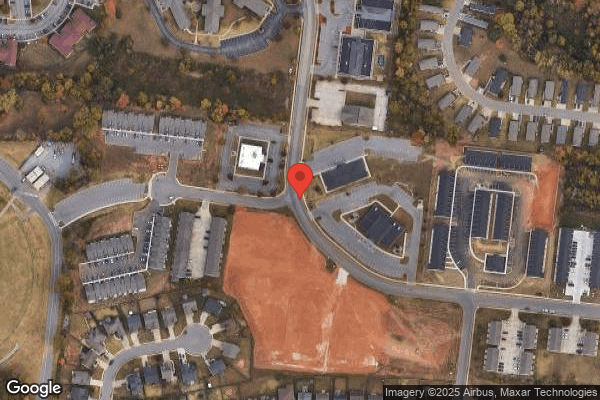
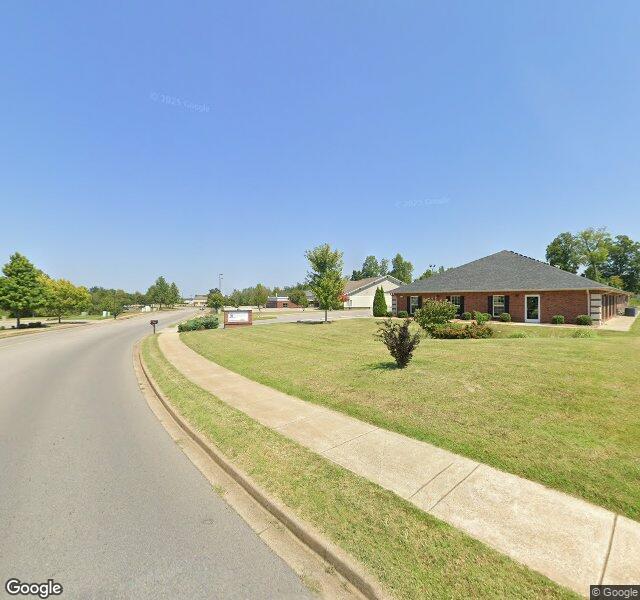
900 PROFESSIONAL PARK DRIVE, CLARKSVILLE, TN 37040 (931) 552-3002
For profit - Corporation 113 Beds PACS GROUP Data: November 2025
Trust Grade
30/100
#230 of 298 in TN
Last Inspection: May 2022

Over 2 years since last inspection. Current conditions may differ from available data.

Overview

American Health Communities of Clarksville has received a Trust Grade of F, indicating significant concerns about the facility's care and conditions. They rank #230 out of 298 nursing homes in Tennessee, placing them in the bottom half of facilities statewide, and #3 out of 5 in Montgomery County, meaning only two local options are worse. The facility is worsening, as the number of reported issues increased from 10 in 2019 to 11 in 2022, and staffing is a major concern with a poor rating of 1 out of 5 stars and a high turnover rate of 78%, well above the state average of 48%. While the absence of fines is a positive note, the RN coverage is concerning, being lower than 83% of Tennessee facilities, which could impact the quality of care residents receive. Specific incidents include staff failing to ensure food safety standards, resulting in open and unlabeled food items, as well as inadequate discharge planning and assessments, which could compromise residents' health and safety. Overall, the facility has serious weaknesses that families should carefully consider.

Trust Score
F
30/100
In Tennessee
#230/298
Bottom 23%
Safety Record
Low Risk
No red flags
Inspections
Getting Worse
10 → 11 violations
Staff Stability
⚠ Watch
78% turnover. Very high, 30 points above average. Constant new faces learning your loved one's needs.
Penalties
✓ Good
No fines on record. Clean compliance history, better than most Tennessee facilities.
Skilled Nurses
⚠ Watch
Each resident gets only 22 minutes of Registered Nurse (RN) attention daily — below average for Tennessee. Fewer RN minutes means fewer trained eyes watching for problems.
Violations
⚠ Watch
21 deficiencies on record. Higher than average. Multiple issues found across inspections.
★☆☆☆☆
1.0
Overall Rating
★☆☆☆☆
1.0
Staff Levels
★★☆☆☆
2.0
Care Quality
★★☆☆☆
2.0
Inspection Score
Stable
2019: 10 issues
2022: 11 issues

The Good

  • Full Sprinkler Coverage · Fire safety systems throughout facility
  • No fines on record

Facility shows strength in fire safety.

The Bad

1-Star Overall Rating

Below Tennessee average (2.8)

Significant quality concerns identified by CMS

Staff Turnover: 78%

31pts above Tennessee avg (46%)

Frequent staff changes - ask about care continuity

Chain: PACS GROUP

Part of a multi-facility chain

Ask about local staffing decisions and management

Staff turnover is very high (78%)

30 points above Tennessee average of 48%

The Ugly 21 deficiencies on record

May 2022 11 deficiencies
CONCERN (D)

Potential for Harm - no one hurt, but risky conditions existed

Deficiency F0553 (Tag F0553)

Could have caused harm · This affected 1 resident

**NOTE- TERMS IN BRACKETS HAVE BEEN EDITED TO PROTECT CONFIDENTIALITY** Based on medical record review and interview, the facility failed to ensure 2 of 19 sampled residents (Resident #93 and #148) or...

Read full inspector narrative →
**NOTE- TERMS IN BRACKETS HAVE BEEN EDITED TO PROTECT CONFIDENTIALITY** Based on medical record review and interview, the facility failed to ensure 2 of 19 sampled residents (Resident #93 and #148) or their families were invited to participate in planning their care. The findings include: Review of the medical record, revealed Resident #93 was admitted to the facility on [DATE] with diagnoses of Epilepsy, Chronic Kidney Disease, Osteoarthritis, and Cerebral Infarction. Review of the quarterly Minimum Data Set (MDS) assessment dated [DATE], revealed Resident #93 had a Brief Interview for Mental Status (BIMS) score of 15, which indicated she was cognitively intact. Review of the medical record, revealed Resident #93's last Care Plan meeting was held on 4/29/2021. Review of the medical record, revealed Resident #148 was admitted to the facility on [DATE] with diagnoses of Chronic Kidney Disease Stage 3, Osteoarthritis, and Age-related Cognitive Decline. Review of the quarterly MDS assessment dated [DATE], revealed Resident #148 had a BIMS score of 12, which indicated she had moderate cognitive impairment. Review of the medical record, revealed Resident #148's last Care Plan meeting was held on 12/23/2020. During an interview on 5/3/2022 at 6:04 PM, the Interim Administrator confirmed Resident #93 and #148 had not had quarterly Care Plan meetings and stated, .don't know why it got dropped . During an interview on 5/4/2022 at 8:14 AM, the Social Worker confirmed Resident #93's last Care Plan meeting was on 4/29/2021 and Resident #148's last Care Plan Meeting was on 12/23/2020. The Social Worker confirmed Care Plan meetings should be quarterly.
CONCERN (D)

Potential for Harm - no one hurt, but risky conditions existed

Deficiency F0578 (Tag F0578)

Could have caused harm · This affected 1 resident

**NOTE- TERMS IN BRACKETS HAVE BEEN EDITED TO PROTECT CONFIDENTIALITY** Based on policy review, medical record review, and interview, the facility failed to provide information regarding a resident's ...

Read full inspector narrative →
**NOTE- TERMS IN BRACKETS HAVE BEEN EDITED TO PROTECT CONFIDENTIALITY** Based on policy review, medical record review, and interview, the facility failed to provide information regarding a resident's right to develop an Advance Directive for 4 of 19 sampled residents (Resident #28, #56, #66 and #91) reviewed for Advance Directives. The findings include: Review of the facility's policy titled, .Advance Directives ., revised on 10/18/2021, revealed .Resident will be informed, and written information provided, during the admission process, regarding the right to accept or refuse medical or surgical treatment . Review of the medical record, revealed Resident #28 was admitted to the facility on [DATE] with diagnoses of Dementia, Anxiety, Hypothyroidism, and Cognitive Deficit. Review of the admission Minimum Data Set (MDS) assessment dated [DATE], revealed Resident #28 had a Brief Interview for Mental Status (BIMS) score of 9, which indicated she was moderately cognitively impaired. Review of Resident #28's medical record, revealed there was no Advance Directive present and there was no documentation the resident or her legal representative was informed or provided written information regarding her right to develop an Advance Directive upon admission. Review of the medical record, revealed Resident #56 was admitted to the facility on [DATE] with diagnoses of Dementia, Depression, Diabetes, and Cerebrovascular Disease. Review of the quarterly MDS assessment dated [DATE], revealed Resident #56 had a BIMS score of 5, which indicated he was severely cognitively impaired. Review of Resident #56's medical record, revealed there was no Advance Directive present and there was no documentation the resident or his legal representative was informed or provided written information regarding his right to develop an Advance Directive upon admission. Review of the medical record, revealed Resident #66 was admitted to the facility on [DATE] with diagnoses of Alzheimer's Disease, Atrial Fibrillation, and Chronic Kidney Disease. Review of the quarterly MDS assessment dated [DATE], revealed Resident #66 had a BIMS score of 3, which indicated she was severely cognitively impaired. Review of Resident #66's medical record, revealed there was no Advance Directive present and there was no documentation the resident or her legal representative was informed or provided written information regarding her right to develop an Advance Directive upon admission. Review of the medical record, revealed Resident #91 was admitted to the facility on [DATE] with diagnoses of Hypothyroidism, Diabetes, Acute Kidney Failure, and End Stage Renal Disease. Review of the quarterly MDS assessment dated [DATE], revealed Resident #91 had a BIMS score of 15, which indicated she was cognitively intact. Review of Resident #91's medical record, revealed there was no Advance Directive present and there was no documentation the resident or her legal representative was informed or provided written information regarding her right to develop an Advance Directive upon admission. During an interview on 5/3/2022 at 10:59 PM, the admission Coordinator confirmed that Resident #28, #56, #66, and #91 did not have Advance Directives and there was no documentation the residents or legal representatives were informed or provided written information regarding their right to develop an Advance Directive upon admission.
CONCERN (D)

Potential for Harm - no one hurt, but risky conditions existed

Deficiency F0657 (Tag F0657)

Could have caused harm · This affected 1 resident

**NOTE- TERMS IN BRACKETS HAVE BEEN EDITED TO PROTECT CONFIDENTIALITY** Based on policy review, medical record review, and interview, the facility failed to revise the Care Plan to reflect the residen...

Read full inspector narrative →
**NOTE- TERMS IN BRACKETS HAVE BEEN EDITED TO PROTECT CONFIDENTIALITY** Based on policy review, medical record review, and interview, the facility failed to revise the Care Plan to reflect the residents' current status for 2 of 2 sampled residents (Resident #11 and #28) reviewed for falls. The findings include: Review of the facility's policy titled, Fall Risk- Fall Prevention, revised on 2/20/2020, revealed .An 'At Risk For Fall' care plan may need to be created or updated for Residents .after a fall .quarterly .to address items identified on the fall risk assessment as needed .Scheduling IDT [Interdisciplinary Team] care plan meetings to review the plan of care and include the Resident's risk for falls and current interventions to reduce/eliminate falls . Review of the medical record, revealed Resident #11 was admitted to the facility on [DATE] with a diagnoses of Chronic Obstructive Pulmonary Disease, Hepatitis, Heart Disease, and Schizophrenia. Review of the Care Plan dated 1/2/2022, revealed Resident #11 was at risk for falls related to Cerebral Vascular Accident with Hemiplegia and had a History of Falls. Review of the Clinical Note dated 1/11/2022, revealed .CNA [Certified Nursing Assistant] discovered resident [Resident #11 on floor. Resident noted to be sitting up on floor next to bed. When asked resident stated she wasn't sure what happened . Review of annual Minimum Data Set (MDS) assessment dated [DATE], revealed Resident #11 had a Brief Interview for Mental Status (BIMS) of 6, indicating she was moderately cognitively impaired. Review of the Clinical Note dated 3/8/2022, revealed .Resident [Resident #11] notified MDS nurse that she had fallen in bathroom in AM [morning] and not notified staff and self transferred back in to chair . Review of the Care Plan, revealed the Care Plan was not updated after Resident #11's fall. Review of the medical record, revealed Resident #28 was admitted to the facility on [DATE] with diagnoses of Hypotension, Depression, Dementia, Anxiety, and History of Falling. Review of the admission MDS assessment dated [DATE], revealed Resident #28 had a BIMS score of 9, which indicated she was moderately cognitively impaired. Review of the Clinical Notes Report dated 3/2/2022, revealed .upon entering resident's [Resident #28's] room she was observed on the floor .resident states .slipped fell .hitting her head . Review of the Care plan dated 3/4/2022, revealed Resident #28 was at risk for falls related to a history of falls and the Care Plan was not updated after Resident #28's fall on 3/2/2022. During an interview on 5/4/2022 at 2:50 PM, Assistant Director of Nursing #2 confirmed that Care Plans should be updated after each fall.
CONCERN (D)

Potential for Harm - no one hurt, but risky conditions existed

ADL Care (Tag F0677)

Could have caused harm · This affected 1 resident

**NOTE- TERMS IN BRACKETS HAVE BEEN EDITED TO PROTECT CONFIDENTIALITY** Based on medical record review, observation, and interview, the facility failed to ensure a resident was assisted with Activitie...

Read full inspector narrative →
**NOTE- TERMS IN BRACKETS HAVE BEEN EDITED TO PROTECT CONFIDENTIALITY** Based on medical record review, observation, and interview, the facility failed to ensure a resident was assisted with Activities of Daily Living (ADLs) for 1 of 1 sampled resident (Resident #8) reviewed for ADLs. The findings include: Review of medical record, revealed Resident #8 was admitted to facility on 10/15/2021 with diagnoses of Respiratory Failure, Heart failure, Depression, Anxiety, Dementia, and Benign Prostatic Hypertrophy. Review of the Care Plan dated 1/28/2022, revealed .Self care deficit .bathing .hygiene .bathing 3 times per week .Assist resident with dressing .Assist with hygiene .Assist with combing/fixing hair . Review of quarterly Minimum Data Set (MDS) assessment dated [DATE], revealed Resident #8 had a Brief Interview for Mental Status (BIMS) score of 12, which indicated he was moderately cognitively impaired, required extensive to total assistance from staff for ADLs except supervision for eating, and was totally dependent upon staff for bathing. Review of the ADL Verification Worksheet dated 3/1/2022 to 5/3/2022, revealed Resident #8 did not receive showers or bed baths from 3/2/2022 to 3/11/2022 and from 4/22/2022 to 4/30/2022. Observation in the hallway on 5/2/2022 at 10:47 AM, and on 5/3/2022 at 4:49 PM, revealed Resident #8 was in a wheelchair, face unshaved, wearing soiled blue shorts, and green sweatshirt with a dried, crusted, tan substance on the front of the shorts and shirt. Observation in resident's room on 5/3/2022 at 9:15 AM, revealed Resident #8 dressed wearing soiled blue shorts, and green sweatshirt with a dried, crusted, tan substance on the front of the shorts and shirt, his face was unshaved, and his hair was not combed. Observation in the resident's on 5/4/2022 at 7:45 AM, revealed Resident #8 lying in the bed wearing a green sweatshirt with a dried, crusted, tan substance on the front of the shirt. During an interview on 5/4/2022 at 3:25 PM, Certified Nursing Assistant (CNA) #3 confirmed the residents are showered or bathed every other day and clothes should be changed daily. During an interview on 5/4/2022 at 6:31 PM, the Director of Nursing confirmed residents should receive a bath or shower twice a week, should not wear the same clothes for three days, and their clothes should be changed if they are visibly soiled.
CONCERN (D)

Potential for Harm - no one hurt, but risky conditions existed

Incontinence Care (Tag F0690)

Could have caused harm · This affected 1 resident

**NOTE- TERMS IN BRACKETS HAVE BEEN EDITED TO PROTECT CONFIDENTIALITY** Based on policy review, medical record review, and interview, the facility failed to provide Physician Orders for an indwelling ...

Read full inspector narrative →
**NOTE- TERMS IN BRACKETS HAVE BEEN EDITED TO PROTECT CONFIDENTIALITY** Based on policy review, medical record review, and interview, the facility failed to provide Physician Orders for an indwelling urinary catheter for 2 of 2 sampled residents (Resident #15 and #46) reviewed for indwelling urinary catheters. The findings include: Review of the facility's policy titled, Indwelling Urinary Catheter, revised on 3/30/2022, revealed .The use of an indwelling urinary catheter will be in accordance with physician orders, which will include the diagnosis or clinical condition making the use of the catheter necessary, size of the catheter, and frequency of change . Review of the medical record, revealed Resident #15 was admitted to the facility on [DATE] with diagnoses of Dementia, Palliative Care, and Benign Prostatic Hyperplasia. Review of the Care Plan dated 8/24/2021, revealed Resident #15 was at risk for infection related to indwelling catheter and urinary retention. Review of the Physician's Orders dated 10/12/2021, revealed .Maintain indwelling catheter .Catheter site care .Change Foley Catheter . There was no order for the size of the catheter or frequency of the catheter change. Review of the quarterly Minimum Data Set (MDS) assessment dated [DATE], revealed Resident #15 had a Brief Interview for Mental Status (BIMS) of 15, indicating he was cognitively intact and had an indwelling urinary catheter. During an interview on 5/4/2022 at 10:39 AM, Assistant Director of Nursing (ADON) #1 confirmed Resident #15 should have an order for indwelling urinary catheter size and the frequency of the catheter changes. Review of the medical record, revealed Resident #46 was admitted to the facility on [DATE] with diagnosis of Hypertension, Urinary Retention, and Atrial Fibrillation. Review of the admission MDS assessment dated [DATE], revealed Resident #46 had a BIMS of 11, indicating she was moderately cognitively impaired and had an indwelling urinary catheter. Review of the Care Plan dated 4/6/2022, revealed Resident #46 was at risk for infection related to an indwelling catheter and urinary retention. There was not a Physician's Order for the indwelling urinary catheter. During an interview on 5/4/2022 at 3:04 PM, ADON #2 confirmed Resident #46 should have an order for the indwelling urinary catheter.
CONCERN (D)

Potential for Harm - no one hurt, but risky conditions existed

Deficiency F0692 (Tag F0692)

Could have caused harm · This affected 1 resident

**NOTE- TERMS IN BRACKETS HAVE BEEN EDITED TO PROTECT CONFIDENTIALITY** Based on policy review, medical record review, and interview, the facility failed to document meal percentages for 1 of 5 sample...

Read full inspector narrative →
**NOTE- TERMS IN BRACKETS HAVE BEEN EDITED TO PROTECT CONFIDENTIALITY** Based on policy review, medical record review, and interview, the facility failed to document meal percentages for 1 of 5 sampled residents (Resident #74) reviewed for nutrition. The findings include: Review of the facility's policy titled, Dietary: Weight Monitoring, revised on 11/9/2021, revealed .Documentation: Meal consumption information should be recorded . Review of the medical record, revealed Resident #74 was admitted to the facility on [DATE] with diagnoses of Dementia, Mild Cognitive Impairment, Anxiety, Age-related Physical Debility and Cognitive Decline, and Malignant Neoplasm of Prostate. Review of the Activity of Daily Living (ADL) Verification Worksheet dated 3/1/2022- 5/4/2022 revealed the following meal intakes were not documented: a) 3/1/2022 no documentation for breakfast and dinner. b) 3/2/2022 no documentation for breakfast and lunch. c) 3/17/2022 no documentation for breakfast and lunch. d) 4/4/2022 no documentation for breakfast and lunch. e) 4/5/2022 no documentation for lunch and dinner. f) 4/10/2022 no documentation for dinner. g) 4/30/20022 no documentation for lunch and dinner. h) 5/2/2022 no documentation for dinner. No breakfast, lunch, or dinner meal percentages were recorded for the entire day on 3/4/2022-3/7/2022, 3/9/2022, 3/12/2022-3/16/2022, 3/18/2022-3/23/2022, 4/1/2022-4/3/2022, 4/7/2022, 4/9/2022, 4/11/2022-4/19/2022, 4/21/2022-4/29/2022, 5/1/2022, and 5/3/2022. During an interview on 5/4/2022 at 6:03 PM, Assistant Director of Nursing #2 confirmed the ADL Verification Worksheets were incomplete for Resident #74 and the meal percentages should have been documented for each meal.
CONCERN (D)

Potential for Harm - no one hurt, but risky conditions existed

Respiratory Care (Tag F0695)

Could have caused harm · This affected 1 resident

**NOTE- TERMS IN BRACKETS HAVE BEEN EDITED TO PROTECT CONFIDENTIALITY** Based on medical record review, observation, and interview, the facility failed to follow the Physician Orders for oxygen flow r...

Read full inspector narrative →
**NOTE- TERMS IN BRACKETS HAVE BEEN EDITED TO PROTECT CONFIDENTIALITY** Based on medical record review, observation, and interview, the facility failed to follow the Physician Orders for oxygen flow rate for 1 of 1 sampled resident (Resident #8) reviewed for respiratory services. The findings include: Review of the medical record, revealed Resident #8 was admitted to facility on 10/15/2021 with diagnoses of Respiratory Failure, Heart failure, Depression, Anxiety, Chronic Pain, and Dementia. Review of the Physician Orders dated 10/16/2021, revealed .Oxygen [O2] at 2L/min [liters per minute] per nasal cannula [tube inserted into the nose with prongs to deliver oxygen] . Review of the quarterly Minimum Data Set (MDS) assessment dated [DATE], revealed Resident #8 had a Brief Interview for Mental Status (BIMS) score of 12, which indicated he was moderately cognitively impaired and he received oxygen therapy. Observation in the Dining Room on 5/2/2022 at 11:32 AM, revealed Resident #8 was receiving oxygen per nasal cannula at 0 L/min. Observations in resident's room on 5/2/2022 at 2:55 PM, and on 5/3/2022 at 7:53 AM and 9:15 AM, revealed Resident #8 was receiving oxygen per nasal cannula at 3.5 L/min. Observation in hallway on 5/3/2022 at 10:19 AM and 2:55 PM, revealed Resident #8 was receiving oxygen per nasal cannula at 1.5 L/min. During an interview on 5/3/2022 at 5:01 PM, Licensed Practical Nurse (LPN) #2 confirmed Resident #8's oxygen rate should be 2 L/min. During an interview on 5/4/2022 at 6:31 PM, the Director of Nursing (DON) confirmed that staff should follow Physician's Orders for the flow rate of oxygen.
CONCERN (D)

Potential for Harm - no one hurt, but risky conditions existed

Deficiency F0761 (Tag F0761)

Could have caused harm · This affected 1 resident

**NOTE- TERMS IN BRACKETS HAVE BEEN EDITED TO PROTECT CONFIDENTIALITY** Based on policy review, observation, and interview, the facility failed to ensure medications were properly stored in 2 of 95 re...

Read full inspector narrative →
**NOTE- TERMS IN BRACKETS HAVE BEEN EDITED TO PROTECT CONFIDENTIALITY** Based on policy review, observation, and interview, the facility failed to ensure medications were properly stored in 2 of 95 resident rooms (room [ROOM NUMBER] and room [ROOM NUMBER]) when medications were found at the bedside unattended and unsecured during the facility tour. The findings include: Review of the facility's policy titled, Medication Administration: Medication, Controlled and Biological Storage, Night/Emergency Box and Backup Pharmacy, dated 9/20/2021, revealed .All drugs and biologicals will be stored in locked compartments ( .medication carts, cabinets, drawers, refrigerators, medication rooms) . Observation in room [ROOM NUMBER] during the facility tour on 5/2/2022 beginning at 11:50 AM, revealed the following medications on the night stand unattended and unsecured: a. 5 packages of peri guard ointment [moisture barrier ointment to prevent skin breakdown] on the nightstand b. 3 normal saline sodium flushes [irrigation used for cleaning wounds] c. 5 Bisacodyl suppositories [medicated suppository used for constipation] d. 4 lubricating jelly packets Observation in room [ROOM NUMBER] during the facility tour on 5/2/2022 at 12:15 PM and 3:12 PM, revealed a ProAir Albuterol Inhaler [inhaler used for chronic lung problems] on the over bed table unattended and unsecured. Observation in room [ROOM NUMBER] on 5/2/2022 at 3:12 PM, revealed a ProAir Albuterol Inhaler on the over bed table. During an interview on 5/3/2022 at 5:21 PM, the Director of Nursing confirmed that the medications should have been locked in the medication cart or in the medication room and should not have been left in a resident's room unattended and unsecured.
CONCERN (E)

Potential for Harm - no one hurt, but risky conditions existed

Deficiency F0661 (Tag F0661)

Could have caused harm · This affected multiple residents

**NOTE- TERMS IN BRACKETS HAVE BEEN EDITED TO PROTECT CONFIDENTIALITY** Based on policy review, medical record review, and interview, the facility failed to ensure the completion of a Discharge Summar...

Read full inspector narrative →
**NOTE- TERMS IN BRACKETS HAVE BEEN EDITED TO PROTECT CONFIDENTIALITY** Based on policy review, medical record review, and interview, the facility failed to ensure the completion of a Discharge Summary with a recapitulation of the resident's stay, the disposition status of the resident at the time of discharge, a post discharge plan of care, and a Physician's Order for discharge for 4 of 4 sampled residents (Resident #98, #100, #251, and #252) reviewed for discharge. The findings include: Review of the facility's policy titled, Transfer and Discharge, revised on 11/2021, revealed .Orientation for transfer or discharge must be provided and documented to ensure safe and orderly transfer or discharge from the facility .Other necessary information, including a copy of the resident's discharge summary .to ensure a safe and effective transition of care .Obtain physician's order for transfer or discharge and instructions or precautions for ongoing care .A member of the interdisciplinary team completes relevant sections of the Discharge Summary. The nurse caring for the resident at the time of discharge is responsible for ensuring the Discharge Summary is complete . Review of the medical record, revealed Resident #98 was admitted to the facility on [DATE] with a diagnoses of Acute Respiratory Failure, Benign Prostatic Hyperplasia, Peripheral Vascular Disease, Hypertension, and Depressive Episodes. Review of Treatment/Order Update/Change in Condition dated 2/15/2022, revealed .Transfer to Hospital 1 Time Daily for 1 Day .Transfer to ER [Emergency Room] via [by] 911 for eval [evaluation] and treatment . Review of the Discharge summary completed on 5/3/2022, revealed Resident #98 was discharged to the hospital on 2/15/2022. Resident #98 did not return from the hospital. The facility was unable to provide a completed Discharge Summary and a transfer form for Resident #98. During an interview on 5/4/2022 at 10:58 AM, Assistant Director of Nursing (ADON) #1 confirmed that the transfer form and the discharge form should be completed timely. ADON #1 confirmed the forms were not completed until 5/3/2022. Review of the medical record, revealed Resident #100 was admitted to the facility on [DATE] with the diagnoses of Dementia, Kidney Failure, History of Malignant Neoplasm of Breast, and Hypertension. Review of a Clinical Notes Report dated 3/1/2022, revealed .pt's [patient's (Resident #100's)] spouse decided to transport her [Resident #100] home today . Review of the medical record, revealed the facility failed to complete a Discharge Summary with a recapitulation of the resident's stay and failed to obtain a written Physician's Order for discharge to the community. Review of the medical record, revealed Resident #251 was admitted to the facility on [DATE] with the diagnoses of Pulmonary Embolism, Aortic Aneurysm, Alzheimer's Disease, and Confusion. Review of a Telephone Order dated 3/24/2022, revealed .Discharge 3/24/2022 . Review of a Clinical Notes Report dated 3/24/2022 revealed, .Pt's [Resident #251's] family plan on pt [patient] discharging home today . Review of the medical record, revealed the facility failed to complete a Discharge Summary with a recapitulation of the resident's stay. Review of the medical record, revealed Resident #252 was admitted to the facility on [DATE] with diagnoses of Fibula Fracture, Fracture of Right Tibia, and Pneumonia. Review of a Telephone Order dated 3/25/2022 revealed .Patient to discharge home on [DATE] . Review of a Clinical Notes Report dated 3/25/2022 revealed .Pt [Resident #252] returned home today with her daughter . Review the facility's Discharge Instructions revealed the form was incomplete and undated. Review of the medical record, revealed the facility failed to complete a Discharge Summary with a recapitulation of the resident's stay. During an interview on 5/4/2022 at 6:28 PM, the Director of Nursing (DON) was asked what was the process when a resident was discharged home or back to the community. The DON confirmed staff should obtain a written Physician's Order, complete a Discharge Summary, document the resident's disposition in the Nurses Notes, and complete discharge instructions with the family or the residents and have them sign the forms.
CONCERN (E)

Potential for Harm - no one hurt, but risky conditions existed

Accident Prevention (Tag F0689)

Could have caused harm · This affected multiple residents

**NOTE- TERMS IN BRACKETS HAVE BEEN EDITED TO PROTECT CONFIDENTIALITY** Based on policy review, medical record review, and interview, the facility failed to ensure investigations, neurological (neuro)...

Read full inspector narrative →
**NOTE- TERMS IN BRACKETS HAVE BEEN EDITED TO PROTECT CONFIDENTIALITY** Based on policy review, medical record review, and interview, the facility failed to ensure investigations, neurological (neuro) checks, and assessments were completed for 3 of 3 sampled residents (Resident #11, #28, and #248) reviewed for falls. The findings include: Review of the facility's policy titled, Fall Risk - Fall Prevention, revised on 2/20/2020, revealed .To provide a coordinated system to identify Residents at risk for falls .The fall risk assessment will be completed by a licensed nurse .After a fall . Review of the medical record, revealed Resident #11 was admitted on [DATE] with diagnoses of Chronic Obstructive Pulmonary Disease, Hepatitis, Heart Disease, and Schizophrenia. Review of the Clinical Note dated 1/11/2022, revealed .CNA [Certified Nursing Assistant] discovered resident [Resident #11]on floor. Resident noted to be sitting up on floor next to bed. When asked resident stated she wasn't sure what happened . Review of the annual Minimal Data Set (MDS) assessment dated [DATE], revealed Resident #11 had a Brief Interview for Mental Status score (BIMS) of 6, indicating she was severely cognitively impaired, required extensive assistance with Activities of Daily Living (ADLs) including transfers, and had 1 fall with injury since the last assessment. Review of the Clinical Note dated 3/8/2022, revealed .Resident [Resident #11] notified MDS nurse that she had fallen in bathroom in AM [morning] and not notified staff and self transferred back in to chair . The facility was unable to provide neuro checks for the fall on 1/11/2022 and 3/8/2022. Review of the medical record, revealed Resident #28 was admitted to the facility on [DATE] with diagnoses of Dementia, Muscle Weakness, Dizziness and Giddiness, History of Falling, and Unsteadiness on Feet. Review of the Clinical Notes Report dated 3/2/2022, revealed .upon entering resident's [Resident #28's] room she was observed on the floor .resident states .slipped fell .hitting her head . Review of the facility's Neurological Check Flow Sheet, revealed there was no documentation that neurochecks were completed for Resident #28 after the fall on 3/2/2022. During an interview on 5/4/2022 at 2:50 PM, Assistant Director of Nursing (ADON) #2 confirmed staff should conduct neuro checks after an unwitnessed fall, if the resident had a BIMS of less than 12, or is unable to tell staff if they hit their head or not. Review of the medical record, revealed Resident #248 was admitted to the facility on [DATE], and readmitted on [DATE], with diagnoses of Above the Knee Amputation of Left Leg, Dyspnea, Chronic Obstructive Pulmonary Disease, Repeated Falls, and Depression. Review of the Clinical Notes dated 2/3/2022, revealed .At 0500 [5:00 AM] .observed to be calling out for help. upon entrance resident [Resident #248] was noted to be sitting on floor bedside .resident stated he slid off bed trying to stand up . Review of the 5-day MDS assessment dated [DATE], revealed Resident #248 had a BIMS score of 10, indicating moderate cognitive impairment, required assistance with transfers, and had 1 fall since admission. The facility was unable to provide an event note, a fall risk assessment, or an investigation related to Resident #248's fall on 2/3/2022. During an interview on 5/4/2022 at 11:25 AM, the Director of Nursing confirmed staff should complete an event note and a fall risk assessment following a fall and that all falls should be investigated.
CONCERN (F)

Potential for Harm - no one hurt, but risky conditions existed

Food Safety (Tag F0812)

Could have caused harm · This affected most or all residents

Based on policy review, observation, and interview, the facility failed to ensure food was stored, prepared and served under sanitary conditions as evidenced by opened and undated food items, staff we...

Read full inspector narrative →
Based on policy review, observation, and interview, the facility failed to ensure food was stored, prepared and served under sanitary conditions as evidenced by opened and undated food items, staff wearing mask below their nose, and staff handling plates with their bare hands. The facility had a census of 95, with 92 of those residents receiving a meal tray from the kitchen. The findings include: The facility's policy titled, Dietary: Food Service, dated 7/12/2021, revealed .Opened food items . should be stored in a closed container to prevent contamination . Observation in the Kitchen on 5/2/2022 beginning at 10:29 AM, revealed the following: a. a plastic container with cornmeal unlabeled and undated b. a plastic container with flour unlabeled and undated c. a plastic container with sugar unlabeled and undated Observation in the Kitchen on 5/3/2022 beginning at 7:57 AM, revealed the following: a. The Regional Registered Dietician standing in the Kitchen talking with the Surveyor without her mask on. b. The Regional Director of Nutritional Services walking from the back of the Kitchen with her mask below her nose c. The [NAME] standing over the steam table serving breakfast with her mask below her nose d. A dietary staff member standing over the tray line assisting with breakfast with her mask below her nose Observation in the Kitchen in the Dry Food Storage room on 5/3/2022 beginning at 7:57 AM, revealed the following: a. 1 pack of taco seasoning opened and undated and not repackaged in a plastic bag b. 6 dinner rolls on a bread rack in the dry food storage room opened and undated and not repacked in a plastic bag During an interview on 5/4/2022 at 11:03 AM, the Regional Director of Nutrition was asked how should dietary staff wear their mask while in the Kitchen. The Regional Director of Nutrition confirmed that mask should cover the mouth and nose at all times. The Regional Director of Nutrition was asked how should the dinner rolls and taco seasoning have been stored once they were opened. The Regional Director of Nutrition confirmed once an item is opened, it should be repackaged in a plastic bag and dated. Observation in the Kitchen on 5/4/2022 beginning at 11:26 AM, revealed Dietary Staff #2 walked out of the dish room and walked over to the plate caddy, pushed down the plates with her bare hands, walked back into the dish room, returned with a stack of clean plates and placed a few of them in the plate caddy, pushed the existing plates down with her bare hands and placed another stack of clean plates in the plate caddy for 2 repetitions. In between each repetition, she used her bare hands to push the plates down into the plate caddy. During an interview on 5/4/2022 at 3:34 PM, the Kitchen Supervisor confirmed that staff should transport plates using the sides of the plates or placing their hands underneath the plates or they should use gloves.
Nov 2019 8 deficiencies
CONCERN (D)

Potential for Harm - no one hurt, but risky conditions existed

Deficiency F0657 (Tag F0657)

Could have caused harm · This affected 1 resident

**NOTE- TERMS IN BRACKETS HAVE BEEN EDITED TO PROTECT CONFIDENTIALITY** Based on medical record review, observation, and interview, the facility failed to ensure care plans were revised related to nut...

Read full inspector narrative →
**NOTE- TERMS IN BRACKETS HAVE BEEN EDITED TO PROTECT CONFIDENTIALITY** Based on medical record review, observation, and interview, the facility failed to ensure care plans were revised related to nutrition and catheter care for 3 of 24 (Resident #9, #67, and #73) sampled residents reviewed. The findings include: 1. Medical record review revealed Resident #9 was admitted to the facility on [DATE] with diagnoses of Parkinson's Disease, Diabetes, Hypothyroidism, Seizures, Hypertension, Dementia, Anxiety Disorder, Chronic Obstructive Pulmonary Disease and Major Depressive Disorder. The Care Plan with a goal date of 1/13/20 documented, .Weight loss .[Named Resident #9] to eat all meals in the dining room . Observations in Resident #9's room on 1/5/19 at 7:56 AM and 11/6/19 at 8:04 AM, revealed Resident #9 eating her meal in her room. Interview with the Director of Nursing (DON) on 11/6/19 at 2:32 PM, in the DON Office, the DON was asked where Resident #9 ate her meals. The DON stated, She [Resident #9] eats in her room a lot now. The DON was asked if the care plan was correct for Resident #9. The DON confirmed the care plan was not correct and stated, We need to care plan her for either place. 2. Medical record review revealed Resident #67 was admitted to the facility on [DATE] with diagnoses of Benign Neoplasm of Pituitary Gland, Septic Pulmonary Embolism, Atrial Fibrillation, Chronic Kidney Disease, Retention of Urine and Diabetes. The Physician's Orders dated 4/6/19 documented, .Catheter site care .with soap and water BID [twice daily] .and as needed . The Care Plan with a goal date of 1/8/20 documented, .Clean around catheter with soap and water .1 Time Daily . Interview with the DON on 11/6/19 at 10:55 AM, in the DON Office, the DON was asked if the care plan for Resident #67 was correct. The DON stated, . not according to the physician orders . 3. Medical record review revealed Resident #73 was admitted to the facility on [DATE] with diagnoses of Convulsions, Atrial Fibrillation, Thoracic Aneurysm, Presence of Vascular Implants and Grafts, Retention of Urine, and Urinary Tract Infection. The Physician's Orders dated 10/24/19 documented, .Cath [Catheter] site care .with soap and water .Two Times Daily . The Care Plan with a goal date of 1/20/20 documented, At risk for infection R/T [related to] indwelling catheter .Change drainage bag .1 Time Weekly .Clean around catheter with soap and water .1 Time Daily . Interview with the DON on 11/06/19 at 10:22 AM, in the DON Office, the DON was asked if the care plan for Resident #73 was correct. The DON stated, Not according to orders.
CONCERN (D)

Potential for Harm - no one hurt, but risky conditions existed

Pressure Ulcer Prevention (Tag F0686)

Could have caused harm · This affected 1 resident

**NOTE- TERMS IN BRACKETS HAVE BEEN EDITED TO PROTECT CONFIDENTIALITY** Based on policy review, medical record review and interview, the facility failed to provide timely assessments for pressure ulce...

Read full inspector narrative →
**NOTE- TERMS IN BRACKETS HAVE BEEN EDITED TO PROTECT CONFIDENTIALITY** Based on policy review, medical record review and interview, the facility failed to provide timely assessments for pressure ulcers for 1 of 2 (Resident #33) sampled residents reviewed with pressure ulcers. The findings include: The facility's Pressure Injury Prevention and Non-Pressure Ulcer Management policy dated 11/2019 documented, .Assessments of pressure injuries will be performed by a licensed nurse and documented on the Weekly PUPI [Pressure Ulcer Pressure Injury] Assessment form . Medical record review revealed Resident #33 was admitted to the facility on [DATE] with diagnoses of Unspecified Fall, Diabetes, Hypertension, Atrial Fibrillation, Obesity, Vitamin D Deficiency, Depressive Episodes, Hypothyroidism, Cognitive Deficit, Chronic Pain, and Pressure Ulcer. The Care Plan with a goal date of 12/5/19 documented .Stage 3 pressure ulcer . The WOUND AND PRESSURE INJURY INFORMATION form did not document weekly wound assessments on the following dates: a. the week of 5/20/19 b. the week of 5/27/19 c. the week of 6/10/19 d. the week of 7/8/19 e. the week of 9/2/19 f. the week of 9/16/19 g. the week of 9/23/19 h. the week of 9/30/19 j. the week of 10/14/19 k. the week of 10/28/19 Interview with the Treatment Nurse on 11/7/19 at 4:00 PM, at the Nurses' Station, the Treatment Nurse was asked if wound assessments should be completed weekly. The Treatment Nurse stated, Yes. The Treatment Nurse confirmed the assessments had not been completed weekly.
CONCERN (D)

Potential for Harm - no one hurt, but risky conditions existed

Accident Prevention (Tag F0689)

Could have caused harm · This affected 1 resident

**NOTE- TERMS IN BRACKETS HAVE BEEN EDITED TO PROTECT CONFIDENTIALITY** Based on policy review, medical record review, investigation worksheet review, observation, and interview, the facility failed t...

Read full inspector narrative →
**NOTE- TERMS IN BRACKETS HAVE BEEN EDITED TO PROTECT CONFIDENTIALITY** Based on policy review, medical record review, investigation worksheet review, observation, and interview, the facility failed to initiate appropriate fall interventions and accurately assess residents for fall risk for 2 of 4 (Resident #9 and #349) sampled residents reviewed for falls. The findings include: 1. The facility's Fall Risk/Fall Prevention Guidelines policy dated September 2014 documented, .Patients and patient care areas are assessed for the risk of accident and injury and plans to protect all patients from accidental and injury are based on the assessment .Patients that are newly admitted to a facility are often times at high risk for falls. Identifying potential risk factors can assist in preventing falls .High risk fall identifiers, such as Falling Star, Falling Leaf, or other facility prevention programs .Attempt to determine the cause of the event, update the Fall Risk Assessment Tool . 2. The facility's Fall Risk Assessment policy revised 11/2017 documented, .To provide a coordinated system to identify residents at risk for falls and develop an individualized plan of care to minimize the incidents of falls and subsequent injury. 3. Medical record review revealed Resident #9 was admitted to the facility on [DATE] with diagnoses of Parkinson's Disease, Diabetes, Hypothyroidism, Seizures, Hypertension, Dementia, Anxiety Disorder, Chronic Obstructive Pulmonary Disease and Major Depressive Disorder. The Interdisciplinary Team Occurrence Investigation Worksheet dated 10/3/19 documented, .Intervention(s) put in place: nonskid strips to floor .door side of bed . Observations in Resident #9's room on 11/4/19 at 10:45 AM and 3:30 PM, 11/5/19 at 7:28 AM, 7:56 AM, and 3:44 PM, 11/6/19 at 3:45 PM, and 11/7/19 at 6:20 PM revealed there were no non skid strips in Resident #9's room. Interview with the Unit Manager on 11/7/19 at 6:22 PM, in Resident# 9's room, the Unit Manager confirmed there were no non skid strips in Resident #9's room. The Unit Manager confirmed non skid strips should be in the room. The Interdisciplinary Team Occurrence Investigation Worksheet dated 11/2/19, documented, .Did the fall result in injury .No .Intervention(s) put in place: Anti rollbacks on w/c [wheel chair] . Observations in Resident #9's room on 11/4/19 at 10:45 AM and 3:30 PM, 11/5/19 at 7:28 AM, 7:56 AM, and 3:44 PM, 11/6/19 at 3:45 PM, and 11/7/19 at 6:20 PM, revealed there were no Anti rollbacks on Resident #9's wheelchair. Interview with the Unit Manager on 11/7/19 at 6:22 PM, in Resident# 9's room, the Unit Manager confirmed there were no Anti rollbacks on Resident #9's wheelchair. The Unit Manager confirmed Anti rollbacks should be on the wheelchair. 4. Medical record review revealed Resident #349 was admitted to the facility on [DATE] with diagnoses of Fracture of Neck of Right Femur, Injury of Right Hip, Dementia, Multiple Falls, and Difficulty in Walking. The Fall Risk Assessment on admission Revealed Resident #349 scored a 12 indicating moderate risk for falls. The Nurses' Event Notes dated 10/26/19, 10/28/19, 10/29/19, 10/30/19, and 11/2/19 revealed Resident #349 had falls on these dates. The Fall Risk assessment dated [DATE] revealed Resident #349 scored a 16 indicating a moderate risk for falls. The Fall Risk assessment dated [DATE] revealed Resident #349 scored a 10 indicating a low risk for falls. The Fall Risk assessment dated [DATE] revealed resident #349 scored a 16 indicating a moderate risk for falls. The Fall Risk assessment dated [DATE] revealed Resident #349 scored an 18 indicating a moderate risk for falls. The Fall Risk assessment dated [DATE] was incomplete. Interview with the Director of Nursing (DON) on 11/6/19 at 10:59 AM, in the Private Dining Room, the DON was asked if Resident #349 was a high risk for falls when she was admitted . The DON stated, Yes. The DON was asked if Resident #349's fall risk assessments should have indicated that she was high risk. The DON stated, Yes .
CONCERN (D)

Potential for Harm - no one hurt, but risky conditions existed

Deficiency F0692 (Tag F0692)

Could have caused harm · This affected 1 resident

**NOTE- TERMS IN BRACKETS HAVE BEEN EDITED TO PROTECT CONFIDENTIALITY** Based on medical record review, observation, and interview, the facility failed to perform nutritional assessments for 1 of 5 [R...

Read full inspector narrative →
**NOTE- TERMS IN BRACKETS HAVE BEEN EDITED TO PROTECT CONFIDENTIALITY** Based on medical record review, observation, and interview, the facility failed to perform nutritional assessments for 1 of 5 [Resident #9] sampled residents reviewed for weight loss. The findings included: Medical record review revealed Resident #9 was admitted to the facility on [DATE] with diagnoses of Parkinson's Disease, Dysphagia, Diabetes, Hypothyroidism, Hypertensive, Psychotic Disorder, Dementia, Anxiety, Chronic Obstructive Pulmonary Disease, and Depression. The annual Minimum Data Set (MDS) dated [DATE] and a quarterly MDS dated [DATE] documented Resident #9 had severe cognitive deficits, had no swallowing disorders, and was not on a physician weight loss regimen but had weight loss. Medical record review revealed there were no nutritional assessments completed for April 2019 and July 2019. Interview with the Registered Dietician (RD) on 11/6/19 at 1:25 PM, in the Dietary Office, the RD was asked how often a nutritional assessment should be done for Resident #9. The RD stated, .nutritional assessments should be done on admission and quarterly at a minimum . The RD confirmed there were no assessments completed on April and July 2019.
CONCERN (D)

Potential for Harm - no one hurt, but risky conditions existed

Deficiency F0697 (Tag F0697)

Could have caused harm · This affected 1 resident

**NOTE- TERMS IN BRACKETS HAVE BEEN EDITED TO PROTECT CONFIDENTIALITY** Based on medical record review and interview, the facility failed to administer pain medication as ordered for 1 of 5 (Resident ...

Read full inspector narrative →
**NOTE- TERMS IN BRACKETS HAVE BEEN EDITED TO PROTECT CONFIDENTIALITY** Based on medical record review and interview, the facility failed to administer pain medication as ordered for 1 of 5 (Resident #298) sampled residents reviewed for pain. The findings include: Medical record review revealed Resident #298 was admitted to the facility on [DATE] with diagnoses of Bacteremia, Cellulitis of the Right Lower Limb, Low Back Pain, Pain in Left Lower Leg, Pain in Right Lower Leg, Paraneoplastic Neuromyopathy, and Neuropathy. The Care Plan dated 10/21/19 documented, .Pain Management .Institute associated medical orders, administer analgesics . The admission Orders from (Named Hospital) dated 10/15/19 documented, .oxyCODONE (oxyCODONE 10 mg [milligrams] oral tablet) = 1 tab(s) [tablets], Oral, q [every]4H [Hours] .Start: 10/15/19 9:18 AM .(oxy CODONE 40 mg oral tablet, extended release [ER]) = 1 tab(s), Oral, q12H .Start 10/15/19 09:19 [9:19 AM] . Interview with Resident #298 on 11/5/19 at 9:06 AM, in her room, Resident #298 stated that she did not receive her pain medication as she should have the night she was admitted . Resident #298 stated, .I was supposed to get it [Oxycodone 40 mg ER] that night but they didn't start it until the next day . Review of the Medication Administration Record dated October 2019 revealed Oxycodone ER 40 mg was started on 10/16/19 at 8:00 AM. No Oxycodone ER was administered to Resident #298 on 10/15/19. Interview with the Director of Nursing (DON) on 11/6/19 at 3:29 PM, in the Private Dining Room, the DON was asked should Resident #298 have received the Oxycodone 40 mg ER on [DATE]. The DON stated, Per her admission orders, Yes .
CONCERN (D)

Potential for Harm - no one hurt, but risky conditions existed

Food Safety (Tag F0812)

Could have caused harm · This affected 1 resident

**NOTE- TERMS IN BRACKETS HAVE BEEN EDITED TO PROTECT CONFIDENTIALITY** Based on policy review, medical record review, observation, and interview, the facility failed to maintain safe and sanitary hyd...

Read full inspector narrative →
**NOTE- TERMS IN BRACKETS HAVE BEEN EDITED TO PROTECT CONFIDENTIALITY** Based on policy review, medical record review, observation, and interview, the facility failed to maintain safe and sanitary hydration supplies for 1 of 1 (Resident #347) sampled residents reviewed on thickened liquids when hydration supplies were not maintained appropriately by the bedside for 2 of 3 (11/4/19 and 11/5/19) days of observations. The findings include: The facility's .Dietary: Availability of Liquids To Meet Resident Need, Preferences, Hydration . policy dated 9/19 documented, .All perishable foods will be stored at proper temperatures .Leftover foods are stored in appropriate containers so that the interior temperature of the food chills quickly .They are covered, labeled and dated . Medical record review revealed Resident #347 was admitted to the facility on [DATE] with diagnoses of Metabolic Encephalopathy, Diabetes, and Dysphagia. Observations in Resident #347's room on 11/4/19 at 10:45 AM, 12:30 PM, and 11/5/19 at 8:06 AM, revealed open and undated assorted thickened beverages in a cooler, with water and no ice, on the night stand. The thickened beverages included: a. 46 ounce (oz.) Nectar-Like Consistency Thickened Orange Juice b. 46 oz. Nectar-Like Consistency Thickened Cranberry Cocktail c. 46 oz. Nectar-Like Consistency Thickened Lemon Flavored Water Interview with the Director of Nursing (DON) on 11/6/19 at 8:13 AM, in Resident #347's room, the DON was asked if it the beverages should be dated and refrigerated once they were opened. The DON stated, Yes. Interview with the Registered Dietician (RD) on 11/6/19 at 8:27 AM, in the Private Dining Room, the RD was asked how long the beverage containers were considered safe to drink. The RD stated, 3 days. The RD was asked if they should be refrigerated after opening. The RD stated, Either refrigerated or on ice.
CONCERN (D)

Potential for Harm - no one hurt, but risky conditions existed

Infection Control (Tag F0880)

Could have caused harm · This affected 1 resident

**NOTE- TERMS IN BRACKETS HAVE BEEN EDITED TO PROTECT CONFIDENTIALITY** Based on policy review, medical record review, observation, and interview, the facility failed to ensure practices were followed...

Read full inspector narrative →
**NOTE- TERMS IN BRACKETS HAVE BEEN EDITED TO PROTECT CONFIDENTIALITY** Based on policy review, medical record review, observation, and interview, the facility failed to ensure practices were followed to prevent the potential spread of infection during medication administration when 2 of 4 (Licensed Practical Nurse (LPN) #1 and Registered Nurse (RN) #1) nurses administered dropped medication and failed to clean nebulizer supplies after use. The findings include: 1. The facility's Infection Prevention and Control Program policy dated 5/2019 documented, .reusable equipment will be decontaminated using a germicidal detergent prior to storing 2. The facility's Nebulizer Treatment policy dated 4/2019 documented, .Rinse nebulizer cup with warm, tap water, shake off excess water, allow to air dry and place in storage bag . 3. Medical Record Review revealed Resident #297 was admitted to the facility on [DATE] with diagnoses of Dysphagia, Hemiplegia, Esophageal Reflux Disease, and Altered Mental Status. The Physician's Orders dated 11/2019 documented, .Famotidine 20 mg [milligrams] tablet Enteral Tube Two Times Daily Starting 10/26/2019 . Observations during medication administration at the 200 Hall Medication Cart on 11/5/19 at 11:15 AM, revealed LPN #1 removed a famotidine 20 mg tablet from the medication cart for Resident #297, dropped the tablet onto the medication cart, picked up the tablet with her bare hands, placed the tablet into a clear plastic sleeve and crushed the tablet. LPN #1 entered Resident #297's room and administered the medication per gastrostomy tube to Resident #297. 4. Medical record review revealed Resident #20 was admitted to the facility on [DATE] with diagnoses of Late Affects Hemiplegia Affecting Dominant Side, Obstructive Sleep Disorder, and Cerebral Vascular Disease. The Physician's Orders dated 8/1/19 documented, .ipratropuim-albuterol 0.5mg-3mg/3ml [milliliters] nebulization soln [solution] .inhale 3ml every 4 hours . The Physician's Orders dated 8/1/19 documented, .predniSONE 20 mg tablet (1) TABLET Oral Every Day Starting 07/30/2019 . Observations during medication administration at the 100 Hall Medication Cart on 11/6/19 at 5:55 AM, revealed RN #1 removed a Prednisone 20 mg tablet from the medication cart for Resident #20, dropped the tablet onto the medication cart, picked up the tablet with her bare hands and placed the medication into a clean medication cup. RN #1 entered Resident #20's room and administered the oral medication. RN #1 then donned a pair of gloves and administered Ipratropium/Albuterol 0.5 mg/3 mg Inhalation Solution into the nebulizer cup and administered the inhalation solution via nebulizer mask. While administering the treatment, RN #1 left the room and obtained a new nebulizer mask. RN #1 then removed the mask from the resident and removed the chamber from the old mask, placed the chamber on the new mask and continued to administer the medication. Once the treatment was completed, RN #1 placed the new and old mask along with the nebulizer cup back in the old plastic bag. RN #1 did not clean both masks and the nebulizer cup prior to placing them back into the plastic bag. Interview with the Director of Nursing (DON) on 11/6/19 at 8:55 AM, in the Private Dining Room, the DON was asked what nurses should do if they drop a pill on the medication cart. The DON stated, .they should dispose of it and get a new medication. The DON was asked what nurses should do after administering a nebulizer treatment. The DON stated, .they should clean the mask and place back in the plastic bag .
CONCERN (E)

Potential for Harm - no one hurt, but risky conditions existed

Resident Rights (Tag F0550)

Could have caused harm · This affected multiple residents

**NOTE- TERMS IN BRACKETS HAVE BEEN EDITED TO PROTECT CONFIDENTIALITY** Based on policy review, medical record review, observation, and interview, the facility failed to provide a dignified environmen...

Read full inspector narrative →
**NOTE- TERMS IN BRACKETS HAVE BEEN EDITED TO PROTECT CONFIDENTIALITY** Based on policy review, medical record review, observation, and interview, the facility failed to provide a dignified environment for 4 of 4 (Resident #67, #73, #297, and #298) sampled residents reviewed with an indwelling urinary catheter. The findings include: 1. The facility's .Promoting/Maintaining Resident Dignity . policy dated 11/17 documented, .It is the practice of this facility to protect and promote resident rights and treat each resident with respect and dignity as well as care for each resident in a manner and in an environment, that maintains or enhances resident's quality of life .Maintain resident privacy . 2. Medical record review revealed Resident #67 was admitted to the facility on [DATE] with diagnoses of Retention of Urine and Pressure Ulcer. The Physician's Order dated 4/8/19 documented, .Maintain indwelling catheter . Observations in Resident #67's room on 11/4/19 at 11:36 AM, and 1:04 PM, revealed the resident had an uncovered indwelling catheter bag with urine present. 3. Medical record review revealed Resident #73 was admitted to the facility on [DATE] with diagnoses of Retention of Urine and Urinary Tract Infection. The Physician's Order dated 10/24/19 documented, .Maintain indwelling catheter . Observations in Resident #73's room on 11/4/19 at 11:43 AM, and 12:32 PM, revealed the resident had an uncovered indwelling catheter bag with urine present. 4. Medical record review revealed Resident #297 was admitted to the facility on [DATE] with diagnoses of Atherosclerotic Heart Disease, Dementia, Depression, Dysphagia, Aphasia, and Urinary Retention. A Physician's Order dated 10/26/19 documented .Maintain indwelling catheter . Observations in Resident #297's room on 11/4/19 at 10:55 AM, and 12:42 PM, and on 11/6/19 at 8:45 AM, revealed an uncovered indwelling catheter bag with urine present. 5. Medical record review revealed Resident #298 was admitted to the facility on [DATE] with diagnoses of Bacteremia, Cellulitis of the Right Lower Limb, Paraneoplastic Neuromyopathy, Neuropathy, and Urinary Retention. The Physician's Orders dated 11/6/19, documented .Maintain indwelling catheter . Observations in Resident #298's room on 11/4/19 at 12:05 PM, and on 11/5/19 at 8:30 AM, and 11:05 AM, revealed an uncovered indwelling catheter bag with urine present. Interview with the Director of Nursing (DON) on 11/6/19 at 10:55 AM, in the DON Office, the DON was asked if indwelling urinary catheters should have a dignity bag. The DON stated, Yes.
Jan 2019 2 deficiencies
CONCERN (D)

Potential for Harm - no one hurt, but risky conditions existed

Comprehensive Assessments (Tag F0636)

Could have caused harm · This affected 1 resident

**NOTE- TERMS IN BRACKETS HAVE BEEN EDITED TO PROTECT CONFIDENTIALITY** Based on medical record review, observation and interview the facility failed to ensure an accurate Minimum Data Set (MDS) asses...

Read full inspector narrative →
**NOTE- TERMS IN BRACKETS HAVE BEEN EDITED TO PROTECT CONFIDENTIALITY** Based on medical record review, observation and interview the facility failed to ensure an accurate Minimum Data Set (MDS) assessment was completed for dialysis, antipsychotic medication use, and indwelling urinary catheter for 3 of 23 sampled residents (Resident #13, #29, and #158). The findings include: 1. Medical record review documented Resident #13 was admitted to the facility on [DATE] with diagnoses of Hypertensive Heart Disease, Diabetes Mellitus, End Stage Renal Disease, and Renal Dialysis. Review of the annual MDS assessment dated [DATE] documented the facility failed to code Resident #13 for receiving dialysis services. The Physician Order Sheet January 2018 documented, .Dialysis Monday-Wednesday-Friday .End Stage Renal Disease .Continuous Starting 02/26/2018 . Interview with MDS Coordinator #1 on 1/24/19 at 10:10 AM in the MDS Office, MDS Coordinator #1 was asked if Resident #13 received dialysis services. MDS Coordinator #1 stated, Yes, ma'am, she does. MDS Coordinator #1 was then asked if Resident #13 should have been coded for dialysis services on her 7/18/18 annual assessment. MDS Coordinator #1 stated, Yes, ma'am, she should have. 2. Medical record review documented Resident #29 was admitted to the facility on [DATE] with diagnoses of Hypertension, Diabetes, Parkinson's, Alzheimer's Disease, Psychotic Disorder, Anxiety and Seizures. Review of the annual MDS dated [DATE] documented Resident #29 had received Antipsychotic medications on 0 of 7 days of the look back period. Review of a Physicians Order Sheet dated August 2018 documented an order for Zyprexa (an antipsychotic) 5 milligram (mg). Review of the Medication Administration Record (MAR) dated August 2018 documented Resident #29 received Zyprexa twice daily from 8/1-8/31/18. Interview with the Director Of Nursing (DON) on 1/24/19 at 9:44 AM in the Conference Room, the DON confirmed that the August 2018 MAR documented Zyprexa was administered for the entire month of August. Interview with MDS Coordinator #2 on 1/24/19 at 10:01 AM in the MDS office, MDS Coordinator #2 confirmed that the annual MDS dated [DATE] should have been coded to reflect antipsychotic medication use on 7 of 7 days of the look back period. 3. Medical record review documented Resident #158 was admitted to the facility on [DATE] with diagnoses of Diabetes, Osteoarthritis, Benign Prostatic Hyperplasia, Chronic Pain Syndrome, and Retention of Urine Review of the admission MDS dated [DATE] documented Resident #158 was always continent of bowel and bladder. The indwelling urinary catheter was not documented. Review of a Physician's Order dated 1/6/19 documented, .Maintain indwelling catheter . Observations in Resident #158's room on 1/22/19 at 10:53 AM, 2:49 PM, 3:32 PM, 5:14 PM, 1/23/19 at 8:38 AM, and 1/24/19 at 8:30 AM revealed Resident #158 had an indwelling urinary catheter. Interview with MDS Coordinator #2 on 1/24/19 at 9:54 AM in the MDS office, MDS Coordinator #2 was asked if the admission MDS should have been coded for an indwelling catheter. The MDS Coordinator stated, Yes, it should .
CONCERN (D)

Potential for Harm - no one hurt, but risky conditions existed

Deficiency F0658 (Tag F0658)

Could have caused harm · This affected 1 resident

**NOTE- TERMS IN BRACKETS HAVE BEEN EDITED TO PROTECT CONFIDENTIALITY** Based on review of the American Society of Consultant Pharmacists GERIATRIC MEDICATION HANDBOOK, THIRTEENTH EDITION, medical rec...

Read full inspector narrative →
**NOTE- TERMS IN BRACKETS HAVE BEEN EDITED TO PROTECT CONFIDENTIALITY** Based on review of the American Society of Consultant Pharmacists GERIATRIC MEDICATION HANDBOOK, THIRTEENTH EDITION, medical record review, observation, and interview, the facility failed to ensure nursing standards of practice were followed when 1 of 5 (Licensed Practical Nurse (LPN) #1) nurses used bare hands to administer a transdermal analgesic patch. The findings include: Review of the American Society of Consultant Pharmacists GERIATRIC MEDICATION HANDBOOK, THIRTEENTH EDITION with a revision date of 8/16, page 60, documented, .Administering Transdermal Patches .Apply to the skin, pressing firmly for approximately ten (10) seconds .Remove gloves . Medical record review revealed Resident #19 was admitted to the facility on [DATE] with diagnoses of Gastrostomy, Hemiplegia, Muscular Dystrophy, Cerebrovascular Disease, Congestive Heart Failure, Dementia, Hypothyroidism, Convulsions, and Depression. The physician's orders dated 1/7/19 documented, .fentanyl 12 mcg [micrograms] patch [a pain relieving patch] place 1 every 3 days . Observations in Resident #19's room on 1/24/19 at 8:26 AM revealed LPN #1 applied Fentanyl 12 mcg/hour 1 transdermal patch to Resident #19's right shoulder using his bare hands. Interview with the Director of Nursing (DON) on 1/24/19 at 11:27 AM in the Private Dining Room, the DON was asked if a nurse should handle a Fentanyl patch with bare hands when placing it on a resident. The DON stated, No ma'am.
Understanding Severity Codes (click to expand)
Life-Threatening (Immediate Jeopardy)
J - Isolated K - Pattern L - Widespread
Actual Harm
G - Isolated H - Pattern I - Widespread
Potential for Harm
D - Isolated E - Pattern F - Widespread
No Harm (Minor)
A - Isolated B - Pattern C - Widespread

Questions to Ask on Your Visit

  • "Why is there high staff turnover? How do you retain staff?"
  • "Can I speak with families of current residents?"
  • "What's your RN coverage like on weekends and overnight?"

Our Honest Assessment

Strengths
  • • No major safety red flags. No abuse findings, life-threatening violations, or SFF status.
  • • No fines on record. Clean compliance history, better than most Tennessee facilities.
Concerns
  • • 21 deficiencies on record. Higher than average. Multiple issues found across inspections.
  • • Grade F (30/100). Below average facility with significant concerns.
  • • 78% turnover. Very high, 30 points above average. Constant new faces learning your loved one's needs.
Bottom line: Trust Score of 30/100 indicates significant concerns. Thoroughly evaluate alternatives.

About This Facility

What is American Health Communities Of Clarksville's CMS Rating?

CMS assigns AMERICAN HEALTH COMMUNITIES OF CLARKSVILLE an overall rating of 1 out of 5 stars, which is considered much below average nationally. Within Tennessee, this rating places the facility higher than 0% of the state's 100 nursing homes. A rating at this level reflects concerns identified through health inspections, staffing assessments, or quality measures that families should carefully consider.

How is American Health Communities Of Clarksville Staffed?

CMS rates AMERICAN HEALTH COMMUNITIES OF CLARKSVILLE's staffing level at 1 out of 5 stars, which is much below average compared to other nursing homes. Staff turnover is 78%, which is 31 percentage points above the Tennessee average of 46%. High turnover can affect care consistency as new staff learn residents' individual needs. RN turnover specifically is 82%, which is notably high. RNs provide skilled clinical oversight, so turnover in this role can affect medical care quality.

What Have Inspectors Found at American Health Communities Of Clarksville?

State health inspectors documented 21 deficiencies at AMERICAN HEALTH COMMUNITIES OF CLARKSVILLE during 2019 to 2022. These included: 21 with potential for harm.

Who Owns and Operates American Health Communities Of Clarksville?

AMERICAN HEALTH COMMUNITIES OF CLARKSVILLE is owned by a for-profit company. For-profit facilities operate as businesses with obligations to shareholders or private owners. The facility is operated by PACS GROUP, a chain that manages multiple nursing homes. With 113 certified beds and approximately 98 residents (about 87% occupancy), it is a mid-sized facility located in CLARKSVILLE, Tennessee.

How Does American Health Communities Of Clarksville Compare to Other Tennessee Nursing Homes?

Compared to the 100 nursing homes in Tennessee, AMERICAN HEALTH COMMUNITIES OF CLARKSVILLE's overall rating (1 stars) is below the state average of 2.8, staff turnover (78%) is significantly higher than the state average of 46%, and health inspection rating (2 stars) is below the national benchmark.

What Should Families Ask When Visiting American Health Communities Of Clarksville?

Based on this facility's data, families visiting should ask: "How do you ensure continuity of care given staff turnover, and what is your staff retention strategy?" "Can you walk me through typical staffing levels on day, evening, and night shifts?" "Can I visit during a mealtime to observe dining assistance and food quality?" "How do you handle medical emergencies, and what is your hospital transfer rate?" These questions are particularly relevant given the facility's high staff turnover rate and the below-average staffing rating.

Is American Health Communities Of Clarksville Safe?

Based on CMS inspection data, AMERICAN HEALTH COMMUNITIES OF CLARKSVILLE has a clean safety record: no substantiated abuse findings (meaning no confirmed cases of resident harm), no Immediate Jeopardy citations (the most serious violation level indicating risk of serious injury or death), and is not on the Special Focus Facility watch list (a federal program monitoring the lowest-performing 1% of nursing homes). The facility has a 1-star overall rating and ranks #100 of 100 nursing homes in Tennessee. While no facility is perfect, families should still ask about staff-to-resident ratios and recent inspection results during their visit.

Do Nurses at American Health Communities Of Clarksville Stick Around?

Staff turnover at AMERICAN HEALTH COMMUNITIES OF CLARKSVILLE is high. At 78%, the facility is 31 percentage points above the Tennessee average of 46%. Registered Nurse turnover is particularly concerning at 82%. RNs handle complex medical decisions and coordinate care — frequent RN changes can directly impact care quality. High turnover means new staff may not know residents' individual needs, medications, or preferences. It can also be disorienting for residents, especially those with dementia who rely on familiar faces. Families should ask: What is causing the turnover? What retention programs are in place? How do you ensure care continuity during staff transitions?

Was American Health Communities Of Clarksville Ever Fined?

AMERICAN HEALTH COMMUNITIES OF CLARKSVILLE has no federal fines on record. CMS issues fines when nursing homes fail to meet care standards or don't correct problems found during inspections. The absence of fines suggests the facility has either maintained compliance or corrected any issues before penalties were assessed. This is a positive indicator, though families should still review recent inspection reports for the full picture.

Is American Health Communities Of Clarksville on Any Federal Watch List?

AMERICAN HEALTH COMMUNITIES OF CLARKSVILLE is not on any federal watch list. The most significant is the Special Focus Facility (SFF) program, which identifies the bottom 1% of nursing homes nationally based on persistent, serious quality problems. Not being on this list means the facility has avoided the pattern of deficiencies that triggers enhanced federal oversight. This is a positive indicator, though families should still review the facility's inspection history directly.