BRADLEY HEALTH CARE & REHAB
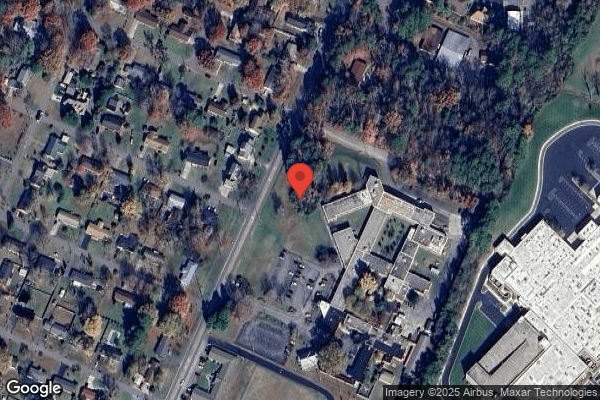

2910 PEERLESS RD, CLEVELAND, TN 37312 (423) 472-7116
For profit - Corporation 213 Beds Independent Data: November 2025
Trust Grade
73/100
#54 of 298 in TN
Last Inspection: November 2022

Over 2 years since last inspection. Current conditions may differ from available data.

Overview

Bradley Health Care & Rehab has a Trust Grade of B, indicating it is a good facility and a solid choice for families considering options for their loved ones. It ranks #54 out of 298 nursing homes in Tennessee, placing it in the top half, and #1 of 3 in Bradley County, meaning it is the best option locally. The facility is improving, with issues decreasing from four in 2022 to just one in 2024. However, staffing is a concern, with a rating of 2 out of 5 stars and a turnover rate of 52%, which is average for the state. On the downside, the facility has faced some serious issues; for example, it failed to prevent abuse, resulting in harm to one resident. There were also concerns about food safety and sanitary conditions in the kitchen, including improperly stored food and malfunctioning equipment, which could potentially affect many residents. While there are strengths, such as a good overall rating and an improving trend, these weaknesses highlight areas that families should consider carefully.

Trust Score
B
73/100
In Tennessee
#54/298
Top 18%
Safety Record
Moderate
Needs review
Inspections
Getting Better
4 → 1 violations
Staff Stability
⚠ Watch
52% turnover. Above average. Higher turnover means staff may not know residents' routines.
Penalties
✓ Good
$8,999 in fines. Lower than most Tennessee facilities. Relatively clean record.
Skilled Nurses
⚠ Watch
Each resident gets only 13 minutes of Registered Nurse (RN) attention daily — below average for Tennessee. Fewer RN minutes means fewer trained eyes watching for problems.
Violations
○ Average
10 deficiencies on record. Average for a facility this size. Mostly minor or procedural issues.
★★★★☆
4.0
Overall Rating
★★☆☆☆
2.0
Staff Levels
★★★☆☆
3.0
Care Quality
★★★★☆
4.0
Inspection Score
Stable
2022: 4 issues
2024: 1 issues

The Good

  • Full Sprinkler Coverage · Fire safety systems throughout facility
  • No fines on record

Facility shows strength in fire safety.

The Bad

Staff Turnover: 52%

Near Tennessee avg (46%)

Higher turnover may affect care consistency

Federal Fines: $8,999

Below median ($33,413)

Minor penalties assessed

The Ugly 10 deficiencies on record

1 actual harm
Feb 2024 1 deficiency 1 Harm
SERIOUS (G) 📢 Someone Reported This

A family member, employee, or ombudsman was alarmed enough to file a formal complaint

Actual Harm - a resident was hurt due to facility failures

Free from Abuse/Neglect (Tag F0600)

A resident was harmed · This affected 1 resident

**NOTE- TERMS IN BRACKETS HAVE BEEN EDITED TO PROTECT CONFIDENTIALITY** Based on review of facility policy, medical record review, review of the facility investigation, observation, and interviews, th...

Read full inspector narrative →
**NOTE- TERMS IN BRACKETS HAVE BEEN EDITED TO PROTECT CONFIDENTIALITY** Based on review of facility policy, medical record review, review of the facility investigation, observation, and interviews, the facility failed to prevent abuse for 1 resident, (Resident #2) of 7 residents reviewed for abuse or neglect. The facility's failure to prevent abuse with subsequent injuries of Resident #2 after an assault by Resident #3, resulted in actual Harm of Resident #2. F 600 was cited at a Harm as past non-compliance. The facility is not required to submit additional corrective actions. The findings included: Review of the facility titled, Abuse Policy, revised [DATE], showed .It is the policy of this facility to provide protections .and procedures that prohibit and prevent abuse .Abuse means the willful infliction of injury .resulting physical harm .which can include .certain resident to resident altercations . Medical record review showed Resident #2 was admitted to the facility on [DATE], with diagnoses including Alzheimer's Disease, Dementia with Severe Agitation and Behaviors, Thrombocytopenia (low platelet counts), Generalized Anxiety Disorder, Hypertension, Chronic Obstructive Pulmonary Disease, and End Stage Renal Disease. Review of the admission Minimum Data Set (MDS) assessment dated [DATE], showed Resident #2 had a Brief interview for Mental Status score (BIMS) of 4 which indicated severe cognitive impairment. Resident #2 had hearing and visual impairments, communication deficits, inattention, and disorganized thinking but no history of aggressive behaviors directed towards others. Resident #2 required 1-2 staff assistance with all activities of daily living. Review of the care plan dated [DATE], for Resident #2 showed the interventions for Dementia with Behaviors included non-pharmacologic interventions to address Agitation, Delusions, and Anxiety. Review of the Physician Orders dated [DATE], for Resident #2 showed, .Monitor for side effects associated with Benzodiazepine medications [Xanax/Alprazolam] [antianxiety medication] .new onset or increased severity of .aggressive/impulsive behavior . Monitor for Side Effects associated with antipsychotic Medications .[Seroquel] .new onset or increase in severity of .disorientation, confusion .restlessness .every shift Review of the Medication Administration Record (MAR) dated 1/2023, for Resident #2 showed .Alprazolam 0.25 milligram [mg] tablet, 1 tablet by mouth every 12 hours as needed for anxiety, agitation .every shift .Seroquel Oral Tablet .Give 25 milligram by mouth in the evening for psychosis, agitation and aggression . Review of Physician's orders dated [DATE], for Resident #2 showed to change the Alprazolam 0.25 mg from every 12 hours to every 6 hours as needed (PRN) for Anxiety. Medical record review showed Resident #3 was admitted to the facility on [DATE] with diagnoses including Unspecified Dementia with Behaviors, Generalized Anxiety Disorder, Cardiomegaly (enlarged heart), Stage 2 Chronic Kidney Disease, Major Depressive Disorder, Restlessness and Agitation, and Chronic Obstructive Pulmonary Disease. Review of the quarterly MDS assessment dated [DATE], showed Resident #3 had a BIMS score of 1 which indicated the resident had severe cognitive impairment. The resident had impaired attention, disorganized thinking, delusions, and wandering, but no verbally or physically aggressive behaviors directed towards self or others. Resident #3 required 1 person staff assistance with all activities of daily living. Review of the [DATE]-[DATE] daily nursing notes showed Resident #3 showed no signs of aggression to self or others until [DATE]. Review of the facility investigation dated [DATE] showed Resident #2 and Resident #3 ambulated to the common day/dining area around 6:00 PM. Resident #2 became agitated and began to yell. Resident #3 spoke to Resident #2 who became verbally aggressive towards Resident #3. Resident #3 slapped Resident #2 on the face and grabbed her upper arm in response. Resident #4 who was inside the day area and saw the incident, reported the altercation to nursing staff who immediately interceded and separated the two residents. Resident #3 was taken to her room and placed on 1 to 1 supervision. Resident #2 was taken to her room and assessed by Licensed Practical Nurse (LPN) #1 who documented Resident #2 sustained 2 small skin tears to her upper right arm which were treated with steri- strips (adhesive bandages). Resident #3 was transferred to a local hospital for psychiatric evaluation and returned to the nursing home approximately 4 hours later with no changes in her orders. Resident #3 continued 1 to 1 supervision until [DATE] when the resident was admitted to a geriatric mental health center for acute treatment. Resident #2 received neurological checks for 72 hours with no adverse findings. Resident #2 developed a faint bruise on her lateral right forehead where she had been struck by Resident #3. Review of the Psychiatric Periodic Evaluation for Resident #3 dated [DATE], showed .persisting behaviors .dementia, anxiety, restlessness, agitation, irritability .aggression .distressing psychosis .patient is being cross tapered from .Seroquel to Brexpiprazole [an antipsychotic drug indicated for use in dementia] due to ineffectiveness of Seroquel .staff reporting tolerating this change .but do not report any improvement in patients restlessness, agitation, aggression .patient hit another resident yesterday .continues to have intrusive behaviors .today she is alert and interactive .is calm and pleasant .she is confused, delusional and oriented to person only .cognition remains severely impaired .Most recent GDR [gradual dose reduction] [DATE] cross taper to .Brexpiprazole . Continued review showed .patient needs .secure behavioral unit . Review of the care plan for Resident #3 updated on [DATE], showed .Behavior Problem .Physically abusive, socially inappropriate, verbally abusive, wandering .intervention . address wandering by walking with resident .redirect from inappropriate areas .engage in diversional activity .assess identification of unmet needs .identify events that trigger behaviors . Review of Psychiatric Hospital Records dated [DATE], showed Resident #3 was admitted and was diagnosed with Acute Urinary Tract Infection (UTI) and Unspecified Dementia with Behaviors and Agitation. Resident #3's UTI was treated with oral antibiotics and the resident's behaviors stabilized. Resident #3 was discharged back to the facility for continued long term care on [DATE]. During observations and interviews with Resident #3 which were conducted throughout the survey between [DATE] and [DATE] and included brief interviews at varied times of day. Resident #3 who was confused had no recall of the altercation and showed no signs of agitation or aggression. Resident #3 was observed on [DATE] at 1:06 PM, [DATE] at 5:02 PM and [DATE] at 3:20 PM, with 1 to 1 supervision during assistance with large group activities in which the environment was more stimulating or while in common areas socializing with other residents and staff and the intervention was effective. During an interview on [DATE] at 1:10 PM, LPN #1 (the unit charge nurse) reported she was not on duty at the time of the incident. LPN #1 reported she was updated on the situation by the DON on her return to work. LPN #1 reported she participated in a Quality Assurance review of the incident and Resident #3 had been placed on 1 to 1 supervision until she was transferred to Psychiatric Care. LPN #1 reported Resident #3 was free of verbal or physical aggression towards others. LPN #1 reported Resident #3 was profoundly confused at baseline and had poor safety awareness. LPN #1 stated the facility provided close supervision of the resident. LPN #1 reported the facility revised Resident #3's care plan to always include monitoring of her location and 1 to 1 supervision when in groups or socializing on the unit if she became anxious or agitated. LPN #1 reported thus far increased monitoring of Resident #3 had prevented any recurrent altercations or falls or severe agitation due to overstimulation. During an interview on [DATE] at 1:44 PM, Resident #4 (witness to the altercation between Resident #2 and Resident #3) was alert and oriented to time, place, and circumstances. Resident #4 stated Resident #2 was in the day area and suddenly became agitated and began to yell and repeatedly made Indian sounds (inappropriate ethnic and racist sounds) which caused Resident #3 to become agitated. Resident #3 walked over to Resident #2 and Resident #2 yelled out at Resident #3 which triggered Resident #3 to grab Resident #2's arm and then slapped Resident #2 on the side of the face. Resident #4 stated after Resident #3 slapped Resident #2, Resident #3 stepped away, and Resident #2 sat on a chair and continued to yell incoherently. Resident #4 called for nearby staff to intercede and the two residents were separated. During an interview on [DATE] at 1:52 PM, LPN #2 stated she was not on duty when the incident occurred but was briefed by the DON about the altercation on her return to work the next day. LPN #2 reported Resident #2 was very demented, continuously confused and would often wander the unit looking for lost children, or going to board a train, and required frequent redirection and often called out or yelled randomly. LPN #2 stated Resident #3 had severe cognitive decline, poor impulse control and had intermittent agitation was prone to wandering in the facility and frequently attempted to help other residents. LPN #2 reported several weeks after the altercation Resident #2 expired at the facility of complications of COVID 19 and renal disease. LPN #2 reported Resident #3 had not experienced recurrent resident versus resident altercations since her return from psychiatric care but still required close monitoring when interacting with peers or in group activities or in situations in which the environment was noisy to avoid overstimulation. LPN #2 reported Resident #3 still tried to help other residents and had periods of increased confusion and intermittent agitation, but was care planned for 1 to 1 supervision during those times which had been effective LPN #2 reported Resident #3 was followed by the Psychiatric PA weekly. During interview on [DATE] at 2:02 PM Certified Nurse Aide (CNA #3) reported she regularly cared for Resident #3 and had separated her from Resident #2 during the altercation on [DATE]. CNA #3 reported Resident #3 was a former counselor and believed she was still working at a rehabilitation center frequently. CNA #3 reported since Resident #3 had returned from the Psychiatric Hospital she had not been involved in any resident versus resident incidents. CNA #3 reported staff were trained to monitor Resident #3's whereabouts when on the unit and to provide 1 to 1 as needed during periods of increased confusion or agitation after the Resident returned from the hospital and stated it had been effective. CNA #3 reported staff had incorporated a daily nap after lunch for Resident #3 into her daily routine which appeared to reduce her evening and nighttime confusion and bouts of agitation. During interview on [DATE] at 2:13 PM CNA #4 reported she was working another unit on the day of the incident but was advised of 1 to 1 for Resident #3 the next day when she staffed the 400 wing. CNA #4 reported Resident #3's behaviors had improved since her return from the hospital, but the resident still required close monitoring and redirection at times especially when in the day area or when wandering. CNA #4 reported she had not observed Resident #3 with aggression since the resident's return to the facility. CNA #3 confirmed she had received training related to the incident and was able to discuss interventions in place to prevent agitation or aggression in Resident #3 in response to the incident. During an interview on [DATE] at 2:26 PM, in the conference room, DON and Administrator confirmed the facility investigation determined Resident #3 was the aggressor in the altercation on [DATE]. The Administrator and DON confirmed Resident #3's actions were willful and the facility had failed to prevent abuse of Resident #2. During an interview on [DATE] at 2:00 PM, the Medical Director confirmed the facility Quality Assurance review of the altercation was discussed with him as reported by the DON and Administrator and ongoing QA reviews of the corrective actions implemented in response to the altercation were planned to maintain sustained compliance. The facility submitted an acceptable Plan of Correction on [DATE] which was validated onsite by the surveyor on [DATE]-[DATE]. Non-compliance was noted from [DATE]-[DATE]. The Plan of Correction was summarized as follows: 1. At the time of the incident, the facility immediately separated and performed physical examinations on both residents. Resident #2 suffered 2 small skin tears on her upper right arm which were treated with steri strips. Neurological checks for Resident #2 were implemented and performed. Resident #3 was placed on direct 1 to 1 supervision until transferred to the local hospital for psychiatric evaluation after interview by local law enforcement officers. No other residents were impacted by the incident. 2. The facility Administrator, Director of Nursing, and Medical Director held an ad hoc Quality Assurance Meeting by telephone to discuss the incident once the facility investigation was underway on [DATE]. The Physician ordered Resident #3 transferred by ambulance to a local hospital for psychiatric evaluation. 3. Resident #3 was examined in the local hospital emergency room on the night of [DATE] where it was determined she did not require acute psychiatric care by the emergency room physician. Resident #3 was discharged back to the nursing home with no changes to her regimen ordered. Resident #3 was placed back on direct 1 to 1 supervision pending referral to acute mental health care by the facility. 4. Resident #2 was examined by the Psychiatric Physician Assistant (PA) on the morning of [DATE] and adjustments to her psychotropic regimen were made. Resident #2 had no recall of the incident when examined by the Psychiatric PA. Medication adjustments were implemented to address continued behavioral and psychological symptoms of dementia (BPSD) which pre-existed the incident and were identified as possible triggers for the altercation in the facility investigation. The facility social worker assessed both Resident #2 and Resident #3 on [DATE] and neither resident recalled the altercation. The social worker referred Resident #3 to a geriatric mental health hospital for acute care on the afternoon of [DATE] at the directive of the Psychiatric PA. The mental health hospital agreed to admit Resident #3 on [DATE] when a bed became available. Resident #3 was maintained on direct 1 to 1 supervision without incident until the transfer was executed. The social worker began to seek secure unit placement resources over a multi-county area for Resident #3 with consent of Resident #3's responsible party in the event her behaviors could not be stabilized. 5. Resident #3 was transferred to acute mental health care by the facility van on [DATE] without incident. Resident #3 had no recall of the altercation. Resident #3 was admitted to geriatric mental health for acute care. The facility Administrator and DON held a second Ad Hoc QA meeting to discuss the investigative findings and interventions ongoing. 6. Neurological checks for Resident #2 were completed on [DATE] with no negative findings. Care Plans for both residents previously updated on [DATE] were reviewed by members of the Quality Assurance Team which included the DON, Social Worker and Administrator. The altercation was added to the agenda for follow up by the Quality Assurance Team for February 2024. Brief Staff in-services related to the facility abuse policy and behavioral monitoring for Resident #2 were completed. 7. The facility completed 5 day follow up documentation and transmitted additional findings as requested to the State Agency on the morning of [DATE]. 8. Resident #3 was stabilized and returned to the facility from the mental health hospital on the afternoon of [DATE]. Resident #3's care plan was updated to reflect enhanced behavioral monitoring/ precautions while in common areas outside her room and additional 1 to 1 supervision as needed when changes in behavior occurred. Staff training related to the new interventions were completed the same day by the Director of Nursing. The facility social worker and administrator contacted a total of 5 alternate facilities with secure memory care units, all of whom declined to admit Resident #3 between [DATE] and [DATE]. 9.Resident #3 was examined by the Medical Director on [DATE] and the Psychiatric PA on [DATE] for routine follow up care and no new issues with behaviors or medical co-morbidities were noted. The Psychiatric PA conferred with Resident #3's responsible parties and additional titration of psychotropic medications were implemented along with routine lab monitoring related to new medications put in place by the mental health hospital were completed. Resident #3 remained free of aggressive behaviors and remained in the facility with regular follow up by the mental health service. Resident #3 continues to receive weekly follow up visits by the Psychiatric PA for medication management and behavioral monitoring. The facility has on call access to services with the mental health provider 7 days weekly. During interviews 4 staff which, included LPNs #1 and #2, Certified Nurse Aides CNAs #3 and #4, interviewed were knowledgeable of the incident of [DATE], the new care plan interventions in place to prevent recurrent altercations for Resident #3, as needed line of sight monitoring for the resident when in common areas or in activities with peers, appropriate situations to implement 1 to 1 supervision and all reported her condition had substantially improved since return to the facility from acute care. Abuse interviews with 6 clinical personnel and 3 non-clinical personnel showed all were aware of the facility abuse prohibition policy and reporting requirements. All personnel interviewed could define abuse and neglect as defined in Federal Requirements and confirmed in-service training was provided them after the incident between Resident #2 and Resident #3 as reported by the DON. All interviewed staff were knowledgeable of non-pharmacological interventions related to behaviors. Review of incident logs showed no evidence Resident #3 was involved in additional altercations since [DATE]. No other resident versus resident altercations were noted to have occurred at the facility in the prior 6 months of records reviewed. At the time of the survey, efforts by the facility to obtain secure unit placement for Resident #3 remained ongoing. The facility had expanded the search for secure unit placement for Resident #3, to facilities throughout the region with consent of Resident #3's responsible party.
Nov 2022 4 deficiencies
CONCERN (D)

Potential for Harm - no one hurt, but risky conditions existed

MDS Data Transmission (Tag F0640)

Could have caused harm · This affected 1 resident

**NOTE- TERMS IN BRACKETS HAVE BEEN EDITED TO PROTECT CONFIDENTIALITY** Resident #62 was admitted to the facility on [DATE] with diagnoses including Chest Pain, Hypertensive Heart and Chronic Kidney D...

Read full inspector narrative →
**NOTE- TERMS IN BRACKETS HAVE BEEN EDITED TO PROTECT CONFIDENTIALITY** Resident #62 was admitted to the facility on [DATE] with diagnoses including Chest Pain, Hypertensive Heart and Chronic Kidney Disease Stage 4, Type 2 Diabetes Mellitus, Anxiety Disorder, Depression, Congestive Heart Failure, Need for Assistance with Personal Care, Malaise, and Lack of Coordination. Review of an entry MDS dated [DATE] showed Resident #62 was admitted to the facility from an acute hospital. Review of a nurse progress note dated 6/17/2022 showed Resident #62's spouse arrived to the facility at 6:45 AM and stated he was taking the resident home. The resident and spouse were encouraged to wait for a safe discharge plan and the resident stated she wanted to go home. A release from responsibility for discharge was signed by the resident and the spouse. The resident left via personal vehicle. Review of a discharge MDS dated [DATE] showed Resident #62 was discharged to the community on 6/17/2022. Review of a 5-day MDS dated [DATE] showed the assessment was transmitted after the discharge MDS assessment (21 days after the resident discharged home). During an interview on 11/2/2022 at 1:30 PM, the DON stated a 5 day MDS assessment was transmitted 21 days after the resident was discharged .the billing office told us [MDS Coordinators] we had to do one [a 5 day MDS assessment] . Based on review of medical record reviews, and interviews, the facility failed to complete a discharge Minimum Data Set (MDS) assessment for 1 resident (Resident #8) and the facility completed a 5-day MDS assessment for 1 resident (Resident #62) after discharged from the facility of 20 residents reviewed for MDS assessments. The findings include: Resident #8 was admitted to facility on 1/31/2020 with diagnoses including Disorders of the Kidney and Ureter, Abnormal Weight Loss, Hallucinations, Delusions, and Anxiety. Review of the quarterly MDS assessment dated [DATE] showed Resident #8 was currently admitted in the facility. Continue review showed a discharge assessment was not completed on 5/26/2022 by the facility upon discharge. Review of a nurses' notes dated 5/26/2022, showed Resident #8 was transferred to the Emergency Department (ED) for evaluation and treatment. Review of a nurses' note dated 6/1/2022, showed the resident's daughter called the facility and was taking Resident #8 home on hospice services from the hospital. During an interview on 11/2/2022 at 1:29 PM, the MDS Coordinator #1 and the Director of Nursing (DON) confirmed a discharge MDS assessment was not completed for Resident #8.
CONCERN (D)

Potential for Harm - no one hurt, but risky conditions existed

Respiratory Care (Tag F0695)

Could have caused harm · This affected 1 resident

**NOTE- TERMS IN BRACKETS HAVE BEEN EDITED TO PROTECT CONFIDENTIALITY** Based on facility policy review, medical record review, observation, and interview, the facility failed to ensure proper storage...

Read full inspector narrative →
**NOTE- TERMS IN BRACKETS HAVE BEEN EDITED TO PROTECT CONFIDENTIALITY** Based on facility policy review, medical record review, observation, and interview, the facility failed to ensure proper storage of oxygen cylinders (tanks) (metal container filled with compressed gas and held under high pressure) in 1 resident's room (Resident #10) of 9 residents reviewed for oxygen usage. The findings include: Review of the undated facility policy, titled, POLICY AND PROCEDURE OXYGEN CYLINDERS, showed .Never drop cylinders or permit them to strike each other .Store cylinders of oxygen in a cool place, away from radiators . Resident #10 was admitted to the facility on [DATE] with diagnoses including Anxiety Disorder, Localized Edema, Dyspnea, Morbid Obesity, Dependence on Supplemental Oxygen, Encounter for Palliative Care, Chronic Obstructive Pulmonary Disease (COPD), and on 9/13/2022 COVID-19. Review of the quarterly Minimum Data Set (MDS) dated [DATE], showed Resident #10 received oxygen and hospice services. Review of the current physician's orders revised 10/4/2022, showed Oxygen continuous 3 liters per minute by way of nasal cannula. The comprehensive care plan dated 10/27/2022, showed Resident #10 had a terminal diagnosis related to COPD and was under hospice services. The resident had altered respiratory status and difficulty breathing related to COPD and was oxygen dependent. During observations on 10/31/2022 at 12:05 PM and 2:47 PM, Resident #10's room contained 1 E size (4.3 inches in diameter by 25.5 inches in height) portable oxygen cylinder and 3 C size (4.3 inches in diameter and 12 inches in height) portable oxygen tanks located on the resident's floor, near the wall, and 1 C size portable oxygen tank located on the resident's counter near the sink. The oxygen tanks were not secured in a stand or holder. During an observation and interview on 10/31/2022 at 12:48 PM, Licensed Practical Nurse (LPN) #2 confirmed the portable oxygen tanks located in Resident #10's room were positioned on the floor and on the sink and were not secured in a rack, stand, or holder. During an observation on 10/31/2022 at 3:00 PM, Resident #10's room contained 1 E size portable oxygen tank and 4 C size portable oxygen tanks positioned on the floor, near the wall, and were not secured in a stand or holder. During an observation on 11/1/2022 at 1:25 PM, Resident #10's room contained 1 E size portable oxygen tank and 4 C size portable oxygen tanks positioned on the floor, near the wall, and were not secured in a stand or holder. During an interview on 11/1/2022 at 1:45 PM, the Director of Nursing (DON) stated it was her expectation only 1 oxygen tank be stored in the resident's room for the resident's use and was to be secured in a holder or on the resident's wheelchair. The DON confirmed the oxygen tanks were to be secured in a rack or holder when not in use and the portable oxygen tanks stored in Resident #10's room were not stored correctly.
CONCERN (D)

Potential for Harm - no one hurt, but risky conditions existed

Deficiency F0849 (Tag F0849)

Could have caused harm · This affected 1 resident

**NOTE- TERMS IN BRACKETS HAVE BEEN EDITED TO PROTECT CONFIDENTIALITY** Based on hospice contract review, medical record review, and interview, the facility failed to ensure timely and collaborative c...

Read full inspector narrative →
**NOTE- TERMS IN BRACKETS HAVE BEEN EDITED TO PROTECT CONFIDENTIALITY** Based on hospice contract review, medical record review, and interview, the facility failed to ensure timely and collaborative communication between the hospice provider and the facility for 1 resident (Resident #24) of 6 residents reviewed for hospice services. The findings include: Review of the hospice contract titled, HOSPICE AND SKILLED NURSING FACILITY AGREEMENT, dated [DATE] and renewed annually, showed .Hospice shall provide Facility with the following information immediately upon the information becoming available to Hospice .the most recent hospice plan of care specific to each Resident under Hospice's care .Hospice physician and attending physician .orders specific to each Resident .All physician orders communicated to Facility on behalf of Hospice in connection with the Hospice Plan of Care shall be in writing and signed by the applicable Attending Physician or Hospice Physician .Hospice shall comply with the Coordination of Services .Communication Protocol .Hospice and Facility shall work together to develop a written communication protocol governing how they will communicate all information needed for the Hospice Patient's care (such as physician order and medication information), including how such communication will be documented to ensure that the needs of Hospice Patients are addressed .The communication protocol shall include .a procedure that clearly outlines the chain of communication between the parties in the event .changes to the Hospice Plan of Care .how Hospice Physician orders will be communicated to Facility staff . Resident #24 was admitted to the facility on [DATE] with diagnoses including Type 2 Diabetes Mellitus, Anorexia, Major Depressive Disorder, Adjustment Disorder, Anxiety Disorder, Left Femur Fracture, Chronic Kidney Disease Stage 4, and Congestive Heart Failure. Review of a Physician's Order for Scope of Treatment (POST) dated [DATE] showed Resident #24's end of life wishes was Cardiopulmonary Resuscitation (CPR). Review of a Physicians Order dated [DATE] showed Resident #24 was admitted to hospice services. Review of a nurse's progress note dated [DATE] showed Resident #24 was transported to an outpatient cardiology appointment. Review of a cardiology consult report dated [DATE] showed the resident was transferred to the hospital emergency room for evaluation. Review of a hospice Nurse Practitioner telephone order titled, [NAME OF HOSPICE] HOSPICE PHYSICIAN ORDERS dated [DATE] showed .Code Status: DNR [Do Not Resuscitate] . (the orders were suspended due to Resident #10's transfer to the hospital). Review of a hospital Discharge summary dated [DATE] showed Resident #24 was returned to the facility and admitted back to hospice. Review of a POST form dated [DATE] showed Resident #24's code status had changed to a DNR code status after hospice had admitted the resident on [DATE]. Continued review showed the POST form was not provided to the facility until [DATE]. During an interview on [DATE] at 4:25 PM, the Director of Nursing (DON) and the Infection Preventionist stated the resident was admitted to hospice services on [DATE] and on the same day the resident was transported to an outpatient appointment and later transported to the hospital. The DON stated the resident returned to the facility on [DATE] and hospice services were resumed. The DON and the Infection Preventionist stated the hospice physician's orders written on [DATE] were not reviewed with the hospice provider after the resident returned from the hospital on [DATE], which included the updated code status of DNR. The DON stated the updated POST form dated [DATE] was not provided by hospice to the facility until [DATE]. The DON and the Infection Preventionist agreed the facility had failed to effectively and timely communicate with the hospice provider and to collaborate services related to the change in the resident's code status after the resident returned from the hospital on [DATE].
MINOR (C)

Minor Issue - procedural, no safety impact

Deficiency F0888 (Tag F0888)

Minor procedural issue · This affected most or all residents

Based on Centers for Medicare and Medicaid (CMS) guidelines, facility policy review, facility COVID-19 (an infectious disease caused by the SARS-CoV-2 virus) vaccination documentation, and interview, ...

Read full inspector narrative →
Based on Centers for Medicare and Medicaid (CMS) guidelines, facility policy review, facility COVID-19 (an infectious disease caused by the SARS-CoV-2 virus) vaccination documentation, and interview, the facility failed to ensure COVID-19 vaccination medical exemption documentation included all required components for 2 of 3 staff with medical exemptions for the COVID-19 vaccination. The findings include: Review of the CMS Center for Clinical Standards and Quality/Quality, Safety & Oversight Group (QSO-22-07-ALL) memorandum titled, Guidance for the Interim Final Rule - Medicare and Medicaid Programs; Omnibus COVID-19 Health Care Staff Vaccination, dated 12/28/2021, showed .Medicare and Medicaid-certified facilities are expected to comply with all regulatory requirements .Long-Term Care and Skilled Nursing Facility Attachment A .Medical Exemptions .Medical exemption documentation must specify which authorized or licensed COVID-19 vaccine is clinically contraindicated for the staff member and the recognized clinical reasons for the contraindication. The documentation must also include a statement recommending that the staff member be exempted from the facility's COVID-19 vaccination requirements based on the medical contraindications. A staff member who requests a medical exemption from vaccination must provide documentation signed and dated by a licensed practitioner . Review of facility's policy titled, Employee COVID-19 Vaccination Exemption, dated 11/5/2021 and revised on 5/31/2022, showed .It is the policy of this facility that employees may request an exemption based on disability, sincerely held religious beliefs, practices or observances, or medical reasons for the required COVID-19 vaccination in accordance with Federal laws .Requests for medical exemptions to the COVID-19 vaccination must include the following documentation .All information specifying which of the authorized COVID-19 vaccines are clinically contraindicated for the employee to receive, and the recognized clinical reasons for the contraindications; and .A statement by the authenticating practitioner recommending that the staff member be exempted from the facility's COVID-19 vaccination requirements for staff based on the recognized clinical contraindications; and .The signature and date by a licensed practitioner who is not the individual requesting the exemption, and who is acting within their respective scope of practice as defined by, and in accordance with, all applicable State and local laws . Review of the COVID-19 Vaccination Record Card dated 11/30/2021, showed the Registered Occupational Therapist (OTR) received 1 dose of the Pfizer COVID-19 vaccine on 11/30/2021. Review of the OTR's Medical Declaration for Vaccination Exemption form dated 2/24/2022, showed .Please list the authorized COVID-19 vaccine(s) that are clinically contraindicated for the person named above to receive and the clinical reasons for the contraindication .COVID vaccine #2 contraindicated due to chest pain and palpitations .This exemption should be .Permanent . The documentation was signed by a Licensed Practitioner and did not include which authorized COVID-19 vaccinations were clinically contraindicated. Review of the Request for Exemption/Accommodation for Medical Reasons to the COVID-19 Vaccination dated 5/23/2022, showed Licensed Practical Nurse (LPN) #1 requested a medical exemption for the COVID-19 vaccine and noted .Heart issues . as the reason for requesting the medical exemption. The form was signed by a Licensed Practitioner on 5/23/2022 and did not include which authorized COVID-19 vaccines were clinically contraindicated, the reasons for the contraindications, or a statement from the Licensed Practitioner recommending that the staff member be exempted from the facility's COVID-19 vaccination requirements based on the clinical contraindications. During an interview on 11/2/2022 at 1:03 PM, the Administrator stated COVID-19 vaccination exemptions were available for legitimate medical and religious reasons. Staff were responsible to get the required paperwork filled out for medical and religious vaccination exemption. The Administrator was responsible for reviewing the documentation and determining if the exemption was granted. The Administrator stated medical exemptions were granted if the documentation included a medical diagnosis and a physician signature. The facility policy states that for a medical exemption to be granted, the documentation must include which covid vaccinations were contraindicated, a clinical reason for the contraindication, a statement from the practitioner that recommended the exemption based on recognized clinical contraindications, and the signature and date from the practitioner. It was the expectation of the Administrator that the facility policy was followed. The Administrator confirmed LPN #1's Request for Exemption/Accommodation for Medical Reasons to the COVID-19 Vaccination documentation did not include which COVID-19 vaccines were contraindicated or a statement from the practitioner recommending LPN #1 be exempt based on clinical contraindications. Continued interview confirmed the OTR's Medical Declaration for Vaccination Exemption did not include which COVID-19 vaccinations were contraindicated. The Administrator confirmed the facility's medical exemption policy was not followed for the OTR and LPN #1.
Oct 2018 5 deficiencies
CONCERN (D)

Potential for Harm - no one hurt, but risky conditions existed

Deficiency F0571 (Tag F0571)

Could have caused harm · This affected 1 resident

**NOTE- TERMS IN BRACKETS HAVE BEEN EDITED TO PROTECT CONFIDENTIALITY** Based on review of the facility admission packet, medical record review, review of trust transaction history, observation, and i...

Read full inspector narrative →
**NOTE- TERMS IN BRACKETS HAVE BEEN EDITED TO PROTECT CONFIDENTIALITY** Based on review of the facility admission packet, medical record review, review of trust transaction history, observation, and interview, the facility charged the personal fund account for incontinence care items for 1 resident (#72) of 34 incontinent residents reviewed of 44 sampled residents. The findings include: Review of the facility admission packet and resident rights revealed the facility would provide incontinence care supplies for the residents. Medical record review revealed Resident #72 was admitted to the facility on [DATE] with diagnoses including Urinary Tract Infection, Dysuria (painful urination), Type 2 Diabetes Mellitus, Major Depression, Bipolar Disorder, Primary Insomnia, and Anxiety. Medical record review of Resident #72's admission Record revealed the resident's primary payer source was Medicaid ICF (Intermediate Care Facility). Medical record review of a quarterly Minimum Data Set assessment dated [DATE] revealed Resident #72's Brief Interview for Mental Status score was 15, indicating the resident was cognitively intact. Further review revealed the resident required supervision for all activities of daily living, was always continent of bladder, and occasionally incontinent of bowel. Medical record review of a social services note dated 8/23/18 revealed .Daughter and son have been requesting that a prescription be signed regarding [Resident #72's] briefs that she has been receiving from [medical supply company]. I [social services] have spoken with [medical supply company], BCBS [insurance company], and her Choices CC [Medicaid Care Coordinator] and because she is in a long term care nursing facility, she can no longer receive the [disposable] briefs and her insurance be charged . Further review revealed the Medicaid insurance company told the facility they would not pay for the briefs because the resident was in a long term care nursing facility and .that is part of her care that we supply the briefs .if we send BCBS a bill for them to pay for her briefs, not only will they not pay for them but that is considered Medicaid fraud and we [facility] could face fraud charges for billing her insurance for something that we provide .[physician] will not sign the paper for this very reason and because the address is the sons address and she does not live with the son in the community. The son has been bringing the [disposable] briefs to [Resident #72] in the facility. The only reason why her insurance has been paying for the briefs is because the address is a community address and not the facilities . Continued review revealed the residents' daughter and son had been notified the resident's insurance would not pay for the briefs because the resident was in a long term care nursing facility. Review of Resident #72's Trust-Transaction History from 6/1/18-9/30/18 revealed $33.33 was withdrawn by the facility from the resident's trust fund on 9/14/18 for the cost of disposable briefs. Observation and interview with Resident #72 on 10/29/18 at 12:42 PM, in the resident's room, revealed the resident was wearing a disposable brief. Interview with the resident revealed the resident did not like the cloth briefs offered by the facility, and preferred disposable briefs. Interview with the Business Office Manager on 10/30/18 at 4:20 PM, in the Business Manager's office, confirmed Medicaid residents were charged for disposable briefs, or the facility would provide cloth briefs at no cost to residents who did not want to pay for disposable briefs. Continued interview confirmed the facility supplied disposable briefs for Medicare residents because the briefs were considered medical supplies for those residents.
CONCERN (D)

Potential for Harm - no one hurt, but risky conditions existed

Notification of Changes (Tag F0580)

Could have caused harm · This affected 1 resident

**NOTE- TERMS IN BRACKETS HAVE BEEN EDITED TO PROTECT CONFIDENTIALITY** Based on medical record review and interview, the facility failed to obtain consent and notify the resident representative of ch...

Read full inspector narrative →
**NOTE- TERMS IN BRACKETS HAVE BEEN EDITED TO PROTECT CONFIDENTIALITY** Based on medical record review and interview, the facility failed to obtain consent and notify the resident representative of changes to the psychiatric drug regimen of 1 resident (#82) of 5 residents reviewed for unnecessary medications of 44 residents sampled. The findings include: Medical record review revealed Resident #82 was admitted to the facility on [DATE] with diagnoses of Dementia, History of Transient Ischemic Attack (Stroke), and Anxiety Disorder. Medical record review of a quarterly Minimum Data Set (MDS) dated [DATE] revealed a Brief Interview for Mental Status (BIMS) score of 10, indicating Resident #82 was moderately cognitively impaired. Medical record review of the Order Listing Report, dated 10/31/18, revealed .Lexapro [antianxiety and antidepressant medication] 5 MG [milligrams] Give 1 tablet by mouth one time a day .Last Order Date .01/26/18 . Medical record review of the Psychiatric Progress Note, dated 1/26/18, revealed .Treatment Plan .1.) Start Lexapro 5 mg PO [by mouth] QDAY [daily] . Medical record review of the Psychiatric Progress Note dated 5/17/18, revealed .family wants patient taken off of Lexapro .upset that they never gave consent for it to be started 1/2018 . Medical record review of Resident #82's signed consents revealed no documentation of a signed consent, or verbal notification to the family, prior to the addition of Lexapro to the drug regimen on 1/26/18. Interview with the Director of Nursing (DON) on 10/31/18 at 3:55 PM, in the DON's office, confirmed there was no signed consent or documentation of notification to the resident representative of changes to the psychiatric drug regimen for Resident #82.
CONCERN (D)

Potential for Harm - no one hurt, but risky conditions existed

PASARR Coordination (Tag F0644)

Could have caused harm · This affected 1 resident

**NOTE- TERMS IN BRACKETS HAVE BEEN EDITED TO PROTECT CONFIDENTIALITY** Based on facility policy review, medical record review, and interview, the facility failed to refer to the state-designated auth...

Read full inspector narrative →
**NOTE- TERMS IN BRACKETS HAVE BEEN EDITED TO PROTECT CONFIDENTIALITY** Based on facility policy review, medical record review, and interview, the facility failed to refer to the state-designated authority for a Level II PASARR (Preadmission Screening and Resident Review), after the resident was identified with a possible serious mental disorder, for 1 resident (#112) of 7 residents reviewed for PASARR. The findings include: Review of facility policy admission Criteria, revised December 2016, revealed .Any new psychiatric diagnosis may indicate the need for a PASSAR . Medical record review revealed Resident #112 was admitted to the facility on [DATE] with diagnoses including Vascular Dementia, Psychotic Disorder with Delusions, and Hypertension. Medical record review of the PASARR form dated 7/26/17 revealed Resident #112's diagnoses included suspected anxiety disorder and mild depression. Further review revealed the resident was negative for the level one screening, and if the nursing facility determined any inaccuracies in diagnoses, a Status Change review would be required. Medical record review of the Diagnosis Information sheet revealed the resident had a diagnosis of Generalized Anxiety Disorder with an onset date of 7/27/17. Medical record review of a psychotherapy progress note dated 7/25/18 revealed the resident was sad, intermittently tearful, and expressed feelings of loneliness, hopelessness, and emotional isolation. Medical record review of the Diagnosis Information sheet revealed the resident received a diagnosis of Adjustment Disorder with Depressed Mood on 7/27/18. Interview with Minimum Data Set (MDS) nurse #1, responsible for completing PASARR's at the facility, on 10/30/18 at 8:36 AM, in the MDS office, revealed the most recent PASARR completed was on 7/26/17, prior to the addition of 2 mental health diagnoses. MDS nurse #1 stated another PASARR was completed for Resident #112 on 8/19/18 but .was canceled . MDS nurse #1 confirmed PASARRs had not been completed after the new mental health diagnoses had been added.
CONCERN (F)

Potential for Harm - no one hurt, but risky conditions existed

Food Safety (Tag F0812)

Could have caused harm · This affected most or all residents

Based on facility policy review, observation, and interview the facility failed to maintain a sanitary kitchen free from undated, unlabeled foods, or opened to air food items in 2 coolers; and free fr...

Read full inspector narrative →
Based on facility policy review, observation, and interview the facility failed to maintain a sanitary kitchen free from undated, unlabeled foods, or opened to air food items in 2 coolers; and free from dirt and debris in 1 ice cream freezer, 1 walk in cooler, 1 of 3 steam tables, and on 1 dish in the kitchen, potentially affecting 149 of 151 residents. The findings include: Review of facility policy, Dietary Food Storage Policy with an implementation date of 10/29/18 revealed .It is the policy of this facility to avoid inappropriate storage of food products for the safety and well-being of the residents .Improper food storage may include, but not be limited to .Foods uncovered and/or exposed to air .Foods undated .Foods unlabeled .Broken seals, leakage . Review of the facility policy, Refrigerators and Freezers, dated 10/31/18, revealed .Supervisors will inspect refrigerators and freezers .for .ice buildup .Refrigerators and freezers will be kept clean, free of debris, and mopped .on a scheduled basis and more often as necessary . Review of the facility policy, Dietary Equipment Serviceability Policy with an implementation date of 10/29/18 revealed .Staff members of the Dietary Department must recognize that they have a responsibility to insure the safe and sanitary working condition of all equipment used in the preparation and delivery of food to the residents of our facility .Employees are required to inspect equipment for corrosion, rust, and general cleanliness .In the event that any of the above items are discovered, correction action must take place and the CDM [Certified Dietary Manager] must be notified . Review of the facility policy, Dishwashing Machine Use, dated 10/31/18 revealed .Dishes and utensils are inspected for any debris or unsanitary contact prior to use .Immediate action will be taken and dishes or utensils will be unused until properly cleaned and sanitized . Observation and interview with the Dietary Manager (DM) on 10/29/18 at 9:36 AM, in the kitchen, of the tray line cooler, revealed: A) Nine 4 ounce plastic glasses containing purple liquid undated, unlabeled, and available for resident use. B) Seven 4 ounce plastic glasses with a light tan liquid undated, unlabeled, and available for resident use. Interview with the DM confirmed the liquid drinks were grape juice and apple juice. Continued interview confirmed the drinks were undated and unlabeled and available for resident use. Observation and interview with the DM on 10/29/18 at 9:42 AM, in the kitchen, of the ice cream freezer, revealed: A) 6 loose cardboard pieces 6 to 7 inches long by 2-3 inches wide scattered throughout the bottom of the freezer. B) Seven loose wooden ice cream spoons lying on the bottom of the ice cream freezer. C) 1 piece of red loose tape lying on the bottom of the ice cream freezer. D) Large solid pieces of ice on the bottom of the ice cream freezer. Interview with the DM confirmed the facility failed to inspect the freezer for ice buildup and there was debris scattered throughout the ice cream freezer. Observation and interview with the DM on 10/29/18 at 9:52 AM, in the kitchen, of the walk in cooler, revealed: A) One 5 pound plastic container of shredded white chicken salad open to air, with a broken plastic seal, chicken salad leaking down the sides of the container, available for resident use. B) 3 large onion peels on the floor in the walk in cooler. Interview with the DM confirmed there was open to air food items and debris on the floor of the walk in cooler. Continued interview confirmed the facility failed to inspect the walk in cooler. Observation and interview with the DM on 10/29/18 at 10:59 AM, in the kitchen, of the stand-alone cooler, near the dry storage room, revealed: A) 56 slices of yellow pasteurized American cheese in a 2 gallon plastic bag open to air and available for resident use. Interview with the DM confirmed there was open to air food items in the stand alone cooler. Observation and interview with the DM on 10/29/18 at 11:16 AM, in the kitchen, at the 3 compartment portable steam table, next to the ice cream freezer, revealed: A) Dark brown hardened and rust colored loose debris scattered throughout the 3 compartments of the steam table. Interview with the DM confirmed the facility failed to inspect the steam table for corrosion, rust, and general cleanliness. Continued interview confirmed the facility failed to maintain a sanitary 3 compartment steam table which was used for resident food preparation. Observation and interview with the DM on 10/29/18 at 11:27 AM, in the kitchen, at the 3 bay steam table, with the prepared hot lunch foods revealed: A) One 9 inch 3 divider plate under the front shelf of the steam table, covered in brown and yellow debris and available for resident use. Interview with the DM confirmed the facility failed to inspect dishes for debris.
CONCERN (F)

Potential for Harm - no one hurt, but risky conditions existed

Room Equipment (Tag F0908)

Could have caused harm · This affected most or all residents

Based on facility policy review, observation, and interview the facility failed to maintain 1 of 3 three compartment steam tables in safe operating condition in 1 of 1 kitchens potentially affecting 1...

Read full inspector narrative →
Based on facility policy review, observation, and interview the facility failed to maintain 1 of 3 three compartment steam tables in safe operating condition in 1 of 1 kitchens potentially affecting 149 of 151 residents. The findings include: Review of the facility policy, Dietary Equipment Serviceability Policy, with an implementation date of 10/29/18, revealed .It is the policy of this facility to maintain proper working equipment .free from .disrepair .Staff members of the Dietary Department must recognize that they have responsibility to insure [ensure] the safe and sanitary working condition of all equipment used in the preparation and delivery of food to the residents of our facility . Observation and interview with the Dietary Manager (DM) on 10/29/18 at 11:16 AM, in the kitchen, of the 3 compartment portable steam table, next to the ice cream freezer, revealed 1 of 3 missing control knobs in 1 of 3 bays. Interview with the DM confirmed the facility used the portable steam table in preparation and delivery of food to the residents in the facility. Continued interview confirmed the control knob button on the compartment steam table should have been replaced, was not in safe working order, and was in disrepair.
Understanding Severity Codes (click to expand)
Life-Threatening (Immediate Jeopardy)
J - Isolated K - Pattern L - Widespread
Actual Harm
G - Isolated H - Pattern I - Widespread
Potential for Harm
D - Isolated E - Pattern F - Widespread
No Harm (Minor)
A - Isolated B - Pattern C - Widespread

Questions to Ask on Your Visit

  • "Can I speak with families of current residents?"
  • "What's your RN coverage like on weekends and overnight?"

Our Honest Assessment

Strengths
  • • Licensed and certified facility. Meets minimum state requirements.
Concerns
  • • 10 deficiencies on record, including 1 serious (caused harm) violation. Ask about corrective actions taken.
Bottom line: Mixed indicators with Trust Score of 73/100. Visit in person and ask pointed questions.

About This Facility

What is Bradley Health Care & Rehab's CMS Rating?

CMS assigns BRADLEY HEALTH CARE & REHAB an overall rating of 4 out of 5 stars, which is considered above average nationally. Within Tennessee, this rating places the facility higher than 99% of the state's 100 nursing homes. This rating reflects solid performance across the metrics CMS uses to evaluate nursing home quality.

How is Bradley Health Care & Rehab Staffed?

CMS rates BRADLEY HEALTH CARE & REHAB's staffing level at 2 out of 5 stars, which is below average compared to other nursing homes. Staff turnover is 52%, compared to the Tennessee average of 46%. RN turnover specifically is 62%, which is notably high. RNs provide skilled clinical oversight, so turnover in this role can affect medical care quality.

What Have Inspectors Found at Bradley Health Care & Rehab?

State health inspectors documented 10 deficiencies at BRADLEY HEALTH CARE & REHAB during 2018 to 2024. These included: 1 that caused actual resident harm, 8 with potential for harm, and 1 minor or isolated issues. Deficiencies causing actual harm indicate documented cases where residents experienced negative health consequences.

Who Owns and Operates Bradley Health Care & Rehab?

BRADLEY HEALTH CARE & REHAB is owned by a for-profit company. For-profit facilities operate as businesses with obligations to shareholders or private owners. The facility operates independently rather than as part of a larger chain. With 213 certified beds and approximately 90 residents (about 42% occupancy), it is a large facility located in CLEVELAND, Tennessee.

How Does Bradley Health Care & Rehab Compare to Other Tennessee Nursing Homes?

Compared to the 100 nursing homes in Tennessee, BRADLEY HEALTH CARE & REHAB's overall rating (4 stars) is above the state average of 2.8, staff turnover (52%) is near the state average of 46%, and health inspection rating (4 stars) is above the national benchmark.

What Should Families Ask When Visiting Bradley Health Care & Rehab?

Based on this facility's data, families visiting should ask: "Can you walk me through typical staffing levels on day, evening, and night shifts?" "Can I visit during a mealtime to observe dining assistance and food quality?" "How do you handle medical emergencies, and what is your hospital transfer rate?" "Can I speak with family members of current residents about their experience?" These questions are particularly relevant given the below-average staffing rating.

Is Bradley Health Care & Rehab Safe?

Based on CMS inspection data, BRADLEY HEALTH CARE & REHAB has a clean safety record: no substantiated abuse findings (meaning no confirmed cases of resident harm), no Immediate Jeopardy citations (the most serious violation level indicating risk of serious injury or death), and is not on the Special Focus Facility watch list (a federal program monitoring the lowest-performing 1% of nursing homes). The facility has a 4-star overall rating and ranks #1 of 100 nursing homes in Tennessee. While no facility is perfect, families should still ask about staff-to-resident ratios and recent inspection results during their visit.

Do Nurses at Bradley Health Care & Rehab Stick Around?

BRADLEY HEALTH CARE & REHAB has a staff turnover rate of 52%, which is 6 percentage points above the Tennessee average of 46%. Moderate turnover is common in nursing homes, but families should still ask about staff tenure and how the facility maintains care continuity when employees leave.

Was Bradley Health Care & Rehab Ever Fined?

BRADLEY HEALTH CARE & REHAB has been fined $8,999 across 1 penalty action. This is below the Tennessee average of $33,169. While any fine indicates a compliance issue, fines under $50,000 are relatively common and typically reflect isolated problems that were subsequently corrected. Families should ask what specific issues led to these fines and confirm they've been resolved.

Is Bradley Health Care & Rehab on Any Federal Watch List?

BRADLEY HEALTH CARE & REHAB is not on any federal watch list. The most significant is the Special Focus Facility (SFF) program, which identifies the bottom 1% of nursing homes nationally based on persistent, serious quality problems. Not being on this list means the facility has avoided the pattern of deficiencies that triggers enhanced federal oversight. This is a positive indicator, though families should still review the facility's inspection history directly.