COLLIERVILLE NURSING AND REHABILITATION, LLC
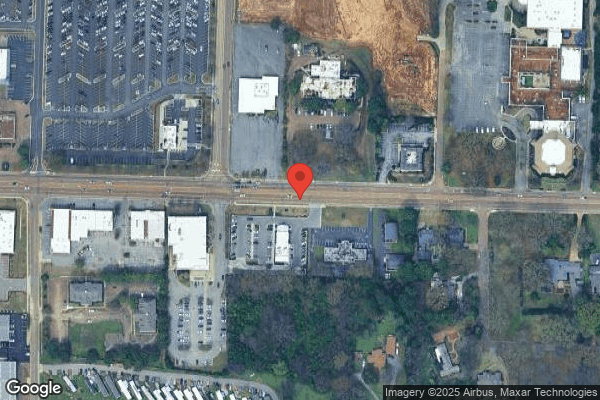

490 WEST POPLAR AVENUE, COLLIERVILLE, TN 38017 (901) 854-8506
For profit - Limited Liability company 114 Beds SIMCHA HYMAN & NAFTALI ZANZIPER Data: November 2025
Trust Grade
28/100
#237 of 298 in TN
Last Inspection: February 2022

Over 2 years since last inspection. Current conditions may differ from available data.

Overview

Collierville Nursing and Rehabilitation, LLC has received a Trust Grade of F, indicating significant concerns about the quality of care provided. Ranking #237 out of 298 facilities in Tennessee places it in the bottom half of the state, and at #18 of 24 in Shelby County, it is clear that there are many better options nearby. Although the facility is improving, with issues decreasing from 17 in 2019 to 11 in 2022, it still has a long way to go. Staffing is a notable weakness, earning just 1 out of 5 stars, with a high turnover rate of 59%, which is concerning as it exceeds the state's average. Additionally, there were serious findings, including a resident suffering a facial laceration due to inadequate supervision and multiple incidents of improper food storage that could pose health risks.

Trust Score
F
28/100
In Tennessee
#237/298
Bottom 21%
Safety Record
Moderate
Needs review
Inspections
Getting Better
17 → 11 violations
Staff Stability
⚠ Watch
59% turnover. Above average. Higher turnover means staff may not know residents' routines.
Penalties
⚠ Watch
$9,770 in fines. Higher than 86% of Tennessee facilities, suggesting repeated compliance issues.
Skilled Nurses
⚠ Watch
Each resident gets only 19 minutes of Registered Nurse (RN) attention daily — below average for Tennessee. Fewer RN minutes means fewer trained eyes watching for problems.
Violations
⚠ Watch
28 deficiencies on record. Higher than average. Multiple issues found across inspections.
★☆☆☆☆
1.0
Overall Rating
★☆☆☆☆
1.0
Staff Levels
★★★☆☆
3.0
Care Quality
★★☆☆☆
2.0
Inspection Score
Stable
2019: 17 issues
2022: 11 issues

The Good

  • Full Sprinkler Coverage · Fire safety systems throughout facility
  • No fines on record

Facility shows strength in fire safety.

The Bad

1-Star Overall Rating

Below Tennessee average (2.8)

Significant quality concerns identified by CMS

Staff Turnover: 59%

13pts above Tennessee avg (46%)

Frequent staff changes - ask about care continuity

Federal Fines: $9,770

Below median ($33,413)

Minor penalties assessed

Chain: SIMCHA HYMAN & NAFTALI ZANZIPER

Part of a multi-facility chain

Ask about local staffing decisions and management

Staff turnover is elevated (59%)

11 points above Tennessee average of 48%

The Ugly 28 deficiencies on record

1 actual harm
Dec 2022 2 deficiencies
CONCERN (D) 📢 Someone Reported This

A family member, employee, or ombudsman was alarmed enough to file a formal complaint

Potential for Harm - no one hurt, but risky conditions existed

Medication Errors (Tag F0758)

Could have caused harm · This affected 1 resident

**NOTE- TERMS IN BRACKETS HAVE BEEN EDITED TO PROTECT CONFIDENTIALITY** Based on policy review, medical record review, and interview, the facility failed to monitor for medication side effects for 2 o...

Read full inspector narrative →
**NOTE- TERMS IN BRACKETS HAVE BEEN EDITED TO PROTECT CONFIDENTIALITY** Based on policy review, medical record review, and interview, the facility failed to monitor for medication side effects for 2 of 4 sampled residents (Resident #1 and #2) reviewed for the use of an antipsychotic and anticoagulant medications. The findings include: 1. Review of the facility's policy titled, Use of Psychotropic Medication, dated 1/2/2020, revealed, .Residents are not give psychotropic drugs unless .the medication is beneficial .as demonstrated by monitoring and documentation of resident's response to the medication(s) .Psychotropic drugs include .antipsychotics .The indication for use of any psychotropic drug will be documented in the medical record .The resident's response to the medication(s) .presence/absence of adverse consequences, shall be documented in the resident's medical record . Review of the facility's policy titled, High Risk Medications Anticoagulants, .Examples include .heparin, lovenox .treatment of deep vein thrombosis [blood clots] .Staff shall observe resident for adverse consequences . 2. Review of the medical record revealed Resident #1 was admitted to the facility on [DATE], with diagnoses of Fracture of Right Tibia, Intracranial Injury, Motorcycle Collision, and Nontraumatic Intracranial Hemorrhage. Review of the medical record revealed no Minimum Data Set (MDS) was completed for Resident #1 due to discharge date of 9/13/2022. Review of the Care Plan initiated on 9/7/2022, revealed, .this resident is on anticoagulant therapy .monitor for side effects and effectiveness Q [every]-shift . Review of the facility's Order Summary Report dated 9/8/2022, revealed .Enoxaparin [Lovenox (anticoagulant medication to prevent blood clots)] .60mg [milligrams] .subcutaneously two times a day .for 12 weeks .start date .9/8/2022 .QUEtiapine [antipsychotic medication] .50mg .three times day for anxiety .start date .9/8/2022 . Review of the Medication Administration Record (MAR) for 9/2022, revealed the facility failed to monitor for side effects for the use of the antipsychotic medication and the anticoagulant medication. 3. Review of the medical record revealed Resident #2 was admitted to the facility on [DATE], and readmitted on [DATE], with diagnoses of Fall on Same Level, Nontraumatic Intercranial Hemorrhage, Acute and Chronic Respiratory Failure, Hypertension, Anemia, Dysphagia and Speech/Language Deficit. Review of the admission MDS dated [DATE], revealed Resident #2 was not assessed for the use of anticoagulant or antipsychotic medications. Review of the Care Plan initiated 7/4/2022, revealed, .The resident is on anticoagulant therapy (Heparin) [a medication used to prevent blood clots] .Monitor for side effects and effectiveness Q-shift . Review of the [Named Hospital] Physician Discharge Order Sheet dated 6/27/2022, revealed Resident #2 was released from the hospital on 6/27/2022, and was admitted to the facility on QUEtiapine at bedtime. Review of the 6/2022 MAR revealed Resident #2 received an anticoagulant medication from 6/27/2022 to 6/30/2022 with no behavior or side effects monitoring. Review of the facility's July 2022 Order Review History Report, revealed Resident #2 was ordered Heparin 5000 Units injection 1 ml [milliliter] subcutaneously three times a day for DVT [deep vein thrombosis] until 7/27/2022. Review of the 7/2022 MAR revealed the resident received an anticoagulant medication from 7/1/2022 to 7/18/2022, with no behavior or side effects monitoring. Review of the September 2022 Order Review History Report, revealed, .QUEtiapine Fumarate .100 MG .at bedtime for insomnia .Order Date of 9/28/2022 .Start Date .9/28/2022 . Review of the 9/2022 MAR revealed Resident #2 received an antipsychotic medication from 9/28/2022 to 9/30/2022, and from 10/1/2022 to 10/2/2022, with no behavior or side effects monitoring. 4. During an interview on 10/25/2022 at 3:51 PM, the Director of Nursing (DON) confirmed monitoring was not documented for the use of the antipsychotic and the anticoagulant medications. The DON confirmed that if any resident is on an antipsychotic or an anticoagulant, they should be monitored for side effects. During an interview on 12/9/2022 at 12:29 PM, the Administrator confirmed that if a medication requires specific monitoring, that nursing staff should conduct the monitoring for that medication, and that all residents should be monitored for side effects of any medication.
CONCERN (D) 📢 Someone Reported This

A family member, employee, or ombudsman was alarmed enough to file a formal complaint

Potential for Harm - no one hurt, but risky conditions existed

Laboratory Services (Tag F0770)

Could have caused harm · This affected 1 resident

**NOTE- TERMS IN BRACKETS HAVE BEEN EDITED TO PROTECT CONFIDENTIALITY** Based on policy review, medical record review, and interview, the facility failed to provide timely laboratory services to meet ...

Read full inspector narrative →
**NOTE- TERMS IN BRACKETS HAVE BEEN EDITED TO PROTECT CONFIDENTIALITY** Based on policy review, medical record review, and interview, the facility failed to provide timely laboratory services to meet the needs of 1 of 4 sampled residents (Resident #2) reviewed for laboratory services. The findings include: Review of the facility's policy titled, High Risk Medications-Anticoagulants [medications used to prevent blood clots] revealed, .Examples include .heparin .treatment of deep vein thrombosis [blood clots] .Results shall be communicated to the physician in a timely manner .Lab [laboratory] results that are outside the normal limits or target range .shall be communicated to the physician within 24 hours . Review of the medical record revealed Resident #2 was admitted to the facility on [DATE], and readmitted on [DATE], with Nontraumatic Intercranial Hemorrhage, and Dysphagia following Nontraumatic Subarachnoid Hemorrhage. Review of the admission Minimum Data Set (MDS) dated [DATE], revealed Resident #2 had long-term memory problems and severe cognition impairment. Review of the Care Plan initiated 7/4/2022, revealed, .The resident is on anticoagulant therapy (Heparin) .Monitor for side effects and effectiveness Q [every]-shift . Review of the facility's Order Review History Report, revealed Resident #2 was ordered Heparin 5000 Units injection 1 milliliter subcutaneously three times a day for DVT (deep vein thrombosis) until 7/27/2022. Review of a Physician's Order dated 7/1/2022, revealed, .Repeat CBC [complete blood count] .STAT [immediately] for low H & H [hemoglobin and hematocrit] . Review of the Lab Results Report dated 7/4/2022 revealed, .Collection Date .7/3/2022 .Received 7/4/2022 .Reviewed by the [Named Nurse Practitioner (NP)] on 7/7/2022 . The facility failed to ensure STAT labs were obtained and reported to the ordering provider in a timely manner. During an interview on 11/28/2022 at 10:03 AM, the Director of Nursing (DON) confirmed that STAT labs should be obtained within 1-3 hours from the outside laboratory vendor, and results should be returned immediately for the provider's review. The DON confirmed that the labs were not obtained timely, and that the staff should have followed up to ensure it was obtained and immediately reported to the provider. During an interview on 12/9/2022 at 12:29 PM, the Administrator confirmed that labs should be obtained as ordered by the provider.
Nov 2022 1 deficiency 1 Harm
SERIOUS (G) 📢 Someone Reported This

A family member, employee, or ombudsman was alarmed enough to file a formal complaint

Actual Harm - a resident was hurt due to facility failures

Accident Prevention (Tag F0689)

A resident was harmed · This affected 1 resident

**NOTE- TERMS IN BRACKETS HAVE BEEN EDITED TO PROTECT CONFIDENTIALITY** Based on policy review, record review, observation, and interview, the facility failed to implement interventions to prevent an ...

Read full inspector narrative →
**NOTE- TERMS IN BRACKETS HAVE BEEN EDITED TO PROTECT CONFIDENTIALITY** Based on policy review, record review, observation, and interview, the facility failed to implement interventions to prevent an accident resulting in a facial laceration requiring sutures for 1 of 6 (Resident #1) total care residents reviewed. The facility's failure resulted in Harm for Resident #1. The findings included: 1. Review of the facility policy titled Accidents and Supervision dated 1/2/2022 and revised 3/23/2022, revealed .The resident environment will remain as free of accident hazards as possible. Each resident will receive adequate supervision and assistive devices to prevent accidents .Definitions: Accident refers to any unexpected or unintentional incident, which results in injury or illness to a resident .Policy Explanation and Compliance Guidelines: The facility shall establish and utilize a systematic approach to address resident risk and environmental hazards to minimize the likelihood of accidents .The facility should make a reasonable effort to identify hazards and risk factors for each resident .This information is to be documented and communicated across all disciplines .Resident-directed approach may include: 1. Implementing specific interventions as part of the plan of care 2. Supervising staff and residents, etc. 3. Facility records document the implementation of these interventions . Review of the facility's policy titled Turning and Repositioning dated 1/2/2020, revealed .This policy establishes responsibilities and protocols for turning and repositioning .Turning and repositioning is a primary result of nursing assistants. However, all nursing staff are expected to assist with turning and repositioning .Use the appropriate number of staff to perform the task .When turning to side lying position, do not tilt more than 30 degrees . Review of the facility's policy titled Safe Resident Handling/Transfers dated 1/20/2020, revealed .It is the policy of this facility to ensure that residents are handled and transferred safely to prevent or minimize risks for injury and promote a safe, secure and comfortable experience for the resident while keeping the employees safe in accordance with current standards and guidelines .Compliance Guidelines: 1. The interdisciplinary team or designee will evaluate each resident's individual mobility needs, taking into account other factors as well, such as weight and cognitive status . 2. Review of the medical record revealed Resident #1 was initially admitted to the facility on [DATE] and readmitted on [DATE] with diagnoses including Anoxic Brain Injury, Intracranial Injury, Contracture of Right Hand and Left Hand, Contracture of Right Wrist, Anxiety, and Gastrostomy Status. Review of the quarterly Minimum Data Set assessment dated [DATE], revealed Resident #1 was cognitively impaired and required extensive assist of 2 people for bed mobility and dressing. Review of the Certified Nursing Assistant (CNA) [NAME] plan of care revealed Resident #1 was totally dependent on staff for bed mobility for repositioning and turning. Review of the Care Plan revised 4/23/2018 revealed Resident #1 was totally dependent on staff to complete activities of daily living (ADLs). Resident #1 was at risk for falls related to impaired mobility and assistance needed with ADLs with an intervention to educate staff to use 2 persons with turning and repositioning with revision dated 11/16/2022. Review of the Event/Incident documentation dated 11/3/2022 and timed 12:31 AM, revealed .Called to room by CNA. Patient [Resident #1] noted laying on left shoulder with head noted laying on floor. Upon examining resident laceration noted to bridge of nose. CNA stated she was rolling resident and resident went over the other side of the bed .Educated CNA on resident plan of care which requires to be two person assist . Review of a Physician's Telemedicine/Virtual Visit Note dated 11/3/2022 and timed 12:25 AM, revealed .Patient [Resident #1] .with history TBI [Traumatic Brain Injury] was being cleaned and patient was rolled by the aide who pushed her too hard and she rolled off the bed hitting her face and had [hand] on the railings and landing on the floor; she sustained laceration to the bridge of her nose and has periocular swelling on the right .Transfer to ER to suture laceration and evaluate for head injury . Review of a Nurse's Note dated 11/3/2022 and timed 12:44 AM, revealed .CNA stated she was rolling the resident and resident went over the other side of the bed. CNA [educated] on resident plan of care which requires resident to be two person assist . Review of a Nurse's Note dated 11/3/2022 and timed 7:02 PM, revealed Resident #1 was noted to swing right leg out of bed continuously. Observations in the resident's room on 11/16/2022 at 1:10 PM, revealed the resident was lying in bed leaning toward her right side, awake and alert. She was nonverbal and did not follow voice sounds or movement with eye focus. There were sutures across the bridge of her nose covered with a xeroform dressing. Some discoloring to the skin surrounding the sutures was noted. During an interview on 11/16/2022 at 12:18 PM, when asked what the intervention was following Resident #1's fall on 11/2/2022, the Director of Nursing (DON) stated, Started education on if a resident is 2-person assist they [staff] call for someone, an aide or a nurse, to help. She didn't ask for help. When asked if Resident #1 was a 2-person assist prior to the fall incident, the DON stated Yes, she was. During a telephone interview on 11/17/2022 at 9:06 AM, when asked what happened when Resident #1 had a fall, CNA #3 stated, I was changing her. I was on the left side and turned her on her right side. Her legs are stiff, and she swung her leg off the side and fell off the right side. There was no one on the other side. Now they saying should always be 2 people for any type of care. I was not aware of it before. The DON said I should have known she needed 2 people . During a telephone interview on 11/21/2022 at 8:20 AM, when asked what happened when Resident #1 had the fall, Registered Nurse #1 confirmed Resident #1 fell from the bed when turned by the CNA. When asked if the resident needed 2-person assist for turning and repositioning in the bed, RN #1 stated, Yes, most of these total care residents need 2 people to turn, clean and dress them in bed for safety for the resident and the aide .I have told the supervisor we needed another CNA to work on this floor because most of these residents are total care and need 2 people . During an interview on 11/21/2022 at 1:30 PM, when asked if Resident #1 was a 2-person assist for turning and repositioning in bed, Licensed Practical Nurse #1 stated, I don't know if she was a 2-person assist before [the fall]. She should have been . When asked how staff was monitored to ensure the interventions are implemented, LPN #1 stated, They would let me know if help needed. I'm not sure which ones need 2-person assist. I could maybe look at the resident and tell you. When asked how the CNAs would know, LPN #1 stated, I'm not sure. They would call for assist if they needed it. During an interview on 11/21/2022 at 1:44 PM, CNA #2 (employed since March 2022) was asked if Resident #1 was a 2-person assist for turning and repositioning. CNA #2 stated, She is total dependent times 2 assist for showers. Told me in orientation by the aide that she was 2-person assist for turning . During an interview on 11/21/2022 at 2:10 PM LPN #2 was asked what residents needed 2-person assist for turning and repositioning in bed. LPN #2 stated, Good question. I would have to ask the nurse or the unit manager. I guess I could look in the computer. Not sure how I would find out. During an interview on 11/21/2022 at 2:47 PM, when asked if Resident #1 was a 2-person assist for bed mobility, CNA #1 looked at the [NAME] plan of care and stated, She is 1 person assist for bed mobility and 2 for showers. During an interview on 11/21/2022 at 3:25 PM, when asked what determines if a resident needs a 2-person assist with bed mobility, the DON stated, It's up to their [CNA's] discretion. One [CNA] may need assist at a particular time and ask for help. It depends on that person [CNA] at the time. When asked if there was any resident other than Resident #1 that needed a 2-person assist for bed mobility for turning and repositioning, the DON shook her head no.
Feb 2022 8 deficiencies
CONCERN (D)

Potential for Harm - no one hurt, but risky conditions existed

Safe Environment (Tag F0584)

Could have caused harm · This affected 1 resident

**NOTE- TERMS IN BRACKETS HAVE BEEN EDITED TO PROTECT CONFIDENTIALITY** Based on policy review, observation, and interview, the facility failed to ensure the environment was clean, comfortable, and sa...

Read full inspector narrative →
**NOTE- TERMS IN BRACKETS HAVE BEEN EDITED TO PROTECT CONFIDENTIALITY** Based on policy review, observation, and interview, the facility failed to ensure the environment was clean, comfortable, and sanitary when fans were covered in a thick layer of gray dust and were in disrepair in 3 of 29 resident rooms (room [ROOM NUMBER], #305, and #307) observed. The findings include: Review of the facility's policy titled, Cleaning and Disinfection of Resident-Care Equipment, dated 9/20/2021, revealed .Resident-care equipment can be a source of indirect transmission of pathogens .Reusable resident-care equipment will be cleaned and disinfected Cleaning .is the removal of visible soil from objects and surfaces and normally is accomplished manually or mechanically . Observation in room [ROOM NUMBER] on 2/22/2022 at 11:02 AM and 3:06 PM, and on 2/23/2022 at 7:42 AM and 12:05 PM, revealed a rotating fan with a layer of thick gray dust on the casing. Observation in room [ROOM NUMBER] on 2/22/2022 at 11:12 AM, 2/23/2022 at 7:36 AM and 11:58 AM, and on 2/24/2022 at 11:50 AM and 3:27 PM, revealed a fan on the bedside table covered in a thick layer of gray dust and dust hanging from the fan openings. Observation in room [ROOM NUMBER] on 2/22/2022 at 12:22 PM and 2:21 PM, 2/23/2022 at 9:15 AM and 11:53 AM, and on 2/24/2022 at 2:35 PM, revealed a standing fan with the front part of the casing missing and the remaining casing covered in a thick layer of gray dust. During an interview on 2/24/2022 at 2:39 PM, the Director of Nursing confirmed the fans should not be covered in dust, needed cleaning, and should not be in disrepair.
CONCERN (D)

Potential for Harm - no one hurt, but risky conditions existed

Assessment Accuracy (Tag F0641)

Could have caused harm · This affected 1 resident

**NOTE- TERMS IN BRACKETS HAVE BEEN EDITED TO PROTECT CONFIDENTIALITY** Based on review of the Centers for Medicare & Medicaid Services (CMS) Long-Term Care (LTC) Facility Resident Assessment Instrume...

Read full inspector narrative →
**NOTE- TERMS IN BRACKETS HAVE BEEN EDITED TO PROTECT CONFIDENTIALITY** Based on review of the Centers for Medicare & Medicaid Services (CMS) Long-Term Care (LTC) Facility Resident Assessment Instrument (RAI) 3.0 dated October 2019, medical record review, and interview the facility failed to ensure residents were accurately assessed for antipsychotic medication use, Activities of Daily Living (ADLs), and weight loss for 3 of 19 sampled residents (Resident #2, #21, and #35) reviewed. The findings include: Review of the CMS LTC Facility RAI 3.0 User's Manual Version 1.17.1 dated October 2019, pages G-4 and K-4 revealed, .In order to be able to promote the highest level of functioning among residents, clinical staff must first identify what the resident actually does for himself or herself, noting when assistance is received and clarifying the type .and level of assistance .provided by all disciplines .Weight loss can result in debility and adversely affect health, safety, and quality of life .Weight loss may be an important indicator of a change in the resident's health status or environment . Review of the medical record, revealed Resident #2 was admitted to the facility on [DATE] with diagnoses of Cerebral Infarction, Hypertension, Gastro Esophageal Reflux Disease, Diabetes, Depression and Anxiety. Review of the quarterly Minimum Data Set (MDS) assessment dated [DATE], revealed Resident #2 was coded as receiving antipsychotic medications on 7 of the 7 days of the look back period, but Resident #2 was coded as not receiving antipsychotis since the MDS assessment. Review of the Physician's Orders dated 2/2022, revealed an order for Risperidone (an antipsychotic medication used to treat certain mood or mental disorders) 0.5 milligrams (MG) every 8 hours. Review of the Medication Administration Record dated 2/2022 revealed Resident #2 received Risperidone daily. During a telephone interview on 2/25/2022 at 3:07 PM, the Interim MDS Coordinator confirmed Resident #2's MDS dated [DATE] should have been coded as receiving antipsychotic medication on a regular basis. Review of the medical record revealed Resident #21 was admitted to the facility on [DATE] with diagnoses of Respiratory Failure, Laryngeal Cancer, Tracheostomy, Dysphagia, Gastrostomy, Heart Failure, Depression, Cerebral Infarction, and Anxiety. Review of the admission MDS dated [DATE], revealed Resident #21 was coded as bed mobility did not occur, transfers did not occur, dressing activity occurred only once or twice, toileting occurred only once or twice, personal hygiene activity occurred only once or twice, and bathing did not occur in the 7 day look back period. Review of the Care Plan dated 10/3/2021, revealed .The resident has an ADL self-care performance deficit r/t impaired mobility and disease process . During a telephone interview on 2/25/2022 at 3:10 PM, the Interim MDS Coordinator confirmed Resident #21 should have been coded as receiving some type of assistance with bed mobility, dressing, toileting, personal hygiene and bathing daily during the 7 day look back period that ended on 9/28/2021. Review of the medical record revealed, Resident #35 was admitted to the facility on [DATE] with diagnoses of Acute Pyelonephritis, Dysphagia, Hemiplegia,Hemiparesis Following Cerebral Vascular Attack, Aphasia, Alzheimer's Disease, Osteoporosis, Depression, Anxiety, Diabetes, and Vitamin D Deficiency. Review of the quarterly MDS dated [DATE], revealed Resident #35 was coded as weighing 168 pounds and as had no weight loss. Review of the Registered Dietician notes dated 1/31/2022, revealed Resident #35 had a significant weight loss of 10.8 percent (%) in 6 months. During a telephone interview on 2/25/2022 at 3:04 PM, the Interim MDS Coordinator confirmed Resident #35's MDS dated [DATE] should have been coded for a significant weight loss.
CONCERN (D)

Potential for Harm - no one hurt, but risky conditions existed

ADL Care (Tag F0677)

Could have caused harm · This affected 1 resident

**NOTE- TERMS IN BRACKETS HAVE BEEN EDITED TO PROTECT CONFIDENTIALITY** Based on policy review, medical record review, observation, and interview the facility failed to ensure residents were assisted ...

Read full inspector narrative →
**NOTE- TERMS IN BRACKETS HAVE BEEN EDITED TO PROTECT CONFIDENTIALITY** Based on policy review, medical record review, observation, and interview the facility failed to ensure residents were assisted with Activities of Daily Living (ADLs) for brushing teeth for 1 of 2 residents (Resident #11) reviewed for dental services. The findings include: Review of the facility's policy titled, Mouth Care, dated 10/20210, revealed .The purposes of this procedure are to keep the resident's lips and oral tissues moist, to cleanse and freshen the resident's mouth, and to prevent infections of the mouth .The following equipment and supplies will be necessary .Toothbrush .Toothpaste .The following information should be recorded in the resident's medical record .The date and time mouth care was provided . Review of the medical record, revealed Resident #11 was admitted to the facility on [DATE] with diagnoses of Blindness in the Right and Left Eye, Nontraumatic Intracerebral Hemorrhage, Depression, Anxiety Disorder, Dysphagia, Spastic Hemiplegia Left Side, and Diffuse Traumatic Brain Injury. Review of the quarterly Minimum Data Set (MDS) dated [DATE], revealed the resident had moderate cognitive impairment, was dependent on staff for oral hygiene and had her own natural teeth. Review of the comprehensive Care Plan revised 9/2/2021, revealed .I have an ADL self-care performance deficit .assist needed with ADLs, I am legally blind .ORAL CARE .I am dependent on staff for oral care BID [two times a day] and prn [as needed] . Review of the Documentation Survey Report dated 11/2021, revealed personal hygiene was not documented on 11/2/2021, 11/3/2021, 11/4/2021, 11/8/2021, 11/9/2021, 11/12/2021, 11/13/2021, 11/14/2021, 11/16/20221, 11/17/2021, 11/18/2021, 11/19/2021, 11/20/2021, 11/22/2021, 11/23/2021, 11/25/2021, 11/26/2021, 11/27/2021, 11/28/2021, 11/29/2021, and 11/20/2021. The facility failed to document personal hygiene on 21 of 30 days in November. Review of the Documentation Survey Report dated 12/2021, revealed personal hygiene was not documented 12/1/2021-12/20/2021, 12/23/2021 - 12/25/2021, 12/28/2021, and 12/30/2021. The facility failed to document personal hygiene on 25 of 31 days in December. Review of the Documentation Survey Report dated 1/2022, revealed personal hygiene was not documented on 1/2/2022, 1/4/2022, 1/16/2022, 1/17/ 2022, and 1/22/2022. The facility failed to document personal hygiene on 5 of 31 days in January. Observation in the resident's room on 2/22/2022 at 10:10 AM and 2:46 PM, Resident #11 had her own natural teeth, dark brown areas were noted on her upper teeth, and a white filmy substance was observed in her mouth and on her teeth. Observation and interview in the resident's room on 2/23/2022 at 7:57 AM, revealed Resident #11 had her own natural teeth, had dark brown areas noted on her upper teeth, and a white filmy substance was in her mouth and on her teeth. Resident #11 confirmed staff did not help her brush her teeth daily. During an interview on 2/24/2022 at 2:50 PM, Resident #11 was asked if staff assisted her with brushing her teeth. Resident #11 confirmed that staff brought her a toothbrush and toothpaste on 2/23/2022 and helped her brush her teeth. Resident #11 confirmed that was the first time in about 3 months since her teeth had been brushed. Resident #11 stated, .I was saying yesterday I wish you would come back because they brought me chap stick and a toothbrush . During an interview on 2/24/2022 at 3:04 PM, Certified Nursing Assistant (CNA) #1 confirmed she had frequently worked with Resident #11. CNA #1 confirmed that Resident #11 required assistance to perform oral care. CNA #1 confirmed that she had assisted Resident #11 to brush her teeth with a toothbrush for the first time on 2/23/2022. CNA #1 stated, .I usually take the swabs and go around her mouth that way .
CONCERN (D)

Potential for Harm - no one hurt, but risky conditions existed

Quality of Care (Tag F0684)

Could have caused harm · This affected 1 resident

**NOTE- TERMS IN BRACKETS HAVE BEEN EDITED TO PROTECT CONFIDENTIALITY** Based on policy review, medical record review, and interview the facility failed to follow physician's orders for medication adm...

Read full inspector narrative →
**NOTE- TERMS IN BRACKETS HAVE BEEN EDITED TO PROTECT CONFIDENTIALITY** Based on policy review, medical record review, and interview the facility failed to follow physician's orders for medication administration for 1 of 5 sampled residents (Resident #4) reviewed for unnecessary medications. The findings include: The facility's policy titled, Medication Administration, dated 1/1/2021, revealed .Administer medication as ordered . Review of the medical record, revealed Resident #4 was admitted to the facility on [DATE] with diagnoses of Enterocolitis due to Clostridium Difficile, Chronic Respiratory Failure, Peritoneal Abscess, Congestive Heart Failure, Hypertension, Diabetes Mellitus, and Depression. Review of the Physician's Order dated 11/20/2021, revealed .Lomotil Tablet 2.5-0.025 MG [milligram] .Give 1 tablet via PEG [Percutaneous Endo-gastric] -Tube two times a day for Diarrhea . Review of the medication administration record (MAR) dated 11/1/2021 - 11/30/2021, revealed Lomotil was only documented as given as ordered on 11/19/2021-11/28/2021. Review of the MAR dated 12/1/2021 - 12/31/2021, revealed Lomotil was only documented as given as ordered on 12/2/2021, 12/11/2021 and 12/16/2021. Review of the MAR dated 1/1/2022 - 1/31/2022, revealed the Lomotil was only documented as given as ordered on 1/16/2022 and 1/20/2022. During an interview on 2/25/2022 at 3:28 PM, the Director of Nursing (DON) confirmed staff had not documented Lomotil was administered as ordered. The DON stated, .I should have been notified, and the doctor should have been notified and asked to change the order to something else if the pharmacy could not get it here. Also, pharmacy should have been notified that the med [medication] had not been delivered. Upon further investigation, the med [medication] was placed in the tote on 11/18/2021 to be delivered. I think she ran out and never got a hard script to renew the med .
CONCERN (D)

Potential for Harm - no one hurt, but risky conditions existed

Incontinence Care (Tag F0690)

Could have caused harm · This affected 1 resident

Based on medical record review, observation, and interview the facility failed to ensure care and services were provided to maintain an indwelling urinary catheter for 1 of 1 resident (Resident #157) ...

Read full inspector narrative →
Based on medical record review, observation, and interview the facility failed to ensure care and services were provided to maintain an indwelling urinary catheter for 1 of 1 resident (Resident #157) reviewed for catheters. The findings include: Review of the medical record, revealed Resident #157 was admitted to the facility with diagnoses of Acute and Chronic Respiratory Failure, Acute Kidney Failure, Chronic Kidney Disease, Seizures, Prostate Cancer, and Benign Prostatic Hypertrophy. Review of the Physician's Orders dated February 2022 revealed there was no order for an indwelling urinary catheter or catheter care. Review of the Treatment Administration Record (TAR) dated 2/2022, revealed there was no documentation Resident #157 received care for the indwelling urinary catheter. Observation in the resident's room on 2/23/2022 at 7:44 AM and 12:02 PM, and on 2/24/2022 at 12:11 PM, revealed Resident #157 had an indwelling urinary catheter. During a telephone interview on 2/25/2022 at 2:50 PM, the interim Minimum Data set (MDS) Coordinator confirmed Resident #157 should have an order for a catheter. During an interview on 2/25/2022 at 5:38 PM, the Regional Director of Clinical Services confirmed residents with an indwelling urinary catheter should have an order for the catheter and catheter care should be documented on the TAR.
CONCERN (D)

Potential for Harm - no one hurt, but risky conditions existed

Dental Services (Tag F0791)

Could have caused harm · This affected 1 resident

**NOTE- TERMS IN BRACKETS HAVE BEEN EDITED TO PROTECT CONFIDENTIALITY** Based on policy review, medical record review, observation, and interview, the facility failed to ensure dental services were pr...

Read full inspector narrative →
**NOTE- TERMS IN BRACKETS HAVE BEEN EDITED TO PROTECT CONFIDENTIALITY** Based on policy review, medical record review, observation, and interview, the facility failed to ensure dental services were provided for 2 of 2 residents (Resident #11 and #24) reviewed for dental services. The findings include: Review of the facility's policy titled, Dental Examination/Assessment, dated 12/2013, revealed .Each resident shall undergo a dental assessment prior to or within ninety .days of admission . Review of the medical record, revealed Resident #11 was admitted to the facility on [DATE] with diagnoses of Blindness in the Right and Left Eye, Nontraumatic Intracerebral Hemorrhage, Depression, Anxiety Disorder, Dysphagia, Spastic Hemiplegia Left Side, and Diffuse Traumatic Brain Injury. Review of the quarterly Minimum Data Set (MDS) dated [DATE], revealed the resident had moderate cognitive impairment, was dependent on staff for oral hygiene and had her own natural teeth. Medical record review revealed there was no documentation that Resident #11 had received a dental consult. Observation in the resident's room on 2/22/2022 at 10:10 AM and 2:46 PM, Resident #11 had her own natural teeth, dark brown areas were noted on her upper teeth, and a white filmy substance was observed in her mouth and on her teeth. Observation and interview in the resident's room on 2/23/2022 at 7:57 AM, revealed Resident #11 had her own natural teeth, had dark brown areas noted on her upper teeth, and a white filmy substance was in her mouth and on her teeth. Resident #11 confirmed staff did not help her brush her teeth daily. During an interview on 2/25/2022 at 4:34 PM, the Social Worker confirmed it was her responsibility to ensure residents were scheduled for dental care. The Social Worker confirmed that Resident #11 had not previously seen the dentist. Resident #11 had resided in the facility since 6/14/2019. Review of the medical record, revealed Resident #24 was admitted to the facility on [DATE] with diagnoses of Respiratory Failure, Adult Failure to Thrive, Dysphagia, Depression, Gastrostomy, Tracheostomy, and Hypertension. Review of the annual MDS dated [DATE], revealed Resident #24 was cognitively intact, dependent on staff for oral hygiene and had her own natural teeth. Medical record review revealed there was no documentation that Resident #24 had received a dental consult. Observation on 2/22/2022 at 2:38 PM, revealed Resident #24 had her own natural teeth. During an interview on 2/22/2022 at 2:43 PM, Resident #24 stated she had not been seen by a dentist and she needed to see one. During an interview on 2/25/2022 at 4:45 PM, the Social Worker confirmed the facility did not have documentation that Resident #24 had received dental services. The Social Worker confirmed that residents' who have their own teeth should be checked on for dental needs.
CONCERN (E)

Potential for Harm - no one hurt, but risky conditions existed

Abuse Prevention Policies (Tag F0607)

Could have caused harm · This affected multiple residents

Based on policy review, employee file review, and interview, the facility failed to implement a written policy to ensure employees were screened for a history of abuse, neglect, exploitation, or misap...

Read full inspector narrative →
Based on policy review, employee file review, and interview, the facility failed to implement a written policy to ensure employees were screened for a history of abuse, neglect, exploitation, or misappropriation of resident property prior to being hired for 4 of 8 sampled employees (Respiratory Therapist (RT) #1, the Social Services Director, the Activity Director, and the Medication Aide) reviewed. The findings include: Review of the facility's policy titled, Abuse, Neglect and Exploitation, dated 9/3/2021, revealed .Abuse, Neglect and Exploitation .The facility will develop and implement written policies and procedures that: a. Prohibit and prevent abuse, neglect, and exploitation .and misappropriation .Potential employees will be screened for a history of abuse, neglect, exploitation or misappropriation .Background, reference, and credentials' checks shall be conducted on potential employees . Review of RT #1's employee file, revealed there were no reference checks, abuse registry check or criminal background check included in the file. The facility was unable to provide reference checks, an abuse registry check or a criminal background check was conducted prior to RT #1 being employed. Review of the Social Services Director's employee, file revealed there were no reference checks, abuse registry check, or criminal background check included in the file. The facility was unable to provide reference checks, an abuse registry check, or a criminal background check conducted prior to employment for the Social Services Director. Review of the Activity Director's employee file, revealed there were no reference checks, abuse registry check or criminal background check included in the file. The facility was unable to provide reference checks, an abuse registry check or a criminal background check conducted prior to employment for the Activity Director. Review of the Medication Aide's employee file revealed there were no reference checks, abuse registry check, or criminal background check included in the file. The facility was unable to provide reference checks, an abuse registry check, or a criminal background check conducted prior to employment for the Medication Aide. During an interview on 2/25/2022 at 7:40 PM, the Business Office Manager confirmed all employees should have background checks including reference checks, abuse registry checks, and criminal background checks completed prior to working in the facility.
CONCERN (F)

Potential for Harm - no one hurt, but risky conditions existed

Infection Control (Tag F0880)

Could have caused harm · This affected most or all residents

Based on the Centers for Disease Control and Prevention (CDC) guidelines, policy review, Employee Time Punch Reports, Employee Screening Logs, and interview, the facility failed to implement policies ...

Read full inspector narrative →
Based on the Centers for Disease Control and Prevention (CDC) guidelines, policy review, Employee Time Punch Reports, Employee Screening Logs, and interview, the facility failed to implement policies to properly prevent and/or contain COVID-19 when 17 of 110 staff members (Licensed Practical Nurse (LPN) #1, #2, #3, #4, Certified Nursing Assistant (CNA) #1, #2, #3, #4, #5, and #6, Respiratory Therapist (RT) #1, #2, #3, #4, #5, and #6, and Maintenance Staff #1) failed to complete screenings for COVID-19 prior to working on 11 of 34 days (2/12/2022, 2/13/2022, 2/14/2022, 2/15/2022, 2/16/2022, 2/18/2022, 2/19/2022, 2/20/2022, 2/21/2022, 2/22/2022, and 2/23/2022) reviewed. This had the potential to affect the 54 residents residing in the facility. The findings include: Review of the Centers for Disease Control and Prevention (CDC) document titled, Interim Infection Prevention and Control Recommendations for Healthcare Personnel During the Coronavirus Disease 2019 (COVID-19) Pandemic, updated 9/10/2021, revealed .Establish a process to identify anyone entering the facility, regardless of their vaccination status .so that they can be properly managed .Options could include .individual screening on arrival at the facility .before entering the facility. Review of the facility's policy titled, Coronavirus Testing, revised 2/6/2022, revealed .The facility will screen all staff each shift .for signs and symptoms of COVID-19 . Review of the Employee Time Punch Reports and Employee Screening Logs from 1/24/2022 to 2/26/2022, revealed the following employees worked on the following days and failed to screen for signs and symptoms of COVID-19: a. 2/12/2022 - CNA #1 b. 2/13/2022 - LPN #1, LPN #2, and RT #1 c. 2/14/2022 - RT #2, RT #3, and Maintenance Staff #1 d. 2/15/2022 - RT #1 and RT #3 e. 2/16/2022 - CNA #1 and RT #4 f. 2/18/2022 - Maintenance Staff #1 g. 2/19/2022 - CNA #2, LPN #3, RT #5, and RT #6 h. 2/20/2022 - CNA #3, LPN #2, RT #1, and RT #3 i. 2/21/2022 - CNA #4, LPN #4, RT #2, and RT #4 j. 2/22/2022 - CNA #5 and CNA #6 k. 2/23/2022 - LPN #3 and Maintenance Staff #1 During an interview on 2/25/2022 at 8:00 PM, during review of the Employee Time Punch Reports and the Employee Screening Logs, the Scheduler and the Social Services Director confirmed there was no documentation of the employees screening prior to working on those days. During an interview on 2/25/2022 at 8:45 PM, the Director of Nursing confirmed all staff should be screened for COVID-19 upon entering the facility.
Dec 2019 13 deficiencies
CONCERN (D)

Potential for Harm - no one hurt, but risky conditions existed

Deficiency F0569 (Tag F0569)

Could have caused harm · This affected 1 resident

**NOTE- TERMS IN BRACKETS HAVE BEEN EDITED TO PROTECT CONFIDENTIALITY** Based on policy review, petty cash account review, and interview, the facility failed to provide a final accounting of the resid...

Read full inspector narrative →
**NOTE- TERMS IN BRACKETS HAVE BEEN EDITED TO PROTECT CONFIDENTIALITY** Based on policy review, petty cash account review, and interview, the facility failed to provide a final accounting of the resident's funds to the resident's estate within 30 days after death for 1 of 1 (Resident #272) residents trust funds reviewed. The findings include: 1. The facility's undated admission Agreement policy documented, .Resident for services not used shall be refunded to the Resident within thirty (30) days after discharge provided final balances due for all charges have been paid in full .In the event of the Resident's death, all refund checks will be made out to the Resident's estate . 2. Medical record review revealed Resident # 272 was admitted to the facility on [DATE] with diagnoses of Atrial Fibrillation, Encephalopathy, Peripheral Vascular Disease, Gastroesophageal Reflux Disease, Parkinson's Disease, Dysphagia, and Major Depressive Disorder. The discharge Minimum Data Set (MDS) dated [DATE] documented, Death in facility. Review of the facility's Collierville Nursing and Rehabilitation .Petty Cash Account showed check #1114 had been paid to Resident #272's responsible party on [DATE], 63 days after Resident #272 expired. Interview with the Business office/Human Resource manager on [DATE] at 12:07 PM, in the Conference Room, the business office manager was asked when a family member should receive the balance from a resident's trust fund after death. The Business office/Human resource manager stated, Within 30 days.
CONCERN (D)

Potential for Harm - no one hurt, but risky conditions existed

Deficiency F0582 (Tag F0582)

Could have caused harm · This affected 1 resident

**NOTE- TERMS IN BRACKETS HAVE BEEN EDITED TO PROTECT CONFIDENTIALITY** Based on medical record review and interview, the facility failed to provide an appropriate notice in writing to the resident an...

Read full inspector narrative →
**NOTE- TERMS IN BRACKETS HAVE BEEN EDITED TO PROTECT CONFIDENTIALITY** Based on medical record review and interview, the facility failed to provide an appropriate notice in writing to the resident and/or legal representative when skilled services were terminated for 1 of 3 (Resident #123) sampled residents reviewed. The findings include: 1. Medical record review revealed Resident #123 was admitted to the facility on [DATE] with diagnoses of Dementia, Ataxia, Dysphagia, Muscle Weakness, Encephalopathy, and Malnutrition. 2. The facility was unable to provide documentation that Resident #123 was notified that skilled services would be terminated prior to termination of the skilled services. 3. Interview with the Business Office Manager on 12/11/19 at 9:00 AM in the Business Office revealed an Advanced Beneficiary Notice policy was not available. 4. Interview with the Business Office Manager on 12/11/19 at 9:14 AM, in the Business Office, the Business Office Manager was asked when the Notice of Medicare Non-Coverage (NOMNC) was sent to Resident #123 or their responsible party to advise them the skilled services were ending. The Business Office Manager stated, I am not sure why Resident #123 nor his representative were not given notification.
CONCERN (D)

Potential for Harm - no one hurt, but risky conditions existed

Safe Environment (Tag F0584)

Could have caused harm · This affected 1 resident

**NOTE- TERMS IN BRACKETS HAVE BEEN EDITED TO PROTECT CONFIDENTIALITY** Based on policy review, medical record review, and interview, the facility failed to follow the grievance policy for 1 of 8 (Res...

Read full inspector narrative →
**NOTE- TERMS IN BRACKETS HAVE BEEN EDITED TO PROTECT CONFIDENTIALITY** Based on policy review, medical record review, and interview, the facility failed to follow the grievance policy for 1 of 8 (Resident #66) sampled residents. The findings include: 1. Review of the facility's Grievances/Complaints, Recording and Investigating policy revised April 2017, documented .The Grievance Officer will record and maintain all grievances and complaints on the Resident Grievance Complaint Log .The following information will be recorded and maintained in the log: a. The date the grievance/complaint was received; b. The name and room number of the resident filing the grievance/complaint .c. The name and relationship of the person filing the grievance/complaint on behalf of the resident .d. The date the alleged incident took place; e. The name of the person(s) investigating the incident; f. The date the resident, or interested party, was informed of the findings .g. The disposition of the grievance(i.e., resolved, dispute .The resident, or person acting on behalf of the resident, will be informed of the findings of the investigation, as well as any corrective actions recommended, within 5 working days of the filing of the grievance or complaint . The facility's Personal Property policy revised September 2012 documented, .The facility will promptly investigate any complaints of misappropriation or mistreatment of resident property . 2. Medical record review revealed Resident #66 was admitted to the facility on [DATE] with diagnoses of Chronic Respiratory Failure with Hypoxia, and Muscular Dystrophy. The physician order dated 11/3/19 documented, .Resident's family would like to speak with social services about a missing echo [a brand of a portable speaker] that was in the back of his drawer when he went to the hospital . Interview in Resident #66's room on 12/09/19 at 3:03 PM, Resident #66 was asked if he ever had missing personal property. Resident #66 stated, I had an Amazon Echo and Apple I-pod [a portable electronic device] go missing that was in the back of a drawer in my dresser .They didn't find it . Interview with the Social Services Director (SSD) on 12/10/19 at 2:10 PM, in the Social Service Director's Office, the SSD was asked if she was aware Resident #66 was missing an Amazon Echo and Apple I-pod. The SSD stated, .yes. The SSD was asked when were the missing items reported to her. The SSD stated, 1 to 2 weeks ago .I'm still looking for them . The SSD was asked if a grievance should be filed when a resident reported missing items. The SSD stated, .Once I've bought it, I will fill out an actual grievance . The SSD was asked how long it takes to investigate a grievance and resolve it. The SSD stated, .normally we turn it around in about 72 hours. Interview with the Director of Nursing (DON) on 12/10/19 at 4:39 PM, in the Conference Room, the DON was asked if a resident filed a grievance, when would the investigation be resolved. The DON stated, .72 hours. The DON was asked if she expected missing property to be filed on the grievance log. The DON stated, .I expect a grievance to be filled out for missing items . Interview with the DON on 12/11/19 at 5:11 PM, in the Conference Room, the DON was asked if Resident #66's missing personal property had been resolved. The DON stated, It is not appropriate for complaint not to be resolved .There is no documentation that the issue has been resolved .
CONCERN (D)

Potential for Harm - no one hurt, but risky conditions existed

ADL Care (Tag F0677)

Could have caused harm · This affected 1 resident

**NOTE- TERMS IN BRACKETS HAVE BEEN EDITED TO PROTECT CONFIDENTIALITY** Based on policy review, medical record review, observation, and interview, the facility failed to provide oral hygiene for 1 of ...

Read full inspector narrative →
**NOTE- TERMS IN BRACKETS HAVE BEEN EDITED TO PROTECT CONFIDENTIALITY** Based on policy review, medical record review, observation, and interview, the facility failed to provide oral hygiene for 1 of 2 (Resident #10) sampled residents reviewed for activities of daily living. The findings include: The facility's Mouth Care policy revised October 2010 documented, .The purposes of this procedure are to keep the resident's lips and oral tissues moist, to cleanse and freshen the resident's mouth, and to prevent infections of the mouth . Medical record review revealed Resident #10 was admitted to the facility on [DATE] with diagnoses of Alzheimer's Disease, Cerebral Infarction, and Multiple Sclerosis. Review of quarterly Minimum Data Set (MDS) dated [DATE] revealed Resident #10 had severely impaired cognition and was totally dependent on staff for all activities of daily living. Observation in Resident #10's room on 12/9/19 at 9:50 AM, 11:48 AM, and 1:40 PM, and on 12/10/19 at 8:43 AM, revealed Resident #10's teeth and inside of the mouth had thick white dried sputum and white dried secretions on the outside of the mouth and lips. Interview with Certified Nursing Assistant (CNA) #1 on 4/10/19 11:55 AM in Resident #10's room, CNA #1 was asked how often oral care should be performed on dependent residents. CNA #1 stated, We try to do oral care each shift, but sometimes its hard to catch up, so the next shift may do it . Interview with the Director of Nursing (DON) on 12/11/19 at 2:55 PM, in the Conference Room, the DON was asked what care is provided for residents who cannot perform their own mouth care. The DON stated, The staff perform mouth care each shift and as needed .
CONCERN (D)

Potential for Harm - no one hurt, but risky conditions existed

Deficiency F0679 (Tag F0679)

Could have caused harm · This affected 1 resident

**NOTE- TERMS IN BRACKETS HAVE BEEN EDITED TO PROTECT CONFIDENTIALITY** Based on policy review, medical record review, and interview, the facility failed to provide individualized activities of intere...

Read full inspector narrative →
**NOTE- TERMS IN BRACKETS HAVE BEEN EDITED TO PROTECT CONFIDENTIALITY** Based on policy review, medical record review, and interview, the facility failed to provide individualized activities of interest for 1 of 2 (Resident #47) sampled residents reviewed for activities. The findings include: 1. The facility's Activity Evaluation policy with a revised date May 2013 documented, .In order to promote the physical, mental, and psychosocial well-being of residents, an activity evaluation is conducted and maintained for each resident .The activity evaluation is used to develop an individual activities care plan (separate from or as part of the comprehensive care plan) .The completed activity evaluation will be part of the resident's medical record and shall be updated as necessary . 2. Medical record review revealed Resident #47 was admitted to the facility on [DATE] with diagnoses of Respiratory Failure, History of Falling, Dysphagia, Tracheostomy, Dependence on Ventilator, Depression, Gastrostomy, Hypertension, and Atrial Fibrillation. Review of the 5 day Minimum Data Set (MDS) dated [DATE] revealed Resident #47 was cognitively intact, required extensive to total assistance with activities of daily living, and had no functional limitations in range of motion. Medical record review revealed there was no care plan for activities. Interview with Licensed Practical Nurse (LPN) #1 on 12/11/19 at 5:16 PM, LPN #1 stated, The resident [Resident #47] does not have a care plan for activities. Resident #47's Activity assessment was completed on 11/5/19. The Activities Note dated 11/5/19 documented, .Activities will get to know him [Resident #47] and invite him to participate in (1:1 [1 on 1]) activities after he has been assessed by therapy . Interview with Resident #47's wife on 12/9/19 at 10:35 AM, in Resident #47's room, Resident #47's wife was asked if Resident #47 had been provided in room activities. Resident #47's wife stated, .they [staff] provided him [Resident #47] a word search when he first got here but I haven't seen anything since. Interview with the Activities Director (AD) on 12/11/19 at 1:23 PM, in the Conference Room, the AD was asked for any documentation on Resident #47's activity participation. The AD confirmed there was only documentation for 11/5/19 and 12/11/19.
CONCERN (D)

Potential for Harm - no one hurt, but risky conditions existed

Incontinence Care (Tag F0690)

Could have caused harm · This affected 1 resident

**NOTE- TERMS IN BRACKETS HAVE BEEN EDITED TO PROTECT CONFIDENTIALITY** Based on medical record review, observation, and interview, the facility failed to provide physician's orders and a diagnosis fo...

Read full inspector narrative →
**NOTE- TERMS IN BRACKETS HAVE BEEN EDITED TO PROTECT CONFIDENTIALITY** Based on medical record review, observation, and interview, the facility failed to provide physician's orders and a diagnosis for 2 of 2 (Resident #33 and #67) sampled residents reviewed for urinary catheter use. The findings include: 1. Medical Record review revealed Resident #33 was admitted to the facility on [DATE] and readmitted on [DATE] with diagnoses of Paraplegia, Sepsis, and Muscle Weakness. The annual Minimum Data Set (MDS) dated [DATE] revealed Resident #33 was totally dependent on staff for toilet use, always incontinent of bowel, had an indwelling urinary catheter, and received antibiotics for 6 days. Review of the quarterly MDS dated [DATE] revealed Resident #33 had an indwelling urinary catheter and received antibiotics for 4 days. Medical record review revealed a physician's order for an indwelling urinary catheter dated 12/11/19. There was no physician's order for the indwelling urinary catheter prior to 12/11/19. Observations on 12/9/19 at 10:05 AM, 12:09 PM, 2:37 PM, and 4:39 PM, and on 12/11/19 at 11:18 AM, in Resident #33's room, revealed Resident #33 was lying in the bed with an indwelling urinary catheter. Interview with Treatment Nurse # 1 on 12/11/19 at 8:24 AM, in the 200 Hall, Treatment Nurse #1 was asked if Resident #33 had an indwelling urinary catheter. Treatment Nurse #1 stated, .yes he [Resident #33] has had it [catheter] for a while because of his wounds . Interview with the Director of Nursing (DON) on 12/11/19 at 3:26 PM, in the 100 Hall, the DON was asked if Resident #33 had an indwelling urinary catheter. The DON stated, Yes, he [Resident #33] does .it [catheter] was changed about a month ago so I know he had it that long. The DON was asked if there should have been an order for the indwelling urinary catheter before 12/11/19. The DON stated, .yes it should have. 2. Medical record review revealed Resident #67 was admitted to the facility on [DATE] with diagnoses of Acute Respiratory Failure, Dysphagia, Aphasia, Hypertension, Gastrostomy, Tracheostomy, Heart Failure, and Dependence on a Ventilator. Review of the admission MDS dated [DATE] and a quarterly MDS dated [DATE] revealed Resident #67 had severe cognitive deficits, required total assistance with activities of daily living, and had an indwelling urinary catheter. The Physician's Order dated 9/24/19 documented, .Foley Catheter .16 .fr [french] .10 .cc [cubic centimeter] bulb Change monthly & [and] prn [as needed] . Observations in Resident #67's room on 12/9/19 at 9:30 AM, 12:20 PM. and 3:13 PM, revealed Resident #67 lying in bed with an indwelling urinary catheter. Interview with the DON on 12/11/19 at 5:39 PM, in the Conference Room, the DON was asked about a diagnosis for the indwelling urinary catheter. The DON stated, .she [Resident #67] came from the hospital with it [catheter] .she does not have a diagnosis that warrants the indwelling catheter .
CONCERN (D)

Potential for Harm - no one hurt, but risky conditions existed

Tube Feeding (Tag F0693)

Could have caused harm · This affected 1 resident

**NOTE- TERMS IN BRACKETS HAVE BEEN EDITED TO PROTECT CONFIDENTIALITY** Based on medical record review, observation, and interview, the facility failed to follow the physician's orders for enteral fee...

Read full inspector narrative →
**NOTE- TERMS IN BRACKETS HAVE BEEN EDITED TO PROTECT CONFIDENTIALITY** Based on medical record review, observation, and interview, the facility failed to follow the physician's orders for enteral feedings for 1 of 2 (Resident #30) sampled residents reviewed with enteral feedings. The findings include: Medical record review revealed Resident #30 was admitted to the facility on [DATE] with diagnoses of Acute Respiratory Failure, Anemia, Pancreatitis, Diabetes, Gastrostomy Status, and Hypertension. Review if the quarterly Minimum Data Set (MDS) dated [DATE] revealed Resident #30 had severe cognitive impairment, was totally dependent on staff for eating, and received 51 percent or more calories and 501 cubic centimeters (cc) or more fluids through a feeding tube. Review of a nutrition note dated 12/3/19 revealed the Registered Dietician (RD recommended to decrease the Glucerna 1.5 from a rate of 80 cc per hour to 70 cc per hour due to a gradual weight increase. Review of the Physician's Orders dated 12/5/19, revealed Resident #30 should receive Glucerna 1.5 at a rate of 70 cc per hour. Observations in Resident #30's room on 12/9/19 at 10:12 AM, 12:29 PM, and 3:32 PM, revealed Resident #30 lying in bed with Glucerna 1.5 (an enteral formula) infusing through the percutaneous endoscopic gastrostomy (PEG) tube at 80 cc per hour. Interview with the Director of Nursing (DON) on 12/11/19 at 3:37 PM, in the Conference Room, the DON was asked what was the physician ordered rate of Resident #30's tube feeding. The DON stated, Seventy. The DON was asked if staff should follow the physician's orders for tube feedings. The DON stated, Yes.
CONCERN (D)

Potential for Harm - no one hurt, but risky conditions existed

Drug Regimen Review (Tag F0756)

Could have caused harm · This affected 1 resident

**NOTE- TERMS IN BRACKETS HAVE BEEN EDITED TO PROTECT CONFIDENTIALITY** Based on policy review, medical record review, and interview, the facility failed to act timely on pharmacy recommendation for 1...

Read full inspector narrative →
**NOTE- TERMS IN BRACKETS HAVE BEEN EDITED TO PROTECT CONFIDENTIALITY** Based on policy review, medical record review, and interview, the facility failed to act timely on pharmacy recommendation for 1 of 5 (Resident #19) sampled residents reviewed for unnecessary medications. The findings include: 1. The review of facility's Medication Regimen Reviews policy revised April 2007, documented .the Consultant Pharmacist performs medication regimen reviews (MRR) monthly and documents his findings and recommendations. The Consultant Pharmacist will provide a written report to physicians for each resident with an identified irregularity. The Consultant Pharmacist will provide the Director of Nursing Services (DON) and the Medical Director with a written, signed and dated copy of the report, listing the irregularities found and recommendations for their solutions . 2. Medical record review revealed Resident #19 was admitted to the facility on [DATE] with diagnoses of Chronic Obstructive Pulmonary Disease, Dysphagia, Diabetes Mellitus, Kidney Disease, Anxiety, Dementia, Depression, Asthma, Hypertension, and Heart Failure. 3. A pharmacy recommendation dated 9/5/19 documented, .[Named Resident #19] receives a metformin-containing product, Metformin Hydrochloride, and had an estimated creatinine clearance (CrCl) of 21 mL/min [milliliter per minute] on 8/15/2019, 8/15/2019 and a glomelular filtration rate of 36 mL/min on 8/15/19 .Recommendation: Please discontinue metformin if appropriate .Rationale for Recommendation .Metformin is CONTRAINDICATED when creatinine clearance or glomelular filtration rate is less than 30 mL/min . There was no physician's response to this recommendation. 4. Interview with the Director of Nursing (DON) on 12/11/19 at 11:40 AM, in the Conference Room, the DON stated, the order to discontinue metformin was overlooked.
CONCERN (D)

Potential for Harm - no one hurt, but risky conditions existed

Medication Errors (Tag F0758)

Could have caused harm · This affected 1 resident

**NOTE- TERMS IN BRACKETS HAVE BEEN EDITED TO PROTECT CONFIDENTIALITY** Based on policy review, medical record review, and interview, the facility failed to monitor behaviors and medication side effec...

Read full inspector narrative →
**NOTE- TERMS IN BRACKETS HAVE BEEN EDITED TO PROTECT CONFIDENTIALITY** Based on policy review, medical record review, and interview, the facility failed to monitor behaviors and medication side effects for 1 of 5 (Resident #27) sampled residents reviewed for unnecessary medications. The findings include: 1. The facility's Antipsychotic Medication Use revised December 2016 documented, .The Attending Physician and other staff will gather and document information to clarify a resident's behavior, mood, function, medical condition, specific symptoms, and risks to the resident and others .Nursing staff shall monitor for and report any of the following side effects and adverse consequences of antipsychotic medications to the Attending Physician .General/anticholinergic .Cardiovascular .Metabolic .Neurologic . 2. Medical record review revealed Resident #27 was admitted to the facility on [DATE], with diagnoses of Age Related Cognitive Decline, Anxiety, Dementia, Delusional Disorder, and Hypertension. The Physician's Orders dated 12/11/19 documented, .Mirtazapine [an antidepressant medication] .Give 15 mg [milligrams] by mouth one time a day .Start Date .8/03/2019 .SERoquel [an antipsychotic medication] .Give 75 mg by mouth at bedtime for mood stabilizer .Start Date .11/12/2019 .Wellbutrin [an antidepressant] .Extended Release .150 MG .by mouth every 12 hours .Start Date .9/24/2019 . Medical record review revealed there was no documentation of behavior or side effect monitoring for the Mirtazapine, Seroquel, or the Wellbutrin. Interview with the Director of Nursing (DON) on 12/11/19 at 3:43 PM, in the Conference Room, the DON confirmed there was no behavior or side effect monitoring documentation.
CONCERN (E)

Potential for Harm - no one hurt, but risky conditions existed

Deficiency F0657 (Tag F0657)

Could have caused harm · This affected multiple residents

**NOTE- TERMS IN BRACKETS HAVE BEEN EDITED TO PROTECT CONFIDENTIALITY** Based on policy review, medical record review, observation, and interview, the facility failed to revise the careplan to reflect...

Read full inspector narrative →
**NOTE- TERMS IN BRACKETS HAVE BEEN EDITED TO PROTECT CONFIDENTIALITY** Based on policy review, medical record review, observation, and interview, the facility failed to revise the careplan to reflect the current status for 6 of 27 (Resident #14, #23, #47, #57, #66, and #67) residents reviewed for activities, pressure ulcers, hospice, isolation, and indwelling urinary catheter. The findings include: 1. The facility's Activity Evaluation policy revised May 2013, documented, .In order to promote the physical, mental, and psychosocial well-being of residents, an activity evaluation is conducted and maintained for each resident .The activity evaluation is used to develop an individual activities care plan . The facility's Palliative/End-of-Life Care-Clinical Protocol policy, revised July 2017, revealed .The interdisciplinary assessment of the resident and family is the basis of the individualized care plan. The assessment will include at least: .documentation of disease status, including diagnosis and prognosis .strengths; concerns, goals, and values of the resident and family; preferences and documentation for end of life decisions and care; and appropriateness of hospice referral . 2. Medical record review revealed Resident #14 was admitted to the facility on [DATE], with diagnoses of Hemiplegia, Chronic Respiratory Failure, Hypertension, Anxiety, Severe Sepsis with Septic Shock, Aphasia, Tracheostomy, and Gastrostomy. Review of the comprehensive care plan dated 11/11/19 failed to include a care plan for activities. 3. Medical record review revealed Resident #23 was admitted to the facility on [DATE] with diagnoses of Osteoarthritis, Deep Vein Thrombosis, Hypertension, Dysphagia, Dementia, and Bronchitis. Review of the physician's orders dated 1/22/19 revealed that Resident #23 was admitted to hospice with a diagnosis of Senile Degeneration of the Brain. Review of the Care Plan dated 4/20/2017 and revised on 2/11/19 did not reflect the resident's current status of hospice. Interview with the Minimum Data Set (MDS) Coordinator on 12/10/19 at 3:30 PM in the Conference Room confirmed Resident #23 did not have a care plan for hospice care. 4. Medical record review revealed Resident #47 was admitted to the facility on [DATE] with diagnoses of Respiratory Failure, Dysphagia, Tracheostomy, Ventilator, Depression, Gastrostomy, Hypertension, and Atrial Fibrillation. Review of the Care Plan dated 10/13/19 did not have a careplan for activities. Interview with Licensed Practical Nurse (LPN) #1 on 12/11/19 at 5:16 PM, LPN #1 stated, The resident [Resident #47] does not have a care plan for activities. 5. Medical record review revealed Resident #57 was admitted to the facility on [DATE] with diagnoses of Subarachnoid Hemorrhage, Tracheostomy, and Gastrostomy. The comprehensive care plan revised on 11/13/19 failed to include a care plan for activities. Interview with the Director of Nursing (DON) on 12/11/19 at 9:25 PM, in the Conference Room, the DON was asked if each department completed their part of the care plan. The DON confirmed each department completed their section, including activities. The DON was asked if turning on the television every 2 to 3 weeks was adequate activity stimulation. The DON confirmed it was not adequate. 5. Medical record review revealed Resident #66 was admitted to the facility on [DATE] with diagnoses of Chronic Respiratory Failure with Hypoxia, and Muscular Dystrophy. The care plan dated 6/13/19 and reviewed 11/22/19 failed to include a Care Plan for Isolation. The Laboratory Results Report dated 9/3/19 documented positive results for Carbapenem-Resistant Enterobacteriaceae (CRE) ( a resistant bacteria). Interview with the DON on 12/11/19 at 3:55 PM, in the Conference Room, the DON was asked if a resident was in isolation, should that resident be care planned for isolation. The DON stated, Yes, ma'am. 6. Medical record review revealed Resident #67 was admitted to the facility on [DATE] with diagnoses of Dysphagia, Aphasia, Hypertension, Gastrostomy, Tracheostomy, Heart Failure, and Dependence on a Ventilator. Physician orders dated 9/24/19 documented, .Foley Catheter .16 .fr [french] .10 .cc [cubic centimeter] bulb Change monthly & [and] prn [as needed] . The care plan dated 8/29/19 and reviewed 9/23/19 did not document interventions for the indwelling urinary catheter. Observations in Resident #67's room on 12/9/19 at 9:30 AM,12:20 PM, and 3:13 PM, revealed Resident #67 in bed with an indwelling urinary catheter draining clear yellow urine into a bedside drainage bag. Interview with the MDS Coordinator on 12/10/19 at 4:20 PM, in the Conference Room, the MDS Coordinator was asked if the resident had an indwelling urinary catheter, should there be a care plan for it. The MDS Coordinator stated, There should be a care plan for the catheter if she has one. The MDS Coordinator confirmed Resident #66 did not have a careplan for his indwelling urinary catheter. Interview with the DON on 12/10/19 at 4:39 PM, in the Conference Room, the DON was asked if Resident #67 should have been care planned for an indwelling urinary catheter. The DON stated, Yes, Ma'am.
CONCERN (E)

Potential for Harm - no one hurt, but risky conditions existed

Unnecessary Medications (Tag F0759)

Could have caused harm · This affected multiple residents

**NOTE- TERMS IN BRACKETS HAVE BEEN EDITED TO PROTECT CONFIDENTIALITY** Based on policy review, medical record review, observation, and interview, the facility failed to ensure 3 of 6 (Registered Nurs...

Read full inspector narrative →
**NOTE- TERMS IN BRACKETS HAVE BEEN EDITED TO PROTECT CONFIDENTIALITY** Based on policy review, medical record review, observation, and interview, the facility failed to ensure 3 of 6 (Registered Nurse (RN) #1, Licensed Practical Nurse (LPN) #1 and #3) nurses administered medications with a medication error rate of less than 5 percent (%). A total of 6 medication errors were observed out of 28 opportunities for error, resulting in a medication error rate of 21.42857143%. The findings include: 1. The facility's Administering Medications policy revised December 2012, documented, .Medications shall be administered in a safe and timely manner, and as prescribed .Medications must be administered in accordance with the orders .The individual administering the medication must check the label THREE (3) times to verify the right resident, right medication, right dosage, right time and right method (route) of administration before giving the medication . 2. Medical record review revealed Resident #30 was admitted to the facility on [DATE] with diagnoses of Acute Respiratory Failure, Anemia, Hyperlipidemia, Encephalopathy, Pancreatitis, Diabetes, Hypertension, and Gastrostomy Status. The Physician's Orders dated 12/10/19, documented, .Cholecalciferol [vitamin D] Capsule Give 5000 unit via PEG [percutaneous endoscopic gastrostomy]-Tube one time a day for Vitamin D Deficiency .Start Date .5/26/2019 . The Physician's Orders dated 12/10/19 documented, .Multiple Vitamins-Minerals .Give 1 tablet .one time a day .Start Date .5/26/2019 . Observations in Resident #30's room on 12/10/19 at 8:20 AM, revealed RN #1 administered calcium 500 milligrams (mg)/vitamin D 200 units 1 tablet via the PEG tube. RN #1's failure to administer the ordered dosage of vitamin D3 5000 units resulted in medication error #1. RN #1's administration of calcium 500 mg without a physician's order resulted in medication error #2. 3. Observations in Resident #30's room on 12/10/19 at 8:20 AM, revealed RN #1 administered a multivitamin tablet via the PEG tube, and placed the medication cup on the bedside table. There was residual medication in the medication cup, including chunks of orange medication. RN #1 confimed she was finished with the medication administration. Interview with RN #1 on 12/10/19 at 8:50 AM, in Resident #30's room, RN #1 was asked about the large chunks of residual medication in the medication cup. RN #1 confirmed she had left residual medication in the cup. RN #1's failure to administer the entire dosage of multivitamin resulted in medication error #3. 4. Medical record review revealed Resident #17 was admitted to the facility on [DATE] with diagnoses of Depression, End Stage Renal Disease, Dependence on Renal Dialysis, Hypertension, Diabetes, Convulsions, and Cerebral Infarction. The Physician's Orders dated 12/11/19 documented, .Tears Naturale Free Solution [artificial tears] .Instill 2 drops in both eyes one time a day for dry eye .Start Date .5/03/2019 . Observations in Resident #17's room on 12/11/19 at 8:28 AM, revealed LPN #1 administered 1 drop of artificial tears in each of Resident #17's eyes. Interview with LPN #1 on 12/11/19 at 4:05 PM, at the 1st Floor Nurses Desk, LPN #1 confirmed Resident #17 should have received 2 drops of artificial tears in each eye. The failure of LPN #1 to administer two eye drops in each eye resulted in medication error #4. 5. Medical record review revealed Resident #37 was admitted to the facility on [DATE] with diagnoses of Sepsis, Urinary Tract Infection, Person Injured in Motor-Vehicle Accident, Cognitive Communication Deficit, and Generalized Muscle Weakness. The Physician's Orders dated 12/11/19 documented, .Senna Tablet 8.6 MG .Give 1 tablet by mouth two times a day for laxative .Start Date .7/27/2019 . The Physician's Orders dated 12/11/19 documented, .Vitamin A Capsule 10000 UNIT Give 1 capsule by mouth two times a day for vitamin give with meals .Start Date .7/27/2019 . Observations in Resident #37's room on 12/11/19 at 5:07 PM, revealed LPN #3 administered Vitamin A 10000 units 1 tablet and Senna Plus 50-8.6 mg (a combination drug containing Senna 8.6 mg laxative and docusate sodium 50 mg stool softener) 1 tablet to Resident #37. Observations in the Dining Room on 12/11/19 at 5:43 PM, revealed Resident #37 received her meal. Interview with LPN #3 on 12/11/19 at 5:45 PM, at the 1st Floor Nurses Desk, LPN #3 was asked if the Vitamin A should have been administered with a evening meal as ordered. LPN #3 stated, Yes. LPN #3 was asked if she should have administered Senna instead of Senna Plus to Resident #37. LPN #3 confirmed the she should have and stated, It's [Senna Plus is] different. This [Senna Plus] is the only one we have on hand . Interview with the Director of Nursing (DON) on 12/11/19 at 5:41 PM, in the Conference Room, the DON was asked if a medication is ordered with meals, when should this medication be administered in relation to a meal. The DON stated, Within 30 minutes. The failure of LPN #3 to administer the vitamin A within 30 minutes of a meal resulted in medication error #5. The administration of Senna Plus instead of Senna resulted in medication error #6.
CONCERN (E)

Potential for Harm - no one hurt, but risky conditions existed

Deficiency F0761 (Tag F0761)

Could have caused harm · This affected multiple residents

**NOTE- TERMS IN BRACKETS HAVE BEEN EDITED TO PROTECT CONFIDENTIALITY** Based on policy review, observation, and interview, the facility failed to ensure medications were stored properly and safely as...

Read full inspector narrative →
**NOTE- TERMS IN BRACKETS HAVE BEEN EDITED TO PROTECT CONFIDENTIALITY** Based on policy review, observation, and interview, the facility failed to ensure medications were stored properly and safely as evidenced by opened, undated, expired, and unsecured medications in 3 of 10 (First Floor Medication Cart, First Floor and Second Floor Treatment Cart, and Second Floor Medication Cart) medication storage areas. The findings include: 1. Review of the facility's Storage of Medications policy dated [DATE] documented, .If medication is not dated .If this exceeds manufactures expiration guidelines, facility must destroy .Compartments .containing drugs and biologicals shall be locked when not in use, and tray or carts used to transport such items shall not be left unattended if open or otherwise potentially available to others . 2. Observations in the First Floor Medication Cart on [DATE] at 1:14 PM, revealed 1 open and undated vial of Humulin 70/30 insulin and 1 open and undated vial of Lantus insulin. Interview with Licensed Practical Nurse (LPN) #1 on [DATE] at 1:14 PM, at the First Floor Medication Cart, LPN #1 was asked should the insulin be labeled with an open date. LPN #1 stated, Yes .when open have to put date on it. 3. Observations in the First and Second Floor Treatment Cart on [DATE] at 1:59 PM, revealed 2 packets of Calazime skin protectant paste with zinc with an expiration date of 8/2019, and 15 packets of Calazime skin protectant paste with zinc with an expiration date of 9/2019. Interview with LPN #2 on [DATE] at 1:59 PM, at the First and Second Floor Treatment Cart, LPN#2 was asked if the Calazime skin paste was expired. LPN #2 stated, Yes. 4. Observations outside Resident #7's room on [DATE] at 4:29 PM, revealed Licensed Practical Nurse (LPN) #4 left the Second Floor Medication Cart unlocked and unattended. Interview with LPN #4 on [DATE] at 4:31 PM, at the Second Floor Medication Cart, LPN #4 was asked should the medication cart be unlocked. LPN #4 stated, No.
CONCERN (E)

Potential for Harm - no one hurt, but risky conditions existed

Infection Control (Tag F0880)

Could have caused harm · This affected multiple residents

**NOTE- TERMS IN BRACKETS HAVE BEEN EDITED TO PROTECT CONFIDENTIALITY** Based on policy review, medical record review, observation, and interview, the facility failed to ensure practices to prevent th...

Read full inspector narrative →
**NOTE- TERMS IN BRACKETS HAVE BEEN EDITED TO PROTECT CONFIDENTIALITY** Based on policy review, medical record review, observation, and interview, the facility failed to ensure practices to prevent the potential spread of infection were maintained for 1 of 2 (Resident #14) sampled residents reviewed for wound care, 1 of 8 (Resident #30) sampled residents reviewed with use of respiratory equipment, 1 of 7 (Resident #57) sampled residents reviewed for medication administration, and 1 of 12 (Resident #67) sampled residents reviewed with indwelling urinary catheters. The findings include: 1. The facility's Wound Care policy dated August 2019 documented, .The purpose of this procedure is to provide guidelines for the care of wounds to promote healing .Wash and dry your hands thoroughly .Wipe reusable supplies with alcohol as indicated ( .outsides of containers that were touched by unclean hands, scissor blades .) . The facility's Catheter Care, Urinary policy revised September 2014 documented, .Be sure the catheter tubing and drainage bag are kept off the floor . The facility's undated RESPIRATORY EQUIPMENT CHANGE OUT SCHEDULE documented, .YANKAUER [oral suctioning tool] & [and] SET-UP BAG .EVERY SUNDAY & PRN [as needed] .SUCTION CANISTER & TUBING .EVERY SUNDAY & PRN . 2. Medical record review revealed Resident #14 was admitted to the facility on [DATE] with diagnoses of Hemiplegia, Chronic Respiratory Failure, Hypertension, Anxiety, Severe Sepsis with Septic Shock, Aphasia, Tracheostomy, and Gastrostomy. Observations in Resident #14's room on 12/10/19 beginning at 2:20 PM, revealed LPN #2 pulled scissors from his pocket to cut gauze during wound care, then placed the scissors back into his pocket. LPN #2 did not disinfect the scissors. LPN #2 then left the room to retrieve a dressing, returned, and donned a clean pair of gloves without performing hand hygiene. Interview with the Director of Nursing (DON) on 12/11/19 at 9:25 PM, in the Conference Room, the DON was asked if nurses should perform hand hygiene between glove changes. The DON confirmed nurses should perform hand hygiene between glove uses. The DON confirmed the scissors should have been disinfected before use. 3. Medical record review revealed Resident #30 was admitted to the facility on [DATE] with diagnoses of Acute Respiratory Failure, Generalized Muscle Weakness, Cognitive Communication Deficit, Anemia, Pancreatitis, Diabetes, Gastrostomy Status, and Hypertension. Observations in Resident #30's room on 12/9/19 at 10:12 AM, 12:29 PM, and 3:32 PM, 12/10/19 at 8:00 AM, 11:13 AM, and 3:13 PM, and 12/11/19 at 9:50 AM, revealed a suction canister with clear/white liquid in it dated 12/1/19, and an open oral suction catheter dated 12/1/19 on the bedside table. Observations in Resident #30's room on 12/10/19 at 8:00 AM, 11:13 AM, and 3:13 PM, revealed an uncovered nebulizer mask and tubing attached to the nebulizer on the bedside table. Interview with the DON on 12/11/19 at 3:37 PM, in the Conference Room, the DON was asked how often the suction canister and catheter should be changed. The DON stated, Weekly and PRN [as needed]. Interview with the Respiratory Therapist (RT) on 12/11/19 at 10:29 AM, in the Conference Room, the RT was asked how often the suction equipment should be changed. The RT stated, Once a week, If it gets full prior to that, we have a PRN [as needed] . The RT was asked if nebulizer masks should be stored uncovered. The RT stated, No, ma'am . 4. Medical record review revealed Resident #57 was admitted to the facility on [DATE] with diagnoses of Nontraumatic Subarachnoid Hemorrhage, Generalized Muscle Weakness, Cognitive Communication Deficit, Altered Mental Status, Tracheostomy Status, and Gastrostomy Status. Observations in Resident #57's room on 12/11/19 at 2:49 PM, revealed LPN #5 administered medications through the percutaneous endoscopic gastrostomy (PEG) tube using a syringe, then placed the used syringe in an undated plastic bag at the bedside. LPN #5 did not rinse the syringe. Interview with the DON on 12/11/19 at 3:37 PM, the DON was asked if the syringe used for PEG feedings and medication administration should be dated. The DON stated, Yes. The DON was asked what should be done with the syringe after medication administration. The DON stated, Rinse it. 5. Medical record review revealed Resident #67 was admitted to the facility on [DATE] with diagnoses of Acute Respiratory Failure, Dysphagia, Aphasia, Hypertension, Gastrostomy, Tracheostomy, Heart Failure, and Dependence on a Ventilator. The physician's order dated 9/24/19 documented, .Foley Catheter .16 .fr [french] .10 .cc [cubic centimeters] bulb Change monthly & [and] prn [as needed] . Observations in Resident #67's room on 12/9/19 at 9:30 AM, 12:20 PM. and 3:13 PM, revealed Resident #67 lying in bed with an indwelling urinary catheter draining clear yellow urine into a bedside drainage bag that was lying on the floor. Interview with the DON on 12/10/19 at 4:39 PM, in the Conference Room, the DON was asked if it was appropriate for Resident #67's catheter bag to be lying on the floor. The DON stated, No, ma'am.
Feb 2019 4 deficiencies
CONCERN (D)

Potential for Harm - no one hurt, but risky conditions existed

Deficiency F0659 (Tag F0659)

Could have caused harm · This affected 1 resident

**NOTE- TERMS IN BRACKETS HAVE BEEN EDITED TO PROTECT CONFIDENTIALITY** Based on policy review, medical record review, observation, and interview, the facility failed to provide nutritional interventi...

Read full inspector narrative →
**NOTE- TERMS IN BRACKETS HAVE BEEN EDITED TO PROTECT CONFIDENTIALITY** Based on policy review, medical record review, observation, and interview, the facility failed to provide nutritional interventions according to the care plan for 1 of 5 (Resident #45) sampled residents reviewed with an enteral feeding. The findings include: The Care Plans, Comprehensive Person-Centered undated policy documented, .A comprehensive, person-centered care plan that includes measurable objectives and timetables to meet the resident's physical, psychosocial and functional needs is developed and implemented for each resident .The comprehensive, person-centered care plan will .describe the services that are to be furnished to attain or maintain the resident's highest practicable physical, mental, and psychosocial well-being . Medical record review for Resident #45 revealed an admission date of 4/12/18 with diagnoses of Traumatic Brain Injury due to an Assault, History of Respiratory Arrest with Hypoxic Ischemic Encephalopathy, and Percutaneous Esophageal Gastrostomy (PEG) status. The Quarterly Minimum Data Set (MDS) assessment dated [DATE] documented Resident #45 was cognitively in a vegetative state, totally dependent for Activities of Daily Living (ADL's) and received nutrition through a PEG feeding tube. The care plan dated 4/16/18 and revised on 11/6/18 documented, .Provide my T/F [tube feeding] as ordered . A physician's order dated 12/31/18 documented, .[symbol for increase] Jevity 1.5 to 60ml [milliliters]/hr [hour] . Review of the January 2019 Medication Administration Record (MAR) revealed no documentation of the Jevity being increased as ordered. Observations in Resident #45's room on 1/9/19 at 1:00 PM, revealed the tube feeding of Jevity 1.5 was infusing at 55 ml/hr. Interview with Registered Nurse (RN) #1 on 1/9/19 at 1:20 PM, in the Nurses' Station, RN #1 was asked about the order to increase the feeding and she stated, .was not aware of that order . The facility failed to ensure the care plan intervention was implemented as ordered.
CONCERN (D)

Potential for Harm - no one hurt, but risky conditions existed

Deficiency F0692 (Tag F0692)

Could have caused harm · This affected 1 resident

**NOTE- TERMS IN BRACKETS HAVE BEEN EDITED TO PROTECT CONFIDENTIALITY** Based on policy review, medical record review, observation, and interview, the facility failed to ensure 1 of 5 (Resident #45) s...

Read full inspector narrative →
**NOTE- TERMS IN BRACKETS HAVE BEEN EDITED TO PROTECT CONFIDENTIALITY** Based on policy review, medical record review, observation, and interview, the facility failed to ensure 1 of 5 (Resident #45) sampled residents reviewed for nutrition received their tube feeding formula at the prescribed rate. The findings include: The Enteral Nutrition undated policy documented, .Adequate nutritional support through enteral feeding will be provided to residents as ordered . Medical record review for Resident #45 revealed an admission date of 4/12/18 with diagnoses of Traumatic Brain Injury due to an Assault, History of Respiratory Arrest with Hypoxic Ischemic Encephalopathy, and Percutaneous Esophageal Gastrostomy (PEG) status. The Quarterly Minimum Data Set (MDS) assessment dated [DATE] documented Resident #45 was cognitively in a vegetative state and received nutrition through a PEG feeding tube. A physician's order dated 12/31/18 documented, .[symbol for increase] Jevity 1.5 to 60ml [milliliters]/hr [hour] . Observations in Resident #45's room on 1/9/19 at 1:00 PM, revealed the tube feeding was infusing at 55 ml/hr. Review of the January 2019 Medication Administration Record (MAR) revealed no documentation the tube feeding rate had been increased to 60ml/hour per physicians order 1/1/19-1/9/19. Interview with Registered Nurse (RN) #1 on 1/9/19 at 1:20 PM, in the Nurses' Station, RN #1 was asked about the order to increase the feeding and she stated, .was not aware of that order . Interview with the Regional Director of Clinical Services on 2/4/19 at 4:10 PM, in the Conference Room, the Regional Director of Clinical Services confirmed there was no other documentation of Resident #45's tube feeding from 1/1/19-1/9/19. The facility failed to increase the tube feeding for Resident #45 as ordered from 1/1/19-1/9/19.
CONCERN (D)

Potential for Harm - no one hurt, but risky conditions existed

Deficiency F0698 (Tag F0698)

Could have caused harm · This affected 1 resident

**NOTE- TERMS IN BRACKETS HAVE BEEN EDITED TO PROTECT CONFIDENTIALITY** Based on policy review, medical record review, observation, and interview, the facility failed to provide appropriate care and s...

Read full inspector narrative →
**NOTE- TERMS IN BRACKETS HAVE BEEN EDITED TO PROTECT CONFIDENTIALITY** Based on policy review, medical record review, observation, and interview, the facility failed to provide appropriate care and services for a resident receiving dialysis for 1 of 1 (Resident #285) sampled residents reviewed for dialysis. The findings include: The facility's End-Stage Renal Disease, Care of a Resident with undated policy documented, .Agreements between this facility and the contracted ESRD [End Stage Renal Disease] facility include all aspects of how the resident's care will be managed .How information will be exchanged between the facilities . Medical record review revealed Resident #285 was admitted to the facility on [DATE] with diagnoses of Transient Ischemic Attack, Diabetes, Convulsion, Hypertension, End Stage Renal Disease, and Dependence on Renal Dialysis. A physician's order dated 2/4/19 documented, .[Named Dialysis Center] M/W/F [Monday/Wednesday/Friday] at 2:45PM . The Patient admission Services Dialysis Schedule Letter documented, .You're scheduled to arrive on Friday, January 18, 2019 .3:30pm . The Dialysis Center Communication Form for Resident #285 was not completed by the facility prior to the resident going to dialysis or on return from dialysis on 1/18/19, 1/21/19, 1/23/19, 1/25/19 and 2/4/19. The Dialysis Center Communication Form for Resident #285 was not completed by the facility on the resident's return from dialysis on 1/28/19, 1/30/19, and 2/1/19. Interview with Licensed Practical Nurse (LPN) #1 on 2/5/19 at 3:59 PM, at the 100 Hall Medication Cart, LPN #1 was asked when was the resident's first dialysis treatment. LPN #1 stated, She was admitted on [DATE] .she went out Friday 1/18/19 . LPN #1 was asked if she completed the communication form on the resident's return from dialysis. LPN #1 stated, No. LPN #1 was asked if it was acceptable to not complete the communication form when the resident returns from dialysis. LPN #1 stated, No it's not. Interview with the Regional Director of Clinical Services on 2/5/19 at 4:38 PM, in the Conference Room, the Regional Director of Clinical Services was asked what would she expect the nurses to assess and document when a resident leaves for dialysis and returns from dialysis. The Regional Director of Clinical Services stated, The weights .vital signs .monitors the graft .make sure the dressing is dry and intact .there is no bleeding . The Regional Director of Clinical Services was asked if it was acceptable not to complete the communication forms. The Regional Director of Clinical Services stated, No, it's not acceptable .we like for them to be completed .
CONCERN (F)

Potential for Harm - no one hurt, but risky conditions existed

Food Safety (Tag F0812)

Could have caused harm · This affected most or all residents

Based on policy review, observation, and interview, the facility failed to ensure food was stored, prepared, and served under sanitary conditions as evidenced by fruit stored at improper temperature i...

Read full inspector narrative →
Based on policy review, observation, and interview, the facility failed to ensure food was stored, prepared, and served under sanitary conditions as evidenced by fruit stored at improper temperature in the refrigerator, improper thawing of meat in the reach in refrigerator, opened, undated and expired food stored in the refrigerator, opened and undated food stored in the freezer, opened and undated food stored on storage shelf, opened food stored in their original packaging opened, undated, and not labeled with scoops resting in the food, and food not maintained at a proper holding temperature. The facility had a census of 89 residents, with 66 of those residents receiving a tray from the kitchen. The findings include: The facility's Food Storage policy revised 9/14/18 documented, .Leftovers should be dated .Remember to cover, label and date .Frozen Meat/Poultry and Foods .Thawing .4. Thaw meat preferably by placing in deep pans and setting on lowest shelf in refrigerator .Fresh Fruits .bananas, which should be stored at 60 degrees to 70 degrees .Dry Storage .Remove food stored in bins from their original packaging, label and date all storage containers or bins, Keep free of scoops . The facility's Food Temperatures policy revised 1/4/19 documented, .Foods should be served at proper temperature to insure food safety .3. If temperatures do not meet acceptable serving temperatures, reheat the product .9. Reheating foods for hot holding must reach 165 degrees F [Fahrenheit] and hold for 15 seconds . Observations in the kitchen on 2/4/19 beginning at 9:30 AM, revealed the following: a. 1 banana stored in the refrigerator b. 1 box of raw chicken parts in the refrigerator thawing on a cookie sheet on the 3rd shelf with food items on the bottom shelf of the refrigerator c. 3 bowls of garden salad in the refrigerator with date of 1/29/19 d. 1 pitcher of tomato juice in the refrigerator with date of 1/28/19 e. 1 gallon of Italian dressing in the refrigerator opened and undated f. 1 jar of grape jelly in the refrigerator opened and undated g. 1 bowl of puree cookies in the refrigerator undated and unlabeled h. 1 package of chicken tenders in the freezer opened and undated i. 1 bag of french fries in freezer opened and undated j. 1 (6) ounce (oz.) plastic container of sage on a storage shelf opened and undated k. 1 (15) oz. plastic container of minced onions on a storage shelf opened and undated l. 1 (12) oz. plastic container of poultry seasoning on a storage shelf opened and undated m. 1 (18) oz. plastic container of chili powder on a storage shelf opened and undated n. 1 (6) oz. plastic container of thyme leaves on a storage shelf opened and undated o. 1 large plastic container of pinto beans on a storage shelf opened and undated p. 1 bag of all-purpose flour stored in the original package, in a plastic bin, with the scoop resting in the flour; opened, undated, and no label on the storage bin q. 1 bag of self-rising corn meal stored in the original package, in a plastic bin, with the scoop resting in the corn meal; opened, undated and no label on storage bin r. 1 bag of sugar stored in the original package, in a plastic bin, with the scoop resting in the sugar; opened, undated, and no label on the storage bin. Interview with the Certified Dietary Manager (CDM) on 2/5/19 at 9:45 AM, in the Kitchen, the CDM was asked if food should be stored in the refrigerator, freezers, and storage shelves opened, unlabeled and undated. The CDM stated, No, it shouldn't. The CDM was asked if scoops should be resting in the flour, meal or sugar. The CDM stated, .No . Interview with the CDM on 2/6/19 at 8:30 AM, in the Kitchen, the CDM was asked if the flour, meal or sugar should be stored in the plastic bins in their original package and if they should be dated and labeled. The CDM confirmed by shaking her head in an up and down (yes) motion. Observations in the kitchen on 2/5/19 beginning at 12:10 PM, after 30 trays had already been served revealed the following temperature: a. pinto beans: 120 degrees, removed and reheated to a holding temperature of 140 degrees Interview with the CDM on 2/5/19 at 12:10 PM, in the kitchen, the CDM confirmed that the reheated holding temperature was inappropriate. The facility failed to ensure food was maintained at a proper holding temperature for 30 of 89 residents receiving a meal tray.
Understanding Severity Codes (click to expand)
Life-Threatening (Immediate Jeopardy)
J - Isolated K - Pattern L - Widespread
Actual Harm
G - Isolated H - Pattern I - Widespread
Potential for Harm
D - Isolated E - Pattern F - Widespread
No Harm (Minor)
A - Isolated B - Pattern C - Widespread

Questions to Ask on Your Visit

  • "Why is there high staff turnover? How do you retain staff?"
  • "Can I speak with families of current residents?"
  • "What's your RN coverage like on weekends and overnight?"

Our Honest Assessment

Strengths
  • • Licensed and certified facility. Meets minimum state requirements.
Concerns
  • • 28 deficiencies on record, including 1 serious (caused harm) violation. Ask about corrective actions taken.
  • • Grade F (28/100). Below average facility with significant concerns.
  • • 59% turnover. Above average. Higher turnover means staff may not know residents' routines.
Bottom line: Trust Score of 28/100 indicates significant concerns. Thoroughly evaluate alternatives.

About This Facility

What is Collierville Nursing And Rehabilitation, Llc's CMS Rating?

CMS assigns COLLIERVILLE NURSING AND REHABILITATION, LLC an overall rating of 1 out of 5 stars, which is considered much below average nationally. Within Tennessee, this rating places the facility higher than 0% of the state's 100 nursing homes. A rating at this level reflects concerns identified through health inspections, staffing assessments, or quality measures that families should carefully consider.
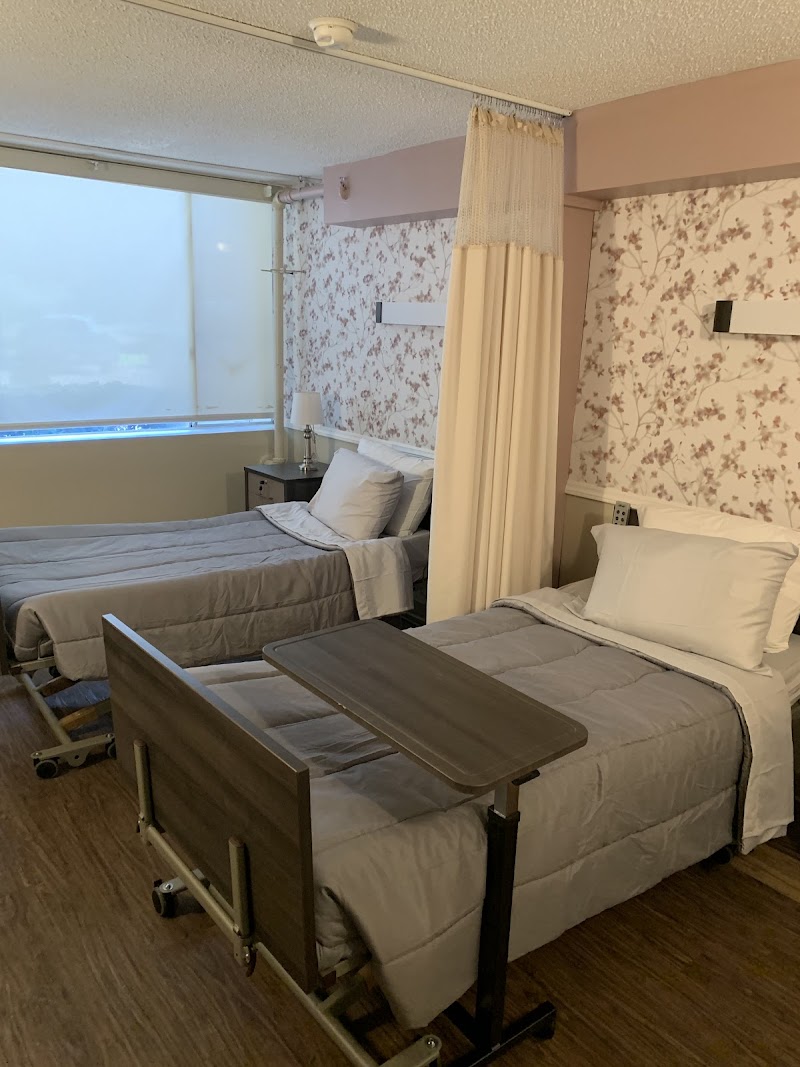
How is Collierville Nursing And Rehabilitation, Llc Staffed?

CMS rates COLLIERVILLE NURSING AND REHABILITATION, LLC's staffing level at 1 out of 5 stars, which is much below average compared to other nursing homes. Staff turnover is 59%, which is 13 percentage points above the Tennessee average of 46%. High turnover can affect care consistency as new staff learn residents' individual needs. RN turnover specifically is 71%, which is notably high. RNs provide skilled clinical oversight, so turnover in this role can affect medical care quality.

What Have Inspectors Found at Collierville Nursing And Rehabilitation, Llc?

State health inspectors documented 28 deficiencies at COLLIERVILLE NURSING AND REHABILITATION, LLC during 2019 to 2022. These included: 1 that caused actual resident harm and 27 with potential for harm. Deficiencies causing actual harm indicate documented cases where residents experienced negative health consequences.
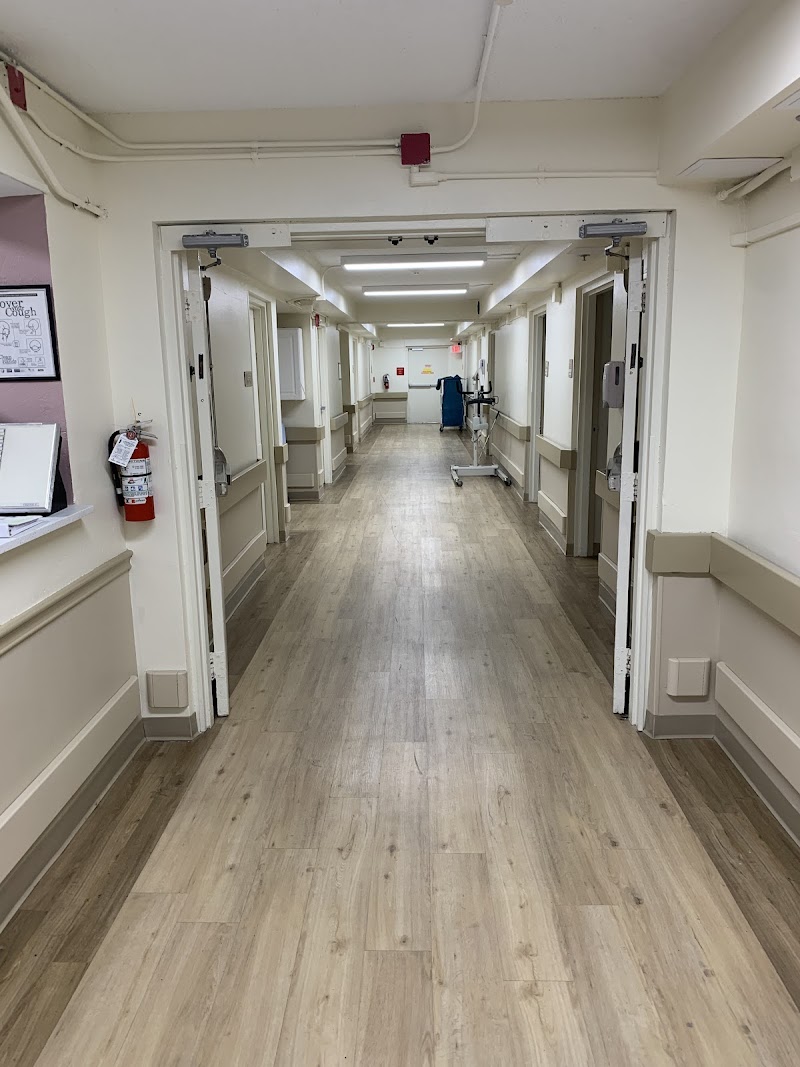
Who Owns and Operates Collierville Nursing And Rehabilitation, Llc?

COLLIERVILLE NURSING AND REHABILITATION, LLC is owned by a for-profit company. For-profit facilities operate as businesses with obligations to shareholders or private owners. The facility is operated by SIMCHA HYMAN & NAFTALI ZANZIPER, a chain that manages multiple nursing homes. With 114 certified beds and approximately 85 residents (about 75% occupancy), it is a mid-sized facility located in COLLIERVILLE, Tennessee.
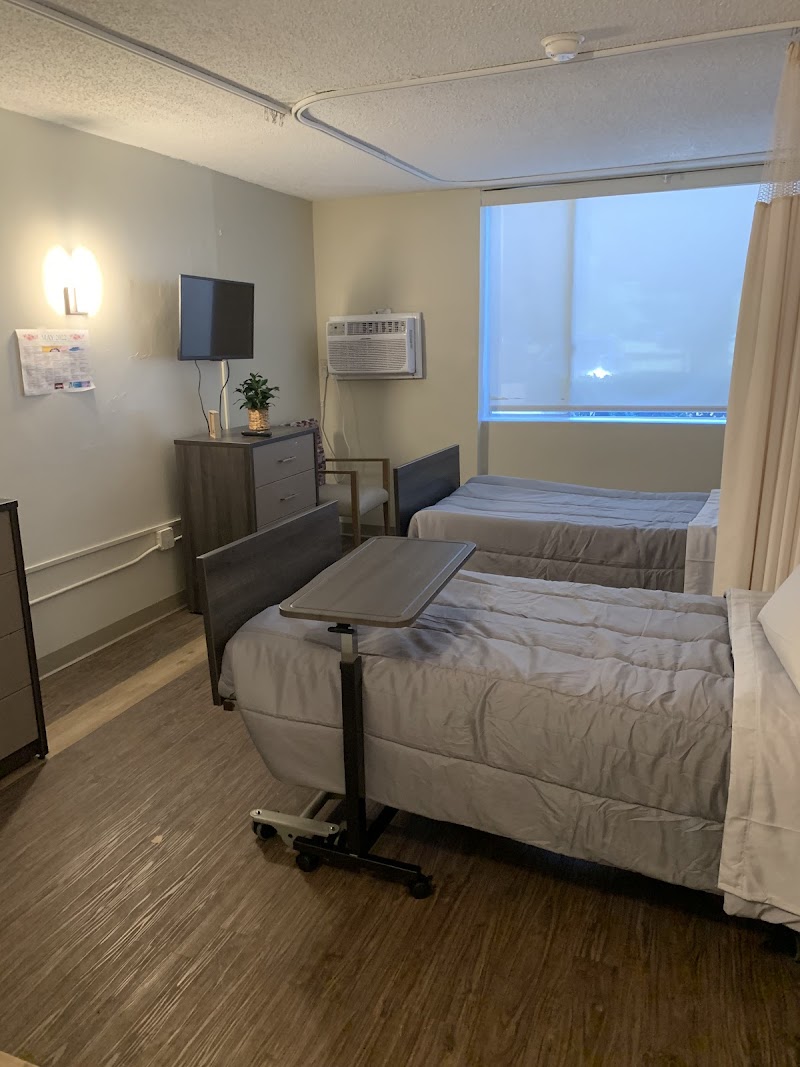
How Does Collierville Nursing And Rehabilitation, Llc Compare to Other Tennessee Nursing Homes?

Compared to the 100 nursing homes in Tennessee, COLLIERVILLE NURSING AND REHABILITATION, LLC's overall rating (1 stars) is below the state average of 2.8, staff turnover (59%) is significantly higher than the state average of 46%, and health inspection rating (2 stars) is below the national benchmark.

What Should Families Ask When Visiting Collierville Nursing And Rehabilitation, Llc?

Based on this facility's data, families visiting should ask: "How do you ensure continuity of care given staff turnover, and what is your staff retention strategy?" "Can you walk me through typical staffing levels on day, evening, and night shifts?" "Can I visit during a mealtime to observe dining assistance and food quality?" "How do you handle medical emergencies, and what is your hospital transfer rate?" These questions are particularly relevant given the facility's high staff turnover rate and the below-average staffing rating.

Is Collierville Nursing And Rehabilitation, Llc Safe?

Based on CMS inspection data, COLLIERVILLE NURSING AND REHABILITATION, LLC has a clean safety record: no substantiated abuse findings (meaning no confirmed cases of resident harm), no Immediate Jeopardy citations (the most serious violation level indicating risk of serious injury or death), and is not on the Special Focus Facility watch list (a federal program monitoring the lowest-performing 1% of nursing homes). The facility has a 1-star overall rating and ranks #100 of 100 nursing homes in Tennessee. While no facility is perfect, families should still ask about staff-to-resident ratios and recent inspection results during their visit.

Do Nurses at Collierville Nursing And Rehabilitation, Llc Stick Around?

Staff turnover at COLLIERVILLE NURSING AND REHABILITATION, LLC is high. At 59%, the facility is 13 percentage points above the Tennessee average of 46%. Registered Nurse turnover is particularly concerning at 71%. RNs handle complex medical decisions and coordinate care — frequent RN changes can directly impact care quality. High turnover means new staff may not know residents' individual needs, medications, or preferences. It can also be disorienting for residents, especially those with dementia who rely on familiar faces. Families should ask: What is causing the turnover? What retention programs are in place? How do you ensure care continuity during staff transitions?

Was Collierville Nursing And Rehabilitation, Llc Ever Fined?

COLLIERVILLE NURSING AND REHABILITATION, LLC has been fined $9,770 across 1 penalty action. This is below the Tennessee average of $33,177. While any fine indicates a compliance issue, fines under $50,000 are relatively common and typically reflect isolated problems that were subsequently corrected. Families should ask what specific issues led to these fines and confirm they've been resolved.

Is Collierville Nursing And Rehabilitation, Llc on Any Federal Watch List?

COLLIERVILLE NURSING AND REHABILITATION, LLC is not on any federal watch list. The most significant is the Special Focus Facility (SFF) program, which identifies the bottom 1% of nursing homes nationally based on persistent, serious quality problems. Not being on this list means the facility has avoided the pattern of deficiencies that triggers enhanced federal oversight. This is a positive indicator, though families should still review the facility's inspection history directly.