LIFE CARE CENTER OF COLUMBIA
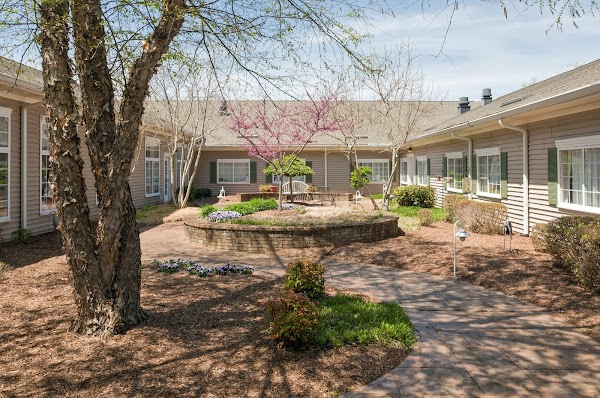
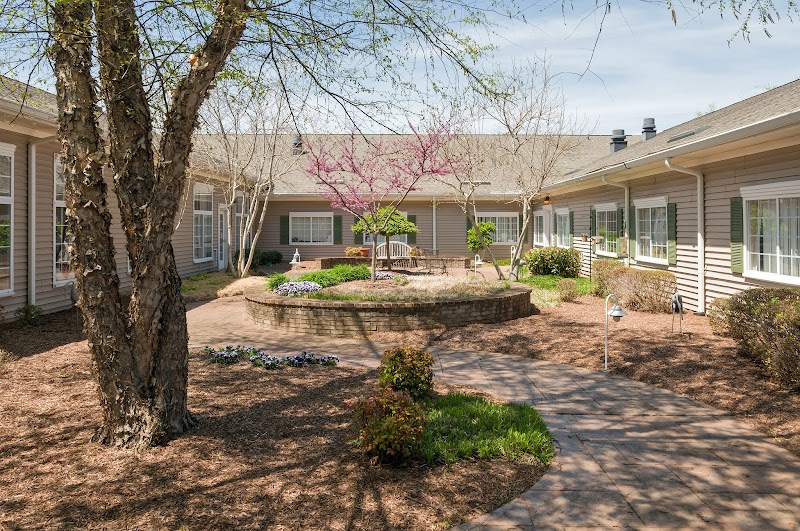
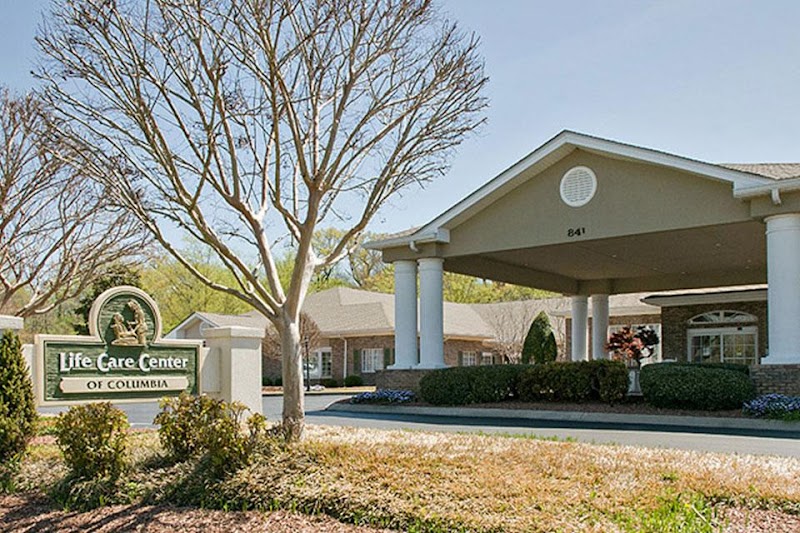
841 W. JAMES CAMPBELL BLVD., COLUMBIA, TN 38401 (931) 388-5035
For profit - Corporation 123 Beds LIFE CARE CENTERS OF AMERICA Data: November 2025
Trust Grade
65/100
#69 of 298 in TN
Last Inspection: December 2021

Over 2 years since last inspection. Current conditions may differ from available data.

Overview

Life Care Center of Columbia has a Trust Grade of C+, indicating it is slightly above average, but not without concerns. It ranks #69 out of 298 facilities in Tennessee, placing it in the top half, and #3 out of 6 in Maury County, meaning only two local options are better. The facility appears stable, with the same number of issues reported in both 2019 and 2021, and it has no fines on record, which is a positive sign. Staffing is rated 4 out of 5 stars, suggesting that staff retention is decent, but the turnover rate is 48%, which aligns with the state average. However, there have been serious incidents, including a failure to implement fall prevention measures for a resident, which resulted in significant injuries, highlighting a need for improvement in care procedures. While the facility has strengths like good health inspections and staffing ratings, the incidents raise valid concerns for families considering this option.

Trust Score
C+
65/100
In Tennessee
#69/298
Top 23%
Safety Record
High Risk
Review needed
Inspections
Holding Steady
2 → 2 violations
Staff Stability
⚠ Watch
48% turnover. Above average. Higher turnover means staff may not know residents' routines.
Penalties
✓ Good
No fines on record. Clean compliance history, better than most Tennessee facilities.
Skilled Nurses
○ Average
Each resident gets 37 minutes of Registered Nurse (RN) attention daily — about average for Tennessee. RNs are the most trained staff who monitor for health changes.
Violations
○ Average
7 deficiencies on record. Average for a facility this size. Mostly minor or procedural issues.
★★★★☆
4.0
Overall Rating
★★★★☆
4.0
Staff Levels
★★★☆☆
3.0
Care Quality
★★★★☆
4.0
Inspection Score
Stable
2019: 2 issues
2021: 2 issues

The Good

  • 4-Star Staffing Rating · Above-average nurse staffing levels
  • Full Sprinkler Coverage · Fire safety systems throughout facility
  • No fines on record

Facility shows strength in staffing levels, fire safety.

The Bad

Staff Turnover: 48%

Near Tennessee avg (46%)

Higher turnover may affect care consistency

Chain: LIFE CARE CENTERS OF AMERICA

Part of a multi-facility chain

Ask about local staffing decisions and management

The Ugly 7 deficiencies on record

3 actual harm
Dec 2021 2 deficiencies
CONCERN (D)

Potential for Harm - no one hurt, but risky conditions existed

Notification of Changes (Tag F0580)

Could have caused harm · This affected 1 resident

**NOTE- TERMS IN BRACKETS HAVE BEEN EDITED TO PROTECT CONFIDENTIALITY** Based on policy review, medical record review, and interview, the facility failed to notify the physician timely for 1 of 2 (Res...

Read full inspector narrative →
**NOTE- TERMS IN BRACKETS HAVE BEEN EDITED TO PROTECT CONFIDENTIALITY** Based on policy review, medical record review, and interview, the facility failed to notify the physician timely for 1 of 2 (Resident #96) sampled residents reviewed for hospitalizations. The findings include: Review of the facility's policy titled, Changes in Resident's Condition of Status, dated 5/5/2020, revealed .To outline the actions required to address a change in resident's condition or status .This facility will notify the resident, his/her primary care provider, and resident/resident representative of changes in the resident's condition or status . Review of the medical record, revealed Resident #96 was admitted to the facility on [DATE] with diagnoses of Alzheimer's Disease, Dementia, Chronic Duodenal Ulcer with Hemorrhage, Chronic Kidney Disease, Congestive Heart Failure, Atrial Fibrillation, Diabetes, Malignant Neoplasm of Left Upper Limb, Malignant Melanoma of Right Lower Limb including Hip, Depression, and Anxiety Disorder. Review of the quarterly Minimum Data Set, dated [DATE], revealed Resident #96 had severe cognitive impairment and required limited staff assistance for activities of daily living (ADLs). Review of the Progress Notes dated 10/24/2021, revealed Resident #96 had several episodes of vomiting throughout the night and the physician was not notified of the resident's vomiting, until approximately 7:17 AM the following morning, when an order was obtained to send her to the emergency room (ER). The resident was sent to the ER on [DATE] at approximately 8:06 AM. During an interview on 12/8/2021 at 3:50 PM, Licensed Practical Nurse (LPN) #1 stated, .[Resident #96] started throwing up . LPN #1 confirmed that she did not notify the physician of the resident's vomiting (change in condition). During an interview on 12/8/2021 at 4:52 PM, the Director of Nursing (DON) confirmed the physician should have been notified when Resident #96 began vomiting.
CONCERN (D)

Potential for Harm - no one hurt, but risky conditions existed

Deficiency F0698 (Tag F0698)

Could have caused harm · This affected 1 resident

**NOTE- TERMS IN BRACKETS HAVE BEEN EDITED TO PROTECT CONFIDENTIALITY** Based on policy review, medical record review, and interview, the facility failed to have a current Physician's Order for dialys...

Read full inspector narrative →
**NOTE- TERMS IN BRACKETS HAVE BEEN EDITED TO PROTECT CONFIDENTIALITY** Based on policy review, medical record review, and interview, the facility failed to have a current Physician's Order for dialysis and failed to provide adequate services for 1 of 2 sampled residents (Resident #146) reviewed for dialysis. The findings include: Review of the facility's policy titled, Dialysis, revised 11/12/2021, revealed .This facility assures that each resident receives care and services for the provision of hemodialysis .consistent with professional standards of practice including .Ongoing assessment of the resident's condition and monitoring for complications before and after dialysis treatments .Ongoing communication and collaboration with the dialysis facility regarding dialysis care and services .Initiate the Pre/Post Dialysis Communication Form to be sent to the dialysis clinic with the resident .Post-Dialysis .Obtain vital signs upon return from dialysis and complete the Pre/Post Dialysis Communication Form . Review of the medical record, revealed Resident #146 was admitted to the facility on [DATE] with diagnoses of Congestive Heart Failure, End Stage Renal Disease, Diabetes, Toxic Encephalopathy, and Dysphagia. Review of the Physician's Orders for November and December 2021, revealed there was no order for dialysis, there was no order to assess the thrill and bruit upon return from dialysis until 12/7/2021, 9 days after admission, and there was no order for post dialysis vital signs and dry weights until 12/8/2021, 10 days after admission. Review of the Pre/Post Dialysis Communication Form dated 11/29/2021, revealed Resident #146 was dialyzed and returned to the facility at 2:06 PM. Review of the medical record, revealed there were no Pre/Post Dialysis Communication Form for 12/1/2021 and 12/3/2021. Review of the Pre/Post Dialysis Communication Form dated 12/6/2021, revealed no pre/post dialysis vital signs, no pre/post dialysis signature of the facility staff who transferred the resident to dialysis and received him back into the facility, no post documentation that the thrill and bruit were assessed by facility staff, and no documentation by the dialysis facility. During an interview on 12/8/2021 at 10:52 AM, the Director of Nursing (DON) confirmed that staff should complete the Pre/Post Dialysis Communication Form. During an interview on 12/8/2021 at 12:06 PM, Registered Nurse (RN) #1 confirmed that Resident #146's correct dialysis orders were not entered on admission. RN #1 stated, I normally review the charts .had not done that [Entered the orders] yet . During an interview on 12/8/2021 at 2:33 PM, the DON confirmed that dialysis orders should be obtained on admission to the facility. The DON confirmed that staff should assess the shunt site for thrill and bruit before and after dialysis. The DON confirmed the Pre/Post Dialysis Communication Forms were not completed on 12/1/2021, 12/3/2021, and 12/6/2021.
Apr 2019 2 deficiencies
CONCERN (D)

Potential for Harm - no one hurt, but risky conditions existed

Quality of Care (Tag F0684)

Could have caused harm · This affected 1 resident

**NOTE- TERMS IN BRACKETS HAVE BEEN EDITED TO PROTECT CONFIDENTIALITY** Based on policy review, medical record review, and interview, the facility failed to follow physician's orders for intravenous (...

Read full inspector narrative →
**NOTE- TERMS IN BRACKETS HAVE BEEN EDITED TO PROTECT CONFIDENTIALITY** Based on policy review, medical record review, and interview, the facility failed to follow physician's orders for intravenous (IV) care as ordered for 1 of 3 (Resident #251) sampled residents reviewed with IV orders. The findings include: The facility's Physician's Orders policy revised 1/2018 documented, A physician .must provide orders for the resident's immediate care . Medical record review revealed Resident #251 was admitted to the facility on [DATE] with diagnoses of Diabetes, Obstructive Uropathy, Hemiplegia, Hemiparesis, Hypertension, Urinary Tract Infection, Morbid Obesity, Depression, Clostridium Difficile, Endocarditis, Severe Sepsis, and Bacteremia. A Physician's Order dated 1/20/19 documented, .Change IV tubing every 24 hours . A Physician's Order dated 1/20/19 documented, .Change PICC [Percutaneous Indwelling Central Catheter] dressing .weekly on Tuesdays . Review of the January 2019 Medication Administration Record (MAR) revealed the IV tubing was not changed on 1/21, 1/22, 1/23, 1/24, 1/25, 1/26, 1/27, 1/28, 1/29, 1/30, and 1/31/19 as ordered. Review of the January 2019 MAR revealed the dressing was not changed on 1/22/19 and 1/31/19 as ordered. Interview with the Director of Nursing (DON) on 4/24/19 at 5:06 PM, in the DON Office, the DON was asked if the IV tubing and dressing should be changed as ordered. The DON stated, Yes .
CONCERN (E)

Potential for Harm - no one hurt, but risky conditions existed

Food Safety (Tag F0812)

Could have caused harm · This affected multiple residents

Based on policy review, observation and interview, the facility failed to ensure practices to prevent the potential spread of infection were maintained when 1 of 23 (Certified Nursing Assistant (CNA) ...

Read full inspector narrative →
Based on policy review, observation and interview, the facility failed to ensure practices to prevent the potential spread of infection were maintained when 1 of 23 (Certified Nursing Assistant (CNA) #1) staff members failed to perform hand hygiene and touched food with their bare hands and 1 of 2 (Dietary Aide #1) kitchen staff did not perform hand hygiene with glove use while preparing meal trays. The findings include: 1. The facility's undated Proper Use of Gloves to Handle Food policy documented, .Wash hands each time new gloves are used .Never touch ready-to-eat food with contaminated gloves .Each time you pick up food without a utensil, be sure that the glove on your hand has not been contaminated . 2. Observations in the Magnolia Hall on 4/23/19 beginning at 12:06 PM, revealed CNA #1 placed a meal tray on Resident #252's overbed table and pulled the cover from Resident #252's feet. CNA #1 did not perform hand hygiene. CNA #1 then set up the meal tray, removed the cornbread from a wax paper bag, and handled the cornbread with her bare hands. Observations in the Magnolia Hall on 4/23/19 beginning at 12:38 PM, revealed CNA #1 placed a meal tray on Resident #54's overbed table. CNA #1 then set up the meal tray, removed the cornbread from a wax paper bag, and handled the cornbread with her bare hands. Interview with the Assistant Director of Nursing (ADON) on 4/24/19 at 6:21 PM, in the hall outside the Private Dining Room, the ADON was asked if it staff should remove cornbread from a wax paper bag with their bare hands. The ADON stated, No, not with their hands, it's usually easy to get it out of the bag without touching it. Interview with the Certified Dietary Manager (CDM) on 4/24/19 at 7:13 PM, in the Private Dining Room, the CDM was asked if staff should touch a resident's food with their bare hands. The CDM stated, No, never touch ready to eat food with their bare hands. 3. Observations in the Main Dining Room on 4/23/19 beginning at 12:41 PM, during steam table set-up, revealed Dietary Aide #1 entered the Main Dining Room wearing gloves. Dietary Aide #1 placed pans of food that were covered with aluminum foil on the steam table. She then removed the aluminum foil from the pans, placed serving utensils on the steam table, and removed her gloves. Dietary Aide #1 entered the kitchen and placed the soiled gloves and the foil in the trash can. She then returned to the steam table and put on clean gloves without washing her hands. She began to serve the residents' plates. An empty plastic bowl fell into a pan of yams. Dietary Aide #1 removed the bowl from the yams, served pinto beans in the dirty bowl, and placed the bowl on a serving plate. Dietary Aide #1 continued to serve meal trays, touching utensils and handling cornbread with the soiled gloves. Interview with Dietary Aide #1 on 4/23/19 at 12:06 PM, in the Main Dining Room, Dietary Aide #1 was asked if it was appropriate to remove and don gloves without washing hands. Dietary Aide #1 stated, No, ma'am. Dietary Aide #1 was asked if it was appropriate to handle the cornbread muffins with soiled gloves. Dietary Aide #1 stated, No, ma'am. Interview with the Certified Dietary Manager (CDM) on 4/24/19 at 7:10 PM, in the Private Dining Room, the CDM was asked what she expected dietary staff to do between glove changes. The CDM stated, .wash their hands . The CDM was asked if it was appropriate for staff to serve corn muffins wearing soiled gloves. The CDM stated, .no .use tongs . The CDM was asked what staff should do if a bowl falls into a pan of food. The CDM stated, The bowl should be put to the side and not used .
Jun 2018 3 deficiencies 3 Harm
SERIOUS (G)

Actual Harm - a resident was hurt due to facility failures

Comprehensive Care Plan (Tag F0656)

A resident was harmed · This affected 1 resident

**NOTE- TERMS IN BRACKETS HAVE BEEN EDITED TO PROTECT CONFIDENTIALITY** Based on policy review, medical record review, and interview, the facility failed to implement written care plan interventions r...

Read full inspector narrative →
**NOTE- TERMS IN BRACKETS HAVE BEEN EDITED TO PROTECT CONFIDENTIALITY** Based on policy review, medical record review, and interview, the facility failed to implement written care plan interventions related to falls for 1 of 5 (Resident #57) sampled residents. The facility failed to implement Resident #57's fall interventions. The failure to implement and follow the care plan interventions resulted in actual Harm when Resident #57 fell and sustained a nasal fracture, head injury with a possible subdural hematoma (a collection of blood between the brain cover and the brain), a laceration to the forehead that required suture repair and skin tears to the right hand and the right cheek. The findings included: 1. Review of the facility's undated Fall Management policy documented, .to promote patient safety and reduce patient falls by proactively identifying, care planning and monitoring of patients' fall indicators .comprehensive assessment of a patient, the facility must ensure that patients receive treatment and care .the comprehensive person-centered care plan, and the patient's choice .remains as free of accident hazards as is possible and each patient receives adequate supervision and assistance devices to prevent accidents .Avoidable Accident: means that an accident occurred because the facility failed to: 1. Identify environmental hazards and individual patient risk of an accident, including the need for supervision .2. Evaluate/analyze the hazards and risks .3. Implement interventions, including supervision, consistent with a patient's needs, goals, plan of care and current standards of practice in order to reduce the risk of an accident; and/or 4. Monitor the effectiveness of the interventions and modify the interventions as necessary . 2. Medical record review revealed Resident #57 was admitted to the facility on [DATE] with diagnoses of Difficulty Walking, Muscle Weakness, History of Falls, Schizophrenia, Pain, Dementia and Orthopedic Aftercare. Review of the Fall Risk Evaluation forms revealed Resident #57 was a high risk for falls with a score on 3/8/18 of 26, 4/3/18 of 22, 4/8/18 of 24 and 4/17/18 of 24. High risk for falls was a score of 10 or higher. The admission Minimum Data Set (MDS) dated [DATE] revealed Resident #57 had a Brief Interview of Mental Status (BIMS) score of 01 which indicated Resident #57 was severely cognitively impaired, required total staff assistance with transfers and extensive assistance with walking. Resident #57 had 1 fall with no injury and 2 falls with injury. Medical record review of the care plan dated 12/11/17 with revisions documented, .Problems .Potential for falls .4/3/18 Encourage resident to push chair up next to the table when sitting in dining room chairs .4/9/18 Remove resident from table after meals as allowed .4/17/18 Re-educate staff to escort pt. [patient] to recliner when sleepy . 3. Review of a facility Incident Follow-up & [and] Recommendation form dated 4/3/18 documented the following: a. 4:30 PM Summary .found resident laying on the floor on her right side in the dining room between the dining chair and the table . b. Recommendations .when resident sits in dining room chair scoot it up to the table due to falling asleep in chairs and refusing to go to bed and not staying in one position for much longer than 15-20 mins [minutes] at a time . c. Follow-Up: Staff intervention of pushing resident up close to the table has proven to be ineffective. Resident pushes self away & crosses legs .See new intervention 4/9/18 . 4. Review of a facility Incident Follow-up & [and] Recommendation form dated 4/9/18 documented the following: a. 8:35 AM Summary .Resident fell asleep @ [at] dining table after breakfast and fell onto floor on knees and staff gently lowered her on to ground . b. Recommendations .To remove resident from table after meals as allowed . c. Follow Up: On 4/17/18 staff failed to follow new intervention & subsequent fall happened see follow up for 4/17/18 . 5. Review of a facility Incident Follow-up & [and] Recommendation form dated 4/17/18 documented the following: a. 4:50 AM Pt [patient] found on floor, sitting on buttocks in front of dining table. Skin tears to top of R right] hand and [R] cheek, small laceration to forehead. Blood noted to L [left] side of head and skin tears & swollen nose . b. Recommendations .Re-educate staff to escort pt to recliner in dayroom rather than less stable chair when sleepy . Review of the hospital emergency room Report dated 4/17/18 documented, .Triage Note .PT FELL IN DINING ROOM [At Nursing Home] AND HIT A CHAIR .SKIN TEARS NOTED TO RIGHT HAND. EMS [Emergency Medical Services] REPORTS HEAD WOUND AS A PUNCTURE TYPE WOUND . Skin: Laceration (2.8 cm [centimeters] laceration right forehead-gaping and actively bleeding. 2 cm superficial laceration right maxillary face) .Other bruising and soft tissue swelling nasal bridge .Number of Stitches 4 Discharge [back to nursing home] .Diagnosis 2.8 centimeter laceration repair right forehead; superficial laceration right maxillary face; nasal fracture; fall with head injury .possible left subacute subdural hematoma . The facility staff failed to follow Resident #57's care plan interventions and on 4/17/18 Resident #57 fell and sustained a nasal fracture, head injury with a possible subdural hematoma (a collection of blood between the brain cover and the brain), a laceration to the forehead that required suture repair and skin tears to the right hand and the right cheek. Interview with the Director of Nursing (DON) on 6/13/18 at 10:34 AM, in the DON office, the DON was asked about Resident #57's falls and interventions. The DON stated, .4/3/18 the intervention was push (Resident #57) up to the table and this was ineffective .4/9/18 it was ineffective to push her up to the table because she pushes herself back so the intervention was to remove her from the dining room to the recliner in the day room .4/17/18 staff were not informed of the change in interventions .we started a new intervention binder so the staff reads and knows . The DON was then asked how staff knew about interventions prior to the incident on 4/17/18. The DON stated, .verbally passed down . Interview with the Director of Nursing (DON) on 6/14/18 at 1:11 PM, in the DON's office, the DON was asked what fall interventions were in place for Resident #57. The DON stated, .on the 4/17/18 fall .the staff did not implement the interventions .didn't look at the new interventions for fall . The DON confirmed that staff should be aware and implement new interventions for falls. The facility staff failed to implement a new fall intervention for Resident #57. Resident #57 fell on 4/17/18 and sustained a nasal fracture, head injury with a possible subdural hematoma (a collection of blood between the brain cover and the brain), a laceration to the forehead that required suture repair and skin tears to the right hand and the right cheek.
SERIOUS (G)

Actual Harm - a resident was hurt due to facility failures

Accident Prevention (Tag F0689)

A resident was harmed · This affected 1 resident

**NOTE- TERMS IN BRACKETS HAVE BEEN EDITED TO PROTECT CONFIDENTIALITY** Based on policy review, medical record review, observation, and interview, the facility failed to prevent accidents related to f...

Read full inspector narrative →
**NOTE- TERMS IN BRACKETS HAVE BEEN EDITED TO PROTECT CONFIDENTIALITY** Based on policy review, medical record review, observation, and interview, the facility failed to prevent accidents related to falls for 1 of 5 (Resident #57) sampled residents when new fall interventions were not implemented which resulted in actual harm to Resident #57 when Resident #57 fell and sustained a nasal fracture, head injury with a possible subdural hematoma (a collection of blood between the brain cover and the brain), a laceration to the forehead that required suture repair and skin tears to the right hand and the right cheek. The findings included: 1. Review of the facility's undated Fall Management policy documented, .to promote patient safety and reduce patient falls by proactively identifying, care planning and monitoring of patients' fall indicators .comprehensive assessment of a patient, the facility must ensure that patients receive treatment and care .the comprehensive person-centered care plan, and the patient's choice .remains as free of accident hazards as is possible and each patient receives adequate supervision and assistance devices to prevent accidents .Avoidable Accident: means that an accident occurred because the facility failed to .Evaluate/analyze the hazards and risks .implement interventions, including supervision .Monitor the effectiveness of the interventions and modify the interventions as necessary . 2. Medical record review revealed Resident #57 was admitted to the facility on [DATE] with diagnoses of Difficulty Walking, Muscle Weakness, History of Falls, Schizophrenia, Pain, Dementia and Orthopedic Aftercare. The admission Minimum Data Set (MDS) dated [DATE] documented a Brief Interview for Mental Status (BIMS) score of 01, which indicated Resident #57 had severe cognitive impairment, required total staff assistance with transfers, extensive assistance walking and had 1 fall with no injury and 2 falls with injury. The care plan dated 12/11/17 with revisions documented, .Problems .Potential for falls .4/3/18 Encourage resident to push chair up next to the table when sitting in dining room chairs .4/9/18 Remove resident from table after meals as allowed .4/17/18 Re-educate staff to escort pt. [patient] to recliner when sleepy . Review of the Fall Risk Evaluation forms (an assessment completed on admission and quarterly by nursing staff to assess the resident's potential to fall) revealed Resident #57 was a high risk for falls (more likely to fall) with a score on 3/8/18 of 26, 4/3/18 of 22, 4/8/18 of 24 and on 4/17/18 of 24. High risk for falls was a score of 10 or higher. 3. Review of a facility Incident Follow-up & [and] Recommendation form dated 4/3/18 documented the following: a. 4:30 PM Summary .found resident laying on the floor on her right side in the dining room between the dining chair and the table . b. Recommendations .when resident sits in dining room chair scoot it up to the table due to falling asleep in chairs and refusing to go to bed and not staying in one position for much longer than 15-20 mins [minutes] at a time . c. Follow-Up: Staff intervention of pushing resident up close to the table has proven to be ineffective. Resident pushes self away & crosses legs .See new intervention 4/9/18 . 4. Review of a facility Incident Follow-up & [and] Recommendation form dated 4/9/18 documented the following: a. 8:35 AM Summary .Resident fell asleep @ [at] dining table after breakfast and fell onto floor on knees and staff gently lowered her on to ground . b. Recommendations .To remove resident from table after meals as allowed . c. Follow Up: On 4/17/18 staff failed to follow new intervention & subsequent fall happened see follow up for 4/17/18 . 5. Review of a facility Incident Follow-up & [and] Recommendation form dated 4/17/18 documented the following: a. 4:50 AM Pt [patient] found on floor, sitting on buttocks in front of dining table. Skin tears to top of R [right] hand and [R] cheek, small laceration to forehead. Blood noted to L [left] side of head and skin tears & swollen nose . b. Recommendations .Re-educate staff to escort pt to recliner in dayroom rather than less stable chair when sleepy . Review of an emergency room Report dated 4/17/18 documented, .Triage Note .PT [patient] FELL IN DINING ROOM AND HIT A CHAIR .SKIN TEARS NOTED TO RIGHT HAND. EMS [Emergency Medical Services] REPORTS HEAD WOUND AS A PUNCTURE TYPE WOUND .Skin: Laceration (2.8 cm [centimeters] laceration right forehead-gaping and actively bleeding. 2 cm superficial laceration right maxillary face) .Other bruising and soft tissue swelling nasal bridge .Number of Stitches 4 Discharge .Diagnosis 2.8 centimeter laceration repair right forehead; superficial laceration right maxillary face; nasal fracture; fall with head injury .possible left subacute subdural hematoma . Observations on 6/13/18 at 7:34 AM revealed Resident #57 sitting in the day room in a recliner with nonskid footwear noted. Resident #57's wc had anti-tippers in place. Observations on 6/14/18 at 7:47 AM revealed Resident #57 in the dining room, sitting in a wc at the dining table with her eyes closed. Facility staff was assisting the resident to a couch in the dayroom. Interview with Director of Nursing (DON) on 6/14/18 at 1:11 PM, in the DON's office, the DON was asked what interventions were in place for Resident #57. The DON stated, .on the 4/17/18 fall .the staff did not implement the interventions because they did not know what the new intervention was . The DON was asked if it was acceptable for staff members to not implement new interventions for falls. The DON stated, .of course not . Interview with the Executive Director (ED) on 6/14/18 at 2:41 PM, in the ED office, the ED was asked to provide some examples of what the facility had implemented to decrease the number of falls and how oversight is provided for the clinical operations. The ED stated, .the DON will investigate the falls immediately, we are going to beef that back up and make sure it is being done . The facility failed to implement effective fall interventions for Resident #57. On 4/17/18 Resident #57 fell, sustained a head injury which required laceration repair, and fracture of the right nasal bone and septum which resulted in actual Harm.
SERIOUS (G)

Actual Harm - a resident was hurt due to facility failures

QAPI Program (Tag F0867)

A resident was harmed · This affected 1 resident

Based on policy review, medical record review, observation and interview, the facility's Quality Assessment and Assurance Committee (QAA) failed to have an effective, ongoing quality program that iden...

Read full inspector narrative →
Based on policy review, medical record review, observation and interview, the facility's Quality Assessment and Assurance Committee (QAA) failed to have an effective, ongoing quality program that identified, developed, implemented and monitored appropriate plans of action for falls. The QAA committee's failure to ensure an effective fall prevention system (an effective process to reduce patient falls) resulted in actual Harm for Resident #57. The QAA failed to ensure new interventions were implemented which resulted in actual harm to Resident #57 when she fell and sustained a nasal fracture, head injury with a possible subdural hematoma (a collection of blood between the brain cover and the brain), a laceration to the forehead that required suture repair and skin tears to the right hand and the right cheek. The findings included: 1. The QAA Committee failed to ensure the facility's fall prevention program was effective and the fall management policy was implemented. The QAA committee failed to effectively track, trend and monitor the effectiveness of the fall prevention program. Refer to F656 and F689. The deficient practice of F656, F689 and F867 is a repeat deficient practice for failure to ensure the services were provided in accordance with each resident's written plan of care. The facility was cited F656, F689 and F867 on the recertification survey on 4/29/15 and on 5/24/17. 2. Interview with the DON on 6/13/18 at 2:00 PM, in the Conference Room, the DON was asked if it was appropriate for a Resident with a BIMS of 01 to be able to tell the staff what had caused the fall. The DON stated, .we had a meeting last night to go over falls and we determined that some of the interventions that had been put in place for the falls were not appropriate . Interview with Director of Nursing (DON) on 6/14/18 at 1:11 PM, in the DON's office, the DON was asked what fall interventions were in place for Resident #57. The DON stated, .on the 4/17/18 fall .the staff did not implement the interventions .the staff didn't look at the new interventions for fall . The DON confirmed that the staff should be aware of new interventions for falls. Interview with the Executive Director (ED) on 6/14/18 at 2:41 PM, in the ED office, the ED was asked to provide some examples of what the facility had implemented to decrease the number of falls. The ED stated, .We had PI [Performance Improvement] last night to help develop new interventions and things we could do to help decrease the number of falls .purchased some recliners .added a full time Activities Assistant . The ED was asked how oversight is provided for the clinical operations. The ED stated, .we are doing fall huddles team, the number of falls has trended down with the Activity person back there [on the memory care unit] and house wide the number of falls have gone down .the DON will investigate the falls immediately, we are going to beef that back up and make sure it is being done . The ED was asked if the Medical Director was involved in the QA process. The ED stated, .He goes over every report and he is involved in the monthly meeting. We go over each incident report with him and discuss in the monthly PI meeting due to the IJ [Immediate Jeopardy] and Harm before . The failure of the QAA to implement new fall interventions for a resident with severe cognitive abilities resulted in actual Harm to Resident #57 when she fell and sustained a nasal fracture, head injury with a possible subdural hematoma (a collection of blood between the brain cover and the brain), a laceration to the forehead that required suture repair and skin tears to the right hand and the right cheek.
Understanding Severity Codes (click to expand)
Life-Threatening (Immediate Jeopardy)
J - Isolated K - Pattern L - Widespread
Actual Harm
G - Isolated H - Pattern I - Widespread
Potential for Harm
D - Isolated E - Pattern F - Widespread
No Harm (Minor)
A - Isolated B - Pattern C - Widespread

Questions to Ask on Your Visit

  • "Can I speak with families of current residents?"
  • "What's your RN coverage like on weekends and overnight?"

Our Honest Assessment

Strengths
  • • No fines on record. Clean compliance history, better than most Tennessee facilities.
Concerns
  • • Multiple safety concerns identified: 3 harm violation(s). Review inspection reports carefully.
  • • 7 deficiencies on record, including 3 serious (caused harm) violations. Ask about corrective actions taken.
Bottom line: Mixed indicators with Trust Score of 65/100. Visit in person and ask pointed questions.

About This Facility

What is Life Of Columbia's CMS Rating?

CMS assigns LIFE CARE CENTER OF COLUMBIA an overall rating of 4 out of 5 stars, which is considered above average nationally. Within Tennessee, this rating places the facility higher than 99% of the state's 100 nursing homes. This rating reflects solid performance across the metrics CMS uses to evaluate nursing home quality.
How is Life Of Columbia Staffed?

CMS rates LIFE CARE CENTER OF COLUMBIA's staffing level at 4 out of 5 stars, which is above average compared to other nursing homes. Staff turnover is 48%, compared to the Tennessee average of 46%.

What Have Inspectors Found at Life Of Columbia?

State health inspectors documented 7 deficiencies at LIFE CARE CENTER OF COLUMBIA during 2018 to 2021. These included: 3 that caused actual resident harm and 4 with potential for harm. Deficiencies causing actual harm indicate documented cases where residents experienced negative health consequences.
Who Owns and Operates Life Of Columbia?

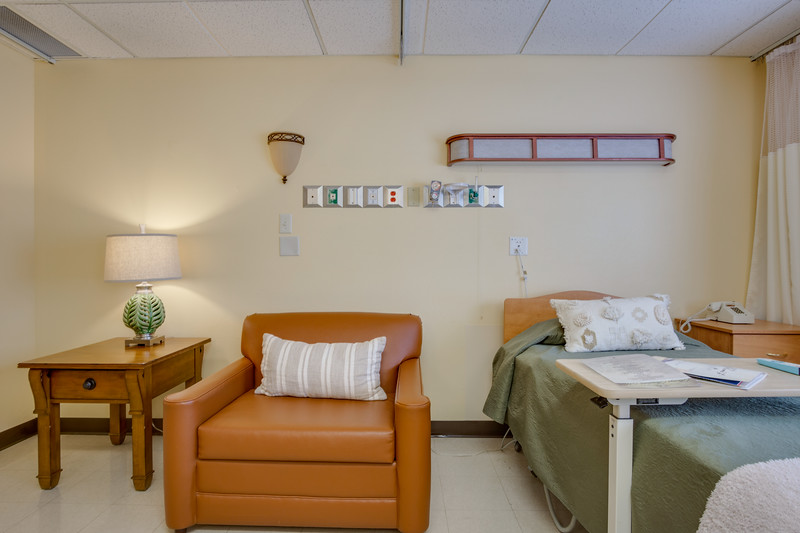
LIFE CARE CENTER OF COLUMBIA is owned by a for-profit company. For-profit facilities operate as businesses with obligations to shareholders or private owners. The facility is operated by LIFE CARE CENTERS OF AMERICA, a chain that manages multiple nursing homes. With 123 certified beds and approximately 88 residents (about 72% occupancy), it is a mid-sized facility located in COLUMBIA, Tennessee.
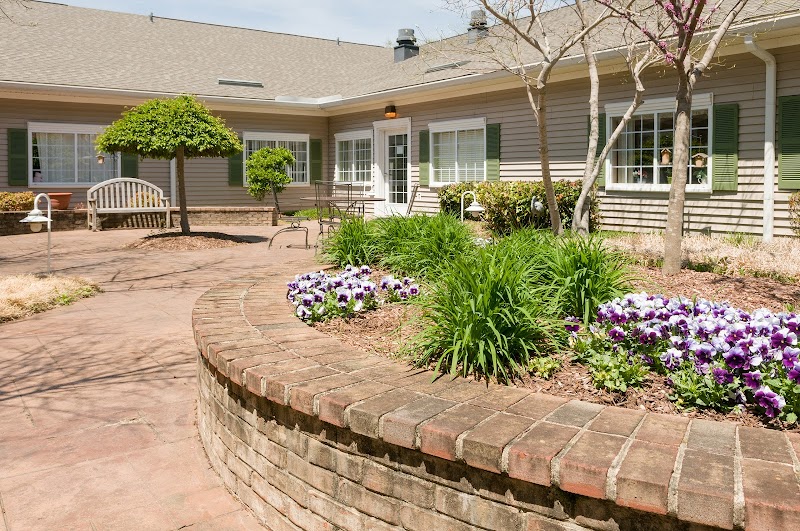
How Does Life Of Columbia Compare to Other Tennessee Nursing Homes?

Compared to the 100 nursing homes in Tennessee, LIFE CARE CENTER OF COLUMBIA's overall rating (4 stars) is above the state average of 2.8, staff turnover (48%) is near the state average of 46%, and health inspection rating (4 stars) is above the national benchmark.

What Should Families Ask When Visiting Life Of Columbia?

Based on this facility's data, families visiting should ask: "Can I visit during a mealtime to observe dining assistance and food quality?" "How do you handle medical emergencies, and what is your hospital transfer rate?" "Can I speak with family members of current residents about their experience?"

Is Life Of Columbia Safe?

Based on CMS inspection data, LIFE CARE CENTER OF COLUMBIA has a clean safety record: no substantiated abuse findings (meaning no confirmed cases of resident harm), no Immediate Jeopardy citations (the most serious violation level indicating risk of serious injury or death), and is not on the Special Focus Facility watch list (a federal program monitoring the lowest-performing 1% of nursing homes). The facility has a 4-star overall rating and ranks #1 of 100 nursing homes in Tennessee. While no facility is perfect, families should still ask about staff-to-resident ratios and recent inspection results during their visit.

Do Nurses at Life Of Columbia Stick Around?

LIFE CARE CENTER OF COLUMBIA has a staff turnover rate of 48%, which is about average for Tennessee nursing homes (state average: 46%). Moderate turnover is common in nursing homes, but families should still ask about staff tenure and how the facility maintains care continuity when employees leave.

Was Life Of Columbia Ever Fined?

LIFE CARE CENTER OF COLUMBIA has no federal fines on record. CMS issues fines when nursing homes fail to meet care standards or don't correct problems found during inspections. The absence of fines suggests the facility has either maintained compliance or corrected any issues before penalties were assessed. This is a positive indicator, though families should still review recent inspection reports for the full picture.

Is Life Of Columbia on Any Federal Watch List?

LIFE CARE CENTER OF COLUMBIA is not on any federal watch list. The most significant is the Special Focus Facility (SFF) program, which identifies the bottom 1% of nursing homes nationally based on persistent, serious quality problems. Not being on this list means the facility has avoided the pattern of deficiencies that triggers enhanced federal oversight. This is a positive indicator, though families should still review the facility's inspection history directly.