MAGNOLIA HEALTHCARE AND REHABILITATION CENTER
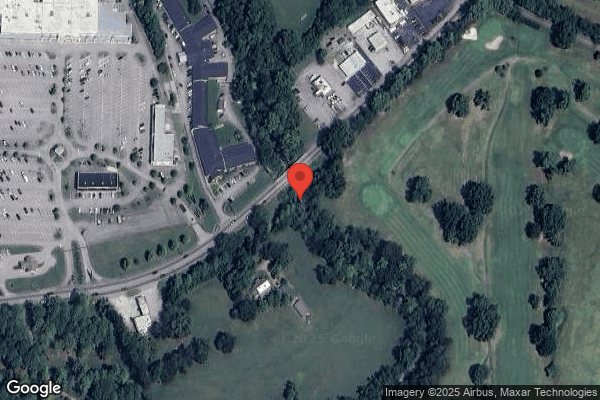

1410 TROTWOOD AVENUE, COLUMBIA, TN 38401 (931) 388-6443
For profit - Limited Liability company 181 Beds Independent Data: November 2025
Trust Grade
28/100
#265 of 298 in TN
Last Inspection: June 2022

Over 2 years since last inspection. Current conditions may differ from available data.

Overview

Magnolia Healthcare and Rehabilitation Center received a Trust Grade of F, indicating significant concerns about care quality. With a state rank of #265 out of 298 facilities in Tennessee, they are in the bottom half, and they rank #6 out of 6 in Maury County, meaning there are no better local options available. The situation is worsening, with issues increasing from 5 in 2019 to 8 in 2022. Staffing is a major concern, with a low rating of 1 out of 5 stars and a turnover rate of 75%, much higher than the state average of 48%. Additionally, the facility has reported $5,283 in fines, which is average but still raises concerns about compliance. On the positive side, the facility has some average quality measures, scoring 3 out of 5 stars, and their RN coverage is below average, being less than 91% of state facilities. However, specific incidents noted by inspectors include staff failing to perform necessary COVID-19 screenings and hand hygiene for several residents, which could lead to infection risks. There were also issues with food sanitation and improper medication storage, which indicates ongoing problems with basic care standards. Overall, families should carefully weigh these significant weaknesses against any strengths when considering this facility for their loved ones.

Trust Score
F
28/100
In Tennessee
#265/298
Bottom 12%
Safety Record
Low Risk
No red flags
Inspections
Getting Worse
5 → 8 violations
Staff Stability
⚠ Watch
75% turnover. Very high, 27 points above average. Constant new faces learning your loved one's needs.
Penalties
⚠ Watch
$5,283 in fines. Higher than 77% of Tennessee facilities, suggesting repeated compliance issues.
Skilled Nurses
⚠ Watch
Each resident gets only 19 minutes of Registered Nurse (RN) attention daily — below average for Tennessee. Fewer RN minutes means fewer trained eyes watching for problems.
Violations
⚠ Watch
23 deficiencies on record. Higher than average. Multiple issues found across inspections.
★☆☆☆☆
1.0
Overall Rating
★☆☆☆☆
1.0
Staff Levels
★★★☆☆
3.0
Care Quality
★★☆☆☆
2.0
Inspection Score
Stable
2019: 5 issues
2022: 8 issues

The Good

  • Licensed Facility · Meets state certification requirements
  • No fines on record

This facility meets basic licensing requirements.

The Bad

1-Star Overall Rating

Below Tennessee average (2.8)

Significant quality concerns identified by CMS

Staff Turnover: 75%

29pts above Tennessee avg (46%)

Frequent staff changes - ask about care continuity

Federal Fines: $5,283

Below median ($33,413)

Minor penalties assessed

Staff turnover is very high (75%)

27 points above Tennessee average of 48%

The Ugly 23 deficiencies on record

Jun 2022 8 deficiencies
CONCERN (D)

Potential for Harm - no one hurt, but risky conditions existed

Deficiency F0655 (Tag F0655)

Could have caused harm · This affected 1 resident

**NOTE- TERMS IN BRACKETS HAVE BEEN EDITED TO PROTECT CONFIDENTIALITY** Based on medical record review and interview, the facility failed to develop a Baseline Care Plan within 48 hours of admission t...

Read full inspector narrative →
**NOTE- TERMS IN BRACKETS HAVE BEEN EDITED TO PROTECT CONFIDENTIALITY** Based on medical record review and interview, the facility failed to develop a Baseline Care Plan within 48 hours of admission that included the initial goals and needs for 3 of 19 sampled residents (Resident #42, #57 and #75) reviewed. The findings include: Review of the medical record, revealed Resident #42 was admitted on [DATE] with diagnoses of Diabetes, Bipolar Disorder, and Cellulitis. Review of the medical record, revealed Resident #42 did not have a Baseline Care Plan developed within 48 hours of admission that addressed the initial goals and needs of the resident. A Comprehensive Care Plan was initiated on 5/11/2022. During an interview on 6/15/2022 at 4:11 PM, the Minimum Data Set (MDS) Coordinator confirmed Resident #42 did not have a Baseline Care Plan completed within 48 hours of admission. Review of the medical record, revealed Resident #57 was admitted on [DATE] with diagnoses of Hypertension, Peripheral Vascular Disease, Atherosclerosis, Dementia, Septicemia, and Anxiety. Review of the medical record, revealed Resident #57 did not have a Baseline Care Plan developed within 48 hours of admission that addressed the initial goals and needs of the resident. A Comprehensive Care Plan was initiated on 5/18/2022. During an interview on 6/15/2022 at 3:55 PM, the MDS Coordinator confirmed the facility did not complete Baseline Care Plan and a Baseline Care Plan should have been initiated for Resident #57 prior to 5/18/2022. Review of the medical record, revealed Resident #75 was admitted to the facility on [DATE] with diagnoses of Cerebral Infarction, Chronic Obstructive Pulmonary Disease, Dementia, and Diabetes. Review of the medical record, revealed Resident #75 did not have a Baseline Care Plan developed within 48 hours of admission that addressed the initial goals and needs of the resident. A Comprehensive Care Plan was initiated on 5/18/2022. During interview on 6/15/2022 at 3:14 PM, the MDS Coordinator confirmed resident #75 did not have a Baseline Care Plan completed within 48 hours of admission.
CONCERN (D)

Potential for Harm - no one hurt, but risky conditions existed

Quality of Care (Tag F0684)

Could have caused harm · This affected 1 resident

**NOTE- TERMS IN BRACKETS HAVE BEEN EDITED TO PROTECT CONFIDENTIALITY** Based on policy review, medical record review, observation, and interview, the facility failed to ensure medications were admini...

Read full inspector narrative →
**NOTE- TERMS IN BRACKETS HAVE BEEN EDITED TO PROTECT CONFIDENTIALITY** Based on policy review, medical record review, observation, and interview, the facility failed to ensure medications were administered as ordered for 2 of 2 sampled residents (Resident #47 and #65) reviewed. The findings include: Review of the facility's undated policy titled, MEDICATION ADMINISTRATION Missed Medication Dose, revealed .Licensed nurse is to administer medications per physicians order. If a medication is not administered at the prescribed time due .the nurse will notify the physician or physical extender of the missed dose or possible need to change the medication administration time .Physician .to determine if further monitoring or an alternative therapy is required . Review of the medical record, revealed Resident #47 was admitted to the facility on [DATE] with diagnoses of Depression, Fibromyalgia, and Chronic Obstructive Pulmonary Disease. Review of the facility's Medication Administration Record (MAR) dated 6/2022, revealed an order for .Hibiclens Liquid [an antiseptic that fights bacteria] Apply to entire body topically one time a day every 3 day(s) for cellulitis . The 6/2022 MAR revealed the Hibiclens Liquid was not documented as administered on 6/3/2022, 6/6/2022, 6/9/2022, and 6/12/2022. Review of the Progress Notes dated 6/3/2022, 6/6/2022, and 6/9/2022 revealed .Orders .Administration Note Text: Hibiclens Liquid Apply to entire body topically one time a day every 3 day(s) for cellulitis unable to locate . During an interview on 6/15/2022 at 9:41 AM, Licensed Practical Nurse (LPN) #6 confirmed she could not find Resident #47's Hibiclens. During an interview on 6/15/2022 at 10:53 AM, the Nurse Practitioner (NP) was asked about the missing doses of Hibiclens Liquid. The NP stated .I was notified today that Resident #47's Hibiclens was not in .I went to [Named Store] today to pick it [Hibiclens] up . During an interview on 6/15/2022 at 12:54 PM, the Interim Director of Nursing (DON) confirmed that the Hibiclens Liquid should have been administered as ordered. Review of the medical record, revealed Resident #65 was admitted on [DATE] with a diagnosis of Neuropathy, Chronic Kidney Disease, Major Depressive Disorder, and Peripheral Vascular Disease. Review of Physician's Orders dated 5/11/2022, revealed .Gabapentin Tablet 800 MG [milligrams] Give 1 tablet by mouth four times a day . Review of the quarterly Minimum Data Set (MDS) dated [DATE], revealed Resident #65 had a Brief Interview of Mental Status (BIMS) score of 12, indicating moderate cognitive impairment. Review of the 6/2022 MAR, revealed the Gabapentin 800 mg was coded as a 9 (see progress notes) for the 10:00 AM and 2:00 PM doses on 6/14/2022. Review of the Progress Notes dated 6/14/2022 at 9:06 AM, revealed .Gabapentin .800 MG .four times a day .pharmacy awaiting hard script . Review of the Progress Notes dated 6/14/2022 at 2:19 PM, revealed .Gabapentin .800 MG . four times a day .awaiting delivery .Pharmacy notified . Observation in the resident's room on 6/14/2022 at 5:21 PM, revealed Resident #65 was lying in bed eating dinner and stated, .I have not gotten my Gabapentin today . During an interview on 6/14/2022 at 5:56 PM, the NP was asked what the process was for missed doses of mediations. The NP stated .they should have alerted me .I was here at 1:30 [PM] .I wrote a hard script .I write a month supply .I prefer the nurses to tell me 7 days ahead of time so they [the residents] will not run out of the medication .when first notified .I was told just needed a script .this morning at 9:05 AM .I got a text .I didn't know the resident [Resident #65] was completely out [of the Gabapentin] .I was not aware .if she was out I would have called the pharmacy myself with an order . During an interview on 6/15/2022 at 8:13 AM, the Interim DON confirmed the residents should not run out of medications.
CONCERN (D)

Potential for Harm - no one hurt, but risky conditions existed

Accident Prevention (Tag F0689)

Could have caused harm · This affected 1 resident

**NOTE- TERMS IN BRACKETS HAVE BEEN EDITED TO PROTECT CONFIDENTIALITY** Based on policy review, medical record review, observation, and interview, the facility failed to ensure Care Plan interventions...

Read full inspector narrative →
**NOTE- TERMS IN BRACKETS HAVE BEEN EDITED TO PROTECT CONFIDENTIALITY** Based on policy review, medical record review, observation, and interview, the facility failed to ensure Care Plan interventions were followed to prevent falls for 1 of 1 sampled resident (Resident #20) reviewed for falls. The findings include: Review of the facility's policy titled, FALL PREVENTION AND MANAGEMENT, revised 10/2021, revealed .All residents will be assessed for risk of falling using the 'Long Term Care Fall Risk Assessment Form' .The assessment will be competed up on admission, quarterly, annually, and/or if a change in condition requiring completion of a new MDS [Minimum Data Set] .Interventions appropriate to individual resident and their risk for falls will be implemented based on recognized standards of practice . Review of the medical record, revealed Resident #20 was admitted to the facility on [DATE] with diagnoses of Intracerebral Hemorrhage, Falls, Diabetes, and Obesity. Review of the admission Minimum Data Set (MDS) dated [DATE], revealed Resident #20 had a Brief Interview for Mental Status (BIMS) score of 12, which indicated the resident had moderate cognitive deficits, he required extensive assistance from staff for activities of daily living, and had no limitations in range of motion. Review of the Care Plan revised 1/28/2022, revealed the following additional interventions had been added to the Care Plan, .1/28/22 [2022] Verbally remind resident not to attempt to transfer or ambulated without staff .2/12/21 [2021] continue to encourage .to call for assistance .mats at bedside .3/30/21 [2021] Moxi [therapeutic support surface] cover to bed .bed rolls to be placed between bed frame and mattress .Dycem [non-slip mats and gripping aids] to top and bottom of w/c [wheelchair] cushion .Fall 9/20/2020-Dycem to W/C [wheelchair] . Review of the Morse Fall Scale dated 2/9/2022, revealed Resident #20 was a high risk for falling. Review of the Incident Report dated 3/9/2022, revealed .Un-witnessed .CNA [Certified Nursing Assistant] reported approx. [approximately] 1245 [12:45 PM] this shift Pt [patient] lying in floor, Pt lying on right side at end of bed, w/c sitting at Pt's [patient's] head, Pt attempted to transfer self to be unassisted . Review of the Morse Fall Scale dated 4/7/2022, revealed Resident #20 was a high risk for falling. Review of the quarterly MDS assessment dated [DATE], revealed Resident #20 had a BIMS score of 5, which indicated the resident had severe cognitive deficits, he required extensive assistance from staff for activities of daily living, and had no functional limitations in range of motion. Observation in the resident's room on 6/14/2022 at 3:56 PM, with the Interim Assistant Director of Nursing (ADON), revealed Resident #20 did not have fall mats at the bedside, no Dycem mat on top of the wheelchair cushion, there was a balled up Dycem mat under the wheelchair cushion, no Moxi cover, and no bed rolls were in place between the bed frame and mattress. During an interview on 6/14/2022 at 4:49 PM, the Interim Assistant Director of Nursing (ADON) confirmed the resident should have interventions in place according to the Care Plan. During an interview on 6/15/2022 at 8:20 AM, the Interim Director of Nursing (DON) confirmed Resident #20 should have interventions in place according to the Care Plan.
CONCERN (E)

Potential for Harm - no one hurt, but risky conditions existed

Deficiency F0553 (Tag F0553)

Could have caused harm · This affected multiple residents

**NOTE- TERMS IN BRACKETS HAVE BEEN EDITED TO PROTECT CONFIDENTIALITY** Based on policy review, review of the interdisciplinary Care Plan meeting sign in sheets, medical record review, and interview, ...

Read full inspector narrative →
**NOTE- TERMS IN BRACKETS HAVE BEEN EDITED TO PROTECT CONFIDENTIALITY** Based on policy review, review of the interdisciplinary Care Plan meeting sign in sheets, medical record review, and interview, the facility failed to ensure residents were involved in developing the Care Plan and making decisions about his or her care and failed to include direct care staff in the Interdisciplinary Care Planning for 3 of 3 sampled residents (Residents #20, #35, and #65) reviewed for Care Plan meetings. The findings include: Review of the facility's policy titled, Care Plans, Comprehensive Person-Centered, revised 4/2022, revealed .the Interdisciplinary Team (IDT), in conjunction with the resident and his/her family or legal representative, develops and implements a comprehensive, person-centered care plan for each resident .The IDT may include .Attending Physician .registered nurse who has responsibility for the resident .nurse aide who had responsibility for the resident .member of food and nutrition services .Social Services staff member .Therapy services staff members .resident and the resident's legal representative . Review of the medical record, revealed Resident #20 was admitted to the facility on [DATE] with diagnoses of Falls, Hypertension, Alzheimer's Disease, Diabetes, and Gastroesophageal Reflux Disease. Review of the CARE PLAN CONFERENCE SUMMARY, dated 2/22/2022, revealed .No concerns @ [at] this time .ATTENDEES .RN [Registered Nurse] .[Named Social Service Assistant] .Act Dir [Activity Director] . Review of the quarterly Minimum Data Set (MDS) assessment dated [DATE], revealed Resident #20 had a Brief Interview for Mental Status (BIMS) score of 5, indicating he was severely cognitively impaired. The facility was unable to provide documentation of a quarterly Care Plan Conference with the IDT team for 4/2022 or 5/2022. Review of the medical record, revealed Resident #35 was admitted to the facility on [DATE] and readmitted on [DATE] with diagnoses of Dementia, Hypertension, Gastrostomy, Dysphagia, and Atrial Fibrillation. Review of the CARE PLAN CONFERENCE SUMMARY, dated 11/4/2021, revealed .ATTENDEES .[Activity Director] . Review of the quarterly MDS assessment dated [DATE], revealed Resident #35 had a BIMS score of 3, indicating she was severely cognitively impaired. The facility was unable to provide documentation of a quarterly Care Plan Conference from 12/2021 - 5/2022. Review of the medical record, revealed Resident #65 was admitted to the facility on [DATE] with diagnoses of Bipolar Disorder, Chronic Kidney Disease, Major Depressive Disorder, and Peripheral Vascular Disease. Review of the CARE PLAN CONFERENCE SUMMARY, dated 11/9/2021, revealed .ATTENDEES .Act.Dir [Activity Director] . Review of the CARE PLAN CONFERENCE, dated 2/16/2022, revealed attendees were the Social Service Assistant, Activity Director, a Registered Nurse, and the Guardian. Review of the CARE PLAN CONFERENCE, dated 5/17/2022, documented attendees were the Social Service Assistant, Resident #65, a Licensed Practical Nurse, and an Activity Assistant. Review of the quarterly MDS assessment dated [DATE], revealed Resident #65 had a BIMS score of 12, indicating she was moderately cognitively impaired. During an interview on 6/14/2022 at 2:42 PM, the Social Service Assistant was asked how often should the Care Plan conference meetings be scheduled. The Social Service Assistant stated, .I was told yearly . The Social Service Assistant confirmed the Care Plan Conference should include the IDT team members (Social Service, Dietary, Therapy, Nurse, MDS Nurse, Activity Director, direct care staff, and the Director of Nursing). During an interview on 6/14/2022 at 3:02 PM, the MDS Coordinator confirmed the Care Plan Conference should be completed quarterly and include the IDT members.
CONCERN (E)

Potential for Harm - no one hurt, but risky conditions existed

Deficiency F0578 (Tag F0578)

Could have caused harm · This affected multiple residents

**NOTE- TERMS IN BRACKETS HAVE BEEN EDITED TO PROTECT CONFIDENTIALITY** Based on policy review, medical record review, and interview, the facility failed to provide information regarding a resident's ...

Read full inspector narrative →
**NOTE- TERMS IN BRACKETS HAVE BEEN EDITED TO PROTECT CONFIDENTIALITY** Based on policy review, medical record review, and interview, the facility failed to provide information regarding a resident's right to formulate an Advanced Directive for 16 of 27 sampled residents (Resident #7, #8, #13, #15, #19, #20, #21, #26, #28, #32, #35, #37, #47, #53, #56, and #65) reviewed for Advanced Directives. The findings include: Review of facility's undated policy titled, Resident Rights and Responsibilities, revealed .all Residents have the right to participate in their health care decisions and to make Advance Directives .and [Named Facility] respects and upholds those rights . Review of the medical record, revealed Resident #7 was admitted to the facility on [DATE] with diagnoses of Rheumatoid Arthritis, Alzheimer's Disease, Schizophrenia, and Depression. Review of the annual Minimum Data Set (MDS) dated [DATE], revealed Resident #7 had a Brief Interview of Mental Status (BIMS) score of 11, which indicated moderate cognitive impairment. Review of Resident #7's medical record, revealed there was no documentation the resident or their legal representative was informed of or provided written information regarding their right to formulate an Advanced Directive upon admission. Review of the medical record, revealed Resident #8 was admitted to the facility on [DATE] with diagnoses of Dementia, Chronic Kidney Disease, Alzheimer's Disease, and Depression. Review of the quarterly MDS dated [DATE], revealed Resident #8 had a BIMS score of 0, which indicates severe cognitive impairment. Review of Resident #8's medical record, revealed there was no documentation the resident or their legal representative was informed of or provided written information regarding their right to formulate an Advanced Directive upon admission. Review of the medical record, revealed Resident #13 was admitted to the facility on [DATE] with diagnoses of Osteoarthritis, Insomnia, Gastroparesis, and Morbid Obesity. Review of the admission MDS dated [DATE], revealed Resident #13 had a BIMS score of 11, which indicated moderate cognitive impairment. Review of Resident #13's medical record, revealed there was no documentation the resident or their legal representative was informed of or provided written information regarding their right to formulate an Advanced Directive upon admission. Review of the medical record, revealed Resident #15 was admitted to the facility on [DATE] with diagnoses of Alzheimer's Disease, Atrial Fibrillation, Dementia, and Dysphagia. Review of the significant change of status MDS dated [DATE], revealed Resident #15 had a BIMS score of 2, which indicated severe cognitive impairment. Review of Resident #15's medical record, revealed there was no documentation the resident or their legal representative was informed of or provided written information regarding their right to formulate an Advanced Directive upon admission. Review of the medical record, revealed Resident #19 was admitted to the facility on [DATE] with diagnoses of Peripheral Neuropathy, Dementia, Hypertension, and Diabetes. Review of the significant change of status MDS dated [DATE], revealed Resident #19 had a BIMS score of 0, which indicated severe cognitive impairment. Review of Resident #19's medical record, revealed there was no documentation the resident or their legal representative was informed of or provided written information regarding their right to formulate an Advanced Directive upon admission. Review of the medical record, revealed Resident #20 was admitted to the facility on [DATE] with diagnoses of Intracerebral Hemorrhage, Falls, Diabetes, and Obesity. Review of the quarterly MDS dated [DATE], revealed Resident #20 had a BIMS score of 5, which indicated severe cognitive impairment. Review of Resident #20's medical record, revealed there was no documentation the resident or their legal representative was informed of or provided written information regarding their right to formulate an Advanced Directive upon admission. Review of the medical record, revealed Resident #21 was admitted to the facility on [DATE] with diagnoses of Picks Disease, Dementia, Edema, and Chronic Obstructive Pulmonary Disease. Review of the quarterly MDS dated [DATE], revealed Resident #21 had a BIMS score of 3, which indicated severe cognitive impairment. Review of Resident #21's medical record, revealed there was no documentation the resident or their legal representative was informed of or provided written information regarding their right to formulate an Advanced Directive upon admission. Review of the medical record, revealed Resident #26 was admitted to the facility on [DATE] with diagnoses of Hemiplegia, Cerebral Infarction, Sick Sinus Syndrome, and Chronic Pain. Review of the annual MDS dated [DATE], revealed Resident #26 had a BIMS score of 12, which indicated cognitively intact. Review of Resident #26's medical record, revealed there was no documentation the resident or their legal representative was informed of or provided written information regarding their right to formulate an Advanced Directive upon admission. Review of the medical record, revealed Resident #28 was admitted to the facility on [DATE] with diagnoses of Fracture of Right Femur, Chronic Pain, Hypertension and Anxiety. Review of the annual MDS dated [DATE], revealed Resident #28 had a BIMS score of 15, which indicated cognitively intact. Review of Resident #28's medical record, revealed there was no documentation the resident or their legal representative was informed of or provided written information regarding their right to formulate an Advanced Directive upon admission. Review of the medical record, revealed Resident #32 was admitted to the facility on [DATE] with diagnoses of Bipolar Disorder, Shortness of Breath, Diabetes Mellitus and Hypertension. Review of the annual MDS dated [DATE], revealed Resident #32 had a BIMS score of 15, which indicated cognitively intact. Review of Resident #32's medical record, revealed there was no documentation the resident or their legal representative was informed of or provided written information regarding their right to formulate an Advanced Directive upon admission. Review of the medical record, revealed Resident #35 was admitted to the facility on [DATE] with diagnoses of Encephalopathy, Alzheimer's Disease, Hypertension, and Dehydration. Review of the quarterly MDS dated [DATE], revealed Resident #35 had a BIMS score of 3, which indicated, which indicated severe cognitive impairment. Review of Resident #35's medical record, revealed there was no documentation the resident or their legal representative was informed of or provided written information regarding their right to formulate an Advanced Directive upon admission. Review of the medical record, revealed Resident #37 was admitted to the facility on [DATE] with diagnoses of Huntington's Disease, Major Depressive Disorder, and Anxiety. Review of the quarterly MDS dated [DATE], revealed Resident #37 was rarely/never understood, with short and long term memory problems. Review of Resident #37's medical record, revealed there was no documentation the resident or their legal representative was informed of or provided written information regarding their right to formulate an Advanced Directive upon admission. Review of the medical record, revealed Resident #47 was admitted to the facility on [DATE] with diagnoses of Fibromyalgia, Obesity, and Anxiety. Review of the quarterly MDS dated [DATE], revealed Resident #47 had a BIMS score of 15, which indicated cognitively intact. Review of Resident #47's medical record, revealed there was no documentation the resident or their legal representative was informed of or provided written information regarding their right to formulate an Advanced Directive upon admission. Review of the medical record, revealed Resident #53 was admitted to the facility on [DATE] with diagnoses of Schizophrenia, Diabetes, Morbid Obesity, and Chronic Kidney Disease. Review of the quarterly MDS dated [DATE], revealed Resident #53 had a BIMS score of 15, which indicated cognitively intact. Review of Resident #53's medical record, revealed there was no documentation the resident or their legal representative was informed of or provided written information regarding their right to formulate an Advanced Directive upon admission. Review of the medical record, revealed Resident #56 was admitted to the facility on [DATE] with diagnoses of Cerebral Infarction, Hemiplegia, and Major Depressive Disorder. Review of the quarterly MDS dated [DATE], revealed Resident #56 had a BIMS score of 15, which indicated cognitively intact. Review of Resident #56's medical record, revealed there was no documentation the resident or their legal representative was informed of or provided written information regarding their right to formulate an Advanced Directive upon admission. Review of the medical record, revealed Resident #65 was admitted to the facility on [DATE] with diagnoses of Schizoaffective Disorder, Chronic Kidney Disease, Major Depressive Disorder, and Metabolic Encephalopathy. Review of the quarterly MDS dated [DATE], revealed Resident #65 had a BIMS score of 12, which indicated moderate cognitive impairment. Review of Resident #65's medical record, revealed there was no documentation the resident or their legal representative was informed of or provided written information regarding their right to formulate an Advanced Directive upon admission. During an interview on 6/14/2022 at 3:20 PM, the Administrator confirmed the residents did not have Advanced Directives offered to them on admission. The Administrator stated, .prior to the new form we just used POST forms .
CONCERN (E)

Potential for Harm - no one hurt, but risky conditions existed

Deficiency F0692 (Tag F0692)

Could have caused harm · This affected multiple residents

**NOTE- TERMS IN BRACKETS HAVE BEEN EDITED TO PROTECT CONFIDENTIALITY** Based on policy review, medical record review, and interview, the facility failed to accurately assess the nutritional status an...

Read full inspector narrative →
**NOTE- TERMS IN BRACKETS HAVE BEEN EDITED TO PROTECT CONFIDENTIALITY** Based on policy review, medical record review, and interview, the facility failed to accurately assess the nutritional status and to follow the facility's policy for monitoring weights for 6 of 6 sampled residents (Resident #19, #28, #42, #57, #375, #376) reviewed for nutrition. The findings include: Review of the facility's policy titled, Nutritional Assessment, revised 10/2017, revealed .The dietitian, in conjunction with the nursing staff and healthcare practitioners, will conduct a nutritional assessment for each resident upon admission .and as indicated by a change in condition that places the resident at risk for impaired nutrition .As part of the comprehensive assessment, the nutritional assessment will be a systematic, multidisciplinary process that includes gathering and interpreting data and using that data to help define meaningful interventions for the resident at risk for or with impaired nutrition . Review of the facility's policy titled, Weight Management, revised 8/2021, revealed .residents that are new/readmissions or identified as high risk are placed on weekly weights .New or readmissions will be evaluated for at least 4 weeks if weight is stabilized resident may be weighed in two weeks or put on regularly monthly weights. Residents who are put on weekly weights due to high risk nature will be evaluated until weight stabilization and then be placed back on monthly weights . Review of the medical record, revealed Resident #19 was admitted to to the facility on 5/13/2016 with diagnoses of Diabetes, Dementia, and Schizophrenia. Review of the significant change in status Minimum Data Set (MDS) dated [DATE], revealed Resident #19 had a Brief Interview for Mental Status (BIMS) score of 0, indicating severe cognitive impairment, and required extensive assistance from staff for all activities of daily living (ADL's). Review of the medical record, revealed Resident #19 did not have a nutritional assessment on 10/13/2021, 1/13/2022, and 4/13/2022. During an interview on 6/15/2022 at 8:38 AM, the Interim Director of Nursing (DON) was shown Resident #19's last nutritional assessment dated [DATE] and was asked how often nutritional assessments should be done. The Interim DON stated, .I think quarterly . During a telephone interview on 6/15/2022 at 10:21 AM, the Registered Dietician (RD) was asked about how often the Resident's nutritional assessments should be done. The RD stated, .there is a lot of catch up that needs to happen .on the quarterly assessment . Review of the medical record, revealed Resident #28 was admitted to the facility on [DATE] with diagnoses of Congestive Heart Failure and Chronic Obstructive Pulmonary Disease. Review of the admission MDS dated [DATE], revealed Resident #28's BIMS score was 15, indicating intact cognition, and required extensive assistance of staff for ADL's. Review of the Resident #28's medical record dated 4/19/2022, revealed an admission weight of 171 pounds. The facility was unable to provide documentation of Resident #28's weekly weights after admission. Review of the medical record, revealed Resident #42 was admitted to the facility on [DATE] with diagnoses of Diabetes, Bipolar Disorder, and Cellulitis. Review of the 5-day MDS dated [DATE], revealed Resident #42 had a BIMS score of 15, indicating intact cognition and required extensive assistance of staff for ADL's. Review of Resident #42's medical record, revealed no admission weight was documented. The facility was unable to provide documentation of weekly weights from 5/6/2022 through 5/20/2022. Review of the medical record, revealed Resident #57 was admitted to the facility on [DATE] with diagnoses of Hypertension, Peripheral Vascular Disease, and Anxiety. Review of significant change in status MDS dated [DATE], revealed Resident #57's BIMS score was a 4, indicating severe cognitive impairment, and required extensive assistance of staff for ADL's. Review of Resident #57's medical record, revealed no admission weight was documented. Review of the medical record,revealed Resident #375 was admitted to the facility on [DATE] with diagnoses of Diabetes, Epilepsy, and Acute Kidney Failure. Review of the admission MDS dated [DATE], revealed Resident #375's BIMS score was 15, indicating intact cognition, and required limited assistance of staff for ADL's. Review of Resident #375's medical record, revealed no admission weight was documented. Review of the medical record dated 6/3/2022, revealed Resident #375 had a weekly weight of 181 pounds. The facility was unable to provide documentation of Resident #375's weekly weights from 6/9/2022 through 6/15/2022. Review of medical record, revealed Resident #376 was admitted to the facility on [DATE] with diagnoses of Right Hip Fracture, Chronic Obstructive Pulmonary Disease, and Diabetes. Review of the Resident #376's medical record dated 6/8/2022, revealed no admission weight was documented. The facility was unable to provide documentation of Resident #376's weekly weights from 6/8/2022 through 6/15/2022. During an interview on 6/15/2022 at 9:00 AM, the Interim Director of Nursing confirmed resident's weights should be completed on the day of admission to the facility and then completed weekly for 4 weeks.
CONCERN (E)

Potential for Harm - no one hurt, but risky conditions existed

Menu Adequacy (Tag F0803)

Could have caused harm · This affected multiple residents

**NOTE- TERMS IN BRACKETS HAVE BEEN EDITED TO PROTECT CONFIDENTIALITY** Based on policy review, medical record review, and interview, the facility failed to ensure 6 of 16 sampled residents (Resident ...

Read full inspector narrative →
**NOTE- TERMS IN BRACKETS HAVE BEEN EDITED TO PROTECT CONFIDENTIALITY** Based on policy review, medical record review, and interview, the facility failed to ensure 6 of 16 sampled residents (Resident #13, #28, #42, #52, #56, and #376) had alternative food and menu choices. The findings include: Review of the facility's undated policy titled, .RESIDENT RIGHTS AND RESPONSIBILITIES, revealed .Recognize each resident's individuality and provide services in a person-centered manner .promotes .resident's quality of life . Review of the facility's undated policy titled, RESIDENT FOOD PREFERENCES, revealed .Dietary Manager, or designee with regards to obtaining food preferences and conducting an initial visit to the resident .this visit should occur within 72 hours from admission date .important that these preferences .be honored . Review of the medical record, revealed Resident #13 was admitted to the facility on [DATE] with diagnoses of Osteoarthritis, Gastroparesis, Nausea, and Morbid Obesity. Review of the admission Minimum Data Set (MDS) dated [DATE], revealed Resident #13 had a Brief Interview for Mental Status (BIMS) score of 11, which indicated moderate cognitive impairment. During an interview on 6/13/2022 at 3:14 PM, Resident #13 was asked about the facility's food. Resident #13 stated, .we eat what they give us, we don't have menus and don't know what is being served . Review of the medical record, revealed Resident #28 was admitted to the facility on [DATE] with diagnoses of Fracture of Right Femur, Congestive Heart Failure, and Chronic Obstructive Pulmonary Disease. Review of the admission MDS dated [DATE], revealed Resident #28 had a BIMS score of 15, which indicated intact cognition. During an interview on 6/13/2022 at 11:43 AM, Resident #28 was asked about the facility's food. Resident #28 stated, .I don't know what food is coming until it gets here, haven't seen any menus .they haven't even asked my food likes or dislikes .I don't have choices if I don't like the food . Review of the medical record, revealed Resident #42 was admitted to the facility on [DATE] with diagnoses of Diabetes, Bipolar Disorder, and Cellulitis. Review of the admission MDS dated [DATE], revealed Resident #42 had a BIMS score of 15, which indicated intact cognition. During an interview on 6/14/2022 at 9:41 AM, Resident #42 was asked, what was being served for lunch today. Resident #42 stated, I don't ever know what we are having. Review of the medical record, revealed Resident #52 was admitted to the facility on [DATE] with diagnoses of Legal Blindness, Renal Dialysis, End Stage Renal Disease, and Hypertension. Review of the quarterly MDS dated [DATE], revealed Resident #52 had a BIMS score of 14, which indicated intact cognition. During an interview on 6/13/2022 at 3:37 PM, Resident #52 was asked about the facility's food. Resident #52 stated, .We don't have any menus, or told before hand what's coming from the kitchen .the staff don't know what food is coming at meal times when we ask them . Review of the medical record, revealed Resident #56 was admitted to the facility on [DATE] with diagnoses of Hemiplegia, Cerebral Infarction, Hypertension, and Depression. Review of the quarterly MDS dated [DATE], revealed Resident #56 had a BIMS score of 15, which indicated intact cognition. During an interview on 6/13/2022 at 10:30 AM, Resident #56 was asked about the facility's food. Resident #56 stated, .I have no idea what food we are having before each meal .we don't have menus choice of food .no one has ever asked me my food choices . Review of the medical record, revealed Resident #376 was admitted to the facility on [DATE] with diagnosis of Fracture of Right Hip, Chronic Obstructive Pulmonary Disease, Diabetes, and Hypertension. During an interview on 6/13/2022 at 2:48 PM, Resident #376 was asked about the facility's food. Resident #376 stated, .we do not receive menus, whatever is there is what I get .I have not been asked about my preferences . During an interview on 6/15/2022 at 2:01 PM, the Dietary Manager confirmed the preference choices were not completed on admission and a change in plans for menus and preferences will be implemented.
CONCERN (F)

Potential for Harm - no one hurt, but risky conditions existed

Infection Control (Tag F0880)

Could have caused harm · This affected most or all residents

**NOTE- TERMS IN BRACKETS HAVE BEEN EDITED TO PROTECT CONFIDENTIALITY** Based on the Centers for Disease Control and Prevention (CDC) guidelines, policy review, review of Employee Screening logs, empl...

Read full inspector narrative →
**NOTE- TERMS IN BRACKETS HAVE BEEN EDITED TO PROTECT CONFIDENTIALITY** Based on the Centers for Disease Control and Prevention (CDC) guidelines, policy review, review of Employee Screening logs, employee time sheets and agency invoices, observation, and interview, the facility failed to ensure practices to maintain the spread of infection were maintained when 14 of 67 staff members (Licensed Practical Nurse (LPN) #1, Agency LPN #1, #2, #3, and #4, Certified Nursing Assistant (CNA) #1, #2, and #3, Agency CNA #1, #2, #4, #5 and #6, and Dietary Aide #1) failed to complete screening for the prevention and detection of COVID-19 prior to working on 3 of 3 days (5/28/2022, 5/29/2022 and 6/4/2022) reviewed and when 3 of 4 nurses (Registered Nurse (RN) #1, Agency LPN #5, and #6) failed to perform hand hygiene for 4 of 5 sampled residents (Resident #7, #34, #35, and #375) observed during medication administration. This had the potential to affect the 76 residents residing in the facility. The findings include: Review of the CDC document titled, Interim Infection Prevention and Control Recommendations for Healthcare Personnel During the Coronavirus Disease 2019 (COVID-19) Pandemic, updated 2/2/2022, revealed .Recommended routine infection prevention and control (IPC) practices during the COVID-19 pandemic .Establish a process to identify anyone entering the facility, regardless of their vaccination status .options could include (but are not limited to) : individual screening on arrival at the facility . Review of the facility's policy titled, Coronavirus Surveillance, dated 11/15/2021, revealed .This facility will implement heightened surveillance activities for coronavirus illness during periods of transmission in the community and/or during a declared public health emergency for the illness .Heightened surveillance activities will be implemented to limit the transmission of COVID-19. These include .screening visitors, staff, and residents .Staff who report or have signs and symptoms of a respiratory infection or COVID-19 shall not report to work .Screening is done electronically and monitored by the receptionist . Random observation on 6/15/2022 at 3:00 PM, revealed a sign posted at the front entrance, .Staff, Agency & [and] Family It is a policy of this facility for all [Named Facility] staff, including Agency Staff, and outside family members to check in on the [NAME] [access temperature sensor] temperature machine. Please screen in at the front desk . Review of the Employee Screening logs, employee time sheets, and Agency invoices, revealed the following employees worked on the following days and failed to screen for signs and symptoms of COVID-19: a. 5/28/2022-LPN #1, CNA #1, Agency CNA #1, #2, and #3, and Dietary Aide #1. b. 5/29/2022-LPN #1, Agency LPN #1, #2, and #3, CNA #1, Agency CNA #1, and Dietary Aide #1. c. 6/4/2022-LPN #1, Agency LPN #3 and #4, CNA #2, and Agency CNA #2, #4, #5 and #6. During an interview on 6/15/2022 at 2:56 PM, the Interim Director of Nursing (DON) confirmed staff should screen in prior to working. The Interim DON stated, .they should take their temp [temperature] and answer the questions [screening for COVID-19] . Review of the facility's undated policy titled, Medication Administration, revealed .To administer all medications safely .Cleanse your hands before beginning and before contact with each resident .Wash hands before beginning, whenever you contaminate your hands, and if contact is made with the medication . Observation outside the resident's room on 6/14/2022 at 11:32 AM, revealed RN #1 disinfected a glucometer with a bleach wipe, removed her gloves, reapplied clean gloves without hand hygiene, and entered Resident #375's room. RN #1 cleaned Resident #375's finger with an alcohol pad, obtained a blood sugar, removed her gloves, and reapplied clean gloves without performing hand hygiene. RN #1 proceeded to clean Resident #375's lower abdomen, administered Humalog insulin subcutaneously, and removed her gloves. RN #1 walked to medication cart outside of the resident's room, and signed the medications administered without performing hand hygiene. Observation outside of the resident's room on 6/14/2022 at 2:14 PM, revealed Agency LPN #5 opened the medication cart drawer, moved the cart, touched a wheelchair, prepared enteral medications in a medication cup, entered Resident #35's room, and raised the head of the bed. Agency LPN #5 donned clean gloves without performing hand hygiene and administered enteral medications to Resident #35. Observation in the resident's room on 6/14/2022 at 4:05 PM, revealed Agency LPN #5 raised the resident's head of the bed, moved the over the bed table, handed the resident his phone, and put on clean gloves without performing hand hygiene. Agency LPN #5 administered eye drops to Resident #34's right eye, removed her gloves, walked out of the room, and signed the the medications administered, without performing hand hygiene. Observation outside of the resident's room on 6/15/2022 at 7:46 AM, revealed Agency LPN #6 was assisting another resident up in a wheelchair. Agency LPN #6 moved the medication cart toward the wall and proceeded to prepare oral medications without performing hand hygiene. Agency LPN #6 walked into Resident #7's room, assisted turning Resident #7 onto her back in the bed, and administered oral medications. Agency LPN #6 walked to medication cart and signed the medications administered, without performing hand hygiene. During an interview on 6/15/2022 at 4:55 PM, the Interim Director of Nursing confirmed hand hygiene should be performed before and after donning gloves, prior to medication administration, and before and after contact with each resident.
Aug 2019 5 deficiencies
CONCERN (D)

Potential for Harm - no one hurt, but risky conditions existed

Deficiency F0657 (Tag F0657)

Could have caused harm · This affected 1 resident

**NOTE- TERMS IN BRACKETS HAVE BEEN EDITED TO PROTECT CONFIDENTIALITY** Based on policy review, medical record review, and interview, the facility failed to ensure the patient representative was invol...

Read full inspector narrative →
**NOTE- TERMS IN BRACKETS HAVE BEEN EDITED TO PROTECT CONFIDENTIALITY** Based on policy review, medical record review, and interview, the facility failed to ensure the patient representative was involved in developing the care plan and making decisions and failed to revise the care plan for 2 of 20 (Resident #7 and #26) sampled residents reviewed. The findings include: 1. The facility's Care Plan, Comprehensive Person-Centered policy revised 2016 documented, .The Interdisciplinary Team (IDT), in conjunction with the resident and his/her family or legal representative, develops and implements a comprehensive, person-centered care plan for each resident .The IDT includes .the resident's legal representative .Assessments of residents are ongoing and care plans are revised as information about the resident and the resident's conditions change . 2. Medical Record review revealed Resident #7 was admitted to the facility on [DATE] with diagnoses of Paranoid Schizophrenia, Major Depressive Disorder, Chronic Obstructive Pulmonary Disease, Parkinson's Disease, Dementia, and Psychotic Disorder with Delusions. The admission Minimum Data Set (MDS) dated [DATE] and the quarterly MDS dated [DATE] indicated Resident #7 was severely cognitively impaired. The facility's Appointment of Surrogate Selection signed 1/22/19 documented, .[Named Resident #7)] make the decision to appoint [Named Person] as my surrogate .Reason for Appointment .Participates in decision making process .The appointed surrogate .The patient's adult sibling . Review of the facility's Care Plan Conference Summary dated 5/22/19 and 7/30/19 revealed the absence of Resident #7's patient representative in Resident #7's care planning meeting. Interview with the Social Service Director on 7/31/19 at 11:23 AM, in the Conference Room, the Social Service Director was asked who is Resident #7's patient representative. The Social Services Director stated, .his sister . The Social Service Director was asked if Resident #7's patient representative was invited to attend the care meeting on 5/22/19 and 7/30/19. The Social Services Director stated, No, she was not. The Social Service Director was asked if she should have been notified and invited to the meetings. The Social Service Director stated, Yes, she should have . 3. Medical record review revealed Resident #26 was admitted to the facility on [DATE] with diagnoses of Unstageable Pressure Ulcer of the Sacral Region, Cerebrovascular Accident, Neuro muscular Dysfunction of the Bladder, Pressure Ulcer of the Left Heel, Aphasia, and Hypertension. The WOUND- WEEKLY OBSERVATION TOOL dated 7/25/19 documented Resident #26 had a Stage IV pressure ulcer on her coccyx. The care plan initiated 5/1/19 and revised on 5/22/19 documented, .[Named Resident] has Unstageable pressure ulcer on her coccyx . Interview with the Director of Nursing (DON) on 7/31/19 at 8:45 AM, in the Conference Room, the DON was asked if the care plan was revised to reflect the stage of the pressure ulcer. The DON confirmed the care plan was not revised to reflect the current stage of the pressure ulcer.
CONCERN (D)

Potential for Harm - no one hurt, but risky conditions existed

Accident Prevention (Tag F0689)

Could have caused harm · This affected 1 resident

**NOTE- TERMS IN BRACKETS HAVE BEEN EDITED TO PROTECT CONFIDENTIALITY** Based on the chemical safety chart, observation and interview, the facility failed to ensure the environment was free of acciden...

Read full inspector narrative →
**NOTE- TERMS IN BRACKETS HAVE BEEN EDITED TO PROTECT CONFIDENTIALITY** Based on the chemical safety chart, observation and interview, the facility failed to ensure the environment was free of accident hazards as evidenced by an aerosol can and an unsecured razor in 1 of 51 (room [ROOM NUMBER]) resident rooms. The finding include: 1. The facility's CHEMICAL SAFETY CHART revised 3/5/19 documented, .Aerosols .These cans can start a fire . 2. Observations in room [ROOM NUMBER] on 7/29/19 at 11:27 AM, revealed an aerosol spray can sitting on the shelf in the bathroom. Observations in room [ROOM NUMBER] on 7/30/19 at 7:40 AM, 8:57 AM, and 1:35 PM, and on 7/31/19 at 7:50 AM, 8:50 AM, and 9:45 AM, revealed an aerosol spray can and 1 razor sitting on the shelf in the bathroom. Interview with Licensed Practical Nurse (LPN) #2 on 7/31/19 at 9:45 AM, in the bathroom of room [ROOM NUMBER], LPN #2 confirmed the aerosol spray can and razor were sitting on the shelf. Interview with the Director of Nursing (DON) on 7/31/19 at 2:40 PM, in the Conference Room, the DON was asked if an aerosol spray can and a razor should be stored in the bathroom unattended on a shelf. The DON stated, No.
CONCERN (D)

Potential for Harm - no one hurt, but risky conditions existed

Deficiency F0761 (Tag F0761)

Could have caused harm · This affected 1 resident

Based on policy review, observation, and interview, the facility failed to ensure medications were stored properly and safely in 1 of 6 (South Long Hall Medication Cart 1) medication storage areas. Th...

Read full inspector narrative →
Based on policy review, observation, and interview, the facility failed to ensure medications were stored properly and safely in 1 of 6 (South Long Hall Medication Cart 1) medication storage areas. The findings include: 1. Review of the facility's undated Storage of Medications policy documented, .Medication rooms, carts and medication supplies are locked when not attended . 2. Observations on the South Long Hall on 7/30/19 at 8:50 AM and 9:25 AM, revealed the Medication Cart 1 was unlocked and unattended. 3. Interview with the Director of Nursing (DON) on 7/31/19 at 2:56 PM, in the Conference Room, the DON was asked if a medication cart should be unlocked and unattended. The DON stated, .No .
CONCERN (D)

Potential for Harm - no one hurt, but risky conditions existed

Infection Control (Tag F0880)

Could have caused harm · This affected 1 resident

**NOTE- TERMS IN BRACKETS HAVE BEEN EDITED TO PROTECT CONFIDENTIALITY** Based on medical record review, observation, and interview, the facility failed to ensure measures to prevent the potential spre...

Read full inspector narrative →
**NOTE- TERMS IN BRACKETS HAVE BEEN EDITED TO PROTECT CONFIDENTIALITY** Based on medical record review, observation, and interview, the facility failed to ensure measures to prevent the potential spread of infection were followed by 1 of 1 (Licensed Practical Nurse (LPN) #1)nurses observed during wound care observations. The findings include: 1. Medical record review revealed Resident #26 was admitted to the facility on [DATE] with diagnoses of Unstageable Pressure Ulcer of the Sacral Region, Cerebrovascular Accident, Neuromuscular Dysfunction of the Bladder, Pressure Ulcer of the Left Heel, Aphasia, and Hypertension. Observations in Resident #26's room on 7/31/19 at 10:30 AM, revealed LPN #1 performed wound care to Resident #26's Stage 4 pressure wound. LPN #1 removed a pair of scissors from her pocket and placed them on the over bed table, without cleaning the scissors, then used the scissors to cut the clean wound dressing six different times, without cleaning the scissors. LPN #1 touched the inside of the trash bag containing the soiled dressing with her gloves and continued to perform wound care, without changing her gloves or performing hand hygiene. LPN #1 then touched the wound area with the same gloves and continued to perform wound care. LPN #1 took a pen out of her pocket and dated the dressing, placed the dressing on the wound, without performing a glove change or hand hygiene. Interview with the Director of Nursing (DON) on 7/31/19 at 8:00 PM, in the Conference Room, the DON was asked if scissors should be cleaned before performing wound care. The DON confirmed the scissors should be cleaned. The DON was asked if the nurse should touch the trash bag containing contaminated wound dressings, then continue to perform wound care, without a glove change or hand hygiene. The DON stated, No, ma'am. The DON was asked if the nurse should take a pen out of her pocket, label a wound dressing, and place the dressing on the wound without performing hand hygiene or a glove change. The DON stated, No, ma'am.
CONCERN (F)

Potential for Harm - no one hurt, but risky conditions existed

Food Safety (Tag F0812)

Could have caused harm · This affected most or all residents

Based on policy review, observation, and interview, the facility failed to ensure food was stored, prepared, and served under sanitary conditions as evidenced by the absence of hand washing supplies, ...

Read full inspector narrative →
Based on policy review, observation, and interview, the facility failed to ensure food was stored, prepared, and served under sanitary conditions as evidenced by the absence of hand washing supplies, improper handwashing, undated, unlabeled, and expired food items, carbon build up on pans and the stove, lack of hair restraints, dirty oven doors, dirty kitchen floor, improper storage of an ice scoop, black build up on the seal of the milk cooler, a dirty drip pan, a dirty deep fat fryer, potatoes contaminated with an alcohol preparation (prep) pad package, improper cleaning of a thermometer, unsealed food items, incomplete dishmachine temperature logs, improper storage of glasses, and improper handling of tongs. The facility had a census of 73 residents with 72 of those residents receiving a tray from the kitchen. The findings include: 1. The facility's HANDWASHING AND GLOVE USE policy revised 2/1/14 documented, .Handwashing is a priority for infection control .When gloves are used, handwashing must occur .prior to putting on gloves and whenever gloves are changed The facility's FOOD STORAGE policy revised 9/14/10 documented, .Storage .Label and date all food items . The facility's undated .HAIRNETS policy documented, .Nets must cover all facial hair (including beards, sideburns, bangs) . The facility's FOOD TEMPERATURES policy dated 1/4/19 documented, .PROCEDURE .Wash, rinse and sanitize .metal probe-type thermometer with alcohol wipe . The facility's CLEANING SCHEDULES policy revised 8/31/18 documented, .The Food and Nutrition Services staff shall maintain the sanitation of the Food and Nutrition Services Department through compliance with written, comprehensive cleaning schedules .The Director of Food and Nutrition Services or other qualified nutrition professional shall record all cleaning and sanitation tasks . 2. Observations in the kitchen on 7/29/19 beginning at 10:35 AM, revealed the following: a. No soap or paper towels for the handwashing sink in the kitchen. b. [NAME] #2 failed to wash her hands when she entered the kitchen. c. 2 packages of pie crust not dated in the walk-in-freezer. d. 2 packages of rolls, 1 opened package of hot dog buns, and 1 opened package of wheat bread not labeled or dated. e. 2 packages of hot dog buns with an expiration date of 7/26/19. f. 1 large stock pot and 1 sauce pan with carbon build up on the bottom and sides. g. 2 baking sheets with carbon build up around the rims. h. Dietary Aide #1's beard and mustache were not covered. Observations in the kitchen on 7/30/19 beginning at 5:00 PM, revealed the following: a. Oven doors were stained and dirty. b. A large pan and small skillet with carbon build up. c. 19 sheet pans with black build up around the rims. d. Dirty floor with yellow and white substances between the ice machine and the juice machine. e. Ice scoop on top of ice in the ice chest. f. 2 stock pots sitting on the prep table with carbon buildup on the bottom. g. Black build up around the seal of the milk cooler. h. A large stock pan and sauce pan with carbon build on the bottom and sides sitting on the stove. i. Black colored build up on the front of the stove, around the front eyes of the stove, and on the backsplash of the stove. j. Dirty drip pan for the stove. k. Dark colored grease with food particles on top of the grease in the deep fat fryer. Observations in the kitchen on 7/30/19 beginning at 5:15 PM, revealed the following: a. Dietary Aide #2 entered the kitchen and failed to wash her hands, then assisted with trays on the tray line. b. [NAME] #1 dropped an alcohol prep pad cover in the potatoes, then served the potatoes. c. 1 package of turkey not sealed in the walk- in cooler. d. 1 package of cheese not sealed in the walk-in-cooler. e. 2 packages of pie crust not dated in the walk-in-freezer. f. 3 nectar thickened cartons of milk with an expiration date of 7/29/19 in the storage room. g. 1 package of hot dog buns not dated in the storage room. h. 2 packages of hot dog buns with an expiration date of 7/26/19 in the storage room. i. 1 large box of rice, opened and unsealed, in the storage room on the shelf. Observations in the kitchen on 7/31/19 beginning at 9:30 AM, revealed 7 dirty glasses stored with a crate of clean glasses under the dishwasher table. Review of the Dishmachine temperature logs for July 2019 revealed no temperatures documented on 7/1/19 - 7/21/19 and 7/29/19. There were no temperatures documented on 7/22/19, and 7/25/19 - 7/28/19 at breakfast and lunch. No temperatures were documented on 7/23/19 and 7/24/19 at lunch. Observations in the Main Dining Room on 7/31/19 beginning at 12:05 PM, revealed the following: a. [NAME] #1 removed a digital thermometer from the inside of her shirt, placed the thermometer in the soup, without cleaning the thermometer, then served the soup. b. [NAME] # 1 removed the plastic from the tongs and touched them with her hands, then placed them in the container of chicken nuggets and served the chicken nuggets. Interview with the Registered Dietician (RD) on 7/31/19 beginning at 4:45 PM, in the Dietary Office, the RD was asked if an employee should remove a thermometer from the inside of her shirt and take the tray line temperatures, without cleaning the thermometer. The RD stated, No. The RD was asked if carbon buildup should be on pans and the stove. The RD stated, .No. The RD was asked if the deep fat fryer should have clean grease in it. The RD stated, Yes. The RD was asked if the dishmachine temperature log should be completed. The RD stated, They sure should. The RD was unable to provide a completed cleaning schedule. Interview with the RD on 7/31/19 beginning at 4:45 PM, in the Dietary Office,the RD was asked if staff should wash their hands when entering the kitchen. The RD stated, Yes. The RD was asked if soap and paper towels should be available at the handwashing sink in the kitchen. The RD stated, Yes ma'am. Interview with the RD on 7/31/19 beginning at 4:45 PM, in the Dietary Office, the RD was asked if dirty glasses should be stored with clean glasses. The RD stated, .No. The RD was asked if food in the freezer should be dated. The RD stated, Yes, ma'am. The RD was asked if bread should have an expiration date. The RD stated, Yes, ma'am. The RD was asked if expired bread should be stored with other bread. The RD stated, No, ma'am. The RD was asked if beards and mustaches should be covered in the kitchen. The RD stated, Yes, ma'am . Interview with the RD on 7/31/19 beginning at 4:45 PM, in the Dietary Office, the RD confirmed the floor should not be dirty and the seal in the milk cooler should not have black buildup on it. The RD confirmed that the deep fat fryer had dark colored grease with food particles on top and the drip pan was dirty. The RD was asked if staff to drop the packaging from an alcohol prep pad in the potatoes, then continue to serve the potatoes. The RD stated, No, they should not. Interview with the RD on 7/31/19 beginning at 4:45 PM, in the Dietary Office, the RD was asked if food should be completely sealed. The RD stated, Yes. The RD was asked if staff should touch utensils with their hands and then serve the food with the same utensil. The RD stated, No.
Sept 2018 10 deficiencies
CONCERN (D)

Potential for Harm - no one hurt, but risky conditions existed

Resident Rights (Tag F0550)

Could have caused harm · This affected 1 resident

Based on observation and interview, the facility failed to promote and maintain dignity for residents with an indwelling foley catheter when there was not a dignity bag for 2 of 4 (Resident #62 and 21...

Read full inspector narrative →
Based on observation and interview, the facility failed to promote and maintain dignity for residents with an indwelling foley catheter when there was not a dignity bag for 2 of 4 (Resident #62 and 216) random residents observed with an indwelling urinary catheter. The findings include: Random observations of Resident #62 on 9/24/18 at 11:35 AM, in the activity room, revealed an indwelling catheter bag uncovered hanging on the right side of the wheel chair. Random observations of Resident #62 on 9/24/18 at 12:59 PM, in the residents room, revealed Resident #62's indwelling catheter bag uncovered hanging on the right side of the wheel chair. Random observations of Resident #216 on 9/24/18 at 3:48 PM and on 9/27/18 at 8:30 AM, in resident#216's room, revealed an indwelling catheter bag uncovered hanging on the left side of the residents bed, that was visible from the hallway. Interview with the Assistant Director of Nursing (ADON) on 9/27/18 at 8:30 AM, at resident #216's doorway, the ADON was asked if it was acceptable for catheter bags to be uncovered. The ADON stated, No .it should be covered [in a privacy bag].
CONCERN (D)

Potential for Harm - no one hurt, but risky conditions existed

Comprehensive Assessments (Tag F0636)

Could have caused harm · This affected 1 resident

**NOTE- TERMS IN BRACKETS HAVE BEEN EDITED TO PROTECT CONFIDENTIALITY** Based on medical record review and interview, the facility failed to complete a comprehensive assessment, using the CMA (Centers...

Read full inspector narrative →
**NOTE- TERMS IN BRACKETS HAVE BEEN EDITED TO PROTECT CONFIDENTIALITY** Based on medical record review and interview, the facility failed to complete a comprehensive assessment, using the CMA (Centers for Medicare & Medicaid Services)-specified Resident Assessment Instrument (RAI) process, within the regulatory time frames for 5 of 48 (Resident #1, 7, 14, 109, and 166) residents. The Findings include: 1. Medical record review revealed Resident #1 was admitted to the facility on [DATE] with diagnoses of Diabetes Mellitus, Hyperlipidemia, Depression, Hypertension, Atrial Fibrillation, and Benign Prostatic Hyperplasia. There was no admission Minimum Data Set (MDS) completed for the 8/28/18 admission date. 2. Medical record review revealed Resident #7 was admitted to the facility on [DATE] with diagnoses of Repeated Falls, Anxiety, Depression, Hypertension, and Atrial Fibrillation. There was no annual MDS completed for 7/17/18 date. 3. Medical record review revealed resident #14 was admitted to the facility on [DATE] with diagnoses of Alzheimer's Disease, Depression, Dysphagia, and Diabetes Mellitus. There was no annual MDS completed for 8/27/18 date. 4. Medical record review revealed Resident #109 was admitted to the facility on [DATE] with diagnoses of Stage 4 Sacral Pressure Ulcer, Stage 3 left Heel Pressure Ulcer, Paraplegia, Hypertension, and Chronic Kidney Disease. There was no admission MDS completed. 5. Medical record review revealed Resident #166 was admitted to the facility on [DATE] with diagnoses of Dementia, Hypertension, Congestive Heart Failure, and Peripheral Vascular Disease. There was no admission MDS completed. Interview with the MDS Coordinator on 09/26/18 at 5:12 PM, in the conference room, the MDS Coordinator confirmed the admission MDS's for Resident #s 1, 7, 14, 109, and 166 were late.
CONCERN (D)

Potential for Harm - no one hurt, but risky conditions existed

Assessment Accuracy (Tag F0641)

Could have caused harm · This affected 1 resident

**NOTE- TERMS IN BRACKETS HAVE BEEN EDITED TO PROTECT CONFIDENTIALITY** Based on medical record review and interview, the facility failed to ensure assessments were completed to accurately reflect the...

Read full inspector narrative →
**NOTE- TERMS IN BRACKETS HAVE BEEN EDITED TO PROTECT CONFIDENTIALITY** Based on medical record review and interview, the facility failed to ensure assessments were completed to accurately reflect the resident's status for dialysis for 1 of 12 (Resident #17) sampled residents reviewed. The findings include: 1. Medical record review revealed Resident #17 was admitted to the facility on [DATE] with diagnoses of End Stage Renal Disease, Dependence on Renal Dialysis, and Anemia in Chronic Kidney Disease. A physician's order dated 5/30/18 documented, .Hemo-dialysis [process of purifying the blood of a person whose kidneys are not working normally] Monday, Wednesday, Friday . The admission Minimal Data Set (MDS) dated [DATE] failed to document that dialysis services had been provided during the assessment period. Interview with the Director of Nursing (DON) on 9/26/18 at 10:13 PM, in the conference room, the DON was asked if the MDS dated [DATE] was coded correctly. The DON confirmed the resident had been receiving dialysis since admission and the MDS was coded incorrectly.
CONCERN (D)

Potential for Harm - no one hurt, but risky conditions existed

Deficiency F0698 (Tag F0698)

Could have caused harm · This affected 1 resident

**NOTE- TERMS IN BRACKETS HAVE BEEN EDITED TO PROTECT CONFIDENTIALITY** Based on policy review, medical record review and interview the facility failed to ensure there was ongoing communication betwee...

Read full inspector narrative →
**NOTE- TERMS IN BRACKETS HAVE BEEN EDITED TO PROTECT CONFIDENTIALITY** Based on policy review, medical record review and interview the facility failed to ensure there was ongoing communication between the facility and the dialysis clinic for 1 of 1 (Resident #17) sampled residents reviewed for dialysis. The findings include: 1. The (Named Facility) and (Named Dialysis Clinic) LONG TERM CARE FACILITY DIALYSIS SERVICES COORDINATION AGREEMENT dated 5/1/18, documented, .The Long Term Care Facility shall ensure all appropriate medical and administrative information accompanies all ESRD [End Stage Renal Disease] Residents . 2. The facility's undated Dialysis Vascular Access Monitoring policy documented, .Residents who have End Stage Renal Disease and receive dialysis will be provided appropriate care based on the standards of practice . 3. Medical record review revealed Resident #17 was admitted to the facility on [DATE] with diagnoses of End Stage Renal Disease, Dependence on Renal Dialysis, and Chronic Kidney Disease. The physician's orders dated 5/30/18 documented, .dialysis .Monday, Wednesday and Friday . The physician's orders dated 9/6/18 documented, .Nurse to call dialysis center every Friday to obtain list of dry wts [weights] and any other pertinent information . Review of the MEDICATION ADMINISTRATION RECORD [MAR] . revealed no dialysis communication on the following days as ordered 8/24/18, 9/7/18 and 9/21/18. Interview with the Administrator on 9/25/18 at 3:54 PM, in the conference room, the Administrator was asked if communication was documented between the facility and the dialysis clinic. The Administrator stated .they should each day . Interview with the Director of Nursing (DON) on 9/26/18 at 9:23 AM, in the conference room, the DON was asked to review the August and September 2018 MAR's for dialysis communication. The DON confirmed there was no documentation between the facility and the dialysis clinic on 8/24/18, 9/7/18 and 9/21/18 .
CONCERN (E)

Potential for Harm - no one hurt, but risky conditions existed

Deficiency F0638 (Tag F0638)

Could have caused harm · This affected multiple residents

**NOTE- TERMS IN BRACKETS HAVE BEEN EDITED TO PROTECT CONFIDENTIALITY** Based on medical record review and interview, the facility failed to assess 13 of 48 (Resident #2, 3, 4, 6, 9, 10, 12, 13, 14, 1...

Read full inspector narrative →
**NOTE- TERMS IN BRACKETS HAVE BEEN EDITED TO PROTECT CONFIDENTIALITY** Based on medical record review and interview, the facility failed to assess 13 of 48 (Resident #2, 3, 4, 6, 9, 10, 12, 13, 14, 15, 16, 20, and 26) residents, using the CMS (Center of Medicare & Medicaid Services) - specified quarterly review assessment, no less than once every 3 months between comprehensive assessments. The findings include: 1. Medical record review revealed Resident #2 was admitted to the facility on [DATE] with diagnoses of Dysphagia, Dementia, Depression, Hypertension, and Cardiomegally. There was no quarterly Minimum Data Set (MDS) completed. 2. Medical record review revealed Resident #3 was admitted to the facility on [DATE] with diagnoses of Depression, Surgical Amputation, Stage 3 Right buttock Pressure Ulcer, and Transischemic Attacks. There was no quarterly MDS completed. 3. Medical record review revealed Resident #4 was admitted to the facility on [DATE] with diagnoses of Dementia, Depression, and Osteoporosis. There was no quarterly MDS completed. 4. Medical record review revealed Resident #6 was admitted to the facility on [DATE] with diagnoses of Hypertension, Heart Failure, Adult Failure to Thrive, and Discoid Lupus Erythematosus. There was no quarterly MDS completed. 5. Medical record review revealed Resident #9 was admitted to the facility on [DATE] with diagnoses of Dementia, Alzheimer's Disease, Chronic Obstructive Pulmonary Disease, Hypertension, Atrial Fibrillation, and Heart Failure. There was no quarterly MDS completed. 6. Medical record review revealed Resident #10 was admitted to the facility on [DATE] with diagnoses of Diabetes Mellitus, Depression, Polyneuropathy, and Chronic Obstructive Pulmonary Disease. There was no quarterly MDS completed. 7. Medical record review revealed Resident #12 was admitted to the facility on [DATE] with diagnoses of Dementia, Depression, and Cerebrovascular Infarction. There was no quarterly MDS completed. 8. Medical record review revealed Resident #13 was admitted to the facility on [DATE] with diagnoses of Cerebral Infarction, Dementia, Aphasia, Depression, and Hypertension. There was no quarterly MDS completed. 9. Medical record review revealed Resident #14 was admitted to the facility on [DATE] with diagnoses of Alzheimer's Disease, Encephalopathy, Depression, Dysphagia, and Diabetes Mellitus. There was no quarterly MDS completed. 10. Medical record review revealed Resident #15 was admitted to the facility on [DATE] with diagnoses of Depression, Anxiety, Hypertension, Peripheral Vascular Disease, and Acute Kidney Failure. There was no quarterly MDS completed. 11. Medical record review revealed Resident #16 was admitted to the facility on [DATE] with diagnoses of Dementia, Depression, Hypertension, Crohn's Disease,and History of Traumatic Brain Injury. There was no quarterly MDS completed. 12. Medical record review revealed Resident #20 was admitted to the facility on [DATE] with diagnoses of Alzheimer's Disease, Depression, Hypertension, Myocardial Infarction, and Chronic Obstructive Pulmonary Disease. There was no quarterly MDS completed. 13. Medical record review revealed Resident #26 was admitted to the 5/30/18 with diagnoses of Pneumonia, Psychosis, Anxiety, Metabolic Encephalopathy, and History of Traumatic Brain Injury. There was no quarterly MDS completed. Interview with the MDS Coordinator on 9/26/18 at 5:59 PM, in the conference room, the MDS Coordinator confirmed the MDS's were late and stated, .It is unacceptable not to complete MDS' in a timely manner .
CONCERN (E)

Potential for Harm - no one hurt, but risky conditions existed

Comprehensive Care Plan (Tag F0656)

Could have caused harm · This affected multiple residents

**NOTE- TERMS IN BRACKETS HAVE BEEN EDITED TO PROTECT CONFIDENTIALITY** Based on policy review, medical record review, and interview, the facility failed to complete a comprehensive care plan for 4 of...

Read full inspector narrative →
**NOTE- TERMS IN BRACKETS HAVE BEEN EDITED TO PROTECT CONFIDENTIALITY** Based on policy review, medical record review, and interview, the facility failed to complete a comprehensive care plan for 4 of 20 (Resident #36, 57, 64, and 166) residents reviewed. The findings include: 1. The facility's Comprehensive Exam & Assessment Policy Statement documented, .A comprehensive assessment of a resident's needs shall be made within fourteen (14) days of the resident's admission . 2. Medical record review revealed Resident #36 was admitted to the facility on [DATE] with diagnoses of Chronic Obstructive Pulmonary Disease, Congestive Heart Failure, Dysphagia, and Altered Mental Status. A comprehensive care plan was requested but never provided by the facility. 3. Medical record review revealed Resident # 57 was admitted to the facility on [DATE] with diagnoses of Vascular Dementia and Muscle Weakness. A comprehensive care plan was requested but never provided by the facility. Interview with the Assistant Director of Nursing (ADON) on 9/27/18 at 10:00 AM, in the ADON's office, the ADON was asked if Resident #57 had a comprehensive careplan. The ADON stated, .the 48 hour care plan is all we have . 4. Medical record review revealed Resident # 64 was admitted to the facility on [DATE] with diagnoses of Alzheimer's Disease, Dementia, Depression, Anorexia, and Chronic Kidney Disease. A comprehensive care plan was requested but never provided by the facility. 5. Medical record review revealed Resident #166 was admitted on [DATE] with diagnoses of Dementia, Hypertension, Congestive Heart Failure, and Peripheral Vascular Disease. A comprehensive care plan was requested but never provided by the facility. Interview with the ADON on 9/26/18 at 9:15 AM, in the conference room, the ADON was asked if Resident #64 and #166 had a comprehensive care plan. The ADON stated, No. The ADON was asked if that was acceptable. The ADON stated, No.
CONCERN (E)

Potential for Harm - no one hurt, but risky conditions existed

Unnecessary Medications (Tag F0759)

Could have caused harm · This affected multiple residents

**NOTE- TERMS IN BRACKETS HAVE BEEN EDITED TO PROTECT CONFIDENTIALITY** Based on policy review, medical record review, observation, and interview, the facility failed to ensure 3 of 6 (Licensed Practi...

Read full inspector narrative →
**NOTE- TERMS IN BRACKETS HAVE BEEN EDITED TO PROTECT CONFIDENTIALITY** Based on policy review, medical record review, observation, and interview, the facility failed to ensure 3 of 6 (Licensed Practical Nurse (LPN) #2, 3 and 4) nurses administered medications with a medication error rate of less than 5 Percent (%). A total of 3 medication errors were made out of 27 opportunities, resulting in a medication error rate of 11.11 %. The findings include: 1. The facility's Medication Administration policy dated 5/16 documented, .Prior to administration, review and confirm medication orders for each individual resident on the Medication Administration Record . 2. Medical record reviewed revealed Resident #17 was admitted to the facility on [DATE] with a readmission date of 9/5/18 with diagnoses of Hypertension, End Stage Renal Disease, Dependence on Renal Dialysis, Obesity, and Diabetes. Observations on 9/25/18 at 8:49 AM, in Resident's #17's room, revealed LPN #2 administered Fluticasone 50 mcg [micrograms] 1 spray per nares. LPN #2 administered Fluticasone without a physician order which resulted in medication error #1. There was no physician order for the Fluticasone. A physician's order dated 9/5/18 documented, .Aspirin EC [enteric coated] Tablet Delayed Release 325 MG [milligrams] Give 1 tablet by mouth one time a day . Observations on 9/26/18 at 7:51 AM, in Resident #17's room, revealed LPN #3 administered one non enteric coated tablet of Aspirin 325 mg by mouth. The failure of LPN #3 to administer an enteric coated Aspirin resulted in medication error #2. 3. Medical record reviewed revealed Resident #217 was admitted to the facility on [DATE] with diagnoses of Asthma, Abnormal Weight Loss, Dementia, and Altered Mental Status. A physician order dated 7/6/18 documented, .Symbicort Aerosol 80-4.5 MCG 2 puffs inhale .two times a day . Observations on 9/26/18 at 8:23 AM, in Resident #217's room, revealed LPN #4 gave one puff of Symbicort 80-4.5 mcg orally. The failure of LPN #4 to administer 2 puffs of Symbicort as ordered resulted in medication error #3. Interview with LPN #4 on 9/26/18 at 9:15 AM, at the south short hall medication cart, LPN #4 was asked if it was acceptable not to follow physician orders for medication administration. LPN #4 stated. No. Interview with Assisted Director of Nursing (ADON) on 9/27/18 at 8:22 AM, at the south east hall nursing station, the ADON was asked if it was acceptable not to follow physician orders for medication administration. The ADON stated, No it's not. Interview with the ADON on 9/27/18 at 8:33 AM, at the south east hall nursing station, the ADON was asked to review Resident # 17's physician's orders. The ADON was asked if Resident #17 had a physician order for Fluticasone nasal spray. The ADON stated, No ma'am.
CONCERN (E)

Potential for Harm - no one hurt, but risky conditions existed

Infection Control (Tag F0880)

Could have caused harm · This affected multiple residents

Based on Blood Glucose Monitoring User Manual, policy review, observation, and interview, the facility failed to ensure practices were maintained to prevent the potential spread of infection when 4 of...

Read full inspector narrative →
Based on Blood Glucose Monitoring User Manual, policy review, observation, and interview, the facility failed to ensure practices were maintained to prevent the potential spread of infection when 4 of 6 (Licensed Practical Nurse (LPN) #1 and 2) and (Registered Nurse (RN) #1 and 2) nurses failed to perform proper hand hygiene during medication pass observations and 1 of 3 (LPN #3) nurses failed to properly clean a glucometer. The findings include: 1. The facility's undated Hand Washing policy documented, .Use a dry paper towel to turn off faucet, without contaminating hands by touching sink . Observations on 9/24/18 at 10:50 AM, and at 10:54 AM, in Resident #53's room revealed LPN #1 performed hand hygiene, dried her hands and then turned off the faucet with the same wet paper towel. Observations on 9/25/18 at 8:46 AM, in Resident #17's room revealed LPN #2 performed hand hygiene dried her hands and turned off the faucet with the same wet paper towel. Observations on 9/25/18 at 11:01 AM, in Resident # 118's room revealed RN #1 performed hand hygiene dried his hands and turned off the faucet with the same wet paper towel. Observations on 9/25/18 at 1:11 PM, in Resident # 118's room revealed RN #1 performed hand hygiene and turned off the faucet with his bare hands. Observations on 9/26/18 at 10:55 AM, in Resident # 118's room revealed RN #2 performed hand hygiene, put on gloves and picked up the trash can and placed it at the resident's bedside, removed his gloves put on a new pair of gloves and failed to perform hand hygiene. Interview with RN #2 on 9/26/18 at 12:11 PM, at the south east nursing station, RN #2 was asked when should he perform hand hygiene. RN #2 stated, When going into the resident's rooms and when you remove your gloves . RN #2 was asked if it was acceptable not to perform hand hygiene after removing his gloves. RN #2 stated, No it's not. Interview with the Director of Nursing (DON) on 9/26/18 at 11:53 AM, in the DON's office, the DON was asked when would you expect the staff to perform hand hygiene. The DON stated, .between residents .during medication pass .when removing gloves . The DON was asked if it was acceptable to turn the faucet off with wet paper towel or with bare hands. The DON stated, No. 2. The Blood Glucose Monitoring system User Instruction Manual undated documented, .The meter should be cleaned and disinfected after use on each patient .We have validated .Germicidal Wipes .Dispatch .Super Sani-Cloth .for disinfecting the [named glucometer] .it has been shown to be safe for use with the meter . Observations on 9/26/18 at 4:53 PM, at the south east medication cart, LPN #3 pulled the glucometer from the medication cart, failed to clean the glucometer, checked Resident #46's blood sugar, returned to the cart and cleaned the glucometer with an alcohol swab and placed the glucometer in the top drawer of the medication cart. Interview with the Assistant Director of Nursing (ADON) on 9/26/18 at 5:02 PM, in the ADON's office, the ADON was asked what would you expect the staff to clean the glucometer with. The ADON stated Sani wipes. The ADON was asked if it was acceptable to clean the glucometer with an alcohol pad. The ADON stated, No.
CONCERN (F)

Potential for Harm - no one hurt, but risky conditions existed

Deficiency F0761 (Tag F0761)

Could have caused harm · This affected most or all residents

Based on policy review, observation and interview, the facility failed to ensure medications were stored properly and safely in 3 of 5 (south east hall, south short hall, and south long hall) medicati...

Read full inspector narrative →
Based on policy review, observation and interview, the facility failed to ensure medications were stored properly and safely in 3 of 5 (south east hall, south short hall, and south long hall) medication storage areas. The findings include: 1. Review of the facility's undated Storage of Medications policy documented, .Medication rooms, carts and medication supplies are locked or attended by person with authorized access . 2. Observations on 9/26/18 at 8:02 AM, on the south east hall medication cart revealed the following: a. 1 opened bottle of Cipro optic Suspension with no open date. b. Morphine Sulfate 20 mg/ml [milligram/milliliters] with no open date. Observations on 9/26/18 at 8:29 AM, on the south short hall medication cart revealed the following: a. 1 opened bottle of Megestrol 40 mg/ml 240 ml with no open date. b. 1 opened bottle of Nystatin 100,000 Units with no open date c. 1 opened bottle of Levetiracetam 100 mg/ml with no open date d. 1 opened bottle of Geri Tussin 16 ounces with no open date. e. 1 opened bottle of Nystatin 140 ml with no open date. f. 1 opened bottle of Valproic Acid 250 mg/5 ml with no open date. g. 1 opened bottle of Levetiracetam 100 mg /ml with no open date. h. An opened Lantus flex pen with no open date. i. An opened Novolog Flex pen with no open date Observations on 9/26/18 at 9:26 AM, on the south long hall medication cart, revealed the medication cart was unlocked and unattended with the following medications lying on top of the medication cart: a. Sertraline 50 mg one tablet b. Metoprolol 50 mg one tablet c. Diltiazem 90 mg one tablet d. Duloxetine 60 mg one tablet e. Escitalopram 20 mg one tablet f. Levetiracetam 500 mg one tablet g. Losartan 50 mg one tablet Observations on 9/26/18 9:30 AM, on the south hall long medication cart revealed the following: a. one white tablet in the top drawer in a plastic medication cup, not labled. b. 2 blue and white tablets, 1 pink tablet, 1 green and tan capsule in the fourth drawer in a plastic medication cup, not labled. c. 1 pink tablet and 1 white tablet in the fifth drawer in a plastic medication cup, not labeled. d. 1 opened bottle of Levetiracetam 100 mg/ml in the bottom drawer with no open date. e. 1 opened bottle of Hydromorphone liquid 1 mg/ml in the narcotic drawer with no open date. Interview with Licensed Practical Nurse (LPN) #5 on 9/26/18 at 9:26 AM, on the south long hall medication cart, LPN #5 was asked if it was acceptable to leave the medication cart unattended and unlocked with medication lying on top of the medication cart, medication with no open dates and unlabeled medication in a plastic medication cup on the medication cart. LPN #5 stated, No not at all. Interview with the Director of Nursing (DON) on 09/26/18 11:54 AM, in the DON's office, the DON was asked if it was acceptable to leave the medication cart unlocked and unattended, medications lying on top of the medication cart, to have unlabled, open and undated medications in the carts, and to have multiple medications in plastic medication cups in the medication carts. The DON stated, No.
CONCERN (F)

Potential for Harm - no one hurt, but risky conditions existed

Food Safety (Tag F0812)

Could have caused harm · This affected most or all residents

Based on policy review, observation, and interview, the facility failed to ensure food was stored, prepared and served under sanitary conditions as evidenced by the kitchen floor and mats were dirty, ...

Read full inspector narrative →
Based on policy review, observation, and interview, the facility failed to ensure food was stored, prepared and served under sanitary conditions as evidenced by the kitchen floor and mats were dirty, covered with debris, opened, undated foods stored in a walk in freezer, the inner rim of the deep fryer was covered with build-up of dark brown residual food particles, clean bottom lid covers stacked on top of each other were found wet nested, employees not wearing head and beard covering, and failed to sanitize the thermometer before and in-between checking food temperatures. The facility had a census of 72 residents, with 68 of those residents receiving a meal tray from the kitchen. The findings include: 1. The facility's undated FLOORS / FLOOR MATS / BASEBOARDS policy documented, .1. Every evening, take floor mats outside or to wash area. 2. Add cleaning agents to water .spray or scrub the floor mats. 3. Once the floor mats are clean .Allow to air dry before placing back on the kitchen floor . 2. The facility's undated FOOD STORAGE policy documented, .Food items should be stored .prepared in accordance with good sanitary practice .All products should be dated upon receipt .use by dates are put on products according to the timetable in the Dry, Refrigerated and Freezer Storage Chart .Remember to cover, label and date . 3. The facility's DEEP-FAT FRYER policy revised 9/1/18 documented, .CLEANING/SANITATION OF EQUIPMENT frequency: After each use . 4. The facility's undated DISHWASHING PROCEDURE policy documented, .13. Air dry dishes by racking or putting on single trays lined . 5. The facility's undated PERSONAL HYGIENE policy documented, .3. Head Covering .a. Hair must be appropriately restrained per state regulations .c. Beards or any body hair that may be exposed .must be covered . 6. The facility's undated FOOD TEMPERATURES policy documented, .1. Wash, rinse and sanitize a dial face, metal probe-type thermometer with alcohol wipe .Re-sanitize the thermometer after each use . 7. Observations in the kitchen during initial tour on 9/24/18 at 10:10 AM, with the Dietary Manager revealed the following: a. A piece of a broken plate, metal scraper, dish sponge and a can of oven and grill cleaner lying on the floor by the wall and pieces of paper scattered on the floor. 8. Observations in the kitchen on 9/25/18 at 9:20 AM, with the Dietary Manager revealed the following: a. A piece of a broken plate, metal scraper, dish sponge and a can of oven and grill cleaner lying on the floor by the wall, pieces of paper were scattered on the floor. b. A bag of fried green tomatoes in the freezer opened and undated. c. A bag of chicken tenders in the freezer open and undated. d. A bag of broccoli in the freezer open and undated. e. A bag of chicken tenders in the freezer open and undated. f. Four eggrolls wrapped in aluminum foil in the freezer that was undated. g. The inner rim of the deep fryer was covered with dark brown build-up of food particles. h. Clean bottom lid covers stacked on top of each other wet nesting. i. Dietary [NAME] #1 entered the kitchen without her hair covered. Interview with the Dietary Manger (DM) on 9/25/18 at 9:25 AM, in the kitchen, the DM was shown the deep fryer and was asked if the deep fryer was clean. The DM stated, No, haven't used it in a week. The DM was shown the wet bottom lid covers that was stacked on top of each other and was asked should the lids be wet and stacked on top of each other. The DM stated, No, it's wet nesting. The DM was shown the open bags of fried green tomatoes, chicken tenders, broccoli and egg rolls and was asked if he saw an open date on them. The DM stated, No. The DM was asked should there be. The DM stated, Of course. Interview with Dietary Staff #1 on 9/25/18 at 9:30 AM, in the kitchen, Dietary Staff #1 was asked if she should be wearing a hair covering when she was in the kitchen. Dietary Staff #1 stated, .didn't know .just getting here. 9. Observations in the main dining room, on 9/25/18 at 11:40 AM, with the Dietary Manager revealed the DM cleaned the thermometer with a dry cloth napkin before checking the food temperature on the steam table. The DM proceeded to check the temperature of the lasagna, mixed vegetables, gravy and a carton of milk and wiped the thermometer each time with the same cloth napkin before checking each temperature. Interview with the DM on 9/25/18 at 11:45 AM, in the main dining room, the DM was asked if he cleaned the thermometer with a napkin. The DM stated, We don't have any alcohol wipes. 10. Observations in the kitchen on 9/25/18 at 11:45 AM, revealed the following: a. A piece of a broken plate on the floor by the wall, pieces of paper and plastic ties were scattered on the floor, grease in the grout on the tile floor, dry macaroni noodles and cooked spaghetti noodles on the floor and three dirty floor mats with debris lying in front of the steam table. b. Observations in the kitchen, on 9/25/18 at 12:05 PM, revealed the DM, returned the thermometer to the kitchen, then the Dietary [NAME] took the same thermometer and wiped it with a dry napkin, then proceeded to check the temperature of the lasagna, mixed vegetables, chicken tenders, mashed potatoes, chicken noodle soup, tomato soup, gravy, pureed vegetables, and pureed meat on thesteam table, each time wiped the thermometer with the same napkin in between checking each temperature. 11. Observations in the kitchen on 9/25/18 at 5:07 PM, revealed the following: a. A piece of a broken plate on the floor by the wall, pieces of paper and plastic ties were scattered on the floor, grease in the grout of the tile floor, and three dirty floor mats with debris lying on the floor in front of the steam table. b. Dietary Staff #2 in the kitchen without his beard covered. Interview with Dietary Staff #2 on 9/25/18 at 5:15 PM, in the kitchen, Dietary Staff #2 was asked if he should be wearing a beard cover. Dietary Staff #2 stated, Yes. 12. Observations in the kitchen on 9/26/18 at 8:45 AM, revealed the following: a. A piece of a broken plate on the floor by the wall, pieces of paper and plastic ties were scattered on the floor, grease in the grout of the tile floor, a raw piece of chicken, plastic lids, butter knife lying on the floor and three dirty floor mats with debris lying on the floor in front of the steam table. b. Dietary Staff #3 in the kitchen without his beard covered. c. Dietary Manager in the kitchen without his mustache covered. Interview with Dietary Staff #3 on 9/26/18 at 8:55 AM, in the kitchen, Dietary Staff #3 was asked if he should have his beard covered while in the kitchen. Dietary Staff #3 stated, Yes. Interview with the DM on 9/26/18 at 9:41 AM, in the breakroom, the DM was asked if the kitchen floor should be dirty with broken glass, food and debris lying on it. The DM stated, No. The DM was asked should the staff have their hair and facial hair covered when in the kitchen. The DM stated, Yes. The DM was asked how the thermometers should be cleaned before and during checking food temperatures. The DM stated, .with an alcohol pad . Interview with the Registered Dietician (RD) on 9/26/18 at 9:48 AM, in the breakroom, the RD was asked should the kitchen floors and mats be dirty with debris. The RD stated, .need to work on the floor . The RD was asked if staff in the kitchen should be wearing hair or facial covering. The RD stated, Yes. The RD was asked if foods in the freezer should be labeled and dated. The RD stated, Yes. The RD was asked should the deep fryer be dirty with buildup and dried food particles. The RD stated, No. The RD was asked should clean lid bottoms be stored on top of each other when wet. The RD stated, No.
Understanding Severity Codes (click to expand)
Life-Threatening (Immediate Jeopardy)
J - Isolated K - Pattern L - Widespread
Actual Harm
G - Isolated H - Pattern I - Widespread
Potential for Harm
D - Isolated E - Pattern F - Widespread
No Harm (Minor)
A - Isolated B - Pattern C - Widespread

Questions to Ask on Your Visit

  • "Why is there high staff turnover? How do you retain staff?"
  • "Can I speak with families of current residents?"
  • "What's your RN coverage like on weekends and overnight?"

Our Honest Assessment

Strengths
  • • No major safety red flags. No abuse findings, life-threatening violations, or SFF status.
Concerns
  • • 23 deficiencies on record. Higher than average. Multiple issues found across inspections.
  • • Grade F (28/100). Below average facility with significant concerns.
  • • 75% turnover. Very high, 27 points above average. Constant new faces learning your loved one's needs.
Bottom line: Trust Score of 28/100 indicates significant concerns. Thoroughly evaluate alternatives.

About This Facility

What is Magnolia Healthcare And Rehabilitation Center's CMS Rating?

CMS assigns MAGNOLIA HEALTHCARE AND REHABILITATION CENTER an overall rating of 1 out of 5 stars, which is considered much below average nationally. Within Tennessee, this rating places the facility higher than 0% of the state's 100 nursing homes. A rating at this level reflects concerns identified through health inspections, staffing assessments, or quality measures that families should carefully consider.
How is Magnolia Healthcare And Rehabilitation Center Staffed?

CMS rates MAGNOLIA HEALTHCARE AND REHABILITATION CENTER's staffing level at 1 out of 5 stars, which is much below average compared to other nursing homes. Staff turnover is 75%, which is 29 percentage points above the Tennessee average of 46%. High turnover can affect care consistency as new staff learn residents' individual needs.

What Have Inspectors Found at Magnolia Healthcare And Rehabilitation Center?

State health inspectors documented 23 deficiencies at MAGNOLIA HEALTHCARE AND REHABILITATION CENTER during 2018 to 2022. These included: 23 with potential for harm.

Who Owns and Operates Magnolia Healthcare And Rehabilitation Center?

MAGNOLIA HEALTHCARE AND REHABILITATION CENTER is owned by a for-profit company. For-profit facilities operate as businesses with obligations to shareholders or private owners. The facility operates independently rather than as part of a larger chain. With 181 certified beds and approximately 90 residents (about 50% occupancy), it is a mid-sized facility located in COLUMBIA, Tennessee.

How Does Magnolia Healthcare And Rehabilitation Center Compare to Other Tennessee Nursing Homes?

Compared to the 100 nursing homes in Tennessee, MAGNOLIA HEALTHCARE AND REHABILITATION CENTER's overall rating (1 stars) is below the state average of 2.8, staff turnover (75%) is significantly higher than the state average of 46%, and health inspection rating (2 stars) is below the national benchmark.

What Should Families Ask When Visiting Magnolia Healthcare And Rehabilitation Center?

Based on this facility's data, families visiting should ask: "How do you ensure continuity of care given staff turnover, and what is your staff retention strategy?" "Can you walk me through typical staffing levels on day, evening, and night shifts?" "Can I visit during a mealtime to observe dining assistance and food quality?" "How do you handle medical emergencies, and what is your hospital transfer rate?" These questions are particularly relevant given the facility's high staff turnover rate and the below-average staffing rating.

Is Magnolia Healthcare And Rehabilitation Center Safe?

Based on CMS inspection data, MAGNOLIA HEALTHCARE AND REHABILITATION CENTER has a clean safety record: no substantiated abuse findings (meaning no confirmed cases of resident harm), no Immediate Jeopardy citations (the most serious violation level indicating risk of serious injury or death), and is not on the Special Focus Facility watch list (a federal program monitoring the lowest-performing 1% of nursing homes). The facility has a 1-star overall rating and ranks #100 of 100 nursing homes in Tennessee. While no facility is perfect, families should still ask about staff-to-resident ratios and recent inspection results during their visit.

Do Nurses at Magnolia Healthcare And Rehabilitation Center Stick Around?

Staff turnover at MAGNOLIA HEALTHCARE AND REHABILITATION CENTER is high. At 75%, the facility is 29 percentage points above the Tennessee average of 46%. High turnover means new staff may not know residents' individual needs, medications, or preferences. It can also be disorienting for residents, especially those with dementia who rely on familiar faces. Families should ask: What is causing the turnover? What retention programs are in place? How do you ensure care continuity during staff transitions?

Was Magnolia Healthcare And Rehabilitation Center Ever Fined?

MAGNOLIA HEALTHCARE AND REHABILITATION CENTER has been fined $5,283 across 1 penalty action. This is below the Tennessee average of $33,132. While any fine indicates a compliance issue, fines under $50,000 are relatively common and typically reflect isolated problems that were subsequently corrected. Families should ask what specific issues led to these fines and confirm they've been resolved.

Is Magnolia Healthcare And Rehabilitation Center on Any Federal Watch List?

MAGNOLIA HEALTHCARE AND REHABILITATION CENTER is not on any federal watch list. The most significant is the Special Focus Facility (SFF) program, which identifies the bottom 1% of nursing homes nationally based on persistent, serious quality problems. Not being on this list means the facility has avoided the pattern of deficiencies that triggers enhanced federal oversight. This is a positive indicator, though families should still review the facility's inspection history directly.