NHC HEALTHCARE, COLUMBIA
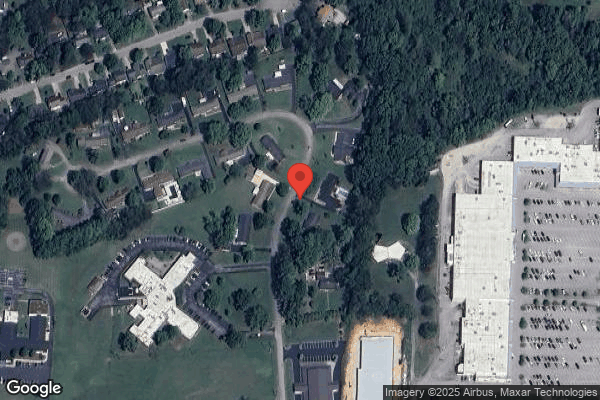

101 WALNUT LANE, COLUMBIA, TN 38401 (931) 381-3112
For profit - Corporation 106 Beds NATIONAL HEALTHCARE CORPORATION Data: November 2025
Trust Grade
80/100
#79 of 298 in TN
Last Inspection: November 2021

Over 2 years since last inspection. Current conditions may differ from available data.

Overview

NHC Healthcare in Columbia, Tennessee has a Trust Grade of B+, which indicates that it is above average and recommended for families considering care options. It ranks #79 out of 298 facilities in Tennessee, placing it in the top half, and #4 out of 6 in Maury County, meaning only one local option is rated better. However, the facility is showing a worsening trend, with reported issues increasing from 2 in 2020 to 4 in 2021. Staffing is a strength, rated 4 out of 5 stars, and has a turnover rate of 44%, which is below the state average, indicating that staff are generally stable and familiar with residents. On the downside, there have been some concerns, including a failure to consistently screen staff for COVID-19, inadequate catheter care for certain residents, and improper medication storage, which raises potential safety issues.

Trust Score
B+
80/100
In Tennessee
#79/298
Top 26%
Safety Record
Low Risk
No red flags
Inspections
Getting Worse
2 → 4 violations
Staff Stability
○ Average
44% turnover. Near Tennessee's 48% average. Typical for the industry.
Penalties
✓ Good
No fines on record. Clean compliance history, better than most Tennessee facilities.
Skilled Nurses
○ Average
Each resident gets 30 minutes of Registered Nurse (RN) attention daily — about average for Tennessee. RNs are the most trained staff who monitor for health changes.
Violations
○ Average
6 deficiencies on record. Average for a facility this size. Mostly minor or procedural issues.
★★★★☆
4.0
Overall Rating
★★★★☆
4.0
Staff Levels
★★★★★
5.0
Care Quality
★★★☆☆
3.0
Inspection Score
Stable
2020: 2 issues
2021: 4 issues

The Good

  • 4-Star Staffing Rating · Above-average nurse staffing levels
  • 5-Star Quality Measures · Strong clinical quality outcomes
  • Full Sprinkler Coverage · Fire safety systems throughout facility
  • No fines on record
  • Staff turnover below average (44%)

    4 points below Tennessee average of 48%

Facility shows strength in staffing levels, quality measures, fire safety.

The Bad

Staff Turnover: 44%

Near Tennessee avg (46%)

Typical for the industry

Chain: NATIONAL HEALTHCARE CORPORATION

Part of a multi-facility chain

Ask about local staffing decisions and management

The Ugly 6 deficiencies on record

Nov 2021 4 deficiencies
CONCERN (D)

Potential for Harm - no one hurt, but risky conditions existed

Deficiency F0655 (Tag F0655)

Could have caused harm · This affected 1 resident

**NOTE- TERMS IN BRACKETS HAVE BEEN EDITED TO PROTECT CONFIDENTIALITY** Based on medical record review, observation, and interview, the facility failed to develop a Baseline Care Plan within 48 hours ...

Read full inspector narrative →
**NOTE- TERMS IN BRACKETS HAVE BEEN EDITED TO PROTECT CONFIDENTIALITY** Based on medical record review, observation, and interview, the facility failed to develop a Baseline Care Plan within 48 hours of admission that included the initial goals and needs for 3 of 18 sampled residents (Resident #36, #37, and #100) reviewed. The findings include: Review of the medical record, revealed Resident #36 was admitted to the facility on [DATE] with diagnoses of Diabetes, Dysphagia, Hypertension, and Dementia. Review of the medical record, revealed Resident #36 did not have a Baseline Care Plan completed within 48 hours of admission that addressed the initial goals and needs of the resident. Review of the medical record, revealed Resident #37 was admitted to the facility on [DATE] with diagnoses of Traumatic Subarachnoid Hemorrhage, Right Hemiplegia, Fracture of Vertebra, Fracture of Right Clavicle, Multiple Rib Fractures, Hypertension, Malnutrition, Gastrostomy, Epilepsy, Anxiety, and Depression. Review of the medical record, revealed Resident #37 did not have a Baseline Care Plan completed within 48 hours of admission that addressed the initial goals and needs of the resident. Review of the medical record, revealed Resident #100 was admitted to the facility on [DATE] with diagnoses of Bacteremia, History of Falling, Cellulitis of Neck, Basal Cell Carcinoma Left Ear, Hypertension, Diabetes, Depression, Prosthetic Heart Valve, and Aortocoronary Bypass Graft. Review of the medical record, revealed Resident #100 did not have a Baseline Care Plan completed within 48 hours of admission that addressed the initial goals and needs of the resident. During an interview on 11/3/2021 at 3:25 PM, the MDS (Minimum Data Set) Coordinator confirmed Baseline Care Plans should be completed within 48 hours of a resident's admission.
CONCERN (E)

Potential for Harm - no one hurt, but risky conditions existed

Incontinence Care (Tag F0690)

Could have caused harm · This affected multiple residents

**NOTE- TERMS IN BRACKETS HAVE BEEN EDITED TO PROTECT CONFIDENTIALITY** Based on policy review, medical record review, observation, and interview, the facility failed to provide care and services to m...

Read full inspector narrative →
**NOTE- TERMS IN BRACKETS HAVE BEEN EDITED TO PROTECT CONFIDENTIALITY** Based on policy review, medical record review, observation, and interview, the facility failed to provide care and services to maintain an indwelling urinary catheter for 2 of 3 sampled residents (Resident #73 and #77) reviewed for an indwelling urinary catheter. The findings include: Review of the facility's undated policy titled, CATHETER CARE, INDWELLING (MALE AND FEMALE), revealed .Catheter care will be provided using approved technique in order to decrease the risk of the catheter-associated urinary tract infection .clean perineal area from front to back, using a clean wipe for each of the areas to be cleaned (1 wipe per swipe) . Review of the facility's undated policy titled, Perineal Care, revealed .To provide cleanliness and comfort to the patient, prevent infections, and skin irritation .For a male patient .Wet washcloth and apply soap or skin cleansing agent .Wash perineal area starting with the urethra and working outward .Retract foreskin of the uncircumcised male .Wash and rinse urethral area using a circular motion .Rinse perineal area in same order, using fresh water and a clean washcloth . Review of the facility's undated procedure titled, CNA [Certified Nursing Assistant] Pericare Check Off, revealed .Cleanse the head of the penis with washcloth, using motions away from the urinary meatus .Using clean cloth, rinse in the same manner .Dry thoroughly .If male pt [patient] is uncircumcised, the foreskin must be retracted to cleanse the head of the penis . Review of the medical record, revealed Resident #73 was admitted to the facility on [DATE] with diagnoses Atherosclerosis with Gangrene-Bilateral Legs, Peripheral Vascular Disease, Hypertension, Atrial Fibrillation, Unstageable Pressure Ulcer of Right and Left Buttock, and Unstageable Pressure Ulcer of Right and Left Heel. Review of the admission Minimum Data Set (MDS) dated [DATE] and the quarterly MDS dated [DATE], revealed Resident #73 had an indwelling urinary catheter and required extensive staff assistance for Activities of Daily Living (ADLS). Review of the Physician's Order dated 9/23/2021, revealed Resident #73 had an indwelling urinary catheter. Observation in the resident's room on 11/3/2021 at 1:43 PM, revealed Resident #73 had an indwelling urinary catheter. CNA #14 gathered her supplies, washed her hands, filled the basin with water, donned gloves, poured soap into the water, pulled the foreskin back slightly, exposing only the tip of the penis, and washed the tip of penis. CNA #14 failed to wash the entire head of the penis and did not rinse or dry the area after washing. CNA #14 grabbed the catheter with her left hand, washed the length of the catheter with the soapy water, failed to rinse the catheter, and then dried the catheter. During an interview on 11/3/2021 at 1:54 PM, the CNA Instructor confirmed that CNA #14 should have pulled the foreskin all the way back, washed, rinsed, and dried the penis. The CNA Instructor confirmed that CNA #14 should have washed, rinsed, and dried the catheter. Review of the medical record, revealed Resident #77 was admitted on [DATE] with diagnoses of Alzheimer's Disease, Parkinson's Disease, Dysphagia, Major Depressive Disorder, Anxiety Disorder, and Retention of Urine. Review of the significant change MDS dated [DATE] and the quarterly MDS dated [DATE], revealed Resident #77 had an indwelling urinary catheter and required extensive staff assistance for ADLs. Review of the Physician's Order dated 10/4/2021, revealed Resident #77 had an indwelling urinary catheter. Observation in the resident's room on 11/3/2021 at 2:23 PM, revealed CNA #23 donned her gloves, applied liquid soap solution to the washcloth, washed Resident #77's urinary catheter tubing using a back-and-forth motion up and down one side of the catheter. Resident #77's catheter tubing was lying against her left upper thigh and CNA #23 did not lift the tubing to cleanse the length or around the catheter tubing. CNA #23 failed to rinse the soapy solution from the urinary catheter tubing and proceeded to dry the tubing. CNA #23 performed perineal care with the same washcloth, folding the washcloth within itself wiping back and forth. The was cloth was noted with a brown stain during each swipe of the washcloth. CNA #23 failed to change out the soiled washcloth with a clean washcloth during perineal care. CNA #23 positioned Resident #77 on her right side and continued to use the same washcloth wiping back and forth during care. During an interview on 11/3/2021 at 2:28 PM, the CNA Instructor confirmed CNA #23 did not properly perform catheter and perineal care. The CNA Instructor stated, .during peri care [perineal] and catheter care .she went over the same area multiple times from dirty to clean with the same dirty wash cloth, the washcloth had feces on it .she washed the peri [perineal] area and catheter and did not rinse, then she dried the catheter and the peri area .she failed to rinse the catheter .the catheter itself she went back and forth .up and down the catheter .she did not grip or secure the catheter and wiped down the length of the catheter .the catheter was lying against the residents leg .she cleaned one side of the catheter .when she turned her over on the on the back side .she wiped back and forth multiple times with the dirty washcloth .she should have wiped from front to back and changed the cloth with each swipe .she should have grabbed the catheter 2-3 inches from the urethra .hold the catheter and with a soapy rag [wipe] down the catheter 2 times .rinse 2 times and then pat and dry.
CONCERN (E)

Potential for Harm - no one hurt, but risky conditions existed

Deficiency F0761 (Tag F0761)

Could have caused harm · This affected multiple residents

Based on policy review, observation, and interview, the facility failed to ensure medications were properly stored in 5 of 9 medication storage areas (A/B Hall Medication Room, B Hall Cart, C Hall Car...

Read full inspector narrative →
Based on policy review, observation, and interview, the facility failed to ensure medications were properly stored in 5 of 9 medication storage areas (A/B Hall Medication Room, B Hall Cart, C Hall Cart, A/B Hall Cart, and the Treatment Cart) when the facility had open and undated, and expired medications in the medication and treatment carts. The findings include: Review of the facility's policy titled, MEDICATION STORAGE IN THE FACILITY, dated 1/1/2019, revealed .Outdated .are removed from inventory, disposed of according to procedures for medication disposal . Observation of the A/B Medication Room on 11/1/2021 at 12:05 PM, revealed 1 opened and undated vial of Tuberculin vaccine in the refrigerator. During an interview on 11/1/2021 at 12:05 PM, Licensed Practical Nurse (LPN) #5 confirmed that the vaccine should have been dated when opened. Observation in the B Hall Cart on 11/1/2021 at 12:15 PM, revealed 1 opened and undated vial of Lantus Insulin. During an interview on 11/1/2021 at 12:15 PM, LPN #8 confirmed that the insulin should be dated when opened. Observation of the C Hall Cart 11/1/2021 at 12:22 PM, revealed 2 vials of Ondansetron with an expiration date of 8/2021. During an interview on 11/1/2021 at 12:22 PM, LPN #9 confirmed that the expiration date was 8/2021 on the 2 vials of Ondansetron. Observation of the A/B Hall Cart on 11/1/2021 at 12:35 PM, revealed 1 open and undated Novolog Insulin pen and 1 opened and undated bottle of Vimpat. During an interview on 11/1/2021 at 12:35 PM, CNA #10 confirmed that the insulin pen should be dated when opened. Observation of the Treatment Cart on 11/2/2021 at 1:49 PM, revealed 1 bottle of iodoform packing strip with an expiration date of 10/2020. During an interview on 11/2/2021 at 1:49 PM, the Director of Nursing (DON) confirmed that there should not be expired items in the treatment cart. During an interview on 11/2/2021 at 2:19 PM, the DON confirmed that there should not be any open and undated or expired medications in the medication carts.
CONCERN (F)

Potential for Harm - no one hurt, but risky conditions existed

Infection Control (Tag F0880)

Could have caused harm · This affected most or all residents

Based on the Centers for Disease Control and Prevention (CDC) guidelines, policy review, Time and Attendance Reports, staff screening logs, and interview, the facility failed to properly prevent and/o...

Read full inspector narrative →
Based on the Centers for Disease Control and Prevention (CDC) guidelines, policy review, Time and Attendance Reports, staff screening logs, and interview, the facility failed to properly prevent and/or contain COVID-19 when 47 of 117 staff members (Housekeeping Staff #1, #2, #3, and #4, Dietary Staff #1, #2, #3, #4, #5, and #6, Maintenance Staff #1, Staff Secretary #1 and #2, Registered Nurse (RN) #1, #2, and #3, Licensed Practical Nurse (LPN) #1, #2, #3, #4, #5, and #6, Certified Nursing Assistant (CNA) #1, #2, #3, #4, #5, #6, #7, #8, #9, #10, #11, #12, #13, #14, #15, #16, #17, #18, #19, #20, #21, #22, #23, #24, and Nurse Aide (NA) #1) failed to complete screenings prior to working on 7 of 7 days (10/21/2021, 10/22/2021, 10/23/2021, 10/24/2021, 10/25/2021, 10/26/2021, and 10/27/2021) reviewed. This could have potentially affected the 95 residents residing in the facility. The findings include: Review of the Centers for Disease Control and Prevention (CDC) document titled, Interim Infection Prevention and Control Recommendations for Healthcare Personnel During the Coronavirus Disease 2019 (COVID-19) Pandemic, updated 9/10/2021, revealed .Establish a process to identify anyone entering the facility, regardless of their vaccination status .so that they can be properly managed .Options could include .individual screening on arrival at the facility .before entering the facility. Review of the facility's policy titled, [Named Corporation] COVID-19 Plan, dated 7/1/2021, revealed .[Named Corporation] will screen each partner before each workday and each shift . Review of the Time and Attendance Reports and staff screening logs from 10/21/2021 - 10/27/2021, revealed the following employees worked on the following days and failed to screen for signs and symptoms of COVID-19: a. 10/21/2021 - Housekeeping Staff #1; Dietary Staff #3 and #4; Maintenance Staff #1; Staff Secretary #1 and #2; RN #2; LPN #1, #3, #4, and #5; CNA #5, #8, #10, #11, #15, and #20. b. 10/22/2021 - Dietary Staff #3 and #4; Staff Secretary #1 and #2; RN #1, #2, and #3; LPN #5; CNA #2, #3, #4, #5, #6, #7, #8, #9; NA#1. c. 10/23/2021 - Housekeeping Staff #1; Dietary Staff #3, # 4, and #6; LPN #3 and #6; CNA #1, #3, #4, #6, #7, #9, #10, #11, #12, #18, #19, #21, #22, and #23. d. 10/24/2021 - Housekeeping Staff #1, #3, and #4; Dietary Staff #1 and #3; LPN #6; CNA #1, #4, #6, #7, #10, #11#, #12, and #14. e. 10/25/2021 - Dietary Staff #1, #4, #5, and #6; Staff Secretary #1; LPN #1, #2, and #5; CNA #5, #6, #8, #10, #11, #15, #17, #18, and #19. f. 10/26/2021 - Housekeeping Staff #1; Dietary Staff #1 and #2; Maintenance Staff #1; Staff Secretary #1; RN #3; LPN #1, #2, and #6; CNA #3, #4, #5, #8, #9, #10, #11, #13, #14, #15, and #16. g. 10/27/2021 - Housekeeping Staff #1 and #2; Dietary Staff #3; Staff Secretary Staff #1, RN #1; LPN #1 and #2; CNA #4, #5, #7, #8, #14, #15, and #24. Interview on 11/3/2021 at 5:12 PM, the Administrator confirmed the staff failed to screen prior to working. The Administrator was asked who was responsible for the staff screenings. The Administrator stated, .the Director of Nursing and myself do random audits .the supervisors ensure the staff screen prior to their shifts .we do in-services on screenings regularly .I'm not sure what is going on .
Jan 2020 2 deficiencies
CONCERN (D)

Potential for Harm - no one hurt, but risky conditions existed

Deficiency F0761 (Tag F0761)

Could have caused harm · This affected 1 resident

**NOTE- TERMS IN BRACKETS HAVE BEEN EDITED TO PROTECT CONFIDENTIALITY** Based on policy review, observation, and interview, the facility failed to ensure medications were properly stored and secured i...

Read full inspector narrative →
**NOTE- TERMS IN BRACKETS HAVE BEEN EDITED TO PROTECT CONFIDENTIALITY** Based on policy review, observation, and interview, the facility failed to ensure medications were properly stored and secured in 1 of 7 (C Hall Medication Cart) medication storage areas. The findings include: 1. The facility policy titled, MEDICATION STORAGE IN THE FACILITY, dated 6/2016 documented, .Medication rooms, carts, and medications supplies are locked when not attended by persons with authorized access . 2. Observation in the C Hall outside of room [ROOM NUMBER] on 1/7/20 at 4:20 PM, showed an unlocked and unattended medication cart. During an interview conducted on 1/8/20 at 7:50 AM, the Director of Nursing (DON) was asked if a medication cart should be left unlocked and unattended. The DON stated, No.
CONCERN (E)

Potential for Harm - no one hurt, but risky conditions existed

Infection Control (Tag F0880)

Could have caused harm · This affected multiple residents

**NOTE- TERMS IN BRACKETS HAVE BEEN EDITED TO PROTECT CONFIDENTIALITY** Based on policy review, observation, and interview, the facility failed to ensure practices to prevent the potential spread of i...

Read full inspector narrative →
**NOTE- TERMS IN BRACKETS HAVE BEEN EDITED TO PROTECT CONFIDENTIALITY** Based on policy review, observation, and interview, the facility failed to ensure practices to prevent the potential spread of infection were followed when 3 of 5 nurses (Registered Nurse (RN) #1, Licensed Practical Nurse (LPN) #1 and #2) failed to perform hand hygiene, failed to clean an oral inhaler, and failed to rinse a Percutaneous Endoscopic Gastrostomy (PEG) tube syringe after use for 3 of 5 sampled residents (Resident #142, #40, and #291) observed during medication administration. The findings include: 1. Review of the facility manual titled, INFECTION CONTROL MANUAL, dated 12/1998, showed that hand hygiene should be performed after removing gloves. 2. Observation in the resident's room on 1/7/20 at 8:37 AM, showed RN #1 administered medications to Resident #142. RN #1 moved the over bed table, pull the privacy curtain, adjusted pillows on the bed, and reached in her pocket and donned gloves. RN #1 did not perform hand hygiene between touching objects in the room and donning her gloves. 3. Observation of RN #1 in the C Hall outside of room [ROOM NUMBER] on 1/7/20 at 8:45 AM, showed RN #1 dropped Resident #142's oral inhaler on the floor. RN #1 picked up the oral inhaler, put it in a labeled bag and placed it in the medication cart. RN #1 did not clean the inhaler before returning it back to the medication cart. 4. Observation in the resident's room on 1/7/20 at 9:00 AM, showed LPN #1 administered medications through a PEG tube to Resident #40 and placed the syringe back into the plastic bag. LPN #1 did not rinse the syringe before placing it into the bag. 5. Observation in the resident's room on 1/7/20 at 10:12 AM, showed LPN #2 administered oral medications to Resident #291, removed an old transdermal patch from his right shoulder, and applied a new patch to his left shoulder. LPN #2 removed her gloves, donned clean gloves, and administered an injection to his left lower abdomen. LPN #2 did not perform hand hygiene after the removal of her gloves and before donning clean gloves. 6. During an interview conducted on 1/8/20 at 10:30 AM, the Director of Nursing (DON) was asked if hand hygiene should be performed before and after donning gloves. The DON stated, Yes. The DON was asked if an oral inhaler was dropped on the floor, should it be cleaned before placing it in a storage bag and in the medication cart. The DON stated, Yes. The DON was asked if PEG syringes should be cleaned after use. The DON stated, Yes.
Understanding Severity Codes (click to expand)
Life-Threatening (Immediate Jeopardy)
J - Isolated K - Pattern L - Widespread
Actual Harm
G - Isolated H - Pattern I - Widespread
Potential for Harm
D - Isolated E - Pattern F - Widespread
No Harm (Minor)
A - Isolated B - Pattern C - Widespread

Questions to Ask on Your Visit

  • "Can I speak with families of current residents?"
  • "What's your RN coverage like on weekends and overnight?"

Our Honest Assessment

Strengths
  • • Grade B+ (80/100). Above average facility, better than most options in Tennessee.
  • • No major safety red flags. No abuse findings, life-threatening violations, or SFF status.
  • • No fines on record. Clean compliance history, better than most Tennessee facilities.
  • • 44% turnover. Below Tennessee's 48% average. Good staff retention means consistent care.
Concerns
  • • No significant concerns identified. This facility shows no red flags across CMS ratings, staff turnover, or federal penalties.
Bottom line: Generally positive indicators. Standard due diligence and a personal visit recommended.

About This Facility

What is Nhc Healthcare, Columbia's CMS Rating?

CMS assigns NHC HEALTHCARE, COLUMBIA an overall rating of 4 out of 5 stars, which is considered above average nationally. Within Tennessee, this rating places the facility higher than 99% of the state's 100 nursing homes. This rating reflects solid performance across the metrics CMS uses to evaluate nursing home quality.
How is Nhc Healthcare, Columbia Staffed?

CMS rates NHC HEALTHCARE, COLUMBIA's staffing level at 4 out of 5 stars, which is above average compared to other nursing homes. Staff turnover is 44%, compared to the Tennessee average of 46%. This relatively stable workforce can support continuity of care.

What Have Inspectors Found at Nhc Healthcare, Columbia?

State health inspectors documented 6 deficiencies at NHC HEALTHCARE, COLUMBIA during 2020 to 2021. These included: 6 with potential for harm.
Who Owns and Operates Nhc Healthcare, Columbia?

NHC HEALTHCARE, COLUMBIA is owned by a for-profit company. For-profit facilities operate as businesses with obligations to shareholders or private owners. The facility is operated by NATIONAL HEALTHCARE CORPORATION, a chain that manages multiple nursing homes. With 106 certified beds and approximately 91 residents (about 86% occupancy), it is a mid-sized facility located in COLUMBIA, Tennessee.
How Does Nhc Healthcare, Columbia Compare to Other Tennessee Nursing Homes?

Compared to the 100 nursing homes in Tennessee, NHC HEALTHCARE, COLUMBIA's overall rating (4 stars) is above the state average of 2.8, staff turnover (44%) is near the state average of 46%, and health inspection rating (3 stars) is at the national benchmark.

What Should Families Ask When Visiting Nhc Healthcare, Columbia?

Based on this facility's data, families visiting should ask: "Can I visit during a mealtime to observe dining assistance and food quality?" "How do you handle medical emergencies, and what is your hospital transfer rate?" "Can I speak with family members of current residents about their experience?"

Is Nhc Healthcare, Columbia Safe?

Based on CMS inspection data, NHC HEALTHCARE, COLUMBIA has a clean safety record: no substantiated abuse findings (meaning no confirmed cases of resident harm), no Immediate Jeopardy citations (the most serious violation level indicating risk of serious injury or death), and is not on the Special Focus Facility watch list (a federal program monitoring the lowest-performing 1% of nursing homes). The facility has a 4-star overall rating and ranks #1 of 100 nursing homes in Tennessee. While no facility is perfect, families should still ask about staff-to-resident ratios and recent inspection results during their visit.

Do Nurses at Nhc Healthcare, Columbia Stick Around?

NHC HEALTHCARE, COLUMBIA has a staff turnover rate of 44%, which is about average for Tennessee nursing homes (state average: 46%). Moderate turnover is common in nursing homes, but families should still ask about staff tenure and how the facility maintains care continuity when employees leave.

Was Nhc Healthcare, Columbia Ever Fined?

NHC HEALTHCARE, COLUMBIA has no federal fines on record. CMS issues fines when nursing homes fail to meet care standards or don't correct problems found during inspections. The absence of fines suggests the facility has either maintained compliance or corrected any issues before penalties were assessed. This is a positive indicator, though families should still review recent inspection reports for the full picture.

Is Nhc Healthcare, Columbia on Any Federal Watch List?

NHC HEALTHCARE, COLUMBIA is not on any federal watch list. The most significant is the Special Focus Facility (SFF) program, which identifies the bottom 1% of nursing homes nationally based on persistent, serious quality problems. Not being on this list means the facility has avoided the pattern of deficiencies that triggers enhanced federal oversight. This is a positive indicator, though families should still review the facility's inspection history directly.