NHC-MAURY REGIONAL TRANSITIONAL CARE CENTER
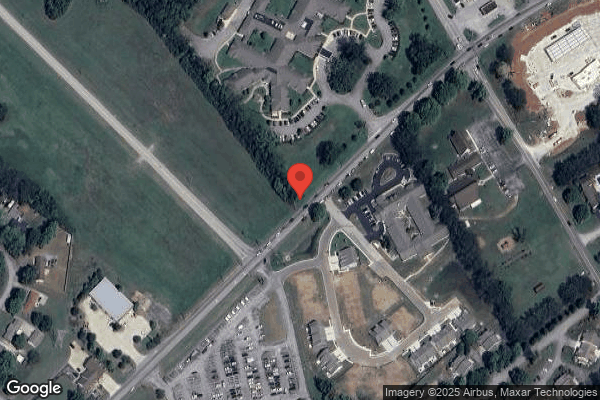
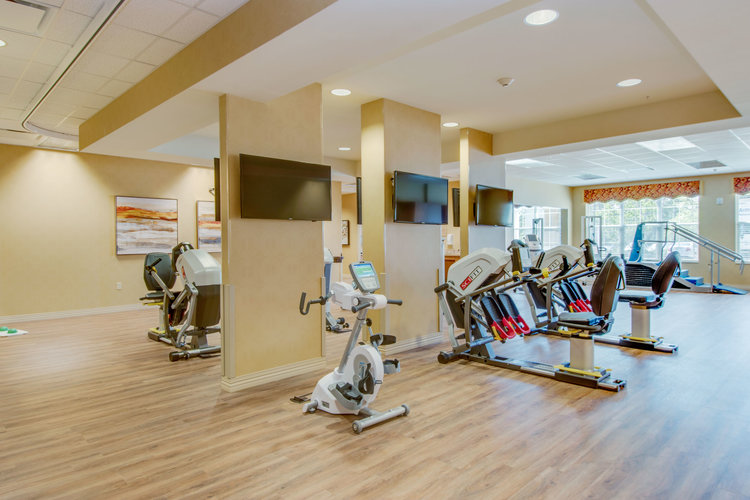
5010 TROTWOOD AVE, COLUMBIA, TN 38401 (931) 398-6300
For profit - Corporation 112 Beds NATIONAL HEALTHCARE CORPORATION Data: November 2025
Trust Grade
90/100
#33 of 298 in TN
Last Inspection: September 2023

Over 2 years since last inspection. Current conditions may differ from available data.

Overview

NHC-Maury Regional Transitional Care Center in Columbia, Tennessee, has received an excellent Trust Grade of A, indicating it is highly recommended and performs well compared to other facilities. It ranks #33 out of 298 in the state, placing it in the top half, and is the best option among six facilities in Maury County. The facility is improving, having reduced its number of issues from three in 2019 to none in 2023. Staffing is rated average with a 3 out of 5 stars and a turnover rate of 52%, which is similar to the state average. Notably, there have been no fines, suggesting compliance with regulations, but past inspections revealed concerns such as unlicensed staff performing duties and lapses in hand hygiene, which could pose risks for residents. Overall, while there are some areas needing attention, the facility maintains strong quality measures and a solid trust score.

Trust Score
A
90/100
In Tennessee
#33/298
Top 11%
Safety Record
Low Risk
No red flags
Inspections
Getting Better
3 → 0 violations
Staff Stability
⚠ Watch
52% turnover. Above average. Higher turnover means staff may not know residents' routines.
Penalties
✓ Good
No fines on record. Clean compliance history, better than most Tennessee facilities.
Skilled Nurses
○ Average
Each resident gets 32 minutes of Registered Nurse (RN) attention daily — about average for Tennessee. RNs are the most trained staff who monitor for health changes.
Violations
○ Average
7 deficiencies on record. Average for a facility this size. Mostly minor or procedural issues.
★★★★★
5.0
Overall Rating
★★★☆☆
3.0
Staff Levels
★★★★★
5.0
Care Quality
★★★★★
5.0
Inspection Score
Stable
2019: 3 issues
2023: 0 issues

The Good

  • 5-Star Quality Measures · Strong clinical quality outcomes
  • Full Sprinkler Coverage · Fire safety systems throughout facility
  • No fines on record

Facility shows strength in quality measures, fire safety.

The Bad

Staff Turnover: 52%

Near Tennessee avg (46%)

Higher turnover may affect care consistency

Chain: NATIONAL HEALTHCARE CORPORATION

Part of a multi-facility chain

Ask about local staffing decisions and management

The Ugly 7 deficiencies on record

Jun 2019 3 deficiencies
CONCERN (D)

Potential for Harm - no one hurt, but risky conditions existed

Deficiency F0728 (Tag F0728)

Could have caused harm · This affected 1 resident

Based on review of the facility's Nurse Aide Training (NAT) program, review of work schedules and interview, the facility failed to ensure 2 of 24 (Nurse Aide (NA) #1 and NA #2) NAs were removed from ...

Read full inspector narrative →
Based on review of the facility's Nurse Aide Training (NAT) program, review of work schedules and interview, the facility failed to ensure 2 of 24 (Nurse Aide (NA) #1 and NA #2) NAs were removed from the working schedule and not allowed to perform the duties of a Certified Nursing Assistant CNA after 120 days of taking the NAT program. The findings include: Review of the facility working schedule for the months of February, March, April and May 2019 revealed NA #1 and NA #2 worked as NA performing the duties of a CNA. Interview with the Director of Nursing (DON) on 6/5/19 at 3:00 PM in the DON's office, the DON was asked if NA #1 and NA #2 had passed the CNA certification exam. The DON stated, No . Interview with the DON on 6/5/19 at 6:03 PM in the conference room, the DON was asked when NA #1 and NA # 2 completed the Nurse Aide Training program. The DON stated .they were in the August/September [2018] class. The DON was asked if NA #1 and NA #2 worked at the facility longer than 4 months without being certified. The DON stated, .yes .they worked up until 2 weeks ago . The DON was asked what duties NA #1 and NA #1 performed. The DON stated, .CNA duties . The DON confirmed the NAs should not have worked longer than 4 months without passing the CNA certification exam.
CONCERN (D)

Potential for Harm - no one hurt, but risky conditions existed

Deficiency F0839 (Tag F0839)

Could have caused harm · This affected 1 resident

**NOTE- TERMS IN BRACKETS HAVE BEEN EDITED TO PROTECT CONFIDENTIALITY** Based on license review and interview, the facility failed to ensure professional staff were licensed in accordance with applica...

Read full inspector narrative →
**NOTE- TERMS IN BRACKETS HAVE BEEN EDITED TO PROTECT CONFIDENTIALITY** Based on license review and interview, the facility failed to ensure professional staff were licensed in accordance with applicable State laws for 1 of 41 (Licensed Practical Nurse (LPN) #2) nurses reviewed. The findings include: Review of the facility Personnel Action Form for LPN #2 revealed an employment date of [DATE]. Review of the State of Tennessee Department of Health Division of Health Licensure and Regulation Division of Health Related Boards on [DATE] revealed LPN #2's license number 54855 had an expired status with an expiration date of [DATE]. Review of the Department Allocation Worksheet for the pay period for [DATE] revealed LPN #2 worked at he facility through [DATE]. Interview with the Director of Nursing (DON) on [DATE] at 3:00 PM in the DON's office, the DON was asked if LPN #2 worked for the facility. The DON stated, .yes .she worked until the middle of May [2019] .at that time we discovered her license was expired . The DON confirmed LPN #2 should not have worked on an expired license. The DON was asked who was responsible for license verification. The DON stated, .we are responsible .
CONCERN (D)

Potential for Harm - no one hurt, but risky conditions existed

Infection Control (Tag F0880)

Could have caused harm · This affected 1 resident

**NOTE- TERMS IN BRACKETS HAVE BEEN EDITED TO PROTECT CONFIDENTIALITY** Based on policy review, medical record review, observation and interview, the facility failed to ensure practices to prevent the...

Read full inspector narrative →
**NOTE- TERMS IN BRACKETS HAVE BEEN EDITED TO PROTECT CONFIDENTIALITY** Based on policy review, medical record review, observation and interview, the facility failed to ensure practices to prevent the potential spread of infection were followed when 3 of 8 (Certified Nursing Assistant (CNA) #1, Physical Therapist Assistant (PTA) #1, and Licensed Practical Nurse (LPN) #1) staff members failed to perform appropriate hand hygiene during contact isolation for Resident #182 and wound care for Resident #181. The findings include: 1. The facility's HANDWASHING policy with a revision date of 4/23/18 documented, .Hand hygiene has been cited frequently as the single most important practice to reduce the transmission of infectious agents in healthcare settings, and is an essential element of Standard Precautions .in the case of spore forming organisms such as C difficile [Clostridium difficile] .require soap and water with friction .PROCEDURE .Wash hands before and after contact with each patient .and before and after removal of gloves . 2. Medical record review revealed Resident #182 was admitted to the facility on [DATE] with diagnoses of Enterocolitis due to Clostridium difficile (C. diff), Chronic Kidney Disease Stage 3, Traumatic Subdural Hemorrhage, Diabetes, Epilepsy, Glaucoma, and Depression. The physician's orders dated 5/29/19 documented, .Strict Isolation-All services provided in room .for c-diff . Observations in Resident #182's room on 6/3/19 at 12:19 PM revealed CNA #1 delivered ice to the resident, removed the gown and gloves, used hand sanitizer, and exited the room. Observations outside Resident #182's room on 6/4/19 at 8:15 AM revealed PTA #1 donned a gown, mask and gloves, and entered Resident #182's room. PTA #1 remained in the room for 37 minutes and exited the room at 8:52 AM without performing hand hygiene. Interview with PTA #1 on 6/4/19 at 8:52 AM outside Resident #182's room, PTA #1 was asked if she washed her hands before she came out of the room. PTA #1 stated, I don't like to use their bathroom . PTA #1 then used the hand sanitizing gel that was on the isolation kit outside the door, and then walked to the therapy gym. Interview with Registered Nurse (RN) #1 on 6/5/19 at 8:03 AM in the conference room, RN #1 was asked why Resident #182 was in isolation. RN #1 stated, C. diff. RN #1 was asked what the staff were supposed to do when they entered and exited Resident #182's room. RN #1 stated, They hand wash .the hand gel stuff don't work with the C-diff. They are supposed to wash hands with soap and water coming out of the room. Interview with the Director of Nursing (DON) on 6/5/19 at 8:42 AM in the conference room, the DON was asked if the staff should perform hand hygiene using hand sanitizing gel after they left Resident #182's room. The DON stated, It's not appropriate for the C-diff. 3. Medical record review revealed Resident #181 was admitted to the facility on [DATE] with diagnoses of End-Stage Renal Disease, Renal Dialysis, Absence of Right Fingers, and Kidney Transplant Status. Review of the Wound Management notes dated 6/1/19 revealed Resident #181 had extensive calciphylaxis (a disease in which calcium accumulates in the small blood vessels of the fat and skin tissue) ulcers, 3 to the left upper arm, 3 to the right upper arm, 1 to the right thumb, 1 to the right hand, and 1 to the right wrist. Observations in Resident #181's room on 6/4/19 at 3:21 PM revealed the following: LPN #1 removed the soiled dressing from Resident #181's right upper arm, cleaned the posterior upper wounds with saline soaked gauze, and then used a cotton swab to apply Silvasorb gel, using the same gloves. LPN #1 did not perform hand hygiene between cleaning the wound and applying the clean treatment. LPN #1 placed a saline soaked gauze on the wound to the anterior right upper arm, still wearing the same gloves. LPN #1 did not change gloves or wash her hands between different wounds. LPN #1 removed her gloves, and adjusted the thermostat on the wall. LPN #1 did not perform hand hygiene after removing the soiled gloves. LPN #1 cleaned the Silvasorb gel from Resident #181's posterior upper arm wounds with saline soaked gauze, and applied Mepitel One (a dressing used for painful wound management that prevents the outer dressing from sticking to the wound bed) and Aquacel Extra (a moisture retention dressing) using the same gloves. LPN #1 did not change gloves or perform hand hygiene between cleaning the wound and applying clean dressings. LPN #1 removed her gloves, applied clean gloves, and removed the dressing from Resident #181's right lower arm. LPN #1 did not wash her hands between glove changes and between different wounds. LPN #1 cleaned the wounds to Resident #181's right posterior lower arm using saline soaked gauze and then applied Mepitel One, Aquacel Extra, (abdominal pads (ABD) used for large wounds or wounds needing high absorbency), and conforming gauze dressings using the same gloves. LPN #1 did not change gloves or perform hand hygiene between cleaning the wound and applying clean dressings. LPN #1 removed the dressings from Resident #181's right wrist and hand, cleaned the wounds with saline soaked gauze, and applied Mepitel One dressing. LPN #1 did not change gloves or perform hand hygiene between cleaning the wound and applying clean dressings. LPN #1 changed her gloves without performing hand hygiene, and applied Aquacel Extra, ABD pads, and conforming gauze to Resident #181's right wrist. LPN #1 did not perform hand hygiene between glove changes. LPN #1 removed the dressing from Resident #181's left upper arm and changed her gloves without performing hand hygiene. LPN #1 cleaned the wounds to the left upper arm with saline soaked gauze, applied Mepitel One, Aquacel Extra, and ABD pad dressings, and wrapped the right upper arm with gauze. LPN #1 did not change gloves or perform hand hygiene between cleaning the wound and applying clean dressings. Interview with the DON on 6/5/19 at 8:42 AM in the conference room, the DON was asked when staff should perform hand hygiene during wound care. The DON stated, In between clean and dirty, I want them to be washing their hands and changing their gloves. The DON was asked if they were supposed to wash their hands when they changed gloves. The DON stated, Yes.
Aug 2018 4 deficiencies
CONCERN (D)

Potential for Harm - no one hurt, but risky conditions existed

Quality of Care (Tag F0684)

Could have caused harm · This affected 1 resident

**NOTE- TERMS IN BRACKETS HAVE BEEN EDITED TO PROTECT CONFIDENTIALITY** Based on policy review, medical record review, and interview the facility failed to administer treatment and services to restore...

Read full inspector narrative →
**NOTE- TERMS IN BRACKETS HAVE BEEN EDITED TO PROTECT CONFIDENTIALITY** Based on policy review, medical record review, and interview the facility failed to administer treatment and services to restore normal bowel function for 2 of 4 (Resident #229, and 230) residents reviewed for bowel incontinence. The findings include: 1. The facility's BM [bowel movement] Protocol policy documented, .Polyethylene Glycol .17 grams by mouth as needed for constipation if no BM in 2 days .Mix in at least 4oz. [ounces] of water or juice in the morning of the 3rd day .Dulcolax 10mg [milligram] suppository rectally as needed for constipation if no results from Miralax by bedtime of the 3rd day .Fleet Enema rectally as needed for constipation if no results from Dulcolax suppository, administer at bedtime on the 4th day .If no BM on the morning of the 5th day notify the physician . 2. Medical record review revealed Resident #229 was admitted to the facility on [DATE] with diagnoses of Left Joint Replacement, Hypertension, Chronic Obstructive Pulmonary Disease, Gastro-Esophageal Reflux Disease, Osteoarthritis, Anxiety, Depression, and Morbid Obesity. Interview with Resident #229 on 7/30/18 at 5:26 PM, in her room, Resident #229 stated, .been here since Wednesday .haven't had a BM in a week . Review of the physician's orders dated 7/25/18 revealed Resident #229 was on the BM Protocol. Review of the Toileting .BM record revealed Resident #229 did not have a BM on 7/26/18, 7/27/18, 7/28/18, 7/29/18, 7/30/18, and 7/31/18. Review of the Med [medication] PRN [as needed] record dated 7/1/18 to 7/31/18 revealed Resident #229 did not receive Polyethylene Glycol on 7/28/18 (the 3rd day) and did not receive the Dulcolax rectal suppository on 7/29/18 (the 4th day) as ordered per the BM protocol. Interview with Registered Nurse (RN) #1 on 8/1/18 at 2:28 PM in the Minimum Data Set (MDS) office, RN #1 reviewed the Toileting .BM record for Resident #229, and confirmed that Resident #229 had not had a BM on 7/26/18, 7/27/18, 7/28/18, 7/29/18, 7/30/18, and 7/31/18. RN #1 reviewed the Med PRN record dated 7/1/18 to 7/31/18, and stated, She didn't get the medication . 3. Medical record review revealed Resident #230 was admitted to the facility on [DATE] with diagnoses of Stage 3 Chronic Kidney Disease, Atherosclerotic Heart Disease, Presence of Defibrillator, Dysarthria, and Thrombocytopenia. Review of the physician's orders dated 7/25/18 revealed Resident #230 was on the BM Protocol. Review of the electronic Toileting .BM record revealed Resident #229 did not have a BM on 7/21/18, 7/22/18, and 7/23/18. Review of the Med PRN record dated 7/1/18 to 7/31/18 revealed Resident #230 did not receive the Polyethylene Glycol on 7/23/18 (the 3rd day). 4. Interview with the the Nurse Practitioner on 8/1/18 at 11:27 AM in the conference room, the Nurse Practitioner was asked if she had been notified about Resident #229 and 230 not having BMs. the Nurse Practitioner stated, .I was not aware .The expectation is the nurses follow the bowel protocol . Interview with RN #1 on 8/1/18 at 2:38 PM in the MDS office, RN #1 reviewed the Toileting .BM record for Resident #230, and confirmed that Resident #229 had not had a BM on 7/21/18, 7/22/18, and 7/23/18. RN #1 stated, He should have gotten the Polyethylene Glycol on that third day. Interview with the Director of Nursing (DON) on 8/1/18 at 3:01 PM in the conference room, the DON confirmed that Resident #229 and #230 should have received medication after no BM for 3 days, and stated that it was not appropriate for staff to not follow the bowel protocol.
CONCERN (D)

Potential for Harm - no one hurt, but risky conditions existed

Respiratory Care (Tag F0695)

Could have caused harm · This affected 1 resident

**NOTE- TERMS IN BRACKETS HAVE BEEN EDITED TO PROTECT CONFIDENTIALITY** Based on policy review, medical record review, observation, and interview, the facility failed to maintain respiratory equipment...

Read full inspector narrative →
**NOTE- TERMS IN BRACKETS HAVE BEEN EDITED TO PROTECT CONFIDENTIALITY** Based on policy review, medical record review, observation, and interview, the facility failed to maintain respiratory equipment in a sanitary manner for 2 of 2 (Resident #16 and 178) sampled residents reviewed for respiratory care. The findings include: 1. The facility's RESPIRATORY MANUAL .Aerosol Therapy policy last revised 7/14, documented, .Cautions .Nebulizer can become contaminated resulting in an infection . 2. Medical record review revealed Resident #16 was admitted to the facility on [DATE] with diagnoses of Chronic Obstructive Pulmonary Disease (COPD), Congestive Heart Failure, Atrial Fibrillation, Diabetes, Gastrostomy, Chronic Kidney Disease Stage 3, Paraplegia, and Polyneuropathy. The physician's order dated 5/23/18 documented, .albuterol sulfate .1 ampul [ampule] nebulization every 2 hours As Needed SHORTNESS OF BREATH NEBULIZATION .Dx [Diagnosis] .COPD . The physician's order dated 5/23/18 documented, .ipratropium-albuterol .1 ampul nebulization 3 times per day NEBULIZATION .Dx .COPD . Observations in Resident #16's room on 7/30/18 at 5:38 PM revealed Resident #16 in bed, with a nebulizer on the bedside table. The tubing and mouthpiece were attached and dated 7/26/18. There was no cover or clean barrier for the mouthpiece. Observations in Resident #16's room on 7/31/18 at 8:30 AM revealed Resident #16 in bed with the nebulizer on the bedside table. The tubing and mouthpiece were attached and dated 7/26/18. The mouthpiece was on the floor. Observations in Resident #16's room on 7/31/18 at 5:09 PM revealed Resident #16 in bed, with a nebulizer on the bedside table. The tubing and mouthpiece were attached and dated 7/26/18. There was no cover or clean barrier for the mouthpiece. Interview with Licensed Practical Nurse (LPN) #1 on 7/31/18 at 5:13 PM on the Grove wing, LPN #1 was asked how the nebulizer tubing, masks, and mouthpieces should be stored. LPN #1 stated, .In a little baggie beside the machine. LPN confirmed the mouthpiece was not on a barrier or covered. 3. Medical record review revealed Resident #178 was admitted to the facility on [DATE] with diagnoses of COPD, Chronic Respiratory Failure, Congestive Heart Failure, Heart Valve Replacement, and Hypothyroidism. The physician's orders dated 7/25/18 documented, .ipratropium-albuterol .1 ampul nebulization every 6 hours .NEBULIZATION .Dx .shortness of breath . Observations in Resident #178's room on 7/30/18 at 12:51 PM, and on 7/31/18 at 8:44 AM, 11:36 AM, and 4:56 PM, revealed Resident #178 in bed, with a nebulizer on the bedside table. The tubing and mask were attached and dated 7/25/18. The mask and tubing were uncovered without a barrier. Interview with LPN #1 in Resident #178's room on 7/31/18 at 5:14 PM, LPN #1 confirmed the nebulizer tubing and mask were not covered or placed on a clean barrier and stated, It needs to be covered. Interview with the Director of Nursing (DON) on 7/31/18 at 5:31 PM in the conference room, the DON was asked how the nebulizer masks, mouthpieces, and tubing should be stored. The DON stated, There's a bag they are supposed to be using. and further stated it was unacceptable for them to be out on the bedside table without a cover or a clean barrier.
CONCERN (D)

Potential for Harm - no one hurt, but risky conditions existed

Deficiency F0698 (Tag F0698)

Could have caused harm · This affected 1 resident

**NOTE- TERMS IN BRACKETS HAVE BEEN EDITED TO PROTECT CONFIDENTIALITY** Based on worksheet review, medical record review, and interview, the facility failed to ensure there was communication between t...

Read full inspector narrative →
**NOTE- TERMS IN BRACKETS HAVE BEEN EDITED TO PROTECT CONFIDENTIALITY** Based on worksheet review, medical record review, and interview, the facility failed to ensure there was communication between the facility and the dialysis clinic for 1 of 1 (Resident #3) sampled residents reviewed for dialysis. The findings include: The facility's Dialysis Communication Worksheet documented, .ongoing assessment of the patient's condition and monitoring for complications before and after dialysis treatments received at a certified dialysis clinic .Center nurse complete On dialysis days Pre-dialysis section of the form prior to appointment .Send with patient to dialysis clinic .Request the dialysis clinic to complete the bottom portion of form .return it to the center with the patient . Medical record review revealed Resident #3 was admitted to the facility on [DATE] with diagnoses of End Stage Renal Disease (ESRD), Renal Dialysis, and Diabetes The physician's orders dated 7/12/18 documented, .Dialysis every Tuesday, Thursday, Saturday (medication administration record) each Hemodialysis 3 times per week (Tuesday, Thursday, Saturday) . The admission Minimum Data Set (MDS) dated [DATE] documented a Brief Interview for Mental Status (BIMS) score of 15, which indicated no cognitive impairment, and the resident received dialysis services. Review of the Care Plan dated 1/17/18 revealed renal failure with dialysis three times a week. Review of the dialysis communication forms revealed documentation was not completed on the forms dated 7/17/18, 7/19/18, 7/21/18 and 7/30/18. Interview with the Director of Nursing (DON) on 8/1/18 at 5:09 PM in the conference room, the DON was asked how she expected the nurses to communicate with the dialysis center. The DON stated, The nurse fills out the pre dialysis form .it goes with the patient to dialysis clinic .the dialysis clinic completes form .the form comes back with the patient .it's scanned into the system . The DON was asked what she expected the nurses to do if the dialysis center did not send back the form. The DON stated, .I would think they should call the clinic to see if they can get information .keep me informed so I can know the patient is getting what they need . The facility was unable to provide documentation of communication between the dialysis center and the facility.
CONCERN (D)

Potential for Harm - no one hurt, but risky conditions existed

Infection Control (Tag F0880)

Could have caused harm · This affected 1 resident

Based on policy review, observation, and interview, 2 of 2 (Registered Nurse (RN) #2 and Certified Nursing Assistant (CNA) #1) staff failed to ensure infection control practices were maintained to pre...

Read full inspector narrative →
Based on policy review, observation, and interview, 2 of 2 (Registered Nurse (RN) #2 and Certified Nursing Assistant (CNA) #1) staff failed to ensure infection control practices were maintained to prevent the potential spread of infection during wound care. The findings include: The facility's HANDWASHING policy, dated 10/1/08, documented, Hand hygiene has been cited frequently as the single most important practice to reduce the transmission of infectious agents in healthcare settings, and is an essential element of Standard Precautions .Wash hands before and after contact with each patient, after toileting, smoking or eating, and before and after removal of gloves . Observations in Resident #230's room on 7/31/18 beginning at 11:10 AM, revealed CNA #1 assisting RN #2 with wound care. RN #2 cleaned a marker with a bleach wipe and changed her gloves without performing hand hygiene. CNA #1 touched the bed covers, adjusted the bed, and changed her gloves without performing hand hygiene. RN #1 touched the wound with her gloved left hand and changed her gloves without performing hand hygiene. After applying a foam dressing to the wound, RN #1 changed her gloves without performing hand hygiene. After assisting with positioning Resident #230 during wound care, CNA #1 changed her gloves without performing hand hygiene. Interview with the Director of Nursing (DON) on 8/1/18 at 5:58 PM, in the conference room, the DON was asked what nursing staff should do between removing used gloves and donning clean gloves. The DON stated, Perform hand hygiene.
Understanding Severity Codes (click to expand)
Life-Threatening (Immediate Jeopardy)
J - Isolated K - Pattern L - Widespread
Actual Harm
G - Isolated H - Pattern I - Widespread
Potential for Harm
D - Isolated E - Pattern F - Widespread
No Harm (Minor)
A - Isolated B - Pattern C - Widespread

Questions to Ask on Your Visit

  • "Can I speak with families of current residents?"
  • "What's your RN coverage like on weekends and overnight?"

Our Honest Assessment

Strengths
  • • Grade A (90/100). Above average facility, better than most options in Tennessee.
  • • No major safety red flags. No abuse findings, life-threatening violations, or SFF status.
  • • No fines on record. Clean compliance history, better than most Tennessee facilities.
Concerns
  • • No significant concerns identified. This facility shows no red flags across CMS ratings, staff turnover, or federal penalties.
Bottom line: Generally positive indicators. Standard due diligence and a personal visit recommended.

About This Facility

What is Nhc-Maury Regional Transitional's CMS Rating?

CMS assigns NHC-MAURY REGIONAL TRANSITIONAL CARE CENTER an overall rating of 5 out of 5 stars, which is considered much above average nationally. Within Tennessee, this rating places the facility higher than 99% of the state's 100 nursing homes. This rating reflects solid performance across the metrics CMS uses to evaluate nursing home quality.

How is Nhc-Maury Regional Transitional Staffed?

CMS rates NHC-MAURY REGIONAL TRANSITIONAL CARE CENTER's staffing level at 3 out of 5 stars, which is average compared to other nursing homes. Staff turnover is 52%, compared to the Tennessee average of 46%.

What Have Inspectors Found at Nhc-Maury Regional Transitional?

State health inspectors documented 7 deficiencies at NHC-MAURY REGIONAL TRANSITIONAL CARE CENTER during 2018 to 2019. These included: 7 with potential for harm.

Who Owns and Operates Nhc-Maury Regional Transitional?

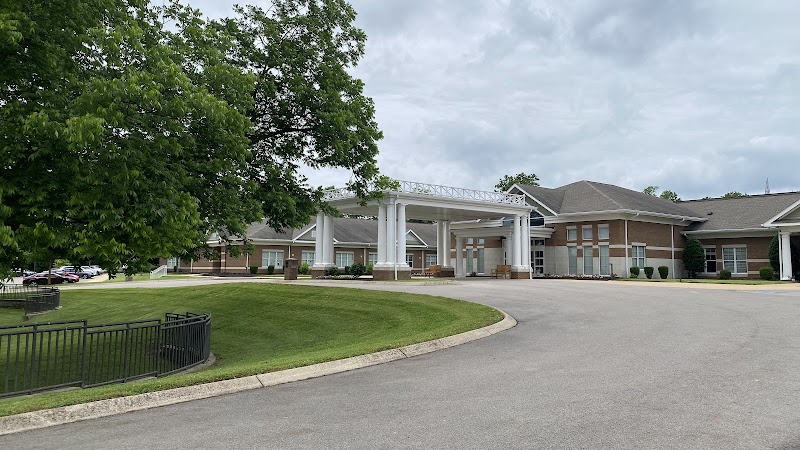
NHC-MAURY REGIONAL TRANSITIONAL CARE CENTER is owned by a for-profit company. For-profit facilities operate as businesses with obligations to shareholders or private owners. The facility is operated by NATIONAL HEALTHCARE CORPORATION, a chain that manages multiple nursing homes. With 112 certified beds and approximately 102 residents (about 91% occupancy), it is a mid-sized facility located in COLUMBIA, Tennessee.
How Does Nhc-Maury Regional Transitional Compare to Other Tennessee Nursing Homes?

Compared to the 100 nursing homes in Tennessee, NHC-MAURY REGIONAL TRANSITIONAL CARE CENTER's overall rating (5 stars) is above the state average of 2.9, staff turnover (52%) is near the state average of 46%, and health inspection rating (5 stars) is much above the national benchmark.

What Should Families Ask When Visiting Nhc-Maury Regional Transitional?

Based on this facility's data, families visiting should ask: "Can I visit during a mealtime to observe dining assistance and food quality?" "How do you handle medical emergencies, and what is your hospital transfer rate?" "Can I speak with family members of current residents about their experience?"

Is Nhc-Maury Regional Transitional Safe?

Based on CMS inspection data, NHC-MAURY REGIONAL TRANSITIONAL CARE CENTER has a clean safety record: no substantiated abuse findings (meaning no confirmed cases of resident harm), no Immediate Jeopardy citations (the most serious violation level indicating risk of serious injury or death), and is not on the Special Focus Facility watch list (a federal program monitoring the lowest-performing 1% of nursing homes). The facility has a 5-star overall rating and ranks #1 of 100 nursing homes in Tennessee. While no facility is perfect, families should still ask about staff-to-resident ratios and recent inspection results during their visit.

Do Nurses at Nhc-Maury Regional Transitional Stick Around?

NHC-MAURY REGIONAL TRANSITIONAL CARE CENTER has a staff turnover rate of 52%, which is 6 percentage points above the Tennessee average of 46%. Moderate turnover is common in nursing homes, but families should still ask about staff tenure and how the facility maintains care continuity when employees leave.

Was Nhc-Maury Regional Transitional Ever Fined?

NHC-MAURY REGIONAL TRANSITIONAL CARE CENTER has no federal fines on record. CMS issues fines when nursing homes fail to meet care standards or don't correct problems found during inspections. The absence of fines suggests the facility has either maintained compliance or corrected any issues before penalties were assessed. This is a positive indicator, though families should still review recent inspection reports for the full picture.

Is Nhc-Maury Regional Transitional on Any Federal Watch List?

NHC-MAURY REGIONAL TRANSITIONAL CARE CENTER is not on any federal watch list. The most significant is the Special Focus Facility (SFF) program, which identifies the bottom 1% of nursing homes nationally based on persistent, serious quality problems. Not being on this list means the facility has avoided the pattern of deficiencies that triggers enhanced federal oversight. This is a positive indicator, though families should still review the facility's inspection history directly.