


MEMPHIS JEWISH HOME

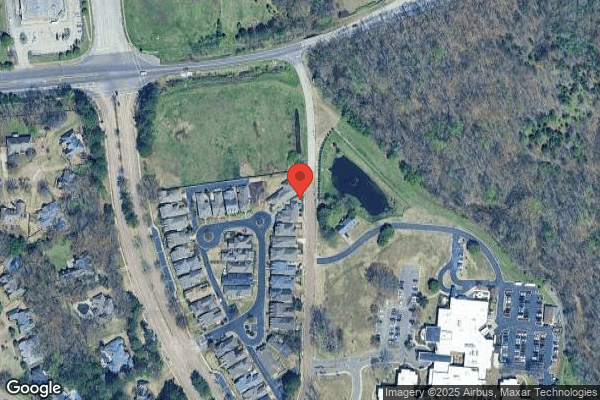
36 BAZEBERRY ROAD, CORDOVA, TN 38018 (901) 758-0036
Non profit - Corporation 160 Beds Independent Data: November 2025 1 Immediate Jeopardy citation
Trust Grade
38/100
#198 of 298 in TN
Last Inspection: November 2024

Within standard 12-15 month inspection cycle. Federal law requires annual inspections.

Overview

Memphis Jewish Home in Cordova, Tennessee has a Trust Grade of F, indicating significant concerns about the quality of care provided, placing it in the poor category. With a state rank of #198 out of 298 facilities and #13 out of 24 in Shelby County, it falls in the bottom half of all options available. However, the facility is showing signs of improvement, as the number of issues reported decreased from 7 in 2022 to 4 in 2024. Staffing is a strength, with a rating of 4 out of 5 stars, although the turnover rate of 63% is concerning as it exceeds the state average. There have been no fines imposed, which is a positive sign, and the facility has more registered nurse coverage than 76% of Tennessee facilities, ensuring better oversight of resident care. On the downside, there have been critical incidents, such as the failure to properly clean blood glucose meters, posing a risk of infection for multiple residents. Additionally, there were concerns about maintaining resident dignity and privacy during care and inadequate medication storage practices, which could compromise safety. Overall, while there are some strengths in staffing and improvement trends, families should be cautious given the facility's poor trust grade and history of serious deficiencies.

Trust Score
F
38/100
In Tennessee
#198/298
Bottom 34%
Safety Record
High Risk
Review needed
Inspections
Getting Better
7 → 4 violations
Staff Stability
⚠ Watch
63% turnover. Above average. Higher turnover means staff may not know residents' routines.
Penalties
✓ Good
No fines on record. Clean compliance history, better than most Tennessee facilities.
Skilled Nurses
✓ Good
Each resident gets 63 minutes of Registered Nurse (RN) attention daily — more than 97% of Tennessee nursing homes. RNs are the most trained staff who catch health problems before they become serious.
Violations
⚠ Watch
14 deficiencies on record. Higher than average. Multiple issues found across inspections.
★★☆☆☆
2.0
Overall Rating
★★★★☆
4.0
Staff Levels
★★☆☆☆
2.0
Care Quality
★★☆☆☆
2.0
Inspection Score
Stable
2022: 7 issues
2024: 4 issues

The Good

  • 4-Star Staffing Rating · Above-average nurse staffing levels
  • Full Sprinkler Coverage · Fire safety systems throughout facility
  • No fines on record

Facility shows strength in staffing levels, fire safety.

The Bad

2-Star Overall Rating

Below Tennessee average (2.8)

Below average - review inspection findings carefully

Staff Turnover: 63%

17pts above Tennessee avg (46%)

Frequent staff changes - ask about care continuity

Staff turnover is elevated (63%)

15 points above Tennessee average of 48%

The Ugly 14 deficiencies on record

1 life-threatening
Nov 2024 4 deficiencies
CONCERN (D)

Potential for Harm - no one hurt, but risky conditions existed

Deficiency F0645 (Tag F0645)

Could have caused harm · This affected 1 resident

**NOTE- TERMS IN BRACKETS HAVE BEEN EDITED TO PROTECT CONFIDENTIALITY** Based on the Level 1 Pre-admission Screening and Resident Review (PASRR) form, medical record review, and interview, the facilit...

Read full inspector narrative →
**NOTE- TERMS IN BRACKETS HAVE BEEN EDITED TO PROTECT CONFIDENTIALITY** Based on the Level 1 Pre-admission Screening and Resident Review (PASRR) form, medical record review, and interview, the facility failed to resubmit a PASRR after a resident had a new mental health diagnosis and new antipsychotic medication for 1 of 1 sampled resident (Resident #70) reviewed for PASRRs. The findings include: 1. Review of the medical record revealed Resident #70 was admitted to the facility on [DATE], with diagnoses including Dysphagia, Muscle Weakness, Dementia, and Anxiety. Review of the ICD -10 Diagnoses revealed Resident #70 had an added diagnosis of Psychotic Disorder with hallucinations on 3/30/2023. Review of the Physician Order dated 5/31/2024, revealed Resident #70 had an order for Quetiapine (an antipsychotic medication used to treat Psychosis) 50 mg(milligram) tablet to take one by mouth 2 hours before bedtime. Review of the quarterly Minimum Data Set, dated [DATE], revealed Resident #70 had a Brief Interview for Mental Status score of 10, which indicated the resident was moderately cognitively impaired, and had diagnosis of Psychotic Disorder, and the use of an Antipsychotic medication. Review of the Medication Administration Record (MAR) dated 10/2024 and 11/2024, revealed Resident #70 received the Quetiapine as prescribed. During an interview on 11/22/2024 at 11:58, the Resident Assessment Coordinator confirmed the facility failed to complete a Level 2 PASRR after the resident was given a mental illness diagnosis and given an order for an antipsychotic medication.
CONCERN (D)

Potential for Harm - no one hurt, but risky conditions existed

Accident Prevention (Tag F0689)

Could have caused harm · This affected 1 resident

**NOTE- TERMS IN BRACKETS HAVE BEEN EDITED TO PROTECT CONFIDENTIALITY** Based on policy review, medical record review, observation, and interview, the facility failed to ensure the environment was fre...

Read full inspector narrative →
**NOTE- TERMS IN BRACKETS HAVE BEEN EDITED TO PROTECT CONFIDENTIALITY** Based on policy review, medical record review, observation, and interview, the facility failed to ensure the environment was free of accident hazards when unattended and unsecured sharps were observed in 1 of 119 (room [ROOM NUMBER]) occupied resident bathrooms. The findings included: 1. Review of the facility policy titled Bloodborne Pathogens/Contaminated Sharps Occupational Exposure, dated 11/2021, revealed .Universal Precautions will be observed to prevent contact with blood and other potentially infectious materials. Sharps Containers will be provided to all staff to dispose of any potentially contaminated sharp, product or object that may have been exposed . 2. Review of the medical record revealed Resident #52 was admitted to the facility on [DATE], with diagnoses including Parkinson's, Dementia, and Epilepsy. Review of the Care Plan dated 3/13/2024, revealed .Self Care Deficit related to inability to independently perform Activities of Daily Living skills (ADLs) secondary to cognitive and physical deficit . Review of the annual Minimum Data Set assessment dated [DATE], revealed a Brief Interview of Mental Status score of 10, which indicated Resident #52 was moderately cognitively impaired and was dependent on staff for assistance with ADLs. Observation in room [ROOM NUMBER]'s bathroom on 11/18/2024 at 10:06 AM and 3:41 PM, revealed an unattended and unsecure disposable razor with the blades exposed on the bathroom vanity. During an interview and observation in room [ROOM NUMBER] on 11/18/2024 at 3:53 PM, the Director of Nursing (DON) was asked if the razor should be left in the resident's bathroom unsecured and unattended. The DON confirmed that the razor should not be left in resident's room or bathroom and that razors should be discarded in a sharps container after use.
CONCERN (D)

Potential for Harm - no one hurt, but risky conditions existed

Incontinence Care (Tag F0690)

Could have caused harm · This affected 1 resident

**NOTE- TERMS IN BRACKETS HAVE BEEN EDITED TO PROTECT CONFIDENTIALITY** Based on policy review, medical record review, observation, and interview, the facility failed to have a physician's order for t...

Read full inspector narrative →
**NOTE- TERMS IN BRACKETS HAVE BEEN EDITED TO PROTECT CONFIDENTIALITY** Based on policy review, medical record review, observation, and interview, the facility failed to have a physician's order for the use of an indwelling urinary catheter (a tube inserted into the bladder that drains urine) for 1 of 3 (Resident #57) residents reviewed for the use of an indwelling catheter. The findings include: 1. Review of the facility policy titled, Appropriate Use of Indwelling Catheters, dated 8/2024, revealed . An indwelling urinary catheter will be utilized only when a resident's clinical condition demonstrates that catheterization is necessary .The use of an indwelling urinary catheter will be in accordance with physician orders . 2. Review of the medical record reveled Resident #57 was admitted to the facility on [DATE], with diagnoses including Parkinson's, Dementia, Retention of Urine, and Benign Prostatic Hyperplasia. Review of the annual Minimum Data Set, dated [DATE], revealed Resident #57 had a Brief Interview for Mental Status score of 11, which indicated the resident was moderately cognitively impaired, and did not have an indwelling urinary foley catheter. Review of the signed Physician Orders dated 10/01/2024 to 10/31/2024 and 11/01/2024 to 11/22/2024 revealed Resident #57 did not have an order for the use of an indwelling urinary catheter. Review of a Progress Note dated 10/9/2024, revealed .arrived at facility at 4:40 pm . indwelling foley catheter . Review of a Progress Note dated 10/10/2024, revealed .foley catheter intact and patent . Review of a Progress Note dated 10/14/2024, revealed .Foley catheter intact below bladder, draining properly .' Review of a physician's progress note dated 11/5/2024 revealed .Resident ready to get rid of the foley catheter .
CONCERN (D)

Potential for Harm - no one hurt, but risky conditions existed

Deficiency F0761 (Tag F0761)

Could have caused harm · This affected 1 resident

**NOTE- TERMS IN BRACKETS HAVE BEEN EDITED TO PROTECT CONFIDENTIALITY** Based on policy review, observation, and interview, the facility failed to ensure medications were properly stored and secured w...

Read full inspector narrative →
**NOTE- TERMS IN BRACKETS HAVE BEEN EDITED TO PROTECT CONFIDENTIALITY** Based on policy review, observation, and interview, the facility failed to ensure medications were properly stored and secured when 1 of 15 (300 Hall Medication Cart) medication storage areas was observed unlocked and unsecured and when 1 of 4 staff (Licensed Practical Nurse (LPN A) left medications unsecured and unattended on top of a medication cart. The findings include: 1. Review of the facility policy titled Medication Storage, dated 1/2021, revealed .It is the policy of this facility to ensure all medication housed on our premised will be stored in the pharmacy and/or medication rooms .All drugs and biologicals will be stored in locked compartments ( .medication carts, cabinets, drawers .) .During a medication pass, medications must be under the direct observation of the person administering medications or locked in the medication storage area/cart . 2. Review of the medical record revealed Resident #32 was admitted to the facility on [DATE], with diagnoses including Acute Respiratory Failure, Chronic Obstructive Pulmonary Disease, Congestive Heart Failure, and Hypertension. Review of the Physician's Order dated 8/8/2024, revealed Anoro Ellipta (an inhaler used to open the airway to assist in breathing) 62.5-25 mcg (micrograms) inhale one puff every day. Observations during medication administration on 11/20/2024 at 8:16 AM, revealed LPN A entered Resident #32's room to administer the resident's medications leaving an Anoro inhaler on top of the medication cart in the hallway unsecured and unattended. 3. Random observation and interview on the 300 Hall on 11/20/2024 at 3:51 PM, revealed the 300 Hall medication cart unlocked and unattended with a drawer opened and Registered Nurse (RN) B was in a resident's room with the 300 hall medication cart out of her vision. RN B was asked should the medication cart be left unlocked, unsecured and out of her view. RN B confirmed the medication cart should be locked and no medication cart drawer should be let opened and unattended.
Mar 2022 7 deficiencies 1 IJ (1 affecting multiple)
CRITICAL (K)

Immediate Jeopardy (IJ) - the most serious Medicare violation

Infection Control (Tag F0880)

Someone could have died · This affected multiple residents

Based on policy review, observation, and interview, the facility failed to ensure practices to prevent the potential spread of infection were maintained when multi-use blood glucose meters were not cl...

Read full inspector narrative →
Based on policy review, observation, and interview, the facility failed to ensure practices to prevent the potential spread of infection were maintained when multi-use blood glucose meters were not cleaned and disinfected to prevent cross-contamination of bloodborne pathogens for 5 of 5 sampled residents (Resident #65, #74, #88, #277, and #376) reviewed for blood glucose monitoring, 6 of 9 nurses (Licensed Practical Nurse (LPN) #1, #2, #4, #5, #6 and Unit Manager #2) failed to perform hand hygiene, failed to place barriers when performing accucheck monitoring, failed to dispose of contaminated sharps and glucose strips in the sharp container, and administered contaminated pills to 8 of 11 sampled residents (Resident #65, #74, #82, #88, #226, #227, #232, and #376) observed during medication administration. The facility's failure to educate staff on the proper use of the glucometer placed residents at risk and resulted in Immediate Jeopardy. The failure occurred during a COVID-19 pandemic. Immediate Jeopardy (IJ) is a situation in which the provider's noncompliance with one or more requirements of participation has caused, or is likely to cause, serious injury, harm, impairment, or death to a resident. The Executive Director and the Director of Nursing (DON) were notified of the Immediate Jeopardy on 3/24/2022 at 4:17 PM, in the Conference Room. The facility was cited Immediate Jeopardy at F-880. The IJ existed from 3/23/2022 through 3/24/2022. An acceptable Removal Plan, which removed the immediacy of the jeopardy, was received on 3/25/2022 at 10:26 AM, and was validated onsite by the surveyors on 3/25/2022 through review of staff education, interviews with staff on all shifts, and review of the audits conducted. The findings include: Review of the facility's policy titled, Cleaning and Disinfection of Equipment, revised 3/2020, revealed .Resident-care equipment can be a source of indirect transmission of pathogens. Reusable resident-care equipment will be cleaned and disinfected in accordance with current CDC [Center for Disease Control] recommendations in order to break the chain of infection .Blood Glucose Meter .Clean and disinfect blood glucose meters between each resident test to avoid cross-contamination issues .Use a bleach wipe to clean the inside and the outside of the glucometer .Make sure the meter is completely dry before testing a resident's glucose level .Medication carts should be cleaned using bleach wipes .This should be done at change of shift .Hand hygiene shall be performed prior to and after using the equipment .Each user is responsible for routine cleaning and disinfection . Review of the facility's policy titled, Administrating Medications, revised 2/6/2015, revealed .The Director of Nursing Services is responsible for the supervision and direction of all personnel with medication administration duties and functions .Established facility infection control procedures must be followed during the administration of medications ( .handwashing/hand hygiene, antiseptic technique, gloves .) . Review of the facility's policy titled, Hand Hygiene/Hand-washing, revised 1/2019, revealed .Hand-washing/hand hygiene is considered the most important single procedure for preventing healthcare-associated infections .Hand-washing with antimicrobial soap and water is indicated and must be performed under the following conditions .When hands are visibly dirty or contaminated .When hands are visibly soiled .After handling items potentially contaminated .Wash [hands] well under running water for a minimum of 15-20 seconds, using a rotary motion and friction .Turn off faucets with a clean, dry paper towel .Waterless Hand-washing Products .Before direct contact with residents .Before performing any non-surgical invasive procedure .Before preparing or handling medications .After contact with resident's intact skin .After handling .contaminated equipment . Review of the SCOPE OF CONSULTATION SERVICES, revealed .Consultant Pharmacist shall assist the Facility in assessing the performance of the nursing staff in medication administration . Review of the STAFF DEVELOPMENT/EDUCATOR, job description revealed .Identifies and prioritize the facility's educational needs through the completion of an educational needs assessment .Collaborates with the department manager for developing competencies required for meeting resident's needs .Follows established infection control policies and procedures . Observation in the resident's room on 3/22/2022 at 8:28 AM, revealed LPN #6 entered Resident #232's room, placed the medication cup on the resident's nightstand, and failed to clean the nightstand or place a barrier on the nightstand. LPN #6 opened the medication packets, dropped one of the pills on the plastic wrap next to the medication cup, picked the pill up with her bare hand, placed it back in the medication cup, and administered the medication. LPN #6 donned her gloves, administered a nasal spray, removed her gloves, exited the resident's room, and failed to perform hand hygiene. During an interview on 3/22/2022 at 8:36 AM, LPN #6 confirmed she should not have given the Vitamin D pill that was dropped on the resident's nightstand. Observation in the resident's room on 3/22/2022 at 9:14 AM, revealed LPN #4 donned her gloves to crush Resident #82's medication, placed the medications on a Styrofoam tray, entered the resident room, went into the resident's bathroom, filled the plastic cup with water, removed her gloves, donned a new pair of gloves, and failed to wash her hands after removing the gloves. LPN #4 administered the medications through the Percutaneous Endoscopic Gastrostomy (PEG) tube (a tube to administer medications, water, and nutrition into the stomach). LPN #4 removed her gloves, donned new gloves, failed to wash her hands after the removal of the gloves, and helped reposition Resident #82 in the bed. Random observation of the 100 Hall Medication Cart on 3/22/2022 at 12:23 PM, revealed the medication cart had a dried white powdery substance and a clear liquid splattered on top of the cart. Observation in the resident's room on 3/23/2022 at 8:52 AM, revealed LPN #4 removed the blood glucose meter from the medication cart, donned her gloves, cleaned the top of the blood glucose meter with an alcohol pad, placed the blood glucose meter on a Styrofoam tray with the supplies, removed her gloves, and failed to perform hand hygiene. LPN #4 entered Resident #74's room, placed the Styrofoam tray on the dresser, donned her gloves, and checked the resident's blood sugar. LPN #4 removed her gloves, entered the resident's bathroom, and washed her hands for 5 seconds. LPN #4 exited the resident's room and placed the blood glucose meter strip and lancet that was contaminated with blood in the trash can with the Styrofoam tray. LPN #4 donned her gloves, cleaned the top of the blood glucose meter with an alcohol pad, and placed the blood glucose meter into the medication cart. During an interview on 3/24/2022 at 7:50 AM, LPN #4 was asked what the process was for checking a resident's blood sugar. LPN #4 stated .wash your hands first .clean the meter before you use it .I asked someone here do I use alcohol wipe .they said to use that [alcohol wipes] .I should have used the bleach cloths . LPN #4 confirmed the lancet and strips should be placed in the sharp container. LPN #4 confirmed she should wash her hands for 15-20 seconds and hands should be washed when gloves were removed. Observation in the resident's room on 3/23/2022 at 9:37 AM, revealed LPN #4 entered Resident #82's bathroom, washed her hands for 5 seconds, donned her gloves, checked the resident's vital signs, and started his nebulizer treatment. LPN #4 completed the resident's nebulizer treatment, removed the face mask, entered the bathroom, washed and dried the equipment, removed her gloves, washed her hands for 6 seconds, exited the bathroom, donned new gloves, and checked the resident's vital signs again. LPN #4 removed her gloves and washed her hands for 5 seconds. Observation in the resident's room on 3/23/2022 at 10:13 AM, revealed LPN #1 entered Resident #227's room, placed the medications on the table and failed to clean the table or place a barrier on the table. LPN #1 went into the bathroom, washed her hands for 10 seconds, donned her gloves, cleaned and dried the back of Resident #227's neck, applied a medicated ointment, removed her gloves, and exited the room. LPN #1 collected her supplies, donned her gloves, assisted Resident #227 to the bathroom in her wheelchair, pulled down the resident's pants, cleaned and dried the resident's hip, and applied the medicated patch. LPN #1 failed to change her gloves and wash her hands prior to cleaning the resident's hip and applying a medication patch. LPN #1 assisted the resident back to her room, removed her gloves, and washed her hands for 9 seconds. During an interview on 3/24/2022 at 1:14 PM, LPN #1 confirmed that she should have washed her hands or used hand sanitizer when she removed her gloves. LPN #1 confirmed she should have removed her gloves when she touched Resident #227's wheelchair and should have washed her hands before applying the medication patch. Observation in the resident's room on 3/23/2022 at 10:55 AM, revealed LPN #4 removed the blood glucose meter from a plastic bag in the medication cart and placed it on a Styrofoam tray. LPN #4 donned her gloves, collected the supplies, cleaned the top of the blood glucose meter with an alcohol pad, placed the blood glucose meter on the Styrofoam tray, and removed her gloves. LPN #4 entered Resident #88's bathroom and washed her hands for 7 seconds. LPN #4 placed the Styrofoam tray on the over bed table, donned her gloves, removed her gloves, and exited Resident #88's room to obtain a container of glucose strips. LPN #4 entered the resident's bathroom, washed her hands for 5 seconds and exited the room to obtain a box of gloves. LPN #4 donned her gloves, checked the residents blood sugar, placed the lancet and strip back on the Styrofoam tray, removed her gloves and placed them on the Styrofoam tray, washed her hands for 4 seconds, exited the room with the Styrofoam tray and placed the entire Styrofoam tray with the lancet, strip, and gloves into the trash can on the medication cart. LPN #4 failed to place the sharps in the sharp container. LPN #4 placed the blood glucose meter back into the plastic bag and placed it in the top drawer of the medication cart. LPN #4 failed to disinfect the blood glucose meter after use and did not perform hand hygiene. Observation in the resident's room on 3/23/2022 at 11:13 AM, revealed LPN#1 assembled the supplies, donned her gloves, cleaned the blood glucose meter with a bleach wipe, and placed the blood glucose meter on top of some papers that were on top of the medication cart, contaminating the blood glucose meter that had just been cleaned. LPN #1 entered Resident #277's room with the blood glucose meter in her bare hands and the supplies in a plastic cup. LPN#1 placed the blood glucose meter on top of a book on the resident's nightstand. LPN #1 failed to clean or place a barrier on the medication cart or the resident's nightstand. During an interview on 3/24/2022 at 1:14 PM, LPN #1 confirmed she should have used a barrier before placing the blood glucose meter on the medication cart and on the book in the resident's room. Observation at the 300 Hall Medication Cart on 3/23/2022 at 12:16 PM, revealed Unit Manager #2 assembled her supplies and medications and placed them on a barrier on the medication cart. Unit Manager #2 walked to the nursing station to obtain a container of bleach wipes. Unit Manager #2 walked back to the medication cart with the bleach wipes and with her bare hands cleaned the medication cart. Unit Manager #2 donned her gloves and dried the medication cart. Unit Manager #2 removed her gloves and failed to perform hand hygiene. Unit Manager #2 entered Resident #226's bathroom, washed her hands for 13 seconds, exited the resident's room to obtain a towel from the cart in the hallway, reentered the resident's room, entered the bathroom and washed her hands for 6 seconds. Unit Manager #2 placed the medications under the blue towel that was on the resident's bed. Unit Manager #2 donned her gloves, cleaned the over bed table, removed her gloves, entered the bathroom, washed her hands for 8 seconds, and using the same wet paper towel turned the faucet off. Unit Manager #2 donned gloves, positioned the resident in her wheelchair with her gloved hands, failed to remove her gloves or perform hand hygiene and assessed the IV (intravenous) site with the same gloved hands. Unit Manager #2 mixed the IV medication, removed her gloves, donned a new pair of gloves, failed to perform hand hygiene, spiked the IV bag, primed the tubing by placing the end of the tubing on the resident's bed, and failed to perform hand hygiene after removal of the gloves and prior to donning a clean pair of gloves. Unit Manager #2 removed her gloves and went to the medication cart to obtain the 2 normal saline flush syringes to flush the IV line. Unit Manager #2 removed her gloves, donned a clean pair of gloves, cleaned the port, flushed the IV line, and started the infusion of the IV medication. Unit Manager #2 entered the bathroom, washed her hands for 6 seconds, and using the same wet paper towel, turned the faucet off. Observation in the resident's room on 3/23/2022 at 1:22 PM, Unit Manager #2 entered Resident #226's room, washed her hands for 13 seconds, and turned the faucet off with the same wet paper towel. Unit Manager #2 donned her gloves, disconnected the IV line, cleaned the site, flushed the IV with normal saline, disposed of the IV bag in the trash, removed the trash bag, exited the room, walked to the biohazard room, and placed the trash in a red bag. Unit Manager #2 removed her gloves and washed her hands for 7 seconds. During an interview on 3/24/2022 at 8:11 AM, Unit Manager #2 confirmed she should wash hands for at least 20 seconds. Unit Manager #2 confirmed she should not have placed the resident's medication on the resident's bed. Observation in the resident's room on 3/23/2022 at 5:06 PM, revealed LPN #5 collected her supplies, removed the blood glucose meter from the medication cart, placed the supplies and blood glucose meter into her front pocket. LPN #5 entered Resident #376's room, administered the oral medications, removed the blood glucose meter and supplies from her front scrub pocket, donned her gloves, checked the resident's blood sugar, removed her gloves, folded the lancet and strip into her gloves and placed the contaminated strip and lancet in the resident's trash can. LPN #5 exited the resident's room and placed the blood glucose meter and bottle of strips back in the top drawer of the medication cart. LPN #5 failed to disinfect the blood glucose meter before or after use and failed to perform hand hygiene. LPN #5 failed to place the contaminated lancet and strip into the sharp container. During an interview on 3/24/2022 at 12:54 PM, LPN #5 confirmed she should not have placed the blood glucose meter into her front pocket and should disinfect the blood glucose meter before and after use. LPN #5 stated .clean the meter with an alcohol pad before .that is what I was told .after you clean with a bleach wipe .I was supposed to put it on a tissue .I was out of tissue at the time so I had to improvise . LPN #5 confirmed she should have washed her hands or used hand sanitizer before and after medication administration and the blood glucose check, and also when she removed her gloves. LPN #5 confirmed the lancet and glucose strip should be disposed in the sharps container. Observation in the resident's room on 3/24/2022 at 7:20 AM, revealed LPN #2 removed the blood glucose meter from the top drawer of the medication cart, removed the blood glucose meter from the plastic bag and placed it on top of the medication cart, collected the supplies, and placed the supplies in the front pocket of her uniform. LPN #2 carried the blood glucose meter with her bare hands, entered Resident #65's room and placed the blood glucose meter on the resident's over bed table without a barrier. LPN #2 donned her gloves, removed the supplies from the front pocket of her uniform, and checked the resident's blood sugar. LPN #2 placed the blood glucose meter into the front pocket of her uniform with the supplies, removed her gloves, folding the strip and lancet inside of her gloves. LPN #2 went back to the medication cart and disposed of the gloves in the sharp container. LPN #2 removed the supplies and the blood glucose meter from her front pocket, wiped the blood glucose meter with a bleach wipe and placed it in the plastic bag on the medication cart. LPN #2 failed to allow a 4-minute contact time for the blood glucose meter to dry before placing it in the plastic bag in the medication cart. During an interview on 3/24/2022 at 7:34 AM, LPN #2 stated the blood glucose meter should be disinfected after use. LPN #2 confirmed after cleaning the blood glucose meter, she did not allow a contact time of 4 minutes for the meter to dry before placing the blood glucose meter back in the plastic bag. LPN #2 confirmed she should not have put the blood glucose meter and supplies in the front pocket of her scrubs. LPN #2 confirmed she should have a barrier on the table before placing the blood glucose meter and supplies on the table. LPN #2 confirmed she should have used hand sanitizer or washed her hands when she removed her gloves. During an interview on 3/24/2022 at 3:58 PM, the DON confirmed the staff should wear gloves, should disinfect the entire blood glucose meter with bleach wipes, and allow the blood glucose meter to dry. The DON confirmed nursing staff should not disinfect blood glucose meters with alcohol wipes. The DON confirmed staff should clean their medication cart and place a barrier during preparation of the medications or medication administration. The DON confirmed nursing staff should not place the blood glucose meter and supplies in their scrub pocket. The DON confirmed Nursing Staff should wash their hands for 15-20 seconds or use hand sanitizer when they remove their gloves or when touching contaminated items in the residents' rooms. The DON confirmed nursing staff should not use the same wet towel they used to dry their hands to turn the faucet off. The DON confirmed when a pill is dropped on a contaminated surface, the nursing staff should not administer the medication. The DON confirmed staff should place the lancets and strips into the sharp container. The DON confirmed she is ultimately responsible to ensure that the nursing staff members are trained and monitored. During an interview on 3/25/2022 at 8:09 AM, the Medical Director confirmed the blood glucose meters should be cleaned with bleach wipes and the nursing staff should not place the blood glucose meters and supplies in the pocket of their uniform. The Medical Director confirmed nursing staff should wash their hands when they remove their gloves. The Medical Director confirmed nursing staff should place contaminated sharps and glucose strips in the sharp container. During a telephone interview on 3/25/2022 at 6:51 PM, the Pharmacy Customer Reaction Specialist stated, .I do a medication pass with the nurses .whatever they mess up on .I do an in-service .I get with Unit Manager .get the policy out .go over everything found in the medication pass with the nurse and unit manager .I ask for the facility policy .for example of a medication pass .I try to look at the beginning of every shift .make sure nurses verify orders .gather supplies .I have a check sheet as well .how they enter the residents rooms .wash hands before putting on their gloves .when staff remove gloves .wash their hands .if they don't wash their hands long enough .I will intervene .I will remind them to sing the song while they are washing their hands . The Pharmacy Customer Reaction Specialist confirmed nurses should disinfect the blood glucose meter with the bleach wipes, allowing 4 minutes contact time before and after use, and have a barrier or a Styrofoam tray. The Pharmacy Customer Reaction Specialist confirmed the nurses should not use alcohol swabs to disinfect the blood glucose meter. The surveyors verified the Removal Plan by: 1. The Administrator and DON reviewed the Facility's policy regarding the proper cleaning and disinfection of all blood glucose meters and determined the Facility's policy was consistent with current infection control standards. The surveyors reviewed the policy and interviewed the DON. 2. The DON or Designee will ensure all blood glucose meters are immediately cleaned and disinfected. Blood glucose meters will be cleaned and disinfected per manufacturer's instructions. The surveyors interviewed nursing staff on all shifts. 3. The DON or Designee will ensure all licensed nursing staff have a documented 1 on 1 re-in-service on proper cleaning and disinfection of all blood glucose meters according to facility policy. This re-in-service will include return demonstration to verify compliance with the policy. This re-in-service training will begin on 3/24/2022 and any licensed nursing staff not working on 3/24/2022 will be re-in-serviced prior to returning to work. The surveyors reviewed the in-service and return demonstration records and interviewed nursing staff on all shifts. 4. The DON or Designee will ensure all licensed nursing staff have a 1 on 1 re-in-service on handwashing. This re-in-service training will begin on 3/24/2022 and any licensed nursing staff not working on 3/24/2022 will be re-in-serviced prior to returning to work. The surveyors reviewed the in-service and return demonstration records and interviewed nursing staff on all shifts. 5. The DON or Designee will ensure all licensed nursing staff have a 1 on 1 in-service on the disposal of sharps according to the facility policy. This in-service training will begin on 3/24/2022 and any licensed nursing staff not working on 3/24/2022 will be re-in-serviced prior to returning to work. The surveyors reviewed the in-service and return demonstration records interviewed nursing staff on all shifts. 6. For 14 days the DON or Designee will conduct unscheduled audits of handwashing, sharps disposal and proper blood glucose meter cleaning and sanitation to ensure compliance with facility policies is maintained and in-service training is understood by all staff. During the initial 14 days, the DON or Designee will conduct the unscheduled audits by making 4 observations per day of licensed nursing staff to ensure handwashing, sharps disposal, and cleaning and disinfection of blood glucose meters are in accordance with facility policies. Results of these audits will be documented. Staff will be randomly selected to ensure multiple staff are observed demonstrating these infection control skills. Any licensed nursing staff not demonstrating proper technique or failing to follow facility policy will be immediately removed from resident care and given additional in-service training. The surveyors interviewed the DON and reviewed the audit forms. 7. After 14 days, if facility staff demonstrate continued compliance, the observation audit schedule will be adjusted to 4 observations per week, The audits will be conducted weekly for 1 month, then monthly for the next 2 months. Any negative findings will be corrected immediately and reported to the Quality Assurance Committee for review and appropriate action will be taken. The surveyors interviewed management staff. The facility's noncompliance at F-880 continues at a scope and severity of E for monitoring the effectiveness of the corrective actions. The facility is required to submit a Plan of Correction.
CONCERN (D)

Potential for Harm - no one hurt, but risky conditions existed

Transfer Requirements (Tag F0622)

Could have caused harm · This affected 1 resident

**NOTE- TERMS IN BRACKETS HAVE BEEN EDITED TO PROTECT CONFIDENTIALITY** Based on policy review, medical record review, and interview, the facility failed to have discharge and transfer documentation f...

Read full inspector narrative →
**NOTE- TERMS IN BRACKETS HAVE BEEN EDITED TO PROTECT CONFIDENTIALITY** Based on policy review, medical record review, and interview, the facility failed to have discharge and transfer documentation for 1 of 3 sampled residents (Resident #20) reviewed for hospitalization. The findings include: Review of the facility's policy titled, Discharge/Transfer Form in LTC [Long Term Care], dated 8/2013, revealed .At Discharge/Transfer pertinent paperwork will be completed for any resident/patient being transferred from [Named Skilled Nursing Facility] by a Charge Nurse or Nurse Supervisor .Two copies made: one for the ambulance service and one for the ER [Emergency Room] or transferring facility . Review of the medical record, revealed Resident #20 was admitted to the facility on [DATE] with diagnoses of Surgical Aftercare with Digestive System, Gastric Ulcer, Gastrostomy, and Cellulitis. Review of a Physician's Telephone Order dated 11/2/2021, revealed .Send to [Named Hospital] for eval [evaluation] and tx [treatment] intractable nausea . Review of a Nurses' Progress Note dated 11/2/2021, revealed .large emesis this AM [morning] with foul odor .new order to send resident out for eval .ambulance and resident left unit . The facility was unable to provide transfer documentation for Resident #20's hospital transfer on 11/2/2021. During an interview on 3/23/2022 at 11:55 AM, the Director of Nursing confirmed she was unable to provide transfer documentation related to the 11/2/2021 emergency room visit.
CONCERN (D)

Potential for Harm - no one hurt, but risky conditions existed

Deficiency F0638 (Tag F0638)

Could have caused harm · This affected 1 resident

**NOTE- TERMS IN BRACKETS HAVE BEEN EDITED TO PROTECT CONFIDENTIALITY** Based on review of the Minimum Data Set (MDS) 3.0 Resident Assessment Instrument (RAI) Manual, medical record review, and interv...

Read full inspector narrative →
**NOTE- TERMS IN BRACKETS HAVE BEEN EDITED TO PROTECT CONFIDENTIALITY** Based on review of the Minimum Data Set (MDS) 3.0 Resident Assessment Instrument (RAI) Manual, medical record review, and interview, the facility failed to complete required quarterly Minimum Data Set (MDS) assessments for 2 of 33 sampled residents (Resident #7 and #8) reviewed. The findings include: Review of the MDS 3.0 RAI Manual version 1.17.1 dated 10/2019, page 2-17, revealed .Quarterly .Assessment Reference Date [ARD] .any type + [plus] 92 calendar days . Review of the medical record, revealed Resident #7 was admitted to the facility on [DATE] with diagnoses of Senile Degeneration of the Brain, Alzheimer's Disease, and Palliative Care. Review of the quarterly MDS assessment revealed an ARD dated 11/11/2021. The facility was unable to provide a quarterly MDS dated [DATE] (92 days after 11/11/2021). Review of the medical record revealed, Resident #8 was admitted to the facility on [DATE] with diagnoses of Dementia, Dysphagia, Psychotic Disorder with Delusions, and Meniere's Disease. Review of the quarterly MDS assessment revealed an ARD on 11/5/2021. The facility was unable to provide a quarterly MDS dated [DATE] (92 days after 11/5/2021). During an interview on 3/24/2022 at 3:13 PM, MDS/Resident Care Coordinator #1 confirmed both of these assessments were not done and should have been completed.
CONCERN (D)

Potential for Harm - no one hurt, but risky conditions existed

Assessment Accuracy (Tag F0641)

Could have caused harm · This affected 1 resident

**NOTE- TERMS IN BRACKETS HAVE BEEN EDITED TO PROTECT CONFIDENTIALITY** Based on medical record review and interview, the facility failed to accurately assess residents for antipsychotic medications f...

Read full inspector narrative →
**NOTE- TERMS IN BRACKETS HAVE BEEN EDITED TO PROTECT CONFIDENTIALITY** Based on medical record review and interview, the facility failed to accurately assess residents for antipsychotic medications for 1 of 33 sampled residents (Resident #21) reviewed. The findings include: Review of the medical record, revealed Resident #21 was admitted to the facility on [DATE] with diagnoses of Syncope and Collapse, Alzheimer's Disease, Psychotic Disorder, and Dementia. Review of the Physician's Order dated 12/13/2021, revealed .Olanzapine [an antipsychotic medication] 2.5 mg [milligram] .twice a day . Review of the Electronic Medication Administration Record dated 12/2021, revealed Resident #21 received Olanzapine twice a day from 12/14/2021 though 12/31/2021. Review of the quarterly Minimum Data Set (MDS) dated [DATE], revealed Resident #21 was coded as receiving antipsychotic medications daily over the last 7 days and was also coded as not receiving antipsychotic medications in section N0450A. During an interview on 3/25/2022 at 2:18 PM, MDS/Resident Care Coordinator #2 confirmed antipsychotic medications were given and section N0450A was coded incorrectly.
CONCERN (E)

Potential for Harm - no one hurt, but risky conditions existed

Resident Rights (Tag F0550)

Could have caused harm · This affected multiple residents

Based on policy review, observation, and interview, the facility failed to promote care that maintained residents' dignity, respect, and quality of care when staff failed to provide and utilize indwel...

Read full inspector narrative →
Based on policy review, observation, and interview, the facility failed to promote care that maintained residents' dignity, respect, and quality of care when staff failed to provide and utilize indwelling urinary catheter privacy bags for 3 of 5 sampled residents (Resident # 66, #73, and #377) reviewed for indwelling urinary catheters. The findings include: Review of the facility's policy titled, Promoting/Maintaining Resident Dignity, revised 1/2022, revealed .It is the practice of this facility to protect and promote resident rights and treat each resident with respect and dignity as well as care for each resident in a manner and in an environment, that maintains or enhances resident's quality of life by recognizing each resident's individuality .Maintain resident privacy .Random observations and/or verifications are conducted by the Director of Nursing Services (DNS), or designee, to ensure compliance with this policy . Review of the facility's document titled [Named Skilled Nursing Facility] Patient [NAME] of Rights, dated 1/1/2022, revealed .It is the objective of [Named Skilled Nursing Facility] .to herein set forth the rights of Patients so as to assure the protection and preservation of dignity, individuality and, to the extent medically feasible, independence .[Named Skilled Nursing Facility] PATIENTS SHALL HAVE THE RIGHT TO .Privacy in treatment and personal care .treated with consideration, respect, and full recognition of his dignity and individuality . Observation in the resident's room on 3/21/2022 at 10:25 AM and 2:48 PM, and on 3/22/2022 at 8:48 AM, revealed Resident #66 had a urinary catheter drainage bag hanging on the side of the bed uncovered without privacy bag. Observation in the resident's room on 3/22/2022 at 8:18 AM and on 3/23/2022 at 8:17 AM, revealed Resident #73's urinary catheter bag hanging on the bed uncovered, next to the privacy bag. Observation in the resident's room on 3/21/2022 at 11:42 AM and 3/22/2022 at 4:59 PM, revealed the urine in Resident #377's urinary catheter drainage bag was visible from the hallway and it was not covered with a privacy bag. During an interview on 3/22/2022 at 8:48 AM, Licensed Practical Nurse (LPN) #4 confirmed the urinary catheter bags should be covered and secured in a privacy cover. During an interview on 3/25/2022 at 9:25 AM, Unit Manager #1 confirmed urinary catheter bags should be covered and secured in a privacy bag.
CONCERN (E)

Potential for Harm - no one hurt, but risky conditions existed

Deficiency F0761 (Tag F0761)

Could have caused harm · This affected multiple residents

Based on policy review, observation, and interview, the facility failed to ensure medications were properly stored and secured when 4 of 9 staff members (Licensed Practical Nurse (LPN) #2, #3, and #4,...

Read full inspector narrative →
Based on policy review, observation, and interview, the facility failed to ensure medications were properly stored and secured when 4 of 9 staff members (Licensed Practical Nurse (LPN) #2, #3, and #4, and Unit Manager #2) left medication carts unlocked, unattended, and out of sight and left medications out of sight and unattended, and when 2 of 16 medication storage areas (200 Hall Low Medication Cart and 400 Hall Low Medication Cart) had internal and external medications stored together. The findings include: Review of the facility's policy titled, Medication Storage, dated 1/2021, revealed .All drugs and biologicals will be stored in locked compartments .medications must be under the direct observation of the person administering medications or locked in the medication storage area/cart .Disinfectants and drugs for external use are stored separately from internal and injectable medications . Random observation of the 300 Hall High Medication Cart on 3/22/2022 at 9:10 AM, revealed the medication cart was unlocked, unattended, and out of the sight of the nurse. During an interview on 3/22/2022 at 9:14 AM, LPN #4 was asked if the medication cart should be left open, unlocked, and unattended in the hallway. LPN #4 stated, .No ma'am . LPN #4 confirmed she should not have left the medication cart unlocked. During an interview on 3/22/2022 at 9:46 AM, Unit Manager #1 confirmed the medication cart should not be unlocked and unattended in the hallway Observation of the 200 Hall Low Medication Cart on 3/22/2022 at 12:02 PM, revealed 1 syringe of normal saline in the same drawer as lancets, scissors, tape, keys, and plastic bags for the pill crusher. Observation in the resident's room on 3/23/2022 at 8:35 AM, revealed LPN #3 entered Resident #100's room, placed the medication cup on the over bed table with a barrier, instilled eye drops, picked up the medication and placed it on the television stand with a barrier, and went into the bathroom to wash her hands, leaving the medication at the bedside and out of sight. Observation at the 200 Hall Low Medication Cart on 3/23/2022 at 12:16 PM, revealed Unit Manager #2 collected her supplies and medication and placed them on top of the 200 Hall Low Medication Cart. Unit Manager #2 left the medication and the supplies on top of the medication cart and went to the Nurses' station to obtain bleach wipes. Unit manager #2 then pulled the medication cart down to Resident #226's room and placed the cart in front of Resident #226's room. Unit Manager #2 entered Resident #226's room, leaving the medication on top of the medication cart unattended and entered the bathroom to wash her hands. Unit Manager #2 exited the bathroom, went into the hallway to get a towel, and reentered the resident's room. Unit Manager #2 removed the medication from the top of the medication cart, leaving 4 syringes of normal saline on top of the medication cart, and placed the medication, supplies, and towel on top of the resident's bed. Unit manager #2 exited Resident #226's room to obtain the bleach wipes from the cart in the hallway, reentered the resident's room to clean the over bed table, exited the room to place the bleach wipes on the cart in the hallway, reentered the resident's room, and then entered the bathroom to wash her hands. Unit Manager #2 left the medication and supplies unattended multiple times during medication administration. Random observation of the 400 Hall High Medication Cart on 3/24/2022 at 7:30 AM, revealed the medication cart was unlocked, unattended, and out of the sight of the nurse. During an interview on 3/24/2022 at 7:34 AM, LPN #2 confirmed she should not have left the medication cart unlocked and unattended. During an interview on 3/24/2022 at 8:11 AM, Unit Manager #2 confirmed she should not leave the medications out of sight and unattended. Observation of the 400 Low Hall Medication Cart on 3/24/2022 at 10:43 AM, revealed a blood glucose meter in the same drawer as 7 alcohol pads, 1 bottle of blood glucose meter strips, 1 vial of Humulin insulin, and 1 vial of Admelog Insulin. During an interview on 3/24/2022 at 10:45 AM, LPN #3 confirmed the blood glucose meter, insulin, and alcohol pads should not be in the same drawer. During an interview on 3/24/2022 at 3:58 PM, the Director of Nursing (DON) confirmed staff should not leave medication carts unlocked and unattended and should not leave medication unattended during medication administration. The DON confirmed the medication carts should not have internals and externals stored together.
CONCERN (E)

Potential for Harm - no one hurt, but risky conditions existed

Food Safety (Tag F0812)

Could have caused harm · This affected multiple residents

Based on policy review, observation, and interview the facility failed to ensure food was served under sanitary conditions when 3 of 17 staff members (Pantry Aide #1, Sous Chef (the second in command ...

Read full inspector narrative →
Based on policy review, observation, and interview the facility failed to ensure food was served under sanitary conditions when 3 of 17 staff members (Pantry Aide #1, Sous Chef (the second in command in a kitchen) #1 and Certified Nursing Assistant (CNA) #1) failed to sanitize a thermometer and failed to perform proper hand hygiene during meal service. This had the potential to affect 31 residents who received supper trays on the 100 Hall. The facility had a census of 131 with 126 residents receiving supper trays. The findings include: Review of the undated facility's policy titled, Food: Preparation, revealed .The Food Services Director ensures that all staff practice proper hand washing technique and practice proper glove use .The Food Service Director or Chef/Cook(s) is responsible to ensure that all utensils, food contact equipment, and food contact surfaces are cleaned and sanitized after each use . Observation in the 100 Hall Dining Room on 3/22/2022 at 4:59 PM, revealed Pantry Aide #1 was serving food from a steam table wearing gloves. Pantry Aide #1 was asked to check food temperatures. Pantry Aide #1 obtained a thermometer and checked the temperature of the fish, hashbrown casserole, and mixed vegetables without sanitizing the thermometer between the foods. Pantry Aide #1 turned on the faucet with his gloved hand and placed the thermometer under the running water, dried the thermometer with a paper towel and placed it in a pan of ravioli. Pantry Aide #1 obtained sanitizing wipes from a shelf and used a wipe to clean the thermometer and checked the temperature of 4 other food items, sanitizing between each item. Sous Chef #1 instructed Pantry Aide #1 to change his gloves. Pantry Aide #1 removed his gloves and, without performing hand hygiene, donned new gloves. Pantry Aide #1 placed the thermometer in a pan of chopped meat and Sous Chef #1 instructed Pantry Aide #1 to change gloves again after observing him touch his face. Observation in the Kitchen on 3/22/2022 beginning at 5:16 PM, revealed Sous Chef #1 reheating pureed fish (from the 100 Hall Dining Room) in the steamer. Sous Chef #1 washed his hands, donned gloves, removed the pan of fish from the steamer, placed the pan on a table, removed his gloves, donned new gloves without performing hand hygiene, and used a thermometer to check the temperature of the fish, and then returned the pan of fish to the steamer. Observation in the 100 Hallway on 3/22/2022 at 5:38 PM, revealed CNA #1 obtained a meal tray from the meal delivery cart and delivered it to Resident #108. CNA #1 placed the meal tray on the over bed table, picked up the resident's telephone with her bare hands and handed it to the resident, picked up a small bag from the table and handed it to the resident, raised the head of the bed with the bed remote and began preparing the tray. Resident #108 stated she did not want to eat. CNA #1 removed the tray from the room, took it to the Dining Room and placed it on a table. Then, without performing hand hygiene, CNA #1 walked back to the meal cart, removed a tray and delivered it to Resident #279. CNA #1 placed the tray on the over bed table, moved a cup to the other side of the table, pulled the resident's bed linens back and then went out in the hall to obtain a pair of gloves. CNA #1 returned to the room holding the gloves, and with her bare hands, removed the plate cover, opened the drink and handed the resident a fork. CNA #1 threw the gloves away and exited the room, without performing hand hygiene. During an interview on 3/24/2022 at 4:12 PM, the Director of Nursing (DON) confirmed staff should wash their hands between trays during meal tray delivery if they touch other items in the resident's room. During an interview on 3/25/2022 at 11:09 AM, the Dining Services Director confirmed staff should sanitize the thermometer between food items, when checking food temperatures, and should perform hand hygiene when removing and reapplying gloves.
Jul 2019 3 deficiencies
CONCERN (D)

Potential for Harm - no one hurt, but risky conditions existed

MDS Data Transmission (Tag F0640)

Could have caused harm · This affected 1 resident

**NOTE- TERMS IN BRACKETS HAVE BEEN EDITED TO PROTECT CONFIDENTIALITY** Based on review of the Minimum Data Set (MDS) 3.0 Resident Assessment Instrument (RAI) Manual v 1.16 October 1, 2018, medical re...

Read full inspector narrative →
**NOTE- TERMS IN BRACKETS HAVE BEEN EDITED TO PROTECT CONFIDENTIALITY** Based on review of the Minimum Data Set (MDS) 3.0 Resident Assessment Instrument (RAI) Manual v 1.16 October 1, 2018, medical record review and interview the facility failed to transmit MDS assessments timely for 3 of 32 (Resident #2, #3, and #8) sampled residents reviewed. The findings include: 1. The MDS 3.0 RAI Manual v 1.16 October 1, 2018, page 5-2 documented, .In accordance with the requirements .long-term care facilities participating in the Medicare and Medicaid programs must meet the following conditions ., page 5-3 documented, .Assessment Transmission .MDS assessments must be submitted within 14 days of the MDS Completion Date . and page 5-6 documented Fatal File Errors . Files that are rejected must be corrected and resubmitted. 2. Medical record review revealed Resident #2 was admitted to the facility on [DATE] with diagnoses of Pneumonia, Parkinson's Disease, Chronic Obstructive Pulmonary Disease, Dementia, Hypertension and Diabetes. Review of the discharge MDS with an Assessment Reference Date (ARD) of 3/8/19 revealed a completion date of 3/22/19. Review of the facility's MDS transmission logs revealed the assessment was previously transmitted and rejected related to a Fatal Error. The facility failed to correct and resubmit the assessment. Interview with the Director of Assessments on 7/16/19 at 5:51 PM, in the Board Room, the Director of Assessments confirmed the assessment had not been retransmitted. The Director of Assessments stated No .I marked it as rejected in the system but didn't correct it. 3. Medical record review revealed Resident #3 was admitted to the facility on [DATE] with diagnoses of Alzheimer's, Anxiety, Hypertension and Anemia. Review of the quarterly MDS with an ARD of 6/4/19 revealed a completion date of 6/18/19. Review of the facility's MDS transmission log revealed the assessment was not transmitted until 7/16/19. 4. Medical record review revealed Resident #8 was admitted to the facility on [DATE] with diagnoses of Right Femur Fracture, Dementia, Osteoarthritis, Dorsalgia, Hypertension, Psychotic Disorder, and Depression. Review of the quarterly MDS with an ARD of 6/4/19 revealed a completion date of 6/18/19. Review of the facility's MDS transmission log revealed the assessment was not transmitted until 7/16/19. Interview with the Director of Assessments on 7/16/19 at 5:51 PM, in the Board Room, the Director of Assessments was asked when the assessments for Resident #3 and 8 should have been transmitted. The Director of Assessments stated, 7/2 . The Director of Assessments confirmed that the assessment had not been transmitted timely.
CONCERN (D)

Potential for Harm - no one hurt, but risky conditions existed

Assessment Accuracy (Tag F0641)

Could have caused harm · This affected 1 resident

**NOTE- TERMS IN BRACKETS HAVE BEEN EDITED TO PROTECT CONFIDENTIALITY** Based on review of the Minimum Data Set (MDS) 3.0 Resident Assessment Instrument (RAI) Manual v 1.16 October 1, 2018, medical re...

Read full inspector narrative →
**NOTE- TERMS IN BRACKETS HAVE BEEN EDITED TO PROTECT CONFIDENTIALITY** Based on review of the Minimum Data Set (MDS) 3.0 Resident Assessment Instrument (RAI) Manual v 1.16 October 1, 2018, medical record review, and interview, the facility failed to ensure assessments were completed to accurately reflect the resident's status for medications and hospice care for 2 of 32 (Residents #37 and #157) sampled residents reviewed. The findings include: 1. The MDS 3.0 RAI Manual v 1.16 October 1, 2018, page 1-7 documented .Federal regulations at 42 CFR 483.20 (b)(1)(xviii ), (g), and (h) require that (1) the assessment accurately reflects the resident's status . 2. Medical record review revealed Resident #37 was admitted to the facility on [DATE] with diagnoses of Encephalopathy, Glaucoma, Seizures, Depression, Anxiety and Alzheimer's Dementia. Review of the 4/18/19 quarterly MDS revealed the assessment was coded in section N0410A as not receiving antipsychotic medications and coded in section N450A as receiving antipsychotic medications on a regular basis. Review of the Physician's Orders dated April 2019 revealed antipsychotic medications were not ordered. Review of the Medication Administration Record dated April 2019 revealed antipsychotic medications were not administered. Interview with the Director of Assessments on 7/17/19 at 2:43 PM, in the Board Room, the Director of Assessments confirmed the 4/18/19 assessment was coded incorrectly for antipsychotic medication use. 3. Medical record review revealed Resident #157 was admitted to the facility on [DATE] with Diagnosis of Dementia, Depression, Alzheimer's, and Anxiety. The Physician's Orders dated July 2019 documented, .3/25/18 .ADMIT TO [Named] HOSPICE . Review of the quarterly MDS dated [DATE] revealed the MDS was not coded to reflect Resident #157 receiving hospice care. Interview with the Director of Assessments on 7/16/19 at 5:51 PM, in the Board Room, the Director of Assessments confirmed Resident #157 was receiving hospice care and the 6/27/19 MDS was coded incorrectly for hospice care.
CONCERN (D)

Potential for Harm - no one hurt, but risky conditions existed

Infection Control (Tag F0880)

Could have caused harm · This affected 1 resident

**NOTE- TERMS IN BRACKETS HAVE BEEN EDITED TO PROTECT CONFIDENTIALITY** Based on policy review, medical record review, observation, and interview, 2 of 7 (Licensed Practical Nurse (LPN) #1 and Registe...

Read full inspector narrative →
**NOTE- TERMS IN BRACKETS HAVE BEEN EDITED TO PROTECT CONFIDENTIALITY** Based on policy review, medical record review, observation, and interview, 2 of 7 (Licensed Practical Nurse (LPN) #1 and Registered Nurse (RN) #1) failed to ensure practices to prevent the potential spread of infection were maintained when a medication syringe was not cleaned after use for 2 of 2 (Resident #39 and #164) sampled residents reviewed for Percutaneous Enteral Gastrostomy (PEG) Feedings and failed to perform proper hand hygiene during medication pass. The findings include: 1. The facility's .Medication Administered Through and Enteral Tube policy with a revised date of August 2018 documented, .Clean medication syringe and return to the bag . 2. The facility's .Hand Hygiene / Hand-washing policy with a revised date of January 2018 documented, .Hand-washing/hand hygiene is considered the most important single procedure for preventing healthcare-associated infections .Before direct contact with residents . 3. Medical record review revealed Resident #164 was admitted to the facility on [DATE] with diagnoses of Hemiplegia, Aphasia, Cerebrovascular Disease and Dysphagia. The Physician's Order dated July 2019 documented, .HYDROCODONE-ACETAMIN [acetaminophen] 5-325 MG [milligrams] TAKE 1 TABLET VIA PEG TUBE TWICE DAILY . Observations in Resident #164's room on 7/16/19 at 9:21 AM, revealed LPN #1 entered Resident #164's room, went to the bathroom, washed her hands, donned gloves, removed a medication syringe from the plastic bag, and checked PEG placement. LPN #1 removed the gloves, donned a new pair of gloves, placed the medication syringe into the PEG tubing and administered the medication. LPN #1 then placed the syringe back into the plastic bag. LPN #1 did not perform hand hygiene after removal of her gloves, before donning clean gloves, and did not clean the medication syringe before placing back into plastic bag. Interview with LPN #1 on 7/16/19 at 6:04 PM, in Resident #164's bathroom, LPN #1 was asked what should she have done after removing the gloves and donning a new pair. LPN #1 stated, Wash my hands between glove changes . LPN #1 was asked should the medication syringe be cleaned before placing it back into the plastic bag. LPN #1 stated, Yes . 4. Medical record review revealed Resident #39 was admitted to the facility on [DATE] with diagnoses of Gastrostomy Status, Aphasia, Left Hand Contracture, Hypercalcemia and Dysphagia. The Physician's Order dated July 2019 documented, .RITALIN 5 MG TABLET .GIVE ONE TABLE PPT [per peg tube] BID [twice a day] .MODAFINIL 100 MG TABLE GIVE 1.5 TABS .PPT BID . Observations in Resident #39's room on 7/16/19 at 5:33 PM, revealed RN #1 entered Resident #'39's room, donned gloves, removed the medication syringe from the plastic bag, checked PEG placement,, placed the medication syringe into the PEG tubing and administered the medications. RN #1 then placed the syringe back into the plastic bag. RN #1 left Resident #39's room, placed the trash in a barrel, removed her gloves, and washed her hands. RN #1 did not perform hand hygiene before donning gloves and did not clean the medication syringe before placing the syringe back into plastic bag. Interview with RN #1 on 7/16/19 at 6:04 PM, in Physician Room, RN #1 was asked what she should have done before donning gloves. RN #1 stated, Wash my hands . RN #1 was asked should the medication syringe be cleaned before placing it back into the plastic bag. RN #1 stated, Yes . Interview with the Director of Nursing (DON) on 7/17/19 at 2:00 PM, in the Board Room, the DON was asked what she expected the nursing staff to do before applying gloves. The DON stated, .wash hands . The DON was asked what she expected the nursing staff to do after removing gloves and donning new gloves. The DON stated, .wash hands . The DON was asked what would she expect the nursing staff to do after using a medication syringe to administer medications through a PEG. The DON stated, Should be rinsed and put back in bag .
Understanding Severity Codes (click to expand)
Life-Threatening (Immediate Jeopardy)
J - Isolated K - Pattern L - Widespread
Actual Harm
G - Isolated H - Pattern I - Widespread
Potential for Harm
D - Isolated E - Pattern F - Widespread
No Harm (Minor)
A - Isolated B - Pattern C - Widespread

Questions to Ask on Your Visit

  • "What changes have you made since the serious inspection findings?"
  • "Why is there high staff turnover? How do you retain staff?"
  • "Can I speak with families of current residents?"
  • "What's your RN coverage like on weekends and overnight?"

Our Honest Assessment

Strengths
  • • No fines on record. Clean compliance history, better than most Tennessee facilities.
Concerns
  • • Multiple safety concerns identified: 1 life-threatening violation(s). Review inspection reports carefully.
  • • 14 deficiencies on record, including 1 critical (life-threatening) violation. These warrant careful review before choosing this facility.
  • • Grade F (38/100). Below average facility with significant concerns.
  • • 63% turnover. Above average. Higher turnover means staff may not know residents' routines.
Bottom line: Trust Score of 38/100 indicates significant concerns. Thoroughly evaluate alternatives.

About This Facility

What is Memphis Jewish Home's CMS Rating?

CMS assigns MEMPHIS JEWISH HOME an overall rating of 2 out of 5 stars, which is considered below average nationally. Within Tennessee, this rating places the facility higher than 0% of the state's 100 nursing homes. A rating at this level reflects concerns identified through health inspections, staffing assessments, or quality measures that families should carefully consider.

How is Memphis Jewish Home Staffed?

CMS rates MEMPHIS JEWISH HOME's staffing level at 4 out of 5 stars, which is above average compared to other nursing homes. Staff turnover is 63%, which is 17 percentage points above the Tennessee average of 46%. High turnover can affect care consistency as new staff learn residents' individual needs.

What Have Inspectors Found at Memphis Jewish Home?

State health inspectors documented 14 deficiencies at MEMPHIS JEWISH HOME during 2019 to 2024. These included: 1 Immediate Jeopardy (the most serious level, indicating potential for serious harm or death) and 13 with potential for harm. Immediate Jeopardy findings are rare and represent the most serious regulatory concerns. They require immediate corrective action.

Who Owns and Operates Memphis Jewish Home?

MEMPHIS JEWISH HOME is owned by a non-profit organization. Non-profit facilities reinvest revenue into operations rather than distributing to shareholders. The facility operates independently rather than as part of a larger chain. With 160 certified beds and approximately 133 residents (about 83% occupancy), it is a mid-sized facility located in CORDOVA, Tennessee.

How Does Memphis Jewish Home Compare to Other Tennessee Nursing Homes?

Compared to the 100 nursing homes in Tennessee, MEMPHIS JEWISH HOME's overall rating (2 stars) is below the state average of 2.8, staff turnover (63%) is significantly higher than the state average of 46%, and health inspection rating (2 stars) is below the national benchmark.

What Should Families Ask When Visiting Memphis Jewish Home?

Based on this facility's data, families visiting should ask: "What changes have been made since the serious inspection findings, and how are you preventing similar issues?" "How do you ensure continuity of care given staff turnover, and what is your staff retention strategy?" "Can I visit during a mealtime to observe dining assistance and food quality?" "How do you handle medical emergencies, and what is your hospital transfer rate?" These questions are particularly relevant given the facility's Immediate Jeopardy citations and the facility's high staff turnover rate.

Is Memphis Jewish Home Safe?

Based on CMS inspection data, MEMPHIS JEWISH HOME has documented safety concerns. Inspectors have issued 1 Immediate Jeopardy citation (the most serious violation level indicating risk of serious injury or death). The facility has a 2-star overall rating and ranks #100 of 100 nursing homes in Tennessee. Families considering this facility should ask detailed questions about what corrective actions have been taken since these incidents.

Do Nurses at Memphis Jewish Home Stick Around?

Staff turnover at MEMPHIS JEWISH HOME is high. At 63%, the facility is 17 percentage points above the Tennessee average of 46%. High turnover means new staff may not know residents' individual needs, medications, or preferences. It can also be disorienting for residents, especially those with dementia who rely on familiar faces. Families should ask: What is causing the turnover? What retention programs are in place? How do you ensure care continuity during staff transitions?

Was Memphis Jewish Home Ever Fined?

MEMPHIS JEWISH HOME has no federal fines on record. CMS issues fines when nursing homes fail to meet care standards or don't correct problems found during inspections. The absence of fines suggests the facility has either maintained compliance or corrected any issues before penalties were assessed. This is a positive indicator, though families should still review recent inspection reports for the full picture.

Is Memphis Jewish Home on Any Federal Watch List?

MEMPHIS JEWISH HOME is not on any federal watch list. The most significant is the Special Focus Facility (SFF) program, which identifies the bottom 1% of nursing homes nationally based on persistent, serious quality problems. Not being on this list means the facility has avoided the pattern of deficiencies that triggers enhanced federal oversight. This is a positive indicator, though families should still review the facility's inspection history directly.