LIFE CARE CENTER OF RHEA COUNTY
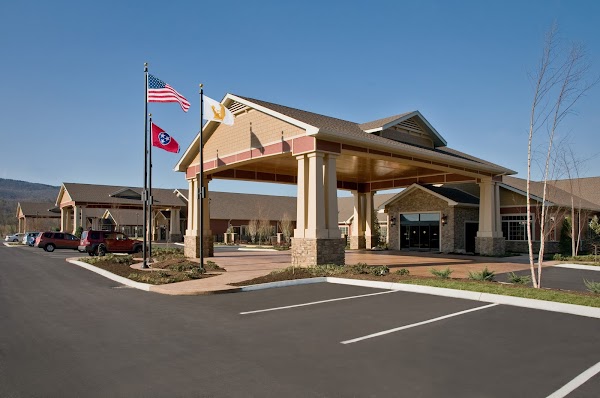
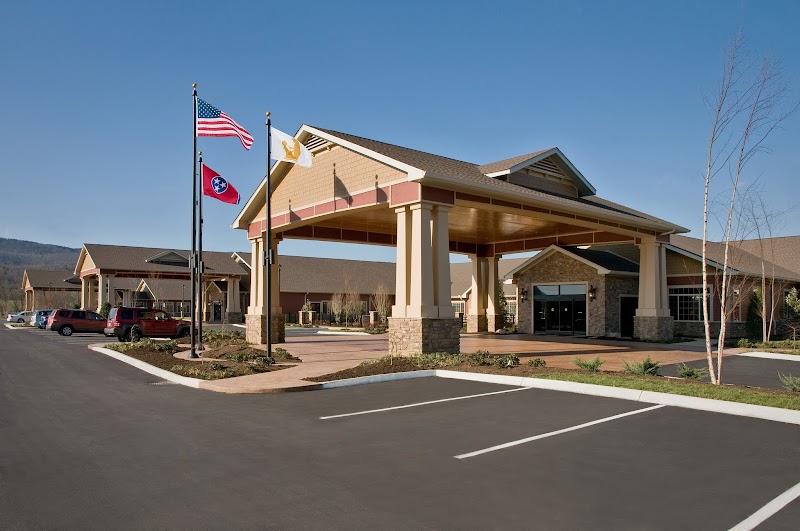
10055 RHEA COUNTY HIGHWAY, DAYTON, TN 37321 (423) 847-6777
For profit - Limited Liability company 89 Beds LIFE CARE CENTERS OF AMERICA Data: November 2025
Trust Grade
68/100
#135 of 298 in TN
Last Inspection: September 2022

Over 2 years since last inspection. Current conditions may differ from available data.

Overview

Life Care Center of Rhea County in Dayton, Tennessee, has a Trust Grade of C+, indicating that it is slightly above average but not exceptional. It ranks #135 out of 298 nursing homes in Tennessee, placing it in the top half of facilities in the state, and is the best option among the three homes in Rhea County. The facility is improving, as it has reduced its issues from six in 2019 to five in 2022. While the staffing turnover rate is a strong point at 25%, which is well below the state average of 48%, the staffing rating itself is only 2 out of 5 stars, indicating below-average staffing levels. There have been no fines recorded, which is a positive sign, but there are concerns regarding the facility's cleanliness and medication management. For instance, the kitchen was found to be unsanitary, potentially affecting the health of nearly all residents, and several medications were discovered to be expired in medication rooms. These findings highlight areas that need improvement, despite the overall decent rating and some staffing strengths.

Trust Score
C+
68/100
In Tennessee
#135/298
Top 45%
Safety Record
Low Risk
No red flags
Inspections
Getting Better
6 → 5 violations
Staff Stability
✓ Good
25% annual turnover. Excellent stability, 23 points below Tennessee's 48% average. Staff who stay learn residents' needs.
Penalties
✓ Good
No fines on record. Clean compliance history, better than most Tennessee facilities.
Skilled Nurses
⚠ Watch
Each resident gets only 26 minutes of Registered Nurse (RN) attention daily — below average for Tennessee. Fewer RN minutes means fewer trained eyes watching for problems.
Violations
⚠ Watch
13 deficiencies on record. Higher than average. Multiple issues found across inspections.
★★★☆☆
3.0
Overall Rating
★★☆☆☆
2.0
Staff Levels
★★★★☆
4.0
Care Quality
★★★☆☆
3.0
Inspection Score
Stable
2019: 6 issues
2022: 5 issues

The Good

  • 4-Star Quality Measures · Strong clinical quality outcomes
  • Low Staff Turnover (25%) · Staff stability means consistent care
  • Full Sprinkler Coverage · Fire safety systems throughout facility
  • No fines on record
  • Staff turnover is low (25%)

    23 points below Tennessee average of 48%

Facility shows strength in quality measures, staff retention, fire safety.

The Bad

3-Star Overall Rating

Near Tennessee average (2.8)

Meets federal standards, typical of most facilities

Chain: LIFE CARE CENTERS OF AMERICA

Part of a multi-facility chain

Ask about local staffing decisions and management

The Ugly 13 deficiencies on record

Sept 2022 5 deficiencies
CONCERN (D)

Potential for Harm - no one hurt, but risky conditions existed

Resident Rights (Tag F0550)

Could have caused harm · This affected 1 resident

**NOTE- TERMS IN BRACKETS HAVE BEEN EDITED TO PROTECT CONFIDENTIALITY** Based on facility policy review, medical record review, observations, and interviews, the facility failed to ensure medical info...

Read full inspector narrative →
**NOTE- TERMS IN BRACKETS HAVE BEEN EDITED TO PROTECT CONFIDENTIALITY** Based on facility policy review, medical record review, observations, and interviews, the facility failed to ensure medical information was not visible for 2 residents (#39 and #66) of 18 residents reviewed for dignity. The findings include: Review of the facility's policy titled, Dignity, dated 8/3/2021, showed .Each resident has the right to be treated with dignity and respect. Interactions and activities with residents .must focus on maintaining and enhancing the resident's self-esteem, self-worth .The facility must protect and promote the rights of the resident .All residents will be treated with dignity and respect .Examples of treating residents with dignity and respect include, but are not limited to .Residents should not be excluded from conservations during activities or when care is being provided, nor should staff discuss residents in settings where others can overhear private or protected information or document in charts/electronic health records where others can see a resident's information .Refraining from practices demeaning to residents . Resident #39 was admitted to the facility on [DATE] and readmitted on [DATE] with diagnoses including Paraplegia, Aphasia, Dysphagia, Anorexia, and Personal History of Traumatic Brain Injury. Review of the quarterly Minimum Data Set (MDS) assessment dated [DATE], showed Resident #39 had severely impaired cognitive skills for daily decision making. During an observation on 9/19/2022 at 11:18 AM, a sign was posted on Resident #39's closet door that read, .[Resident #39's first name] Feeding Tips .Sit upright at/near 90 degrees .Ensure [Resident #39's first name] swallowed the last bite/drink by checking his mouth .Alternate bites/drinks to clear any leftovers in his mouth .Help [Resident #39's first name] take small drinks from the blue cups; don't let him tilt his head back .No pillows during mealseating .Take your time, fast feeding = increased risk of aspiration .Thank you!!! Let me know if you have questions .[Speech Language Pathologist's first and last name] .SLP [Speech Language Pathologist] . The sign was visible to anyone who entered the room. During an observation on 9/19/2022 at 4:05 PM, Resident #39 was lying in bed watching television. A sign was posted Resident #39's closet door that read, .[Resident #39's first name] Feeding Tips .Sit upright at/near 90 degrees .Ensure [Resident #39's first name] swallowed the last bite/drink by checking his mouth .Alternate bites/drinks to clear any leftovers in his mouth .Help [Resident #39's first name] take small drinks from the blue cups; don't let him tilt his head back .No pillows during mealseating .Take your time, fast feeding = increased risk of aspiration .Thank you!!! Let me know if you have questions .[Speech Language Pathologist's first and last name] .SLP [Speech Language Pathologist] . The sign was visible to anyone who entered the room. During a telephone interview on 9/19/2022 at 6:33 PM, Resident #39's responsible party stated she had not requested any signage be placed in the resident's room and the facility staff had not discussed the placement of the signage with her. During an observation on 9/20/2022 at 7:56 AM, Resident #39 was lying in the bed being fed by a facility staff member. There was a sign posted on Resident #39's door that read, .[Resident #39's first name] Feeding Tips .Sit upright at/near 90 degrees .Ensure [Resident #39's first name] swallowed the last bite/drink by checking his mouth .Alternate bites/drinks to clear any leftovers in his mouth .Help [Resident #39's first name] take small drinks from the blue cups; don't let him tilt his head back .No pillows during mealseating .Take your time, fast feeding = increased risk of aspiration .Thank you!!! Let me know if you have questions .[Speech Language Pathologist's first and last name] .SLP [Speech Language Pathologist] . The sign was visible to anyone who entered the room. During an observation and interview on 9/20/2022 at 3:04 PM, in Resident #39's room, the Director of Nursing (DON) confirmed the sign on the closet door was visible to anyone who entered the room. The DON stated the sign was posted by speech therapy. The DON confirmed resident care needs were to be communicated to staff by verbal report or the care plan. During a telephone interview on 9/21/2022 at 10:34 AM, the SLP confirmed she posted the sign in Resident #39's room to notify Resident #39's caregivers of tips to prevent aspiration for the resident. The SLP confirmed the sign had not been requested by or discussed with Resident #39 or Resident #39's responsible party prior to being posted. Resident #66 was admitted to the facility on [DATE] and readmitted on [DATE] with diagnoses including Dysphagia and Dysarthria Following Cerebral Infarction, Hemiplegia and Hemiparesis, Vascular Dementia, and Need for Assistance with Personal Care. Review of an annual MDS assessment dated [DATE], showed Resident #66 had moderate cognitive impairment and was at risk for developing pressure ulcers. During an observation on 9/19/2022 at 10:50 AM, there was a sign posted on Resident #66's closet door that read, Please, float my heels. The sign was visible to anyone who entered the room. During an observation on 9/19/2022 at 4:01 PM, there was a sign on Resident #66's closet door that read, Please, float my heels. The sign was visible to anyone who entered the room. During a telephone interview on 9/19/2022 at 6:26 PM, Resident #66's emergency contact stated he had not requested for the signage to be posted and the facility had not discussed posting the signage with him. During a telephone interview on 9/19/2022 at 6:45 PM, Resident #66's conservator stated she had not requested for the signage to be posted and the facility staff had not discussed posting the signage with her. During an observation on 9/20/2022 at 7:31 AM, there was a sign posted on Resident #66's closet door that read, Please, float my heels. The sign was visible to anyone who entered the room. During an interview with the DON on 9/20/2022 at 10:03 AM, the DON stated the sign in the resident's room was posted by an unknown staff member as a reminder for staff to float the resident's heels to prevent skin breakdown. During an observation and interview on 9/20/2022 at 2:54 PM, in Resident #66's room, the DON confirmed the sign was visible to anyone who entered the room. The DON confirmed resident care information was to be communicated to staff by the care plan and if signs were posted they should be placed in areas not visible to others, for example behind the closet door. During an interview on 9/20/2022 at 3:39 PM, the DON confirmed the signage in the resident's room had not been requested by the resident or family.
CONCERN (D)

Potential for Harm - no one hurt, but risky conditions existed

Assessment Accuracy (Tag F0641)

Could have caused harm · This affected 1 resident

**NOTE- TERMS IN BRACKETS HAVE BEEN EDITED TO PROTECT CONFIDENTIALITY** Based on the Centers for Medicare & Medicaid Services Long Term Care Facility Resident Assessment Instrument 3.0 User's Manual, ...

Read full inspector narrative →
**NOTE- TERMS IN BRACKETS HAVE BEEN EDITED TO PROTECT CONFIDENTIALITY** Based on the Centers for Medicare & Medicaid Services Long Term Care Facility Resident Assessment Instrument 3.0 User's Manual, facility policy review, medical record review, and interviews, the facility failed to accurately complete a Minimum Data Set (MDS) assessment for 2 residents (Resident #48 and Resident #50) of 18 residents reviewed for MDS assessments. The findings include: Review of the Centers for Medicare & Medicaid Services Long-Term Care Facility Resident Assessment Instrument 3.0 User's Manual, Version 1.17.1, dated October 2019 showed .Weight Loss .Weight should be monitored on a continuing basis .From the medical record, compare the resident's weight in the current observation period to his or her weight in the observation period 180 days ago .If the current weight is less than the weight in the observation period 180 days ago, calculate the percentage of weight loss .Code 2, yes, not on physician-prescribed weight-loss regimen: if the resident has experienced a weight loss of 5% or more in the past 30 days or 10% or more in the last 180 days, and the weight loss was not planned and prescribed by the physician .Medications Received .Steps for Assessment . Review the resident's medical record for documentation that any of these medications were received by the resident during the 7-day look-back period .Record the number of days an anticoagulant [medication that decreases the ability of the blood to clot] medication was received by the resident at any time during the 7-day look-back period .Do not code antiplatelet medications such as aspirin/extended release, dipyridamole, or clopidogrel here . Review of the facility's policy titled, Resident Assessment Instrument & Care Plan Development, revised 8/16/2022, shows .The facility will follow the procedures set forth in the Resident Assessment Instrument (RAI) User's Manual 3.0 when completing MDS, Care Area Assessment, and Comprehensive Care Plan . Resident #48 was admitted to the facility on [DATE], with diagnoses including Unspecified Dementia without Behavioral Disturbance, Vascular Dementia, Personal History of Transient Ischemic Attack (TIA), and Cerebral Infarction without Residual Deficits. Review of Resident #48's Order Summary Report showed an order dated 12/20/2021 for Aspirin-Dipyridamole (Aggrenox) (an antiplatelet medication) 25-200 milligrams by mouth two times a day. Review of Resident #48's annual MDS assessment dated [DATE], showed Resident #48 received an anticoagulant daily. During an interview on 9/21/2022 at 9:44 AM, the MDS Coordinator confirmed the annual MDS assessment dated [DATE] was inaccurate as Aggrenox had been coded as an anticoagulant. Resident #50 was admitted to the facility on [DATE] and readmitted on [DATE] with diagnoses including Dementia with Behavioral Disturbance, Chronic Kidney Disease, and Dysphagia. Review of Resident #50's Weights and Vitals Summary showed Resident #50 weighed 215 pounds (lbs) on 2/15/2022 and 191 lbs on 8/2/2022, indicating Resident #50 had a weight loss of 11.16%. Review of Resident #50's quarterly MDS assessment dated [DATE], showed the resident had no weight loss of 5% or more in the last month or 10% or more in the last 6 months. During an interview on 9/21/2022 at 9:58 AM, the MDS Coordinator stated Resident #50 weighed 215 lbs on 2/15/2022 and 191 lbs on 8/2/2022. The MDS Coordinator confirmed the weights on 2/15/2022 and 8/2/2022 were used for the quarterly MDS assessment dated [DATE]. Continued interview confirmed Resident #50 had a weight loss of greater than 10% and the MDS assessment dated [DATE] was coded inaccurately.
CONCERN (D)

Potential for Harm - no one hurt, but risky conditions existed

PASARR Coordination (Tag F0644)

Could have caused harm · This affected 1 resident

**NOTE- TERMS IN BRACKETS HAVE BEEN EDITED TO PROTECT CONFIDENTIALITY** Based on medical record review and interview, the facility failed to refer 1 resident (Resident #31) of 4 residents reviewed for...

Read full inspector narrative →
**NOTE- TERMS IN BRACKETS HAVE BEEN EDITED TO PROTECT CONFIDENTIALITY** Based on medical record review and interview, the facility failed to refer 1 resident (Resident #31) of 4 residents reviewed for Pre-admission Screening and Resident Review (PASARR), to the state-designated authority for a Level II PASARR after the resident was identified with a new mental health diagnosis. The findings include: Resident #31 was admitted to the facility on [DATE] with diagnoses including Major Depressive Disorder and Anxiety Disorder. Review of a Notice of PASARR Level I for Resident #31 dated 9/3/2021, showed diagnoses of Anxiety Disorder, Major Depressive Disorder, and Depressive Disorder. The medical record showed a new diagnosis of Delusional Disorder was added on 12/21/2021. During an interview on 9/21/2022 at 9:55 AM, the Director of Admissions and the Social Services Director stated a new mental health diagnosis of Delusional Disorder had been added on 12/21/2021.The Director of Admissions confirmed a new PASARR had not been resubmitted after the diagnosis of Delusional Disorder had been added.
CONCERN (D)

Potential for Harm - no one hurt, but risky conditions existed

Infection Control (Tag F0880)

Could have caused harm · This affected 1 resident

**NOTE- TERMS IN BRACKETS HAVE BEEN EDITED TO PROTECT CONFIDENTIALITY** Based on review of the facility policy and procedures, record review, observation and interview, the facility failed to maintain...

Read full inspector narrative →
**NOTE- TERMS IN BRACKETS HAVE BEEN EDITED TO PROTECT CONFIDENTIALITY** Based on review of the facility policy and procedures, record review, observation and interview, the facility failed to maintain appropriate infection control practices during a dressing change for 1 resident (Resident #31) of 2 residents observed for a dressing change observed and during medication administration for 2 residents (Residents #35 and #32) of 6 residents observed for medication administration. The findings include: Review of the facility's policy titled, Hand Hygiene, revised 7/15/2022, showed .Handwashing/hand hygiene is generally considered the most important single procedure for preventing . infections .Purpose .decrease the risk of transmission of infection by appropriate hand hygiene .When to perform proper hand hygiene with (ABHR) [alcohol-based hand rub] and with soap and water .Before and after all resident contact .After contact with potentially infectious material .After contact with blood, body fluids .Before applying gloves .After removal of gloves . Review of the facility's policy titled, Documentation & Assessment of Wounds, revised 8/23/2021, showed .This facility will utilize .Lippincott procedure .Wound Management, Long Term Care . Review of the facility's undated Lippincott procedure titled, Wound Management, Long Term Care, showed .Implementation .Perform hand hygiene .Put on gloves .Remove the old dressing .Remove .gloves, perform hand hygiene .put on new gloves .Clean the periwound skin .Remove .gloves, perform hand hygiene .put on new gloves . Resident #31 was admitted to facility on 7/19/2021 with diagnoses including Unspecified Dementia, Age Related Physical Debility, Need for Assistance with Personal Care, and Pressure Ulcer of Sacral Region, Stage 3. Review of an annual Minimum Data Set (MDS) assessment dated [DATE], showed Resident #31 had an unhealed pressure ulcer present. During an observation on 9/21/2022 at 7:36 AM, in Resident #31's room, the Wound Nurse removed Resident #31's dressing which was soiled with reddish-brown drainage. The Wound Nurse discarded the soiled dressing, removed the dirty gloves, and donned new gloves without sanitizing the hands. The Wound Nurse cleaned the wound, removed the dirty gloves, and donned new gloves without sanitizing the hands. During an interview on 9/21/2022 at 7:55 AM, the Wound Nurse confirmed the hands were not sanitized after removing dirty gloves and donning new gloves during the dressing change for Resident #31. During an interview on 9/21/2022 at 8:34 AM, the Infection Preventionist stated it was the facility's expectation for the Wound Nurse to sanitize the hands between glove changes when wound care was provided. Resident #35 was admitted to the facility on [DATE] with diagnosis including Spina Bifida, Diabetes Mellitus, and Cardiomegaly. Resident #32 was admitted to the facility on [DATE] with diagnosis including Diabetes Mellitus, Hypertension, and Major Depressive Disorder. During an observation on 9/19/2022 at 11:15 AM, in Resident #35's room, Licensed Practical Nurse (LPN) #1, with gloved hands, took a blood sample from the resident's finger for a blood glucose test. LPN #1 returned to the medication cart, disinfected the blood glucose testing device, removed the gloves, documented on the computer, and retrieved insulin from the medication cart drawer without disinfecting the hands.The LPN disinfected the hands, donned new gloves and administered insulin to Resident #35. LPN #1 removed the gloves and returned the insulin to the medication cart drawer without disinfecting the hands. The LPN escorted Resident #32 to his room by wheelchair from the dining room. LPN #1 donned new gloves without disinfecting the hands, completed a blood glucose test on Resident #32, discarded the gloves, and documented on the computer without disinfecting the hands. The LPN retrieved the insulin from the medication cart drawer, donned new gloves without disinfecting the hands and administered insulin to Resident #32. LPN #1 removed the gloves and returned the insulin to the medication cart drawer without disinfecting the hands and escorted Resident #32 back to the dining room. During an interview on 9/20/2022 at 8:17 AM, LPN #1 confirmed she had not washed her hands after glove changes and between patient care .it was my mistake . During an interview on 9/21/2022 at 8:40 AM, the Infection Preventionist confirmed staff were expected to disinfect their hands after glove removal and between patient contact.
CONCERN (F)

Potential for Harm - no one hurt, but risky conditions existed

Food Safety (Tag F0812)

Could have caused harm · This affected most or all residents

Based on facility policy review, observation, and interview the facility failed to maintain a sanitary kitchen with the potential to affect 72 of 73 residents in the facility. The findings include: Re...

Read full inspector narrative →
Based on facility policy review, observation, and interview the facility failed to maintain a sanitary kitchen with the potential to affect 72 of 73 residents in the facility. The findings include: Review of the facility policy titled, Cleaning Schedule, dated 4/27/2022, showed .The Director of Food and Nutrition Services develops a cleaning schedule, with assistance from the Registered Dietitian, to ensure that the Food and Nutrition Services department remains clean and sanitary at all times .Equipment and Utensil Cleaning and Sanitation - A potential cause of foodborne outbreaks is improper cleaning (washing and sanitizing) of equipment and protecting equipment from contamination .Cleaning Fixed Equipment - when cleaning fixed equipment .the removable parts must be washed and sanitized and non-removable parts cleaned with detergent and hot water .air dried and sprayed with a sanitizing solution .equipment is reassembled .The Director of Food and Nutrition Services monitors the cleaning schedule to ensure the tasks are completed . During an observation on 9/19/2022 at 10:28 AM, a tour of the kitchen was conducted with the Director of Dietary (DD) and the following was observed: 1.The convection oven had brown dried food debris on the front of both doors, the front of the bottom face plate, and on the bottom shelf of the metal cart where the convection oven was sitting. 2.The top of the steamer cart was found with dried brown food debris. 3.The outside of the deep fryer had dried brown food debris covering both sides. 4.The stove doors had copious amounts of brown/red gum-like buildup. 5. A scoop was observed in the salt storage bin. 6. The can opener had brown/black gum-like food debris above the blade. During an interview on 9/19/2022 at 11:35 AM, the DD confirmed the kitchen equipment was not in sanitary condition, he was responsible for maintaining the cleaniless and oversight of the kitchen, and stated .the equipment cleaning needed to be done . During an interview on 9/21/22 10:43 AM, the Administrator confirmed it was her expectation for the facility's kitchen to be maintained in a sanitary manner.
Aug 2019 6 deficiencies
CONCERN (D)

Potential for Harm - no one hurt, but risky conditions existed

Free from Abuse/Neglect (Tag F0600)

Could have caused harm · This affected 1 resident

**NOTE- TERMS IN BRACKETS HAVE BEEN EDITED TO PROTECT CONFIDENTIALITY** Based on review of facility policies, medical record review, review of facility investigation, observations, and interviews, the...

Read full inspector narrative →
**NOTE- TERMS IN BRACKETS HAVE BEEN EDITED TO PROTECT CONFIDENTIALITY** Based on review of facility policies, medical record review, review of facility investigation, observations, and interviews, the facility failed to prevent abuse for 1 resident (#30) of 55 residents reviewed for abuse. The findings include: Review of the facility policy Protection of Residents: Reducing the Threat of Abuse & (and) Neglect, revised 11/19/16, revealed, .Charges of abuse and/or neglect are among the most serious allegations that can occur in a nursing home. It becomes paramount for nursing home providers to champion the safety and protection of each resident. To minimize the threat of abuse and/or neglect, nursing homes must incorporate clear-cut policies and practices that demonstrate a hard-line, zero tolerance approach to resident abuse .All residents have the right to be free from abuse .Residents must not be subjected to abuse by anyone. This includes but is not limited to: staff .Definitions .Verbal Abuse The use of oral, written, or gestured language that willfully includes disparaging and derogatory terms to residents or their families, or within their hearing distance .Mental Abuse Includes, but is not limited to, humiliation, harassment, threats of punishment or deprivation. May occur through either verbal or nonverbal conduct which causes or has the potential to cause the resident to experience humiliation, intimidation, fear, shame, agitation, or degradation . Review of the facility policy Protecting Patient Privacy and Prohibiting Mental Abuse: Photography and Social Media, dated 8/30/16, revealed, .This facility will ensure that an environment as home-like as possible will be provided to all patients which will include a culture and environment that treats each resident with respect and dignity. All forms of abuse are prohibited, including mental abuse. Mental abuse may include conduct which causes or has the potential to cause the resident to experience humiliation, intimidations, fear, shame, agitation, or degradation . Review of the facility policy, Protection of Residents: Reducing the Threat of Abuse & Neglect, revised 1/21/19, revealed .To minimize the threat of abuse and/or neglect, nursing homes must incorporate clear-cut policies and practices that demonstrate a hardline, zero-tolerance approach to resident abuse .Each resident has the right to be free from abuse .This includes but is not limited to: staff .Definitions .Verbal Abuse - The use of oral, written, or gestured language that willfully includes disparaging and derogatory terms to residents or their families, or within their hearing distance .Mental Abuse - Mental abuse includes, but is not limited to, humiliation, harassment, threats of punishment or deprivation. May occur through either verbal or nonverbal conduct which causes or has the potential to cause the resident to experience humiliation, intimidation, fear, shame, agitation, or degradation . Medical record review revealed Resident #30 was admitted to the facility on [DATE] with diagnoses including Benign Prostate Hyperplasia, Arthritis, Osteoporosis, Muscle Weakness, and Impaired Mobility. Medical record review of an Annual Minimum Data Set, dated [DATE] revealed Resident #30's Brief Interview for Mental Status score was 15, indicating the resident was cognitively intact. Continued review revealed the resident required extensive assistance of one staff member for bed mobility and transfer. Review of a facility investigation witness statement by Resident #30 on 10/10/18 revealed At approximately 9:15 PM I turned on my call light for a diaper and linen change. In the process a CNA [Certified Nursing Assistant] by the name of [CNA #2] turned me by digging her fingers into my hip, thigh & knee. I told her it hurt. She wouldn't let go. I pried her fingers loose. She started screaming at me. She said 'If you didn't piss the bed & soak it we wouldn't have to do this.' I told her to get out! She said 'great' and threw a package of wipes at the mirror. She started waving her arms and as she went out she called me a bastard . Review of a facility investigation witness statement by CNA #2 on 10/10/18 revealed, Went into [Resident #30's room] to help [CNA #3] with [Resident #30], when we were changing his brief and pad he rolled to the right with no problem when he rolled to the left [CNA #3] couldn't get the end of the pad or brief so I gently rolled him so she could reach them. When I did [Resident #30] smacked me on the right hand and said it was hurting his hip I told him I was sorry and he said yes I was sorry and that he didn't want me in his room anymore, so I took off my gloves and left the room. Review of a facility investigation interview conducted by the Administrator with CNA #3 on 10/11/18 revealed, Resident call light on - CNA stated she doesn't go in his room alone because resident 'went off' on her and another CNA .CNA & other CNA was turning resident - resident said that hurts to other CNA and other CNA and resident were 'back and forth' - unclear on words. Other CNA started leaving room and tossed wipes toward mirror. As other CNA was leaving room she stated 'you bastard' while at the door .CNA stated that resident said other CNA was digging fingers into hip. CNA stated she has never seen other CNA like that. Stated she don't think other CNA was intentionally hurt him. Other CNA doesn't normally work with this resident and know how to hold him over. CNA stated it got heated and in the moment . Review of a facility investigation interview by the Administrator and Social Services Director (SSD) with Resident #30 on 10/11/18 revealed, After 9 pm turned on call light - 2 CNAs came into room. Turned resident to one side then another and resident stated when he is turned sometimes his hip hurts. He was on his side and the one CNA had his thigh and he stated that it hurts so resident took his hand and moved her hand. CNA and resident said a few things not clear on words. CNA had stepped back from bed. CNA stated you're not going to talk to us like a dog. Resident told CNA to get out. CNA tossed the wet wipes to counter that hit the mirror. CNA started out the room and said you're a bastard .Resident stated that CNA had commented during change when assisting with changing that they won't have to do this if he didn't piss and drown the bed . Observation and interview with Resident #30 on 8/26/19 at 11:09 AM, in the resident's room, revealed on 10/10/18 CNA #2 was assisting CNA #3 with incontinence care. Continued interview revealed Resident #30 and CNA #2 both got upset during the care and CNA #2 made the comment, .if you didn't piss and soak the bed we wouldn't have to do this . Further interview revealed as CNA #2 left the room .she tossed a package of wipes at the shelf hitting the mirror and called me a bastard. Interview with CNA #2 on 8/28/19 at 8:18 AM, in the conference room, revealed she had provided care for Resident #30 on 10/10/18. Continued interview confirmed while she provided care, the resident became belligerent; she removed her gloves, tossed them in a chair, and left the room. Further interview revealed she denied making any derogatory statement toward Resident #30. Interview with the Director of Nursing (DON) on 8/28/19 at 8:28 AM, in conference room, revealed the DON had reviewed CNA #3's statement with her at the time of the incident. Continued interview with the DON confirmed CNA #3 stated CNA #2 was leaving Resident #30's room, she tossed the wipes toward the mirror and stated, .You bastard . Telephone interview with Licensed Practical Nurse (LPN) #3 on 8/28/19 at 10:35 AM, revealed CNA #2 reported to LPN #3 that she (CNA #2) and Resident #30 got upset with one another during his care and she left the room. Continued interview revealed when LPN #3 interviewed Resident #30, he was upset with CNA #2 because she had called him something to do with his mother, she believes it was bastard. Further interview revealed he did not want her back in his room. Continued interview confirmed during LPN #3's interview with CNA #3, CNA #3 reported Resident #30 and CNA #2 got upset with each other during resident care, and as CNA #2 was leaving the room she tossed a pack of wipes toward the mirror and called the resident a bastard. Interview with the SSD on 8/28/19 at 11:24 AM, in the conference room, revealed she and the Administrator spoke with Resident #30 about the interaction that occurred on 10/10/18. Continued interview revealed Resident #30 told the SSD CNA #2 tossed wet wipes on a table hitting the mirror, and the CNA called him a bastard. Interview with the Administrator on 8/28/19 at 11:35 AM, in the Administrator's office, revealed Resident #30 reported CNA #2 had called him a bastard and had tossed wet wipes onto a table hitting the mirror. During the interview, the facility's policies on abuse and definitions of abuse were reviewed. Further interview revealed the Administrator denied the incident was abuse.
CONCERN (D)

Potential for Harm - no one hurt, but risky conditions existed

Report Alleged Abuse (Tag F0609)

Could have caused harm · This affected 1 resident

**NOTE- TERMS IN BRACKETS HAVE BEEN EDITED TO PROTECT CONFIDENTIALITY** Based on facility policy review, medical record review, review of facility investigation, observation, and interviews, the facil...

Read full inspector narrative →
**NOTE- TERMS IN BRACKETS HAVE BEEN EDITED TO PROTECT CONFIDENTIALITY** Based on facility policy review, medical record review, review of facility investigation, observation, and interviews, the facility failed to ensure allegations of abuse were reported timely to the State Survey Agency for 1 resident (#30) of 55 residents reviewed for abuse. The findings include: Review of the facility policy Reporting Alleged Abuse, revised 2/7/17, revealed, .Federal requirements mandate that facilities must ensure all allegations of abuse . are reported immediately to their state survey agency. Facilities must ensure that all alleged violations involving abuse .are reported immediately, but not later than 2 hours after the allegation is made, if the events that cause the allegation involve abuse or result in serious bodily injury, or not later than 24 hours if the events that cause the allegation do not involve abuse and do not result in serious bodily injury, to the administrator of the facility and to other officials (including the State Survey Agency .) . Medical record review revealed Resident #30 was admitted to the facility on [DATE] with diagnoses including Benign Prostate Hyperplasia, Arthritis, Osteoporosis, Muscle Weakness, and Impaired Mobility. Review of a facility investigation witness statement by Resident #30 on 10/10/18 revealed At approximately 9:15 PM I turned on my call light for a diaper and linen change. In the process a CNA [Certified Nursing Assistant] by the name of [CNA #2] turned me by digging her fingers into my hip, thigh & knee. I told her it hurt. She wouldn't let go. I pried her fingers loose. She started screaming at me. She said 'If you didn't piss the bed & soak it we wouldn't have to do this.' I told her to get out! She said 'great' and threw a package of wipes at the mirror. She started waving her arms and as she went out she called me a bastard . Review of a facility investigation interview conducted by the Administrator with CNA #3 on 10/11/18 revealed, Resident call light on - CNA stated she doesn't go in his room alone because resident 'went off' on her and another CNA .CNA & other CNA was turning resident - resident said that hurts to other CNA and other CNA and resident were 'back and forth' - unclear on words. Other CNA started leaving room and tossed wipes toward mirror. As other CNA was leaving room she stated 'you bastard' while at the door .CNA stated that resident said other CNA was digging fingers into hip. CNA stated she has never seen other CNA like that. Stated she don't think other CNA was intentionally hurt him. Other CNA doesn't normally work with this resident and know how to hold him over. CNA stated it got heated and in the moment . Observation and interview with Resident #30 on 8/26/19 at 11:09 AM, in the resident's room, revealed on 10/10/18 CNA #2 was assisting CNA #3 with incontinence care. Continued interview revealed CNA #2 made the comment, .if you didn't piss and soak the bed we wouldn't have to do this . Further interview revealed as CNA #2 left the room .she tossed a package of wipes at the shelf hitting the mirror and called me a bastard. Further interview revealed Resident #30 reported the incident to someone at the facility that night, but could not remember who. Continued interview revealed Resident #30 also reported the incident to the Administrator on 10/11/18. Interview with the Administrator on 8/28/19 at 11:35 AM, in the Administrator's office, revealed she was made aware of the allegation of verbal abuse on 10/10/18 between 9:00 PM and 10:00 PM. Continued interview revealed Resident #30 told the Administrator on 10/11/19 that CNA #2 had called him a bastard and had tossed wet wipes onto the table hitting the mirror. Further interview confirmed the facility did not report the alleged allegation to the State Survey Agency. Refer to F-600
CONCERN (D)

Potential for Harm - no one hurt, but risky conditions existed

Deficiency F0657 (Tag F0657)

Could have caused harm · This affected 1 resident

**NOTE- TERMS IN BRACKETS HAVE BEEN EDITED TO PROTECT CONFIDENTIALITY** Medical record review revealed Resident #52 was admitted to the facility on [DATE] with diagnoses including Fracture of Upper En...

Read full inspector narrative →
**NOTE- TERMS IN BRACKETS HAVE BEEN EDITED TO PROTECT CONFIDENTIALITY** Medical record review revealed Resident #52 was admitted to the facility on [DATE] with diagnoses including Fracture of Upper End of Right Tibia, Muscle Weakness, Abnormalities of Gait and Mobility, Cerebral Palsy, and Age Related Osteoporosis without Current Pathological Fracture. Medical record review of Resident #52's MDS assessments revealed a Quarterly assessment had been completed on 6/15/19, and a Significant Change in Status assessment had been completed on 8/15/19. Medical record review of the Significant Change in Status MDS assessment dated [DATE], revealed Resident #52 had a BIMS score of 13, indicating the resident was cognitively intact. Medical record review revealed no documentation Resident #52 had been invited or attended the care plan review after the Quarterly assessment completed on 6/15/19 or the Significant Change in Status assessment completed on 8/15/19. Interview with Resident #52 on 8/27/19 at 8:15 AM, in the resident's room, revealed the resident had been invited to care plan reviews in the past and had enjoyed attending. Continued interview revealed the resident had not been invited recently, but would like to attend. Interview with MDS Nurse #1 on 8/28/19 at 12:13 PM, in the conference room, confirmed there was no documentation Resident #52 had been invited or attended the care plan reviews completed after the Quarterly assessment on 6/15/19 or the Significant Change in Status assessment on 8/15/19. Based on facility policy review, medical record review, and interview, the facility failed to ensure residents and/or resident's representative participation in care planning for 2 residents (#23, #52) of 9 residents reviewed for care planning. The findings include: Review of the facility policy Resident Assessment & (and) Care Plan, revised 11/28/16, revealed .an Interdisciplinary Team including but not limited to: The Patient, Social Services, Activities, Dietary, Nursing, Nurse Aide, Therapist, Physician, Pharmacist, and the Patient's family as the patient desires .an individualized person-centered care plan for each patient that is reviewed by the interdisciplinary team with each assessment including the patient and other participants as the patient desires .a written explanation must be included in the patient's medical record if participation of the patient and their representative is determined not to be practicable for the development of the resident's care plan . Medical record review revealed Resident #23 was admitted to the facility on [DATE] with diagnoses including Systolic Heart Failure, Muscle weakness, Dementia, and Cerebral Infarction. Medical record review of Resident #23's Minimum Data Set (MDS) assessments revealed a Quarterly assessment had been completed on 2/28/19, a Quarterly assessment had been completed on 5/31/19, a Quarterly assessment had been completed on 6/11/19, and an Annual assessment had been completed on 7/2/19. Medical record review of Resident #23's Annual MDS assessment dated [DATE] revealed Resident #23 had a Brief Interview for Mental Status (BIMS) score of 5 indicating the resident had severe cognitive impairment. Medical record review revealed no documentation Resident #23's representative was invited or participated in review of the care plan after each assessment. Interview with Resident #23's family member on 8/26/19 at 12:08 PM, in the resident's room, revealed the family had attended care plan reviews in the past. Continued interview revealed the family had not been invited recently, but was interested in attending. Interview with MDS Nurse #2 on 8/28/19 at 10:22 AM, in the MDS office, confirmed the MDS nurses were responsible for inviting residents or resident's representatives to the care plan reviews. Interview with MDS Nurse #1 on 8/28/19 at 10:23 AM, in the MDS office, confirmed Resident #23's family member visited most days. Interview with MDS Nurse #1 on 8/28/19 at 12:15 PM, in the conference room, confirmed there was no documentation Resident #23's representative had been invited or attended the care plan reviews completed with the Quarterly assessment on 2/28/19, the Quarterly assessment on 5/31/19, the Quarterly assessment on 6/11/19, or the Annual assessment on 7/2/19.
CONCERN (D)

Potential for Harm - no one hurt, but risky conditions existed

Accident Prevention (Tag F0689)

Could have caused harm · This affected 1 resident

**NOTE- TERMS IN BRACKETS HAVE BEEN EDITED TO PROTECT CONFIDENTIALITY** Based on facility policy review, medical record review, review of falls investigations, and interview, the facility failed to im...

Read full inspector narrative →
**NOTE- TERMS IN BRACKETS HAVE BEEN EDITED TO PROTECT CONFIDENTIALITY** Based on facility policy review, medical record review, review of falls investigations, and interview, the facility failed to implement a fall intervention to prevent accidents for 1 resident (#52) of 3 residents reviewed. The findings include: Review of the facility policy Fall Management, effective 12/13/18, revealed .The facility must ensure .each resident receives adequate supervision and assistance devices to prevent accidents .Implement interventions, including adequate supervision and assistive devices, consistent with .care plan .in order to eliminate the risk, if possible, and, if not, reduce the risk of an accident . Medical record review revealed Resident #52 was admitted to the facility on [DATE] with diagnoses including Fracture of Upper End of Right Tibia, Muscle Weakness, Abnormalities of Gait and Mobility, Cerebral Palsy, and Age Related Osteoporosis without Current Pathological Fracture. Medical record review of the Quarterly Minimum Data Set (MDS) assessment dated [DATE] revealed the resident had a Brief Interview for Mental Status (BIMS) score of 15, indicating the resident was cognitively intact. Continued review revealed the resident required total assist of 2 staff members for transfers and total assist of 1 staff member for bathing. Medical record review of the current Comprehensive Care Plan dated 1/14/19 revealed .BATHING/SHOWERING: The resident is able to minimally participate in the shower, staff member x [times]1 with assistance with bathing .resident is at risk for falls r/t [related to] impaired mobility, weakness, diabetes, cerebral palsy, osteoporosis . Medical record review of a nursing progress note dated 7/17/19 revealed .Resident was getting shower by CNA .the shower chair was slippery while trying to get dressed and she started sliding into floor .assisted .to floor . Review of a facility fall investigation dated 7/17/19 revealed Resident #52 had a fall in the shower room. Continued review revealed .Resident stated the shower chair was slippery while she was getting dressed and she started to slide out. CNA [certified nurse's assistant] .assisted resident to floor .INTERVENTION: DYCEN [dycem] TO SHOWER CHAIR . Medical record review of the care plan revealed an update, .7/18/19 .dycem [non-slip mat] to shower chair . Medical record review of the shower schedule dated 7/17/19-8/28/19 revealed Resident #52 had received a shower on 7/19/19, 7/22/19, 7/24/19, 7/29/19, 7/31/19, 8/2/19, 8/5/19, 8/7/19, 8/9/19, 8/12/9, 8/14/19, 8/16/19, 8/19/19, 8/21/19, 8/23/19, and 8/26/19 (a total of 16 showers) since the fall on 7/17/19. Interview with Resident #52 on 8/27/19 at 8:18 AM, in the resident's room, revealed the resident had a fall .in the shower and slipped out of the shower chair. The girl had finished my shower and had put lotion on me and my gown and I started slipping out of the chair . Interview with Resident #52 on 8/28/19 at 9:35 AM, on the 100 hallway at the nurse's station, revealed the dycem had not been placed in the shower chair since her fall on 7/17/19. Interview with CNA #1 on 8/27/19 at 2:14 PM, in the conference room, revealed .I was .giving her a shower .she was finished with shower .put her gown on and had her briefs pulled up to her knees .when she started to slip out of the wet shower chair. I assisted her to the floor and called for help . Continued interview confirmed she had assisted the resident with showering on days since the fall on 7/17/19 and had not used dycem in the shower chair. Further interview revealed the CNA was not aware a new intervention of dycem in the shower chair had been implemented after the fall on 7/17/19. Interview with the Director of Nursing (DON) on 8/28/19 at 11:54 AM, in the Administrator's office, confirmed the facility failed to implement an intervention to prevent further accidents for Resident #52.
CONCERN (E)

Potential for Harm - no one hurt, but risky conditions existed

Deficiency F0761 (Tag F0761)

Could have caused harm · This affected multiple residents

Based on facility policy review, observation, and interview, the facility failed to ensure medications, biologicals, and medical supplies were not expired in 2 of 3 medication rooms observed. The find...

Read full inspector narrative →
Based on facility policy review, observation, and interview, the facility failed to ensure medications, biologicals, and medical supplies were not expired in 2 of 3 medication rooms observed. The findings include: Review of the facility policy Storage and Expiration Dating of Medications, Biologicals, Syringes and Needles revised 7/23/19, revealed .Facility should ensure that medications and biologicals .have expired date on the label .are stored separate from other medications until destroyed or returned to the pharmacy or supplier . Observation and interview on 8/26/19 at 2:40 PM, with Licensed Practical Nurse (LPN) #1, in the 100 medication room, revealed (1) - 250 milliliters (ml) injectable insulin (medication used to control blood sugar) pen with an expiration date of 11/19/18; (1) - Heparin Lock (medication used to thin the blood) 5 ml syringe with an expiration date of 8/31/18; (9) - Collagenase Santyl (ointment of wound healing) ointment 30 gram tubes with an expiration date of 10/2018; and (3) - sterile transport swabs (medical supplies used for laboratory testing) with an expiration date of 6/2019. Interview with LPN #1 confirmed the medications, biologicals and supplies were expired and available for patient use. Continued interview confirmed the expired medications and supplies were to be discarded by the nurses. Observation and interview with LPN # 2 on 8/26/19 at 3:36 PM, in the 200 medication room, revealed (100) - Bisacodyl suppositories (laxative) 10 milligrams (mg) with an expiration date of 6/2019; (1) - Glucose Control Solution (for testing blood glucose) 4 ml bottle with an expiration date of 7/31/19; and (1) - Ketone Control Solution (solution for testing blood glucose monitors) 4 ml bottle with an expiration date of 7/31/2019. Continued interview confirmed the medications and medical supplies were expired and available for patient use. Further interview confirmed the expired medications and expired medical supplies were to be discarded by the nurses.
CONCERN (F)

Potential for Harm - no one hurt, but risky conditions existed

Food Safety (Tag F0812)

Could have caused harm · This affected most or all residents

Based on facility policy review, observation, and interview, the facility failed to maintain food at correct temperatures in 1 of 1 walk in cooler; failed to ensure food was sealed and dated in 1 of 1...

Read full inspector narrative →
Based on facility policy review, observation, and interview, the facility failed to maintain food at correct temperatures in 1 of 1 walk in cooler; failed to ensure food was sealed and dated in 1 of 1 freezer; failed to ensure pans were completely air dried before storing; failed to clean kitchen equipment; failed to ensure food was sealed and not stored past the expiration date in 1 of 1 dry storage room; failed to maintain resident foods in a sanitary manner in 3 of 3 nourishment rooms, potentially affecting 54 of 55 residents. The findings include: Review of the facility policy, Food and Nutrition Services, dated 7/25/19, revealed .To prevent contamination of food products and therefore prevent foodborne illness .Provide safe food services .Keep adequate records of temperature: refrigeration .Maintain storage of perishable foods at 41 degrees Fahrenheit or below .Refrigerated foods must be stored at temperatures of 41 degrees Fahrenheit or below .All pots and pans must be air dried .Ranges and grills should be cleaned .equipment should be cleaned and sanitized . Review of the facility policy, Food in Storage Areas, undated, revealed .monitor how effectively the units [refrigerators/coolers] are working .Report any issues with the unit immediately to the Director of Food and Nutrition Services and/or Maintenance .Date food .When items such as cereal .are opened but .entire contents .not used .place in .container with a securely fitting lid. Be sure to label and date the container . Review of the facility policy, Food Brought into Facility, revised 11/11/16, revealed .Food is stored .in accordance with professional standards for food safety . Observation on 8/26/19 at 10:45 AM, with the Certified Dietary Manager (CDM), in the kitchen in front of the main walk in cooler, revealed a Refrigerator/Freezer Temperature Log dated August 2019, with the following documentation: a) 8/1/19 a documented PM temperature of 44 degrees. b) 8/2/19 a documented PM temperature of 42 degrees. c) 8/3/19 a documented PM temperature of 42 degrees. d) 8/4/19 a documented PM temperature of 43 degrees. e) 8/5/19 a documented PM temperature of 43 degrees. f) 8/6/19 no documentation of PM temperatures. g) 8/7/19 a documented PM temperature of 42 degrees. h) 8/8/19 a documented PM temperature of 43 degrees. i) 8/9/19 a documented PM temperature of 42 degrees. j) 8/10/19 a documented PM temperature of 42 degrees. k) 8/11/19 a documented PM temperature of 42 degrees. l) 8/12/19 a documented PM temperature of 42 degrees. m) 8/13/19 a documented PM temperature of 42 degrees. n) 8/14/19 a documented PM temperature of 42 degrees. o) 8/15/19 a documented PM temperature of 42 degrees. p) 8/16/19 a documented PM temperature of 42 degrees. q) 8/17/19 a documented PM temperature of 42 degrees. r) 8/18/19 a documented PM temperature of 42 degrees. s) 8/19/19 a documented PM temperature of 42 degrees. t) 8/20/19 a documented PM temperature of 42 degrees. u) 8/23/19 a documented PM temperature of 42 degrees. v) 8/24/19 a documented PM temperature of 42 degrees. w) 8/25/19 no documentation of PM temperatures. x) 8/26/19 no documentation of PM temperatures. Interview with the CDM on 8/26/19 at 10:45 AM, in the kitchen, in front of the walk in cooler, confirmed the CDM was aware the main walk in cooler temperatures were out of range for several days and the CDM did not notify the Maintenance Director. Continued interview confirmed the food items were not maintained at appropriate food temperatures. Observation and interview with the CDM on 8/26/19 at 10:42 AM, in the kitchen, in the main walk in freezer revealed 10 catfish fillets in a box undated, open to air, and available for resident consumption. Interview with the CDM confirmed the catfish fillets were undated, open to air, and available for resident consumption. Observation and interview with the CDM, on 8/26/19 at 10:50 AM, in the kitchen, in front of the pan storage rack, revealed 3 stacked 8 quart sized pans, 2 stacked 4 quart sized pans, and 4 stacked long short pans, all covered in a clear liquid substance. Interview with the CDM confirmed the pans were not thoroughly air dried after sanitization before storing. Review of the Weekly Cleaning Schedule for Cooks and Aides dated 8/2019 revealed the drip pans had not been cleaned for 3 consecutive weeks from 8/10/19 - 8/24/19. Observation and interview with the CDM on 8/26/19 at 10:55 AM, in the kitchen in front of the gas stove top drip pan area revealed 3 drip pans covered in dry dark brown crusty debris. Interview with the CDM confirmed the staff had not cleaned and maintained the stove top and grill drip pans in a sanitary manner. Continued interview confirmed the facility had not cleaned the stove top and grill drip pans weekly on 8/10/19, 8/17/19, and 8/24/19. Further interview confirmed the facility failed to follow their policy. Review of the Weekly Cleaning Schedule for Cooks and Aides dated 8/2019 revealed the deep fryer had not been cleaned weekly on 8/2/19, 8/16/19 and 8/23/19. Observation and interview with the CDM on 8/26/19 at 10:58 AM, in the kitchen, in front of the deep fryer, revealed a thick dark brown/black liquid substance with floating dark brown debris scattered throughout the liquid substance. Interview with the CDM confirmed the facility was scheduled to change the grease every 2 days after use. Continued interview confirmed the facility failed to clean the deep fryer weekly as scheduled on 8/2/19, 8/16/19, and 8/23/19. Observation and interview with the CDM on 8/26/19 at 11:08 AM, in the dry storage area revealed: a) 1 box of 42 ounces of quick oats, with a use by date of 8/23/19. b) 1 plastic storage container of approximately 6 ounces of corn flakes cereal with an open date of 10/19/18 and a use by date of 8/16/19. Further observation revealed the cereal did not have secure lid and was open to air. c) 1 plastic container of approximately 20 ounces of crisp rice cereal did not have secure lid and open to air. d) 1 plastic container of approximately 8 ounces of bran cereal with raisins with an opened date of 10/16/18 and a use by date of 8/12/19. Further observation revealed the cereal did not have a secured lid and was open to air. e) 1 plastic container of approximately 24 ounces of wheat frosted cereal open to air, unlabeled, and undated. f) 1 plastic container of approximately 1 ounce of toasted oats cereal did not have a secure lid and was open to air. Interview with the CDM confirmed the food items did not have a secure tight fitting lid and outdated food items had not been discarded. Continued interview confirmed the facility failed to follow their policy. Observation and interview with the CDM on 8/28/19 at 11:00 AM, in the 300 hallway nourishment room revealed: a) Two blue hard plastic ice packs stored in the freezer. Continued observation revealed signage on the outside of the freezer door labeled NO ICE PACKS IN FREEZER, ICE PACK TO BE STORED IN THE FREEZER IN THE MED ROOM. b) Dry, yellow, crusty debris scattered throughout the microwave located on the countertop. Interview with the CDM confirmed the ice packs were inappropriately stored in the residents' nourishment refrigerator and the microwave needed cleaning. Observation and interview with the CDM on 8/28/19 on 11:10 AM, in the 200 hallway nourishment room revealed: a) Nine 11 ounce vanilla flavored liquid bottles of nutritional supplement, in the refrigerator unlabeled with resident's name. b) Five 8 ounce chocolate flavored liquid bottles of nutritional supplements, in the refrigerator with an expiration date of 7/20/19. Interview with the CDM confirmed the nutritional supplements were brought in by resident's family or visitors and stored in the nutritional room for individualized personal use. Continued interview confirmed the facility failed to label food brought in by family/visitors with resident's name and discard expired foods brought in by family. Observation and interview with the CDM on 8/28/19 at 11:18 AM, in the 100 hallway nourishment room revealed: a) Three 4 ounce plastic cups of cottage cheese labeled prepared 8/26/19 an one 4 ounce plastic cup of peaches labeled prepared 8/26/19. Interview with the CDM revealed foods prepared by the kitchen and stored in the nourishment refrigerator should be used by the date prepared or be discarded the next day (8/27/19). b) One 12 ounce plastic squeeze bottle of applesauce approximately ½ full with an expiration date of 8/26/19. d) One 20 ounce bottle of dark colored soda approximately ¾ full, undated, and unlabeled with a resident's name. Interview with the CDM confirmed the did not discard expired food items, date food items, or label resident personal food items brought in by family/visitors.
Sept 2018 2 deficiencies
CONCERN (D)

Potential for Harm - no one hurt, but risky conditions existed

Pressure Ulcer Prevention (Tag F0686)

Could have caused harm · This affected 1 resident

**NOTE- TERMS IN BRACKETS HAVE BEEN EDITED TO PROTECT CONFIDENTIALITY** Based on facility policy review, observation and interview the facility failed to follow appropriate infection control practices...

Read full inspector narrative →
**NOTE- TERMS IN BRACKETS HAVE BEEN EDITED TO PROTECT CONFIDENTIALITY** Based on facility policy review, observation and interview the facility failed to follow appropriate infection control practices for 1 Resident (#16) of 3 residents reviewed for pressure ulcers of 28 sampled residents. The findings include: Review of the facility policy, Wound Care/Treatment Clean Dressing Change, revised 2/25/15, revealed .Prepare a clean field with the necessary equipment .Remove your gloves and discard them .Put on new gloves .Follow hand hygiene protocol . Medical record review revealed Resident #16 was admitted to the facility on [DATE] and readmitted on [DATE] with diagnoses including Quadriplegia, Sepsis, Pressure Ulcer of Right Buttocks Stage 4, Pressure ulcer of the Left Buttocks Stage 4, Pressure Ulcer of Sacral Region Stage 4, Pressure Ulcer of Left Heel Unstageable, and Pressure Ulcer of Other Site Stage 2. Medical record review of Resident #16's Care Plan dated 6/21/18 revealed .Resident has pressure ulcer .Stage 4 RIGHT ISCHIUM . Continued review revealed intervention in place included wound care as ordered by physician. Medical record review of the Minimum Data Set (MDS) dated [DATE] revealed Resident #16 had a Brief Interview of Mental Status (BIMS) score of 14 indicating the resident was cognitively intact. Continued review revealed the Resident had unhealed pressure ulcers stage 1 or higher. Further review revealed Resident #16 received pressure ulcer and surgical wound care. Medical record review of the Physician Orders dated 9/2018 revealed .Right ischium: Stage 4 PU [pressure ulcer]: Irrigate with gateway rinse [antifungal], bactroban [antibiotic], gentamycin [antibiotic] and 400 ml [milliliters] normal saline, apply zinc oxide [skin care and preventive medicine] to periwound [tissue surrounding a wound], apply santyl [medicine to aid with healing of skin ulcers] to necrotic tissue, lightly pack with ¼ strength Dankin's Solution [used as an antiseptic to cleanse wounds in order to prevent infections] and gauze . Cover with ABD pad [highly absorbent dressing that provides padding and protection for large wounds] and tape .Change daily and prn [as needed] . Observation with the Wound Care Nurse, Director of Nursing (DON), Certified Nursing Assistant (CNA) #1 and Physical Therapist (PT) #1 on 9/26/18 at 8:40 AM, of Resident #16's Pressure ulcer wound care and dressing change of the right ischium [hip], in the resident's room, revealed a clean field containing supplies were located on a bedside table next to the resident on the left side of the bed. Continued observation revealed Resident #16 was placed on her right side in the bed for wound care by CNA #1 and the Wound Care Nurse. Further observation revealed the resident's right ischium dressing was removed by the Wound Care Nurse. Continued observation revealed a wound vacuum was in place on the resident's left ischium and sacral area. Further observation revealed the Wound Care Nurse irrigated the resident's right ischium with the gateway rinse and dried the area. Further observation revealed the Wound Care Nurse then removed her gloves and washed her hands. Continued observation revealed Santyl was then applied to the resident's necrotic tissue on the right ischium. Further observation revealed the Wound Care Nurse began packing the right ischium pressure ulcer with ¼ strength Dankin solution and gauze. Continued observation revealed the Wound Care Nurse was standing on the left side of the resident's bed. The Wound Care Nurse then stated I don't have any scissors while she continued to pack the gauze in Resident #16's right ischium pressure ulcer. Continued observation revealed a pair of scissors laying partially out of a pocket of a nurse jacket laying in a chair, in the corner, on the left side, of the resident's room. Continued observation revealed PT #1 stated I see scissors in your jacket pocket. Further observation revealed the Wound Care Nurse then requested PT #1 retrieve the scissors from the pocket of her jacket lying in chair. Further observation revealed PT#1 handed the Wound Care Nurse the non-sanitized and unclean scissors hanging partially out of her unclean jacket pocket. Continued observation revealed the Wound Care Nurse's gloves were then contaminated by the dirty scissors. Further observation revealed the wound care nurse failed to remove the contaminated gloves. Further observation revealed while wearing the same gloves and holding the contaminated scissors the Wound Care Nurse cut the gauze she had partially packed in Resident #16's right ischium pressure ulcer. Continued observation revealed the Wound Care Nurse then packed the unclean gauze she had contaminated with the scissors into the resident's right ischium pressure ulcer. Further observation revealed the Wound Care Nurse, while wearing the same gloves, applied Zinc oxide to the resident's periwound. Continued observation revealed the Wound Care Nurse then placed the ABD pad on the wound, and the dressing was labeled and dated. Interview with the Director of Nursing on 09/26/18 at 9:57 AM, in the conference room, confirmed the facility failed to adhere to appropriate infection control practices and maintain a sanitary wound care dressing change for Resident #16. Interview with the Wound Care Nurse on 9/26/18 at 11:00 AM, in the conference room, confirmed the scissors were located in her jacket pocket and were not sanitized prior to cutting the gauze used to pack Resident #16's pressure ulcer. Continued interview confirmed the facility failed to adhere to appropriate infection control practices during a pressure ulcer dressing change.
CONCERN (D)

Potential for Harm - no one hurt, but risky conditions existed

Medication Errors (Tag F0758)

Could have caused harm · This affected 1 resident

**NOTE- TERMS IN BRACKETS HAVE BEEN EDITED TO PROTECT CONFIDENTIALITY** Based on medical record review and interview the facility failed to provide an evaluation and rationale for continued use of a P...

Read full inspector narrative →
**NOTE- TERMS IN BRACKETS HAVE BEEN EDITED TO PROTECT CONFIDENTIALITY** Based on medical record review and interview the facility failed to provide an evaluation and rationale for continued use of a PRN (as needed) antianxiety drug beyond 14 days for 1 resident (#56) of 5 residents reviewed for unnecessary medications of 28 sampled residents. The findings include: Medical record review revealed Resident #56 was admitted to the facility on [DATE] and readmitted on [DATE] with diagnoses of Myocardial Infarction (heart attack), Insomnia, Dementia without Behavioral Disturbance, Hyperlipidemia, Hypothyroidism, Gastro-Esophageal Reflux Disease, Diabetes Mellitus Type II, and Muscle Weakness. Medical record review of a readmission Physician's Recapitulation Order dated 8/30/18 for the month of September 2018, revealed the medication .Ativan . (an anti-anxiety drug) was prescribed PO (by mouth) every 8 hours PRN. Medical record review of Physician's Progress Notes dated 8/30/18 through 9/16/18 revealed the physician failed to provide an evaluation and rationale for the continued use of the Ativan beyond 14 days. Medical record review of a PRN Medication Administration Record for the month of September 2018 revealed the PRN Ativan was given on the following days: 9/1/18,9/3/18,9/4/18,9/5/18,9/6/18,9/9/18,9/10/18,9/11/18,9/15/18,9/16/18,9/17/18,and 9/18/18. Interview with the Director of Nursing (DON) on 9/26/18 at 10:46 AM, in the conference room, confirmed the PRN Ativan was prescribed for over 14 days, and confirmed the facility failed to document a rationale for the continued use of the PRN antianxiety medication beyond the 14 days.
Understanding Severity Codes (click to expand)
Life-Threatening (Immediate Jeopardy)
J - Isolated K - Pattern L - Widespread
Actual Harm
G - Isolated H - Pattern I - Widespread
Potential for Harm
D - Isolated E - Pattern F - Widespread
No Harm (Minor)
A - Isolated B - Pattern C - Widespread

Questions to Ask on Your Visit

  • "Can I speak with families of current residents?"
  • "What's your RN coverage like on weekends and overnight?"

Our Honest Assessment

Strengths
  • • No major safety red flags. No abuse findings, life-threatening violations, or SFF status.
  • • No fines on record. Clean compliance history, better than most Tennessee facilities.
  • • 25% annual turnover. Excellent stability, 23 points below Tennessee's 48% average. Staff who stay learn residents' needs.
Concerns
  • • 13 deficiencies on record. Higher than average. Multiple issues found across inspections.
Bottom line: Mixed indicators with Trust Score of 68/100. Visit in person and ask pointed questions.

About This Facility

What is Life Of Rhea County's CMS Rating?

CMS assigns LIFE CARE CENTER OF RHEA COUNTY an overall rating of 3 out of 5 stars, which is considered average nationally. Within Tennessee, this rating places the facility higher than 99% of the state's 100 nursing homes. This mid-range rating indicates the facility meets federal standards but may have areas for improvement.
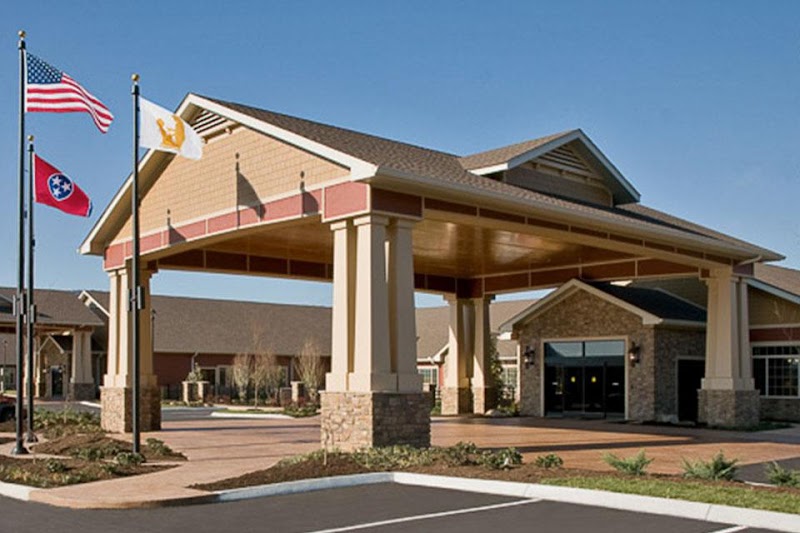
How is Life Of Rhea County Staffed?

CMS rates LIFE CARE CENTER OF RHEA COUNTY's staffing level at 2 out of 5 stars, which is below average compared to other nursing homes. Staff turnover is 25%, compared to the Tennessee average of 46%. This relatively stable workforce can support continuity of care.

What Have Inspectors Found at Life Of Rhea County?

State health inspectors documented 13 deficiencies at LIFE CARE CENTER OF RHEA COUNTY during 2018 to 2022. These included: 13 with potential for harm.
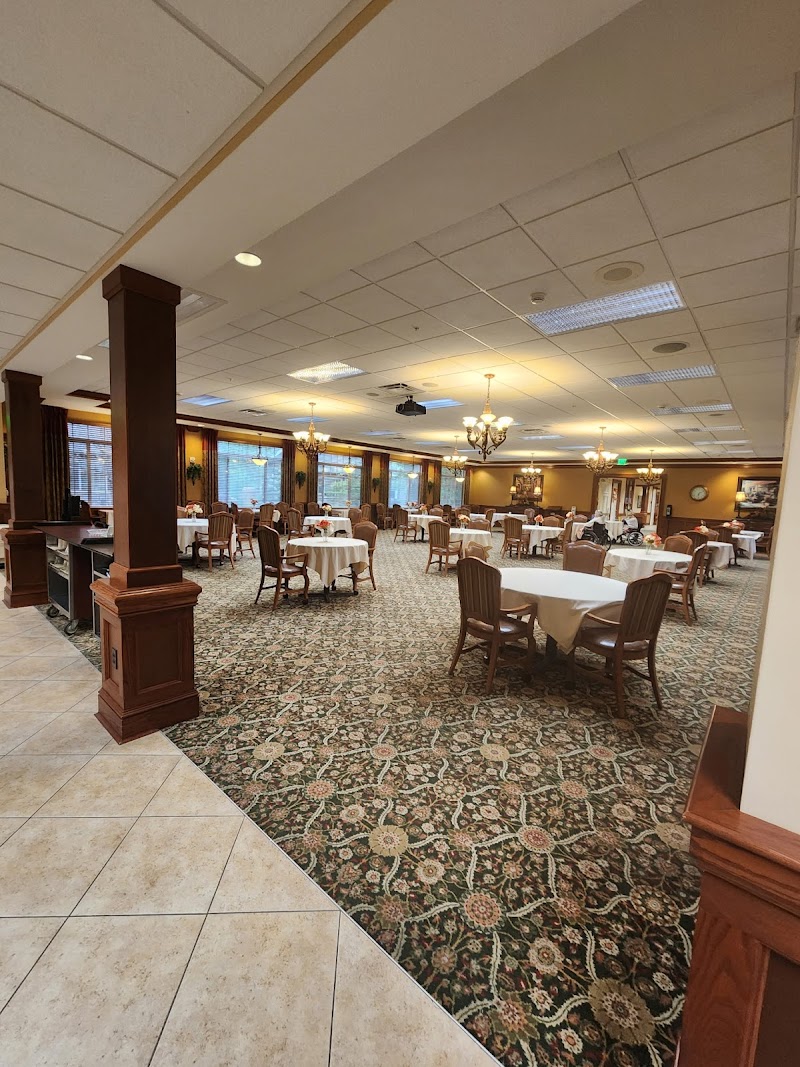
Who Owns and Operates Life Of Rhea County?

LIFE CARE CENTER OF RHEA COUNTY is owned by a for-profit company. For-profit facilities operate as businesses with obligations to shareholders or private owners. The facility is operated by LIFE CARE CENTERS OF AMERICA, a chain that manages multiple nursing homes. With 89 certified beds and approximately 70 residents (about 79% occupancy), it is a smaller facility located in DAYTON, Tennessee.

How Does Life Of Rhea County Compare to Other Tennessee Nursing Homes?

Compared to the 100 nursing homes in Tennessee, LIFE CARE CENTER OF RHEA COUNTY's overall rating (3 stars) is above the state average of 2.8, staff turnover (25%) is significantly lower than the state average of 46%, and health inspection rating (3 stars) is at the national benchmark.

What Should Families Ask When Visiting Life Of Rhea County?

Based on this facility's data, families visiting should ask: "Can you walk me through typical staffing levels on day, evening, and night shifts?" "Can I visit during a mealtime to observe dining assistance and food quality?" "How do you handle medical emergencies, and what is your hospital transfer rate?" "Can I speak with family members of current residents about their experience?" These questions are particularly relevant given the below-average staffing rating.

Is Life Of Rhea County Safe?

Based on CMS inspection data, LIFE CARE CENTER OF RHEA COUNTY has a clean safety record: no substantiated abuse findings (meaning no confirmed cases of resident harm), no Immediate Jeopardy citations (the most serious violation level indicating risk of serious injury or death), and is not on the Special Focus Facility watch list (a federal program monitoring the lowest-performing 1% of nursing homes). The facility has a 3-star overall rating and ranks #1 of 100 nursing homes in Tennessee. While no facility is perfect, families should still ask about staff-to-resident ratios and recent inspection results during their visit.

Do Nurses at Life Of Rhea County Stick Around?

Staff at LIFE CARE CENTER OF RHEA COUNTY tend to stick around. With a turnover rate of 25%, the facility is 21 percentage points below the Tennessee average of 46%. Low turnover is a positive sign. It means caregivers have time to learn each resident's needs, medications, and personal preferences. Consistent staff also notice subtle changes in a resident's condition more quickly.

Was Life Of Rhea County Ever Fined?

LIFE CARE CENTER OF RHEA COUNTY has no federal fines on record. CMS issues fines when nursing homes fail to meet care standards or don't correct problems found during inspections. The absence of fines suggests the facility has either maintained compliance or corrected any issues before penalties were assessed. This is a positive indicator, though families should still review recent inspection reports for the full picture.

Is Life Of Rhea County on Any Federal Watch List?

LIFE CARE CENTER OF RHEA COUNTY is not on any federal watch list. The most significant is the Special Focus Facility (SFF) program, which identifies the bottom 1% of nursing homes nationally based on persistent, serious quality problems. Not being on this list means the facility has avoided the pattern of deficiencies that triggers enhanced federal oversight. This is a positive indicator, though families should still review the facility's inspection history directly.