ETOWAH HEALTH AND REHABILITATION
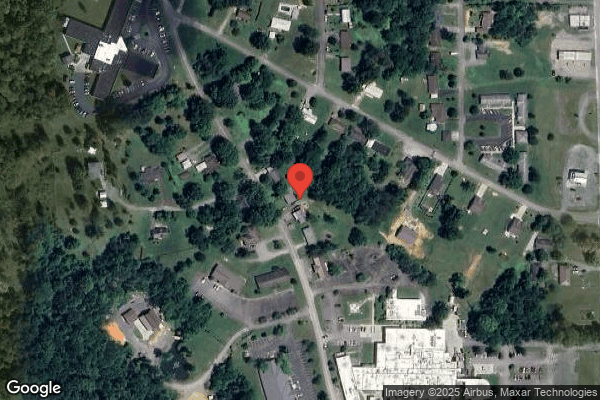
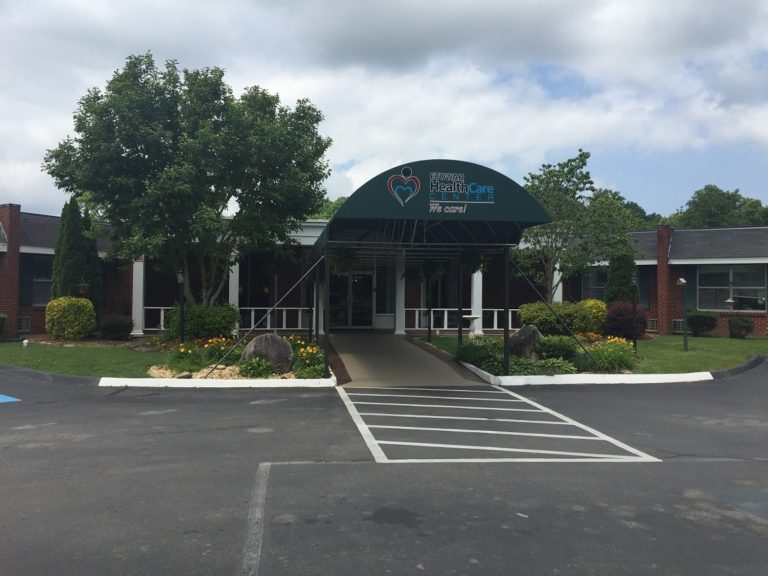
409 GRADY ROAD, ETOWAH, TN 37331 (423) 263-1138
For profit - Individual 120 Beds Independent Data: November 2025 1 Immediate Jeopardy citation
Trust Grade
16/100
#244 of 298 in TN
Last Inspection: June 2022

Over 2 years since last inspection. Current conditions may differ from available data.

Overview

Etowah Health and Rehabilitation has received a Trust Grade of F, indicating significant concerns about the facility's overall care and management. It ranks #244 out of 298 nursing homes in Tennessee, placing it in the bottom half of facilities statewide, and it is the lowest-ranked option among the four nursing homes in McMinn County. While the facility's trend is improving, with issues decreasing from 9 in 2022 to 4 in 2023, it still faces serious challenges, including $21,692 in fines, which is higher than 81% of Tennessee facilities, suggesting ongoing compliance problems. Staffing is a relative strength, with a turnover rate of 0% compared to the state average of 48%, but RN coverage is only average. Specific incidents of concern include a failure to respond to delayed door alarms that led to a cognitively impaired resident wandering away and another incident where a resident suffered a femur fracture due to improper transfer protocols, resulting in hospitalization. Overall, while there are some positive aspects, the facility's critical issues raise concerns for families considering it for loved ones.

Trust Score
F
16/100
In Tennessee
#244/298
Bottom 19%
Safety Record
High Risk
Review needed
Inspections
Getting Better
9 → 4 violations
Staff Stability
○ Average
Turnover data not reported for this facility.
Penalties
○ Average
$21,692 in fines. Higher than 64% of Tennessee facilities. Some compliance issues.
Skilled Nurses
✓ Good
Each resident gets 43 minutes of Registered Nurse (RN) attention daily — more than average for Tennessee. RNs are trained to catch health problems early.
Violations
⚠ Watch
27 deficiencies on record. Higher than average. Multiple issues found across inspections.
★☆☆☆☆
1.0
Overall Rating
★★★☆☆
3.0
Staff Levels
★☆☆☆☆
1.0
Care Quality
★★☆☆☆
2.0
Inspection Score
Stable
2022: 9 issues
2023: 4 issues

The Good

  • Full Sprinkler Coverage · Fire safety systems throughout facility
  • No fines on record

Facility shows strength in fire safety.

The Bad

1-Star Overall Rating

Below Tennessee average (2.8)

Significant quality concerns identified by CMS

Federal Fines: $21,692

Below median ($33,413)

Minor penalties assessed

The Ugly 27 deficiencies on record

1 life-threatening 2 actual harm
Oct 2023 2 deficiencies 2 Harm
SERIOUS (G) 📢 Someone Reported This

A family member, employee, or ombudsman was alarmed enough to file a formal complaint

Actual Harm - a resident was hurt due to facility failures

Comprehensive Care Plan (Tag F0656)

A resident was harmed · This affected 1 resident

**NOTE- TERMS IN BRACKETS HAVE BEEN EDITED TO PROTECT CONFIDENTIALITY** Based on medical record review, facility documentation review, and interviews the facility failed to implement safe transfer int...

Read full inspector narrative →
**NOTE- TERMS IN BRACKETS HAVE BEEN EDITED TO PROTECT CONFIDENTIALITY** Based on medical record review, facility documentation review, and interviews the facility failed to implement safe transfer interventions in accordance with the care plan for 1 resident (Resident #1) of 3 residents reviewed for falls. The facility failure to utilize two persons assistance and a mechanical lift for transfers as prescribed in the care plan for Resident #1 on the evening of 9/16/2023, which resulted in a Distal Right Femur Fracture (thigh bone) for Resident #1 and required hospitalization for surgical intervention. The findings included: Medical record review showed Resident #1 was admitted to the facility on [DATE] with diagnoses including Early Onset Alzheimer's Disease, Muscle Weakness, Weight Loss, Anxiety Disorder, Congestive Heart Failure, Chronic Obstructive Pulmonary Disease, Hypertension, Bilateral Hip Contractures, and History of Repeated Falls. Review of the care plan for Resident #1 showed and entry dated 4/25/2023 as follows: .TRANSFER .Transfer with a Hoyer lift (mechanical lift) and assistance of two staff members . Review of a quarterly Minimum Data Set (MDS) assessment dated [DATE], showed Resident #1 scored a 1 on the Brief Interview for Mental Status (BIMS) assessment which indicated the resident had severe cognitive impairment. The MDS showed Resident #2 was dependent on staff to roll from left to right, was dependent on staff to transfer to and from a chair, was unable to stand from a seated position, and was non-ambulatory. Review of the Discharge MDS assessment dated [DATE], showed Resident #1 with a BIMS assessment of 1 which indicated the resident had severe cognitive impairment. The MDS showed the resident was chair or bed ridden, had communication deficits, verbal and physical behaviors, and required extensive assistance of 1 to 2 persons for all activities of daily living (ADLs). Continued review showed Resident #1 was dependent upon maximum assistance of two or more persons for bed mobility, dressing, personal hygiene, and transfers. The resident was assessed to be high risk for falls due to severe cognitive impairment, behaviors, and limited mobility. Review of facility documentation showed on 9/16/2023 at 6:00 PM, Certified Nurse Aide (CNA #3) attempted to transfer Resident #1 from a Gerichair (a type of specialty chair used for persons with limited trunk control and impaired mobility) to the bed, without assistance of another staff member or use of the mechanical lift as required by the care plan. During the transfer, Resident #1 became agitated and combative, scratched and bit CNA #3. Continued review of the facility documentation showed the supervising nurse (Registered Nurse, RN #1) was called to the room by CNA #3 immediately after the fall occurred. RN #1 arrived to the room, observed Resident #1 upright on her knees, legs folded behind her, in front of the bedside, atop the fall mat on the floor. The nurse observed Resident #1's mechanical lift sling was present in her gerichair, a mechanical lift had not been utilized to transfer the resident by CNA #3, nor were other personnel present in the room. RN #1 and CNA #3 lifted Resident #1 into the bed where a physical examination of the resident was performed by the nurse. RN #1 questioned CNA #3 as to why she did not follow the care plan and failed to transfer the resident using two persons and a mechanical lift as required by the care plan. CNA #3 informed the nurse she never used a lift to transfer Resident #1 and usually transferred her alone. During an interview on 10/24/2023 at 3:45 PM in the conference room, revealed RN #1 reported she was the supervising nurse on duty at the time of the accident on 9/16/2023. RN #1 reported at the time of the accident she was working the medication cart on the B wing hallway where the incident occurred and was a short distance from Resident #1's room. RN #1 reported CNA #3 summoned her to the room from the entrance of Resident #1's doorway and she immediately responded. RN #1 reported she entered the room to observe Resident #1 in front of the bed, on her knees with her lower legs folded behind her, leaning slightly backwards and sideways. Resident #1's Gerichair was adjacent to her. RN #1 reported CNA #3 informed her the resident became combative during a chair to bed transfer, had bitten the CNA on the breast, and the CNA had lowered Resident #1 to her knees on the fall mat. RN #1 reported she immediately questioned CNA #3 as to why she had attempted transfer of the resident without a second person and use of the mechanical lift as required by the care plan and was told by CNA #3, .I always lifted her . RN #1 reported she also asked CNA #3 if the Hoyer lift pad behind Resident #1 in the chair which was plainly visible at the time of the accident, didn't cue her to use a lift and 2 persons assistance to transfer Resident #1, to which CNA #3 repeated her prior statement and gave no other explanation. RN #1 reported she then gave corrective counseling to CNA #3 on the need to follow the care plan on all residents, after her initial assessments of Resident #1 were completed then, issued her a written teachable moment notice which was also forwarded to the Director of Nursing (DON) for further review. RN #1 reported CNA #3 confirmed on 9/16/2023, she had not referenced or followed Resident #1's care plan before the attempted transfer, which led RN #1 to issue written corrective action to CNA #3. RN #1 stated CNA #3's failure to review Resident #1's care plan before the attempted transfer, the presence of the mechanical lift sling beneath Resident #1 in the chair should alone, have cued CNA #3 to seek assistance of another staff member and use a mechanical lift to transfer the resident, and the accident on 9/16/2023 was avoidable. During an interview on 10/24/2023 at 7:15 PM by telephone, confirmed CNA #3 attempted to transfer Resident #1 alone, without the use of a lift. CNA #3 stated during the incident she attempted a sit to stand, pivot transfer, she then grasped Resident #1 beneath her arms, lifted her to a standing position and while pivoting towards the bed, Resident #1 became agitated and combative. CNA #3 reported the resident screamed, cursed, scratched her, and bit her on the breast, and as the resident began to thrash about harder, and she lowered her to the floor. Continued interview revealed she knew Resident #1 was to have 2 persons assistance for transfers and stated . I used my judgement . and added she felt it was not necessary for two persons to transfer Resident #1 at the time, so she attempted to transfer Resident #1 alone. CNA #3 revealed she did see the mechanical lift sling present in the Gerichair beneath Resident #1, before the transfer attempt, and believed herself capable of transferring Resident #1 without assistance and confirmed she had not referenced or followed the care plan. During an interview on 10/25/2023 at 2:14 PM in the conference room revealed the Director of Nursing confirmed at the time of the accident, Resident #1's care plan instructed care takers to use 2 persons and mechanical lift for all transfers. The DON confirmed the facility investigation determined CNA #3 failed to transfer Resident #1 with two persons and a mechanical lift in accordance with the care plan, in violation of facility policy, which resulted in a fall and fractured right femur (actual harm) to Resident #1.
SERIOUS (G) 📢 Someone Reported This

A family member, employee, or ombudsman was alarmed enough to file a formal complaint

Actual Harm - a resident was hurt due to facility failures

Accident Prevention (Tag F0689)

A resident was harmed · This affected 1 resident

**NOTE- TERMS IN BRACKETS HAVE BEEN EDITED TO PROTECT CONFIDENTIALITY** Based on medical record review, facility documentation review and interviews, the facility failed to prevent a fall for 1 reside...

Read full inspector narrative →
**NOTE- TERMS IN BRACKETS HAVE BEEN EDITED TO PROTECT CONFIDENTIALITY** Based on medical record review, facility documentation review and interviews, the facility failed to prevent a fall for 1 resident (Resident #1) of 3 residents reviewed for falls. The facility's failure to prevent the fall resulted in actual harm to Resident #1, when a Certified Nurse Aide (CNA) attempted to transfer Resident #1 without assistance of another staff member or a mechanical lift, which resulted in a Distal Right Femur Fracture for Resident #1 and required hospitalization for surgical intervention The findings included: Medical record review showed Resident #1 was admitted to the facility on [DATE] with diagnoses including Early Onset Alzheimer's Disease, Muscle Weakness, Weight Loss, Anxiety Disorder, Congestive Heart Failure, Chronic Obstructive Pulmonary Disease, Hypertension, Bilateral Hip Contractures, and History of Repeated Falls. Review of the care plan for Resident #1 showed and entry dated 4/25/2023 as follows: .TRANSFER .Transfer with a Hoyer lift (mechanical lift) and assistance of two staff members . Review of a quarterly Minimum Data Set (MDS) assessment dated [DATE], showed Resident #1 scored a 1 on the Brief Interview for Mental Status (BIMS) assessment which indicated the resident had severe cognitive impairment. The MDS showed Resident #2 was dependent on staff to roll from left to right, was dependent on staff to transfer to and from a chair, was unable to stand from a seated position, and was non-ambulatory. Review of facility documentation showed on 9/16/2023 at 6:00 PM, Certified Nurse Aide (CNA #3) attempted to transfer Resident #1 from a Gerichair (a type of specialty chair used for persons with limited trunk control and impaired mobility) to the bed, without assistance of another staff member or use of the mechanical lift as required by the care plan. During the transfer, Resident #1 became agitated and combative, scratched and bit CNA #3. CNA #3 then summoned the supervising nurse (Registered Nurse, RN #1) to the room from where she was working at the medication cart a few doors down the hallway from the incident. RN #1 arrived to the room, and discovered Resident #1 upright on her knees, legs folded behind her, in front of the bedside, atop the fall mat on the floor. RN #1 and CNA #3 lifted Resident #1 into the bed where a physical examination of the resident was performed by the nurse. Review of the Discharge MDS assessment dated [DATE], showed Resident #1 scored a 1 on the BIMS assessment which indicated the resident had severe cognitive impairment. The MDS showed the resident was chair or bed ridden, had communication deficits, verbal and physical behaviors, and required extensive assistance of 1 to 2 persons for all activities of daily living (ADLs). Continued review showed Resident #1 was dependent upon maximum assistance of two or more persons for bed mobility, dressing, personal hygiene, and transfers. The resident was assessed to be high risk for falls due to severe cognitive impairment, behaviors, and limited mobility. Review of the nursing notes dated 9/18/2023 showed on the morning of 9/18/2023, around 9:40 AM, Resident #1 exhibited signs of pain rated as 7 on a 1 to 10 scale, reported to be in her right knee and upper leg that were not relieved by prior administration of Tylenol (an over the counter pain medication). Visible edema (swelling) was observed to be present above Resident #1's right knee. Mobile X rays were ordered by the attending physician, which revealed the presence of an acute distal right femur fracture (thigh bone}. Resident #1 was transferred to a local hospital for emergent care in the early afternoon of 9/18/2023. Review of the emergency department notes dated 9/18/2023 showed attempts to manually reduce the fracture (set the fracture) were unsuccessful due to contractures in Resident #1's hips which prevented extension of her legs. A fracture brace was placed in the emergency department and Resident #1 was admitted to the hospital for additional interventions. Review of the hospital admission note dated 9/18/2023 at 2:39 PM showed .female complaining of right knee and right hip pain following a fall at SNF (skilled nursing facility) in Etowah TN .X rays show fracture .demented female complaining of pain in left arm and shoulder .she had probable fracture of right femoral head [upper part of thigh bone fits into hip socket] and angulated fracture of the right distal femur .A (assessment) .multiple fractures of the right leg .femoral head and distal femur .P (plan) .admit .repair per orthopedic surgeon . Review of the orthopedic surgical consultation note dated 9/19/23 at 8:16 AM showed, XXX[AGE] year old female .who presented to the emergency department after a fall at her skilled nursing facility with pain in her right knee .I personally reviewed the right knee x ray taken on 9/18/2023 which demonstrate a displaced extra articular distal femur fracture . PLAN .Surgical treatment as well as alternatives were discussed the the .conservator .we decided it would be in their best interest to proceed with surgical fixation of their fracture .Plan for surgery with Dr .on 9/20/2023 . Review of the hospital Discharge summary dated [DATE] showed Resident #1 underwent surgical reduction of the fracture on 9/20/23. Resident #1 was returned to the nursing home for continued care and rehabilitation, on non-weight bearing status on 9/25/2023. During an interview on 10/24/2023 at 3:45 PM in the conference room, revealed RN #1 reported she was the supervising nurse on duty at the time of the accident. RN #1 reported at the time of the accident she was working the medication cart on the B wing hallway where the incident occurred and was a short distance from Resident #1's room. RN #1 reported CNA #3 summoned her to the room from the entrance of Resident #1's doorway and she immediately responded. RN #1 reported she entered the room to observe Resident #1 in front of the bed, on her knees with her lower legs folded behind her, leaning slightly backwards and sideways. Resident #1's Geri chair was adjacent to her. RN #1 reported CNA #3 informed her the resident became combative during a chair to bed transfer, had bitten the CNA on the breast, and the CNA had lowered Resident #1 to her knees on the fall mat. Continued interview revealed RN #1 reported during her initial examination of Resident #1, the resident was agitated and did scream at CNA #3 .you broke my legs . RN #1 reported once she determined no emergent conditions were apparent, she informed the physician and DON of the situation, initiated enhanced monitoring of Resident #1 (alert charting) then spoke to CNA #3 as part of her initial investigation. Continued interview revealed RN #1 reported Resident #1 had a long history of chronic pain, severe cognitive impairments and behaviors. RN #1 reported the resident was chair or bed fast, had both verbal and physical behaviors directed at others and was prone to combativeness during ADLs and the accident avoidable. During an interview on 10/24/2023 at 7:15 PM by telephone, revealed CNA #3 recalled the incident. CNA #3 confirmed she attempted to transfer Resident #1 alone, without the use of a lift. CNA #3 was asked to describe the incident in her own words and reported during an attempted sit to stand, pivot transfer, she grasped Resident #1 beneath her arms, lifted her to a standing position and while pivoting towards the bed, Resident #1 became agitated and combative. CNA #3 reported the resident screamed, cursed, scratched her, and bit her on the breast, and as the resident began to thrash about harder. CNA #3 went on to state she had no intentions to harm Resident #1 and added in hindsight, she should have made a different decision and sought assistance with the transfer on the night of the occurrence. During an interview on 10/25/2023 at 2:14 PM in the conference room revealed the Director of Nursing confirmed CNA #3 failed to transfer Resident #1 with two persons and a mechanical lift in accordance with the care plan, in violation of facility policy, which had resulted in a fall and fractured femur (harm) to Resident #1.
Sept 2023 1 deficiency 1 IJ
CRITICAL (J) 📢 Someone Reported This

A family member, employee, or ombudsman was alarmed enough to file a formal complaint

Immediate Jeopardy (IJ) - the most serious Medicare violation

Accident Prevention (Tag F0689)

Someone could have died · This affected 1 resident

**NOTE- TERMS IN BRACKETS HAVE BEEN EDITED TO PROTECT CONFIDENTIALITY** Based on medical record review, review of facility policy, review of the facility self-reported intake report (FRI), investigati...

Read full inspector narrative →
**NOTE- TERMS IN BRACKETS HAVE BEEN EDITED TO PROTECT CONFIDENTIALITY** Based on medical record review, review of facility policy, review of the facility self-reported intake report (FRI), investigation and witness statements, staffing data, review of video surveillance footage, National Weather Service (NWS) data, satellite imaging of the facility from Google Earth, observations and interviews, the facility failed to respond timely to delayed egress door alarms (doors equipped with magnetic lock/keypad system which can be opened with 15 seconds direct pressure to the door handle mechanism without use of the keypad system) on the main lobby door, which resulted in the elopement of 1 resident, (Resident #1, a cognitively impaired female, with limited mobility and endurance) of 6 residents reviewed for elopement risks. The facility's failure placed Resident #1 in immediate jeopardy, (IJ), (a situation in which facility noncompliance with one or more conditions of participation has caused, or is likely to cause, serious injury, harm impairment or death to a resident) when Resident #1 wandered to the delayed egress door in the front lobby, arose from her wheelchair, applied pressure to the door handle, opened the door, triggered the door alarm, then exited the building undetected by staff, to the outside. The facility Administrator was notified of the IJ on 9/7/2023 at 5:55 PM, in the Administrator's office. The facility was cited F-689 at a scope and severity of J which constitutes Substandard Quality of Care. The IJ was cited as Past Noncompliance for F-689 and the facility is not required to submit a plan of correction. The IJ was effective 8/20/2023 to 9/1/2023. The IJ was removed on 9/2/2023. The facility's action's were validated onsite 9/5/2023 to 9/8/2023. The findings include: Medical record review showed Resident #1 was admitted to the facility on [DATE], with diagnoses including Unspecified Dementia in Other Conditions, History of Frequent Falls, Displaced Fracture Right Calcaneus, Cognitive Communication Deficits, Atherosclerotic Heart Disease, History of Myocardial Infarction, Chronic Obstructive Pulmonary Disease, Stage 3 Chronic Kidney Disease, Hypertension, Type 2 Diabetes, and Anxiety Disorder. Review of the quarterly minimum data set (MDS) dated [DATE], showed Resident #1 was severely cognitively impaired with brief interview of mental status score of 4/15, used a wheelchair for ambulation, was free of behaviors, and required one person assistance or set up assistance only for activities of daily living (ADLs). Review of the care plan showed Resident #1 was considered high risk for elopement due to bouts of confusion and wandering behaviors prior to admission to the nursing home. Resident #1 was ordered and equipped with a wanderguard since admission, (an electronic device in which a bracelet worn by the user emits an electronic signal, that automatically triggers door locks and activates audible alarms when the bracelet comes within close proximity of an exit door equipped with a special antennae). Monitoring of Resident #1's wanderguard function was care planned since 11/2/2022. Review of the facility investigation, witness statements and staffing data (staff schedules and punch reports) showed on 8/20/2023 at around 8:00 PM, floor staff mistook audible alarms sounding from the front lobby main exit door, for identical audible alarms triggered from adjacent the C wing exit doorway, which the floor staff at the time, reported were aware was attended by a certified nurse aide (CNA #6), as she supervised approximately 9 wheelchair bound residents as they passed through the unoccupied C wing doorway, after a scheduled resident smoking period outside the C wing, in the designated smoking area situated at the distal end of the C wing at the rear of the facility. Staff members stationed on the other clinical units, were unaware Resident #1 had triggered the front lobby door alarm system simultaneously and exited the building, as sounds from the front lobby alarm, were masked by the sounds of the C Wing door alarm sounding at the same time, as residents re-entered the building from the smoking area. At the time of the incident, the facility had 9 personnel on duty on the occupied clinical floors (Wings A, B, D) to attend to 66 residents. Resident #1 was located outside, at the end of the facility A wing, near a locked entrance door there, beside the parking lot. Review of facility video surveillance camera footage of the incident filmed from a camera situated in the front lobby pointed towards the front entrance showed on Sunday 8/20/2023 around 7:54 PM, Resident #1 rolled into the lobby in her wheelchair from the direction of the common dining area situated directly behind the lobby or from the adjacent D wing where her room was located. Resident #1 was fully dressed in long pants, shirt, and shoes. Resident #1 stopped directly in front of the exit door briefly, still outside the range of the wanderguard antennae, sat in her wheelchair and appeared to look outside. Audio from the surveillance tape showed at this time, no alarms were activated. Continued review showed at 7:55 PM, Resident #1, still seated in her wheelchair rolled forward slightly and began to manipulate the front door. The wanderguard system is heard automatically engaging the lock system and the audible alarm was activated. At 7:55:3 PM Resident #1 arose from her wheelchair, pushed on the delayed egress bar affixed to the door, which bypassed the locking mechanism, but did not bypass the audible alarms sounding, and exited the facility to the front porch area without the wheelchair. Continued review showed Resident #1 stood just outside the front entryway and at 7:56:24 PM sat down in a rocking chair beside the front door as the alarms continued to sound until 7:57:00 PM. At that time Resident #1 arose from the rocking chair and ambulated to the end of the covered entrance way to the edge of the parking lot, turned and ambulated back towards the front door and stood on the porch beside a grassy strip with landscaping until 7:58:17 PM as the door alarms continued to sound. Resident #1 then ambulated out of view of the camera in an eastward direction in the grassy area between the outer wall of the facility east wing and the parking lot, as alarms continued to sound. Continued review of the surveillance footage showed at 7:59:57 PM (4 minutes 20 seconds after the first alarm was triggered ) a staff member from the B wing (identified as CNA #1) entered the front lobby, approached the front door, silenced the alarm, pulled the door (which remained slightly ajar) closed, noted Resident #1's wheelchair present in front of the door, then questioned a second staff member who had arrived seconds behind her from the same direction (CNA #4) .whose wheelchair is this? . CNA #4 can be heard responding the wheelchair belonged to Resident #1, as the pair called out for assistance from other personnel out of view at 8:00:34 PM. As other personnel arrived to the lobby between 8:01:00 to 8:01:34 PM, both CNA's reported the situation as they exited the front lobby outside, CNA #1 turning westward outside and CNA #4 turning eastward until both were out of view. Continued review showed Licensed Practical Nurse (LPN #1) who had responded by then, directed other personnel as they responded to specified areas of the facility to begin a search for Resident #1 as CNA #1 and CNA #4 searched for the missing resident outside. Continued review of the surveillance footage and audio revealed at 8:02:09 PM ( an unidentified person can be heard calling out from off camera Resident #1 had been located outside. Personnel (identified as CNA #5) took Resident #5's wheelchair out the front door and are seen briefly turning eastward. Resident #1 was returned inside the building seated in the wheelchair, accompanied by 3 persons at 8:04:01 PM (10 minutes 1 second after the incident began). Continued review of the surveillance footage and audio showed between 8:10:01 and 8:14:01 PM, multiple staff discussed the elopement and were directed by a voice off camera (LPN #1) to prepare written witness statements at once. A second unidentified voice is heard to state .we got complacent, that's why we have alarms . and we respond when they go off . as another unidentified voice instructs parties visible beneath the camera (CNA #1 and CNA #4) to state just the facts in their written statements. Review of overhead satellite imaging of the facility and electronic measurements (Google Earth) and manual measurements taken on 9/7/2023 at 2:00 PM, using a tape measure with the maintenance director, showed during the incident, Resident #1 initially ambulated around 39 feet from the lobby exit door to the edge of the covered front porch/entryway, to the edge of the parking lot, before returning back to the porch. Resident #1 then ambulated [NAME] parallel to the facility A wing in a grassy strip lined with bushes near the building's outer wall, approximately 125 feet to the end of the A wing. Resident #1 then ambulated around the corner of the building another 24 feet to the location she was intercepted, which was situated on a paved sidewalk with bushes between it and the parking area, outside the distal entrance of the secured A wing door. The location near the A wing door where Resident #1 was located, was situated approximately 70 feet away from a 2-lane road ([NAME] Road), situated north/northeasterly from the facility in the Residential neighborhood, in which the facility is situated. Review of National Weather Service Data for 8/20/2023, showed at the time of the elopement, the weather was sunny. The temperature was around 82 degrees Fahrenheit with 72 percent humidity and no wind. Interview with CNA #1 on 9/6/2023 at 10:40 AM, by telephone revealed CNA #1 was assigned to the B wing hallway on the night of the incident. CNA #1 reported she was aware at the time, smokers were on the C wing under supervision of CNA #6. CNA #1 reported she heard the C wing door alarm activate several times between 7:30 and 7:45 PM as smokers moved through the C wing door. CNA #1 reported around 8:00 PM, she exited a resident room midway down the B wing hallway and realized two alarms were sounding simultaneously. CNA #1 reported she hurried towards the lobby to investigate and as she approached the lobby it became evident the front door alarm was active. CNA #1 reported from her initial vantage point the two alarms sounds were blended and difficult to differentiate. CNA #1 reported as she discovered Resident #1's empty wheelchair in front of the door, CNA #4 had arrived from the A wing and the pair called for help as they began searching outside for Resident #1 when it was discovered the door was ajar. CNA #1 reported she discovered Resident #1 outside near the end of the A wing around 2 minutes after she began searching the front parking area. CNA #1 reported initially Resident #1 was reluctant to return to inside and stated she was tired of being locked up but after a brief redirection agreed to allow herself to be wheeled back inside in the wheelchair. CNA #1 reported Resident #1 was fatigued and tearful when located. CNA #1 reported when she and CNA #4 returned Resident #1 back inside, she heard the C wing door alarms begin to activate again as the last of the smokers returned inside. Interview with the DON on 9/6/2023 at 1:05 PM, in the conference room revealed she was summoned to the facility by LPN #1 after the incident occurred and arrived around 20 minutes after the incident was resolved. The DON reported the administrator also arrived a few minutes later and an Ad Hoc Quality Assurance Meeting was held and interviews of staff were initiated. The DON reported it became apparent during staff interviews all personnel on duty at the time of the elopement were aware of the smoking break in progress and had heard C wing alarms repeatedly sounding around the same time Resident #1 set off the lobby door alarm. The DON reported staff on the A, B and D wings didn't realize the front lobby alarm had been activated due to their locations on the other wings at the time of the incident. The DON reported immediately upon realizing this, the facility posted a staff member in the lobby area during smoking breaks after hours to ensure the situation would not recur. The DON reported the lobby was monitored by a receptionist from 8:00 AM to 5:00 PM daily Monday through Friday and at the incident arose after hours when no receptionist was on duty. The DON reported after further investigation, and another Quality Assurance Review of the incident held on 8/22/2023, further interventions were implemented which included installation of a remote on the C wing door which would allow a user to silence the alarm for 30 additional seconds without use of the keypad device as smokers were assisted through the doorway. The DON reported staff retraining in response to the incident began immediately and continued through 9/1/2023 and included written testing for all staff related to new processes put in place in response to the incident, the facility elopement policy and door alarm system. Interview with the Activities Director (AD) on 9/6/2023 at 5:55 PM, in the conference room revealed she was aware of Resident #1's elopement and the facility responses to the incident. The AD reported Resident #1 was active in activities during the day and per her usual routine often sat in the lobby in the evenings after supper before returning to the D Wing in the evening. The AD reported the facility interdisciplinary team added care plan interventions for additional individual activities/socialization periods for Resident #1 time to occur after supper and before bedtime in response to the incident. Interview with LPN #1 on 9/6/2023 at 5:55 PM, in the conference room revealed she was the D wing nurse assigned to care for Resident #1 on the night of the incident. LPN #1 reported she was familiar with Resident #1 and had cared for her since admission to the facility. LPN #1 reported she last saw Resident #1 around 7:15 PM as she ambulated in her wheelchair throughout the D wing and common day area socializing with peers and passersby as was her customary evening routine. LPN #1 reported at the time of the elopement she was engaged in medication passes to other residents at the distal portion of the D wing. LPN #1 reported she was aware of the smoking break ongoing on the C wing that evening as it was scheduled daily and knew CNA #6 was stationed on the C wing to supervise the residents who smoked. LPN #1 reported she had an additional CNA on the wing to assist with patient care (CNA #5). LPN #1 confirmed she heard the C wing door alarm sound several times around 8:00 PM as smokers transited the C wing doorway. LPN #1 reported she did not hear the front lobby alarm sound due to her vantage point from the D wing where she was passing medications when it was discovered Resident #1 had eloped. Continued interview revealed LPN #1 reported she was summoned to the lobby by staff at the time of the elopement and directed personnel to begin a search for Resident #1 inside (as was seen on the surveillance footage) in accordance with the facility policy (code orange). LPN #1 reported CNA #1 and #4 located Resident #1 quickly once they began the outside search. LPN #1 reported she questioned Resident #1 as to how she had gotten outside as she examined her after the incident. LPN #1 reported Resident #1 told her she had read the sign on the door and followed the instructions to activate the delayed egress system. LPN #1 went on to explain Resident #1 was a retired elementary school teacher and was still able to read and write despite her cognitive impairments. LPN #1 reported the resident also informed her she activated the delayed egress system because she wanted to go outside. LPN #1 reported Resident #1 was not injured in the incident. LPN #1 reported she was the person heard on the video surveillance footage directing all personnel to immediately submit written statements after the incident. LPN #1 reported the lobby door alarm system was checked at once and found to be functioning as intended once Resident #1 was back inside. LPN #1 reported it appeared to her sounds from the C wing alarm going off at the time had muted the sounds of the lobby alarm triggered or staff had mistaken the sounds of lobby alarm to be those coming from the C wing during the smoking break and did not realize the error until CNA #1 found Resident #1's empty wheelchair in the front lobby. Interview with CNA #4 on 9/6/2023 at 6:57 PM, by phone revealed CNA #4 was also familiar with Resident #1. CNA #4 reported the resident customarily sat in the lobby in the evenings after supper. CNA #4 reported she was assigned to the A wing on the day of the incident and saw Resident #1 near the front lobby around 15 minutes prior to the incident. CNA #4 reported it was not unusual to see Resident #1 in the lobby or common area after supper and the resident was socializing and had no negative behaviors. CNA #4 reported she did hear the C wing door alarm sounding distantly as smokers took the smoke break sometime around 8:00 PM. CNA #4 reported her wing had numerous residents with bed sensors, wheelchair tab alarms etc. and several alarms had sounded that evening in the minutes before the elopement was detected. CNA #4 reported she was in a resident room with door closed near the distal end of the A wing, where the bed alarm had activated several times that evening as she repositioned the resident after incontinence care immediately before the incident. CNA #4 stated that was why she probably failed to detect the lobby alarm sounding immediately. CNA #4 reported after she exited the resident room and continued rounds to the next door room, she realized the lobby alarm was active and moved in that direction. CNA #4 reported at that time, she saw CNA #1 already approaching the lobby from the adjacent B wing. (This was consistent with video footage reviewed). CNA #4 reported as she approached the lobby, she heard CNA #1 call out for help and immediately identified Resident #1's empty wheelchair. CNA #4 reported the pair then called out to nursing staff to activate the missing resident procedure and began their search outside as the front door was ajar when CNA #1 arrived to the lobby. CNA #4 reported the pair found Resident #1 outside near the end of the A wing after a rapid sweep of the front parking lot and adjacent roadway. CNA #1 reported she believed she would have heard the front lobby alarm more quickly had there not been so many different alarms active at the time of the incident and noted the smoking group on the C wing had activated that door alarm several times before the incident and the door alarms at the facility were distinctive in tone from personal alarms but were identical on every door. CNA #4 went on to explain all door alarms at the facility wound activate if the door was opened for more than 30 seconds even with the keypad codes entered and would not deactivate until magnetic locks were re-engaged and the key code reentered. CNA #4 reported during smoking breaks most smokers at the facility were wheelchair bound and could not egress the door on the C wing in less than 30 seconds which frequently triggered alarms as the group transited the doorway. CNA #4 reported facility staff were aware of this and had gotten used to hearing the C wing door alarm sound during smoking breaks and felt that contributed to their failure to rapidly detect the lobby alarm sounding on the night of the incident as it was it appeared to have been activated simultaneously with the C wing door. Interview with CNA #6 on 9/6/2023 at 7:31 PM, in the conference room revealed she was assigned to manage the smoking break on the night of incident. CNA #6 reported she informed all unit staff of the break in progress as she escorted smokers to the smoking area beforehand. CNA #6 reported around 9 Residents attended the smoke break and the group transited outside in a line through the C wing door one at a time in wheelchairs. CNA #6 reported all 9 residents required assistance transiting through the doorway and this frequently exceeded the 30 second interval allowed by the door alarm which caused it to frequently sound and have to be manually silenced. CNA #6 explained this required a user to shut the door, engage the automatic lock then re-enter the key code again each time the alarm sounded. CNA #6 reported as a consequence, facility staff had become accustomed to hearing the C wing door alarm sound several times for varied intervals during scheduled smoking breaks. CNA #6 confirmed all door alarms on the delayed egress system and wanderguard systems installed on the facility exits utilized the same distinctive tone. CNA #6 reported on the night of incident she was outside with the smokers, then escorted each back inside as they finished smoking and the alarm at her door sounded several times. CNA #6 reported because of that she did not hear the lobby alarm activate at all. CNA #6 went on to explain in response to the incident, the facility supplied a hand held remote control which was kept locked up with the smoking materials, which allowed the user to push a button once every 30 seconds to keep the C wing door alarm quiet without need to close the door or use the keypad once the initial keypad sequence was inputted. CNA #6 reported if the remote user failed to utilize the remote within 30 seconds the door alarm would sound regardless and required the user to manually deactivate the alarm. CNA #6 reported the remote was programmed to only be effective on the C wing door. CNA #6 demonstrated use of the new device after interview and informed the surveyor all staff had been trained on use of the new remote in response to the incident. Interview with LPN #2 on 9/6/2023 at 7:55 PM in the conference room revealed LPN #2 was engaged in medication passes on the B wing hallway at the time of the elopement. LPN #2 reported she had heard the C wing door alarm repeatedly in the minutes before the incident and knew a smoking period was underway. LPN #2 reported she observed Resident #2 ambulating in her wheelchair in the common areas a few minutes before the elopement as was the resident's usual nightly routine. LPN #2 reported 6 personnel were stationed on the A and B wings adjacent to the lobby at the time of the incident. LPN #2 reported sometime around 8:00 PM she was outside a room at the far end of the B wing and heard both the C wing door alarm and what she believed to be the lobby door alarm sounding and observed CNA #1 moving towards to the lobby. LPN #2 reported she secured her medication cart when she heard CNA #4 call for help and responded to the incident. LPN #2 corroborated CNA #4's reports both the A and B wings that night were active and several residents had activated personal alarms or call lights at the time the elopement occurred which may have obscured sounds from the Lobby alarm to distant points on the adjacent clinical units. LPN #2 reported she assisted LPN #1 run the code orange procedure (missing resident) and noted Resident #1 was located outside before it became necessary to implement the full procedure and call authorities etc. LPN #2 reported she was present when LPN #1 interviewed Resident #1. LPN #2 reported the resident stated she didn't mean to cause all the trouble and informed LPN #1 she read instructions on the door and did what it said to go outside. Interview with CNA #2 on 9/6/2023 at 8:32 PM in the conference room revealed CNA #2 was the person seen on the video tape assisting CNA #1 and CNA #4 as they brought Resident #1 back inside. CNA #2 reported she was stationed on the B wing hallway at the time of the incident. CNA #2 confirmed she did not hear the lobby alarm initially as she was in a resident room with the door closed and had exited the room after care to see CNA #1 running towards to the lobby. CNA #2 also reported prior to the incident she had heard the C wing alarm system sound repeatedly and attributed that to the smokers setting off the alarm as they went outside. CNA #2 reported the B wing was active on the evening of the incident with multiple call lights sounding and personal alarms beeping around the time of the incident. CNA #2 reported as she wheeled Resident #1 back inside the building, she questioned Resident #1 as to how she exited, and as was told by Resident #1, she had read to delayed egress door instructions and opened the door. CNA #2 reported Resident #1 was upset at the time and told staff .she was tired of being in a nursing home, and didn't want to be here . CNA #2 reported she informed LPN #1 of Resident #1's statements once the resident was safe back inside. CNA #1 reported when she arrived outside to assist CNA #1 and CNA #4, she observed Resident #1 to be short of breath, tired and profusely sweating. Interview with the Administrator on 9/7/2023 at 5:59 PM in the administrator's office, revealed the Administrator confirmed the facility had failed to timely respond to the front lobby door alarms when activated and as a result Resident #1 exited the facility undetected. The Administrator confirmed though Resident #1 had been unharmed, the incident could have resulted in serious harm, impairment, or death to Resident #1. The facility corrective actions included: 1. An ad hoc Quality Assurance Meeting (QAPI) was held with the DON, Administrator and Unit Charge Nurses on the evening of 8/20/2023 and all potential witnesses identified. Written statements were obtained and initial interviews implemented by the DON. The facility assessed function of all door alarm systems and determined all were functioning within normal limits. The facility elopement book (happy feet) was checked for accuracy and Resident #1 was already included in the program. All at risk residents were included in the book. No new residents were identified as at risk for elopement. The responsible parties and physician for Resident #1 were advised of the incident. All required authorities were noted via the FRI system as required by State and Federal Law. Resident #1 was placed on every 15 minute checks and line of sight precautions when off the clinical unit. Initial staff training on the elopement procedures, and alarm policies began. Daily checks of door alarm function were implemented with corresponding documentation. 2. On 8/21/2023, A second QAPI meeting between the DON, Administrator, MDS coordinator and Interdisciplinary team (IDT) (which included remote monitoring by corporate staff) was held. The IDT reviewed the incident and asked additional questions of interviewees. A root cause analysis of the incident was completed by the DON and MDS coordinator which revealed 2 door alarms activated at the same time (C wing and front lobby) which staff did not discern at the time. Interventions to install a remote alarm silencer on the C wing door were arranged. Lobby monitors were assigned to the front lobby after hours during smoking periods when the lobby was not routinely monitored by the receptionist. Documentation of the lobby monitoring imposed was initiated. Every 15 minute check documentation for Resident #1 was reviewed. 3. On 8/22/2023, elopement risk for Resident #1 was upgraded from a score of 11 (high) to a score of 16 (high). The care plan was modified to include activities after supper and before bedtime. The remote alarm silencer for the C wing doorway was installed. All residents with wanderguards in place were reassessed for elopement risk (no changes) and wanderguard functionality was confirmed (no irregularities). Front lobby door monitoring continued as in-service training for all personnel on the new C wing alarm remote was initiated. Every 15 minute checks for Resident #1 were extended for another 7 days. Staff retraining on the elopement policy and alarm polices continued. 4. On 8/23/2023, staff training on the new C wing door remote was completed. The front lobby monitor was extended for one additional day until the new process was demonstrated by all clinical staff and then discontinued on the evening of 8/23/2023. Training on the elopement policy and alarm policies continued. 5. On 8/24/2023, Resident #1 was re-evaluated by the Psychiatric Nurse Practitioner and adjustments to her anxiolytic regimen were implemented. (Buspar increased from 5 milligrams once daily to 3 times daily by mouth). Gradual dose reduction of Remeron (antidepressant) was implemented from 15 milligrams nightly to 7.5 milligrams nightly. Resident #1 was also evaluated by the Medical Director who increased dosage of her antihypertensive mediation due to persisting hypertension after care coordination related to psychotropic changes with the Psychiatric Nurse Practitioner. 6. Between 8/24/2023 and 8/30/2023, every 15 minutes checks for Resident #1 continued with no changes in her behaviors or declines in condition. Every 15 minute checks were discontinued on 8/30/2023. Staff education on the elopement and alarm polices continued. Written competency testing was required of all staff with a 100 percent score on the test required to work. All staff passed the examination. 7. On 8/31/2023, full scale elopement and fire drills were conducted on the second shift to coincide with the time of the elopement with no deficient practices identified. Daily door alarm checks and monitoring of use of the remote alarm silencer in place on the C wing door continued with no irregularities. Daily alarm checks were ordered to be reduced to 3 times weekly per the QA team starting 9/4/2023, Three times weekly door alarm checks were to continue through 9/22/2023 and then findings reported to the full QA committee during the monthly meeting scheduled for 9/22/2023. The QA team would decide on further interventions going forward after the 9/22/2023 meeting. 8. On 9/1/2023 all staff training related to the door alarm systems, elopement policy and new remote alarm silencer on the C wing door near the smoking area was completed. All post testing was completed. All staff passed the examination. Any staff who had not completed education (seasonal, part time, those on medical leave etc.) were notified re-training/post testing with a 100 percent score on the post test would be required before returning to duty. The facility corrective actions were validated onsite by the surveyor between 9/7-8/2023 via observations, record reviews and interviews. 100 percent of staff interviewed were well versed in the missing resident and alarm policies and operation of the new remote silencing mechanism in place on the C wing door for use during smoking breaks. The facility elopement manual (happy feet) was up to date and in order at all nursing stations. Clinical record review of similar at -risk residents (Residents #2, #3, #4, #5, #6) cross referenced to the elopement manual showed no irregularities. Observations showed all door alarms and the new remote in place on the C wing effective. Alarm tests conducted under observation of the surveyor on all 4 wings of the facility between the night shift of 7/7/2023 and the evening shift of 7/8/2023 (prior to exit) showed no irregularities. Observations of the new remote alarm silencer on the C wing door showed it was kept secured as reported and functioned as reported and any delay in using the device or C wing door keypad within 30 seconds of the C wing door being opened would activate the audible alarm. All delayed egress doors were observed and found to be working as designed and all required signage in place. 12/12 staff interviewed revealed they had been retrained and post tested as reported/documented by the facility and all reported the DON had fully briefed them on the findings of the IDT root cause analysis of the incident as related to alarm fatigue and the interventions put in place to address the incident. Review of the incident logs showed no recurrences[TRUNCATED]
Jan 2023 1 deficiency
CONCERN (D) 📢 Someone Reported This

A family member, employee, or ombudsman was alarmed enough to file a formal complaint

Potential for Harm - no one hurt, but risky conditions existed

Free from Abuse/Neglect (Tag F0600)

Could have caused harm · This affected 1 resident

**NOTE- TERMS IN BRACKETS HAVE BEEN EDITED TO PROTECT CONFIDENTIALITY** Based on medical record review, facility documentation, and interview the facility failed to protect 2 residents (#1, #2) from a...

Read full inspector narrative →
**NOTE- TERMS IN BRACKETS HAVE BEEN EDITED TO PROTECT CONFIDENTIALITY** Based on medical record review, facility documentation, and interview the facility failed to protect 2 residents (#1, #2) from abuse of 6 residents reviewed for abuse in the facility. The findings include: Resident #1 was admitted to the facility on [DATE] with diagnoses including Dementia Without Behavioral Disturbance, Cerebrovascular Disease, and Visual Hallucinations. Review of the Annual Minimum Data Set (MDS) dated [DATE] revealed resident Brief Interview for Mental Status (BIMS) score of 14 indicating resident cognitively intact. Resident #2 was admitted to the facility on [DATE] with diagnoses including Dementia, Anxiety Disorder, and Type 2 Diabetes Mellitus. Review of the Quarterly Minimum Data Set (MDS) dated [DATE] revealed Brief Interview for Mental Status (BIMS) score of 3 indicating the resident had severe cognitive impairment. Continued review of the MDS revealed resident behavior of Physical behavioral symptoms directed toward others, verbal behavioral symptoms directed toward others, and other behavioral symptoms was not exhibited during review period. Review of Resident #2 Plan of Care date initiated 5/18/2022 revealed .Problem .The resident is/has potential to be physically or verbally aggressive r/t (related to) Dementia without Behavioral Disturbance .agitation and verbal aggression toward staff at times r/t not wanting care provided .she wanders in other resident rooms at times and staff offices . Medical record review of a Nursing Progress note for Resident #1 dated 12/2/2022 revealed .This nurse was called into resident room, where resident was lying on the floor on her right side yelling at [Resident #2]. Resident .stated if I'm hurt, you are going to get it .[Resident #2] was standing approximately 4 feet away from [Resident #1] .when nurse, along with DON (Director of Nursing), and Administrator entered the room. [Resident #2] was assisted out of room .[Resident #1] was assisted onto her back .all ROM [Range of Motion] to all extremities .WNL [within normal limits] .skin assessment completed .small amount of blood to right elbow and right knee .physician notified . Review of a facility documentation dated 12/2/2022 revealed .on 12/2/2022 .I responded to yelling .when I got to the doorway I observed . [Resident #1) in the floor on her right side .she was yelling If I'm hurt you're going to get it [NAME] .I then observed [Resident #2] standing in room by dresser .skin assessment was performed by charge nurse and abrasions were noted to resident's right elbow and knee .when questioned what happened the Resident [Resident #1] replied .she came into my room saying howdy, howdy, howdy, I told her to get out and she told me she would kick my butt, I told her I'm sitting here whenever your [you're] ready and then she slung me to the floor . Review of a skin assessment dated [DATE] for Resident #1 revealed .skin assessment completed, small amount of blood noted to R (right) elbow and R knee . Review of a skin assessment dated [DATE] for Resident #2 revealed .noted bruising noted to resident's left hand at thumb and index finger as well as bruise to resident's right forearm flowing incident . Review of Resident #2 Behavior Monitoring revealed Symptoms to include Wandering .Threatening Behavior .Rejection of Care .from 9/1/2022 to 1/12/2023 revealed behaviors increased in November after GDR (gradual dose reduction). Review of a Psychiatric Evaluation for Resident #2 dated 12/15/2022 revealed .staff request evaluation due to recent changes in behavior and reports of altercation with fellow resident .ativan [Ativan] [medication for increased anxiety] was decreased for GDR attempt 10/2022, resident displayed increased agitation and altercation end of November and beginning of December .ativan was increased back 12/5/2022 . Interview with Resident #1 on 1/10/2023 at 12:26 PM, in the resident room, revealed resident alert and oriented seated on the bed with a bag packed beside the resident. When questioned about if anyone has harmed the resident since admitted to the facility, the resident stated .Yes, her name was [first name of the Resident #2] .she pushed me [Resident #2 ] down and I bit her [Resident #2] .and a Policeman came in my room after . Continued interview revealed no other residents had been in the resident's room since 12/2/2022 and no further concerns were noted from Resident #1. Interview with Family Nurse Practitioner (FNP) #1 on 1/11/2023 at 10:39 AM, by phone, revealed the FNP was recently made aware of alleged altercations related to Resident #2. The FNP stated . [Resident #2] is usually calm and just doesn't have the concept of personal space or social distancing anymore due to cognitive decline . Interview and facility documentation review with the Administrator and DON on 1/11/2023 at 11:18 AM, confirmed Resident #1 stated Resident #2 had slung her in the floor on 12/2/2022. They stated Resident #2 was present in Resident #3's room when Resident #3 was found on the floor. Continued interview revealed skin assessments were completed on both residents after the incident and revealed both residents had bruising identified after the alleged incident on 12/2/2022.
Jun 2022 9 deficiencies
CONCERN (D)

Potential for Harm - no one hurt, but risky conditions existed

Deficiency F0554 (Tag F0554)

Could have caused harm · This affected 1 resident

**NOTE- TERMS IN BRACKETS HAVE BEEN EDITED TO PROTECT CONFIDENTIALITY** Based on facility policy review, medical record review, interview, and observation, the facility failed to assess 1 resident (#4...

Read full inspector narrative →
**NOTE- TERMS IN BRACKETS HAVE BEEN EDITED TO PROTECT CONFIDENTIALITY** Based on facility policy review, medical record review, interview, and observation, the facility failed to assess 1 resident (#46) for self-administration of medications of 5 residents reviewed for medication administration. The findings include: Review of the facility policy titled, Medication Administration, updated 12/2011, showed .Residents may be allowed to self-administer medications only when specifically authorized by the attending physician and in accordance with procedures for Self-Administration of Medications . Review of the facility policy titled, Self-Administration of Drugs, undated, showed .The care planning team will assess each resident's mental, physical, visual ability to determine if the resident is capable of self-administration of drugs and medications . Medical record review revealed Resident #46 was admitted to the facility on [DATE] with diagnoses including Type 2 Diabetes Mellitus, Hypertension, Chronic Kidney Disease Stage 3, and Dyspnea. Review of Resident #46's quarterly Minimum Data Set (MDS) assessment dated [DATE], showed the resident had a Brief Interview for Mental Status (BIMS) assessment score of 15, indicating the resident was cognitively intact. She was independent for bed mobility, transfers, and walking, and required set up assistance for eating. Review of Resident #46's Medication Administration Record (MAR) dated 6/1/2022-6/30/2022, showed the following medications were ordered .Allergra Allergy [allergy medication] Tablet 180 MG [milligrams] .one time a day [8:00 AM] .Allopurinol [medication for gout] Tablet 100 MG one time a day [8:00 AM] .Ascorbic Acid [Vitamin C] Tablet .one time a day [8:00 AM] .Baclofen [medication for muscle spasms] Tablet 10 MG .one time a day [8:00 AM] .Bactrim DS [antibiotic medication] Tablet 800-160 MG [8:00 AM] .Ferrous Sulfate [medication for iron deficiency] Tablet 325 MG .one time a day [8:00 AM] .Lasix [medication to treat fluid retention] Tablet 40 MG .one time a day [8:00 AM] .Losartan Potassium [high blood pressure medication] Tablet 100 MG .one time a day [8:00 AM] for HTN [hypertension-high blood pressure] .Rosuvastatin Calcium [cholesterol medication] Tablet 20 MG at bedtime [8:00 PM] .Singulair [allergy medication] Tablet 10 MG .one time a day [8:00 AM] .Metoprolol Tartrate [high blood pressure medication] Tablet 100 MG .two times a day [8:00 AM and 8:00 PM] .Mucinex [cold and cough medication] Tablet Extended Release 12 Hour 600 MG .two times a day [8:00 AM and 8:00 PM] for congestion/cough .Gabapentin [nerve pain medication] Capsule 400 MG .three times a day [8:00 AM, 2:00 PM, and 8:00 PM] .Tramadol [pain medication] 50 MG Give 2 tablet [tablets] .three times a day [8:00 AM, 2:00 PM, and 8:00 PM] . Medical record review showed no documentation the resident had been assessed for the safe self-administration of her medications. During an interview on 6/21/2022 at 7:34 AM, Licensed Practical Nurse (LPN) #1 stated she had worked at the facility for about 2 weeks. She stated she had been told when she started at the facility to take Resident #46's medications to her, and the resident could self-administer. The LPN confirmed she would set the medication cup on the table in the resident's room and leave the room. LPN #1 stated she had not stayed in the room to observe the resident take the medications. The LPN stated she was unaware if the facility had assessed the resident for safe self-administration of her medications. During an observation on 6/21/2022 at 2:17 PM, in the resident's room, showed LPN #1 entered the resident's room. Resident #46 told the nurse to place the medication cup on the overbed table .as usual . The LPN placed the cup of medications on the overbed table and exited the room. During an interview on 6/21/2022 at 2:27 PM, the Director of Nursing (DON) confirmed the resident had been self-administering her medications .some do yeah [nurses allow the resident to self-administer her medication] .sometimes she [Resident #46] will just want you [the staff] to sit them [her medications] on the table and leave . The DON confirmed the facility had not completed a safe self-administration assessment.
CONCERN (D)

Potential for Harm - no one hurt, but risky conditions existed

Free from Abuse/Neglect (Tag F0600)

Could have caused harm · This affected 1 resident

**NOTE- TERMS IN BRACKETS HAVE BEEN EDITED TO PROTECT CONFIDENTIALITY** Based on facility policy review, reportable event form review, medical record review, and interview the facility failed to ensur...

Read full inspector narrative →
**NOTE- TERMS IN BRACKETS HAVE BEEN EDITED TO PROTECT CONFIDENTIALITY** Based on facility policy review, reportable event form review, medical record review, and interview the facility failed to ensure 1 resident (#23) was free from physical abuse of 21 residents reviewed for abuse. The findings include: Review of a facility policy titled ABUSE, NEGLECT & EXPLOITATION POLICY & PROCEDURES dated 4/25/2016, showed the facility .will promote the rights, comfort, safety and well being of its residents . The facility .recognizes that residents have the right to be free from verbal, sexual, physical, and mental abuse, mistreatment, neglect .Residents are not to be subjected to abuse, neglect, and/or exploitation by anyone, including but not limited to, facility staff, other residents . Resident #23 was admitted to the facility on [DATE] with diagnoses including Heart Disease, Chronic Pain Syndrome, Major Depressive Disorder, Osteoarthritis, Chronic Systolic Heart Failure, Type 2 Diabetes Mellitus, Hypertension, and Anxiety Disorder. Review of the comprehensive care plan dated 7/31/2021, showed Resident #23 was admitted from home for Long Term Care with hospice services. The care plan showed .resident has impaired cognitive function and impaired thought processes .short term memory/recall problems at times with period of increased confusion . Review of the quarterly Minimum Data Set (MDS) assessment dated [DATE], showed Resident #23 with a Brief Interview for Mental Status (BIMS) assessment score of 14 indicating the resident was cognitively intact. Resident #48 was admitted to the facility on [DATE] with diagnoses including Dementia, Type 2 Diabetes Mellitus, Hypothyroidism, Anxiety Disorder, Repeated Falls, Muscle Weakness, and Psychosis. Review of the comprehensive care plan dated 6/28/2019, showed Resident #48 was care planned for .impaired cognitive function and impaired thought processes .short and long term memory deficits, increased confusion, impaired decision making ability, and impaired safety awareness . Review of a quarterly MDS assessment dated [DATE], showed Resident #48 had severe cognitive impairment. Physical and verbal behavioral symptoms, and rejection of care was exhibited 1 to 3 days, and wandering occurred daily. Review of a reportable event form dated 5/13/2022, showed an incident was filed related to the resident to resident altercation between Resident #23 and Resident #48. The incident summary revealed, .resident [ Resident #48] approached resident [Resident #23] in the hallway. Resident [Resident #48] was attempting to stand up. Resident [Resident #23] moved in front of [ Resident #48's] wheelchair and attempted to keep her from standing up. Later, says she [Resident #23] did not want her [Resident #48] to fall .Resident [Resident #23] states [Resident #48] pinched her and hit her in the face. 3 small bruises noticed on [Resident#23] left arm. Nothing visible on face .Residents [Resident #23 and Resident #48] were separated, physicians notified, family notified . Review of a health status note dated 5/13/2022, showed . skin assessed to left forearm where [Resident #23] states that the other resident [#48] pinched her. Area has a small raised area that is red and three other areas that resident states that was already there. There were three small light red areas in between those areas that she indicated that was where the other resident pinched. No skin break noted. Areas small with light red noted to skin. No complaints of pain at this time . Review of a Psychiatric Evaluation dated 5/19/2022, showed .Staff request evaluation [for Resident #48] due to increase in aggressive behaviors. Noted that she is being treated for UTI [urinary tract infection] .Staff report recent reports of physically aggressive behaviors, altercation with another resident hitting them in the face . During an interview on 6/21/2022 at 3:22 PM, the Assistant Director of Nursing (ADON) stated she was working the day the resident to resident altercation occurred between Resident #23 and Resident #48 but did not witness the interaction. The ADON stated .a CNA [certified nursing assistant] had brought Resident #48 to the desk and said that she [Resident #48] had hit another resident [ Resident #23]. The ADON further stated she performed a skin assessment on Resident #23 and found .red areas on the left forearm .no broken skin . During an interview on 6/22/2022 at 12:30 PM, the Director of Nursing confirmed an altercation did occur between Resident #23 and Resident #48, and the facility failed to ensure Resident #23 was free from abuse.
CONCERN (D)

Potential for Harm - no one hurt, but risky conditions existed

Deficiency F0604 (Tag F0604)

Could have caused harm · This affected 1 resident

**NOTE- TERMS IN BRACKETS HAVE BEEN EDITED TO PROTECT CONFIDENTIALITY** Based on facility policy review, medical record review, observations, and interview the facility failed to provide an ongoing re...

Read full inspector narrative →
**NOTE- TERMS IN BRACKETS HAVE BEEN EDITED TO PROTECT CONFIDENTIALITY** Based on facility policy review, medical record review, observations, and interview the facility failed to provide an ongoing re-evaluation of the need for a physical restraint for 1 resident (#49) of 1 resident reviewed for restraints. The findings include: Review of the facility policy titled Restraint Guidelines dated 8/30/2019, showed .A physician's order alone is not sufficient to warrant the use of a physical restraint. The facility is responsible for the appropriateness of the determination to use a restraint .At a minimum, quarterly evaluations should be completed to determine if the restraint is still needed or another less restrictive device could be used to address the medical symptom . Resident #49 was admitted to the facility on [DATE] with diagnoses including Depression, Dementia, Hypertension, Altered Mental Status, Adult Failure to Thrive, Anxiety Disorder, History of Falls, Muscle Weakness, and Difficulty in Walking. Review of a physician's order dated 8/16/2021, showed .Apply lap buddy [restraint used to prevent patient from rising from the wheelchair] daily as needed for safety unawareness . Review of Resident #49's Comprehensive Care Plan initiated on 8/16/2021, showed .resident uses Apply lap buddy daily when in w/c [wheelchair] safety unawareness . Review of a physician order dated 4/25/2022, showed .OT [Occupational Therapy] to eval [evaluate] and Tx [treat] .for w/c [wheelchair] positioning and restraint reduction . Review of an Occupational Evaluation and Treatment note dated 4/25/2022, showed resident being seen on referral (8 months after initiation of restraint), .in order to reduce use of restraints through analysis of w/c [wheelchair] positioning . Review of a quarterly Minimum Data Set assessment dated [DATE], showed a Brief Interview for Mental Status was not conducted as Resident #49 was rarely/never understood. The assessment showed a physical restraint was being used daily. During observations on 06/20/2022 at 12:42 PM, 6/21/2022 at 7:15 AM, and 6/22/2022 at 3:00 PM, Resident #49 was up in wheelchair with a lap buddy in place. During an interview on 6/22/2022 at 1:25 PM, the Director of Nursing confirmed Resident #49 had a restraint in place when up in the wheelchair, and the quarterly re-evaluations for restraint continuation had not been performed.
CONCERN (D)

Potential for Harm - no one hurt, but risky conditions existed

Deficiency F0645 (Tag F0645)

Could have caused harm · This affected 1 resident

**NOTE- TERMS IN BRACKETS HAVE BEEN EDITED TO PROTECT CONFIDENTIALITY** Based on medical record review and interview the facility failed to resubmit a timely Level I (one) Preadmission Screening and R...

Read full inspector narrative →
**NOTE- TERMS IN BRACKETS HAVE BEEN EDITED TO PROTECT CONFIDENTIALITY** Based on medical record review and interview the facility failed to resubmit a timely Level I (one) Preadmission Screening and Resident Review (PASARR) after 180 days for 1 resident (#10) of 8 residents reviewed for PASARR. The findings include: Medical record review of a PASRR dated 3/31/2021 for Resident #10 revealed .you are approved for admission for or up to 180 days in a nursing home .If you or your care provider thinks you need to stay longer than 180 days, a nursing home staff member must submit a new Level I screen .This must be done by or before the 180th day after your admission to the nursing home . Medical record review revealed Resident #10 was admitted to the facility on [DATE] with diagnoses including Psychoactive Substance Abuse, Dementia without Behavioral Disturbance, and Schizophrenia. Medical record review of a PASARR for Resident #10 dated 11/16/2021 revealed .Your level I screen has been canceled .The screen was canceled because your health care professional did not .submit requested information within the required timeframe . During interview on 6/22/2022 at 3:00 PM, the Administrator confirmed the PASSAR for Resident #10 had not been resubmitted after the PASSARR dated 11/16/2021 had been cancelled.
CONCERN (D)

Potential for Harm - no one hurt, but risky conditions existed

Deficiency F0658 (Tag F0658)

Could have caused harm · This affected 1 resident

**NOTE- TERMS IN BRACKETS HAVE BEEN EDITED TO PROTECT CONFIDENTIALITY** Based on facility policy review, medical record review, facility investigation review, and interview, the facility failed to ens...

Read full inspector narrative →
**NOTE- TERMS IN BRACKETS HAVE BEEN EDITED TO PROTECT CONFIDENTIALITY** Based on facility policy review, medical record review, facility investigation review, and interview, the facility failed to ensure a Certified Nursing Assistant (CNA) performed job duties within her scope of practice for 1 resident (Resident #46) of 5 residents reviewed for medication administration. The findings include: Review of the facility policy titled, Medication Administration, updated 12/2011, showed .Only licensed or legally authorized personnel who prepares a medication may administer it . Medical record review revealed Resident #46 was admitted to the facility on [DATE] with diagnoses including Type 2 Diabetes Mellitus, Hypertension, Chronic Kidney Disease Stage 3, and Dyspnea. Review of Resident #46's quarterly Minimum Data Set (MDS) assessment dated [DATE], showed the resident had a Brief Interview for Mental Status (BIMS) assessment score of 15, which indicated the resident was cognitively intact. Review of Resident #46 's Medication Administration Record (MAR) dated 6/1/2022-6/22/2022, showed the resident received .Rosuvastatin Calcium [cholesterol medication] Tablet 20 MG [milligram] at bedtime [8:00 PM] .Metoprolol Tartrate [high blood pressure medication] Tablet 100 MG .two times a day [8:00 AM and 8:00 PM] .Mucinex [cold and cough medication] Tablet Extended Release 12 Hour 600 MG .two times a day [8:00 AM and 8:00 PM] .Gabapentin [nerve pain medication] Capsule 400 MG .three times a day [8:00 AM, 2:00 PM, and 8:00 PM] .Tramadol .[pain medication] 50 MG Give 2 tablet [tablets] .three times a day [8:00 AM, 2:00 PM, and 8:00 PM] . Review of the facility investigation, undated, showed Resident #46 had reported to the Director of Nursing (DON) a CNA had brought her medications to her instead of the nurse. Registered Nurse (RN) #2 had sent Resident #46's medications to her by CNA #2. Review of a Progressive Disciplinary Report dated 6/8/2022, showed .Employee's name [RN #2] .Date of incident(s) 6/8/2022 .Description of violation .asked CNA to give Resident [Resident #46] meds [medications] . During an interview on 6/20/2022 at 2:28 PM, Resident #46 stated a CNA had brought her medications to her on night shift on 6/7/2022 and she had reported it to the DON the next day. During a telephone interview on 6/20/2022 at 8:08 PM, CNA #2 stated she had been asked by a nurse to take medications to Resident #46, .I did take her [Resident #46] medicine one time .the nurse said she didn't want him [RN #2] in the room .and asked if I would take it .I didn't know [CNA's were not allowed to deliver medications to residents] .I thought we [CNA's] couldn't get it [medications] out [out of the medication cart] .he [RN #2] was standing right there his cart was right there beside the room [Resident #46's room] .I just sat it down and walked out . The CNA stated she had not observed the resident administer the medications. The CNA stated she had not taken medications to Resident #45 or any other resident since that occurrence. During a telephone interview on 6/20/2022 at 8:35 PM, RN #2 stated he did have CNA #2 take Resident #46 her medications, .I got somebody to hand it in the door one time while I was standing at the door .she [CNA #2] was right beside me and she [CNA #2] handed them [the medications] in there [into Resident #46's room] . He stated he had the medication cart at the door of the resident's room and handed the cup of medications to CNA #2 and she took Resident #46 8:00 PM medications into the room. During an interview on 6/21/2022 at 2:27 PM, The DON confirmed CNA #2 had taken Resident #46's medications to her which was not in the scope of practice for a CNA.
CONCERN (D)

Potential for Harm - no one hurt, but risky conditions existed

Deficiency F0886 (Tag F0886)

Could have caused harm · This affected 1 resident

Based on review of the Centers for Disease Control (CDC) Interim Infection Prevention and Control Recommendations to Prevent SARS-CoV-2 (the virus that causes COVID-19 -a respiratory infection) Spread...

Read full inspector narrative →
Based on review of the Centers for Disease Control (CDC) Interim Infection Prevention and Control Recommendations to Prevent SARS-CoV-2 (the virus that causes COVID-19 -a respiratory infection) Spread in Nursing Homes, review of the CDC COVID Data Tracker Levels of Community Transmission, review of the facility testing logs, and interview, the facility failed to ensure exempt unvaccinated employees were tested for the COVID-19 virus per CDC guidelines for 4 of 7 unvaccinated employees reviewed for COVID-19 testing potentially affecting 56 residents. The findings include: Review of the .Centers for Disease Control (CDC) Interim Infection Prevention and Control Recommendations to Prevent SARS-CoV-2 Spread in Nursing Homes . last updated 2/2/2022, showed .In nursing homes, HCP [Health Care Providers] who are not up to date with all recommended COVID-19 vaccine doses should continue expanded screening testing based on the level of community transmission as follows .In nursing homes located in counties with substantial to high community transmission, these HCP should have a viral test twice a week . In nursing homes located in counties with moderate community transmission, these HCP should have a viral test once a week . Review of the CDC COVID Data Tracker Levels of Community Transmission dated 5/19/2022, showed the community transmission level for the facility's county was moderate, which indicated the facility were to test unvaccinated employees one time per week. Review of the CDC COVID Data Tracker Levels of Community Transmission dated 5/26/2022, showed the community transmission level for the facility's county was substantial, which indicated the facility were to test unvaccinated employees 2 times per week. Review of the CDC COVID Data Tracker Levels of Community Transmission dated 6/2/2022, showed the community transmission level for the facility's county was high, which indicated the facility were to test unvaccinated employees 2 times per week. Review of the CDC COVID Data Tracker Levels of Community Transmission dated 6/9/2022, showed the community transmission level for the facility's county was high, which indicated the facility were to test unvaccinated employees 2 times per week. Review of the CDC COVID Data Tracker Levels of Community Transmission dated 6/16/2022, showed the community transmission level for the facility's county was high, which indicated the facility were to test unvaccinated employees 2 times per week. Review of the facility testing logs dated 5/16/2022-6/22/2022, the Medical Records Director had not tested for the week of 5/23/2022 and had tested on e time for the week of 6/13/2022, on 6/15/2022. The log showed Registered Nurse (RN) #1 had tested on e time for the week of 5/30/2022. Review of the log showed Hospitality Aide (HA) #1 had not tested for the review period which required testing 5/23/2022- 6/22/2022. The log showed Certified Nursing Assistant (CNA) #1 had tested on e time for Covid-19 on 6/16/2022, for the week of 6/13/2022. During an interview on 6/20/2022 at 3:42 PM, HA #1 stated her job was to pass ice to the residents. She stated she was unvaccinated and self-screened at the beginning of her shifts but had not been tested for COVID-19 since she started working at the facility on 4/18/2022. During an interview on 6/22/2022 at 2:11 PM, the Infection Preventionist (IP) confirmed the facility's community transmission level for the week of 5/16/2022-5/22/2022 was low which would not require testing of unvaccinated employees, the community transmission level for the week of 5/23/2022-5/29/2022 was moderate which required once weekly testing of unvaccinated employees, the community transmission level for the week of 5/30/2022-6/5/2022 was substantial which required twice weekly testing of unvaccinated employees, the community transmission level for the week of 6/6/2022-6/12/2022 was high which required twice weekly testing of unvaccinated employees, the community transmission level for the week of 6/13/2022-6/19/2022 was high which required twice weekly testing of unvaccinated employees, and the community transmission level for the week of 6/20/2022-6/22/2022 was high which required twice weekly testing of unvaccinated employees. The IP confirmed CNA #1, an unvaccinated employee, had tested on e time for the week of 6/13/2022 when the requirement for that week was twice weekly testing and the CNA had one missed test for the review period. The IP confirmed HA #1, an unvaccinated employee, had not tested for the review period of 5/16/2022-6/22/2022 and had failed to do 8 Covid-19 test for the review period. The IP confirmed the Medical Records Director, an unvaccinated employee, had not tested for the week of 5/23/2022 when the requirement was once weekly testing. The Medical Records Director had tested on e time for the week of 6/13/2022 when the requirement was for twice weekly testing and had missed 2 tests for the review period. The IP confirmed RN #1, an unvaccinated employee, had tested on e time for the week of 5/30/2022 when the requirement was for twice weekly testing and had missed one test for the review period. The IP confirmed the facility had not tested the employees per CDC guidelines for unvaccinated employees according to the community transmission levels for their county. During an interview on 6/23/2022 at 8:42 AM, the IP stated the facility employees self-test for COVID-19. The IP stated she kept a sign at the time clock and one at the nurse's station which informs staff of the required frequency of testing. The IP stated she reviewed the testing logs mid-week for employee compliance with testing to ensure all required employees had tested at least one time for the week but does not review the testing logs again towards the end of the week to ensure a second test was completed when required. The IP stated she had received a list of unvaccinated employees from the Administrator to ensure those employees were testing as required but was unsure why Hospitality Aide #1 had not tested during the review period of 5/16/2022-6/22/2022.
CONCERN (E)

Potential for Harm - no one hurt, but risky conditions existed

Deficiency F0602 (Tag F0602)

Could have caused harm · This affected multiple residents

**NOTE- TERMS IN BRACKETS HAVE BEEN EDITED TO PROTECT CONFIDENTIALITY** Based on facility policy review, facility investigation review, record review, and interview, the facility failed to prevent the...

Read full inspector narrative →
**NOTE- TERMS IN BRACKETS HAVE BEEN EDITED TO PROTECT CONFIDENTIALITY** Based on facility policy review, facility investigation review, record review, and interview, the facility failed to prevent the misappropriation of narcotic medications for 11 Residents (#1, #5, #7, #16, #23, #35, #36, #46, #48, #58, and #163) of 22 residents reviewed for narcotic medications use. The findings include: Review of the facility policy titled, Controlled Drug Policy and Procedure For Licensed Personnel, undated, showed .Any suspicion of substitutions or tampering with controlled drugs must be reported to the supervisor immediately .Controlled drug distribution if [is] for use of patients only. The charge nurse is not authorized to give narcotics to any nurse or physician who requests them for personal use . Review of a facility policy titled, Abuse, Neglect and Exploitation Policy and Procedures, dated 4/25/2016, showed .Residents have the right to be free from misappropriation of property .by facility staff .It is the policy of this facility to provide protections for the health, welfare and rights of each resident by developing and implementing written policies and procedures that prohibit and prevent abuse .misappropriation of resident property . Review of the facility's investigation dated 4/24/2022 showed .medications were signed out by nurse at odd times. Review of medication orders and the administration times did not match . The State Agency was notified and the Police. The diverted medications will be reimbursed to each resident. Resident #1 was admitted to the facility on [DATE] with diagnoses including Type 2 Diabetes Mellitus, Peripheral Vascular Disease, and Parkinson's Disease. Review of the quarterly Minimum Data Set (MDS) assessment dated [DATE] showed Resident #1's Brief Interview of mental status (BIMS) assessment was 13 indicating resident was cognitively intact. Review of Resident #1's Physician Order dated 3/28/2022, showed Hydrocodone/Tylenol 7.5/325 milligram (mg) (a narcotic pain medication) give 1 tablet by mouth every 6 hours as needed for pain. Review of Resident #1's Controlled Substance Inventory Record dated 4/23/2022, showed a Hydrocodone/Tylenol 7.5/325 mg tablet had been signed out at 7:30 AM, 12:30 PM, 3:00 PM, 1:00 (un-specified AM or PM), 6:00 PM, and 1 entry with no time noted. A total of 6 tablets had been signed out for Resident #1 on 4/23/2022 by Licensed Practical Nurse (LPN) #2. Review of Resident #1's Medication Administration Record (MAR) dated 4/23/2022 showed 1 Hydrocodone/Tylenol 7.5/325 mg had been administered on 4/23/2022 at 7:57 AM. Resident had been administered 1 tablet on 4/23/2022 by LPN #2. During an interview on 6/22/2022 at 1:30 PM, Resident #1 stated he had no concerns with receiving his pain medications and received his medication upon request. Resident #5 was admitted to the facility on [DATE] with diagnoses including Hypertension, Dementia, and Chronic Osteomyelitis. Review of the quarterly MDS assessment dated [DATE] showed Resident #5's BIMS assessment score was 5 which indicated severe cognitive impairment and was unable to be interviewed. Review of Resident #5's Physician Order dated 11/24/2021, showed Hydrocodone /Tylenol 7.5/325 mg give 1 tablet by mouth 3 times a day for pain scheduled for 8:00 AM, 2:00 PM, and 8:00 PM. Review of Resident #5's Controlled Substance Inventory Record dated 4/22/2022, showed Hydrocodone/Tylenol 7.5/325 mg was signed out at 7:30 AM, 12:00 PM, 1 entry with no time documented, and at 7:00 PM. A total of 4 tablets had been signed out for Resident #5 on 4/22/2022 by LPN #2. Review of Resident #5's MAR dated 4/22/2022, showed 3 Hydrocodone/Tylenol 7.5/325 mg tablets had been administered by LPN #2. Resident #7 was admitted to the facility on [DATE] with diagnoses including Alzheimer's Disease, Hypertension, and Anxiety. Review of the quarterly MDS assessment dated [DATE] showed Resident #7's BIMS score assessment was 2 which indicated severe cognitive impairment and was unable to be interviewed. Review of Resident #7's Physician Order dated 7/31/2020, showed Tramadol 50 mg 1 tablet every 24 hours as needed for pain. Review of Resident #7's Controlled Substance Inventory Record dated 4/22/2022, showed Tramadol 50 mg had been signed out at 8:00 AM and 12:00 PM. A total of 2 tablets had been signed out for Resident #7 on 4/22/2022 by LPN #2. Review of Resident #7's MAR dated 4/22/2022, showed 1 Tramadol 50 mg tablet had been administered at 11:54 AM by LPN #2. Resident #16 was admitted to the facility on [DATE] with diagnoses including Nontraumatic Intracerebral Hemorrhage, Leukemia not having achieved remission, and Hypertension. Review of the quarterly MDS assessment dated [DATE] showed Resident #16's BIMS assessment score was 15 which indicated the resident was cognitively intact. Review of Resident #16's Physician Order dated 3/22/2022 showed Hydrocodone/Tylenol 7.5/325 mg give 1 tablet by mouth every 4 hours as needed for pain. Review of Resident #16's Controlled Substance Inventory Record dated 4/22/2022, showed Hydrocodone/Tylenol 7.5/325 mg had been signed out at 10:00 AM, 2 doses at 2:00 PM, 1800 AM (PM) (6:00 PM), and 1600 (4:00 PM). A total of 5 tables had been signed out for Resident #16 on 4/22/2022 by LPN #2. Review of Resident #16's MAR dated 4/22/2022, showed Hydrocodone/Tylenol 7.5/325 mg had been administered 1 time on 4/22/2022 by LPN #2. During an interview on 6/22/2022 at 1:32 PM, Resident #16 stated he had no concerns with pain medications, and he had received his medications when he requested. Resident #23 was admitted to the facility on [DATE] with diagnoses including Type 2 Diabetes, and Chronic Pain. Review of the quarterly MDS assessment dated [DATE] showed Resident #23's BIMS was 14 which indicated the resident was cognitively intact. Review of Resident #23's Physician Order dated 1/13/2022 showed Oxycodone (a narcotic pain medication) 20 mg give 1 tablet by mouth every 4 hours for pain scheduled at 12:00 AM, 4:00 AM, 8:00 AM, 12:00 PM, 4:00 PM, and 8:00 PM. Review of Resident #23's Controlled Substance Inventory Record dated 4/22/2022, showed Oxycodone 20 mg had been signed out at 7:30 AM, 12:00 PM, 4 doses at 4:00 PM, and 1 at 8:00 PM (the 8:00 PM dose was signed out by another nurse). A total of 6 tablets had been signed out for Resident #23 on 4/22/2022 by LPN #2. Review of Resident #23's the MAR dated 4/22/2022, showed Oxycodone 20 mg 1 tablet had been administered at 8:00 AM, 12:00 PM, 4:00 PM, and 8:00 PM. A total of 3 tablets had been administered by LPN #2. During an interview on 6/22/2022 at 1:34 PM, Resident #23 stated she had no concerns with pain medication and received the pain medication as needed. Resident #35 was admitted to the facility on [DATE] with diagnoses including Parkinson's Disease, Adult failure to Thrive, and Type 2 Diabetes. Review of the quarterly MDS assessment dated [DATE] showed Resident #35's BIMS assessment was 4 which indicated severe cognitive impairment and was unable to be interviewed. Review of Resident #35's Physician Order dated 4/15/2022 showed Hydrocodone/Tylenol 10/325 mg give 1 tablet by mouth every 6 hours as needed for pain. Review of Resident #35's Controlled Substance Inventory Record dated 4/23/2022, showed Hydrocodone/Tylenol 10/325 mg had been signed out at 7:50 AM 2 tablets, 1:00 PM 2 tablets, and 5:00 PM 2 tablets. A total of 6 tablets had been signed out for Resident #35 on 4/23/2022 by LPN #2. Review of Resident #35's MAR dated 4/23/2022, showed Hydrocodone/Tylenol 10/325 mg 1 tablet had been documented as administered at 7:28 AM. A total of 1 tablet had been administered on 4/23/2022 by LPN #2. Resident #36 was admitted to the facility on [DATE] with diagnoses including Dementia, Cerebrovascular Disease, and Ataxia. Review of the quarterly MDS assessment dated [DATE] showed Resident #36's BIMS assessment scored a 12 which indicated moderate cognitive impairment. Review of Resident #36's Physician Order dated 3/31/2022 showed Hydrocodone/Tylenol 5/325 mg give 1 tablet by mouth every 6 hours as needed for pain. Review of Resident #36's Controlled Substance Inventory Record dated 4/22/2022, showed Hydrocodone/Tylenol 5/325 mg had been signed out at 3:00 PM, 12:00 PM, and on 4/23/2022 Hydrocodone/Tylenol 5/325mg signed out as wasted with no witness signature. A total of 3 tablets had signed on for Resident #36 on 4/22/2022 and 1 had been signed out as wasted on 4/23/2022 by LPN #2. Review of Resident #36's MAR dated 4/22/2022, and 4/23/2022 showed no documentation Hydrocodone/Tylenol 5/325 mg had been administered by LPN #2. During an interview on 6/22/2022 at 1:40 PM, Resident #36 stated she had no concerns with receiving pain medication. Resident #46 was admitted to the facility on [DATE] with diagnoses including Type 2 Diabetes, Chronic Kidney Disease, and Chronic Pain. Review of the quarterly MDS assessment dated [DATE] showed Resident #46 sored a 15 on the BIMS which indicated the resident was cognitively intact. Review of Resident #46's Physician Order dated 5/29/2021 showed Tramadol 50 mg give 2 tablets by mouth 3 times a day for pain control scheduled at 8:00 AM, 2:00 PM, and 8:00 PM. Review of Resident #46's Controlled Substance Inventory Record dated 4/23/2022, showed LPN #2 documented she had dropped 1 tablet with no witness signature. During an interview on 6/22/2022 at 1:43 PM, Resident #46 stated she had no concerns receiving pain medications. Resident #48 was admitted to the facility on [DATE] with diagnoses including Dementia, Type 2 Diabetes, and Anxiety Disorder. Review of the quarterly MDS assessment dated [DATE] showed Resident #48 BIMS assessment score was 2 which indicated severe cognitive impairment. Review of Resident #48's Physician Order dated 11/21/2021 showed Tramadol 50 mg give 1 tablet by mouth every 8 hours as needed for pain control. Review of Resident #48's Controlled Substance Inventory Record dated 4/24/2022, showed Tramadol 50 mg had been signed out at 7:30 AM, 12:00 PM, 6:00 PM, and 8:00 PM. A total of 4 tablets had been signed out for Resident #48 on 4/24/2022 by LPN #2. Review of Resident #48's MAR dated 4/24/2022, showed Tramadol 50 mg had been administered once at 9:31 AM by LPN #2. Resident #58 was admitted to the facility on [DATE] with diagnoses including Hypertension, Chronic Obstructive Pulmonary Disease, and Osteoarthritis. Review of the quarterly MDS assessment dated [DATE] showed Resident #58 scored an 11 on the BIMS which indicated moderate cognitive impairment. Review of Resident #58's Physician order dated 5/10/2021 showed Hydrocodone /Tylenol 5/325 mg give 1 tablet by mouth 2 times a day for pain at 8:00 AM and 8:00 PM. Review of Resident #58's Controlled Substance Inventory Record dated 4/23/2022, showed Hydrocodone/Tylenol 5/325 mg had been signed out at 7:30 AM, 8:30 AM, and 8:00 PM. A total of 3 tablets had been signed for Resident #58 on 4/23/2022 by LPN #2. Review of Resident #58's MAR dated 4/23/2022, showed LPN #2 had administered 1 dose of Hydrocodone/Tylenol 5/325 mg at 8:00 AM but had signed out 3 tablets on the Controlled Substance Inventory Record. During an interview on 6/22/2022 at 1:36 PM, Resident #58 stated he no concerns with pain medications and received pain medication when requested. Resident #163 was admitted to the facility on [DATE] with diagnoses including Dementia, Hypertension, and Chronic Kidney Disease. Resident #163 was discharged from the facility on 6/6/2022. Review of the significant change MDS assessment dated [DATE] showed Resident #163 scored a 10 on the BIMS assessment which indicated moderate cognitive impairment. Review of Resident #163's Physician Order dated 4/14/2022 showed Hydrocodone/Tylenol 7.5/325 mg give 1 tablet by mouth every 8 hours as needed for pain. Review of Resident #163's Controlled Substance Inventory Record dated 4/19/2022, showed Hydrocodone/Tylenol 7.5/325 mg had been signed out at 8:00 AM, 2:00 PM, and 5:00 PM by LPN #2. Review of the MAR dated 4/19/2022 showed Hydrocodone/Tylenol 7.5/325 mg had been administered 1 time at 5:52 PM by LPN #2. During an interview on 6/22/2022 at 8:07 AM, the Director of Nursing (DON) confirmed LPN #2 did divert narcotics from 11 residents in the facility. LPN #2 was employed by an agency and had worked at the facility for 3 months and there had not been any concerns with drug diversion prior to 4/2022. One of the night shift nurses saw a discrepancy in the Controlled Substance Inventory Record of a resident and reported it to the DON. The narcotics had been signed out at different times and at odd times, by LPN #2. An audit was completed of all the controlled substances ordered for the residents; the audit showed 11 residents had had their narcotic medications diverted by LPN #2. The DON stated several residents had been interviewed regarding pain medication administration and each resident stated they had received their medications. The staffing agency was notified and LPN #2 refused to submit to a drug screen on 4/25/2022. During a telephone interview on 6/22/2022 at 10:51 AM, LPN #3 revealed she had noticed narcotics had been signed out at odd times and the medications had been wasted without a witness signature. LPN #3 stated she had reported the discrepancies to the DON on 4/24/2022. During an interview on 6/23/2022 at 10:45 AM, the Administrator confirmed the facility failed to prevent the misappropriation of controlled medications.
CONCERN (E)

Potential for Harm - no one hurt, but risky conditions existed

Report Alleged Abuse (Tag F0609)

Could have caused harm · This affected multiple residents

**NOTE- TERMS IN BRACKETS HAVE BEEN EDITED TO PROTECT CONFIDENTIALITY** Based on facility policy review, facility reporting review, medical record review, and interview the facility failed to submit i...

Read full inspector narrative →
**NOTE- TERMS IN BRACKETS HAVE BEEN EDITED TO PROTECT CONFIDENTIALITY** Based on facility policy review, facility reporting review, medical record review, and interview the facility failed to submit investigative findings of allegations of abuse to the State Survey Agency timely for 11 residents (#1, #5, #7, #16, #23, #35, #36, #46, #48, #58, and #163) of 16 residents reviewed for abuse. The findings include: Review of a facility policy titled, Abuse, Neglect and Exploitation, dated 11/2017, showed .The facility will have written procedures that include .Administrator .will follow up with government agencies, during business hours, to confirm the initial report was received, and to report the results of the investigation when final within 5 working days of the incident, as required by state agencies . Resident #1 was admitted to the facility on [DATE] with diagnoses including Type 2 Diabetes, Peripheral Vascular Disease, and Parkinson's Disease. Resident #5 was admitted to the facility on [DATE] with diagnoses including Hypertension, Dementia, and Chronic Osteomyelitis. Resident #7 was admitted to the facility on [DATE] with diagnoses including Alzheimer's Disease, Hypertension, and Anxiety. Resident #16 was admitted to the facility on [DATE] with diagnoses including Nontraumatic Intracerebral Hemorrhage, Leukemia not having Achieved Remission, and Hypotension. Resident #35 was admitted to the facility on [DATE] with diagnoses including Parkinson's Disease, Adult failure to Thrive, and Type 2 Diabetes. Resident #36 was admitted to the facility on [DATE] with diagnoses including Dementia, Cerebrovascular Disease, and Ataxia. Resident #46 was admitted to the facility on [DATE] with diagnoses including Type 2 Diabetes, Chronic Kidney Disease, and Chronic Pain. Resident #58 was admitted to the facility on [DATE] with diagnoses including Hypertension, Chronic Obstructive Pulmonary Disease, and Osteoarthritis. Resident #163 was admitted to the facility on [DATE] with diagnoses including Dementia, Hypertension, and Chronic Kidney Disease. Review of a reportable event form dated 4/24/2022, showed a Licensed Practical Nurse (LPN) #2 had diverted narcotic medications from residents. She had signed out extra dose of narcotics which had not been administered to the resident and had documented narcotic medications had been wasted without a witness. The facility's investigation showed 11 total residents were involved in the narcotic diversion. Review of the facility's incident reporting documentation showed the completed investigation of the incident involving Residents #1, #5, #7, #16, #23, #35, #36, #46, #48, #58, and #163 had not been submitted to the State Survey Agency with 5 days and showed the completed investigative findings were not submitted until 6/21/2022 (59 days after the incident was identified on 4/24/2022). Resident #23 was admitted to the facility on [DATE] with diagnoses including Heart Disease, Chronic Pain Syndrome, Major Depressive Disorder, Chronic Systolic Heart Failure, Type 2 Diabetes Mellitus, Hypertension, and Anxiety Disorder. Resident #48 was admitted to the facility on [DATE] with diagnoses including Dementia, Type 2 Diabetes Mellitus, Hypothyroidism, Anxiety Disorder, Repeated Falls, Muscle Weakness, and Psychosis. Review of a reportable event form dated 5/13/2022, showed an incident was filed related to an altercation between Resident #23 and Resident #48. The incident summary revealed, .resident [#48] approached resident [#23] in the hallway. Resident [#48] was attempting to stand up. Resident [#23] moved in front of [#48's] wheelchair and attempted to keep her from standing up. Later, says she [Resident #23] did not want her [Resident #48] to fall .resident [#48] yells out don't pinch me.Resident [#23] replies, don't pinch me . Resident [#23] states [#48] pinched her and hit her in the face. 3 small bruises noticed on [#23's] left arm. Nothing visible on face . Review of the facility's incident reporting documentation showed the investigation of the incident which involved Resident #23 and Resident #48 had not been submitted to the State Survey Agency within 5 days and showed the completed investigative findings were not submitted until 6/22/2022 (41 days after the incident on 5/13/2022). During an interview on 6/23/2022 at 10:50 AM, the Administrator confirmed the facility failed to report the investigative findings to the State Survey Agency within 5 working days of the incident which involved Resident #1, Resident #5, Resident #7, Resident #16, Resident #23, Resident #35, Resident #36, Resident #46, Resident #48, Resident #58, and Resident #163.
CONCERN (F)

Potential for Harm - no one hurt, but risky conditions existed

Food Safety (Tag F0812)

Could have caused harm · This affected most or all residents

Based on facility policy review, temperature log reviews, observations, and interviews, the facility failed to obtain and record temperatures of the refrigerators and freezers in 2 of 2 nourishment ro...

Read full inspector narrative →
Based on facility policy review, temperature log reviews, observations, and interviews, the facility failed to obtain and record temperatures of the refrigerators and freezers in 2 of 2 nourishment rooms which had the potential to affect 55 of 56 residents. The findings include: Review of the facility policy titled, Monitoring of Cooler/Freezer Temperature/Refrigerator Temperatures, revised 11/2017, revealed .Logs for recording temperatures for each refrigerator or freezer will be posted in a visible location outside the freezer or refrigerator unit .Temperatures will be checked and logged by designated personnel (nursing/dietary) .Logs will be changed out and filed each month .Thermometers shall be placed inside each cooler/freezer/refrigerator .All refrigerated storage must be maintained at or below 41 . degrees Fahrenheit .All frozen storage must be maintained at or . -4 degrees Fahrenheit . Review of the Daily Freezer and Refrigerator Temperature Logs, dated 6/2022 for the A/B Hall, showed .Instructions: This log will be maintained for each refrigerator and freezer .in the facility. Charge Nurse will record the time, air temperature and their initials. The Unit Manager/House Supervisor will verify that Charge Nurse have taken the required temperatures by visually monitoring food service employees and reviewing, initialing, and dating a sample of logs each month .Refrigerators should be between 36* F and 41* F [36 and 41 degrees Fahrenheit] .Freezers should be between -10* F and 0* F . The A/B hall temperature log showed no recorded data for the freezer temperatures for 21 days of 21 day shifts and 20 of 20 evening/night shifts. The temperature log showed no recorded data for the refrigerator temperatures for 16 of 21 day shifts and 10 of 20 evening/night shifts. Review of the Daily Freezer and Refrigerator Temperature Logs dated 6/2022 for the C/D Hall, showed .Instructions: This log will be maintained for each refrigerator and freezer .in the facility. Charge Nurse will record the time, air temperature and their initials. The Unit Manager/House Supervisor will verify that Charge Nurse have taken the required temperatures by visually monitoring food service employees and reviewing, initialing, and dating a sample of logs each month .Refrigerators should be between 36* F and 41* F .Freezers should be between -10* F and 0* F . The log showed no recorded freezer or refrigerator temperatures for 21 of 21 days shifts and 20 of 20 evening/night shifts and no recorded data for the refrigerator temperatures for 11 of 20 evening/night shifts. The log showed under the evening/night shift recordings dated 6/5/2022, 6/9/2022, 6/10/2022, 6/11/2022, and 6/12/2022 .0 [No] thermometer . During an interview and observation on 6/21/2022 at 8:55 AM, of the A/B hall nourishment room with the Certified Dietary Manager (CDM), revealed the refrigerator/freezer temperature logs were to be obtained and recorded twice daily. Review of the logs with the CDM showed the temperatures had not been obtained or recorded on 6/4/2022, 6/5/2022, 6/7/2022, 6/9/2022, 6/14/2022, 6/15/2022, 6/18/2022, 6/19/2022, and 6/20/2022. The log showed no freezer temperatures had been obtained 21 of 21 days for the day shifts and 20 of 20 evening/night shifts for the month of 6/2022. Observation of the refrigerator showed milk and orange juice available for resident use at 34 degrees F. Observation of the freezer showed no thermometer available for use and showed no food stored in the freezer available for resident use. During an interview and observation on 6/21/2022 at 9:00 AM, of the C/D hall nourishment room with the CDM showed review of the refrigerator/freezer temperature logs dated 6/2022 showed temperatures should be recorded twice daily. Review of the log with the CDM showed the refrigerator temperatures had only been recorded once daily on 6/2/2022, 6/3/2022, 6/13/2022, 6/16/2022, 6/19/2022, and 6/20/2022. The log showed the freezer temperatures had not been obtained or recorded from 6/1/2022-6/21/2022 for the day shift and 6/1/2022-6/20/2022 for the evening/night shifts. The CDM confirmed the A/B and the C/D hall refrigerator/freezer temperatures had not been obtained or recorded, and the temperature log sheets for 6/2022 had not been maintained. The CDM stated she was not responsible for monitoring the temperature logs. Observation of the refrigerator showed milk and orange juice available for resident use at a temperature of 34 degrees F. Observation of the freezer showed no thermometer available for use and showed no food stored in the freezer available for resident use. During an interview on 6/21/2022 at 9:08 AM, Licensed Practical Nurse (LPN) #1 stated she was a charge nurse and was not aware she needed to check and record the temperatures for the refrigerator or freezer in the nourishment rooms .I have never been told to do that . During an interview on 6/21/2022 at 9:12 AM, the Director of Nursing (DON) stated the charge nurse on the units were responsible for checking and maintaining the temperature logs for the refrigerators and freezers in the nourishment rooms. The DON stated temperatures were to be recorded every shift, twice daily. The DON confirmed the Daily Freezer/Refrigerator Temperature Logs for the A/B and C/D halls were not being maintained. The DON stated it was her expectation for the temperatures to be obtained and the logs to be completed twice daily.
Jun 2019 2 deficiencies
CONCERN (D)

Potential for Harm - no one hurt, but risky conditions existed

Deficiency F0645 (Tag F0645)

Could have caused harm · This affected 1 resident

**NOTE- TERMS IN BRACKETS HAVE BEEN EDITED TO PROTECT CONFIDENTIALITY** Based on medical record review and interview the facility failed to resubmit a timely Level I (one) Preadmission Screening and R...

Read full inspector narrative →
**NOTE- TERMS IN BRACKETS HAVE BEEN EDITED TO PROTECT CONFIDENTIALITY** Based on medical record review and interview the facility failed to resubmit a timely Level I (one) Preadmission Screening and Resident Review (PASRR) for 1 resident (#19) of 4 residents reviewed for PASRR of 22 sampled residents. The findings include: Review of facility policy Resident Assessment - Coordination with PASRR Program, undated, revealed .All applicants to this facility will be screened .in accordance with the State's Medicaid rules for screening . Medical record review revealed Resident #19 was admitted to the facility on [DATE] and readmitted on [DATE] with diagnoses including Paranoid Schizophrenia, Schizoaffective Disorder, and Bipolar Disorder. Medical record review of a PASRR dated 11/22/17 revealed .Your level I screen is good for 60 calendar days .After the 60 calendar days, any nursing home you admit to must submit a new Level I screening form .He is approved for a 60-day exemption. If more time is required, a new PASRR .will need to be submitted . Medical record review from 1/22/18 - 2/24/19 revealed no additional PASRR had been completed or submitted by the facility. Medical record review of a PASRR dated 2/24/19 revealed .Your level I screen has been canceled .The screen was canceled because your health care professional did not .submit requested information within the required timeframe . Interview with the Assistant Director of Nursing on 6/12/19 at 10:35 AM, at the A and B nurses' station, confirmed the facility failed to resubmit a timely Level 1 PASRR for Resident #19.
CONCERN (D)

Potential for Harm - no one hurt, but risky conditions existed

Accident Prevention (Tag F0689)

Could have caused harm · This affected 1 resident

**NOTE- TERMS IN BRACKETS HAVE BEEN EDITED TO PROTECT CONFIDENTIALITY** Based on facility policy review, medical record review, review of a facility incident report, and interview, the facility failed...

Read full inspector narrative →
**NOTE- TERMS IN BRACKETS HAVE BEEN EDITED TO PROTECT CONFIDENTIALITY** Based on facility policy review, medical record review, review of a facility incident report, and interview, the facility failed to develop and implement interventions after a fall for 1 Resident (#56) of 8 residents reviewed for falls of 22 sampled residents. The findings include: Review of facility policy Fall Risk Assessment, undated, revealed .the facility will develop and implement resident specific interventions .each resident fall will be reviewed .by a licensed nurse .new intervention .to address the new root cause identified . Review of facility policy Fall Guidelines, dated 2018, revealed .when any resident experiences a fall, the facility will .Document interventions . Medical record review revealed Resident #56 was admitted to the facility on [DATE] and readmitted on [DATE] with diagnosis including Dementia with Behavioral Disturbance, Major Depressive Disorder, Weakness, Difficulty in Walking, and Anxiety Disorder. Medical record review of Resident 56's Quarterly Minimum Data Set (MDS) dated [DATE] revealed the Brief Interview for Mental Status (BIMS) was 3, indicating the resident was severely cognitively impaired. Continued review revealed the resident required extensive assistance of 1 staff member for bed mobility and transfers and supervision for locomotion on and off the unit. Further review revealed the resident had 2 or more falls during the lookback period of 2/17/19 - 5/12/19. Review of a facility incident report dated 5/11/19 revealed Resident #56 had a fall on 5/11/19 at 3:46 PM. Continued review revealed the resident was observed sitting at the foot of the bed, holding onto the foot board with both hands, knees drawn, the resident denied pain, and had no apparent injuries. Further review revealed no documentation a new intervention was implemented after the fall. Review of a facility incident report dated 5/13/19 revealed Resident #56 had a fall on 5/13/19 at 11:35 AM. Continued review revealed the resident was observed sliding out of chair and was assisted to the floor. Continued review revealed the resident had no injuries or pain after the fall. Further review revealed no documentation a new intervention was implemented after the fall. Interview with the Director of Nursing on 6/25/19 at 10:05 AM, in the conference room, confirmed the facility failed to provide a new fall intervention for Resident #56 after the resident's fall on 5/11/19 and 5/13/19 and the facility failed to follow the facility policy.
Jun 2018 12 deficiencies
CONCERN (D)

Potential for Harm - no one hurt, but risky conditions existed

Resident Rights (Tag F0550)

Could have caused harm · This affected 1 resident

**NOTE- TERMS IN BRACKETS HAVE BEEN EDITED TO PROTECT CONFIDENTIALITY** Based on facility policy review, medical record review, observation, and interview the facility staff failed to promote dignity ...

Read full inspector narrative →
**NOTE- TERMS IN BRACKETS HAVE BEEN EDITED TO PROTECT CONFIDENTIALITY** Based on facility policy review, medical record review, observation, and interview the facility staff failed to promote dignity and respect for 1 resident (#21) of 39 residents reviewed. The findings included: Review of facility policy, Guidelines to Promoting and Maintaining Dignity dated 2017 revealed .promote residents rights and treat each resident with respect and dignity as well as care for each resident in a manner and in an environment, that maintains or enhances resident's quality of life by recognizing each resident's individuality .Staff members are . to promote and maintain resident dignity and respect resident rights .Speak respectfully to residents . Medical record review revealed Resident #21 was admitted to the facility on [DATE] with diagnoses including Dementia, Depression, Alzheimer's Disease, Anxiety and Chronic Pain. Medical record review of the Minimum Data Set, dated [DATE] revealed the Resident's Brief Interview for Mental Status (BIMs) score of 9 indicating the resident had moderate cognitive impairment. Observation on 6/26/18 at 9:12 AM at the C/D nursing station, revealed Resident #21 requested pain medication from Licensed Practical Nurse (LPN) #4 and the resident stated that she had a headache. Continued observation revealed LPN #4 stated .I will go tell your nurse she is over there . LPN #4 walked through the main dining room to the other side of the building. Continued observation revealed Registered Nurse (RN) #2 walked towards Resident #21 who was seated in a wheelchair. Further observation revealed RN #2 stood approximately 2 feet from the resident and pointed her finger at the resident and stated .If you want pain medication you have to go to your room . then RN #2 went down the C hallway to her medication cart and began to administer medications to other residents. Further observation revealed the resident sat in her wheelchair at the nurse's station and then propelled herself to the dining room and drank coffee. Continued observation on 6/26/18 at 9:30 AM revealed the resident seated at the nurse's station in her wheelchair, and then the resident propelled herself down the hall to her room. Further observation on 6/26/18 at 9:32 AM revealed the resident came out of her room in her wheelchair near the medication cart where RN #2 was preparing medications for other residents and Resident #21 continued to complain of a headache. Interview with RN #2 on 6/26/18 at 9:35 AM, in the C hallway, revealed .She complains all the time .She hasn't had anything since yesterday .She hasn't had anything for pain since 6/24/18 . Observation on 6/26/18 at 9:42 AM, at the doorway of Resident #21's room, revealed RN #2 administered pain medication to the resident. Interview with Resident #21 on 6/26/18 at 10:10 AM, in the C hallway, confirmed .My head feels better . Interview with the Director of Nursing on 6/27/18 at 9:40 AM, in the conference room, confirmed .the resident was not treated with respect and dignity .She should know better she is a RN .She [the resident] is demented wouldn't have understood to go to her room .The staff member did not follow .the policy for maintaining dignity of residents .
CONCERN (D)

Potential for Harm - no one hurt, but risky conditions existed

Deficiency F0578 (Tag F0578)

Could have caused harm · This affected 1 resident

**NOTE- TERMS IN BRACKETS HAVE BEEN EDITED TO PROTECT CONFIDENTIALITY** Based on medical record review and interview, the facility failed to ensure 1 resident's (#60) advance directive was not rescind...

Read full inspector narrative →
**NOTE- TERMS IN BRACKETS HAVE BEEN EDITED TO PROTECT CONFIDENTIALITY** Based on medical record review and interview, the facility failed to ensure 1 resident's (#60) advance directive was not rescinded by a physician's order for 2 residents' advanced directives reviewed of 39 sampled residents. The findings included: Medical record review revealed Resident #60 was admitted to the facility on [DATE] with diagnoses including Alzheimer's Disease and Severe Protein-Calorie Malnutrition. Medical record review of the Minimum Data Set, dated [DATE], revealed a Brief Interview for Mental Status (BIMS) score of 7, indicating severe cognitive impairment. Medical record review revealed an advanced directive dated [DATE], had been executed on the Physician Orders for Scope of Treatment (POST) document and signed by the physician, .Do Not Attempt Resuscitation (DNR/no CPR) . Continued review revealed the monthly recapitulation orders for [DATE] included a physician's order for no CPR. Interview with the Director of Nurses on [DATE] at 4:15 PM, in the A/B nursing station, during concurrent medical record review, revealed 2 POST documents had been placed in a clear plastic envelope in the front of Resident 60's medical record. Continued interview confirmed the POST dated [DATE], with the Do Not Attempt Resuscitation instruction was visible and placed above a second complete POST document dated [DATE], with instructions for Resuscitate (CPR). Further interview confirmed the most recent POST was not able to be seen inside the plastic envelope. Continued interview confirmed the [DATE] monthly physician orders included a No CPR order in direct conflict with the most recent POST dated [DATE] for the resident to receive resuscitation efforts. Interview with the resident's evening Licensed Practical Nurse (LPN) #5, on [DATE] at 4:30 PM, at the A/B nursing station, revealed the resident's care giver/Power of Attorney (POA) had changed the Advanced Directive to .a full code . Continued interview revealed the LPN was aware this had been done in [DATE]. Interview with MDS Coordinator #1 on [DATE] at 6:00 PM, in the conference room, confirmed the MDS Coordinator had witnessed the POST, dated [DATE] and had failed to follow up with the physician to rescind the previous No CPR order.
CONCERN (D)

Potential for Harm - no one hurt, but risky conditions existed

Deficiency F0604 (Tag F0604)

Could have caused harm · This affected 1 resident

**NOTE- TERMS IN BRACKETS HAVE BEEN EDITED TO PROTECT CONFIDENTIALITY** Based on facility policy review, medical record review, observation, and interview, the facility failed to perform ongoing re-ev...

Read full inspector narrative →
**NOTE- TERMS IN BRACKETS HAVE BEEN EDITED TO PROTECT CONFIDENTIALITY** Based on facility policy review, medical record review, observation, and interview, the facility failed to perform ongoing re-evaluations of the need for restraints for 2 residents (#17 and #85) of 2 residents reviewed with restraints of 39 sampled residents. The findings included: Review of the facility's policy Physical Restraints, dated 6/7/01, revealed .6. In order to determine if the resident is a candidate for restraint reduction, at least quarterly, a Physical Restraint Elimination Assessment on all restrained residents will be completed to provide an ongoing assessment of the resident's functioning . Medical record review revealed Resident #17 was admitted to the facility on [DATE] with diagnoses including Dementia and Osteoporosis, Status Post Pelvic Fracture. Medical record review of the Minimum Data Set (MDS) dated [DATE], revealed a Brief Interview for Mental Status (BIMS) score of 2, indicating severe cognitive impairment. Further review revealed the resident had a history of falls and locomoted by wheelchair (w/c) with the assistance of 1 person. Medical record review of the resident's Plan of Care dated 9/28/16 revealed .physical restraint use .Goals: Resident will have no significant .complications or injury r/t [related to] physical restraint use through next review 9/13/18 .Lap Buddy restraint device . Medical record review revealed the current Physical Restraint Elimination Assessment was dated 6/1/17. Observation on 6/25/18 at 11:04 AM, revealed the resident in her bed and a Lap Buddy restraint was in her w/c. During the observation, the resident had pressured speech with constant unintelligible verbalizations to no one in the room and attempts to interrupt the verbalizations and engage in a meaningful conversation was unsuccessful. Interview with the Director of Nurses (DON) on 6/26/18 at 4:30 PM, in the A/B nursing station confirmed the resident's last quarterly assessment for the Lap Buddy restraint was dated 6/1/17 and the facility failed to complete quarterly reassessments. Medical record review revealed Resident #85 was admitted to the facility on [DATE] with diagnoses including Dementia, Impulsivity, Anxiety, and a History of Falls with Right Hip Fracture. Medical record review of the MDS dated [DATE], revealed the resident had severely impaired cognitive skills and was totally dependent for bathing. Further review revealed the resident locomoted by w/c with the assistance of 1 person. Medical record review of the resident's Plan of Care dated 1/17/17 revealed .physical restraint use .Goals: Resident will have no significant .complications or injury r/t physical restraint use through next review 9/12/18 .Lap Buddy restraint device . Medical record review revealed an initial Pre-Restraining Evaluation, dated 4/16/17, .Lap Buddy when up in wheelchair . Review revealed the Evaluation did not provide the required information about Alternatives to restraints . Observations on 6/25/18 at 11:04 AM, 6/26/18 at 12:15 PM, 6/27/18 at 3:00 PM, and 6/28/18 at 7:30 AM, revealed Resident #85 in her w/c with the Lap Buddy applied, in the A hallway and the dining/activities room. Continued observation on these dates revealed the resident frequently self-propelled with her feet. Interview with the DON on 6/26/18 at 4:30 PM, in the A/B nursing station, confirmed the facility failed to complete the quarterly reassements for the restraints.
CONCERN (D)

Potential for Harm - no one hurt, but risky conditions existed

Comprehensive Care Plan (Tag F0656)

Could have caused harm · This affected 1 resident

**NOTE- TERMS IN BRACKETS HAVE BEEN EDITED TO PROTECT CONFIDENTIALITY** Based on medical record review and interview, the facility failed to develop a comprehensive care plan for 1 resident (#29) to a...

Read full inspector narrative →
**NOTE- TERMS IN BRACKETS HAVE BEEN EDITED TO PROTECT CONFIDENTIALITY** Based on medical record review and interview, the facility failed to develop a comprehensive care plan for 1 resident (#29) to address anticoagulation [medication to thin the blood] therapy for 1 resident (#29) of 5 residents reviewed for unnecessary medications of 39 sampled residents. The findings included: Medical record review revealed Resident #29 was admitted to the facility on [DATE] with diagnoses including Dementia Without Behavioral Disturbance, Anxiety, Depression, Seizures, History of CVA (stroke), Tremors and Bipolar. Medical record review of a quarterly Minimum Data Set (MDS) dated [DATE] revealed Resident #29's Brief Interview for Mental Status (BIMS) revealed a score of 15, indicating the resident was cognitively intact. Further review revealed the resident received anticoagulant medication. Medical record review of Resident #29's Physician Recapitulation Orders dated 6/1/18 - 6/30/18 revealed .Xarelto [blood thinner] 15 MG take 1 tablet by mouth once daily . Medical record review of Resident #29's Plan of Care dated 1/10/17, 5/29/17, and 10/26/17 revealed the facility failed to develop a comprehensive care plan to include anticoagulation therapy for Resident #29. Interview with MDS Coordinator #2 on 6/28/18 at 9:35 AM, in the conference room, confirmed Resident #29 did not have a comprehensive plan to include anticoagulation therapy. Interview with the DON on 6/28/18 at 9:50 AM, in the DON's office confirmed the facility failed to develop a comprehensive care plan for Resident #29 to include anticoagulation therapy.
CONCERN (D)

Potential for Harm - no one hurt, but risky conditions existed

Deficiency F0657 (Tag F0657)

Could have caused harm · This affected 1 resident

**NOTE- TERMS IN BRACKETS HAVE BEEN EDITED TO PROTECT CONFIDENTIALITY** Based on medical record review and interview the facility failed to revise the comprehensive care plan for 2 residents (#29 and ...

Read full inspector narrative →
**NOTE- TERMS IN BRACKETS HAVE BEEN EDITED TO PROTECT CONFIDENTIALITY** Based on medical record review and interview the facility failed to revise the comprehensive care plan for 2 residents (#29 and #41) to include fall interventions of 5 residents reviewed for falls of 39 sampled residents. The findings included: Review of the facility policy Fall Risk Assessment undated revealed .the care plan will be updated .to include any interventions that would address the most probable cause of the fall . Medical record review revealed Resident #29 was admitted to the facility on [DATE] with diagnoses including Dementia Without Behavioral Disturbance, Anxiety, Muscle Weakness, Neuropathy, Difficulty Walking, Abnormalities of Gait, Seizures, History Of CVA (stroke), and Tremors. Medical record review of a quarterly Minimum Data Set (MDS) dated [DATE] revealed Resident #29's Brief Interview for Mental Status (BIMS) revealed a score of 15, indicating the resident was cognitively intact. Further review revealed the resident needed supervision with transfers and toilet use. Continued review revealed the resident needed extensive assist with personal hygiene. Medical record review of Resident #29's Plan Of Care dated 1/10/17 revealed .Potential for falls with injury d/t [due to] .unsteady gait/balance . Review of a falls investigation dated 5/14/18 revealed .Resident assisted by staff into Bathroom [while at a Doctor's appointment] .staff stood outside door .observed resident lying on back in floor .Additional Comments .send snack with Appt's [appointments] if BSBG [fasting blood glucose] low . Medical record review of Resident #29's Plan of Care dated 1/10/17 revealed no intervention to send snack with appointments if BSBG is low. Medical record review revealed Resident # 41 was admitted to the facility on [DATE] with diagnoses including, Altered Mental Status, Restlessness, Agitation, Muscle Weakness, Unsteadiness on Feet, Anxiety, Dementia With Behaviors, and Encephalopathy. Medical record review of a quarterly MDS dated [DATE] revealed Resident #41 had a BIMS score of 3, indicating the resident had severe cognitive impairment. Further review revealed the resident was an extensive assist with bed mobility and personal hygiene. Continued review revealed the resident was total dependence for transfers and toilet use. Medical record review of Resident #41's Plan of Care dated 6/12/17 revealed .Potential for falls with injury d/t .impaired Balance . Review of a falls investigation dated 5/11/18 revealed .Time of Incident .5:15 PM .Found resident wet from urine .Attepmted to get OOB [out of bed] .Additional Comments .Toilet resident between 4PM - 5PM . Medical record review of Resident #41's Plan of Care dated 6/12/18 revealed no intervention to toilet the resident between 4 PM - 5 PM. Interview with Registered Nurse (RN) #1 on 6/27/18 at 9:39 AM, in the Director of Nursing Office (DON), confirmed the facility had failed to revise the Plan of Care for Resident #29 and Resident #41 to include fall interventions. Interview with the DON on 6/28/18 at 9:32 AM, in the DON office, confirmed the facility failed to revise the Plan of Care for Resident #29 and Resident #41 to include fall interventions.
CONCERN (D)

Potential for Harm - no one hurt, but risky conditions existed

Pressure Ulcer Prevention (Tag F0686)

Could have caused harm · This affected 1 resident

**NOTE- TERMS IN BRACKETS HAVE BEEN EDITED TO PROTECT CONFIDENTIALITY** Based on review of facility policy, medical record review, observation and interview, the facility failed to follow infection co...

Read full inspector narrative →
**NOTE- TERMS IN BRACKETS HAVE BEEN EDITED TO PROTECT CONFIDENTIALITY** Based on review of facility policy, medical record review, observation and interview, the facility failed to follow infection control guidelines during a dressing change for 1 resident (#10) of 3 residents reviewed for pressure ulcers of 39 sampled residents. The findings included: Review of the facility policy, Standard Precaution Infection Control Guidelines dated 2018 revealed .During the delivery of resident care services, avoid unnecessary touching of surfaces in close proximity to the resident to prevent both contamination of clean hands from environmental surfaces and transmission of pathogens from contaminated hands to surfaces .Staff must perform hand hygiene (even if gloves are used) .After contact with .non-intact skin, wound dressing .or after contact with objects in the resident's room . Medical record review revealed Resident #10 was admitted to the facility on [DATE] and readmitted on [DATE] with diagnoses including Dementia, Diabetes Mellitus and Depression. Observation with Registered Nurse (RN) #3 on 6/27/18 at 10:12 AM, in Resident #10's room, revealed RN #3 prepared for wound care for 3 pressure ulcers: * Stage 2 pressure ulcer located on the right ankle *Unstageable pressure ulcer located on the left heel *Stage 2 pressure ulcer located on the coccyx Observation revealed RN #3 washed her hands, walked out of the room, retrieved clean gloves, placed the gloves in her left front pocket (cross contaminating the gloves) applied gloves, removed the right ankle dressing, measured the right ankle pressure ulcer, removed her gloves and placed the gloves in a plastic bag. Continued observation revealed without sanitizing her hands walked out of the room, and retrieved clean items with her unsanitized hands from the wound cart in the hall. Further observation revealed RN #3 returned to the room and with unsanitized hands placed the clean items on the bedside table with a barrier paper without cleaning the surface of the bedside table and then washed her hands. Continued observation revealed RN #3 applied gloves from her contaminated left pocket, cleaned the wound with wound cleanser and applied a new dressing to the right ankle. Further observation revealed she removed gloves, washed her hands, applied gloves from her contaminated left pocket, measured the left heel pressure ulcer and then retrieved the left heel skin prep [liquid film-forming dressing] from the wound care cart outside of the resident's room. Continued observation revealed she placed the left heel skin prep on the bedside table, applied gloves from her contaminated left pocket and applied the treatment to the left heel. Continued observation revealed she removed her gloves, placed her unclean hands in her left pocket, and then washed her hands. Further observation revealed RN #3 walked back into the room, sanitized the measurement tool, washed her hands, applied gloves from her contaminated left pocket, removed the dressing from the coccyx, removed the gloves from her hands, and placed them in a plastic bag. Further observation revealed she washed her hands, applied gloves from her contaminated left pocket, measured the coccyx pressure ulcer, picked up the clean dressing on the bedside table wearing the same gloves, placed the dressing back on the table, removed gloves from her hands, washed her hands, applied gloves from her contaminated left pocket, cleaned the wound with wound cleanser, picked up the dressing from the table and applied it to the coccyx. Continued observation revealed she placed the old dirty dressing and gloves in the bag, walked out of the room without sanitizing her hands, pushed the clean wound cart to the C/D nurses station with dirty hands, repositioned her eyeglasses, and proceeded to place the bag in the biohazard container located outside of the building. Interview with RN #3 on 6/27/18 at 11:08 AM, in the maintenance corridor, confirmed she failed to maintain infection control guidelines to prevent infection during the dressing change. Interview with the Director of Nursing on 6/27/18 at 12:01 PM, in the conference room, revealed .She failed to wash her hands during and after the dressing change. Infection control was not maintained during the dressing change .
CONCERN (D)

Potential for Harm - no one hurt, but risky conditions existed

Accident Prevention (Tag F0689)

Could have caused harm · This affected 1 resident

**NOTE- TERMS IN BRACKETS HAVE BEEN EDITED TO PROTECT CONFIDENTIALITY** Based on medical record review, observation, and interview the facility failed to ensure a safety device was functioning properl...

Read full inspector narrative →
**NOTE- TERMS IN BRACKETS HAVE BEEN EDITED TO PROTECT CONFIDENTIALITY** Based on medical record review, observation, and interview the facility failed to ensure a safety device was functioning properly for 1 Resident (#41) of 5 residents reviewed for safety devices of 39 sampled residents. The findings included: Medical record review revealed Resident #41 was admitted to the facility on [DATE] with diagnoses including Altered Mental Status, Restlessness and Agitation, Muscle Weakness, Unsteadiness on Feet, Anxiety, Depression, Dementia with Behaviors, and Encephalopathy. Medical record review of the quarterly Minimum Data Set (MDS) dated [DATE] revealed a Brief Interview for Mental Status score of 3, indicating the resident had severe cognitive impairment. Further review revealed Resident #41 required extensive assistance with transfers and a chair alarm (a safety device that sounds to alert staff of unsafe transfers) daily. Medical record review of Resident #41's Plan of Care dated 5/3/18 and 5/10/18 revealed .Has impaired safety awareness and will often try to get out of his chair without assistance .Potential for falls with injury d/t [due to] .impaired balance .Bed/chair pad alarm . Medical record review of Resident #41's current Physician Recapitulation Orders dated 6/1/18 - 6/30/18 revealed .Pressure pad alarm to wheelchair .Check function . Observation on 6/26/18 at 9:31 AM, in the front lobby, revealed the resident lying on his back on the ground in front of his wheelchair. Further observation revealed a pressure pad alarm was in place but was not sounding. Interview with MDS Coordinator #2 on 6/26/18 at 9:50 AM, at the A/B nurse's station, confirmed the resident's pressure pad alarm had not been turned on and was not sounding. Interview with the Director of Nursing on 6/27/18 at 10:50 AM, in the conference room, confirmed the facility failed to turn on Resident #41's pressure alarm.
CONCERN (D)

Potential for Harm - no one hurt, but risky conditions existed

Deficiency F0697 (Tag F0697)

Could have caused harm · This affected 1 resident

**NOTE- TERMS IN BRACKETS HAVE BEEN EDITED TO PROTECT CONFIDENTIALITY** Based on facility policy review, medical record review, observation, and interview the facility staff failed to administer pain ...

Read full inspector narrative →
**NOTE- TERMS IN BRACKETS HAVE BEEN EDITED TO PROTECT CONFIDENTIALITY** Based on facility policy review, medical record review, observation, and interview the facility staff failed to administer pain medication in a timely manner for 1 resident (#21) of 39 residents reviewed. The findings included: Review of facility policy, Guidelines For Pain Assessment and Management revised 5/28/14 revealed .guidelines in an effort to manage acute and chronic pain using resident centered interventions thus promoting quality of life and improving pain management outcomes through an interdisciplinary team approach .Utilize a systematic approach for recognition, assessment, treatment and monitoring of pain .Assist the resident to attain or maintain the highest practicable physical, mental, and psychosocial well-being .Address the resident's individual needs and preferences with respect to the management of acute and chronic pain . Documentation of pharmacological interventions will be done on the Medication Administration Record as well as the effectiveness/resident's response of the intervention . Medical record review revealed Resident #21 was admitted to the facility on [DATE] with diagnoses including Dementia, Depression, Alzheimer's Disease, Anxiety and Chronic Pain. Medical record review of the Minimum Data Set (MDS) dated [DATE] revealed the Resident's Brief Interview for Mental Status (BIMs) score of 9 indicating the resident had moderate cognitive impairment. Continued review of the MDS revealed the resident was occasionally in pain. Medical record review of the Care Plan dated 1/11/13 revealed .Potential for pain .chronic headaches .Resident frequently requests something for pain . Medical record review of the Medication Record dated 6/1/18-6/30/18 revealed acetaminophen (pain medication) 325 mg (milligram) was administered on 6/26/18. Continued review revealed no documentation of the time the pain medication was administered or the effectiveness of the medication. Medical record review of the Medication Record dated 6/1/18- 6/30/18 revealed Hydrocodone (pain medication) 5/325 mg was administered on 6/26/18. Continued review revealed the medication effectiveness had not been documented. Observation on 6/26/18 at 9:12 AM, at the C/D nursing station, revealed Resident #21 requested pain medication from Licensed Practical Nurse (LPN) #4 and the resident stated she had a headache. Continued observation revealed LPN #4 stated .I will go tell your nurse she is over there . Continued observation on 6/26/18 at 9:13 AM, revealed Registered Nurse (RN) #2 walked towards Resident #21 who was seated in a wheelchair. Further observation revealed RN #2 stood approximately 2 feet from the resident, pointed her finger at the resident, and stated .If you want pain medication you have to go to your room . then RN #2 went down the C hallway to her medication cart and began to administer medications to other residents. Continued observation on 6/26/18 at 9:32 AM, revealed the resident came out of her room in her wheelchair near the medication cart where RN #2 was preparing medications for other residents and continued to complain of a headache. Interview with RN #2 on 6/26/18 at 9:35 AM, in the C hallway, confirmed .She complains all the time .She hasn't had anything since yesterday .She hasn't had anything for pain since 6/24/18 . Observation on 6/26/18 at 9:42 AM, at the doorway of Resident #21's room, revealed RN #2 administered pain medication to the resident (30 minutes after the resident's request). Interview with Resident #21 on 6/26/18 at 10:10 AM, in the C hallway, confirmed .My head feels better . Interview with the Director of Nursing (DON) on 6/27/18 at 9:40 AM, in the conference room, confirmed .expect pain medication to be given within 10-15 minutes when requested .Her pain was not addressed promptly .In that situation .resident was not treated with respect .She should know better she is a RN .She [the resident] is demented wouldn't have understood to go to her room .The staff member did not follow the pain guideline for pain management . Interview with the DON on 6/27/18 at 11:16 AM, in the conference room, confirmed .Her pain was not assessed for effectiveness yesterday [6/26/18] .
CONCERN (D)

Potential for Harm - no one hurt, but risky conditions existed

Deficiency F0725 (Tag F0725)

Could have caused harm · This affected 1 resident

**NOTE- TERMS IN BRACKETS HAVE BEEN EDITED TO PROTECT CONFIDENTIALITY** Based on medical record review, review of Assignment Sheets, resident interviews, family interview, and staff interviews, the fa...

Read full inspector narrative →
**NOTE- TERMS IN BRACKETS HAVE BEEN EDITED TO PROTECT CONFIDENTIALITY** Based on medical record review, review of Assignment Sheets, resident interviews, family interview, and staff interviews, the facility failed to maintain adequate staffing levels to meet the care needs of 4 dependent residents (#26, #1, #9, and #22) residing on 2 of 4 hallways. The findings included: Medical record review revealed Resident #26 was admitted to the facility on [DATE] with diagnoses including Hereditary Lymphedema, Diabetes Mellitus, and Hypertension. Medical record review of the annual Minimum Data Set (MDS) dated [DATE] revealed the resident scored a 15 on the Brief Interview for Mental Status (BIMS) indicating the resident was cognitively intact, required extensive assistance of 2 persons with bed mobility and transfers, and was totally dependent with bathing. Interview with Resident #26 on 6/26/18 at 9:18 AM, in the resident's room, revealed the resident was not receiving showers as scheduled 3 times a week. Continued interview revealed the resident states I'm a large person and I sweat and will get a rash. Interview with Certified Nursing Assistant (CNA) #2 on 6/26/18 at 2:05 PM, in the conference room, revealed CNA #2 was responsible for the Resident #26's care on a routine basis. Continued interview revealed CNA #2 had provided a shower to the resident on 6/22/18 and had not provided a scheduled shower to the resident on 6/25/18 due to insufficient staffing. Interview and review of the Assignment Sheets MDS Coordinator #1, on 6/26/18 at 4:30 PM, in the MDS office, revealed residents were to receive a shower 3 times weekly and for 5/1/18 through 6/25/18 confirmed there was no documentation Resident #26 had received 4 of 13 scheduled showers for the month of 5/2018, and 6 of 11 scheduled showers from 6/1/18 through 6/25/18. Interview with Resident #26 on 6/26/18 at 5:10 PM, in the resident's room, revealed the resident had not received her scheduled showers several times over the past 2 months. Continued interview revealed the CNA told me yesterday she was sorry I didn't receive my scheduled shower due to insufficient staffing. Further interview revealed .I pray every night to God to get more help, I feel like I'm dirty if I don't get a shower . Medical record review revealed Resident #1 was admitted to the facility on [DATE] with diagnoses including Chronic Obstructive Pulmonary Disease, Osteoarthritis, Bipolar Disorder, Hypertension, Morbid Obesity, Major Depressive Disorder, and Anxiety Disorder. Medical record review of the quarterly MDS dated [DATE] revealed the resident scored a 15 on the BIMS indicating the resident was cognitively intact, required limited assistance with transfers, and required physical help in part of the bathing activity with 1 person physical assist. Interview with Resident #1 on 6/26/18 at 6:55 PM, in the resident's room, revealed the resident had not received a shower yesterday or today, and had not received showers as scheduled several times lately. Continued interview revealed the resident felt dirty when she did not receive scheduled showers. Interview and review of the Assignment Sheets with MDS Coordinator #1, on 6/27/18 at 8:00 AM, in the MDS office, confirmed there was no documentation Resident #1 had received 5 of 12 scheduled showers 6/1/18 through 6/26/18. Medical record review revealed Resident #9 was admitted to the facility on [DATE] with diagnoses including Dementia, Hypertension, Anorexia, Major Depressive Disorder, Generalized Anxiety Disorder, and Parkinson's Disease. Medical record review of the annual MDS dated [DATE] revealed the resident scored a 15 on the BIMS indicating the resident was cognitively intact, required extensive assistance with transfers, and was totally dependent for bathing. Interview with Resident #9 on 6/26/18 at 2:00 PM, in his room, revealed the resident did not receive a shower today or yesterday. Interview and review of the Assignment Sheets with MDS Coordinator #1, in the MDS office, on 6/27/18, at 8:30 AM, confirmed there was no documentation the resident had received 11 of 14 scheduled showers for the month of 5/2018, and 9 of 11 scheduled showers 6/1/18 through 6/23/18. Interview with Resident #9 on 6/27/18 at 12:50 PM, in the dining room, revealed the resident had not received showers as scheduled several times recently due to insufficient staff. Further interview revealed the resident felt better when she received showers as scheduled. Medical record review revealed Resident #22 was admitted to the facility on [DATE] with diagnoses including Alzheimer's Disease, and Psychotic Disorder with Hallucinations, Medical record review of the quarterly MDS dated [DATE] revealed the resident had severely impaired cognitive skills, and was totally dependent for bathing. Interview with Resident #22's daughter on 6/26/18 at 6:20 PM, in the conference room, revealed the resident did not receive a shower today and 1 day last week due to insufficient staffing. Further interview revealed staffing had been a problem at the facility .for a while . Interview and review of the Assignment Sheets with MDS Coordinator #1, on 6/27/18 at 2:50 PM, in the MDS office, confirmed there was no documentation the resident had received 6 of 14 scheduled showers for the month of 5/2018, and 5 of 11 scheduled showers from 6/1/18 through 6/23/18. Interview with Certified Nursing Assistant (CNA) #2 (day shift CNA) on 6/26/18 at 1:40 PM, in the conference room, revealed CNA #2 was not able to provide showers to the residents as scheduled, 3 times a week, due to insufficient staffing. Interview with CNA #3 (day shift CNA) on 6/26/18 at 1:46 PM, on [NAME] hallway, revealed the residents did not always receive showers as scheduled, 3 times a week, due to insufficient staffing. Further interview revealed .Here lately short staffed about every day . Interview with CNA #4 (day shift CNA) on 6/26/18 at 1:50 PM, on the C hallway, revealed the residents did not always receive showers 3 times a week due to insufficient staffing. Interview with CNA #6 (day shift CNA) on 6/26/18 at 2:50 PM, on the B hallway, revealed residents did not always receive scheduled showers when the facility was short staffed, .short of staff often . Interview with CNA #5 (evening shift CNA) on 6/26/18 at 6:15 PM, on the A hallway, revealed residents did not always receive scheduled showers when the facility was short of staff. Interview with CNA #1 (evening shift CNA) on 6/26/18 at 7:00 PM, on the D hallway, revealed CNA #1 was not always able to provide scheduled showers due to insufficient staffing. Interview with Licensed Practical Nurse (LPN) #1 (evening shift LPN) on 6/27/18 at 4:30 PM, in the hallway, revealed there were times when there was only 1 CNA per hallway and scheduled showers were not provided. Interview with LPN #2 (evening shift) on 6/27/18 at 4:55 PM, at the A/B nurse's station revealed there were times when residents did not receive scheduled showers when there was only 1 CNA working on the hallway. Interview with LPN #3 (day shift) on 6/27/18 at 5:00 PM, via telephone, revealed there were times residents did not receive scheduled showers due to insufficient staffing. Further interview revealed the facility had been short staffed twice this week. Continued interview revealed the facility was short of staff several times a month. Interview with the Director of Nursing on 6/27/18 at 5:45 PM, in the conference room, confirmed staffing was a problem at the facility Interview with the Administrator on 6/27/18 at 5:50 PM, in the conference room, confirmed the facility did not always had sufficient staff to provide showers as scheduled. Refer to F 677
CONCERN (D)

Potential for Harm - no one hurt, but risky conditions existed

Deficiency F0757 (Tag F0757)

Could have caused harm · This affected 1 resident

**NOTE- TERMS IN BRACKETS HAVE BEEN EDITED TO PROTECT CONFIDENTIALITY** Based on medical record review, observation, and interview, the facility failed to monitor behavioral symptoms and adverse react...

Read full inspector narrative →
**NOTE- TERMS IN BRACKETS HAVE BEEN EDITED TO PROTECT CONFIDENTIALITY** Based on medical record review, observation, and interview, the facility failed to monitor behavioral symptoms and adverse reactions to psychotropic medications for 2 Residents (#29 and #41) of 5 residents reviewed for unnecessary medications of 39 sampled residents. The findings included: Review of the facility policy Monitoring Antipsychotic Medication updated 12/11 revealed .the resident is monitored to determine .the presence of significant side effects . Medical record review revealed Resident #29 was admitted to the facility on [DATE] with diagnoses including Dementia Without Behavioral Disturbance, Anxiety, Depression, Seizures, History of CVA (stroke), Tremors and Bipolar. Medical record review of a quarterly Minimum Data Set (MDS) dated [DATE] revealed Resident #29's Brief Interview for Mental Status (BIMS) revealed a score of 15, indicating the resident was cognitively intact. Further review revealed the following: Moods: resident feeling down and depressed or hopeless, trouble falling or staying asleep or sleeping too much, feeling tired or having little energy, and poor appetite or over eating. Continued review revealed no behaviors documented on the MDS. Further review revealed the resident received antianxiety, antidepressant, and anticoagulant medications. Medical record review of Resident #29's Plan of Care dated 1/10/17 revealed .Potential for Mood and/or Behavioral Symptoms r/t [relate to] .Anxiety .Manic Depressive .Resident currently taking antidepressant, antianxiety .Administer medications as ordered .Monitor for effectiveness and adverse reactions .Monitor for s/sxs [signs and symptoms] of .mood .behavior disturbance . Medical record review of Resident #29's Physician Recapitulation Orders dated 6/1/18 - 6/30/18 revealed .Cymbalta [antidepressant] 60 MG [milligram] take one capsule by mouth once daily .Xarelto [blood thinner] 15 MG take 1 tablet by mouth once daily .Xanax [antianxiety] 0.5 MG take 1 tablet by mouth 3 times a day . Medical record review revealed Resident #41 was admitted to the facility on [DATE] with diagnoses including, Altered Mental Status, Restlessness, Agitation, Anxiety, Depression, Dementia With Behaviors, and Encephalopathy. Medical record review of a quarterly MDS dated [DATE] revealed Resident #41 had a BIMS score of 3, indicating the resident had severe cognitive impairment. Further review revealed the resident being short tempered, easily annoyed and had physical/verbal behavioral symptoms directed toward others. Continued interview revealed the resident received antipsychotic, antianxiety, and antidepressant medications. Medical record review of Resident #41's Plan of Care dated 6/12/17 revealed, .Potential for Mood and/or Behavioral Symptoms r/t dx [diagnosis] of amnesia [loss of memory] .alcohol-inducing persisting dementia, and restlessness and agitation .Resident gets impatient and agitated easily .refuses to be changed at times and will curse staff .Psychotropic drug use with the potential for Adverse drug reaction. Resident currently taking Prozac [antidepressant] and Seroquel [antipsychotic], Xanax [antianxiety] .Administer medications as ordered .Monitor for effectiveness and adverse drug reactions .Monitor for s/sxs [signs/symptoms] of behavior disturbance .Monitor for S/E of Psychotropic Drugs . Medical record review of Resident #41's Physician Recapitulation Orders dated 6/1/18 - 6/30/18 revealed .Prozac 20 MG take 1 capsule by mouth once daily, Seroquel 100 MG take one tablet by mouth daily at 2PM, and Xanax 1 MG tablet by mouth twice daily . Review of Resident #29 and Resident #41's MAR revealed no behavior monitoring sheets. Interview with the Director of Nursing (DON) on 6/27/18 at 4:45 PM, at the A/B nurse's station, revealed the facility monitors resident behaviors on a behavior monitoring sheet. Further interview revealed the monitoring sheets are located behind the residents' Medication Administration Record (MAR). Continued interview revealed possible adverse side effects were to be documented on the back of the behavior monitoring sheet. Interview with Licensed Practical Nurse (LPN) #2 on 6/27/18 at 4:55 PM, at the A/B nurse's station, confirmed LPN #2 had not been monitoring psychotropic medications for side effects. Interview with the DON on 6/28/18 at 9:50 AM, in the DON's office confirmed the facility failed to monitor resident behaviors and side effects of psychotropic for Resident #29 and Resident #41.
CONCERN (D)

Potential for Harm - no one hurt, but risky conditions existed

Deficiency F0761 (Tag F0761)

Could have caused harm · This affected 1 resident

Based on facility policy review, observation, and interview, the facility failed to ensure all expired medications, medication related supplies and biologicals were discarded in 1 of 2 medication stor...

Read full inspector narrative →
Based on facility policy review, observation, and interview, the facility failed to ensure all expired medications, medication related supplies and biologicals were discarded in 1 of 2 medication storage rooms. The findings included: Review of the facility policy, Medication Storage updated 12/11 revealed .The facility is responsible for maintaining proper storage .Expired .medications are immediately removed from stock and disposed of . Observation with MDS Coordinator #2 on 6/27/18 from 5:50 PM - 6:50 PM, in the C/D Medication Room, revealed there were 23 Lisinopril (medication to treat high blood pressure) 5 mg (milligrams) tablets with expiration date of 6/6/17 and 19 Protonix (medication to treat acid reflux) 40 mg tablets with an expiration date of 3/17/18. Continued observation revealed the following expired supplies: * 191 purple 21 G (gauge) blood collection needles with an expiration date of 10/16 * 73 purple top laboratory tubes 4 ml (milliliter) with an expiration date of 5/31/18 * 56 green 21 ½ G blood collection needles with an expiration date of 9/17 * 16 wound vacutainers 300 cc (cubic centimeters) canisters with 5 in (inch) tubing with an expiration date of 7/14/17 * 15 safety IV (intravenous) catheter 22 G with expiration date of 4/18 * 15 light blue top laboratory tubes 1.8 ml with an expiration date of 4/30/17 * 7 light yellow top blood culture laboratory tubes with an expiration date of 12/15 * 6 blue 22 G blood collection needles with an expiration date of 4/17 * 5 hearing aid batteries with an expiration date of 5/15 * 3 tuberculin syringes (syringe used to perform tuberculosis test) with an expiration date of 7/14 * 2 IV catheter 18 G radiopaque (block radiation) with an expiration date of 4/16 * 2 light blue laboratory tubes with an expiration date of 12/31/17 * 2 red top laboratory tubes 6 ml with an expiration date of 4/3/18 * 2 red top laboratory tubes 6 ml with an expiration date of 5/20/17 * 2 luer needless access devices with an expiration date of 1/17 * 1 filter straw 1.7 in with an expiration date of 12/17 * 1 blue top laboratory tube 1.8 ml with an expiration date of 5/18 * 1 green top laboratory tube 4 ml with an expiration date of 11/30/17 Interview with the MDS Coordinator #2 on 6/27/18 at 5:50 PM, in the C/D medication room, confirmed .Each nurse is responsible to clean the med room .Don't know how often they look at expiration dates .don't know that schedule .No system to track expired supplies .Expired supplies should not be in here. Continued interview confirmed the expired medications and supplies were available for patient use. Observation with MDS Coordinator #2 on 6/27/18 at 6:50 PM, in the C/D medication room, revealed a sign posted on the wall .Feel FrEE To Help Maintain A ClEan MEd Room . Interview with the Director of Nursing on 6/27/18 at 7:32 PM, in the conference room, confirmed .The pharmacist is to check for expired medications .There is no system in place to check for expired supplies but there should be .
CONCERN (E)

Potential for Harm - no one hurt, but risky conditions existed

ADL Care (Tag F0677)

Could have caused harm · This affected multiple residents

**NOTE- TERMS IN BRACKETS HAVE BEEN EDITED TO PROTECT CONFIDENTIALITY** Based on medical record review, review of Assignment Sheets, resident interviews, family interview, and staff interviews, the fa...

Read full inspector narrative →
**NOTE- TERMS IN BRACKETS HAVE BEEN EDITED TO PROTECT CONFIDENTIALITY** Based on medical record review, review of Assignment Sheets, resident interviews, family interview, and staff interviews, the facility failed to provide scheduled showers for 4 dependent residents (#26, #1, #9, and #22) residing on 2 of 4 hallways. The findings included: Medical record review revealed Resident #26 was admitted to the facility on [DATE] with diagnoses including Hereditary Lymphedema and Diabetes. Medical record review of the Minimum Data Set (MDS) dated [DATE] revealed the resident scored a 15 on the Brief Interview for Mental Status (BIMS) indicating the resident was cognitively intact, required extensive assistance of 2 persons with bed mobility and transfers, and was totally dependent on staff with bathing. Interview with Resident #26 on 6/26/18 at 9:18 AM, in the resident's room, revealed the resident had not received showers as scheduled 3 times a week. Continued interview revealed the resident stated I'm a large person and I sweat and will get a rash. Interview with Certified Nursing Assistant (CNA) #2 on 6/26/18 at 2:05 PM, in the conference room, revealed CNA #2 was responsible for Resident #26's care on a routine basis. Continued interview revealed CNA #2 had not provided a scheduled shower to the resident on 6/25/18. Interview and review of the Assignment Sheets with MDS Coordinator #1, on 6/26/18 at 4:30 PM, in the MDS office, revealed residents were to receive a shower 3 times weekly and for 5/1/18 through 6/25/18 confirmed there was no documentation Resident #26 had received 4 of 13 scheduled showers for the month of 5/2018, and 6 of 11 scheduled showers from 6/1/18 through 6/25/18. Medical record review revealed Resident #1 was admitted to the facility on [DATE] with diagnoses including Chronic Obstructive Pulmonary Disease, Morbid Obesity, Major Depressive Disorder, and Anxiety Disorder. Medical record review of the MDS dated [DATE] revealed the resident scored a 15 on the BIMS indicating the resident was cognitively intact, required limited assistance with transfers, and required physical help in part of the bathing activity with 1 person physical assist. Interview with Resident #1 on 6/26/18 at 6:55 PM, in the resident's room, revealed the resident had not received a shower yesterday (6/25/18) or today (6/26/18) , and had not received showers as scheduled several times lately. Continued interview revealed the resident felt dirty when she did not receive scheduled showers. Interview and review of the Assignment Sheets with MDS Coordinator #1, on 6/27/18 at 8:00 AM, in the MDS office, confirmed there was no documentation Resident #1 had received 5 of 12 scheduled showers from 6/1/18 through 6/26/18. Medical record review revealed Resident #9 was admitted to the facility on [DATE] with diagnoses including Dementia, Major Depressive Disorder, Generalized Anxiety Disorder, and Parkinson's Disease. Medical record review of the MDS dated [DATE] revealed the resident scored a 15 on the BIMS indicating the resident was cognitively intact, required extensive assistance with transfers, and was totally dependent on staff for bathing. Interview with Resident #9 on 6/26/18 at 2:00 PM, in the resident's room, revealed the resident did not receive her scheduled showers. Interview and review of the Assignment Sheets with MDS Coordinator #1 on 6/27/18 at 8:30 AM, in the MDS office, confirmed there was no documentation the resident had received 11 of 14 scheduled showers in the month of 5/2018, and 9 of 11 scheduled showers from 6/1/18 through 6/23/18. Medical record review revealed Resident #22 was admitted to the facility on [DATE] with diagnoses including Alzheimer's Disease and Psychotic Disorder with Hallucinations. Medical record review of the MDS dated [DATE] revealed the resident had severely impaired cognitive skills, and was totally dependent on staff for bathing. Interview with Resident #22's daughter on 6/26/18 at 6:20 PM, in the conference room, revealed the resident did not receive a shower today (6/26/18) and 1 day last week. Interview and review of the Assignment Sheets with MDS Coordinator #1, on 6/27/18 at 2:50 PM, in the MDS office, confirmed there was no documentation Resident #22 had received 6 of 14 scheduled showers in the month of 5/2018, and 5 of 11 scheduled showers from 6/1/18 through 6/23/18. Interviews conducted with 6 CNAs, 3 Licensed Practical Nurses (LPNs), the Director of Nursing (DON) and Administrator confirmed the residents did not receive showers as scheduled. Refer to F 725
Understanding Severity Codes (click to expand)
Life-Threatening (Immediate Jeopardy)
J - Isolated K - Pattern L - Widespread
Actual Harm
G - Isolated H - Pattern I - Widespread
Potential for Harm
D - Isolated E - Pattern F - Widespread
No Harm (Minor)
A - Isolated B - Pattern C - Widespread

Questions to Ask on Your Visit

  • "What changes have you made since the serious inspection findings?"
  • "Can I speak with families of current residents?"
  • "What's your RN coverage like on weekends and overnight?"

Our Honest Assessment

Strengths
  • • Licensed and certified facility. Meets minimum state requirements.
Concerns
  • • Multiple safety concerns identified: 1 life-threatening violation(s), 2 harm violation(s). Review inspection reports carefully.
  • • 27 deficiencies on record, including 1 critical (life-threatening) violation. These warrant careful review before choosing this facility.
  • • $21,692 in fines. Higher than 94% of Tennessee facilities, suggesting repeated compliance issues.
  • • Grade F (16/100). Below average facility with significant concerns.
Bottom line: Trust Score of 16/100 indicates significant concerns. Thoroughly evaluate alternatives.

About This Facility

What is Etowah's CMS Rating?

CMS assigns ETOWAH HEALTH AND REHABILITATION an overall rating of 1 out of 5 stars, which is considered much below average nationally. Within Tennessee, this rating places the facility higher than 0% of the state's 100 nursing homes. A rating at this level reflects concerns identified through health inspections, staffing assessments, or quality measures that families should carefully consider.

How is Etowah Staffed?

CMS rates ETOWAH HEALTH AND REHABILITATION's staffing level at 3 out of 5 stars, which is average compared to other nursing homes.

What Have Inspectors Found at Etowah?

State health inspectors documented 27 deficiencies at ETOWAH HEALTH AND REHABILITATION during 2018 to 2023. These included: 1 Immediate Jeopardy (the most serious level, indicating potential for serious harm or death), 2 that caused actual resident harm, and 24 with potential for harm. Immediate Jeopardy findings are rare and represent the most serious regulatory concerns. They require immediate corrective action.

Who Owns and Operates Etowah?

ETOWAH HEALTH AND REHABILITATION is owned by a for-profit company. For-profit facilities operate as businesses with obligations to shareholders or private owners. The facility operates independently rather than as part of a larger chain. With 120 certified beds and approximately 43 residents (about 36% occupancy), it is a mid-sized facility located in ETOWAH, Tennessee.

How Does Etowah Compare to Other Tennessee Nursing Homes?

Compared to the 100 nursing homes in Tennessee, ETOWAH HEALTH AND REHABILITATION's overall rating (1 stars) is below the state average of 2.8 and health inspection rating (2 stars) is below the national benchmark.

What Should Families Ask When Visiting Etowah?

Based on this facility's data, families visiting should ask: "What changes have been made since the serious inspection findings, and how are you preventing similar issues?" "Can I visit during a mealtime to observe dining assistance and food quality?" "How do you handle medical emergencies, and what is your hospital transfer rate?" "Can I speak with family members of current residents about their experience?" These questions are particularly relevant given the facility's Immediate Jeopardy citations.

Is Etowah Safe?

Based on CMS inspection data, ETOWAH HEALTH AND REHABILITATION has documented safety concerns. Inspectors have issued 1 Immediate Jeopardy citation (the most serious violation level indicating risk of serious injury or death). The facility has a 1-star overall rating and ranks #100 of 100 nursing homes in Tennessee. Families considering this facility should ask detailed questions about what corrective actions have been taken since these incidents.

Do Nurses at Etowah Stick Around?

ETOWAH HEALTH AND REHABILITATION has not reported staff turnover data to CMS. Staff turnover matters because consistent caregivers learn residents' individual needs, medications, and preferences. When staff frequently change, this institutional knowledge is lost. Families should ask the facility directly about their staff retention rates and average employee tenure.

Was Etowah Ever Fined?

ETOWAH HEALTH AND REHABILITATION has been fined $21,692 across 3 penalty actions. This is below the Tennessee average of $33,296. While any fine indicates a compliance issue, fines under $50,000 are relatively common and typically reflect isolated problems that were subsequently corrected. Families should ask what specific issues led to these fines and confirm they've been resolved.

Is Etowah on Any Federal Watch List?

ETOWAH HEALTH AND REHABILITATION is not on any federal watch list. The most significant is the Special Focus Facility (SFF) program, which identifies the bottom 1% of nursing homes nationally based on persistent, serious quality problems. Not being on this list means the facility has avoided the pattern of deficiencies that triggers enhanced federal oversight. This is a positive indicator, though families should still review the facility's inspection history directly.