STARR REGIONAL HEALTH & REHABILITATION
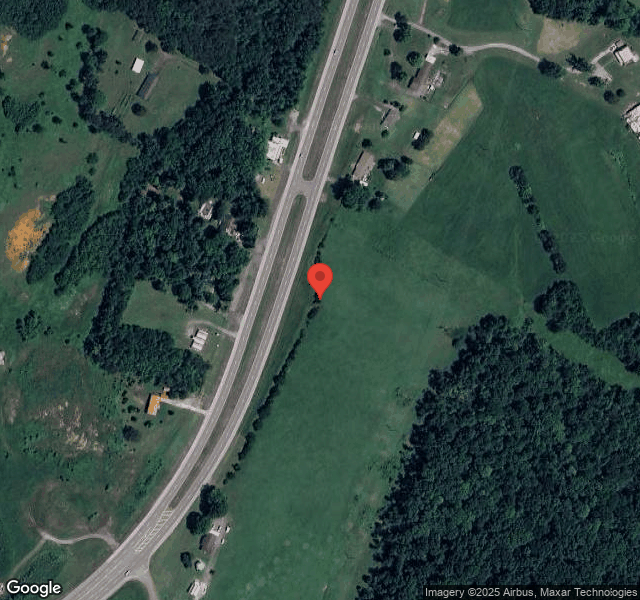

886 HWY 411 NORTH, ETOWAH, TN 37331 (423) 263-3646
For profit - Corporation 88 Beds LIFEPOINT HEALTH Data: November 2025
Trust Grade
81/100
#98 of 298 in TN
Last Inspection: February 2024

Within standard 12-15 month inspection cycle. Federal law requires annual inspections.

Overview

Starr Regional Health & Rehabilitation in Etowah, Tennessee has a Trust Grade of B+, indicating it is above average and recommended for families considering care options. It ranks #98 out of 298 facilities in Tennessee, placing it in the top half of the state, and #3 out of 4 in McMinn County, meaning there is only one local option rated higher. However, the facility's trend is worsening, with issues increasing from 4 in 2021 to 6 in 2024. Staffing is a strong point, with a perfect 5/5 star rating and a turnover rate of 29%, which is significantly lower than the state average of 48%. On the downside, the facility has incurred $8,697 in fines, which is concerning as it is higher than 75% of Tennessee facilities; this suggests ongoing compliance problems. Additionally, while it has good RN coverage, more than 90% of state facilities, recent inspections found issues such as failing to submit required staffing data and not maintaining proper dishwasher temperatures, which could pose health risks. Overall, while there are strengths in staffing and rankings, the facility needs to address its compliance and operational issues.

Trust Score
B+
81/100
In Tennessee
#98/298
Top 32%
Safety Record
Low Risk
No red flags
Inspections
Getting Worse
4 → 6 violations
Staff Stability
✓ Good
29% annual turnover. Excellent stability, 19 points below Tennessee's 48% average. Staff who stay learn residents' needs.
Penalties
✓ Good
$8,697 in fines. Lower than most Tennessee facilities. Relatively clean record.
Skilled Nurses
✓ Good
Each resident gets 54 minutes of Registered Nurse (RN) attention daily — more than average for Tennessee. RNs are trained to catch health problems early.
Violations
○ Average
10 deficiencies on record. Average for a facility this size. Mostly minor or procedural issues.
★★★★☆
4.0
Overall Rating
★★★★★
5.0
Staff Levels
★★★★☆
4.0
Care Quality
★★★☆☆
3.0
Inspection Score
Stable
2021: 4 issues
2024: 6 issues

The Good

  • 5-Star Staffing Rating · Excellent nurse staffing levels
  • 4-Star Quality Measures · Strong clinical quality outcomes
  • Low Staff Turnover (29%) · Staff stability means consistent care
  • Full Sprinkler Coverage · Fire safety systems throughout facility
  • No fines on record
  • Staff turnover is low (29%)

    19 points below Tennessee average of 48%

Facility shows strength in staffing levels, quality measures, staff retention, fire safety.

The Bad

Federal Fines: $8,697

Below median ($33,413)

Minor penalties assessed

Chain: LIFEPOINT HEALTH

Part of a multi-facility chain

Ask about local staffing decisions and management

The Ugly 10 deficiencies on record

Feb 2024 6 deficiencies
CONCERN (D)

Potential for Harm - no one hurt, but risky conditions existed

Assessment Accuracy (Tag F0641)

Could have caused harm · This affected 1 resident

**NOTE- TERMS IN BRACKETS HAVE BEEN EDITED TO PROTECT CONFIDENTIALITY** Based on Resident Assessment Instrument (RAI) Manual, medical record review, observation, and interview, the facility failed to ...

Read full inspector narrative →
**NOTE- TERMS IN BRACKETS HAVE BEEN EDITED TO PROTECT CONFIDENTIALITY** Based on Resident Assessment Instrument (RAI) Manual, medical record review, observation, and interview, the facility failed to accurately complete a Minimum Data Set (MDS) assessment for 1 resident (#46) of 27 residents reviewed. The findings include: Review of the Resident Assessment Instrument (RAI) Manual dated 10/2011 showed .The RAI process has multiple regulatory requirements .the assessment accurately reflects the resident's status .a registered nurse conducts or coordinates each assessment with the appropriate participation of health professionals .the assessment process includes direct observation, as well as communication with the resident and direct care staff . Review of the medical record showed Resident #46 was admitted to the facility on [DATE] with diagnoses including Chronic Obstructive Pulmonary Disease, Chronic Kidney Disease and Peripheral Vascular Disease. Review of the Quarterly MDS assessment dated [DATE] showed .Section K .Feeding tube . During an observation on 2/4/2024 at 10:40 AM, Resident #46 was sitting up in bed with no tube feeding in place. During an interview on 2/5/2024 at 7:45 AM, Registered Nurse (RN) #1 stated .Resident #46 has never had a tube feeding to his knowledge . During an interview on 2/5/2024 at 11:26 AM, with the Director of Nursing (DON), Minimum Data Set (MDS) Coordinator #1 and MDS Coordinator #2 confirmed the MDS completed on 1/15/2024 was not accurate.
CONCERN (D)

Potential for Harm - no one hurt, but risky conditions existed

Deficiency F0645 (Tag F0645)

Could have caused harm · This affected 1 resident

**NOTE- TERMS IN BRACKETS HAVE BEEN EDITED TO PROTECT CONFIDENTIALITY** Based on facility policy review, medical record review, observation and interview, the facility failed to ensure a level I PASSA...

Read full inspector narrative →
**NOTE- TERMS IN BRACKETS HAVE BEEN EDITED TO PROTECT CONFIDENTIALITY** Based on facility policy review, medical record review, observation and interview, the facility failed to ensure a level I PASSAR [Preadmission screening and resident review]was submitted for 1 resident (#25) of 5 residents reviewed for PASSAR. The findings include: Review of the facility policy titled, Screening and Resident Review (PASSARR) dated 8/2019, showed .PASRR a federally mandated advocacy process that requires that anyone who is admitted to a Medicaid-funded NF [Nursing Facility] be screened to identify the presence of serious mental illness, intellectual disability, or development disability or related condition. The purpose of conducting PASRR is to ensure that the nursing facility is the most appropriate place for the person to live and receive services . Resident #25 was admitted to the facility on [DATE] with diagnoses including Psychosis (10/2016), Anxiety Disorder (2/2023), Adult Failure to Thrive (4/2023), and Dementia (10/2022). Review of Resident #25's Comprehensive Care Plan dated 11/04/2016, revealed Resident #25 had an Impaired cognitive function r/t (related to) Dementia with psychosis and Adult Failure to thrive. Medical record review revealed Resident #25 had no PASSAR included in the facility's record. During an observation/interview on 2/5/2024 at 3:18 PM, the Director of Nursing (DON) provided a document titled, admission Notice and stated .there's not a level I PASSAR on file for [Resident #25 name] . During an interview on 2/6/2024 at 9:50 AM, revealed the Business Development Coordinator (BDC) confirmed Resident #25 was admitted to the facility without a level I PASSAR. The BDM stated she understood the resident was .grandfathered in and did not need a PASSAR . Interview confirmed Resident #25 had an additional mental health diagnoses of Anxiety Disorder and Adult Failure to Thrive. The facility failed to submit to the designated agency for a level I PASSAR for Resident #25.
CONCERN (D)

Potential for Harm - no one hurt, but risky conditions existed

Deficiency F0646 (Tag F0646)

Could have caused harm · This affected 1 resident

**NOTE- TERMS IN BRACKETS HAVE BEEN EDITED TO PROTECT CONFIDENTIALITY** Based on facility policy review, medical record review, and interview, the facility failed to update a Pre-admission Screening a...

Read full inspector narrative →
**NOTE- TERMS IN BRACKETS HAVE BEEN EDITED TO PROTECT CONFIDENTIALITY** Based on facility policy review, medical record review, and interview, the facility failed to update a Pre-admission Screening and Resident Review (PASARR) after a new mental health diagnosis (Anxiety) was added for 1 resident (Resident #40) of 5 residents reviewed for PASARR. The findings include: Review of the facility's policy titled Screening and Resident Review (PASARR) dated 8/2019, showed, .federally mandated advocacy process that requires that anyone who is admitted to a Medicaid-funded NF [Nursing Facility] be screened to identify the presence of serious mental illness .purpose of conducting PASRR [PASARR] is to ensure that the nursing facility is the most appropriate place for the person to live and receive services . Resident #40 admitted to the facility on [DATE] and readmitted on [DATE] with diagnoses including Atrial Fibrillation, Anxiety and Dementia. Review of a PASARR dated 3/12/2021, showed Resident #40 had no mental health diagnosis known or suspected. Review of a Physician Admission/ Readmit Order dated 11/27/2023, showed Resident #40 had readmitted to the facility with Anxiety added as a new diagnosis. Review of a significant change Minimum Data Set (MDS) assessment dated [DATE], showed Resident #40 had an active diagnosis of Anxiety and received anti-anxiety medications. Review of Resident #40's comprehensive care plan revised 1/3/2024, showed .Dx [diagnosis] of Anxiety .observe for behaviors . During an interview on 2/6/2024 at 9:50 AM, the Business Development Coordinator confirmed Resident #40's PASARR had not been updated after a new mental health diagnosis (Anxiety) was added when readmitted .
CONCERN (D)

Potential for Harm - no one hurt, but risky conditions existed

Staffing Information (Tag F0732)

Could have caused harm · This affected 1 resident

Based on facility policy review, observation and interview, the facility failed to post daily staffing information. The findings include: Review of the facility's policy titled Posting of Nurse Staff...

Read full inspector narrative →
Based on facility policy review, observation and interview, the facility failed to post daily staffing information. The findings include: Review of the facility's policy titled Posting of Nurse Staffing dated 12/2023, showed .staffing information will be posted and/or updated at the beginning of each shift by the designated staff member . During an observation on 2/4/2024 at 10:15 AM, showed the daily staff posting was dated 2/2/2024. During an interview on 2/4/2024 at 11:32 AM, the Administrator stated it was his expectation daily staffing was posted. The Administrator confirmed the daily staffing was not updated and posted as required.
CONCERN (D)

Potential for Harm - no one hurt, but risky conditions existed

Infection Control (Tag F0880)

Could have caused harm · This affected 1 resident

**NOTE- TERMS IN BRACKETS HAVE BEEN EDITED TO PROTECT CONFIDENTIALITY** Based on facility policy review, observation and interview, the facility failed to ensure proper infection control practices dur...

Read full inspector narrative →
**NOTE- TERMS IN BRACKETS HAVE BEEN EDITED TO PROTECT CONFIDENTIALITY** Based on facility policy review, observation and interview, the facility failed to ensure proper infection control practices during the medication administration for 1 resident (#50) of 3 residents reviewed for medication administration. The findings include: Review of the facility policy titled Medication Administration-General Guidelines showed, .the person administering medications adheres to good hand hygiene .if breaking tablets are necessary to administer proper doses, hand hygiene is performed, and examination gloves are worn prior to handling tablets . Review of the medical record showed Resident #50 was admitted on [DATE] and readmitted on [DATE] with diagnoses including Chronic Respiratory Failure, Congestive Heart Failure and Dementia. Review of the current physician's recapitulation orders showed, .Baclofen (medication for muscle spasms) 5 mg (milligrams) .three times a day .Nuedexta (medication for Pseudobulbar affect) .two times a day . During observation of a medication administration on 2/5/2024 at 7:40 AM, Registered Nurse (RN) #1 prepared medications for Resident #50, dropped the Baclofen pill on the unclean medication cart, picked the medication up with an ungloved hand and put into a medication cup. Continued observation showed the RN obtained the Nuedexta with an ungloved hand, broke the tablet and placed the medication into the cup and administered the medications to Resident #50. During an interview on 2/4/2024 at 7:55 AM, RN #1 stated the Baclofen dropped on the medication cart should have been discarded and another pill obtained. RN #1 stated the hands should have been washed and gloves donned prior to breaking the Nuedexta tablet to obtain the prescribed dose. During an interview on 2/4/2024 at 9:20 AM, the Director of Nursing (DON) confirmed it was her expectation for medications dropped to be discarded and hands washed, and gloves donned prior to breaking of medications to be administered.
CONCERN (F)

Potential for Harm - no one hurt, but risky conditions existed

Staffing Data (Tag F0851)

Could have caused harm · This affected most or all residents

Based on review of facility policy, Quarterly Payroll Based Journal (PBJ) and interview, the facility failed to report PBJ for Quarter 4 2023 (July 1- September 30). The findings include: Review of th...

Read full inspector narrative →
Based on review of facility policy, Quarterly Payroll Based Journal (PBJ) and interview, the facility failed to report PBJ for Quarter 4 2023 (July 1- September 30). The findings include: Review of the facility policy titled, Reporting Direct-Care Staffing Information (Payroll-Based Journal) showed, .Direct-care staffing and census information will be reported electronically to CMS though the Payroll-Based Journal System (PBJ) system . Review of Quarterly Payroll Based Journal (PBJ) dated 7/1/2023 - 9/30/2023 showed, .Failed to Submit Data for the Quarter . During an interview on 2/6/2024 at 9:22 AM, the Administrator confirmed the facility failed to submit the PBJ data, by the required deadline, for the fourth quarter of 2023.
Jun 2021 4 deficiencies
CONCERN (D)

Potential for Harm - no one hurt, but risky conditions existed

Assessment Accuracy (Tag F0641)

Could have caused harm · This affected 1 resident

**NOTE- TERMS IN BRACKETS HAVE BEEN EDITED TO PROTECT CONFIDENTIALITY** Based on medical record review, observation, and interview, the facility failed to accurately complete a Minimum Data Set (MDS) ...

Read full inspector narrative →
**NOTE- TERMS IN BRACKETS HAVE BEEN EDITED TO PROTECT CONFIDENTIALITY** Based on medical record review, observation, and interview, the facility failed to accurately complete a Minimum Data Set (MDS) assessment for 1 resident (Resident #20) of 24 sampled residents. The findings include: Medical record review revealed Resident #20 was admitted to the facility on [DATE] with diagnoses to include Chronic Systolic Heart Failure (CHF), Dysphagia (difficulty swallowing), and Coronary Artery Disease (heart disease). Review of an admission MDS assessment dated [DATE] revealed Resident #20 was unable to complete a Brief Interview for Mental Status (BIMS), and was dependent with toileting, hygiene, and bathing. Continued review showed the resident was assessed as having an indwelling urinary catheter. Record review of the physician orders dated 11/10/2020, revealed the urinary catheter was discontinued. Record review of the significant change MDS assessment dated [DATE], revealed in Section H Resident #20 had an indwelling urinary catheter. Interview with MDS Coordinator #1 on 6/22/2021 at 1:35 PM, confirmed Resident #20's significant change MDS assessment dated [DATE], Section H, titled Bladder and Bowel indicated Resident #20 had an indwelling urinary catheter. Continued interview confirmed Resident #20 did not have a urinary catheter and his MDS was inaccurate and stated .that was my mistake . Interview with MDS Coordinator #2 on 6/22/2021 at 1:40 PM, confirmed Resident #20's significant change MDS assessment dated [DATE], Section H, titled Bladder and Bowel indicated Resident #20 had an indwelling urinary catheter. Continued interview confirmed Resident #20 did not have a urinary catheter and the MDS was inaccurate. Interview with Director of Nursing on 6/22/2021 at 1:50 PM, confirmed Resident #20 did not have an indwelling urinary catheter and the significant change MDS assessment dated [DATE] was inaccurate.
CONCERN (D)

Potential for Harm - no one hurt, but risky conditions existed

Deficiency F0657 (Tag F0657)

Could have caused harm · This affected 1 resident

**NOTE- TERMS IN BRACKETS HAVE BEEN EDITED TO PROTECT CONFIDENTIALITY** Based on facility policy review, medical record review, and interview, the facility failed to accurately update a care plan for ...

Read full inspector narrative →
**NOTE- TERMS IN BRACKETS HAVE BEEN EDITED TO PROTECT CONFIDENTIALITY** Based on facility policy review, medical record review, and interview, the facility failed to accurately update a care plan for 1 resident (Resident #20) of 24 sampled residents. The findings include: Review of the facility policy Baseline Care Assessment and Comprehensive Care Plan, dated 7/2019, revealed .care plan is evaluated and changed .whenever there is a change in the resident .reviewed and revised no less than with the completion of each .MDS [Minimum Data Set] assessment . Medical record review revealed Resident #20 was admitted to the facility on [DATE] with diagnoses to include Chronic Systolic Heart Failure (CHF), Dysphagia (difficulty swallowing), and Coronary Artery Disease (heart disease). Review of the annual MDS assessment dated [DATE] revealed Resident #20 was unable to complete a Brief Interview for Mental Status (BIMS), and was dependent with toileting, hygiene, and bathing. Record review of the physician orders dated 11/10/2020, revealed the urinary catheter was discontinued. Medical record review of Resident #20's comprehensive care plan dated 4/1/2021 revealed the care plan was not revised to reflect the discontinuation of the indwelling catheter. Interview with the Director of Nursing, MDS Coordinator #1, and MDS Coordinator #2 on 6/23/2021 at 8:15 AM, confirmed Resident #20 did not have a urinary catheter and the care plan dated 4/1/2021 was incorrect. Continued interview confirmed the facility failed to revise Resident #20's care plan to reflect the changes in interventions after discontinuation of the indwelling urinary catheter.
CONCERN (D)

Potential for Harm - no one hurt, but risky conditions existed

Pharmacy Services (Tag F0755)

Could have caused harm · This affected 1 resident

**NOTE- TERMS IN BRACKETS HAVE BEEN EDITED TO PROTECT CONFIDENTIALITY** Based on facility policy review, observation and interview, the facility failed to ensure expired medications were not available...

Read full inspector narrative →
**NOTE- TERMS IN BRACKETS HAVE BEEN EDITED TO PROTECT CONFIDENTIALITY** Based on facility policy review, observation and interview, the facility failed to ensure expired medications were not available for resident use for 4 residents (Resident #6, Resident #56, Resident #48, Resident #20) of 65 residents reviewed. The findings include: Review of a facility policy, Specific Medication Administration Procedures IIB1 Administration Procedures for all medications, undated, revealed .check expiration date on package/container before administering any medication . Medical record review revealed Resident #6 was admitted to the facility on [DATE] with diagnoses to include End Stage Renal Disease, Paraplegia, and Neuromuscular Dysfunction of Bladder. Review of a Physician's Order for Resident #6 dated 2/19/2021 revealed .Gentamicin Sulfate Solution [antibiotic] 40 mg/ml [unit of measure] [milligram per milliliter]. Use 80 mg [unit of measure] [milligram] via irrigation one time a day every Friday . Observation and interview with Licensed Practical Nurse (LPN) #1 and Director of Nursing (DON) on 6/23/2021 at 10:38 AM, at the A-Wing medication refrigerator revealed the following expired medication: (Resident #6) Gentamycin Sulfate Solution 40 mg/ml bladder irrigation. Use 80 mg via irrigation one time a day every Friday. Continued observation revealed 100 ml remaining in a 400 ml bottle with an expiration date of 6/17/2021. Interview confirmed the expired medication was available for resident use and the facility failed to discard the expired medication. Review of the Medication Administration Record (MAR) for Resident #6 dated 6/18/2021 revealed Resident # 6 received one dose of the expired medication. Medical record review revealed Resident #56 was admitted to the facility on [DATE] with diagnoses to include Gastroesophageal Reflux Disease (GERD), Type2 Diabetes Mellitus, Quadriplegia and Dysphagia (difficulty swallowing). Review of a Physician's Order for Resident #56 dated 7/21/2020 revealed .Omeprazole Suspension [medication to reduce stomach acid in liquid form] 2 mg/ml. Give 10 ml by mouth one time a day . Observation and interview with LPN #1 and DON on 6/23/2021 at 10:40 AM, at the A-Wing medication refrigerator revealed the following expired medications: (Resident #56) Omeprazole Suspension 2 mg/ml Give 10 ml by mouth one time a day. Continued observation revealed 90 ml remaining in a 240 ml bottle with an expiration date of 6/20/2021. Resident #56 Omeprazole Suspension 2 mg/ml Give 10 ml by mouth one time a day. Continued observation revealed 130 ml remaining in a 240 ml bottle with an expiration date of 6/21/2021. Interview confirmed expired medications were available for resident use and the facility failed to discard the expired medication. Review of the MAR for Resident #56 dated 6/20/2021-6/23/2021 revealed Resident #56 received four doses of the expired medication. Medical record review revealed Resident #48 was admitted to the facility on [DATE] with diagnoses to include Type2 Diabetes Mellitus, Dysphagia, Essential Hypertension, and Atrial Fibrillation (irregular heartbeat). Review of a Physician's Order for Resident #48 dated 8/18/2020 revealed .Omeprazole Suspension 2 mg/ml Give 10 ml by mouth one time a day . Observation and interview with LPN #1 and DON on 6/23/2021 at 10:42 AM, at the A-Wing medication refrigerator revealed the following expired medications: (Resident #48) Omeprazole Suspension 2 mg/ml Give 10 ml by mouth one time a day. Continued observation revealed 110 ml remaining in a 240 ml bottle with an expiration date of 6/18/2021. Interview confirmed expired medications were available for resident use and the facility failed to discard the expired medication. Review of the MAR for Resident #48 dated 6/18/2021-6/22/2021 revealed Resident #48 received four doses of the expired medication. Medical record review revealed Resident #20 was admitted to the facility on [DATE] with diagnoses to include Chronic Heart Failure (CHF), Dysphagia, and Coronary Artery Disease (heart disease). Review of a Physician's Order for Resident #20 dated 8/18/2020 revealed .Omeprazole Suspension 40 mg via PEG tube [percutaneous endoscopic gastrostomy] [feeding tube] one time a day . Observation and interview with Registered Nurse #1 and DON on 6/23/2021 at 10:50 AM, at the B-Wing medication refrigerator revealed the following expired medications: (Resident #20) Omeprazole Suspension 20 mg/10 ml. Give 40 mg via PEG tube. Continued observation revealed 100 ml remaining in a 240 ml bottle with an expiration date of 6/8/2021. Interview confirmed expired medications were available for resident use and the facility failed to discard the expired medication. Review of the MAR for Resident #20 dated 6/8/2021-6/22/2021 revealed Resident #20 received 15 doses of the expired medication.
CONCERN (E)

Potential for Harm - no one hurt, but risky conditions existed

Food Safety (Tag F0812)

Could have caused harm · This affected multiple residents

Based on observation, review of manufacture instructions, and interview the facility failed to maintain the dishwasher in the manufacture parameters for low temperature machine parameters affecting 61...

Read full inspector narrative →
Based on observation, review of manufacture instructions, and interview the facility failed to maintain the dishwasher in the manufacture parameters for low temperature machine parameters affecting 61 of 65 residents. The findings include: Observation of the facility dishwasher revealed the following parameters posted on dishwasher: .Chemical Sanitizing .Final rinse minimum temperature 120 degrees . Observation and interview with the Assistant Dietary Manager on 6/22/2021 at 8:45 AM, of the dishwasher revealed the washer was being used as a low temperature washer with chemical sanitation. Continued observation and interview revealed the washer minimum low temperature was 120 degrees when used as a chemical machine with the current reading after 2 attempts of 110 degrees maximum. Review of a Dishwashing/Warewashing Machine Temperature Log with the Assistant Dietary Manager revealed the recordings for 6/19/2021 through 6/21/2021 revealed wash temperature recordings of 106 degrees. Interview revealed the Assistant Manager was aware the final rinse temperature was to be 120 degrees minimum and unaware of the low temperatures on 6/19/2021 through 6/21/2021. Review of the manufacture instructions revealed .machine available in high or low temperature operation with specifications of being used as low temperature machine of final rinse temp (temperature) of 120 degrees . Interview with the dishwasher manufacture Branch Manager on 6/23/2021 at 8:17 AM, by phone, revealed the dishwasher was being used as a low temperature machine and the minimum temperature for low temperature chemical sanitation was 120 degrees. Interview with the Interim Dietary Manager on 6/22/2021 at 9:14 AM, confirmed the dishwasher was a being used as a low temperature machine and the minimum temperature was to be at 120 degrees on the final wash. Continued interview and observation with the Interim Dietary Manger confirmed he was unaware of the low temperature recordings prior to surveyor identification, and confirmed the facility failed to maintain the dishwasher in the required parameters.
Understanding Severity Codes (click to expand)
Life-Threatening (Immediate Jeopardy)
J - Isolated K - Pattern L - Widespread
Actual Harm
G - Isolated H - Pattern I - Widespread
Potential for Harm
D - Isolated E - Pattern F - Widespread
No Harm (Minor)
A - Isolated B - Pattern C - Widespread

Questions to Ask on Your Visit

  • "Can I speak with families of current residents?"
  • "What's your RN coverage like on weekends and overnight?"

Our Honest Assessment

Strengths
  • • Grade B+ (81/100). Above average facility, better than most options in Tennessee.
  • • No major safety red flags. No abuse findings, life-threatening violations, or SFF status.
  • • 29% annual turnover. Excellent stability, 19 points below Tennessee's 48% average. Staff who stay learn residents' needs.
Concerns
  • • No significant concerns identified. This facility shows no red flags across CMS ratings, staff turnover, or federal penalties.
Bottom line: Generally positive indicators. Standard due diligence and a personal visit recommended.

About This Facility

What is Starr Regional Health & Rehabilitation's CMS Rating?

CMS assigns STARR REGIONAL HEALTH & REHABILITATION an overall rating of 4 out of 5 stars, which is considered above average nationally. Within Tennessee, this rating places the facility higher than 99% of the state's 100 nursing homes. This rating reflects solid performance across the metrics CMS uses to evaluate nursing home quality.

How is Starr Regional Health & Rehabilitation Staffed?

CMS rates STARR REGIONAL HEALTH & REHABILITATION's staffing level at 5 out of 5 stars, which is much above average compared to other nursing homes. Staff turnover is 29%, compared to the Tennessee average of 46%. This relatively stable workforce can support continuity of care.

What Have Inspectors Found at Starr Regional Health & Rehabilitation?

State health inspectors documented 10 deficiencies at STARR REGIONAL HEALTH & REHABILITATION during 2021 to 2024. These included: 10 with potential for harm.

Who Owns and Operates Starr Regional Health & Rehabilitation?

STARR REGIONAL HEALTH & REHABILITATION is owned by a for-profit company. For-profit facilities operate as businesses with obligations to shareholders or private owners. The facility is operated by LIFEPOINT HEALTH, a chain that manages multiple nursing homes. With 88 certified beds and approximately 57 residents (about 65% occupancy), it is a smaller facility located in ETOWAH, Tennessee.

How Does Starr Regional Health & Rehabilitation Compare to Other Tennessee Nursing Homes?

Compared to the 100 nursing homes in Tennessee, STARR REGIONAL HEALTH & REHABILITATION's overall rating (4 stars) is above the state average of 2.8, staff turnover (29%) is significantly lower than the state average of 46%, and health inspection rating (3 stars) is at the national benchmark.

What Should Families Ask When Visiting Starr Regional Health & Rehabilitation?

Based on this facility's data, families visiting should ask: "Can I visit during a mealtime to observe dining assistance and food quality?" "How do you handle medical emergencies, and what is your hospital transfer rate?" "Can I speak with family members of current residents about their experience?"

Is Starr Regional Health & Rehabilitation Safe?

Based on CMS inspection data, STARR REGIONAL HEALTH & REHABILITATION has a clean safety record: no substantiated abuse findings (meaning no confirmed cases of resident harm), no Immediate Jeopardy citations (the most serious violation level indicating risk of serious injury or death), and is not on the Special Focus Facility watch list (a federal program monitoring the lowest-performing 1% of nursing homes). The facility has a 4-star overall rating and ranks #1 of 100 nursing homes in Tennessee. While no facility is perfect, families should still ask about staff-to-resident ratios and recent inspection results during their visit.

Do Nurses at Starr Regional Health & Rehabilitation Stick Around?

Staff at STARR REGIONAL HEALTH & REHABILITATION tend to stick around. With a turnover rate of 29%, the facility is 17 percentage points below the Tennessee average of 46%. Low turnover is a positive sign. It means caregivers have time to learn each resident's needs, medications, and personal preferences. Consistent staff also notice subtle changes in a resident's condition more quickly. Registered Nurse turnover is also low at 9%, meaning experienced RNs are available to handle complex medical needs.

Was Starr Regional Health & Rehabilitation Ever Fined?

STARR REGIONAL HEALTH & REHABILITATION has been fined $8,697 across 2 penalty actions. This is below the Tennessee average of $33,166. While any fine indicates a compliance issue, fines under $50,000 are relatively common and typically reflect isolated problems that were subsequently corrected. Families should ask what specific issues led to these fines and confirm they've been resolved.

Is Starr Regional Health & Rehabilitation on Any Federal Watch List?

STARR REGIONAL HEALTH & REHABILITATION is not on any federal watch list. The most significant is the Special Focus Facility (SFF) program, which identifies the bottom 1% of nursing homes nationally based on persistent, serious quality problems. Not being on this list means the facility has avoided the pattern of deficiencies that triggers enhanced federal oversight. This is a positive indicator, though families should still review the facility's inspection history directly.