THE VILLAGE AT GERMANTOWN
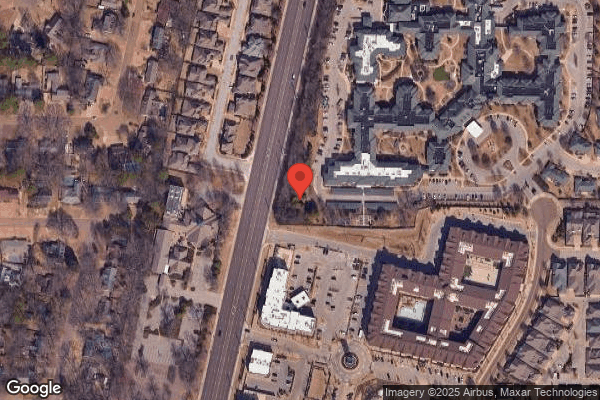

7930 WALKING HORSE CIRCLE, GERMANTOWN, TN 38138 (901) 752-2580
For profit - Individual 55 Beds Independent Data: November 2025
Trust Grade
60/100
#153 of 298 in TN
Last Inspection: September 2022

Over 2 years since last inspection. Current conditions may differ from available data.

Overview

The Village at Germantown has a Trust Grade of C+, indicating that it is slightly above average, but not particularly exceptional. In Tennessee, it ranks #153 out of 298 facilities, placing it in the bottom half of the state, while it ranks #8 out of 24 in Shelby County, meaning only seven local options are better. Unfortunately, the facility is experiencing a worsening trend, with the number of reported issues increasing from 5 in 2019 to 6 in 2022. Staffing is a strong point, achieving a perfect 5/5 star rating with a turnover rate that matches the state average at 48%. Importantly, there have been no fines recorded, which is a positive sign. However, there have been concerning incidents, such as a failure to provide necessary care for a resident with pressure ulcers, which caused actual harm, and issues with food safety, including improper hand hygiene by kitchen staff and failure to maintain food at safe temperatures. While the staffing quality is a highlight, these health and safety concerns are significant weaknesses to consider.

Trust Score
C+
60/100
In Tennessee
#153/298
Bottom 49%
Safety Record
Moderate
Needs review
Inspections
Getting Worse
5 → 6 violations
Staff Stability
⚠ Watch
48% turnover. Above average. Higher turnover means staff may not know residents' routines.
Penalties
✓ Good
No fines on record. Clean compliance history, better than most Tennessee facilities.
Skilled Nurses
✓ Good
Each resident gets 52 minutes of Registered Nurse (RN) attention daily — more than average for Tennessee. RNs are trained to catch health problems early.
Violations
⚠ Watch
15 deficiencies on record. Higher than average. Multiple issues found across inspections.
★★★☆☆
3.0
Overall Rating
★★★★★
5.0
Staff Levels
★★★☆☆
3.0
Care Quality
★★☆☆☆
2.0
Inspection Score
Stable
2019: 5 issues
2022: 6 issues

The Good

  • 5-Star Staffing Rating · Excellent nurse staffing levels
  • Full Sprinkler Coverage · Fire safety systems throughout facility
  • No fines on record

Facility shows strength in staffing levels, fire safety.

The Bad

3-Star Overall Rating

Near Tennessee average (2.8)

Meets federal standards, typical of most facilities

Staff Turnover: 48%

Near Tennessee avg (46%)

Higher turnover may affect care consistency

The Ugly 15 deficiencies on record

1 actual harm
Sept 2022 6 deficiencies 1 Harm
SERIOUS (G)

Actual Harm - a resident was hurt due to facility failures

Pressure Ulcer Prevention (Tag F0686)

A resident was harmed · This affected 1 resident

**NOTE- TERMS IN BRACKETS HAVE BEEN EDITED TO PROTECT CONFIDENTIALITY** Based on review of the National Pressure Injury Advisory Panel (NPIAP) Prevention and Treatment of Pressure Ulcers: Quick Refere...

Read full inspector narrative →
**NOTE- TERMS IN BRACKETS HAVE BEEN EDITED TO PROTECT CONFIDENTIALITY** Based on review of the National Pressure Injury Advisory Panel (NPIAP) Prevention and Treatment of Pressure Ulcers: Quick Reference Guide, policy review, medical record review, observation, and interview, the facility failed to ensure a resident received preventative care, received treatment and services to promote healing and prevent further pressure ulcers and tissue injuries for 1 of 4 sampled residents (Resident #16) reviewed with in-house acquired pressure ulcers. The facility's failure to provide preventative treatment, identification, assessment, reporting, and appropriate treatment resulted in actual Harm for Resident #16. The findings include: Review of the National Pressure Injury Advisory Panel (NPIAP) Prevention and Treatment of Pressure Ulcers: Quick Reference Guide, dated 2019, revealed .Conduct a comprehensive skin and tissue assessment for all individuals at risk of pressure injuries: As soon as possible after admission/transfer to the healthcare service .As a part of every risk assessment .Periodically as indicated by the individual's degree of pressure injury risk Unstageable: Depth unknown Full thickness tissue loss in which the base of the ulcer is covered by slough (yellow, tan, gray, green or brown) and/or eschar (tan, brown or black) in the wound bed. Until enough slough and/or eschar is removed to expose the base of the wound, the true depth and therefore Category/Stage, cannot be determined. Stable (dry, adherent, intact without erythema or fluctuance) eschar on the heels serves as 'the body's natural (biological) cover' and should not be removed .Purple or maroon localized area of discolored intact skin or blood-filled blister due to damage of underlying soft tissue from pressure and/or shear. The area may be preceded by tissue that is painful, firm, mushy, boggy, warmer or cooler as compared to adjacent tissue. Deep tissue injury may be difficult to detect in individuals with dark skin tones. Evolution may include a thin blister over a dark wound bed. The wound may further evolve and become covered by thin eschar. Evolution may be rapid exposing additional layers of tissue even without optimal treatment . Review of the facility's undated policy titled, .Skin Assessment, dated 2/24/2021, revealed .It is our policy to perform a full body skin assessment as part of our systematic approach to pressure injury prevention and management .A full body .skin assessment will be conducted .The assessment may also be performed after a change of condition or after any newly identified pressure injury .Thoroughly inspect each surface of a skin fold . Review of the facility's undated policy titled, .Wound Treatment Management, revealed .To promote wound healing of various types of wounds, it is the policy of this facility to provide evidence-based treatments in accordance with current standards of practice and physician orders .Wound treatments will be provided in accordance with physician orders, including the cleansing method, type of dressing, and frequency of dressing change .the facility will follow specific physician orders for providing wound care .Treatments will be documented on the Treatment Administration Record .treatments will be monitored through ongoing assessment of the wound . Review of the medical record, revealed Resident #16 was admitted to the facility on [DATE] with a diagnoses of Dementia, Hypertension, Dysphagia, and Gastroesophageal Reflux Disease. Review of the annual Minimum Data Set (MDS) assessment dated [DATE], revealed Resident #16 had severely impaired cognition, was totally dependent on staff for Activities of Daily Living (ADLs), was always incontinent of bladder and bowel, was at risk for pressure ulcers, had 3 unstageable pressure ulcers, and 1 deep tissue injury pressure ulcer. Review of a quarterly Braden Scale dated 4/12/2022, revealed Resident #16 was at risk for developing pressure ulcers. Review of the undated Care Plan revealed .I have a pressure ulcer .Addition pressure ulcers form brace that was ordered .Right medial knee. 5/19/22-foul odor noted from R medial knee wound .Right lateral knee .Right posterior leg with 3 wounds .DTI-right heel . Review of a Physicians' Order dated 4/6/2022, revealed .Okay to remove brace from Right Knee for bathing. Apply brace on the outside clothing to the right upper leg . Review of the Physicians' Order dated 4/22/2022, revealed .DC [discontinue] brace Resident to stay in bed at all times . Review of the Physicians' Orders dated 5/13/2022, revealed .Wound Care Mon [Monday] & [and] Fri [Friday] R [right] post [posterior] thigh .R Heel .R medial Knee .R lateral Knee . Review of the Physicians' Orders dated 5/19/2022, revealed Augmentin 875 mg[milligrams]/125 PO [by mouth] BID [twice day] x [times] 10 d [day] .wound infec [infection] .Flagyl 50 mg PO TID [three times day] x 10 d . Review of the Interdisciplinary Notes dated 4/4/2022, .Returned to facility .from [Named Hospital] .Brace to Rt [right] leg in place . Review of the Interdisciplinary Notes dated 4/6/2022, .Possible DTI [deep tissue injury] noted to right heel . Review of the Interdisciplinary Notes dated 4/22/2022, .resident has 5 new wounds noted under leg brace. Addressed by wound care MD [medical doctor] .MD wish for brace to remain off at this time . Review of the Wound Flow Sheet. Dated 4/22/2022, revealed .DTI [deep tissue injury] .R [right] heel 3.4 x [times] 2.5 x 0.1 .DTI .R distal Lg [leg] 1.4 x1 x0 x 0 .R distal Lg 6 x 4 x 0 .R distal Lg 1.8 x 0.5 x 0 .R Knee Lateral 2.8x2 x 9 x 0 .R medial Knee 4.5x2.8x0.1 . Review of the Interdisciplinary Notes dated 4/29/2022, revealed .Resident seen by [Named Wound Care MD] .Wound to right lateral knee was a fluid filled blister measuring 3x2.5x2.1 .Wound cleansed .calcium alginate applied and covered .Wound to right knee medial measured 4x2x0.1 .Calcium alginate .applied and covered with bordered gauze .Wound to right posterior foot measured as cluster of 3 as 5x3x0.1 .Wound to right heel measured 4x3x0 .wound bed is becoming eschar .apply iodosorb paste [topical treatment of chronic exuding wounds] and cover with overly that provides protection . Review of the Interdisciplinary Notes dated 5/27/2022, revealed .Resident seen by [Named Wound Care Doctor] During his assessment he noted that wound to R [right] pos [posterior] leg had tendon exposed .right heel has stable eschar .right thigh excoriations .Lateral Right knee remains dry with eschar .Right medial knee was denrided [debrided] and packed .right medial knee is looking better. Odor is gone. Resident remains on oral abx [antibiotic] for infection to right medial knee wound . Review of the Medication Administration Record (MAR) for 4/2022, revealed treatments were not documented for the wounds identified on 4/22/2022 and treatment were not documented to remove brace from right knee for bathing. Review of the [Named Wound Care MD] History and Physical Note dated 4/8/2022, revealed .right leg immobilizers in place .Right ft [foot] is floating .small medial heel deep tissue injury [DTI] .Applied hydrocolloid bandage with application of wound boots . Review of the [Named Wound Care MD] Progress Note, dated 4/15/2022, revealed .right heel wound .Deep tissue injury over heel continues to evolve, with formation of surface eschar .measure approximately 1.5 x 1.5x 0 cm [centimeters] .hydrocolloid dressing for protection, with recommendation to change twice a week . Review of the [Named Wound Care MD] Progress Note, dated 4/22/2022, revealed .On exam today, her right heel DTI has transition to eschar, measuring 3.4 x 2.5 x 0.1 .has 5 new sites of pressure injury, 3 on the posterior leg measuring .1.4 x 1 x 0 cm; 6 x 4 x 0 cm; 1.8 x 0.5 x 0 cm. All have formation of eschar .has 2 proximal lesions that have blistered near her knee measuring .Right knee lateral, 2.8 x 2.9 x 0 cm .right knee medial 4.5 x 2.8 x 0.1 cm .with recommendations to maintain hydrocolloid protection .remove her knee immobilizer give contribution of this to her pathology .remain bedbound . Review of the Product Insert for DeRoayal Knee Immobilizer [Knee Immobilizer (deroyal.com)] revealed .The knee immobilizer should fit, generally. 2 [symbol for inches] above ankle bones and 2 below groin. Any longer could result in abnormal wear and skin pressure . The facility was unable to provide orders for treatment for the DTI to right heel. The facility failed to remove and assess the right leg with the knee immobilizer. The facility provided shower/skin observation sheet for 4/6/2022, 4/8/2022, 4/13/2022, 4/14/2022 and 4/25/2022. Review of the shower/skin observation sheets revealed no documentation of the knee immobilizer or the identified wounds or dressings. Observation in the resident's room on 9/21/2022 at 9:29 AM, with the Wound Care Physician revealed the right heel with thick dark eschar cap measuring 4.5 x 5.0 x 0.6 cm, the right outer ankle a newly identified unstageable DTI measuring 1.1 x 0.8 x 0 cm, and the back of the lower leg measuring 3.0 x 1.0 x 0.3 cm. Observation and interview in the resident's room on 9/22/2022 at 10:16 AM, revealed the Director of Therapy removed the knee immobilizer from Resident #16's closet and demonstrated the placement of the knee immobilizer. The Director of Therapy confirmed the knee immobilizer should be placed from the upper thigh to the mid-calf of the resident's leg for proper placement. During a telephone interview on 9/21/2022 at 2:31 PM, Licensed Practical Nurse (LPN) #1 confirmed she never removed the resident knee immobilizer she was not on her shift for the weekly skin assessment. LPN #1 confirmed the only time the immobilizer was taken off was with wound care. During an interview on 9/21/2022 at 4:36 PM, the Wound Care Nurse confirmed the nursing staff should have removed the knee immobilizer and assessed the resident's skin daily. Observation and interview on 9/22/2022 at 7:44 AM, the Administrator confirmed the staff members should monitor, treat, and assess a resident skin with a knee immobilizer. The Administrator confirmed the facility completed a PIP (Performance Improvement Program) on the pressure ulcers but was unable to provide documentation of the weekly audits, education with all staff members, and follow-ups. The Administrator confirmed the PIP was not effective and was not completed. Observation of the Quality Assurance and Performance Improvement (QAPI) minutes from April 2022, June 2022 and July 2022 there was no documentation of the PIP on wound management. The Administrator confirmed she is ultimately responsible for the staff to assure they are doing their jobs. Observation and interview on 9/22/2022 at 6:57 PM, the Director of Nursing (DON) confirmed there should be doctor orders to address each wound identified and should be reflected on the Medication Administration Records (MAR) for treatments. Observation of the April 2022 show sheets showed no documentation the knee immobilize. The DON confirmed she would expect the staff to remove the knee immobilizer to assess the skin for skin breakdown once a shift, that is the standard of practice for monitoring a resident with a knee immobilizer. During an interview on 9/22/2022 at 7:33 PM, the Quality Assurance Nurse confirmed there were no treatments on the MAR for the pressure ulcers identified on 4/22/202. The facility's failure to identify, assess, report, and provide treatment before newly identified skin changes and pressure ulcers deteriorated and progressed to Unstageable pressure ulcers resulted in actual Harm for Resident #16.
CONCERN (D)

Potential for Harm - no one hurt, but risky conditions existed

Deficiency F0553 (Tag F0553)

Could have caused harm · This affected 1 resident

**NOTE- TERMS IN BRACKETS HAVE BEEN EDITED TO PROTECT CONFIDENTIALITY** Based on medical record review and interview the facility failed to ensure Care Plan conference meetings were held at least quar...

Read full inspector narrative →
**NOTE- TERMS IN BRACKETS HAVE BEEN EDITED TO PROTECT CONFIDENTIALITY** Based on medical record review and interview the facility failed to ensure Care Plan conference meetings were held at least quarterly for 2 of 16 sampled residents (Resident #7 and #10) reviewed for care plan meetings. The findings include: Review of the medical record, revealed Resident #7 was admitted to the facility on [DATE] with diagnoses of Parkinson's Disease, Long Term Use of an Antithrombolytic, Anxiety, and Depression. Review of the quarterly Minimum Data Set (MDS) assessment dated [DATE], revealed Resident #7 was assessed with a Brief Interview for Mental Status (BIMS) score of 7, indicating Resident #7 was severely cognitively impaired. Review of the facility's Interdisciplinary Care Plan Conference sheets revealed a care plan conference was held on 5/7/2021, 1/13/2022, and 6/16/2022. The facility failed to ensure a care plan conference was held quarterly in 8/2021, 11/2021, and 4/2022. Review of the medical record revealed Resident #10 was admitted to the facility on [DATE] with diagnoses of Dementia, Parkinson's Disease, Osteomyelitis, and Neuromuscular Dysfunction. Review of the quarterly MDS assessment dated [DATE], revealed Resident #10 was assessed with a BIMS of 8, indicating the resident was moderately cognitively impaired. Review of the facility's Interdisciplinary Care Plan Conference sheets revealed a care conference was held on 9/24/2021, 1/19/2022, and 5/6/2022. The facility failed to ensure a Care Plan conference was held quarterly on 12/2021, 4/2022, and 8/2022. During an interview on 9/21/22 at 8:00 AM, the Social Services Director confirmed that care plan conferences with family and/or residents should be held at least quarterly. During an interview on 9/21/22 at 9:05 AM, the Director of Nursing (DON) confirmed that she expects all care planning conferences to be held at least quarterly and when the need arises for all residents.
CONCERN (D)

Potential for Harm - no one hurt, but risky conditions existed

Assessment Accuracy (Tag F0641)

Could have caused harm · This affected 1 resident

**NOTE- TERMS IN BRACKETS HAVE BEEN EDITED TO PROTECT CONFIDENTIALITY** Based on policy review, medical record review, and interview the facility failed to ensure pressure risk assessments were comple...

Read full inspector narrative →
**NOTE- TERMS IN BRACKETS HAVE BEEN EDITED TO PROTECT CONFIDENTIALITY** Based on policy review, medical record review, and interview the facility failed to ensure pressure risk assessments were completed at least quarterly for 1 of 4 sampled residents (Resident #7) reviewed for pressure ulcers. The findings include: The facility's undated policy titled, Pressure Injury Risk Assessment, revealed .Pressure injury risk assessments will be conducted by a licensed or registered nurse on admission/readmission, weekly times four weeks, then quarterly . Review of the medical record, revealed Resident #7 was admitted to the facility on [DATE] with diagnoses of Parkinson's Disease, Long Term Use of Antithrombolytic, Anxiety and Depression. Review of the quarterly Minimum Data Set (MDS) assessment dated [DATE], revealed Resident #7 was assessed with a Brief Interview for Mental Status (BIMS) score of 7, indicating the resident was severely cognitively impaired, required extensive assistance for bed mobility and toileting, incontinent of bowel and bladder, and was at risk for developing pressure ulcers. Review of the facility's Skin Evaluation Form dated 8/26/2022, confirmed Resident #7 developed a Stage 2 Pressure wound to her sacrum. Review of the facility's Braden Scale for Predicting Pressure Sore Risk assessments revealed Resident #7 was assessed for pressure ulcers on 10/13/2021 with no further risk assessment completed until 3/8/2022. Review of the facility's Braden Scale for Predicting Pressure Sore Risk assessments revealed the facility failed to complete a quarterly assessment in January 2022. Review of the facility's Braden Scale for Predicting Pressure Sore Risk assessments revealed the facility completed an assessment on 4/12/2022 with no further assessments completed. Review of the facility's Braden Scale for Predicting Pressure Sore Risk assessments revealed the facility failed to complete a quarterly assessment in July 2022. During an interview on 9/21/22 at 2:32 PM, the Director of Nursing (DON) confirmed that the pressure ulcer risk assessments should be completed on admission, readmission and quarterly. The DON confirmed that the assessments for Resident #7 should have been completed at least quarterly and when something arises.
CONCERN (D)

Potential for Harm - no one hurt, but risky conditions existed

Deficiency F0657 (Tag F0657)

Could have caused harm · This affected 1 resident

**NOTE- TERMS IN BRACKETS HAVE BEEN EDITED TO PROTECT CONFIDENTIALITY** Based on medical record review and interview the facility failed to revise the comprehensive care plan to reflect the use of ant...

Read full inspector narrative →
**NOTE- TERMS IN BRACKETS HAVE BEEN EDITED TO PROTECT CONFIDENTIALITY** Based on medical record review and interview the facility failed to revise the comprehensive care plan to reflect the use of anticoagulant medication (blood thinning medication) for 1 of 5 sampled residents (Resident #15) reviewed for unnecessary medications. The findings include: Review of the medical record revealed Resident #15 was admitted to the facility on [DATE] with diagnoses of Dementia, Diabetes, Hypertension, and Atrial Fibrillation. Review of the Care Plan dated 1/17/2022, and revised 6/20/2022, revealed there was no documentation Resident #15 received or was being monitored for side effects of anticoagulant medication use. Review of the Physician's Orders dated 3/8/2022 and last signed on 8/24/2022, revealed .Eliquis [a blood thinner] 5 MG [milligrams] .Twice Daily . Review of the Medication Administration Record dated September 2022, revealed Eliquis 5 mg was administered twice daily. During an interview on 9/21/2022 at 4:05 PM, the Minimum Data Set Coordinator confirmed the Care Plan should include the use of anticoagulant medications and the risks associated with its use.
CONCERN (D)

Potential for Harm - no one hurt, but risky conditions existed

Drug Regimen Review (Tag F0756)

Could have caused harm · This affected 1 resident

**NOTE- TERMS IN BRACKETS HAVE BEEN EDITED TO PROTECT CONFIDENTIALITY** Based on policy review, medical record review, and interview the facility failed to ensure vitals signs were taken for the use o...

Read full inspector narrative →
**NOTE- TERMS IN BRACKETS HAVE BEEN EDITED TO PROTECT CONFIDENTIALITY** Based on policy review, medical record review, and interview the facility failed to ensure vitals signs were taken for the use of an antihypertensive medication for 1 of 5 sampled residents (Resident #7) reviewed for unnecessary medication. The findings include: Review of the facility's undated policy titled, Medication Administration, revealed .Obtain and record vital signs, when applicable or per [by way of] physician orders .Medications requiring vital signs prior to administration .Antihypertensives . Review of the medical record, revealed Resident #7 was admitted to the facility on [DATE] with diagnoses of Parkinson's Disease, Long Term Use of Antithrombolytic, Anxiety and Depression. Review of the quarterly Minimum Data Set (MDS) assessment dated [DATE], revealed the resident was assessed with a Brief Interview for Mental Status of 7, indicating Resident #7 was severely cognitively impaired and was assessed with an active diagnoses of Hypertension. Review of the Physician Orders dated 6/08/2022 and signed on 8/20/2022 revealed, .LISINOPRIL/HCTZ [hydrochlorothiazide] 20-25 MG [milligrams] TAKE 1 TABLET BY MOUTH ONCE DAILY .HOLD FOR BP [blood pressure] < [less than] 100/60 OR HR [heart rate] <60 .THROUGH 09/30/22 .LISINOPRIL-HCTZ [Hydrochlorothiazide] (medication for hypertension) 20-25 MG [milligrams] .ONCE DAILY .HOLD FOR BP [Blood Pressure] < [sign for less than] 100/60 or HR [heart rate] < 60 . Review of the July 2022 Medication Administration Record (MAR) revealed the antihypertensive medication was administered for 31 days and staff obtained the blood pressure on 1 of those 31 days. Review of the August 2022 MAR revealed the antihypertensive medication was administered for 29 days with no blood pressure and heart rates obtained. Review of the September 2022 MAR revealed the antihypertensive medication was administered for 19 days with no blood pressure or heart rates obtained. The facility failed to ensure staff obtained blood pressures and heart rates prior to administering a antihyerpertensive medication. During an interview on 9/22/22 at 8:52 AM, the Director of Nursing (DON) confirmed that the staff should have obtained the residents blood pressure and heart rate prior to administering the medication.
CONCERN (E)

Potential for Harm - no one hurt, but risky conditions existed

Food Safety (Tag F0812)

Could have caused harm · This affected multiple residents

Based on policy review, observation, and interview, the facility failed to ensure food was served under sanitary. The facility had a census of 36 with 21 of those residents receiving a food tray from ...

Read full inspector narrative →
Based on policy review, observation, and interview, the facility failed to ensure food was served under sanitary. The facility had a census of 36 with 21 of those residents receiving a food tray from the Care Base 3 Kitchen. The findings include: Review of the facility's undated policy titled, Food Temperatures, revealed .To take temperatures, a clean, rinsed, sanitized .thermometer .is needed .read and record the temperature .and immediately clean and sanitize. Repeat these guidelines until all hot food temperatures have been taken . Review of the facility's undated policy titled, Food Storage Guidelines, revealed .3 days .open lunch/deli meats . Review of the facility's undated policy titled, Food Storage, revealed .All containers must be legible and accurately labeled and dated .date marking to indicate .discarded will be visible on all high risk foods . Observation in the Care Base 3 Kitchen on 9/20/22 at 12:06 PM, revealed Dietary Staff #1 removed a thermometer and cleaned it with a stained soiled dish towel that was lying on top of the steam table, inserted the thermometer into the green beans and then inserted the thermometer into the mushrooms. Dietary Staff #1 failed to clean the thermometer after acquiring the temperature for the green beans and before obtaining the temperature of the mushrooms. Dietary Staff #1 then inserted the same thermometer into the prime rib and obtained the temperature, walked over to the oven and took the temperature of the cheese grits. Dietary Staff #1 failed to clean the thermometer after using it for the prime rib and before using it in the cheese grits. Dietary Staff #1 then inserted the same thermometer into the bread pudding, wiped the thermometer off with a soiled dish towel, inserted the thermometer into the broccoli cheese soup and then cleaned the thermometer off with the same soiled dish towel. Observation in the Care Base 3 Kitchen reach in refrigerator by the steam table on 9/20/22 at 12:15 PM and 4:55 PM, revealed a gallon of fat free milk opened and dated 9/14/2022 with a use by date of 9/15/2022. Observation in the Care Base 3 Kitchen reach in refrigerator by the dishwasher on 9/20/22 at 12:19 PM, revealed a plastic container of pineapple and cantaloupe with the plastic wrap pulled all the way back exposing the fruit. Observation in the Care Base 3 Kitchen reach in refrigerator by the dishwasher on 9/20/22 at 12:19 PM and 4:58 PM, revealed the following: a. A plastic container with 5 slices of turkey with an opened date of 9/16/2022 b. One 12 oz (ounce) plastic bottle of Squeeze Butter opened and undated with a use by date of 9/15/2022. During an interview on 9/20/22 at 5:00 PM, the Certified Dietary Manager (CDM) confirmed all expired foods and milk should be thrown away. The CDM confirmed all foods should be labeled, dated, and covered properly in the refrigerators. The CDM confirmed when using a thermometer to check tray line temperatures, the thermometers should be cleaned and sanitized between each item.
Aug 2019 5 deficiencies
CONCERN (D)

Potential for Harm - no one hurt, but risky conditions existed

Deficiency F0729 (Tag F0729)

Could have caused harm · This affected 1 resident

**NOTE- TERMS IN BRACKETS HAVE BEEN EDITED TO PROTECT CONFIDENTIALITY** Based on policy review, new employee file review, and interview, the facility failed to ensure 2 of 8 (Certified Nursing Assista...

Read full inspector narrative →
**NOTE- TERMS IN BRACKETS HAVE BEEN EDITED TO PROTECT CONFIDENTIALITY** Based on policy review, new employee file review, and interview, the facility failed to ensure 2 of 8 (Certified Nursing Assistant (CNA) #3 and 4) employee files reviewed had a current certification/license. The findings include: 1. The facility's Licensed Nurse Credentialing and License Verification policy reviewed/revised [DATE] documented, .If the licensed nurse has not provided renewal information prior to his/her license's expiration date, the nurse may not work past midnight of the expiration date of his/her current license . 2. Review of the certification for CNA #3 revealed CNA #3's certification expired on [DATE]. Review of the Payroll Schedule documented CNA #3 had a hire date of [DATE] and worked in the facility 6 days between [DATE] and [DATE]. 3. Review of the certification for CNA #4 revealed CNA #4's certification expired on [DATE]. Review of the Payroll Schedule documented CNA #4 had a hire date of [DATE] and worked in the facility 42 days between [DATE] and [DATE]. 4. Interview with the Administrator on [DATE] at 7:38 AM in the Conference Room, the Administrator stated, There are 2 new hires who have certifications that have expired .We are transitioning HR [Human Resources] . Interview with the Director of Nursing (DON) on [DATE] at 9:55 AM in the Conference Room, the DON stated, .the Licensed Nurse Credentialing and License Verification policy is used for any staff that requires renewal of a license or certification so the CNA's certification would fall under here .
CONCERN (D)

Potential for Harm - no one hurt, but risky conditions existed

Deficiency F0730 (Tag F0730)

Could have caused harm · This affected 1 resident

Based on policy review, Certified Nursing Assistant (CNA) training record review, and interview, the facility failed to ensure 2 of 8 (CNA #1 and 2) CNAs employed for a full year received at least 12 ...

Read full inspector narrative →
Based on policy review, Certified Nursing Assistant (CNA) training record review, and interview, the facility failed to ensure 2 of 8 (CNA #1 and 2) CNAs employed for a full year received at least 12 hours of in-service training. The findings include: 1. Review of the facility's In-Service Training Program, Nurse Aide policy revised October 2017 documented, .Annual in-services must: a. Ensure the continuing competence of nurse aides; b. Be no less than 12 hours per employment year . 2. Review of the CNA In-service Hour Form revealed CNA #1 had a hire date of 11/2/17 and completed 7.25 in-service hours for the year, 4.75 hours less than the required 12 hours for the year. CNA #2 had a hire date of 9/20/17 and completed 8.75 in-service hours for the year, 3.25 hours less than the required 12 hours. 3. Interview with the Administrator on 8/12/19 at 3:42 PM in the Conference Room, the Administrator stated, .They [CNA #1 and #2] just didn't get them in. I have no explanation .
CONCERN (D)

Potential for Harm - no one hurt, but risky conditions existed

Deficiency F0760 (Tag F0760)

Could have caused harm · This affected 1 resident

**NOTE- TERMS IN BRACKETS HAVE BEEN EDITED TO PROTECT CONFIDENTIALITY** Based on review of the GERIATRIC MEDICATION HANDBOOK, 13TH EDITION provided by the American Society of Consultant Pharmacists, m...

Read full inspector narrative →
**NOTE- TERMS IN BRACKETS HAVE BEEN EDITED TO PROTECT CONFIDENTIALITY** Based on review of the GERIATRIC MEDICATION HANDBOOK, 13TH EDITION provided by the American Society of Consultant Pharmacists, medical record review, observation, and interview, the facility failed to ensure 1 of 3 (Licensed Practical Nurse (LPN) #1) nurses failed to administer medications free of significant medication errors. The findings include: 1. Review of the GERIATRIC MEDICATION HANDBOOK, 13TH edition provided by the American Society of Consultant Pharmacists documented, .DIABETES: INJECTABLE MEDICATIONS .Humulin R .Regular insulin .ADMINISTRATION/COMMENTS .30 minutes prior to meals . 2. Medical record review revealed Resident #24 was admitted to the facility on [DATE] with diagnoses of Hypertension, Diabetes, and Diabetic Polyneuropathy. The physician's orders dated 7/5/19 documented, .Humulin .Regular .Insulin 100 unit/mL [milliliter] .200-249 [blood glucose level] .5u [units] .Subcutaneous . Observations in Resident #24's room on 8/13/19 at 11:52 AM revealed LPN #1 administered Humulin Regular Insulin 5 units subcutaneously to Resident #24 for a blood glucose level of 219. There was no meal or substantial snack offered until LPN #1 served a bowl of French Onion Soup to Resident #24 at 12:35 PM, 43 minutes after Resident #24 received the Humulin Regular Insulin injection. The failure of the nurse to provide a meal or substantial snack within 30 minutes of administration of the Humulin Regular Insulin resulted in a significant medication error. 3. Interview with the Director of Nursing (DON) on 8/14/19 at 4:07 PM in the Conference Room, the DON was asked when a meal or substantial snack should be given to a resident after the resident received Humulin Regular Insulin. The DON stated, .within 15 to 20 minutes . The DON was asked if it was acceptable that Resident #24 was not served a meal or substantial snack within 30 minutes after he received the Humulin Regular Insulin. The DON stated, No.
CONCERN (D)

Potential for Harm - no one hurt, but risky conditions existed

Infection Control (Tag F0880)

Could have caused harm · This affected 1 resident

Based on Caviwipes Directions for Use review, policy review, observation, and interview, 3 of 3 (Licensed Practical Nurse (LPN) #1, 2, and 3) nurses failed to ensure practices to prevent the potential...

Read full inspector narrative →
Based on Caviwipes Directions for Use review, policy review, observation, and interview, 3 of 3 (Licensed Practical Nurse (LPN) #1, 2, and 3) nurses failed to ensure practices to prevent the potential spread of infection were maintained when glucometers (glucose testing machine) were not disinfected properly after use and hand hygiene was not performed properly during medication administration. The findings include: 1. Review of the CAVIWIPES .DIRECTIONS FOR USE . documented, .CaviWipes will clean and disinfect, when used as directed .Cleaning Instructions .Use one CaviWipes towelette to completely preclean surface .Use a second CaviWipes towelette to thoroughly wet the surface . 2. Reveiw of the facility's undated .Hand Hygiene policy documented, .All staff will perform proper hand hygiene procedures to prevent the spread of infection to other personnel, residents, and visitors .Staff will perform hand hygiene when indicated, using proper technique consistent with accepted standards of practice .Hand hygiene technique when using soap and water .Dry thoroughly with a single-use towel .Use towel to turn off the faucet . 3. Observations at the Care Base 1 Medication Cart on 8/13/19 at 11:37 AM revealed LPN #1 cleaned a glucometer with one CaviWipes towelette, allowed it to air dry, placed it in a cover, and placed the glucometer in the medication cart drawer. LPN #1 did not use a second CaviWipes towelette to clean the glucometer. Observations at the Care Base 1 Medication Cart on 8/13/19 at 4:57 PM revealed LPN #2 cleaned a glucometer with an alcohol pad and placed the glucometer in the medication cart drawer. LPN #2 did not use 2 CaviWipes towelettes to clean the glucometer. Observations in Resident #16's room during medication administration on 8/14/19 at 10:19 AM revealed LPN #3 performed hand hygiene at the sink four times during the medication administration. Each time LPN #3 performed hand hygiene she dried her hands with a paper towel, obtained a second paper towel to turn off the faucet, and then continued to dry her hands with the contaminated paper towels. Interview with the Assistant Director of Nursing (ADON) on 8/14/19 at 3:18 PM in the Conference Room, the ADON was asked the procedure for cleaning the glucometer. The ADON stated, They are supposed to clean with the wipes .after they use the glucometer, follow the directions . The ADON confirmed it was a two step process. The ADON confirmed it was not acceptable to use an alcohol pad to clean a glucometer. Interview with the Director of Nursing (DON) on 8/14/19 at 3:23 PM in the Conference Room, the DON was asked if staff should continue to dry their hands with the same paper towels that was used to turn the faucet off. The DON stated, That's not proper protocol.
CONCERN (F)

Potential for Harm - no one hurt, but risky conditions existed

Food Safety (Tag F0812)

Could have caused harm · This affected most or all residents

Based on policy review, observation, and interview, the facility failed to ensure food was stored, prepared, and served under sanitary conditions when staff failed to perform proper hand hygiene and h...

Read full inspector narrative →
Based on policy review, observation, and interview, the facility failed to ensure food was stored, prepared, and served under sanitary conditions when staff failed to perform proper hand hygiene and handle food properly in the Long Term Care Kitchen and failed to maintain food at the proper holding temperature in the Rehabilitation Kitchen. The facility had a census of 44 residents, with 19 of those residents receiving a meal from the Long Term Care Kitchen and 23 of those receiving a meal from the Rehabilitation Kitchen. The findings include: 1. Review of the facility's Hand Hygiene Table dated 2019 documented, .Either Soap and Water or Alcohol Based Hand Rub .Before applying and after removing personal protective equipment .including gloves . 2. Observations in the Long Term Care Kitchen on 8/12/19 at 11:55 AM revealed the following: a. Hospitality Staff #1 wearing gloves washed a knife at the sink, removed the gloves, donned clean gloves, and did not perform hand hygiene. b. Hospitality Staff #1 prepared a chef salad using her gloved hands to scoop out lettuce from a container which she placed on a plate. She then used the same gloved hand to scoop out ham from its container and placed it on the plate. She continued to use the same gloved hands to scoop the cheese out of its container and place it on the plate. Hospitality Staff #1 cut an egg up holding it with the same gloved hand and placed it on the plate. Hospitality Staff #1 did not change gloves, perform hand hygiene, or use utensils while preparing the chef salad and contaminated the lettuce, meat, cheese and egg when she used the same gloved hand to scoop out the food items from their individual containers. c. The Kitchen Supervisor picked up trash off of the floor and placed it in the garbage can with her right gloved hand. The Kitchen Supervisor removed the glove from the right hand, did not perform hand hygiene, and donned a clean glove. The Kitchen Supervisor then prepared a chef salad using the same gloved right hand to scoop lettuce from a container which she placed on a plate. She then used the same gloved hand to scoop ham from its container and placed it on the plate. She continued to use the same gloved hand to scoop the cheese from a container and placed it on the plate. The Kitchen Supervisor cut an egg into pieces holding it with the same gloved hand and placed it on the plate. The Kitchen Supervisor did not change gloves, perform hand hygiene, or use utensils while preparing the chef salad and contaminated the lettuce, meat, cheese and egg when she used the same gloved hand to scoop the food items from their individual containers. The Kitchen Supervisor removed her gloves and performed hand hygiene. She then picked up a condiment cup from a stack on the counter. The Kitchen Supervisor used that condiment cup to scoop salad dressing from a container. The Kitchen Supervisor's hand came in contact with the salad dressing as she dipped the condiment cup into the salad dressing. Observations in the Long Term Care Kitchen on 8/13/19 at 7:55 AM revealed the following: a. Hospitality Staff #2 handled a waffle with gloved hands and cut it up. Hospitality Staff #2 then removed her gloves, donned clean gloves, and did not perform hand hygiene prior to donning clean gloves. Hospitality Staff #2 took a piece of bread out of the bread bag and placed it in the toaster. b. Hospitality Staff #2 prepared a plate of food, removed the gloves and donned clean gloves without performing hand hygiene. c. Hospitality Staff #2 took a covered plate out of the warmer cabinet, removed the gloves and donned clean gloves without performing hand hygiene. Hospitality Staff #2 then began to handle a waffle with the same gloved hands. d. The Certified Dietary Manager (CDM) performed hand hygiene at the sink, used a clean paper towel to dry her hands, turned off the water with the same paper towel, and then continued to dry her hands with the contaminated paper towel. 3. Interview with the CDM on 8/14/19 at 1:07 PM in the Conference Room, the CDM was asked if staff should turn the water off with a paper towel and continue to dry their hands with the same paper towel. The CDM stated, No. The CDM was asked what staff should do when they removed dirty gloves and donned clean gloves. The CDM stated, Wash their hands. The CDM was asked if it was acceptable for staff to use gloved hands to touch each separately stored food item to prepare a chef salad wearing the same gloves. The CDM stated, No, I'd rather them use utensils . The CDM confirmed that staff should have used a ladle to obtain salad dressing and that staff's hands should not come in contact with the salad dressing. 4. Review of the facility's Food Temperatures policy documented, .hot foods stay above 135 degrees F [Fahrenheit] .during the portioning, transporting, and serving process . 5. Observations in the Rehabilitation Kitchen on 8/13/19 at 12:05 PM revealed prime rib with a holding temperature of 120. 6. Interview with CDM on 8/14/19 at 8:05 AM outside the Main Kitchen, the CDM was asked what the holding temperature for hot foods should be. The CDM stated, all warm food should be at 135 degrees.
Oct 2018 4 deficiencies
CONCERN (D)

Potential for Harm - no one hurt, but risky conditions existed

ADL Care (Tag F0677)

Could have caused harm · This affected 1 resident

**NOTE- TERMS IN BRACKETS HAVE BEEN EDITED TO PROTECT CONFIDENTIALITY** Based on policy review, medical record review, observation and interview, the facility failed to ensure 1 of 1 (Resident #11) re...

Read full inspector narrative →
**NOTE- TERMS IN BRACKETS HAVE BEEN EDITED TO PROTECT CONFIDENTIALITY** Based on policy review, medical record review, observation and interview, the facility failed to ensure 1 of 1 (Resident #11) residents received podiatry services. The findings included: The facility's Podiatry Services policy, revised 9/15/18, documented, .It is the policy of this facility, in accordance with residents' needs, to assist residents in obtaining routine podiatry care .The podiatric needs of each resident are identified through the physical assessment . Medical record review revealed Resident #11 was admitted to the facility on [DATE] with diagnoses of Hypertension, Hyperlipidemia, Generalized Osteoarthritis, Atrial Fibrillation, Peripheral Vascular Disease, and Atherosclerotic Heart Disease. Review of the significant change Minimum Data Set (MDS) assessment dated [DATE] revealed Resident #11 had severely impaired cognition, and required extensive to total assistance from staff for all activities of daily living. A physician's order dated 7/14/18 documented, .May see podiatry as needed for routine foot and nail care . Observations in Resident #11's room on 10/3/18 at 10:23 AM, revealed Licensed Practical Nurse (LPN) #1 removed Resident #11's socks and inspected his toenails. Interview with LPN #1 on 10/3/18 at 10:27 AM, in Resident #11's room, LPN #1 was asked if Resident #11's toenails needed to be trimmed. LPN #1 stated, Yes. LPN #1 was asked about the process for getting a resident's nails trimmed. LPN #1 stated, When the nurse assesses the nails have gotten long they call the family and let them know .podiatry was here last week . LPN #1 confirmed Resident #11 should have been seen by podiatry last week. Interview with the Assistant Director of Nursing (ADON) on 10/3/18 at 10:44 AM, in the conference room, the ADON was asked if the family had been notified Resident #11 needed podiatry services. The ADON stated, .there's no documentation that the family was notified . The ADON confirmed Resident #11 should have had his nails trimmed.
CONCERN (D)

Potential for Harm - no one hurt, but risky conditions existed

Medical Records (Tag F0842)

Could have caused harm · This affected 1 resident

**NOTE- TERMS IN BRACKETS HAVE BEEN EDITED TO PROTECT CONFIDENTIALITY** Based on policy review, medical record review, observation and interview, the facility failed to have a complete and accurate me...

Read full inspector narrative →
**NOTE- TERMS IN BRACKETS HAVE BEEN EDITED TO PROTECT CONFIDENTIALITY** Based on policy review, medical record review, observation and interview, the facility failed to have a complete and accurate medical record for pressure ulcers for 1 of 2 (Resident #90) sampled residents reviewed for pressure ulcers and failed to ensure medical information was kept private and confidential for 8 of 39 (Resident #20, 22, 91, 140, 141, 142, 188, and 238) sampled residents . The findings included: 1. Medical record review revealed Resident #90 was admitted to the facility on [DATE] with diagnoses of Hypertension, Chronic Obstructive Pulmonary Disease, Fracture Right Femur, and Encounter for Orthopedic Aftercare. The Interdisciplinary Notes dated 9/21/18 documented, .a red area to the crease of buttock area . The Skin Evaluation Form dated 9/21/18 documented, .Area noted to sacral/coccyx area with yellow adherent tissue . There were no wound measurements documented. The WEEKLY PRESSURE ULCER TRACKING LOG documented, Date of Onset 9/21/18 .Location on Body Sacral/Coccyx .Unstageable . There were 3 different wound assessments that contained descriptions of the same wound that were not similar. Interview with the Interim Director of Nursing (DON) on 10/3/18 at 2:20 PM, in the conference room, the Interim DON was asked if the wound documentation was accurate. The Interim DON stated, No. 2. The facility's Confidentiality of Personal and Medical Records policy, dated 9/20/18, documented, .This facility honors the resident's right to secure and confidential personal and medical records. This includes the right to confidentiality of all information contained in a resident's records, regardless of the form of storage or location of the record .8. Paper notes or reminders with resident's personal or medical information shall not be left unattended or viewable by unauthorized person's . Random observations outside the entrance of the facility on 10/3/18 at 1:15 PM, revealed 3 pages of the daily therapy schedule for Resident #20, 22, 91, 140, 141, 142, 188, and 238 personal information that included diagnoses and plan of care, lying on the ledge of the outside entrance of the facility. Interview with the Administrator on 10/3/18 at 1:17 PM, outside the entrance of the facility, the Administrator was asked if it was appropriate for resident's private and confidential information to be left out for the public to view. The Administrator stated, No it's not .
CONCERN (E)

Potential for Harm - no one hurt, but risky conditions existed

Transfer Notice (Tag F0623)

Could have caused harm · This affected multiple residents

**NOTE- TERMS IN BRACKETS HAVE BEEN EDITED TO PROTECT CONFIDENTIALITY** Based on policy review, medical record review and interview, the facility failed to send the ombudsman a notice of transfer or d...

Read full inspector narrative →
**NOTE- TERMS IN BRACKETS HAVE BEEN EDITED TO PROTECT CONFIDENTIALITY** Based on policy review, medical record review and interview, the facility failed to send the ombudsman a notice of transfer or discharge for 3 of 3 (Resident #11, 38, and 90) sampled residents reviewed for transfer/discharge requirements and failed to complete a transfer form for 1 of 3 (Resident #38) sampled residents reviewed for transfer and discharge requirements. The findings included: 1. The facility's Transfer or Discharge, Emergency policy, revised on December 2016, documented, .Prepare a transfer form to send with the resident . 2. Medical record review revealed Resident #11 was admitted to the facility on [DATE] with diagnoses of Hypertension, Hyperlipidemia, Generalized Osteoarthritis, Atrial Fibrillation, Peripheral Vascular Disease, and Atherosclerotic Heart Disease. A physician's order dated 7/8/18 documented, .Transfer to ER [emergency room] . Review of a facility Transfer Form dated 7/8/18 revealed Resident #11 was transferred to the hospital. The facility was unable to provide documentation the Ombudsman was notified Resident #11 was transferred to the hospital. 3. Medical record review revealed Resident #38 was admitted to the facility on [DATE] with diagnoses of Pacemaker, Hypertension, Encounter for Orthopedic Aftercare, Atrial Fibrillation and History of Falls. The physician's orders dated 8/13/18 documented, .Resident to D/C [discharge] [named psychiatric facility] on 8/13/18 . The facility was unable to provide documentation the Ombudsman was notified that Resident #38 was transferred to the hospital or a transfer form was completed. 4. Medical record review revealed Resident #90 was admitted to the facility on [DATE] with diagnoses of Hypertension, Chronic Obstructive Pulmonary Disease, Fracture Right Femur, and Encounter for Orthopedic Aftercare. The Physician's order dated 9/18/18 documented, .Transport to [Named Hospital] for Eval [Evaluation] . The facility was unable to provide documentation the Ombudsman was notified Resident #90 was transferred to the hospital. Interview with the Administrator on 10/2/18 at 3:25 PM, in the conference room, the Administrator was asked for the transfer list for the Ombudsman. The Administrator stated, We have not been doing that. Interview with the Clinical Quality Coordinator on 10/03/18 at 2:47 PM, in the conference room, the Clinical Quality Coordinator was asked if it was acceptable not to complete a transfer form on discharge. The Clinical Quality Coordinator stated, No it's not acceptable.
CONCERN (E)

Potential for Harm - no one hurt, but risky conditions existed

Infection Control (Tag F0880)

Could have caused harm · This affected multiple residents

Based on policy review, observation and interview, the facility failed to ensure practices were maintained to prevent the potential spread of infection when 5 of 9 (Hospitality Associates #4, 5, 6 and...

Read full inspector narrative →
Based on policy review, observation and interview, the facility failed to ensure practices were maintained to prevent the potential spread of infection when 5 of 9 (Hospitality Associates #4, 5, 6 and 9 and Certified Nursing Assistant (CNA) # 7) staff members failed to perform proper hand hygiene during dining observations. The findings included: 1. The facility's Handwashing/Hand Hygiene policy, revised on August 2015, documented, .Before and after direct contact with residents .After removing gloves .Before and after assisting a resident with meals .Dry hands thoroughly with paper towel and then turn off faucets with a clean, dry paper towel . Observations in the care base 3 dining room on 10/1/18 beginning at 12:13 PM, revealed Hospitality Associate #4 failed to perform hand hygiene after removing gloves, repeatedly. Observations in Resident #88's room on 10/1/18 at 12:20 PM, revealed CNA #7 served Resident #88 his lunch tray, washed her hands, dried her hands with a paper towel, and turned off the faucet with her bare hands. Observations in the care base 3 dining room on 10/1/18 at 12:37 PM, revealed Hospitality Associate #4 touched the trash can, removed her gloves and failed to perform hand hygiene. Observations in the care base 3 dining room on 10/1/18 at 12:40 PM, revealed Hospitality Associate #9 removed his gloves, performed hand hygiene at the sink, turned off the faucet with his bare hands, and wiped his hands on his pants. Observations in the care base 3 dining room on 10/2/18 at 5:10 PM, 5:16 PM, 5:18 PM, 5:21 PM, and 5:24 PM, revealed Hospitality Associate #5 performed hand hygiene at the sink and turned off the faucet with his bare hands. Observations in the care base 3 dining room on 10/2/18 at 5:12 PM, 5:14 PM, revealed Hospitality Associate #6 performed hand hygiene at the sink and turned off the faucet with his bare hands. Interview with the Certified Dietary Manager (CDM) on 10/03/18 at 8:46 AM, in the care base 1 dining room, the CDM was asked if it was acceptable for staff to turn off the faucet with their bare hands. The CDM stated, No .they should use a dry towel. The CDM was asked if staff members should wash their hands after removing their gloves. The CDM stated, Yes. The CDM was asked if the staff members should wash their hands between serving residents and after touching dirty objects. The CDM stated, Yes they should.
Understanding Severity Codes (click to expand)
Life-Threatening (Immediate Jeopardy)
J - Isolated K - Pattern L - Widespread
Actual Harm
G - Isolated H - Pattern I - Widespread
Potential for Harm
D - Isolated E - Pattern F - Widespread
No Harm (Minor)
A - Isolated B - Pattern C - Widespread

Questions to Ask on Your Visit

  • "Can I speak with families of current residents?"
  • "What's your RN coverage like on weekends and overnight?"

Our Honest Assessment

Strengths
  • • No fines on record. Clean compliance history, better than most Tennessee facilities.
Concerns
  • • 15 deficiencies on record, including 1 serious (caused harm) violation. Ask about corrective actions taken.
Bottom line: Mixed indicators with Trust Score of 60/100. Visit in person and ask pointed questions.

About This Facility

What is The Village At Germantown's CMS Rating?

CMS assigns THE VILLAGE AT GERMANTOWN an overall rating of 3 out of 5 stars, which is considered average nationally. Within Tennessee, this rating places the facility higher than 99% of the state's 100 nursing homes. This mid-range rating indicates the facility meets federal standards but may have areas for improvement.

How is The Village At Germantown Staffed?

CMS rates THE VILLAGE AT GERMANTOWN's staffing level at 5 out of 5 stars, which is much above average compared to other nursing homes. Staff turnover is 48%, compared to the Tennessee average of 46%.

What Have Inspectors Found at The Village At Germantown?

State health inspectors documented 15 deficiencies at THE VILLAGE AT GERMANTOWN during 2018 to 2022. These included: 1 that caused actual resident harm and 14 with potential for harm. Deficiencies causing actual harm indicate documented cases where residents experienced negative health consequences.

Who Owns and Operates The Village At Germantown?

THE VILLAGE AT GERMANTOWN is owned by a for-profit company. For-profit facilities operate as businesses with obligations to shareholders or private owners. The facility operates independently rather than as part of a larger chain. With 55 certified beds and approximately 52 residents (about 95% occupancy), it is a smaller facility located in GERMANTOWN, Tennessee.

How Does The Village At Germantown Compare to Other Tennessee Nursing Homes?

Compared to the 100 nursing homes in Tennessee, THE VILLAGE AT GERMANTOWN's overall rating (3 stars) is above the state average of 2.8, staff turnover (48%) is near the state average of 46%, and health inspection rating (2 stars) is below the national benchmark.

What Should Families Ask When Visiting The Village At Germantown?

Based on this facility's data, families visiting should ask: "Can I visit during a mealtime to observe dining assistance and food quality?" "How do you handle medical emergencies, and what is your hospital transfer rate?" "Can I speak with family members of current residents about their experience?"

Is The Village At Germantown Safe?

Based on CMS inspection data, THE VILLAGE AT GERMANTOWN has a clean safety record: no substantiated abuse findings (meaning no confirmed cases of resident harm), no Immediate Jeopardy citations (the most serious violation level indicating risk of serious injury or death), and is not on the Special Focus Facility watch list (a federal program monitoring the lowest-performing 1% of nursing homes). The facility has a 3-star overall rating and ranks #1 of 100 nursing homes in Tennessee. While no facility is perfect, families should still ask about staff-to-resident ratios and recent inspection results during their visit.

Do Nurses at The Village At Germantown Stick Around?

THE VILLAGE AT GERMANTOWN has a staff turnover rate of 48%, which is about average for Tennessee nursing homes (state average: 46%). Moderate turnover is common in nursing homes, but families should still ask about staff tenure and how the facility maintains care continuity when employees leave.

Was The Village At Germantown Ever Fined?

THE VILLAGE AT GERMANTOWN has no federal fines on record. CMS issues fines when nursing homes fail to meet care standards or don't correct problems found during inspections. The absence of fines suggests the facility has either maintained compliance or corrected any issues before penalties were assessed. This is a positive indicator, though families should still review recent inspection reports for the full picture.

Is The Village At Germantown on Any Federal Watch List?

THE VILLAGE AT GERMANTOWN is not on any federal watch list. The most significant is the Special Focus Facility (SFF) program, which identifies the bottom 1% of nursing homes nationally based on persistent, serious quality problems. Not being on this list means the facility has avoided the pattern of deficiencies that triggers enhanced federal oversight. This is a positive indicator, though families should still review the facility's inspection history directly.