LIFE CARE CENTER OF GREENEVILLE
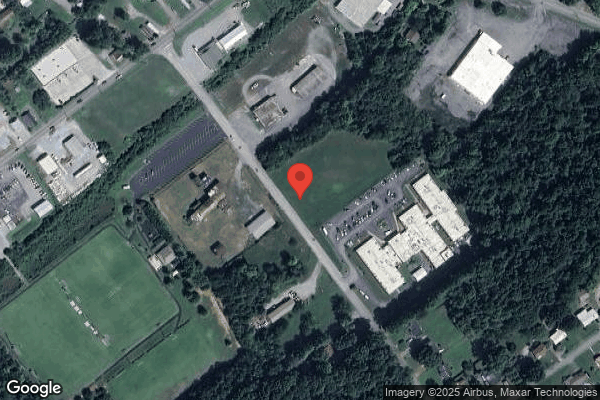
725 CRUM STREET, GREENEVILLE, TN 37743 (423) 639-8131
For profit - Corporation 161 Beds LIFE CARE CENTERS OF AMERICA Data: November 2025
Trust Grade
60/100
#131 of 298 in TN
Last Inspection: June 2025

Inspected within the last 6 months. Data reflects current conditions.

Overview

Life Care Center of Greeneville has a Trust Grade of C+, indicating it is slightly above average, but not among the top facilities. It ranks #131 out of 298 nursing homes in Tennessee, placing it in the top half of the state, and #3 out of 4 in Greene County, meaning there is only one local facility rated higher. The overall trend is improving, with the number of issues identified decreasing from 7 in 2024 to 6 in 2025. Staffing is a relative strength, with a 3/5 star rating and a turnover rate of 33%, which is significantly lower than the state average of 48%, suggesting that staff members are likely to remain for longer periods. On the downside, there were some concerning findings, including failures to maintain a clean kitchen, which could affect all residents, and issues with proper assessment before using physical restraints on residents, indicating potential neglect in following care protocols.

Trust Score
C+
60/100
In Tennessee
#131/298
Top 43%
Safety Record
Low Risk
No red flags
Inspections
Getting Better
7 → 6 violations
Staff Stability
○ Average
33% turnover. Near Tennessee's 48% average. Typical for the industry.
Penalties
✓ Good
No fines on record. Clean compliance history, better than most Tennessee facilities.
Skilled Nurses
○ Average
Each resident gets 36 minutes of Registered Nurse (RN) attention daily — about average for Tennessee. RNs are the most trained staff who monitor for health changes.
Violations
⚠ Watch
21 deficiencies on record. Higher than average. Multiple issues found across inspections.
★★★☆☆
3.0
Overall Rating
★★★☆☆
3.0
Staff Levels
★★☆☆☆
2.0
Care Quality
★★★☆☆
3.0
Inspection Score
Stable
2024: 7 issues
2025: 6 issues

The Good

  • Full Sprinkler Coverage · Fire safety systems throughout facility
  • No fines on record
  • Staff turnover below average (33%)

    15 points below Tennessee average of 48%

Facility shows strength in fire safety.

The Bad

3-Star Overall Rating

Near Tennessee average (2.8)

Meets federal standards, typical of most facilities

Staff Turnover: 33%

13pts below Tennessee avg (46%)

Typical for the industry

Chain: LIFE CARE CENTERS OF AMERICA

Part of a multi-facility chain

Ask about local staffing decisions and management

The Ugly 21 deficiencies on record

Jun 2025 6 deficiencies
CONCERN (D)

Potential for Harm - no one hurt, but risky conditions existed

Deficiency F0657 (Tag F0657)

Could have caused harm · This affected 1 resident

**NOTE- TERMS IN BRACKETS HAVE BEEN EDITED TO PROTECT CONFIDENTIALITY** Based on facility policy review, medical record review, observation, and interview, the facility failed to revise the comprehens...

Read full inspector narrative →
**NOTE- TERMS IN BRACKETS HAVE BEEN EDITED TO PROTECT CONFIDENTIALITY** Based on facility policy review, medical record review, observation, and interview, the facility failed to revise the comprehensive care plan for 1 resident (Resident #94) of 20 residents reviewed for care plans. The findings include: Review of the facility's policy titled, Comprehensive Care Plans and Revisions, dated 9/11/2024, revealed .The facility will ensure the timeliness of each resident's person-centered, comprehensive care plan, and to ensure that the comprehensive care plan is reviewed and revised .when these changes occur, the facility should review and update the plan of care to reflect the changes to care delivery . Review of the medical record revealed Resident #94 was admitted to the facility on [DATE] and readmitted on [DATE] with diagnoses including Management of Vascular Access Device, Bacteremia (bacteria present in the blood), and Urinary Tract Infection. Review of an admission Minimum Data Set (MDS) assessment dated [DATE], revealed Resident #94 scored a 5 on the Brief Interview for Mental Status (BIMS) assessment which indicated severe cognitive impairment. Further review revealed the resident required substantial or maximal assistance with toileting hygiene and had an indwelling urinary catheter. Review of a Nurse Practitioner (NP) Visit Note dated 6/6/2025, revealed Resident #94 had a high fever, altered mental status, decreased urinary output, and a urinary catheter not draining properly. The NP ordered the resident to go to the emergency room for an evaluation. Review of the Hospital Discharge summary dated [DATE], revealed Resident #94 had a peripherally inserted central catheter (PICC) (tube inserted into a vein to deliver medications) placed to the right upper extremity for intravenous (IV) antibiotic therapy and was discharged back to the facility. Review of a readmission Data Collection Tool dated 6/13/2025, revealed Resident #94 readmitted to the facility with a vascular access device. Review of a Physician's Order for Resident #94 dated 6/13/2025, revealed .observe PICC line insertion site every shift .Zosyn (IV antibiotic) administer 3.375 gram IV every 6 hours for bacteremia . Review of the comprehensive care plan revised 6/17/2025 (4 days after readmission from the hospital), revealed Resident #94 .has an Activities of Daily Living deficit related to musculoskeletal impairment .weakness .resident is at risk for infection with actual infection present of Urinary Tract Infection (UTI) with antibiotic use . Further review revealed no documentation regarding Resident #94's PICC line. During an observation on 6/23/2025 at 12:10 PM (10 days after the readmission from the hospital), in Resident #94's room, revealed Resident #94 sitting up in bed with a PICC line present to the right upper extremity. During an observation on 6/24/2025 at 12:33 PM, in Resident #94's room, revealed Resident #94 was reclined in the bed with a PICC line present to the right upper extremity. During an interview on 6/25/2025 at 10:40 AM, the Interim Director of Nursing (DON) confirmed the expectation for updating the care plan was within 7 days of re-admission. The Interim DON confirmed the facility failed to revise and update Resident #94's comprehensive care plan to indicate the resident's PICC line to the right upper arm after readmission into the facility.
CONCERN (D)

Potential for Harm - no one hurt, but risky conditions existed

Accident Prevention (Tag F0689)

Could have caused harm · This affected 1 resident

**NOTE- TERMS IN BRACKETS HAVE BEEN EDITED TO PROTECT CONFIDENTIALITY** Based on facility policy review, medical record review, observation, and interviews, the facility failed to ensure medications w...

Read full inspector narrative →
**NOTE- TERMS IN BRACKETS HAVE BEEN EDITED TO PROTECT CONFIDENTIALITY** Based on facility policy review, medical record review, observation, and interviews, the facility failed to ensure medications were stored and secured properly for 1 resident (Resident #74) of 92 residents observed for accidents and hazards. The findings include: Review of the facility's policy titled, Administration of Medications, dated 2/13/2023, revealed .the facility will ensure medications are administered safely and appropriately . Review of the medical record revealed Resident #74 was admitted to the facility on [DATE] with diagnoses including Malignant Neoplasm of the Bladder, Muscle Weakness, and Need for Assistance with Personal Care. Review of the comprehensive care plan for Resident #74 dated 5/8/2025, revealed the resident had physical limitations and required assistance with activities of daily living (ADL). Further review revealed there was no documentation of Resident #74's ability to safely store and self-administer medications without staff supervision. Review of a 5-day Minimum Data Set (MDS) assessmet dated 5/31/2025, revealed Resident #74 scored a 14 on the Brief Interview for Mental Status (BIMS) assessment which indicated the resident was cognitively intact. Continued review revealed Resident #74 had impairment to both upper extremities and required setup and clean up staff assistance with eating and personal hygiene. Review of a Physician's Order for Resident #74 dated 6/22/2025, revealed .Antacid (Calcium Carbonate) Oral Tablet Chewable 500 MG [milligrams] .Give 3 tablets by mouth every 4 hours as needed for indigestion/heartburn . Further review revealed no physician's order present for the resident to self-administer medications. During an observation on 6/23/2025 at 11:40 AM, in Resident #74's room, revealed Resident #74 was lying in bed with 3 round tablets located in a medicine cup stored on top of the over-bed table. During an observation and interview with Registered Nurse (RN) D on 6/23/2025 at 11:43 AM, in Resident #74's room, revealed Resident #74 was lying in bed with 3 round tablets located in a medicine cup stored on top of the over-bed table. RN D confirmed the 3 tablets located in the medicine cup stored on the Resident #74's over the bed table were antacid tablets and should not be left at the bedside for the resident to self-administer the medications. RN D stated Resident #74 could not self-administer medications safely. During an interview on 6/25/2025 at 9:03 AM, the Interim Director of Nursing (DON) stated it was the facility's expectation for medications to not be stored at the resident's bedside and there were no current residents who had the ability to self-administer medications in the facility. The Interim DON confirmed Resident #74 did not have the ability to self-administer medications and the facility failed to ensure the 3 antacid tablets for Resident #74 were stored properly.
CONCERN (D)

Potential for Harm - no one hurt, but risky conditions existed

Respiratory Care (Tag F0695)

Could have caused harm · This affected 1 resident

**NOTE- TERMS IN BRACKETS HAVE BEEN EDITED TO PROTECT CONFIDENTIALITY** Based on facility policy review, medical record review, observations, and interviews, the facility failed to ensure oxygen thera...

Read full inspector narrative →
**NOTE- TERMS IN BRACKETS HAVE BEEN EDITED TO PROTECT CONFIDENTIALITY** Based on facility policy review, medical record review, observations, and interviews, the facility failed to ensure oxygen therapy was administered at the physician prescribed rate for 1 resident (Resident #36) of 7 residents reviewed for oxygen therapy. The findings include: Review of the facility's policy titled, Oxygen Administration, revised 6/24/2025, revealed .To ensure that oxygen is administered and stored safely within the facility .oxygen order should be written for specific liter flow required by the resident . Review of the medical record revealed Resident #36 was admitted to the facility on [DATE] with diagnoses including Heart Failure, Heart Disease, and Dependence on Supplemental Oxygen. Review of a quarterly Minimum Data Set (MDS) assessment dated [DATE], revealed Resident #36 scored an 11 on the Brief Interview for Mental Status (BIMS) assessment which indicated moderate cognitive impairment. Further review revealed the resident required assistance with personal hygiene and used oxygen therapy. Review of the comprehensive care plan for Resident #36 dated 5/21/2025, revealed the resident used oxygen therapy with interventions including oxygen settings at 2 liters per minute (LPM) as needed (PRN) via (by way of) nasal canula, give as ordered by the physician. Further review revealed to observe the resident for signs and symptoms of respiratory distress. Review of an Order Summary Report for Resident #36 dated 6/23/2025, revealed .Oxygen at 2 liters/minute via [by way of] nasal cannula as needed .oxygen sat [saturation] rates every shift notify MD [Medical Doctor] if <90% [less than 90 percent] . During an observation and interview on 6/23/2025 at 11:09 AM, in Resident #36's room, revealed Resident #36 was lying in bed with a nasal cannula in place with oxygen infusing to the resident via concentrator machine with the rate dial on 1.5/LPM and not the physician prescirbed 2/LPM. Resident #36 stated his oxygen rate was prescribed at 2/LPM. During an observation on 6/24/2025 at 1:05 PM, in Resident #36's room, revealed Resident #36 was lying in bed with a nasal cannula in place with oxygen infusing to the resident via concentrator machine with the rate dial on 1.5/LPM and not the physician prescribed 2/LPM. During an observation and interview with Licensed Practical Nurse (LPN) B on 6/24/2025 at 1:15 PM, in Resident #36's room, revealed Resident #36 was lying in bed with a nasal cannula in place with oxygen infusing to the resident via concentrator machine with the rate dial on 1.5/LPM and not the physician prescribed 2/LPM. LPN B confirmed Resident #36's oxygen rate was set on 1.5/LPM via the oxygen concentrator machine and the resident did not receive the physician's order of oxygen of 2/LPM. During an interview on 6/24/2025 at 2:02 PM, the Nurse Practitioner (NP) stated there was no risk to Resident #36 receiving oxygen at 1.5/LPM instead of 2/LPM. The NP confirmed oxygen therapy was to be administered at the prescribed rate ordered by the medical provider. During an interview on 6/25/2025 at 9:03 AM, the Interim Director of Nursing (DON) confirmed oxygen was to be administered at the prescribed rate ordered by the physician. The Interim DON stated the facility failed to ensure oxygen therapy was administered at the prescribed rate for Resident #36.
CONCERN (D)

Potential for Harm - no one hurt, but risky conditions existed

Pharmacy Services (Tag F0755)

Could have caused harm · This affected 1 resident

**NOTE- TERMS IN BRACKETS HAVE BEEN EDITED TO PROTECT CONFIDENTIALITY** Based on facility policy review, medical record review, observation, and interview, the facility failed to ensure the pharmacy p...

Read full inspector narrative →
**NOTE- TERMS IN BRACKETS HAVE BEEN EDITED TO PROTECT CONFIDENTIALITY** Based on facility policy review, medical record review, observation, and interview, the facility failed to ensure the pharmacy provided an accurate physician prescribed medication for 1 resident (Resident #73) of 3 residents observed for medication administration. The findings include: Review of the Pharmacy Services Agreement, dated 8/10/1999 and continued as current agreement, revealed .Responsibilities of the Pharmacy .maintain accurate drug profiles, consistent with the information provided to the Pharmacy, on each facility resident served by pharmacy . Medical record review revealed Resident #73 was admitted to the facility on [DATE] with diagnoses including Alzheimer's Disease, Dementia, Osteoarthritis, and Glaucoma. Review of the current Physician Recapitulation Orders revealed, .Vitamin D3 oral capsule 1.25 mg (milligrams) by mouth one time a day every Tuesday for supplement . During an observation on 6/24/2025 at 7:18 AM, Registered Nurse (RN) A retrieved a medication card containing Vitamin D2 from the medication cart to Administer to Resident #73. Continued observation revealed RN A notified the Interim Director of Nursing of the incorrect medication. During an interview and review of the Vitamin D2 medication card for Resident #73 on 6/25/2025 at 8:38 AM, the Interim Director of Nursing confirmed the medication card dated 5/21/2025 contained the Vitamin D2. Continued interview confirmed the pharmacy had not delivered the correct medication of Vitamin D3 which had been prescribed by the physician. During an interview on 6/25/2025 at 10:22 AM, the Pharmacy Consultant confirmed Vitamin D2 was delivered to the facility on 5/21/2025 and was unsure why the incorrect medication was sent to the facility. The Pharmacy Consultant confirmed the incorrect medication was delivered to the facility.
CONCERN (D)

Potential for Harm - no one hurt, but risky conditions existed

Infection Control (Tag F0880)

Could have caused harm · This affected 1 resident

**NOTE- TERMS IN BRACKETS HAVE BEEN EDITED TO PROTECT CONFIDENTIALITY** Based on facility policy review, medical record review, observation, and interview, the facility failed to ensure proper infecti...

Read full inspector narrative →
**NOTE- TERMS IN BRACKETS HAVE BEEN EDITED TO PROTECT CONFIDENTIALITY** Based on facility policy review, medical record review, observation, and interview, the facility failed to ensure proper infection control practices were followed related to urinary catheter bag storage for 1 resident (Resident #94) of 10 residents reviewed for urinary catheters. The findings include: Review of the facility's policy titled, Indwelling Urinary Catheter (Foley) Management, dated 9/10/2024, revealed .the facility will ensure that residents admitted with a urinary catheter will have the following areas addressed .protocols that adhere to professional standards of practice and infection prevention and control procedures .ongoing monitoring for changes in condition .CAUTI's (catheter associated Urinary Tract Infections) . Review of the facility's policy titled, General Urinary Catheter Maintenance Guidelines, dated 6/6/2019, revealed .Do not rest the [urinary] catheter bag on the floor . Review of the medical record revealed Resident #94 was admitted to the facility on [DATE] with diagnosis including Retention of Urine, Acute Kidney Failure, and Obstructive and Reflux Uropathy (ineffective urine flow capabilities in the urinary tract). Review of an admission Minimum Data Set (MDS) assessment dated [DATE], revealed Resident #94 scored a 5 on the Brief Interview for Mental Status (BIMS) assessment which indicated severe cognitive impairment. Further review revealed the resident required substantial or maximal assistance with toileting hygiene and had an indwelling urinary catheter. Review of the Physician's Orders for Resident #94 dated 6/13/2025, revealed .[urinary] catheter care every shift .indwelling [urinary] catheter to straight drainage . Review of the comprehensive care plan for Resident #94 dated 6/17/2025, revealed .dependent on staff for meeting .physical and social needs related to physical limitations .has an Activities of Daily Living (ADL) deficit related to musculoskeletal impairment .had an indwelling urinary catheter .catheter care every shift .check tubing for kinks . During an observation on 6/24/2025 at 8:45 AM and at 12:33 PM, in Resident #94's room, revealed Resident #94 was lying in the bed with the urinary catheter drainage bag stored directly on the floor slightly underneath the left side of the bed. During an observation and interview with Licensed Practical Nurse (LPN) B on 6/24/2025 at 12:36 PM, in Resident #94's room, revealed Resident #94 was lying in the bed with the urinary catheter drainage bag stored directly on the floor slightly underneath the left side of the bed. LPN B confirmed the urinary catheter bag was on the floor and should not be stored directly on the floor to maintain infection control practices. During an interview on 6/25/2025 at 8:55 AM, the Interim Director of Nursing (DON) stated the staff were to ensure residents with urinary catheter drainage bags were stored below the bladder and hung from a fixed surface to ensure the drainage bag was stored off the floor. The Interim DON confirmed infection prevention and control practices were not maintained when Resident #94's urinary catheter drainage bag was stored directly on the floor.
CONCERN (F)

Potential for Harm - no one hurt, but risky conditions existed

Food Safety (Tag F0812)

Could have caused harm · This affected most or all residents

Based on facility policy review, facility documentation review, observation, and interview, the facility failed to maintain a clean and sanitary kitchen which had the potential to affect 92 of 92 resi...

Read full inspector narrative →
Based on facility policy review, facility documentation review, observation, and interview, the facility failed to maintain a clean and sanitary kitchen which had the potential to affect 92 of 92 residents. The findings include: Review of the facility policy titled, Food Safety and Sanitation, dated 4/30/2025, revealed .Cleaning Schedule .The Director of Food and Nutrition Services shall .ensure that the Food and Nutrition Services department is maintained in a clean and sanitary manner in accordance with regulatory requirements .Equipment and Utensil Cleaning and Sanitization - A potential cause of foodborne outbreaks is improper cleaning (washing and sanitizing) of equipment and protecting equipment from contamination via splash, dust, grease .Cleaning Fixed Equipment - When cleaning fixed equipment .that cannot readily be immersed in water .the removable parts must be washed and sanitized and non-removable parts cleaned with detergent and hot water, rinsed, air-dried and sprayed with a sanitizing solution (at the effective concentration) . Review of the facility policy titled, Food Safety and Sanitation .Ware Washing - Dish Machine/Manual Process, dated 4/30/2025, revealed .The Director of Food and Nutrition Services is responsible for ensuring that the department is maintained according to the standards of sanitation and in compliance with federal, state and local requirements .Food and Nutrition Services associates are trained in the proper use, cleaning and sanitation of ware washing equipment and sinks .Ware washing equipment is reassembled after cleaned and sanitized according to manufacturer's instructions .There is a facility process that includes reporting and follow up for maintenance issues .Low Temp [temperature] Dish Machine .The machine will be broken down and cleaned appropriately each day . Review of the facility policy titled, Food Safety, dated 5/1/2025, revealed .Cold Food Storage .Ambient temperatures in freezers remain at 0* [degrees] F [Fahrenheit] or lower and all food is frozen solid . Review of the facility policy titled, Food Safety and Sanitation .Effective Use of Quaternary Sanitizers and Disinfectants Policy, dated 5/6/2025, revealed .Equipment and Utensil Cleaning and Sanitization - A potential cause of foodborne outbreaks is improper cleaning (washing and sanitizing) of equipment and protecting equipment from contamination via splash, dust, grease .Manual Washing and Sanitizing - A 3-step process is used to manually wash, rinse, and sanitize dishware correctly .Sanitizing Bucket Method .Prepare color coded buckets with appropriate solutions as identified .Green - Detergent Bucket .Red - Sanitizing Bucket .Blue - Rinse Bucket .Fill [NAME] Detergent Bucket with soap and water .Fill the Red Sanitizing Bucket using the Quaternary sanitizer dispenser and record the ppm [parts per million] before .microfiber cloth is placed in the bucket .When a food contact surface and/or cart requires cleaning and sanitizing, follow the steps .Removed the microfiber cloth from the Detergent Bucket and clean the surface, removing all particles from the area being cleaned .Fully rinse .using clean water from the Blue Rinse Bucket .Pull clean microfiber cloth from the Red Sanitizing Bucket, wring excess solution .Coat surface well .Allow the surface to air dry for a minimum of one minute . Review of a handwritten facility document titled, Ice Machine Cleaning, dated 6/3/2023 - 3/26/2025, revealed the ice machine was cleaned in the dietary department every 3 months. Continued review revealed the ice machine was last cleaned on 3/26/2025. Review of the kitchen's Daily Cleaning Logs dated 6/8/2024-6/22/2025, revealed the kitchen and equipment which included the can opener, microwave, sinks, utility carts, floors, and stove was documented as cleaned twice daily. During an observation of the kitchen with the Certified Dietary Manager (CDM) on 6/23/2025 from 10:30 AM - 11:15 AM, revealed the following items: - at 10:32 AM, the ice machine was soiled with dust and unknown loose black, brown, and white debris on the outside rim of the machine. A black substance was observed around the inside rim of the ice machine which could easily be removed by a paper towel when wiped across the inside rim of the ice machine. A small gap of the inside rim of the door of the ice machine contained a large amount of an unknown black substance. - at 10:36 AM, the small walk-in refrigerator contained a digital thermometer which was inoperable. No other thermometers were noted available in the refrigerator (the dietary staff had documented the daily temperatures were within acceptable parameters). - at 10:39 AM, an unknown black substance was scattered over a large area of the floor under and around the dish machine. - at 10:40 AM, the top, front, and sides of the dish machine was noted with various dried food debris, and multiple unknown loose dark brown, black, and white particles and accumulated grime. - at 10:42 AM, the lower level of the table which held the dish machine and the drainage pipe underneath the dish machine were visibly soiled with dirt, debris, and accumulated grime. - at 10:45 AM, the stove knobs were observed with a yellowish and brown substance and a build up of grease around the knobs and front surface of the stove. The stove front was observed with spattered grease and food particles on the front and side surfaces of the stove. - at 10:46 AM, the inside top of the microwave, contained several areas of dried light brown, dark brown, and black substances, and dried food debris. - at 10:49 AM, the 3-compartment plate warmer was observed with loose food particles, dried food debris, unknown food particles, and accumulated grime in all top corners of all 3 compartments. The rubber gasket seals around each lid of the 3-compartment plate warmer were worn, damaged, and in disrepair. - at 10:51 AM, the reach-in chest type ice cream freezer was observed with a large amount of ice build-up. The 2 thermometers in the freezer were located beneath 2 cases of ice cream with 1 thermometer having a large amount of ice build-up (the dietary staff had documented the freezer temperatures were within acceptable parameters). - at 11:02 AM, the oven, inside and outside of the oven doors were observed with a yellowish-brown substance and discoloration. In the left corner ledge/rim of the oven, near the door, multiple dried food particles and a dark brownish black sticky substance. - at 11:04 AM, the floor behind the oven and stove was visibly soiled with dirt, dried food debris, a thick unknown black substance, dead insects, and accumulated grime. - at 11:06 AM, the blade mechanism of the can opener was visibly soiled with an unknown thick dark brownish black substance. - at 11:08 AM, the walk-in freezer contained a box of frozen biscuits ¼ full, undated, and open to air. - at 11:10 AM, the dry storage rack contained 2 of the 46-ounce (oz) boxes of thickened cranberry juice which had expired on 5/2025 and was available for resident use. During an interview on 6/23/2025 at 11:15 AM, the CDM confirmed the expired thickened cranberry juice was available for resident use, the ice machine was visibly soiled and needed to be cleaned, and the frozen biscuits were unlabeled and open to air in the freezer. The CDM stated the thermometer in the small walk-in refrigerator was inoperable and stated she was unsure how long the thermometer had not been in working condition. The CDM confirmed the kitchen and the kitchen equipment was not maintained in a clean and sanitary condition.
May 2024 7 deficiencies
CONCERN (D) 📢 Someone Reported This

A family member, employee, or ombudsman was alarmed enough to file a formal complaint

Potential for Harm - no one hurt, but risky conditions existed

Transfer Requirements (Tag F0622)

Could have caused harm · This affected 1 resident

**NOTE- TERMS IN BRACKETS HAVE BEEN EDITED TO PROTECT CONFIDENTIALITY** Based on facility policies and procedures review, medical record review, and interviews the facility failed to permit 1 resident...

Read full inspector narrative →
**NOTE- TERMS IN BRACKETS HAVE BEEN EDITED TO PROTECT CONFIDENTIALITY** Based on facility policies and procedures review, medical record review, and interviews the facility failed to permit 1 resident (Resident #350) to return to the facility after a hospitalization and failed to follow the facility's procedure for discharge for 1 resident (Resident #195) of 7 residents reviewed for Transfers and Discharge. The findings include: Review of the Pharmacy Services and Procedures policy titled, Discharge with Medication [from the facility], dated 1/1/2022, A medication release form should be used to record the inventory released upon discharge . Review of the facility's policy titled, Permitting Residents to Return Policy, reviewed 8/10/2023, revealed .The facility will permit residents to return to the facility after a hospitalization or therapeutic leave . Medical record review revealed Resident #350 was admitted to the facility on [DATE] and readmitted on [DATE] with diagnoses including Chronic Obstructive Pulmonary Disease, Pneumonia, Alzheimer's Disease, and Atherosclerotic Heart Disease (clogged arteries). Review of a quarterly Minimum Data Set (MDS) assessment dated [DATE], revealed Resident #350 scored a 00 on the Brief Interview for Mental Status Assessment (BIMS) which indicated the resident had severe cognitive impairment. Review of a Health Status Note dated 12/18/2023 at 8:33 PM, revealed Resident #350 was transferred to the hospital for evaluation and treatment. Review of a Health Status Note dated 12/19/2023 at 2:04 AM, revealed Resident #350 was admitted to the hospital. Review of a discharge MDS assessment dated [DATE], revealed .Discharge-return anticipated . During an interview on 4/30/2024 at 7:46 AM, the Social Services Director stated the Administrator made decisions as to whether residents were accepted back into the facility after a hospitalization. The Social Services Director confirmed Resident #350 was transferred to the hospital and the facility refused to accept the resident back to the facility. During an interview on 5/1/2024 at 2:11 PM, the Administrator stated Resident #350 went out as a skilled patient and the resident's daughter refused to pay the bed hold. Continued interview revealed no bed hold was initiated for Resident #350. The Administrator stated the facility was very capable of caring for Resident #350, but could not meet the needs and expectations of the resident's daughter. The resident's daughter was informed the facility had filled the resident's bed and she was advised to find an alternative placement for her mother. During a telephone interview on 5/2/2023 at 8:25 AM, the complainant stated the facility initially told her they could hold Resident #350's bed for a couple of days. Continued interview revealed the Administrator told her .We can't take your mom [Resident #350) back .we can't meet your needs . The complainant stated she called the Corporate [NAME] President who told her he had approved the resident not returning to the facility. Medical record review revealed Resident #195 was admitted to the facility on [DATE] with diagnoses including Chronic Obstructive Pulmonary Disease, Pneumonia, and Emphysema. Review of the admission MDS assessment dated [DATE], revealed Resident #195 scored a 7 on the BIMS assessment which indicated the resident had a severe cognitive impairment. Review of a nurse's note for Resident #195 dated 3/3/2024 at 12:00 PM, revealed .left with her [Resident #195] son at 12pm [12:00 PM] to go home, medication was sent with her . son packed up her belongings, went over discharge paperwork and medication list, let her know that she needed to make an apt [appointment] with her healthcare provider, ask if he [resident's son] had any questions he stated no signed paperwork and left with patient via w/c [wheelchair] . During an interview on 4/28/2024 at 1:05 PM with Resident #195's niece confirmed the resident was discharged home on 3/3/2024 with her son. Continued interview revealed the niece had visited Resident #195 at her home on 3/7/2024 and discovered medication cards in a bag which had been sent home with the resident at discharge. The medications sent home with Resident #195's had her roommate's (Resident #16) name on the cards. Further interview revealed the niece called the DON who requested she return the medication cards to the facility. Continued interview confirmed Resident #195 was not administered any of Resident #16's medications. During a telephone interview on 5/1/2024 at 9:50 AM, Licensed Practical Nurse A confirmed she had been notified by the Director of Nursing (DON) on 3/7/2024 Resident #195 had been discharged home with Resident #16's medication. Review of the Medication Administration Record for Resident #16 dated 3/3/2024, revealed Resident #16 had received her prescribed medications. During an interview on 5/1/2024 at 10:15 AM, the DON confirmed Resident #195's niece had returned the unused medication with Resident #16's name on them and no medications were missing from the card. Continued interview confirmed there was no adverse outcome for Residents #195. Further interview confirmed Resident #16 had received her ordered medications and there was no interruption in her treatment.
CONCERN (D)

Potential for Harm - no one hurt, but risky conditions existed

MDS Data Transmission (Tag F0640)

Could have caused harm · This affected 1 resident

**NOTE- TERMS IN BRACKETS HAVE BEEN EDITED TO PROTECT CONFIDENTIALITY** Based on review of the Resident Assessment Instrument (RAI) Version 3.0 Manual, medical record review, and interview, the facili...

Read full inspector narrative →
**NOTE- TERMS IN BRACKETS HAVE BEEN EDITED TO PROTECT CONFIDENTIALITY** Based on review of the Resident Assessment Instrument (RAI) Version 3.0 Manual, medical record review, and interview, the facility failed to transmit a discharge Minimum Data Set (MDS) assessment timely for 1 resident (Resident #1) of 22 residents reviewed. The findings include: Review of the RAI Version 3.0 Manual dated 10/2023, Chapter 2: Assessments for the RAI revealed . Discharge refers to the date a resident leaves the facility . A Discharge assessment is required with all . discharges .Discharge assessment .Must be transmitted .no later than 14 calendar days after the MDS completion date . Medical record review revealed Resident #25 was admitted to the facility on [DATE] with diagnoses including Pneumonia, Adult Failure to Thrive, Malnutrition, and Pressure Ulcers. The resident was discharged to the hospital on [DATE]. Medical record review of the MDS assessments revealed Resident #1 did not have a discharge MDS assessment completed or transmitted and was more than 120 days overdue. During an interview on 4/30/2024 at 1:00 PM, the MDS Coordinator confirmed Resident #25 had been discharged from the facility on 12/22/2023, the discharge assessment had not been completed or transmitted and was more that 120 days overdue.
CONCERN (D)

Potential for Harm - no one hurt, but risky conditions existed

Assessment Accuracy (Tag F0641)

Could have caused harm · This affected 1 resident

**NOTE- TERMS IN BRACKETS HAVE BEEN EDITED TO PROTECT CONFIDENTIALITY** Based on facility policy review, review of the Resident Assessment Instrument (RAI) Manual 3.0, medical record review, observati...

Read full inspector narrative →
**NOTE- TERMS IN BRACKETS HAVE BEEN EDITED TO PROTECT CONFIDENTIALITY** Based on facility policy review, review of the Resident Assessment Instrument (RAI) Manual 3.0, medical record review, observations, and interviews, the facility failed to accurately complete a Minimum Data Set (MDS) assessment for 1 resident (Residents #56) of 22 residents reviewed for MDS assessments. The findings include: Review of the facility's policy titled, Resident Assessment Instrument & Care Plan Development, revised 8/16/2022, revealed .the MDS uses assessment patient observation .to form the foundation of the comprehensive assessment . Review of the RAI Manual 3.0 dated 10/1/2023, revealed . primary purpose as an assessment instrument is to identify resident care problems that are addressed in an individualized care plan .the assessment [MDS] accurately reflects the resident's status .physician-prescribed weight-loss regimen .resident has experienced a weight loss of 5% or more in the past 30 days or 10% or more in the last 180 days, and the weight loss was planned and pursuant to a physician's order . Medical record review revealed Resident #56 was admitted to the facility on [DATE] with diagnoses including End Stage Renal Disease, Diabetes Mellitus, and Gastro-Esophageal Reflux Disease Review of a quarterly MDS assessment dated [DATE], revealed Resident #56 scored a 9 on the Brief Interview for Mental Status (BIMS) assessment which indicated the resident had moderate cognitive impairment, had weight loss of 5%, and was on a physician prescribed weight-loss regimen. Review of a comprehensive care plan for Resident #56 dated 4/18/2024, revealed .-[minus] 9.2% [weight-loss] x [times] 30 days, -14.8% x 90days, -26.1% x 180 days .regular diet with thin liquids, large protein portions, fortified cereal at breakfast, fortified potatoes at lunch, ice cream at lunch, [protein supplement] x 2 a day, [high calorie supplement] .TID [three times a day] .Observe and report PRN [as needed] any changes .in weight . Medical record review of Resident #56's weights for 180 days, revealed Resident #56's weight on 10/25/2023 was 242 lbs (pounds) and weight on 4/24/2024 was 178 Ibs, which was a total loss of 26.45% in 180 days. Medical record review of a Registered Dietitian (RD) Note for Resident #56 dated 4/25/2024, revealed .Weight Note .178# [pounds] weight loss of -9.2% x 30 days, -14.8% x 90 days, and -26.1% x 180 days. Weight loss r/t [related to] decreased PO [oral] intake and medical conditions .[recommendations] Add [high calorie supplement] TID for additional calories/protein to stabilize weight .Will continue to follow up . Review of the Physician's Orders for Resident #56 dated 4/29/2024, revealed .[high calorie supplement] three times a day for weight loss .[protein supplement] two times a day .Regular diet with diet condiments .fortified food to breakfast and ice cream to lunch and dinner . During an interview on 4/30/2024 at 10:29 AM, the MDS Coordinator stated Resident #56 was not on a physician prescribed weight-loss program and confirmed the entry was marked in error on the MDS assessment dated [DATE]. During an interview on 4/30/2024 at 3:57 PM, the RD stated Resident #56's weight was currently at a desired range for Resident #56's height but the facility wanted to prevent any further weight loss. The RD confirmed Resident #56 was not on a physician prescribed weight-loss program and the MDS assessment dated [DATE] was marked in error.
CONCERN (D)

Potential for Harm - no one hurt, but risky conditions existed

PASARR Coordination (Tag F0644)

Could have caused harm · This affected 1 resident

**NOTE- TERMS IN BRACKETS HAVE BEEN EDITED TO PROTECT CONFIDENTIALITY** Medical record review revealed Resident #74 was admitted to the facility on [DATE], with diagnoses including Psychosis (added 10...

Read full inspector narrative →
**NOTE- TERMS IN BRACKETS HAVE BEEN EDITED TO PROTECT CONFIDENTIALITY** Medical record review revealed Resident #74 was admitted to the facility on [DATE], with diagnoses including Psychosis (added 10/31/2024), Adjustment Disorder, Anxiety and Depression (present on admission). Review of a PASARR for Resident #74 dated 6/23/2023, revealed .Based on the information received, there is no reported history or indicators of major mental illness, intellectual/developmental disability, or related condition. A Level II evaluation is not required and the Level I is approved .Should there be an exacerbation related to mental illness or a discrepancy in the reported information, a status change should be submitted .for further evaluation . Review of a quarterly Minimum Data Set (MDS) assessment dated [DATE], revealed Resident #74 scored a 15 on the BIMS assessment which indicated the resident was cognitively intact, had potential indicators of hallucinations, had an active diagnosis of Psychotic Disorder and received an antidepressant. During an interview on 4/30/2024 at 3:53 PM, the Director of Nursing (DON) confirmed a PASARR for Level II screening for Resident #1 and Resident #74 was not submitted after a new diagnosis of Psychosis was added on 10/31/2023 for Resident #74 and 12/6/2023 for Resident #1. Based on facility policy review, medical record review and interview, the facility failed to refer 2 (Residents #1 and #74) after the resident's were identified with possible serious mental disorders, to the state-designated authority for a Level II Pre-admission Screening and Resident Review (PASARR) of 10 residents reviewed for PASARR. The findings include: Review of the facility policy titled, Pre-admission Screening and Resident Review (PASARR), revised 10/6/2022, revealed .the facility is required to notify the appropriate state mental health authority or state intellectual disability authority when a resident with a mental disorder .has a significant change in their physical or mental condition. This will ensure .residents with a mental disorder .receive the care .services they need in the most appropriate setting .Medical record review revealed Resident #1 was admitted to the facility on [DATE] with diagnoses including Psychosis (added 12/6/2023), Anxiety Disorder, and Depression (present on admission). Medical record review revealed Resident #1 was admitted to the facility on [DATE] with diagnoses including Psychosis (added 12/6/2023), Anxiety Disorder, and Depression (present on admission). Review of a PASARR for Resident #1 dated 8/23/2023, revealed .Based on the information received, there is no reported history or indicators of major mental illness, intellectual/development disability, or related condition. A level II evaluation is not required and the Level I is approved .Should there be an exacerbation related to mental illness or a discrepancy in the reported information, a status change should be submitted .for further evaluation . Review of a quarterly (MDS) assessment dated [DATE], revealed Resident #1 scored a 11 on the Brief Interview for Mental Status (BIMS) assessment which indicated the resident had mild cognitive impairment, and had indicators of hallucinations and delusions.
CONCERN (D)

Potential for Harm - no one hurt, but risky conditions existed

Comprehensive Care Plan (Tag F0656)

Could have caused harm · This affected 1 resident

**NOTE- TERMS IN BRACKETS HAVE BEEN EDITED TO PROTECT CONFIDENTIALITY** Based on facility policy review, medical record review, observations, and interviews, the facility failed to develop the compreh...

Read full inspector narrative →
**NOTE- TERMS IN BRACKETS HAVE BEEN EDITED TO PROTECT CONFIDENTIALITY** Based on facility policy review, medical record review, observations, and interviews, the facility failed to develop the comprehensive care plan for 2 residents (Resident #68 and #74) of 22 residents reviewed for care plans. The findings include: Review of the facility's policy titled, Comprehensive Care Plans and Revisions, dated 3/2/2022, revealed .the facility should monitor the resident over time to help identify changes in the resident condition that may warrant an update to the person-centered plan of care .when these changes occur the facility should review .the plan of care to reflect the changes to care delivery . Medical record review revealed Resident #68 was admitted to the facility on [DATE] with diagnoses including Muscle Weakness, Need for Assistance with Personal Care, and Urinary Tract Infection. Review of a quarterly Minimum Data Set (MDS) assessment dated [DATE], revealed Resident #68 scored an 8 on the Brief Interview for Mental Status (BIMS) assessment which indicated the resident had moderate cognitive impairment. Further review revealed Resident #68 required partial/ moderate staff assistance with toileting and was frequently incontinent of urine. Review of a comprehensive care plan for Resident #68 dated 3/21/2024, revealed .Urinary Tract Infection .lab [laboratory specimen] .as ordered . Further review revealed the transmission-based precautions [contact precautions] were not developed on the care plan. Review of the Physician's Orders for Resident #68 dated 4/29/2024, revealed .Contact Precautions Diagnosis: MDRO [multi-drug resistant organism] in urine until 5/06/2024 .Nitrofurantoin [antibiotic medication] .for urinary tract infection . Review of a urine culture and sensitivity report for Resident #68 dated 4/23/2024, revealed .vancomycin resistant enterococci [bacteria] . was present in the urine culture. During an observation on 4/28/2024 at 10:45 AM, revealed Resident #68 had transmission-based precaution signage placed on the entry door to the room and the personal protective equipment was stored on a rack on the entry door for staff use. During an interview on 4/28/2024 at 10:50 AM, the Certified Nursing Assistant (CNA) A stated Resident #68 was in contact precautions due to an infection in her [Resident #68's] urine. During an interview on 4/29/2024 at 1:29 PM, the Director of Nursing (DON) stated when transmission-based precautions are initiated, the care plan should be developed to reflect that status change. The DON confirmed the care plan was not developed to reflect Resident #68's medical need and the physician's order for contact isolation with the transmission based precautions. Medical record review revealed Resident #74 was admitted to the facility on [DATE], with diagnoses including Psychosis (added 10/31/2024), Adjustment Disorder, Anxiety and Depression (present on admission). Review of a quarterly MDS assessment dated [DATE], revealed Resident #74 scored a 15 on the BIMS assessment which indicated the resident was cognitively intact, had potential indicators of Hallucinations, had an active diagnosis of Psychotic Disorder, and received an antidepressant. Review of a comprehensive care plan for Resident #74 dated 4/24/2024, revealed .obsessive behavior problem with males .uses antidepressant medication r/t [r/t] Depression and hypersexuality . Further review revealed the care plan did not reflect Resident #74 had Psychosis or Hallucinations. During an interview on 4/30/2024 at 3:53 PM, the DON confirmed the comprehensive care plan for Resident #74 had not been updated to reflect the diagnoses of Psychosis and Hallucinations.
CONCERN (D)

Potential for Harm - no one hurt, but risky conditions existed

Medical Records (Tag F0842)

Could have caused harm · This affected 1 resident

**NOTE- TERMS IN BRACKETS HAVE BEEN EDITED TO PROTECT CONFIDENTIALITY** Based on facility policy review, medical record review, observations, and interviews, the facility failed to ensure the medical ...

Read full inspector narrative →
**NOTE- TERMS IN BRACKETS HAVE BEEN EDITED TO PROTECT CONFIDENTIALITY** Based on facility policy review, medical record review, observations, and interviews, the facility failed to ensure the medical record was complete and accurate for 1 resident (Resident #68) of 22 residents reviewed for medical records. The findings include: Review of the facility's policy titled, Nursing Documentation, dated 8/20/2019, revealed .the medical record must also reflect the resident's condition and the care and services provided .changes in .condition . Medical record review revealed Resident #68 was admitted to the facility on [DATE] with diagnoses including Muscle Weakness, Need for Assistance with Personal Care, and Urinary Tract Infection. Review of a quarterly Minimum Data Set (MDS) assessment dated [DATE], revealed Resident #68 scored an 8 on the Brief Interview for Mental Status (BIMS) assessment which indicated the resident had moderate cognitive impairment. Further review revealed Resident #68 required partial/ moderate staff assistance with toileting and was frequently incontinent of urine. Review of a comprehensive care plan for Resident #68 dated 3/21/2024, revealed .Urinary Tract Infection .lab .as ordered . Review of the Physician's Orders for Resident #68 dated 4/29/2024, revealed .UA C&S [urinalysis culture and sensitivity] [urine test to determine presence of bacteria] due to increased confusion .Completed . Review of the Nurse's Notes for Resident #68 dated 4/4/2024 thru 4/29/2024, revealed no nurse entry where the UA C/S specimen was obtained. Review of a urine culture and sensitivity report for Resident #68 dated 4/23/2024, revealed the urine specimen was obtained at the facility on 4/23/2024. During an interview on 5/1/2024 at 2:01 PM, Registered Nurse (RN) A stated she worked on 4/23/2024 and had obtained the ordered urine specimen for Resident #68. RN A stated the urine specimen for Resident #68 was obtained via clean catch method and was sent to the lab (laboratory) for processing. RN A stated she forgot to document the procedure in the medical record. During an interview on 4/29/2024 at 1:29 PM, the Director of Nursing (DON) stated it was the facility's expectation when urine specimens were obtained, those procedures were documented in the medical record for that specific resident. The DON confirmed Resident #68's medical record was not considered complete or accurate when the nurse failed to document the urinalysis specimen obtained on 4/23/2024.
CONCERN (D)

Potential for Harm - no one hurt, but risky conditions existed

Infection Control (Tag F0880)

Could have caused harm · This affected 1 resident

Based on facility policy review, observation, and interview the facility failed to assist or offer 2 (Residents #76 and #10) the opportunity to perform hand hygiene before an evening meal on 1 of 2 un...

Read full inspector narrative →
Based on facility policy review, observation, and interview the facility failed to assist or offer 2 (Residents #76 and #10) the opportunity to perform hand hygiene before an evening meal on 1 of 2 units observed for meal service. The findings include: Review of the facility's policy titled, Hand Hygiene, revised 6/13/2023 revealed .The facility must establish .maintain an infection prevention .control program designed to provide a safe, sanitary, and comfortabel environment .to prevent the development and transmission of communicable diseases and infections . During an observation on 4/29/2024 at 5:13 PM on the Cedar Unit, Activities Director (AD) B took the evening meal tray to Resident #76 and did not offer hand hygiene to the resident prior to setting the meal tray up. During an interview on 4/29/2024 at 5:14 PM, AD B confirmed she did not offer hand hygiene to Resident #76 prior to setting up her evening meal tray. During an interview on 4/29/2024 at 5:18 PM, Resident #76 confirmed she was not offered hand hygiene prior to her evening meal. During an observation on 4/29/2024 at 5:24 PM on the Cedar Unit, Certified Nursing Assistant (CNA) B took the evening meal tray to Resident #10 and did not offer hand hygiene to the resident prior to setting the meal tray up. During an interview on 4/29/2024 at 5:25 PM, Resident #10 confirmed she was not offered hand hygiene prior to her evening meal. The resident stated, .sometimes they will give me a wet wipe, but not all the time . During an interview on 4/29/2024 at 5:26 PM, CNA B confirmed he did not offer hand hygiene to Resident #10 prior to setting up her evening meal tray. During an interview on 4/30/2024 at 3:53 PM, the Director of Nursing (DON) stated it was her expectation that staff assisted residents to wash their hands prior to meals. The DON further stated infection control practices were not maintained when AD B and CNA B did not offer the Residents #76 and #10 assistance to wash their hands or hand hygiene prior to the evening meal that was served.
Apr 2023 3 deficiencies
CONCERN (D) 📢 Someone Reported This

A family member, employee, or ombudsman was alarmed enough to file a formal complaint

Potential for Harm - no one hurt, but risky conditions existed

Free from Abuse/Neglect (Tag F0600)

Could have caused harm · This affected 1 resident

**NOTE- TERMS IN BRACKETS HAVE BEEN EDITED TO PROTECT CONFIDENTIALITY** Based on facility policy review, facility documentation review, medical record review and interview the facility failed to ensur...

Read full inspector narrative →
**NOTE- TERMS IN BRACKETS HAVE BEEN EDITED TO PROTECT CONFIDENTIALITY** Based on facility policy review, facility documentation review, medical record review and interview the facility failed to ensure 1 residents (#4) were free from abuse of 8 residents reviewed for abuse. The findings include: Review of the facility policy .Abuse -Prevention .issued 10/4/2022 revealed .It is the policy of this facility to prevent and prohibit all types of abuse .Identify, correct and intervene in situations in which abuse .is more likely to occur . Review of the medical record revealed Resident #2 was admitted to the facility on [DATE] with diagnoses including Aneurysm of Arteries, Fracture of Second Lumbar Vertebra, and Acute on Chronic Congestive Heart Failure. Review revealed Resident #2 brief interview of mental status (BIMS) score dated 9/30/2022 was 3 indicating resident has severe cognitive impairment. Review of the medical record revealed Resident #4 was admitted to the facility on [DATE] with diagnosis including Heart Failure, Cardiomegaly, Syncope and Collapse, and History of Falling. Review revealed Resident #4 BIMS score dated 9/13/2022 was 10 indicating moderately impaired cognition. Review of the facility documentation of resident-to-resident contact between Resident #2 and Resident #4 dated 10/15/2022 at 5:00 AM, revealed Resident #4 was .hit on chest and leg, but ok . Continued facility investigation dated 10/15/2022 at 5:00 AM revealed .staff went into room to answer call light and observed this resident [Resident #2] agitated in wrong room .resident immediately redirected . Interview with Licensed Practical Nurse (LPN) #1 on 4/5/2023 at 9:47 AM, by phone, revealed she responded to Resident #2 going into Resident #4 room after Resident #2 was hitting Resident #4. The LPN stated she removed Resident #2 from Resident #4's room. Interview with Resident #4 on 4/4/2023 at 10:27 AM, stated Resident #2 came into his room and started hitting him on his legs and stomach. Interview revealed Resident #2 was a confused and the facility staff came in his Resident #4's room and took Resident #2 out of his room. Interview with the Administrator on 4/10/2023 at 1:21 PM, by phone, confirmed the facility failed to follow their abuse policy. The administrator revealed the facility failed to prevent abuse for resident (#1, #3, & #4) by Resident #2.
CONCERN (D) 📢 Someone Reported This

A family member, employee, or ombudsman was alarmed enough to file a formal complaint

Potential for Harm - no one hurt, but risky conditions existed

Report Alleged Abuse (Tag F0609)

Could have caused harm · This affected 1 resident

**NOTE- TERMS IN BRACKETS HAVE BEEN EDITED TO PROTECT CONFIDENTIALITY** Based on facility policy review, medical record review, facility documentation review, and interviews, the facility failed to re...

Read full inspector narrative →
**NOTE- TERMS IN BRACKETS HAVE BEEN EDITED TO PROTECT CONFIDENTIALITY** Based on facility policy review, medical record review, facility documentation review, and interviews, the facility failed to report allegations of abuse timely for 3 residents (#4, #1, and #3) of 8 residents reviewed for abuse. The findings include: Review of the facility policy, .Abuse-Reporting and Response . dated 10/4/2022 revealed .The facility will ensure reporting reasonable suspicion of crimes against a resident or individual receiving care from the facility within prescribed timeframes .Each covered individual shall report immediately, but not less than 2 hours after forming the suspicion, if the events that cause the suspicion result in serious bodily injury, or not later than 24 hours if the events that cause the suspicion do not result in serious bodily injury . Review of the medical record revealed Resident #2 was admitted to the facility on [DATE] with diagnoses including Aneurysm of Arteries, Fracture of Second Lumbar Vertebra, and Acute on Chronic Congestive Heart Failure. Review revealed Resident #2 brief interview of mental status (BIMS) score dated 9/30/2022 was 3 indicating resident has severe cognitive impairment. Review of the medical record revealed Resident #4 was admitted to the facility on [DATE] with diagnosis including Heart Failure, Cardiomegaly, Syncope and Collapse, and History of Falling. Review revealed Resident #4 BIMS score dated 9/13/2022 was 10 indicating moderately impaired cognition. Review of the facility documentation of resident-to-resident contact between Resident #2 and Resident #4 dated 10/15/2022 at 5:00 AM revealed Resident #4 was .hit on chest and leg, but ok . Continued facility investigation dated 10/15/2022 at 5:00 AM revealed .staff went into room to answer call light and observed this resident [Resident #2] agitated in wrong room .resident immediately redirected . Interview with Licensed Practical Nurse (LPN) #1 on 4/5/2023 at 9:47 AM, by phone, revealed she responded to Resident #2 going into Resident #4 room after Resident #2 was hitting Resident #4. The LPN stated she removed Resident #2 from Resident #4's room. Interview with Resident #4 on 4/4/2023 at 10:27 AM, stated Resident #2 came into his room and started hitting him on his legs and stomach. Interview revealed Resident #2 was a confused and the facility staff came in his Resident #4's room and took Resident #2 out of his room. Review of the medical record revealed Resident #1 was admitted to the facility on [DATE] with diagnoses including Acute and Chronic Respiratory Failure with Hypoxia, Acute and Chronic Respiratory Failure with Hypercapnia, Chronic Congestive Heart Failure, and Combined Systolic and Diastolic Heart Failure. Review revealed Resident #1's BIMS score was 15 indicating the resident was cognitively intact. Review of the facility documentation of resident-to-resident contact between Resident #2 and Resident #1 dated 10/15/2022 at 8:40 PM revealed .confused resident [Resident #2] went onto [in to] .[Resident #1's] room .turned call light on .the other resident [Resident #2] was at her bedside with a pillow to her right side .shoulder area . Interview with Licensed Practical Nurse (LPN) #1 on 4/5/2023 at 9:47 AM, by phone, revealed the LPN was the first to respond to call light from Resident #1 in which Resident #2 had to be removed from Resident #1's room. The LPN stated Resident #2 was around Resident #1 middle body area lightly touching the resident with pillow. Review of the medical record revealed Resident #3 was admitted to the facility on [DATE] with diagnosis including Acute and Chronic Diastolic Heart Failure, End Stage Renal Disease, and Acute and Chronic Respiratory Failure. Review of Resident #3 BIMS score dated 10/22/2022 was 15 indicating the resident was cognitively intact. Review of the facility documentation of resident-to-resident contact between Resident #2 and Resident #3 dated 10/15/2022 at 10:05 PM revealed Resident #3 ran over Resident #2 foot with wheelchair. Resident #2 caused injury to Resident #3. Review revealed .resident roommate [Resident #3] got close to residents [Resident #2's] foot when he tried to move his foot he caused a small red area on roommate [Resident #3's] cheek . Interview with the Administrator on 4/10/2023 at 1:21 PM, by telephone, revealed the facility failed to report allegations of abuse for Resident#1, Resident #3, and Resident #4. Interview confirmed the facility failed to follow their policy related to abuse reporting.
CONCERN (D) 📢 Someone Reported This

A family member, employee, or ombudsman was alarmed enough to file a formal complaint

Potential for Harm - no one hurt, but risky conditions existed

Accident Prevention (Tag F0689)

Could have caused harm · This affected 1 resident

**NOTE- TERMS IN BRACKETS HAVE BEEN EDITED TO PROTECT CONFIDENTIALITY** Based on facility policy review, medical record review, facility documentation review, and interview the facility failed to ensu...

Read full inspector narrative →
**NOTE- TERMS IN BRACKETS HAVE BEEN EDITED TO PROTECT CONFIDENTIALITY** Based on facility policy review, medical record review, facility documentation review, and interview the facility failed to ensure 1 resident (#2) was supervised to prevent resident to resident altercations of 8 residents reviewed for supervision. The findings include: Review of the facility policy .Unsafe Wandering and Elopement Prevention .revised 8/22/2022 revealed .Unsafe wandering may become unsafe .Entering into another resident's room may lead to an altercation . Review of the medical record revealed Resident #2 was admitted to the facility on [DATE] with diagnoses including Aneurysm of Arteries, Fracture of Second Lumbar Vertebra, and Acute on Chronic Congestive Heart Failure. Review revealed Resident #2 brief interview of mental status (BIMS) score dated 9/30/2022 was 3 indicating resident has severe cognitive impairment. Review of the medical record revealed Resident #4 was admitted to the facility on [DATE] with diagnosis including Heart Failure, Cardiomegaly, Syncope and Collapse, and History of Falling. Review revealed Resident #4 BIMS score dated 9/13/2022 was 10 indicating moderately impaired cognition. Review of the facility documentation of resident-to-resident contact between Resident #2 and Resident #4 dated 10/15/2022 at 5:00 AM revealed Resident #4 was .hit on chest and leg, but ok . Continued facility investigation dated 10/15/2022 at 5:00 AM revealed .staff went into room to answer call light and observed this resident [Resident #2] agitated in wrong room .resident immediately redirected . Interview with Licensed Practical Nurse (LPN) #1 on 4/5/2023 at 9:47 AM, by phone, revealed she responded to Resident #2 going into Resident #4 room after Resident #2 was hitting Resident #4. The LPN stated she removed Resident #2 from Resident #4's room. Interview with Resident #4 on 4/4/2023 at 10:27 AM, stated Resident #2 came into his room and started hitting him on his legs and stomach. Interview revealed Resident #2 was a confused and the facility staff came in his Resident #4's room and took Resident #2 out of his room. Review of the medical record revealed Resident #1 was admitted to the facility on [DATE] with diagnoses including Acute and Chronic Respiratory Failure with Hypoxia, Acute and Chronic Respiratory Failure with Hypercapnia, Chronic Congestive Heart Failure, and Combined Systolic and Diastolic Heart Failure. Review revealed Resident #1's BIMS score was 15 indicating the resident was cognitively intact. Review of the facility documentation of resident-to-resident contact between Resident #2 and Resident #1 dated 10/15/2022 at 8:40 PM revealed .confused resident [Resident #2] went onto [in to] .[Resident #1's] room .turned call light on .the other resident [Resident #2] was at her bedside with a pillow to her right side .shoulder area . Interview with Licensed Practical Nurse (LPN) #1 on 4/5/2023 at 9:47 AM, by phone, revealed the LPN was the first to respond to call light from Resident #1 in which Resident #2 had to be removed from Resident #1's room. The LPN stated Resident #2 was around Resident #1 middle body area lightly touching the resident with pillow. Review of the medical record revealed Resident #3 was admitted to the facility on [DATE] with diagnosis including Acute and Chronic Diastolic Heart Failure, End Stage Renal Disease, and Acute and Chronic Respiratory Failure. Review of Resident #3 BIMS score dated 10/22/2022 was 15 indicating the resident was cognitively intact. Review of the facility documentation of resident-to-resident contact between Resident #2 and Resident #3 dated 10/15/2022 at 10:05 PM revealed Resident #3 ran over Resident #2 foot with wheelchair. Resident #2 caused injury to Resident #3. Review revealed .resident roommate [Resident #3] got close to residents [Resident #2's] foot when he tried to move his foot he caused a small red area on roommate [Resident #3's] cheek . Interview with the Administrator on 4/10/2023 at 11:08 AM, by phone, revealed Resident #2 had been placed on 1 on 1 observation after alleged allegations of abuse with Resident #4. Continued interview revealed Resident #2 was unsupervised and went into Resident #1's room after being placed on 1 on 1 observation on 10/15/2022. Interview with the Administrator on 4/10/2023 at 1:21 PM, by phone, confirmed the facility failed to supervise Resident #2 to prevent alleged resident altercations for Resident #1 and Resident #3.
Feb 2020 5 deficiencies
CONCERN (D)

Potential for Harm - no one hurt, but risky conditions existed

Accident Prevention (Tag F0689)

Could have caused harm · This affected 1 resident

**NOTE- TERMS IN BRACKETS HAVE BEEN EDITED TO PROTECT CONFIDENTIALITY** Based on facility policy review, medical record review, observation, and interview, the facility failed to implement an interven...

Read full inspector narrative →
**NOTE- TERMS IN BRACKETS HAVE BEEN EDITED TO PROTECT CONFIDENTIALITY** Based on facility policy review, medical record review, observation, and interview, the facility failed to implement an intervention to prevent falls for 2 residents (Residents #3 and #35) of 4 residents reviewed for falls of 27 sampled residents. The findings include: Review of the facility policy titled, Fall Management, reviewed 4/15/2019, showed .The facility must ensure that the resident's environment remains as free of accident hazards as is possible and each resident receives adequate supervision and assistance devices to prevent accidents .Implement interventions, including adequate supervision and assistive devices, consistent with a resident's .care plan . Resident #3 was admitted to the facility on [DATE] and readmitted on [DATE] with diagnoses including Dementia, and Pneumonia. Review of a Physician's order dated 2/11/2020 showed a one way slide to wheelchair (non-skid pad for wheelchair seat to prevent resident from sliding forward in the wheelchair) for Resident #3. Review of Resident #3's care plan dated 1/27/2020 intervention .one way slide to wheelchair . Observation on Cedar hall by the nurse's station on 2/11/2020 at 1:08 PM, showed Resident #3 seated in her wheelchair without a one way slide in the wheelchair. Interview on 2/11/2020 at 1:13 PM, with Licensed Practical Nurse (LPN) #3 on the Cedar hall nurse's station, confirmed the one way slide was a current care plan intervention and was not in use in the resident's wheelchair seat. Interview on 2/11/2020 at 2:15 PM, with the Assistant Director of Nursing confirmed the one way slide should have been in the resident's wheelchair and was a current safety intervention on the resident's care plan. Resident #35 was admitted to the facility on [DATE] with diagnoses including Hemiplegia and Hemiparesis Following Cerebral Infarction, Aphasia, Depressive Disorders, Morbid Obesity, Pain, and Occlusion and Stenosis of Unspecified Carotid Artery. Review of the Care Plan dated 10/2/2018 showed the resident was at risk for falls due to gait/balance problems and unaware of safety needs with interventions including one way slide to wheelchair and assist of 2 staff for transfers. Review of the Quarterly Minimum Data Set (MDS) dated [DATE], showed the resident had modified independence for decision making and unclear speech. The resident required extensive assistance of 2 staff members for transfers and the resident had one fall with minor injury during the assessment period. Review of the Order Summary Report Active Orders As Of: 2/11/2020 showed a Physician's order dated 4/22/2018 for a one way slide to the wheelchair and a Physician's order dated 1/30/2020 for assist of 2 staff with transfers. Observation of Resident #35 on 2/11/2020 at 1:06 PM, showed Resident #35's call light was on, Resident #35 was seated in a wheelchair in the room at the bedside, Certified Nursing Assistant (CNA) #2 entered the room and assisted Resident #35 to the toilet from the wheelchair. During an interview and observation of Resident #35's wheelchair on 2/11/2020 at 1:23 PM, CNA #2 confirmed a one way slide was not in the resident's wheel chair. Observation of Resident #35 on 2/11/2020 at 1:30 PM, showed CNA #3 entered the resident's room and assisted the resident from the toilet back to his wheelchair. During an interview and observation of Resident #35's [NAME] on 2/11/2020 at 2:04 PM, CNA #2 confirmed she had assisted the resident to the bathroom (assist of 1 staff) and the [NAME] stated 2 assist with transfers and the resident was to have a one way slide in the wheelchair. During an interview on 2/12/2020 at 9:05 AM, the Administrator confirmed it is her expectation for the staff to follow care plans to prevent resident falls in the facility.
CONCERN (D)

Potential for Harm - no one hurt, but risky conditions existed

Laboratory Services (Tag F0770)

Could have caused harm · This affected 1 resident

**NOTE- TERMS IN BRACKETS HAVE BEEN EDITED TO PROTECT CONFIDENTIALITY** Based on facility policy review, medical record review, and interview, the facility failed to obtain laboratory tests as ordered...

Read full inspector narrative →
**NOTE- TERMS IN BRACKETS HAVE BEEN EDITED TO PROTECT CONFIDENTIALITY** Based on facility policy review, medical record review, and interview, the facility failed to obtain laboratory tests as ordered by the physician for 1 resident (Resident #10) of 5 residents reviewed for unnecessary medications. The findings include: Review of the facility policy titled Diagnostic Services, reviewed 4/15/2019, showed .Ensure that the residents receive laboratory .services as ordered by the attending physician . Resident #10 was admitted to the facility on [DATE] with diagnoses including Alzheimer's Disease, Dementia with Behavioral Disturbance, Hypertensive Heart and Chronic Kidney Disease, Atherosclerotic Heart Disease, and Psychosis. Review of the annual Minimum Data Set (MDS) dated [DATE], showed the resident had severe cognitive impairment and had received an antipsychotic medication daily. Review of the Order Summary Report revealed an order dated 3/2/2018 for lipids (a laboratory test that measures cholesterol level) while on Seroquel (also known as quetiapine, an antipsychotic medication) to be obtained every 6 months, and an order dated 9/6/2018 for quetiapine to be administered 2 times daily. Review of the medical record showed no documentation a lipid panel had been obtained for Resident #10. During an interview on 2/12/2020 at 12:51 PM, Registered Nurse (RN) #1 confirmed Resident #10 received Seroquel as ordered, the lipid panel should have been completed on 3/1/2019 and again every 6 months. The laboratory order for a lipid panel had not been obtained for Resident #10 since 2017. During an interview on 2/12/2020 at 1:58 PM, the Director of Nursing (DON) confirmed it was her expectation for labs to be obtained per the physician's orders.
CONCERN (D)

Potential for Harm - no one hurt, but risky conditions existed

Medical Records (Tag F0842)

Could have caused harm · This affected 1 resident

**NOTE- TERMS IN BRACKETS HAVE BEEN EDITED TO PROTECT CONFIDENTIALITY** Based on medical record review and interview, the facility failed to maintain an accurate medical record for 1 resident (#39) of...

Read full inspector narrative →
**NOTE- TERMS IN BRACKETS HAVE BEEN EDITED TO PROTECT CONFIDENTIALITY** Based on medical record review and interview, the facility failed to maintain an accurate medical record for 1 resident (#39) of 32 residents reviewed for medical records. The findings include: Resident #39 was admitted to the facility on [DATE] with diagnoses including Heart Failure, Hemiplegia and Hemiparesis following Cerebral Vascular Accident, Chronic Obstructive Pulmonary Disease, Atrial Fibrillation, and Vascular Dementia. Review of the Tennessee Physician Orders for Scope of Treatment (POST) form dated [DATE], showed .Resuscitate (CPR) [cardiopulmonary resuscitation] . Review of the Physician's orders dated [DATE], showed .Do Not Resuscitate . During an interview on [DATE] at 4:15 PM, with Licensed Practical Nurse (LPN) #2 on [DATE] at 4:15 PM, stated the facility is to verify the code status of residents upon admission or readmission to the facility. This did not happen with Resident #39. During an interview on [DATE] at 4:15 PM, the Director of Nursing (DON) confirmed the physician order and the POST form did not match. The resident's medical record was inaccurate.
CONCERN (D)

Potential for Harm - no one hurt, but risky conditions existed

Infection Control (Tag F0880)

Could have caused harm · This affected 1 resident

**NOTE- TERMS IN BRACKETS HAVE BEEN EDITED TO PROTECT CONFIDENTIALITY** Based on facility policy review, medical record review, observation, and interview, the facility failed to follow isolation proc...

Read full inspector narrative →
**NOTE- TERMS IN BRACKETS HAVE BEEN EDITED TO PROTECT CONFIDENTIALITY** Based on facility policy review, medical record review, observation, and interview, the facility failed to follow isolation procedures for 1 resident (Resident #220) of 2 residents reviewed for isolation precautions. The findings include: Review of the facility policy titled, Transmission-based Precautions and Isolation Procedures, dated 1/30/2019, showed .Transmission-based precautions are implemented .to prevent or control infection .Contact Precautions are intended to prevent transmission of infections that are spread by direct .or indirect contact with the resident or environment, and require the use of appropriate PPE [personal protective equipment], including a gown and gloves upon entering .the room . Resident #220 was admitted to the facility on [DATE] with diagnoses including Urinary Tract Infection, Pseudomonas, Hypertension, Chronic Kidney Disease, Acquired Absence of Kidney, and Specified Disorders of the Kidney and Ureter. Review of the Order Recap Report, dated 2/1/2020 - 2/29/2020, revealed an order dated 2/3/2020 for contact precautions for a urinary tract infection. Review of the Care Plan dated 2/11/2020 showed the resident had a urinary tract infection with interventions including contact precautions as ordered. Observation of Resident #220's room on 2/10/2020 at 12:08 PM, showed a sign on the door stating contact precautions. Physical Therapy Assistant (PTA) #1 wheeled the resident's roommate into the room in a wheelchair and did not don gloves or gown prior to entering the room. During an interview on 2/10/2020 at 12:09 PM, PTA #1 confirmed Resident #220 was in isolation and a contact isolation sign was on the door stating to apply gloves prior to entering the room and gown if necessary. PTA #1 also confirmed she had not applied gloves prior to entering the room. Observation of Resident #220's room on 2/10/2020 at 12:13 PM, showed Licensed Practical Nurse (LPN) #1 and Certified Nursing Assistant (CNA) #1 entered the room to deliver the residents their lunch trays, LPN #1 and CNA #1 did not don gloves or gowns prior to entering the room, LPN #1 and CNA #1 both assisted Resident #220 to scoot up in the bed by using the bed linens with ungloved hands. During an interview on 2/10/2020 at 12:17 PM, LPN #1 confirmed she was not aware of which resident in the room was in contact isolation and she had not donned gloves or a gown prior to entering the room. During an interview on 2/10/2020 at 12:20 PM, CNA #1 confirmed Resident #220 was in contact isolation and she had not donned gloves or gown prior to entering the room. During an interview on 2/12/2020 at 1:28 PM, the Director of Nursing (DON) confirmed it was her expectation for gloves to be worn when entering the room and gown when in close contact with the resident such as assisting the resident to scoot up in the bed.
CONCERN (E)

Potential for Harm - no one hurt, but risky conditions existed

Deficiency F0604 (Tag F0604)

Could have caused harm · This affected multiple residents

**NOTE- TERMS IN BRACKETS HAVE BEEN EDITED TO PROTECT CONFIDENTIALITY** Based on facility policy review, record review, observation, and interview, the facility failed to assess 1 resident (Resident #...

Read full inspector narrative →
**NOTE- TERMS IN BRACKETS HAVE BEEN EDITED TO PROTECT CONFIDENTIALITY** Based on facility policy review, record review, observation, and interview, the facility failed to assess 1 resident (Resident #3) prior to the use of a physical restraint, and failed to assess 3 residents (Residents #60, #58, and #10) for restraint reduction of 5 residents reviewed for physical restraints. The findings include: Review of the facility policy titled, Restraint & Position Change Alarm Use, reviewed 4/30/2019, showed .The physician's order alone, without supporting clinical documentation, is not sufficient to warrant the use of a restraint .restraint use is reviewed at the time of the initial interdisciplinary resident care review (or when the restraint is initiated), quarterly and when a change is instituted . Resident #3 was admitted to the facility on [DATE] and readmitted on [DATE] with diagnoses including Anxiety, Dementia, and Pneumonia. Review of a Physician's order dated 2/5/2020 showed click belt to wheelchair as a restraint due to multiple attempts to stand unassisted, check every 30 minutes and release every 2 hours every shift. Review of the medical record showed no documentation the initial restraint assessment had been completed prior to the use of the click belt in the wheelchair for Resident #3. Observation in the therapy room on 2/11/2020 at 7:53 AM, showed Resident #3 in a wheelchair with click belt in use in the wheelchair. Resident #10 was admitted to the facility on [DATE] with diagnoses including Alzheimer's disease, Dementia, Unspecified Psychosis, and History of Falling. Review of a Physician's order dated 3/26/2019, showed a specialized chair with table top used as a restraint check every 30 minutes and release every 2 hours every shift. Review of the medical record showed no documentation of the quarterly restraint assessment for the months of June, September, and December of 2019 had been completed for Resident #10. Observation in the residents room on 02/10/2020 at 10:17 AM, showed Resident #10 seated in a specialized chair with table top in use. Observation in the dining room on 02/11/2020 04:32 PM, showed Resident # 10 seated in a specialized chair with table top in use. Resident #58 was admitted to the facility on [DATE] with diagnoses including Dementia, Atrial Fibrillation, and Hypertension. Review of a Physician's order dated 7/23/2019 showed click belt to specialized chair, check every 30 minutes and release every 2 hours. Review of the medical record showed no documentation of the quarterly restraint assessment for the months of March, June, September, and December of 2019 had been completed for Resident #58. Observation in resident's room on 02/10/2020 10:10AM,showed Resident #58 sitting up in a specialized chair with a click seatbelt in use. Resident #60 was admitted to the facility on [DATE] with diagnoses including Diabetes, Dementia, and Depression. Review of a Physician's order dated 3/26/2019, showed velcro seat belt to wheelchair to reduce risk of falls check every 30 minutes and release every 2 hours every shift. Review of the medical record, showed no documentation of the quarterly restraint assessment for the months of May, August, and November 2019 had been completed for Resident #60. Observation in the hallway on 2/12/2020 at 9:30 AM, showed Resident #60 in a wheelchair with velcro seat belt in use. Interview with the Assisted Director of Nursing on 2/12/2020 at 8:29 AM, confirmed the initial restraint assessment for Resident #3 was not completed prior to the use of the click belt in her wheelchair and the quarterly restraint assessments for Residents (#10, #58, and #60), were not completed.
Understanding Severity Codes (click to expand)
Life-Threatening (Immediate Jeopardy)
J - Isolated K - Pattern L - Widespread
Actual Harm
G - Isolated H - Pattern I - Widespread
Potential for Harm
D - Isolated E - Pattern F - Widespread
No Harm (Minor)
A - Isolated B - Pattern C - Widespread

Questions to Ask on Your Visit

  • "Can I speak with families of current residents?"
  • "What's your RN coverage like on weekends and overnight?"

Our Honest Assessment

Strengths
  • • No major safety red flags. No abuse findings, life-threatening violations, or SFF status.
  • • No fines on record. Clean compliance history, better than most Tennessee facilities.
  • • 33% turnover. Below Tennessee's 48% average. Good staff retention means consistent care.
Concerns
  • • 21 deficiencies on record. Higher than average. Multiple issues found across inspections.
Bottom line: Mixed indicators with Trust Score of 60/100. Visit in person and ask pointed questions.

About This Facility

What is Life Of Greeneville's CMS Rating?

CMS assigns LIFE CARE CENTER OF GREENEVILLE an overall rating of 3 out of 5 stars, which is considered average nationally. Within Tennessee, this rating places the facility higher than 99% of the state's 100 nursing homes. This mid-range rating indicates the facility meets federal standards but may have areas for improvement.
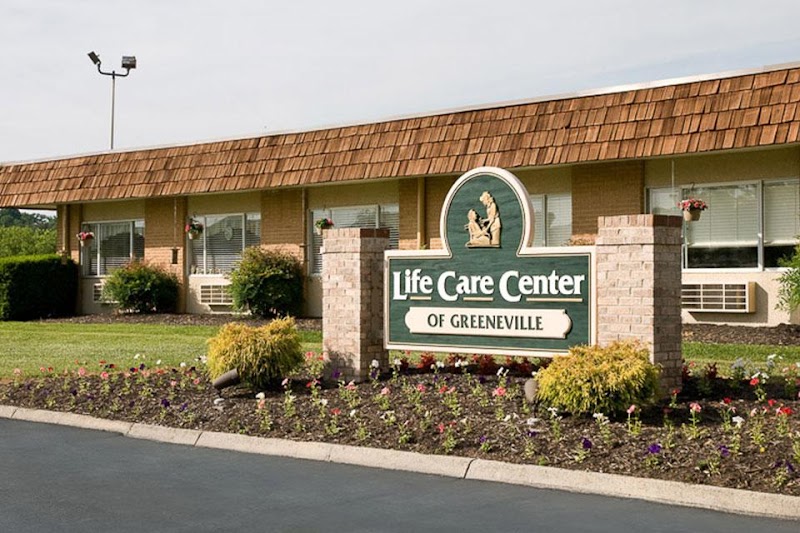
How is Life Of Greeneville Staffed?

CMS rates LIFE CARE CENTER OF GREENEVILLE's staffing level at 3 out of 5 stars, which is average compared to other nursing homes. Staff turnover is 33%, compared to the Tennessee average of 46%. This relatively stable workforce can support continuity of care.

What Have Inspectors Found at Life Of Greeneville?

State health inspectors documented 21 deficiencies at LIFE CARE CENTER OF GREENEVILLE during 2020 to 2025. These included: 21 with potential for harm.
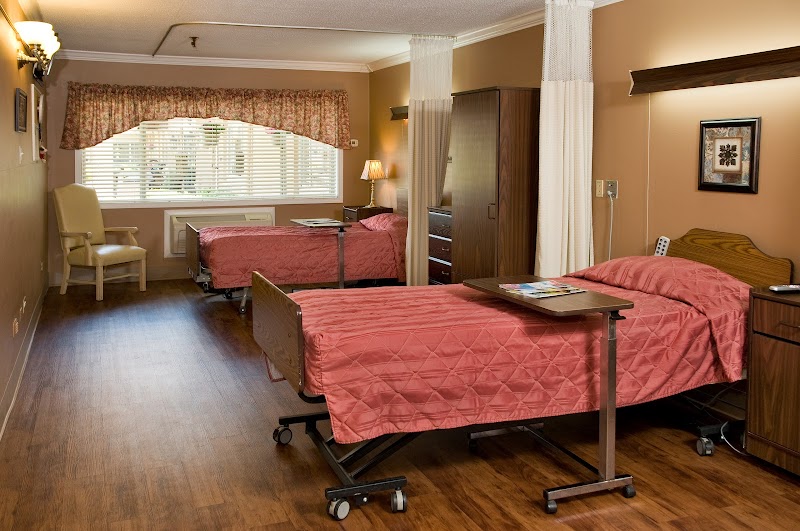
Who Owns and Operates Life Of Greeneville?

LIFE CARE CENTER OF GREENEVILLE is owned by a for-profit company. For-profit facilities operate as businesses with obligations to shareholders or private owners. The facility is operated by LIFE CARE CENTERS OF AMERICA, a chain that manages multiple nursing homes. With 161 certified beds and approximately 94 residents (about 58% occupancy), it is a mid-sized facility located in GREENEVILLE, Tennessee.

How Does Life Of Greeneville Compare to Other Tennessee Nursing Homes?

Compared to the 100 nursing homes in Tennessee, LIFE CARE CENTER OF GREENEVILLE's overall rating (3 stars) is above the state average of 2.8, staff turnover (33%) is significantly lower than the state average of 46%, and health inspection rating (3 stars) is at the national benchmark.

What Should Families Ask When Visiting Life Of Greeneville?

Based on this facility's data, families visiting should ask: "Can I visit during a mealtime to observe dining assistance and food quality?" "How do you handle medical emergencies, and what is your hospital transfer rate?" "Can I speak with family members of current residents about their experience?"

Is Life Of Greeneville Safe?

Based on CMS inspection data, LIFE CARE CENTER OF GREENEVILLE has a clean safety record: no substantiated abuse findings (meaning no confirmed cases of resident harm), no Immediate Jeopardy citations (the most serious violation level indicating risk of serious injury or death), and is not on the Special Focus Facility watch list (a federal program monitoring the lowest-performing 1% of nursing homes). The facility has a 3-star overall rating and ranks #1 of 100 nursing homes in Tennessee. While no facility is perfect, families should still ask about staff-to-resident ratios and recent inspection results during their visit.

Do Nurses at Life Of Greeneville Stick Around?

LIFE CARE CENTER OF GREENEVILLE has a staff turnover rate of 33%, which is about average for Tennessee nursing homes (state average: 46%). Moderate turnover is common in nursing homes, but families should still ask about staff tenure and how the facility maintains care continuity when employees leave.

Was Life Of Greeneville Ever Fined?

LIFE CARE CENTER OF GREENEVILLE has no federal fines on record. CMS issues fines when nursing homes fail to meet care standards or don't correct problems found during inspections. The absence of fines suggests the facility has either maintained compliance or corrected any issues before penalties were assessed. This is a positive indicator, though families should still review recent inspection reports for the full picture.

Is Life Of Greeneville on Any Federal Watch List?

LIFE CARE CENTER OF GREENEVILLE is not on any federal watch list. The most significant is the Special Focus Facility (SFF) program, which identifies the bottom 1% of nursing homes nationally based on persistent, serious quality problems. Not being on this list means the facility has avoided the pattern of deficiencies that triggers enhanced federal oversight. This is a positive indicator, though families should still review the facility's inspection history directly.