JEFFERSON CITY HEALTH AND REHAB CENTER
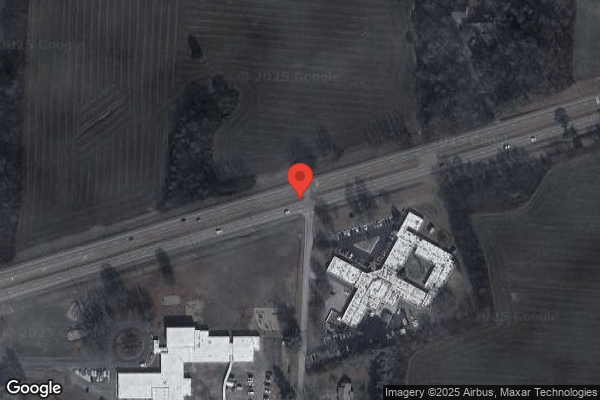
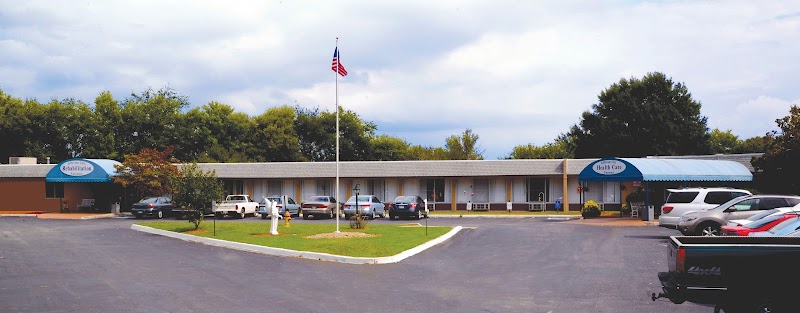
283 W BROADWAY BLVD, JEFFERSON CITY, TN 37760 (865) 475-9037
For profit - Limited Liability company 170 Beds PRESTIGE ADMINISTRATIVE SERVICES Data: November 2025
Trust Grade
55/100
#194 of 298 in TN
Last Inspection: November 2023

Within standard 12-15 month inspection cycle. Federal law requires annual inspections.

Overview

Jefferson City Health and Rehab Center has a Trust Grade of C, indicating it is average-neither great nor terrible. In Tennessee, it ranks #194 out of 298 facilities, placing it in the bottom half, and it is the third-ranked facility out of three in Jefferson County, meaning there are limited options in the area. The facility is showing improvement, as it reduced serious issues from six in 2023 down to one in 2025. Staffing is a relative strength with a turnover rate of 43%, which is below the state average, but it has concerning RN coverage that is lower than 76% of facilities in Tennessee. While there are no fines recorded, which is a positive aspect, there have been critical incidents such as a serious medication error where a nurse gave the wrong medications to a resident, resulting in severe sedation and requiring emergency intervention. Additionally, the kitchen environment raised concerns with expired food not being discarded and a lack of proper sanitation practices. Overall, while there are some strengths in staffing stability, there are significant issues regarding medication management and food safety that families should consider.

Trust Score
C
55/100
In Tennessee
#194/298
Bottom 35%
Safety Record
Moderate
Needs review
Inspections
Getting Better
6 → 1 violations
Staff Stability
○ Average
43% turnover. Near Tennessee's 48% average. Typical for the industry.
Penalties
✓ Good
No fines on record. Clean compliance history, better than most Tennessee facilities.
Skilled Nurses
⚠ Watch
Each resident gets only 21 minutes of Registered Nurse (RN) attention daily — below average for Tennessee. Fewer RN minutes means fewer trained eyes watching for problems.
Violations
○ Average
9 deficiencies on record. Average for a facility this size. Mostly minor or procedural issues.
★★☆☆☆
2.0
Overall Rating
★★☆☆☆
2.0
Staff Levels
★★☆☆☆
2.0
Care Quality
★★☆☆☆
2.0
Inspection Score
Stable
2023: 6 issues
2025: 1 issues

The Good

  • Full Sprinkler Coverage · Fire safety systems throughout facility
  • No fines on record
  • Staff turnover below average (43%)

    5 points below Tennessee average of 48%

Facility shows strength in fire safety.

The Bad

2-Star Overall Rating

Below Tennessee average (2.8)

Below average - review inspection findings carefully

Staff Turnover: 43%

Near Tennessee avg (46%)

Typical for the industry

Chain: PRESTIGE ADMINISTRATIVE SERVICES

Part of a multi-facility chain

Ask about local staffing decisions and management

The Ugly 9 deficiencies on record

1 actual harm
Jun 2025 1 deficiency 1 Harm
SERIOUS (G) 📢 Someone Reported This

A family member, employee, or ombudsman was alarmed enough to file a formal complaint

Actual Harm - a resident was hurt due to facility failures

Deficiency F0760 (Tag F0760)

A resident was harmed · This affected 1 resident

**NOTE- TERMS IN BRACKETS HAVE BEEN EDITED TO PROTECT CONFIDENTIALITY** Based on review of facility policies, medical record review, manufacturer recommendations for administration of morphine extende...

Read full inspector narrative →
**NOTE- TERMS IN BRACKETS HAVE BEEN EDITED TO PROTECT CONFIDENTIALITY** Based on review of facility policies, medical record review, manufacturer recommendations for administration of morphine extended release capsules and tablets, the facility's investigation, including witness statements, emergency medical services (EMS) records, police reports, hospital records and interviews, the facility failed to prevent significant medication errors for 1 resident (Resident #6) of 13 sampled residents. The facility failure occurred on 5/2/2024 when a staff nurse, Licensed Practical Nurse (LPN B) administered the wrong medications to the wrong patient, which included long-acting Morphine Sulfate (a potent opioid narcotic) 30 milligrams (mg) dose, extended release formula, Trazadone (an antidepressant) 200 mg dose, and Ativan 1 mg dose (a benzodiazepine, anxiolytic medication) in crushed form to Resident #6, not prescribed to Resident #6 in error. The error resulted in onset of mental status changes (severe sedation), which required emergency medical services (EMS) intervention and resulted in acute hospitalization of Resident #6, for emergent treatment of narcotic overdose. The facility census at the time of the incident was 142. The facility was cited at F 760 Scope/Severity G (Harm). The facility was cited as past non-compliance. No additional corrective actions are required. The findings include: Review of the facility policy, Medication Administration. revised 1/17/2023, revealed .Identify resident by photo in the MAR (medication administration record) .Compare medication source with MAR to verify resident name, medication name, form, dose, route and time of administration .Administer medication as ordered in accordance with manufacturer specifications .Correct any discrepancies and report to nurse manager . Review of the facility policy, Medication Errors, revised 1/24/2024, revealed .It is the policy of this facility to provide protection for the health, welfare and rights of each resident by ensuring .services .free of significant medication errors .Medication error means the observed or identified preparation or administration of medications or biologicals which is not in accordance with the prescribers order .or accepted professional standards and principals which apply to professionals providing services .The facility will consider factors indicating errors including but not limited to .Incorrect dose, route of administration, dosage, form, time of administration .incorrect medication .crushing do not crush medications .Medication not administered in accordance with professional standards and principals .To prevent medication errors and ensure safe administration, nurses should verify .right resident, right medication, right dose, right route and right time of administration . Adverse drug reactions and significant errors will be reported to the prescriber, director of nursing and pharmacy .These events will be reviewed as part of the facility QAPI (Quality Assurance Performance Improvement Committee Medical record review revealed Resident #6 was admitted to the facility on [DATE] with diagnoses including Vascular Dementia, Atrial Fibrillation, Dysphagia, Acute Kidney Failure, Urinary Tract Infection, Sepsis, Cognitive Communication Deficits and Hypotension. Review of the admission Minimum Data Set (MDS) dated [DATE], revealed Resident #6 scored 8 on the brief interview of mental status (BIMS) indicating severe cognitive impairment. Review revealed Resident #6 required assistance of one person for activities of daily living. Review of manufacturer's instructions for safe administration of Extended Release Morphine formulations posted online at the United States Food and Drug Administration (FDA) database, www.FDA.Gov/drugs, revealed a black box warning which read .instruct patients to swallow .whole to avoid exposure to potentially fatal dose of morphine .Instruct patients not to cut, break, chew, crush or dissolve the pellets .capsules to avoid the release and absorption of potentially fatal dose of morphine .Dosage Forms and Strengths .Extended Release Capsules .10 mg, 20 mg, 30 mg, 40 mg, 50 mg, 60 mg, 80 mg, 100 mg, 200 mg .Accidental Ingestion .Accidental Ingestion of even one dose .can result in fatal overdose .instruct patients unable to swallow .capsules whole, to sprinkle the capsule contents on applesauce and swallow .crushing, chewing or dissolving the pellets .capsules will result in uncontrolled delivery of morphine and can lead to overdose . Review of the facility's investigation and witness statements dated 5/2-3/2024, revealed on the evening of 5/2/2024 during the nighttime medication pass, between 7:30 PM and 8:30 PM, LPN B pulled medications from the medication cart which were prescribed to another resident, (complaint survey identified as Resident #5, a hospice patient diagnosed with end-stage metastatic Lung Cancer who lived in the room next door to Resident #6) in preparation for administration. After preparing the drugs and placing them in an administration cup in crushed form, LPN B then responded to the call light which had been activated by Resident #6. LPN B mistakenly administered Resident #5's medication to Resident #6. LPN B returned to the medication cart to document medication administration to Resident #6, realized the error when she viewed her computer screen and recognized Resident #5's medication had been pulled from the cart, crushed and given to Resident #6 by mistake. LPN B immediately notified the nursing supervisor (Registered Nurse, RN A) of the error and drugs/dosages given in error. RN A then immediately notified the on-duty house supervisor and the Director of Nursing (DON) and the attending Nurse Practitioner (NP) of the error. The NP issued instructions/verbal orders to monitor Resident #6 every 15 minutes and if signs or symptoms of overdose were detected or any changes in status occurred for Resident #6, administer intranasal Narcan (a narcotic antagonist which reverses side effects of opioids) and transfer Resident #6 to the local hospital. Continued review of the facility's investigation and witness statements revealed around 30 minutes after the medication error occurred, Resident #6 exhibited signs of overdose, was found slumped in her wheelchair unresponsive to sternal rubs or verbal stimuli. Facility staff transferred Resident #6 to the bed, as others sought Narcan for administration. The facility attempted to access Narcan for administration, discovered no intranasal supplies were available and supplies of injectable Narcan, stored in the facility's secured automated drug storage device that dispenses medications, were inaccessible because the recently installed device failed to recognize the biometric identifier (fingerprint) of the authorized users on duty that evening to allow immediate access to the injectable drug. The facility then immediately called 911 and advised EMS of the situation and drug overdose. Review of the EMS run sheet dated 5/2/2024, showed the facility dialed 911 at 8:43 PM. An ambulance was dispatched to the facility at 8:45 PM and arrived to the facility at 8:48 PM. EMS began treating Resident #6 at 8:49 PM, began transport and arrived at the emergency department (ED) at 9:06 PM. Continued review of the EMS run sheet revealed .Dispatched to (facility) .for report of drug overdose .Arrived on scene to find 92 YO (year old) female unresponsive, laying semi-Fowler (head of bed elevated) with slow respirations and radial pulse .pinpoint pupils, staff on scene advised that female was given wrong medication .(200 mg Trazadone, 1 mg of Ativan and 30 mg of Morphine) at 2000 hours (8:00 PM) .Patient was then given 2 mg of Narcan via nasal .female was then transferred to cot .placed in .semi-Fowlers position .Oxygen was then applied at 2/lpm (2 liters per minute) by nasal cannula .4 lead (electrocardiogram) showed female to have A-Fib (atrial fibrillation) with known history .IV (intravenous line) was then established .normal saline was then started at bolus rate .female was now starting to become more alert and was able to open her eyes and trying to speak .Female was then transported non-emergent to (hospital) due to being closest facility .At destination report was given to receiving nurse . Review of the police report created 5/2/2014 at 10:21 PM revealed THE FOLLOWING IS A SUMMARY NOT VERBATIM OR AN ENTIRETY OF MY ACTIONS AND OBSERVATIONS [all caps] .On 5/2/2024 at 20:43 [8:43 PM] I .received a call at [facility] for an overdose .Jefferson County EMS and [NAME] City Fire Department responded to the scene as well .Upon arriving at scene, we were met at the door by nursing home staff who took us back to where the patient was. Nursing home staff was present in the room whenever I arrived at the room .Myself, Sgt (Sergeant) .and Ofc (officer) were all on scene . Continued review revealed .Jefferson County EMS .made contact with the patient [Resident #6] who had been administered [morphine .Lorazepam .trazadone crushed up] by mouth by LPN [LPN B] .[LPN B] was administering medications on this hall as part of her normal routine. [LPN B] was read her [NAME] Rights and was interviewed about the incident . Review of a police report dated 5/6/2024, showed detective notes revealed .Met with facility administrator and several staff members along with nurse on duty and [NP] was advised [LPN B] does not have any disciplinary actions, counseling or negative entries in her personnel file .Based on what was reported by several staff members .[LPN B] immediately notified 3 other nurses/coworkers as soon as she realized the wrong medications had been administered .Based on actions by the nursing staff, including [LPN B] it was determined no neglect or criminal intent or activity occurred This case will be closed as unfounded .I did report the incident to the (State Agency) .They were advised of the results of the investigation as well . Review of hospital records dated 5/2/2024, revealed Resident #6 was evaluated by the physician and underwent extensive workups in response to the incident. The physician documented Chief Complaint .Patient is resident at (facility) .Patient was given wrong medication by staff .received Morphine 30mg, Ativan 1mg, Trazadone 200mg at 8:00 PM .92 Y/O with past medical history of .who comes to us from .after receiving medication intended for another patient .She unfortunately became sedated and unresponsive .have been given Narcan en route with EMS .the drug screen is positive for opiates .patient was placed on Narcan drip in the emergency room .Because of these acute findings, hospital services was contacted for admission . Continued review of the physician note revealed HR 89 monitored, BP 133/78, SPO2 100% General: well appearing in no acute distress .Neurological: withdraws from stimulation, facial grimaces when attempting to check for pupillary responses .Psychiatric: sedated . Continued review of the hospital record showed Resident #6 was admitted to the intensive care unit (ICU) with admitting diagnoses including Drug Overdose, Altered Mental Status, Acute Cystitis without Hematuria, Acute Kidney Injury, Paroxysmal Atrial Fibrillation (chronic condition) Gastroesophageal Reflux Disease (chronic condition) and Hyperglycemia, for continued monitoring and was stabilized. Resident #6 was discharged back to the facility for continued care on 5/4/2024. During telephone interview on 6/5/2025 at 7:17 PM, LPN B recounted the incident in detail. LPN B reported she pulled medications for Resident #5 from the medication cart crushed them, placed them in pill container, then noticed the call light in Resident #6's room activated and heard Resident #6 and her roommate calling out loudly. LPN B reported she carried Resident #5's medications with her to the room to avoid leaving them exposed on the cart. LPN B reported on arrival to Resident #6's room she calmed both residents who were upset with a malfunctioning television remote control, reset the television for Resident #6, then due to the distractions, forgot the medications in her hand weren't those prescribed for Resident #6, and administered them in applesauce to Resident #6 and left the room to return to the medication cart. LPN B reported both Resident #5 and #6 received crushed medications per physician orders and the rooms were beside each other on the unit, and she traditionally gave both residents their medications in sequence nightly. LPN B reported when she returned to her cart to sign off on the administration she realized her error at once when she observed she had Resident #5's photograph, medication administration record and narcotic reconciliation log atop the cart and those medications had been pulled from Resident #5's stocks. LPN B reported she immediately notified her supervisor of the error and in short order notified the prescribing clinician, (NP) who advised to monitor Resident #6 every 15 minutes, administer Narcan if signs of overdose or sedation arose, and then transfer Resident #6 to hospital at once. LPN B reported by that time multiple staff nurses on duty from other wings which included 2 Registered Nurses came to the unit, and assisted the unit manager in monitoring of Resident #6, counting medications on the cart for both residents to verify the error and confirm exactly what was given by mistake. LPN B reported initial checks of Resident #6 showed her vital signs stable and she remained alert. But on the second 15-minute check Resident #6 was found slumped over in the wheelchair and unresponsive by other staff. LPN B reported though she could not recall precise vital signs readings she noted Resident #6's blood pressure had dropped from the prior assessment and stated .it really hit her fast . in reference to the onset of symptoms of overdose. LPN B reported the facility immediately attempted to give Narcan with the onset of symptoms in Resident #6. LPN B reported neither she or her colleagues could locate Narcan on the medication cart or unit crash cart (a specialty cart used for emergency responses) and another staff nurse (LPN D) rapidly searched other carts in the facility for intranasal Narcan, while others she couldn't recall, discovered the Narcan stocked in the facility's [name of secure drug system] was of an injectable formulation, and not readily accessible at which time they called 911. LPN B recounted her conversations with police at the facility. Interview revealed LPN B acknowledged she committed the medication error as documented in the facility investigation and stated the error was both accidental and unintentional. During interview on 6/5/2025 at 7:58 PM, LPN D recalled the incident. LPN D reported LPN B informed her of the medication error immediately when it was identified and asked her for help. During interview on 6/9/2025 at 1:40 PM the DON confirmed the facility identified LPN B's serious medication error during initial investigation of the incident, at the time it occurred, then immediately formulated a corrective action plan which was monitored by the facility Quality Assurance Committee (QA) to prevent recurrences, in response to the incident. During interview on 6/9/2025 at 9:25 PM RN A, (who was the unit charge nurse on the night of the incident) reported the incident occurred sometime between 8:00 and 8:30 PM on 5/2/2024. RN A reported EMS arrived at the scene in less than 5 minutes once summoned. (This was consistent with the EMS run sheet data). During interview on 6/10/2025 at 11:00 AM the NP reported on the night of the incident as she was leaving the building sometime around 8:45 PM, (didn't recall precise time) she was informed of the medication error by staff. The NP reported at the time she was notified over the overdose, she herself was leaving the facility due to a family emergency and ordered Resident #6 to be given Narcan if any signs of sedation or decline arose and to immediately transfer the resident to a hospital should changes occur. The NP reported she was summoned back to the facility by police and arrived there after Resident #6 was taken to the hospital and she was then interviewed about the situation. The NP confirmed long-acting formulations of Morphine were not intended to be crushed for administration. The NP reported she was informed of Resident #6's transfer to the hospital by telephone when it occurred. In response to the incident, the facility implemented corrective actions. The facility's corrective actions were validated onsite between 6/5/2025 and 6/10/2025 during the onsite survey. The facility's corrective actions are summarized as follows: 1. On 5/2/2024 Resident #6 was transferred to the hospital for emergent care. An onsite investigation of the incident was initiated by the house supervisor with witness statements obtained. 2. On 5/2/2024 a brief ad hoc Quality Assurance (QA) review of the incident was held with members of the facility nursing leadership and administrator as the investigation was underway after law enforcement left the facility. An analysis of the initial investigation findings of the incident was discussed between Administration and Nursing Leadership. Initial responses to the incident and plans to re-educate all licensed nursing staff on relevant policies and procedures including the medication administration policy and facility policies related to safe drug administration procedures was formulated. Staff education began on the night of 5/2/2024 with expectations no staff would be allowed to work shifts after 5/4/2024 until all required medication re-training and competency assessments were completed. The remedial training materials utilized in response to the incident and training plan/competency testing was also added to the facility new hire orientation training program to augment current materials in use. All new hires were required to complete the training plan. 3. On the morning of 5/3/2024 a second ad hoc QA meeting was held which included all department heads, members of nursing leadership, facility administration, medical staff, pharmacy and the medical director in attendance. Additional responses to the incident were planned. 4. On the morning of 5/3/2024 the facility obtained Narcan formulated for intra-nasal administration from multiple local pharmacies and added it to every medication cart and crash cart in the facility as a stock medication, with tracking to ensure supplies were maintained in accordance with acceptable standards and expiration dates. Intra nasally administered Narcan was also obtained from the contracted pharmacy service and added to the Pyxis system to augment supplies of injectable Narcan already on hand. 5. On 5/3/2024 the facility DON examined the medication administration policy and procedures with no negative findings or changes needed identified. 6. On 5/3/2024 Medication Administration Record (MAR) audits and interviews of all current residents with BIMS scores of 8 or higher for medication accuracy were initiated with no additional negative findings or other at-risk residents identified. The audits and interviews were completed by 5/5/2024. MAR audits for all residents with BIMs scores less than 7 were also performed with no negative findings also completed by 5/5/2024 by the DON and Staff Education Coordinator. 7. On 5/2/2024 Mandatory staff re-education for all licensed nurses was performed by the DON and designees which included the staff educator which included teaching on the 5 rights of medication administration as outlined in the facility policy and procedures, medication error policy, and procedures for medication administration for all medication types which included oral, nasal, topical, intravenous, parenteral, and injectable medication formulations. Re-training also included safe use of medical devices and glucometers. All staff were required to sign attestations training was completed and the facility policies acknowledged. All staff not on duty for vacations etc. were required to complete training prior to resumption of shifts. This was completed on 5/4/2024. 8. Observations of medication passes by the DON or designee to assess for competency for all on duty staff nurses began on 5/3/2024 and was completed by the last shift on 5/4/2024. 9. Individualized re-training and counseling was provided to LPN B on 5/4/2024 and observations of LPN B for medication administration competency were completed. 10. On 5/6/2024 the facility initiated follow up observations of medication administration and additional competency evaluations for 5 nurses per week for a minimum of 5 resident medication passes for 4 weeks then continued assessments of 3 nurses and 3 resident medication passes weekly for 4 weeks, then 1 nurse and 1 resident medication pass weekly for 2 weeks. Documentation of the medication competency follow up observations was maintained in facility logs which were reviewed by the surveyor onsite. Observations of the logs showed the facility monitored competencies across all shifts. These audits were completed by 7/12/2024 with no new concerns identified. 11. The facility held additional QA meetings in which all findings related to the facility interventions and monitoring regimen were reviewed by the QA committee. Additional QA of the incident and findings related to the mitigation plan put into place were reviewed on 5/21/2024, 6/18/2024, 7/30/2024, and 8/27/2024. The facility QA committee ceased active QA monitoring of the remediation plan on 8/28/2024. This was verified by review of the QA sign in sheets and interviews. Observation of medication passes on 6/5/2025 on the day shift were conducted. Medication pass observations on the evening shift was completed on 6/9/2025. No medication errors or deficient practices were observed. Brief interviews of nursing staff were conducted on all shifts throughout the investigation and included questions on the facility medication administration policy, med error reporting policy, narcotics policy and protocols for use of Narcan, use of the Pyxis system, and observations of the Pyxis system in operation. Observations of the Pyxis system showed it was operational, but occasionally users had to wipe the finger touch screen with a clean cloth to allow the system to rapidly identify fingerprints. Observations of the medication carts and crash carts showed Narcan for nasal administration was readily available on all carts observed. Review of medication administration competency logs, cross referenced against the current employee log, which revealed all employees present at the time of the incident who remained employed at the facility, had received retraining as reported and remedial training LPN B reported she received in interview had been documented as completed. Personnel files were reviewed for 3 licensed nurses which included one person hired after the incident and verified medication training as outlined in the corrective actions had been incorporated into the new hire competency check list contained in the file. LPN B's personnel file was reviewed as well as her current licensure status. LPN B's personnel file showed prior to 5/2/2024, there were no documented performance or disciplinary actions as reported to law enforcement. It was notable at the time of the incident; LPN B had been licensed as a nurse for around 6 months (license issued 10/11/2023) and had been employed at the facility since March 2024. LPN B separated employment from the facility to seek other employment around 2 months after the incident and left in good standing. An online check of the Tennessee Board of Nursing Licensure Verification Page showed LPN B remained licensed in good standing with the board, with no pending or prior administrative actions or orders. Review of the personnel file also showed LPN B had graduated from an accredited LPN education program. Review of the facility incident logs showed no recurrent serious medication errors documented. After May 2024. Review of the grievance logs showed no grievances filed related to medications or alleged medication errors.
Nov 2023 6 deficiencies
CONCERN (D) 📢 Someone Reported This

A family member, employee, or ombudsman was alarmed enough to file a formal complaint

Potential for Harm - no one hurt, but risky conditions existed

Assessment Accuracy (Tag F0641)

Could have caused harm · This affected 1 resident

**NOTE- TERMS IN BRACKETS HAVE BEEN EDITED TO PROTECT CONFIDENTIALITY** Resident #92 was admitted to the facility on [DATE] with diagnoses to include Hemiplegia, Hemiparesis, and Expressive Language D...

Read full inspector narrative →
**NOTE- TERMS IN BRACKETS HAVE BEEN EDITED TO PROTECT CONFIDENTIALITY** Resident #92 was admitted to the facility on [DATE] with diagnoses to include Hemiplegia, Hemiparesis, and Expressive Language Disorder. Review of Resident #92's comprehensive care plan revised 7/31/2023, showed .ADL [Activities of Daily Living] self-care deficit .impaired mobility .risk for .has impaired communication .as evidenced by .speaking [NAME] [Spanish] .Resident uses translator phone .tablet device as needed to communicate with the staff . Review of an admission MDS assessment dated [DATE], showed Resident #92 did not need an interpreter to communicate, scored a 15 on the Brief Interview for Mental Status (BIMS) assessment which indicated the resident was cognitively intact, and required extensive 2-person assistance with bed mobility, transfers, dressing, and personal hygiene. During an interview on 11/1/2023 at 8:41 AM, CNA #2 stated Resident #92 speaks very little English, Spanish was the resident's primary language, and the staff used the phone translator application to communicate with the resident. During an interview on 11/1/2023 at 8:45 AM, Licensed Practical Nurse (LPN) #1 stated Resident # 92 speaks very little English, Spanish was the resident's primary language, and the resident used the phone translator application to communicate with the resident. During an interview on 11/1/2023 at 9:41 AM, Social Services Director (SSD) stated the primary means to communicate with Resident # 92 was to call the resident's daughter or use the phone translator application. The SSD stated the resident's primary language was Spanish and the resident spoke very little English. The SSD confirmed the facility staff used translator/ interpreter services to communicate with the resident. During an observation on 11/1/2023 at 10:05 AM, showed a staff member had communicated with Resident #92 using the phone translator application. During an interview on 11/1/2023 at 10:20 AM, a Language Interpreter had translated the conversation between the Surveyor and Resident #92. Resident #92 stated the facility communicated with her by calling her daughter or used the translator application on her phone. Resident #92 stated Spanish was her primary language, the resident understood some English, but could not speak English fluently to express her needs and wants. During a telephone interview on 11/2/2023 at 8:55 AM, Resident #92's daughter stated the facility communicated with the resident by calling her to translate or the staff used the phone translator application.The resident's daughter stated Resident #92's primary language was Spanish, could not speak English fluently, and needed an interpreter or translator to communicate with the resident. During an interview on 11/2/2023 at 1:40 PM, MDS Coordinator #2 confirmed Resident #92's primary language was Spanish and the MDS was not coded accurately to reflect the resident's communication status with the need or use of a translator or an interpreter. Based on medical record review and interview, the facility failed to develop an accurate Minimum Data Set (MDS) assessment for 1 resident (Resident #132) related to discharge location, for communication needs related to interpreter services for 1 resident (Resident #92), and medication use for 1 resident (Resident #118) of 28 residents reviewed for MDS assessments. The findings include: Resident #132 was admitted to the facility on [DATE] with diagnoses including Congestive Heart Failure, Diabetes, Hypertension, and Chronic Respiratory Failure. Review of a Nurse Progress Note dated 9/8/2023, showed Resident #132 .discharged instructions discussed with resident and son .Resident and son signed discharge instructions with copy given to resident son. Resident reminded of her appointment .Resident escorted to car via WC [wheelchair] per staff and assisted into son's personal vehicle by staff CNA [Certified Nursing Assistant] . Review of the Nurse Practitioner's Discharge summary dated [DATE], showed discharge home with home health. Review of the discharge MDS assessment dated [DATE], showed Resident #117 was discharged to an acute care hospital. During an interview on 11/1/2023 at 2:39 PM, MDS Coordinator #1 stated Resident #132 was discharged home and confirmed the MDS had been coded incorrectly. Resident #118 was admitted to the facility on [DATE] with diagnoses including Parkinson's Disease, Anxiety Disorder, Depression, and Post Traumatic Stress Disorder (PTSD). Review of Resident #118's Physician Orders with an order date range from 5/10/2023-9/30/2023, showed the resident did not have an order for an antipsychotic medication. Review of a quarterly MDS assessment dated [DATE], showed Resident #118 scored a 14 on the BIMS assessment which indicated the resident was cognitively intact, and had diagnoses of Depression and PTSD. Further review showed the resident received an antipsychotic medication. Review of Resident #118's Medication Administration Record dated 9/1/2023-9/30/2023, showed the resident had not received an antipsychotic medication. During an interview on 11/1/2023 at 1:40 PM, MDS Coordinator #2 and MDS Coordinator #3 confirmed Resident #118 was not on an antipsychotic medication at the time the assessment was completed.
CONCERN (D) 📢 Someone Reported This

A family member, employee, or ombudsman was alarmed enough to file a formal complaint

Potential for Harm - no one hurt, but risky conditions existed

Deficiency F0645 (Tag F0645)

Could have caused harm · This affected 1 resident

**NOTE- TERMS IN BRACKETS HAVE BEEN EDITED TO PROTECT CONFIDENTIALITY** Based on facility policy review, medical record review, and interview, the facility failed to ensure a Pre-admission Screening a...

Read full inspector narrative →
**NOTE- TERMS IN BRACKETS HAVE BEEN EDITED TO PROTECT CONFIDENTIALITY** Based on facility policy review, medical record review, and interview, the facility failed to ensure a Pre-admission Screening and Resident Review (PASARR) screen was accurate after mental health diagnoses was identified for 1 resident (Resident #110) of 11 residents reviewed for PASARR. The findings include: Review of the facility's policy titled, PASARR- Pre-admission Screen and Resident Review, dated 10/30/2023, showed, .facility must coordinate with pre-admission screening and resident review program .All residents are required to have a level I PASRR [PASSAR]screen prior to or upon admission . Resident #110 was admitted to the facility on [DATE] with diagnoses including Depression and Psychosis. Review of the PASSAR dated 1/24/2023, showed Resident #110 had no mental health diagnosis, no psychotropic medication used, and no level II condition-level I negative outcome. Review of the Hospital Discharge Summary Report dated 3/17/2023, showed Resident #110 had orders for Alprazolam (anti-anxiety medication) 0.5 milligrams (mg) three times daily for anxiety, Quetiapine Fumarate (anti-psychotic medication) 50 mg twice daily with an additional100 mg at bedtime, Vilazodone (anti-depressant medication) 20 mg daily, and Haloperidol (anti-psychotic medication) 2 mg every one hour as needed. Review of an admission Minimum Data Set (MDS) assessment dated [DATE], showed Resident #110 had an active diagnosis of .Depression .Psychotic Disorder . and received anti-psychotic, anti-anxiety, and anti-depressant medications. During an interview on 11/2/2023 at 2:05 PM, the Director of Nursing (DON) confirmed Resident #110's PASARR was not accurate upon admission, did not reflect the mental health conditions and had not been re-submitted to include mental health diagnoses.
CONCERN (D) 📢 Someone Reported This

A family member, employee, or ombudsman was alarmed enough to file a formal complaint

Potential for Harm - no one hurt, but risky conditions existed

Deficiency F0657 (Tag F0657)

Could have caused harm · This affected 1 resident

**NOTE- TERMS IN BRACKETS HAVE BEEN EDITED TO PROTECT CONFIDENTIALITY** Resident #116 was admitted to the facility on [DATE] with diagnoses including Atrial Fibrillation, Dementia, Hypertension, and R...

Read full inspector narrative →
**NOTE- TERMS IN BRACKETS HAVE BEEN EDITED TO PROTECT CONFIDENTIALITY** Resident #116 was admitted to the facility on [DATE] with diagnoses including Atrial Fibrillation, Dementia, Hypertension, and Repeated Falls. Review of a fall investigation dated 10/21/2023, showed .Observed on bottom .leaning back aligned with side of bed facing the doorway .clutter of over bed tables in front of resident bed .Resident [#116] had moved multiple bedside tables together .[Intervention] Room and bedside table decluttered with clear pathway . Review of the comprehensive care plan revised 10/24/2023, showed Resident #116 .is at risk for falls/injury related to Impaired mobility .history of falls . Further review showed the care plan had not been revised to include a new fall intervention for room and bedside table decluttered with clear pathway after the resident fell on [DATE]. During an interview on 11/2/2023 at 7:22 AM, the DON confirmed Resident #116's care plan was not revised after the fall on 10/21/2023 to include the new fall intervention. Based on facility policy review, medical record review, and interview the facility failed to revise the care plan related to fall interventions for 2 residents (Resident #87 and Resident #116) of 28 care plans reviewed. The findings include: Review of the facility policy titled, Comprehensive Care Plans, revised 6/30/2022, showed .It is the policy of this facility to develop and implement a comprehensive .care plan for each resident .The comprehensive care plan will be .revised by the interdisciplinary team . Review of the facility policy titled, Falls-Clinical Protocol, revised 10/26/2023, showed .Interventions should be .implemented per the assessed needs .Update the plan of care with the new or revised interventions . Resident #87 was admitted to the facility on [DATE] and readmitted [DATE] with diagnoses including Chronic Kidney Disease, Depression, Anxiety Disorder, Bipolar Disorder, and Difficulty in walking. Review of a fall investigation dated 7/26/2023, showed .Resident was returning to room from lunch. Tried to ambulate without assistance from the end of Bed A to his [Resident #86] Bed B .[Intervention]Staff assist to bed after Lunch each day . Review of the comprehensive care plan revised 8/14/2023, showed .The resident is at risk for falls/injury related to history of falls, difficulty walking .Reduce the risk of injury . Further review showed the care plan had not been revised to include a new fall intervention for staff to assist Resident #87 to bed after lunch when the resident fell on 7/26/2023. During an interview on 11/2/2023 at 10:05 AM, the Director of Nursing (DON) confirmed Resident #87's care plan was not revised after the fall on 7/26/2023 to include the new fall intervention.
CONCERN (D) 📢 Someone Reported This

A family member, employee, or ombudsman was alarmed enough to file a formal complaint

Potential for Harm - no one hurt, but risky conditions existed

Garbage Disposal (Tag F0814)

Could have caused harm · This affected 1 resident

Based on facility policy review, observations, and interviews, the facility failed to ensure garbage and refuse were properly contained in 2 of 4 dumpsters (dumpster #2 and #4). The findings include: ...

Read full inspector narrative →
Based on facility policy review, observations, and interviews, the facility failed to ensure garbage and refuse were properly contained in 2 of 4 dumpsters (dumpster #2 and #4). The findings include: Review of the facility's policy titled, Disposal of Garbage and Refuse, dated 1/1/2022, showed .Garbage and refuse containers shall be durable, cleanable, and free from cracks or leaks .Surrounding area shall be kept clean so that accumulation of debris and insect/ rodent attractions are minimized .receptacles for refuse shall be maintained in good repair . During an observation with the Certified Dietary Manager (CDM) on 10/30/2023 at 9:52 AM, the outside dumpster area had 4 dumpsters for waste disposal. The area around dumpster #4 had a plastic lid, 4 used disposable gloves, and a milk carton on the ground directly behind the dumpster. Dumpster #2 had a 2-foot gash with multiple small rust-corroded openings, of various sizes, to the bottom right panel of the dumpster. Dumpster #4 had a missing drain plug leaving a quarter sized opening to the back, bottom panel, which allowed the dumpster's liquid, organic waste to leak out of the dumpster onto the ground. During an interview on 10/30/2023 at 9:55 AM, the CDM stated the trash debris, which included used disposable gloves, milk carton, plastic lid, and liquid organic waste material, should not be present on the ground around the dumpster area. The CDM stated dumpsters #2 and #4 were old and rusted and needed to be replaced. The CDM confirmed Dumpster #4 had a drain plus missing and the area around the dumpsters had not been maintained in a good working or sanitary order.
CONCERN (D) 📢 Someone Reported This

A family member, employee, or ombudsman was alarmed enough to file a formal complaint

Potential for Harm - no one hurt, but risky conditions existed

Infection Control (Tag F0880)

Could have caused harm · This affected 1 resident

Based on facility policy review, observation, and interview the facility failed to maintain infection control practices while delivering meal trays to residents on 1 hallway of 6 hallways observed. T...

Read full inspector narrative →
Based on facility policy review, observation, and interview the facility failed to maintain infection control practices while delivering meal trays to residents on 1 hallway of 6 hallways observed. The findings include: Review of the facility policy titled, Hand Hygiene, revised 1/1/2022, showed .All staff will perform proper hand hygiene procedures to prevent the spread of infection to .residents . During an observation of meal delivery on 10/30/2023 at 12:06 PM, on the 600 hallway revealed the following: Certified Nursing Assistant (CNA) #1 retrieved a lunch tray from the meal cart, entered Resident #58's room, placed the tray on the overbed table, repositioned the resident, touched the bed control and raised the head of bed, positioned the overbed table, opened the food containers, and exited the room without washing or sanitizing the hands. CNA #1 retrieved a towel from the clean linen cart, re-entered Resident #58's room, placed the towel over the resident's shirt, opened and touched the straw with bare hands. Further observation showed CNA #1 retrieved another tray from the food cart, entered Resident #16's room, placed the tray on the overbed table, positioned the resident, opened the silverware touching the end of the fork and spoon, opened and touched the straw, placed butter on the roll with bare hands, and exited the room without washing or sanitizing the hands. Continued observation showed CNA #1 retrieved another tray from the food cart, entered Resident #11's room, placed the tray on the overbed table, touched the bed control to raise the head of bed, positioned the overbed table, opened and touched the straw, and assisted the resident with the meal. After approximately 3 minutes CNA #1 exited the room without washing or sanitizing the hands, re-entered Resident #58's room, picked up and gave the resident the spoon, encouraged the resident to eat, and exited the room without washing or sanitizing the hands. Continued observation showed CNA #1 re-entered Resident #111's room and continued to assist the resident with the meal. During an interview on 10/30/2023 at 12:27 PM, CNA #1 confirmed she failed to wash or sanitize the hands after resident contact during meal delivery and did not follow the facility's infection control policy. During an interview on 10/30/2023 at 3:46 PM, the Director of Nursing (DON) stated it was her expectation for staff to wash or sanitize the hands after resident contact during meal delivery. The DON confirmed CNA #1 failed to follow the facility's infection control policy.
CONCERN (F) 📢 Someone Reported This

A family member, employee, or ombudsman was alarmed enough to file a formal complaint

Potential for Harm - no one hurt, but risky conditions existed

Food Safety (Tag F0812)

Could have caused harm · This affected most or all residents

Based on facility policy review, observations, and interview the facility failed to maintain a sanitary kitchen environment as evidenced by undated, unsealed food observed in 1 of 1 walk-in freezer an...

Read full inspector narrative →
Based on facility policy review, observations, and interview the facility failed to maintain a sanitary kitchen environment as evidenced by undated, unsealed food observed in 1 of 1 walk-in freezer and failed to ensure expired foods had been discarded in 1 of 1 dry storage areas, which had the potential to affect 142 of 142 residents. The findings include: Review of the facility's policy titled, Food Receiving and Storage, dated 1/1/2022, showed .Foods shall be received and stored in a manner that complies with safe food handling practices .Foods stored in the refrigerator or freezer will be covered, labeled and dated . Observation of the dry storage area with the Certified Dietary Manager (CDM) on 10/30/2023 at 9:40 AM, showed the following: - Four 1-pound bags of marshmallows with an expiration date of 10/28/2023. Observation of the facility's walk-in freezer with the CDM on 10/30/2023 at 9:45 AM, showed the following: - One 5-pound bag of tater tots with 1/2 of the bag remaining, had not been sealed, labeled, or dated. During an interview on 10/30/2023 at 9:50 AM, the CDM stated all food items were to be labeled, dated appropriately, and sealed after opened. The CDM confirmed the food items had not been stored properly in the walk-in freezer and expired food had not been discarded in the dry storage area.
Nov 2022 1 deficiency
CONCERN (D) 📢 Someone Reported This

A family member, employee, or ombudsman was alarmed enough to file a formal complaint

Potential for Harm - no one hurt, but risky conditions existed

Free from Abuse/Neglect (Tag F0600)

Could have caused harm · This affected 1 resident

**NOTE- TERMS IN BRACKETS HAVE BEEN EDITED TO PROTECT CONFIDENTIALITY** Based on medical record review, review of a facility investigation and interview the facility failed to ensure 1 resident (#2) o...

Read full inspector narrative →
**NOTE- TERMS IN BRACKETS HAVE BEEN EDITED TO PROTECT CONFIDENTIALITY** Based on medical record review, review of a facility investigation and interview the facility failed to ensure 1 resident (#2) of 3 sampled residents was free from abuse. Medical record review revealed Resident #1 was admitted to the facility on [DATE] with diagnoses including Cerebral Infarction, Hemiplegia and Hemiparesis affecting right dominate side, Dysphagia, Diabetes Mellitus Type 2 with Neuropathy, Morbid Obesity, Heart Failure, and Anxiety. Medical record review of the quarterly Minimum Data Set (MDS) dated [DATE] revealed a Brief Interview for Mental Status (BIMS) score of 7 indicating the resient was severely cognitively impaired. The resident required extensive assist for bed mobility, transfers, and activities of daily living (ADLs) with 2-person assist. The resident used a wheelchair for mobility. Medical record review of Resident #1's care plan showed the facility identified on 8/8/2022 the resident exhibited the behavior of screaming/verbal noises related to stroke and frustration with aphasia (impairment of ability to communicate) with monitoring and interventions implemented. Medical record review revealed Resident #2 was admitted to the facility on [DATE] with diagnoses of Alzheimer's Disease, Restlessness, Agitation, and Chronic Kidney Disease. Medical record review of the admission MDS dated [DATE] revealed a BIMS score of 1 indicating the resident was severely cognitively impaired. The resident required extensive assist with bed mobility, transfers with 1-2 person assist. The resident was able to ambulate in room and corridor with 1-person assist. Medical record review of Resident #2's admission care plan revealed the facility identified she was at risk for falls and had implemented interventions and monitoring. Review of a facility investigation dated 8/25/2022 showed Resident #1 was ambulating from the dining room down the hallway in his wheelchair toward his room after lunch. Resident #1 stopped at a tray cart with dirty trays located in the hallway and began picking uneaten food off of the trays. Another resident saw Resident #1 and told him not to do that. Resident #1 began yelling. Two Certified Nurse Assistants (CNAs) were walking down the hallway with Resident #2. The CNAs approached Resident #1 and attempted to deescalate the situation. Resident #1 then focused his attention on the CNAs. Resident #2 was standing near the CNAs and Resident #1 pushed Resident #2 in attempt to get to the CNAs causing Resident #2 to lose her balance and sat down on the floor. Resident #1 was returned to his room where he received 1:1 supervision until he was transferred to the hospital for evaluation. Review of hospital documentation showed Resident #1 was admitted to the hospital for suspected urinary tract infection (UTI) and medication review. The resident received IV antibiotics for a UTI and had medications adjusted. Resident #1 returned to the facility on 9/1/2022 with medication changes. Interview on 11/30/2022 at 11:45 AM with CNA #3 revealed Resident #1 had a history of verbal aggression towards others but had not hit anyone. During an interview on 11/30/2022 at 12:00 PM with CNA #4 she stated she was working on 8/25/2022 when the altercation occurred between Resident #1 and Resident #2. The CNA confirmed she had assisted the resident back to his room and she and the Assistant Director of Nursing (ADON) stayed with Resident #1 until he was transferred to the hospital.
Feb 2019 1 deficiency
CONCERN (D)

Potential for Harm - no one hurt, but risky conditions existed

Infection Control (Tag F0880)

Could have caused harm · This affected 1 resident

**NOTE- TERMS IN BRACKETS HAVE BEEN EDITED TO PROTECT CONFIDENTIALITY** Based on facility policy review, observation, and interview, the facility failed to maintain sanitary infection control practice...

Read full inspector narrative →
**NOTE- TERMS IN BRACKETS HAVE BEEN EDITED TO PROTECT CONFIDENTIALITY** Based on facility policy review, observation, and interview, the facility failed to maintain sanitary infection control practices while delivering meal trays to residents on 1 of 5 hallways, of 5 total hallways observed. The findings include: Review of the facility policy Handwashing/Hand Hygiene reviewed/revised 2/2018, revealed .This facility considers hand hygiene the primary means to prevent the spread of infections .All personnel shall follow the handwashing/hand hygiene procedures to help prevent the spread of infections to .residents .Employees must wash their hands .under the following conditions .after direct contact with residents .After contact with objects .in the immediate vicinity of the resident . Observation of meal tray delivery on 2/19/19 at 12:43 PM, on the 500 hallway, revealed the following: Certified Nursing Assistant (CNA) #1 retrieved a meal tray from the meal cart and entered room [ROOM NUMBER] A, the meal tray was served/set up and CNA #1 exited the room without sanitizing the hands. Further observation revealed CNA #1 retrieved a second meal tray from the meal cart and entered room [ROOM NUMBER] A, touched the bedside table and placed it within the residents reach, served/set up the tray and exited the room without sanitizing the hands. Continued observation revealed CNA #1 retrieved a third meal tray from the meal cart and entered room [ROOM NUMBER] A, touched the resident's clothing, served/set up the meal tray and exited the room without sanitizing the hands. Further observation revealed CNA #1 retrieved a fourth meal tray from the meal cart, entered room [ROOM NUMBER] A and requested CNA #2's assistance to reposition Resident #58 in the bed. Continued observation revealed the two CNA's repositioned the resident in the bed, CNA #1 served/set the meal tray up, CNA #1 and CNA #2 exited the room without sanitizing the hands. Interview with CNA #1 on 2/19/19 at 12:53 PM, in the 500 hallway, confirmed she failed to sanitize the hands while delivering meal trays to residents. Further interview confirmed she and CNA #2 repositioned Resident #58 in the bed and failed to sanitize the hands after exiting the room. Interview with CNA #2 on 2/19/19 at 12:54 PM, in the 500 hallway, confirmed she assisted CNA #1 reposition Resident #58 in the bed and failed to sanitize the hands after exiting the room. Interview with the Director of Nursing (DON) on 2/19/19 at 3:22 PM, in the DON's office, confirmed the facility failed to follow the handwashing/hand hygiene policy during meal tray delivery to residents.
Understanding Severity Codes (click to expand)
Life-Threatening (Immediate Jeopardy)
J - Isolated K - Pattern L - Widespread
Actual Harm
G - Isolated H - Pattern I - Widespread
Potential for Harm
D - Isolated E - Pattern F - Widespread
No Harm (Minor)
A - Isolated B - Pattern C - Widespread

Questions to Ask on Your Visit

  • "Can I speak with families of current residents?"
  • "What's your RN coverage like on weekends and overnight?"

Our Honest Assessment

Strengths
  • • No fines on record. Clean compliance history, better than most Tennessee facilities.
  • • 43% turnover. Below Tennessee's 48% average. Good staff retention means consistent care.
Concerns
  • • 9 deficiencies on record, including 1 serious (caused harm) violation. Ask about corrective actions taken.
  • • Grade C (55/100). Below average facility with significant concerns.
Bottom line: Mixed indicators with Trust Score of 55/100. Visit in person and ask pointed questions.

About This Facility

What is Jefferson City Health And Rehab Center's CMS Rating?

CMS assigns JEFFERSON CITY HEALTH AND REHAB CENTER an overall rating of 2 out of 5 stars, which is considered below average nationally. Within Tennessee, this rating places the facility higher than 0% of the state's 100 nursing homes. A rating at this level reflects concerns identified through health inspections, staffing assessments, or quality measures that families should carefully consider.
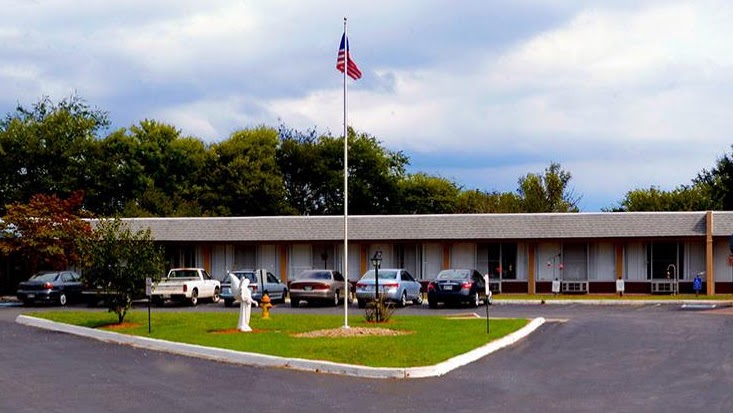
How is Jefferson City Health And Rehab Center Staffed?

CMS rates JEFFERSON CITY HEALTH AND REHAB CENTER's staffing level at 2 out of 5 stars, which is below average compared to other nursing homes. Staff turnover is 43%, compared to the Tennessee average of 46%. This relatively stable workforce can support continuity of care.

What Have Inspectors Found at Jefferson City Health And Rehab Center?

State health inspectors documented 9 deficiencies at JEFFERSON CITY HEALTH AND REHAB CENTER during 2019 to 2025. These included: 1 that caused actual resident harm and 8 with potential for harm. Deficiencies causing actual harm indicate documented cases where residents experienced negative health consequences.
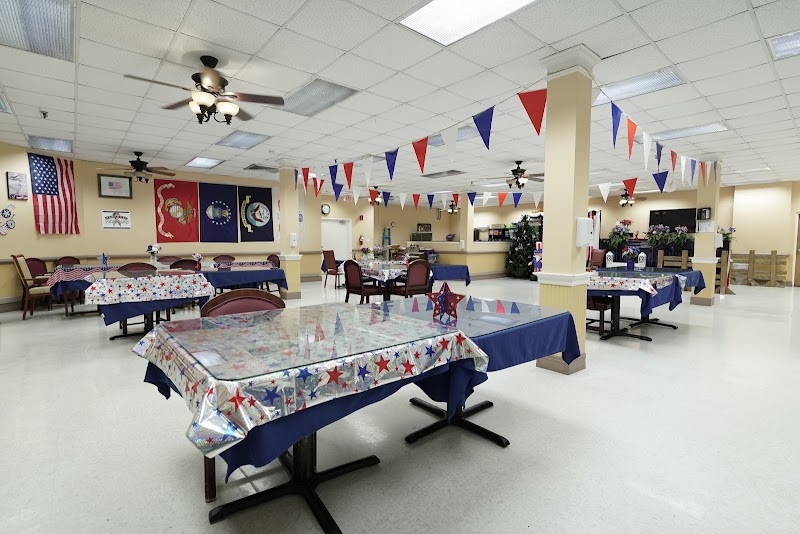
Who Owns and Operates Jefferson City Health And Rehab Center?

JEFFERSON CITY HEALTH AND REHAB CENTER is owned by a for-profit company. For-profit facilities operate as businesses with obligations to shareholders or private owners. The facility is operated by PRESTIGE ADMINISTRATIVE SERVICES, a chain that manages multiple nursing homes. With 170 certified beds and approximately 154 residents (about 91% occupancy), it is a mid-sized facility located in JEFFERSON CITY, Tennessee.

How Does Jefferson City Health And Rehab Center Compare to Other Tennessee Nursing Homes?

Compared to the 100 nursing homes in Tennessee, JEFFERSON CITY HEALTH AND REHAB CENTER's overall rating (2 stars) is below the state average of 2.8, staff turnover (43%) is near the state average of 46%, and health inspection rating (2 stars) is below the national benchmark.

What Should Families Ask When Visiting Jefferson City Health And Rehab Center?

Based on this facility's data, families visiting should ask: "Can you walk me through typical staffing levels on day, evening, and night shifts?" "Can I visit during a mealtime to observe dining assistance and food quality?" "How do you handle medical emergencies, and what is your hospital transfer rate?" "Can I speak with family members of current residents about their experience?" These questions are particularly relevant given the below-average staffing rating.

Is Jefferson City Health And Rehab Center Safe?

Based on CMS inspection data, JEFFERSON CITY HEALTH AND REHAB CENTER has a clean safety record: no substantiated abuse findings (meaning no confirmed cases of resident harm), no Immediate Jeopardy citations (the most serious violation level indicating risk of serious injury or death), and is not on the Special Focus Facility watch list (a federal program monitoring the lowest-performing 1% of nursing homes). The facility has a 2-star overall rating and ranks #100 of 100 nursing homes in Tennessee. While no facility is perfect, families should still ask about staff-to-resident ratios and recent inspection results during their visit.

Do Nurses at Jefferson City Health And Rehab Center Stick Around?

JEFFERSON CITY HEALTH AND REHAB CENTER has a staff turnover rate of 43%, which is about average for Tennessee nursing homes (state average: 46%). Moderate turnover is common in nursing homes, but families should still ask about staff tenure and how the facility maintains care continuity when employees leave.

Was Jefferson City Health And Rehab Center Ever Fined?

JEFFERSON CITY HEALTH AND REHAB CENTER has no federal fines on record. CMS issues fines when nursing homes fail to meet care standards or don't correct problems found during inspections. The absence of fines suggests the facility has either maintained compliance or corrected any issues before penalties were assessed. This is a positive indicator, though families should still review recent inspection reports for the full picture.

Is Jefferson City Health And Rehab Center on Any Federal Watch List?

JEFFERSON CITY HEALTH AND REHAB CENTER is not on any federal watch list. The most significant is the Special Focus Facility (SFF) program, which identifies the bottom 1% of nursing homes nationally based on persistent, serious quality problems. Not being on this list means the facility has avoided the pattern of deficiencies that triggers enhanced federal oversight. This is a positive indicator, though families should still review the facility's inspection history directly.