HOLSTON REHABILITATION AND CARE CENTER
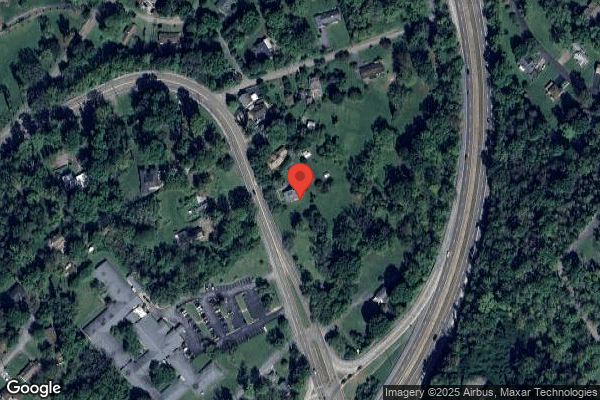
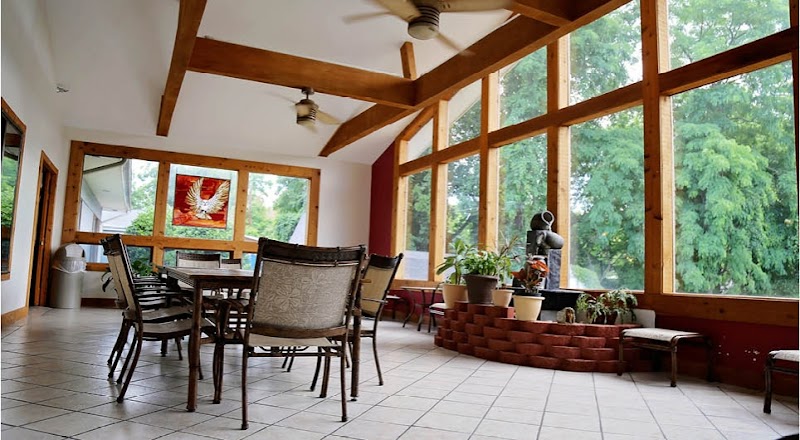
3641 MEMORIAL BLVD, KINGSPORT, TN 37664 (423) 246-2411
For profit - Limited Liability company 204 Beds VENZA CARE MANAGEMENT Data: November 2025
Trust Grade
45/100
#254 of 298 in TN
Last Inspection: March 2024

Within standard 12-15 month inspection cycle. Federal law requires annual inspections.

Overview

Holston Rehabilitation and Care Center has a Trust Grade of D, which means it is below average and has some concerning issues. It ranks #254 out of 298 facilities in Tennessee, placing it in the bottom half of all nursing homes in the state, and #6 out of 7 in Sullivan County, indicating limited local options that are better. The facility's trend is worsening, with the number of issues increasing from 1 in 2023 to 10 in 2024. Staffing is a concern, with a rating of 2 out of 5 stars and a 55% turnover rate, which is around the state average. Although there have been no fines, which is a positive aspect, the facility has less RN coverage than 84% of Tennessee facilities, meaning residents may not receive the attention they need from registered nurses. Specific incidents noted by inspectors include unsanitary kitchen conditions that could affect nearly all residents, as well as a failure to maintain resident privacy regarding medical information. Additionally, one resident was not treated for a serious infection, which raises significant concerns about the quality of care provided. Overall, while there are some strengths such as the absence of fines, the number of health and safety issues and staffing concerns suggest families should carefully consider their options.

Trust Score
D
45/100
In Tennessee
#254/298
Bottom 15%
Safety Record
Low Risk
No red flags
Inspections
Getting Worse
1 → 10 violations
Staff Stability
⚠ Watch
55% turnover. Above average. Higher turnover means staff may not know residents' routines.
Penalties
✓ Good
No fines on record. Clean compliance history, better than most Tennessee facilities.
Skilled Nurses
⚠ Watch
Each resident gets only 25 minutes of Registered Nurse (RN) attention daily — below average for Tennessee. Fewer RN minutes means fewer trained eyes watching for problems.
Violations
⚠ Watch
16 deficiencies on record. Higher than average. Multiple issues found across inspections.
★☆☆☆☆
1.0
Overall Rating
★★☆☆☆
2.0
Staff Levels
★☆☆☆☆
1.0
Care Quality
★★☆☆☆
2.0
Inspection Score
Stable
2023: 1 issues
2024: 10 issues

The Good

  • Full Sprinkler Coverage · Fire safety systems throughout facility
  • No fines on record

Facility shows strength in fire safety.

The Bad

1-Star Overall Rating

Below Tennessee average (2.8)

Significant quality concerns identified by CMS

Staff Turnover: 55%

Near Tennessee avg (46%)

Higher turnover may affect care consistency

Chain: VENZA CARE MANAGEMENT

Part of a multi-facility chain

Ask about local staffing decisions and management

The Ugly 16 deficiencies on record

Mar 2024 10 deficiencies
CONCERN (D)

Potential for Harm - no one hurt, but risky conditions existed

Resident Rights (Tag F0550)

Could have caused harm · This affected 1 resident

**NOTE- TERMS IN BRACKETS HAVE BEEN EDITED TO PROTECT CONFIDENTIALITY** Based on facility policy review, medical record review, observation and interview, the facility failed to ensure medical informa...

Read full inspector narrative →
**NOTE- TERMS IN BRACKETS HAVE BEEN EDITED TO PROTECT CONFIDENTIALITY** Based on facility policy review, medical record review, observation and interview, the facility failed to ensure medical information was not visible for 3 residents (#1, #27, and #31) of 122 residents observed and failed to ensure 1 resident (Resident #47) was assisted to the smoking area of 7 residents reviewed for smoking. The findings include: Based on the facility's undated policy titled, Resident Dignity, showed .It is the practice of this facility to protect and promote resident rights and treat each resident with respect and dignity .All staff members are involved in providing care to residents to promote and maintain resident dignity and respect resident rights .Maintain resident privacy . Review of the facility's undated policy titled, Resident Rights, showed .The resident has a right to reside and receive services in the facility with reasonable accommodation of resident needs . Resident #1 was admitted to the facility on [DATE] with diagnoses including Hemiplegia, Depression, Dementia, Atrial Fibrillation, Anxiety, and Hypertension. Review of Resident #1's quarterly Minimum Data Set (MDS) assessment dated [DATE], showed the resident had moderate cognitive impairment. Review of Resident #1's comprehensive care plan showed no evidence the resident or resident's representative had requested for signage to be posted in the resident's room. During an observation and interview on 3/3/2024 at 11:35 AM, Resident #1 was lying in the bed resting. There was a sign posted above the resident's bed that read, [Resident #1's first and last name] needs to be at 35 to 45 degree angle sitting up at all times!! .Thank You During an observation and interview on 3/4/2024 at 12:40 PM, with Licensed Practical Nurse (LPN) #3, in Resident #1's room, there was a sign posted above the head of Resident #1's bed that read, [Resident #1's first and last name] needs to be at 35 to 45 degree angle sitting up at all times!! .Thank You LPN #3 confirmed the signage was visible to anyone that entered the room. LPN #3 stated the same sign had been posted in .several residents rooms . either because they get short of breath when lying flat or they were at risk for choking. The LPN stated an unknown staff member had posted the sign and confirmed the resident or resident's representative did not request for the signage to be posted. Resident #27 was admitted to the facility on [DATE] with diagnoses including Adult Failure to Thrive, Encounter for Attention to Gastrostomy, Vascular Dementia, Chronic Kidney Disease, Peripheral Vascular Disease, Depression, Hypertension, and Anxiety. Review of Resident #27's quarterly MDS assessment dated [DATE], showed the resident had severe cognitive impairment. Review of Resident #27's comprehensive care plan showed no evidence the resident or resident's representative had requested for signage to be posted in the resident's room. During an observation and interview on 3/3/2024 at 11:39 AM, Resident #27 was lying in the bed. There was a sign posted above the resident's bed that read, [Resident #27's first and last name] needs to be at 35 to 45 degree angle sitting up at all times!! .Thank You During an observation and interview on 3/4/2024 at 12:35 PM, with LPN #3, in Resident #27's room there was a sign posted above the head of Resident #27's bed that read, [Resident #27's first and last name] needs to be at 35 to 45 degree angle sitting up at all times!! .Thank You LPN #3 confirmed the signage was visible to anyone that entered the room. The LPN stated an unknown staff member had posted the sign and confirmed the resident or resident's representative did not request for the signage to be posted. Resident #31 was admitted to the facility on [DATE] with diagnoses including Hemiplegia and Hemiparesis following Cerebral Disease, Chronic Obstructive Pulmonary Disease, Vascular Dementia, and Dysphagia. Review of Resident #31's quarterly MDS assessment dated [DATE], showed the resident had moderate cognitive impairment. Review of Resident #31's comprehensive care plan showed no evidence the resident or resident's representative had requested for signage to be posted in the resident's room. During an observation and interview on 3/3/2024 at 11:39 AM, Resident #31 was lying in the bed resting. There was a sign posted above the resident's bed that read, [Resident #31's first and last name] needs to be at 35 to 45 degree angle sitting up at all times!! .Thank You Resident #31 stated he had not asked for the sign to be posted and was unaware why the sign was posted. During an observation and interview on 3/4/2024 at 12:24 PM, with LPN #3, in Resident #31's room there was a sign posted above the head of Resident #31's bed that read, [Resident #31's first and last name] needs to be at 35 to 45 degree angle sitting up at all times!! .Thank You The LPN stated an unknown staff member had posted the sign and confirmed the resident or resident's representative did not request for the signage to be posted. During an interview on 3/4/2024 at 3:12 PM, the Director of Nursing (DON) confirmed signage was not to be posted in resident rooms to communicate resident care needs and confirmed signage posted in resident rooms was a dignity concern. The DON stated .we discovered the signs yesterday when surveyors started asking about the signs posted and all signs were removed from the building . The DON stated she was unaware who posted the signage. The DON stated if the resident or resident representative had requested the signage to be posted, it would be documented in the resident's care plan. The DON confirmed the residents' care plans did not reflect that the residents or resident representatives had requested the posted signs. Resident care needs were to be communicated to staff on the care plan and Certified Nursing Assistant (CNA) task sheet. Resident #47 was admitted to the facility on [DATE] with diagnoses including Chronic Obstructive Pulmonary Disease, Symptoms and Signs involving Cognitive Functions and Awareness, Protein Calorie Malnutrition, Type 2 Diabetes, Dementia/Moderate without Behavioral Disturbance, Psychotic Disturbance, Mood Disturbance, Mood Disorder, and Anxiety. Review of Resident #47's comprehensive care plan dated 11/16/2023, showed .ADL [Activity of Daily Living] .MOBILITY .The resident has an ADL self-care performance deficit r/t [related to] impaired mobility .Encourage the resident to participate to the fullest extent possible with each interaction .Resident wishes to smoke and is designated as supervised smoker . Review of Resident #47's Smoking and Safety assessment dated [DATE], showed Resident #47 was safe to smoke with no safety concerns documented. Review of Resident #47's quarterly MDS assessment dated [DATE], showed the resident had moderate cognitive impairment. Further review showed the resident had a diagnosis of Non-Alzheimer's Dementia and had no impairment of the upper and lower extremities. During an interview on 3/3/2024 at 10:45 AM, Resident #47 stated he smoked and Certified Nursing Assistant (CNA) #1 refused to roll him to the smoking area (unable to give dates but stated it had happened multiple times). The resident also stated he was aware of the facility's scheduled smoke breaks and he had not missed a time he wanted to smoke due to CNA #1 not assisting him. During an interview on 3/3/2024 at 10:55 AM, CNA #1 stated she was aware Resident #47 smoked. The CNA also stated the resident was able to propel himself to the smoking area in the wheelchair. The resident had requested the CNA to assist him to the smoking area at times (unsure of the exact dates) and .management said if they [residents] was unable to propel to the smoking area on their [residents] own, they couldn't hold a cigarette .it was a safety concern . Continued interview showed CNA #1 was informed by Licensed Practical Nurse (LPN) #1 on 3/2/2024, if a resident was unable to propel themself to the smoking area, the staff were not to assist them, as this was a safety issue and the facility policy. During an interview on 3/3/2024 at 11:10 AM, LPN #1 stated Resident #47 smoked, staff assisted the resident into the wheelchair and the resident propelled himself to the smoking area. The LPN stated it was the facility's policy if a resident smoked, was unable to propel themselves to the smoking area, staff were not to assist the resident, it was a safety concern. LPN #1 was unable to verbalize what the safety concerns were. Resident #47 had not reported concerns of staff refusing to assist him to the smoking area. LPN #1 stated she had informed CNA #1 of the facility's smoking policy. During an observation on 3/3/2024 at 12:25 PM, Resident #47 was in the hallway and requested CNA #1 to assist him to the smoking area. The CNA informed the resident she was unable to assist him, the resident asked why, and the CNA responded .management said if you can't take yourself, you are not safe to smoke . Resident #47 informed the CNA he wanted to speak to management, CNA #1 informed the resident she would assist him to the smoking area this time and would talk to management about the rules. During an interview on 3/3/2024 at 12:29 PM, the Administrator and Director of Nursing (DON) stated when a resident wanted to smoke, was unable to propel themselves to the smoking area, it was their expectation for the resident to be assisted by staff. During an interview on 3/3/2024 at 5:17 PM, Resident #47 stated he had not informed anyone at the facility which included the Administration staff when CNA #1 would not assist him to the smoking area. During an interview on 3/4/2024 at 10:18 AM, the Social Worker stated Resident #47 had not complained of staff not assisting him to the smoking area.
CONCERN (D) 📢 Someone Reported This

A family member, employee, or ombudsman was alarmed enough to file a formal complaint

Potential for Harm - no one hurt, but risky conditions existed

Assessment Accuracy (Tag F0641)

Could have caused harm · This affected 1 resident

**NOTE- TERMS IN BRACKETS HAVE BEEN EDITED TO PROTECT CONFIDENTIALITY** Resident #1 was admitted to the facility on [DATE] and was readmitted on [DATE] with diagnoses including Hemiplegia, Asthma, Dep...

Read full inspector narrative →
**NOTE- TERMS IN BRACKETS HAVE BEEN EDITED TO PROTECT CONFIDENTIALITY** Resident #1 was admitted to the facility on [DATE] and was readmitted on [DATE] with diagnoses including Hemiplegia, Asthma, Depression, Dementia, Atrial Fibrillation, Hypertension, and Peripheral Vascular Disease. Review of a quarterly MDS assessment dated [DATE], showed Resident #1 had an active diagnosis of Septicemia (infection of the bloodstream). During an interview on 3/3/2024 at 12:30 PM, LPN #3 stated Resident #1 was not receiving antibiotics for Septicemia. During an interview on 3/4/2024 at 10:30 AM, the MDS Coordinator stated Resident #1 was inaccurately coded on the MDS dated [DATE] for the active Septicemia diagnosis. During an interview on 3/4/2024 at 3:20 PM, the DON stated Resident #1 had not been treated for Septicemia. The DON reviewed the resident's medical record and stated the resident had not been treated for Septicemia in the 7 day look back period for the MDS dated [DATE]. The DON confirmed Resident #1's MDS assessment dated [DATE] had been coded inaccurately for Septicemia. During an interview on 3/5/2024 at 2:00 PM, the MDS Coordinator stated that Resident #1 did not have an active diagnosis for Septicemia in the 7 day look back period for the MDS assessment dated [DATE]. The MDS Coordinator confirmed Resident #1's MDS assessment dated [DATE] was inaccurate and the expectation was the MDS assessment would be coded accurately based upon the RAI manual. Based on facility policy review, review of the Resident Assessment Instrument (RAI) Manual 3.0, medical record review, observations, and interviews, the facility failed to accurately complete a Minimum Data Set (MDS) assessment for 2 residents (Residents #364 and #1) of 28 residents reviewed for MDS assessments. The findings include: Review of the Resident Assessment Instrument (RAI) Manual dated 10/2023 showed .The RAI process has multiple regulatory requirements .the assessment accurately reflects the resident's status .a registered nurse conducts or coordinates each assessment with the appropriate participation of health professionals .one of the most important functions .accurate picture of the resident's current health status .active diagnoses in the last 7 days .do not include conditions that have been resolved . Review of the facility's policy titled, Nursing Assessments, dated 12/18/2023, showed .the facility conducts a comprehensive .assessment of each resident functional capacity .based on the resident status .goals .preferences .information in the medication record, as documented by nursing personnel aids in the development of accurate plan . Resident #364 was admitted to the facility on [DATE] and readmitted on [DATE] with diagnoses including Malignant Neoplasm of Left Breast, Hypertension, and Osteoporosis. Review of an admission MDS assessment dated [DATE], showed Resident #364 was cognitively intact and was edentulous (no natural teeth). Review of an Oral Cavity Observation assessment dated [DATE], showed .No natural teeth .edentulous . Review of a Clinical admission assessment dated [DATE], showed .has dentures .full lower .full upper .no natural teeth .edentulous . Review of Resident #364's comprehensive care plan revised 9/4/2023, showed .dental: the resident is edentulous .provide mouth care . Review of a quarterly MDS assessment dated [DATE], showed Resident #364 had moderate cognitive impairment, had no presence of pain, had no weight loss, and had no marked entries for dental status. During an observation and interview on 3/3/2024 at 11:30 AM, Resident #364 stated she had one broken tooth to her front, right upper teeth and the tooth was broken prior to admission. Resident #364 stated she had no pain, no difficulty eating, and had no weight loss. Observation showed Resident #364 had natural teeth and had one broken tooth to her front, right upper teeth. During a telephone interview on 3/4/2024 at 3:15 PM, Resident #364's daughter stated the resident's right upper tooth had broken off prior to admission. Further interview showed the resident had not expressed any pain, weight loss, or difficulty eating from the broken tooth. During an interview on 3/4/2024 at 4:10 PM, Certified Nursing Assistant (CNA) #1 stated Resident #364 had her own teeth and did not have dentures. During an interview on 3/4/2024 at 4:15 PM, Licensed Practical Nurse (LPN) #3 stated Resident #364 had her own teeth and did not have dentures. During an interview on 3/5/2024 at 7:50 AM, the MDS Coordinator stated after reviewing the medical record, Resident #364 had natural teeth and did not wear dentures. The MDS Coordinator confirmed the admission Oral Cavity Observation and Clinical admission assessments dated 8/24/2023 were inaccurate, the MDS assessment dated [DATE] was not accurate, and the quarterly MDS assessment dated [DATE] did not reflect Resident #364's natural teeth or dental issues.
CONCERN (D)

Potential for Harm - no one hurt, but risky conditions existed

Comprehensive Care Plan (Tag F0656)

Could have caused harm · This affected 1 resident

**NOTE- TERMS IN BRACKETS HAVE BEEN EDITED TO PROTECT CONFIDENTIALITY** Resident #100 was admitted to the facility on [DATE] with diagnoses including Hemiplegia following a Cerebral Infarction, Aphasi...

Read full inspector narrative →
**NOTE- TERMS IN BRACKETS HAVE BEEN EDITED TO PROTECT CONFIDENTIALITY** Resident #100 was admitted to the facility on [DATE] with diagnoses including Hemiplegia following a Cerebral Infarction, Aphasia, and Nontraumatic Intracerebral Hemorrhage. Review of an Activities Initial Review assessment dated [DATE], showed Resident #100 had no preference to participate in spiritual activities, and the resident did not wish to have clergy visits. Review of an admission MDS assessment dated [DATE], showed Resident #100 was severely impaired for decision making. Review of Resident #100's comprehensive care plan dated 1/9/2024, showed .spiritual distress .consult clergy as needed .determine resident's religion affiliation .determine spiritual beliefs regarding death .encourage [the] resident to continue to study spiritual beliefs . Review of Resident #100's Activity Attendance Record dated 2/18/2024 thru 3/4/2024, showed the resident had attended a spiritual activity on 2/22/2024 and 2/29/2024. During an observation and family interview on 3/3/2024 at 11:47 AM, Resident #100 was observed in room with a family member at bedside. The family member stated the resident had been unable to speak since her stroke. During the family interview the family member stated the resident did not have an affiliation to any religion and did not want to attend any religious activities. The family member stated they had visited on two occasions and found the resident was attending a church service. The family member had asked the staff not to take the resident to church because they did not have a religious belief. During an interview on 3/4/2024 at 4:00 PM, the Activities Director (AD) and the Memory Care Activities Director (MCAD) stated they were unaware of Resident #100's desire to not attend religious activities. The AD stated that if they had known the resident's preference, the resident would not have been taken to a church service. During an interview on 3/5/2024 at 8:03 AM, the AD stated she did not remember marking the Activities Initial Review assessment for the resident's preference of no spiritual activities and no clergy visits. The AD confirmed Resident #100's care plan had not been developed to address spiritual preferences outlined in the Activities Initial Review assessment. During an interview on 3/5/2024 at 9:06 AM, the Assistant Director of Nursing (ADON) stated she did not know who initiated the Spiritual Distress problem on the care plan. The ADON added the problem was a generic, as needed plan of care to be used in case the resident's spiritual preferences changed. During an interview on 3/5/2024 at 1:59 PM, the Director of Nursing (DON) confirmed the Spiritual Distress care plan problem was not person centered based on the resident's belief and desires. Based on facility policy review, medical record review, observation, and interviews the facility failed to develop and implement a person-centered care plan for 2 residents (Resident #364 and #100) of 28 residents reviewed for care plans. The findings include: Review of the facility's policy titled, Person Centered Care Plans, dated 12/18/2023, showed .Person centered plans of care are developed by the interdisciplinary team, to coordinate and communicate care approaches and goals of the resident, consistent with the residents' rights . Resident #364 was admitted to the facility on [DATE] and readmitted on [DATE] with diagnoses including Malignant Neoplasm of Left Breast, Hypertension, and Osteoporosis. Review of Resident #364's comprehensive care plan revised 9/4/2023, showed .dental: the resident is edentulous .provide mouth care . Review of an Oral Cavity Observation assessment dated [DATE], showed .No natural teeth .edentulous . Review of a Clinical admission assessment dated [DATE], showed .has dentures .full lower .full upper .No natural teeth .edentulous . During an observation and interview on 3/3/2024 at 11:30 AM, Resident #364 stated she had a right, upper broken tooth and the tooth had been broken prior to admission. Resident #364 stated she had no dental pain, no difficulty eating, and had no weight loss. Observation showed Resident #364 had natural teeth and had one broken tooth to her front, right upper teeth. During a telephone interview on 3/4/2024 at 3:15 PM, Resident #364's daughter stated the resident's right, upper tooth had broken off prior to admission into the facility. During an interview on 3/4/2024 at 4:10 PM, Certified Nursing Assistant (CNA) #1 stated Resident #364 had her own teeth and did not have dentures. During an interview on 3/4/2024 at 4:15 PM, Licensed Practical Nurse (LPN) #3 stated Resident #364 had her own teeth and did not have dentures. During an interview on 3/5/2024 at 7:50 AM, the MDS Coordinator stated after reviewing the medical record, Resident #364 had natural teeth and did not wear dentures. The MDS Coordinator confirmed the admission comprehensive care plan was not developed to reflect natural teeth or dental issues.
CONCERN (D)

Potential for Harm - no one hurt, but risky conditions existed

Deficiency F0657 (Tag F0657)

Could have caused harm · This affected 1 resident

**NOTE- TERMS IN BRACKETS HAVE BEEN EDITED TO PROTECT CONFIDENTIALITY** Based on facility policy review, medical record review and interviews, the facility failed to include the resident or resident's...

Read full inspector narrative →
**NOTE- TERMS IN BRACKETS HAVE BEEN EDITED TO PROTECT CONFIDENTIALITY** Based on facility policy review, medical record review and interviews, the facility failed to include the resident or resident's representative in the care planning process for 1 resident (Resident #106) of 28 residents reviewed for care planning. The findings include: Review of the facility's policy titled, Person Centered Care Plans, dated 12/18/2023, showed .According to federal regulations, the facility develops a comprehensive person centered plan of care for each resident .Conducting the Interdisciplinary Person Centered Care Plan Meeting .including the resident and their representative when possible .Existing goals and approaches should be reviewed and revised .When the resident is unable to participate in the care plan meeting .due to .cognitive impairment .the residents [resident's] family members should be encouraged to attend .Family participation should be recorded in the EMR [electronic medical record] . Resident #106 was admitted to the facility on [DATE] with diagnoses including Type 2 Diabetes Mellitus, and Obstructive Sleep Apnea. Review of the care plan for Resident #106 dated 1/26/2024, showed the resident had a knowledge deficit with an intervention of .Promote the importance of participation/compliance in treatment regimen . Review of a 5-day Minimum Data Set (MDS) assessment dated [DATE], showed Resident #106 had severe cognitive impairment. During a telephone interview on 3/3/2024 at 3:30 PM, Resident #106's daughter stated she had never been invited to a care plan meeting or had a discussion with anyone at the facility about her mother's plan of care. During an interview on 3/4/2024 at 8:52 AM, the Director of Social Services (DSS) stated Resident #106 had not yet had a care plan meeting held with the family. Typically, care conferences are set up by the admissions team within 48 hours, unless the admission fell on a weekend, then the goal was 72 hours. The DSS confirmed it was her expectation that a care conference was done within that time period and confirmed no care plan conference had been held with Resident #106 or the resident's representative.
CONCERN (D) 📢 Someone Reported This

A family member, employee, or ombudsman was alarmed enough to file a formal complaint

Potential for Harm - no one hurt, but risky conditions existed

Quality of Care (Tag F0684)

Could have caused harm · This affected 1 resident

**NOTE- TERMS IN BRACKETS HAVE BEEN EDITED TO PROTECT CONFIDENTIALITY** Based on review of facility policy, medical record review, and interview, the facility failed to ensure physician orders were fo...

Read full inspector narrative →
**NOTE- TERMS IN BRACKETS HAVE BEEN EDITED TO PROTECT CONFIDENTIALITY** Based on review of facility policy, medical record review, and interview, the facility failed to ensure physician orders were followed for 1 resident (Resident #48) of 28 residents reviewed. The findings include: Review of the facility's policy titled, .Medication Administration-General Guidelines ., dated 1/2/2024, showed .Medications are administered as prescribed in accordance with good nursing principles and practices .FIVE RIGHTS-Right resident, right drug, right dose, right route and right time are applied for each medication being administered .The medication administration record [MAR] is always employed during medication administration. Prior to administration of any medication, the medication and dosage schedule on the resident's .[MAR] are compared with the medication label. If the label and MAR are different and the container has not already been flagged indicating a change in directions, or if there is any other reason to question the dosage or directions, the physician's orders are checked for the correct dosage schedule . Medical record review showed Resident #48 was admitted to the facility on [DATE] with diagnoses including, Giant Cell Arteritis (inflammation of certain arteries, especially those near the temples), Chronic Obstructive Pulmonary Disease (COPD), and Asthma. Medical record review of an admission Minimum Data Set (MDS) assessment dated [DATE], showed Resident #48 was cognitively intact. Medical record review of the hospital discharge orders for Resident #48 dated 1/8/2024 showed an order for .Prednisone [steroid] .Take 8 tablets (8 mg [milligrams] total) by mouth daily for 10 days .Dispense 80 tablet . Medical record review of Resident #48's MAR for 1/2024 showed .predniSONE Oral Tablet 10 mg .Give 8 tablet by mouth one time a day for inflammation for 10 days . Continued review showed Prednisone 80 mg was administered to Resident #48 on 1/10/2024 at 8:00 AM by Licensed Practical (LPN) #6. During an interview on 3/4/2024 at 9:50 AM, the Director of Nursing (DON) confirmed the order for Prednisone was transcribed as 80 mg daily instead of 8 mg daily. The DON confirmed Resident #48 received Prednisone 80 mg instead of 8 mg on 1/10/2024. During an interview on 3/4/2024 at10:38 AM, the Medical Director stated she was notified Resident #48 had received 1 dose of Prednisone 80 mg instead of 8 mg. The Medical Director stated the resident had severe COPD .so I don't think that would cause problems for the resident . The Medical Director stated the resident had no negative side effects, she didn't receive reports the resident had not slept that evening. During continued interview the Medical Director stated she did not consider it an excessive dose. During an interview on 3/4/2024 at 11:15 AM, Registered Nurse (RN) #2 confirmed the order was transcribed as 80 mg daily and the orders was transcribed incorrectly. During an interview on 3/5/2024 at 7:50 AM, Licensed Practical Nurse #6 confirmed Prednisone 80 mg instead of 8 mg was administered to Resident #48 on 1/10/2024.
CONCERN (D)

Potential for Harm - no one hurt, but risky conditions existed

Accident Prevention (Tag F0689)

Could have caused harm · This affected 1 resident

**NOTE- TERMS IN BRACKETS HAVE BEEN EDITED TO PROTECT CONFIDENTIALITY** Based on facility policy review, medical record review, observations, and interview the facility failed to provide a safe enviro...

Read full inspector narrative →
**NOTE- TERMS IN BRACKETS HAVE BEEN EDITED TO PROTECT CONFIDENTIALITY** Based on facility policy review, medical record review, observations, and interview the facility failed to provide a safe environment by leaving medications unsecured at the bedside for 1 resident (Resident #419) of 28 residents observed. The findings include: Review of the facility policy titled, Medication Storage in the Facility, dated 1/2/2024, showed .Except for those requiring refrigeration or freezing, medications for internal use are stored in a medication cart or other designated area . Review of the facility policy titled, Preparation and General Guidelines .Self-Administration of Medications, dated 1/2/2024, showed .If the resident demonstrates the ability to safely self-administer medications, a further assessment of safety of bedside medications storage is conducted . Review of Resident #419's Medication Review Report showed the resident admitted to the facility on [DATE] with an order for Spiriva Handihaler Inhalation Capsules 18 microgram (mcg) inhale orally one time a day. There was not an order for antacid tablets on the report. Review of Resident #419's Social Service History & Initial assessment dated [DATE], showed the resident was cognitively intact. During an observation on 3/3/2024 at 12:15 PM, Resident # 419 was lying in his bed. The resident was awake and alert. On the overbed table a box of Tiotropium Bromide bronchodilator (Spiriva Handihaler) with a prescription label on it. Inside the box was an inhalation device and blister pack with 1 capsule remaining. On the nightstand next to the bed was a half full bottle of antacid tables. Resident #419 stated he needed the Tiotropium Bromide refilled so he had the box in the room to give his daughter the information to get it refilled. The resident stated he brought the antacid tablets from home, because when he gets indigestion, he needs them. The resident stated the bottle has been on the nightstand for a few days. There were no residents wandering in the hall during the time of this observation. During an observation on 3/3/2024 at 3:43 PM, the box of Tiotropium Bromide continued to be on the overbed table and the bottle of antiacid tablets continued to be on the nightstand. Continued observation showed there was a second box of Tiotropium Bromide still sealed on the overbed table. The resident stated his daughter brought those in when she came to visit. During an observation and interview on 3/3/2024 at 3:47 PM, with Licensed Practical Nurse (LPN) #4 in Resident #419's room, LPN #4 stated medications are not supposed to be left in a resident room. All medications are to be locked up. LPN #4 stated she did not know there was a full capsule left in the Tiotropium Bromide box when she gave the box to the resident to get a refill. LPN #4 also stated she had not observed the bottle of antacid tablets. LPN #4 stated Resident #419 had not been assessed for self-administration of medication. The medications were removed from the room and locked up in the medication cart. During this observation and interview there were no residents wandering in the halls during the time of the observation. During an interview on 3/5/2024 at 7:36 AM, the Director of Nursing (DON) stated her expectation was the nurses should have educated the resident about not storing medications in the resident room and removed the medication from the room. If the resident refuses to allow the medications to be locked up, the nurse should contact me. The DON confirmed the medication should not have been left in Resident #419's room.
CONCERN (D) 📢 Someone Reported This

A family member, employee, or ombudsman was alarmed enough to file a formal complaint

Potential for Harm - no one hurt, but risky conditions existed

Medical Records (Tag F0842)

Could have caused harm · This affected 1 resident

**NOTE- TERMS IN BRACKETS HAVE BEEN EDITED TO PROTECT CONFIDENTIALITY** Based on facility policy review, medical record review, observations, and interviews, the facility failed to accurately transcri...

Read full inspector narrative →
**NOTE- TERMS IN BRACKETS HAVE BEEN EDITED TO PROTECT CONFIDENTIALITY** Based on facility policy review, medical record review, observations, and interviews, the facility failed to accurately transcribe an admission order for 1 resident (Resident #48) of 3 residents reviewed for admission orders and the facility failed to ensure admission assessments were accurate for 1 resident (Resident #364) of 28 sampled residents. The findings include: Review of the facility's policy titled, Nursing Assessments, dated 12/18/2023, showed .information in the medication record, as documented by nursing personnel aids in the development of accurate plan . Review of the facility's policy titled, Medication Reconciliation, dated 1/25/2024 .Medication reconciliation refers to the process of verifying that the resident's current medication list matches the physician's orders for the purpose of providing the correct medications to the resident at all points throughout his or her stay .Medication reconciliation involves collaboration with the resident/representative and multiple disciplines, including admission liaisons, licensed nurses, physicians, and pharmacy staff .Pre-admission Processes .Obtain current medication list from referral source .Obtain current medication/admission orders .Verify resident identifiers .Forward to nursing unit accepting the resident .admission Processes .Verify resident identifiers on the information received .Compare orders to hospital records; Obtain clarification orders as needed .Transcribe orders in accordance with procedures for admission orders .Have a second nurse review transcribed orders for accuracy and cosign the orders, indicating the review . Resident #48 was admitted to the facility on [DATE] with diagnoses including Giant Cell Arteritis (inflammation of certain arteries, especially those near the temples), Chronic Obstructive Pulmonary Disease (COPD), and Asthma. Review of an admission Minimum Data Set (MDS) assessment dated [DATE], showed Resident #48 was cognitively intact. Review of the hospital discharge orders for Resident #48 dated 1/2024 showed an order for .Prednisone [steroid] .Take 8 tablets (8 mg [milligrams] total) by mouth daily for 10 days .Dispense 80 tablet . Review of Resident #48's Medication Administration Record (MAR) showed .predniSONE Oral Tablet 10 mg (Prednisone) Give 8 tablet by mouth one time a day for inflammation for 10 days . Continued review showed Prednisone 80 mg was administered to Resident #48 on 1/10/2024 at 8:00 AM (and not the ordered 8 mg). During an interview on 3/4/2024 at 9:50 AM, the Director of Nursing (DON) confirmed the order for Prednisone was transcribed as 80 mg daily instead of 8 mg daily and confirmed the order was transcribed incorrectly. During an interview on 3/4/2024 at10:38 AM, the Medical Director stated she was notified Resident #48 had received 1 dose of Prednisone 80 mg instead of 8 mg. The Medical Director stated the resident had severe COPD .so I don't think that would cause problems for the resident . The Medical Director stated the resident had no negative side effects, she didn't receive reports the resident had not slept that evening. During continued interview the Medical Director stated she did not consider that an excessive dose. During an interview on 3/4/2024 at 11:15 AM, Registered Nurse (RN) #2 confirmed the order was transcribed as 80 mg daily and the orders was transcribed incorrectly. Resident #364 was admitted to the facility on [DATE] and readmitted on [DATE] with diagnoses including Malignant Neoplasm of Left Breast, Hypertension, and Osteoporosis. Review of an Oral Cavity Observation dated 8/24/2023, showed .No natural teeth .edentulous . Review of a Clinical admission assessment dated [DATE], showed .has dentures .full lower .full upper .no natural teeth .edentulous . Review of an admission MDS assessment dated [DATE], showed Resident #364 was cognitively intact and was edentulous (no natural teeth). During an observation and interview on 3/3/2024 at 11:30 AM, Resident #364 stated she had a broken tooth on her upper teeth and had not experienced any pain, weight loss, or difficulty eating. Further interview showed the tooth was broken prior to admission. Observation showed Resident #364 had natural teeth and had one broken tooth to her front, right upper teeth. During a telephone interview on 3/4/2024 at 3:15 PM, Resident #364's daughter stated the resident's right upper tooth had broken off prior to admission into the facility. Resident #364's daughter stated the resident had not expressed any pain, weight loss, or difficulty eating from the broken tooth. During an interview on 3/4/2024 at 4:10 PM, Certified Nursing Assistant (CNA) #1 stated Resident #364 had her own teeth and did not have dentures. During an interview on 3/4/2024 at 4:15 PM, Licensed Practical Nurse (LPN) #3 stated Resident #364 had her own teeth and did not have dentures. During an interview on 3/5/2024 at 7:50 AM, the MDS Coordinator stated after reviewing the medical record, Resident #364 had her own teeth and did not wear dentures. The MDS Coordinator confirmed the admission Oral Cavity Observation and Clinical admission assessments dated 8/24/2023 were inaccurate and did not reflect the resident's natural teeth or dental issues (broken tooth) in the medical record. During an interview on 3/5/2024 at 8:50 AM, LPN #4 stated the Oral Cavity Observation and Clinical admission assessments completed on 8/24/2023 were inaccurate and edentulous with dentures was marked in error. LPN #4 stated Resident #364 did not wear dentures and had her own teeth at the time of admission.
CONCERN (D)

Potential for Harm - no one hurt, but risky conditions existed

Deficiency F0849 (Tag F0849)

Could have caused harm · This affected 1 resident

**NOTE- TERMS IN BRACKETS HAVE BEEN EDITED TO PROTECT CONFIDENTIALITY** Based on facility contract review, facility policy review, medical record review, and interview, the facility failed to ensure a...

Read full inspector narrative →
**NOTE- TERMS IN BRACKETS HAVE BEEN EDITED TO PROTECT CONFIDENTIALITY** Based on facility contract review, facility policy review, medical record review, and interview, the facility failed to ensure a coordinated plan of care with the hospice provider was available in the medical record for 1 (Resident #60) of 4 residents reviewed for hospice. The findings include: Review of the facility's hospice contract with Resident #60's hospice provider dated 4/11/2018, showed .Plan of Care .the Skilled Nursing Facility shall provide services in accordance with the Hospice plan of care . Resident #60 was admitted to the facility on [DATE] and readmitted from the hospital on 1/22/2024 with diagnoses including Hemiplegia and Hemiparesis following Cerebral Infarction Affecting Right Dominant Side, Complete Traumatic Amputation at Level Between Left Hip and Knee, Asthma, Diabetes Mellitus, Atrial Fibrillation, Hypertension, and Post Traumatic Stress Disorder. Review of the facility's policy titled, Hospice, dated 5/15/2023, showed .policy of this facility to provide and/or arrange for hospice services .A Communication process, including how the communication will be documented between the facility and the hospice provider .ensure that .resident's written plan of care includes. Recent hospice plan of care .the most recent plan of care .description of services provided . Review of the medical record showed Resident #60 was admitted to hospice services on 2/2/2024. Continued review showed there was no hospice plan of care in Resident #60's medical record. Review of the significant change Minimum Data Set (MDS) assessment dated [DATE], showed Resident #60 was cognitively intact and received hospice care. During an interview on 3/3/2024 at 3:22 PM, Licensed Practical Nurse #3 stated Resident #60 received hospice services. LPN #3 stated she was unaware where hospice's documentation and plan of care was located. During an interview on 3/5/2024 at 7:25 AM, LPN #5 stated Resident #60 was a hospice resident. The LPN was unaware how to locate the resident's hospice plan of care. During an interview on 3/5/2024 at 2:40 PM, Registered Nurse (RN) #1 stated hospice documentation and plan of care was located either in the resident's physical chart at the nurse's station or in the electronic medical record. RN #1 confirmed Resident #60's hospice plan of care was not available to view in the physical chart at the nurse's station. During an interview on 3/5/2024 at 3:00 PM, RN #1 confirmed Resident #60's hospice plan of care was not available to view in the electronic medical record. During an interview on 3/5/2024 at 5:10 PM, the Director of Nursing (DON) stated it was her expectation that the hospice provider's plan of care was available in the resident's medical record either in the computerized chart or in their chart at the nurses' station so that facility staff could provide coordinated care with the hospice company and confirmed the resident's hospice plan of care was not available.
CONCERN (D)

Potential for Harm - no one hurt, but risky conditions existed

Infection Control (Tag F0880)

Could have caused harm · This affected 1 resident

**NOTE- TERMS IN BRACKETS HAVE BEEN EDITED TO PROTECT CONFIDENTIALITY** Based on facility policy review, medical record review, observations, and interviews the facility failed to assist 4 residents (...

Read full inspector narrative →
**NOTE- TERMS IN BRACKETS HAVE BEEN EDITED TO PROTECT CONFIDENTIALITY** Based on facility policy review, medical record review, observations, and interviews the facility failed to assist 4 residents (Residents #20, #75, #614, and #39) with hand hygiene before meals on 1 of 5 hallways observed for meal service. The findings include: Review of the facility's policy titled, Nursing Procedures Manual, dated 6/1/2023, showed .Basic Care Procedures .Serving a Meal .Prepare .serving area for mealtime and make sure hands .are clean . Resident #20 was admitted to the facility on [DATE] with diagnoses including Parkinsonism, Chronic Obstructive Pulmonary Disease, and Anxiety Disorder. Review of a quarterly Minimum Data (MDS) assessment dated [DATE], showed Resident #20 had moderate cognitive impairment. During an observation on 3/3/2024 at 12:02 PM, Resident #20 was served the lunch meal and staff did not offer or assist the resident with hand hygiene. Resident # 75 was admitted to the facility on [DATE] with diagnoses including Type 2 Diabetes, Chronic Kidney Disease, and Anxiety Disorder. Review of a quarterly MDS assessment dated [DATE], showed Resident #75 was cognitively intact. During an observation on 3/3/2024 at 12:05 PM, Resident #75 was served the lunch meal and staff did not offer or assist the resident with hand hygiene. Resident #614 was admitted to the facility on [DATE] with diagnoses including Type 2 Diabetes, Hypothyroidism, and Hypertension. Review of a 5-day MDS assessment dated [DATE], showed Resident #614 was cognitively intact. During an observation on 3/3/2024 at 12:08 PM, Resident #614 was served the lunch meal and staff did not offer or assist the resident with hand hygiene. Resident #39 was admitted to the facility on [DATE] with diagnoses including Type 2 Diabetes, Vascular Dementia, Delusional Disorders, and Hypertension. Review of a quarterly MDS assessment dated [DATE], showed Resident #39 had moderate cognitive impairment. During an observation on 3/3/2024 at 12:10 PM, Resident #39 was served the lunch meal and staff did not offer or assist the resident with hand hygiene. During an observation of the 200 hallway lunch meal tray distribution on 3/3/2024, showed the Social Services Assistant, Director of Social Services, and Certified Nursing Assistant (CNA) #1 distributing resident meal trays. During an interview on 3/3/2024 at 12:13 PM, the Social Service Assistant stated she had not offered or assisted residents with hand hygiene prior to the meal. During an interview on 3/3/2024 at 12:16 PM, the Director of Social Services stated she had not offered or assisted residents with hand hygiene prior to the meal. During an interview on 3/4/2024 at 8:20 AM, CNA #1 stated she was not aware hand hygiene was to be offered to the residents prior to meal service. The CNA also stated she was aware to offer hygiene now and offered or assisted residents with hand hygiene this morning. During an interview on 3/5/2024 at 4:32 PM, the Director of Nursing stated it was her expectation for residents to be offered or assisted with hand hygiene prior to meals.
CONCERN (F)

Potential for Harm - no one hurt, but risky conditions existed

Food Safety (Tag F0812)

Could have caused harm · This affected most or all residents

Based on facility policy review, observation, and interview the facility failed to maintain sanitary kitchen equipment which had the potential to effect 120 of the 122 residents in the facility. The f...

Read full inspector narrative →
Based on facility policy review, observation, and interview the facility failed to maintain sanitary kitchen equipment which had the potential to effect 120 of the 122 residents in the facility. The findings include: Review of the facility's undated policy titled, Cleaning and Sanitizing Dietary Areas and Equipment, showed .All kitchen areas and equipment shall be maintained in a sanitary manner and be free of build-up of food, grease, or other soil . During the initial kitchen observation on 3/3/2024 at 10:55 AM, with the Certified Dietary Manager (CDM), showed the facility's gas stove griddle had a layer of dried brownish-black food debris observed on the top and the right-side lip of the metal splashguard of the griddle. During an interview on 3/3/2024 at 11:12 AM, the CDM confirmed she was responsible for the oversight of the dietary department. The CDM stated the kitchen equipment was cleaned daily and deep cleaned weekly. The CDM confirmed the stove griddle was in an unsanitary condition and could use further cleaning.
Nov 2023 1 deficiency
CONCERN (D) 📢 Someone Reported This

A family member, employee, or ombudsman was alarmed enough to file a formal complaint

Potential for Harm - no one hurt, but risky conditions existed

Abuse Prevention Policies (Tag F0607)

Could have caused harm · This affected 1 resident

**NOTE- TERMS IN BRACKETS HAVE BEEN EDITED TO PROTECT CONFIDENTIALITY** Based on facility policy review, medical record review, review of the facility investigation and interview, the facility failed ...

Read full inspector narrative →
**NOTE- TERMS IN BRACKETS HAVE BEEN EDITED TO PROTECT CONFIDENTIALITY** Based on facility policy review, medical record review, review of the facility investigation and interview, the facility failed to ensure facility staff did not assume the possession and control of a resident's personal property, for 1 resident (Resident #3) of 5 residents reviewed. The findings include: Review of the facility employee handbook, undated, titled HOLSTON MANOR ASSOCIATE HANDBOOK showed .The policies in this handbook are to be considered guidelines .Personal Property of the Residents .Only your immediate Supervisor, Director of Nursing or Administrator may assume, even temporarily, the possession or control of resident's personal property, and then only for the purpose of putting it in a safe place and issuing receipts . Resident #3 was admitted to the facility on [DATE] and readmitted on [DATE] with diagnoses including Schizophrenia, Chronic Obstructive Pulmonary Disease and Chronic Kidney Disease. Review of the quarterly Minimum Data Set (MDS) assessment. dated 9/25/2023, showed Resident #3's Brief Interview of Mental Status (BIMS) score was 9, indicating the resident had moderate cognitive impairment. The resident required assistance of 1 or more persons with activities of daily living (ADL's). Review of a facility investigation showed on 5/8/2023 at 6:30 AM, Resident #3 alleged he asked a Nurse Assistant (NA) #1 to take his Automated Teller Machine (ATM) card to the ATM machine and get money out for him. NA #1 took the ATM card and withdrew money. Review of the written statement NA #1 provided for the investigation, undated, showed .End of shift Sat [Saturday 5/6/2023] took card [ATM card] & he [Resident #3] asked to go get cash pull out as much as I could he told me to go to shelle [Shell gas station] 500 x 2 [$500 dollars times 2 transactions] He gave me his pin-came back to work it was 20 dollar Bills He counted it . Review of measures taken in response to NA #1's actions showed she was terminated for not following facility policy, by taking the resident's debit card and withdrawing money. During an interview on 11/9/2023 at 9:40 AM, the Director of Nursing (DON) stated .I talked to him [Resident #3] and he said 'yes I gave her [NA #1] my card' .she [ NA #1] did say 'I took the card and went to the shell station' and she said 'he told me to get as much as I could' and she took out 500 twice because that was all she could take out at a time and she said she gave it all to him with the receipts wrapped around it .she was let go because she took the card and .if a resident tries to give them anything of value they are to take it and turn it in to inform their supervisor or the DON or the administrator .it's our policy .
Jan 2020 3 deficiencies
CONCERN (D)

Potential for Harm - no one hurt, but risky conditions existed

Deficiency F0553 (Tag F0553)

Could have caused harm · This affected 1 resident

**NOTE- TERMS IN BRACKETS HAVE BEEN EDITED TO PROTECT CONFIDENTIALITY** Based on facility policy review, record review, observations, and family and staff interviews, the facility failed to ensure a r...

Read full inspector narrative →
**NOTE- TERMS IN BRACKETS HAVE BEEN EDITED TO PROTECT CONFIDENTIALITY** Based on facility policy review, record review, observations, and family and staff interviews, the facility failed to ensure a resident and representative participated in the development and implementation of a person-centered plan of care for 1 of 12 residents (Resident #336), which had the potential to result in unmet care needs. The findings include: Review of the facility policy titled, Care Planning-Welcome Meeting, dated 2/2019, showed that an initial meeting with the resident and/or representative and the interdisciplinary team will be conducted within 96 hours of admission to review initial goals, plan of care, discharge plans and to introduce key facility team members. Review of the medical record, showed Resident #336 was admitted to the facility on [DATE] with a diagnosis of Aftercare for Right Femur Fracture. Observation of the resident's room on 1/12/2020 at 12:01 PM, showed Resident #336 sitting in a recliner and Family Member #1 at chairside. When asked if he participated in his care, Resident #336 smiled but was non-verbal. During an interview conducted on 1/12/2020 at 12:04 PM, Family Member #1 stated Resident #336 had a hard time verbalizing his words so he just lets me take care of everything. I am just not sure what is going on with his care. I thought he was just coming here for therapy. I have not been involved in planning his care. During an interview on 1/14/2020 at 8:57 AM, Assistant Director of Nursing (ADON) #1, who was assigned to conduct the welcome meeting for Resident #336, stated the resident had not received the welcome meeting because she was out sick until this past Friday (1/10/2020). ADON #1 confirmed it should have been completed on admission and has not been scheduled.
CONCERN (D)

Potential for Harm - no one hurt, but risky conditions existed

Quality of Care (Tag F0684)

Could have caused harm · This affected 1 resident

**NOTE- TERMS IN BRACKETS HAVE BEEN EDITED TO PROTECT CONFIDENTIALITY** Review of the medical record, showed Resident #30 had diagnoses including Hypertension, Pulmonary Fibrosis, Schizoaffective Diso...

Read full inspector narrative →
**NOTE- TERMS IN BRACKETS HAVE BEEN EDITED TO PROTECT CONFIDENTIALITY** Review of the medical record, showed Resident #30 had diagnoses including Hypertension, Pulmonary Fibrosis, Schizoaffective Disorder, and Metabolic Encephalopathy. Review of the Physician Orders for Scope of Treatment (POST) form (a physician's order signed by the resident/resident representative and the physician that tells emergency medical personnel and other medical providers whether or not to administer life-sustaining treatment in the event of an emergency), signed by the physician on [DATE], showed Resident #30 had selected resuscitation (Cardiopulmonary resuscitation-CPR) for code status. Review of the physician's recapitulation orders dated 1/2020, showed current order DNR (Do Not Resuscitate)-COMFORT MEASURES ONLY . Review of the medical record, showed Resident #125 had a diagnosis of Dementia. Review of the POST form signed by the physician on [DATE], showed Resident #125 had selected resuscitation for code status. Review of the physician's recapitulation orders dated 1/2020, showed current order DO NOT RESUSCITATE. During an interview conducted on [DATE] at 1:10 PM, the DON confirmed the residents' desired code status should be congruent in the resident's medical record and the current physician's recapitulation orders for Resident #30 and Resident #125 did not reflect an accurate code status. Based on facility policy review, record review, observation, and resident and staff interview the facility failed to follow physician's orders for wound care for 1 resident of 3 residents reviewed for wounds (Resident #286) which resulted in an unmet care need. The facility failed to update the monthly physician's recapitulation orders to reflect a change in the resident's code status for 2 of 32 sampled residents (Resident #30 and #125), which had the potential to result in the facility not following the resident's preference in code status. The findings include: Review of the facility policy titled, Wound Care, dated 10/2010, showed verify there is a physician's order for this procedure. Review of the medical record, showed Resident #286 had a diagnosis of Peripheral Vascular Disease, Venous Insufficiency (Chronic) (Peripheral), Venous Ulcer to Right Medial Ankle and Arterial Ulcer to Left Lateral Foot. Review of the Physician's orders dated [DATE] showed .Clean area to venous right medial ankle with NS [Normal Saline]. Apply Hydrogel and Collagen [type of wound dressings to promote wound healing] to wound bed and cover with dry dressing daily .Clean arterial ulcer to left lateral foot with NS. Apply Hydrogel and Collagen to wound bed cover with dry dressing daily . During an interview conducted on [DATE] at 12:05 PM, Resident #286 stated .dressings to my feet are the same dressings I came here with and the dressings have not been changed . Observation of the resident's wound bandages on [DATE] at 4:11 PM, showed Resident #286's bandages to the right and left foot were dated [DATE]. During an interview conducted on [DATE] at 4:15 PM, Licensed Practical Nurse (LPN) #1, who was present during the observation of Resident #286's bandages, confirmed the resident's bandages to the right and left foot were dated [DATE]. During an interview conducted on [DATE] at 8:00 AM, Director of Nursing (DON) confirmed the physician's order for daily wound care had not been provided for Resident #286 a total of 5 days from [DATE]-[DATE].
CONCERN (D)

Potential for Harm - no one hurt, but risky conditions existed

Laboratory Services (Tag F0770)

Could have caused harm · This affected 1 resident

Based on medical record review, and staff interview, the facility failed to obtain laboratory services as ordered by the physician for 1 of 5 residents sampled (Resident #103), which had the potential...

Read full inspector narrative →
Based on medical record review, and staff interview, the facility failed to obtain laboratory services as ordered by the physician for 1 of 5 residents sampled (Resident #103), which had the potential to result in unmet care needs. The findings include: Review of the medical record showed Resident #103 had diagnoses including Disorders of Plasma-Protein Metabolism, Abnormal Weight Loss, and Anemia. Review of the medical record, showed a Physician's Order dated 12/10/2019 for a Pre-Albumin level (a laboratory test to determine the amount of protein in the blood). Medical record review showed no documentation of the Pre-Albumin level laboratory result. During an interview conducted on 1/13/2020 at 2:30 PM, the Director of Nursing confirmed the Pre-Albumin level ordered by the physician on 12/10/2019 for Resident #103 was not available and had not been obtained by the facility.
Nov 2018 2 deficiencies
CONCERN (D)

Potential for Harm - no one hurt, but risky conditions existed

Infection Control (Tag F0880)

Could have caused harm · This affected 1 resident

**NOTE- TERMS IN BRACKETS HAVE BEEN EDITED TO PROTECT CONFIDENTIALITY** Based on review of the facility policy, medical record review, observation and interview, the facility failed to maintain accept...

Read full inspector narrative →
**NOTE- TERMS IN BRACKETS HAVE BEEN EDITED TO PROTECT CONFIDENTIALITY** Based on review of the facility policy, medical record review, observation and interview, the facility failed to maintain acceptable infection control practices for 1 of 6 halls observed for infection control. The findings include: Medical record review of the facility policy Isolation - Categories of Transmission-Based Precautions, revised January 2012, revealed .Examples of infections requiring Contact Precautions include, but are not limited to .b. Diarrhea associated with Clostridium difficile [C-diff] [a highly contagious bacterial infection in the intestines] .4.Gloves and Handwashing .a. wear gloves .when entering the room .c. Remove gloves before leaving the room and perform hand hygiene . Medical record review revealed Resident #322 was admitted to the facility on [DATE] with diagnoses of Hypertension, Chronic Pain, and Clostridium Difficile. Medical record review of Physician's Telephone Order, dated 11/20/18, for Resident #322 revealed .Contact Isolation for C. Diff . Observation of Certified Nurse's Aide (CNA) #1 on 11/26/18 at 10:18 AM, in the 600 hallway, revealed CNA #1 entered Resident #322's room and failed to don gloves. Continued observation revealed CNA #1 adjusted the bedside table, wiped it with a cloth, and did not perform hand hygiene before the room was exited. Interview with CNA #1 on 11/26/18 at 10:23 AM, in the 600 hallway, confirmed the CNA entered Resident #322's room, failed to don gloves, and perform hand hygiene before the room was exited. Observation of CNA #2 on 11/26/18 at 1:04 PM, in the 600 hallway, revealed CNA #2 entered Resident #322's room for tray pass and did not don gloves. Continued observation revealed CNA #2 set up the resident's meal tray, adjusted the bedside table, and did not perform hand hygiene before the room was exited. Further observation revealed CNA #2 pushed the meal cart to the next resident's room, opened the cart, and delivered the meal tray. Interview with CNA #2 on 11/26/18 at 1:08 PM, in the 600 hallway, confirmed CNA #2 did not don gloves, perform hand hygiene before the room was exited, or before the next resident's room was entered for meal tray delivery. Interview with the Director of Nursing (DON) on 11/27/18 at 3:15 PM, in the DON's office, confirmed the facility failed to follow their policy for categories of transmission based precautions and maintain infection control practices.
MINOR (C)

Minor Issue - procedural, no safety impact

Deficiency F0620 (Tag F0620)

Minor procedural issue · This affected most or all residents

Based on review of a facility admission agreement, facility policy review, and interview, the facility failed to establish an admission policy which did not request or require residents or potential r...

Read full inspector narrative →
Based on review of a facility admission agreement, facility policy review, and interview, the facility failed to establish an admission policy which did not request or require residents or potential residents to waive potential facility liability for losses of personal property for all 126 residents currently residing in the facility. The findings include: Review of the facility's admission Agreement, undated, revealed .Personal Property and Valuables .Resident or Resident Representative agrees to be responsible for all valuables .personal property in his or her possession while the Resident is at the Facility. The facility shall not be responsible for lost, damaged or stolen items . Review of a facility policy, Investigating Incidents of Theft and/or Misappropriation of Resident Property, revised April 2017, revealed .Residents are not required or requested to waive facility liability for loss or misappropriation of personal property . Interview with the Administrator on 11/28/18 at 10:23 AM, in the Administrator's Office, confirmed the facility does not have to reimburse for missing/lost items. Further interview revealed the admission agreement signed by the resident or the resident's Power of Attorney (POA) upon admission stated the facility is not responsible for lost or missing personal property. Continued interview confirmed all residents or POAs are required to sign the admission agreement upon admission.
Understanding Severity Codes (click to expand)
Life-Threatening (Immediate Jeopardy)
J - Isolated K - Pattern L - Widespread
Actual Harm
G - Isolated H - Pattern I - Widespread
Potential for Harm
D - Isolated E - Pattern F - Widespread
No Harm (Minor)
A - Isolated B - Pattern C - Widespread

Questions to Ask on Your Visit

  • "Can I speak with families of current residents?"
  • "What's your RN coverage like on weekends and overnight?"

Our Honest Assessment

Strengths
  • • No major safety red flags. No abuse findings, life-threatening violations, or SFF status.
  • • No fines on record. Clean compliance history, better than most Tennessee facilities.
Concerns
  • • 16 deficiencies on record. Higher than average. Multiple issues found across inspections.
  • • Grade D (45/100). Below average facility with significant concerns.
Bottom line: Trust Score of 45/100 indicates significant concerns. Thoroughly evaluate alternatives.

About This Facility

What is Holston Rehabilitation And's CMS Rating?

CMS assigns HOLSTON REHABILITATION AND CARE CENTER an overall rating of 1 out of 5 stars, which is considered much below average nationally. Within Tennessee, this rating places the facility higher than 0% of the state's 100 nursing homes. A rating at this level reflects concerns identified through health inspections, staffing assessments, or quality measures that families should carefully consider.
How is Holston Rehabilitation And Staffed?

CMS rates HOLSTON REHABILITATION AND CARE CENTER's staffing level at 2 out of 5 stars, which is below average compared to other nursing homes. Staff turnover is 55%, compared to the Tennessee average of 46%. RN turnover specifically is 77%, which is notably high. RNs provide skilled clinical oversight, so turnover in this role can affect medical care quality.

What Have Inspectors Found at Holston Rehabilitation And?

State health inspectors documented 16 deficiencies at HOLSTON REHABILITATION AND CARE CENTER during 2018 to 2024. These included: 15 with potential for harm and 1 minor or isolated issues.

Who Owns and Operates Holston Rehabilitation And?

HOLSTON REHABILITATION AND CARE CENTER is owned by a for-profit company. For-profit facilities operate as businesses with obligations to shareholders or private owners. The facility is operated by VENZA CARE MANAGEMENT, a chain that manages multiple nursing homes. With 204 certified beds and approximately 132 residents (about 65% occupancy), it is a large facility located in KINGSPORT, Tennessee.

How Does Holston Rehabilitation And Compare to Other Tennessee Nursing Homes?

Compared to the 100 nursing homes in Tennessee, HOLSTON REHABILITATION AND CARE CENTER's overall rating (1 stars) is below the state average of 2.8, staff turnover (55%) is near the state average of 46%, and health inspection rating (2 stars) is below the national benchmark.

What Should Families Ask When Visiting Holston Rehabilitation And?

Based on this facility's data, families visiting should ask: "Can you walk me through typical staffing levels on day, evening, and night shifts?" "Can I visit during a mealtime to observe dining assistance and food quality?" "How do you handle medical emergencies, and what is your hospital transfer rate?" "Can I speak with family members of current residents about their experience?" These questions are particularly relevant given the below-average staffing rating.

Is Holston Rehabilitation And Safe?

Based on CMS inspection data, HOLSTON REHABILITATION AND CARE CENTER has a clean safety record: no substantiated abuse findings (meaning no confirmed cases of resident harm), no Immediate Jeopardy citations (the most serious violation level indicating risk of serious injury or death), and is not on the Special Focus Facility watch list (a federal program monitoring the lowest-performing 1% of nursing homes). The facility has a 1-star overall rating and ranks #100 of 100 nursing homes in Tennessee. While no facility is perfect, families should still ask about staff-to-resident ratios and recent inspection results during their visit.

Do Nurses at Holston Rehabilitation And Stick Around?

HOLSTON REHABILITATION AND CARE CENTER has a staff turnover rate of 55%, which is 9 percentage points above the Tennessee average of 46%. Moderate turnover is common in nursing homes, but families should still ask about staff tenure and how the facility maintains care continuity when employees leave.

Was Holston Rehabilitation And Ever Fined?

HOLSTON REHABILITATION AND CARE CENTER has no federal fines on record. CMS issues fines when nursing homes fail to meet care standards or don't correct problems found during inspections. The absence of fines suggests the facility has either maintained compliance or corrected any issues before penalties were assessed. This is a positive indicator, though families should still review recent inspection reports for the full picture.

Is Holston Rehabilitation And on Any Federal Watch List?

HOLSTON REHABILITATION AND CARE CENTER is not on any federal watch list. The most significant is the Special Focus Facility (SFF) program, which identifies the bottom 1% of nursing homes nationally based on persistent, serious quality problems. Not being on this list means the facility has avoided the pattern of deficiencies that triggers enhanced federal oversight. This is a positive indicator, though families should still review the facility's inspection history directly.