ORCHARD VIEW POST-ACUTE AND REHABILITATION CENTER

2035 E STONEBROOK PLACE, KINGSPORT, TN 37660 (423) 246-8934
For profit - Limited Liability company 180 Beds PLAINVIEW HEALTHCARE PARTNERS Data: November 2025
Trust Grade
0/100
#274 of 298 in TN
Last Inspection: January 2025

Within standard 12-15 month inspection cycle. Federal law requires annual inspections.

Overview

Orchard View Post-Acute and Rehabilitation Center has received a Trust Grade of F, indicating significant concerns about the facility's quality and care. It ranks #274 out of 298 nursing homes in Tennessee, placing it in the bottom half of facilities statewide, and #7 out of 7 in Sullivan County, meaning there are no better local options. Unfortunately, the facility is worsening, with issues increasing from 6 in 2024 to 7 in 2025. Staffing is a weakness, with a rating of 2 out of 5 stars and a troubling 78% turnover rate, far above the state average, which means many staff members leave quickly. Additionally, the facility has accrued $228,048 in fines, higher than 93% of Tennessee facilities, highlighting ongoing compliance problems. While there is good RN coverage, ranking above 79% of facilities in the state, recent inspections reveal serious issues: many residents were not provided with necessary showers and bathing, and incontinence care was insufficient for several others, resulting in psychosocial harm. Overall, families should weigh these concerning deficiencies against the limited strengths when considering this facility for their loved ones.

Trust Score
F
0/100
In Tennessee
#274/298
Bottom 9%
Safety Record
High Risk
Review needed
Inspections
Getting Worse
6 → 7 violations
Staff Stability
⚠ Watch
78% turnover. Very high, 30 points above average. Constant new faces learning your loved one's needs.
Penalties
✓ Good
$228,048 in fines. Lower than most Tennessee facilities. Relatively clean record.
Skilled Nurses
✓ Good
Each resident gets 46 minutes of Registered Nurse (RN) attention daily — more than average for Tennessee. RNs are trained to catch health problems early.
Violations
⚠ Watch
24 deficiencies on record. Higher than average. Multiple issues found across inspections.
★☆☆☆☆
1.0
Overall Rating
★★☆☆☆
2.0
Staff Levels
★☆☆☆☆
1.0
Care Quality
★☆☆☆☆
1.0
Inspection Score
Stable
2024: 6 issues
2025: 7 issues

The Good

  • Full Sprinkler Coverage · Fire safety systems throughout facility
  • No fines on record

Facility shows strength in fire safety.

The Bad

1-Star Overall Rating

Below Tennessee average (2.8)

Significant quality concerns identified by CMS

Staff Turnover: 78%

32pts above Tennessee avg (46%)

Frequent staff changes - ask about care continuity

Federal Fines: $228,048

Well above median ($33,413)

Significant penalties indicating serious issues

Chain: PLAINVIEW HEALTHCARE PARTNERS

Part of a multi-facility chain

Ask about local staffing decisions and management

Staff turnover is very high (78%)

30 points above Tennessee average of 48%

The Ugly 24 deficiencies on record

8 actual harm
Jan 2025 7 deficiencies 1 Harm
SERIOUS (G) 📢 Someone Reported This

A family member, employee, or ombudsman was alarmed enough to file a formal complaint

Actual Harm - a resident was hurt due to facility failures

Free from Abuse/Neglect (Tag F0600)

A resident was harmed · This affected 1 resident

**NOTE- TERMS IN BRACKETS HAVE BEEN EDITED TO PROTECT CONFIDENTIALITY** Based on facility policy review, medical record review, facility investigation review, and interview, the facility failed to pro...

Read full inspector narrative →
**NOTE- TERMS IN BRACKETS HAVE BEEN EDITED TO PROTECT CONFIDENTIALITY** Based on facility policy review, medical record review, facility investigation review, and interview, the facility failed to protect the residents' right to be free from physical abuse by another resident for 2 residents (Resident #30 and Resident #31) of 67 residents reviewed for abuse. The facility's failure to prevent resident to resident abuse resulted in actual HARM for Resident #31. The findings include: Review of the facility's policy titled, Abuse, Neglect, Misappropriation of Property, Exploitation, and Injuries of Unknown Source, revised 10/24/2022, revealed .organizations intention to prevent the occurrence of abuse .Abuse is the willful infliction of injury, unreasonable confinement, intimidation or punishment with resulting physical harm, pain or mental anguish .stakeholder observes a resident exhibiting any form of abuse toward another resident the stake holder will intervene immediately and interrupt the incident and remove or separate the residents involved . Review of the medical record revealed Resident #30 was admitted to the facility on [DATE] with diagnoses including Anxiety, Seizures, Depression, and Stroke. Review of a comprehensive care plan for Resident #30 dated 6/30/2023, revealed the resident utilized a wheelchair for locomotion. Review of an annual Minimum Data Set (MDS) assessment dated [DATE], revealed Resident #30 scored a 14 on the Brief Interview for Mental Status (BIMS) assessment which indicated the resident was cognitively intact. Further review revealed the resident utilized a wheelchair for locomotion. Review of a Nurse Practitioner note for Resident #30 dated 9/10/2024, revealed .Resident seen due to reports of him having an altercation with another resident last night .Resident states that he did hit another resident [Resident #31] yesterday .states he does not want to have another altercation . Review of a Psychiatric Nurse Practitioner note for Resident #30 dated 9/14/2024, revealed .Attempted to discuss recent altercation with peer [Resident #31] .[Resident #30] refused to provide details . Review of the medical record revealed Resident #31 was admitted to the facility on [DATE] with diagnoses including Dementia, Psychotic Disorder, Mood Disorder, Depression, Anxiety, and Difficulty Speaking. Review of the Medication Administration Record (MAR) for Resident #31 dated 6/1/2024 through 6/30/2024, revealed .Hydroxyzine .1 tablet by mouth three times a day related to ANXIETY DISORDER . Review of an admission MDS for Resident #31 dated 7/1/2024, revealed the resident was rarely/never understood. Staff assessment for mental status revealed Resident #31 experienced short and long-term memory problems and was severely impaired for daily decision-making skills. Review of a Behavior note for Resident #31 dated 9/4/2024, revealed the resident's Hydroxyzine (antianxiety medication) was discontinued related to the resident's frequent refusal of the medication. Review of a Nurse Practitioner note for Resident #31 dated 9/6/2024, revealed .Resident seen due to aggressive behaviors .shoved a bedside table that was in front of another resident though the other resident was not hit .[Antipsychotic medication injection] administered .particular resident who is confused [Staff were unable to identify who this resident was] seemingly agitating him .Angry .not redirectable . Review of a facility investigation dated 9/9/2024, revealed a resident-to-resident altercation occurred between Resident #30 and Resident #31. Certified Nursing Assistant (CNA) G reported to the charge nurse [Licensed Practical Nurse (LPN) I] she observed Resident #31 crying and bleeding in the hallway. LPN I notified the Administrator of the resident-to-resident altercation. The Administrator reported to the building, reviewed the camera footage, and observed Resident #31 strike resident #30, who then struck back Resident #31 in the nose. Further review of the facility investigation revealed Resident #31 was sent to the hospital and was determined to have a fractured nose after the event occurred and returned to the facility the same day. The facility substantiated resident-to-resident abuse with injury in the investigation. Review of a Behavior note for Resident #31 dated 9/9/2024, revealed Resident #31 was transported to the hospital for an altercation [with Resident #30]. Review of a Computed Tomography (CT) scan result [a test that uses x-rays, and a computer to make detailed images of the body] for Resident #31 dated 9/9/2024, revealed a fractured nose. Review of a Nurse Practitioner note for Resident #31 dated 9/10/2024, revealed .[Resident #31] .resting in [wheelchair] .on 1:1 [one on one] supervision after an altercation with another resident [Resident #30] .[Resident #31] hit [Resident #30] on the arm .[Resident #30] then hit [Resident #31] in the face resulting in a broken nose .[Resident #31] was sent to ER [emergency room] and has returned to the facility .[Resident #31] frequently refuses medications which is within his right .[Resident #31] declined his medication today . Review of a comprehensive care plan for Resident #31 initiated 9/16/2024, revealed . inappropriate behaviors related to impaired communication .dementia .mood disorder .Resident gets agitated at times . During an interview on 1/7/2025 at 1:00 PM, Resident #30 was able to recall the event and stated Resident #31 hit him on the arm when he was sitting in his wheelchair waiting to go smoke and he was not harmed in the altercation. Resident #30 stated he hit Resident #31 back in the face. Resident #30 stated Resident #31 started bleeding and crying after Resident #30 hit Resident #31. Resident #30 denied any other altercations before or after this incident. During a telephone interview on 1/7/2025 at 6:00 PM, CNA G stated on the night of the event she observed Resident #30, who was waiting to go smoke, sitting in his wheelchair in the hallway and later observed Resident #31 in his wheelchair approach Resident #30. CNA G stated nothing alarmed her about the approach. CNA G stated she entered a different resident's room to provide care and when she exited the room, CNA G observed Resident #31 bleeding and crying sitting in his wheelchair in the hallway next to Resident #30. CNA G stated that she separated the residents, remained in the area, and called the nurse, who then called the Administrator. CNA G stated Resident #30 told her he was hit by Resident #31, and he hit Resident #31 back. During a facility investigation review, medical record review, and interview on 1/8/2025 at 10:30 AM, the Administrator reviewed the facility's investigation of the altercation between Resident #30 and Resident #31 on 9/9/2024, reviewed Resident #30's CT scan results which revealed a fractured nose, and the Administrator confirmed resident-to-resident abuse with injury occurred. During an interview on 1/8/2025 at 3:00 PM, the Family Nurse Practitioner (FNP) stated she was familiar with Resident #30 and Resident #31. The FNP stated she evaluated both residents after the event and stated Resident #30 told her he was hit by Resident #31 first, and he hit Resident #31 back. The FNP also stated Resident #31 had expressive aphasia, and when the FNP asked Resident #31 if Resident #30's statement was true, Resident #31 shook his head indicating Resident #30's statement was true. Further interview revealed the FNP stated the resident-to-resident altercation was the cause of Resident #31's fractured nose.
CONCERN (D) 📢 Someone Reported This

A family member, employee, or ombudsman was alarmed enough to file a formal complaint

Potential for Harm - no one hurt, but risky conditions existed

Deficiency F0582 (Tag F0582)

Could have caused harm · This affected 1 resident

**NOTE- TERMS IN BRACKETS HAVE BEEN EDITED TO PROTECT CONFIDENTIALITY** Based on facility policy review, medical record review, and interview the facility failed to provide the required Notice of Medi...

Read full inspector narrative →
**NOTE- TERMS IN BRACKETS HAVE BEEN EDITED TO PROTECT CONFIDENTIALITY** Based on facility policy review, medical record review, and interview the facility failed to provide the required Notice of Medicare Non-Coverage (NOMNC) timely for 2 residents (Resident #5 and Resident #65) of 3 residents reviewed for beneficiary notification. The findings include: Review of the facility's undated policy titled, Medicare Eligibility, Coverage and Notices, revealed .Facility will provide the residents .[or] .representatives with timely notices regarding Medicare Eligibility and Coverage .(NOMNC) .shall be issued .when Medicare covered service(s) are ending . Review of the medical record revealed Resident #5 was admitted to the facility on [DATE] with diagnoses including Kidney Disease, Difficulty Walking, Lack of Coordination, and Seizures. Review of a Physical Therapy note for Resident #5 dated 11/28/2024, revealed the resident was discharged from Physical Therapy services on 11/28/2024. Review of an Occupational Therapy note for Resident #5 dated 11/28/2024, revealed the resident was discharged from Occupational Therapy services on 11/28/2024. Review of a facility document titled, NOTICE OF MEDICARE NON-COVERAGE, dated 11/28/2024, revealed the resident's last day of coverage was 11/28/2024, and the resident signed the document on 11/28/2024. Review of the medical record revealed Resident #65 was admitted to the facility on [DATE] with diagnoses including Dementia, Muscle Weakness, Need for Assistance with Personal Care, Difficulty Walking, and Difficulty Swallowing. Review of a Physical Therapy note for Resident #65 dated 11/26/2024 revealed the resident was discharged from Physical Therapy services on 11/26/2024. Review of an Occupational Therapy note for Resident #65 dated 11/26/2024 revealed the resident was discharged from Occupational Therapy services on 11/26/2024. Review of a Speech Therapy note for Resident #65 dated 11/26/2024 revealed the resident was discharged from Speech Therapy services on 11/26/2024. Review of a facility document titled, NOTICE OF MEDICARE NON-COVERAGE, dated 11/26/2024, revealed the resident's last day of coverage was 11/26/2024, and the resident signed the document on 11/26/2024. During a record review and interview on 1/8/2025 at 10:00 AM, the Administrator reviewed the NOMNC document the facility provided to Resident #5 and Resident #65. The Administrator stated Resident #5 and Resident #65 received a NOMNC the same day services were discontinued, and the Administrator confirmed the NOMNCs were not served timely.
CONCERN (D) 📢 Someone Reported This

A family member, employee, or ombudsman was alarmed enough to file a formal complaint

Potential for Harm - no one hurt, but risky conditions existed

Deficiency F0602 (Tag F0602)

Could have caused harm · This affected 1 resident

**NOTE- TERMS IN BRACKETS HAVE BEEN EDITED TO PROTECT CONFIDENTIALITY** Based on facility policy review, facility documentation review, medical record review, and interview the facility failed to prot...

Read full inspector narrative →
**NOTE- TERMS IN BRACKETS HAVE BEEN EDITED TO PROTECT CONFIDENTIALITY** Based on facility policy review, facility documentation review, medical record review, and interview the facility failed to protect 1 resident (Resident #421) from exploitation of 67 residents reviewed for exploitation. The finding include: Review of the facility's undated policy titled, Abuse, Neglect and Exploitation, revealed .Exploitation .taking advantage of a resident for personal gain .Employee Training .will include .Prohibiting .preventing all forms of .exploitation .Identifying what constitutes .exploitation . Review of the medical record revealed Resident #421 was admitted to the facility on [DATE] with diagnoses including Chronic Obstructive Pulmonary Disease, Respiratory Failure, Chronic Pain Syndrome, Major Depressive Disorder, And Anxiety. Resident #421 was discharged from the facility 11/29/2024. Review of the Physician's Orders for Resident #421 dated 12/29/2023, revealed the resident was ordered Morphine ER (an extended-release pain medication) every 12 hours for chronic pain. The order was discontinued on 6/27/2024. Review of the Physician's Orders for Resident #421 dated 6/27/2024, revealed the resident was ordered Oxycodone (pain medication) 15 milligrams (MG) every 8 hours for chronic pain. The order was discontinued on 7/1/2024. Review of the Physician's Orders for Resident #421 dated 7/1/2024, revealed the resident was ordered Oxycodone 15 MG every 6 hours for chronic pain. The order was discontinued on 9/23/2024. Review of a quarterly Minimum Data Set (MDS) assessment dated [DATE], revealed Resident #421 scored a 15 on the Brief Interview for Mental Status (BIMS) assessment which indicated the resident was cognitively intact. Resident #421used a wheelchair for mobility and required partial to moderate assistance with transfers, toileting, and bathing. Resident #421 received opioid medications. Review of the Physician's Orders for Resident #421 dated 9/23/2024, revealed an order for Oxycodone Oral Concentrate 10 MG/0.5 milliliters (ML), administer 0.5 ML by mouth every 6 hours for chronic pain. Crush controlled medications until liquids are received and then discontinue tablets of oxycodone. Review of the Incident Reporting System (IRS) document provided by the facility dated 9/23/2024, revealed Resident #421 reported to Certified Nursing Assistant (CNA) E that she (Resident #421) had given narcotic pain medications to CNA A in exchange for vaping materials (a handheld electronic device to breathe a mist vapor into your lungs). Resident #421 was interviewed by the Administrator and Assistant Director of Nursing (ADON) and admitted she had provided CNA A with pain medication she had pocketed under her tongue. Resident #421 was interviewed and assessed by the facility's Nurse Practitioner (NP) changes were made to the resident's pain medication formulation. CNA A admitted to accepting Resident #421's pain medication, then quit and walked out of the facility. The allegation was verified by evidence collected during the investigation (verbal admittance by Resident #421 and CNA A). Review of a typed statement by the NP dated 9/24/2024, revealed the NP had met with Resident #421 on 9/23/2024 with another nurse present. The resident admitted she had been .trading her oxycodone for vapes . with CNA A. Resident #421 gave CNA A 1 pain pill (Oxycodone) in exchange for 1 vape cartridge about every 3-4 days .for a few months . Resident #421 reported CNA A .had brought her some headphones a while back and they became friends . and at some point CNA A asked her what type of medications she was on, and discussed exchanging the pain medications for the vapes. In 6/2024, Resident #421's pain medication was changed to oxycodone due to insurance and that was when the exchange began. Resident #421 stated on 9/23/2024, she had asked CNA A to buy her a soft drink and the CNA then informed the resident they were no longer friends, because the last pill she had given her was only a partial pill. The resident admitted CNA A had done this (refused to get her requested items) to her before to get an extra pill from her and now she (Resident #421) .had enough and was tired of her taking advantage of her . Resident #421 reported the last time she gave CNA A a pill was between 9/18/2024-9/20/2024. Review of the NP note for Residsent #421 dated 9/24/2024, revealed .a situation occur [occurred] regarding resident diverting her medications to a staff member .Resident does report that she has been trading an oxycodone for vape cartridges with one of the CNAs . Review of the comprehensive care plan for Resident #421 revised 10/24/2024, revealed the resident had care plan interventions for behaviors, smoking, being resistant to care, fabricating stories, and chronic pain with history of substance abuse. During an interview on 1/7/2024 at 2:16 PM, the ADON stated when she arrived at the facility on 9/23/2024, CNA E reported to her (ADON), Resident #421 had been trading her pain medication with CNA A for vaping cartridges. The ADON immediately reported the alleged incident to Administrator F (previous Administrator) and began an immediate investigation of the alleged incident. Resident #421 informed the ADON and Administrator F she had been trading her pain medication (Oxycodone) for vaping cartridges with CNA A but was unable to state how long the exchange had taken place. Resident #421 was tearful and stated it was her (Resident #421) mistake and knew what she had done was wrong. The ADON stated Resident #421 had been caught numerous times vaping in her room in the past several months and had been talked to several times about the dangers of vaping in her room. The ADON stated she was present in Administrator F's office when CNA A was questioned about the alleged incident, .at first [CNA A] denied it and said she would never do anything like that . CNA A was informed by Administrator F she was going to be suspended pending further investigation and the police were going to be notified, then CNA A admitted she had been trading pain medication from Resident #421 in exchange for vaping cartridges. CNA A then stated she quit, got up, and walked out the Administrator's office and exited the facility. The ADON stated during the investigation Resident #421's medications were reviewed and compared with the narcotic sheets with no discrepancies noted. During an interview on 1/7/2024 at 2:35 PM, CNA E stated she was unsure of the exact date Resident #421 had informed her she (Resident #421) had been trading her pain pills with CNA A for vaping cartridges. CNA E stated Resident #421 had shown her a picture on her personal cell phone from CNA A of a partially dissolved unknown pill (indicating CNA A did not get a whole pill from Resident #421). CNA E stated Resident #421 informed her after she was administered her pain medication (Oxycodone), she held the pill in her mouth, after the nurse would leave, she would spit the medication out, and put it away for CNA A. CNA E stated she immediately reported the incident to her supervisor and the ADON. CNA E stated CNA A visited Resident #421 frequently and never suspected any wrong doing between the two and thought they were just friends. Resident #421 did not tell CNA E how long the exchanges of pain medication for vaping cartridges had occurred.
CONCERN (D) 📢 Someone Reported This

A family member, employee, or ombudsman was alarmed enough to file a formal complaint

Potential for Harm - no one hurt, but risky conditions existed

Report Alleged Abuse (Tag F0609)

Could have caused harm · This affected 1 resident

**NOTE- TERMS IN BRACKETS HAVE BEEN EDITED TO PROTECT CONFIDENTIALITY** Based on facility policy review, medical record review, facility investigation documentation review, and interviews, the facilit...

Read full inspector narrative →
**NOTE- TERMS IN BRACKETS HAVE BEEN EDITED TO PROTECT CONFIDENTIALITY** Based on facility policy review, medical record review, facility investigation documentation review, and interviews, the facility failed to report an allegation of abuse to the required state entities within 2 hours for 2 residents (Residents #52 and #30) of 67 residents reviewed for abuse. The findings include: Review of the facility's undated policy titled, Abuse, Neglect, Misappropriation, Exploitation, revealed .It is the policy of this facility to provide protections for the health, welfare and rights of each resident by developing and implementing written policies and procedures that prohibit and prevent abuse .of resident .The facility will designate .in the facility who is responsible for reporting allegations or suspected abuse .to the state survey agency .in accordance with state law .facility will follow State and federal guidelines for .reporting . Review of the medical record revealed Resident #52 was admitted to the facility on [DATE] with diagnoses including Cellulitis, Diabetes, and Intellectual Disabilities. Review of an admission Minimum Data Set (MDS) assessment dated [DATE], revealed Resident #52 was never/rarely understood. Review of a fall investigation report dated 12/8/2024 revealed Resident #52 had a fall to the floor from a Geri-chair (a chair used for residents with mobility issues who have difficulty sitting upright in a conventional wheelchair) due to improper staff assistance/resident care. Review of the fall incident description dated 12/8/2024, revealed, .Person Preparing Report .[ Director of Nursing (DON)] .Nursing Description .CNA [Certified Nursing Assistant] J made report that resident had fallen from Geri-chair that was in upright position due to another CNA K grabbing the resident by (L) [left] forearm and pulling her [Resident #52] up, upon doing that resident slide out onto the floor on .buttocks .Immediate Action Taken .[CNA J] called for the RN [Registered Nurse L] and reported to the RN of what just occurred . No injuries were noted. Review of the facility document titled, Reportable Incident Summary, revealed .Resident [Resident #52] .Incident date & time: December 8, 2024 . Review of the facility form Incident Reporting System (IRS) report, revealed the alleged abuse occurred on 12/8/2024 at 8:00 AM and was reported on 12/9/2024 at 8:30 AM. (This was one day after the incident occurred.) Review of the facility's investigation for Resident #52 revealed the ombudsman was notified of the alleged abuse which occurred on 12/8/2024 on 12/9/2024. (This was one day after the incident occurred.) Review of a Progress note for Resident #52 revealed the alleged abuse was reported to Adult Protective Services (APS) on 12/10/2024. (This was 2 days after incident occurred.) During an interview on 1/7/2025 at 10:07 AM, the Interim Administrator stated RN L was terminated due to not reporting the alleged abuse involving Resident #52. During an interview on 1/7/2025 at 1:20 PM, the DON stated she recalled the alleged abuse regarding Resident #52. The DON further stated the incident which involved Resident #52 occurred on 12/8/2024 but was not reported to DON or Administrator until 12/9/2024. The DON stated the alleged abuse was reported to the state agency 24 hours after the incident occurred. The DON further stated the charge nurse, RN L was terminated due to failure to report the alleged abuse. During an interview on 1/8/2025 at 10:15 AM, the Interim Administrator confirmed the alleged abuse involving Resident #52 was not reported timely according to federal regulations. Review of the medical record revealed Resident #30 was admitted to the facility on [DATE] with diagnoses including Anxiety, Seizures, Depression, and Stroke. Review of an annual MDS assessment dated [DATE], revealed Resident #30 scored a 14 on the BIMS assessment which indicated the resident was cognitively intact. Review of a Nurse Practitioner's note for Resident #30 dated 9/10/2024, revealed .Resident seen due to reports of him having an altercation with another resident last night .Resident states that he did hit another resident [Resident #31] yesterday . Review of the medical record revealed Resident #31 was admitted to the facility on [DATE] with diagnoses including Stroke, Dementia, Psychotic Disorder, Mood Disorder, Depression, Anxiety, and Difficulty Speaking. Review of an admission MDS assessment for Resident #31 dated 7/1/2024, revealed the resident scored a 0 on the BIMS assessment which indicated the resident could not complete the interview and had severe cognitive impairment. Review of a Behavior note for Resident #31 dated 9/9/2024, revealed resident #31 was transported to the hospital for an altercation [with Resident #30]. Review of a Nurse Practitioner's note for Resident #31 dated 9/10/2024, revealed .[Resident #31] .resting in [wheelchair] .on 1:1 [one on one] supervisor after an altercation with another resident [Resident #30] .[Resident #31] hit [Resident #30] on the arm .[Resident #30] then hit [Resident #31] in the face resulting in a broken nose . Review of a facility investigation dated 9/9/2024, revealed a resident-to-resident altercation between Resident #30 and Resident #31 had occurred. Further review of the facility investigation revealed Resident #31 was sent to the hospital and was determined to have a fractured nose after the event occurred and returned to the facility the same day. The facility substantiated resident-to-resident abuse in the investigation. Further review revealed the resident-to resident altercation was reported to APS on 9/13/2024, which was 3 days after the incident had occurred. During a record review and interview on 1/8/2025 at 10:30 AM, the Administrator reviewed the facility's investigation of Resident #30 and Resident #31's altercation which occurred on 9/9/2024 and confirmed APS was not notified until 9/13/2024. The Administrator confirmed the resident-to-resident altercation was not reported timely per state and federal regulations. During a telephone interview on 1/8/2025 at 1:00 PM, the APS consultant confirmed the facility reported the resident-to-resident altercation which occurred on 9/9/2024, between Resident #30 and Resident #31, on 9/13/2024.
CONCERN (D) 📢 Someone Reported This

A family member, employee, or ombudsman was alarmed enough to file a formal complaint

Potential for Harm - no one hurt, but risky conditions existed

Deficiency F0849 (Tag F0849)

Could have caused harm · This affected 1 resident

**NOTE- TERMS IN BRACKETS HAVE BEEN EDITED TO PROTECT CONFIDENTIALITY** Based on facility contract review, facility policy review, medical record review, and interview, the facility failed to ensure a...

Read full inspector narrative →
**NOTE- TERMS IN BRACKETS HAVE BEEN EDITED TO PROTECT CONFIDENTIALITY** Based on facility contract review, facility policy review, medical record review, and interview, the facility failed to ensure a coordinated plan of care with the hospice provider was available in the medical record for 1 residents (Resident #19) of 3 residents reviewed for hospice services. The findings include: Review of the facility's hospice contract titled, Hospice Care Guidelines, dated 2/2023, revealed .policy of this facility to provide and/or arrange .hospice services .obtain the following information from hospice .most recent plan of care . Review of the medical record revealed Resident #19 was admitted to the facility on [DATE] with diagnoses including Diabetes Mellitus, Chronic Obstructive Pulmonary Disease, and Adult Failure to Thrive. Review of a Physician's Order for Resident #19 dated 8/27/2024, revealed .Admit to Hospice. Review of the comprehensive care plan dated 8/27/2024, revealed Resident #19 .under hospice care . Review of the hospice communication binder (located at the nurses' station) revealed the hospice plan of care for Resident #19 had a .Certification date .8/27/2024 to 11/24/2024 . Continued review revealed no further documentation of a new recertification period for hospice service and no revised care plan after 11/24/2024. Review of a quarterly Minimum Data Set (MDS) assessment dated [DATE], revealed Resident #19 scored a 11 on the Brief Interview for Mental Status (BIMS) assessment which indicated the resident had moderate cognitive impairment. Further review revealed the resident received hospice services. During an interview on 1/8/2025 at 8:05 AM, the Social Services Director (SSD) stated she was the hospice coordinator for the facility. The SSD stated there were hospice plan of care binders located at each nurse station for each resident that received hospice services. The SSD confirmed Resident #19 remained on hospice service and the hospice plan of care had not been updated for Residents #19.
CONCERN (D) 📢 Someone Reported This

A family member, employee, or ombudsman was alarmed enough to file a formal complaint

Potential for Harm - no one hurt, but risky conditions existed

Infection Control (Tag F0880)

Could have caused harm · This affected 1 resident

**NOTE- TERMS IN BRACKETS HAVE BEEN EDITED TO PROTECT CONFIDENTIALITY** Review of the medical record revealed Resident #17 was admitted to facility on 6/14/2023 with diagnoses including Parkinsonism, ...

Read full inspector narrative →
**NOTE- TERMS IN BRACKETS HAVE BEEN EDITED TO PROTECT CONFIDENTIALITY** Review of the medical record revealed Resident #17 was admitted to facility on 6/14/2023 with diagnoses including Parkinsonism, Protein-Calorie Malnutrition, Cirrhosis of Liver, and Chronic Viral Hepatitis C. Review of the Nurse's Notes for Resident #17 dated 12/30/2024, revealed the resident's representative was notified of possible exposure to COVID-19. Review of the Physician Orders for Resident #17 dated 12/31/2024, revealed the resident was placed in isolation due to exposure to COVID-19. Review of the Medication Administration Note for Resident #17 dated 12/31/2024, 1/3/2025, 1/4/2025, and 1/7/2025, revealed the resident had negative COVID-19 test results. During an observation on 1/7/2025 at 7:45 AM, CNA B was observed in Resident #17's room assisting with the breakfast meal. CNA B was sitting on the edge of the resident's bed with her N-95 mask pulled down under her nose. Further observation revealed CNA B was not wearing a gown, gloves, or eye protection. On the outside of the door signage was posted for Droplet Precaution, Enhanced Barrier Precautions, and Sequence for Putting on Personal Protective Equipment (PPE). There was a yellow cloth pocket over the door container with gowns, gloves, masks, and eye protection. Continued observation revealed CNA B exited Resident #17's room with the breakfast tray in her hands and placed the breakfast tray on the dirty food tray cart at the end of the hallway, then pulled her N-95 mask back over her nose. During an interview and observation on 1/7/2025 at 7:47 AM, CNA B stated she was unaware Resident #17 was in isolation. CNA B walked to Resident #17's room and confirmed there was a signage on the resident's door indicating Resident #17 was in isolation precautions. CNA B confirmed she had her N-95 mask pulled down under her nose and was not wearing the recommended PPE (gowns, gloves, or eye protection) while assisting Resident #17 with his breakfast meal. Review of the medical record revealed Resident #16 was admitted to the facility on [DATE] with diagnoses including Cerebral Infarction, Chronic Bronchitis, and Covid-19 (added 1/6/2025). Review of the Nurses Note for Resident #16 dated 1/4/2025, revealed the resident had a positive COVID-19 test result. Review of the Physician's Order for Resident #16 dated 1/4/2025, revealed .Isolation precautions due to confirmed COVID-19 .for 10 days . Review of the medical record revealed Resident #54 was admitted to the facility on [DATE] with diagnoses including Dementia, and Adult Failure to Thrive. Review of the Physician's Orders for Resident #54 dated 1/2/2025, revealed .Isolation precautions due to confirmed COVID-19 .for 10 days . Review of the MAR for Resident #54 dated 1/3/2025, revealed the resident had a positive COVID-19 test result on 1/2/2025 and was placed in isolation. During an observation on 1/7/2025 at 7:55 AM, Housekeeper C was in Residents #16 and #54's room with the door open. On the outside of the residents doors signage was posted for Droplet Precaution, Enhanced Barrier Precautions, and Sequence for Putting on Personal Protective Equipment (PPE). There was a yellow cloth pocket container on the residents doors with gowns, gloves, masks, and eye protection. Housekeeper C was observed wiping both residents over bed tables, the sink, and bathroom door handle. Housekeeper C was observed not [NAME] an N9 (wore a surgical mask), no eye protection (had on eyeglasses), and no gown, with a cleaning rag in one hand and bottle of disinfectant in the other hand. During an interview on 1/7/2025 at 7:57 AM, Housekeeper C stated she was not aware Residents #16 and #54 were in isolation. She confirmed she was not wearing the appropriate PPE (N-95, gown, or eye protection) and had not changed her gloves prior to exiting Residents #16 and #54's room. During an interview on 1/8/2025 at 8:26 AM, Family Nurse Practitioner (FNP) stated her expectation was for all staff to wear the recommended PPE when entering isolation rooms. During an interview on 1/8/2025 at 1:12 PM, the Infection Control Preventionist (ICP) stated it was her expectation for employees to follow the guidance posted on isolation room doors and to wear the recommended PPE; for droplet precaution rooms that would include gowns, gloves, N-95 mask, and eye protection. Based on policy review, medical record review, and interviews, the facility failed to ensure proper infection control practices were followed during a noon and a breakfast meal for 2 residents (Residents #67 and #17) and during housekeeping services for 2 residents (Residents #16 and #54) of 21 residents reviewed for COVID-19 Transmission-Based Precautions. The findings include: Review of the facility's undated policy titled, Covid 19 Management of Residents, revealed .appropriate isolation signage, and staff wearing N95 respirator, eye protection, gown, and gloves upon entry to the room .The door will be kept closed .Residents with Confirmed COVID-19 .Isolate using Transmission-Based Precautions . Review of the medical record revealed Resident #67 was admitted to the facility on [DATE] with diagnoses including Hemiplegia, Chronic Obstructive Pulmonary Disorder, Acute Respiratory Failure, and Stroke. Review of a quarterly Minimum Data Set (MDS) assessment dated [DATE], revealed Resident #67 was rarely/never understood. Review of the Nurse's Notes for Resident #67 dated 12/30/2024, revealed . rapid Covid [test used to diagnosis COVID-19 infection] (+) [positive]. NP [Nurse Practitioner] and daughter aware of positive test . Review of a comprehensive care plan for Resident #67 revised 12/31/2024 revealed the resident had an Isolation care plan for an active Covid-19 infection. Review of the Physician's Orders for Resident #67 dated 12/31/2024, revealed .Isolation Precautions due to confirmed COVID-19 . During an observation on 1/6/2025 at 12:35 PM, Droplet Precaution signage and personal protective equipment (PPE) including masks, gowns, eye protection to include goggles/face shields, and gloves was hanging on Resident #67's door. CNA D delivered the lunch meal tray to Resident #67 and was not wearing eye protection to deliver the meal tray. CNA D stated Resident #67 had COVID-19. CNA D stated she was unaware to don eye protection to include a face shield or goggles before entering the room to deliver the lunch meal tray. CNA D confirmed she had not donned eye protection before entering the resident's room to deliver the lunch meal tray.
CONCERN (F) 📢 Someone Reported This

A family member, employee, or ombudsman was alarmed enough to file a formal complaint

Potential for Harm - no one hurt, but risky conditions existed

Food Safety (Tag F0812)

Could have caused harm · This affected most or all residents

Based on facility policy review, observation, and interview, the facility failed to ensure dented cans (3 of 3) were discarded and not available for resident use, which had the potential to affect 67 ...

Read full inspector narrative →
Based on facility policy review, observation, and interview, the facility failed to ensure dented cans (3 of 3) were discarded and not available for resident use, which had the potential to affect 67 of 67 residents. The findings include: Review of the facility's undated policy titled, Food Safety Requirements, revealed .when food arrives damaged or concerns are noted .remove these foods from use .dented cans are returned to the vendor upon delivery .if dented cans are identified after delivery, the staff will not use the canned goods for food preparation and will be separated (to be returned to the vendor or will be discarded) . During an observation and interview on 1/6/2025 at 11:37 AM, in the dry storage room, with the Certified Dietary Manager (CDM), revealed two 6.88-pound cans of pork and beans and one 7.312-pound can of cranberry sauce was dented on the side of each can. The CDM stated the kitchen staff if any dented cans were observed, they were to be discarded. The CDM confirmed the dented cans of pork and beans and cranberry sauce were available for resident use and should have been discarded.
Jul 2024 1 deficiency 1 Harm
SERIOUS (G) 📢 Someone Reported This

A family member, employee, or ombudsman was alarmed enough to file a formal complaint

Actual Harm - a resident was hurt due to facility failures

Free from Abuse/Neglect (Tag F0600)

A resident was harmed · This affected 1 resident

Deficiency Text Not Available

Read full inspector narrative →
Deficiency Text Not Available
May 2024 5 deficiencies 2 Harm
SERIOUS (G) 📢 Someone Reported This

A family member, employee, or ombudsman was alarmed enough to file a formal complaint

Actual Harm - a resident was hurt due to facility failures

Free from Abuse/Neglect (Tag F0600)

A resident was harmed · This affected 1 resident

**NOTE- TERMS IN BRACKETS HAVE BEEN EDITED TO PROTECT CONFIDENTIALITY** Based on facility policy review, medical record review, facility investigation documentation review, and interview, the facility...

Read full inspector narrative →
**NOTE- TERMS IN BRACKETS HAVE BEEN EDITED TO PROTECT CONFIDENTIALITY** Based on facility policy review, medical record review, facility investigation documentation review, and interview, the facility failed to protect the residents' right to be free from sexual abuse for 1 resident (Resident #2) by Resident #3 and physical abuse for 2 residents (Residents #4 and #5) by Resident #1 of 7 residents reviewed for abuse. The abuse resulted in actual harm to residents #4 and #5 when Resident #1 threw a chair at Resident #4 and #5 resulting in Resident #4 receiving a scrape down his left shin and Resident #5 receiving a bruise and swelling on his right knee. The findings include : Review of the facility's policy titled, Abuse .Prevention Program, revised 4/2021, revealed .Residents have the right to be free from abuse .This includes .sexual or physical abuse .The resident abuse .prevention program consists of a facility-wide commitment .to support the following objectives .Protect residents from abuse .by anyone including .other residents . 1. Review of the medical records and facility investigation documentation revealed on 5/12/2024 a resident to residents' altercation occurred between Resident #1, Resident #4, and Resident #5 when Resident #5 punched at Resident #4 and threw a chair at Resident #4 and Resident #5. Review of the medical record revealed Resident #4 was admitted to the facility on [DATE] with diagnoses including Hemiplegia, Anxiety, and Depression. Review of the quarterly Minimum Data Set (MDS) assessment dated [DATE] revealed Resident #4's Brief Interview for Mental Status (BIMS) score was 15 indicating the resident was cognitively intact. Review of facility incident report dated 5/12/2024 for Resident #4 revealed the resident had a scrape down his left shin approximately (approx.) 8 inches in length due to Resident #1 hitting Resident #4 with a chair no other injuries were noted. Review of a Progress note for Resident #4 dated 5/15/2024 revealed the resident was seen by the Social Services Director (SSD) Resident #4 did not have any concerns following the incident. Review of a psychiatric note for Resident #4 dated 5/15/2024 revealed the resident denied any symptoms of anxiety or depression. The resident reported I am fine. Review of the medical record revealed Resident #5 was admitted to the facility on [DATE] with diagnoses including Dementia, and Depression. Review of the quarterly MDS assessment dated [DATE] revealed Resident #5's BIMS score was 13 indicating the resident was cognitively intact. Review of facility incident report dated 5/12/2024 for Resident #5 revealed the resident had a bruise and swelling on his right knee approx. 2 inches by 2 inches due to Resident #1 hitting Resident #5 with a chair no other injuries were noted. Review of a Progress note for Resident #5 dated 5/15/2024 revealed the resident was seen by SSD. Resident #5 did not have any concerns following the incident. Review of psychiatric notes for Resident #5 dated 5/15/2024 revealed the resident denied any signs or symptoms of anxiety or depression. The resident reported he was doing okay. Review of the medical record revealed Resident #1 was originally admitted to the facility on [DATE] and readmitted on [DATE] with diagnoses including Wernicke's Encephalopathy (Neurological Disorder), History of Traumatic Brain Injury, and Schizophrenia, he was discharged to the hospital on 5/12/2024. Review of the quarterly MDS assessment dated [DATE] revealed Resident #1's BIMS score was 6 indicating the resident had severe cognitive impairment. Review of Resident #1's current care plan revealed .The resident is/has potential to be verbally/physically aggressive. He kicks and swats at staff at times .Date initiated 06/19/2022 . Review of a Psychiatric Progress note for Resident #1 dated 5/7/2024 revealed .Patient has been having increased behaviors, agitation, Seroquel increased, and he was sent to the hospital. He was seen today .He was pleasant and talkative . Review of a facility investigation revealed on 5/12/2024 at 4:05 PM, in the smoking area Resident #1 became agitated and began punching at Resident #4 striking him in the face Resident #1 grabbed a chair. The Activities Assistant attempted to remove the chair from the resident who threw the chair at Resident #4 striking him on his lower leg. Resident #1 grabbed the chair again and threw it at Resident #5 striking him on his knee. The facility substantiated abuse for Resident #4 and Resident #5. During an interview on 7/8/2024 at 9:00 AM, Resident #4 stated .he [Resident #1] hit me with a chair in the hand and in the leg .he swung at me and hit me in the face he didn't leave no marks on me or noting .yeah [feels safe at facility] .no [no concerns] .I am okay . During an interview on 7/8/2024 at 1:40 PM the Activities Assistant stated .I was out there [smoking area] before he [Resident #1] got there and when he come out he sat there and he talked to people [other residents] .after a while [Resident #4] come out to smoke and [Resident #1] started talking to him and I couldn't hear what [Resident #4] said but he [Resident #1] just got agitated .[Resident #1] picked up a chair and I thought he was going to move the chair but then he hit [Resident #4] with it and I tried to get the chair but before I could get to him he already hit [Resident #5] .when I tried to get the chair he grabbed my arm but he didn't hurt it .they [Resident #4 and #5] are fine I aint seen anything different with them they just got some bruises it wasn't nothing major . During an interview on 7/9/2024 at 11:30 AM, Resident #5 stated he [Resident #1] just got mad for no reason he started arguing .he got the chair and he hit me on the knee it was bruised .it didn't have no cut or nothing like that I've been hit worse than that before that wouldn't nothing .oh yeah [feels safe at facility] .oh yeah I'm doing fine . During an interview on 7/10/2024 at 12:45 PM, the Administrator stated .yes they [Resident #4 and Resident #5] got hit . 2. Review of the medical records and facility investigation documentation revealed on 5/17/2024 a resident-to-resident sexual act occurred when Resident #3 was observed performing a sexual act on Resident #2 . Review of the medical record revealed Resident #2 was admitted to the facility on [DATE] with diagnoses including Dementia, Anxiety, and Mild Cognitive Impairment Unknown Etiology. Review of the admission MDS assessment dated [DATE] revealed Resident #2's BIMS score was 9 indicating the resident had moderate cognitive impairment, A Social Services (SS) BIMS was completed on 5/17/2024 revealing the residents BIMS was 3, indicating the resident had severe cognitive impairment. The resident required assistance of one or more persons with activities of daily living (ADL's). Medical record review of a current care plan for Resident #2 revealed .Resident has Impaired cognition related to difficulty recalling things short and long term secondary to diagnoses of Dementia .Redirect as needed .Date Initiated 05/15/2024 . Review of psychiatric notes for Resident #2 dated 5/21/2024 and 5/28/2024 revealed the resident was involved in a resident-to-resident event no noted psychosocial harm was noted the resident stated he felt safe at the facility and voiced no concerns staff denied any depression, anxiety, mood, or behavior changes. Review of the medical record revealed Resident #3 was admitted to the facility on [DATE] with diagnoses including Dementia, Depression, and Cerebral Ischemic Attack, the resident was discharged to assisted living on 5/20/2024. Continued review revealed Resident #3 had no prior history of sexual behaviors. Review of the admission MDS assessment dated [DATE] revealed Resident #3's BIMS score was 13 indicating the resident was cognitively intact. Resident #3 came from an assisted living facility he is no longer at the facility no prior history of sexual behaviors, Resident #1 was sent out to the hospital and was still in the hospital, care plans were updated and psych was consulted for all residents safeguards were implemented it was immediately reported investigation was conducted and result was reported, all notifications were made. Review of the facility investigation documentation revealed on 5/17/2024 at 5:15 PM, Certified Nurse Assistant (CNA) H and CNA G witnessed Resident #3 in Resident #2's room on the floor on his knees in front of Resident #2 who was seated in his wheelchair. Resident #2's shirt was up, and his shorts were down exposing his penis. Resident #3's hands were on Resident #2's knees. The facility did not verify or refute the allegation. During an interview with Resident #2 on 7/8/2024 at 11:20 AM, in the dining room the resident stated .no I don't have any [concerns] .no I haven't had any problems with nobody [staff or residents] .yes I do feel safe 100% safe .no [no abuse including sexual abuse] I don't remember anything wrong I don't have no problems with nobody . During an interview on 7/8/2024 at 1:50 PM License Practical Nurse (LPN) C stated .I conducted an interview on [Resident #3] his BIM score turned out to be a 13 or 12 and then I asked him about the incident and I let him know right away this was a safe space and we just had questions .he told me I plead the fifth .I told him I have to make sure that you know what is going on as well as [Resident #2] .he said he gave me a look earlier in the day and I just wanted to repay the favor and when I asked him what does that mean and he said I plead the fifth again .he did say he put the cushion in the floor so his knees don't get banged up .I did talk to [Resident #2's] wife .she said she was shocked her husband was a lady's man and he never gave any kind of inclination to that . During an interview on 7/8/2024 at 2:45 PM Registered Nurse (RN) B stated .I did interview [Resident #2] .I asked him how he was doing he said he was doing fine .I asked him if there was anything going on and he acted like he didn't know what I was talking about .I said I think you had a visitor from one of the other residents and he said yes and I said did you invite him in and he said no he just came in and I said so were you talking and he said yeah we were talking .I said did anything else happen and he said no .I talked to him a little bit more and asked him again before I left if he was okay and he said everything was fine .he looked the same he had a smile on his face he was his normal self he wasn't upset in any way or nervous or anything .I went back a little bit later to check on him and to do a BIMS and I think it was about a 3 or a 4 .he was his same self he did not seem upset at all . During a telephone interview on 7/9/2024 at 11:55 AM, CNA G stated .me and [CNA H] were doing our round .it was around 5:00 [5:00 PM] .when we walked up there the door [Resident #2's room door] was closed so she [CNA H] knocked on the door and opened the door the door bumped [Resident #3s] wheelchair .she stuck her head in the room to see what she bumped .she looked back .give me a look and I knew something wasn't right .she asked [Resident #3] did you fall he was on his knees in front of [Resident #2's] wheelchair . and [Resident #2] had his shirt pulled up and his shorts pulled down in the front and had his penis out .[Resident #3] said no I didn't fall .she [CNA H] went to get the nurse and I stayed there with them [Resident #2 and #3] .I don't know if he [Resident #2] understood what was going on .[Resident #3] had a pad in the floor and he had his knees on it when he was in front of the chair .he got the pad and put it back in his chair and got back up in his chair. [Resident #2] still did not pull his pants up or pull his shirt down he just sat there . During a telephone interview on 7/9/2024 at 12:45 PM, CNA H stated .I went to the door and I knocked on the door and I pushed the door open a little bit and when I got through the door [Resident #3] was on his knees on a pad in the floor in front of [Resident #2s] wheelchair with his hands on [Resident #2's] knees and his head was between [Resident #2's legs] and I saw [Resident #2's] privates were pulled out and his t shirt was pulled up .I did not see him doing the physical part .I said are you okay and he [Resident #3] said your rude and I said I'm sorry and I asked him if he fell and he said no and then [Resident #2] kind of laughed he was laughing he wasn't upset at all it was like he thought it was funny .he [Resident #3] did not ever say I was doing this or that and [Resident #2] didn't say anything happened or seemed upset he was just laughing .they were separated I didn't leave them in the room alone .[Resident #2] is just the same person he always has been he's not sad at all .I have him during the day when I work he seems fine and he didn't act like he was upset that [Resident #3] was in there and they were both talking in the hallway just before that happened .I don't know whether [Resident #2] could consent to something like that .based on what I did see there is no doubt what was happening he [Resident #3] was doing the dirty to [Resident #2] he was giving him a blow job he was doing a sexual act with him .
SERIOUS (G) 📢 Someone Reported This

A family member, employee, or ombudsman was alarmed enough to file a formal complaint

Actual Harm - a resident was hurt due to facility failures

Deficiency F0760 (Tag F0760)

A resident was harmed · This affected 1 resident

**NOTE- TERMS IN BRACKETS HAVE BEEN EDITED TO PROTECT CONFIDENTIALITY** Based on facility policy review, medical record review, and interview, the facility failed to ensure 1 resident (Resident #1) of...

Read full inspector narrative →
**NOTE- TERMS IN BRACKETS HAVE BEEN EDITED TO PROTECT CONFIDENTIALITY** Based on facility policy review, medical record review, and interview, the facility failed to ensure 1 resident (Resident #1) of 5 residents reviewed for medication administration was free of a significant medication error after receiving another resident (Resident #2's) prescribed medication which resulted in actual harm to Resident #1. The findings include: Review of the facility's policy titled, Administering Medications, revised 4/2019, revealed .Medications are administered in a safe and timely manner .as prescribed .Medication errors are documented, reported, and reviewed by the QAPI [Quality Assurance Performance Improvement] committee to inform process changes and or need for additional staff training .The individual administering medications verifies the resident's identity before giving the resident his/her medications . Review of the facility's undated policy titled, Medication Error guidelines, revealed .The licensed nurses shall ensure medications will be administered .According to physician's orders . Medical record review revealed Resident #1 was admitted to the facility on [DATE] with diagnoses including Cerebral Palsy, Diabetes Mellitus, Hypertension, Obstructive Sleep Apnea, Other Disorders of the Lungs, Chronic Obstructive Pulmonary Disorder (COPD) and Pickwickian Syndrome (also called obesity hypoventilation syndrome, throws off the balance of oxygen and carbon dioxide in your lungs). Review of an annual Minimum Data Set (MDS) assessment dated [DATE], revealed Resident #1 had moderate cognitive impairment and received antianxiety, antidepressants, diuretic, and opioid medications. Review of a comprehensive care plan dated 11/27/2023, revealed Resident #1 had .risk for adverse side effects related to anti-anxiety medication, ineffective breathing patterns r/t [related to] COPD, OSA [Obstructive Sleep Apnea], and Pickwickian Syndrome-she is dependent on CPAP [Continuous Positive Airway Pressure/a machine to keep breathing airways open while asleep] at HS [night] .chronic pain d/t [due to] osteoarthritis, cerebral palsy, thoracic spondylosis [the natural wearing down in the mid-back] . Review of the Physician's Orders for Resident #1 dated 4/2024, revealed Resident #1 had the following orders: oxygen 2-4 liters via (by) nasal cannula, Hydrocodone-Acetaminophen tablet (medication used to treat pain) 5-325 milligram (mg) every 6 hours, and Lorazepam (medication used to treat anxiety) 0.5 mg as needed. Further review revealed the resident had a physician's order to wear the CPAP device at night. The nurse was to assist the resident in placing the CPAP device on . Review of the Nurse's Note for Resident #1 dated 4/6/2024, revealed .[Resident #1] was given wrong medication buprenorphine 8-2mg [buprenorphine 8mg-a medication used to opioid use disorder and naloxone 2 mg-an opioid antagonist to treat opioid overdose] .Resident was lethargic .V/S [vital signs] decreased .Resident [Resident #1] became responsive and refused to go to ER [Emergency Room]. Resident was sent to ED [Emergency Department] for Eval [Evaluation]. Resident family and medical director notified of incident . Medical record review revealed Resident #2 was admitted to the facility on [DATE] with diagnoses including Rheumatoid Arthritis, Osteoporosis, Crohn's Disease, and Opioid Dependence. Review of a quarterly MDS assessment dated [DATE], revealed Resident #2 was cognitively intact, received antianxiety, antidepressant, and opioid medications. Review of the comprehensive care plan dated 4/1/2024, revealed Resident #2 .received Suboxone for opioid abuse treatment, at risk for adverse side effects .administer medications as ordered .has chronic pain r/t rheumatoid arthritis and osteoporosis . Review of the Physician's Orders for Resident #2 dated 4/2024, revealed Narcan Nasal Liquid (medication used to treat narcotic overdose) 4 MG/0.1ML (milliliter) and Buprenorphine HCl (hydrochloride)-Naloxone HCl (Suboxone) Sublingual (under the tongue) Tablet 8-2 MG (buprenorphine 8mg-a medication used to opioid use disorder and naloxone 2 mg-an opioid antagonist to treat opioid overdose). Review of the Individual Resident's Controlled Substance Record for Resident #2 dated 4/6/2024 at 6:00 AM, revealed .med [medication] error . Review of the emergency room documentation for Resident #1 dated 4/6/2024, revealed the resident presented with altered mental status after receiving another resident's medications (Resident #2's). The resident was believed to have received Suboxone.She received Narcan . no change [in condition] .hypoxic [low oxygen] requiring a non-rebreather [mask] .rhonchi [movement of fluids and secretions in larger airways in asthma and respiratory infections] .hypercarbia [an increase in carbon dioxide in the blood stream] .CPAP was not on last night . Review of a Medication Error Incident/Investigation report for Resident #1 dated 4/6/2024, revealed the time of the incident 5:00 AM-5:45 AM, .Nurse supervisor [Registered Nurse/RN B] was advised by agency nurse [Licensed Practical Nurse /LPN A] she gave [Resident #1] .suboxone 8-2ml [milliliter] that was intended for [Resident #2] . Review of the hospital documentation for Resident #1 dated 4/6/2024-4/19/2024 revealed during the course of the hospital stay the resident was admitted to the hospital with hypercarbic respiratory failure and was intubated after arrival on 4/6/2024. A hospital ICU stay from 4/6/2024-4/19/2024 occurred and the patient was discharged on 4/19/2024 to a higher level of care. During an interview on 5/6/2024 at 10:10 AM, Resident #2 stated an agency nurse (unable to recall the nurse's name) handed her a cup of medications and Resident #2 informed the nurse the medication was not her medication and told the nurse .go get me my .suboxone . Resident #2 stated she knew it was not suboxone because suboxone was a strip that goes under the tongue and the medication given to her was pills. During a telephone interview on 5/8/2024 at 8:38 AM, LPN A stated she was able to recall the medication error regarding Resident #1 which occurred on 4/6/2024. LPN A stated Resident #1 and Resident #2's names were similar, the rooms were close together, and thought this was the reason she made the error. LPN A stated Resident #1 was awake until 4:00 AM and had refused to wear her (Resident #1) CPAP and at 6:00 AM the nurse went in and administered Resident #1 her medication wrong medication). LPN A stated she went into Resident #2's room to administer medications and resident [#2] refused the medications and stated those medications did not belong to her (Resident #2). LPN A stated she went to assess Resident #1, took the resident's blood pressure, attempted to arouse the resident, and notified the RN Supervisor of the medication error. The RN supervisor and LPN A notified EMS (Emergency Medical Service), physician, and the Resident #1's family of the medication error. LPN A stated she cooperated with the facility staff to investigate the medication error and had not been reassigned to the facility. During an interview on 5/9/2024 at 1:50 PM, the Director of Nursing confirmed LPN A had not followed the five rights of medication administration and Resident #1 received the wrong medication which belonged to Resident #2 on 4/6/2024.
CONCERN (D) 📢 Someone Reported This

A family member, employee, or ombudsman was alarmed enough to file a formal complaint

Potential for Harm - no one hurt, but risky conditions existed

Deficiency F0657 (Tag F0657)

Could have caused harm · This affected 1 resident

**NOTE- TERMS IN BRACKETS HAVE BEEN EDITED TO PROTECT CONFIDENTIALITY** Based on facility policy review, medical record review, and interview the facility failed to revise a comprehensive person-cente...

Read full inspector narrative →
**NOTE- TERMS IN BRACKETS HAVE BEEN EDITED TO PROTECT CONFIDENTIALITY** Based on facility policy review, medical record review, and interview the facility failed to revise a comprehensive person-centered care plan related to falls for 1 resident (Resident #12) of 16 residents reviewed for comprehensive care plans. The findings include: Review of the facility's undated policy titled, Fall Prevention & Management Program, revealed .When any resident experiences a fall, the facility will .review the resident's care plan and update as indicated . Review of the facility's policy titled, Care Plans, Comprehensive Person-Centered, revised 3/2022, revealed, .Care plan interventions are chosen .after data gathering, proper sequencing of events .careful consideration of .resident's problem areas and their causes .interventions address the underlying source(s) of the problem area(s) .not just symptoms or triggers .care plans are revised as .residents conditions change .The interdisciplinary team reviews and updates the care plan .when the desired outcome is not met . Medical record review revealed Resident #12 was admitted to the facility on [DATE] with diagnoses including Need for Assistance with Personal Care, Muscle Weakness, and Dysarthria (difficulty walking). Review of a 5-Day Minimum Data Set (MDS) assessment dated [DATE], revealed Resident #12 had severe cognitive impairment. Review of the facility's documentation for Resident #12 dated 3/18/2024, revealed .Incident location .Reception/Lobby .pt [patient] was discovered in floor by staff .pt wanted to get out of chair but did not ask for assist [assistance] .Action Taken .assisted back into wheelchair .Injuries Observed .Skin Tear .Left elbow . Further review revealed a new fall intervention was not implemented by the facility following Resident #12's fall on 3/18/2024. Review of the facility's documentation for Resident #12 dated 3/24/2024, revealed .Incident Location .Resident's Room .Resident was noted to be in the floor when nurse walked by .Immediate Action Taken .Resident sent to hospital for evaluation .Injuries Observed at Time of Incident .Injury Type .Hematoma .Injury Location .Left eye/eyebrow . Further review revealed a new fall intervention was not implemented by the facility following Resident #12's fall on 3/24/2024. During an interview on 5/8/2024 at 11:47 AM, the MDS Nurse stated she was responsible for updating resident care plans. The MDS Nurse confirmed the comprehensive care plan for Resident #12 was not revised to reflect new fall interventions after the resident fell on 3/18/2024 and 3/24/2024.
CONCERN (D) 📢 Someone Reported This

A family member, employee, or ombudsman was alarmed enough to file a formal complaint

Potential for Harm - no one hurt, but risky conditions existed

Accident Prevention (Tag F0689)

Could have caused harm · This affected 1 resident

**NOTE- TERMS IN BRACKETS HAVE BEEN EDITED TO PROTECT CONFIDENTIALITY** Based on facility policy review, medical record review, and interview the facility failed to implement new fall interventions fo...

Read full inspector narrative →
**NOTE- TERMS IN BRACKETS HAVE BEEN EDITED TO PROTECT CONFIDENTIALITY** Based on facility policy review, medical record review, and interview the facility failed to implement new fall interventions for 1 resident (Resident #12) of 4 residents reviewed for falls. The findings include: Review of the facility's policy titled, Accidents and Incidents- Investigating and Reporting, revised 6/2017, revealed .The following data .shall be included on the Report of Incident/Accident form .The disposition of the injured .Any corrective action taken .Follow-up information .Other pertinent data . Medical record review revealed Resident #12 was admitted to the facility on [DATE] with diagnoses including Need for Assistance with Personal Care, Muscle Weakness, and Dysarthria (difficulty walking). Review of a 5-Day Minimum Data Set (MDS) assessment dated [DATE], revealed Resident #12 had severe cognitive impairment. Review of the facility's documentation for Resident #12 dated 3/18/2024, revealed .Incident location .Reception/Lobby .pt [patient] was discovered in floor by staff .pt wanted to get out of chair but did not ask for assist [assistance] .Action Taken .assisted back into wheelchair .Injuries Observed .Skin Tear .Left elbow . Further review revealed a new fall intervention was not implemented for Resident #12's fall on 3/18/2024. Review of the facility's documentation for Resident #12 dated 3/24/2024, revealed .Incident Location .Resident's Room .Resident was noted to be in the floor when nurse walked by .Immediate Action Taken .Resident sent to hospital for evaluation .Injuries Observed at Time of Incident .Injury Type .Hematoma .Injury Location .Left eye/eyebrow . Further review revealed a new fall intervention was not implemented for Resident #12's fall on 3/24/2024. During an interview on 5/8/2024 at 11:47 AM, the Assistant Director of Nursing and MDS Nurse confirmed the facility failed to implement new fall interventions after Resident #12 fell on 3/18/2024 and 3/24/2024.
CONCERN (D) 📢 Someone Reported This

A family member, employee, or ombudsman was alarmed enough to file a formal complaint

Potential for Harm - no one hurt, but risky conditions existed

Medical Records (Tag F0842)

Could have caused harm · This affected 1 resident

**NOTE- TERMS IN BRACKETS HAVE BEEN EDITED TO PROTECT CONFIDENTIALITY** Based on facility policy review, medical record review, and interviews the facility failed to ensure the medical record was accu...

Read full inspector narrative →
**NOTE- TERMS IN BRACKETS HAVE BEEN EDITED TO PROTECT CONFIDENTIALITY** Based on facility policy review, medical record review, and interviews the facility failed to ensure the medical record was accurate and complete for 4 residents (Resident #7, #17, #3, and #12) of 8 residents reviewed for blood glucose monitoring and insulin administration. The findings include: Review of the facility's policy titled, Guidelines for Charting and Documentation, dated 4/2012, revealed .the purpose of charting and documentation is to provide .complete account of the resident's care .response to care .be concise .accurate .and complete .do not leave blank lines . Review of the facility's policy titled, Administering Medications, dated 4/2019, revealed .the individual administering the medication initials [documents administration] the resident's MAR [Medication Administration Record] .after giving each medication . Medical record review revealed Resident #7 was admitted to the facility on [DATE] with diagnoses including Chronic Obstructive Pulmonary Disease, Diabetes, and Bipolar Disorder. Review of the Physician's Orders for Resident #7 dated 11/2023, revealed . Novolin R [fast-acting insulin] Injection Solution 100 UNIT/ML [milliliter] .if [blood sugar level] 151 - 200 = 2 units .201 - 250 = 4 units .251 - 300 = 6 units .301 - 350 = 8 units .351 - 400 = 10 units .before meals and at bedtime . Review of the MAR for Resident #7 dated 4/2024, revealed the Novolin R insulin administration and the blood sugar check had a missed entry on 11/15/2023 at 8:00 AM. Review of a 5-day Minimum Data Set (MDS) assessment dated [DATE], revealed Resident #7 was cognitively intact and had an active diagnosis of Diabetes. Further review revealed the resident received insulin. Review of a comprehensive care plan dated 4/23/2024, revealed Resident #7 .has Diabetes .Diabetes medication as ordered .Blood Sugar as ordered by doctor . During an interview on 5/9/2024 at 10:45 AM, Registered Nurse (RN) Supervisor A stated she was assigned to Resident #7 on 11/15/2023 (shift and date of the missed entry). RN Supervisor A stated she omitted the documentation of Resident #7's blood sugar level and/or insulin administration on the MAR by accident but followed the physician's orders. RN Supervisor A stated after she conducted the blood sugar check, if insulin was indicated she administered it per physician's orders. RN Supervisor A stated she was aware of the requirement to document blood sugar checks and insulin administration on Resident #7 ' s MAR. RN Supervisor A stated she failed to ensure the information was recorded appropriately in the documentation system. Medical record review revealed Resident #17 was admitted to the facility on [DATE] with diagnoses including Diabetes, Morbid Obesity, and Hypertension. Review of the Physician's Orders for Resident #17 dated 11/2023, revealed .NovoLog [fast acting insulin] .if [blood sugar level] 151 - 200 = 2 units .201 - 250 = 5 units .251 - 300 = 7 units .301 - 350 = 10 units .351 - 400 = 12 unit .Notify provider id [if] BS [blood sugar] over 400 . Review of the MAR for Resident #17 dated 11/2023, revealed the Novolog insulin administration and the blood sugar check had a missed entry on 11/13/2023 at 4:30 PM. Review of a quarterly MDS assessment dated [DATE], revealed Resident #17 had severe cognitive impairment and had an active diagnosis of Diabetes. Further review revealed the resident received insulin. Review of a comprehensive care plan dated 4/3/2024, revealed Resident #17 .has DM [Diabetes Mellitus] .Accuchecks [blood sugar checks] as ordered by doctor .Administer medication as ordered by doctor . Medical record review revealed Resident #3 was admitted to the facility on [DATE] with diagnoses including Chronic Myeloid Leukemia, Diabetes, and Chronic Kidney Disease. Review of the Physician's Orders for Resident #3 dated 11/2023, revealed .Humalog [fast-acting insulin] .if [blood sugar level] 151 - 200 = 2 units .201 - 250 = 4 units .251 - 300 = 6 units .301 - 350 = 8 units .351 - 400 = 10 units .401 - 999 = 15 units .Notify provider id [if] BS over 400 . Review of the MAR for Resident #3 dated 11/2023, revealed the Humalog insulin administration and the blood sugar check had multiple missed entries on 11/13/2023 at 5:00 PM, 11/16/2023 at 5:00 PM, and 11/17/2023 at 5:00 PM. Review of an admission MDS assessment dated [DATE], revealed Resident #3 was cognitively intact and had an active diagnosis of Diabetes. Further review revealed the resident received insulin. Review of a comprehensive care plan dated 11/17/2023, revealed Resident #3 .Diabetes .blood sugar as ordered .diabetes medication as ordered . During an interview on 5/8/2024 at 3:45 PM, RN Supervisor A stated she was assigned to Resident #3 on 11/13/2023, 11/16/2023, and 11/17/2023 (shift and days of missed entries). RN Supervisor A stated she failed to document Resident #3's blood sugar levels and/or insulin administration on Resident #12 ' s MAR by accident but followed the physician's orders. RN Supervisor A stated after she conducted the blood sugar check, if insulin was indicated she administered it per physician's orders. RN Supervisor A stated she was aware of the requirement to document blood sugar checks and insulin administration on Resident #3 ' s MAR. RN Supervisor A failed to ensure the information was recorded appropriately in the documentation system. Medical record review revealed Resident #12 was admitted to the facility on [DATE] with diagnoses including Need for Assistance with Personal Care, Dysarthria (difficulty walking), and Diabetes. Review of a comprehensive care plan dated 2/22/2024, revealed Resident #12 .has Diabetes .blood sugar as ordered . Review of a 5-Day MDS assessment dated [DATE], revealed Resident #12 had severe cognitive impairment and had an active diagnosis of Diabetes. Further review revealed the resident received insulin. Review of the Physician's Orders for Resident #12 dated 4/2024, revealed .Insulin Lispro .if [blood sugar level] 151 - 200 = 2 units .201 - 250 = 5 units .251 - 300 = 7 units .301 - 350 = 10 units .351 - 400 = 12 units . Review of the MAR for Resident #12 dated 4/2024, revealed Insulin Lispro administration with a blood sugar check had multiple missed entries on 4/19/2024 at 9:00 PM, 4/24/2024 at 9:00 PM, 4/27/2024 at 9:00 PM, 4/28/2024 at 9:00 PM, 4/29/2024 at 4:30 PM, and 4/29/2024 at 9:00 PM. Review of the MAR for Resident #12 dated 5/2024, revealed Insulin Lispro administration with the blood sugar check had a missed entry on 5/3/2024 at 9:00 PM. During an interview on 5/9/2024 at 8:01 AM, Family Nurse Practitioner (FNP) A stated she had not observed any missed documentation on the MARs but stated the omissions were an oversight regarding documentation. FNP A stated there had been no adverse resident outcomes from the omissions on the MARs and had no concerns with Diabetes management at the facility. During a telephone interview on 5/9/2024 at 8:42 AM, FNP B stated the facility notified her of any abnormal blood sugar values to include high and low readings and had not noticed any missed entries on the MARs. FNP B stated any missed entries on the MARs are related to the failure to ensure documentation is complete and accurate. FNP B stated the facility conducted blood sugar readings and administered insulin appropriately. FNP B stated there had been no adverse resident outcomes from the omissions on the MARs and had no concerns with Diabetes management at the facility. During an interview on 5/9/2024 at 9:47 AM, RN Account Manager for the pharmacy stated she visited the facility monthly and as needed to complete medication administration observations. RN Account Manager stated the omissions observed on the MAR is related to a documentation issue. During a telephone interview on 5/9/2024 at 10:08 AM, Licensed Practical Nurse (LPN) B stated she was assigned to Resident #12 on 4/27/2024 and 4/28/2024 (the shift and dates of missed entries). LPN B stated she omitted the documentation of Resident #12's blood sugar levels and/or insulin administration on the MAR as an oversight but followed the physician's orders. LPN B stated after she conducted the blood sugar check, if insulin was indicated she administered it per physician's orders. LPN B stated she was aware of the requirement to document blood sugar checks and insulin administration on the MAR, but failed to ensure the information was recorded appropriately in the documentation system. During a telephone interview on 5/9/2024 at 10:12 AM, LPN E stated she was assigned to Resident #12 on 4/19/2024, 4/24/2024, and 5/3/2024 (the shift and dates of the missed entries). LPN E stated she omitted the documentation of Resident #12's blood sugar levels and/or insulin administration on the MAR but followed the physician's orders. LPN E stated after she conducted the blood sugar checks and if insulin was indicated she administered it per physician's orders. LPN E stated she was aware of the requirement to document blood sugar checks and insulin administration on Resident #12 ' s MAR. LPN E stated she failed to ensure the information was recorded appropriately in the documentation system for Resident #12. During a telephone interview on 5/9/2024 at 10:16 AM, LPN C stated she was assigned to Resident #12 on 4/29/2024 (the shift and date of the missed entry). LPN C stated she omitted the documentation of Resident #12's blood sugar levels and/or insulin administration on the MAR but followed the physician's orders. LPN C stated after she conducted the blood sugar check, if insulin was indicated she administered it per physician's orders. LPN C stated she was aware of the requirement to document blood sugar checks and insulin administration on the MAR for Resident #12. During a telephone interview on 5/9/2024 at 10:33 AM, the Pharmacy Consultant stated during his monthly regimen reviews for the residents, he had not identified any concerns with insulin administration. During an interview on 5/9/2024 at 12:25 PM, the Medical Director stated the omissions (related to insulin administration and blood sugar checks) observed for Residents #7, #17, #3, and #12 were related to incomplete documentation on the residents ' MAR. During an interview on 5/9/2024 at 1:40 PM, the Director of Nursing (DON) confirmed the medical records for Residents #7, #17, #3, and #12 were not considered complete or accurate when the blood glucose levels, and insulin administration were not documented appropriately (omitted) on the MAR.
Feb 2023 5 deficiencies 4 Harm
SERIOUS (H) 📢 Someone Reported This

A family member, employee, or ombudsman was alarmed enough to file a formal complaint

Actual Harm - a resident was hurt due to facility failures

Comprehensive Care Plan (Tag F0656)

A resident was harmed · This affected multiple residents

**NOTE- TERMS IN BRACKETS HAVE BEEN EDITED TO PROTECT CONFIDENTIALITY** Based on facility policy review, medical record review, interviews, and observations, the facility failed to implement the compr...

Read full inspector narrative →
**NOTE- TERMS IN BRACKETS HAVE BEEN EDITED TO PROTECT CONFIDENTIALITY** Based on facility policy review, medical record review, interviews, and observations, the facility failed to implement the comprehensive care plan for providing showers and bed baths for 28 residents (#9, #13, #20, #22, #26, #28, #31, #36, #37, #40, #41, #2, #5, #10, #12, #14, #15, #17, #18, #19, #21, #23, #24, #25, #27, #32, #33, and #39) and failed to ensure the comprehensive care plan was person centered for shower and bathing preferences for 6 residents (#13, #1, #16, #30, #34, and #38) of 42 care plans reviewed. The facility's failure resulted in psychosocial harm to 11 residents (#9, #13, #20, #22, #26, #28, #31, #36, #37, #40, and #41). The findings include: Review of the facility policy titled, Care Plan Comprehensive, Revised 11/8/2022, showed .To ensure .each resident's person-centered, comprehensive care plan .is reviewed and revised by the interdisciplinary team .who have knowledge of the resident and .needs .The care plan must be reviewed after each assessment .and revised based on .preferences and needs of the resident . Resident #9 was admitted to the facility on [DATE] with diagnoses including Paraplegia, Type 2 Diabetes Mellitus, Schizophrenia, Fusion of Spine, and Intraspinal Abscess. Review of the comprehensive care plan dated 9/9/2022 showed, Resident #9 had an Activities of Daily Living (ADL) self-care performance deficit with an intervention including .showers 2xs [times] .week . Review of a quarterly Minimum Data Set (MDS) assessment dated [DATE], showed Resident #9 required extensive 2 staff assistance for dressing, personal hygiene, and was totally dependent on 2 staff assistance for bathing. Review of the facility's ADL-Bathing and Skin Alert documentation showed Resident #9 had received 2 showers and 4 bed baths from 11/1/2022-2/5/2023. During an interview and observation on 1/10/2023 at 2:40 PM, Resident #9 stated he had not received a shower. The staff provide peri-care (perineal care - cleaning of the private parts) routinely and he was unsure why he had not received the scheduled showers. The resident's hair appeared greasy. During an interview on 2/6/2023 at 10:35 AM, Certified Nurse Aide (CNA) #7 stated Resident #9 had reported to her (unsure of the exact date) he had not received showers and felt nasty. Resident #13 was admitted to the facility on [DATE] and readmitted on [DATE] with diagnoses including Parkinson's Disease, Anxiety Disorder, Chronic Pain Syndrome, and Dementia. Review of the comprehensive care plan dated 6/5/2021 and revised on 3/18/2022, showed Resident #13 had an ADL self-care performance deficit and the resident's shower schedule and preference for bathing was not indicated. Review of a quarterly MDS assessment dated [DATE], showed Resident #13 was independent with set up help for dressing, personal hygiene, and the activity of bathing had not occurred. Review of the facility's ADL-Bathing and Skin Alert documentation showed Resident #13 received 4 showers and 1 bed bath from 11/1/2022-2/5/2023. During an observation and interview on 1/9/2023 at 3:44 PM, Resident #13 was asked if he had received a shower and the resident stated .you must be joking .I have not had a shower in over a month . The resident's hair was greasy, and he stated he would like to have a shower. During an interview on 2/9/2023 at 7:40 AM, Resident #13 stated he felt .unclean . when he did not receive a shower. Resident #20 was admitted to the facility on [DATE] and readmitted on [DATE] with diagnoses including Depressive Disorders, Diabetes Mellitus, Morbid Obesity, Overactive Bladder, Chronic Pain Syndrome, and Bipolar Disorder Disease. Review of the comprehensive care plan dated 9/9/2022, showed Resident #20 had an ADL self-care performance deficit with an intervention including .Showers offered 2xs per week and prn . Review of a quarterly MDS assessment dated [DATE], showed Resident #20 required extensive 1 staff assistance for dressing, personal hygiene, and the activity of bathing had not occurred. Review of the facility's ADL-Bathing and Skin Alert documentation showed Resident #20 received 3 showers and 3 bed baths from 11/1/2022-2/5/2023. During an interview on 2/6/2023 at 9:05 AM, Resident #20 stated she had not received showers and it made her feel crappy when she had not received the scheduled showers. Resident #22 was admitted to the facility on [DATE] and readmitted on [DATE] with diagnoses including Fusion of Spine Cervical Region, Major Depressive Disorder, Chronic Pain Syndrome, and Dementia. Review of the comprehensive care plan dated 9/9/2022, showed Resident #22 had an ADL self-care performance deficit with an intervention including .Showers 2xs .week and prn . Review of a quarterly MDS assessment dated [DATE], showed Resident #22 required extensive 1 staff assistance for dressing, personal hygiene, and was totally dependent on 1 staff assistance for bathing. Review of the facility's ADL-Bathing and Skin Alert documentation showed Resident #22 received 11 showers and 1 bed bath between 11/1/2022-2/5/2023. During an interview on 2/6/2023 at 2:25 PM, Resident #22 stated .it [showers] was a problem .I felt bad because I was not getting a shower . Resident #26 was admitted to the facility on [DATE] with diagnoses including Muscle Wasting and Atrophy, Chronic Obstructive Pulmonary Disease, and Depression. Review of the comprehensive care plan dated 7/23/2022, showed Resident #26 had an ADL self-care performance deficit with an intervention including .Showers offered 2xs per week . Review of a quarterly MDS assessment dated [DATE], showed Resident #26 required limited 1 staff assistance for dressing, personal hygiene, and the activity of bathing had not occurred. Review of the facility's ADL-Bathing and Skin Alert documentation showed Resident #26 received 9 showers and no bed baths between 11/1/2022-2/5/2023. During an interview on 2/6/2023 at 5:30 AM, Resident #26 stated she had not received scheduled showers. The resident stated when she did not receive the showers .it upsets me .I want to be clean . Resident #28 was admitted to the facility on [DATE] with diagnoses including Hemiplegia and Hemiparesis, Type 2 Diabetes Mellitus, Chronic Pain Syndrome, and Personality Disorder. Review of the comprehensive care plan dated 6/8/2021, showed Resident #28 had an ADL self-care performance deficit with an intervention including .Showers offered 2xs per week .Assist with shower/bed bath per residents preference as scheduled 2xs per week .PRN . Review of a quarterly MDS assessment dated [DATE], showed Resident #28 required extensive 1 staff assistance for dressing, personal hygiene, and was totally dependent on staff for bathing. Review of the facility's ADL-Bathing and Skin Alert documentation showed Resident #28 received 9 showers and 7 bed baths between 11/1/2022-2/5/2023. During an interview on 2/6/2023 at 4:40 AM, Resident #28 stated she had not received the scheduled showers .I was mad .I was not getting my showers . Resident #31 was admitted to the facility on [DATE] and readmitted on [DATE] with diagnoses including Parkinson's Disease, Diabetes Mellitus, and Depression. Review of the comprehensive care plan dated 7/15/2022, showed Resident #31 had an ADL self-care performance deficit with an intervention including .May have showers 2xs per week . Review of a quarterly MDS assessment dated [DATE], showed Resident #31 required extensive 1 staff assistance for dressing, personal hygiene, and bathing. Review of the facility's ADL-Bathing and Skin Alert documentation showed Resident #31 had received 15 showers and 2 bed baths between 11/1/2022-2/5/2023. During an interview on 2/6/2023 at 8:05 AM, Resident #31 stated she had not received scheduled showers. The resident stated when she had not received a shower, it made her feel .terrible and yucky .I wiped myself off, but it was not doing the job . Resident #36 was admitted to the facility on [DATE], was discharged on 1/1/2023, and readmitted on [DATE] with diagnoses including Type 2 Diabetes Mellitus, Chronic Kidney Disease, Depression, and Morbid (Severe) Obesity. Review of the comprehensive care plan dated 4/5/2022, showed Resident #36 had an ADL self-care performance deficit with an intervention including .showers 2xs per week . Review of a quarterly MDS assessment dated [DATE], showed Resident #36 required extensive 2 staff assistance with dressing, personal hygiene, and required extensive 1 person assistance with bathing. Review of the facility's ADL-Bathing and Skin Alert documentation showed Resident #36 had received 1 shower and 6 bed baths between 11/1/2022-2/5/2023 (Resident #36 was out of the facility from 1/1/2023-1/6/2023). During an interview on 2/6/2023 at 12:00 PM, Resident #36 stated .I want to feel clean .I don't like to be dirty .I don't want to get in trouble for telling you this . Resident #37 was admitted to the facility on [DATE] with diagnoses including Parkinson's Disease, Lack of Coordination, Major Depressive Disorder, and Seizures. Review of the comprehensive care plan dated 9/11/2022, showed Resident #37 had an ADL self-care performance deficit with an intervention including .showers offered 2xs .week and PRN . Review of a quarterly MDS assessment dated [DATE], showed Resident #37 required limited 1 staff assistance with dressing, personal hygiene, and the activity of bathing had not occurred. Review of the facility's ADL-Bathing and Skin Alert documentation showed Resident #37 received 4 showers and no bed baths between 11/1/2022-2/5/2023. During an interview on 1/9/2023 at 2:15 PM, Resident #37 stated .they .don't give me a shower . During an interview on 2/6/2022 at 9:22 AM, Resident #37 stated she had not received routine showers and it made her .feel dirty . Resident #40 was admitted to the facility on [DATE], discharged on 11/19/2022 and readmitted [DATE] with diagnoses including Osteomyelitis of Vertebra, Lumbar Region, Type 2 Diabetes, Chronic Obstructive Pulmonary Disease, Depression, Essential Hypertension, and Chronic Kidney Disease. Review of the comprehensive care plan dated 9/19/2022, showed Resident #40 had an ADL self-care performance deficit with an intervention of .may have showers 2xs .week and prn . Review of a quarterly MDS assessment dated [DATE], showed Resident #40 required extensive 1 staff assistance with dressing, personal hygiene, and totally dependent on 1 staff assistance with bathing. Review of the facility's ADL-Bathing and Skin Alert documentation showed Resident #40 received 8 showers and 6 bed baths between 11/1/2022-11/19/2023 and 11/30/2023-2/5/2023. During an interview on 2/6/2023 at 5:15 AM, Resident #40 stated she had not received the scheduled showers. Resident #40 stated .when I didn't get a shower .It made me angry . Resident #41 was admitted to the facility on [DATE] and readmitted [DATE] with diagnoses including Acute Respiratory Failure with Hypoxia, Repeated Falls, Systemic Lupus Erythematosus, Morbid Obesity with Alveolar Hypoventilation, Depression, Congestive Heart Failure, and Anxiety Disorder. Review of the comprehensive care plan dated 9/19/2022 showed Resident #41 had an ADL self-care performance deficit with an intervention of .showers offered 2xs .week . Review of a quarterly MDS assessment dated [DATE], showed Resident #41 required extensive 1 staff assistance for dressing, 1 staff supervision assistance with personal hygiene, and totally dependent of 1 staff assistance with bathing. Review of the facility's ADL-Bathing and Skin Alert documentation showed Resident #41 received 14 showers and no bed baths between 11/1/2022-2/5/2023. During an interview on 2/6/2023 at 5:20 AM, Resident #41 stated .I kept asking for a shower and they [the facility staff] said they couldn't get to me .I went 12 days without a shower .I felt nasty .I didn't get a shower .I like to maintain my appearance . Resident #2 was admitted to the facility on [DATE] with diagnoses including Lack of Coordination, Diabetes Mellitus, Hepatic Failure, Cirrhosis of the Liver, Acute Hepatitis C, and Rheumatic Heart Disease. Review of a quarterly MDS assessment dated [DATE], showed Resident #2 required limited 1 staff assistance with dressing, personal hygiene, and was totally dependent on staff for bathing. Review of a quarterly MDS assessment dated [DATE], showed Resident #2 required limited 1 staff assistance for dressing, personal hygiene, and the activity of bathing had not occurred. Review of the comprehensive care plan revised 12/21/2022, showed Resident #2 had an Activities of Daily Living (ADL) self-care performance deficit with an intervention including .Showers offered 2xs .week and prn . Review of the facility's ADL-Bathing and Skin Alert documentation showed Resident #2 received 4 showers from 11/1/2022-2/5/2023. Resident #5 was admitted to the facility on [DATE] and readmitted on [DATE] with diagnoses including Dislocation of other Internal Joint Prosthesis, Repeated Falls, Lack of Coordination, Essential Hypertension, and Dementia with Severe Psychotic Disturbance. Review of the comprehensive care plan dated 9/9/2022, showed Resident #5 had an ADL self-care performance deficit with an intervention including .May have showers 2xs .week and PRN . Review of a quarterly MDS assessment dated [DATE], showed Resident #5 required extensive assistance of 2 staff members for dressing, personal hygiene, and was totally dependent on 1 staff assistance for bathing. Review of the facility's ADL-Bathing and Skin Alert documentation showed Resident #5 had received 5 showers from 11/1/2022-2/4/2023. Resident #10 was admitted to the facility on [DATE] with diagnoses including Atrial Fibrillation, Adult Failure to Thrive, and Repeated Falls. Review of the comprehensive care plan dated 9/11/2022, showed Resident #10 had an ADL self-care performance deficit with an intervention including .showers 2xs per week and PRN [as needed] . Review of a quarterly MDS assessment dated [DATE], showed Resident #10 required total dependence of 2 staff assistance for dressing, personal hygiene, and bathing. Review of the facility's ADL-Bathing and Skin Alert documentation showed Resident #10 received 10 showers and 14 bed baths from 11/1/2022-2/5/2023. Resident #12 was admitted to the facility on [DATE] and readmitted on [DATE] with diagnoses including Chronic Obstructive Pulmonary Disease, Muscle Weakness, Chronic Pain Syndrome, Moderate Protein-Calorie Malnutrition, Schizoaffective Disorder, Recurrent Depressive Disorders, Generalized Anxiety Disorder, and Dementia. Review of a comprehensive care plan dated 11/11/2020 and revised 12/8/2022, showed Resident #12 had an ADL self-care deficit with an intervention including .May have showers 2 x .week and prn . Review of a quarterly MDS assessment dated [DATE], showed Resident #12 required extensive 1 staff assistance for dressing, personal hygiene, and was totally dependent on 1 staff assistance for bathing. Review of the facility's ADL-Bathing and Skin Alert documentation showed Resident #12 received 2 showers and 2 bed baths between 11/1/2022-2/5/2023. Resident #14 was admitted to the facility on [DATE] with diagnoses including Chronic Obstructive Pulmonary Disease, Dementia, Diabetes Mellitus, Stage 3 Chronic Kidney Disease, Major Depressive Disorder, and Interstitial Pulmonary Disease. Review of a comprehensive care plan dated 4/24/2022, showed Resident #14 had an ADL self-care performance deficit with an intervention including .showers 2xs per week . Review of a quarterly MDS assessment dated [DATE], showed Resident #14 required extensive 1 staff assistance for dressing, personal hygiene and was totally dependent on 2 staff assistance for bathing. Review of the facility's ADL-Bathing and Skin Alert documentation showed Resident #14 received 12 showers and 2 bed baths between 11/1/2022-2/5/2023. Resident #15 was admitted to the facility on [DATE] with diagnoses including Cerebral Infarction (Stroke), Vascular Dementia, Hemiplegia and Hemiparesis. Review of a comprehensive care plan dated 9/9/2022, showed Resident #15 had an ADL self-care deficit with an intervention including .showers offered 2xs per week . Review of a quarterly MDS assessment dated [DATE], showed Resident #15 required extensive 2 staff assistance with dressing, extensive 1 staff assistance with personal hygiene, and was totally dependent on 2 staff assistance for bathing. Review of the facility's ADL-Bathing and Skin Alert documentation showed Resident #15 received 6 showers and 8 bed baths between 11/1/2022-2/5/2023. Resident #17 was admitted to the facility on [DATE] with diagnoses including Cognitive Communication Deficit, Chronic Pain Syndrome, Cirrhosis of the Liver, and Generalized Anxiety Disorder. The resident was discharged from the facility on 1/23/2023. Review of a comprehensive care plan dated 8/26/2022, showed Resident #17 had an ADL self-care performance deficit with an intervention including .showers 2xs per week and prn . Review of a quarterly MDS assessment dated [DATE], showed Resident #17 had moderate cognitive impairment, required limited 1 staff assistance for dressing, extensive 1 staff assistance with personal hygiene, and was totally dependent on 2 staff assistance for bathing. Review of the facility's ADL-Bathing and Skin Alert documentation showed Resident #17 received 7 showers and no bed baths between 11/1/2022-1/23/2023. Resident #18 was admitted to the facility on [DATE], discharged on 12/24/2022, and readmitted on [DATE] with diagnoses including Cerebral Infarction, Anxiety Disorder, Chronic Obstructive Pulmonary Disease, and Gastrostomy Status. Review of the comprehensive care plan revised 12/29/2022, showed Resident #18 had an ADL self-care performance deficit with an intervention including .showers 2xs per week and prn . Review of a discharge MDS assessment dated [DATE], showed Resident #18 required extensive assistance for dressing, personal hygiene, and was totally dependent on staff for bathing. Review of the facility's ADL-Bathing and Skin Alert documentation showed Resident #18 had received 1 shower and 2 bed baths between 11/12/2022-2/5/2023. Resident #19 was admitted to the facility on [DATE] with diagnoses including Hemiplegia and Hemiparesis, Bipolar Disorder, and Schizoaffective Disorder. Review of the comprehensive care plan dated 9/9/2022, showed Resident #19 had an ADL self-care performance deficit with an intervention including .showers offered 2xs per week . Review of a quarterly MDS assessment dated [DATE], showed Resident #19 required limited 1 staff assistance for dressing, extensive 1 staff assistance for personal hygiene, and was totally dependent of 1 staff assistance for bathing. Review of the facility's ADL-Bathing and Skin Alert documentation showed Resident #19 received 11 showers and no bed baths between 11/1/2022-2/5/2023. Resident #21 was admitted to the facility on [DATE] with diagnoses including Dementia, Major Depressive Disorder, Bipolar Disorder, and Adult Failure to Thrive. Review of the comprehensive care plan dated 9/9/2022, showed Resident #21 had an ADL self-care performance deficit with an intervention including .showers offered 2xs .week and PRN . Review of a quarterly MDS assessment dated [DATE], showed Resident #21 required extensive 2 staff assistance for dressing, personal hygiene, and was totally dependent on 2 staff assistance for bathing. Review of the facility's ADL-Bathing and Skin Alert documentation showed Resident #21 received 10 showers and 7 bed baths from 11/1/2022-2/5/2023. Resident #23 was admitted to the facility on [DATE] and readmitted on [DATE] with diagnoses including Nontraumatic Subdural Hemorrhage, Atrial Fibrillation, and Dementia. Review of the comprehensive care plan revised 9/10/2022, showed Resident #23 had an ADL self-care performance deficit with an intervention including .Offer Showers x [times] 2 .week . Review of a quarterly MDS assessment dated [DATE], showed Resident #23 required extensive assistance 2 staff members for dressing, personal hygiene, and the activity of bathing had not occurred. Review of the facility's ADL-Bathing and Skin Alert documentation showed Resident #23 received 5 showers and 1 bed bath from 11/1/2022-2/5/2023. Resident #24 was admitted to the facility on [DATE] with diagnoses including Nontraumatic Intracerebral Hemorrhage, Psychosis, and Dementia. Review of the comprehensive care plan dated 9/11/2022, showed Resident #24 had an ADL self-care performance deficit with an intervention including .Showers 2xs .week and PRN . Review of a quarterly MDS assessment dated [DATE], showed Resident #24 required limited assistance of 1 staff member for dressing, personal hygiene, and the activity of bathing had not occurred. Review of the facility's ADL-Bathing and Skin Alert documentation showed Resident #24 received 1 shower and 1 bed bath from 11/1/2022-2/5/2023. Resident #25 was admitted to the facility on [DATE] and readmitted [DATE] with diagnoses including Fracture of Vertebra, Nontraumatic Subdural Hemorrhage, and Schizophrenia. Review of the comprehensive care plan dated 6/8/2022, showed Resident #25 had an ADL self-care performance deficit with an intervention including .May have showers 2xs per week .and PRN . Review of a quarterly MDS assessment dated [DATE], showed Resident #25 required supervision of 1 staff assistance for dressing, extensive 1 staff assistance for personal hygiene, and the activity of bathing had not occurred. Review of the facility's ADL-Bathing and Skin Alert documentation showed Resident #25 received 9 showers and no bed baths between 11/1/2022-2/5/2023. Resident #27 was admitted to the facility on [DATE], discharged from the facility 12/17/2022, and readmitted on [DATE] with diagnoses including Muscle Weakness, Chronic Obstructive Pulmonary Disease, and Depression. Review of the comprehensive care plan dated 11/30/2022, showed Resident #27 had an ADL self-care performance deficit with an intervention including .Showers offered 2xs per week . Review of an admission MDS assessment dated [DATE], showed Resident #27 required total assistance for bathing. Review of the facility's ADL-Bathing and Skin Alert documentation showed Resident #27 received 9 showers and 2 bed baths between 11/28/2022-2/5/2023. Resident #32 was admitted to the facility on [DATE] and readmitted [DATE] with diagnoses including Hemiplegia and Hemiparesis, Traumatic Brain Injury, and Dementia. Review of the comprehensive care plan revised 7/31/2022, showed Resident #32 had an ADL self-care performance deficit with an intervention in place including .Showers/bed bath offered 2xs per week per his preference . Review of a quarterly MDS assessment dated [DATE], showed Resident #32 required extensive 2 staff assistance with dressing, extensive 1 staff assistance with personal hygiene, and required 2 staff assistance with bathing. Review of the facility's ADL-Bathing and Skin Alert documentation showed Resident #32 received 5 showers and 10 bed baths between 11/1/2022-2/5/2023 Resident #33 was admitted to the facility on [DATE] with diagnoses including Cerebral Infarction, Dementia, and Type 2 Diabetes Mellitus. Review of the comprehensive care plan dated 6/17/2022, showed Resident #33 had an ADL self-care performance deficit with an intervention including .showers offered 2xs per week . Review of a quarterly MDS assessment dated [DATE], showed Resident #33 required extensive 1 staff assistance with dressing, personal hygiene, and bathing. Review of the facility's ADL-Bathing and Skin Alert documentation showed Resident #33 received 14 showers and 1 bed bath between 11/1/2022-2/5/2023. Resident #39 was admitted to the facility on [DATE] and readmitted [DATE] with diagnoses including Hemiparesis and Hemiplegia following Cerebral Infarction, Dementia without Behavior Disturbance, Lack of Coordination, Depression, Essential Hypertension, and Gangrene. Review of the comprehensive care plan dated 9/9/2022, showed Resident #39 had an ADL self-care performance deficit with an intervention of .showers 2xs .week . Review of a quarterly MDS assessment dated [DATE], showed Resident #39 required extensive 1 person staff assistance with dressing, personal hygiene, and bathing. Review of the facility's ADL-Bathing and Skin Alert documentation showed Resident #39 had received 13 showers and 2 bed baths between 11/1/2022-2/5/2023. Resident #1 was admitted to the facility on [DATE] with diagnoses including Polyneuropathy, Type 2 Diabetes Mellitus, Chronic Pulmonary Edema, Respiratory Failure with Hypoxia, and Alzheimer's Disease. Review of a quarterly MDS assessment dated [DATE], showed Resident #1 required extensive 1 staff assistance with dressing, personal hygiene, and was totally dependent on 1 staff assistance for bathing. Review of the comprehensive care plan dated 11/14/2022, showed Resident #1 had an ADL self-care performance deficit with no interventions to address a schedule for showers or the resident's shower preference. Review of the facility's ADL-Bathing and Skin Alert documentation showed Resident #1 had received 8 showers from 11/4/2022-2/5/2023, a period of 94 days. Resident #16 was admitted to the facility on [DATE] with diagnoses including Muscle Weakness, Paranoid Schizophrenia, Cerebral Infarction, and Anxiety Disorder. Review of a quarterly MDS assessment dated [DATE], showed Resident #16 required extensive 1 staff assistance for dressing, limited 1 staff assistance for personal hygiene, and was totally dependent on 1 staff assistance for bathing. Review of a comprehensive care plan revised 11/4/2022, showed Resident #16 had an ADL self-care deficit with an intervention including .Assist with ADLs as needed by providing one staff assist . Continued review showed the care plan did not reflect scheduled shower days or the resident's preference for bathing. Review of the facility's ADL-Bathing and Skin Alert documentation dated 2/1/2023-2/5/2023, showed Resident #16 had received 1 shower on 2/1/2023 and no bed baths. Resident #30 was admitted to the facility on [DATE] with diagnoses including Fracture of Femur, Essential Hypertension, and Dementia. The resident was discharged from the facility on 1/27/2023. Review of an admission MDS assessment dated [DATE], showed the activity of bathing had not occurred. Review of the comprehensive care plan dated 12/22/2022, showed Resident #30 had an ADL self-care performance deficit care plan and did not reflect scheduled shower days or the resident's preference for bathing. The facility did not provide shower documentation from 12/22/2022-12/31/2022. Review of the facility's ADL-Bathing and Skin Alert documentation dated 12/21/2022-1/27/2023 showed Resident #30 had received 1 shower and no bed baths. Resident #34 was admitted to the facility on [DATE] and readmitted on [DATE] with diagnoses including Cerebral Infarction, Hemiplegia and Hemiparesis, Heart Failure, and Hyperlipidemia. Review of the comprehensive care plan dated 6/29/2022, showed Resident #34 had an ADL self-care performance deficit with no intervention to address a schedule for showers. Review of a quarterly MDS assessment dated [DATE], showed Resident #34 required extensive 2 staff assistance with dressing, extensive 1 person assistance with personal hygiene, and 2 staff total dependence for bathing. Review of the facility's ADL-Bathing and Skin Alert documentation showed Resident #34 received 1 shower and no bed baths between 11/1/2022-2/5/2023. Resident #38 was admitted to the facility on [DATE] with diagnoses including, Cerebral Infarction, Dementia, Anxiety Disorder, Hemiparesis and Hemiplegia. Review of the comprehensive care plan dated 12/2/2022, showed Resident #38 had an ADL self-care performance deficit with no intervention to include a shower schedule or preference for bathing. Review of an admission MDS assessment dated [DATE], showed Resident #38 required extensive 1 staff assistance with dressing, total dependence of 2 staff assistance for personal hygiene, and extensive 1 staff assistance with bathing. Review of the facility's ADL-Bathing and Skin Alert documentation showed Resident #38 had received 4 showers and 7 bed baths between 12/3/2022-2/5/2023. During an interview on 1/13/2023 at 3:32 PM, the Director of Nursing (DON) stated the expectation was for the residents to receive a shower 2 times a week according to their care plan and confirmed the resident care plans were not followed. During an interview on 1/13/2023 at 3:53 PM, the MDS Coordinator stated the resident's bathing schedule and bathing preference should be placed on the resident's care plan. She also stated, I try to place it [bathing schedule or preference] on there [the care plan] but missed some. During an interview on 2/7/2023 at 10:30 AM, the MDS Coordinator stated after she had identified the activity of bathing had not occurred during the MDS assessments on several of the residents, she notified the DON. The MDS Coordinator stated she informed the DON the staff had not documented the showers. Refer to tags F-677
SERIOUS (H) 📢 Someone Reported This

A family member, employee, or ombudsman was alarmed enough to file a formal complaint

Actual Harm - a resident was hurt due to facility failures

ADL Care (Tag F0677)

A resident was harmed · This affected multiple residents

**NOTE- TERMS IN BRACKETS HAVE BEEN EDITED TO PROTECT CONFIDENTIALITY** Based on review of the facility policy, medical record review, interviews, and observations, the facility failed to provide show...

Read full inspector narrative →
**NOTE- TERMS IN BRACKETS HAVE BEEN EDITED TO PROTECT CONFIDENTIALITY** Based on review of the facility policy, medical record review, interviews, and observations, the facility failed to provide showers and bathing for 33 residents (#9, #10, #13, #14, #20, #22, #26, #28, #31, #36, #37, #40, #41, #1, #2, #5, #12, #15, #16, #17, #18, #19, #21, #23, #24, #25, #27, #30, #32, #33, #34, #38, and #39) of 64 residents reviewed. The facility failed to provide incontinence care for 4 residents (#10, #14, #32, and #11) of 14 residents reviewed for incontinence care. The facility's failure resulted in psychosocial harm to 13 residents (#9, #10, #13, #14, #20, #22, #26, #28, #31, #36, #37, #40, and #41). The facility was cited F-677 at a scope and severity of H (Harm) which constitutes Substandard Quality of Care. The findings include: Review of the facility policy titled, Aspects of Daily Nursing Care, effective date 9/22/2022, showed .Residents will be provided with care, treatment and services to assist the resident in attaining and maintaining .psychosocial well-being to ensure quality of life .Clinical services is responsible for the assessment and delivery of nursing needs .activities of daily living [ADL] .to prevent complications of psychosocial intervention . Resident #9 was admitted to the facility on [DATE] with diagnoses including Paraplegia, Type 2 Diabetes Mellitus, Schizophrenia, Fusion of Spine, and Intraspinal Abscess. Review of the comprehensive care plan dated 9/9/2022 showed Resident #9 had an Activities of Daily Living (ADL) self-care performance deficit with an intervention including .showers 2xs [2 times] .week . Review of a quarterly Minimum Data Set (MDS) assessment dated [DATE], showed Resident #9 scored a 15 on the Brief Interview for Mental Status (BIMS), indicating the resident was cognitively intact, required extensive 2 staff assistance for dressing, and personal hygiene, and was totally dependent on 2 staff assistance for bathing. Review of the facility's ADL-Bathing and Skin Alert documentation dated 11/1/2022-11/30/2022, showed Resident #9 had not received a shower or bed bath for the 30-day period. Review of the facility's ADL-Bathing and Skin Alert documentation dated 12/1/2022-12/31/2022, showed Resident #9 had received 1 shower on 12/4/2022 and 1 bed bath for the period. The documentation showed a period of 33 days between 11/1/2022-12/4/2022 the resident had not received showers or baths. Review of the facility's ADL-Bathing and Skin Alert documentation dated 1/1/2023-1/31/2023, showed Resident #9 had received 1 shower on 1/11/2023 and 2 bed baths. The documentation showed a period of 58 days between 12/4/2022-1/31/2023 the resident had not received showers or baths. Review of the ADL-Bathing and Skin Alert documentation dated 2/1/2023-2/5/2023 showed Resident #9 had not received a shower and had received 1 bed bath. Review of the ADL-Bathing and Skin Alert documentation showed Resident #9 had received 2 showers and 4 bed baths from 11/1/2022-2/5/2023, a period of 97 days. Medical record review showed Resident #9 had not refused any baths or showers. During an interview and observation on 1/10/2023 at 2:40 PM, Resident #9 stated he had not received a shower. The staff provide peri-care (perineal care - cleaning of the private parts) routinely and he was unsure why he had not received the scheduled showers. The resident's hair appeared greasy. During an interview on 2/6/2023 at 9:56 AM, Resident #9 stated he had not received the scheduled showers and it made him feel .dirty .I have bad under arm odor, and I didn't smell too good . During an interview on 2/6/2023 at 10:35 AM, Certified Nurse Aide (CNA) #7 stated Resident #9 had reported to her (unsure of the exact date) he had not received showers and felt nasty. Resident #10 was admitted to the facility on [DATE] with diagnoses including Atrial Fibrillation, Adult Failure to Thrive, and Repeated Falls. Review of the comprehensive care plan dated 9/11/2022, showed Resident #10 had severe cognitive impairment, and an ADL self-care performance deficit with an intervention including .showers 2xs per week and PRN [as needed] .has bowel/bladder incontinence r/t [related to] dementia, impaired mobility .Check resident every 2 hours and assist with toileting . Review of a quarterly MDS assessment dated [DATE], showed Resident #10 scored a 6 on the BIMS, indicating cognitive impairment, and required total dependence of 2 staff assistance for dressing, personal hygiene, and bathing. The resident was always incontinent of bladder and bowel. Review of the facility's ADL-Bathing and Skin Alert documentation dated 11/1/2022-11/30/2022, showed Resident #10 had received 4 showers, on 11/1/2022, 11/5/2022, 11/13/2022, 11/19/2022, and 2 bed baths. The documentation showed a period of 7 days between 11/5/2022-11/13/2022 and 10 days between 11/19/2022-11/30/2022 the resident had not received showers or baths. Review of the facility's ADL-Bathing and Skin Alert documentation dated 12/1/2022-12/31/2022, showed Resident #10 had received 5 showers on 12/3/2022, 12/17/2022, 2/24/2022, 12/28/2022, 12/30/2022 and 4 bed baths. The documentation showed a period of 14 days between 11/19/2022-12/3/2022 and 14 days between 12/3/2022-12/17/2022 the resident had not received showers or baths. Review of the facility's ADL-Bathing and Skin Alert documentation dated 1/1/2023-1/31/2023, showed Resident #10 had received 2 showers and 6 bed baths. The documentation showed a period of 14 days between 12/28/2022-1/11/2023, and a period of 13 days between, 1/18/2023-1/31/2023 the resident had not received showers or baths. Review of the facility's ADL-Bathing and Skin Alert documentation dated 2/1/2023-2/5/2023, showed Resident #10 had not received a shower and received 2 bed baths. The documentation showed a period of 18 days between 1/18/2023-2/5/2023 the resident had not received showers or baths. Review of the facility's ADL-Bathing and Skin Alert documentation showed Resident #10 received 11 showers and 14 bed baths from 11/1/2022-2/5/2023, a period of 97 days. Medical record review showed Resident #10 had not refused any baths or showers. During an observation and interview in the resident's room with the Director of Nursing (DON) and CNA #2 on 1/11/2023 at 6:10 AM, Resident #10 was lying in bed with her eyes closed and the bed linens and gown was saturated with urine, a brown ring was on the resident's incontinence pad, and a strong odor of urine was noted. CNA #2 confirmed Resident #10 was saturated with urine. The DON stated her expectation was for residents to be provided incontinence care every 2 hours. Resident #10 was unable to be interviewed on 1/11/2023 due to her severe cognitive impairment. During an observation and interview on 2/6/2023 at 4:30 AM, with CNA #11 and Licensed Practical Nurse (LPN) #4, Resident #10 was lying in bed with eyes closed, the bed linen and gown was saturated with urine, the incontinence pad had a brown ring, and the room smelled of urine. CNA #11 stated she had provided incontinence care around 3:00 AM. CNA #11 and LPN #4 confirmed Resident #10 was saturated with urine, the incontinence pad had a brown ring, and the room smelled of urine. During an interview on 2/6/2023 at 8:28 AM, CNA #5 stated she had witnessed Resident #10 saturated with urine multiple times (unable to recall the exact dates) and had reported it to the nurses and DON. During an interview on 2/7/2023 at 10:43 AM, CNA #16 stated she had often observed Resident #10 saturated with urine when she arrived on shift. Resident #13 was admitted to the facility on [DATE] and readmitted on [DATE] with diagnoses including Parkinson's Disease, Anxiety Disorder, Chronic Pain Syndrome, and Dementia. Review of the comprehensive care plan dated 6/5/2021 and revised on 3/18/2022, showed Resident #13 had an ADL self-care performance deficit and did not reflect a shower schedule or the resident's preference for bathing. Review of a quarterly MDS assessment dated [DATE], showed Resident #13 scored a 12 on the BIMS, indicating moderate cognitive impairment. The resident was independent with set up help for dressing, personal hygiene, and the activity of bathing had not occurred. Review of the facility's ADL-Bathing and Skin Alert documentation dated 11/1/2022-11/30/2022, showed the resident had received 1 shower on 11/29/2022 and 1 bed bath. The documentation showed a period of 28 days between 11/1/2022-11/29/2022 the resident had not received showers or baths. Review of the facility's ADL-Bathing and Skin Alert documentation dated 12/1/2022-12/31/2022, showed Resident #13 had received 1 shower on 12/16/2022 and no bed baths. The documentation showed a period of 16 days between 11/29/2022-12/16/2022 the resident had not received showers or baths. Review of the facility's ADL-Bathing and Skin Alert documentation dated 1/1/2023-1/31/2023, showed Resident #13 had received 1 shower on 1/20/2023 and no bed baths. The documentation showed a period of 34 days between 12/16/2022-1/20/2023 the resident had not received showers or baths. Review of the facility's ADL-Bathing and Skin Alert documentation dated 2/1/2023-2/5/2023, showed Resident #13 received 1 shower on 2/3/2023 and no bed baths. Review of the ADL-Bathing and Skin Alert documentation showed Resident #13 received 4 showers and 1 bed bath from 11/1/2022-2/5/2023, a period of 97 days. Medical record review showed Resident #13 had not refused any baths or showers. During an observation and interview on 1/9/2023 at 3:44 PM, Resident #13 was asked if he had received a shower and the resident stated .you must be joking .I have not had a shower in over a month . The resident's hair was greasy, and he stated he would like to have a shower. During an interview on 2/9/2023 at 7:40 AM, Resident #13 stated prior to 2 weeks ago, he had not received scheduled showers. The resident stated he wanted a shower and felt .unclean . when he did not receive a shower. Resident #14 was admitted to the facility on [DATE] with diagnoses including Chronic Obstructive Pulmonary Disease, Dementia, Diabetes Mellitus, Stage 3 Chronic Kidney Disease, Major Depressive Disorder, and Interstitial Pulmonary Disease. Review of a comprehensive care plan dated 4/24/2022, showed Resident #14 had an ADL self-care performance deficit with an intervention including .showers 2xs per week . TOILET USE .The resident requires assistance .for toileting needs .Incontinence Care Plan .Check and change monitor for incontinence . Review of a quarterly MDS assessment dated [DATE], showed Resident #14 scored a 14 on the BIMS which indicated the resident was cognitively intact. The resident required extensive 1 staff assistance for dressing, personal hygiene, and was totally dependent on 2 staff assistance for bathing. The resident was totally dependent on 2 staff assistance for toilet use. Review of the facility's ADL-Bathing and Skin Alert documentation dated 11/1/2022-11/30/2022, showed Resident #14 had received 3 showers on 11/20/2022, 11/27/2022, 11/29/2022, and had received 1 bed bath. The documentation showed a period of 19 days from 11/1/2022-11/20/2022 the resident had not received showers or baths. Review of the facility's ADL-Bathing and Skin Alert documentation dated 12/1/2022-12/31/2022, showed Resident #14 received 4 showers on 12/9/2022, 12/13/2022, 12/16/2022, 12/20/2022, and no bed baths. The documentation showed a period of 10 days between 12/20/2022-12/31/2022 the resident had not received showers or baths. Review of the facility's ADL-Bathing and Skin Alert documentation dated 1/1/2023-1/31/2023, showed Resident #14 had received 3 showers on 1/11/2023, 1/17/2023, 1/31/2023, and 1 bed bath. The documentation showed a period of 21 days between 12/20/2022-1/11/2023 the resident had not received showers or baths. Review of the facility's ADL-Bathing and Skin Alert documentation dated 2/1/2023-2/5/2023, showed Resident #14 had received 1 shower on 2/1/2023 and no bed baths. Review of the ADL-Bathing and Skin Alert documentation showed Resident #14 received 12 showers and 2 bed baths between 11/1/2022-2/5/2023, a period of 97 days. Medical record review showed Resident #14 had not any refused baths or showers. During an observation and interview with Registered Nurse (RN) #2 on 1/11/2023 at 5:02 AM, Resident #14 was lying in bed with eyes closed and bed linens, gown, and brief were saturated with urine, with a brown ring on the incontinence pad. RN #2 stated .yeah that one is pretty wet .It's saturated with urine both the brief and pad .its brown ringed . During an interview on 2/6/2023 at 5:05 AM, LPN #4 stated she observed Resident #14 saturated with urine when she arrived on shift and was unable to recall the exact dates. LPN #4 stated Resident #14 .seemed upset because she hadn't been changed and was left wet during the night . Resident #20 was admitted to the facility on [DATE] and readmitted on [DATE] with diagnoses including Depressive Disorders, Diabetes Mellitus, Morbid Obesity, Overactive Bladder, Chronic Pain Syndrome, and Bipolar Disorder Disease. Review of the comprehensive care plan dated 9/9/2022, showed Resident #20 had an ADL self-care performance deficit with an intervention including .Showers offered 2xs per week and prn . Review of a quarterly MDS assessment dated [DATE], showed Resident #20 scored a 12 on the BIMS which indicated moderate cognitive impairment. The resident required extensive 1 staff assistance for dressing, personal hygiene, and the activity of bathing had not occurred. Review of the facility's ADL-Bathing and Skin Alert documentation dated 11/1/2022-11/30/2022, showed Resident #20 received 1 shower on 11/1/2022 and 1 bed bath. The documentation showed a period of 29 days between 11/2/2022-11/30/2022 the resident had not received showers or baths. Review of the facility's ADL-Bathing and Skin Alert documentation dated 12/1/2022-12/31/2022, showed Resident #20 had not received a shower, and received 1 bed bath. The documentation showed a period of 60 days between 11/1/2022-12/31/2022 the resident had not received showers or baths. Review of the facility's ADL-Bathing and Skin Alert documentation dated 1/1/2023-1/31/2023, showed Resident #20 had received 2 showers on 1/11/2023, and 1/2023, and 1 bed bath. The documentation showed a period of 70 days between 11/2/2022-1/31/2023 the resident had not received showers or baths. Review of the facility's ADL-Bathing and Skin Alert documentation dated 2/1/2023-2/5/2023, showed Resident #20 had not received a shower or a bed bath. Review of the ADL-Bathing and Skin Alert documentation showed Resident #20 received 3 showers and 3 bed baths from 11/1/2022-2/5/2023, a period of 97 days. Medical record review showed Resident #20 had not refused any baths or showers. During an interview on 2/6/2023 at 9:05 AM, Resident #20 stated she had not received showers and it made her feel crappy when she had not received the scheduled showers. Resident #22 was admitted to the facility on [DATE] and readmitted on [DATE] with diagnoses including Fusion of Spine Cervical Region, Major Depressive Disorder, Chronic Pain Syndrome, and Dementia. Review of the comprehensive care plan dated 9/9/2022, showed Resident #22 had an ADL self-care performance deficit with an intervention including .Showers 2xs .week and prn . Review of a quarterly MDS assessment dated [DATE], showed Resident #22 scored a 14 on the BIMS which indicted the resident was cognitively intact. The resident required extensive 1 staff assistance for dressing and personal hygiene and was totally dependent on 1 staff assistance for bathing. Review of the facility's ADL-Bathing and Skin Alert documentation dated 11/1/2022-11/30/2022, showed Resident #22 had received 3 showers on 11/5/2022, 11/6/2022, 11/30/2022, and 1 bed bath. The documentation showed a period of 23 days between 11/6/2022-11/30/2022 the resident had not received showers or baths. Review of the facility's ADL-Bathing and Skin Alert documentation dated 12/1/2022-12/31/2022, showed Resident #22 had received 3 showers on 12/16/2022, 12/22/2022, 12/28/2022, and no bed baths. The documentation showed a period of 15 days between 11/30/2022-12/16/2022 the resident had not received showers or baths. Review of the facility's ADL-Bathing and Skin Alert documentation dated 1/1/2023-1/31/2023, showed Resident #22 had received 3 showers on 1/6/2023, 1/11/2023, 1/20/2023, and no bed baths. The documentation showed a period of 8 days between 12/28/2022-1/6/2023, and 8 days between 1/11/2023-1/20/2023 the resident had not received showers or baths. Review of the facility's ADL-Bathing and Skin Alert documentation dated 2/1/2023-2/5/2023, showed Resident #22 had received 2 showers on 2/1/2023, 2/4/2023, and no bed baths. The documentation showed a period of 11 days between 1/20/2023-2/1/2023 the resident had not received showers or baths. Review of the ADL-Bathing and Skin Alert documentation showed Resident #22 received 11 showers and 1 bed bath between 11/1/2022-2/5/2023, a period of 97 days. Medical record review showed Resident #22 had not refused any baths or showers. During an interview on 2/6/2023 at 2:25 PM, Resident #22 stated she received showers currently, but prior to 2 weeks ago .it [showers] was a problem .I felt bad because I was not getting a shower . Resident #26 was admitted to the facility on [DATE] with diagnoses including Muscle Wasting and Atrophy, Chronic Obstructive Pulmonary Disease, and Depression. Review of the comprehensive care plan dated 7/23/2022 showed Resident #26 had an ADL self-care performance deficit with an intervention including .Showers offered 2xs per week . Review of the facility's ADL-Bathing and Skin Alert documentation dated 11/11/2022-11/30/2022, showed Resident #26 had received 1 shower on 11/13/2022 and no bed baths. The documentation showed a period of 17 days between 11/11/2022-11/30/2022 the resident had not received showers or baths. Review of a quarterly MDS assessment dated [DATE], showed Resident #26 scored a 14 on the BIMS which indicated the resident was cognitively intact. The resident required limited 1 staff assistance for dressing, personal hygiene, and the activity of bathing had not occurred. Review of the facility's ADL-Bathing and Skin Alert documentation dated 12/1/2022-12/31/2022, showed Resident #26 had received 2 showers on 12/6/2022, 12/16/2022, and no bed baths. The documentation showed a period of 9 days between 12/6/2022-12/16/2022 and 14 days between 12/16/2022-12/31/2022 the resident had not received showers or baths. Review of the facility's ADL-Bathing and Skin Alert documentation dated 1/1/2023-1/31/2023, showed Resident #26 had received 5 showers on 1/4/2023, 1/11/2023, 1/20/2023, 1/21/2023, 1/24/2023, and no bed baths. The documentation showed a period of 18 days between 12/16/2022-1/4/2023 the resident had not received showers or baths. Review of the facility's ADL-Bathing and Skin Alert documentation dated 2/1/2023-2/5/2023, showed Resident #26 had received 1 shower on 2/3/2023 and no bed baths. Review of the facility's ADL-Bathing and Skin Alert documentation showed Resident #26 received 9 showers and no bed baths between 11/1/2022-2/5/2023, a period of 97 days. Medical record review showed Resident #26 had not refused any baths or showers. During an interview on 2/6/2023 at 5:30 AM, Resident #26 stated prior to 2-3 weeks ago, she had not received scheduled showers. The resident stated when she did not receive the showers .it upsets me .I want to be clean . Resident #28 was admitted to the facility on [DATE] with diagnoses including Hemiplegia and Hemiparesis following Cerebral Infarction, Type 2 Diabetes Mellitus, and Chronic Pain Syndrome. Review of the comprehensive care plan dated 6/8/2021, showed Resident #28 had an ADL self-care performance deficit with an intervention including .Showers offered 2xs per week .Assist with shower/bed bath per residents preference as scheduled 2xs per week .PRN . Review of a quarterly MDS assessment dated [DATE], showed Resident #28 had a BIMS of 13, indicating cognitively intact, required extensive 1 staff assistance for dressing, personal hygiene, and was totally dependent on staff for bathing. Review of the facility's ADL-Bathing and Skin Alert documentation dated 11/1/2022-11/30/2022, showed Resident #28 received 2 showers on 11/4/2022, 11/29/2022, and 4 bed baths. The documentation showed a period of 24 days between 11/4/2022-11/29/2022 the resident had not received showers or baths. Review of the facility's ADL-Bathing and Skin Alert documentation dated 12/1/2022-12/31/2022, showed Resident #28 had received 4 showers on 12/9/2022, 12/13/2022, 12/16/2022, 12/23/2022, and had received 1 bed bath. The documentation showed a period of 7 days between 11/29/2022-12/9/2022 the resident had not received showers or baths. Review of the facility's ADL-Bathing and Skin Alert documentation dated 1/1/2023-1/31/2023, showed Resident #28 had received 3 showers on 1/6/2023, 1/17/2023, 1/31/2023, refused a shower on 1/10/2023, and had received 2 bed baths. The documentation showed a period of 10 days between 12/27/2022-1/6/2023 the resident had not received showers or baths. The facility's ADL-Bathing and Skin Alert documentation dated 2/1/2023-2/5/2023, showed Resident #28 had not received a shower or a bed bath and refused a shower on 2/3/2023. Review of the facility's ADL-Bathing and Skin Alert documentation showed Resident #28 received 9 showers and 7 bed baths between 11/1/2022-2/5/2023, a period of 97 days. During an interview on 2/6/2023 at 4:40 AM, Resident #28 stated prior to the past 2 weeks, she had not received scheduled showers .I was mad .I was not getting my showers . Resident #31 was admitted to the facility on [DATE] and readmitted on [DATE] with diagnoses including Parkinson's Disease, Diabetes Mellitus, and Depression. Review of the comprehensive care plan dated 7/15/2022, showed Resident #31 had an ADL self-care performance deficit with an intervention including .May have showers 2xs per week . Review of the facility's ADL-Bathing and Skin Alert documentation dated 11/1/2022-11/30/2022, showed Resident #31 received a total of 4 showers on 11/13/2022, 11/14/2022, 11/23/2022, 11/27/2022, and had received 2 bed baths. The documentation showed a period of 12 days between 11/1/2022-11/12/2022 and 8 days between 11/14/2022-11/23/2022 the resident had not received showers or baths. Review of a quarterly MDS assessment dated [DATE], showed Resident #31 scored a 13 on the BIMS which indicated the resident was cognitively intact. The resident required extensive 1 staff assistance for dressing, personal hygiene, and bathing. Review of the facility's ADL-Bathing and Skin Alert documentation dated 12/1/2022-12/31/2022, showed Resident #31 received 3 showers on 12/4/2022, 12/6/2022, 12/24/2022, and 1 bed bath. The documentation showed a period of 17 days between 12/4/2022-12/24/2022 the resident did not receive showers or baths. Review of the facility's ADL-Bathing and Skin Alert documentation dated 1/1/2023-1/31/2023, showed Resident #31 had received 3 showers on 1/6/2023, 1/18/2023, 1/25/2023, and no bed baths. The documentation showed a period of 12 days between 12/24/2022-1/6/2023 and 11 days between 1/6/2023-1/18/2023 the resident had not received showers or baths. Review of the facility's ADL-Bathing and Skin Alert documentation dated 2/1/2023-2/5/2023, showed Resident #31 had received 1 shower on 2/4/2023 and no bed baths. The documentation showed a period of 9 days between 1/25/2023-2/4/2023 the resident had not received showers or baths. Review of the facility's ADL-Bathing and Skin Alert documentation showed Resident #31 had received 11 showers and 3 bed baths between 11/1/2022-2/5/2023, a period of 97 days. Medical record review showed Resident #31 had not refused any baths or showers. During an interview on 1/10/2023 at 2:31 PM, CNA #5 stated Resident #31 had not received scheduled showers. During an interview on 2/6/2023 at 8:05 AM, Resident #31 stated prior to the past 2 weeks she had not received scheduled showers. The resident stated when she had not received a shower, it made her feel .terrible and yucky .I wiped myself off, but it was not doing the job . The resident stated the staff had informed her there was not enough staff to assist her with a shower. Resident #36 was admitted to the facility on [DATE], discharged on 1/1/2022 and readmitted on [DATE] with diagnoses including Type 2 Diabetes Mellitus, Chronic Kidney Disease, Depression, and Morbid (Severe) Obesity. Review of the comprehensive care plan dated 4/5/2022, showed Resident #36 had an ADL self-care performance deficit with an intervention including .showers 2xs per week . Review of the facility's ADL-Bathing and Skin Alert documentation dated 11/1/2022-11/30/2022, showed Resident #36 had not received a shower and received 3 bed baths. The documentation showed a period of 30 days between 11/1/2022-11/30/2022 the resident did not receive showers or baths. Review of a quarterly MDS assessment dated [DATE], showed Resident #36 scored an 11 on the BIMS which indicated moderate cognitive impairment. The resident required extensive 2 staff assistance with dressing and personal hygiene and required extensive 1 person assistance with bathing. Review of the facility's ADL-Bathing and Skin Alert documentation dated 12/1/2022-12/31/2022, showed Resident #36 had not received a shower and received 2 bed baths. The documentation showed a period of 61 days between 11/1/2022-12/31/2022 the resident did not receive showers or baths. Review of the facility's ADL-Bathing and Skin Alert documentation dated 1/1/2023-1/31/2023, showed Resident #36 had received no showers and 1 bed bath. The documentation showed a period of 87 days between 11/1/2022-1/31/2023 the resident had not received showers or baths (the resident was out of the facility from 1/1/2023-1/6/2023). Review of the facility's ADL-Bathing and Skin Alert documentation dated 2/1/2023-2/5/2023, showed the resident had a shower on 2/4/2023 and no bed baths. Review of the facility's ADL-Bathing and Skin Alert showed Resident #36 had received 1 shower and 6 bed baths between 11/1/2022-1/11/2023, a period of 92 days. Medical record review showed Resident #36 had not refused any baths or showers. During an interview on 2/6/2023 at 12:00 PM, Resident #36 stated she had a .glorious shower on Saturday [2/4/2023] . Resident #36 stated prior to 2/4/2023, she had not received scheduled showers .I want to feel clean .I don't like to be dirty .I don't want to get in trouble for telling you this . Resident #37 was admitted to the facility on [DATE] with diagnosis including Parkinson's Disease, Lack of Coordination, Major Depressive Disorder, and Seizures. Review of the comprehensive care plan dated 9/11/2022, showed Resident #37 had an ADL self-care performance deficit with an intervention including .showers offered 2xs .week and PRN . Review of the facility's ADL-Bathing and Skin Alert documentation dated 11/1/2022-11/30/2022, showed Resident #37 had not received a shower or a bed bath. The documentation showed a period of 30 days between 11/1/2022-11/30/2022 the resident had not received showers or baths. Review of a quarterly MDS assessment dated [DATE], showed Resident #37 scored an 11 on the BIMS which indicated moderate cognitive impairment. The resident required limited 1 staff assistance with dressing, personal hygiene, and the activity of bathing had not occurred. Review of the facility's ADL-Bathing and Skin Alert documentation dated 12/1/2022-12/31/2022, showed Resident #37 had received 1 shower on 12/9/2022 and no bed baths. The documentation showed a period of 38 days between 11/1/2022-12/9/2022 the resident had not received showers or baths. Review of the facility's ADL-Bathing and Skin Alert documentation dated 1/1/2023-1/31/2023, showed Resident #37 had received 3 showers on 1/11/2022, 1/19/2023, 1/31/2023, and no bed baths. The documentation showed a period of 32 days the resident had not received showers or baths. Review of the facility's ADL-Bathing and Skin Check documentation dated 2/1/2023-2/5/2023 showed, Resident #37 had not received a shower or a bed bath. Review of the facility's ADL-Bathing and Skin Alert documentation showed Resident #37 received 4 showers and no bed baths between 11/1/2022-2/5/2023, a period of 97 days. Medical record review showed Resident #37 had not refused any baths or showers. During an interview on 1/9/2023 at 2:15 PM, Resident #37 stated .they .don't give me a shower . During an interview on 2/6/2022 at 9:22 AM, Resident #37 stated she received showers now. The resident stated she had not received routine showers prior to the past couple of weeks and it made her .feel dirty . Resident #40 was admitted to the facility on [DATE], discharged from the facility on 11/19/2022, and readmitted [DATE] with diagnoses including Type 2 Diabetes, Chronic Obstructive Pulmonary Disease, and Depression. Review of the comprehensive care plan dated 9/19/2022, showed Resident #40 had an ADL self-care performance deficit with an intervention of .may have showers 2xs .week and prn . Review of a quarterly MDS assessment dated [DATE], showed Resident #40 scored a 15 on the BIMS which indicated the resident was cognitively intact. The resident required extensive 1 staff assistance with dressing, personal hygiene, and totally dependent on 1 staff assistance with bathing. Review of the facility's ADL-Bathing and Skin Alert documentation dated 11/1/2022-11/19/2022, showed Resident #40 had received 1 shower on 11/1/2022 and 2 bed baths. The documentation showed a period of 18 days between 11/1/2022-11/19/2022 the resident did not receive showers or baths. Review of the facility's ADL-Bathing and Skin Alert documentation dated 12/1/2022-12/31/2022, showed Resident #40 had received 4 showers on 12/9/2022, 12/13/2022, 12/16/2022, 12/23/2022, and 1 bed bath. The documentation showed a period of 37 days between 11/1/2022-12/9/2022 the resident did not receive showers or baths. Review of the facility's ADL-Bathing and Skin Alert documentation dated 1/1/2023-1/31/2023, showed Resident #40 had received 2 showers on 1/6/2023, 1/17/2023, and 3 bed baths. The documentation showed a period of 13 days between 12/23/2022-1/6/2023 and 14 days between 1/17/2023-1/31/2023 the resident had not received showers or baths. Review of the facility's ADL-Bathing and Skin Alert documentation dated 2/1/2023-2/5/2023, showed Resident #40 received 1 shower on 2/3/2023 and no bed baths. The shower documentation showed Resident #40 received 8 showers and 6 bed baths between 11/1/2022-11/19/2023 and 11/30/2023-2/5/2023, a period of 83 days. Medical record review showed Resident #40 had not refused any baths or showers. During an interview on 2/6/2023 at 5:15 AM, Resident #40 stated she had not received scheduled showers prior to the past 2 weeks. Resident #40 stated .when I didn't get a shower .It made me angry . Resident #41 was admitted to the facility on [DATE] with diagnoses including Systemic Lupus Erythematosus, Morbid Obesity, Depression, and Congestive Heart Failure. Review
SERIOUS (H) 📢 Someone Reported This

A family member, employee, or ombudsman was alarmed enough to file a formal complaint

Actual Harm - a resident was hurt due to facility failures

Deficiency F0725 (Tag F0725)

A resident was harmed · This affected multiple residents

**NOTE- TERMS IN BRACKETS HAVE BEEN EDITED TO PROTECT CONFIDENTIALITY** Based on review of the Facility Assessment, review of Resident Census and Conditions of Residents Form Center for Medicare and M...

Read full inspector narrative →
**NOTE- TERMS IN BRACKETS HAVE BEEN EDITED TO PROTECT CONFIDENTIALITY** Based on review of the Facility Assessment, review of Resident Census and Conditions of Residents Form Center for Medicare and Medicaid Services (CMS)-672, review of Job Descriptions, medical record review, observations, interviews, and review of staffing schedules and time punches, the facility failed to ensure sufficient staffing levels to meet Activities of Daily Living (ADL) care needs of 33 residents (#9, #10, #13, #14, #20, #22, #26, #28, #31, #36, #37, #40, #41, #1, #2, #5, #12, #15, #16, #17, #18, #19, #21, #23, #24, #25, #27, #30, #32, #33, #34, #38, and #39) of 64 residents reviewed for bathing. The facility failed to ensure sufficient staffing levels to meet the care needs related to incontinence care for 4 dependent residents (#10, #11, #14, and #32) of 13 residents reviewed for incontinence care. The facility's failure resulted in psychosocial harm to 13 residents (#9, #10, #13, #14, #20, #22, #26, #28, #31, #36, #37, #40 and #41). The findings include: Review of the document titled, Facility Assessment, dated 9/21/2022, showed .Our Resident Profile .average daily census .65 [residents] .Staffing plan .Based on .resident population and their needs for care and support .overall number of facility staff needed to ensure a sufficient number of qualified staff are available to meet each resident's needs .Position .Nurse Aides [Certified Nursing Assistants] [CNA] .Total Number Needed .13-15 a day [penciled in a change of 12-14] . Review of the facility's document titled, CMS-672 Resident Census and Conditions of Residents, dated 1/9/2023, showed the facility had a census of 64 residents, 39 residents with occasional or frequent incontinence of bladder, and 37 residents with occasional or frequent incontinence of bowel. The form showed 24 residents required assistance of 1-2 staff for bathing and 40 residents were dependent on staff for bathing. Review of the facility's document titled, CMS-672 Resident Census and Conditions of Residents, dated 2/6/2023, showed the facility had a census of 64 residents, 48 residents with occasional or frequent incontinence of bladder, and 44 residents with occasional or frequent incontinence of bowel. The form showed 24 residents required assistance of 1-2 staff for bathing and 40 residents were dependent on staff for bathing. Review of the facility document titled, Certified Nursing Assistant [CNA] Job Description, Updated 9/4/2020, showed .Essential Functions .Provide basic nursing care to patients [residents] .that includes actions that meet psychosocial needs and physical needs .Perform basic patient care responsibilities considering needs specific to the standard of care .Maintain awareness of the needs of the .geriatric .patient population .Coordinate .patient care under the direct supervision of an RN [Registered Nurse] .Ability to complete work assignments .in a timely manner . Review of the facility document titled Licensed Practical Nurse (LPN) Job Description, Updated 9/4/2020, showed .Under supervision of a registered nurse, provides quality care to patients .Provide basic nursing care to patients .that meet psychosocial needs and physical needs .Ensures quality .nursing services to patients .Assist patients with personal hygiene .Provide emotional support to patients .listen to concerns and feedback . Review of the facility document titled Registered Nurse (RN) Job Description, Updated 9/4/2020, showed .Job Summary Registered Nurses at the Skilled Nursing Facility provide direct bedside care and act as patient advocate .Provide basic nursing care to patients .that meet psychosocial needs and physical needs .Provides direct and individualized nursing care .under the supervision of the Director of Nursing [DON] .patient advocate and ensuring that other health care team members are providing care according to the resident's care plan and personal wishes . Resident #9 was admitted to the facility on [DATE] with diagnoses including Paraplegia, Type 2 Diabetes Mellitus, Schizophrenia, Fusion of Spine, and Intraspinal Abscess. Review of a quarterly Minimum Data Set (MDS) assessment dated [DATE], showed Resident #9 was cognitively intact, required extensive 2 staff assistance for dressing, personal hygiene, and was totally dependent on 2 staff assistance for bathing. Review of the facility's ADL (Activities of Daily Living)-Bathing and Skin Care Alert documentation dated 11/1/2022-11/30/2022, showed Resident #9 had not received a shower. Review of the facility's ADL-Bathing and Skin Care Alert documentation dated 12/1/2022-12/31/2022, showed Resident #9 had received 1 shower. Review of the facility's ADL-Bathing and Skin Care Alert documentation dated 1/1/2023-1/31/2023, showed Resident #9 had received 1 shower. Review of the ADL-Bathing and Skin Care Alert documentation dated 2/1/2023-2/5/2023 showed Resident #9 had not received a shower. During an interview on 2/6/2022 at 5:09 AM, Certified Nurse Aide (CNA) #11 stated Resident #9 had not received a shower in a couple of weeks (unsure of the exact dates). During an interview on 2/6/2023 at 9:56 AM, Resident #9 stated .I wasn't getting them [showers] before you [surveyors] came . The resident stated when he had not received the scheduled showers, it made him feel .dirty .I have bad under arm odor, and I didn't smell too good . During an interview on 2/6/2023 at 10:35 AM, CNA #7 stated Resident #9 had reported to her (unsure of the exact date) he had not been receiving showers and felt nasty. The CNA stated the nurses did not assist the CNAs with resident care. Resident #10 was admitted to the facility on [DATE] with diagnoses including Atrial Fibrillation, Adult Failure to Thrive, and Repeated Falls. Review of a quarterly MDS assessment dated [DATE], showed Resident #10 had severe cognitive impairment, required total dependence of 2 staff assistance for dressing and toilet use, total dependence of 1 staff assistance for personal hygiene, and was always incontinent of bladder and bowel. Review of the facility's ADL-Bathing and Skin Care Alert documentation dated 11/1/2022-11/30/2022, showed Resident #10 had received 4 showers. Review of the facility's ADL-Bathing and Skin Care Alert documentation dated 12/1/2022-12/31/2022, showed Resident #10 had received 5 showers. Review of the facility's ADL-Bathing and Skin Care Alert documentation dated 1/1/2023-1/31/2023, showed Resident #10 had received 2 showers. During an observation and interview in the resident's room with the Director of Nursing (DON) and CNA #2 on 1/11/2023 at 6:10 AM, Resident #10 was lying in bed with her eyes closed, the bed linens and gown were saturated with urine, and a brown ring was observed on the resident's incontinence pad. CNA #2 confirmed Resident #10 was saturated with urine. The DON stated her expectation was for resident's to be provided incontinence care every 2 hours. Review of the facility's ADL-Bathing and Skin Care Alert documentation dated 2/1/2023-2/5/2023, showed Resident #10 had not received a shower. During an observation and interview on 2/6/2023 at 4:30 AM, with CNA #11 and Licensed Practical Nurse (LPN) #4, Resident #10 was lying in bed with eyes closed, the bed linens and gown were saturated with urine, and a brown ring was observed on the resident's incontinence pad. Further observation showed the resident's room smelled of urine. CNA #11 stated she had provided incontinence care around 3:00 AM. CNA #11 and LPN #4 confirmed Resident #10 was saturated with urine, the incontinence pad had a brown ring, and the room smelled of urine. During an interview on 2/6/2023 at 8:28 AM, CNA #5 stated she had witnessed Resident #10 saturated with urine multiple times (unable to recall the exact dates). During an interview on 2/7/2023 at 10:43 AM, CNA #16 stated she had observed Resident #10 saturated with urine multiple times when she arrived on shift. The CNA stated the nurses did not routinely assist the CNAs with resident care. Resident #13 was admitted to the facility on [DATE] and readmitted on [DATE] with diagnoses including Parkinson's Disease, Anxiety Disorder, Chronic Pain Syndrome, and Dementia. Review of a quarterly MDS assessment dated [DATE], showed Resident #13 had moderate cognitive impairment, was independent with set up help for dressing, personal hygiene, and the activity of bathing had not occurred. Review of the facility's ADL-Bathing and Skin Care Alert documentation dated 11/1/2022-11/30/2022, showed the resident had received 1 shower. Review of the facility's ADL-Bathing and Skin Care Alert documentation dated 12/1/2022-12/31/2022, showed Resident #13 had received 1 shower. Review of the facility's ADL-Bathing and Skin Care Alert documentation dated 1/1/2023-1/31/2023, showed Resident #13 had received 1 shower. Review of the facility's ADL-Bathing and Skin Care Alert documentation dated 2/1/2023-2/5/2023, showed Resident #13 had received 1 shower. During an observation and interview on 1/9/2023 at 3:44 PM, Resident #13 stated .I have not had a shower in over a month . The resident's hair appeared greasy. During an interview on 2/9/2023 at 7:40 AM, Resident #13 stated prior to 2 weeks ago he had not received the scheduled showers. The resident stated he wanted a shower and felt .unclean . when he did not receive a shower. Resident #14 was admitted to the facility on [DATE] with diagnoses including Chronic Obstructive Pulmonary Disease, Dementia, Diabetes Mellitus, Stage 3 Chronic Kidney Disease, Major Depressive Disorder, and Interstitial Pulmonary Disease. Review of a quarterly MDS assessment dated [DATE], showed Resident #14 had moderate cognitive impairment, required extensive 1 staff assistance for dressing, personal hygiene, and was totally dependent on 2 staff assistance for bathing and toilet use. Review of the facility's ADL-Bathing and Skin Care Alert documentation dated 11/1/2022-11/30/2022, showed Resident #14 had received 3 showers. Review of the facility's ADL-Bathing and Skin Care Alert documentation dated 12/1/2022-12/31/2022, showed Resident #14 had received 4 showers. Review of the facility's ADL-Bathing and Skin Care Alert documentation dated 1/1/2023-1/31/2023, showed Resident #14 had received 3 showers and refused 1. Review of the facility's ADL-Bathing and Skin Care Alert documentation dated 2/1/2023-2/5/2023, showed Resident #14 had received 1 shower. During an observation and interview with Registered Nurse (RN) #2 on 1/11/2023 at 5:02 AM, Resident #14 was lying in bed with eyes closed, bed linens, gown, and brief were saturated with urine, and a brown ring was on the incontinence pad. RN #2 stated .yeah that one is pretty wet .It's saturated with urine both the brief and pad .its brown ringed . During an interview on 2/6/2023 at 5:05 AM, LPN #4 stated she observed Resident #14 saturated with urine when she arrived on shift and was unable to recall the exact dates. LPN #4 stated Resident #14 .seemed upset because she hadn't been changed and was left wet during the night . During an interview on 2/6/2023 at 5:19 AM, LPN #5 stated Resident #10 and Resident #14 were often observed saturated with urine when she arrived on shift and .they [residents] would feel bad and not be able to sleep . when saturated with urine. Resident #20 was admitted to the facility on [DATE] and readmitted on [DATE] with diagnoses including Depressive Disorders, Diabetes Mellitus, Morbid Obesity, Overactive Bladder, Chronic Pain Syndrome, and Bipolar Disorder Disease. Review of a quarterly MDS assessment dated [DATE], showed Resident #20 had moderate cognitive impairment, required extensive 1 staff assistance for dressing and personal hygiene, and the activity of bathing had not occurred. Review of the facility's ADL-Bathing and Skin Care Alert documentation dated 11/1/2022-11/30/2022, showed Resident #20 had received 1 shower. Review of the facility's ADL-Bathing and Skin Care Alert documentation dated 12/1/2022-12/31/2022, showed Resident #20 had not received a shower. Review of the facility's ADL-Bathing and Skin Care Alert documentation dated 1/1/2023-1/31/2023, showed Resident #20 had received 2 showers. Review of the facility's ADL-Bathing and Skin Care Alert documentation dated 2/1/2023-2/5/2023, showed Resident #20 had not received a shower. During an interview on 2/6/2023 at 9:05 AM, Resident #20 stated she had not received showers, there was not enough staff, and it made her feel crappy when she had not received the scheduled showers. Resident #22 was admitted to the facility on [DATE] and readmitted on [DATE] with diagnoses including Fusion of Spine Cervical Region, Major Depressive Disorder, Chronic Pain Syndrome, and Dementia. Review of a quarterly MDS assessment dated [DATE], showed Resident #22 was cognitively intact, required extensive 1 staff assistance for dressing and personal hygiene, and was totally dependent on 1 staff assistance for bathing. Review of the facility's ADL-Bathing and Skin Care Alert documentation dated 11/1/2022-11/30/2022, showed Resident #22 had received 3 showers. Review of the facility's ADL-Bathing and Skin Care Alert documentation dated 12/1/2022-12/31/2022, showed Resident #22 had received 3 showers. Review of the facility's ADL-Bathing and Skin Care Alert documentation dated 1/1/2023-1/31/2023, showed Resident #22 had received 2 showers. Review of the facility's ADL-Bathing and Skin Care Alert documentation dated 2/1/2023-2/5/2023, showed Resident #22 had received 2 showers. During an interview on 2/6/2023 at 2:25 PM, Resident #22 stated .it [showers] was a problem .I felt bad because I was not getting a shower . Resident #26 was admitted to the facility on [DATE] with diagnoses including Muscle Wasting and Atrophy, Chronic Obstructive Pulmonary Disease, and Depression. Review of the facility's ADL-Bathing and Skin Care Alert documentation dated 11/11/2022-11/30/2022, showed Resident #26 had received 1 shower. Review of a quarterly MDS assessment dated [DATE], showed Resident #26 was cognitively intact, required limited 1 staff assistance for dressing and personal hygiene, and the activity of bathing had not occurred. Review of the facility's ADL-Bathing and Skin Care Alert documentation dated 12/1/2022-12/31/2022, showed Resident #26 had received 2 showers. Review of the facility's ADL-Bathing and Skin Care Alert documentation dated 1/1/2023-1/10/2023, showed Resident #26 had received 5 showers. Review of the ADL-Bathing and Skin Care Alert documentation dated 2/1/2023-2/5/2023 showed Resident #26 had received 1 shower. During an interview on 2/6/2023 at 5:30 AM, Resident #26 stated she had not received the scheduled showers. The resident stated when she did not receive the showers .it upsets me .I want to be clean . Resident #28 was admitted to the facility on [DATE] with diagnoses including Hemiplegia and Hemiparesis following Cerebral Infarction and Type 2 Diabetes. Review of a quarterly MDS assessment dated [DATE], showed Resident #28 had moderate cognitive impairment, required extensive 1 staff assistance for dressing and personal hygiene, and was totally dependent on staff for bathing. Review of the facility's ADL-Bathing and Skin Care Alert documentation dated 11/1/2022-11/30/2022, showed Resident #28 had received 2 showers and 4 bed baths. Review of the facility's ADL-Bathing and Skin Care Alert documentation dated 12/1/2022-12/31/2022, showed Resident #28 had received 4 showers and 1 bed bath. Review of the facility's ADL-Bathing and Skin Care Alert documentation dated 1/1/2023-1/31/2023, showed Resident #28 had received 3 showers and 2 bed baths. The resident had refused 1 shower. Review of the facility's ADL-Bathing and Skin Care Alert documentation dated 2/1/2023-2/5/2023, showed Resident #28 had not received a shower or a bed bath and had refused 1 shower. During an interview on 2/6/2023 at 4:40 AM, Resident #28 stated prior to the past 2 weeks, she had not received scheduled showers .I was mad .I was not getting my showers . Resident #31 was admitted to the facility on [DATE] and readmitted on [DATE] with diagnoses including Parkinson's Disease, Diabetes Mellitus, and Depression. Review of the facility's ADL-Bathing and Skin Care Alert documentation dated 11/1/2022-11/30/2022, showed Resident #31 had received 4 showers. Review of a quarterly MDS assessment dated [DATE], showed Resident #31 had moderate cognitive impairment and required extensive 1 staff assistance for dressing, personal hygiene, and bathing. Review of the facility's ADL-Bathing and Skin Care Alert documentation dated 12/1/2022-12/31/2022, showed Resident #31 had received 3 showers. Review of the facility's ADL-Bathing and Skin Care Alert documentation dated 1/1/2023-1/31/2023, showed Resident #31 had received 3 showers. Review of the facility's ADL-Bathing and Skin Care Alert documentation dated 2/1/2023-2/5/2023, showed Resident #31 had received 2 showers. During an interview on 1/10/2023 at 2:31 PM, CNA #5 stated Resident #31 had not received the scheduled showers and Resident #31 had stated night shift had not provided the scheduled showers. The resident was scheduled for showers on Wednesdays and Saturdays and night shift was responsible for the resident's shower. During an interview on 2/6/2023 at 8:05 AM, Resident #31 stated when she had not received a shower, it made her feel .terrible and yucky .I wiped myself off, but it was not doing the job . The resident further stated the staff had informed her there was not enough staff to assist her with a shower. Resident #36 was admitted to the facility on [DATE], discharged on 1/1/2023 and readmitted on [DATE] with diagnoses including Type 2 Diabetes Mellitus, Chronic Kidney Disease, Depression, and Morbid (Severe) Obesity. Review of the facility's shower documentation dated 11/1/2022-11/30/2022, showed Resident #36 had not received a shower. Review of a quarterly MDS assessment dated [DATE], showed Resident #36 had moderate cognitive impairment, required extensive 2 staff assistance with dressing and personal hygiene, and required extensive 1 staff assistance with bathing. Review of the facility's ADL-Bathing and Skin Care Alert shower documentation dated 12/1/2022-12/31/2022, showed Resident #36 had not received a shower. Review of the facility's ADL-Bathing and Skin Care Alert documentation dated 1/1/2023-1/31/2023, showed Resident #36 had not received a shower. Review of the facility's ADL-Bathing and Skin Care Alert documentation dated 2/1/2023-2/5/2023 showed Resident #36 had received 1 shower. During an interview on 2/6/2023 at 12:00 PM, Resident #36 stated she had not received scheduled showers and .I want to feel clean .I don't like to be dirty .I don't want to get in trouble for telling you this .when you all [surveyors] are here .there is more people [staff] .there are no problems at all . Resident #37 was admitted to the facility on [DATE] with diagnosis including Parkinson's Disease, Lack of Coordination, Major Depressive Disorder, and Seizures. Review of the facility's ADL-Bathing and Skin Care Alert documentation dated 11/1/2022-11/30/2022, showed Resident #37 had not received a shower. Review of a quarterly MDS assessment dated [DATE], showed Resident #37 had moderate cognitive impairment, required limited 1 staff assistance with dressing and personal hygiene, and the activity of bathing had not occurred. Review of the facility's ADL-Bathing and Skin Care Alert documentation dated 12/1/2022-12/31/2022, showed Resident #37 had received 1 shower. Review of the facility's ADL-Bathing and Skin Care Alert documentation dated 1/1/2023-1/31/2023, showed Resident #37 had received 3 showers. Review of the facility's ADL-Bathing and Skin Care Alert documentation dated 2/1/2023-2/5/2023, showed Resident #37 had not received a shower. During an interview on 2/6/2022 at 9:22 AM, Resident #37 stated she had not received routine showers and it made her .feel dirty . Resident #37 further stated the facility did not have enough staff to provide the showers .people quit . Resident #40 was admitted to the facility on [DATE], discharged from the facility on 11/19/2022, and readmitted [DATE] with diagnoses including Type 2 Diabetes, Chronic Obstructive Pulmonary Disease, and Depression. Review of a quarterly MDS assessment dated [DATE], showed Resident #40 was cognitively intact, required extensive 1 staff assistance with dressing and personal hygiene, and totally dependent on 1 staff assistance with bathing. Review of the facility's ADL-Bathing and Skin Care Alert documentation dated 11/1/2022-11/19/2022, showed Resident #40 had received 1 shower. Review of the facility's ADL-Bathing and Skin Care Alert documentation dated 12/1/2022-12/31/2022, showed Resident #40 had received 4 showers. Review of the facility's ADL-Bathing and Skin Care Alert documentation dated 1/1/2023-1/31/2023, showed Resident #40 had received 2 showers. Revie of the facility's ADL-Bathing and Skin Care Alert documentation showed Resident #40 had received 1 shower. During an interview on 2/6/2023 at 5:15 AM, Resident #40 stated .when I didn't get a shower .It made me angry . Resident #41 was admitted to the facility on [DATE] and readmitted [DATE] with diagnoses including Systemic Lupus Erythematosus, Morbid Obesity, Depression, and Congestive Heart Failure. Review of the facility's shower documentation dated 11/1/2022-11/30/2022, showed Resident #41 had received 4 showers. Review of a quarterly MDS assessment dated [DATE], showed Resident #41 was cognitively intact, required extensive 1 staff assistance for dressing, 1 staff supervision assistance with personal hygiene, and totally dependent of 1 staff assistance with bathing. Review of the facility's ADL-Bathing and Skin Care Alert documentation dated 12/1/2022-12/31/2022, showed Resident #41 had received 5 showers. Review of the facility's ADL-Bathing and Skin Care Alert documentation dated 1/1/2023-1/31/2023, showed Resident #41 had received 4 showers. Review of the ADL-Bathing and Skin Care Alert documentation dated 2/1/2023-2/5/2023 showed Resident #41 had received 1 shower. During an interview on 2/6/2023 at 5:20 AM, Resident #41 stated .they [the facility staff] told me there was not enough staff to give me my showers .I kept asking for a shower and they said they couldn't get to me .I went 12 days without a shower .I felt nasty .I didn't get a shower .I like to maintain my appearance . Resident #1 was admitted to the facility on [DATE] with diagnoses including Polyneuropathy, Type 2 Diabetes Mellitus, Chronic Pulmonary Edema, Respiratory Failure with Hypoxia, and Alzheimer's Disease. Review of a quarterly Minimum Data Set (MDS) assessment dated [DATE], showed Resident #1 had moderate cognitive impairment. The resident required extensive 1 staff assistance with dressing and personal hygiene and was totally dependent on 1 staff assistance for bathing. Review of the facility's ADL-Bathing and Skin Care Alert documentation dated 11/4/2022-11/30/2022, showed Resident #1 had received 3 showers. Review of the facility's ADL-Bathing and Skin Care Alert documentation dated 12/1/2022-12/31/2022, showed Resident #1 had received 2 showers. Review of the facility's ADL-Bathing and Skin Care Alert documentation dated 1/1/2023-1/31/2023, showed Resident #1 had received 3 showers. Review of a Skin Alert sheet dated 1/30/2023, showed the resident refused a shower. Review of the facility's ADL-Bathing and Skin Care Alert documentation dated 2/1/2023-2/5/2023, showed Resident #1 had not received a shower. Resident #2 was admitted to the facility on [DATE] with diagnoses including Lack of Coordination, Diabetes Mellitus, Hepatic Failure, Cirrhosis of the Liver, Acute Hepatitis C, and Rheumatic Heart Disease. Review of a quarterly MDS assessment dated [DATE], showed Resident #2 was cognitively intact, required limited 1 staff assistance with dressing and personal hygiene, and was totally dependent on staff for bathing. Review of the facility's ADL-Bathing and Skin Care Alert documentation dated 11/1/2022-11/30/2022, showed Resident #2 had received 1 shower. Review of a quarterly MDS assessment dated [DATE], showed Resident #2 required limited 1 staff assistance for dressing and personal hygiene, and the activity of bathing had not occurred. Review of the facility's ADL-Bathing and Skin Care Alert documentation dated 12/1/2022-12/31/2022, showed Resident #2 had received 2 showers. Review of the facility's ADL-Bathing and Skin Care Alert documentation dated 1/1/2023-1/31/2023, showed Resident #2 had received 4 showers. Review of the facility's ADL-Bathing and Skin Care Alert documentation dated 2/1/2023-2/5/2023 showed Resident #2 had received a shower on 2/4/2023. Review of a nursing note dated 2/2/2023, showed the resident was offered a shower on this date and refused. During an interview on 2/6/2023 at 4:20 AM, Resident #2 stated he received showers when the staff were not busy. Sometimes .they do not have enough staff to supervise me in the shower . Resident #5 was admitted to the facility on [DATE], was discharged on 12/21/2022 and was readmitted on [DATE] with diagnoses including Dislocation of other Internal Joint Prosthesis, Repeated Falls, Lack of Coordination, Essential Hypertension, and Dementia with Severe Psychotic Disturbance. Review of the facility's ADL-Bathing and Skin Care Alert documentation dated 11/1/2022-11/30/2022, showed Resident #5 had received 1 shower. Review of a quarterly MDS assessment dated [DATE], showed Resident #5 had moderate cognitive impairment. The resident required extensive assistance of 2 staff members for dressing and personal hygiene and was totally dependent on 1 staff assistance for bathing. Review of the facility's ADL-Bathing and Skin Care Alert documentation dated 12/1/2022-12/21/2022, and 12/22/2022-12/31/2022, showed Resident #5 had received 2 showers. Review of the facility's ADL-Bathing and Skin Care Alert documentation dated 1/1/2023-1/31/2023, showed Resident #5 had received 2 showers. Review of the facility's ADL-Bathing and Skin Care Alert documentation dated 2/1/2023-2/5/2023, showed Resident #5 had received 1 shower on 2/4/2023. Resident #12 was admitted to the facility on [DATE] and readmitted on [DATE] with diagnoses including Muscle Weakness, Chronic Pain Syndrome, Moderate Protein-Calorie Malnutrition, Schizoaffective Disorder, Recurrent Depressive Disorders, Generalized Anxiety Disorder, and Dementia. Review of the facility's ADL-Bathing and Skin Care Alert documentation dated 11/1/2022-11/30/2022, showed Resident #12 had not received a shower. Review of a quarterly MDS assessment dated [DATE], showed Resident #12 had moderate cognitive impairment, required extensive 1 staff assistance for dressing, personal hygiene and was totally dependent on 1 staff assistance for bathing. Review of the facility's ADL-Bathing and Skin Care Alert documentation dated 12/1/2022-12/31/2022, showed Resident #12 had received 1 shower. Review of the facility's ADL-Bathing and Skin Care Alert documentation dated 1/1/2023-1/31/2023, showed Resident #12 had received 1 shower. Review of the facility's ADL-Bathing and Skin Care Alert documentation dated 2/1/2023-2/5/2023, showed Resident #12 had not received a shower. Resident #15 was admitted to the facility on [DATE] with diagnoses including Cerebral Infarction, Dementia, Hemiplegia, and Hemiparesis. Review of a quarterly MDS assessment dated [DATE], showed Resident #15 had severe cognitive impairment, required extensive 2 staff assistance with dressing, extensive 1 staff assistance with personal hygiene, and was totally dependent on 2 staff assistance for bathing. Review of the facility's ADL-Bathing and Skin Care Alert documentation dated 11/1/2022-11/30/2022, showed Resident #15 had received 3 showers. Review of the facility's ADL-Bathing and Skin Care Alert documentation dated 12/1/2022-12/31/2022, showed Resident #15 had received 2 showers. Review of the facility's ADL-Bathing and Skin Care Alert documentation dated 1/1/2023-1/31/2023, showed Resident #15 had received 1 shower. Review of the facility's ADL-Bathing and Skin Care Alert documentation dated 2/1/2023-2/5/2023, showed Resident #15 had not received a shower. Resident #16 was admitted to the facility on [DATE] with diagnoses including Muscle Weakness, Paranoid Schizophrenia, Cerebral Infarction, and Anxiety Disorder. Review of a quarterly MDS assessment dated [DATE], showed Resident #16 required extensive 1 staff assistance for dressing, limited 1 staff assistance for personal hygiene, and was totally dependent on 1 staff assistance for bathing. Review of the facility's ADL-Bathing and Skin Care Alert documentation dated 11/1/2022-11/30/2022, showed Resident #16 had received 1 shower. Review of the facility's ADL-Bathing and Skin Care Alert documentation dated 12/1/2022-12/31/2022, showed Resident #16 had received 5 showers. Review of the facility's ADL-Bathing and Skin Care Alert documentation dated 1/1/2023-1/31/2023, showed Resident #16 had received 4 showers. Review of the facility's ADL-Bathing and Skin Care Alert documentation dated 2/1/2023-2/5/2023, showed Resident #16 had received 1 shower. Resident #17 was admitted to the facility on [DATE] with diagnoses including Cognitive Communication Deficit, Chronic Pain Syndrome, Cirrhosis of the Liver, and Generalized Anxiety Disorder. The resident was discharged on 1/23/2023. Review of a quarterly MDS assessment dated [DATE], showed Resident #17 required limited 1 staff assistance for dressing, extensive 1 staff assistance with personal hygiene, and was totally dependent on 2 staff assistance for bathing. Review of the facility's ADL-Bathing and Skin Care Alert documentation dated 11/1/2022-11/30/2022, showed Resident #17 had received 2 showers. Review of the facility's ADL-Bathing and Skin Care Alert documentation dated 12/1/2022-12/31/2022, showed Resident #17 had received 3 showers. Review of the facility's ADL-Bathing and Skin Care Alert documentation dated 1/1/2023-1/23/2023, showed Resident #17 had not received showers. Resident #18 was admitted to the facility on [DATE], discharged on 12/24/2022, and readmitted on [DATE] with diagnoses including Cerebral Infarction, Anxiety Disorder, Chronic Obstructive Pulmonary Disease, and Gastrostomy Status. Review of the facility's ADL-Bathing and Skin Care Alert documentation dated 11/12/2022-11/30/2022, showed Resident #18 had not received a shower. Review of a quarterly MDS assessment dated [DATE], showed Resident #18 had moderate cognitive impairment, required extensive 1 staff assistance for dressing and personal hygiene, and was totally dependent on staff for bathing. Review of the facility's ADL-Bathing and Skin Care Alert documentation dated 12/1/2022-12/31/2022, showed Resident #18 had not received a shower. Review of the facility's ADL-Bathing and Skin Care Alert documentation dated 1/1/2023-1/31/2023, showed Reside[TRUNCATED]
SERIOUS (H) 📢 Someone Reported This

A family member, employee, or ombudsman was alarmed enough to file a formal complaint

Actual Harm - a resident was hurt due to facility failures

QAPI Program (Tag F0867)

A resident was harmed · This affected multiple residents

Based on the review of the facility policy, review of facility documentation, and interview, the facility failed to take action aimed at performance improvement, to measure the success of the interven...

Read full inspector narrative →
Based on the review of the facility policy, review of facility documentation, and interview, the facility failed to take action aimed at performance improvement, to measure the success of the intervention, and track performance to ensure improvements after identifying insufficient staffing needs in the facility. The facility failed to identify care needs had not been provided including showers and baths, incontinence care, and cleanliness for 33 dependent residents (#9, #10, #13, #14, #20, #22, #26, #28, #31, #36, #37, #40, #41, #1, #2, #5, #12, #15, #16, #17, #18, #19, #21, #23, #24, #25, #27, #30, #32, #33, #34, #38, and #39) of 64 residents reviewed for care needs. The facility's failure resulted in psychosocial harm to 14 residents (#9, #10, #13, #14, #20, #22, #26, #28, #31, #36, #37, #40, and #41). The findings include: Review of the facility policy, titled Quality Assurance and Performance Improvement (QAPI) Program, revised 2/2020, showed .This facility shall develop, implement, and maintain an ongoing .QAPI Program that is focused on .care and quality of life for our residents .The QAPI plan describes the process for identifying and correcting quality deficiencies .Identifying and prioritizing quality deficiencies .Systematically analyzing underlying causes of systemic quality deficiencies .Developing and implementing corrective action .Monitoring or evaluating the effectiveness of corrective action .and revising as needed . During an interview on 1/10/2023 at 3:38 PM, the former Social Service Director (SSD) stated she had multiple residents complain they had not received a shower.They wanted a shower .I let the nurse know .I know [Resident #25 and Resident #26] has requested a shower .One told me she would like to get her hair washed but can't think of her name .[Resident #26's daughter] has mentioned she didn't feel like they [the residents] were getting showered . The former SSD stated she had notified the Administrator and the DON of Resident #26's daughter and the residents' complaints. During an interview on 1/11/2023 at 10:57 AM, the Nurse Practitioner (NP) stated the residents had complained about not getting showers and she had noticed residents being more unkempt. The NP stated she had notified the Administration of the facility (date of notification was not specified). During an interview on 2/6/2023 at 4:29 AM, Certified Nursing Assistant (CNA) #12 stated the CNAs were unable to complete the scheduled showers and she had reported to the charge nurse when she was unable to provide the showers. During an interview on 2/6/2023 at 5:05 AM, Licensed Practical Nurse (LPN) #4 stated she had noticed a month or so ago, the resident showers were not being completed for 3-4 weeks on the night shift and she reported the concerns to Registered Nurse (RN) #4. During an interview on 2/6/2023 at 5:13 AM, RN #4 stated the showers had not been provided .not enough staff . The RN stated she had reported her concerns to the Director of Nursing (DON) .about a month ago . During an interview on 2/6/2022 at 5:19 AM, LPN #5 stated RN #4 was aware the scheduled showers had not been provided on the night shift .said she knew . LPN #5 stated she had observed Resident #10 and Resident #14 often saturated with urine when she arrived on shift, and she had reported it to RN #4. During an interview on 2/6/2023 at 5:20 AM, Resident #41 revealed .I kept asking for a shower and they [facility staff] said they could not get to me . The resident stated she reported the concern to the shift supervisor (date and supervisor unknown). During an interview on 2/6/2023 at 5:30 AM, Resident #26 stated prior to about 2-3 weeks ago, she had not received the scheduled showers and stated she had complained to the Social Worker (no longer employed at the facility) and the Administrator but was unable to recall the date. During an interview on 2/6/2023 at 8:05 AM, Resident #31 stated she had not received routine showers. The resident stated she had reported to someone at the facility (unsure who) she had not received showers. During an interview on 1/10/2023 at 2:31 PM, CNA #5 stated Resident #31 had not received the scheduled showers. Resident #31 stated night shift had not provided the scheduled showers and it had been reported to the DON (date unknown). During an interview on 2/6/2022 at 9:20 AM, CNA #13 stated residents did not receive the scheduled showers consistently. The DON was made aware (date unknown) residents were not provided showers as scheduled. During an interview on 2/6/2023 at 9:56 AM, Resident #9 stated .I wasn't getting them [showers] before you [surveyors] came. Resident #9 stated he reported to multiple staff at the facility (unable to recall who) he did not receive the showers. During an interview on 2/6/2023 at 10:35 AM, CNA #7 stated multiple residents had complained the showers were not provided and the residents looked unkempt. Resident #9 reported to CNA #7 (unsure of the exact date) he had not received a shower and felt nasty. CNA #7 stated the DON had been made aware multiple residents had complained showers had not been provided. During an interview on 2/6/2023 at 12:00 PM, Resident #36 stated she complained to staff (unable to remember who she spoke with) at the times she had not received the showers. The resident stated staff informed her she received a bed bath which was considered a shower. During an interview on 2/6/2023 at 2:15 PM, Resident #41 stated she had not received the scheduled showers and had reported it to the shift supervisor. During an interview on 2/6/2023 at 2:25 PM, Resident #22 stated .it [showers] was a problem .I reported it to the nurse on my hall . During an interview on 2/7/2023 at 8:11 AM, LPN #8 stated .I don't know if the administration asks about staffing needs . During an interview on 2/7/2023 at 8:42 AM, LPN #9 stated the facility did not have enough staff to care for the residents. Multiple residents had complained the showers were not given, incontinence care was not provided timely, and it had been reported to RN #1. During an interview on 2/7/2023 at 9:28 AM, CNA #15 stated on 2/3/2023 when she arrived on shift, Residents #10 and Resident #32 were saturated with urine and she reported it to LPN #8. During an interview on 2/7/2023 at 9:54 AM, LPN #10 stated the night shift staff often report they were not able to provide the scheduled showers .too busy . and stated the night shift supervisor was aware. During an interview on 2/7/2023 at 10:30 AM, the Minimum Data Set (MDS) Coordinator stated after she had identified the activity of bathing had not occurred during the MDS assessments on several of the residents and she notified the DON. The MDS Coordinator stated she informed the DON the showers had not been documented. During an interview on 2/7/2023 at 1:34 PM, CNA #8 stated when the facility was short staffed .we can't get showers done . The CNA stated she had reported residents not receiving showers to the supervisor (date unknown). During an interview on 2/8/2023 at 9:30 AM, the district Ombudsman stated she had concerns related to multiple residents not receiving scheduled showers. She also stated she had reported the concerns to the Administrator and the DON on 8/4/2022. The Ombudsman also stated she had several follow up conversations and emails with the Administrator and the DON related to the residents bathing schedule concerns. The Ombudsman stated the concerns had not been resolved and was .dismayed to be told by the residents it was still an issue . The Ombudsman provided emailed documentation which showed the concerns were discussed on 10/28/2022, 11/4/2022, and 11/15/2022. During an interview on 2/8/2023 at 1:35 PM, the Medical Director stated the previous administration and the previous DON .made a big deal with corporate that I had harassed the nurses because I had asked for the residents to get the showers .we [facility current QAPI members] had monthly QAPI meetings and discussed showers not being given .night shift should help with the shower burden .the problems have been discussed . The Medical Director stated 2 things happened which attributed to the showers not being provided, and stated it was related to the natural flow of things with the change in administration, and implementation of a system. During an interview on 2/9/2023 at 4:00 PM, the DON stated there was enough staff to meet the needs of the residents due to the number of nurses on each shift and incontinence care should be provided every 3 hours and as needed. She also stated she was not aware of the extent of the problems with showers until about 2 weeks ago when surveyors entered the building on 1/9/2023. The DON further stated she and the Administrator had met with the Ombudsman (did not give an exact date) about concerns related to the showers for Resident #2 and Resident #13. The DON stated it was a lack of shower documentation, she had interviewed the residents (#2 and #13) and .they did not have problems . The DON further stated she had not interviewed additional residents to determine if showers had been provided. She also stated the Medical Director and the NP had not reported a problem or issues with the resident showers .it was never brought up . During an interview on 2/9/2023 at 4:00 PM, the Administrator stated he was not aware the residents had not received the showers as scheduled for weeks or days at a time until .this very moment [2/9/2023] .not aware of the extent of the problems with showers and timely incontinence care . The Administrator stated the residents, nor the staff had reported concerns related to showers or incontinence care. He also stated he and the DON had met with the Ombudsman (did not give an exact date) about her concerns related to the showers for Resident #2 and Resident #13. The Administrator confirmed residents at the facility had not received the showers .like they [residents] wanted .or like they were supposed to .residents should be changed every 2 hours . He also stated the showers needed to be addressed and there was a Performance Improvement Plan (PIP) in place. The Administrator stated the Medical Director and the NP had not reported a problem or issues with the resident showers. Review of the PIP dated 12/2022 showed the facility identified concerns related to the documentation of bathing. Continued review showed the PIP had not identified the actual activities of bathing had not occurred. Refer to tags F-656, F-677, and F-725
CONCERN (D) 📢 Someone Reported This

A family member, employee, or ombudsman was alarmed enough to file a formal complaint

Potential for Harm - no one hurt, but risky conditions existed

Free from Abuse/Neglect (Tag F0600)

Could have caused harm · This affected 1 resident

**NOTE- TERMS IN BRACKETS HAVE BEEN EDITED TO PROTECT CONFIDENTIALITY** Based on facility policy review, record review, review of facility investigation, and interview, the facility failed to prevent ...

Read full inspector narrative →
**NOTE- TERMS IN BRACKETS HAVE BEEN EDITED TO PROTECT CONFIDENTIALITY** Based on facility policy review, record review, review of facility investigation, and interview, the facility failed to prevent abuse for 2 residents (#5 and #6) of 17 residents reviewed for abuse. The findings include: Review of the facility's policy titled, Abuse, Neglect, Misappropriation of Property, Exploitation, and Injuries of Unknown Source, with an effective date 9/26/2022, revealed .It is the organizations intention to .prevent .abuse .Abuse .Is the willful infliction of injury . Resident #5 was admitted to the facility on [DATE] and re-admitted to the facility on [DATE], with diagnoses including Dementia with Psychotic Disturbance, Generalized Anxiety Disorder, Major Depressive Disorder, and Unspecified Psychosis. Review of Resident #5's quarterly Minimum Data Set (MDS) dated [DATE] showed the resident had moderate cognitive impairment. Resident #5 had mood indicators and no behaviors. Resident #5 required limited assistance of 1 staff member for bed mobility, transfers, locomotion on unit, locomotion off unit, dressing, toileting, and personal hygiene. The resident received antidepressant medications. Review of Resident #5's comprehensive care plan, undated, showed .The resident has impaired cognitive function r/t [related to] vascular dementia w/behavioral [with behavioral] disturbances .Interventions .Monitor/document/report PRN [as needed] any changes . Resident #6 was admitted to the facility 10/24/2022 with diagnoses including Disorder of Central Nervous System, Normal Pressure Hydrocephalus (buildup of fluid deep in the brain), Type II Diabetes Mellitus, and Hyperlipidemia. Resident #6's skilled services ended on 11/6/2022 and was discharged home on [DATE]. Review of Resident #6's admission MDS dated [DATE] showed the resident had a Brief Interview for Mental Status (BIMS) score of 6 which indicated severe cognitive impairment. Resident #6 had no issues documented for mood, and had behaviors related to rejection of care. Resident #6 required assistance of 1 staff member for bed mobility, transfer, locomotion on unit, locomotion off unit, dressing, toileting, and personal hygiene. The resident received no antipsychotic medications. Review of Resident #6's comprehensive care plan dated 10/25/2022, showed .The resident has alteration in neurological status r/t [related to] idiopathic normal hydrocephalus .Interventions .Cueing, reorientation as needed . Review of the facility's investigation documentation, a witness statement by CNA #9 showed, .At approximately 7pm while heading down 100 hallway, I heard yelling coming from a pt [patient] room. Once I entered the room I saw [Resident #6] lying in bed undressed from the waist down and masturbating while holding roommate [Resident #5's] arm with [Resident #5] hitting [Resident #6] in attempt to free himself from [Resident #5's] grasp. Review of Resident #6's progress note dated 11/5/2022 at 3:41 PM, showed .The resident is disoriented and confused .is oriented to time .place .makes own decisions .Behaviors .makes negative statements .Behaviors are not new . Review of Resident #6's progress note dated 11/5/2022 at 7:00 PM, showed .CNA entered room and found that resident was masturbating with right hand and was holding another resident [roommate, Resident #5] by the arm. The other resident [Resident #5] was trying to get him to let go and was smacking him . During an interview on 1/10/2023 at 9:23 AM, Resident #5 was unable to complete an interview due to moderate cognitive impairment. During an interview on 1/10/2023 at 10:58 AM, the Director of Nursing (DON) stated she was notified of an altercation between Resident #5 and Resident #6 (roommates). The DON stated Resident #5 rolled to Resident #6's bedside while Resident #6 was masturbating. Resident #6 had grabbed Resident #5's arm, Resident #5 was hitting Resident #6's arm as to release his grip and voiced Let go. The CNA's separated the residents. The DON confirmed Resident #5 was in arms reach and was grabbed by Resident #6. No injury was observed to the residents. During an interview on 1/10/2023 at 12:34 PM, CNA #9 stated she heard yelling, went into Resident #5 and Resident #6's room, found Resident #6 holding Resident #5's arm, and Resident #5 was hitting Resident #6's arm to get free from his grasp. CNA #9 stated with the help of another CNA, they were able to separate the residents and relocate Resident #5 to another room. During an interview on 1/10/2023 at 3:21 PM, the Administrator confirmed Resident #6 had Resident #5's arm in his grasp and Resident #5 was hitting Resident #6's arm to get free. The Administrator stated .unsure of what Resident #6's intent was when he grabbed Resident #5 by the arm .but it did happen .
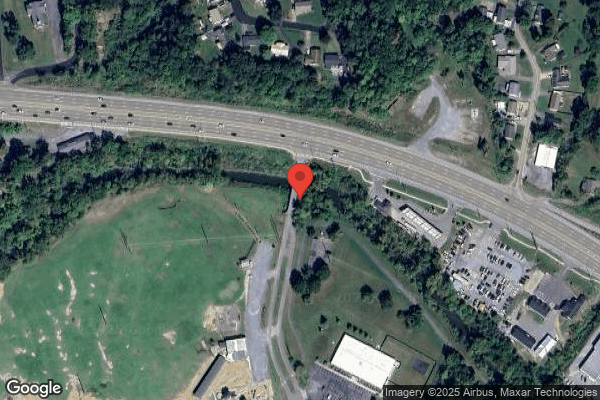
Oct 2021 6 deficiencies
CONCERN (D)

Potential for Harm - no one hurt, but risky conditions existed

Comprehensive Care Plan (Tag F0656)

Could have caused harm · This affected 1 resident

**NOTE- TERMS IN BRACKETS HAVE BEEN EDITED TO PROTECT CONFIDENTIALITY** Based on medical record review and interview, the facility failed to develop a comprehensive care plan for 1 resident (Resident ...

Read full inspector narrative →
**NOTE- TERMS IN BRACKETS HAVE BEEN EDITED TO PROTECT CONFIDENTIALITY** Based on medical record review and interview, the facility failed to develop a comprehensive care plan for 1 resident (Resident #65) of 21 residents reviewed for comprehensive care plans. The findings include: Resident #65 was admitted to the facility on [DATE] with diagnoses including Acute Respiratory Failure, Anemia, Gastrointestinal Hemorrhage, Chronic Obstructive Pulmonary Disease, Type 2 Diabetes Mellitus, Heart Disease, Psychoactive Substance Abuse, Anxiety Disorder, Chronic Hepatic Failure, Bipolar Disorder, and Cirrhosis of Liver. Medical record review of the Tennessee Physicians Orders for Scope of Treatment (POST) form for Resident #65 dated [DATE] showed .Do Not Attempt Resuscitation (DNR/no CPR [cardiopulmonary resuscitation]) (Allow Natural Death) . Medical record review of the comprehensive care plan dated [DATE] for Resident #65 showed . full code [use all resuscitation procedures] . During an interview on [DATE] at 9:20 AM, the Minimum Data Set Coordinator confirmed the comprehensive care plan did not reflect Resident #65's code status preference.
CONCERN (D)

Potential for Harm - no one hurt, but risky conditions existed

ADL Care (Tag F0677)

Could have caused harm · This affected 1 resident

**NOTE- TERMS IN BRACKETS HAVE BEEN EDITED TO PROTECT CONFIDENTIALITY** Based on facility policy review, medical record review, observation, and interview, the facility failed to ensure hand hygiene a...

Read full inspector narrative →
**NOTE- TERMS IN BRACKETS HAVE BEEN EDITED TO PROTECT CONFIDENTIALITY** Based on facility policy review, medical record review, observation, and interview, the facility failed to ensure hand hygiene and nail care was provided for 1 resident (Resident #1) of 25 residents reviewed for Activities of Daily Living (ADL) care. The findings Include: Review of the policy titled, Activities of Daily Living (ADLs), Supporting revised 2018, showed .Residents will be provided with care, treatment and services as appropriate to maintain or improve their ability to carry out activities of daily living (ADLs) .Residents who are unable to carry out activities of daily living independently will receive the services necessary to maintain good nutrition, grooming and personal and oral hygiene .Appropriate care and services will be provided for residents .in accordance with the plan of care, including .hygiene .grooming .elimination (toileting) . Resident #1 was admitted to the facility on [DATE] with diagnoses including Acute and Chronic Respiratory Failure with Hypoxia, Chronic Obstructive Pulmonary Disease (COPD), Respiratory Conditions due to Smoke Inhalation, and Disseminated Mycobacterium Avium-Intracellular Complex (DMAC or MAC) (multiorgan disease caused by nontuberculous bacteria), and Unspecified Severe Protein-Calorie Malnutrition. Review of the admission Minimum Data Set (MDS) assessment dated [DATE] showed Resident #1 was cognitively intact, required supervision for bed mobility, limited assistance of 1 staff for transfers, dressing, toileting, and hygiene, and was independent with eating after meal set up. Review of the comprehensive care plan initiated on 7/9/2021 and revised on 7/27/2021 showed Resident #1 had the potential for behaviors related to incontinence .Explain/reinforce why behavior is inappropriate and/or unacceptable . The care plan showed Resident #1 was incontinent of bowel with interventions to check the resident every 2 hours and assist with toileting as needed, Paper products from kitchen due to him using bathroom in dishes, and provide pericare after each incontinent episode. The care plan showed Resident #1 had a self care deficit and assistance with Activities of Daily Living .bathing, grooming, dressing, etc . were to be provided as needed. Review of a Significant Change MDS assessment dated [DATE] showed Resident #1 required extensive 1 staff assistance for transfers and hygiene, required limited assistance of 1 staff for dressing, and 1 staff assistance for toileting. The MDS showed the resident was total dependent on staff for bathing and was independent with eating after meal set up. During observations on 10/24/2021 at 10:00 AM, 11:05 AM, 1:08 PM, 1:26 PM, and 3:00 PM, and on 10/25/2021 at 8:30 AM, and 12:10 PM showed Resident #1 had soiled hands, had long fingernails, the fingernails on the right hand had a dark brown substance on the fingers, under the nails, and around the cuticles. During interviews on 10/24/2021 at 11:05 AM, 3:00 PM, and on 10/25/2021 at 12:10 PM, Resident #1 stated the staff had not offered to assist him with washing his hands or cleaning his nails. During an interview on 10/24/2021 at 1:08 PM, Certified Nursing Assistant (CNA) #3 stated she had not offered to wash Resident #1's hands or clean his fingernails. During an interview on 10/25/2021 at 12:12 PM, Licensed Practical Nurse (LPN) #2 confirmed Resident #1 had dirty hands, had a brown substance on the right hand, right fingers, right fingernails and under the fingernails. During an interview on 10/26/2021 at 2:30 PM, CNA #1 confirmed she had not offered to provide nail care or wash Resident #1's hands. During an interview on 10/26/2021 at 2:35 PM, CNA #2 stated Resident #1 often had dirty fingernails. During an interview on 10/26/2021 at 2:42 PM, LPN #1 stated Resident #1 .plays in his poop . and his fingernails and hands were often soiled. During an interview on 10/26/2021 at 3:00 PM, the Director of Nursing (DON) stated Resident #1 was known to defecate on himself and put his hands in his stool. The DON stated it was her expectation the staff wash the resident's hands before meals or when needed. During an interview on 10/26/2021 at 3:30 PM, the Nurse Practitioner (NP) stated Resident #1 had a history of placing his stool on the overbed table after being incontinent of bowel movement (BM). The NP stated Resident #1 often had dirty fingernails after .playing in his poop .or digging . The NP stated Resident #1 was generally in agreement to wash his hands and due to the resident's history of playing in his stool, it was her expectation for staff to wash his hands before his meals were served.
CONCERN (D)

Potential for Harm - no one hurt, but risky conditions existed

Deficiency F0692 (Tag F0692)

Could have caused harm · This affected 1 resident

**NOTE- TERMS IN BRACKETS HAVE BEEN EDITED TO PROTECT CONFIDENTIALITY** Based on facility policy review, medical record review, observation and interview the facility failed to ensure 1 resident (Resi...

Read full inspector narrative →
**NOTE- TERMS IN BRACKETS HAVE BEEN EDITED TO PROTECT CONFIDENTIALITY** Based on facility policy review, medical record review, observation and interview the facility failed to ensure 1 resident (Resident #1) received house shakes and failed to implement dietary recommendations for 1 resident (Resident #45) of 6 residents reviewed for nutritional status. The findings include: Review of the facility policy titled, Nutritional/Dietary Supplements, dated 2/14/2020, showed .Nutritional/Dietary Supplements are provided to residents per physician's orders .to supplement a resident's nutritional needs .The Food Service Department will maintain a current list of residents .ordered supplements .There is a physician's order for all supplements .Nursing Services delivers and documents the consumption of physician-ordered nutritional/dietary supplements on the [Medication Administration Record] MAR . Resident #1 was admitted to the facility on [DATE] with diagnoses including Acute and Chronic Respiratory Failure with Hypoxia, Chronic Obstructive Pulmonary Disease (COPD), Respiratory Conditions due to Smoke Inhalation, and Disseminated Mycobacterium Avium-Intracellular Complex (DMAC or MAC) (multiorgan disease caused by nontuberculous bacteria), and Unspecified Severe Protein-Calorie Malnutrition. Review of the admission Minimum Data Set (MDS) dated [DATE] showed Resident #1 was cognitively intact and was independent with eating after meal set up. Review of the comprehensive care plan initiated on 7/9/2021 and revised on 7/29/2021 showed Resident #1 had the potential for weight changes and dehydration related to MAC infection with interventions including .Honor food request and preferences .Provide and serve supplements .Provide, serve diet as ordered . Review of Resident #1's weight record showed the resident weighed 110 pounds on 7/9/2021 and 112 pounds on 7/23/2021. Continued review of the weight record showed Resident #1 refused to have his weights obtained after 7/23/2021. Review of a Dietary Profile dated 7/11/2021, showed Resident #1 was on a regular diet, large portions and fortified foods with all meals. Review of a Nutrition Data Collection report dated 7/16/2021, showed Resident #1 was underweight. The report showed the resident was independent with eating, had a diagnosis of severe malnutrition, acute/chronic respiratory failure, had a good appetite, was likely meeting his estimated needs with current intake, and was on fortified foods to promote weight gain. Review of the Nurse Practitioner (NP) Progress Notes dated 7/30/2021, 8/10/2021, 8/11/2021, 9/8/2021, 9/15/2021, 9/22/2021 for Resident #1 showed .Cachectic [physical wasting with loss of weight and muscle mass due to disease] Caucasian male who appears older than his stated age . Review of meal tray cards for breakfast, lunch, and supper meals, undated, showed .House Shake-1 Carton .FORTIFIED FOOD WITH MEALS .LARGE PORTIONS ALL MEALS . Review of a Nursing Note dated 9/13/2021, showed Resident #1 refused a monthly weight .Attempted x 1 with no success . Review of a NP Progress Note dated 10/1/2021 and 10/6/2021 showed Resident #1 was an emaciated cachectic Caucasian male who appears significantly older than his stated age, had a MAC infection and was being followed by Infectious Disease. Review of a Social Service Note dated 10/15/2021, showed .Patient [Resident #1] has exhibited behaviors of refusing to be weighed . Review of a Nutrition Progress Note dated 10/15/2021, showed the resident frequently refused weights. During an observation and interview on 10/24/2021 at 10:00 AM, Resident #1 was lying in bed with his breakfast tray on the overbed table at his bedside. The resident's meal tray card indicated shakes, fortified food, and large portions with the breakfast meal. Observation of the breakfast meal showed Resident #1 did not eat the meal, did not receive large portions, and did not receive the house shake as indicated on the tray card. Interview with Resident #1 revealed he had not received the house shake and would drink the shake if it was available. During an observation and interview on 10/24/2021 at 1:08 PM, showed Resident #1's lunch tray on the overbed table at the resident's bedside. The resident's meal tray card indicated shakes, fortified food, and large portions with the lunch meal. Observation showed the resident had not eaten the lunch meal, the meal did not contain large portions or a shake. Interview with Resident #1 stated he did not receive the shake on his meal tray and stated he would drink the shake if it was available. Resident #1 further stated he did not always receive the shakes with his meals. During an interview on 10/24/2021 at 1:12 PM, Licensed Practical Nurse (LPN) #2 stated she was not aware Resident #1 received or was supposed to receive the house shakes. During an interview on 10/24/2021 at 1:18 PM, Certified Nursing Assistant (CNA) #3 confirmed Resident #1 did not receive the house shakes with the breakfast or lunch meal on 10/24/2021. CNA #3 stated .sometimes they [the dietary staff] send them [house shakes] and sometimes they don't . CNA #3 stated she was not aware how often Resident #1 was to receive the shakes .I think it's with every meal but I'm not really sure . CNA #3 stated she had not notified the nurse, or the dietary staff of Resident #1 had not received the shakes on 10/24/2021. During an observation and interview on 10/25/2021 at 8:30 AM, Resident #1 was lying in bed with his breakfast tray on his over bed table and positioned at the bedside. The breakfast tray did not contain large portions and the resident did not receive the house shake as indicated on the meal tray card. Interview with Resident #1 stated he did not receive a house shake for breakfast. During an interview on 10/25/2021 at 1:55 PM, the Registered Dietitian (RD) stated after Resident #1 was admitted to the facility, the previous RD had documented on 7/16/2021, Resident #1 was very severely malnourished and was started on fortified foods and large portions. The RD stated, initially the resident was eating about 95% and only recently (10/2021) had started refusing his meals. The RD stated Resident #1 continued to refuse to have his weights obtained and stated the Dietary Manger implemented house shakes 9/2021. The RD stated the facility was not required to obtain a physician's order for the house shakes or fortified foods and was considered a dietary decision based on the resident preference, weights, or oral intake. The RD stated the house shakes .really just a milk shake .it's not a nutritional supplement .and don't always have to have an order . During an interview on 10/26/2021 at 10:55 AM, the RD stated the house shakes and large portions were documented on the resident's meal tray cards and came out with each meal. She also stated it was her expectation Resident #1 receive the house shakes, fortified foods, and large portions as recommended with every meal. During an interview on 10/26/2021 at 11:30 AM, the Dietary Manager stated Resident #1 was on a regular diet and received shakes twice daily with his meals .I think . The Dietary Manager stated she was told sometime in 9/2021 the resident was not eating very well by the staff and she had implemented the shakes. The Dietary Manager stated it was the cook's responsibility for the large portions to be added to the meal trays and the dietary aides responsibility for putting the shakes on the meal trays. The Dietary Manager stated she was unaware the shakes and the large portions had not been provided to Resident #1 on 10/24/2021 and 10/25/2021. The Dietary Manager stated it was her expectation Resident #1 receive the shakes, large portions, and fortified foods as recommended. During an interview on 10/26/2021 at 1:05 PM, the Assistant Director of Nursing (ADON) stated he was the Resident at Risk Manager and was advised by staff of residents with poor oral intake. The ADON stated prior to 10/2021, Resident #1 had not exhibited poor oral intake and was not on the Resident at Risk program. During an interview on 10/26/2021 at 2:30 PM, CNA #1 stated Resident #1 often refused his meals and they offered alternatives. CNA #1 stated the resident received house shakes on his meal trays .most of the time . Continued interview revealed Resident #1 refused to have his weights obtained. During an interview on 10/26/2021 at 2:35 PM, CNA #2 stated Resident #1 had poor oral intake at meals, preferred to drink the house shakes and received the shakes .unless the truck hasn't come .and they might be out . CNA #2 was unable to specify when or how often the house shakes were not available for Resident #1. During an interview on 10/26/2021 at 3:30 PM, the NP stated Resident #1's failure to receive the house shakes and large portions with his meals on 10/24/2021 and 10/25/2021 did not cause detriment or harm to the resident. The NP stated Resident #1 was admitted severely emaciated and malnourished and it was a challenge to increase the resident's weights based on his refusal of meals and co-morbidities. Resident #45 was admitted to the facility on [DATE] with diagnoses to include Major Depressive Disorder, Type 2 Diabetes, and Dysphagia. Medical record review of Resident #45's comprehensive care plan revised 10/7/2021, showed .at risk for malnutrition related to recent .unintentional weight loss .changes to appetite . Medical record review of a Nutrition Progress Note dated 10/1/2021, showed .start .supplement 90 ml [milliliter] BID [twice daily] between meals . Medical record review of Resident #45's current active Physician Orders dated 10/26/2021, showed there was no supplement ordered. Medical record review of Resident #45's Medication Administration Record (MAR) for 10/2021, showed the resident had not received the supplement from 10/1/2021-10/26/2021. Medical record review of Resident #45's weights showed on 9/28/2021 the resident weighed 170 pounds and on 10/20/2021 the resident weighed 169 pounds. During an interview on 10/26/2021 at 11:01 AM, the RD stated she had recommended for Resident #45 to receive a supplement 90 ml BID. She also stated she had order writing privileges at the facility and confirmed she failed to order the supplement. During an interview on 10/26/2021 at 11:40 AM, LPN #1 confirmed Resident #45 did not have an order for a supplement, it was not on the MAR, and had not received it. During an interview on 10/26/2021 at 11:45 AM, the Director of Nursing confirmed Resident #45's dietary recommendation had not been ordered.
CONCERN (D)

Potential for Harm - no one hurt, but risky conditions existed

Medical Records (Tag F0842)

Could have caused harm · This affected 1 resident

**NOTE- TERMS IN BRACKETS HAVE BEEN EDITED TO PROTECT CONFIDENTIALITY** Resident #60 was admitted to the facility on [DATE] with diagnoses including Pressure Ulcer of the Sacral Region, Osteomyelitis ...

Read full inspector narrative →
**NOTE- TERMS IN BRACKETS HAVE BEEN EDITED TO PROTECT CONFIDENTIALITY** Resident #60 was admitted to the facility on [DATE] with diagnoses including Pressure Ulcer of the Sacral Region, Osteomyelitis of the vertebra, and Neuromuscular Dysfunction of Bladder. Medical record review of Resident #60's admission Minimum Data Set (MDS) dated [DATE], showed the resident was cognitively intact with a brief interview for mental status (BIMS) of 13. Resident # 60 is bed bound and had an indwelling urinary catheter. Medical record review of Resident #60's physician's recapitulation orders for 10/2021, showed no physician order for an indwelling urinary catheter or for catheter care was documented in the medical record. During an observation on [DATE] at 9:47 AM, showed Resident #60 had an indwelling urinary catheter in place, the catheter bag was covered with a dignity bag. During an observation on [DATE] at 10:13 AM, Resident #60 had the indwelling urinary catheter in place; the urine collection bag was covered with a dignity bag cover. During an observation and interview with the Director of Nursing (DON) on [DATE] at 3:03 PM, the DON upon review of Resident #60's physician orders, confirmed there were no active physician's order for an indwelling urinary catheter or for catheter care was documented in the medical record. During an interview on [DATE] at 11:33 AM, the wound care nurse confirmed that Resident #60 had an indwelling urinary catheter upon admission to the facility on [DATE]. Based on medical record review and interview, the facility failed to maintain complete and accurate medical records for 3 residents (Resident #1, Resident #60, and Resident #65) of 27 residents reviewed for medical records. The findings include: Review of the facility policy titled, Catheter Care, Urinary revised 9/2014, showe .The purpose of this procedure is to prevent catheter-associated urinary tract infections .Documentation .The following information should be recorded in the resident's medical record .date and time that catheter care was given .name and title of the individual(s) giving the catheter care .signature and title of the person recording data . Resident #1 was admitted to the facility on [DATE] with diagnoses including Acute and Chronic Respiratory Failure with Hypoxia, Chronic Obstructive Pulmonary Disease (COPD), Respiratory Conditions due to Smoke Inhalation, and Disseminated Mycobacterium Avium-Intracellular Complex (DMAC or MAC) (multiorgan disease caused by nontuberculous bacteria), and Unspecified Severe Protein-Calorie Malnutrition. Review of the Comprehensive Care Plan dated [DATE] showed Resident #1 had a full code status. Review of the Order Recap Report dated [DATE] showed .Full Code per patient [Resident #1] wishes . Review of the Physician Orders for Scope of Treatment (POST) form dated [DATE] for Resident #1 showed under the section was incomplete regarding artificial nutrition and the form had not been signed by the Physician. During an interview on [DATE] at 2:20 PM, the Administrator confirmed the POST form for Resident #1 was incomplete. Medical record review showed Resident #65 was admitted to the facility on [DATE] with diagnoses including Acute Respiratory Failure, Anemia, Gastrointestinal Hemorrhage, Chronic Obstructive Pulmonary Disease, Type 2 Diabetes Mellitus, Heart Disease, Psychoactive Substance Abuse, Anxiety Disorder Chronic Hepatic Failure, Bipolar Disorder, and Cirrhosis of Liver. Review of the POST form for Resident #65 dated [DATE] showed .Do Not Attempt Resuscitation (DNR/no CPR [cardiopulmonary resuscitation]) (Allow Natural Death) . Review of an Order Summary Report for Resident #65 showed .FULL CODE . with a start date of [DATE] and no end date indicated. Review of the comprehensive care plan initiated [DATE] showed Resident #65 was .full code . During an interview on [DATE] at 9:35 AM, the DON confirmed the physician order and the comprehensive care plan for Resident #65's code status was inaccurate.
CONCERN (D)

Potential for Harm - no one hurt, but risky conditions existed

QAPI Program (Tag F0867)

Could have caused harm · This affected 1 resident

Based on facility policy review, review of the most recent Plan of Correction (POC), current survey findings, and interview, the facility failed to maintain sustained compliance with the prior plan of...

Read full inspector narrative →
Based on facility policy review, review of the most recent Plan of Correction (POC), current survey findings, and interview, the facility failed to maintain sustained compliance with the prior plan of correction related to performance improvement after identifying inaccuracies with Tennessee Physician Orders for Scope of Treatment (POST) forms. The Quality Assurance Performance Improvement (QAPI) committee failed to monitor the ongoing concern of POST forms for 2 residents (Resident #1 and Resident #65) of 26 POST forms reviewed. The findings include: Review of the facility policy, Quality Assurance and Performance Improvement (QAPI) Plan dated 4/2014, stated .This facility shall develop, implement, and maintain an ongoing, facility wide QAPI plan designed to monitor and evaluate the quality and safety of resident care, pursue methods to improve care quality, and resolve identified problems .objectives of the QAPI plan are .Provide means to identify present and potential negative outcomes .Reinforce and build effective systems and processes related to the delivery of quality care .Provide structure and processes to correct identified quality and safety deficiencies .Establish and implement plans to correct deficiencies, and to monitor the effects of these action plans . Review of the POC dated 4/5/2021 showed the Director of Nursing (DON) and Assistant Director of Nursing (ADON) provided re-education to all licensed nursing staff. Continued review showed daily audits were to be conducted by the DON, ADON utilizing the Daily Clinical Meeting audit tool and reviewing of orders to change code status will be reviewed for completion and that POSTs and care plans match the orders. QAPI would be held 1 time a week for 4 weeks and continued weekly until substantial compliance and monthly thereafter. Daily monitoring was to be performed for POST form updates. Continued audits were to be completed by the DON monthly. The Administrator has direct oversight and responsibility to direct, discipline and communicate areas of concern and progress of improvement to the QAPI committee. The VP of Operations and/or designee will monitor the Administrator by reviewing the Plan of Correction and QAPI minutes/audits. All findings were to be reported to the QAPI committee and would continue until compliance is achieved. During an interview on 10/26/2021 at 3:05 PM, the Administrator (ADM) stated the review of the POST forms was an ongoing project from the previous POC. She stated the DON and ADON review the POST forms and they are discussed during daily morning meetings. The ADM confirmed the QAPI committee's Performance Improvement Plan (PIP) has been ineffective in identifying inaccuracies with the facility's POST forms.
CONCERN (E)

Potential for Harm - no one hurt, but risky conditions existed

Respiratory Care (Tag F0695)

Could have caused harm · This affected multiple residents

**NOTE- TERMS IN BRACKETS HAVE BEEN EDITED TO PROTECT CONFIDENTIALITY** Based on facility policy review, medical record review, observation, and interview, the facility failed to ensure oxygen setting...

Read full inspector narrative →
**NOTE- TERMS IN BRACKETS HAVE BEEN EDITED TO PROTECT CONFIDENTIALITY** Based on facility policy review, medical record review, observation, and interview, the facility failed to ensure oxygen settings were maintained as ordered by the physician on 2 residents (Resident #1 and Resident #47), failed to secure portable oxygen cylinders for 1 resident (#47), and failed to provide oxygen humidification for 2 residents (Resident #1 and Resident #52) of 7 residents reviewed for supplemental oxygen use. The findings include: Review of the facility policy titled, Oxygen Administration revised 10/2010, showed .The purpose of this procedure is to provide guidelines for safe oxygen administration .Review the physician's orders or facility protocol for oxygen administration .The following equipment and supplies will be necessary when performing this procedure .Portable oxygen cylinder (strapped to the stand) .Humidifier bottle .Before administering oxygen, and while the resident is receiving oxygen therapy, assess for the following .Check the mask, tank, humidifying jar . to be sure they are in good working order and are securely fastened. Be sure there is water in the humidifying jar and that the water level is high enough that the water bubbles as oxygen flows through .Periodically re-check water level in humidifying jar . Resident #1 was admitted to the facility on [DATE] with diagnoses including Acute and Chronic Respiratory Failure with Hypoxia, Chronic Obstructive Pulmonary Disease (COPD), Respiratory Conditions due to Smoke Inhalation, and Disseminated Mycobacterium Avium-Intracellular Complex (DMAC or MAC) (multiorgan disease caused by nontuberculous bacteria). Review of the admission Minimum Data Set (MDS) dated [DATE] showed Resident #1 was cognitively intact and received supplemental oxygen (O2). Review of the comprehensive care plan revised on 7/26/2021 showed Resident #1 was at risk for altered respiratory status with interventions including O2 at 2 liters per minute (l/m) by nasal cannula (NC). Review of the Physician's Order Summary Report with a printed date of 10/25/2021 for Resident #1 showed O2 at 2 l/m by NC to keep O2 saturations above 90%. During an observation on 10/24/2021 at 11:05 AM and 12:12 PM, Resident #1's supplemental O2 did not have a humidification jar and was set at 5 l/m by NC. During an interview on 10/24/2021 at 12:15 PM, Licensed Practical Nurse (LPN) #2 confirmed Resident #1's supplemental oxygen was not humidified and confirmed the resident's oxygen flow setting was set at 5 l/m and not the prescribed 2 l/m. During an interview on 10/24/2021 at 12:25 PM, the Director of Nursing (DON) confirmed Resident #1's oxygen setting of 5 l/m was not administered as prescribed by the physician. Resident #47 was admitted to the facility on [DATE] with diagnoses including End Stage Renal Disease, Dependence on Renal Dialysis, Chronic Kidney Disease with Heart Failure, Morbid Obesity, and Adult Failure to Thrive. Medical record review of Resident #47's admission Minimum Data Set (MDS) dated [DATE], showed Brief Interview for Mental Status (BIMS) score was 14 which indicated the resident was cognitively intact. Resident had shortness of breath or trouble breathing while lying flat and required continuous oxygen therapy. Medical record review of Resident #47's comprehensive care plan revised 10/14/2021 showed .Respiratory Status Care Plan .Problem: At risk for impaired respiratory status r/t [related to] chronic renal failure .Interventions .Administer oxygen per order Oxygen is in use at 2 L [liters per minute] nasal cannula .Date initiated 9/16/2021 . Medical record review of Resident #47's physician's order summary report for 10/2021 showed the resident had an order for Oxygen at 2 liters per minute (L/M) by nasal cannula. During an observation on 10/24/2021 at 10:18 AM, revealed Resident #47 was wearing oxygen at 3.5 L/M by nasal cannula, without humidification. The resident had 3 oxygen tanks in the room, 2 of the tanks were unsecured. During an observation on 10/24/2021 at 11:33 AM, Resident #47 wearing oxygen at 3.5 L/M, without humidification. The resident had the same 2 oxygen tanks in the room, which remained unsecured and stood upright against the wall. During an observation and interview on 10/24/2021 at 12:35 PM, the Director of Nursing (DON) confirmed Resident #47 had 2 portable oxygen tanks that were unsecured. The DON confirmed it was nursing's responsibility to secure the oxygen cylinders and the cylinders should have been secured in a portable oxygen tank holder. During an observation and Interview with LPN #3 on 10/24/2021 at 1:05 PM, reviewed with this surveyor the physicians orders for Resident #47 which showed .O2 (oxygen) at 2 liters per minute by NC (nasal cannula) . LPN #3 confirmed the resident was on oxygen at 3.5 L/M by nasal cannula and adjusted the flow meter (controls oxygen flow to resident) from 3.5 to 2.0 liters per minute to reflect the physician's order. Resident #52 was admitted to the facility on [DATE] with diagnoses including Noninfective Gastroenteritis and Colitis, Chronic Respiratory Failure, Unspecified whether Hypoxia or Hypercapnia, COPD, Pulmonary Hypertension, Atherosclerotic Heart Disease, Anemia, Essential Hypertension, Cognitive Communication Deficit, and Dysphagia. Review of the Physician's Order Recap Report dated 9/28/2921-10/31/2021 showed oxygen at 3 l/m. Review of the admission MDS dated [DATE] showed Resident #52 was cognitively intact, required extensive assistance of 1 staff for bed mobility, toileting, extensive 2 staff assistance for transfers, limited assistance of 1 staff for dressing, and independent with set up of meals for dining. The MDS showed Resident #52 used supplemental oxygen. Review of the comprehensive care plan dated 10/14/2021 showed Resident #52 had a self-care performance deficit related to End Stage COPD, Pulmonary Hypertension, Dyspnea on exertion, and Chronic Respiratory Failure. The care plan showed Resident #52 was at risk for impaired respiratory status with interventions including: Administer oxygen per order and change oxygen tubing and clean equipment as indicated. The care plan revised on 10/24/2021 showed Administer O2 per order 3 l/m via NC. Observation on 10/24/2021 at 10:55 AM and 12:00 PM, showed Resident #52 lying in her bed with supplemental O2 in use. The O2 humidification jar was empty, connected to the oxygen concentrator and the resident. The empty O2 humidification jar was lying on the floor. During an interview on 10/24/2021 at 12:02 PM, LPN #2 confirmed the humidifier bottle was empty and lying on the floor on Resident #52. During an interview on 10/25/2021 at 12:25 PM, the DON confirmed the humidifier bottle should not have been empty while in use and lying on the floor.
Understanding Severity Codes (click to expand)
Life-Threatening (Immediate Jeopardy)
J - Isolated K - Pattern L - Widespread
Actual Harm
G - Isolated H - Pattern I - Widespread
Potential for Harm
D - Isolated E - Pattern F - Widespread
No Harm (Minor)
A - Isolated B - Pattern C - Widespread

Questions to Ask on Your Visit

  • "What safeguards are in place to prevent abuse and neglect?"
  • "Why is there high staff turnover? How do you retain staff?"
  • "Can I speak with families of current residents?"
  • "What's your RN coverage like on weekends and overnight?"

Our Honest Assessment

Strengths
  • • Licensed and certified facility. Meets minimum state requirements.
Concerns
  • • Multiple safety concerns identified: Federal abuse finding, 8 harm violation(s), $228,048 in fines, Payment denial on record. Review inspection reports carefully.
  • • 24 deficiencies on record, including 8 serious (caused harm) violations. Ask about corrective actions taken.
  • • $228,048 in fines. Extremely high, among the most fined facilities in Tennessee. Major compliance failures.
  • • Grade F (0/100). Below average facility with significant concerns.
Bottom line: This facility has a substantiated abuse finding. Extreme caution advised. Explore alternatives.

About This Facility

What is Orchard View Post-Acute And Rehabilitation Center's CMS Rating?

CMS assigns ORCHARD VIEW POST-ACUTE AND REHABILITATION CENTER an overall rating of 1 out of 5 stars, which is considered much below average nationally. Within Tennessee, this rating places the facility higher than 0% of the state's 100 nursing homes. A rating at this level reflects concerns identified through health inspections, staffing assessments, or quality measures that families should carefully consider.

How is Orchard View Post-Acute And Rehabilitation Center Staffed?

CMS rates ORCHARD VIEW POST-ACUTE AND REHABILITATION CENTER's staffing level at 2 out of 5 stars, which is below average compared to other nursing homes. Staff turnover is 78%, which is 32 percentage points above the Tennessee average of 46%. High turnover can affect care consistency as new staff learn residents' individual needs. RN turnover specifically is 77%, which is notably high. RNs provide skilled clinical oversight, so turnover in this role can affect medical care quality.

What Have Inspectors Found at Orchard View Post-Acute And Rehabilitation Center?

State health inspectors documented 24 deficiencies at ORCHARD VIEW POST-ACUTE AND REHABILITATION CENTER during 2021 to 2025. These included: 8 that caused actual resident harm and 16 with potential for harm. Deficiencies causing actual harm indicate documented cases where residents experienced negative health consequences.

Who Owns and Operates Orchard View Post-Acute And Rehabilitation Center?

ORCHARD VIEW POST-ACUTE AND REHABILITATION CENTER is owned by a for-profit company. For-profit facilities operate as businesses with obligations to shareholders or private owners. The facility is operated by PLAINVIEW HEALTHCARE PARTNERS, a chain that manages multiple nursing homes. With 180 certified beds and approximately 70 residents (about 39% occupancy), it is a mid-sized facility located in KINGSPORT, Tennessee.

How Does Orchard View Post-Acute And Rehabilitation Center Compare to Other Tennessee Nursing Homes?

Compared to the 100 nursing homes in Tennessee, ORCHARD VIEW POST-ACUTE AND REHABILITATION CENTER's overall rating (1 stars) is below the state average of 2.8, staff turnover (78%) is significantly higher than the state average of 46%, and health inspection rating (1 stars) is much below the national benchmark.

What Should Families Ask When Visiting Orchard View Post-Acute And Rehabilitation Center?

Based on this facility's data, families visiting should ask: "What safeguards and monitoring systems are in place to protect residents from abuse or neglect?" "How do you ensure continuity of care given staff turnover, and what is your staff retention strategy?" "Can you walk me through typical staffing levels on day, evening, and night shifts?" "Can I visit during a mealtime to observe dining assistance and food quality?" These questions are particularly relevant given the substantiated abuse finding on record, the facility's high staff turnover rate, and the below-average staffing rating.

Is Orchard View Post-Acute And Rehabilitation Center Safe?

Based on CMS inspection data, ORCHARD VIEW POST-ACUTE AND REHABILITATION CENTER has documented safety concerns. The facility has 1 substantiated abuse finding (meaning confirmed case of resident harm by staff or other residents). The facility has a 1-star overall rating and ranks #100 of 100 nursing homes in Tennessee. Families considering this facility should ask detailed questions about what corrective actions have been taken since these incidents.

Do Nurses at Orchard View Post-Acute And Rehabilitation Center Stick Around?

Staff turnover at ORCHARD VIEW POST-ACUTE AND REHABILITATION CENTER is high. At 78%, the facility is 32 percentage points above the Tennessee average of 46%. Registered Nurse turnover is particularly concerning at 77%. RNs handle complex medical decisions and coordinate care — frequent RN changes can directly impact care quality. High turnover means new staff may not know residents' individual needs, medications, or preferences. It can also be disorienting for residents, especially those with dementia who rely on familiar faces. Families should ask: What is causing the turnover? What retention programs are in place? How do you ensure care continuity during staff transitions?

Was Orchard View Post-Acute And Rehabilitation Center Ever Fined?

ORCHARD VIEW POST-ACUTE AND REHABILITATION CENTER has been fined $228,048 across 4 penalty actions. This is 6.4x the Tennessee average of $35,359. Fines at this level are uncommon and typically indicate a pattern of serious deficiencies, repeated violations, or failure to correct problems promptly. CMS reserves penalties of this magnitude for facilities that pose significant, documented risk to resident health or safety. Families should request specific documentation of what issues led to these fines and what systemic changes have been implemented.

Is Orchard View Post-Acute And Rehabilitation Center on Any Federal Watch List?

ORCHARD VIEW POST-ACUTE AND REHABILITATION CENTER is not on any federal watch list. The most significant is the Special Focus Facility (SFF) program, which identifies the bottom 1% of nursing homes nationally based on persistent, serious quality problems. Not being on this list means the facility has avoided the pattern of deficiencies that triggers enhanced federal oversight. This is a positive indicator, though families should still review the facility's inspection history directly.