

WEXFORD HOUSE

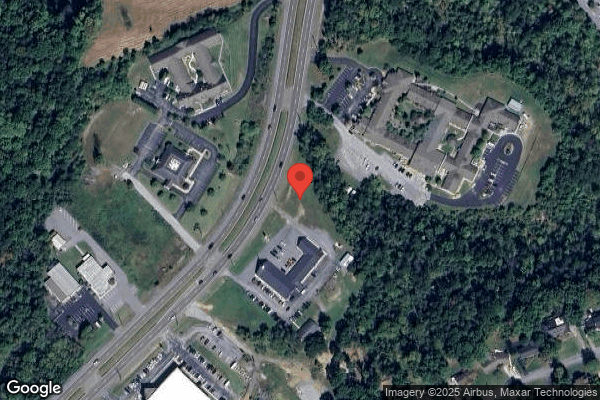
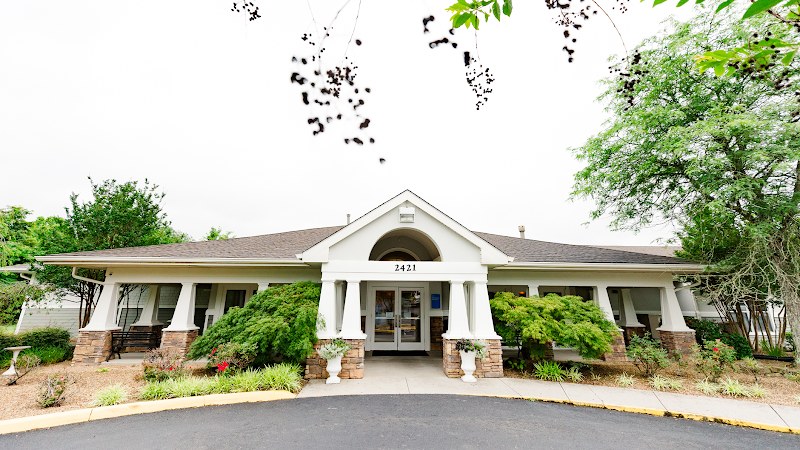
2421 JOHN B DENNIS HIGHWAY, KINGSPORT, TN 37660 (423) 288-3988
For profit - Corporation 174 Beds AHAVA HEALTHCARE Data: November 2025
Trust Grade
55/100
#224 of 298 in TN
Last Inspection: June 2025

Inspected within the last 6 months. Data reflects current conditions.

Overview

Wexford House in Kingsport, Tennessee has a Trust Grade of C, which means it is average-neither great nor terrible. With a state rank of #224 out of 298 facilities, they fall in the bottom half of Tennessee nursing homes, and they rank #4 out of 7 in Sullivan County, indicating that only three local options are better. The facility is worsening, with issues increasing from 6 in 2024 to 7 in 2025. Staffing is a strength here, with a 4 out of 5-star rating and a turnover rate of 38%, which is lower than the state average of 48%, suggesting that many staff members stay long-term and have good knowledge of the residents' needs. While there have been no fines recorded, there have been several concerning incidents noted, such as the failure to keep kitchen cooking equipment sanitary, which could affect a large number of residents, and issues with staff not properly understanding how to test chemical sanitation for dishwashers. Overall, Wexford House shows some strengths in staffing but has significant concerns regarding sanitation and health standards.

Trust Score
C
55/100
In Tennessee
#224/298
Bottom 25%
Safety Record
Low Risk
No red flags
Inspections
Getting Worse
6 → 7 violations
Staff Stability
○ Average
38% turnover. Near Tennessee's 48% average. Typical for the industry.
Penalties
✓ Good
No fines on record. Clean compliance history, better than most Tennessee facilities.
Skilled Nurses
○ Average
Each resident gets 30 minutes of Registered Nurse (RN) attention daily — about average for Tennessee. RNs are the most trained staff who monitor for health changes.
Violations
⚠ Watch
14 deficiencies on record. Higher than average. Multiple issues found across inspections.
★★☆☆☆
2.0
Overall Rating
★★★★☆
4.0
Staff Levels
★★★☆☆
3.0
Care Quality
★★☆☆☆
2.0
Inspection Score
Stable
2024: 6 issues
2025: 7 issues

The Good

  • 4-Star Staffing Rating · Above-average nurse staffing levels
  • Full Sprinkler Coverage · Fire safety systems throughout facility
  • No fines on record
  • Staff turnover below average (38%)

    10 points below Tennessee average of 48%

Facility shows strength in staffing levels, fire safety.

The Bad

2-Star Overall Rating

Below Tennessee average (2.8)

Below average - review inspection findings carefully

Staff Turnover: 38%

Near Tennessee avg (46%)

Typical for the industry

Chain: AHAVA HEALTHCARE

Part of a multi-facility chain

Ask about local staffing decisions and management

The Ugly 14 deficiencies on record

Jun 2025 7 deficiencies
CONCERN (D)

Potential for Harm - no one hurt, but risky conditions existed

Safe Environment (Tag F0584)

Could have caused harm · This affected 1 resident

**NOTE- TERMS IN BRACKETS HAVE BEEN EDITED TO PROTECT CONFIDENTIALITY** Based on facility policy review, medical record review, observations, and interviews, the facility failed to provide a homelike ...

Read full inspector narrative →
**NOTE- TERMS IN BRACKETS HAVE BEEN EDITED TO PROTECT CONFIDENTIALITY** Based on facility policy review, medical record review, observations, and interviews, the facility failed to provide a homelike environment for 1 resident (Resident #19) of 81 residents reviewed for a homelike environment. The findings include: Review of the medical record revealed Resident #19 was admitted to the facility on [DATE] with diagnoses of Hemiplegia, Dysphagia, and Intracranial injury. Review of a quarterly Minimum Data Set (MDS) assessment dated [DATE], revealed Resident #19 was severely impaired of cognitively skills of daily decision making. During an observation on 6/16/2025 at 11:28 AM, in Resident #19's room, revealed a large piece of wallpaper was missing from the wall beside Resident #19's bed. Further observation revealed a large area of missing paint from the wall beside the head of the resident's bed. Continued observation revealed the wallpaper was peeling away from the baseboard on the wall by the window. During an observation and interview in Resident #19's room on 6/18/2025 at 10:37 AM, the Maintenance Director stated he was not aware of the areas of missing wallpaper and paint with the area of peeling wallpaper next to the window in Resident #19's room. The Maintenance Director confirmed Resident #19's room was not consistent with a homelike environment and needed repairs.
CONCERN (D)

Potential for Harm - no one hurt, but risky conditions existed

Comprehensive Care Plan (Tag F0656)

Could have caused harm · This affected 1 resident

**NOTE- TERMS IN BRACKETS HAVE BEEN EDITED TO PROTECT CONFIDENTIALITY** Based on facility policy review, medical record review, observations, and interviews, the facility failed to develop a person-ce...

Read full inspector narrative →
**NOTE- TERMS IN BRACKETS HAVE BEEN EDITED TO PROTECT CONFIDENTIALITY** Based on facility policy review, medical record review, observations, and interviews, the facility failed to develop a person-centered care plan related to tobacco use for 1 resident (Resident #14) of 21 residents reviewed for care plans. The findings include: Review of the facility's policy titled, Care Plan/ Comprehensive Assessment, dated 4/4/2025, revealed .residents will have a comprehensive assessment that determines their functional status, strengths, weaknesses, needs/ preferences .care plan must .includes .initial goals .any services and treatments to be administered . Review of the medical record revealed Resident #14 was admitted to facility on 5/9/2023 with diagnoses including Diabetes, Chronic Kidney Disease, and Hypertension. Review of a quarterly Minimum Data Set (MDS) assessment dated [DATE], revealed Resident #14 scored a 14 on the Brief Interview for Mental Status (BIMS) assessment which indicated the resident was cognitively intact. Further review revealed Resident #14 used tobacco products. Review of the Physician Encounter Visit dated 5/9/2025, revealed Resident #14 was assessed for current smokeless (chewing) tobacco use. Review of the comprehensive care plan for Resident #14 revised 6/9/2025, revealed Resident #14's current smokeless (chewing) tobacco use was not developed on the care plan. During an observation on 6/16/2025 at 11:24 AM, in Resident #14's room, revealed one can of smokeless (chewing) tobacco (opened with lid in place) stored on the bedside table with Resident #14 lying in bed. During an observation and interview on 6/17/2025 at 9:29 AM, in Resident #14's room, revealed one can of smokeless (chewing) tobacco on his bedside table. Resident #14 stated he used chewing tobacco daily. Further observation revealed Resident #14 was using the smokeless (chewing) tobacco. During an interview on 6/18/2025 at 8:57 AM, Licensed Practical Nurse (LPN) E stated Resident #14 used smokeless (chewing) tobacco daily. LPN E stated the information regarding the resident's smokeless tobacco use should be located on the resident's care plan. During an interview on 6/18/2025 at 9:34 AM, the Director of Nursing (DON) stated the use of tobacco products should be part of a person centered care plan. The DON confirmed Resident #14's smokeless (chewing) tobacco use was not developed on the comprehensive care plan.
CONCERN (D)

Potential for Harm - no one hurt, but risky conditions existed

Pharmacy Services (Tag F0755)

Could have caused harm · This affected 1 resident

**NOTE- TERMS IN BRACKETS HAVE BEEN EDITED TO PROTECT CONFIDENTIALITY** Based on review of the facility policy, review of the facility's Narcotic (a category of perception-altering or sensory-dulling ...

Read full inspector narrative →
**NOTE- TERMS IN BRACKETS HAVE BEEN EDITED TO PROTECT CONFIDENTIALITY** Based on review of the facility policy, review of the facility's Narcotic (a category of perception-altering or sensory-dulling drugs that are regulated in schedules according to their abuse risk with schedule 1 being the highest abuse risk and 5 being the lowest abuse risk) Destruction Logs (form containing the name of a resident and the name of a controlled medication with the number of tablets remaining), and interview, the facility failed to follow the facility policy regarding the disposition and destruction of narcotics. The findings include: Review of the facility policy titled, Destruction of Unused Drugs, undated, revealed .The actual destruction of drugs conducted by our facility must be witnessed by the consultant pharmacist and one of the following individuals: a. An agent of the State Board of Pharmacy; b. The facility administrator; or c. The director of nursing services . Review of Narcotic Destruction Logs dated [DATE] to [DATE], revealed the Narcotic Destruction Log provided a listing of the Residents' names, medication, amount of the recorded narcotics remaining, nurses' initials, and reason for destruction, but did not include the actual destruction of the narcotics. During an interview on [DATE] at 9:58 AM, the Assistant Director of Nurses (ADON) stated the destruction of the narcotics once a resident has expired or has been discharged from the facility, were not destroyed on premises. The ADON further stated she was unaware of the facility's policy for destroying narcotics and was not aware the facility was not following the policy for the destruction of narcotics. During an interview on [DATE] at 10:15 AM, the Administrator stated the destruction of the narcotics once a resident had expired or had been discharged from the facility, were not destroyed on the facility's premises. Further interview revealed the Administrator was not aware the facility's policy and the process for the disposition and destruction of narcotics were incongruent. During an interview on [DATE] at 12:19 PM, the facility Consultant Pharmacist stated the facility, and pharmacy utilized a collection process, and the narcotics once a resident had expired or had been discharged from the facility, were processed but not destroyed on the facility's premises. Further interview revealed the Consultant Pharmacist was not aware the facility's policy and the facility's process for the disposition and destruction of narcotics were incongruent.
CONCERN (D)

Potential for Harm - no one hurt, but risky conditions existed

Infection Control (Tag F0880)

Could have caused harm · This affected 1 resident

**NOTE- TERMS IN BRACKETS HAVE BEEN EDITED TO PROTECT CONFIDENTIALITY** Based on facility policy review, medical record review, observations, and interviews, the facility failed to ensure proper infec...

Read full inspector narrative →
**NOTE- TERMS IN BRACKETS HAVE BEEN EDITED TO PROTECT CONFIDENTIALITY** Based on facility policy review, medical record review, observations, and interviews, the facility failed to ensure proper infection control practices related to hand hygiene were followed during meal service when the staff failed to offer hand hygiene assistance to 3 residents (Resident #178, Resident #34, and Resident #16) of 10 residents observed during meal tray distribution on 1 of 4 hallways. The findings include: Review of the facility's undated policy titled, Hand Hygiene, revealed .all staff will perform proper hand hygiene procedures to prevent the spread of infection .hand hygiene is indicated and will be performed under the conditions listed in .the attached hand hygiene table .[hand hygiene table] condition .before and after eating . Review of the medical record revealed Resident #178 was admitted to the facility on [DATE] with diagnoses including Pelvis Fracture, Chronic Kidney Disease, and Anemia. Review of the comprehensive care plan for Resident #178 revised 5/26/2025, revealed .self-care deficit .assist with ADLs [activities of daily living] . Review of an admission Minimum Data Set (MDS) assessment dated [DATE], revealed Resident #178 scored a 12 on the Brief Interview for Mental Status (BIMS) assessment which indicated the resident had moderate cognitive impairment. Further review revealed the resident was dependent upon staff assistance with personal hygiene. During an observation on 6/16/2025 at 12:54 PM, in Resident #178's room, revealed Certified Nursing Assistant (CNA) C brought Resident #178's meal tray into the room and placed the meal tray in front of the resident. CNA C opened the resident's silverware and the clamshell food container. Resident #178 picked up her fork and began eating the meal. Continued observation revealed CNA C failed to offer Resident #178 hand hygiene assistance prior to the resident eating the lunch meal. During an interview on 6/16/2025 at 12:56 PM, Resident #178 stated the staff did not offer hand hygiene assistance prior to the lunch meal service. During an interview on 6/16/2025 at 12:59 PM, CNA C confirmed she failed to offer hand hygiene assistance to Resident #178 prior to serving the lunch meal. Review of the medical record revealed Resident #34 was admitted to the facility on [DATE] with diagnoses including Diabetes, Anxiety, and Weakness. Review of a quarterly MDS assessment dated [DATE], revealed Resident #34 scored a 7 on the BIMS assessment which indicated severe cognitive impairment. Further review revealed the resident required substantial or maximal assistance with personal hygiene. Review of the comprehensive care plan for Resident #34 revised 4/2/2025, revealed .self care deficit .assist with ADLs as needed . During an observation on 6/16/2025 at 12:55 PM, in Resident #34's room, revealed CNA D brought Resident #34's meal tray into the room and placed the meal tray in front of her. CNA D opened the resident's silverware. Resident #34 picked up her fork and began eating the meal. Continued observation revealed CNA D failed to offer Resident #34 hand hygiene assistance prior to the resident eating the lunch meal. Review of the medical record revealed Resident #16 was admitted to the facility on [DATE] with diagnoses including Hemiplegia, Chronic Respiratory Failure, and Heart Failure. Review of a significant change MDS assessment dated [DATE], revealed Resident #16 scored a 9 on the BIMS assessment which indicated moderate cognitive impairment. Further review revealed the resident required substantial or maximal assistance with personal hygiene. Review of the comprehensive care plan for Resident #16 revised 4/30/2025, revealed .self-care deficit .assist with ADLs as needed . During an observation on 6/16/2025 at 12:59 PM, in Resident #16's room, revealed CNA D brought Resident #16's meal tray into the room and placed the meal tray in front of the resident. CNA D opened the resident's silverware. Resident #16 picked up her fork and began eating the meal. Continued observation revealed CNA D failed to offer Resident #16 hand hygiene assistance prior to the resident eating the lunch meal. During an interview on 6/16/2025 at 1:00 PM, CNA D confirmed she failed to offer hand hygiene assistance to Resident #34 and Resident #16 prior to serving the lunch meal. During an interview on 6/18/2025 at 9:35 AM, the Director of Nursing (DON) stated the staff were to offer hand hygiene assistance to all residents before meal service. The DON confirmed infection prevention and control practices were not maintained during the lunch meal service on 6/16/2025 when the staff failed to offer hand hygiene assistance to the residents prior to the lunch meal service.
CONCERN (E)

Potential for Harm - no one hurt, but risky conditions existed

Deficiency F0802 (Tag F0802)

Could have caused harm · This affected multiple residents

Based on review of facility documentation, observation, and interview, the facility failed to employ staff with the appropriate competencies to maintain and ensure manufacturers guidelines were follow...

Read full inspector narrative →
Based on review of facility documentation, observation, and interview, the facility failed to employ staff with the appropriate competencies to maintain and ensure manufacturers guidelines were followed for testing of chemical sanitation for dishwasher use. The findings include: Review of the facility's Dishmachine Temperature Record (Low Temperature Machine) for the month of 6/2025, revealed chlorine rinse recordings of 50 were documented each day, 6/1/2025 - 6/13/2025 for the breakfast, lunch and dinner meals. During an observation on 6/16/2025 at 10:43 AM, the Certified Dietary Manager (CDM), was observed having difficulty reading the strips. The CDM asked this surveyor how to read the strip, then asked .what is it supposed to read .? The CDM asked Dietary Aide A, to test the chemical results in the rinse cycle and instructed Dietary Aide A to place on water spots on the pan. During an observation on 6/16/2025 at 10:44 AM of the QT-10 Hydrion container guide for testing strips for the parts per million (ppm), revealed 0, 100, 200, 300 and 400 however, a reading of 50 was not revealed as a test result with the testing strips (50 was recorded on the Dishmachine Temperature Record Log). During an interview on 6/16/2025 at 10:46 AM, Dietary Aide A and the CDM were asked how results of 50 was obtained and recorded on the Dishmachine Temperature Record (Low Temperature Machine) for the month of 6/2025, related to the chlorine rinse results when 50 was not available as a result on the testing guide, there was no response from either the Dietary Aide A or CDM.
CONCERN (E)

Potential for Harm - no one hurt, but risky conditions existed

Food Safety (Tag F0812)

Could have caused harm · This affected multiple residents

Based on facility policy review, observation, and interview, the facility failed to ensure kitchen cooking equipment was maintained in a clean and sanitary condition and food was stored, prepared, and...

Read full inspector narrative →
Based on facility policy review, observation, and interview, the facility failed to ensure kitchen cooking equipment was maintained in a clean and sanitary condition and food was stored, prepared, and served under sanitary conditions which had the potential to affect 80 of 81 residents. The findings include: Review of the facility's undated policy titled, Pots and Pans-Sanitizing, revealed .scrape food particles form [from] pots and pans .scrub pots and pans .rinse pots and pans free .store in proper storage area . Review of the facility's work order for ice machine maintenance revealed the ice machine was cleaned 2 times per year. During an observation of the ice machine on 6/16/2025 at 9:56 AM, revealed a black substance on the rim of a white panel above and touching the ice contained in the ice machine. During an observation of the hand washing area on 6/16/2025 at 9:58 AM, revealed no paper towels in the dispenser. During an observation and tour of the kitchen with the Certified Dietary Manager (CDM) on 6/16/2025 at 10:00 AM, revealed the following: 1. Large barrel trash can with no cover in the food preparation area 2. Large barrel trash with center opening with trash above the rim and the trash barrel touching a clean stacked storage container. 3. Large barrel trash can with no lid and overflowing with a bag of trash. 4. Ice scoop container with ice scoop and no lid. 5. Can opener blade with dried food debris. 6. Mixer stand with dried food debris. 7. Microwave oven with dried food debris on inside hood and bottom. 8. Food preparation area sink with wet cloth laying on bottom surface of sink. 9. 10 baking pans were observed nested wet. 10. 3 baking pans were observed with dried food debris. 11. Oven doors with dried food debris and grease. 12. Deep fryer with dried food crumbs and the grease was noted to be blackened. 13. (3) Serving bowls sitting upward with 1 serving bowl wet nested. 14. Dried food debris on 4 plates located in the clean dish warming rack 15. Dried food debris on the warming rack. 16. Fried food debris on 2 bowls located on serving table. 17. (3) baking pans with large amounts of dried food debris and grease. 18. Warming oven with dried food debris on door and rubber gasket. 19. (18) serving bowls with food with no dates on the lids. 20. Water pitcher stained with brown substance. 21. 7 of 8 cooking pots with dried food debris. 22. Preparation table with dried food debris. 23. 1 gallon jug of milk located in milk cooler with no lid. 24. Door of milk cooler broken with exposed Styrofoam with dried brown substance. 25. Rubber spatula with torn and jagged edges. 26. The air vent over the food preparation area and pots and pans was noted to have black, powdery debris. 27. Container of tea in reach in cooler with no date. 28. 15 glasses of milk with lids and with no date. 29. 9 serving bowls of cottage cheese with lids and no date. 30. Walk in freezer with frozen spillage on lower rack and floor of freezer. 31. (1) 4-ounce container of chocolate ice cream on freezer floor. During an observation of the kitchen on 6/17/2025 at 9:51 AM, revealed the following: 1. (1) Large barrel trash can with no lid and overflowing bag of trash. 2. (1) Large barrel trash can trash with center opening with trash overflowing the rim of the trash barrel. 3. (1) 5 pound can of whole kernel corn dented located in the dry storage area. During an observation of the ice machine on 6/18/2025 at 12:10 PM, revealed a brown/black debris substance was noted on cotton tipped applicator when applied to the black substance on rim of a white panel above that touched the ice contained in the ice machine. During an interview on 6/16/2025 at 10:02 AM, the CDM stated the staff wash their hands in the 3 compartment sink [sink designated for washing, rinsing and disinfecting pots and pans] . During an interview 6/16/2025 at 10:04 AM, Dietary Aide A stated the deep fryer, .is cleaned about every 6 months . During an interview on 6/17/2025 at 11:00 AM, the Registered Dietician stated, the dietary staff did not have a cleaning schedule for the kitchen and confirmed the kitchen was not maintained in a clean and sanitary condition. During an interview on 6/18/2025 at 12:30 PM, the Maintenance Director confirmed the ice machine was cleaned every 6 months and confirmed the last cleaning for the ice machine was 1/28/2025.
CONCERN (E)

Potential for Harm - no one hurt, but risky conditions existed

Deficiency F0813 (Tag F0813)

Could have caused harm · This affected multiple residents

**NOTE- TERMS IN BRACKETS HAVE BEEN EDITED TO PROTECT CONFIDENTIALITY** Based on facility policy review, observations, and interviews, the facility failed to ensure resident personal refrigerator logs...

Read full inspector narrative →
**NOTE- TERMS IN BRACKETS HAVE BEEN EDITED TO PROTECT CONFIDENTIALITY** Based on facility policy review, observations, and interviews, the facility failed to ensure resident personal refrigerator logs were kept up to date and temperatures were within facility policy recommendations, and failed to ensure expired foods were not available for resident use for 5 residents (Resident #17, #39, #51, #58, and #64) of 11 resident refrigerators observe. The findings include: Review of the facility's undated policy titled, Resident Refrigerators, revealed .refrigerators are allowed in a resident's room under the following conditions: refrigerator maintains proper temperatures .facility staff shall record refrigerator temperatures daily on a temperature log .temperatures will be below 41 [degrees] [Fahrenheit] [(F)] .foods with use-by dates shall be discarded accordingly . Review of the medical record revealed Resident #17 was admitted to the facility on [DATE] with diagnoses including Vascular Dementia, Hemiplegia, Muscle Weakness, Diabetes, and Chronic Kidney Disease. Review of an annual Minimum Data Set (MDS) assessment dated [DATE], revealed Resident #17 scored 15 on the Brief Interview for Mental Status (BIMS) assessment which indicated the resident was cognitively intact. During an observation on 6/16/2025 at 11:20 AM, in Resident #17's room, revealed a piece of paper on the side of the refrigerator titled, Temperature Log .June 2025 .Location 209 B . The temperature log revealed no temperature recording on days 6/14/2025 and 6/15/2025 Review of the medical record revealed Resident #39 was admitted to the facility on [DATE] with diagnoses including Alzheimer's Disease, Cerebral Vascular Accident, Hemiplegia, and Obstructive Sleep Apnea. Review of a significant change MDS assessment dated [DATE], revealed Resident #39 scored a 15 the BIMS assessment which indicated the resident was cognitively intact. During an observation on 6/18/2025 at 9:35 AM, Resident #39's room, revealed a piece of paper on the side of the refrigerator titled, Temperature Log .June 2025 .Location 210 B . The temperature noted on 6/18/2025 was 44 degrees (F). Review of the medical record revealed Resident #51 was admitted to the facility on [DATE] with diagnoses including Cerebral Infarction, Hemiplegia, Muscle Wasting, Vascular Dementia, and Epilepsy. Review of a quarterly MDS assessment for dated 4/11/2025, revealed Resident #51 scored a 15 on the BIMS assessment which indicated the resident was cognitively intact. During an observation on 6/16/2025 at 12:39 PM, in Resident #51's room, revealed a piece of paper on the side of the refrigerator titled, Temperature Log .June 2025 .Location 204-B . The temperature noted on 6/14/2025 and 6/15/2025 were recorded as 42 degrees (F) and the temperature noted on 6/16/2025 was recorded at 44 degrees (F). Further observation revealed a 5.3-ounce container of strawberry yogurt with an expiration date of 6/12/2025. Review of the medical record revealed Resident #58 was admitted to the facility on [DATE] with diagnoses including Dementia, Hypertensive Heart Disease, Congestive Heart Failure, Chronic Kidney Disease, and Obstructive Sleep Apnea. Review of a significant change MDS assessment dated [DATE], revealed Resident #58 scored a 12 on the BIMS assessment which indicated moderate cognitive impairment. During an observation on 6/16/2025 at 12:40 PM, in Resident #58's room, revealed a piece of paper on the side of the refrigerator titled, Temperature Log .June 2025 .Location 204 A . The temperature noted on 6/11/2025, 6/12/2025, 6/13/2025, and 6/14/2025 was recorded as 42 degrees (F) and the temperature noted on 6/15/2025 and 6/16/2025 was recorded as 60 degrees (F). Review of the thermometer temperature inside the refrigerator revealed the temperature was 73 degrees (F). There were 2 unopened containers of cranberry juice stored in the refrigerator. Review of the medical record revealed Resident #64 was admitted to the facility on [DATE] with diagnoses including Cerebral Vascular Accident, Hemiplegia, Muscle Weakness, and Hypertensive Chronic Kidney Disease. Review of a significant change MDS assessment dated [DATE], revealed Resident #64 scored a 10 on the BIMS assessment which indicated moderate cognitive impairment. During an observation on 6/18/2025 at 9:30 AM, in Resident #64's room, revealed a plastic container of yogurt with an expiration date of 6/10/2025. During an observation and interview on 6/18/2025 at 8:25 AM, the Director of Nursing (DON) confirmed the facility failed to ensure resident refrigerators temperatures were monitored and documented daily, failed to ensure the resident's personal refrigerators maintained a temperature below 41 degrees (F), and failed to ensure expired foods were discarded per facility policy.
Mar 2024 6 deficiencies
CONCERN (D)

Potential for Harm - no one hurt, but risky conditions existed

Assessment Accuracy (Tag F0641)

Could have caused harm · This affected 1 resident

**NOTE- TERMS IN BRACKETS HAVE BEEN EDITED TO PROTECT CONFIDENTIALITY** Based on facility policy review, review of the Resident Assessment Instrument (RAI) Manual 3.0, medical record review, observati...

Read full inspector narrative →
**NOTE- TERMS IN BRACKETS HAVE BEEN EDITED TO PROTECT CONFIDENTIALITY** Based on facility policy review, review of the Resident Assessment Instrument (RAI) Manual 3.0, medical record review, observations, and interviews, the facility failed to accurately complete a Minimum Data Set (MDS) assessment for 2 residents (Residents #78 and #56) of 20 residents reviewed for MDS assessments. The findings include: Review of the RAI Manual 3.0 dated 10/1/2023 showed . primary purpose as an assessment instrument is to identify resident care problems that are addressed in an individualized care plan .the assessment [MDS] accurately reflects the resident's status .registered nurse conducts or coordinates each assessment .One of the important functions of the MDS assessment is to generate an updated, accurate picture of the resident's current health status .Active diagnoses are diagnoses that have a direct relationship to the resident's current functional, cognitive, mood or behavior status, medical treatments, nursing monitoring .during the 7-day look-back period .Check the following information sources in the medical record for the last 7 days to identify 'active' diagnoses: transfer documents, physician progress notes, recent history and physical, recent discharge summaries, nursing assessments, nursing care plans, medication sheets, doctor's orders, consults and official diagnostic reports . Resident #78 was admitted to the facility on [DATE] with diagnoses including Amyotrophic Lateral Sclerosis (ALS) (nervous system disease that impacts physical functioning), Quadriplegia, and Adjustment Disorder. Review of a General History and Physical note dated 12/12/2023, showed .[Resident #78] communicates w/ [with] eye movement computer .patient active problem list .Quadriplegia . Review of Resident #78's admission MDS dated [DATE], showed the resident was cognitively intact, had impairment to the upper and lower extremities, and was dependent upon staff assistance with personal hygiene, dressing, transfers, and bed mobility. Continued review showed Quadriplegia was not listed as an active diagnosis. Review of Resident #78's comprehensive care plan dated 2/29/2024, showed .risk for limitations in ROM [range of motion] r/t [related to] .quadriplegia . During an observation and interview on 3/18/2024 at 11:25 AM, Resident #78 was seated upright in a specialized wheelchair and could not move her neck or upper and lower extremities. Resident #78 stated via communication device she could not move her neck or extremities without staff assistance. During an interview on 3/20/2024 at 5:01 PM, the Director of Nursing confirmed the admission MDS assessment for Resident #78 was not accurate and did not reflect the resident's active diagnosis of Quadriplegia upon admission. Resident #56 was admitted to the facility on [DATE] with diagnoses including Adult Failure to Thrive, Hypothyroidism, Alzheimer's Dementia, and Major Depressive Disorder. Review of Resident #56's physician's orders dated 8/1/2022, showed an order for Levothyroxine (medication to treat hypothyroidism) 75 micrograms (mcg) by mouth daily before breakfast. Review of Resident #56's comprehensive care plan dated 9/21/2022, showed .Risk for complications r/t [related to] .Hypothyroidism . Review of the Medication Administration Record (MAR) dated 1/1/2024 - 1/31/2024, showed Resident #56 received Levothyroxine daily. Review of Resident #56's quarterly MDS assessment dated [DATE], showed the resident had severe cognitive impairement. Continued review showed Hypothyroidism was not listed as an active diagnosis. During an interview on 3/20/2024 at 4:07 PM, the MDS Coordinator stated she reviewed physician and nurse practitioner progress notes and medication orders to determine active diagnoses to code on the resident MDS assessments. The MDS Coordinator confirmed Resident #56 had received the medication of Levothyroxine daily during the 7 day look back period prior to the 1/5/2024 quarterly MDS assessment. The MDS Coordinator confirmed Resident #56's quarterly MDS assessment was coded incorrectly and did not include the active diagnosis of Hypothyroidism.
CONCERN (D)

Potential for Harm - no one hurt, but risky conditions existed

Deficiency F0657 (Tag F0657)

Could have caused harm · This affected 1 resident

**NOTE- TERMS IN BRACKETS HAVE BEEN EDITED TO PROTECT CONFIDENTIALITY** Based on facility policy review, medical record review, and interviews, the facility failed to include 1 resident (Resident #31)...

Read full inspector narrative →
**NOTE- TERMS IN BRACKETS HAVE BEEN EDITED TO PROTECT CONFIDENTIALITY** Based on facility policy review, medical record review, and interviews, the facility failed to include 1 resident (Resident #31) in the care planning process of 20 residents reviewed for care planning. The findings include: Review of the facility's policy titled, Interdisciplinary Care Conference Guidelines, dated 2/2024, showed .Interdisciplinary Care Conference is held to develop/review the plan of care based upon the comprehensive assessment .includes .Resident and family concerns .Care Conference .may be held whenever the team feels it is necessary to review the plan of care .the following should have representation at the meeting .resident .is informed and invitations are sent to resident .as appropriate prior to the conference date . Social Services documents the attempt to include or set up meeting in the resident's record .Social Services will schedule .care conference . Resident #31 was admitted to the facility on [DATE] with diagnoses including Pneumonia, Arthritis, and Diabetes Mellitus. Review of a letter dated 1/24/2024 showed Resident #31's representative was sent a letter inviting him to a care plan meeting, but he did not attend. Review of a quarterly care plan review dated 2/2/2024, showed Resident #31 was not a participant of the meeting. Those attending the meeting were representatives from dietary, nursing, social services, and activities. Review of a quarterly Minimum Data Set (MDS) assessment dated [DATE] showed Resident #31 was cognitively intact and required substantial assistance with showers and upper body dressing. During an interview on 3/18/2024 at 3:09 PM, Resident #31stated she had not received invitations to the quarterly care plan meetings and stated she did not remember anyone providing her a copy of the latest care plan. During an interview on 3/19/2024 at 9:27 AM, the Social Services Director (SSD) stated she set up meetings for the quarterly review of the plans of care. The SSD stated if the resident wanted to attend, and were cognitively intact, they were invited to all the care plan meetings. The SSD stated the meetings could be held on a phone conference or in the resident's room, if that was what was convenient for the resident or the resident's representative. She stated a letter was sent to the son, who was the POA, but he had not responded. The SSD stated she had no documentation to show Resident #31 did not want to participate in the care plan meetings. When asked why the resident, who was cognitively intact, was not asked to join, the SSD stated I don't know. I can see that we are missing that on her. We should've [invited the resident], it just got missed. The SSD confirmed the resident had never received an invitation to or attended the quarterly care plan meetings and had not received a copy of the care plan from the last quarterly meeting. During an interview on 3/20/2024 at 4:01 PM, the Director of Nursing (DON) stated it was her expectation that a resident who was cognitively intact would receive an invitation to the quarterly care plan meetings, and Resident #31 should be involved in her care plan meetings.
CONCERN (D) 📢 Someone Reported This

A family member, employee, or ombudsman was alarmed enough to file a formal complaint

Potential for Harm - no one hurt, but risky conditions existed

Deficiency F0761 (Tag F0761)

Could have caused harm · This affected 1 resident

**NOTE- TERMS IN BRACKETS HAVE BEEN EDITED TO PROTECT CONFIDENTIALITY** Based on facility policy review, observation, and interview, the facility failed to ensure expired supplies were not available f...

Read full inspector narrative →
**NOTE- TERMS IN BRACKETS HAVE BEEN EDITED TO PROTECT CONFIDENTIALITY** Based on facility policy review, observation, and interview, the facility failed to ensure expired supplies were not available for resident use in 1 medication cart (300 long hall cart) of 3 medication carts observed. The findings include: Review of the facility's policy titled Storage of Medical Supplies and Medication, dated 2/2024, showed . No discontinued, outdated, or deteriorated medical supplies/medications are available for use in the facility. All such .and medical supplies disposed of in accordance to federal, state regulations, and facility policies as well as manufacturer's guidelines. During an observation and interview of the 300 long hall medication cart on [DATE] at 7:55 AM, with Licensed Practical Nurse (LPN) #1, showed 1 package of two cotton swabs expired [DATE], 1 speimen collection swab kit expired [DATE], 3 vacuum blood draw vials expired [DATE], and 1 blood draw vial expired [DATE] were observed in a cardboard box in the drawer of the medication cart. LPN #1 stated .I don't know why those (referring to the vials and cotton swabs) are in there. We have a blood draw kit in the med [medication] room that has everything we need in it . LPN #1 also stated the protocol was to remove expired supplies and medications from the cart and notify the supervisor about the expired supplies. During an interview on [DATE] 08:47 AM, the Director of Nursing (DON) confirmed the blood draw vials and the cotton swabs for lab tests were expired and should not be on the medication cart.
CONCERN (D)

Potential for Harm - no one hurt, but risky conditions existed

Garbage Disposal (Tag F0814)

Could have caused harm · This affected 1 resident

Based on facility policy review, observations, and interviews, the facility failed to ensure garbage and refuse were properly contained in 2 of 2 dumpsters (dumpster #1 and #2). The findings include: ...

Read full inspector narrative →
Based on facility policy review, observations, and interviews, the facility failed to ensure garbage and refuse were properly contained in 2 of 2 dumpsters (dumpster #1 and #2). The findings include: Review of the facility's undated policy titled, Garbage and Trash Cans, showed .waste must be placed in covered garbage and trash cans . Review of the facility's policy titled, Home-like Environment, dated 12/2023, showed .refuse containers provided for an area shall have tight-fitting covers . During an observation on 3/18/2024 at 10:35 AM, of the outside dumpster area, with the Food Service Manager (FSM), showed 2 dumpsters were present for waste disposal. The hard, plastic roof covering dumpster #1 was open and dumpster #2's sliding door on the right side of the dumpster was open. Dumpster #1 and #2's contents were open to air, elements, and had the potential exposure to pests. During an interview on 3/18/2024 at 10:40 AM, the FSM stated the dumpster #1's roof and dumpster #2's sliding door should have been tightly closed to prevent the exposure to elements and potential rodents. Further interview showed the FSM confirmed the dumpster contents for dumpsters #1 and #2 were not contained properly.
CONCERN (E)

Potential for Harm - no one hurt, but risky conditions existed

Resident Rights (Tag F0550)

Could have caused harm · This affected multiple residents

**NOTE- TERMS IN BRACKETS HAVE BEEN EDITED TO PROTECT CONFIDENTIALITY** Based on facility policy review, observations, and interviews, the facility failed to ensure staff maintained residents' dignity...

Read full inspector narrative →
**NOTE- TERMS IN BRACKETS HAVE BEEN EDITED TO PROTECT CONFIDENTIALITY** Based on facility policy review, observations, and interviews, the facility failed to ensure staff maintained residents' dignity when residents were served milk products in disposable cartons for 9 residents (Residents #20, #84, #6, #18, #19, #23, #33, #43, and #85) on 3 of 5 hallways observed for meal tray distribution and failed to maintain resident's dignity during feeding for 1 resident (Resident #29) of 3 residents observed for feeding. The findings include: Review of the facility's policy titled, PATIENT/RESIDENT RIGHTS, revised on 7/14/2023, showed .All persons involved in the care of a patient/resident shall respect and support the patient/resident's right to competent, considerate, and courteous treatment or service within our capacity . Review of the facility's policy titled, Dining, revised on 12/2023, showed .The dining experience will be safe and satisfying for the resident .Seating promotes sociable, friendly dining .Residents are assisted in a dignified and timely manner . Review of the facility's undated policy titled, RESIDENT RIGHTS -Dignity Policy & Procedures, showed .ensure resident has the right to a dignified existence and to communicate with individuals and representatives of choice. The facility will protect and promote resident rights and dignity as designated below .Dignity .The facility will treat Resident with dignity and respect in full recognition of Resident individuality in a dignified existence that promotes quality of life . Resident #20 was admitted to the facility on [DATE] with diagnoses including Anemia, Early Onset Alzheimer's Dementia, and Encephalomalacia (softening or loss of brain tissue). Review of Resident #20's quarterly Minimum Data Set (MDS) assessment dated [DATE], showed the resident was cognitively intact. Review of Resident #20's medical record showed no evidence the resident had requested to receive his milk products in disposable milk cartons. During an observation on 3/18/2024 at 11:44 AM, Certified Nursing Assistant (CNA) #1 delivered the lunch meal tray to Resident #20. The lunch tray contained a chocolate mighty shake (milk based nutritional shake) in a disposable carton. CNA #1 set up the resident's tray and opened the mighty shake for the resident and exited the room without offering the resident a glass for the mighty shake. During an interview on 3/18/2024 at 11:46 AM, this surveyor asked CNA #1 if Resident #20 had requested to receive his mighty shake in the disposable carton and CNA #1 stated .No .we always serve them [mighty shakes] and milk in cartons . The CNA confirmed Resident #20 had not been offered a glass for his mighty shake. During an interview on 3/18/2024 at 11:48 AM, Resident #20 stated he had not requested to receive his mighty shake in a disposable carton and had not been offered a glass for the shake. Resident #20 shrugged his shoulders and did not verbally answer when asked if he minded drinking his mighty shake from the disposable carton. Resident #84 was admitted to the facility on [DATE] with diagnoses including Expressive Aphasia, Anxiety Disorder, and Hemiparesis Affecting the Right Side. Review of Resident #84's quarterly MDS assessment dated [DATE], showed the resident had moderate cognitive impairment. Review of Resident #84's medical record showed no evidence the resident had requested to receive milk products in disposable milk cartons. During an observation on 3/18/2024 at 11:49 AM, Resident #84 was seated in a wheelchair beside her bed eating her lunch tray. Resident #84 was drinking the milk from her tray from a disposable milk carton. The resident stated she had not been offered a glass for her milk carton and had not requested to have her milk products served in a disposable carton. Resident #84 stated milk was always served to her in the disposable carton. Resident #84 stated .it doesn't matter to me if it's in a glass or a carton . Resident #6 was admitted to the facility on [DATE] with a diagnosis of Hemiplegia and Hemiparesis following Cerebral Infarction. Review of Resident #6's quarterly MDS assessment dated [DATE], showed the resident was cognitvely intact. Review of Resident #6's medical record showed no evidence the resident had requested to receive milk or shake products in disposable cartons. During an observation and interview on 3/18/2024 at 11:54 AM, Resident #6 was observed eating independently from the lunch tray that contained a carton of milk and a mighty shake in disposable cartons. The resident stated he had not requested for either the milk or the shake to be served in a disposable carton and was not offered a glass. Resident # 18 was admitted to the facility on [DATE] with a diagnosis of Pulmonary Fibrosis. Review of a Resident #18's quarterly MDS assessment dated [DATE], showed the resident was was moderately cognitively impaired. Review of Resident #18's medical record showed no evidence the resident had requested to receive milk products in disposable milk cartons. During an observation and interview with CNA #2 on 3/18/2024 at 4:52 PM, in Resident #18's room, showed the resident was served the dinner meal tray that included a carton of milk in a disposable carton. CNA #2 stated Resident #18's milk was served in a disposable carton because that was how the kitchen sent it to the floor to be served. CNA #2 confirmed Resident #18 had not been offered a glass for the milk. During an interview on 3/18/2024 at 4:54 PM, Resident #18 stated she had not requested for her milk to be served in a disposable carton and was not offered a glass. The resident also stated the disposable carton did not upset her. Resident #19 was admitted to the facility on [DATE] with a diagnosis of Congestive Heart Failure. Review of Resident #19's quarterly MDS assessment dated [DATE], showed the resident was cognitively intact. Review of Resident #19's medical record showed no evidence the resident had requested to receive milk products in disposable milk cartons. During an observation and interview on 3/18/2024 at 12:01 PM, Resident #19 was observed eating lunch independently with a disposable carton of milk on her tray. The resident stated she had not requested for her milk to be served in a disposable carton, but the carton did not bother her. During an interview on 3/18/2024 at 12:20 PM, CNA #1 stated residents were always served milk in disposable milk cartons. Resident #23 was admitted to the facility on [DATE] with diagnoses including History of Cerebrovascular Accident (CVA or stroke) and Major Depression. Review of Resident #23's quarterly MDS assessment dated [DATE], showed the resident was cognitively intact. Review of Resident #23's medical record showed no evidence the resident had requested to receive milk products in disposable milk cartons. During an observation and interview on 3/18/2024 at 4:48 PM, Resident #23 was served her dinner with milk in a disposable carton. The resident stated she had not requested for her milk to be served in a disposable carton and had not been offered a glass. She stated the carton did not bother her. Resident #33 was admitted to the facility on [DATE] with diagnoses including Coronary Artery Disease and Type 2 Diabetes Mellitus. Review of Resident #33's significant change MDS assessment dated [DATE], showed the resident was cognitively intact. Review of Resident #33's medical record showed no evidence the resident had requested to receive milk products in disposable milk cartons. During an observation and interview on 3/18/2024 at 12:01 PM, Resident #33 was observed drinking out of a disposable milk carton. The resident stated they usually deliver her meal with the disposable milk carton, but she had not requested for milk to be delivered in the disposable carton and had not been offered a glass from which to drink. The resident stated the carton did not bother her. Resident #43 was admitted to the facility on [DATE] with a diagnosis of Chronic Anoxic Encephalopathy (disease affecting brain brain function caused by lack of oxygen). Review of a Resident #43's annual MDS assessment dated [DATE], showed the resident was cognitively intact. Review of Resident #43's medical record showed no evidence the resident had requested to receive milk products in disposable milk cartons. During an observation and interview on 3/18/2024 at 11:54 AM, Resident #43 was observed eating lunch with milk in a disposable carton. The resident stated he had not requested to receive his milk in a disposable carton and had not been offered a glass. During an observation on 3/18/2024 at 5:02 PM, Resident #43 was observed with milk on his dinner tray in a disposable carton. Resident #85 was admitted to the facility on [DATE] with diagnoses including Generalized Anxiety Disorder and History of CVA. Review of Resident #85's quarterly MDS assessment dated [DATE], showed the resident was cognitively intact. Review of Resident #85's medical record showed no evidence the resident had requested to receive milk products in disposable milk cartons. During an observation and interview on 3/18/2024 at 4:57 PM, Resident #85 was observed drinking milk out of a disposable milk carton. The resident stated she had not requested for her milk to be served out of the disposable carton and had not been offered a glass. Resident #85 stated the disposable carton did not bother her. Resident #29 was admitted to the facility on [DATE] with diagnoses including Seizure Disorder, Essential Hypertension and Traumatic Brain Injury. Review of Resident #29's care plan dated 7/22/2022 showed the resident had a self care deficit related to weakness with an intervention to provide feeding assistance. Review of Resident #29's quarterly MDS assessment dated [DATE], showed the resident had severe cognitive impairment. The resident had upper and lower extremity impairment on both sides. The resident was totally dependent on staff for eating. During an observation and interview on 3/18/2024 at 12:15 PM, CNA #3 was feeding Resident #29 by standing over him beside the bed. CNA #3 stated she stood over the resident to feed him because .It works better for me this way . During an interview on 3/19/2024 at 5:00 PM, the Administrator stated milk and mighty shakes were served to residents in milk cartons, and glasses would be provided upon resident request. The Administrator stated she was unaware of the regulations related to providing residents with non-disposable cutlery and dishware including cups and glasses. The Administrator confirmed it was her expectation that residents that required feeding assistance from staff were to be fed with the staff member seated and at eye level to the resident being fed. During an interview on 3/19/2024 at 5:05 PM, the Evening Dietary Supervisor stated milk and mighty shakes were sent to residents in disposable cartons, and glasses were not sent on the trays unless requested by the resident. During an interview on 3/19/2024 at 5:22 PM, the Director of Nursing (DON) confirmed .it is our normal procedure to serve milk and mighty shakes in cartons . The DON stated the resident would be provided a glass if they requested one. The DON was unaware of the regulations related to providing residents with non-disposable cutlery and dishware including cups and glasses. The DON confirmed staff feeding residents should be seated while feeding the resident. During an interview on 3/20/2024 at 1:18 PM, with the Dietary Clinical Manager and the Registered Dietician, the Dietary Clinical Manager stated she had worked at the facility for 27 years and confirmed milk products had always been served in cartons and stated .we have always done it that way . The Dietary Clinical Manager and the Registered Dietician confirmed glasses were only provided for residents for milk and mighty shakes if requested by the resident. The Dietary Clinical Manager and Registered Dietician confirmed that milk cartons were considered disposable containers. The Dietary Clinical Manager and Registered Dietician confirmed it was their expectation that long term care regulations were followed and were unaware of the regulations related to providing residents with non-disposable cutlery and dishware including cups and glasses. During an interview on 3/20/2024 at 4:56 PM, the Director of Nursing confirmed there was no evidence in the medical record that Residents #20, #84, #6, #18, #19, #23, #33, #43, and #85 had requested to receive their milk or mighty shake in the disposable cartons.
CONCERN (F)

Potential for Harm - no one hurt, but risky conditions existed

Food Safety (Tag F0812)

Could have caused harm · This affected most or all residents

Based on facility policy review, observations, and interview, the facility failed to ensure kitchen cooking equipment was maintained in a sanitary condition which had the potential to affect 82 of 86 ...

Read full inspector narrative →
Based on facility policy review, observations, and interview, the facility failed to ensure kitchen cooking equipment was maintained in a sanitary condition which had the potential to affect 82 of 86 residents. The findings include: Review of the facility's undated policy titled, Pots and Pans-Sanitizing, showed .scrape food particles form [from] pots and pans .scrub pots and pans .rinse pots and pans free .store in proper storage area . Review of the facility's undated policy titled, Sanitization of Equipment, showed .wipe up spills .using clean sanitizing solution .wash .inside and outside and front .scrub interior and exterior .door frames .hinge areas . During an observation of the clean dish storage area on 3/18/2024 at 10:15 AM, with the Food Service Manager (FSM), showed one large sheet pan with crusty, greenish-brown food debris present to outer edge of the pan. During an observation of the cooking area on 3/18/2024 at 10:25 AM, with the FSM, showed the following: -Hot food holding cabinet had dried, black, greasy food debris present around the door handle and on the bottom, outer edge of the cabinet -Plate warmer had dried, brownish-yellow residue present on the sides of the inner wells During an interview on 3/18/2024 at 10:30 AM, the FSM confirmed the kitchen equipment (large sheet pan, plate warmer, and hot food holding cabinet) had not been maintained in a sanitary condition.
Feb 2020 1 deficiency
CONCERN (E)

Potential for Harm - no one hurt, but risky conditions existed

Deficiency F0604 (Tag F0604)

Could have caused harm · This affected multiple residents

**NOTE- TERMS IN BRACKETS HAVE BEEN EDITED TO PROTECT CONFIDENTIALITY** Based on facility policy review, record review, observation, and interview, the facility failed to identify and assess restraint...

Read full inspector narrative →
**NOTE- TERMS IN BRACKETS HAVE BEEN EDITED TO PROTECT CONFIDENTIALITY** Based on facility policy review, record review, observation, and interview, the facility failed to identify and assess restraint use for 3 of 6 residents (Resident #5, #77, and #115) reviewed for restraints. The findings include: Review of the facility policy titled, Restraints, dated 10/2019, showed .Physical restraints include, but are not limited to .soft ties . the resident cannot remove easily .Using side rails that keep a resident from voluntarily getting out of bed .Using devices in conjunction with a chair, .belts, that the resident cannot remove easily, that prevent the resident from rising .Restraint use will be assessed by the interdisciplinary team at least quarterly for elimination, reduction or continued need based on resident's condition . Review of the medical record, showed Resident #5 was admitted to the facility on [DATE] with diagnoses including Dementia, Bronchitis, Anemia, Hypothyroidism, and Convulsions. Review of a Physician's orders dated 2/1/2020-2/29/2020 showed .soft belt to be used . Review of the medical record showed no documentation a quarterly restraint assessment had been completed for Resident #5. Observation of Resident #5 on 2/18/2020 at 11:08 AM, showed the resident in the hall, in a wheelchair with a front fastening seat belt in use. Review of the medical record, showed Resident #77 was admitted to the facility on [DATE] with diagnoses including Unspecified Dementia without Behavioral Disturbance, Type 2 Diabetes Mellitus, Hypertension, Syncope and Collapse, and Major Depressive Disorder. Review of the Physician's orders dated 2/1/2020-2/29/2020 showed .3/4 SR [side rail] to aid with positioning and mobility . Review of the medical record showed no documentation a quarterly restraint assessment had been completed for Resident #77. Observation of Resident #77 on 2/20/2020 at 9:44 AM and 11:30 AM, showed the resident lying in bed with 2 of the 3/4 side rails in the up position. Resident #115 was admitted to the facility on [DATE] with diagnoses including Parkinson's Disease, Vascular Dementia, Anxiety, and Hemiplegia and Hemiparesis of unspecified side. Review of a Physician's order dated 2/1/2020 - 2/29/2020 showed .soft belt while up in high back WC [wheelchair] .and 3/4 side rails pad side rails . Review of the medical record showed no documentation a quarterly restraint assessment had not been completed for Resident #115. Observation of Resident #115 on 2/18/2020 at 10:17 AM, showed resident seated in a high back wheelchair, in the hallway, with a soft belt in use fastened in the back of the chair. Interview with the Director of Nursing (DON) on 2/20/2020 at 12:57 PM, the DON stated she did not consider a soft seat belts or side rails as restraints if the resident was non-ambulatory. If a resident who is non-ambulatory it becomes a safety device and no longer a restraint.
Understanding Severity Codes (click to expand)
Life-Threatening (Immediate Jeopardy)
J - Isolated K - Pattern L - Widespread
Actual Harm
G - Isolated H - Pattern I - Widespread
Potential for Harm
D - Isolated E - Pattern F - Widespread
No Harm (Minor)
A - Isolated B - Pattern C - Widespread

Questions to Ask on Your Visit

  • "Can I speak with families of current residents?"
  • "What's your RN coverage like on weekends and overnight?"

Our Honest Assessment

Strengths
  • • No major safety red flags. No abuse findings, life-threatening violations, or SFF status.
  • • No fines on record. Clean compliance history, better than most Tennessee facilities.
  • • 38% turnover. Below Tennessee's 48% average. Good staff retention means consistent care.
Concerns
  • • 14 deficiencies on record. Higher than average. Multiple issues found across inspections.
  • • Grade C (55/100). Below average facility with significant concerns.
Bottom line: Mixed indicators with Trust Score of 55/100. Visit in person and ask pointed questions.

About This Facility

What is Wexford House's CMS Rating?

CMS assigns WEXFORD HOUSE an overall rating of 2 out of 5 stars, which is considered below average nationally. Within Tennessee, this rating places the facility higher than 0% of the state's 100 nursing homes. A rating at this level reflects concerns identified through health inspections, staffing assessments, or quality measures that families should carefully consider.

How is Wexford House Staffed?

CMS rates WEXFORD HOUSE's staffing level at 4 out of 5 stars, which is above average compared to other nursing homes. Staff turnover is 38%, compared to the Tennessee average of 46%. This relatively stable workforce can support continuity of care.

What Have Inspectors Found at Wexford House?

State health inspectors documented 14 deficiencies at WEXFORD HOUSE during 2020 to 2025. These included: 14 with potential for harm.

Who Owns and Operates Wexford House?

WEXFORD HOUSE is owned by a for-profit company. For-profit facilities operate as businesses with obligations to shareholders or private owners. The facility is operated by AHAVA HEALTHCARE, a chain that manages multiple nursing homes. With 174 certified beds and approximately 75 residents (about 43% occupancy), it is a mid-sized facility located in KINGSPORT, Tennessee.

How Does Wexford House Compare to Other Tennessee Nursing Homes?

Compared to the 100 nursing homes in Tennessee, WEXFORD HOUSE's overall rating (2 stars) is below the state average of 2.8, staff turnover (38%) is near the state average of 46%, and health inspection rating (2 stars) is below the national benchmark.

What Should Families Ask When Visiting Wexford House?

Based on this facility's data, families visiting should ask: "Can I visit during a mealtime to observe dining assistance and food quality?" "How do you handle medical emergencies, and what is your hospital transfer rate?" "Can I speak with family members of current residents about their experience?"

Is Wexford House Safe?

Based on CMS inspection data, WEXFORD HOUSE has a clean safety record: no substantiated abuse findings (meaning no confirmed cases of resident harm), no Immediate Jeopardy citations (the most serious violation level indicating risk of serious injury or death), and is not on the Special Focus Facility watch list (a federal program monitoring the lowest-performing 1% of nursing homes). The facility has a 2-star overall rating and ranks #100 of 100 nursing homes in Tennessee. While no facility is perfect, families should still ask about staff-to-resident ratios and recent inspection results during their visit.

Do Nurses at Wexford House Stick Around?

WEXFORD HOUSE has a staff turnover rate of 38%, which is about average for Tennessee nursing homes (state average: 46%). Moderate turnover is common in nursing homes, but families should still ask about staff tenure and how the facility maintains care continuity when employees leave.

Was Wexford House Ever Fined?

WEXFORD HOUSE has no federal fines on record. CMS issues fines when nursing homes fail to meet care standards or don't correct problems found during inspections. The absence of fines suggests the facility has either maintained compliance or corrected any issues before penalties were assessed. This is a positive indicator, though families should still review recent inspection reports for the full picture.

Is Wexford House on Any Federal Watch List?

WEXFORD HOUSE is not on any federal watch list. The most significant is the Special Focus Facility (SFF) program, which identifies the bottom 1% of nursing homes nationally based on persistent, serious quality problems. Not being on this list means the facility has avoided the pattern of deficiencies that triggers enhanced federal oversight. This is a positive indicator, though families should still review the facility's inspection history directly.