CREEKVIEW HEALTH AND REHABILITATION
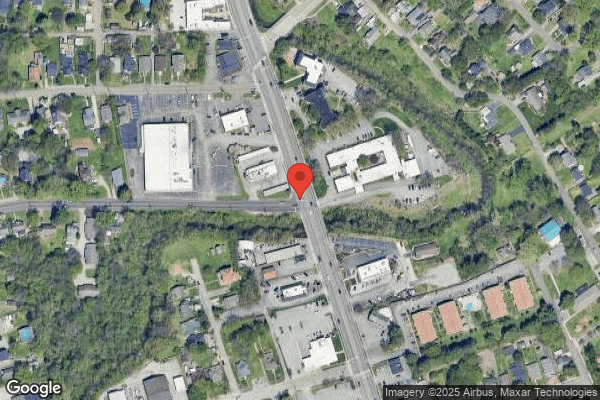

3300 BROADWAY NE, KNOXVILLE, TN 37917 (865) 686-7300
For profit - Corporation 91 Beds THE ENSIGN GROUP Data: November 2025
Trust Grade
45/100
#182 of 298 in TN
Last Inspection: June 2022

Over 2 years since last inspection. Current conditions may differ from available data.

Overview

Creekview Health and Rehabilitation has received a Trust Grade of D, indicating below-average quality with some concerning issues. They rank #182 out of 298 facilities in Tennessee, placing them in the bottom half, and #11 out of 13 in Knox County, meaning there are only two better options locally. The facility appears to be improving, as they reduced their issues from 10 in 2022 to just 1 in 2023. However, staffing is a significant concern, with a poor rating of 1/5 stars and a high turnover rate of 69%, which is well above the state average of 48%. On a positive note, they have not incurred any fines, suggesting better compliance with regulations, and they maintain average RN coverage, which is important for resident safety. Specific incidents include a failure to provide adequate weekend staffing, potentially affecting all residents, and issues with food storage and sanitation practices, which could impact residents’ health. Overall, while there are some strengths, families should weigh these concerns carefully.

Trust Score
D
45/100
In Tennessee
#182/298
Bottom 39%
Safety Record
Low Risk
No red flags
Inspections
Getting Better
10 → 1 violations
Staff Stability
⚠ Watch
69% turnover. Above average. Higher turnover means staff may not know residents' routines.
Penalties
✓ Good
No fines on record. Clean compliance history, better than most Tennessee facilities.
Skilled Nurses
⚠ Watch
Each resident gets only 29 minutes of Registered Nurse (RN) attention daily — below average for Tennessee. Fewer RN minutes means fewer trained eyes watching for problems.
Violations
⚠ Watch
27 deficiencies on record. Higher than average. Multiple issues found across inspections.
★★☆☆☆
2.0
Overall Rating
★☆☆☆☆
1.0
Staff Levels
★★★★★
5.0
Care Quality
★★☆☆☆
2.0
Inspection Score
Stable
2022: 10 issues
2023: 1 issues

The Good

  • 5-Star Quality Measures · Strong clinical quality outcomes
  • Full Sprinkler Coverage · Fire safety systems throughout facility
  • No fines on record

Facility shows strength in quality measures, fire safety.

The Bad

2-Star Overall Rating

Below Tennessee average (2.8)

Below average - review inspection findings carefully

Staff Turnover: 69%

23pts above Tennessee avg (46%)

Frequent staff changes - ask about care continuity

Chain: THE ENSIGN GROUP

Part of a multi-facility chain

Ask about local staffing decisions and management

Staff turnover is elevated (69%)

21 points above Tennessee average of 48%

The Ugly 27 deficiencies on record

Feb 2023 1 deficiency
CONCERN (D) 📢 Someone Reported This

A family member, employee, or ombudsman was alarmed enough to file a formal complaint

Potential for Harm - no one hurt, but risky conditions existed

Free from Abuse/Neglect (Tag F0600)

Could have caused harm · This affected 1 resident

**NOTE- TERMS IN BRACKETS HAVE BEEN EDITED TO PROTECT CONFIDENTIALITY** Based on facility policy review, medical record review, facility documentation review, observation, and interview, the facility ...

Read full inspector narrative →
**NOTE- TERMS IN BRACKETS HAVE BEEN EDITED TO PROTECT CONFIDENTIALITY** Based on facility policy review, medical record review, facility documentation review, observation, and interview, the facility failed to prevent and protect 1 resident (Resident #3) from abuse of 3 residents reviewed for abuse. The findings include: Review of the facility policy titled, Abuse, Neglect and Exploitation, revised 8/30/2022, showed .It is the policy of this facility to provide protections for the health, welfare, and rights of each resident by developing and implementing written policies and procedures that prohibit and prevent abuse .Abuse is defined as willful infliction of injury . Resident #2 was admitted to the facility on [DATE] with diagnoses including Muscle Weakness, Cerebellar Ataxia, Hypertension, and Chronic Kidney Disease. Review of Resident #2's quarterly Minimum Data Set (MDS) assessment dated [DATE] showed Brief Interview of Mental Status (BIMS) score was 14 indicating the resident was cognitively intact, had no mood indicators, and no behaviors were documented. The resident required extensive assistance of 1 staff for bed mobility, transfers, dressing, toilet use, personal hygiene, and total assistance with bathing. Resident able to feed self. Review of Resident #2's care plan dated 2/17/2020 showed resident had behavior of refusal of care and care resistance interventions in place. Interventions medications as ordered, monitor behaviors and side effects of medications, and psych services as indicated. Resident #3 was admitted to the facility on [DATE] with diagnoses including Diffuse Traumatic Brain Injury, Muscle Weakness, Anxiety, and Hemiplegia and Hemiparesis following Cerebral Infarction. Review of Resident #3's quarterly Minimum Data Set (MDS) assessment dated [DATE] showed Brief Interview of Mental Status (BIMS) score was 12 indicating the resident had moderate cognitive impairment, had no mood indicators, and no behaviors documented. The resident required limited assistance of 1 staff for bed mobility, transfers, dressing, eating, toilet use, personal hygiene, and extensive assistance with bathing. Resident received antianxiety medication routinely. Review of Resident #3's care plan dated 3/17/2022 showed resident had behavior of sexual inappropriate with the staff, interventions in place. Interventions medication Depo injection (hormone progestin used to decrease sexual behavior) as ordered, set boundaries for resident, monitor behaviors and side effects of medications, Psych services as indicated. Review of a nurse progress note for Resident #3 dated 12/25/2022 staff noted resident was standing in front of roommate hitting roommate, residents separated no apparent injury noted, when asked why he hit his roommate resident stated he had my hat. Notified Nurse Practitioner for order to send resident out to hospital for evaluation. Noted resident had a split lip, resident stated roommate hit him in the face during the altercation, he denied any pain. Review of the facility's investigation dated 12/25/2022 showed Resident #3 attempted to hit Resident #2 because he wanted his hat. Resident #2 stated .I was wearing my hat and Resident #3 grabbed it and hit me in the chest. I punched him in the leg and in the mouth, he started it . Certified Nursing Assistant (CNA) stated Resident #3 was standing over Resident #2 and swinging at him. Resident #2 was swinging back at him. The CNA separated the 2 residents immediately. Review of a nurse progress note for Resident #3 dated 12/25/2022 showed resident was transported by EMS (Emergency Medical Service) to the hospital for evaluation. Review of a hospital emergency room physician progress note dated 12/25/2022 for Resident #3 showed .Patient was punched in the face presented with facial pain, CT [Computerized Tomography] of the maxillofacial bones is negative for any acute fractures. There was no loss of consciousness, and the mechanism of the trauma was minor, no concern for any other underlying injuries. Patient has a completely nonfocal neurological exam and stable vital signs. Stable for discharge . During an interview on 1/13/2023 at 2:00 PM, Resident #2 revealed my roommate was taking my hat away and he would not give it back, and he was standing over me swinging his arm, he punched me in the chest, so I punched him in the face. During an interview on 2/13/2023 at 2:36 PM, Resident #3 denied he had been hit by another resident. He did not recall the altercation. During observation on 2/13/2023 at 10:00 AM, showed Resident #2 in his room on the first unit, no behaviors noted. During an observation on 2/13/2023 at 10:10 AM, showed Resident #3 in his room on the second unit of the facility, no behaviors noted. During an interview on 2/14/2023 at 1:30 PM, the Administrator confirmed, during the altercation between Resident #2 and Resident #3, Resident #3 had sustained a minor injury to his lip.
Jun 2022 10 deficiencies
CONCERN (D)

Potential for Harm - no one hurt, but risky conditions existed

Comprehensive Assessments (Tag F0636)

Could have caused harm · This affected 1 resident

**NOTE- TERMS IN BRACKETS HAVE BEEN EDITED TO PROTECT CONFIDENTIALITY** Based on review of the Resident Assessment Instrument (RAI) Version 3.0 Manual, medical record review, and interview, the facili...

Read full inspector narrative →
**NOTE- TERMS IN BRACKETS HAVE BEEN EDITED TO PROTECT CONFIDENTIALITY** Based on review of the Resident Assessment Instrument (RAI) Version 3.0 Manual, medical record review, and interview, the facility failed to complete a comprehensive resident admission assessment within 14 calendar days after admission for 1 resident (Resident #1) of 20 residents reviewed. The findings include: Review of the RAI Manual admission Version 3.0 dated 10/2019, showed the admission assessment can be no more than 14 days from the date of admission or reentry, whichever is later. Resident #1 was admitted to the facility on [DATE] with diagnoses including Chronic Atrial Fibrillation, Heart Failure, Type 2 Diabetes, and Chronic Kidney Disease. Review of Resident #1's admission Minimum Data Set (MDS) assessment dated [DATE], showed the assessment was not completed until 1/24/2022, 4 days late. During an interview on 6/28/2022 at 9:23 AM, the Special Project Nurse confirmed the admission assessment had been completed late, more than 14 days after the resident was admitted to the facility.
CONCERN (D)

Potential for Harm - no one hurt, but risky conditions existed

Deficiency F0655 (Tag F0655)

Could have caused harm · This affected 1 resident

**NOTE- TERMS IN BRACKETS HAVE BEEN EDITED TO PROTECT CONFIDENTIALITY** Based on facility policy review, medical record review, observation, and interview, the facility failed to develop a baseline ca...

Read full inspector narrative →
**NOTE- TERMS IN BRACKETS HAVE BEEN EDITED TO PROTECT CONFIDENTIALITY** Based on facility policy review, medical record review, observation, and interview, the facility failed to develop a baseline care plan to include the use of psychotropic medications for 1 resident (Resident #160) of 5 residents reviewed for unnecessary medications. The findings include: Review of the facility policy, Baseline Care Plan, revised 3/22/2022, showed .The facility will develop and implement a baseline care plan for each resident that includes the instructions needed to provide effective and person-centered care of the resident that meet professional standards of quality care .The baseline care plan will .Include the minimum healthcare information necessary to properly care for a resident .Initial goals based on admission orders .Physician orders .The admitting nurse .shall gather information from the admission .physician orders .Interventions shall be initiated that address the resident's current needs including .Any identified needs for supervision, behavioral interventions . Resident #160 was admitted to the facility on [DATE] with diagnoses including Muscle Weakness, Type 2 Diabetes Mellitus, Acute Kidney Failure, Morbid Obesity, and Rhabdomyolysis. Review of Resident #160's Order Summary Report showed an order dated 6/16/2022, for Alprazolam (a psychotropic medication used for anxiety) 0.5 mg (milligrams) to be administered every 8 hours as needed for anxiety. Review of Resident #160's Medication Administration Record (MAR) dated 6/16/2022-6/27/2022, showed the resident had been administered the Alprazolam 9 days of the 12-day period. Review of the baseline care plan dated 6/17/2022, showed no documentation the resident had been care planned for the use of the psychotropic medication with interventions to include the monitoring of side effects or behaviors. Review of Resident #160's admission Minimum Data Set (MDS) assessment dated [DATE], showed the resident had a Brief Interview for Mental Status (BIMS) assessment score of 15, which indicated the resident was cognitively intact. Observations of the resident on 6/26/2022 at 9:27 AM, 6/27/2022 at 1:20 PM, and 6/28/202 at 8:30 AM, showed the resident awake, talkative, and with no behaviors noted. During an interview on 6/27/2022 at 2:51 PM, the Director of Nursing (DON) confirmed the resident had a psychotropic medication ordered on admission and the baseline care plan did not include the use of the Alprazolam or the need for side effect monitoring and behavior monitoring for the use of the psychotropic medication.
CONCERN (D)

Potential for Harm - no one hurt, but risky conditions existed

Quality of Care (Tag F0684)

Could have caused harm · This affected 1 resident

**NOTE- TERMS IN BRACKETS HAVE BEEN EDITED TO PROTECT CONFIDENTIALITY** Based on facility policy review, medical record review, observation, and interview, the facility failed to follow a physician's ...

Read full inspector narrative →
**NOTE- TERMS IN BRACKETS HAVE BEEN EDITED TO PROTECT CONFIDENTIALITY** Based on facility policy review, medical record review, observation, and interview, the facility failed to follow a physician's order for wound treatment for 1 resident (Resident #10) of 4 residents reviewed for wounds. The findings include: Review of the facility policy titled, Wound Treatment Management, revised 3/24/2022, showed .Wound treatment will be provided in accordance to physician orders, including .type of dressing, and frequency of dressing change .The facility will follow specific physician orders for providing wound care . Resident #10 was admitted to the facility on [DATE] with diagnoses including Dementia, Peripheral Vascular Disease, Type 2 Diabetes Mellitus, Heart Failure, Impulse Disorders, Hypothyroidism, Adult Failure To Thrive, and Need For Assistance With Personal Care. Review of the Order Summary Report dated 6/4/2021, showed .House NP [Nurse Practitioner] Wound Care to eval [evaluate] and treat . Review of the quarterly Minimum Data Set (MDS) assessment dated [DATE], showed Resident #10 had severe cognitive impairment. The resident required total assistance of 2 staff members for bed mobility, toileting, and had impaired range of motion to both legs. Review of Resident #10's Weekly Skin Review dated 5/25/2022, 6/1/2022, 6/8/2022- and 6/15/2022, showed the resident did not have any skin breakdown issues identified. Review of a physician order dated 6/22/2022, revealed apply betadine (antimicrobial skin cleanser) to left upper leg/outer thigh and leave open to air. Review of the comprehensive care plan initiated 6/22/2022, revealed Resident #10 had a wound to his outer thigh with interventions to include: measure wound every week and treatment as ordered . Review of a Wound Care Progress Note dated 6/23/2022, revealed the Wound Care Nurse Practitioner documented .Seeing the resident today to assess a wound .history of vascular disease .contracture .ulcer to the left thigh measuring 6.8 centimeters [cm] x 4.8 cm .necrotic [dead] tissue .no drainage .betadine daily .right inner leg .blanchable redness .foam protective dressing . The progress note documented the resident had vascular/venous wounds to the left upper thigh and the right outer leg. Review of the medical record showed there was no documentation a physician's order was written for the foam protective dressing to the right inner leg as documented in the Wound Care Nurse Practitioner's wound care progress note dated 6/23/2022. Review of the Order Summary Report dated 6/26/2022, showed .heel elevating cushion .while in bed .Nursing to ensure in place and properly positioned .every shift .heel protectors while in bed every shift .padded limb protection stockings: Nursing to ensure in place to bilateral shins/lower extremity to offload pressure when resident crosses limbs. May need to change position of protective stocking throughout shift to ensure proper placement. every shift for Skin integrity Monitor for placement . Observation of Resident #10 on 6/26/2022 at 9:08 AM, in his room, showed the resident lying in bed on his left side holding on to the side rail with his right arm. Observation showed no heel elevating cushions, heel protectors, or padded limb protection stockings in place. Review of a Weekly Wound Observation Tool dated 6/26/2022, showed .first observation of this wound .Yes [indicating skin issues identified] .Date of Onset .6/26/2022 .see wound nurse report . Review of a Progress Note (Wound Nurse Report) dated 6/26/2022, showed the nurse was called into Resident #10's room by a Certified Nursing Assistant (CNA) to assess Resident #10's skin. The report documented the following wounds were observed: 1. Right lateral side of the lower leg was open with 100% granulation (beefy red tissue) which measured 2.2 cm x 0.9 cm 2. The left side of the left lower leg had an open area which contained 30% slough (yellow or tan tissue in a wound) and 70% granulation which measured 4.0 cm x 1.5 cm 3. The right side of the left lower leg had a fluid filled blister which measured 4.0 cm x 1.7cm 4. Right inner lower leg had multiple superficial (surface) wounds which measured in total 11 cm x 3.5 cm 5. Right inner ankle wound with 100% granulation which measured 1.5 cm x 3.5 cm 6. Right outer ankle wound which measured 1 cm x 1.6 cm with no tissue description 7. Right inner side of foot wound which measured 2.2 cm x 0.9 cm with no tissue description 8. Right outer side of foot wound which measured 2 cm x 1.3 cm with no tissue description 9. Right heel blister with a darkened wound base which measured 2.5 cm x 4.9 cm 10. A wound to the bottom of the left heel which measured 2 cm x 2.5 cm with no tissue description 11. A wound to the back of the left heel which measured 2 cm x 3 cm with no tissue description 12. Left side of foot wound near the 5th toe which measured 0.7 cm x 1 cm with no tissue description 13. Left great toe wound with a darkened area which measured 0.7 cm x 0.5 cm 14. Left 2nd toe wound with a darkened area which measured 0.5 cm x 1.3 cm 15. Left 3rd toe wound with a darkened area which measured 0.4 cm x 0.7 cm 16. Left buttock reddened/blanchable which measured 4 cm x 3 cm There was no documentation of the wound to the left upper leg/outer thigh which was noted in the 6/23/2022 Wound Nurse Practitioner progress note. Review of Resident #10's physician orders dated 6/26/2022 showed the following treatment orders: 1. Bilateral heels: Betadine daily cover with dry dressing daily 2. Cleanse open areas to left side of the left lower leg with normal saline and apply wound ointment. Cover with bordered gauze dressing and change daily 3. Left buttock bordered foam dressing to the reddened area daily 4. Left great, second, and third toes: betadine to the darkened areas twice daily 5. Left outer side of foot near the 5th toe cover with border gauze daily 6. Right inner ankle: Cleanse with normal saline and apply a bordered foam dressing daily 7. Right inner lower leg: Cover area with protective bordered foam dressing, change daily, and monitor for changes 8. Right outer ankle: Cover with foam bordered dressing daily Observation of Resident #10 on 6/27/2022 at 10:10 AM, in his room, showed the resident awake and lying on his back, covered with a sheet. Observation showed no heel elevating cushions, heel protectors, or padded limb protection stockings in place. Observation of Resident #10 on 6/28/2022 at 8:18 AM, in his room, showed the resident lying on his back covered with a sheet. Observation showed no heel elevating cushions or heel protectors in place. The padded limb protection stockings were in place on both lower legs but had slid down and were not in the proper position. Review of the Treatment Administration Record (TAR) dated 6/1/2022-6/28/2022, showed there was no documentation wound care had been provided to the left upper leg on 6/26/2022, 6/27/2022, or 6/28/2022. The was no documentation of a physician's order for a foam protective dressing to the right inner leg. During an interview on 6/28/2022 at 8:30 AM, the Wound Care Nurse stated she had received a text from the Wound Care Nurse Practitioner on 6/23/2022 at 4:03 PM regarding Resident #10's left upper thigh wound. She confirmed she had not assessed the wounds until 6/26/2022 (3 days later) when a CNA asked her to come assess the resident's skin. The Wound Care Nurse confirmed Resident #10 had multiple wounds at the time she assessed him on 6/26/2022. During an observation on 6/28/2022 at 10:04 AM of Resident #10's wounds with the Wound Care Nurse showed the following: 1. Upon entering the room, the heel elevating cushions, and heel protectors were not in place and were not in the room. The padded limb protection stockings were in place on both lower legs but had slid down and were not in the proper position. 2. A wound to the left upper thigh was covered with an undated border gauze dressing. The physician's order was to leave the wound open to air. The nurse removed the dressing and there was an oval shaped wound with a dark colored center. A small amount of yellow tinged drainage was noted on the dressing with no odor. 3. Bilateral heels had intact dark colored skin with no dressing covering the wounds and the physician's order was to cover the heels with a dry dressing. The nurse applied betadine but did not apply the physician ordered dressing. 4. The left lower leg had multiple scattered superficial open areas with no dressing in place. The nurse applied normal saline with wound ointment and left open to air. The physician's order was to cover the wounds with border gauze dressings. 5. The left great, second, and third toes had small dark intact areas. The nurse applied betadine and left the toes open to air as ordered by the physician. 6. The wound to the left outer foot near the 5th toe had no dressing in place and was a small dark intact area. The nurse applied betadine to the wound and left it open to air. The physician's order was to cover the wound with gauze and not to apply betadine. 7. The right lower inner and outer leg, which had not been previously documented in the wound care assessments, had a dressing in place dated 6/26/2022 with the Wound Care Nurse's initials. The wound care nurse removed a wrapped gauze dressing, and underneath the dressing was three 4 x 5 bordered gauze dressings on the inner side of the leg, placed directly against the resident's skin. There was a moderate amount of yellow tinged drainage observed on the dressings with no odor. Observation of the wounds showed the inner aspect of the leg had a large open wound with red beefy tissue. The outer aspect of the leg had an elongated skin tear with a small amount of bleeding noted. The wound care nurse cleansed the wounds with normal saline, applied four 4 x 5 bordered gauze dressings, and applied betadine to the skin tear on the outer aspect of the leg. The physician's order was for a bordered foam dressing to be applied daily to the inner aspect of the lower leg. Further observation after the wound care nurse had exited the room and during CNA repositioning of the resident, showed a small, reddened area to the left buttock with no dressing in place. The physician had ordered border foam dressing to be changed daily. Prior to exiting the room, the CNA's reapplied the Limb Protection Stocking but did not put apply the heel elevating cushions and heel protectors. During an interview on 6/28/2022 at 10:25 AM, the Wound Care Nurse confirmed she had wrapped the lower right leg with a gauze dressing on 6/26/2022 and placed her initials on the dressing. She also confirmed the wound dressing had not been changed as ordered and the incorrect dressing had been applied. During an interview on 6/28/2022 at 10:51 AM, the Wound Care Nurse Practitioner (NP) stated she was contacted by a nurse at the facility on 6/22/2022 and had been made aware the resident had a new wound to the upper thigh and a treatment was ordered. During her weekly scheduled visit to the facility on 6/23/2022, she had been informed by the Director of Nursing (DON) to assess Resident #10's skin. The resident had blanching redness with no open wounds to the right lower inner leg (the resident's right lower extremity was contracted and the left leg would lay across the right leg applying pressure). The Wound Care NP gave a verbal order to the DON for the bordered foam dressing to be applied once daily. The NP confirmed the DON had not placed the order for the foam dressing in the electronic health record and the foam dressing was the most appropriate dressing to treat the wounds and relieve pressure. The NP confirmed an occlusive dressing such as the border gauze and gauze wrap could cause deterioration of the wounds to the right inner lower leg. During an observation and interview on 6/28/2022 at 11:00 AM with the Wound Care Nurse Practitioner in Resident #10's room, the Wound Care Nurse Practitioner removed the dressing to the left upper thigh wound and stated the wound now had drainage since she last observed it on 6/23/2022. The Wound Care Nurse Practitioner then removed the dressing from the right inner lower leg and stated the skin was intact upon her last observation on 6/23/2022 and the wound was now open. Record review of a physician's order dated 6/28/2022, showed the Wound Care Nurse Practitioner wrote an order for Santyl 250 UNIT/GM (Gram) (ointment used to debride a wound). The Wound Care Nurse Practitioner ordered to apply Santyl to the necrotic area and cover the left upper thigh area with a dry dressing daily. During an interview on 6/28/2022 at 3:19 PM, the DON confirmed if the incorrect dressing was applied it could cause the wound to deteriorate.
CONCERN (D)

Potential for Harm - no one hurt, but risky conditions existed

Deficiency F0692 (Tag F0692)

Could have caused harm · This affected 1 resident

**NOTE- TERMS IN BRACKETS HAVE BEEN EDITED TO PROTECT CONFIDENTIALITY** Based on facility policy review, medical record review, observation, and interview, the facility failed to follow a physician's ...

Read full inspector narrative →
**NOTE- TERMS IN BRACKETS HAVE BEEN EDITED TO PROTECT CONFIDENTIALITY** Based on facility policy review, medical record review, observation, and interview, the facility failed to follow a physician's order for an oral nutritional supplement for weight loss for 1 resident (Resident #37) of 3 residents reviewed for weight loss. The findings include: Review of the facility policy titled, Nutritional Management, dated 1/2/2020, showed .The facility provides care and services to each resident to ensure the resident maintains acceptable parameters of nutritional status .Interventions will .address the specific needs of the resident . Resident #37 was admitted to the facility on [DATE] and readmitted on [DATE] with diagnoses including Anxiety Disorder, Repeated Falls, Symptoms and Signs Concerning Food and Fluid Intake, and Major Depressive Disorder. Review of Resident #37's facility documented weights showed on 5/5/2022 the resident was 86 pounds, and on 6/15/2022 was 84 pounds, indicating a weight loss of 2 pounds or 2.33 % (percent) loss. Review of a Certified Dietary Manager Progress Note dated 5/23/2022, showed .increase fortified shakes to TID [three times a day] to provided [provide] additional 725 .cal [calories] and 26 gm [gram] protein total . Review of Resident #37's active physician orders showed, .Fortified Shake three times a day for weight loss .with all meals .Order Date 05/23/2022 . Review of Resident #37's meal tray card showed the resident received a nutritional treat (fortified shake) at lunch and supper. During an observation on 6/27/2022 at 8:10 AM, Resident #37 did not have a fortified shake on her breakfast tray. During an interview on 6/27/2022 at 8:15 AM, Certified Nurse Assistant (CNA) #1 stated she cared for Resident #37 routinely and she was not aware the resident had an order to receive a shake at breakfast; it is never on her tray. During an observation on 6/28/2022 8:15 AM, Resident #37 did not have a fortified shake on her breakfast tray. During an interview on 6/28/2022 at 8:20 AM, the Director of Nursing confirmed Resident #37 did not have a fortified shake on the breakfast tray. During an interview on 6/28/2022 at 9:55 AM, the Special Projects Nurse confirmed the resident had a physician's order for shakes three times a day dated 5/23/2022. During an interview on 6/28/2022 at 2:35 PM, the Culinary Services Manager stated he had not been made aware Resident #37 had an order to increase the fortified shakes to three times a day. He confirmed the resident did not receive the fortified shakes at breakfast.
CONCERN (D)

Potential for Harm - no one hurt, but risky conditions existed

Drug Regimen Review (Tag F0756)

Could have caused harm · This affected 1 resident

**NOTE- TERMS IN BRACKETS HAVE BEEN EDITED TO PROTECT CONFIDENTIALITY** Based on facility policy review, medical record review, pharmacy recommendation review, and interview, the facility failed to ac...

Read full inspector narrative →
**NOTE- TERMS IN BRACKETS HAVE BEEN EDITED TO PROTECT CONFIDENTIALITY** Based on facility policy review, medical record review, pharmacy recommendation review, and interview, the facility failed to act timely on a pharmacy recommendation for 1 resident (Resident #8) of 5 residents reviewed for unnecessary medications. The findings include: Review of the facility policy titled, Medication Regimen Review, dated 5/2022, showed .The consultant pharmacist performs a comprehensive review of each resident's medication regimen and clinical record at least monthly .Recommendations are acted upon and documented by the facility staff . Review of the facility policy titled, Consultant Pharmacist Reports, dated 5/2022, showed .The consultant pharmacist works with the facility to establish a system whereby the consultant pharmacist observations and recommendations regarding residents' medication therapies are communicated to those with authority and/or responsibility to implement the recommendations, and are responded to in an appropriate and timely fashion .If the prescriber does not respond to recommendation directed to him/her [within 30 days], the Director of Nursing and/or the consultant pharmacist may contact the Medical Director . Resident #8 was admitted to the facility on [DATE] with diagnoses including Insomnia, Hypertension, Major Depressive Disorder, Anxiety Disorder, and Chronic Pain. Review of Resident #8's quarterly Minimum Data Set (MDS) assessment dated [DATE], showed the resident had a Brief Interview for Mental Status (BIMS) assessment score of 15, which indicated he was cognitively intact. Resident #8 had received antianxiety and antidepressant medications daily. Review of Resident #8's comprehensive care plan dated 10/8/2019, showed the resident received antianxiety medications related to a diagnosis of Anxiety Disorder with interventions which included .Pharmacist to review medications per facility policy with consideration of gradual dose reduction . Review of a consultant pharmacist review dated 12/12/2021, showed the pharmacist recommended a gradual dose reduction of Resident #8's Buspirone (medication used to treat anxiety) to 7.5 mg (milligram) three times daily. The Nurse Practitioner (NP) had signed the recommendation and agreed with the reduction on 2/22/2022, 72 days later. During an interview on 6/28/2022 at 1:59 PM, the Special Projects Nurse (SPN) confirmed the facility had not acted upon the pharmacist's recommendation timely.
CONCERN (D)

Potential for Harm - no one hurt, but risky conditions existed

Medication Errors (Tag F0758)

Could have caused harm · This affected 1 resident

**NOTE- TERMS IN BRACKETS HAVE BEEN EDITED TO PROTECT CONFIDENTIALITY** Based on facility policy review, medical record review, pharmacy recommendation review, and interview, the facility failed to pr...

Read full inspector narrative →
**NOTE- TERMS IN BRACKETS HAVE BEEN EDITED TO PROTECT CONFIDENTIALITY** Based on facility policy review, medical record review, pharmacy recommendation review, and interview, the facility failed to provide a gradual dose reduction per pharmacist recommendation for 1 resident (Resident #8) of 5 residents reviewed for unnecessary medications. The findings include: Review of the facility policy titled, Consultant Pharmacist Reports, dated 5/2022, showed .The consultant pharmacist works with the facility to establish a system whereby the consultant pharmacist observations and recommendations regarding residents' medication therapies are communicated to those with authority and/or responsibility to implement the recommendations, and are responded to in an appropriate and timely fashion .If the prescriber does not respond to recommendation directed to him/her [within 30 days], the Director of Nursing and/or the consultant pharmacist may contact the Medical Director . Resident #8 was admitted to the facility on [DATE] with diagnoses including Insomnia, Hypertension, Major Depressive Disorder, Anxiety Disorder, and Chronic Pain. Review of Resident #8's quarterly Minimum Data Set (MDS) assessment dated [DATE], showed the resident had a Brief Interview for Mental Status (BIMS) assessment score of 15, which indicated he was cognitively intact. Resident #8 had received antianxiety and antidepressant medications daily. Review of Resident #8's comprehensive care plan dated 10/8/2019, showed the resident received antianxiety medications related to a diagnosis of Anxiety Disorder with interventions which included .Pharmacist to review medications per facility policy with consideration of gradual dose reduction . Review of a consultant pharmacist review dated 12/12/2021, showed the pharmacist recommended a gradual dose reduction of Resident #8's Buspirone (a medication used to treat anxiety) from 10 mg (milligrams) three times per day to be decreased to 7.5 mg three times daily. The Nurse Practitioner (NP) had signed the recommendation and agreed with the reduction on 2/22/2022. Review of Resident #8's Order Summary Report (current orders) showed an order for .Buspirone .10 mg .three times daily . During an interview on 6/28/2022 at 1:59 PM, the Special Projects Nurse (SPN) confirmed the NP had agreed with the pharmacy recommendation on 2/22/2022 to decrease Resident #8's Buspirone from 10 mg to 7.5 mg three times daily. The SPN confirmed the resident's Buspirone had not been decreased to 7.5 mg and the facility had failed to provide the recommended gradual dose reduction.
CONCERN (E)

Potential for Harm - no one hurt, but risky conditions existed

Comprehensive Care Plan (Tag F0656)

Could have caused harm · This affected multiple residents

**NOTE- TERMS IN BRACKETS HAVE BEEN EDITED TO PROTECT CONFIDENTIALITY** Based on review of the facility policy, medical record review, observation, and interview, the facility failed to develop a comp...

Read full inspector narrative →
**NOTE- TERMS IN BRACKETS HAVE BEEN EDITED TO PROTECT CONFIDENTIALITY** Based on review of the facility policy, medical record review, observation, and interview, the facility failed to develop a comprehensive care plan to include a urinary catheter for 1 resident (Resident #12), to include Activities of Daily Living (ADL) for bathing for 4 residents (Residents #14, #29, #52, and #210), and to include use of psychotropic medications for 1 resident (Resident #35) of 20 residents reviewed for care plans. The findings include: Review of the facility policy titled, Comprehensive Care Plans, dated 1/2/2020, revealed .It is the policy of this facility to develop and implement a comprehensive person-centered care plan for each resident, consistent with resident rights, that includes measurable objectives and timeframes to meet a resident's medical, nursing, and mental and psychosocial needs that are identified in the resident's comprehensive assessment .The comprehensive care plan will be developed within 7 days after the completion of the comprehensive MDS [Minimum Data Set] assessment . Resident #12 was admitted to the facility on [DATE] with diagnoses including Chronic Obstructive Pulmonary Disease, Fracture to Left Leg, Morbid Obesity, and Heart Failure. Record review of Resident #12's quarterly Minimum Data Set (MDS) assessment dated [DATE], showed the Brief Interview of Mental Status (BIMS) assessment score was 14, which indicated the resident was cognitively intact. The resident required extensive assistance of 2 staff for ADL care needs and had an indwelling catheter. Review of a Physician's Order dated 4/8/2022, showed an order for an indwelling catheter to be inserted. Review of Resident #12's care plan showed no documentation of an indwelling catheter. During an observation on 6/26/2022 at 8:30 AM, showed the resident lying in bed on the left side with an indwelling catheter present. During an interview on 6/27/2022 at 2:42 PM, the Director of Nursing (DON) confirmed there had not been a comprehensive care plan developed to address the use of an indwelling catheter for Resident #12. Resident #14 was admitted to the facility on [DATE] and readmitted on [DATE] with diagnoses including Chronic Obstructive Pulmonary Disease, Hypertension, Repeated Falls, and Abnormalities of Gait and Mobility. Review of Resident #14's comprehensive care plan dated 10/15/2021, showed the resident had an Activities of Daily Living (ADL) self-care performance deficit with interventions which included the need for assistance with oral care. There was no documentation of the resident's need for assistance with bathing/showers. Review of Resident #14's admission MDS assessment dated [DATE], showed the resident had a BIMS assessment score of 15, which indicated she was cognitively intact. She required physical help with one staff member assistance for part of her bathing. Review of Resident #14's quarterly MDS assessment dated [DATE], showed the resident had a BIMS assessment score of 15 and she was totally dependent with one staff member assistance for bathing. During an interview on 6/27/2022 at 3:03 PM, the DON confirmed Resident #14 required assistance with bathing and her comprehensive care plan did not address her need for assistance with bathing. Resident #29 was admitted to the facility on [DATE] with diagnoses including Intervertebral Disc Degeneration, Atherosclerotic Heart Disease, Chronic Kidney Disease, Cerebral Infarction, and Type 2 Diabetes Mellitus. Review of Resident #29's admission MDS assessment dated [DATE], showed the resident had a BIMS assessment score of 6, which indicated she had severe cognitive impairment. She was dependent with one staff member assistance for bathing. Review of Resident #29's comprehensive care plan dated 4/22/2022, showed a care plan for ADL needs to include her need for assistance with bathing had not been developed. During an interview on 6/27/2022 at 2:58 PM, the DON confirmed Resident #29 did require assistance with bathing and there had not been a comprehensive care plan developed to address her need for assistance with ADL's which would include her need for assistance with bathing. Resident #52 was admitted to the facility on [DATE] with diagnoses including Cerebral Infarction, Hypertension, Major Depressive Disorder, Type 2 Diabetes Mellitus, and Pain. Review of Resident #52's admission MDS assessment dated [DATE], showed a BIMS assessment score of 13, which indicated the resident was cognitively intact. The resident required extensive assistance of one staff member for personal hygiene and had not bathed in the previous 7 days. Review of Resident #52's comprehensive care plan dated 5/29/2022, showed the resident had an ADL self-care performance deficit. There were no interventions listed on the care plan for ADL needs which would include her need for bathing assistance. During an interview on 6/27/2022 at 3:07 PM, the DON confirmed Resident #52 required assistance with bathing and her ADL care plan was incomplete. She confirmed a care plan had not been developed for Resident #52 to include the need for assistance with ADL's, which would include her need for assistance with bathing. Resident #210 was admitted to the facility on [DATE] and readmitted on [DATE] with diagnoses including Enterocolitis due to Clostridium Difficile, Fracture to Pelvis, Fractured Ribs, and Anemia. Review of Resident #210's admission/5-day MDS assessment dated [DATE], showed a BIMS score of 15, which indicated the resident was cognitively intact. The resident required extensive assistance with ADL care needs, and was frequently incontinent of bowel and bladder. Review of a care plan for Resident #210 dated 5/26/2022, showed no documentation a comprehensive care plan had been developed for Resident #210. During an interview on 6/27/2022 at 2:42 PM, the DON confirmed a comprehensive care plan had not been developed for Resident #210. Resident #35 was admitted to the facility on [DATE] and re-admitted on [DATE] with diagnoses including Chronic Respiratory Failure, Dysphagia, Morbid Obesity, Hypothyroidism, Type 2 Diabetes Mellitus, Anxiety Disorder, Major Depressive Disorder, and Encephalopathy. Review of Resident #35's Order Summary Report showed the resident had a physician's order dated 5/18/2022 for Buspirone (a psychotropic medication used to treat anxiety) 10 mg (milligrams) to be administered twice daily, and a physician's order dated 5/18/2022 for Sertraline (a psychotropic medication used to treat depression) 100 mg to be administered once daily. Review of Resident #35's significant change MDS assessment dated [DATE], showed the resident had a BIMS assessment score of 5, which indicated the resident had severe cognitive impairment. The resident had received an antianxiety medication and an antidepressant medication daily. Review of Resident #35's care plan showed no documentation a care plan had been developed for the use of psychotropic medications which would include interventions for the monitoring of side effects of psychotropic medications and behaviors. During an interview on 6/28/2022 at 1:59 PM, the Special Projects Nurse (SPN) confirmed Resident #35 was receiving psychotropic medications and a care plan had not been developed to address the use of psychotropic medication which would include interventions to monitor for side effects of medication and behaviors.
CONCERN (E)

Potential for Harm - no one hurt, but risky conditions existed

ADL Care (Tag F0677)

Could have caused harm · This affected multiple residents

**NOTE- TERMS IN BRACKETS HAVE BEEN EDITED TO PROTECT CONFIDENTIALITY** Based on facility policy review, medical record review, facility shower schedule review, and interview, the facility failed to p...

Read full inspector narrative →
**NOTE- TERMS IN BRACKETS HAVE BEEN EDITED TO PROTECT CONFIDENTIALITY** Based on facility policy review, medical record review, facility shower schedule review, and interview, the facility failed to provide scheduled showers for 4 residents (Residents #14, #29, #52, and #160) of 10 residents reviewed for showers. The findings include: Review of the facility policy titled, Bathing a Resident, dated 1/2/2020, showed .It is the practice of this facility to assist residents with bathing to maintain proper hygiene and help prevent skin issues . Resident #14 was admitted to the facility on [DATE] and readmitted on [DATE] with diagnoses including Chronic Obstructive pulmonary Disease, Hypertension, Repeated Falls, and Abnormalities of Gait and Mobility. Review of Resident #14's quarterly Minimum Data Set (MDS) assessment dated [DATE], showed the resident had a Brief Interview for Mental Status (BIMS) assessment score of 15, which indicated the resident was cognitively intact. She was totally dependent with one staff member assistance for bathing. Review of the facility's shower schedule revised 6/15/2022, showed Resident #14 was to receive a shower on 2nd shift (3:00 PM- 11:00 PM) on Tuesdays and Fridays. Review of Resident #14's shower documentation dated 6/1/2022-6/27/2022, showed the resident had received a shower on 6/23/2022 (Thursday). No other showers were documented for the time period. She did not receive showers on her scheduled shower days of 6/3/2022, 6/7/2022, 6/10/2022, 6/14/2022, 6/17/2022, and 6/21/2022 (6 missed showers). During an interview on 6/26/2022 at 9:52 AM, Resident #14 stated she went for about 3 weeks without a shower. She stated she would like to have a shower more frequently. Resident #29 was admitted to the facility on [DATE] with diagnoses including Intervertebral Disc Degeneration, Atherosclerotic Heart Disease, Chronic Kidney Disease, Cerebral Infarction, and Type 2 Diabetes Mellitus. Review of Resident #29's admission MDS assessment dated [DATE], showed the resident had a BIMS assessment score of 6, which indicated she had severe cognitive impairment. She was dependent with one staff member assistance for bathing. Review of the facility's shower schedule revised 6/15/2022, showed Resident #29 was to receive a shower on Wednesday and Saturday on dayshift (7:00 AM- 3:00 PM). Review of Resident #29's shower documentation dated 6/1/2022-6/27/2022, showed Resident #29 had received a shower on 6/1/2022 (a Wednesday) , 6/15/2022 (a Wednesday), and 6/22/2022 (a Wednesday). There was no documentation Resident #29 had received a shower on 6/4/2022, 6/11/2022, 6/18/2022, or on 6/25/2022 (all Saturdays). She had missed 4 showers for the period. During an interview on 6/26/2022 at 9:50 AM, Resident #29 stated her shower schedule was for Wednesdays and Saturdays. She stated she did receive showers on Wednesdays, but not on Saturdays. She stated she would like more than one shower per week. Resident #52 was admitted to the facility on [DATE] with diagnoses including Cerebral Infarction, Hypertension, Major Depressive Disorder, Type 2 Diabetes Mellitus, and Pain. Review of Resident #52's admission MDS assessment dated [DATE], showed a BIMS assessment score of 13, which indicated the resident was cognitively intact. The resident required extensive assistance of one staff member for personal hygiene and had not bathed in the previous 7 days. Review of the facility's shower schedule revised 6/15/2022, showed Resident #52 was to receive a shower on Mondays and Thursdays on 2nd shift. Review of Resident #52's shower documentation dated 5/25/2022-6/27/2022, showed Resident #52 had received one shower on 6/23/2022 (Thursday). She had missed 9 showers. During an interview on 6/26/2022 at 9:48 AM, Resident #52 stated she had only had one shower since she was admitted on [DATE] and .would like to have a shower at least once a week . Resident #160 was admitted to the facility on [DATE] with diagnoses including Muscle Weakness, Type 2 Diabetes Mellitus, Acute Kidney Failure, Morbid Obesity, and Rhabdomyolysis. Review of Resident #160's admission MDS assessment dated [DATE], showed the resident had a BIMS assessment score of 15, which indicated the resident was cognitively intact. Review of the facility's shower schedule revised 6/15/2022, showed Resident #160 was to receive a shower on Mondays and Thursdays on 2nd shift. Review of Resident #160's shower documentation dated 6/16/2022-6/27/2022, showed no documentation Resident #160 had received a shower. During an interview on 06/27/2022 at 1:20 PM, Resident #160 stated .yesterday was my first time getting a shower . He stated he had asked for a shower on 6/26/2022 and had been told it wasn't his scheduled day for a shower. He stated a male Certified Nursing Assistant (CNA) had agreed to assist him with a shower later that night on the evening shift. The resident stated he had wanted a shower prior to 6/26/2022 .everyone tells you something different .some say we are short of help . During an interview on 6/27/2022 at 1:15 PM, CNA #2 stated she was assigned showers when the shower aide was not working. She stated she had been able to get her assigned showers done .most of the time . She stated she was able to get her showers completed for today because there were 5 CNA's working. During an interview on 6/28/2022 at 8:53 AM, CNA #6 stated she was sometimes unable to complete her assigned showers due to being .shorthanded [short of staff] . During an interview on 6/28/2022 at 1:59 PM, the Special Projects Nurse (SPN) confirmed Resident #14 was scheduled to receive a shower on Tuesdays and Fridays on the 2nd shift. She confirmed Resident #14 was provided one shower from 6/1/2022-6/27/2022 and had missed 6 showers. The SPN confirmed Resident #29 was scheduled to receive showers on Wednesdays and Saturdays on the 1st shift. She confirmed Resident #29 had not received a shower on Saturday's from 6/1/2022-6/27/2022 and confirmed she had missed 4 showers. The SPN confirmed Resident #52 was scheduled to receive showers on Mondays and Thursdays on the 2nd shift. She confirmed from the resident's admit date on 5/25/2022 through 6/27/2022, Resident #52 had missed 9 showers. The SPN confirmed Resident #160 was scheduled to receive a shower on Mondays and Thursdays on the 2nd shift. She confirmed from the resident's admit date on 6/16/2022 through 6/27/2022, Resident #160 had received one shower and had missed 2 showers. She confirmed the facility had not provided showers per the resident's shower schedules.
CONCERN (F)

Potential for Harm - no one hurt, but risky conditions existed

Deficiency F0725 (Tag F0725)

Could have caused harm · This affected most or all residents

**NOTE- TERMS IN BRACKETS HAVE BEEN EDITED TO PROTECT CONFIDENTIALITY** Based on review of the Facility Assessment, review of facility's daily staffing sheets, review of facility shower schedules, med...

Read full inspector narrative →
**NOTE- TERMS IN BRACKETS HAVE BEEN EDITED TO PROTECT CONFIDENTIALITY** Based on review of the Facility Assessment, review of facility's daily staffing sheets, review of facility shower schedules, medical record review, and interview, the facility failed to provide adequate staffing on the weekends to meet the needs of residents in the facility for 2 months (May and June 2022), which had the potential to affect all residents in the facility. The findings include: Review of the Facility Assessment updated 4/25/2022, showed the average daily census was 60. Licensed nurses and Certified Nurse aides (CNA) providing direct care total number needed or average range correlates to census number; staff will be assigned to meet needs of all residents. Review of the facility assignment sheets dated 5/1/2022-5/31/2022 and 6/1/2022-6/27/2022 showed the facility had fewer CNA's working on the weekends. Review of the facility's shower schedule revised 6/15/2022, showed Resident #29 was to receive a shower on Wednesday and Saturday on dayshift (7:00 AM- 3:00 PM). Review of Resident #29's shower documentation dated 6/1/2022-6/27/2022, showed Resident #29 had received a shower on 6/1/2022 (a Wednesday), 6/15/2022 (a Wednesday), and 6/22/2022 (a Wednesday). There was no documentation Resident #29 had received a shower on 6/4/2022, 6/11/2022, 6/18/2022, or on 6/25/2022 (all Saturdays). She had missed 4 showers for the month of June 2022. During an interview on 6/26/2022 at 8:45 AM, CNA #1 stated there was more staff through the week, .weekends are hectic . During an interview on 6/26/2022 at 9:00 AM, CNA #3 stated there was usually only 3 CNAs scheduled on the weekends and CNAs must keep a faster pace to get the residents cared for. She stated staffing was better through the week. During the resident council meeting on 6/27/2022 at 10:00 AM, 3 of the sampled residents present stated the facility needed more CNAs on the weekends, and the call lights took longer to get answered on the weekends than through the week. The residents stated showers did not always get done on the weekends. During an interview on 6/27/2022 at 8:30 AM, CNA #4 stated the weekends were rough, usually only 3 CNAs were scheduled. She stated through the week was a lot better. During an interview on 6/27/2022 at 8:50 AM, CNA #5 stated staffing was better through the week than on the weekend. During an interview on 6/27/2022 at 9:05 AM, CNA #2 stated staffing was not as good on the weekends as through the week. During an interview on 6/27/2022 at 1:20 PM, Resident #160 stated .yesterday was my first time getting a shower [admit date [DATE]] . He stated he had asked for a shower on 6/26/2022 and had been told it wasn't his scheduled day for a shower. He stated a male CNA had agreed to assist him with a shower later that night on the evening shift. The resident stated he had wanted a shower prior to 6/26/2022 .everyone tells you something different .some say we are short of help . During an interview on 6/28/2022 at 8:53 AM, CNA #6 stated she was sometimes unable to complete her assigned showers due to being .shorthanded [short of staff] . During an interview on 6/28/2022 at 5:48 PM, the staffing sheets were reviewed with the Administrator. He stated the facility went through a rough period trying to hire new staff. The Administrator confirmed CNA staffing was based on the average census range per the facility assessment. The Administrator confirmed the facility had 4-5 CNAs scheduled during the week and should also have 4-5 CNAs scheduled on the weekends. During an interview on 6/27/2022 at 1:20 PM, Resident #160 stated .yesterday was my first time getting a shower [admit date [DATE]] . He stated he had asked for a shower on 6/26/2022 and had been told it wasn't his scheduled day for a shower. He stated a male CNA had agreed to assist him with a shower later that night on the evening shift. The resident stated he had wanted a shower prior to 6/26/2022 .everyone tells you something different .some say we are short of help . During an interview on 6/28/2022 at 8:53 AM, CNA #6 stated she is sometimes unable to complete her assigned showers due to being .shorthanded [short of staff] . During an interview on 6/28/2022 at 5:48 PM, the staffing sheets were reviewed with the Administrator. He stated we went through a rough spell trying to get new hires, 2 weeks ago switched ads and got some new applications come in. The administrator confirmed CNA staffing is based on the average census range per the facility assessment. The Administrator confirmed the facility had 4-5 CNAs scheduled during the week and should have 4-5 should be scheduled on weekends.
CONCERN (F)

Potential for Harm - no one hurt, but risky conditions existed

Food Safety (Tag F0812)

Could have caused harm · This affected most or all residents

Based on facility policy review, observation, and interview, the facility failed to properly store frozen foods in 1 of 1 freezer, failed to date 3 containers of dried foods in the kitchen area, and f...

Read full inspector narrative →
Based on facility policy review, observation, and interview, the facility failed to properly store frozen foods in 1 of 1 freezer, failed to date 3 containers of dried foods in the kitchen area, and failed to maintain proper temperatures in 2 of 2 nourishment refrigerators, potentially affecting 58 of 60 residents in the facility. The findings include: Review of the facility policy titled, Food Storage-Dry Goods, dated 10/2019, showed .The Dining Services Director or designee ensures .the storage .date marked as appropriate . Review of the facility policy titled, Food Storage .Cold, dated 10/2019, showed .all food items are stored properly .arranged in a manner to prevent cross contamination . During an observation of the walk-in freezer on 6/26/2022 at 9:20 AM, with the Regional Director of Dietary Services revealed the following: 1. A 2-pound bag of peas, spilled in the box and open to air with freezer burn (covered in ice crystals). 2. An 8-pound ribeye open to air with freezer burn. 3. 15 4-ounce chicken breasts open to air with freezer burn. 4. 14 fish fillets open to air with freezer burn. 5. 5 8-ounce containers of cream cheese with an expiration date of 5/25/2022. 6. A 6-pound ham open to air with freezer burn. 7. A 2-pound ham open to air with freezer burn. 8. 40 donut holes open to air. 9. 14 chicken tenders open to air. 10. 32 omelettes open to air. 11. 14 chicken patties open to air. During an observation on 6/26/2022 at 9:45 AM, with the Regional Director of Dietary Services of dried storage revealed the following in the kitchen area: 1. 2 quarts of dried cereal undated. 2. 1/2 quart of dried cereal undated. 3. 4 quarts of dried cereal undated. During an interview on 6/26/2022 at 9:55 AM, the Regional Director of Dietary Services confirmed the facility failed to properly store frozen and dried foods and the items were available for resident consumption. During an observation of the nourishment refrigerators on 6/28/2022 at 2:17 PM, with the Culinary Services Manager, there was a temperature log posted on front of unit 2's refrigerator dated 6/1/2022-6/28/2022. Temperatures on 6/1, 6/2, 6/15, 6/16, 6/19, 6/22, and 6/24/2022 were documented at 42 degrees (maximum temperature should be 41 degrees) and no temperature was checked on 6/28/2022. Observation of unit 1's refrigerator temperature log dated 6/1/2022-6/28/2022 showed on 6/8, 6/9, 6/12, 6/13, 6/21, and 6/22/2022 temperatures were documented at 42 degrees and no temperature was checked on 6/27 and 6/28/2022. During an interview on 6/28/2022 at 2:30 PM, the Culinary Services Manager confirmed the nourishment refrigerator temperature log on both nourishment refrigerators had documented temperatures above 41 degrees and no temperature was checked on 6/28/2022 for unit 2 and on 6/27 and 6/28/2022 for unit 1.
Oct 2019 7 deficiencies
CONCERN (D)

Potential for Harm - no one hurt, but risky conditions existed

Comprehensive Assessments (Tag F0636)

Could have caused harm · This affected 1 resident

**NOTE- TERMS IN BRACKETS HAVE BEEN EDITED TO PROTECT CONFIDENTIALITY** Based on review of The Centers for Medicare and Medicaid (CMS) Resident Assessment Instrument (RAI) Version 3.0 Manual, medical ...

Read full inspector narrative →
**NOTE- TERMS IN BRACKETS HAVE BEEN EDITED TO PROTECT CONFIDENTIALITY** Based on review of The Centers for Medicare and Medicaid (CMS) Resident Assessment Instrument (RAI) Version 3.0 Manual, medical record review, and interview, the facility failed to accurately assess and document a Stage 2 pressure ulcer for 1 resident (#5) of 29 residents reviewed. The findings include: Review of CMS's RAI Version 3.0 Manual Chapter 3 Section M: Skin Conditions revealed .Enter the number of pressure ulcers that are currently present and whose deepest anatomical stage is Stage 2 . Medical record review revealed Resident #5 was admitted to the facility on [DATE] with diagnoses including Alzheimer's Disease, Dementia, Psychosis, Major Depressive Disorder, and Adult Failure to Thrive. Medical record review of a Wound Care Progress Note dated 9/30/19 revealed .Left lateral foot, stage 2 . Medical record review of an Annual Minimum Data Set (MDS) dated [DATE] revealed the resident had zero Stage 2 pressure ulcers. Interview with the Wound Care Nurse Practitioner, on 10/22/19 at 8:25 AM, in the Activities Office, confirmed she identified the left lateral Stage 2 pressure ulcer on 9/23/19. Interview with the MDS Case Manager, on 10/22/19 at 12:52 PM, in the Activities Office, revealed she was responsible for completing the Annual MDS assessment for Resident #5. Further interview confirmed she was not aware Resident #5 had a Stage 2 pressure ulcer and had not included the Stage 2 pressure ulcer on the Annual MDS assessment dated [DATE].
CONCERN (D)

Potential for Harm - no one hurt, but risky conditions existed

Deficiency F0657 (Tag F0657)

Could have caused harm · This affected 1 resident

**NOTE- TERMS IN BRACKETS HAVE BEEN EDITED TO PROTECT CONFIDENTIALITY** Based on facility policy review, medical record review, review of facility documentation, and interview, the facility failed to ...

Read full inspector narrative →
**NOTE- TERMS IN BRACKETS HAVE BEEN EDITED TO PROTECT CONFIDENTIALITY** Based on facility policy review, medical record review, review of facility documentation, and interview, the facility failed to revise a care plan for 1 resident (#50) of 29 residents reviewed. The findings include: Review of the facility policy Falls Management Program Guidelines, effective 12/1/18 revealed .[the facility] strives to maintain a hazard free environment, mitigate fall risk factors and implement preventative measure .the resident care plan should be updated to reflect, any new or change in interventions . Medical record review revealed Resident #50 was admitted to the facility on [DATE] with diagnoses including Extrapyramidal and Movement Disorder, Paranoid Schizophrenia, Impulse Disorder, and History of Falling. Review of the Resident Event Report Worksheet dated 9/12/19, revealed Resident #50 had a fall without injury. Review of the Clinically at risk Observation dated 10/18/19 revealed .Fall 9/12/19 getting up out chair, no injuries, offer to assist to bed after meals . Medical record review of Resident #50's current comprehensive care plan revealed the care plan was not revised to include the intervention to assist the resident to bed after meals. Interview with Minimum Data Set (MDS) Case Manager and the Director of Nursing on 10/22/19 at 9:10 AM, at the Station 1 nurse's station, confirmed the new intervention after the 9/12/19 fall was to offer to assist the resident back to bed after meals. Continued interview confirmed the facility failed to revise Resident #50's care plan to reflect the new intervention after a fall.
CONCERN (D)

Potential for Harm - no one hurt, but risky conditions existed

Deficiency F0685 (Tag F0685)

Could have caused harm · This affected 1 resident

**NOTE- TERMS IN BRACKETS HAVE BEEN EDITED TO PROTECT CONFIDENTIALITY** Based on medical record review and interview, the facility failed to ensure vision services were provided for 1 resident (#23) o...

Read full inspector narrative →
**NOTE- TERMS IN BRACKETS HAVE BEEN EDITED TO PROTECT CONFIDENTIALITY** Based on medical record review and interview, the facility failed to ensure vision services were provided for 1 resident (#23) of 16 residents reviewed for vision. The findings include: Medical record review revealed Resident #23 was admitted to the facility on [DATE] with diagnoses including Dementia, Cerebrovascular Accident (CVA), and Hemiplegia/ Hemiparesis. Medical record review of an Annual Minimum Data Set (MDS) dated [DATE] revealed a Brief Interview for Mental Status (BIMS) score of 14 indicating the resident was cognitively intact. Medical record review of a physician's orders dated 10/20/17 revealed .Consults: Podiatry, Dental, Optometry, Ophthalmology . Medical record review revealed no documentation of vision services provided since Resident #23's admission date of 10/20/17. Interview with Resident #23 on 10/21/19 at 9:16 AM, in the resident's room, revealed she was unable to see without glasses and wanted to see an eye doctor. Further interview revealed she had requested to the facility to have her vision checked by the eye doctor. Interview with the Social Services Director on 10/22/19 at 10:45 AM, in the activity office, confirmed Resident #23 had not been evaluated for vision services since admission to the facility on [DATE].
CONCERN (D)

Potential for Harm - no one hurt, but risky conditions existed

Deficiency F0790 (Tag F0790)

Could have caused harm · This affected 1 resident

**NOTE- TERMS IN BRACKETS HAVE BEEN EDITED TO PROTECT CONFIDENTIALITY** Based on facility policy review, medical record review, and interview, the facility failed to ensure dental services were provid...

Read full inspector narrative →
**NOTE- TERMS IN BRACKETS HAVE BEEN EDITED TO PROTECT CONFIDENTIALITY** Based on facility policy review, medical record review, and interview, the facility failed to ensure dental services were provided for 1 resident (#23) of 29 residents sampled. The findings include: Review of the facility policy Dental Services revised 12/16, revealed .Routine and emergency dental services are available to meet the resident's oral health services .Social Services representatives will assist residents with appointment, transportation arrangements . Medical record review revealed Resident #23 was admitted to the facility on [DATE] with diagnoses including Dementia, Cerebrovascular Accident (CVA), Hemiplegia/ Hemiparesis, and Dysphagia. Medical record review of an Annual Minimum Data Set (MDS) dated [DATE] revealed a Brief Interview for Mental Status (BIMS) score of 14 indicating the resident was cognitively intact. Medical record review of a physician's order dated 10/20/17 revealed .Consults: Podiatry, Dental, Optometry, Ophthalmology . Medical record review revealed no documentation of dental services provided from the facility since Resident #23's admission date of 10/20/17. Observation and interview with Resident #23 on 10/21/19 at 9:16 AM, in the resident's room, revealed several missing teeth on the upper top left side. Continued interview revealed she was able to chew her food without difficulty or pain. Continued interview with the resident revealed she had not been evaluated by a dentist since admission to the facility and would like to have her teeth examined and cleaned. Interview with the Social Services Director on 10/22/19 at 10:08 AM, in the activity office, confirmed Resident #23 had not been evaluated for dental services since admission to the facility on [DATE] and the facility's protocol was for all residents to be evaluated annually.
CONCERN (D)

Potential for Harm - no one hurt, but risky conditions existed

Medical Records (Tag F0842)

Could have caused harm · This affected 1 resident

**NOTE- TERMS IN BRACKETS HAVE BEEN EDITED TO PROTECT CONFIDENTIALITY** Based on facility policy review, medical record review, and interview, the facility failed to maintain an accurate medical recor...

Read full inspector narrative →
**NOTE- TERMS IN BRACKETS HAVE BEEN EDITED TO PROTECT CONFIDENTIALITY** Based on facility policy review, medical record review, and interview, the facility failed to maintain an accurate medical record for 1 resident (#48) of 11 residents reviewed for medication administration. The findings include: Review of the facility policy Administering Medications revised 12/2012, revealed .Medications shall be administered in a safe and timely manner, and as prescribed .Medications must be administered within 1 hour of their prescribed time .the individual administering the medication will record in the resident's medical record .a. The date and time the medication was administered . Medical record review revealed Resident #48 was admitted to the facility on [DATE] with diagnoses including Acute and Chronic Respiratory Failure with Hypoxia, Hypertension, and Major Depressive Disorder. Medical record review of Resident #48's October Medication Administration Record revealed the following medications were scheduled to be administered at 9:00 AM: * Allopurinol (medication to treat gout) 100 mg (milligrams), give 3 tablets by mouth 1 time a day * Wellbutrin (antidepressant) 75 mg, give 1 tablet by mouth 1 time a day * Effexor (antidepressant medication) ER (extended release) 150 mg, give 1 capsule by mouth 1 time a day * Effexor ER 75 mg, give 1 capsule by mouth 1 time a day * Gabapentin (nerve pain medication) 100 mg, give 2 capsules by mouth 2 times a day * Hydralazine (blood pressure medication) 25 mg, give 1 tablet by mouth 2 times a day * Furosemide (diuretic medication) 40 mg, give 1 tablet by mouth 1 time a day * Magnesium Oxide (mineral supplement) 400 mg give 400 mg by mouth 1 time a day * Metoprolol (blood pressure medication) 25 mg, give 1 tablet by mouth 1 time a day * Advair Diskus 1 puff 250-50 mcg (micrograms)/dose (inhaled medication used to prevent symptoms of chronic obstructive pulmonary disease), give 1 puff orally 1 time a day Medical record review of Resident #48's EMAR (Electronic Medication and Administration Record)-Resident Details documentation revealed on 10/8/19 the following medications scheduled to be administered at 9:00 AM were documented as given at 11:59 AM, 2 hours and 59 minutes late: * Allopurinol 300 mg * Wellbutrin 75 mg Continued review revealed the following medications scheduled to be administered at 9:00 AM were documented as given at 12:00 PM, 3 hours late: * Effexor ER 225 mg * Gabapentin 200 mg * Hydralazine 25 mg * Furosemide 40 mg * Magnesium Oxide 400 mg * Metoprolol 25 mg Medical record review of Resident #48's EMAR-Resident Details documentation revealed on 10/9/19 the following medications scheduled to be administered at 9:00 AM were documented as given at 5:38 PM, 8 hours and 22 minutes late: *Allopurinol 300mg Continued review revealed the following medications scheduled to be administered at 9:00 AM were documented as given at 5:39 PM, 8 hours and 21 minutes late: * Effexor ER 225 mg * Gabapentin 200 mg * Hydralazine 25 mg * Furosemide 40 mg * Magnesium Oxide 400 mg * Metoprolol 25 mg * Wellbutrin 75 mg Medical record review of Resident #48's EMAR-Resident Details documentation revealed on 10/10/19 the following medications scheduled to be administered at 9:00 AM were documented as given at 12:54 PM, 3 hours and 54 minutes late: * Effexor ER 225 mg * Gabapentin 200 mg * Hydralazine 25 mg * Furosemide 40 mg * Magnesium Oxide 400 mg * Metoprolol 25 mg * Wellbutrin 75 mg * Losartan 50 mg * Allopurinol 300 mg Medical record review of Resident #48's EMAR-Resident Details documentation revealed on 10/10/19 the following medications scheduled to be administered at 9:00 AM were documented as given at 12:20 PM, 3 hours and 20 minutes late: * Effexor ER 225 mg * Gabapentin 200 mg * Hydralazine 25 mg * Furosemide 40 mg * Magnesium Oxide 400 mg * Metoprolol 25 mg * Wellbutrin 75 mg * Losartan 50 mg * Allopurinol 300 mg * Advair Diskus 1 puff 250-50 mcg/dose Interview with the Director of Nursing on 10/21/19 at 4:13 PM, in the Activities Office confirmed it was the facility's policy for nursing staff to document medications given at the time they are administered. Further interview confirmed the facility failed to follow the facility policy .[Resident #50's medications] are documented way out of the window .
CONCERN (D)

Potential for Harm - no one hurt, but risky conditions existed

Infection Control (Tag F0880)

Could have caused harm · This affected 1 resident

**NOTE- TERMS IN BRACKETS HAVE BEEN EDITED TO PROTECT CONFIDENTIALITY** Based on facility policy review, observation, and interview the facility failed to follow infection control guidelines during a ...

Read full inspector narrative →
**NOTE- TERMS IN BRACKETS HAVE BEEN EDITED TO PROTECT CONFIDENTIALITY** Based on facility policy review, observation, and interview the facility failed to follow infection control guidelines during a wound observation for 1 resident (#5) of 3 wound observations. The findings include: Review of the facility's policy Infection Control Guidelines for All Nursing Procedures revised 8/2012, revealed .Purpose .To provide guidelines for general infection control while caring for residents .Employees must wash their hands .Before direct contact with residents . Medical record review revealed Resident #5 was admitted to the facility on [DATE] with diagnoses including Alzheimer's Disease, Major Depressive Disorder, and Vascular Dementia with Behavioral Disturbance. Medical record review of a Wound Care Progress Note dated 10/22/19 revealed .Wound # [number] 2 .Deep tissue injury to left lateral foot measuring 1 x [by] 1.3 .Wound #3 .Healing stage 2 to the left lateral foot measuring 0.2 x 0.2 . Observation on 10/22/19 at 2:00 PM, in Resident #5's room, revealed the Regional Nurse entered the room without sanitizing the hands or donning gloves, got down on her hands and knees on the floor in front of the resident's chair, and touched the resident's left foot as she assessed multiple wounds. Interview with the Regional Nurse on 10/22/19 at 2:15 PM, at the Station 2 nurse's station with the Director of Nursing present, confirmed she failed to sanitize the hands and don gloves prior to assessing Resident #5's wounds on the left foot.
CONCERN (F)

Potential for Harm - no one hurt, but risky conditions existed

Food Safety (Tag F0812)

Could have caused harm · This affected most or all residents

Based on facility policy review, observation, and interview the facility failed to store cooking/serving utensils in a sanitary manner, failed to properly air dry 6 pans of approximately 15 pans obser...

Read full inspector narrative →
Based on facility policy review, observation, and interview the facility failed to store cooking/serving utensils in a sanitary manner, failed to properly air dry 6 pans of approximately 15 pans observed, and failed to ensure expired foods were not available for resident use potentially affecting 64 of 65 residents. The findings include: Review of the facility's policy Storage of Clean Utensils and Pots and Pans, undated, revealed .This facility will ensure safe washing .and storage of cooking and serving utensils and pots and pans .All cooking and serving utensils and pots and pans will be air dried before storage in a clean .rack or storage shelf . Review of the facility's policy Refrigerators and Freezers, undated, revealed .This facility will .observe food expiration guidelines .Expiration dates on unopened food will be observed and use by dates indicated once food is opened .Culinary Services Manager will be responsible for ensuring food items .are not expired or past perish dates . Observation and interview with the [NAME] on 10/20/19 at 8:45 AM, in the kitchen, revealed the following: * one 1 ounce ladle with dried debris on the scoop end * one 1 ounce ladle with holes with dried debris on the scoop end * 1 spatula with dried debris on the handle * 3 steel quarter pans stacked wet * 2 steel 4 inch half pans stacked wet * 1 steel deep half pan stored wet Interview with the [NAME] confirmed the cooking/serving utensils were stored dirty and the steel pans were stored wet. Further observation and interview with the [NAME] on 10/20/19 at 8:50 AM, in the kitchen, revealed a 1 pound (lb) 7 ounce (oz) package of hamburger buns with 5 hamburger buns left in the package with a used by date of 10/13/19. Interview with the Cook, at the time of the observation, confirmed the hamburger buns had expired and were available for resident use. Observation and interview with the [NAME] on 10/20/19 at 9:30 AM, in the walk in cooler, revealed an unopened box of coffee creamer containing 400/ 0.375 fluid (Fl) oz coffee creamers with an expiration date of 10/11/19. Interview with the [NAME] confirmed the unopened box of coffee creamer had expired and were available for resident use.
Oct 2018 9 deficiencies
CONCERN (D)

Potential for Harm - no one hurt, but risky conditions existed

Deficiency F0582 (Tag F0582)

Could have caused harm · This affected 1 resident

**NOTE- TERMS IN BRACKETS HAVE BEEN EDITED TO PROTECT CONFIDENTIALITY** Based on review of the Notice of Medicare Non-coverage (NOMNC) instruction form, medical record review, facility documentation r...

Read full inspector narrative →
**NOTE- TERMS IN BRACKETS HAVE BEEN EDITED TO PROTECT CONFIDENTIALITY** Based on review of the Notice of Medicare Non-coverage (NOMNC) instruction form, medical record review, facility documentation review, and interview the facility failed to provide NOMNC letters for 2 residents (#170, #171) of 5 residents reviewed for Beneficiary Protection Notification of 35 sampled residents The findings include: Review of the facility's Form Instructions for the Notice of Medicare Non Coverage (NOMNC) CMS-10123, undated, revealed .When to Deliver the NOMNC .The NOMNC must be delivered at least two calendar days before Medicare covered services end or the second to last day of service if care is not being provided daily .The provider must ensure that the beneficiary or representative signs and dates the NOMNC to demonstrate that the beneficiary or representative received the notice and understands that the termination decision can be disputed . Medical record review revealed Resident #170 was admitted to the facility on [DATE], and discharged on 6/11/18 with diagnoses including Acute Respiratory Failure with Hypoxia, Typical Atrial Flutter, and Systolic Heart Failure. Review of Resident #170's Skilled Nursing Facility (SNF) Beneficiary Protection Notification Review form revealed Resident #170's Medicare Part A Services started on 3/7/18. Continued review revealed the resident's last covered day was 6/11/18 (96 days). Further review revealed the facility/provider initiated the discharge from Medicare Part A Services when benefit days had not been exhausted. Continued review revealed a NOMNC letter was not provided to the resident and/or the resident's respresentative. Review of the facility's documentation revealed no documentation of a NOMNC letter had been provided to Resident #170 and/or the resident's respresentatve prior to discharge on [DATE]. Medical record review revealed Resident #171 was admitted to the facility on [DATE] and discharged on 8/28/18 with diagnoses including Encephalopathy, Hypertension, Major Depression, and Dementia. Review of Resident #171's SNF Beneficiary Protection Notification Review form revealed Resident #171's Medicare Part A Services started on 5/31/18. Continued review revealed the resident's last covered day was 8/28/18 (89 days). Further review revealed the facility/provider initiated the discharge from Medicare Part A Services when benefit days were not exhausted. Continued review revealed a NOMNC letter was not provided to the resident and/or the resident's respresentative. Review of the facility's documentation revealed no documentation of a NOMNC letter had been provided to Resident #171and/or representative prior to discharge on [DATE]. Interview with the Minimum Data Set (MDS) Coordinator on 10/03/18 at 8:21 AM, in the MDS office, confirmed the previous Social Service Director failed to provide NOMNC letters to residents and/or resident's representatives in the facility prior to discharge. Continued interview confirmed the facility was unaware NOMNC letters were not being provided to residents and/or representatives in the facility until 9/11/18. Interview with the MDS Coordinator on 10/03/18 at 9:55 AM, in the conference room, confirmed the facility failed to provide Residents #170 and #171 and/or their representatives with NOMNC letters prior to discharge as required by Medicare.
CONCERN (D)

Potential for Harm - no one hurt, but risky conditions existed

Safe Environment (Tag F0584)

Could have caused harm · This affected 1 resident

Based on facility policy review, observation, and interview, the facility failed to maintain a safe, clean, sanitary environment for 1 resident (#43) on 1 of 2 units observed. The findings include: Re...

Read full inspector narrative →
Based on facility policy review, observation, and interview, the facility failed to maintain a safe, clean, sanitary environment for 1 resident (#43) on 1 of 2 units observed. The findings include: Review of the facility policy, Cleaning Cubicle Curtains revised on 6/2016 revealed .Examine curtains while doing QCI [Quality Control Inspection] or at discharge .If curtain is stained, remove immediately . Observation on 10/1/18 at 11:00 AM revealed the kickplate (piece of vinyl covering the bottom of the door) loose on the inside of the bathroom door in Resident #43's room. Continued observation revealed a large brown stain and several small brown stains on the privacy curtain in the resident's room. Observation and interview with the Maintenance Director on 10/2/18 at 2:00 PM in Resident #43's room confirmed the vinyl kickplate on the inside of the bathroom door was loose and needed to be repaired. Continued interview confirmed a large brown stain and several small brown stains on the privacy curtain next to the door and confirmed the privacy curtain needed to be washed.
CONCERN (D)

Potential for Harm - no one hurt, but risky conditions existed

Report Alleged Abuse (Tag F0609)

Could have caused harm · This affected 1 resident

**NOTE- TERMS IN BRACKETS HAVE BEEN EDITED TO PROTECT CONFIDENTIALITY** Based on facility policy review, medical record review, facility documentation review, and interview, the facility failed to ens...

Read full inspector narrative →
**NOTE- TERMS IN BRACKETS HAVE BEEN EDITED TO PROTECT CONFIDENTIALITY** Based on facility policy review, medical record review, facility documentation review, and interview, the facility failed to ensure an allegation of abuse was reported timely for 1 resident (#17) of 12 residents reviewed for abuse of 35 sampled residents. The findings include: Review of the facility policy Abuse dated 11/28/17 revealed .The center staff reports any alleged violations involving verbal .physical, and mental abuse .as well as mistreatment .immediately to a Senior Clinician, or Operational Leader at the facility, or District, or National Level and to other officials in accordance with State regulations through established procedures (including to the State survey and certification agency) . Medical record review revealed Resident #17 was admitted to the facility on [DATE] and re-admitted on [DATE] with diagnoses including Chronic Pain, Chronic Kidney Disease, Hypertension, Chronic Respiratory Failure, Vascular Dementia without Behavioral Disturbance, Muscle Weakness, Major Depressive Disorder, and Chronic Obstructive Pulmonary Disease. Medical record review of the quarterly Minimum Data Set (MDS) assessment dated [DATE] revealed the Resident #17 scored 13 out of 15 on the Brief Interview for Mental Status (BIMS), indicating the resident was cognitively intact. Medical record review revealed Resident #38 was admitted to the facility on [DATE] with the following diagnoses History of Falling, Paranoid Personality Disorder, Insomnia, Psychotic Disorder with Delusions Due to Known Physiological Condition, Muscle Weakness, Schizoaffective Disorder, Dementia in other diseases Classified Elsewhere with Behavioral Disturbance, Alzheimer's Disease, Chronic Pain, and Anemia. Medical record review of the annual MDS assessment dated [DATE] revealed Resident #38 scored 11 out of 15 on the BIMS, indicating the resident's cognition was moderately impaired. Medical record review of a Progress Note titled, Health Status, dated 9/14/18 at 9:35 PM revealed .Late Entry .[Resident #38] was brought to station 2 by station 1 nurse. Station 1 nurse reported that [Resident #38] had hit .[Resident #17] .with her slipper. No injuries reported. Resident is agitated and combative this shift. She does not want to stay at station 2. She is adamant about going back to station 1. She will not let this nurse stop her and cannot be redirected. Let resident go as she pleases and monitoring closely . Medical record review of a Progress Note, titled, Health Status, dated 9/15/18 at 12:56 AM (4 hours after incident) revealed .at [8:45 PM] [Resident #38] .was in hallway of station one, hit [Resident #17] .with non-skid slipper, on right side of face. [Resident #17] attempted to hit [Resident #38] residents were separated, [Resident #38] was returned to station 2, and nurse reported incident to [Resident #38's] nurse, DON [Director of Nursing], ED [Executive Director], and note to doctor's book . Review of the facility investigation documentation dated 9/14/18 revealed .[Resident #38] .had been moved out of her room for environmental reasons and had recently had a fall with a fx [fracture] of her neck. She was somewhat confused and kept trying to go into her old room. [Resident #17] .was in the hall with her when she tried to talk .[to] her about something and [Resident #38] being confused and a bit anxious got upset and swatted [Resident #17] in the face with a soft slipper. The two were separated. [Resident #17] stated she has always been very nice to [Resident #38] and didn't know why she had done that. I explained that [Resident #38] had been through a lot lately and was confused. [Resident #17] .understood and said she wasn't hurt. After discussing this with the administrator we determined due to [Resident #38's], low BIM score, it will not be reported at this time . Interview with the Executive Director on 10/2/18 at 1:13 PM, in the ED's office, confirmed .the DON and I made the decision not to report the incident because the one resident [Resident #38] had a low BIMS . Interview with the Interim DON on 10/2/18 at 2:00 PM, in the conference room, confirmed .we didn't interview the staff the night of the incident to see what they witnessed .we didn't interview other residents to see if they had any problems or if the resident might have hit them .me and [Executive Director] talked about the incident and due to the one resident's [Resident #38] low BIMS score, we decided we didn't have to report the incident . Interview with the Executive Director and the Nurse Consultant on 10/2/18 at 2:20 PM, in the administrator's office, confirmed the facility failed to report an allegation of abuse to the state agency.
CONCERN (D)

Potential for Harm - no one hurt, but risky conditions existed

Investigate Abuse (Tag F0610)

Could have caused harm · This affected 1 resident

**NOTE- TERMS IN BRACKETS HAVE BEEN EDITED TO PROTECT CONFIDENTIALITY** Based on the facility policy review, medical record review, facility documentation review, and interview the facility failed to ...

Read full inspector narrative →
**NOTE- TERMS IN BRACKETS HAVE BEEN EDITED TO PROTECT CONFIDENTIALITY** Based on the facility policy review, medical record review, facility documentation review, and interview the facility failed to ensure an allegation of abuse was investigated for 1 resident (#17) of 12 residents reviewed for abuse of 35 sampled residents. The findings include: Review of the facility policy Detecting Abuse, Neglect, Misappropriation and Injuries of Unknown Origin page 2 of 7, dated 11/28/17, revealed Investigate .1. Specify the type of allegation that is being reported .a. Physical abuse .3. Thoroughly investigate any observations being specific in noting the time, location and exact observations .4. Interview any person or persons involved who have seen the event or have knowledge of the event . Medical record review revealed Resident #17 was admitted to the facility on [DATE] and re-admitted on [DATE] with the following diagnoses Chronic Pain, Chronic Kidney Disease, Hypertension, Chronic Respiratory Failure, Vascular Dementia without Behavioral Disturbance, Muscle Weakness, Major Depressive Disorder, and Chronic Obstructive Pulmonary Disease. Medical record review of the quarterly Minimum Data Set (MDS) assessment dated [DATE] revealed the resident scored 13 out of 15 on the Brief Interview for Mental Status (BIMS), indicating the resident was cognitively intact. Medical record review revealed Resident #38 was admitted to the facility on [DATE] with the following diagnoses History of Falling, Paranoid Personality Disorder, Insomnia, Psychotic Disorder with Delusions Due to Known Physiological Condition, Muscle Weakness, Schizoaffective Disorder, Dementia in other diseases Classified Elsewhere with Behavioral Disturbance, Alzheimer's Disease, Chronic Pain, and Anemia. Medical record review of the annual MDS assessment dated [DATE] revealed the resident scored 11 out of 15 on the BIMS, indicating the resident's cognition was moderately impaired. Medical record review of a Progress Note, titled,Health Status Note, dated 9/14/18 at 9:35 PM revealed .Late Entry .[Resident #38] was brought to station 2 by station 1 nurse. Station 1 nurse reported that [Resident #38] had hit .[Resident #17] .with her slipper. No injuries reported. Resident is agitated and combative this shift. She does not want to stay at station 2. She is adamant about going back to station 1. She will not let this nurse stop her and cannot be redirected. Let resident go as she pleases and monitoring closely . Medical record review of a Progress Note, titled, Health Status Note, dated 9/15/18 at 12:23 AM (3 hours and 38 minutes after incident) revealed .at [8:45 PM] [Resident #17] in hallway of station one, heard yelling, [Resident #17] had been hit on right side of face with non-skid slipper by another resident [Resident #38]. [Resident #17, ] was attempting to hit [Resident #38]. Residents were separated. No injury, red, or bruised areas noted. Denied pain. DON [Director of Nursing], Executive Director [ED}, notified via telephone. Note left in doctor's book . Review of facility documentation dated 9/14/18 revealed .[Resident #38] . had been moved out of her room for environmental reasons and had recently had a fall with a fx [fracture] of her neck. She was somewhat confused and kept trying to go into her old room. [Resident #17 . was in the hall with her when she tried to talk .[to] her about something and [Resident #38] being confused and a bit anxious got upset and swatted [Resident #17] in the face with a soft slipper. The two were separated. [Resident #17] stated she has always been very nice to [Resident #38] and didn't know why she had done that. I explained that [Resident #38] had been through a lot lately and was confused. [Resident #17] understood and said she wasn't hurt. After discussing this with the administrator we determined due to [Resident #38's] low BIM score, it will not be reported at this time . Interview with the Interim DON on 10/2/18 at 2:00 PM, in the conference room, confirmed .we didn't interview the staff that night of the incident to see what they witnessed .we didn't interview other residents to see if they had any problems or if the resident might have hit them .me and [Executive Director] talked about the incident and due to the one resident's BIMS score . we decided we didn't have to report the incident .we didn't do a root cause analysis . Interview with the Executive Director and the Nurse Consultant on 10/2/18 at 2:20 PM, in the administrator's office, confirmed the facility failed to investigate an allegation of abuse.
CONCERN (D)

Potential for Harm - no one hurt, but risky conditions existed

Drug Regimen Review (Tag F0756)

Could have caused harm · This affected 1 resident

**NOTE- TERMS IN BRACKETS HAVE BEEN EDITED TO PROTECT CONFIDENTIALITY** Based on medical record review, observation, and interview, the facility failed to follow a pharmacy recommendation for 1 (#43) ...

Read full inspector narrative →
**NOTE- TERMS IN BRACKETS HAVE BEEN EDITED TO PROTECT CONFIDENTIALITY** Based on medical record review, observation, and interview, the facility failed to follow a pharmacy recommendation for 1 (#43) resident of 5 residents reviewed for unnecessary medications of 35 residents sampled. The findings include: Medical record review revealed Resident #43 was admitted to the facility on [DATE] with diagnoses including Morbid Obesity, Diabetes, Mood Affective Disorder, Generalized Anxiety Disorder, and Osteoarthritis. Medical record review of the Physician's Orders dated June 1, 2018 revealed .Depakote Tablet Delayed Release 125 mg [milligrams] .Give 125 mg by mouth two times a day for mood disorder . Medical record review of a Physician's Order dated 9/13/18 revealed .stop Depakote 125 mg po [by mouth] q [every] 12 [hours] scheduled .start Depakote 250mg po q 12 [hours] scheduled . Medical record review of a Pharmacy Consultation report dated 6/6/18 revealed .Please consider monitoring a valproic acid serum concentration {blood level monitoring of Depakote] on the next convenient lab day, two weeks after any dosage changes and every six months thereafter to monitor efficacy and toxicity of this therapy .Physician's Response: I accept the recommendation .above, please implement as written . Medical record review of a Pharmacy Consultation report dated 7/10/18 revealed .prescriber accepted a pharmacy recommendation to draw a valproic acid serum level on 6/13/18, but the order has not yet been processed .Please process the accepted pharmacy recommendation . Interview with the Interim Director of Nursing (DON) on 10/3/18 at 7:20 AM, in the Minimum Data Set office confirmed the pharmacy recommendation for the valproic acid level had not been done.
CONCERN (D)

Potential for Harm - no one hurt, but risky conditions existed

Deficiency F0761 (Tag F0761)

Could have caused harm · This affected 1 resident

**NOTE- TERMS IN BRACKETS HAVE BEEN EDITED TO PROTECT CONFIDENTIALITY** Based on review of the manufacturer's instructions, observation, and interview, the facility failed to ensure blood glucose moni...

Read full inspector narrative →
**NOTE- TERMS IN BRACKETS HAVE BEEN EDITED TO PROTECT CONFIDENTIALITY** Based on review of the manufacturer's instructions, observation, and interview, the facility failed to ensure blood glucose monitoring test solutions were within expiration dates for 2 of 3 medication carts observed. The findings include: Review of the manufacturer's instructions enclosed in the test solution box for the facility's blood glucose machines revealed .Check the expiration date shown on the vial label. Do not use if expired. Do not use beyond 3 months (90 days) after opening the vial. Record the discard date (3 months from the day the vial was opened) on the vial label . Observation and interview with Registered Nurse (RN) #1 on [DATE] at 10:25 AM, at the 100 Hall medication cart located at the 100 Hall nurse's desk revealed 2 undated bottles of glucometer test solution, used for testing the accuracy of the glucometers. Continued observation revealed the manufacturer's expiration date on the box was 7/2018. Interview with RN #1 confirmed the test solution bottles had not been dated when they were opened, and there was no date when the test solution would expire after opening. Observation and interview on [DATE] at 10:35 AM at the 200 nurse's desk with Licensed Practical Nurse (LPN) #1 of the 100/200 medication cart revealed a box with 2 bottles of glucometer test solution with an expiration date on the box of 7/2018. Interview with LPN #1 confirmed the test solution had expired (3 months prior). Observation and interview with the Clinical Nursing Supervisor and the Corporate Nurse Consultant on [DATE], at 3:50 PM at the 200 Hall nurse's desk revealed a new box with testing solution within expiration date, testing strips, and the facility's 4 glucometer machines. Continued observation revealed the 4 glucometers were tested for compliance and were within glucose monitoring parameters set by the manufacturer. Interview with the Clinical Nursing Supervisor and the Corporate Nurse Consultant confirmed the glucometers were within the parameters for safe resident use.
CONCERN (D)

Potential for Harm - no one hurt, but risky conditions existed

Medical Records (Tag F0842)

Could have caused harm · This affected 1 resident

**NOTE- TERMS IN BRACKETS HAVE BEEN EDITED TO PROTECT CONFIDENTIALITY** Based on facility policy review, medical record review, and interview, the facility failed to ensure a complete medical record f...

Read full inspector narrative →
**NOTE- TERMS IN BRACKETS HAVE BEEN EDITED TO PROTECT CONFIDENTIALITY** Based on facility policy review, medical record review, and interview, the facility failed to ensure a complete medical record for 1 (#47) resident of 35 residents sampled. The findings include: Review of the facility policy,Documenting in a Resident's Medical Record dated 11/28/17 revealed .Document a procedure or medication after administration . Medical record review revealed Resident #47 was admitted to the facility on [DATE] with diagnoses including Schizophrenia, Hypertension, Diabetes, Hypothyroidism, Anxiety, Depression, and Chronic Pain. Medical record review of the Medication Administration Record dated August 2018 revealed .Latuda [antipsychotic] 20mg [milligram] .Give 1 tablet by mouth one time a day . Continued review revealed no documentation the Latuda was administered on August 2, 7, 12, 17, 23, 24, 27, and 28, 2018. Medical record review of the Medication Administration Record dated September 2018 revealed .Latuda tablet 20mg .Give 1 tablet by mouth one time a day . Continued review revealed no documentation the Latuda was administered on September 1, 4, 7, 8, 14, 21, and 28, 2018. Medical record review of the Medication Administration Record dated October 2018 revealed Latuda tablet 20mg .Give 1 tablet by mouth one time a day . Continued review revealed no documentation the Latuda was administered on October 2, 2018. Medical record review of the Nursing Progress Notes revealed no behaviors noted. Interview with the Interim Director of Nursing on 10/3/18 at 2:00 PM, in the conference room, confirmed the medical record was not complete.
CONCERN (D)

Potential for Harm - no one hurt, but risky conditions existed

Deficiency F0865 (Tag F0865)

Could have caused harm · This affected 1 resident

Based on review of the facility's policy, medical record review, review of facility documentation, and interview, the facility Quality Assurance and Performance Improvement (QAPI) committee failed to ...

Read full inspector narrative →
Based on review of the facility's policy, medical record review, review of facility documentation, and interview, the facility Quality Assurance and Performance Improvement (QAPI) committee failed to develop and implement an effective abuse program to assist residents to prevent abuse, identify residents abused, and investigate allegations of abuse and report abuse to the state agency for 2 Residents (#17, #38) of 12 residents reviewed for abuse of 35 sampled residents. The findings include: Review of the facility policy, Quality Assurance and Performance Improvement, dated 11/28/17, revealed .QAPI helps to solve quality problems and prevent their reoccurrence .Assists facilities to provide better care and better quality of life for the residents .Continuous Quality Improvement .A process that continually monitors program performance .When a quality problem is identified, Continuous Quality Improvement develops a revised approach to that problem and monitors implementation and success of the revised approach .The QAPI Committee identifies root causes, which led to the confirmed deficiencies . Medical record review of a Health Status Note dated 9/15/18 at 12:56 AM revealed .at [8:45 PM] [Resident #38] .was in hallway of station one, hit [Resident #17] .with non-skid slipper, on right side of face. [Resident #17] attempted to hit [Resident #38] residents were separated, [Resident #38] was returned to station 2, and nurse reported incident to [Resident#38's] nurse, DON [Director of Nursing], ED [Executive Director], and note to doctor's book . Interview with the Executive Director on 10/2/18 at 1:13 PM, in the ED's office, confirmed .the DON and I made the decision not to report the incident because the one resident [Resident #38,] had a low BIMS [A verbal method for testing a resident's cognition] . Interview with the Interim DON on 10/2/18 at 2:00 PM, in the conference room, confirmed .We didn't interview the staff that night of the incident to see what they witnessed .We didn't interview other residents to see if they had any problems or if the resident might have hit them .Me and [Administrator] talked about the incident and due to the one resident's BIMS score being a 5 we decided we didn't have to report the incident .we didn't do a root cause analysis . Interview with the Interim Director of Nursing (DON) on 10/03/18 at 2:44 PM, in the conference room, confirmed she was notified of the allegation of abuse involving Resident #17 and #38. Continued interview confirmed the facility failed to conduct an investigation into the allegation of abuse for Resident's #17 and #38. Further interview confirmed the facility failed to notify the state agency of the allegation of abuse involving Resident #17 and #38. Continued interview confirmed the DON attended the QAPI meeting. Further interview confirmed the QAPI committee failed to perform a root cause analysis following the allegation of abuse which occurred 9/14/18. Interview with the ED on 10/3/18 at 4:36 PM, in the ED's office, confirmed the Quality Assurance Committee had identified abuse as an area of concern for the facility but was unaware of the extent of the problem. Continued interview confirmed the facility failed to perform a root cause analysis for the alleged abuse involving Resident's #17 and #38. Further interview confirmed the facility failed to implement a plan to identify residents abused at the facility, failed to ensure each incident of resident abuse was investigated by the facility, and report all allegations of abuse to the state agency. Continued interview confirmed the Quality Assurance Performance Committee failed to ensure an effective Quality Assurance Program was in place to monitor an ongoing concern related to abuse. Continued interview confirmed the facility failed to investigate and report an allegation of abuse involving Resident #17 and #38 based on Resident #38 having a low BIMS score. Further interview confirmed the facility failed to prevent a repeat deficiency related to reporting allegations of abuse which were an area of concern on the facility's annual recertification survey on 9/13/17. Further interview confirmed the facility failed to ensure improvements were sustained regarding resident abuse at the facility.
CONCERN (E)

Potential for Harm - no one hurt, but risky conditions existed

Food Safety (Tag F0812)

Could have caused harm · This affected multiple residents

Based on facility policy review, observation, and interview, the facility failed to ensure the inside of the ice bins used for the residents' ice was maintained in a clean, sanitary manner for 2 of 2 ...

Read full inspector narrative →
Based on facility policy review, observation, and interview, the facility failed to ensure the inside of the ice bins used for the residents' ice was maintained in a clean, sanitary manner for 2 of 2 ice bins observed; failed to ensure staff knew how to calibrate a thermometer accurately; and failed to maintain acceptable holding temperatures of food items on the tray line potentially affecting 71 of 72 residents on census. The findings include: Review of facility policy, Cooking Temperatures, undated, revealed .Bacteria need warm, moist conditions to multiply in food Foods must be held either below 41 [degrees] or above 135 [degrees] to reduce foodborne illness .Thermometer Use .Using a thermometer is the only way to assure you are monitoring accurate temperatures. Thermometers should be calibrated a minimum of weekly .ice Method-Fill cup with ice and then fill with cold water. Insert the thermometer in the ice water solution and allow the thermometer to stop moving. The thermometer should stop moving at 320 [32 degrees F - Fahrenheit]. If the thermometer does not read 320 [32] F, it must be adjusted using manufacturers' guidelines . Observation and interview with the Certified Dietary Manager (CDM) on 10/1/18 at 10:45 AM at the ice machine located in the kitchen, revealed black debris inside the ice bin on the right side of the bin. Interview with the CDM confirmed the black debris was present, and the ice bin required cleaning. Observation and interview with the Executive Director on 10/1/18 at 11:30 AM, of the ice machine located at the 100 unit nurse's desk revealed black debris on the inside of the upper right side of the ice bin, and black debris on the upper frame of the ice bin. Interview with the Executive Director confirmed black debris was present and the ice bin required cleaning. Observation on 10/1/18 at 12:00 PM, in the kitchen, revealed the facility Contractor CDM instructed [NAME] #1 to place a thermometer in a glass of ice water, and calibrate to 32 F. Continued observation revealed the lowest temperature the thermometer obtained was 33.4 F. Observation and interview with the Contractor CDM on 10/1/18 at 12:07 PM, in the kitchen, revealed the Contractor CDM attempted to calibrate the facility's thermometer. Continued observation revealed after obtaining a glass with ice and being cued to add water, placed the thermometer into the ice water. Continued observation revealed the lowest reading obtained was 33.4 degrees F. Continued observation revealed another thermometer was tested and again the lowest reading was 33.4 F. Continued observation revealed the Contractor CDM obtained a new thermometer, placed it in the ice water, and was able to obtain a reading of 32 F. Interview with the Contractor CDM confirmed he had been unable to accurately calibrate the other two thermometers used by the staff to test the temperature of the food on the tray line. Observation and interview with the Corporation District Dietary Manager on 10/2/18 at 11:50 AM, in the kitchen, revealed the Corporation District Dietary Manager obtained a glass of ice water and tested the thermometer, and obtained a reading of 32 F. The following food temperatures were obtained: from the refrigerator a turkey cheese sandwich 42 F, a carton of whole milk obtained from a pan of ice on the serving line, revealed a temperature of 46 F. Interview with the Corporation's District Dietary Manager confirmed the turkey sandwich and the whole milk were not at a safe temperature to be served to the residents. Interview with the CDM on 10/3/18 at 3:50 PM in the conference room, revealed the cooks are not always sure how to calibrate the thermometers but will be in serviced.
Understanding Severity Codes (click to expand)
Life-Threatening (Immediate Jeopardy)
J - Isolated K - Pattern L - Widespread
Actual Harm
G - Isolated H - Pattern I - Widespread
Potential for Harm
D - Isolated E - Pattern F - Widespread
No Harm (Minor)
A - Isolated B - Pattern C - Widespread

Questions to Ask on Your Visit

  • "Why is there high staff turnover? How do you retain staff?"
  • "Can I speak with families of current residents?"
  • "What's your RN coverage like on weekends and overnight?"

Our Honest Assessment

Strengths
  • • No major safety red flags. No abuse findings, life-threatening violations, or SFF status.
  • • No fines on record. Clean compliance history, better than most Tennessee facilities.
Concerns
  • • 27 deficiencies on record. Higher than average. Multiple issues found across inspections.
  • • Grade D (45/100). Below average facility with significant concerns.
  • • 69% turnover. Above average. Higher turnover means staff may not know residents' routines.
Bottom line: Trust Score of 45/100 indicates significant concerns. Thoroughly evaluate alternatives.

About This Facility

What is Creekview's CMS Rating?

CMS assigns CREEKVIEW HEALTH AND REHABILITATION an overall rating of 2 out of 5 stars, which is considered below average nationally. Within Tennessee, this rating places the facility higher than 0% of the state's 100 nursing homes. A rating at this level reflects concerns identified through health inspections, staffing assessments, or quality measures that families should carefully consider.
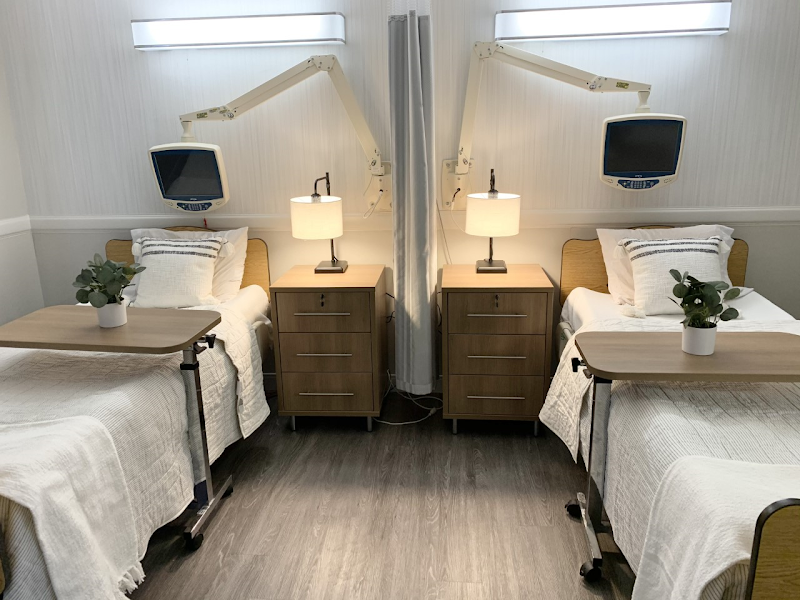
How is Creekview Staffed?

CMS rates CREEKVIEW HEALTH AND REHABILITATION's staffing level at 1 out of 5 stars, which is much below average compared to other nursing homes. Staff turnover is 69%, which is 23 percentage points above the Tennessee average of 46%. High turnover can affect care consistency as new staff learn residents' individual needs.

What Have Inspectors Found at Creekview?

State health inspectors documented 27 deficiencies at CREEKVIEW HEALTH AND REHABILITATION during 2018 to 2023. These included: 27 with potential for harm.
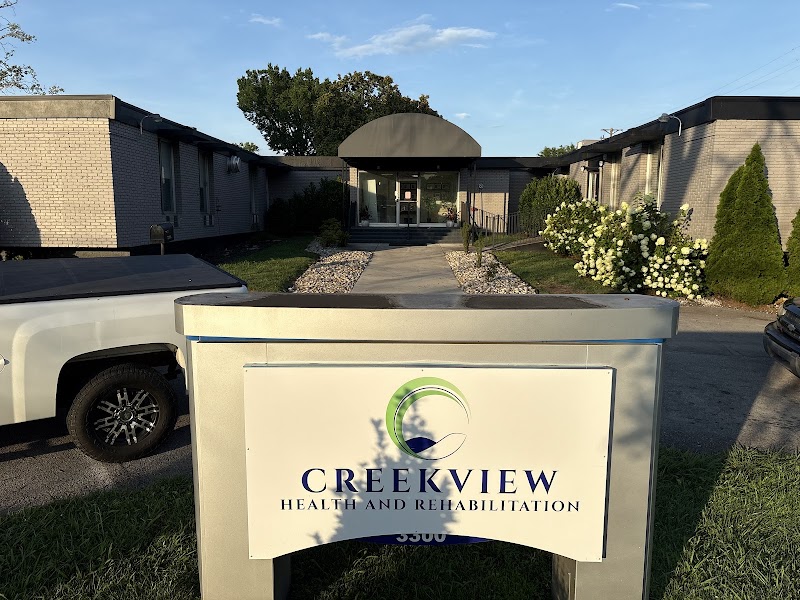
Who Owns and Operates Creekview?

CREEKVIEW HEALTH AND REHABILITATION is owned by a for-profit company. For-profit facilities operate as businesses with obligations to shareholders or private owners. The facility is operated by THE ENSIGN GROUP, a chain that manages multiple nursing homes. With 91 certified beds and approximately 64 residents (about 70% occupancy), it is a smaller facility located in KNOXVILLE, Tennessee.
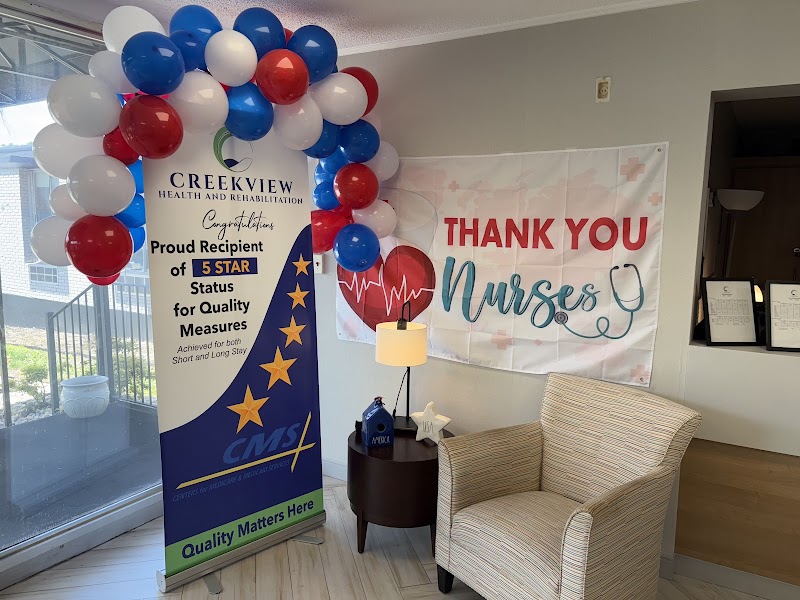
How Does Creekview Compare to Other Tennessee Nursing Homes?

Compared to the 100 nursing homes in Tennessee, CREEKVIEW HEALTH AND REHABILITATION's overall rating (2 stars) is below the state average of 2.8, staff turnover (69%) is significantly higher than the state average of 46%, and health inspection rating (2 stars) is below the national benchmark.

What Should Families Ask When Visiting Creekview?

Based on this facility's data, families visiting should ask: "How do you ensure continuity of care given staff turnover, and what is your staff retention strategy?" "Can you walk me through typical staffing levels on day, evening, and night shifts?" "Can I visit during a mealtime to observe dining assistance and food quality?" "How do you handle medical emergencies, and what is your hospital transfer rate?" These questions are particularly relevant given the facility's high staff turnover rate and the below-average staffing rating.

Is Creekview Safe?

Based on CMS inspection data, CREEKVIEW HEALTH AND REHABILITATION has a clean safety record: no substantiated abuse findings (meaning no confirmed cases of resident harm), no Immediate Jeopardy citations (the most serious violation level indicating risk of serious injury or death), and is not on the Special Focus Facility watch list (a federal program monitoring the lowest-performing 1% of nursing homes). The facility has a 2-star overall rating and ranks #100 of 100 nursing homes in Tennessee. While no facility is perfect, families should still ask about staff-to-resident ratios and recent inspection results during their visit.

Do Nurses at Creekview Stick Around?

Staff turnover at CREEKVIEW HEALTH AND REHABILITATION is high. At 69%, the facility is 23 percentage points above the Tennessee average of 46%. High turnover means new staff may not know residents' individual needs, medications, or preferences. It can also be disorienting for residents, especially those with dementia who rely on familiar faces. Families should ask: What is causing the turnover? What retention programs are in place? How do you ensure care continuity during staff transitions?

Was Creekview Ever Fined?

CREEKVIEW HEALTH AND REHABILITATION has no federal fines on record. CMS issues fines when nursing homes fail to meet care standards or don't correct problems found during inspections. The absence of fines suggests the facility has either maintained compliance or corrected any issues before penalties were assessed. This is a positive indicator, though families should still review recent inspection reports for the full picture.

Is Creekview on Any Federal Watch List?

CREEKVIEW HEALTH AND REHABILITATION is not on any federal watch list. The most significant is the Special Focus Facility (SFF) program, which identifies the bottom 1% of nursing homes nationally based on persistent, serious quality problems. Not being on this list means the facility has avoided the pattern of deficiencies that triggers enhanced federal oversight. This is a positive indicator, though families should still review the facility's inspection history directly.