COUNTRYSIDE POST-ACUTE AND REHABILITATION CENTER
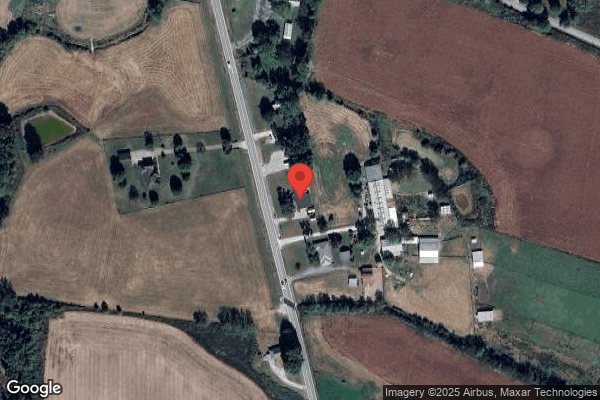

3051 BUFFALO ROAD, LAWRENCEBURG, TN 38464 (931) 762-7518
For profit - Corporation 162 Beds PLAINVIEW HEALTHCARE PARTNERS Data: November 2025
Trust Grade
55/100
#181 of 298 in TN
Last Inspection: September 2021

Over 2 years since last inspection. Current conditions may differ from available data.

Overview

Countryside Post-Acute and Rehabilitation Center has a Trust Grade of C, indicating it is average compared to other facilities, meaning it is not great but not terrible either. It ranks #181 out of 298 nursing homes in Tennessee, placing it in the bottom half, and #3 out of 3 in Lawrence County, suggesting limited local options. The facility is currently worsening, with the number of reported issues increasing from 4 in 2019 to 9 in 2021. Staffing is a strength, with a 2/5 star rating but a turnover rate of 45%, which is better than the state average of 48%. However, there are concerning areas: the facility has less RN coverage than 94% of its peers, and specific incidents include expired food items being stored, poor infection control practices in the kitchen, and a failure to consistently perform COVID-19 testing for staff members. Overall, while there are some strengths, serious improvements are needed in safety and infection control practices.

Trust Score
C
55/100
In Tennessee
#181/298
Bottom 40%
Safety Record
Low Risk
No red flags
Inspections
Getting Worse
4 → 9 violations
Staff Stability
⚠ Watch
45% turnover. Above average. Higher turnover means staff may not know residents' routines.
Penalties
✓ Good
No fines on record. Clean compliance history, better than most Tennessee facilities.
Skilled Nurses
⚠ Watch
Each resident gets only 18 minutes of Registered Nurse (RN) attention daily — below average for Tennessee. Fewer RN minutes means fewer trained eyes watching for problems.
Violations
⚠ Watch
13 deficiencies on record. Higher than average. Multiple issues found across inspections.
★★☆☆☆
2.0
Overall Rating
★★☆☆☆
2.0
Staff Levels
★★★★☆
4.0
Care Quality
★★☆☆☆
2.0
Inspection Score
Stable
2019: 4 issues
2021: 9 issues

The Good

  • 4-Star Quality Measures · Strong clinical quality outcomes
  • Full Sprinkler Coverage · Fire safety systems throughout facility
  • No fines on record

Facility shows strength in quality measures, fire safety.

The Bad

2-Star Overall Rating

Below Tennessee average (2.8)

Below average - review inspection findings carefully

Staff Turnover: 45%

Near Tennessee avg (46%)

Higher turnover may affect care consistency

Chain: PLAINVIEW HEALTHCARE PARTNERS

Part of a multi-facility chain

Ask about local staffing decisions and management

The Ugly 13 deficiencies on record

Sept 2021 9 deficiencies
CONCERN (D)

Potential for Harm - no one hurt, but risky conditions existed

Resident Rights (Tag F0550)

Could have caused harm · This affected 1 resident

**NOTE- TERMS IN BRACKETS HAVE BEEN EDITED TO PROTECT CONFIDENTIALITY** Based on policy review, observation, and interview, the facility failed to promote and enhance the resident's dignity during a d...

Read full inspector narrative →
**NOTE- TERMS IN BRACKETS HAVE BEEN EDITED TO PROTECT CONFIDENTIALITY** Based on policy review, observation, and interview, the facility failed to promote and enhance the resident's dignity during a dressing change for 1 of 3 sampled residents (Resident #338) reviewed. The findings include: Review of the facility's policy titled Quality of Life- Dignity, revised 2/2020, revealed .Staff promote, maintain, and protect resident privacy, including bodily during assistance with personal care and during treatment procedures . Review of the medical record, revealed Resident #338 had diagnoses of Paraplegia, Diabetes, Morbid Obesity, Congestive Heart Failure, Neurogenic Bladder, Pressure Ulcers Sacral Region and Right Ankle. Review of the admission Minimum Data Set (MDS) assessment dated [DATE], revealed Resident #338 was cognitively intact and required total dependence with all activities of daily living. Wound care observation in the resident's room on 9/9/2021 at 3:08 PM, revealed the Treatment Nurse and Licensed Practical Nurse (LPN) #1 left Resident #338 exposed on the bed during pressure injury treatment and when leaving the room, left the door open. The resident was turned on his side with his posterior exposed. During an interview on 9/9/2021 at 7:05 PM, the Treatment Nurse was asked if the resident should have been covered up during pressure injury treatment and before leaving the room, with the door left open. The Treatment Nurse stated, .I didn't even realize he was not covered. He should have been .
CONCERN (D)

Potential for Harm - no one hurt, but risky conditions existed

Deficiency F0637 (Tag F0637)

Could have caused harm · This affected 1 resident

Based on medical record review and interview, the facility failed to initiate a significant change Minimum Data Set (MDS) assessment within 14 days after hospice services were ordered for 1 of 21 samp...

Read full inspector narrative →
Based on medical record review and interview, the facility failed to initiate a significant change Minimum Data Set (MDS) assessment within 14 days after hospice services were ordered for 1 of 21 sampled residents (Resident #12) reviewed. The findings include: Review of the medical record, revealed resident #12 had diagnoses of Parkinson's Disease, Alzheimer's Disease, Dysphagia, History of COVID-19, Bipolar Disorder, Psychotic Disorder, Dementia, and Cardiac Pacemaker. Review of a Physician Order dated 4/12/2021, revealed .Hospice to evaluate and treat . Review of a medical record, revealed there was no significant change MDS assessment completed after Resident #12's admission to hospice services. Interview on 9/9/2021 at 3:20 PM, the MDS Coordinator was asked if a significant change should have been completed when Resident #12 was ordered hospice services. The MDS Coordinator stated, .I didn't do it .
CONCERN (D)

Potential for Harm - no one hurt, but risky conditions existed

Accident Prevention (Tag F0689)

Could have caused harm · This affected 1 resident

**NOTE- TERMS IN BRACKETS HAVE BEEN EDITED TO PROTECT CONFIDENTIALITY** Based on medical record review and interview, the facility failed to implement neurological (neuro) checks and appropriate inter...

Read full inspector narrative →
**NOTE- TERMS IN BRACKETS HAVE BEEN EDITED TO PROTECT CONFIDENTIALITY** Based on medical record review and interview, the facility failed to implement neurological (neuro) checks and appropriate interventions after unwitnessed falls for 2 of 2 sampled residents (Resident #85 and #86) reviewed for falls. The findings include: Review of the medical record, revealed Resident #85 had diagnoses of Cerebral Infarction, Dysphagia, Aphasia, Malignant Neoplasm of Lung, History of Covid-19, Depression, Anxiety, Failure to Thrive, and Repeated Falls. Review of the admission Minimum Data Set (MDS) assessment dated [DATE], revealed Resident #85 had severe cognitive deficits, required limited to extensive assistance with most of his activities of daily living, had functional limitations in range of motion with impairment on one side in both his upper and lower extremities, and had 1 fall with no injury and 1 fall with injury. Review of an Incident Investigation Note dated 8/17/2021, revealed .Resident found in floor sitting on his bottom in from [front] of the restroom door. Resident states I was going to the bathroom Resident denies any pain or injury. Resident states It hurt my pride .Resident assessed for injury and assisted back to bed. No injury noted. Patient immediately reoriented and reeducated to room, bathroom, and proper use of call light. Encouraged to request assistance from staff before getting out of bed . During an interview on 9/10/2021 at 8:34 AM, the Director of Nursing (DON) and the Regional Consultant confirmed the interventions were inappropriate for a resident with severe cognitive deficits. Review of an Alert Note dated 8/18/2021, revealed .patient was found in the floor at 1:10 pm [PM] this afternoon lying on his back at the foot of the bed .noted and inch long laceration this nurse cleaned wound and applied dressing to stop the bleeding, contacted md [medical doctor] and received the order to send out to ER [Emergency Room] . Review of the medical record, revealed Resident #85 returned from the emergency room on 8/18/2021, and neuro checks were not performed for 72 hours after Resident #85's fall. During an interview on 9/10/2021 at 8:34 AM, the Director of Nursing (DON) stated, .unwitnessed falls require 72 hour neuro checks . Review of a medical record, revealed Resident #86 had diagnoses of Dementia with Behaviors, Dysphagia, Psychotic Disorder, Mood Disorder, Radiculopathy, Hypertension, and Left Foot Drop. Review of an admission MDS assessment dated [DATE], revealed Resident #86 had severe cognitive deficits, required limited to supervisory assistance with her activities of daily living, and had no functional limitations in range of motion. Review of a Nursing Note dated 5/20/2021, revealed .Found resident sitting on floor near her bed, Resident stated that she did not know how she got on the floor but she needs help to get up. Neuro checks completed and assisted resident to her bed. Obtained vital signs and head to toe assessment completed. Resident has a hematoma to the right side of her head behind and above her ear. A SkinTear to right elbow which was cleaned with wound cleanser and steristrips applied and covered with border gauze . Review of the medical record, revealed no neuro checks were not performed for 72 hours after Resident #86's fall. Review of an Incident Investigation dated 5/24/2021, revealed .Was alerted to resident in floor beside the bed. Was readmitted today from hospital. Resident is alert with confusion .Resident was put back in bed by charge nurse and PT [Physical Therapy]. Head to toe assessment completed. Bed/Chair alarm . Review of the medical record, revealed no neuro checks were not performed for 72 hours after Resident #86's fall. Review of a Nursing Note dated 5/25/2021, revealed .Called to resident's room by her roommate. Resident sitting on the floor facing her bed. Resident stated that she did not know how she got in the floor but she needed help to get up. Head to toe assessment completed and resident assisted by 2 staff members to get up and onto the bed. Vital signs obtained . Review of the medical record, revealed no neuro checks were not performed for 72 hours after Resident #86's fall. Review of a Nursing Note dated 5/27/2021, revealed .Resident found on her stomach by the door of her room after getting out of her bed. Small 1cm [centimeter] skintear found on her left elbow which was cleaned with wound cleanser and cover with border dressing. Resident stated she fell on her bottom and voiced no complaint of pain. Neuro check WNL [within normal limits] for resident . Review of the medical record, revealed no neuro checks were not performed for 72 hours after Resident #86's fall. Review of an Incident Note dated 6/12/2021, revealed .Resident found on left side of bed with her upper torso still on bed and her knees on floor at 11:15pm. This resident BIMS [Brief Interview for Mental Status] is (99). She was assessed and assisted back to bed. Found pink quarter size round areas to front of bil [bilateral] knees. No treatment needed. Neuro initiated. Resident placed in low bed with bed alarm . Review of the medical record, revealed no neuro checks were not performed for 72 hours after Resident #86's fall. During an interview on 9/10/2021 at 10:21 AM, the DON was asked what she expects her staff to do when a resident falls. The DON stated, .I expect the nurse to be notified, the nurse to assess the resident, call the MD, family, and the DON, begin neuro checks, and complete and incident report . During an interview on 9/10/2021 at 11:30 AM, the Administrator and the Regional Consultant confirmed they did not have documentation that the neuro checks were performed for the month of May.
CONCERN (D)

Potential for Harm - no one hurt, but risky conditions existed

Incontinence Care (Tag F0690)

Could have caused harm · This affected 1 resident

**NOTE- TERMS IN BRACKETS HAVE BEEN EDITED TO PROTECT CONFIDENTIALITY** Based on policy review, medical record review, observation, and interview, the facility failed to provide care and services to m...

Read full inspector narrative →
**NOTE- TERMS IN BRACKETS HAVE BEEN EDITED TO PROTECT CONFIDENTIALITY** Based on policy review, medical record review, observation, and interview, the facility failed to provide care and services to maintain an indwelling urinary catheter for 1 of 2 sampled residents (Resident #338) reviewed for an indwelling urinary catheter. The findings include: Review of the facility's policy titled Foley Catheter Insertion, Male Resident, revised 10/2010, revealed .Verify that there is a physician's order for this procedure . Review of the medical record, revealed Resident #338 had diagnoses of Paraplegia, Diabetes, Morbid Obesity, Congestive Heart Failure, Neurogenic Bladder, Pressure Ulcers Sacral Region and Right Ankle. Review of the admission Minimum Data Set (MDS) assessment dated [DATE], revealed Resident #338 was cognitively intact, required total dependence for all activities of daily living, and had an indwelling urinary catheter. Review of the Physician Orders dated 8/31/2021, revealed .Foley output two times a day . There was no order for an indwelling urinary catheter. Observation in the resident's room on 9/7/2021 at 10:21 AM, 9/7/2021 at 12:34 PM, 9/7/2021 at 5:25 PM, 9/8/2021 at 9:35 AM, and on 9/8/2021 at 3:51 PM, revealed Resident #338 did have an indwelling urinary catheter. During an interview on 9/10/2021 at 1:55 PM, the Regional Consultant confirmed there was no physician order for the indwelling urinary catheter.
CONCERN (D)

Potential for Harm - no one hurt, but risky conditions existed

Deficiency F0692 (Tag F0692)

Could have caused harm · This affected 1 resident

**NOTE- TERMS IN BRACKETS HAVE BEEN EDITED TO PROTECT CONFIDENTIALITY** Based on the policy review, medical record review, observation, and interview, the facility failed to ensure residents maintaine...

Read full inspector narrative →
**NOTE- TERMS IN BRACKETS HAVE BEEN EDITED TO PROTECT CONFIDENTIALITY** Based on the policy review, medical record review, observation, and interview, the facility failed to ensure residents maintained acceptable parameters of nutritional status, and failed to accurately assess, implement, and monitor interventions to prevent severe weight loss for 1 of 4 sampled residents (Resident #22) for weight loss. The findings include: Review of the facility's policy titled Weight Assessment and Intervention, revised 9/2008, revealed .nursing staff will measure resident weights on admission, the next day, and weekly for two weeks thereafter .weights will be measured monthly .dietitian will review the unit weight record by the 15th of the month to follow individual weight trends over time .threshold for significant unplanned and undesired weight loss will be based on the following criteria .3 months - 7.5% weight loss is significant; greater than 7.5% is severe . Review of the medical record, revealed Resident #22 was admitted to the facility on [DATE] and had diagnoses of Cerebral Infarction, Aphasia, Diabetes, and Dysphasia. Review of the admission Minimum Data Set (MDS) assessment dated [DATE], revealed Resident #22 had severe cognitive impairment and required total assistance with activities of daily living. Review of the undated Care Plan revealed, .Potential for weight concerns/at risk for malnutrition .Monitor/record/report to MD [medical doctor] PRN [as needed] s/sx [signs/symptoms] of malnutrition: Emaciation (Cachexia), muscle wasting, significant weight loss: 3 lbs [pounds] in 1 week, > [greater than] 5% [percent] in 1 month, >7.5% in 3 months, >10% in 6 months .RD [Registered Dietitian] to evaluate and make diet change recommendations . Review of the Physician's Orders dated 5/11/2021, revealed Registered Dietician to eval [evaluate] and treat as needed . Review of the weights revealed the following: a. 5/12/2021 228.8 lbs b. 8/5/2021 193.8 lbs (which is significant weight loss of 15.30% in 3 months) c. 9/8/2021 210.2 lbs The facility failed to follow the policy when they did not obtain resident weights on admission or weekly for two weeks after admission. During an interview on 9/9/2021 at 2:48 PM, the Nurse Practitioner stated, .We got a new dietitian a month ago .a new DON [Director of Nursing] .something was going on with the Restorative technician that did the weights .
CONCERN (D)

Potential for Harm - no one hurt, but risky conditions existed

Tube Feeding (Tag F0693)

Could have caused harm · This affected 1 resident

Based on policy review, medical record review, observation, and interview, the facility failed to ensure 1 of 5 nurses (Licensed Practical Nurse (LPN) #7) followed the facility policy for medication a...

Read full inspector narrative →
Based on policy review, medical record review, observation, and interview, the facility failed to ensure 1 of 5 nurses (Licensed Practical Nurse (LPN) #7) followed the facility policy for medication administration through a percutaneous endoscopic gastrostomy (PEG) tube for 1 of 2 sampled residents (Resident #24) observed receiving medications through a PEG tube. The findings include: Review of the facility's policy titled Administering Medications through an Enteral Tube, revised 11/2018, revealed .Dilute medication . Dilute crushed (powdered) medication with at least 30 ml [milliliters] purified water (or prescribed amount) .pour diluted medications into the barrel of the syringe . Review of the medical record, revealed Resident #24 had diagnoses of Gastrostomy Tube, Cellulitis of Abdominal Wall, Diaphragmatic Hernia, Dysphagia, and Gastroesophageal Reflux Disease. Review of the Physician's Orders dated 7/12/2021, revealed .Flush peg tube with 100cc [cubic centimeter] of water every shift to keep tube patent . Observation in the resident's room on 9/8/2021 at 10:57 AM, revealed LPN #7 administered the dry, crushed medications to Resident #24 without diluting with water and administered each medication individually, dry into the barrel of the syringe. LPN #7 followed each medication with 5 ml of water poured into the barrel of the syringe. The last medication clogged up in the syringe. Then LPN #7 reconnected the syringe to the PEG and used the plunger to push the medication through the PEG tube. During an interview on 9/8/2021 at 6:10 PM, LPN #7 confirmed she administered medications without diluting them with water. During an interview on 9/10/2021 at 4:55 PM, the Regional Consultant confirmed that dry, crushed medications administered through a PEG tube should be diluted before administration.
CONCERN (D)

Potential for Harm - no one hurt, but risky conditions existed

Deficiency F0849 (Tag F0849)

Could have caused harm · This affected 1 resident

Based on medical record review and interview, the facility failed to ensure a Physician's Order was obtained related to Hospice for 1 of 1 sampled resident (Resident #21) reviewed for hospice. The fin...

Read full inspector narrative →
Based on medical record review and interview, the facility failed to ensure a Physician's Order was obtained related to Hospice for 1 of 1 sampled resident (Resident #21) reviewed for hospice. The findings include: Review of a medical record, revealed Resident #21 had diagnoses of Dementia with Behavioral Disturbances, History of Covid-19, Cerebral Infarction, Chronic Obstructive Pulmonary Disease, and Hypertension. Review of the medical record, revealed Resident #21 was receiving hospice but there was no Physician Order or Care Plan for hospice. During an interview on 9/10/2021 at 10:10 AM, the Regional Consultant stated, No, she [Resident #21] didn't initially have an order for Hospice.
CONCERN (E)

Potential for Harm - no one hurt, but risky conditions existed

Deficiency F0886 (Tag F0886)

Could have caused harm · This affected multiple residents

Based on facility policy, COVID 19 testing log review, and staff interview, the facility failed to develop and implement a system to track and ensure all staff were tested for COVID-19 twice weekly fo...

Read full inspector narrative →
Based on facility policy, COVID 19 testing log review, and staff interview, the facility failed to develop and implement a system to track and ensure all staff were tested for COVID-19 twice weekly for the prevention and potential spread of COVID 19 when 29 of 42 staff members (Registered Nurse (RN) #1, Licensed Practical Nurse (LPN) #2, #3, #4, #7, and #8, Certified Nursing Assistant (CNA) #1, #2, #3, #4, #5, #6, #7, #8, #9, #10, #11, #13, and #14, Occupational Therapist (OT) #1 and #2, Physical Therapist Assistant (LPT) #1, Housekeeper #1, #2, and #3, Certified Dietary Manager (CDM), Receptionist #1, and [NAME] #1 and #2) failed to perform COVID 19 testing for 6 days of 18 days (8/23/2021, 8/26/2021, 8/30/2021, 9/2/2021, 9/6/2021, and 9/9/2021) reviewed. The findings include: Review of the facility's policy titled Covid Guidance . dated 4/27/2021, revealed .TESTING: Unvaccinated staff must continue to be routinely tested based on county positivity rates .> [greater than] 10% 2 x week [twice a week] . Review of the facility's COVID TESTING logs from 8/23/2021-9/9/2021 revealed the following employees failed to perform the required COVID 19 testing: a. 8/23/2021 - CNA #1, LPN#2, and LPN #3. b. 8/26/2021 - CNA #1 and LPN #2 c. 8/30/2021 - LPN #3, #4, and #5 d. 9/2/2021 - CNA #2 and LPN #4 e. 9/6/2021 - CNA #1, #2, #4, #5, #6, #7, #8, #9, #10, and #11, LPN #7 and #8, RN #1, the CDM, Housekeeper #1 and #2, OT #1 and #2, PTA #1, and [NAME] #1. f. 9/9/2021 - CNA #5, #8, #9, #10, #11, and #13, LPN #2, #3, #4, #7, and #8, Receptionist #1, [NAME] #2, and Housekeeper #3. During an interview on 9/10/2021 at 10:30 AM, the Administrator was asked about the blank spaces on the testing log and what the blank spaces meant. The Administrator stated, .That's a good question. The Administrator was asked if any staff member was making sure the staff tested prior to working. The Administrator stated, I don't know. During an interview on 9/10/2021 at 2:40 PM, the Administrator stated, .there are 48 total employees that should test on testing dates .they [staff] get busy and forget .they will be re-educated on the importance of testing . The Administrator was asked if the staff should be tested twice weekly. The Administrator stated, Absolutely.
CONCERN (F)

Potential for Harm - no one hurt, but risky conditions existed

Food Safety (Tag F0812)

Could have caused harm · This affected most or all residents

Based on policy review, observation, and interview, the facility failed to ensure food was stored, prepared, and served under sanitary conditions as evidenced by expired food items in the cooler, 1 of...

Read full inspector narrative →
Based on policy review, observation, and interview, the facility failed to ensure food was stored, prepared, and served under sanitary conditions as evidenced by expired food items in the cooler, 1 of 5 Kitchen staff (Cook #1) failed to practice infection control while performing tray line temperatures, and 2 of 3 (West and East Hall) nourishment refrigerators were dirty. This had the potential to affect 75 of 85 residents who had received a tray from the Kitchen. The findings include: Review of the facility's undated policy titled, Getting Ready to Take Food Temperatures Sanitizing The Thermometer, revealed .The thermometer must be first sanitized and calibrated .The thermometer must be sanitized to avoid contaminating the food being tested .wipe the stem of the thermometer with an alcohol swab between measurements . Observation of the walk in cooler in the Kitchen on 9/7/2021 beginning at 9:30 AM, revealed 8 of 15 quarts of Scrambled Egg Mix with an expiration date of 8/30/2021. Observation of the walk in cooler in the Kitchen on 9/8/2021 at 7:50 AM, revealed a new case of 14 quarts (1 quart had been used) of Scramble Egg Mix with an expiration date of 8/30/2021. During an interview on 9/8/2021 at 7:50 AM, the Certified Dietary Manager (CDM) stated, .the 8 quarts from yesterday and 1 quart from today's case was used to make scrambled eggs for the residents this morning .Those quarts were not rotated out, it was my responsibility . The CDM confirmed the expiration date of 8/30/2021 and the expired cartons were disposed of. Observation in the Kitchen on 9/9/2021 at 11:27 AM, revealed [NAME] #1 taking temperatures along the tray line prior to lunch. She wiped the digital thermometer off with a paper towel, placed the thermometer into a glass of ice water to calibrate, then placed the thermometer into the turkey and wrote the temperature down. She then wiped the thermometer off with the same paper towel, placed the thermometer into a glass of ice water, then placed the thermometer into the gravy and wrote the temperature down. She then wiped the thermometer off with the same paper towel she had previously used to clean the thermometer with after taking the turkey's temperature. The cook proceeded this process until the temperature of all 14 food items had been taken. During an interview on 9/9/2021 at 11:45 AM, the CDM was asked to observe her cook and tell this writer if she saw anything wrong with the procedure her cook was using for taking the temperatures. The CDM stated, .she is using the same paper towel to wipe the thermometer off each time she removes the thermometer from a food item . The CDM then proceeded to the kitchen sink and pulled several paper towels and gave them to the cook. The CDM was asked if that was the appropriate way to disinfect the thermometer to prevent cross contamination. The CDM stated, .we've always used paper towels . The CDM was asked if she ever used alcohol wipes. The CDM stated, .we don't have any . Observation of the [NAME] Hall nourishment refrigerator on 9/7/2021 at 2:30 AM, revealed unknown spilled substances in the drawers and on the shelves. Observation of the East Hall nourishment refrigerator on 9/9/2021 at 6:45 PM, revealed unknown spilled substances in the drawers and on the shelves. Interview with the Regional Nurse on 9/9/2021 at 6:48 PM, stated, .this sure needs to be cleaned .
Dec 2019 4 deficiencies
CONCERN (D)

Potential for Harm - no one hurt, but risky conditions existed

Assessment Accuracy (Tag F0641)

Could have caused harm · This affected 1 resident

**NOTE- TERMS IN BRACKETS HAVE BEEN EDITED TO PROTECT CONFIDENTIALITY** Based on medical record review, and interview, the facility failed to ensure residents were accurately assessed for anticoagulan...

Read full inspector narrative →
**NOTE- TERMS IN BRACKETS HAVE BEEN EDITED TO PROTECT CONFIDENTIALITY** Based on medical record review, and interview, the facility failed to ensure residents were accurately assessed for anticoagulant therapy and falls for 2 of 23 residents (Resident #25 and 56) reviewed. The findings include: 1. Review of the medical record, showed Resident #25 was admitted to the facility on [DATE] with diagnoses of Chronic Obstructive Pulmonary Disease, Prosthetic Heart Valve, and Cerebral Infarction. The annual Minimum Data Set (MDS) dated [DATE] was coded to reflect anticoagulant use on 7 of 7 days. Review of the October 2019 Medication Administration Record, showed Resident #25 did not receive anticoagulant medications. During an interview conducted on 12/18/19 at 3:39 PM, the MDS Coordinator confirmed the 10/25/19 MDS was coded inaccurately. 2. Review of the medical record, showed Resident #56 was admitted to the facility on [DATE] with diagnoses of Alzheimer's Disease, Cerebrovascular Accident, and Muscle Weakness. The significant change assessment dated [DATE], showed Resident #56 had no falls. Review of an Incident/Accident Investigation Report dated 11/20/19, showed Resident #56 had a fall on 11/20/19 at 1:54 AM, resulting in a skin tear to the bridge of her nose and an abrasion to her right and left knee and an abrasion to her right elbow. Review of an Incident /Accident Investigation Report dated 11/21/19 showed Resident #56 had a fall on 11/21/19 at 10:04 AM, resulting in a hematoma [raised area] to her forehead. During an interview conducted on 12/18/19 at 3:45 PM, the MDS Coordinator confirmed that the significant change assessment dated [DATE] should have reflected the falls that Resident #56 sustained on 11/20/19 and 11/21/19.
CONCERN (D)

Potential for Harm - no one hurt, but risky conditions existed

Respiratory Care (Tag F0695)

Could have caused harm · This affected 1 resident

**NOTE- TERMS IN BRACKETS HAVE BEEN EDITED TO PROTECT CONFIDENTIALITY** Based on medical record review, observation, and interview, the facility failed to follow the physician's orders for 1 of 6 samp...

Read full inspector narrative →
**NOTE- TERMS IN BRACKETS HAVE BEEN EDITED TO PROTECT CONFIDENTIALITY** Based on medical record review, observation, and interview, the facility failed to follow the physician's orders for 1 of 6 sampled residents (Resident #41) reviewed for oxygen therapy. The findings include: Review of the medical record showed Resident #41 was admitted to the facility on [DATE] with diagnoses of Neoplasm of Brain, Chronic Obstructive Pulmonary Disease, and Hypertension. The physician's order dated 10/31/19 showed .O2 [oxygen] 2l/min [liters per minute] PNC [per nasal cannula] for SOB [shortness of breath] or decrease O2 sat [saturation] . Observation in Resident #41's room on 12/16/19 at 3:27 PM and 12/17/19 at 7:42 AM, showed Resident #41 in bed with oxygen at 3l/min per nasal cannula. Observation in Resident #41's room on 12/17/19 at 2:56 PM, showed Resident #41 in bed with oxygen at 3 1/2 l/min per nasal cannula. During an interview conducted on 12/17/19 at 3:08 PM, the Director of Nursing (DON) was asked if Resident #41's oxygen was administered as ordered. The DON stated, No, ma'am, I will fix it.
CONCERN (E)

Potential for Harm - no one hurt, but risky conditions existed

Food Safety (Tag F0812)

Could have caused harm · This affected multiple residents

**NOTE- TERMS IN BRACKETS HAVE BEEN EDITED TO PROTECT CONFIDENTIALITY** Based on observation and interview, the facility failed to prevent the spread of infection when 2 of 12 staff members (Certified...

Read full inspector narrative →
**NOTE- TERMS IN BRACKETS HAVE BEEN EDITED TO PROTECT CONFIDENTIALITY** Based on observation and interview, the facility failed to prevent the spread of infection when 2 of 12 staff members (Certified Nursing Assistant (CNA) #1 and #2) failed to keep ice and drinks covered during dining. The findings include: Observation during dining on 12/16/19 at 12:00 PM, in the 400 hallway, showed a cart with beverages and ice in the hallway. CNA #1 removed the lid from a pitcher of ice, picked up a glass with her bare hand and scooped ice from the pitcher with the glass. CNA #1 then poured the ice into another glass, and placed the glass used as a scoop for the ice into the pitcher of ice. The drink cart with the exposed ice was wheeled down the 400 hallway past the nurses station to the next area of resident rooms. CNA #1 returned to the drink cart, removed the glass that was in the ice, scooped up ice with the glass, poured the ice into another glass and placed the glass used as a scoop back into the ice pitcher. CNA #1 then poured a beverage over the ice she had prepared and carried it uncovered down the hallway to the activities room and served it to a resident. CNA #2 poured ice from the uncovered ice pitcher into two glasses, returned the pitcher to the drink cart, leaving the ice uncovered. CNA #2 filled the glasses with tea and juice and served the glasses to a resident in room [ROOM NUMBER]. CNA #2 then poured ice from the uncovered ice pitcher into a glass, filled it with tea, and served the glass of tea to a resident in room [ROOM NUMBER]. During an interview conducted on 12/17/19 at 5:05 PM, the Director of Nursing (DON) confirmed that beverages and ice should be covered when transported in the hallway and when not in use. The DON was asked if a glass or scoop should be stored in the ice container. The DON stated, No, the proper procedure is to pour the ice from the pitcher into the glass. The DON was asked if the ice should have been used after the glass was placed on top of the ice in the ice pitcher. The DON stated, No, they should have obtained fresh ice .
CONCERN (E)

Potential for Harm - no one hurt, but risky conditions existed

Infection Control (Tag F0880)

Could have caused harm · This affected multiple residents

Based on policy review, observation, and interview, the facility failed to ensure practices to prevent the potential spread of infection were followed when 3 of 5 nurses (Licensed Practical Nurse (LPN...

Read full inspector narrative →
Based on policy review, observation, and interview, the facility failed to ensure practices to prevent the potential spread of infection were followed when 3 of 5 nurses (Licensed Practical Nurse (LPN) #1, #2, and #3) failed to perform hand hygiene during medication administration to 3 of 5 residents (Resident #5, #29, and #266) observed during medication administration. The findings include: 1. Review of the undated facility policy titled, Handwashing/Hand Hygiene showed that hand hygiene should be performed before and after direct contact with residents, before preparing and handling medications, after contact with objects in the immediate vicinity of the resident, and after removing gloves. 2. Observation of medication administration in Resident #29's room on 12/17/19 at 10:15 AM, showed LPN #1 donned clean gloves to check the Percutaneous Endoscopic Gastrostomy (PEG) tube placement (use of a stethoscope to check for residual stomach contents). LPN #1 removed her gloves, touched the resident's left side rail, turned the water on, touched the sink, moved the resident's sheet, touched the resident's gown, donned clean gloves, and administered medication. LPN #1 failed to perform hand hygiene after the removal of gloves and before donning clean gloves. 3. Observation of medication administration in Resident #266's room on 12/18/19 at 9:05 AM, showed LPN #2 donned clean gloves, administered the Symbicort inhaler 18 micrograms (mcg), removed her gloves, rinsed the inhaler, turned off the water, touched the sink, touched the bedside table, donned clean gloves, removed the Spiriva handihaler capsule 18 mcg medication tab from the package, placed it in the inhaler chamber and administered the medication without performing hand hygiene before donning clean gloves and administering the Spiriva inhaler. 4. Observation of medication administration in Resident #5's room on East Short Hall on 12/18/19 at 10:20 AM, showed LPN #3 failed to perform hand hygiene prior to preparing and administering medications. 5. During an interview conducted on 12/18/19 at 2:04 PM, the Director of Nursing (DON) was asked if hand hygiene should be performed before and after donning gloves and prior to medication administration. The DON stated, Yes.
Understanding Severity Codes (click to expand)
Life-Threatening (Immediate Jeopardy)
J - Isolated K - Pattern L - Widespread
Actual Harm
G - Isolated H - Pattern I - Widespread
Potential for Harm
D - Isolated E - Pattern F - Widespread
No Harm (Minor)
A - Isolated B - Pattern C - Widespread

Questions to Ask on Your Visit

  • "Can I speak with families of current residents?"
  • "What's your RN coverage like on weekends and overnight?"

Our Honest Assessment

Strengths
  • • No major safety red flags. No abuse findings, life-threatening violations, or SFF status.
  • • No fines on record. Clean compliance history, better than most Tennessee facilities.
Concerns
  • • 13 deficiencies on record. Higher than average. Multiple issues found across inspections.
  • • Grade C (55/100). Below average facility with significant concerns.
Bottom line: Mixed indicators with Trust Score of 55/100. Visit in person and ask pointed questions.

About This Facility

What is Countryside Post-Acute And Rehabilitation Center's CMS Rating?

CMS assigns COUNTRYSIDE POST-ACUTE AND REHABILITATION CENTER an overall rating of 2 out of 5 stars, which is considered below average nationally. Within Tennessee, this rating places the facility higher than 0% of the state's 100 nursing homes. A rating at this level reflects concerns identified through health inspections, staffing assessments, or quality measures that families should carefully consider.
How is Countryside Post-Acute And Rehabilitation Center Staffed?

CMS rates COUNTRYSIDE POST-ACUTE AND REHABILITATION CENTER's staffing level at 2 out of 5 stars, which is below average compared to other nursing homes. Staff turnover is 45%, compared to the Tennessee average of 46%. This relatively stable workforce can support continuity of care.

What Have Inspectors Found at Countryside Post-Acute And Rehabilitation Center?

State health inspectors documented 13 deficiencies at COUNTRYSIDE POST-ACUTE AND REHABILITATION CENTER during 2019 to 2021. These included: 13 with potential for harm.

Who Owns and Operates Countryside Post-Acute And Rehabilitation Center?

COUNTRYSIDE POST-ACUTE AND REHABILITATION CENTER is owned by a for-profit company. For-profit facilities operate as businesses with obligations to shareholders or private owners. The facility is operated by PLAINVIEW HEALTHCARE PARTNERS, a chain that manages multiple nursing homes. With 162 certified beds and approximately 92 residents (about 57% occupancy), it is a mid-sized facility located in LAWRENCEBURG, Tennessee.

How Does Countryside Post-Acute And Rehabilitation Center Compare to Other Tennessee Nursing Homes?

Compared to the 100 nursing homes in Tennessee, COUNTRYSIDE POST-ACUTE AND REHABILITATION CENTER's overall rating (2 stars) is below the state average of 2.8, staff turnover (45%) is near the state average of 46%, and health inspection rating (2 stars) is below the national benchmark.

What Should Families Ask When Visiting Countryside Post-Acute And Rehabilitation Center?

Based on this facility's data, families visiting should ask: "Can you walk me through typical staffing levels on day, evening, and night shifts?" "Can I visit during a mealtime to observe dining assistance and food quality?" "How do you handle medical emergencies, and what is your hospital transfer rate?" "Can I speak with family members of current residents about their experience?" These questions are particularly relevant given the below-average staffing rating.

Is Countryside Post-Acute And Rehabilitation Center Safe?

Based on CMS inspection data, COUNTRYSIDE POST-ACUTE AND REHABILITATION CENTER has a clean safety record: no substantiated abuse findings (meaning no confirmed cases of resident harm), no Immediate Jeopardy citations (the most serious violation level indicating risk of serious injury or death), and is not on the Special Focus Facility watch list (a federal program monitoring the lowest-performing 1% of nursing homes). The facility has a 2-star overall rating and ranks #100 of 100 nursing homes in Tennessee. While no facility is perfect, families should still ask about staff-to-resident ratios and recent inspection results during their visit.

Do Nurses at Countryside Post-Acute And Rehabilitation Center Stick Around?

COUNTRYSIDE POST-ACUTE AND REHABILITATION CENTER has a staff turnover rate of 45%, which is about average for Tennessee nursing homes (state average: 46%). Moderate turnover is common in nursing homes, but families should still ask about staff tenure and how the facility maintains care continuity when employees leave.

Was Countryside Post-Acute And Rehabilitation Center Ever Fined?

COUNTRYSIDE POST-ACUTE AND REHABILITATION CENTER has no federal fines on record. CMS issues fines when nursing homes fail to meet care standards or don't correct problems found during inspections. The absence of fines suggests the facility has either maintained compliance or corrected any issues before penalties were assessed. This is a positive indicator, though families should still review recent inspection reports for the full picture.

Is Countryside Post-Acute And Rehabilitation Center on Any Federal Watch List?

COUNTRYSIDE POST-ACUTE AND REHABILITATION CENTER is not on any federal watch list. The most significant is the Special Focus Facility (SFF) program, which identifies the bottom 1% of nursing homes nationally based on persistent, serious quality problems. Not being on this list means the facility has avoided the pattern of deficiencies that triggers enhanced federal oversight. This is a positive indicator, though families should still review the facility's inspection history directly.