NHC HEALTHCARE, LAWRENCEBURG
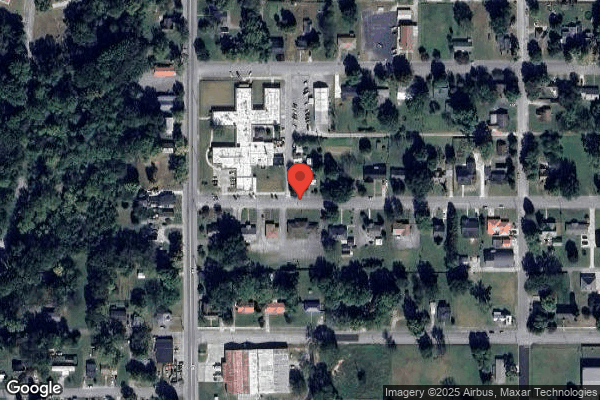
374 BRINK STREET, LAWRENCEBURG, TN 38464 (931) 762-6548
For profit - Corporation 96 Beds NATIONAL HEALTHCARE CORPORATION Data: November 2025
Trust Grade
90/100
#27 of 298 in TN
Last Inspection: April 2025

Within standard 12-15 month inspection cycle. Federal law requires annual inspections.

Overview

NHC Healthcare in Lawrenceburg, Tennessee, has received an excellent Trust Grade of A, indicating that it is highly recommended and performs well compared to other facilities. It ranks #27 out of 298 nursing homes in Tennessee, placing it in the top half, and is the best option out of three facilities in Lawrence County. The facility has a stable trend, maintaining three reported issues consistently over the past couple of years. Staffing has a rating of 3 out of 5 stars, with a turnover rate of 40%, which is better than the state average, indicating staff retention is decent. While there are no fines recorded, there have been concerns raised during inspections, including a resident being able to leave the facility without staff knowledge and failures in providing proper care for a urinary catheter and oxygen therapy, which need to be addressed for improved safety and care.

Trust Score
A
90/100
In Tennessee
#27/298
Top 9%
Safety Record
Low Risk
No red flags
Inspections
Holding Steady
3 → 3 violations
Staff Stability
○ Average
40% turnover. Near Tennessee's 48% average. Typical for the industry.
Penalties
✓ Good
No fines on record. Clean compliance history, better than most Tennessee facilities.
Skilled Nurses
✓ Good
Each resident gets 42 minutes of Registered Nurse (RN) attention daily — more than average for Tennessee. RNs are trained to catch health problems early.
Violations
○ Average
7 deficiencies on record. Average for a facility this size. Mostly minor or procedural issues.
★★★★★
5.0
Overall Rating
★★★☆☆
3.0
Staff Levels
★★★★★
5.0
Care Quality
★★★★☆
4.0
Inspection Score
Stable
2024: 3 issues
2025: 3 issues

The Good

  • 5-Star Quality Measures · Strong clinical quality outcomes
  • Full Sprinkler Coverage · Fire safety systems throughout facility
  • No fines on record
  • Staff turnover below average (40%)

    8 points below Tennessee average of 48%

Facility shows strength in quality measures, fire safety.

The Bad

Staff Turnover: 40%

Near Tennessee avg (46%)

Typical for the industry

Chain: NATIONAL HEALTHCARE CORPORATION

Part of a multi-facility chain

Ask about local staffing decisions and management

The Ugly 7 deficiencies on record

Apr 2025 3 deficiencies
CONCERN (D)

Potential for Harm - no one hurt, but risky conditions existed

Accident Prevention (Tag F0689)

Could have caused harm · This affected 1 resident

**NOTE- TERMS IN BRACKETS HAVE BEEN EDITED TO PROTECT CONFIDENTIALITY** Based on policy review, medical record review, observation, and interview, the facility failed to provide an environment free of...

Read full inspector narrative →
**NOTE- TERMS IN BRACKETS HAVE BEEN EDITED TO PROTECT CONFIDENTIALITY** Based on policy review, medical record review, observation, and interview, the facility failed to provide an environment free of accident hazards related to elopement for 1 of 1 (Resident #33) sampled resident when Resident #33 was able to exit the facility without the knowledge of the staff. The findings include: 1. Review of the facility's policy titled, Wandering and Elopements, dated 2001, revealed .The facility will identify residents who are at risk of unsafe wandering and strive to prevent harm while maintaining the least restrictive environment for residents . Review of the facility's policy titled, .Incident and Accident Process, revised 8/13/2013, revealed .Investigation into the incident/accident .Obtain info [information] on what happened .Never move the patient until the assessment is completed unless immediate treatment is needed .Do first aid .Initiate neuro [neurological] checks if head struck or evidence of a patient striking their head .Document all known facts, results of assessment including a complete description of injuries, treatment .Review care plan for updated required related to a change/update .Accidents not resulting in injuries should still be reported .Documentation that addresses the status and/or progress of the patient in relation to the incident/accident is to be completed at least every shift for 72 hours . 2. Review of the medical record revealed Resident #33 was admitted to the facility on [DATE], with diagnoses including Cerebral Infarction with Hemiplegia, Altered Mental Status, Disorientation with Confusion, and Metabolic Encephalopathy. Review of Elopement Risk assessment dated [DATE] revealed Resident #33 had a score of 0. Review of the admission Minimum Data Set (MDS) assessment dated [DATE], revealed a Brief Interview for Mental Status (BIMS) score of 8, which indicated Resident #33 was moderately cognitively impaired. Review of the Event Report dated 4/16/2025, revealed .Found on floor .Patient's w/c [wheelchair] was found in front of the front doors. He was found by the railing by doors attempting to get up. Patient stated that he was trying to get fresh air .Location of Fall .Outside on Center Grounds .Was Fall Witnessed .No . Review of the Progress Note dated 4/16/2025, revealed .Patient was found outside on ground near front door by staff member He stated that he wanted to get some fresh air and looking to see if his car was here. Instructed patient that he needs to be accompanied by staff member to go outside. Patient verbalized understanding .Patient has 2 abrasions .1 on each knee . Review of the Physician Orders dated 4/16/2025, revealed an order for wander guard, and to check wander guard placement every shift. Review of the Elopement Risk assessment dated [DATE], revealed Resident #33 had a score of 1, indicating Resident #33 was at risk for elopement. The facility failed to identify and investigate an elopement on 4/16/2025 for Resident #33. During an interview on 4/29/2025 at 2:30 PM, the Director of Rehabilitation confirmed she was at the front door and leaving the building for the day and observed an unoccupied wheelchair at the front door. The Director of Rehabilitation confirmed she began to look around to see who the wheelchair belonged to and observed Resident #33 unassisted and without staff outside of the facility on the ground to the right side of the metal handrail. The Director of Rehabilitation confirmed she yelled out to the Administrator to see if he was in his office with no answer and then used her cellular phone to call back into the facility for assistance. The Director of Rehabilitation confirmed the Administrator and the Director of Nursing (DON) arrived and a brief assessment of Resident #33 was conducted to his head, bilateral hips but she failed to look under his clothes. The Director of Rehabilitation confirmed that Resident #33 stated he was just trying to go out to get air and to check on his car. The Director of Rehabilitation confirmed that the front door is usually unlocked and if you push the door or press the exit button the door will open. During an observation and interview on 4/29/2025 at 2:53 PM, the Director of Rehabilitation measured the distance where Resident #33 was observed on the ground outside of the facility. The Director of Rehabilitation confirmed upon measurement that Resident #33 was found at approximately 10 feet on the ground from the front entrance. During an interview on 4/29/2025 at 3:16 PM, Certified Nursing Assistant (CNA) B confirmed Resident #33 did not display any exit seeking behavior until he was witnessed outside of the facility on 4/16/2025 without staff assistance or knowledge. During interview on 4/29/2025 at 3:39 PM, the DON confirmed she received a call indicating that Resident #33 was found outside of the facility at the front door unassisted and without staff knowledge. The DON confirmed that she and the Administrator responded to the call and went to the front door entrance and found Resident #33 on the ground outside of the front door. The DON confirmed that Resident #33 had abrasions to both knees. The DON confirmed that the front doors remain unlocked from 7 AM to 7 PM and anyone can come and go freely. The DON confirmed they failed to identify and investigate an elopement for Resident #33. The DON confirmed that Resident #33 was moderately cognitively impaired and should not have been outside without staff knowledge and assistance.
CONCERN (D)

Potential for Harm - no one hurt, but risky conditions existed

Incontinence Care (Tag F0690)

Could have caused harm · This affected 1 resident

**NOTE- TERMS IN BRACKETS HAVE BEEN EDITED TO PROTECT CONFIDENTIALITY** Based on policy review, medical record review, observation, and interview, the facility failed to provide care and services to m...

Read full inspector narrative →
**NOTE- TERMS IN BRACKETS HAVE BEEN EDITED TO PROTECT CONFIDENTIALITY** Based on policy review, medical record review, observation, and interview, the facility failed to provide care and services to maintain an indwelling urinary catheter (a plastic tube inserted into the bladder to drain urine) when nursing staff failed to provide catheter care for an indwelling urinary catheter for 1 of 2 (Resident #32) sampled residents reviewed for the use of an indwelling urinary catheter. The findings include: 1. Review of the facility's undated policy titled CATHETER CARE, INDWELLING (MALE AND FEMALE), revealed .Indwelling Catheter Care will be provided once daily .Catheter care will be provided using approved techniques in order to decrease the risk of catheter-associated urinary tract infection. 2. Review of the medical record revealed Resident #32 was admitted to the facility on [DATE], with diagnoses including Alzheimer's, Dementia, Obstructive and Reflux Uropathy, Retention of Urine, and Functional Urinary Incontinence. Review of the quarterly Minimum Data Set assessment dated [DATE], revealed a Brief Interview for Mental Status score of 10, which indicated Resident #32 was moderately cognitively impaired, dependent on staff for toileting and bathing, required the use of an indwelling urinary catheter, and had an active diagnosis of obstructive uropathy. Review of the Care Plan dated 4/14/2025, revealed .Foley Catheter .At risk for complications r/t [related to] obstructive uropathy and urinary retention .Foley catheter care daily and prn [as needed] . Review of the Physician Orders for 3/1/2025-3/31/2025, revealed the facility failed to have orders for foley catheter care daily and prn for Resident #32. Review of the facility Treatment Administration Records (TAR) for March 2025 and April 2025, revealed no documentation of foley catheter care for Resident #32. Observation in Resident #32's room on 4/29/2025 at 1:49 PM and 4/30/2025 at 8:12 AM, revealed resident sitting up in chair with yellow urine draining to urinary catheter bedside bag. During an interview on 4/30/2025 at 3:28 PM, the Director of Nursing (DON) confirmed there should be an order for urinary catheter care when a resident has an indwelling urinary catheter. The DON confirmed Resident #32 has had an indwelling urinary catheter since 3/10/2025. The DON confirmed urinary catheter care should be done daily and if it is on the care plan it should be completed and on the TAR.
CONCERN (D)

Potential for Harm - no one hurt, but risky conditions existed

Respiratory Care (Tag F0695)

Could have caused harm · This affected 1 resident

**NOTE- TERMS IN BRACKETS HAVE BEEN EDITED TO PROTECT CONFIDENTIALITY** Based on policy review, medical record review, observation, and interview, the facility failed to follow physician orders for ox...

Read full inspector narrative →
**NOTE- TERMS IN BRACKETS HAVE BEEN EDITED TO PROTECT CONFIDENTIALITY** Based on policy review, medical record review, observation, and interview, the facility failed to follow physician orders for oxygen for 1 of 3 (Resident #46) sampled residents reviewed for oxygen therapy. The findings include: 1. Review of the undated facility policy titled, RESPIRATORY: NASAL CANNULA, revealed .must perform an oxygen check and document .Verify physician order for liter flow, device of delivery and duration . 2. Review of the medical record review revealed Resident #46 was admitted to the facility on [DATE], with diagnoses including Oxygen, Chronic Obstructive Pulmonary Disease, Respiratory Failure, Dementia, Palliative Care, and Heart Failure. Review of the quarterly Minimum Data Set (MDS) dated [DATE] revealed a Brief Interview for Mental Status (BIMS) score of 99 with cognition skills severely impaired. Resident #46 also received oxygen therapy. Review of the Physician's orders dated 11/29/2024, revealed .Oxygen at 3 liters/min [minute] BNC [bi-nasal cannula] Every Shift . Observation in the resident's room on 4/28/2025 at 3:59 PM, 4:47 PM, 4/29/2025 at 7:43 AM, 10:39 AM, and 1:25 PM, and 5:35 PM revealed Resident #46 was lying in bed with head of bed elevated with oxygen at a flow rate of 2 liters/min. During an interview on 4/29/2025 at 4:55 PM, the Director of Nursing confirmed that oxygen flow rate should be set at the correct rate and that physician orders should be followed.
May 2024 3 deficiencies
CONCERN (D)

Potential for Harm - no one hurt, but risky conditions existed

Report Alleged Abuse (Tag F0609)

Could have caused harm · This affected 1 resident

Based on interviews, record review, and facility policy review, the facility failed to report an allegation of potential abuse for 1 (Resident #44) of 1 sampled resident reviewed for abuse. Findings i...

Read full inspector narrative →
Based on interviews, record review, and facility policy review, the facility failed to report an allegation of potential abuse for 1 (Resident #44) of 1 sampled resident reviewed for abuse. Findings included: A facility policy titled, Patient Protection and Response Policy for Allegations/Incident of Abuse, Neglect, Misappropriation of Property and Exploitation, revised on 02/01/2023, revealed, It is the policy of this facility that abuse allegations are reported per Federal and State Law. The facility will ensure that all alleged violations involving abuse, neglect, exploitation or mistreatment, including injuries of unknown source and misappropriation of resident property, are reported immediately, but not later than 2 hours after the allegation is made, if the events that cause the allegation involve abuse or result in serious bodily injury, or not later than 24 hours if the events that cause the allegation do not involve abuse and do not result in serious bodily injury, to the administrator of the facility and to other officials (including to the State Survey Agency and adult protective services where state law provides for jurisdiction in long-term care facilities) in accordance with State law through established procedures. A Resident Face Sheet indicated the facility admitted Resident #44 on 05/19/2022, with diagnoses to include congestive heart failure, protein-calorie malnutrition, left shoulder arthritis, age-related osteoporosis, and osteoarthritis. A quarterly Minimum Data Set (MDS), with an Assessment Reference Date (ARD) of 02/16/2024, revealed Resident #44 had a Brief Interview for Mental Status (BIMS) score of 11, which indicated the resident had moderate cognitive impairment. The MDS revealed Resident #44 was dependent on staff for toileting hygiene, showering/bathing, and upper and lower body dressing; and required substantial/maximal assistance with personal hygiene and rolling left and right. Per the MDS, Resident #44 was always incontinent of bowel and bladder. Resident #44's Care Plan, with a start date of 05/20/2022, revealed the resident had a self-care deficit related to congestive heart failure, adult failure to thrive, tremors, and incontinence. A handwritten note on a Physician's Orders form, written by Licensed Practical Nurse (LPN) #4 and dated 04/24/2024, revealed as Certified Nurse Aide (CNA) #1 provided Resident #44 a bath, the resident stated the CNA hurt them by cleaning them roughly. According to the handwritten note, a nurse spoke with the resident on 04/24/2024 to explain good perineal care. A handwritten note on a Physician's Orders form, written by LPN #4 and dated 05/02/2024, revealed Resident #44's Responsible Party (RP) called the facility and stated they did not want CNA #1 to go into Resident #44's room again due to concerns with home the CNA cleaned the resident. During an interview on 05/06/2024 at 10:20 AM, Resident #44 stated last month, CNA #1 shoved them back and forth violently. Resident #44 stated they complained enough about the CNA and now the CNA had not entered their room again. During an interview on 05/06/2024 at 10:27 AM, the Administrator stated he was not aware of any incidents that involved Resident #44. Per the Administrator, the facility had not reported any incidents regarding Resident #44 to the state agency. During an interview on 05/06/2024 at 2:37 PM, the Director of Nursing (DON) stated she was not aware of an incident in which Resident #44 reported that staff turned them violently or roughly. During an interview on 05/06/2024 at 3:28 PM, the Assistant DON stated based on an interview with the resident, staff should have notified social services or the abuse coordinator of the incident so they could determine if it was abuse. During an interview on 05/07/2024 at 1:11 PM, Resident #44's RP stated Resident #44 contacted them regarding a CNA that twisted their legs and hit their head against the bed. The RP stated Resident #44 did not want the CNA to care for them again. According to the RP, they did not inform the nurse of the resident's allegation. During an interview on 05/08/2024 at 11:04 AM, LPN #4 stated on 04/24/2024, CNA #1 came out of Resident #44's room and informed her that Resident #44 was upset with her. LPN #4 stated she went into Resident #44's room and the resident told her that CNA #1 had been rough. LPN #4 stated she did not notify anyone about Resident #44's statement and there was no documented evidence of any further action that was taken to investigate the resident's concerns. According to LPN #4, she spoke with Resident #44's RP on 05/02/2024 and the RP stated they did not want CNA #1 to provide care to Resident #44 anymore. LPN #4 stated she notified the Director of Nursing (DON) on 05/02/2024 of the RP's wishes for CNA #1 not to work with the resident anymore. During a follow-up interview on 05/08/2024 at 12:54 PM, the DON stated after Resident #44's RP called the facility, LPN #4 notified her that the RP did not want CNA #1 to provide care to Resident #44 anymore. The DON stated LPN #4 only informed her there were issues with perineal care, which the DON stated she did not feel was abusive. However, the DON stated, if staff were rough, the facility should talk to the resident. The DON stated after the resident's RP called the facility on 05/02/2024, the facility did not conduct an investigation because they had residents that did not like staff, and they tried to accommodate changes. According to the DON, any suspicion of abuse must be investigated. The DON stated the Administrator was ultimately responsible for abuse allegations. During an interview on 05/08/2024 at 2:31 PM, CNA #1 stated Resident #44 became upset during perineal care and stated the CNA hurt them. According to CNA #1, the resident was raw in their perineal area and stated their perineal area hurt. CNA #1 stated she left the resident's room and notified LPN #4. Per CNA #1, she was not assigned to care for the resident for at least one week after the resident reported they were hurt during perineal care. CNA #1 stated no one at the facility interviewed her regarding the incident. During an interview on 05/08/2024 at 7:02 PM, LPN #7 stated about a week or two ago, Resident #44 mentioned to her that a dayshift CNA was rough with them. According to LPN #7, she passed the information on to the dayshift nurse and told the dayshift nurse the CNA should not be assigned to care for the resident.
CONCERN (D)

Potential for Harm - no one hurt, but risky conditions existed

Investigate Abuse (Tag F0610)

Could have caused harm · This affected 1 resident

Based on interviews, record review, and facility policy review, the facility failed to investigate an allegation of potential abuse for 1 (Resident #44) of 1 sampled resident reviewed for abuse. Findi...

Read full inspector narrative →
Based on interviews, record review, and facility policy review, the facility failed to investigate an allegation of potential abuse for 1 (Resident #44) of 1 sampled resident reviewed for abuse. Findings included: A facility policy titled, Patient Protection and Response Policy for Allegations/Incident of Abuse, Neglect, Misappropriation of Property and Exploitation, revised on 02/01/2023, revealed, Any patient event that is reported to any partner by patient, family, other partner or any other person will be considered an allegation of either abuse, neglect, misappropriation of patient property of exploitation if it meets any of the following criteria: 1. Any allegation (or) indication of possible willful infliction of injury to include unexplained bruising. 2. Unreasonable confinement, to include unwanted restriction of access to all patient areas of the building. 3. Any patient or family complaint of physical or verbal harm, pain or mental anguish resulting from the actions of others. Per the policy, A. Internal Investigation Policy 1. Policy All events reported as possible abuse, neglect, or misappropriation of patient property will be investigated to determine whether the alleged abuse, neglect, misappropriation of patient property or exploitation did or did not take place. The Administrator or Director of Nurses will determine the direction of the investigation once notified of alleged incident. A Resident Face Sheet indicated the facility admitted Resident #44 on 05/19/2022, with diagnoses to include congestive heart failure, protein-calorie malnutrition, left shoulder arthritis, age-related osteoporosis, and osteoarthritis. A quarterly Minimum Data Set (MDS), with an Assessment Reference Date (ARD) of 02/16/2024, revealed Resident #44 had a Brief Interview for Mental Status (BIMS) score of 11, which indicated the resident had moderate cognitive impairment. The MDS revealed Resident #44 was dependent on staff for toileting hygiene, showering/bathing, and upper and lower body dressing; and required substantial/maximal assistance with personal hygiene and rolling left and right. Per the MDS, Resident #44 was always incontinent of bowel and bladder. Resident #44's Care Plan, with a start date of 05/20/2022, revealed the resident had a self-care deficit related to congestive heart failure, adult failure to thrive, tremors, and incontinence. A handwritten note on a Physician's Orders form, written by Licensed Practical Nurse (LPN) #4 and dated 04/24/2024, revealed as Certified Nurse Aide (CNA) #1 provided Resident #44 a bath, the resident stated the CNA hurt them by cleaning them roughly. According to the handwritten note, a nurse spoke with the resident on 04/24/2024 to explain good perineal care. A handwritten note on a Physician's Orders form, written by LPN #4 and dated 05/02/2024, revealed Resident #44's Responsible Party (RP) called the facility and stated they did not want CNA #1 to go into Resident #44's room again due to concerns with home the CNA cleaned the resident. During an interview on 05/06/2024 at 10:20 AM, Resident #44 stated last month, CNA #1 shoved them back and forth violently. Resident #44 stated they complained enough about the CNA and now the CNA had not entered their room again. During an interview on 05/07/2024 at 8:43 AM, the Social Worker, who also served as the Abuse Coordinator, stated she was not aware of Resident #44's perineal care concerns or that the resident's RP called the facility about a CNA until 05/06/2024. The Social Worker stated the facility did not investigate the resident's concerns. The Social Worker stated had she been aware, she would have interviewed the resident. During an interview on 05/07/2024 at 1:11 PM, Resident #44's RP stated Resident #44 contacted them regarding a CNA that twisted their legs and hit their head against the bed. The RP stated Resident #44 did not want the CNA to care for them again. According to the RP, they did not inform the nurse of the resident's allegation. During an interview on 05/08/2024 at 11:04 AM, LPN #4 stated on 04/24/2024, CNA #1 came out of Resident #44's room and informed her that Resident #44 was upset with her. LPN #4 stated she went into Resident #44's room and the resident told her that CNA #1 had been rough. LPN #4 stated she did not notify anyone about Resident #44's statement and there was no documented evidence of any further action that was taken to investigate the resident's concerns. According to LPN #4, she spoke with Resident #44's RP on 05/02/2024 and the RP stated they did not want CNA #1 to provide care to Resident #44 anymore. LPN #4 stated she notified the Director of Nursing (DON) on 05/02/2024 of the RP's wishes for CNA #1 not to work with the resident anymore. During an interview on 05/08/2024 at 12:54 PM, the DON stated after Resident #44's RP called the facility, LPN #4 notified her that the RP did not want CNA #1 to provide care to Resident #44 anymore. The DON stated LPN #4 only informed her there were issues with perineal care, which the DON stated she did not feel was abusive. However, the DON stated, if staff were rough, the facility should talk to the resident. The DON stated after the resident's RP called the facility on 05/02/2024, the facility did not conduct an investigation because they had residents that did not like staff, and they tried to accommodate changes. According to the DON, any suspicion of abuse must be investigated. The DON stated the Administrator was ultimately responsible for abuse allegations. During an interview on 05/08/2024 at 2:31 PM, CNA #1 stated Resident #44 became upset during perineal care and stated the CNA hurt them. According to CNA #1, the resident was raw in their perineal area and stated their perineal area hurt. CNA #1 stated she left the resident's room and notified LPN #4. Per CNA #1, she was not assigned to care for the resident for at least one week after the resident reported they were hurt during perineal care. CNA #1 stated no one at the facility interviewed her regarding the incident. During an interview on 05/09/2024 at 9:46 AM, the Administrator stated the facility should have completed an investigation into Resident #44's reported allegations of a CNA being rough to determine what happened and to ensure a resident was not harmed.
CONCERN (D)

Potential for Harm - no one hurt, but risky conditions existed

Infection Control (Tag F0880)

Could have caused harm · This affected 1 resident

Based on observations, interviews, record reviews, and facility policy reviews, the facility failed to follow proper infection control practices during tracheostomy care for 1 (Resident #62) of 4 samp...

Read full inspector narrative →
Based on observations, interviews, record reviews, and facility policy reviews, the facility failed to follow proper infection control practices during tracheostomy care for 1 (Resident #62) of 4 sampled residents reviewed for respiratory care. The facility further failed to store oxygen tubing and a nasal cannula when not in use in accordance with the facility policy for 1 (Resident #29) of 4 sampled residents reviewed for respiratory care. Findings included: 1. A facility policy titled, Tracheostomy Care, revised in July 2014, revealed, The inner cannula of the double-cannula tracheostomy tube may be disposable or non-disposable. The disposable tube is changed daily and as needed to maintain a patent airway. The non-disposable tube is cleaned when necessary but a minimum of one time per shift or every 12 hours. Both procedures are sterile and are performed by the RN [Registered Nurse] or LPN [Licensed Practical Nurse]. The policy revealed, Equipment: 1. Sterile suction kit 2. Trach [tracheostomy] care kit containing the following sterile equipment: two solution containers, hemostat or forceps, gloves, cotton-tipped applicators, brush and/or pipe cleaners, 4x4 sponges, towel, and tracheostomy dressing. 3. Sterile normal saline 4. Water-proof trash bag 5. If disposable, a same size sterile inner cannula According to the policy, 4. Put a sterile glove on the dominant hand and a nonsterile glove on the nondominant hand. The nonsterile hand will control the suction port or Y connector. 5. Using the sterile hand, prepare a sterile filed with the trach care kit. A Face Sheet revealed the facility admitted Resident #62 on 04/18/2022, with diagnoses to include paralytic syndrome following cerebral infarction, encounter for attention to tracheostomy and chronic respiratory failure with hypoxia. An annual Minimum Data Set (MDS), with an Assessment Reference Date (ARD) of 04/16/2024, revealed Resident #62 had a Staff Assessment for Mental Status (SAMS), which indicated the resident has severely impaired cognitive skills for daily decision making. The MDS indicated the resident was dependent on staff for most activities of daily living (ADLs). The MDS indicated, Resident #62 required oxygen therapy, suctioning, and tracheostomy care. Resident #62's Care Plan, with a problem start date of 04/19/2022 and edited on 04/27/2024, revealed the resident was at risk for respiratory complications related to paralytic syndrome, locked in state, tracheostomy, and chronic respiratory status. Interventions directed the staff to provided tracheostomy care as ordered. On 05/08/2024 at 9:42 AM, the surveyor observed Respiratory Therapist (RT) #12 provide tracheostomy care for Resident #62, in the presence of the Infection Preventionist (IP). There was a table prepared with a barrier and unopened supplies that were to be used during the tracheostomy care. RT #12 wore nonsterile gloves to open and handle sterile items that included a humidifier, inner cannula, and the tracheostomy kit, which included two cotton-tip applicators and split gauze. RT #12 handled all these items then placed sterile gloves on top of gloves she already had on. RT #12 proceeded to remove the dirty humidifier and placed it on the barrier next to the clean humidifier. During the provision of the tracheostomy care, RT #12 used the same gloved right hand to perform all tasks, to include the removal of soiled items and placement of clean items. After application of soaked split gauze, with her same gloved right hand, RT #12 removed the old inner cannula, discarded it, applied a new inner cannula, and cleaned around the stoma of the resident's tracheostomy. During an interview on 05/08/2024 at 10:01 AM, RT #12 stated she only washed her hands before and after the resident's tracheostomy care and not in between clean and dirty tasks. RT #12 stated it was not the facility policy to put sterile gloves on top of nonsterile gloves. During an interview on 05/08/2024 at 10:07 AM, the Director of Nursing (DON) stated it was not the policy of the facility to double glove for any procedure. The DON stated the staff's hands should be washed prior to application of gloves, after removal of soiled items and gloves, and when tracheostomy care was completed. The DON stated she expected nurses and respiratory therapists to follow the facility policy and always maintain infection control practices when tracheostomy care was performed. During an interview on 05/08/2024 at 10:25 AM, the IP stated staff were never to double glove and there were several infection control breaches during the tracheostomy care provided by RT #12 to Resident #62. The IP stated RT #12 failed to wash her hands between clean and dirty tasks. The IP explained that she was rather shocked by the way the tracheostomy care was performed by RT#12. 2. A facility policy titled, 306 Respiratory, updated in April 2024, revealed, 1. Equipment associated with machines such as oxygen, nebulizers, IPPB [intermittent positive pressure breathing] machines and suction machines are not shared among patients. 2. Respiratory equipment is dated when placed at bedside and replaced on a schedule. The policy indicated, 3. Respiratory equipment (i.e. [id est, Latin for that is], nasal cannula, aerosols, etc. [et cetera, and so forth]) at bedside will be covered with a plastic bag when not in use. A Face Sheet revealed the facility admitted Resident #29 on 05/29/2020, with diagnoses to include Alzheimer's disease, hypertension, and dementia. A quarterly Minimum Data Set (MDS), with an Assessment Reference Date (ARD) of 02/07/2024, revealed Resident #29 had had a Staff Assessment for Mental Status (SAMS), which indicated the resident has severely impaired cognitive skills for daily decision making. The MDS indicated the resident required the use of oxygen therapy. Resident #29's Care Plan, with a problem start date of 05/21/2021, revealed the resident was at risk for complications related to hypertension and oxygen dependency. On 05/06/2024 at 10:06 AM, the surveyor observed Resident #29 lying in bed and a nasal cannula was draped over the top of the resident's geriatric chair uncovered, attached to an oxygen cylinder on the back of the geriatric chair. On 05/06/2024 at 10:44 AM, Certified Nurse Aide (CNA) #13 verified Resident #29's nasal cannula and oxygen tubing was uncovered and draped on the geriatric chair. On 05/07/2024 at 12:10 PM, the surveyor observed and Licensed Practical Nurse (LPN) #14 confirmed that Resident #29's nasal cannula was uncovered and draped over the back of the geriatric chair. During an interview on 05/08/2024 at 10:07 AM, the Director of Nursing stated she expected staff to store respiratory tubing covered.
Jan 2022 1 deficiency
CONCERN (D)

Potential for Harm - no one hurt, but risky conditions existed

Infection Control (Tag F0880)

Could have caused harm · This affected 1 resident

Based on policy review, observation, and interview, the facility failed to ensure practices to prevent the potential spread of infection were maintained when 2 of 4 nurses (Licensed Practical Nurse (L...

Read full inspector narrative →
Based on policy review, observation, and interview, the facility failed to ensure practices to prevent the potential spread of infection were maintained when 2 of 4 nurses (Licensed Practical Nurse (LPN) #1 and #2) failed to perform hand hygiene for 2 of 5 sampled residents (Resident #4 and #42) observed during medication administration. The findings include: Review of the facility's undated policy titled, Hand Washing and Hand Sanitizer revealed .Hand hygiene is the primary means to prevent the spread of infection .Wash or sanitize hands after removal of gloves . Observation in the resident's room on 1/26/2022 at 9:15 AM, revealed LPN #1 touched Resident #42's over bed table, moved the bed covers, and handed her a glass of water. LPN #1 then donned gloves, administered the scheduled eye drop to the resident's left eye, and removed her gloves. LPN #1 donned another pair gloves, administered the scheduled eye drop to Resident #42's right eye, then removed her gloves. LPN #1 failed to perform hand hygiene before and after donning and doffing gloves while administering the eye drops to Resident #42. Observation outside of Resident #4's room on 1/26/2022 at 10:00 AM, revealed LPN #2 prepared oral medications in a medication cup, and the medications spilled on top of the medication cart. LPN #2 opened the medication cart drawer, moved the cart, donned gloves, picked up the spilled medication tablets off of the top of the medication cart, and placed the spilled medications back in the medication cup. LPN #1 then removed her gloves without performing hand hygiene. LPN #2 knocked on the door, entered Resident #4's room, moved the privacy curtain, and touched the over bed table. LPN #1 then administered the spilled oral medications to Resident #4. During an interview on 1/26/2022 at 10:20 AM, LPN #2 was asked if the top of the medication cart was cleaned prior to medication administration. LPN #2 failed to respond. During an interview on 1/26/2022 at 4:15 PM, the Director of Nursing (DON) confirmed hand hygiene should be performed before and after donning gloves and the spilled medications should have been discarded.
Understanding Severity Codes (click to expand)
Life-Threatening (Immediate Jeopardy)
J - Isolated K - Pattern L - Widespread
Actual Harm
G - Isolated H - Pattern I - Widespread
Potential for Harm
D - Isolated E - Pattern F - Widespread
No Harm (Minor)
A - Isolated B - Pattern C - Widespread

Questions to Ask on Your Visit

  • "Can I speak with families of current residents?"
  • "What's your RN coverage like on weekends and overnight?"

Our Honest Assessment

Strengths
  • • Grade A (90/100). Above average facility, better than most options in Tennessee.
  • • No major safety red flags. No abuse findings, life-threatening violations, or SFF status.
  • • No fines on record. Clean compliance history, better than most Tennessee facilities.
  • • 40% turnover. Below Tennessee's 48% average. Good staff retention means consistent care.
Concerns
  • • No significant concerns identified. This facility shows no red flags across CMS ratings, staff turnover, or federal penalties.
Bottom line: Generally positive indicators. Standard due diligence and a personal visit recommended.

About This Facility

What is Nhc Healthcare, Lawrenceburg's CMS Rating?

CMS assigns NHC HEALTHCARE, LAWRENCEBURG an overall rating of 5 out of 5 stars, which is considered much above average nationally. Within Tennessee, this rating places the facility higher than 99% of the state's 100 nursing homes. This rating reflects solid performance across the metrics CMS uses to evaluate nursing home quality.

How is Nhc Healthcare, Lawrenceburg Staffed?

CMS rates NHC HEALTHCARE, LAWRENCEBURG's staffing level at 3 out of 5 stars, which is average compared to other nursing homes. Staff turnover is 40%, compared to the Tennessee average of 46%. This relatively stable workforce can support continuity of care.

What Have Inspectors Found at Nhc Healthcare, Lawrenceburg?

State health inspectors documented 7 deficiencies at NHC HEALTHCARE, LAWRENCEBURG during 2022 to 2025. These included: 7 with potential for harm.

Who Owns and Operates Nhc Healthcare, Lawrenceburg?

NHC HEALTHCARE, LAWRENCEBURG is owned by a for-profit company. For-profit facilities operate as businesses with obligations to shareholders or private owners. The facility is operated by NATIONAL HEALTHCARE CORPORATION, a chain that manages multiple nursing homes. With 96 certified beds and approximately 83 residents (about 86% occupancy), it is a smaller facility located in LAWRENCEBURG, Tennessee.

How Does Nhc Healthcare, Lawrenceburg Compare to Other Tennessee Nursing Homes?

Compared to the 100 nursing homes in Tennessee, NHC HEALTHCARE, LAWRENCEBURG's overall rating (5 stars) is above the state average of 2.9, staff turnover (40%) is near the state average of 46%, and health inspection rating (4 stars) is above the national benchmark.

What Should Families Ask When Visiting Nhc Healthcare, Lawrenceburg?

Based on this facility's data, families visiting should ask: "Can I visit during a mealtime to observe dining assistance and food quality?" "How do you handle medical emergencies, and what is your hospital transfer rate?" "Can I speak with family members of current residents about their experience?"

Is Nhc Healthcare, Lawrenceburg Safe?

Based on CMS inspection data, NHC HEALTHCARE, LAWRENCEBURG has a clean safety record: no substantiated abuse findings (meaning no confirmed cases of resident harm), no Immediate Jeopardy citations (the most serious violation level indicating risk of serious injury or death), and is not on the Special Focus Facility watch list (a federal program monitoring the lowest-performing 1% of nursing homes). The facility has a 5-star overall rating and ranks #1 of 100 nursing homes in Tennessee. While no facility is perfect, families should still ask about staff-to-resident ratios and recent inspection results during their visit.

Do Nurses at Nhc Healthcare, Lawrenceburg Stick Around?

NHC HEALTHCARE, LAWRENCEBURG has a staff turnover rate of 40%, which is about average for Tennessee nursing homes (state average: 46%). Moderate turnover is common in nursing homes, but families should still ask about staff tenure and how the facility maintains care continuity when employees leave.

Was Nhc Healthcare, Lawrenceburg Ever Fined?

NHC HEALTHCARE, LAWRENCEBURG has no federal fines on record. CMS issues fines when nursing homes fail to meet care standards or don't correct problems found during inspections. The absence of fines suggests the facility has either maintained compliance or corrected any issues before penalties were assessed. This is a positive indicator, though families should still review recent inspection reports for the full picture.

Is Nhc Healthcare, Lawrenceburg on Any Federal Watch List?

NHC HEALTHCARE, LAWRENCEBURG is not on any federal watch list. The most significant is the Special Focus Facility (SFF) program, which identifies the bottom 1% of nursing homes nationally based on persistent, serious quality problems. Not being on this list means the facility has avoided the pattern of deficiencies that triggers enhanced federal oversight. This is a positive indicator, though families should still review the facility's inspection history directly.