NHC HEALTHCARE, OAKWOOD
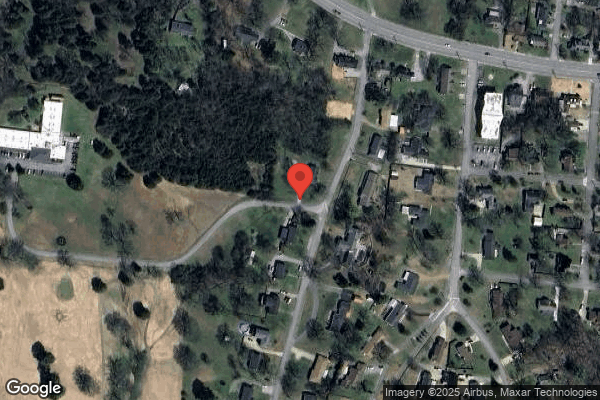
244 OAKWOOD DR, LEWISBURG, TN 37091 (931) 359-3563
For profit - Corporation 60 Beds NATIONAL HEALTHCARE CORPORATION Data: November 2025
Trust Grade
70/100
#83 of 298 in TN
Last Inspection: February 2025

Within standard 12-15 month inspection cycle. Federal law requires annual inspections.

Overview

NHC Healthcare in Oakwood has received a Trust Grade of B, which indicates it is a good choice for families considering nursing home care. It ranks #83 out of 298 facilities in Tennessee, placing it in the top half of the state, and it holds the top position of 2 in Marshall County. The facility's performance is stable, with 15 issues identified in both 2023 and 2025, and no fines on record, suggesting no serious compliance problems. Staffing is average with a rating of 3 out of 5 and a turnover rate of 58%, which is slightly higher than the state average. However, the facility excels in RN coverage, surpassing 84% of Tennessee facilities, ensuring more thorough monitoring of residents' health. There are some concerns, though, as recent inspections found that a resident experienced more than a 14-hour gap between meals, which could affect their well-being. Additionally, food was not served in a sanitary manner for nearly all residents during a meal service, raising health concerns. Lastly, care plans were not consistently updated or reviewed for several residents, indicating potential gaps in personalized care. Families should weigh these strengths and weaknesses carefully when considering this facility for their loved ones.

Trust Score
B
70/100
In Tennessee
#83/298
Top 27%
Safety Record
Low Risk
No red flags
Inspections
Holding Steady
3 → 3 violations
Staff Stability
⚠ Watch
58% turnover. Above average. Higher turnover means staff may not know residents' routines.
Penalties
✓ Good
No fines on record. Clean compliance history, better than most Tennessee facilities.
Skilled Nurses
○ Average
Each resident gets 40 minutes of Registered Nurse (RN) attention daily — about average for Tennessee. RNs are the most trained staff who monitor for health changes.
Violations
⚠ Watch
15 deficiencies on record. Higher than average. Multiple issues found across inspections.
★★★★☆
4.0
Overall Rating
★★★☆☆
3.0
Staff Levels
★★★★★
5.0
Care Quality
★★★☆☆
3.0
Inspection Score
Stable
2023: 3 issues
2025: 3 issues

The Good

  • 5-Star Quality Measures · Strong clinical quality outcomes
  • Full Sprinkler Coverage · Fire safety systems throughout facility
  • No fines on record

Facility shows strength in quality measures, fire safety.

The Bad

Staff Turnover: 58%

12pts above Tennessee avg (46%)

Frequent staff changes - ask about care continuity

Chain: NATIONAL HEALTHCARE CORPORATION

Part of a multi-facility chain

Ask about local staffing decisions and management

Staff turnover is elevated (58%)

10 points above Tennessee average of 48%

The Ugly 15 deficiencies on record

Feb 2025 3 deficiencies
CONCERN (D)

Potential for Harm - no one hurt, but risky conditions existed

Accident Prevention (Tag F0689)

Could have caused harm · This affected 1 resident

**NOTE- TERMS IN BRACKETS HAVE BEEN EDITED TO PROTECT CONFIDENTIALITY** Based on facility policy, medical record review, observation and interview the facility failed to follow the facility accident p...

Read full inspector narrative →
**NOTE- TERMS IN BRACKETS HAVE BEEN EDITED TO PROTECT CONFIDENTIALITY** Based on facility policy, medical record review, observation and interview the facility failed to follow the facility accident policy related to an unobserved fall for 1 of 3 (Resident #31) reviewed for accidents. The findings include: 1. Review of the facility policy titled, INCIDENT AND ACCIDENT PROCESS, with revision date of 8/13/2013 revealed, .Investigation into the incident/accident .Obtain information on what happened-what was actually seen or heard. If not witness, get patient's statement about what happened .Never move the patient until the assessment is completed unless immediate treatment is needed .Assess the patient related to the incident/accident . 2. Review of the medical record revealed Resident #31 was admitted to the facility on [DATE], with diagnoses which included Hemiplegia and Hemiparesis following Cerebral Infarction, Monocular Vision Loss and Personal history of Traumatic Brain Injury. Review of the Annual Minimum Data Set (MDS) dated [DATE], revealed Resident #31 had a Brief Interview for Mental Status score of 14, which indicated Resident #31 had no cognitive impairment. Continued review of the MDS revealed Resident #31 was dependent for transfers and walking was not attempted. Review of the Fall Scene Investigation Report dated 12/5/2024, revealed Registered Nurse (RN) D and Licensed Practical Nurse (LPN) G were present when Resident #31 fell on [DATE]. Continued review revealed Resident #31 was found face down on the floor with his left leg still in his bed. Further review revealed Resident #31 slipped trying to reach his urinal. Review of a Statement Form dated 12/5/2024 completed by LPN G revealed, .[Named RN D] and I .were in report .CNA [Certified Nursing Assistant] came and stated [Named Resident #31] is on the floor .Both [LPN G and RN D] went immediately to his room .Pt. [patient] was in bed .stated he was trying to reach his urinal on the floor .c/o [complained of] left shoulder and right face and forehead pain .neuro checks in place immediately . The Statement Form revealed Resident #31 had been moved from the floor to the bed prior to nursing staff assessment. Review of the Progress Notes dated 12/5/2024 ,completed by LPN G revealed, .Approx. [approximately] 7:00 pm Staff found Patient on the floor face down with bil. [bilaterial] lower ext. [extremity] still in the bed; Patient stated he was trying to reach for his urinal which was on the floor and fell; Staff contacted Nurses on Hall; Nurses immediately went to Patient's room where Staff had already placed Patient back in bed; Nurse performed assessment .Patient c/o of left shoulder and right side of face and forehead pain; neuro checks in place immediately .On-call Physician notified .[Named Physician] responded with a video call with both Nurses and Patient; [Named Physician] decided after talking with Patient that it was best to send him to the ER [Emergency Room] for evaluation . Review of Hospital #1's Final Report for Resident #31 dated 12/5/2024 revealed, .Patient precented to emergency room by ambulance for complaint of fall at the nursing home patient rolled out of bed and hit the left side of his head he had swelling to his face he was complaining of pain in his left shoulder left knee he denied any loss of consciousness patient is at nursing home for rehab of a large stroke triage .patient was seen and examined we will get a scan of his head face neck we will x-ray his left shoulder left knee we will check basic lab work and will further assess .10:30 PM the patient's scans are read by the radiologist they were interpreted as being nonremarkable patient .sent back to the nursing home . During an interview and observation on 2/11/2025 at 8:26 AM, Resident #31 was dressed in street clothes sitting in his wheelchair. Resident #31 stated, .I had a fall out of the bed once . During an interview on 2/13/2025 at 11:05 AM, RN D was asked if the Certified Nursing Assistants moved Resident #31 from the floor to bed prior to a nurse assessment. RN D stated, .yes, no nurse assessed him before he was placed back in the bed .we always want them to call us first before they move the resident. I told the staff to always call me first not to move the resident .I called the physician, and they elected to send him to hospital due to his past brain injury . During an interview on 2/13/2025 at 4:13 PM, the Director of Nursing (DON) was asked if the CNAs should have moved Resident #31 prior to a nursing assessment. The DON stated, .no, only reason to move the resident would be if he was in immediate danger .
CONCERN (D)

Potential for Harm - no one hurt, but risky conditions existed

Deficiency F0699 (Tag F0699)

Could have caused harm · This affected 1 resident

**NOTE- TERMS IN BRACKETS HAVE BEEN EDITED TO PROTECT CONFIDENTIALITY** Based on facility policy review, medical record review, and interviews, the facility failed to ensure that 1 of 24 sampled resid...

Read full inspector narrative →
**NOTE- TERMS IN BRACKETS HAVE BEEN EDITED TO PROTECT CONFIDENTIALITY** Based on facility policy review, medical record review, and interviews, the facility failed to ensure that 1 of 24 sampled residents (Resident #31) received trauma-informed care in accordance with professional standards of practice and accounting for a resident's experiences and preferences to eliminate or mitigate triggers that may cause re-traumatization of the resident. The findings include: 1. Review of the undated facility policy titled, Care Plan Completion, revealed, .After completing the MDS [Minimum Data Set] and CAA [Care Area Assessment] portions of the comprehensive assessment, the next step is to evaluate the information gained through both assessment processes to identify problems .patient's .problems, and needs . Review of the undated facility policy titled, Trauma Informed Care, revealed, .As an organization we are committed to learning about trauma and its effects and to engage with an implement trauma-informed approaches to the care we provide and the culture we create .Trauma-informed care is an important component of enacting our commitment to person-centered care through which we offer individualized support and services .Residents who have a trauma history deserve access to care that is trauma-sensitive and behavioral health treatment .Our organization can and should have an organizational culture that is trauma-responsive and so avoids retraumatizing residents and creates an environment of safety .We are committed to full implementation of the trauma informed care requirements as codified in the CMS [Centers for Medicare & Medicaid Services] Final Rule-these requirements pertain to comprehensive person-centered care planning . 2. Review of Hospital #2's Discharge Summary for Resident #31 dated 12/20/2019 revealed, .[Named Resident #31] is a [AGE] year-old gentlemen with a history most notable for a gunshot wound on 6/19 [6/19/2019] status post craniotomy, multiple revisions; brain abscesses treated at outside hospital .stroke with residual left-sided weakness .seizure disorder .chronic malnutrition status post PEG [Percutaneous Endoscopic Gastrostomy Tube - feeding tube inserted through the skin and into the stomach] placement who presents to [Named Hospital #2] following a recent discharge with altered mental status and acute monocular vision loss. Patient's prior hospitalizations had all been at [Named Hospital #3] in Memphis Tennessee. Patient was recently discharged from an outside hospital 3 days prior to his admission to [Named Hospital #2] soon after returning home with his fiancée he became more confused, complained of vision loss in his left eye was febrile to 103 [degrees Fahrenheit] . Review of the medical record revealed Resident #31 was admitted to the facility on [DATE], with diagnoses which included Hemiplegia and Hemiparesis following Cerebral Infarction, Monocular vision loss, adjustment disorder with mixed anxiety and depressed mood, and Personal history of Traumatic Brain Injury. Review of the Social Service-Comprehensive assessment dated [DATE] revealed .Does patient have a history of traumatic experiences (describe)? No . Review of the Annual MDS dated [DATE], revealed Resident #31 had a Brief Interview for Mental Status score of 14 which indicated no cognitive impairment. Review of the Social Service-Comprehensive assessment dated [DATE], revealed .Does patient have a history of traumatic experiences (describe)? Patient denied any history of traumatic experiences at this time . Review of the Care Plan with review date of 12/24/2024, revealed no care plan for the history of trauma Resident #31 had experienced. During an interview on 2/11/2025 at 8:23 AM, Resident #31 was asked if he ever experienced any trauma in his life. Resident #31 stated, .I got shot one time .I have pain in my shoulder where I got shot, I have nightmares about it . During an interview on 2/13/2025 at 2:10 PM, Social Service Director (SSD) was asked what the importance of the trauma informed care assessment is. SSD stated, .to inform staff of any triggers after trauma .PCL [Post Traumatic Stress Disorder Checklist to help Social Workers screen clients for potential symptoms of Post Traumatic Stress Disorder] is what we do . SSD was asked if she reviewed Resident #31's history and physical. SSD stated, .not exactly .I do know that his family lives in Memphis .he was placed here for his protection .I didn't admit him . SSD was asked if she was aware Resident #31 was debilitated due to a gun shot. SSD stated, .I have never been told that I assumed it was something .I have never read his history and physical .he could have trauma related to that .I do have multiple progress notes .what he thinks is not reality . SSD was asked if confusion and dementia would keep her from monitoring for post traumatic stress disorder. SSD stated, .I am not questioning that .I am not saying he shouldn't be followed .it is important. I feel like I should have been more in depth with his review .I don't have a PCL on [Named Resident #31] . During an interview on 2/13/2025 at 2:40 PM, MDS Coordinator stated, .I would only mark the MDS for PTSD if there was a diagnosis from the doctor .the HIM [Health Information Manager] would do the coding for diagnosis .I was here when he admitted .his family lives in Memphis .I know he got shot .I would consider that traumatic .I have never witnessed him being upset but there is a potential .he seems ok .I have never asked him about it .he has confusion .I am not sure he remembers it . During an interview in Resident #31's room on 2/13/2025 at 2:50 PM with Resident #31 and the MDS Coordinator. Resident #31 was asked what brought him to the facility Resident #31 stated, .I got shot . Resident #31 was asked where he got shot. Resident #31 stated, .it hit me in the head and shoulder .I was riding around in my car .some guy was acting crazy .my friends told me he was after me .I said I am superman he isn't going to f [expletive curse word] with me then I see an assault rifle, heard it .[NAME] .hit me in shoulder and head ended up in Memphis in the hospital .I am in Lewisburg now . After the interview the MDS Coordinator was asked if it would be important to care plan for trauma informed care on Resident #31 and she stated, yes. During a telephone interview on 2/13/2025 at 4:35 PM Family Member (FM) F was asked how the gunshot wound has affected Resident #31's life. FM F stated, .affected him tremendously .now he is in poor health .the craniotomy affected his cognition .disfigured his sinus cavity .affected his vision .I told the facility about his history .he was admitted with a feeding tube .we never found out who shot him that is why he was moved out of Memphis .I don't even stay in Memphis much due to the fear the shooter may come after me .he had to move away from his whole family .
CONCERN (D)

Potential for Harm - no one hurt, but risky conditions existed

Infection Control (Tag F0880)

Could have caused harm · This affected 1 resident

**NOTE- TERMS IN BRACKETS HAVE BEEN EDITED TO PROTECT CONFIDENTIALITY** Based on policy review, medical record review, observation, and interview, the facility failed to ensure practices to prevent th...

Read full inspector narrative →
**NOTE- TERMS IN BRACKETS HAVE BEEN EDITED TO PROTECT CONFIDENTIALITY** Based on policy review, medical record review, observation, and interview, the facility failed to ensure practices to prevent the potential spread of infection was maintained for 1 of 1 sampled resident (Resident #16) reviewed for enhanced barrier precautions. The findings include: 1. Review of the facility's policy titled, Enhanced Barrier Precautions, dated 4/2024, revealed .Enhanced Barrier Precautions (EPB) refers to an infection control intervention designed to reduce transmission of multidrug-resistant organisms [MDRO] that employs targeted gown and glove use during high contact activities. EPB are used in conjunction with standard precautions and expand the use of PPE [personal protective equipment] to donning of gown and gloves during high-contact patient care activities that provide opportunities for transfer of MDRO to staff hands and clothing .EPB are indicated for patients with .wounds .even if the patient is not known to be infected or colonized with a MDRO .Providers and partners must wear gloves and a gown for the following High Contact Patient Care Activities .Dressing .Bathing .Transferring .Changing Linens .Providing Hygiene .Wound Care: any opening requiring a dressing .Generally, this includes chronic wounds .covered with an adhesive bandage or similar dressing .pressure ulcers .PPE for EBP is only necessary when performing high-contact care activities . 2. Review of the medical record revealed Resident #16 was admitted on [DATE], with diagnoses including Heart Failure, Hypertension, and Pressure Ulcer stage 4. Review of Resident #16's care plan dated 4/5/2024, revealed .Enhanced Barrier precautions as ordered .Approach: Staff to wear PPE as indicated while providing care . Review of Physician's Orders dated 8/12/2024, revealed .Enhanced Barrier Precautions for Indwelling Catheter every shift . Review of the medical record revealed Resident #16's care plan and Physician Order did not reflect Enhanced Barrier Precautions for the stage 4 pressure ulcer to sacrum. Review of the quarterly Minimum Data Set (MDS) dated [DATE], revealed Resident #16's Brief Interview for Mental Status (BIMS) was coded as 15 indicating cognition was intact. Resident #16 was coded for an unhealed stage 4 pressure ulcer prior to admission and required maximal assistance of staff for activities of daily living (ADLs). Review of Physician's Orders dated 2/13/2024, revealed .Cleanse stage 4 pressure injury to sacrum with Vashe irrigation [a topical solution that contains hypochlorous acid [HOCI], a naturally occurring molecule produced by the immune system to fight infection], apply skin prep [skin protectant] to intact skin, cut and size Aquacel Extra [wound dressing composed of 2 layers of Hydro fiber [used for managing a wide range of moderate to highly exuding [discharge of moisture or a smell] wounds, cover with Aquacel Foam [absorbent foam pad] or sacral dressing. Change once a day Mon, [Monday], Wed [Wednesday], Fri [Friday] .and PRN [as needed] for saturation or dislodgement . Observation in Resident #16's room on 2/13/2025 at 10:50 AM, revealed LPN (Licensed Practical Nurse) I and NA (nursing assistant) H did not wear or don PPE during wound assessment of stage 4 sacral pressure ulcer. NA H turned and repositioned Resident #16 onto her right side with gloved hands, not wearing a PPE gown as Resident #16's moist stained top sheet and stained incontinent pad touched the uniform of NA H, while holding the resident on her right side. LPN I with a gloved hand and no PPE gown was kneeling on the resident's left side of bed, knelt beside bed with her uniform and right elbow touching Resident #16's dirty linen and fitted bed sheet. LPN I with gloved hands, touched wound area, moving and raising Resident #16's left buttock up revealing the stage 4 wound with a flashlight. LPN I removed the wrinkled displaced dirty bandage from the sacral wound. LPN I lifted Resident #16's left buttock to expose the moist stage 4 pressure ulcer, revealing blood-tinged exudate drainage from the wound bed without wearing appropriate PPE for enhanced barriers. NA H and LPN I did not use appropriate PPE before, or during wound assessment, and while touching Resident #16's sacral area and bed linens. During an interview on 2/13/2025 at 11:05 AM, LPN I was asked if she should wear a PPE gown when exposing and touching a resident's open wound for Enhanced Barrier Precautions. LPN I stated, .Yes . During an interview on 2/13/2025 at 11:35 AM, NA H was asked should a PPE gown be worn when turning and repositioning a resident with an open wound during wound assessment. NA H stated, yes, especially since the linens may be soiled or wet . During an interview on 2/13/2025 at 2:45 PM, the MDS Coordinator was asked if Resident #16's care plan and Physician Orders should reflect EBP for the stage 4 pressure ulcer to the sacrum. The MDS Coordinator stated, Yes . The MDS Coordinator was asked when staff should wear PPE for EBP. The MDS Coordinator stated, .gowns and gloves for pegs, catheters, wounds and open areas of any resident . During an interview on 2/14/2025 at 10:11 AM, the Director of Nursing (DON) was asked if EBP included wearing a PPE gown when a resident has an open wound and should staff wear a gown during turning, repositioning and touching the resident's wound area. The DON stated, Yes. The DON confirmed Resident #16's care plan and Physician Orders should reflect EBP for the stage 4 pressure ulcer to the sacrum.
Jun 2023 3 deficiencies
CONCERN (D) 📢 Someone Reported This

A family member, employee, or ombudsman was alarmed enough to file a formal complaint

Potential for Harm - no one hurt, but risky conditions existed

Resident Rights (Tag F0550)

Could have caused harm · This affected 1 resident

**NOTE- TERMS IN BRACKETS HAVE BEEN EDITED TO PROTECT CONFIDENTIALITY** Based on facility policy review, medical record review, and interview, the facility failed to ensure resident communication and ...

Read full inspector narrative →
**NOTE- TERMS IN BRACKETS HAVE BEEN EDITED TO PROTECT CONFIDENTIALITY** Based on facility policy review, medical record review, and interview, the facility failed to ensure resident communication and access to persons and services outside the facility for 1 of 51 residents (Resident #7) when a phone outage had occurred at the facility. The findings include: Review of the facility's policy titled, Loss of Telephone Service, Internal Communication System, and/or Nurse Call System, dated 9/2017, revealed, .Notify Fire and Police Departments. Public Information Officer will notify the news media (primarily TV and radio) that a problem has occurred and the estimated downtime. Request they notify the public that only emergency calls should be attempted to the facility .Request the phone service provider offer a temporary communication process if available and necessary . Review of the medical record revealed Resident #7 was readmitted to the facility on [DATE] with diagnoses which included Hemiplegia and Hemiparesis following Cerebral Infarction Affecting Right Dominant Side. Review of the Quarterly Minimum Data Set (MDS) dated [DATE], revealed Resident #7 had a BIMS score of 13, which indicated no cognitive impairment. During a phone interview on 6/6/2023 at 3:48 PM, the Complainant voiced his displeasure with how the facility handled an issue when their phone system was down. The Complainant stated he had called Resident #7 on 5/17/2023, and there was no answer from Resident #7. The Complainant stated he went to the facility's Facebook site to see if anything was happening and did not discover anything. The Complainant stated he then called the police to conduct a wellness check on Resident #7. The Complainant stated that later that night, the police called him back, and told him Resident #7 was okay. The Complainant stated he called the corporate office to let them know it was unacceptable that he could not reach Resident #7 and inquired if the facility had a protocol to follow when these events happened. The Complainant stated the corporate office did not call the him until 7 or 8 days later. The Complainant stated he called the Corporate office twice, and they admitted the Administrator should have sent a text message to family members letting them know the situation with the telephone lines that occurred on 5/17/2023. The complainant stated that the facility never called him about the phone lines being down on 5/17/2023. During an interview on 6/7/2023 at 2:47 PM, Licensed Practical Nurse (LPN) #4 stated she did not remember a phone outage. LPN #4 stated she was not sure of the protocol if there was a phone outage in the facility. During an interview on 6/7/2023 at 4:30 PM, the Maintenance Director confirmed a phone outage had occurred on 5/17/2023. The Maintenance Director stated the outage had occurred because of a wreck and one of the phone poles had been damaged. During an interview on 6/7/2023 at 4:38 PM, the Administrator confirmed a phone and internet outage had occurred on 5/17/2023. The Administrator stated the police had came to the facility during the outage to conduct a welfare check. The Administrator stated the facility staff had cell phones during the outage. The Administrator confirmed he did not contact the residents' families during the outage. He stated the outage had lasted for a couple of hours.
CONCERN (D) 📢 Someone Reported This

A family member, employee, or ombudsman was alarmed enough to file a formal complaint

Potential for Harm - no one hurt, but risky conditions existed

Investigate Abuse (Tag F0610)

Could have caused harm · This affected 1 resident

**NOTE- TERMS IN BRACKETS HAVE BEEN EDITED TO PROTECT CONFIDENTIALITY** Based on facility policy review, medical record review, and interview, the facility failed to investigate an allegation of abuse...

Read full inspector narrative →
**NOTE- TERMS IN BRACKETS HAVE BEEN EDITED TO PROTECT CONFIDENTIALITY** Based on facility policy review, medical record review, and interview, the facility failed to investigate an allegation of abuse for 1 of 3 allegations reported. The findings include: Review of the facility policy titled, Patient Protection and Response Policy for Allegations/Incidents of Abuse, Neglect, Misappropriation of Property and Exploitation, revised 2/1/2023, revealed, .All allegations of possible abuse, neglect, misappropriation of property of exploitation will be immediately assessed to determine the appropriate direction of the investigation .When there is a question as to whether to conduct an investigation, it is best to do so . Review of the medical record revealed Resident #6 was admitted to the facility on [DATE] with diagnoses which included Osteoarthritis and Generalized Muscle Weakness. Review of the Care Plan dated 10/21/2022, revealed Resident #6 had a self-care deficit related to Osteoarthritis and Muscle Weakness. Resident #6 required staff to assist with ADL needs such as bathing, grooming, dressing, and toileting. Review of the Quarterly Minimum Data Set (MDS) assessment dated [DATE], revealed Resident #6 had a Brief Interview for Mental Status (BIMS) score of 15, which indicated no cognitive impairment. During an interview on 6/26/2023 at 10:45 AM, the Complainant stated on Wednesday 6/14/2023 around 9:00 AM, she was sitting on her bed, and the privacy curtain was between herself and Resident #6. Two Certified Nurse Aides (CNAs) were in the room, CNA #5 and #6. The Complainant observed CNA #5 pull her leg down forcibly and said to Resident #6 shut up, don't cry, shut up, don't scream. The Complainant told the Director of Nursing (DON), Social Service Director (SSD), and other staff she had witnessed Resident #6 abused by Certified Nurse Aide (CNA) #5. During an interview on 6/26/2023 at 10:43 AM, Resident #6 stated a month ago in the morning, during AM care, a named employee (CNA #5) pulled her right leg when she was changing her. The incident happened twice. CNA #6 was in the room. Resident #6 stated she was crying like crazy, and her leg hurt badly. Resident #6 stated that her leg still hurt. Resident #6 confirmed she did not tell the staff and said she should have. Resident #6 stated that the Complainant witnessed CNA #5 pull her leg. Resident #6 confirmed that CNA #5 had not taken care of her or been in her room since the incident. During an interview on 6/26/2023 at 12:41 PM, CNA #6 stated she and CNA #5 were in the Complainant's and Resident #6 room three weeks ago at 9:30 AM or 10:00 AM. Resident #6 had a history of pain in her legs when moved by staff. Two or three days later, Resident #6 said she was abused. CNA #6 did not understand why Resident #6 felt that because the two CNAs were in the room only to assist her with her care. Resident #6 had asked CNA #6 if she remembered being abused, and CNA #6 told Resident #6 she did not see or was aware that it happened. During an interview on 6/26/2023 at 1:11 PM, CNA #5 stated she was unaware of any allegations of abuse that were made against her towards Resident #6. The continued interview revealed CNA #5 stated she had gone on vacation and returned to the facility a week after her last interaction with Resident #6. CNA #5 stated that upon arrival at the facility, she had been made aware that she was accused of abusing Resident #6. CNA #5 stated she then went to talk with the DON to inquire what was happening. During an interview on 6/26/2023 at 1:46 PM, the Social Service Director (SSD) stated she did not remember when she was notified of the alleged abuse to Resident #6. The SSD stated she heard the Complainant tell the Psychiatric Nurse Practitioner of observing CNA #5 abusing Resident #6. The SSD stated she and the DON spoke with Resident #6, and Resident #6 did not confirm she was abused by CNA #5. Continued interview revealed the SSD stated she did not speak with the Complainant or document her interview with Resident #6. Continued interview revealed the SSD was the abuse coordinator. During an interview on 6/26/2023 at 2:04 PM, the DON confirmed she had spoken to Resident #6 regarding the abuse allegation but did not speak to the Complainant. The DON stated Resident #6 did not confirm she was abused by CNA #5; therefore, she did not initiate or document an investigation. During an interview on 6/26/2023 at 2:44 PM, the Administrator stated he had been on vacation when the abuse allegation had been made against CNA #5. The Administrator stated that when he came back, he had been made aware that Resident #6 had been upset about something. The Administrator stated he was unaware of the specifics of the alleged abuse, interviews, or discussions. The Administrator confirmed that in his absence, the DON would be responsible for initiating the investigation if abuse was alleged.
CONCERN (D) 📢 Someone Reported This

A family member, employee, or ombudsman was alarmed enough to file a formal complaint

Potential for Harm - no one hurt, but risky conditions existed

Deficiency F0657 (Tag F0657)

Could have caused harm · This affected 1 resident

**NOTE- TERMS IN BRACKETS HAVE BEEN EDITED TO PROTECT CONFIDENTIALITY** Based on facility policy review, facility documentation, medical record, and interview, the facility failed to update a care pla...

Read full inspector narrative →
**NOTE- TERMS IN BRACKETS HAVE BEEN EDITED TO PROTECT CONFIDENTIALITY** Based on facility policy review, facility documentation, medical record, and interview, the facility failed to update a care plan 1 of 3 sampled residents (Resident #3) related to behavior. The findings include: Review of the undated facility policy titled, Updating and Revising Care Plans revealed .Routine Reviews and Updates: Care plans are updated as needed, but are reviewed by the interdisciplinary team on a quarterly basis during completion of the clinical MDS (Minimum Data Set) assessment .C. Other Changes: 1. New problems are added to the current care plan even if the change is not considered significant enough for a complete revision . Review of the facility documentation for Resident #3, dated 12/13/2022, revealed, .Behaviors: makes inappropriate comments towards staff and resident, impulse issues, sexual thoughts. He is able to be redirected, At times when had a clear thought process, you can speak to him about his behaviors, when he displays them. He is currently taking psych meds . Review of the medical record revealed Resident #3 was readmitted to the facility on [DATE] with diagnoses which included Schizophrenia, Dementia with Behavioral Disturbances, and Parkinson's Disease. Review of the Care Plan dated 1/5/2023, revealed Resident #3 was care planned for, .Behavior/Mood- [named Resident #3] is at risk for behaviors mood r/r [related to] dx [diagnosis] of Dementia, unspecified severity, with other behavioral disturbance, Schizophrenia, Psychotic Disorder with Delusions due to known physiological condition, Unspecified Psychosis not due to a substance of known physiological condition, Bipolar Disorder, current episode depressed, severe, with psychotic features, Generalized Anxiety Disorder . Review of the Quarterly Minimum Data Set (MDS) assessment dated [DATE], revealed Resident #3 had a Brief Interview for Mental Status Score (BIMS) of 15, which indicated no cognitive impairment. Review of a progress note for Resident #3, dated 5/24/2023, revealed, .pt [patient] noted to be sexually aggressive with CNA [Certified Nurse Aide] during an eye appt [appointment] CNA stated she turned around and patient suddenly and deliberately grabbed her buttocks . Review of a progress note for Resident #3, dated 5/29/2023, revealed, .hypersexual behaviors patient found in room [ROOM NUMBER]a (Resident #2) in the bed with the patient in room [ROOM NUMBER] b reports that patient touched her (Resident #1's) leg and vagina area . During interviews on 6/6/2023 at 9:08 AM and 11:03 AM, the Social Service Director (SSD) stated stated she had not received a report of Resident #3's behaviors of sexual impulsivity and sexual language toward others. The SSD stated she had added her piece to the care plans quarterly and confirmed she had not reviewed his care plan thoroughly. The SSD stated the last care plan review for Resident #3 had been conducted two months ago. The SSD confirmed that Resident #3's care plan did not reflect his behaviors. During an interview on 6/6/2023 at 10:20 AM, the Director of Nursing (DON) stated she had been unaware of the incident that had occurred and been documented in a progress note on 5/24/2023, regarding Resident #3 grabbing a CNA's buttocks during an eye appointment.
Mar 2022 6 deficiencies
CONCERN (D)

Potential for Harm - no one hurt, but risky conditions existed

Resident Rights (Tag F0550)

Could have caused harm · This affected 1 resident

**NOTE- TERMS IN BRACKETS HAVE BEEN EDITED TO PROTECT CONFIDENTIALITY** Based on facility policy review, medical record review, observation, and interview, the facility failed to ensure 2 of 17 reside...

Read full inspector narrative →
**NOTE- TERMS IN BRACKETS HAVE BEEN EDITED TO PROTECT CONFIDENTIALITY** Based on facility policy review, medical record review, observation, and interview, the facility failed to ensure 2 of 17 residents (Resident #9 and Resident #35) were treated in a dignified manner during the lunch meal on 3/7/2022. The findings include: Review of the facility's policy titled, Resident Rights, dated 2/2020, revealed, .we support the patient/resident's right to live in an environment which is individualized for them. We strive to cultivate and sustain an excellent quality of life for each individual with person-centered care and services, by honoring and supporting each patient/resident's preferences, choices, values and beliefs . Review of the medical record revealed Resident #9 was admitted to the facility on [DATE] with readmission on [DATE] with diagnoses which included Senile Degeneration of Brain, Dementia, and Dysphagia. Review of the Quarterly Minimum Data Set (MDS) dated [DATE], revealed Resident #9 required total assistance with one person assist with eating. Review of the medical record revealed Resident #35 was admitted to the facility on [DATE] with diagnoses which included Hemiplegia and Hemiparesis, Dysphagia, and Dementia. Review of the Quarterly MDS assessment dated [DATE], revealed Resident #35 required extensive assistance with one person assist with eating. Observation in the dining room on 3/7/2022 during the mid day meal at 11:00 AM to 11:56 AM, revealed Resident #35 was seated at a table with one other resident. Resident #35 was not served a meal tray until 10 minutes after the other resident. Continued observation revealed Resident #9 was seated at another table with another resident. Continued observation revealed Resident #9 was served her meal tray 21 minutes after the other resident was served. During an interview on 3/7/2022 at 11:25 AM, Certified Nurse Aide (CNA) #1 confirmed Resident #35 did not receive a meal tray at the same time as the resident sitting at the table with him. She stated the independent residents received their meal trays first and then the staff assisted the residents who needed assistance with meals. During an interview on 3/7/2022 at 11:45 AM, CNA #2 confirmed Resident #9 did not receive a meal tray at the same time as the resident sitting at the table with her. She stated she would get Resident #9's meal tray and assist her after she finished assisting the other resident with her meal. She stated the staff passed out the independent residents' trays first, then would pass out the dependent residents' trays. During an interview on 3/7/2022 at 4:30 PM, the Director of Nursing stated the dining process was for the staff to pass out the trays to all the residents sitting at the same table at the same time. She stated she expected the residents at the same table to receive their meal tray at the same time and to be assisted at that time if needed.
CONCERN (D)

Potential for Harm - no one hurt, but risky conditions existed

Deficiency F0655 (Tag F0655)

Could have caused harm · This affected 1 resident

**NOTE- TERMS IN BRACKETS HAVE BEEN EDITED TO PROTECT CONFIDENTIALITY** Based on facility policy review, medical record review, and interview, the facility failed to develop and implement a Baseline C...

Read full inspector narrative →
**NOTE- TERMS IN BRACKETS HAVE BEEN EDITED TO PROTECT CONFIDENTIALITY** Based on facility policy review, medical record review, and interview, the facility failed to develop and implement a Baseline Care Plan within 48 hours of admission for 3 of 7 sampled residents (Residents #1, #97, and #146) reviewed. The findings include: Review of the facility policy titled, Patient Care Plans, updated 10/2021, revealed, .The center will ensure an interdisciplinary and comprehensive approach to the development of the patient's care plan of care. Patient's goals for care and preferences will be determined and used to develop their plan of care .Time Frames for Care Plans: Baseline plan of care within 48 hours of admission addressing the immediate needs of the patient. Must be presented to patient and/or patient representative in terms they can understand .All disciplines involved in the care of the patient must be represented in the baseline care plan and be included in the development . Review of the medical record revealed Resident #1 was admitted to the facility on [DATE] with diagnoses which included Fatty Liver, Nonalcoholic Steatohepatitis, Hepatic Failure, Dementia, Type 2 Diabetes Mellitus, and Chronic Kidney Disease. Review of the admission 5-Day Minimum Data Set (MDS) assessment dated [DATE], revealed Resident #1 scored 00 on the Brief Interview for Mental Status (BIMS) Assessment, which indicated severe cognitive impairment. Review of the Care Plan revealed Resident #1's Baseline Care Plan was initiated on 2/28/2022, and included only 1 problem, which was Risk for Falls. Continued review revealed the Baseline Care plan was not completed for Resident #1 within 48 hours of admission. Review of the medical record revealed Resident #97 was admitted to the facility on [DATE] with diagnoses which included Malignant Neoplasm of Tongue. Review of the Care Plan revealed Resident #97's Baseline Care Plan dated 3/7/2022, included only 2 problems, which was Skin Integrity and Nutritional Status. Continued review revealed the Baseline Care plan was not completed for Resident #97 within 48 hours of admission. Review of the medical record revealed Resident #146 was admitted to the facility on [DATE] with diagnoses which included Nondisplaced Fracture of the Base of Neck of Right Femur, Type 2 Diabetes, and Cognitive Communication Deficit. Review of the admission Observation Report dated 1/31/2022 for Resident #146 revealed, .wears glasses .hearing aids .urinary catheter .fallen within the last month . Review of the Care Plan revealed Resident #146's Baseline Care Plan dated 1/31/2022, included only 1 problem, which was Risk for Falls. Continued review revealed the Baseline Care plan was not completed for Resident #146 within 48 hours of admission. During an interview on 3/8/2022 at 11:30 AM, the Director of Nursing (DON) confirmed the Baseline Care Plans were not completed within 48 hours of admission, as per facility policy, for Resident #1 and Resident #146 and did not address all of the residents' care areas. During an interview on 3/8/2022 at 2:15 PM, the DON confirmed Resident #97 did not have a Baseline Care Plan completed.
CONCERN (D)

Potential for Harm - no one hurt, but risky conditions existed

Infection Control (Tag F0880)

Could have caused harm · This affected 1 resident

**NOTE- TERMS IN BRACKETS HAVE BEEN EDITED TO PROTECT CONFIDENTIALITY** Based on facility policy review, medical record review, observation, and interview, the facility failed to sanitize medical equi...

Read full inspector narrative →
**NOTE- TERMS IN BRACKETS HAVE BEEN EDITED TO PROTECT CONFIDENTIALITY** Based on facility policy review, medical record review, observation, and interview, the facility failed to sanitize medical equipment after usage for 3 of 27 sampled residents (Resident #13, #26, and #97) observed. The findings include: Review of the facility's undated policy titled, Cleaning of Shared Medical Equipment, revealed, .Equipment: All durable medical equipment and reusable items including but not limited to: stethoscopes, blood pressure cuffs, thermometers, oximeters, and glucometers .Durable medical equipment (DME) must be cleaned and disinfected before reuse by another patient . Review of the medical record revealed Resident #13 was admitted to the facility on [DATE] with diagnoses which included Spastic Quadraplegic Cerebral Palsy. Review of the current Physician Orders for Resident #13 dated 3/1/2022, revealed, .Droplet Precautions. DX COVID 19 . Review of the medical record revealed Resident #26 was admitted to the facility on [DATE] with diagnoses which included Unspecified Atrial Fibrillation. Review of the current Physician Orders for Resident #26 dated 3/1/2022, revealed, .Droplet Precautions. DX [diagnosis] COVID 19 . Review of the medical record revealed Resident #97 was admitted to the facility on [DATE] with diagnoses which included Neoplasm to the Tongue. Review of the current Physician Orders for Resident #97 dated 3/4/2022, revealed, .Droplet Precautions . Observation on the North Hall on 3/7/2022 at 2:41 PM, revealed, Certified Nurse Aide (CNA) #3 exited Resident #13's room with the vital sign machine and did not sanitize the machine. Continued observation revealed at 2:42 PM, CNA #3 entered Resident #97's room with the same vital sign machine. Continued observation revealed CNA #3 exited Resident #26's room at 2:49 PM. During an interview on 3/7/2022 at 2:49 PM, CNA #3 confirmed she did not clean the vital sign machine after leaving Resident #13's and #97's room. Observation on the North Hall on 3/7/2022 at 2:57 PM, revealed, CNA #3 returned to the North hall and entered Resident #26's room with the vital sign machine. During an interview on 3/8/2022 at 4:30 PM, the Assistant Director of Nursing (ADON) stated she expected the CNAs to sanitize the vital sign machine with bleach wipes after leaving a resident's room.
CONCERN (E)

Potential for Harm - no one hurt, but risky conditions existed

Deficiency F0657 (Tag F0657)

Could have caused harm · This affected multiple residents

**NOTE- TERMS IN BRACKETS HAVE BEEN EDITED TO PROTECT CONFIDENTIALITY** Based on facility policy review, medical record review, and interview, the facility failed to complete a Care Conference after e...

Read full inspector narrative →
**NOTE- TERMS IN BRACKETS HAVE BEEN EDITED TO PROTECT CONFIDENTIALITY** Based on facility policy review, medical record review, and interview, the facility failed to complete a Care Conference after each completed resident assessment for 9 of 27 sampled residents (Residents #2, #3, #6, #16, #21, #23, #39, #41, and #42) reviewed. The facility also failed to revise a Care Plan for 1 of 27 sampled residents (Resident #23) reviewed. The findings include: Review of the facility policy titled, Updating and Revising Care Plans, dated [DATE], revealed, .Routine Reviews and Updates: Care plans are updated as needed but are reviewed completely by the interdisciplinary team on a quarterly basis within 7 days of the completion of the clinical MDS [Minimum Data Set] assessment . Review of the medical record revealed Resident #2 was admitted to the facility on [DATE] with readmission on [DATE] with diagnoses which included Hemiplegia and Hemiparesis, Nontraumatic Intracranial Hemorrhage, End Stage Renal Disease, Dependence on Renal Dialysis, Major Depressive Disorder, Epilepsy, Hypertensive Heart, and Chronic Kidney Disease with Heart Failure. Review the medical record revealed Resident #2's most recent MDS was completed [DATE]. Review of the medical record revealed the last Care Conference for Resident #2 was completed on [DATE]. Review of the medical record revealed Resident #3 was admitted to the facility on [DATE] with readmission on [DATE] with diagnoses which included Chronic Kidney Disease, Secondary Multiple Arthritis, Dysphagia, and Atherosclerotic Heart Disease. Review of the medical record revealed Resident #3's most recent MDS assessment was completed on [DATE]. Review of the medical record revealed the last Care Conference for Resident #3 was completed on [DATE]. Review of the medical record revealed Resident #6 was admitted to the facility on [DATE] with diagnoses which included Malignant Neoplasm of Colon, Dementia With Behavioral Disturbance, Mood Disorder, Psychosis, and Vitamin D Deficiency. Review of the medical record revealed Resident #6's most recent MDS assessment was completed on [DATE]. Review of the medical record revealed the last Care Conference for Resident #6 was completed on [DATE]. Review of the medical record revealed Resident #16 was admitted to the facility on [DATE] with readmission on [DATE] with diagnoses which included Dementia With Behavioral Disturbance, Psychosis, Bell's Palsy, Chronic Kidney Disease, and Congestive Heart Failure. Review of the medical record revealed Resident #16's most recent MDS assessment was completed on [DATE]. Review of the medical record revealed the last Care Conference for Resident #16 was completed on [DATE]. Review of the medical record revealed Resident #21 was admitted to the facility on [DATE] with diagnoses which included Major Depressive Disorder, Adjustment Disorder with Anxiety, Bipolar Disorder, Chronic Pain Syndrome, and Type 2 Diabetes. Review of the medical record revealed Resident #21's most recent MDS assessment was completed on [DATE]. Review of the medical record revealed the last Care Conference for Resident #21 was completed on [DATE]. Review of the medical record revealed Resident #23 was admitted to the facility on [DATE] with readmission on [DATE] with diagnoses which included Dementia With Behavioral Disturbance, Chronic Obstructive Pulmonary Disease, Chronic Pain Syndrome, Type 2 Diabetes Mellitus, Chronic Kidney Disease, and Do Not Resuscitate (DNR). Review of the Physician Order Report for Resident #23 revealed, .Code Status: DNR XXX[DATE] . Review of the Tennessee Physician Orders for Scope of Treatment (POST) dated [DATE] for Resident #23, revealed, .Do Not Attempt Resuscitation (DNR/no CPR [cardiopulmonary resuscitation]) (Allow Natural Death) .No artificial nutrition by tube . Review of the medical record revealed Resident #23's most recent MDS assessment was completed on [DATE]. Review of the medical record revealed the last Care Conference for Resident #23 was completed on [DATE]. Review of the current Care Plan for Resident #23 revealed, .Full Code/CPR created [DATE] . Continued review revealed the care plan was not updated to reflect Resident #23's Advanced Directive preference of Do Not Resuscitate, Do Not Intubate (DNR/DNI) which was ordered on [DATE]. Review of the medical record revealed Resident #39 was admitted to the facility on [DATE] with diagnoses which included Hemiplegia and Hemiparesis, Dysphagia oral phase, Aphasia, Major Depressive Disorder, Dementia, Generalized Anxiety Disorder, Eating Disorder and Atrial Fibrillation. Review the medical record revealed Resident #39's most recent MDS was completed [DATE]. Review of the medical record revealed the last Care Conference for Resident #39 was completed on [DATE]. Review of the medical record revealed Resident #41 was admitted to the facility on [DATE] with readmission on [DATE] with diagnoses which included Encounter for Surgical Aftercare, Atherosclerotic Heart Disease, Bipolar Disorder, and Chronic Kidney Disease. Review the medical record revealed Resident #41's most recent MDS was completed on [DATE]. Review of the medical record revealed the last Care Conference for Resident #41 was completed on [DATE]. Review of the medical record revealed Resident #42 was admitted to the facility on [DATE] with readmission on [DATE] with diagnoses which included Alzheimer's Disease, Dementia with Behavioral Disturbance, Type 2 Diabetes Mellitus, Delusional Disorders, and Hypertension. Review the medical record revealed Resident #42's most recent MDS was completed on [DATE]. Review of the medical record revealed the last Care Conference for Resident #42 was completed on [DATE]. During an interview on [DATE] at 8:51 AM, the Director of Nursing (DON) confirmed Resident #23's Care Plan was not updated to reflect his DNR/DNI Advanced Directive preferences. During an interview on [DATE] at 2:08 PM, the DON stated the IDT met quarterly for resident Care Plan conferences. Continued interview, she stated the IDT consisted of the Director of Nursing, Therapy, Recreational personnel, Dietary, Social Services, and the resident or representative, or both. She confirmed Residents #2, #3, #6, #16, #21, #23, #39, #41, and #42 did not have Care Plan conferences completed after each assessment.
CONCERN (F)

Potential for Harm - no one hurt, but risky conditions existed

Deficiency F0809 (Tag F0809)

Could have caused harm · This affected most or all residents

**NOTE- TERMS IN BRACKETS HAVE BEEN EDITED TO PROTECT CONFIDENTIALITY** Based on facility policy review, medical record review, documentation review, and interview, the facility failed to ensure there...

Read full inspector narrative →
**NOTE- TERMS IN BRACKETS HAVE BEEN EDITED TO PROTECT CONFIDENTIALITY** Based on facility policy review, medical record review, documentation review, and interview, the facility failed to ensure there was no more than 14 hours between a substantial evening meal and breakfast the following day. The findings include: Review of facility's policy titled, Meal Service & Patient Meal Delivery, dated 11/2020, revealed, .The center will provide meals with no greater than a 14-hour lapse between the evening meal and breakfast (or 16 hours with approval of a resident group and provision of a substantial snack) . Review of the undated facility documentation titled, Meal Service Schedule, revealed 15 hours between the evening meal at 4:00 PM and the breakfast meal at 7:00 AM. Review of the medical record revealed Resident #2 was admitted to the facility on [DATE] with diagnoses which included Muscle Weakness and End Stage Renal Disease. Review of Resident #2's Quarterly Minimum Data Set assessment dated [DATE], revealed the resident had a Brief Interview for Mental Status score of 15 indicating the resident was cognitively intact. During an interview on 3/8/2022 at 10:50 AM, Resident #2 (Co-President of the Resident Council) stated he attended resident council meetings regularly and the council had not voted to have longer than 14 hours between supper and breakfast the following day. During an interview on 3/8/2022 at 1:15 PM, the Activity Director and the Registered Dietician stated they did not have any documentation regarding a resident council meeting to approve for the mealtimes to be longer than the 14 hour lapse.
CONCERN (F)

Potential for Harm - no one hurt, but risky conditions existed

Food Safety (Tag F0812)

Could have caused harm · This affected most or all residents

Based on facility policy review, observations, and interviews, the facility failed to ensure food was served in a sanitary manner for 46 of 47 residents served a meal tray from the kitchen. The findin...

Read full inspector narrative →
Based on facility policy review, observations, and interviews, the facility failed to ensure food was served in a sanitary manner for 46 of 47 residents served a meal tray from the kitchen. The findings include: Review of the facility's policy titled, Glove Use, revised 11/2017, revealed, .Change gloves before moving from one task to another .partners shall have no bare hand contact with food and shall use appropriate items such as deli tissue, spatulas, tongs, single-use gloves, or dispensing equipment when handling food .Gloves should never replace the use of utensils, tongs, etc . Observation in the kitchen on 3/7/2022 at 11:10 AM, revealed the [NAME] was preparing meals on the tray line, reached into the warmer and touched a roll with her gloved hand, then touched French fries with her gloved hand and placed them on a resident meal plate. During an interview on 3/7/2022 at 11:10 AM, the [NAME] confirmed she should not have touched the roll or the French fries with her gloved hand. During an interview on 3/7/2022 at 11:15 AM, the Certified Dietary Manager (CDM) confirmed the [NAME] should not have touched the roll or the French fries with her gloved hands.
May 2019 3 deficiencies
CONCERN (D)

Potential for Harm - no one hurt, but risky conditions existed

Report Alleged Abuse (Tag F0609)

Could have caused harm · This affected 1 resident

**NOTE- TERMS IN BRACKETS HAVE BEEN EDITED TO PROTECT CONFIDENTIALITY** Based on policy review, medical record review, observation, and interview, the facility failed to report an allegation of abuse ...

Read full inspector narrative →
**NOTE- TERMS IN BRACKETS HAVE BEEN EDITED TO PROTECT CONFIDENTIALITY** Based on policy review, medical record review, observation, and interview, the facility failed to report an allegation of abuse for 1 of 3 (Resident #53) sampled residents reviewed for abuse. The findings include: The facility's Patient Protection .for Allegations/Incidents of Abuse . policy revised 12/11/17 documented, .The patient has the right to be free from abuse .5. Identification Policy .Any patient event that is reported to any partner by patient .will be considered an allegation of .abuse .if it meets any of the following criteria .patient or family complaint of physical or verbal harm, pain or mental anguish resulting from the actions of others .6. Reporting Policy .It is the policy of this facility that abuse allegations .are reported per Federal and State Law . Medical record review revealed Resident #53 was admitted to the facility on [DATE] with diagnoses of Anemia, Hypertension, Atrial Fibrillation, Chronic Kidney Disease, Diabetes, Anxiety Disorder, Depression, and Asthma. Review of the quarterly Minimum Data Set (MDS) dated [DATE] revealed a Brief Interview of Mental Status (BIMS) of 13, which indicated the resident was cognitively intact for decision making, required extensive assistance with activities of daily living, and had functional limitations in range of motion with impairment in both of her lower extremities. Review of the facility investigation of Resident #53's allegation of abuse revealed no documentation the abuse allegation was reported to the State. Interview with the Administrator on 5/29/19 at 5:09 PM in the Conference Room, the Administrator was asked when he was made aware of the allegation of abuse by Resident #53. The Administrator confirmed he was made aware of the allegation on 5/16/19, the day the allegation was made. The Administrator was asked if the allegation was reported to the State and the Administrator stated, .No. Interview with Resident #53 on 5/30/19 at 7:55 AM, in Resident #53's room, Resident #53 was asked if she had ever been abused or mistreated in the facility. Resident #53 stated, Well, uh .an aide .she just was rough . Resident #53 confirmed she reported the incident. Resident #53 stated she reported, That I thought she was physically and verbally abusing me. Resident #53 was asked if she was satisfied with the way the investigation was handled by the facility. Resident #53 stated, Yeah, I didn't want to make a big deal about it . Resident #53 confirmed that she felt safe in the facility.
CONCERN (D)

Potential for Harm - no one hurt, but risky conditions existed

Accident Prevention (Tag F0689)

Could have caused harm · This affected 1 resident

Based on observation and interview, the facility failed to ensure the environment was free from accident hazards when 1 of 2 (Sling Lift) resident transfer lifts was not functioning properly. The fin...

Read full inspector narrative →
Based on observation and interview, the facility failed to ensure the environment was free from accident hazards when 1 of 2 (Sling Lift) resident transfer lifts was not functioning properly. The findings include: Observations in Resident #36's room on 5/31/19 at 10:35 AM revealed Certified Nursing Assistant (CNA) #1 and #2 used a sling lift to transfer Resident #36 from his bed to his wheelchair. The lift malfunctioned momentarily and left Resident #36 suspended over his bed in the sling. The lift began working again, and the CNAs were able to lower Resident #36 into his wheelchair. Interview with CNA #2 outside Resident #36's room on 5/30/19 at 10:42 AM, CNA #2 was asked if there had been problems with the sling lift. CNA #2 stated, Here lately, yes. We have told maintenance. CNA #2 was asked how long the lift had been malfunctioning. CNA #2 stated, I'm not sure, maybe a week. Interview with CNA #3 on the [NAME] Hall on 5/30/19 at 10:43 AM, CNA #3 was asked if she had any problems with the sling lift. CNA #3 stated, Once in awhile it will get stuck .It's been reported to maintenance. We were just talking about it Monday. CNA #3 was asked what she was told by the maintenance staff. CNA #3 stated, He said he would look at it and try to oil it up or something. Interview with CNA #4 at the nurses station on 5/30/19 at 10:46 AM, CNA #4 was asked if she had any problems with the sling lift. CNA #4 stated, A little bit. CNA #4 was asked how long that had been going on. CNA #4 stated, It's been recent .I've noticed it usually happens more on bigger patients that it struggles with . Interview with the Director of Maintenance on 5/30/19 at 12:22 PM in the Conference Room, the Director of Maintenance was asked if he worked on the patient lifts. The Director of Maintenance stated, Not much .I just check the batteries. The Director of Maintenance was asked if he had been notified of a problem with the sling lift. The Director of Maintenance confirmed he had been notified. The Director of Maintenance was asked when he was first made aware of the problem. The Director of Maintenance stated, It's sporadic. Two or 3 months ago, we swapped the batteries. Interview with the Director of Maintenance on 5/30/19 at 1:17 PM in the Conference Room, the Director of Maintenance stated, .A service call was put in last Thursday, and then [Central Supply CNA] made a follow-up call yesterday because he hadn't come out yet. Interview with CNA #6 on 5/30/19 at 2:31 PM in the Conference Room, CNA #6 was asked if she ever had problems using the sling lift. CNA #6 stated, It's horrible. Something is wrong with the cord that connects the remote to the lift .You have to move the cord thingie around or it won't work. Sometimes it will and sometimes it won't. It has been reported . Interview with the Director of Nursing (DON) on 5/30/19 at 2:53 PM in the Conference Room , the DON was asked if the sling lift had been serviced recently. The DON stated, They are coming Tuesday. The DON was asked why the lift needed to be serviced. The DON stated, [Central Supply CNA] called them about something about it. Interview with the Administrator on 5/30/19 at 5:23 PM in the Conference Room, the Administrator was asked if he was aware the staff were having problems with the sling lift. The Administrator stated, I've heard a lot of discussion about the lift today. The Administrator was asked how often the lift was serviced. The Administrator stated, .Annually . The Administrator was asked if he was concerned the staff continued to use the sling lift even though it had not been working properly. The Administrator stated, No . Interview with the Central Supply CNA on 5/31/19 at 8:10 AM in the Conference Room, the Central Supply CNA was asked about the problem with the sling lift. The Central Supply CNA stated, The tilt wasn't working. The maintenance man looked at it. It was Tuesday [5/28/19] when I put the call [lift service call] in. They were closed on Monday [5/27/19] . The Central Supply CNA was asked if the sling lift was still being used for resident transfers. The Central Supply CNA confirmed it was still in use. The Central Supply CNA was asked how long she had known they were having problems with it. The Central Supply CNA stated, Last week one of the techs [CNAs] came to me .
CONCERN (E)

Potential for Harm - no one hurt, but risky conditions existed

Assessment Accuracy (Tag F0641)

Could have caused harm · This affected multiple residents

**NOTE- TERMS IN BRACKETS HAVE BEEN EDITED TO PROTECT CONFIDENTIALITY** Based on medical record review and interview the facility failed to accurately assess residents for the use of unnecessary medic...

Read full inspector narrative →
**NOTE- TERMS IN BRACKETS HAVE BEEN EDITED TO PROTECT CONFIDENTIALITY** Based on medical record review and interview the facility failed to accurately assess residents for the use of unnecessary medications and pressure ulcers for 7 of 17 (Resident #4, #24, #27, #30, #45, #51, and #254) sampled residents reviewed. The findings include: 1. Medical record review revealed Resident #4 was admitted to the facility on [DATE] with diagnoses of Parkinson's Disease, Depression, Bipolar Disorder, Mood Disorder, Psychotic Disorder, Anxiety, Dementia, and Long Term Use of Aspirin. Review of the annual Minimum Data Set (MDS) dated [DATE] revealed a Brief Interview for Mental Status (BIMS) score of 13, which indicated no cognitive impairment, and the resident received anticoagulant medications daily during the 7-day look-back period. Review of the March 2019 Medication Administration Record (MAR) revealed no anticoagulant medication was administered. Interview with the MDS Coordinator on 5/30/19 at 12:48 PM in the Conference Room, the MDS Coordinator confirmed the MDS was inaccurate related to anticoagulant use. 2. Medical record review revealed Resident #24 was admitted to the facility on [DATE] with diagnoses of Seizure Disorder, Cerebrovascular Disease, and Aphasia Following Cerebral Infarction. Review of the quarterly MDS dated [DATE] revealed a BIMS of 14, indicating no cognitive impairment, and received anticoagulant medications 5 of the 7 days of the look-back period. Review of the April 2019 MAR revealed no anticoagulant medication was administered. Interview with the MDS Coordinator on 5/30/19 at 12:50 PM in the Conference Room, the MDS Coordinator confirmed the MDS was inaccurate related to anticoagulant use. 3. Medical record review revealed Resident #27 was admitted to the facility on [DATE] with diagnoses of Major Depression, Hypertension, Parkinson Disease, Chronic Obstructive Pulmonary Disease, and Long Term Use of Anticoagulants. Review of the admission MDS dated [DATE] revealed a BIMS of 15, which indicated no cognitive impairment, and received antianxiety medications, antidepressant medications, anticoagulant medications, and diuretic medications 5 of the 7 days of the look-back period. Review of the April 2019 MAR revealed no antianxiety medication was administered, antidepressant and diuretic medications were administered 6 days, and anticoagulant medications were administered daily during the 7-day look-back period. Interview with the MDS Coordinator on 5/30/19 at 9:59 AM in the Conference Room, the MDS Coordinator was asked if the admission MDS dated [DATE] was coded correctly for antianxiety, antidepressant, anticoagulant and diuretic medications. The MDS Coordinator stated, No. 4. Medical record review revealed Resident #30 was admitted to the facility on [DATE] with diagnoses of Diabetes, Respiratory Failure, Heart Failure, Obesity, Major Depressive Disorder, Long Term Use of Aspirin, Pain, and Neuropathy. Review of the admission MDS dated [DATE] revealed a BIMS of 15, which indicated no cognitive impairment, and received antidepressant and anticoagulant medications 7 days, antibiotics 2 days, diuretics and opioids 6 days of the 7-day look-back period. Review of the January 2019 MAR revealed no anticoagulant or opioid medications were administered, antibiotics were administered 3 days, and diuretics were administered 7 days of the 7-day look-back period. The quarterly MDS dated [DATE] documented a BIMS of 12, which indicated moderate cognitive impairment, and received antidepressant, hypnotic, anticoagulant, and diuretic medications 5 days of the 7-day look-back period. Review of the April 2019 MAR revealed no antidepressant, hypnotic, or anticoagulant medications were administered, and diuretics were administered daily during the 7-day look-back period. Interview with the MDS Coordinator on 5/30/19 at 9:18 AM in the Conference Room, the MDS Coordinator was asked if the admission MDS dated [DATE] was coded correctly for anticoagulants, antibiotics, diuretics and opioids. The MDS Coordinator stated, No. The MDS Coordinator was asked if the quarterly MDS dated [DATE] was coded correctly for antidepressants, hypnotics, anticoagulants and diuretics. The MDS Coordinator stated, No. 5. Medical record review revealed Resident #45 was admitted to the facility on [DATE] with diagnoses of Atrial Fibrillation, Adjustment Disorder with Mixed Anxiety and Depressed Mood, Insomnia, Hypertension, Long-Term Use of Aspirin, and Shingles. Review of the quarterly MDS dated [DATE] revealed a BIMS of 10, which indicated moderate cognitive impairment, and received anticoagulant medications daily during the 7-day look-back period. Review of the April 2019 and May 2019 MARs revealed no anticoagulant medication was administered. Interview with the MDS Coordinator on 5/30/19 at 12:51 PM in the Conference Room, the MDS Coordinator confirmed the MDS was inaccurate related to anticoagulant use. 6. Medical record review revealed Resident #51 was admitted to the facility on [DATE] with diagnoses of Coronary Artery Disease, Congestive Heart Failure, Hypertension, Diabetes, Cerebrovascular Accident, Anxiety Disorder, and Depression. Review of the quarterly MDS dated [DATE] revealed a BIMS of 13, which indicted no cognitive impairment, and was coded for anticoagulant administration daily during the 7-day look-back period. Review of the annual MDS dated [DATE] revealed a BIMS of 14, which indicated no cognitive impairment, and was coded for anticoagulant administration daily during the 7-day look-back period. Review of the February 2019 and May 2019 MARs revealed anticoagulant medications were not administered. Interview with the MDS Coordinator on 5/30/19 at 10:45 AM in the Conference Room, the MDS Coordinator confirmed the MDS was coded incorrectly for anticoagulant administration. 7. Medical record review revealed Resident #254 was admitted to facility on 5/14/19 with diagnoses of Anoxic Brain Damage, Abnormal Posture, Aphasia, Cognitive Communication Deficit, and Congestive Heart Failure. The admission Minimum Data Set (MDS) dated [DATE] documented a BIMS score of 6, which indicated severe cognitive impairment, and was not coded for Unhealed Pressure Ulcers, Other Ulcers, Wounds and Skin Problems. Review of the physician's order signed 5/27/19, with a start date of 5/15/19, revealed an order to apply skin prep to scab/eschar area to right calf twice daily. Review of the Weekly Wound Assessment Record dated 5/15/19 revealed an Unstageable Pressure Ulcer to the back of the right calf. Review of the Care Plan dated 5/21/19 revealed an Unstageable Pressure Wound to the back of the right calf. Interview with the MDS Coordinator on 5/30/19 at 10:10 AM in the Conference Room, the MDS Coordinator confirmed the MDS was inaccurate related to Unstageable Pressure Ulcers and Skin Problems.
Understanding Severity Codes (click to expand)
Life-Threatening (Immediate Jeopardy)
J - Isolated K - Pattern L - Widespread
Actual Harm
G - Isolated H - Pattern I - Widespread
Potential for Harm
D - Isolated E - Pattern F - Widespread
No Harm (Minor)
A - Isolated B - Pattern C - Widespread

Questions to Ask on Your Visit

  • "Why is there high staff turnover? How do you retain staff?"
  • "Can I speak with families of current residents?"
  • "What's your RN coverage like on weekends and overnight?"

Our Honest Assessment

Strengths
  • • No major safety red flags. No abuse findings, life-threatening violations, or SFF status.
  • • No fines on record. Clean compliance history, better than most Tennessee facilities.
Concerns
  • • 15 deficiencies on record. Higher than average. Multiple issues found across inspections.
  • • 58% turnover. Above average. Higher turnover means staff may not know residents' routines.
Bottom line: Mixed indicators with Trust Score of 70/100. Visit in person and ask pointed questions.

About This Facility

What is Nhc Healthcare, Oakwood's CMS Rating?

CMS assigns NHC HEALTHCARE, OAKWOOD an overall rating of 4 out of 5 stars, which is considered above average nationally. Within Tennessee, this rating places the facility higher than 99% of the state's 100 nursing homes. This rating reflects solid performance across the metrics CMS uses to evaluate nursing home quality.

How is Nhc Healthcare, Oakwood Staffed?

CMS rates NHC HEALTHCARE, OAKWOOD's staffing level at 3 out of 5 stars, which is average compared to other nursing homes. Staff turnover is 58%, which is 12 percentage points above the Tennessee average of 46%. High turnover can affect care consistency as new staff learn residents' individual needs.

What Have Inspectors Found at Nhc Healthcare, Oakwood?

State health inspectors documented 15 deficiencies at NHC HEALTHCARE, OAKWOOD during 2019 to 2025. These included: 15 with potential for harm.

Who Owns and Operates Nhc Healthcare, Oakwood?

NHC HEALTHCARE, OAKWOOD is owned by a for-profit company. For-profit facilities operate as businesses with obligations to shareholders or private owners. The facility is operated by NATIONAL HEALTHCARE CORPORATION, a chain that manages multiple nursing homes. With 60 certified beds and approximately 55 residents (about 92% occupancy), it is a smaller facility located in LEWISBURG, Tennessee.

How Does Nhc Healthcare, Oakwood Compare to Other Tennessee Nursing Homes?

Compared to the 100 nursing homes in Tennessee, NHC HEALTHCARE, OAKWOOD's overall rating (4 stars) is above the state average of 2.8, staff turnover (58%) is significantly higher than the state average of 46%, and health inspection rating (3 stars) is at the national benchmark.

What Should Families Ask When Visiting Nhc Healthcare, Oakwood?

Based on this facility's data, families visiting should ask: "How do you ensure continuity of care given staff turnover, and what is your staff retention strategy?" "Can I visit during a mealtime to observe dining assistance and food quality?" "How do you handle medical emergencies, and what is your hospital transfer rate?" "Can I speak with family members of current residents about their experience?" These questions are particularly relevant given the facility's high staff turnover rate.

Is Nhc Healthcare, Oakwood Safe?

Based on CMS inspection data, NHC HEALTHCARE, OAKWOOD has a clean safety record: no substantiated abuse findings (meaning no confirmed cases of resident harm), no Immediate Jeopardy citations (the most serious violation level indicating risk of serious injury or death), and is not on the Special Focus Facility watch list (a federal program monitoring the lowest-performing 1% of nursing homes). The facility has a 4-star overall rating and ranks #1 of 100 nursing homes in Tennessee. While no facility is perfect, families should still ask about staff-to-resident ratios and recent inspection results during their visit.

Do Nurses at Nhc Healthcare, Oakwood Stick Around?

Staff turnover at NHC HEALTHCARE, OAKWOOD is high. At 58%, the facility is 12 percentage points above the Tennessee average of 46%. High turnover means new staff may not know residents' individual needs, medications, or preferences. It can also be disorienting for residents, especially those with dementia who rely on familiar faces. Families should ask: What is causing the turnover? What retention programs are in place? How do you ensure care continuity during staff transitions?

Was Nhc Healthcare, Oakwood Ever Fined?

NHC HEALTHCARE, OAKWOOD has no federal fines on record. CMS issues fines when nursing homes fail to meet care standards or don't correct problems found during inspections. The absence of fines suggests the facility has either maintained compliance or corrected any issues before penalties were assessed. This is a positive indicator, though families should still review recent inspection reports for the full picture.

Is Nhc Healthcare, Oakwood on Any Federal Watch List?

NHC HEALTHCARE, OAKWOOD is not on any federal watch list. The most significant is the Special Focus Facility (SFF) program, which identifies the bottom 1% of nursing homes nationally based on persistent, serious quality problems. Not being on this list means the facility has avoided the pattern of deficiencies that triggers enhanced federal oversight. This is a positive indicator, though families should still review the facility's inspection history directly.