LIFE CARE CENTER OF BLOUNT COUNTY
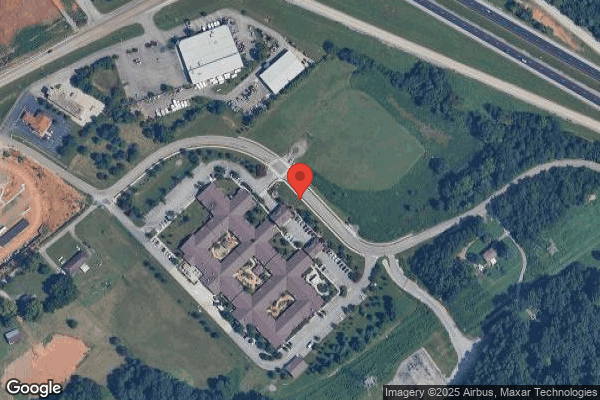

1965 STEWART LANE, LOUISVILLE, TN 37777 (865) 984-3146
For profit - Corporation 120 Beds LIFE CARE CENTERS OF AMERICA Data: November 2025
Trust Grade
58/100
#128 of 298 in TN
Last Inspection: December 2024

Within standard 12-15 month inspection cycle. Federal law requires annual inspections.

Overview

Life Care Center of Blount County has a Trust Grade of C, which means it is average-neither great nor terrible compared to other facilities. It ranks #128 out of 298 nursing homes in Tennessee, placing it in the top half of the state, and it is #1 out of 6 in Blount County, indicating it is the best option locally. However, the facility's trend is worsening, with issues increasing from 1 in 2023 to 10 in 2024. Staffing is considered a strength, with a 3 out of 5 star rating and a turnover rate of 45%, which is below the state average. While there were $8,018 in fines, which is average, the nursing home has more RN coverage than 89% of facilities in Tennessee, ensuring that residents receive better oversight. On the downside, there have been some serious concerns; one resident was subjected to psychosocial abuse when another resident entered her room and exposed himself, resulting in harm. Additionally, another resident with cognitive impairment did not have a care plan for their pressure ulcers, and there were failures in maintaining proper refrigerator and freezer temperatures in the kitchen, which could affect food safety for many residents. Overall, while there are some strengths such as RN coverage and staffing stability, recent findings raise serious concerns about resident safety and care quality.

Trust Score
C
58/100
In Tennessee
#128/298
Top 42%
Safety Record
Moderate
Needs review
Inspections
Getting Worse
1 → 10 violations
Staff Stability
⚠ Watch
45% turnover. Above average. Higher turnover means staff may not know residents' routines.
Penalties
⚠ Watch
$8,018 in fines. Higher than 93% of Tennessee facilities. Major compliance failures.
Skilled Nurses
✓ Good
Each resident gets 51 minutes of Registered Nurse (RN) attention daily — more than average for Tennessee. RNs are trained to catch health problems early.
Violations
⚠ Watch
20 deficiencies on record. Higher than average. Multiple issues found across inspections.
★★★☆☆
3.0
Overall Rating
★★★☆☆
3.0
Staff Levels
★★★★★
5.0
Care Quality
★★☆☆☆
2.0
Inspection Score
Stable
2023: 1 issues
2024: 10 issues

The Good

  • 5-Star Quality Measures · Strong clinical quality outcomes
  • Full Sprinkler Coverage · Fire safety systems throughout facility
  • No fines on record

Facility shows strength in quality measures, fire safety.

The Bad

3-Star Overall Rating

Near Tennessee average (2.8)

Meets federal standards, typical of most facilities

Staff Turnover: 45%

Near Tennessee avg (46%)

Higher turnover may affect care consistency

Federal Fines: $8,018

Below median ($33,413)

Minor penalties assessed

Chain: LIFE CARE CENTERS OF AMERICA

Part of a multi-facility chain

Ask about local staffing decisions and management

The Ugly 20 deficiencies on record

1 actual harm
Dec 2024 5 deficiencies
CONCERN (D)

Potential for Harm - no one hurt, but risky conditions existed

Comprehensive Assessments (Tag F0636)

Could have caused harm · This affected 1 resident

**NOTE- TERMS IN BRACKETS HAVE BEEN EDITED TO PROTECT CONFIDENTIALITY** Based on facility policy review, Minimum Data Set (MDS) 3.0 Resident Assessment Instrument (RAI) Manual review, medical record r...

Read full inspector narrative →
**NOTE- TERMS IN BRACKETS HAVE BEEN EDITED TO PROTECT CONFIDENTIALITY** Based on facility policy review, Minimum Data Set (MDS) 3.0 Resident Assessment Instrument (RAI) Manual review, medical record review, observations, and interviews the facility failed to enter the code for isolation treatment for 1 resident (Resident #236) of 19 residents reviewed for MDS accuracy. The findings include: Review of the facility policy titled, Clostridium (Clostridioides) Difficile (CDI), reviewed 6/4/2024, revealed .The facility will care for residents with suspected and actual Clostridium Difficile in accordance with local, state, and federal guidelines .a system for .identifying .communicable diseases .transmission-based precautions to be followed to prevent spread of infections .isolation should be used . Review of the MDS 3.0 RAI Manual revised 10/4/2024, revealed .Isolation or quarantine .Code only when the resident requires transmission-based precautions .with highly transmissible .pathogens that have been acquired by physical contact . Review of the medical record revealed Resident #236 was admitted to the facility on [DATE] with diagnoses including Clostridium Difficile (C-diff), Chronic Obstructive Pulmonary Disease (COPD), and Rheumatoid Arthritis. Review of the facility's document titled Skilled Nursing Documentation, dated 11/29/2024 revealed the resident was placed into isolation precautions for a C-diff infection. Review of a 5-day MDS assessment dated [DATE], revealed Resident #236 scored a 14 on the Brief Interview for Mental Status (BIMS) assessment which indicated the resident was cognitively intact and had an active diagnosis of C-diff. Further review revealed contact isolation was not captured on the MDS. During an observation on 12/2/2024 at 10:55 AM, Resident #236's door was closed with signage for contact precautions and Personal Protective Equipment (PPE) outside the room. During an interview on 12/2/2024 at 11:00 AM, Unit Manager Licensed Practical Nurse (LPN) L stated Resident #236 admitted from the hospital on [DATE] with an active C-diff infection and was placed into isolation precautions. Unit Manager LPN also stated all the resident's care and services were provided in the room. During an interview on 12/3/2024 at 2:00 PM, Resident #236 stated she went to the hospital for stomach pain and thought she had an ulcer. The resident stated when she returned from the hospital the facility put her in isolation because she had C-diff with diarrhea. During a record review, review of Resident #236's MDS, and interview on 12/4/2024 at 3:00 PM, revealed the MDS Registered Nurse (RN) reviewed the residents record and stated the resident had a diagnosis of a C-diff infection, was placed into isolation precautions, and confirmed the isolation was not included on the 5-day MDS assessment.
CONCERN (D)

Potential for Harm - no one hurt, but risky conditions existed

Accident Prevention (Tag F0689)

Could have caused harm · This affected 1 resident

**NOTE- TERMS IN BRACKETS HAVE BEEN EDITED TO PROTECT CONFIDENTIALITY** Based on facility policy review, medical record, observations and interviews the facility failed to secure medications for 1 res...

Read full inspector narrative →
**NOTE- TERMS IN BRACKETS HAVE BEEN EDITED TO PROTECT CONFIDENTIALITY** Based on facility policy review, medical record, observations and interviews the facility failed to secure medications for 1 resident (Resident #235) of 19 residents reviewed for medication storage. The findings include: Review of the facility's policy titled, Self-Administration of Medication, revised 10/31/2021, revealed Resident who requests to self-administer medications is assessed by the interdisciplinary team (IDT) to determine if the resident is safe to self-administer medications .from a central location .medication cart or medication room .or the resident is able to safely store the medication in a secure are [area] in their room .The interdisciplinary assessment will be completed in the electronic medication record . Review of the medical record revealed Resident #235 was admitted to the facility on [DATE], with diagnoses including Muscle Weakness, Cancer, Hearing Loss, and Cognitive Impairment. Review of the 5-day admission Minimum Data Set (MDS) assessment for Resident #235 dated 11/22/2024, revealed Resident #235 scored a 13 on the Brief Interview for Mental Status (BIMS) assessment which indicated the resident was cognitively intact. Review of the comprehensive care plan dated 11/22/2024, revealed Resident #235 was not assessed or care planned for self-medication storage and self-administration. Review of the 11/2024 Medication Administration Record (MAR) for Resident #235 revealed an order dated 11/20/2024 for .Triamcinolone Acetonide Cream 0.1% [percent] .apply to SKIN topically three times a day . The MAR was documented that the medication was administered for 10 days of 11 days scheduled to be administered. Further review of the MAR revealed an order dated 11/21/2024 for .[name brand] Lidocaine External Cream 4 % .Apply to knees topically as needed . The MAR was documented that the medication was administered for 1 day of 10 days available to be administered. Further review of the MAR revealed orders dated 11/21/2024 for .[name brand] Ophthalmic Solution .Instill 2 drop [drops] in both eyes as needed for dry eyes .[name brand] hydrocortisone cream- apply to arms as needed for itching . The MAR was documented that these medications were not administered for 10 days of 10 days available to be administered. During an observation and interview on 12/3/2024 at 4:20 PM, Resident #235 was observed in the room. Further observation revealed a 30-gram tube of Triamcinolone Acetonide Cream 0.1% which was unopened, a 73 milliliter (mL) bottle of name brand Lidocaine External Cream 4% which was almost empty, a 10 mL bottle of name brand Ophthalmic Solution which was half empty, and a 36 mL tube of name brand hydrocortisone 1% cream which was half empty. Resident #235 stated he applied the topical medications himself and administered his own eyedrops. Resident #235 also stated the nurses were aware the medications were in the room and self-administered. Continued observation revealed Resident #235 did not have a room mate. During multiple observations through out the survey dated 12/4/2024-12/6/2024 at multiple times throughout the day, revealed no residents with wandering behaviors noted on the unit/hall where Resident #235 resided. During an observation, interview, and record review on 12/3/2024 at 4:30 PM, the Assistant Director of Nursing (ADON) observed the medications in Resident #235's room. The ADON confirmed the medications were available for resident-self administration and confirmed the Triamcinolone Acetonide Cream 0.1% was full, the name brand Lidocaine External Cream 4% was almost empty, name brand Ophthalmic Solution the was half empty, and the name brand hydrocortisone 1% cream was half empty. The ADON reviewed Resident #235's medical record and confirmed the resident was not assessed for medication storage and self-administration.
CONCERN (F)

Potential for Harm - no one hurt, but risky conditions existed

Comprehensive Care Plan (Tag F0656)

Could have caused harm · This affected most or all residents

**NOTE- TERMS IN BRACKETS HAVE BEEN EDITED TO PROTECT CONFIDENTIALITY** Review of the medical record revealed Resident #238 was admitted to the facility on [DATE] with diagnoses including Coronary Imp...

Read full inspector narrative →
**NOTE- TERMS IN BRACKETS HAVE BEEN EDITED TO PROTECT CONFIDENTIALITY** Review of the medical record revealed Resident #238 was admitted to the facility on [DATE] with diagnoses including Coronary Implant and Graft, Presence of Right Artificial Knee Joint, Dementia, and Chronic Kidney Disease. Review of an admission MDS assessment for Resident #238 dated 9/20/2024, revealed Resident #238 scored a 9 on the BIMS assessment which indicated the resident had moderate cognitive impairment. Review of the facility's document titled Wound Observation Tool, dated 11/14/2024, revealed Resident #238 had an open wound on the left shin. Review of the facility's document titled Wound Observation Tool, dated 11/14/2024, revealed Resident #238 had an open wound on the left heel. Review of the comprehensive care plan dated 12/2/2024, revealed Resident #238 had a pressure ulcer on the left shin and on the left heel. Further review revealed a care plan was not developed or implemented for EBP. During an observation on 12/2/2024 at 10:49 AM, revealed there was no EBP signage posted or PPE available in or outside the Resident #238's room. During an observation on 12/3/2024 at 8:10 AM, revealed there was no EBP signage posted or PPE available in or outside the Resident #238's room. Review of the medical record revealed Resident #239 was admitted to the facility on [DATE] with diagnoses including Heart and Vascular Surgical Aftercare, Cardiac Pacemaker, Indwelling Urinary Catheter, Benign Prostatic Hyperplasia (BPH), and Acute Kidney Failure. Review of an admission MDS assessment dated [DATE], revealed Resident #239 scored a 12 on the BIMS assessment which indicated the resident had moderate cognitive impairment. Further review revealed the resident had an indwelling urinary catheter and an active diagnosis of BPH. Review of the comprehensive care plan revised on 11/19/2024, revealed Resident #239 had an indwelling urinary catheter. Further review revealed a care plan was not developed or implemented for EBP. Review of the Physician's Order for Resident #239 dated 11/22/2024, revealed .Urinary retention .keep catheter [indwelling urinary catheter] . During an observation on 12/2/2024 at 2:05 PM, revealed there was no EBP signage posted or PPE available in or outside Resident #239's room. During an observation on 12/3/2024 at 8:15 AM, revealed there was no EBP signage posted or PPE available in or outside Resident #239's room. Review of the medical record revealed Resident #235 was admitted to the facility on [DATE] with diagnoses including Muscle Weakness, Cancer, Hearing Loss, and Cognitive Impairment. Review of a 5-day MDS assessment for Resident #235 dated 11/22/2024, revealed Resident #235 scored a 13 on the BIMS assessment which indicated the resident was cognitively intact. Review of the comprehensive care plan dated 11/22/2024, revealed Resident #235 was not assessed or care planned for self-medication storage and self-administration. Review of the 11/2024 Medication Administration Record (MAR) for Resident #235 revealed an order dated 11/20/2024 for .Triamcinolone Acetonide Cream 0.1% [percent] .apply to SKIN topically three times a day . The MAR was documented that the medication was administered for 10 days of 11 days scheduled to be administered. Further review of the MAR revealed an order dated 11/21/2024 for .[name brand] Lidocaine External Cream 4 % .Apply to knees topically as needed . The MAR was documented that the medication was administered for 1 day of 10 days available to be administered. Further review of the MAR revealed orders dated 11/21/2024 for .[name brand] Ophthalmic Solution .Instill 2 drop [drops] in both eyes as needed for dry eyes .[name brand] hydrocortisone cream- apply to arms as needed for itching . The MAR was documented that the medications were not administered for 10 days of 10 days available to be administered. During an observation and interview on 12/3/2024 at 4:20 PM, Resident #235 was observed in the room. Further observation revealed a 30-gram tube of Triamcinolone Acetonide Cream 0.1% which was unopened, a 73 milliliter (mL) bottle of name brand Lidocaine External Cream 4% which was almost empty, a 10 mL bottle of name brand Ophthalmic Solution which was half empty, and a 36 mL tube of name brand hydrocortisone 1% cream which was half empty. Resident #235 stated he applied the topical medications himself and administered his own eyedrops. Resident #235 also stated the nurses were aware the medications were in the room and self-administered. During an observation, interview, and record review on 12/3/2024 at 4:30 PM, the Assistant Director of Nursing (ADON) observed the medications in Resident #235's room. The ADON confirmed the medications were available for resident-self administration and confirmed the Triamcinolone Acetonide Cream 0.1% was full, the name brand Lidocaine External Cream 4% was almost empty, name brand Ophthalmic Solution the was half empty, and the name brand hydrocortisone 1% cream was half empty. The ADON stated medication self-administration assessments were recorded on the residents' care plans. The ADON reviewed Resident #235's medical record and confirmed the resident was not care planned for medication self-administration. During an interview on 12/3/2024 at 3:38 PM, the Director of Nursing (DON) confirmed the facility failed to ensure care plans were developed or implemented for Residents #12, #18, #36, #135, #136, #385, #389, #185, #15, #186, #50, #335, #238, and #239 for Enhanced Barrier Precautions and failed to develop a self administration care plan for resident #235. The DON stated .It falls to me to make sure it's done [resident's placed in Enhanced Barrier Precautions] . Review of the medical record revealed Resident #385 was admitted to the facility on [DATE] with diagnoses including Presence of Internal Device and Graft, Infective Pericarditis, and Abnormality of Gait. Review of the Physician's Orders for Resident #385 dated 11/21/2024, revealed the resident had a Peripherally Inserted Central Catheter (PICC) line [a long, flexible tube that is inserted into a vein in the upper arm and threaded into a large vein near the heart] for intravenous (IV) antibiotic administration. Review of an admission MDS assessment dated [DATE], revealed Resident #385 scored a 15 on the BIMS assessment which indicated the resident was cognitively intact. Further review revealed the resident had a PICC line for IV antibiotics and had an active diagnosis of Infective Pericarditis. Review of a comprehensive care plan dated 11/25/2024, revealed Resident #385 had a PICC line for IV antibiotics for an infection. Further review revealed a care plan was not developed or implemented for EBP. During an interview and observation on 12/2/2024 at 10:49 AM, Resident #385 stated he had a PICC line. Continued observation revealed there was no EBP signage posted or PPE available in or outside Resident #385's room. During an observation on 12/3/2024 at 7:45 AM, Resident #385 had a PICC line. Continued observation revealed no EBP signage posted or PPE available in or outside Resident #385's room. During an interview on 12/3/2024 at 2:08 PM, Certified Nursing Assistant (CNA) F stated Resident #385 had a PICC line and was not aware of the EBP requirements for the presence of a PICC line. During an interview on 12/3/2024 at 2:15 PM, LPN G stated Resident #385 had a PICC line and was not aware of the EBP requirements for the presence of a PICC line. Review of the medical record revealed Resident #389 was admitted to the facility on [DATE] with diagnoses including Encounter for Surgical Aftercare following Genitourinary Surgery, Bladder-Neck Obstruction, and Benign Prostatic Hyperplasia (BPH). Review of a comprehensive care plan dated 11/26/2024, revealed Resident #389 had a suprapubic catheter. Further review revealed a care plan was not developed or implemented for EBP. Review of an admission MDS assessment dated [DATE], revealed Resident #389 scored a 10 on the BIMS assessment which indicated the resident had moderate cognitive impairment. Further review revealed the resident had a suprapubic catheter and an active diagnosis of Neurogenic Bladder. Review of the Physician's Orders for Resident #389 dated 12/2/2024, revealed .suprapubic catheter . During an interview and observation on 12/2/2024 at 11:39AM, Resident #389's spouse stated the resident had an indwelling suprapubic catheter. Continued observation revealed no EBP signage posted or PPE available in or outside Resident #389's room. During an observation on 12/3/2024 at 8:05 AM, Resident #389 had a suprapubic catheter. Continued observation revealed no EBP signage posted or PPE available in or outside Resident #389's room. During an interview on 12/3/2024 at 2:08 PM, CNA F stated Resident #389 had a suprapubic catheter and was not aware of the EBP requirments for the presence of a suprapubic catheter. During an interview on 12/3/2024 at 2:15 PM, LPN G stated Resident #389 had a suprapubic catheter and was not aware of the EBP requirments for the presence of a suprapubic catheter. Review of the medical record revealed Resident #50 was admitted to the facility on [DATE], with diagnoses including Muscle Weakness, Abnormalities of Gait and Mobility, Gastrostomy Status, and Severe Protein Calorie Malnutrition. Review of an admission MDS assessment dated [DATE], revealed Resident #50 had a BIMS score of 14, which indicated the resident was cognitively intact. Resident #50 had a feeding tube present on admission. Review of a comprehensive care plan for Resident #50 dated 11/29/2024, revealed .The resident requires tube feeding r/t [related to] Severe Protein Calorie Malnutrition . Continued review revealed EBP was not developed or implemented for Resident #50. During observations on 12/2/2024 at 8:25 AM and 11:15 AM, revealed no EBP signage posted or PPE available in or outside Resident #50's room. During an observation on 12/3/2024 at 8:30 AM, revealed no EBP signage posted or PPE availabe in or outside Resident #50's room. Review of the medical record revealed Resident #335 was admitted to the facility on [DATE], with diagnoses including Muscle Weakness, Abnormalities of Gait and Mobility, Morbid Obesity, End Stage Renal Disease, and Dependence on Renal Dialysis. Review of an admission MDS assessment dated [DATE], revealed Resident #335 had a BIMS score of 15, which indicated the resident was cognitively intact. Resident #335 required out-patient hemodialysis. Review of the Physician's Orders for Resident #335 revealed .Dialysis patient: Receives dialysis at [dialysis facility name] ON MON-WED-FRI .Start 11/27/2024 .Enhanced Barrier Precautions Diagnosis .wounds .dialysis .Start 12/3/2024 . Review of the comprehensive care plan for #335 dated 11/29/2024, revealed .resident receives hemodialysis r/t [related to] ESRD [End Stage Renal Disease] . Further review revealed the care plan was developed or implemented for EBP. During observations on 12/2/2024 at 8:25 AM and 11:15 AM, revealed no EBP signage posted or PPE available in or outside Resident #335's room. During an observation on 12/3/2024 at 8:30 AM, revealed no EBP signage posted or PPE available in or outside Resident #335's room. During an interview on 12/3/2024 at 10:40 AM, LPN K stated she was not aware of the need to use EBP for Resident #50 or Resident #335 prior to 12/2/2024. LPN K confirmed there was no EBP signage posted or PPE available in or outside Resident #50's and Resident #335's room prior to 12/3/2024. Review of the medical record revealed Resident #15 was admitted to the facility on [DATE], with diagnoses including Local Infection of the Skin and Subcutaneous Tissue, Dementia, Diverticulosis, Diabetes Mellitus, Chronic Kidney Disease, and Dysphagia. Review of the comprehensive care plan dated 10/9/2024, revealed Resident #15 had an activities of daily living (ADL) self-care deficit related to general health condition and infection of left hip pressure ulcer. Continued review revealed the care plan was revised on 11/21/2024 with EBP and the use of a feeding tube implemented. Further review revealed the EBP was not implemented. Review of a Physician's Order dated 11/20/2024, revealed Resident #15 had a recent feeding tube placed with enteral feed ordered. Review of a significant change MDS assessment dated [DATE], revealed Resident #15 had a BIMS assessment score of 15 which indicated the resident was cognitively intact. Further review revealed the resident had 2 Pressure Ulcers. During an observation and interview on 12/3/2024 at 9:00 AM, the Treatment Nurse stated there was no EBP signage posted above the PPE storage bin located inside of Resident #15's doorway to identify the type of isolation or PPE to be utilized. Review of the medical record revealed Resident #185 was admitted to the facility on [DATE], with diagnoses including Infection and Inflammation due to Internal Fixation Device of Spine, Bacteremia, and Spinal Stenosis. Review of an admission MDS assessment dated [DATE], revealed Resident #185 had a BIMS assessment score of 14 which indicated the resident was cognitively intact. Further review revealed the resident had a surgical wound with IV medications ordered. Review of an Order Summary Report dated 11/22/2024, revealed .change PICC line transparent dressing weekly . Review of the comprehensive care plan dated 11/23/2024, revealed Resident #185 was to be placed on EBP isolation. Continued review revealed the care plan was not implemented for the EBP. During an observation and interview on 12/2/2024 at 12:45 PM, revealed there was no EBP signage posted or PPE available in or outside of Resident #185's room. The resident stated she had a PICC line in her left arm and the staff did not wear a gown when assisting her with care. Review of the medical record revealed Resident #186 was admitted to the facility on [DATE], with diagnoses including Malignant Neoplasm of Prostate, Presence of Urogenital Implants, and Chronic Kidney Disease. Review of a Physician's Order dated 11/28/2024, revealed Resident #186 had an order for the use of an indwelling urinary catheter with a bedside drainage system. Review of the comprehensive care plan dated 11/28/2024, revealed Resident #186 was to be provided catheter care. Continued review revealed EBP isolation was not developed or implemented on the care plan until 12/3/2024. Review of an admission MDS assessment dated [DATE], revealed Resident #186 had a BIMS assessment score of 3 which indicated the resident was severely cognitively impaired. During observations on 12/2/2024 at 10:30 AM and on 12/3/2024 at 8:00 AM, revealed there was no EBP signage posted or PPE available in or outside of Resident #186's room. Based on facility policy review, medical record review, observations, and interviews the facility failed to develop and/or implement a comprehensive care plan for enhanced barrier precautions (EBP) for 14 residents (Residents #12, #18, #36, #135, #136, #385, #389, #185, #15, #186, #50, #35, #238, and #239) of 14 residents reviewed for EBP, and failed to develop and implement a comprehensive care plan for self administration of medications for 1 resident (Resident #235) of 19 residents reviewed for care plans. The findings include: Review of the facility's policy titled, Comprehensive Care Plans and Revisions, dated 9/11/2024, revealed .The facility will ensure the timeliness of each resident's person-centered, comprehensive care plan .to ensure that the care plan is reviewed and revised .by .individuals who have knowledge of the resident .needs .and is involved in developing the care plan .the facility should monitor the resident over time to .identify changes .and update the care plan .to include .additional problem .and interventions . Review of the medical record revealed Resident #12 was admitted to the facility on [DATE], with diagnosis including Hemiplegia and Hemiparesis Following Cerebral Infarction Affecting Left Non- Dominant Side, Retention of Urine, and Obstructive and Reflux Uropathy. Review of an admission Minimum Data Set (MDS) assessment dated [DATE], revealed Resident #12 had an indwelling urinary catheter. Review of a comprehensive care plan for Resident #12 revised 11/6/2024, revealed the care plan was not developed and implemented for EBP for Resident #12. Review of the Physician's Order for Resident #12 dated 12/2/2024, revealed .Enhanced Barrier Precautions [EBP] Diagnosis; [indwelling urinary] Catheter . During an observation on 12/2/2024 at 11:40 AM, revealed Resident #12 had an indwelling urinary catheter. Continued review revealed no EBP signage posted or Personal Protective Equipment (PPE) located in or outside Resident #12's room. During an interview on 12/3/2024 at 1:45 PM, Interim Unit Manager A stated he was not aware of the need to use EBP for Resident #12 prior to 12/2/2024. Interim Unit Manager A confirmed there was no EBP signage posted or PPE available in or outside Resident #18's room prior to 12/3/2024. Review of the medical record revealed Resident #18 was admitted to the facility on [DATE], with diagnosis including Chronic Kidney Disease, Encephalopathy, and Presence of Urogenital Implants. Review of a comprehensive care plan initiated on 6/6/2024 and revised on 9/3/2024, revealed Resident #18 had an indwelling urinary catheter and required EBP. Continued review revealed the EBP was not implemented. Review of a quarterly (MDS) assessment dated [DATE], revealed Resident #18 had an indwelling urinary catheter. Review of the Physician's order for Resident #18 dated 6/7/2024 and revised 12/2/2024, revealed .Enhanced Barrier Precautions Diagnosis; [indwelling urinary] Catheter . During an observation on 12/2/2024 at 11:42 AM, revealed Resident #18 had an indwelling urinary catheter. Continued observation revealed no EBP signage posted or PPE available in or outside Resident #18's room. During an interview on 12/3/2024 at 1:45 PM, Interim Unit Manager A stated he was not aware of the need to use EBP for Resident #18 prior to 12/2/2024. Interim Unit Manager A confirmed there was no EBP signage posted or PPE available in or outside Resident #18's room prior to 12/3/2024. Review of the medical record revealed Resident #36 was admitted to the facility on [DATE], with diagnosis including Dysphasia, Hypokalemia, and Calculus of Gallbladder. Review of the Physician's Order for Resident #36 dated 11/17/2024, revealed .Enhanced Barrier Precautions Diagnosis [indwelling urinary] Catheter . Review of a significant change (MDS) assessment dated [DATE], revealed Resident #36 had an indwelling urinary catheter. Review of a comprehensive care plan initiated on 11/18/2024, revealed Resident #36 had an indwelling urinary catheter and required EBP. Continued review revealed the EBP was not implemented. During an observation on 12/2/2024 at 11:48 AM, Resident #36 had an indwelling urinary catheter. Further observation revealed no EBP signage posted or PPE available in or outside Resident #36's room. During an interview on 12/3/2024 at 1:45 PM, Interim Unit Manager A stated he was not aware of the need to use EBP for Resident #36 prior to 12/2/2024. Interim Unit Manager A confirmed there was no EBP signage posted or PPE available in or outside Resident' #36s room prior to 12/3/2024. Review of the medical record revealed Resident #135 was admitted to the facility on [DATE] and readmitted [DATE], with diagnosis including Presence of Urogenital Implants, Cyst of Kidney, and Personal History of Pulmonary Embolism. Review of a comprehensive care plan for Resident #135 dated 10/11/2024, revealed the care plan was not developed or implemented for the EBP. Review of a 5-day MDS assessment dated [DATE], revealed Resident #135 had an indwelling urinary catheter. Review of the Physician's Order for Resident #135 dated 12/2/2024, revealed .Enhanced Barrier Precautions Diagnosis [indwelling urinary] Catheter . During an observation on 12/2/2024 at 11:55 AM, Resident #135 had an indwelling catheter. Continued observation revealed there was no EBP signage posted or PPE available in or outside Resident #135's room. During an interview on 12/3/2024 at 1:45 PM, Interim Unit Manager A stated he was not aware of the need to use EBP for Resident #135 prior to 12/2/2024. Interim Unit Manager A confirmed there was no EBP signage posted or PPE available in or outside Resident #135's room prior to 12/3/2024. Review of the medical record revealed Resident #136 was admitted to the facility on [DATE], with diagnosis including Type 2 Diabetes Mellitus, Chronic Kidney Disease, and End Stage Renal Disease. Review of the Physician's Order for Resident #136 dated 11/25/2024, revealed .Dialysis Resident: Access shunt site for thrill/bruit and bleeding . Review of a 5-day MDS assessment dated [DATE], revealed Resident #136 received Hemodialysis and had 1 or more unhealed pressure ulcers/ injuries. Review of the Physician's Order for Resident #136 dated 12/2/2024, revealed .Enhanced Barrier Precautions Diagnosis .wounds .dialysis . Review of a comprehensive care plan initiated on 12/2/2024, revealed Resident #136 had impairment of skin integrity of the left tibial crest and required EBP. Continued review revealed the EBP was not implemented. During an observation on 12/2/2024 at 12:15 PM, revealed there was no EBP signage posted or PPE available in or outside of Resident #136's room. During an interview on 12/3/2024 at 1:45 PM, Interim Unit Manager A stated he was not aware of the need to use EBP for Resident #136 prior to 12/2/2024. Interim Unit Manager A confirmed there was no EBP signage posted or PPE available in or outside Resident #136's room prior to 12/3/2024.
CONCERN (F)

Potential for Harm - no one hurt, but risky conditions existed

Food Safety (Tag F0812)

Could have caused harm · This affected most or all residents

Based on facility policy review, refrigerator and freezer temperature log reviews, observations, and interviews, the facility failed to obtain and record twice daily temperatures for 3 of 3 refrigerat...

Read full inspector narrative →
Based on facility policy review, refrigerator and freezer temperature log reviews, observations, and interviews, the facility failed to obtain and record twice daily temperatures for 3 of 3 refrigerators, and 2 of 2 freezers in the kitchen per facility policy. The failure had the potential to affect 88 of the 93 residents in the facility. The findings include: Review of the facility policy titled, Food Safety, revised 4/26/2023, revealed .Food is stored and maintained in a clean, safe, and sanitary manner .to minimize contamination and bacterial growth .Cold Food Storage .3. Temperatures are recorded at least twice daily on the Refrigerator/Freezer Temperature Log . Review of the facility's documentation titled, Refrigerator/Freezer Temperature Logs, kitchen staff documentation for the month of 11/2024, for 3 refrigerators, and 2 freezers located in the kitchen revealed the following: 1. For the Reach-in Fridge temperature logs dated: 11/17/2024, 11/23/2024, 11/25/2024, the temperatures for the evening or PM shifts were not obtained and documented on the log. On 11/30/2024 the temperatures were not obtained or documented for the morning or AM shift. 2. For the Walk-in Fridge temperature logs dated: 11/17/2024, 11/23/2024, 11/25/2024, the temperatures for the evening or PM shifts were not obtained and documented on the log. On 11/30/2024 the temperatures were not obtained or documented for the morning or AM shift. 3. For the Under-Counter-Fridge temperature logs dated: 11/17/2024, 11/23/2024, 11/25/2024, the temperatures for the evening or PM shifts were not obtained and documented on the log. On 11/30/2024 the temperatures were not obtained or documented for the morning or AM shift. 4. For the Walk-in-Freezer temperature logs dated: 11/17/2024, 11/23/2024, 11/25/2024, the temperatures for the evening or PM shifts were not obtained and documented on the log. On 11/30/2024 the temperatures were not obtained or documented for the morning or AM shift. 5. For the Reach-in-Freezer temperature logs dated: 11/17/2024, 11/23/2024, 11/25/2024, and 11/30/2024 the temperatures for the evening or PM shift were not obtained and documented on the log. On 11/30/2024 the temperatures were not obtained or documented for the morning or AM shift. During an interview on 12/3/2024 at 7:52 AM, the Certified Dietary Manager (CDM) stated it was her expectation for the refrigerators and freezers temperature logs to be completed daily for each shift, AM and PM. The CDM confirmed the kitchen's refrigerator and freezer temperatures were not obtained twice daily, the temperature logs were incomplete, and were not maintained per facility policy.
CONCERN (F)

Potential for Harm - no one hurt, but risky conditions existed

Infection Control (Tag F0880)

Could have caused harm · This affected most or all residents

**NOTE- TERMS IN BRACKETS HAVE BEEN EDITED TO PROTECT CONFIDENTIALITY** Review of the medical record revealed Resident #238 was admitted to the facility on [DATE] with diagnoses including Coronary Imp...

Read full inspector narrative →
**NOTE- TERMS IN BRACKETS HAVE BEEN EDITED TO PROTECT CONFIDENTIALITY** Review of the medical record revealed Resident #238 was admitted to the facility on [DATE] with diagnoses including Coronary Implant and Graft, Presence of Right Artificial Knee Joint, Dementia, and Chronic Kidney Disease. Review of an admission MDS assessment for Resident #238 dated 9/20/2024, revealed Resident #238 scored a 9 on the BIMS assessment which indicated the resident had moderate cognitive impairment. Review of the facility's document titled Wound Observation Tool, dated 11/14/2024, revealed the Resident #238 had an open wound on the left shin. Review of the facility's document titled Wound Observation Tool, dated 11/14/2024, revealed the Resident #238 had an open wound on the left heel. During an observation on 12/1/2024 at 10:49 AM, revealed there was no EBP signage posted or PPE available in or outside the resident's room. During an observation on 12/2/2024 at 8:10 AM, revealed no EBP signage posted or PPE available in or outside the resident's room. Review of the medical record revealed Resident #239 was admitted to the facility on [DATE] with diagnoses including Heart and Vascular Surgical Aftercare, Cardiac Pacemaker, Indwelling Urinary Catheter, Benign Prostatic Hyperplasia (BPH), and Acute Kidney Failure. Review of an admission MDS assessment dated [DATE], revealed Resident #239 scored a 12 on the BIMS assessment which indicated the resident had moderate cognitive impairment. Further review revealed the resident had an indwelling urinary catheter and an active diagnosis of BPH. Review of the Physician's Order for Resident #239 dated 11/22/2024, revealed .Urinary retention .keep catheter [indwelling urinary catheter] . During an observation on 12/2/2024 at 2:05 PM, revealed there was no EBP signage posted or PPE available in or outside the resident's room. During an observation on 12/3/2024 at 8:15 AM, there was no EBP signage posted or PPE available in or outside the resident's room. During an interview on 12/3/2024 at 3:38 PM, the Director of Nursing (DON) confirmed the facility failed to ensure Residents #12, #18, #36, #135, #136, #385, #389, #15, #185, #186, #50, #335, #238, and #239 were placed in Enhanced Barrier Precautions. The DON stated .It falls to me to make sure it's done [resident's placed in Enhanced Barrier Precautions] . Continued interview with the DON confirmed the facility failed to ensure residents were placed on Enhanced Barrier Precautions until 12/3/2024 after the survey team arrived. Review of the medical record revealed Resident #385 was admitted to the facility on [DATE] with diagnoses including Presence of Internal Device and Graft, Infective Pericarditis, and Abnormality of Gait. Review of the Physician's Orders for Resident #385 dated 11/21/2024, revealed the resident had a Peripherally Inserted Central Catheter (PICC) line [a long, flexible tube that is inserted into a vein in the upper arm and threaded into a large vein near the heart] for intravenous (IV) antibiotic administration. Review of an admission (MDS) assessment dated [DATE], revealed Resident #385 scored a 15 on the Brief Interview for Mental Status (BIMS) assessment which indicated the resident was cognitively intact. Further review revealed the resident had a PICC line for IV antibiotics and had an active diagnosis of infective pericarditis. During an interview and observation on 12/2/2024 at 10:49 AM, Resident #385 stated he had a PICC line. Observation revealed no EBP signage posted or PPE available in or outside the resident's room. During an observation on 12/3/2024 at 7:45 AM, Resident #385 had a PICC line. No EBP signage posted or PPE available in or outside the resident's room. During an interview on 12/3/2024 at 2:06 PM, Hospitality Aide (HA) E, further stated she knew when residents were on enhanced barrier precautions when the resident rooms had carts containing gowns. HA E stated she was not aware of the EBP requirements for the presence of a PICC line. During an interview on 12/3/2024 at 2:08 PM, Certified Nursing Assistant (CNA) F stated Resident #385 had a PICC line and she wore gloves to perform the resident's care. The CNA was not aware of the EBP requirements for the presence of a PICC line. During an interview on 12/3/2024 at 2:15 PM, LPN G stated Resident #385 had a PICC line and she wore gloves and a mask to perform the resident's PICC line care. The LPN stated she was not aware of the EBP requirements for the presence of a PICC line. Review of the medical record revealed Resident #389 was admitted to the facility on [DATE] with diagnoses including Encounter for Surgical Aftercare following Genitourinary Surgery, Bladder-Neck Obstruction, and Benign Prostatic Hyperplasia (BPH). Review of an admission MDS assessment dated [DATE], revealed Resident #389 scored a 10 on the BIMS assessment which indicated the resident had moderate cognitive impairment. Further review revealed the resident had a suprapubic catheter and an active diagnosis of Neurogenic Bladder. Review of the Physician's Orders for Resident #389 dated 12/2/2024, revealed .suprapubic catheter . During an interview and observation on 12/2/2024 at 11:39AM, Resident #389's spouse stated the resident had an indwelling suprapubic catheter. Observation revealed no EBP signage posted or PPE available in or outside the resident's room. During an observation on 12/3/2024 at 8:05 AM, Resident #389 had a suprapubic catheter. No EBP signage posted or PPE available in or outside the resident's room. During an interview on 12/3/2024 at 2:06 PM, HA E stated she knew when residents were on EBP when the resident rooms had carts containing gowns. The HA was not aware of the EBP requirments for the presence of a suprapubic catheter care. During an interview on 12/3/2024 at 2:08 PM, CNA F stated Resident #389 had a suprapubic catheter and she wore gloves to perform the resident's catheter care. The CNA stated she was not aware of the EBP requirments for the presence of a suprapubic catheter. During an interview on 12/3/2024 at 2:15 PM, LPN G stated Resident #389 had a suprapubic catheter, and she wore gloves to perform the resident's catheter care. The LPN stated she was not aware of the EBP requirments for the presence of a suprapubic catheter. Review of the medical record revealed Resident #50 was admitted to the facility on [DATE], with diagnoses including Muscle Weakness, Abnormalities of Gait and Mobility, Gastrostomy Status, and Severe Protein Calorie Malnutrition. Review of an admission MDS assessment dated [DATE], revealed Resident #50 had a BIMS score of 14, which indicated the resident was cognitively intact. Resident #50 required extensive assistance of one or more staff members for toileting, mobility, and ADL care. Further review revealed Resident #50 had a feeding tube present on admission. During an observations on 12/2/2024 at 8:25 AM, and 11:15 AM; revealed no EBP signage posted or PPE available in or outside Resident #50's room. During an observation on 12/3/2024 at 8:30 AM, revealed no EBP signage posted or PPE available in or outside Resident #50's room. Review of the medical record revealed Resident #335 was admitted to the facility on [DATE], with diagnoses including Muscle Weakness, Abnormalities of Gait and Mobility, Morbid Obesity, End Stage Renal Disease, and Dependence on Renal Dialysis. Review of an admission MDS assessment dated [DATE], revealed Resident #335 had a BIMS score of 15, which indicated the resident was cognitively intact and required out-patient hemodialysis. Review of the Physician's Orders for Resident #335 revealed .Dialysis patient: Receives dialysis at [dialysis facility name] ON MON-WED-FRI .Start 11/27/2024 .Enhanced Barrier Precautions Diagnosis .wounds .dialysis .Start 12/3/2024 . During an observations on 12/2/2024 at 8:25 AM, and 11:15 AM, revealed no EBP signage posted or PPE available in or outside Resident #335's room. During an observation on 12/3/2024 at 8:30 AM, revealed no EBP signage posted or PPE available in or outside Resident #335's room. During an interview on 12/3/2024 at 10:40 AM, LPN K stated she was not aware of the need to use EBP for Resident #50 or Resident #335 prior to 12/2/2024. LPN K confirmed there was no EBP signage posted or PPE available in or outside Resident #50's and Resident #335's room prior to 12/3/2024. Medical record review revealed Resident #15 was admitted to the facility on [DATE], with diagnoses including Local Infection of the Skin and Subcutaneous Tissue, Dementia, Diverticulosis, Diabetes Mellitus, Chronic Kidney Disease, and Dysphagia. Review of a Physician's Order dated 11/20/2024, revealed Resident #15 had a recent feeding tube placed with enteral feed ordered. Review of a significant change MDS assessment dated [DATE], revealed Resident #15 had a BIMS assessment score of 15 which indicated the resident was cognitively intact. Further review revealed the resident had 2 Pressure Ulcers. During an observation and interview on 12/3/2024 at 9:00 AM, the Treatment Nurse confirmed there was no EBP signage above the PPE storage bin located inside of Resident #15's doorway. Review of the medical record revealed Resident #185 was admitted to the facility on [DATE], with diagnoses including Infection and Inflammation due to Internal Fixation Device of Spine, Bacteremia, and Spinal Stenosis. Review of an Order Summary Report dated 11/22/2024, revealed .change PICC line transparent dressing weekly . Review of an admission MDS assessment dated [DATE], revealed Resident #185 had a BIMS assessment score of 14 which indicated the resident was cognitively intact. Further review revealed the resident had a surgical wound with IV medications ordered. During an observation and interview on 12/2/2024 at 12:45 PM, with Resident #185 revealed there was no EBP signage posted or PPE available in or outside of Resident #185's room. The resident stated she had a PICC line in her left arm and the staff did not wear a gown when assisting her with care. Review of the medical record revealed Resident #186 was admitted to the facility on [DATE], with diagnoses including Malignant Neoplasm of Prostate, Presence of Urogenital Implants, and Chronic Kidney Disease. Review of a Physician's Order dated 11/28/2024, revealed Resident #186 had an order for the use of an indwelling urinary catheter with a bedside drainage system. Review of an admission MDS assessment dated [DATE], revealed Resident #186 had a BIMS assessment score of 3 which indicated the resident was severely cognitively impaired. During observations on 12/2/2024 at 10:30 AM and on 12/3/2024 at 8:00 AM, revealed there was no EBP signage posted or PPE available in or outside of Resident #186's room. Based on facility policy review, medical record review, observation, and interview, the facility failed to implement Enhanced Barrier Precautions (EBP) for 14 residents (Residents #12, #18, #36, #135, #136, #385, #389, #15, #185, #186, #50, #335, #238, and #239) of 14 residents reviewed for EBP. The findings include: Review of the facility's policy titled, Enhanced Barrier Precautions (EBP), reviewed 6/3/2024, revealed .The facility should use Enhanced Barrier Precautions (EBP) as an additional .strategy for residents that meet the following criteria .EBP are indicated for residents with any of the following .wounds and/or indwelling medical devices even if the resident is not known to be infected .the facility should develop a process to communicate which residents require the use of EBP .The facility may choose to post signage on the door or wall outside of the resident room indicating the resident is on Enhanced Barrier Precautions .Examples of high-contact resident care activities requiring gown and glove use include .Dressing .bathing/showering .transferring .providing hygiene .changing linens .changing briefs .device care or use: central catheter .feeding tube .tracheotomy tube .wound care . Medical record review revealed Resident #12 was admitted to the facility on [DATE], with diagnosis including Hemiplegia and Hemiparesis Following Cerebral Infarction Affecting Left Non- Dominant Side, Retention of Urine, and Obstructive and Reflux Uropathy. Review of an admission Minimum Data Set (MDS) assessment dated [DATE], revealed Resident #12 had an indwelling urinary catheter. Review of the Physician's Order for Resident #12 dated 11/9/2024, revealed .indwelling catheter .as needed for urinary retention . Review of the Physician's Order for Resident #12 dated 12/2/2024, revealed .Enhanced Barrier Precautions Diagnosis; [indwelling urinary] Catheter . During an observation on 12/2/2024 at 11:40 AM, Resident #12 had an indwelling urinary catheter. Continued observation revealed there was no EBP signage or Personal Protective Equipment (PPE) available in or outside the resident's room. During an interview on 12/3/2024 at 1:45 PM, Interim Unit Manager A stated he was not aware of the need to use EBP for Resident #12 prior to 12/2/2024. Interim Unit Manager A confirmed there was no EBP signage posted or PPE available in or outside the resident's room prior to 12/3/2024. Medical record review revealed Resident #18 was admitted to the facility on [DATE], with diagnosis including Chronic Kidney Disease, Encephalopathy, and Presence of Urogenital Implants. Review of the Physician's Order for Resident #18 dated 6/7/2024 and 12/2/2024, revealed .Enhanced Barrier Precautions Diagnosis; [indwelling urinary] Catheter . Review of a quarterly (MDS) assessment dated [DATE], revealed Resident #18 had an indwelling urinary catheter. Review of the Physician's Order for Resident #18 dated 11/17/2024, revealed .change catheter care every shift for obstruction . During an observation on 12/2/2024 at 11:42 AM, Resident #18 had an indwelling urinary catheter. Observation revealed there was no EBP signage or (PPE) available in or outside the resident's room. During an interview on 12/3/2024 at 1:45 PM, Interim Unit Manager A stated he was not aware of the need to use EBP for Resident #18 prior to 12/2/2024. Interim Unit Manager A confirmed there was no EBP signage posted or PPE available in or outside the resident's room prior to 12/3/2024. Medical record review revealed Resident #36 was admitted to the facility on [DATE], with diagnosis including Dysphasia, Hypokalemia, and Calculus of Gallbladder. Review of the Physician's Order for Resident #36 dated 11/17/2024, revealed .Enhanced Barrier Precautions Diagnosis Foley Catheter . Review of a significant change (MDS) assessment dated [DATE], revealed Resident #36 had an indwelling catheter. During an observation on 12/2/2024 at 11:48 AM, Resident #36 had an indwelling urinary catheter. Observation revealed there was no EBP signage posted or PPE available in or outside the resident's room. During an interview on 12/3/2024 at 1:45 PM, Interim Unit Manager A stated he was not aware of the need to use EBP for Resident #36 prior to 12/2/2024. Interim Unit Manager A confirmed there was no EBP signage or PPE available in or outside the resident's room prior to 12/3/2024. Medical record review revealed Resident #135 was admitted to the facility on [DATE] and readmitted [DATE], with diagnosis including Presence of Urogenital Implants, Cyst of Kidney, and Personal History of Pulmonary Embolism. Review of a 5-day scheduled assessment (MDS) assessment dated [DATE], revealed Resident #135 had an indwelling catheter. Review of the Physician's Order for Resident #135 dated 12/2/2024, revealed .Enhanced Barrier Precautions Diagnosis Foley Catheter . During an observation on 12/2/2024 at 11:55 AM, Resident #135 had an indwelling catheter. Observation revealed there was no EBP signage posted or PPE available in or outside the resident's room. During an interview on 12/3/2024 at 1:45 PM, Interim Unit Manager A stated he was not aware of the need to use EBP for Resident #135 prior to 12/2/2024. Interim Unit Manager A stated there was no EBP signage posted or PPE available in or outside the resident's room prior to 12/3/2024. Medical record review revealed Resident #136 was admitted to the facility on [DATE], with diagnosis including Type 2 Diabetes Mellitus, Chronic Kidney Disease, and End Stage Renal Disease. Review of the Physician's Order for Resident #136 dated 11/25/2024, revealed .Dialysis Resident: Access shunt site for thrill/bruit and bleeding . Review of a 5-day scheduled assessment (MDS) assessment dated [DATE], revealed Resident #136 received Hemodialysis and had 1 or more unhealed pressure ulcers/ injuries. Review of the Physician's Order for Resident #136 dated 12/2/2024, revealed .Enhanced Barrier Precautions Diagnosis .wounds .dialysis . During an observation on 12/2/2024 at 12:15 PM, revealed there was no EBP signage posted or PPE available in or outside of the resident's room. During an interview on 12/3/2024 at 1:45 PM, Interim Unit Manager A stated he was not aware of the need to use EBP for Resident #136 prior to 12/2/2024. Interim Unit Manager A confirmed there was no EBP signage posted or PPE available in or outside the resident's room prior to 12/3/2024.
Jul 2024 5 deficiencies 1 Harm
SERIOUS (G) 📢 Someone Reported This

A family member, employee, or ombudsman was alarmed enough to file a formal complaint

Actual Harm - a resident was hurt due to facility failures

Free from Abuse/Neglect (Tag F0600)

A resident was harmed · This affected 1 resident

**NOTE- TERMS IN BRACKETS HAVE BEEN EDITED TO PROTECT CONFIDENTIALITY** Based on facility policy review, medical record review, facility investigation documentation review, and interview, the facility...

Read full inspector narrative →
**NOTE- TERMS IN BRACKETS HAVE BEEN EDITED TO PROTECT CONFIDENTIALITY** Based on facility policy review, medical record review, facility investigation documentation review, and interview, the facility failed to protect the resident's right to be free from psychosocial abuse for 1 of 13 (Resident #14) sampled residents reviewed for abuse when Resident #15 entered Resident #14's room, pulled the covers off of her, tried to remove her brief, and exposed himself to Resident #14 on 8/21/2023. The facility's failure to protect the resident's right to be free from abuse resulted in actual HARM for Resident #14. The findings include: Review of the facility policy titled, Resident Rights, dated 6/8/2020, revealed .The resident has the right to be free from abuse, neglect, misappropriation of resident property, and exploitation . Review of the facility policy titled, Abuse-Identification of Types, dated 10/4/2022, revealed .Abuse-is defined as the willful infliction of injury, unreasonable confinement, intimidation, or punishment with resulting physical harm, pain or mental anguish .Instances of abuse of all residents, irrespective of any mental or physical condition, cause physical harm, pain or mental anguish. It includes verbal abuse, sexual abuse, physical abuse, and mental abuse .Willful-is defined as the individual must have acted deliberately, not that the individual must have intended to inflict injury or harm .Wandering into other's rooms/space .Does not want the contact to occur .Literature indicates that the most prevalent psychosocial outcomes of abuse are depression, anxiety, and posttraumatic disorder . Review of the medical record revealed Resident #14 was admitted to the facility on [DATE] with diagnoses including Dementia with Anxiety, Depression, and Chronic Kidney Disease. Review of a quarterly Minimum Data Set (MDS) assessment dated [DATE], revealed Resident #14 scored a 99 on the Brief Interview for Mental Status (BIMS) assessment which indicated the resident was unable to complete the interview. Review of an Event Note for Resident #14 dated 8/21/2023, revealed .aide observed another resident [Resident #15] at [Resident #14's] bedside disrobing & [and] pulling at covers, other resident [Resident #15] removed from room immediately. When asked resident [Resident #14] if the other resident [Resident #15] touched her she stated yes he touched her brief .[Doctor O and Doctor P] notified . Review of Doctor (Dr.) O's Progress Note for Resident #14 dated 8/21/2023, revealed .CHIEF COMPLAINT: Evaluation of patient following inappropriate behavior by other resident [Resident #15] .According to social worker, the patient [Resident #14] was asleep while a male patient [Resident #15] entered her room, disrobed, and pulled the cover off of her exposing her own brief. He reportedly touched her brief but it was intact. A hospitality aide was passing by and noticed this and was able to intervene. She [Resident #14] is upset and somewhat tearful following .On examination, she is somewhat withdrawn and tearful .appears unharmed physically .She denies any needs at present, although is clearly anxious about this event . Review of Dr. P's Psychiatry in Longterm Care Summary-Diagnosis-Plan for Resident #14 dated 8/21/2023, revealed .I was asked to see the patient because of an alleged assault by a peer .I asked her about worry and she said yes but she was unable to specify .She looks anxious but she says she's not anxious if someone is with her . Dr. P recommended treatment with an additional antianxiety medication and increased the dosage of her antidepressant. Review of Medication Administration Records for Resident #14 revealed the resident's Zoloft (antidepressant medication) was increased from 12.5 milligrams (mg) daily to 25 mg daily on 8/21/2023. Further review revealed Resident #14 received Hydroxyzine (a medication used to treat anxiety) from 8/21/2023-8/23/2023. Review of the medical record revealed Resident #15 was admitted to the facility on [DATE] with diagnoses including Dementia without Behavioral Disturbance and Abnormalities of Gait and Mobility. Review of the admission MDS assessment dated [DATE], revealed Resident #15 scored a 3 on the BIMS test indicating the resident had severe cognitive impairment. The resident had not exhibited behaviors. Review of a comprehensive care plan dated 8/9/2023, revealed Resident #15 had a care plan for .at risk for complications from potential inappropriate behaviors r/t [related to] dementia . Review of an Event Note for Resident #15 dated 8/21/2023, revealed .aide observed resident [Resident #15] disrobbing [disrobing] and pulling at covers in another residents [Resident #14's] room. family notified @ [at] 1230 [12:30 PM] of residents [resident's] inappropriate behaviors and sent to [named hospital] for behavioral eval. [evaluation] . Dr. O and Dr. P were notified of Resident #15's behaviors. Review of the facility's investigation documentation dated 8/21/2023 at 12:15 PM, revealed .Resident [#15] found standing at Resident [#14] bedside disrobing and pulling her [Resident #14] covers back. Staff immediately removed him [Resident #15] from the room . Resident #14 and Resident #15 were placed on one-to-one supervision until Resident #15 was transferred from the facility. Continued review revealed the following . HOSPITALITY AIDE SAW RESIDENT [#15] IN THE DAY ROOM AS SHE WENT TO THE KITCHEN AT APPROXIMATELY 12:05 PM AND SHE HEARD THE RESIDENT [#14] SAYING 'NO' AS SHE CAME BACK UP THE HALL AT 12:15 pm AND WENT INTO THE ROOM AND IMMEDIATELY TOOK RESIDENT [#15] FROM THE ROOM . Review of Hospitality Aide (HA) K's witness statement dated 8/21/2023 at 12:15 PM, revealed .I walked into [Resident #14's] room and saw [Resident #15] standing beside the bed with his pants and brief pulled down and he [Resident #15] was trying to remove her [Resident #14] brief she was telling him no and trying to keep him from removing the brief. I instantly pulled his pants up and removed him from her room . Review of Social Services Aide (SSA) N's witness statement dated 8/21/2023 at 12:40 PM, revealed .I was asked to sit with [Resident #15] after he was reportedly involved in a situation with another resident [Resident #14] where he displayed inappropriate behavior. After talking with [Resident #15] about what happened, he stated, 'I'm in trouble. I got busted going into another person's room'. Continued review revealed Resident #15 did not offer further information. Review of Licensed Practical Nurse (LPN) L's witness statement dated 8/21/2023 (no time), revealed .Notified by aide that she had observed [Resident #15] standing beside bed with pants and brief on ground and [Resident #14's] blanket down trying to pull off her brief. Went to Resident [Resident #14's] room to assess resident. Resident stated he [Resident #15] touched her brief . Review of LPN M's witness statement dated 8/21/2023 (no time), revealed .I entered [Resident #14's room] after the incident took place to assess [Resident #14] .The resident .very scared and upset . During a telephone interview on 7/8/2024 at 12:00 PM, HA K stated she was coming back from lunch and heard Resident #14 saying, .no .no . HA K stated she saw Resident #15 standing over Resident #14 with his pants down, with his brief on, trying to pull her brief off. HA K stated Resident #15 did not touch Resident #14, as she had intervened and immediately removed Resident #15 from Resident #14's room. During an interview on 7/8/2024 at 1:30 PM, LPN L stated she heard an aide (HA) say, .oh, no . The HA came out and told LPN L Resident #15 was in Resident #14's room with his pants down. During a second telephone interview on 7/9/2024 at 1:34 PM, HA K stated Resident #15's pants and brief were pulled down at the time of the incident. (HA K's first telephone interview stated Resident #15's brief was on when the incident occurred.) During a telephone interview on 7/9/2024 at 3:48 PM, LPN M stated Resident #14 was crying and was trying to pull the blanket up over her after the incident with Resident #15. During a second interview on 7/9/2024 at 4:15 PM, LPN L stated Resident #14 was upset and crying after the incident. During a telephone interview on 7/10/2024 at 10:09 AM, SSA N stated her supervisor had asked her to check on Resident #14 because Resident #15 had gone into Resident #14's room around lunch time. SSA N asked Resident #14 if she was okay. Resident #14 told SSA N, .he [Resident #15] just came in here, he stood over me and tried to pull my blanket off . and tried to take her brief off. Further interview revealed Resident #14 reported Resident #15 had taken his pants off and was trying to climb on top of her. SSA N stated HA K told her Resident #15 was standing next to Resident #14's bed with his pants down. SSA N stated HA K went into Resident #14's room and redirected Resident #15 to his room. During a telephone interview on 7/10/2024 at 1:00 PM, Dr. P stated he recommended administering an antianxiety medication and increasing Resident #14's antidepressant dose after the incident with Resident #15. Dr. P stated .I did this empirically [based on what is experienced or seen] .it wouldn't hurt to give her Hydroxyzine [antianxiety] . When asked if Resident #14's reaction was related to Resident #15 entering her room, removing his brief, and attempting to remove her brief, Dr. P stated .I would say it could be . During a telephone interview on 7/10/2024 at 1:33 PM, Dr. O stated he had spoken with the Director of Nursing (DON) and determined Resident #15 should be transferred due to the incident that had occurred and due to concerns for Resident #14's safety. Dr. O stated, .I think it was a Hypersexual impulse related to Dementia . Dr. O stated he saw Resident #14 after the event.I remember she was anxious above her baseline .she was pretty shook up by it .we looked at her skin for signs of injury and sexual assault .no signs .She was anxious and afraid beyond her baseline . During an interview on 7/10/2023 at 5:02 PM, the Executive Director (ED) stated a staff member observed Resident #15 with his brief off and reaching for a female resident's (Resident #14's) covers. The ED stated the staff member immediately intervened. The ED stated .Obviously, we [the facility] saw the potential for abuse . Resident #15 was transferred out for evaluation and Resident #14 was evaluated by Dr. O and Dr. P.I do acknowledge I saw 100% potential for abuse .
CONCERN (D) 📢 Someone Reported This

A family member, employee, or ombudsman was alarmed enough to file a formal complaint

Potential for Harm - no one hurt, but risky conditions existed

Report Alleged Abuse (Tag F0609)

Could have caused harm · This affected 1 resident

**NOTE- TERMS IN BRACKETS HAVE BEEN EDITED TO PROTECT CONFIDENTIALITY** Based on facility policy review, medical record review, facility investigation documentation review, and interview, the facility...

Read full inspector narrative →
**NOTE- TERMS IN BRACKETS HAVE BEEN EDITED TO PROTECT CONFIDENTIALITY** Based on facility policy review, medical record review, facility investigation documentation review, and interview, the facility failed to report an allegation of abuse to the State Agency when a resident (Resident #15) exposed himself to another resident (Resident #14 of 13 residents reviewed for abuse. The findings include: Review of the facility policy titled, Protection of Residents: Reducing the Threat of Abuse & [and] Neglect, revised 8/10/2021, revealed .This facility does not condone resident abuse and/or neglect by anyone. This includes, but is not limited to staff members, other residents .family members .or other individuals .The facility must ensure that all alleged violations involving abuse . are reported immediately, but not later than 2 hours after the allegation is made, if the events that cause the allegation involve abuse .to other officials (including the State Survey Agency and adult protective services where state law provides for jurisdiction in long-term care facilities) in accordance with State law through established procedures. Failure to do so will mean that the facility is not in compliance with the federal regulations . Medical record review revealed Resident #14 was admitted to the facility on [DATE] with diagnoses including Dementia with Anxiety, Depression, Anemia (low blood count), and Chronic Kidney Disease. Review of a quarterly Minimum Data Set (MDS) assessment dated [DATE], revealed the resident scored a 99 on the Brief Interview for Mental Status (BIMS) assessment which indicated the resident had severe cognitive impairment. Review of an Event Note for Resident #14 dated 8/21/2023, revealed .aide observed another resident [Resident #15] at [Resident #14's] bedside disrobing & [and] pulling at covers. other resident [Resident #15] removed from room immediately. When asked resident [Resident #14] if the other resident [Resident #15] touched her she stated yes he touched her brief .[Doctor O and Doctor P] notified of above . Review of Doctor (Dr.) O's Progress Note for Resident #14 dated 8/21/2023 revealed .CHIEF COMPLAINT: Evaluation of patient following inappropriate behavior by other resident [Resident #15] .According to social worker, the patient [Resident #14] was asleep while a male patient [Resident #15] entered her room, disrobed, and pulled the cover off of her exposing her own brief. He reportedly touched her brief but it was intact. A hospitality aide was passing by and noticed this and was able to intervene. She [Resident #14] is upset and somewhat tearful following .On examination, she is somewhat withdrawn and tearful .appears unharmed physically .She denies any needs at present, although is clearly anxious about this event . Review of Dr. P's Psychiatry in Longterm Care Summary-Diagnosis-Plan for Resident #14 dated 8/21/2023, revealed .I was asked to see the patient because of an alleged assault by a peer .I asked her about worry and she said yes but she was unable to specify .She looks anxious but she says she's not anxious if someone is with her . Dr. P recommended treatment with an additional antianxiety medication and increasing the dosage of her antidepressant. Medical record review revealed Resident #15 was admitted to the facility on [DATE] with diagnoses including Encounter for Surgical Aftercare Following Surgery on the Digestive System, Dementia without Behavioral Disturbance, and Abnormalities of Gait and Mobility. Review of the admission MDS assessment dated [DATE] revealed Resident #15 scored a 3 on the BIMS test indicating the resident had severe cognitive impairment. The resident had not exhibited behaviors. Review of an Event Note for Resident #15 dated 8/21/2023, revealed .aide observed resident [Resident #15] disrobbing [disrobing] and pulling at covers in another residents [Resident #14] room. family notified @ [at] 1230 [12:30 PM] of residents inappropriate behaviors and sent to [named hospital] for behavioral eval. [evaluation] . Dr. O and Dr. P were notified of Resident #15's behaviors. Review of the facility's investigation documentation dated 8/21/2023 at 12:15 PM, revealed .Resident [#15] found standing at Resident [#14] bedside disrobing and pulling her [Resident #14] covers back. Staff immediately removed him [Resident #15] from the room . Resident #14 and Resident #15 were placed on one-to-one supervision until Resident #15 was transferred from the facility Continued review revealed the following . HOSPITALITY AIDE SAW RESIDENT [#15] IN THE DAY ROOM AS SHE WENT TO THE KITCHEN AT APPROXIMATELY 12:05 PM AND SHE HEARD THE RESIDENT [#14] SAYING 'NO' AS SHE CAME BACK UP THE HALL AT 12:15 pm AND WENT INTO THE ROOM AND IMMEDIATELY TOOK RESIDENT [#15] FROM THE ROOM . Review of Hospitality Aide (HA) K's witness statement dated 8/21/2023 at 12:15 PM, revealed .I walked into [Resident #14's] room and saw [Resident #15] standing beside the bed with his pants and brief pulled down and he [Resident #15] was trying to remove her [Resident #14] brief she was telling him no and trying to keep him from removing the brief. I instantly pulled his pants up and removed him from her room . Review of Social Services Aide (SSA) N's witness statement dated 8/21/2023 at 12:40 PM, revealed .I was asked to sit with [Resident #15] after he was reportedly involved in a situation with another resident [Resident #14] where he displayed inappropriate behavior. After talking with [Resident #15] about what happened, he stated, 'I'm in trouble. I got busted going into another person's room'. Continued review revealed Resident #15 did not offer further information . Review of Licensed Practical Nurse (LPN) L's witness statement dated 8/21/2023 (no time) revealed .Notified by aide that she had observed [Resident #15] standing beside bed with pants & brief on ground & [Resident #14's] blanket down trying to pull off her brief. Went to residents room [Resident #14] to assess resident. Resident stated he [Resident #15] touched her brief . Review of LPN M's witness statement dated 8/21/2023 (no time) revealed .I entered [Resident #14's room] after the incident took place to assess [Resident #14] .The resident .very scared and upset . During a telephone interview on 7/8/2024 at 12:00 PM, HA K stated she was coming back from lunch and heard Resident #14 saying .no .no . HA K stated she saw Resident #15 standing over Resident #14 with his pants down, with his brief on, trying to pull her brief off. HA K stated Resident #15 did not touch Resident #14, as she had intervened and immediately removed Resident #15 from Resident #14's room. During an interview on 7/8/2024 at 1:30 PM, LPN L stated she heard an aide (HA) say .oh, no . The HA came out and told LPN L Resident #15 was in Resident #14's room with his pants down. Resident #15 was moved to a different location and orders were received to transfer Resident #15 for evaluation. During a second telephone interview on 7/9/2024 at 1:34 PM, HA K stated Resident #15's pants and brief were pulled down at the time of the incident. (HA K's first telephone interview stated Resident #15's brief was on when the incident occurred.) During a telephone interview on 7/9/2024 at 3:48 PM, LPN M stated Resident #14 was crying and was trying to pull the blanket up over her after the incident with Resident #15. During a a second interview on 7/9/2024 at 4:15 PM, LPN L stated Resident #14 was upset and crying a little bit after the incident. During a telephone interview on 7/10/2024 at 10:09 AM, SSA N stated her supervisor had asked her to check on Resident #14 because Resident #15 had gone into Resident #14's room around lunch time. SSA N asked Resident #14 if she was okay. Resident #14 (had severe cognitive impairment) told SSA N .he [Resident #15] just came in here, he stood over me and tried to pull my blanket off . and tried to take her brief off. Further interview revealed Resident #14 reported Resident #15 had taken his pants off and was trying to climb on top of her. SSA N stated HA K told her Resident #15 was standing next to Resident #14's bed with his pants down. SSA N stated HA K went into Resident #14's room and redirected Resident #15 to his room. SSA N stated she was asked to sit at the nurses' station with Resident #15 until an ambulance arrived to transport him to the hospital. Continued interview revealed Resident #15 told SSA N he was in trouble because he had wandered into another resident's room. During an interview on 7/10/2023 at 5:02 PM, the Executive Director (ED) stated a staff member observed Resident #15 with his brief off and reaching for a female resident's (Resident #14's) covers. The ED stated the staff member immediately intervened. The ED stated .Obviously, we saw the potential for abuse . He stated because of the potential for abuse, the facility conducted a full investigation, Resident #15 was transferred out for evaluation, and Resident #14 was evaluated by Dr. O and Dr. P. The ED stated .I'll be honest with you .looking back on this I should have reported this .I do acknowledge I saw 100% potential for abuse .If I could go back to that date, I would have reported it .
CONCERN (D) 📢 Someone Reported This

A family member, employee, or ombudsman was alarmed enough to file a formal complaint

Potential for Harm - no one hurt, but risky conditions existed

Assessment Accuracy (Tag F0641)

Could have caused harm · This affected 1 resident

**NOTE- TERMS IN BRACKETS HAVE BEEN EDITED TO PROTECT CONFIDENTIALITY** Based on review of the Resident Assessment Instrument (RAI) Manual 3.0, medical record review, and interview the facility failed...

Read full inspector narrative →
**NOTE- TERMS IN BRACKETS HAVE BEEN EDITED TO PROTECT CONFIDENTIALITY** Based on review of the Resident Assessment Instrument (RAI) Manual 3.0, medical record review, and interview the facility failed to accurately complete a discharge Minimum Data Set (MDS) assessment for 1 resident (Resident #24) of 3 residents reviewed for falls. The findings include: Review of the RAI Manual 3.0 dated 10/2023, revealed .The MDS is completed on all residents in Medicare or Medicaid certified facilities .Sections A-Q contain the clinical data items used to assess residents in the nursing facility .Assure that the information found in the resident's most current assessment .report changes in the resident's status that may affect the accuracy of this information .J1900: Number of Falls Since Admission/Entry or Reentry or Prior Assessment .Review nursing home incident reports and medical record .for falls and level of injury . Review of the medical record revealed Resident #24 was admitted to the facility on [DATE] with diagnoses including Fracture of the Right Leg, Muscle Weakness, and Lack of Coordination. Review of the comprehensive care plan revised 8/11/2023, for Resident #24 revealed, .Resident is at risk for falls . Review of the Nurse's Notes for Resident #24 dated 8/11/2023, revealed, .Resident observed in floor next to bed on her bottom. Resident was leaning with back against the side of bed . Review of the facility's fall investigation for Resident #24 dated 8/11/2023, revealed, .Resident observed in floor . assisted to the bathroom New Interventions .toileting program . Review of a discharge MDS assessment for Resident #24 dated 8/16/2023, revealed, . Any falls since Admission/Entry or Reentry or Prior Assessment .0 [no] . During an interview on 7/10/2024 at 10:26 AM, the MDS Coordinator Registered Nurse K and the MDS Coordinator Licensed Practical Nurse L confirmed Resident #24 had a fall on 8/11/2023, the fall was not captured on the discharge MDS assessment dated [DATE], and the assessment was inaccurate.
CONCERN (D) 📢 Someone Reported This

A family member, employee, or ombudsman was alarmed enough to file a formal complaint

Potential for Harm - no one hurt, but risky conditions existed

ADL Care (Tag F0677)

Could have caused harm · This affected 1 resident

**NOTE- TERMS IN BRACKETS HAVE BEEN EDITED TO PROTECT CONFIDENTIALITY** Based on facility policy review, medical record review and interviews the facility failed to provide scheduled showers for 3 dep...

Read full inspector narrative →
**NOTE- TERMS IN BRACKETS HAVE BEEN EDITED TO PROTECT CONFIDENTIALITY** Based on facility policy review, medical record review and interviews the facility failed to provide scheduled showers for 3 dependent residents (Resident #12, #8, and #22) of 10 residents reviewed for Activities of Daily Living (ADLs). The findings include: Review of the facility policy titled, Activities of Daily Living (ADLs), revised 2/2024, revealed .The resident will receive assistance as needed to complete activities of daily living (ADLs) .Quality of care is fundamental .the facility must ensure that residents receive treatment .care .in accordance with professional standards of practice .hygiene .bathing .grooming .a resident who is unable to carry out activities of daily living receives .services to maintain good .personal hygiene . Medical record review revealed Resident #12 was admitted to the facility on [DATE] with diagnoses including Epilepsy, Vascular Dementia, and Urinary Incontinence. Review of a comprehensive care plan for Resident #12 dated 1/26/2022, revealed the resident was care planned for ADL assistance and required assistance of 1-2 staff for bathing. Review of a quarterly [NAME] Data Set (MDS) assessment dated [DATE], revealed Resident #12 was rarely/never understood which indicated the resident had severe cognitive impairment. Review of the facility ADL documentation for Resident #12 dated 9/1/2023 -9/30/2023, revealed the resident received a shower on 9/8/2023, 9/20/2023, and 9/29/2023. This was a total of 3 showers provided to the resident of 13 scheduled showers during the month of 9/2023. During an interview on 7/10/2024 at 10:21 AM, CNA Q stated she cared for Resident #12 routinely, the resident's shower days were on Monday, Wednesday, and Friday. If the resident did not receive a shower, the resident was provided a bed bath.The CNA also stated when the facility had staff call-ins, she was not always able to document bathing. Medical record review revealed Resident #8 was admitted to the facility on [DATE] with diagnoses including Malignant Neoplasm of Earlobe, Type 2 Diabetes Mellitus, and Age-Related Osteoporosis. Review of a quarterly MDS assessment dated [DATE], revealed Resident #8 scored a 13 on the Brief Interview for Mental Status (BIMS) assessment which indicated the resident was cognitively intact. Further review revealed the resident required moderate assistance with activities of daily living. Review of a comprehensive care plan for Resident #8 dated 12/4/2023, revealed the resident was care planned for ADL self-care performance due to limited mobility and .totally dependent on .associates to provide bath/shower . Review of the facility ADL documentation for Resident #8 dated 1/1/2024 - 1/31/2024, revealed the resident received a shower on 1/4/2024, 1/24/2024, and 1/31/2024. This was a total of 3 showers provided to the resident of 15 scheduled showers. Review of the facility ADL documentation for Resident #8 dated 2/1/2024 - 2/29/2024, revealed the resident received a shower on 2/9/2024, 2/13/2024, 2/15/2024, 2/20/2024, 2/27/2024, and 2/29/2024. This was a total of 6 showers provided to the resident of 12 scheduled showers. Review of the facility ADL documentation for Resident #8 dated 3/1/2024 - 3/31/2024, revealed the resident received a shower on 3/9/2024, 3/14/2024, 3/16/2024, and 3/19/2024. This was a total of 4 showers provided to the resident of 13 scheduled showers. During an interview on 7/7/2024 at 2:30 PM, Resident #8 stated a few months ago she had not received scheduled showers. The resident's son reported it to the facility and she started recieving the scheduled showers.The resident also stated when she did not receive a shower staff provided a sponge bath or bed bath. Medical record review revealed Resident #22 was admitted to the facility on [DATE] with diagnoses including Metabolic Encephalopathy, Dementia, Malignant Neoplasm of the Lung, and Cellulitis. The resident was discharged on 10/13/2023. Review of a quarterly MDS assessment dated [DATE], revealed Resident #22 scored a 14 on the BIMS assessment which indicated the resident was cognitively intact and was dependent with bathing. Review of a comprehensive care plan for Resident #22 dated 9/1/2023, revealed the resident required ADL assistance. Review of the facility ADL documentation for Resident #22, dated 9/1/2023 - 9/30/2023, revealed the resident received a shower on 9/19/2023 and 9/21/2023. This was a total of 2 showers provided to the resident of 13 scheduled showers. Review of the facility ADL documentation for Resident #22 dated 10/1/2023 - 10/31/2023, revealed Resident #22 received a shower on 10/5/2023. This was a total of 1 shower provided to the resident of 5 scheduled showers. Review of the facility grievance log for 9/2023 and 10/2023 revealed no concerns regarding bathing/showers for Resident #22. During an interview on 7/9/2024 at 10:44 AM, NP II stated she had not observed any unkempt residents. No residents had voiced concerns regarding bathing. During an interview on 7/10/2024 at 4:15 PM, the Director of Nursing (DON) stated it was her expectation for residents to receive 3 scheduled showers per week. Residents are scheduled for showers on Monday, Wednesday, Friday or Tuesday, Thursday, Saturday depending on room number. The DON reviewed Resident #12, #8, and #22's ADL bathing records and confirmed the residents had not received the scheduled showers.
CONCERN (F) 📢 Someone Reported This

A family member, employee, or ombudsman was alarmed enough to file a formal complaint

Potential for Harm - no one hurt, but risky conditions existed

Staffing Information (Tag F0732)

Could have caused harm · This affected most or all residents

Based on facility policy review, observations, and interviews the facility failed to post accurate nursing staff information to reflect daily staffing levels on 2 of 4 days reviewed for staffing and f...

Read full inspector narrative →
Based on facility policy review, observations, and interviews the facility failed to post accurate nursing staff information to reflect daily staffing levels on 2 of 4 days reviewed for staffing and failed to maintain the posted daily nurse staffing data for a minimum of 18 months. The findings include: Review of the facility policy titled, Staffing, dated 6/12/2024, revealed .The facility maintains adequate staff on each shift to meet residents' needs, posts daily staffing data .The facility must post the following information .Facility name .The current date .The total number and the actual hours worked by the following categories of licensed and unlicensed nursing staff directly responsible for resident care per shift .Registered nurses .Licensed practical nurses or licensed vocational nurses .Certified nurse aides .Resident census .Posting requirements .The facility must post the nurse staffing data .on a daily basis at the beginning of each shift .The facility maintains the posted daily nurse staffing data for a minimum of 18 months . During an observation on 7/10/2024 at 5:15 AM, the posted daily staffing data dated 7/9/2024, revealed night shift staff (11:00 PM-7:00 AM) included 1 Registered Nurse (RN), 2 Licensed Practical Nurses (LPNS), and 8.5 Certified Nursing Assistants (CNAs). During observations on 7/10/2024 from 5:20 AM to 7:00 AM, revealed there was 1 RN, 2 LPNs, and 7 CNAs present in the facility. The following staff were observed working on the 200 hallway: CNA A, CNA B, and LPN C. The following staff were observed working on the 100 hallway: CNA D, CNA E, CNA F, and LPN G. The following staff were observed working on the 300 hallway: CNA H, CNA I, and RN J. During an interview on 7/10/2024 at 6:30 AM, CNA E stated 1 CNA had called in for the 7/9/2024 night shift and 1 CNA left at 3:00 AM. During an interview on 7/10/2024 at 6:50 AM, the Director of Nursing (DON) confirmed the 7/9/2024 night shift posting included the hours from 11:00 PM to 7:00 AM. The DON stated 8.5 CNAs were scheduled for the 7/9/2024 night shift and a CNA had called in. The DON confirmed there were 7.5 CNAs working 7/9/2024 night shift and the daily staff posting in the facility entryway had not been updated to reflect the actual number of CNAs working. The DON confirmed the daily staff posting that was posted in the facility entry way every morning included the staffing plan of what staff were scheduled and was not updated throughout the day to reflect staffing changes or call ins. The DON stated there was no designated person responsible for updating the daily staff posting in the facility once it was posted in the morning and .I've never been told I had to update it . During an observation on 7/10/2024 at 8:00 AM, the posted daily staffing data dated 7/10/2024, revealed day shift staff included 1 RN, 7 LPNs, and 10.5 CNAs. During observations on 7/10/2024 from 8:15 AM to 8:45 AM revealed 2 RNs, 6 LPNs, and 10 CNAs present in the facility. The following staff were observed working on the 200 hallway: RN HH, LPN S, LPN T, LPN V, CNA X, CNA Y, and CNA FF. The following staff were observed working on the 100 hallway: LPN V, LPN W, LPN L, CNA BB, CNA Q, and CNA CC. The following staff were observed working on the 300 hallway: RN GG, CNA Z, and CNA AA. The following staff were observed performing restorative therapy services: CNA DD and CNA EE. Observations from 7/7/2024-7/10/2024 revealed the facility posted the daily staffing data on a dry erase board and the facility did not keep a record of the daily staffing data. During an interview on 7/10/2024 at 9:39 AM, the DON confirmed the daily staffing data posted 7/10/2024 was inaccurate, the facility posted staffing data daily on a dry erase board, the facility did not keep a copy of the daily staff posting data, and the data had not been maintained for 18 months.
Jan 2023 1 deficiency
CONCERN (D) 📢 Someone Reported This

A family member, employee, or ombudsman was alarmed enough to file a formal complaint

Potential for Harm - no one hurt, but risky conditions existed

Report Alleged Abuse (Tag F0609)

Could have caused harm · This affected 1 resident

**NOTE- TERMS IN BRACKETS HAVE BEEN EDITED TO PROTECT CONFIDENTIALITY** Based on medical record review, facility documentation review, and interview, the facility failed to notify the Abuse Coordinato...

Read full inspector narrative →
**NOTE- TERMS IN BRACKETS HAVE BEEN EDITED TO PROTECT CONFIDENTIALITY** Based on medical record review, facility documentation review, and interview, the facility failed to notify the Abuse Coordinator of an allegation of abuse in a timely manner for 1 Resident (Resident #1) of 7 residents reviewed for abuse. The findings include: Medical record review revealed Resident #1 was admitted to the facility on [DATE] and discharged on 12/31/2022 with diagnoses including encounter for Closed Fracture with Malunion, Osteopenia, Dementia, Depression, Anxiety, Acute Respiratory Failure with Hypoxia, Diabetes, and Cirrhosis. Review of Resident #1's 5-day Minimum Data Set, dated [DATE] revealed the resident's Brief Interview for Mental Status Score was 7 which indicated the resident was severely cognitively impaired. Review revealed bed mobility activity occurred only once or twice and the resident required 1 staff for physical assistance. Resident #1 required extensive assistance of 1 staff for transfers. Medical record review of Resident #1's care plan dated 12/31/2022 revealed the resident was care planned for falls. The interventions in place were bed in a low position and bilateral floor mats. Medical record review of Resident #1's Nursing note dated 12/31/2022 at 5:00 PM, written by the Nurse Supervisor, revealed .Called to patient room .Pt alert, complaining of pain and complaining that she was hit . Medical record review of a Nursing note dated 12/31/2022 at 6:14 PM, written by Licensed Practical Nurse (LPN) #1 revealed, .Resident reports she was 'thrown in bed' pulled my hair and told 'I don't like you' by staff .Unable to determine which staff member did/said this and unable to determine time this occurred likely due to residents [resident's] dementia dx [diagnosis] . Review of the facility's timeline, undated, revealed, .1/2/2023 .DON [Director of Nursing] called and spoke with daughter [names of 2 of Resident #1's daughters] .Daughters express several concerns and were now able to identify who was rough with the resident during transfers .Facility interviewed resident and associates . Review of the facility's documentation dated 1/2/2023 revealed, .New interventions 2 CNA's [Certified Nurse Assistants] suspended, investigation started . Review of a facility typed document undated revealed, .ED [Executive Director], DON [Director of Nursing], concluded investigation on resident [Resident #1], after conducting investigation (started on 1/2/2023) . During an interview on 1/17/2023 at 2:03 PM, CNA #1 revealed while she was in Resident #1's room providing incontinence care, the resident's family member requested to speak with the Nurse Supervisor. The CNA stated the resident informed her and the Nurse Supervisor the resident's hair was pulled. During an interview on 1/17/2023 at 3:00 PM, LPN #1 stated, .[Resident #1] told me someone threw her in bed, pulled her hair and said someone didn't like her . The LPN revealed while in the resident's room, the resident stated she had been hit on 12/31/2022. During a telephone interview on 1/18/2023 at 9:23 AM, Resident #1's family member confirmed she and Resident #1 informed LPN #1 and the Nurse Supervisor on 12/31/2022 of the resident's complaints of being hit, thrown in bed, hair being pulled, and being told by a staff member he did not like her. The resident's family member stated she informed LPN #1 and RN #2 that Resident #1 was abused by a male staff member on 12/31/2022. During an interview on 1/18/2023 at 3:30 PM, the DON revealed when she was made aware of the allegations of abuse regarding Resident #1, they were not able to determine who the alleged abusers were on 12/31/2022. The DON talked with the resident's family by telephone on Monday 1/2/2023 and the resident's family clarified which staff members had allegedly abused Resident #1. The DON notified the Administrator of the allegation of abuse on 1/2/2023 and initiated an investigation on 1/2/2023. During an interview on 1/19/2023 at 11:55 AM, the Administrator stated, .I was notified of the abuse allegations on 1/2/2022 .The family had reported facility CNAs were rough with her [Resident #1] . Interview revealed the facility failed to notify the Administrator of an allegation of abuse in a timely manner.
Sept 2021 2 deficiencies
CONCERN (D)

Potential for Harm - no one hurt, but risky conditions existed

Notification of Changes (Tag F0580)

Could have caused harm · This affected 1 resident

**NOTE- TERMS IN BRACKETS HAVE BEEN EDITED TO PROTECT CONFIDENTIALITY** Based on review of the facility policy, medical record review, observation, and interview the facility failed to notify the Phys...

Read full inspector narrative →
**NOTE- TERMS IN BRACKETS HAVE BEEN EDITED TO PROTECT CONFIDENTIALITY** Based on review of the facility policy, medical record review, observation, and interview the facility failed to notify the Physician timely after a fall for 1 resident (#189) of 4 residents reviewed for falls. The findings include: Review of the facility policy, titled Fall Management, revised 8/2/2021 showed .The licensed nurse should create an 'event note' and include the following details .Notification of physician and any orders received .Fall refers to unintentionally coming to rest on the ground, floor, or other lower level .A fall without injury is still a fall .when a resident is found on the floor, a fall is considered to have occurred . Medical record review showed Resident #189 was admitted to the facility on [DATE] with diagnoses including Hypertension, Anxiety Disorder, Obstructive Sleep Apnea and Periprosthetic Fracture around the Internal Left Knee (broken bone that occurs around an implant). Review of Resident #189's care plan dated 9/17/2021 showed the resident is at risk for falls. Review of an Event Note dated 9/18/2021 at 8:30 PM, showed .notified per CNA [Certified Nursing Assistant] res [resident] on floor .res denies pain, injury. Head to toe assessment completed and no injury noted. assisted back to bed x [times] 3 staff members .notified np [Nurse Practitioner] per communication book . Review of the facility documentation dated 9/19/2021 at 1:00 AM, showed .Resident observed lying on floor beside resident bed .[no] injury noted. noted lying on fall mat .Res .assisted back to bed . Continued review revealed no documentation the Physician had been notified. Review of the NP Communication book dated 9/19/2021 showed .found on floor reports .sliding to floor .[no] injury .* on floor again (2 falls this shift) . Observation and interview of Resident #189 on 9/20/2021 at 11:05 AM, showed the resident lying in bed. The resident stated he had fallen out of bed a couple times a few days ago and had no injuries. During an interview on 9/22/2021 at 12:50 PM, the Director of Nursing (DON) confirmed it is her expectation for Nurses to follow the facility's policy and notify the Physician or NP immediately after a resident's fall.
CONCERN (F)

Potential for Harm - no one hurt, but risky conditions existed

Food Safety (Tag F0812)

Could have caused harm · This affected most or all residents

Based on review of the facility policy, observation, and interview the facility failed to store food items in a clean, safe, and sanitary manner in 1 walk in cooler, 1 dry storage area, and 1 kitchen ...

Read full inspector narrative →
Based on review of the facility policy, observation, and interview the facility failed to store food items in a clean, safe, and sanitary manner in 1 walk in cooler, 1 dry storage area, and 1 kitchen with the potential to affect 92 residents in the facility. The findings include: Review of the facility policy, titled Food Safety, undated showed .Pre-packaged food is placed in leak-proof .sanitary .container with a tight-fitting lid .The container is labeled with the name of the contents . Review of the facility policy titled Use by Date Guide, revised 3/18/2018 showed All opened containers of food in the dry storage area should be placed in an enclosed container, labeled, and dated with the open date and use by date. Any unopened cans/packages should be marked with the date received . Observation of the kitchen with the Nutritional Coordinator on 9/20/2021 at 9:30 AM, showed the following: -1 large white bin with a lid which contained a white powdered substance with ¼ of the bin remaining. The bin was unlabeled and had an expiration date of 7/26/2021. -1 large white bin which contained a brown granular substance. The bin was unlabeled and undated. Observation of the kitchen with the Nutritional Coordinator on 9/20/2021 at 9:40 AM, showed the following: -One 5 pound (lb) bag of grits with 1/8th of the bag remaining. The bag was open to air. -One 1.75 lb box of wheat cereal with ½ of the box remaining. The box was open to air and undated. -One 1 lb/12 ounce (oz) container of cream soup base with ¼ of the container remaining. The container was open to air and undated. -One 26 oz bag of corn cereal in a zip lock bag. The bag was undated and unlabeled. -One 13 oz bag of oat cereal in a zip lock bag. The bag was undated and unlabeled. -One 11 oz bag of rice cereal in a zip lock bag, with ½ of the bag remaining. The bag was undated and unlabeled. -One 56 oz bag of bran cereal in a zip lock bag. The bag was undated and unlabeled. Observation of the facility's walk-in cooler on 9/20/2021 at 10:00 AM, with the Nutritional Coordinator showed the following: -One 5 lb bag of grated cheese, in a zip lock bag, unlabeled, and undated. -½ of a cucumber, open to air. -Two ½ onions in plastic wrap, unlabeled, and undated. -One plastic container with an orange creamy cheese substance, unlabeled, and undated. -One metal pan with an oily yellow creamy substance. The pan was unlabeled, undated, and uncovered. -One square covered metal pan which contained 10 chicken breasts in liquid. The pan was undated and unlabeled. -Four 2 oz plastic cups with lids which contained a brown substance. The cups were undated and unlabeled. -Four 2 oz plastic cups with lids which contained a dark brown powder. The cups were unlabeled and undated. During an interview on 9/20/2021 at 10:00 AM, the Nutritional Coordinator stated it is the responsibility of all staff to ensure food items are discarded when expired, dated with the receive date, dated when opened, and are stored in an air-tight container. The Nutritional Coordinator confirmed the food items had not been stored properly and the staff failed to follow the facility's policy. During a telephone interview on 9/22/2021 at 1:00 PM, the Dietary Manager (DM) stated she was responsible for the daily operations of the kitchen. The DM confirmed all food items are to be labeled, dated appropriately, and stored in air-tight containers after opened. Continued interview showed food items were to be discarded when expired. The DM stated there were ongoing issues with food storage at the facility.
Feb 2020 7 deficiencies
CONCERN (D)

Potential for Harm - no one hurt, but risky conditions existed

Deficiency F0660 (Tag F0660)

Could have caused harm · This affected 1 resident

**NOTE- TERMS IN BRACKETS HAVE BEEN EDITED TO PROTECT CONFIDENTIALITY** Based on facility policy review, record review, and interviews, the facility failed to involve the resident in the development o...

Read full inspector narrative →
**NOTE- TERMS IN BRACKETS HAVE BEEN EDITED TO PROTECT CONFIDENTIALITY** Based on facility policy review, record review, and interviews, the facility failed to involve the resident in the development of a discharge plan and discharge goals, or document ongoing re-evaluation and updates for discharge planning, for 1 of 34 sampled residents (Resident #7). Findings include: Review of the facility's Discharge Plan policy dated 5/6/2019, revealed .Purpose .participate in developing an effective discharge planning process based on the patient's active participation in determining his/her discharge goals . Under the heading Procedure, the policy stated 1. Identify the patient's needs and goals regarding discharge upon or as soon as practicable after admission .7. Address the patient's goals and treatment preferences in the final plan .12. Involve the patient, patient's representative, and the IDT [Interdisciplinary Team] with any re-evaluation of the patient's needs or goals that require modification of the discharge plan and update the plan as needed. Resident #7 was admitted to the facility on [DATE] with diagnoses of Displaced Posterior Arch Fracture of First Cervical Vertebra, Displaced Intertrochanteric Fracture of Left Femur, Reduced Mobility, Muscle Weakness, Need for Assistance With Personal Care, and Major Depressive Disorder Single Episode Unspecified. Review of the Minimum Data Set (MDS) with an Assessment Reference Date (ARD) of 12/15/2019 specified he had a Brief Interview for Mental Status (BIMS) score of nine out of 15, which indicated moderate cognitive impairment. Review of the section Participation in Assessment and Goal Setting revealed Resident #7 and the family participated in the assessment, there was nothing marked to show the resident's overall goal for discharge was established during the assessment, but there was an active discharge plan in place for the resident to return to the community. During an interview on 2/24/2020 at 10:22 AM, in his room, Resident #7 stated he had been in the facility for about two months and wanted to go home soon. He said he had been told he would discharge home, but it never happened. He said he had not followed up with anyone because he was sure there was a reason for that decision. Resident #7 said he wished the facility would discuss the discharge plan with him because he was ready to go. Review of the care plan with a Last Care Plan Review Completed date of 12/26/2019 revealed a Discharge Plan of Unable to determine at this time dated 12/8/2019. Goals on the care plan were Will develop and follow full discharge plan with comprehensive [care plan] dated 12/10/2019. The care plan did not identify any further goals or interventions for a discharge plan for Resident #7. Review of the Electronic Medical Record (EMR) revealed no documentation that Resident #7 participated in the development of the discharge plan. Review of a care management social services note dated 12/28/2019, revealed Resident #7 had pending orders to discharge home and the resident was agreeable to discharging home. Review of a nurse practitioner (NP) note dated 12/31/2019, revealed Resident #7 was scheduled to discharge that day; however the family requested the resident stay for a week private pay. Review of a physician's telephone order dated 12/31/2019, revealed Resident #7's level of care was changed from skilled to intermediate care. Review of the EMR revealed no documentation the plan for Resident #7 to remain at the facility was discussed with him or that he was included in the discharge planning process. During an interview on 2/26/2019 at 10:04 AM, in her office, the Social Services Director (SSD) stated she did not think the discharge care plan needed to be updated since admission or with the change in level of care on 12/31/2019, because Resident #7's discharge plan remained unknown and Resident #7 could possibly discharge home at a later date. The SSD stated she believed the decision to not discharge home as written on 12/28/2019 was discussed with Resident #7, but she was not sure. She was not aware that Resident #7 expressed wanting to discharge home. During a telephone interview on 2/26/2020 at 11:35 AM, the Nurse Practitioner (NP) stated she knew the family wanted Resident #7 to stay in the facility long-term because occupational and physical therapy recommendations were that the resident was not safe for discharge. The NP said she could not say for certain if the discharge plan had been discussed with the resident.
CONCERN (D)

Potential for Harm - no one hurt, but risky conditions existed

Laboratory Services (Tag F0770)

Could have caused harm · This affected 1 resident

**NOTE- TERMS IN BRACKETS HAVE BEEN EDITED TO PROTECT CONFIDENTIALITY** Based on record review and interview, the facility failed to ensure laboratory (lab) tests were obtained for 1 resident (Residen...

Read full inspector narrative →
**NOTE- TERMS IN BRACKETS HAVE BEEN EDITED TO PROTECT CONFIDENTIALITY** Based on record review and interview, the facility failed to ensure laboratory (lab) tests were obtained for 1 resident (Resident #51) of 34 sampled residents. Findings include: 1. Resident #51 was admitted to the facility on [DATE] with diagnoses that included Multiple Sclerosis, Muscle Weakness, Reduced Mobility, and Hypokalemia. Review of Resident #51's Minimum Data Set (MDS) assessment with an Assessment Reference Date (ARD) of 2/12/2020 identified a Brief Interview for Mental Status (BIMS) of 13, which indicated the resident was cognitively intact. The MDS indicated that Resident #51 had received an anticoagulant (treatment to prevent the formation of new blood clots) medication on 7 of 7 days prior to the ARD. Review of a physician's order dated 11/6/2019, revealed Resident #51 was to be administered Lovenox (an anticoagulant medication) 40 milligrams/0.4 milliliters subcutaneously daily to prevent blood clotting. Review of a physician's order dated 1/13/2020 documented the resident was to have laboratory blood tests, including a complete blood count (CBC) and a basic metabolic profile (BMP) (blood test that measures sugar levels, electrolytes, fluid balance, and kidney function), every 2 weeks while on Lovenox. Review of laboratory results for Resident #51 revealed the most recent CBC and BMP were dated 1/27/2020. Laboratory results for 2/10/2020 and 2/24/2020 were not in the medical record. During interview with the Hall 100 Unit Manager on 02/26/2020 at 9:28 AM, the Hall 100 Unit Manager stated the physician-ordered lab had not been obtained since 1/27/2020.
CONCERN (D)

Potential for Harm - no one hurt, but risky conditions existed

Menu Adequacy (Tag F0803)

Could have caused harm · This affected 1 resident

**NOTE- TERMS IN BRACKETS HAVE BEEN EDITED TO PROTECT CONFIDENTIALITY** Based on record review, interview, and observation, the facility failed to ensure 1 out of the 34 sampled residents (Resident #2...

Read full inspector narrative →
**NOTE- TERMS IN BRACKETS HAVE BEEN EDITED TO PROTECT CONFIDENTIALITY** Based on record review, interview, and observation, the facility failed to ensure 1 out of the 34 sampled residents (Resident #26) had their food preferences honored. Findings include: Resident #26 was admitted to the facility on [DATE] with diagnoses that included COPD, Heart Failure, and Respiratory Failure. Record review of the admission Minimum Data Set (MDS) with an Assessment Reference Date (ARD) of 1/23/2020 revealed Resident #26 had a Brief Interview for Mental Status (BIMS) score of 13 out of 15, which indicated intact cognition. Resident #26 only needed set up help with supervision for eating. Interview with Resident #26 on 2/24/2020 at 12:51 PM, revealed the food was okay however, she had ordered salad multiple times and did not get it all the time as requested. Resident #26 stated sometimes someone wrote on the diet card, sorry when the salads were not available. The staff told her they were out of salad on the days when she did not get her salad. She wanted salads on the lunch and evening tray and when she did not get the salad, she missed not eating it. Observation on 2/24/2020 at 1:24 PM, on the 200 halls, revealed the lunch trays were being passed. Observation of Resident #26's lunch tray revealed soup, a grilled cheese sandwich, and a cake were on the tray. There was no salad on the tray. The resident asked the staff where her salad was, and the staff left the room to see if they had any salad. Review of the diet card on the tray indicated Resident #26 was to be served tomato soup, grilled cheese, and a salad with ranch dressing. Interview with Resident #26 on 2/24/2020 at 3:30 PM, in her room, revealed a staff person came back and told her they did not have any salad made and she did not get her salad for lunch. Resident #26 did not know who it was that told her the salad was not available. Observation on 2/25/2020 at 11:55 AM, of the walk-in fridge in the kitchen, revealed cut lettuce, tomato and other vegetables available in the refrigerator. Interview with the Director of Food Services (DOFS) on 2/25/2020 at 11:57 AM, in her office, revealed the facility always had a side salad available on the Always Available Menu, which were available every day for the residents. Record review of the Always Available Menu revealed a side salad was an option. Interview with the DOFS on 2/25/2020 at 12:36 PM, in her office, revealed Resident #26 was on a regular diet with regular texture. The DOFS stated she was not sure why the resident would be told she could not have a salad. The DOFS had worked yesterday and did not recall anyone coming down to the kitchen to request an additional side salad. She stated they always have some sort of lettuce available to make a salad. She was not sure why the resident did not receive a salad initially, as it was written on her tray card. The DOFS stated the dietary staff must have not seen it handwritten on the menu. The DOFS stated she would update the resident's tray card in the electronic system to include tossed salad as a meal preference every day for lunch and dinner. Interview with Certified Nursing Assistant (CNA) #61 on 2/26/2020 at 12:04 PM, in the hallway of the 200 halls, revealed she had taken care of Resident #26 and passed her meal trays to her. CNA #61 had taken Resident #26's tray to her many times, and Resident #26 did not always receive what she had ordered There were many times she had to take the meal ticket back to dietary and get Resident #26 her salad because it was not on her tray. CNA #61 stated she has had to take the salad back because the lettuce leaves were brownish in color and the DOFS would remake the salad. CNA #61 stated Resident #26 did like her salad, fruit, and biscuits and gravy. CNA #61 stated that about half the time the resident would get the salad and the other half she would not get it. Resident #26 had complained to her before about not getting the salad and she had talked to the DOFS herself about how much Resident #26 liked salads and wasn't getting them as requested.
CONCERN (E)

Potential for Harm - no one hurt, but risky conditions existed

Transfer Notice (Tag F0623)

Could have caused harm · This affected multiple residents

Based on review of facility policy, record review, and interview, the facility failed to ensure the resident or the residents' representative received written notification of the reason for transfer t...

Read full inspector narrative →
Based on review of facility policy, record review, and interview, the facility failed to ensure the resident or the residents' representative received written notification of the reason for transfer to the hospital for 2 (Resident #165 and Resident #3) of 4 sampled residents whose clinical records were reviewed for hospitalization. Findings include: Review of a policy titled Transfers and Discharges, with an effective date of 5/6/2019, identified the following; .When a resident is temporarily transferred on an emergency basis to an acute care facility, notice of the transfer may be provided to the resident and resident representative as soon as practicable .Copies of notices for emergency transfers must also still be sent to the ombudsman .Transfer Responsibilities of Nursing .3. Explain transfer and reason to the resident and/or representative and give copy of signed transfer or discharge notice to the resident and/or representative or person(s) responsible for care. NOTE: If there is an emergency transfer, a Notice of Transfer or Discharge form may be completed later, but within 24 hours. 1. Review of the Progress Notes in the electronic medical record (EMR) revealed Resident #165 had been transferred to the hospital on 2/14/2020 after being found to be lethargic and clammy with a thready pulse. During review of the EMR and the hard copy chart, there was no documentation that Resident #165 or her representative had received written notification of the reason for transfer. During an interview on 2/25/2020 at 12:31 PM, Resident #165 stated she had not received written notification of the reason for transfer to the hospital. During an interview on 2/25/2020 at 12:36 PM, at the Hall 100 nurses' station, Licensed Practical Nurse (LPN) #27 stated she had not provided written notification with reason for transfer to the hospital on 2/14/2020 to the resident or her representative. 2. Review of the Progress Notes in the EMR revealed Resident #3 had been transferred to the hospital on 2/11/2020 for emergent care and returned to the facility on 2/14/2020. During review of the EMR and the hard copy chart, there was no documentation that Resident #3 or her representative received written notification of the reason for transfer to the hospital. During an interview on 2/25/2020 at 3:06 PM, at the Hall 100 nurses' station, Unit Manager (UM) #42 was asked if Resident #3 or her representative had been provided written notification of the reason for the transfer to the hospital on 2/11/2020. She reviewed the EMR and stated no written notification of the reason for transfer had been provided to the resident and/or the resident's representative.
CONCERN (E)

Potential for Harm - no one hurt, but risky conditions existed

Deficiency F0625 (Tag F0625)

Could have caused harm · This affected multiple residents

**NOTE- TERMS IN BRACKETS HAVE BEEN EDITED TO PROTECT CONFIDENTIALITY** Based on review of Resident admission Agreement, review of facility policy, record review, and interviews, the facility failed t...

Read full inspector narrative →
**NOTE- TERMS IN BRACKETS HAVE BEEN EDITED TO PROTECT CONFIDENTIALITY** Based on review of Resident admission Agreement, review of facility policy, record review, and interviews, the facility failed to issue written bed hold notices within 24 hours after transfer to the hospital for 4 of 34 sampled residents (Resident #20, Resident #42, Resident #165, and Resident #3). Findings include: Review of the Resident admission Agreement, revised 2018, revealed, At the time you are to leave the facility for a temporary stay in a hospital, or within 24 hours in case of an emergency transfer) you or your legal representative will be given a written copy of the bed hold policy and may elect to hold open your room and bed until your return. At this time, you or your legal representative will indicate in writing whether you desire or decline the bed hold. Review of a facility policy Transfer and Discharges, dated 5/6/2019, revealed the following, Transfer Responsibility of Nursing .Explain and give a copy of bed hold form to the resident and/or representative. NOTE: If emergency transfer, this may be completed later, but within 24 hours. 1. Resident #20 was admitted to the facility on [DATE] with diagnoses of Hypertensive Heart Disease with Heart Failure and Hemiplegia with Hemiparesis. Review of the Progress Notes in the electronic medical record (EMR) revealed Resident #20 had one unplanned transfer to the hospital on 1/6/2020 and returned on 1/10/2020. During review of the EMR, there was no documentation that Resident #20 or his representatives had received written notification of the facility bed hold policy or bed hold form. Copies of written bed hold notices provided to Resident #20 or his representative within 24 hours of emergent transfer were requested on 2/26/2020 at 10:10 AM, but none were provided. 2. Resident #42 was admitted to the facility on [DATE] with diagnoses including Cerebral Infarction, Stage 4 Sacral Pressure Ulcer, and Chronic Respiratory Failure. Review of the Progress Notes in the EMR revealed Resident #42 had three unplanned transfers to the hospital in the past six months. The first on 10/10/2019, returning on 10/17/2019; the second on 11/9/2019, returning on 11/15/19; and the third on 12/10/2019 returning on 12/17/2019. During review of the EMR, there was no documentation that Resident #42 or his representative had received written notification of the facility bed hold policy or bed hold form. Copies of written bed hold notices provided to Resident #42 or his representative within 24 hours of emergent transfer were requested on 2/26/2020 at 10:10 AM, but none were provided. 3. Resident #165 was admitted to the facility on [DATE] with diagnoses including Paroxysmal Atrial Fibrillation and Diabetes Mellitus Type 2. Review of the Progress Notes in the EMR revealed Resident #165 had been transferred to the hospital on 2/14/2020 and was re-admitted to the facility on [DATE]. During review of the EMR and the hard copy chart, there was no documentation that the resident or resident's representative had received written notification of the facility's bed hold policy or bed hold form upon transfer. During an interview on 2/25/2020 at 12:31 PM, Resident #165 stated she had not received the bed hold policy or the bed hold form when she was transferred to the hospital. During an interview on 2/25/2020 at 12:36 PM, at the Hall 100 nurses' station, Licensed Practical Nurse (LPN) #27 stated she had not provided written notice of the facility's bed policy to the resident or representative when the resident was transferred to the hospital on 2/14/2020. 4. Resident #3 was admitted to the facility on [DATE] with diagnoses including Adult Failure to Thrive and Chronic Obstructive Pulmonary Disease. Review of the Progress Notes in the EMR revealed Resident #3 had been transferred to the hospital on 2/11/2020 and was re-admitted to the facility on [DATE]. During review of the EMR, there was no documentation that Resident #3 or her representative had received written notification of the facility's bed hold policy or bed hold form upon transfer. During an interview on 2/25/2020 at 12:36 PM, at the Hall 100 nurses' station, LPN #27 stated she had not provided written notice of the facility's bed policy to Resident #3 or her representative when the resident was transferred to the hospital on 2/14/2020. During an interview on 2/25/2020 at 3:06 PM, at the Hall 100 nurses' station, the Hall 100 Unit Manager was asked if Resident #3 or her representative had been provided written notice of the facility's bed hold policy. She reviewed the EMR and stated no written notice of the facility's bed hold policy had been provided to the resident or resident's representative. During an interview on 2/26/2020 at 1:34 PM, in the conference room, the Social Services Director (SSD) said she did not send written bed hold notices to residents or their representatives when residents transferred to the hospital. The SSD said she only provided bed hold notices verbally, over the phone at the time of emergent transfer.
CONCERN (E)

Potential for Harm - no one hurt, but risky conditions existed

Respiratory Care (Tag F0695)

Could have caused harm · This affected multiple residents

**NOTE- TERMS IN BRACKETS HAVE BEEN EDITED TO PROTECT CONFIDENTIALITY** Based on review of facility policy, record review, observation, and interview, the facility failed to ensure residents who had o...

Read full inspector narrative →
**NOTE- TERMS IN BRACKETS HAVE BEEN EDITED TO PROTECT CONFIDENTIALITY** Based on review of facility policy, record review, observation, and interview, the facility failed to ensure residents who had oxygen orders were receiving the correct flow rate of oxygen for 2 residents (Resident #213 and Resident #57), and failed to obtain signed practitioner orders for the use of oxygen, including the prescribed oxygen flow rate, for 2 residents (Resident #60 and Resident #26) of 4 residents reviewed for oxygen therapy. Findings include: Review of the undated policy titled Life Care Center of [NAME] County Physician Standing Orders, located in a book at the nurse's station, revealed oxygen at 2 LPM (Liters Per Minute) via nasal cannula may be increased by 2 LPM as needed to obtain oxygen saturations of 90% or greater .a telephone order would be written at the time of implementation of any standing order . Review of the Physician Orders policy revised on 1/20/2018, located in the policy and procedure book, revealed a physician or a nurse practitioner must provide orders for the resident. The policy stated medications would not be administered without a written order. 1. Resident #213 was admitted to the facility on [DATE] with diagnoses of Chronic Obstructive Pulmonary Disease (COPD) and Pneumonia. Review of Resident #213's Minimum Data Set (MDS) with an Assessment Reference Date (ARD) of 2/21/2020 revealed she was assessed as receiving oxygen therapy and had a Brief Interview for Mental Status (BIMS) assessment score of 9 out of 15, which indicated she was moderately cognitively impaired. Review of Resident #213's Physician Orders dated February 2020, revealed she had a physician order for Oxygen (O2) via nasal cannula at 1 LPM every shift. Observation of Resident #213 on 2/25/2020 at 8:50 AM, in her room, revealed the resident was lying in bed with eyes closed. She was observed with oxygen via nasal cannula being administered at 1 ½ LPM attached to the wall oxygen unit. Observation of Resident #213 on 2/25/2020 at 3:45 PM, in her room, revealed the resident was sitting up in bed. She was pleasantly confused during conversation. Her oxygen via nasal cannula was in place and attached to the oxygen wall unit administered at 2 LPM. Observation of Resident #213 on 2/26/2020 at 12:27 PM, in her room, revealed she was in bed with her eyes closed. Her oxygen via nasal cannula was in place, attached to the oxygen wall unit, being administered at 1 ½ LPM. Interview with the Licensed Practical Nurse (LPN) Care Coordinator (LPNCC) #42 on 2/26/2020 at 11:15 AM, in the nurse's charting area on the unit, confirmed Resident #213's oxygen order stated she was to be administered oxygen at 1 LPM routinely. She stated the nurses were responsible for making sure a resident's oxygen was administered in the correct amount per the physician's order. 2. Resident #57 was admitted to the facility on [DATE] with diagnoses of Acute Respiratory Failure with Hypoxia, Emphysema, Unspecified Asthma, Dependence on Supplemental Oxygen, and Obstructive Sleep Apnea. Record review of the admission MDS with an ARD of 2/13/2020, indicated Resident #57 had a BIMS score of 13 out of 15, which indicated the resident was cognitively intact. Review of the other health conditions indicated Resident #57 had shortness of breath or trouble breathing when lying flat. Review of the special treatments indicated oxygen was used in the last 14 days. Record review of the February 2020 order summary indicated Resident #57 had oxygen at 4 LPM continuously via nasal cannula and it should be documented every shift. Record review of the comprehensive care plan for Resident #57 revealed a problem was listed for oxygen therapy related to ineffective gas exchange. Interventions included monitoring for signs and symptoms of respiratory distress and oxygen was to be administered via nasal prongs at 4 LPM continuously and humidified due to COPD. Observation on 2/24/2020 at 9:59 AM revealed Resident #57 was in her room and had O2 at 2 LPM per nasal cannula. Interview with Resident #57 on 2/24/2020 at 9:59 AM, in her room, revealed she felt like she was not getting enough air and it should be on 4 LPM, not 2 LPM. Resident #57 stated she used oxygen at home and it was at 4 LPM Observation on 2/24/2020 at 1:24 PM, in Resident #57's room, revealed the oxygen remained at 2 LPM per nasal cannula. Observation on 2/24/2020 at 3:16 PM, in Resident #57's room, revealed the oxygen remained at 2 LPM per nasal cannula and she stated she had not asked anyone to increase the rate. Observation on 2/25/2020 at 9:53 AM, revealed Resident #57 was in her room and was sitting up in a wheelchair with oxygen at 2 LPM per nasal cannula. Observation on 2/26/2020 at 10:16 AM, with Unit Manager (UM) #19 in the room of Resident #57, revealed oxygen was set at 3L per nasal cannula. Interview with UM #19 on 2/26/2020 at 10:16 AM, in the room adjoining the nurses' station, revealed she reviewed the physician's orders for February 2020 and Resident #57 was to have oxygen at 4 LPM. UM #19 also stated they were trying to wean her down and they don't always change the orders when weaning. UM #19 stated the nurse signed on the Medication Administration Record (MAR) today that the oxygen was up to 4 LPM but was actually at 3 LPM due to weaning. Interview with LPN #43 on 2/26/2020 at 10:55 AM, at the nurses station, revealed if the physician orders stated 4 LPM, then the oxygen should be set at 4 LPM. LPN #43 stated if the oxygen was set at 3 LPM, it could cause Resident #57 to have increased respirations and labored breathing. He was not aware of a plan to wean Resident #43 off oxygen. LPN #43 stated Resident #57 had COPD, used a steroid inhaler, and the resident should be getting 4 LPM of oxygen. 3. Resident #60 was admitted to the facility on [DATE] with diagnoses including Pulmonary Edema (excess fluid in the lungs making it difficult to breath), COPD, and Heart Failure. Record review of the admission MDS with an ARD of 2/14/2020 indicated Resident #60 had a BIMS score of 11 out of 15, which indicated his cognition was intact. Review of the MDS revealed Resident #60 received oxygen therapy and had shortness of breath with exertion and shortness of breath when he was lying flat. Record review of the physician's orders revealed there was no order for oxygen (O2) to be used. Record review of the February 2020 Medication Administration Record (MAR) for Resident #60 and the Treatment Administration Record (TAR) revealed that oxygen administration was not listed. Record review of the comprehensive care plan for Resident #60 indicated a problem for oxygen therapy related to ineffective gas exchange. One of the interventions was for oxygen via nasal cannula as ordered. Observation on 2/24/2020 at 9:27 AM, revealed Resident #60 was in his room and his oxygen was set at 2 LPM via nasal cannula. Interview with Resident #60 on 2/24/2020 at 9:27 AM, in his room, revealed his oxygen was supposed to be at 3 LPM, not 2 LPM. Resident #60 stated he had a little trouble breathing when he was in physical therapy and that was probably because the oxygen was set at 2 LPM. Observation on 2/25/2020 at 7:44 AM, in his room, revealed Resident #60's oxygen was set at 2 ½ LPM per nasal cannula. Interview with Resident #60 revealed he was breathing fair, but smothered. Observation on 2/26/2020 at 8:31 AM, revealed Resident #60 was in his room and his oxygen was set at 2 LPM per nasal cannula. During observation of UM #19's interactions with Resident #60 on 2/26/2020 at 8:46 AM, in his room, UM #19 verified he had oxygen at 1.5 LPM per nasal cannula. UM #19 asked the resident how long he had been on oxygen, and Resident #60 replied he had been on oxygen shortly after he came to the unit and it was supposed to be set at 3 LPM. Interview with LPN #31 on 2/26/2020 at 10:58 AM, in the room adjoining the nurse's station, revealed a physician's order was needed for continuous oxygen use. LPN #31 reviewed the order summary and MAR for Resident #60 and stated there was no order for oxygen on the order summary. 4. Resident #26 was admitted to the facility on [DATE] with diagnoses that included COPD, Heart Failure, and Respiratory Failure. Record review of the admission MDS with an ARD of 1/23/2020, revealed Resident #26 had a BIMS score of 13 out of 15, which indicated intact cognition. Resident #26 had received oxygen within the last 14 days at the facility. Record review of the order summary revealed there were no orders for oxygen. Record review of the comprehensive care plan revealed a problem was listed for oxygen use related to COPD, and one of the interventions was for O2 at 3 LPM via nasal cannula. Observation on 2/24/2020 at 3:34 PM, revealed Resident #26 was in her room and the oxygen was at 3 LPM per nasal cannula. Observation on 2/26/2020 at 8:35 AM, revealed Resident #26 was sitting up in a wheelchair in her room and the oxygen was set at 3 LPM per nasal cannula. Interview with UM #19 on 2/26/2020 at 9:50 AM, at the room adjoining the nurse's station, revealed Resident #26 was on oxygen, but UM #19 was not sure what it was set at. UM #19 reviewed the admission nurses notes and stated Resident #26 was admitted with oxygen, but she could not find an order for oxygen. UM #19 reviewed the MAR for February 2020 for Resident #26 and stated oxygen was not listed on the MAR. UM #19 stated she did not know why the oxygen was not on the MAR and she did not know why she did not catch the error when she reviewed the admission orders. Interview with LPN #42 on 2/26/2020 at 10:06 AM, in the room adjoining the nurse's station, revealed as soon as the standing order for oxygen was initiated, nurses were to get a physician's order. Interview with LPN #43 on 2/26/2020 at 10:35 AM, in the small dining area on the unit, revealed oxygen orders should be on the MAR where the nurse could sign oxygen was being used, and the liters being used. LPN #43 stated oxygen was considered a medication and should be on the MAR. If there was no order on the MAR for oxygen use it could result in the resident receiving too much oxygen or too little oxygen. Interview with the Director of Nursing (DON) on 2/26/2020 at 5:18 PM, in her office, revealed there was not a time frame to obtain an actual order after implementing standing orders, but the DON thought if a resident had oxygen for a couple of weeks, someone should have gotten an order for oxygen use.
CONCERN (F)

Potential for Harm - no one hurt, but risky conditions existed

Deficiency F0655 (Tag F0655)

Could have caused harm · This affected most or all residents

**NOTE- TERMS IN BRACKETS HAVE BEEN EDITED TO PROTECT CONFIDENTIALITY** Based on review of facility policy, record review, and interview, the facility failed to provide the resident or the resident's ...

Read full inspector narrative →
**NOTE- TERMS IN BRACKETS HAVE BEEN EDITED TO PROTECT CONFIDENTIALITY** Based on review of facility policy, record review, and interview, the facility failed to provide the resident or the resident's representative with a summary of the baseline care plan, including the resident's initial goals, medications, dietary instructions, and any services and treatments that would be provided by the facility, for 8 of 8 residents reviewed for baseline care plan (Resident #43, Resident #213, Resident #60, Resident #40, Resident #56, Resident #57, Resident #113 and Resident #165). This had the potential to affect all residents admitted to the facility. The facility census was 77. Findings include: Review of the facility's policy titled, Baseline Care Plan dated 4/29/2019 revealed, Purpose - To develop a baseline care plan within 48 hours of admission to direct the care team while a comprehensive care plan is developed that incorporates the resident's goals, preferences, and services that are to be furnished to attain or maintain resident's highest practicable physical, mental, and psychosocial well-being .Procedure - 2. Schedule an admission care plan conference with the resident or representative .4. Provide the resident or representative with copies of the baseline care plan and physician orders. 5. Have all care plan conference attendees sign the last page of the Baseline Care Plan form. 1. Resident #43 was admitted to the facility on [DATE] with diagnoses of Fracture of Unspecified Left Neck Femur Subsequent Encounter for Closed Fracture and Subsequent Healing, Muscle Weakness, and Need for Assistance with Personal Care. Review of Resident #43's Baseline Care Plan in the Electronic Medical Record (EMR) dated 1/31/2020 revealed no documentation that Resident #43 or his representative received a copy of the written care plan and summary. The Baseline Care Plan was not signed by Resident #43 or his representative. Review of the Progress Notes and Assessment located in the EMR revealed no documentation that the Baseline Care Plan summary was provided to Resident #43 or his representative. 2. Resident #213 was admitted to the facility on [DATE] with diagnoses of Other Speech and Language Deficits Following Other Nontraumatic Intracranial Hemorrhage, Muscle Weakness and Pneumonia. Review of Resident #213's Baseline Care Plan dated 2/14/2020 located in the EMR revealed no documentation that Resident #213 or her representative received a copy of the written care plan and summary. The Baseline Care Plan was not signed by Resident #213 or her representative. Review of the Progress Notes and Assessments located in the EMR revealed no documentation that the Baseline Care Plan summary was provided to Resident #213 or her representative. 3. Resident #60 was admitted to the facility on [DATE] with diagnoses of Encounter for Surgical Aftercare Following Surgery, Presence of Cardiac Pacemaker, Acute Pulmonary Edema and Muscle Weakness. Review of Resident #60's Baseline Care Plan in the EMR dated 2/7/2020 revealed no documentation that Resident #60 or his representative received a copy of the written care plan and summary. The Baseline Care Plan was not signed by Resident #60 or his representative. Review of the Progress Notes and Assessment located in the EMR revealed no documentation that the Baseline Care Plan summary was provided to Resident #60 or his representative. 4. Resident #40 was admitted to the facility on [DATE] with diagnoses of Infection and Inflammatory Reaction Due to Other Cardiac and Vascular Devices, Implants and Grafts Subsequent Encounter, Muscle Weakness, and Need for Assistance with Personal Care. Review of Resident #40's Baseline Care Plan in the EMR dated 2/14/2020 revealed no documentation that Resident #40 or his representative received a copy of the written care plan and summary. The Baseline Care Plan was not signed by Resident #40 or his representative. Review of the Progress Notes and Assessment located in the EMR revealed no documentation that the Baseline Care Plan summary was provided to Resident #40 or his representative. 5. Resident #56 was admitted to the facility on [DATE] with diagnoses of Fistula (an abnormal connection between two hollow spaces) of Stomach and Duodenum, Type 2 Diabetes Mellitus without Complications, Resistance to Multiple Antimicrobial Drugs and Urinary Tract Infection (UTI). Review of Resident #56's Baseline Care Plan in the EMR dated 2/5/2020 revealed no documentation that Resident #56 or her representative received a copy of the written care plan and summary. The Baseline Care Plan was not signed by Resident #56 or her representative. Review of the Progress Notes and Assessment located in the EMR revealed no documentation that the Baseline Care Plan summary was provided to Resident #56 or her representative. 6. Resident #57 was admitted to the facility on [DATE] with diagnoses of Acute Respiratory Failure with Hypoxia, Acute Respiratory Failure with Hypercapnia (excessive carbon dioxide in bloodstream), Emphysema and Diabetes Mellitus without Complications. Review of Resident #57's Baseline Care Plan in the EMR dated 2/6/2020 revealed no documentation that Resident #57 or her representative received a copy of the written care plan and summary. The Baseline Care Plan was not signed by Resident #57 or her representative. Review of the Progress Notes and Assessment located in the EMR revealed no documentation that the Baseline Care Plan summary was provided to Resident #57 or her representative. 7. Resident #113 was admitted to the facility on [DATE] with diagnoses of Encounter for Surgical Aftercare Following Surgery, Digestive System, Muscle Weakness, and Diabetes Mellitus without Complications. Review of Resident #113's Baseline Care Plan in the EMR dated 2/21/2020 revealed no documentation that Resident #113 or her representative received a copy of the written care plan and summary. The Baseline Care Plan was not signed by Resident #113 or her representative. Review of the Progress Notes and Assessment located in the EMR revealed no documentation that the Baseline Care Plan summary was provided to Resident #113 or her representative. 8. Resident #165 was admitted to the facility on [DATE] with diagnoses of Paroxysmal (sudden occurrence) Atrial Fibrillation (quivering or irregular heartbeat), Type 2 Diabetes Mellitus without Complications, Moderate Protein-Calorie Malnutrition, and Idiopathic (disease whose cause is unknown) Aseptic Necrosis of Left Femur. Review of Resident #165's aseline Care Planin the EMR dated 2/11/2020 revealed no documentation that Resident #165 or her representative received a copy of the written care plan and summary. The Baseline Care Plan was not signed by Resident #165 or her representative. Review of the Progress Notes and Assessment located in the EMR revealed no documentation that the Baseline Care Plan summary was provided to Resident #165 or her representative. During an interview with Resident #165 on 2/5/2020 at 12:31 PM, in the resident's room, she stated she had not received a copy of her baseline care plan. During an interview with the Director of Nursing (DON) on 2/25/2020 at 1:11 PM, in her office, she stated that a Circle of Service meeting was conducted with residents or their representatives within 72 hours of admission. She stated other disciplines were present, including nursing, social services, dietary, business office and therapy, and they reviewed information from their areas. She stated the resident or representative were offered a copy of the baseline care plan and medication orders, but that information was provided only if the resident requested it. Interview with the Administrator on 2/26/2020 at 11:04 AM, in her office, revealed she was under the impression verbal notification and discussion was all that was required. Interview with the Social Services Director on 2/26/2020 at 1:25 PM, revealed on admission the facility offered a care plan meeting, but not every resident or representative wanted to meet. She stated not everyone attended the care plan meetings and if not, the care plan was discussed in the morning interdisciplinary team meeting. During interview with the Administrator on 2/26/2020 at 2:43 PM, in her office, she stated the Unit Managers were responsible for meeting with the resident or representative to review the baseline care plan and the medications. She stated the Unit Managers were giving copies to the resident or representative and having them sign the copies, however, the facility was unable to provide signed copies for the sampled residents.
Understanding Severity Codes (click to expand)
Life-Threatening (Immediate Jeopardy)
J - Isolated K - Pattern L - Widespread
Actual Harm
G - Isolated H - Pattern I - Widespread
Potential for Harm
D - Isolated E - Pattern F - Widespread
No Harm (Minor)
A - Isolated B - Pattern C - Widespread

Questions to Ask on Your Visit

  • "Can I speak with families of current residents?"
  • "What's your RN coverage like on weekends and overnight?"

Our Honest Assessment

Strengths
  • • Licensed and certified facility. Meets minimum state requirements.
Concerns
  • • 20 deficiencies on record, including 1 serious (caused harm) violation. Ask about corrective actions taken.
  • • Grade C (58/100). Below average facility with significant concerns.
Bottom line: Mixed indicators with Trust Score of 58/100. Visit in person and ask pointed questions.

About This Facility

What is Life Of Blount County's CMS Rating?

CMS assigns LIFE CARE CENTER OF BLOUNT COUNTY an overall rating of 3 out of 5 stars, which is considered average nationally. Within Tennessee, this rating places the facility higher than 99% of the state's 100 nursing homes. This mid-range rating indicates the facility meets federal standards but may have areas for improvement.
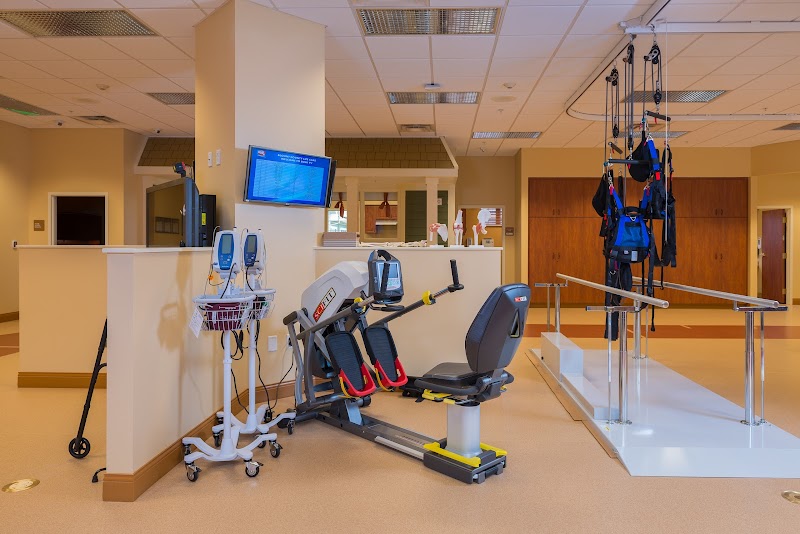
How is Life Of Blount County Staffed?

CMS rates LIFE CARE CENTER OF BLOUNT COUNTY's staffing level at 3 out of 5 stars, which is average compared to other nursing homes. Staff turnover is 45%, compared to the Tennessee average of 46%. This relatively stable workforce can support continuity of care.

What Have Inspectors Found at Life Of Blount County?

State health inspectors documented 20 deficiencies at LIFE CARE CENTER OF BLOUNT COUNTY during 2020 to 2024. These included: 1 that caused actual resident harm and 19 with potential for harm. Deficiencies causing actual harm indicate documented cases where residents experienced negative health consequences.

Who Owns and Operates Life Of Blount County?

LIFE CARE CENTER OF BLOUNT COUNTY is owned by a for-profit company. For-profit facilities operate as businesses with obligations to shareholders or private owners. The facility is operated by LIFE CARE CENTERS OF AMERICA, a chain that manages multiple nursing homes. With 120 certified beds and approximately 99 residents (about 82% occupancy), it is a mid-sized facility located in LOUISVILLE, Tennessee.

How Does Life Of Blount County Compare to Other Tennessee Nursing Homes?

Compared to the 100 nursing homes in Tennessee, LIFE CARE CENTER OF BLOUNT COUNTY's overall rating (3 stars) is above the state average of 2.8, staff turnover (45%) is near the state average of 46%, and health inspection rating (2 stars) is below the national benchmark.

What Should Families Ask When Visiting Life Of Blount County?

Based on this facility's data, families visiting should ask: "Can I visit during a mealtime to observe dining assistance and food quality?" "How do you handle medical emergencies, and what is your hospital transfer rate?" "Can I speak with family members of current residents about their experience?"

Is Life Of Blount County Safe?

Based on CMS inspection data, LIFE CARE CENTER OF BLOUNT COUNTY has a clean safety record: no substantiated abuse findings (meaning no confirmed cases of resident harm), no Immediate Jeopardy citations (the most serious violation level indicating risk of serious injury or death), and is not on the Special Focus Facility watch list (a federal program monitoring the lowest-performing 1% of nursing homes). The facility has a 3-star overall rating and ranks #1 of 100 nursing homes in Tennessee. While no facility is perfect, families should still ask about staff-to-resident ratios and recent inspection results during their visit.

Do Nurses at Life Of Blount County Stick Around?

LIFE CARE CENTER OF BLOUNT COUNTY has a staff turnover rate of 45%, which is about average for Tennessee nursing homes (state average: 46%). Moderate turnover is common in nursing homes, but families should still ask about staff tenure and how the facility maintains care continuity when employees leave.

Was Life Of Blount County Ever Fined?

LIFE CARE CENTER OF BLOUNT COUNTY has been fined $8,018 across 1 penalty action. This is below the Tennessee average of $33,159. While any fine indicates a compliance issue, fines under $50,000 are relatively common and typically reflect isolated problems that were subsequently corrected. Families should ask what specific issues led to these fines and confirm they've been resolved.

Is Life Of Blount County on Any Federal Watch List?

LIFE CARE CENTER OF BLOUNT COUNTY is not on any federal watch list. The most significant is the Special Focus Facility (SFF) program, which identifies the bottom 1% of nursing homes nationally based on persistent, serious quality problems. Not being on this list means the facility has avoided the pattern of deficiencies that triggers enhanced federal oversight. This is a positive indicator, though families should still review the facility's inspection history directly.