MONROE HEALTH AND REHABILITATION CENTER
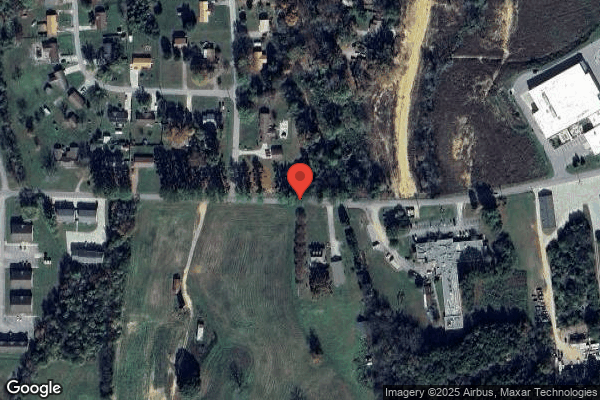
465 ISBILL RD, MADISONVILLE, TN 37354 (423) 442-3990
Non profit - Corporation 85 Beds CHAMPION CARE Data: November 2025
Trust Grade
60/100
#138 of 298 in TN
Last Inspection: March 2023

Over 2 years since last inspection. Current conditions may differ from available data.

Overview

Monroe Health and Rehabilitation Center has a Trust Grade of C+, which means it is slightly above average but not outstanding. It ranks #138 out of 298 facilities in Tennessee, placing it in the top half of nursing homes in the state, and #2 out of 3 in Monroe County, indicating that it has only one local competitor that performs better. The facility shows an improving trend, having reduced its issues from 7 in 2023 to just 1 in 2024. Staffing is a concern here, with a rating of 2 out of 5 stars and a turnover rate of 42%, which is better than the state average of 48%, but still indicates potential instability. While there have been no fines recorded, which is a positive sign, a serious incident was reported where a resident suffered a laceration requiring sutures because assistive devices were not used as required. Additionally, there was a concern about insufficient RN coverage, as the facility did not meet the minimum RN staffing requirements for an extended period. Another concern noted was the kitchen's sanitation practices, which were not maintained adequately for the residents' safety. Overall, while there are notable strengths in the lack of fines and an improving trend, families should be aware of the staffing issues and specific incidents that could impact care quality.

Trust Score
C+
60/100
In Tennessee
#138/298
Top 46%
Safety Record
Moderate
Needs review
Inspections
Getting Better
7 → 1 violations
Staff Stability
○ Average
42% turnover. Near Tennessee's 48% average. Typical for the industry.
Penalties
✓ Good
No fines on record. Clean compliance history, better than most Tennessee facilities.
Skilled Nurses
⚠ Watch
Each resident gets only 29 minutes of Registered Nurse (RN) attention daily — below average for Tennessee. Fewer RN minutes means fewer trained eyes watching for problems.
Violations
⚠ Watch
19 deficiencies on record. Higher than average. Multiple issues found across inspections.
★★★☆☆
3.0
Overall Rating
★★☆☆☆
2.0
Staff Levels
★★☆☆☆
2.0
Care Quality
★★★☆☆
3.0
Inspection Score
Stable
2023: 7 issues
2024: 1 issues

The Good

  • Full Sprinkler Coverage · Fire safety systems throughout facility
  • No fines on record
  • Staff turnover below average (42%)

    6 points below Tennessee average of 48%

Facility shows strength in fire safety.

The Bad

3-Star Overall Rating

Near Tennessee average (2.8)

Meets federal standards, typical of most facilities

Staff Turnover: 42%

Near Tennessee avg (46%)

Typical for the industry

Chain: CHAMPION CARE

Part of a multi-facility chain

Ask about local staffing decisions and management

The Ugly 19 deficiencies on record

1 actual harm
Jun 2024 1 deficiency
CONCERN (D) 📢 Someone Reported This

A family member, employee, or ombudsman was alarmed enough to file a formal complaint

Potential for Harm - no one hurt, but risky conditions existed

Free from Abuse/Neglect (Tag F0600)

Could have caused harm · This affected 1 resident

**NOTE- TERMS IN BRACKETS HAVE BEEN EDITED TO PROTECT CONFIDENTIALITY** Based on facility policy review, medical record review, facility investigation documentation review, and interview, the facility...

Read full inspector narrative →
**NOTE- TERMS IN BRACKETS HAVE BEEN EDITED TO PROTECT CONFIDENTIALITY** Based on facility policy review, medical record review, facility investigation documentation review, and interview, the facility failed to prevent abuse for 3 residents, (Residents #3, #4, and #5) of 7 residents reviewed for abuse or neglect. The facility failures resulted when the facility failed to protect Residents #3, #4, and #5 from abuse by Resident #2, who was involved in 3 separate altercations between 1/16/2024 and 1/20/2024 in which he slapped Resident #4 on 1/16/2024, slapped Resident #3 on 1/19/2024, and grabbed Resident #5's arm on 1/20/2024. The Findings Include: Review of the facility policy titled, Abuse, Neglect, and Exploitation, implemented 9/18/2023, revealed .Abuse .the willful infliction of injury .Physical abuse includes but is not limited to hitting, slapping, punching, biting, and kicking .The facility will make efforts to ensure all residents are protected from physical abuse . Review of the medial record revealed Resident #2 was admitted to the facility 2/8/2022 with diagnoses including Unspecified Dementia with Behaviors, Type 2 Diabetes, Hypertension, Congestive Heart Failure, Arteriosclerotic Vascular Disease, Peripheral Vascular Disease, Chronic Obstructive Pulmonary Disease, and Stage 3 Chronic Kidney Disease. Review of the Care Plan for Resident #2 dated 1/16/2024, revealed the resident had impaired cognition, elopement risk, and verbal behaviors. The care plan inclued new interventions for physical behaviors directed toward others. Review of the re-admission Minimum Data Set (MDS) assessment dated [DATE], revealed Resident #2 scored a 3 on the Brief Interview for Mental Status (BIMS) assessment which indicated severe cognitive impairment. Resident #2 had impaired thought processes, mobility limitations, and required assistance of one or two persons for activities of daily living. Review of the medical record revealed Resident #4 was admitted to the facility on [DATE] with diagnoses including Cerebral Atherosclerosis, Age Related Debility, Unspecified Dementia with Behaviors, Anxiety Disorder, and Hypertension. Review of the quarterly MDS assessment dated [DATE], revealed Resident #4 scored a 3 on the BIMS assessment which indicated severe cognitive impairment. Resident #4 required assistance of one or two persons for ADLs. Resident #4 had no history of behaviors towards self or others. Review of the facility investigation documentation dated 1/16/2024 at 5:50 PM, revealed Resident #2 and Resident #4 were seated in the lobby. Resident #2 slapped Resident #4 on the right cheek as the two interacted without provocation. Staff immediately separated the residents, notified the facility Director of Nursing (DON), the Administrator, and the Hospice Providers for both residents of the incident. Neither resident recalled the incident within 5 minutes of its occurrence and denied an altercation had happened at all. Resident #4 did not sustain injuries in the incident. Resident #4 had no injuries or recall of the incident. Resident #2's family declined recommended medication adjustments made by the hospice provider. No changes were recommended by hospice for Resident #4. Resident #2 was placed on increased supervision with every 15- minute checks for 3 days. Resident #4 was followed by the facility social worker for 3 days with no evidence any recall of the incident, psychosocial harm or decline in condition. Review of the medical record revealed Resident #3 was admitted to the facility on [DATE] with diagnoses including Alzheimer's Disease, Dementia with Psychosis, Malnutrition, Congestive Heart Failure, Generalized Anxiety Disorder, Impulse Disorder, and Stage 3 Chronic Kidney Disease. Review of the quarterly MDS assessment dated [DATE], revealed Resident #3 had severe cognitive impairment and the BIMS assessment was unable to be obtained due to impaired thought processes. The MDS revealed Resident #3 had mobility impairments, and required 2 persons assistance for ADLs. Review of the care plan for Resident #3 showed the resident was care planned for verbal and physical behaviors directed toward others and was resistant to personal care. Review of the facility investigation documentation dated 1/19/2024 at 3:30 PM, revealed Resident #2 was seated in a wheelchair in the lobby near Resident #3 who was seated in a gerichair (A specialty chair for persons with impaired trunk control or mobility). Resident #2 slapped Resident #3 on the left side of the face. Staff separated the residents. Resident #2 was placed on 1 to 1 supervision until the resident was transferred by Emergency Medical Services (EMS) to a local emergency department (ED) for psychiatric evaluation. Resident #3 was taken to her room where she was examined by the nurse and no injuries were noted. Resident #3 had no recall of the incident shortly after it occurred. Resident #2 had no recall of the altercation by the time EMS arrived to the facility. The Hospice Provider for both residents were notified of the altercation. The hospice nurse evaluated Resident #3, determined no changes in the treatment plan were warranted, and notified the hospice physician of the altercation for both residents. The Resident #2 was examined at the hospital, was diagnosed with a urinary tract infection, and was discharged back to the facility on 1 to 1 supervision for monitoring on 1/19/2024. During an interview on 6/5/2024 at 1:15 PM, the Maintenance Director stated he witnessed the incident between Resident #2 and Resident #3. The Maintenance Director reported he separated the residents and reported the situation to the nursing staff and the DON immediately. The Maintenance Director stated Resident #2 and Resident #3 were seated in wheelchairs in the front lobby where Resident #2 tried to take a piece of paper from Resident #3 who was reading the paper. Resident #3 pulled the paper back from Resident #2's grasp, at which time Resident #2 lightly slapped Resident #3 on the cheek before he could intercede. The Maintenance Director reported both residents were severely confused at baseline, and neither resident recalled the incident 5 minutes or less after it occurred. The Maintenance Director stated he witnessed the altercation as .a very light tap . on Resident #3's cheek and no injuries were noted to either resident. Review of the medical record revealed Resident #5 was admitted to the facility on [DATE] with diagnoses including Adult Failure to Thrive, Type 2 Diabetes, Iron Deficiency Anemia, Unspecified Dementia without Behaviors, Atrial Fibrillation, Metabolic Encephalopathy and Long-Term Anticoagulant Use. Review of the quarterly MDS assessment dated [DATE], revealed Resident #5 scored a 3 on the BIMS assessment which indicated severe cognitive impairment. Resident #5 had limited ability to comprehend speech or express needs, mobility limitations and required assistance of one or two persons for ADLs. Resident #5 had no history of behaviors directed at self or others. Review of the facility investigation documentation dated 1/20/2024 at 11:25 AM, revealed Resident #5 while being rolled in a wheelchair by a staff member passed Resident #2 in the hallway who was also being rolled by a staff member in the opposite direction. (Resident #2 was on 1 to 1 supervision due to behaviors at the time). As the residents were rolled in their wheelchairs by staff past each other, Resident #2 reached out and grabbed Resident #5's right hand and arm. Resident #5 became briefly agitated and pulled away. The Certified Nurse Aides (CNA A and CNA B) quickly separated the residents and continued in opposite directions to their respective rooms. Nursing staff immediately responded, assessed Resident #5 for any injuries and none were noted.The Nurse Practitioner (NP) for both residents were notified of the incident, ordered precautionary mobile X rays of Resident #5's arm, which were performed the same day and were negative. Resident #2 was transferred by EMS back to the local hospital for psychiatric evaluation and was admitted to the hospital for acute psychiatric care. Review of the nursing notes dated from 1/20/2024 to 1/27/2024, revealed Resident #5 had no recall of the altercation a few hours after the incident occurred and experienced no negative outcomes or injuries from the incident. During interview on 6/6/2024 at 11:15 AM, the DON stated Resident #2 had several prior stays at the facility prior to 2022 and no prior history of physical aggression directed at others had been observed before 1/16/2024. The DON stated Resident #2 had severe cognitive impairment and occasionally had verbal behaviors but had never shown physical aggression towards other residents. The DON further stated Resident #2 was occasionally resistant to ADL care related his cognition and diagnosis of Dementia. The DON confirmed Resident #2's aggression towards Resident #4 appeared unprovoked, and Resident #2 had slapped Resident #4. Continued interview revealed the DON confirmed on 1/19/2024, Resident #2 was the aggressor and had slapped Resident #3 during the altercation. The DON stated Resident #2 was aggressive towards Resident #5 and Resident #2 grabbed Resident #5 on the arm and hand. The DON confirmed the facility failed to prevent abuse of Residents #3, #4, and #5 by Resident #2. During an interview on 6/10/2024 at 2:52 PM, CNA A stated she had been providing 1 to 1 care for monitoring with Resident #2 on 1/20/2024 and the resident had become agitated after lunch. CNA A stated after Resident #2 finished the lunch meal, she took Resident #2 to his room for a less noisy environment and to provide ADLs assistance. CNA #2 reported as she rolled Resident #2 in his wheelchair down the hall, in the opposite direction, past Resident #5 , who was being transported by CNA B in a wheelchair, Resident #2 without warning, abruptly reached out and grabbed Resident #5 by the right hand and arm. CNA A stated Resident #5's arm was resting on the wheelchair arm at the time of the incident. CNA A stated Resident #5 pulled away forcefully, which exacerbated Resident #2's agitation. CNA A stated she and CNA B immediately separated the residents and continued along their ways to their respective rooms as nursing staff responded from the nursing station. Nursing staff examined Resident #5 and no injuries were noted. The nursing staff notified the NP and X-rays were obtained for Resident #5's hand and arm. CNA A confirmed Resident #2 was the aggressor in the altercation and reported shortly afterwards, EMS personnel arrived and took him to the hospital.
Jun 2023 1 deficiency
CONCERN (D) 📢 Someone Reported This

A family member, employee, or ombudsman was alarmed enough to file a formal complaint

Potential for Harm - no one hurt, but risky conditions existed

Free from Abuse/Neglect (Tag F0600)

Could have caused harm · This affected 1 resident

**NOTE- TERMS IN BRACKETS HAVE BEEN EDITED TO PROTECT CONFIDENTIALITY** Based on facility policy review, medical record review, facility investigation, and interview the facility failed to prevent abu...

Read full inspector narrative →
**NOTE- TERMS IN BRACKETS HAVE BEEN EDITED TO PROTECT CONFIDENTIALITY** Based on facility policy review, medical record review, facility investigation, and interview the facility failed to prevent abuse for 1 Resident (#2) of 7 residents reviewed for physical abuse. The findings include: Review of facility abuse policy titled Abuse Prevention/Reporting Policy and Procedure reviewed 5/9/2018, showed .Abuse .the willful infliction of injury .Willful as used in this definition of abuse, means the individual must have acted deliberately, not that the individual must have intended to inflict injury or harm . Resident #2 was admitted to the facility on [DATE] with diagnoses including Acute Kidney Failure, Depressive Episodes, Traumatic Brain Injury, Impulse Disorder, and Cognitive Impairment. Review of a quarterly Minimum Data Set (MDS) assessment dated [DATE] revealed Resident #2 had a Brief Interview for Mental Status (BIMS) score of 9 indicating severe cognitive impairment. Review of a comprehensive care plan last revised 5/25/2023 revealed Resident #2 potential for inappropriate behaviors related to traumatic brain injury. Resident #1 was admitted to the facility on [DATE] with diagnoses including Hypothyroidism, Hypertension, Unspecified Intellectual Disabilities, and Heart Failure. Review of a quarterly MDS assessment dated [DATE] revealed Resident #1 had a Brief Interview for BIMS score of 14 indicating the resident was cognitively intact. Review of a comprehensive care plan last revised 3/26/2023 showed Resident #1 had resident to resident altercation. Review of Resident #2's nurses progress note dated 3/26/2023 by Licensed Practical Nurse (LPN) #1 revealed .observed a resident [Resident #1] .stand up with his fist raised his back was turned but .[Maintenance Director] observed resident [Resident #2] was hit on his chest. Residents separated and assessed .no injuries . During an interview on 6/5/2023 at 12:37 PM, Resident #1 stated he recalled the incident with Resident #1. He stated Resident #1 made him mad and he hit him. During an interview on 6/5/2023 at 12:50 PM, the Maintenance Director stated he witnessed the altercation between Resident #1 and Resident #2. The Maintenance Director said he was in the private dining room adjacent to the main dining room, heard someone shouting, and saw Resident #1 stand up and had his hand in a fist. The Maintenance Director stated Resident #1 hit Resident #2 in the chest.
Mar 2023 4 deficiencies
CONCERN (D)

Potential for Harm - no one hurt, but risky conditions existed

Drug Regimen Review (Tag F0756)

Could have caused harm · This affected 1 resident

**NOTE- TERMS IN BRACKETS HAVE BEEN EDITED TO PROTECT CONFIDENTIALITY** Based on facility policy review, medical record review, and interview, the facility failed to act upon the consulting Pharmacist...

Read full inspector narrative →
**NOTE- TERMS IN BRACKETS HAVE BEEN EDITED TO PROTECT CONFIDENTIALITY** Based on facility policy review, medical record review, and interview, the facility failed to act upon the consulting Pharmacist's recommendations for 2 residents (Residents #2 and #6) of 5 residents reviewed for unnecessary medications. The findings include: Review of the facility policy titled, Physician Services, revised 4/2013, showed .The attending physician will determine the relevance of any recommended interventions from any discipline .physician is not obligated to accept these recommendations if .clinically valid reasons for not doing so . Resident #2 was admitted to the facility on [DATE] with diagnoses including Chronic Obstructive Pulmonary Disease and Hyperlipidemia (high blood cholesterol). Review of a quarterly Minimum Data Set (MDS) assessment dated [DATE], showed Resident #2 was cognitively intact and recieved hospice care. Review of the Consultant Pharmacist Communication for review period 7/2022 showed, .resident is currently Hospice Care .evaluate the following med(s) to determine if continued use is still required .Recommendations .Dc [discontinue] Lovastatin [a medication used to treat high blood cholesterol] . Review showed the pharmacy recommendations made by the Pharmacist were not addressed by the physician. The form was not signed or acknowledged by the physician. Review of the Consultant Pharmacist Communication for review period 11/2022 showed, .all psychoactives .are subject to attempts at gradual dose reduction (GDR) .Please review .determine if the following dose reduction .would be appropriate .Restoril to 7.5mg [milligram] . Review showed The pharmacy recommendations made by the Pharmacist were not addressed by the physician. The form was not signed or acknowledged by the physician. Resident #6 was admitted to the facility on [DATE] with diagnoses including Post-Traumatic Stress Disorder, Impulse Disorder, Insomnia, Type 2 Diabetes Mellitus, Major Depressive Disorder, and Anxiety Disorder. Review of the admission MDS assessment dated [DATE] showed Resident #6 was cognitively intact and received insulin injections on 7 of the 7 days during the look back review. Review of the Consultant Pharmacist Communication to the Physician form dated 5/2022 showed the pharmacist recommended to discontinue the sliding scale insulin. Review showed the physician response was left blank, and the form was not signed or acknowledged by the physician. During an interview on 3/21/2023 at 10:20 AM, the Director of Nursing confirmed the physician failed to acknowledge pharmacy recommendations for Residents #2 and #6.
CONCERN (F)

Potential for Harm - no one hurt, but risky conditions existed

Deficiency F0727 (Tag F0727)

Could have caused harm · This affected most or all residents

**NOTE- TERMS IN BRACKETS HAVE BEEN EDITED TO PROTECT CONFIDENTIALITY** Based on review of the facility's assessment, facility's nursing staff schedules, daily nursing staff posting sheets, time clock...

Read full inspector narrative →
**NOTE- TERMS IN BRACKETS HAVE BEEN EDITED TO PROTECT CONFIDENTIALITY** Based on review of the facility's assessment, facility's nursing staff schedules, daily nursing staff posting sheets, time clock punches, and interviews, the facility failed to provide the services of a Registered Nurse (RN) for the minimum requirement of 8 consecutive hours a day for 30 days (during the 4th quarter 10/1/2022-12/31/2022) of 92 days reviewed. The findings included: Review of the Facility assessment dated [DATE] showed .staffing plan .Facility Resources needed to provide competent support and care for our resident population every day and during emergencies .Nursing Services DON [Director of Nursing], RN [Registered Nurse] . Review of the facility's nursing staff schedule, facility's daily staffing posting sheets, and facility's time clock punches revealed no RN coverage on 10/3/2022, 10/4/2022, 10/5/2022, 10/7/2022, 10/8/2022, 10/11/2022, 10/17/2022, 10/18/2022, 10/21/2022, 10/22/2022, 10/23/2022, 10/26/2022, 10/27/2022, 11/4/2022, 11/5/2022, 11/10/2022, 11/15/2022, 11/19/2022, 11/23/2022, 11/24/2022, 11/28/2022, 11/29/2022, 12/7/2022, 12/8/2022, 12/12/2022, 12/13/2022, 12/16/2022 and 12/21/2022. Continue review of the facility staffing documentation revealed there was 4 hours of RN converage on 12/26/2022 and 12/31/2022 for the residents in the facility. During an interview on 3/21/2023 at 2:23 PM, the Administrator confirmed the facility had not provided RN coverage for 8 consecutive hours a day, for 30 days out of 92 days reviewed to provide care and services to the residents in the facility.
CONCERN (F)

Potential for Harm - no one hurt, but risky conditions existed

Food Safety (Tag F0812)

Could have caused harm · This affected most or all residents

Based on facility policy reviews, observations, and interviews, the facility failed to maintain a safe and sanitary kitchen for 1 of 1 reach in cooler, in 1 of 1 walk-in freezers, in 1 of 1 milk coole...

Read full inspector narrative →
Based on facility policy reviews, observations, and interviews, the facility failed to maintain a safe and sanitary kitchen for 1 of 1 reach in cooler, in 1 of 1 walk-in freezers, in 1 of 1 milk cooler, and failed to ensure a beard covering was used for 1 of 4 employees working in the kitchen affecting 56 of 56 residents in the facility. The findings include: The facility policy titled, Refrigerators and Freezers, dated 12/2008 showed .Monthly tracking sheets for all refrigerators .will be posted to record temperatures .will include .temperature .'action taken' .if temperatures are not acceptable .The supervisor will take immediate action if temperatures are out of range .All food shall be appropriately dated to ensure proper rotation by expiration dates .'Use by' dates will be completed with expiration dates on all prepared food in refrigerators . The facility policy titled, Food Preparation and Service, dated 10/2017 showed .staff will adhere to proper hygiene and sanitary practices .staff shall wear hair restraints ( .beard restraint .) so that hair does not contact food . During an observation and interview on 3/19/2023 at 10:16 AM, the reach in cooler showed temperature log sheets were to be checked twice daily (AM and PM)and temperatures were to be maintained at or below 41 degrees. The log showed the following information: - On 3/1/2023 the PM temperature was recorded at 44 degrees. - On 3/4/2023 the AM temperature was recorded at 44 degrees and the PM temperature were recorded at 42 degrees. - On 3/8/2023 the AM temperature was recorded at 44 degrees and the PM temperature was recorded at 44 degrees. - On 3/9/2023 the AM temperature was recorded at 44 degrees. - On 3/12/2023 the PM temperature was recorded at 44 degrees. - On 3/13/2023 the AM temperature was recorded at 42 degrees. - On 3/14/2023 the PM temperature was recorded at 44 degrees. - On 3/15/2023 the PM temperature was recorded at 44 degrees. The Dietary Supervisor confirmed the temperatures were recorded as out of range. She stated staff were to recheck the temperatures and if the temperatures remain out of range, then maintenance was to be notified to check the thermostat and the food was to be moved from the cooler. During an observation and interview on 3/19/2023 at 10:17 AM, showed in the reach in cooler was 4 ½ peanut butter sandwiches prepared and ready for resident consumption. The sandwiches were not dated when prepared or an use by date. She confirmed prepared food must be dated. During an observation and interview of the walk-in freezer on 3/19/2023 at 10:24 AM showed 14 frozen Salisbury Steaks were unsealed, open to air, and available for resident consumption. The Dietary Supervisor stated all opened food was to be sealed. She confirmed the frozen steaks were not sealed and were available for resident use. During an observation and interview of the milk cooler temperature logs on 3/19/2023 at 10:30 AM, showed no AM temperatures were recorded on 3/16/2023 or 3/17/2023. The Dietary Supervisor confirmed the milk cooler temperatures had not been recorded. During an observation on 3/19/2023 at 11:15 AM, the [NAME] had a full short beard with no beard covering. During an interview on 3/19/2024 at 11:24 AM, the [NAME] confirmed he was not wearing a beard cover to prevent cross contamination.
MINOR (B)

Minor Issue - procedural, no safety impact

Staffing Information (Tag F0732)

Minor procedural issue · This affected multiple residents

Based on facility policy review, observation, and interview, the facility failed to post daily staffing for 1 day of 3 days reviewed. The findings include: Review of the facility policy untitled and ...

Read full inspector narrative →
Based on facility policy review, observation, and interview, the facility failed to post daily staffing for 1 day of 3 days reviewed. The findings include: Review of the facility policy untitled and undated showed .The nurse staffing data needs to be posted on a daily basis at the beginning of each shift . Observation on 3/19/2023 at 9:40 AM, showed daily staffing sheet was dated Saturday 3/18/2023. During an interview on 3/19/2023 at 9:49 AM, the Therapy Director confirmed the daily staffing sheet was dated Saturday 3/18/2023. During an interview on 3/19/2023 at 11:00 AM, the Director of Nursing stated it was her expectation daily staffing would be posted daily. The nurse manger is responsible for posting the daily staffing sheet Monday through Friday, and the weekend manager is responsible for posting daily staffing Saturday and Sunday. She confirmed daily staffing had not been posted for 3/19/2023.
Feb 2023 2 deficiencies
CONCERN (D) 📢 Someone Reported This

A family member, employee, or ombudsman was alarmed enough to file a formal complaint

Potential for Harm - no one hurt, but risky conditions existed

Notification of Changes (Tag F0580)

Could have caused harm · This affected 1 resident

**NOTE- TERMS IN BRACKETS HAVE BEEN EDITED TO PROTECT CONFIDENTIALITY** Based on facility policy review, review of a facility investigation, medical record review, observation, and interview, the faci...

Read full inspector narrative →
**NOTE- TERMS IN BRACKETS HAVE BEEN EDITED TO PROTECT CONFIDENTIALITY** Based on facility policy review, review of a facility investigation, medical record review, observation, and interview, the facility failed to notify the Physician or Nurse Practitioner (NP), the Director of Nursing (DON), and the family of a fall for 1 resident (Resident #1) of 3 residents reviewed for a notification of change. The findings include: Review of the facility policy titled, Assessing Falls and Their Causes, dated 3/2018, showed .procedure .for assessing a resident after a fall .notify .the resident's family, the attending Physician .the Director of Nursing . Resident #1 was admitted to the facility on [DATE] with diagnoses including Cerebral Palsy, Dysphagia, Impulse Disorders, Severe Intellectual Disabilities, Adult Failure to Thrive, and Vascular Dementia with other Behavioral Disturbances. Review of a fall investigation, dated 2/9/2023, showed Resident #1 had an unobserved fall on 2/5/2023 at 10:30 AM, .Resident was sitting up in room in w/c [wheelchair] and fell out of wheelchair .assessed for injuries .has good rom [range of motion] with no facial grimacing or pain noted . Further review showed Reported to Supervisor: No, Physician and Family Notified: left blank with no documentation, and Exam by Physician: No. Additional follow-ups showed the DON was made aware of the fall on 2/9/2023, with the NP and family notified the same day on 2/9/2023. Review of the Departmental Notes, dated 2/9/2023, showed .charting for 2/5/2023 .resident sitting up in chair and slid out of chair observed on floor beside of bed .resident assessed for injuries good range of motion .no redness or bruising noted on resident at that time .vital signs . signed by Licensed Practical Nurse #1. A Departmental Notes, dated 2/10/2023, showed .bruising to right forehead and neck/shoulder . Review of an Annual Minimum Data Set (MDS), dated [DATE], showed Resident #1 had scored 0 for his Brief Interview of Mental Status (BIMS), indicating severe cognitive impairment, was rarely understood, and required total dependence on staff to perform Activities of Daily Living (ADLs) including transfer, eating, and personal hygiene. He was unable to walk and used a wheelchair for mobility. Observation on 2/15/2023 at 9:30 AM, of Resident #1 showed an alert, nonverbal resident in a lowered bed. No bruising was noted to his right forehead. His shoulder was not visible. During a telephone interview on 2/15/2023 at 1:00 PM, Certified Nursing Assistant #1 stated she found Resident #1 on the floor next to his wheelchair in his room. She notified Licensed Practical Nurse (LPN) #1. During a telephone interview on 2/15/2023 at 2:35 PM, LPN #1 stated she was informed by CNA #1 of Resident #1's fall. LPN #1 stated she assessed him for injuries, observed none, and obtained vital signs which were within normal limits. She stated Resident #1 did not lose consciousness and had no change in mentation. She stated she was the Charge Nurse for the shift. She confirmed she failed to inform and report the fall to the oncoming nursing shift, the Director of Nursing (DON), Physician or Nurse Practitioner (NP), and the family of Resident #1's fall on 2/5/2023. During an interview on 2/15/2023 at 2:45 PM, the DON confirmed LPN #1 failed to notify herself (the DON), the Physician or NP, and the family of a fall sustained by Resident #1 on 2/5/2023 until 2/9/2023.
CONCERN (D) 📢 Someone Reported This

A family member, employee, or ombudsman was alarmed enough to file a formal complaint

Potential for Harm - no one hurt, but risky conditions existed

Accident Prevention (Tag F0689)

Could have caused harm · This affected 1 resident

**NOTE- TERMS IN BRACKETS HAVE BEEN EDITED TO PROTECT CONFIDENTIALITY** Based on review of facility policy, review of a facility investigation, medical record review, observation, and interview, the f...

Read full inspector narrative →
**NOTE- TERMS IN BRACKETS HAVE BEEN EDITED TO PROTECT CONFIDENTIALITY** Based on review of facility policy, review of a facility investigation, medical record review, observation, and interview, the facility failed to investigate a fall in a timely manner for 1 resident (Resident #1) of 3 residents reviewed for falls. The findings include: Review of the facility policy Assessing Falls and Their Causes, dated 3/2018, showed .guidelines for assessing a resident after a fall and to assist staff in identifying causes of the fall .observe for delayed complications of a fall for approximately forty-eight (48) hours after an observed or suspected fall .document findings in the medical record .document any observed signs or symptoms of pain, swelling, bruising .changes in levels of responsiveness/consciousness and overall function .complete an incident report for resident falls no later than 24 hours after the fall occurs . Resident #1 was admitted to the facility on [DATE] with diagnoses including Cerebral Palsy, Dysphagia, Impulse Disorders, Severe Intellectual Disabilities, Adult Failure to Thrive, and Vascular Dementia with other Behavioral Disturbances. Review of a fall investigation, dated 2/9/2023, showed Resident #1 had an unobserved fall on 2/5/2023 at 10:30 AM, .Resident was sitting up in room in w/c [wheelchair] and fell out of wheelchair .assessed for injuries .has good rom [range of motion] with no facial grimacing or pain noted . Additional follow-ups, showed the DON was made aware of the 2/5/2023 fall on 2/9/2023 with .bruising on (r) [right] forehead and (r) shoulder .no incident report had been recorded .cause of bruising a CNA [Certified Nursing Assistant] said it was probably related to a fall on Sunday (2/5) [2/5/2023] . Review of the Departmental Notes, dated 2/9/2023, showed .charting for 2/5/2023 .resident sitting up in chair and slid out of chair observed on floor bedside of bed .resident assessed for injuries good range of motion .no redness or bruising noted on resident at that time .vital signs . signed by Licensed Practical Nurse #1. A Departmental Notes, dated 2/10/2023, showed .bruising to right forehead and neck/shoulder . Review of the Care Plan: Potential for Falls due to poor safety awareness and debility, showed the care plan was updated 2/9/2023. Review of an Annual Minimum Data Set (MDS), dated [DATE], showed Resident #1 had scored 0 for his Brief Interview of Mental Status (BIMS), indicating severe cognitive impairment, was rarely understood, and required total dependence on staff to perform Activities of Daily Living (ADLs) including transfer, eating, and personal hygiene. He was unable to walk and used a wheelchair for mobility. Review of a Long-Term Progress Note, dated 2/10/2023, the Nurse Practitioner (NP) showed .seen today for a recent fall .no obvious signs or symptoms of uncontrolled pain .bruising of the right forehead, right neck, and right shoulder that is resolving .no obvious swelling .no obvious injuries . Observation on 2/15/2023 at 9:30 AM, of Resident #1 showed an alert, nonverbal resident in a lowered bed. No bruising was noted to his right forehead. His shoulder was not visible. During a telephone interview on 2/15/2023 at 1:00 PM, Certified Nursing Assistant #1 stated she found Resident #1 on the floor next to his wheelchair in his room. She notified Licensed Practical Nurse (LPN) #1. During a telephone interview on 2/15/2023 at 1:20 PM, the Nurse Practitioner (NP) confirmed she was notified on 2/9/2023 of Resident #1's fall and conducted a physical assessment the next day. She stated his bruises were resolving, he displayed no change in his level of consciousness, no pain, and no extremity deformity. She did not write any orders on 2/10/2023 for Resident #1. During a telephone interview on 2/15/2023 at 2:35 PM, LPN #1 stated she was informed by CNA #1 of Resident #1's fall. LPN #1 stated she assessed him for injuries, observed none, and obtained vital signs which were within normal limits. She stated Resident #1 did not lose consciousness and had no change in mentation. She stated she was the Charge Nurse for the shift. She confirmed she failed to inform and report the fall to the oncoming nursing shift, the Director of Nursing (DON), Physician or NP, and the family. She confirmed she failed to begin and/or complete the documentation of the fall. During an interview on 2/15/2023 at 2:45 PM, the DON confirmed LPN #1 failed to initiate a falls incident report on 2/5/2023 on Resident #1. The DON stated the facility failed to initiate the fall investigation within 24 hours of Resident #1's fall on 2/5/2023.
Oct 2019 1 deficiency
CONCERN (F)

Potential for Harm - no one hurt, but risky conditions existed

Deficiency F0727 (Tag F0727)

Could have caused harm · This affected most or all residents

Based on review of the facility's nursing staff schedules and interview, the facility failed to ensure a Registered Nurse (RN) worked 7 days a week for at least 8 hours a day for 14 days of 122 days r...

Read full inspector narrative →
Based on review of the facility's nursing staff schedules and interview, the facility failed to ensure a Registered Nurse (RN) worked 7 days a week for at least 8 hours a day for 14 days of 122 days reviewed. The findings include: Review of the facility's nursing staff schedules for July 2019, August 2019, September 2019, and October 2019 revealed no RN on duty for 7/7/2019, 7/20/2019, 7/21/2019, 8/3/2019, 8/4/2019, 8/10/2019, 8/17/2019, 8/18/2019, 9/28/2019, 9/29/2019, 10/12/2019, 10/13/2019, 10/19/2019, and 10/20/2019. Interview with the Director of Nursing (DON) on 10/29/19 at 12:20 PM, in the conference room, confirmed she was aware there was no RN on duty 7 days a week for at least 8 hours a day in the facility. Interview with Human Resource (HR) #1 on 10/29/19 at 3:10 PM, in the Human Resource Office, confirmed there was no RN coverage for the dates of 7/7/2019, 7/20/2019, 7/21/2019, 8/3/2019, 8/4/2019, 8/10/2019, 8/17/2019, 8/18/2019, 9/28/2019, 9/29/2019, 10/12/2019, 10/13/2019, 10/19/2019, and 10/20/2019. Interview with the Assistant Director of Nursing (ADON) on 10/30/19 at 8:19 AM, in the DON's office, confirmed .no we have not always had RN coverage for at least 8 hours a day . Interview with the Administrator on 10/30/19 at 8:40 AM, in the Administrator's Office, confirmed the Administrator was aware there was not an RN on duty 7 days a week for at least 8 hours a day .yes on some weekends we have not had RN coverage .
Oct 2018 10 deficiencies 1 Harm
SERIOUS (G)

Actual Harm - a resident was hurt due to facility failures

Accident Prevention (Tag F0689)

A resident was harmed · This affected 1 resident

**NOTE- TERMS IN BRACKETS HAVE BEEN EDITED TO PROTECT CONFIDENTIALITY** Based on facility policy review, medical record review, review of facility fall investigations, interview and observation, the f...

Read full inspector narrative →
**NOTE- TERMS IN BRACKETS HAVE BEEN EDITED TO PROTECT CONFIDENTIALITY** Based on facility policy review, medical record review, review of facility fall investigations, interview and observation, the facility failed to implement assitive devices to prevent an accident, resulting in a laceration requiring sutures, for 1 resident (#52) of 4 residents reviewed for falls of 45 residents sampled. The facility's failure to ensure assitive devices to prevent accidents were implemented resulted in actual harm to Resident #52. The findings include: Review of the facility policy Falls- Clinical Protocol revised 10/2010 revealed .the staff and physician will identify pertinent interventions to try to prevent subsequent falls and to address risks of serious consequences of falling . Medical record review revealed Resident #52 was admitted to the facility on [DATE] with diagnoses including Cerebrovascular Disease, Hemiplegia, Aphasia, Chronic Obstructive Pulmonary Disease, and Hypertension. Medical record review of a 14 day Minimum Data Set (MDS) dated [DATE] revealed the resident had severe cognitive impairment. Review of a facility fall investigation dated 8/14/18 revealed, .during med [medication] pass I saw res [resident] up trying to walk et [and] was starting to fall to his left, ran to him et braced him under both armpits et eased him to sitting position on my feet. [resident] did not have any impacts or injury .Immediate actions taken .remain in view of staff . Review of Fall Risk Evaluation dated 8/15/18 revealed the resident scored a 22 (10 or higher is at risk) revealed, .Interventions .clip alarm to bed, pressure alarm to w/c [wheelchair] . Review of a facility fall investigation dated 9/2/18 revealed .res [resident] found on floor at bedside . res c/o [complained of] left side head pain beside eye/temple area . Continued review revealed, .resident does have decreased safety awareness and does not remember to call for help. Resident was to have alarm .staff noted alarm not sounding .interventions to prevent future falls .Bed Bolsters, Bedside floor mat . Review of a facility fall investigation dated 9/3/18 revealed, .Resident was found in his room by his bed on the floor, clip alarm sounding, head on the floor with blood coming from Left brow. Laceration to left brow, skin tear to Left elbow .[floor/safety] mat was not at bedside .Resident rolled out of bed . Continued review revealed the resident was sent to the emergency room due to a laceration to the left eyebrow and returned to the facility with sutures to the left eyebrow. Further review of the fall investigation revealed the floor mats were not in place at the time of the fall, and no documentation the bed bolsters were in place. Interview with the Director of Nursing (DON) on 10/24/18 at 12:35 PM, in the conference room, confirmed the intervention of the use of a clip-alarm was not in place and functioning at the time of the resident's fall on 9/2/18. Continued interview with the DON confirmed the facility failed to ensure floor mats and bed bolsters were in place at the time of Resident #52's fall from the bed on 9/3/18. Continued interview confirmed the resident had sustained a laceration requiring sutures due to the fall from the resident's bed on 9/3/18. Interview and observation of Resident #52 on 10/24/18 at 1:12 PM, in the resident's room, with the DON, revealed Resident #52 lying on the bed without bed bolsters in place. Continued observation and interview with the DON confirmed the facility had failed to ensure the bed bolsters were in place. Further interview confirmed the facility had failed to prevent falls and to ensure assistive devices were implemented to protect the resident from injury from falls, resulting in a head laceration requiring sutures.
CONCERN (D)

Potential for Harm - no one hurt, but risky conditions existed

Deficiency F0637 (Tag F0637)

Could have caused harm · This affected 1 resident

**NOTE- TERMS IN BRACKETS HAVE BEEN EDITED TO PROTECT CONFIDENTIALITY** Medical record review revealed Resident #33 was admitted to the facility on [DATE] with diagnoses including Parkinson's Disease,...

Read full inspector narrative →
**NOTE- TERMS IN BRACKETS HAVE BEEN EDITED TO PROTECT CONFIDENTIALITY** Medical record review revealed Resident #33 was admitted to the facility on [DATE] with diagnoses including Parkinson's Disease, Chronic Atrial Fibrillation, History of Falling, Congestive Heart Failure, Vascular Dementia, and Anemia. Medical record review of a Physician's Order dated 8/29/18 revealed .D/C [discontinue] hospice care as of 8-29-18 . Medical record review revealed no documentation a significant change of status MDS assessment had been completed upon Resident #33's discharge from hospice care. Interview with MDS Coordinator #1 on 10/23/18 at 3:41 PM, in the MDS office, confirmed Resident #33 was discharged from hospice care and no significant change in status MDS assessment had been completed. Based on review of the Resident Assessment Instrument (RAI) manual, medical record review, and interview, the facility failed to complete a significant change of status Minimum Data Set (MDS) for 2 residents (#22 and #33) of 45 residents reviewed. The findings include: Review of CMS's (Centers for Medicare & Medicaid Services) RAI Version 3.0 Manual revised 10/2018 revealed .A SCSA [significant change of status assessment] is required to be performed when a terminally ill resident enrolls in a hospice program .The ARD [assessment reference date] must be within 14 days of the effective date of the hospice election .when a resident is receiving hospice services and decides to discontinue services .The ARD must be within 14 days from .the date of the physician's or medical director's order stating the resident is no longer terminally ill . Medical record review revealed Resident #22 was admitted to the facility on [DATE] with diagnoses including Vascular Dementia with Behavioral Disturbance, Alzheimer's Disease, Chronic Kidney Disease Stage 3, and Benign Prostatic Hyperplasia. Medical record review of the Hospice Certification of Terminal Illness revealed Resident #22's start of care date for hospice was 8/7/18 with a terminal diagnosis of Chronic Kidney Disease. Medical record review revealed no documentation a significant change of status MDS assessment had been completed for the resident after being admitted to hospice services. Interview with MDS Coordinator #1 on 10/24/18 at 1:05 PM, in the MDS office, confirmed a significant change of status MDS assessment had not been completed after Resident #22 began receiving hospice services.
CONCERN (D)

Potential for Harm - no one hurt, but risky conditions existed

Assessment Accuracy (Tag F0641)

Could have caused harm · This affected 1 resident

**NOTE- TERMS IN BRACKETS HAVE BEEN EDITED TO PROTECT CONFIDENTIALITY** Medical record review revealed Resident #52 was admitted to the facility on [DATE] with diagnoses including Cerebrovascular Dise...

Read full inspector narrative →
**NOTE- TERMS IN BRACKETS HAVE BEEN EDITED TO PROTECT CONFIDENTIALITY** Medical record review revealed Resident #52 was admitted to the facility on [DATE] with diagnoses including Cerebrovascular Disease, Chronic Obstructive Pulmonary Disease, Hypertension, and Vascular Dementia. Medical record review of a quarterly MDS dated [DATE] revealed the resident was receiving an anticoagulant (blood thinner) medication. Medical record review of the Physician's Recapitulation Orders dated 8/1/18 - 8/31/18 revealed ASPIRIN [an antiplatelet medication] .CLOPIDOGREL [an antiplatelet medication] . Further review revealed no documentation of orders for an anticoagulant medication. Medical record review revealed Resident #57 was admitted to the facility on [DATE] with diagnoses including Muscle Weakness, Chronic Obstructive Pulmonary Disease, and Congestive Heart Failure. Medical record review of a quarterly MDS assessment dated [DATE] revealed the resident was receiving an anticoagulant medication. Medical record review of Resident #57's Physician Recapitulation Orders dated 9/1/18 - 9/30/18 revealed .ASPIRIN .CLOPIDOGREL . Further review revealed no documentation of orders for an anticoagulant medication. Medical record review revealed Resident #62 was admitted to the facility on [DATE] with diagnoses including Diabetes Mellitus, Anxiety Disorder, and Reduced Mobility. Medical record review of a quarterly MDS dated [DATE] revealed the resident was receiving an anticoagulant medication. Medical record review of the Physician's Recapitulation Orders dated 9/1/18 - 9/30/18 revealed .ASPIRIN .CLOPIDOGREL . Further review revealed no documentation Resident #62 had received an anticoagulant medication. Interview with MDS Coordinator #1 on 10/24/18 at 6:07 PM, in the MDS office, confirmed Resident #52, #57, and #62's MDS assessments had been incorrectly coded for anticoagulant use. Based on medical record review and interview, the facility failed to ensure the accuracy of the Minimum Data Set (MDS) for 3 residents (#52, #57, and #62) of 45 residents reviewed. The findings include:
CONCERN (D)

Potential for Harm - no one hurt, but risky conditions existed

Deficiency F0655 (Tag F0655)

Could have caused harm · This affected 1 resident

**NOTE- TERMS IN BRACKETS HAVE BEEN EDITED TO PROTECT CONFIDENTIALITY** Medical record review revealed Resident #41 was admitted to the facility on [DATE] with diagnoses including Hypertension, Major ...

Read full inspector narrative →
**NOTE- TERMS IN BRACKETS HAVE BEEN EDITED TO PROTECT CONFIDENTIALITY** Medical record review revealed Resident #41 was admitted to the facility on [DATE] with diagnoses including Hypertension, Major Depressive Disorder, Muscle Weakness, and Dementia. Medical record review of a fall risk evaluation dated [DATE] revealed a risk score of 20, indicating Resident #41 was at high risk for falls. Further review revealed .If a resident scored a 10 or above, interventions should be initiated. Document interventions below and on the resident's care plan .INTERVENTION .cues to ask/ring call light for assist and gripper socks on feet . Medical record review of Resident #41's baseline care plan dated [DATE] revealed no documentation of the interventions of cues to ask/ring call light for assist and gripper socks on feet. Interview with the Director of Nursing (DON) on [DATE] at 6:46 PM, in the DON's office, confirmed the facility failed to include fall interventions on Resident #41's baseline care plan. Medical record review revealed Resident #274 was admitted to the facility on [DATE] with diagnoses including Muscle Weakness, Reduced Mobility, Difficulty in Walking, Dementia, and Unsteadiness on Feet. Medical record review of a fall risk evaluation form dated [DATE] revealed the resident scored an 11, indicating the resident was at high risk for falls. Further review of the form revealed .If resident scored a 10 or above, interventions should be initiated .Document interventions below and on the resident's care plan .Intervention .bed in low position .call light in reach . Medical record review of Resident #274's baseline care plan dated [DATE] revealed no fall risk care plan had been developed. Review of a care plan conference form dated [DATE] revealed .Falls/Safety .Hx [history] Falls @ [at] home, approx. [approximately] 2 over the past 6 months .has had increased confusion and decreased balance over past 3 months . Interview with the Director of Nursing on [DATE] at 8:34 AM, in her office, confirmed a baseline care plan had not been developed with interventions to address Resident #274's risk for falls. Based on facility policy review, medical record review and interview, the facility failed to develop a baseline care plan to address care needs for 3 residents (#70, #41, and #274) of 17 residents reviewed for baseline care plans of 45 sampled residents. The findings include: Review of the facility's policy Care Plan-Baseline, revised 12/2016, revealed .A baseline plan of care to meet the resident's immediate needs shall be developed for each resident within forty-eight (48) hours of admission .The Interdisciplinary Team will review the healthcare practitioner's orders (e.g., dietary needs, medications, routine treatments, etc.) and implement a baseline care plan to meet the resident's immediate care needs including but not limited to: a. Initial goals based on admission orders; b. Physician orders: c. Dietary orders; d. Therapy orders; e. Social services .Team will .implement a baseline care plan to meet the resident's .needs . Medical record review revealed Resident #70 was readmitted to the facility on [DATE] with a diagnosis of Malignant Neoplasm of the Bladder. Medical record review revealed the resident elected to receive hospice services on [DATE]. Medical record review of a nursing note dated [DATE] at 1:18 AM revealed .Pt [patient] is lethargic at this time .hospice nurse here to assess pt and talk to family when they arrive .No c/o [complaints of] pain or discomfort at this time . Medical record review of a nursing note for Resident #70 dated [DATE] at 3:02 PM revealed .No heart tones heard when listening x [times] 1 minute. no respirations felt or seen x 1 minute, no pulse felt x 30 seconds. Resident pronounced [deceased ] at 3:55 PM. Family at bedside . Medical record review of the baseline care plan dated [DATE] revealed no documentation to address the resident's end of life care or hospice services. Interview with Minimum Data Set (MDS) Coordinator #1 on [DATE] at 3:40 PM, in the conference room, confirmed the baseline care plan did not address Resident #70's end of life care or hospice.
CONCERN (D)

Potential for Harm - no one hurt, but risky conditions existed

Comprehensive Care Plan (Tag F0656)

Could have caused harm · This affected 1 resident

**NOTE- TERMS IN BRACKETS HAVE BEEN EDITED TO PROTECT CONFIDENTIALITY** Based on facility policy review, medical record review, observation, and interview, the facility failed to develop a comprehensi...

Read full inspector narrative →
**NOTE- TERMS IN BRACKETS HAVE BEEN EDITED TO PROTECT CONFIDENTIALITY** Based on facility policy review, medical record review, observation, and interview, the facility failed to develop a comprehensive care plan to address use of an anticoagulant medication for 1 resident (#8) and for range of motion for 1 resident (#4) of 45 residents reviewed. The findings include: Review of the facility's policy Care Plan, Comprehensive Person-Centered, revised 12/2016, revealed .A comprehensive, person-centered care plan that includes measurable objectives and timetables to meet the resident's physical, psychosocial and functional needs is developed and implemented for each resident .care plans are revised as information about the residents and residents' conditions change . Medical record review revealed Resident #8 was admitted to the facility on [DATE] with diagnoses including Chronic Kidney Disease, Depressive Disorder, Heart Failure, and Anxiety Disorder. Medical record review of an annual MDS dated [DATE] revealed the resident received an anticoagulant [blood thinner] medication. Medical record review of Resident #8's current care plan revealed the use of an anticoagulant medication had not been addressed in the care plan. Medical record review of the Physician's Orders dated 10/1/18-10/31/18 revealed .8/17/17 .ELIQUIS [a blood thinner] .TWICE DAILY . Interview with MDS Coordinator #1 on 10/24/18 at 4:19 PM, in the MDS office, confirmed a care plan to address the use of an anticoagulant medication had not been developed for Resident #8. Medical record review revealed Resident #4 was admitted to the facility on [DATE] with diagnoses including Cerebral Infarction, Gastrostomy Status, Malignant Neoplasm of the Brain, Quadriparesis, Dysphagia, and Diabetes. Medical record review of a quarterly MDS dated [DATE] revealed the resident had limitation in range of motion of the bilateral upper and lower extremities. Medical record review of the current, undated, care plan revealed no interventions to address the resident's limitation in range of motion. Observation on 10/23/18 at 1:25 PM, revealed Resident #4 lying on the bed with the left arm flexed on his chest. Interview with MDS Coordinator #2 on 10/23/18 at 1:45 PM, in the conference room, confirmed the current, undated, care plan did not address interventions related to the resident's limitation in range of motion.
CONCERN (D)

Potential for Harm - no one hurt, but risky conditions existed

Deficiency F0657 (Tag F0657)

Could have caused harm · This affected 1 resident

**NOTE- TERMS IN BRACKETS HAVE BEEN EDITED TO PROTECT CONFIDENTIALITY** Based on review of facility policy, medical record review, and interview, the facility failed to develop a comprehensive care pl...

Read full inspector narrative →
**NOTE- TERMS IN BRACKETS HAVE BEEN EDITED TO PROTECT CONFIDENTIALITY** Based on review of facility policy, medical record review, and interview, the facility failed to develop a comprehensive care plan within 7 days after a comprehensive Minimum Data Set (MDS) assessment for 1 resident (#52) of 45 residents reviewed. The findings include: Review of the facility's policy Care Plan, Comprehensive Person-Centered, revised 12/2016, revealed .A comprehensive, person-centered care plan that includes measurable objectives and timetables to meet the resident's physical, psychosocial and functional needs is developed and implemented for each resident .care plans are revised as information about the residents and residents' conditions change . Medical record review revealed Resident #52 was admitted to the facility on [DATE] with diagnoses including Cerebrovascular Disease, Hemiplegia, Aphasia, Chronic Obstructive Pulmonary Disease, and Hypertension. Medical record review revealed the facility developed and implemented a Baseline Care plan to address Resident #52's care needs on 8/13/18. Medical record review revealed the 14 day Minimum Data Set (MDS) was dated 8/27/18 and indicated the resident had severe cognitive impairment; required extensive assistance of 2 or more staff for bed mobility and toileting; was total dependence for transfers and eating; required extensive assistance of 1 staff for locomotion, dressing, and personal hygiene; was occasionally incontinent of bowel and bladder; had one fall with injury; and had recieved an antianxiety medication, antibiotic, and opiod medication in the last 7 days. Medical record review of Resident #52's comprehensive care plan revealed the facility did not develop a comprehensive care plan to address the resident's care needs based on the comprehensive assessment until 9/21/18 (14 days after the MDS assessment). Interview with the Director of Nursing (DON) on 10/24/18 at 1:12 PM confirmed the facility failed to develop a comprehensive care plan until 9/21/18.
CONCERN (D)

Potential for Harm - no one hurt, but risky conditions existed

Deficiency F0660 (Tag F0660)

Could have caused harm · This affected 1 resident

**NOTE- TERMS IN BRACKETS HAVE BEEN EDITED TO PROTECT CONFIDENTIALITY** Based on medical record review and interview, the facility failed to develop and implement an effective discharge plan for 1 res...

Read full inspector narrative →
**NOTE- TERMS IN BRACKETS HAVE BEEN EDITED TO PROTECT CONFIDENTIALITY** Based on medical record review and interview, the facility failed to develop and implement an effective discharge plan for 1 resident (#276) of 3 residents reviewed for discharge of 45 sampled residents. The findings include: Medical record review revealed Resident #276 was admitted to the facility on [DATE] and re-admitted on [DATE] with diagnoses including Bipolar Disorder, Seizures, Anxiety Disorder, and Major Depressive Disorder. Medical record review of an admission Minimum Data Set, dated [DATE] revealed a Brief Interview for Mental Status of 15 indicating the resident was cognitively intact. Further review revealed no discharge plan was in place for the resident to return to the community. Medical record review of Resident #276's baseline care plan dated 9/12/18 revealed discharge planning had not been developed. Medical record review of a comprehensive care plan dated 10/3/18 revealed discharge planning had not been developed. Interview with Resident #276 on 10/22/18 at 10:20 AM, in her room, revealed her plan was to discharge home and she hoped it would be soon. Further interview revealed the facility had not discussed discharge plans with the resident. Interview with Minimum Data Set (MDS) Coordinator #1 on 10/23/18 at 2:40 PM, in the MDS office, confirmed a discharge care plan had not been developed for Resident #276.
CONCERN (D)

Potential for Harm - no one hurt, but risky conditions existed

Laboratory Services (Tag F0770)

Could have caused harm · This affected 1 resident

**NOTE- TERMS IN BRACKETS HAVE BEEN EDITED TO PROTECT CONFIDENTIALITY** Based on medical record review and interview, the facility failed to provide timely laboratory services for 1 resident (#276) of...

Read full inspector narrative →
**NOTE- TERMS IN BRACKETS HAVE BEEN EDITED TO PROTECT CONFIDENTIALITY** Based on medical record review and interview, the facility failed to provide timely laboratory services for 1 resident (#276) of 6 residents reviewed for laboratory services of 45 sampled residents. The findings include: Medical record review revealed Resident #276 was admitted to the facility on [DATE] and readmitted on [DATE] with diagnoses to include Bipolar Disorder, Seizures, Anxiety Disorder, and Major Depressive Disorder. Medical record review of an admission Minimum Data Set, dated [DATE] revealed a Brief Interview for Mental Status of 15 indicating the resident was cognitively intact. Medical record review of a Physician's Order dated 10/18/18 revealed .labs [laboratory testing] 10/19/18 CBC [complete blood count] BMP [basic metabolic panel] . Interview with Resident #276 on 10/22/18 at 3:39 PM, in her room, revealed the resident stated .night before last [10/20/18] a nurse needed to redo my blood because the blood they got earlier in the day sat too long and ruined . Continued interview revealed the resident stated .they should have made sure my blood got sent on time . Medical record review of a nursing note dated 10/20/18 at 12:06 AM and signed by Registered Nurse (RN) #1 revealed .Labs BMP & [and] CBC redrawn .taken to [hospital] lab . Telephone interview with Registered Nurse (RN) #1 on 10/23/18 at 4:05 PM, confirmed she had to recollect Resident #276's blood on 10/20/18. Further interview revealed the blood that had been collected earlier in the shift on 10/19/18 had not been sent to the laboratory timely. Interview with the Director of Nursing on 10/24/18 at 5:35 PM, in her office, confirmed Resident #276's labs had to be recollected because the facility failed to deliver them to the laboratory timely.
CONCERN (D)

Potential for Harm - no one hurt, but risky conditions existed

Infection Control (Tag F0880)

Could have caused harm · This affected 1 resident

Based on facility policy review, observation, and interview, the facility staff failed to perform hand hygiene during medication administration for 1 resident (#18) of 4 residents observed for medicat...

Read full inspector narrative →
Based on facility policy review, observation, and interview, the facility staff failed to perform hand hygiene during medication administration for 1 resident (#18) of 4 residents observed for medication administration. The findings include: Review of the facility's policy Handwashing/Hand Hygiene, revised 8/2015, revealed .This facility considers hand hygiene the primary means to prevent the spread of infections .Use an alcohol-based hand rub .or, alternatively, soap .and water for the following situations .Before preparing or handling medications .After contact with objects .in the immediate vicinity of the resident .after removing gloves . Observation on 10/22/18 at 7:30 PM, in Resident #18's room, revealed Licensed Practical Nurse (LPN) #1 administering medications to Resident #18. Continued observation revealed LPN #1 applied gloves and administered a medication through the resident's feeding tube, removed the gloves, and without performing hand hygiene, returned to the medication cart and prepared an injection for administration to Resident #18. Further observation revealed LPN #1 returned to Resident #18's room, without performing hand hygiene, applied gloves and administered the injection to Resident #18. Interview with LPN #1 on 10/22/18 at 7:45 PM, in the hallway, confirmed hand hygiene was not performed after administering Resident #18's medication through the feeding tube, and prior to preparing and administering the injection to the resident.
CONCERN (E)

Potential for Harm - no one hurt, but risky conditions existed

Deficiency F0569 (Tag F0569)

Could have caused harm · This affected multiple residents

**NOTE- TERMS IN BRACKETS HAVE BEEN EDITED TO PROTECT CONFIDENTIALITY** Based on medical record review, review of the facility's Open Balance Report, and interview, the facility failed to refund perso...

Read full inspector narrative →
**NOTE- TERMS IN BRACKETS HAVE BEEN EDITED TO PROTECT CONFIDENTIALITY** Based on medical record review, review of the facility's Open Balance Report, and interview, the facility failed to refund personal funds within 30 days of death or discharge for 17 residents (#70, #71, #72, #73, #74, #75, #76, #77, #78, #79, #80, #81, #82, #83, #84, #85, and #86) of 18 residents reviewed with discharge date s of 30 days or greater. The findings include: Medical record review revealed Resident #70 was admitted to the facility on [DATE] and died in the facility on [DATE]. Review of the facility's Open Balance Report dated [DATE] revealed Resident #70 had $69.87 remaining in the trust fund. Medical record review revealed Resident #71 was admitted to the facility on [DATE] and died in the facility on [DATE]. Review of the facility's Open Balance Report dated [DATE] revealed Resident #71 had $0.33 remaining in the trust fund. Medical record review revealed Resident #72 was admitted to the facility on [DATE] and died in the facility on [DATE]. Review of the facility's Open Balance Report dated [DATE] revealed Resident #72 had $39.15 remaining in the trust fund. Medical record review revealed Resident #73 was admitted to the facility on [DATE] and discharged home on [DATE]. Review of the facility's Open Balance Report dated [DATE] revealed Resident #73 had $32.00 remaining in the trust fund. Medical record review revealed Resident #74 was admitted to the facility on [DATE] and died in the facility on [DATE]. Review of the facility's Open Balance Report dated [DATE] revealed Resident #74 had $0.33 remaining in the trust fund. Medical record review revealed Resident #75 was admitted to the facility on [DATE] and died in the facility on [DATE]. Review of the facility's Open Balance Report dated [DATE] revealed Resident #75 had $0.07 remaining in the trust fund. Medical record review revealed Resident #76 was admitted to the facility on [DATE] and discharged home on [DATE]. Review of the facility's Open Balance Report dated [DATE] revealed Resident #76 had $20.00 remaining in the trust fund. Medical record review revealed Resident #77 was admitted to the facility on [DATE] and died in the facility on [DATE]. Review of the facility's Open Balance Report dated [DATE] revealed Resident #77 had $1083.74 remaining in the trust fund. Medical record review revealed Resident #78 was admitted to the facility on [DATE] and died in the facility on [DATE]. Review of the facility's Open Balance Report dated [DATE] revealed Resident #78 had $20.00 remaining in the trust fund. Medical record review revealed Resident #79 was admitted to the facility on [DATE] and died in the facility on [DATE]. Review of the facility's Open Balance Report dated [DATE] revealed Resident #79 had $2.77 remaining in the trust fund. Medical record review revealed Resident #80 was admitted to the facility on [DATE] and discharged to the hospital on [DATE]. Review of the facility's Open Balance Report dated [DATE] revealed Resident #80 had $0.16 remaining in the trust fund. Medical record review revealed Resident #81 was admitted to the facility on [DATE] and died in the facility on [DATE]. Review of the facility's Open Balance Report dated [DATE] revealed Resident #81 had $40.00 remaining in the trust fund. Medical record review revealed Resident #82 was admitted to the facility on [DATE] and died in the facility on [DATE]. Review of the facility's Open Balance Report dated [DATE] revealed Resident #82 had $30.00 remaining in the trust fund. Medical record review revealed Resident #83 was admitted to the facility on [DATE] and died in the facility on [DATE]. Review of the facility's Open Balance Report dated [DATE] revealed Resident #83 had $20.54 remaining in the trust fund. Medical record review revealed Resident #84 was admitted to the facility on [DATE] and discharged against medical advice on [DATE]. Review of the facility's Open Balance Report dated [DATE] revealed Resident #84 had $28.00 remaining in the trust fund. Medical record review revealed Resident #85 was admitted to the facility on [DATE] and died in the facility on [DATE]. Review of the facility's Open Balance Report dated [DATE] revealed Resident #85 had $92.05 remaining in the trust fund. Medical record review revealed Resident #86 was admitted to the facility on [DATE] and discharged to the hospital on [DATE]. Review of the facility's Open Balance Report dated [DATE] revealed Resident #86 had $0.03 remaining in the trust fund. Interview with the Business Office Manager on [DATE] at 1:33 PM, in the business office, confirmed 17 discharged residents had a remaining balance in the trust fund. Interview with the Administrator on [DATE] at 1:45 PM, in the hallway, confirmed the facility failed to refund personal funds within 30 days from death or discharge for 17 residents listed on the Open Balance Report dated [DATE].
Understanding Severity Codes (click to expand)
Life-Threatening (Immediate Jeopardy)
J - Isolated K - Pattern L - Widespread
Actual Harm
G - Isolated H - Pattern I - Widespread
Potential for Harm
D - Isolated E - Pattern F - Widespread
No Harm (Minor)
A - Isolated B - Pattern C - Widespread

Questions to Ask on Your Visit

  • "Can I speak with families of current residents?"
  • "What's your RN coverage like on weekends and overnight?"

Our Honest Assessment

Strengths
  • • No fines on record. Clean compliance history, better than most Tennessee facilities.
  • • 42% turnover. Below Tennessee's 48% average. Good staff retention means consistent care.
Concerns
  • • 19 deficiencies on record, including 1 serious (caused harm) violation. Ask about corrective actions taken.
Bottom line: Mixed indicators with Trust Score of 60/100. Visit in person and ask pointed questions.

About This Facility

What is Monroe Center's CMS Rating?

CMS assigns MONROE HEALTH AND REHABILITATION CENTER an overall rating of 3 out of 5 stars, which is considered average nationally. Within Tennessee, this rating places the facility higher than 99% of the state's 100 nursing homes. This mid-range rating indicates the facility meets federal standards but may have areas for improvement.

How is Monroe Center Staffed?

CMS rates MONROE HEALTH AND REHABILITATION CENTER's staffing level at 2 out of 5 stars, which is below average compared to other nursing homes. Staff turnover is 42%, compared to the Tennessee average of 46%. This relatively stable workforce can support continuity of care. RN turnover specifically is 56%, which is notably high. RNs provide skilled clinical oversight, so turnover in this role can affect medical care quality.

What Have Inspectors Found at Monroe Center?

State health inspectors documented 19 deficiencies at MONROE HEALTH AND REHABILITATION CENTER during 2018 to 2024. These included: 1 that caused actual resident harm, 17 with potential for harm, and 1 minor or isolated issues. Deficiencies causing actual harm indicate documented cases where residents experienced negative health consequences.
Who Owns and Operates Monroe Center?

MONROE HEALTH AND REHABILITATION CENTER is owned by a non-profit organization. Non-profit facilities reinvest revenue into operations rather than distributing to shareholders. The facility is operated by CHAMPION CARE, a chain that manages multiple nursing homes. With 85 certified beds and approximately 59 residents (about 69% occupancy), it is a smaller facility located in MADISONVILLE, Tennessee.

How Does Monroe Center Compare to Other Tennessee Nursing Homes?

Compared to the 100 nursing homes in Tennessee, MONROE HEALTH AND REHABILITATION CENTER's overall rating (3 stars) is above the state average of 2.8, staff turnover (42%) is near the state average of 46%, and health inspection rating (3 stars) is at the national benchmark.

What Should Families Ask When Visiting Monroe Center?

Based on this facility's data, families visiting should ask: "Can you walk me through typical staffing levels on day, evening, and night shifts?" "Can I visit during a mealtime to observe dining assistance and food quality?" "How do you handle medical emergencies, and what is your hospital transfer rate?" "Can I speak with family members of current residents about their experience?" These questions are particularly relevant given the below-average staffing rating.

Is Monroe Center Safe?

Based on CMS inspection data, MONROE HEALTH AND REHABILITATION CENTER has a clean safety record: no substantiated abuse findings (meaning no confirmed cases of resident harm), no Immediate Jeopardy citations (the most serious violation level indicating risk of serious injury or death), and is not on the Special Focus Facility watch list (a federal program monitoring the lowest-performing 1% of nursing homes). The facility has a 3-star overall rating and ranks #1 of 100 nursing homes in Tennessee. While no facility is perfect, families should still ask about staff-to-resident ratios and recent inspection results during their visit.

Do Nurses at Monroe Center Stick Around?

MONROE HEALTH AND REHABILITATION CENTER has a staff turnover rate of 42%, which is about average for Tennessee nursing homes (state average: 46%). Moderate turnover is common in nursing homes, but families should still ask about staff tenure and how the facility maintains care continuity when employees leave.

Was Monroe Center Ever Fined?

MONROE HEALTH AND REHABILITATION CENTER has no federal fines on record. CMS issues fines when nursing homes fail to meet care standards or don't correct problems found during inspections. The absence of fines suggests the facility has either maintained compliance or corrected any issues before penalties were assessed. This is a positive indicator, though families should still review recent inspection reports for the full picture.

Is Monroe Center on Any Federal Watch List?

MONROE HEALTH AND REHABILITATION CENTER is not on any federal watch list. The most significant is the Special Focus Facility (SFF) program, which identifies the bottom 1% of nursing homes nationally based on persistent, serious quality problems. Not being on this list means the facility has avoided the pattern of deficiencies that triggers enhanced federal oversight. This is a positive indicator, though families should still review the facility's inspection history directly.