WATERS OF SWEETWATER A REHABILITATION & NURSING
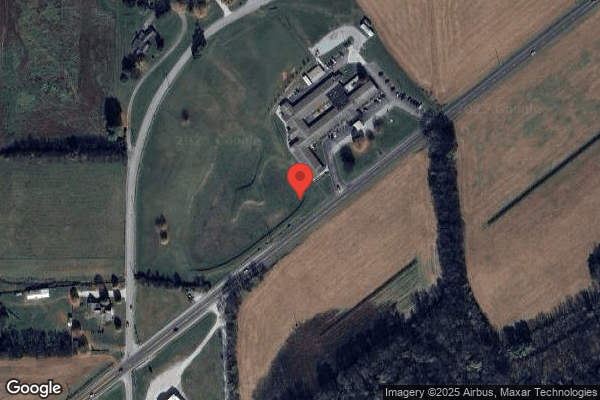

978 HWY 11 SOUTH, SWEETWATER, TN 37874 (423) 337-6631
For profit - Individual 90 Beds INFINITY HEALTHCARE CONSULTING Data: November 2025 2 Immediate Jeopardy citations
Trust Grade
16/100
#297 of 298 in TN
Last Inspection: May 2024

Within standard 12-15 month inspection cycle. Federal law requires annual inspections.

Overview

Waters of Sweetwater A Rehabilitation & Nursing has a Trust Grade of F, indicating significant concerns about its quality of care. It ranks #297 out of 298 in Tennessee, placing it in the bottom tier of facilities statewide and #3 out of 3 in Monroe County, meaning there are no better local options. The facility's performance is worsening, with issues increasing from 3 in 2023 to 8 in 2024, and staff turnover is high at 62%, significantly above the state average of 48%. While there have been no fines reported, which is a positive sign, the nursing home has faced serious incidents, including a failure to provide Basic Life Support for a resident who was unresponsive, leading to a critical situation. Overall, while the facility has some strengths, such as no fines and average RN coverage, the high turnover and serious compliance issues are concerning for families considering this option for their loved ones.

Trust Score
F
16/100
In Tennessee
#297/298
Bottom 1%
Safety Record
High Risk
Review needed
Inspections
Getting Worse
3 → 8 violations
Staff Stability
⚠ Watch
62% turnover. Above average. Higher turnover means staff may not know residents' routines.
Penalties
✓ Good
No fines on record. Clean compliance history, better than most Tennessee facilities.
Skilled Nurses
⚠ Watch
Each resident gets only 26 minutes of Registered Nurse (RN) attention daily — below average for Tennessee. Fewer RN minutes means fewer trained eyes watching for problems.
Violations
⚠ Watch
17 deficiencies on record. Higher than average. Multiple issues found across inspections.
★☆☆☆☆
1.0
Overall Rating
★☆☆☆☆
1.0
Staff Levels
★★★☆☆
3.0
Care Quality
★☆☆☆☆
1.0
Inspection Score
Stable
2023: 3 issues
2024: 8 issues

The Good

  • Full Sprinkler Coverage · Fire safety systems throughout facility
  • No fines on record

Facility shows strength in fire safety.

The Bad

1-Star Overall Rating

Below Tennessee average (2.8)

Significant quality concerns identified by CMS

Staff Turnover: 62%

15pts above Tennessee avg (46%)

Frequent staff changes - ask about care continuity

Chain: INFINITY HEALTHCARE CONSULTING

Part of a multi-facility chain

Ask about local staffing decisions and management

Staff turnover is elevated (62%)

14 points above Tennessee average of 48%

The Ugly 17 deficiencies on record

2 life-threatening
May 2024 8 deficiencies
CONCERN (D) 📢 Someone Reported This

A family member, employee, or ombudsman was alarmed enough to file a formal complaint

Potential for Harm - no one hurt, but risky conditions existed

Free from Abuse/Neglect (Tag F0600)

Could have caused harm · This affected 1 resident

**NOTE- TERMS IN BRACKETS HAVE BEEN EDITED TO PROTECT CONFIDENTIALITY** Based on facility policy review, medical record review, review of a facility investigation, and interview the facility failed to...

Read full inspector narrative →
**NOTE- TERMS IN BRACKETS HAVE BEEN EDITED TO PROTECT CONFIDENTIALITY** Based on facility policy review, medical record review, review of a facility investigation, and interview the facility failed to prevent physical abuse for 1 resident (Resident #52) of 70 residents reviewed for abuse. The findings include: Review of the facility's policy titled, Abuse Prevention Program, dated 10/22/2022, revealed .it is the policy of this facility to prevent resident abuse .the facility desires to prevent abuse .by establishing a resident-sensitive and resident-secure environment . Medical record review revealed Resident #52 was admitted to the facility on [DATE] with diagnoses including Osteoarthritis, Polyneuropathy, and Anxiety. Review of a comprehensive care plan for Resident #52 revised 4/25/2024, revealed .risk for adverse reaction R/T [related to] psychotropic drug use .Chronic pain syndrome . Review of an admission Minimum Data Set (MDS) assessment dated [DATE], revealed Resident #52 scored a 9 on the Brief Interview for Mental Status (BIMS) assessment which indicated the resident had moderate cognitive impairment. Review of an Incident Event Note for Resident #52 dated 4/27/2024 at 4:45 PM, revealed .Resident laying in bed, Daughter .at bedside. Resident from across the hall came in and began repeatedly hitting her .She [Resident #52] was using her hands to shield her stomach and he [Resident #272]made contact with her hands also .Offered resident ER [emergency room] evaluation. Resident declined .Resident and daughter feel safe in facility . Review of a Progress Note for Resident #52 dated 4/27/2024 at 4:50 PM, revealed .Charge nurse had just let [left] .[Resident #52] room and heard a scream .[Licensed Practical Nurse (LPN) B] immediately ran back to room and observed [Resident #272] standing over this resident [Resident #52] and that resident [Resident #272] was hitting .[Resident #52]. Nurse immediately removed .resident [Resident #272] from room .assessed this resident [Resident #52] for injury .no injury found . Medical record review revealed Resident #272 was admitted to the facility on [DATE] and was readmitted on [DATE] with diagnoses including Dementia, Cognitive Communication Deficit, Impulse Disorder, and Adjustment Disorder with Anxiety. Review of a comprehensive care plan for Resident #272 dated 2/12/2024, revealed .displays an alteration in cognitive functioning and memory R/T dementia .can be verbally aggressive at times due to his dementia .combative towards staff at night time if he gets startled or more confused . Allow time for resident to understand/respond .has a history of pacing the hallways .has exhibited physical aggression with staff . Review of a quarterly MDS assessment dated [DATE], revealed Resident #272 scored a 99 on the BIMS assessment which indicated the resident had severe cognitive impairment. Review of an Incident Event Note for Resident #272 dated 4/27/2024, revealed .Nursing staff had observed resident [Resident #272] going into the resident's [Resident #52] room across the hall .resident [Resident #272] was nude .removed resident [Resident #272] .returned him to his room and assisted him with dressing .Nurse [LPN B] went to across the hall to speak with the resident [Resident #52] .Nurse [LPN B] .was going up hallway .heard a scream .immediately ran back to the room [Resident #52's room] .observed this resident [Resident #272] standing over .punching resident [Resident #52]. Nurse [LPN B] immediately removed this resident [Resident #272] . Review of the facility's investigation for allegations of abuse for Resident #52 and Resident #272 reported on 4/27/2024, revealed .nurse [LPN B] states that she was going up hallway when she heard a scream .immediately ran to .[Resident #52's room] and observed [Resident #272] standing over .[Resident #52] .punching her .actions .immediately removed [Resident #272] from area .had [Certified Nursing Assistant (CNA) C] stay with [Resident #272] .remains on 1:1 supervision .until sent to ER . During an interview on 5/13/2024 at 1:10 PM, Resident #52 stated she remembered the altercation that occurred on 4/27/2024 with Resident #272. Resident #52 stated Resident #272 came into her room to .look around . but could not recall the time. Resident #52 stated her daughter was visiting and had redirected Resident #272 out of the room. Resident #52 stated a .short time later . the CNA (could not recall her name) was providing care to her when Resident #272 opened the door to enter her room. Resident #52 stated Resident #272 was naked and the CNA directed him out of the room. Resident #52 stated after the CNA left the room, Resident #272 entered her room again (time unknown). Resident #52 stated when he entered the room, her daughter told Resident #272 to leave the room. Resident #52 stated Resident #272 walked toward her with closed fists but was unable to recall if Resident #272 hit her. Resident #52 stated she began to scream and the nurse and CNA came back to her room to get him out. Resident #52 stated she was not hurt after the altercation and felt safe in the facility. During an interview on 5/15/2024 at 10:20 AM, LPN B stated she had been assigned to both residents (Resident #52 and #272) on 4/27/2024 (the day of the resident-to-resident altercation). LPN B stated she observed Resident #272 naked in Resident #52's room (time unknown) and redirected Resident #272 back to his room. LPN B stated she went back up the hall to go to the medication cart and heard a commotion coming from Resident #52's room (time unknown). LPN B stated she went to Resident #52's room and observed Resident #272 standing over Resident #52. LPN B stated she observed Resident #272 with a closed attempting to punch Resident #52 in the stomach. LPN B stated by the time she got to Resident #52, Resident #52's daughter had shielded Resident #52 from being hit by Resident #272. LPN B stated she removed Resident #272 from the room and redirected the resident back to his room across the hall. LPN B stated she had CNA C sit with him until further directives were obtained from management. LPN B stated Resident #52 and Resident #272 had no apparent injuries from the altercation. During an interview on 5/15/2024 at 10:40 AM, CNA C stated she had been assigned to both residents (Resident #52 and Resident #272) on 4/27/2024 (the day of the resident-to-resident altercation). CNA C stated she provided care to Resident #52 in her room (time unknown) when Resident #272 came into the room naked. CNA C stated she redirected Resident #272 back to his room and LPN B helped the resident get dressed. CNA C stated she returned to the room to finish care provisions for Resident #52 and then left the room to get meal trays. CNA C stated she heard yelling coming from Resident #52's room (time unknown) and went to Resident #52's room. CNA C observed Resident #272 standing over Resident #52. CNA C stated it appeared Resident #272 was hitting Resident #52 with a closed fist, in the stomach but could not see directly in front of Resident #272. CNA C stated Resident #52 and Resident #52's daughter (who was at bedside) stated Resident #272 had struck Resident #52 multiple times in the stomach area. CNA C stated LPN B removed Resident #272 from the room and took the resident back to his room across the hall. CNA C stated she sat with Resident #272 until further directives were obtained from management. During an interview on 5/15/2024 at 9:50 AM, the Director of Nursing (DON) stated the resident-to-resident altercation was reported to her on 4/27/2024. The DON stated it was reported Resident #272 hit Resident #52. The DON stated the abuse investigation outcome revealed Resident #272 hit Resident #52, but no injuries were observed to Resident #52 or Resident #272. During an interview on 5/15/2024 at 1:10 PM, Resident #52's daughter stated she had visited the facility when the altercation occurred on 4/27/2024 9(time unknown). Resident #52's daughter stated around 4:00 PM, Resident #272 came into Resident #52's room to .look around . and she had to redirect Resident #272 out of the room. Resident #52's daughter stated approximately 15 minutes later, a staff member was providing care to her mother when Resident #272 opened the door to enter Resident #52's room. Resident #52's daughter stated Resident #272 was naked and the staff member redirected the resident out of the room. Resident #52's daughter stated after the staff member left the room, Resident #272 re-entered the room (time unknown). Resident #52's daughter stated when Resident #272 re-entered the room, she told Resident #272 to leave. Resident #52's daughter stated Resident #272 walked toward Resident #52 and punched the resident in the stomach and hands. Resident #52's daughter stated Resident #52 began to scream, and two staff members came into the room to diffuse the situation. Resident #52's daughter stated Resident #52 was not hurt and felt Resident #52 was safe at the facility.
CONCERN (D)

Potential for Harm - no one hurt, but risky conditions existed

Deficiency F0645 (Tag F0645)

Could have caused harm · This affected 1 resident

**NOTE- TERMS IN BRACKETS HAVE BEEN EDITED TO PROTECT CONFIDENTIALITY** Based on facility policy review, medical record review, and interview the facility failed to identify related conditions that re...

Read full inspector narrative →
**NOTE- TERMS IN BRACKETS HAVE BEEN EDITED TO PROTECT CONFIDENTIALITY** Based on facility policy review, medical record review, and interview the facility failed to identify related conditions that requires Level 2 PASRR (Preadmission Screening and Resident Review) evaluation for 1 resident (Resident #50) of 12 residents reviewed for an initial PASRR submission. The findings include: Medical record review revealed Resident #50 was admitted to the facility on [DATE] with diagnoses including Post Traumatic Stress Disorder (PTSD), Anxiety, Adjustment Disorder with Depression, and Insomnia. Review of a PASRR for Resident #50 dated 4/4/2023, revealed .Level 1 Form .any or all .mental health conditions that are diagnosed or suspected for this individual now or in the past .No mental health diagnosis is known or suspected . Review of a Psychiatric Nurse Practitioner Note for Resident #50 dated 4/29/2024, revealed, .PSYCHIATRIC HISTORY AND PROBLEMS .Anxiety .PTSD .Depressive Disorder . During an interview on 5/15/2024 at 2:55 PM, the Human Resource Manager (HRM) stated the PASRR dated 4/4/2023 was completed at the hospital prior to Resident #50's admission to the facility. The HRM confirmed the resident had a diagnosis of PTSD and Anxiety when he admitted to the facility, and the facility failed to refer Resident #50 to the state designated authority for a level 2 PASRR evaluation to determine if the resident required specialized services.
CONCERN (D)

Potential for Harm - no one hurt, but risky conditions existed

Deficiency F0657 (Tag F0657)

Could have caused harm · This affected 1 resident

**NOTE- TERMS IN BRACKETS HAVE BEEN EDITED TO PROTECT CONFIDENTIALITY** Based on facility policy review, medical record review, and interview the facility failed to revise a comprehensive care plan fo...

Read full inspector narrative →
**NOTE- TERMS IN BRACKETS HAVE BEEN EDITED TO PROTECT CONFIDENTIALITY** Based on facility policy review, medical record review, and interview the facility failed to revise a comprehensive care plan for 1 resident (Resident #44) of 19 residents reviewed for care plans. The findings include: Medical record review revealed Resident #44 was admitted to the facility on [DATE] with diagnoses including Chronic Kidney Disease, Congestive Heart Failure, and Diabetes. Review of a comprehensive care plan for Resident #44 dated 12/29/2023, revealed .had a potential for complications related to hemodialysis for diagnosis of stage 5 Chronic Kidney Disease .intervention .[Dialysis Clinic] Dialysis, Monday, Wednesday, Friday; chair time 10:30 AM . Review of a quarterly Minimum Data Set (MDS) assessment dated [DATE], revealed Resident #44 scored a 13 on the Brief Interview for Mental Status (BIMS) assessment which indicated the resident was cognitively intact and received dialysis (process that removes waste products and excess fluid from the blood). During an interview on 5/14/2024 at 8:04 AM, Resident #44 stated the doctor had reduced her dialysis treatments from 3 times a week to 2 times a week. Review of a facility document for Resident #44 dated 5/9/2024, revealed .Dialysis 2x [times] week . During an interview on 5/14/2024 at 1:22 PM, the Director of Nursing (DON) stated Resident #44 received dialysis treatments at another facility on Mondays and Fridays. The DON also stated the resident used to receive dialysis three times weekly but was decreased to two times weekly .a while ago . The DON confirmed the comprehensive care plan had not been revised to reflect the decrease in dialysis treatments for Resident #44.
CONCERN (D)

Potential for Harm - no one hurt, but risky conditions existed

Garbage Disposal (Tag F0814)

Could have caused harm · This affected 1 resident

Based on facility policy review, observation, and interview, the facility failed to ensure garbage and refuse were properly contained in 2 of 2 dumpsters (dumpster A and B). The findings include: Revi...

Read full inspector narrative →
Based on facility policy review, observation, and interview, the facility failed to ensure garbage and refuse were properly contained in 2 of 2 dumpsters (dumpster A and B). The findings include: Review of the facility's policy titled, Trash Disposal, dated 2/27/2020, revealed .dispose of trash appropriately and maintain the dumpster area for cleanliness and prevention of rodents .will ensure the dumpster lids are closed .no trash is on the ground surrounding the dumpsters . Observation of the outside dumpster area on 5/13/2024 at 10:40 AM, with the Dietary Manager (DM), revealed 2 dumpsters present for waste disposal. The entry doors on both sides of Dumpster A and B were open. The area around dumpster A and B had multiple disposable gloves, 2 broken office chairs, and 2 ripped mattresses on the ground surrounding both dumpsters. During an interview on 5/13/2024 at 10:50 AM, the DM confirmed the dumpster area had not been maintained in a sanitary condition.
CONCERN (D)

Potential for Harm - no one hurt, but risky conditions existed

Medical Records (Tag F0842)

Could have caused harm · This affected 1 resident

**NOTE- TERMS IN BRACKETS HAVE BEEN EDITED TO PROTECT CONFIDENTIALITY** Based on facility policy review, medical record review, and interviews, the facility failed to obtain an updated physician order...

Read full inspector narrative →
**NOTE- TERMS IN BRACKETS HAVE BEEN EDITED TO PROTECT CONFIDENTIALITY** Based on facility policy review, medical record review, and interviews, the facility failed to obtain an updated physician order for 1 resident (Resident #44) of 19 residents reviewed for Physician's Orders. The findings include: Medical record review revealed Resident #44 was admitted to the facility on [DATE] with diagnoses including Chronic Kidney Disease, Congestive Heart Failure, and Diabetes. Review of the Physician's Orders for Resident #44 dated 12/27/2023, revealed .Hemodialysis on Monday, Wednesday and Friday . Review of a quarterly Minimum Data Set (MDS) assessment dated [DATE], revealed Resident #44 scored a 13 on the Brief Interview for Mental Status (BIMS) assessment which indicated the resident was cognitively intact and received dialysis (process that removes waste products and excess fluid from the blood). During an interview on 5/14/2024 at 8:04 AM, Resident #44 stated the doctor had changed her dialysis days from 3 times a week to 2 times a week. Review of a facility document for Resident #44 dated 5/9/2024, revealed .Dialysis 2x [times] week . During an interview on 5/14/2024 at 1:22 PM, the Director of Nursing (DON) stated Resident #44 received dialysis treatments on Mondays and Fridays. The DON also stated the resident used to receive dialysis three times weekly but was decreased to two times weekly .a while ago . The DON confirmed the facility failed to obtain a new Physician's Order to reflect the decrease in dialysis treatments for Resident #44.
CONCERN (D)

Potential for Harm - no one hurt, but risky conditions existed

Infection Control (Tag F0880)

Could have caused harm · This affected 1 resident

**NOTE- TERMS IN BRACKETS HAVE BEEN EDITED TO PROTECT CONFIDENTIALITY** Based on facility policy review, medical record review, observation, and interviews the facility failed to follow infection cont...

Read full inspector narrative →
**NOTE- TERMS IN BRACKETS HAVE BEEN EDITED TO PROTECT CONFIDENTIALITY** Based on facility policy review, medical record review, observation, and interviews the facility failed to follow infection control practices during medication administration for 2 residents (Resident #63 and Resident #35) of 4 residents observed for medication administration. The findings include: Medical record review revealed Resident #63 was admitted to the facility on [DATE] with diagnoses including Need for Personal Assistance with Personal Care, Obstructive and Reflux Uropathy, and Elevated [NAME] Blood Cell Count. During an observation of medication administration on 5/14/2024 at 8:30 AM, RN A exited a resident's room without washing or sanitizing the hands. Further observation revealed RN A donned a pair of gloves and prepared medications for Resident #63. The resident's door revealed a sign STOP .ENCHANCED BARRIER PRECAUTIONS .EVERYONE MUST .Clean their hands, including before entering . RN A entered Resident #63's room wearing the same pair of gloves, did not remove the gloves, and did not wash or sanitize the hands prior to entering the room. During an interview on 5/14/2024 at 8:35 AM, RN A confirmed she failed to wash or sanitize the hands after exiting a resident's room, she donned a pair of gloves, and prepared Resident #63's medications. RN A also confirmed Resident #63 was on enhanced barrier precautions, she failed to remove the soiled gloves, and failed to perform hand hygiene prior to entering Resident #63's room. Medical record review revealed Resident #35 was admitted to the facility on [DATE] with diagnoses including Chronic Pain Syndrome, Legal Blindness, Weakness, and Reduced Mobility. During an observation of medication administration on 5/14/2024 at 8:40 AM, RN A sanitized the hands and prepared medications for Resident #35. Further observation showed RN A dropped 1 tablet of Oxycodone [medication used to treat pain] 10/325 mg (milligram) on the surface of the medication cart. RN A donned clean gloves, picked up the tablet, and placed the tablet in a medication cup. RN A continued to prepare the remaining scheduled medications for Resident #35, placed the medications in the same medication cup, and administered the medications to the resident. During an interview on 5/14/2024 at 8:46 AM, RN A confirmed she dropped the Oxycodone 10/325 mg tablet on top of the medication cart and confirmed the medication should have been discarded and not administered to Resident #35. During an interview on 5/15/2024 at 1:55 PM, the Director of Nursing (DON) confirmed RN A did not follow standard precautions with hand hygiene and the facility infection control practices during medication administration.
CONCERN (F)

Potential for Harm - no one hurt, but risky conditions existed

Staffing Information (Tag F0732)

Could have caused harm · This affected most or all residents

Based on facility policy review, record review, observation, and interview the facility failed to post accurate staffing information to reflect daily staffing levels and failed to document Registered ...

Read full inspector narrative →
Based on facility policy review, record review, observation, and interview the facility failed to post accurate staffing information to reflect daily staffing levels and failed to document Registered Nurse (RN) hours. The findings include: Review of the facility policy titled, Guidelines for BIPA (Benefits Improvement and Protection Act) Staffing Posting Requirement, revised 7/24/2023, revealed .SNF's [Skilled Nursing Facilities] must post daily, at the beginning of each shift, the specific shift schedule for the 24-hour period, the number and category of nursing staff employed or contracted by the facility for each 24-hour period, as well as the total number of hours worked by licensed nursing staff . During an observation on 5/13/2024 at 10:10 AM, of the daily nurse staff posting, revealed the staffing information posted reflected staffing for 4/26/2024 and had not been updated to reflect the current staff in the facility on 5/13/2024. Review of the facility's daily nurse staff posting sheets revealed no RN hours had been documented for the following dates: 4/25/2024, 5/8/2024, 5/9/2024, and 5/13/2024. Review of the facility's daily time clock punches revealed: 4/25/2024 (Thursday): RN E worked 10.25 hours. 5/8/2024 (Wednesday): RN E worked 9 hours. 5/9/2024 (Thursday): RN E worked 10.75 hours. 5/13/2024 (Monday): RN E worked 9.75 hours. During an interview on 5/15/2024 at 10:30 AM, the Director of Nursing (DON) stated she was responsible for posting the daily staffing sheets and documenting the number of nursing staff on each shift. The DON confirmed the daily staffing sheet had not been posted to reflect the current nursing staff working on 5/13/2024. The DON also confirmed the facility failed to document RN hours on the daily staffing sheet for the following dates 4/25/2024, 5/8/2024, 5/9/2024, and 5/13/2024.
CONCERN (F)

Potential for Harm - no one hurt, but risky conditions existed

Food Safety (Tag F0812)

Could have caused harm · This affected most or all residents

Based on facility policy review, observation, and interview the facility failed to ensure food items were sealed properly, which had the potential to affect 69 of 70 residents. The findings include: ...

Read full inspector narrative →
Based on facility policy review, observation, and interview the facility failed to ensure food items were sealed properly, which had the potential to affect 69 of 70 residents. The findings include: Review of the facility's policy titled, Food Storage Areas, dated 6/04/2021, revealed .Spice jars should be closed when not in use .opened food should be transferred to an airtight container or zip lock bag . Observation of the food preparation room on 5/13/2024 at 10:30 AM, with the Dietary Manager (DM), revealed the following items were not sealed and open to air: One 16-ounce (oz) bottle of garlic powder One 19-oz bottle of onion powder One 42-oz box quick oats ¾ full During an interview on 5/13/2024 at 10:40 AM, the DM stated dry cereal and dried seasoning are to be fully sealed after use. The DM confirmed the food items had not been stored properly.
Sept 2023 2 deficiencies
CONCERN (D) 📢 Someone Reported This

A family member, employee, or ombudsman was alarmed enough to file a formal complaint

Potential for Harm - no one hurt, but risky conditions existed

Infection Control (Tag F0880)

Could have caused harm · This affected 1 resident

Based on facility policy review, facility in-service documentation, observation, and interview the facility failed to assist or offer a resident the opportunity to perform hand hygiene before a meal o...

Read full inspector narrative →
Based on facility policy review, facility in-service documentation, observation, and interview the facility failed to assist or offer a resident the opportunity to perform hand hygiene before a meal on 1 of 4 hallways observed for meal service. The findings include: Review of the facility's undated policy titled, Hand Hygiene Guidelines, showed .When hands are visibly soiled .before and after eating .hands should be washed with a non-microbial or anti-microbial soap . Review of the facility's in-service documentation dated 3/21/2023, showed .Offer them a wash cloth and to wash their faces and hands before meals . Certified Nursing Assistant (CNA) #1 signed the in-service sign in sheet. Review of the facility's policy titled, Meal Service, with a revised date of 9/5/2023, showed .Staff will offer hand hygiene with meals. Residents who need assistance with hand hygiene will be offered assistance as needed . Review of the staffing assignment for CNA #1 dated 9/5/2023, showed CNA #1 was responsible for 16 residents on the 500 hallway. During an observation on 9/5/2023 at 12:51 PM, CNA #1 delivered the lunch meal tray to a resident on the 500 hallway. CNA #1 set up the tray for the resident and readjusted the resident in the bed. CNA #1 exited the room without offering the resident the opportunity to wash their hands. During an interview on 9/5/2023 at 12:53 PM, CNA #1 confirmed she had not assisted or offered the resident assistance to wash their hands prior to eating the lunch meal. CNA #1 stated .they [the facility] said they were going to start sending wipes on the trays to help us [CNAs] wash their [residents] hands, but they haven't . This surveyor asked the CNA how staff assisted residents to wash their hands before meals and the CNA stated .Honestly we don't . During an interview on 9/5/2023 at 2:17 PM, the Director of Nursing (DON) stated it was her expectation that staff assisted residents to wash their hands prior to meals and infection control practices were not maintained when CNA #1 did not offer the resident assistance to wash their hands prior to the lunch meal.
CONCERN (F) 📢 Someone Reported This

A family member, employee, or ombudsman was alarmed enough to file a formal complaint

Potential for Harm - no one hurt, but risky conditions existed

Food Safety (Tag F0812)

Could have caused harm · This affected most or all residents

Based on facility policy review, observation, and interview the facility failed to properly store food items in 1 of 1 nourishment refrigerator which had the potential to affect 78 of 80 residents. T...

Read full inspector narrative →
Based on facility policy review, observation, and interview the facility failed to properly store food items in 1 of 1 nourishment refrigerator which had the potential to affect 78 of 80 residents. The findings include: Review of the facility's policy titled, Nourishment Storage Areas, dated 3/25/2012, showed .facility will ensure the areas where nourishments and snacks are stored for the residents outside of the Food and Nutrition Services Department are maintained according to local/state/federal regulations and facility guidelines .Food is covered, labeled and dated appropriately .Only items intended for residents will be stored in nourishment areas . Observation and interview on 9/5/2023 at 7:51 PM, in the resident nourishment room, with the Administrator revealed there was a resident refrigerator with 2 signs posted on the front of the refrigerator. The first sign stated .Residents snacks and drinks only! Staff items will be thrown away. The 2nd sign stated, .Please make sure to label and date all food for Residents . Observation of the resident freezer showed 1- 4 pack box of frozen Greek Yogurt Chocolate Chip Cookie Dough Bars with 1 bar remaining that was unlabeled and undated, 2- frozen breakfast croissants sandwiches in clear individual packages that were unlabeled and undated. Observation of the resident refrigerator showed 1- 16.9 ounce bottle of water that was unlabeled and undated, 2- plastic containers with a disposable plastic lid that were labeled Pur Veggie that were undated, 1- plastic container with a disposable plastic lid that was labeled Pureed Beef that was undated, and 2- clear plastic dessert bowls covered loosely with saran wrap and 1/3 of the way full with a cream colored thick liquid that were unlabeled and undated. The Administrator stated she was unaware who the items belonged to. The Administrator stated it was the facility's expectation that all items in the resident refrigerator and freezer were labeled with resident's name and date. The Administrator confirmed the frozen Greek Yogurt Chocolate Chip Cookie Dough Bars were not labeled or dated, the breakfast croissant sandwiches were not labeled or dated, the bottle of water was not labeled or dated, the Pur Veggie and Pureed Beef were not labeled or dated, and the 2 plastic dessert bowls with cream colored thick liquid were not labeled or dated.
Jun 2023 1 deficiency
CONCERN (D) 📢 Someone Reported This

A family member, employee, or ombudsman was alarmed enough to file a formal complaint

Potential for Harm - no one hurt, but risky conditions existed

Deficiency F0583 (Tag F0583)

Could have caused harm · This affected 1 resident

**NOTE- TERMS IN BRACKETS HAVE BEEN EDITED TO PROTECT CONFIDENTIALITY** Based on facility policy review, record review, observation and interview, the facility failed to provide privacy during a treat...

Read full inspector narrative →
**NOTE- TERMS IN BRACKETS HAVE BEEN EDITED TO PROTECT CONFIDENTIALITY** Based on facility policy review, record review, observation and interview, the facility failed to provide privacy during a treatment for 1 resident (Resident #1) of 3 residents reviewed. The findings include: Review of the facility's undated policy titled, Dignity, showed .Staff will provide privacy for residents during any personal care and/or treatment .The privacy curtain must be pulled anytime that the resident needs to have privacy . Resident #1 was admitted to the facility on [DATE] and readmitted on [DATE] with diagnoses including Type II Diabetes Mellitus and Congestive Heart Failure. Review of a discharge minimum data set (MDS) assessment dated [DATE] showed Resident #1 had severely impaired cognitive skills and required extensive assist with bed mobility, transfers, dressing, toilet use and personal hygiene. Review of a care plan dated 9/16/2022, showed .[Resident #1] has disruption of skin surface, not related to pressure, at times he is noncompliant with treatment . and an intervention of .Promote dignity. Converse with resident and ensure privacy while providing care . Review of a physician order dated 5/21/2023 showed daily and as needed wound care to vascular wounds on bilateral lower legs for Resident #1. During an observation and interview on 6/12/2023 at 10:29 AM, at the bedside in room [ROOM NUMBER], the Wound Nurse performed wound care on Resident #1. Before performing wound care, the wound nurse did not pull the privacy curtain or close the door. During an interview at the end of the procedure, the Wound Nurse confirmed she failed to close the door to the room or pull the privacy curtain. During an interview on 6/12/2023 at 1:34 PM, the DON stated the wound nurse was expected to pull the privacy curtain and close the door before beginning a procedure. The DON confirmed Resident #1's privacy was not protected when the wound nurse didn't pull the privacy curtain or close the door during wound care.
Nov 2022 1 deficiency
CONCERN (D) 📢 Someone Reported This

A family member, employee, or ombudsman was alarmed enough to file a formal complaint

Potential for Harm - no one hurt, but risky conditions existed

Free from Abuse/Neglect (Tag F0600)

Could have caused harm · This affected 1 resident

**NOTE- TERMS IN BRACKETS HAVE BEEN EDITED TO PROTECT CONFIDENTIALITY** Based on facility policy review, record review, and interview, the facility failed to protect 1 resident (Resident #4) from sexu...

Read full inspector narrative →
**NOTE- TERMS IN BRACKETS HAVE BEEN EDITED TO PROTECT CONFIDENTIALITY** Based on facility policy review, record review, and interview, the facility failed to protect 1 resident (Resident #4) from sexual abuse of 6 residents reviewed for abuse. The findings include: Review of the facility policy titled, Abuse Prevention Program, undated, showed .This facility desires to prevent abuse, neglect and theft by establishing a resident-sensitive and resident secure environment .This facility will not tolerate resident abuse or treatment by anyone, including staff members, family members, legal guardians, friends or other individuals .Sexual Abuse: including but not limited to, sexual harassment, sexual coercion or sexual assault . Resident #4 was admitted to the facility on [DATE] with diagnoses including Type 2 Diabetes Mellitus, End Stage Renal Disease, Acquired Absence of Left Leg Below Knee, Malignant Neoplasm of Colon, Parkinson's Disease, Bipolar Disorder, Anxiety Disorder, and Major Depressive Disorder. Review of an admission Minimum Data Set (MDS) assessment dated [DATE] revealed Resident #4 had a BIMS score of 14 indicating the resident was cognitively intact. Resident #3 was admitted to the facility on [DATE] with diagnoses including Dementia with Mood Disturbance, Type 2 Diabetes Mellitus, Bipolar Disorder, Chronic Kidney Disease, and Hypertension. Review of a care plan dated 11/7/2022 revealed Resident #3 had inappropriate behaviors (grabbing) toward staff. Review of a discharge MDS assessment dated [DATE] revealed Resident #3 was discharged with return not anticipated, had memory problem, was moderately cognitively impaired, had fluctuating disorganized thinking, had physical, verbal, and other behavioral symptoms directed toward others. Review of a nursing note for Resident #3 dated 11/13/2022 revealed .[Resident 4] reported that this resident [Resident #3] had rolled his w/c to the table she [Resident #4] was sitting at in the DR and that he touched her outer leg with the back of his hand then touched her pubic area over her brief and clothing .Resident [#4] stated that at that time she shoved his arm away and resident did not touch her again . Review of a nursing note for Resident #3 dated 11/13/2022 revealed .Resident unable to be redirected .placed on documented close watch .orders .send resident to .ER [hospital emergency room] to be evaluated for psych [psychiatric evaluation] . During an interview on 11/29/2022 at 8:45 AM, Licensed Practical Nurse (LPN) #1 stated on the morning of 11/13/2022 Certified Nursing Assistant (CNA) #1 reported Resident #4 reported Resident #3 touched her inappropriately. LPN #1 said Resident #4 reported Resident #3 had reached out and touched her thigh twice while in the dining room while attending church services. LPN #1 stated Resident #3 denied the accusation and was placed on 1:1 supervision immediately. LPN #1 stated the resident was in no distress after the incident. During an interview on 11/29/2022 at 10:05 AM, Resident #4 stated during a Sunday morning worship service Resident #3 rolled his wheelchair next to her and asked her how that [private area] looked. Resident #4 stated Resident #3 put his hand on her upper leg. Resident #4 stated she pushed Resident #3's arm away twice. Resident #4 stated she pushed Resident #3's chair away and went to her room. During an interview and observation of a video tape with the Administrator on 11/29/2022 at 11:35 AM revealed on 11/13/2022 11:25 AM - 11:26 AM, in the dining room, Resident #3 reached out and touched Resident #4 on her upper leg. The Administrator confirmed the video revealed Resident #3 touched Resident #4's thigh and Resident #4 pushed his arm away 2 times. Continue interview revealed the facility failed to protect Resident #4 from sexual abuse.
Oct 2022 4 deficiencies 2 IJ
CRITICAL (J)

Immediate Jeopardy (IJ) - the most serious Medicare violation

Deficiency F0678 (Tag F0678)

Someone could have died · This affected 1 resident

**NOTE- TERMS IN BRACKETS HAVE BEEN EDITED TO PROTECT CONFIDENTIALITY** Based on facility policy review, review of national guidelines for Basic Life Support, medical record review, interview, and rev...

Read full inspector narrative →
**NOTE- TERMS IN BRACKETS HAVE BEEN EDITED TO PROTECT CONFIDENTIALITY** Based on facility policy review, review of national guidelines for Basic Life Support, medical record review, interview, and review of personnel records, the facility failed to honor resident wishes to receive Basic Life Support services (BLS, medical care requiring knowledge and skills in cardiopulmonary resuscitation [CPR] and use of an Automated External Defibrillator [AED], a portable lifesaving device designed to treat people experiencing sudden cardiac arrest) for 1 resident (Resident #65) of 8 residents reviewed for death. The facility's failure to provide basic life support for Resident #65 placed the resident in Immediate Jeopardy (a situation in which the provider's noncompliance with one or more requirements of participation has caused, or is likely to cause serious injury, harm, impairment, or death to a resident). Resident #65 was pronounced dead on [DATE] after CPR was discontinued. The Administrator was notified of the Immediate Jeopardy at F-678 on [DATE] at 5:54 PM. The facility was cited an Immediate Jeopardy at F-678 (J) which constitutes Substandard Quality of Care (SQC). The Immediate Jeopardy was effective [DATE] and was removed on [DATE]. An acceptable Removal Plan, which removed the immediacy of the jeopardy, was received on [DATE] at 12:57 PM and the corrective actions were validated onsite by the surveyors on [DATE]. The findings include: Review of the facility's policy titled, Cardiopulmonary Resuscitation undated, showed .It is the intent of the facility to ensure all residents suffering cardiac or respiratory arrest [a sudden, sometimes temporary, cessation of function of the heart or breathing] will receive .CPR [a lifesaving technique used in emergencies when someone's breathing or heartbeat has stopped] .will be performed .Residents who have requested FULL CODE STATUS [a resident who wishes to receive CPR] .Initiate basic life support .Maintain basic life support until ambulance [Emergency Medical Services] arrives . Review of the American Heart Association Adult Basic Life Support Algorithm for Healthcare Providers, dated 2020, showed .Check for responsiveness .Activate Emergency Response .Get AED .Start CPR .Use AED as soon as it is available .Continue [CPR] until ALS [Advanced Life Support] providers take over or victim starts to move. Resident #65 was admitted to the facility on [DATE] with diagnoses including Surgical Aftercare Following Surgery on Digestive System, Malignant Neoplasm of Colon, Acquired Absence of Parts of Digestive Tract, and Hypertensive Heart Disease. Review of the Physician's Order Summary Report dated [DATE], showed .FULL CODE . Review of Resident #65's Plan of Care, initiated [DATE], showed .ADVANCED DIRECTIVE [a written statement of a person's wish regarding medical treatment] .Resident's Advanced Directive will be honored .Resident has elected to be FULL CODE . Review of a Physician Order for Scope of Treatment (POST) dated [DATE], showed .Resuscitate (CPR) .Full Treatment .Patient's preferences . Review of the 5-Day Minimum Data Set (MDS) assessment dated [DATE], showed Resident #65 scored a 13 on the Brief Interview for Mental Status (BIMS), indicating the resident was cognitively intact. Review of a nurse's progress note dated [DATE] at 6:04 AM, showed Licensed Practical Nurse (LPN) #1 was approached by a Certified Nursing Assistant (CNA) .with concerns regarding no visible respirations [actions of breathing] .Upon entering room, resident unresponsive to verbal/tactile [touch] stimuli-resident observed with no respirations, no palpable pulse [heartbeat]. Skin cool/cold to touch/pale in color. Code status reviewed and reads as 'FULL CODE' status. CPR initiated .CNA announced urgent response for assistance in CPR .Call placed .to 911 for further assistance. [LPN #1] continued CPR for approx [approximately] 8 minutes awaiting arrival of emergency responders. No change in residents condition observed throughout entirety of compressions/rescue breaths. Resident remains with no pulse, no respirations, and no signs of life. CPR ceased approximately 8 minutes post initiation of CPR and approximately 60 seconds prior to arrival of EMS [Emergency Medical Service] responders. Post EMS arrival, emergency responders declined further CPR/chest compressions secondary to residents condition as mentioned above/no signs of life, no respirations, no pulse and tactile signs of expiration [death] . Review of an EMS Patient Care Record dated [DATE], showed .Crew [EMS] approached [Resident #65] to find her pulseless and apneic [temporary cessation of breathing], core warm to touch, extremities slightly cool .member of nursing staff entering room states 'oh we stopped CPR because she's cold. She's a full code, but she was cold, ya know' As previously mentioned body is noted to be warm to touch at core .Staff states 'its been probably five minutes' since they [facility staff] ceased CPR .[Local Hospital] called immediately .spoke with [Doctor] - situation is reported, and order is given not to resume CPR, and to consider subject [Resident #65] a DOA [Dead on Arrival]. Nurse of resident [LPN #1], approaches [EMS] crew .Clarified with nurse whether they had orders from a doctor to cease CPR, which she denies and states 'no well .she was cold' .Nurse confirms that pt [patient] is a full code, and states CPR was performed prior to EMS arrival, but that they stopped before crew arrived .Nursing home states they do not need EMS to transport remains [body] .Dispatch notified .Call Received 06:12:00 [6:12 AM] .On Scene 06:16:00 [6:16 AM] .At Patient 06:18:00 [6:18 AM] . Review of a death in facility MDS assessment dated [DATE], showed Resident #65 died in the facility. During an interview on [DATE] at 3:47 PM, LPN #1 stated she worked the night shift (7:00 PM-7:00 AM) on [DATE] and was responsible for Resident #65. The LPN stated a CNA (unable to recall the CNA's name) observed the resident not breathing. The resident was assessed .pale, skin cool to touch, she had no heartbeat and was not breathing .but she wasn't stiff . LPN #1 informed another staff member to call 911, get the crash cart [emergency cart with supplies to aid in resuscitative efforts], and the LPN initiated chest compressions. LPN #1 and an unknown CNA did compressions for 8-10 minutes and they alternated between them on who delivered rescue breaths and who delivered chest compressions. There were no signs of life and CPR was stopped approximately 1 minute prior to EMS arriving at the facility. LPN #1 stated .I did it [stopped CPR] because of no signs of life and physical exhaustion and that is acceptable . LPN #1 stated she was CPR certified and trained in the use of an AED but was unable to recall if an AED was available. During an interview on [DATE] at 6:44 PM, the Director of Nursing (DON) stated LPN #1 had informed her CPR had been initiated for Resident #65. The LPN stated she was exhausted from performing CPR and stopped prior to EMS's arrival at the facility. The DON stated it was her expectation CPR would be initiated and continued until EMS resumed care if a resident was full code status. The DON confirmed an AED was available on one of the emergency crash carts because the facility had just received new crash carts and stocked them on [DATE]rd. The DON stated batteries were backordered for a second AED, but there was one AED available on [DATE]th. The DON stated she was unaware why LPN #1 had not used the AED, but the LPN had not documented it was used on [DATE]. The DON stated if someone was CPR certified they would know how to use the AED. The DON confirmed an AED was available in the facility on [DATE]. During a telephone interview on [DATE] at 7:28 PM, LPN #2 stated she had worked night shift (7:00 PM-7:00 AM) on [DATE] but was not responsible for the care of Resident #65. A CNA (unable to recall the CNA's name) called out a code blue (code used to alert staff of a resident with an unexpected cardiac or respiratory arrest requiring resuscitation) and Resident #65's room number. LPN #2 and the CNA went to Resident #65's room and LPN #1 had initiated CPR. LPN #2 stated she left the room to call 911, physician, and family, and returned to the resident's room to take over CPR, but CPR had been stopped. LPN #1 informed LPN #2 CPR was stopped .because the patient [Resident #65] was cold . LPN #2 stated EMS arrived at the facility a few minutes after CPR was stopped. LPN #2 stated she was CPR certified. She had been trained in the use of an AED and she knew once CPR was initiated, it would continue until EMS arrived to resume care of the resident. During a telephone interview on [DATE] at 8:25 AM, CNA #2 stated she worked the night shift (7:00 PM-7:00 AM) on [DATE] and had assisted LPN #1 with CPR on Resident #65. The CNA stated when she entered the room, LPN #1 was providing chest compressions and rescue breaths for the resident. CNA #2 took over chest compressions and assisted LPN #1 with CPR until LPN #1 instructed CNA #2 to stop CPR. CNA #2 stated CPR was stopped prior to EMS arriving at the facility because the .nurse [LPN #1] said she [LPN #1] was exhausted . CNA #2 stated she was certified in CPR, trained in the use of an AED, and there was an AED in the facility on [DATE]. The CNA stated the AED had not been used during CPR for Resident #65. During an interview on [DATE] at 9:18 AM, the Administrator stated she had been informed on Monday, [DATE], LPN #1 initiated CPR on [DATE] for Resident #65. The Administrator also stated LPN #1 had stopped CPR prior to EMS arrival because the LPN was too exhausted to continue. The Administrator stated it was her expectation if CPR was initiated, it would continue until EMS arrived to resume care of the resident. The Administrator confirmed the AED had been put on the crash carts three days before the incident. During an interview on [DATE] at 9:20 AM, the Regional Director of Clinical Services stated it was her expectation if CPR was initiated, it would continue until EMS arrived at the facility. During an observation and interview with the DON on [DATE] at 10:05 AM, Crash Cart #1 was located on the East Hallway with an AED on the cart, and Crash Cart #2 was located on the South Hallway with an AED on that cart. Both AEDs were in place, in working order, with pads and batteries. Crash cart logs were completed from [DATE] up until [DATE]th. Interview with the DON confirmed the facility had not completed the logs for the AED checks when placed on the carts in early August. During a telephone interview on [DATE] at 10:28 AM, the Medical Director (MD) stated he had been notified (unsure of the exact date) Resident #65 was a full code, the resident had received CPR, and the resident died in the facility. The MD stated he had not been made aware CPR had been stopped prior to EMS arrival and he would have expected CPR to continue until EMS arrived to take over care of the resident. The MD stated he would not expect CPR to stop due to exhaustion when other trained staff were available to assist with CPR. During an interview on [DATE] at 11:59 AM, the Administrator confirmed the facility did not follow the policy to continue CPR to maintain basic life support until EMS arrived. Review of personnel records showed LPN #1 had BLS certification from the American Heart Association (AHA) that included American Heart Association Basic Life Support (CPR and AED) Program issued [DATE] and expiration of 06/2024. LPN #2 had current BLS certification from the American Heart Association (AHA) that included American Heart Association Basic Life Support (CPR and AED) Program that was renewed on [DATE]. That certification was also current on [DATE], as the previous 2-year certification had not expired yet. CNA #2 had BLS certification from the National CPR Foundation that included CPR and AED issued [DATE] and valid for 2 years. An acceptable Removal Plan, which removed the immediacy of the jeopardy, was received on [DATE] at 12:57 PM. The corrective actions were validated onsite by the surveyors on [DATE] through review of documents, observations, review of in-service training logs, review of facility policy, and staff interviews. Facility corrective actions included: On [DATE]-[DATE] the facility's leadership, consisting of the Administrator, DON, Assistant Director of Nursing (ADON), and the Regional Director of Clinical Services provided oversight and training to all on duty RNs, LPNs, CNAs, and Support Staff. The oversight and training included: 1. Facility's Emergency policy and procedures-Basic Life Support Standards and CPR. 2. CPR/Code Blue Post-Test completed. 3. Aspects/principles/objectives of the QAPI Program 4. Facility's QAPI Plan 5. Adverse Events - How to identify and report LPN #1 was required to be recertified on CPR from a credentialed CPR instructor within 30 days. The LPN was unable to work as a charge nurse in the facility until the re-certification was completed. LPN #1 was educated and counseled by the Administrator and DON. LPN #1 resigned on [DATE] effective immediately. On [DATE] at 2:26 PM, the facility's leadership conducted a Mock Code Blue Drill which included a verbal in-service after the drill to review the steps of a Code Blue. Review of the Mock Code Blue in-services conducted on [DATE] revealed 1 Medical Director, 1 Attending Physician, 1 RN, 3 LPNs including the ADON, and 3 CNAs participated and were in-serviced by the DON. Surveyors verified the Mock Code Blue in-service onsite [DATE] through interviews and review of the education material. The Administrator, DON, or designee will be responsible to educate all oncoming staff who had not received the in-service trainings. The surveyors reviewed and verified on [DATE] the facility's removal plan, facility's training materials, interviews, in-service logs dated [DATE]-[DATE], and verified 4 RNs, 9 LPNs, 23 CNAs, and 21 support staff were in-serviced. Staff interviews were completed on [DATE] with all on duty staff to include 2 Registered Nurses (RN), 3 LPN's, 7 CNA's, 1 Rehab Manager, 1 Business Office Manager, 2 Dietary Staff, 2 Housekeeping Staff, and 1 Receptionist. These interviews revealed they had received training on the facility's removal plan which included the facility's Emergency policy and procedures-Basic Life Support Standards, CPR, and completion of the CPR/Code Blue Post-Test, Aspects/principles/objectives of the QAPI Program, Facility's QAPI Plan, how to identify and report an Adverse Event, and completion of the QAPI Post-Test. An unscheduled QAPI meeting was held on [DATE] conducted by the Administrator and the Regional Nurse Consultant to review and discuss the adverse event. Surveyors verified onsite [DATE] through interviews and review of the meeting minutes an emergency QAPI meeting had been conducted to discuss adverse events. The facility's noncompliance at F-678 continues at a scope and severity D for monitoring of the effectiveness of the corrective actions. The facility is required to submit a Plan of Correction.
CRITICAL (J)

Immediate Jeopardy (IJ) - the most serious Medicare violation

QAPI Program (Tag F0867)

Someone could have died · This affected 1 resident

**NOTE- TERMS IN BRACKETS HAVE BEEN EDITED TO PROTECT CONFIDENTIALITY** Based on facility policy review, review of national guidelines for Basic Life Support, medical record review, review of personne...

Read full inspector narrative →
**NOTE- TERMS IN BRACKETS HAVE BEEN EDITED TO PROTECT CONFIDENTIALITY** Based on facility policy review, review of national guidelines for Basic Life Support, medical record review, review of personnel files, and interview, the facility failed to follow the Quality Assurance Performance Improvement (QAPI) policy to develop corrective actions for an adverse event when Resident #65, who was a full code (a resident who is to receive basic life support [BLS] if found unresponsive or in cardiac arrest), was found unresponsive. The staff initiated cardiopulmonary resuscitation (CPR), then discontinued CPR without an order from a physician prior to EMS (Emergency Medical Services) arrival. The facility's failure placed Resident #65 in Immediate Jeopardy (a situation in which the provider's noncompliance with one or more requirements of participation has caused, or is likely to cause serious injury, harm, impairment, or death to a resident). Resident #65 was pronounced dead on [DATE] after CPR was discontinued. The Regional Director of Clinical Services and Administrator were notified of the Immediate Jeopardy at F-867 on [DATE] at 11:41 AM. The facility was cited an Immediate Jeopardy at F-678 (J) which constitutes Substandard Quality of Care (SQC). The Immediate Jeopardy was effective [DATE] and was removed on [DATE]. An acceptable Removal Plan, which removed the immediacy of the jeopardy, was received on [DATE] at 12:57 PM and the corrective actions were validated onsite by the surveyors on [DATE]. The findings include: Review of the facility's policy titled, Quality Assurance Performance Improvement (QAPI), reviewed 10/2017, revealed, .It is the policy of this facility to develop, implement, maintain, and to provide oversight for an effective Quality Assurance and Performance Improvement program that focuses on indicators of outcomes of care and quality of life .The QAPI program will be ongoing, comprehensive, and will address a full range of care and services provided by the facility .may include .Utilize facility data to identify opportunities to improve systems and care. Data may include .medical record review, skilled care claims .incident and accident reports .survey outcomes . Review of the American Heart Association Adult Basic Life Support Algorithm for Healthcare Providers, dated 2020 revealed, .Check for responsiveness .Activate Emergency Response .Get AED [Automated External Defibrillator - a portable lifesaving device designed to treat people experiencing sudden cardiac arrest] .Start CPR .Use AED as soon as it is available .Continue [CPR] until ALS [Advanced Life Support] providers take over or victim starts to move. Resident #65 was admitted to the facility on [DATE] with diagnoses including Surgical Aftercare Following Surgery on Digestive System, Malignant Neoplasm of Colon, Acquired Absence of Parts of Digestive Tract, and Hypertensive Heart Disease. Record review revealed Resident #65 had indicated her wish to receive basic life support services (CPR and efforts to revive a person) in the event of cardiac or respiratory arrest (no heartbeat or respirations). Resident #65 was found unresponsive in her room on [DATE] at approximately 6:04 AM. Staff initiated CPR, then discontinued CPR without receiving an order from a physician, prior to EMS arrival to take over resuscitative efforts. An AED was available in the facility at the time of the resident's emergency but was not utilized by the staff responding to the emergency. Licensed Practical Nurse (LPN) #1 and Certified Nursing Assistant (CNA) #2 alternated chest compressions and breathing during resuscitative efforts, and LPN #2 was also available to assist in CPR. Review of personnel files showed all 3 staff had current BLS certifications including AED use. Resident #65 expired (died) in the facility on [DATE]. During an interview on [DATE] at 5:45 PM, the Director of Nursing (DON) stated she had not considered staff actions of initiating CPR and stopping prior to EMS arrival an adverse or unusual event but .now I consider it to be a concern .at the time I did not feel like it was . The DON stated she had not completed an investigation and the QAPI process had not been followed. The DON confirmed the Medical Director had not been notified of an unusual event. During a telephone interview on [DATE] at 1:05 PM, the Medical Director (MD) stated he was made aware of Resident #65's death and CPR had been initiated. The MD confirmed he had not been made aware CPR had been stopped prior to EMS arrival at the facility. The MD stated he would expect to be notified when a resident who was a full code had CPR initiated and then stopped prior to EMS arrival, and the AED had not been used. The MD stated, .I'm not sure why the event was not taken to QAPI . and stated he would expect the QAPI process to be followed. During an interview on [DATE] at 3:52 PM, the Administrator stated she had been informed staff initiated CPR and stopped prior to EMS arrival, .[LPN #1] became exhausted .to me it was okay to stop [CPR] . The Administrator confirmed the events regarding Resident #65's death had not been investigated as an adverse event. The Administrator confirmed if it had been identified as an adverse event, she would have notified the MD and discussed in QAPI. During an interview on [DATE] at 5:45 PM, the Administrator and DON confirmed adult basic life support standards had not been followed for Resident #65 by the facility. An acceptable Removal Plan, which removed the immediacy of the jeopardy, was received on [DATE] at 12:57 PM. The corrective actions were validated onsite by the surveyors on [DATE] through review of documents, observations, review of in-service training logs, review of facility policy, and staff interviews. Facility corrective actions included: On [DATE]-[DATE] the facility's leadership, consisting of the Administrator, DON, Assistant Director of Nursing (ADON), and the Regional Director of Clinical Services provided oversight and training to all on duty RNs, LPNs, CNAs, and Support Staff. The oversight and training included: 1. Facility's Emergency policy and procedures-Basic Life Support Standards and CPR. 2. CPR/Code Blue Post-Test completed. 3. Aspects/principles/objectives of the QAPI Program 4. Facility's QAPI Plan 5. Adverse Events - How to identify and report LPN #1 was required to be recertified on CPR from a credentialed CPR instructor within 30 days. The LPN was unable to work as a charge nurse in the facility until the re-certification was completed. LPN #1 was educated and counseled by the Administrator and DON. LPN #1 resigned on [DATE] effective immediately. On [DATE] at 2:26 PM, the facility's leadership conducted a Mock Code Blue Drill which included a verbal in-service after the drill to review the steps of a Code Blue. Review of the Mock Code Blue in-services conducted on [DATE] revealed 1 Medical Director, 1 Attending Physician, 1 RN, 3 LPNs including the ADON, and 3 CNAs participated and were in-serviced by the DON. Surveyors verified the Mock Code Blue in-service onsite [DATE] through interviews and review of the education material. The Administrator, DON, or designee will be responsible to educate all oncoming staff who had not received the in-service trainings. The Administrator and DON were reeducated on what is considered an Adverse Event by the Regional Nurse Consultant on [DATE], which included CPR performed in the facility. Surveyors verified onsite [DATE] through interviews and review of education provided the Administrator and DON had been educated on CPR and Adverse Events. The DON and ADON conducted an in-service on [DATE] with licensed nurses and education was provided on what was considered an adverse event and when to report an adverse event which included CPR performed in the facility. On [DATE], surveyors verified onsite through education material review and interviews licensed nurses were educated on what is considered an adverse event and when to report. The licensed nurses were required to complete and pass a Knowledge Post Test upon completion of the education. The results were reviewed by the DON and ADON. Surveyors verified onsite [DATE] through interviews and review of the knowledge posttest the education had been provided. The surveyors reviewed and verified on [DATE] the facility's removal plan, facility's training materials, interviews, in-service logs dated [DATE] - [DATE], and verified 4 RNs, 9 LPNs, 23 CNAs, and 21 support staff were in-serviced. Staff interviews were completed on [DATE] with all on duty staff to include 2 Registered Nurses (RN), 3 LPN's, 7 CNA's, 1 Rehab Manager, 1 Business Office Manager, 2 Dietary Staff, 2 Housekeeping Staff, and 1 Receptionist. These interviews revealed they had received training on the facility's removal plan which included the facility's Emergency policy and procedures Basic Life Support Standards, CPR, completion of the CPR/Code Blue Post-Test, Aspects/principles/objectives of the QAPI Program, Facility's QAPI Plan, how to identify and report an Adverse Event, and completion of the QAPI Post-Test. An unscheduled QAPI meeting was held on [DATE] conducted by the Administrator and the Regional Nurse Consultant to review and discuss the adverse event. Surveyors verified onsite [DATE] through interviews and review of the meeting minutes an emergency QAPI meeting had been conducted to discuss adverse events. The facility's noncompliance at F-867 continues at a scope and severity D for monitoring of the effectiveness of the corrective actions. The facility is required to submit a Plan of Correction. Refer to F-678
CONCERN (D)

Potential for Harm - no one hurt, but risky conditions existed

Tube Feeding (Tag F0693)

Could have caused harm · This affected 1 resident

**NOTE- TERMS IN BRACKETS HAVE BEEN EDITED TO PROTECT CONFIDENTIALITY** Based on facility policy review, medical record review, observation, and interview, the facility failed to administer an enteral...

Read full inspector narrative →
**NOTE- TERMS IN BRACKETS HAVE BEEN EDITED TO PROTECT CONFIDENTIALITY** Based on facility policy review, medical record review, observation, and interview, the facility failed to administer an enteral feeding (liquid nutrition provided by a tube inserted into the abdomen) at the correct rate as ordered by the physician for 1 resident (Resident #11) of 1 resident reviewed for enteral feedings. The findings include: Review of the facility's policy titled Enteral Tube Care and Feeding, undated, showed .Purpose .To describe care and use of enteral tube and feeding .Verify Physician Orders . Resident #11 was admitted to the facility on [DATE] with diagnoses including Cerebral Palsy, Obstructive Hydrocephalus, Anxiety Disorder, and Adult Failure to Thrive. Review of Resident #11's Plan of Care dated 9/13/2021, showed .FEEDING TUBE .Alteration in nutritional status related to presence of feeding tube .Administer tube feeding formula .as ordered . Review of a quarterly Minimum Data Set (MDS) assessment dated [DATE], showed the resident was rarely or never understood, total dependence with eating, and had a feeding tube for nutrition. Review of a Dietary Progress Note dated 9/15/2022, showed .RD [Registered Dietician] for monthly review .No edema noted .tolerate TF [tube feeding] well .Diet order .[liquid nutrition] @ [at] 65 ml/hr [milliliters per hour] .decrease TF rate to decrease further wt [weight] gain .Rec'd [recommended] .decrease TF rate to 60 ml/hr . Review of Resident #11's Physician Orders showed .Enteral Feed Order .[liquid nutrition] 1.5 Cal [calorie] @ 60 ml/hr .Order date .9/15/2022 . During an observation of Resident #11 on 10/2/2022 at 12:20 PM, in the resident's room, the resident was lying in bed with the head of the bed elevated 30 degrees. Continued observation showed the resident's enteral feeding was infusing at 65 ml/hr. During an observation of Resident #11 on 10/3/2022 at 8:15 AM, in the resident's room, the resident was lying in bed with the head of the bed elevated 30 degrees. Continued observation showed the resident's enteral feeding was infusing at 65 ml/hr. During an observation of Resident #11 on 10/4/2022 at 7:37 AM, in the resident's room, the resident was lying in bed with the head of the bed elevated 30 degrees. Continued observation showed the resident's enteral feeding was infusing at 65 ml/hr. During an observation and interview on 10/4/2022 at 7:39 AM, in Resident #11's room, Licensed Practical Nurse #1 confirmed Resident #11's enteral feeding was infusing at 65 ml/hr. During an interview on 10/4/2022 at 7:43 AM, Registered Nurse #2 confirmed Resident #11 had a physician's order dated 9/15/2022 for liquid nutrition at 60 ml/hr. During an interview on 10/4/2022 at 9:57 AM, the Director of Nursing stated it was her expectation for the staff to follow Resident #11's physician order for enteral tube feeding.
CONCERN (F)

Potential for Harm - no one hurt, but risky conditions existed

Food Safety (Tag F0812)

Could have caused harm · This affected most or all residents

Based on review of the facility policy, review of the facility's use by guidelines, observation, and interview, the facility failed to ensure expired foods were not available for resident consumption ...

Read full inspector narrative →
Based on review of the facility policy, review of the facility's use by guidelines, observation, and interview, the facility failed to ensure expired foods were not available for resident consumption in 1 of 1 walk-in cooler which had the potential to affect 72 of 73 residents in the facility. The findings include: Review of the facility's policy titled Storage Periods, Use By Guidelines, dated 12/6/2016, showed .Food should be stored properly and used within the appropriate time period to ensure safe and quality food is served .Expired Food items will be disposed . Review of the facility's use by guidelines, undated, showed .Ham .precooked .opened .Use By .7 days .Meats .luncheon .opened .Use by .7 days .Milk .unopened .Use By .Manufacturer's use by date . Observation on 10/2/2022 at 9:35 AM, with the Assistant Director of Dietary in the facility's walk-in cooler, showed a 1/2-pound of opened turkey bologna in a zip lock bag dated 9/5/2022, 1-pound of opened ham in a zip lock bag dated 9/22/2022, and (37) 1/2-pints chocolate milk dated 9/29/2022. During an interview on 10/2/2022 at 10:00 AM, the Assistant Director of Dietary confirmed expired foods were stored in the walk-in cooler and available for resident consumption. During an interview on 10/4/2022 at 1:29 PM, the Dietary Manager stated the facility had use by guidelines. The Dietary Manager confirmed the facility failed to ensure expired foods were not available for resident consumption.
Dec 2019 1 deficiency
CONCERN (D)

Potential for Harm - no one hurt, but risky conditions existed

Deficiency F0657 (Tag F0657)

Could have caused harm · This affected 1 resident

**NOTE- TERMS IN BRACKETS HAVE BEEN EDITED TO PROTECT CONFIDENTIALITY** Based on facility policy review, medical record review, and interview the facility failed to revise the care plan to include wou...

Read full inspector narrative →
**NOTE- TERMS IN BRACKETS HAVE BEEN EDITED TO PROTECT CONFIDENTIALITY** Based on facility policy review, medical record review, and interview the facility failed to revise the care plan to include wound interventions for 1 resident (#28) of 18 residents reviewed for care plans. The findings include: Review of the facility policy, Care Plans, with review date of 11/18, revealed .Care Plan shall reflect .Problems .Any area of difficulty or concern that prevents the Resident from reaching his/her fullest potential .Interventions .The specific and realistic action or intervention the staff will take to assist the Resident . Continued review revealed .Add new problems as they develop . Medical record review revealed Resident #28 was admitted to the facility on [DATE] with diagnoses including Peripheral Vascular Disease and Type 2 Diabetes Mellitus with Diabetic Neuropathy. Medical record review of the Quarterly Minimum Data Set (MDS) dated [DATE] revealed Resident #28 had a Brief Interview of Mental Status Score (BIMS) of 3 indicating the resident was severely cognitively impaired. Continued review revealed the resident was at risk for developing pressure ulcers. Further review revealed the resident had 2 unhealed unstageable pressure ulcers with a suspected deep tissue injury. Continued review revealed the resident had a pressure reducing device for a chair and a pressure reducing device for a bed. Medical record review of the Physician Orders dated 10/15/19 revealed .Heelz up [positioning device] device while in bed as resident allows Every Shift .Bilateral heel protectors as tolerated Every Shift . Medical record review of the Physician Orders dated 10/30/19 revealed .On Day Shift .Right Heel Cleanse with wound cleanser, pat dry, apply santyl [debriding agent for wounds] .hydrogel [ointment that protects from wound infection and promotes healing] then secure with protective dressing . Medical record review of the Physician Orders dated 11/14/19 revealed .Free Float Heels while in bed as resident allows Every Shift . Medical record review of the Comprehensive Care Plan with effective date of 12/3/19 revealed .I have areas of skin breakdown now .Unstageable R heel .Heels up device while in bed as resident allows. Bilateral heel protectors as resident allows .Free float heels while in bed as resident allows . Interview with the Minimum Data Set (MDS) Coordinator, on 12/4/19 at 7:46 AM, in the MDS Office, confirmed Resident #28's Comprehensive Care Plan had not been revised to include the Heelz up device, bilateral heel protectors or free float heels interventions until 12/3/19. Further interview confirmed the Santyl, Hydrogel and protective dressing were still not present on the current Comprehensive Care Plan.
Understanding Severity Codes (click to expand)
Life-Threatening (Immediate Jeopardy)
J - Isolated K - Pattern L - Widespread
Actual Harm
G - Isolated H - Pattern I - Widespread
Potential for Harm
D - Isolated E - Pattern F - Widespread
No Harm (Minor)
A - Isolated B - Pattern C - Widespread

Questions to Ask on Your Visit

  • "What changes have you made since the serious inspection findings?"
  • "Why is there high staff turnover? How do you retain staff?"
  • "Can I speak with families of current residents?"
  • "What's your RN coverage like on weekends and overnight?"

Our Honest Assessment

Strengths
  • • No fines on record. Clean compliance history, better than most Tennessee facilities.
Concerns
  • • Multiple safety concerns identified: 2 life-threatening violation(s). Review inspection reports carefully.
  • • 17 deficiencies on record, including 2 critical (life-threatening) violations. These warrant careful review before choosing this facility.
  • • Grade F (16/100). Below average facility with significant concerns.
  • • 62% turnover. Above average. Higher turnover means staff may not know residents' routines.
Bottom line: Trust Score of 16/100 indicates significant concerns. Thoroughly evaluate alternatives.

About This Facility

What is Waters Of Sweetwater A Rehabilitation & Nursing's CMS Rating?

CMS assigns WATERS OF SWEETWATER A REHABILITATION & NURSING an overall rating of 1 out of 5 stars, which is considered much below average nationally. Within Tennessee, this rating places the facility higher than 0% of the state's 100 nursing homes. A rating at this level reflects concerns identified through health inspections, staffing assessments, or quality measures that families should carefully consider.

How is Waters Of Sweetwater A Rehabilitation & Nursing Staffed?

CMS rates WATERS OF SWEETWATER A REHABILITATION & NURSING's staffing level at 1 out of 5 stars, which is much below average compared to other nursing homes. Staff turnover is 62%, which is 15 percentage points above the Tennessee average of 46%. High turnover can affect care consistency as new staff learn residents' individual needs. RN turnover specifically is 92%, which is notably high. RNs provide skilled clinical oversight, so turnover in this role can affect medical care quality.

What Have Inspectors Found at Waters Of Sweetwater A Rehabilitation & Nursing?

State health inspectors documented 17 deficiencies at WATERS OF SWEETWATER A REHABILITATION & NURSING during 2019 to 2024. These included: 2 Immediate Jeopardy (the most serious level, indicating potential for serious harm or death) and 15 with potential for harm. Immediate Jeopardy findings are rare and represent the most serious regulatory concerns. They require immediate corrective action.

Who Owns and Operates Waters Of Sweetwater A Rehabilitation & Nursing?

WATERS OF SWEETWATER A REHABILITATION & NURSING is owned by a for-profit company. For-profit facilities operate as businesses with obligations to shareholders or private owners. The facility is operated by INFINITY HEALTHCARE CONSULTING, a chain that manages multiple nursing homes. With 90 certified beds and approximately 71 residents (about 79% occupancy), it is a smaller facility located in SWEETWATER, Tennessee.

How Does Waters Of Sweetwater A Rehabilitation & Nursing Compare to Other Tennessee Nursing Homes?

Compared to the 100 nursing homes in Tennessee, WATERS OF SWEETWATER A REHABILITATION & NURSING's overall rating (1 stars) is below the state average of 2.8, staff turnover (62%) is significantly higher than the state average of 46%, and health inspection rating (1 stars) is much below the national benchmark.

What Should Families Ask When Visiting Waters Of Sweetwater A Rehabilitation & Nursing?

Based on this facility's data, families visiting should ask: "What changes have been made since the serious inspection findings, and how are you preventing similar issues?" "How do you ensure continuity of care given staff turnover, and what is your staff retention strategy?" "Can you walk me through typical staffing levels on day, evening, and night shifts?" "Can I visit during a mealtime to observe dining assistance and food quality?" These questions are particularly relevant given the facility's Immediate Jeopardy citations, the facility's high staff turnover rate, and the below-average staffing rating.

Is Waters Of Sweetwater A Rehabilitation & Nursing Safe?

Based on CMS inspection data, WATERS OF SWEETWATER A REHABILITATION & NURSING has documented safety concerns. Inspectors have issued 2 Immediate Jeopardy citations (the most serious violation level indicating risk of serious injury or death). The facility has a 1-star overall rating and ranks #100 of 100 nursing homes in Tennessee. Families considering this facility should ask detailed questions about what corrective actions have been taken since these incidents.

Do Nurses at Waters Of Sweetwater A Rehabilitation & Nursing Stick Around?

Staff turnover at WATERS OF SWEETWATER A REHABILITATION & NURSING is high. At 62%, the facility is 15 percentage points above the Tennessee average of 46%. Registered Nurse turnover is particularly concerning at 92%. RNs handle complex medical decisions and coordinate care — frequent RN changes can directly impact care quality. High turnover means new staff may not know residents' individual needs, medications, or preferences. It can also be disorienting for residents, especially those with dementia who rely on familiar faces. Families should ask: What is causing the turnover? What retention programs are in place? How do you ensure care continuity during staff transitions?

Was Waters Of Sweetwater A Rehabilitation & Nursing Ever Fined?

WATERS OF SWEETWATER A REHABILITATION & NURSING has no federal fines on record. CMS issues fines when nursing homes fail to meet care standards or don't correct problems found during inspections. The absence of fines suggests the facility has either maintained compliance or corrected any issues before penalties were assessed. This is a positive indicator, though families should still review recent inspection reports for the full picture.

Is Waters Of Sweetwater A Rehabilitation & Nursing on Any Federal Watch List?

WATERS OF SWEETWATER A REHABILITATION & NURSING is not on any federal watch list. The most significant is the Special Focus Facility (SFF) program, which identifies the bottom 1% of nursing homes nationally based on persistent, serious quality problems. Not being on this list means the facility has avoided the pattern of deficiencies that triggers enhanced federal oversight. This is a positive indicator, though families should still review the facility's inspection history directly.