ALLENBROOK NURSING AND REHABILITATION CENTER
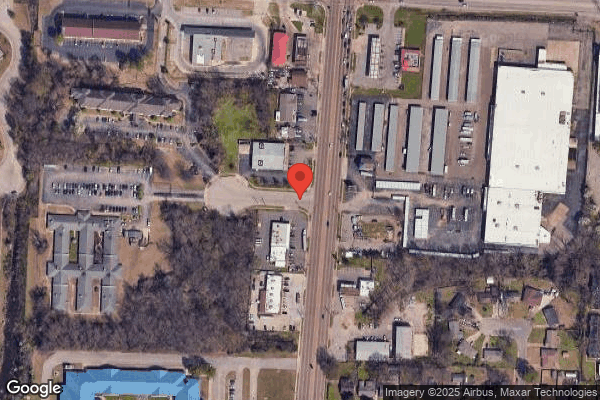
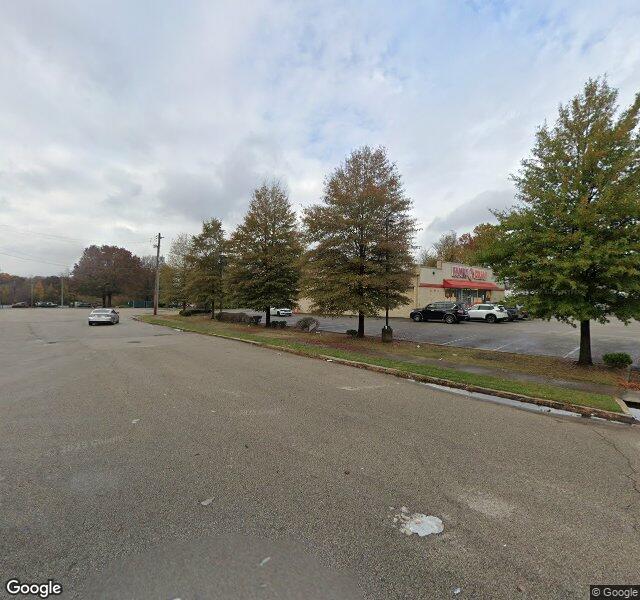
3933 ALLENBROOKE COVE, MEMPHIS, TN 38118 (901) 795-2444
For profit - Limited Liability company 180 Beds NORBERT BENNETT & DONALD DENZ Data: November 2025
Trust Grade
70/100
#111 of 298 in TN
Last Inspection: January 2022

Over 2 years since last inspection. Current conditions may differ from available data.

Overview

Allenbrook Nursing and Rehabilitation Center has a Trust Grade of B, indicating it is a good choice for care, but not without some concerns. It ranks #111 out of 298 facilities in Tennessee, placing it in the top half, and #6 out of 24 in Shelby County, meaning there are only a few local options better than this facility. However, the trend is worsening, with the number of issues reported increasing from 1 in 2019 to 7 in 2022. Staffing is a weakness here, rated at 2 out of 5 stars with a turnover rate that matches the state average at 49%. On a positive note, the facility has not incurred any fines, which is a good sign, and while RN coverage is average, more RN oversight would help catch potential issues. Specific incidents raised during inspections included staff failing to provide privacy during personal care, not assisting residents with grooming needs, and improperly storing medications, which raises concerns about resident dignity and safety. Overall, while there are strengths in certain areas, families should carefully consider both the positive aspects and the weaknesses when researching this facility.

Trust Score
B
70/100
In Tennessee
#111/298
Top 37%
Safety Record
Low Risk
No red flags
Inspections
Getting Worse
1 → 7 violations
Staff Stability
⚠ Watch
49% turnover. Above average. Higher turnover means staff may not know residents' routines.
Penalties
✓ Good
No fines on record. Clean compliance history, better than most Tennessee facilities.
Skilled Nurses
⚠ Watch
Each resident gets only 22 minutes of Registered Nurse (RN) attention daily — below average for Tennessee. Fewer RN minutes means fewer trained eyes watching for problems.
Violations
○ Average
8 deficiencies on record. Average for a facility this size. Mostly minor or procedural issues.
★★★☆☆
3.0
Overall Rating
★★☆☆☆
2.0
Staff Levels
★★★★☆
4.0
Care Quality
★★★☆☆
3.0
Inspection Score
Stable
2019: 1 issues
2022: 7 issues

The Good

  • 4-Star Quality Measures · Strong clinical quality outcomes
  • Full Sprinkler Coverage · Fire safety systems throughout facility
  • No fines on record

Facility shows strength in quality measures, fire safety.

The Bad

3-Star Overall Rating

Near Tennessee average (2.8)

Meets federal standards, typical of most facilities

Staff Turnover: 49%

Near Tennessee avg (46%)

Higher turnover may affect care consistency

Chain: NORBERT BENNETT & DONALD DENZ

Part of a multi-facility chain

Ask about local staffing decisions and management

The Ugly 8 deficiencies on record

Jan 2022 7 deficiencies
CONCERN (D)

Potential for Harm - no one hurt, but risky conditions existed

Assessment Accuracy (Tag F0641)

Could have caused harm · This affected 1 resident

**NOTE- TERMS IN BRACKETS HAVE BEEN EDITED TO PROTECT CONFIDENTIALITY** Based on policy review, medical record review, observation, and interview, the facility failed to ensure Residents were accurate...

Read full inspector narrative →
**NOTE- TERMS IN BRACKETS HAVE BEEN EDITED TO PROTECT CONFIDENTIALITY** Based on policy review, medical record review, observation, and interview, the facility failed to ensure Residents were accurately assessed for falls, pressure ulcers, Hospice, Dialysis, and the use of alarms for 4 of 34 sampled residents (Resident #11, #24, #119, and #165) reviewed. The findings include: Review of the facility's policy titled, MDS [Minimun Data Set] Assessment, dated 11/2017, revealed, .The facility shall conduct interdisciplinary assessments using the MDS item sets as defined by Federal/State regulations. These assessments provide information on the resident's condition to facilitate development of an individualized pan [plan] of care . Review of the medical record, revealed Resident #11 was admitted to the facility on [DATE], with diagnoses of Alzheimer's Disease, Atrial Fibrillation, Chronic Obstructive Pulmonary Disease, Dementia, and Hypertension. Review of the IDT (Interdisciplinary Team) QA&A (Quality Assessment and Assurance) Fall Review Worksheet, dated 9/12/2021, revealed Resident #11 had a fall. Review of the quarterly MDS dated [DATE], revealed Resident #11 did not have a fall since the prior MDS assessment on 7/22/2021. During an interview on 1/13/2021 at 3:42 PM, Assistant MDS Coordinator #1 confirmed the MDS should have been coded for a fall. Review of the medical record, revealed Resident #24 was admitted to the facility on [DATE] and readmitted on [DATE] with diagnoses of Cerebral Atherosclerosis, Falls, Dementia, Altered Mental Status, Adult Failure to Thrive, and Protein Calorie Malnutrition. Review of the Initial Weekly Wound assessment dated [DATE], revealed .Wound Type: Pressure Ulcer .Present on admission: False . Review of the Physician Order sheet dated 12/2021, revealed an order dated 7/27/2021 for Hospice services effective 7/7/2021. Review of the significant change MDS dated [DATE], revealed Resident #24 had a pressure ulcer on admission or reentry. Review of the quarterly MDS dated [DATE], revealed Resident #24 had a pressure ulcer on admission or reentry, and was not coded for receiving Hospice services. During an interview on 1/12/2022 at 1:35 PM, Treatment Nurse #1 confirmed Resident #24 did not have pressure ulcers when she was readmitted on [DATE]. During an interview on 1/13/2021 at 3:44 PM, Assistant MDS Coordinator #1 confirmed the MDS dated [DATE] and 10/20/2021 should have been coded as not having pressure ulcers on admission, and the MDS dated [DATE] should have been coded for Hospice Services. Review of the medical record, revealed Resident #119 was admitted to the facility on [DATE] with diagnoses of End stage Renal Disease, Acute Kidney Failure, Heart Disease, Diabetes, Hemiplegia, Dependence on Renal Dialysis, and Severe Protein Malnutrition. Review of Resident #119's Physician Orders dated 11/2021, revealed an order dated 9/8/2021 for Hemodialysis 3 times a week. Review of the quarterly MDS dated [DATE], revealed Resident #119 did not receive dialysis. During an interview on 1/13/2022 at 3:52 PM, Assistant MDS Coordinator #1 confirmed the MDS dated [DATE] should have been coded for dialysis. Review of the medical record, revealed Resident #165 was admitted to the facility on [DATE] with diagnoses of Muscle Wasting and Atrophy, Dementia, Depression, Bipolar Disorder, and Falls. Review of the Physician Orders dated 1/2022, revealed an order dated 11/23/2021 for a bed alarm. Review of quarterly MDS dated [DATE], revealed Resident #165 did not use alarms. Observation in the resident's room on 1/12/2022 at 6:21 PM, revealed an alarm to Resident #165's bed. During an interview on 1/13/2022 at 9:38 AM, Assistant MDS Coordinator #2 confirmed the MDS dated [DATE] should have been coded for a bed alarm.
CONCERN (D)

Potential for Harm - no one hurt, but risky conditions existed

Comprehensive Care Plan (Tag F0656)

Could have caused harm · This affected 1 resident

**NOTE- TERMS IN BRACKETS HAVE BEEN EDITED TO PROTECT CONFIDENTIALITY** Based on policy review, medical record review, observation, and interview, the facility failed to follow the Care Plan for 1 of ...

Read full inspector narrative →
**NOTE- TERMS IN BRACKETS HAVE BEEN EDITED TO PROTECT CONFIDENTIALITY** Based on policy review, medical record review, observation, and interview, the facility failed to follow the Care Plan for 1 of 34 (Resident #165) sampled residents reviewed. The findings include: Review of the facility's policy titled, .COMPREHENSIVE PERSON CENTERED CARE PLANS, with a revision date of 3/2018, revealed .Each resident will have a person centered plan of care to identify problems, needs, strengths, preferences, and goals that will identify how the interdisciplinary team will provide care .Assigned disciplines will be identified to carry out the intervention . Review of the medical record, revealed Resident #165 was admitted to the facility on [DATE] with diagnoses of Muscle Wasting, Atrophy, Dementia, Depression, Bipolar Disorder and Falls. Review of the Care Plan dated 10/29/2020, revealed .landing mats to both sides of bed . Review of the facility's IDT (Interdisciplinary Team) QA&A (Quality Assessment and Assurance) Fall Review Worksheet, dated 10/29/2021, revealed Resident #165 had a current Care Plan for falls which included an intervention for landing mats at the bedside. Observation in Resident #165's room on 1/10/2022 at 10:09 AM and 3:31 PM, 1/11/2022 at 11:33 AM and 6:44 PM, and on 1/12/2022 at 12:04 PM and 4:03 PM, revealed one landing mat to the right side of bed. During an interview on 1/12/2022 at 4:03 PM, Licensed Practical Nurse (LPN) #2 confirmed Resident #165 should have fall mats to both sides of the bed. During an interview on 1/13/2022 at 3:47 PM, the Assistant Director of Nursing Services confirmed staff should follow the Care Plan and confirmed that if the resident is care planned for bilateral fall mats, they should have one on each side of the bed.
CONCERN (D)

Potential for Harm - no one hurt, but risky conditions existed

Infection Control (Tag F0880)

Could have caused harm · This affected 1 resident

Based on policy review, observation, and interview, the facility failed to ensure practices were followed to prevent the potential spread of infection and cross contamination when nebulizer tubing and...

Read full inspector narrative →
Based on policy review, observation, and interview, the facility failed to ensure practices were followed to prevent the potential spread of infection and cross contamination when nebulizer tubing and a nebulizer mask were stored improperly during random observations for 2 of 2 sampled residents (Resident #76 and Resident #139), 1 of 11 staff members (Certified Nursing Assistant (CNA) #3) failed to properly clean reusable Personal Protective Equipment (PPE) after use, 1 of 1 laundry staff (Laundry Staff #1) failed to don (to put on) proper PPE when entering a contact isolation room and failed to properly dispose of PPE after use, and 1 of 1 environmental service staff (Environmental Service Staff #1) failed to don appropriate PPE when entering contact isolation rooms. The findings include: Review of the facility's policy titled, Contact Precautions, revised 9/2019, revealed .Contact Precautions are a transmission based precaution that will be utilized to reduce the risk of transmission of epidemiologically important micro-organisms by direct or indirect contact .remove gloves before leaving resident's room and wash hands .Remove the gown before leaving the room, place in plastic bag . Review of the facility's signage, DROPLET PRECAUTIONS .YOU MUST WEAR THE FOLLOWING PPE TO ENTER THIS ROOM .N95 MASK, GOWN, GLOVES, FACE SHIELD / GOGGLES . Review of the Centers for Disease Control and Prevention undated guidelines titled, HOW TO SAFELY REMOVE PERSONAL PROTECTIVE EQUIPMENT (PPE) EXAMPLE 1, revealed .Remove all PPE before exiting the patient room . Observation in Resident #139's room on 1/10/2022 at 6:37 AM, revealed a nebulizer mask and nebulizer tubing lying on top of a nebulizer machine. The nebulizer mask and nebulizer tubing were not stored in a bag. Observation in Resident #76's room on 1/10/2022 at 6:42 AM and 2:12 PM, and on 1/12/2022 at 12:07 PM, revealed a nebulizer mouthpiece and nebulizer tubing lying on top of a nebulizer machine on the bedside table. The nebulizer mouthpiece and the nebulizer tubing were not stored in a bag. Observation in Resident #76's room on 1/13/2022 at 8:38 AM, revealed a nebulizer mouthpiece and nebulizer tubing lying on top of the bedside table. The nebulizer mouthpiece and nebulizer tubing were not stored in a bag. During an interview on 1/13/2022 at 9:05 PM, the Assistant Director of Nursing Services (ADNS) confirmed that nebulizer masks, mouthpieces, and tubing should be stored in a labeled and dated plastic bag. Observation during the 200 Hall meal delivery on 1/10/2022 at 10:32 AM, revealed a sign outside of Resident #97's room stating, .DROPLET PRECAUTIONS, YOU MUST WEAR THE FOLLOWING PPE [PERSONAL PROTECTIVE EQUIPMENT] TO ENTER THIS ROOM, N95 MASK, GOWN, GLOVES, FACE SHIELD/GOGGLES . CNA #3 donned a mask, gown, gloves and a face shield, removed a meal tray from the dining cart, knocked and entered Resident #97's room and placed the meal tray on the overbed table. After delivering the meal tray and before exiting the room CNA #3 removed her gown and gloves and placed them in the biohazard trash, sanitized her hands and exited the room and returned to the dining cart. CNA #3 removed a meal tray from the dining cart, knocked and entered Resident #44's room, served the meal tray and exited the room. CNA #3 failed to remove or sanitize her face shield when going from a droplet precaution isolation room to a non-isolation room. Observation on the 200 Hall on 1/10/2022 at 11:00 AM, revealed a sign outside of Resident #20 and Resident #121's room stating, .DROPLET PRECAUTIONS, YOU MUST WEAR THE FOLLOWING PPE [PERSONAL PROTECTIVE EQUIPMENT] TO ENTER THIS ROOM, N95 MASK, GOWN, GLOVES, FACE SHIELD/GOGGLES . Further observations revealed Laundry Staff Member #1 donned a gown, mask, and gloves, removed clean clothes from a laundry cart, knocked and entered Resident #20 and Resident #121's room and placed the clean clothes in the closet. The Laundry Staff Member #1 exited the room and returned to the clean laundry cart, removed her gown and gloves, and folded it into a ball, walked down the hall past the nurses' station to the soiled utility room and disposed of the gown and gloves in the trash can, sanitized her hands and returned to the clean laundry cart. The Laundry Staff Member #1 failed to don a face mask or goggles before entering the contact isolation room and failed to remove and dispose of gown and gloves properly prior to exiting the contact isolation room. Observation on the 200 Hall on 1/10/2022 at 11:09 AM, revealed Environmental Services Staff #1, donned a gown, mask, and gloves and entered Resident #12 and Resident #14's room, removed soiled biohazard boxes and replaced them with clean biohazard boxes, exited the room and returned to the hallway. Environmental Services Staff #1 walked down the hall and entered Resident #97's room and removed the soiled biohazard boxes and replaced with clean biohazard boxes. The Environmental Services Staff #1 failed to don a face shield or goggles when entering the contact isolation rooms. During an interview on 1/13/2022 at 5:35 PM, the ADNS confirmed that staff should put on a gown, gloves, surgical mask and a face shield or goggles prior to entering a contact isolation room and when exiting the room staff should remove all PPE, dispose of the items in the biohazard containers in the resident's room, and wash their hands before leaving the room. The ADNS confirmed staff should clean the face shield or goggles with a bleach wipe in between uses or replace with a new face shield or goggles. The ADNS confirmed that staff should clean the face shield and goggles with a bleach wipe when leaving a contact isolation room and before entering a non isolation room or replace with a new face shield or goggles.
CONCERN (E)

Potential for Harm - no one hurt, but risky conditions existed

Resident Rights (Tag F0550)

Could have caused harm · This affected multiple residents

Based on policy review, observation, and interview, the facility failed to promote care that maintained residents' dignity, respect, and quality of care when staff failed to provide privacy for 2 of 5...

Read full inspector narrative →
Based on policy review, observation, and interview, the facility failed to promote care that maintained residents' dignity, respect, and quality of care when staff failed to provide privacy for 2 of 5 sampled residents (Resident #64 and #69) reviewed for urinary catheters, 3 of 15 staff members (Certified Nursing Assistant (CNA) #2, #11 and #12) did not knock on resident doors prior to entering the room, called residents feeders, and addressed them with pet names for 4 of 155 residents (Resident #2, #37, #88, 108 and #154) observed during dining. The findings include: Review of the facility's undated policy titled, Courtesy Titles Policy, revealed .All residents will be addressed by using the appropriate courtesy title . Review of the facility's policy titled, RESIDENT BILL OF RIGHTS, revised on 11/2017, revealed .Each resident has a right to a dignified existence .communication .in a manner and in an environment that promotes maintenance or enhancement of (his or her) quality of life . Observation in Resident #64's room on 1/10/2022 at 6:25 AM, 3:10 PM, and 4:38 PM, and on 1/11/2022 at 9:47 AM, 11:22 AM, and 2:12 PM, revealed the urinary catheter bag was not covered and the urinary catheter bag with urine was visible from the hallway. Observation in Resident #69's room on 1/11/2022 at 10:30 AM and 1:55 PM, revealed the urinary catheter bag was not covered and the urinary catheter bag with urine was visible from the hallway. During an interview on 1/13/2022 at 3:09 PM, the Assistant Director of Nursing Services(ADNS) confirmed urinary catheter bags should be stored in a dignity bag and urine should not be visible. Dining observation in the 200 Hall at the meal cart on 1/10/2022 at 9:00 AM, revealed CNA #2 referred to a resident as a feeder within hearing distance of staff and other residents. Dining observation in the resident's room on 1/10/2022 at 9:04 AM, revealed CNA #2 entered Resident #88's room without knocking or requesting permission to enter the resident's room. Dining observation in the resident's room on 1/10/2022 at 9:06 AM, revealed CNA #2 entered Resident #37's room without knocking or requesting permission to enter the resident's room. Dining observation in the 100 Hall on 1/10/2022 at 10:10 AM, revealed CNA #11 referred to Resident #2 as a feeder within hearing distance of staff and other residents. Dining observation in the resident's room on 1/12/2022 at 12:15 PM, revealed CNA #12 spoke to Resident #108 and said, .O.K. Baby .O.K. Honey . while serving the meal tray. Dining observation in the resident's room on 1/12/2022 at 12:20 PM, revealed CNA #12 spoke to Resident #154 and said, .Baby, I can find out what your food is . During an interview on 1/13/2022 at 5:35 PM, the ADNS confirmed that all staff should knock on doors prior to entering a resident's room or request permission to enter a resident's room, and staff should not refer to residents as feeders or with pet names.
CONCERN (E)

Potential for Harm - no one hurt, but risky conditions existed

ADL Care (Tag F0677)

Could have caused harm · This affected multiple residents

**NOTE- TERMS IN BRACKETS HAVE BEEN EDITED TO PROTECT CONFIDENTIALITY** Based on policy review, medical record review, observation, and interview, the facility failed to ensure Activities of Daily Liv...

Read full inspector narrative →
**NOTE- TERMS IN BRACKETS HAVE BEEN EDITED TO PROTECT CONFIDENTIALITY** Based on policy review, medical record review, observation, and interview, the facility failed to ensure Activities of Daily Living (ADL) assistance was provided related to shaving, nail care, and grooming for 5 of 5 sampled residents (Resident #64, #76, #143, #160, and #166) reviewed for ADLs. The findings included: Review of the facility's policy titled, .A.M. [morning] CARE dated 10/2009, revealed .A.M. Care will be given to residents daily .RESPONSIBILITY .All Nursing Assistants .Provide nail care as needed .Provide .assist with shaving . Review of the medical record, revealed Resident #64 was admitted to the facility on [DATE], with diagnoses of Chronic Obstructive Pulmonary Disease, Dementia, and Paranoid Schizophrenia. Review of the quarterly Minimum Data Set (MDS) dated [DATE], revealed Resident #64 had severe cognitive impairment and required extensive assistance for personal hygiene. Review of the Care Plan dated 11/30/2021, revealed nails were to be kept clean and trimmed. Observation in the resident's room on 1/10/2022 at 6:25 AM and 4:38 PM, and on 1/11/2022 at 9:47 AM and 2:12 PM, revealed Resident #64 had whiskers growing out on both sides of his face and neck, and had dirty, jagged fingernails on both hands. During an interview on 1/12/2022 at 8:47 AM, Certified Nursing Assistant (CNA) #16 confirmed Resident #64 was one of her regular residents and it appeared he had not been shaved since she last cared for him. She confirmed he should be shaved daily. Review of the medical record, revealed Resident #76 was admitted to the facility on [DATE] with diagnoses of Human Immunodeficiency Virus, Larynx Cancer, Hypertension, and Chronic Obstructive Pulmonary Disease. Review of the Care Plan dated 11/24/2021, revealed Resident #76 had a self-care deficit related to Chronic Obstructive Pulmonary Disease with interventions that included keeping his nails clean and trimmed. Observation in the resident's room on 10/10/2022 at 6:42 AM and 4:35 PM, 1/11/2022 at 9:45 AM and 2:12 PM, 1/12/2022 at 12:07 PM, and on 1/13/2022 at 8:38 AM, revealed Resident #76's nails were dirty and jagged. Review of the medical record, revealed Resident #143 was admitted to the facility on [DATE] with diagnoses of End Stage Renal Disease, Dialysis Dependence, Congestive Heart Failure, Diabetes, and Hypertension. Review of the admission MDS dated [DATE], revealed Resident #143 had intact cognition and required extensive assistance from staff for personal hygiene. Review of the Care Plan dated 12/30/2021, revealed Resident #143 had a self-care deficit due to his inability to independently perform his activities of daily living and included interventions to keep his nails clean and trimmed. Observation in the resident's room on 1/10/2022 at 6:52 AM and 4:42 PM, on 1/11/2022 at 10:50 AM and 1:57 PM, and on 1/13/2022 at 8:45 AM, revealed Resident #143's nails were dirty and jagged. Review of the medical record, revealed Resident #160 was admitted to the facility on [DATE] with diagnoses of Diabetes, Dementia, and Hemiplegia. Review of the Care Plan revised 10/12/2021, revealed Resident #160 had a self-care deficit related to right sided hemiplegia with interventions that included grooming, hair care, and keeping his nails clean and trimmed. Review of the quarterly MDS dated [DATE], revealed Resident #160 had severe cognitive impairment, did not exhibit rejection of care, and did not receive personal hygiene in the seven day look back period. Observation in the resident's room on 1/11/2022 at 9:42 AM, 1/12/2022 at 12:40 AM, and on 1/13/2022 at 8:35 AM, revealed Resident #160 was in bed wearing a hospital gown, and had unshaved whiskers and long, uncombed hair. Review of the medical record, revealed Resident #166 was admitted to the facility on [DATE] with diagnoses of Hemiplegia, Chronic Obstructive Pulmonary Disease, Osteoarthritis, and Seizures. Review of the Care Plan dated revised 10/21/2021, revealed Resident #166 had a self-care deficit related to right sided hemiplegia and had interventions which included assisting with personal hygiene. Review of the quarterly MDS dated [DATE], revealed Resident #166 had moderately impaired cognition and required extensive assistance for personal hygiene. Observation in the resident's room on 1/10/2022 at 6:15 AM and 4:20 PM, and on 1/11/2022 at 9:20 AM, revealed Resident #166 had long facial hair. Observation on 1/11/2022 at 11:35 AM, revealed Resident #166 was in the hall with Physical Therapy, and he had long facial hair. During an interview on 1/11/2022 at 9:42 AM, the Assistant Director of Nursing Services confirmed male residents should be shaved daily and nails should be clean, trimmed and filed. She confirmed staff should follow the Care Plan for resident grooming and personal hygiene.
CONCERN (E)

Potential for Harm - no one hurt, but risky conditions existed

Deficiency F0761 (Tag F0761)

Could have caused harm · This affected multiple residents

**NOTE- TERMS IN BRACKETS HAVE BEEN EDITED TO PROTECT CONFIDENTIALITY** Based on policy review, observation, and interview, the facility failed to ensure medications were stored properly and securely ...

Read full inspector narrative →
**NOTE- TERMS IN BRACKETS HAVE BEEN EDITED TO PROTECT CONFIDENTIALITY** Based on policy review, observation, and interview, the facility failed to ensure medications were stored properly and securely in 4 of 8 medication storage areas (100 Back Hall Medication Cart, East Hall Medication Room, [NAME] Front Hall Medication Cart, and [NAME] Back Hall Medication Cart) and 2 of 96 resident rooms (room [ROOM NUMBER] and #335) observed. The findings include: Review of the facility's policy titled, Medication Storage, dated 4/2014, revealed .Medication supply must be accessible only to licensed nursing personnel, or staff members lawfully authorized to administer medications. All drugs, treatments, and biologicals must be stored securely and following the manufacturer's labeled recommendations, or per facility policy .Oral medications are physically separated from external items .Other treatments such as for eyes, ears, and nose are separated from each other, as well as away from other external medications .Medications will be stored on the medication cart, or in other designated area .Among Medications, Internal and External must be separated. Among External Medications, Eye, Ear, Nasal and Other External must be separated. Separate medications by route of administration . Observation in room [ROOM NUMBER] on 1/10/2022 at 6:35 AM, revealed 1 box of Albuterol (a bronchodilator medication used to treat wheezing and shortness of breath) nebulizer treatments and 1 box of a Wixela inhalation treatment lying on the overbed table next to Resident #139's bed. Observation in the 100 Hall on 1/10/2022 at 9:22 AM, revealed the 100 Back Hall Medication Cart sitting outside of room [ROOM NUMBER] with a bottle of Iron tablets sitting on top of the cart unattended. Observation in room [ROOM NUMBER] on 1/12/2022 at 1:08 PM and 6:16 PM, and on 1/13/2022 at 8:13 AM, revealed a plastic cup, containing Timolol Ophthalmic Eye and Lantanopros eye drops, sitting on the bedside next to Resident #93's bed. Observation of the East Hall Medication Room on 1/13/2022 at 2:10 PM, revealed 5 easy pump (a pump that releases the medication via gravity) Intravenous (IV) medication balls containing Vancomycin (an antibiotic) in Normal Saline (NS) with a use by date of 1/6/2022, and 3 easy pump IV medication balls containing Vancomycin in NS with a use by date of 1/12/2022, stored in the medication refrigerator. Observation in the [NAME] Front Hall Medication Cart on 1/13/2022 at 2:32 PM, revealed 1 bottle of Durezol eye drops, 1 bottle of Besivance eye drops, and 1 bottle Prolensa eye drops stored in the top drawer in a compartment with insulin, two vials of injectable Promethazine (an antiemetic medication) stored in a plastic container with oral medications in the second drawer, and a Catapress (an antiadrenergic medication used to lower blood pressure) topical patch in a plastic container with oral medications, and a Catapress patch in a plastic container with oral medications in the third drawer. Observation in the [NAME] Back Hall Medication Cart on 1/13/2022 at 2:37 PM, revealed 1 bottle of Thera Tabs Multivitamin tablets with a best by date of 11/2021 stored in the top drawer of the medication cart. During an interview on 1/12/2022 at 3:50 PM, the Pharmacy Consultant confirmed that medications should be stored in the medication cart, not in a resident's room, and should not be left on top of a medication cart, unattended. During an interview on 1/13/2022 at 11:45 AM, Licensed Practical Nurse #1 confirmed eye drops should not be stored in a plastic cup at a resident's bedside table. During an interview on 1/13/2022 at 5:40 PM, the Assistant Director of Nursing Services confirmed that expired medications should be disposed of, on the day they expire; she confirmed medications such as eye drops, topical medications, injectables and oral medications should be stored separately in a medication dispenser in the medication room, and that medications should not be left unattended.
CONCERN (E)

Potential for Harm - no one hurt, but risky conditions existed

Food Safety (Tag F0812)

Could have caused harm · This affected multiple residents

Based on policy review, observation, and interview, 6 of 15 staff members (Certified Nursing Assistants (CNA) #2, #6, #10, #13, #14, and #15) failed to serve food under sanitary conditions for 19 of 1...

Read full inspector narrative →
Based on policy review, observation, and interview, 6 of 15 staff members (Certified Nursing Assistants (CNA) #2, #6, #10, #13, #14, and #15) failed to serve food under sanitary conditions for 19 of 155 residents (Resident #29, #30, #36, #55, #45, #78, #84, #98, #102, #108, #116, #123, #124, #125, #132, #135, #148, #164, and #165) observed during dining. The findings include: Review of the facility's policy titled, The Dining Experience: Objectives, dated 2016, revealed .Resident meals will be served in a sanitary environment with proper food handling procedures . Dining observations during the breakfast meal service on 1/10/2022 beginning at 8:48 AM, revealed the following: a. CNA #2 served a tray to Resident #102. CNA #2 touched the overbed table, set up the tray, and touched the biscuit with her bare hand. b. CNA #2 served a tray to Resident #123. CNA #2 touched the overbed table, set up the tray, and touched the biscuit with her bare hand. c. CNA #13 served a meal tray to Resident #165, took the tray back out of the room and placed it on the top of the tray cart, did not perform hand hygiene, and took a tray into Resident #98's room. CNA #13 touched the blanket, touched the bedrail and bed control, and touched the table. CNA #13 did not perform hand hygiene, and began to set up the tray for Resident #98 and touched all the items on the tray. CNA #13 performed hand hygiene at the sink, turned off the water with a paper towel, then used that same paper towel to dry her hands. d. CNA #13 placed a meal tray on the overbed table in Resident #148's room. CNA #13 touched the table, touched the blanket, touched the bed rail and bed control, and touched the privacy curtain. CNA #13 did not perform hand hygiene and donned clean gloves. She handed a cup to Resident #148 and the resident spit in the cup. CNA #13 picked up the trash can, and Resident #148 placed the cup in the trash can. CNA #13 used a napkin to wipe Resident #148's face, and, wearing the same gloves, began to set up the meal tray, touching all the items on the tray. e. CNA #14 placed a meal tray on the overbed table in Resident #30's room. CNA #14 did not perform hand hygiene and donned gloves. CNA #14 touched the overbed table and began to set up the meal tray, touching all the items on the tray. CNA #14 picked up the biscuit and put jelly on it, wearing the same gloves. f. After serving a tray to Resident #124, CNA #14 performed hand hygiene at the sink, turned off the water with a paper towel, and used the same paper towel to continue drying her hands. g. CNA #14 placed a meal tray on the overbed table in Resident #84's room. CNA #14 touched the resident's blanket and gown and pulled Resident #14 up in the bed. CNA #14 touched the bed control and the overbed table. CNA #14 did not perform hand hygiene and began to set up the meal tray, touching all the items on the tray. CNA #14 picked up the biscuit with her bare hand and put jelly on it. CNA #14 performed hand hygiene at the sink, turned off the water with a paper towel, then rolled the paper towel up with both hands and placed it in the trash can. Dining observations during the breakfast meal service on 1/10/2022 at 9:57 AM, revealed CNA #6 served a tray to Resident #108. CNA #6 placed the plate cover on the bed and set up the tray. CNA #6 picked up the plate cover, took it to the meal cart and placed it in the cart with other clean breakfast trays that were waiting to be served to other residents. Dining observations during the lunch meal service on 1/12/2022 beginning at 12:16 PM, revealed the following: a. CNA #15 placed a meal tray on the overbed table in Resident #148's room. CNA #15 touched the bed control and then began to set up the meal tray, touching all the items on the tray. b. CNA #15 placed a meal tray on the overbed table in Resident #45's room. CNA #15 touched the overbed table and the bed control and then began to set up the meal tray, touching all the items on the tray. c. CNA #15 placed a meal tray on the overbed table in Resident #78's room. CNA #15 touched the overbed table and then donned gloves, without performing hand hygiene. CNA #15 touched the blanket, touched Resident #78 to pull the resident up in bed, and then touched the overbed table. CNA #15 then began to set up the meal tray, touching all items on the tray. d. CNA #15 placed a tray on Resident #125's overbed table and touched the table. CNA #15 did not perform hand hygiene and obtained a tray from the meal cart and placed it on the overbed table in Resident #30's room. CNA #15 did not perform hand hygiene and obtained a meal tray for Resident #84. CNA #15 set up the meal tray for Resident #84, touching all the items on the tray. Dining observations during the lunch meal service on 1/12/2022 at 12:56 PM, revealed CNA #10 served a meal tray to Resident #164, touched the overbed table, and went back into the hall and pushed the meal cart in the hallway. CNA #10 did not perform hand hygiene and served a meal tray to Resident #132. CNA #10 set up the meal tray for Resident #132, opened the straw and touched the drinking tip of the straw. CNA #10 did not perform hand hygiene and served a meal tray to Resident #36. CNA #10 set up Resident #36's meal tray, touching all the items on the tray. CNA #10 did not perform hand hygiene, went out into the hallway, and continued to push the meal cart down the hall. CNA #10 did not perform hand hygiene and served a meal tray to Resident #55. CNA #10 touched the overbed table, touched the bed control, dropped the bed remote on the floor and picked it up, and touched Resident #55 to place a napkin over the resident's chest. CNA #10 did not perform hand hygiene, went back into the hallway, and continued to push the meal cart down the hall. CNA #10 served a meal tray to Resident #29 and touched the overbed table. CNA #10 did not perform hand hygiene and served a meal tray to Resident #135. CNA #10 touched the privacy curtain. CNA #10 did not perform hand hygiene. CNA #10 served a meal tray to Resident #116, set up the meal tray, and touched all the items on the tray. During an interview on 1/13/2022 at 5:35 PM, the Assistant Director of Nursing Services confirmed staff should perform hand hygiene between residents during the meal service, after touching objects in the room and before setting up meal trays, and should not touch a resident's food with their bare hands.
Jan 2019 1 deficiency
CONCERN (D)

Potential for Harm - no one hurt, but risky conditions existed

Deficiency F0761 (Tag F0761)

Could have caused harm · This affected 1 resident

Based on policy review, observation and interview, the facility failed to ensure medications were stored properly and safely in 3 of 13 (East Back Medication Cart, Central Back Medication Cart and B T...

Read full inspector narrative →
Based on policy review, observation and interview, the facility failed to ensure medications were stored properly and safely in 3 of 13 (East Back Medication Cart, Central Back Medication Cart and B Treatment Cart) medication storage areas. The findings include: 1. Review of the facility's undated MEDICATION STORAGE policy documented, .Among Medications, Internal and External must be separated .Among External Medications, Eye, Ear, Nasal, and Other External must be separated . Observations in the East Back Medication Cart 1/28/19 at 2:45 PM, revealed the following items in the same drawer with no separation: a. 1 Incruse Ellipta inhaler open with no open date b. 1 bottle of anti dandruff shampoo c. 1 container of Germicidal wipes d. 1 tube of Clindamycin ointment e. 1 tube of skin protectant f. 1 tube of Calazinc body shield g. 4 tubes of Diclofenac sodium topical gel h. 1 tube of Voltaren i. 1 bottle of Fleet enema j. 1 tube of Triamcinolone Acetonide k. 1 bottle of Ketoconazole shampoo l. 1 bottle Selenium Sulfide m. 1 jar of Vaseline n. 1 box of skin prep pads 0. 1 tube of stoma adhesive Observations in the Back Central Medication Cart on 1/28/19 at 3:12 PM, revealed the following items in the same drawer with no separation: a. 1 container of Sani wipes b. 1 bottle of Sevelamer Carbonate tablets c. 1 can of Two Cal (a nutritional supplement) e. 6 boxes of Albuterol inhaler solution f. 6 boxes of Ipra-albuterol ampule (an inhalation solution) g. 1 bottle of Selenium Sulfide topical suspension h. 1 Advair inhaler i. 1 Serevent inhaler j. 1 box of Spiriva hand inhaler tablets k. 1 bottle of Sterile water Observations in the B Treatment Cart on 1/28/19 at 4:40 PM, revealed the following items in the same drawer with no separation: a. 1 container of Sani cloths b. 2 bottles of Saline Wound wash Interview with the Director of Nursing (DON) on 1/30/19 at 8:23 AM, in the Conference Room, the DON was asked if it was acceptable to have chemicals in the same drawer as medications with no separation. The DON stated, No, it should be separated by a divider. The DON was asked if it was acceptable to have medication on the medication cart open and undated. The DON stated, No ma'am. The DON confirmed internal and external medications should be stored separately.
Understanding Severity Codes (click to expand)
Life-Threatening (Immediate Jeopardy)
J - Isolated K - Pattern L - Widespread
Actual Harm
G - Isolated H - Pattern I - Widespread
Potential for Harm
D - Isolated E - Pattern F - Widespread
No Harm (Minor)
A - Isolated B - Pattern C - Widespread

Questions to Ask on Your Visit

  • "Can I speak with families of current residents?"
  • "What's your RN coverage like on weekends and overnight?"

Our Honest Assessment

Strengths
  • • No major safety red flags. No abuse findings, life-threatening violations, or SFF status.
  • • No fines on record. Clean compliance history, better than most Tennessee facilities.
Concerns
  • • No major red flags. Standard due diligence and a personal visit recommended.
Bottom line: Mixed indicators with Trust Score of 70/100. Visit in person and ask pointed questions.

About This Facility

What is Allenbrook's CMS Rating?

CMS assigns ALLENBROOK NURSING AND REHABILITATION CENTER an overall rating of 3 out of 5 stars, which is considered average nationally. Within Tennessee, this rating places the facility higher than 99% of the state's 100 nursing homes. This mid-range rating indicates the facility meets federal standards but may have areas for improvement.

How is Allenbrook Staffed?

CMS rates ALLENBROOK NURSING AND REHABILITATION CENTER's staffing level at 2 out of 5 stars, which is below average compared to other nursing homes. Staff turnover is 49%, compared to the Tennessee average of 46%.

What Have Inspectors Found at Allenbrook?

State health inspectors documented 8 deficiencies at ALLENBROOK NURSING AND REHABILITATION CENTER during 2019 to 2022. These included: 8 with potential for harm.

Who Owns and Operates Allenbrook?

ALLENBROOK NURSING AND REHABILITATION CENTER is owned by a for-profit company. For-profit facilities operate as businesses with obligations to shareholders or private owners. The facility is operated by NORBERT BENNETT & DONALD DENZ, a chain that manages multiple nursing homes. With 180 certified beds and approximately 164 residents (about 91% occupancy), it is a mid-sized facility located in MEMPHIS, Tennessee.

How Does Allenbrook Compare to Other Tennessee Nursing Homes?

Compared to the 100 nursing homes in Tennessee, ALLENBROOK NURSING AND REHABILITATION CENTER's overall rating (3 stars) is above the state average of 2.8, staff turnover (49%) is near the state average of 46%, and health inspection rating (3 stars) is at the national benchmark.

What Should Families Ask When Visiting Allenbrook?

Based on this facility's data, families visiting should ask: "Can you walk me through typical staffing levels on day, evening, and night shifts?" "Can I visit during a mealtime to observe dining assistance and food quality?" "How do you handle medical emergencies, and what is your hospital transfer rate?" "Can I speak with family members of current residents about their experience?" These questions are particularly relevant given the below-average staffing rating.

Is Allenbrook Safe?

Based on CMS inspection data, ALLENBROOK NURSING AND REHABILITATION CENTER has a clean safety record: no substantiated abuse findings (meaning no confirmed cases of resident harm), no Immediate Jeopardy citations (the most serious violation level indicating risk of serious injury or death), and is not on the Special Focus Facility watch list (a federal program monitoring the lowest-performing 1% of nursing homes). The facility has a 3-star overall rating and ranks #1 of 100 nursing homes in Tennessee. While no facility is perfect, families should still ask about staff-to-resident ratios and recent inspection results during their visit.

Do Nurses at Allenbrook Stick Around?

ALLENBROOK NURSING AND REHABILITATION CENTER has a staff turnover rate of 49%, which is about average for Tennessee nursing homes (state average: 46%). Moderate turnover is common in nursing homes, but families should still ask about staff tenure and how the facility maintains care continuity when employees leave.

Was Allenbrook Ever Fined?

ALLENBROOK NURSING AND REHABILITATION CENTER has no federal fines on record. CMS issues fines when nursing homes fail to meet care standards or don't correct problems found during inspections. The absence of fines suggests the facility has either maintained compliance or corrected any issues before penalties were assessed. This is a positive indicator, though families should still review recent inspection reports for the full picture.

Is Allenbrook on Any Federal Watch List?

ALLENBROOK NURSING AND REHABILITATION CENTER is not on any federal watch list. The most significant is the Special Focus Facility (SFF) program, which identifies the bottom 1% of nursing homes nationally based on persistent, serious quality problems. Not being on this list means the facility has avoided the pattern of deficiencies that triggers enhanced federal oversight. This is a positive indicator, though families should still review the facility's inspection history directly.