HIGHLANDS HEALTH AND REHABILITATION CENTER
3549 NORRISWOOD, MEMPHIS, TN 38111 (901) 325-7820
For profit - Corporation 180 Beds CHAMPION CARE Data: November 2025 1 Immediate Jeopardy citation
Trust Grade
23/100
#192 of 298 in TN
Last Inspection: August 2022

Over 2 years since last inspection. Current conditions may differ from available data.

Overview

Highlands Health and Rehabilitation Center has received a Trust Grade of F, indicating significant concerns and poor performance compared to other facilities. In Tennessee, it ranks #192 out of 298, placing it in the bottom half, and #12 out of 24 in Shelby County, meaning only 11 local options are better. The facility's situation is worsening, with issues increasing from 6 in 2022 to 9 in 2023. Staffing is rated at 2 out of 5 stars with a turnover rate of 51%, which is about average for the state. However, they face serious concerns with $308,570 in fines, which is higher than 96% of Tennessee facilities, reflecting ongoing compliance problems. Additionally, RN coverage is average, which means that while there are RNs available, they may not be sufficient to catch all potential issues. Specific incidents noted include a resident who suffered a fatal fall due to inadequate fall prevention measures, and failures in infection control practices, such as not posting isolation signage and improper use of personal protective equipment by staff. Overall, while there are some average staffing levels, the facility's serious deficiencies and recent trends suggest caution for families considering this option.

Trust Score
F
23/100
In Tennessee
#192/298
Bottom 36%
Safety Record
High Risk
Review needed
Inspections
Getting Worse
6 → 9 violations
Staff Stability
⚠ Watch
51% turnover. Above average. Higher turnover means staff may not know residents' routines.
Penalties
✓ Good
$308,570 in fines. Lower than most Tennessee facilities. Relatively clean record.
Skilled Nurses
⚠ Watch
Each resident gets only 24 minutes of Registered Nurse (RN) attention daily — below average for Tennessee. Fewer RN minutes means fewer trained eyes watching for problems.
Violations
⚠ Watch
23 deficiencies on record. Higher than average. Multiple issues found across inspections.
★★☆☆☆
2.0
Overall Rating
★★☆☆☆
2.0
Staff Levels
★★★☆☆
3.0
Care Quality
★★☆☆☆
2.0
Inspection Score
Stable
2022: 6 issues
2023: 9 issues

The Good

  • Full Sprinkler Coverage · Fire safety systems throughout facility
  • No fines on record

Facility shows strength in fire safety.

The Bad

2-Star Overall Rating

Below Tennessee average (2.8)

Below average - review inspection findings carefully

Staff Turnover: 51%

Near Tennessee avg (46%)

Higher turnover may affect care consistency

Federal Fines: $308,570

Well above median ($33,413)

Significant penalties indicating serious issues

Chain: CHAMPION CARE

Part of a multi-facility chain

Ask about local staffing decisions and management

The Ugly 23 deficiencies on record

1 life-threatening
May 2023 7 deficiencies 1 IJ
CRITICAL (J) 📢 Someone Reported This

A family member, employee, or ombudsman was alarmed enough to file a formal complaint

Immediate Jeopardy (IJ) - the most serious Medicare violation

Accident Prevention (Tag F0689)

Someone could have died · This affected 1 resident

**NOTE- TERMS IN BRACKETS HAVE BEEN EDITED TO PROTECT CONFIDENTIALITY** Based on policy review, medical record review, observation, video footage review and interview, the facility failed to implement...

Read full inspector narrative →
**NOTE- TERMS IN BRACKETS HAVE BEEN EDITED TO PROTECT CONFIDENTIALITY** Based on policy review, medical record review, observation, video footage review and interview, the facility failed to implement an effective fall prevention program for 2 residents (Resident #8, and #15) reviewed for falls. On [DATE], Resident #8, a resident with a history of seizures, was left alone during a seizure with his bed in a high position. The resident fell from the bed and sustained a fractured neck, which resulted in the resident's death on [DATE]. The facility's failures placed Resident #8, and #15 in Immediate Jeopardy. Immediate Jeopardy (IJ) is a situation in which the provider's noncompliance with one or more requirements of participation has caused, or is likely to cause, serious injury, harm, impairment, or death to a resident. The Administrator and the Director of Nursing were notified of the Immediate Jeopardy (IJ) for F-689, during the complaint investigation on [DATE] at 9:37 AM, and on [DATE] at 10:44 AM, in the Conference Room. The facility was cited Immediate Jeopardy at, F-689 The facility was cited at F-689 at a scope and severity of J, which is Substandard Quality of Care. The Immediate Jeopardy existed from [DATE] and is ongoing. The findings include: 1. Review of the facility's undated policy titled, Fall Risk Assessment, revealed, It is the policy of this facility to provide an environment that is free from accident hazards over which the facility has control, and provides supervision and assistive devices to each resident to prevent avoidable accidents .The risk assessment will be completed by the nurse or designee upon admission, quarterly, or when a significant change is identified .An At Risk for Falls care plan will be completed for each resident to address each item identified on the risk assessment and will be updated accordingly .the At Risk for Falls care plan will include interventions, including adequate supervision, consistent with a resident's needs, goals, and current standards of practice in order to reduce the risk for an accident .Monitor the effectiveness of the care plan interventions, and modify the interventions as necessary, in accordance with current standards of practice . Review of the facility's undated policy titled, Head Injury, revealed, It is the policy of this facility to report potential head injuries to the physician and implement interventions to prevent further injury .Continue monitoring for 72 hours following the incident or until the resident is asymptomatic for a period of time specified by the physician . Review of the facility's policy titled, Assessing Falls and Their Causes, revised 10/2010, revealed, .The purpose of this procedure are to provide guidelines for assessing a resident after a fall and to assist staff in identifying causes of the fall .After a Fall .If a resident has just fallen or is found on the floor without a witness to the event, nursing staff will record vital signs and evaluate for possible injuries to head, neck, spine and extremities . 2. Review of the medical record revealed Resident #8 was admitted on [DATE], with diagnoses of Polyneuropathy, Cerebral Infarction, Hypertension, Seizures, and Aneurysm. Review of the significant change Minimum Data Set (MDS) dated [DATE], revealed Resident #8 was assessed with a Brief Interview for Mental Status score (BIMs) of 15, which indicated that Resident #8 was cognitively intact, required limited assistance from 1 staff member for bed mobility, and had Range of Motion (ROM) limitations to both sides on the lower extremities. Review of Resident #8's Care Plan dated [DATE], revealed .anticoagulant therapy with potential complications .at risk for falls due to impaired balance, and HX [history of] falls .keep bed in low position and brakes locked when in bed .ADL [activities of daily living] self-care performance deficit .has a seizure disorder with potential for complications .Advance Directive on record .Resuscitate/Full code/CPR .Initiate CPR if I am found without respiration and /or pulse . Review of an Unwitnessed Fall Incident Report for Resident #8 dated [DATE], revealed .Unwitnessed .Date XXX[DATE] 22:28 [10:28 PM] .Incident Location .Resident's Room .Incident Description .At the 2000 [8:00 PM] hour the aide [CNA #11] yelled out for me to come and assist with resident in room [Resident #8's room]. Once I entered the room I observed resident on the floor unresponsive and blood near the resident's head. I asked aide what happened, aide stated he was yelling out to alert me of a status change in [Resident #8]. He stated that he stepped to the door to call for me and when he turned around resident was on the floor .Resident Description .Resident Unable to give Description .Immediate Action Taken .I called for the second nurse, who alerted the 3rd nurse to get crash cart, code was called and CPR was started, 911 [emergency call number] and CPR was continued until the paramedics arrived .Level of Consciousness .Comatose [Un-arousable to verbal or physical stimuli] . Review of the video footage dated [DATE], revealed CNA #11 at 7:50:29 PM entered Resident #8's room. At 7:51:06 PM, a nurse exited the resident's room with a white piece of paper in her hand. At 7:51:47 PM, CNA #11 was in hallway by the linen cart and then he reentered Resident #8's room. At 7:52:40 PM, CNA #11 exited Resident #8's room, entered the room next door, walked out of the room with sheets in his hand and reentered Resident #8's room at 7:53:10 PM. At 8:01:04 PM, CNA #11 exited Resident #8's room walking fast down the hallway passing the nursing station and turned the corner to the left out of the camera sight. At 8:01:26 PM, CNA #11 walked back around the corner with a nurse behind him and both entered Resident #8's room [ROOM NUMBER]:01:37. At 8:02 PM, a nurse and another staff member entered the resident's room. At 8:03 PM, a nurse exited Resident #8's room, the nurse turned to the left and entered the nursing station. At 8:08 PM, a nursing staff member was observed walking down the hallway with the crash cart. At 8:14 PM, EMS arrived in Resident #8's room. At 8:35 EMS exited the resident's room with Resident #8 on a stretcher. Review of the facility's Skilled Nursing Facility (SNF) / Nursing Facility (NF) Hospital Transfer Form dated [DATE], revealed Resident #8's vital signs were .BP [blood pressure] 134/78 .HR [heart rate] 76 .Temp [temperature] 97.4 .Sent To . [Named Hospital] .Date of Transfer XXX[DATE] 20:41 [8:41 PM] .Date Transferred to hospital XXX[DATE] . Review of the facility's Situation, Background, Assessment, Recommendation (SBAR) Communication Form revealed .Mental Status Evaluation .Increased confusion or disorientation . Review of the facility's Nurses Note dated [DATE], revealed .THIS NURSE CALLED TO [Resident #8's] ROOM BY HIS NURSE STATES [the resident] HAD FALLEN OUT OF BED, NURSE AND CNA [certified nursing assistant] AT BEDSIDE WITH RESIDENT, RESIDENT NOTED LYING ON THE BED ON HIS BACK NEXT TO BED, BLEEDING NOTED FROM HEAD, RESIDENT WAS NOT BREATHING NO PULSE NOTED CPR STARTED, OTHER SECOND FLOOR NURSE ENTERED ROOM WITH CRASH CART AND CPR CONTINUED USING COMPRESSIONS .911 CALLED AT BEDSIDE PER THIS NURSE AT 8:03 PM, CPR CONTINUED UNTIL PARAMEDICS ARRIVED AND TOOK OVER, RESIDENT TRANSFERRED TO [named hospital] AT 2037 [8:37 PM], RESIDENTS NURSE SPOKE WITH RESIDENTS BROTHER .THIS NURSE CALLED AND INFORMED DON OF FALL AND TRANSFER . Review of a Hospital's Emergency / Urgent Care Record Addendum for Resident #8 dated [DATE], revealed . [Resident #8] in the emergency department and critically ill with cervical spine fracture and on ventilator .History of Present Illness .was brought to the emergency department by EMS after cardiac arrest, EMS reports that the nursing home staff states they were changing the patient and he fell and hit his head. They found the patient to be in cardiac arrest when they checked on him. CPR was started by nursing home staff. EMS reports that once they arrived on the scene 2 epis [epinephrine- a medication given during CPR to stimulate the heart] and 1 bicarb [sodium bicarbonate-medication given during CPR to maintain carbon monoxide levels] were given .after approximately 20 minutes of downtime .EMS reported that the patient arrested again shortly prior to arrival to the emergency department .They state that the resident was in PEA [pulseless electrical activity] (a serious medical condition characterized by unresponsiveness and no pulse) .HEAD .Hematoma and abrasion right forehead .Procedure .Endotracheal intubation [a medical procedure where a plastic tube is placed in the airway to promote air for a patient that cannot breath on their own] .Indication .Respiratory failure, Airway protection .CT [computed tomography scan - an in depth xray of the body] of head shows no acute findings .Differential Diagnosis .Intracranial hemorrhage [bleeding within the brain], cervical spine fracture .CT scan of head shows no obvious acute findings. CT cervical spine shows C2 fracture with dislocation as well as C1 fracture .Disposition .Patient is being admitted to ICU [Intensive Care Unit]. Patient is in neurogenic shock [a condition caused from a injury or condition that cause central nervous system damage or spinal cord injury, which regulates breathing and other automatic bodily functions] .Patient has significant cervical spine fracture and dislocation. Very poor prognosis .Impression / Plan .Cervical spine fracture, Cardiac arrest, Neurogenic shock . Review of Consultation Notes dated [DATE], revealed, .Assessment .[Resident #8] with a C2 fracture .and fracture .C1 and C2 s/p [status post] fall with devastating quadriplegia secondary to traumatic subluxation [joint dislocation] and code event in the field .given patient age and devastating neurologic injury, he is not a candidate for surgical intervention .Recommend palliative care and consideration of withdrawal of life supporting measures .palliative care once family is ready . Review of Resident #8's hospital Discharge Summary, dated [DATE], revealed, .Date of admission XXX[DATE] .Date of Discharge XXX[DATE] 0345 TOD [time of death] .Discharge Diagnosis .Traumatic subluxation and presumed cord injury s/p fall at nursing home with C2 Cervical spine fracture and . C1-2 .fractures .Cardiac arrest with prolonged downtime .Neurogenic shock .Acute Hypoxic Respiratory Failure-intubated . Review of Resident #8's medical record revealed no documentation the facility completed a Root Cause Analysis for the fall that occurred on [DATE] until [DATE], 4 days later after the surveyors brought it to their attention. 3. Review of the medical record revealed Resident #15 was readmitted on [DATE], with diagnoses of Displaced Comminuted Fracture of Shaft of Right Femur, Orthopedic Aftercare, Anxiety, Adult Failure to Thrive, Disorder of Bone, Fall, Lack of Coordination, and Dementia. Review of a facility's Witnessed Fall Report dated [DATE], revealed .Incident Location .Resident's Room .Incident Description .Notified by CNA [Certified Nursing Assistant] that resident fell from bed when she [CNA] was turning resident over while dressing her and she fell out of bed. It was noted that a hematoma [hematoma] developed on left side of forehead. NP [Nurse Practitioner] notified .new order noted to obtain a X-ray of skull .Resident unable to give description . Review of a Nurses Note dated [DATE], revealed Notified by CNA that resident fell from bed when she [CNA] was turning resident over while dressing her and she fell out of bed. It was noted that a hematoma developed on left side of forehead . Review of the Resident#15's comprehensive care plan revealed . Witness Fall from bed [DATE]. Intervention: Educate Staff on staff positioning of resident when providing care . The facility was unable to provide documentation that education or in services were conducted with staff as the intervention for the fall that occurred on [DATE], when the resident fell out of bed during care and sustained a hematoma to the left side of her head. 4. During an interview on [DATE] at 4:11 PM, Certified Nursing Assistant (CNA) #11 was asked what occurred on [DATE], when Resident #8 fell out of the bed onto the floor. CNA #11 confirmed entered Resident #8's room after gathering supplies for incontinence care and raised the bed up and provided care. CNA #11 confirmed the resident began shaking and his eyes rolled back. The CNA stated he stepped out of the room to contact the nurse and then returned to the room. The CNA stated when he returned to the room, Resident #8 was laying on the floor on his left side and blood was on his forehead. CNA # 11 was asked what did he do at that moment. CNA #11 stated that Resident #8 was still shaking and he rolled him onto his back and the resident's eyes remained closed. The CNA stated he called the Resident's named several times trying to wake him up and that is when the nurse entered the room. CNA #11 was asked what condition was Resident #8 in when you left the room to get assistance. CNA #11 confirmed on [DATE], the resident was not acting himself. The CNA stated the resident had the bed control in his mouth, was not his usual self. The CNA stated he removed the bed control from the resident's hands and mouth and walked toward the door while letting the bed down with the bed remote. CNA #11 was asked did he use the call light for assistance. CNA #11 stated that staff don't always answer the call lights in a timely manner and that is why he went to find assistance. CNA #11 confirmed Resident #8 was shaking like he was cold. CNA #11 was asked had the facility given any type of education or inservices on residents with history of seizures and what to do in an emergency. CNA #11 confirmed that he had never attended any inservices on seizures and what to do prior to that day or if any resident that has a history of seizures and what to do if they were having a seizure. CNA #11 was asked how would he be informed if there was a resident at risk for falls and what interventions that are in place to prevent a resident from having a fall. CNA #11 stated the Unit Managers and nurses would inform the CNAs and the information is on the kiosk. The CNA stated all residents' bed should be in a low position. During an interview on [DATE] at 5:03 PM, Licensed Practical Nurse (LPN) #14 confirmed she was working on [DATE], and that she was in giving care to a resident when she heard someone yell that the resident had fallen out of bed and was bleeding, I heard her yelling for me. LPN #14 was asked what did you do then. LPN #14 confirmed when she got to the room he was laying on his back on the floor with a blank stare, and that she bent over him and saw he was unresponsive and yelled code blue and I yelled for them to get [Named LPN #13] who was the 3rd nurse. LPN #14 confirmed that the Resident's assigned nurse, LPN #18, and CNA #11 both were in the room when she arrived. LPN #14 was asked where was the resident positioned. LPN #14 confirmed the resident was on his back in between his bed and the middle roommate's bed, and she had to push Resident #8's bed over toward the wall with her back and buttocks so that she could get down bedside the resident on his left side. LPN #14 confirmed that when she pushed the bed over the bed was in high position and that it hit the lower portion of her back and her buttocks when she pushed it over. LPN #14 was asked what did she do after she pushed the bed over. LPN #14 confirmed she began checking for a pulse both radial and LPN #18 was checking his carotid for a pulse and both her and LPN #13 was calling the resident's name. LPN #14 was asked what condition was the resident in at this time. LPN #14 confirmed the resident had a blank stare. LPN #14 was asked did it appear Resident #8 was having a seizure. LPN #14 confirmed that Resident #8's condition was similar, had a stare but no shaking. LPN #14 was asked if the resident had a pulse. LPN #14 confirmed no pulse was found and instructed LPN #13 to bring the crash cart and begin doing chest compressions. LPN #14 confirmed they performed CPR until EMS arrived and they then took over the process. LPN #14 was asked did he have any visible injuries. LPN #14 confirmed there was blood on the floor from his forehead but did not move him to look for any other injuries. LPN #14 was asked are staff supposed to move a resident when they find them on the floor. LPN #14 confirmed that staff are supposed to come get a nurse and let them assess the resident for injury and then if no injury and no issues the nurse and staff will assist the resident to a safe position in the bed or the chair. LPN #14 was asked if she was aware CNA #10 found Resident #8 on his left side, positioned him on his back, and then called for assistance. LPN #14 confirmed when she arrived that the resident was on his back and she was unaware that he had been laying on his left side prior. LPN #14 confirmed that if staff suspect a seizure that they are to put on call light, yell for assistance, put the bed in low position, and remain with the resident until someone arrives. During a telephone interview on [DATE] at 2:31 PM, Physician #2 was interviewed regarding Resident #8's hospital Discharge Summary and death note. Physician #2 was asked if the multiple cervical fractures contributed to or caused the death of Resident #8. Physician #2 stated the cervical fractures contributed to and ended up causing the death and definitely caused Neurogenic Shock and a devastating quadriplegia. During an interview on [DATE] at 10:50 AM, LPN #19, confirmed that if a resident falls, the resident should remain in the position found until the nurse arrives to assess and when it is determined they can be moved then the resident is assisted back into the bed or the chair or a safe position, if they are not able to move then they are to remain in the position until the EMS arrive and they will assess and move the resident to a safe position. LPN #19 was asked what if you suspect a seizure or the resident is have seizure like symptoms, lower the bed if they are in the bed, yell for help, and do not leave them alone. During an interview on [DATE] at 2:53 PM, the Assistant Director of Nursing (ADON) was asked what is the facility process when a resident falls. The ADON confirmed that the nurse will assess the resident for injury before returning the resident a safe position. The ADON confirmed that the nurse will attempt to find the root cause of the fall or injury by determining if the resident is cognitive able to report what occurred of if there was a witness to the occurrence to prevent any future falls or injury, a pain assessment will be conducted, neurological checks will be initiated if the resident had an unwitnessed fall or if it was determined that the resident hit their head, and incident report will be completed, the family and/or responsible party will well notified along with the physician. The ADON confirmed an intervention will be put into place and the care plan will be updated and revised to reflect the intervention. The ADON confirmed the nurse will also document in the progress notes what occurred and the DON will be notified of the occurrence and will give further instructions. The ADON confirmed that the fall will be discussed in the daily morning meeting with the interdisciplinary team members that include all department heads and the intervention reviewed and changed if need be and all residents that fall will receive a therapy screening. The ADON confirmed that witness statements from all staff members whether they witnessed the incident or not is part of the investigation for a thorough investigation to determine the root cause of the occurrence. The ADON was asked are these steps just for a fall or for any occurrence that a resident experiences that is unusual or out of the ordinary. The ADON confirmed that the steps are for all occurrences, falls and anything that is unusual or out of the ordinary to determine the root cause. The ADON confirmed that if any resident is found on the floor, the staff member should put on the call light, yell out for help and should not move the resident until the resident is assessed by the nurse and it is determined that the resident can be moved to a safe position. The ADON confirmed that all interventions should be placed on the care plan and should be followed by all staff. The ADON confirmed that the fall risk assessments should be completed on admission/ readmission, quarterly, and when there is a fall. The ADON confirmed that if a non-clinical staff found a resident on the floor or in a compromising position, they should alert the nurse by putting on the call light or by yelling out for help but they should not touch the resident and if they assist them up off the floor they should report it immediately to the nurse and give a witness statement. The ADON confirmed that all occurrences with residents such as falls should be documented on for 3 days and if the resident is sent out to the hospital that the neurological checks should be reinstated if they are within that 72 hour window. The ADON was asked what occurred the evening of [DATE], with Resident #8 was found on the floor. The ADON confirmed that CNA #11 was providing care to Resident #8 and he was not acting his usual self and suspected a seizure. The ADON stated the CNA turned his back, went to the door when he turned back around, the resident had fallen out of the bed. The ADON stated when the nurses arrived Resident #8 was in cardiac arrest, CPR was started, and the resident was transported out to the hospital. The ADON confirmed that the resident did not return and expired a few days later in the hospital. The ADON was asked were statements obtained from staff who were on duty that evening. The ADON confirmed the Director of Nursing was in charge of the investigation and I think she did a thorough investigation to determine the cause. The ADON was asked were you aware that CNA #11 found the resident on his left side and turned him over onto his back. The ADON confirmed she was unaware of the resident being moved from his side to his back. The ADON confirmed that CNA #11 should have not repositioned Resident #8 until the nurse assessed him. The ADON confirmed that statements should have been obtained accounting for the resident's prior condition and behavior, and what occurred to provide a root cause analysis, a thorough investigation, in order to implement interventions for the prevention of future occurrences. During an interview on [DATE] at 4:12 PM, the Director of Nursing (DON) was asked what occurred on the evening of [DATE], when Resident #8 was found on the floor. The DON was unable to provide evidence a root cause analysis was completed. Resident #8's eyes were rolled to the back of his head and he was shaking. The DON confirmed Resident #8 had a history of seizures and was taking Dilantin (medication used to prevent / and or control seizures) and the resident did not have a history of falls. The DON confirmed that when a resident has a seizure or a suspected seizure staff should alarm call light, yell for assistance, stay with the resident and not leave the resident alone. The DON stated staff are to place the bed in low position if they are in the bed. The DON was asked if she was aware that CNA #11 found the resident laying on his left side and turned the resident onto his back. The DON confirmed she was unaware that CNA #11 had repositioned the resident. The DON confirmed that the resident should not have been moved until a nurse assessed the resident to determine if the resident was medically stable to be moved or repositioned. The DON stated if not then the EMS should be called and they will assess and move the resident when they arrive. The DON confirmed the root cause of the resident's fall from the bed was a result of a seizure. The DON confirmed CNA #11 told her that he went just to the door way of Resident #8's room, yelled for assistance and showed her how he found the resident laying on his side with blood on the right side of his forehead. The DON stated she was not aware CNA #11 exited the resident's room and walked down to the next room toward the nurse's desk to call for help. The DON confirmed that she was told the bed was in the low position. The DON confirmed she did obtain statements from the staff and their whereabouts during that time. The DON was asked did you speak with day shift staff and nurses to see what the resident's condition was from 7:00 AM to 3:00 PM. The DON confirmed she spoke with CNA #1 and LPN #3 but did not obtain a written statement. The DON confirmed that both CNA #1 and LPN #3 confirmed that the was himself, had no issues and did not notice anything out of the ordinary. The DON was asked did she determine a root cause for Resident #15 fall that occurred on [DATE] The DON confirmed she asked the CNA what occurred, and the CNA told her that she was giving care and the resident slid off the mattress. The DON confirmed she failed to obtain a statement from the CNA that witnessed the fall for Resident #15. The DON was asked what was the intervention that was put into place to keep the resident safe and free from falling off the bed again. The DON confirmed she said would educate staff on how staff is to position the resident when giving care. The DON confirmed she failed to document the in service that she provided. The DON was asked if she thought the investigation into the fall was a thorough investigation. The DON confirmed she did what she thought was right. The DON confirmed that the care plan should be followed at all times for the safety of the resident. The DON was asked what interventions are put in place for residents with diagnosis of seizures to ensure safety. The DON confirmed no interventions are placed because the facility is their home and that it should have been care planned that Resident #8 had a preference to keep his bed in the high position. The DON confirmed that if non-clinical staff find a resident on the floor or about to fall that they should yell for assistance and use the call light and if they do not get a quick response assist the resident and report it to the nurse immediately and write a statement of what occurred. The DON confirmed that falls are discussed weekly in PAR (patient at risk) meetings and the interventions are reviewed and change them if they are not working or not appropriate for the residents. The DON was asked who is ultimately responsible for the care, services, and safety of the residents. The DON confirmed it was her and the Administrator's responsibility that all falls be investigated, a root cause analysis be determined, and interventions put in place for the prevention of future falls to ensure the safety of the resident. The DON confirmed that fall risk assessments should be completed after each fall and neurological checks should be completed for unwitnessed falls and when there is reason to believe that a resident has hit their head or when staff has been told the resident hit their head, each fall or resident occurrence should be investigated to include witness statements, pain assessed, and incident reports completed. The DON confirmed interventions should be resident centered and appropriate for each resident.
CONCERN (D) 📢 Someone Reported This

A family member, employee, or ombudsman was alarmed enough to file a formal complaint

Potential for Harm - no one hurt, but risky conditions existed

Notification of Changes (Tag F0580)

Could have caused harm · This affected 1 resident

**NOTE- TERMS IN BRACKETS HAVE BEEN EDITED TO PROTECT CONFIDENTIALITY** Based on policy review, medical record review, and interview, the facility failed to notify the Responsible Party (RP) for 1 of ...

Read full inspector narrative →
**NOTE- TERMS IN BRACKETS HAVE BEEN EDITED TO PROTECT CONFIDENTIALITY** Based on policy review, medical record review, and interview, the facility failed to notify the Responsible Party (RP) for 1 of 3 (Resident #6) sampled residents reviewed for notification of changes. The findings included: 1. Review of the facility's policy titled, Notification of Changes dated 2022, revealed .The Facility must inform the resident, consult with the resident's physician and/or notify the resident's family member or legal representative when there is a change requiring such notification. The facility must make multiple attempts to contact the family or legal representative for notification of resident's change in condition .Accidents .Resulting in injury .A transfer or discharge of the resident from the facility . 2. Review of medical record, showed Resident #6 was admitted on [DATE], with diagnoses of Chronic Kidney Failure Stage 3, Diabetes, Major Depression, Hypertension, Dementia, and Gastroesophageal Reflux. Review of the 5-day Minimum Data Set (MDS) assessment dated [DATE], revealed Resident #6 had a Brief Interview for Mental Status (BIMS) score 15, indicating intact cognition. During a telephone interview on 4/19/2023 at 8:19 AM, the RP was asked if the facility notified her of Resident #6's missed scheduled appointments and the RP stated .No . The RP stated the facility had trouble getting the resident to the doctor appointments. During an interview on 4/20/2023 at 11:07 AM, and on 4/21/2023 at 11:24 PM, the Social Worker confirmed missed appointments should be documented in the resident's chart and the RP should be notified timely. The Social worker stated .I been doing this a long time .if it's not document it's not done . When asked about the missed appointments for Resident #6, the Social Worker stated, .On 3/13/2023 transportation left and rescheduled for the next day on 3/14/2023 at 2:40 PM .on 3/14/2023 transportation was late and did not come .reschedule for 3/16/2023 .there are no notes documented the RP was notified on 3/14/2023 .he was seen on 3/16/2023 .on 3/29/2023 he had a 6 AM [6:00 AM] pick up and transportation did not show .I called the doctor's office to validate the time and date .the RP was not notified of changes rescheduled for 4/4/2023 .he went to that one [appointment] and the clinic canceled .the doctor .rescheduled for the next day .RP was not notified of the change .4/5/2023 he went and could not void he went to the hospital on 4/5/2023 he came back to the facility .have new schedule for 4/25/2023 to see the urologist . When asked if the RP should be notified of the transportation issues and changes, the Social Worker stated, .Yes . During an interview on 4/25/2023 at 12:20 PM, when asked if the facility informed her of the changes in appointments, the RP stated .all I want is to be informed when there is a change, or he is not going to make his appointment .its common courtesy .
CONCERN (D) 📢 Someone Reported This

A family member, employee, or ombudsman was alarmed enough to file a formal complaint

Potential for Harm - no one hurt, but risky conditions existed

Deficiency F0692 (Tag F0692)

Could have caused harm · This affected 1 resident

**NOTE- TERMS IN BRACKETS HAVE BEEN EDITED TO PROTECT CONFIDENTIALITY** Based on policy review, medical record review, observations, and interview, the facility failed to accurately assess weights for...

Read full inspector narrative →
**NOTE- TERMS IN BRACKETS HAVE BEEN EDITED TO PROTECT CONFIDENTIALITY** Based on policy review, medical record review, observations, and interview, the facility failed to accurately assess weights for 2 of 4 sampled residents (Resident #11 and #15) reviewed for enteral feedings (method of receiving nutrition through a tube directly into the stomach). The findings include: 1. Review of the facility's policy titled, Weight Monitoring, dated 2022, revealed .the facility will ensure that all residents maintain acceptable parameters of nutritional status .Weight can be a useful indicator of nutritional status .(loss or gain) .may indicate a nutritional problem . 2. Review of medical record showed Resident #11 was admitted on [DATE], with diagnoses of Hypertension, Dementia, Diabetes, Heart Failure, Chronic Kidney Disease, and Morbid Obesity. Review of admission Minimum Data Set (MDS) assessment dated [DATE], revealed Resident #11 had a Brief Interview of Mental Status (BIMS) score of 00, which indicated the resident was severely cognitively impaired. Continued review showed the resident weighed 216 pounds and received artificial nutrition through a percutaneous endoscopic gastrostomy (PEG) tube (a tube that allows a resident to receive nutrition directly through their stomach). Review of the Weight and Vital Summary report on the facility's point click care computer system dated 3/27/2023, revealed Resident #11 recorded weighed was 203.6 pounds. Review of the March 26 -April 2, 2023 Weekly Weight AID (Aide) report (the Weight Aides documentation sheet), revealed .[Named Resident #11] .203.6 .H B [heel boots] [weigh] 2 lbs [pounds] .3/27 .[3/27/2023] . Review of April 2023 Monthly Weight List (another Weight Aides documentation sheet) revealed .[Named Resident #11] .H B [weigh] 2lbs .195.2 .4/6 .[4/6/2023] . Review of the Weight and Vital Summary dated 4/11/2023, revealed Resident #11's recorded weight was 201.2 pounds. Observation in the resident's room on 4/26/2023 at 9:06 AM, revealed Weight Aide #1 and #2, weighed Resident #11 with her bed pad, gown, brief, and lift sling. The resident's weight observed was 201.8 pounds. Observation in the resident's room on 4/26/2023 at 9:15 AM, revealed Weight Aide #1 and #2, weighed Resident #11's heel boots and the heel boots weighed 5 pounds. Continued observation showed Weight Aide #1 and #2, weighed Resident #11's bed pad and the bed pad weighed 3.8 pounds. Observation in the resident's room on 4/27/2023 at 11:39 AM, revealed Weight Aide #1 and #2, weighed Resident #11 with a lift sling, gown, and brief. The resident's weight observed was 195.2 pounds. Resident 11's weight was inaccurate since the resident was weighed with heel boots, pads and sling. The weights documented revealed the resident had lost an estimated 20 pounds in 2 months. There was no documentation Resident #11 was on a planned weight loss program. 3. Review of the medical record, showed Resident #15 was admitted on [DATE], with diagnoses of Diabetes, Major Depression, Chronic Kidney Disease, Dementia, and Hypertension. Review of significant change MDS assessment dated [DATE], revealed Resident #15 had a BIMS score of 06, which indicated the resident was severely cognitively impaired. Continued review showed the resident weighed 182 pounds and received artificial nutrition through a PEG tube. Review of the March 2023 Monthly Weekly Weight List revealed .[Named Resident #15] .173.2 [pounds] .3-3 [3/3/2023] .abduction pillow .[weighed] 2.6 lbs . Review of the Weight and Vital Summary dated 3/7/2023, revealed Resident #15 recorded weight was 173.2. Review of the April 9-15, 2023 Weekly Weight AID (the weight aides documentation sheets) revealed .[Named Resident #15] .172 .H-B [heel boots] 2lbs [pounds] .4/11 [4/11/2023] . Review of the Weight and Vital Summary, dated 4/11/2023 revealed Resident #15 recorded weight was 172.0 pounds. Review of the April 23-29, 2023 Weekly Weight AID (Weight Aide documentation sheets), revealed .[Named Resident #15] .177.2 .H-B 2lbs .4/24 [4/24/3023] . Review of the Weight and Vital Summary dated 4/25/2023, revealed Resident #15 recorded weight was 177.2 pounds. During an interview on 4/27/2023 at 8:33 AM, when asked how they are taught to weigh the resident, Weight Aide #1 aid stated .we did not take of the pads, heel boots and brace off before we weighted the residents .we would put down whatever [weight] we get .we thought they [Register Dietitian [RD] and Assistant Director of Nursing [ADON] were deducting the boots and brace .when we have to do a reweight the [Named Register Dietitian [RD] goes with us .she told us to write down what the resident is weight with .we use the pads .we can turn them better .if they have anything on we document it on the weight sheet .we turn the weight sheets into the RD and [named Assistant Director of Nursing] . When asked how Weight Aide #1 she determined the heel boots weighed 2 pounds since there are 2 different types of boots, the weight aide stated .I knew they were different .we did not weight them we should have . During an interview on 4/27/2023 at 8:47 AM, when asked how they weigh the resident, Weight Aide #2 stated .we weight them with the items [heel boots, pads and braces] .whatever the scale says the weight is with the heel boot is what we document .we write to the side of the weight sheet is with the heel boot . When asked how she knew how much the heel boots weighed, Weight Aide #2 stated .I never weighted the heel boots before .I did not know how much they weighed .the weight was already on the sheet .the 2 pounds . The Weight Aide #2 was asked had they always weighed the residents with the pads and did they get a weight on the pads. Weight Aide #2 confirmed they use the pad during the weights .we did not get a weight on them [pads] .I did not know how much they weighed until yesterday . During an interview on 5/4/2023 at 8:17 AM, the Assistant Director of Nursing (ADON) was asked when putting in the weights into PCC [point click care the facilities computer system] from the Weight Aides (documentation sheets) if she subtracted the pad, braces, and the heel boots. The ADON stated .No .I did not know to subtract the items [boots, braces or pads] from the weights [documented weights on the Weight Aides documentation sheets] .I put in the weight documented on the [Weight Aides] sheets . The ADON was asked if the facility had an effective weight management program. The ADON stated .based on the facts no we do not . The staff failed to remove the pads, braces and heel boots before weighing Resident #15 in order to ensure an accurate weight was obtained.
CONCERN (D) 📢 Someone Reported This

A family member, employee, or ombudsman was alarmed enough to file a formal complaint

Potential for Harm - no one hurt, but risky conditions existed

Deficiency F0725 (Tag F0725)

Could have caused harm · This affected 1 resident

**NOTE- TERMS IN BRACKETS HAVE BEEN EDITED TO PROTECT CONFIDENTIALITY** Based on facility assessment tool, job description review, policy review, daily staffing records, medical record review, video f...

Read full inspector narrative →
**NOTE- TERMS IN BRACKETS HAVE BEEN EDITED TO PROTECT CONFIDENTIALITY** Based on facility assessment tool, job description review, policy review, daily staffing records, medical record review, video footage review, and interview, the facility failed to ensure a sufficient number of licensed staff was available to provide care and services to all residents based on physician orders when 1 of 48 sampled residents (Resident #13) left the facility unsupervised and without staff knowledge and who had a Peripherally inserted central catheter (PICC - a tube inserted in a large vein above the right side of the heart, used to administer medication by licensed professionals). The findings include: 1. Review of the Facility Assessment Tool dated 1/2022 through 12/2022, revealed Evaluation of overall number of facility staff needed to ensure a sufficient number of qualified staff are available to meet each resident's needs .Licensed nurses providing direct care .8 .Nurse aides [Certified Nursing Assistant] .10 . Review of the Director of Nursing job signed description dated 6/1/2022, revealed, .The Primary purpose of your job position is to plan, organize, develop and direct the overall operation of our Nursing Services Department in accordance with current federal, stated, and local standards, guidelines, and regulation that govern our facility, and as may be directed by the Administrator and Medical Director, to ensure that the highest degree of quality care is maintained at all times .Determine the staffing needs of the nursing service department necessary to meet the total nursing needs of the resident .Assign a sufficient number of Licensed practical .registered nurses for each tour of duty to ensure that quality care is maintained .Develop work assignments and schedule duty hours .assist nursing supervisory staff in completing and performing such tasks . Review of the facility's policy titled Elopement and Wandering Resident, dated 2/22/2022, revealed .This facility ensures that residents who exhibit wandering behavior and/or are at risk for elopement received adequate supervision to prevent accidents, and receive care in accordance with their personal-centered plan of care addressing the unique factors contributing to wandering or elopement risk .Elopement occurs when a resident leaves the premises or a safe area without authorization( .and order for discharge or leave of absence) and/or any necessary supervision to do so .Adequate supervision will be provided to help prevent .elopements . 2. Review of the Daily Census for the first floor revealed on 5/5/2023 a census of 46 residents. On the 5/5/2023 census Resident #13 was not captured. Review of the staff posting on 5/5/2023, revealed Licensed Practical Nurse (LPN) #7 was a call-in no show for the 3:00 PM - 11:00 PM shift. Review of the DAILY GROUP ASSIGNMENT dated 5/5/2023, for the first floor 100 hall unit, revealed on the 11:00 PM -7:00 AM shift, LPN #5 was the only nurse scheduled to work with 3 Certified Nursing Assistant (CNAs). There was no Registered Nurse (RN) scheduled in the facility on the 11:00-7:00 AM shift. 3. Review of the facility video footage for 5/5/2023, revealed Resident #13 exited through the lobby door at 11:17 PM pushing a wheelchair with clothes and other belongings. Resident #13 was seen outside the facility walking down the sidewalk, into the dark, out of camera view. Receptionist #1 was sitting at the front desk when Resident #13 eloped from the facility. 4. Review of medical record revealed Resident #13 was admitted on [DATE], with a diagnoses of Endocarditis, Sickle Cell Trait, Chronic Hepatitis, and Cocaine Abuse. The Minimum Data Set (MDS) dated [DATE], revealed Resident #13 had a Brief Interview for Mental Status (BIMS) of a 15 indicating she was cognitively intact. Resident #13's Care Plan dated 4/14/2023, revealed the resident required every 4 hour checks due to a history of substance abuse. Physician Orders dated 4/18/2023, for Resident #13 revealed the resident was ordered to be visualized every 4 hours related to a history of substance abuse with accidental overdose . 5. During an interview on 5/1/2023 at 3:22 PM, Unit Manager #1 was asked how many nurses would be scheduled on the first floor on the 11:00 PM - 7:00 PM shift. Unit Manager #1 stated 2 LPN's and 3 CNA's. The Unit Manager #1 was asked how the call in system works, who is on call. The Unit Manager stated .we [The Managers] are on call 24 hours .if they [Nursing Staff] run into any kind of problem . During an interview on 5/9/2023 at 9:32 AM, LPN #5 was asked if she saw Resident #13 leave the facility on the night of 5/5/2023. LPN #5 stated .No, I did not .I probably was working . LPN #5 was asked at what point did she know Resident #13 missing. LPN #5 stated .I had an idea .[Resident #13] might be trying to leave .that was about 11:15 PM .when I had a conversation with her .[Resident #13] went back to her room .I did not know she was not in the facility .we had a conversation about her leaving .she told me I didn't have to worry about her leaving or nothing like that . LPN #5 was asked at the change of shift did she notice Resident #13 was not in the facility. LPN #5 stated .No ma'am . LPN #5 was asked when she found out that Resident #13 had left the facility. LPN #5 stated .Somebody called me at home .I believe it was [Named Unit Manager #1] she told me [Resident #13] was gone . LPN #5 was asked if she checked on [Resident #13] any time during the night. LPN #5 stated .[I'm] a walkie talkie .I made a mental note .I was checking on [Resident #13] all night long . LPN #5 was asked when the last time was she documented on seeing Resident #13. LPN #5 stated .probably in my notes .we got to do checks .so throughout the night [Resident #13] is up and down all night .my timeline is not going to be where I can remember what took place with her .my night was so busy .I can't say I saw [Resident #13] that night .I was the only nurse that night .it is a lot of stress . LPN #5 was asked how many residents did she have on 5/5/2023. LPN #5 stated .that night .I had 51 [Resident #13 was not listed on the census on 5/5/2023] residents . LPN #5 was asked if the facility was short staffed with 51 residents and one nurse. LPN #5 stated .that was my first time .I stayed over .I had no lunch .I was tired .I honestly believed the patient [Resident #13] knows me .she trusted me .she got along with me .I seen her .talked to her .[Resident #13] told me she was not going nowhere .I made a mental note to keep an eye on her .[Resident #13] probably caught me when I was busy . LPN #5 was asked what time she got the new admission on [DATE]. LPN #5 stated .he was a hospice patient that came in around midnight . During an interview on 5/11/2023 at 11:46 AM, Unit Manager #2 was asked if was safe to have one nurse working on the 11:00 PM - 7:00 AM shift with 51 residents and 3 CNAs. Unit Manager #2 stated .No .I have to say no . Unit Manager #2 was asked if she was informed LPN #5 had a new admission at 12:00 AM. Unit Manager #2 stated .No .that is a lot .I was not informed as the Unit Manager . Unit Manager #2 was asked when she was made aware that LPN #5 was the only nurse working on the 11:00 - 7:00 AM shift on 5/5/2023 - 5/6/2023. Unit Manager #2 stated .the next day when we were discussing [Named Resident #13] .when we learned [Resident #13] had left the building . Unit Manager #2 was asked when she found out Resident #13 was missing from the facility. Unit Manager #2 stated .when I got the call on Saturday around 3:30 PM or 4:00 PM .[Name Unit Manager #1] called me .she said were you aware [Named Resident #13] was missing from the facility .left the building .I said no .I was not aware of that . Unit Manager #2 was asked if you have a resident who refused to sign the AMA form should that be documented in the resident chart. Unit Manager #2 stated .it should be documented in the medical records .yes . Refer to F689.
CONCERN (D) 📢 Someone Reported This

A family member, employee, or ombudsman was alarmed enough to file a formal complaint

Potential for Harm - no one hurt, but risky conditions existed

Deficiency F0729 (Tag F0729)

Could have caused harm · This affected 1 resident

**NOTE- TERMS IN BRACKETS HAVE BEEN EDITED TO PROTECT CONFIDENTIALITY** Based on review of the facility employee files and interview the facility failed to ensure the registry verification of the Cert...

Read full inspector narrative →
**NOTE- TERMS IN BRACKETS HAVE BEEN EDITED TO PROTECT CONFIDENTIALITY** Based on review of the facility employee files and interview the facility failed to ensure the registry verification of the Certified Nursing Assistant (CNA) and failed to monitor expired licensed for 3 of 42 (Certified Nursing Assistant #8, #9 #12) reviewed for Licensure. The findings include: Review of the facility's policy titled, Background Investigations, dated 2022, revealed .For all applicants applying for a position as a certified nurse aide, the human resources department will contact the nurse aide registry of the state in which the individual is certified and/or previously employed to verify that the applicant's certification is in good standing .The Human Resources Director .is responsible for maintaining and ensuring the validity and current status of individual certification/licensure . Review of the EMPLOYEE FILE CHECK LIST, revealed .Employee Name .BACKGROUND CHECK .LICENSE OR CERTIFICATION ACTIVE . Review of the New Employee Orientation Checklist, revealed .Verify License .copy for personnel file . Review of the employee files CNA #8 licensed expired on [DATE] and was not updated until [DATE]. Review of the employee files CNA #9 licensed expired on [DATE] and was not updated until [DATE]. Review of the New hire list revealed CNA #12's was hired on [DATE]. Review of the TENNESSEE NURSE AIDE REGISTRY, dated [DATE], revealed CNA #12's licensed expired on [DATE]. Review of the SEPARATION NOTICE, dated [DATE], revealed CNA #10 was discharged . During an interview on [DATE] at 3:43 PM, the Director of Human Sources was asked if CNA #1 had a current license. The Director of Human Sources stated .I checked the Tennessee registry .it was expired .we pull it up our selves .then went back to her .she gave us the Arkansas license .and she was allowed to work . During a Telephone interview on [DATE] at 3:59 PM, the Regional Human Resource Director was asked should have staff members working in the facility without a current license. The Regional Human Resource Director stated .No, we should not . The Regional Human Resource Director was asked if a CNA licensed in Arkansas could work in Tennessee. The Regional Human Resource Director stated .Not to my knowledge .they must have a Tennessee License to work in Tennessee . During an interview on [DATE] at 8:35 AM the Unit Manager #1 was asked who is responsible for checking and keeping up with the licensure. The Unit Manager #1 stated .Human Resources keeps up with the license .when I did staffing I would keep up with it . I think [Named Human Resources] is responsible now .
CONCERN (D) 📢 Someone Reported This

A family member, employee, or ombudsman was alarmed enough to file a formal complaint

Potential for Harm - no one hurt, but risky conditions existed

Medical Records (Tag F0842)

Could have caused harm · This affected 1 resident

**NOTE- TERMS IN BRACKETS HAVE BEEN EDITED TO PROTECT CONFIDENTIALITY** Based on medical record review, observation, camera footage, and interview, the facility failed to ensure accurate medical recor...

Read full inspector narrative →
**NOTE- TERMS IN BRACKETS HAVE BEEN EDITED TO PROTECT CONFIDENTIALITY** Based on medical record review, observation, camera footage, and interview, the facility failed to ensure accurate medical records for 1 of 3 residents (Resident #13) reviewed for elopement. The findings include: 1. Review of medical record revealed Resident #13 was admitted on [DATE], with a diagnoses of Endocarditis, Sickle Cell Trait, Chronic Hepatitis, and Cocaine Abuse. Review of the admission Minimum Data Set (MDS) dated [DATE], revealed Resident #13 had a Brief Interview for Mental Status (BIMS) of 15 indicating the resident was cognitively intact. Review of Physician's Orders dated 4/18/2023, revealed .Q [every] 4 hours nurse visual checks on resident related to history of substance abuse with accidental overdose . Review of the Medication Administration Record, dated 5/1/2023-5/31/2023, revealed on 5/5/2023 at 11:00 PM - 7:00 AM shift through 5/6/2023, Resident #13 was charted as being in the building at 2:00 AM by Licensed Practical Nurse (LPN) #5. At 6:00 AM there was no documentation of the residents whereabouts, the space was blank. Review of the Nurse Note dated 5/5/2023, and created on 5/8/2023 at 11:15 AM, revealed .Late Entry . [LPN #13] .Resident scheduled for discharge tomorrow 5/6/2023. I reminded resident that her last medication would be given at 10:00 AM. Resident [Resident #13]verbalized understanding and returned to her room. Resident is alert and oriented X [times] 4. Resident is able to make all of her needs known . Review of the Video Footage on 5/5/2023, revealed at 11:17 PM, Resident #13 exited the building with her belonging in her wheelchair, and walked out of sight of the cameras vision out into the darkness. Review of the 24-HOUR REPORT/CHANGE OF CONDITION REPORT, revealed on 5/5/2023, and 5/6/2023, there was no documentation of Resident #13 being discharged or that the resident had left the facility Against Medical Advice (AMA). Review of the AMA form dated 5/5/2023, revealed .This is to certify that I [Resident Refused] a resident at [Named Facility] am being discharged against the advice of my attending physician . The AMA form indicated Resident #13 refused to sign the form and had no witness signatures. During an interview on 5/9/2023 at 9:23 AM, the DON was asked if LPN #5 documented that Resident #13 discharged herself or signed the AMA form. The DON stated .I will have to see if she did or not . During an interview on 5/9/2023 at 1:13 PM, Unit Manager #1 was asked when she found out Resident #13 had left the facility with a PICC. Unit Manager #1 stated .Saturday [5/6/2023] .around 2:30 PM or 3:00 PM . Unit Manager #1 was asked should Resident #13 been explained about the AMA form and sign the AMA form. The Unit Manager stated .yes .it should have been completed . During an interview on 5/10/2023 at 10:27 AM and 5/11/2023 at 11:46 AM Unit Manager #2 was showed the 24-hour report sheet for 5/5/203 and 5/6/2023. Unit Manager #2 was asked if there was anything documented on 5/5/2023 or 5/6/2023, that Resident #13 was discharged , or had left AMA. Unit Manager stated .I do not .it should be documented on the 24-hour report sheet it is the same thing as someone going home . Unit Manager #2 was asked if you have a resident who refused to sign the AMA form should that be documented in the resident chart. Unit Manager #2 stated .it should be documented in the medical records .yes . During a telephone interview on a 5/14/2023 at 3:32 PM, LPN #5 was asked if she discharged Resident #13. LPN #5 stated .no ma'am . LPN #5 was asked if she called the DON around 12:00 AM on 5/6/2023 to tell her Resident #13 was discharged or Resident #13 signed out AMA. LPN #5 stated .No .Never .I did not tell her [DON] she [Resident #13] was gone .no ma'am . LPN #5 was asked if she called the DON around on 5/6/2023 at 12:00 AM to tell her Resident #13 was missing. LPN #5 stated .No .Never .I did not tell her [DON] she [Resident #13] was gone .no ma'am .she [Named DON] .[Named DON] tried to get me to say that [Resident #13 was discharged or left AMA] . LPN #5 was asked when she talked with the DON about Resident #13. LPN #5 stated .I spoke to [Named DON] at 5:00 PM on Saturday [5/6/2023] .she [DON] was just dump founded [in shock] .I told her it [Resident #13 was missing] can't be true .I thought I seen her [Resident #13] throughout the night .walking through the hall .not 100 % [percent] sure .I would not have clicked on 2:00 AM .if I felt in my heart she was not there .if I made a mistake it was an honest mistake .when I left I was happy I made it through the night . The facility was unable to provide any documentation that Resident #13 was discharged or refused to sign the AMA form. The Director of Nursing (DON) signed the back of the AMA stating .I completed the form based on nurse information .5/10/2023 .
CONCERN (E) 📢 Someone Reported This

A family member, employee, or ombudsman was alarmed enough to file a formal complaint

Potential for Harm - no one hurt, but risky conditions existed

Comprehensive Care Plan (Tag F0656)

Could have caused harm · This affected multiple residents

**NOTE- TERMS IN BRACKETS HAVE BEEN EDITED TO PROTECT CONFIDENTIALITY** Based on policy review, medical record review, and interview, the facility failed to develop a care plan for 5 of 10 sampled res...

Read full inspector narrative →
**NOTE- TERMS IN BRACKETS HAVE BEEN EDITED TO PROTECT CONFIDENTIALITY** Based on policy review, medical record review, and interview, the facility failed to develop a care plan for 5 of 10 sampled residents (Resident #2, #3, #7, #12 and #14) reviewed for history of substance abuse. The findings included: 1. Review of the facility's policy titled Opioid Overdose Management, dated 2022, revealed .The facility will review the residents' medications and history to determine if opioids are in use or they have a history of addiction, opioid use disorder .The facility will keep naloxone (Narcan) readily available and located in a designated area to be administered as per facility protocol and physician order . Review of the facility's policy titled Resident Possession and Use of Illegal Substances, dated October 2022, revealed .To protect the health and safety of residents, the facility will provide additional monitoring and supervision, which includes denying access or providing supervised visitation to individuals who have a history of bringing illegal substances into the facility . Review of the facility's policy titled, Comprehensive Care Plan, dated 2022, revealed .It is the policy of this facility to develop and implement a comprehensive person-centered care plan for each resident .that includes measurable objectives and time frames to meet the resident's .needs that are identified in the resident's comprehensive assessment .The comprehensive care plan will be developed within 7 days after the completion of the comprehensive MDS (Minimum Data Set) assessment .Qualified staff responsible for carrying out interventions specified in the care plan will be notified of their roles and responsibilities for carrying out the interventions, initially and when changes are made . 2. Review of medical record, showed Resident #2 was admitted on [DATE] and readmitted on [DATE] with diagnoses of Paraplegia, Substance Abuse, Neuromuscular Dysfunction of Bladder, Anxiety Disorder, and Chronic Pain. Review of quarterly MDS assessment dated [DATE], revealed Resident #2 had a Brief Interview of Mental Status (BIMS) score of 15, which indicated he was cognitively intact. Continued review showed the resident had a history of substance abuse. Review of Resident #2's comprehensive care plan showed no interventions to address the resident's history of substance abuse. 3. Review of medical record, showed Resident #3 was admitted on [DATE] with diagnoses of Dysphasia, Acute Respiratory Failure, Hypertension, Tracheotomy, Cocaine Use, Acute Kidney Failure, and Gastronomy. Review of the quarterly MDS assessment dated [DATE], revealed Resident #3 had a BIMS score of 06, which indicated severe cognitive impairment. Review of Resident #3's comprehensive care plan showed no interventions to address the resident's history of substance abuse. Review of the Care Plan dated 5/4/2022, revealed .Actual fall 05/02/22 [5/2/2022] .Floor mat to both sides of bed . Observation in the resident's room on 4/18/2023 at 1:42 PM, 4/19/2023 at 8:13 AM, 4/20/2023 at 3:37 PM, 4/21/2022 at 9:47 AM, revealed Resident #3 had no fall mats at his bedside. Observation in the resident's room on 4/21/2023 at 11:45 AM, with the Assistant Director of Nursing (ADON), the ADON was asked if the Resident #3 had any fall mats at his bedside. The ADON stated .No . The ADON was asked if resident is care planned for floor mats to both sides of the bed should the fall mats be in place. The ADON stated .Yes . 4. Review of medical record, showed Resident #7 was admitted on [DATE], with diagnoses of Spinal Stenosis, Pressure Ulcer Sacral Stage 4, Major Depression, Paraplegia, Protein Calorie Malnutrition and Substance Abuse. Review of the quarterly MDS assessment dated [DATE], revealed Resident #7 had a BIMS score of 15, which indicated he was cognitively intact. Continued review showed the resident had a history of substance abuse. Review of Resident #7's comprehensive care plan showed no interventions to address the resident's history of substance dependence. 5. Review of the medical record, showed Resident #12 showed Resident #12 was admitted to the facility on [DATE] from an acute care hospital, with diagnosis of Lupus, Protein Calorie Malnutrition, Adult Failure to Thrive, Chronic Pain, Hypertension and Sarcoidosis. Review of the 5-day MDS assessment dated [DATE], revealed Resident #12 was assessed with a Brief Interview for Mental Status (BIMS) score of 14, indicating he was cognitively intact. Review of Resident #12's comprehensive care plan showed no interventions to address the resident's history of substance dependence. 6. Review of medical record, showed Resident #14 was admitted on [DATE], with diagnoses of Hypertension, Dysphasia, Cocaine Abuse, and Hemiplegia and Hemiparesis. Review of the annual MDS assessment dated [DATE], revealed Resident #14 had a BIMS score of 15, which indicated he was cognitively intact. Continued review showed the resident had a history of substance abuse. Review of Resident #14's comprehensive care plan showed no interventions to address the resident's history of substance dependence. During an interview on 4/12/2023 at 4:03 PM, the Administrator confirmed the resident at risk for substance abuse should be monitored and care planned.
Mar 2023 2 deficiencies
CONCERN (D) 📢 Someone Reported This

A family member, employee, or ombudsman was alarmed enough to file a formal complaint

Potential for Harm - no one hurt, but risky conditions existed

Investigate Abuse (Tag F0610)

Could have caused harm · This affected 1 resident

**NOTE- TERMS IN BRACKETS HAVE BEEN EDITED TO PROTECT CONFIDENTIALITY** Based on policy review, employee personnel file review, the working schedule, employee timecard, medical record review, observat...

Read full inspector narrative →
**NOTE- TERMS IN BRACKETS HAVE BEEN EDITED TO PROTECT CONFIDENTIALITY** Based on policy review, employee personnel file review, the working schedule, employee timecard, medical record review, observation and interview, the facility failed to thoroughly investigate an allegation of abuse for 1 of 3 residents (Resident #1) reviewed for abuse. The findings include: 1. Review of the facility policy titled, Abuse and Neglect Prevention, with a revision date of 5/9/2019 revealed, .To establish guidelines that prevents, identifies and report resident abuse and neglect .All residents have the right to be free from abuse .misappropriation of resident property .Residents must not be subjected to abuse by anyone including but not limited to .facility staff .Misappropriation of resident property .means the deliberate misplacement, exploitation, or wrongful, temporary, or permanent use of a resident's belongings or money without the resident's consent .Should an incident or suspected incident of Resident abuse .be reported or observed, the administrator or .designee will designate a member of management to investigate the alleged incident .The investigation should include .Interview all witnesses to the incident and document all witness statements .Interview staff members (on all shifts) who have had contact with the resident during the period of the alleged incident .Interview the resident's roommate .if appropriate .Witness reports will be reduced to writing. Witnesses will be requested to sign and date such reports. A copy of reports will be maintained with the investigation file . Review of the undated facility document titled, BILL OF RESIDENT'S RIGHTS revealed, Each person residing in a Tennessee nursing center is accorded extensive rights guaranteed under federal and state law .As a nursing center Resident, you have the right to be informed prior to or upon admission .both orally and in writing in a language you understand. Of these rights and regulations .You also have the right exercise your rights as a Resident of the center .You have the right to be free from verbal, sexual, physical or mental abuse .This Center has developed and implemented written policies and procedures that prohibit mistreatment, neglect or abuse .You may voice complaints with respect to .abuse, neglect, and/or misappropriation of property .The Center will undertake prompt efforts to resolve any grievances you may have . 2. Review of Certified Nursing Assistant (CNA) #6's personnel file revealed her date of hire as 10/13/2022. Continued review revealed an active CNA certification and a background check, which included the Abuse Registry, dated 10/12/2022. CNA #6 was educated on the Elder Justice Act and the Facility Abuse Policy on 10/14/2022. 3. Review of the Working Schedule dated 1/5/2023, revealed CNA #6 was not scheduled to work that day. 4. Review of CNA #6's timecard dated 1/5/2023, revealed she clocked in at 10:55 PM and clocked out at 12:00 AM on 1/6/2023. 5. Review of the medical record revealed Resident #1 was admitted to the facility on [DATE] with diagnoses of Acute and Chronic Respiratory Failure, Chronic Obstructive Pulmonary Disease, Sepsis, Diabetes, Acquired Absence of Right Leg below Knee, Heart Failure, Anxiety Disorder, Rheumatoid Arthritis, and Hypertension. Review of the admission Minimum Data Set (MDS) dated [DATE], revealed Resident #1 had a Brief Interview for Mental Status score of 15, which indicated she was cognitively intact, and required extensive staff assistance for most activities of daily living. Review of the facility investigation included an incident report dated 1/6/2023, a written statement from Licensed Practical Nurse (LPN #3) dated 1/6/2023, a typewritten statement by the Director of Nursing (DON) dated 1/6/2023, a local police department report number and officer name and number dated 1/6/2023, a Midnight Census dated 1/5/2023 with names of residents interviewed, the Abuse Prohibition policy, and a California Association of Long Term Care Medicine article, dated 2/15/2022, titled New CMS [Centers for Medicare and Medicaid] Regulations on Abuse-Do You See What We See. With the exception of LPN #3 and the DON, there were no staff witness statements. Review of LPN #3's witness statement dated 1/6/2023, revealed she received a call between approximately 11:30 PM [on 1/5/2023] and 12:30 AM [on 1/6/2023] from a man who told her his name and asked for someone in charge. He told LPN #3 that a CNA who worked there, CNA #6, was stealing residents' money, residents' identification, and had taken money out of residents' accounts. LPN #3 put the call on speaker so Registered Nurse (RN) #1 could witness the call. The caller told LPN #3 that he had proof of the theft, LPN #3 gave him her cell phone number, and the caller sent pictures of a resident's [Resident #1] bank card and identification. LPN #3 reported the call to the DON immediately and forwarded the picture to her. The DON instructed LPN #3 and RN #1 to walk CNA #6 out of the facility. LPN #3 and RN #1 were not able to find CNA #6 and were told by other staff that she had already left. Review of the DON's typed statement dated 1/6/2023 revealed, On 1/5/23 [2023] I spoke with resident [named Resident #1]. She stated that a short lady came into her room and provided care for her. She states that now she is unable to find her driver's license, debit card and 70 dollars. I asked resident where she kept them and she replied in her pillow-case. I informed resident that I would look for her items. I was sure I would find them in laundry. On 01/06/23 I received a call from [named LPN #3] stating that a man was on the phone saying we have an employee that is stealing from the resident's [residents] .states he has proof and will send it to us. He texted the nurse pictures of [named Resident #3] social security card, [named Resident #2] driver's license and [named Resident #1] driver's license and debit card .he identified the employee as [named CNA #6]. I said to the nurse [named CNA #6] should not be on the schedule and she was not on the schedule .nurse .stated I'm sure I saw her come into the building. [Named LPN #3 and RN #1] went upstairs to send the c.n.a home and they were unable to find the c.n.a . Observation and interview on 1/10/2023 at 2:01 PM, revealed Resident #1 sat on the right side of her bed, was fully clothed, and appeared neat and clean. Resident #1 confirmed some of her personal items had been taken and stated, .my money .keep in this little purse and put in the pillow case .noticed my pillow wasn't the way it was supposed to be .and my money was gone . Resident #1 could not recall who she was or describe the staff member who she believed had taken her money. Resident confirmed that it had been about 2 weeks since the incident occurred. Resident #1 stated, .got my driver's license .supposed to have been her boyfriend, made a copy of my debit card and driver's license, that was proof it was missing, I told them .don't know the date .transferred my money to savings and didn't renew my debit card . Resident #1 confirmed there was no money missing from her bank account, but $70 cash was taken, and the facility was replacing the money. During a telephone interview on 2/27/2023 at 1:12 PM, LPN #3 confirmed she answered a call at the facility between 11:30 PM on 1/5/2023 and 12:30 AM on 1/6/2023, where the caller informed her that CNA #6 was stealing residents' information. LPN #3 stated, I was on 3 to 11, signaled to [named RN #1] .to come listen .[named RN #1] started writing stuff down .I said let me give you my number [personal cell number] .got off the phone called [named DON], told her the names, what happened .he said he was going to send me pictures. She said when he sends it to you, send it to me .go up there and find the girl [CNA #6] and tell her she needs to leave the building .she works 11 to 7 but she came in about 10:30, we just spoke .[when we] get up there, we're asking for her, all the CNAs had been acting weird .like they're hiding her .one of the CNAs said she's not here she left .I said if she's in the building she needs to leave per [named the DON] .walked back to the elevator and it wouldn't work .walked down the back way on the stairs. While on the stairs the young man sends me the pictures .sent them to [named the DON] .deleted them from my phone . LPN #3 confirmed that she did not remember which CNA told her that CNA #6 had already left the facility. During a telephone interview on 2/27/2023 at 3:47 PM, the DON confirmed that Resident #1 reported to her on 1/5/2023 that a young lady had come in her room and that her driver's license and debit card were now missing. The DON stated, I think she said some money was missing as well, 73 dollars or something, said it was in her pillowcase .I went to laundry, but they hadn't gotten to the personals yet, we were just waiting until they got to the personals, we was just sure it was going to come up in that laundry. The DON was asked when did laundry staff tell her they would get to the residents' personals. The DON stated, After the next day [in 2 days]. The DON was asked were you just going to wait until that time to launch an investigation into the allegation. The DON stated, Well, I was just so certain that we would come up with it in that laundry .especially since she had it all stuffed down in a pillowcase. During a telephone interview on 2/28/2023 at 11:41 AM, RN #1 confirmed she witnessed most of the telephone call where the caller alleged CNA #6 had stolen residents' information. RN #1 stated, .Was at the nurses' station, my co-worker [named LPN #3] .received a call, male at the other end .[named LPN #3] said wait a minute .waved me to come over there and put him on speaker .[he stated] this lady done got me in trouble with the law so I want to tell you some things she was doing .got copies of credit cards and residents' identification .he gave us her name .he said I got proof so I told [named LPN#3] to give him her number .he sent it on her phone, it was her [Resident #1] bank card, driver's license, several more residents, had their social [security card] .we called [named the DON] and told her .she said she [CNA #6] shouldn't be there tonight .not on the schedule .[named the DON] said if you see her in the building make her leave . RN #1 stated, We went through the building and when staff seen us, they said she had already left. When we went up the elevator, she went down the stairs . RN #1 confirmed that she was not asked to write a statement about the incident, and she was not interviewed by Administration about the incident. During a telephone interview on 3/1/2023 at 12:53 PM, the DON confirmed that she did not interview RN #1 or have her write a statement regarding the misappropriation allegation. The DON was asked if she requested that any other staff members who worked on 1/5/2023 write a statement regarding the misappropriation allegation incident. The DON stated, .No, I didn't .should have . The DON was asked if she requested laundry to look for Resident #1's lost items immediately instead of waiting the couple of days before they got through all of the personal items. The DON stated, I think I said as quick as you can. During a telephone interview on 3/1/2023 at 2:35 PM, the Administrator was asked should someone who witnessed an allegation be asked to write a statement regarding the allegation. The Administrator stated, Yes, if they witness it. The Administrator was asked if she considered this a thorough investigation. The Administrator stated, She [DON] started the investigation, it may not have been the best investigation, but she started it .
CONCERN (E) 📢 Someone Reported This

A family member, employee, or ombudsman was alarmed enough to file a formal complaint

Potential for Harm - no one hurt, but risky conditions existed

Infection Control (Tag F0880)

Could have caused harm · This affected multiple residents

**NOTE- TERMS IN BRACKETS HAVE BEEN EDITED TO PROTECT CONFIDENTIALITY** Based on policy review, medical record review, observation and interview, the facility failed to ensure practices to prevent the...

Read full inspector narrative →
**NOTE- TERMS IN BRACKETS HAVE BEEN EDITED TO PROTECT CONFIDENTIALITY** Based on policy review, medical record review, observation and interview, the facility failed to ensure practices to prevent the potential spread of infection were followed when isolation signage was not posted on 4 of 4 resident rooms (Resident #4, #6, #7, and #8's rooms), and when 5 of 8 facility staff (Activity Assistant, Certified Nursing Assistant (CNA) #1, #2, #3, and #4) failed to use appropriate Personal Protective Equipment (PPE) per facility guidelines. The findings include: 1. Review of the undated facility's policy titled, Infection Prevention and Control Program revealed, .It is a policy of this facility to establish and maintain an infection prevention and control program designed to provide a safe, sanitary, and comfortable environment and to help prevent the development and transmission of communicable diseases and infections . Review of the facility policy titled, Isolation-Categories of Transmission Based Precautions revised 1/2012 revealed, .Droplet Precautions .In addition to Standard Precautions, implement Droplet Precautions for an individual suspected to be infected with microorganisms transmitted by droplets .that can be generated by the individual coughing, sneezing, or talking .Signs - The facility will implement a system to alert staff and visitors to the type of precautions the resident requires . Review of the facility policy titled, Novel Coronavirus Prevention and Response revised 2/15/2021 revealed, .This facility will respond promptly upon suspicion of illness associated with a novel coronavirus in efforts to identify, treat, and prevent the spread of the virus .it is spread person-to-person, mainly between people who are within 6 feet of one another through respiratory droplets produced when an infected person coughs or sneezes .Interventions to prevent the spread of respiratory germs within the facility .Droplet precautions with eye protection .Educate staff on proper use of personal protective equipment and application of standard .droplet .precautions, including eye protection .Promote easy and correct use of personal protective equipment .by .Posting sings on the door or wall outside of the resident room that clearly describe the type of precautions needed and required PPE .Make PPE, including facemask, eye protection, gowns, and gloves, available immediately outside of the resident's room .Procedure when COVID-19 is suspected or confirmed .Wear gloves, gown, goggles/face shields, and masks upon entering room and when caring for the resident . 2. Review of the medical record revealed Resident #4 was admitted to the facility on [DATE] with diagnoses of Chronic Inflammatory Demyelinating Polyneuritis, Major Depressive Disorder, Chronic Kidney Disease, Diabetes, Cerebral Infarction, Hepatitis B, and Peripheral Vascular Disease. Review of the annual Minimum Data Set (MDS) dated [DATE], revealed Resident #4 had a Brief Interview for Mental Status (BIMS) score of 15, which indicated he was cognitively intact, and required staff assistance for most activities of daily living (ADLs). Review of the December 2022 Medication Administration Record (MAR) revealed Resident #4 tested positive for Covid-19 on 12/28/2022 and 12/29/2022. Review of the comprehensive Care Plan initiated on 12/29/2022, and revised on 1/10/2023, revealed Resident #4 had an active diagnosis of Covid-19 and was on contact/droplet isolation. Review of the January 2023 MAR revealed Resident #4 tested positive for Covid-19 on 1/6/20233, 1/7/2023, 1/9/2023, and 1/10/2023. Observation outside the resident's room on 1/10/2023 at 12:10 PM, revealed there was not an isolation cart present, and there was no signage which identified Resident #4 was in droplet isolation posted on the door or wall. The Activity Assistant entered Resident #4's room wearing a KN95 mask and donned gloves inside the room. The Activity Assistant did not don a face shield, goggles, or a gown prior to entering Resident #4's room. Observation outside of the resident's room on 1/10/2023 at 12:11 PM, revealed CNA #3 and CNA #4 entered Resident #4's room wearing a KN95 mask and donned gloves inside the room. CNA #3 and CNA #4 did not don face shields, goggles, or gowns prior to entering Resident #4's room. Observation and interview outside the resident's room on 1/10/2023 at 12:16 PM, revealed the Activity Assistant exited Resident #4's room. The Activity Assistant was asked what PPE was required in the resident's room. The Activity Assistant stated, Gloves and dress out gown .Covid [Covid positive resident rooms]. The Activities Assistant was asked if he should have worn a face shield in the room. The Activity Assistant stated, .I know we always have to protect the eyes. The Activity Assistant confirmed he did not wear a gown or face shield when he entered Resident #4's room. During an interview on 1/10/2021 at 12:21 PM, CNA #3 was asked what PPE staff were required to wear when they entered a Covid positive resident's room. CNA #3 stated, The gown, gloves .face shield, N95 or KN95 . CNA #3 confirmed that a KN95 mask was the only PPE she wore inside Resident #4's room. During an interview on 1/10/2021 at 12:46 PM, CNA #4 confirmed she worked for a staffing agency, and this was her first time to work in the facility. CNA #4 was asked what PPE staff were required to wear when they entered a Covid positive resident's room. CNA #4 stated, Gown, gloves, face mask, and face shield. CNA #4 confirmed that she was not aware Resident #4 was Covid-19 positive, and that a KN95 mask and gloves were the only PPE she wore in Resident #4's room. Observation outside the resident's room on 1/10/2023 at 1:55 PM, revealed the door to Resident #4's room was closed, there was no isolation cart next to the door, and no signage posted to indicate he was in droplet isolation. 3. Review of the medical record revealed Resident #6 was admitted to the facility on [DATE] with diagnoses of Adult Failure to Thrive, Dementia, Anxiety Disorder, Hypertension, Thyroid Cancer, and Alzheimer's Disease. Review of the annual MDS dated [DATE], revealed Resident #6 was rarely or never understood, had moderately impaired cognitive skills for daily decision making, and required extensive staff assistance for most ADLs. Review of the January 2023 MAR revealed Resident #6 tested positive for Covid-19 on 1/5/2023. Review of the comprehensive Care Plan initiated on 1/3/2023, with a revision date of 1/10/2023, revealed, .active dx [diagnosis] of COVID-19 .Resident to be on contact/droplet isolation . Observation outside the resident's room on 1/10/2023 at 11:54 AM, revealed Resident #6's door was closed, there was no signage posted to indicate the resident was in droplet isolation posted on the door or wall outside of the room, and there was an isolation cart located across the hall from Resident #6's room. Observation outside the resident's room on 1/10/2023 at 1:56 PM, revealed Resident #6's door was closed and there was no signage posted to indicate the resident was in droplet isolation posted on the door or wall. 4. Review of the medical record revealed Resident #7 was admitted to the facility on [DATE] with diagnoses of Metabolic Encephalopathy, Dementia, and Benign Prostatic Hyperplasia. Review of the significant change MDS dated [DATE], revealed Resident #7 had a BIMS score of 04, which indicated severe cognitive impairment, and required staff assistance for most ADLS. Review of the January 2023 MAR revealed Resident #7 tested positive for Covid-19 on 1/5/2023, 1/9/2023, and 1/10/2023. Review of the comprehensive Care Plan initiated 12/29/2022, with a revision date of 1/10/2023, revealed, .active dx [diagnosis] of COVID-19 .Resident to be on contact/droplet isolation . Observation outside the resident's room on 1/10/2023 at 12:33 PM, revealed the door was open, there was no signage posted to indicate Resident #7 was in droplet isolation, and there was not an isolation cart beside the resident's room. CNA #2 entered Resident #7's room with a meal tray, placed the meal tray on Resident #7's over bed table and set up the meal tray. CNA #2 wore a KN95 mask and a face shield. CNA #2 did not don gloves or a gown prior to entering Resident #7's room. Observation and interview outside the resident's room beginning on 1/10/2023 at 12:35 PM, revealed CNA #1 entered Resident #7's room wearing a KN95 mask. CNA #1 did not don a gown, gloves, goggles, or a face shield prior to entering Resident #7's room. CNA #1 went to Resident #7's bedside and pulled the curtain around the bed. The door to the room remained open. CNA #1 exited the room at 12:37 PM. CNA #1 was asked what PPE staff should wear in a Covid positive resident's room. CNA #1 stated, .the gown, put our gloves on, and the shield [face]. CNA #1 was asked what PPE she wore when she entered Resident #7's room. CNA #1 stated, I only had my mask on. During an interview on 1/10/2023 at 12:40, CNA #2 was asked if she wore a gown and gloves when she entered Resident #7's room. CNA #2 stated, I was just giving a tray, I wasn't touching nobody .that's the way I do it . Observation outside the resident's room on 1/10/2023 at 1:59 PM, revealed there was no signage posted to indicate Resident #7 was in droplet isolation. 5. Review of the medical record revealed Resident #8 was admitted to the facility on [DATE] with diagnoses of Nontraumatic Intracerebral Hemorrhage, Neuropathy, Hemiplegia and Hemiparesis following Cerebral Infarction, Hypertension, Alcohol Abuse, Depression, and Anxiety Disorder. Review of the quarterly MDS dated [DATE] revealed Resident #8 had a BIMS score of 8, which indicated he was moderately cognitively impaired, and required staff supervision to extensive assistance for ADLS. Review of the January 2023 MAR revealed Resident #8 tested positive for Covid-19 on 1/5/2023. Review of the comprehensive Care Plan initiated 1/5/2023, with a revision date of 1/10/2023, revealed, .active dx [diagnosis] of COVID-19 .Resident to be on contact/droplet isolation . Observation outside the resident's room on 1/10/2023 at 12:32 PM and 2:05 PM, revealed the door to Resident #8's room was open and there was no signage posted to indicate Resident #8 was in droplet isolation. During an interview on 1/10/2023 at 1:20 PM, the Infection Preventionist confirmed that staff were supposed to wear the N95 or KN95 mask, gowns, gloves, and face shields when they entered Covid-positive residents' rooms. The Infection Preventionist was asked if signage should be posted outside the residents' rooms to indicate what type of isolation they were in. The Infection Preventionist stated, We have the doors closed saying you're entering the quarantine area .it should say see nurse before entering or the isolation cart right beside the door . The Infection Preventionist confirmed Resident #4, #6, #7, and #8 were on the second floor and were not in a quarantine unit. The Infection Preventionist stated, Soon as the outbreak occurred, we had everybody located in a quarantine area .upstairs didn't have enough room to move [to a quarantine area] .isolate in their room as each person became positive everybody was made aware . During an interview on 2/27/2023 at 3:47 PM, the Director of Nursing (DON) confirmed that staff should wear gowns, gloves, N95 or KN95 masks, and goggles or face shields when they entered a Covid-positive resident's room. The DON was asked how staff would know which residents were Covid-positive. The DON stated, There should be signage on the door [of the resident's room].
Aug 2022 6 deficiencies
CONCERN (D)

Potential for Harm - no one hurt, but risky conditions existed

Deficiency F0578 (Tag F0578)

Could have caused harm · This affected 1 resident

**NOTE- TERMS IN BRACKETS HAVE BEEN EDITED TO PROTECT CONFIDENTIALITY** Based on policy review, medical record review, and interview, the facility failed to provide education for Advance Directives to...

Read full inspector narrative →
**NOTE- TERMS IN BRACKETS HAVE BEEN EDITED TO PROTECT CONFIDENTIALITY** Based on policy review, medical record review, and interview, the facility failed to provide education for Advance Directives to residents or residents' responsible parties for 4 of 32 sampled residents (Resident #98, #101, #154, and #565) reviewed for Advanced Directives. The findings include: Review of the facility's policy titled Advance Directives, dated 2014, revealed .Prior to or upon admission of a resident to our facility, the Social Service Director or designee will provide written information to the resident concerning his/her right to make decisions concerning medical care, including the rights to accept or refuse medical or surgical treatment, and the right to formulate advance directives .If the resident indicates that he or she has not established advance directives, the facility staff will offer assistance in establishing advance directives. The resident will be given the option to accept or decline the assistance, and care will not be contingent on either decision .Nursing staff will document in the medical record the offer to assist and the resident's decision to accept or decline . Review of the medical record, revealed Resident #98 was admitted to the facility on [DATE] with diagnoses of Seizures, Acute Respiratory Failure, Kidney Failure, and Diabetes. Review of the quarterly Minimum Data Set (MDS) assessment dated [DATE], revealed Resident #98 had moderate cognitive impairment. Review of Resident #98's medical record, revealed there was no documentation the resident or their legal guardian were informed or provided written information regarding their right to formulate an Advanced Directive upon admission. Review of the medical record, revealed Resident #101 was admitted to the facility on [DATE] with diagnoses of Benign Prostatic Hyperplasia, Glaucoma, Chronic Kidney Disease, and Cerebral Infarction. Review of the quarterly MDS assessment dated [DATE], revealed Resident #101 was cognitively intact with a Brief Interview for Mental Status (BIMS) score of 15. Review of Resident #101's medical record, revealed there was no documentation the resident or their legal guardian were informed or provided written information regarding their right to formulate an Advanced Directive upon admission. Review of the medical record, revealed Resident #154 was admitted to the facility on [DATE] with diagnoses of Traumatic Brain Injury, Intracerebral Hemorrhage, Gastrostomy, Hypertension, Paranoid Schizophrenia, and Paraplegia. Review of the admission MDS assessment dated [DATE], revealed Resident #154 had moderate cognitive impairment with a BIMS score of 9. Review of Resident #154's medical record, revealed there was no documentation the resident or their legal guardian were informed or provided written information regarding their right to formulate an Advanced Directive upon admission. Review of the medical record, revealed Resident #565 was admitted to the facility on [DATE] with diagnoses of Seizures, Respiratory Failure, Chronic Obstructive Pulmonary Disease, and Protein-Calorie Malnutrition. Review of the admission MDS assessment dated [DATE], revealed Resident #565 had severe cognitive impairment. Review of Resident #565's medical record, revealed there was no documentation the resident or their legal guardian were informed or provided written information regarding their right to formulate an Advanced Directive upon admission. During an interview on 8/9/2022 at 4:48 PM, the Director of Nursing (DON) confirmed all residents should be educated and offered advance directives on admission.
CONCERN (D)

Potential for Harm - no one hurt, but risky conditions existed

Deficiency F0582 (Tag F0582)

Could have caused harm · This affected 1 resident

**NOTE- TERMS IN BRACKETS HAVE BEEN EDITED TO PROTECT CONFIDENTIALITY** Based on policy review, medical record review, and interview, the facility failed to provide 1 of 3 sampled residents (Resident ...

Read full inspector narrative →
**NOTE- TERMS IN BRACKETS HAVE BEEN EDITED TO PROTECT CONFIDENTIALITY** Based on policy review, medical record review, and interview, the facility failed to provide 1 of 3 sampled residents (Resident #82) with the Advanced Beneficiary Notice (ABN), Center for Medicare and Medicaid Services (CMS)-10055 when therapy services were discontinued, and the resident remained in the facility for long-term care services or was discharged from the facility. This failure left residents without information related to the cost of therapy services if they desired to continue the services in the facility and did not allow for them to have an informed choice. The findings include: Review of the facility's undated policy titled Form Instructions Advance Beneficiary Notice of Non-coverage (ABN) ., revealed .facilities must use the ABN for Part B items and services .The ABN must be reviewed with the beneficiary or his/her representative and any questions raised during that review must be answered before it is signed .The ABN must be delivered far enough in advance that the beneficiary or representative has time to consider the options and make an informed choice . Review of the medical record, revealed Resident #82 was admitted to the facility on [DATE] with diagnoses of Cerebral Infarction, Respiratory Failure, Seizures, Tracheostomy, Gastrostomy, Schizophrenia, and Diabetes. Review of the ABN for Resident #82 revealed his last covered day was 3/10/2022 and the coverage of skilled services ended on 3/10/2022. There was no signature of resident or responsible party on the ABN. An undated handwritten note revealed .[Named Daughter] voicemail has not been set up - 12:05 . Review of the medical record, revealed the facility failed to provide Resident #82 with a 2-day notice when therapy services were being discontinued and the resident remained in the facility. Therefore, the residents and the representatives were not provided with the choice to continue the services, pay privately for the services, or to stop the services. During an interview on 8/11/2022 at 4:18 PM, the Social Services Director confirmed the timeframe for ABNs is 48 hours. The Social Services Director stated, I talk with family and request them to sign. Looks like [Named Resident #82] was unable to sign and looks like her Responsible Party was not contacted or informed .
CONCERN (D)

Potential for Harm - no one hurt, but risky conditions existed

Deficiency F0694 (Tag F0694)

Could have caused harm · This affected 1 resident

**NOTE- TERMS IN BRACKETS HAVE BEEN EDITED TO PROTECT CONFIDENTIALITY** Based on the policy review, medical record review, observation, and interview, the facility failed to follow the facility's poli...

Read full inspector narrative →
**NOTE- TERMS IN BRACKETS HAVE BEEN EDITED TO PROTECT CONFIDENTIALITY** Based on the policy review, medical record review, observation, and interview, the facility failed to follow the facility's policy for a Midline Catheter (a long catheter that is placed through the skin into a vein) dressing for 1 of 2 sampled residents (Resident #267) reviewed for a Midline Catheter. The findings include: Review of the facility's policy titled, Midline Dressing Changes, dated 12/2012, revealed .The purpose of this procedure is to prevent catheter-related infections .Change midline catheter dressing 24 hours after catheter insertion, every 5-7 days . Review of the medical record, revealed Resident #267 was admitted to the facility on [DATE] with diagnoses of Streptococcal Arthritis, Anemia, Heart Failure, and Gout. Review of the Physician Orders dated 8/10/2022, revealed .Change (Right MID-LINE dressing weekly on (Wednesday) . There were no orders for monitoring or care of the Midline catheter prior to 8/10/2022. Review of the 7/2022 and 8/2022 Medication Administration Records (MARs), revealed there was no documentation for monitoring or care of the Midline Catheter until 8/10/2022. Observation in the resident's room on 8/10/2022 at 4:00 PM, revealed Resident #267 was lying in the bed alert, Licensed Practical Nurse (LPN) #3 confirmed the Midline Catheter dressing was dated 7/25/2022 and she did not see an order for the dressing change. During an interview on 8/10/2022 at 5:52 PM, the Director of Nursing (DON) confirmed Midline Catheter dressing changes were to be done weekly.
CONCERN (D)

Potential for Harm - no one hurt, but risky conditions existed

Infection Control (Tag F0880)

Could have caused harm · This affected 1 resident

**NOTE- TERMS IN BRACKETS HAVE BEEN EDITED TO PROTECT CONFIDENTIALITY** Based on policy review, medical record review, observation, and interview, the facility failed to ensure practices to prevent th...

Read full inspector narrative →
**NOTE- TERMS IN BRACKETS HAVE BEEN EDITED TO PROTECT CONFIDENTIALITY** Based on policy review, medical record review, observation, and interview, the facility failed to ensure practices to prevent the spread of infection were followed when 1 of 1 nurses (Treatment Nurse) failed to perform proper hand hygiene and cleaned 2 separate wound areas with the same gauze pad during wound care for 2 of 2 sampled residents (Resident #55 and #114) reviewed during wound care. The findings include: Review of the facility's policy titled, Wound Care, dated 4/13/2021, revealed .Wash and dry your hands thoroughly .Put on gloves and personal protective equipment .Remove dressing .Remove gloves and discard. Wash and dry your hands thoroughly .Put on new gloves .Clean wound .Remove gloves and wash and dry hands .Put on new gloves and apply treatment and dressing . Review of the medical record, revealed Resident #55 was admitted to the facility on [DATE] with diagnoses of Cellulitis, Lymphedema, Chronic Embolism, Anemia, Glaucoma, and Diabetes. Review of the Physician Orders dated 7/2022, revealed .Clean left heel with wound cleanser. Pat dry with 4x [by] 4 gauze. Apply Calcium alginate and apply ABD [abdominal] pad and wrap with kerlix [gauze] QD [every day]/ PRN [as needed] and allow to air dry everyday shift for wound care .Clean right ankle with wound cleanser. Pat dry with 4x4 gauze. Apply Calcium alginate and apply ABD pad and wrap with kerlix QD/ PRN and allow to air dry every day shift for wound care . Observation in the resident's room on 8/10/2022 at 10:50 AM, revealed the Treatment Nurse was performing wound care for Resident #55. The Treatment Nurse failed to perform hand hygiene or to change gloves between cleaning the wounds and applying the clean dressing. The Treatment Nurse used the same pair of gloves for the entire wound care procedure. Review of the medical record, revealed Resident #114 was admitted to the facility on [DATE] with diagnoses of Pressure Ulcer Stage 4, Paraplegia, Multiple sclerosis, Chronic Pain, and Contracture Left Knee. Review of the Physician's Order report dated 6/18/2022, revealed .Clean coccyx with wound cleanser. Pat dry with 4x4 gauze. Apply alginate with cover with protective dressing QD/PRN . Review of the Physician's Order report dated 7/23/2022, revealed .Clean left hip with Dakin's solution .Pat dry with 4x4 gauze. Apply Calcium alginate to wound bed and cover with protective dressing QD/PRN . Review of the Physician's Order report dated 8/4/2022, revealed .Clean Right great toe with wound cleanser. Pat dry with 4x4 gauze. Apply Calcium alginate and cover with 4x4 gauze and kerlix. every day . Review of the Physician's Order report dated 8/10/2022, revealed .Clean second toe on right foot with wound cleanser. Pat dry with 4x4 gauze. Apply calcium alginate and cover with 4x4 gauze and kerlix. every day . Observation in the resident's room on 8/10/2022 at 10:00 AM, revealed the Treatment Nurse performed a dressing change to Resident #114's left hip. The Treatment Nurse washed her hands, applied gloves, removed a soiled dressing from the resident's hip and discarded the dressing. Then, without changing her gloves or performing hand hygiene, she continued to clean the hip area with Dakin's solution and pat dry, then without taking off her gloves and performing hand hygiene, the Treatment Nurse proceeded to put on the clean dressing and finish the treatment. The Treatment Nurse then took her gloves off, used hand sanitizer and applied new gloves. She removed the soiled dressing from the coccyx area and discarded it. The Treatment Nurse did not remove her gloves or perform hand hygiene after cleaning the area, she continued to clean the coccyx area with a 4x4 gauze pad, with wound cleanser and pat it dry without taking her gloves off and performing hand hygiene. She continued with the same gloves and applied the clean wound dressing. The Treatment Nurse then took off her gloves and used hand sanitizer. The Treatment Nurse applied gloves and cleansed the right great toe and 2nd toe with the same 4x4, took another 4x4 and dried the areas and patted the right great toe and 2nd toe with the same 4x4. The Treatment Nurse then continued to apply the clean dressing without taking off her gloves and performing hand hygiene. During an interview on 8/10/2022 at 3:03 PM, the Director of Nursing confirmed nurses' hands should be sanitized and gloves should be changed between soiled dressing removal, and after cleansing a wound. The DON also confirmed two separate treatments should not be cleansed and dried with the same 4x4 gauze.
CONCERN (E)

Potential for Harm - no one hurt, but risky conditions existed

Accident Prevention (Tag F0689)

Could have caused harm · This affected multiple residents

**NOTE- TERMS IN BRACKETS HAVE BEEN EDITED TO PROTECT CONFIDENTIALITY** Based on policy review, medical record review, and interview, the facility failed to ensure investigations, neurological (neuro)...

Read full inspector narrative →
**NOTE- TERMS IN BRACKETS HAVE BEEN EDITED TO PROTECT CONFIDENTIALITY** Based on policy review, medical record review, and interview, the facility failed to ensure investigations, neurological (neuro) checks, and assessments were completed for 3 of 3 sampled residents (Resident #55, #70, and #149) reviewed for falls and accident hazards. The findings include: Review of the facility's policy titled, Assessing Falls and Their Causes, revised 10/2010, revealed .The purposes of this procedure are to provide guidelines for assessing a resident after a fall .Residents must be assessed in a timely manner for potential causes of falls .After a Fall .If a resident has just fallen, or is found on the floor without a witness to the event, nursing staff will record vital signs and evaluate for possible injuries .Nursing staff will observe for delayed complications of a fall for approximately forty-eight (48) hours after an observed or suspected fall, and will document findings in the medical record .An incident report must be completed for resident falls. The incident report form should be completed . Review of the facility's undated policy titled, Accidents And Incidents- Investigating and Recording, revealed .All accidents/incidents occurring in the facility and/or on the premises, must be investigated .The charge nurse (for resident indicated in accident) will assess the resident for injuries, document resident status, initiate and complete the investigation . Review of the medical record, revealed Resident #55 was admitted to the facility on [DATE] with diagnoses of Lymphedema, Glaucoma, and Diabetes. Review of the annual Minimum Data Set (MDS) dated [DATE], revealed Resident #55 had a Brief Interview for Mental Status (BIMS) of 12, indicating moderate cognitive impairment and required extensive assistance for activities of daily living (ADLs). Review of the fall investigation dated 7/14/2022, revealed .At 6:45 am, Resident was observed lying on the floor .beside the bed. Resident stated that he had no memory of how he fell out of bed. Resident was unable to explain what happened d/t [due to] cognitive deficit. Resident was very confused The facility failed to do monitoring or follow up after the fall for Resident #55 and was unable to provide documentation that neuro checks were completed for 48 hours following the fall. During an interview on 8/10/2022 at 5:33 PM, Licensed Practical Nurse (LPN) #1 was asked what should be documented after a fall. LPN #1 stated, .incident report and a progress note should be done .the nurse should assess them, notify the doctor, notify RP [Responsible Party] .unwitnessed fall, do vital [signs], assess them and neuro checks q [every] 15 [minutes] x [for] 4 [hours], 30 minutes x [for] 4, for 72 hours .monitor for 3 days after the fall in the Progress Notes .neuro checks done on all unwitnessed falls . Review of the medical record, revealed resident #70 was admitted to the facility on [DATE] with diagnoses of Cerebral Infarction, Hypertension, and Contracture of Left Forearm. Review of the quarterly MDS dated [DATE], revealed Resident #70 had short- and long-term memory problems and required total assistance from staff for ADLs. Review of the Incident Report dated 8/8/2022, revealed .Called to room .at approximately 8:40 PM. Observed resident noted a small skin tear to right outer forearm . Review of the Progress Note dated 8/11/2022, revealed .Upon further investigation, on Saturday 8/6/22 [2022] .resident obtained scratch/skin tear from strap on shower gurney . There was no Incident Report for the incident that occurred on 8/6/2022. During an interview on 8/11/2022 at 10:13 AM, the Assistant Director of Nursing (ADON) confirmed that the incident occurred on 8/6/2022, but an Incident Report was not completed timely. Review of the medical record, revealed Resident #149 was admitted to the facility on [DATE] with diagnoses of Diabetes, Hypertension, Heart Failure, and Dementia. Review of quarterly MDS dated [DATE], revealed Resident #149 had a BIMS of 5, indicating severely impaired cognition, and required extensive assistance from staff for all ADLs. Review of the fall investigation dated 4/29/2022, revealed .resident on floor no injury .resident confused .impaired memory .this fall was on 4/27/2022 . The facility failed to do monitoring or follow up after the fall for Resident #149 and was unable to provide documentation that neuro checks were completed for 48 hours following the fall. Review of Resident #149's fall occurrence dated 5/20/2022, revealed .Resident was sitting on the side of the bed and fell to the floor face forward Resident stated she slid to the floor .confused, gait imbalance, impaired memory . The facility failed to do monitoring or follow up after the fall for Resident #149 and was unable to provide documentation that neuro checks were completed for 48 hours following the fall. During an interview on 8/10/2022 at 3:11 PM, the Director of Nursing (DON) confirmed neuro-checks should be completed for 72 hours. The DON was asked if a fall should be documented at the time of the occurrence. The DON stated, .the fall occurrence should be documented immediately and the follow up for post fall monitoring on resident's condition should be completed for 48 hours .
CONCERN (E)

Potential for Harm - no one hurt, but risky conditions existed

Deficiency F0760 (Tag F0760)

Could have caused harm · This affected multiple residents

**NOTE- TERMS IN BRACKETS HAVE BEEN EDITED TO PROTECT CONFIDENTIALITY** Based on policy review, medical record review, observation, and interview, the facility failed to ensure residents were free fro...

Read full inspector narrative →
**NOTE- TERMS IN BRACKETS HAVE BEEN EDITED TO PROTECT CONFIDENTIALITY** Based on policy review, medical record review, observation, and interview, the facility failed to ensure residents were free from significant medication errors when 3 of 5 sampled residents (Resident #5, #55, and #110) reviewed for unnecessary medications failed to receive antihypertensives (medication to lower blood pressure), cardiac (heart), and renal (kidney) medications, Insulin (medication to lower blood sugar), anticoagulants (medication to thin the blood), and anticonvulsants (treats seizures) as ordered and when 1 of 7 nurses (Licensed Practical Nurse (LPN) #2) failed to administer an antihypertensive medication as ordered for 1 of 10 sampled residents (Resident #37) observed during medication administration. The findings include: Review of the facility's policy titled, Administering Medications, dated 2012, revealed .Medications must be administered in accordance with the orders, including any required time frame .If a drug is withheld, refused, or given at a time other than the scheduled time, the individual administering the medication shall initial and circle the MAR [Medication Administration Record] space provided for that drug and dose . Review of the medical record, revealed Resident #5 was admitted to the facility on [DATE] with diagnoses of End Stage Renal Disease, Diabetes, Chronic Obstructive Pulmonary Disease, and Hypertension. Review of the Order Summary Report dated 8/11/2022, revealed the following orders active as of 5/31/2022: a. Carvedilol (a heart medication) 25 milligrams (MG) give 1 tablet by mouth 2 times a day for hypertension hold for systolic blood pressure (SBP) less than (<) 110 or heart rate (HR) < 55 b. Isosorbide Mononitrate (a heart medication) give 60 MG by mouth 1 time a day c. Nitro-Dur (Nitroglycerin, a heart medication) Patch 24 Hour Apply 0.1 mg trans dermally for angina d. [NAME] (renal medication for patients receiving dialysis) give 3 tablet by mouth with meals e. Hydralazine Hydrochloride (HCl) (an antihypertensive) 50 MG give 1 tablet by mouth every 8 hours f. Insulin Detemir Solution 100 units per milliliter (U/ML) Inject 8 units at bedtime g. Humulin R (regular human insulin) Solution 100 U/ML Inject as per sliding scale: if 0 - 150 = 0 Glucose <60 Follow hypoglycemia protocol 151 - 200 = 2 Units 201 - 250 = 4 Units 251 - 300 = 6 Units 301 - 350 = 8 Units 351 - 400 = 10 Units Over 401 = 12 Units recheck in 4 hours and if still > (greater than) 401 notify provider, subcutaneously before meals and at bedtime for Diabetes. Review of the MAR dated 6/2022, revealed the following had not been documented as given or held due to parameters: a. Insulin Detemir on 6/22/2022 and 6/23/2022. b. Isosorbide Mononitrate on 6/3/2022, 6/6/2022, 6/7/2022, 6/17/2022, 6/22/2022, and 6/23/2022. c. Carvedilol on 6/3/2022, 6/6/2022, 6/7/2022, and 6/17/2022 at 10:00 AM, and on 6/22/2022 and 6/23/2022 at 10:00 AM and 6:00 PM. d. Nitro-Dur Patch 24 Hour on 6/3/2022, 6/6/2022, 6/7/2022, and 6/17/2022 at 10:00 AM, and on 6/22/2022 and 6/23/2022 at 10:00 AM and 10:00 PM. e. Hydralazine on 6/3/2022, 6/7/2022, and 6/17/2022 at 2:00 PM, on 6/20/2022 at 6:00 AM, on 6/22/2022 and 6/23/2022 at 6:00 AM, 2:00 PM, and 10:00 PM, on 6/25/2022 at 6:00 AM, and on 6/27/2022 at 2:00 PM. f. Renvela on 6/3/2022 at 12:30 PM, 6/6/2022 at 7:30 AM, 6/7/2022 and 6/17/2022 at 7:30 AM and 12:30 PM, and on 6/22/2022 and 6/23/2022 at 7:30 AM, 12:30 PM, and 5:30 PM. g. Humulin R insulin on 6/3/2022, 6/6/2022, 6/7/2022, and 6/17/2022 at 11:30 AM, on 6/20/2022 at 6:30 AM, on 6/22/2022 and 6/23/2022 at 6:30 AM, 11:30 AM, 4:30 PM, and 8:00 PM, and on 6/25/2022 at 6:30 AM. No blood sugar checks were documented on these dates and times. Review of the MAR dated 7/2022, revealed the following had not been documented as given or held due to parameters: a. Insulin Detemir on 7/10/2022 and 7/25/2022. b. Isosorbide Mononitrate on 7/1/2022. c. Carvedilol on 7/1/2022 at 10:00 AM and 7/10/2022 at 6:00 PM. d. Nitro-Dur Patch 24 Hour on 7/1/2022 at 10:00 AM, and on 7/10/2022 and 7/12/2022 at 10:00 PM. e. Hydralazine on 7/1/2022 at 2:00 PM, 7/3/2022 and 7/4/2022 at 6:00 AM, 7/10/2022 at 10:00 PM, and on 7/12/2022 at 6:00 AM. f. Renvela on 7/1/2022 at 7:30 AM and 12:30 PM, and on 7/10/2022 at 5:30 PM. g. Humulin R insulin on 7/1/2022 at 11:30 AM, 7/3/2022 and 7/4/2022 at 6:30 AM, 7/8/2022 and 7/9/2022 at 11:30 AM, 7/10/2022 at 4:30 PM and 8:00 PM, 7/12/2022 at 6:30 AM and 4:30 PM, and on 7/25/2022 at 4:30 PM and 8:00 PM. No blood sugar checks were documented on these dates and times. Review of the MAR dated 8/2022, revealed the following had not been documented as given or held due to parameters: a. Hydralazine on 8/6/2022 at 6:00 AM b. Humulin R insulin on 8/6/2022 at 6:30 AM. No blood sugar checks were documented on this date and time. Review of the medical record, revealed Resident #55 was admitted to the facility on [DATE], with diagnoses of Cellulitis, Lymphedema, Chronic Embolism, Anemia, Deep Tissue Injury to Left Heel and Right Ankle, Glaucoma, and Diabetes. Review of the Order Summary Report dated 8/10/2022, revealed orders for the following: a. Apixaban (a blood thinner) 5 mg give 1 tablet by mouth 2 times daily with a start date of 10/7/2021. b. Atenolol (an antihypertensive) 25 mg 1 tablet by mouth 1 time daily with a start date of 5/19/2021. c. Spironolactone (an antihypertensive) 25 mg 1 tablet daily with a start date of 5/19/2021. Review of the MAR dated 6/2022, revealed the following medications had not been documented as given: a. Apixaban on 6/4/2022 at 10:00 AM, on 6/13/2022 at 10:00 AM and 6:00 PM, on 6/22/2022 at 10:00 AM and 6:00 PM, and on 6/23/2022 at 10:00 AM. b. Atenolol and Spironolactone on 6/4/2022, 6/13/2022, 6/22/2022, and 6/23/2022. Review of the MAR dated 7/2022, revealed the following medications had not been documented as given: a. Apixaban on 7/8/2022 at 10:00 AM and 7/10/2022 at 10:00 AM b. Atenolol and Spironolactone on 7/8/2022 and 7/10/2022. Review of medical record, revealed Resident #110 was admitted to facility on 12/07/2021 with diagnoses of Parkinson's Disease, Acute Embolism and Thrombosis, and Hypertension. Review of the Order Summary Report dated 8/11/2022, revealed an order for the following: a. Valproic Acid (an anti-seizure medication) 250 mg give 1 two times daily with a start date of 12/07/2021. b. Eliquis (a blood thinner) 5mg give 1 two times daily with a start date of 3/24/2022. Review of the MAR dated 5/2022, revealed Valproic Acid and Eliquis had not been documented as given on the following dates: 5/2/2022 at 6:00 PM, 5/3/2022-5/4/2022 at 10:00 AM, 5/7/2022 and 5/8/2022 at 10:00 AM, 5/13/2022-5/16/2022 at 6:00 PM, 5/21/2022 at 10:00 AM and 6:00 PM, and on 5/28/2022 at 6:00 PM. Review of the MAR dated 6/2022, revealed Valproic Acid and Eliquis had not been documented as given on the following dates: 6/2/2022 at 6:00 PM, 6/3/2022 and 6/5/2022 at 10:00 AM, 6/6/2022 at 10:00 AM and 6:00 PM, 6/9/2022 and 6/19/2022 at 6:00 PM, 6/22/2022 at 10:00 AM and 6:00 PM, 6/23/2022 at 10:00 AM, 6/26/2022 at 6:00 PM, and on 6/27/2022 and 6/29/2022 at 10:00 AM. Review of the MAR dated 7/2022, revealed Valproic Acid and Eliquis had not been documented as given on the following dates: 7/9/2022, 7/11/2022, and 7/22/2022 at 6:00 PM. During an interview on 8/10/2022 at 5:04 PM, the Director of Nursing (DON) confirmed the missed doses on the MAR should have documentation to show they were given or not given. The DON stated, We missed that. During an interview on 8/10/2022 at 5:33 PM, Licensed Practical Nurse (LPN) #1 was asked should there be documentation on the MAR if medications are not given. LPN #1 stated, .should definitely be something documented. Review of the medical record, revealed Resident #37 was admitted to the facility on [DATE] with diagnoses of Atrial fibrillation, Hypertension, Renal insufficiency, Arthritis, Cerebrovascular accident. Review of the Order Summary Report dated 8/11/2022, revealed orders for Hydralazine HCl Tablet 100 MG three times a day for Hypertension and to hold the Hydralazine if the SBP was less than 110, or HR was less than 60, and Lisinopril (a blood pressure medication) 40 MG 1 tablet daily for blood pressure. Review of the MAR dated 8/2022, revealed Lisinopril was signed as being held on 8/10/2022. Review of the Progress Note dated 8/10/2022, revealed .Lisinopril Tablet 40 MG Give 1 tablet by mouth one time a day for blood pressure held due to vital sign 133/74 HR.74 [there was no order to hold the Lisinopril based on parameters] . Observation in the 200 hallway at The Porch Medication Cart on 8/10/2022 at 2:25 PM, revealed LPN #2 was preparing to give Resident #37's medications. LPN #2 entered Resident #37's room, obtained his vital signs, returned to the medication cart and stated, I am holding his Lisinopril and Hydralazine because his pulse is below 60, below the parameter. LPN #2 was asked what Resident's blood pressure and heart rate were. LPN #2 stated, Blood pressure 133 over 74 and heart rate 53. There was no order to hold the Lisinopril related to a heart rate less than 60. During an interview on 8/10/2022 at 5:18 PM, the DON was asked under what circumstances should blood pressure medications be held. The DON stated, If a parameter is there that says to hold .have to have an order to hold. The DON was asked what if 2 blood pressure medications are ordered, one blood pressure medications had parameters and one blood pressure medication did not. The DON stated, She can give the one with no parameters.
Oct 2019 3 deficiencies
CONCERN (D)

Potential for Harm - no one hurt, but risky conditions existed

Notification of Changes (Tag F0580)

Could have caused harm · This affected 1 resident

**NOTE- TERMS IN BRACKETS HAVE BEEN EDITED TO PROTECT CONFIDENTIALITY** Based on medical record review and interview, the facility failed to immediately notify the physician of hypoglycemia (low blood...

Read full inspector narrative →
**NOTE- TERMS IN BRACKETS HAVE BEEN EDITED TO PROTECT CONFIDENTIALITY** Based on medical record review and interview, the facility failed to immediately notify the physician of hypoglycemia (low blood glucose level results) for 1 of 3 (Resident #36) sampled residents reviewed for significant change in condition. The findings include: Medical record review revealed Resident #36 was admitted to the facility on [DATE] with a diagnosis of Diabetes Mellitus, Encephalopathy, and Quadriplegia. A progress notes dated 9/8/19 at 10:31 PM, documented, .at the beginning of the tour pt's [patient's] blood sugar was 115, No insulin was given. one hour later pt's blood sugar had dropped 48. pt [Patient] was given PEPSI cola, 1 amp [ampule] of Glucagen [Glucagon], 1 carton of milk with 2 packs of sugar, 1 small can of sprite. 20 minutes later pt's blood sugar was 101. pt was not given any insulin this tour. pt will continue to be monitored. The facility was unable to provide documentation that the physician was immediately notified on 9/8/19 of the low blood glucose level of 48. A progress note dated 9/18/19 at 2:52 AM, documented, GLUCAGEN 1 MG [milligram] HYPOKIT Inject 1 mg subcutaneously as needed for BLOOD SUGAR BELOW 50 AND UNCONSCIOUS OR UNABLE TO SWALLOW .BLOOD SUGAR 40, resident unable to swallowing [swallow] just letting juice run down face. The facility was unable to provide documentation that the physician was immediately notified on 9/18/19 of the low blood glucose level of 40. Interview with the Director of Nursing (DON) on 10/21/19 at 1:30 PM, in the Conference room, the DON confirmed the facility was unable to provide documentation the physician was immediately notified of Resident #36's change in condition of hypoglycemia and that the physician should have been notified of these hypoglycemia episodes.
CONCERN (D)

Potential for Harm - no one hurt, but risky conditions existed

Deficiency F0761 (Tag F0761)

Could have caused harm · This affected 1 resident

Based on policy review, observation, and interview the facility failed to ensure medications were stored properly when expired medications were found in 1 of 11(First Floor Medication Room) medication...

Read full inspector narrative →
Based on policy review, observation, and interview the facility failed to ensure medications were stored properly when expired medications were found in 1 of 11(First Floor Medication Room) medication storage areas. The findings include: The undated Storage of Medications policy documented, .The nursing staff shall be responsible for maintaining medication storage .The facility shall not use discontinued, outdated or deteriorated drugs or biologicals . Observations in the First Floor Medication Room on 10/22/19 at 2:35 PM, revealed the following medications were stored past the expiration date: a. Three boxes of Influenza Vaccine vials with an expiration date of 7/30/19. b. One 1000 milliliter bag of 5% (percent) Dextrose with 1/2 normal saline with an expiration date of April 2019. c. Cefazolin Sodium premixed in 100 milliliters normal saline with an expiration date of 8/26/19. Interview with the Director of Nursing (DON) on 10/22/19 at 2:40 PM, in the First Floor Medication Room, the DON was asked should expired medications be in this storage area. The DON stated, No, they should not.
CONCERN (D)

Potential for Harm - no one hurt, but risky conditions existed

Infection Control (Tag F0880)

Could have caused harm · This affected 1 resident

Based on policy review, observation and interview, the facility failed to ensure practices to prevent the potential spread of infection were maintained when 1 of 3 (Registered Nurse (RN) #1) nurses fa...

Read full inspector narrative →
Based on policy review, observation and interview, the facility failed to ensure practices to prevent the potential spread of infection were maintained when 1 of 3 (Registered Nurse (RN) #1) nurses failed to properly disinfect a glucometer (glucose testing machine) after use and when 1 of 1 (Respiratory Therapist (RT) #1) staff failed to perform proper hand hygiene during tracheostomy care. The findings include: 1. The undated policy Cleaning and Disinfecting Your Even-Care G2 Meter documented, .Purpose: Cleaning and disinfecting your meter and lancing device is very important in the prevention of infectious diseases .Cleaning also allows for subsequent disinfection to ensure germs and disease causing agents are destroyed on the meter and lancing device surface . 4. To disinfect your meter clean the meter with one of the validated disinfecting wipes listed below .Micro-Kill Bleach Germicidal Bleach Wipes . Observations in Resident #36's room on 10/16/19 at 4:23 PM, revealed RN #1 preformed a blood glucose check and then cleaned the glucometer with an alcohol pad. RN #1 did not use the Micro-Kill Bleach Germicidal Bleach Wipe to disinfect the glucometer. Interview with the Director of Nursing (DON) on 10/21/19 at 1:25 PM, in the Conference Room, the DON confirmed the glucometers should be disinfected with Micro-Kill Bleach Germicidal Bleach Wipes. 2. The Tracheostomy Care policy with a revision date of February 2014 documented, Remove old dressings .Wash hands .Put on sterile gloves .remove the inner cannula .Remove and discard gloves .Wash hands and put on fresh gloves .Replace the cannula . Observations of tracheostomy care in Resident #10's room on 10/22/19 at 8:07 AM, revealed RT #1 removed the tracheostomy dressing and inner cannula with sterile gloves and then performed tracheostomy care and replaced the sterile inner cannula without performing hand hygiene or applying new sterile gloves. Interview with the Director of Nursing (DON) on 10/22/19 at 10:09 AM, in the Administrator Office, the DON was asked should the Respiratory Therapist change gloves and perform hand hygiene after removing a dirty inner cannula and cleaning the tracheostomy site. The DON stated, Yes.
Dec 2018 5 deficiencies
CONCERN (D)

Potential for Harm - no one hurt, but risky conditions existed

Resident Rights (Tag F0550)

Could have caused harm · This affected 1 resident

Based on policy review, observation, and interview, the facility failed to maintain or enhance resident dignity and respect when an indwelling urinary catheter bag was not in a dignity bag for 1 of 6 ...

Read full inspector narrative →
Based on policy review, observation, and interview, the facility failed to maintain or enhance resident dignity and respect when an indwelling urinary catheter bag was not in a dignity bag for 1 of 6 (Resident #111) sampled residents reviewed with an indwelling urinary catheter. The findings include: The facility's Quality of Life - Dignity policy with a revision date of October, 2009 documented, .Each resident shall be cared for in a manner that promotes and enhances quality of life, dignity, respect and individuality .2. Treated with dignity means the resident will be assisted in maintaining and enhancing his or her self-esteem and self-worth . Observations in Resident #111's room on 12/3/18 at 11:12 AM, 3:54 PM, and on 12/4/18 at 3:13 PM revealed Resident #111 seated in a wheelchair. He had an indwelling urinary catheter and the catheter drainage bag was not in a dignity bag. The urine in the bag could be seen from the hallway when walking by the room. Observations in the 2nd Floor Dining room on 12/3/18 at 12:10 PM revealed Resident #111 seated in a wheelchair. He had an indwelling urinary catheter and the catheter drainage bag was not in a dignity bag. Interview with the Director of Nursing (DON) on 12/5/18 at 11:45 AM in the Conference Room, the DON was asked if an indwelling urinary catheter drainage bag should be in a dignity bag. The DON stated, Yes.
CONCERN (D)

Potential for Harm - no one hurt, but risky conditions existed

Assessment Accuracy (Tag F0641)

Could have caused harm · This affected 1 resident

**NOTE- TERMS IN BRACKETS HAVE BEEN EDITED TO PROTECT CONFIDENTIALITY** Based on medical record review and interview, the facility failed to accurately assess residents for nutrition and hospice for 3...

Read full inspector narrative →
**NOTE- TERMS IN BRACKETS HAVE BEEN EDITED TO PROTECT CONFIDENTIALITY** Based on medical record review and interview, the facility failed to accurately assess residents for nutrition and hospice for 3 of 32 (Resident #36, 96, and 136) sampled residents reviewed. The findings include: 1. Medical record review revealed Resident #36 was admitted to the facility on [DATE] with diagnoses of Chronic Inflammatory Polyneuritis, Polyneuropathy, Pressure Ulcer, Major Depression, Muscle Weakness, Osteoarthrosis, Hyperlipidemia, Transient Ischemic Attack, Cerebral Infarction, Anemia, Diabetes, Dysphonia, and Hypertension. Medical record review revealed the following weights: 3/9/18 - 195 pounds (lbs) 4/11/18 - 196.2 lbs 5/10/18 - 196.8 lbs 6/15/18 - 197 lbs 7/12/18 - 195.2 lbs 8/10/18 - 217.4 lbs 9/5/18 - 223 lbs The weight gain of 28 lbs in 6 months resulted in a 14.36 percent (%) significant weight gain. Medical record review did not reveal a physician prescribed weight gain program. Review of the quarterly Minimum Data Set (MDS) assessment dated [DATE] revealed yes to significant weight gain and the resident was on a physician-prescribed weight gain regimen. Interview with Dietary Technician #1 on 12/6/18 at 11:09 AM in the Administrative Offices, Dietary Technician #1 was asked about the assessment the resident had a significant weight gain and was on a weight gain program. Dietary Technician #1 confirmed this MDS was inaccurate and stated, Oh, I checked the wrong thing. 2. Medical record review revealed Resident #96 was admitted to the facility on [DATE] and readmitted [DATE] with diagnoses of Sepsis, Dysphagia, Anxiety Disorder, Chronic Obstructive Pulmonary Disease, Atrial Fibrillation, Hypertension and Gastrostomy. The physician's orders dated 9/5/18 documented, Admit to [Named] Hospice for COPD [Chronic Obstructive Pulmonary Disease]. The quarterly MDS assessment dated [DATE] was not coded for hospice. Interview with MDS Coordinator #1 on 11/6/18 at 12:45 pm in the MDS office, MDS coordinator #1 was asked if the MDS dated [DATE] was coded correctly for hospice. MDS coordinator #1 stated, No ma'am. 3. Medical record review revealed Resident #136 was admitted to the facility on [DATE] and readmitted [DATE] with diagnoses of Hypertension, Major Depression, Encephalopathy, Subdural Hematoma, Seizure Disorder, Muscle Weakness, Hemiplegia, Dysphagia, Alcohol Abuse, Lack of Coordination, Cerebral Infarction, and Attention to Gastrostomy. Medical record review revealed the following weights: 4/11/18 - 168.6 lbs 5/10/18 -168 lbs 6/15/18 - 165 lbs 7/12/18 - 160 lbs 8/10/18 - 139.6 lbs 8/29/18 - 138 lbs 9/5/18 - 134 lbs 9/12/18 - 134.4 lbs 9/19/18 - 138.5 lbs 9/25/18 - 138.4 lbs 10/10/18 - 137.6 lbs 11/9/18 - 135 lbs 11/28/18 - 131 lbs The weight loss of 20.4 lbs from 7/12/18 to 8/10/18 resulted in a significant weight loss of 12.75 % in one month. Medical record review did not document a physician prescribed weight loss program. The quarterly MDS assessment dated [DATE] revealed a significant weight loss in the last month or 6 months and the resident was on a physician prescribed weight loss program. The weight loss of 31 lbs from 4/11/18 to 10/10/18 resulted in a significant weight loss of 18.39 % in 6 months. The significant change MDS assessment dated [DATE] revealed no significant weight loss in the last month or 6 months. Interview with Dietary Technician #1 on 12/5/18 at 4:19 PM in the Conference Room, Dietary Technician #1 was asked about the MDS assessment dated [DATE] which revealed significant weight loss and a physician prescribed weight loss program. Dietary Technician #1 confirmed this was inaccurate and stated, I hit the wrong button. Dietary Technician #1 was asked about the 11/7/18 MDS with no significant weight loss checked. She confirmed this was inaccurate, and stated I don't think I went back 6 months.
CONCERN (D)

Potential for Harm - no one hurt, but risky conditions existed

Incontinence Care (Tag F0690)

Could have caused harm · This affected 1 resident

**NOTE- TERMS IN BRACKETS HAVE BEEN EDITED TO PROTECT CONFIDENTIALITY** Based on medical record review and interview, the facility failed to ensure services were provided as ordered for the care of an...

Read full inspector narrative →
**NOTE- TERMS IN BRACKETS HAVE BEEN EDITED TO PROTECT CONFIDENTIALITY** Based on medical record review and interview, the facility failed to ensure services were provided as ordered for the care of an indwelling urinary catheter for 2 of 6 (Resident #3 and 42) sampled residents reviewed for indwelling urinary catheters. The findings include: 1. Medical record review revealed Resident #3 was admitted to the facility on [DATE] and readmitted on [DATE] with diagnoses of Psychoactive Substance Abuse, Paraplegia, Neuromuscular Dysfunction of Bladder and Chronic Pain. The physician's orders dated 9/19/18 documented, .FOLEY CATH [catheter] CARE Q [every] SHIFT/PRN [as needed] . Review of the November 2018 Medication Administration Record (MAR) revealed there was no documentation of catheter care on the day shift on 11/5/18, 11/7/18, 11/14/18, 11/15/18, 11/18/18, 11/23/18, 11/25/18, and 11/28/18, on the evening shift on 11/5/18, and on the night shift on 11/24/18, 11/25/18, and 11/30/18. 2. Medical record review revealed Resident #42 was admitted to the facility on [DATE] and readmitted on [DATE] with diagnoses of Muscle Weakness, Pressure Ulcer of Sacral Region Stage 4, Acute Respiratory Failure, Neuromuscular Dysfunction of Bladder, Heart Failure, Schizophrenia, Paraplegia, Hypertension, and Retention of Urine. The physician's orders dated 9/19/18 documented, .FOELY [Foley] CATH CARE QSHIFT/PRN . Review of the November 2018 MAR revealed there was no documentation of indwelling catheter care on the day shift on 11/2/18, 11/10/18, 11/14/18, 11/15/18, 11/16/18, 11/25/18, 11/27/18, 11/28/18, and 11/30/18, on the evening shift on 11/4/18, 11/5/18, and 11/27/18, and on the night shift on 11/10/18, 11/19/18, 11/29/18, and 11/30/18. Interview with the Director of Nursing (DON) on 12/5/18 at 4:45 PM in the Conference Room, the DON was asked if it was acceptable to not follow Physician's orders for indwelling catheter care. The DON stated, No its not.
CONCERN (D)

Potential for Harm - no one hurt, but risky conditions existed

Deficiency F0761 (Tag F0761)

Could have caused harm · This affected 1 resident

Based on policy review, observation, and interview, the facility failed to ensure medications were securely and properly stored when 1 of 5 (Licensed Practical Nurse (LPN) #1) nurses left a medication...

Read full inspector narrative →
Based on policy review, observation, and interview, the facility failed to ensure medications were securely and properly stored when 1 of 5 (Licensed Practical Nurse (LPN) #1) nurses left a medication cart unlocked and insulin was not dated when opened in 1 of 6 (100 Hall Cart 2 medication cart) medication storage areas. The findings include: 1. The facility's Storage of Medications policy with a revision date of April, 2017 documented, .The facility shall store all drugs and biologicals in a safe, secure, and orderly manner .7. Compartments (including, but not limited to, drawers, cabinets, rooms, refrigerators, carts, and boxes.) containing drugs and biologicals shall be locked when not in use . Observations in the 200 hall in front of the Nurses' Station beginning on 12/4/18 at 11:32 AM revealed LPN #1 prepared supplies to perform an accucheck, walked down the hall to Resident #125's room to perform the accucheck, and left the unlocked medication cart unattended and out of sight. At 11:40 AM LPN #1 returned to the cart and prepared insulin for Resident #125. LPN #1 walked down the hall to administer the insulin to the resident and left the unlocked medication cart unattended and out of sight. Interview with Registered Nurse (RN) #1 on 12/4/18 at 11:58 AM, RN #1 was asked if she had locked this medication cart. She confirmed the medication had been unlocked and stated, Yes Ma'am, I did. Interview with the Director of Nursing (DON) on 12/5/18 at 11:45 AM in the Conference room, the DON was asked if the medication cart should be left unlocked. The DON stated, Oh my God .No. 2. The facility's Insulin Administration policy revised October 2010 documented, If opening a new vial, record expiration date and the date you open the vial .pen . Observations at the 100 Hall Cart 2 medication cart on 12/6/18 at 12:15 PM, revealed 1 vial of Regular Novolin insulin with no open date, 1 Levemir insulin pen with no open date, and 2 Lantus insulin pens with no open date. The multi dose insulins had been opened and in use. Interview with RN #2 on 12/6/18 at 12:15 PM, at the 100 Hall Cart 2 medication cart, RN #2 confirmed the insulin should have been dated when opened. Interview with the DON on 12/6/18 at 2:15 PM, in the Conference room, the DON was asked should insulin be dated when opened. The DON stated, Yes it should.
CONCERN (E)

Potential for Harm - no one hurt, but risky conditions existed

Infection Control (Tag F0880)

Could have caused harm · This affected multiple residents

Based on policy review, observation, and interview, the facility failed to ensure practices to prevent the potential spread of infection were maintained when 6 of 8 (Licensed Practical Nurse (LPN) #1,...

Read full inspector narrative →
Based on policy review, observation, and interview, the facility failed to ensure practices to prevent the potential spread of infection were maintained when 6 of 8 (Licensed Practical Nurse (LPN) #1, 2, 3, and 4, Certified Nursing Assistant (CNA) #1, and Respiratory Therapist (RT) #1) staff members failed to perform appropriate infection control practices during medication administration, catheter care, wound care, and tracheostomy care observations and when an indwelling urinary catheter bag was on the floor for 1 of 6 (Resident #111) sampled residents reviewed with an indwelling urinary catheter. The findings include: 1. The facility's Insulin Administration policy with a revision date of October, 2010 documented, .Steps in the Procedure (Insulin Injections via Syringe) .3. Dispose of glucose strip in the designated container . The facility's Handwashing/Hand Hygiene policy dated April, 2012 documented, .Employees must wash their hands for at least fifteen (15) seconds using antimicrobial or non-antimicrobial soap and under water under the following conditions .After removing gloves . The facility's Administering Topical Medications policy with a revision date of October, 2010 documented, .Trans-dermal patches .b. Clean and dry a selected area that is approved for application of the patch . Observations in the 200 hall in front of the Nurses' station on 12/4/18 beginning at 11:32 AM, revealed LPN #1 entered Resident #125's room and performed an accucheck. LPN #1 returned to the medication cart and disposed of the glucometer strip contaminated with blood in the regular trash on the side of the medication cart. Observations at the 1st Floor Nurses' station medication cart on 12/5/18 beginning at 9:44 AM revealed LPN #3 prepared medications. LPN #3 entered Resident #129's room, washed her hands, and applied gloves. LPN #3 administered medications and an inhaler to the resident, removed her gloves, and did not perform hand hygiene. LPN #3 returned to the medication cart and prepared medications for Resident #127. LPN #3 wheeled the resident to his room and administered medications to the resident without performing hand hygiene. Observations in front of Resident #14's room on 12/5/18 beginning at 10:23 AM revealed LPN #4 prepared medications for Resident #14. LPN #4 entered Resident #14's room and applied a topical medication patch to the resident's right upper shoulder without cleansing the skin. Interview with the Director of Nursing (DON) on 12/5/18 at 11:45 AM in the Conference room, the DON was asked how a glucometer strip contaminated with blood should be disposed. The DON stated, In the biohazard. The DON was asked what should be done before and after removing gloves or between glove use. The DON stated, Wash hands. The DON was asked what should be done to the skin prior to applying a medication patch to the skin. The DON stated, Clean the skin. 2. The facility's Catheter Care, Urinary policy dated October, 2010 documented, .Place soiled linen into the designated container . Observations in Resident #42's room on 12/5/18 at 9:19 AM revealed CNA #1 was providing catheter care to Resident #42. CNA #1 placed soiled wash cloths on Resident #42's over bed table, completed catheter care, then placed the soiled wash cloths in a plastic bag. CNA #1 positioned the over bed table across Resident #42 and then placed the residents water pitcher on the over bed table. CNA #1 failed to clean the over bed table before placing personal items on the table. Interview with the DON on 12/6/18 at 12:36 PM in the Conference room, the DON was asked if soiled wash cloths should be placed on the residents over bed table during catheter care and fail to clean the table after use. The DON stated, No. 3. The facility's Handwashing/Hand Hygiene policy dated April, 2012 documented, .Dry hands thoroughly with paper towels and then turn off faucets with a clean, dry paper towel . Observations in Resident #53's room on 12/5/18 at 9:47 AM revealed LPN #2 preparing to perform wound care on Resident #53. LPN #2 prepared the wound care supplies, washed her hands, touched the paper towel dispenser to obtain a paper towel, dried her hands, and turned the water off with the same paper towel. LPN #2 donned gloves, removed a dressing from Resident #53's right heel, and cleaned the wound. LPN #2 removed her gloves, washed her hands, touched the paper towel dispenser to obtain paper towels, turned the water off with the paper towels, and dried her hands with the same paper towels. LPN #2 then donned gloves and continued performing wound care on Resident #53. Interview with the DON on 9/6/18 at 12:56 PM in the Conference room, the DON was asked when washing hands should staff turn the faucet off with the paper towel and then dry their hands with the same paper towel. The DON stated, No . 4. The facility's Handwashing/Hand Hygiene policy dated April, 2012 documented, .Employees must wash their hands for at least fifteen (15) seconds using antimicrobial or non-antimicrobial soap and under water under the following conditions .After contact with a resident's mucous membranes and body fluids or excretions . The facility's Suctioning the Lower Airway (Endotracheal [ET] of Tracheostomy Tube) policy dated October 2010 documented, .Use sterile equipment to avoid widespread pulmonary and systemic infection .Apply sterile gloves. The dominant hand will remain sterile . Observations in Resident #79's room on 12/6/18 at 9:43 AM revealed RT #1 preparing to suction Resident #79. RT #1 placed the supplies on the night stand, opened a sterile suction kit, donned a sterile glove on her right hand, and then suctioned Resident #79 placing the thumb of her bare left hand over the suction catheter value during the procedure. Interview with the DON on 12/6/18 at 11:30 AM in the Conference room, the DON was asked if it was acceptable to use a bare hand to cover the suction catheter value during suctioning. The DON stated, No it's not. The facility's Tracheostomy Care revised February 2014, policy documented, .Remove old dressing .Pull soiled glove over dressing and discard into appropriate receptacle .Wash hands .open tracheostomy cleaning kit .set up supplies on sterile field .open four gauze pads and saturate with hydrogen peroxide .put on sterile gloves .unlock the inner cannula with gloved dominate hand .Gently remove the inner cannula .remove and discard gloves .Wash hands and put on fresh gloves .replace the cannula . Observations in Resident #79's room on 12/6/18 at 9:56 AM, RT #1 placed a sterile tracheostomy tray on the night stand, opened the tracheostomy tray, removed the gauze and tracheostomy ties from the sterile tray with bare hands, poured hydrogen peroxide into the sterile tray, donned sterile gloves, picked up the contaminated gauze, saturated the gauze in hydrogen peroxide, cleaned around the tracheostomy cannula, placing her hands on the old dressing and contaminating the sterile gloves. RT #1 then picked up 2 packs of 4x4 gauze from the over bed table, opened the packs, placed the gauze into hydrogen peroxide, continued to clean the tracheostomy, and removed the inner cannula. 6. The facility's .Emptying a Urinary Drainage Bag policy with a revision date of October, 2010 documented, .General Guidelines .9. Keep the drainage bag and tubing off the floor at all times to prevent contamination and damage . Observations in Resident #111's room on 12/3/18 at 11:12 AM and 3:54 PM revealed Resident #111 seated in a wheelchair. He had an indwelling urinary catheter with cloudy dark urine and the bag was touching the floor. Observations in the 2nd Floor Dining room on 12/3/18 at 12:10 PM revealed Resident #111 seated in a wheelchair. He had an indwelling urinary catheter with cloudy dark urine and the bag was touching the floor. Interview with the DON on 12/05/18 11:45 AM in the Conference room, the DON was asked if a urinary catheter bag should be touching the floor. The DON stated, No.
Understanding Severity Codes (click to expand)
Life-Threatening (Immediate Jeopardy)
J - Isolated K - Pattern L - Widespread
Actual Harm
G - Isolated H - Pattern I - Widespread
Potential for Harm
D - Isolated E - Pattern F - Widespread
No Harm (Minor)
A - Isolated B - Pattern C - Widespread

Questions to Ask on Your Visit

  • "What changes have you made since the serious inspection findings?"
  • "Can I speak with families of current residents?"
  • "What's your RN coverage like on weekends and overnight?"

Our Honest Assessment

Strengths
  • • Licensed and certified facility. Meets minimum state requirements.
Concerns
  • • Multiple safety concerns identified: 1 life-threatening violation(s), $308,570 in fines, Payment denial on record. Review inspection reports carefully.
  • • 23 deficiencies on record, including 1 critical (life-threatening) violation. These warrant careful review before choosing this facility.
  • • $308,570 in fines. Extremely high, among the most fined facilities in Tennessee. Major compliance failures.
  • • Grade F (23/100). Below average facility with significant concerns.
Bottom line: Trust Score of 23/100 indicates significant concerns. Thoroughly evaluate alternatives.

About This Facility

What is Highlands Center's CMS Rating?

CMS assigns HIGHLANDS HEALTH AND REHABILITATION CENTER an overall rating of 2 out of 5 stars, which is considered below average nationally. Within Tennessee, this rating places the facility higher than 0% of the state's 100 nursing homes. A rating at this level reflects concerns identified through health inspections, staffing assessments, or quality measures that families should carefully consider.
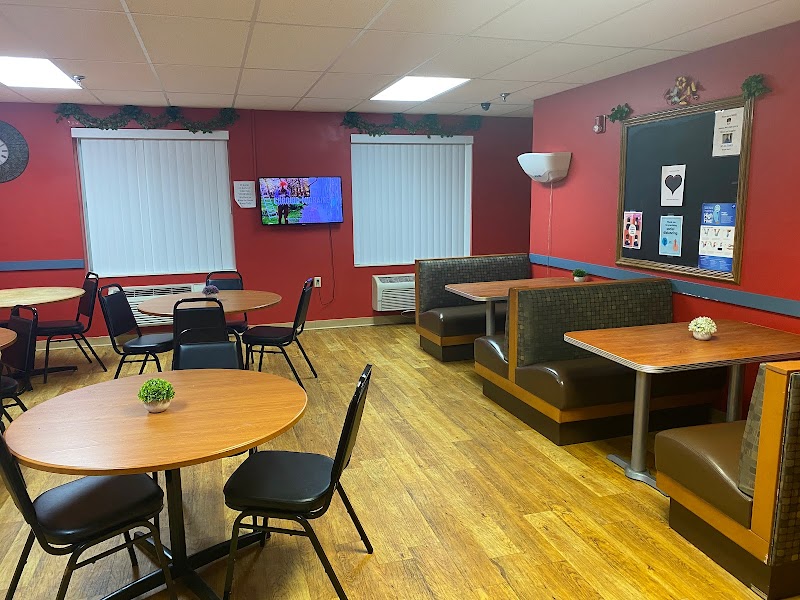
How is Highlands Center Staffed?

CMS rates HIGHLANDS HEALTH AND REHABILITATION CENTER's staffing level at 2 out of 5 stars, which is below average compared to other nursing homes. Staff turnover is 51%, compared to the Tennessee average of 46%.

What Have Inspectors Found at Highlands Center?

State health inspectors documented 23 deficiencies at HIGHLANDS HEALTH AND REHABILITATION CENTER during 2018 to 2023. These included: 1 Immediate Jeopardy (the most serious level, indicating potential for serious harm or death) and 22 with potential for harm. Immediate Jeopardy findings are rare and represent the most serious regulatory concerns. They require immediate corrective action.
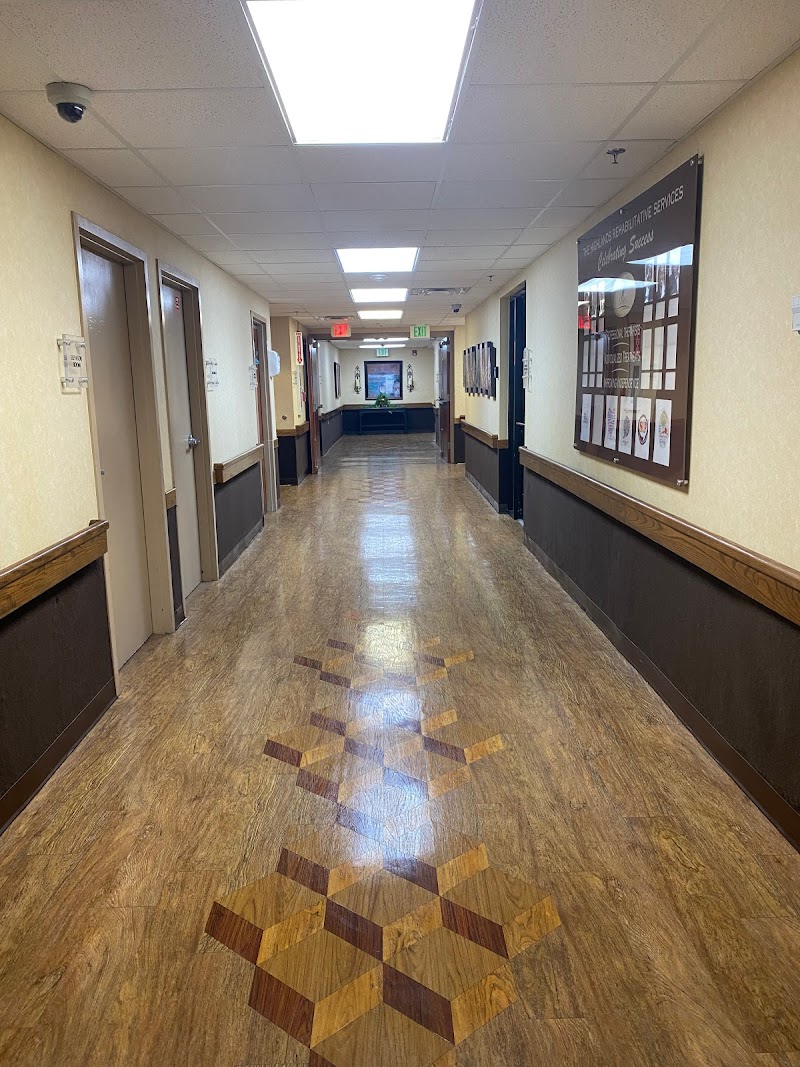
Who Owns and Operates Highlands Center?

HIGHLANDS HEALTH AND REHABILITATION CENTER is owned by a for-profit company. For-profit facilities operate as businesses with obligations to shareholders or private owners. The facility is operated by CHAMPION CARE, a chain that manages multiple nursing homes. With 180 certified beds and approximately 151 residents (about 84% occupancy), it is a mid-sized facility located in MEMPHIS, Tennessee.
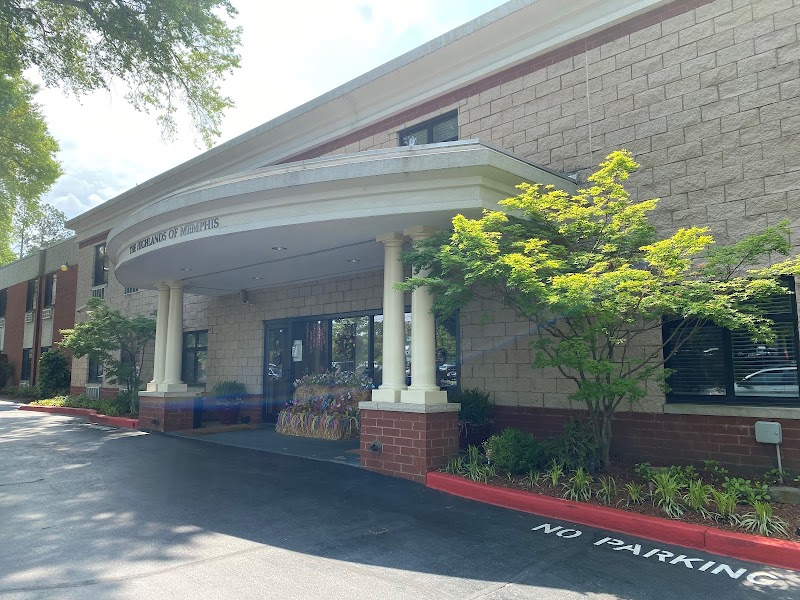
How Does Highlands Center Compare to Other Tennessee Nursing Homes?

Compared to the 100 nursing homes in Tennessee, HIGHLANDS HEALTH AND REHABILITATION CENTER's overall rating (2 stars) is below the state average of 2.8, staff turnover (51%) is near the state average of 46%, and health inspection rating (2 stars) is below the national benchmark.

What Should Families Ask When Visiting Highlands Center?

Based on this facility's data, families visiting should ask: "What changes have been made since the serious inspection findings, and how are you preventing similar issues?" "Can you walk me through typical staffing levels on day, evening, and night shifts?" "Can I visit during a mealtime to observe dining assistance and food quality?" "How do you handle medical emergencies, and what is your hospital transfer rate?" These questions are particularly relevant given the facility's Immediate Jeopardy citations and the below-average staffing rating.

Is Highlands Center Safe?

Based on CMS inspection data, HIGHLANDS HEALTH AND REHABILITATION CENTER has documented safety concerns. Inspectors have issued 1 Immediate Jeopardy citation (the most serious violation level indicating risk of serious injury or death). The facility has a 2-star overall rating and ranks #100 of 100 nursing homes in Tennessee. Families considering this facility should ask detailed questions about what corrective actions have been taken since these incidents.

Do Nurses at Highlands Center Stick Around?

HIGHLANDS HEALTH AND REHABILITATION CENTER has a staff turnover rate of 51%, which is about average for Tennessee nursing homes (state average: 46%). Moderate turnover is common in nursing homes, but families should still ask about staff tenure and how the facility maintains care continuity when employees leave.

Was Highlands Center Ever Fined?

HIGHLANDS HEALTH AND REHABILITATION CENTER has been fined $308,570 across 2 penalty actions. This is 8.5x the Tennessee average of $36,165. Fines at this level are uncommon and typically indicate a pattern of serious deficiencies, repeated violations, or failure to correct problems promptly. CMS reserves penalties of this magnitude for facilities that pose significant, documented risk to resident health or safety. Families should request specific documentation of what issues led to these fines and what systemic changes have been implemented.

Is Highlands Center on Any Federal Watch List?

HIGHLANDS HEALTH AND REHABILITATION CENTER is not on any federal watch list. The most significant is the Special Focus Facility (SFF) program, which identifies the bottom 1% of nursing homes nationally based on persistent, serious quality problems. Not being on this list means the facility has avoided the pattern of deficiencies that triggers enhanced federal oversight. This is a positive indicator, though families should still review the facility's inspection history directly.