SIGNATURE HEALTHCARE OF MEMPHIS
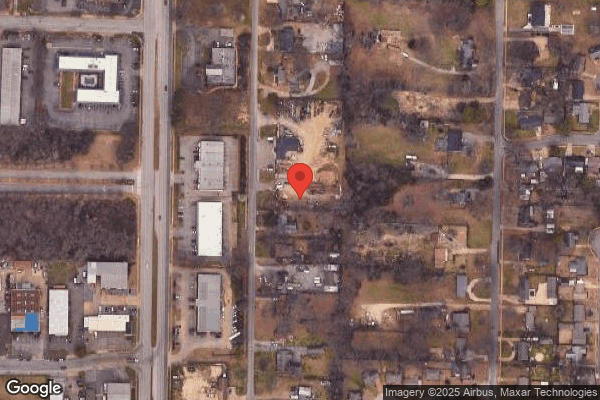
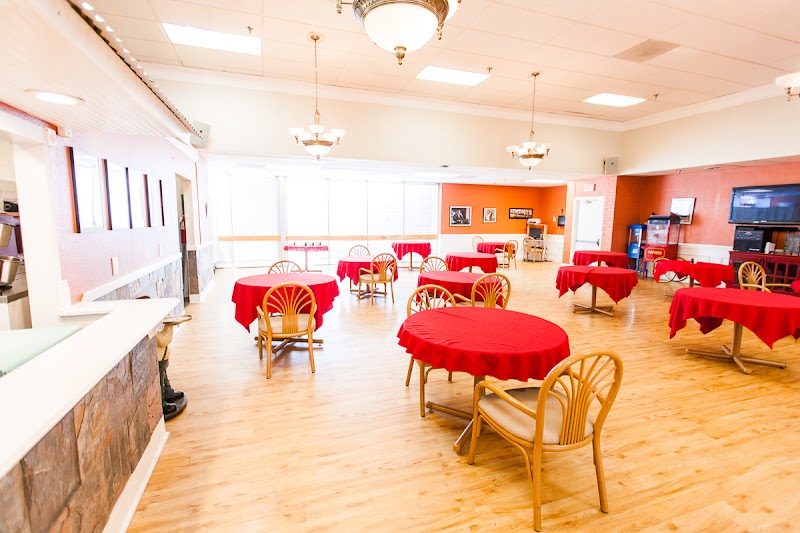
1150 DOVECREST RD, MEMPHIS, TN 38134 (901) 382-1700
For profit - Limited Liability company 140 Beds SIGNATURE HEALTHCARE Data: November 2025
Trust Grade
68/100
#92 of 298 in TN
Last Inspection: January 2022

Over 2 years since last inspection. Current conditions may differ from available data.

Overview

Signature Healthcare of Memphis has a Trust Grade of C+, indicating it is slightly above average but not particularly outstanding. It ranks #92 out of 298 facilities in Tennessee, placing it in the top half, and #4 out of 24 in Shelby County, meaning only three local options are better. However, the facility's trend is worsening, as it increased from 2 issues in 2022 to 4 in 2023, which raises concerns. While the staffing rating is below average at 2 out of 5 stars and has a turnover rate of 49%, which is around the state average, it does have good RN coverage, surpassing 75% of Tennessee facilities. There are some significant weaknesses to consider, such as a serious incident where a resident suffered a fractured hip after waiting over 20 hours for medical attention due to a failure to notify their physician about a significant change in their condition. Additionally, the facility has faced concerns regarding food safety and the cleanliness of the kitchen, as well as issues related to the privacy of a resident's medical records. Overall, while there are some strengths, families should weigh these serious concerns when considering this facility for their loved ones.

Trust Score
C+
68/100
In Tennessee
#92/298
Top 30%
Safety Record
Moderate
Needs review
Inspections
Getting Worse
2 → 4 violations
Staff Stability
⚠ Watch
49% turnover. Above average. Higher turnover means staff may not know residents' routines.
Penalties
✓ Good
$7,901 in fines. Lower than most Tennessee facilities. Relatively clean record.
Skilled Nurses
○ Average
Each resident gets 41 minutes of Registered Nurse (RN) attention daily — about average for Tennessee. RNs are the most trained staff who monitor for health changes.
Violations
⚠ Watch
15 deficiencies on record. Higher than average. Multiple issues found across inspections.
★★★★☆
4.0
Overall Rating
★★☆☆☆
2.0
Staff Levels
★★★★☆
4.0
Care Quality
★★★★☆
4.0
Inspection Score
Stable
2022: 2 issues
2023: 4 issues

The Good

  • 4-Star Quality Measures · Strong clinical quality outcomes
  • Full Sprinkler Coverage · Fire safety systems throughout facility
  • No fines on record

Facility shows strength in quality measures, fire safety.

The Bad

Staff Turnover: 49%

Near Tennessee avg (46%)

Higher turnover may affect care consistency

Federal Fines: $7,901

Below median ($33,413)

Minor penalties assessed

Chain: SIGNATURE HEALTHCARE

Part of a multi-facility chain

Ask about local staffing decisions and management

The Ugly 15 deficiencies on record

1 actual harm
Apr 2023 4 deficiencies 1 Harm
SERIOUS (G) 📢 Someone Reported This

A family member, employee, or ombudsman was alarmed enough to file a formal complaint

Actual Harm - a resident was hurt due to facility failures

Quality of Care (Tag F0684)

A resident was harmed · This affected 1 resident

**NOTE- TERMS IN BRACKETS HAVE BEEN EDITED TO PROTECT CONFIDENTIALITY** Based on policy review, medical record review, and interview, the facility failed to ensure the resident's physician was notifie...

Read full inspector narrative →
**NOTE- TERMS IN BRACKETS HAVE BEEN EDITED TO PROTECT CONFIDENTIALITY** Based on policy review, medical record review, and interview, the facility failed to ensure the resident's physician was notified of a significant change in a resident who complained of left leg pain and swelling from her leg getting tangled in a Hoyer lift pad for 1 of 4 (Resident #15) sampled residents. The facility's failure to notify the resident's physician resulted actual harm when the resident waited for approximately 20 hours and 15 minutes before being transferred to the hospital for treatment of a fractured hip. The facility had a census of 125. The findings include: 1. Review of facility's policy titled, Notification of Change of Condition Policy, dated 7/7/2022, revealed, .The facility must .consult with the resident's physician .when there is an accident involving the resident which results in an injury and has the potential for requiring physician intervention. A significant change in the resident's physical .status .Documentation of notification or notification attempts should be recorded in the resident electronic medical record .If unable to contact the physician .may contact the Medical Director . 2. Medical record review for Resident #15 revealed the resident was admitted to the facility on [DATE], with diagnoses incomplete Quadriplegia (unable to move arms and legs), Guillain-Barre Syndrome (disease of the nervous system resulting in loss of feeling to extremities), Lack of Coordination, Muscle Weakness, Anxiety Disorder, Chronic Pain Syndrome, Muscle Spasms, and Convulsions (abnormal uncontrollable body movements). Review of the quarterly Minimum Data Set (MDS) dated [DATE], revealed Resident #15 was assessed with a Brief Interview for Mental Status (BIMs) of 15, indicating the resident was cognitively intact, required total assistance from staff for activities of daily living (ADLs), and had range of motion (ROM) limitations on both sides for the upper and lower extremities. Review of the Care Plan dated 1/12/2023, revealed, .quadriplegia .transfers per mech [mechanical] lift with 2 staff . Review of a facility's Investigation report dated 3/28/2023, revealed on 3/28/2023 at 2:00 AM, Certified Nursing Assistant (CNA) #4 entered Resident #15's room to provide care and observed the resident's leg to be swollen. CNA #4 asked Resident #15 what had happened, and the resident told CNA #4 that her leg got caught in the mechanical lift pad when she was taking a shower. CNA #4 reported this to the charge nurse, Licensed Practical (LPN) #4. On 3/28/2023 at 7:00 AM, LPN #4 notified the oncoming nurse, LPN #7, of the status of Resident #15's leg. On 3/28/2023 at 7:40 AM, LPN #7 documented Resident #15's left leg was swollen and painful. Review of a Nursing Progress Note dated 3/28/2023 at 7:40 AM, electronically signed (e-signed) by LPN #4, revealed .Resident c/o [complain] of LLE [left lower extremity] pain. L. hip to foot noted to be edematous, pitting in the ankle and top of foot .Noted in NP [Nurse Practitioner] book . Review of a Nursing Progress Note dated 3/28/2023 at 8:00 AM, e-signed by the Director of Nursing (DON), revealed, At approximately 8am [8:00 AM] received report from nurse that resident was complaining of left leg pain and swelling and informed resident that an NP would see her today during rounding . Review of a Nursing Progress Note dated 3/28/2023 at 1:45 PM, revealed, NP at bedside, examined resident with new orders received. Review of a Radiology Order dated 3/28/2023, confirmed stat (immediate) x-rays were ordered for the Left Femur, Left Tiba/Fibula, and Left Ankle Stat. Review of the radiology report dated 3/28/2023 at 6:33 PM revealed, Comminuted (a type of broken bone) intertrochanteric left femur (area of the broken bone) fracture. Exam complicated by demineralized bones (bones can break easy). The facility's investigation documented that on 3/28/2023 at 6:55 PM, LPN #6 was notified of resident x-ray results from Radiology. Review of a Nursing Progress Note dated 3/28/2023 at 8:26 PM, revealed, Resident X-ray result show that resident has a sub-capital neck (area on the hip), and left hip fracture .NP gave order to send resident to hospital . The facility's investigation documented that on 3/28/2023 at 9:24 PM, the DON notified the Administrator of the events surrounding Resident #15's leg. Review of a Nursing Progress Note dated 3/28/2023 at 10:11 PM, revealed Resident #15 was transferred to the hospital by ambulance for evaluation of her left leg. Review of the Medication Administration Record (MAR) dated 3/28/2023 revealed no evidence Resident #15 had received pain medications as needed (PRN) for pain or orders for PRN pain medications. Review of the History and Physical with an admission date of 3/28/2023 revealed, .Pt [Resident #15] admit she got tangled in her Hoyer lift [mechanical lift] Saturday .resulting in current fxs [fractures] .History of Present Illness .Patient states that on Saturday [3/25/2023] an aide at the NH [nursing home] was trying to transfer her from her bed to the shower using a hoyer lift .she states that the attendant was being rough with her and moving her too fast, which caused her legs to dangle off the lift and hit various surfaces. She was then handled roughly in the shower and has had significant pain in her left leg (hip worst) since then as well as new LLE swelling (endorses a degree of swelling at baseline) .Patient underwent numerous XRs (X-Rays) of lower extremities which showed intertrochanteric [area on the hip] L hip fracture and Chronic R hip changes .Assessment / Plan .Orthopedics have evaluated and planning for operative repair when able . During an interview on 4/11/2023 at 9:40 AM, the DON was asked when were she had been notified about the Left Hip Fracture for Resident #15. The DON stated, The night we got the x-ray it was the 28th that night when the results came back . The DON confirmed that the only medication the resident received for pain was her scheduled medication for neuropathy. During an interview on 4/11/2023 at 11:21 AM, the Administrator was asked what occurred with Resident #15's left hip. The Administrator confirmed that Resident #15 was alert and oriented and she told the emergency room staff her leg got twisted and tangled in the mechanical lift and she told me that when she talked to me. The Administrator confirmed Resident #15 had stated she remembered hearing a pop. The Administrator confirmed she was unaware of any injury or swelling to Resident #15's leg until she was notified of the fracture the night of 3/28/2023. During an interview on 4/11/2023 at 5:25 PM, the DON confirmed she was unaware of the incident with Resident #15's leg getting tangled in the mechanical lift pad and verified it had not been reported to her until the x-ray results on the evening of 3/28/2023. The DON confirmed that LPN #4 should have called the NP or the physician the night of 3/28/2023 at 2:00 AM and should not have waited to pass it on to the next shift. The DON confirmed that LPN #4 should have also called her and the Administrator to report what Resident #15 had reported about the occurrence with her leg getting tangled up in the lift pad and that her documentation on 3/28/2023 at 7:41 AM in the progress notes should have contained that information along with her attempts to use the notification app and her attempts to call the NP. During an interview on 4/11/2023 at 6:48 PM, CNA #4 confirmed she worked from 11:00 PM on 3/27/2023, to 7:00 AM on 3/28/2023, and was assigned to give care to Resident #15. CNA #4 stated she was assisting with ADL care for Resident #15 and noticed the resident's left leg was swollen and asked her what occurred. CNA #4 stated Resident #15 told her that her leg got tangled in the mechanical lift. CNA #4 stated she immediately reported it to the charge nurse. CNA #4 verified this occurred around 2:30-2:35 AM. CNA #4 confirmed that Resident #15's leg was swollen more than normal that is what prompted her to ask what had happened to her leg. During an interview on 4/11/2023 at 7:37 PM, LPN #4 stated on 3/28/2023 at approximately 2:00 AM Resident #15 reported to CNA #4 that her leg was injured on Saturday (3/25/2023) while being transferred with the mechanical lift to go to the shower room. LPN #4 stated Resident #15 had said that CNA #1 and an unfamiliar CNA (CNA #2) were getting her up with the lift. LPN #4 stated she assessed Resident #15 and she attempted to notify the NP on call but was unable to access the on-call system to work. LPN confirmed she should have called the DON and the Administrator, and would have called the Medical Director instead of putting it in the NP book, and obtained an order for pain medication. During an interview on 4/12/2023 at 9:21 AM, NP #1 was asked how often she was onsite at the facility. The NP stated she was present Monday through Friday. NP #1 was asked how she communicated with staff. NP #1 stated there is an on-call system with availability around the clock for urgent issues and when there is a change in a resident's condition, and there is a communication book for non-emergent issues. NP #1 confirmed that a Registered Nurse will triage the call and determine if it is urgent or non-urgent. NP#1 confirmed that if it is during her working hours they can come find her or page her overhead. The NP was asked what if the nurse at the facility is unable to access the on-call system is there another alternative that can be utilized to contact a provider. NP #1 confirmed the Medical Director can be called at any time and he has been called in the past when there were issues with the system. NP #1 confirmed she was the NP on-call the day of 3/28/2023 and was covering the entire building because NP #2 called in sick. NP #1 was asked what time was she was informed of Resident #15's change in condition to her left leg the day of 3/28/2023. NP #1 confirmed she was not made aware of the swelling to Resident #15's left leg until she picked up the communication sheets from NP #2's communication book at approximately 7:45 AM or 8:00 AM. NP #1 confirmed that book is utilized for non-urgent issues. The NP stated staff did not describe the swelling to Resident #15's leg. NP #1 stated Resident #15 has always had some swelling from time to time around her ankles but staff failed to present the concern in an urgent manner and failed to mention about the leg being caught in a mechanical lift. NP #1 stated the communication sheet that she later reviewed was not written in an urgent manner and did not document any pain after transfer. NP #1 confirmed that the nurse never mentioned an injury occurred with the use of a mechanical lift. NP #1 confirmed she did not assess the resident until after lunch and when she assessed her she did have swelling around her left hip and she was complaining of pain. NP #1 confirmed that is when she learned that the injury occurred during the use of a Hoyer lift. NP #1 stated she ordered stat x-rays of the whole leg and that the swelling from around the ankle was normal for her. NP #1 was asked if pain medications were ordered for Resident #15's complaints of leg pain. The NP stated she thought Resident #15 had pain medication ordered already but was not certain. NP #1 confirmed that she should have been notified immediately of the situation upon arriving at the facility the morning of 3/28/2023. During an interview on 4/12/2023 at 5:23 PM, the DON verified the electronic entry made on 3/28/2023 at 8:00 AM was not made by her but was made by LPN #7. The DON verified she was unaware of Resident #15's leg until the evening of 3/28/2023. The DON confirmed this entry should not have been made by LPN #7. During an interview on 4/13/2023 at 10:38 AM, the DON confirmed that the pages of the NP communication book is addressed by the NP had been shredded. The facility was unable to provide the NP communication notification from 3/28/2023. During an interview on 4/12/2023 at 12:28, the Medical Director confirmed that he communicates with the facility Administration on a daily basis and is on site at least 4 times per week. The Medical Director was asked if the facility is unable to get in contact with the NP on call are you available. The Medical Director confirmed he is available around the clock for any facility issues. The Medical Director confirmed he was not made aware that Resident #15 had sated that she had sustained an injury from the use of a mechanical lift. During an interview on 4/12/2023 at 2:40 PM, the Medical Director was asked if Resident #15 complained of pain and they noticed swelling to the left leg should the NP or you have been notified. The Medical Director stated, Yes. The Medical Director confirmed that anything that urgent should not have waited to morning to contact the NP and should have been taken care of when it was reported and the resident's pain should have been addressed at that moment. The Medical Director confirmed the communication from nurse to provider should have been communicated urgently. During an interview on 4/13/2023 at 3:51 PM, LPN #6 confirmed she worked from 3:00 PM to 11:00 PM on 3/28/2023 and was the charge nurse assigned to give care to Resident #15. LPN #6 stated she was informed of Resident #15's x-ray results between 6:00 PM to 6:55 PM and she then notified NP #1 and was give an order to transfer Resident #15 out to the hospital. LPN #6 stated she also contacted Resident #15's RP and notified them of the xray results and that the Resident #15 would be transferred out to the hospital. LPN #6 confirmed that during nursing report at the beginning of her shift, she was informed Resident #15's left leg was swollen and that an x-ray was ordered. LPN #6 confirmed she went to tell Resident #15 about her results and that she was to be transferred to the hospital and that is when Resident #15 informed her that her leg got twisted in the lift a few days prior. LPN #6 confirmed she called the DON trying to get transportation to send Resident #15 out to the hospital. LPN #6 confirmed that LPN #7 only told her in a verbal report that Resident #15's leg was swollen and LPN #6 confirmed that Resident #15 was alert and can tell things that may have occurred to her. During an interview on 4/17/2023 at 12:02 PM, LPN #7 confirmed she worked from 7:00 AM to 3:00 PM on 3/28/2023 and was assigned the care for Resident #15. LPN #7 stated whenever there was a fall or any other occurrence with a resident that resulted in a possible injury the physician or the NP should be notified, and an event form should be completed in the electronic medical record. LPN #7 was asked did LPN #4 report to her that Resident #15 got her leg tangled in a mechanical lift and her left leg was now swollen and painful. LPN #7 confirmed that LPN #4 had asked her to go to Resident #15's room to observe the resident's leg, and that's when she observed the left leg was swollen. LPN #7 was asked if she had documented her observations in the medical record and LPN #7 stated she did not. LPN #7 stated she did not assess Resident #15. LPN #7 stated she did notify the oncoming nurse that radiology was coming to do an x-ray of Resident #15's left leg that it was swollen. The facility staff failed to notify in a timely manner the Administrator, DON, NP and /or the Physician of the injury to Resident #15 left leg that occurred during the use of a mechanical lift that resulted in a fracture to the left leg.
CONCERN (D) 📢 Someone Reported This

A family member, employee, or ombudsman was alarmed enough to file a formal complaint

Potential for Harm - no one hurt, but risky conditions existed

Deficiency F0583 (Tag F0583)

Could have caused harm · This affected 1 resident

**NOTE- TERMS IN BRACKETS HAVE BEEN EDITED TO PROTECT CONFIDENTIALITY** Based on policy review, medical record review, observation, and interview, the facility failed to maintain privacy and confident...

Read full inspector narrative →
**NOTE- TERMS IN BRACKETS HAVE BEEN EDITED TO PROTECT CONFIDENTIALITY** Based on policy review, medical record review, observation, and interview, the facility failed to maintain privacy and confidentiality of resident medical records for 1 of 17 (Resident #4) sampled residents. The finding include: Review of the facility policy titled, Resident Rights, revised 8/16/2018, revealed, .All residents have the right to be treated with respect and dignity. These rights will be promoted and protected by the facility .Federal and state laws guarantee certain basic rights to all residents of this facility. These rights include the resident's right to .Privacy and confidentiality .The unauthorized release, access, or disclosure of resident information is prohibited .All release, access, or disclosure of resident information must be in accordance with current laws governing privacy of information issues . Review of the medical record revealed Resident #4 was admitted to the facility on [DATE], with diagnoses of Diabetes, Ileus (inability of the bowel to move waste out of the body normally), Anxiety Disorder, Retention of Urine, Major Depressive Disorder, Central Cord Syndrome at C5 level ( inability to move arms and/or legs normally), and Spinal Stenosis (a form of lower back pain). Observation in the 100 Hall outside of Resident #4's room on 3/28/2023 at 3:34 PM, and 3:38 PM, revealed an opened lap top sitting on top of a treatment cart with Resident #4's electronic medical record visible. During an interview on 4/17/2023 at 1:41 PM, the Director of Nursing (DON) confirmed that staff should close their computer when leaving the area to ensure the residents' medical records are kept private and secure.
CONCERN (D) 📢 Someone Reported This

A family member, employee, or ombudsman was alarmed enough to file a formal complaint

Potential for Harm - no one hurt, but risky conditions existed

Deficiency F0661 (Tag F0661)

Could have caused harm · This affected 1 resident

**NOTE- TERMS IN BRACKETS HAVE BEEN EDITED TO PROTECT CONFIDENTIALITY** Based on policy review, medical record review, and interview, the facility failed to ensure the completion of a Discharge Summar...

Read full inspector narrative →
**NOTE- TERMS IN BRACKETS HAVE BEEN EDITED TO PROTECT CONFIDENTIALITY** Based on policy review, medical record review, and interview, the facility failed to ensure the completion of a Discharge Summary with a recapitulation of the resident's stay for 1 of 3 sampled residents (Resident #10) reviewed for discharge. The findings include: Review of the facility's policy titled Discharge Summary, dated 11/1/2022, revealed, .A discharge summary will prepared which will include .A recapitulation of the resident's stay that includes .diagnoses, course of illness/treatment or therapy and pertinent lab, radiology, and consultation results . Review of the medical record revealed Resident #10 was admitted to the facility on [DATE], with diagnoses of Peripheral Vascular Disease (a disease that decreases blood flow in the legs causing pain), Diabetic Foot Ulcer (an open sore/wound located on the foot), Non-Pressure Ulcer (wound) Right Foot, Diabetes (a disease which causes to much sugar in the blood), and Hypertension (high blood pressure). Review of the admission Minimum Data Set, dated [DATE], revealed Resident #10 with a Brief Interview for Mental Status score of 15, which indicated the resident was cognitively intact, and expected to return back to the community with active discharge planning already occurring. Review of a Physician's Telephone Order dated 6/28/2021 revealed, .Discharge home with home health . Review of the facility's Discharge summary dated [DATE], revealed the facility failed to recapitulate Resident #10's stay while a resident in the facility. During an interview on 4/11/2023 at 4:42 PM, the Director of Nursing (DON) was shown the residents Discharge summary dated [DATE] and was asked if the Discharge Summary contained a recapitulation of the resident's stay while at the facility. The DON stated, No. The DON confirmed the Discharge Summary should be a summary of the resident's care and services she received while a resident in the facility.
CONCERN (D) 📢 Someone Reported This

A family member, employee, or ombudsman was alarmed enough to file a formal complaint

Potential for Harm - no one hurt, but risky conditions existed

Accident Prevention (Tag F0689)

Could have caused harm · This affected 1 resident

**NOTE- TERMS IN BRACKETS HAVE BEEN EDITED TO PROTECT CONFIDENTIALITY** Based on policy review, medical record review, and interview, the facility failed to conduct neurochecks and Fall Risk Assessmen...

Read full inspector narrative →
**NOTE- TERMS IN BRACKETS HAVE BEEN EDITED TO PROTECT CONFIDENTIALITY** Based on policy review, medical record review, and interview, the facility failed to conduct neurochecks and Fall Risk Assessments following falls for 1 of 4 (Resident #12) sampled residents reviewed for falls and accident hazards. The facility failed to ensure the environment was safe and free of accident hazards when hazardous chemicals were left unattended in a resident's room. The findings include: 1. Review of the facility policy titled, Accidents and Incident Investigating Reporting, revised 11/6/2019, revealed, .Accidents or incidents involving residents .occurring on our premises shall be investigated and reported to the Administrator .The Nurse Supervisor/Charge Nurse and/or the department director or supervisor shall initiate and document investigation of the accident or incident .The following data .shall be included in the Electronic Medical Record .The date and time the accident or incident took place .The nature of the injury/illness .bruise, fall, nausea, etc. [et cetera] .The circumstances surrounding the accident or incident .Where the accident or incident took place .The name(s) of the witnesses .The injured person's account of the accident or incident .This facility is in compliance with the current rules and regulations governing accidents and/or incidents involving a medical device .The incident will be reported to the Administrator and/or Director of Nursing . Review of the undated Fall Quick Reference Guide revealed neuro checks (a test to determine how an individual responds and reacts) should be initiated if a resident sustained an unwitnessed fall or a fall with head involvement and the oncoming nurse will continue neurochecks in the Fall Event if they were incomplete. 2. Review of the medical record revealed Resident #12 was admitted to the facility on [DATE], with diagnoses Cerebral Infarction (lack of blood flow to the brain causing parts of the brain to die off), Hemiplegia (unable to move a part of your body), Repeated Falls, Dysphagia (trouble swallowing), Hypertension (high blood pressure), Abnormalities of Gait and Mobility, and Protein-Calorie Malnutrition (lack of proper food intake). Review of the quarterly MDS dated [DATE], revealed Resident #12 with a BIMS score of 00, which indicated severe cognitive impairment, and required extensive staff assistance for most activities of daily living (ADLs). Review of Event Reports dated 1/7/2023, and 1/16/2023, revealed Resident #12 sustained unwitnessed falls on these days. There was no documentation a Fall Risk Assessment and neurochecks performed following the unwitnessed each fall. Review of the Event Report dated 1/27/2022, revealed Resident #12 sustained a witnessed fall, and hit her head. There was no documentation neurochecks were not performed following the fall with the resident hitting her head. Review of the Event Report dated 2/20/2023, revealed Resident #12 sustained a fall. There was no documentation a Fall Risk Assessment was not completed following the fall. During an interview on 4/13/2023 at 10:38 AM, the DON was asked when Fall Risk Assessments should be completed. The DON stated, Quarterly, annually, [on] admission, [on] readmission, [with a] significant change, and at the time of a fall. The DON stated neurochecks should be completed when a resident sustained an unwitnessed fall if a resident did not have the cognitive ability to tell staff if they had hit their head or not and when a resident sustained a witnessed fall and hits their head. The DON provided the Fall Quick Reference Guide for review and stated it was an internal document, and a copy would not be provided. During an interview on 4/13/2023 at 3:42 PM, when requested for the neurochecks for Resident #12 following the falls the DON stated, I couldn't find neurochecks for those days [1/7/2023, 1/16/2023, & 1/27/2023] . 3. Observations in room [ROOM NUMBER], during tour on 4/13/2023 at 10:00 AM, revealed a plastic bottle of yellow liquid on top of a plastic container sitting on the bedside table, unsecured and unattended by staff. A resident was observed in the bed bedside the bedside table. At 10:03 AM, Housekeeper #1 was observed walking in the halls, entered room [ROOM NUMBER], retrieved the plastic bottle of yellow liquid from the room and walked back into the hall. Housekeeper #1 was asked what the liquid was in the bottle. Housekeeper #1 stated, Oh, it is peroxide cleaner .we use to clean the rooms. Housekeeper #1 was asked should it be left in the resident's room unsecured and unattended on the bedside table. Housekeeper #1 confirmed it should be stored in the housekeeping cart under lock and key and not in a resident's room. During an interview on 4/13/2023 at 10:38 AM, the Administrator confirmed that housekeeping chemicals should be stored on the housekeeping cart under lock and key and should not be left in residents' rooms unsecured and unattended.
Jan 2022 2 deficiencies
CONCERN (D)

Potential for Harm - no one hurt, but risky conditions existed

Deficiency F0692 (Tag F0692)

Could have caused harm · This affected 1 resident

**NOTE- TERMS IN BRACKETS HAVE BEEN EDITED TO PROTECT CONFIDENTIALITY** Based on policy review, medical record review, observation, and interview, the facility failed to assess and monitor weights for...

Read full inspector narrative →
**NOTE- TERMS IN BRACKETS HAVE BEEN EDITED TO PROTECT CONFIDENTIALITY** Based on policy review, medical record review, observation, and interview, the facility failed to assess and monitor weights for 1 of 6 sampled residents (Resident #81) reviewed for nutrition. The findings include: Review of the facility's policy titled, Weight Monitoring, revised 7/11/2018, revealed .Interventions for Weight Management .If significant weight change is identified .The Registered Dietician will be notified .Residents will be weighed weekly X [times] 4 .and reviewed until the resident's weight has stabilized . Review of the medical record, revealed Resident #81 was admitted to the facility on [DATE] with diagnoses of Dementia, Hypertension, Anemia, Congestive Heart Failure, Rheumatoid Arthritis, and Cerebrovascular Disease. Review of a Weight Variance Report dated 7/4/2021, revealed Resident #81 weighed 188.4 pounds. Review of a Weight Variance Report dated 1/5/2022, revealed Resident #81 weighed 172.80 pounds. This represented an 8.28% weight loss in 6 months, a significant weight loss. Review of the Weight Variance Reports revealed weekly weights were not obtained for Resident #81 after his significant weight loss on 1/5/2022. Review of a Registered Dietician's (RD) note dated 1/24/2022, revealed .CBW [Current Body Weight] 166.6 lb [pounds] .triggers for sig [significant] wt [weight] loss of -22 lb / 11.9% [percent] in 176d [days] .No triggers in 30/90d .Continues current diet with good intake per documentation. Also receives a magic cup bid [twice a day] and pudding snack qd [every day] for wt maintenance .RD recommends continuing the current nutritional POC [Plan of Care] . Observation in the resident's room on 1/25/2022 at 6:10 PM, revealed Certified Nursing Assistant (CNA #1) was assisting Resident #81 with his supper meal. CNA #1 stated, .I always feed him .he always eats 100% .I'm here 12 hours and feed him every meal and he eats it all . During an interview on 1/26/2022 at 2:58 PM, the RD confirmed Resident #81 had a significant weight loss on 1/5/2022. The RD stated, I determined he has good intake .with assistance at meals .His current intake was meeting his nutritional needs .continue his current nutritional plan of care . The RD was asked if he recommended weekly weights for Resident #81 when he had the significant weight loss on 1/5/2022. The RD stated, .As far as weekly weights I try to prioritize, look at staff .wouldn't want to overload the staff and especially for me coming in only 2 days a week, have to prioritize who really needs the weekly weights . During an interview on 1/26/2022 at 6:02 PM, CNA #1 confirmed she weighed Resident #81 today and his weight was 172.8 pounds. She confirmed he was eating well and has gained weight. During an interview on 1/27/2022 at 8:27 AM, the Director of Nursing confirmed the RD should have identified Resident #81's significant weight loss on 1/5/2022 and should have put weekly weights in place for Resident #81.
CONCERN (D)

Potential for Harm - no one hurt, but risky conditions existed

Deficiency F0761 (Tag F0761)

Could have caused harm · This affected 1 resident

Based on policy review, observation, and interview, the facility failed to ensure medications were properly stored in 4 of 12 medication storage areas (South Hall Medication Room, 400 Hall Medication ...

Read full inspector narrative →
Based on policy review, observation, and interview, the facility failed to ensure medications were properly stored in 4 of 12 medication storage areas (South Hall Medication Room, 400 Hall Medication Cart, 200 Hall Low Medication Cart, and the Central Supply Room) when medications were found opened and undated, medications were expired, and internal and external medications stored together. The findings include: Review of the facility's policy titled, Medication Storage, dated 9/2018, revealed .Medication and biologicals are stored properly .to maintain their integrity and to support safe effective drug administration .Internally administered medications are stored separately from medications used externally such as lotions, creams, ointments .Outdated, contaminated, discontinued or deteriorated medications .are immediately removed from stock . Observation in the South Hall Medication Room on 1/25/2022 at 4:00 PM, revealed the following medical supplies and medications were stored together on a shelf: a. 1 bucket of germicidal wipes b. 1 bucket of bleach wipes c. 1 1/2 boxes of Nicotine patches 21 mg d. 1 box of Aspercreme Lidocaine patches e. 1 tube of Miconazole Vaginal Cream f. 1 box of Anti-diarrhea tablets g. 1 bottle of Enema Mineral oil h. 1 bottle of B 12 vitamins i. 1 tube of Ammonium Lactated cream with an expiration date of 1/27/2021 Observation in the 400 Hall Medication Cart on 1/25/2022 at 4:17 PM, revealed 1 bottle of Anti Dandruff shampoo with an expiration date of 5/2021. Observation in the 200 Hall Low Medication Cart on 1/25/2022 at 4:35 PM, revealed the following: a. 1 open and undated Advair Diskus inhaler b. 1 open and undated Incuse Ellipta inhaler c. 1 open and undated Budesonide and Formoterol inhaler During an interview on 1/25/2022 at 4:35 PM, Licensed Practical Nurse (LPN) #1 confirmed the inhaler should be dated when opened and was good for 30 days after opening. Observation in the Central Supply Room on 1/27/2022 at 7:50 PM, revealed the following: a. 1 box of Naproxen Sodium tablets with an expiration date of 10/2021 b. 1 bottle of Altalube eye ointment with an expiration of 11/2021 c. 1 box of Allegra Allergy 12 hour tablets with an expiration date of 6/2021 d. 2 bottle of Geri Tussin (Guaifenesin) with an expiration date of 11/2021 e. 8 boxes of Allergy Relief tablets with an expiration date of 7/2021 During an interview on 1/27/2022 at 10:32 AM, the Director of Nursing (DON) confirmed that the medication storage areas should not have opened and undated medications, expired medications, and internal and external medications stored together.
May 2019 3 deficiencies
CONCERN (D)

Potential for Harm - no one hurt, but risky conditions existed

Tube Feeding (Tag F0693)

Could have caused harm · This affected 1 resident

Based on policy review, medical record review, observation, and interview, the facility failed to properly label and follow physician's orders for an enteral tube feeding for 1 of 3 (Resident #373) sa...

Read full inspector narrative →
Based on policy review, medical record review, observation, and interview, the facility failed to properly label and follow physician's orders for an enteral tube feeding for 1 of 3 (Resident #373) sampled residents reviewed with an enteral tube feeding. The findings include: The facility's .Gastrostomy Feeding policy dated 6/5/18 documented, .3. Verify correct formula .10 .Label bag with tube-feeding type, strength, and amount. Include date, time and initials . Medical record review revealed Resident #373 was admitted to the facility 4/29/19 with diagnoses of Pneumonia, Pressure Ulcer, Urinary Tract Infection, and Respiratory Failure. The Physician's Orders dated 5/5/19 documented, .Jevity 1.5 @ [at] 50 hr [hour] x [times] 22 hrs [hours] . Observations in Resident #373's room on 5/6/19 at 9:49 AM, 11:32 AM, and 3:35 PM revealed an unlabeled enteral feeding and an unlabeled bag of water. There was no resident identification, date or time the bag was hung, rate of infusion, or initials of the nurse hanging the tube feeding. Observation In Resident #373's room on 5/8/19 at 8:39 AM revealed an enteral tube feeding infusing Glucerna 1.5 at 50 milliliters per hour by an enteral infusion pump. Interview with the Assistant Director of Nurses (ADON) on 5/7/19 at 9:10 AM at the South hall nursing station, the ADON was asked if she expected an enteral tube feeding and water bag to be labeled. The ADON stated, Yes, they both should be labeled. Interview with the ADON on 5/8/19 at 8:45 AM in Resident #373's room, the ADON was asked to confirm that the enteral tube feeding that was infusing was labeled Glucerna 1.5. The ADON confirmed Glucerna 1.5 was the incorrect formula.
CONCERN (D)

Potential for Harm - no one hurt, but risky conditions existed

Deficiency F0761 (Tag F0761)

Could have caused harm · This affected 1 resident

**NOTE- TERMS IN BRACKETS HAVE BEEN EDITED TO PROTECT CONFIDENTIALITY** Based on policy review, observation, and interview the facility failed to ensure medications were properly stored in 2 of 8 (med...

Read full inspector narrative →
**NOTE- TERMS IN BRACKETS HAVE BEEN EDITED TO PROTECT CONFIDENTIALITY** Based on policy review, observation, and interview the facility failed to ensure medications were properly stored in 2 of 8 (medication cart #1 and South nurses station medication room) and expired medications in 1 of 8 (South hall nursing station medication room) medication storage areas. The findings include: 1. The facility's Medication Administration policy dated 9/18 documented, .17. During administration of medications, the medication cart is kept closed and locked when out of sight of the medication nurse .8. Check expiration date on package/container. No expired medication will be administered to a resident . 2. Observations on the 100 North hall on 5/7/19 at 4:38 PM revealed RN #1 left the medication cart unlocked and unattended and went to room [ROOM NUMBER] to assist another resident. Observations on the 100 North hall on 5/7/19 at 4:40 PM revealed RN #1 left the medication cart unlocked and unattended and went to room [ROOM NUMBER] to perform glucose monitoring. 3. Observations in the South hall medication room refrigerator on 5/8/19 at 12:30 PM revealed the following: a. One bag of Daptomycin 650 miligrams (mg) per 100 milliliter (ml) normal saline (NS) with an expiration date of 4/27/19. b. One bag of Daptomycin 625 mg per 100 ml NS with an expiration date of 4/4/19. c. One bag of Daptomycin 650 mg per 100 ml NS with an expiration date of 4/29/19. 4. Interview with Licensed Practical Nurse (LPN) #1 on 5/8/19 at 12:40 PM at the South hall nurses station, LPN #1 was asked if the intravenous (IV) medications were expired. LPN #1 stated, Yes. Interview with the Assistant Director of Nursing (ADON) on 5/8/19 at 2:15 PM at the South nurses station, the ADON was asked if expired medications should be in the medication storage area. The ADON stated, No. Interview with ADON on 5/8/19 at 5:45 PM at the North nurses station, the ADON was asked if the medication cart should be left unlocked. The ADON stated, No.
CONCERN (D)

Potential for Harm - no one hurt, but risky conditions existed

Infection Control (Tag F0880)

Could have caused harm · This affected 1 resident

**NOTE- TERMS IN BRACKETS HAVE BEEN EDITED TO PROTECT CONFIDENTIALITY** Based on policy review, observation and interview, the facility failed to ensure practices to prevent the spread of infection we...

Read full inspector narrative →
**NOTE- TERMS IN BRACKETS HAVE BEEN EDITED TO PROTECT CONFIDENTIALITY** Based on policy review, observation and interview, the facility failed to ensure practices to prevent the spread of infection were followed when 1 of 3 (Registered Nurse (RN) #1) nurses failed to perform hand hygiene after removal of soiled gloves during medication administration. The findings include: 1. The facility's Handwashing/Hand Hygiene policy dated August 2015 documented, .7. Use an alcohol-based rub containing at least 62% [percentage] alcohol; or, alternately, soap (antimicrobial or non-antimicrobial) and water for the following situations .m. After removing gloves . 2. Observations on the North 100 hall on 5/7/19 at 4:45 PM revealed RN #1 cleaned the glucometer with a bleach wipe, removed her gloves, donned new gloves, performed an accucheck, removed her gloves, donned new gloves, administered oral medications, and removed her gloves. RN #1 failed to perform hand hygiene after removal of her gloves between tasks and before donning clean gloves. Observations in room [ROOM NUMBER] on 5/7/19 at 5:19 PM revealed RN #1 administered insulin, removed her gloves, and failed to perform hand hygiene. 3. Interview with the Assistant Director of Nursing (ADON) on 5/8/19 at 5:45 PM at the North hall nurses station, the ADON was asked if staff members should wash their hands after removing their gloves. The ADON stated, Yes.
Jul 2018 6 deficiencies
CONCERN (D)

Potential for Harm - no one hurt, but risky conditions existed

Deficiency F0685 (Tag F0685)

Could have caused harm · This affected 1 resident

**NOTE- TERMS IN BRACKETS HAVE BEEN EDITED TO PROTECT CONFIDENTIALITY** Based on medical record review and interview, the facility failed to ensure the provision of timely follow-up optometry consults...

Read full inspector narrative →
**NOTE- TERMS IN BRACKETS HAVE BEEN EDITED TO PROTECT CONFIDENTIALITY** Based on medical record review and interview, the facility failed to ensure the provision of timely follow-up optometry consults for 1 of 1 (Resident #133) sampled residents reviewed for vision. The findings include: Medical record review revealed Resident #133 was admitted to the facility on [DATE] with diagnoses of Neuropathy, Hypertension, Paranoid Schizophrenia, Osteoarthritis, Congestive Heart Failure, and Vitamin D Deficiency. Review of the Significant Change Minimum Data Set (MDS) dated [DATE] revealed a Brief Interview for Mental Status (BIMS) score of 15, which indicated no cognitive impairment, and his ability to see was adequate with no corrective lenses. Review of the DIAGNOSTIC EYECARE consult dated 4/3/17 revealed diagnoses including Hypertensive Retinopathy, Cataract, Astigmatism, Myopia, and Presbyopia, and recommendations to return to the clinic in 8 months for follow-up for Hypertensive Retinopathy. Interview with Resident #133 on 7/9/18 at 10:51 AM in his room, Resident #133 was asked if he had any problems with his vision. Resident #133 confirmed he had vision problems that were not corrected by his current eye glasses. Resident #133 was asked if he had seen the eye doctor recently. Resident #133 stated, Not in about 2 years. Interview with the Social Services Director (SSD) on 7/11/18 at 11:15 AM, in the SSD office, the SSD confirmed the optometry follow-up consult was not provided in 8 months as recommended for Resident #133.
CONCERN (D)

Potential for Harm - no one hurt, but risky conditions existed

Deficiency F0692 (Tag F0692)

Could have caused harm · This affected 1 resident

**NOTE- TERMS IN BRACKETS HAVE BEEN EDITED TO PROTECT CONFIDENTIALITY** Based on medical record review, observation, and interview, the facility failed to ensure nutritional interventions were followe...

Read full inspector narrative →
**NOTE- TERMS IN BRACKETS HAVE BEEN EDITED TO PROTECT CONFIDENTIALITY** Based on medical record review, observation, and interview, the facility failed to ensure nutritional interventions were followed for 1 of 3 (Resident #108) sampled residents reviewed for nutrition. The findings include: Medical record review revealed Resident #108 was admitted to the facility on [DATE] with diagnoses of Hypertension, Hip Fracture, Alzheimer's Disease, Depression, and Dementia. Review of the admission Minimum Data Set (MDS) dated [DATE] revealed Resident #108 was extensive assist for activities of daily living and one person assist for meals. The Care Plan dated 6/13/18 documented, .Problem .at nutrition risk .REST [Restorative] DINING 3 MEALS D [day] X [times] 7 Dys [days] .CNA [Certified Nursing Assistant] X 8 Weeks .7-5-18 Pudding [and] Soda all meals . The physician's orders dated 6/6/18 documented, .Restorative dining 3 meals day x 7 days wk [week] x 8 wks . The RESTORATIVE SERVICE DELIVERY RECORD form documented, .Restorative Dining all meals 7 days/wk x 8 wks . This was not documented as completed on the following dates: 6/14/18 for all meals, 6/15/18 for all meals, 6/16/18-6/20/18 for the dinner meal, 6/21/18-6/22/18 for all meals, 6/23/18-6/27/18 for the dinner meal, 6/28/18-7/1/18 for all meals, 7/2/18-7/6/18 for the dinner meal, 7/7/18-7/9/18 for all meals, and 7/10/18 for the dinner meal. The July 2018 Medication Administration Record (MAR) documented, .SNP [fortified foods]/JUICE MILK BY MOUTH THREE TIMES DAILY POOR APPETITE . This was not documented as completed for the following dates: 7/2/18 at 8:00 AM and 12:00 PM, 7/3/18 at 8:00 AM, 12:00 PM, and 6:00 PM, 7/5/18 at 8:00 AM and 12:00 PM, and 7/6/18 at 6:00 PM. The July 2018 MAR documented, .RESTORATIVE DINING THREE MEALS A DAY SEVEN DAYS A WEEK FOR EIGHT WEEKS . This was not documented as completed for the following dates: 7/2/18 at 8:00 AM and 12:00 PM, 7/3/18 at 8:00 AM, 12:00 PM, and 5:00 PM, 7/5/18 at 8:00 AM and 12:00 PM, and 7/6/18 at 5:00 PM. The July 2018 MAR documented, .ENSURE CHOCOLATE AT 10A [AM] AND 2PM . This was not documented as completed for the following dates: 7/2/18 at 10:00 AM and 2:00 PM, 7/3/18 at 10:00 AM and 2:00 PM, and 7/5/18 at 10:00 AM and 2:00 PM. Observations in Resident #108's room on 7/10/18 at 7:50 AM, revealed Resident #108 in bed with her breakfast tray open. A staff member came in the room and said she would help her, left the room, and did not return to assist the resident. Resident #108 was not in the restorative dining room. Observations in the dining room on 7/11/18 at 8:48 AM revealed Resident #108 seated in a wheelchair and CNA #1 was assisting the resident to eat. There was no pudding or soda on the resident's meal tray. Interview with CNA #1 on 7/11/18 at 9:09 AM in the restorative dining room, CNA #1 was asked if there was pudding or soda on the meal tray for Resident #108. CNA #1 stated, No. Observations in the dining room on 7/11/18 at 12:30 PM revealed Resident #108 seated in the restorative dining room. There was no pudding on her meal tray. Observations in Resident #108's room on 7/11/18 at 5:43 PM revealed Registered Nurse (RN) #1 seated in a chair assisting Resident #108 with her meal. Resident #108 was not in the restorative dining room. There was no pudding or soda on her meal tray. Interview with RN #1 on 7/11/18 at 5:50 PM in Resident #108's room, RN #1 was asked if there was soda or pudding on her meal tray. RN #1 stated, No ma'am . Interview with the Registered Dietician (RD) on 7/10/18 at 2:52 PM in the conference room, the RD was asked if Resident #108 should be eating in the restorative dining room each meal. The RD stated, Yes . Interview with the Assistant Dietary Director on 7/11/18 at 5:15 PM in the Dietary Manager's office, the Assistant Dietary Director was asked who was responsible to ensure residents received the supplements ordered on their meal trays. The Assistant Dietary Director stated, If they are eating in the dining room .I believe it's the restorative CNAs and nursing . The Assistant Dietary Director was asked if the residents should receive what was ordered. The Assistant Dietary Director stated, Yes, we want them to get it. Interview with the Director of Nursing (DON) on 7/11/18 at 6:01 PM in the DON office, the DON was asked about Resident #108's weight loss. The DON stated, Yes, we discussed her at risk and clinic meeting .7/6 extra food ordered .on 7/5 restorative dining continue 3 meals a day .continue to monitor . The DON was shown Resident #108's MAR and was asked what did the empty spaces mean. The DON stated, .should not be empty .either it wasn't done .I assume it wasn't done . The DON was asked if there was an order for a resident to go to the restorative dining room, should the resident be taken to the dining room. The DON stated, Yes .unless they refuse .we are working on those things .want to make sure they are taken care of . Interview with CNA #1 on 7/12/18 at 9:34 AM in the conference room, CNA #1 was asked if Resident #108 should be dining in the restorative dining room. CNA #1 confirmed Resident #108 should be in restorative dining and it should documented on the restorative dining form.
CONCERN (D)

Potential for Harm - no one hurt, but risky conditions existed

Respiratory Care (Tag F0695)

Could have caused harm · This affected 1 resident

**NOTE- TERMS IN BRACKETS HAVE BEEN EDITED TO PROTECT CONFIDENTIALITY** Based on medical record review, observation, and interview, the facility failed to maintain oxygen (O2) equipment in a sanitary ...

Read full inspector narrative →
**NOTE- TERMS IN BRACKETS HAVE BEEN EDITED TO PROTECT CONFIDENTIALITY** Based on medical record review, observation, and interview, the facility failed to maintain oxygen (O2) equipment in a sanitary manner for 1 of 7 (Resident #33) sampled residents reviewed for respiratory care. The findings include: Medical record review revealed Resident #33 was admitted to the facility on [DATE] and readmitted on [DATE] with diagnoses of Hemiplegia Following Cerebral Infarction, Vascular Dementia, Osteoarthritis, Hypothyroidism, Gastrostomy, Iron Deficiency Anemia, Gastro-Esophageal Reflux Disease, Hypertension, and Gout. The annual Minimum Data Set (MDS) dated [DATE] documented a Brief Interview for Mental Status (BIMS) score of 0, which indicated severe cognitive impairment, required extensive to total staff assistance with all activities of daily living, and received oxygen therapy. The care plan dated 5/4/18 documented, .Pulmonary condition .potential for difficulty breathing .Approach .Administer O2 as Ordered . The physician's orders dated 7/10/18 documented, .O2 BNC [by nasal cannula] . Observations in Resident #33's room on 7/9/18 at 10:16 AM, 2:49 PM, and 4:59 PM, and on 7/10/18 at 9:16 AM, 2:09 PM, and 4:53 PM, revealed Resident #33 in bed with O2 on at 2 liters per minute BNC delivered by an O2 concentrator at the bedside. The O2 concentrator was covered with random dirty brown substance, and the concentrator filter was covered with thick gray dust. Interview with the Director of Nursing (DON) on 7/11/18 at 9:40 AM in the conference room, the DON was asked if she had seen Resident #33's O2 concentrator. The DON stated, Yes. The DON confirmed the O2 concentrator was dirty. The DON was asked who was responsible to clean the concentrators. The DON stated, Nurses .you have to hold people accountable .
CONCERN (D)

Potential for Harm - no one hurt, but risky conditions existed

Deficiency F0697 (Tag F0697)

Could have caused harm · This affected 1 resident

**NOTE- TERMS IN BRACKETS HAVE BEEN EDITED TO PROTECT CONFIDENTIALITY** Based on policy review, medical record review, and interview, the facility failed to ensure pain assessments were completed acco...

Read full inspector narrative →
**NOTE- TERMS IN BRACKETS HAVE BEEN EDITED TO PROTECT CONFIDENTIALITY** Based on policy review, medical record review, and interview, the facility failed to ensure pain assessments were completed according to the facility policy for 1 of 1 (Resident #33) sampled residents reviewed for pain. The findings include: The facility's Pain Management policy dated 2/15/18 documented, .Each resident .identified with pain will have ongoing assessments, a monitoring system .ASSESSMENT .Assess when there is a potential for pain, noting the onset, presence, duration and characteristics of the pain .Use a pain scale for the resident to describe the severity of the pain and also for the evaluation of pain relief achieved after treatment has been administered .MANAGEMENT .The interdisciplinary team (IDT) will develop a pain management plan for the resident who has pain or the potential for pain .The Pain Flow Sheet shall be initiated upon admission and completed to include the descriptors, indicators, intensity, frequency, intervention and effectiveness of the treatment .A pain evaluation is completed on each shift on all residents and documented in [named electronic medication administration record system] . Medical record review revealed Resident #33 was admitted to the facility on [DATE], and readmitted on [DATE], with diagnoses of Hemiplegia Following Cerebral Infarction, Vascular Dementia, Osteoarthritis, Hypothyroidism, Gastrostomy, Generalized Muscle Weakness, Iron Deficiency Anemia, Gastro-Esophageal Reflux Disease, Hypertension, and Gout. There was no documentation on the electronic Medication Administration Record that pain assessments were done after the hospital readmission to the facility on 3/26/18. The annual Minimum Data Set (MDS) dated [DATE] documented a Brief Interview for Mental Status (BIMS) score of 0, which indicated severe cognitive impairment, required extensive to total staff assistance for activities of daily living, and received or was offered as-needed (PRN) pain medications. The Care Plan dated 5/4/18 documented, .At risk for Pain r/t [related to] resident with diagnosis of vascular dementia with impaired cognition, BUE [bilateral upper extremities] hand contractures, and h/o [history of] hemorrhoids, OA, [Osteoarthritis] and Gout .Approach .Observe & [and] report to nurse any S/S [signs and symptoms] of Pain . The physician's orders signed 7/10/18 documented, .7/9/2018 .SCHEDULE PELVIC ULTRASOUND-LOWER ABDOMINAL PAIN .TYLENOL EX-STR [extra strength] 500 MG [milligrams] TABS [tablets] PER PT [Percutaneous Endoscopic Gastrostomy tube] Q [every] 12 HOURS PRN [as needed] DX [diagnosis]: PAIN . Interview with Licensed Practical Nurse (LPN) #3 on 7/11/18 at 5:23 PM in the lobby at the 100-200 Nurses' Station, LPN #3 was asked if the pain assessments were documented. LPN #3 stated, .I couldn't find those pain assessments. LPN #3 was asked if the Pain Flow Sheets were completed. LPN #3 stated, We don't have them. Interview with Assistant Director of Nursing (ADON) #1 on 7/11/18 at 6:15 PM in the conference room, ADON #1 was asked how Resident #33's pain management plan was monitored for effectiveness since there was no documentation of pain assessments according to the pain policy. ADON #1 stated, Usually it's a pain monitoring template that we can initiate on admission so we can monitor it every shift. She did not have one .
CONCERN (D)

Potential for Harm - no one hurt, but risky conditions existed

Infection Control (Tag F0880)

Could have caused harm · This affected 1 resident

Based on policy review, observation, and interview, 2 of 5 (Licensed Practical Nurse (LPN) #1 and 2) nurses failed to ensure infection control practices were maintained to prevent the potential spread...

Read full inspector narrative →
Based on policy review, observation, and interview, 2 of 5 (Licensed Practical Nurse (LPN) #1 and 2) nurses failed to ensure infection control practices were maintained to prevent the potential spread of infection during medication administration observations. The findings include: 1. The facility's Standard Precautions policy documented, Policy Statement .Standard Precautions will be used in the care of all residents regardless of their diagnoses, or suspected or confirmed infection status. Standard Precautions presume that all blood, body fluids, secretions, and excretions (except sweat), non-intact skin and mucous membranes may contain transmissible infectious agents Standard Precautions include the following practices: 1. Hand hygiene .d. Wash hands after removing gloves (see below) .2. Gloves .g. Remove gloves promptly after use, before touching non-contaminated items and environmental surfaces, and before going to another resident and wash hands immediately to avoid transfer of microorganisms to other residents or environments . 2. Observations at the medication cart on the 200 hall on 7/10/18 at 8:47 AM revealed LPN #1 was preparing medications. LPN #1 touched the metoprolol tablet, duloxetine tablet, and the furosemide tablet with her bare hands. LPN #1 entered Resident #106's room and administered these medications by mouth to this resident. LPN #1 applied gloves, without performing hand hygiene, and administered 2 puffs of an inhaler to this resident. LPN #1 removed the gloves, applied new gloves, without performing hand hygiene, and administered a nasal spray to this resident. 3. The facility's Medication Administration Enteral Tubes policy documented, .GUIDELINES .16. Clean feeding syringe and return to bedside stand. Syringes are replaced after 24 hours or as required by state regulation . 4. Observations in Resident #33's room on 7/10/18 at 10:00 AM, revealed LPN #2 administered medications to this resident through a gastrostomy tube using a syringe. After LPN #2 had completed administering the medications, he placed the syringe back in the bag, and did not rinse the syringe. 5. Interview with the Director of Nursing (DON) on 7/12/18 at 8:42 AM in the conference room, the DON was asked if pills should be touched with bare hands. The DON stated, No. The DON was asked what should be done before applying gloves. She stated, Wash hands. The DON was asked what should be done with a syringe after administering medications through a gastrostomy tube. The DON stated, Should clean it and put it back in the bag.
CONCERN (F)

Potential for Harm - no one hurt, but risky conditions existed

Food Safety (Tag F0812)

Could have caused harm · This affected most or all residents

Based on policy review, observation, and interview, the facility failed to ensure food was stored, prepared and served in a sanitary manner when the walk in freezer had ice buildup on the floor and ce...

Read full inspector narrative →
Based on policy review, observation, and interview, the facility failed to ensure food was stored, prepared and served in a sanitary manner when the walk in freezer had ice buildup on the floor and ceiling, the kitchen floor was dirty and covered with debris, and the reach-in freezer had thick ice buildup around the sides of the freezer. The facility had a census of 127 with 123 residents receiving a meal tray from the kitchen. The findings include: 1. The facility's Freezer policy documented, .Freezer should be frost free . 2. Observations in the kitchen on 7/9/18 at 9:10 AM and 2:45 PM, revealed the following: a. walk-in freezer with thick ice buildup on the floor and ceiling b. kitchen floor dirty, covered with debris and a small container lying underneath the table c. reach-in freezer with thick ice buildup around the sides of the freezer Observations in the kitchen on 7/10/18 at 10:20 AM and 2:30 PM revealed the kitchen floor was dirty, had small pieces of paper lying on the floor and a plastic cup lying underneath the table. Observations in the kitchen on 7/11/18 at 11:30 AM and 4:50 PM revealed the kitchen floor was dirty, had pieces of paper and plastic lying on the floor, a small container of jelly, Styrofoam cups and a linear fluorescent light bulb lying underneath a cart in the storage area. Interview with the Assistant Dietary Director on 7/11/18 at 5:00 PM, in the kitchen, the Assistant Dietary Director was shown all the debris on the kitchen floor and was asked if it was clean. The Assistant Dietary Director stated, No . The Assistant Dietary Director was shown the walk-in freezer and the reach-in freezer and was asked if there should be ice buildup in the freezers. The Assistant Dietary Director stated, No . Interview with the Director of Nursing (DON) on 7/11/18 at 6:16 PM in the DON office, the DON was asked if the walk-in freezer should have ice buildup on the floor and ceiling and if the reach-in freezer should have ice buildup around the sides of the freezer. The DON stated, No .not acceptable. The DON was asked if the kitchen floor should be dirty and covered with debris. The DON stated, No .
Understanding Severity Codes (click to expand)
Life-Threatening (Immediate Jeopardy)
J - Isolated K - Pattern L - Widespread
Actual Harm
G - Isolated H - Pattern I - Widespread
Potential for Harm
D - Isolated E - Pattern F - Widespread
No Harm (Minor)
A - Isolated B - Pattern C - Widespread

Questions to Ask on Your Visit

  • "Can I speak with families of current residents?"
  • "What's your RN coverage like on weekends and overnight?"

Our Honest Assessment

Strengths
  • • Licensed and certified facility. Meets minimum state requirements.
Concerns
  • • 15 deficiencies on record, including 1 serious (caused harm) violation. Ask about corrective actions taken.
Bottom line: Mixed indicators with Trust Score of 68/100. Visit in person and ask pointed questions.

About This Facility

What is Signature Healthcare Of Memphis's CMS Rating?

CMS assigns SIGNATURE HEALTHCARE OF MEMPHIS an overall rating of 4 out of 5 stars, which is considered above average nationally. Within Tennessee, this rating places the facility higher than 99% of the state's 100 nursing homes. This rating reflects solid performance across the metrics CMS uses to evaluate nursing home quality.
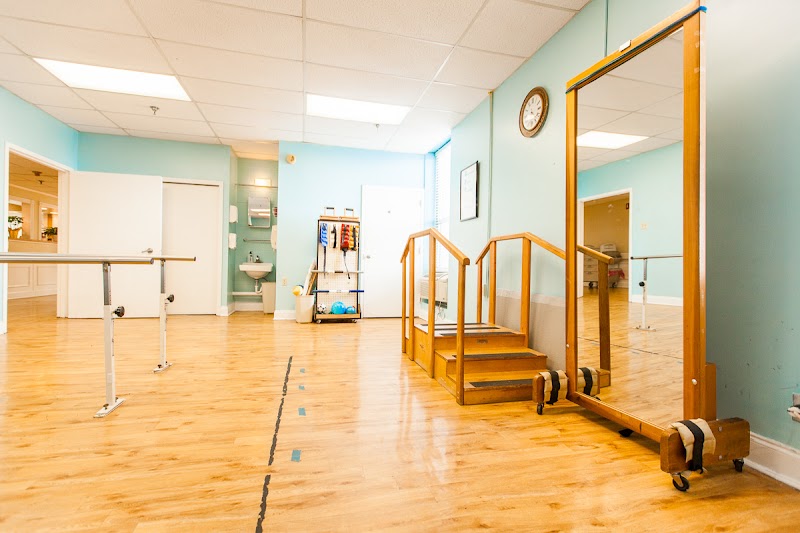
How is Signature Healthcare Of Memphis Staffed?

CMS rates SIGNATURE HEALTHCARE OF MEMPHIS's staffing level at 2 out of 5 stars, which is below average compared to other nursing homes. Staff turnover is 49%, compared to the Tennessee average of 46%.

What Have Inspectors Found at Signature Healthcare Of Memphis?

State health inspectors documented 15 deficiencies at SIGNATURE HEALTHCARE OF MEMPHIS during 2018 to 2023. These included: 1 that caused actual resident harm and 14 with potential for harm. Deficiencies causing actual harm indicate documented cases where residents experienced negative health consequences.
Who Owns and Operates Signature Healthcare Of Memphis?

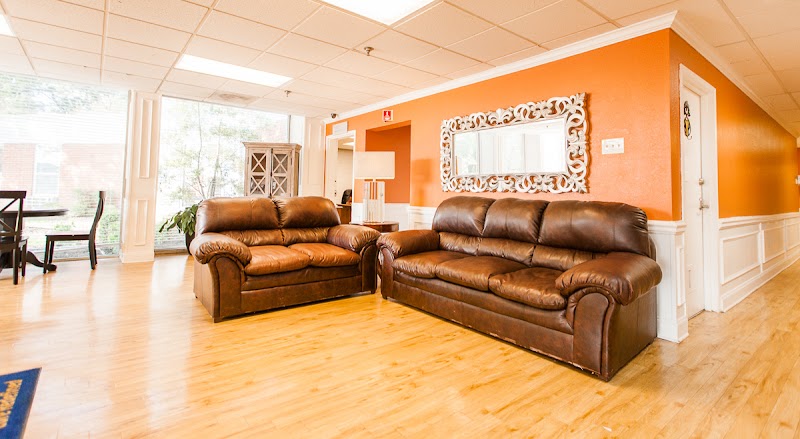
SIGNATURE HEALTHCARE OF MEMPHIS is owned by a for-profit company. For-profit facilities operate as businesses with obligations to shareholders or private owners. The facility is operated by SIGNATURE HEALTHCARE, a chain that manages multiple nursing homes. With 140 certified beds and approximately 109 residents (about 78% occupancy), it is a mid-sized facility located in MEMPHIS, Tennessee.

How Does Signature Healthcare Of Memphis Compare to Other Tennessee Nursing Homes?

Compared to the 100 nursing homes in Tennessee, SIGNATURE HEALTHCARE OF MEMPHIS's overall rating (4 stars) is above the state average of 2.8, staff turnover (49%) is near the state average of 46%, and health inspection rating (4 stars) is above the national benchmark.

What Should Families Ask When Visiting Signature Healthcare Of Memphis?

Based on this facility's data, families visiting should ask: "Can you walk me through typical staffing levels on day, evening, and night shifts?" "Can I visit during a mealtime to observe dining assistance and food quality?" "How do you handle medical emergencies, and what is your hospital transfer rate?" "Can I speak with family members of current residents about their experience?" These questions are particularly relevant given the below-average staffing rating.

Is Signature Healthcare Of Memphis Safe?

Based on CMS inspection data, SIGNATURE HEALTHCARE OF MEMPHIS has a clean safety record: no substantiated abuse findings (meaning no confirmed cases of resident harm), no Immediate Jeopardy citations (the most serious violation level indicating risk of serious injury or death), and is not on the Special Focus Facility watch list (a federal program monitoring the lowest-performing 1% of nursing homes). The facility has a 4-star overall rating and ranks #1 of 100 nursing homes in Tennessee. While no facility is perfect, families should still ask about staff-to-resident ratios and recent inspection results during their visit.

Do Nurses at Signature Healthcare Of Memphis Stick Around?

SIGNATURE HEALTHCARE OF MEMPHIS has a staff turnover rate of 49%, which is about average for Tennessee nursing homes (state average: 46%). Moderate turnover is common in nursing homes, but families should still ask about staff tenure and how the facility maintains care continuity when employees leave.

Was Signature Healthcare Of Memphis Ever Fined?

SIGNATURE HEALTHCARE OF MEMPHIS has been fined $7,901 across 1 penalty action. This is below the Tennessee average of $33,158. While any fine indicates a compliance issue, fines under $50,000 are relatively common and typically reflect isolated problems that were subsequently corrected. Families should ask what specific issues led to these fines and confirm they've been resolved.

Is Signature Healthcare Of Memphis on Any Federal Watch List?

SIGNATURE HEALTHCARE OF MEMPHIS is not on any federal watch list. The most significant is the Special Focus Facility (SFF) program, which identifies the bottom 1% of nursing homes nationally based on persistent, serious quality problems. Not being on this list means the facility has avoided the pattern of deficiencies that triggers enhanced federal oversight. This is a positive indicator, though families should still review the facility's inspection history directly.