LIFE CARE CENTER OF MORRISTOWN
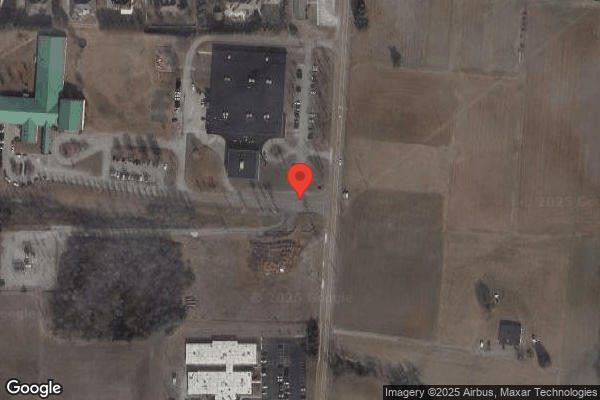
501 WEST ECONOMY ROAD, MORRISTOWN, TN 37814 (423) 581-5435
For profit - Corporation 161 Beds LIFE CARE CENTERS OF AMERICA Data: November 2025
Trust Grade
95/100
#19 of 298 in TN
Last Inspection: August 2025

Inspected within the last 6 months. Data reflects current conditions.

Overview

Life Care Center of Morristown has earned a Trust Grade of A+, indicating it is an elite facility that provides high-quality care. It ranks #19 out of 298 nursing homes in Tennessee, placing it in the top half, and is the best option in Hamblen County. The facility is showing improvement, with issues decreasing from 5 in 2024 to 2 in 2025. Staffing is a strong point, with a rating of 4 out of 5 stars and an impressively low turnover rate of 18%, well below the state average of 48%. There have been no fines reported, which is a positive sign of compliance. However, there are some concerns. Recent inspections found that the facility failed to properly assess the weight and medication administration for some residents, which could potentially affect their health. For example, one resident did not receive proper medication hand hygiene, which risks infection. Overall, while there are strengths in staffing and compliance, families should be aware of the areas needing improvement.

Trust Score
A+
95/100
In Tennessee
#19/298
Top 6%
Safety Record
Low Risk
No red flags
Inspections
Getting Better
5 → 2 violations
Staff Stability
✓ Good
18% annual turnover. Excellent stability, 30 points below Tennessee's 48% average. Staff who stay learn residents' needs.
Penalties
✓ Good
No fines on record. Clean compliance history, better than most Tennessee facilities.
Skilled Nurses
○ Average
Each resident gets 41 minutes of Registered Nurse (RN) attention daily — about average for Tennessee. RNs are the most trained staff who monitor for health changes.
Violations
○ Average
8 deficiencies on record. Average for a facility this size. Mostly minor or procedural issues.
★★★★★
5.0
Overall Rating
★★★★☆
4.0
Staff Levels
★★★★★
5.0
Care Quality
★★★★☆
4.0
Inspection Score
Stable
2024: 5 issues
2025: 2 issues

The Good

  • 4-Star Staffing Rating · Above-average nurse staffing levels
  • 5-Star Quality Measures · Strong clinical quality outcomes
  • Low Staff Turnover (18%) · Staff stability means consistent care
  • Full Sprinkler Coverage · Fire safety systems throughout facility
  • No fines on record
  • Staff turnover is low (18%)

    30 points below Tennessee average of 48%

Facility shows strength in staffing levels, quality measures, staff retention, fire safety.

The Bad

Chain: LIFE CARE CENTERS OF AMERICA

Part of a multi-facility chain

Ask about local staffing decisions and management

The Ugly 8 deficiencies on record

Aug 2025 2 deficiencies
CONCERN (D)

Potential for Harm - no one hurt, but risky conditions existed

Assessment Accuracy (Tag F0641)

Could have caused harm · This affected 1 resident

**NOTE- TERMS IN BRACKETS HAVE BEEN EDITED TO PROTECT CONFIDENTIALITY** Based on review of the Centers for Medicare and Medicaid (CMS) Resident Assessment Instrument (RAI) Version 3.0 Manual, facility...

Read full inspector narrative →
**NOTE- TERMS IN BRACKETS HAVE BEEN EDITED TO PROTECT CONFIDENTIALITY** Based on review of the Centers for Medicare and Medicaid (CMS) Resident Assessment Instrument (RAI) Version 3.0 Manual, facility policy review, medical record review, and interview, the facility failed to accurately complete a Minimum Data Set (MDS) assessment for 2 Residents (Resident #36 and #7) of 19 residents reviewed.The findings include:Review of the RAI Version 3.0 Manual dated 10/2024, revealed instructions, .Weight Loss .Code 2, yes, not on physician-prescribed weight-loss regimen: if the resident has experienced a weight loss of 5% or more in the past 30 days or 10% or more in the last 180 days, and the weight loss was not planned and prescribed by a physician .Weight Gain .Code 2, yes, not on physician-prescribed weight-gain regimen: if the resident has experienced a weight gain of 5% or more in the past 30 days or 10% or more in the last 180 days, and the weight gain was not planned and prescribed by a physician . Further review revealed Section N instructions .Review the resident's medical record for documentation that any of these medications were received by the resident .during the 7-day look-back period .Code all high-risk drug class medications according to their pharmacological classification, not how they are being used .Antidepressant .Anticoagulant .Antibiotic .Anticonvulsant . Review of the facility's policy titled, Certification of Accuracy of the MDS, revised 4/22/2025, revealed .each person completing a portion of the MDS is required to sign attestation certifying they have used the Centers for Medicare and Medicaid Long-Term Care Facility Resident Assessment Instrument User's Manual to complete the MDS .Definition-Accuracy of Assessment-means that the appropriate health professionals correctly document the resident's medical, functional, and psychosocial problems .using the appropriate Resident Assessment Instrument (RAI) . Review of the medical record revealed Resident #7 was admitted to the facility on [DATE] with diagnoses including Pulmonary Disease, Schizophrenia, Dementia, and Contractures. Review of a quarterly MDS assessment dated [DATE], revealed Resident #7 scored a 3 on the Brief Interview for Mental Status (BIMS) assessment which indicated the resident had severe cognitive impairment. Further review revealed Weight Loss of 5% or more in the last month or loss of 10% or more in last 6 months was coded .yes, not on prescribed weight-loss regimen . and gain of 5% or more in the last month or gain of 10% or more in last 6 months was coded .yes, not on physician-prescribed weight-gain regimen . Review of the medical record revealed Resident #7 had not experienced a weight loss or gain of 5% in 1 month or 10% in the past 6 months. Resident #7's weights were as follows:1/1/2025 154.2 pounds (lbs.) 6/4/2025 155.1 lbs. 7/2/2025 154.2 lbs. (0.58% weight loss) During an interview on 8/27/2025 at 12:25 PM, the Registered Nurse (RN) MDS Coordinator and the Licensed Practical Nurse (LPN) MDS Coordinator confirmed Resident #7 had not had a weight loss or gain and confirmed the quarterly MDS assessment for Resident #7 dated 7/3/2025 was inaccurately coded. Review of the medical record revealed Resident #36 was admitted to the facility on [DATE] with diagnoses including Anxiety, Depression, Diabetes, Foot and Leg Ulcer. Review of the medical record for Resident #36 revealed a current physician's order dated 3/17/2025 for sertraline (antidepressant medication) and a physician's order dated 3/18/2025 for pregabalin (an anticonvulsant medication). Further review revealed no orders for antibiotics (medications used to treat infection) or anticoagulants (blood thinning medications) during the 7 day look back period of the quarterly MDS dated [DATE]. Review of the Medication Administration Records (MAR's) dated 4/2025 and 5/2025, revealed Resident #36 received sertraline and pregabalin and did not receive an antibiotic or anticoagulant medication during the 7 day look back period for the 5/6/2025 MDS assessment. Review of a quarterly MDS assessment dated [DATE], revealed Resident #36 was not coded on the MDS as having received antidepressant (sertraline) or anticonvulsant (pregabalin) medications. Further review revealed Resident #36 was coded on the MDS as having received antibiotic and anticoagulant medication. Review of the medical record for Resident #36 revealed a current physician's order dated 3/17/2025 for sertraline (antidepressant medication) and a physician's order dated 6/4/2025 for pregabalin (an anticonvulsant medication). Further review revealed no orders for antibiotics (medications used to treat infection) or anticoagulants (blood thinning medications) during the 7 day look back period of the quarterly MDS dated [DATE]. Review of the MAR's dated 7/2025 and 8/2025, revealed Resident #36 received sertraline and pregabalin and did not receive an antibiotic or anticoagulant medication during the 7 day look back period during the 8/1/2025 MDS assessment. Review of a quarterly MDS assessment dated [DATE], revealed Resident #36 was not coded on the MDS as having received antidepressant (sertraline) or anticonvulsant (pregabalin) medications. Further review revealed Resident #36 was coded on the MDS as having received antibiotic and anticoagulant medication. During an interview on 8/27/2025 at 12:15 PM, the RN MDS Coordinator and the LPN MDS Coordinator confirmed Resident #36 had received an antidepressant and an anticonvulsant, had not received an antibiotic or anticoagulant, and confirmed the quarterly MDS assessments dated 5/6/2025 and 8/1/2025 for Resident #36 were inaccurately coded.
CONCERN (D)

Potential for Harm - no one hurt, but risky conditions existed

Infection Control (Tag F0880)

Could have caused harm · This affected 1 resident

**NOTE- TERMS IN BRACKETS HAVE BEEN EDITED TO PROTECT CONFIDENTIALITY** Based on review of facility, review of the medical record, observation, and interviews, the facility failed to ensure hand hygie...

Read full inspector narrative →
**NOTE- TERMS IN BRACKETS HAVE BEEN EDITED TO PROTECT CONFIDENTIALITY** Based on review of facility, review of the medical record, observation, and interviews, the facility failed to ensure hand hygiene was performed during medication administration for 1 resident (Resident #19) of 3 residents observed for medication administration.The findings include: Review of the facility's policy titled, Hand Hygiene, dated 7/7/2025, revealed .Associates perform hand hygiene .Before and after contact with the resident .After contact with objects and surfaces in the resident's environment . Review of the medical record revealed Resident #69 was admitted to the facility on [DATE] with diagnoses including Chronic Obstructive Pulmonary Disease, Type 2 Diabetes Mellitus, and Hypertension. Resident #69 was not on transmission bases precautions. Review of the medical record revealed Resident #19 was admitted to the facility on [DATE] with diagnoses including Dementia, Depression, and Anxiety. Review of a quarterly Minimum Data Set (MDS) assessment dated [DATE], revealed Resident #19 scored 15 on the Brief Interview for Mental Status which indicated the resident was cognitively intact. During an observation of medication administration with Licensed Practical Nurse LPN) A on 8/26/2025 at 8:21 AM, revealed LPN A exited Resident #69's room after administering medication without performing hand hygiene. LPN A unplugged the computer from the wall and rolled the medication cart down the hall. Continued observation revealed LPN A prepared Resident #19's medications, entered Resident #19's room, and administered the resident's medications without performing hand hygiene. During an interview on 8/26/2025 at 8:29 AM, LPN A confirmed he had not performed hand hygiene prior to preparing and administering Resident #19's medications. During an interview on 8/27/2025 at 8:30 AM, the Director of Nursing confirmed staff were expected to perform hand hygiene between residents during medication administration.
Dec 2024 1 deficiency
CONCERN (D) 📢 Someone Reported This

A family member, employee, or ombudsman was alarmed enough to file a formal complaint

Potential for Harm - no one hurt, but risky conditions existed

Pharmacy Services (Tag F0755)

Could have caused harm · This affected 1 resident

**NOTE- TERMS IN BRACKETS HAVE BEEN EDITED TO PROTECT CONFIDENTIALITY** Based on facility policy review, medical record review, facility reported incident review, interviews, employee record review, a...

Read full inspector narrative →
**NOTE- TERMS IN BRACKETS HAVE BEEN EDITED TO PROTECT CONFIDENTIALITY** Based on facility policy review, medical record review, facility reported incident review, interviews, employee record review, and facility plan of correction review, revealed the facility failed to ensure controlled medications were accurately reconconciled for 1 (Resident #1) of 6 residents reviewed for controlled and scheduled medications. The findings include: Review of the pharmacy policy titled Storage and Expiration Dating of Medication, Biological, dated [DATE] revealed .Facility should ensure .controlled substances are only accessible to licensed nursing, Pharmacy, and medical personnel designated by the facility .Controlled Substances stored in the refrigerator must be in a separate container and double locked . Review of the policy Management of Controlled Substances, dated [DATE] revealed .The facility will maintain a system to account for controlled medications' receipt and disposition in sufficient detail to enable an accurate reconciliation, and that the facility conduct a periodic reconciliation. This system includes but is not limited to a record of receipt of all controlled medication with sufficient detail to allow reconciliation .specifying the name and strength of the medication, the quantity and date received, and the resident's name . Review of the facility policy titled Reporting and Investigating an Allegation of or Suspected Drug Diversion, dated [DATE] revealed .the facility in coordination with the pharmacist provides for : (1) A system of medication records that enables periodic accurate reconciliation and accounting for all controlled medications (2) Prompt identification of loss or potential diversion of controlled medications (3) Determination of the extent of loss or potential diversion of controlled medications 'Diversion of medications' is the transfer of a controlled substance or other medication from a lawful to unlawful channel of distribution or use, as adapted from the Uniform Controlled Substances Act . Review of the medical record revealed Resident #1 was admitted to the facility on [DATE] with diagnoses including Hereditary Hemochromatosis (a genetic disease in which too much iron builds up in the body and can cause severe liver disease and other health problems), Failure to Thrive, Functional Quadriplegia, Cirrhosis of the Liver, Hepatic Encephalopathy, Psychotic Disorder with Delusions due to known physiological conditions and Anxiety. Review of the Order Recapitulation [Recap] Report for Resident #1 dated [DATE], revealed the resident was monitored for behaviors related to a diagnosis of Anxiety such as: anxiousness, agitation, physically combative with care, verbally aggressive at times, and refusal of care. Review of the medical record and review of the Order Recap Report for Resident #1 revealed an order dated [DATE], ABHR [a cream with Ativan [anti-anxiety medication], Benadryl [antihistamine with sedative effects], Haldol [antipsychotic medication], Reglan] Ativan 1 milligram (mg), Benadryl 25 mg, Haldol 1mg, Reglan 10 mg, apply 1 syringe to inner wrist topically in the evening for agitation related to psychotic disorder with delusions due to known physiological condition. Continued review of the medical record revealed Resident #1 was under hospice services. Review of a facility reported investigation dated [DATE], revealed the spouse of Licensed Practical Nurse (LPN) A called the Director of Nursing (DON) and requested she meet him in the parking lot of the facility. The DON and Assistant Director of Nursing (ADON) went to the parking lot where the spouse of LPN A was waiting with an on duty police officer. The spouse presented the DON and the ADON with a plastic bin that contained 30 individual dose syringes of the ABHR cream labeled with Resident #1's name. During an interview on [DATE] at 8:00 AM and review of LPN A's employee record, revealed the last day the LPN worked at the facility was [DATE]. The LPN was on a medical leave of absence which started on [DATE]. On [DATE] the LPN was arrested for a domestic situation, was placed on suspension by the facility, and was terminated on [DATE]. The DON further stated she had questioned LPN A about the medications her spouse brought to the facility and the LPN stated to the DON, she had obtained the medications for Resident #1 out of the lock box in the refrigerator and had put in her pocket. During an interview on [DATE] at 10:15 AM, the DON stated the facility would not have known Resident #1's medications had been diverted if LPN A's husband had not returned the medications to the facility. Continued interview and review of the photos of syringes of the ABHR medication revealed the medications were unused. Further interview, review of the photos, and documentation of the medication audit completed by the DON and the Pharmacist determined each batch of the compounded medications (pharmacy combines the medications and puts into a gel form) was identified with Resident #1's name, the batch number, and the date it was received by the facility. The MARs for Resident #1 were reviewed and were documented as administered. During an interview on [DATE] at 10:30 AM, the Administrator confirmed the facility had re-imbursed the hospice agency for Resident #1's diverted ABHR medications. During a telephone interview on [DATE] at 10:00 AM, LPN A stated she just put the ABHR medication in her pocket to be administered and had accidently taken the medication home. LPN A further stated she should have returned the medication to the facility. Review of the facility plan of corrections for Medication Management dated [DATE] with a completion date of [DATE], were validated on-site by the surveyor on [DATE]-[DATE] through interviews and review of facility documents. The following corrective actions were implemented: [DATE] 1. Notification of the physician, responsible party, and local and state agencies. 2. Initiated an inventory of all resident's medications with a MAR (medication administration) for each resident's current orders. 3. Initiated an investigation interview for drug diversion questionnaire with all licensed nurses and began re-education on the following policies: Management of Controlled Substances Disposal/Destruction of Expired or Discontinued Medications, Reporting and Investigating an Allegation of or Suspected Drug Diversion, Medication Administration Basics: Rights of Medication Administration, Change of Shift Counts, Discontinued and Destruction of Narcotics, Managing Controlled Substances, Abuse Identification of Types, Protection of Residents: Reducing the threat of Abuse and Neglect, Resident Rights, Abuse Reporting and Response, No Crime Suspected, Abuse, Neglect, Exploitation (ANE) Allegation Investigation Checklist, Abuse Conducting Investigation, Elder Justice Act Fact Sheet, Abuse Coordination with the QAPI [Quality Assurance Performance Improvement] Committee, Person Centered Care Planning, Changes in Resident's Condition, Behavior Health Management, and Customer Service . [DATE] 1. A Quality Assurance Performance Improvement (QAPI) meeting was held, with the Interdisciplinary Team and conducted a root cause analysis to determine what correctional actions needed to be taken. 2. The DON/ADON received reeducation on Controlled Substance Procedure Review Process, Work Tol, and Detailed Summary from the Regional Department of Clinical Services. 3. The Administrator reviewed all the Concern and Comment forms dated [DATE]-[DATE] for allegations of Abuse/Neglect/Misappropriation with no reported concerns identified. 4. Residents with a Brief Interview Mental Status (BIMS) assessment of 9 or greater (moderately cognitively impaired to cognitively intact) were interviewed related to the medication administration and treatment by the facility staff. Residents with a BIMS assessment of 8 or less had their medical record reviewed for any signs/symptoms documented that may have indicated they had not received their ordered medications. 5. LPN A was terminated. [DATE] 1. The DON/ADON/Designee will audit 2 random residents per medication cart with a controlled substance ordered to ensure the controlled substance procedure is followed. The audits were to be conducted 5 times weekly for 4 weeks, then 3 times weekly for 4 weeks, then 1 time weekly for 4 weeks. Any disciplinary action needed will be conducted immediately. All audits with be reported to the QAPI committee meeting for 3 months. 2. The DON/ADON/Designee will conduct a 100% audit of all residents' medications and compare the medications accounted for, available, and match the (MAR) The audits were to be conducted weekly times 4 weeks, then bi-weekly times 4 weeks, and then monthly and reported to the QAPI committee for 3 months. Review of LPN A's employee record and interview with the DON on [DATE] at 8:00 AM, revealed the last day the LPN worked at the facility was [DATE]. The LPN had been on a medical leave of absence which started on [DATE]. On [DATE] the LPN was arrested for a domestic situation and was placed on suspension. Continued interview confirmed LPN A was terminated by the facility on [DATE]. During further interview the DON stated she questioned LPN A about the medications, the LPN stated she had obtained the medication out of the lock box in the refrigerator, put in her pocket and then forgotten to administer the medication. During an observation of medication administration on [DATE] at 11:00 AM, Registered Nurse (RN) B administered controlled substances for 3 residents with no concerns identified. During an interview on [DATE] at 11:45 AM RN B confirmed she had received the re-education of the medication administration and was positive the medication reconciliation procedure was being followed. During an observation on [DATE] at 10:00 AM, with RN E confirmed the Resident #1's ABHR medication was stored in the locked medicine room, the refrigerator was locked and once opened there was an additional locked box which contained the correct number of doses of medication. During an interview on [DATE] at 10:15 AM, with the DON revealed the facility would not have known the medications had been diverted if LPN A's husband had not returned the medications to the facility. Continued interview and review of the photos of syringes of ABHR revealed they were unused. Further interview and review of the photos and documentation of the medication audit completed by the DON and Pharmacist determined each batch of the compounded (pharmacy combines the medications and puts into a gel form) medications was identified by Resident #1's name, the batch number, and the date it was received by the facility. The MARs for Resident #1 were reviewed and the medication was documented as having been administered. All staff were re-educated on obtaining controlled substances from the refrigerator and to not place any medications in a uniform/jacket pocket. The surveyor interviewed a total of 7 residents throughout the complaint survey conducted on [DATE]-[DATE] with no reported concerns with medication administration. During interviews with 9 facility licensed staff conducted throughout the complaint survey on [DATE]-[DATE] revealed they were not aware of any medication diversion or concerns with the reconciliation of controlled substances in the past and had recently received a lot of re-education on the process for medication administration, documentation, reconciliation of controlled substances. Review of the grievances from [DATE]-[DATE] revealed no unresolved care concerns. The deficient practice of failure to ensure controlled substances were not diverted and was cited as past noncompliance. The facility was not required to submit a plan of correction.
Jun 2024 4 deficiencies
CONCERN (D)

Potential for Harm - no one hurt, but risky conditions existed

Safe Environment (Tag F0584)

Could have caused harm · This affected 1 resident

**NOTE- TERMS IN BRACKETS HAVE BEEN EDITED TO PROTECT CONFIDENTIALITY** Based on facility policy review, medical record review, observations, and interviews, the facility failed to maintain a safe hom...

Read full inspector narrative →
**NOTE- TERMS IN BRACKETS HAVE BEEN EDITED TO PROTECT CONFIDENTIALITY** Based on facility policy review, medical record review, observations, and interviews, the facility failed to maintain a safe homelike environment when water leaked under the baseboard into 1 room (room [ROOM NUMBER]) from 1 shower room (West Long Hallway Shower Room) of 3 shower rooms observed. The findings include: Review of the facility's policy titled, Resident Belongings and Home Like Environment, dated 6/12/2024, revealed .The facility will provide a safe, clean, comfortable, and homelike environment .It is the responsibility of all facility staff to create a homelike environment and promptly address any .needs . Review of the medical record revealed Resident #6 (who resided in room [ROOM NUMBER]) was admitted to the facility on [DATE] and readmitted on [DATE] with diagnoses including Chronic Obstructive Pulmonary Disease and Atrial Fibrillation. During an observation and interview of Resident #6 in room [ROOM NUMBER] on 6/25/2024 at 8:50 AM, revealed several blankets rolled up, lying against the baseboard on the right-hand side wall upon entering the room. Resident #6 stated, .water leaks under the wall sometimes from the shower room and the staff put those [blankets] down to catch the water . Resident #6 further stated the blankets in the floor .don't bother me .I can't get out of bed .I wouldn't have known they [blankets] were there, if staff hadn't told me what they were doing . Continued interview with Resident #6 revealed the resident was unable to state how long the water leak had been happening, but stated, .it's not been that long .maybe a couple of weeks . During an interview on 6/25/2024 at 8:56 AM, Licensed Practical Nurse (LPN) J stated the shower room (West Long Hallway Shower Room) on the other side of the wall (room [ROOM NUMBER]) leaks when the showers are used. He further stated we (staff) noticed water in the floor every time the shower was in use; room [ROOM NUMBER] is the only room affected by the shower leaking under the wall. During interviews on 6/25/2024 at 9:06 AM, the Director of Housekeeping and Housekeeper K stated the shower room on the [NAME] Long Hallway had been leaking for a couple weeks. The Director of Housekeeping stated she thought a work order had been put in with maintenance. During interviews outside of room [ROOM NUMBER] on 6/25/2024 at 9:16 AM, the Administrator and the Maintenance Director stated the water started seeping under the baseboard in room [ROOM NUMBER] after the shower mixing valve had been replaced a couple of weeks ago. Both stated they were unaware the [NAME] Long Shower Room was being used; they thought the residents were still being taken to the other shower rooms on the New Wing. The Maintenance Director denied receiving maintenance requests about the [NAME] Long Hallway Shower Room and stated, .the shower did not leak before .this is new . The Maintenance Director stated the wall in the shower room could be repaired without having to move Resident #6 from room [ROOM NUMBER]. The Administrator and the Maintenance Director confirmed the water leaking under the baseboard in room [ROOM NUMBER] from the [NAME] Long Hallway Shower Room did not provide a safe homelike environment. During an interview on 6/25/2024 at 9:30 AM, Registered Nurse (RN) L stated the shower on the [NAME] Long Hallway was first used sometime between 6/7/2024-6/10/2024 by a hospice staff person providing a shower to a hospice resident. After the hospice staff person finished using the shower room (West Long Hallway Shower Room), it was reported there was water along the baseboard in room [ROOM NUMBER]. RN L stated she was unable to recall if a maintenance request had been put in or if maintenance was called on the telephone but did recall someone from maintenance came to the unit and looked at the water along the baseboard in room [ROOM NUMBER]. RN L was unable to state if anything had been done to fix the leak. During an interview and observation on 6/25/2024 at 9:47 AM, Certified Nursing Assistant (CNA) N stated she first used the shower room on the [NAME] Long Hallway on 6/21/2024. CNA N was unable to recall if hospice had used the shower that day. CNA N stated towards the end of the showers for the day is when she noticed water along the baseboard in room [ROOM NUMBER]; the shower room is adjacent to room [ROOM NUMBER]. CNA N stated the issue had been reported to the charge nurse. The [NAME] Long Hallway Shower Room had been used twice- once on 6/21/2024 and on 6/25/2024. CNA N further stated after the first shower today (6/25/2024) was when a small amount of water was noticed along the baseboard in room [ROOM NUMBER]; blankets were rolled up and placed on the floor near the baseboard to absorb the water to prevent anyone from falling; and had not been reported or a maintenance request form had not been completed. CNA N continued to provide a second shower after water had been found along the baseboard in room [ROOM NUMBER] from the [NAME] Long Hallway Shower Room. CNA N stated the rolled blankets along the baseboard in room [ROOM NUMBER] were the same blankets that had been placed after the first shower, when the water was noticed. An observation of the rolled blankets along the baseboard in room [ROOM NUMBER], revealed the edges of the rolled blankets were wet, but not soaked. CNA N stated, .the blankets have never been soaking wet .the water leaking under the baseboard has only been small amounts . During an interview on 6/25/2024 at 9:56 AM, the Director of Nursing (DON) stated effective immediately the [NAME] Long Hallway Shower Room was in non-working order and an Out of Order sign had been placed on the door (6/25/2024).
CONCERN (D) 📢 Someone Reported This

A family member, employee, or ombudsman was alarmed enough to file a formal complaint

Potential for Harm - no one hurt, but risky conditions existed

Free from Abuse/Neglect (Tag F0600)

Could have caused harm · This affected 1 resident

**NOTE- TERMS IN BRACKETS HAVE BEEN EDITED TO PROTECT CONFIDENTIALITY** Based on facility policy review, medical record review, facility investigation documentation review, police report review, and i...

Read full inspector narrative →
**NOTE- TERMS IN BRACKETS HAVE BEEN EDITED TO PROTECT CONFIDENTIALITY** Based on facility policy review, medical record review, facility investigation documentation review, police report review, and interview, the facility failed to protect the residents' right to be free from physical abuse from another resident for 1 resident (Resident #135) of 6 residents reviewed for abuse. On [DATE], Resident #136 struck Resident #135 in the face with her foot. The findings include: Review of the facility policy titled, Abuse Prevention, issued [DATE], revealed .It is the policy of this facility to prevent and prohibit all types of abuse . Review of the medical record revealed Resident #135 was admitted to the facility on [DATE] with diagnoses including Alzheimer's Disease, Dementia, Type 2 Diabetes Mellitus, and Chronic Kidney Disease. Continued review revealed the resident expired in the facility on [DATE]. Review of a annual Minimum Data Set (MDS) assessment dated [DATE], revealed Resident #135 scored an 0 on the Brief Interview for Mental Status (BIMS) assessment which indicated severe cognitive impairment. Review of a Nursing Progress Note for Resident #135 dated [DATE], revealed .resident is more aggressive and agitated by the voices he hears .spoke with residents nephew .gave an update .also informed him that we got an order to get a UA [urinalysis] .due to increased agitation .[nephew] concerns .[the resident] was on antipsychotic for a while .recently taken off, states that resident has been on for years and behaviors will get worse the longer he is off medication . Review of the comprehensive Care Plan for Resident #135 revised [DATE], revealed, .Focus: resident behavior problem r/t [related to] dx [diagnosis] of anxiety, psychosis .interventions q [every] 15 minute checks x [times] 24 hours .psyche [psychiatric] visit/follow up- GDR [gradual dose reduction] failed, restart medication .treatment for UTI [urinary tract infection] . Review of the medical record revealed Resident #136 was admitted to the facility on [DATE] with diagnosis including Dementia, Alzheimer's Disease, Muscle Weakness, and Insomnia. Continued review revealed the resident discharged to a hospice home on [DATE]. Review of a quarterly MDS assessment dated [DATE], revealed Resident #136 scored a 0 on the BIMS assessment which indicated severe cognitive impairment. Review of the Nursing Progress Note for Resident #136 dated [DATE], revealed .yelling after dinner this shift. Res [resident] attempts sliding out of chair. Will continue to monitor resident at nurse's station . Review of the facility investigation dated [DATE], revealed .[Resident #136] .was up in her [NAME] [type of positioning chair] chair reclined back and when she scooted to the bottom and swung her foot out striking another resident .[Resident #135] on his face, while laughing .nurse intervened and took resident to her room .RP [responsible party] notified, ED [executive director], police .state survey agency .MD [medical doctor] .q [every] 15 minute checks initiated .dycem [non-skid/slip material] added to seat of [NAME] chair to prevent from scooting down in chair .4/6 psyche visit . Review of the comprehensive Care Plan for Resident #136 revised [DATE], revealed .resident to resident altercation due to dementia with behaviors .interventions q 15 minute checks x [times] 24 hours, psyche visit .dycem in seat of [NAME] chair . Review of a Police report investigation dated [DATE], revealed .on [DATE] officers received a call from .[name of facility] about 2 residents that got into an altercation .stated the suspect [Resident #136] was sitting at the nurse's station when the victim [Resident #135] rolled up to the nurse's station and asked for a snack. The suspect then proceeded to kick the victim in his face while he was in the wheelchair .there appeared to be no marks on [Resident #135] face .[Resident #135] was asleep upon arriving by his bedside .both have diminished mental capacity . Review of a Skin Assessment for Resident #135 completed on [DATE], revealed no injuries or new areas found. Review of a Psychiatric Nurse Practitioner (NP) note for Resident #135 dated [DATE], revealed .I am seeing this patient [Resident #135] as a follow-up. Facility staff report resident to resident altercation involving [Resident #135] this morning. Per facility staff the patient was ambulating in his wheelchair in the common space when he approached another resident. [Resident #136] .swung her leg into the air and struck [Resident #135] in the head. Facility intervened and implemented appropriate measures. Law enforcement was involved .[Resident #135] was not injured. On exam patient [Resident #135] is resting comfortably .he does not recall the events .he is not agitated .facility staff report increased restlessness and agitation .see note 4/3 [[DATE]] .at that time I recommended .GDR [gradual dose reduction] .symptoms seem to be worsened since the discontinuation of this agent. It will be restarted today . Review of a Psychiatric NP Note for Resident #136 dated [DATE] revealed .resident of long term care facility with past psychiatric history significant for Alzheimer's disease .staff report a resident to resident altercation involving .[Resident #136] this morning. Per facility staff report, another resident wheeled up to her .hit the other resident in the head. The 2 were separated in the facility staff implemented appropriate interventions .the patient has had poor sleep over the last several days .on exam .she is resting comfortably .she is confused. Her affect is flat .she does not recall the incident whatsoever .she is followed by hospice .no acute distress .she is currently being monitored on q [every] 15-minute checks .I have provided caregiver education and counseling regarding safety issues to the facility staff .daughter refuses medication changes . During an interview and medical record review on [DATE] at 9:15 AM, the Director of Nursing (DON) stated Residents #135 and #136 both had no prior resident to resident altercations denied any lasting effects with neither resident remembering the altercation. Continued interview and medical record review revealed the residents had no further resident to resident altercations while residents in the facility. During an interview on [DATE] at 9:24 AM, Licensed Practical Nurse (LPN) M stated she was at the nurse's desk when incident happened on [DATE], and she observed Resident #135 roll by Resident #136 in his wheelchair, and Resident #136 slid down in her [NAME] chair and kicked him (Resident #135). Continued interview revealed Resident #135 was not affected and continued to roll by Resident #136 not stopping. Interview revealed the residents were immediately separated with neither resident having any injury noted. During an interview on [DATE] at 2:22 PM, the Administrator and DON confirmed physical contact did take place between Resident #135 and Resident #136, when Resident #136 struck Resident #135, and neither resident sustained injuries.
CONCERN (D)

Potential for Harm - no one hurt, but risky conditions existed

Deficiency F0637 (Tag F0637)

Could have caused harm · This affected 1 resident

**NOTE- TERMS IN BRACKETS HAVE BEEN EDITED TO PROTECT CONFIDENTIALITY** Review of the medical record revealed Resident #2 was admitted to the facility on [DATE] with diagnoses including Failure to Thr...

Read full inspector narrative →
**NOTE- TERMS IN BRACKETS HAVE BEEN EDITED TO PROTECT CONFIDENTIALITY** Review of the medical record revealed Resident #2 was admitted to the facility on [DATE] with diagnoses including Failure to Thrive, Dementia, and Repeated Falls. Review of the Physician's Order for Resident #2 dated 7/6/2023, revealed .has a terminal prognosis of Alzheimer's disease [Disease]. admitted to .Hospice 7/6/2023 . Review of the MDS assessments revealed a significant change in status was not completed within 14 days of the admission to hospice on 7/6/2023. During an interview on 6/26/2024 at 1:03 PM, the MDS Coordinator A stated a significant change was not completed within 14 days of Resident #2's admission to hospice on 7/6/2023. Review of the medical record revealed Resident #17 was admitted to the facility on [DATE] with diagnoses including Cirrhosis Of Liver, Atrial Fibrillation, Congestive Heart Failure, Psychotic Disorder with Delusions, and Hepatic Encephalopathy. Review of a Physician's Order for Resident #17 dated 1/24/2023, revealed .Hospice Services: admitted [DATE] [1/24/2023]with a diagnosis of Hepatic Failure . Review of an entry MDS assessment dated [DATE], revealed Resident #17 was readmitted to the facility. A significant change in status MDS was never completed to capture the new order for hospice services within 14 days. During an interview on 6/26/2024 at 10:10 AM, MDS Coordinator A confirmed Resident #17 was admitted to hospice services on 1/24/2023 and a significant change in status assessment had not been completed within the 14 days. Based on review of the Centers for Medicare and Medicaid Services (CMS) Resident Assessment Instrument (RAI) Version 3.0 Manual, medical record review, and interview, the facility failed to complete a significant change assessment for 3 residents (Residents #15, #17, and #2) of 24 residents reviewed. The findings include: Review of CMS's RAI Version 3.0 Manual Chapter 2 dated 10/2023, revealed .Guidelines to Assist in Deciding If a Change Is Significant or Not .When a .Resident enrolls in a hospice program .must be within 14 days from the effective date of the hospice election . Review of the medical record revealed Resident #15 was admitted to the facility on [DATE] with diagnoses including Alzheimer's Disease, Chronic Obstructive Pulmonary Disease, Diabetes Mellitus Type 2, and Weakness. Review of a Physician's Order dated 5/21/2024, revealed Resident #15 was admitted to hospice services. Review of a significant change in status Minimum Data Set (MDS) assessment dated [DATE], for Resident #15 revealed the MDS assessment was in progress and not been submitted for approval to CMS within the 14 day requirement. During an interview conducted on 6/26/2024 at 9:25 AM, with the MDS Coordinator A confirmed the significant change in status MDS had not been completed within the 14 day requirement.
CONCERN (D) 📢 Someone Reported This

A family member, employee, or ombudsman was alarmed enough to file a formal complaint

Potential for Harm - no one hurt, but risky conditions existed

Assessment Accuracy (Tag F0641)

Could have caused harm · This affected 1 resident

**NOTE- TERMS IN BRACKETS HAVE BEEN EDITED TO PROTECT CONFIDENTIALITY** Based on review of the Centers for Medicare and Medicaid Services (CMS) Resident Assessment Instrument (RAI) Version 3.0 Manual,...

Read full inspector narrative →
**NOTE- TERMS IN BRACKETS HAVE BEEN EDITED TO PROTECT CONFIDENTIALITY** Based on review of the Centers for Medicare and Medicaid Services (CMS) Resident Assessment Instrument (RAI) Version 3.0 Manual, medical record review, and interview, the facility failed to accurately complete a Minimum Data Set (MDS) assessment for 3 residents (Resident #46, #2 and #17) related to the use of hospice, restraints and falls of 24 residents reviewed. The findings include: Review of the RAI Version 3.0 Manual, Chapter 3, dated 10/2023, revealed .Determine the number of falls that occurred since .prior assessment (OBRA or Scheduled PPS) and code the level of fall-related injury for each .Code residents identified as being in a hospice program for terminally ill persons where an array of services is provided for the palliation and management of terminal illness and related conditions .Identify all physical restraints that were used at any time (day or night) during the 7-day look back period . Review of the medical record revealed Resident #46 was admitted to the facility on [DATE] with diagnoses including Hypertension, Alzheimer's Dementia, and Osteoarthritis. Review of a Physician's Order for Resident #46 dated 3/6/2024, revealed .Soft posey belt [a type of trunk restriant] to wheelchair - check every 30 minutes and release every 2 hours and as needed . Review of an annual MDS assessment for Resident #46 dated 4/1/2024, revealed restraint usage was not captured during the 7 day look back period. Review of the medical record revealed Resident #2 was admitted to the facility on [DATE] with diagnoses including Failure to Thrive, Dementia, and Repeated Falls. Review of a Physician's Order for Resident #2 dated 7/6/2023, revealed the resident was admitted to hospice services. Review of an annual MDS assessment for Resident #2 dated 8/15/2023, did not reveal the resident had received hospice services. Review of a Physician's Order for Resident #2 dated 10/23/2023, revealed the resident had an order for a lap buddy restraint [a type of trunk restraint]. Review of a quarterly MDS assessment for Resident #2 dated 11/13/2023, revealed restraint usage was not captured during the 7 day look back period. Review of a quarterly MDS assessment for Resident #2 dated 2/12/2024, revealed restraint usage was not captured during the 7 day look back period. Review of a quarterly MDS assessment for Resident #2 dated 5/8/2024, revealed restraint usage was not captured during the 7 day look back period. During an interview on 6/26/2024 at 1:03 PM, the MDS Coordinator A confirmed Resident #46's MDS assessment dated [DATE] had not captured restraint usage and was coded incorrectly. Further interview confirmed Resident #2's MDS assessments dated 8/15/2023, had not captured hospice services, and the quarterly MDS assessments dated 11/13/2023, 2/12/2024, and 5/8/2024, had not captured the usage of trunk restraints and were not coded accurately. Review of the medical record revealed Resident #17 was admitted to the facility on [DATE] with diagnoses including Cirrhosis Of Liver, Atrial Fibrillation, Congestive Heart Failure, Psychotic Disorder with Delusions, and Hepatic Encephalopathy. Review of a Physician's Order for Resident #17 dated 1/24/2023, revealed .Hospice Services: admitted [DATE] [1/24/2023] with a diagnosis of Hepatic Failure . Review of the facility's form titled, Incidents Follow-up & Recommendation Form for Resident #17 dated 4/4/2023, revealed the resident had fall with no injury. Review of the quarterly MDS assessment for Resident #17 dated 4/12/2023, revealed falls and hospice services had not been captured. Review of the facility's form titled, Incidents Follow-up & Recommendation Form for Resident #17 dated 6/23/2023, revealed the resident had fall with minor injury (skin tear). Review of the quarterly MDS assessment for Resident #17 dated 7/7/2023, revealed falls and hospice services had not been captured. Review of the annual MDS assessment for Resident #17 dated 10/4/2023, revealed the resident received hospice services. (The resident had been under hospice services since 1/24/2023, upon return from hospitalization, and was not captured on the 4/12/2023 or 7/1/2023 quarterly MDS assessments.) During an interview on 6/26/2024 at 10:10 AM, the MDS Coordinator A stated he was responsible for Resident #17's MDS assessments. MDS Coordinator A confirmed Resident #17 had been admitted to hospice services on 1/24/2023 and had falls on 4/4/2023 and 6/23/2023; the falls and hospice services had not been captured on the quarterly MDS assessments dated 4/12/2023 and 7/7/2023; and the quarterly assessment were inaccurate.
Mar 2020 1 deficiency
CONCERN (D)

Potential for Harm - no one hurt, but risky conditions existed

Comprehensive Care Plan (Tag F0656)

Could have caused harm · This affected 1 resident

**NOTE- TERMS IN BRACKETS HAVE BEEN EDITED TO PROTECT CONFIDENTIALITY** Based on record review, observation, and interview, the facility failed to ensure the Care Plan included individualized interven...

Read full inspector narrative →
**NOTE- TERMS IN BRACKETS HAVE BEEN EDITED TO PROTECT CONFIDENTIALITY** Based on record review, observation, and interview, the facility failed to ensure the Care Plan included individualized interventions for 1 resident (#83) of 3 residents reviewed for nutrition. The findings include: Review of the facility policy titled, Resident Assessment Instrument and Care Plan, dated 4/29/2019, showed .staff from all disciplines an [are] required to develop an individualized person-centered care plan that provides a path toward the resident achieving or maintaining their highest practicable level of well-being . Resident #83 was admitted to the facility on [DATE] with diagnoses including Chronic Respiratory Failure, Chronic Kidney Disease, Type 2 Diabetes, Congestive Heart Failure, Hypertension, Dependence on Renal Dialysis, and Adult Failure to Thrive. Review of the Quarterly Minimum Data Set, dated [DATE] showed a Brief Interview for Mental Status (BIMS) score of 15, indicating the resident was cognitively intact; the resident had lost 5% or more weight in the last month, or 10% or more in the last 6 months; and the resident was not on a physician prescribed weight loss regimen. Review of the Weights and Vitals Summary showed Resident #83 weighed 125 pounds (lbs.) after dialysis on 2/7/2020, and weighed 128 lbs. after dialysis on 3/6/2020, a 2.4% gain. Review of the Physician's Orders dated 2/12/2020 revealed .NAS [no added salt] with diet condiments, regular texture . Review of Resident #83's current Comprehensive Care Plan initiated 7/12/2019 and revised 3/17/2020, showed .Focus .At risk for weight fluctuations .Goal .Resident wishes to maintain current weight through next review .Interventions/Tasks .Diet order per physician's orders .Educate resident and family on storage and preparation of outside food .Educate resident and family regarding potential weight fluctuation .Weight monthly and prn [as needed] . The interventions were generic care plan interventions and not specific to Resident #83. Review of Resident #83's tray card (card placed on resident's tray by dietary to define contents of meal) dated 3/17/2020, showed .Reg [regular] texture, NAS [no added salt] dt [diet] cndmt [condiments] .Preferences .Breakfast .2 bowls oatmeal, fortified cereal, large portions protein, extra bacon .lunch .large portions protein .dinner .large portions protein . Interview with the Certified Dietary Manager (CDM) on 3/17/2020 at 1:53 PM, revealed the CDM monitored the weights for weight loss, participated in the facility's nutrition at-risk meetings, completed the weight and dietary-related sections of the Care Plan, and implemented the RD's dietary recommendations. During interview, Resident #83's weight fluctuations and care plan were reviewed and the CDM confirmed the Care Plan included only general interventions. The CDM confirmed current dietary interventions in place to prevent Resident #83 from losing more weight included 2 bowls of oatmeal and fortified cereal at breakfast, and large portions of protein at each meal. The CDM confirmed these interventions should have been included on Resident #83's Care Plan. Interview with the Director of Nursing (DON) on 3/18/2020 at 7:28 AM, revealed over the course of the survey process, the facility had become aware of a lack of communication between the dietary department and nursing. The DON confirmed Resident #83's Care Plan did not reflect personalized interventions and the Care Plan did not include the dietary interventions implemented to prevent further weight loss.
Understanding Severity Codes (click to expand)
Life-Threatening (Immediate Jeopardy)
J - Isolated K - Pattern L - Widespread
Actual Harm
G - Isolated H - Pattern I - Widespread
Potential for Harm
D - Isolated E - Pattern F - Widespread
No Harm (Minor)
A - Isolated B - Pattern C - Widespread

Questions to Ask on Your Visit

  • "Can I speak with families of current residents?"
  • "What's your RN coverage like on weekends and overnight?"

Our Honest Assessment

Strengths
  • • Grade A+ (95/100). Above average facility, better than most options in Tennessee.
  • • No major safety red flags. No abuse findings, life-threatening violations, or SFF status.
  • • No fines on record. Clean compliance history, better than most Tennessee facilities.
  • • 18% annual turnover. Excellent stability, 30 points below Tennessee's 48% average. Staff who stay learn residents' needs.
Concerns
  • • No significant concerns identified. This facility shows no red flags across CMS ratings, staff turnover, or federal penalties.
Bottom line: Generally positive indicators. Standard due diligence and a personal visit recommended.

About This Facility

What is Life Of Morristown's CMS Rating?

CMS assigns LIFE CARE CENTER OF MORRISTOWN an overall rating of 5 out of 5 stars, which is considered much above average nationally. Within Tennessee, this rating places the facility higher than 99% of the state's 100 nursing homes. This rating reflects solid performance across the metrics CMS uses to evaluate nursing home quality.

How is Life Of Morristown Staffed?

CMS rates LIFE CARE CENTER OF MORRISTOWN's staffing level at 4 out of 5 stars, which is above average compared to other nursing homes. Staff turnover is 18%, compared to the Tennessee average of 46%. This relatively stable workforce can support continuity of care.

What Have Inspectors Found at Life Of Morristown?

State health inspectors documented 8 deficiencies at LIFE CARE CENTER OF MORRISTOWN during 2020 to 2025. These included: 8 with potential for harm.

Who Owns and Operates Life Of Morristown?

LIFE CARE CENTER OF MORRISTOWN is owned by a for-profit company. For-profit facilities operate as businesses with obligations to shareholders or private owners. The facility is operated by LIFE CARE CENTERS OF AMERICA, a chain that manages multiple nursing homes. With 161 certified beds and approximately 78 residents (about 48% occupancy), it is a mid-sized facility located in MORRISTOWN, Tennessee.

How Does Life Of Morristown Compare to Other Tennessee Nursing Homes?

Compared to the 100 nursing homes in Tennessee, LIFE CARE CENTER OF MORRISTOWN's overall rating (5 stars) is above the state average of 2.9, staff turnover (18%) is significantly lower than the state average of 46%, and health inspection rating (4 stars) is above the national benchmark.

What Should Families Ask When Visiting Life Of Morristown?

Based on this facility's data, families visiting should ask: "Can I visit during a mealtime to observe dining assistance and food quality?" "How do you handle medical emergencies, and what is your hospital transfer rate?" "Can I speak with family members of current residents about their experience?"

Is Life Of Morristown Safe?

Based on CMS inspection data, LIFE CARE CENTER OF MORRISTOWN has a clean safety record: no substantiated abuse findings (meaning no confirmed cases of resident harm), no Immediate Jeopardy citations (the most serious violation level indicating risk of serious injury or death), and is not on the Special Focus Facility watch list (a federal program monitoring the lowest-performing 1% of nursing homes). The facility has a 5-star overall rating and ranks #1 of 100 nursing homes in Tennessee. While no facility is perfect, families should still ask about staff-to-resident ratios and recent inspection results during their visit.

Do Nurses at Life Of Morristown Stick Around?

Staff at LIFE CARE CENTER OF MORRISTOWN tend to stick around. With a turnover rate of 18%, the facility is 28 percentage points below the Tennessee average of 46%. Low turnover is a positive sign. It means caregivers have time to learn each resident's needs, medications, and personal preferences. Consistent staff also notice subtle changes in a resident's condition more quickly.

Was Life Of Morristown Ever Fined?

LIFE CARE CENTER OF MORRISTOWN has no federal fines on record. CMS issues fines when nursing homes fail to meet care standards or don't correct problems found during inspections. The absence of fines suggests the facility has either maintained compliance or corrected any issues before penalties were assessed. This is a positive indicator, though families should still review recent inspection reports for the full picture.

Is Life Of Morristown on Any Federal Watch List?

LIFE CARE CENTER OF MORRISTOWN is not on any federal watch list. The most significant is the Special Focus Facility (SFF) program, which identifies the bottom 1% of nursing homes nationally based on persistent, serious quality problems. Not being on this list means the facility has avoided the pattern of deficiencies that triggers enhanced federal oversight. This is a positive indicator, though families should still review the facility's inspection history directly.