Stone River Post Acute
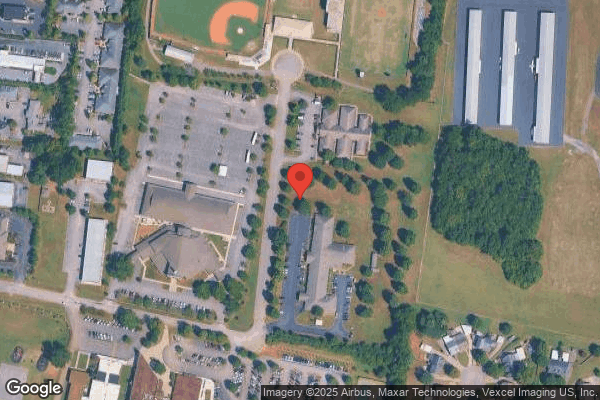
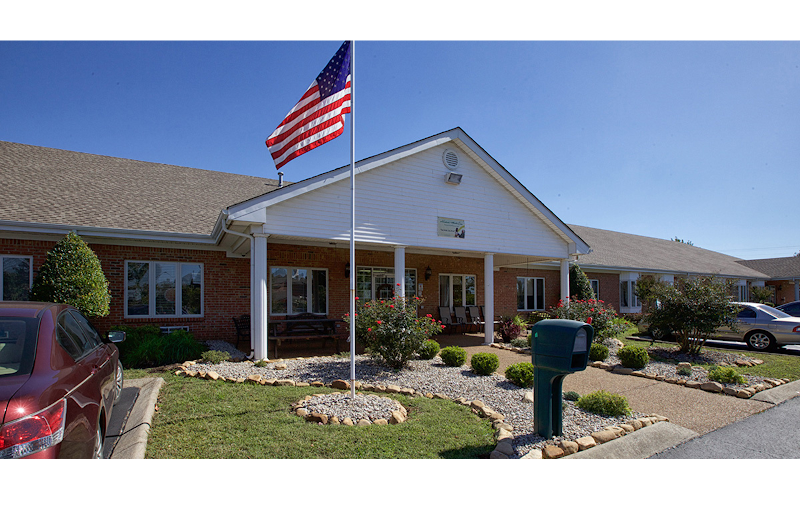
202 EAST MTCS ROAD, MURFREESBORO, TN 37130 (615) 849-8748
For profit - Corporation 68 Beds AMERICAN HEALTH COMMUNITIES Data: November 2025 2 Immediate Jeopardy citations
Trust Grade
19/100
#214 of 298 in TN
Last Inspection: October 2021

Over 2 years since last inspection. Current conditions may differ from available data.

Overview

Stone River Post Acute in Murfreesboro, Tennessee, has a Trust Grade of F, indicating significant concerns and a poor reputation. Ranking #214 out of 298 facilities in Tennessee places it in the bottom half, and #4 of 8 in Rutherford County suggests there are better options nearby. While the facility is showing signs of improvement, having reduced its issues from 4 in 2023 to 1 in 2024, it still faces challenges. Staffing is a major concern, with a low rating of 1 out of 5 stars and a high turnover rate of 72%, which is significantly above the state average of 48%. Specific incidents include critical failures to follow care plans for fall prevention, putting residents at risk, and multiple instances of improper food labeling in the kitchen, highlighting ongoing operational weaknesses. Overall, families should weigh these serious concerns against the facility's efforts to improve.
Trust Score
F
19/100
In Tennessee
#214/298
Bottom 29%
Safety Record
High Risk
Review needed
Inspections
Getting Better
4 → 1 violations
Staff Stability
⚠ Watch
72% turnover. Very high, 24 points above average. Constant new faces learning your loved one's needs.
Penalties
○ Average
$3,145 in fines. Higher than 55% of Tennessee facilities. Some compliance issues.
Skilled Nurses
○ Average
Each resident gets 35 minutes of Registered Nurse (RN) attention daily — about average for Tennessee. RNs are the most trained staff who monitor for health changes.
Violations
⚠ Watch
17 deficiencies on record. Higher than average. Multiple issues found across inspections.
★★☆☆☆
2.0
Overall Rating
★☆☆☆☆
1.0
Staff Levels
★★☆☆☆
2.0
Care Quality
★★★☆☆
3.0
Inspection Score
Stable
2023: 4 issues
2024: 1 issues

The Good

  • Full Sprinkler Coverage · Fire safety systems throughout facility
  • No fines on record

Facility shows strength in fire safety.

The Bad

2-Star Overall Rating

Below Tennessee average (2.8)

Below average - review inspection findings carefully

Staff Turnover: 72%

26pts above Tennessee avg (46%)

Frequent staff changes - ask about care continuity

Federal Fines: $3,145

Below median ($33,413)

Minor penalties assessed

Chain: AMERICAN HEALTH COMMUNITIES

Part of a multi-facility chain

Ask about local staffing decisions and management

Staff turnover is very high (72%)

24 points above Tennessee average of 48%

The Ugly 17 deficiencies on record

2 life-threatening
Apr 2024 1 deficiency
CONCERN (D) 📢 Someone Reported This

A family member, employee, or ombudsman was alarmed enough to file a formal complaint

Potential for Harm - no one hurt, but risky conditions existed

Report Alleged Abuse (Tag F0609)

Could have caused harm · This affected 1 resident

**NOTE- TERMS IN BRACKETS HAVE BEEN EDITED TO PROTECT CONFIDENTIALITY** Based on facility policy review, medical record review, signed written statements, and interview, the facility failed to report ...

Read full inspector narrative →
**NOTE- TERMS IN BRACKETS HAVE BEEN EDITED TO PROTECT CONFIDENTIALITY** Based on facility policy review, medical record review, signed written statements, and interview, the facility failed to report a staff to resident allegation of abuse to the State Survey Agency for 1 (Resident #6) of 8 sampled residents reviewed for abuse. The findings include: Review of the facility policy titled, Abuse Prohibition Plan, revised 10/24/2022, revealed, The facility has a zero-tolerance policy for abuse .physical abuse .is prohibited .The facility shall attempt to identify and shall investigate any reported violation or allegation of abuse .'Abuse' means the willful infliction of injury .or punishment with resulting physical harm, pain, or mental anguish .'Physical Abuse' includes .slapping .'Alleged violation' is a situation or occurrence that is observed or reported by staff, resident, relative, visitor, another healthcare provider, or others but has not yet been investigated .The policy of this facility is that reports of abuse .are promptly and thoroughly investigated .The investigation shall begin immediately .The investigation and conclusion regarding all reported allegations/incidents of abuse shall be reported to the State Agency by way of the web-based Incident Reporting system (IRS) within 5 calendar days of the initial report of the abuse, incident, or allegations .are reported per Federal and State Regulations and Law .The facility shall ensure that alleged violations involving abuse .are reported to the Tennessee Department of Health, Health Care Facilities Division and Adult Protective Services, in accordance with requirements .All alleged violations are reported immediately, but not later than 2 hours after the allegation is made, if the events that cause the allegation involve abuse .The Administrator shall report the results of all investigations to the State Agency, within 5 working days of the allegation .All allegations, investigations, conclusions, corrective actions and electronic reports to the State Agency through the 'Incident Reporting System' (IRS) regarding abuse . Review of the medical record revealed Resident #6 was admitted to the facility on [DATE] with diagnoses which included Acute kidney Failure with Tubular Necrosis, Heart Failure Unspecified, Type 2 Diabetes Mellitus, Chronic Obstructive Pulmonary Disease, and Psychotic Disorder with Hallucinations. Resident #6 was discharged from the facility on 9/20/2023. Review of the admission Minimum Data Set (MDS) assessment dated [DATE] revealed Resident #6 had a Brief Interview for Mental Status (BIMS) score of twelve (12) which indicated moderate cognitive impairment. Review of the General Nursing Note for Resident #6 dated 8/21/2024 at 10:50 AM revealed, Patient reported to CNA [Certified Nursing Assistant S] that the night shift [CNA Z] smacked her leg last night when changing her. [Resident #6] stated that she told [CNA Z] to stop that hurt and tech [CNA Z] smacked her leg again. Administrator notified by [Registered Nurse (RN) Y] immediately . Review of a signed written statement dated 8/21/2023, by Former Administrator revealed, On 8/21/23, [RN Y] and [CNA S], came to my office to report an occurrence .[Resident #6] advised them that a tech [CNA] overnight had slapped her leg twice .The patient was complaining of pain in her legs .The DON [Director of Nursing] assessed [Resident #6] and stated that the leg .was red, swollen, and warm to touch .[Resident #6] advised that it was painful, and that the tech [CNA] last night hurt it while doing patient care .it was very painful to touch and that it hurt when the tech turned her . Review of the signed written statement dated 8/21/2023, by the Former DON revealed, After [CNA S] reported to [RN Y] and [Former Administrator] .[Resident #6], was saying that the [CNA] overnight had slapped her leg twice, [Former DON] and Administrator went to speak with [Resident #6]. [Resident #6] was complaining of pain in her legs .On assessment .upper thigh is red, swollen, and warm to touch. [Resident #6] stated it was painful and that the [CNA] last night had hurt it . The facility was unable to provide documentation that this abuse allegation was reported to the State Agency. During an interview on 4/17/2024 at 10:30 AM, the Social Services Director (SSD) stated, I was not made aware of any allegation of abuse made by [Named Resident #6] .I usually assist in the reporting of abuse allegations. During a telephone interview on 4/17/2024 at 11:00 AM, RN Y stated, I went and talked with [Named Resident #6] .I went to the [Former Administrator]'s office and reported it immediately. My understanding was that the [Former Administrator] was going to start an investigation. During a telephone interview on 4/17/2023 at 11:30 AM, CNA S stated [Named Resident #6] had told me that the overnight [CNA Z] had slapped her leg twice when giving care. I reported it to [RN Y] and we both went to the [Former Administrator]'s office and reported what [Named Resident #6] had told me. I remember telling the [Former Administrator] who the night [CNA] was, and [Former Administrator] stated he would speak to [Named CNA Z] and [Named Resident #6] and find out what was going on . During an interview on 4/17/2024 at 12:20 PM, the Administrator stated, The documentation on the General Nursing Note for [Named Resident #6] was an allegation of staff to resident abuse and should have been reported to the State Agency on 8/21/2023 .
Aug 2023 1 deficiency
CONCERN (D) 📢 Someone Reported This

A family member, employee, or ombudsman was alarmed enough to file a formal complaint

Potential for Harm - no one hurt, but risky conditions existed

Abuse Prevention Policies (Tag F0607)

Could have caused harm · This affected 1 resident

**NOTE- TERMS IN BRACKETS HAVE BEEN EDITED TO PROTECT CONFIDENTIALITY** Based on policy review, medical record review, facility investigation review, and interview, the facility failed to report an al...

Read full inspector narrative →
**NOTE- TERMS IN BRACKETS HAVE BEEN EDITED TO PROTECT CONFIDENTIALITY** Based on policy review, medical record review, facility investigation review, and interview, the facility failed to report an allegation of abuse to the abuse coordinator for 1 of 3 (Resident #2) sampled residents. The findings include: Review of the facility's policy titled Abuse Prohibition Plan dated 10/24/2022 revealed .Employees must always report any allegation of abuse or suspicion of abuse immediately to their supervisor. The supervisor shall notify the Director of Nursing and/or the Administrator . Review of the medical record revealed Resident #2 was admitted to the facility on [DATE] with diagnoses which included Dementia without Behavioral Disturbances, Speech Disorder, and a Personal History of Nutritional and Metabolic Disease. Review of the undated care plan revealed Resident #2 was care planned for .At risk for malnutrition, mechanically altered diet . Continued review revealed one of the interventions was .Allow adequate time to eat; provide cues; encouragement, and assistance . Review of the admission Minimum Data Set (MDS) assessment dated [DATE] revealed Resident #2 had a Brief Inventory for Mental Status (BIMS) score of 0 which indicated Resident #2 had severe cognitive impairment. Resident #2 required total assistance with eating, and she had a swallowing disorder such as holding food in mouth after a meal. Resident #2 had no speech and could not express her ideas or wants verbally. Resident #2 rarely and/or never understood others when spoken to. Resident #2 rejected care 1 to 3 days in the 7-day look-back period. Review of the facility investigation on 8/2/2023 revealed the the alleged allegation of abuse occurred on 8/1/2023 during the lunch meal. Restorative Certified Nursing Assistant (CNA) reported to the Administrator who was the abuse coordinator on 8/2/2023, she witnessed Family Member #1 speaking ugly to Resident #2 by calling her lazy and telling her she would not go home if she did not get up and forcing her to eat when she was trying to refuse. During an interview on 8/8/2023 at 2:03 PM, the Restorative CNA stated she wittnesed Family Member #1 being demanding and said to Resident #1 keep the food in your mouth you don't want to be lazy. You want to go home don't you? The Restorative CNA stated she thought Family Member #1 had an attitude with Resident #1. During an interview on 8/8/2023 at 2:42 PM, the Director of Therapy stated the alleged verbal abuse happened in the therapy room around 12:00 PM on 7/28/2023. Family Member #1 was present during the session. Family Member #1 would ask daily how Resident #2 was doing and progressing in therapy. During the session, Resident #2 could not complete an exercise, and Family Member #1 made a remark to the Director of Therapy that Resident #2 was acting lazy. The Director of Therapy stated she was uncertain if she should report the incident as potential verbal abuse. The Director of Therapy stated she finally told the Administrator on 8/2/2023 of the incident with Family Member #1 when the Restorative CNA reported her concerns to the Administrator. During an interview on 8/9/2023 at 9:07 AM, the Restorative CNA stated she witnessed Family Member #1 on 8/1/2023 talking really loudly and urged Resident #2 she needed to swallow some fruit, but she kept taking the fruit out of her mouth. The Restorative CNA told Family Member #1 the resident was probably full. Family Member #1 told the Restorative CNA the resident needed to eat all of the food. The Restorative CNA stated she was unsure about reporting what she saw but reported it the next day to the Administrator. The Restorative CNA stated she did not write an incident report. The Restorative CNA confirmed she should have told the abuse coordinator immediately when she suspected abuse, but she was unsure and did not know what to do. During an interview on 8/9/2023 at 9:49 AM, the Administrator stated he expected staff to report suspected or allegations of abuse immediately.
May 2023 3 deficiencies
CONCERN (D) 📢 Someone Reported This

A family member, employee, or ombudsman was alarmed enough to file a formal complaint

Potential for Harm - no one hurt, but risky conditions existed

Resident Rights (Tag F0550)

Could have caused harm · This affected 1 resident

**NOTE- TERMS IN BRACKETS HAVE BEEN EDITED TO PROTECT CONFIDENTIALITY** Based on facility policy review, medical record review, and interview, the facility failed to ensure the resident rights for 2 o...

Read full inspector narrative →
**NOTE- TERMS IN BRACKETS HAVE BEEN EDITED TO PROTECT CONFIDENTIALITY** Based on facility policy review, medical record review, and interview, the facility failed to ensure the resident rights for 2 of 4 (Resident #6 and #8) sampled resident reviewed were exercised as evidenced by failure to provide assistance with toileting upon request and required the residents (Resident #6 and #8) to wear briefs. The findings include: Review of facility's policy dated 10/24/2022, titled, Resident Rights and Resident Responsibilities, revealed, .The resident has a right to a dignified existence, self-determination, and communication with access to persons and services .The resident has the right to be free of interference, coercion, discrimination, and reprisal, from the facility in exercising his or her rights and to be supported by the facility in the exercise of his or her rights . Review of the medical record revealed Resident #6 was admitted to the facility on [DATE] with diagnoses which include Urinary Tract Infection, Acute Kidney Failure, Chronic Diastolic Congestive Heart Failure, Chronic Respiratory Failure, Morbid Obesity, Muscle Weakness Generalized, Difficulty in Walking, Unsteadiness on Feet, and Gout Unspecified. Review of the Comprehensive Minimum Data Set (MDS) dated [DATE], for Resident #6, revealed a Brief Interview for Mental Status (BIMS) score of 14 which indicated no cognitive Impairment. Further review of the MDS revealed bed mobility and transfer as extensive assistance with 2 plus persons physical assist, toilet use as total dependence with 2 plus persons physical assist, and occasional incontinence. Review of the care plan for Resident #6 revealed, .Hoyer lift transfer with 2 staff .Respond promptly to calls for assist to the toilet .Complete set-up and provide assistance with bathing, grooming, mobility, toileting, and eating .Check for incontinence; change if wet/soiled .Evaluate incontinence pattern to determine voiding schedule .Provide assistance with all Activities of Daily Living (ADL) and mobility .Provide option of no briefs while in bed . Review of the Clinical Note dated 2/17/2023, for Resident #6, revealed, .Resident uses bedpan at this time until OT [Occupational Therapy] and PT [Physical Therapy] evaluation .Patient is not incontinent, using briefs at this time until evaluation from OT . During an interview on 5/23/2023 at 1:14 PM, Resident #6 stated, .Staff would not change me. I would be put on a bed pan for hours. I was told by one Certified Nursing Assistant (CNA) to just urinate on myself .I had issues with getting up so I was dependent on CNAs to help me get to the bathroom when needed. During an interview on 5/24/2023 at 4:30 PM, Social Services stated that an investigation was done regarding Resident #6's allegations of being told to urinate in her diaper. Social Services stated Resident #6 couldn't remember the name of the CNA. Review of the medical record revealed Resident #8 was admitted to the facility on [DATE] with diagnoses which included Unspecified fracture of shaft of right tibia, subsequent encounter for closed fracture with routine healing, Chronic diastolic (congestive) heart failure, and Hyperparathyroidism. Review of the Comprehensive MDS Assessment, dated 5/24/2023, for Resident #8, revealed a BIMS score of 14 which indicated no cognitive impairment. Continued review revealed wheelchair had been used, required extensive assistance with transfers and toilet use and limited assistance with dressing, and has occasional pain and a surgical wound with pressure reducing device in chair and bed. Further review revealed resident #8 was deemed always continent. Review of care plan effective 5/23/2023 revealed, a person-centered individualized care plan with appropriate goals and interventions that included resident at risk for pain related to Resident #8 has diagnosis of Tibia fracture s/p (status post) repair, self-care deficit r/t ambulation, bathing, bed mobility, dressing, eating, hygiene, locomotion and transfers. Further review of the plan revealed .Incontinence care PRN [as needed] .Toileting .Provide assistance as needed. Call light within reach for assistance . During an interview on 5/23/2023 at 10:55 AM, Resident #8 stated he arrived 5 days ago (5/18/2023) on a Friday evening and was not allowed to get up over the weekend. Resident #8 stated he needed to have a bowel movement and was told by staff that he could not get up out of bed until he was evaluated, which he was told would happen on Saturday. Resident #8 stated he was offered a bedpan which he was unable to use, therefore, he held his bowels until Monday which caused stomach pain. Review of the Statement of Inservice Training for Employees sheets, dated 3/8/2023, revealed staff was in-serviced on, .A resident should never be told to go ahead and urinate on their brief and they will clean them up later. This promotes incontinence and is against the residents' right to use the restroom . During an interview on 5/23/2023 at 3:20 PM, Certified Occupational Therapist Assistant (COTA) stated, . It is not our policy that the residents are not to get out of bed until evaluated by therapy .The expectation is for the staff to review the admission packet to find out how the resident transfers. The resident is expected to transfer at the same level as reported in that documentation prior to therapy's evaluation . During an interview on 5/23/2023 at 3:30 PM, Registered Nurse (RN) #2 stated, . A resident admitted near the weekend should be allowed to transfer according to hospital discharge information or by interviewing the resident if alert and oriented . During an interview on 5/25/2023 at 12:48 PM, CNA #8 stated she has witnessed CNAs tell residents to use the bathroom on themselves .
CONCERN (E) 📢 Someone Reported This

A family member, employee, or ombudsman was alarmed enough to file a formal complaint

Potential for Harm - no one hurt, but risky conditions existed

Quality of Care (Tag F0684)

Could have caused harm · This affected multiple residents

**NOTE- TERMS IN BRACKETS HAVE BEEN EDITED TO PROTECT CONFIDENTIALITY** Based on facility policy review, facility document review, medical record review, observation, and interview, the facility faile...

Read full inspector narrative →
**NOTE- TERMS IN BRACKETS HAVE BEEN EDITED TO PROTECT CONFIDENTIALITY** Based on facility policy review, facility document review, medical record review, observation, and interview, the facility failed to answer call lights in a timely manner for 8 of 20 (Resident #1, #4, #10, #11, #12, #13, #19, and #20) sampled residents reviewed. The facility failed to provide baths and/or showers for 5 of 20 (Resident #1, #11, #16, #19, and #20) sampled residents reviewed for bathing. The findings include: Review of the facility policy titled, Activities of Daily Living [ADL], dated 3/9/2023 revealed, .Care and services shall be provided for the following activities of daily living .bathing, dressing, grooming, and oral care .Toileting .A resident who is unable to carry out activities of daily living shall receive the necessary services to maintain good nutrition, grooming, and personal and oral hygiene .The facility shall maintain individual objectives of the care plan . Review of the facility policy titled, Call Lights: Accessibility and Response, dated 6/27/2022 revealed, .The purpose of this policy is to ensure call light accessibility and response .The purpose of this policy is to assure the facility is adequately equipped with a call light at each Resident's bedside, toilet, and bathing facility to allow Residents to call for assistance. Call lights will directly relay to a centralized location to ensure appropriate response .All staff members who see or hear an activated call light are responsible for responding . Review of the facility policy titled, Nursing Services and Sufficient Staff, dated 12/24/2022 revealed, .It is the policy of this facility to provide sufficient nursing staff .as determined by resident assessments and individual plans of care and considering the number, acuity, and diagnoses of the facility's resident population in accordance with the facility assessment required .Providing care includes, but is not limited to, assessing, evaluating, planning, and implementing resident care plans and responding to residents needs and call bells promptly .The facility is responsible for submitting timely and accurate staffing data through the CMS [Centers for Medicare and Medicaid Services] Payroll-Based Journal [PBJ] system .the facility must use the services of a Registered Nurse for at least 8 consecutive hours a day, 7 days a week . Review of the facility policy titled, Incontinence Skin Care Policy, dated 9/13/2022 revealed, .Residents who are incontinent will receive appropriate treatment and services for the prevention and management of incontinence .Incontinence care is considered routine care that is typically performed by the certified nursing assistant after identified incontinent episodes . Review of the Resident Council Meeting Minutes dated 12/16/2022-4/14/2023, revealed statements made by residents about their concerns, .12/16/2022 .tech answered light then said you will have to wait til (until) we find your tech . 1/23/2023 .Call lights taking over 30 minutes to be answered .2/15/2023 .Call lights not being answered in a timely manner .4/14/2023 .Late getting medicine, answer lights timely . Review of the Grievance Record from 12/6/2022-5/16/2023 documented, .12/6/2022 .Staff taking a long time to answer call lights, staff not washing resident's face, brushing teeth, and clothes were not changed . 2/17/2023 Resident #6's call light . not answered timely .resident was told to go on herself .4/4/2023 . medication given late 5/4/2023 .call lights not being answered . Review of the posted Daily Nurse Staffing sheets from 1/19/2023 to 1/31/2023 revealed multiple days with no documentation of resident census, absent staff members, or adjusted shift hours. Review of the medical record revealed Resident #1 was admitted to the facility on [DATE] with diagnoses which included Acute Respiratory Failure with Hypercapnia, Type 2 Diabetes Mellitus, and Morbid (Severe) Obesity. Review of the Quarterly Minimum Data Set (MDS) assessment dated [DATE], for Resident #1, revealed a Brief Interview for Mental Status (BIMS) score of 15 which indicated no cognitive impairment. Further review of the MDS assessment revealed the resident required extensive assistance with toileting, bathing, and bed mobility. Continued review of the MDS assessment revealed Resident #1 was frequently incontinent of bowel and bladder. Review of the Comprehensive Care Plan for Resident #1 revealed a risk for skin integrity complications with intervention to provide frequent position changes, check for incontinence, and change if wet/soiled. Clean skin with mild soap and water. Apply moisture barrier, and hygiene as needed after every incontinent episode. Continued review of the care plan revealed Resident #1 had a self-care deficit R/T [related to]ambulation, bathing, bed mobility, dressing, eating, hygiene, locomotion, and transfers, and bath/shower 3 times a week and as needed. Review of the Bath Sheets revealed there was no documentation Resident #1 had a shower or bath for eight days, from 10/30/2022 to 11/6/2022. Review of the medical record revealed Resident #4 was admitted to the facility on [DATE] with diagnoses which included Malignant Neoplasm of Unspecified Kidney, Chronic Obstructive Pulmonary Disease (COPD), and Hypertensive Heart Disease. Review of the Quarterly MDS dated [DATE] revealed Resident #4 had a BIMS score of 10 which indicated moderately impaired cognition. Continued review of the MDS revealed Resident #4 required extensive assistance with dressing and personal hygiene and totally dependent for toileting and bathing. Review of the current care plan revealed Resident #4 had a history of falls, with 6 falls documented from 11/20/2021 to 6/9/2022 with intervention to remind resident to call for assistance before moving from bed to chair and from chair to bed. Continued review of the care plan revealed self-care deficit related to ambulation, bathing, bed mobility, dressing, hygiene, locomotion, and transfers with intervention for bathing, bath/shower 3 times a week and as needed, and toileting with the call light in reach for assistance. During a telephone interview on 5/23/2023 at 7:15 PM, Family Member #2 (for Resident #4) reported, . The call light would go off for long periods of time without it being answered. I was told showers or baths can't be given on Saturdays due to the facility being short staff . Review of the medical record revealed Resident #10 was admitted to the facility on [DATE] with diagnoses which included Cerebral Infarct affecting Right Dominant side, COPD, and Chronic Respiratory Failure. Review of the Quarterly MDS dated [DATE] revealed Resident #10 had a BIMS score of 14 which indicated no cognitive impairment. Review of the current care plan revealed Resident #10 had a history of falls with a fall documented on 3/14/2023. A Physical Therapy evaluation revealed resident required lift transfer with two persons assist. Further review of the fall care plan revealed an intervention to respond promptly to call for assist to the toilet. Continued review of the care plan documented incontinent of bowel and bladder with intervention to take resident to bathroom before and after meals, at bedtime, upon rising in the morning, and during the night. During an interview on 5/23/2023 at 11:12 AM, Resident #10 stated, .I must wait on my call light to be answered, sometimes 30 minutes . Review of the medical record revealed Resident #11 was admitted to the facility on [DATE] with diagnoses which included Diabetes Mellitus, Peripheral Vascular Disease, Abnormal Weight loss, and Acquired Absence of Left and Right Leg above Knee. Review of the Annual MDS assessment dated [DATE] revealed Resident #11 had a BIMS score of 9 which indicated moderate cognitive impairment. Continued review of the MDS revealed Resident #11 required extensive assistance with dressing, personal hygiene and total assistance with toileting and bathing. Review of the current care plan documented Resident #11 was at risk for impaired skin integrity, abrasions, bruises, skin tears, and fragile skin with interventions for assist and encourage to turn and reposition every 2 hours and incontinence care as needed. Review of the care plan revealed Resident #11 with self-care deficit related to ambulation, bathing, bed mobility, dressing, eating, hygiene, locomotion, and transfers with intervention to bath/shower 3 times a week as needed. Review of the Bath Sheets revealed there was no documentation Resident #11 had a bath or shower for five days, from 5/18/2023-5/22/2023 . Review of the medical record revealed Resident #12 was admitted to the facility on [DATE] with diagnoses which included Acute Kidney Failure, Fusion of Spine, Cervical Region, and Unspecified Fall. Review of the Quarterly Minimum Data Set (MDS) dated [DATE] revealed a BIMS score of 15 which indicated no cognitive impairment. Continued review of the MDS revealed Resident #12 required limited assistance of 1 staff member for dressing, one-person physical assistance with toileting, personal hygiene, and dependent for bathing. Review of the current Care Plan revealed a history of falls with an intervention to respond promptly to calls for assist to the toilet. Continue review of the care plan revealed assistance needed with toileting. Resident #12 required supervision with an intervention to keep nurse call light within easy reach, and Instruct Resident #12 to use call bell or call out for assistance. During an interview on 5/23/2023 at 10:53 AM, Resident #12 stated I often need to toilet, I turn on my call light, but I have to wait for 30 minutes or longer which makes it hard for me to hold my urine . Review of the medical record revealed Resident #13 was admitted to the facility on [DATE] with diagnoses which included COPD, Hypertension Heart Disease, Type 2 Diabetes Mellitus, Chronic Respiratory Failure with Hypoxia, Idiopathic Gout Unspecified Site, and Chronic Systolic Congestive Heart Failure. Review the Quarterly MDS dated [DATE] for Resident #13 revealed a BIMS score of 15 which indicated no cognitive Impairment. During an interview on 5/23/2023 at 12:37 PM, Resident #13 stated, .the meals are often late because there is not enough staff to get food out timely .I wait 30 to 45 minutes for the call light to be answered, especially when I want to get out of bed . Review of the medical record revealed Resident #19 was admitted to the facility on [DATE] with diagnoses which included COPD, Emphysema, and Fracture of Unspecified Part of Neck of Left Femur. Review of the Quarterly MDS assessment dated [DATE] revealed a BIMS score of 14 which indicated no cognitive impairment. Continued review of the MDS revealed Resident #19 required extensive assistance with dressing, personal hygiene, and total assistance with toileting and bathing. Review of the current care plan revealed Resident #19 had interventions to respond promptly to calls for assist to the toilet. Continued review of the care plan revealed Resident #19 was at risk for malnutrition related to recent weight loss with interventions to provide cues, encouragement, and assistance. Continued review of the care plan revealed Resident #19 had a problem of self-care deficit extensive assistance required with bathing, hygiene, dressing and grooming with interventions for total assist with dressing and undressing, bathing 3 times a week and as needed, toileting, and call light in reach for assistance. Review of Resident #19's Bath Sheets revealed from 3/3/2023 to 3/13/2023 (11 days) there were no documented baths or showers given, 4/7/2023 to 4/10/2023 (4 days) no documented baths or showers given, 4/20/2023 to 4/24/2023 (5 days) no documented baths or showers given, and 5/12/2023 to 5/15/2023 (4 days) no documented baths or showers given. During an observation and interview on 5/24/2023 at 12:10 PM, Resident #19 was in bed with dried food observed on her shirt. Resident #19 stated, . I can't always get a bath when I want one . when I am wet with no one to come help me. They know my call light is ringing and it takes a long time to answer it . Review of the medical record revealed Resident #20 was admitted to the facility on [DATE] with diagnoses which included Acute Pyelonephritis, Hypertension, Arthritis, and Acute Cystitis. Review of the Quarterly MDS dated [DATE] revealed a BIMS score of 12 which indicated intact cognitive abilities. Continued review of the MDS revealed extensive assistance required with dressing, toileting, personal hygiene, and total assistance with bathing. Review of the current care plan revealed fall risk with interventions to respond promptly to calls for assistance to toilet and remind to call for assistance before moving from bed to chair and from chair to bed. Continued review of the care plan revealed Resident #20 was at risk for pressure ulcer related to decreased mobility, fragile skin, and incontinence with intervention for turn and reposition routinely. Further review of the care plan revealed Resident #20 had a problem of self-care deficit related to ambulation, bathing, bed mobility, dressing, eating, hygiene, locomotion, and transfers with intervention for bath/shower 3 times a week and as needed. Review of the Bath Sheets revealed there was no documentation Resident #20 had a shower or bath from 2/13/2023 to 2/21/2023 (9 days) and from 2/28/2023 to 3/8/2023 (9 days). There was no documentation Resident #20 had a shower From 2/9/2023 to 5/24/2023 (105 days). During an observation and interview with Resident #20 on 5/24/2023 at 12:20 PM, there was a strong urine odor in Resident #20's room. Resident #20 stated her last bed bath had been over a week ago. Resident #20 further stated, .I turn on my call light and wait .I usually lay wet 30 minutes to an hour just waiting to be cleaned up. The facility doesn't have enough staff and the staff is inconsistent. Many days there are only 2 CNAs in the building . During an observation on 100 hall on 5/24/2023 at 3:45 PM, call lights for room [ROOM NUMBER] and 111 were on, and the call light system was alarming at the nurses' station. At 3:50 PM, 2 employees were standing on the 100 hall, and the call lights for room [ROOM NUMBER] and 111 continued to be on. At 3:55 PM, 2 employees were sitting at the nurses' station while the call light system continued to alarm for room [ROOM NUMBER] and 111. At 4:07 PM, a staff member continued to sit at nurses' station while the call light system alarmed for room [ROOM NUMBER] and 111. At 4:08 PM, there were two employees sitting in the admission office which was two doors down from the nurses' station and close enough to the nurses' station to hear the call light system alarming. At 4:09 PM, this Surveyor went to room [ROOM NUMBER] and 111 to verify the residents were safe (residents were safe). At 4:10 PM, 2 staff members were sitting at the nurses' station while the call light system alarmed for room [ROOM NUMBER] and 111. The Staffing Coordinator answered each call light at 4:14 PM. The call light for rooms [ROOM NUMBERS] alarmed for 29 minutes before being answered. The Staffing Coordinator confirmed the call light was not answered timely. During an interview on 5/24/2023 at 9:27 AM, CNA #6 stated, . there is not enough staff . this prevents us from being able to give showers .The residents complain of excessive wait times for care . During an interview on 5/24/2023 at 12:30 PM, CNA #6 stated, The workload is hard here . I try my best to give the baths, but I can't always get them done . During an interview on 5/24/2023 at 1:30 PM, Licensed Practical Nurse (LPN) #3 stated, . Residents have complained that it takes forever for staff to answer call lights . During a telephone interview on 5/24/2023 at 2:15 PM, the Ombudsman stated, I have had several residents complain about their care at the facility. My concerns are the quality of care .The residents say it is taking the staff ½ hour to 1 hour to answer their call lights. I have tried to speak with the Administrator, but he has not been responsive . During an interview with the Director of Nursing (DON) on 5/24/2023 at 3:05 PM, the DON stated, . We have had reports from family that have called due to call lights not answered .
CONCERN (E) 📢 Someone Reported This

A family member, employee, or ombudsman was alarmed enough to file a formal complaint

Potential for Harm - no one hurt, but risky conditions existed

Deficiency F0725 (Tag F0725)

Could have caused harm · This affected multiple residents

**NOTE- TERMS IN BRACKETS HAVE BEEN EDITED TO PROTECT CONFIDENTIALITY** Based on facility document review, facility policy review, medical record review, observation, and interview, the facility faile...

Read full inspector narrative →
**NOTE- TERMS IN BRACKETS HAVE BEEN EDITED TO PROTECT CONFIDENTIALITY** Based on facility document review, facility policy review, medical record review, observation, and interview, the facility failed to have sufficient nursing staff to assure resident safety and attain or maintain the highest practicable physical, mental, and psychosocial well-being of each resident in accordance with the facility assessment for 9 of 20 (Resident # 1, #4, #10, #11, #12, #13, #14, #19, and #20) sampled residents reviewed. Failure to assure the facility had sufficient nursing staff had the potential to affect all residents within the facility. The findings include: Review of the Facility Assessment Committee Review dated 4/25/2023 revealed .Based on our resident population and their needs of care and support, the objective of staffing is to ensure that we have enough staff to meet the needs of the residents at any given time .Ensure the type and amount of staff needed to meet resident's daily needs, preferences, and routines in order to help each resident attain or maintain the highest practicable physical, mental, and psychosocial well-being . Review of the Quarterly Payroll Based Journal (PBJ) dated 7/1/2022-9/30/2022 revealed one star staffing ratio. Continued review of the Quarterly PBJ system dated 10/1/2022 - 12/31/2022 revealed one star staffing ratio and excessively low weekend staffing. Review of the Resident Council Meeting Minutes dated 12/16/2022-4/14/2023, revealed statements made by residents about their concerns, .12/16/2022 .tech answered light then said you will have to wait til (until) we find your tech . 1/23/2023 .Call lights taking over 30 minutes to be answered .2/15/2023 .Call lights not being answered in a timely manner .4/14/2023 .Late getting medicine, answer lights timely . Review of the Grievance Record from 12/6/2022-5/16/2023 documented, .12/6/2022 .Staff taking a long time to answer call lights, staff not washing resident's face, brushing teeth, and clothes were not changed . 2/17/2023 Resident #6's call light . not answered timely .resident was told to go on herself .4/4/2023 . medication given late 5/4/2023 .call lights not being answered . Review of the posted Daily Nurse Staffing sheets from 1/19/2023 to 1/31/2023 revealed multiple days with no documentation of resident census, absent staff members, or adjusted shift hours. Review of the facility policy titled, Nursing Services and Sufficient Staff, dated 12/24/2022 revealed, .It is the policy of this facility to provide sufficient nursing staff .as determined by resident assessments and individual plans of care and considering the number, acuity, and diagnoses of the facility's resident population in accordance with the facility assessment required .Providing care includes, but is not limited to, assessing, evaluating, planning, and implementing resident care plans and responding to residents needs and call bells promptly .The facility is responsible for submitting timely and accurate staffing data through the CMS [Centers for Medicare and Medicaid Services] Payroll-Based Journal [PBJ] system .the facility must use the services of a Registered Nurse for at least 8 consecutive hours a day, 7 days a week . Review of the medical record revealed Resident #1 was admitted to the facility on [DATE] with diagnoses which included Acute Respiratory Failure with Hypercapnia, Type 2 Diabetes Mellitus, and Morbid (Severe) Obesity. Review of the Quarterly Minimum Data Set (MDS) assessment dated [DATE], for Resident #1, revealed a Brief Interview for Mental Status (BIMS) score of 15 which indicated no cognitive impairment. Further review of the MDS assessment revealed the resident required extensive assistance with toileting, bathing, and bed mobility. Continued review of the MDS assessment revealed Resident #1 was frequently incontinent of bowel and bladder. Review of the Comprehensive Care Plan for Resident #1 revealed a risk for skin integrity complications with intervention to provide frequent position changes, check for incontinence, and change if wet/soiled. Clean skin with mild soap and water. Apply moisture barrier, and hygiene as needed after every incontinent episode. Continued review of the care plan revealed Resident #1 had a self-care deficit R/T [related to]ambulation, bathing, bed mobility, dressing, eating, hygiene, locomotion, and transfers, and bath/shower 3 times a week and as needed. Review of the Bath Sheets revealed there was no documentation Resident #1 had a shower or bath for eight days, from 10/30/2022 to 11/6/2022. Review of the medical record revealed Resident #4 was admitted to the facility on [DATE] with diagnoses which included Malignant Neoplasm of Unspecified Kidney, Chronic Obstructive Pulmonary Disease (COPD), and Hypertensive Heart Disease. Review of the Quarterly MDS dated [DATE] revealed Resident #4 had a BIMS score of 10 which indicated moderately impaired cognition. Continued review of the MDS revealed Resident #4 required extensive assistance with dressing and personal hygiene and totally dependent for toileting and bathing. Review of the current care plan revealed Resident #4 had a history of falls, with 6 falls documented from 11/20/2021 to 6/9/2022 with intervention to remind resident to call for assistance before moving from bed to chair and from chair to bed. Continued review of the care plan revealed self-care deficit related to ambulation, bathing, bed mobility, dressing, hygiene, locomotion, and transfers with intervention for bathing, bath/shower 3 times a week and as needed, and toileting with the call light in reach for assistance. During a telephone interview on 5/23/2023 at 7:15 PM, Family Member #2 (for Resident #4) reported, .The facility has staffing issues especially on the weekends. The call light would go off for long periods of time without it being answered. I was told showers or baths can't be given on Saturdays due to the facility being short staff . Review of the medical record revealed Resident #10 was admitted to the facility on [DATE] with diagnoses which included Cerebral Infarct affecting Right Dominant side, COPD, and Chronic Respiratory Failure. Review of the Quarterly MDS dated [DATE] revealed Resident #10 had a BIMS score of 14 which indicated no cognitive impairment. Review of the current care plan revealed Resident #10 had a history of falls with a fall documented on 3/14/2023. A Physical Therapy evaluation revealed resident required lift transfer with two persons assist. Further review of the fall care plan revealed an intervention to respond promptly to call for assist to the toilet. Continued review of the care plan documented incontinent of bowel and bladder with intervention to take resident to bathroom before and after meals, at bedtime, upon rising in the morning, and during the night. During an interview on 5/23/2023 at 11:12 AM, Resident #10 stated, .I must wait on my call light to be answered, sometimes 30 minutes . Review of the medical record revealed Resident #11 was admitted to the facility on [DATE] with diagnoses of Diabetes Mellitus, Peripheral Vascular Disease, Abnormal Weight loss, and Acquired Absence of Left and Right leg above knee. Review of the Annual MDS assessment dated [DATE] revealed Resident #11 had a BIMS score of 9 which indicated moderate impairment in cognition. Continued review of the MDS revealed Resident #11 required extensive assistance with dressing, personal hygiene and total assistance with toileting and bathing. Review of the current care plan revealed Resident #11 had a problem for at risk for impaired skin integrity, abrasions, bruises, skin tears, and fragile skin with interventions for assist and encourage to turn and reposition every 2 hours and incontinence care PRN. Continued review of the care plan revealed a problem of fall risk with 6 falls noted from 4/14/2022 to 8/1/2022 and recent fall from wheelchair on 4/20/2023. Fall intervention included place call bell/light within easy reach, remind to call for assistance before moving from bed to change and from chair to bed and respond promptly to calls for assist to the toilet. Further review of the care plan revealed Resident #11 with self-care deficit related to ambulation, bathing, bed mobility, dressing, eating, hygiene, locomotion, and transfers with intervention to bath/shower 3 x weekly/prn as tolerated alternating days with bed baths. Review of the BM and Bath sheets revealed Resident #11 had no bath or shower for five days, from 5/18/2023 - 5/22/2023. Review of the medical record revealed Resident #12 was admitted to the facility on [DATE] with diagnoses which included Acute Kidney Failure, Fusion of Spine, Cervical Region, and Unspecified Fall. Review of the Quarterly Minimum Data Set (MDS) dated [DATE] revealed a Brief Interview for Mental Status (BIMS) score of 15, indicating no cognitive impairment. Continued review of the MDS revealed Resident #12 required limited assistance of 1 staff member for dressing, one-person physical assistance with toileting, personal hygiene, and dependent for bathing. Review of the current Care Plan revealed a history of falls with an intervention to respond promptly to calls for assist to the toilet. Continue review of the care plan revealed assistance needed with toileting. Resident #12 required supervision with an intervention to keep nurse call light within easy reach, and Instruct Resident #12 to use call bell or call out for assistance. During an observation and interview in Resident #12's room on 5/23/2023 at 10:53 AM, Resident #12 stated I often need to toilet, I turn on my call light, but I have to wait for 30 minutes or longer which makes it hard for me to hold my urine . Review of the medical record revealed Resident #13 was admitted to the facility on [DATE] with diagnoses which include Chronic Obstructive Pulmonary Disease, Hypertension Heart Disease, Type 2 Diabetes Mellitus, Chronic Respiratory Failure with Hypoxia, Idiopathic Gout Unspecified Site, and Chronic Systolic Congestive Heart Failure. Review the Quarterly MDS dated [DATE] for Resident #13 revealed a BIMS score of 15, which indicated no cognitive Impairment. During an interview on 5/23/2023 at 12:37 PM, Resident #13 stated, . the meals are often late because there is not enough staff to get food out timely .I wait 30 to 45 minutes for the call light to be answered, especially when I want to get out of bed . Review of the medical record revealed Resident #14 was admitted to the facility on [DATE] with diagnoses which include Compression of the Vein, Pleural Effusion not Elsewhere Classified, Type 1 Diabetes Mellitus, and Anemia Unspecified. Review of the Annual MDS dated [DATE] revealed a BIMS score of 15, which indicated no cognitive Impairment. During an interview on 5/23/2023 at 12:40 PM, Resident #14 stated, .meals are often late due to short staffing, sometimes there is only 1 CNA [Certified Nursing Assistant] on the hall, and from 4:00 PM - 9:00 PM there were only 2 CNAs for the entire building (dates unknown) . Review of the medical record revealed Resident #19 was admitted to the facility on [DATE] with diagnoses which included COPD, Emphysema, and Fracture of Unspecified Part of Neck of Left Femur. Review of the Quarterly MDS assessment dated [DATE] revealed a BIMS score of 14 which indicated no cognitive impairment. Continued review of the MDS revealed Resident #19 required extensive assistance with dressing, personal hygiene, and total assistance with toileting and bathing. Review of the current care plan revealed Resident #19 had a problem with falls with an intervention to respond promptly to calls for assist to the toilet. Continued review of the care plan revealed Resident #19 was at risk for malnutrition related to recent weight loss with interventions to provide cues, encouragement, and assistance. Continued review of the care plan revealed Resident #19 had a problem of self-care deficit extensive assistance required with bathing, hygiene, dressing and grooming with interventions for total assist with dressing and undressing, bathing 3 times a week and as needed, toileting, and call light in reach for assistance. Review of Resident #19's Bath Sheets revealed from 3/3/2023 to 3/13/2023 (11 days) there were no documented baths or showers given, 4/7/2023 to 4/10/2023 (4 days) no documented baths or showers given, 4/20/2023 to 4/24/2023 (5 days) no documented baths or showers given, and 5/12/2023 to 5/15/2023 (4 days) no documented baths or showers given. During an observation and interview on 5/24/2023 at 12:10 PM, Resident #19 was in bed with dried food observed on her shirt. Resident #19 stated, Staffing is a problem here, not enough staff, I can't always get a bath when I want one . when I am wet with no one to come help me. They know my call light is ringing and it takes a long time to answer it . Several times on the weekends there are only 2 CNAs in the building . Review of the medical record revealed Resident #20 was admitted to the facility on [DATE] with diagnoses which included Acute Pyelonephritis, Hypertension, Arthritis, and Acute Cystitis. Review of the Quarterly MDS dated [DATE] revealed a BIMS score of 12 which indicated intact cognitive abilities. Continued review of the MDS revealed extensive assistance required with dressing, toileting, personal hygiene, and total assistance with bathing. Review of the current care plan revealed fall risk with interventions to respond promptly to calls for assistance to toilet and remind to call for assistance before moving from bed to chair and from chair to bed. Continued review of the care plan revealed Resident #20 was at risk for pressure ulcer related to decreased mobility, fragile skin, and incontinence with intervention for turn and reposition routinely. Further review of the care plan revealed Resident #20 had a problem of self-care deficit related to ambulation, bathing, bed mobility, dressing, eating, hygiene, locomotion, and transfers with intervention for bath/shower 3 times a week and as needed. Review of the Bath Sheets revealed there was no documentation Resident #20 had a shower or bath from 2/13/2023 to 2/21/2023 (9 days) and from 2/28/2023 to 3/8/2023 (9 days). There was no documentation Resident #20 had a shower From 2/9/2023 to 5/24/2023 (105 days). During an observation and interview with Resident #20 on 5/24/2023 at 12:20 PM, there was a strong urine odor in Resident #20's room. Resident #20 stated her last bed bath had been over a week ago. Resident #20 further stated, .I turn on my call light and wait .I usually lay wet 30 minutes to an hour just waiting to be cleaned up. The facility doesn't have enough staff and the staff is inconsistent. Many days there are only 2 CNAs in the building . During an interview on 5/24/2023 at 9:10 AM, CNA #4 confirmed the staffing is insufficient and the schedule will reflect names of staff members that do not show up for the shift. During an interview on 5/24/2023 at 9:27 AM, CNA #6 stated, . there is not enough staff . this prevents us from being able to give showers .The residents complain of excessive wait times for care . During an interview on 5/24/2023 at 10:45 AM, the Staffing Coordinator stated, I look at the census to see how many patients we have and just divide the staff between the residents . The turnover is bad right now .There have been times when only 2 CNAs were on the halls for 60 residents . There are times the staff just don't show up .I have reported the staffing concerns to the Administrator . During an interview on 5/24/2023 at 12:30 PM, CNA #6 stated, The workload is hard here because we are short staffed. The staffing Coordinator will post the staffing hours, but half of the staff don't show up, so we just work with what we have in the building. I try my best to give the baths, but I can't always get them done. Staff turn over is bad. During an interview on 5/24/2023 at 1:00 PM, Registered Nurse #3 stated, . There have been times only 2 CNAs (Certified Nursing Assistants in the building. I couldn't tell you how many times, but it has been often . During an interview on 5/24/2023 at 1:10 PM, Assistant Director of Nursing (ADON) stated, .We have staffing issues . During an interview on 5/24/2023 at 1:30 PM, Licensed Practical Nurse (LPN) #3 stated, .Residents have complained that it takes forever for staff to answer call lights. I want the residents to get what they need. Its especially hard at night with only 2 CNAs. It makes it hard to get the residents cleaned up if we only have 2 CNAs. During a telephone interview on 5/24/2023 at 2:15 PM, the Ombudsman stated, I have had several residents complain about their care at the facility. My concerns are the quality of care, staffing concerns .The residents say it is taking the staff ½ hour to 1 hour to answer their call lights. I have tried to speak with the Administrator, but he has not been responsive . During a telephone interview on 5/24/2023 at 2:21 PM, The Assistant [NAME] President of Quality confirmed the PBJ (Payroll Based Journal) Staffing Data Report for July 1-September 30, 2022 revealed One Star Staffing Rating and PBJ Staffing Data Report for October 1 - December 31, 2022 revealed One Star Staffing Rating and Excessively Low Weekend Staffing was correct. During an interview with the Director of Nursing (DON) on 5/24/2023 at 3:05 PM, the DON stated, . We have had reports from family that have called due to call lights not answered. We do discuss the staffing issues with the Administration .
Oct 2021 5 deficiencies
CONCERN (D)

Potential for Harm - no one hurt, but risky conditions existed

Comprehensive Care Plan (Tag F0656)

Could have caused harm · This affected 1 resident

**NOTE- TERMS IN BRACKETS HAVE BEEN EDITED TO PROTECT CONFIDENTIALITY** Based on facility policy review, medical record review and interview the facility failed to implement a care plan for 2 of 27 sa...

Read full inspector narrative →
**NOTE- TERMS IN BRACKETS HAVE BEEN EDITED TO PROTECT CONFIDENTIALITY** Based on facility policy review, medical record review and interview the facility failed to implement a care plan for 2 of 27 sampled resident (Resident #18) reviewed for advanced directive code status and (Resident #30) reviewed for nutritional status for weight loss. The findings include: Review of the facility's policy titled, Comprehensive Care Plans, revised 3/25/2021, revealed, .It is the policy of this facility to develop and implement a comprehensive person-centered care plan for each resident, consistent with resident rights, that includes measurable objectives and time frames to meet a resident's medical, nursing, and mental and psychosocial needs that are identified in the resident's comprehensive assessment .The comprehensive care plan will be revised by the interdisciplinary team after each comprehensive and quarterly Minimum Data Set (MDS) assessment . Review of the medical record revealed Resident #18 was admitted to the facility on [DATE], with diagnoses which included Atrial Fibrillation, Type 2 Diabetes Mellitus without Complications, COVID-19 and Anxiety Disorder. Review of the Quarterly MDS assessment dated [DATE], revealed Resident #18 had a Brief Interview for Mental Status (BIMS) score of 15 which indicated no cognitive impairment. Review of the comprehensive care plan for Resident #18 dated 1/13/2021, revealed no care plan was implemented for advanced directive code status. Review of the medical record revealed Resident #30 was admitted to the facility on [DATE], with diagnoses which included Chronic Atrial Fibrillation, Dysphagia, Type 2 Diabetes, Heart Failure, Dementia without Behavioral Disturbances, Vascular Dementia with Behavioral Disturbances and Cognitive Communication Deficit. Review of the Discharge MDS assessment dated [DATE], revealed Resident #30's cognitive skills were assessed as moderately impaired. Continue review revealed Resident #30 had a 5% weight loss in a month. Review of the comprehensive care plan for Resident #30 dated 4/2/2021, revealed no care plan was implemented for nutritional status for weight loss. During an interview on 10/7/2021 at 10:00 AM, the MDS Coordinator confirmed no advanced directive code status was on the care plan for Resident #18 and Resident #30 did not have a care plan implemented for nutritional status for weight loss. During an interview on 10/7/2021 at 10:17 AM, the Administrator confirmed no advanced directive code status was implemented for Resident #18 and Resident #30 did not have a nutritional status for weight loss on the care plan. She stated she would expect the care plan to contain the residents advanced directive code status and nutritional status.
CONCERN (D)

Potential for Harm - no one hurt, but risky conditions existed

Deficiency F0658 (Tag F0658)

Could have caused harm · This affected 1 resident

**NOTE- TERMS IN BRACKETS HAVE BEEN EDITED TO PROTECT CONFIDENTIALITY** Based on facility policy review, medical record review, and interview, the facility failed to obtain a physician order for Trans...

Read full inspector narrative →
**NOTE- TERMS IN BRACKETS HAVE BEEN EDITED TO PROTECT CONFIDENTIALITY** Based on facility policy review, medical record review, and interview, the facility failed to obtain a physician order for Transmission Based Precautions for 2 of 2 sampled residents (Resident #29 and Resident #32) on Transmission Based Precautions. The findings include: Review of the facility's policy titled, Physician Verbal Order Policy, dated 5/20/2021, revealed, .Physician orders may be received by telephone, by a licensed nurse or other licensed or registered health care specialist who are legally authorized to do so .Enter the order into the medical record manually or electronically . Review of the medical record revealed Resident #29 was admitted to the facility on [DATE], with diagnoses which included Cerebral Infarction, Atrial Fibrillation, Diabetes Mellitus, Secondary Malignant Neoplasm of Breast, and Urinary Tract Infection. Review of Resident #29's Physician Orders Sheet dated September 2021, revealed no order for Transmission Based crecautions. Review of Resident #29's lab report dated 9/27/2021, revealed the resident was positive for Covid-19. Review of Resident #29's comprehensive care plan dated 9/27/2021, revealed, .has diagnosis of COVID-19 and is at risk for respiratory complications . Review of the medical record revealed Resident #32 was admitted to the facility on [DATE], with diagnoses which included Pneumonia, Chronic Atrial Fibrillation, and Depressive Episodes. Review of Resident #32's Physician Order Sheet dated September 2021, revealed no order for Transmission Based Precautions. Review of Resident #32's lab report dated 9/21/2021, revealed the resident was positive for Covid-19. Review of Resident #32's comprehensive care plan dated 9/21/2021, revealed, .has diagnosis of COVID-19 and is at risk for respiratory complications . Observation on 10/4/2021 at 11:50 AM, and on 10/5/2021 at 10:00 AM, revealed Resident #29 and Resident #32 were on the Covid-19 unit. During an interview on 10/5/2021 at 11:05 AM, the Assistant Director of Nursing (ADON) confirmed Resident #29 and Resident #32 were on the Covid-19 unit and did not have a physician order for Transmission Based Precautions.
CONCERN (D)

Potential for Harm - no one hurt, but risky conditions existed

Medical Records (Tag F0842)

Could have caused harm · This affected 1 resident

**NOTE- TERMS IN BRACKETS HAVE BEEN EDITED TO PROTECT CONFIDENTIALITY** Based on medical record review, and interview, the facility failed to have a complete medical record for 1 of 3 sampled resident...

Read full inspector narrative →
**NOTE- TERMS IN BRACKETS HAVE BEEN EDITED TO PROTECT CONFIDENTIALITY** Based on medical record review, and interview, the facility failed to have a complete medical record for 1 of 3 sampled residents (Resident #66) reviewed for closed records. The findings include: Review of the medical record revealed Resident #66 was admitted to the facility on [DATE], and readmitted on [DATE], with diagnoses which included Pneumonia, Hepatic Failure, Coagulation Defect, Alcoholic Cirrhosis, Esophageal Varices, Acute Kidney Failure and Respiratory Failure. Review of the admission Minimum Data Set (MDS) assessment dated [DATE], revealed Resident #66 had a Brief Interview for Mental Status (BIMS) score of 14 which indicated no cognitive impairment. Review of the Physician Orders for Scope of Treatment (POST) dated [DATE], revealed, .Resuscitate (CPR) [Cardiopulmonary Resuscitate] . Review of the medical record revealed Resident #66 was discharged from the hospital on [DATE]. Continued review revealed Resident #66's care was discussed by the hospital physician and the resident decided to have comfort measures rather than being treated for his disease, and was placed on Hospice/Palliative Care. Further review revealed the resident's updated POST form was not in the resident's medical record. During an interview on [DATE] at 2:30 PM, the Administrator confirmed Resident #66's updated POST form was not in the medical record. She stated, I did not know he had an updated POST until my Assistant Director of Nursing (ADON) sent it to me. During a telephone interview on [DATE] at 2:44 PM, the ADON confirmed the updated POST form for Resident #66 was not in the resident's medical record. She stated, I remembered he had and updated POST form, and I had to go to the hospital referral system today to get it.
CONCERN (E)

Potential for Harm - no one hurt, but risky conditions existed

Infection Control (Tag F0880)

Could have caused harm · This affected multiple residents

**NOTE- TERMS IN BRACKETS HAVE BEEN EDITED TO PROTECT CONFIDENTIALITY** Based on facility policy review, observation, and interview, the facility failed to prevent the potential spread of infection fo...

Read full inspector narrative →
**NOTE- TERMS IN BRACKETS HAVE BEEN EDITED TO PROTECT CONFIDENTIALITY** Based on facility policy review, observation, and interview, the facility failed to prevent the potential spread of infection for 4 of 6 sampled residents (Resident #168, #169, #170, and #171) as evidenced by no posted signage and no appropriate Personal Protective Equipment (PPE) was not available on the 14 day observation unit and staff did not wear appropriate PPE while in observation rooms. The findings include: Review of the facility's policy titled, Coronavirus 2019 (COVID-19) Response Plan and Facility Policy & Protocol, dated March 5, 2020, revealed, .Any patient admitted to the facility, regardless of their admitting diagnoses will be placed in Transmission-Based Precautions in a separate observation area, for at least 14 days after admission .Required Transmission Based Precautions: The type of isolation used Standard Precautions, Contact Precautions, Airborne or Droplet Precautions and Eye Protection. The required PPE is a gown, gloves, N95 face mask, goggles or a face shield . Review of the medical record revealed Resident #168 was admitted to the facility on [DATE], with diagnoses which included Sepsis, Cellulitis of Left Lower Limb, Anxiety Disorder, Cerebral Infarction, Type 2 Diabetes Mellitus, and Convulsions. Review of the Physician Orders dated 9/27/2021, for Resident #168 revealed, .Isolation Precautions. Resident will remain on Droplet Isolation precautions for 14 days . Review of the baseline care plan dated 9/29/2021, for Resident #168 revealed, .Isolation per MD [Medical Doctor] order Standard Precautions . Review of the medical record revealed Resident #169 was admitted to the facility on [DATE], with diagnoses which included Altered Mental Status, Anemia, Anxiety Disorder, Depressive Disorder, Retention of Urine, Urinary Tract Infection, and Weakness. Review of the Physician Orders dated 9/20/2021, for Resident #169 revealed, .Isolation Precautions. Resident will remain on Droplet Isolation precautions for 14 days . Review of the baseline care plan dated 9/20/2021, for Resident #169 revealed, .At risk for s/sx [signs/symptoms] of COVID-19 . Review of the medical record revealed Resident #170 was admitted to the facility on [DATE], with diagnoses which included Anxiety and Depression, Chronic Kidney Disease, Disorder of Kidney and Ureter, Solitary Pulmonary Nodule, and Type 2 Diabetes Mellitus. Review of the baseline care plan dated 9/16/2021, for Resident #170 revealed, .At risk for s/sx of COVID-19 . Review of the medical record revealed Resident #171 was admitted to the facility on [DATE], with diagnoses which included Essential Hypertension, Gastroesophageal Reflux Disease, Hypokalemia, Muscle Weakness, and Scoliosis. Review of the baseline care plan dated 9/29/2021, for Resident #171 revealed, .At risk for s/sx of COVID-19 . Observation on the 14 day observation unit on 10/4/2021 at 10:17 AM, revealed no signs posted or appropriate PPE available on the observation unit. Observation and interview on the 14 day observation unit on 10/4/2021 at 10:18 AM, and 10:25 AM, revealed Licensed Practical Nurse (LPN) #1 went into an observation room [ROOM NUMBER] without wearing the appropriate PPE and no biohazard barrels in rooms [ROOM NUMBERS]. LPN #1 confirmed she was not wearing appropriate PPE and there was no biohazard barrels in room [ROOM NUMBER] and 205. Observation and interview on 10/5/2021 at 10:30 AM, revealed Registered Nurse (RN) #1 in isolation room [ROOM NUMBER] without an isolation gown or gloves. RN #1 confirmed she did not have on an isolation gown or gloves on while she was in isolation room [ROOM NUMBER]. Observation and interview on the 14 day observation unit on 10/4/2021 at 10:45 AM, with the Regional Nurse Consultant revealed no isolation gowns or isolation signs were on the 14 day observation unit and a Physical Therapist was in room [ROOM NUMBER] without the appropriate PPE. The Regional Nurse Consultant confirmed there were no isolation gowns or isolation signs on the 14 day observation unit and the Physical Therapist was in observation room [ROOM NUMBER] without the appropriate PPE.
CONCERN (F)

Potential for Harm - no one hurt, but risky conditions existed

Food Safety (Tag F0812)

Could have caused harm · This affected most or all residents

Based on facility policy review, observation, and interview the facility failed to date refrigerated perishable foods. The findings include: Review of the facility's policy titled, Dietary Foods revis...

Read full inspector narrative →
Based on facility policy review, observation, and interview the facility failed to date refrigerated perishable foods. The findings include: Review of the facility's policy titled, Dietary Foods revised 7/12/2021, revealed, .left over foods are stored in appropriate containers so that the interior temperature of food chills quickly to < 41 F. They are covered, labeled and dated . Observation in the dietary department freezer with the Registered Dietician on 10/4/2021 at 9:28 AM, confirmed 4 hamburger patties, one bag of cauliflower, two bags of mixed vegtables and 2 bags of potatoes not dated. Observation in the dietary department refrigerator with the Registered Dietician on 10/4/2021 at 9:33 AM, confirmed a large opened jar of mayonaise not dated. During an interview on 10/4/2021 at 12:28 PM, the Dietary Manager stated he expected left over unused food items to be dated.
Jan 2020 6 deficiencies 2 IJ
CRITICAL (J)

Immediate Jeopardy (IJ) - the most serious Medicare violation

Comprehensive Care Plan (Tag F0656)

Someone could have died · This affected 1 resident

**NOTE- TERMS IN BRACKETS HAVE BEEN EDITED TO PROTECT CONFIDENTIALITY** Based on facility policy review, medical record review, facility investigation, observation and interview, the facility failed t...

Read full inspector narrative →
**NOTE- TERMS IN BRACKETS HAVE BEEN EDITED TO PROTECT CONFIDENTIALITY** Based on facility policy review, medical record review, facility investigation, observation and interview, the facility failed to implement care plan interventions for 1 (#13) of 4 residents reviewed for falls. The facility's noncompliance placed Resident #13 in Immediate Jeopardy (IJ) (a situation in which the provider's noncompliance with one or more requirements of participation has caused, or is likely to cause serious injury, harm, impairement or death to a resident). The Administrator was informed of the Immediate Jeopardy (IJ) on 1/8/2020 at 1:05 PM in her office. F-656 was cited at a scope and severity of J. An extended survey was conducted on 1/8/2020. The Immediate Jeopardy was effective on 1/8/2020. An Immediate Action Removal Plan which removed the immediacy of the jeopardy was received on 1/8/2020 at 8:10 PM and corrective actions were validated on site by the surveyors on 1/8/2020. The facility's noncompliance at F-656 continues at a scope and severity of D for the monitoring of the effectiveness of the corrective actions. The facility is required to submit a Plan of Correction. The findings include: Facility policy review, Comprehensive Care Plans, dated 11/2016 and revised 2/2019, revealed .Develop and implement a comprehensive person-centered care plan for each resident that includes measurable objectives and time frames to meet a resident's medical, nursing and psychosocial needs .staff are responsible for carrying out interventions specified in the care plan . Facility policy review, Accidents and Supervision, dated 11/2017, revealed .The resident environment remains as free of accident hazards as is possible .This includes .Implementing interventions to reduce hazard(s) and risk(s) .modifying interventions when necessary .Implementation of Interventions include: Communicating the interventions to all relevant staff .Ensuring that the interventions are put into action . Medical record review revealed Resident #13 was admitted to the facility on [DATE] with diagnoses which included Hemiplegia Affecting Right Dominant Side, Dementia With Behavioral Disturbance, Aphasia, Low Vision To Right Eye and Peripheral Vascular Disease. Medical record review of Resident #13's Quarterly Minimum Data Set (MDS) dated [DATE] revealed Brief Interview for Mental Status (BIMS) score of 6 which indicated severe cognitive impairment. Continued review revealed Resident #13 required extensive assistance with 1 person assist for bed mobility, dressing, and personal hygiene; limited assistance with 1 person for transfer and toilet use; total dependence with support for bathing. Continued review revealed the resident was not steady and only able to stabilize with staff assistance; moving from seated to standing position, moving on and off toilet and surface to surface transfer. Further review revealed Resident #13 had a fall within 30 days prior to admission to the facility. Medical record review of Resident #13's Interdisciplinary Team Occurrence Investigation Worksheet, dated 1/14/2019 revealed Resident #13 had an unwitnessed fall with head laceration on 1/14/2019 and he was sent to emergency room for sutures. Continued review revealed the resident was attempting to use his urinal when he slid from his chair and hit his head on the base of the bedside (overbed) table. Further review revealed the interventions to be put into place were to pad the base of the bedside [overbed] table. Medical record review of Resident #13's Emergency Department record, dated 1/14/2019, revealed .Laceration 4 centimeters [cm] in length. Scalp .5 staples .Bleeding controlled .closed head injury .scalp lac [laceration] . Medical record review of Resident #13's Care Plan dated 1/14/19 revealed .Pad base of bedside[overbed] table r/t Fall 1/14/2019 . Medical record review of Resident #13's Resident Care Summary assessment dated [DATE] and 1/7/2020 revealed .Pad base of bedside [overbed] table . Observation on 1/8/2020 at 10:08 AM in Resident #13's room revealed 2 metal legs and supporting metal bar were not padded on the bedside [overbed] table base. Observation and interview with the Director of Nursing in Resident #13's room on 1/8/2020 at 10:12 AM confirmed fall interventions were not implemented as care planned for Resident #13. Interview with Licensed Practical Nurse (LPN) #3 in the dining room on 1/8/2020 at 1:30 PM confirmed Resident #13 was a high falls risk and she was unaware the bedside [overbed] table base was supposed to be padded. The surveyors verified the Immediate Action Removal Plan by: 1. The surveyors verified Resident #13's bedside [overbed] table base had been padded to prevent any further accidents and hazards as care planned. The Surveyors then verified a new process included placing the order for safety interventions on the Physician's Order Sheet and the monitoring of the interventions on the Treatment Administration Record for Resident #13. 2. The surveyors reviewed and verified the safety interventions were in place for Resident #13. Continued review verified the facility's 100% audit of all 47 resident care plans to ensure interventions to prevent accidents and hazards had been implemented. 3. The surveyors reviewed and verified the education and training for the Nurse Managers to include Director of Nursing, Assistant Director of Nursing, Staffing Coordinator, Unit Manager, Admissions Coordinator and Risk Management by the Administrator regarding the implementation/maintenance of interventions for identified hazards. The surveyors verified the education and training of licensed nurses and certified nursing assistants by the Assistant Director of Nursing regarding the implementation/maintenance of interventions for identified hazards and were instructed to notify their supervisor immediately if interventions were not in place. The surveyors verified the facility's Quality Assurance Process Improvement (QAPI) meeting held on 1/8/2020 to include discussion related to updating and following care plan interventions.
CRITICAL (J)

Immediate Jeopardy (IJ) - the most serious Medicare violation

Accident Prevention (Tag F0689)

Someone could have died · This affected 1 resident

**NOTE- TERMS IN BRACKETS HAVE BEEN EDITED TO PROTECT CONFIDENTIALITY** Based on facility policy review, medical record review, facility investigation, observation and interview, the facility failed t...

Read full inspector narrative →
**NOTE- TERMS IN BRACKETS HAVE BEEN EDITED TO PROTECT CONFIDENTIALITY** Based on facility policy review, medical record review, facility investigation, observation and interview, the facility failed to eliminate a foreseeable and known accident hazard in the resident's environment for 1 (#13) of 4 residents who were assessed at risk for falls. The facility's noncompliance placed Resident #13 in Immediate Jeopardy (IJ) (a situation in which the provider's noncompliance with one or more requirements of participation has caused, or is likely to cause serious injury, harm, impairement or death to a resident). The Administrator was informed of the Immediate Jeopardy (IJ) on 1/8/2020 at 1:05 PM in her office. F-689 was cited at a scope and severity of J which was Substandard Quality of Care. An extended survey was conducted on 1/8/2020. The Immediate Jeopardy was effective on 1/8/2020. An acceptable Immediate Action Removal Plan which removed the immediacy of the jeopardy was received on 1/8/2020 at 8:10 PM and corrective actions were validated on site by the surveyors on 1/8/2020. The facility's noncompliance at F-689 continues at a scope and severity of D for the monitoring of the effectiveness of the corrective actions. The facility is required to submit a Plan of Correction. The findings include: Facility policy review, Accidents and Supervision, dated 11/2017, revealed .The resident environment remains as free of accident hazards as is possible; and each resident receives adequate supervision and assistive devices to prevent accidents. This includes: Identification of Hazards and Risk .Evaluating and analyzing hazard(s) and risk(s) .Implementing interventions to reduce hazard(s) and risk(s) .Monitoring for effectiveness and modifying interventions when necessary .All staff are to be involved in observing and identifying potential hazards in environment .Implementation of Interventions include: Communicating the interventions to all relevant staff .Assigning responsibility .Providing training as needed .Ensuring that the interventions are put into action . Medical record review revealed Resident #13 was admitted to the facility on [DATE] with diagnoses which included Hemiplegia Affecting Right Dominant Side, Dementia With Behavioral Disturbance, Aphasia, Low Vision To Right Eye and Peripheral Vascular Disease. Medical record review of Residents #13's Quarterly Minimum Data Set (MDS) dated [DATE] revealed a Brief Interview of Mental Status (BIMS) score of 3 which indicated severe cognitive impairment. Continued review revealed Resident #13 required extensive assistance with 1 person for bed mobility, transfer and toilet use. Continued review revealed the Resident was only able to stabilize with staff assistance for all transfers. Medical record review of Resident #13's Interdisciplinary Team Occurrence Investigation Worksheet, dated 1/14/2019 revealed an unwitnessed fall with head laceration on 1/14/2019 and the resident was sent to the emergency room for sutures. Continued review revealed the resident was attempting to use a urinal when he slid from the chair and hit his head on the base of the bedside [overbed] table. Further review revealed facility interventions put into place was to pad the base of the resident's bedside (overbed) table. Medical record review of Resident #13's Emergency Department record, dated 1/14/2019, revealed .Laceration 4 centimeters [cm] in length. Scalp .5 staples .Bleeding controlled .closed head injury .scalp lac [laceration] . Medical record review of Resident #13's Care Plan dated 4/9/2019- Present, revealed .at risk for bleeding r/t [related to] use of anticoagulant [blood thinning medication] .Implement safety precautions such as fall management protocols .At risk for falls r/t decreased mobility .Pad base of bedside [overbed] table r/t Fall 1/14/2019 . Medical record review of Resident #13's Physician Order Sheet dated January 2019 revealed Xarelto [blood thinner] 20 mg [milligram] tablet give one tablet by mouth at bedtime. Medical record review of Resident #13's Physician Order Sheet dated October 2019 and December 2019 revealed Xarelto was changed to Eliquis. Continued review of the Physician Order revealed .Eliquis [blood thinner] 5 mg tablet po [by mouth] BID [twice a day] . Continued review of the Physician Order revealed .Fall precautions . Medical record review of Resident #13's Resident Care Summary assessment dated [DATE] and 1/7/2020 revealed .Pad base of bedside table [overbed table] . Observation on 1/8/2020 at 10:08 AM in Resident #13's room revealed 2 metal legs and supporting bar were not padded on the base of the bedside (overbed) table base. Observation and Interview on 1/8/2020 at 10:12 AM with Director of Nursing present in Resident #13's room confirmed the facility was aware of Resident #13's fall risk and after looking at the base of the bedside [overbed] table, she said there is still the potential for injury for the resident due to the base of the bedside [overbed] table not being padded. Interview with Certified Nurse Assistant (CNA) #1 in the dining room on 1/8/2020 at 1:15 PM confirmed he had been in Resident #13's room the morning of 1/8/2020 and he stated I was not aware [named resident] bedside table [overbed] base was supposed to be padded until I noticed [named staff] Maintenance Supervisor was putting padding on the bedside [overbed] table base. The surveyors verified the Immediate Action Removal Plan by: 1. The surveyors verified on 1/8/2020 Resident #13's room was free of environmental hazards related to padding of the metal base of the bedside [overbed] table removing the foreseeable and known accident hazard. 2. The surveyors reviewed and verified the safety interventions were in place for Resident #13. Continued review verified the facility's 100% audit of all 47 resident care plans to ensure interventions to prevent accidents and hazards had been implemented. 3. The surveyors reviewed and verified the education and training for the Nurse Managers, licensed nurses and certified nursing assistants regarding the implementation/maintenance of interventions for identified hazards had been initiated. The surveyors verified the education and training of licensed nurses and certified nursing assistants regarding instructions to notify their supervisor immediately if interventions were not in place had been initiated. The surveyors verified the facility's Quality Assurance Process Improvement (QAPI) meeting was held on 1/8/2020 to include discussion related to incidents/accidents.
CONCERN (D)

Potential for Harm - no one hurt, but risky conditions existed

Resident Rights (Tag F0550)

Could have caused harm · This affected 1 resident

**NOTE- TERMS IN BRACKETS HAVE BEEN EDITED TO PROTECT CONFIDENTIALITY** Based on facility policy review, medical record review, observation and interview, the facility failed to ensure dignity for 1 (...

Read full inspector narrative →
**NOTE- TERMS IN BRACKETS HAVE BEEN EDITED TO PROTECT CONFIDENTIALITY** Based on facility policy review, medical record review, observation and interview, the facility failed to ensure dignity for 1 (#104) of 4 residents reviewed with catheters when the facility failed to ensure the resident's indwelling urinary catheter drainage bag was covered. The findings include: Facility policy review, Promoting/Maintaining Resident Dignity, revised 11/2017 revealed .It is the practice of this facility to protect and promote resident rights and treat each resident with respect and dignity as well as care for each resident in a manner and in an environment, that maintains or enhances the resident's quality of life by recognizing each resident's individuality . Medical record review revealed Resident #104 was admitted to the facility on [DATE] with diagnoses which included Neuromuscular Dysfunction of Bladder, Wedge Compression Fracture of T5 and T6 Vertebrae (bones in the spine) and Paraplegia. Medical record review of Resident #104's Physician Orders dated 1/3/2020 revealed .maintain indwelling catheter two times a day . Observation on 1/6/2020 at 10:14 AM, 12:30 PM, 1:40 PM, 2:40 PM and 2:50 PM in Resident #104's room revealed the catheter drainage bag visible on the right side of the bed and not covered. Interview with the Licensed Practical Nurse #1 on 1/6/2020 at 2:50 PM in Resident #104's room confirmed the catheter drainage bag was not covered. Interview with the Director of Nursing on 1/7/2020 at 2:40 PM in her office confirmed catheter drainage bags should always be in a privacy bag.
CONCERN (D)

Potential for Harm - no one hurt, but risky conditions existed

Assessment Accuracy (Tag F0641)

Could have caused harm · This affected 1 resident

**NOTE- TERMS IN BRACKETS HAVE BEEN EDITED TO PROTECT CONFIDENTIALITY** Based on medical record review and interview the facility failed to accurately assess 1 (#33) of 4 residents reviewed for falls ...

Read full inspector narrative →
**NOTE- TERMS IN BRACKETS HAVE BEEN EDITED TO PROTECT CONFIDENTIALITY** Based on medical record review and interview the facility failed to accurately assess 1 (#33) of 4 residents reviewed for falls on the Minimum Data Set (MDS). The Findings include: Medical record review revealed Resident #33 was admitted to the facility on [DATE] with diagnoses which included Cancer, End Stage Renal Disease, Type 2 Diabetes with Neuropathy and Chronic Respiratory Failure. Medical record review of Resident #33's Interdisciplinary Team Occurrence Investigation Worksheet dated 9/1/2019 revealed .Patient was observed on the floor related to brakes on wheelchair not locked and wheelchair rolled backwards . Medical record review of Resident #33's Quarterly MDS dated [DATE] revealed no falls. Interview with the MDS Coordinator on 1/8/2020 at 6:33 PM in her office confirmed the 9/1/2019 fall for Resident #33 was not captured on the Quarterly MDS dated [DATE].
CONCERN (D)

Potential for Harm - no one hurt, but risky conditions existed

Food Safety (Tag F0812)

Could have caused harm · This affected 1 resident

**NOTE- TERMS IN BRACKETS HAVE BEEN EDITED TO PROTECT CONFIDENTIALITY** Based on facility policy review, medical record review, observation, and interview the facility failed to handle food in a sanit...

Read full inspector narrative →
**NOTE- TERMS IN BRACKETS HAVE BEEN EDITED TO PROTECT CONFIDENTIALITY** Based on facility policy review, medical record review, observation, and interview the facility failed to handle food in a sanitary manner for 1 (#6) of 5 residents observed being served during the noon meal on 1/6/2020 on the 200 hall. The facility's noncompliance placed the resident at an increased risk for transmittable disease. The findings include: Facility policy review, Dietary: Food Safety Requirements, dated 9/2019, revealed .Food will also be stored, prepared and served in accordance with professional standards for food service safety . Medical record review revealed Resident #6 was admitted to the facility on [DATE] with diagnoses which included Hemiplegia, Muscle Weakness and Lack of Coordination. Medical record review of Resident #6's comprehensive care plan dated 9/10/2019 revealed the resident required cues and assistance with meals. Medical record review of Resident #6's Quarterly Minimum Data Set, dated [DATE] revealed the resident required supervision with one staff and physical assist for eating. Observation on 1/6/2020 at 11:45 AM in Resident #6's room revealed Certified Nursing Assistant (CNA) #1 moved the resident's grilled cheese sandwich with his right bare hand while assisting the resident with lunch. Interview with CNA #1 outside Resident #6's room on 1/6/2020 at 11:46 AM confirmed he touched the resident's grilled cheese with his bare hand. Interview with the Director of Nursing in front of the nursing station on 1/6/2020 at 2:05 PM confirmed staff were to use gloves when touching residents' food.
CONCERN (D)

Potential for Harm - no one hurt, but risky conditions existed

Infection Control (Tag F0880)

Could have caused harm · This affected 1 resident

**NOTE- TERMS IN BRACKETS HAVE BEEN EDITED TO PROTECT CONFIDENTIALITY** Based on facility policy review, medical record review, observation and interview, the facility failed to exercise current stand...

Read full inspector narrative →
**NOTE- TERMS IN BRACKETS HAVE BEEN EDITED TO PROTECT CONFIDENTIALITY** Based on facility policy review, medical record review, observation and interview, the facility failed to exercise current standards of practice to prevent the development and transmission of infection for 1 (#104) of 4 residents reviewed with indwelling urinary catheters related to Resident #104's catheter tubing lying on the floor. The facility's noncompliance placed the resident at risk for transmigration of bacteria from the floor into the resident's bladder. The findings include: Facility policy review, Foley Catheter, revised 11/2016 revealed .Indwelling urinary catheters will be utilized in accordance with current standards of practice, with interventions to prevent complications to the extent possible . Medical record review revealed Resident #104 was admitted to the facility on [DATE] with diagnoses which included Neuromuscular Dysfunction of Bladder, Wedge Compression Fracture of T5 (Thoracic vertebra) through T6 vertebra (bones in the spine) and Paraplegia. Medical record review of Resident #104's Physician Orders dated 1/3/2020 revealed .maintain indwelling catheter two times a day . Observation on 1/6/2020 at 2:40 PM and 2:50 PM in Resident #104's room revealed the resident's catheter drainage tubing was connected to the resident and the catheter drainage tubing was lying on the floor under the bed. Observation and Interview with Licensed Practical Nurse (LPN) #1 on 1/6/2020 at 2:50 PM in Resident #104's room confirmed the catheter drainage tubing was connected to the resident and the catheter drainage tubing was lying on the floor under the resident's bed.
Dec 2018 1 deficiency
CONCERN (D)

Potential for Harm - no one hurt, but risky conditions existed

Deficiency F0637 (Tag F0637)

Could have caused harm · This affected 1 resident

**NOTE- TERMS IN BRACKETS HAVE BEEN EDITED TO PROTECT CONFIDENTIALITY** Medical record review revealed Resident #53 was admitted on [DATE] with diagnoses included Alzheimer's Disease, Type 2 Diabetes,...

Read full inspector narrative →
**NOTE- TERMS IN BRACKETS HAVE BEEN EDITED TO PROTECT CONFIDENTIALITY** Medical record review revealed Resident #53 was admitted on [DATE] with diagnoses included Alzheimer's Disease, Type 2 Diabetes, Chronic Obstructive Pulmonary Disease, Depressive Disorders, and Chronic Pain. Review of the Physician's Order Sheet revealed the resident was admitted to Hospice on 7/27/2015. Further record review revealed Resident #53 was discharged from Hospice on 7/4/18. Medical record review revealed a significant change MDS was completed for Resident #53 on 8/28/18. Interview with the Director of Nursing on 12/18/18 at 2:25 PM in her office confirmed the significant change MDS was not completed timely for Resident #53. Based on medical record review and interview, the facility failed to complete a Significant Change Minimum Data Set (MDS) for 1 resident (#33) of 35 residents reviewed and failed to complete within 14 days a Significant Change MDS for 1 resident (#53) of 35 residents reviewed. Medical record review revealed Resident #33 was admitted to the facility on [DATE] with diagnoses included Dementia, Rhabdmyolysis, Transient Cerebral Ischemic Attack, and History of Falling. Medical record review of the Physician's Orders Sheet dated 2/27/18 revealed .Hospice consult to eval and treat as indicated for dementia . Interview with the MDS coordinator on 12/18/18 at 1:35 PM in her office revealed, .you do a significant change when hospice is added or when it is discontinued . Further interview confirmed the MDS coordinator stated . appears there is not a significant change, she missed it but was on the care plan and she picked it up on the quarterly .
Understanding Severity Codes (click to expand)
Life-Threatening (Immediate Jeopardy)
J - Isolated K - Pattern L - Widespread
Actual Harm
G - Isolated H - Pattern I - Widespread
Potential for Harm
D - Isolated E - Pattern F - Widespread
No Harm (Minor)
A - Isolated B - Pattern C - Widespread

Questions to Ask on Your Visit

  • "What changes have you made since the serious inspection findings?"
  • "Why is there high staff turnover? How do you retain staff?"
  • "Can I speak with families of current residents?"
  • "What's your RN coverage like on weekends and overnight?"

Our Honest Assessment

Strengths
  • • $3,145 in fines. Lower than most Tennessee facilities. Relatively clean record.
Concerns
  • • Multiple safety concerns identified: 2 life-threatening violation(s). Review inspection reports carefully.
  • • 17 deficiencies on record, including 2 critical (life-threatening) violations. These warrant careful review before choosing this facility.
  • • Grade F (19/100). Below average facility with significant concerns.
  • • 72% turnover. Very high, 24 points above average. Constant new faces learning your loved one's needs.
Bottom line: Trust Score of 19/100 indicates significant concerns. Thoroughly evaluate alternatives.

About This Facility

What is Stone River Post Acute's CMS Rating?

CMS assigns Stone River Post Acute an overall rating of 2 out of 5 stars, which is considered below average nationally. Within Tennessee, this rating places the facility higher than 0% of the state's 100 nursing homes. A rating at this level reflects concerns identified through health inspections, staffing assessments, or quality measures that families should carefully consider.
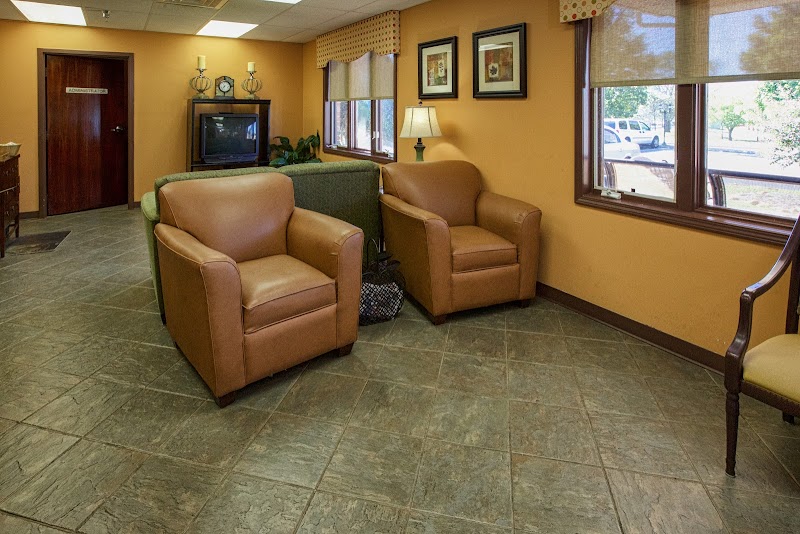
How is Stone River Post Acute Staffed?
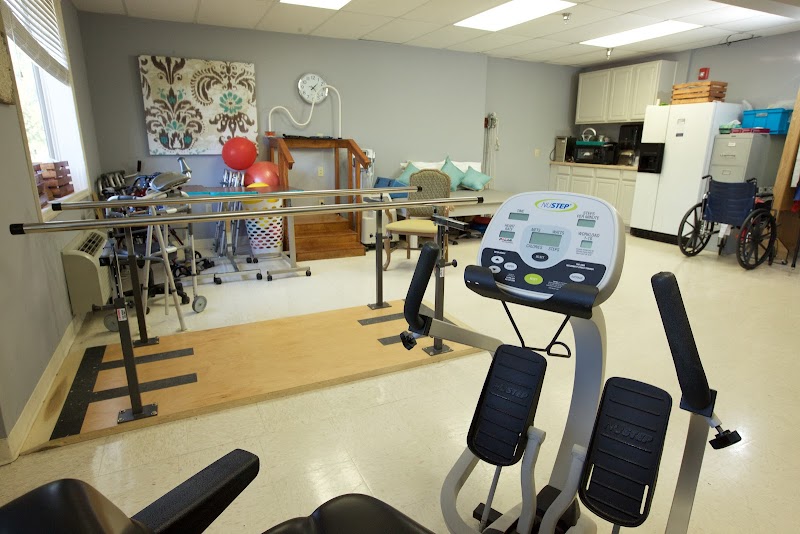
CMS rates Stone River Post Acute's staffing level at 1 out of 5 stars, which is much below average compared to other nursing homes. Staff turnover is 72%, which is 26 percentage points above the Tennessee average of 46%. High turnover can affect care consistency as new staff learn residents' individual needs. RN turnover specifically is 73%, which is notably high. RNs provide skilled clinical oversight, so turnover in this role can affect medical care quality.

What Have Inspectors Found at Stone River Post Acute?

State health inspectors documented 17 deficiencies at Stone River Post Acute during 2018 to 2024. These included: 2 Immediate Jeopardy (the most serious level, indicating potential for serious harm or death) and 15 with potential for harm. Immediate Jeopardy findings are rare and represent the most serious regulatory concerns. They require immediate corrective action.

Who Owns and Operates Stone River Post Acute?

Stone River Post Acute is owned by a for-profit company. For-profit facilities operate as businesses with obligations to shareholders or private owners. The facility is operated by AMERICAN HEALTH COMMUNITIES, a chain that manages multiple nursing homes. With 68 certified beds and approximately 58 residents (about 85% occupancy), it is a smaller facility located in MURFREESBORO, Tennessee.

How Does Stone River Post Acute Compare to Other Tennessee Nursing Homes?

Compared to the 100 nursing homes in Tennessee, Stone River Post Acute's overall rating (2 stars) is below the state average of 2.8, staff turnover (72%) is significantly higher than the state average of 46%, and health inspection rating (3 stars) is at the national benchmark.

What Should Families Ask When Visiting Stone River Post Acute?

Based on this facility's data, families visiting should ask: "What changes have been made since the serious inspection findings, and how are you preventing similar issues?" "How do you ensure continuity of care given staff turnover, and what is your staff retention strategy?" "Can you walk me through typical staffing levels on day, evening, and night shifts?" "Can I visit during a mealtime to observe dining assistance and food quality?" These questions are particularly relevant given the facility's Immediate Jeopardy citations, the facility's high staff turnover rate, and the below-average staffing rating.

Is Stone River Post Acute Safe?

Based on CMS inspection data, Stone River Post Acute has documented safety concerns. Inspectors have issued 2 Immediate Jeopardy citations (the most serious violation level indicating risk of serious injury or death). The facility has a 2-star overall rating and ranks #100 of 100 nursing homes in Tennessee. Families considering this facility should ask detailed questions about what corrective actions have been taken since these incidents.

Do Nurses at Stone River Post Acute Stick Around?

Staff turnover at Stone River Post Acute is high. At 72%, the facility is 26 percentage points above the Tennessee average of 46%. Registered Nurse turnover is particularly concerning at 73%. RNs handle complex medical decisions and coordinate care — frequent RN changes can directly impact care quality. High turnover means new staff may not know residents' individual needs, medications, or preferences. It can also be disorienting for residents, especially those with dementia who rely on familiar faces. Families should ask: What is causing the turnover? What retention programs are in place? How do you ensure care continuity during staff transitions?

Was Stone River Post Acute Ever Fined?

Stone River Post Acute has been fined $3,145 across 1 penalty action. This is below the Tennessee average of $33,110. While any fine indicates a compliance issue, fines under $50,000 are relatively common and typically reflect isolated problems that were subsequently corrected. Families should ask what specific issues led to these fines and confirm they've been resolved.

Is Stone River Post Acute on Any Federal Watch List?

Stone River Post Acute is not on any federal watch list. The most significant is the Special Focus Facility (SFF) program, which identifies the bottom 1% of nursing homes nationally based on persistent, serious quality problems. Not being on this list means the facility has avoided the pattern of deficiencies that triggers enhanced federal oversight. This is a positive indicator, though families should still review the facility's inspection history directly.